MERYLL SAMANTHA RAYMUNDO
B.Env.D | M.I.D
INTERIOR DESIGN PORTFOLIO
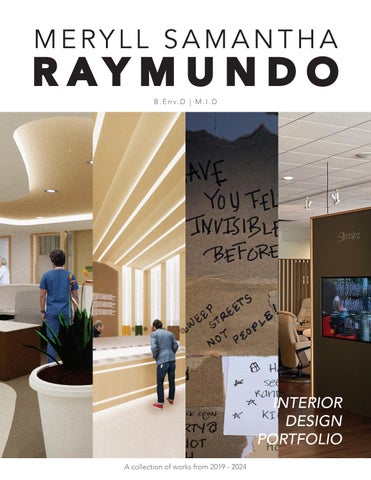
B.Env.D | M.I.D
B.Env.D | M.I.D
This portfolio features a carefully curated selection of projects completed throughout my professional and academic career, with a primary focus on work from my Master’s Program at The University of Manitoba, as well as my role as a Design Sales Consultant.
The projects showcased span from 2019 to 2024.
Parkinson’s Rehabilitation Clinic
Masters Practicum 2024 3 3
Museum of Spice
Masters Studio Project 2021
Houseless: Museum Exhibit
Masters Studio Project 2019
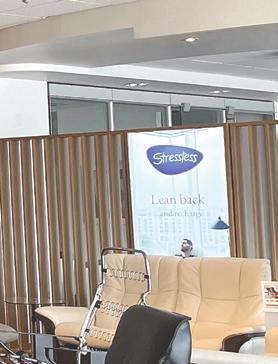
Kesay Furniture Studio
Showroom Update 2024
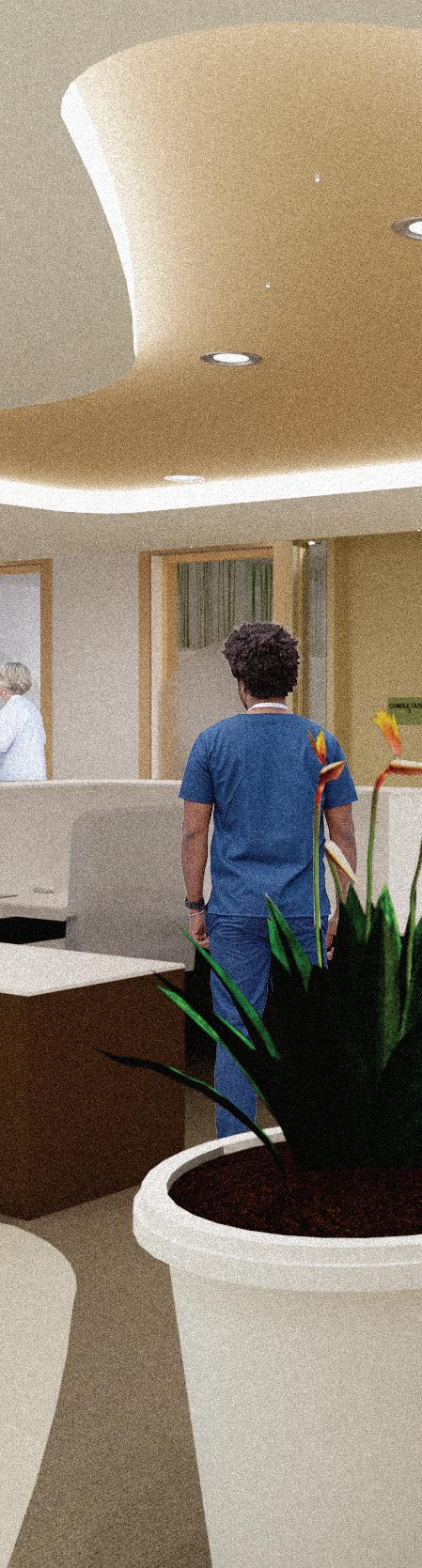
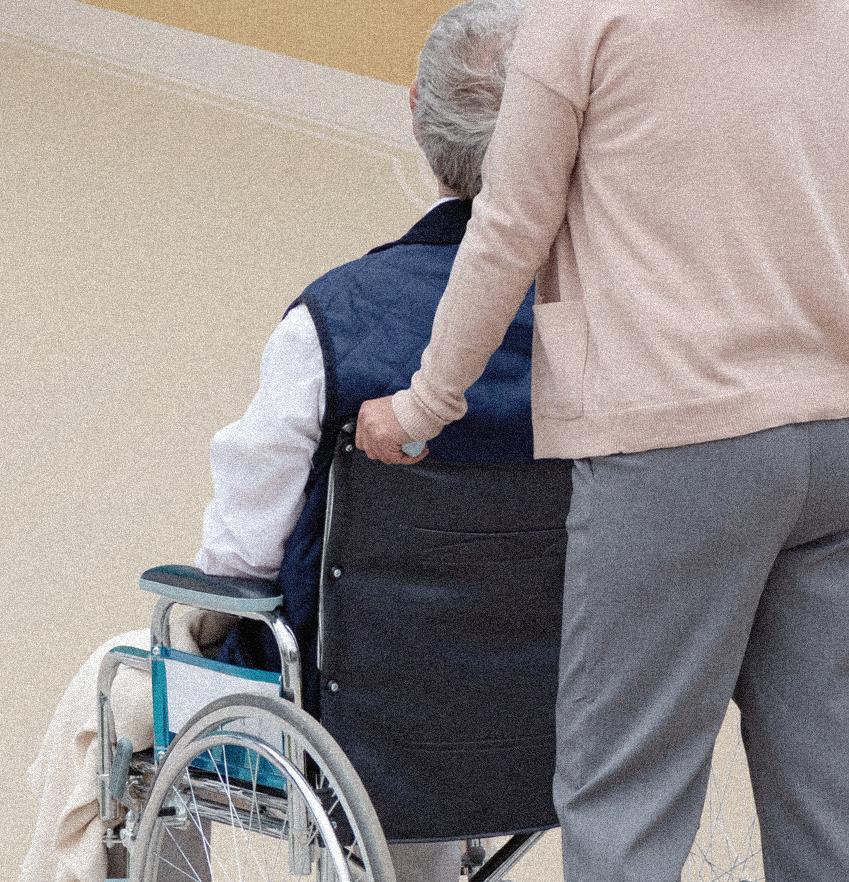
Physical environments, whether purposefully built or naturally existing, pose challenges for individuals with Parkinson’s. The relationship between Parkinson’s Disease and interior design is a growing area of study due to the physical challenges and environmental risks. Exploring this topic further can enhance our understanding of how interior design can support individuals with Parkinson’s and create safer, more accessible spaces.
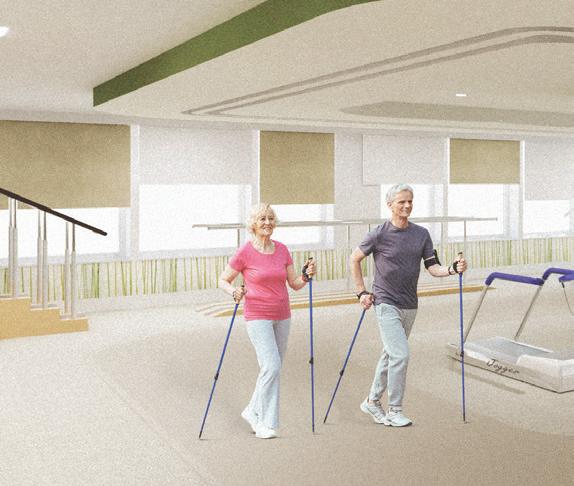
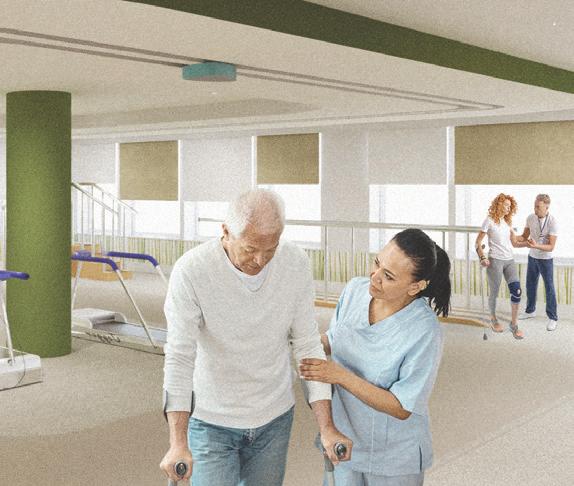
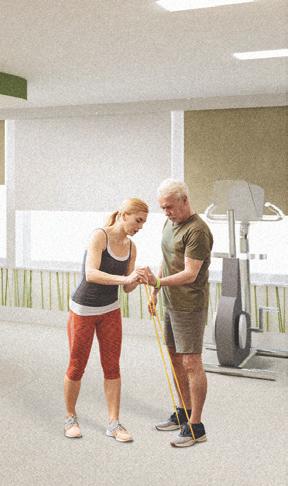
The practicum project analyzed the practical implications of interior hazards related to Parkinson’s Disease. It examined how these hazards impact individuals’ interactions with their environment and proposed accessible design solutions to optimize movement control and well-being while reducing fall-related injuries.
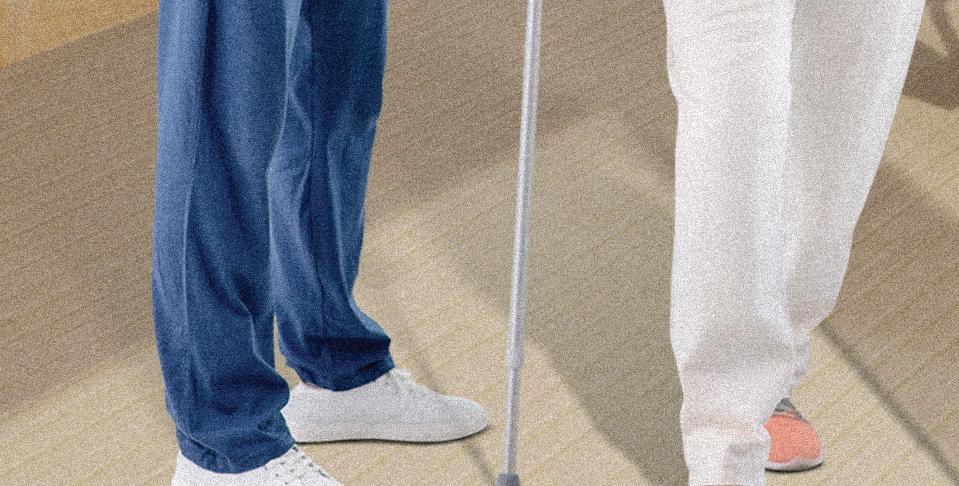

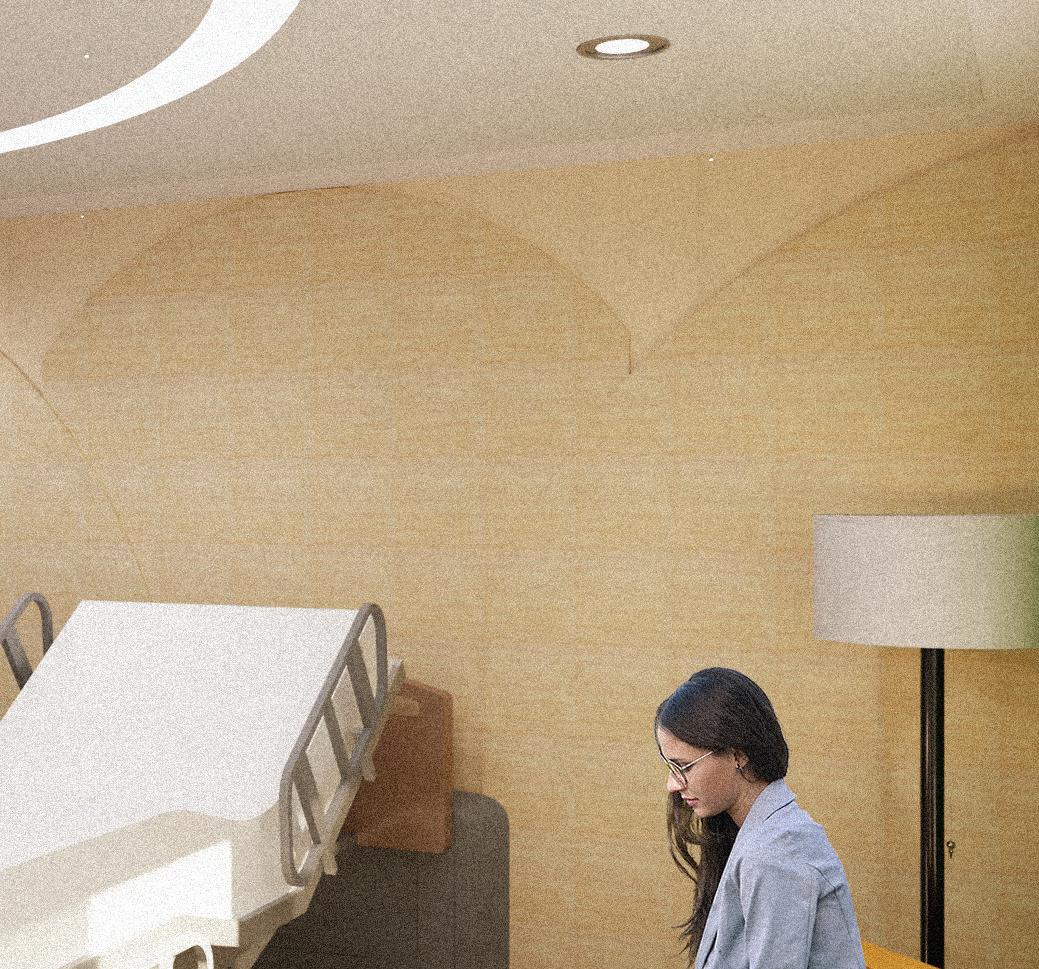
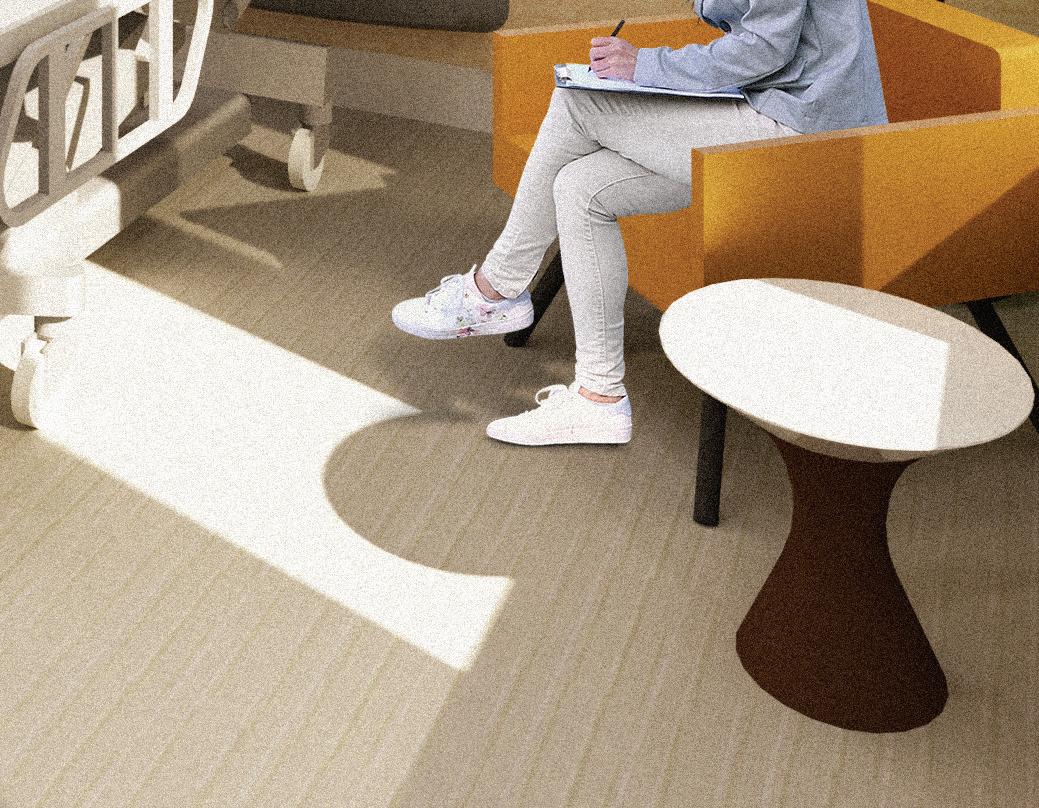
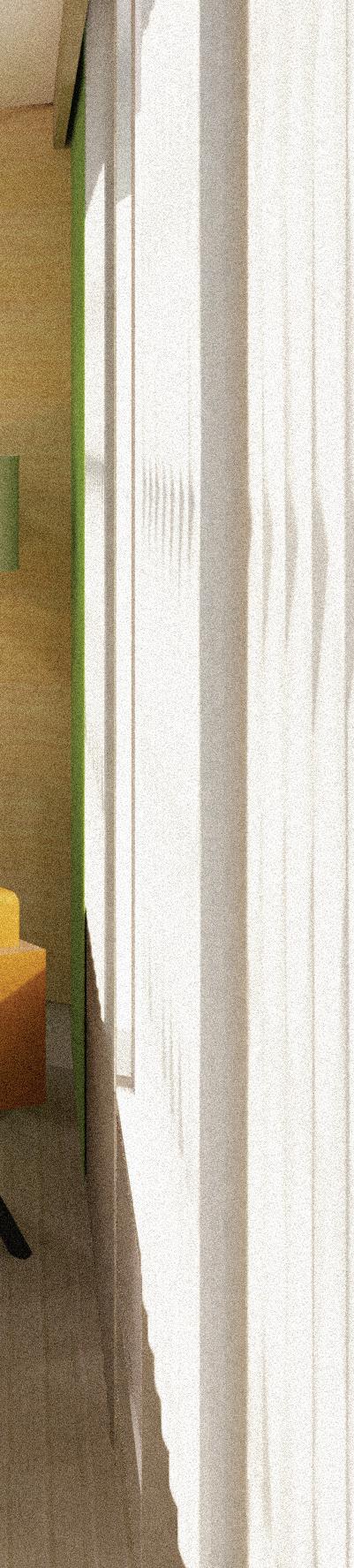
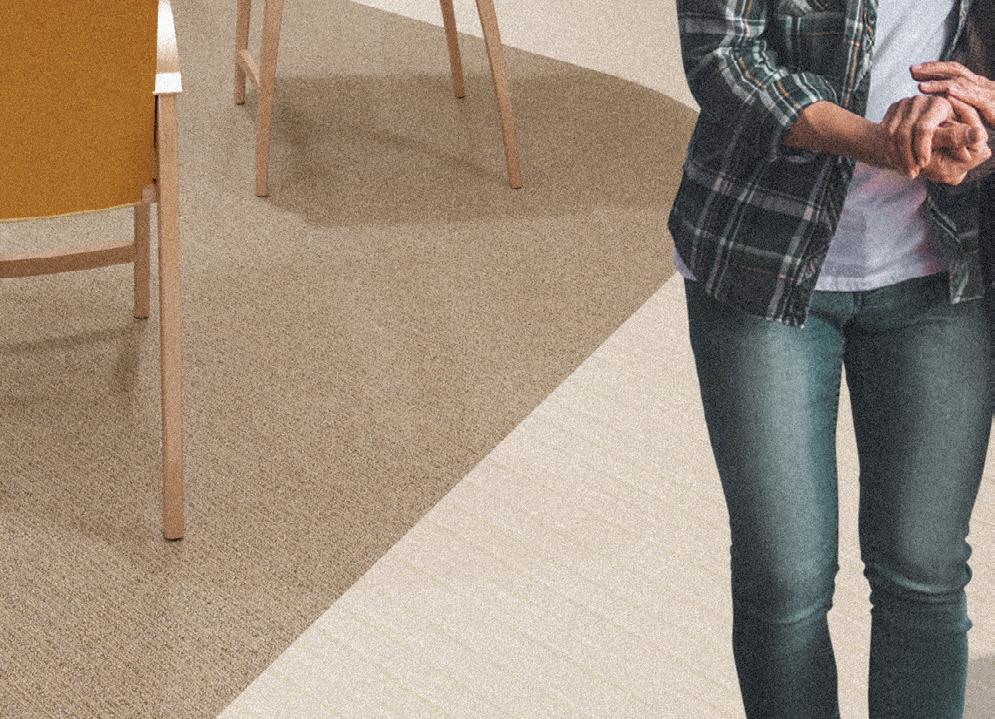
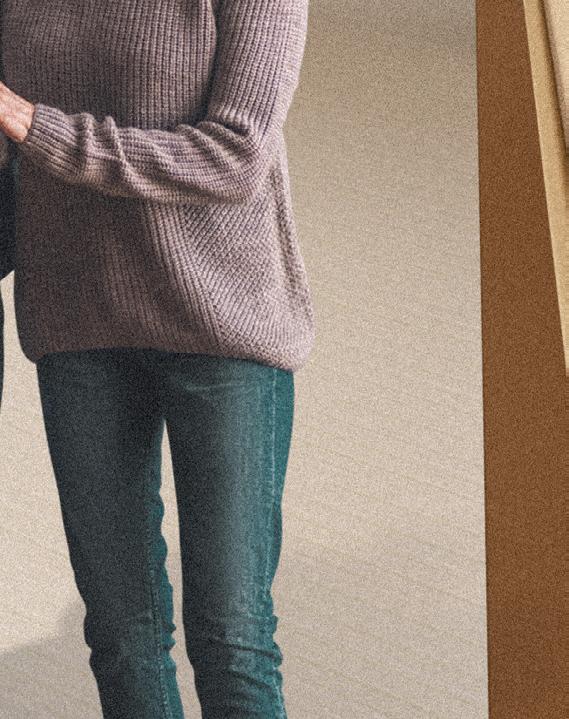
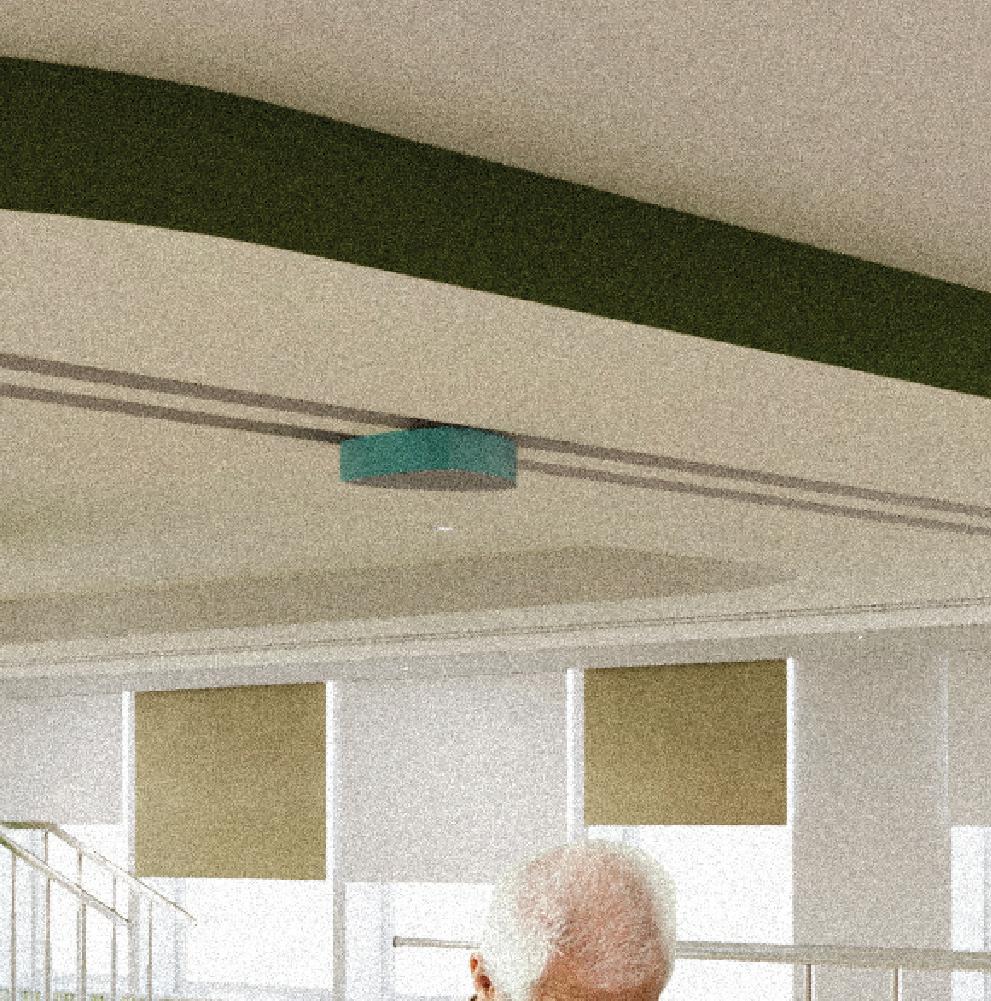
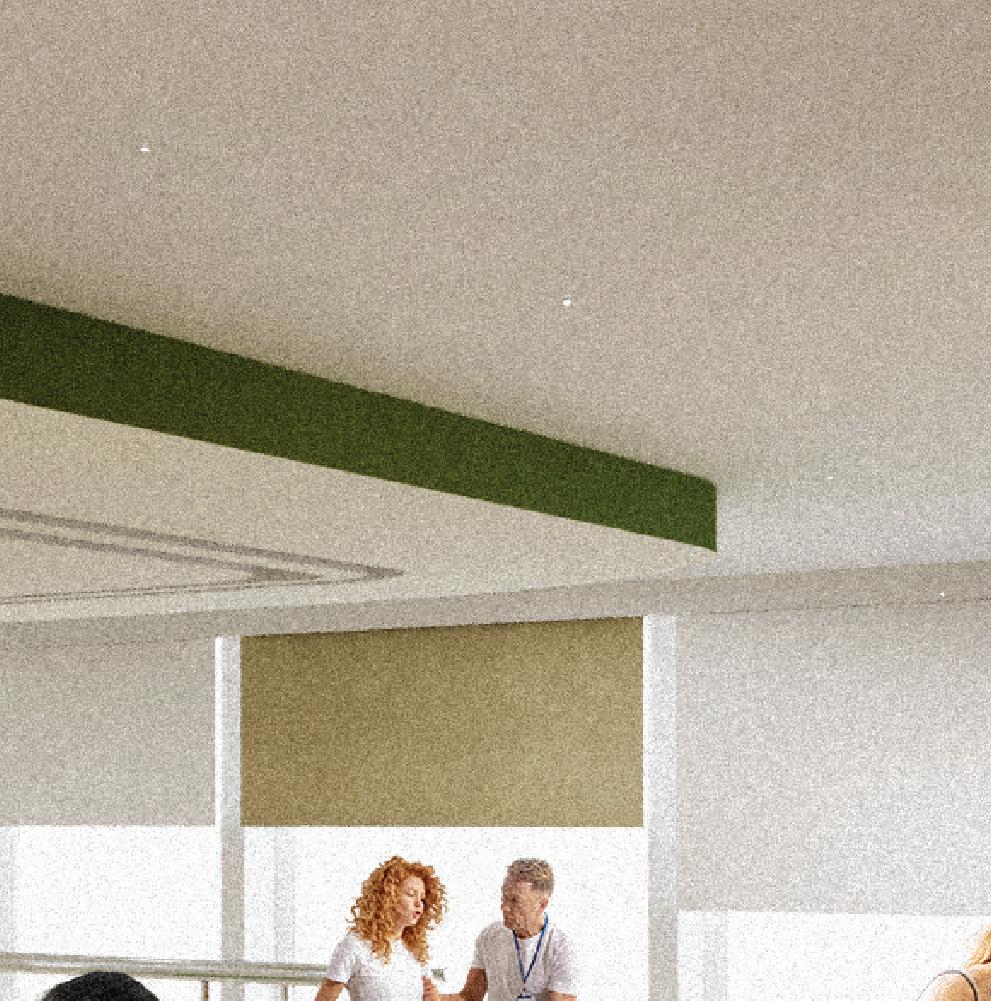
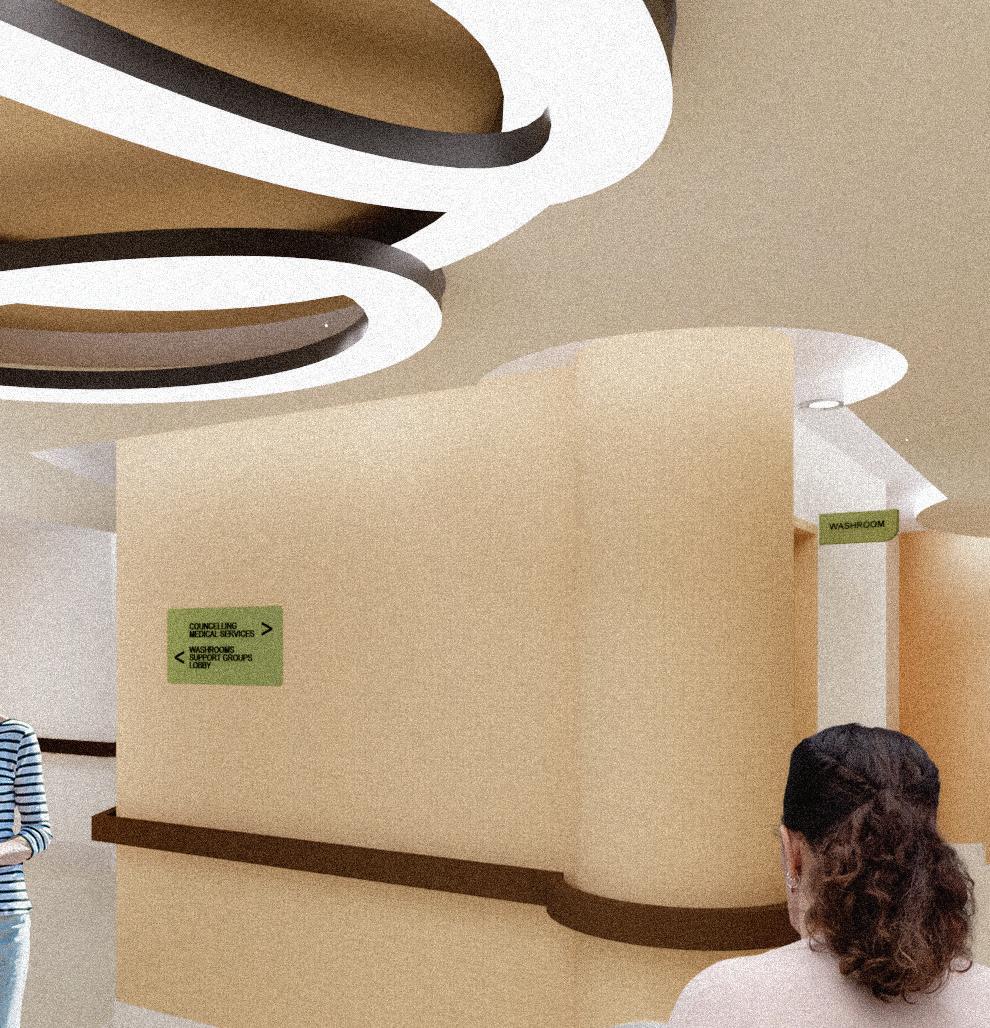
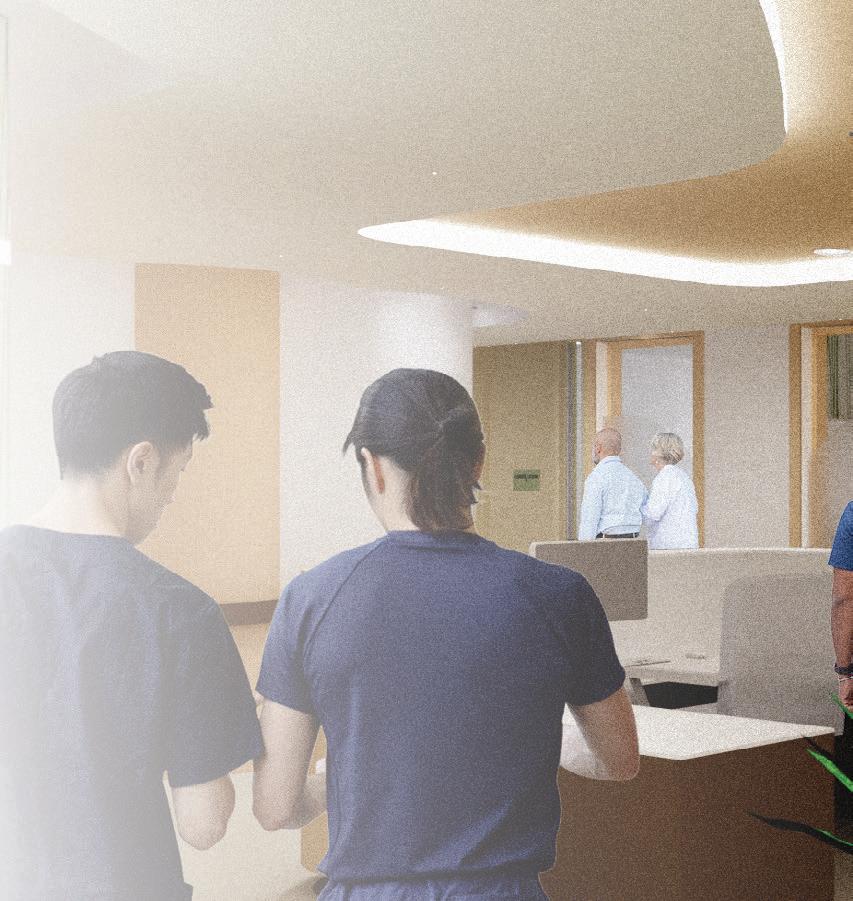
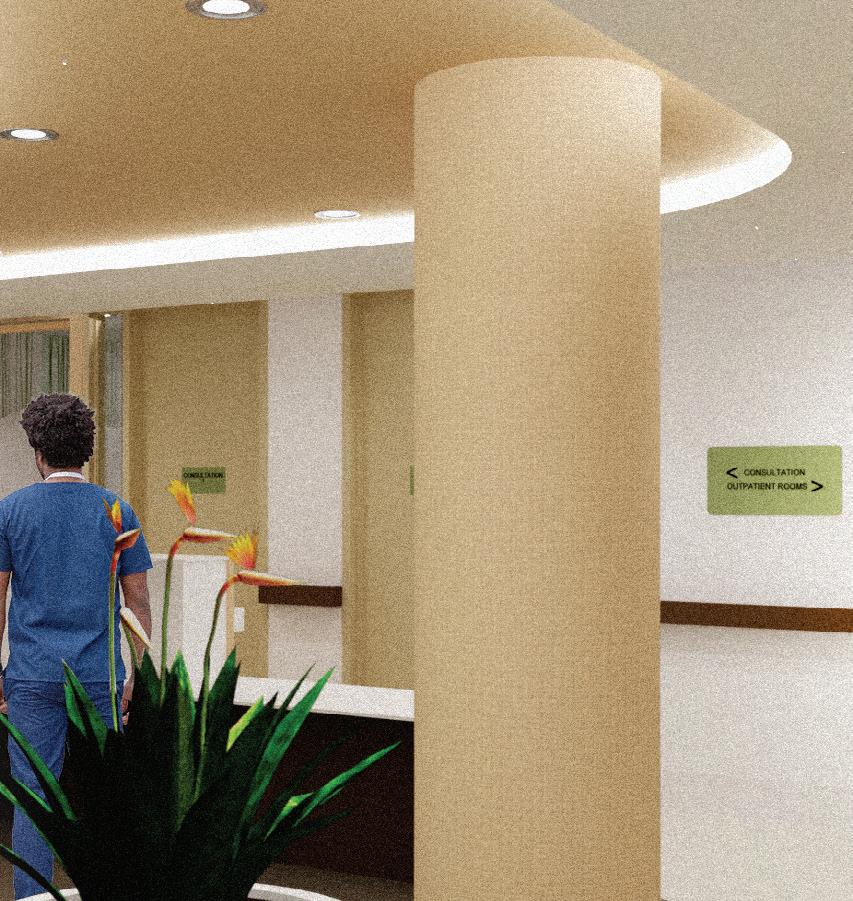
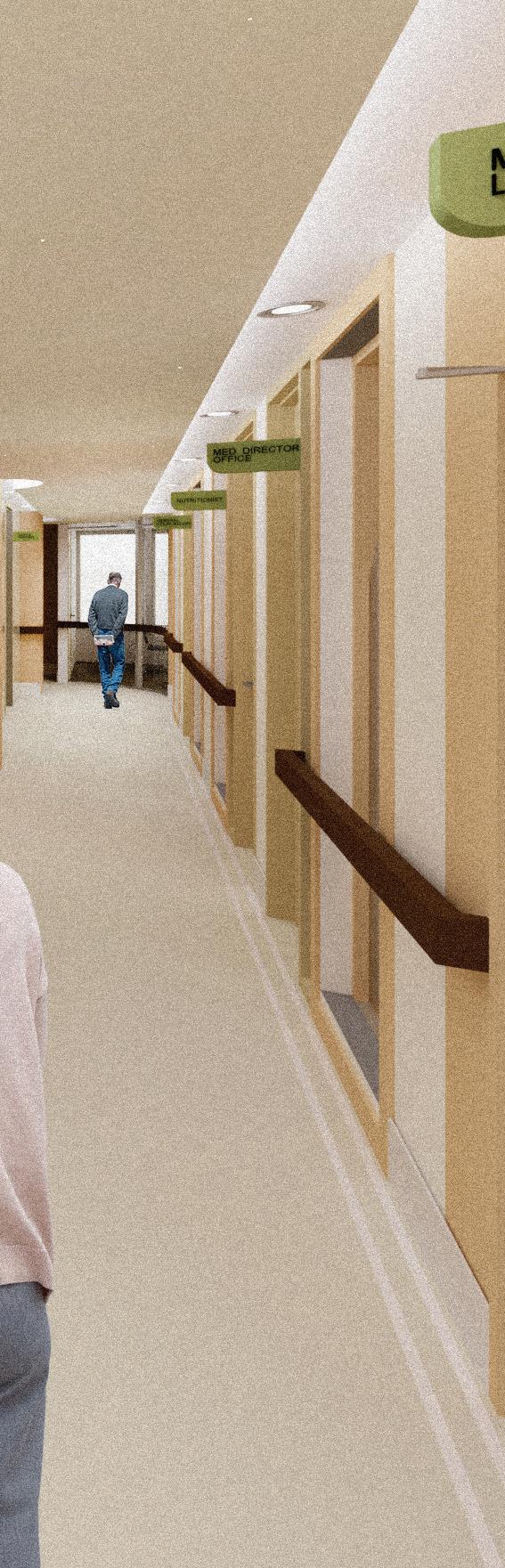
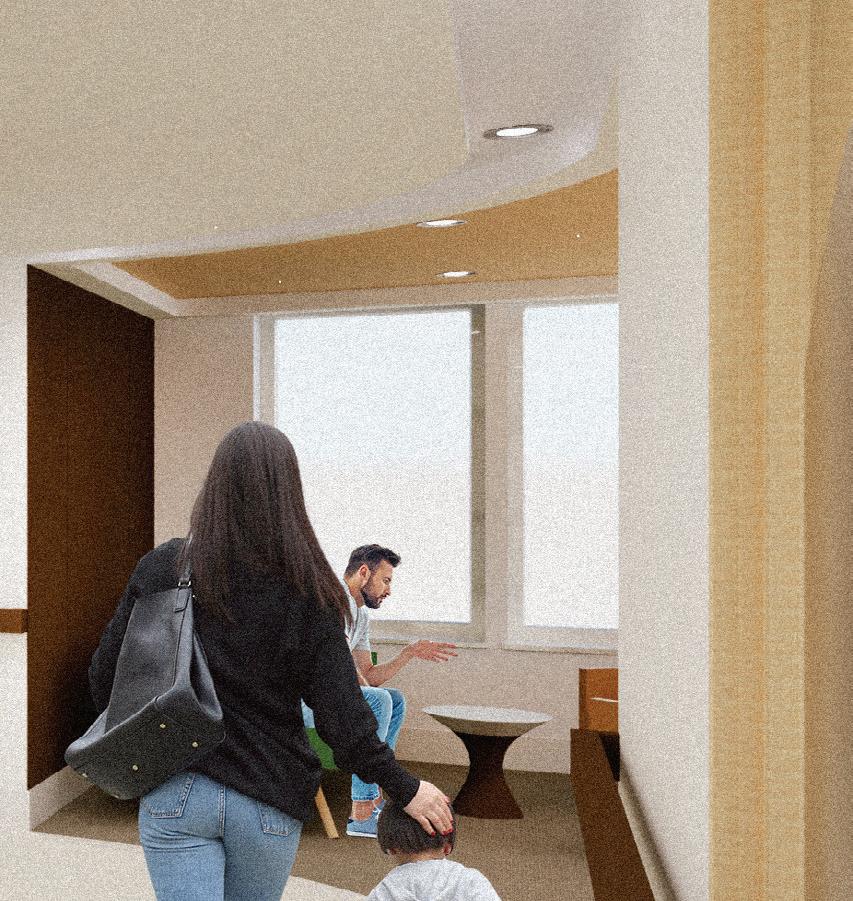
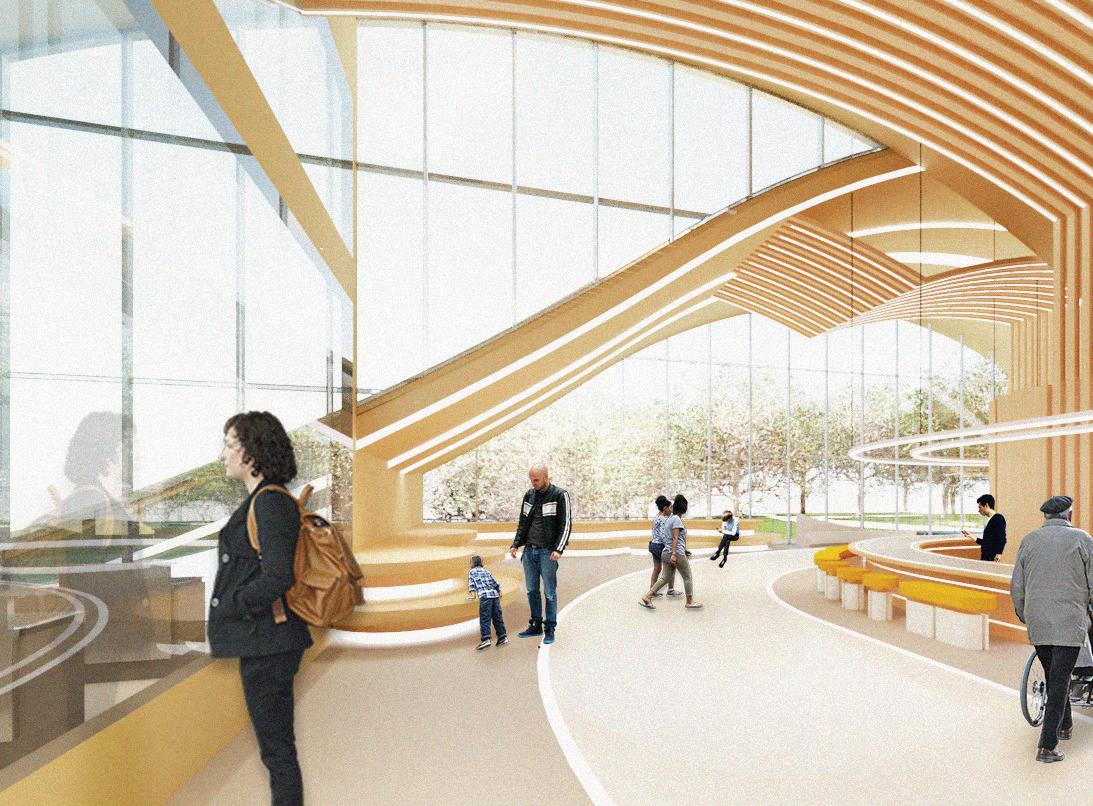
The fifth level of Five Donald is the clinical and examination floor of the rehabilitation clinic, providing healthcare support for non-physical symptoms of Parkinson’s. It offers speech and language pathology, nutrition counseling, and specialized counseling for patients, families, and caregivers. The floor includes an inhouse medical laboratory and a radiology department. The layout is designed for easy navigation for individuals with Parkinson’s, with curved pathways and private areas with city or river views.
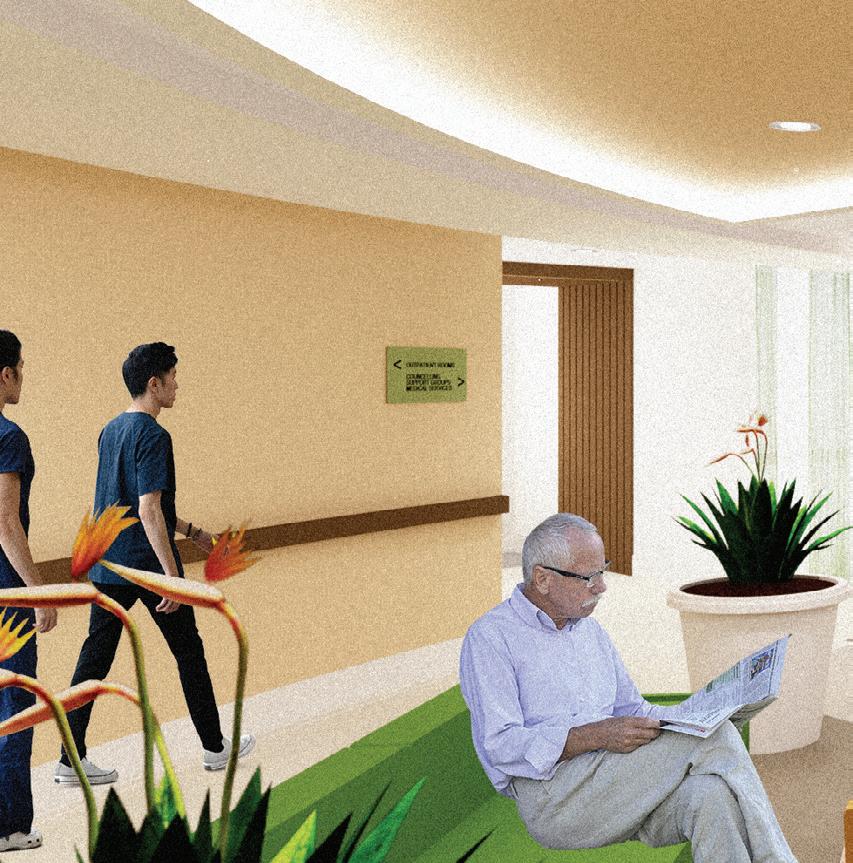
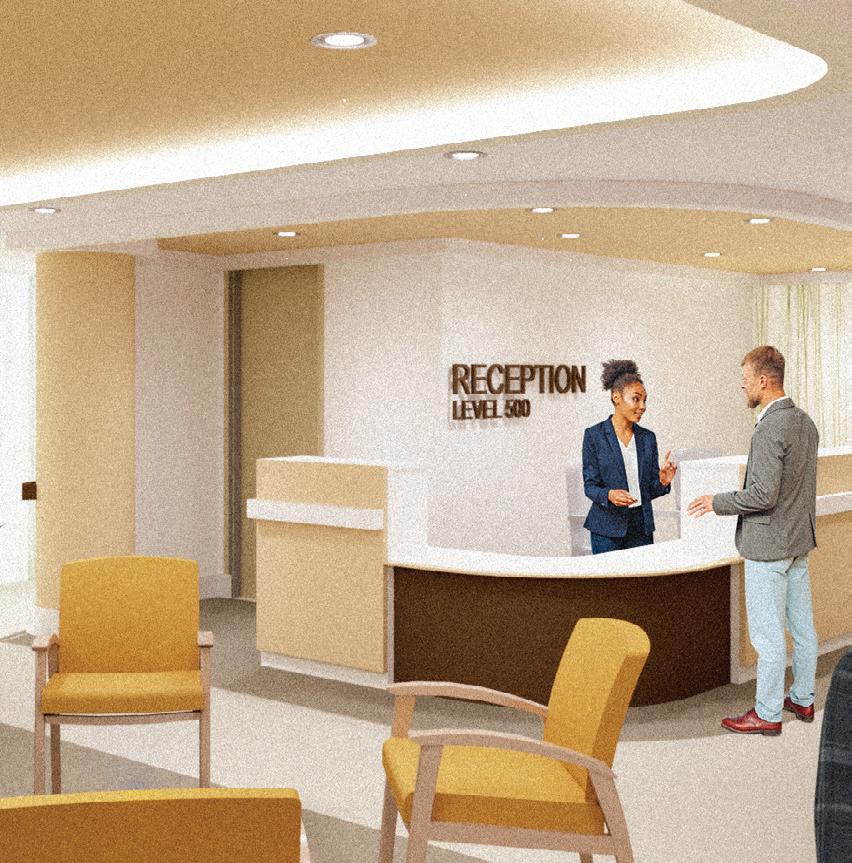
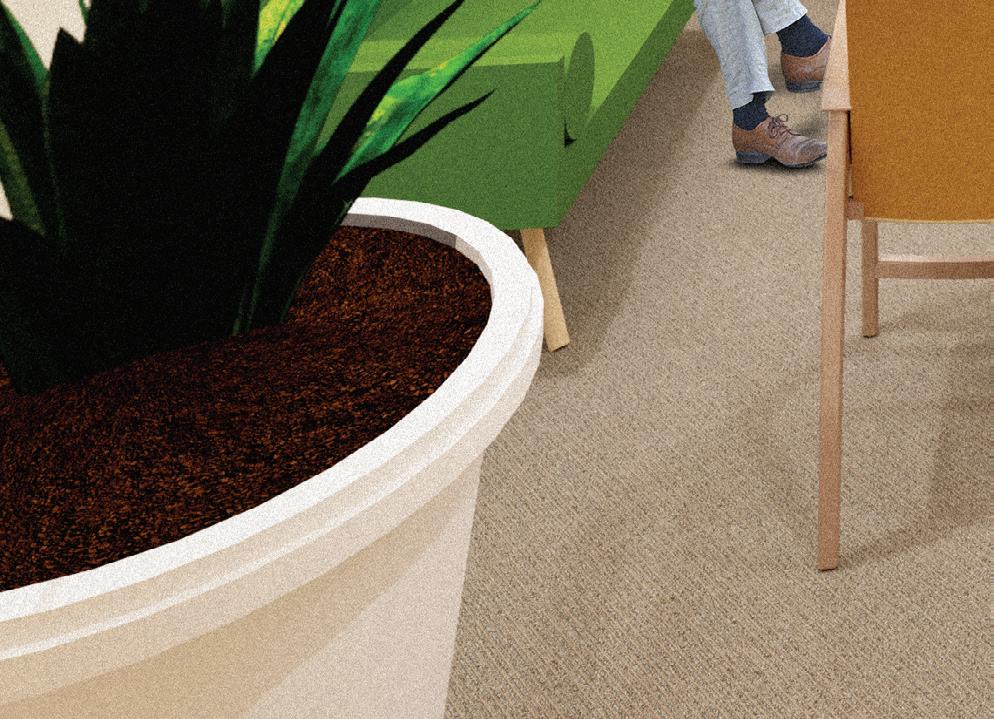
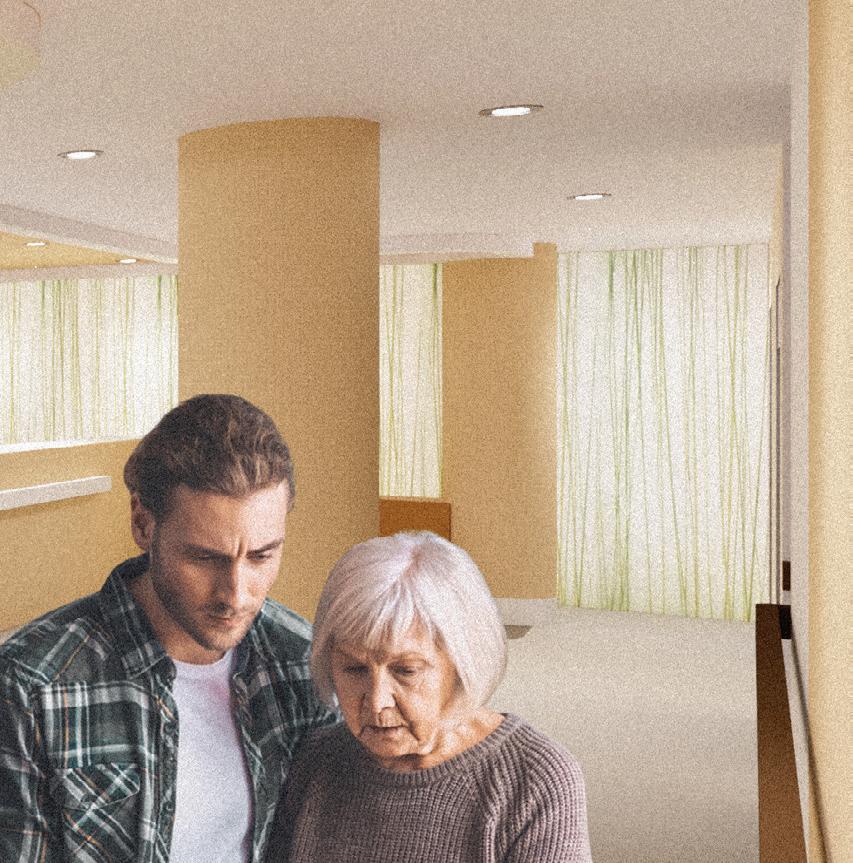
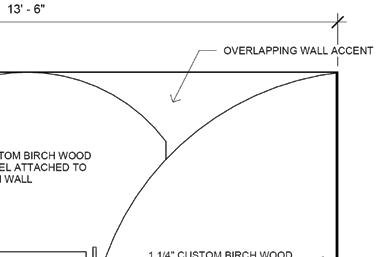
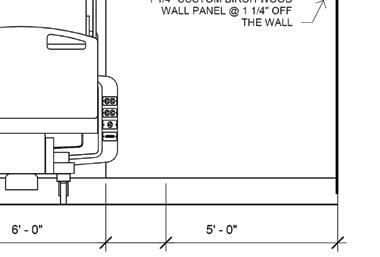


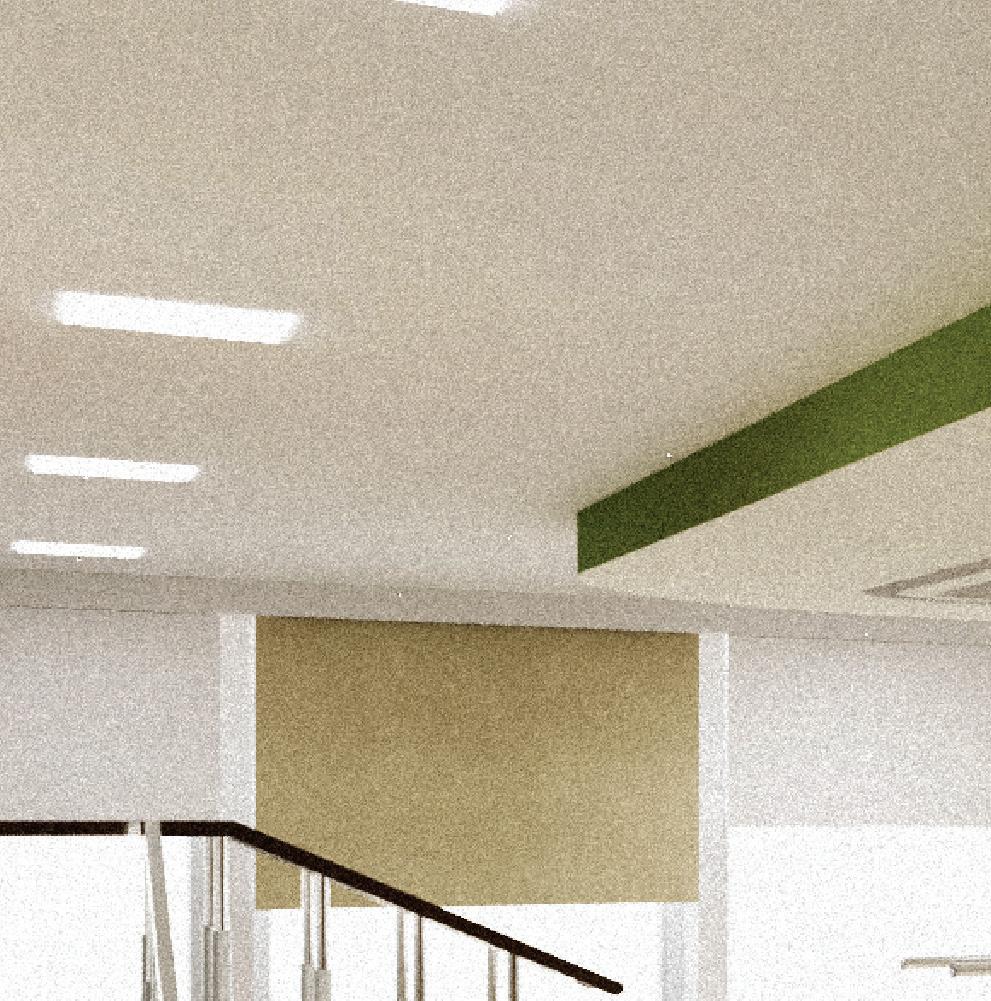
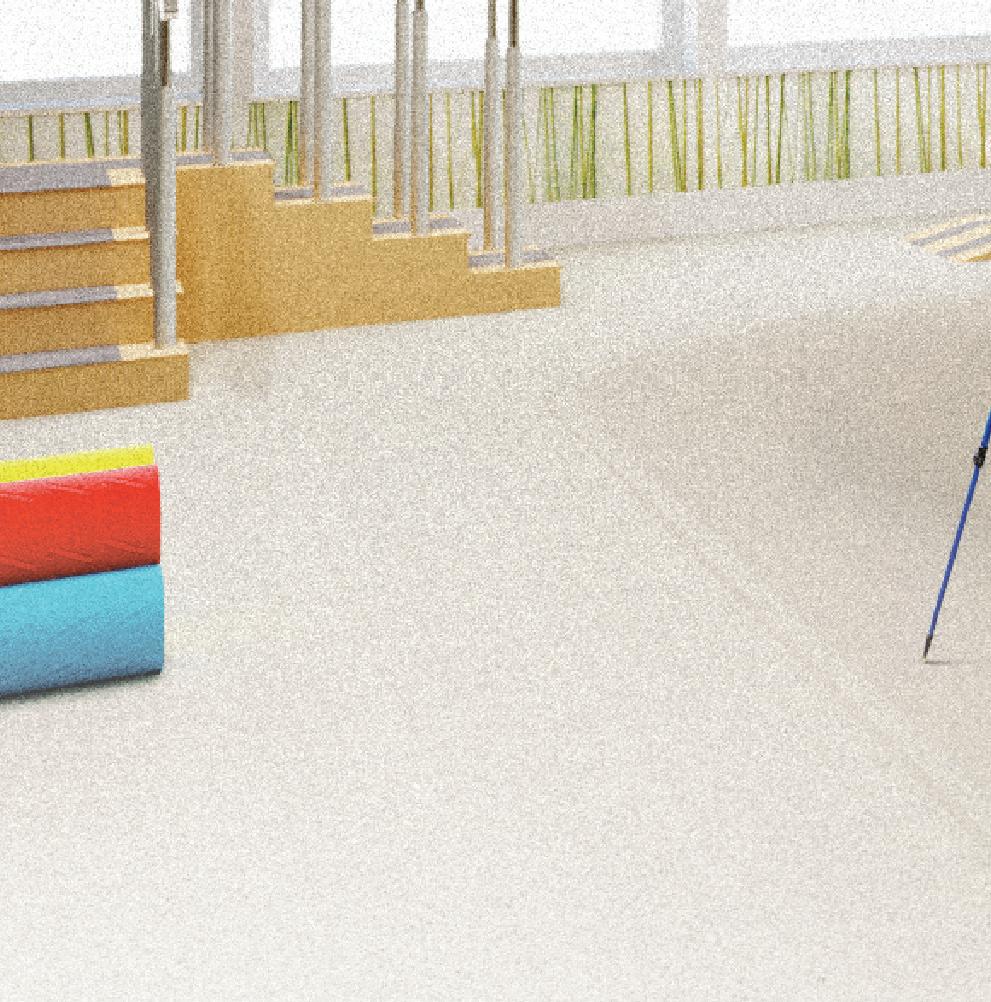
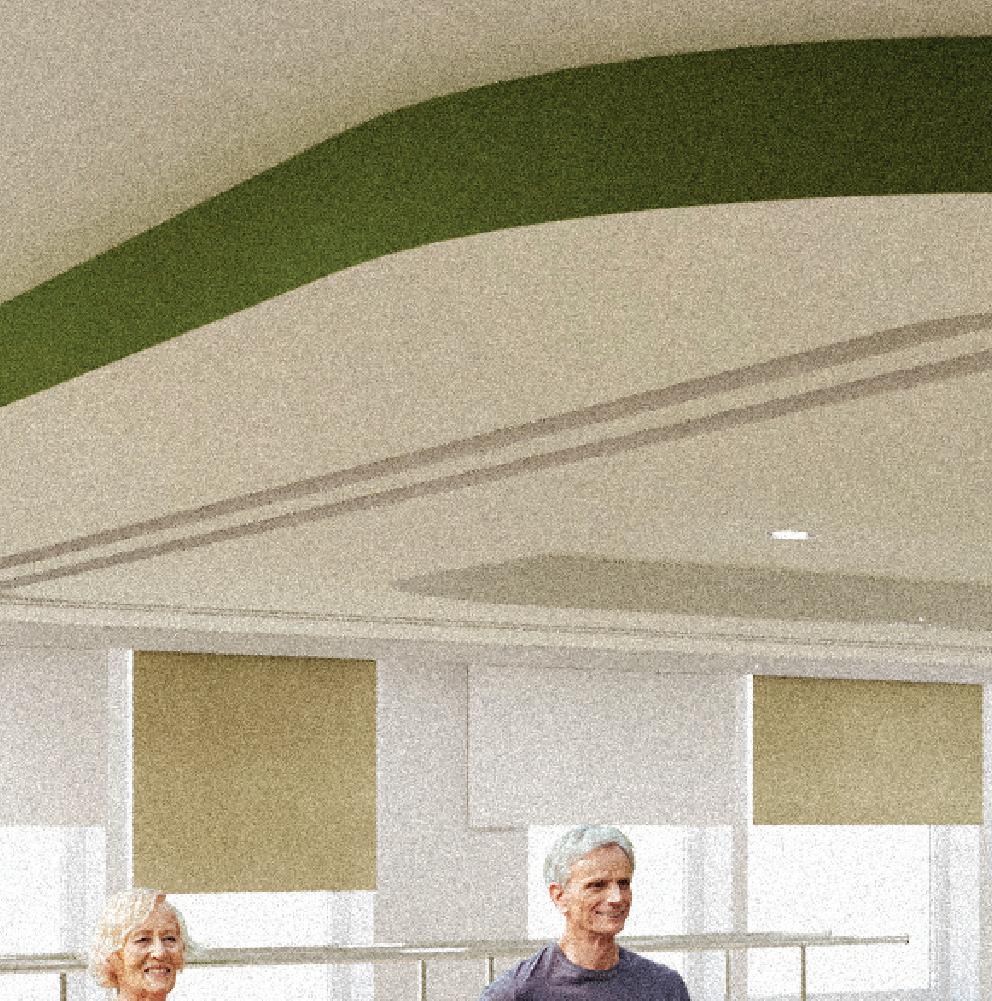
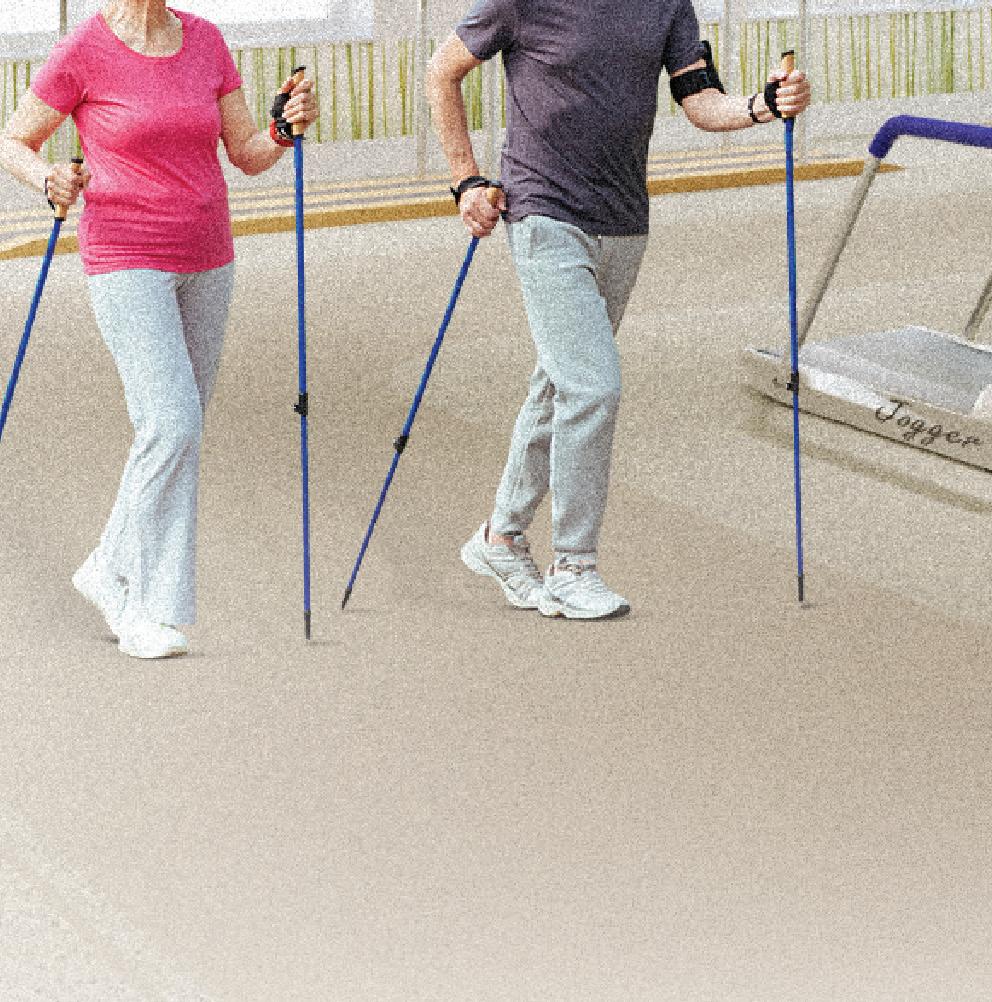

Rehabilitation Floor
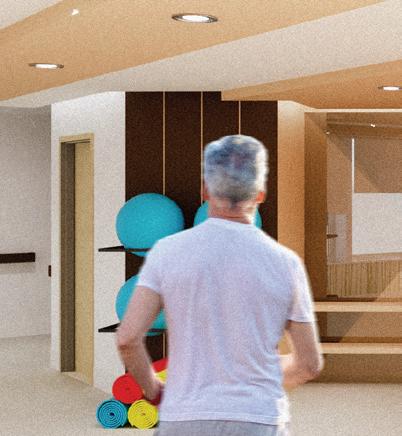
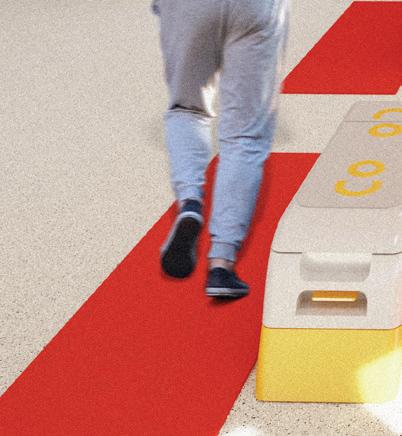
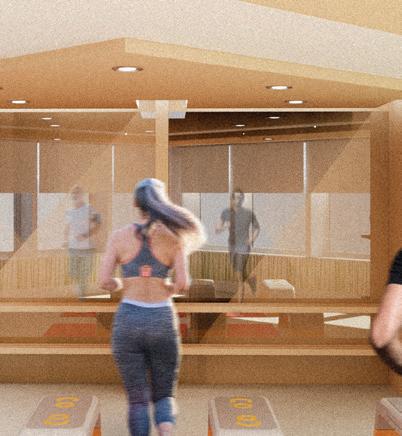
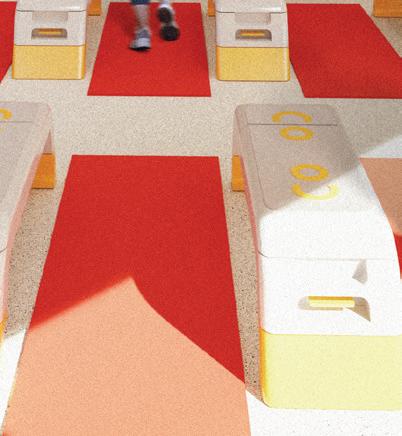
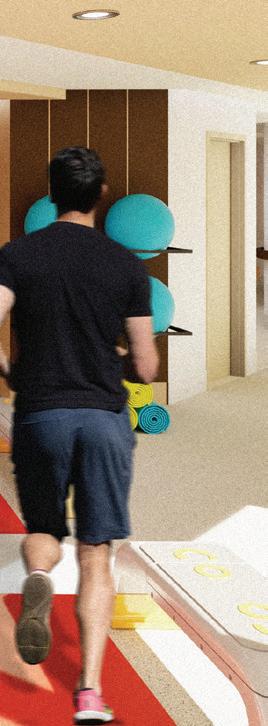
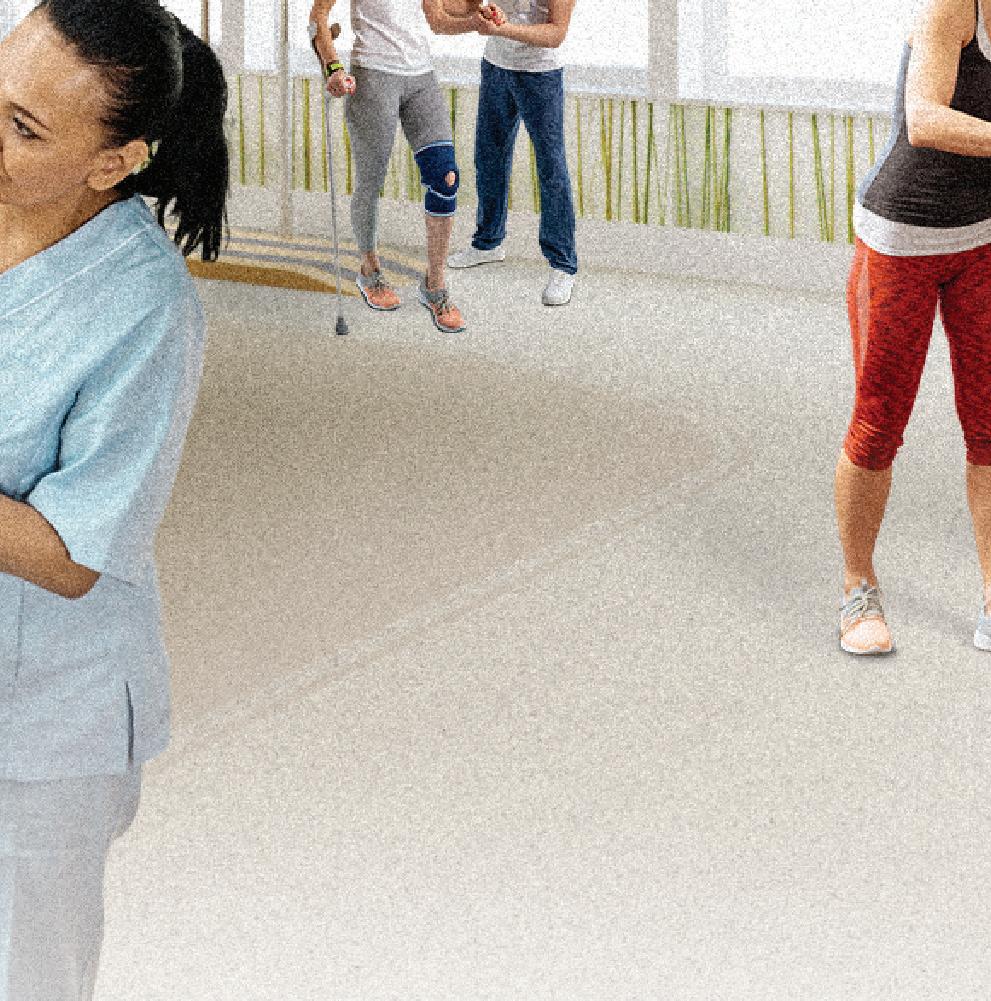
The sixth floor of the building is dedicated to the therapy unit for individuals with Parkinson’s, providing customized rehabilitation spaces based on their movement abilities. Activities are tailored to suit each individual’s needs, considering the diverse physical and cognitive traits associated with the condition. The design of this floor aligns with the medical unit, ensuring easy navigation and a cohesive aesthetic. Careful spatial planning ensures privacy in public areas and maximizes views of nature for therapeutic purposes.







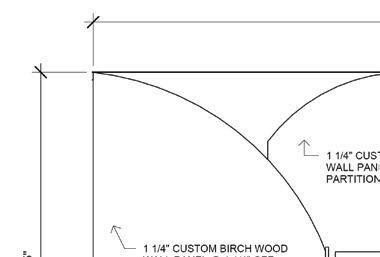
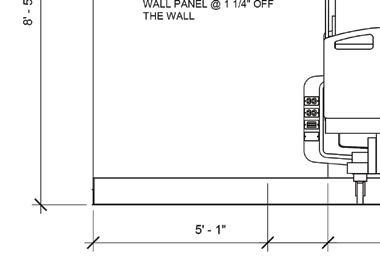
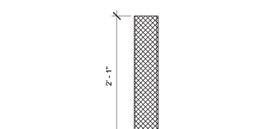
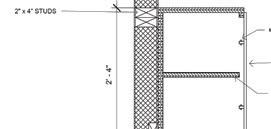
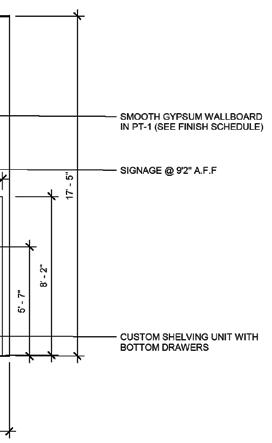
Accessible Washroom Wall Elevation NTS
1/4" = 1'-0"
























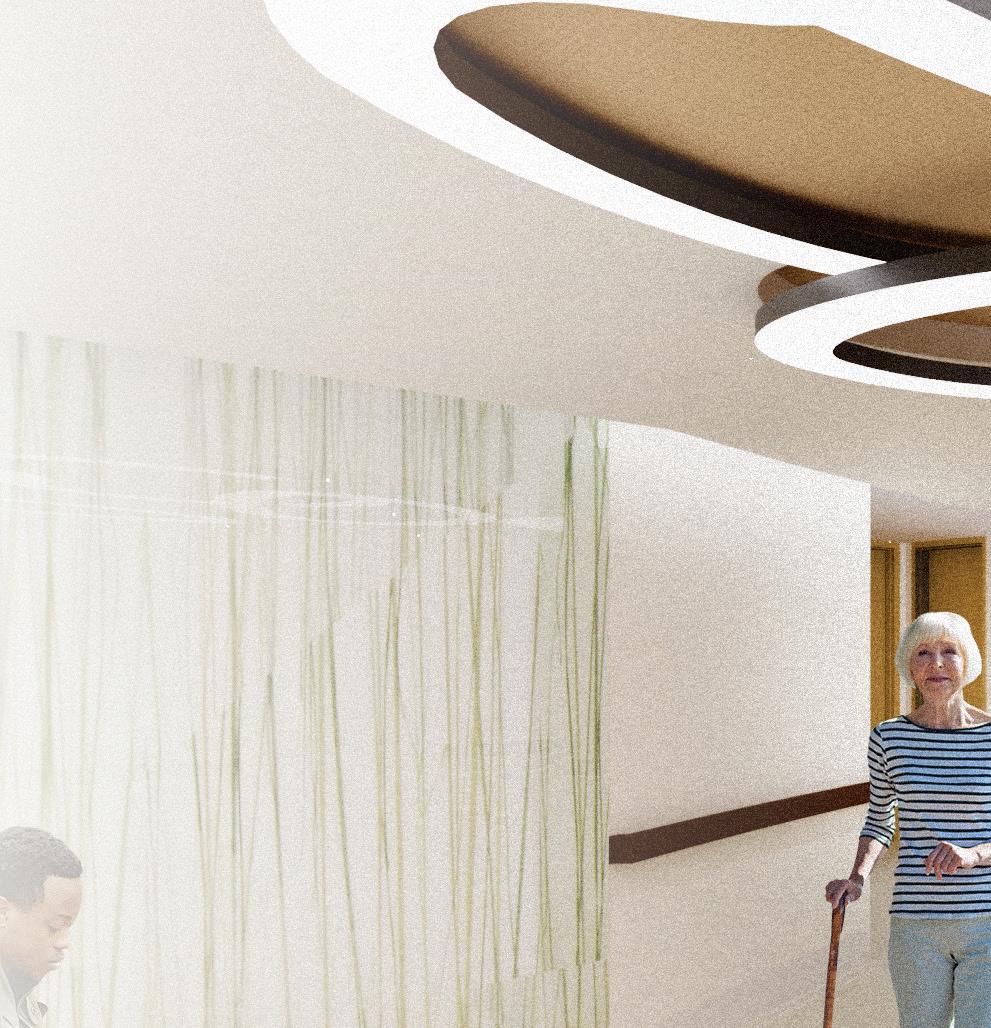
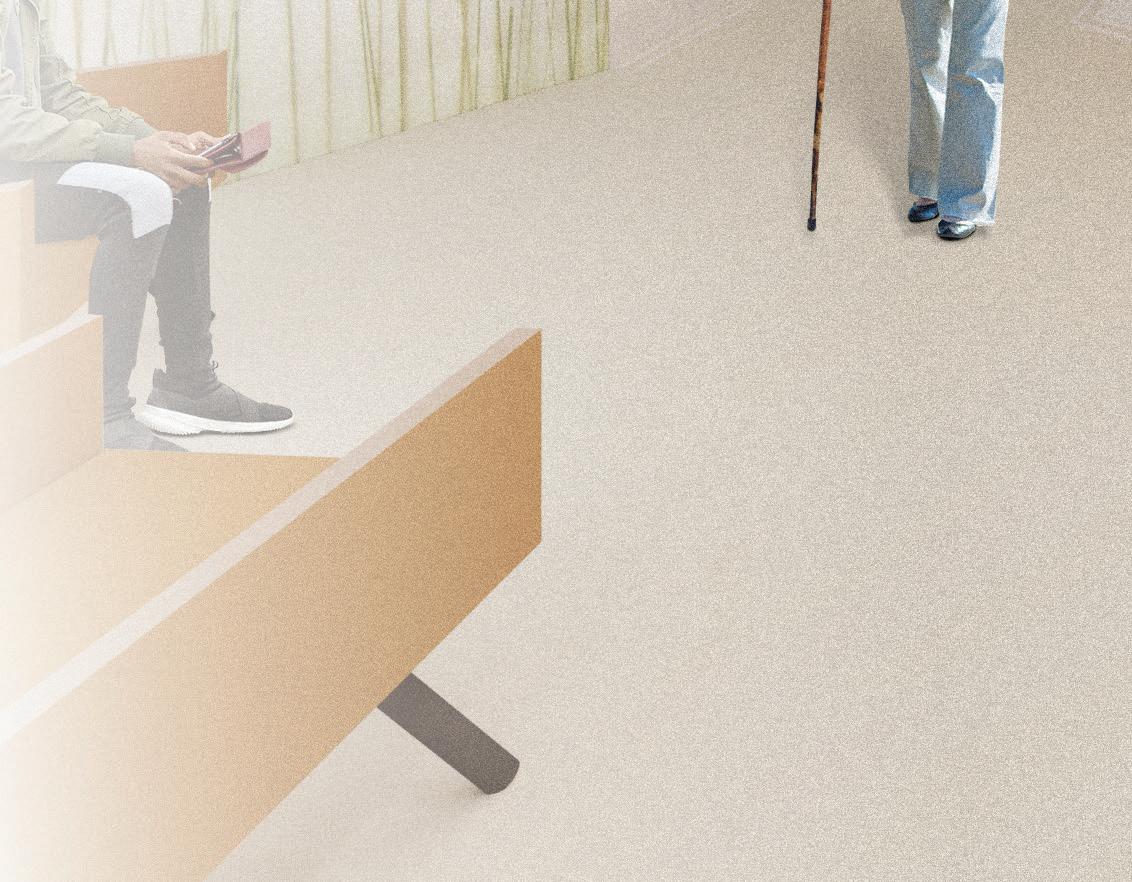
The building has accessibility features for individuals with disabilities, such as handrails, floor strips, accessible washrooms, signage, frosted glass, rest areas, and natural elements for a calming environment.

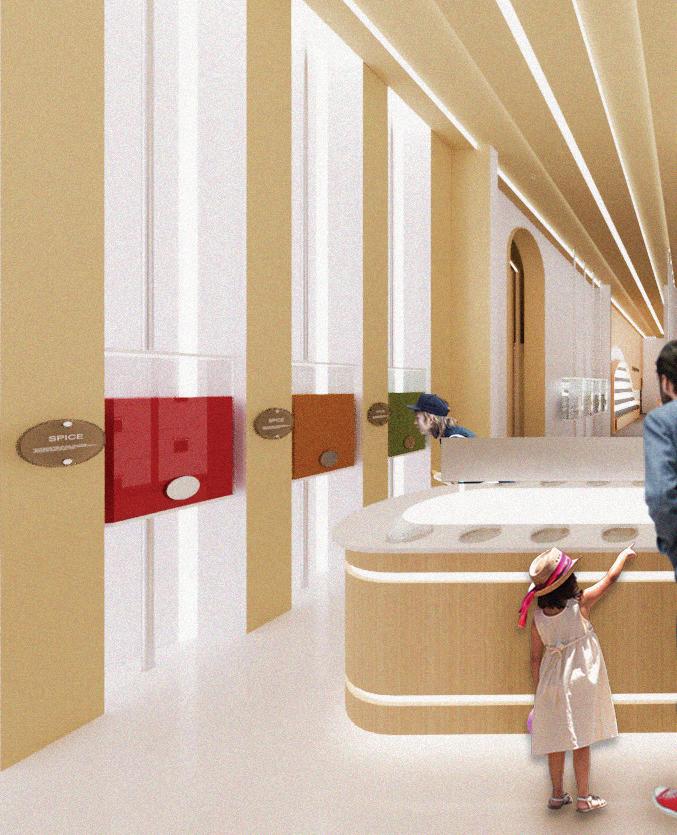
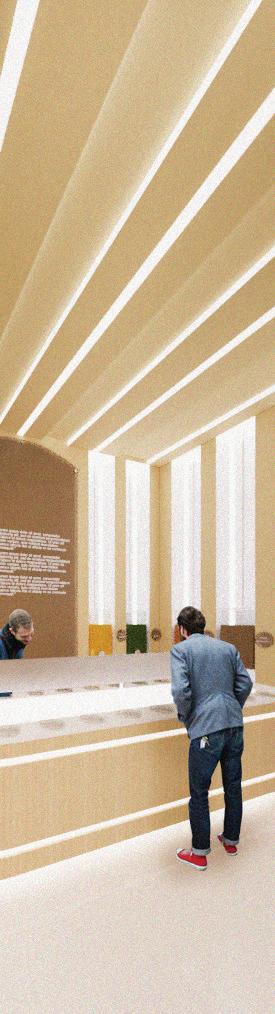
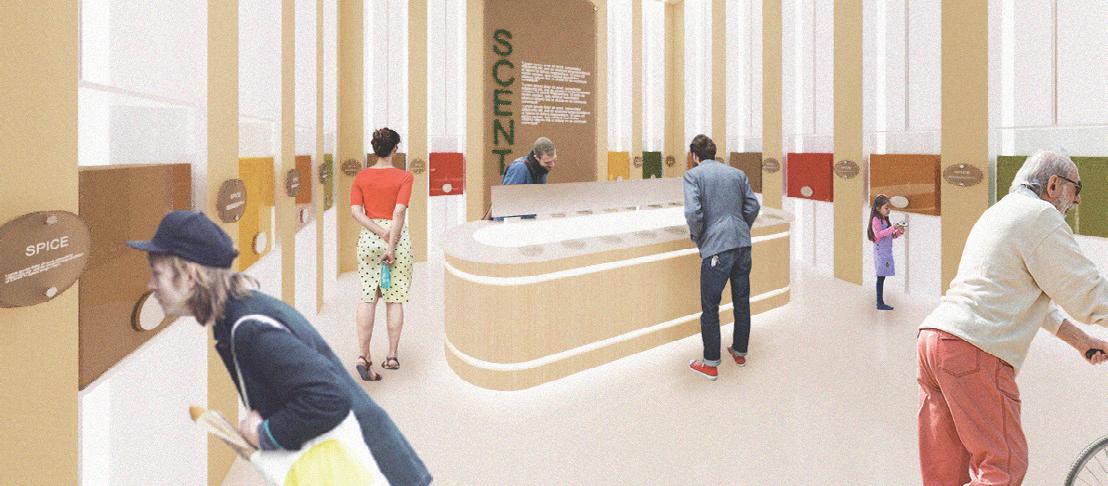
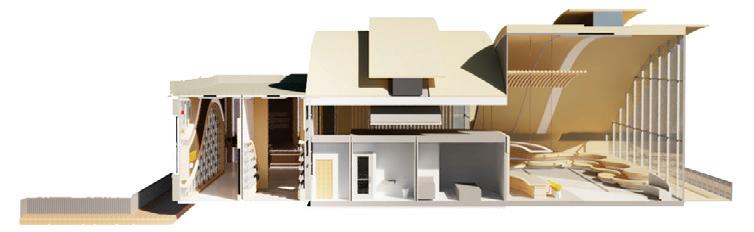
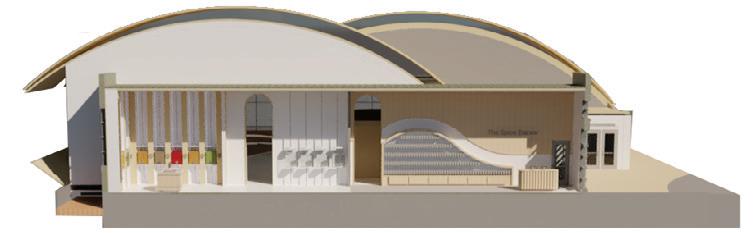
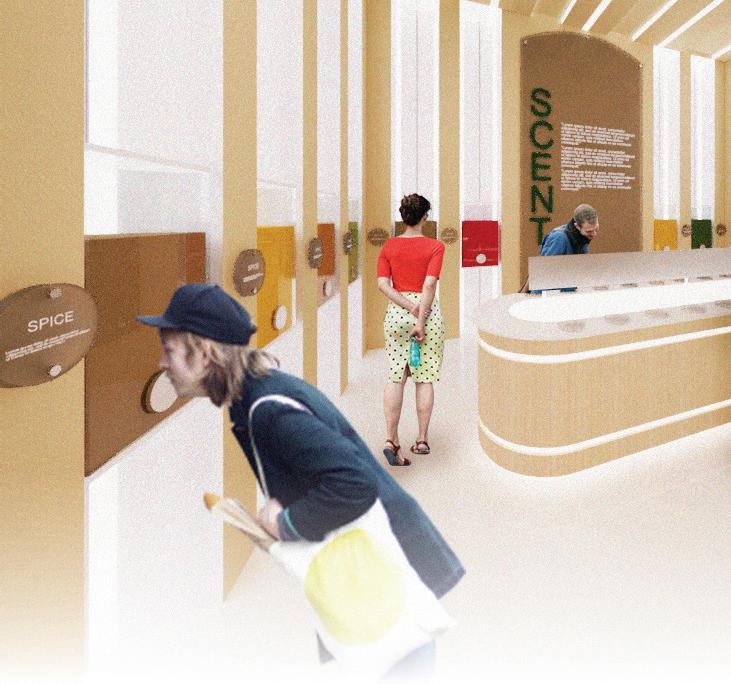
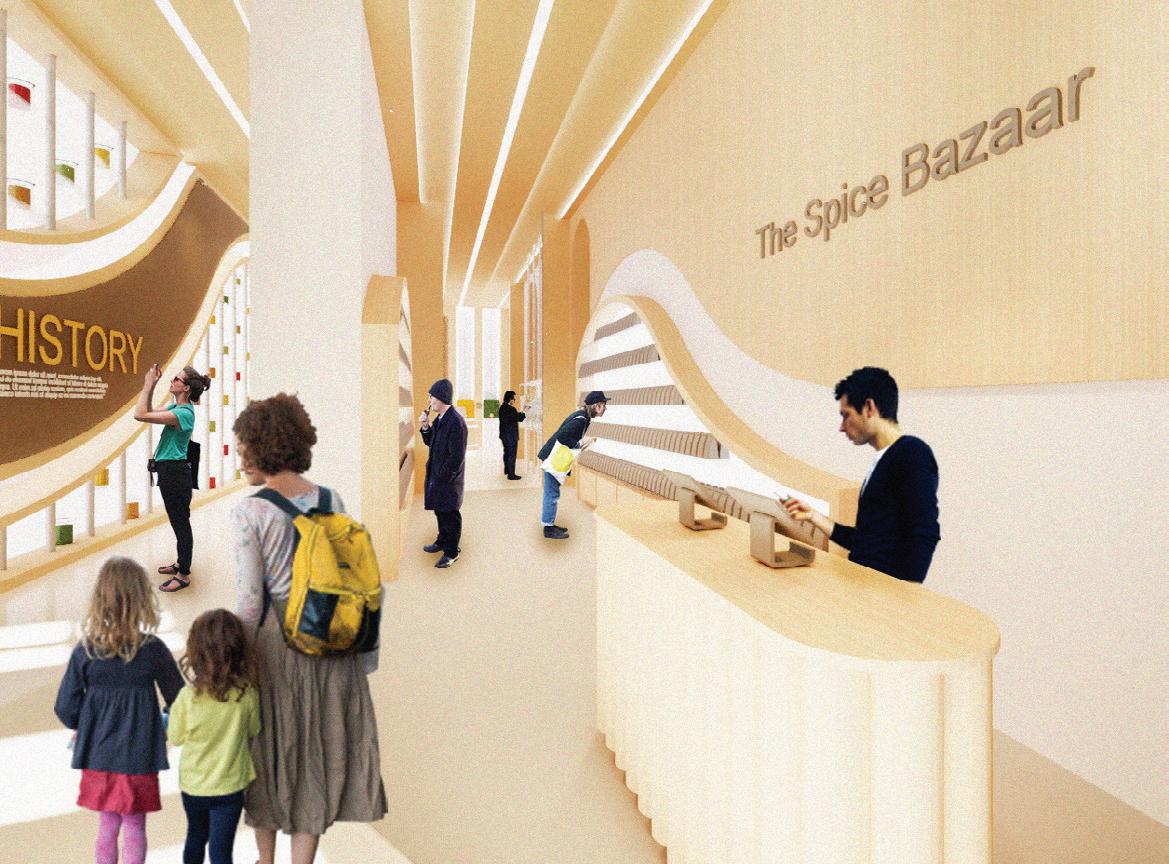
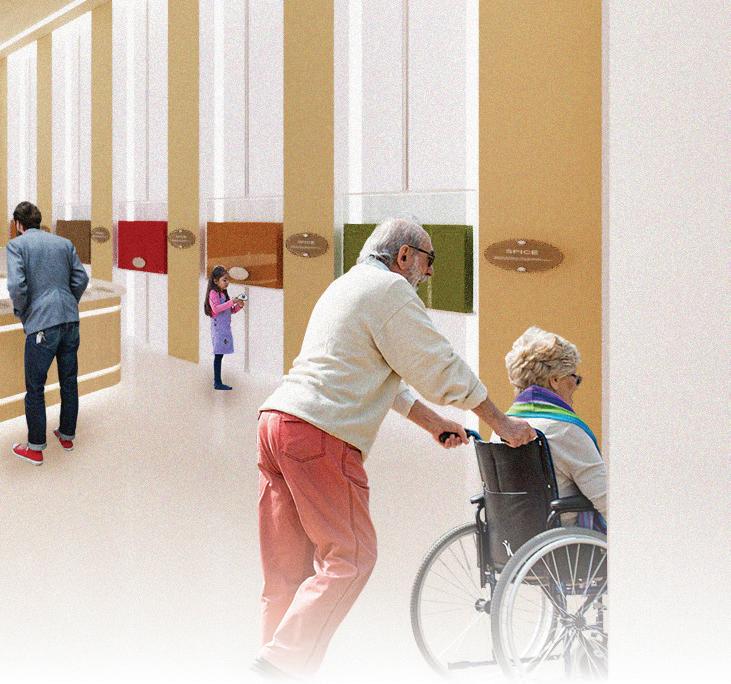
Food connects people through the flavors, ingredients, and production processes that tell diverse stories based on their region. The hypothetical museum based in Winnipeg is dedicated to showcasing the various cultures that make up the city. It aims to educate the public about cuisines from around the world, with a special focus on the origins, flavors, and uses of spices from different regions. The museum’s emphasis on spices stems from the way various ethnic and religious groups incorporate these ingredients into their daily lives, including food, medicine, and art. By understanding and appreciating these diverse cultures, the museum promotes harmony and connection among people. In essence, food is a reflection of culture.
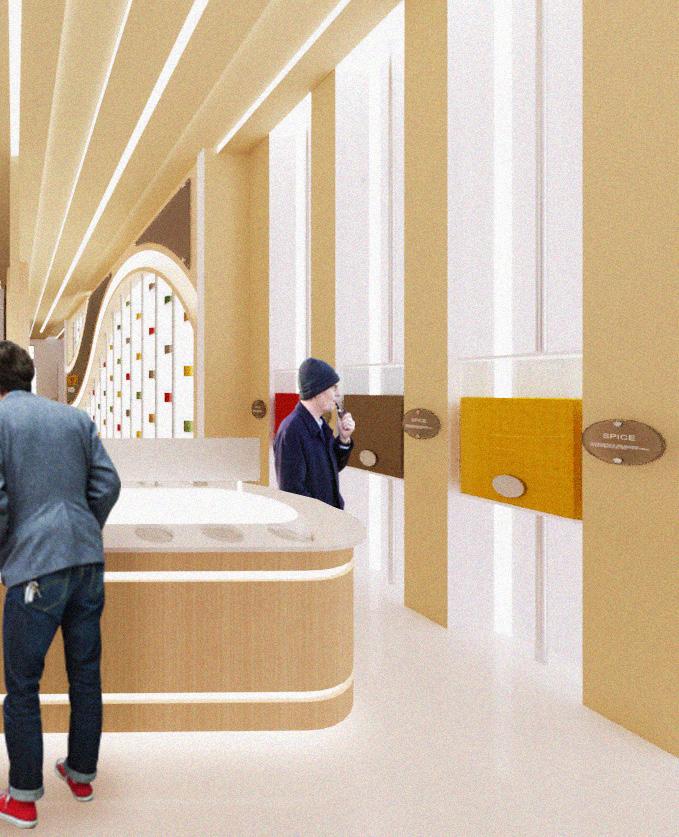
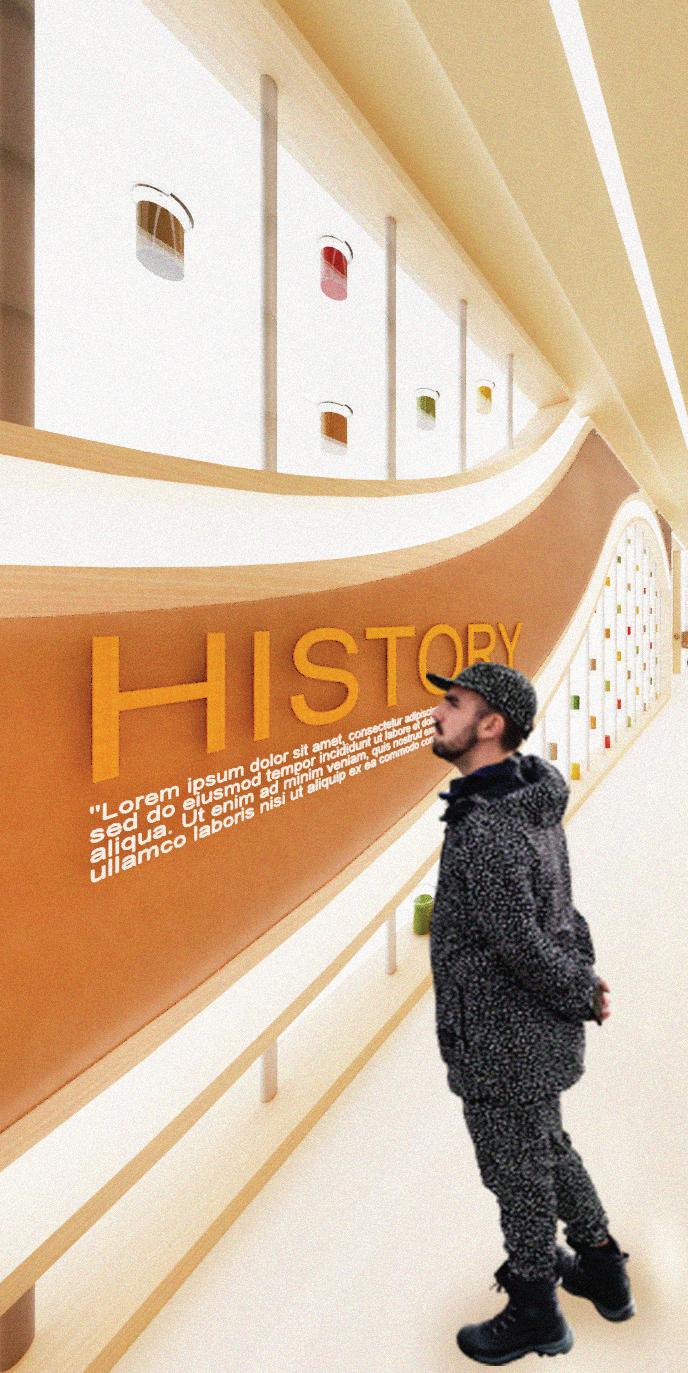
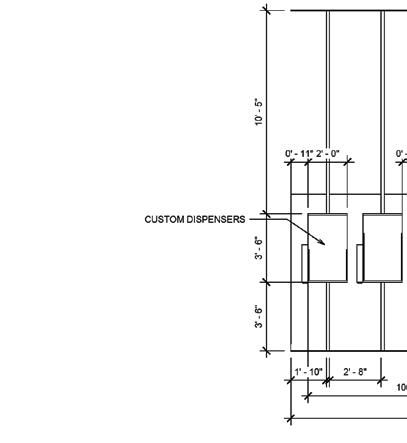
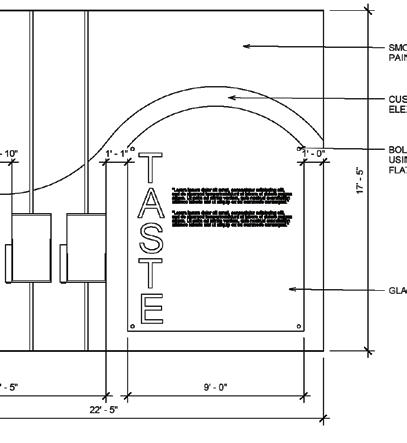
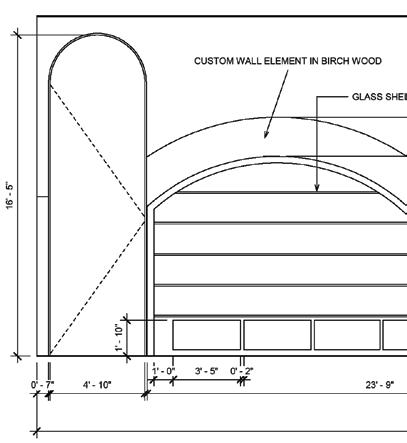
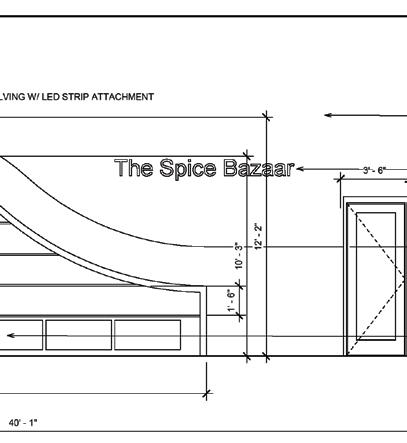
The Museum of Spice offers a unique journey through the diverse cultures of the world, engaging visitors’ senses of smell, taste, and sight. It showcases key ingredients that influence the flavors and aromas of food worldwide, reflecting their geographical origins. The museum’s design emphasizes the vibrant colors, distinct tastes, and aromas of spices. The overall concept and architecture aim to create a memorable experience that celebrates the power of spices.
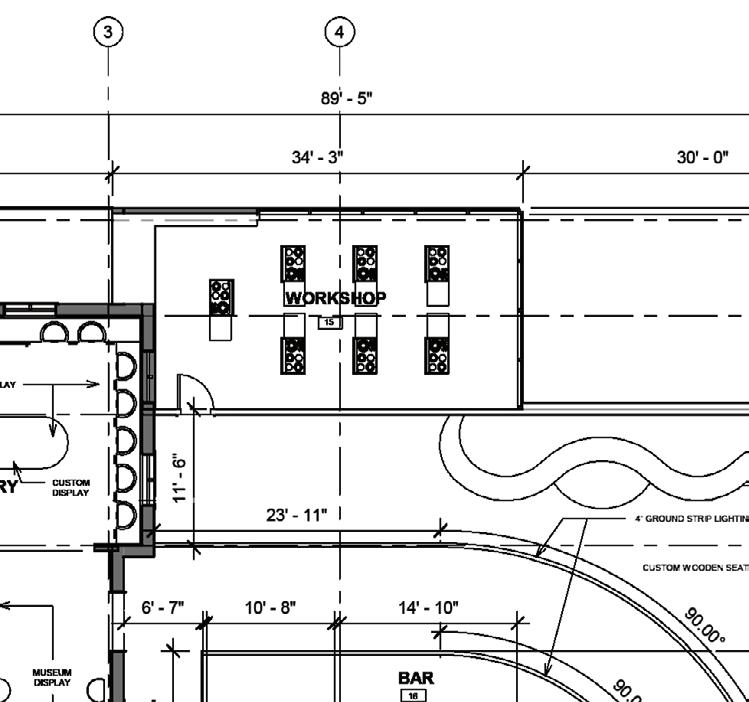
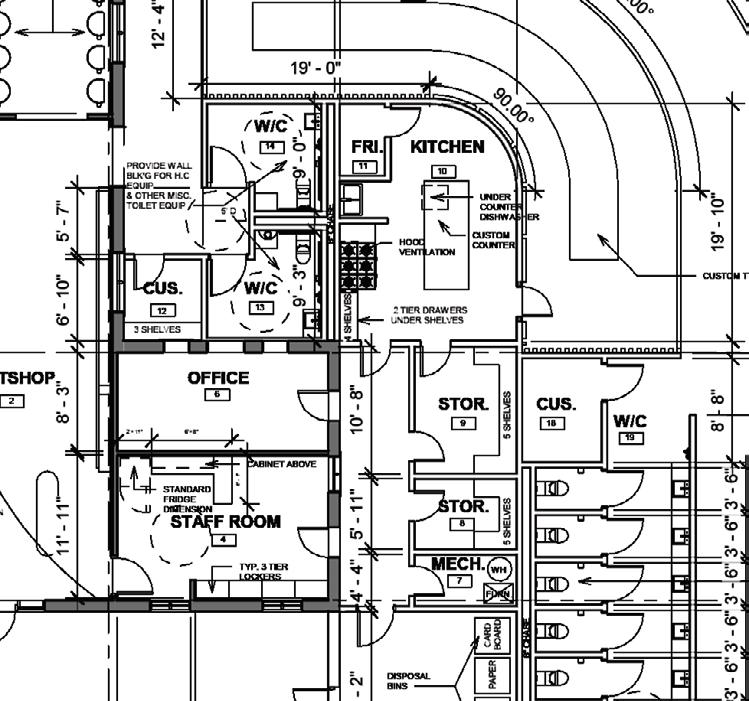
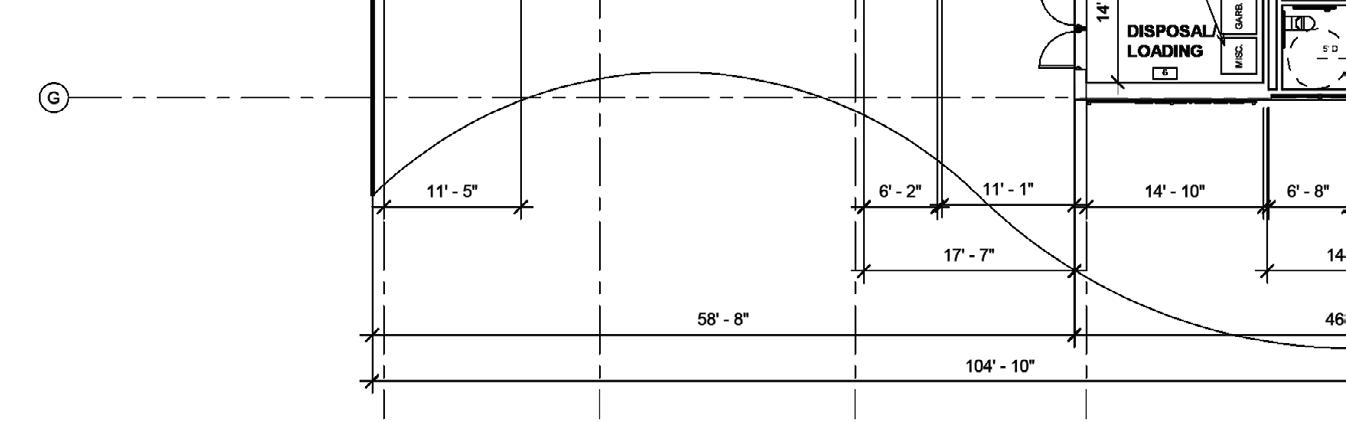
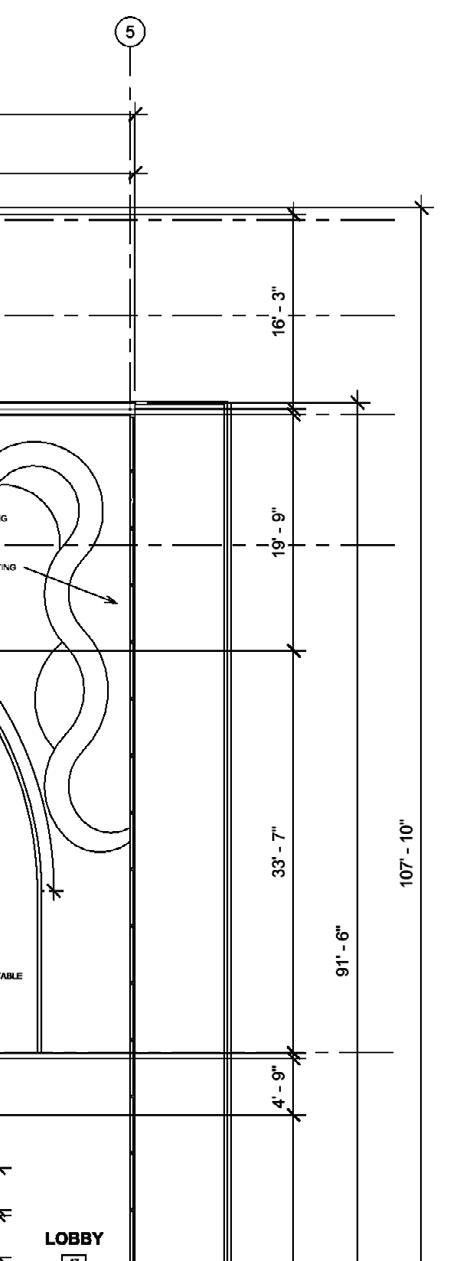
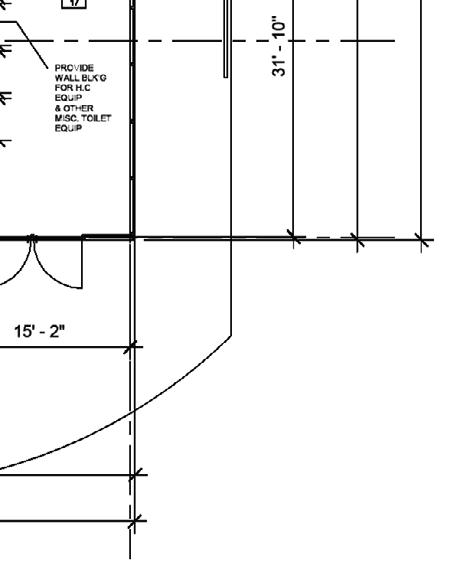
Building Code Analysis
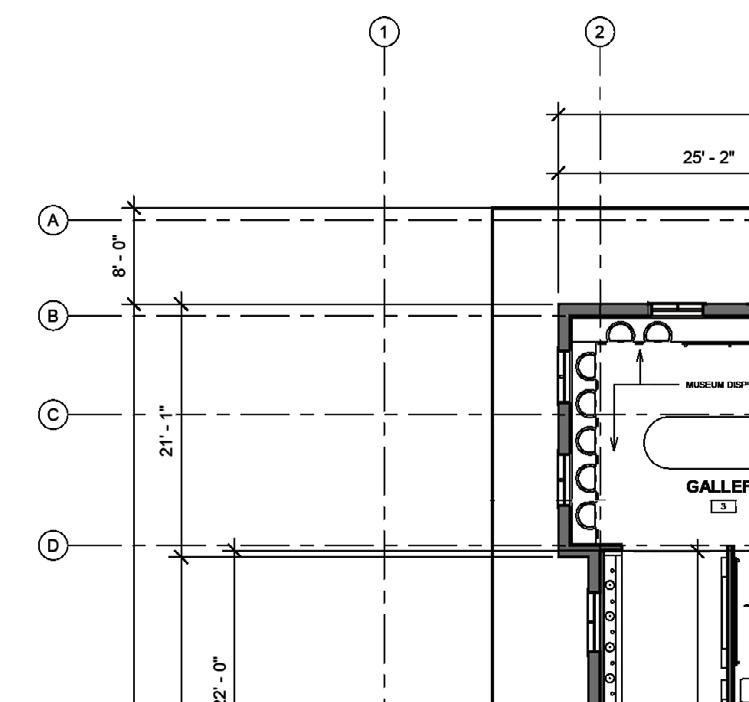
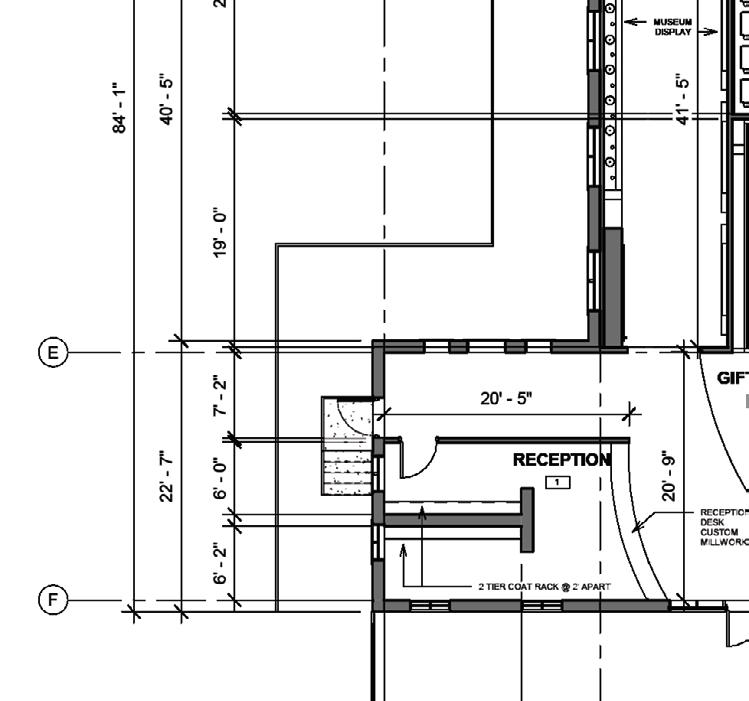
Based on the 2015 Ontario Building Code Interior alterations
The purpose of the project is to convert an existing historical structure previously used as a restaurant into a public museum
Proposed Tenancy: Gallery
Major Occupancy: Group A2
Building Area(s): 8,490.74aqft (790.3m2)
Building Height: 1 storey
Building Facing: 1 street
Building is sprinkled
Gross Area +/- 8526.09sqft (792.1m2)
Design occupancy load = 610 + 20 staff (max 15 staff at any given time)
8 water closet to serve both sexes
Barrier Free Path of Travel: Required
Universal toilet is required on main floor and shall conform to code
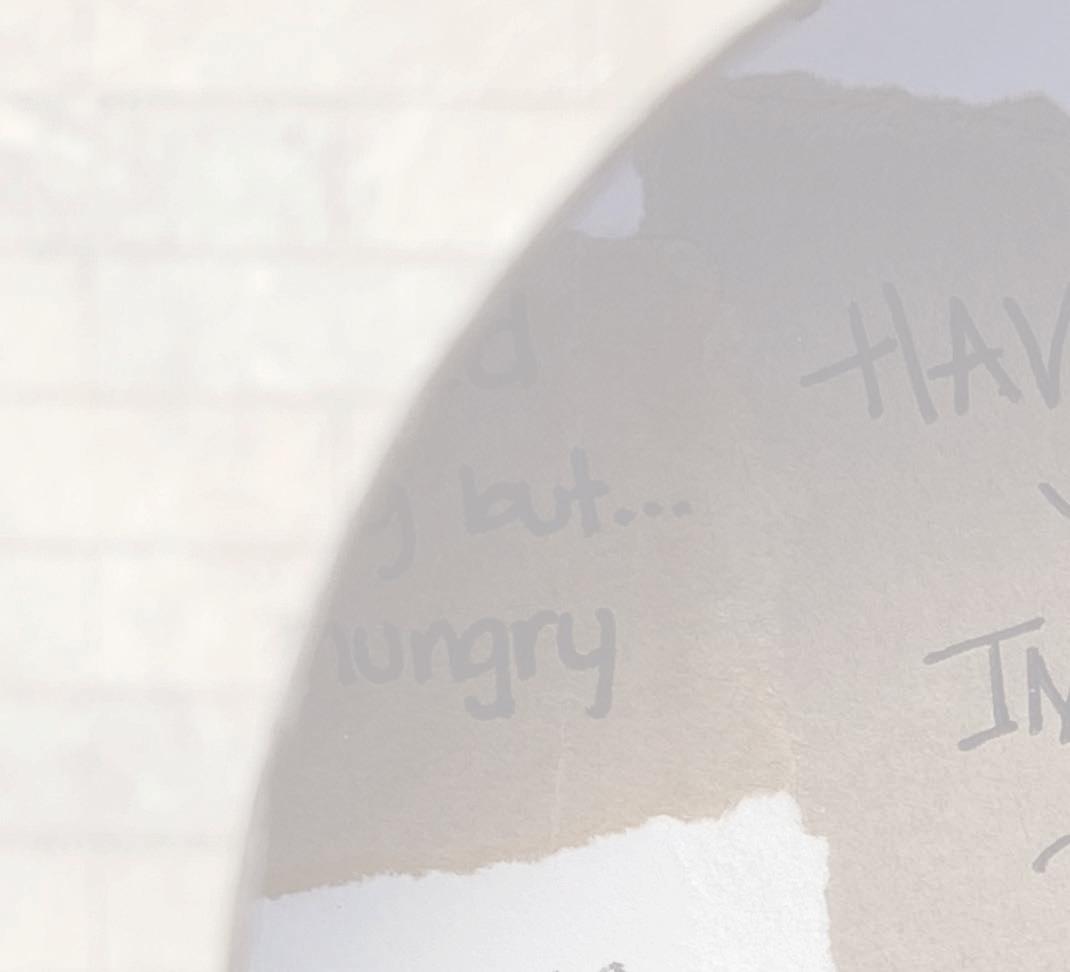
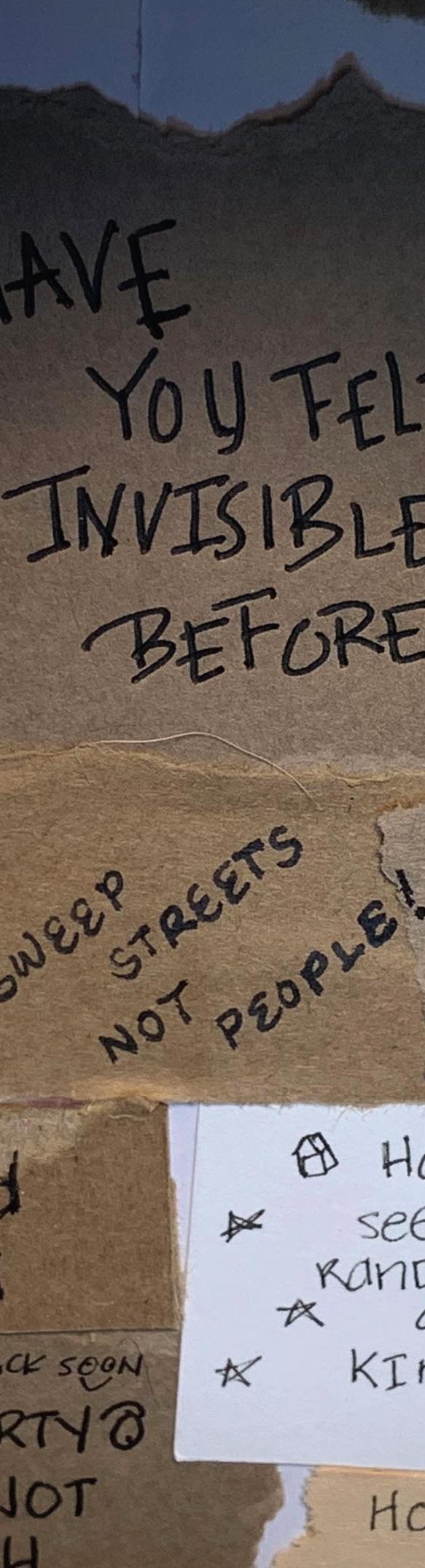
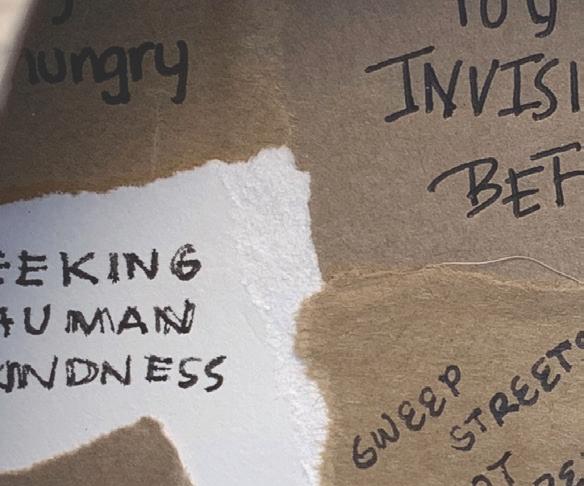
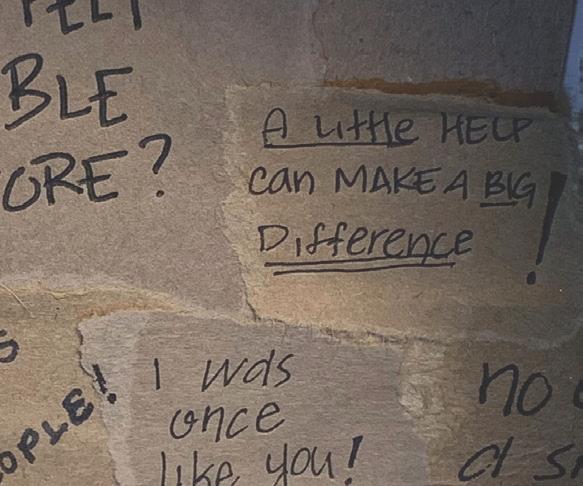
The museum exhibit is a conceptual project that addresses the stigma surrounding homelessness and the stereotypes associated with individuals living without homes. The exhibit is centered around Article #1 of the Universal Declaration of Human Rights, which proclaims that “all human beings are born free and equal in dignity and rights.” Dignity, defined as “the state or quality of being worthy of honor and respect,” is a key focus of the exhibit. Houseless individuals are often deprived of respect and are not considered worthy. They are often looked down upon and judged by society. Many people choose to ignore the existence of the houseless, treating them as if they are not human beings. This exhibit aims to shed light on the issues and challenge the dehumanization of the houseless population.
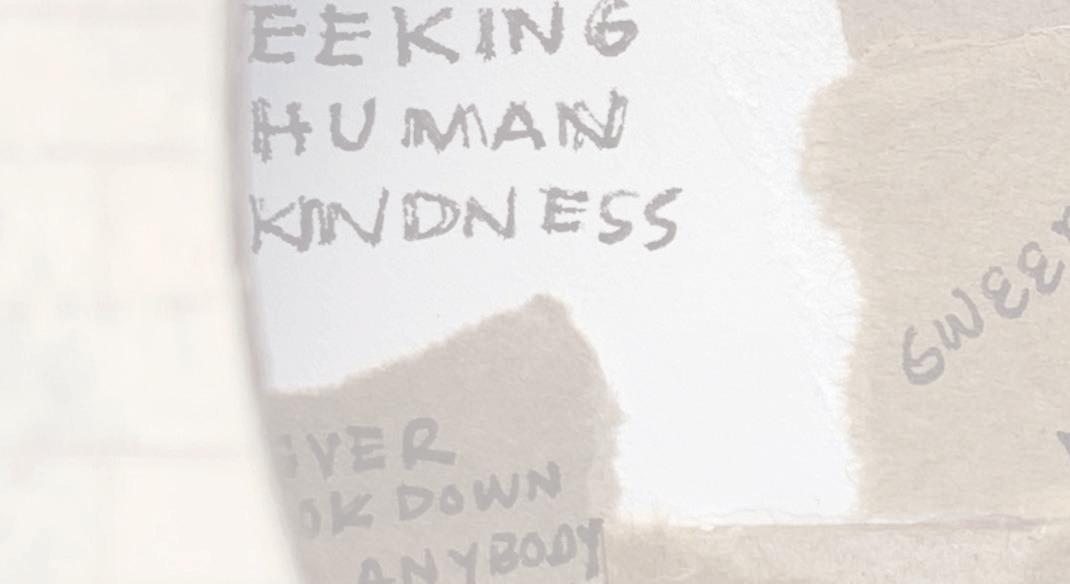

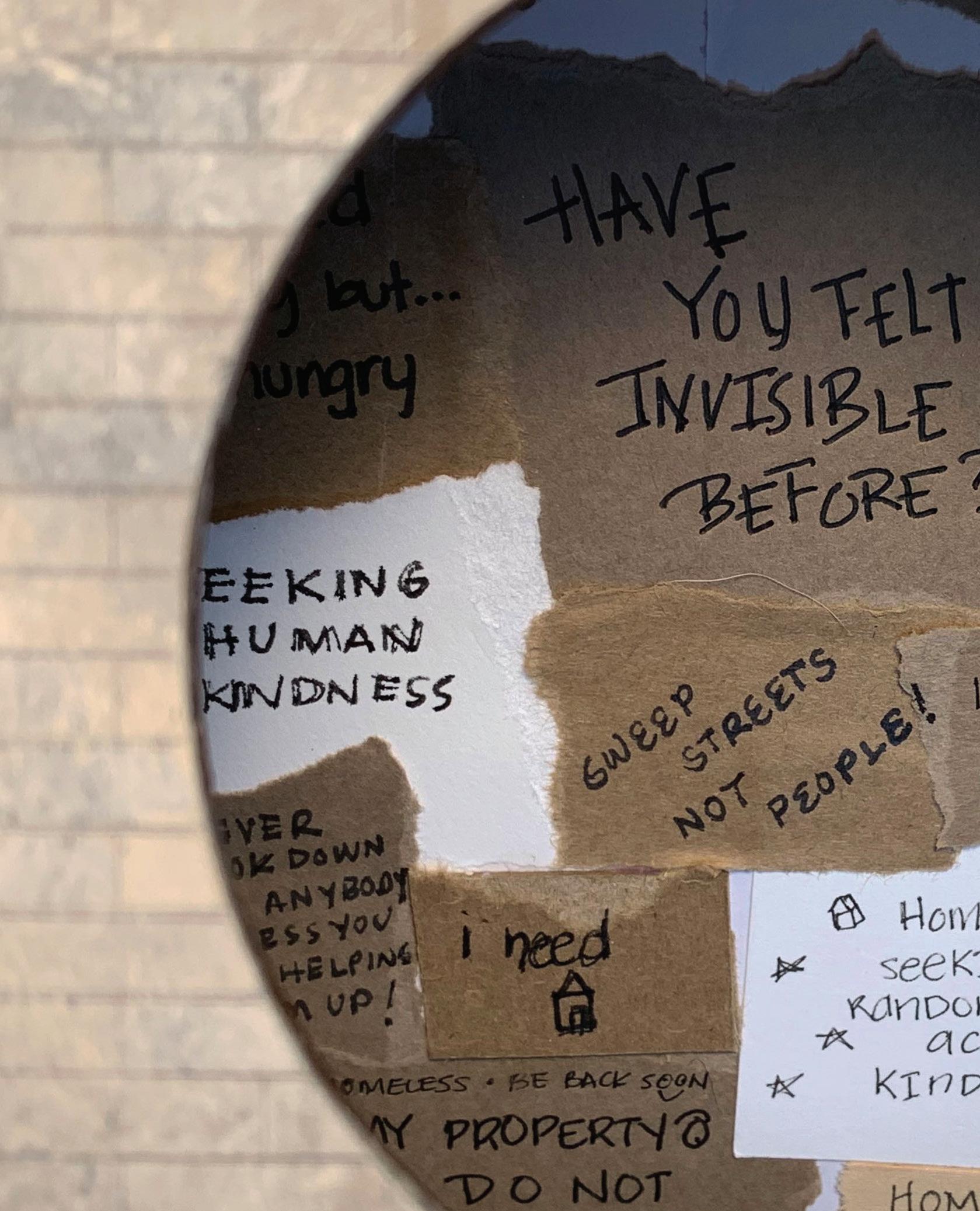
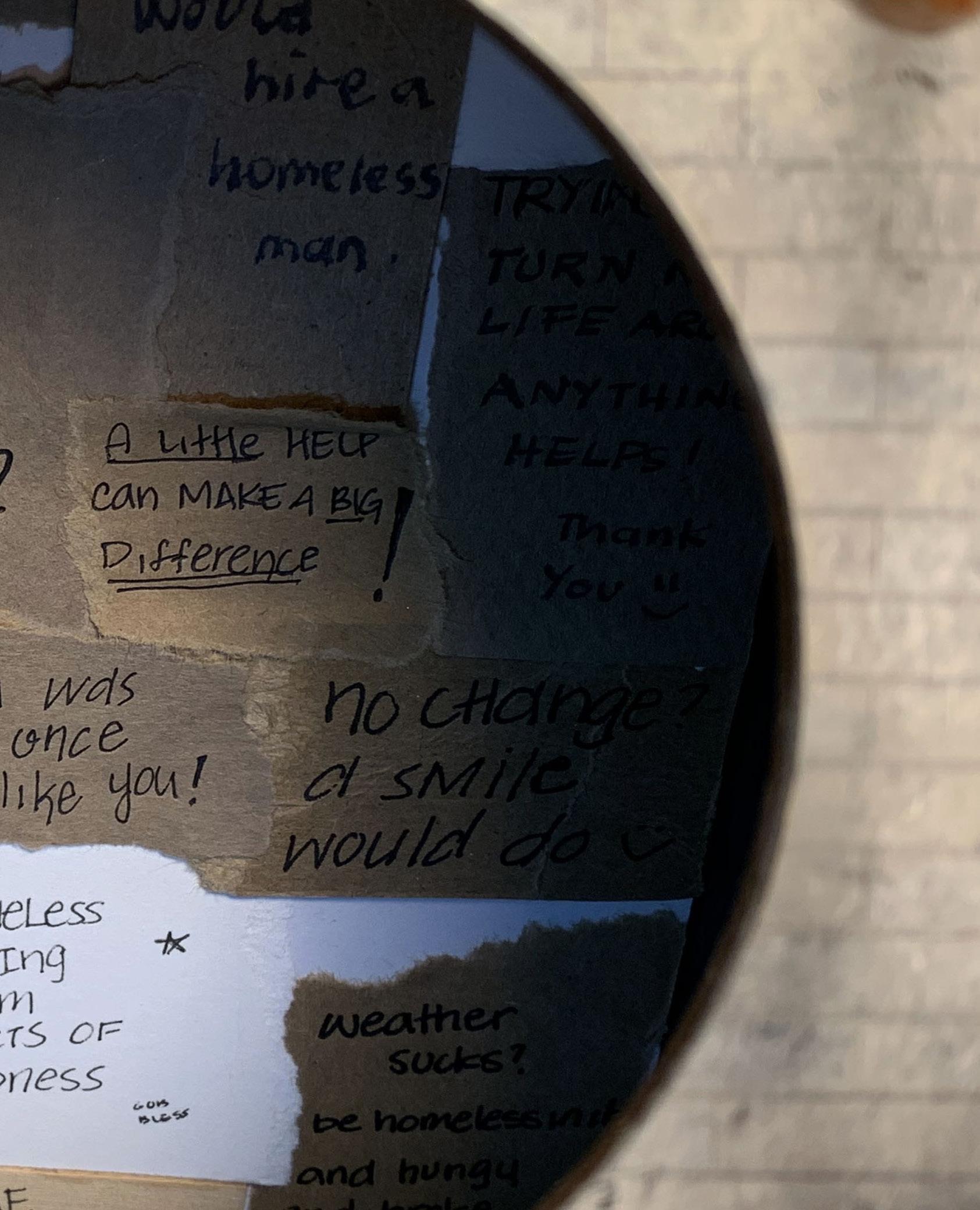
Change the way you see the houseless Change in the way you think Change in your treatment
Houselss: Museum Exhibit
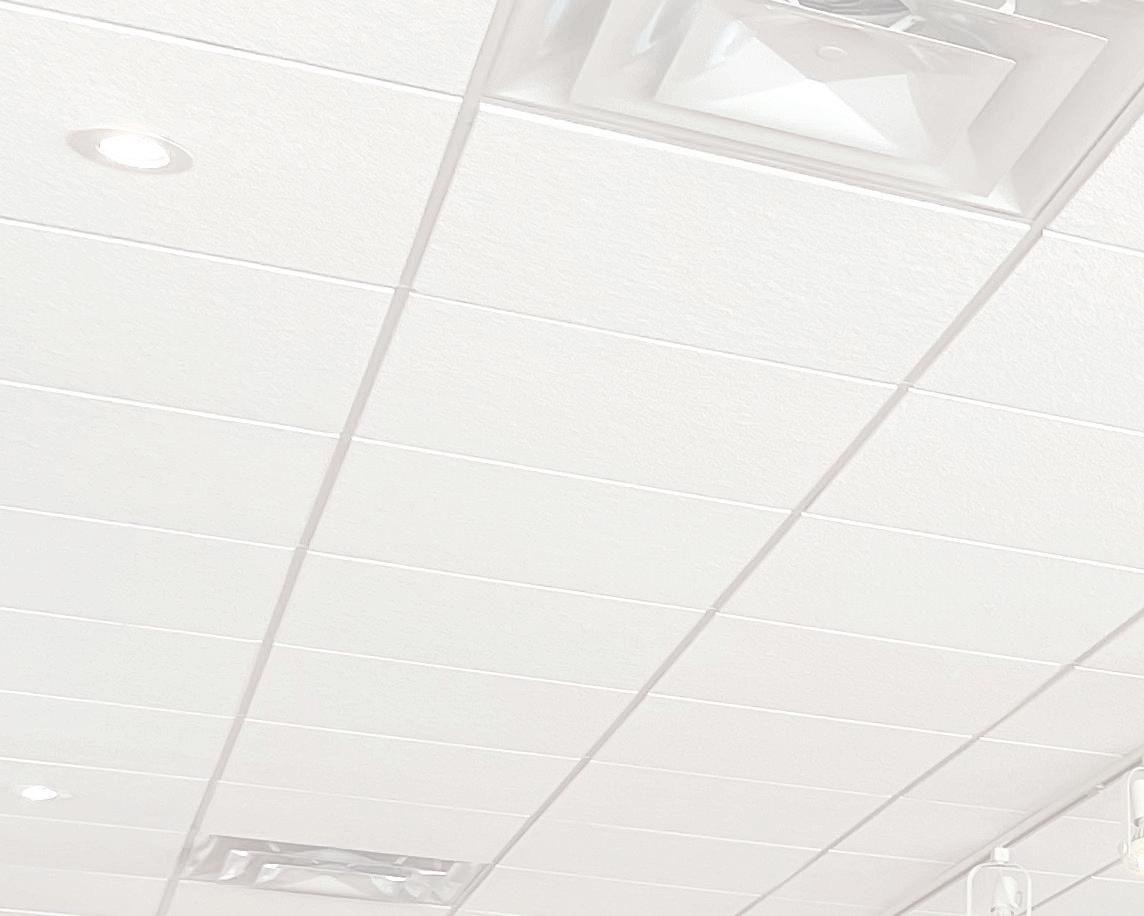
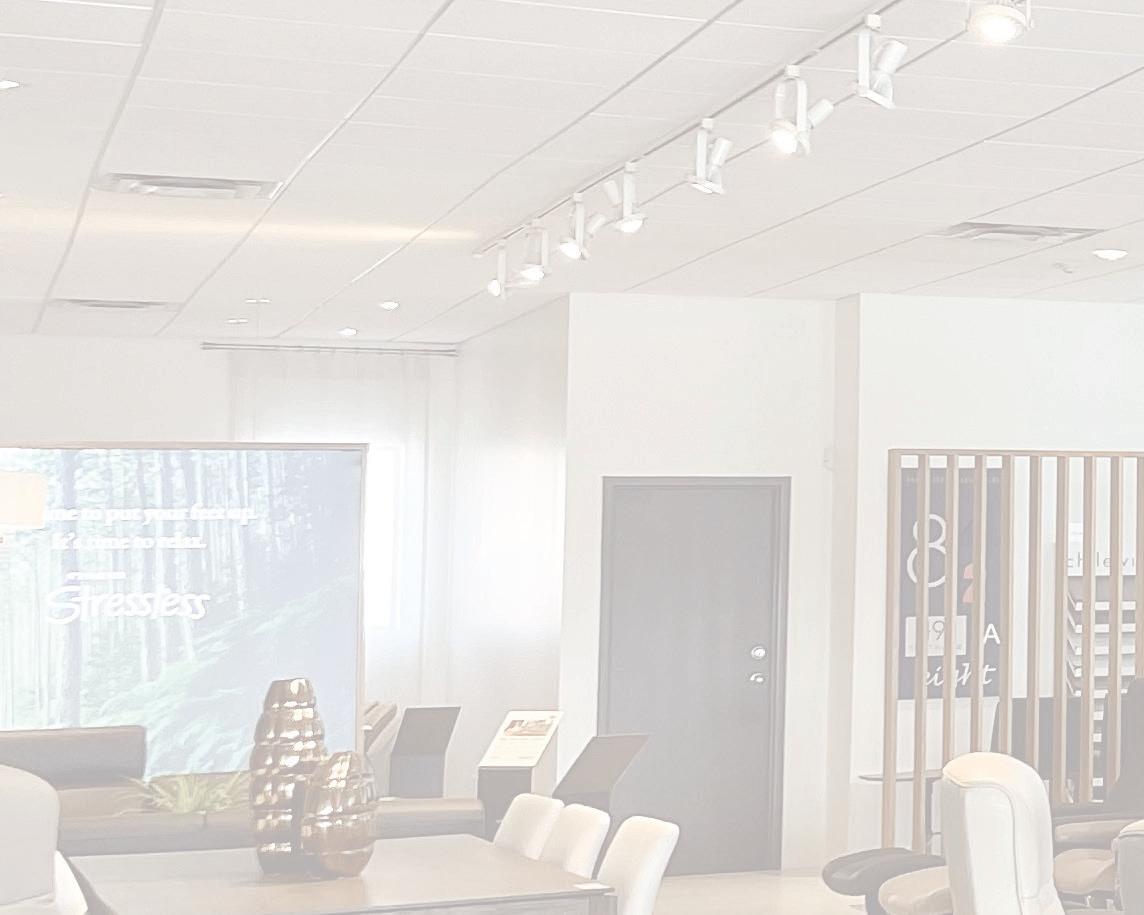
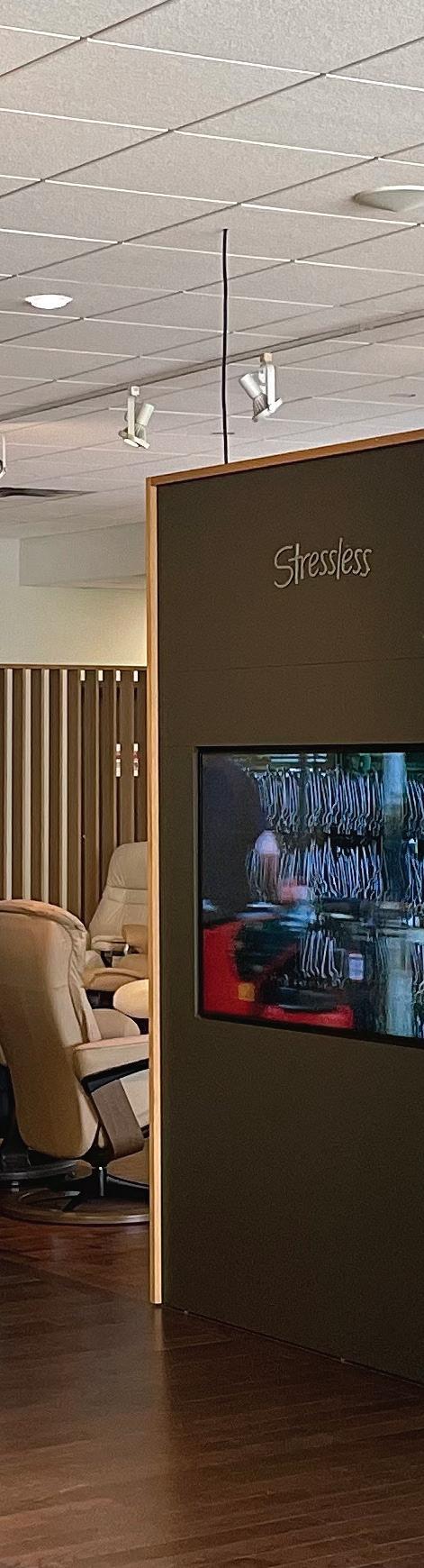
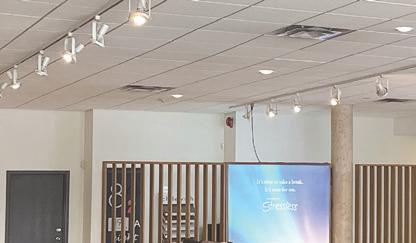
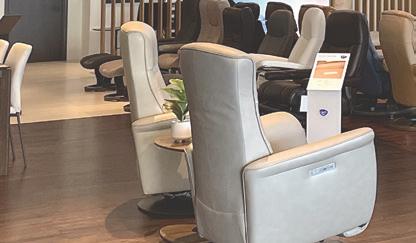
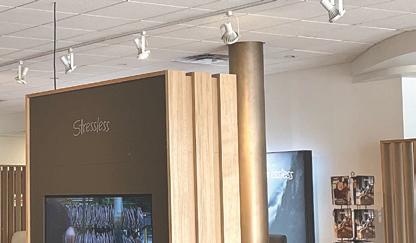
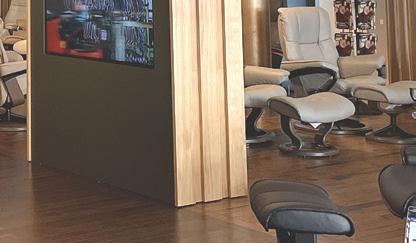
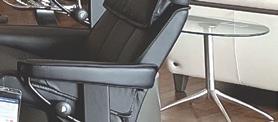
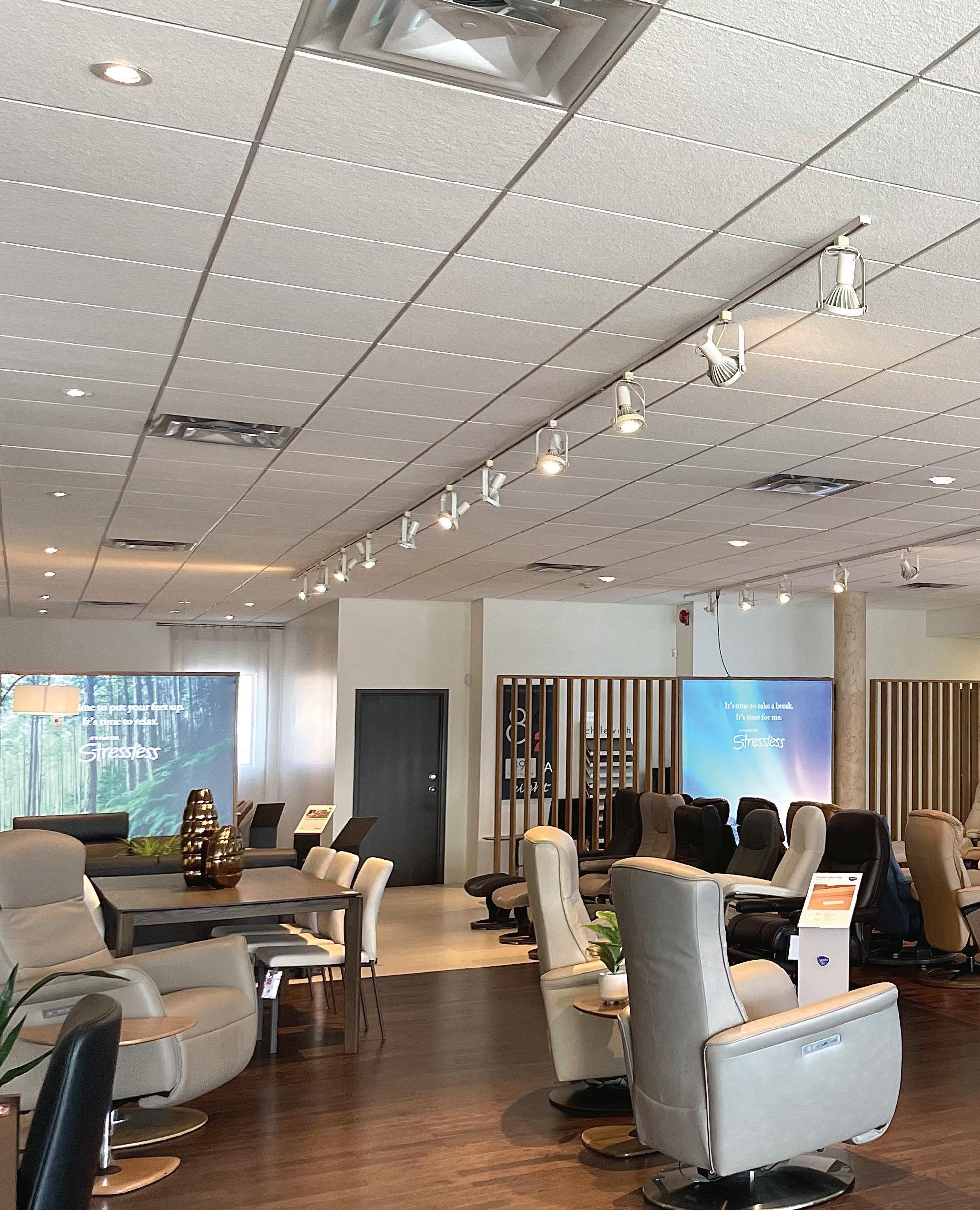
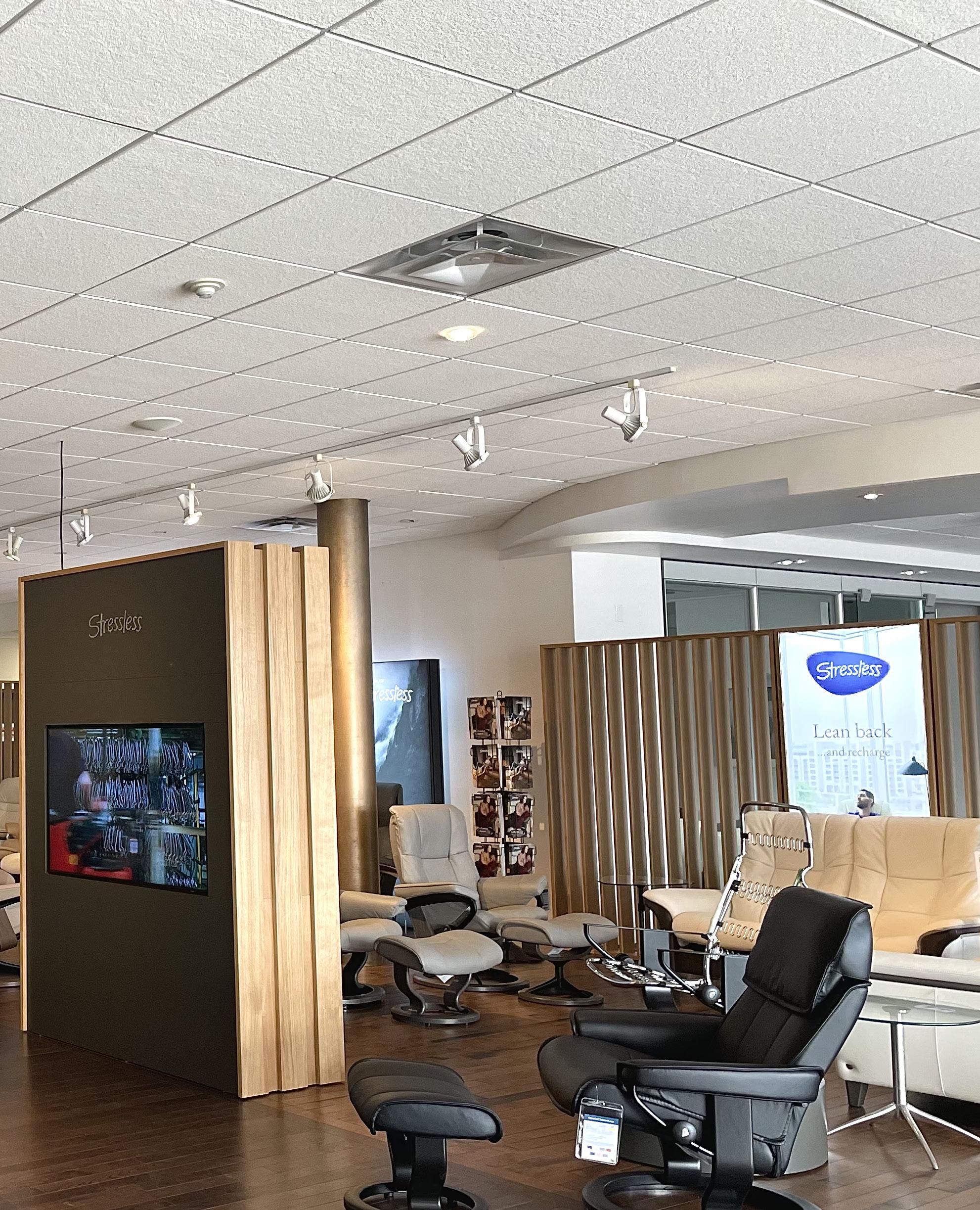
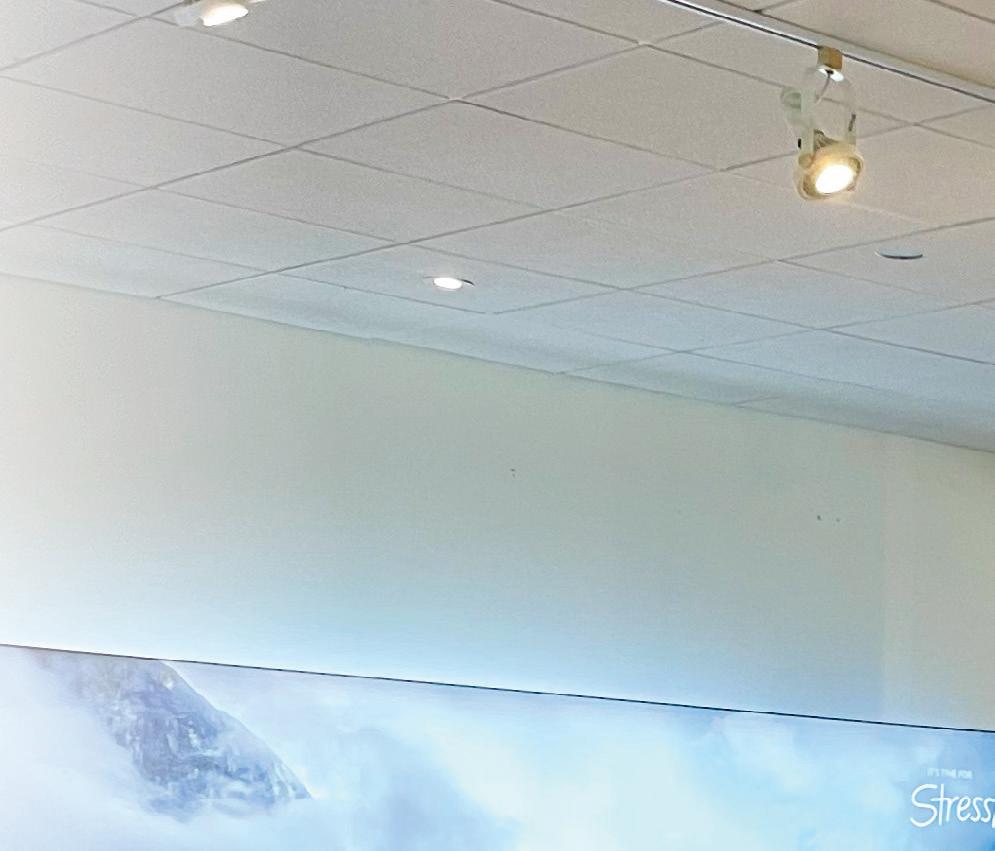
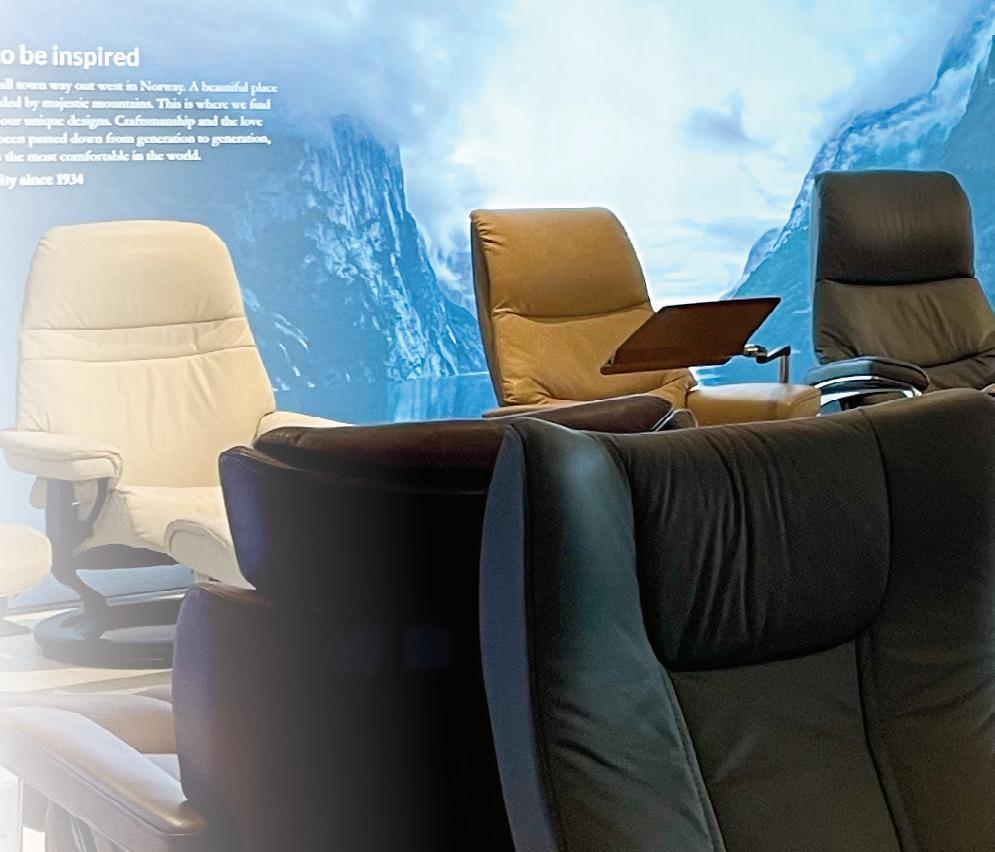
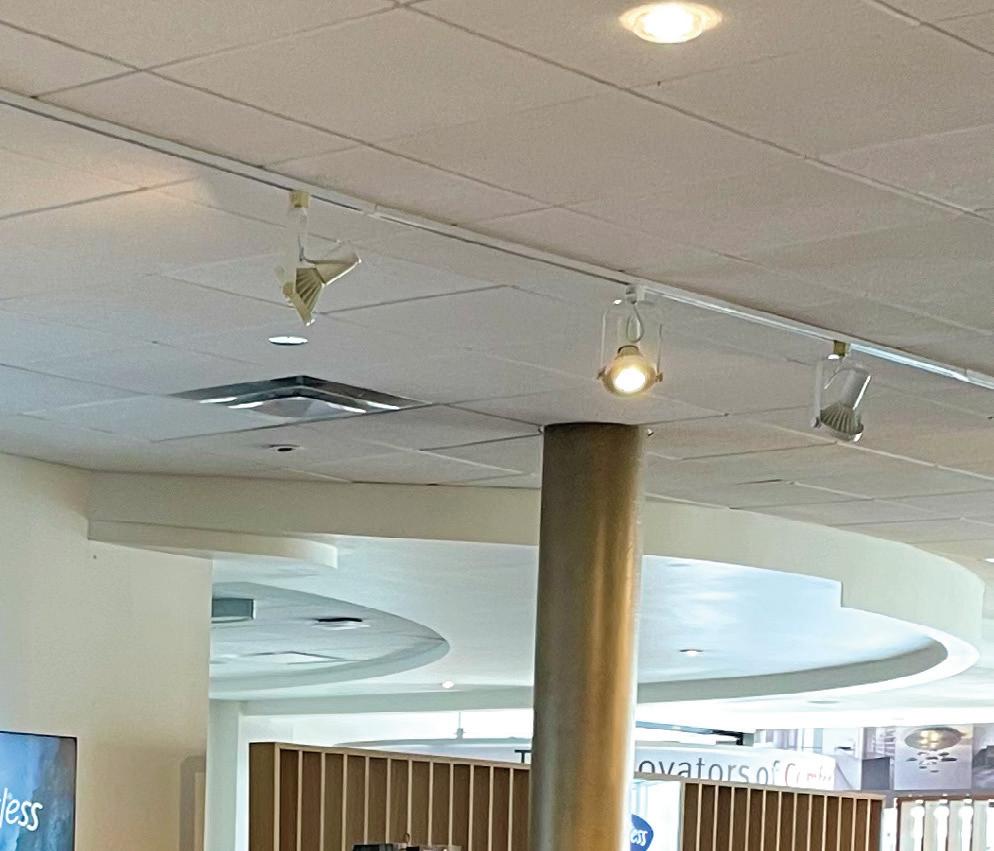
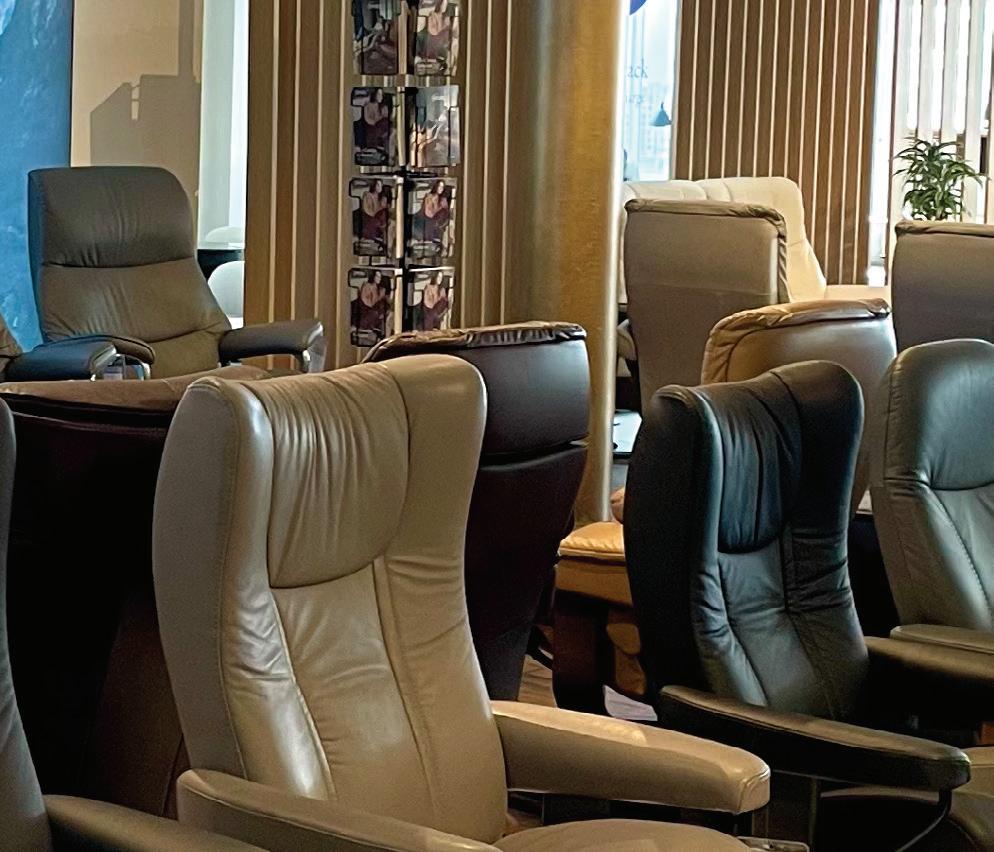
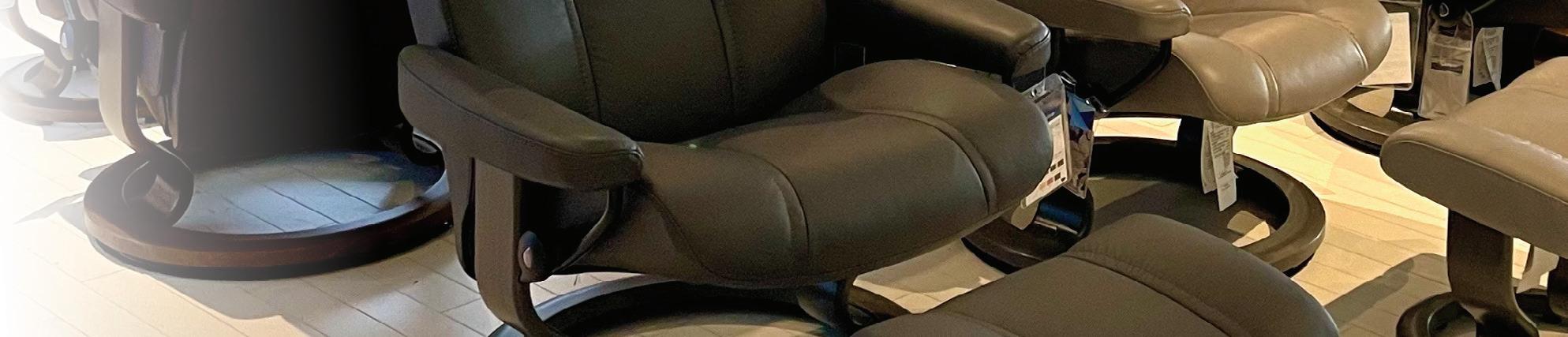
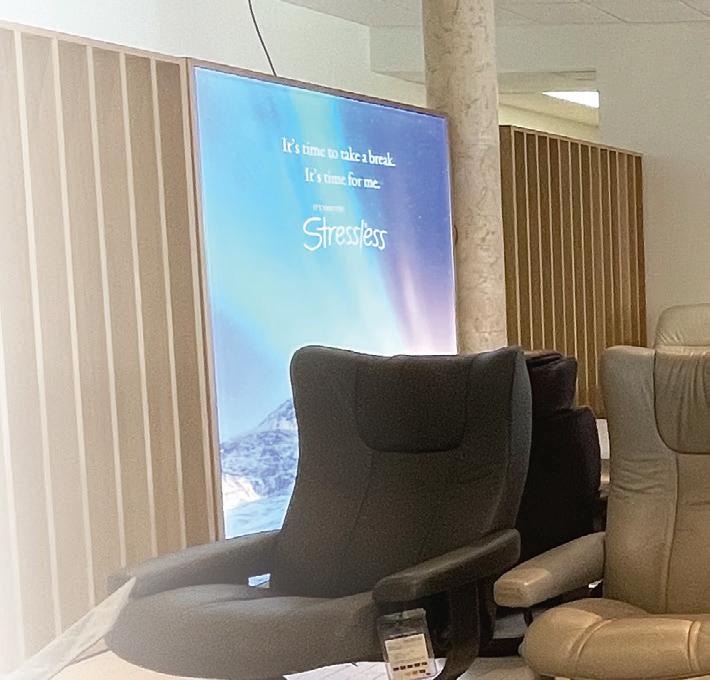
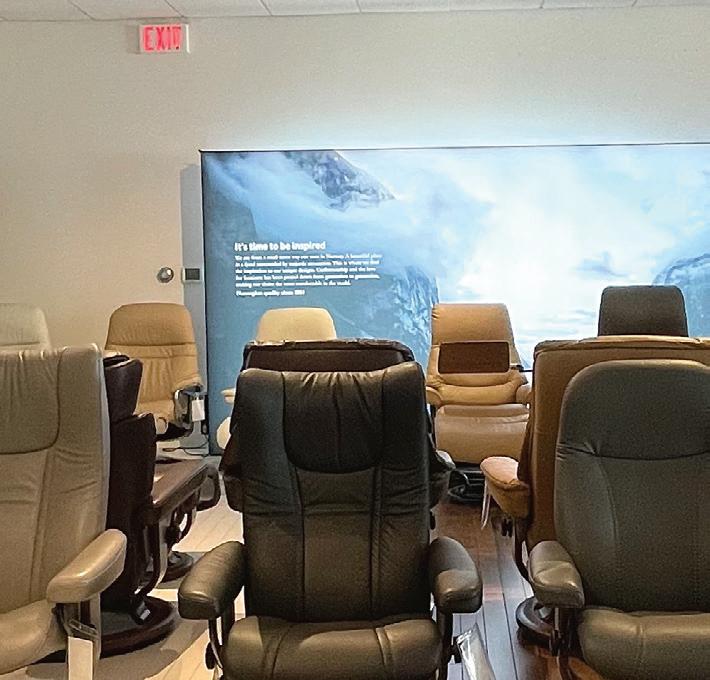
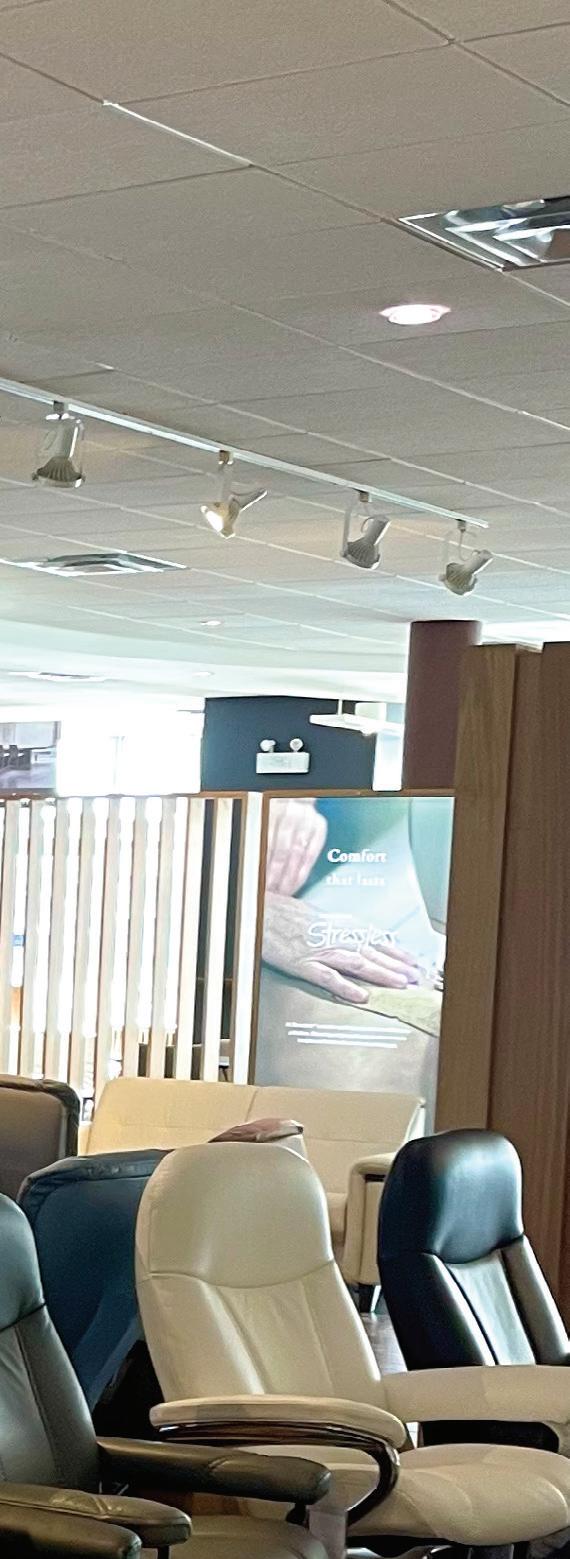
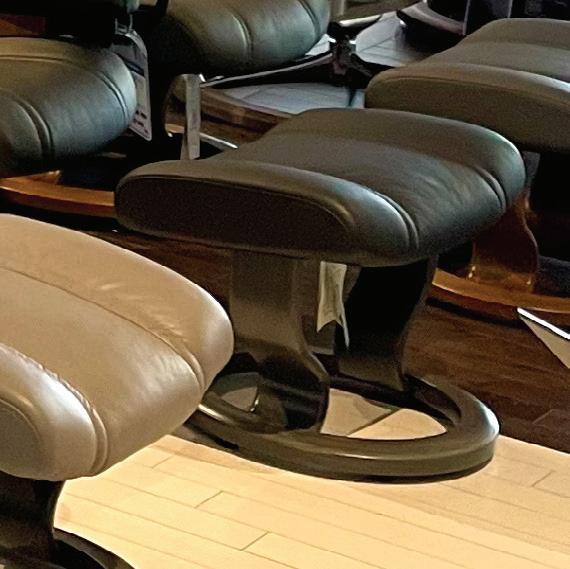
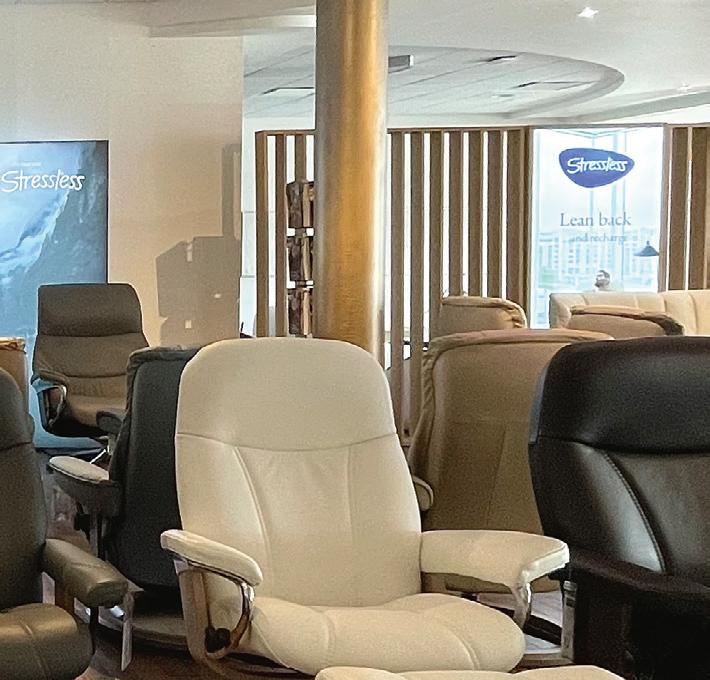
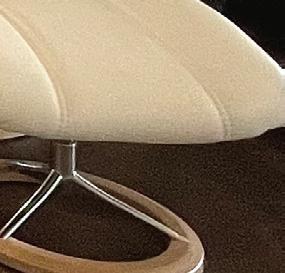
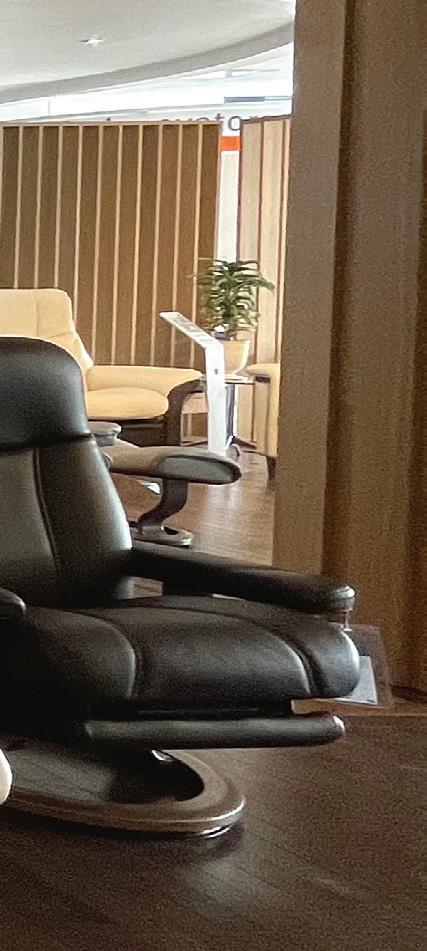
I was assigned to lead the redesign of the second showroom at Kesay Furniture store, featuring products from the Stressless brand. The redesign involved creating an aesthetically pleasing and functional showroom that effectively showcases the products while staying true to the brand’s identity. By organizing furniture into cohesive vignettes and using lighting to create focal points, the design aims to draw customers’ attention to key pieces. The objective was to integrate branded elements from Stressless to boost brand recognition and provide an immersive shopping experience. The ultimate goal is to inspire customers and establish a connection with the brand, helping them visualize the products in their own homes.

[1A] Electrician to disconnect electrical wiring connecting lights to existing display structure.
[1B] Service men to relocate existing display to new location indicted in page A03 - Electrician to reconnect electrical to old display in new location.
[2A] Electrician to disconnect electrical wiring from existing light fixture that will be removed by the service men.
[2B] Service men to relocate existing light fixture to new location indicated in page A03 - Electrician to reconnect electrical to old light fixture in new location.
[3] Electrician to disconnect electrical wiring from existing light fixture that will be removed and replaced by the service men (replacement notes on page A03 with Katana light fixture installation drawings.
[4] Electrician to disconnect electrical wiring previously attached to the old Stressless display indicated as location #1 on plan and move it to relocation area in preparation for new Stressless Hub (see page A03 for approximate location).
General Notes - Service Men
• Existing display and light fixture to be dismantled by the service men after all electrical wiring had been disconnected.
• See page A01 and A03 for location of old Stressless display.
STRESSLESS EXPANDED PLAN 2
SECOND ROOM PLAN 1 1/8" = 1'-0"
3/32" = 1'-0"






Construction Drawings
Parkinson’s Rehabilitation Clinic
https://issuu.com/meryllsamantha/docs/ construction_drawing_set_rehabilitation_ clinic_f
Museum of Spice
https://issuu.com/meryllsamantha/docs/ construction_drawing_museum_of_spice
Houseless: Museum Exhibit
https://issuu.com/meryllsamantha/ docs/construction_drawing_set_houseless_museum_exhib
Notable Projects
Office Re-Design
https://issuu.com/meryllsamantha/docs/ construction_drawing_set