MERSEY MENTAL HEALTH
8 sleeping tips you need to know PLUS: Lessons for life - invaluable advice from a mental health specialist
• A positive path
• Yoga and mental health sources
• Meet the well-being group taking over Merseyside
WELLNESS • KINDNESS • MINDFULNESS • INSPIRATION
BETTER MENTAL HEALTH
Your mental health influences your behaviour and outlook on everyday life. Strong mental health isn’t just the absence of mental health problems. Being mentally or emotionally healthy is much more than being free of depression, anxiety or other psychological issues. Rather than the absence of mental illness, mental health refers to the presence of positive characteristics.
Understanding good mental health
Mental health is a broad topic that means different things to different people. Having solid mental health never means that you never go through bad times or experience emotional problems. While experiencing these are a normal part of life, they can still cause anxiety, sadness and stress. People with strong mental health are better able to bounce back from trauma and stress with the ability of resiliennce.
People who possess emotional and mental resillience are equipped with the skills to navigate cope with difficult situations while maintaining a positive outlook. They maintain focused and productive in bad times as well as good. Mental health and support carer, Charlotte McGee said: “You go on a journey with someone, so seeing them overcome anxiety and depression and be able to manage their own wellbeing gives great satisfaction.”
Whether you are looking to cope with a specific mental health problem, handle your emotions better or simply feel more positive, there are plenty of ways to take control of your mental health - starting today.
B U I L D I N G
Here are some small steps you can take that can have a big impact on your mental health and clarity.
DO SOMETHING FOR YOURSELF
From enjoying your favourite hobby, learning something new or simply taking some time to relax. It’s important to do things that make you happy, like trying a new hobby or learning a new skill.

‘GREEN’
KEEP A JOURNAL
Keeping a journal or diary that explores your feelings and thoughts surrounding the events of your life is said to be helpful. Journaling, in this context, helps you create order when your world feels like chaos. You can get to know yourself by revealing your most private fears, thoughts, and feelings. Look at your writing time as a personal relaxation time.


EXCERCISE IMPROVES MENTAL HEALTH
Exercising in nature can give a quick and significant boost to your mental health, improving mood and self esteem.

CONTACT YOUR GP
They are geared to help tackle mental health issues.
TALK TO SOMEONE YOU TRUST
Once an issue is brought to light it is out there and the procress of healing has begun. Talking to a friend or family member can be beneficial for your emotions.
IMPROVE YOUR SLEEP

Sleep is an essential process, without which we cannot function effectivly. Sleeping helps to repair and restore our brains, not just our bodies. It is as essential to our bodies as eating, drinking and breathing, and is vital for good mental and physical health.
DECLUTTER YOUR SPACE
Many psychology studies have been performed that show an uncluttered, clean space can help us focus better and feel calmer, less depressed and less anxious in general.
GIVE TO OTHERS
EAT HEALTHY MEALS AND STAY HYDRATED
A balanced diet and plenty of water can improve your energy and focus throughout the day. Pay attention to your intake of caffeine and alcohol and how they affect your mood and well-being—for some, decreasing caffeine and alcohol consumption can be helpful.
Research suggests that acts of giving and kindness can improve your mental wellbeing by giving you a feeling of purpose and self-worth and also helping you connect with others. It could be small acts of kindness towards others or larger ones like volunteering in your local community.



Float Planet
RELAX, RECHARGE, REVUGENATE

CHILD MENTAL HEALTH: recognising and responding to issues
Mental health is as important to a child’s safety and wellbeing as their physical health. It can impact on all aspects of their life, including their relationships, education and physical wellbeing. Mental health can also change over time, to varying degrees of seriousness, and for different reasons. And we know it’s an important issue for children, as over half of all Childline counselling sessions in 2022/23 related to mental or emotional health and wellbeing.
Supporting children with mental health issues
It can be hard for adults to recognise when a child needs support with mental health issues. And it can be difficult for young people to speak out about the challenges they’re facing. So it’s crucial that anyone who works or volunteers with children is able to recognise the signs that a child may be struggling with their mental health. And that they know how to take appropriate action to support children and young people in getting the help they need.
Children and young people may not always have the language or ability to communicate how they feel. They may be unsure who to talk to and how to talk about their problems. Some signs of mental health issues may also look like normal child behaviour.
For example, tantrums in younger children or teenagers keeping feelings to themselves. Identifying and responding to mental health concerns such as sudden behavioural changes, sleeping problems and self-harm, may be one way of helping children who are experiencing abuse to get the support and protection that they need.


Recognising that a child or young person may be struggling with their mental health is the first step in helping them. The next step is to respond appropriately.
Child mental health carer and specialist, Debbie Jenning’s top tips:
“ Building relationships is key, and that can take time. It’s a slow process because they must learn to trust you. Be positive in whatever is being said, even if the child is doing something that is undesirable. Talk through it positively and don’t overwhelme them or shout because the things we say can make the child feel a whole lot worse about themselves.”
floatplanet.co.uk

Meet the Girls on the Go
The wellbeing group making Liverpool a less lonely place for women.
The community of women working to combat loneliness with weekly runs, bonding events and even wine glass painting classes, count us in!
Girls On The Go is a community of women devoted to improving health and well-being. Starting as a beginner running group, GOTG has evolved into a safe community for girls in the region to come together to socialise and become their best selves. Created in September last year, more people continue to join the group each week and have garnered over 31,000 followers on their Instagram account.
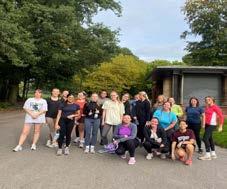
Stephanie Barney, 22, and Caitlin Lewing, 21, are the brains behind the group. They decided to bring the club to life to help combat the loneliness epidemic that many people are struggling with in the region. We had the opportunity to speak to Caitlin and delve deeper into the community!
“We started Girls on the Go five months ago as a beginner-friendly running group for women in Liverpool to join, feel more confident and make friends along the way!” Caitlin told us, “A few of our girls expressed they felt lonely in the city for numerous different reasons, and as two out of three of our co-founders had a background in event organising, we decided to host our first girl-only event. We believe our community is vital in Liverpool to combat the loneliness epidemic and make girls aware they aren’t alone in feeling this way and it is never too late to start building friendships.“
“Our plans for 2024 are nothing but big! As well as exposing our Liverpool community to different creative and fitness events, we would love to start expanding throughout the UK and diminishing loneliness one city at a time!”
“The majority of our girls come alone and leave with girls they have never met before and host conversations filled with fun and a new found love for each other. Everyone is there for the same purpose and there’s absolutely no reason you shouldn’t be included in that either!”
Girls on the Go host a range of events including pottery painting classes, bingo events and fun workshops which will run through spring and the rest of the year. The group also love to support charities that help women and children, including Children in Need and Refugee Women Connect. You can find the community at Sefton Park every Saturday and Sunday, with the weekly runs starting from 10am.
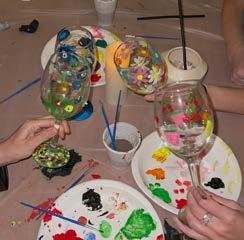



Head over to the Girl’s on the Go Instagram (@Girlsonthegolpool) to stay updated on their events and regular posts.You can also visit their website, Girlsonthegouk..uk.
@Girlsonthegolpool, InstagramREFORMER Pilates Studio
A fully equipped reformer pilates studio based in Aintree, Liverpool

BENEFITS OF YOGA FOR MENTAL HEALTH (AND HOW TO PRACTICE)

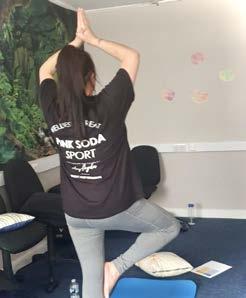
Yoga can bring many positive impacts to your mental health and physical health, such as enhancing your thinking, boosting your mood, and promoting strength.
Enhances mental clarity:
Regular yoga practice can lead to sharper focus and clearer thinking.
Improves attention span and concentration: Yoga can help to maintain mental focus in everyday life.
Reduces stress: Yoga is known for its calming effects, which can help in managing depression, stress, and anxiety.
Boosts mood:
Regular yoga practice can lead to an increase in hormones thought to contribute to happiness and mental wellbeing.

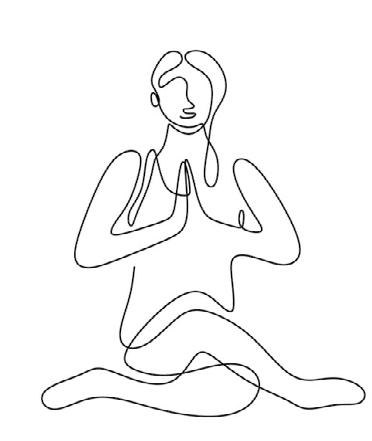
Promotes better sleep: Relaxation techniques used in yoga can lead to improved sleep quality.
Enhances self-awareness: Yoga encourages you to listen to your body and mind, increasing self-aware ness and promoting a deeper understanding of your emotions and thoughts.
11pilates.co.uk
1 2 3 4 5 6
FACE Forward Wellbeing Partnership
FACE Forward is a service that provides free health and wellbeing courses to residents of the Knowsley area and beyond. Since beginning in 2015, the company have welcomed over 2000 students who have participated in the wellbeing course.
Their courses are designed and co-delivered by volunteers and people who have lived with mental health issues and overcame them. Face Forward aim to provide person and community centred health approaches that enable the people in communities to live healthier and more fulfilled lives, through various ways such as social and educational prescriptions to help alleviate symptoms of poor mental health.
Social and educational prescriptions is an extremely important and effective way to combat some of the personal, social and economic issues that can lead to poor mental health. The partnership aims to improve the confidence and self esteem of our communities through social inclusion and education.

Mental health specialist, Alec Horrocks said: “ I would advise anyone struggling with their mental health to open up and talk to someone whether that be a trusted family or family member. I would also advise that writing down the things you njoy in your life and try making them a regular part of your weekly routine can help.” He added, “For instance, if you have always liked football or swimming then try to make them a part of your week. As well as having something to look forward to, the exercise also provides proven benefits that promote good mental health and wellbeing.”
“Making positive plans for the future and doing things you enjoy are extremely important to an overall more positive outlook. Focus on the things that you can control and not the things you can’t. It is also important to be aware of the company you keep and the environment you spend the most time in.”
Speaking on mental health stigmas, Alec told us: “I think that more people are opening up and feel able to talk about their mental health as there is less of a stigma, which is good. The cost of living and poverty crisis, however, has also increased the number of people who are struggling which all contributes to a rather worrying mental health crisis in our country.”

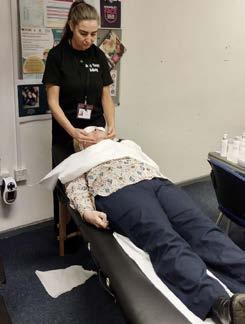


Health and education manager at Face Forward , Alec Horrocks
Find out all about their work and learn lessons for life from a mental health specialist
HEALTHY FAST FOOD

“When you eat good, you feel good”
PUT A SPRING IN YOUR STEP
TSpring has sprung. Have you? It’s time to throw out the old and find new things to do, - studies show doing something new makes you happier and can even protect you from illness and disease. he thrill we get from trying something new is an incredible experience. Research shows that these experiences not only produce the ‘feel good’ chemical dopamine but also train your brain to remember how good the moment felt.
FEEL THE FEAR BUT DO IT ANYWAY
Fear can make us avoid doing new things. We miss out on the pleasure of the dopamine hit now and
SMALL STEPS
Take it slowly. What were you doing when you were your happiest recently? What are you excited for or want to do more of? This works with relationships too. Your responses to these questions will help your opt for activities, experiences and people that help you feel happy and fulfilled.
STOP SCROLLING
Screen time spent ‘doomscrolling’ (reading bad and upsetting news) makes us feel more stressed.



“ People often want or need help as they try to make sense of what’s happening to them. For many people, being hospitalised can be a time of crisis. This is especally true when it comes to mental health care. “ - Support worker, Yazmin Valeirio

Seek help from social services and charities using help lines, assessments, advocacy and reporting abuse.
PICNIC
www.picnic-uk.com
Personalised therapy for a happier you
8 tips for a better sleep
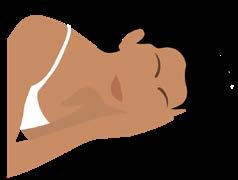
Sleep is an essential function that allows your body and mind to recharge, leaving you refreshed and alert when you wake up.
1 Establish a regular bedtime and waking time for a consistent sleeping routine.
2 Allow yourself to take a nap if tired, but do not exceed 45 minutes of daytime sleep as this can disrupt your sleep schedule.
3 Avoid caffeine 6 hours before bedtime. The sleep drive is understood as the desire for sleep. It builds gradually with wakefulness due to the accumulation of a chemical called adenosine in the brain. Caffeine directly blocks adenosine.
5 Eliminate screentime an hour before bed. Studies show two or more hours of screen time in the evening can seriously disrupt the melatonin surge needed to fall asleep.
4 Exercise regularly, but not right before bed. Similar to taking a hot bath, exercise can negatively impact your sleep quality by raising your body temperature.
7 Drink some chamomile tea before you sleep or have a snack you enjoy. Chamomile tea has a mild sedative effect that is great for inducing sleep. After you fall asleep, chamomile can help to improve sleep quality so that you wake up rested and refreshed.
6 Separate your spcaes, don’t work in bed or spend too much time in it when not sleeping.
8 Fill out some bedtime journal prompts an hour instead of watching TV or using your phone.
You deserve to be happy
UNMISSABLE Merseyside wellness activities
Try something new in your routine and give some of these activities a try! Face Forward are offering a free 6-week mental health course for you to indulge in.
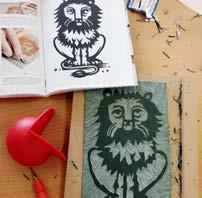
Print-making for wellbeing course:
All work produced on this course will be exhibited in an end of year exhibition in July in Prescot. Beginning on the 17th of April from 10am-12pm At New Hutte Neighbourhood Centre, L26 1TT. Entirely free and the perfect way to unleash your creativity, come down and learn new printing techniques and make some appealing prints.
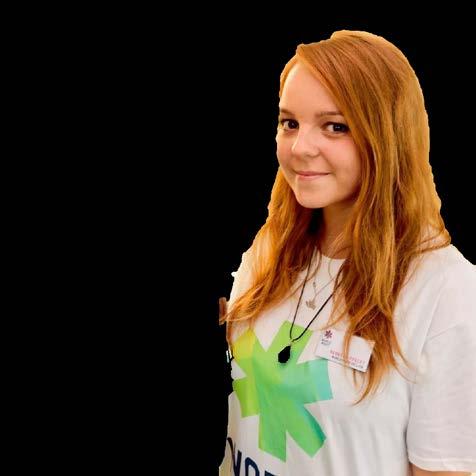
Youth ambassador, Rebecca Feeley
Rebecca utilises social action in the community, managing a set of creative workshops to support people struggling with issues regarding mental health.
The artwork created in some of her workshops in the past have been auctioned off to raise money for groups which benefited from the sessions.
“Being a part of these workshops has shown me how much I want to make a difference to people’s lives and how much they can be beneficial to people’s mental state. Seeing the smiles on people’s faces during the classes is my favouite part, it’s also a really great way to get into a new hobby as most of the people who come down are beginners themselves.”
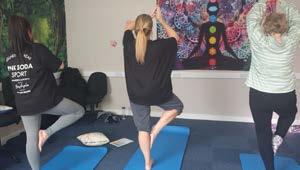
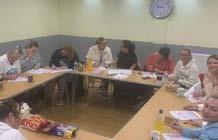
Yoga for fitness and a relaxed mind:
Face Forward offer beginner yoga classes for those of you who have never stepped on a mat before and for those who might want to refresh their practice – the beginner’s course has gained a reputation as one of the very best to attend.
Coffee and a chat:
Located in Prescot’s new Learning Hub, every Tuesday at 10am-12pm, you can come down and and engage in conversation that gives you social support. Listening, information-sharing, advice-giving, or just to vent, this process helps you put things in perspective which helps build your resilience and cope better when things don’t go to plan.
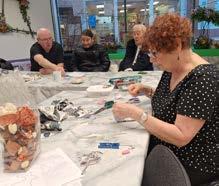
Five ways to well-being through art and craft:
We all have a creative side waiting to be explored – pop along to one of these craft classes in Liverpool and get set to explore yours! Roll up your sleeves and try jewellery making and learn how to make your own DIY decorations – it’s time to discover a crafty you!
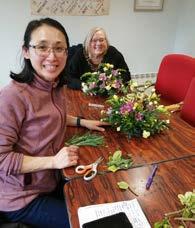
Floristry class:
Let your creativity blossom with these growing range of sweetly scented floristry classes in Liverpool! Whether you’re a nature lover who’d like to bring the outside in, a blushing bride preparing for your DIY wedding or just someone looking for a relaxing new hobby, Face Forward’s flower arranging workshops will tick all the boxes.
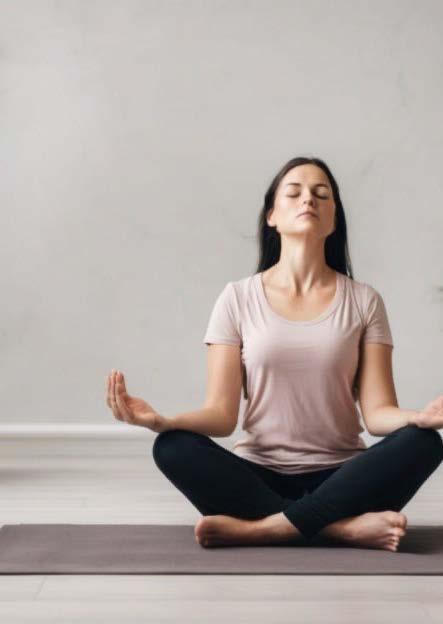
BREATHING exercises for a clear mind
In our fast-paced and stress-filled world, finding moments of relaxation and peace is essential for maintaining our well-being. Mindful breathing techniques offer a simple yet powerful way to calm the mind, reduce stress, and promote relaxation.
Belly breathing:
Slowly fill and empty your belly with breath.
Breath count:
Count your breaths slowly and evenly.
Mindful breathing:
Pay attention to the rhythms of your breath.
Breathing visualisation:
Visualise taking in something positive within each breath.