DIEU MERCI KAMATE
Achitecture Portfolio
Selected Works

Achitecture Portfolio
Selected Works
I am originally from the Democratic Republic of Congo. I am a recent graduate of Master of Architecture seeking entry level position. I served as a full-voting member of the Architecture Program Curriculum Committee for the academic year 2021-22. Outside of architecture, I find inspiration in photography, fishing, and travel.
Master of Architecture
2021 - 2025
University of Maryland, College Park
GPA: 3.46
Bachelors of Arts, Architecture
2019 - 2021
Entrepreneurship Minor
University of Maryland, College Park
Magna Cum Laude
University of Maryland, College Park MD
Spring 25 | Graduate Assistant
ARCH425 - History of World Architecture I.
Spring & Summer 23 | Research Assistant
C onducted an lifecycle analysis and literature review on an historic building in Zabrze, Poland.
Graig Gaulden Davis Architects, Baltimore MD
Summer 22 & 24 | Intern Architect
A 12-week summer internship that emphasized on project planning and project development and documentation. Project sectors include designs and renovation of K-12 schools, commercial, and office buildings.
Engineering Consulting Services, Frederick MD
Summer 22 | Field Technician
Main responsibilities were at the site. Daily tasks included observation, materials testing, and documentation of construction techniques and specifications. Final reports were to be forwarded to the city inspector and supervisors of the project.
Software: Revit, Lumion, & Photoshop
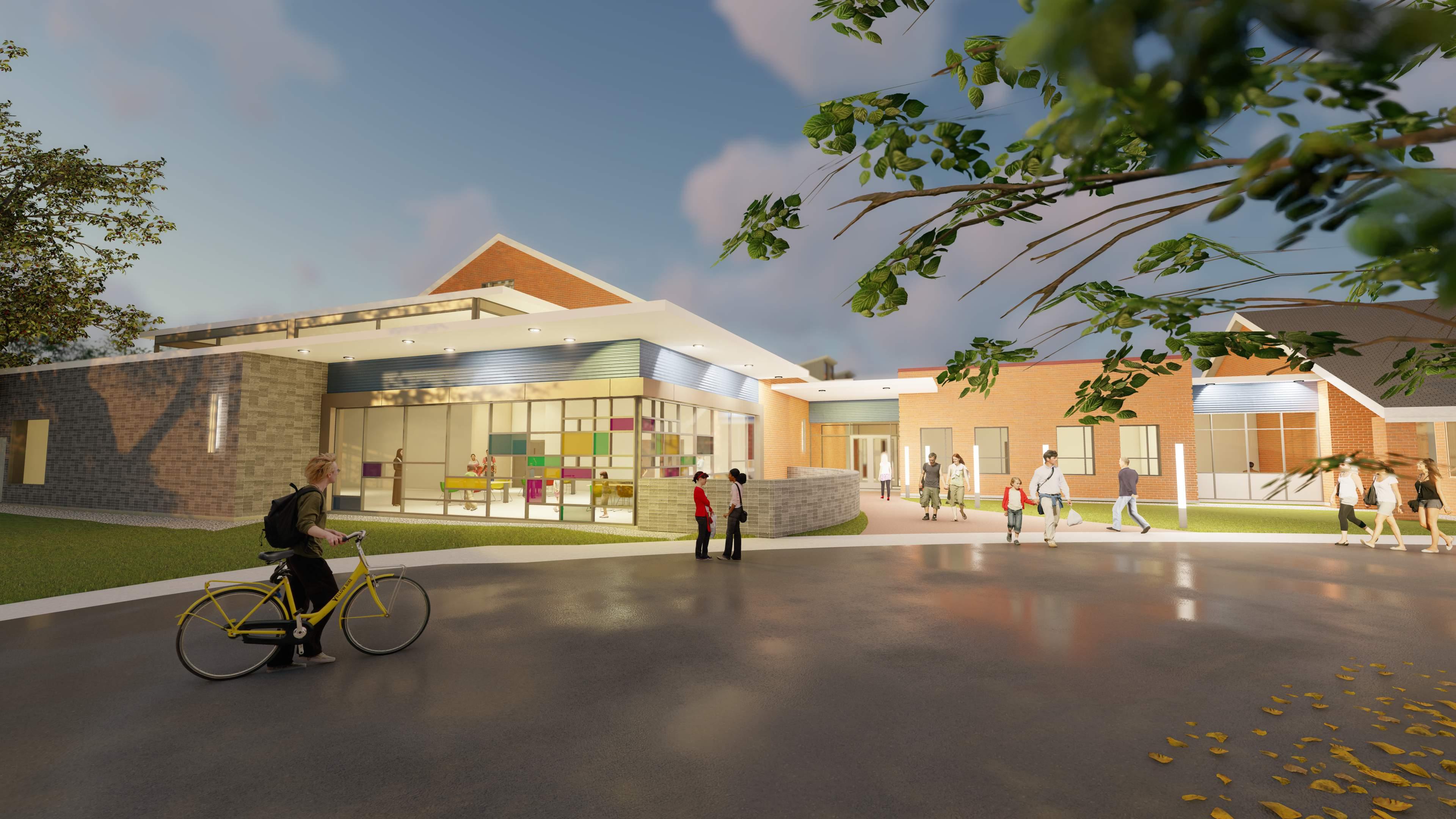
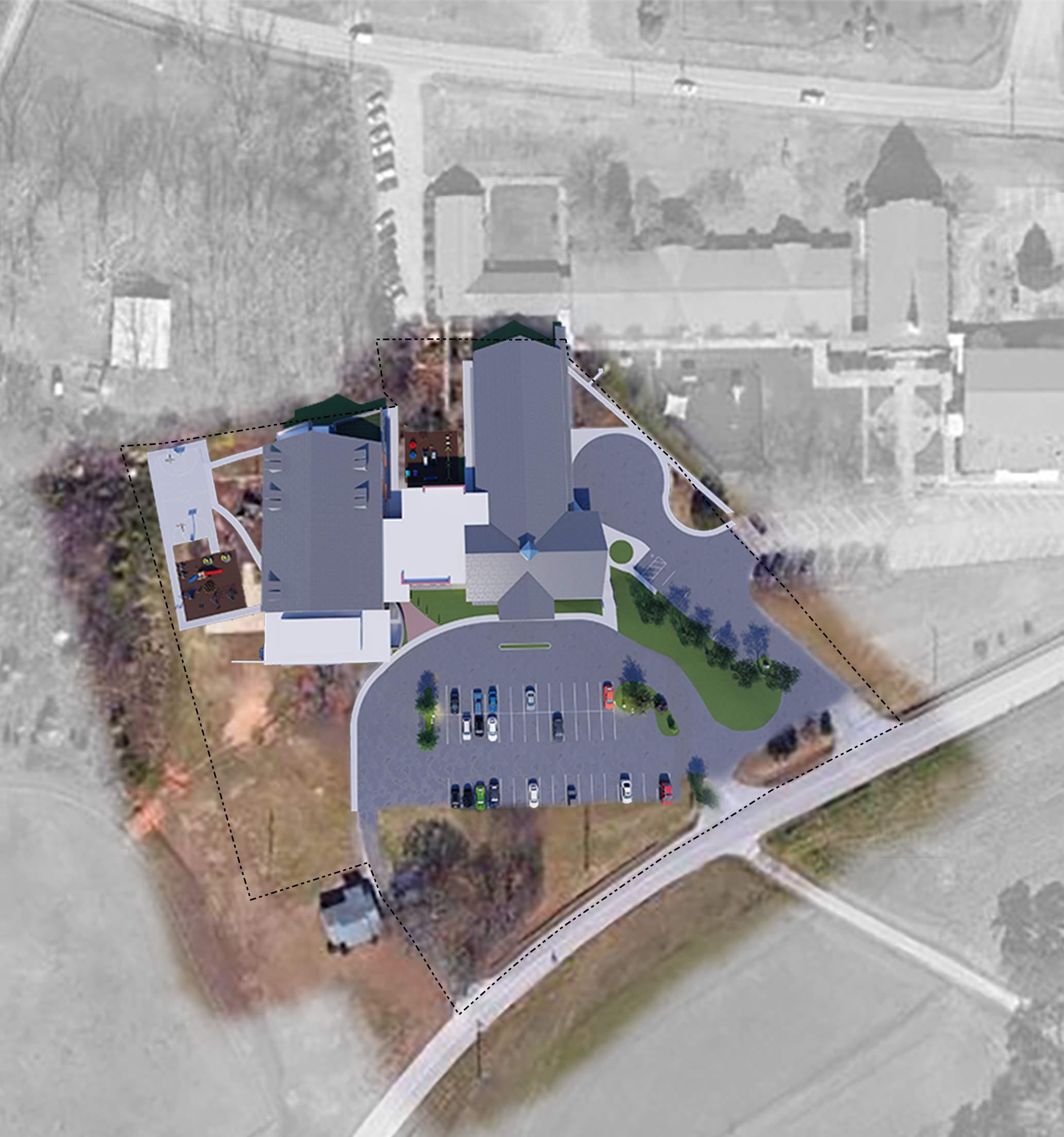
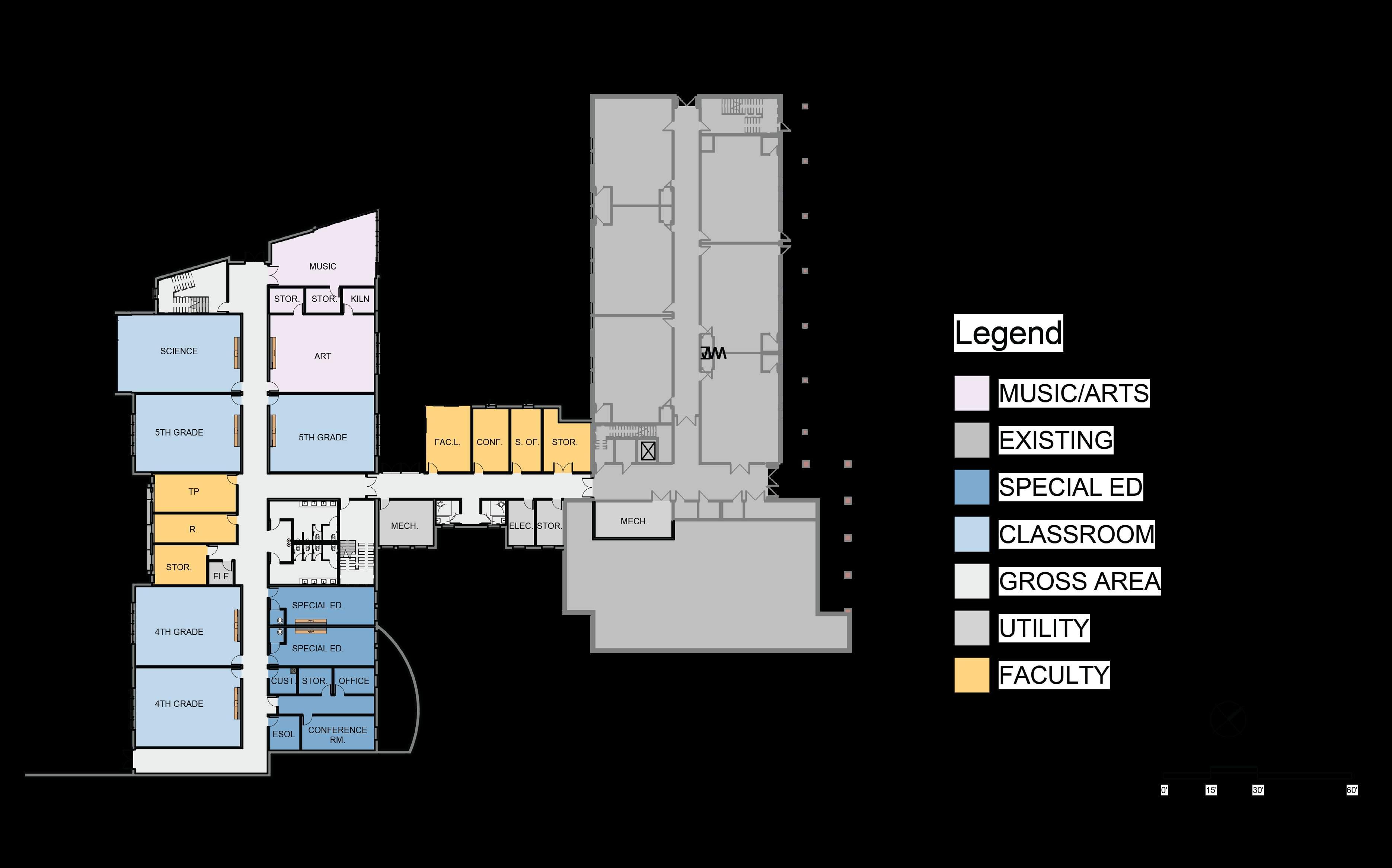
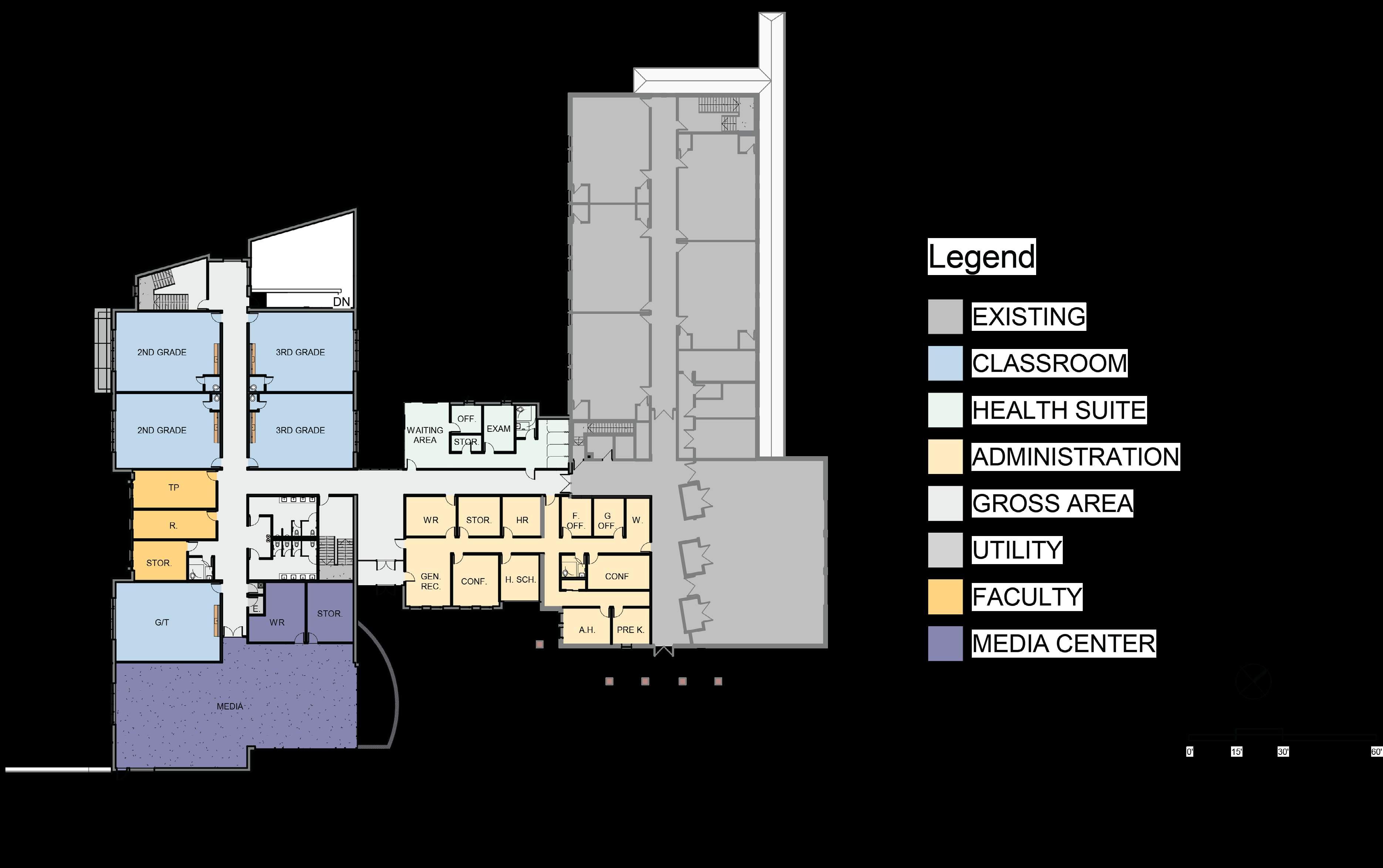
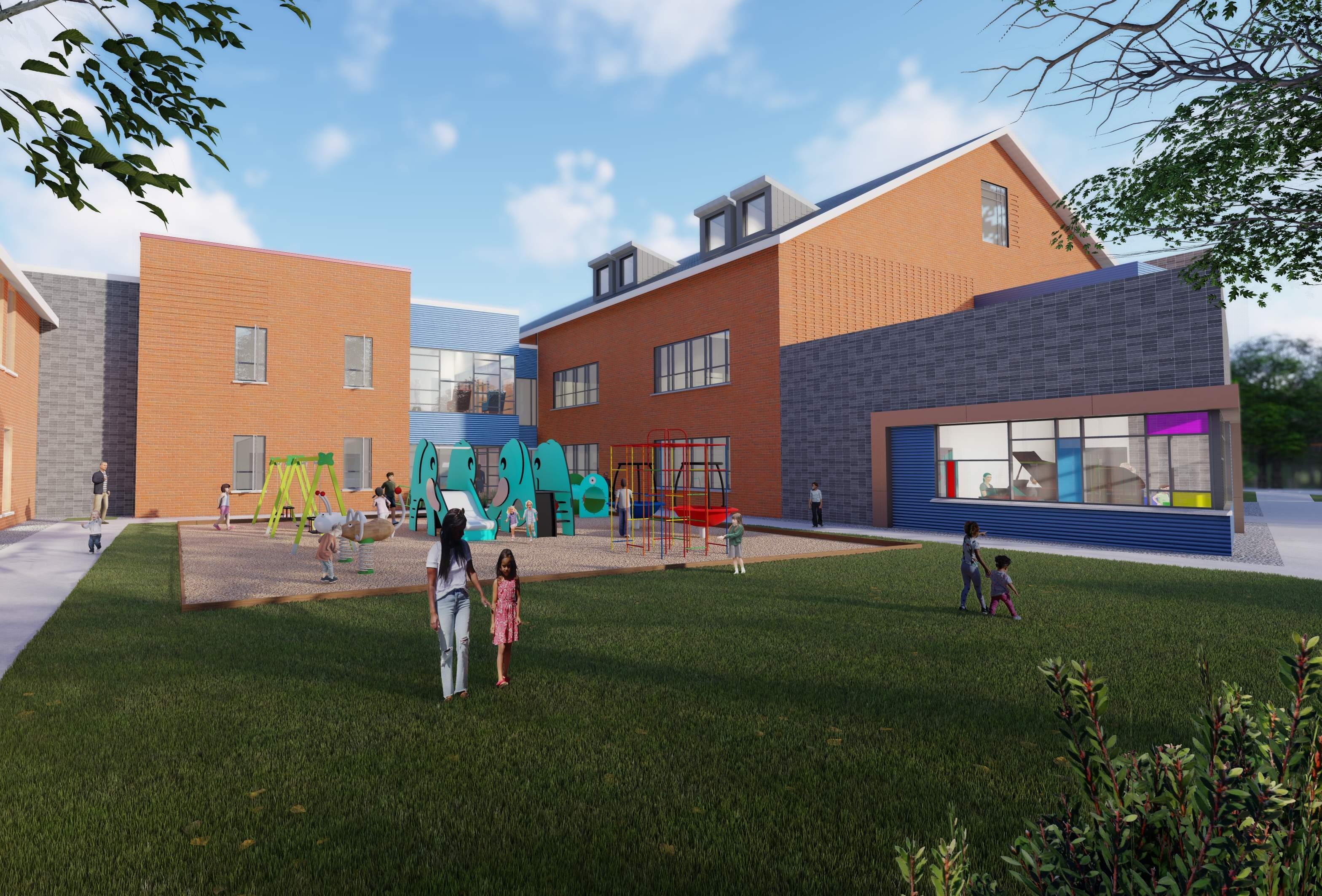
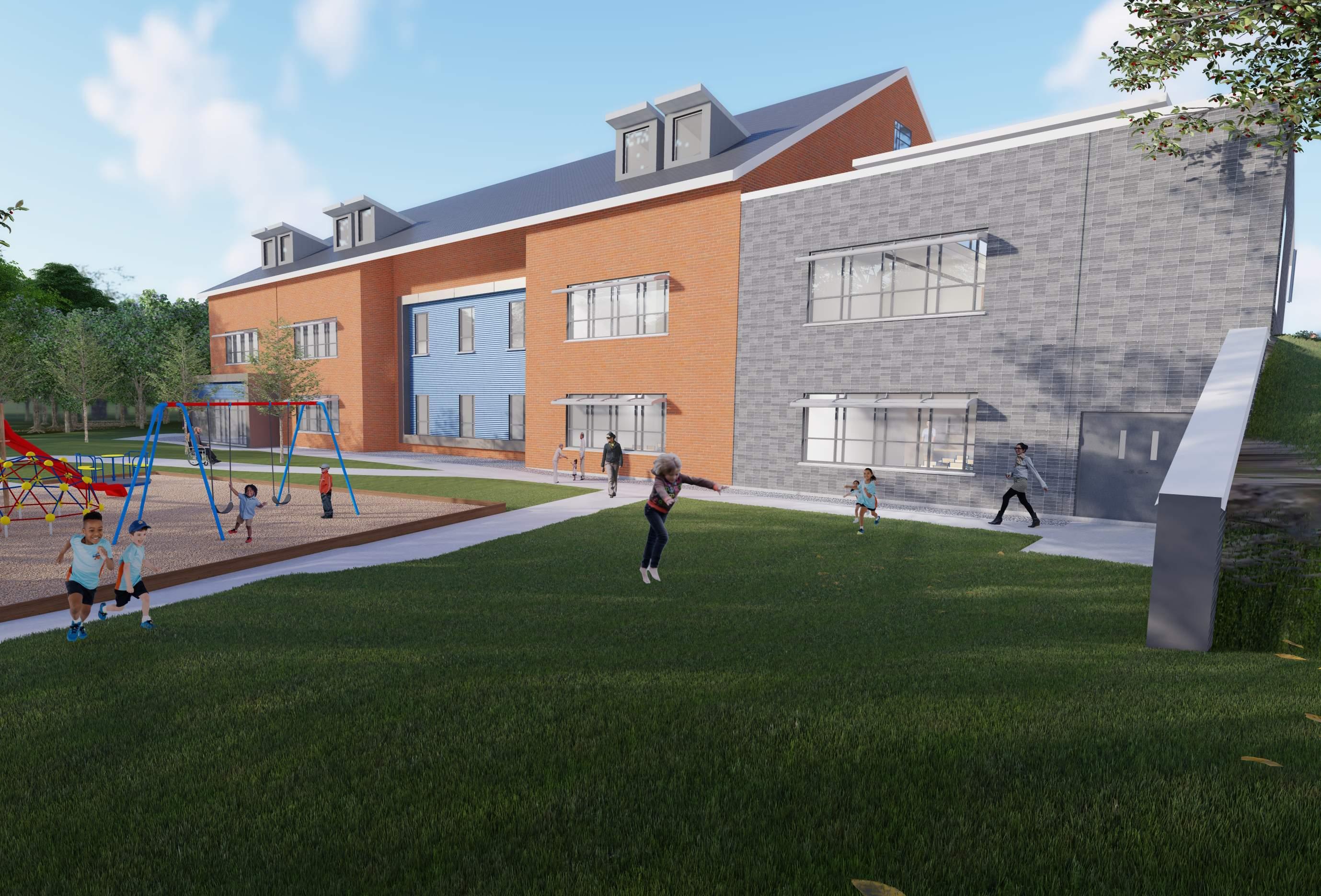
Located in Greenville, South Carolina, the West Wing of First Presbyterian Academy is a new addition to the school, designed to accommodate grades 2 through 4 as well as several special education classrooms. As an intern architect, I was responsible for producing computer-generated drawings and schematic phase renderings to support the design team. One of the primary challenges of this project involved assisting in detailed study of the programmatic needs and the thoughtful selection and integration of materials to align with the school’s existing architectural language and functional goals.
Software: Revit, Lumion, Illustrator, & Photoshop
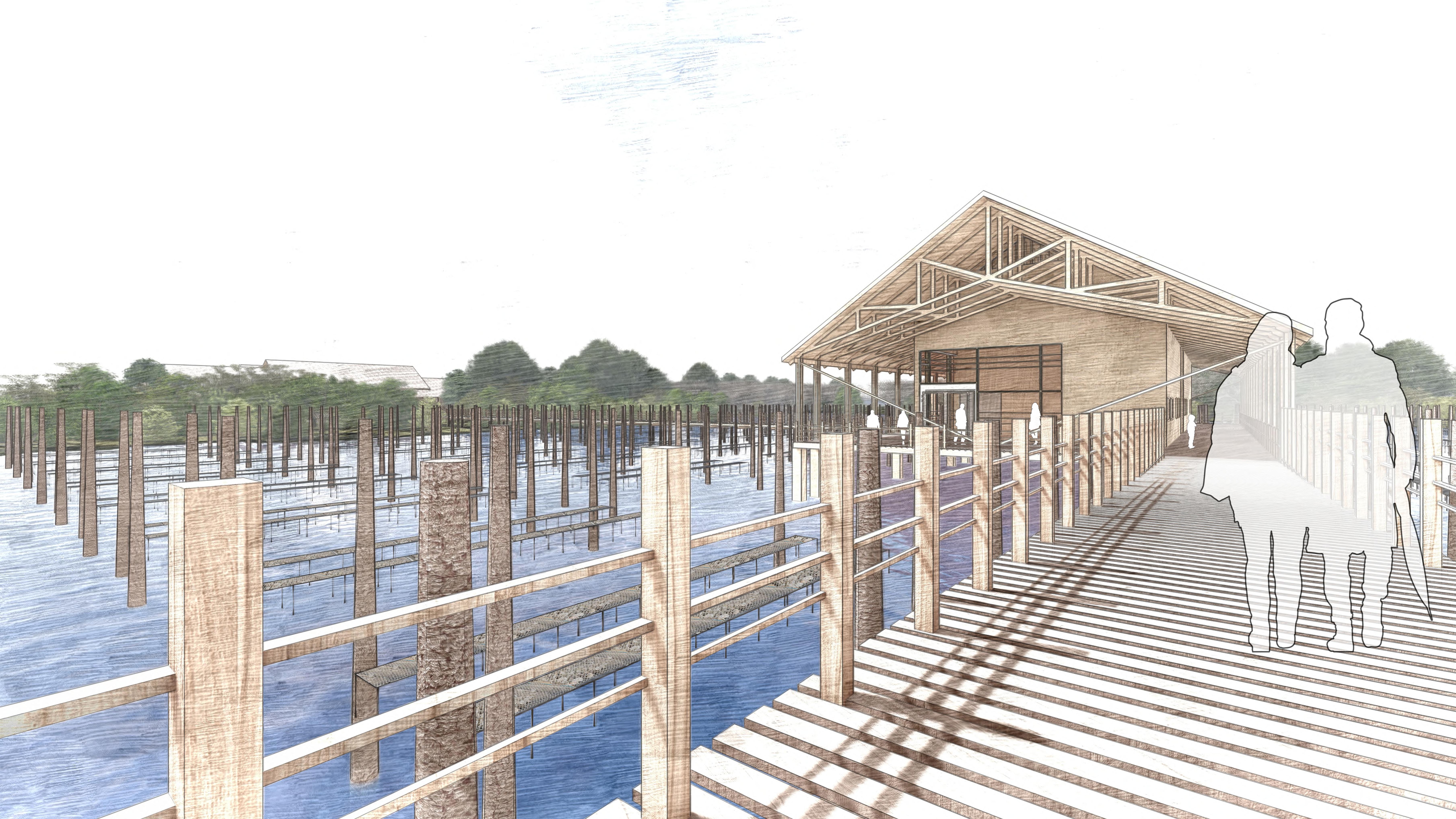
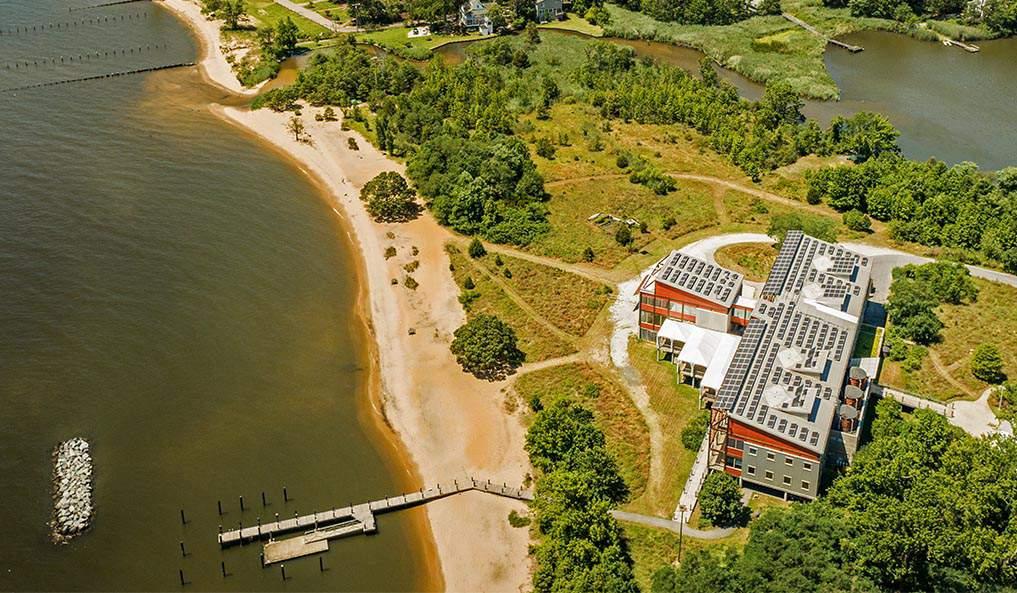
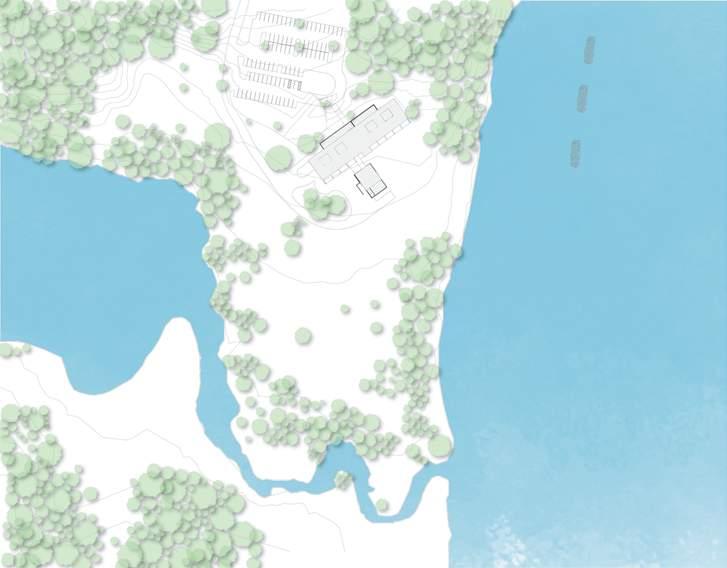
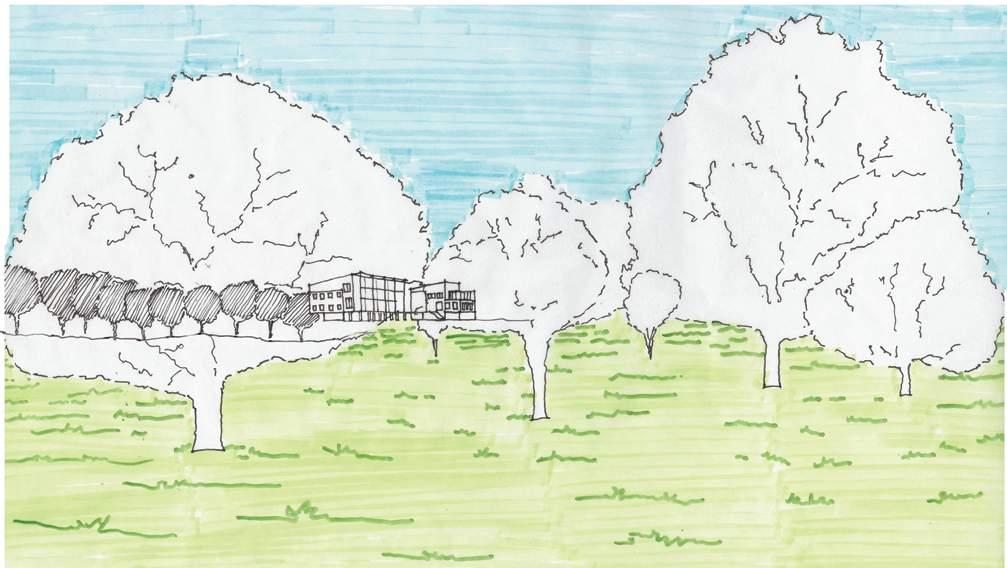
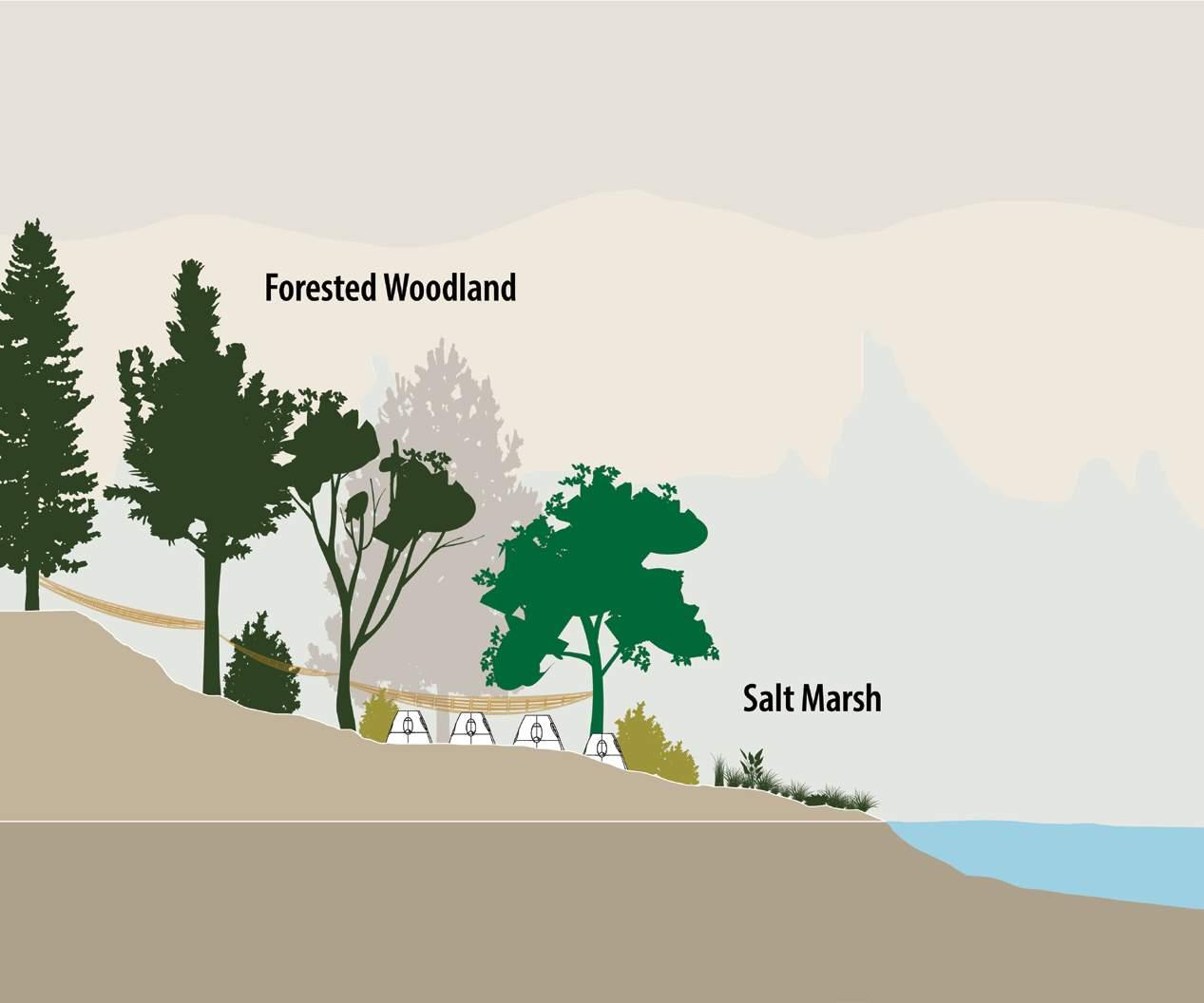
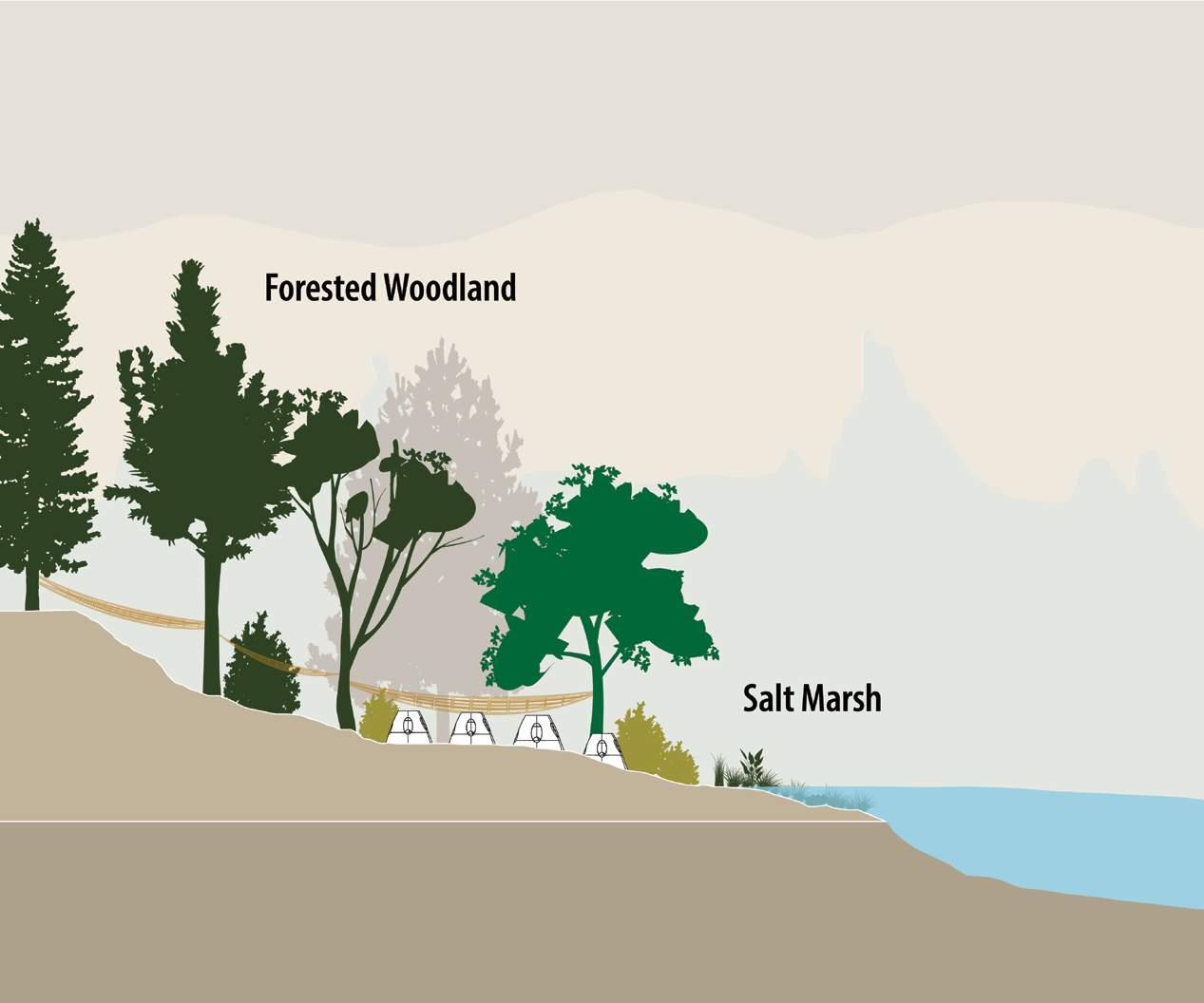
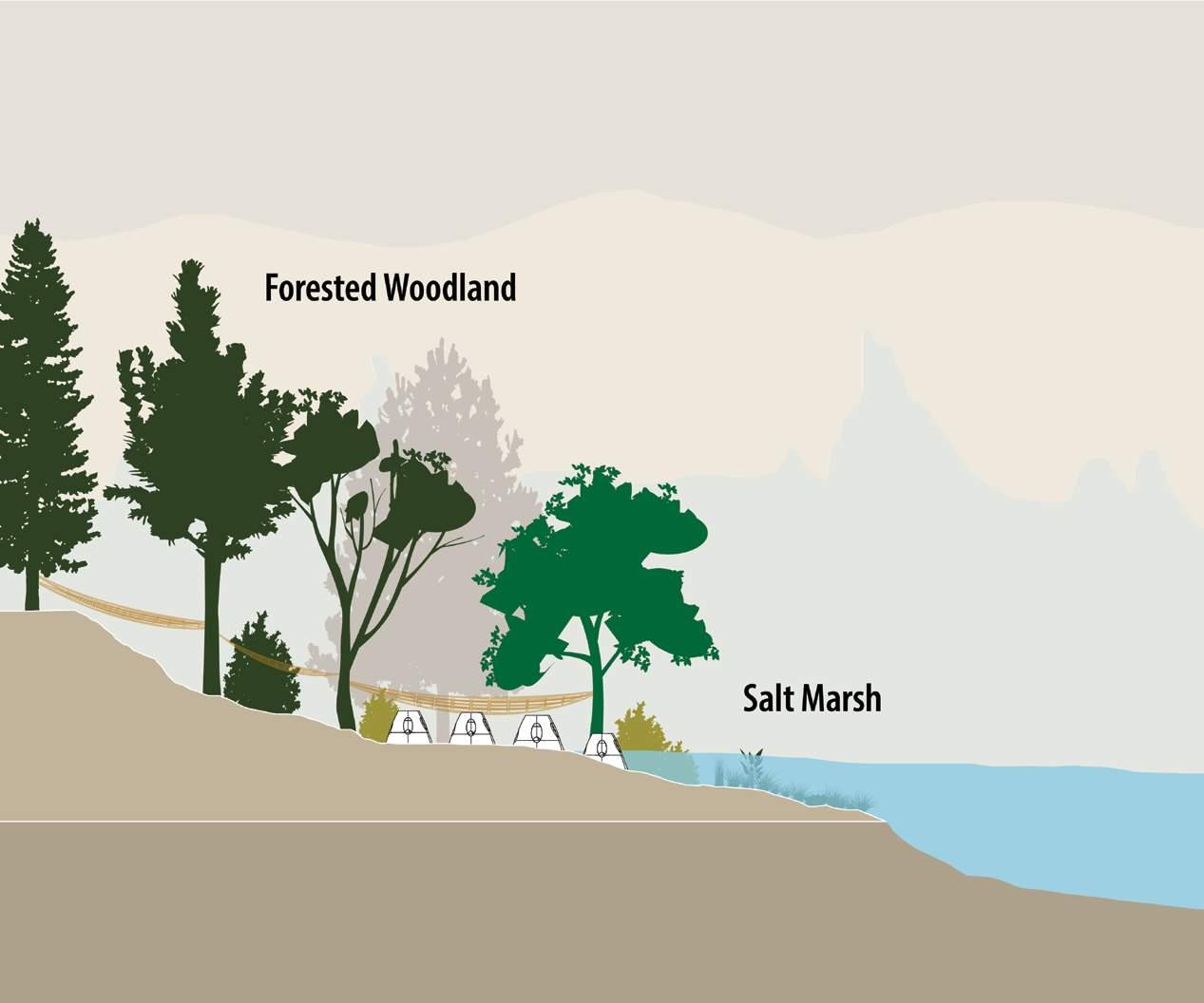
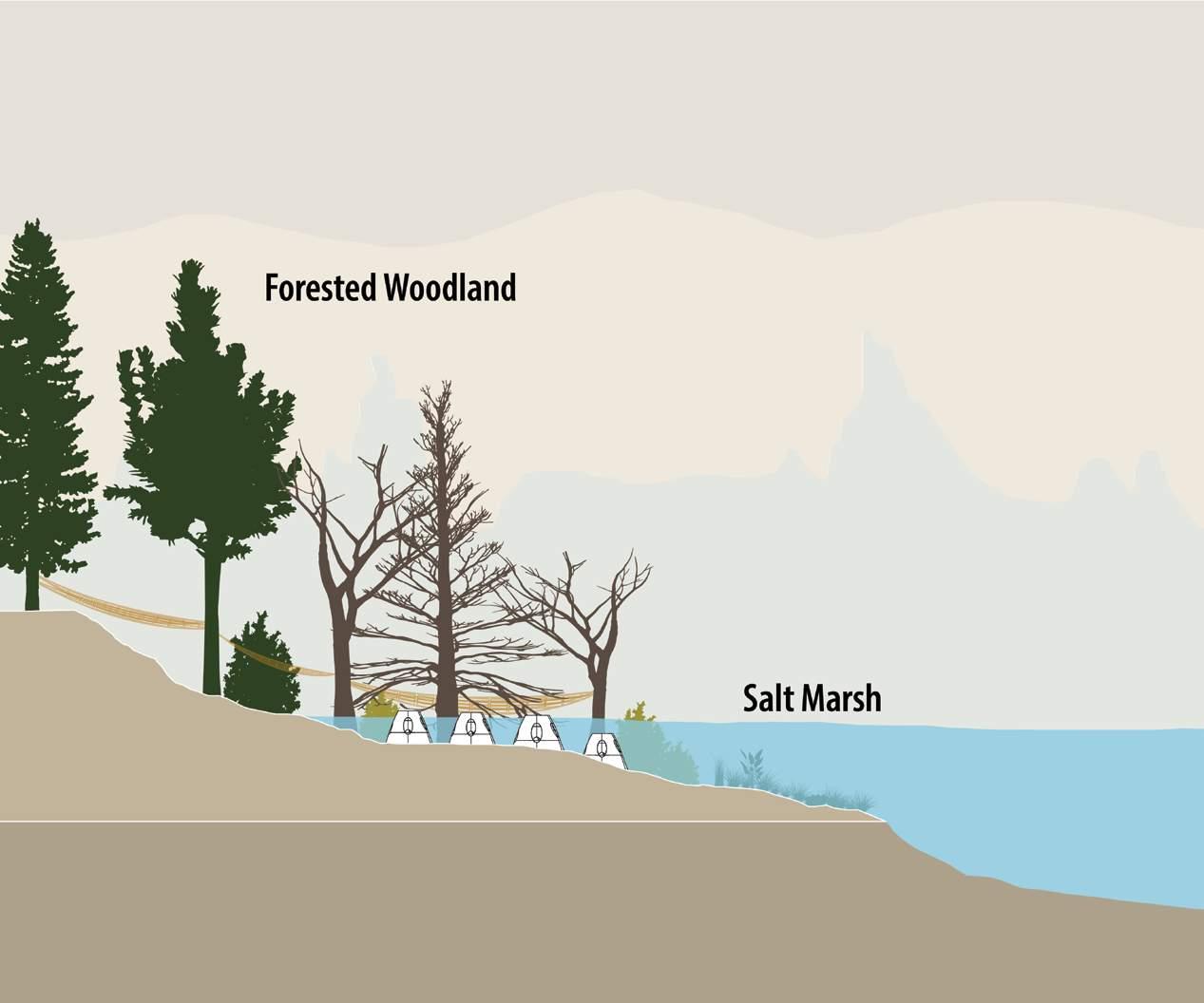
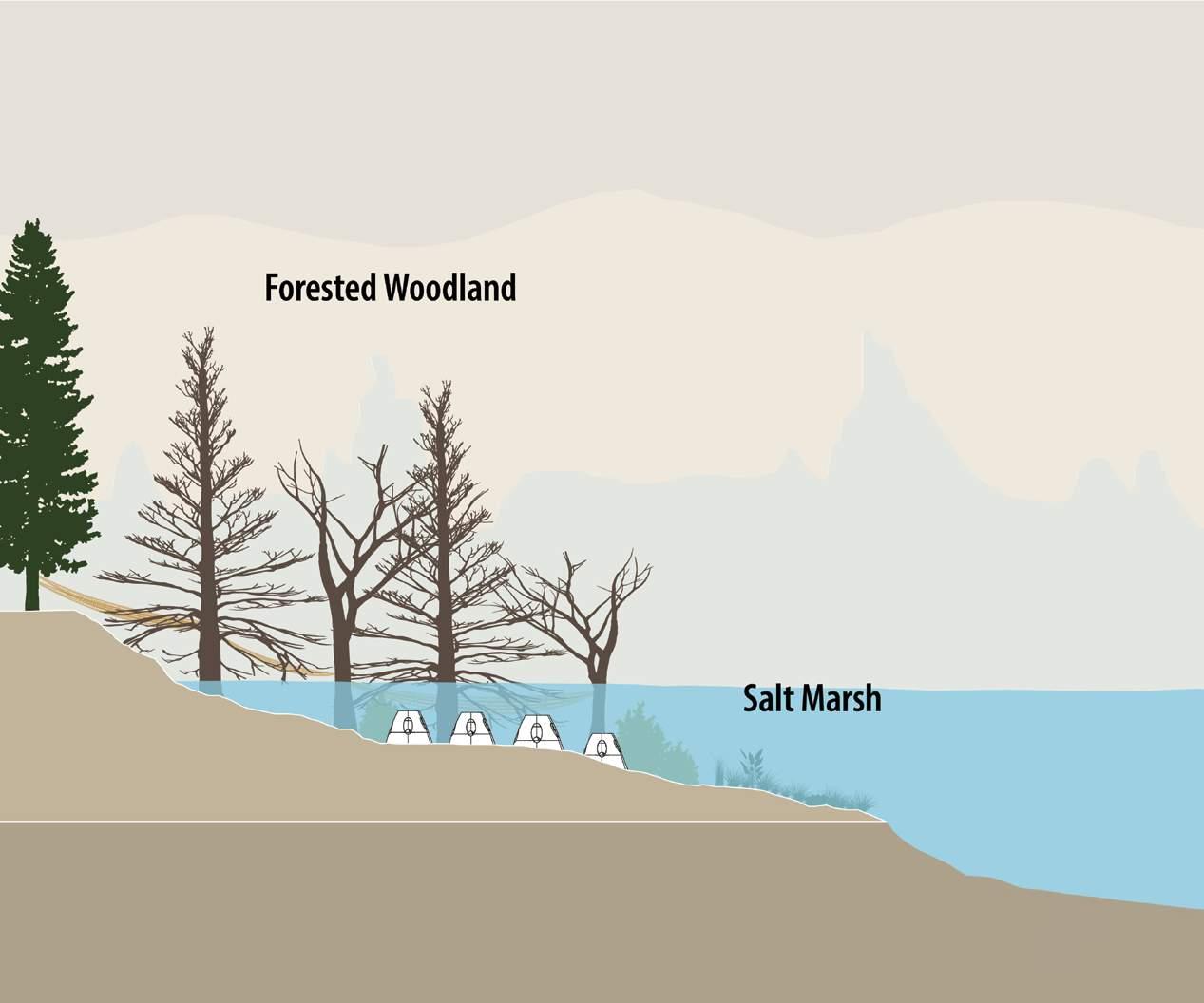
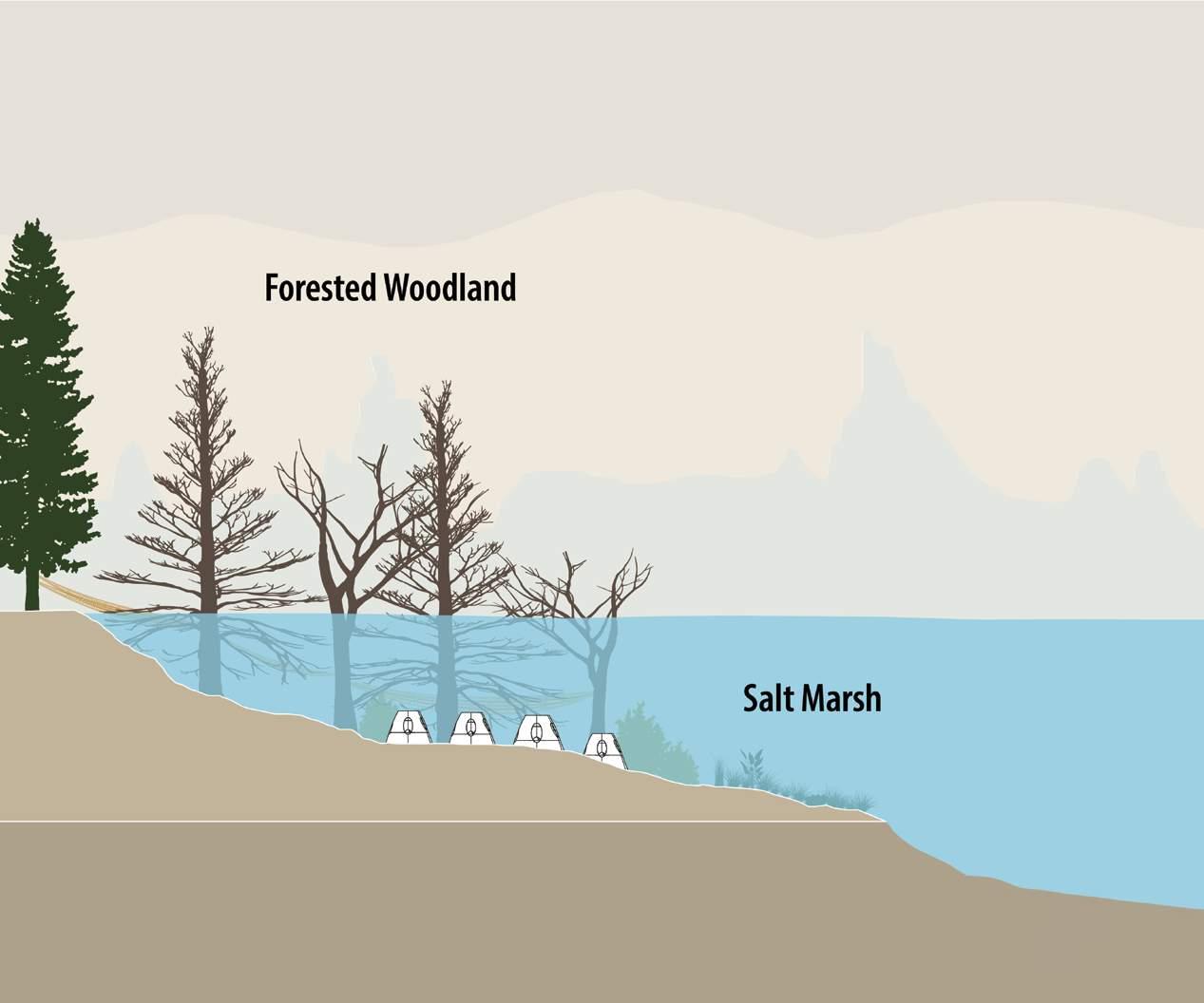
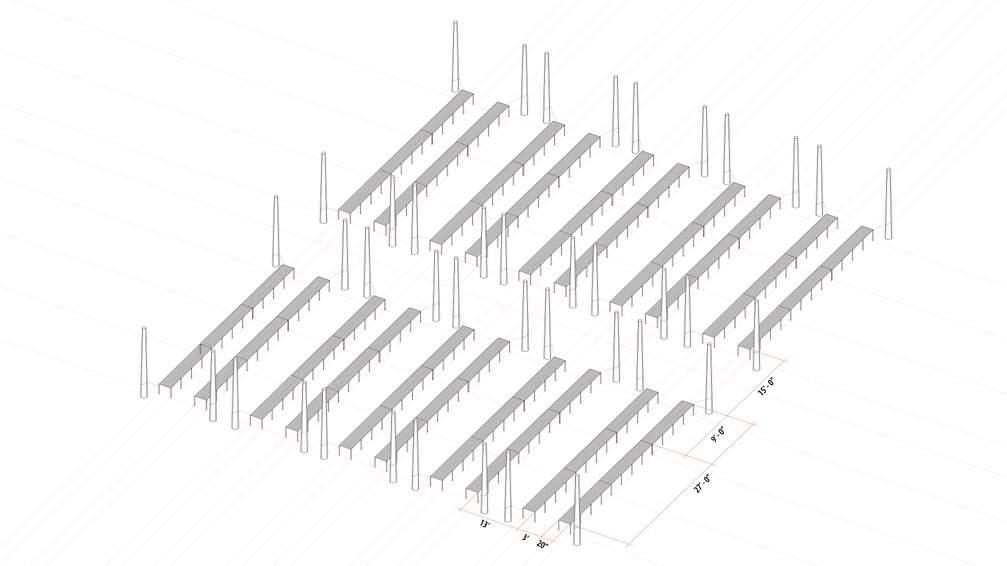
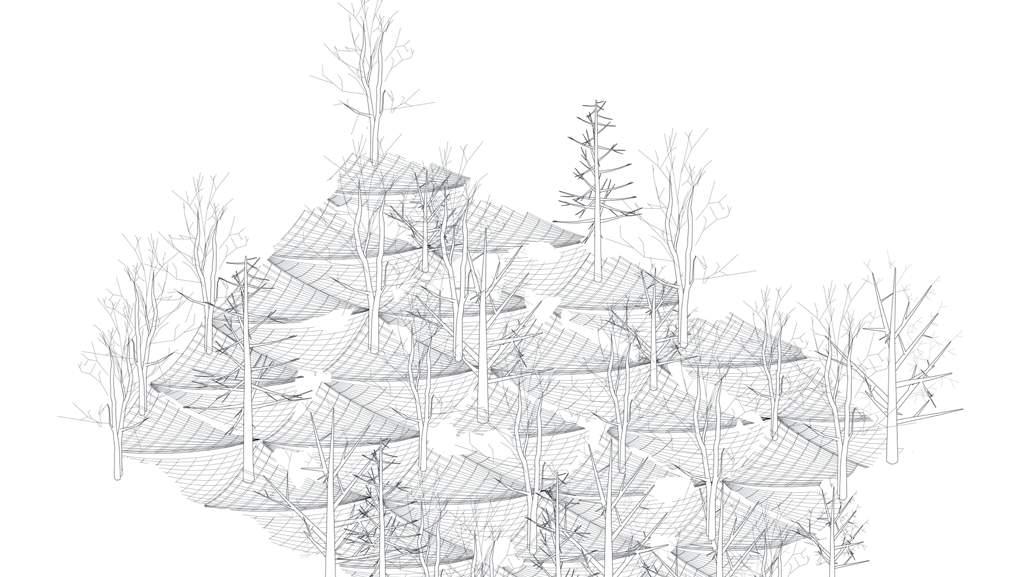
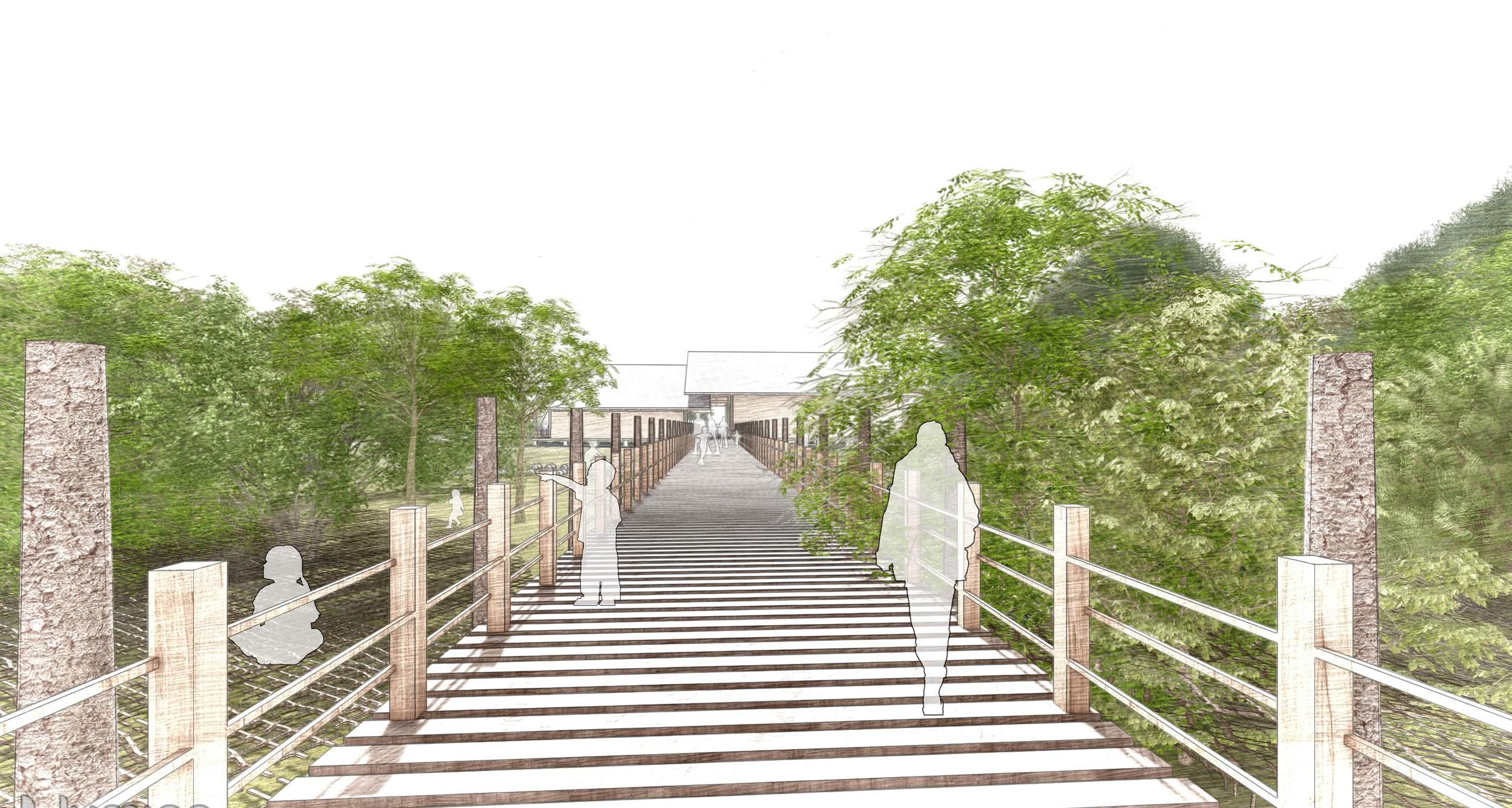
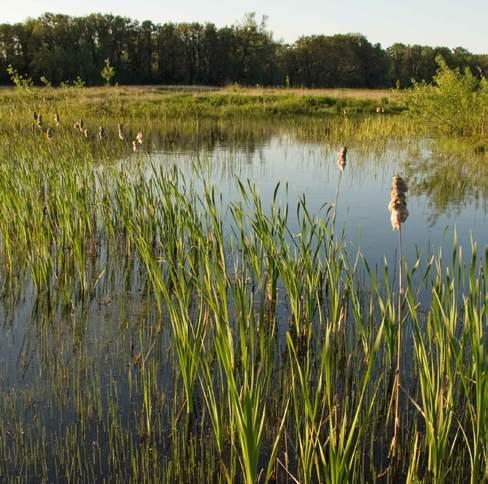
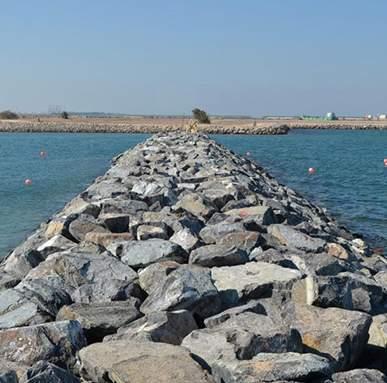
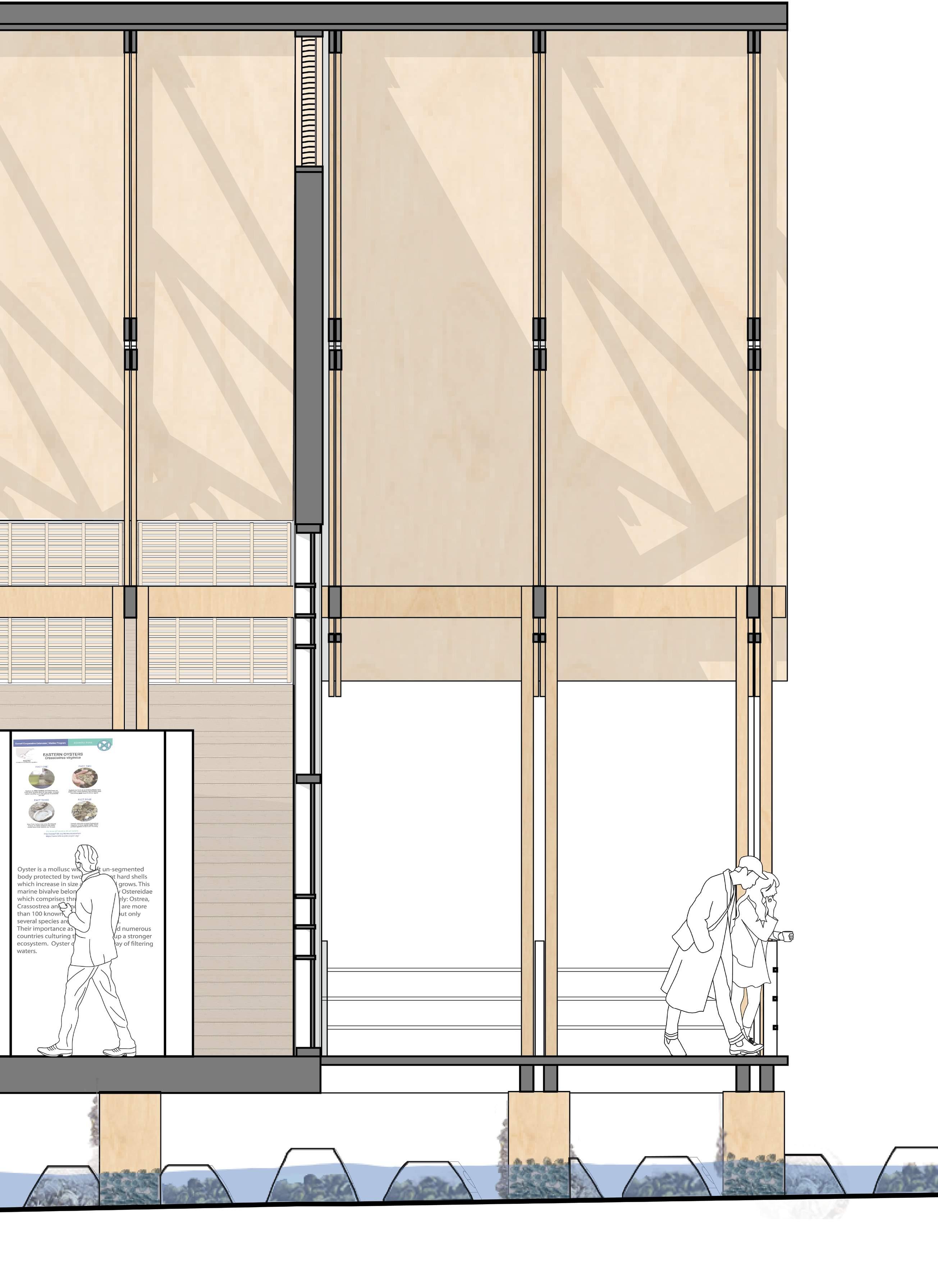
This proposal is located along the shoreline next to the Philip Merrill Environmental Center in Annapolis, Maryland, headquarters of the Chesapeake Bay Foundation and recognized as the world’s first LEED Platinum building. In the coming years, the site’s coastal forest is expected to undergo significant transformation . In response, the project envisions an oyster promenade : a series of ecological and architectural interventions designed to adapt to rising seas and the forest’s gradual shift into ghost forest due to saltwater intrusion .
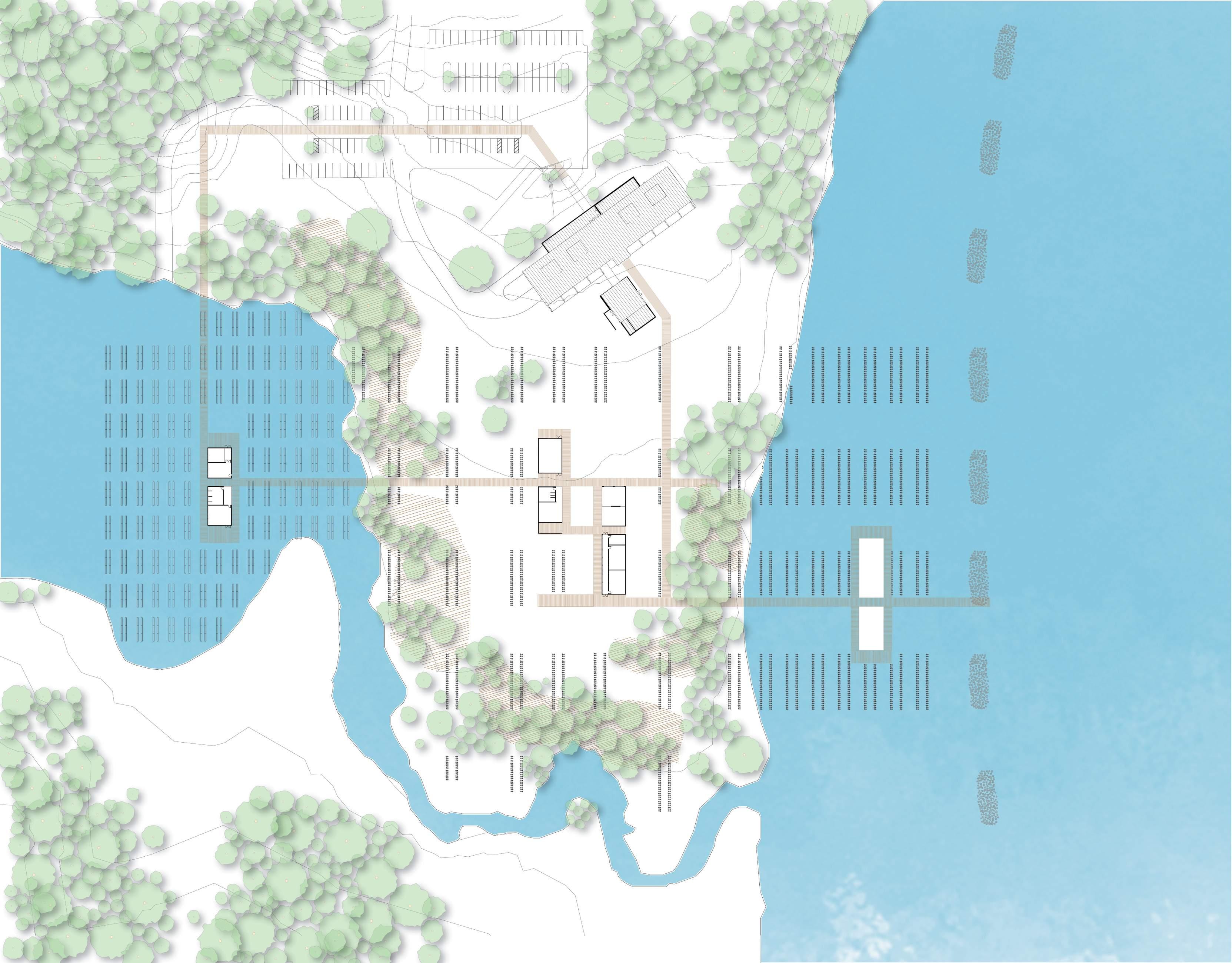
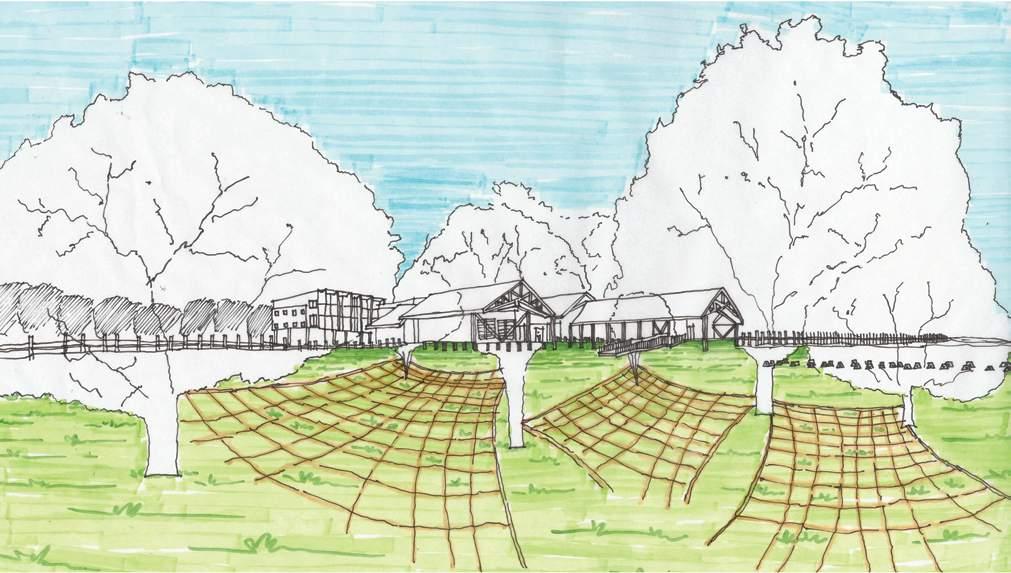
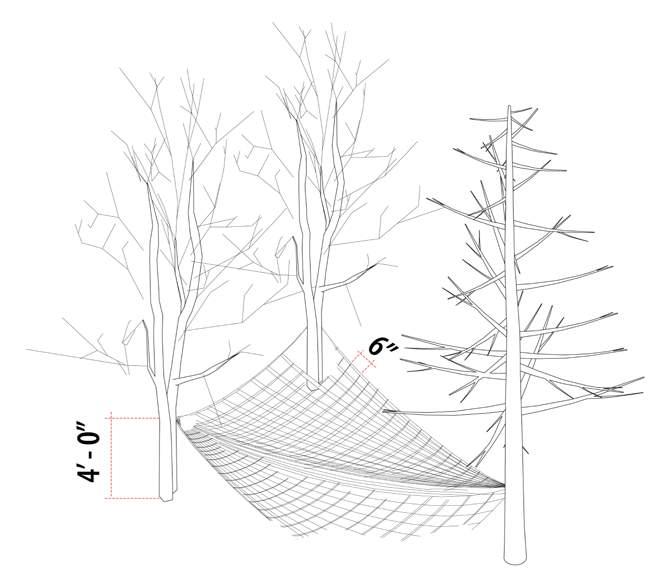
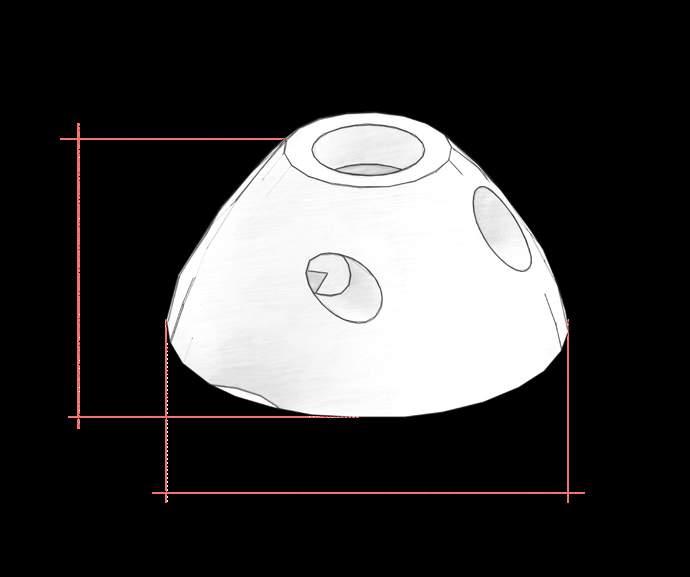
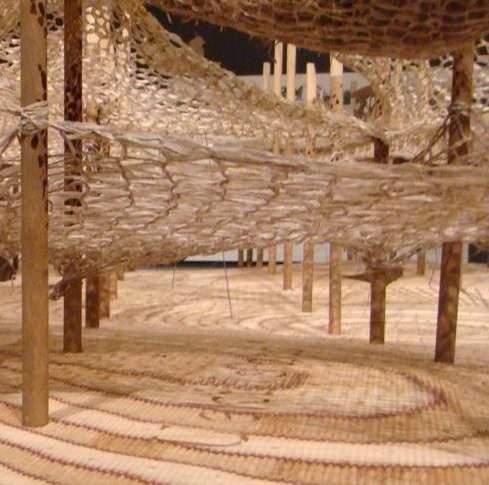
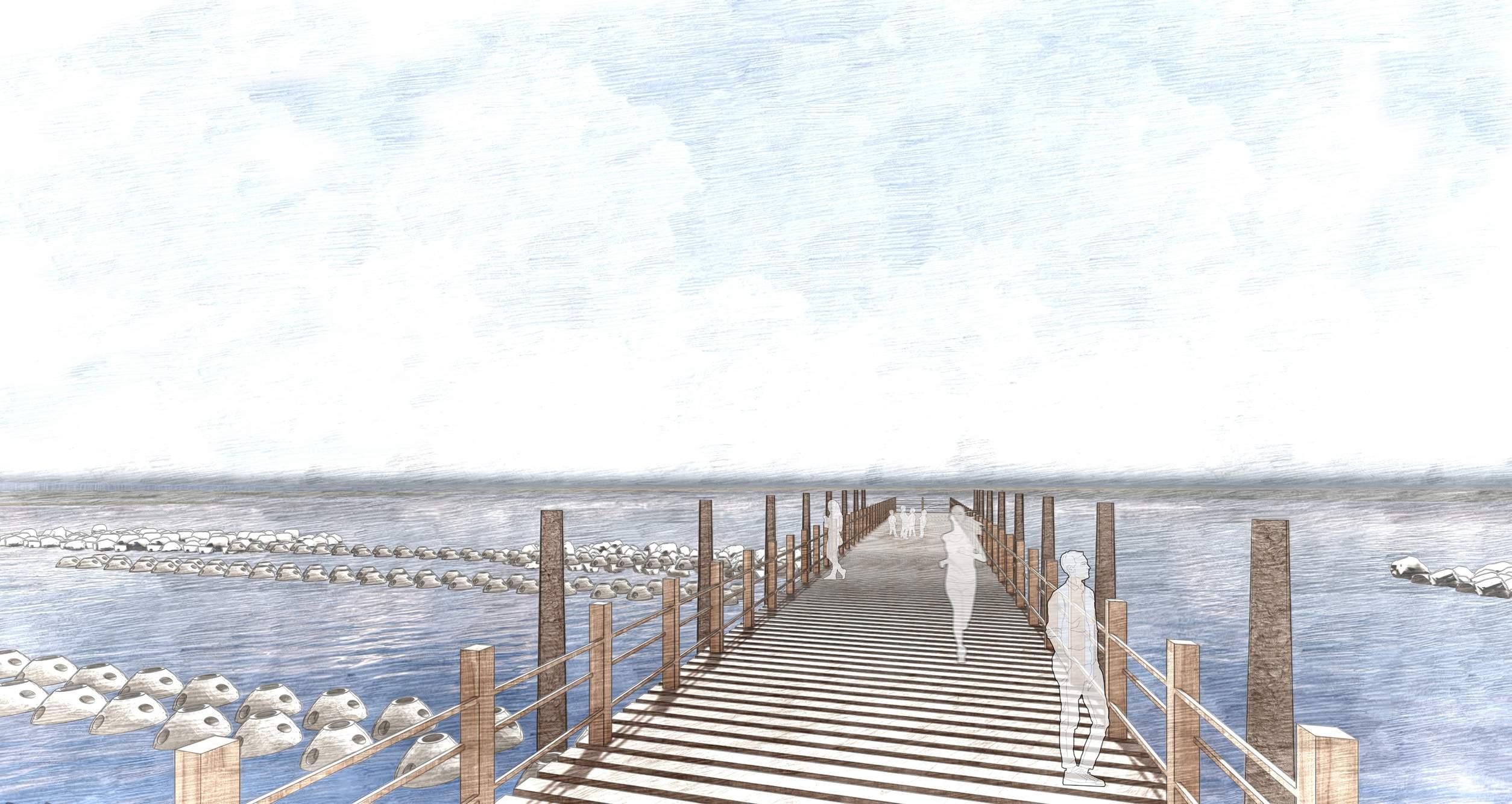
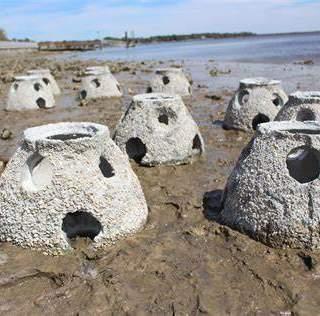
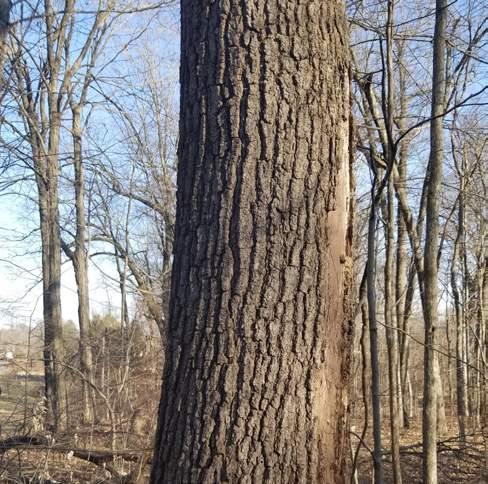
As sea levels rise and the forested land becomes saltlogged, the project proposes a tripartite strategy for adaptation. First, fuzzy rope structures are attached to dead tree trunks, repurposed as vertical armatures for future oyster colonization . Second, artificial reef balls are placed throughout the forest floor in anticipation of submersion , seeding long-term reef development.
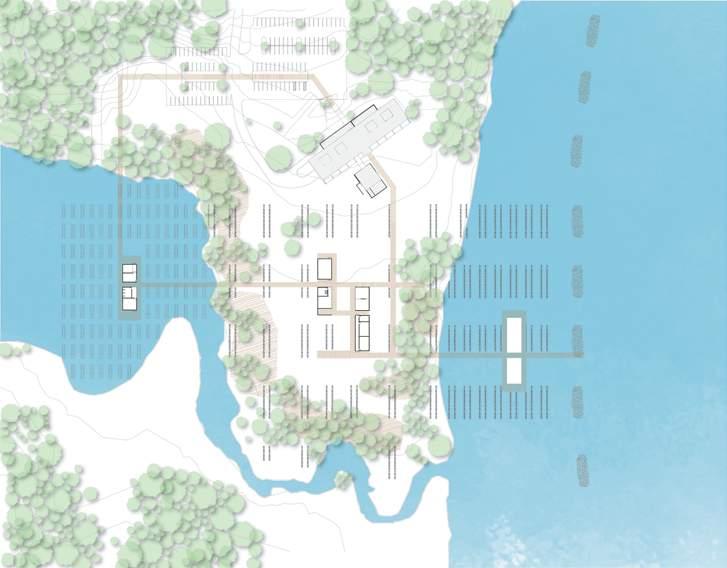
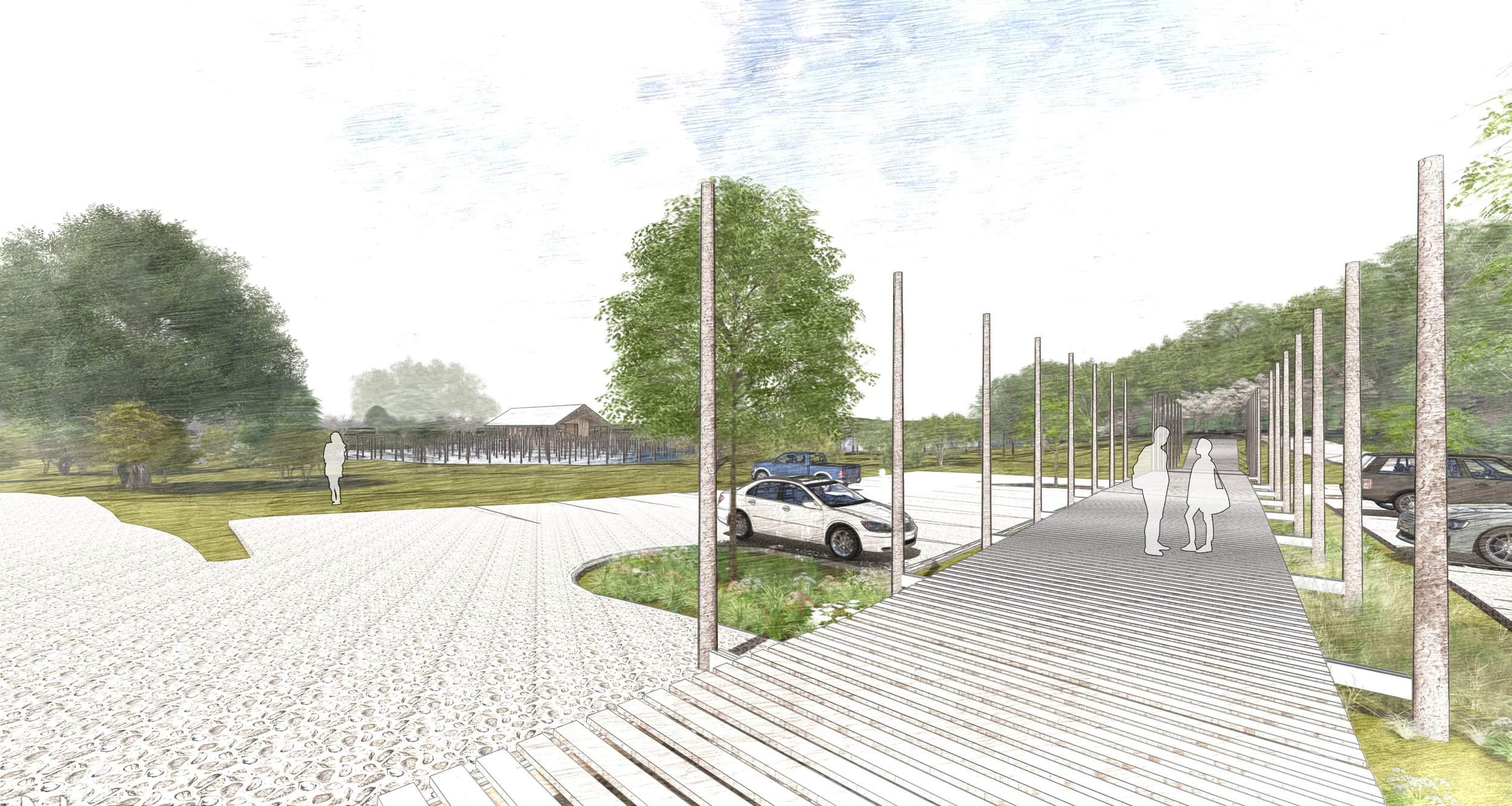
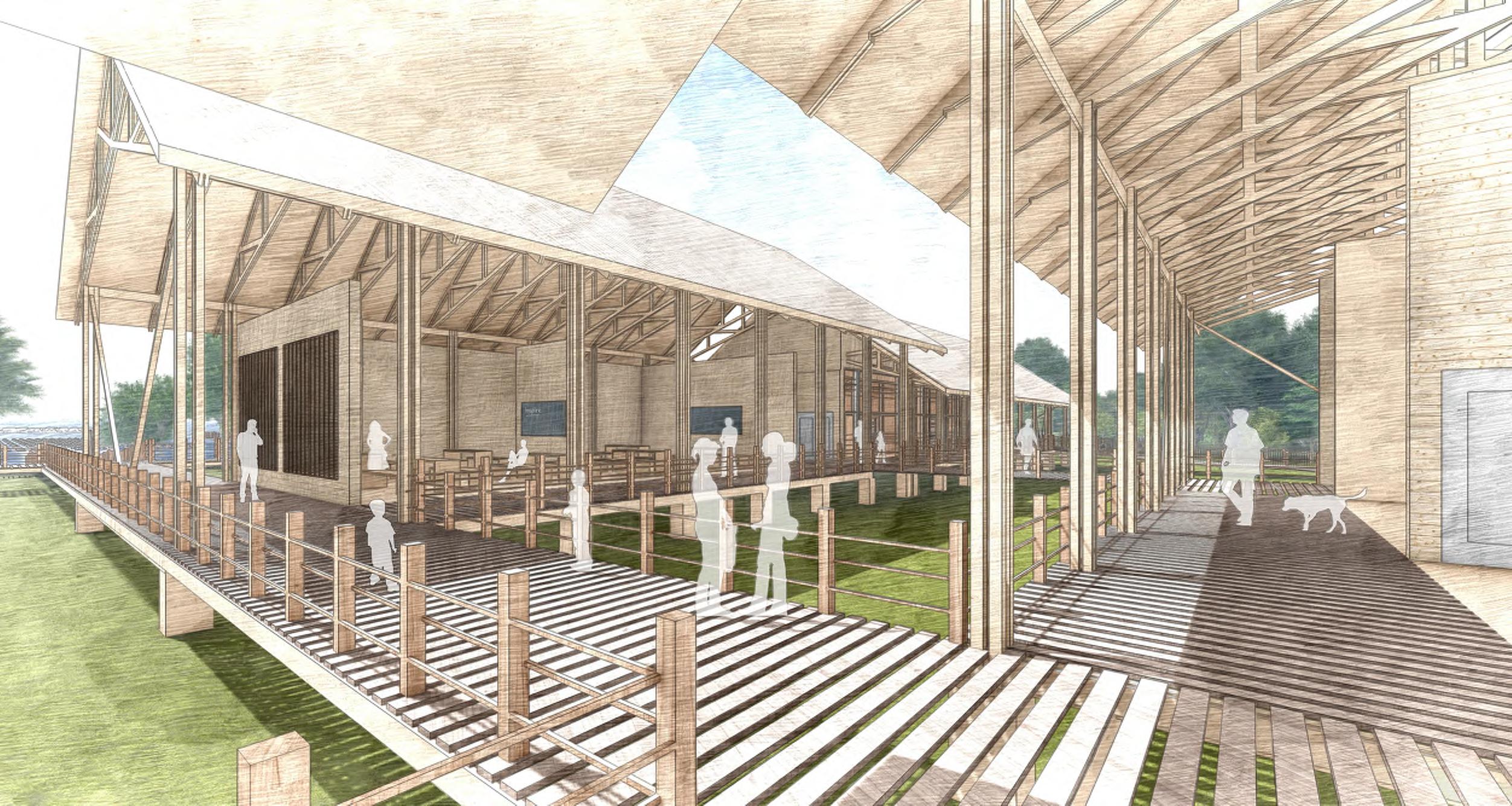
Third, a boardwalk and architectural program are threaded through the shifting landscape , creating an inhabitable spine that both responds to and embraces the evolving ecotone between land and sea.
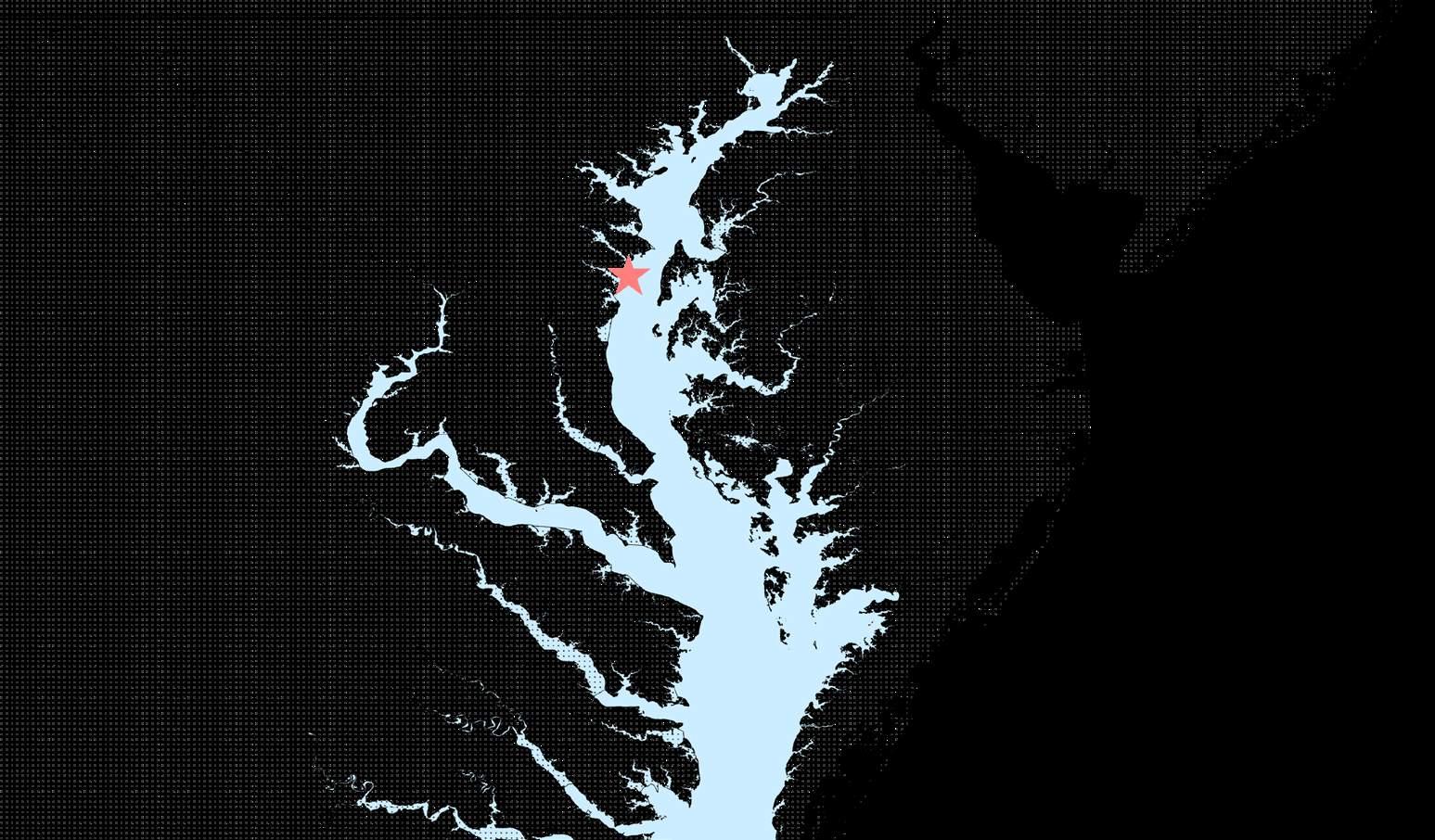
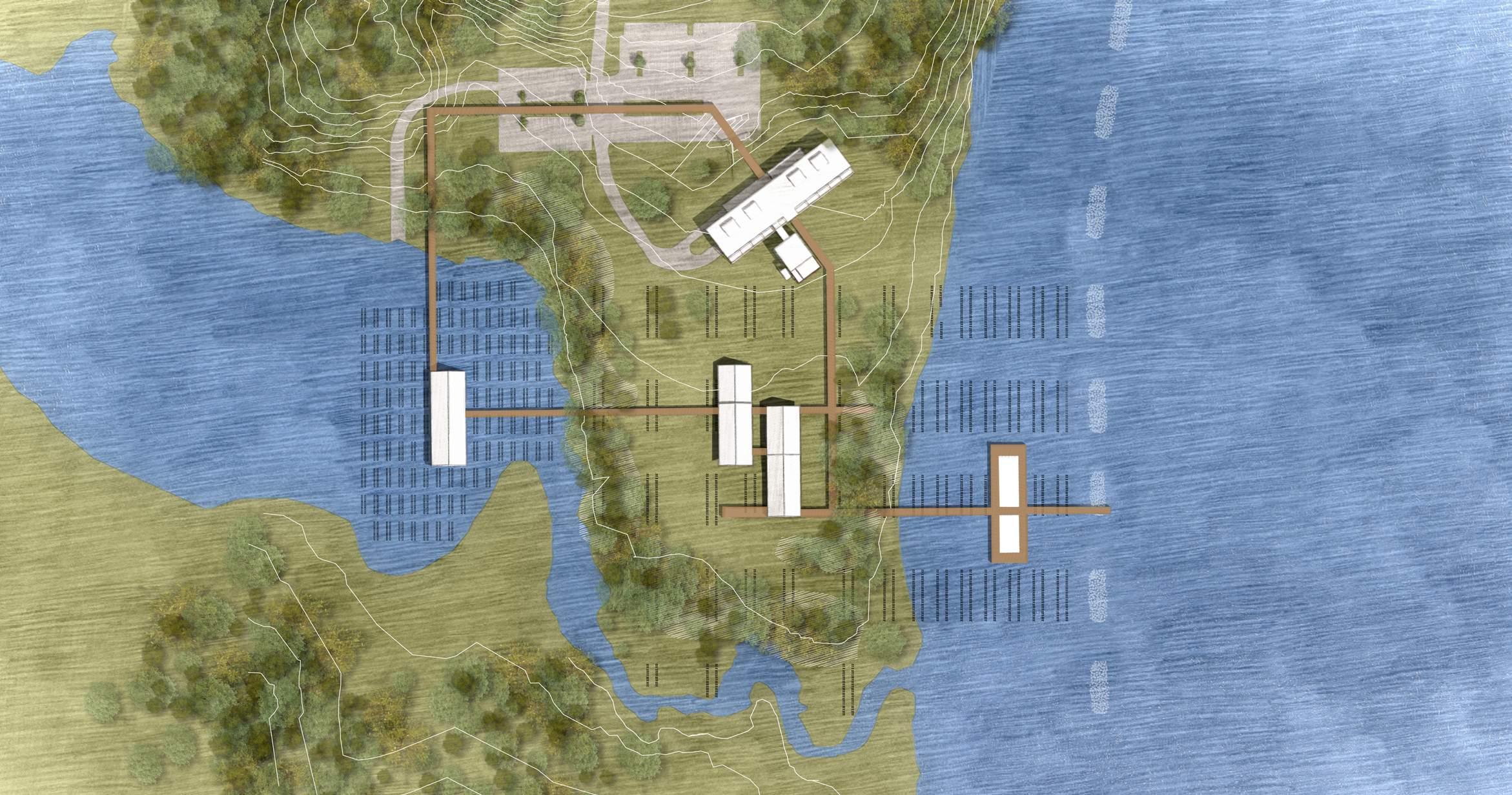
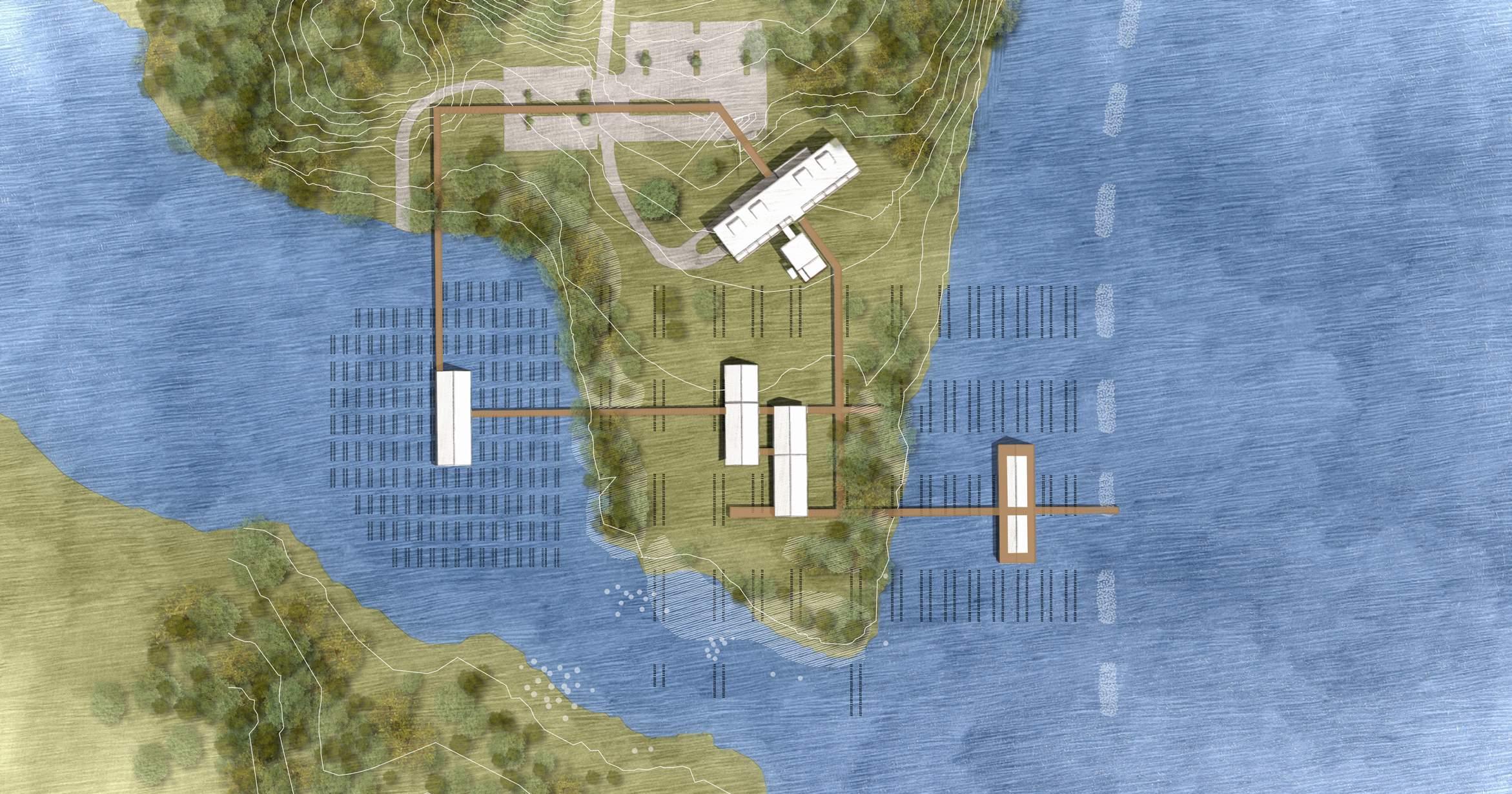
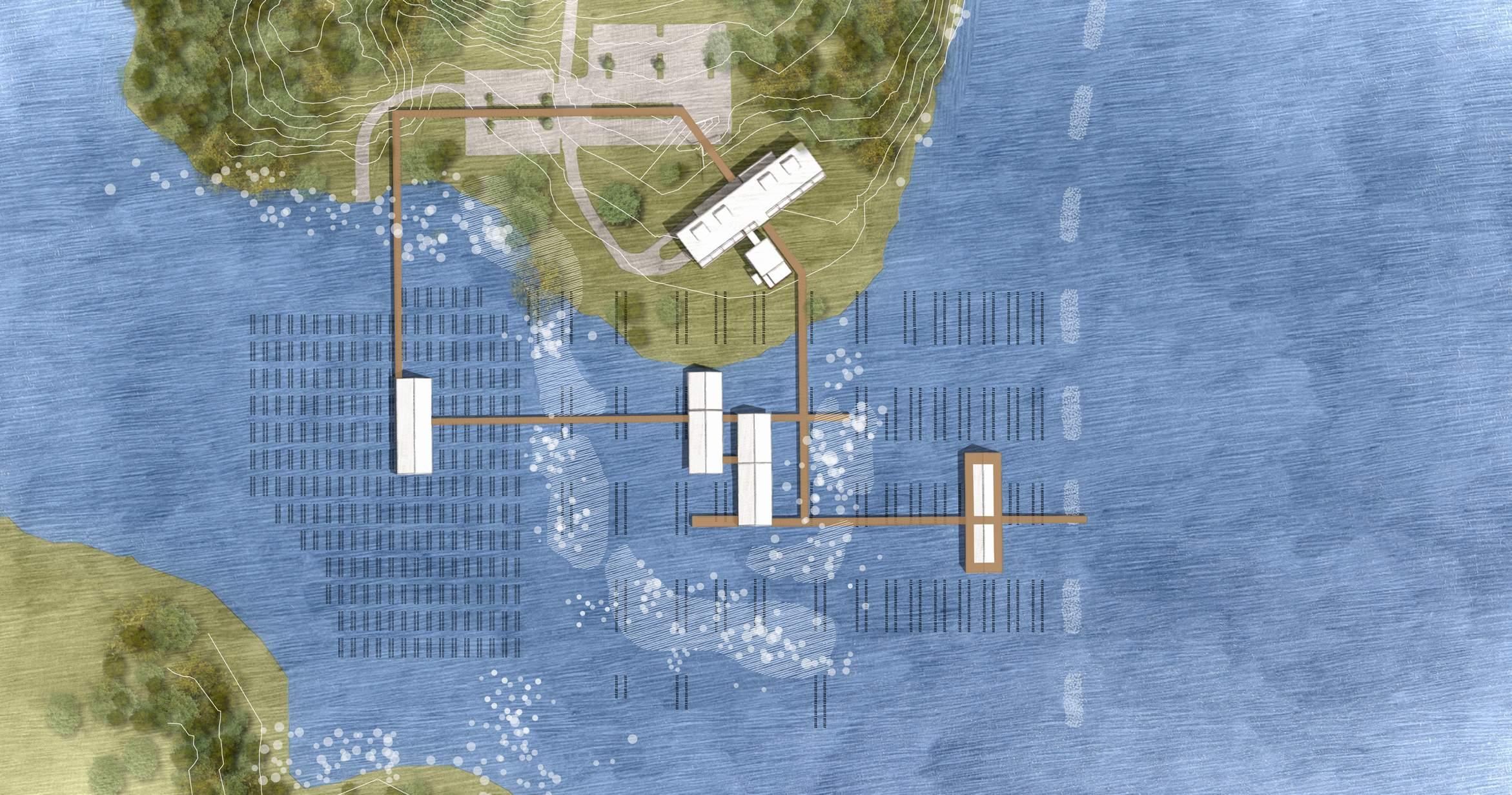
The Chesapeake Bay is the largest estuary in the United States. But it is also crossing ecological thresholds reshaped by flooding and climate change. In 50 years , widespread lowland flooding begins to fragment the shoreline. In 100 years , we see entire tracts of land are submerged The coastline redraws itself, as creeping saltwater replaces freshwater.
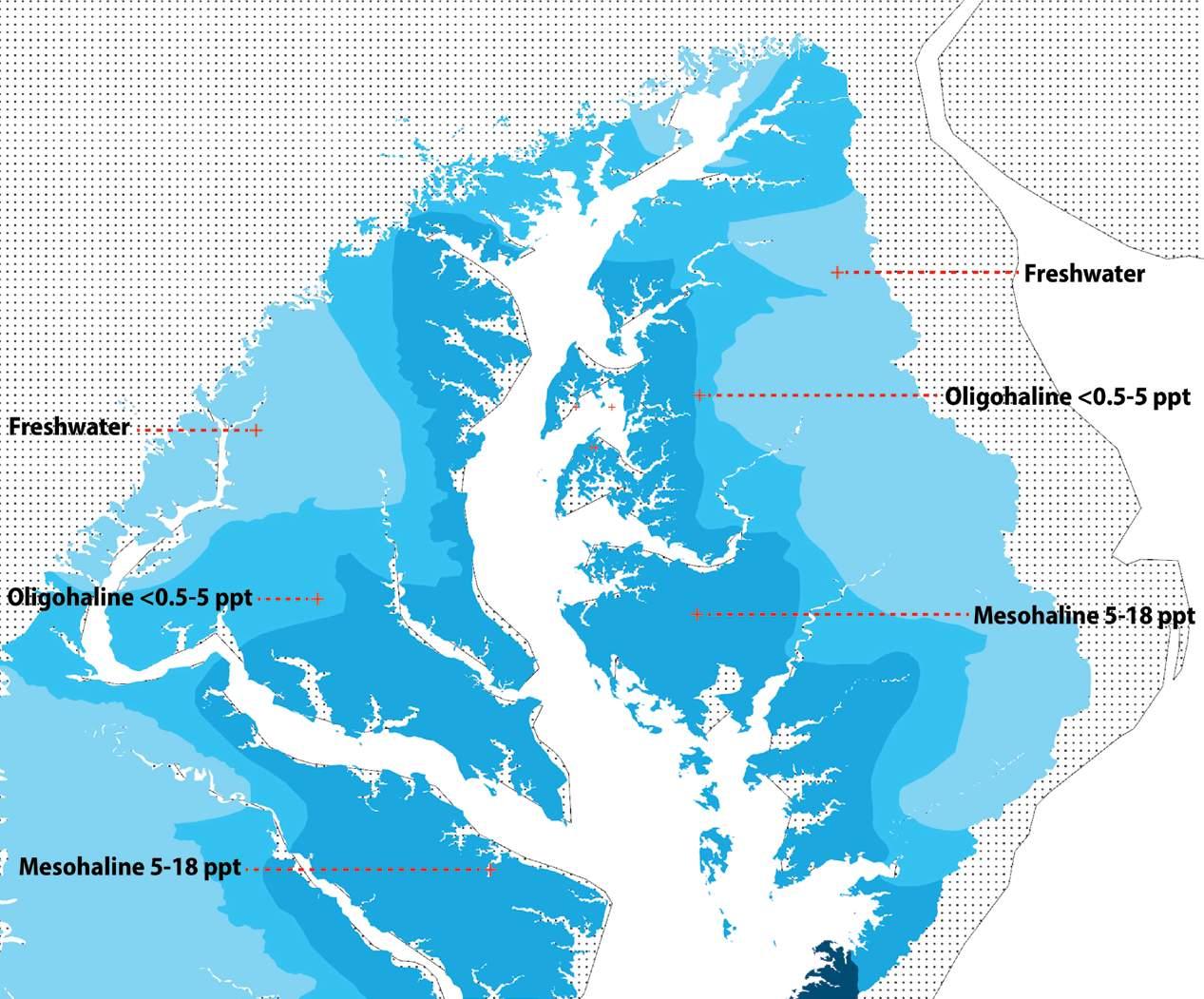
WATER SALINITY
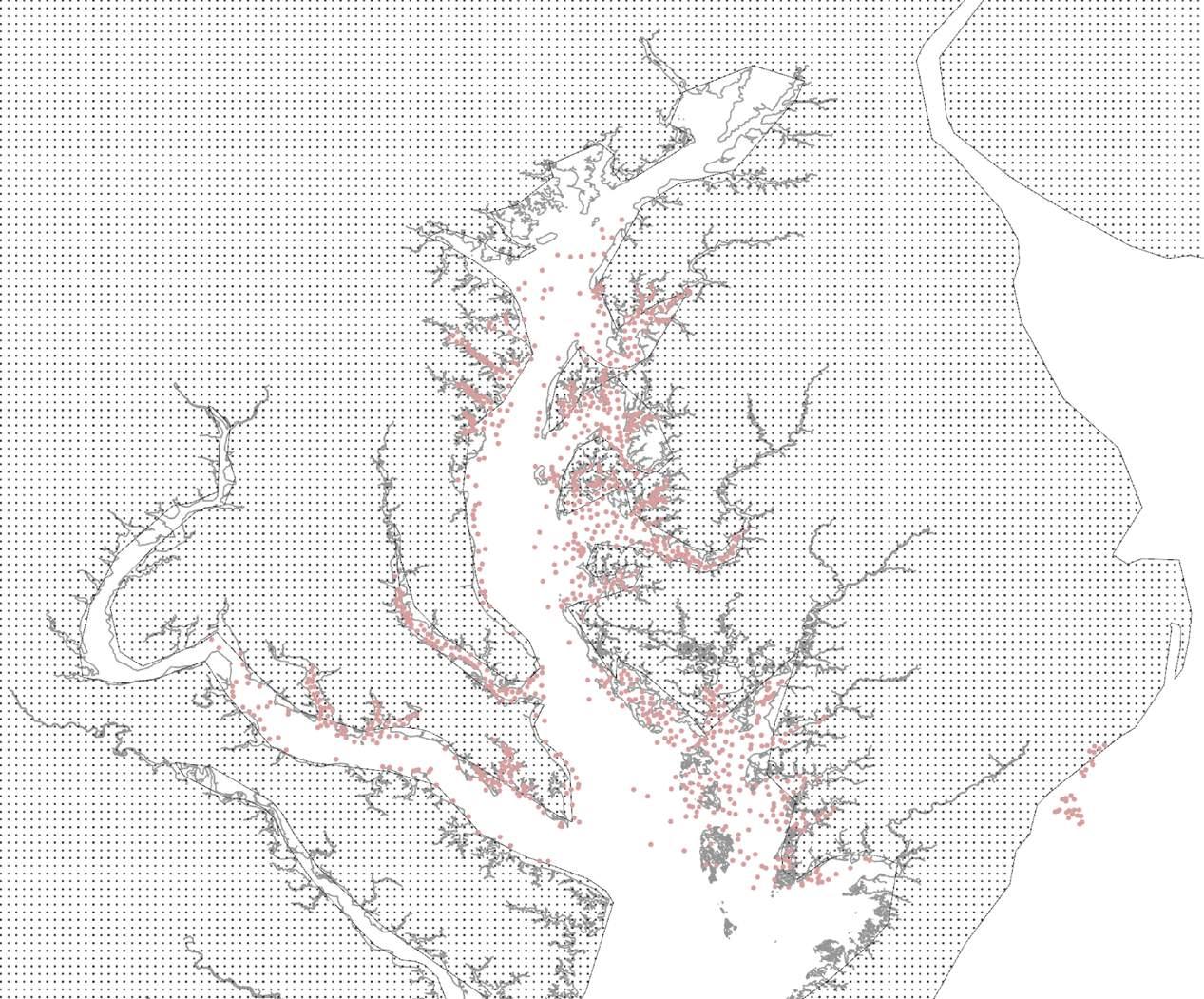
HISTORIC OYSTER BOTTOM
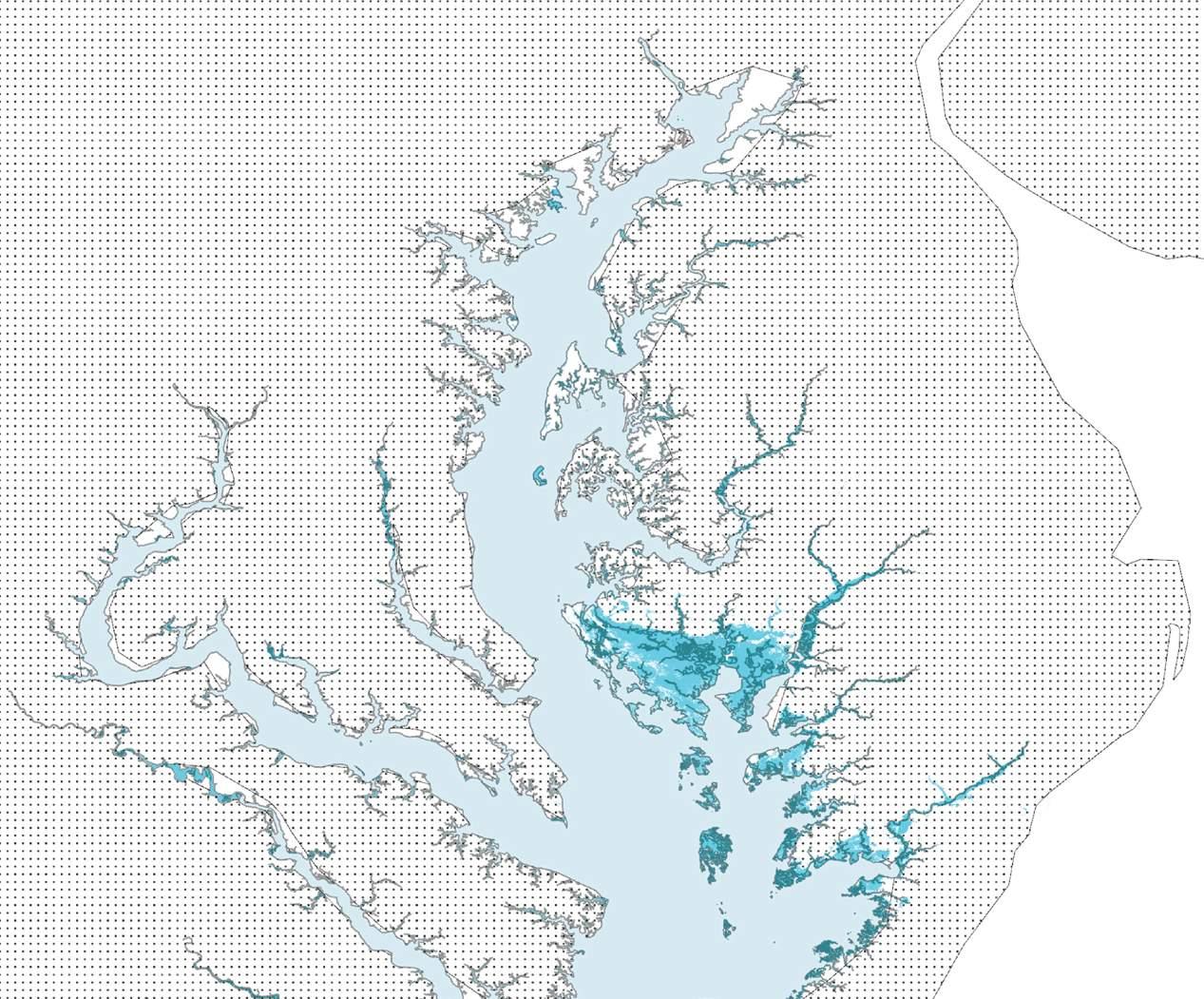
50-YEAR SEA LEVEL RISE
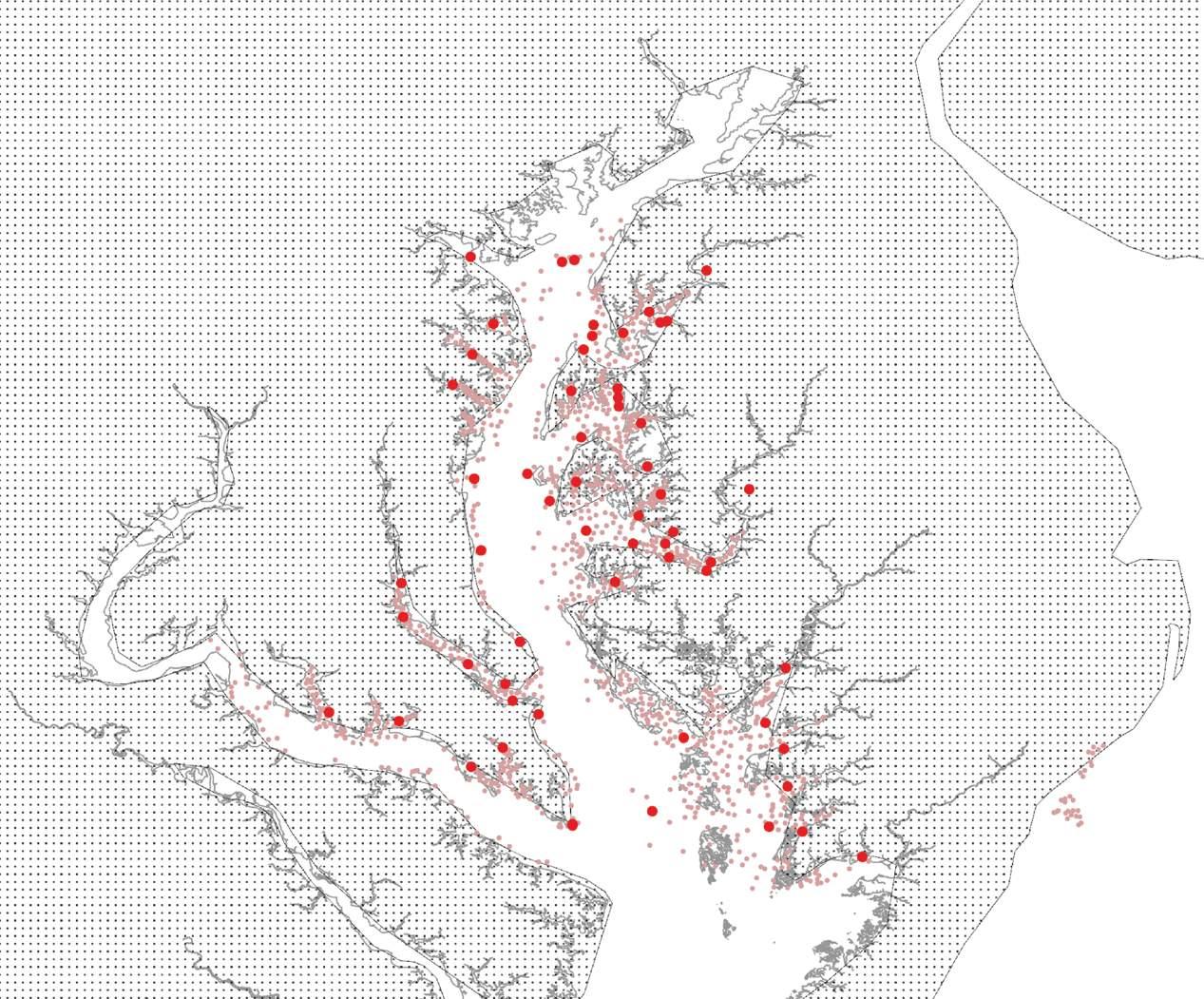
HISTORIC OYSTER BOTTOM VS RECOGNIZED OYSTER SANCTUARIES
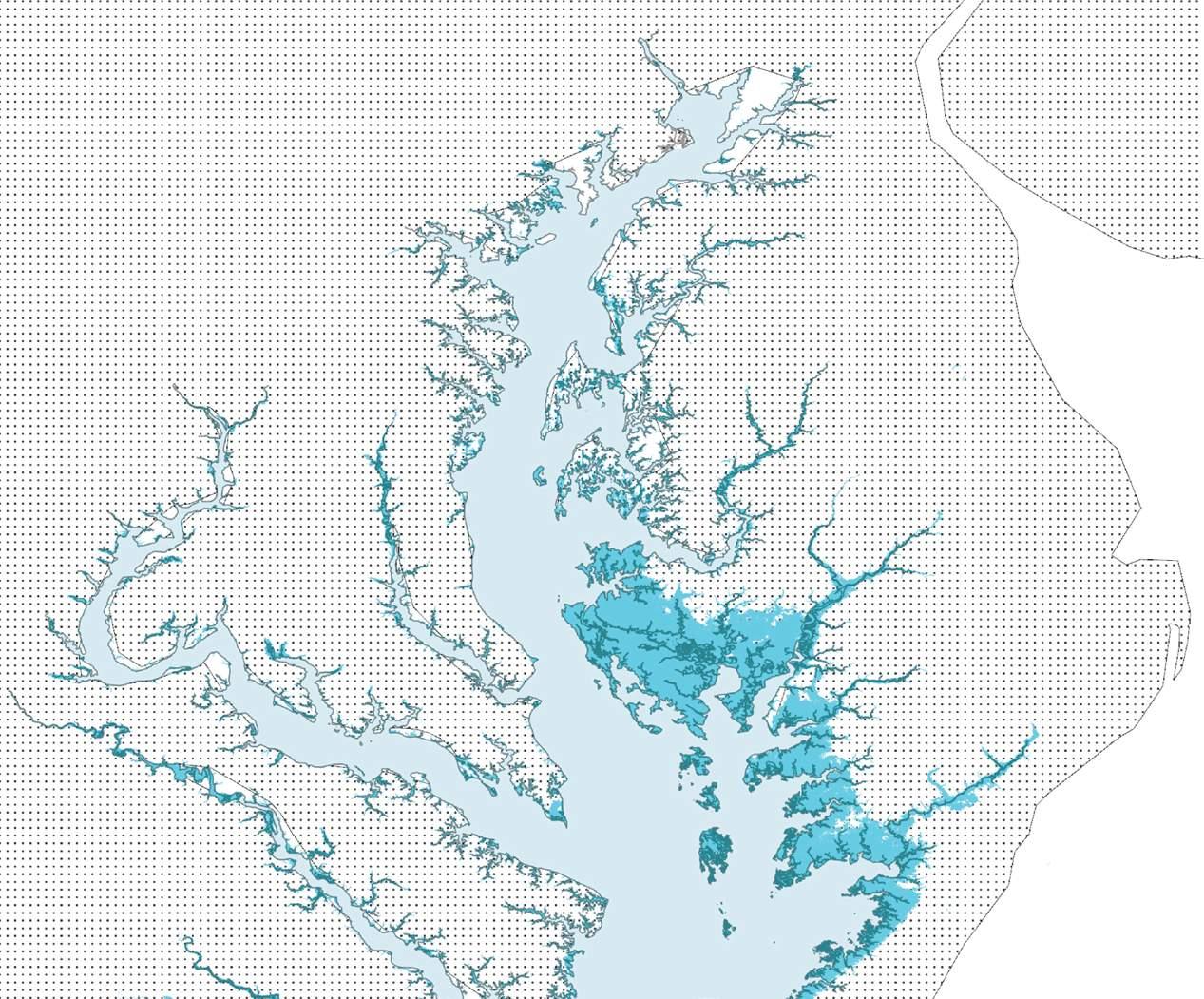
100-YEAR SEA LEVEL RISE
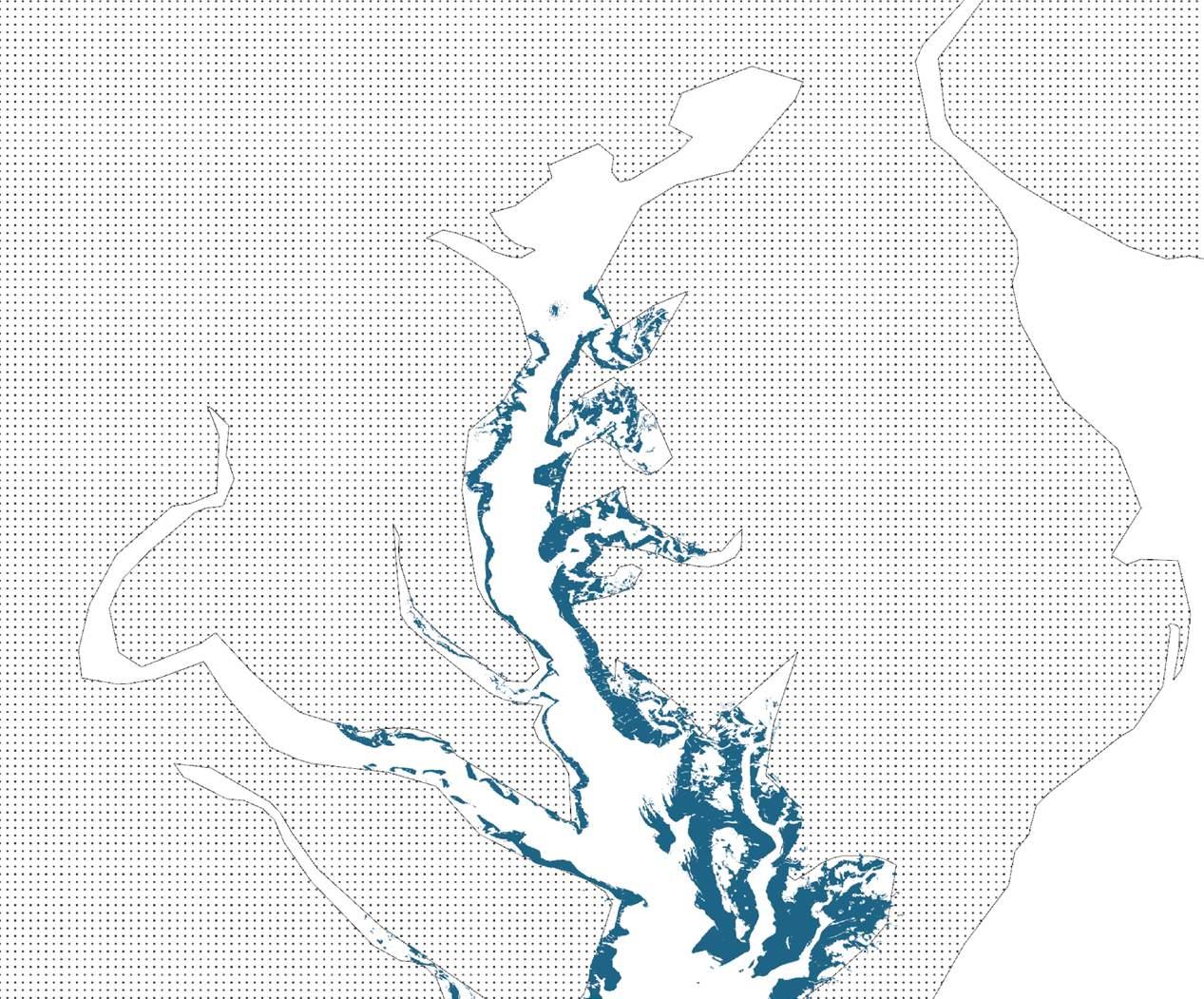
AREA SUITABLE FOR OYSTER
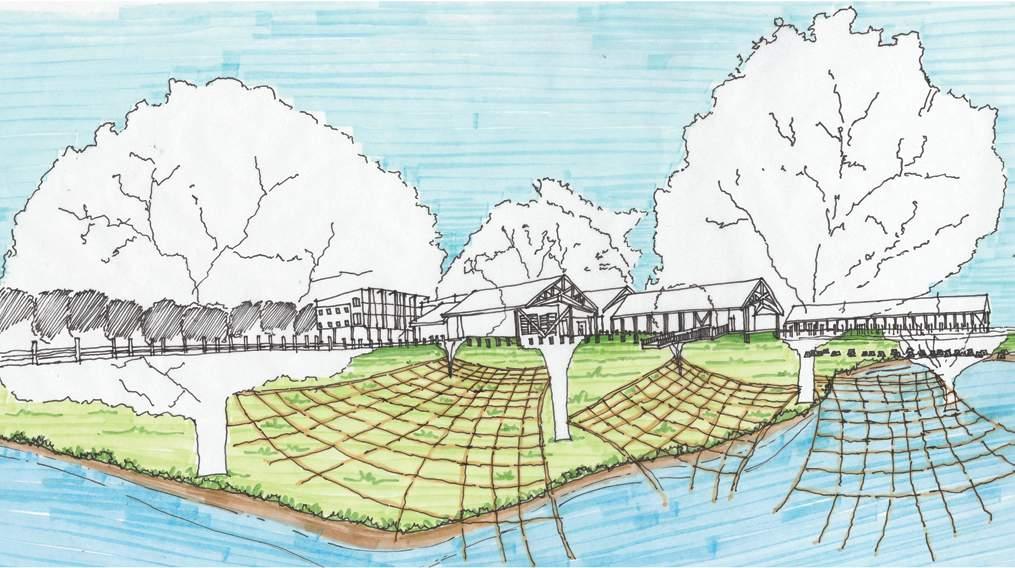
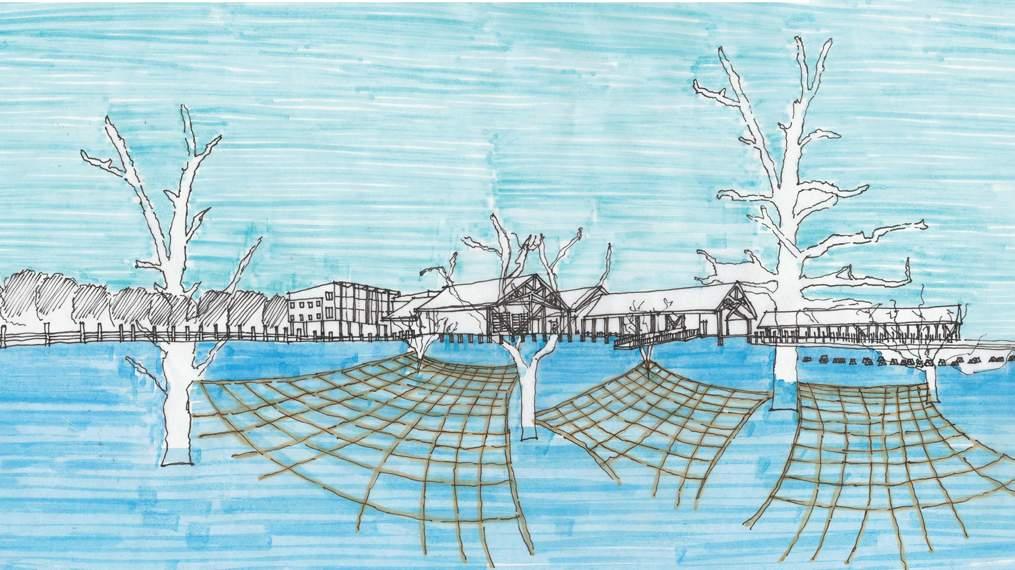
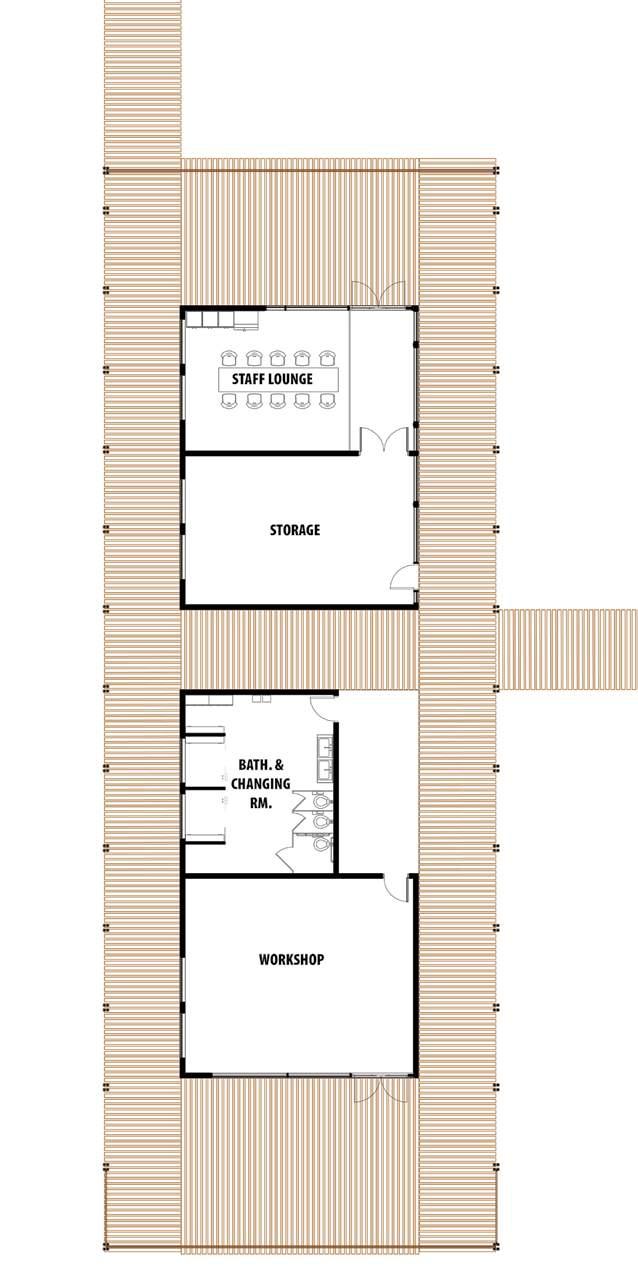
OYSTER NURSERY BUILDING
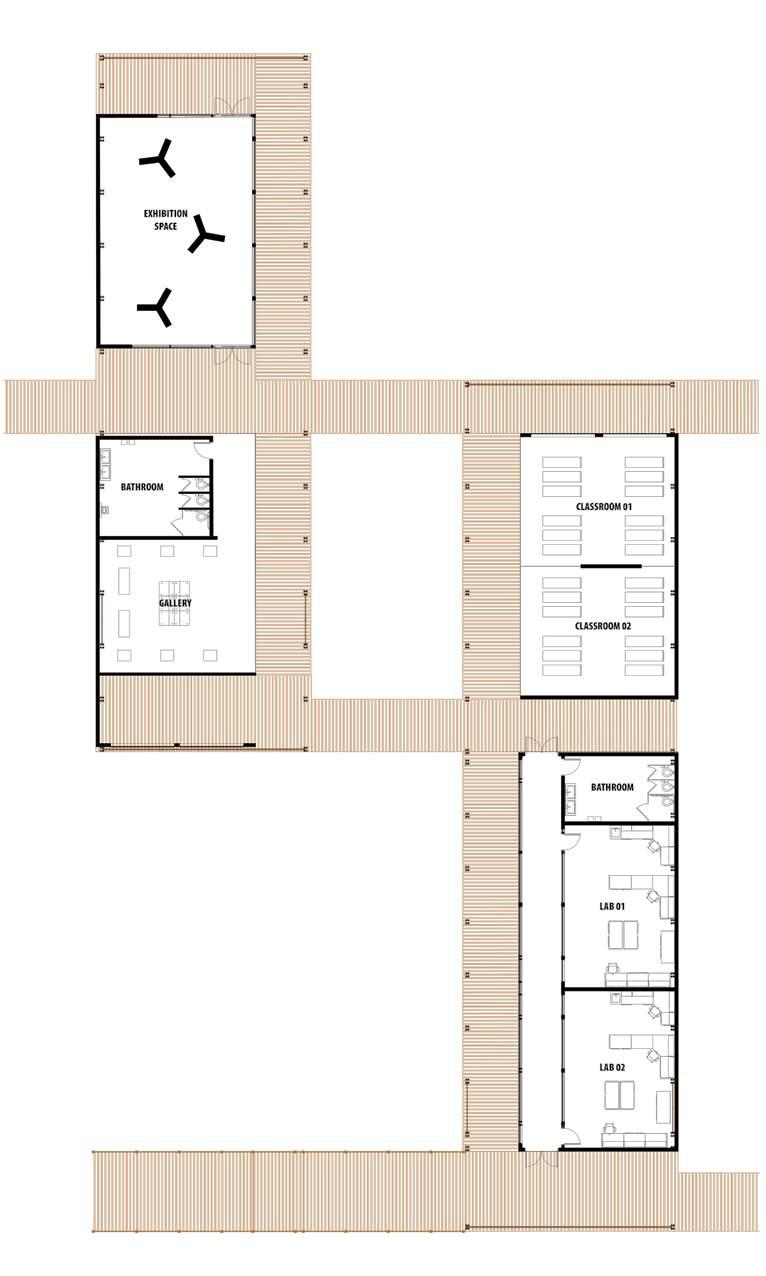
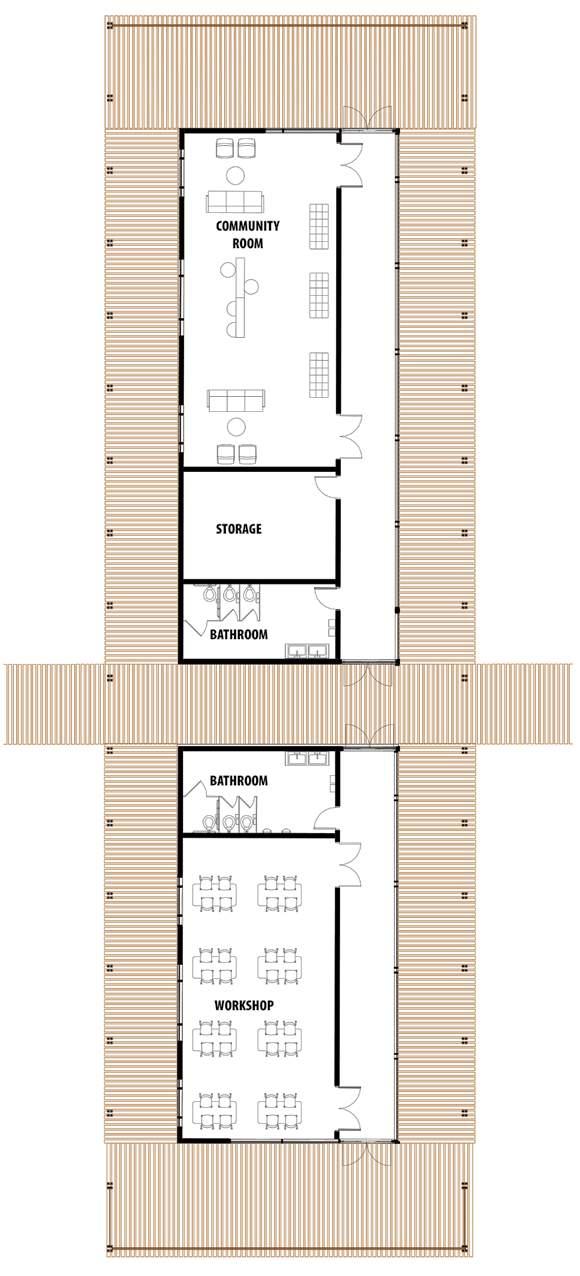
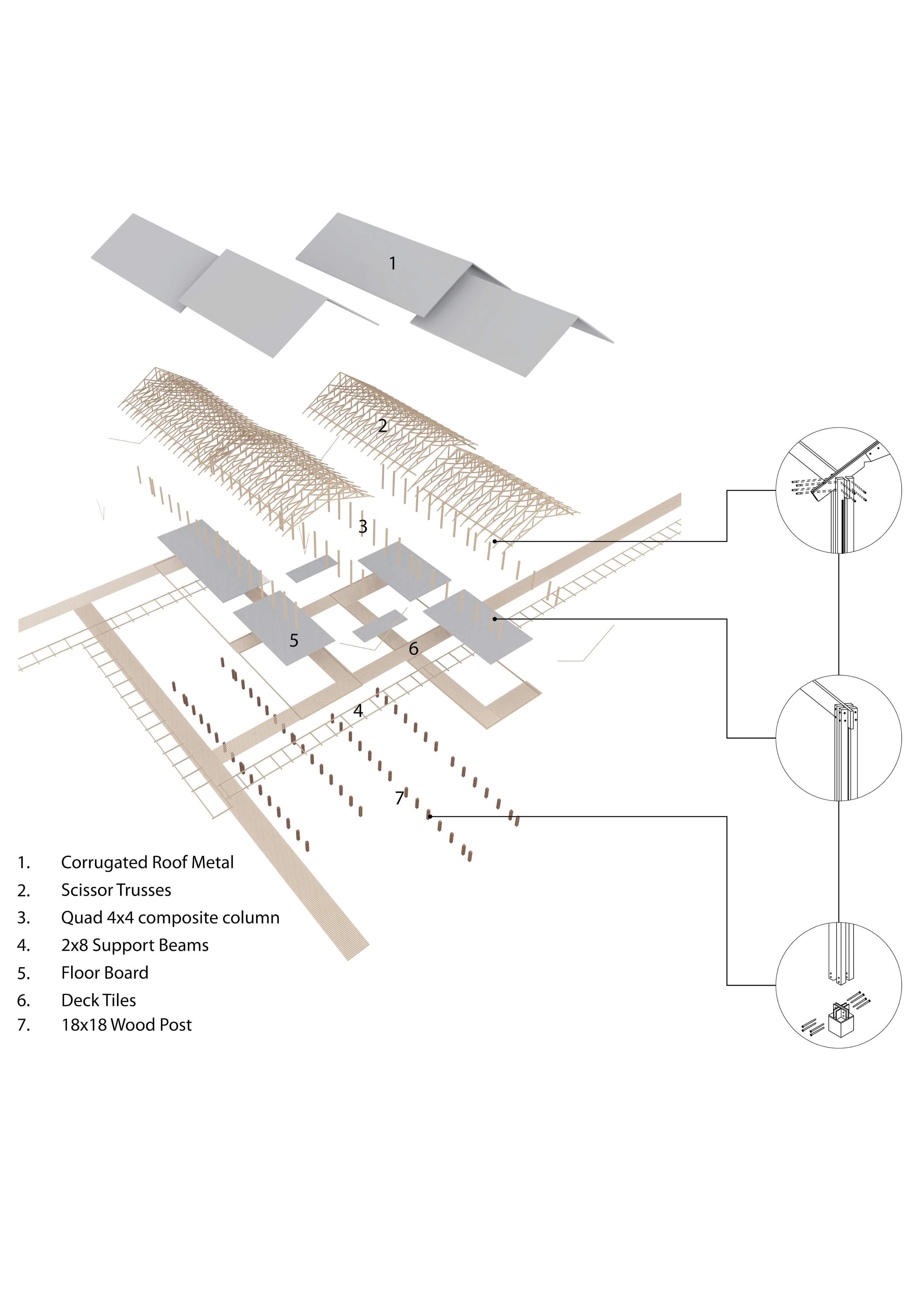
OYSTER EDUCATION AND RESEARCH BUILDING
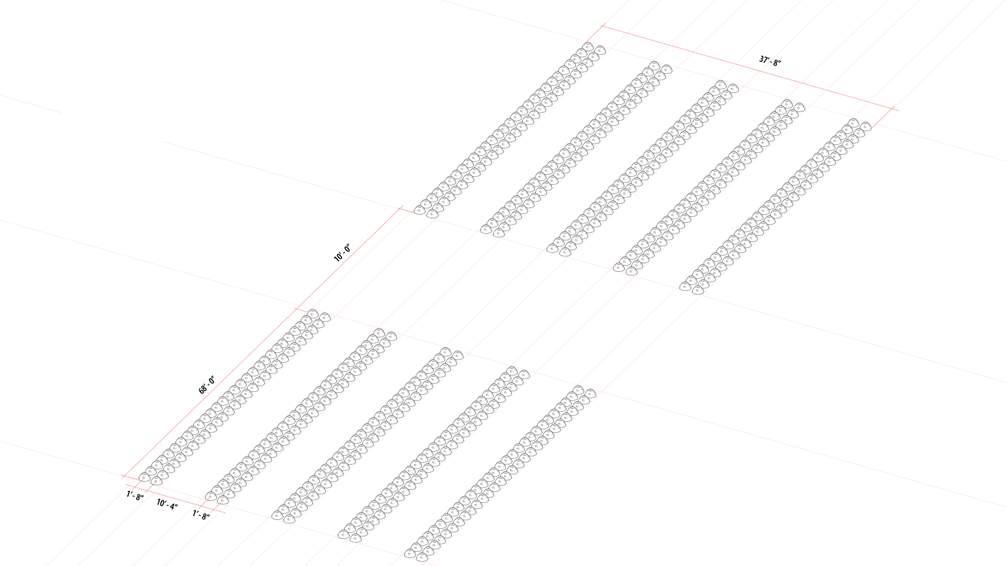
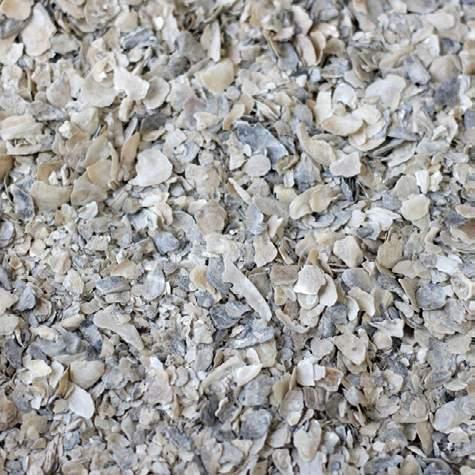
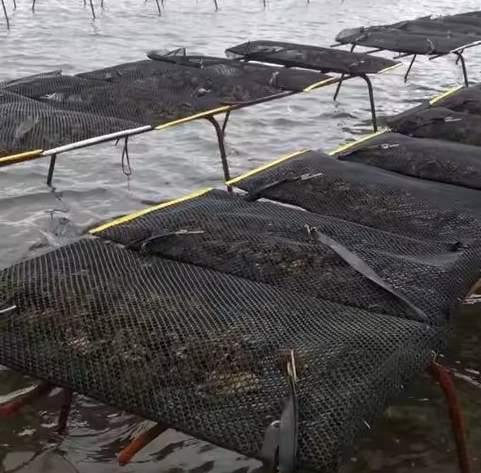
This project uses three main oyster cultivation methods: rackand-bag system that elevate oysters in the water column, reef balls that rest on the seafloor to support long-term reef growth, and fuzzy ropes suspended horizontally to provide a lightweight, high-surface-area structure ideal for juvenile oysters attachment.
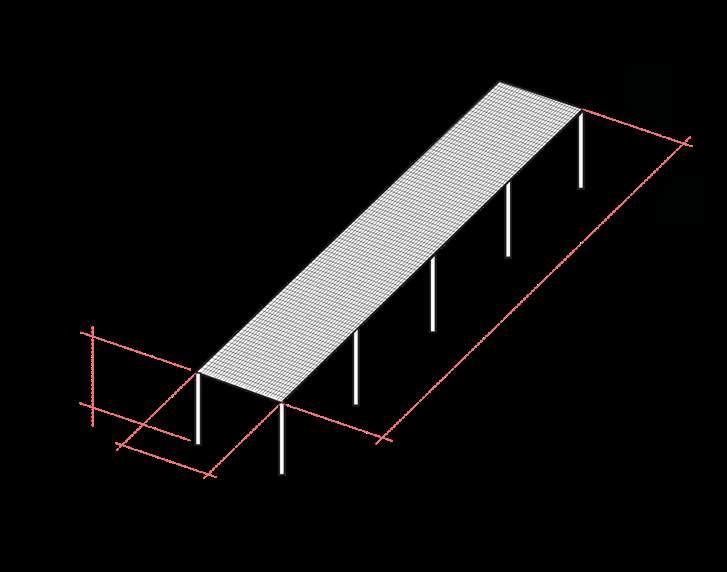
OYSTER OUTLOOK BUILDING


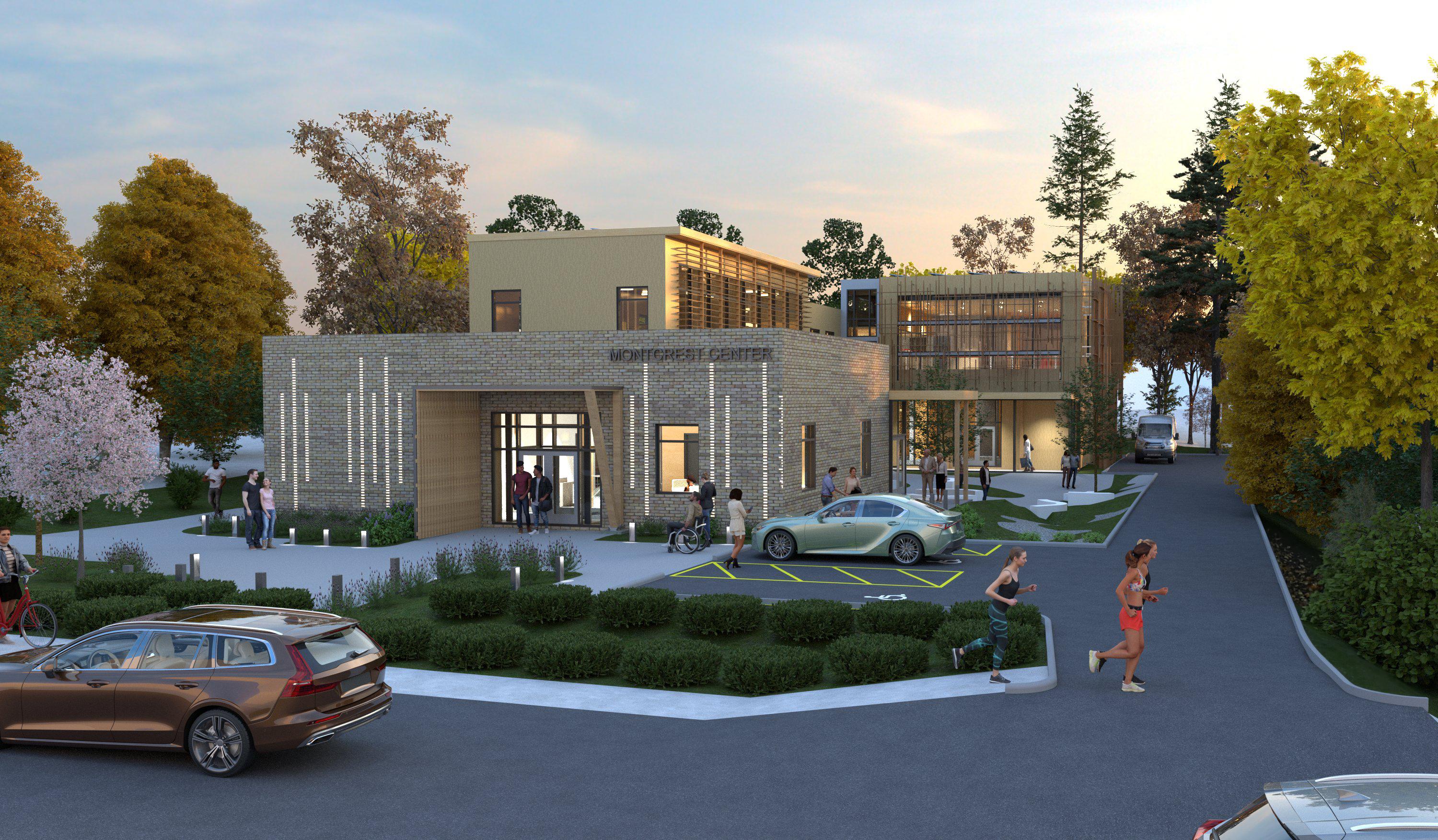
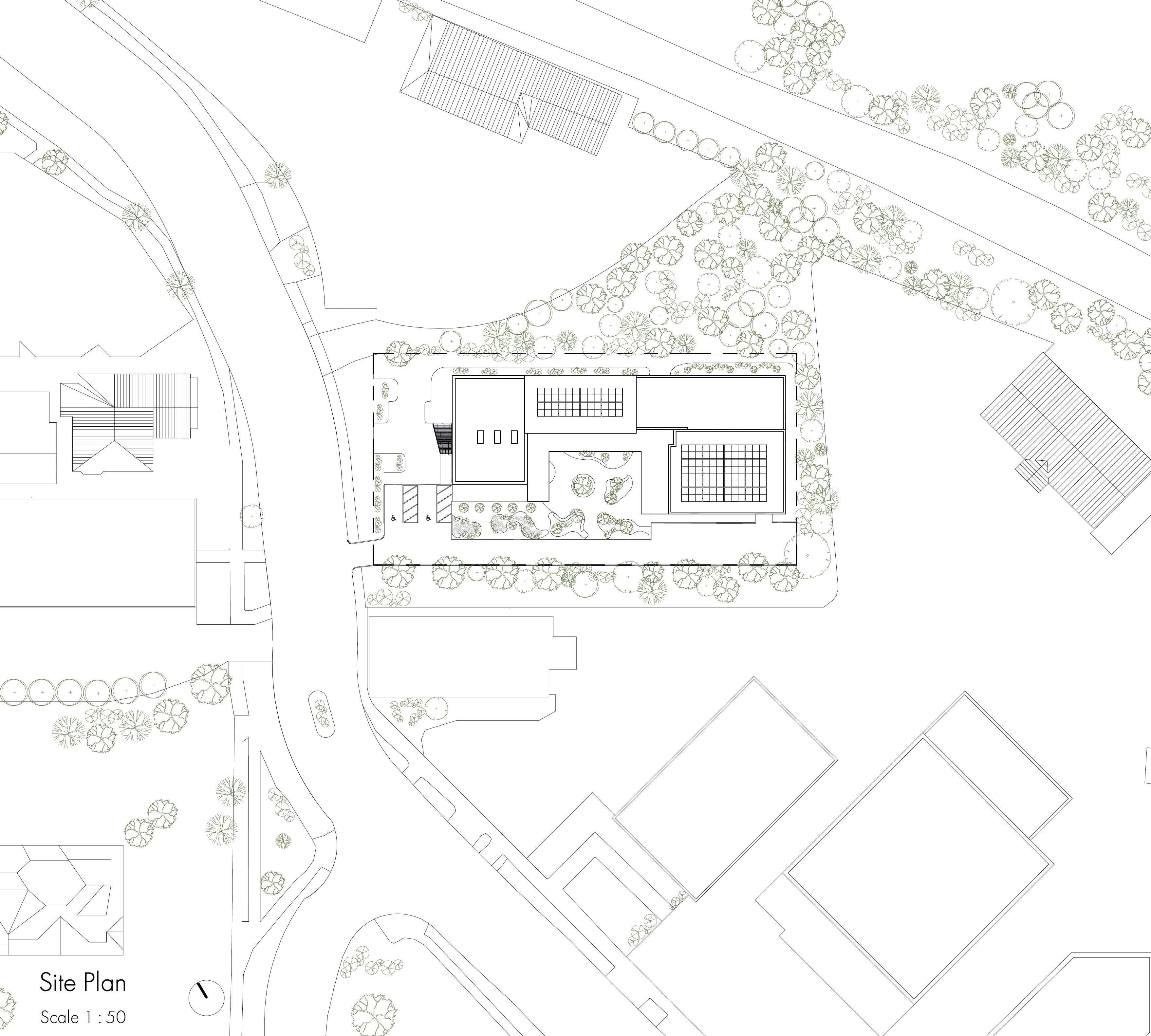
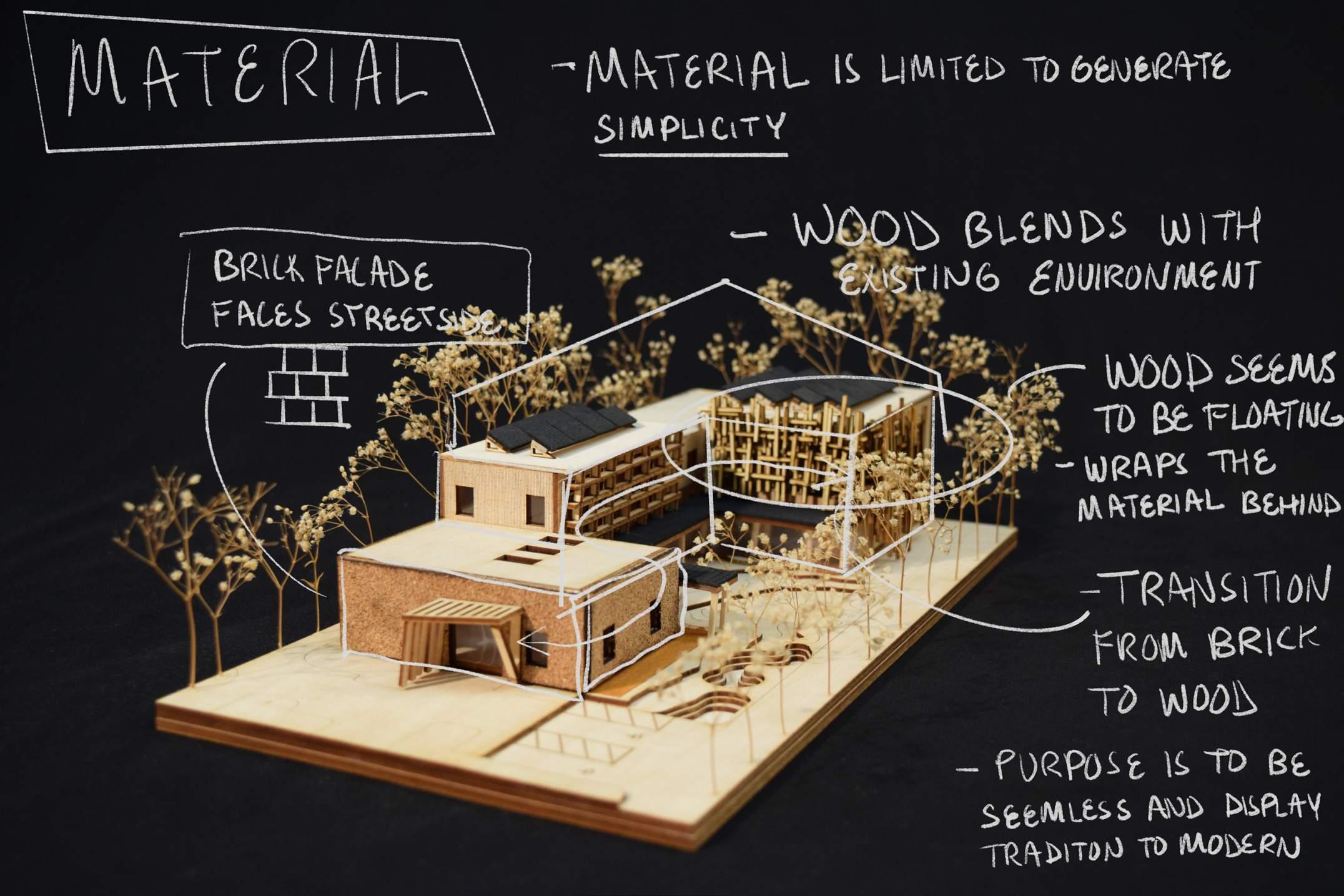
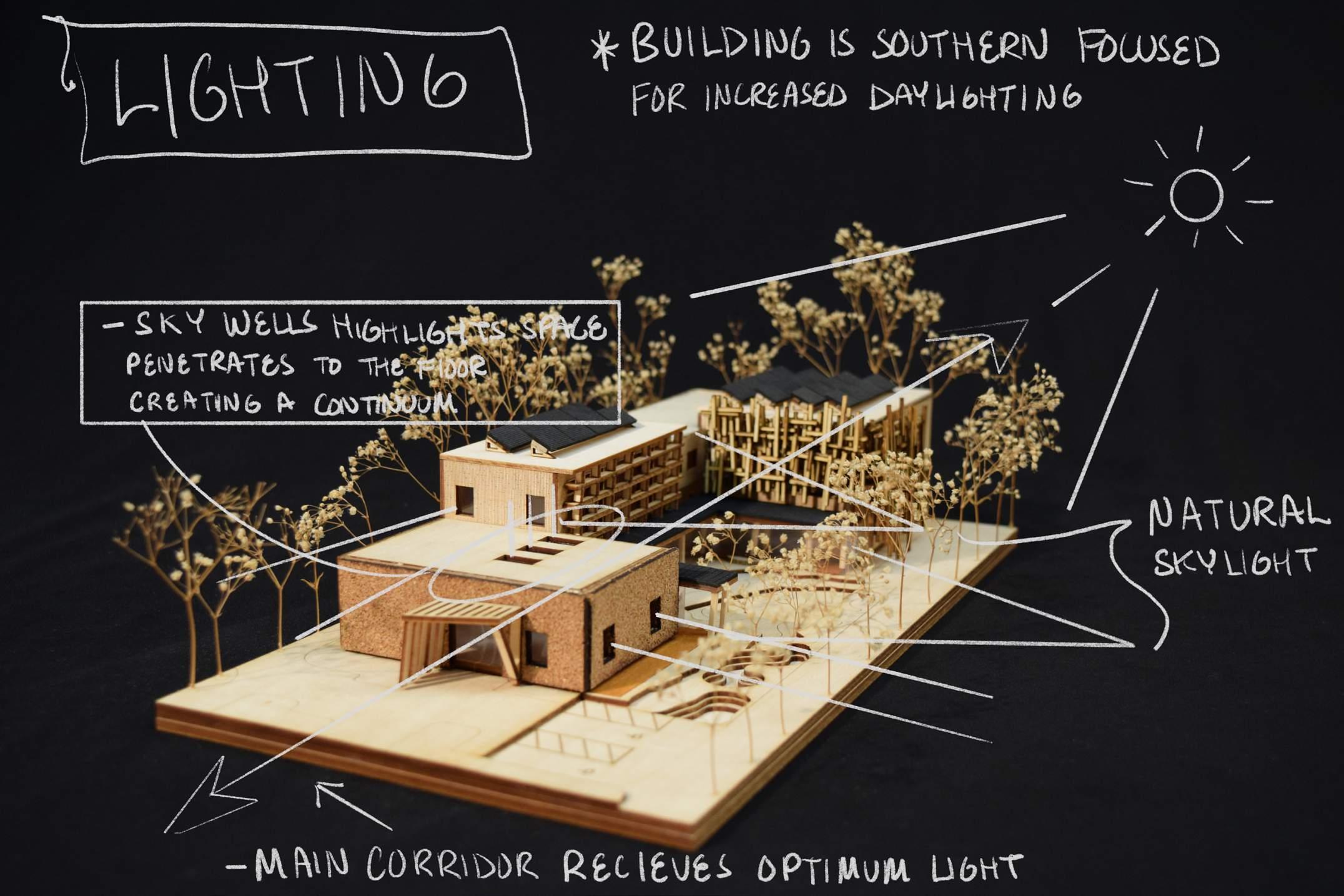
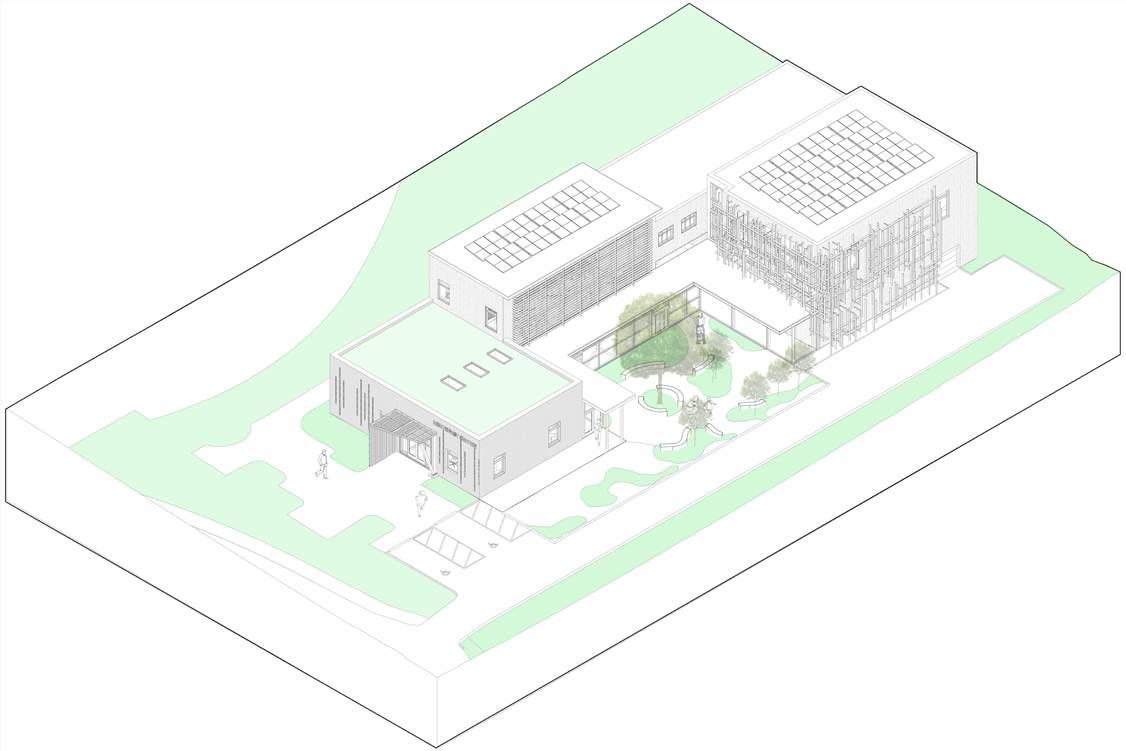
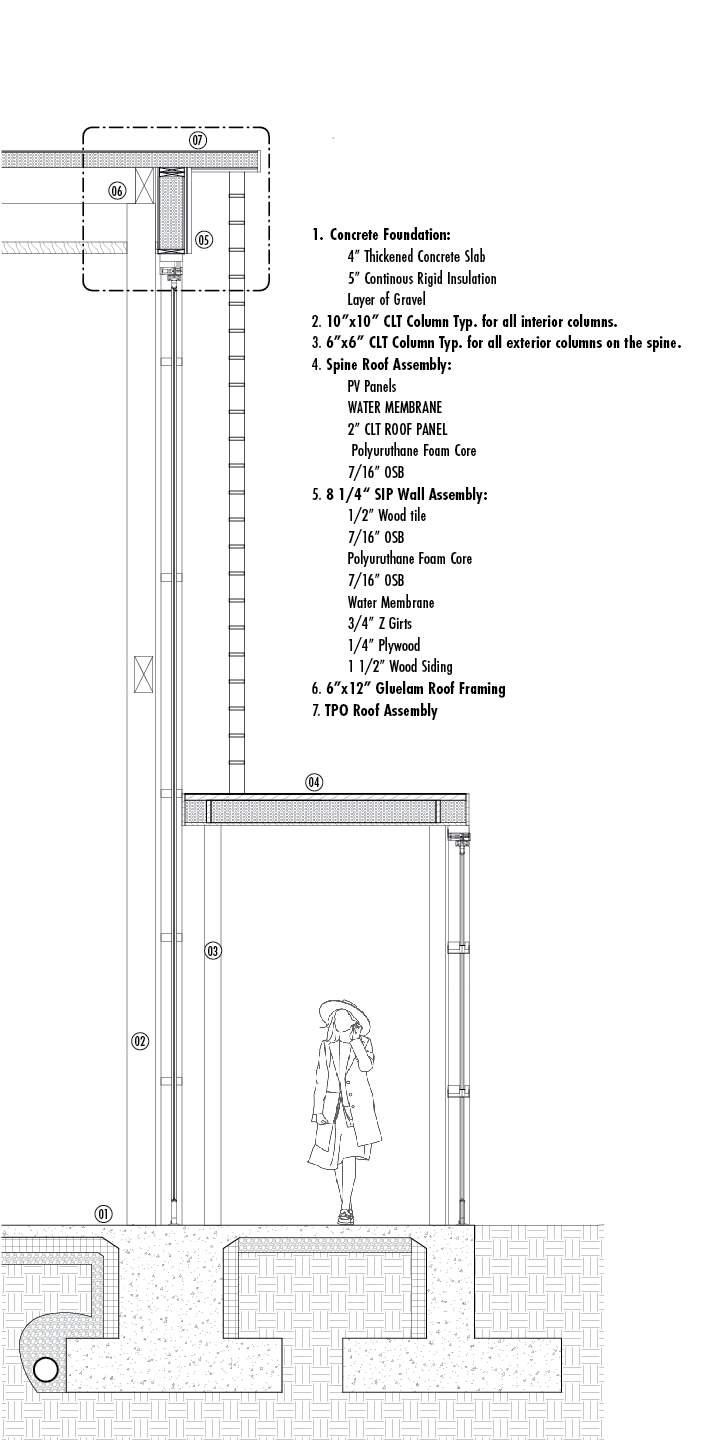
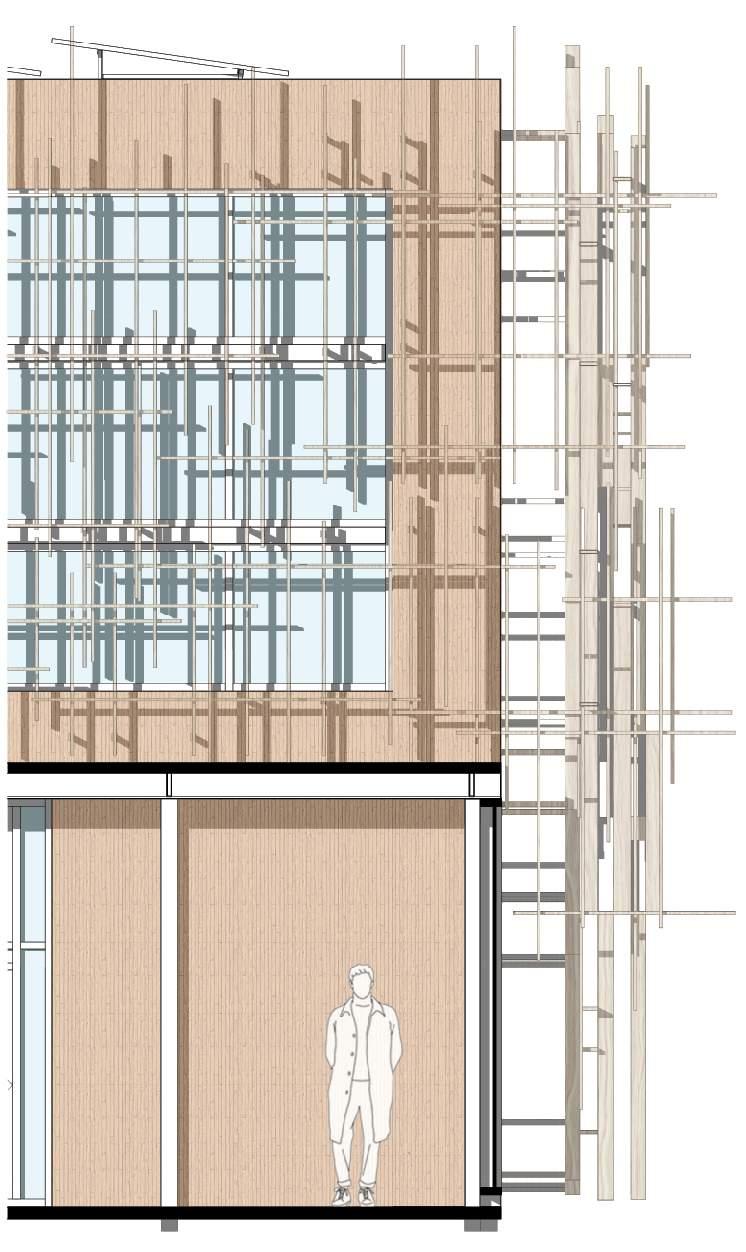
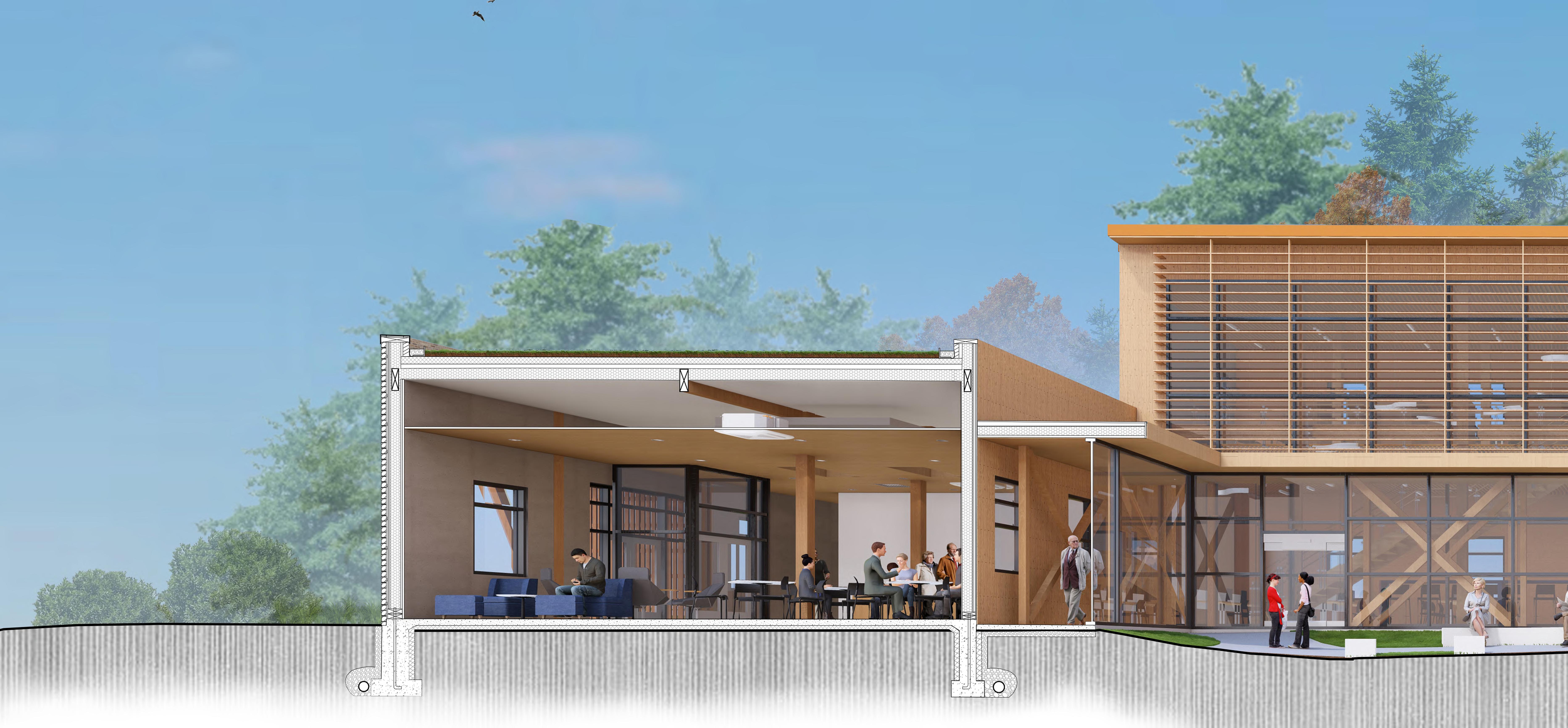
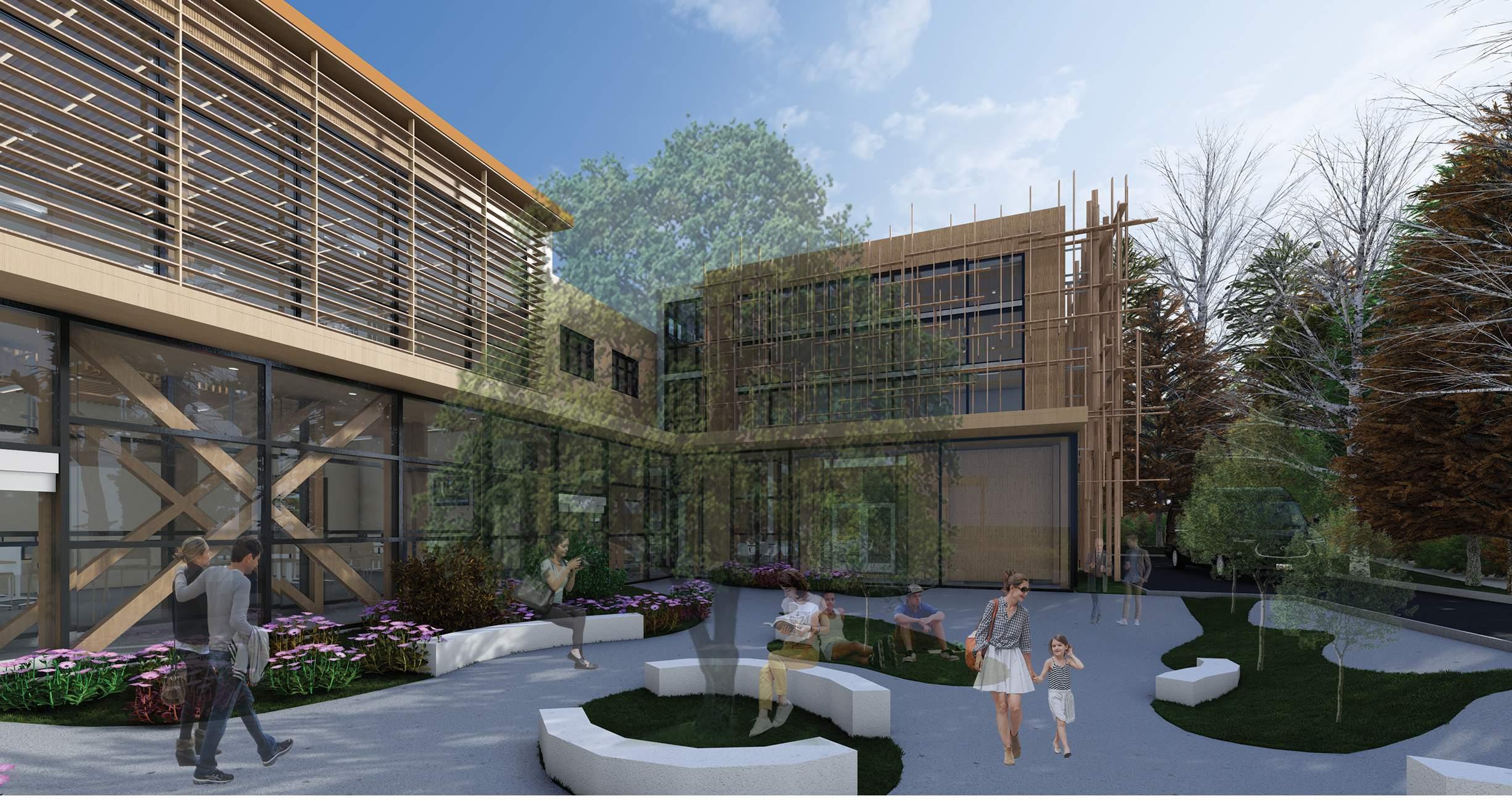
In the heart of Montgomery County, t he Montcrest Center project set tles, drawing inspiration from the village and home soil where it is meticulously designed. The project’s name is a fusion of “Mont, ” a nod to the local surroundings, and “crest,” invoking the peaks of mountains that resonate with the mountainous landscape of Portland, Oregon, where the client is situated. The architecture aims to weave t radition with modernity, c reating a harmonious blend that respects the existing ecology. As the Montcrest Center unfolds, it unveils a design that not only embraces nature but also actively contributes to the urban ecology. The objective is clear: to reknit the urban fabric while introducing a contemporar y architectural form that seamlessly integrates with the surroundings.
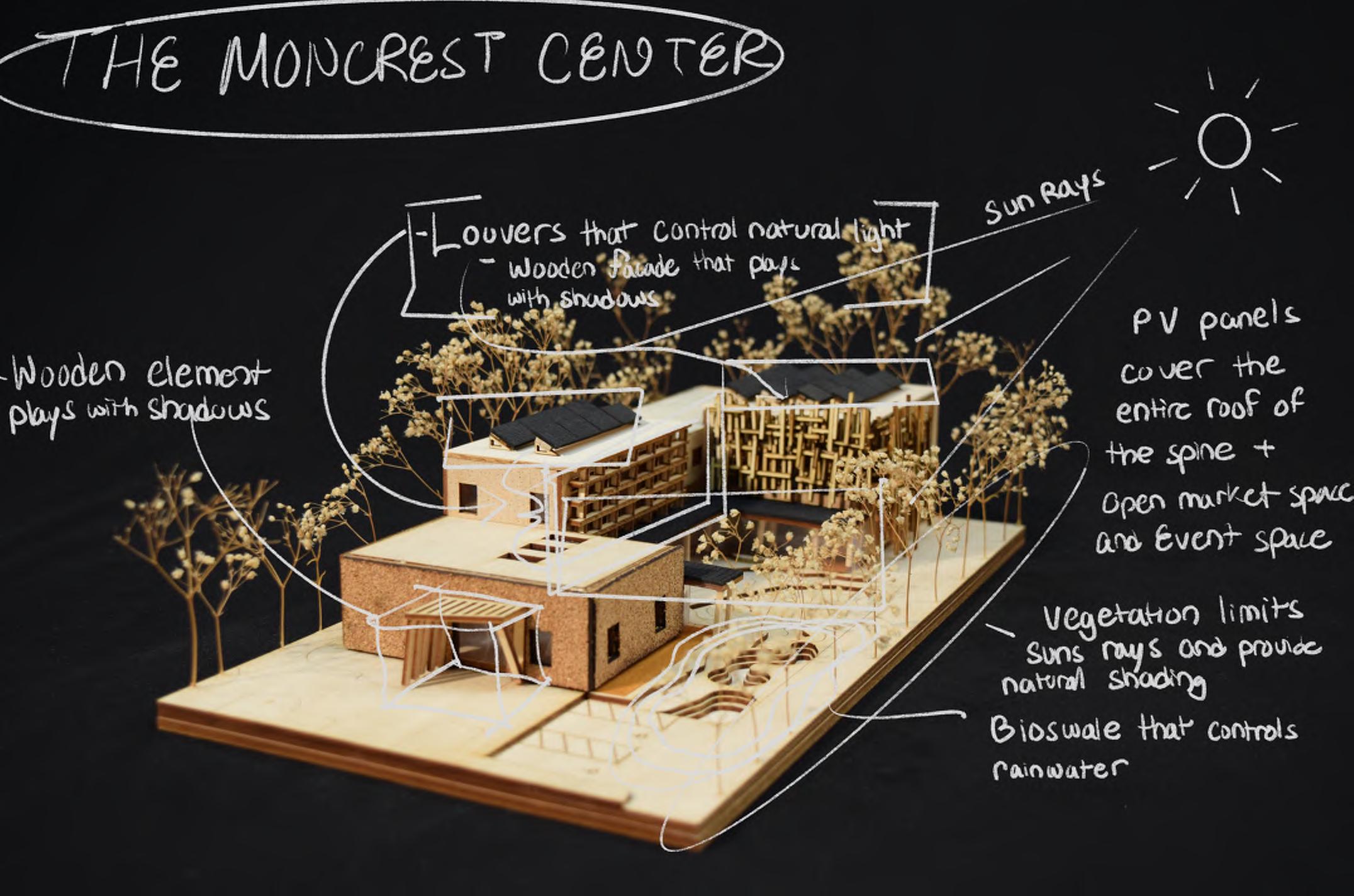
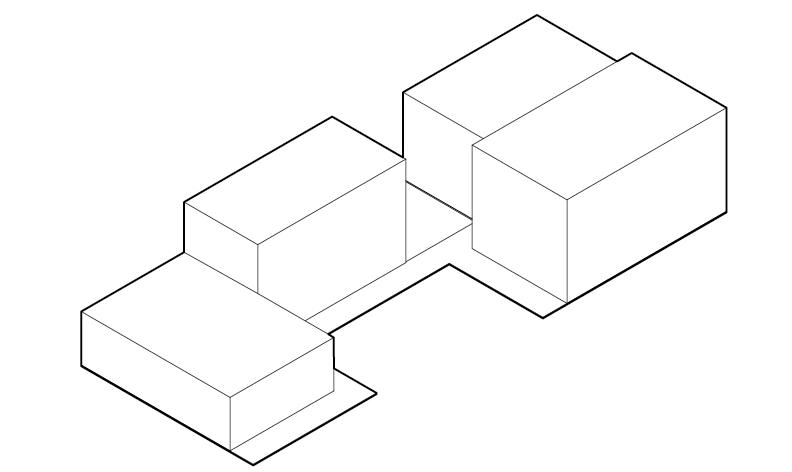
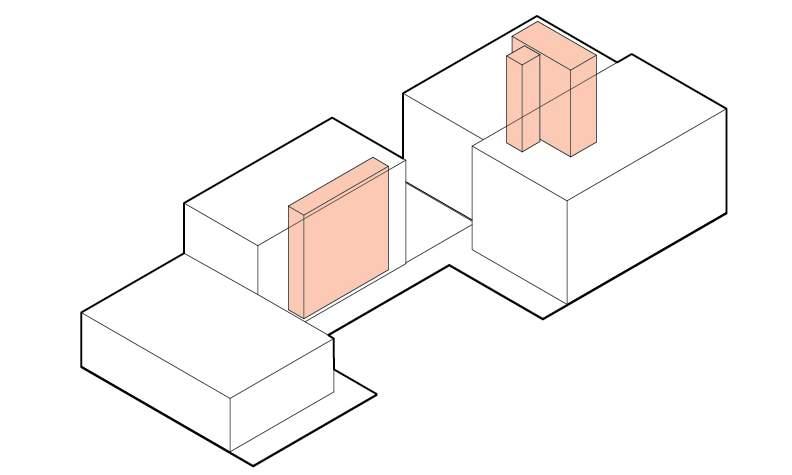
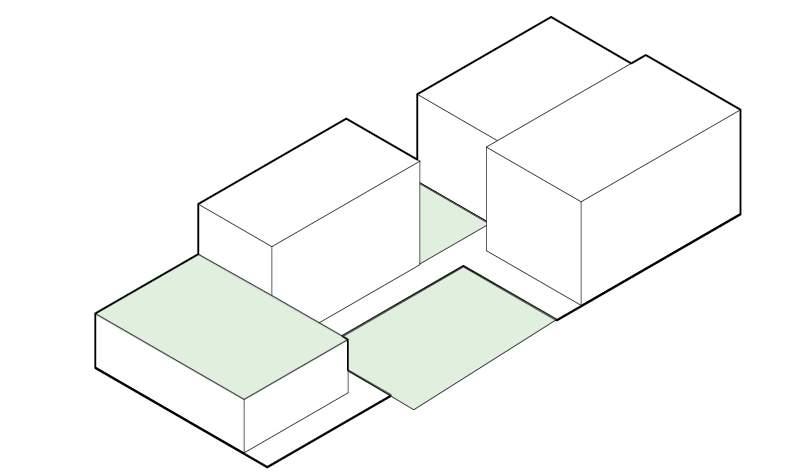
The Montcrest Center ’s commitment to openness and nature is at the core of the design philosophy. The courtyard and zen zone serve as focal points, of fering spaces for gathering, relaxation, and activity—a semi-submersion within the embrace of Mother Nature. The architectural masses dance, each leaping higher than the other, engaging in a playful dialogue with the towering trees on the site. The transparent “spine” corridor acts as the main connector, a feature that prevents the masses from drifting apart and stands out as a highlight of the project.
DIAGRAMED BY JALON
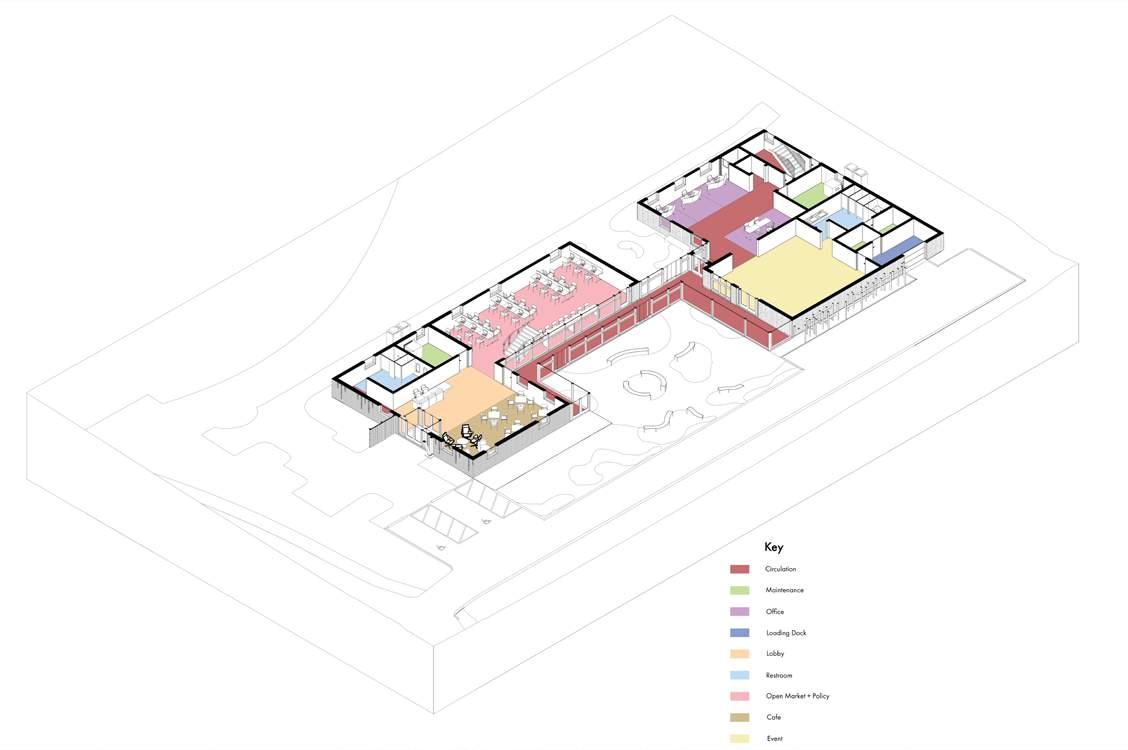
FIRST FLOOR AXON
DIAGRAMED BY JALON
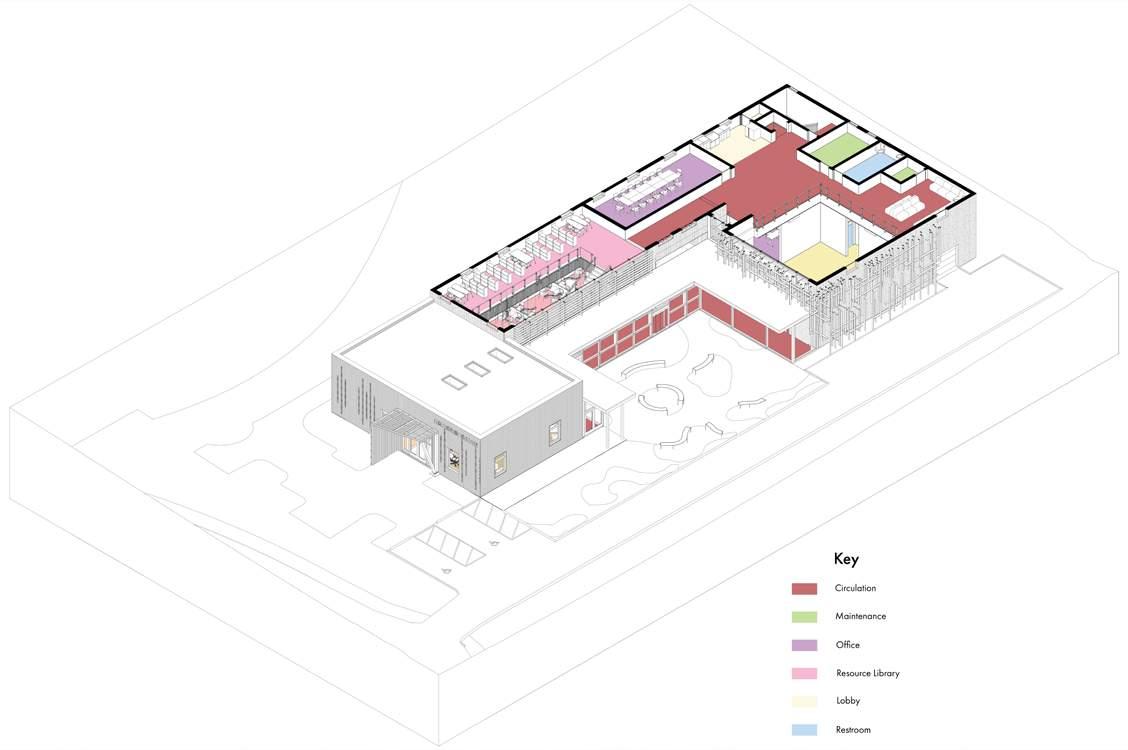
SECOND FLOOR AXON
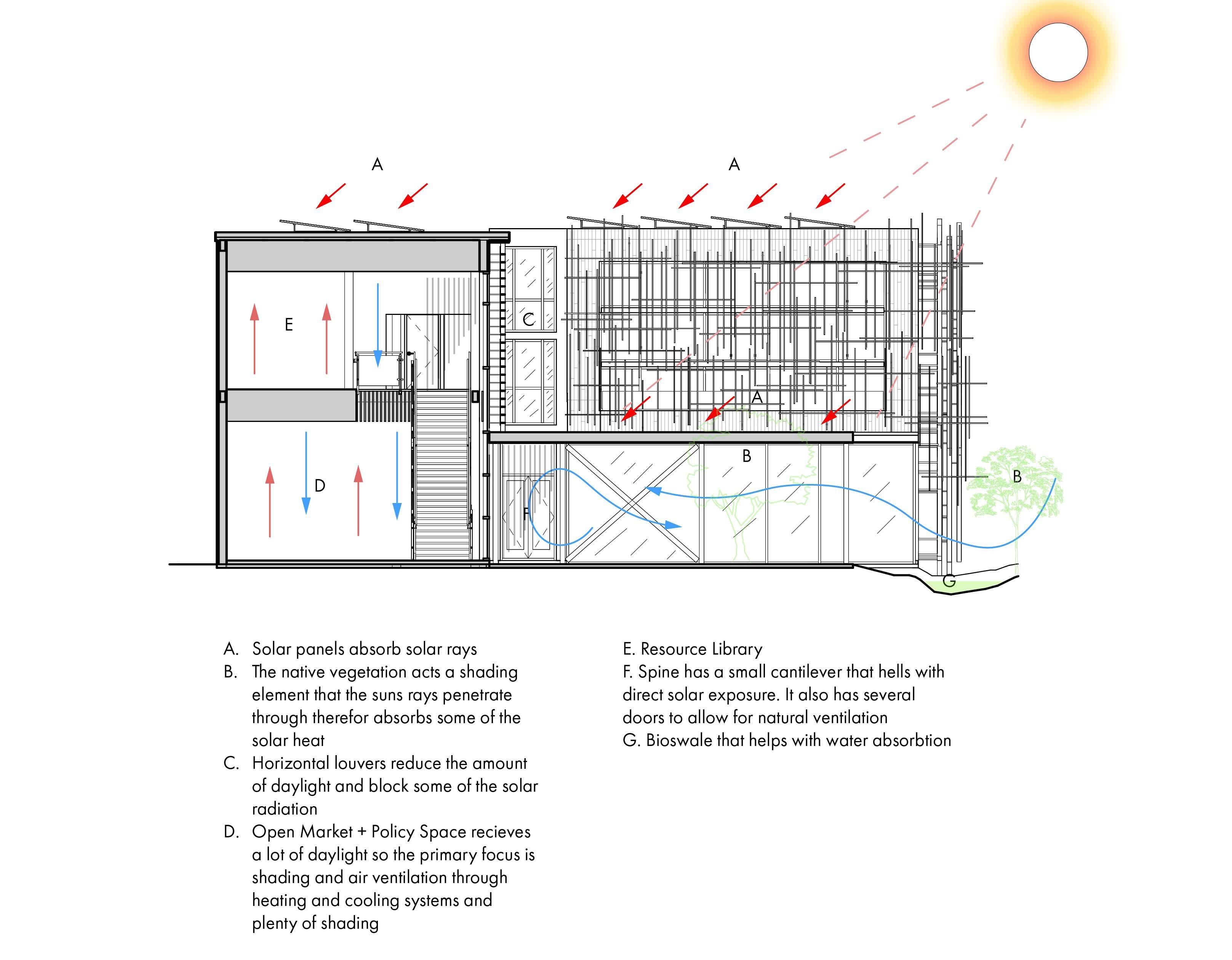
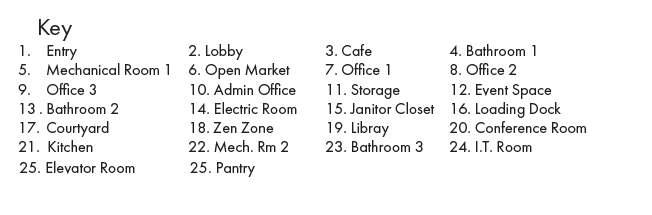
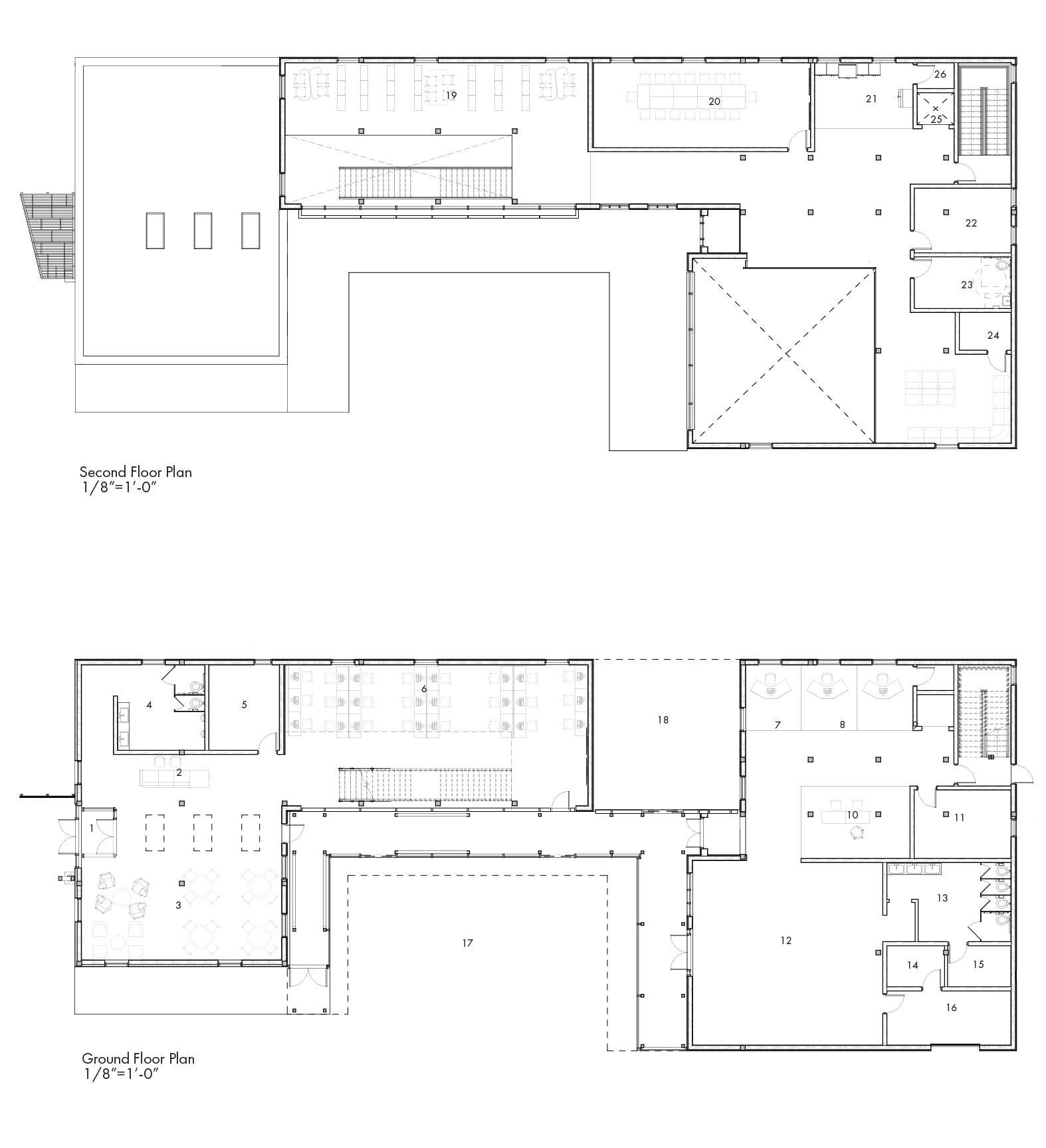
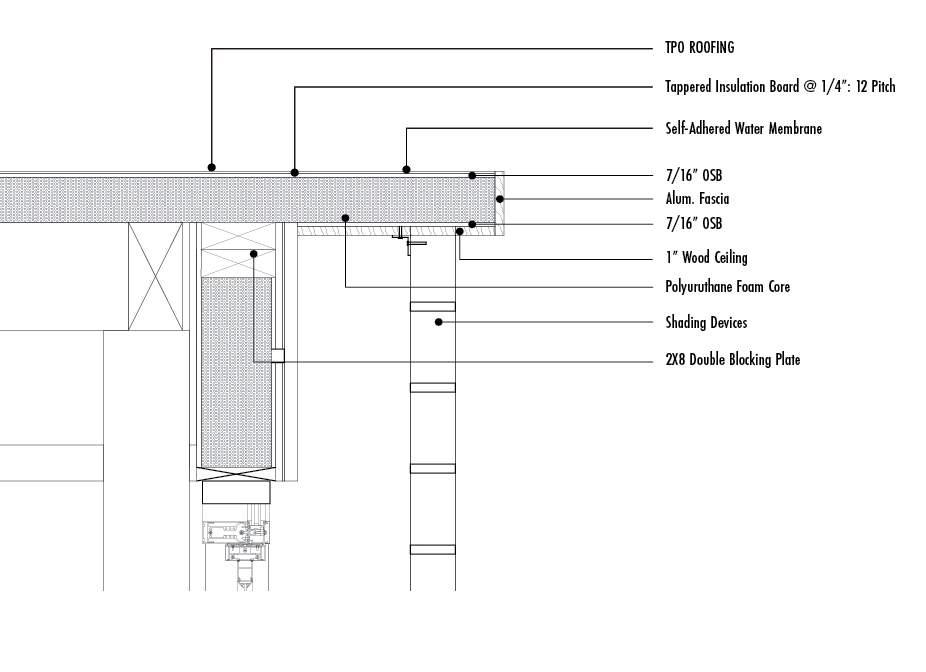

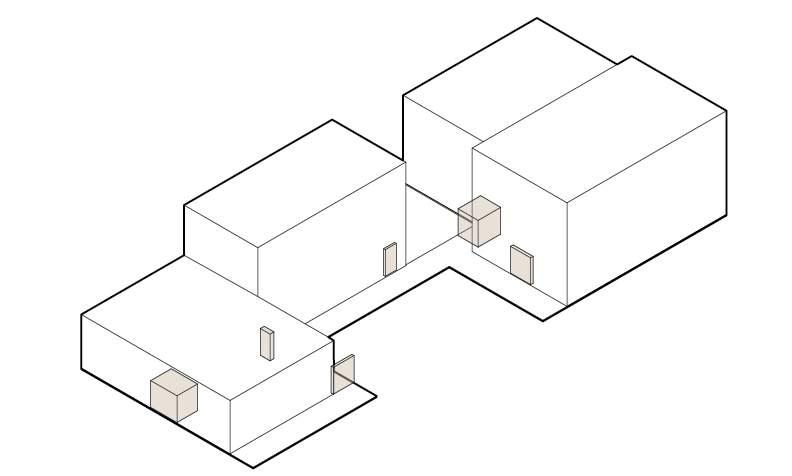
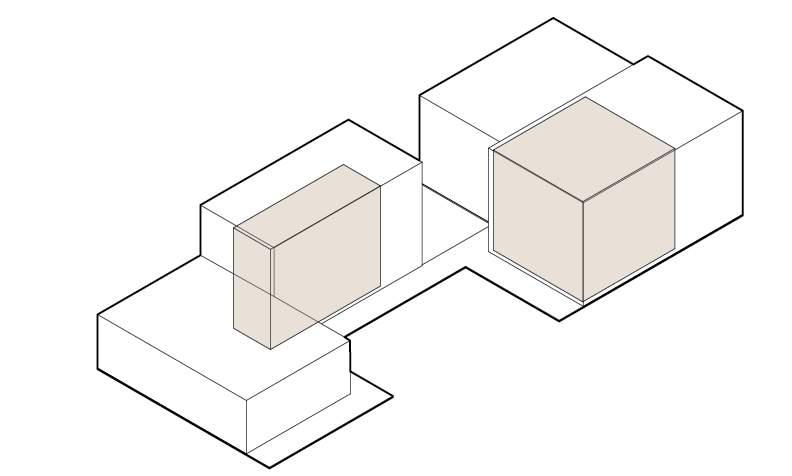
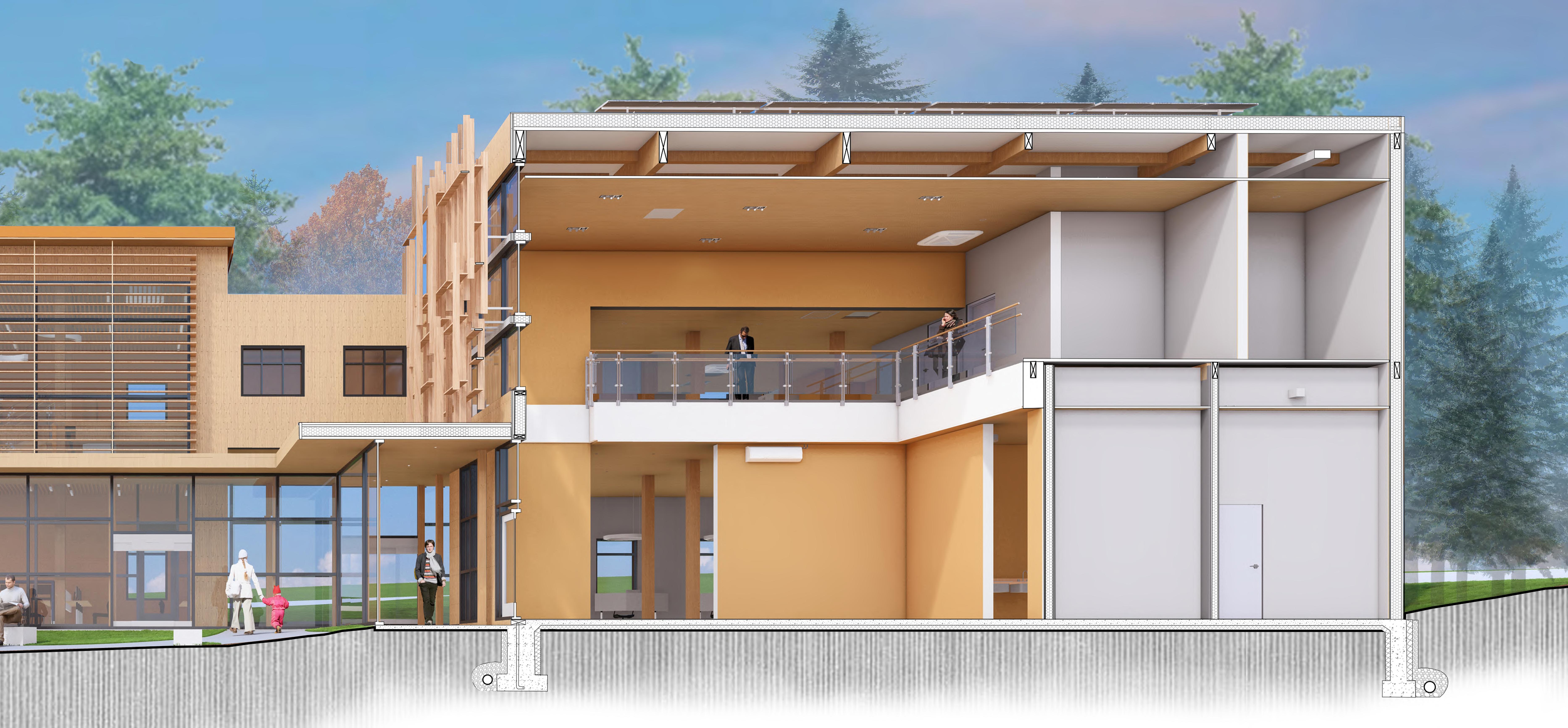
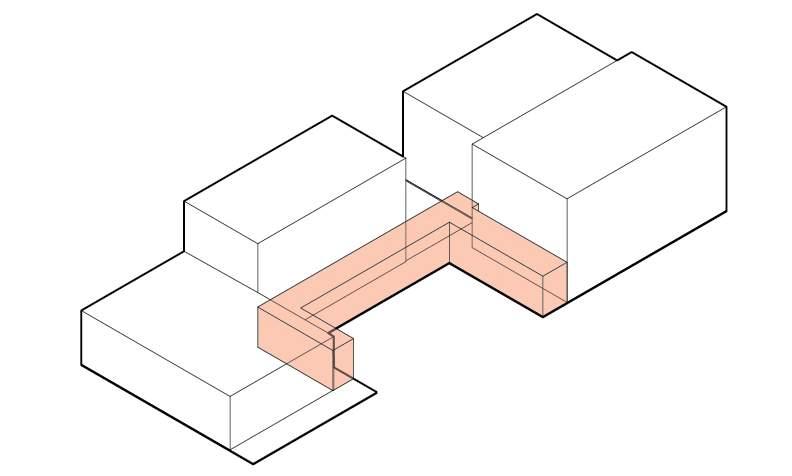
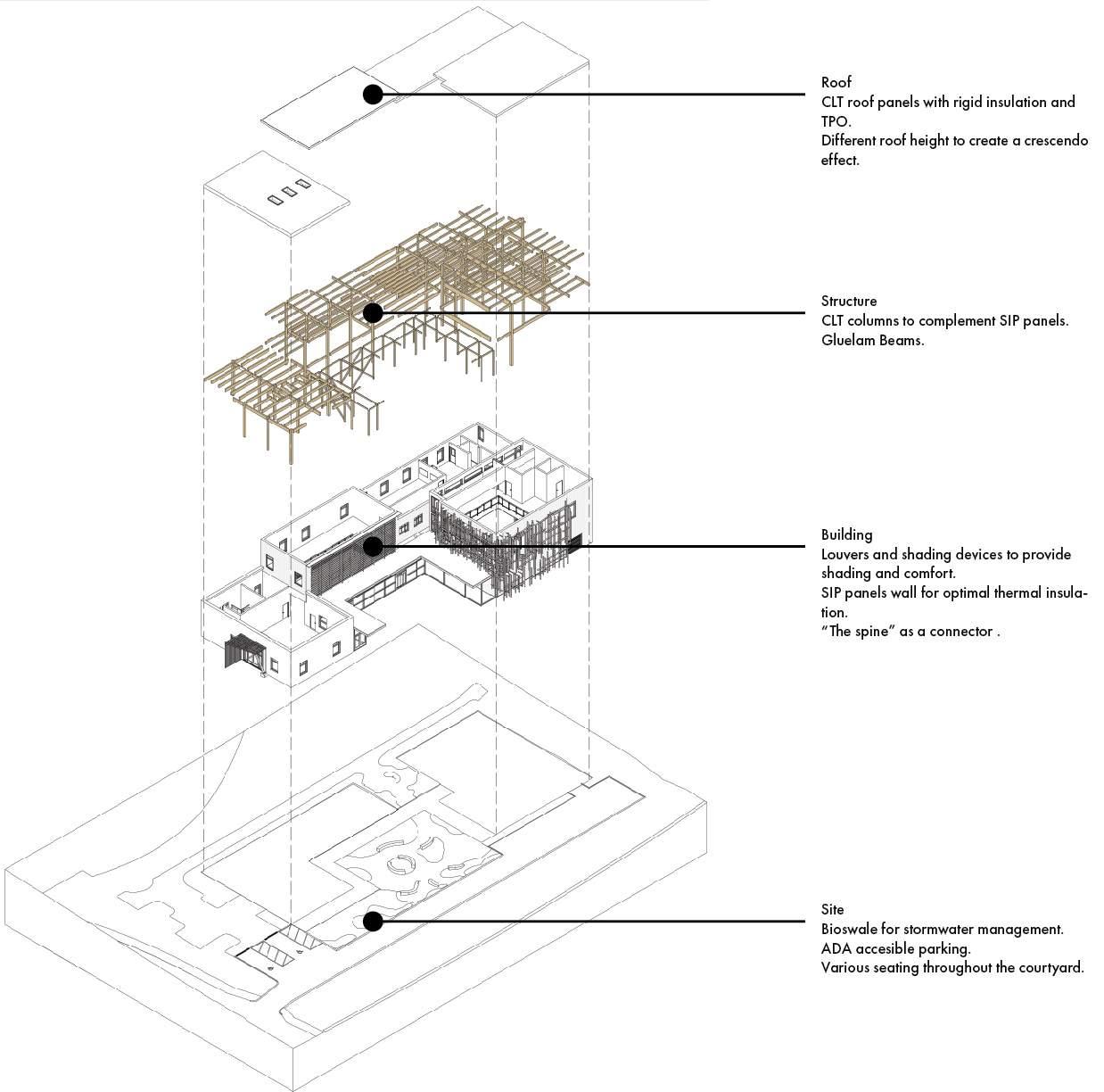
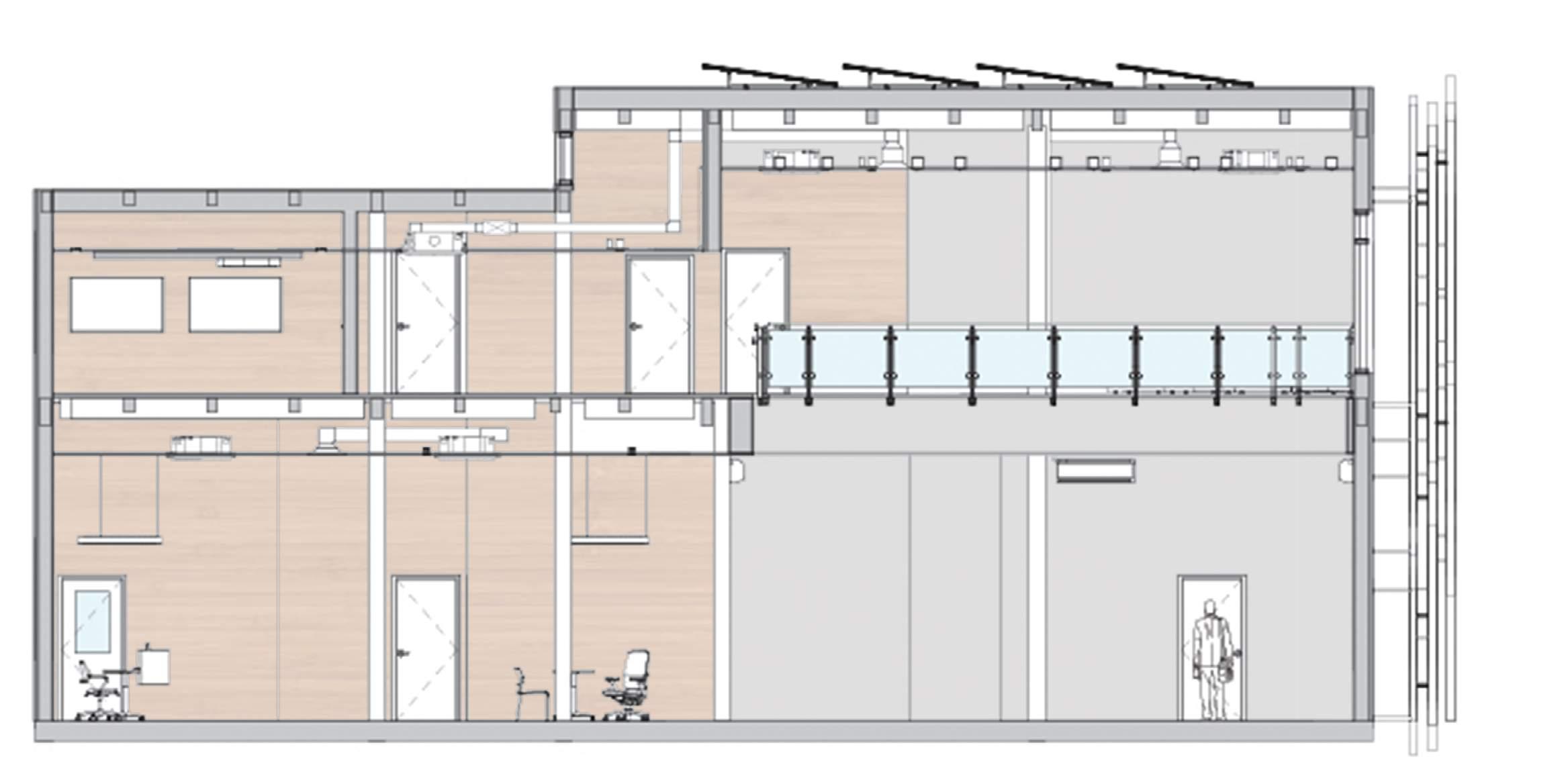
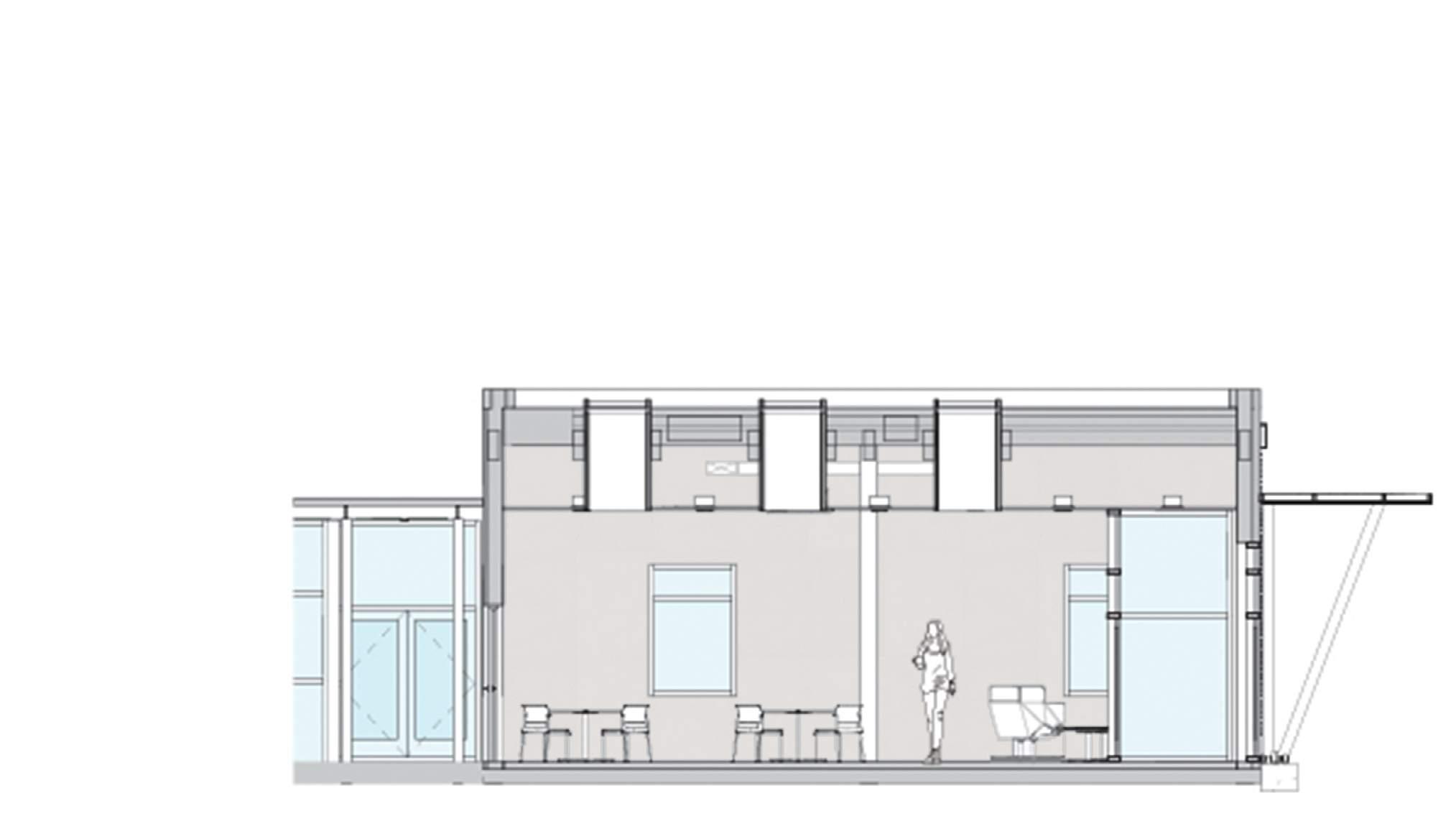
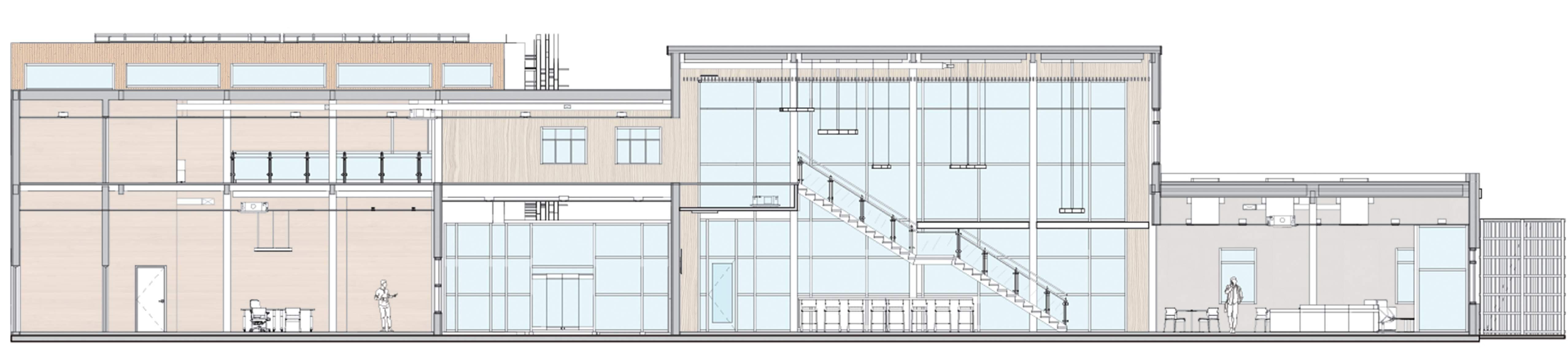
LONGITUDINAL SECTIONTHROUGH THE MARKET SPACE EXPLODED AXON
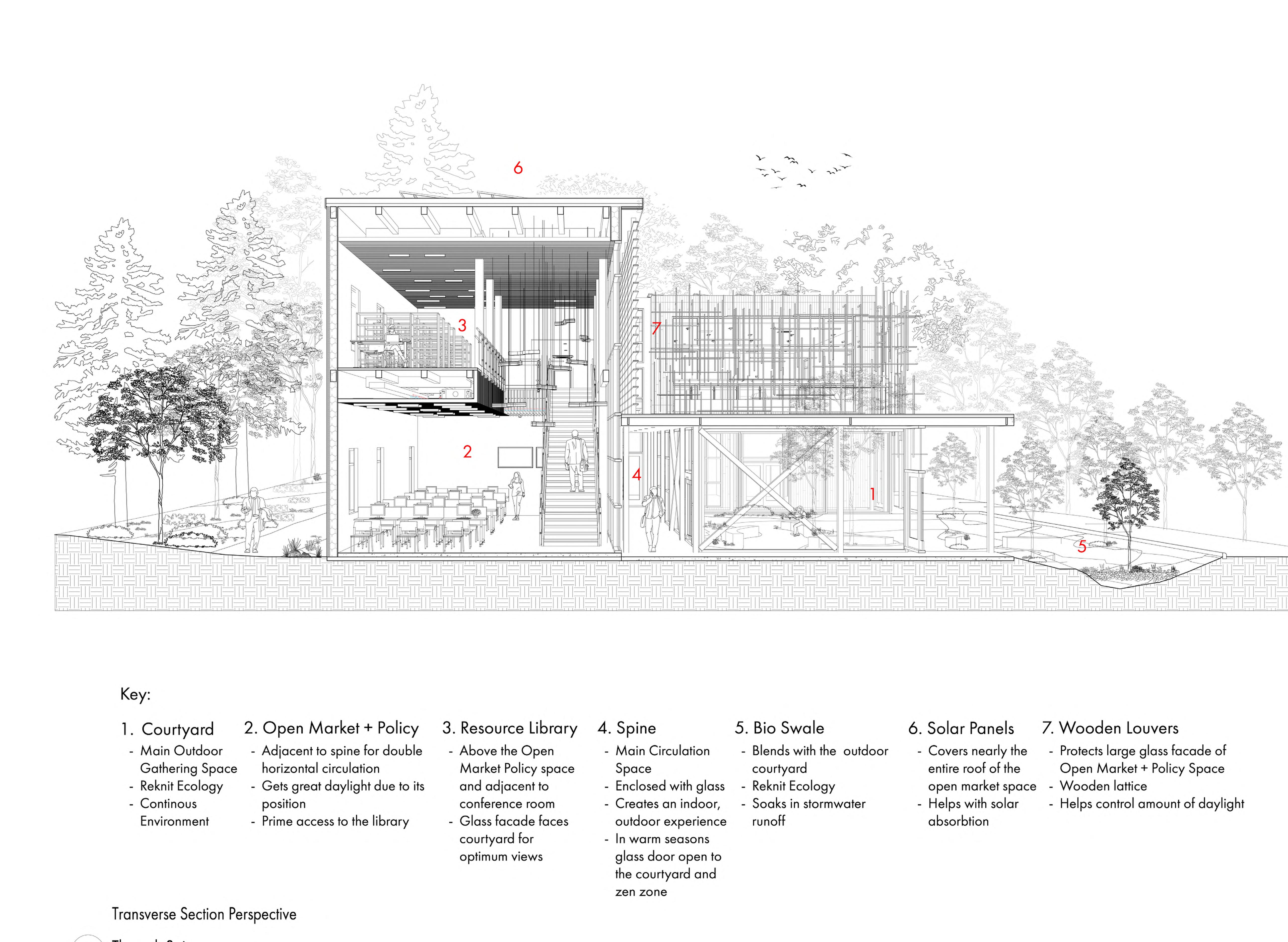
SECTION PERSPECTIVE - TRANSVERSE
BY
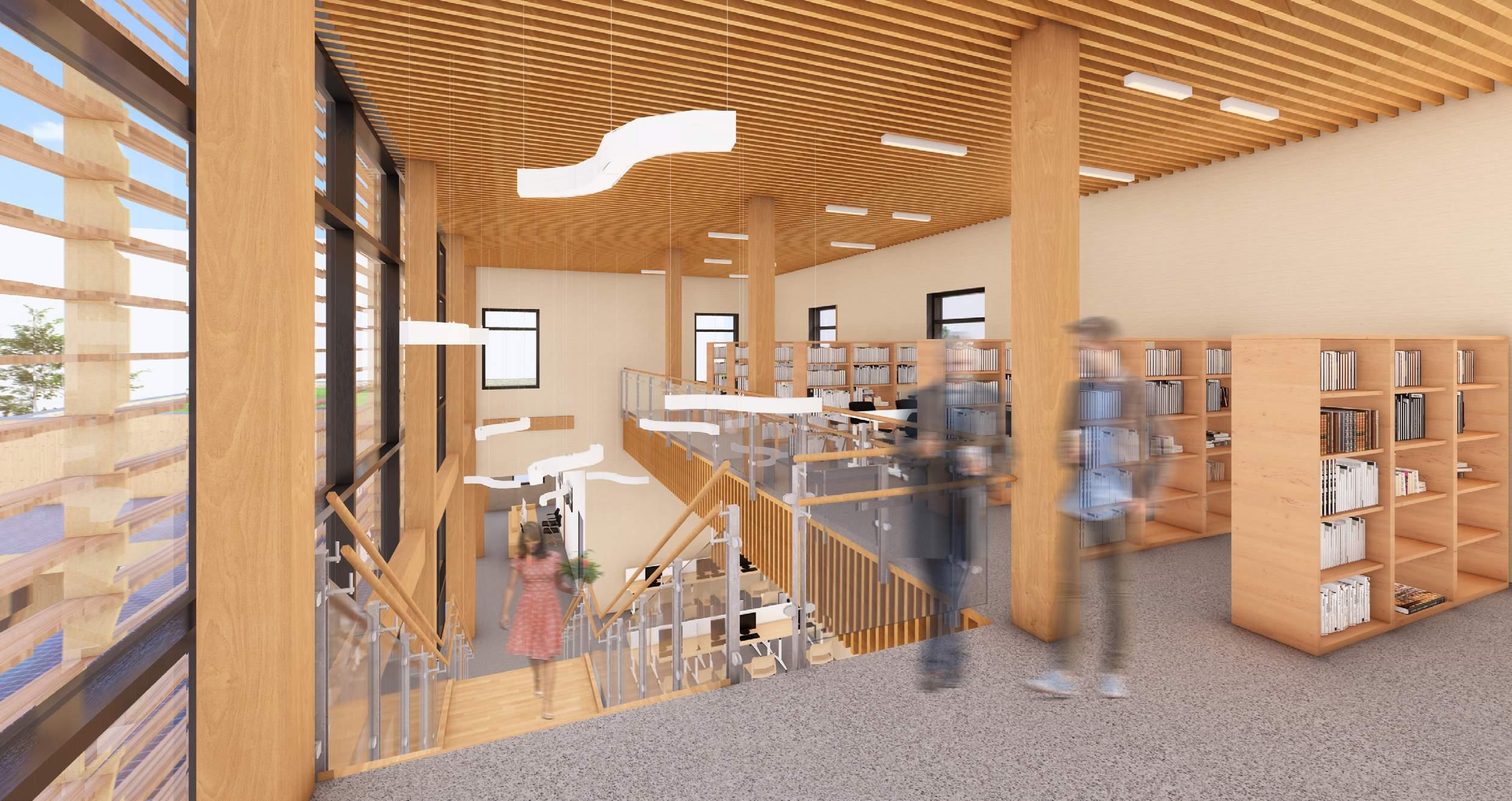
Software: Revit, Lumion, & Photoshop
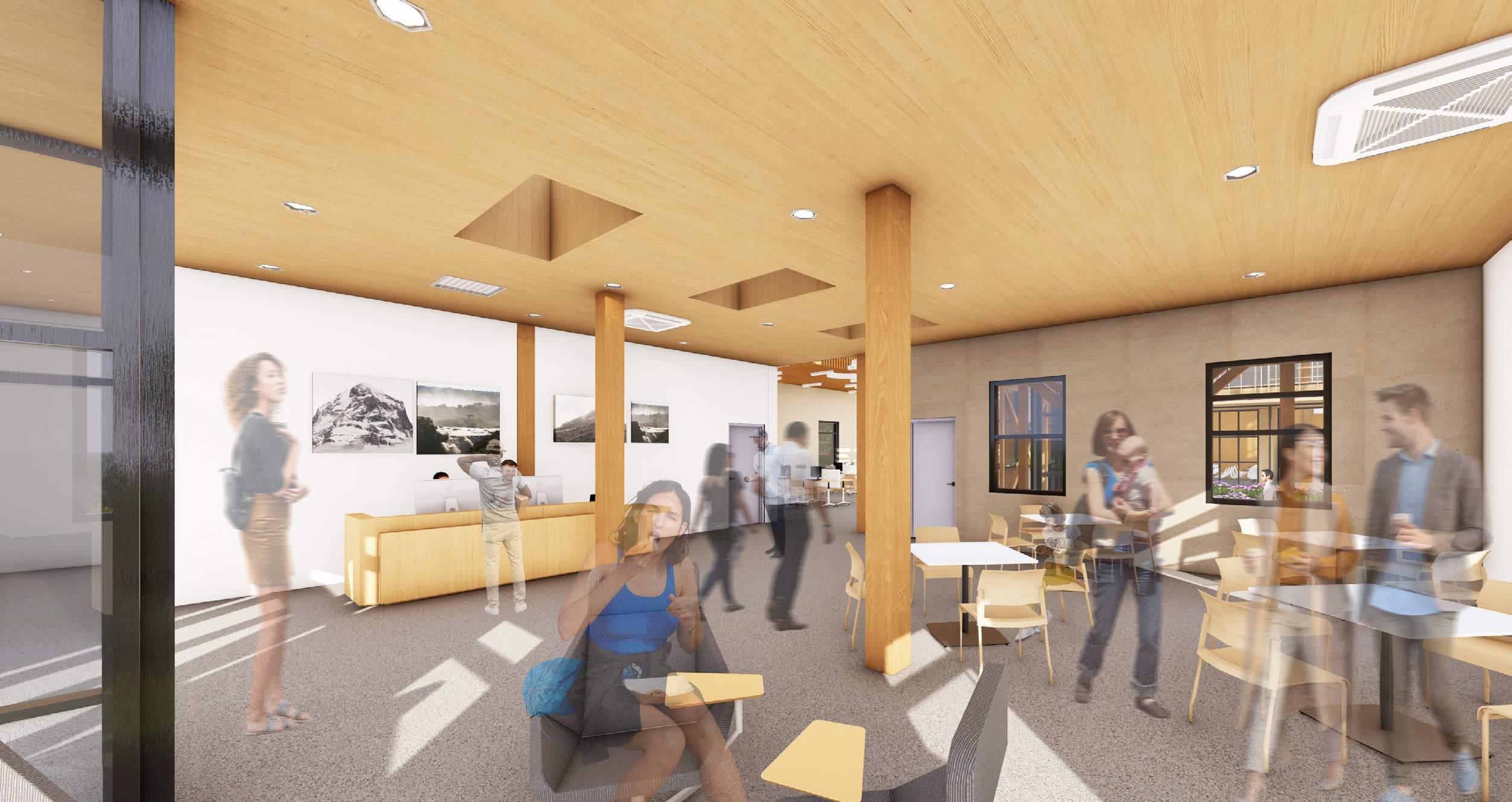
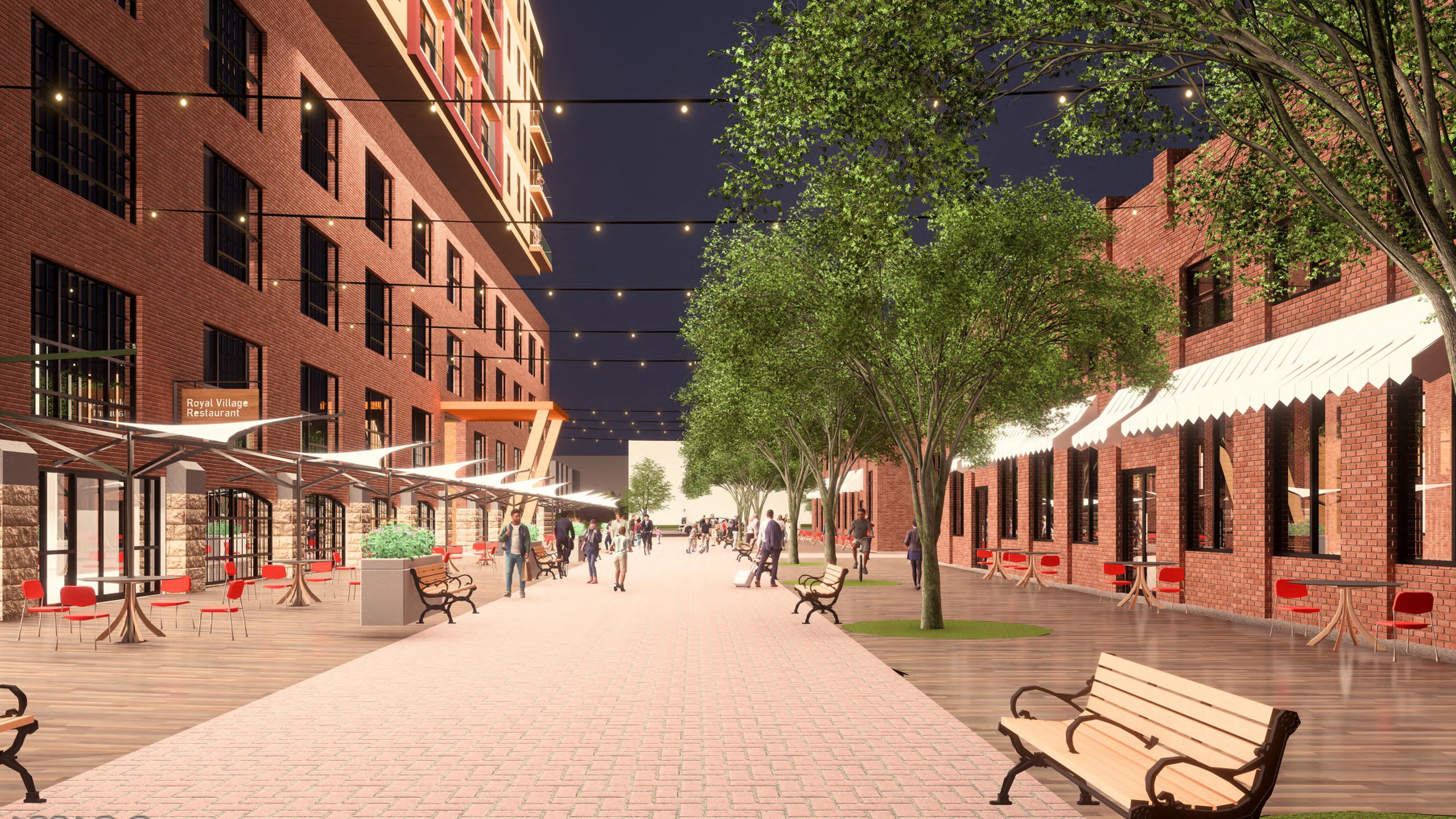
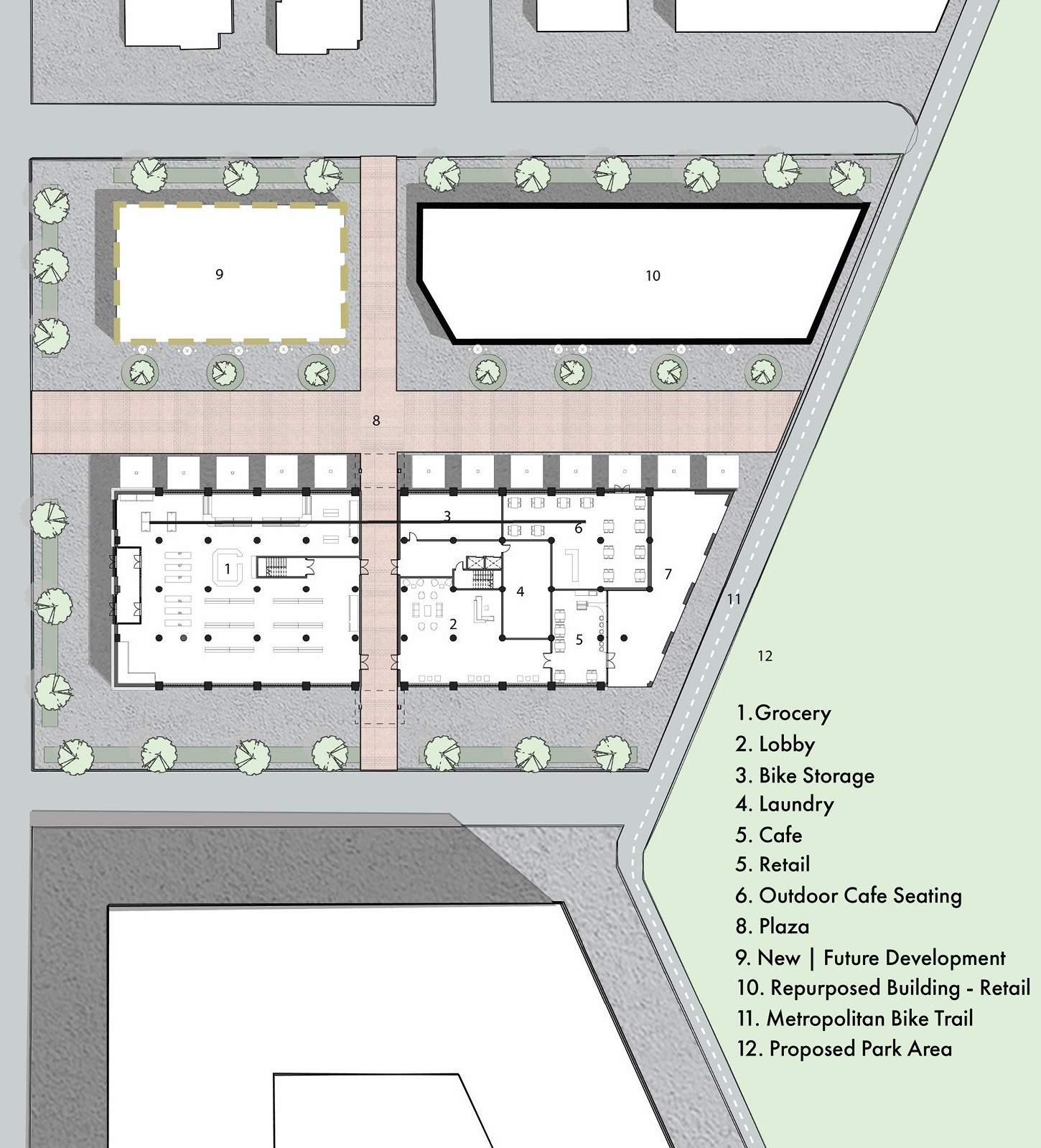
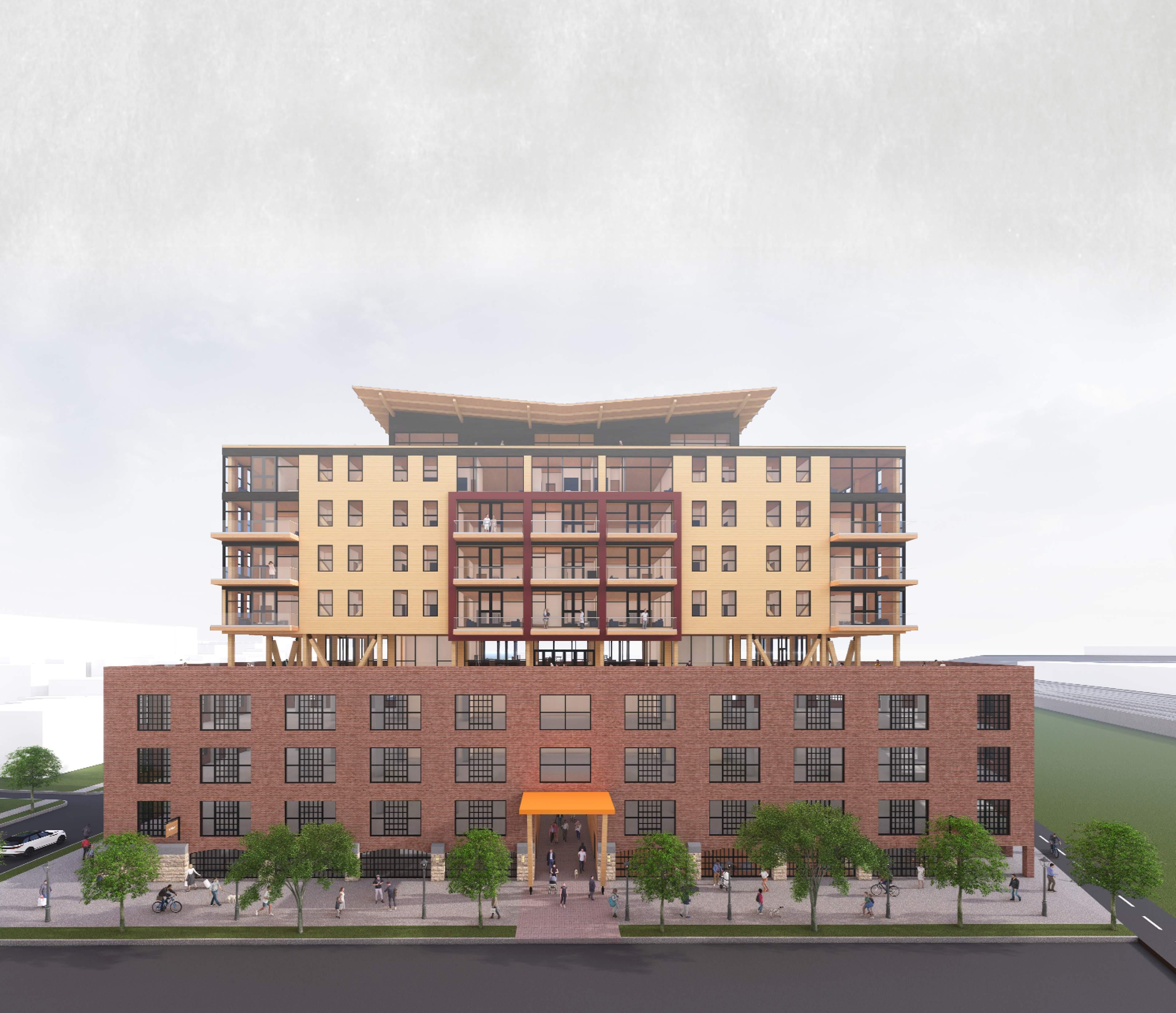
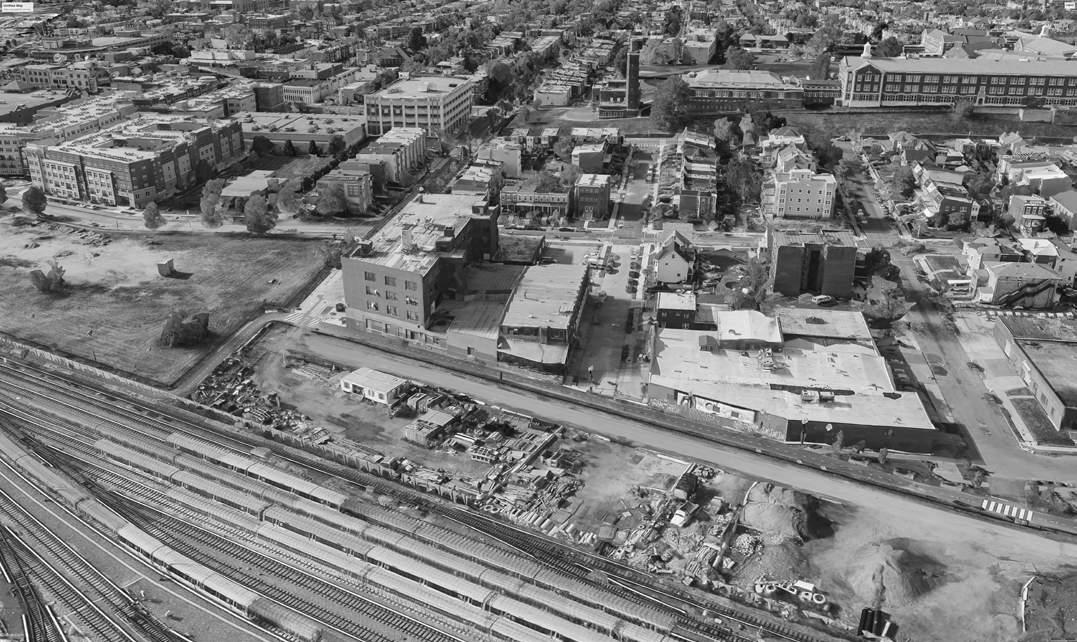
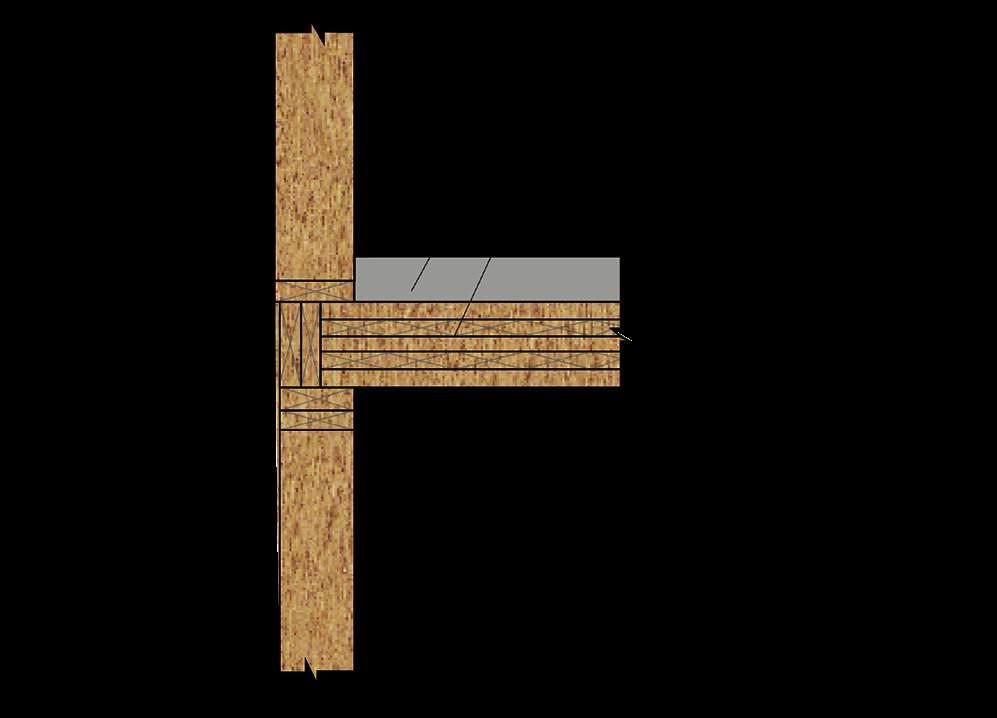
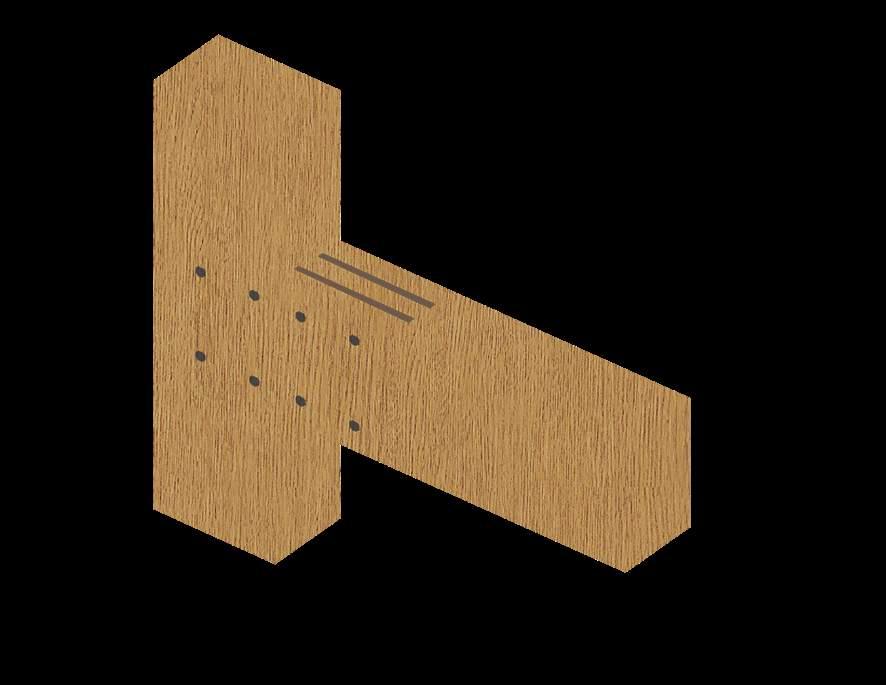
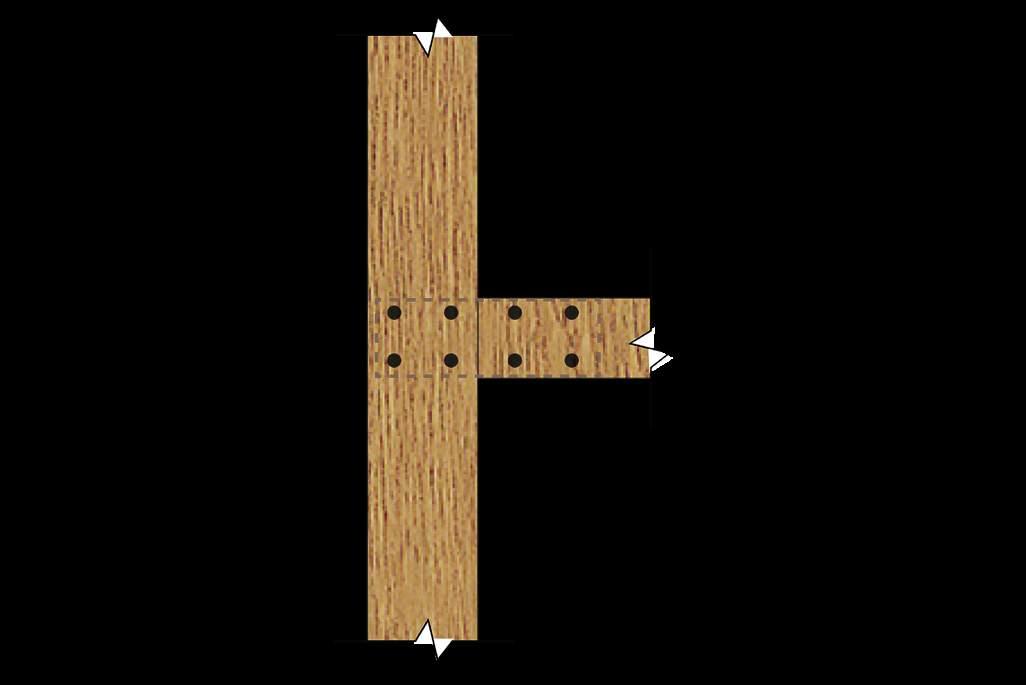
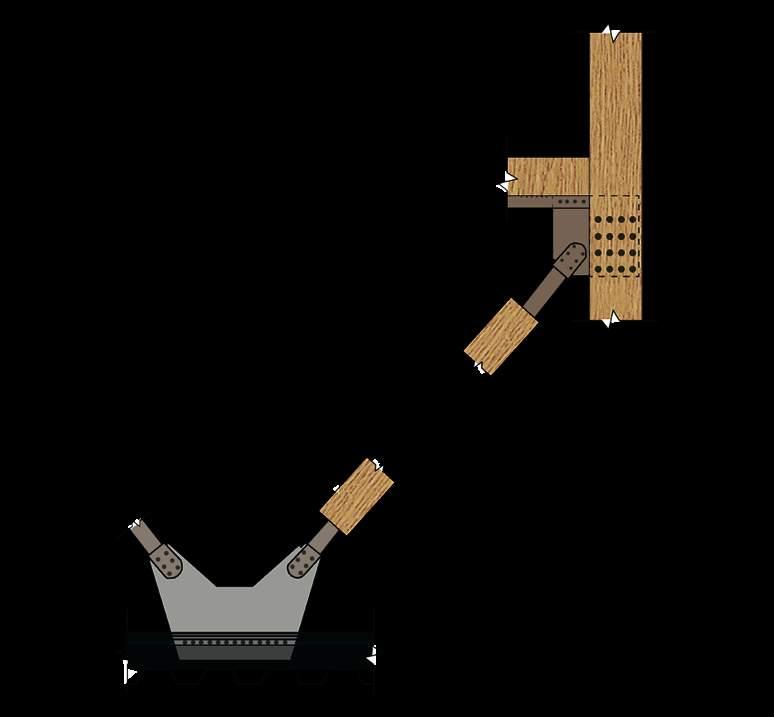
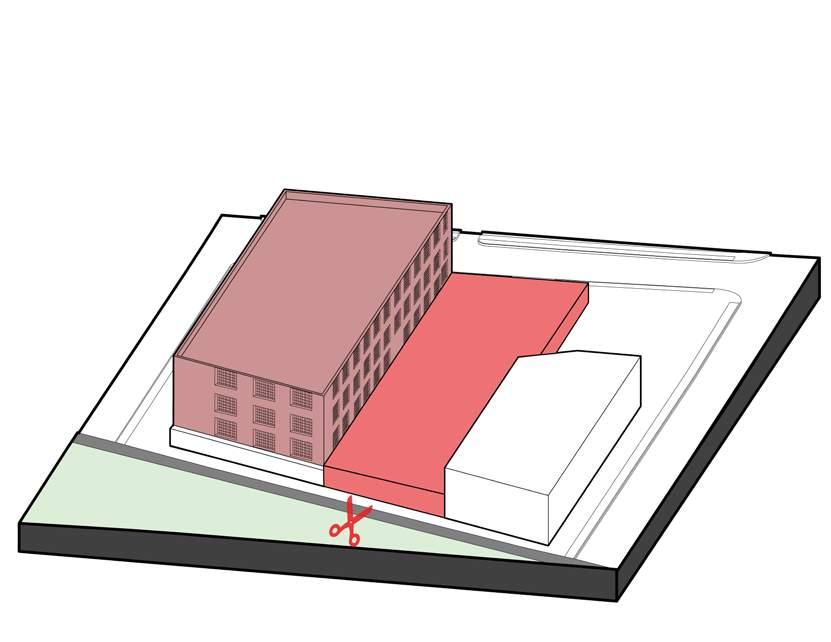
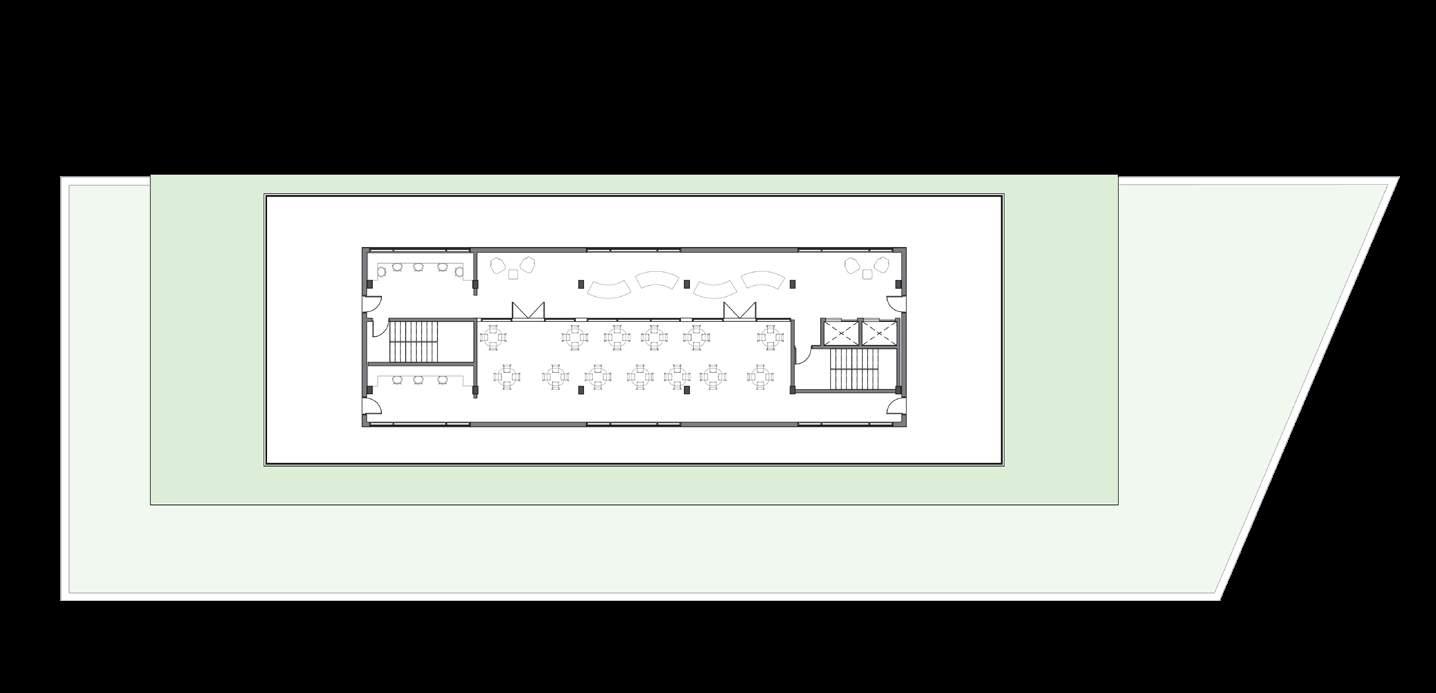
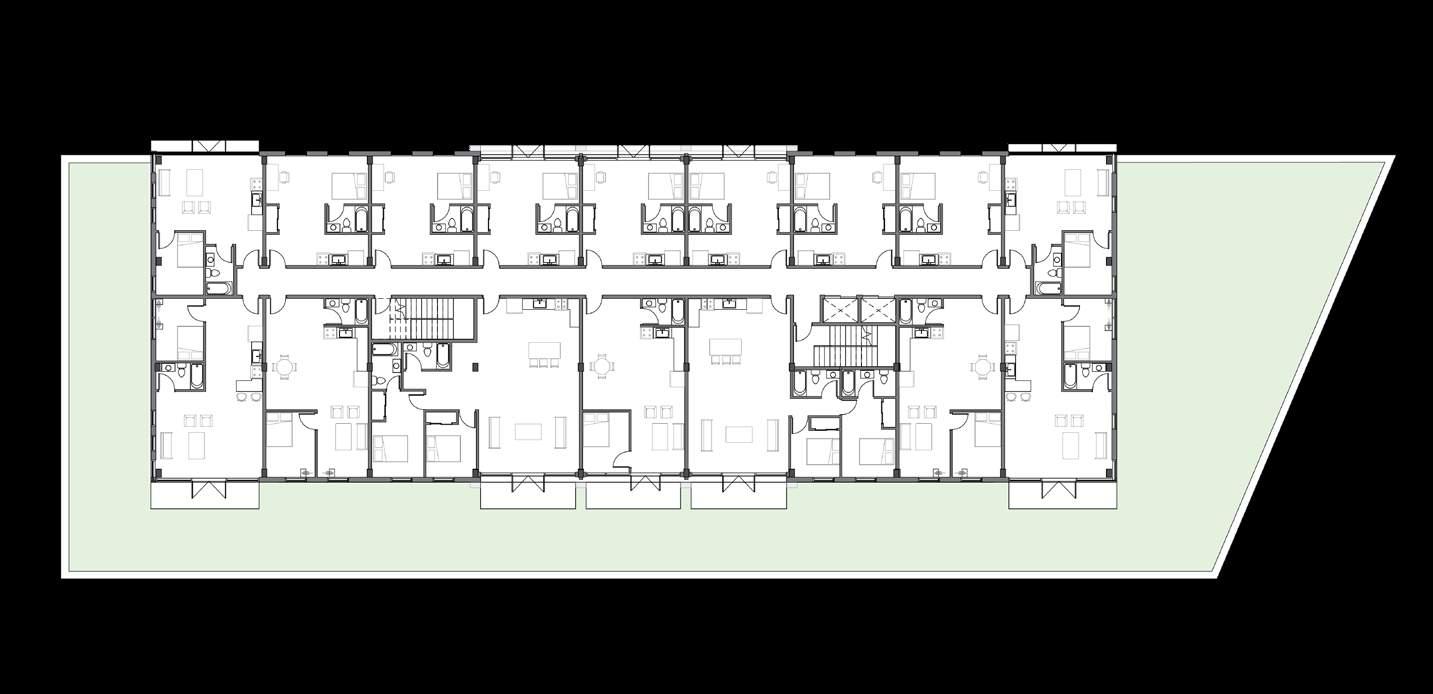
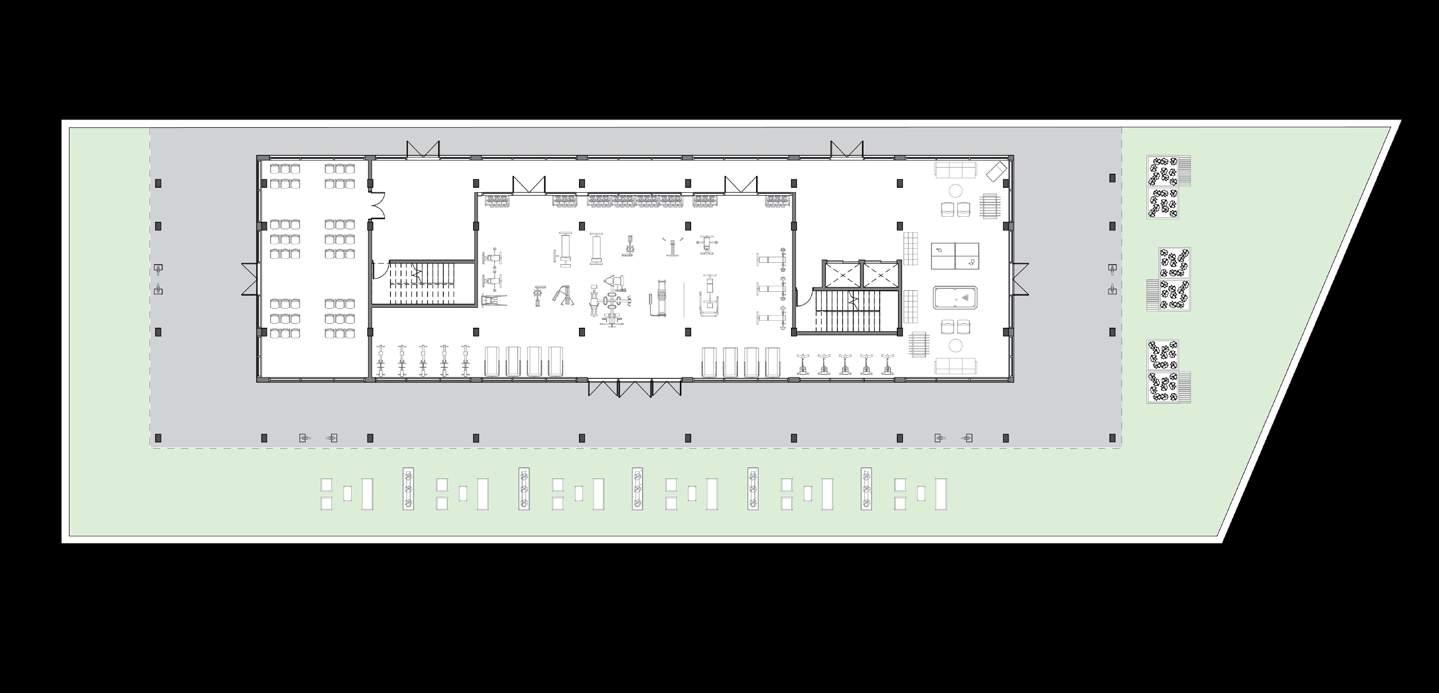
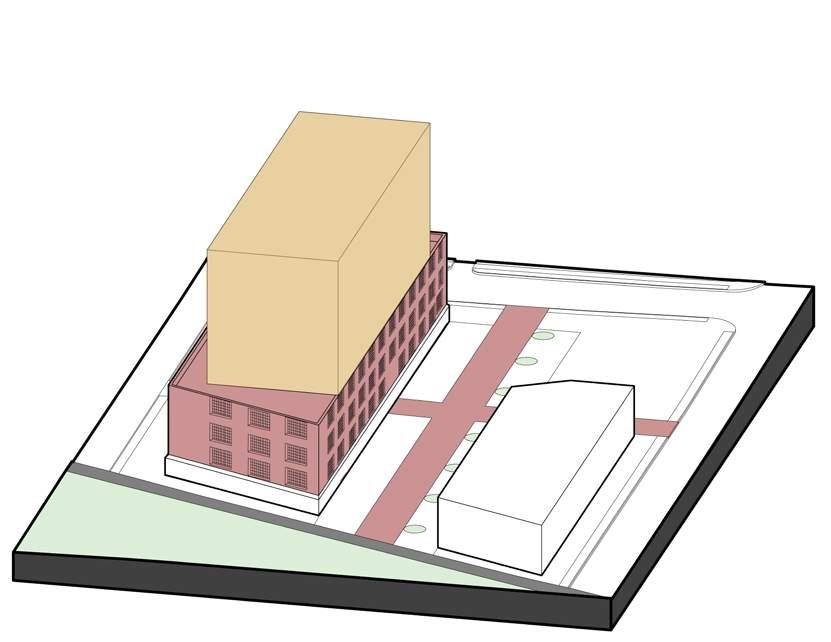
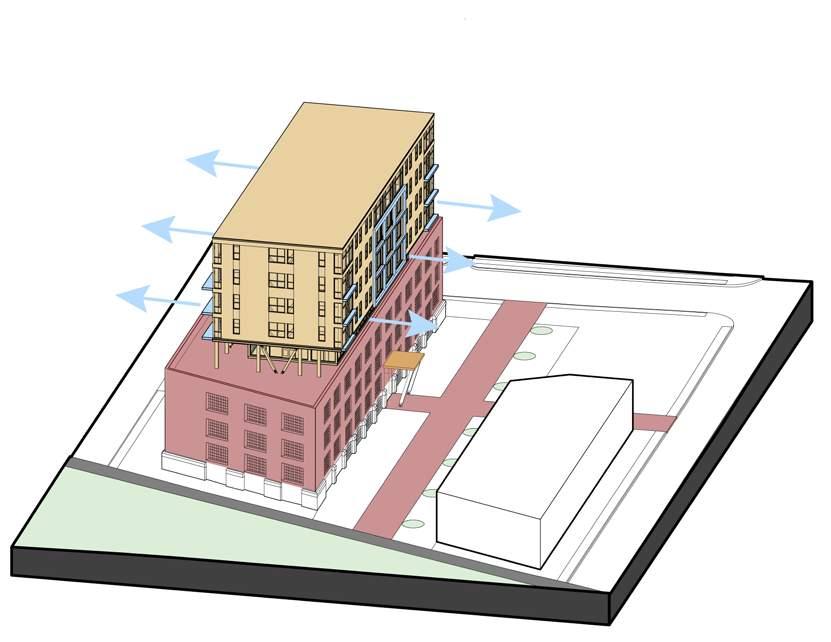
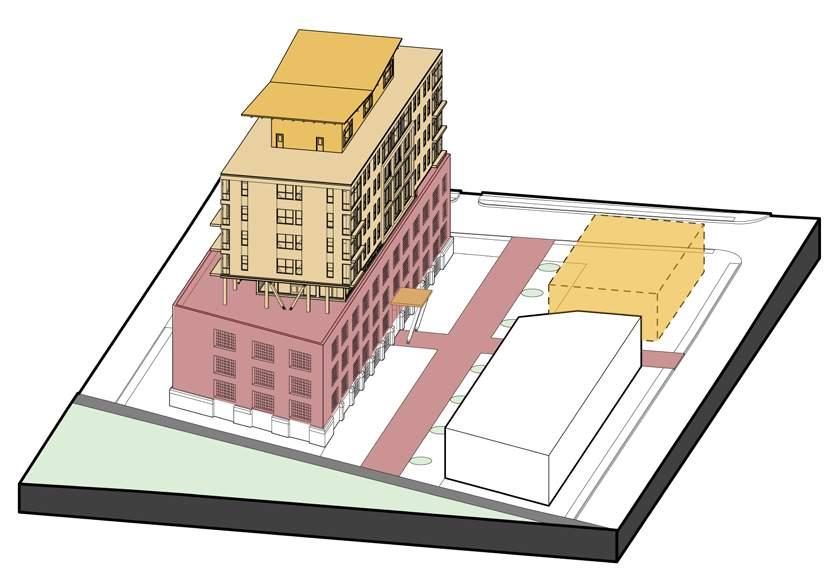
Located in the neighborhood of Eckington, Washington DC the Carving Communities project sits atop a historic brick building where the National Geographic magazine held their subscription offices. Today the over 100 year old building is being used by the District of Columbia Public Library to hold books. North of the four story building is its single story continuation that accounts for half of the building’s footprint. The first urban move was to remove that one story portion of the building and open it up to the community by creating a plaza. This addition of the plaza included an expansion of Alethia Tanner Park that was around the corner of the site. The mass timber apartment complex is flush with the north elevation of the existing building to give a connection to the plaza as well as ample roof terrace space on the south.
In collaboration with Sergio Gomez
SIXTH FLOOR PLAN
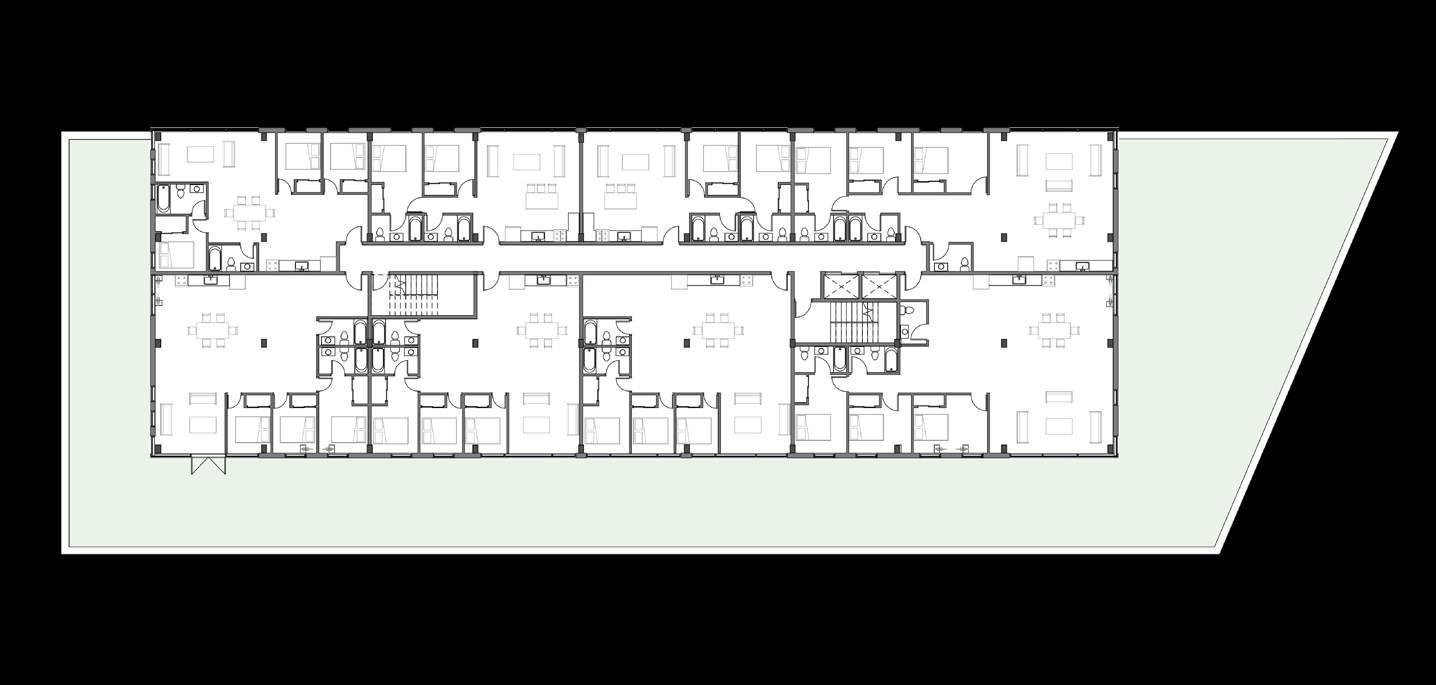
FOURTH AND FIFTH FLOOR PLAN
VEGETATION STUDY SUN DIAGRAM PROGRAM
COMUNITY ENGAGEMENT
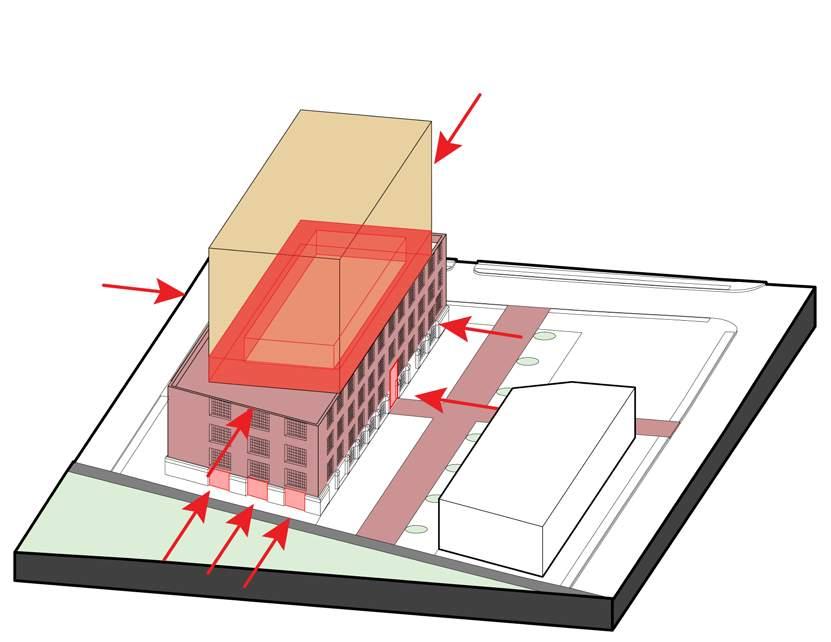
GREEN SPACE
RESIDENTIAL UNITS
COMMUNITY SPACES
COMMERCIAL OFFICES
PASSAGEWAY GREEN ROOF
SOLAR PANELS
WINTER SUN
RETAIL SPACE NEW PARK
GREEN BUFFER
RESIDENT ENGAGEMENT
SUMMER SUN PLAZA
RETAIL SPACES
BIKE PATH
DIAGRAMS BY SERGIO
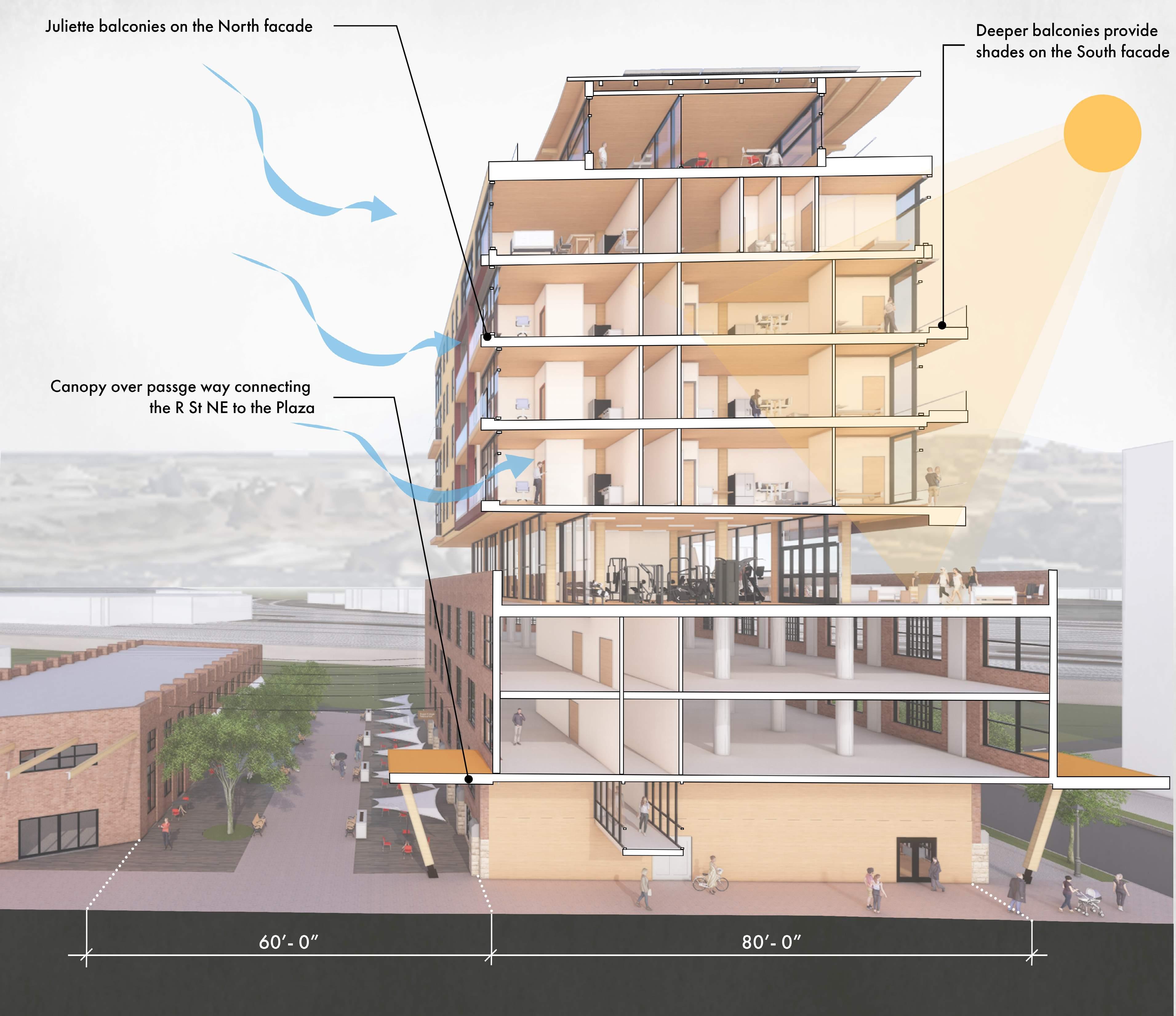
SECTION PERSPECTIVE - TRANSVERSE
Software: Revit, Lumion, & Photoshop
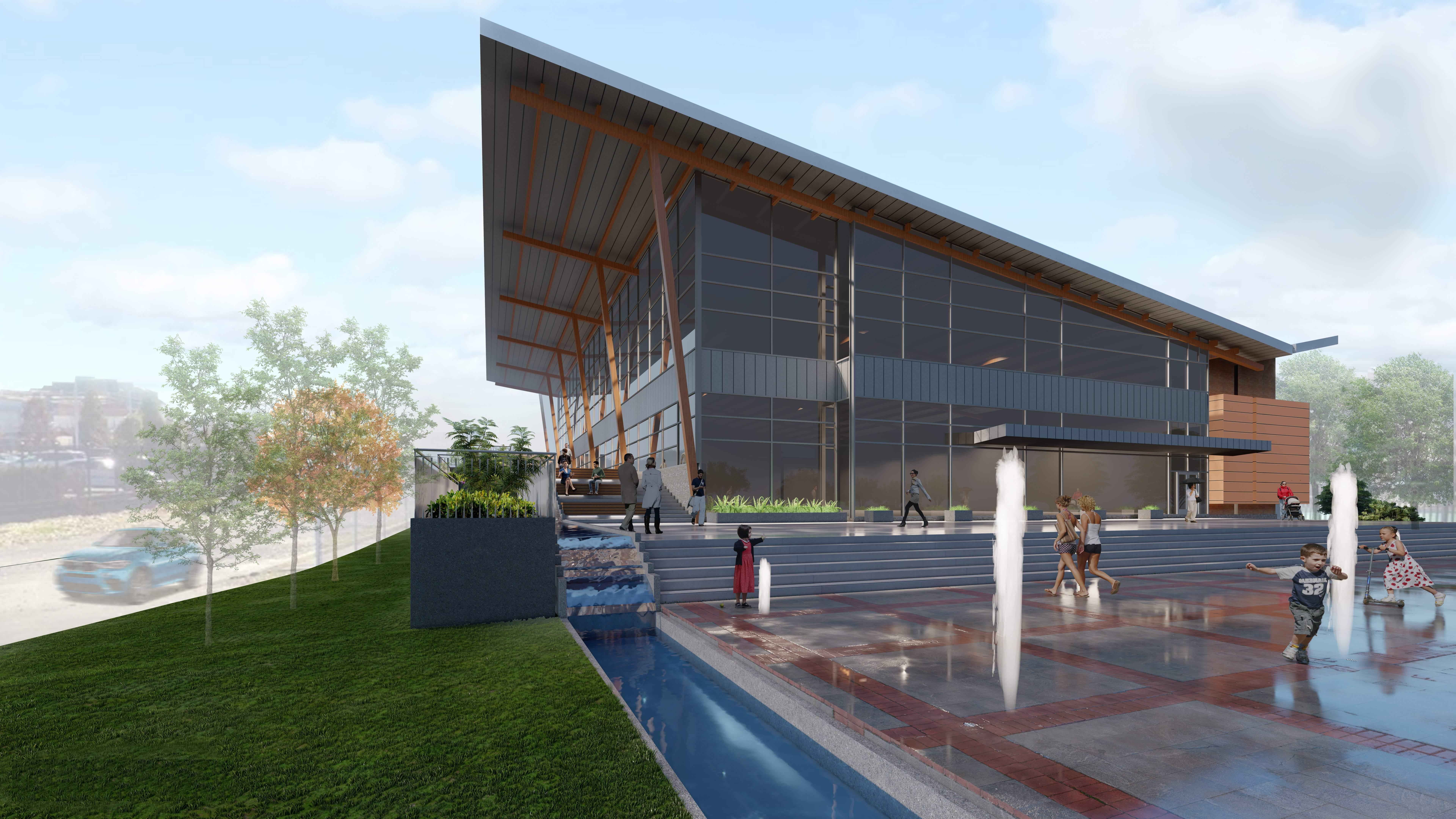
Located in Nashville, Tennessee, the William Edmondson
Sculpture Garden is a garden dedicated to this famous African American sculptor who paved the way for future generations. The garden sits next to the existing art center named after the same sculptor.
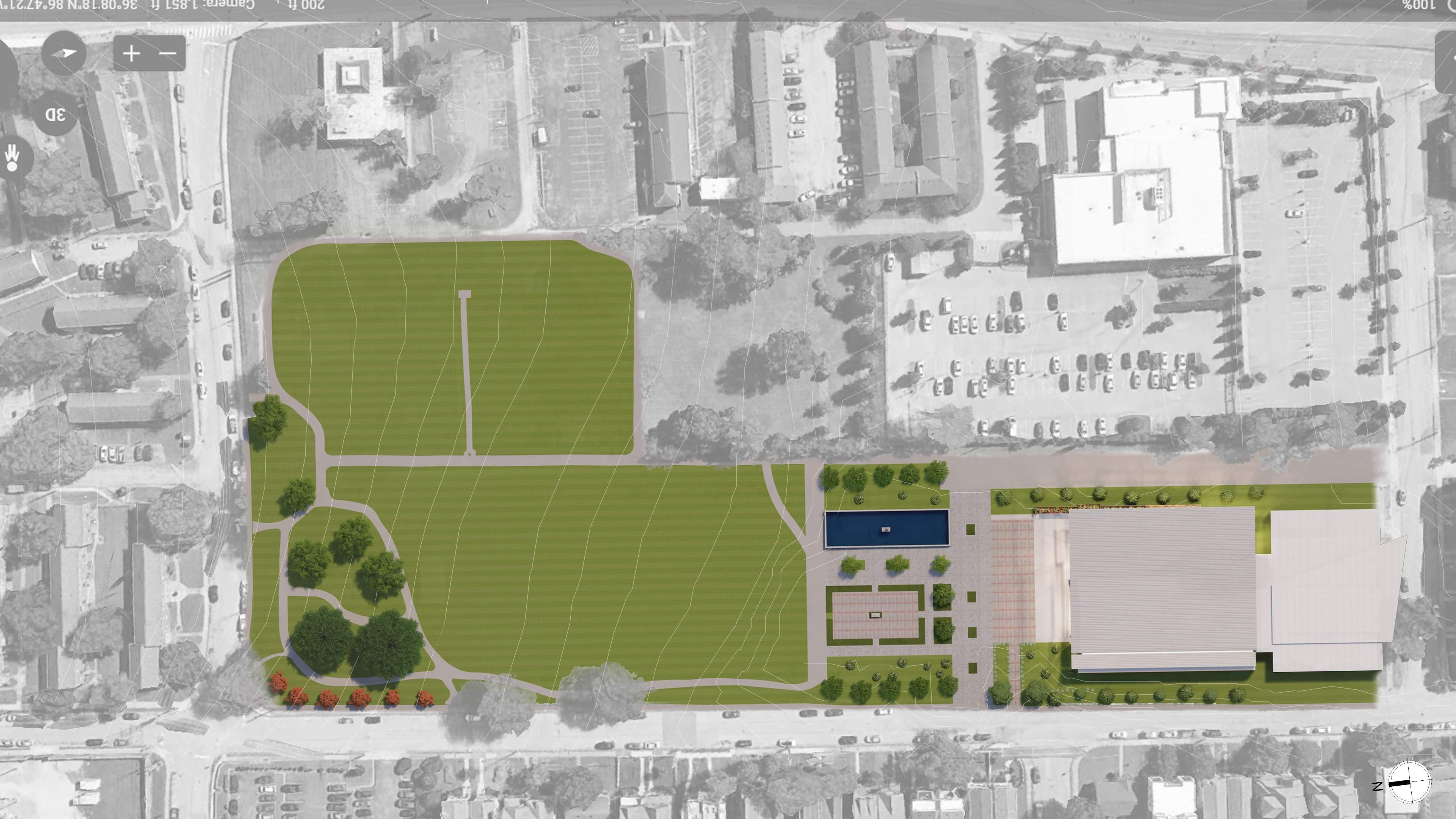
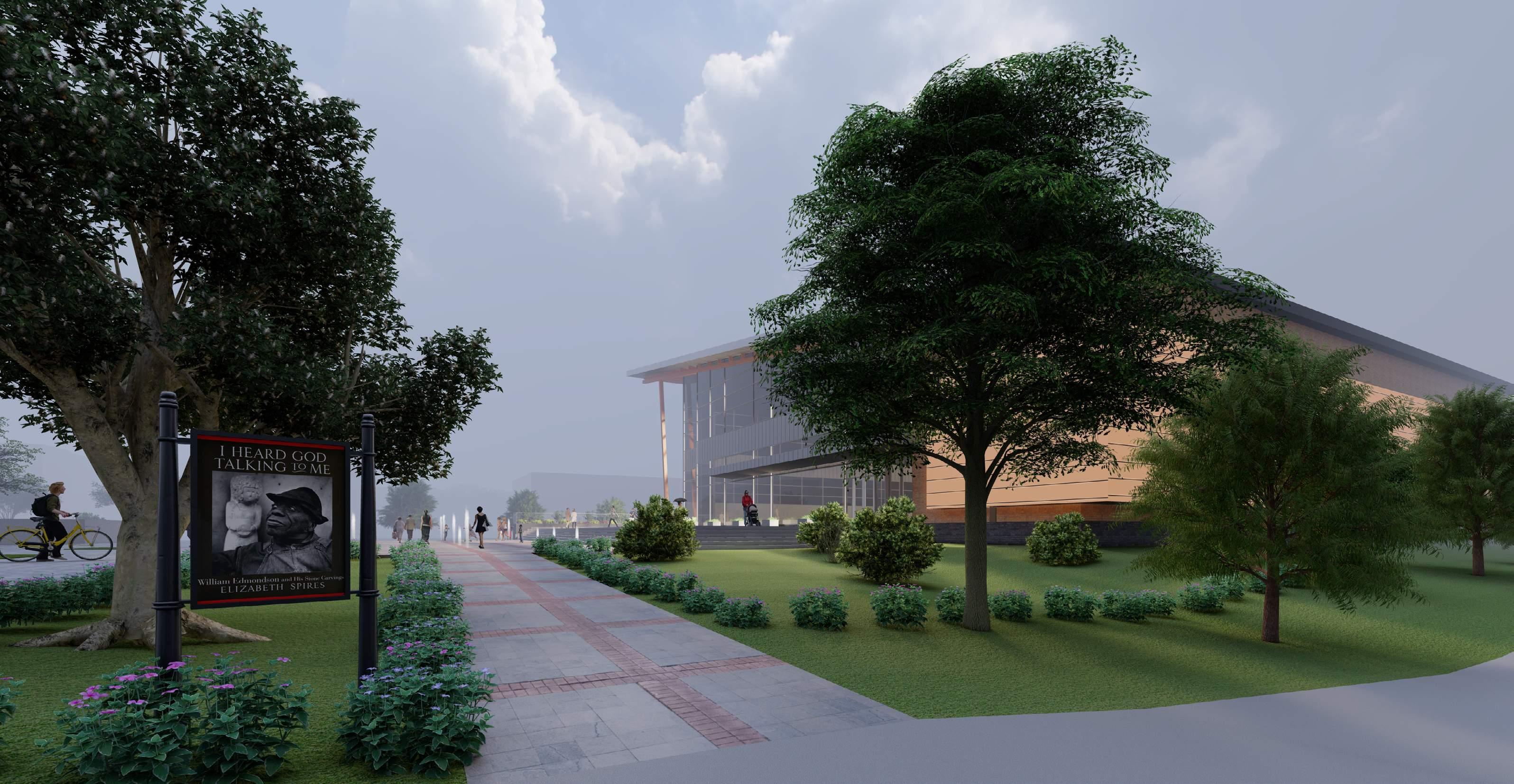
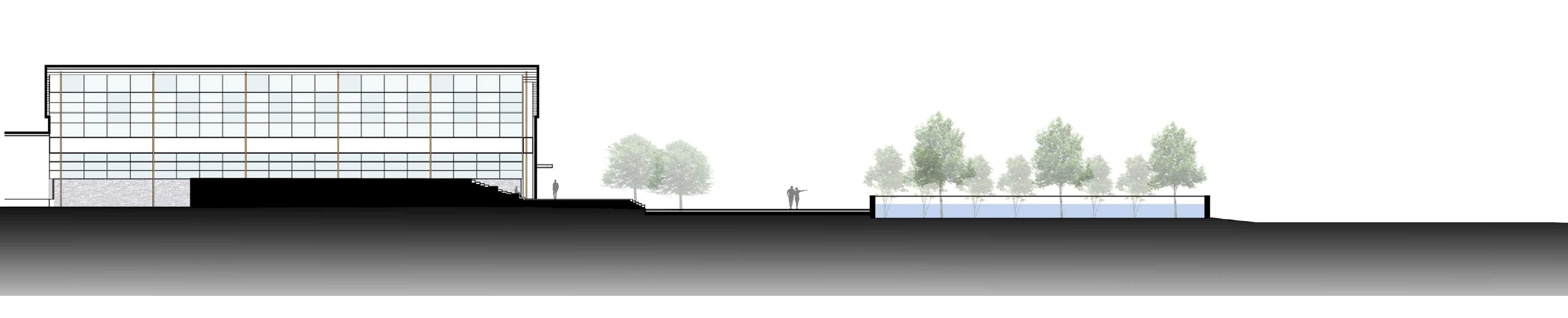
Two sculptures dominate the landscape. One is accessible through a terrace garden and the other is surrounded by a reflecting pool. By juxtaposing the two sculptures, we are reminded of the modest nature of Edmondson who sculpted for ordinar y clients while appraising and recognizing the cultural values of these works.
The Pool
The reflecting pool will host one of the two sculptures on site. It spans from the stairs adjacent to the building and passes underneath the plaza.
The Terrace
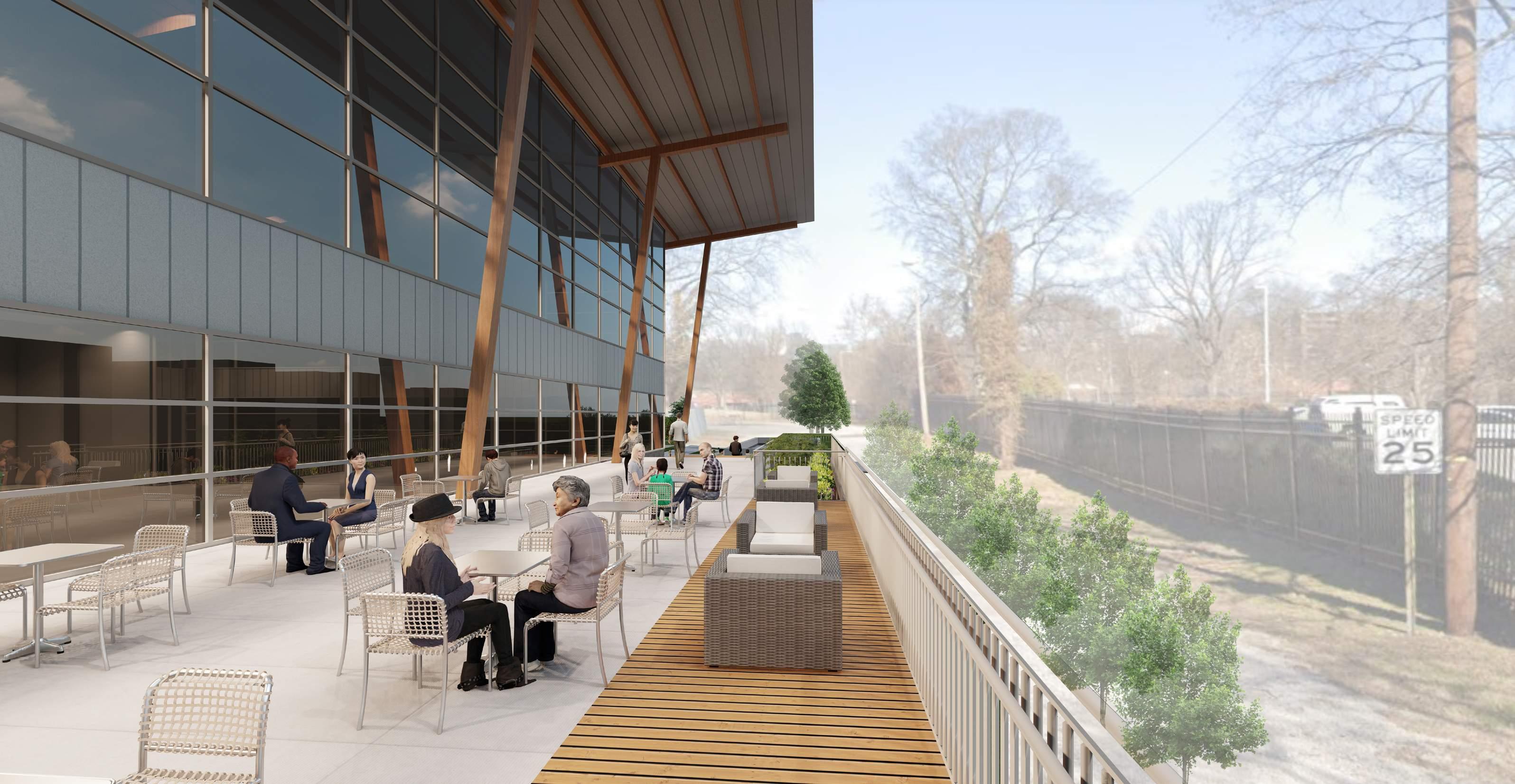
The terrace garden serves as a place people can tour and learn more about the life of William Edmondson. It will also host a sculpture.
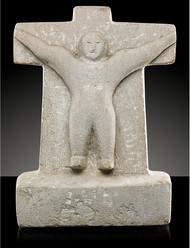
The crucifix: One of the two sculptures selected to be displayed in the garden. William Edmondson was a man of firm beliefs.
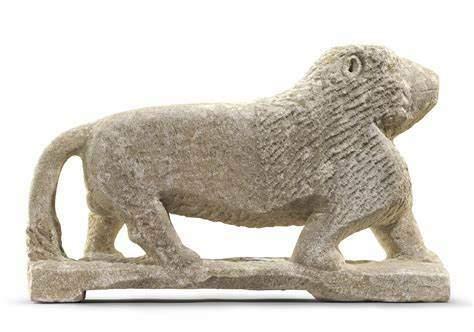
The Lion: another sculpture made by Edmondson. He loved animals and made several sculptures of animals such as horses and sheep.
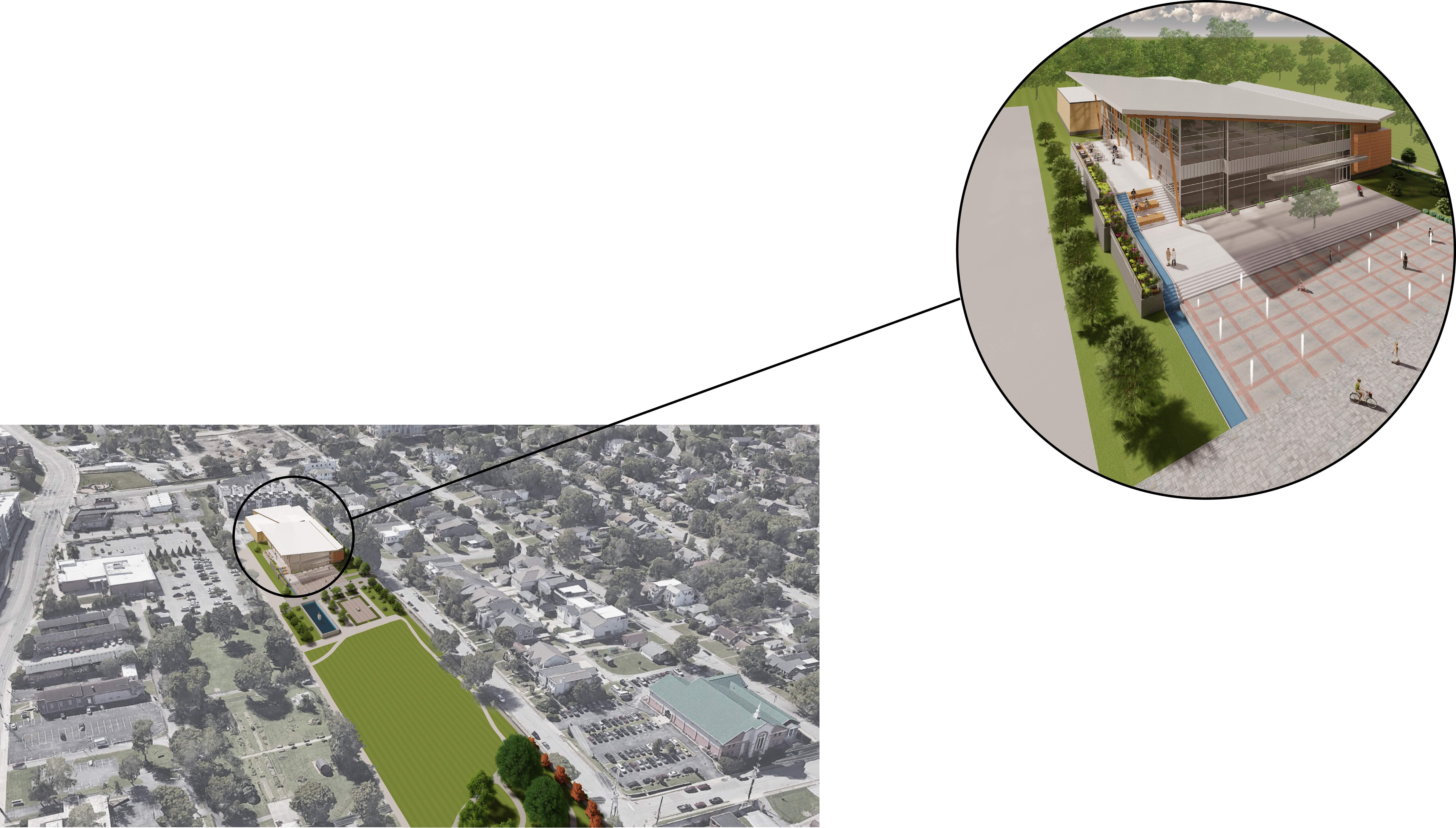
The concept behind this design emerged from Edmondson’s long-lasting impact on his community . The site’s design is intended to provide different forms of entertainment and activities that celebrate the community and pay homage to him in various ways. Different amenities populate the site for different age groups, backgrounds, and preferences. The inclusivity of the site solidifies a sense of unity .
Software: Revit & Enscape
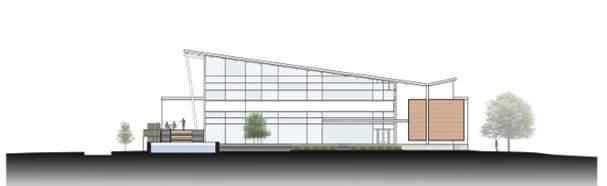
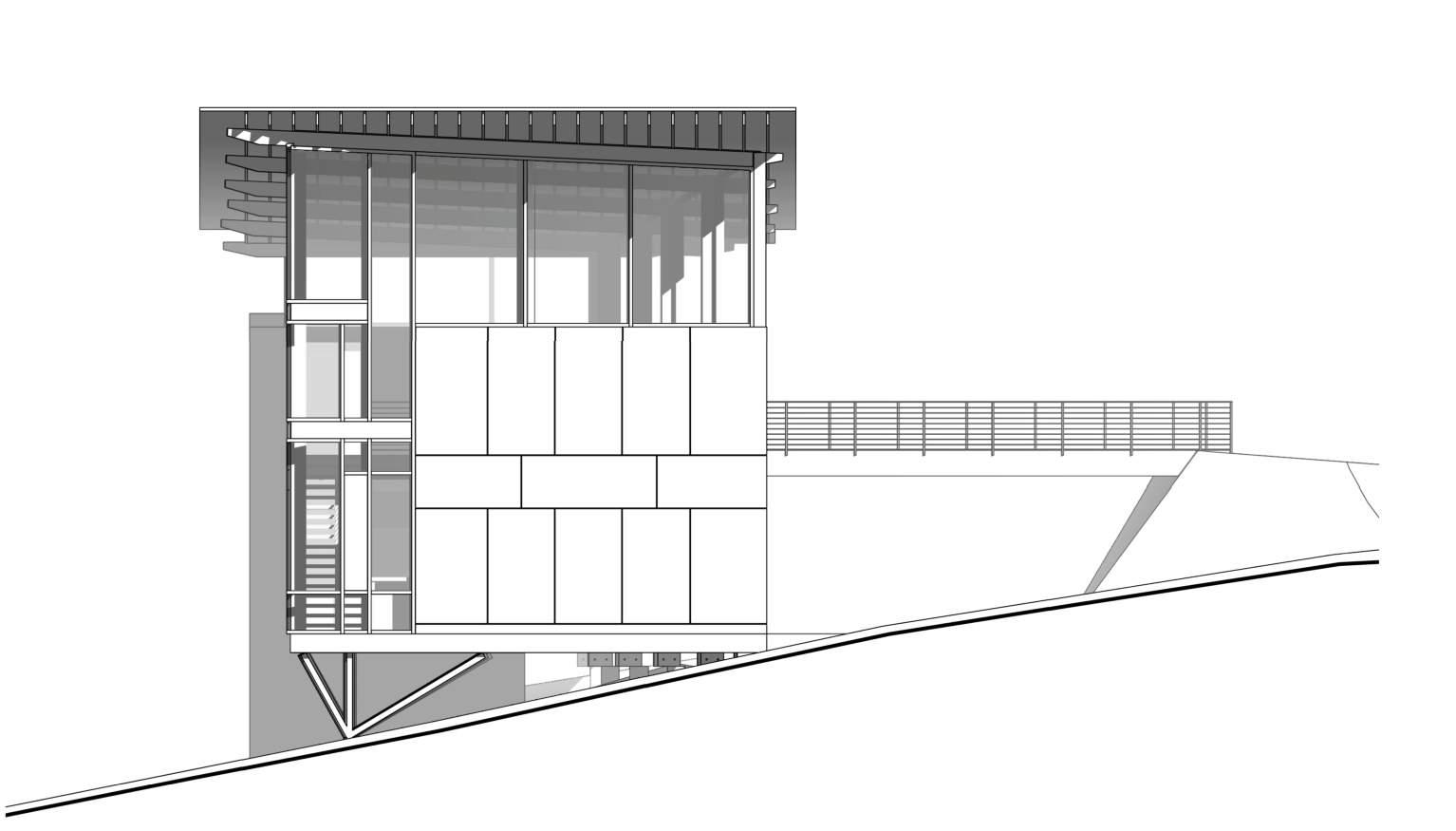
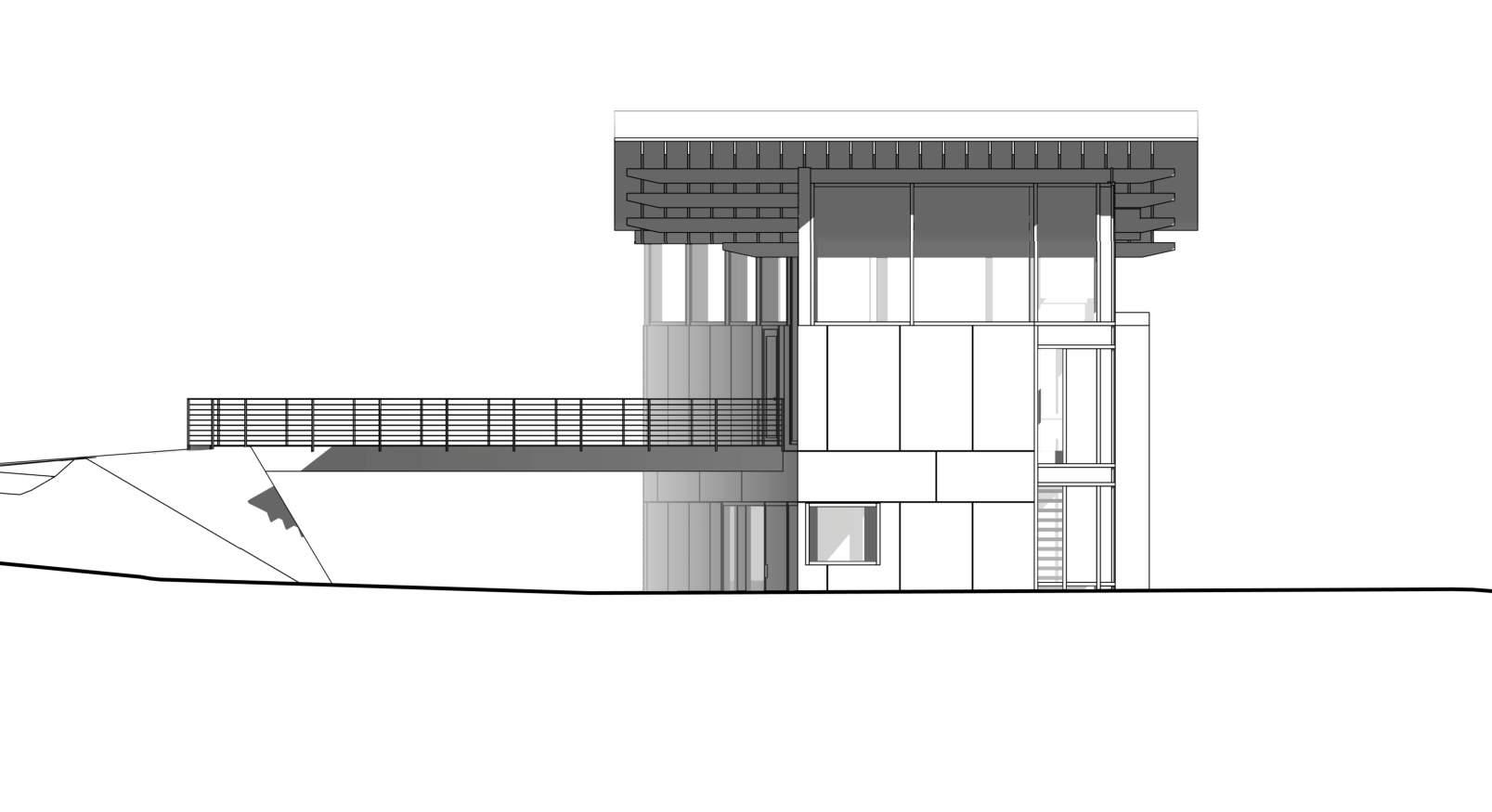
This is a case study project for the Strickland Ferris Residence by Frank Harmon. The house is located in Raleigh, North Carolina. The project asked students to replicate different houses using Revit and Enscape only. The challenge was to recreate compelling visual representations and a 3D panoramic view of the interior space without any post rendering software.

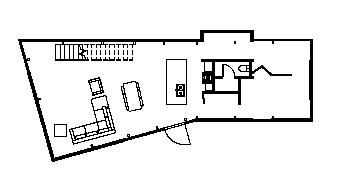
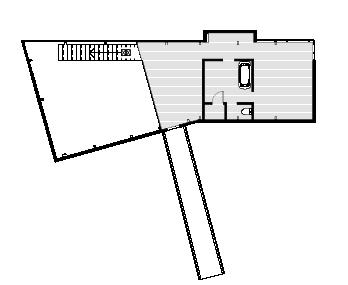

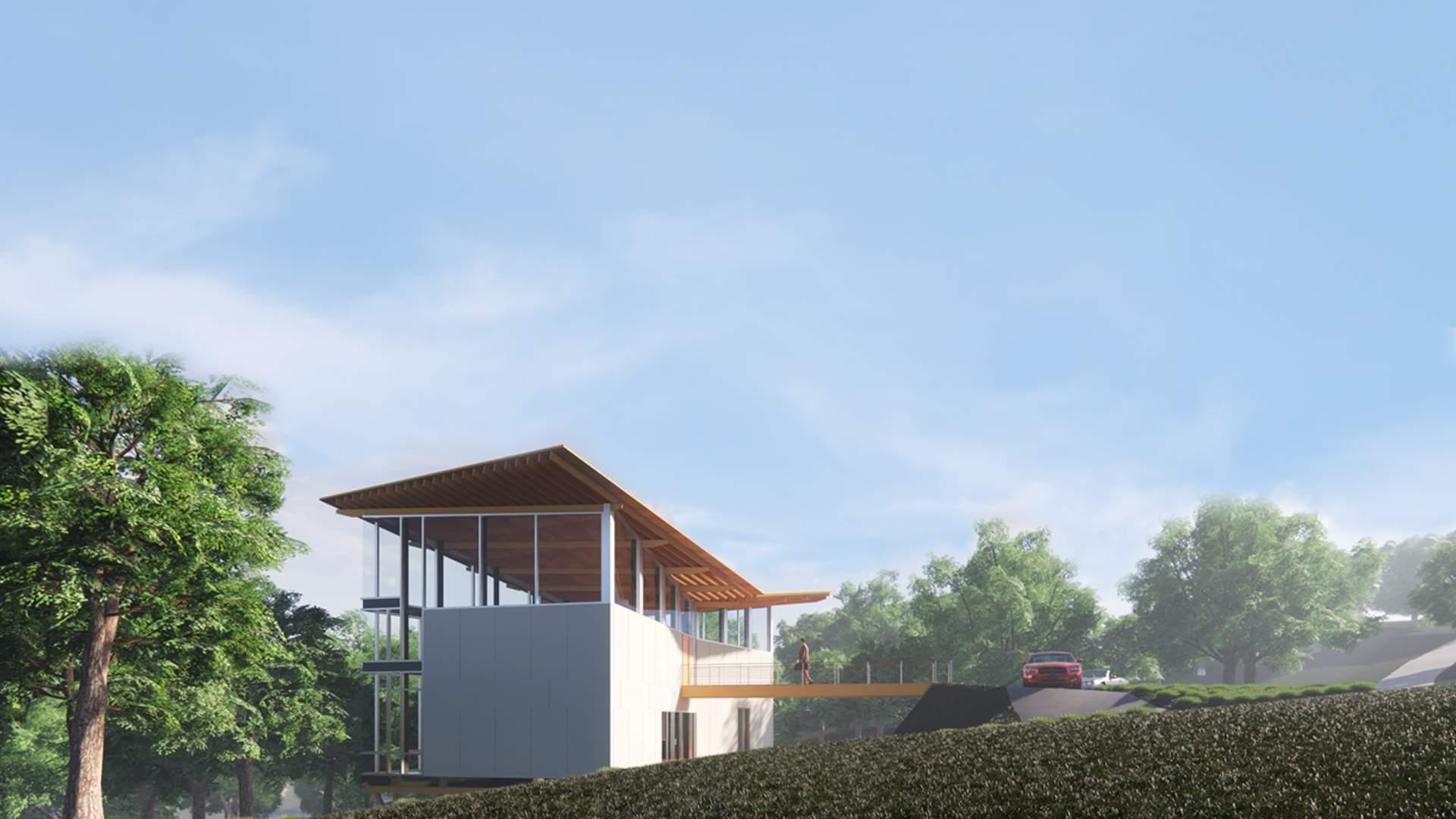
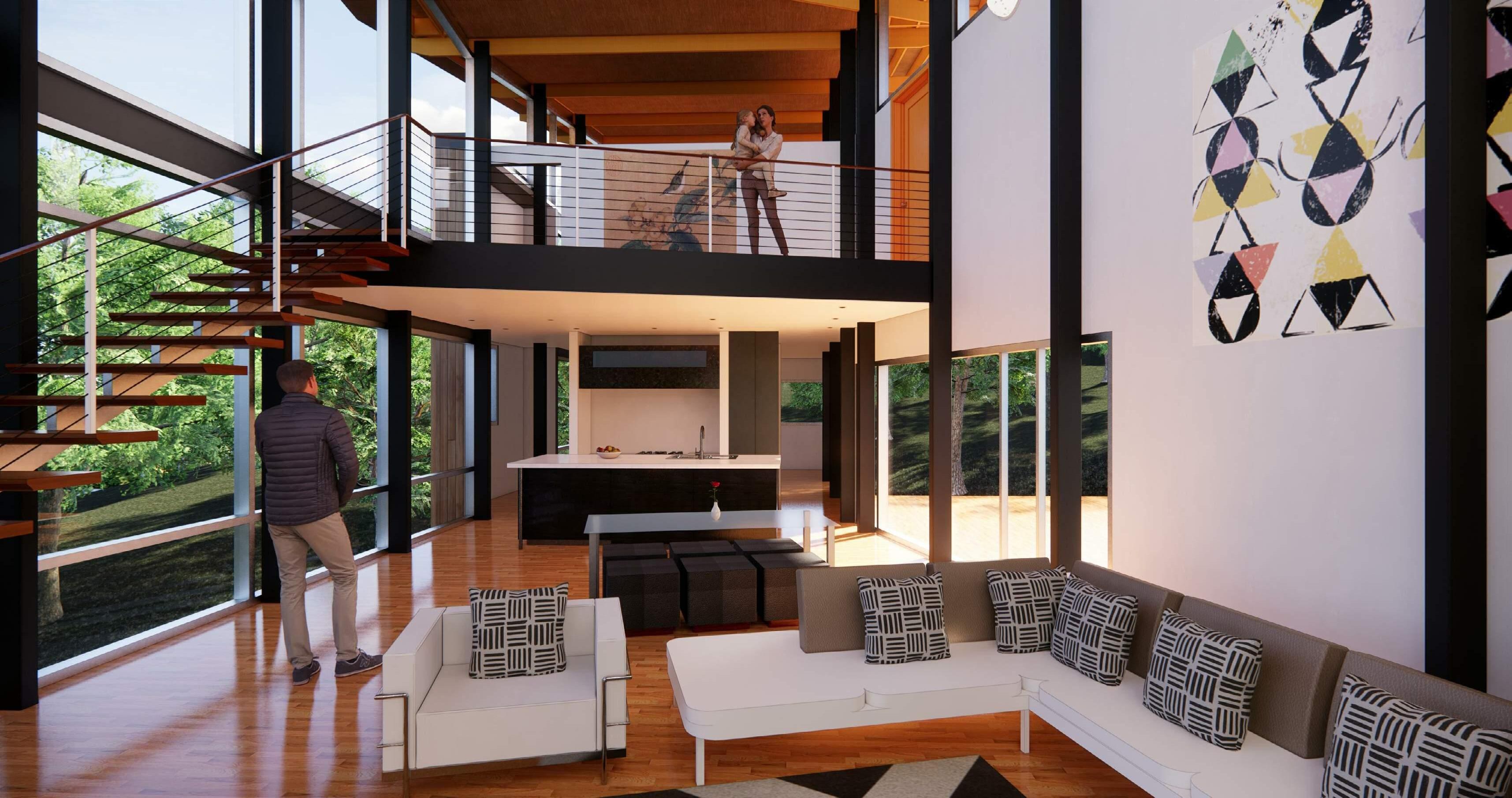
INTERIOR PERSPECTIVE
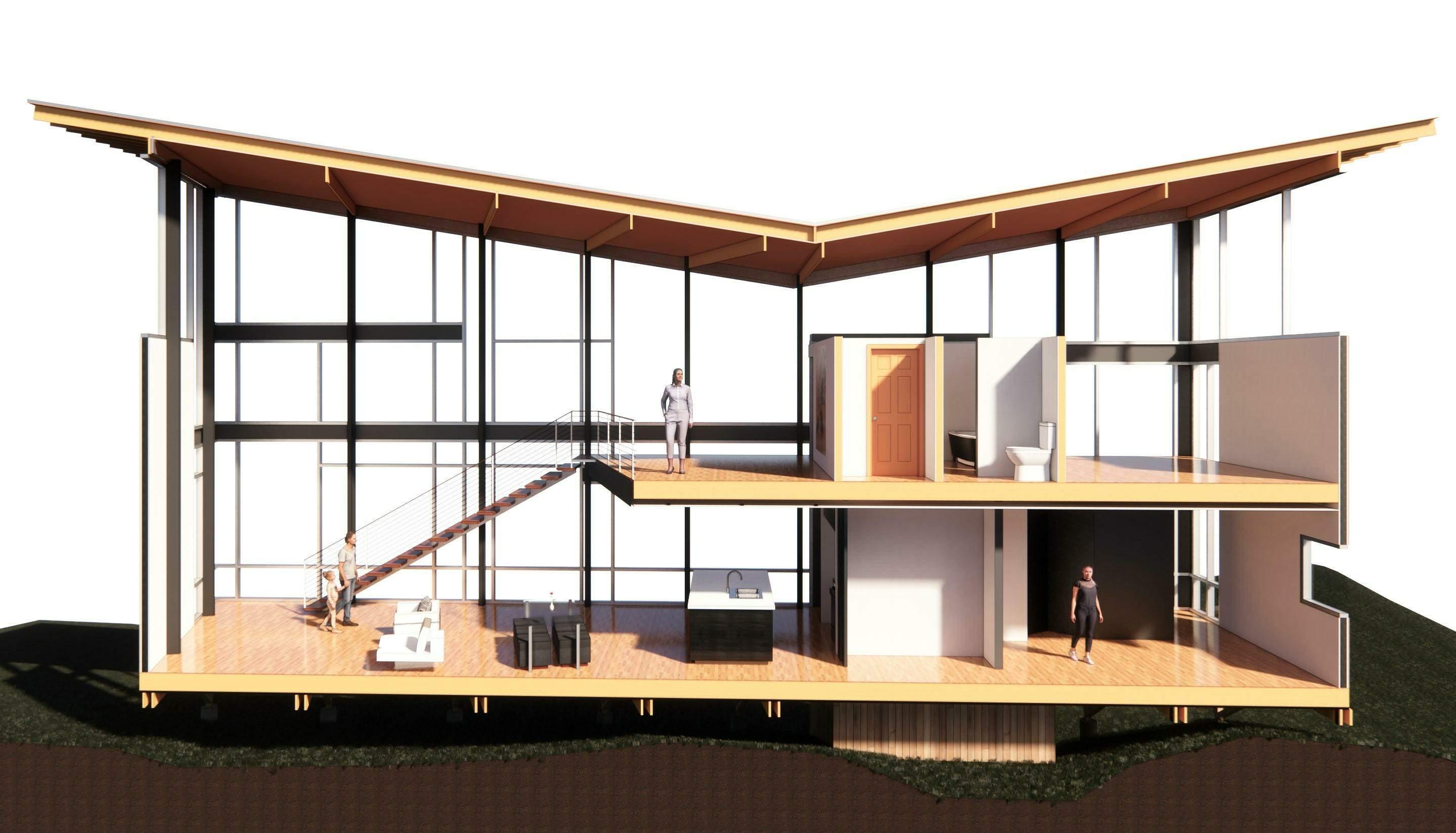
SECTION PERSPECTIVE
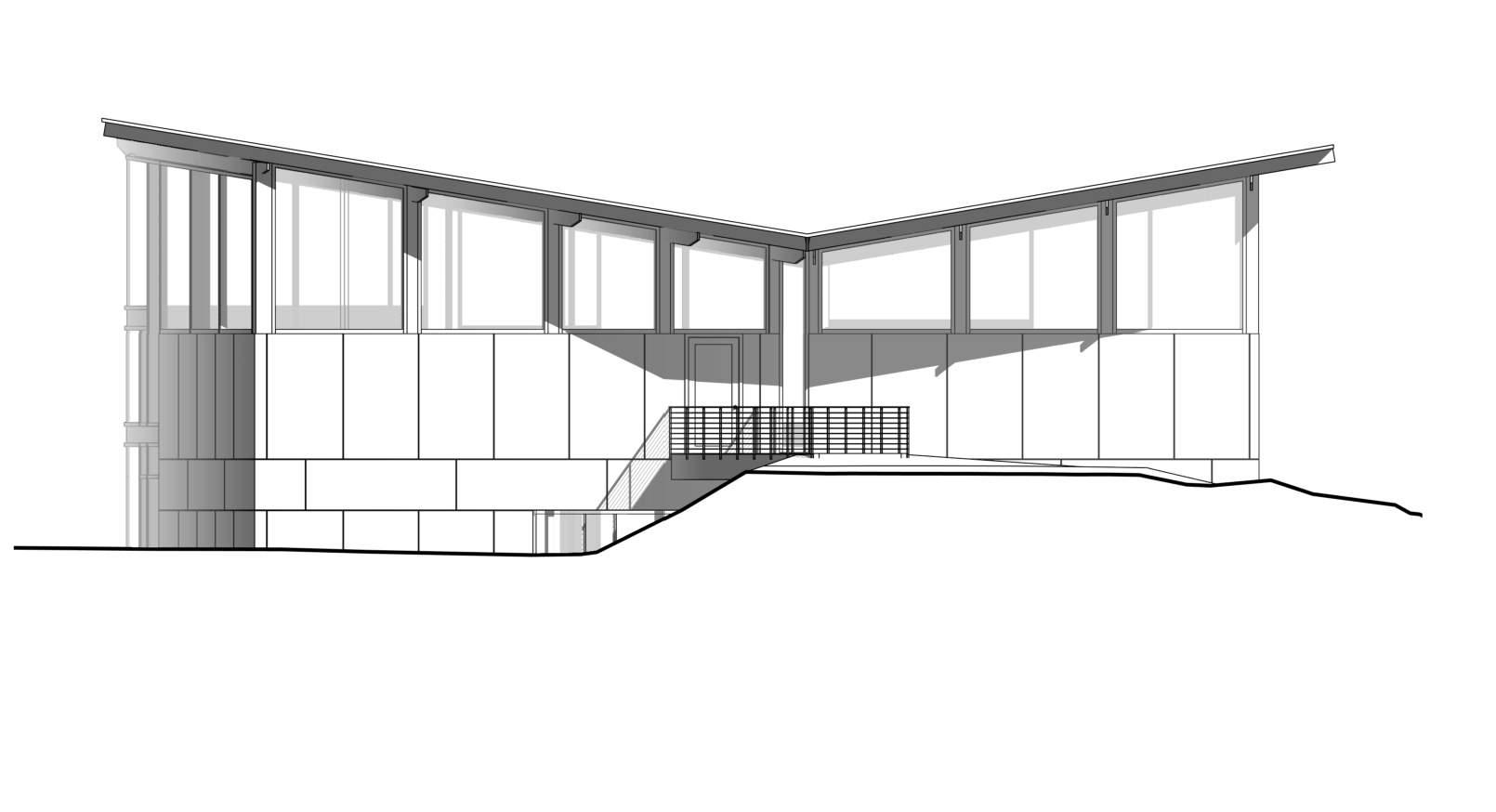
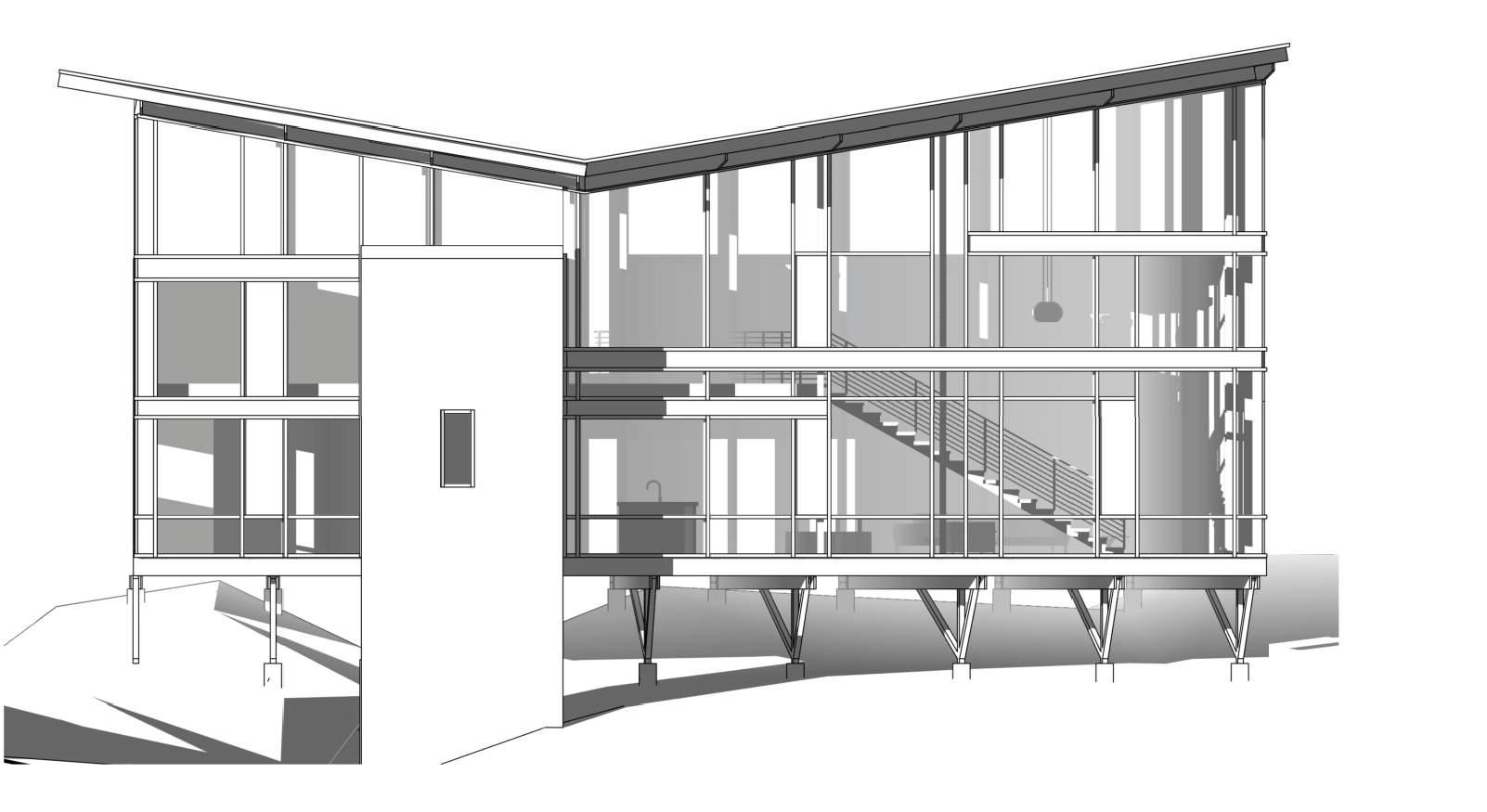
This project was displayed on the School Newsletter website. To read more, click here
Software: ArchiCAD
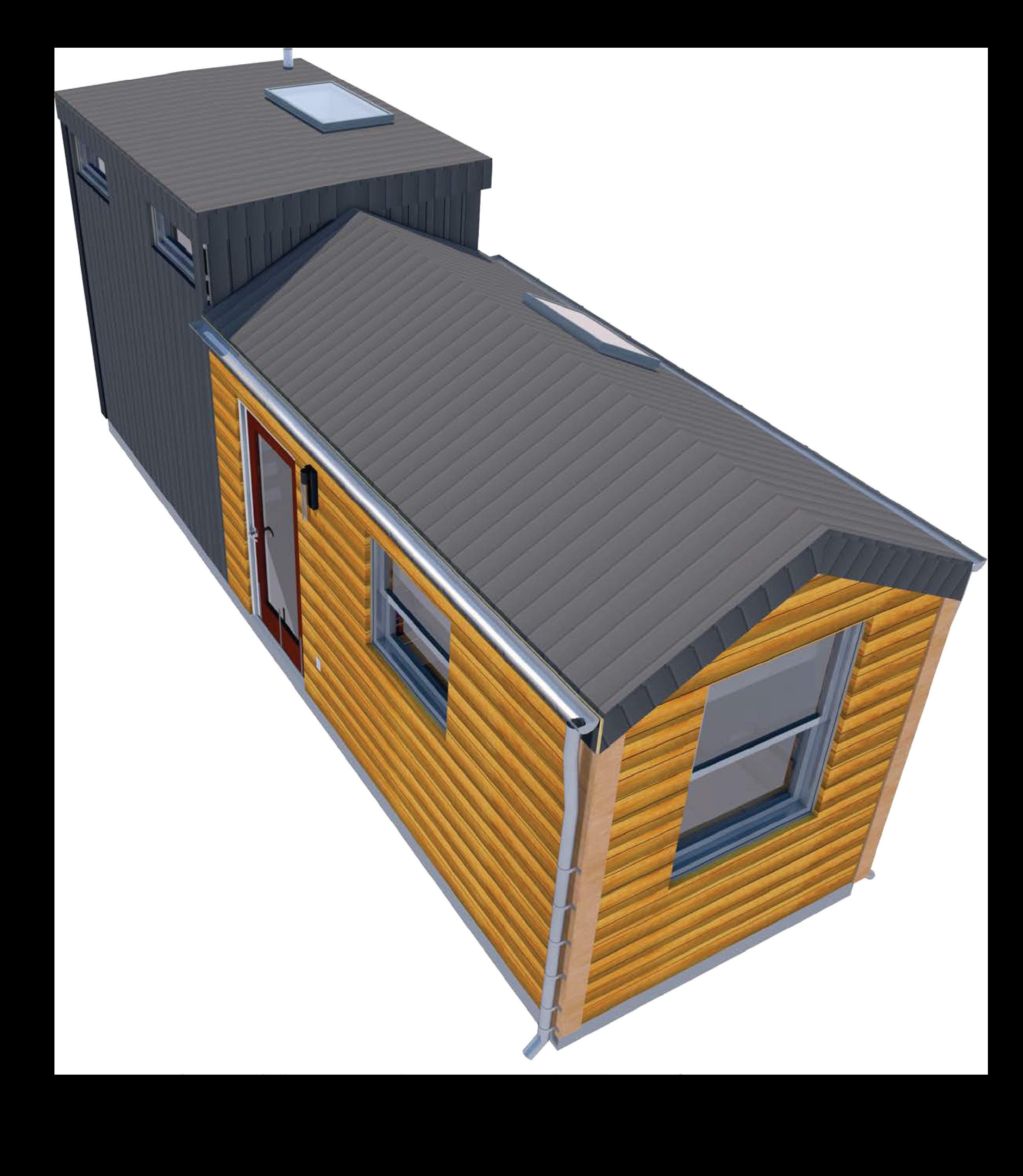
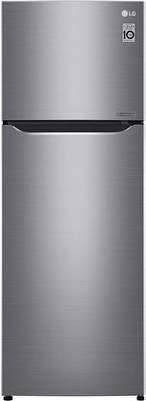
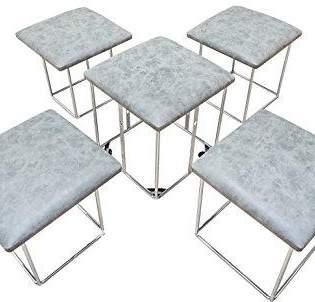
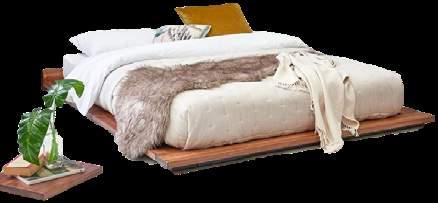
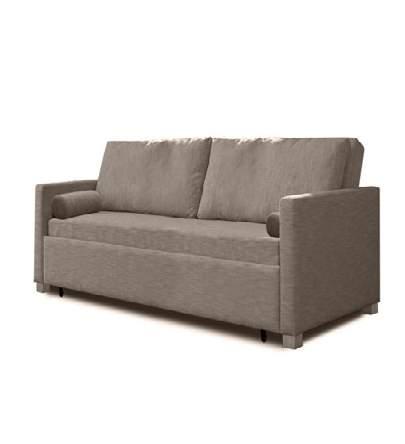
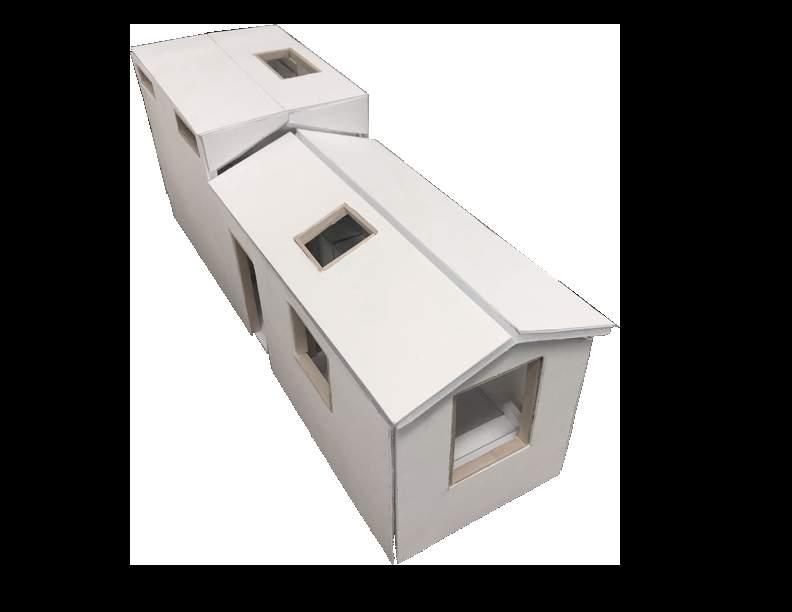
This project was a collaborative ef for t with four other students aimed to design and produce construction documents for a tiny house. The house was to be transportable on a trailer. Structurally Insulated Panels (SIPs) were chosen as the primary materials for the building envelope. My primar y tasks included leading the ef for t on the adoption of the design and shape of the roof and building study and final physical models. I was also tasked with providing assistance on research about building code requirements. In addition, I par ticipated in multiple team decision-making on the choice of materials, appliances, furniture, and local manufacturers. Lastly, I assisted the group in designing the custom extendable table/shelves and bed frame.
In collaboration with Marcelino Defngin, Mike Delacruz, Lana Ayirebi, and Eileen Broring
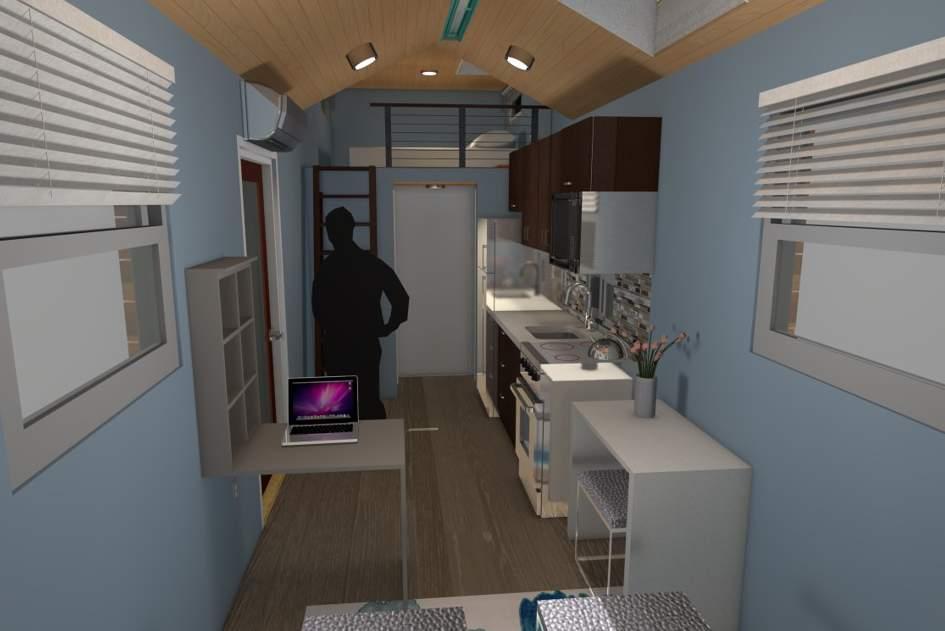
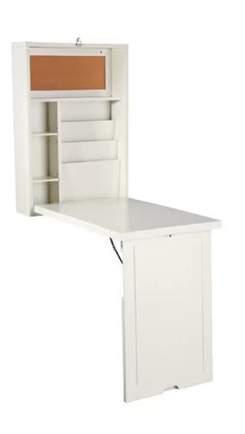
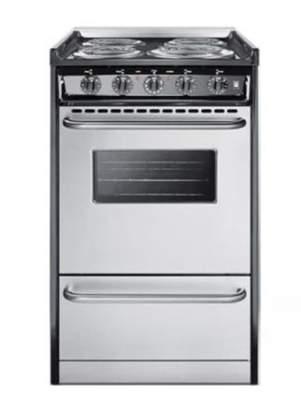
FOLDABLE TABLE SMALL SIZE RANGE
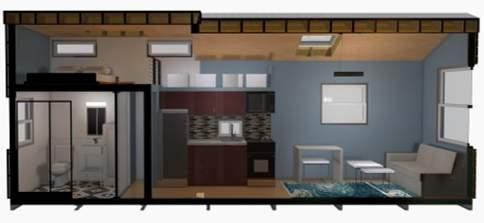
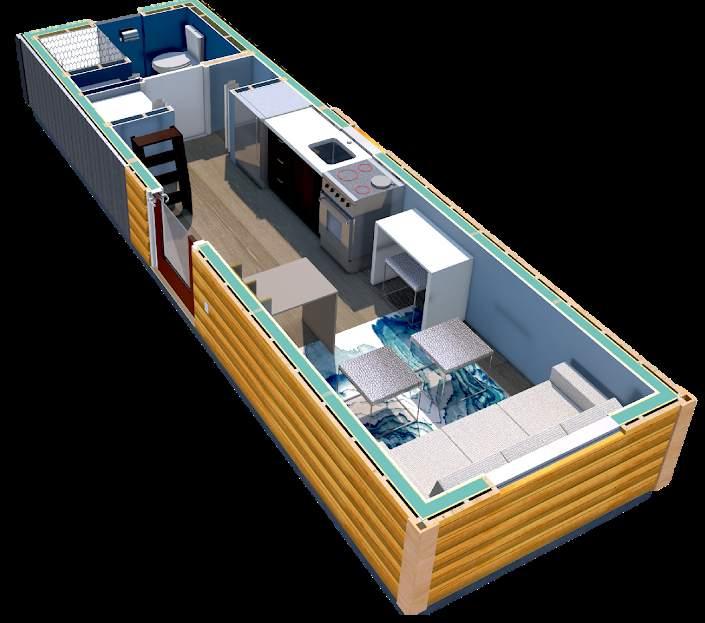
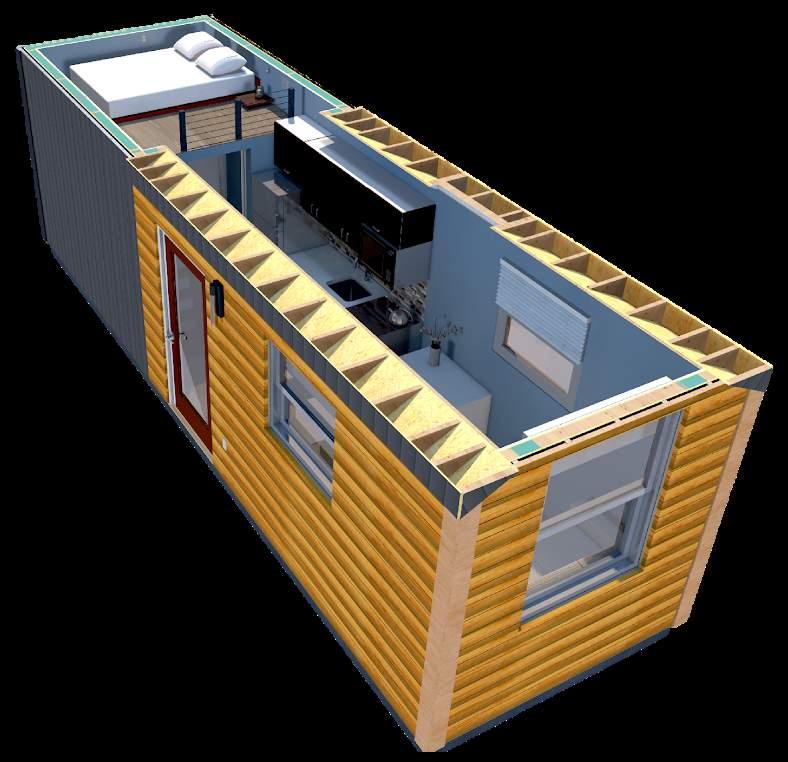
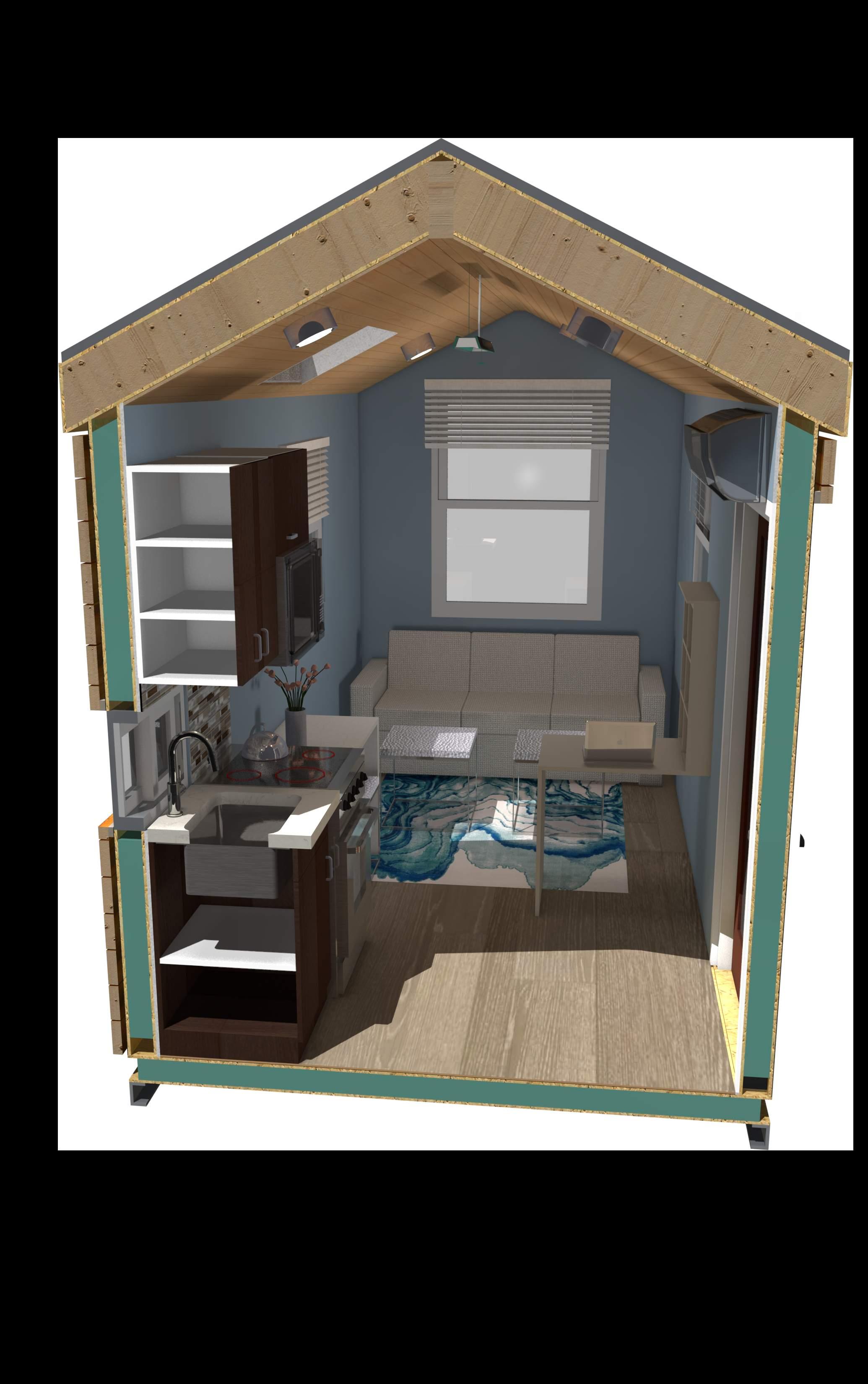
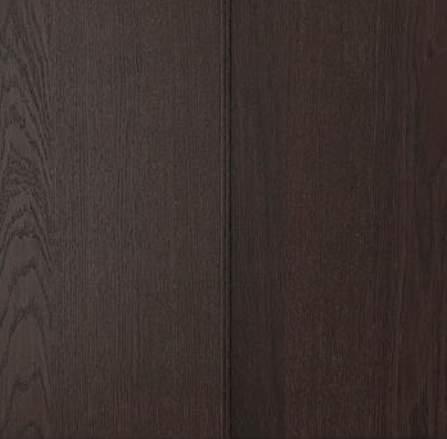
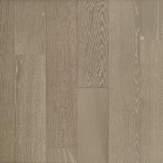
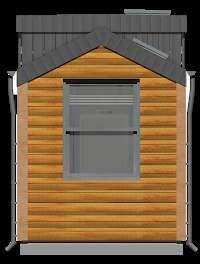
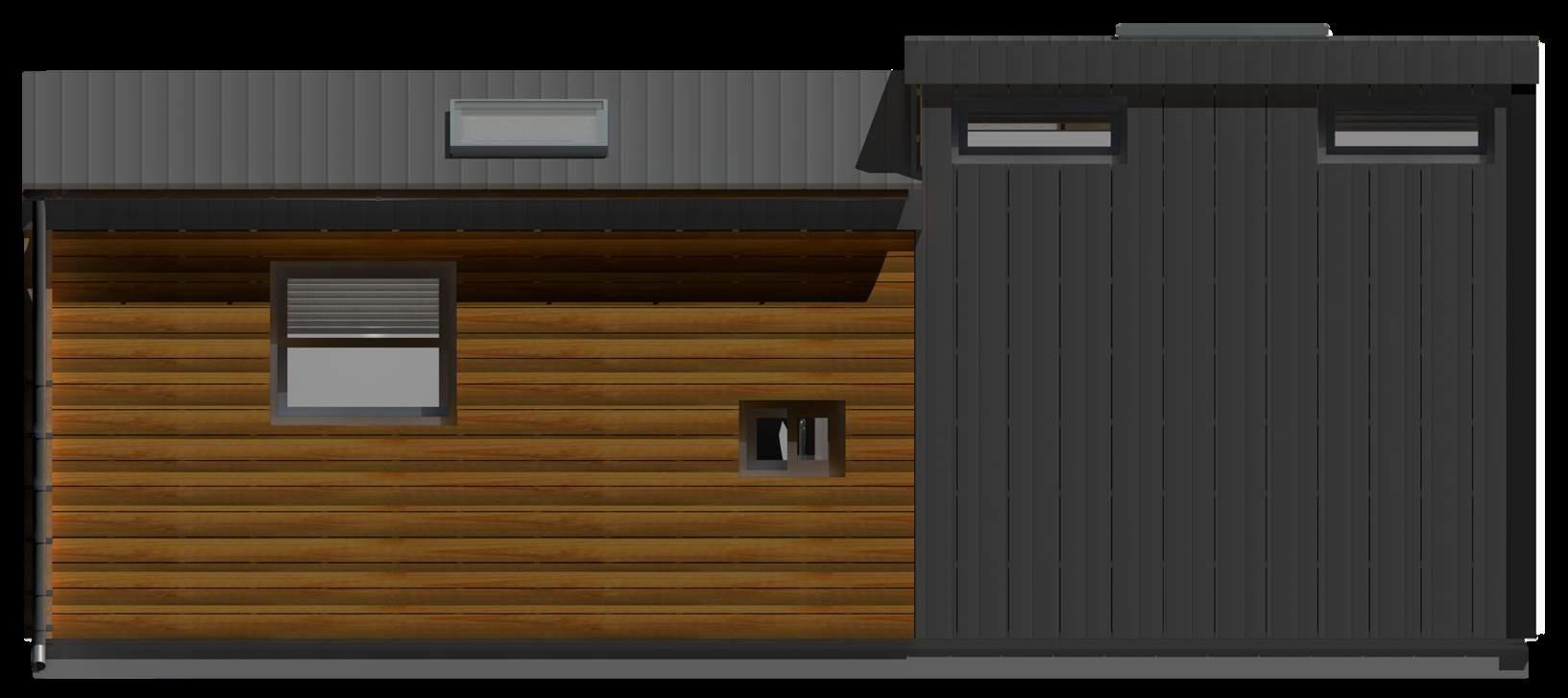
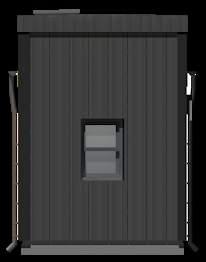
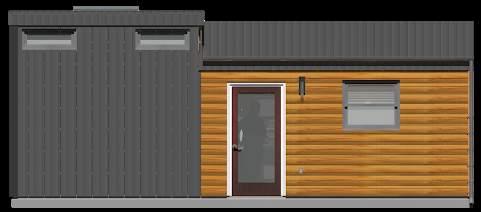
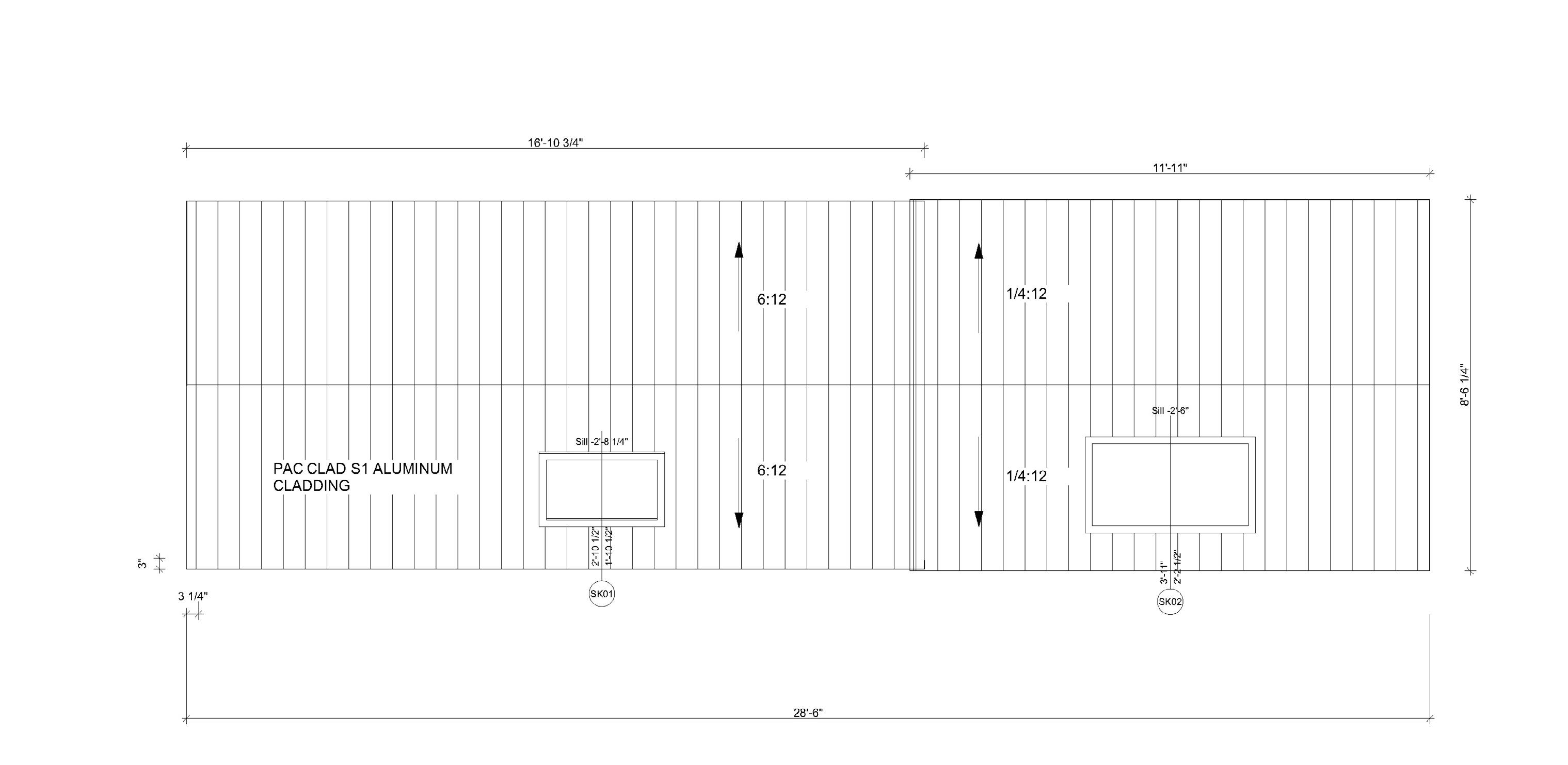
The building envelope is a rain screen system with sustainable wood planking and aluminum panels as the exterior finish.
Two shapes of the roof to reduce congestion in the loft and enhance its visual appeal.
Aluminum panels are darker and placed in private area where as wood panels are light and vivid to reflect the public space inside.
The vertical aluminum panels and horizontal sustainable wood planks create a contrasting effect.
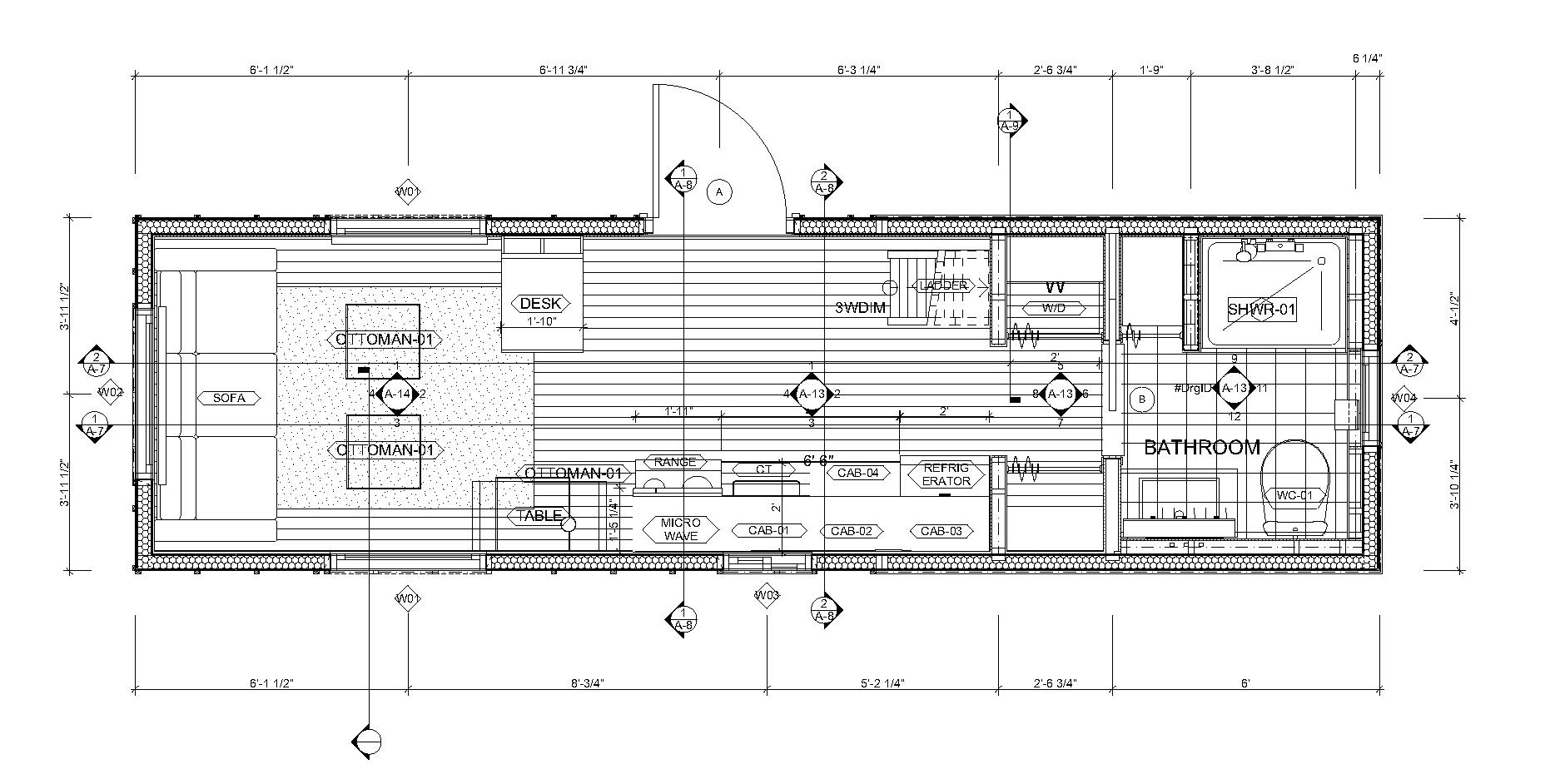
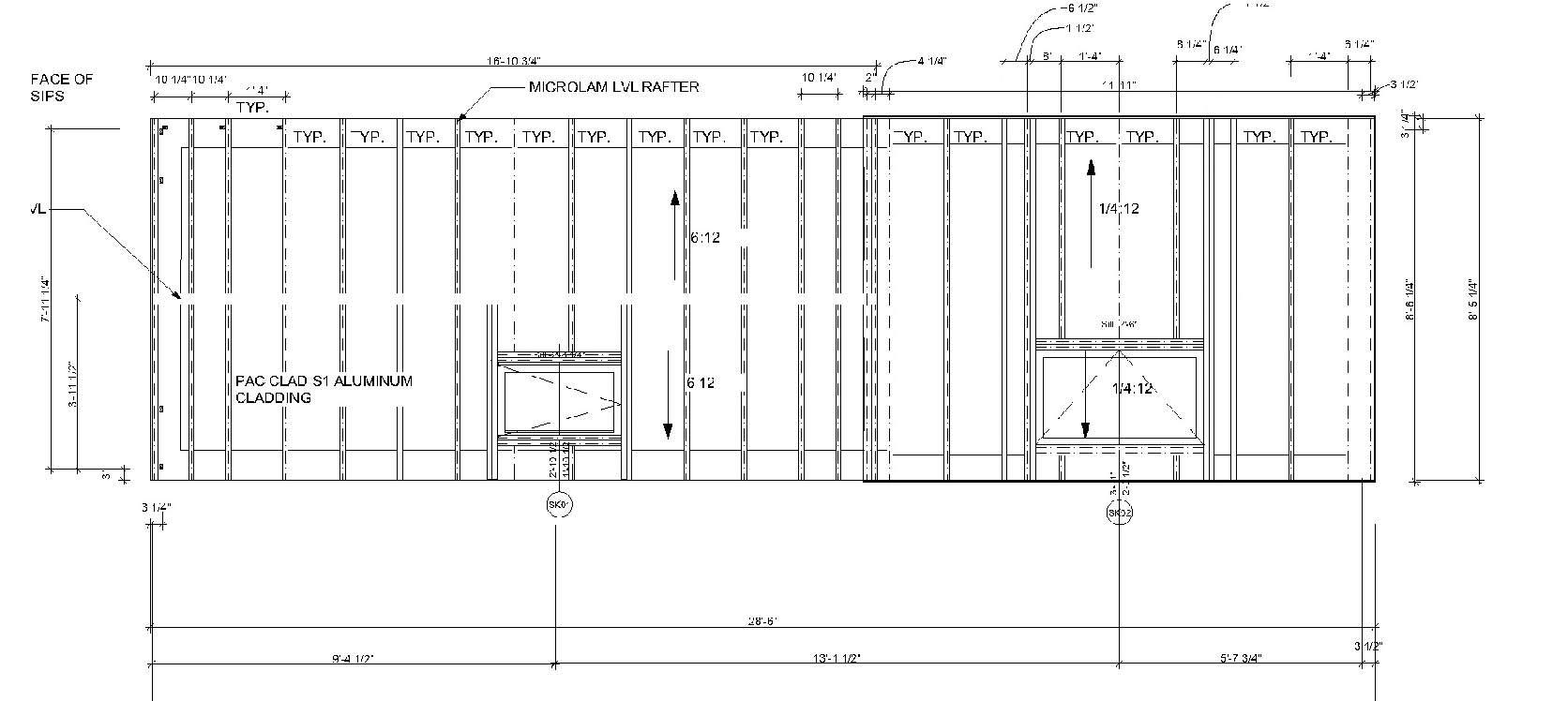
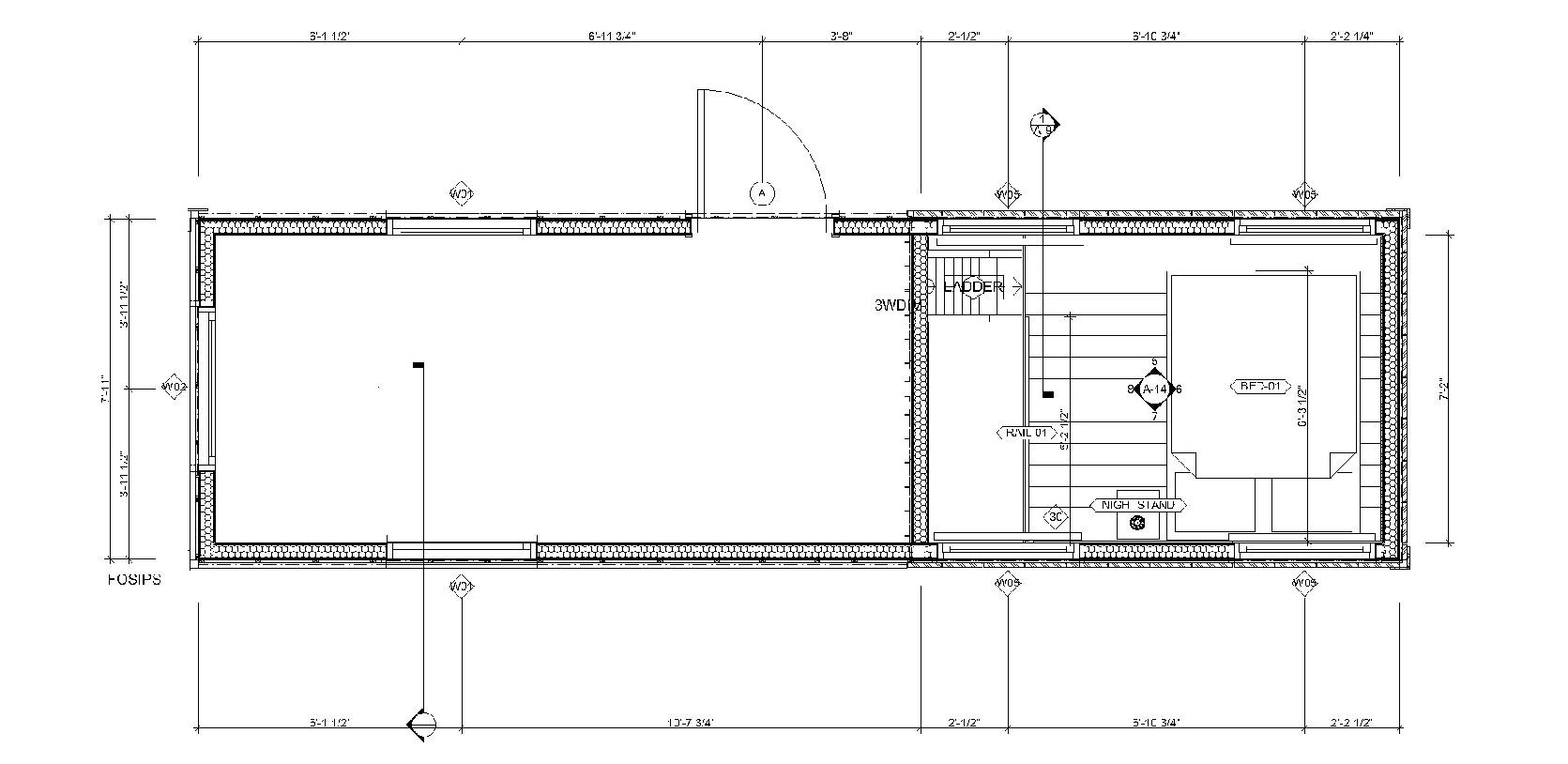
LOFT WINDOW/ROOF DETAIL
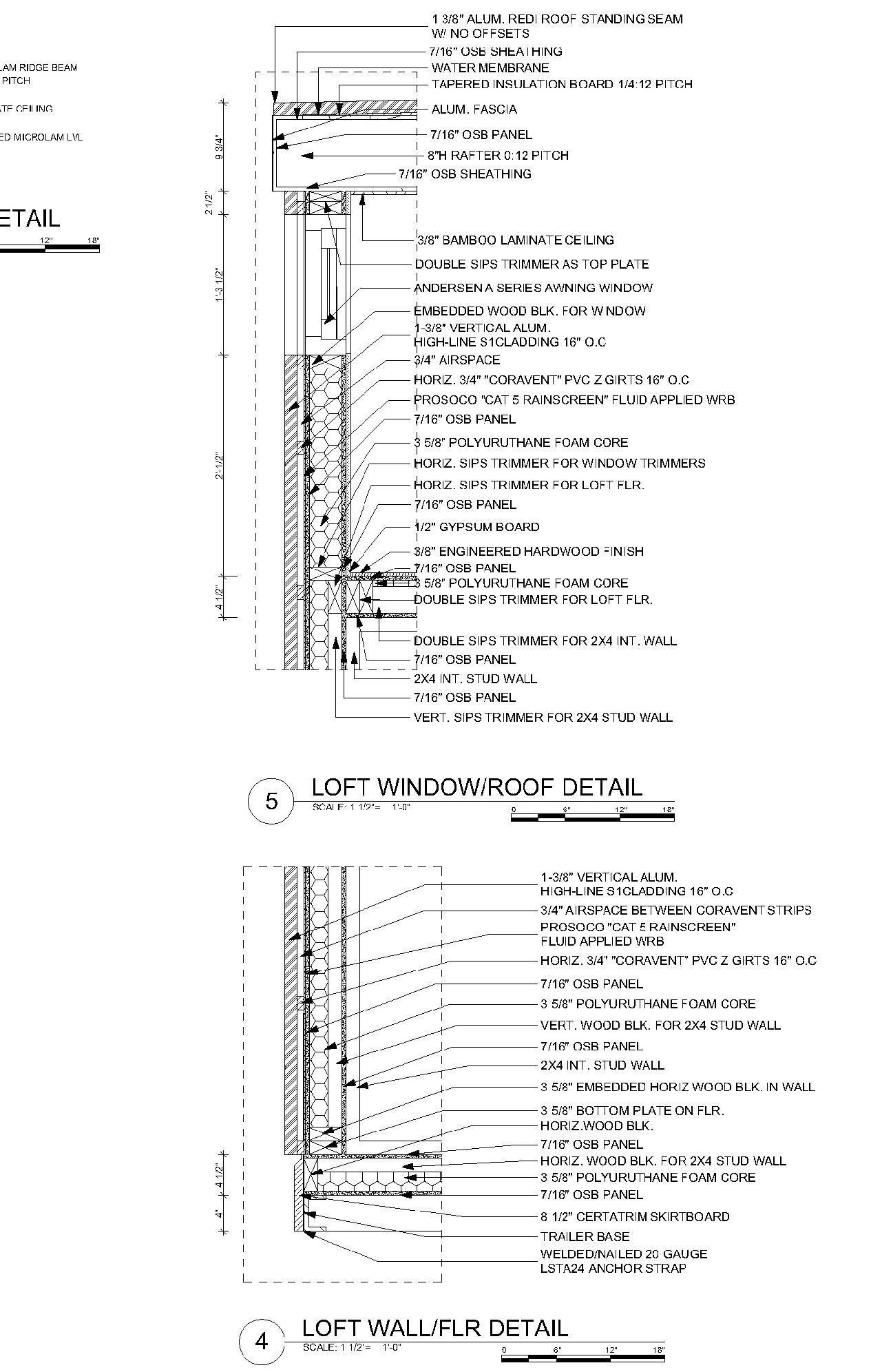
LOFT WALL/FLR DETAIL
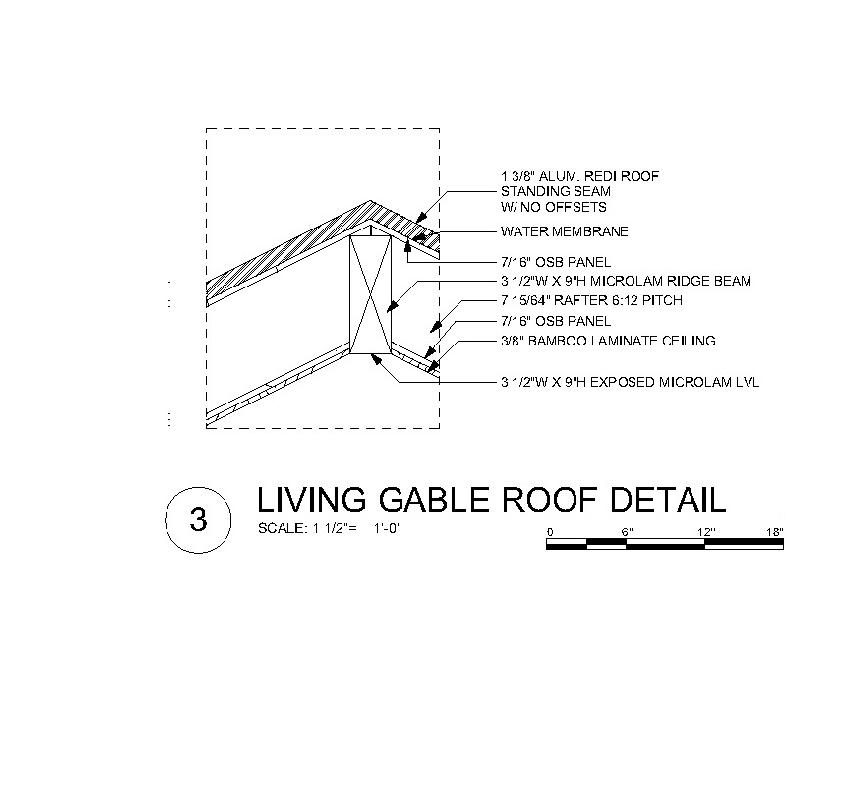
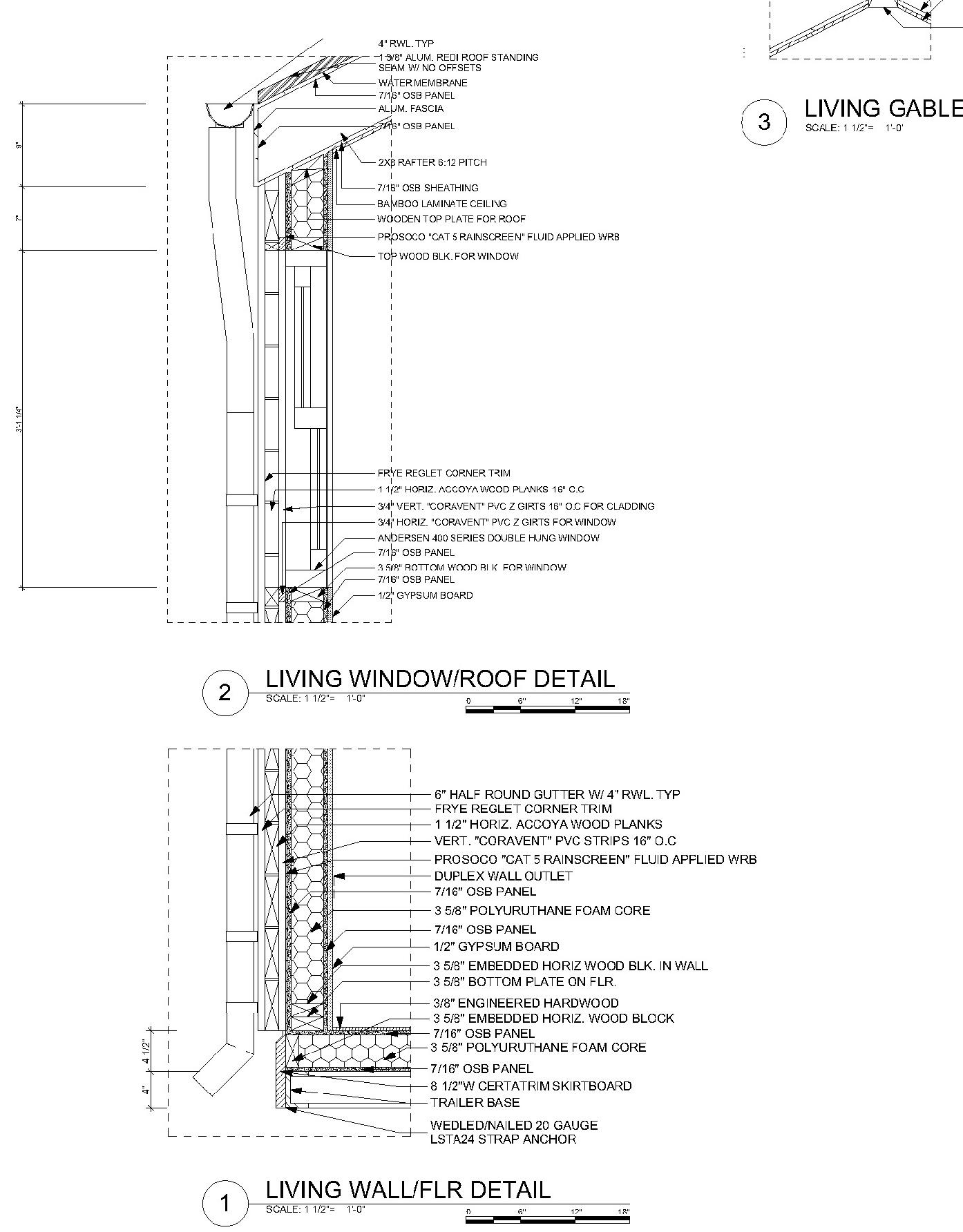
LIVING WINDOW/ROOF DETAIL
LIVING WALL/FLR DETAIL
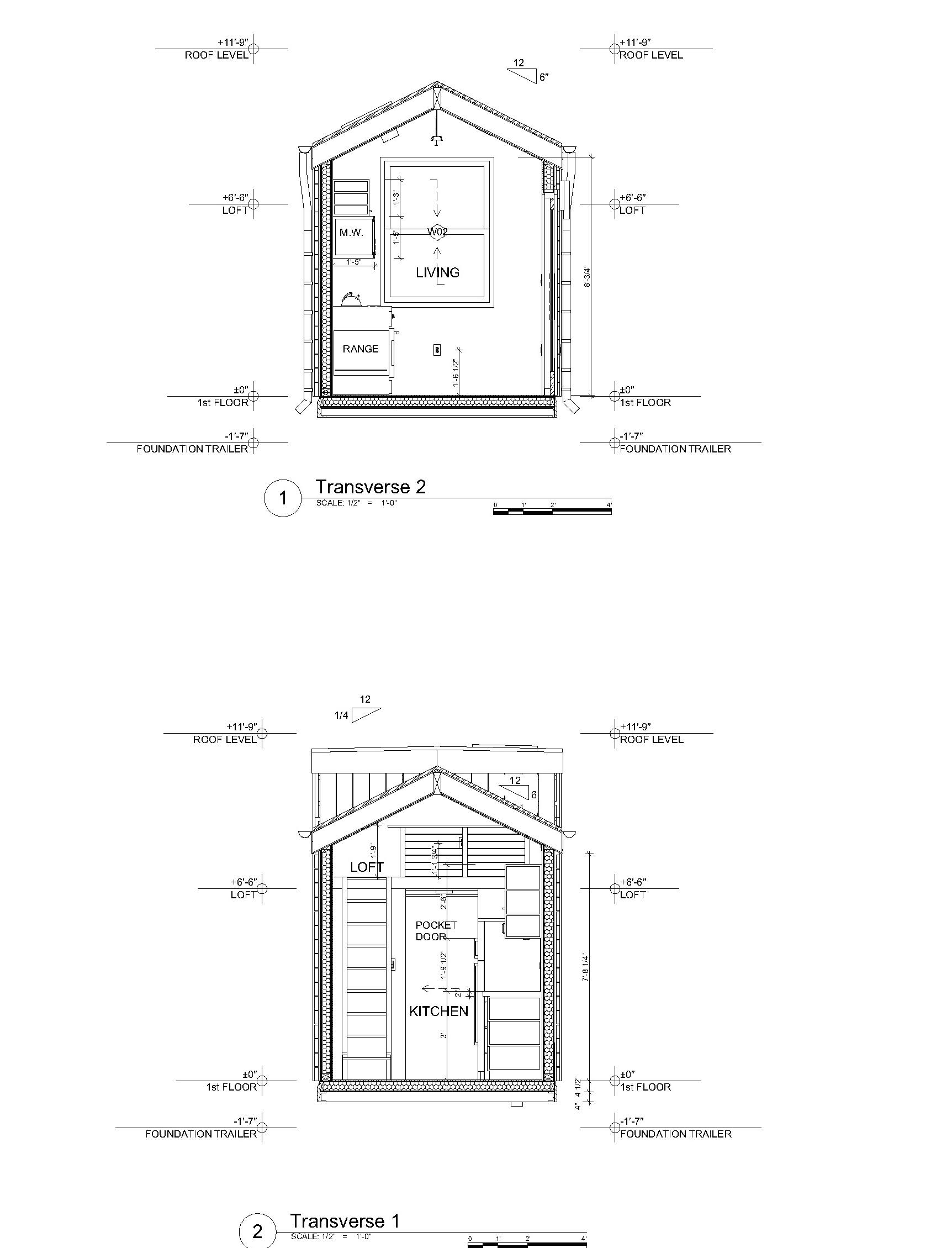
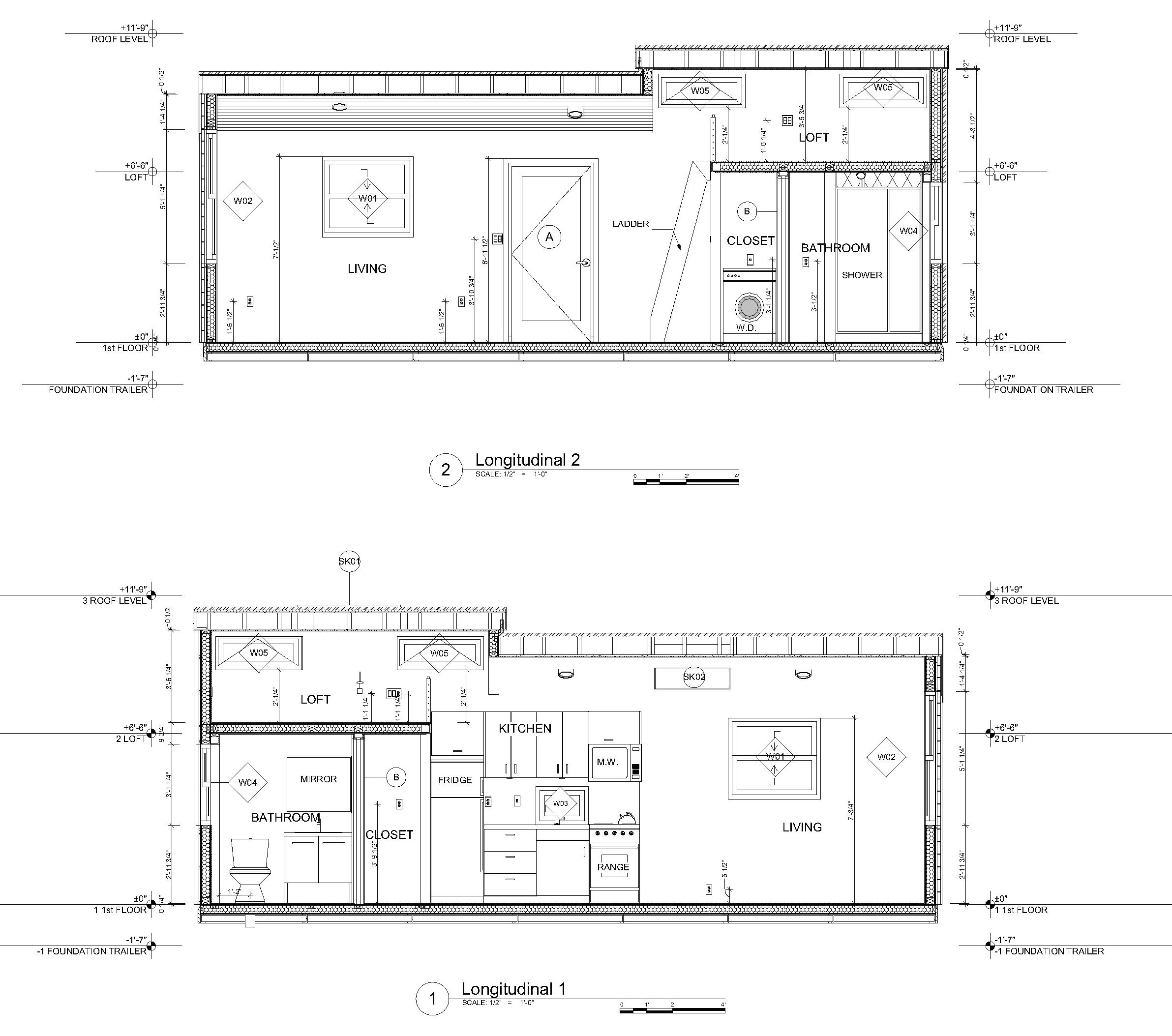
This is study of the interior and exterior of East Wing of National Galler y of Art . The top drawing is a view of the site plan.
The goal of this project was to produce analytical maps of the District of Columbia with information about certain contexts. The maps use real data in their creation. The following maps explore the physical, economic, cultural, and design contexts as they relate to different categories of establishments/ facilities in Washington
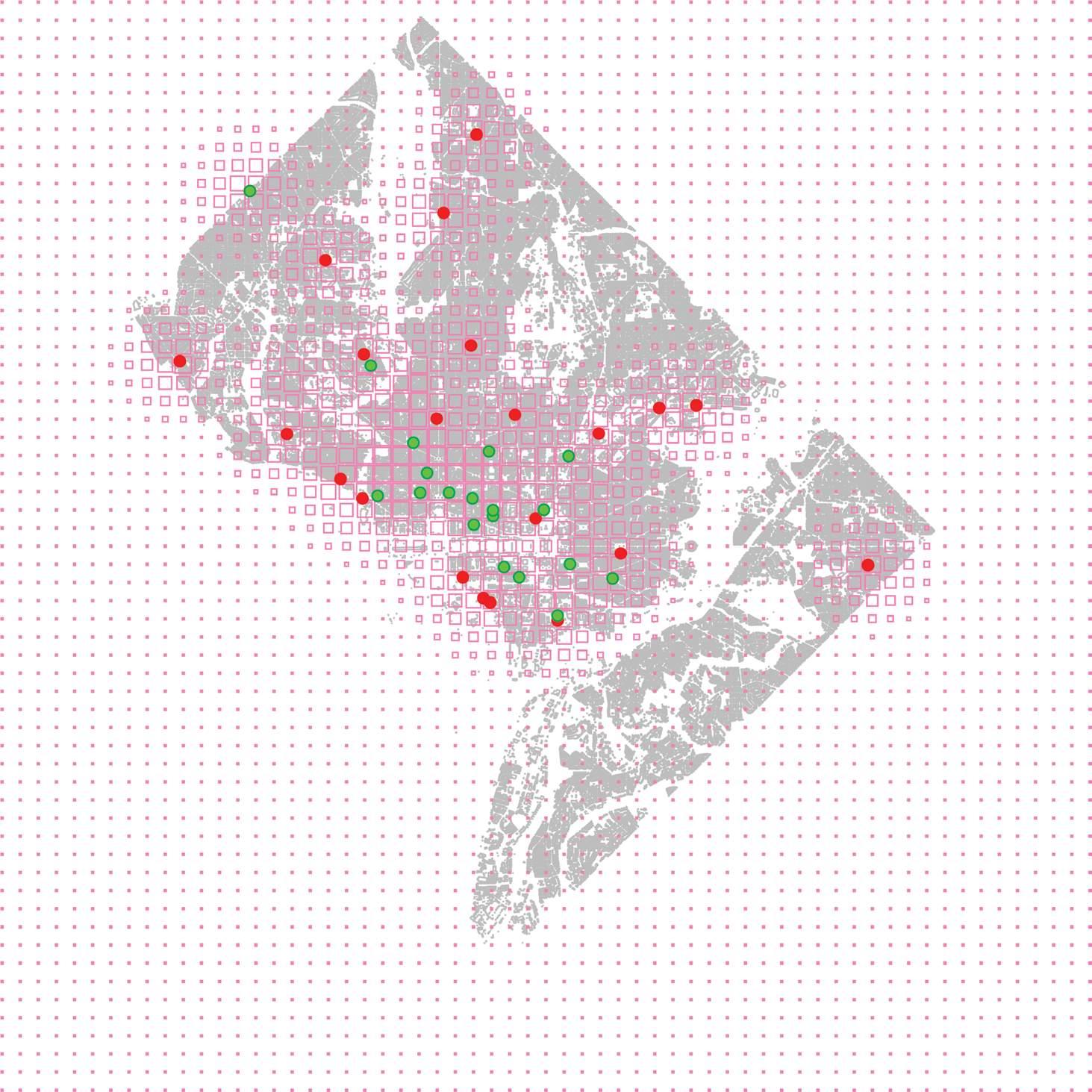
Complement: This is an illustration of the spatial relationship between Metro Stations and Hotels that are closer. Hotels that have Metro Stations within 1/4 mile are represented in green while red shows hotels outside of the 1/4 miles perimeter.
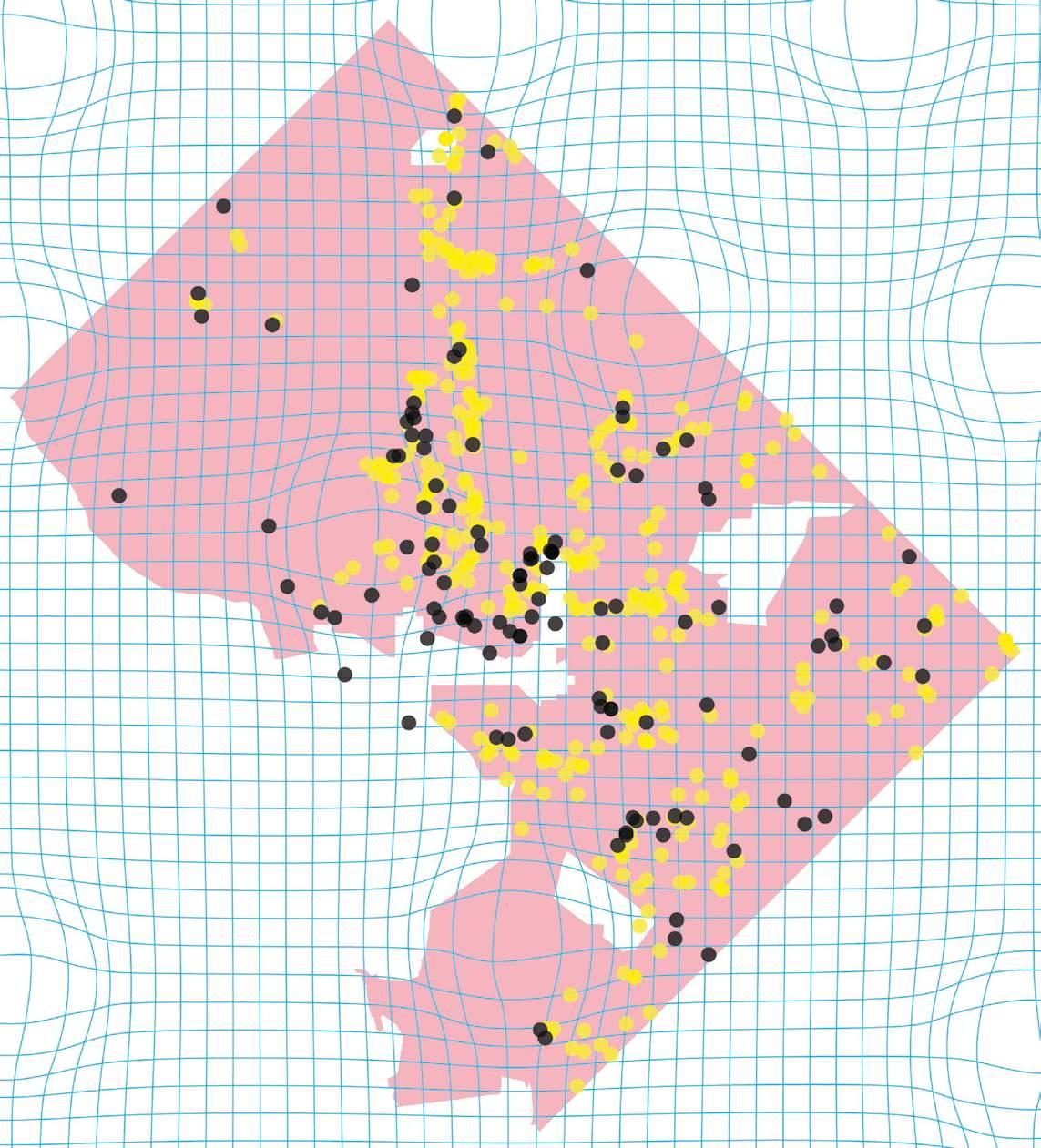
Compare: Distribution of affordable houses (yellow) to homeless facilities (black).
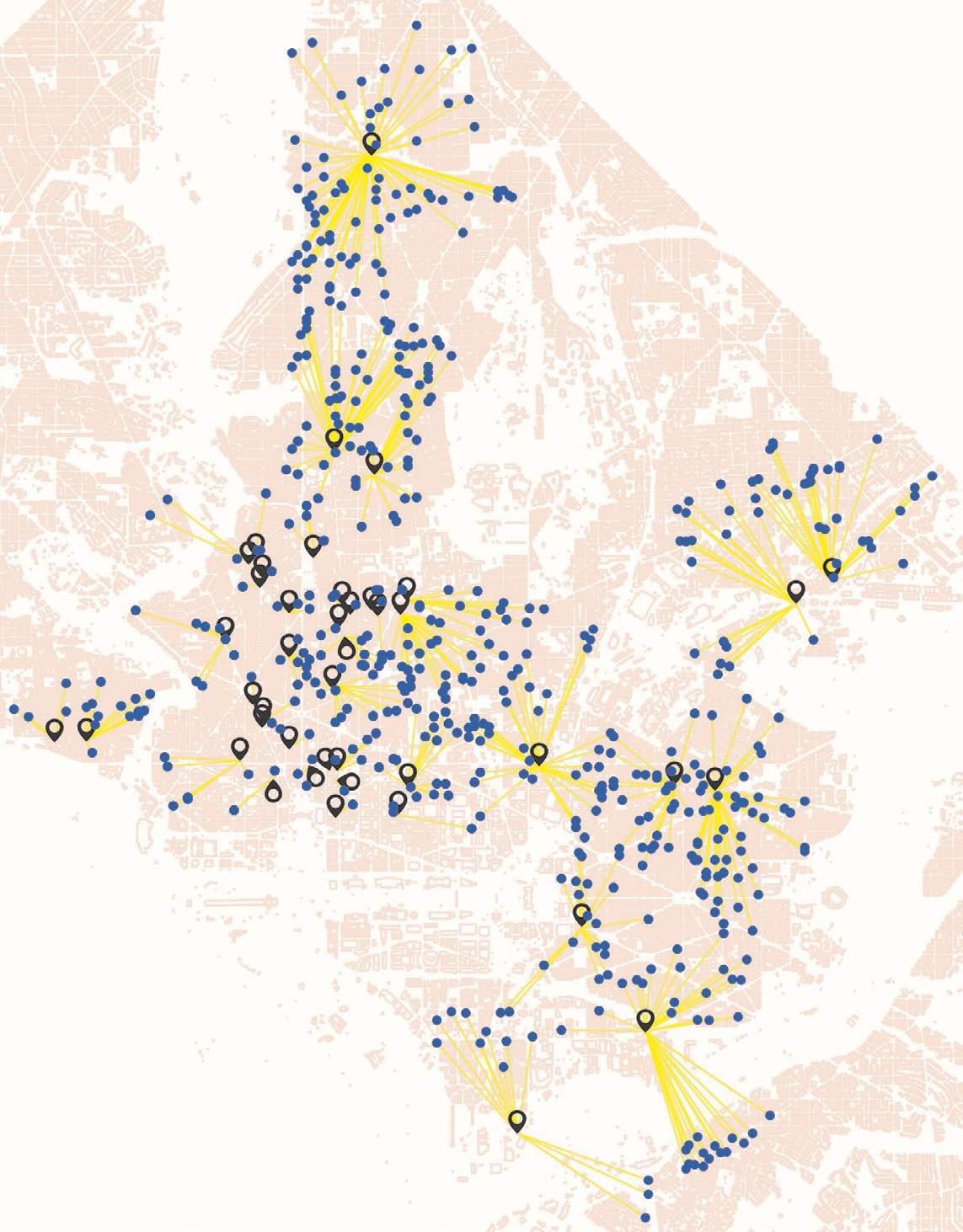
Contrast/Ambivalence: This map is a representation of the ratio of nightclubs (black) to churches (blue) within 1 mile.
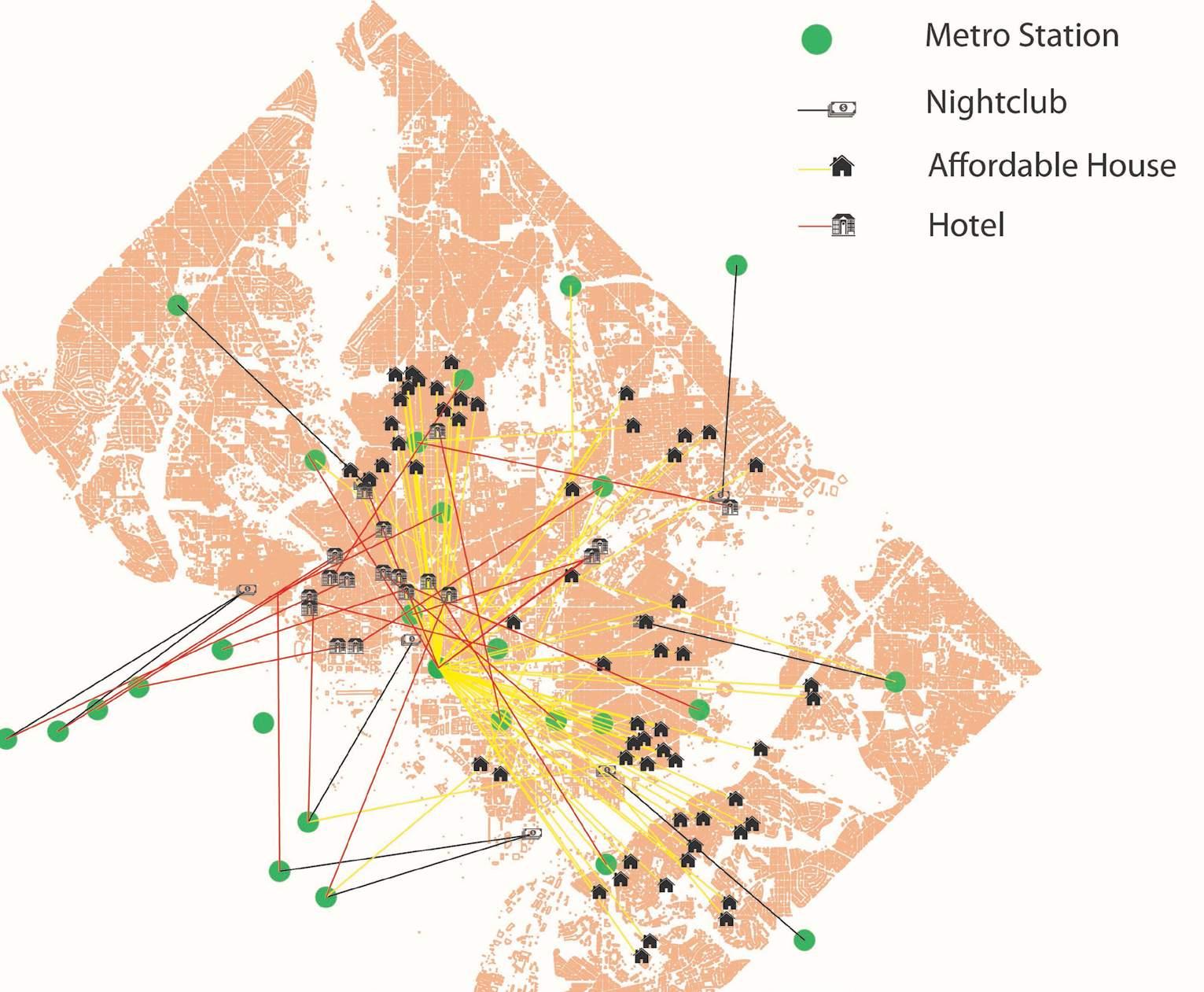
Mixed: Repartition of Metro Stations in relation with nightclubs, affordable houses, and hotels within the range of 2-4 miles.
Thank You