
Staff and students embrace Point to Pinnacle challenge

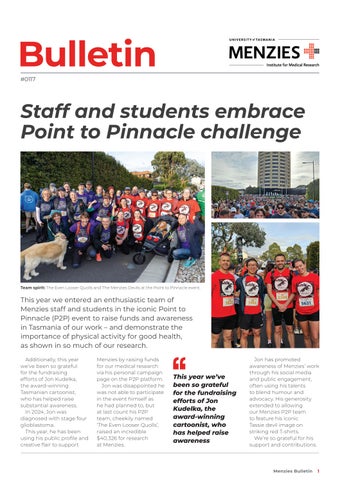
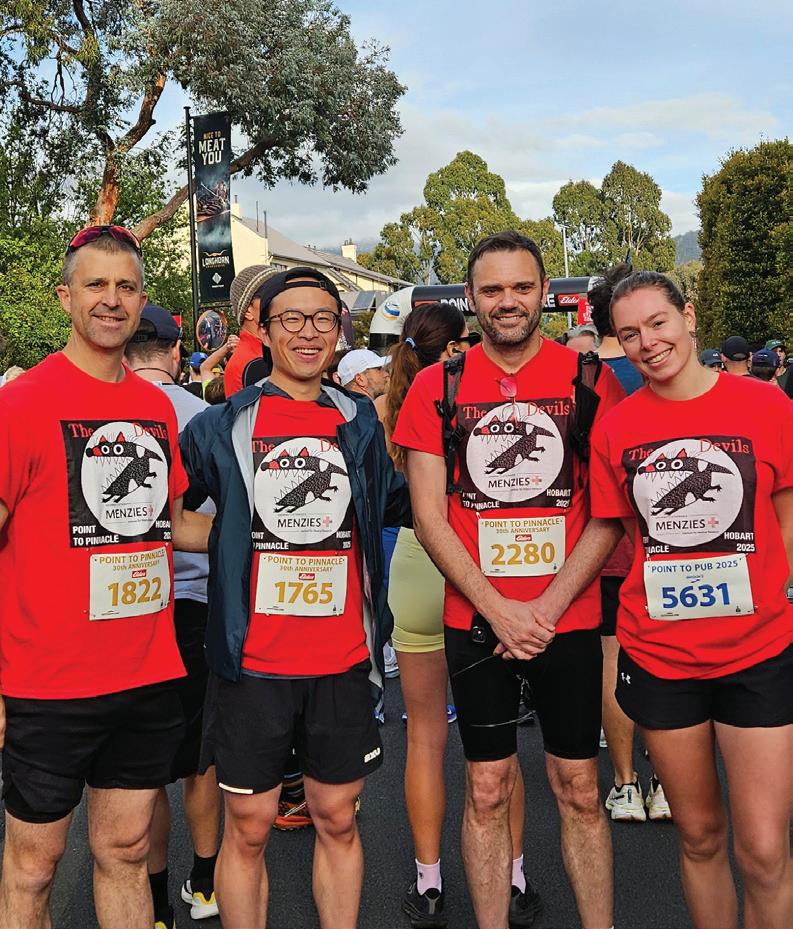
This year we entered an enthusiastic team of Menzies staff and students in the iconic Point to Pinnacle (P2P) event to raise funds and awareness in Tasmania of our work – and demonstrate the importance of physical activity for good health, as shown in so much of our research.
Additionally, this year we’ve been so grateful for the fundraising efforts of Jon Kudelka, the award-winning Tasmanian cartoonist, who has helped raise substantial awareness. In 2024, Jon was diagnosed with stage four glioblastoma.
This year, he has been using his public profile and creative flair to support
Menzies by raising funds for our medical research via his personal campaign page on the P2P platform.
Jon was disappointed he was not able to participate in the event himself as he had planned to, but at last count his P2P team, cheekily named ‘The Even Looser Quolls’, raised an incredible $40,326 for research at Menzies.

This year we’ve been so grateful for the fundraising efforts of Jon Kudelka, the award-winning cartoonist, who has helped raise awareness
Jon has promoted awareness of Menzies’ work through his social media and public engagement, often using his talents to blend humour and advocacy. His generosity extended to allowing our Menzies P2P team to feature his iconic Tassie devil image on striking red T-shirts. We’re so grateful for his support and contributions.
Team spirit: The Even Looser Quolls and The Menzies Devils at the Point to Pinnacle event.
Director’s message
As we reach the end of 2025, I’m proud to reflect on a year of fabulous achievements for the Menzies Institute for Medical Research.
Our work continues to evolve in step with rapid advances in medical science and artificial intelligence.
While our research maintains its standing on the international stage, it also continues to deepen the strong connections we share with the Tasmanian community. It focuses on our mission to perform internationally significant research leading to healthier, longer and better lives for Tasmanians.
of the power of longevity while celebrating 40 years of the Childhood Determinants of Adult Health (CDAH) study. This milestone underscores Menzies’ decades-long leadership in medical research.
in Launceston, these moments of connection are personal highlights. These events reaffirm that our success is built on collaboration – between researchers, consumers, participants and the generous supporters who make our work possible.
This year reminded us
CELEBRATING OUR SUPPORTERS: THANK YOU DAY
Each year our annual Thank You Day is a highlight on the Menzies calendar. Dedicated to recognising the generosity of our donors, consumers, volunteers and supporters, it’s a chance to celebrate what we can achieve together.
These contributions make it possible for us to continue advancing medical research that improves health outcomes for Tasmania and beyond.
This year’s event featured an engaging panel discussion led by Director, Professor Tracey Dickson, exploring progress in cancer research, our unique approach to tackling health
These events reaffirm that our success is built on collaboration –between researchers, consumers, participants and our generous supporters Menzies will be increasingly contacting our supporters via email.
challenges and how these efforts are improving patient outcomes.
Panel members included Menzies’ Senior Research Fellow Dr Kelsie Raspin, Menzies’ Principal Research Fellow Associate Professor Owen Marshall, Director, Cancer and Blood Services at Royal Hobart Hospital, Professor Rosie Harrup and Jenny
If you would like to provide Menzies with your current email address, please email Menzies.Advancement@utas.edu.au or phone 6226 7707. Thank you.
Community engagement remains at the heart of what we do at Menzies. From our Thank You Day in Hobart to a public seminar in Burnie hosted by Her Excellency the Honourable Sam Mosyn AC, GovernorGeneral of Australia, to meeting supporters
As we head into the holiday season, I wish you and your families a safe and joyful time.
Kind regards,
Tracey Dickson Director
Edwards, a biochemist and molecular biologist, science communicator and breast cancer survivor.
The panel revealed that Tasmania is ideal for genetic research due to our ability to collect DNA samples from multi-generational families, as well as our community. The panel also discussed how having Menzies’ researchers
located so close to our partners in the Tasmanian Health Service, at the Royal Hobart Hospital, creates an environment that stimulates ‘bench to bedside’ collaboration.
Each year Thank You Day takes a different shape. It’s more than an annual event for us; it’s a celebration of the partnerships that drive our work forward.
Would you like to keep up to date with the latest Menzies news? Find us on Facebook and ‘like’ our page. You can read all our Bulletins and reports electronically at issuu.com Keep up with our news
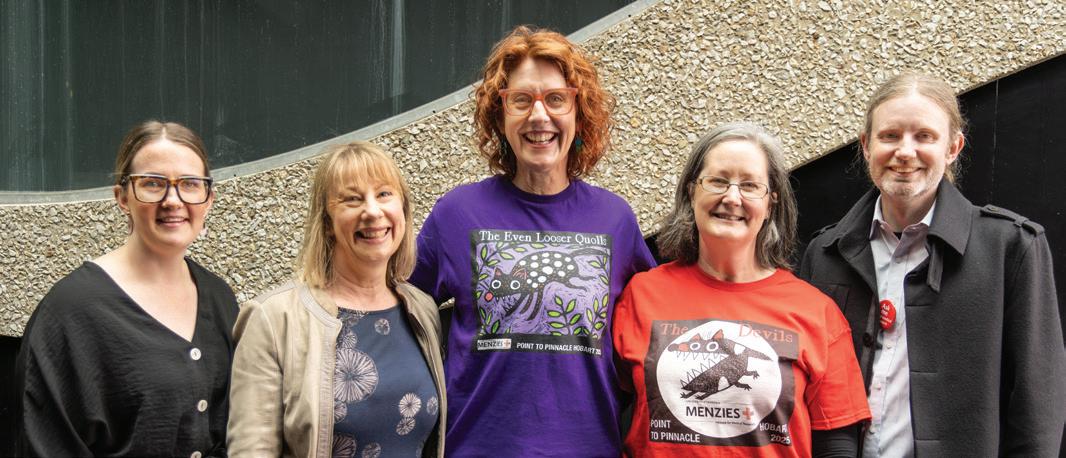
Panel members: Dr Kelsie Raspin, Professor Rosemary Harrup, Jenny Edwards, Professor Tracey Dickson and Dr Owen Marshall.
Crucial topic:
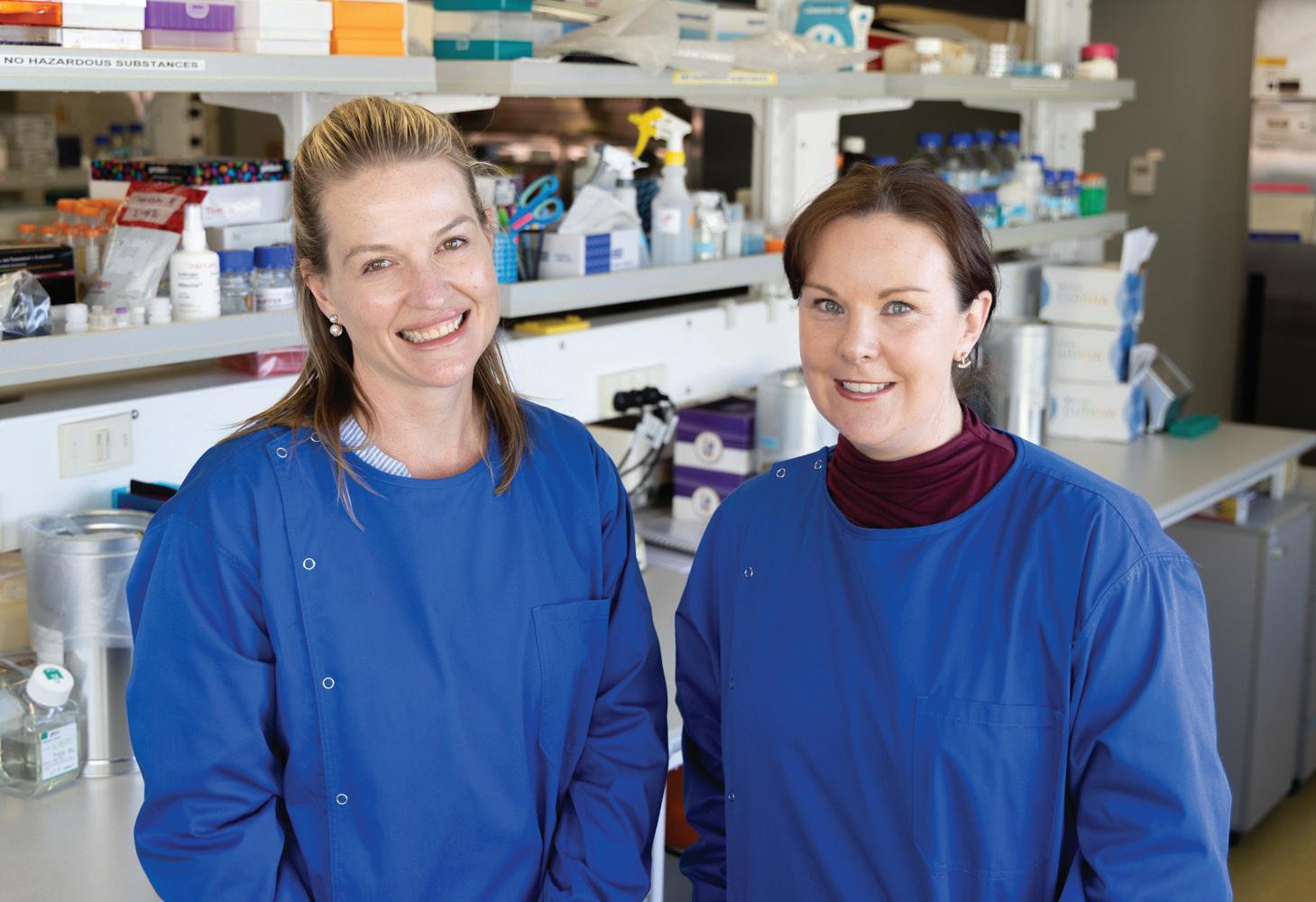
Associate Professor Catherine Blizzard and Associate Professor Phillippa Taberlay.
Cognitive decline study gets boost
A new research initiative led by Associate Professor Phillippa Taberlay and Associate Professor Catherine Blizzard – who head our Cancer and Genomics and Brain Health themes – has received national funding from the Australian Research Council (ARC) to explore one of the most compelling questions in ageing research: Why do men and women experience cognitive decline differently?
This project is funded by the ARC Discovery Indigenous scheme and will be led by Assoc Prof Taberlay, a proud Indigenous academic with ancestral ties to Mannalargenna, leader of the Pairrebeenne clan in far northeast Trouwunna, and to William “Black Bill” Ponsonby and Catherine Kennedy of Promenalinah
(now Browns River) in southern Tasmania.
Assoc Prof Taberlay is an international authority in epigenetics, a field that resonates deeply with Aboriginal and Torres Strait Islander perspectives on health, disease and the intrinsic connection between wellbeing and environment.
The team will build on
previous research into the epigenome’s role in cognitive ageing. Using specialised models, they aim to separate the effects of sex chromosomes from hormonal influences. This will help determine whether differences in brain ageing are driven by genetics, hormones or a combination of both.
The team will bring critical expertise to this technically advanced, multi-layered research.
In a world-first for neuroepigenetics, the researchers will deploy custom-designed epigenetic tools to study individual brain cell types and multiple layers of epigenetic information from individual cells.
The project is committed to ensuring its findings benefit all Australians, with a particular focus on improving outcomes for Aboriginal and Torres Strait Islander communities
These tools will provide unprecedented insight into how DNA is packaged and organised within cells to control brain activity – revealing how male and female
brains differ in structure, function and ageing potential. Importantly, the project is committed to ensuring its findings benefit all Australians, with a particular focus on improving outcomes for Aboriginal and Torres Strait Islander communities. These populations experience disproportionately high rates of age-related cognitive decline and dementia, often compounded by social and health inequities. By uncovering the biological mechanisms that underpin brain ageing, the research could inform culturally appropriate, targeted interventions that support cognitive resilience and healthy ageing in Indigenous communities. With age-related health costs projected to reach $36 billion annually by 2029, the implications of this work are far-reaching.
CELEBRATING 40 YEARS OF CDAH STUDY
To commemorate the 40-year milestone of the Childhood Determinants of Adult Health study, one of the nation’s most enduring and influential longitudinal health studies, participants and researchers from across Australia gathered at Menzies to reflect on the project’s legacy and future directions.
Since its inception in 1985, CDAH has evolved through multiple follow-up phases, led by successive directors of the Menzies Institute, including Professors Alison Venn and Terry Dwyer, and supported by senior investigators Professors Seana Gall and Verity Cleland.
CDAH has generated data from
thousands of Australians, helping to explain the life-course origins of chronic disease – and shown that prevention really must start young.
Its findings have informed international healthcare guidelines and inspired new research into cardiovascular health, mental health, quality of life and ageing.
In recent years, CDAH has embraced consumer involvement, aligning with contemporary best practices in research governance and ethics. The immense dataset continues to be a valuable resource for emerging studies and public health initiatives, including advocacy for school fitness programs, healthy eating and obesity prevention.
How will you be remembered?
In Memoriam
One sentence in your Will can fund life-saving medical research.
If you would like more information, please contact the Advancement Office on 03 6226 1920.
Bequests save lives by funding research. Thank you.
We gratefully acknowledge gifts made from the following estates:
Estate of the late Margaret Clara Dall’Ozzo
Estate of the late Marlene Violet Willey
We gratefully acknowledge gifts made in honour of:
Brian Higgins
Philip Henry Robinson
George Valentine Wilson Colin Wolf
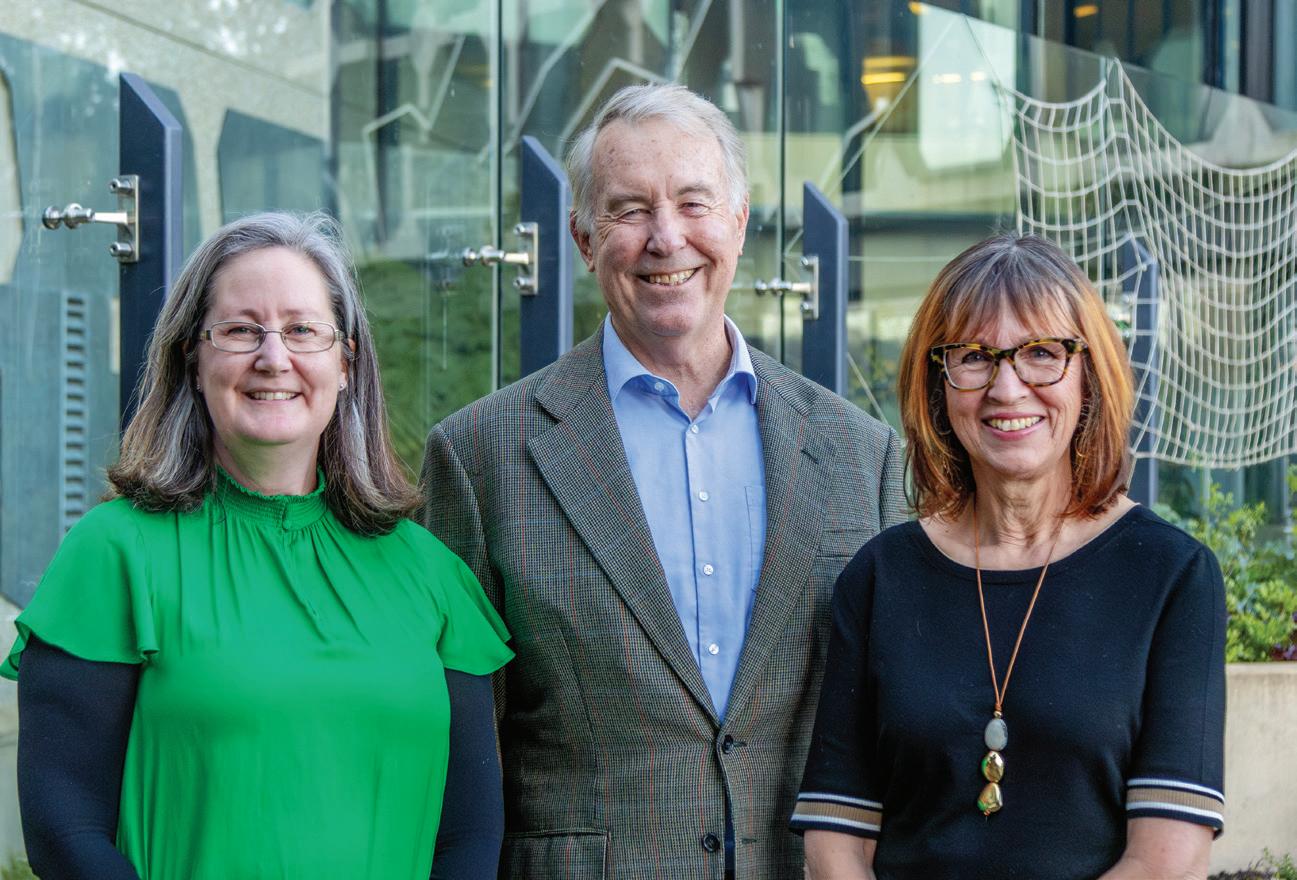
Milestone: Menzies Director Tracey Dickson, Professor Terry Dwyer and Professor Alison Venn gathered to mark 40 years of the Childhood Determinants of Adult Health study.
Forty years on: We were grateful for these CDAH participants for joining our celebration.
RESEARCH
Menzies sets sights on prostate cancer
Cancer touches the lives of almost every Tasmanian family. Sadly, some cancers are diagnosed more often here and have poorer outcomes compared to other Australian states. At Menzies, we’re determined to change that.
Our strong partnership with the Tasmanian community makes Menzies unique. For more than 20 years, this collaboration has enabled us to build worldclass familial cancer genetic resources – collections that rival those of leading international research centres. These resources are the foundation for discoveries that save lives.
Cancer research at Menzies is driven by our Cancer and Genomics theme, where multiple research groups work together to translate discoveries from the laboratory to the clinic.
MENZIES RESEARCH ON SHOW IN LAUNCESTON
While Menzies is based in Hobart, we undertake research projects throughout Tasmania and abroad.
To show our gratitude and commitment to all regions in Tasmania, we spent time with our supporters in northern Tasmanians, reflecting on our work. This year we were excited to host our second annual public research talk to a Launceston audience to showcase our research that is so relevant to their
This means Tasmanians benefit directly from cutting-edge science.
One area of focus is prostate cancer, which affects thousands of men across Tasmania. Several groups are tackling this disease from different angles including patient experiences, genetics and precision medicine.
Dr Jessica Roydhouse is leading research to understand the priorities and concerns of men diagnosed with prostate cancer throughout their treatment journey.
Associate Professor Liesel FitzGerald and her team are investigating inherited genetic factors, as family history is the strongest risk factor for prostate cancer.
Dr Kelsie Raspin leads the groundbreaking Precision Care for Men with Prostate Cancer Study, which explores how genetic testing can guide treatment decisions and improve outcomes for men
with high-grade or earlyonset prostate cancer. This research could determine eligibility for targeted therapies and clinical trials, giving men access to the most advanced care available.
Excitingly, the methods and findings from these prostate cancer studies are expected to benefit other cancers, too, including breast and ovarian cancer. Our work also extends to blood cancers and, more recently, brain cancer. Many inherited genetic factors are shared across different cancer types, and our extensive familial cancer
resources put us in a unique position to uncover these links. In fact, we’ve recently begun research into the genes contributing to brain cancer development. Associate Professor Phillippa Taberlay, Head of the Cancer and Genomics theme, is leading a team investigating childhood brain cancer, specifically medulloblastoma. They’ve discovered that changes in the way DNA is packaged and controlled may play a key role in how these tumours start and grow, which may open new doors for treatment strategies.
Cancer will remain a strong focus at Menzies because the need is urgent, and the potential for impact is enormous.
Cancer will remain a strong focus at Menzies because the need is urgent, and the potential for impact is enormous
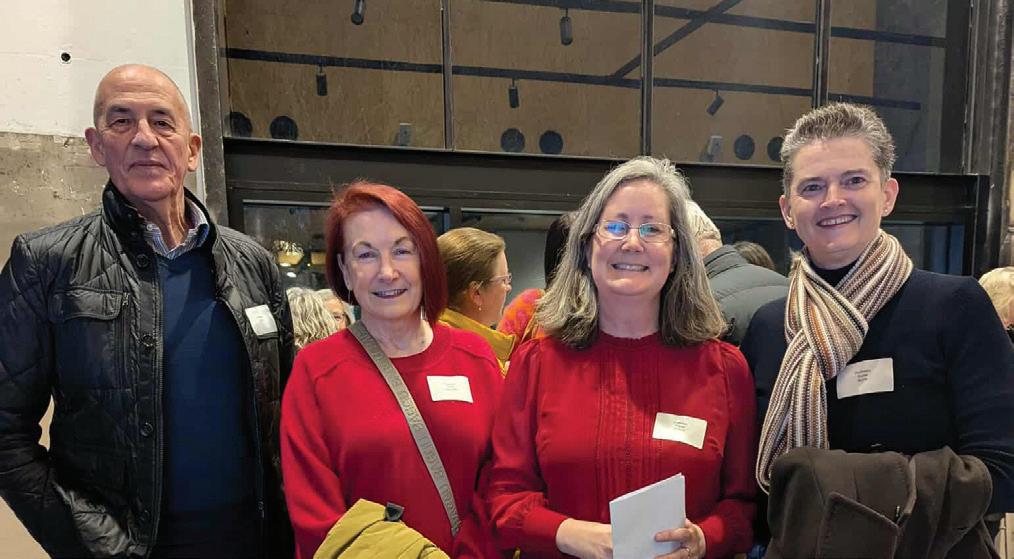
local communities.
Beyond the important purpose of meeting with our donors and supporters, we valued this opportunity to show our gratitude for the contributions made to our research through volunteering, sharing their
lived experiences and attending our events.
The Launceston presentation highlighted two of the topics that matter most to Tasmanians: brain health and heart health. These areas have a profound impact on our community,
With your support, we can continue this vital work – changing outcomes for Tasmanians and contributing to global advances in cancer research. Together, we can make a difference.
and the event featured leading researchers Professor Seana Gall, Professor Michele Callisaya, and Dr Rosie Clark, who shared the latest insights into stroke, dementia, Parkinson’s disease and motor neurone disease.
We’re grateful to all who are involved in our work, and who help us build our community, with existing supporters and those newly affected by these conditions to create a space where all Tasmanians can feel a part of something bigger.
We look forward to continuing these conversations and partnerships in 2026.
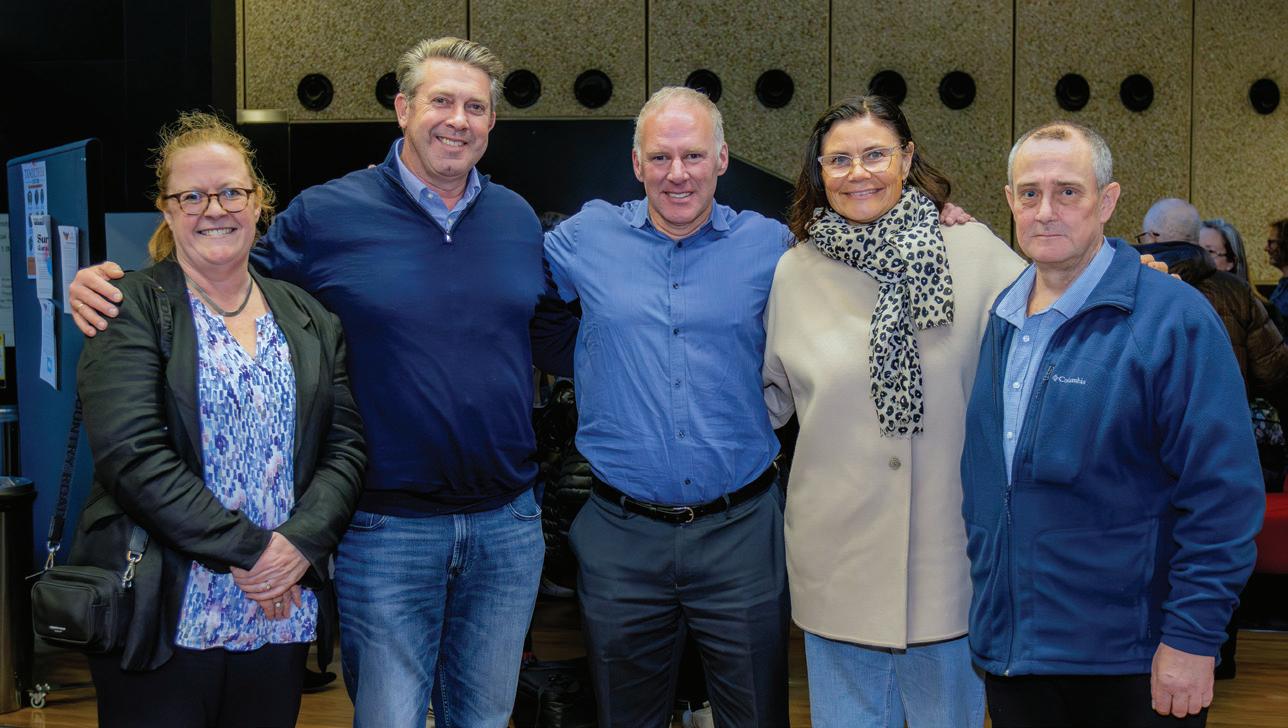
Collaborators: Professor Andrew Hills, Professor Anne Whitworth, Professor Tracey Dickson and Professor Nuala Byrne.
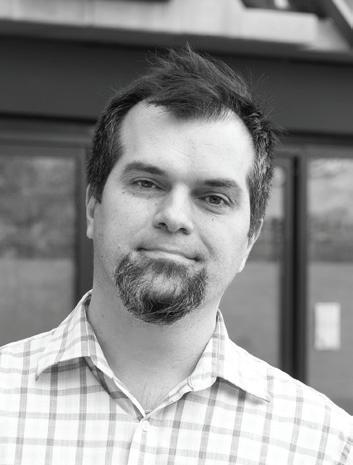
RESEARCHER PROFILE
Dr LiviuGabriel Bodea Senior Research
Fellow
What brought you to Menzies, and what are your previous/other existing roles?
Before coming to Menzies, I had the chance to chat with researchers from the Institute and across the University of Tasmania a few times and every conversation left
me impressed by the collaborative vibe and strong brain research happening here. So, when the opportunity came up, I jumped at the chance to join Menzies and start the Cellular Neuroimmunometabolism Dynamics Research Group.
What is the focus of your research?
I’m a brain immune cell biologist, which basically means I study microglia (the brain’s own immune cells) and how they work with the other cells around them. I’m fascinated by how the brain cells change their behaviour by adjusting their metabolism to keep the brain healthy and deal with ageing or disease. By investigating these processes, I hope to better understand how the brain works and
uncover better ways to treat neurological conditions.
What are some of the recent findings from your work?
Working with amazing teams, I’ve discovered that microglial cells play a direct role in Alzheimer’s disease and could even be tapped to help ease symptoms. We also found something surprising about tau, a protein usually known for forming deposits in brains affected by Alzheimer’s and related dementias.
On top of that, I’ve generated new tools to track proteins as they’re produced by cells, giving us exciting insights in how memories are stored into proteins.
What do you enjoy doing in your spare time?
I love spending time with my family. We moved together from Queensland and, before that, from Germany a few years ago. We’re big fans of the outdoors, so we’re looking forward to exploring all the amazing nature spots Tasmania has to offer.
Research events kick off conversation
This year, Menzies partnered with The Kids Institute to host two roundtable discussions in Hobart and Burnie.
These events were part of the national consultation on consumer and community
involvement in health research undertaken by the National Health and Medical Research Council.
Consumers, community members and researchers were brought together to share their experiences, insights and ideas on
the draft of the National Statement – the framework guiding how consumers and community members contribute to shaping health research across Australia.
Menzies played an active role in facilitating these discussions, ensuring every
Tasmanian voice was heard and represented in the national conversation. These events highlight our commitment to involving consumers and communities in every stage of research, from setting priorities to sharing results.
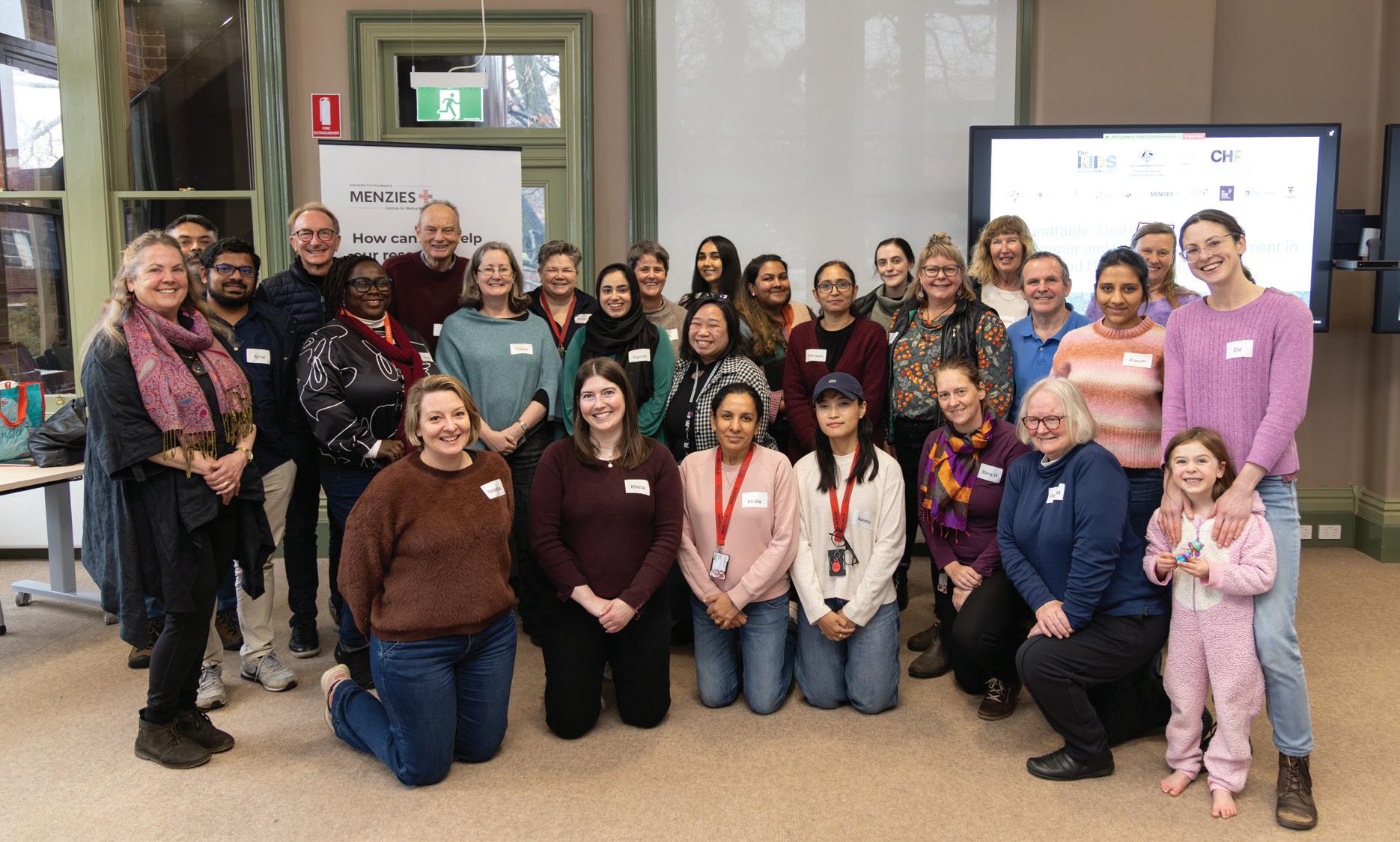
Discussion: Menzies partnered with The Kids Institute to host two roundtable discussions in Hobart and Burnie.
My gift
Please accept my one-off gift of:
$25
$50 $100
$250 Other $
Gifts of $2 and over are tax deductible. or
My payment
Please accept my regular monthly gift of:
$
Cheque/money order: Enclosed is my cheque/money order (payable to the Menzies Institute for Medical Research)
Credit card:
Please debit my Visa MasterCard
Credit card number Name on card Signature Expiry date /
Please allocate my gift to: The current Menzies appeal Where most needed A specific area of research
My details
Title: Mr Mrs Ms Miss Other
Name Address
Telephone ( )
Please send me information on remembering Menzies in my Will I have already included a gift to Menzies in my Will Yes, I want to invest in a healthier future for all Tasmanians. 100% of your gift will be used for research in Tasmania.
Postcode
Donate
Donate by phone