Bacterial meningitis and meningococcal sepsis in children aged 0 - 16 |
Your Guide


Has a hearing test been done?
Has a review with a specialist children’s doctor (paediatrician) been arranged for four to six weeks after discharge?
Is your child under one year of age?
A wide range of after-effects is possible. Some are temporary (see pages 16-19). Others are more serious and long-term (2526 & 28-29) Help is available Even serious after-effects may get better over time.
Hearing loss isn’t always obvious. It needs identifying as soon as possible (within four weeks) after meningitis and meningococcal sepsis Contact the hospital or your GP to arrange this. See page 13.
Every child needs a review with a paediatrician even if they seem completely well. Contact the hospital or your GP to arrange this See page 14.
It’s unlikely that new problems will arise but keep a look out for certain late-developing effects. Learn more on page 25.
It can be hard to tell whether babies or young children have after-effects because they have not reached developmental milestones. Learn more on page 22.
Introduction
What are bacterial meningitis and sepsis?
Why did my child get ill?
Can others catch bacterial meningitis or sepsis from my child?
Is my child more likely to get meningitis or sepsis if they’ve had them before?
How can I stop this from happening again?
Does my child need follow-up appointments after discharge from hospital?
Why does my child need a hearing test, and what will it involve?
Why does my child need to see a specialist children’s doctor (paediatrician) after leaving hospital?
What might we experience during my child’s recovery from bacterial meningitis and sepsis?
I am worried that my child is becoming unwell again
My child has headaches
My child gets tired easily
My child has lost skills/has co-ordination problems
My child is behaving differently
Supporting your child
Managing behaviour changes
How do I know if my baby has after-effects from bacterial meningitis or sepsis?
Should I speak to my child’s school or nursery about their illness?
Are there after-effects that may develop later?
Serious and long-term after-effects of bacterial meningitis and sepsis
Brain injury
Hearing loss
Hydrocephalus (water on the brain)
Serious and long-term after-effects of sepsis only
Growth plate damage and skin damage
Organ damage
How can I access further care for my child?
Where can I get support for me and my family?
The wider family
Many parents and carers often aren’t sure what to expect after their child has bacterial meningitis or meningococcal sepsis
After discharge from hospital, it can be an anxious time because doctors and nurses are no longer with you to answer questions.
Most children who get bacterial meningitis or meningococcal sepsis survive without permanent after-effects. This guide mainly focuses on some of the common challenges that children and families face after discharge. Fortunately, these issues usually get better within a few weeks or months.
We recommend that parents and carers keep a detailed record of the illness, recovery and follow-up care of the child. This can help you to track changes, check recovery progress and talk to medical professionals with more detail. You can also write down questions, so that you remember to ask them in future appointments. When you see this pencil icon, we recommend keeping notes that may be useful for you and your child in the future.
Please note, this guide is for parents and carers whose children have experienced bacterial meningitis, and in some cases meningococcal sepsis. If your child has experienced sepsis only, we recommend talking to The Sepsis Trust. They can provide more advice and information about childhood recovery from sepsis:
Website: sepsistrust.org
Telephone: 0808 800 0029 (Monday to Friday – 9.30am – 4.30pm)
This guide is based on guidelines from the National Institute for Health and Clinical Excellence (NICE) that cover England, Wales and Northern Ireland. Scotland is covered by the Scottish Intercollegiate Guidelines Network (SIGN) . Links to these guidelines can be found at the end of this guide. The medical information in this guide about bacterial meningitis and its effects is generally relevant worldwide However, the recommended treatments, support services and care pathways are based on the UK healthcare system. In other countries, access to services, treatment plans and support options may vary significantly. 1-2 3
This guide is also informed by the latest evidence and research available. You can find this information at the end of this guide in the references section
This guide has been created by Meningitis Now and Meningitis Research Foundation. It is to support parents and carers of babies and children aged 16 and under through their recovery journey from bacterial meningitis and meningococcal sepsis.
If you would like to talk to someone about:
Long-term or severe after-effects of meningitis or sepsis
Support for anyone aged 17+ who has been affected by meningitis.
Information about different types of meningitis, such as viral or fungal.
You can contact our services for free.
Meningitis Now – Monday to Thursday, 9am to 4pm, Friday 9am to 1pm.
Offering emotional, practical, and financial support for everyone in the UK who has been affected by meningitis. Contact our nurse-led helpline to find out more about the support we provide.
Telephone: 0808 80 10 388
Email: helpline@meningitisnow org Web: meningitisnow.org
Meningitis Research Foundation - Monday to Friday, 9am to 5pm.
Offering one-to-one support for all parents and caregivers, covering all aspects of meningitis, from initial diagnosis to long-term effects:
Telephone: UK - 0808 800 3344 | Ireland – 1800 41 33 44
Email: helpline@meningitis org
Web: meningitis.org meningitis.org (Live Chat)
More factsheets available


If you would like more information on a specific after-effect that may be impacting your child, you can download any of our free factsheets:
Amputations, including loss of fingers, toes and limbs
Amputee rehabilitation after sepsis.
Bone growth problems after sepsis.
Difficulties with balance.
Difficulty accessing NHS services.
Emotional and behavioural effects of acquired brain injury.
Hearing loss and tinnitus after meningitis.
Kidney damage during and after sepsis.
Learning and cognitive effects of acquired brain injury.
Physical effects of acquired brain injury.
Sensory effects of acquired brain injury.
Skin scarring after sepsis
Speech, language and communication difficulties after acquired brain injury
Structure and function of the brain
The use of external fixators for limb correction after sepsis
Go to: meningitisnow.org/meningitis-explained/after-effects-meningitis or meningitis org/factsheets
Meningitis is the swelling of the lining of the brain and spinal cord (called meninges, shown in light blue in the image below).
The germs that cause meningitis can also sometimes cause sepsis.
Sepsis is a life-threatening reaction to germs in the bloodstream. The body's response to an infection goes too far, causing damage to important organs and body tissues. Sepsis is sometimes called septicaemia or blood poisoning.
Meningitis is most often caused by bacteria, viruses or fungi The most severe cases are usually caused by bacteria or fungi
Bacterial meningitis and sepsis are serious, often life-threatening illnesses. A person can experience meningitis, sepsis or both at the same time.
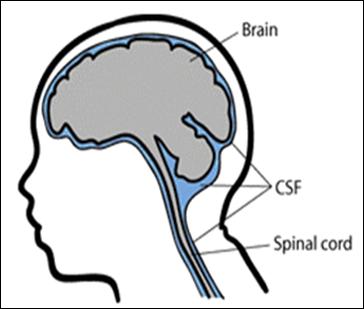
Bacterial meningitis occurs when bacteria invade the body and enter the cerebrospinal fluid (CSF). This surrounds and cushions the brain and spinal cord.
In the CSF, bacteria can rapidly multiply and release poisons, causing inflammation and swelling in the meninges. This increases pressure on the brain, producing symptoms of meningitis. In severe cases, this injures or destroys nerve cells in the brain and may damage the inner workings of the ear.
Sepsis occurs when the bacteria release poisons into the bloodstream These poisons attack the blood vessels so that they leak
This means the amount of blood reaching vital organs decreases. To manage the oxygen supply to the vital organs, blood supply to the hands, feet and skin surface is reduced, and the lungs have to work harder. This is how symptoms of sepsis develop. In the most severe cases, sepsis also causes blood clots to form within tiny blood vessels, which can damage the skin, fingers, toes, limbs or organs.
When we talk about sepsis within this guide, we are mostly describing sepsis caused by meningococcal bacteria We refer to this as meningococcal sepsis
Over 50 types of bacteria can cause meningitis. Sometimes the specific cause of meningitis is never identified. The most common bacterial causes are:
Meningococcal. Pneumococcal.
Haemophilus influenzae type b (Hib).
Group B streptococcal. E. Coli. Listeria. Salmonella. Tuberculosis (TB)
More information about the different types of meningitis, including viral meningitis, is available online: meningitisnow.org/meningitis-explained or meningitis.org/about-meningitis
Meningitis is a severe disease, but it's relatively uncommon. Anyone can get meningitis, but there are some factors that put people at higher risk.
These include: Your age
Where you live
Exposure to environmental factors. Whether you have existing medical conditions. Whether you've been in contact with someone who has a contagious cause of meningitis.
Healthy people without any of these risk factors can also get meningitis. We don’t always know why, which is why research is so important to help us learn more.
Young children are at the highest risk of getting meningitis because their immune systems are less developed than older ages. But other age groups can still be vulnerable to certain types.
Newborn babies are at the highest risk of meningitis In the UK, babies under the age of three months are 70 times more likely to get bacterial meningitis than adults 4
Toddlers are a high-risk age group for bacterial meningitis. Teenagers and young adults are at increased risk of meningitis caused by meningococcal bacteria.
More on risk factors: meningitisnow org/meningitis-explained/how-to-catch-meningitis or meningitis.org/about-meningitis/am-i-at-risk-from-meningitis
Ali was diagnosed with bacterial meningitis at seven years old. He was rushed to hospital, where a lumbar puncture confirmed he had pneumococcal meningitis. After a turbulent week in hospital, Ali was discharged with instructions for regular check-ups, daily monitoring and blood tests. All signs now suggest he has made a full recovery

“Meningitis changed our lives overnight, even though my son was fully vaccinated. My son was diagnosed with meningitis, and it marked one of the most challenging times for our family Despite the challenges and hardships, we are immensely grateful that our dear boy fought through it all with such courage”
“Our journey has been long and painful, but Ali’s strength and the incredible care he received gave us hope. He has been through so much, but his strength has inspired us all.
“Despite the challenges and hardships, we are immensely grateful that our dear boy fought through it all with such courage. He has been through so much, but his strength has inspired us all.”
Read Ali and Mahwish’s ‘Meningitis in your words’ story: meningitis.org/meningitis-in-your-words/mahwish-mustafa
The risk of others catching bacterial meningitis or sepsis from your child is very low. Cases of meningitis are mostly isolated, so you’re not usually at risk if you’ve been in contact with a child who has meningitis.
Occasionally, close contacts of a person with bacterial meningitis are at increased risk of getting the disease or passing it on to others When this happens, public health doctors will get in touch with close contacts and offer them antibiotics or vaccination This is called contact tracing
Not all types of meningitis are contagious, so contact tracing is not needed for every case. It’s most likely to be used when the meningitis is caused by:
Meningococcal bacteria.
Haemophilus influenzae type b.
Tuberculosis bacteria (occasionally).
Pneumococcal bacteria (rarely).
Meningococcal bacteria often live harmlessly in the back of people’s noses and throats. They spread from person to person through very close contact: coughing, sneezing, breathing each other’s breath or by kissing someone who is carrying the germ
Only a small number of people who are exposed to meningococcal bacteria fall ill with the disease. We don’t fully understand why some people become unwell after exposure to the bacteria. The bacteria do not naturally live or survive for long outside the human body.
Only people who have prolonged, close contact with a case of meningococcal disease, such as people living in the same household, need antibiotics. This is because the bacteria do not spread easily.
Once your child has been treated with antibiotics, the bacteria will be killed, and there will no longer be any risk of the infection being passed on.
Despite this, family and friends can sometimes be worried about catching the disease and may avoid contact with you and your child This can be upsetting, but if anyone is afraid, they are at risk of catching meningitis they can contact Meningitis Now or Meningitis Research Foundation’s helplines for advice.
Is my child more likely to get meningitis or sepsis if they’ve had them before?
The majority of children will not get meningitis or sepsis again There are certain risk factors that can make it more likely to experience repeat infections:
Certain medical conditions that affect the immune system, e g complement disorders, sickle cell disease or immunosuppression.
Specific physical abnormalities that allow bacteria easier access to the cerebrospinal fluid (CSF).
If a child does get ill again, they should be reviewed by a paediatric immunology and infectious disease specialist. They will arrange tests and investigations to check for conditions such as those listed above. Children with these conditions will receive treatment to reduce their risk of any future infections.
Bacterial meningitis is not common, but it is possible to get meningitis more than once. Meningitis can be caused by many different types of bacteria and viruses. Fortunately, there are vaccines that protect against the most common and dangerous ones These vaccines greatly lower the risk of getting meningitis and are the best way to protect your child from this serious illness
More information on vaccines: meningitisnow.org/meningitis-explained/meningitis-vaccines or
meningitis.org/about-meningitis/vaccines
There aren’t vaccines to protect against all forms of the disease. So even if you’re fully vaccinated, it’s vital to know the symptoms of meningitis.
Know the symptoms of meningitis: meningitisnow org/meningitis-explained/signs-and-symptoms or
meningitis.org/about-meningitis/symptoms
Yes.
1
NICE guidelines recommend that healthcare professionals give parents and carers of children who have had bacterial meningitis information about recovery, potential long-term after-effects and how to access follow-up care before they are discharged from hospital.
Most children make a good recovery, but bacterial meningitis and sepsis are serious infections and need to be monitored
All children should have:
A hearing test as soon as possible, preferably before discharge, or within four weeks of being well enough to test.
A review with a specialist children’s doctor (paediatrician) at four to six weeks after discharge from hospital. This is to discuss the hearing test results, progress and possible after-effects.
It’s vital for your child to attend these appointments to support their recovery and ongoing health. You should have a main point of contact given to you when your child is discharged from hospital, who can help you with any questions about these appointments. If you didn’t receive one, your hospital or GP surgery should assist you in arranging them.
It is important to attend both the hearing test and the four-to-six-week review.
After-effects can be subtle and hard to spot as children recover. If your child has been affected by these illnesses, it is better for any problems to be detected early, so that they can be managed or treated as soon as possible.
Even if your child has made a good recovery and was well enough to finish their course of antibiotics from home, a hearing test and paediatric follow-up appointment are still needed.
For babies who had bacterial meningitis (when they were under 12 months), there will also be a review with a paediatrician one year after discharge.
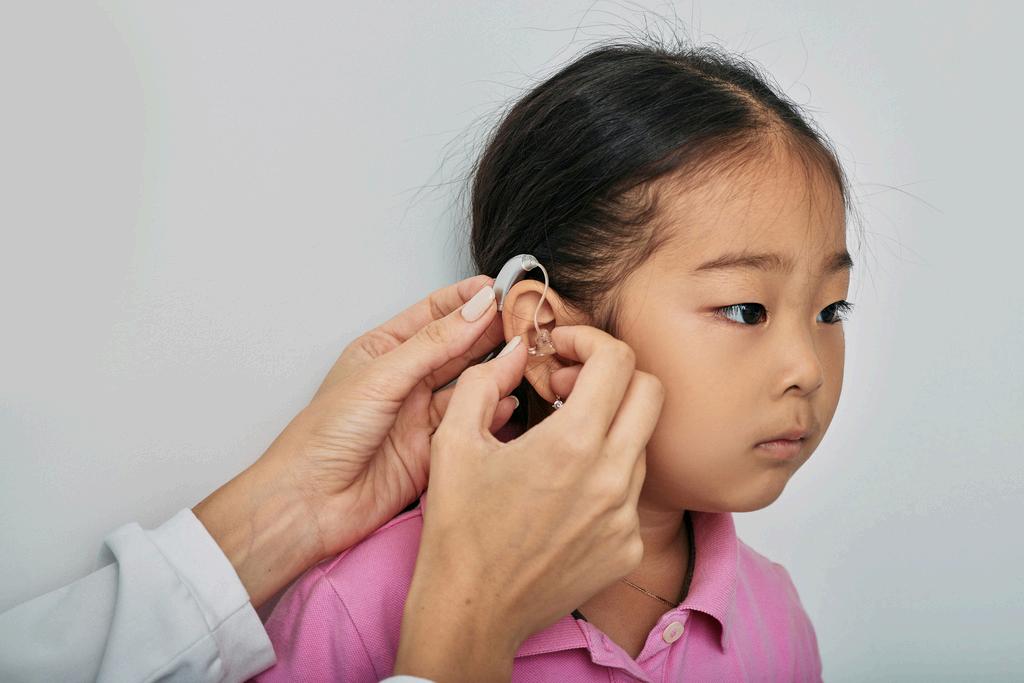
Why does my child need a hearing test, and what will it involve?
Deafness is the most common serious after-effect in children who have had bacterial meningitis. It usually happens early in the illness, and it may be noticeable to the family before any hearing test.
Hearing loss in very young children who have not yet learned to speak can be hard to detect. In older children it can also be hard to spot, particularly if it is mild or only affects one ear.
When meningitis damages the inner ear, it can cause the inner ear canals to rapidly harden (a process known as ossification). This can reduce the effectiveness of treatments to restore hearing. If hearing loss is identified early, treatments are more likely to be successful.
It is important to identify hearing loss early in children. Any level of hearing loss can affect speech development and learning.
If your child has hearing loss, options are available to help manage this. Your child’s audiologist (the specialist who does the hearing test) will talk about these with you.
5 6
There have been a few isolated reports of delayed hearing loss after bacterial meningitis , although this is very uncommon. If you have any concerns about your child’s hearing or feel that their hearing has changed after the hearing test, you can ask your audiologist for another appointment. You can also ask your GP to refer you to the Ear, Nose and Throat (ENT) service.
The type of hearing test offered will depend on your child’s age and stage of development. Most older children can be assessed with behavioural tests This is where the child shows that they hear a sound Some children with complex needs may require methods that are normally used with younger children It is important for children with complex needs to have a hearing assessment Hearing problems can have an effect on a child’s other disabilities, so it must be diagnosed early.
For babies and children who are too young to answer questions or respond to behavioural tests, both the Otoacoustic Emission test (OAE) and the Auditory Brainstem Response test (ABR) are commonly used.
The OAE is part of the regular screening tests all babies have shortly after birth. A small earpiece is placed in the child’s ear, and a clicking sound is played. If the ear is working normally, a faint response will be picked up by the earpiece.
In an ABR test, an audiologist will put small sensors and a set of headphones on the child’s head This test measures whether sound is being sent from the ear, through the auditory nerve, to the brain
Why does my child need to see a specialist children’s doctor (paediatrician) after leaving hospital?
The appointment with the paediatrician is where you can raise any worries you have about your child’s recovery, health or behaviour The doctor should discuss the results of your child’s hearing test with you and any after-effects your child may have They can refer your child to other services if needed
Even if your child has made a good recovery, you should always attend the review with the paediatrician.
The paediatrician will look for signs of different after-effects at this review. A range of aftereffects is possible. They can be mild or severe; temporary or permanent; physical or emotional. Most children recover without severe after-effects. Sometimes, ongoing medical support is needed.
If the paediatrician has any ongoing concerns about your child at this review, they will arrange another appointment with you.
It is not always possible to know whether very young babies have after-effects at discharge, as they may not yet have reached many of their developmental milestones It may not be possible to know at the time of the four-to-six-week paediatrician review.
For babies who were under 12 months when they had bacterial meningitis, another review with a paediatrician should be arranged for one year after discharge. This is so you can discuss any changes or worries as your baby keeps growing.
As a parent, you know your child best. Trust your instincts – it is important to tell the paediatrician at this meeting if you have any concerns. You can speak to your GP if you have any new worries, too.
Write down any concerns you have after discharge so that you can discuss these with the paediatrician at the four-to-six-week review. It may help to take photos/videos of things that concern you to show the doctor. If you have any ongoing concerns or something new begins, keep writing them down, as they can be helpful for future appointments.
For babies, children and young people, community child development services should follow up and assess the risk of long-term after-effects for at least two years after discharge. This is to ensure you have support if you do spot any changes that worry you as your child keeps growing, or to answer any questions you may have.
If you have any concerns after your paediatrician appointment and are unsure who to talk to, please contact your GP. They can help you access the support and services you need.
Milo had bacterial meningitis as a one-year-old. His mum, Jodylee, tells us what life has been like for the family since Milo’s recovery, and the amazing progress he continues to make:
“Following Milo’s recovery from meningitis, life hasn’t stopped.
“Since Milo was discharged from hospital, there have been lots of hospital appointments, MRIs, different clinics and hearing tests every few weeks. Meningitis can still do damage to your body even after recovery.
“A year after Milo recovered from Meningitis, he started to have seizures, non-focal seizures developing to full-body ones It’s changed from one seizure to multiple, leaving myself and the family devastated as we thought this was all going to be over Every time Milo has a seizure, it brings back a lot of trauma from the first seizure Milo had when being treated for meningitis.
“Milo has been put on medication for this, but unfortunately, it isn’t working, so it is still an ongoing battle. The consultant thinks that Milo is having the seizures from the meningitis and from the damage to the brain from when the infection spread to the brain. This is something I never wanted to hear.
“Milo is also awaiting a diagnosis for ADHD and autism, as other healthcare professionals and the nursery have picked this up. I always felt that Milo had both of these since recovering, and I was relieved when I was told that they wanted to go through the process of getting Milo diagnosed. Getting the correct help for Milo as early as possible is the best thing for him. I was also told that this is another after-effect of meningitis, as the damage to the brain can cause this.
“Overall, Milo’s development has progressed, and now he’s walking again, talking again and learning to eat and drink. Milo has grown to be such an amazing, strong, inspiring little boy, and we’re proud of Milo and everything he’s been through. No matter what health issues he has, he is always smiling and being our amazing, bubbly, kind little boy.”
It can take many months to recover from meningitis and sepsis. Some children are back to their normal activities after a few weeks. For some, it can take much longer. We often hear from parents and carers who are worried about their children when they first return home from hospital. This is normal, and these are some common worries:
It is completely normal to become more nervous about your child’s health after a serious illness like meningitis or sepsis.
Some parents and carers say that in the first few months, they worry that their child is getting meningitis or sepsis again when they have a cold or stomach bug Common illnesses are normal in young children, and it is very rare to get meningitis or sepsis more than once.
Keeping information about the symptoms of meningitis and sepsis to hand can be reassuring for parents and carers.
I am worried that my child is becoming unwell again.
More on the signs and symptoms of meningitis: meningitisnow org/meningitis-explained/signs-and-symptoms or meningitis.org/about-meningitis/symptoms
If your child develops a fever, rash or limb pain within two weeks of being discharged from hospital, this needs urgent medical attention.7
In most cases, if these symptoms appear within 48 hours (two days) of leaving hospital, you can contact the paediatric team who treated your child. Their details should be on your discharge information
The time limit for contacting the ward that treated your child will depend on the hospital and how serious your child’s illness was. If your child gets symptoms after the time limit, or if you do not have the contact details for that team, you can get in touch with:
Your main point of contact, provided on discharge
Your GP.
You can call 111.
In an emergency, you can take your child to A&E.
Headaches are common in children who have recovered from meningitis They can last for months or even longer after their illness 8-9
If they keep having headaches, you should tell the specialist children’s doctor (paediatrician) at the four-to-six-week review.
If they continue beyond the review, then talk to your GP, who can decide what treatment might help, or if referral to a specialist is needed.
My child has headaches.
Children recovering from such a serious illness can feel weak and tired at first, or become tired very easily. It is also common for children to struggle with sleep for a few months after discharge.
Sometimes children may feel well as soon as they get home from hospital, and tiredness can develop later. This can be very frustrating for them It can be helpful to explain to them that this is normal and it may take some time for them to fully recover. You can prompt them to get the rest they need.
It is also important to speak to your child’s nursery or school about this, so that they understand what is happening and can help your child
Some children may lose skills they have recently learned:
My child gets tired easily.
Children who were speaking fluently before their illness may go back to baby talk Children who knew how to walk may return to crawling Children who were toilet-trained may need nappies again. Children may start to struggle with balance or co-ordination. Children may start to struggle with concentration or memory.
It’s important to talk to the specialist children’s doctor (paediatrician) about these problems if you notice them before the four-to-six-week review.
They could be temporary whilst your child recovers, or they may be a sign of injury to the brain or inner ear damage.10
My child has lost skills /has coordination problems.
It is very common for children to have issues with behaviour and mood after meningitis and sepsis Usually, these resolve over time They have been through an upsetting and scary time in hospital, which can be stressful for a child.11-13
Some more common behavioural problems are:
Temper tantrums. Clinginess. Bed-wetting Nightmares. Mood swings.
Aggression.
Losing skills they have recently acquired.
Restlessness.
Struggling to settle down and concentrate.
My child is behaving differently.
Children may have frightening thoughts, such as memories of their time in hospital popping into their minds. They may want to avoid anything reminding them of their illness and not want to go to hospital appointments or talk about when they were ill. This anxiety normally gets better over time.
For some children, problems continue and require professional emotional support. If you feel that these symptoms are ongoing and becoming a problem, speak to your GP about support for you or your child.
If your child became ill at an age when they can remember their time in hospital, it can be helpful to talk about the experience with them. This can be difficult for both of you, because it is such an upsetting time. Even so, it can be valuable to find a good time to talk things over. This gives your child a chance to tell you if they are upset by memories of being in hospital. You can also try to reassure them if they have any worries.
Some children may find it difficult to speak to parents or carers about their experience They may find it easier to talk to other people, such as family members or close friends. Some children may express themselves in different ways, such as art or play therapy.
Some families create a story or a diary of their child’s illness, covering before, during and after their stay in hospital. Some include pictures. This can help families process what has happened. This is something you can look at with your child when you are both ready.
Some children may not want to talk about it at all for a long time, and this is also normal.
Depending on how severe the illness was, your child’s brain may be affected, and this can lead to difficulties in concentration and learning.
Research shows that this often improves over time, but it may cause some behavioural changes in children These could be sleep problems, tiredness/irritability and restlessness/over-activity
If fatigue may be the cause of your child’s behaviour changes, you can look into ways of helping your child to rest. This could mean speaking to your child’s teachers about a phased return to nursery or school. Or it could be a gradual return to sports and other activities.
Fatigue and behavioural problems are often temporary but can last for several weeks or months. They are quite common up to three months after coming home from hospital and normally improve during the first year after the illness.
Note down any concerns and take these with you to any reviews with a specialist children’s doctor (paediatrician). It can also be helpful to keep a record of any ongoing concerns for at least a year after the illness. This may help you identify times when your child is at their best or worst, and things that may cause this It can also help you see some problems improve over time
If you are finding these problems difficult to manage, or you are concerned that there seems to be no improvement in your child’s behaviour, see ‘How can I access further care for my child?’ on page 32.
Isabelle Weall, a social media influencer from Derby in her early twenties, is like many young women her age. She enjoys spending time with her friends, going on holiday, going to the gym and creating content for TikTok and Instagram. Isabelle is also a quadruple amputee who lost her arms and legs to meningococcal B meningitis at the age of seven. Despite this, she’s fiercely independent and determined to live her life just like everybody else around her.
When I was seven, I started feeling unwell at school. It seemed like a regular illness at first, but by the evening, my symptoms worsened, and my parents noticed strange bruising on my skin Paramedics suspected meningitis immediately and rushed me to the hospital.
Everything escalated so quickly that I was put into an induced coma that evening. During that time, my limbs began to die due to the infection, and my family were told I had less than a 1% chance of survival. When I woke up, my limbs were still attached to me but were dead, so it was clear that amputation was the only option.
The adjustment was really tough initially, but I was a resilient kid. While in the hospital, doctors and nurses taught me to use my limbs and gave me straps to hold pencils and cutlery. By the time I left the hospital, I was writing and feeding myself. Over time, I’ve learned to navigate different scenarios with my disability, but I’ve always been determined to have as much independence as possible.
As I got older, I started facing new things like starting secondary school or getting my first period –it was definitely an extra challenge with my disability. Whether it’s driving, working full time or cooking, I just learn a way to do things that suits me best
I’m really independent, I live alone, and my car is adapted so I can drive myself People are often surprised at how little I rely on specific adaptations and how seamlessly I fit into everyday life.
My independence is my proudest achievement. When I first left hospital, I didn’t know if I could ever have my independence again. Getting this far and living the same life as all my friends is a massive accomplishment for me.
Don’t give up! If you keep persevering, you really can get your quality of life back. Keep trying different techniques of doing things, and maybe the next method might work. If you keep being resilient and determined, you really can achieve anything you want.
Read Isabelle’s full interview here: meningitis.org/news-and-blogs/isabelle-weallsstory-thriving-as-a-quadruple-amputee
Read Isabelle’s ‘Meningitis in your words’ story: meningitis.org/meningitis-in-yourwords/isabelle-weall
How do I know if my baby has after-effects from bacterial meningitis or sepsis?
It can be hard to tell whether young babies have any long-term after-effects. This is because they have not yet reached many of their developmental milestones. Generally, children who have been very unwell in hospital are more likely to have after-effects. Very young infants are more likely to have after-effects than older children. Assessing children who have been seriously ill is important. More information on when these assessments should take place can be found in the ‘Why does my child need to see a specialist children’s doctor (paediatrician) after leaving hospital?’ section on page 14.
Although all children are different, we know that there are certain ages when most children can perform a particular task The NHS has information about developmental milestones here: nhs uk/best-start-in-life/early-learning-development There are many reasons why some children develop some abilities later than others. 14
Having meningitis, especially at the time of rapid brain growth before the age of five, can potentially cause injury to the brain. If your child is not reaching their developmental milestones, you should tell a healthcare professional, such as your health visitor or GP
Some of the more subtle after-effects of brain injury (or damage to bones in cases of sepsis) may not be spotted for some years. It is important to let your GP know of any concerns you have about your child’s development, even if it doesn’t seem relevant to meningitis or sepsis.
Whatever the reason for your child’s delay, early treatment is the best way to help your child catch up. See ‘How can I access further care?’ on page 32.
You can note down concerns and take these with you to health appointments and any reviews with the paediatrician.
It can also be helpful to keep a record of any ongoing concerns for at least a year after the illness. This may help you identify times when your child is at their best or worst and things that may cause this. It can also help you see some problems improve over time.
It is recommended that the school or nursery is made aware of your child’s illness and any extra needs before returning.
Going back to a normal routine after meningitis or sepsis can be daunting for a child It is common for them to experience fatigue, concentration difficulties, memory difficulties, co-ordination difficulties and behavioural problems after returning home. This can make going to school or nursery hard.
You can take this guide and your notes with you when you meet the school or nursery, to explain the challenges that your child is having. You can write down the plan you decide with the school, record changes, and monitor how well it is working for your child. Your nursery or school may find it helpful to do the same.
For many children, going back to school or nursery can be very helpful if they are ready. However, returning too early can affect their recovery (a phased return may be best to start with).
The school or nursery may ask for a letter from the hospital to explain your child’s illness. Your child’s specialist children’s doctor (paediatrician) can give you a letter on discharge from hospital or at the four to six-week review. If not, talk to your GP, who should have been told of your child’s illness already by the discharging paediatrician.1
Most children who go home from hospital without any obvious after-effects are unlikely to develop new problems later Some after-effects in children, such as brain injury or damage to bones (in cases of sepsis), might only appear as they get older.
The brain takes over twenty years to fully develop. Some of the less obvious after-effects of a brain injury, such as concentration, learning and memory difficulties, may not be seen until your child is older This is because they will need to concentrate for longer
Late development problems may not be seen until they go through life changes, such as starting nursery, school or switching to a new school.
The move from primary to secondary school can be particularly difficult. Following a complex timetable, meeting new teachers, being in a larger school and remembering homework are just some situations that can be very hard for a child with memory or concentration difficulties. This can cause frustration, anxiety and feelings of isolation, which can impact behaviour at home and school.
There is growing evidence that children who survive bacterial meningitis and sepsis are more likely to struggle at school This is with both academic performance and behaviour compared to other children . It is not always possible to know that this is because of a child having had meningitis and sepsis. Telling your child’s GP or teacher may help you access specialist services and support. These services can identify and help your child manage their challenges.
15-20
Writing down any changes or patterns you notice during this time can help you, teachers and medical professionals to better understand and support your child. You can share this information with teachers to help with consistent behavioural management.
Oscar had bacterial meningitis at just six weeks old. After a difficult time in hospital, he is doing well, and the family are rebuilding their lives. His mother, Grace, shares his story:
“Meningitis took hold of our 6-week-old baby boy, Oscar. Words can’t describe how we felt, thinking we might not be bringing our boy back from hospital. No parent should ever have to go through that
“Meningitis is known for its tell-tale rash. However, Oscar never developed this; we initially called for help because of his breathing. It was loud, fast, and we were very worried that he was struggling to breathe. He was also showing no interest in feeding; he had very cold hands and feet, was very pale, and had a vacant stare. He wouldn’t take his eyes off the ceiling, almost like he didn’t want to move his neck around Something was definitely just ‘off’
“If we’d have just waited until morning, we might not have been leaving that hospital with our boy.
“Oscar had a lumbar puncture to confirm the bacterial meningitis and spent ten days on York Hospital’s Children’s Ward. Feeding tubes, IV antibiotics, multiple cannulas and injections. It was all worth it because now, six months later, he’s doing incredibly well
“He’s passed all his hearing tests and development appointments, but is still under the care of his consultant at York and will be until we know the full extent of any side effects it may have caused.
“Oscar, you are our super star, we’re so unbelievably proud of you every single day.”
Read Oscar’s story here: meningitisnow.org/meningitisnow-stories/newscentre/news/oscar-ls-story
The majority of children who survive meningitis and sepsis recover without serious aftereffects Some children may recover with some of the effects listed below Many of these aftereffects are long-term, but treatment and support may improve or help manage them:
Hearing loss and tinnitus (ringing in the ears).
Hydrocephalus (water on the brain).
Sight loss
Epilepsy
Issues with balance, movement and co-ordination (ranging from muscle weakness to paralysis).
Behavioural/emotional issues.
Memory/concentration issues.
Learning disabilities (ranging from mild difficulties to severe disability)
Speech and language issues.
Some after-effects only affect children who have been ill with sepsis. These are:
Skin and muscle damage
Amputations, including loss of fingers and toes, or arms and legs
Bone growth problems.
Organ damage (such as kidney failure).
It will often be clear if your child has any serious or long-term aftereffects before leaving hospital. The specialist children’s doctor (paediatrician) or other members of the team treating your child should discuss this with you before discharge They can refer your child to other specialists for follow-up appointments.
If new after-effects are picked up by you, the nursery, the school, your GP or after a paediatrician review, your child can still be referred to other specialists.
An injury to the brain that happens after birth is called an acquired brain injury (ABI). Both meningitis and sepsis can cause ABI, but this is usually associated with meningitis.
Brain injury can result in a wide variety of long-term problems, such as:
Sight loss.
Epilepsy.
Issues with balance, movement and co-ordination (ranging from muscle weakness to paralysis).
Behavioural/emotional issues.
Memory/concentration issues.
Learning disabilities (ranging from mild difficulties to severe disability).
Speech and language issues
Severe brain injury following meningitis is uncommon and is usually obvious within a few days of becoming ill.
If it is clear that your child has some form of brain injury after meningitis, hospital staff should explain what the outcome may be. They should co-ordinate the necessary treatment before your child is discharged from hospital.
In very young babies, the level of injury to areas of the brain may not be clear early on. It may take some time for families and healthcare professionals to understand the full effects.
More subtle changes to the brain can also take months or even years to become clear. Some changes are only clear when a child becomes old enough to attend school and must concentrate for longer periods of time.
Frank contracted Group B Strep meningitis at just three days old His mum, Kate, tells us about that experience, his after-effects and how he and the family are thriving now:
“Our son Frank contracted GBS meningitis at three days old. Once we were through the critical stage, doctors began to talk to us about possible after-effects of meningitis, but if I’m honest, we just weren’t ready for those conversations at that stage. At that point, we felt as though we could face whatever challenges lay ahead We were just so grateful to be bringing him home
“It became clear quite early on that Frank’s development was affected. Through our own research, we knew by the time he was around six months old that it was likely he had cerebral palsy. It was a difficult time; we were scared and unsure what our future was going to look like.
“Frank is now eight years old He received a diagnosis of cerebral palsy and epilepsy when he was around 18 months old. His cerebral palsy is severe; he uses a wheelchair full-time, is tube-fed and nonverbal, although he is beginning to communicate through eye gaze technology.
“He is also the happiest little boy you will ever meet. He always has the biggest smile on his face and has the cheekiest sense of humour, and hardly ever stops laughing He attends a fantastic school, where he is thriving and learning so much and has made so many great friends. He’s also a big brother now, and they have the most incredible bond.
“I often think that if I could have glimpsed into the future and seen how happy his, and our, lives are, I wouldn’t have wasted all the months spent worrying. But obviously, life doesn’t work like that. I know how hard that first year was, but Frank has a full and amazing life. I hope his story can bring some comfort to anyone who was where we were eight years ago.”
Read Frank and Kate’s ‘Meningitis in your words’ story: meningitis.org/meningitisin-your-words/frank-rogers
Hearing loss is the most common long-term after-effect of meningitis Hearing difficulties can range from a mild degree of hearing loss to full deafness in both ears
Depending on the level of hearing loss, decisions about hearing aids and ways of communicating with your child will need to be made by you and the medical team. Damage to the inner ear can also cause balance problems and tinnitus (ringing in the ears).21-23
Your child may need a cochlear implant. A cochlear implant is a surgically inserted device that provides a sense of sound to someone who is profoundly deaf or severely hard of hearing. If a cochlear implant is an option, the decision and referral to an Ear, Nose and Throat (ENT) specialist will need to be made quickly.
Your local education and audiology services can help and support you through this More on hearing aids and implants: nhs.uk/tests-and-treatments/hearing-aids-and-implants
This is a rare after-effect of meningitis
It happens when the flow of CSF fluid, which circulates around the brain and spinal cord, becomes restricted and starts to build up. This puts pressure on the brain. It may be a short-term complication while the child has meningitis, but can sometimes continue after recovery.
If the build-up of fluid is temporary, then it may be treated by monitoring and drainage via lumbar puncture.
This is where a thin, hollow needle is inserted at the base of the spine that drains the fluid. If it is permanent, a shunt device will need to be surgically inserted. This is a device permanently implanted inside the head and body to drain excess fluid away from the brain
Sepsis occurs when the bacteria release poisons into the bloodstream. These poisons attack the blood vessels so that they leak This means the amount of blood reaching vital organs decreases To manage the oxygen supply to the vital organs, blood supply to the hands, feet and skin surface is reduced, and the lungs have to work harder. This is how symptoms of sepsis develop.
In the most severe cases, sepsis also causes blood clots to form within tiny blood vessels. This can damage the skin, fingers, toes, limbs or organs
The hospital may advise skin grafts to improve the appearance and restore the function of injured areas Skin grafts are surgery to replace damaged skin with healthy skin Severe cases of sepsis may result in the loss of fingers and toes. If larger areas of the body are affected, amputations of limbs or parts of limbs may be necessary.
It is a good idea to look out for loss of wrist and forearm movement if these have been affected by skin damage This can show potential growth plate damage 25
Sepsis can cause bone growth issues if blood supply to the growth plates is cut off during the illness. Growth plates are points within the bones that control growth.
Although uncommon, these problems can result in uneven or stunted growth of limbs as the child develops It is more likely if your child has skin scarring around their joints Repeated surgery may be needed to correct this . 24
Children who have had skin grafting or have significant scarring over their joints after sepsis should have their growth and limb length monitored regularly by a specialist children’s doctor (paediatrician) or GP
Reduced blood circulation can cause vital organs to fail Serious cases are treated in intensive care, where machines take over the function of the organs. Usually, the organs recover, but in rare cases, sepsis can cause permanent damage.
Depending on the damage, ongoing treatment and regular hospital visits can be expected.
If your child has any of these after-effects, it may be helpful for you to download, read and make notes on the relevant factsheets before attending this appointment. See page 5 to see all our factsheets.
More information about long-term after-effects from meningitis and sepsis is available in our free factsheets. If your child has after-effects before the review with the specialist children’s doctor (paediatrician), it may be helpful for you to download, read through and write any questions on the factsheets before the appointment.
Harmonie-Rose contracted meningitis and sepsis at ten months old and had her arms, legs and the tip of her nose amputated. Since then, she has done amazing things, including becoming a Junior Ambassador for Meningitis Now and winning the 2021 Child of Courage, Pride of Britain Award.
Her mother, Freya, shares her story:
“Harmonie-Rose was 10 months old when she took her first steps, much to our joy as her parents. But a few days later, she fell ill.
“She’d been off colour but had gone to bed as normal, so we were worried when we heard her coughing on the baby monitor, struggling to get her breath.
“We took her to the Royal United Hospital in Bath and returned home later that day when Harmonie seemed to be improving.
“The next morning, she took a turn for the worse, her lips turned blue, and she began to have a fit. Back in hospital, the A&E doctors looked for a rash, but said it was viral because it disappeared. We were sent home and given a pass to go straight to the children’s ward if Harmonie appeared ill again.
“At lunchtime, Harmonie started to cry before going all floppy. We rushed back to hospital for the third time. A rash was now appearing across her nose, spreading down her arms and chest. The doctors told us that Harmonie needed to be transferred to the children’s hospital in Bristol.
They didn’t know if she would survive the journey, but they had to risk it
“We weren’t allowed in the ambulance and had to follow Harmonie to Bristol by car.
“By the time Harmonie reached Bristol, her legs and arms had turned black. Consultants at the hospital said it was one of the worst rashes they had seen and gave her a 10 per cent chance of survival. But she fought back.
“Sadly, septicaemia* damaged her legs and arms so badly that doctors were forced to amputate them, along with the tip of her nose, just before her first birthday.
* In this story, the word ‘septicaemia’ is used to describe blood poisoning, which can trigger sepsis
“Harmonie is our little miracle, and she fought so hard to stay here with her family. Life for Harmonie will be very different, and our whole community are working very hard to provide her with the life she fought so hard to have.”
Harmonie is now eleven years old and thriving. Her most recent adventure, taking part in her first-ever Para development swim meet, went fantastically. “We are so proud”, Freya told us, “She smashed it!”
Read Harmonie-Rose and Freya’s meningitis story: meningitisnow.org/meningitis-now-stories/newscentre/news/harmonie-roses-story
Read Harmonie-Rose's latest adventures: meningitisnow.org/meningitis-now-stories/newscentre/news/harmonie-smashes-it-in-the-pool
If your child is still an outpatient of their hospital:
Discuss any questions or concerns that you or your child has with the hospital specialist children’s doctor (paediatrician). They can refer you to an appropriate specialist or service if needed.
If your child is no longer an outpatient:
On discharge from hospital, you should have been provided with a point of contact to follow up with during your child’s recovery.
Otherwise, you can speak with your GP or health visitor for advice. You may need a referral to the right medical team It is important to tell your health visitor or GP that your child has had meningitis, even if this does not seem relevant to an issue
Remember to bring this guide and your notes to any appointments. They can help you explain everything to the doctors and remind you to ask any questions you have written down.
Seeing your child or loved one seriously ill in hospital and feeling powerless to help them can be a very stressful and traumatic experience It can take time to process
You may find that you re-experience your child’s time in hospital. At times, you may feel as though it is happening again, have nightmares or vivid memories, which can be very distressing. It is common to question how or why this has happened to your family. You may feel reluctant to talk to anyone in case they find the conversation upsetting.
You are not alone, and it is perfectly normal to have these feelings as your child recovers and you process what has happened.
If these feelings are worsening or becoming prolonged or problematic, it is a good idea to talk these through with someone you trust, or a healthcare professional.
If these symptoms continue for over one month, then you may be suffering from post-traumatic stress disorder (PTSD) Treatments and support are available to help Your GP will be able to assess your condition and suggest treatment if required.26
27
Symptoms of PTSD can be delayed, so if you start to experience symptoms like this later on and you wish to get help, then talk to your GP.
It is common to neglect your own needs when caring for a child you love, but to be at your best for them, you need to look after yourself too.
Having a child with meningitis or sepsis can have a major impact on family life. The recovery process can take time for everyone, including siblings, grandparents and the wider family Parents and carers may take longer to adjust after such a traumatic experience, even if their child makes a full recovery.
It is important that all members of the family receive care and support to meet their needs. Brothers and sisters, particularly young children, will need extra attention and understanding. They can feel anxious and isolated
There is plenty of support available to help you and your family through this difficult time.
Meningitis Now and Meningitis Research Foundation are available to support anyone in the family affected by meningitis. We have also listed further support options below.

Meningitis Now is leading the way in meningitis and aftercare support – offering a range of information and support services. We are here to provide emotional, practical and financial support for everyone in the UK who has been affected by meningitis - all free of charge
We can:
Listen and answer your questions, enabling you to make informed choices about care and support.
Talk to you about your individual experience and how we can tailor our help to you. Provide support locally to you.
Put you in touch with others who have been through it too.
Support you and those closest to you -children, teenagers and adults
Provide financial contributions towards unexpected costs following meningitis through our Rebuilding Futures Fund.
Contact our nurse-led helpline to find out more about the support we provide.
Monday – Thursday, 9am – 4pm, Friday 9am – 1pm:
Telephone: 0808 80 10 388
Email: helpline@meningitisnow org Web: meningitisnow.org
With over 30 years of experience, we know that recovering from meningitis and sepsis isn’t easy Facing the future can be harder still We are here to help
We provide one-to-one support and, with the help of our national and international expert advisors, we find answers to the questions you need answered. This enables you to make more informed decisions about your child’s care and feel reassured about what the future may hold. We are proud of our in-depth support and disease information.
Our vision is a world free from meningitis. We are the UK’s largest dedicated funder of meningitis research, investing over £19.5 million. This has directly led to many advances in the detection, prevention and treatment of meningitis over decades.
For information and dedicated one-to-one support, Monday to Friday, 9am to 5pm: Telephone: UK - 0808 800 3344 | Ireland – 1800 41 33 44
Email: helpline@meningitis org Web: meningitis.org meningitis.org (Live Chat)
Meningitis can have an impact on many areas of your life. You may find you need different support at different times of the recovery journey. There are lots of fantastic organisations that can help you through these challenges.
Provide emotional and practical support, information and learning opportunities for families affected by brain injury
Website: childbraininjurytrust.org.uk
Helpline: 0303 303 2248
Support families with disabled children with information, advice, in-person events and peer support
Website: contact.org.uk
Helpline: 0808 808 3555 (Monday – Friday, 9 30am5pm)
Childline is here to help anyone under nineteen in the UK with any issue they’re going through. Have a specific service for under 12s contacting them
Website: childline.org.uk
Helpline: 0800 1111
Provides information on encephalitis, has a helpline and provides peer support opportunities
Website: encephalitis info
Helpline: 01653 699 599
Email: support@encephalitis info
Provide information and support to families who have been affected by Group B Strep, including a helpline, peer support and bereavement support
Website: gbss.org.uk
Helpline: 0330 120 0796
Email: info@gbss org
Mencap’s goal is for everyone in the UK with a learning disability to lead happy and healthy lives
Website: mencap.org.uk
Helpline: 0808 808 1111
Email: helpline@mencap org uk
The Patient Advice and Liaison Service (PALS) offers confidential advice, support and information on healthrelated matters They provide a point of contact for patients, their families and their carers
Website: https://www.nhs.uk/nhsservices/hospitals/what-is-pals-patient-advice-andliaison-service/
Talking Therapies are effective and confidential treatments delivered by NHS practitioners, who can help if you’re struggling with things like feelings of depression, excessive worry, social anxiety or posttraumatic stress disorder (PTSD)
Website: https://www nhs uk/tests-andtreatments/talking-therapies/
Support children and young people throughout school, college and university. They provide information, friendly advice, and practical help for living everyday life
Website: youngepilepsy.org.uk
Mainline: 01342 832 243
Offers practical and emotional support for amputees, their families and carers throughout their pre and post-amputation journey
Website: limbless-association.org
Helpline: 0800 644 0185 (Monday – Friday, 9am –5pm)
Provide information and support for deaf children and their families and carers, including on language, communication and assistive technology.
Website: ndcs org uk
Helpline: 0808 800 8880 (Monday – Thursday, 9am – 5pm Friday 9am – 12:30pm)
Text: 0786 00 22 888
SignVideo: SignVideo Web Application
RSBC aims to help every young person they support to find and fulfil their potential, supporting children and their families from diagnosis on their journey through sight loss
Website: rsbc.org.uk
Helpline: 020 3198 0225 (Monday – Friday, 9am – 5pm)
UKST exists to fight this life-threatening condition, stop preventable deaths and support those affected by sepsis
Website: sepsistrust org/about
Helpline: 0808 800 0029 (Monday – Friday, 9.30am –4 30pm)
Website full of advice and information to give young people the tools to look after their mental health. Information for parents and carers to be the best support they can be to the young people in their lives
Website: youngminds.org.uk
Parents and carers helpline: 0808 802 5544 (Monday –Friday, 9:30am – 4pm)
This is the second edition of this guide. We are very grateful to the following experts whose feedback and support was invaluable in the creation of the first edition.
We are very grateful to the following experts whose feedback and support has been invaluable: Dr Lorraine Als, Research Psychologist; Helen Campbell, Senior Clinical Scientist, Public Health England (PHE); Miss Naomi Davis, Consultant in Paediatric Orthopaedic Surgery; Dr Liam Dorris, Consultant Paediatric Neuropsychologist; Prof Elena Garralda, Child and Adolescent Psychiatry; Dr Scott Hackett, Consultant Paediatrician; Vicki Kirwin, Audiology Specialist; Dr Rachel Kneen, Consultant Paediatric Neurologist; Prof Simon Kroll, Paediatrics and Molecular Diseases; Sheila McQueen, Academic Head of Nursing Science; Mr Fergal Monsell, Consultant Paediatric Orthopaedic Surgeon; Dr Simon Nadel, Consultant in Paediatric Intensive Care; Dr Nelly Ninis, Consultant Paediatrician; Dr Ifeanyichukwu Okike, Consultant; Dr Mary Ramsay, Head of Immunisation, PHE; Dr Andrew Riordan, Consultant in Paediatric Infectious Diseases and Immunology; Dr Andrew Winrow, Consultant Paediatrician.
Our special thanks to the representatives of the Royal Colleges, who provided their time, expertise and encouragement throughout:
Dr Alistair Thomson
Dr Janice Allister, Child Health Representative, Royal College of General Practitioners
Fiona Smith, Adviser in Children and Young People’s Nursing, Royal College of Nursing.
Finally, we wish to thank all of our wonderful families and individuals who are always so generous and willing to give their time and share their experiences.
1.NICE. Meningitis (bacterial) and meningococcal septicaemia in under 16s: recognition, diagnosis and management. Published March 2024 Available from: www nice org uk/guidance/ng240
2.NICE. Sepsis: recognition, diagnosis and early management. Published July 2016. Last updated: March 2024. Available from: www nice org uk/guidance/ng51
3 SIGN, Management of invasive meningococcal disease in children and young people 2008: Edinburgh
4.Okike, I. O., Ribeiro, S., Ramsay, M. E., Heath, P. T., Sharland, M., & Ladhani, S. N. (2014). Trends in bacterial, mycobacterial, and fungal meningitis in England and Wales 2004-11: an observational study The Lancet Infectious diseases, 14(4), 301–307 www doi org/10 1016/S1473-3099(13)70332-3
5 Jayarajan, V and S Rangan, Delayed deterioration of hearing following bacterial meningitis J Laryngol Otol, 1999 113(11): p 1011-4
6 Silkes, E D and J Chabot, Progressive hearing loss following Haemophilus influenzae meningitis Int J Pediatr Otorhinolaryngol, 1985. 9(3): p. 249-56.
7 Goedvolk, C A , I A von Rosenstiel, and A P Bos, Immune complex associated complications in the subacute phase of meningococcal disease: incidence and literature review. Arch Dis Child, 2003. 88(10): p. 927-30.
8 Berg, S , B Trollfors, S Hugosson, E Fernell, and E Svensson, Long-term follow-up of children with bacterial meningitis with emphasis on behavioural characteristics. Eur J Pediatr, 2002. 161(6): p. 330-6.
9.Neufeld, M.Y., T.A. Treves, V. Chistik, and A.D. Korczyn, Postmeningitis headache. Headache, 1999. 39(2): p. 132-4.
10 Wiener-Vacher, S R , R Obeid, and M Abou-Elew, Vestibular Impairment after Bacterial Meningitis Delays Infant Posturomotor Development. J Pediatr, 2012.
11 Rees, G , J Gledhill, M E Garralda, and S Nadel, Psychiatric outcome following paediatric intensive care unit (PICU) admission: a cohort study. Intensive Care Med, 2004. 30(8): p. 1607-14.
12.Shears, D., S. Nadel, J. Gledhill, and M.E. Garralda, Short-term psychiatric adjustment of children and their parents following meningococcal disease. Pediatr Crit Care Med, 2005. 6(1): p. 39-43.
13.Garralda, M.E., J. Gledhill, S. Nadel, D. Neasham, M. O’Connor, and D. Shears, Longer-term psychiatric adjustment of children and parents after meningococcal disease Pediatr Crit Care Med, 2009 10(6): p 675-80
14.NHS Better Health, Start for Life. Early learning and development. [cited 29 April 2025]; Available from: www nhs uk/start-for-life/early-learning-development th
15.Stevens, J.P., M. Eames, A. Kent, S. Halket, D. Holt, and D. Harvey, Long term outcome of neonatal meningitis. Arch Dis Child Fetal Neonatal Ed, 2003 88(3): p F179-84
16.Anderson, V., P. Anderson, K. Grimwood, and T. Nolan, Cognitive and executive function 12 years after childhood bacterial meningitis: effect of acute neurologic complications and age of onset J Pediatr Psychol, 2004 29(2): p 6781.
17 Bedford, H , J de Louvois, S Halket, C Peckham, R Hurley, and D Harvey, Meningitis in infancy in England and Wales: follow-up at age 5 years. BMJ, 2001. 323(7312): p. 533-6.
18 Viner, R M , R Booy, H Johnson, W J Edmunds, L Hudson, H Bedford, E Kaczmarski, K Rajput, M Ramsay, and D Christie, Outcomes of invasive meningococcal serogroup B disease in children and adolescents (MOSAIC):a casecontrol study Lancet Neurol, 2012 11(9): p 774-83
19. Halket, S., J. de Louvois, D.E. Holt, and D. Harvey, Long term follow-up after meningitis in infancy: behaviour of teenagers Arch Dis Child, 2003 88(5): p 395-8
20 Sumpter, R , A Brunklaus, R McWilliam, and L Dorris, Health-related quality-of-life and behavioural outcome in survivors of childhood meningitis Brain Inj, 2011 25(13-14): p 1288-95
21 Hugosson, S , E Carlsson, E Borg, L O Brorson, G Langeroth, and P Olcen, Audiovestibular and neuropsychological outcome of adults who had recovered from childhood bacterial meningitis Int J Pediatr Otorhinolaryngol, 1997 42(2): p. 149-67.
22.Rasmussen, N., N.J. Johnsen, and V.A. Bohr, Otologic sequelae after pneumococcal meningitis: a survey of 164 consecutive cases with a follow-up of 94 survivors. Laryngoscope, 1991. 101(8): p. 876-82.
23.Aust, G., Tinnitus in childhood. Int Tinnitus J, 2002. 8(1): p. 20-6.
24 Bache, C E and I P Torode, Orthopaedic sequelae of meningococcal septicemia J Pediatr Orthop, 2005 26(1): p 1359.
25 Fergal Monsell, Personal communication 2012
26 NICE Post-traumatic stress disorder (PTSD) 2024 [cited 2025 29 April]; Available from: www nice org uk/guidance/ng116 th
27 Colville, G and C Pierce, Patterns of post-traumatic stress symptoms in families after paediatric intensive care Intensive Care Med, 2012. 38(9):p. 1523-31.

Meningitis Now – Nurse-led helpline: Monday to Thursday, 9am to 4pm, Friday 9am to 1pm
Telephone: 0808 80 10 388
Email: helpline@meningitisnow.org Web: meningitisnow.org
Meningitis Research Foundation - Monday to Friday, 9am to 5pm
Telephone: UK - 0808 800 3344 | Ireland – 1800 41 33 44
Email: helpline@meningitis org Web: meningitis org meningitis.org (Live Chat)
© Meningitis Now, in collaboration with Meningitis Research Foundation , 2025, CC BY-NC-SA 4.0
Meningitis Now is a registered charity in England and Wales number 803016 and Scotland number SC037790.
Meningitis Research Foundation is a charity registered in England and Wales no 1091105, in Scotland no SC037586, & in Ireland 20034368.
September 2025. Next review September 2028.