CONTENTS

EDUCATIONAL BACKGROUND
Southwest Minzu University (SWMU) Chengdu, China
Bachelor’s Degree in Environmental Design 9/2020-7/2024 (expected)
• GPA: 87.42/100
• Academic Awards: Third Class Scholarship (11/2023), Second Class Scholarship (12/2022), Third Class Scholarship (12/2021)
• Relevant Courses: Landscape Design, Hotel Design, Decorative Materials and Construction Process, Layout Design, Lighting Design, Office Space Design, Dining Space Design, Basics of Program Planning, Practical Furniture Design, Hand-drawn Renderings, Living Space Design, Spatial Composition, Interior Design
PROFESSIONAL EXPERIENCES
Residential landscape design
Wetland park design
NEIGHBORS WITH PÈRE DAVID'S DEER VERTICAL NEIGHBORHOODS RENEWAL
Community redevelopment design
Artistic public space design
SWMU Yunnan Field Investigation Program 5/2023
• Visited the Bai ethnic minority autonomous prefecture in Yunnan Province, conducted an investigation on local traditional architectural buildings, collected decorative art elements such as gatehouses, zhaobi (a screen wall facing the gate of a house in Chinese traditional architecture), and gables, and completed 10+ hand-drawn sketches.
SWMU Sichuan Field Investigation Program 4/2021
• Conducted a field trip to Qiang ethnic minority autonomous prefecture in Sichuan Province, studied local Tibetan and Qiang residential settlements, with an in-depth analysis on their characteristic architectural space, interior layouts, and decorative patterns, and completed a 1000word report with 10+ hand-drawn sketches.
EXTRACURRICULAR ACTIVITIES
SWMU Youth Volunteer Association
9/2021-6/2023
• Member of the Publicity Department, mainly responsible for making annual association publicity plan and designing promotional fliers and posters.
Volunteer in SWMU Graduation Thesis Defense Organization Team
5/2022
• Assisted with two graduation thesis defenses, with primary responsibilities including organizing graduation thesis, documenting candidate data and profiles, and maintaining order in the activity hall.
HONOURS & AWARDS
• 3rd Prize in SWMU 12th Colored Drawing Competition 5/2022
• 3rd Prize in SWMU 11th Colored Drawing Competition 6/2021
• 3rd Prize in SWMU 5th Innovative Design Competition 12/2020
LANGUAGE & COMPUTER SKILLS
Language: Mandarin (native), English (fluent)
Computer Photoshop, SketchUp, AutoCAD, CorelDRAW, Lumion
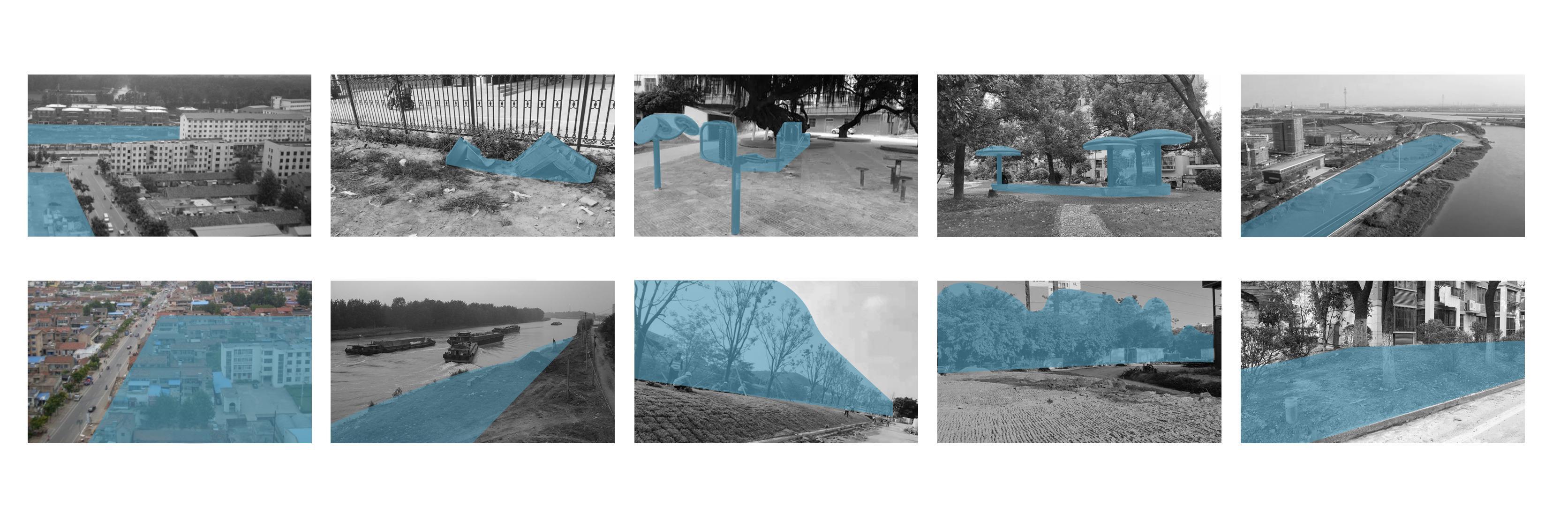
Growing up in a small town along the Yangtze River, I have personally witnessed the transformation of the nearby dam from a ramshackle structure with visible cracks to a robust concrete bridge, and eventually into a square park equipped with amusement facilities for children and assistive devices for seniors. Amazed by landscape design’s profound impact on people’s lives, I decided to pursue a career in this field.
In my design, attach great importance to a city’s cultural characteristics. When undertaking the creative market project, meticulously considered the unique attributes of my hometown Chongqing, chose the films shot here as the theme, and employed the form of roll film for circulation design. Growing up by the Yangtze River, understand the significance of harmony between humanity and nature. Therefore, always prioritize the preservation of natural ecosystems. For the redevelopment project of the moose park, devised an eco-friendly environment that not only provides visitors with enriching leisure experiences but also supports diverse vegetation and wildlife.
The MLA program at the University of Edinburgh is my optimal choice. Its curriculum appeals to me the most because it could provide me with not only a thorough grounding of the profession but also enough flexibility to explore my interested areas. The courses included also enable me to tackle challenges within different cultural, societal and economic contexts. Furthermore, through the MLA Academic Portfolio module, can learn how to apply textbook knowledge to real-world problems.
After graduation, plan to become a landscape architect at an landscape design institute in China. Despite China’s rapid economic and infrastructural development over the past few decades, there remains a lack of emphasis on humanistic care and environmental protection within these facilities. aspire to utilize my professional expertise to make contributions to this area.
01 GREEN HOMELAND
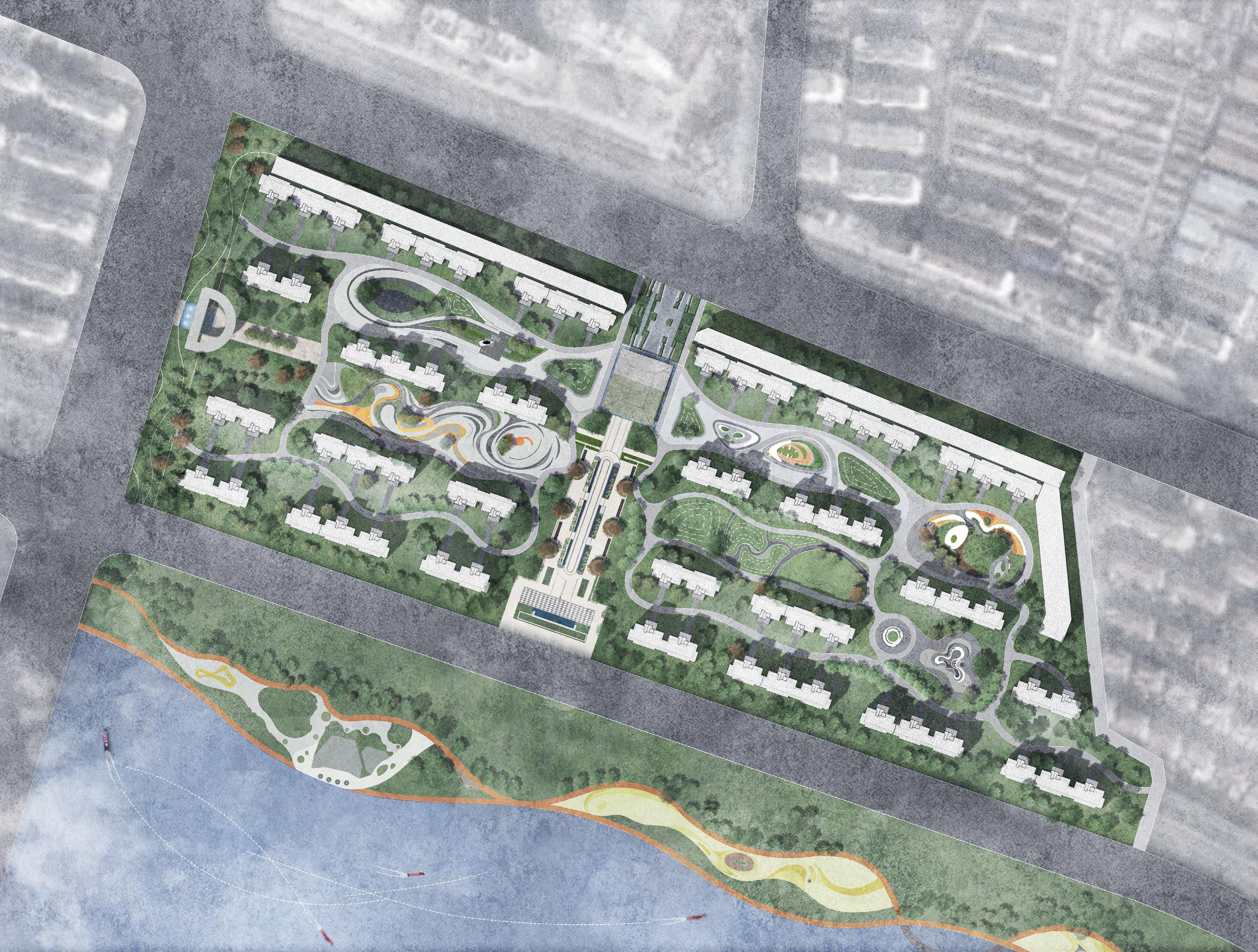
Type: Residential landscape design
Location: Suqian, Jiangsu, China
Area: 120,000 square meters
Duration: 05.2023-07.2023
Designer: Mengchen Jing(individual work)
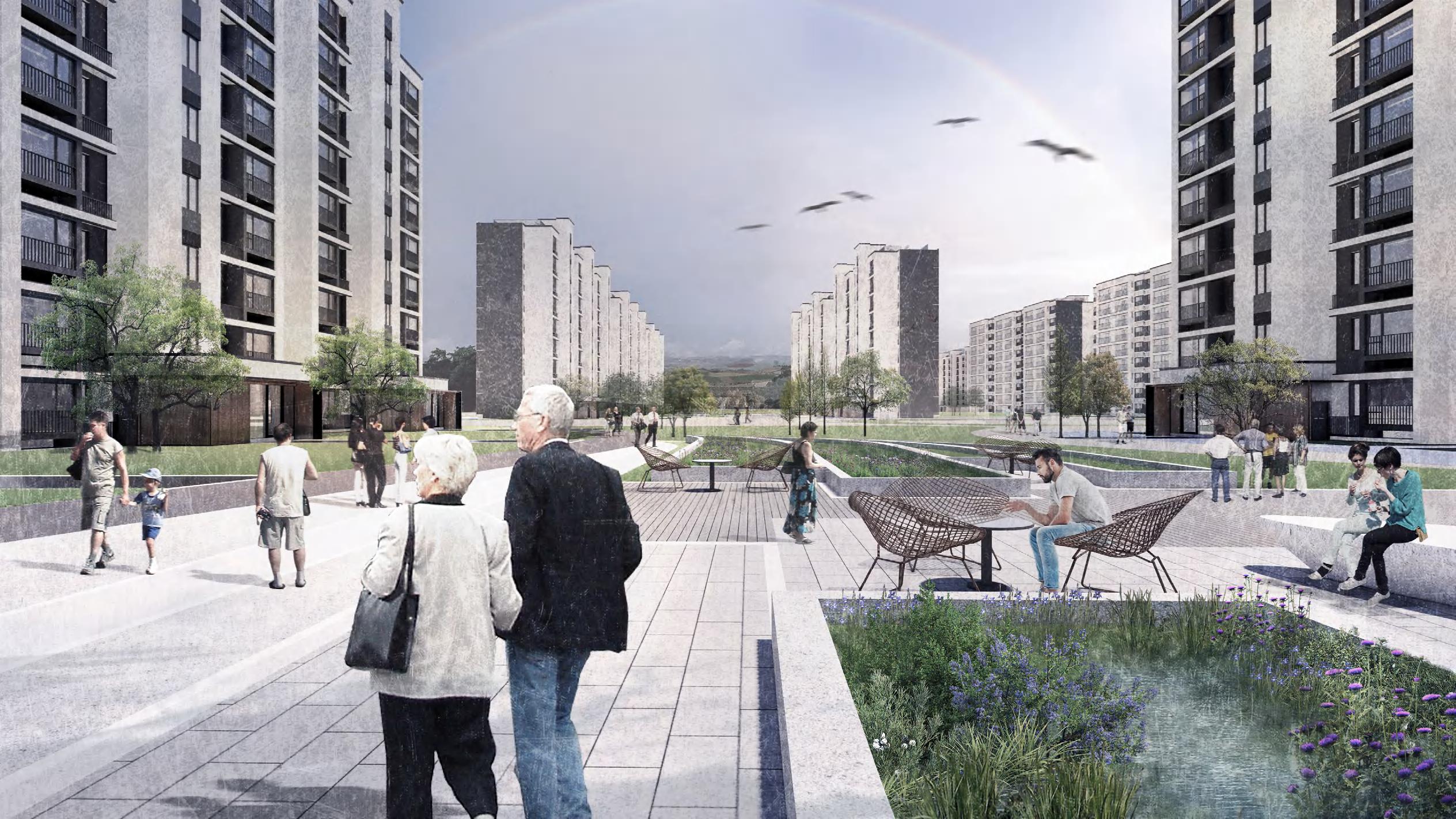
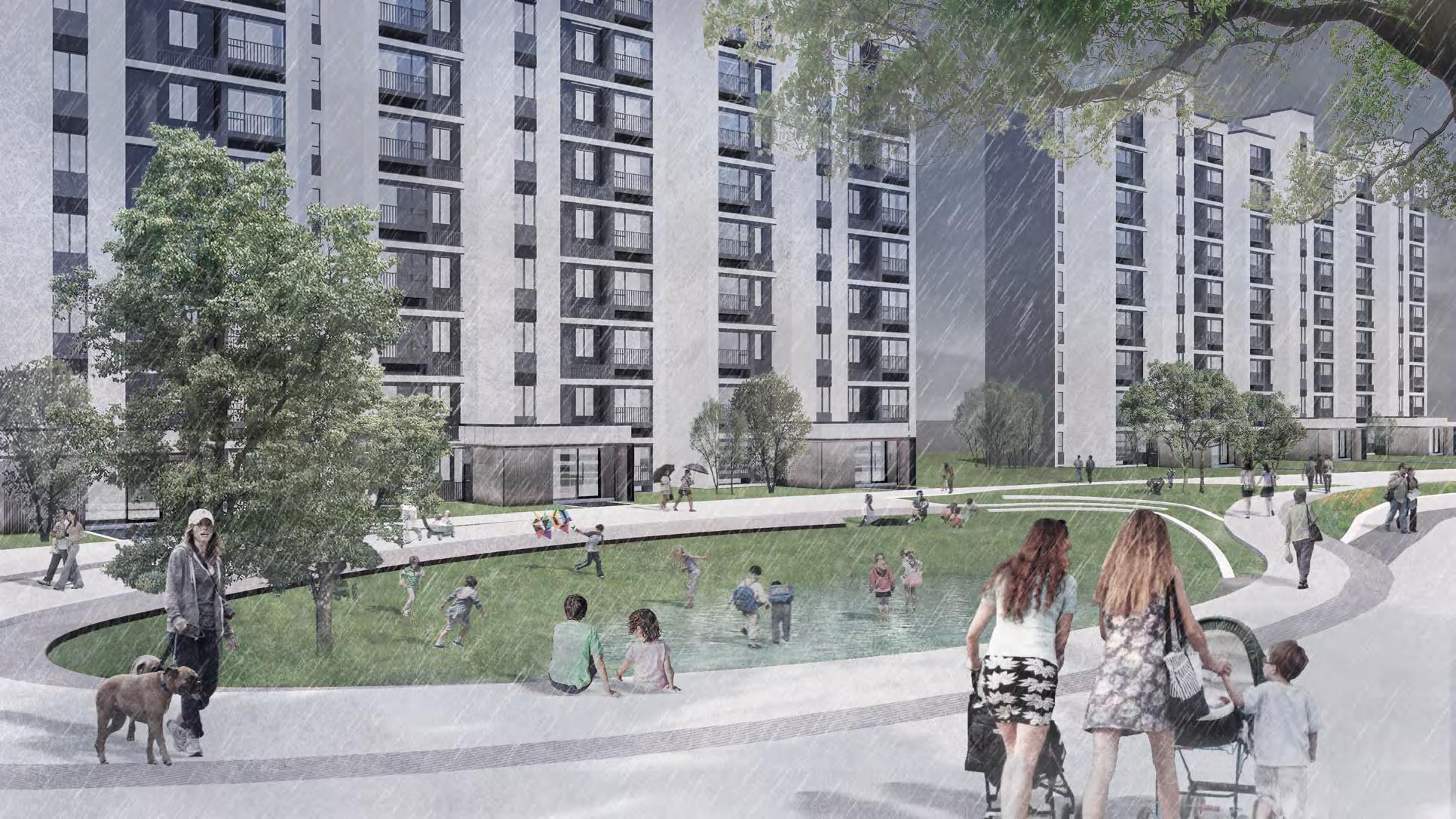
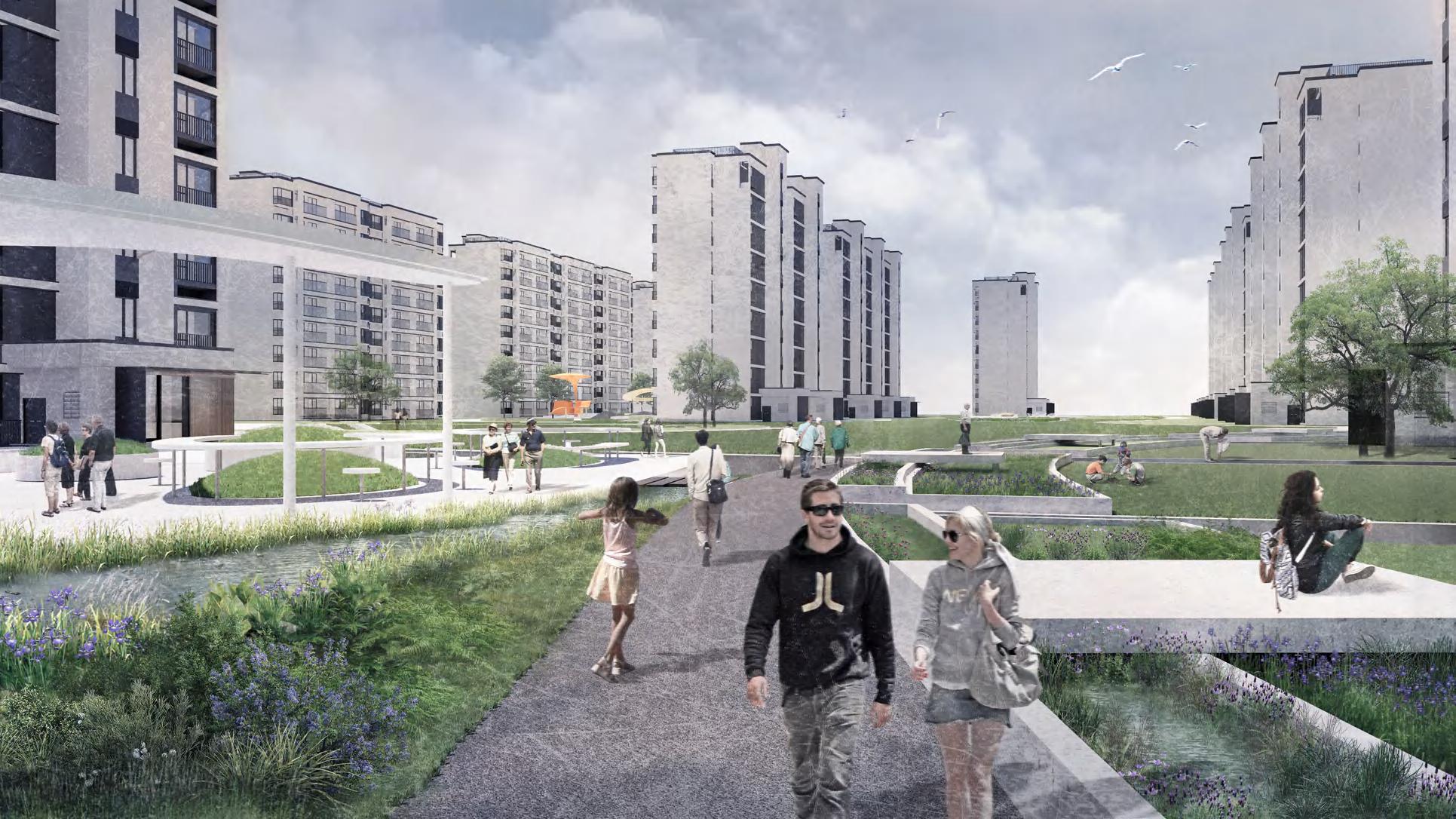
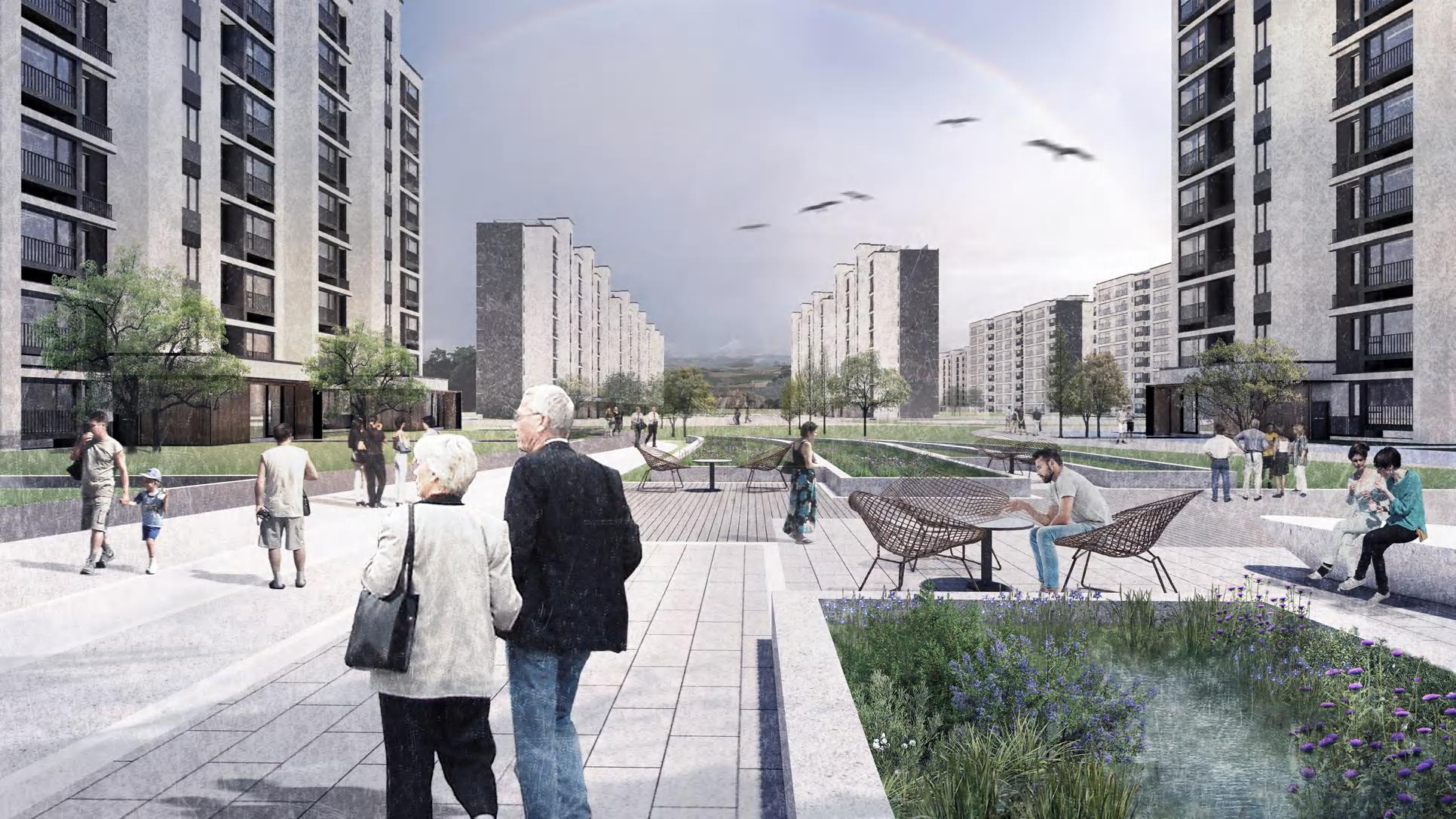
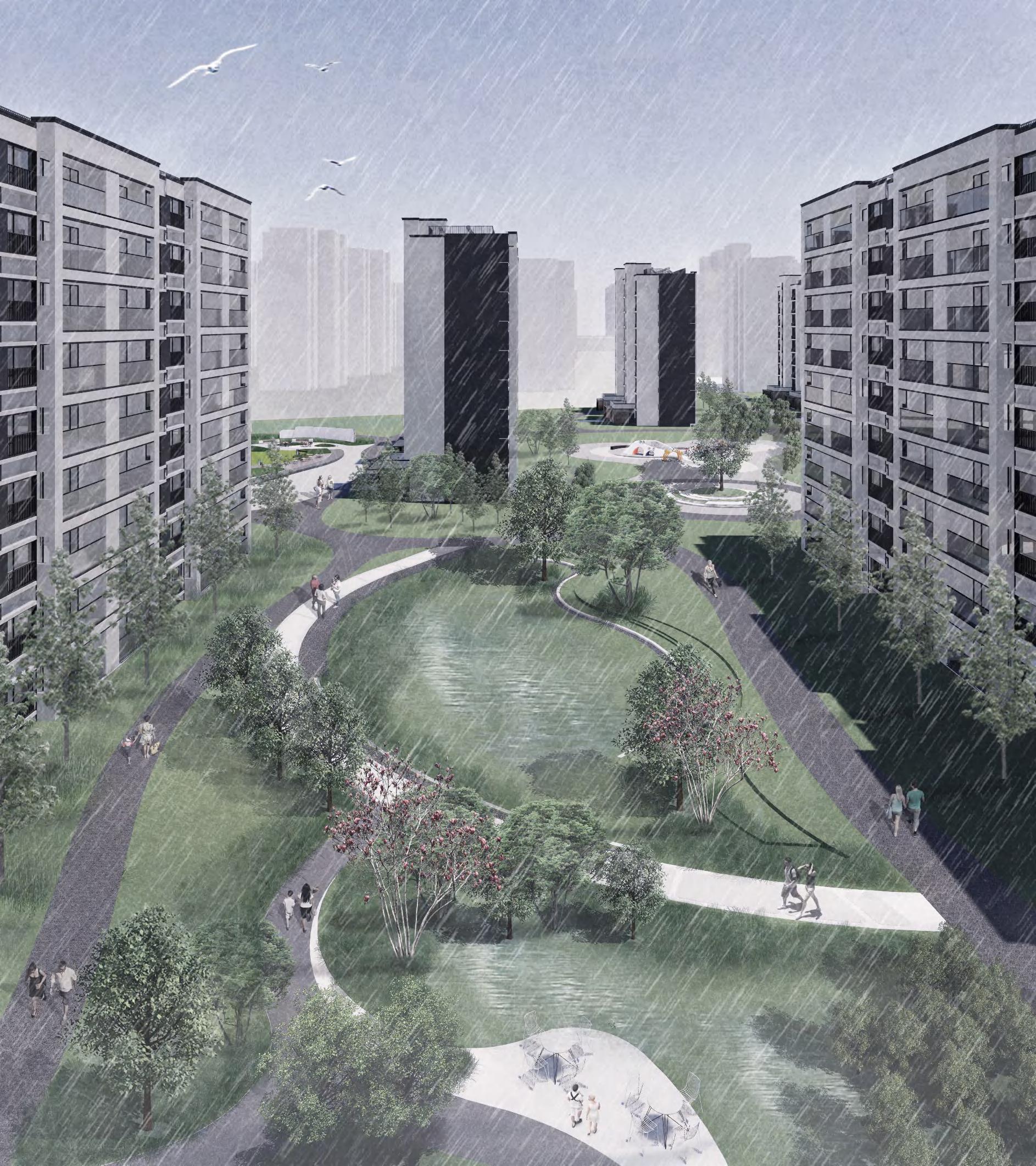
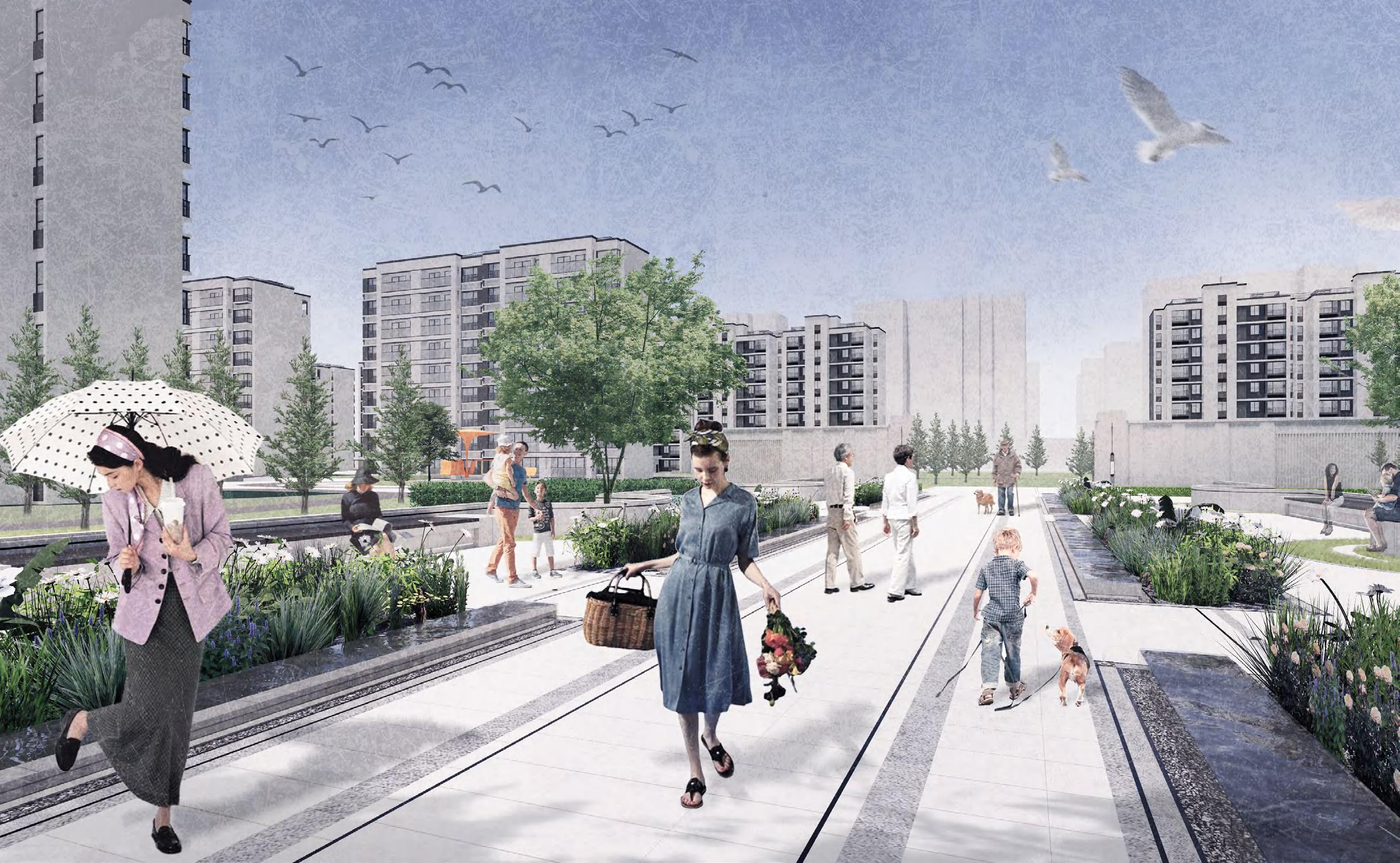
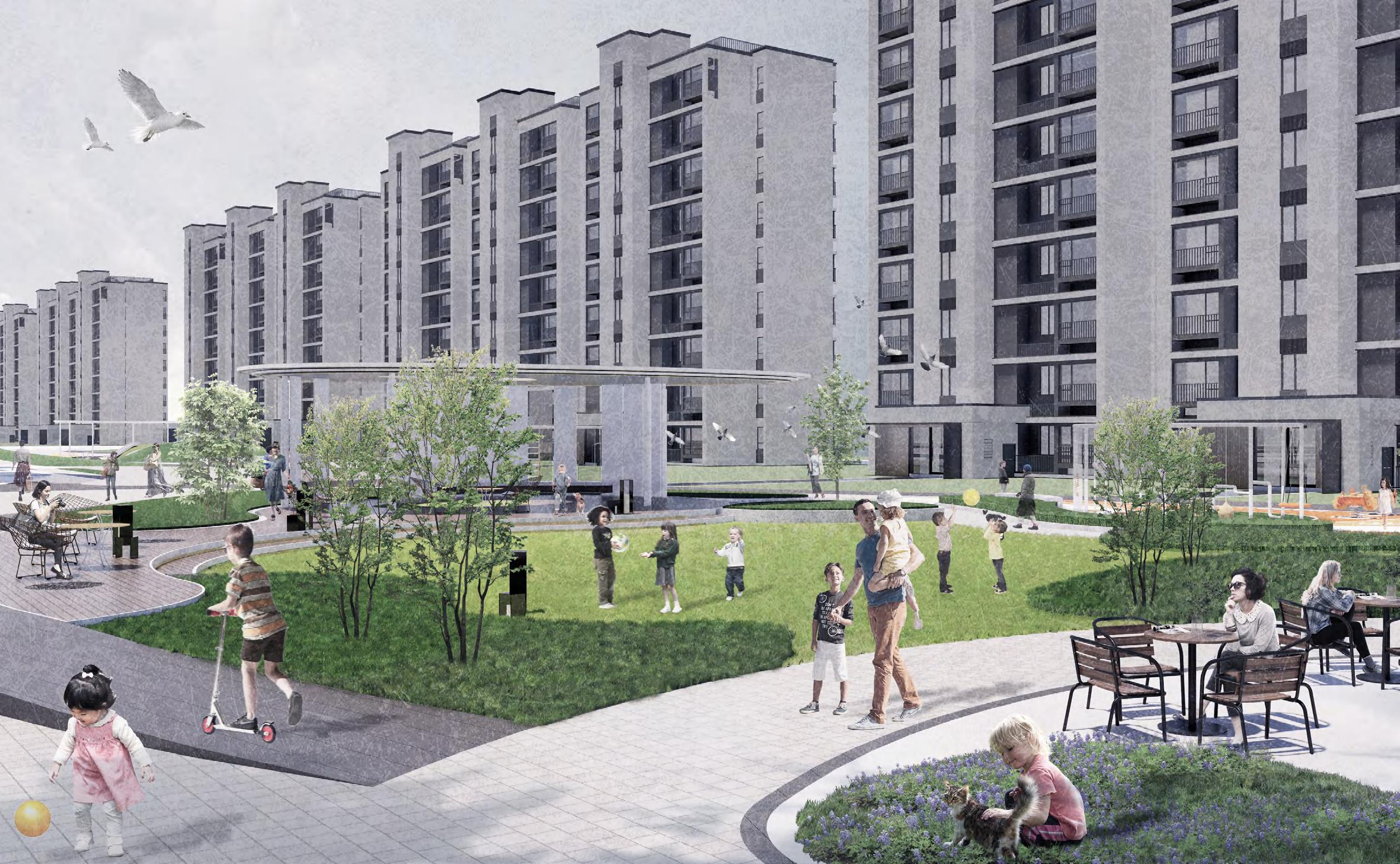
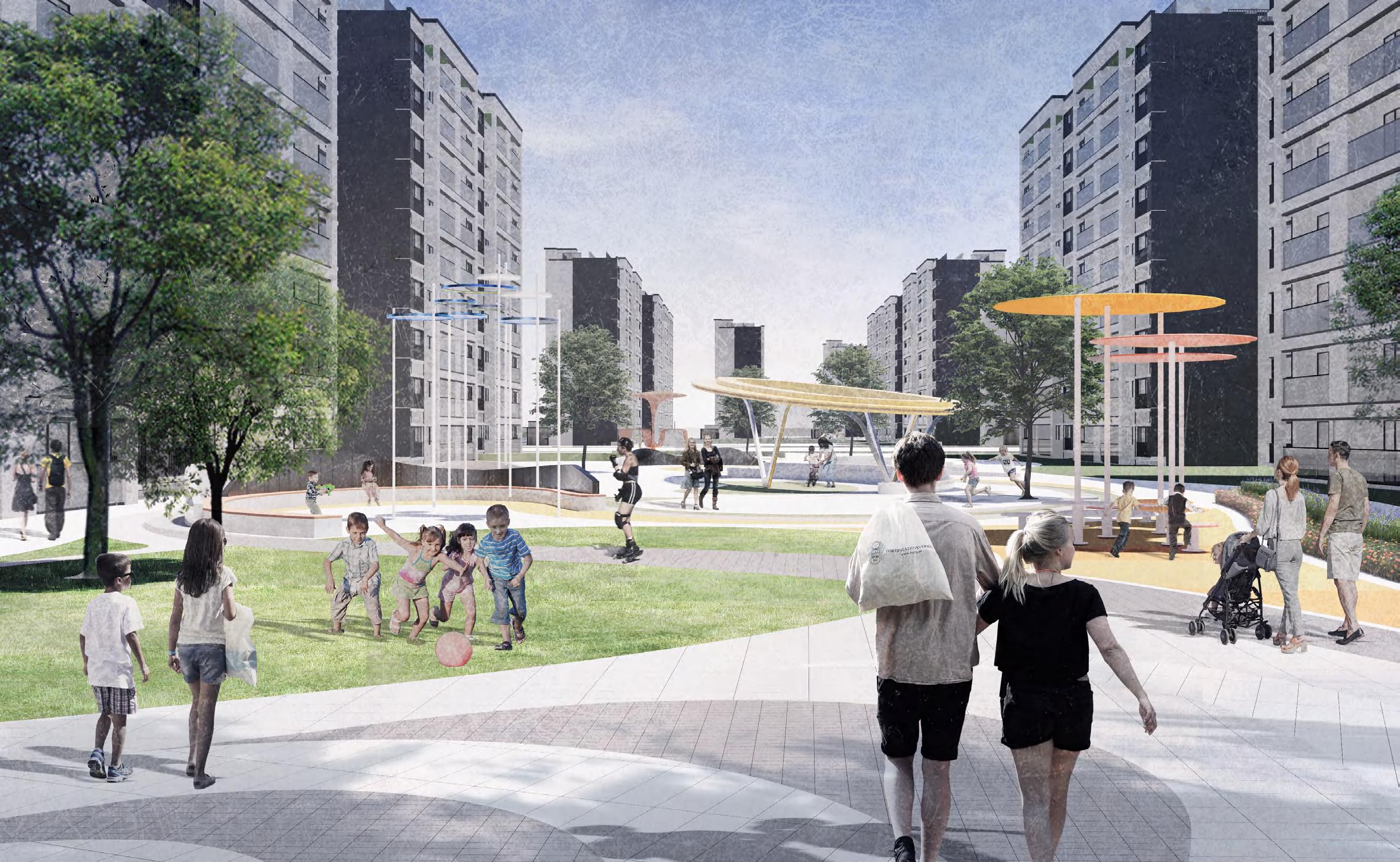
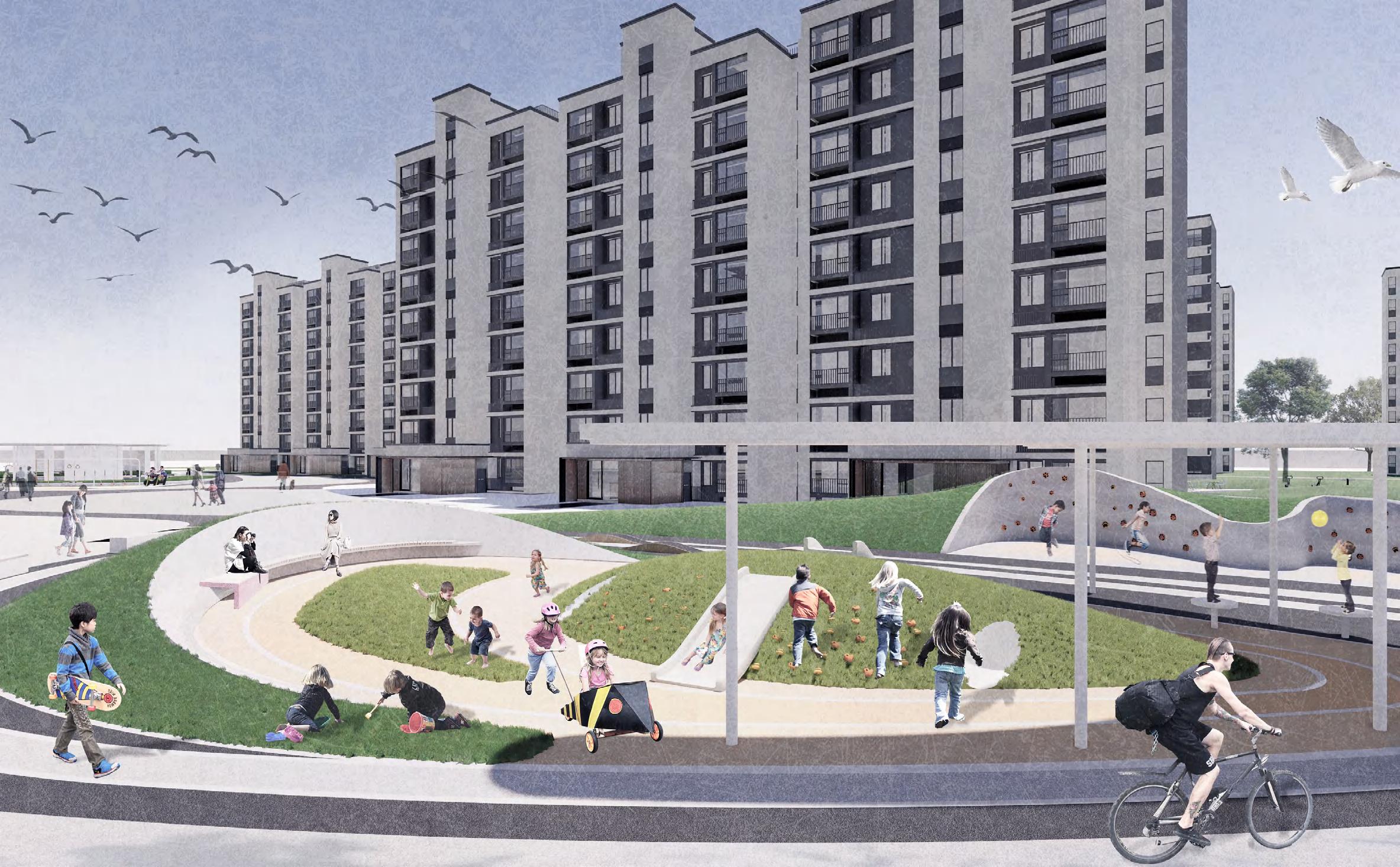
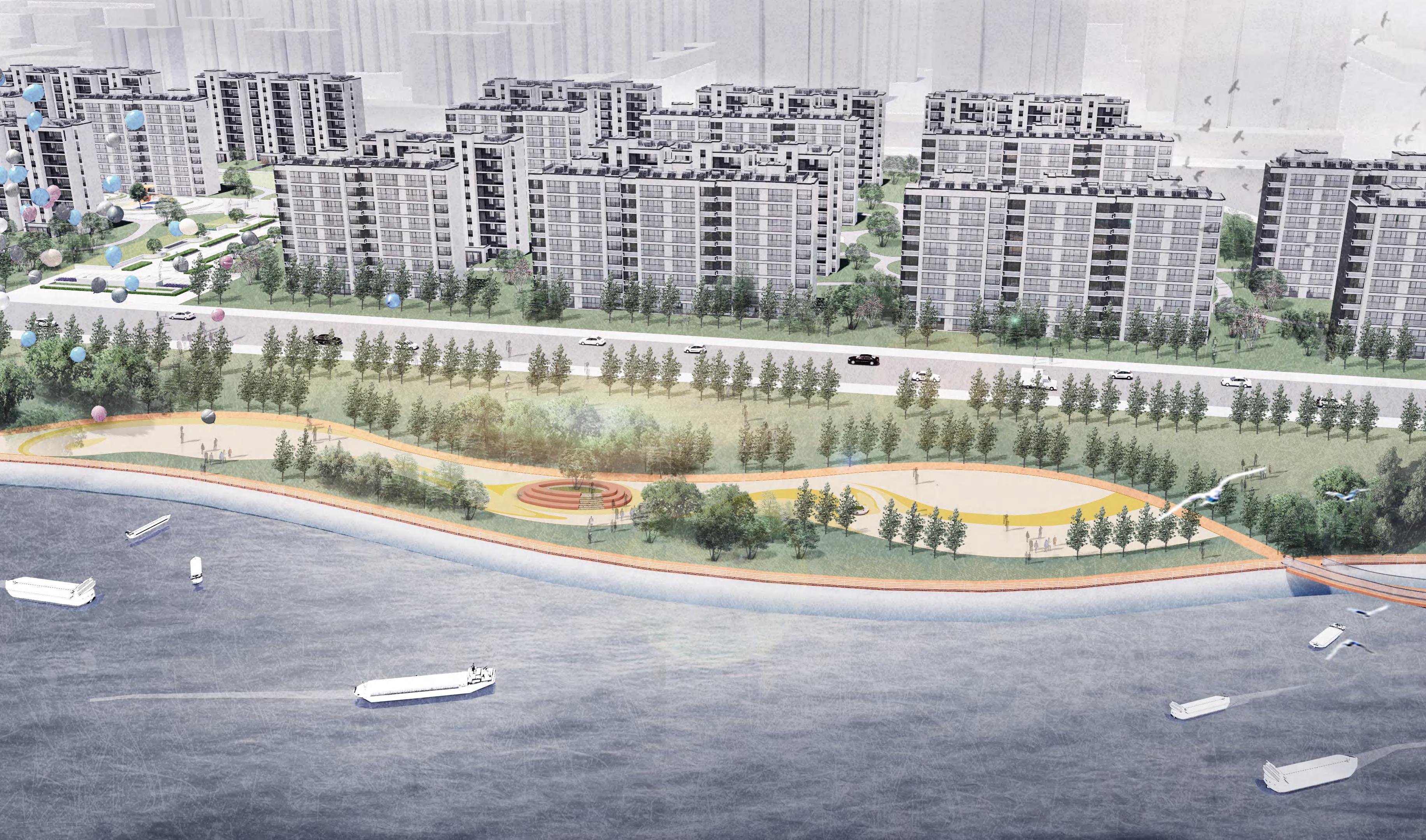
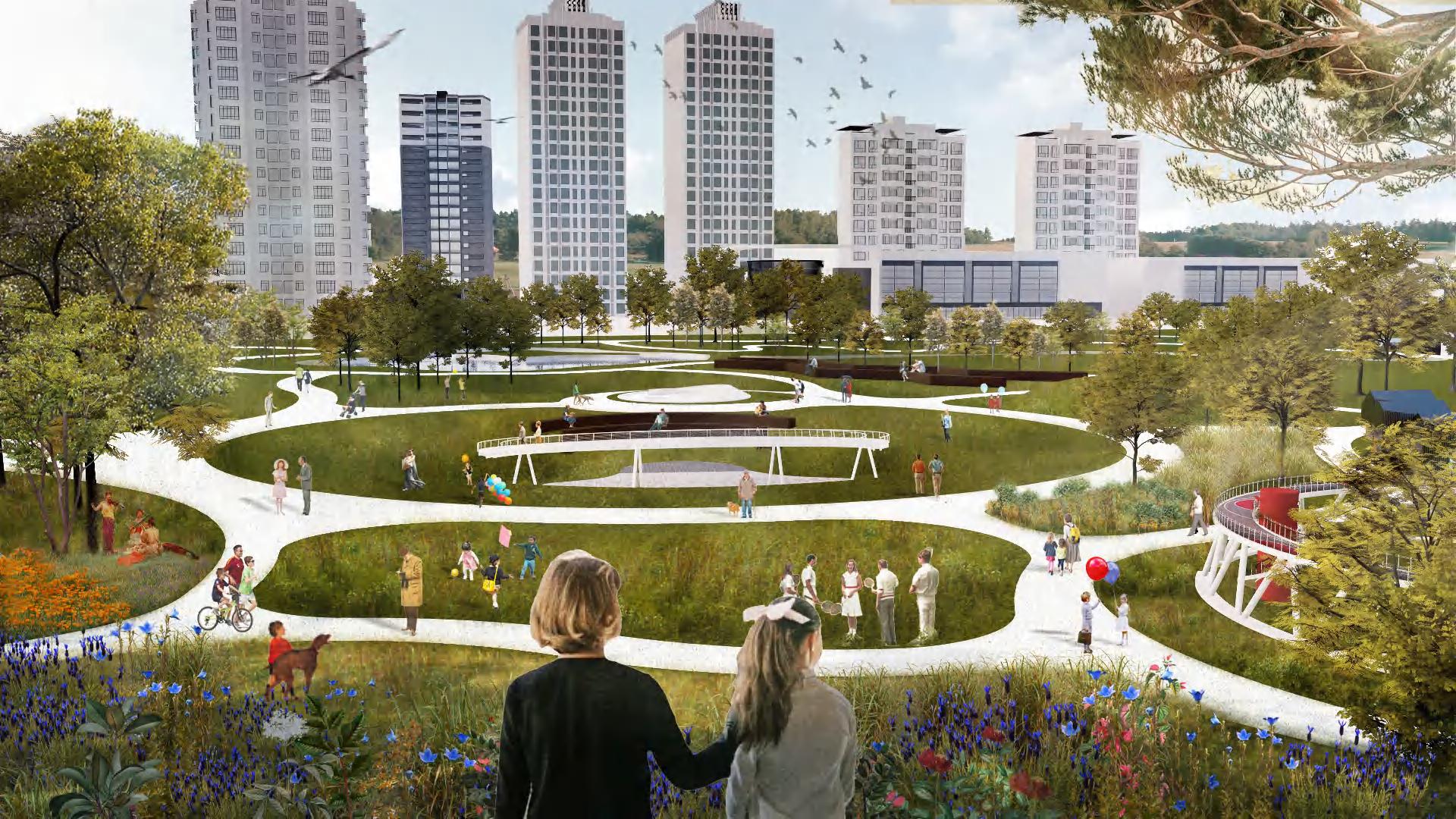
This design aims to make the most of rainwater resources, mitigate the load of drainage system, enhance the quality of ecological environment, facilitate sustainable development and ecological balance, and create ideal living conditions. This project, located at Suqian, Jiangsu, utilizes rainwater resources to a maxima degree, decrease the use of traditional water supply system, and ultimately realize rainwater regeneration by emerging rainwater management and landscape design. Plants and soil can be used to purify rainwater, to increase water ecology quality and reduce pollution, as well as enrich vegetation diversity. The sustainable water system is conductive to improve soil moisture, and able to infiltrate, retain, purify, store, utilize, and drain rainwater collected around the field, moreover, to grow vegetation and balance the ecology of the living area.
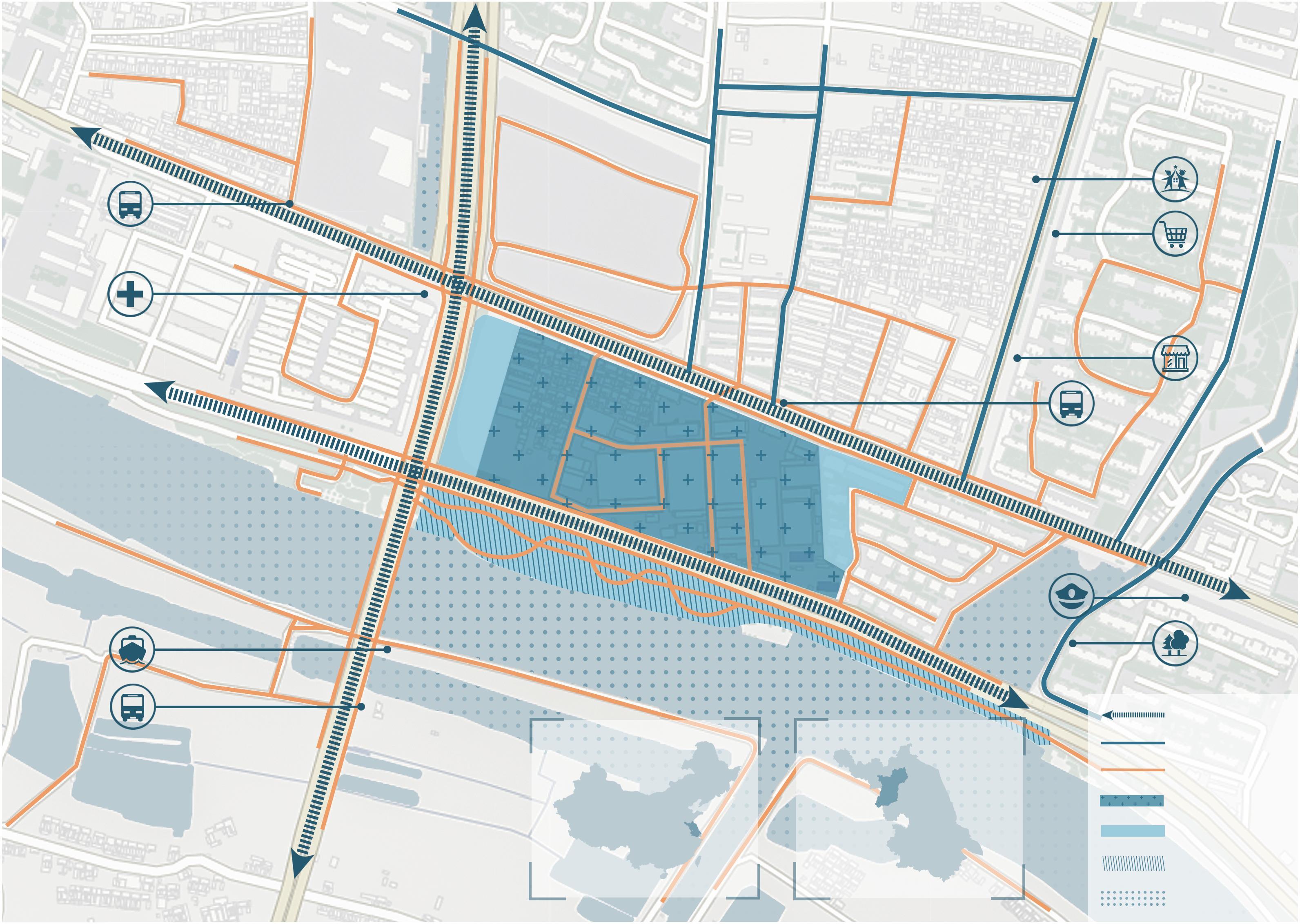
Suqian City Jiangsu Province,China
bus station
kindergarten
shopping mall police station
commercial stores
first-class highway
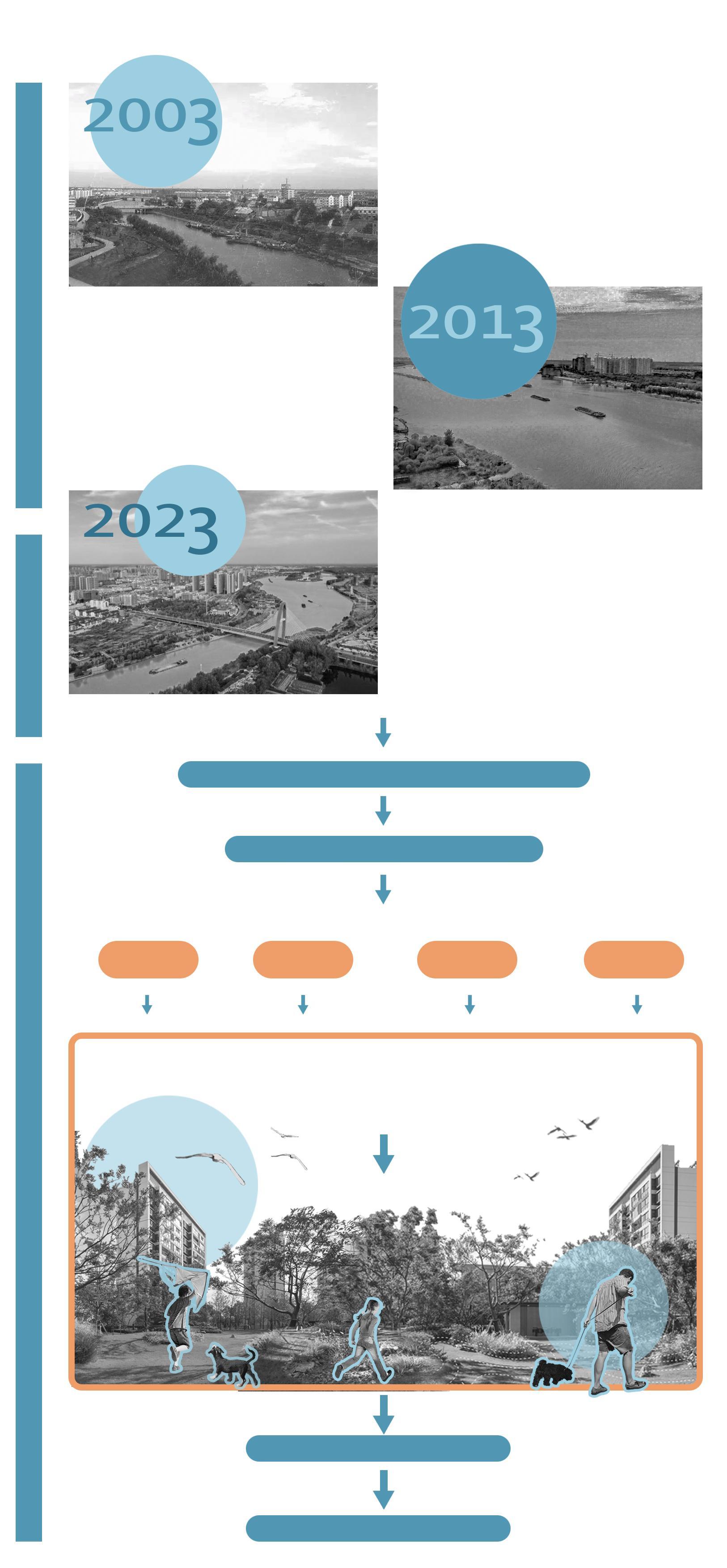
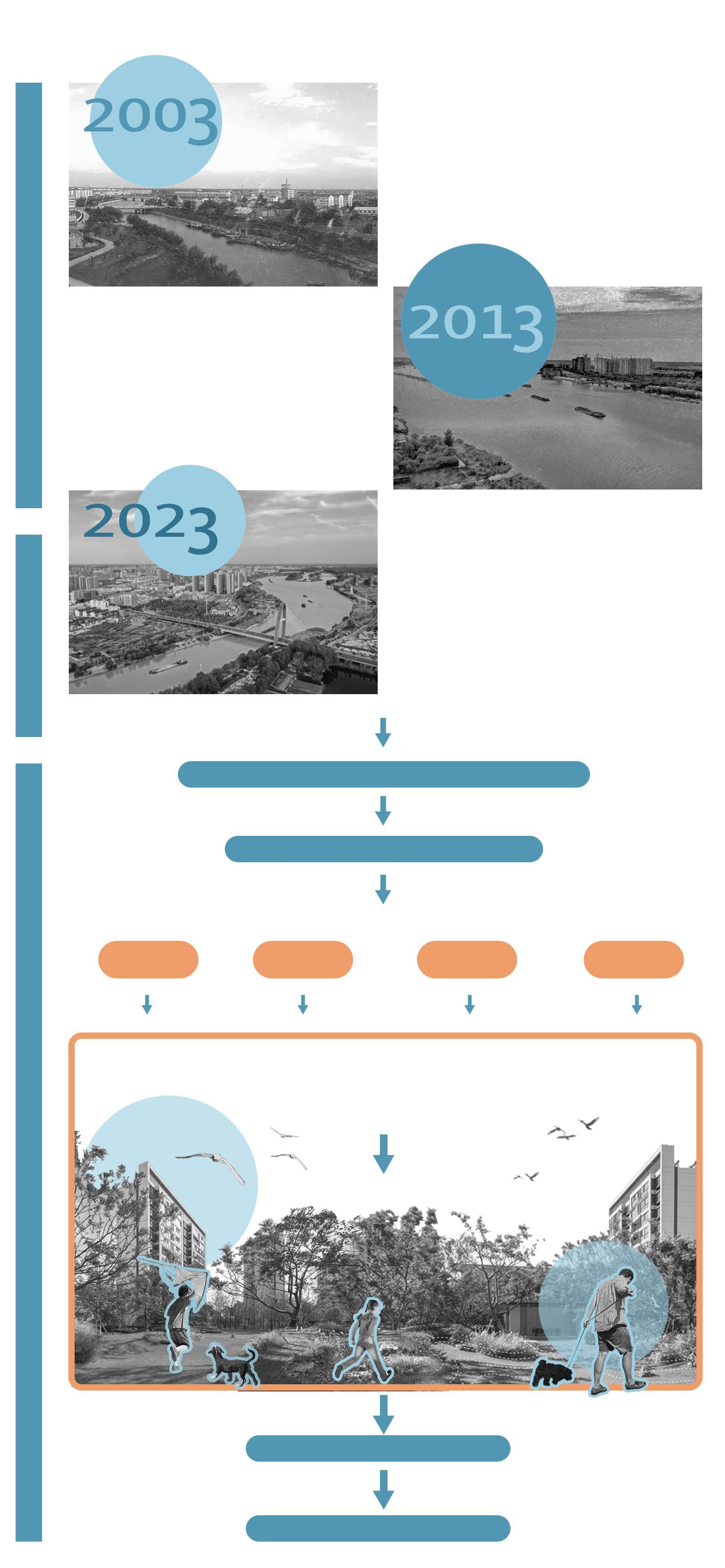
Ten years ago, with an increasing focus on sustainable water use, people were likely more concerned about the collection and reuse of rainwater to alleviate dependence on traditional water sources.
Twenty years ago, environmental awareness may have been relatively rudimentary, but in certain regions, people might have already begun to pay attention to sustainable development and efficient resource utilization, including water resources.
park second-class highway pavement
residence community
landscape space
main landscape space
rivers
Today, there is a heightened emphasis on integrating rainwater with gardens and green spaces, encouraging rainwater infiltration to promote ecological balance.
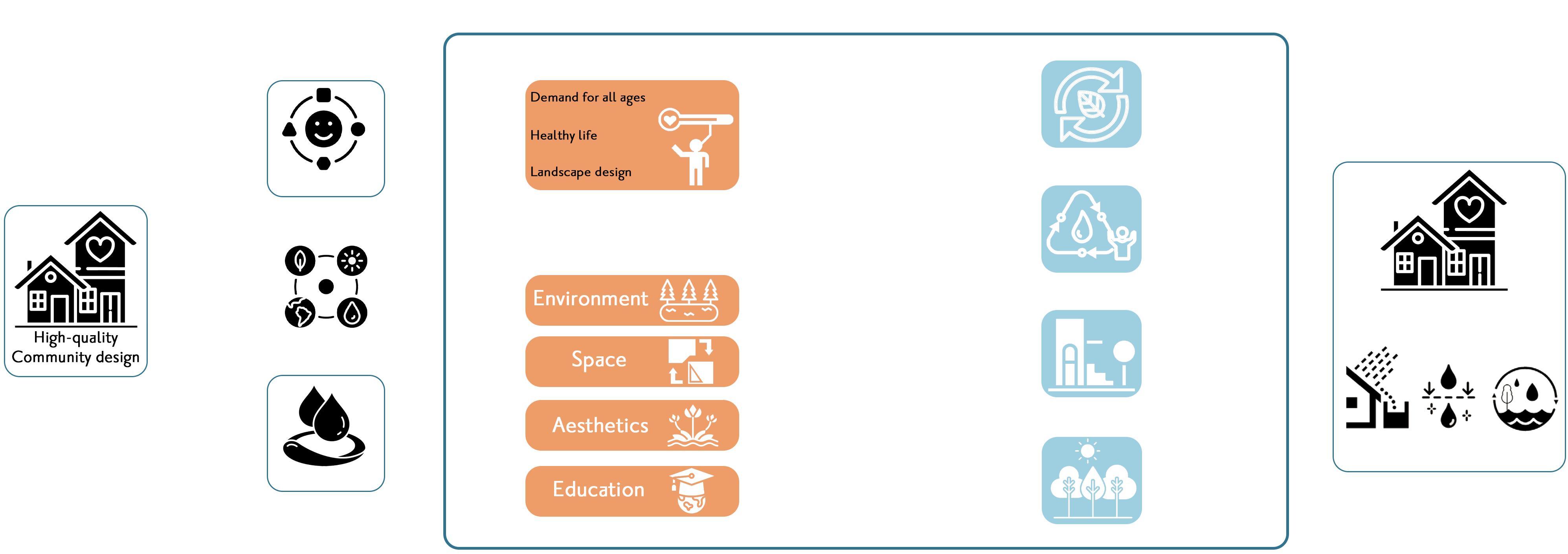
High-quality community design
Sustainable landscape
Function Ecology Aesthetics Interaction
Providing multiple possibilities for life Sustainable drainage systems A sense of return ceremony of both quality and aesthetics
Connection between the site and the people
A sustainable approach & New forms of community
The quality of life
The quality of environment


How to reasonably incorporate low-impact development concepts into landscape design?
Demand for all ages
Healthy life
Landscape design
Community landscape
High-quality
Communuty design
Sustainable development
Envir onment Space
Aesthetics Education
Legend
Main entrance
Secondary entrance
Leisure lawn
Landscape design can be presented in the community in more aesthetic, ecological and caring form
A good ecological environment provides a healthy life
Providing “natural, interesting and humanity” functions
✓
✓ ✓ ✓ ✓
Sustainable drainage systems
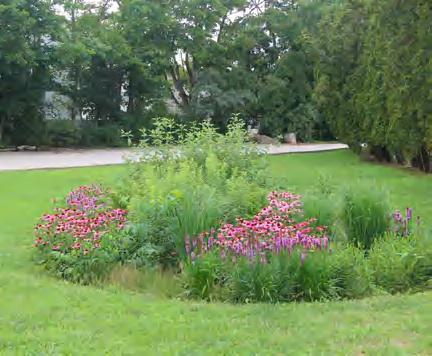
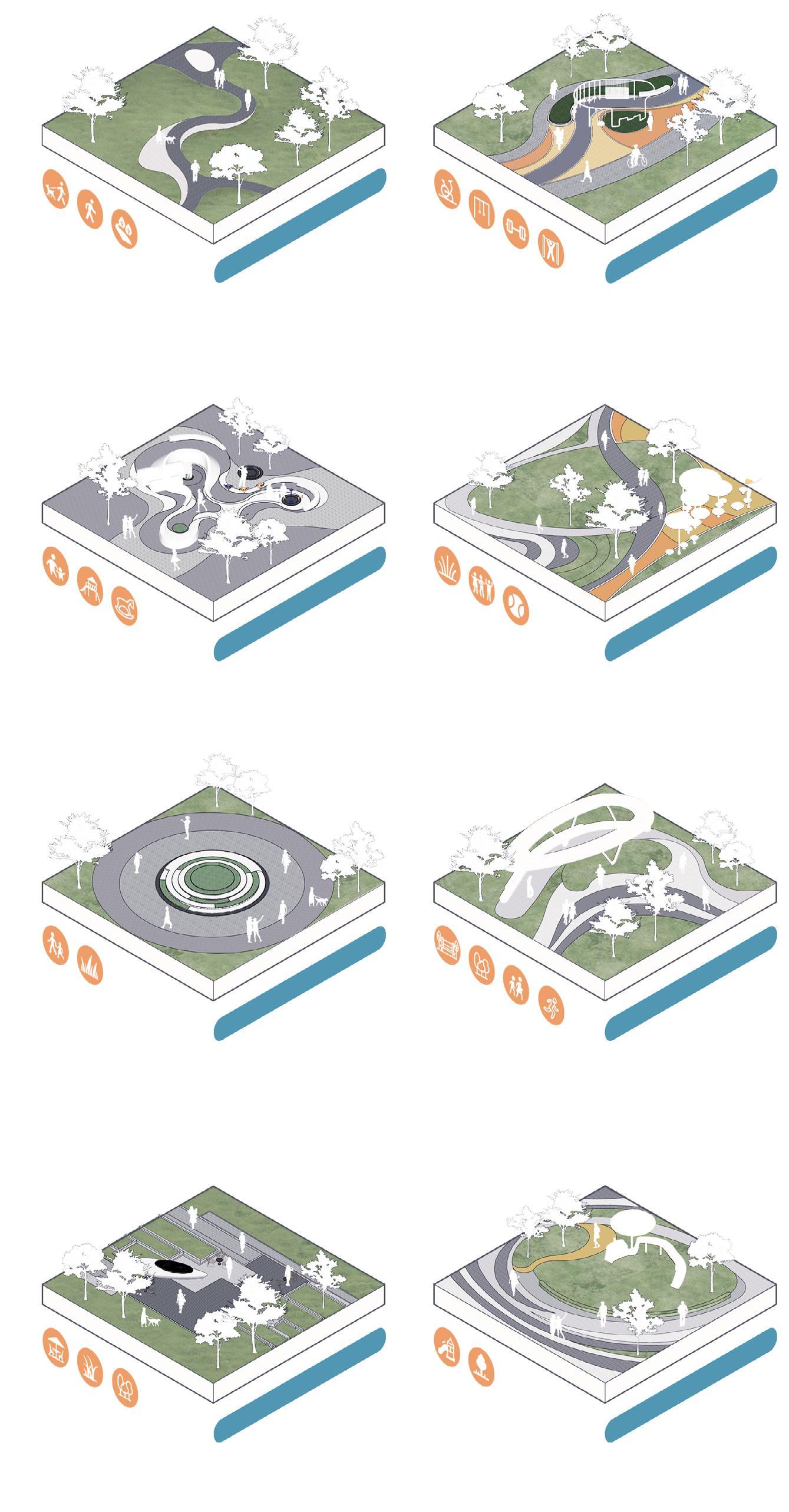
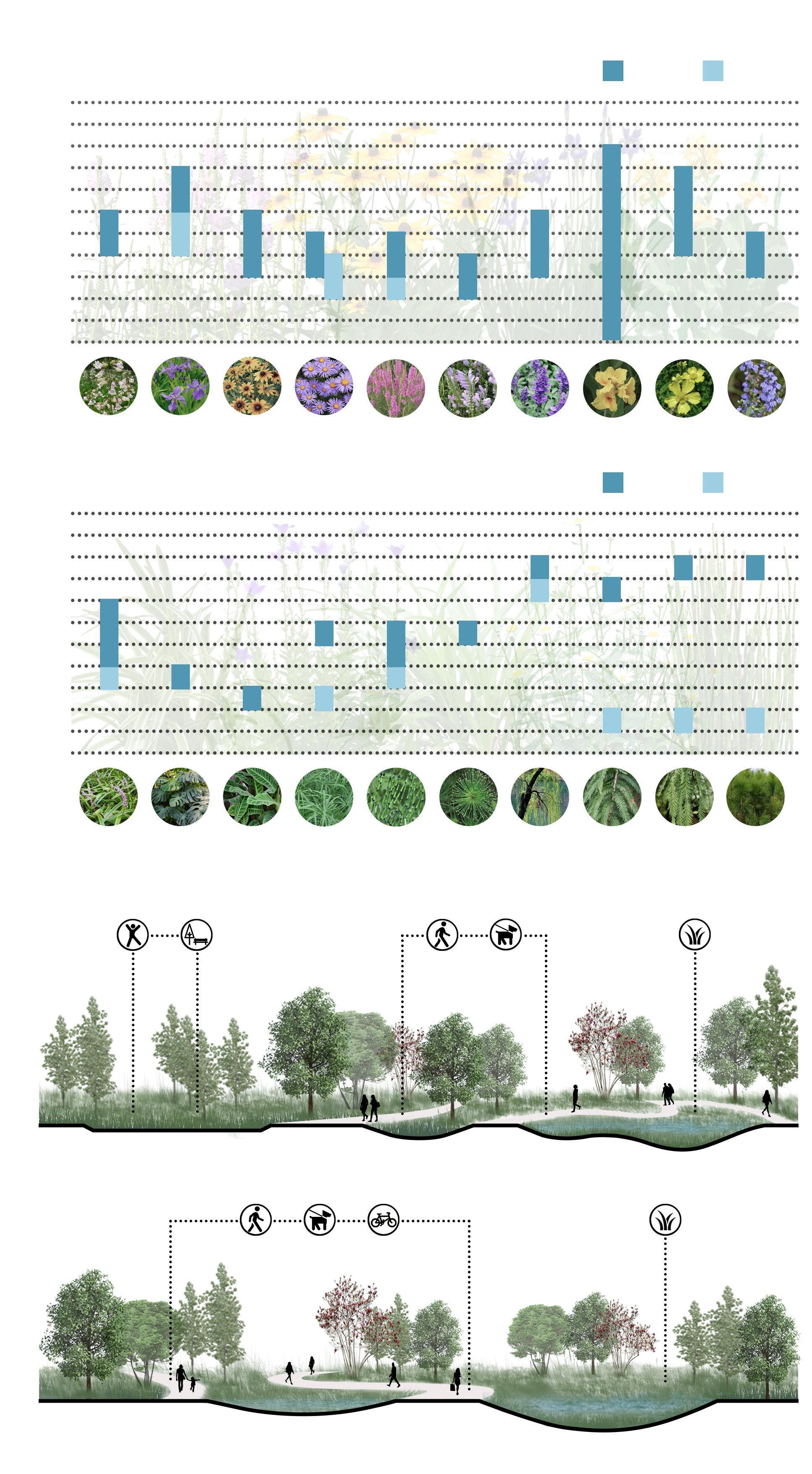
Making full use of the green space between the residential area to form an ecological space.At the same time, children can learn about plants and ecology.
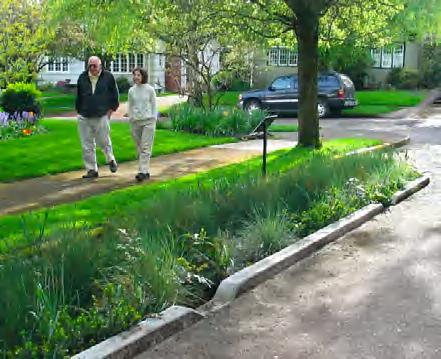
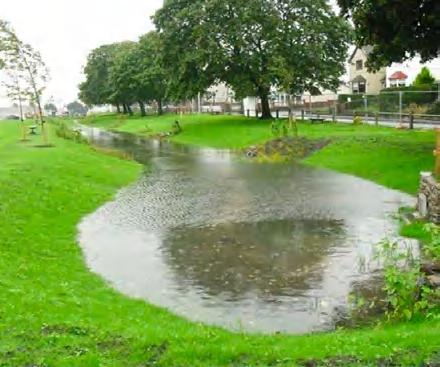
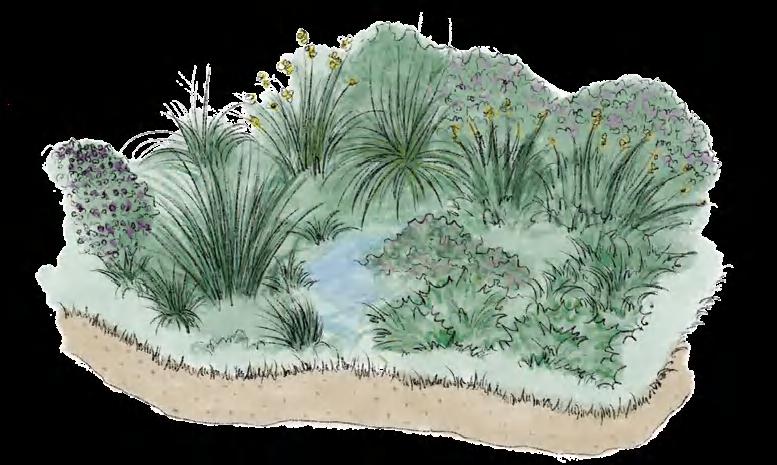
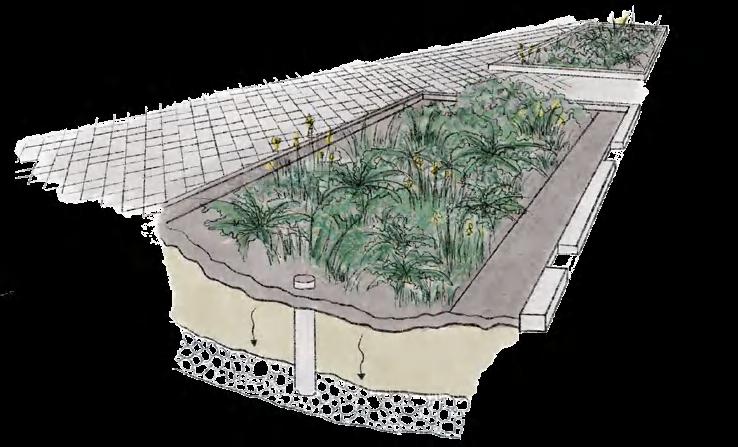
Phytoremediation facilities also prevent water logging, providing local spots for absorbing water, filtering and storing it for later use.
Multifunctional activities
Planting design

2 2 2
Main entrance plaza
evapotranspiration Benefits
by increasing

Reduces flooding Space for relaxation and quiet enjoyment


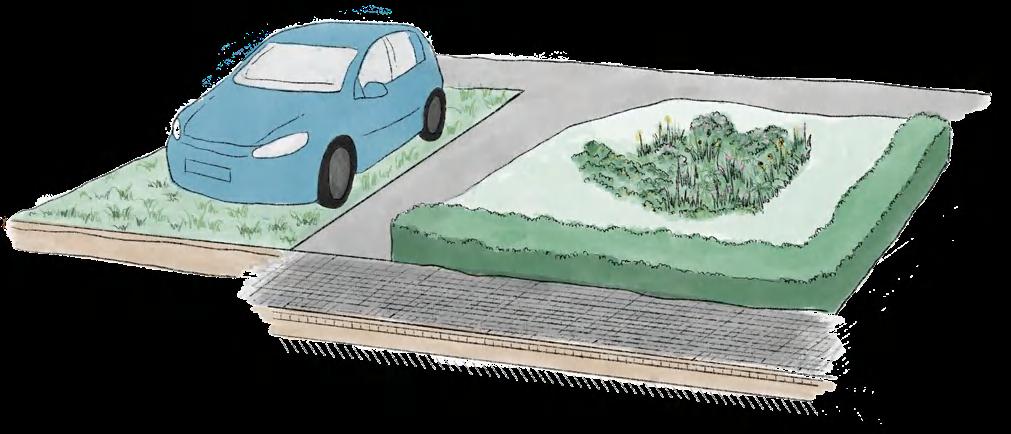
environmental Amenity shallow depression with free-draining soil slows rainfall run-off and improves water quality planted with species able to tolerate short periods of inundation variety of scales and locations from domestic to public realm receives rainfall from downpipe or paved area (but not car parks; see bioretention areas). flowers can attract nectar-feeding insects invertebrate ‘hotels’ can be added along with other habitat features acts ‘stepping stone’ habitat in urban areas Description


pollutants through bioremediation


Using site interpretation and events (e.g. guided walks) to raise


25 meters
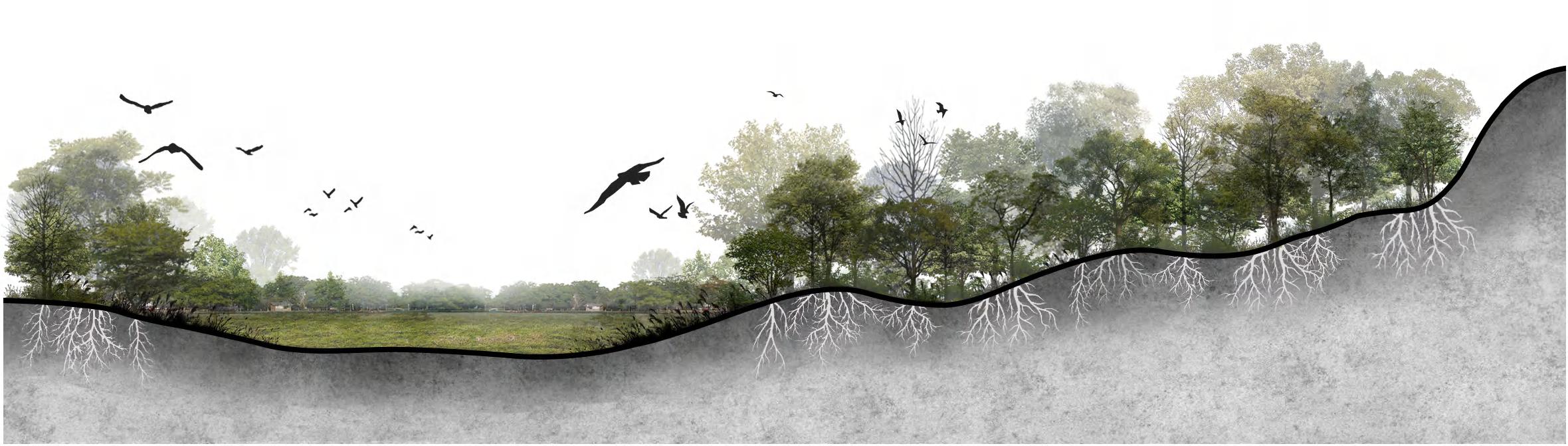
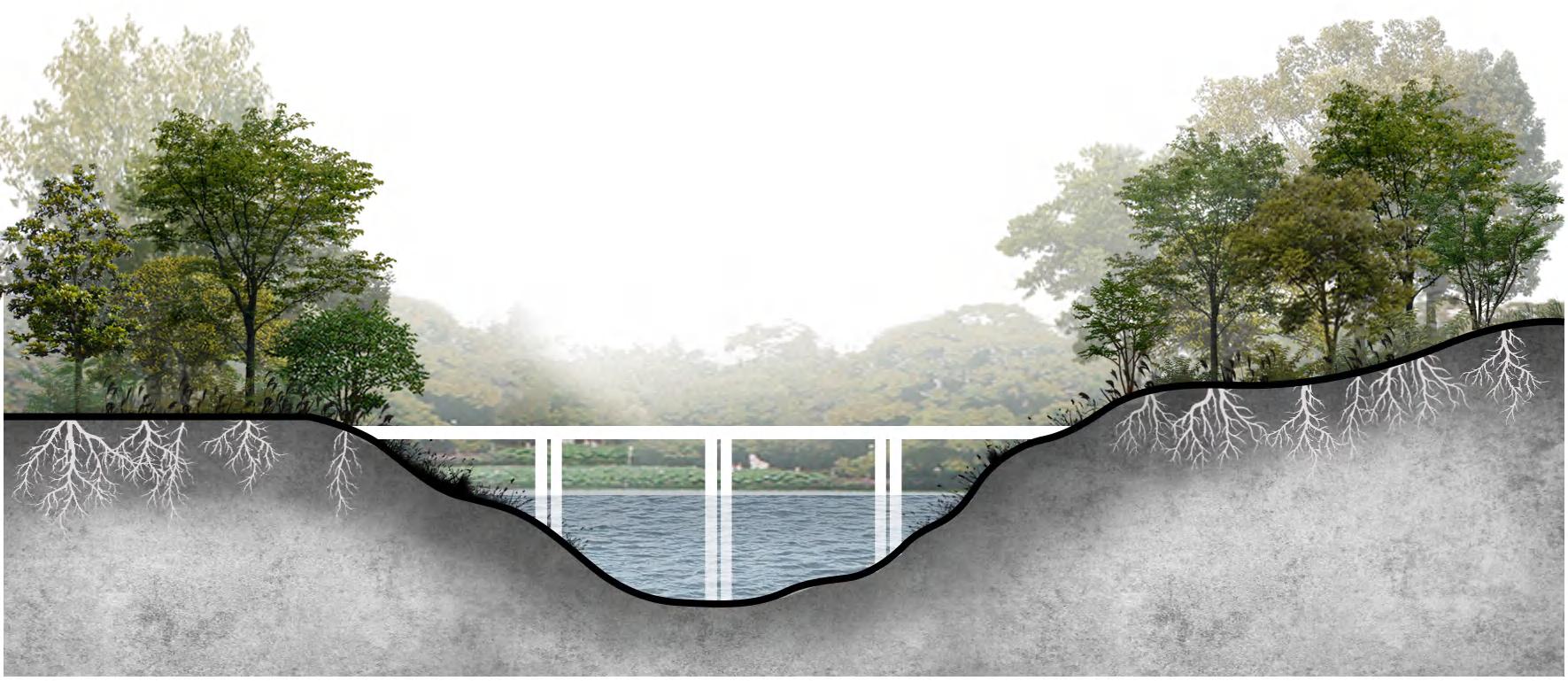
SECTION
Japanese zelkova
Topographic recreation area
7 7
8 8
10 10
11 12 11
12 5 5
Sunshine lawn
4 4
6 6 6
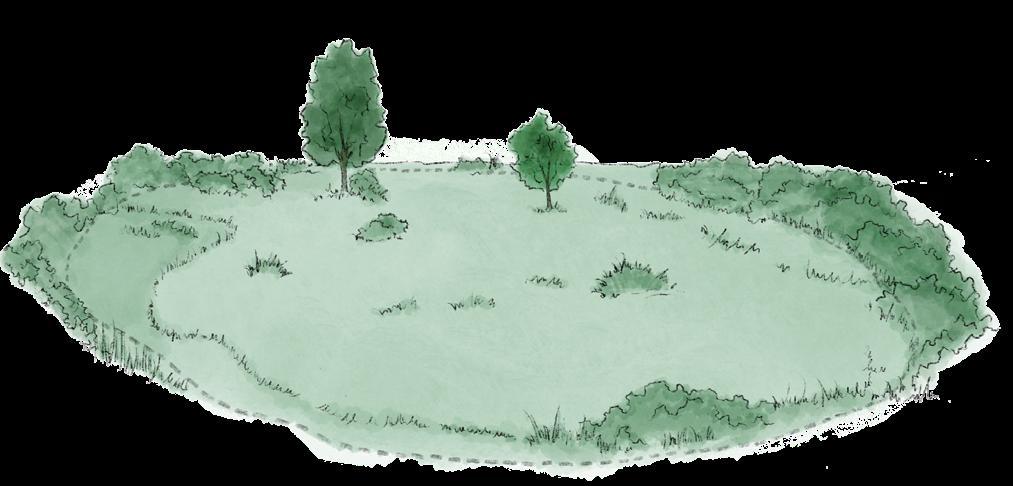
Detention basins
Rain garden
Multifunctional lawn
Leisure pergola
A' B'
3 3
14 14
13 13
Leisure fitness
Recreational Trail Flower border Shared living room
Children’s paradise
Fitness Equipment
15 15
16
16 17 18 17
Pavilion leisure area
Waterfront walkway
Waterfront plaza
A B
Recreational Trail where residents and pets can stroll where kids can play around used as visual focus for guiding
where residents can have seat for enjoying leisure time 9 9
Children Amusement Park Road Nodes
Multifunctional lawn
Leisure Pergola
Tables and Chairs
Leisure Lawn
where residents can exercise where residents can stroll, exercise, and where community activities can be hold where residents can be shielded from sun or rain where residents can rest

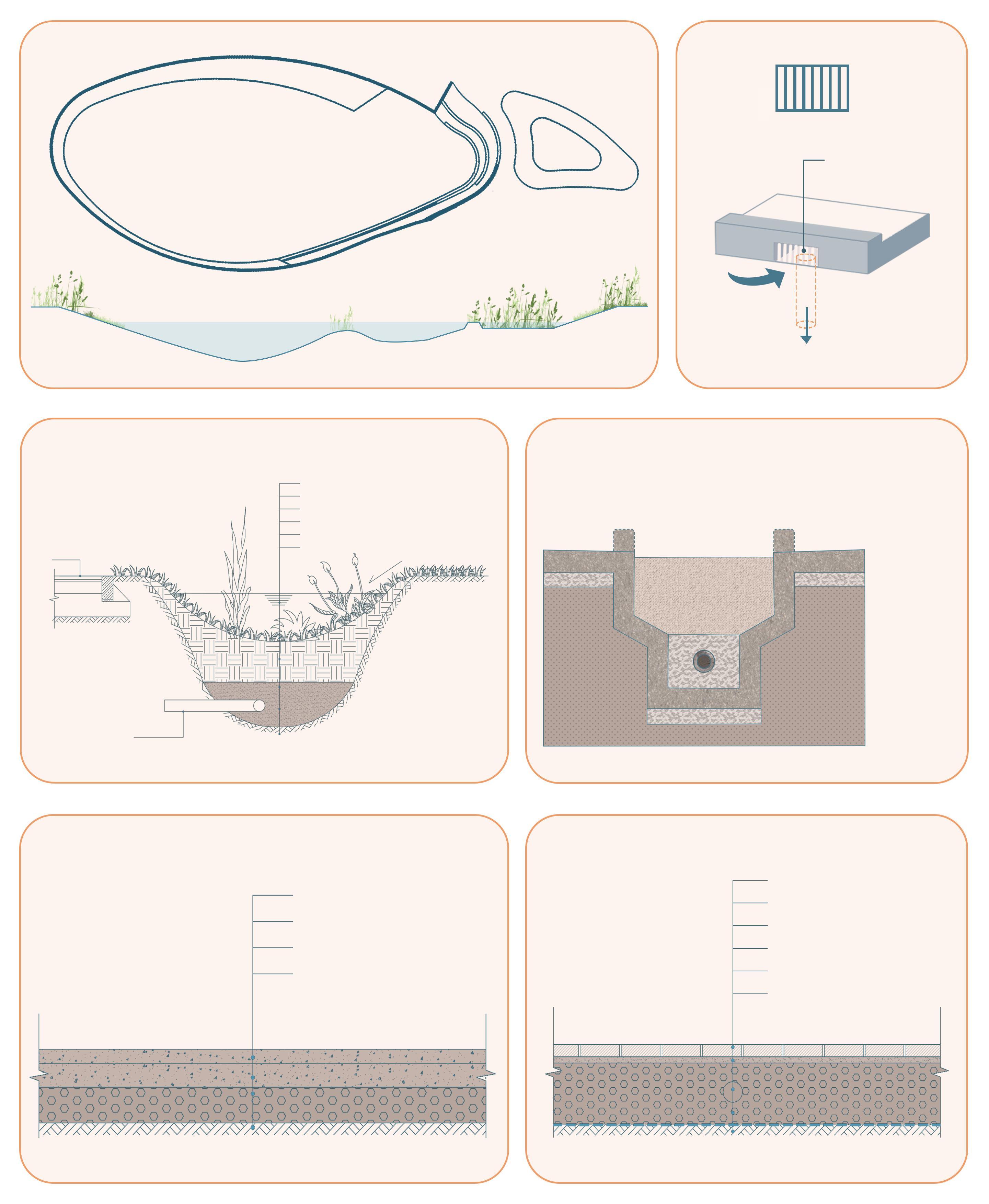
Thick
Sand
Compacted hardcore
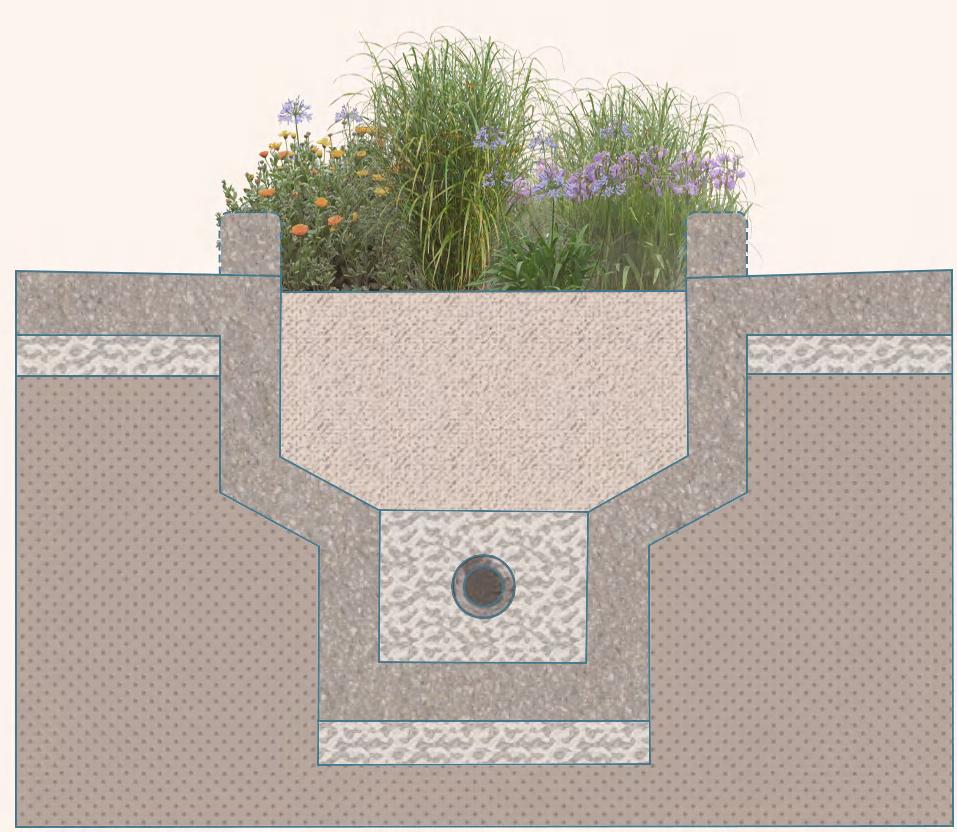
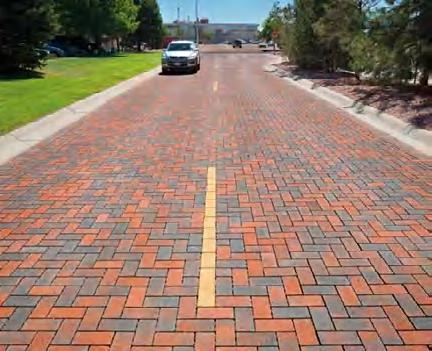
Permeable asphalt paving
Permeable asphalt concrete surface
Pervious concrete
Compacted sand gravel cushion
Compacted hardcore
Permeable brick paving
Permeable pavement brick
Sand
Permeation tube
Crushed gravel
Waterproof geotextile
Compacted hardcore
02 NEIGHBORS WITH PÈRE DAVID'S DEER
Type: Wetland park design
Location: Dafeng District, Jiangsu, China
Area: 2 square kilometers
Duration: 02.2023-04.2023
Designer: Mengchen Jing(individual work)
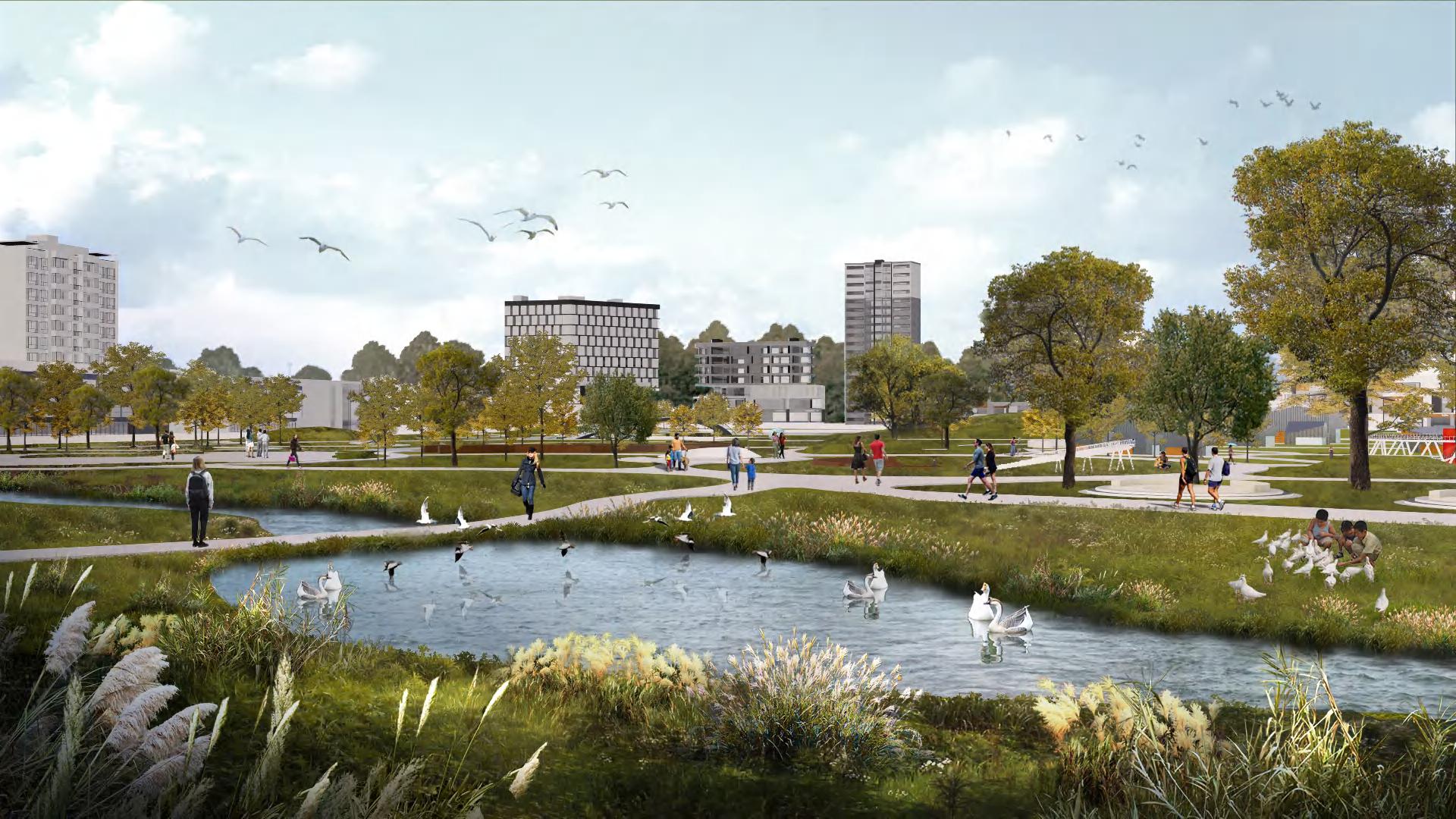
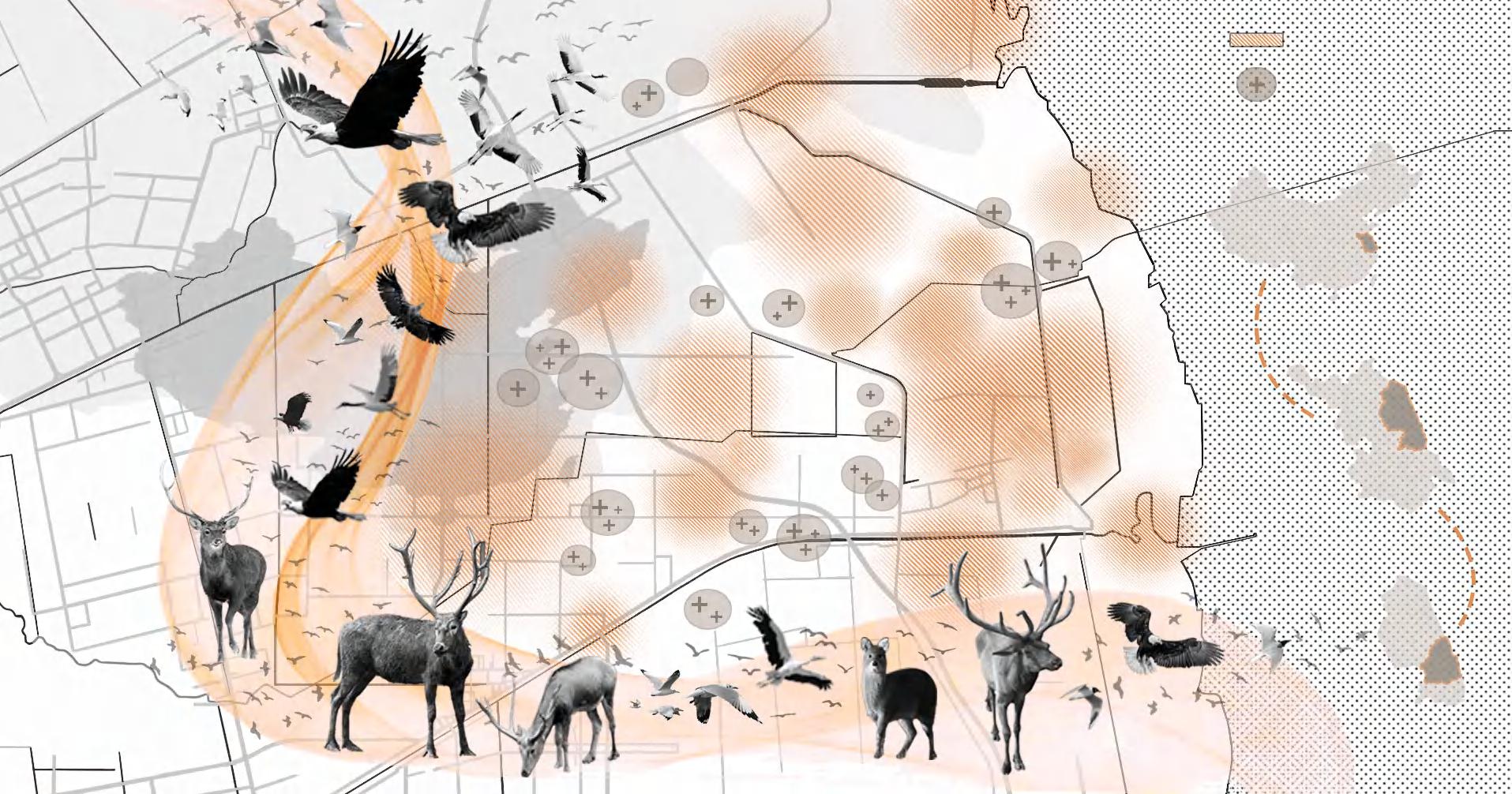
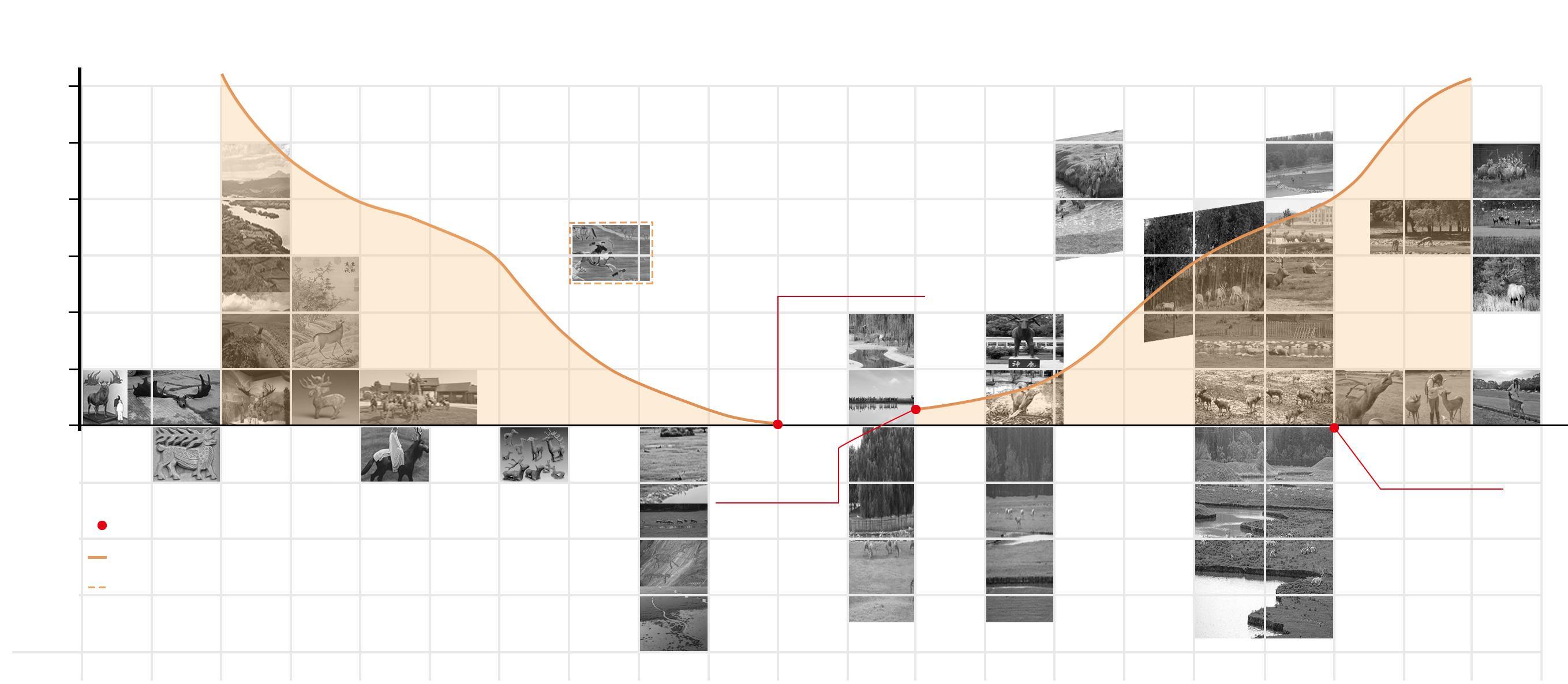
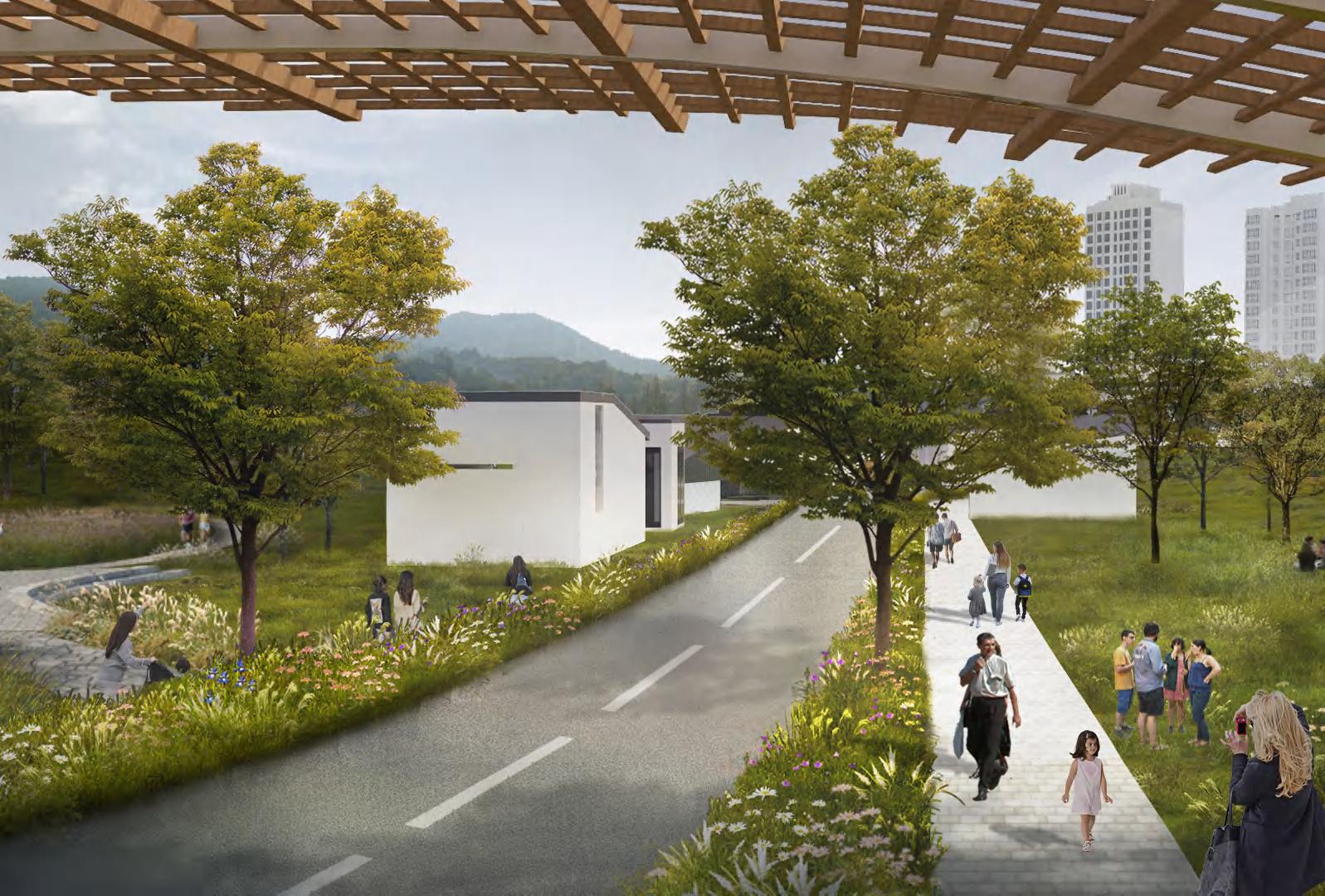
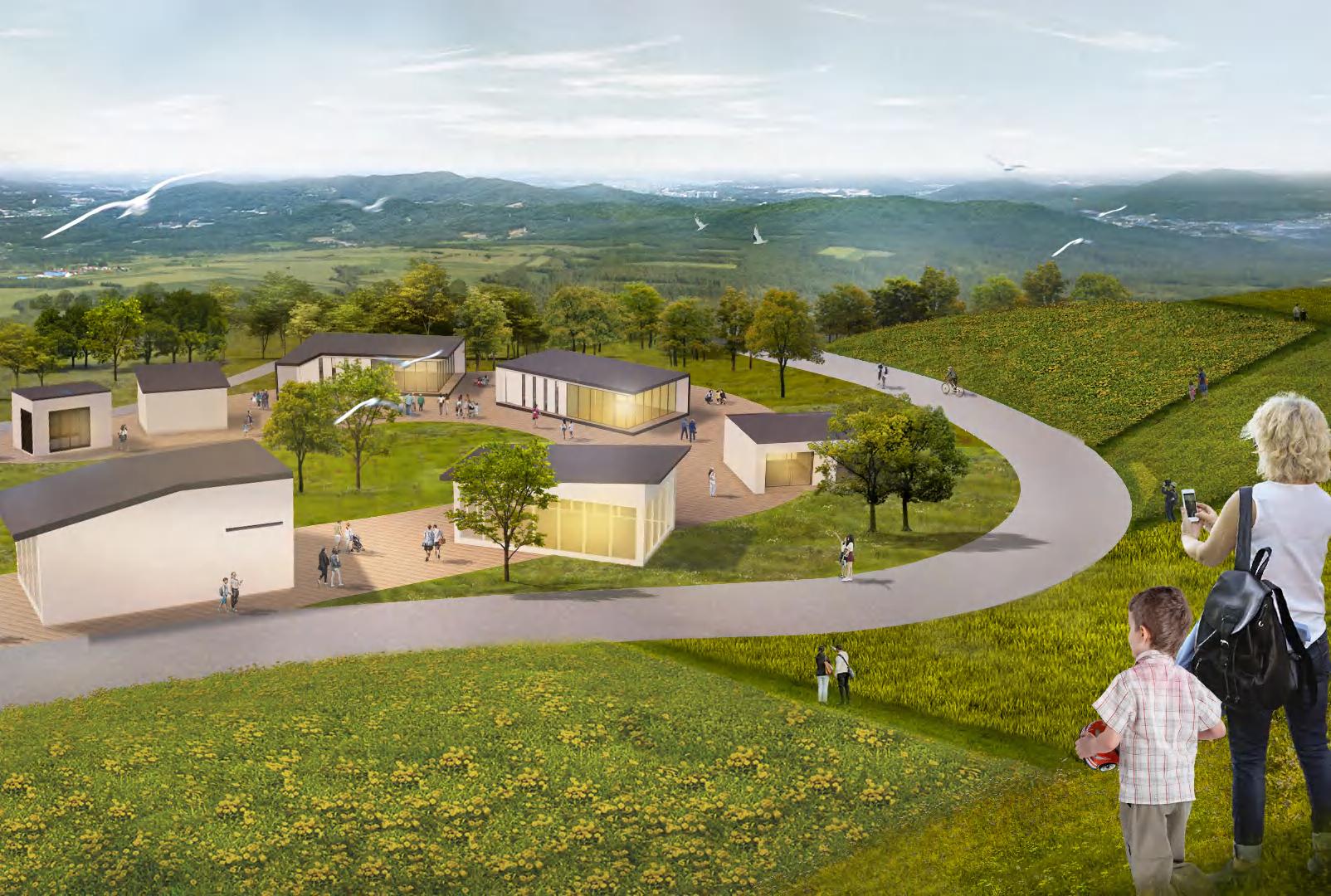
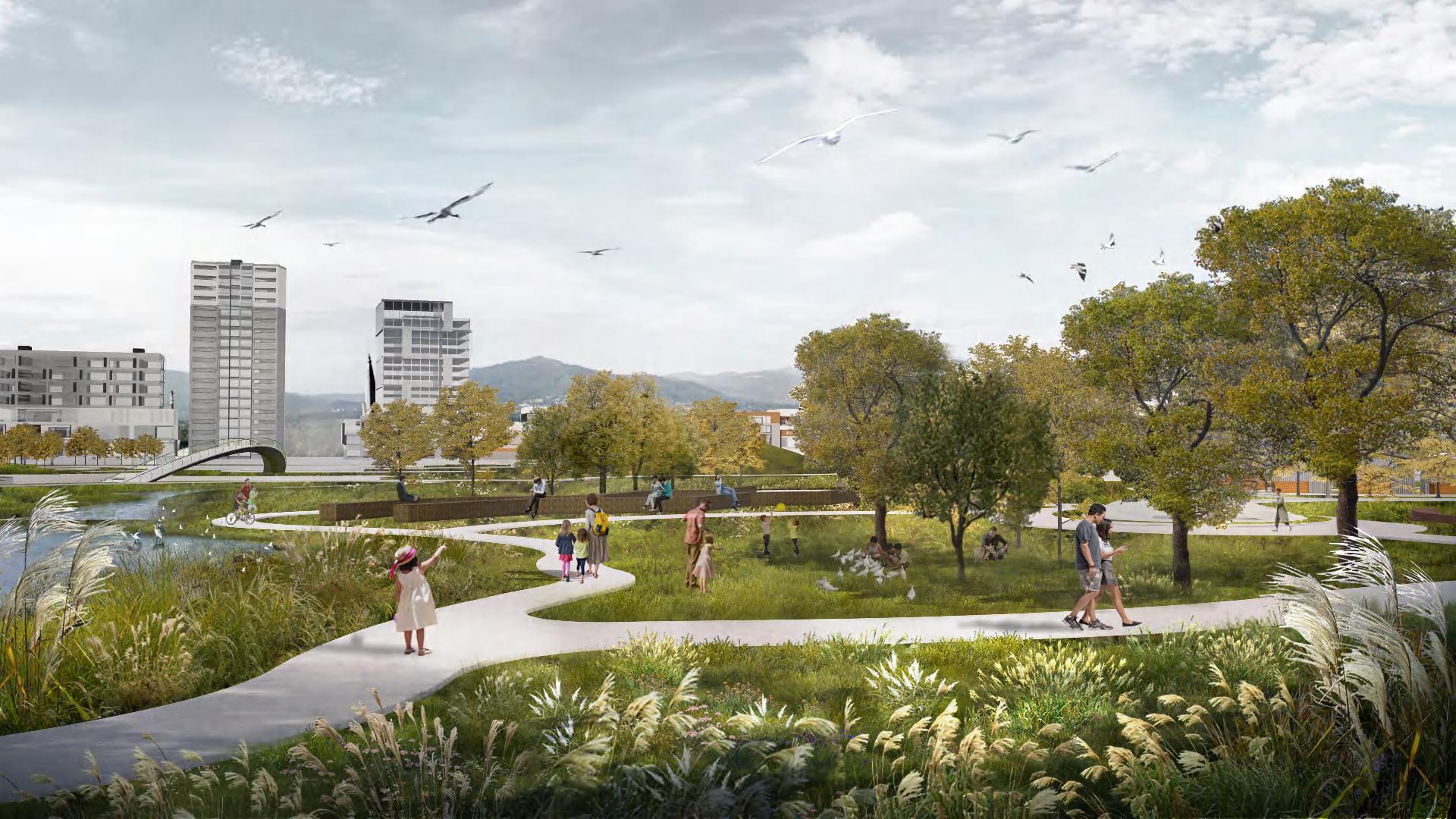
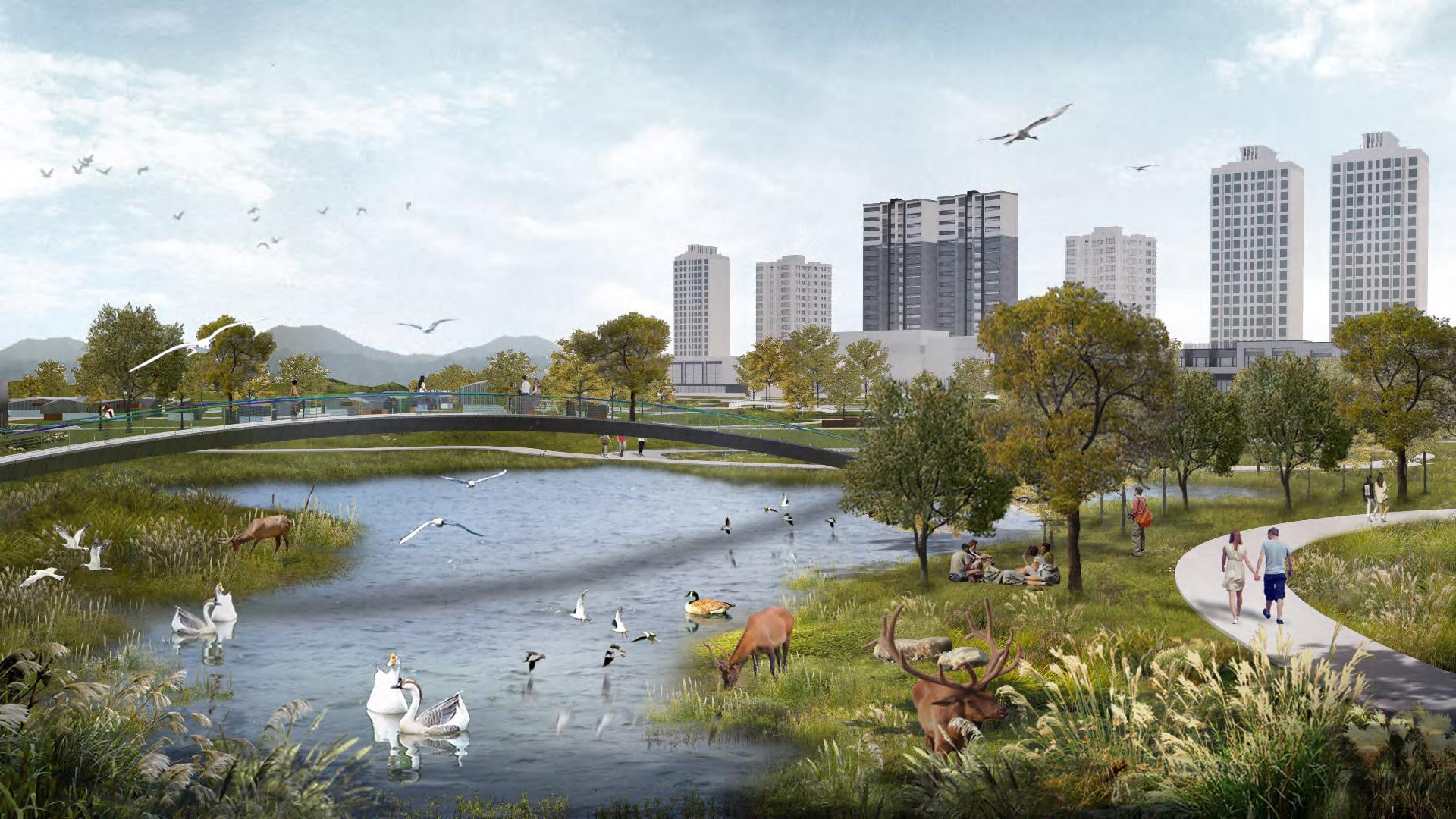
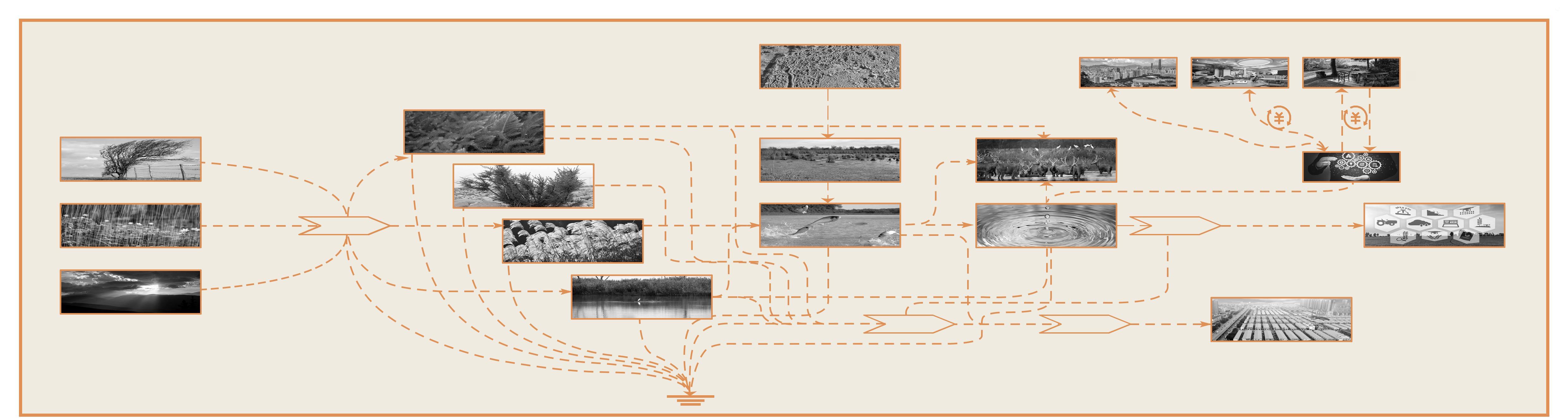
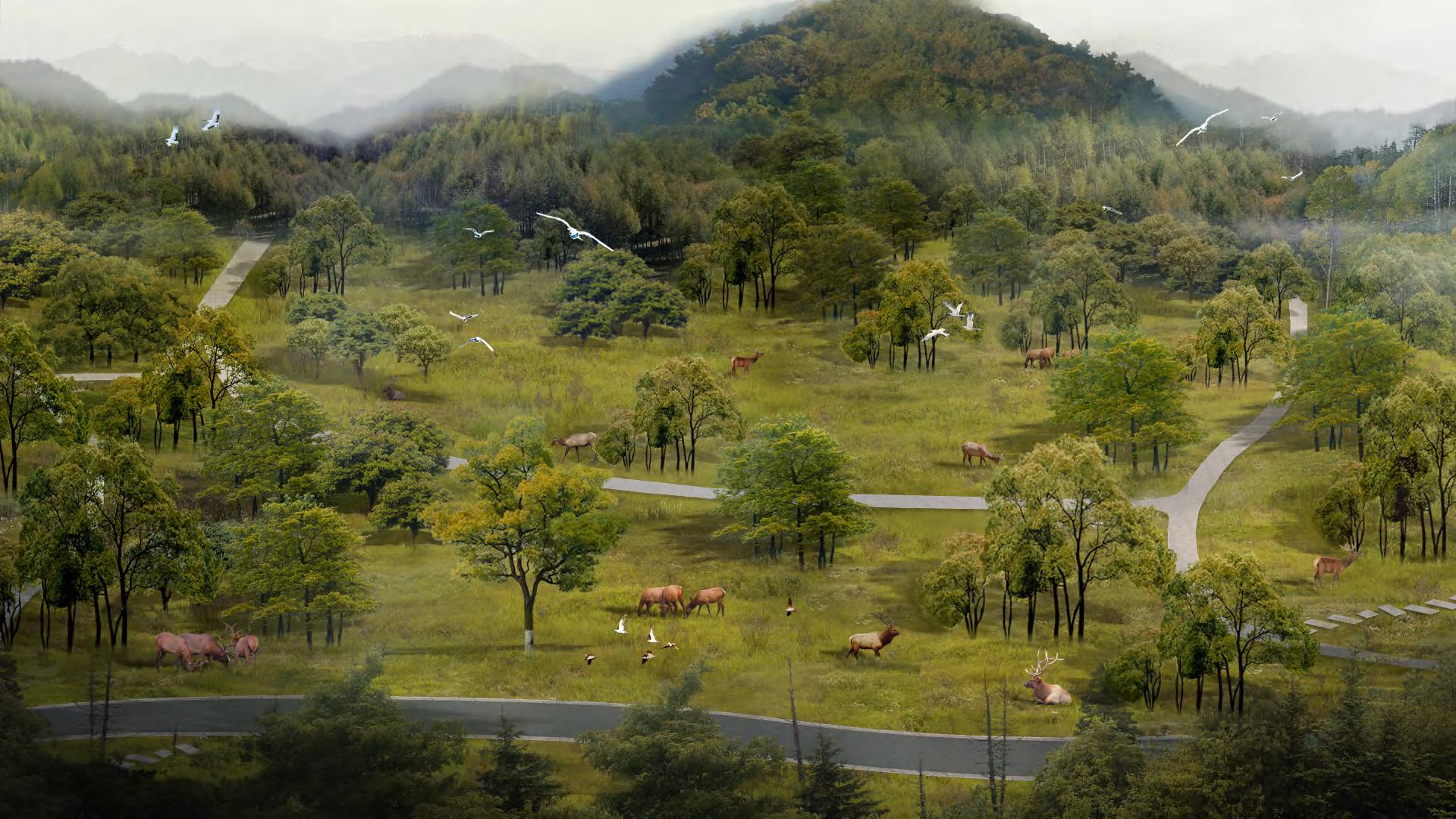
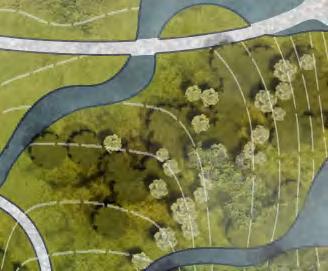
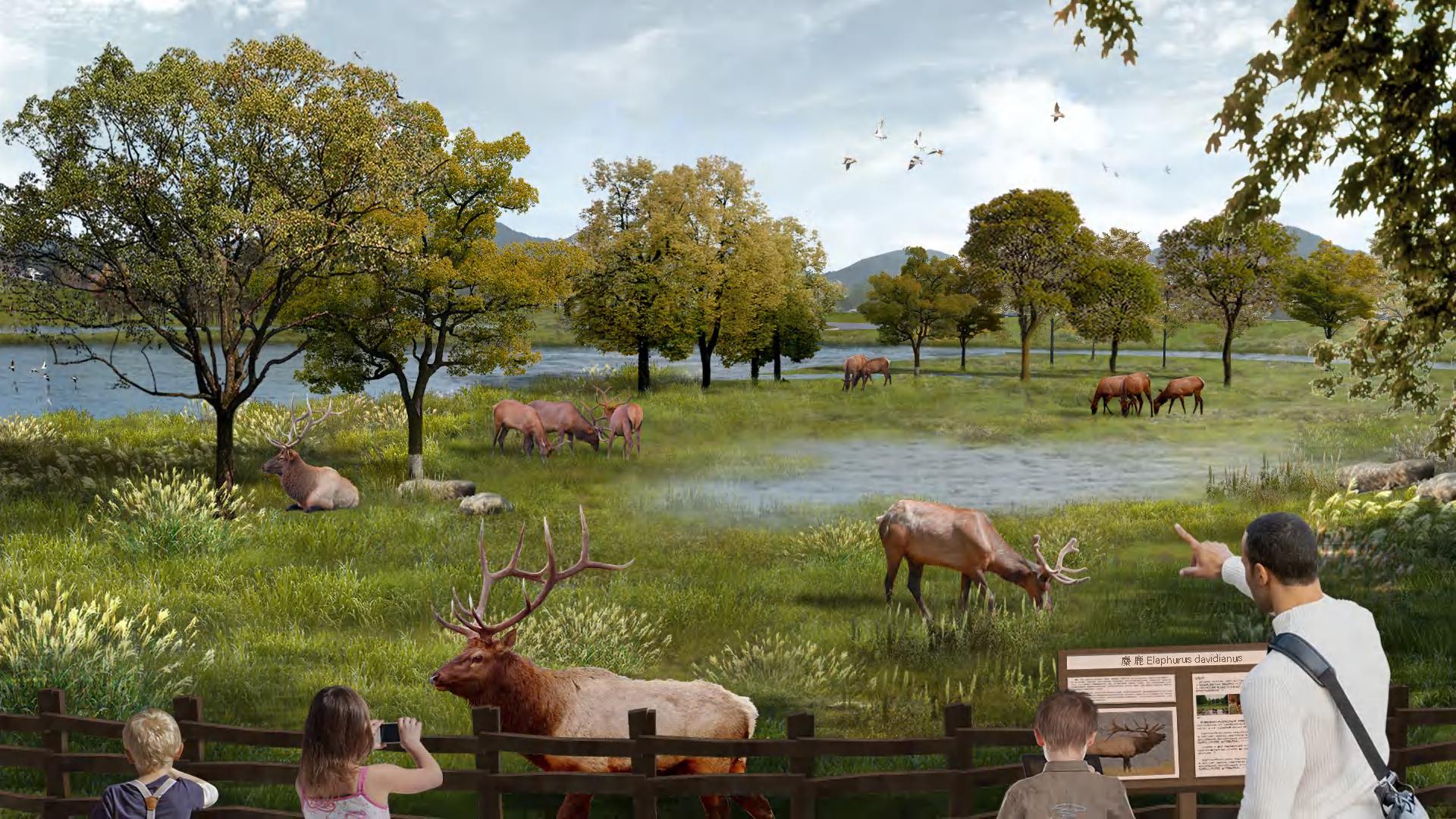
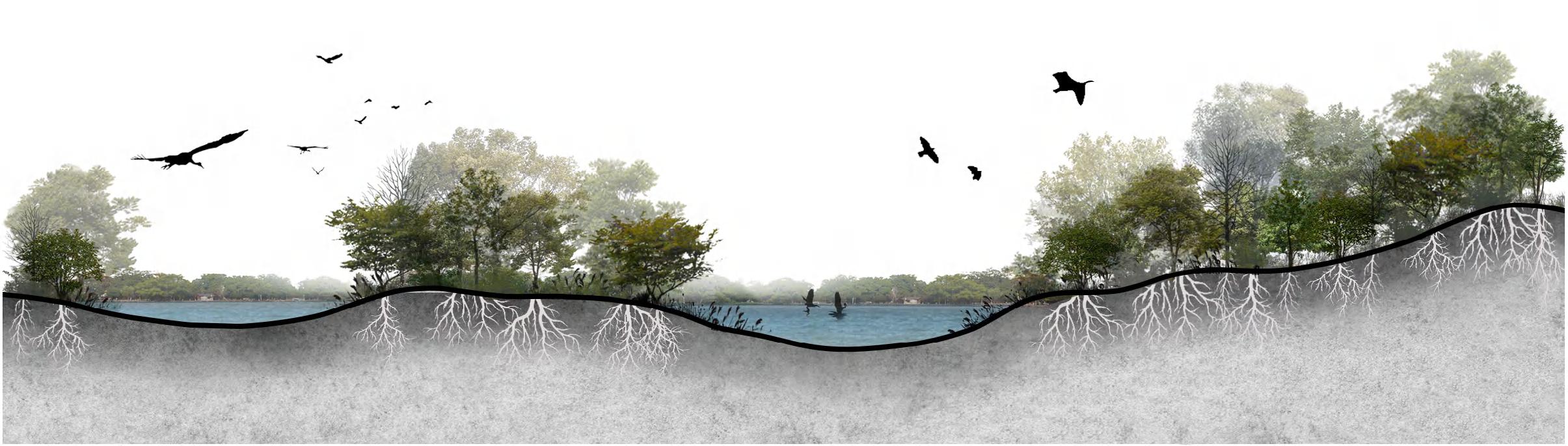
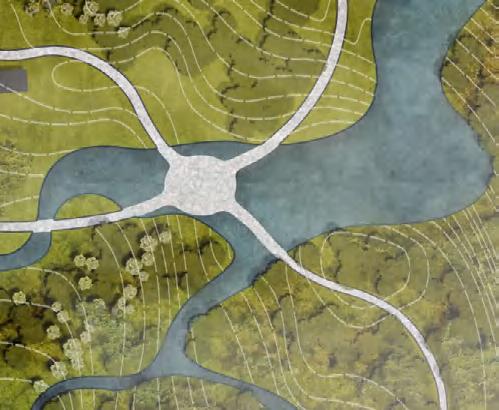
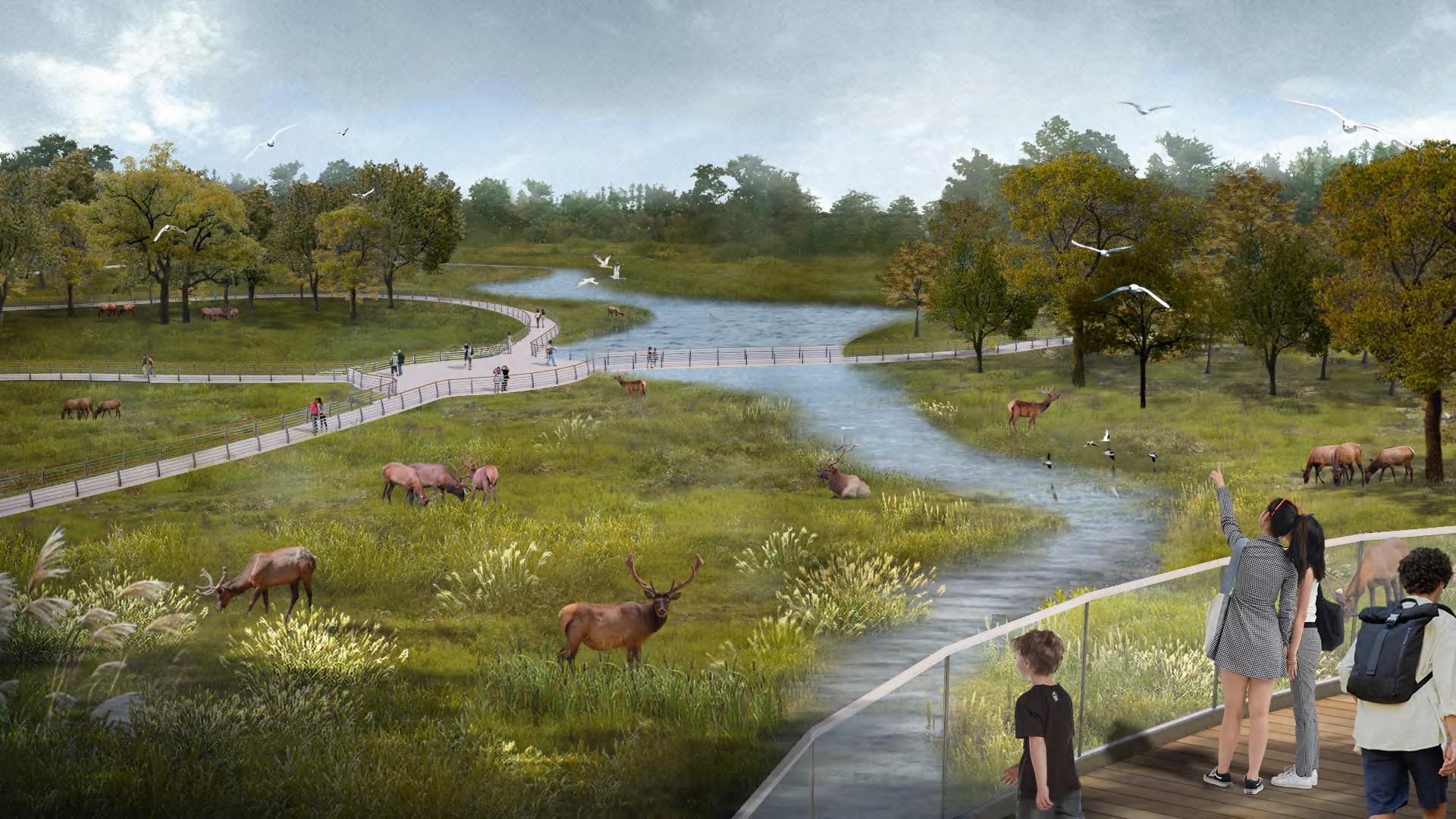
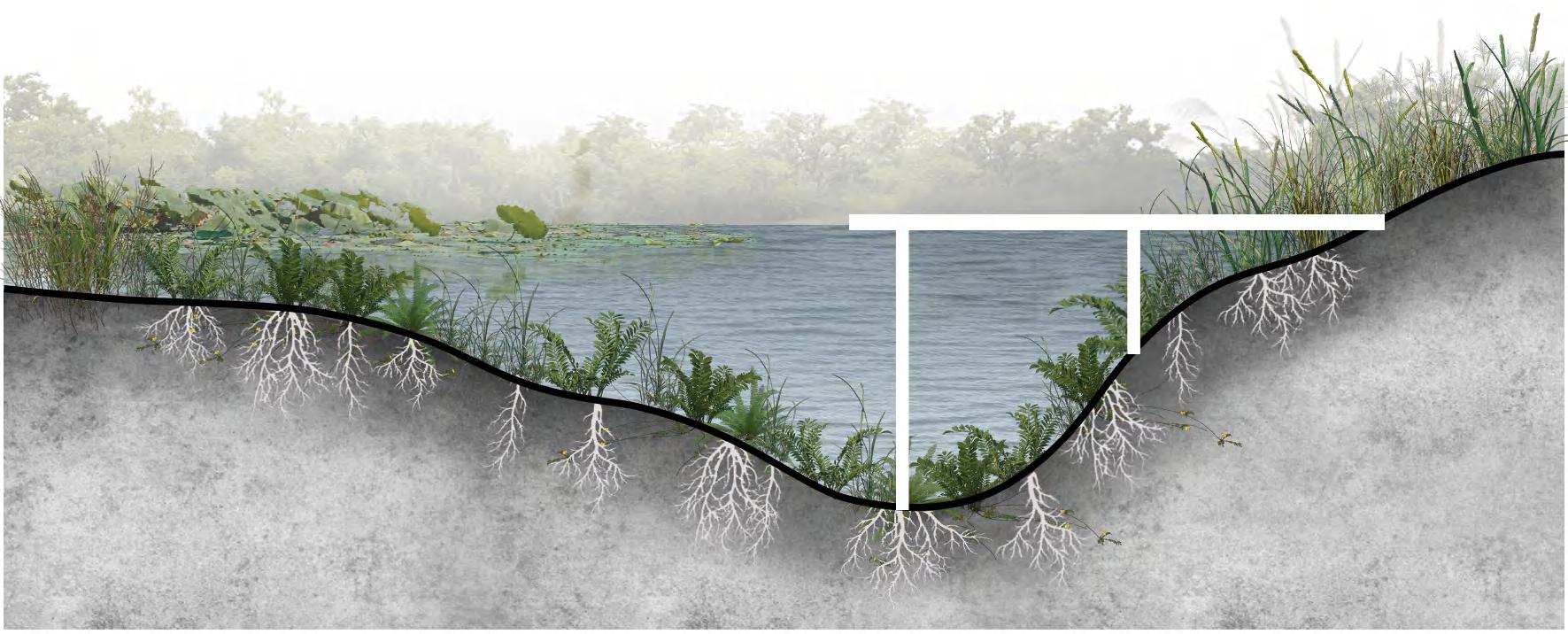
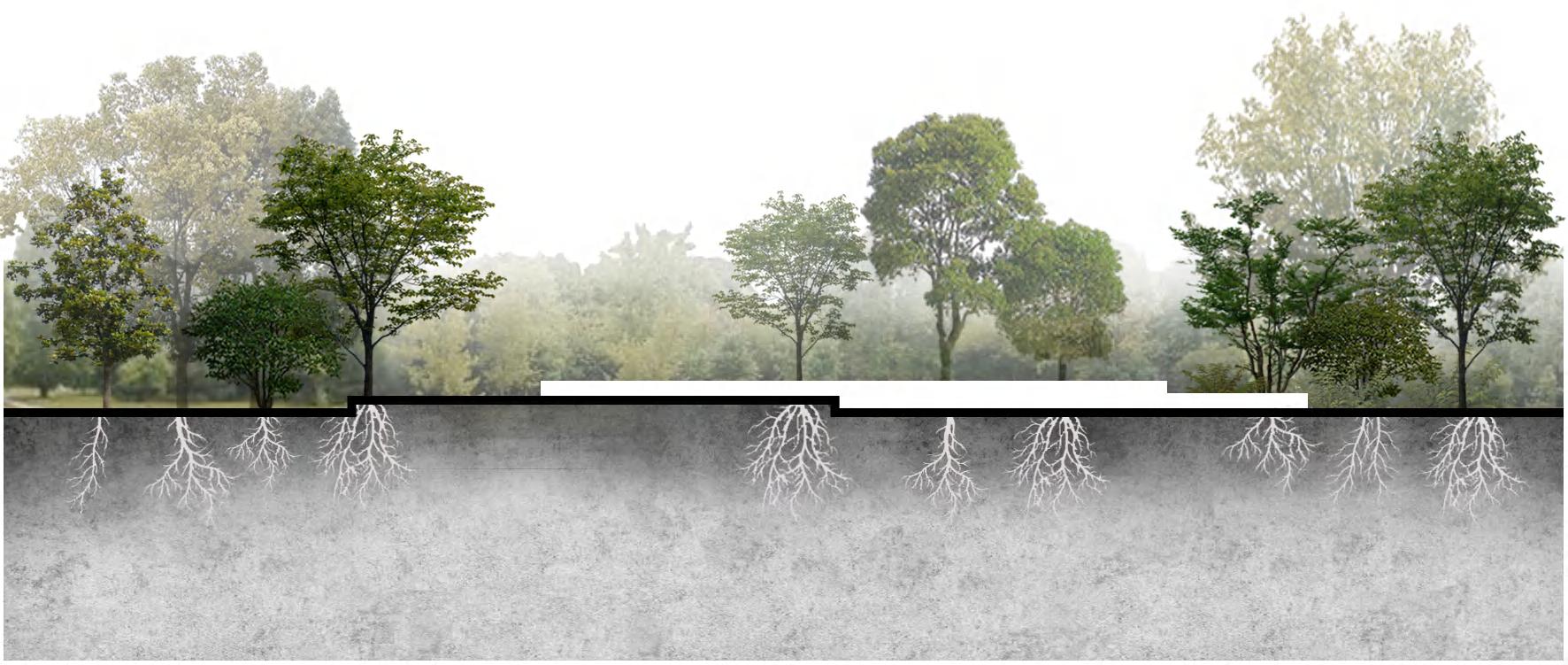
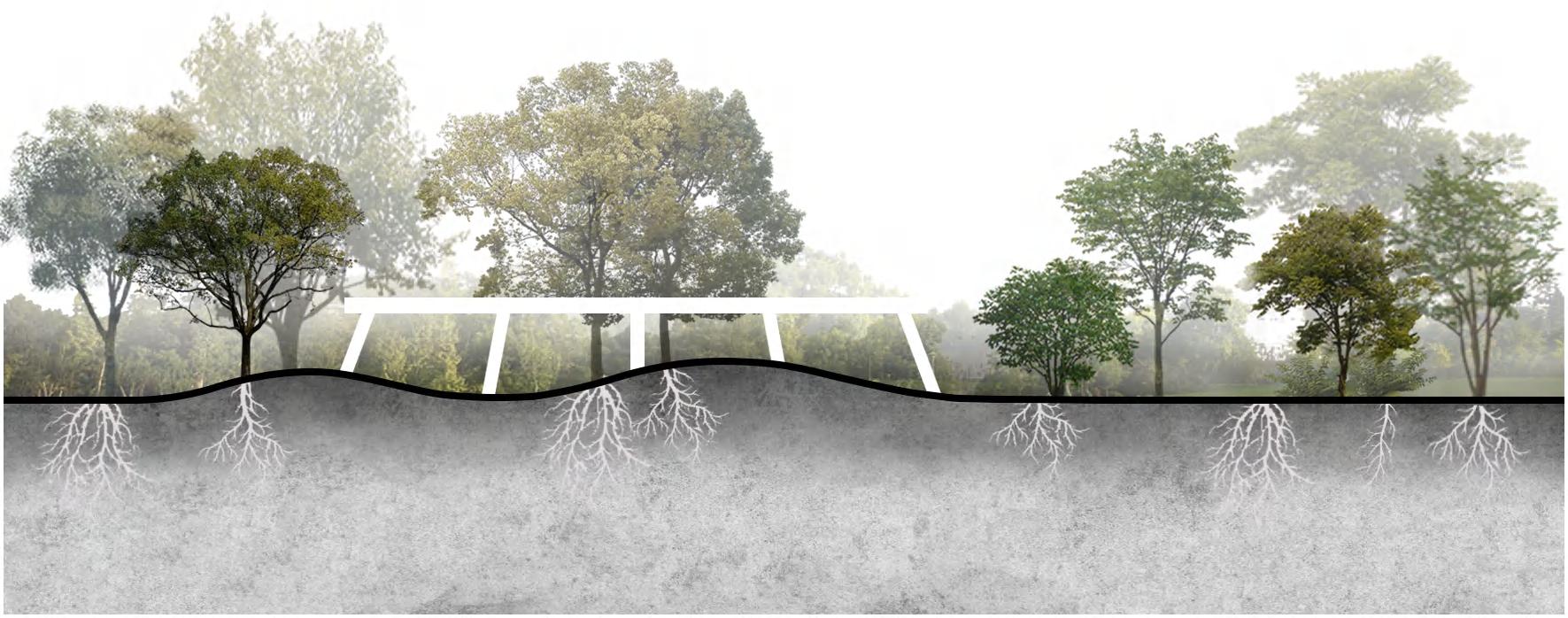
Père David's deer , classified as a first-class protected species, was once near extinction in China. The revive of Père David's deer , from extinction to import, from population recovery to release to nature, has become a valuable template of protecting extinctive wild species. This project is located at Dafeng district, Jiangsu Province, aiming to recover the wetland ecological system and providing a healthy ecological environment favorable for multi vegetation and wild animals. The natural environment is perfect for Père David's deer and also enables tourists to get close to nature. The field is divided by functions, namely captive area, semi open-range area, open-range area. The design philosophy is to guarantee better co-existence and interaction between human beings and animals, better living conditions and reproduction of Père David's deer .
Habitat
Vacant Land DESIGN
SITE
Jiangsu Province, China
The Distribution of Père David's Deer in China
1000
Dongting Lake in Hunan Province
Poyang Lake in Jiangxi Province
Beijing Nan Haizi Wetland Park
Daqing Mountain in Inner Mongolia
Dafeng of Jiangsu Province
Shishou of Hubei Province

Dafeng Père David's Deer National Nature Reserve, Jiangsu Province
Land Area
Yancheng City
Insufficient grasslands and
Significant reduction
A chaotic mix of vegetation species planting
Dafeng District

2668 hectares
2220 hectares
73112 hectares
Animal Resource
14 types
78000 hectares total reserve land area mammalia
182 types
27 types
299 types
core zone aves
buffer zone amphilians and reptiles
experimental zone insecta
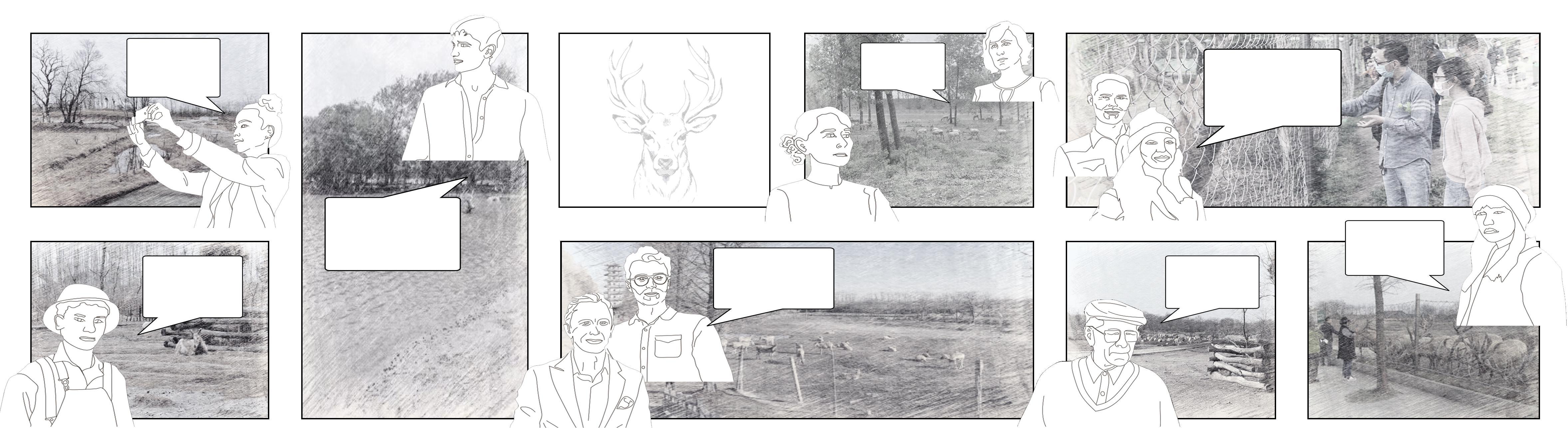
The iron net hinders visitors from interaction with Père David's deer
Inferior road facilities
Embarrassing and lonely feature design
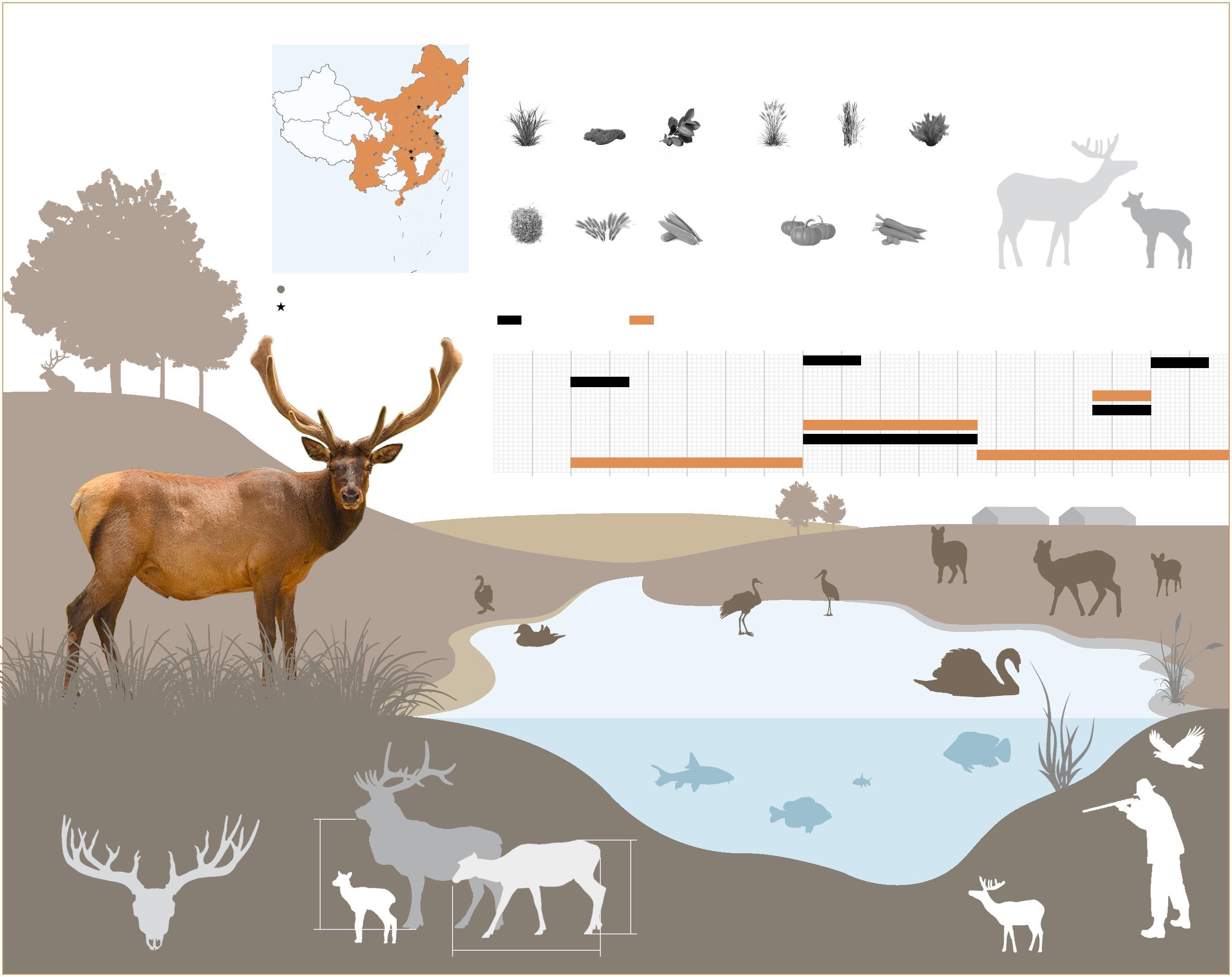
Introduction to Père David's deer Distribution of Père David's deer herds in China Père David's deer, world class rare animal, and Cervidae species. With horse-like head, deer-like antlers, camel-like neck, and donkey-like tail, Père David's deer also known as its informal name “Sibuxiang” (meaning “like none of the four”). It is native to the swampy areas of the middle and lower reaches of the Yangtze River China. Père David's deer are mild-tempered swimmers living in herds, preferring to feed on tender grasses and aquatic plants. Female Père David's deer do not have any antlers, and are relatively smaller shape. Male Père David's deer have antlers, the longest of which can reach 80 centimeters. Antler are normally dropped in November and December, after wich new sets immediately begin to grow, and are fully grown by May or June the following year.
Feeds
Wild herds reserve big free-range herds

DESIGN PHILOSOPHY MAJOR PROBLEM SOLUTIONS PROSPECTS MAJOR TACTICS
Meet Inland City Water System
Natural and harmonious
Restore and improve the natural environment in the reserves, enhance the harmonious symbiosis between humans and animals
Feed on Poaceae, Hepaticae, and many other tender grasses and leaves. Feeds for captive herds are made up of refined grains, whole grains, fruits and vegetables. The rut of Elaphurus davidianus takes place summer, from the end of May to August.Female Elaphurus davidianus’ pregnancy lasts about 270-300 days, which the longest among cervidae. They give birth to calves in April or May the next year.
tender grasses Liverworts leaves Cogongrass lesser bulrush meadow foxtail
Breeding approach grasses refined grains and whole grains
aquatic plants fruits and vegetables
wheat bran wheat corn pumpkin carrot captive herds such as
Make comparisons from five aspects
There are 14 kinds of Mammalia, 182 Aves, 27 Amphilians & Reptiles, and 299 Insecta in the Reserve. It’s rich and diverse species demonstrates remarkable ecological, social, and economic values.
Père
150-200 centimeters. Male Père David's deer stands about 122-137 centimeters tall at the shoulder, and female 70-75 centimeters. Weight between 120-180 kilograms.
Reason of extinction
The actions of hunting and killing by human beings drastically impact the existence of Père David's deer, becoming the decisive factor that leads to the extinction of the species.
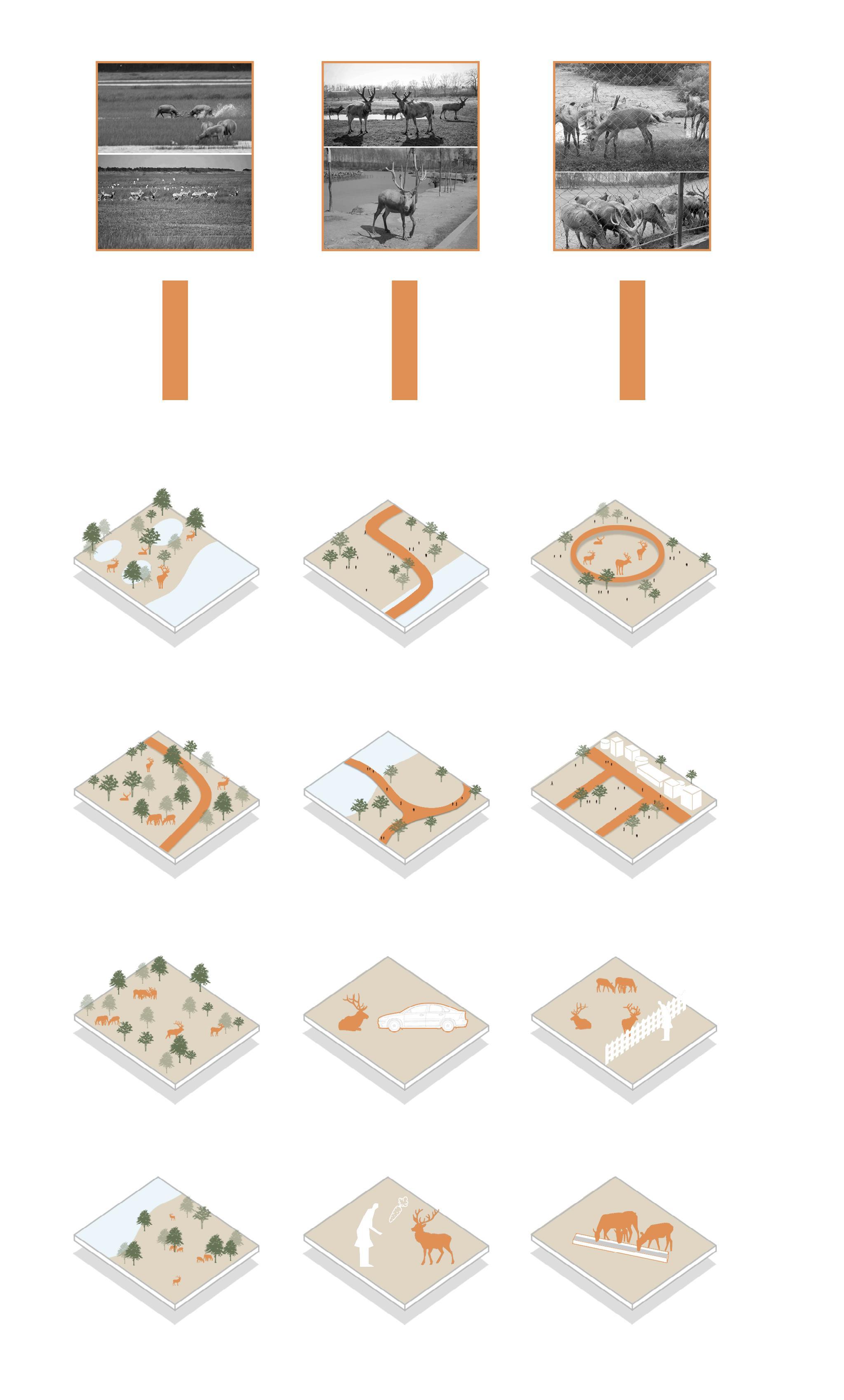
Protection of living creatures
Restore and improve the diversity, naturalness, and completeness
Significant reduction of swamps and waters
The lack of interaction between humans and Père David's deer
Insufficient grasslands and vegetation in the habitats of Père David's deer
Shortage of food source for Père David's deer
Guarantee the water usage in wetlands by mix of water supplementary methods such as rainwater, underground water, and tap water
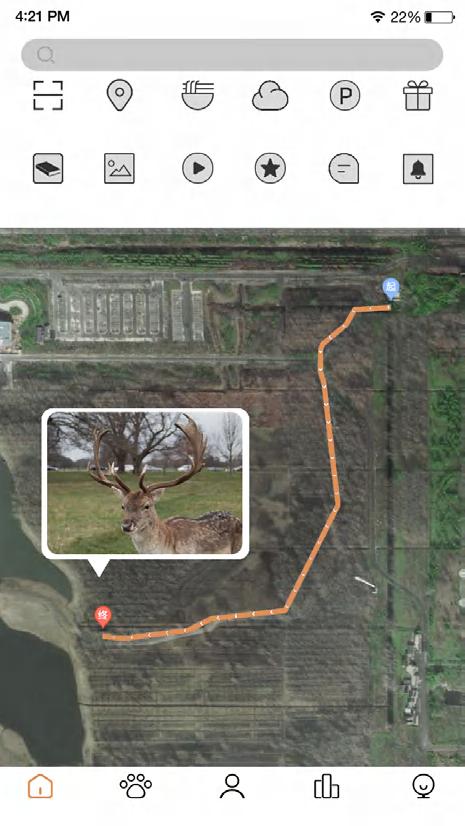
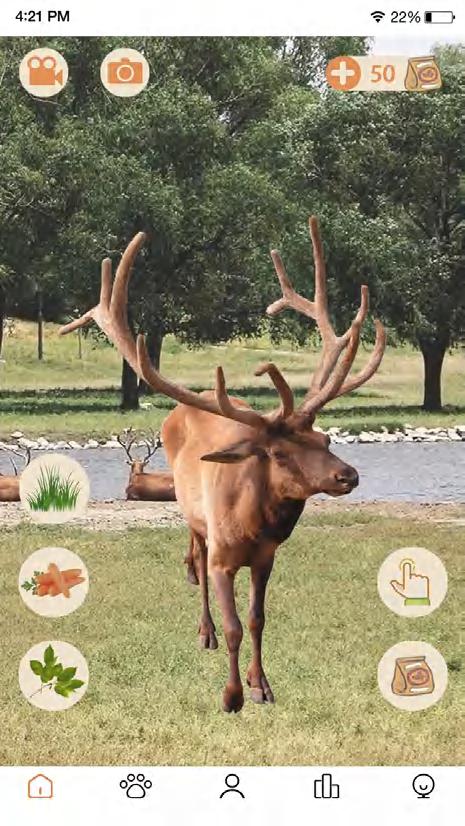
Make physical contact with Père David's deer and feed them in close distance
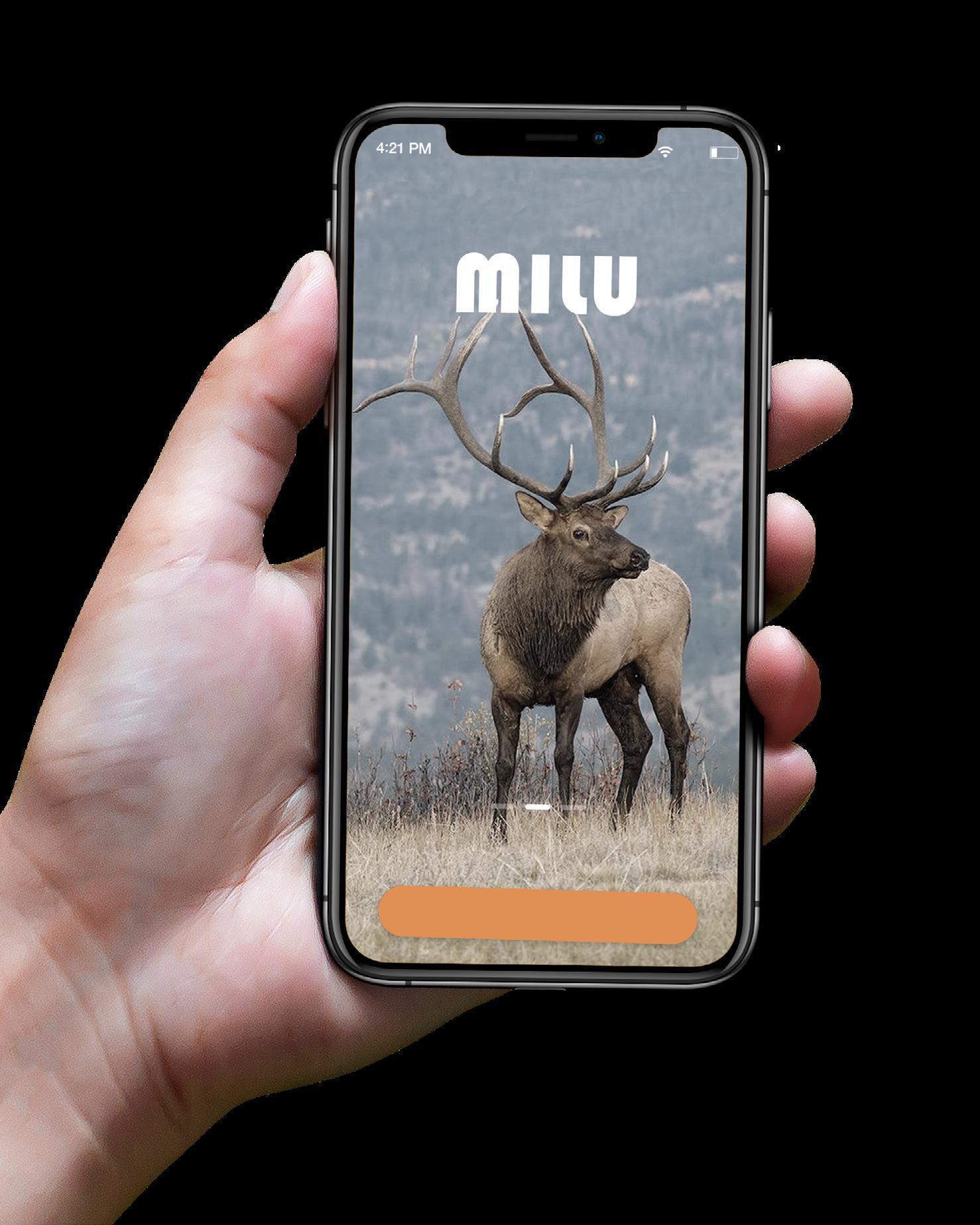
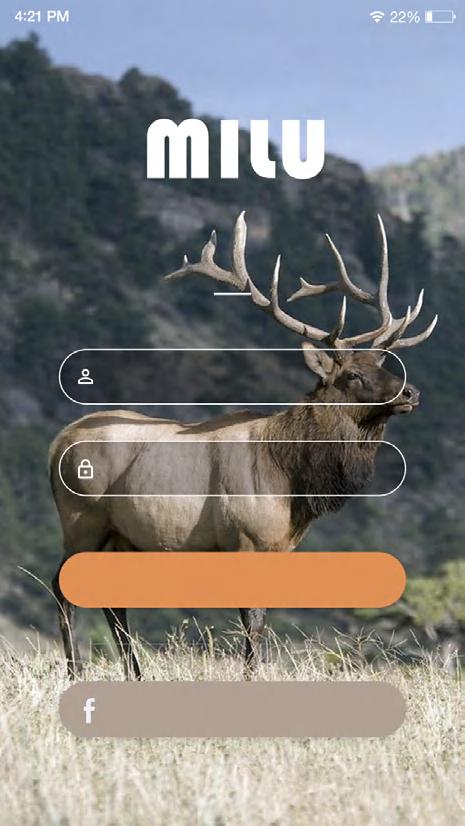
Make interaction with Père David's deer APP
Facilitate the restoration of degraded grasslands by applying improvement measures
Plant artificial grasslands and vegetation
Grasses, Aster, Sedges, Legume, Goosefoot
Store up corn, silage, and soybean meal wheat bran
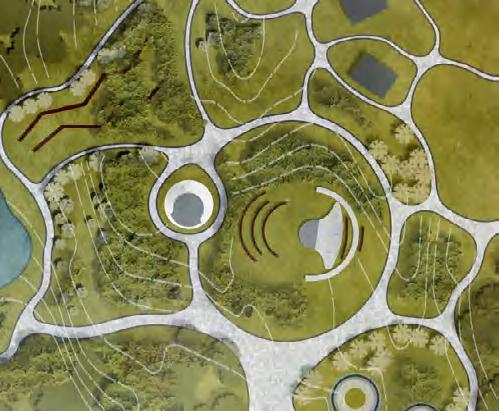
MASTER PLAN
Step 1: Build up mudflats, construct drinking water project, and refine water network system
Excavate farmlands and waste lands to build up mudflats. Connect inland waterway systems. Guarantee the water usage in wetlands by mix of water supplementary methods such as rainwater, underground water, and tap water. Increase the size of the Père David's deer population
Step 2: Promote the restoration of degraded grasslands by doubling efforts in planting vegetation
Facilitate the restoration of degraded grasslands by applying improvement measures. Through rational allocation of reforestation, and planting of arbors, shrubs, and grasses, establishing diverse forest with variety of tree species, incorporating multiple layers of ecological components, to create comprehensive and effective protective system. Increase efforts to expand reed populations and planting vegetation that favored by Père David's deer as means to support their habitat and food sources.
Step 3: Build up site that allows interaction between Père David's deer and visitors
Construct free range area for Père David's deer, in order to shorten the distance between humans and Elaphurus davidianus, and enhance their interactions.
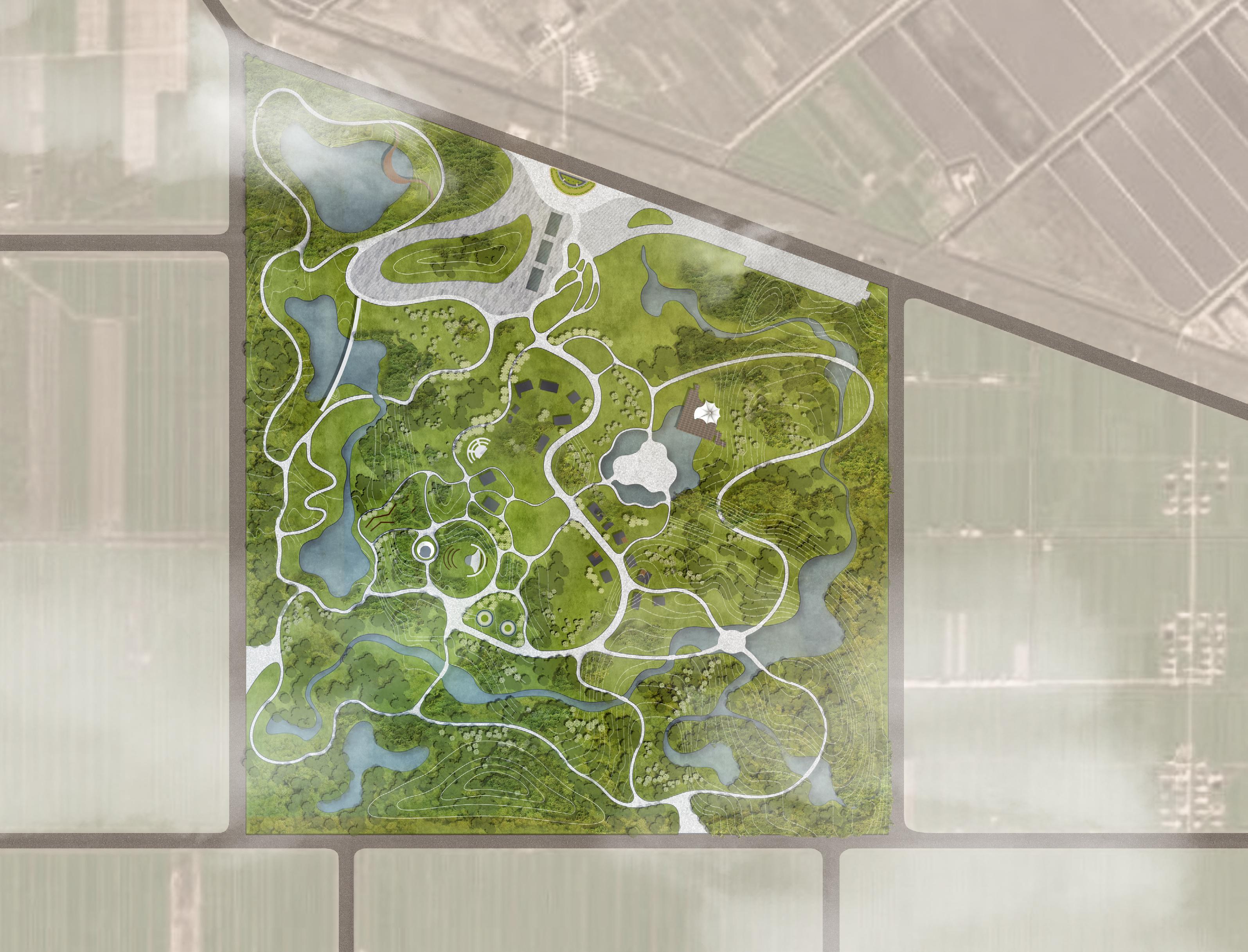
Main entrance
2 Secondary entrance
Entrance landscape plaza
4 Science and education center
5 Sunken step seating
6 Visitor center
Outdoor recreation area
8 Sunshine lawn
9 Sunken lawn amphitheater
10 Shaded plaza
11 Mixed commercial area
12 Ecological landscape island
13 Suspension platform
14 Water boardwalk
15 Ecological trail
16 Leisure viewing platform
17 Ecological parking lot
18 Père David's deer interactive experience area
19 Overwater walkway
20 Père David's deer viewing area
21 Père David's deer Open-range area

100meters
LANDSCAPE MANAGEMENT
0 year
Restore the ecological environment within the reserves
Père David's deer with the freedom to forage
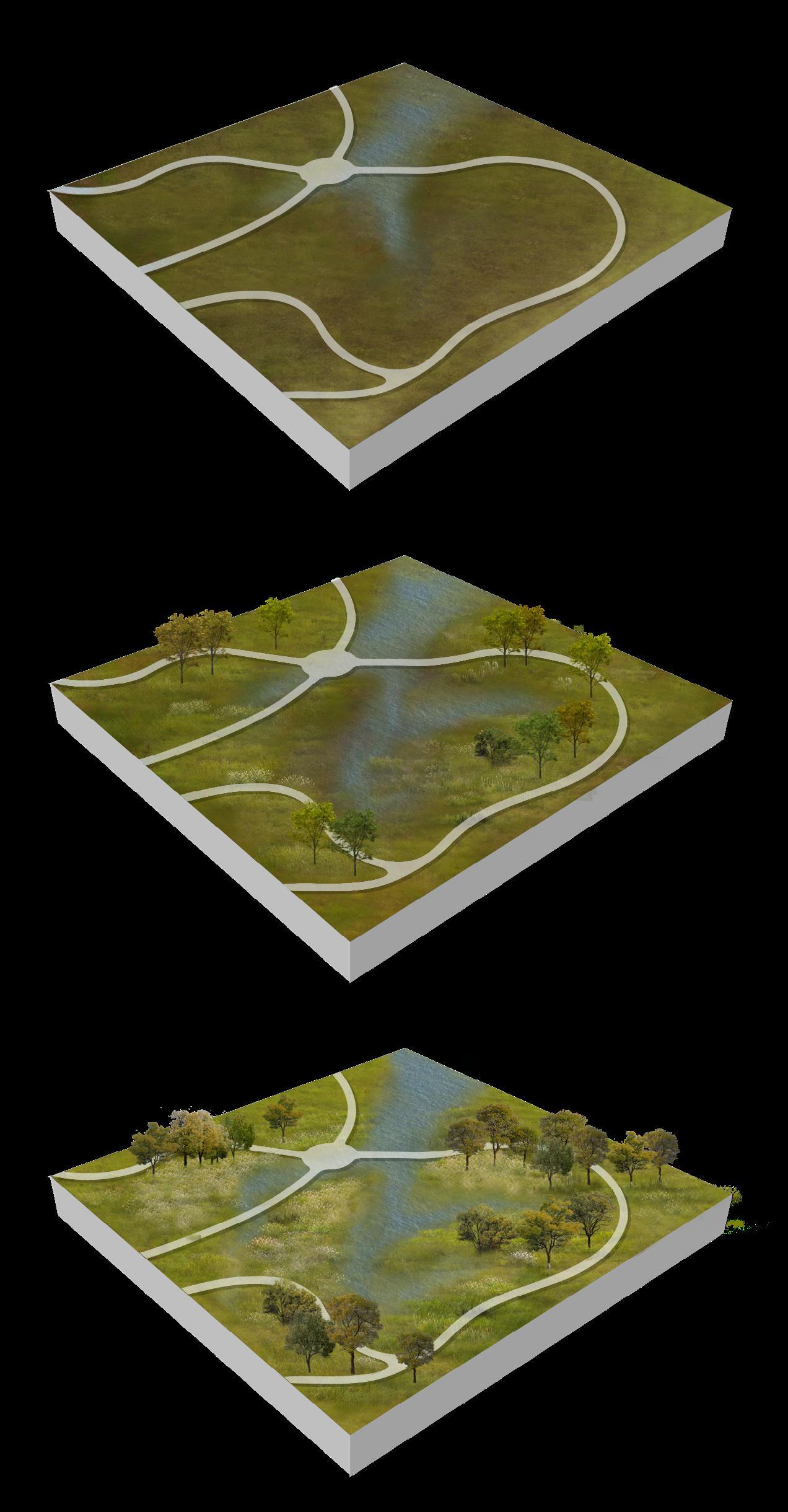
5 years
10 years

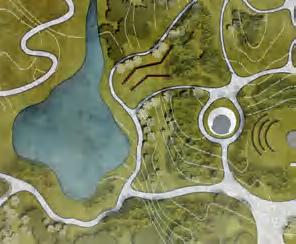
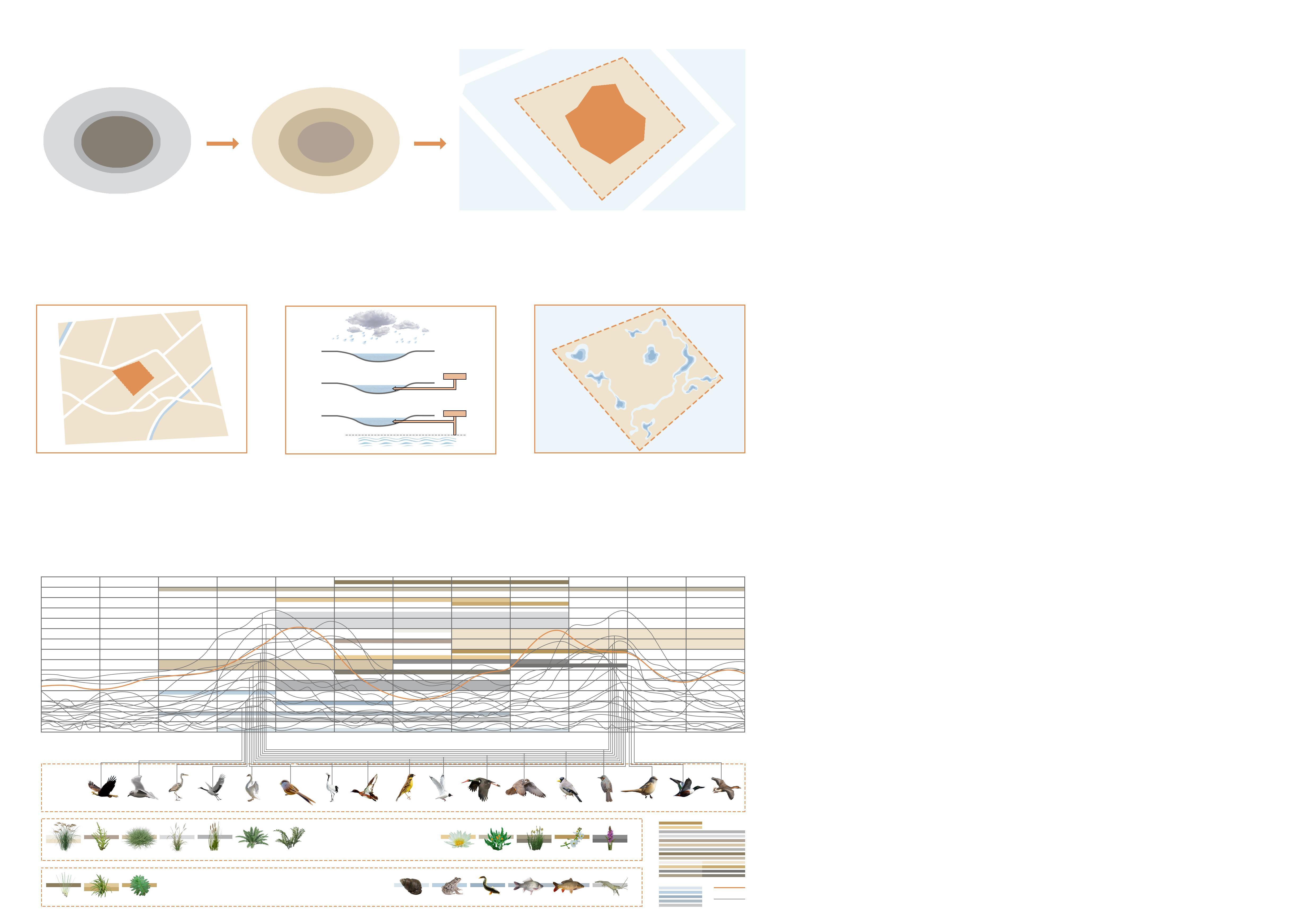
WETLAND RESTORATION STRATEGIES
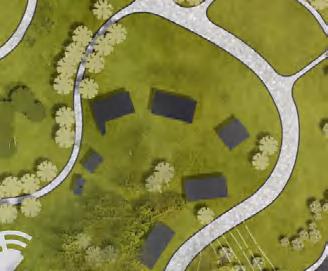
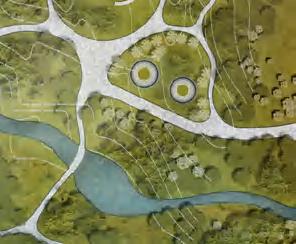
Step 1:Establish circle preservation mode of wetland
Circle preservation mode of natural reserve theory
The application of circle preservation mode in projects
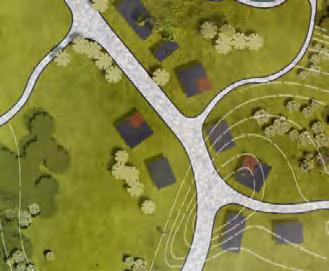

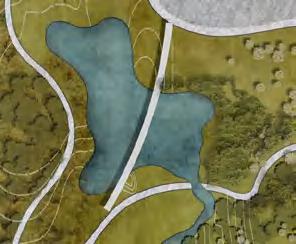
Step 2:Establish water network system of wetland
Connect the Intra-city River System
The urban planning in the area where the wetland is located includes connecting the city's internal river system. It is possible to establish connectivity between the site and the planned water system.
Provide Variety of Water Supply Sources Establish Inner Water System
Guarantee the water usage in wetlands by a mix of water supplementary methods such as rainwater, underground water, and tap water.
Guarantee the water usage in wetlands by mix of water supplementary methods such as rainwater, underground water, and tap water.
Step 3:Diversify Wetland’s Ecological Environment
Creating Plant Diversity
Chosse associated plants of common reed family for planting arrangement, as well as Grasses, Aster, Sedges, Legume, Goosefoot. Diversify and maintain the integrity of the current common reed family.
Creating Animal Diversity
Wetland is the ideal natural habitat for animals, therefore, animal species can be diversified by optimizing wetland environment.
Père
Venue information
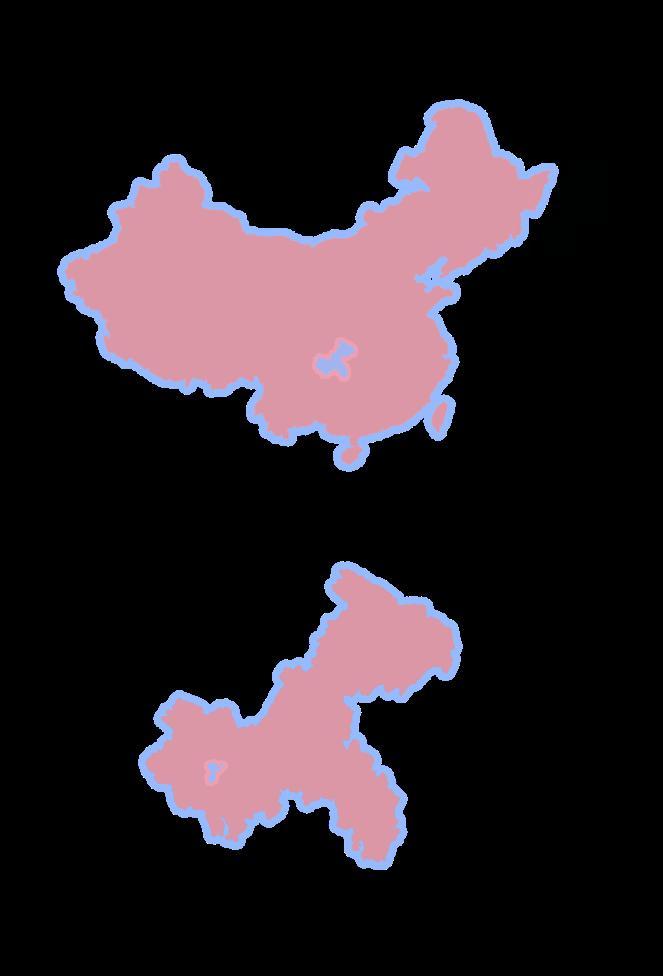
Yuzhong District, Chongqing
Yuzhong District, Chongqing, recognized as the political, economic, cultural, and commercial hub of the city, is often referred to as the "Mountain City" and the "River City."
03 VERTICAL NEIGHBORHOODS RENEWAL
Type: Community redevelopment design
Location: Yuzhong District, Chongqing, China
Area: 1800 square metres
Duration: 09.2023-11.2023
Designer: Mengchen Jing(individual work)
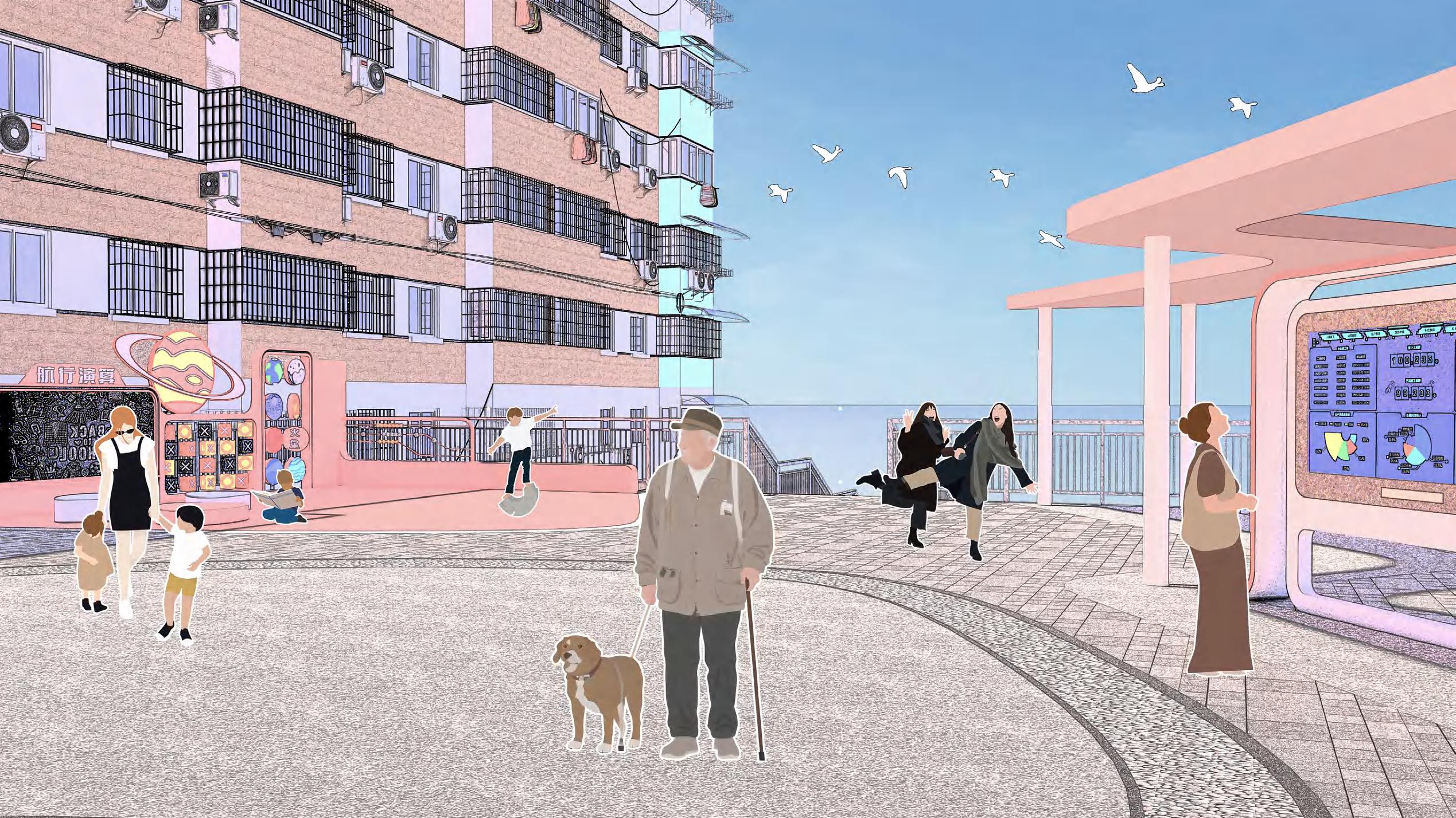
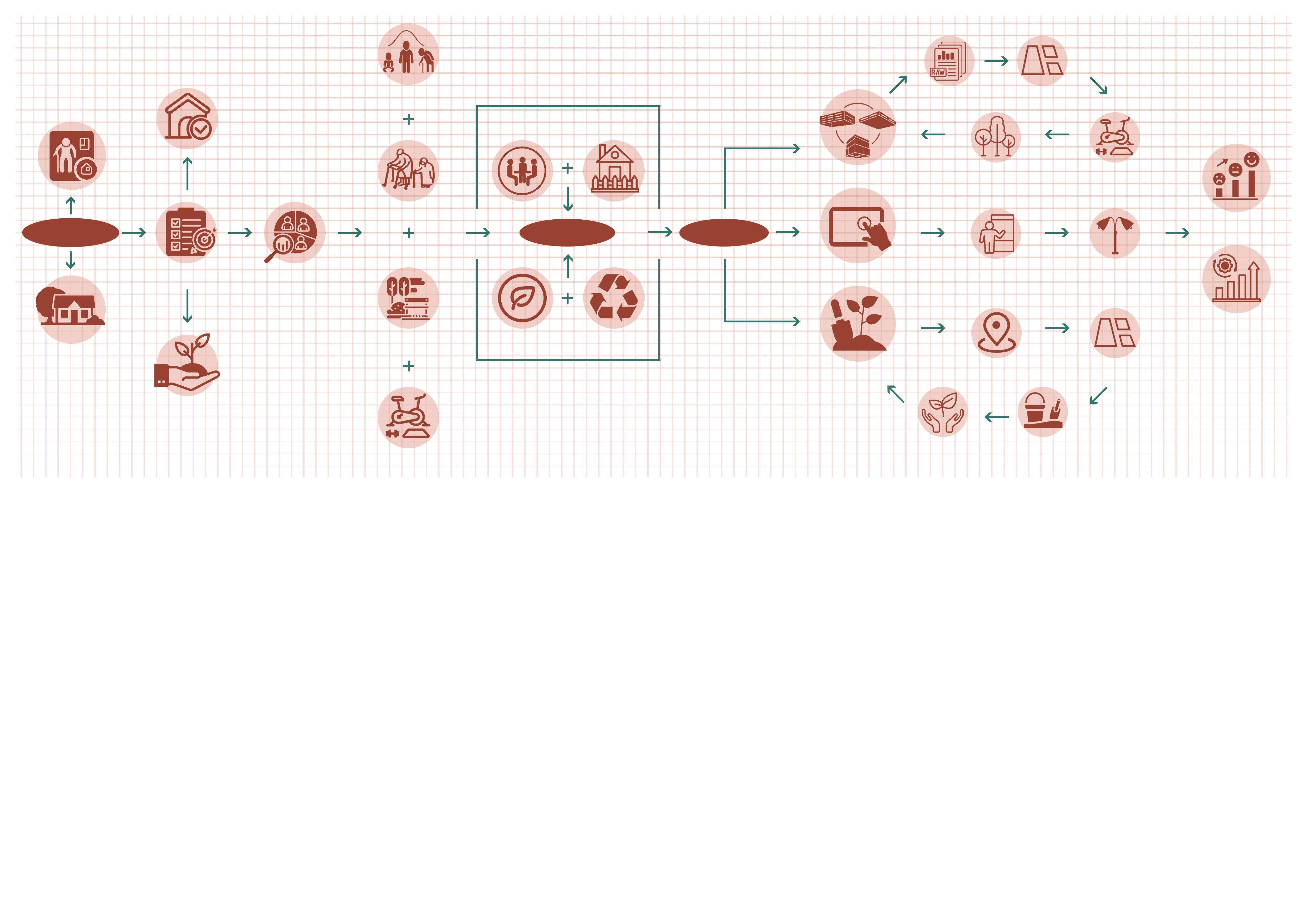
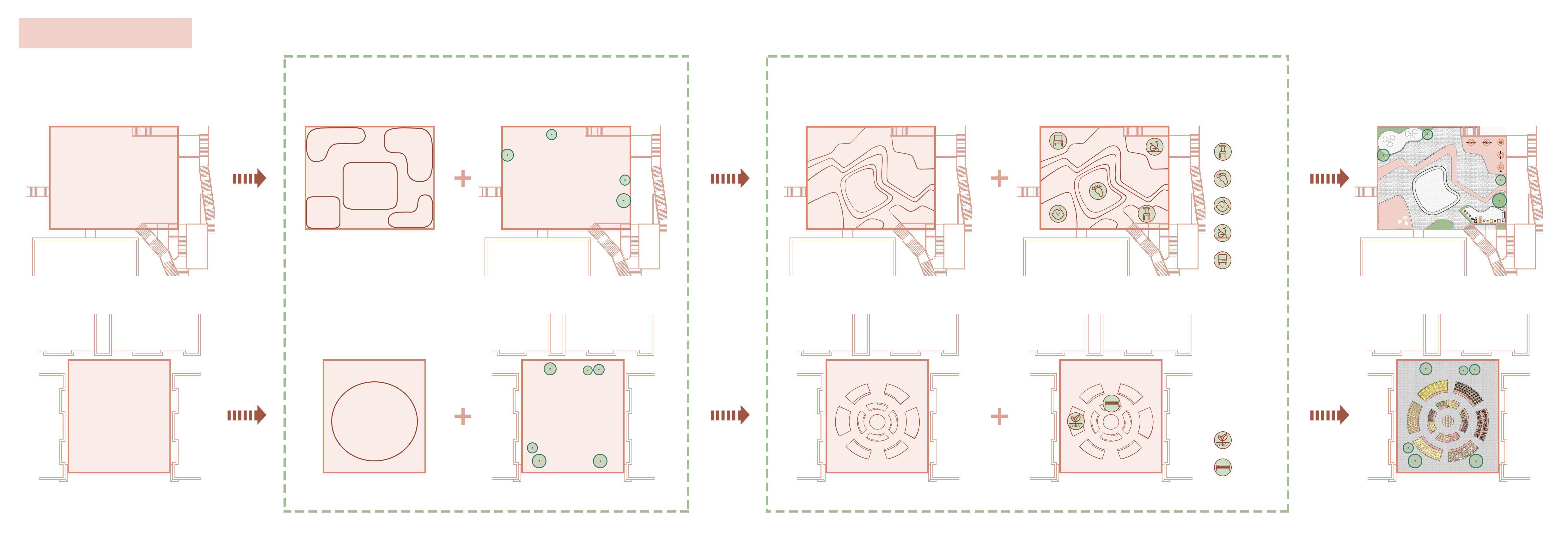
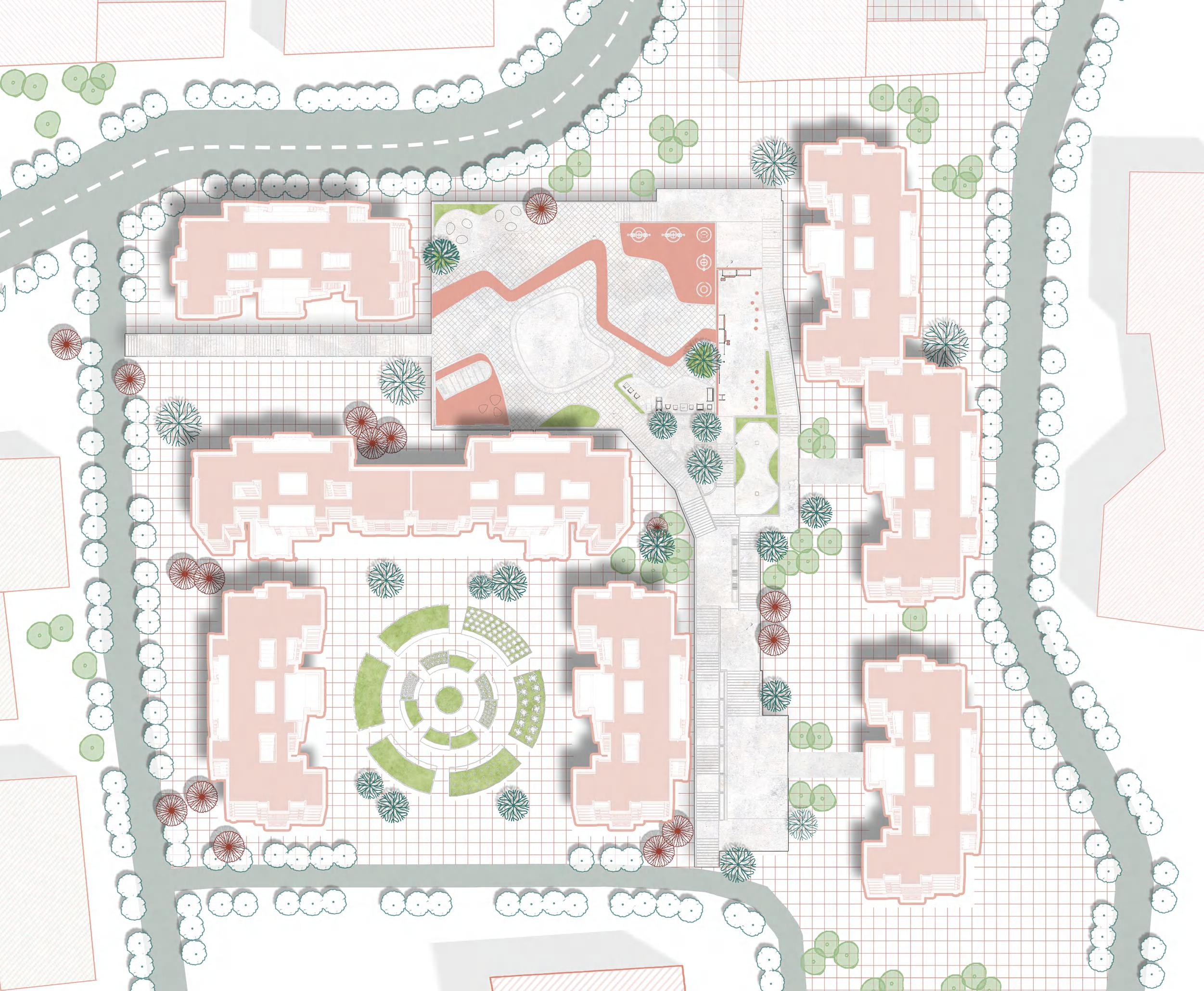
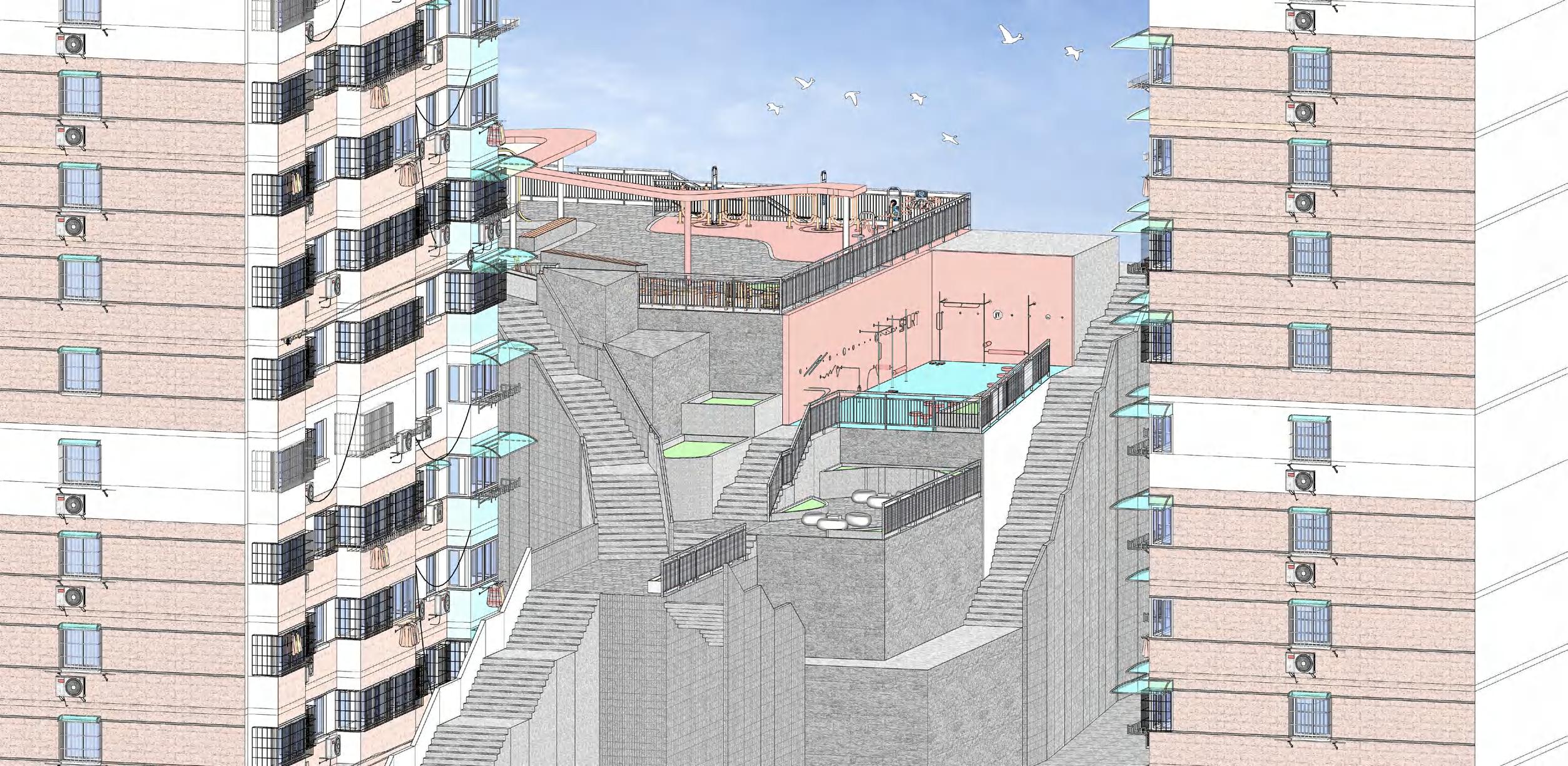
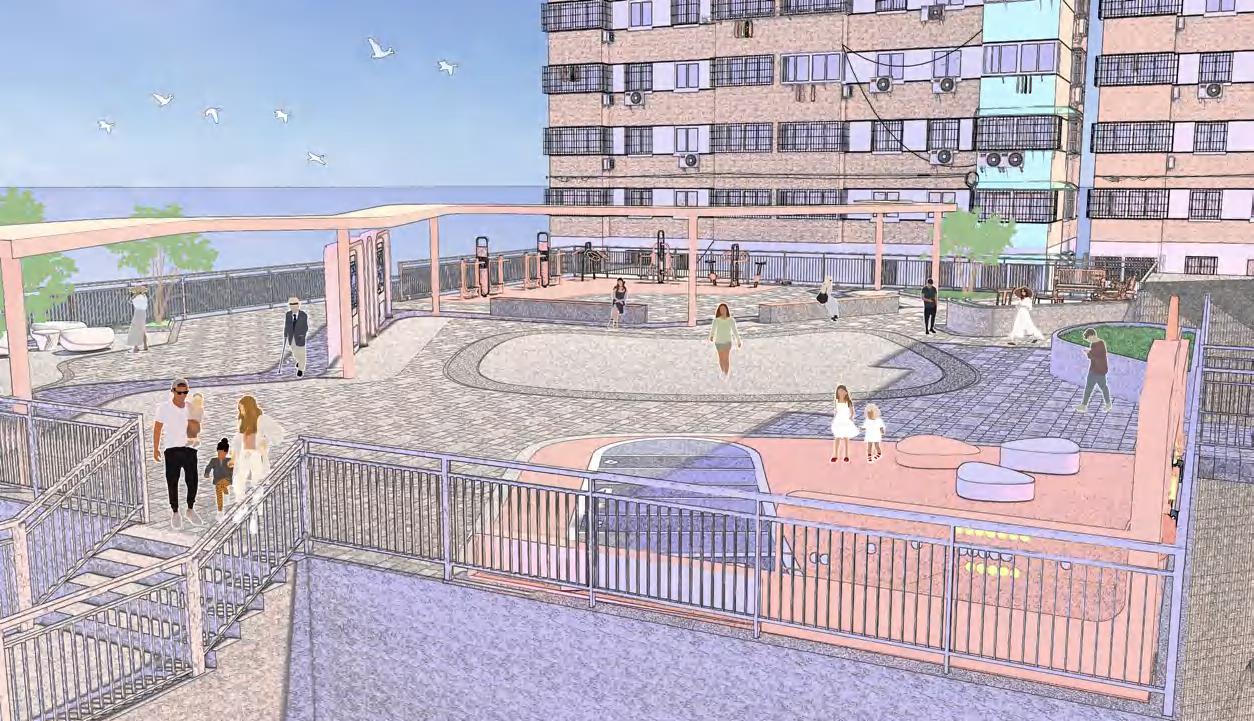
This project is located in the old community of Yuzhong District, Chongqing. The community features a vertical spatial structure with staircases connecting various public platforms. Given the higher proportion of elderly residents in the community, there is a focus on creating senior-friendly activity spaces. Addressing issues such as aging infrastructure, a lack of modern recreational facilities, and insufficient designs to promote community interaction and neighborly relationships, a comprehensive redesign of public spaces has been undertaken.The goal is to transform the public spaces into vibrant environments that facilitate interaction and socializing among community residents. This initiative aims to establish stronger community bonds, encourage resident interaction, and enhance community cohesion, ultimately improving the overall quality of life for the community residents.
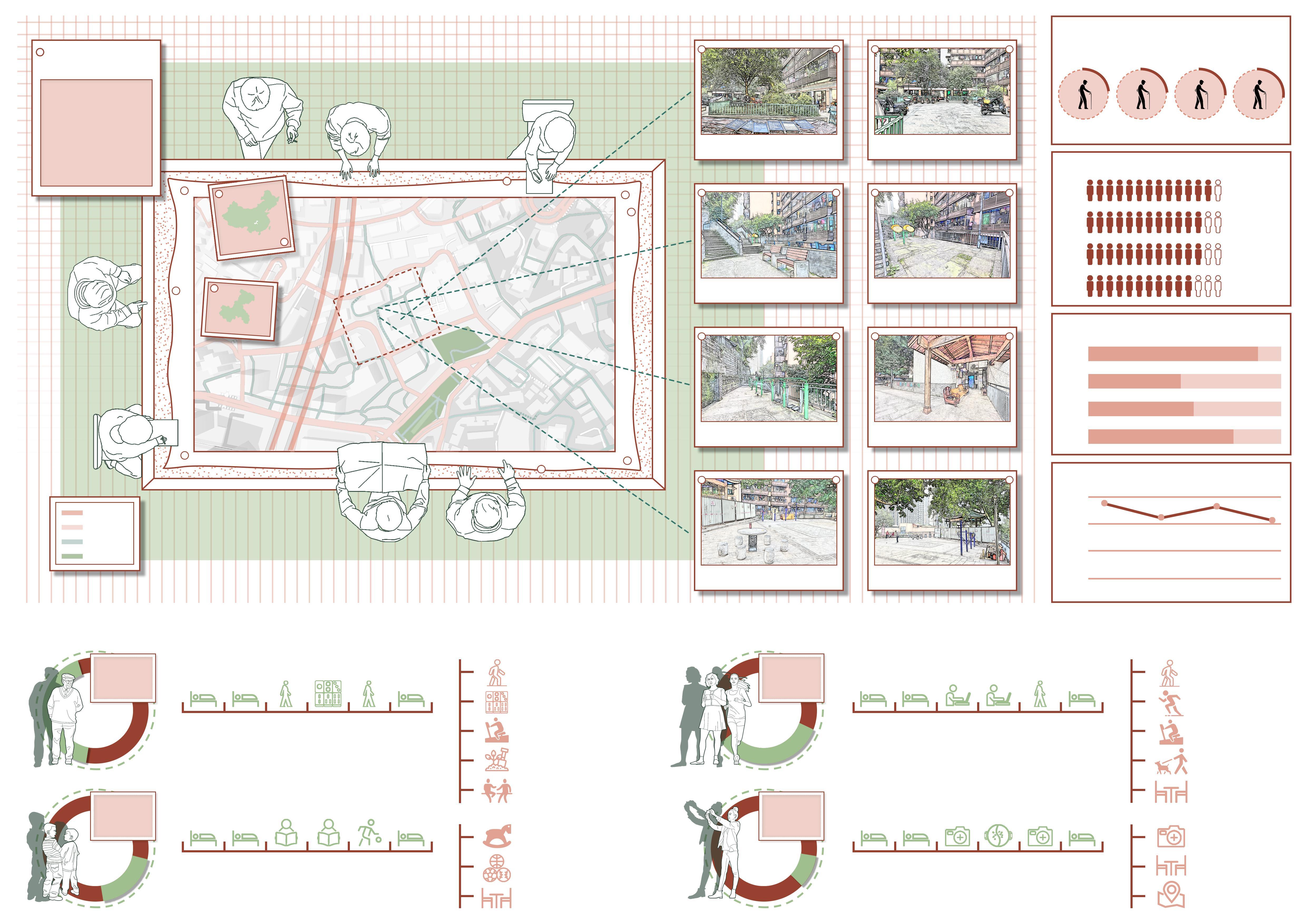
The ground cluttered, and the environment in poor condition
The site lacks functionality
The proportion of elderly people aged 60 and above in Yuzhong District, Chongqing City
The facilities are outdated
The ground pavement is haphazard
Resident Population of Yuzhong District, Chongqing City
people
people
people
people
The area has single function and lacks greenery
At the entrance, old furniture is casually arranged
people 11,637 people 12,451 people 14,782 people
In-migration Population of Yuzhong District, Chongqing City Average Monthly Salary in Chongqing City
The site lacks seating for relaxation There is lack of entertainment facilities
Age
Legend resting seats
rest platform rest platform open exercise area
shared furniture
children's
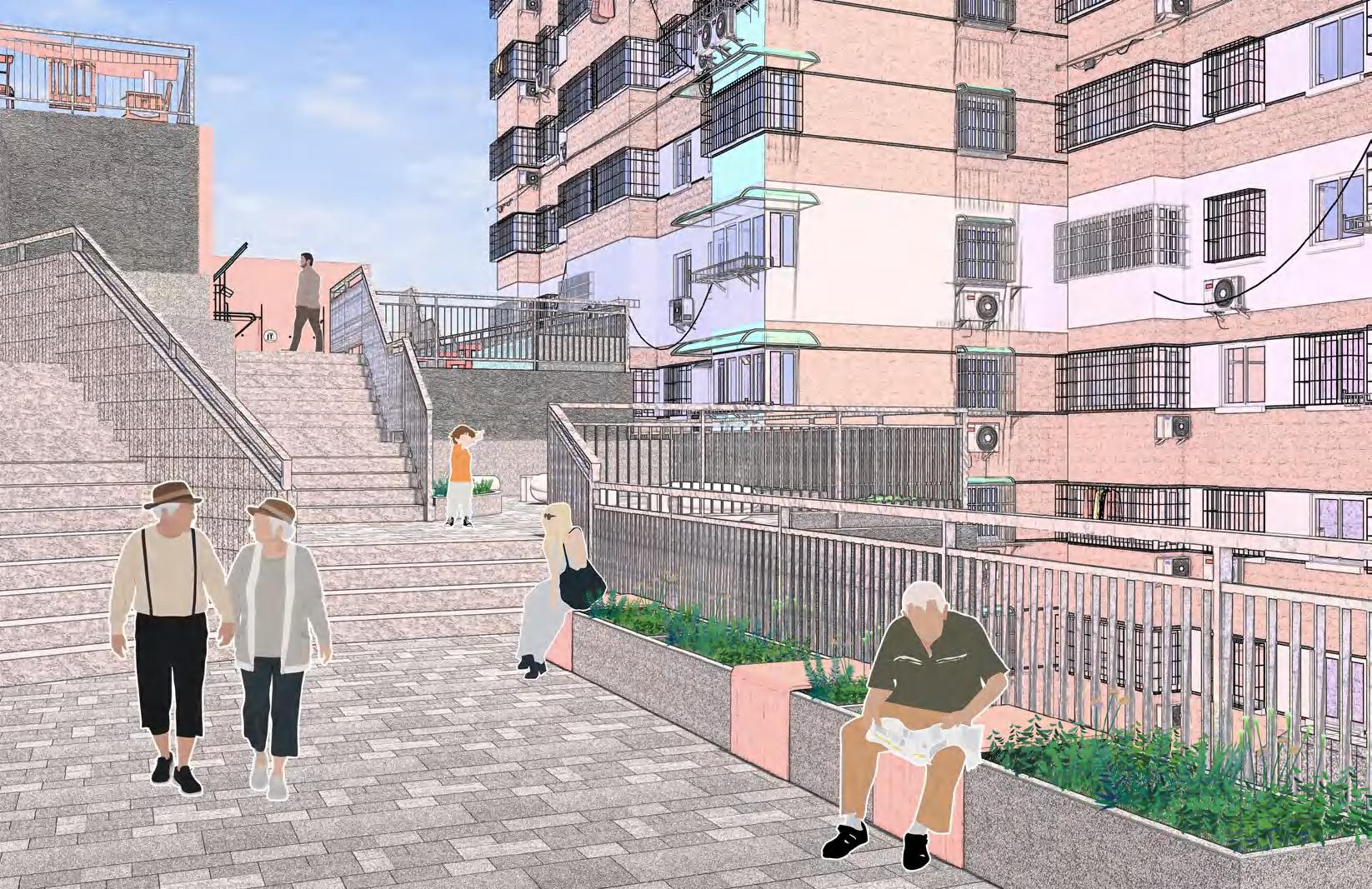
original photos of the community
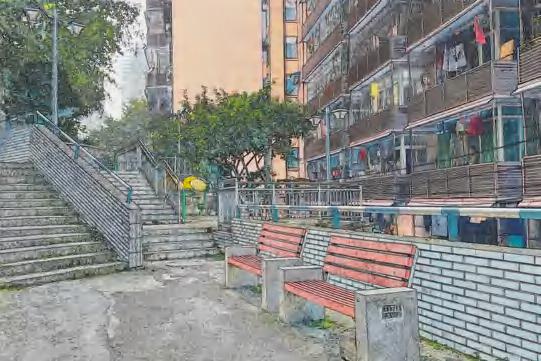
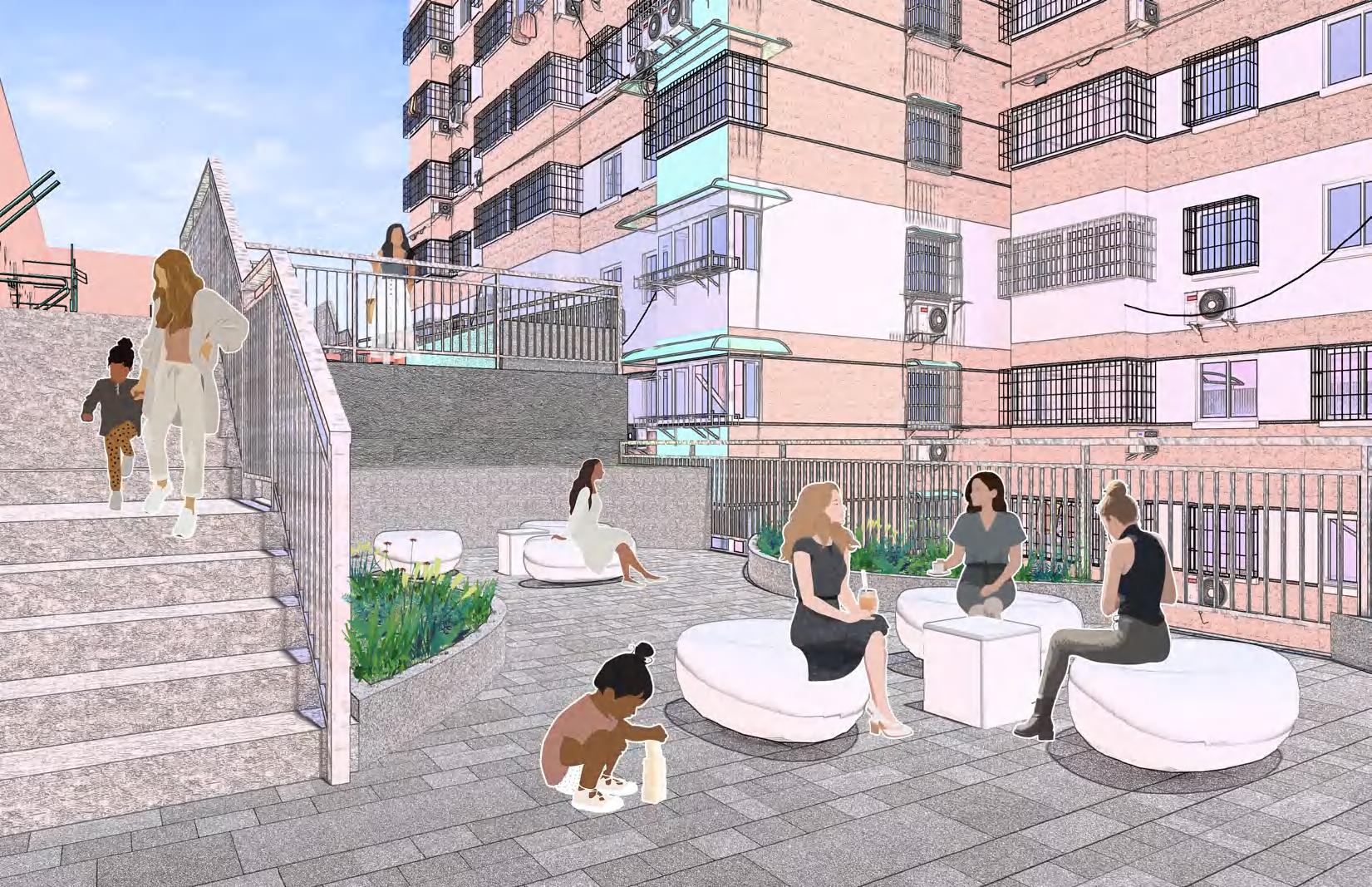
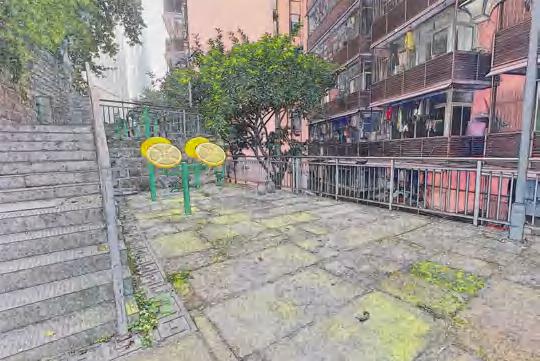
The original site had outdated facilities and lacked greenery.
The site has been transformed to include comfortable seating and greenery, creating rest platforms with lush plants. original photos of the community
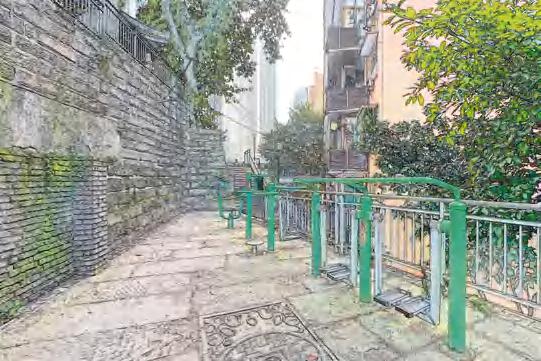
The original site had a singlefunction design, lacked greenery, and had haphazardly paved surfaces.
A cozy resting platform has been established, equipped with comfortable seating and surrounded by greenery, providing residents with gathering space for social interaction.
original photos of the community
Before Before Before
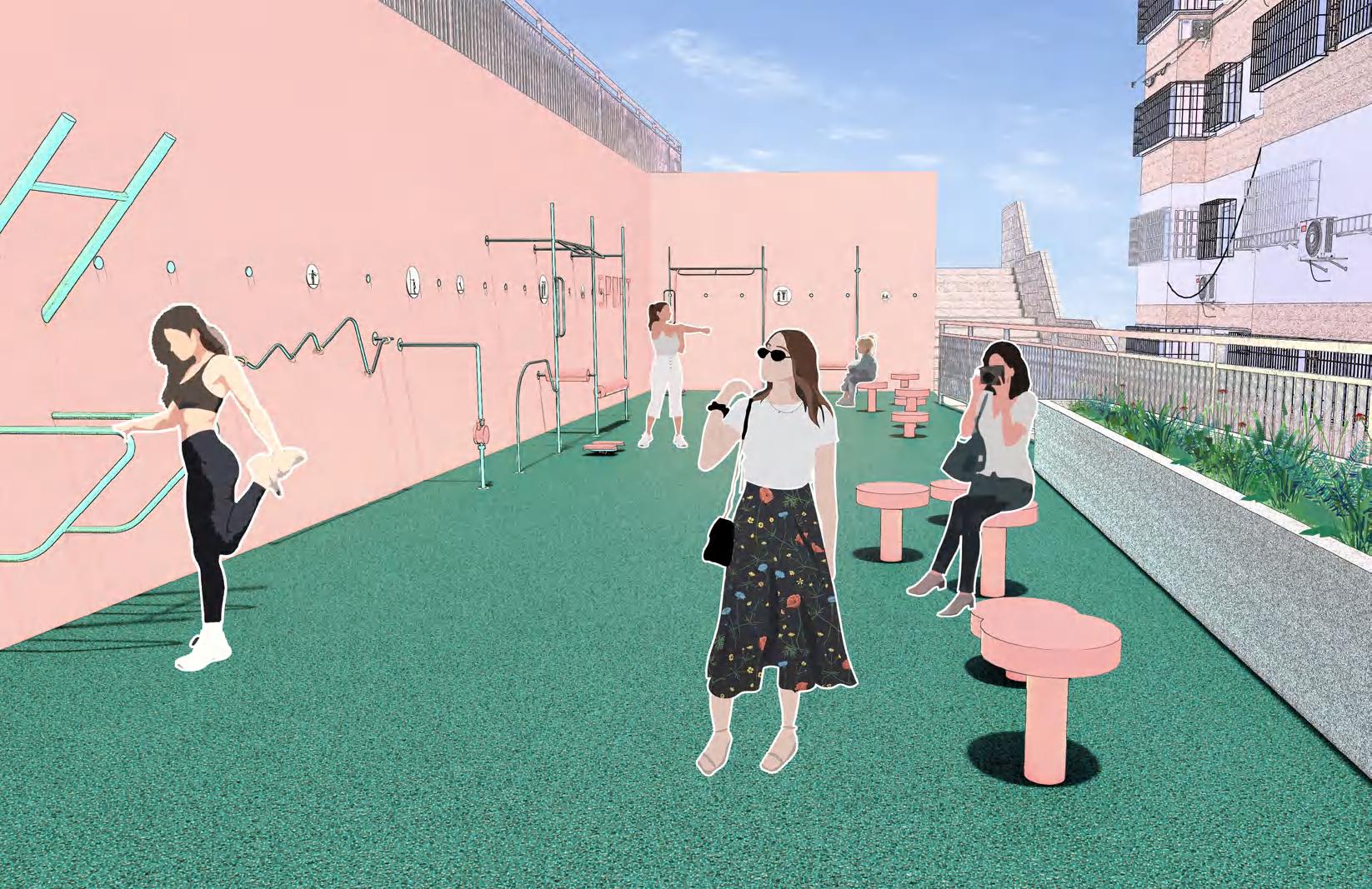
The original site had a singlefunction design, outdated facilities, and lacked greenery.
After After After
The renovated fitness area now provides versatile and vibrant space for a variety of exercise activities, enhanced by the inclusion of greenery to enrich the overall ambiance.
CROP ANALYSIS
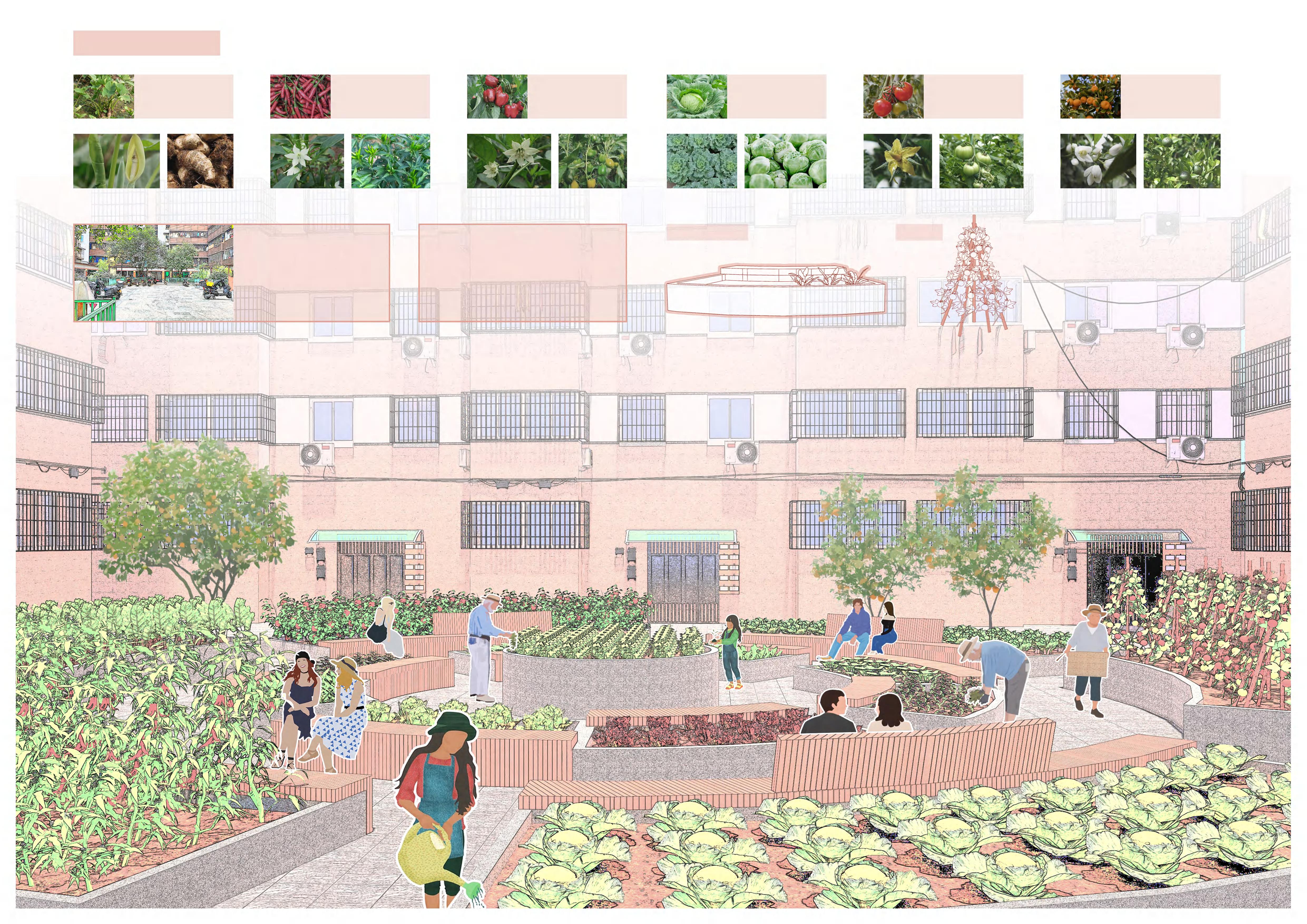
Taro
Bird's eye chili
The fruits of the bird's eye chili are very spicy and are commonly used as seasoning
Bell pepper
The fruits are relatively large and lantern-shaped
Cabbage
Originally from the Mediterranean, it was introduced to China in the mid-16th century
Tomato
The species originated in western South America, Mexico, and Central America
Mandarin orange
Taro believed to be one of the earliest cultivated plants florescence:Aug-Sep florescence:May-Jul florescence:Aug-Oct florescence:Apr florescence:Mar-Apr florescence:Apr-May fruiting:Oct fruiting:Aug fruiting:Dec fruiting:May fruiting:July-Aug fruiting:Oct- Dec
Evergreen small tree or shrub, reaching a height of about meters.
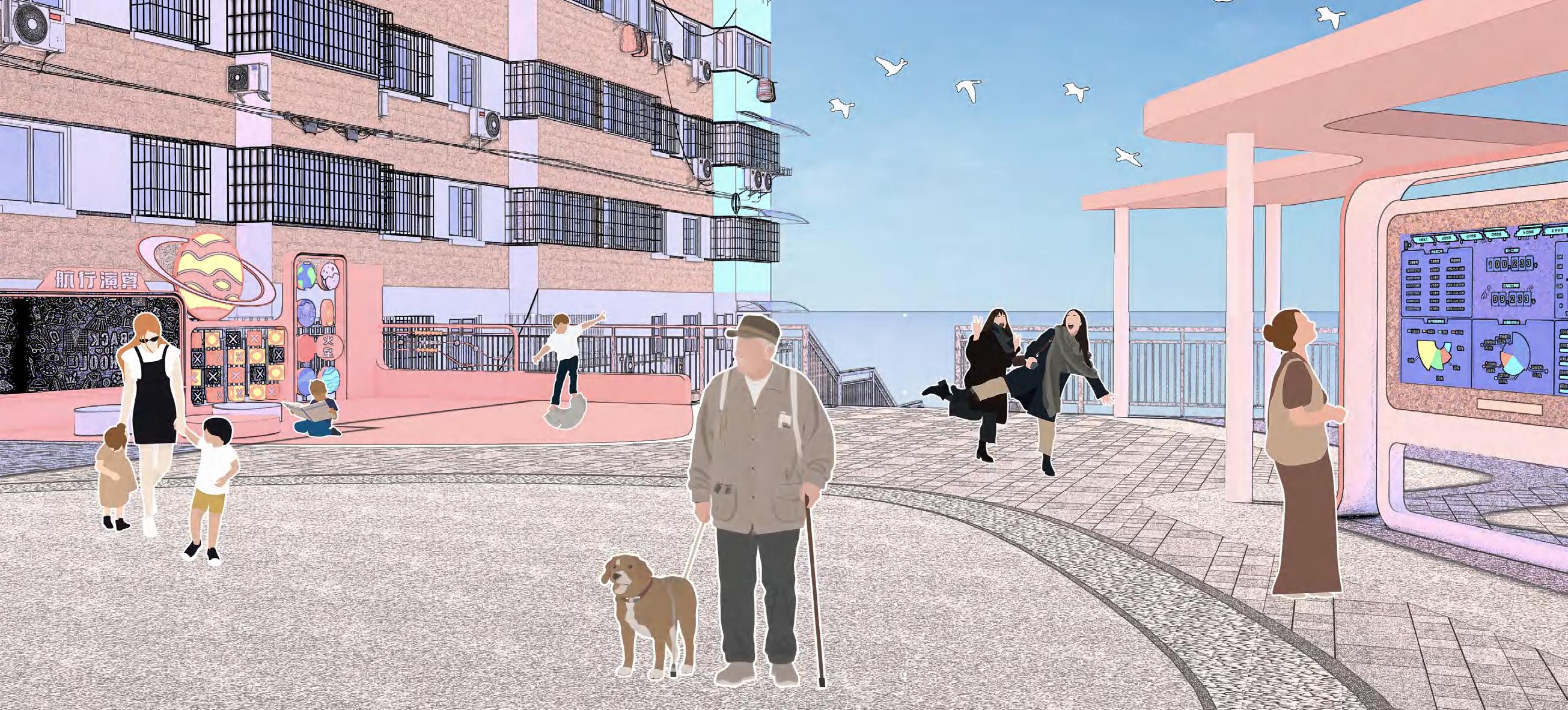
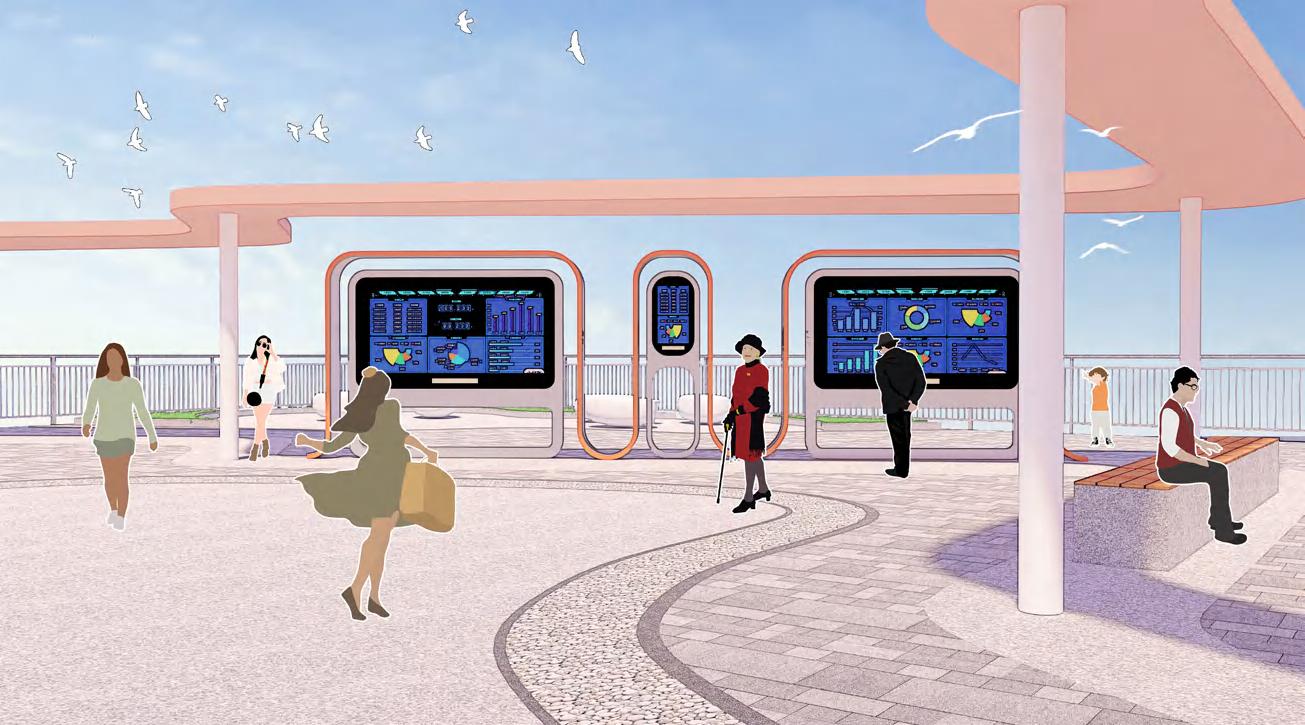
Community Smart Screen is digitized and intelligent display device designed for providing community information services, community notifications, public advertisements, and more. This type of smart screen utilizes Internet technology for remote management and content updates, offering residents more convenient and practical information service.
Community Smart Screen
Transformation methods Transformation content Planting bed Trellis
The shared courtyard within the community has been transformed into a vegetable garden, with residents actively participating in its management and cultivation.
The shared courtyard has been divided into small collective planting beds, with each area assigned to different individuals or families. They are responsible for cultivating their assigned plots based on their own interests and needs.
A place specially designed and dedicated to children, aimed at providing a safe, fun, and educational environment to foster the holistic development of children's physical and mental well-being.
Children's Activity Area
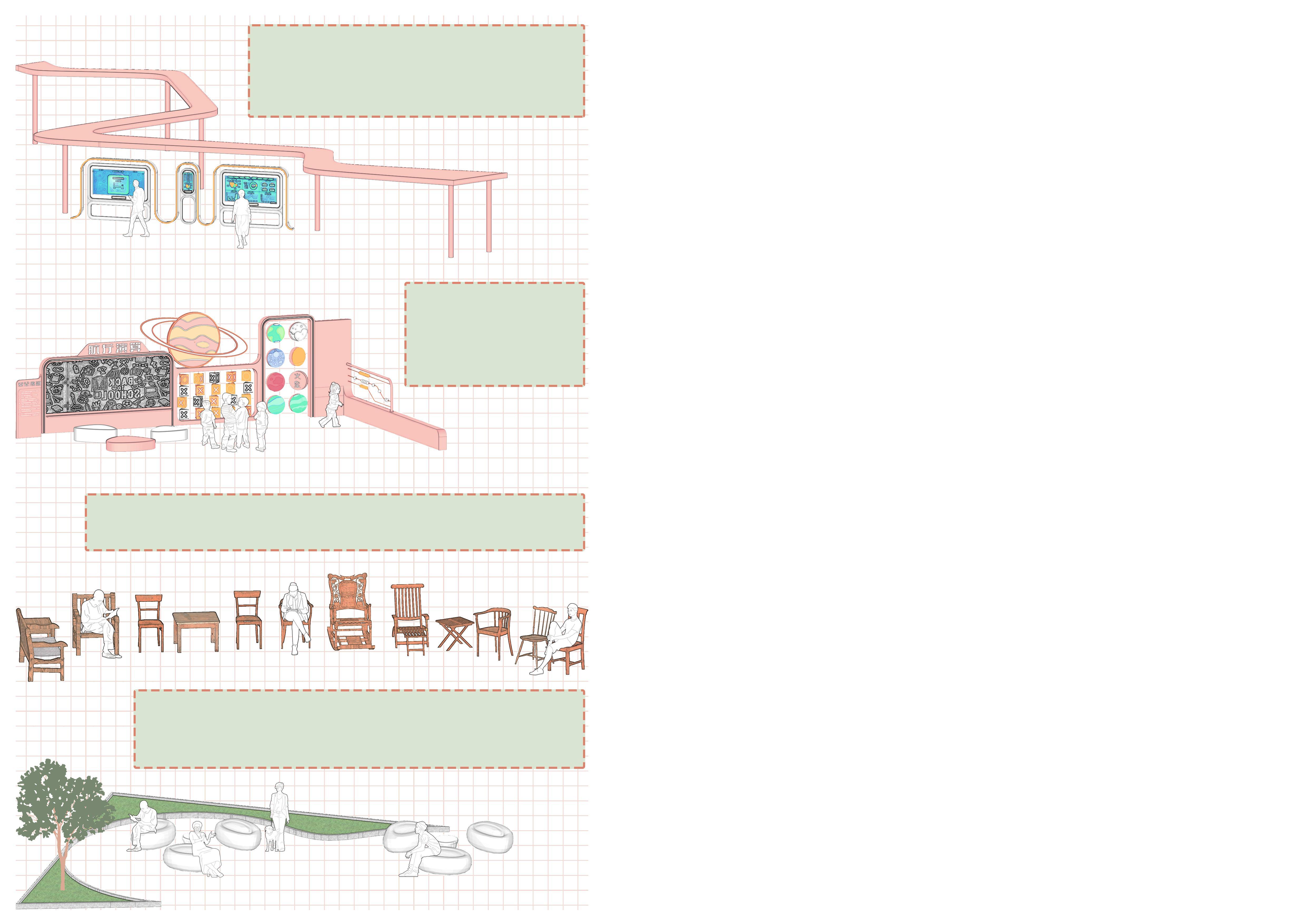
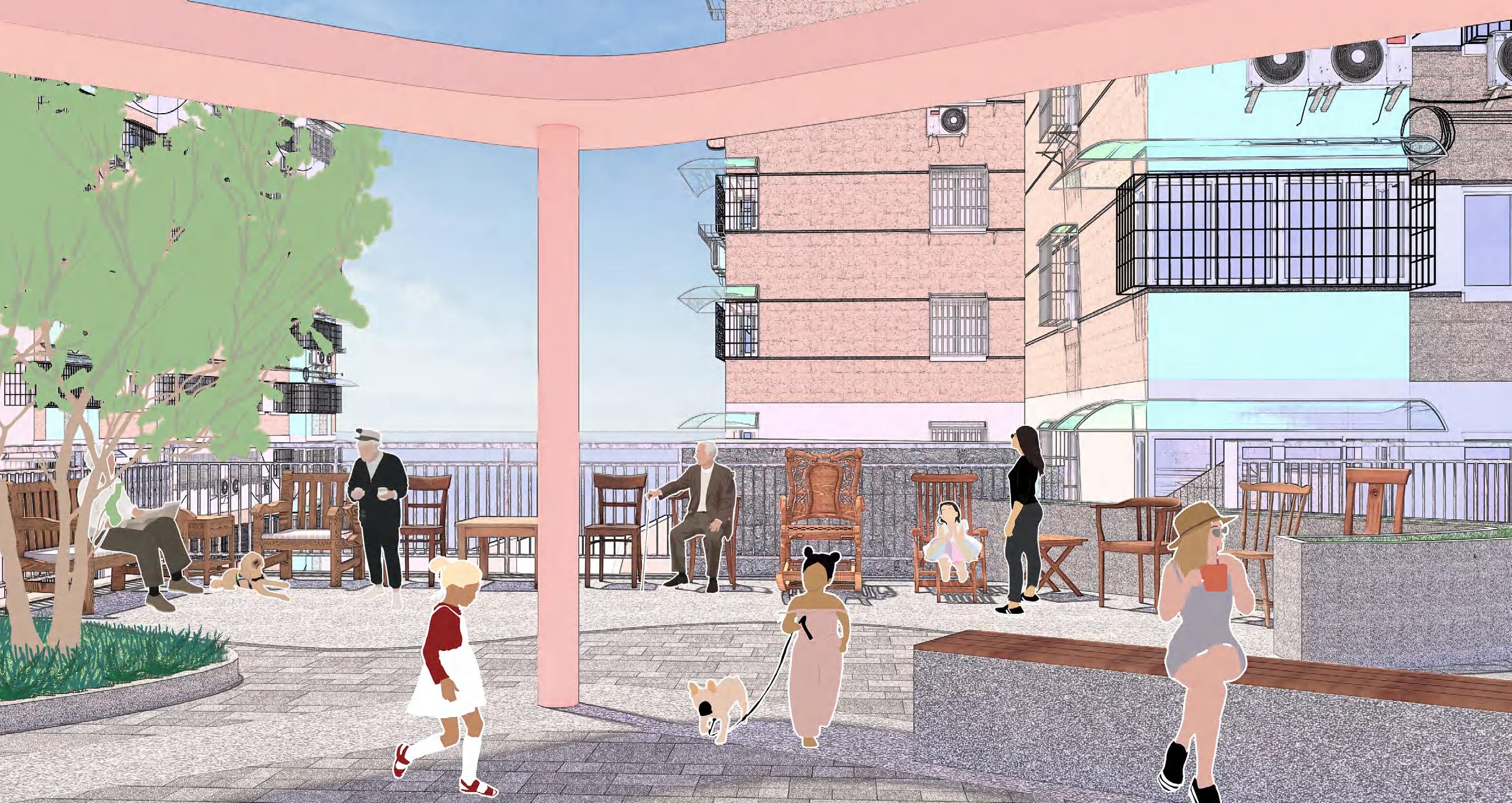
In the community's public spaces, residents bring their own second-hand chairs, allowing for the free movement and arrangement of chairs based on residents' preferences. This setup offers a sense of autonomy and personalization.
Shared Furniture
An area specifically designed for residents to relax, gather, and socialize. This space is equipped with tables and chairs to provide a relaxed and comfortable environment, allowing residents to freely sit down for conversations, rest, or reading. It serves as a hub to promote interaction among community residents, strengthen community cohesion, and cultivate a friendly and warm atmosphere.
Recreational Area
Shared furniture custom activity area and children's activity area
04 TIME TRAVEL TO THE MOVIES
Type: Artistic public space design
Location: Jiulongpo District, Chongqing, China
Area: 5000 square metres
Duration: 11.2022-12.2022
Designer: Mengchen Jing,Jingxian Wang(Cooperation project)
My Role: site analysis, overall design concept, master plan, landscape deisgn, landscape sketchup, perspectives, visual representation
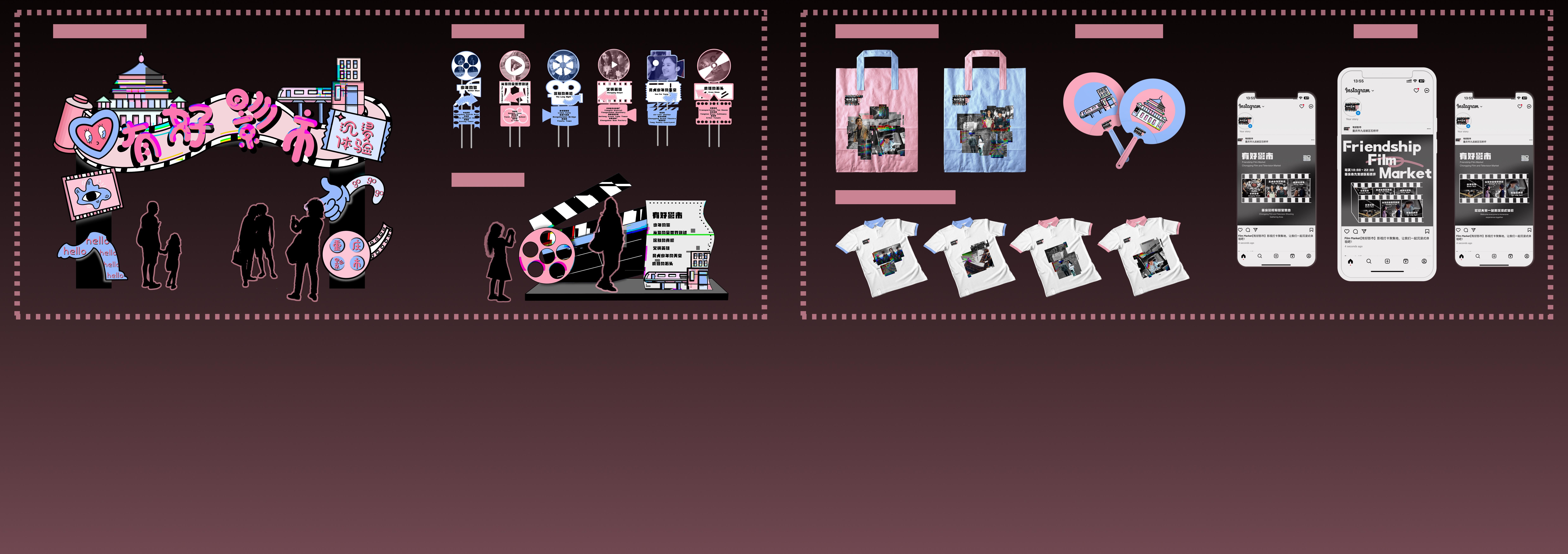
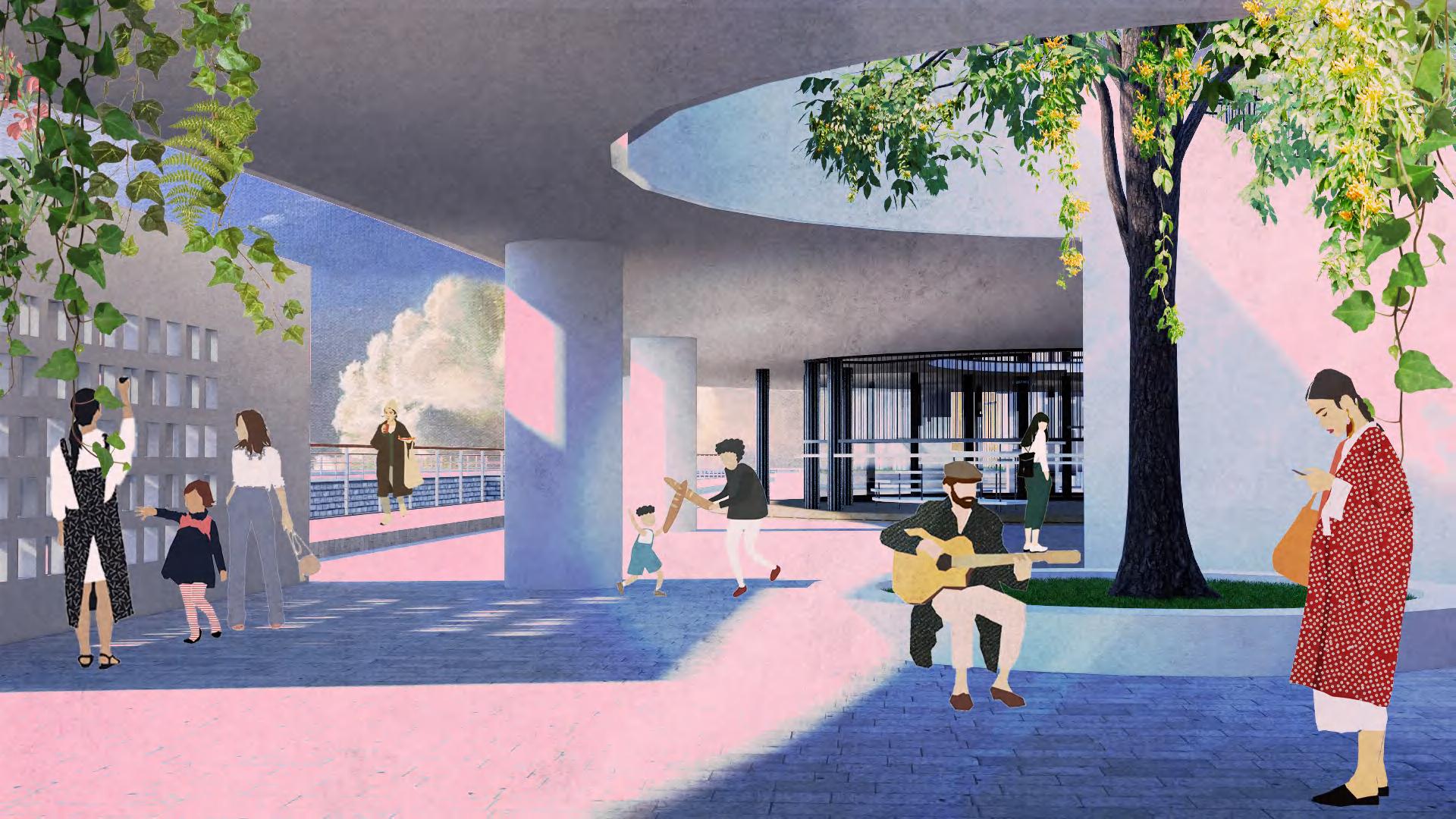
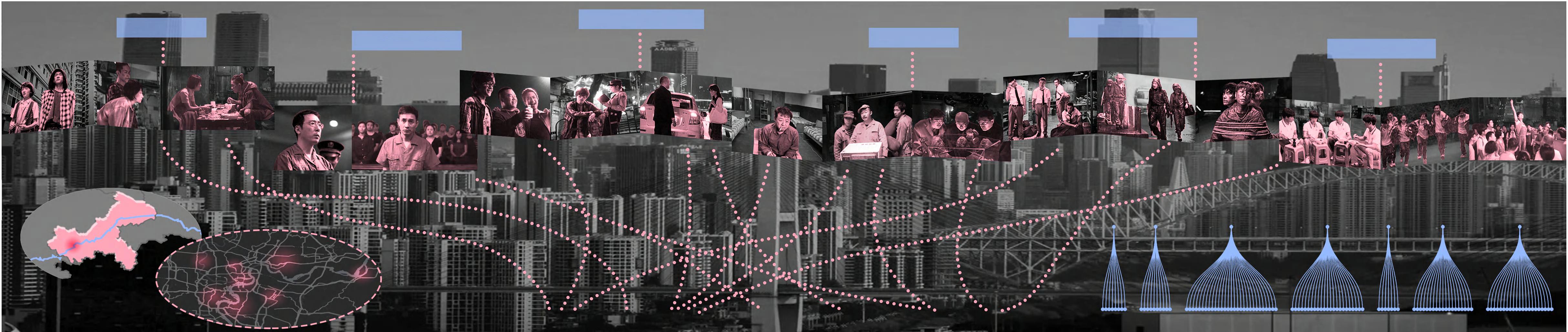
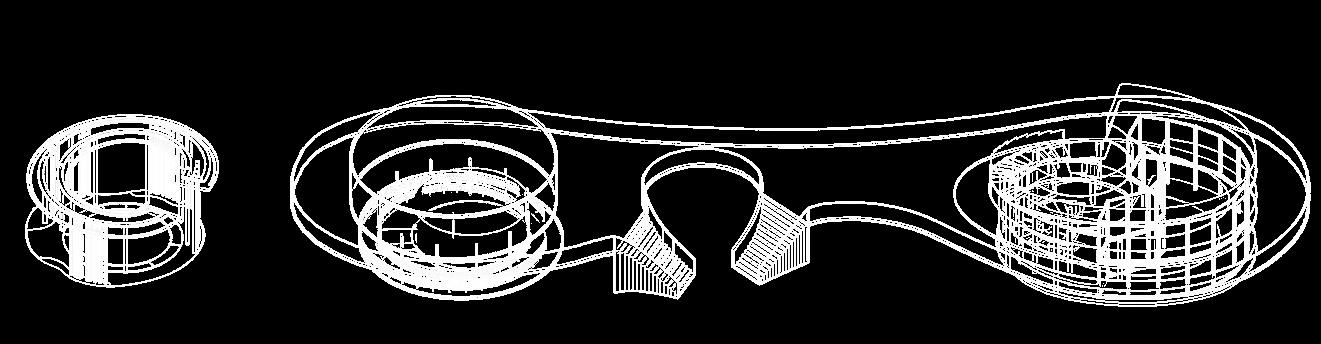
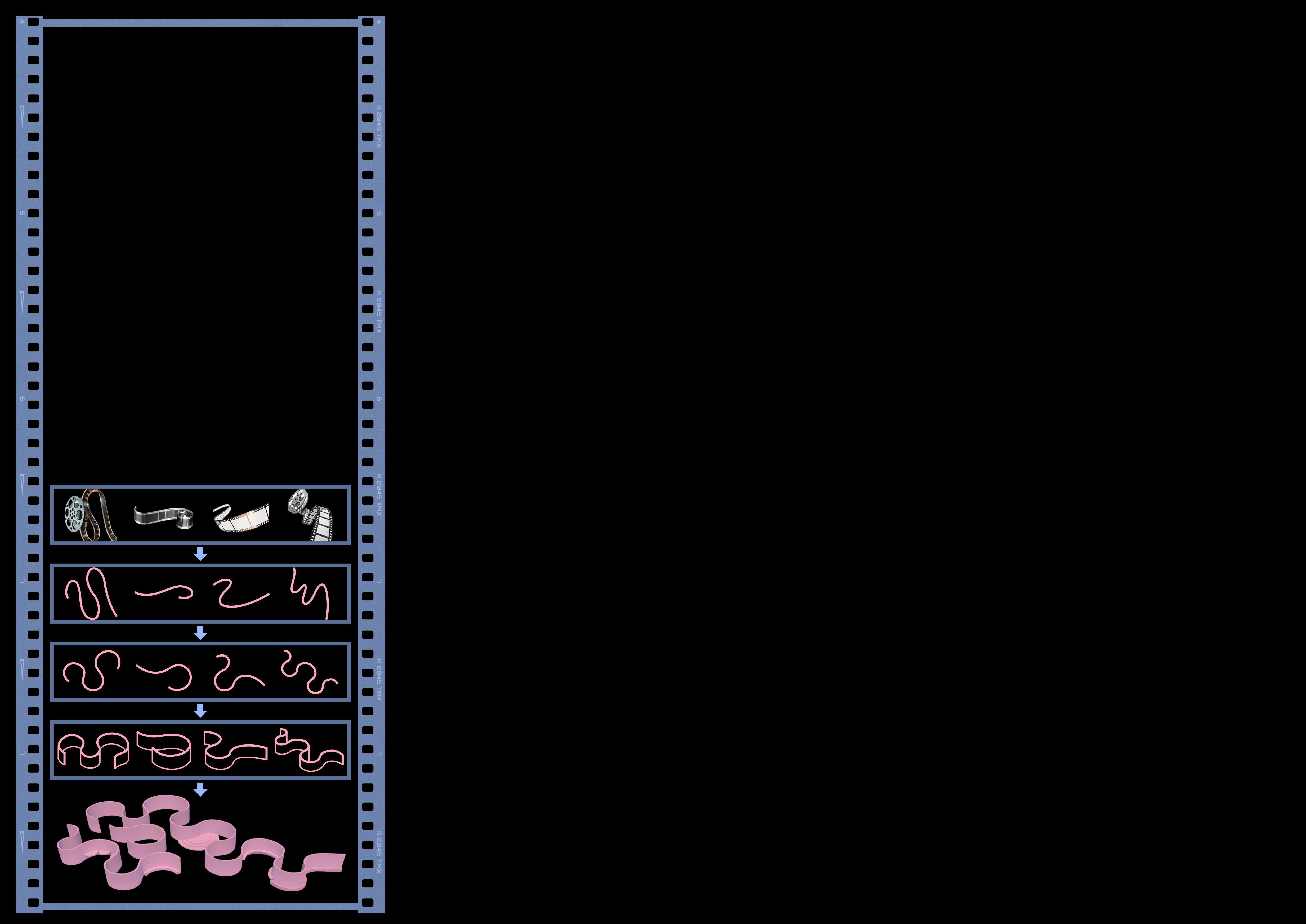
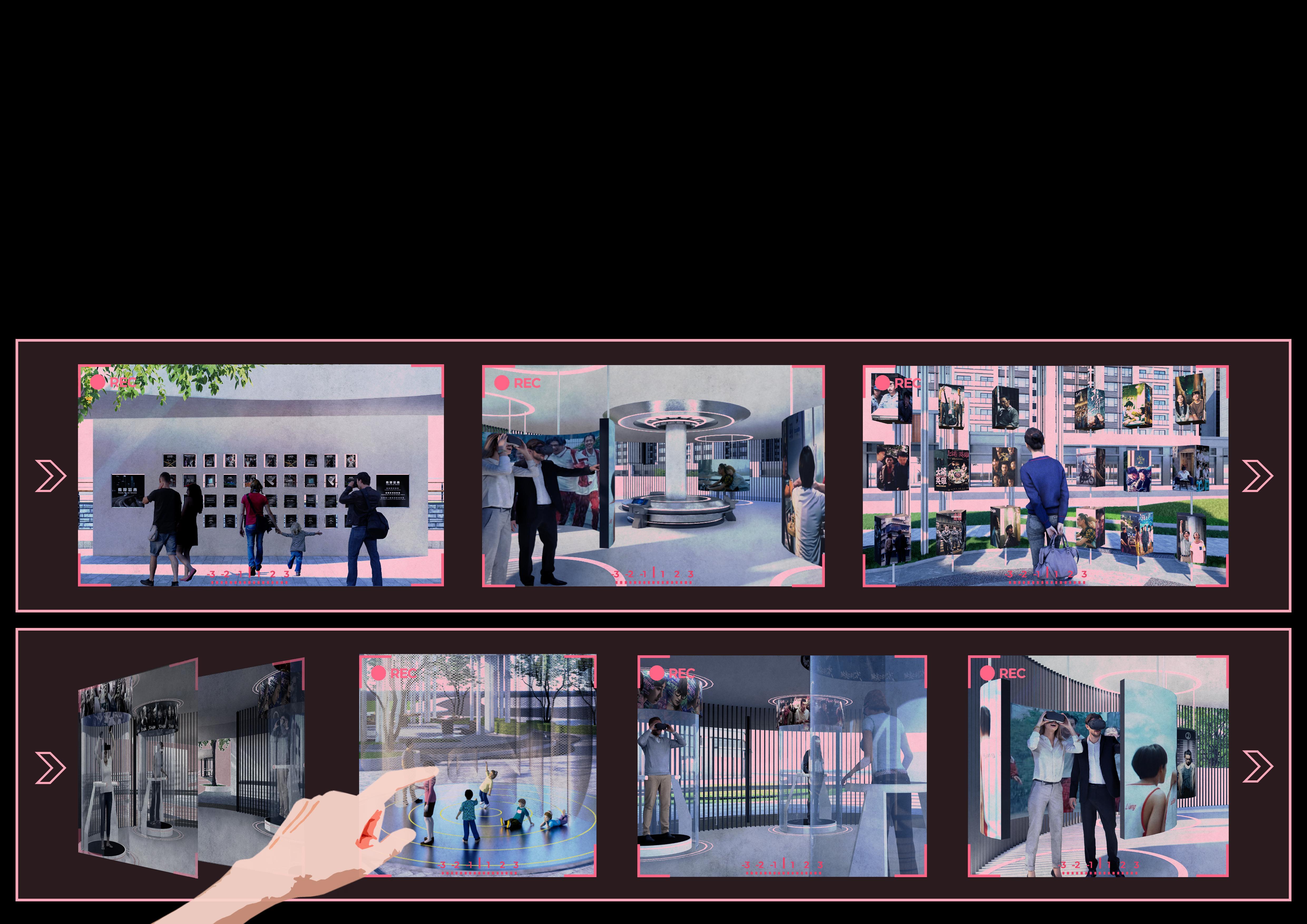
Market, as a commercial activity, prevails among young generation, however, it lacks diversity and creativity. This project aims to design a market featuring Chongqing movie, driving to break the tradition framework and promote Chongqing culture. The overall design is inspired by Film, constructed via various forms, joints, and combinations; meanwhile, classic movie clips from movies shot in Chongqing are captured and redesigned. Through watching, movie, experiencing VR, poster, cultural and creative products, this project is engaged to promote the unique geography, cuisine, transportation, and customs of Chongqing, to present the culture and accent the alluring charms of Chongqing.
CHONGQING MOVIE INTRODUCTION
Better Days
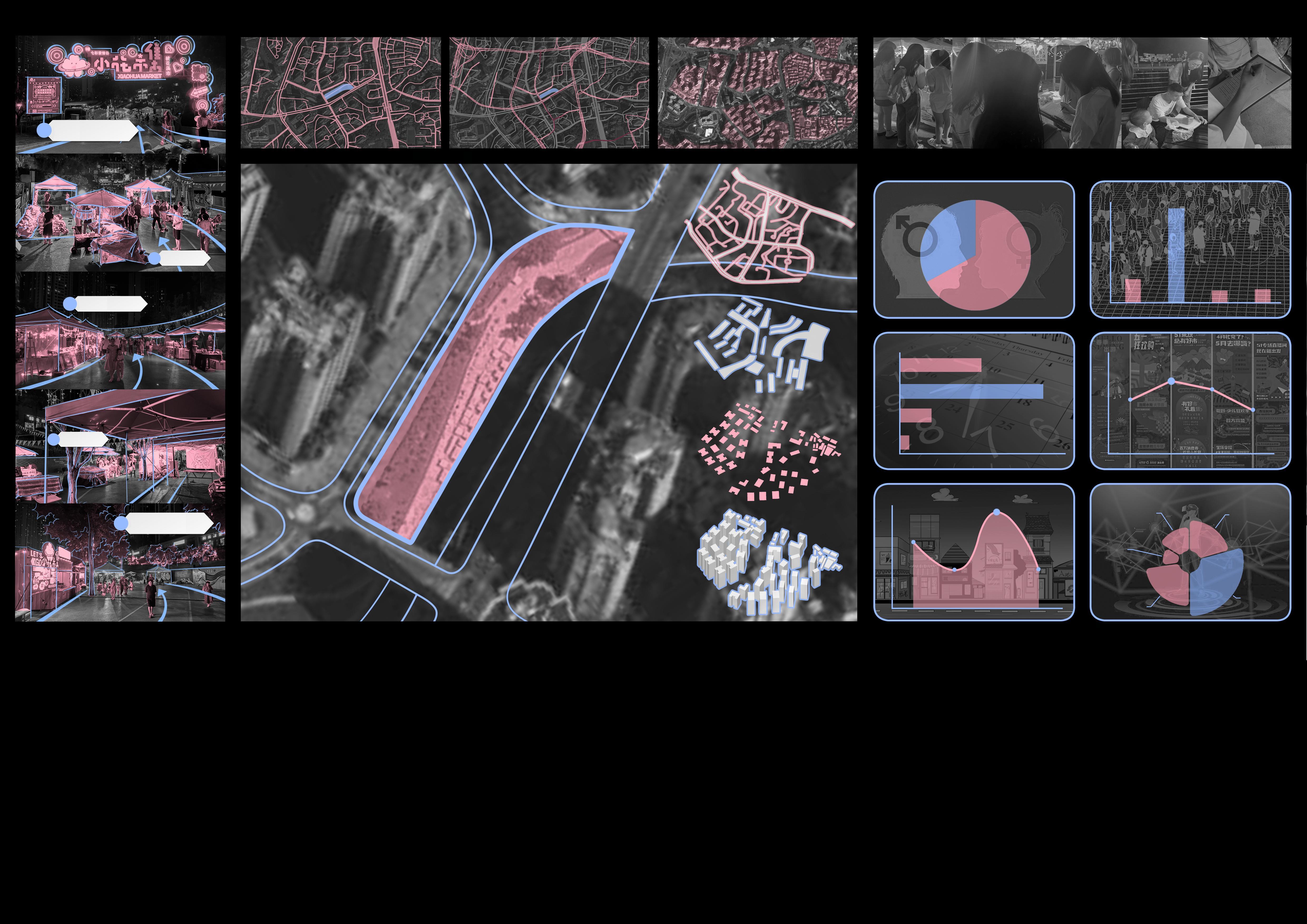
SITE LOCATION ANALYSIS
Traffic
QUESTIONNAIRE ANALYSIS
Your gender?
Your age?
How long do you prefer the market to last? How do you like the market to be
Where do you think the market should be held in Chongqing?
What type of film and TV-themed market format would you prefer if held in Chongqing?
Movie Set
The Long Night
Degree of liking of movie types love youth comedy suspense crime action
literary and artistic
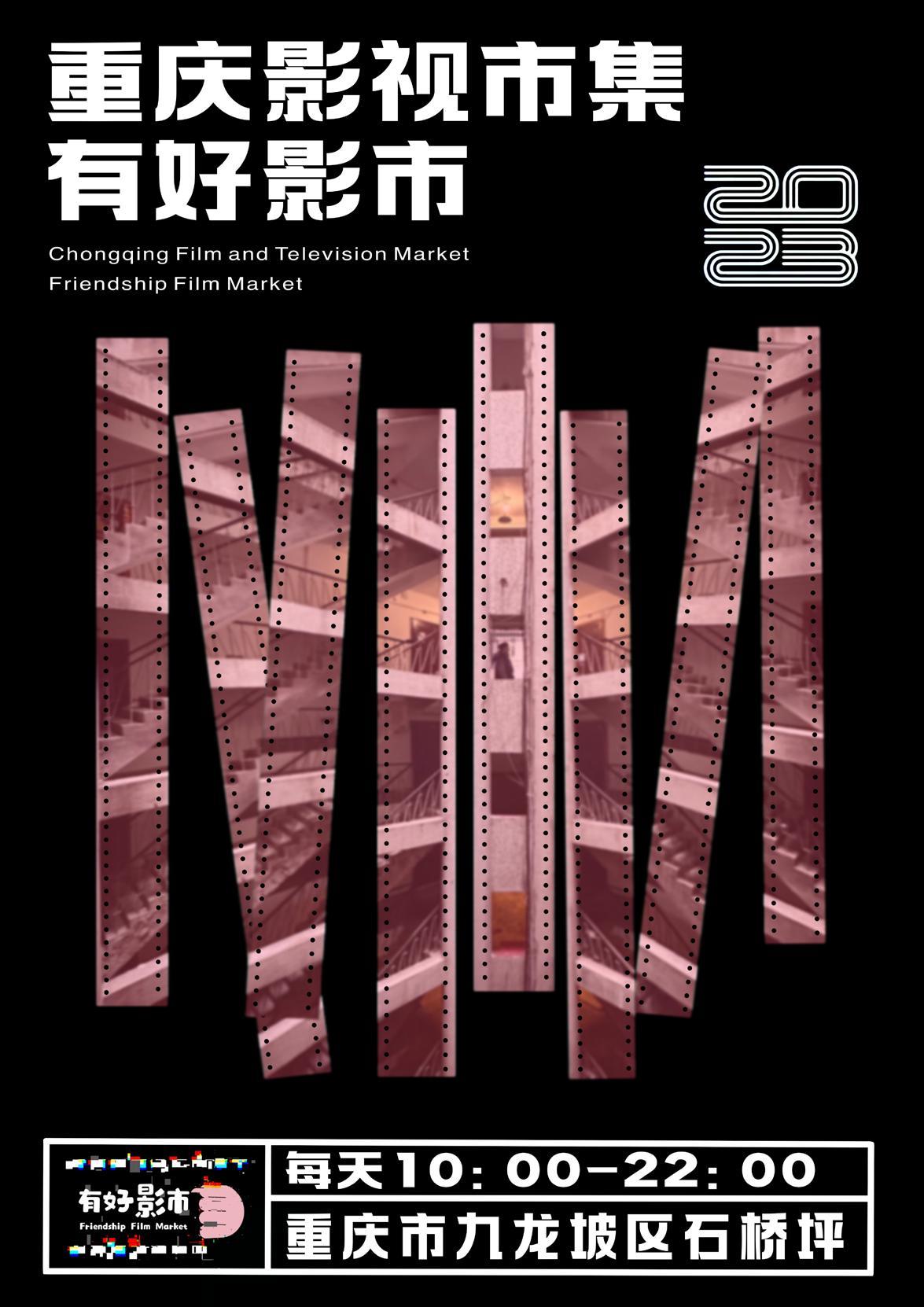
SOURCE OF INSPIRATION
6

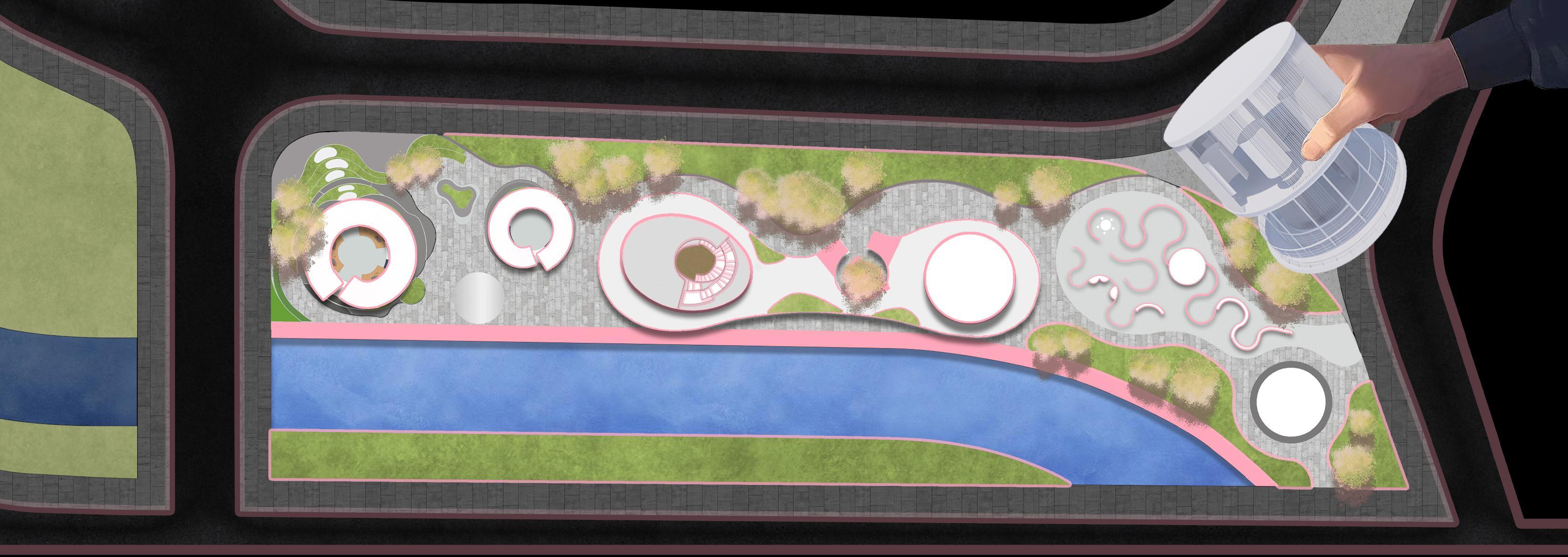
EXPLODED VIEWS
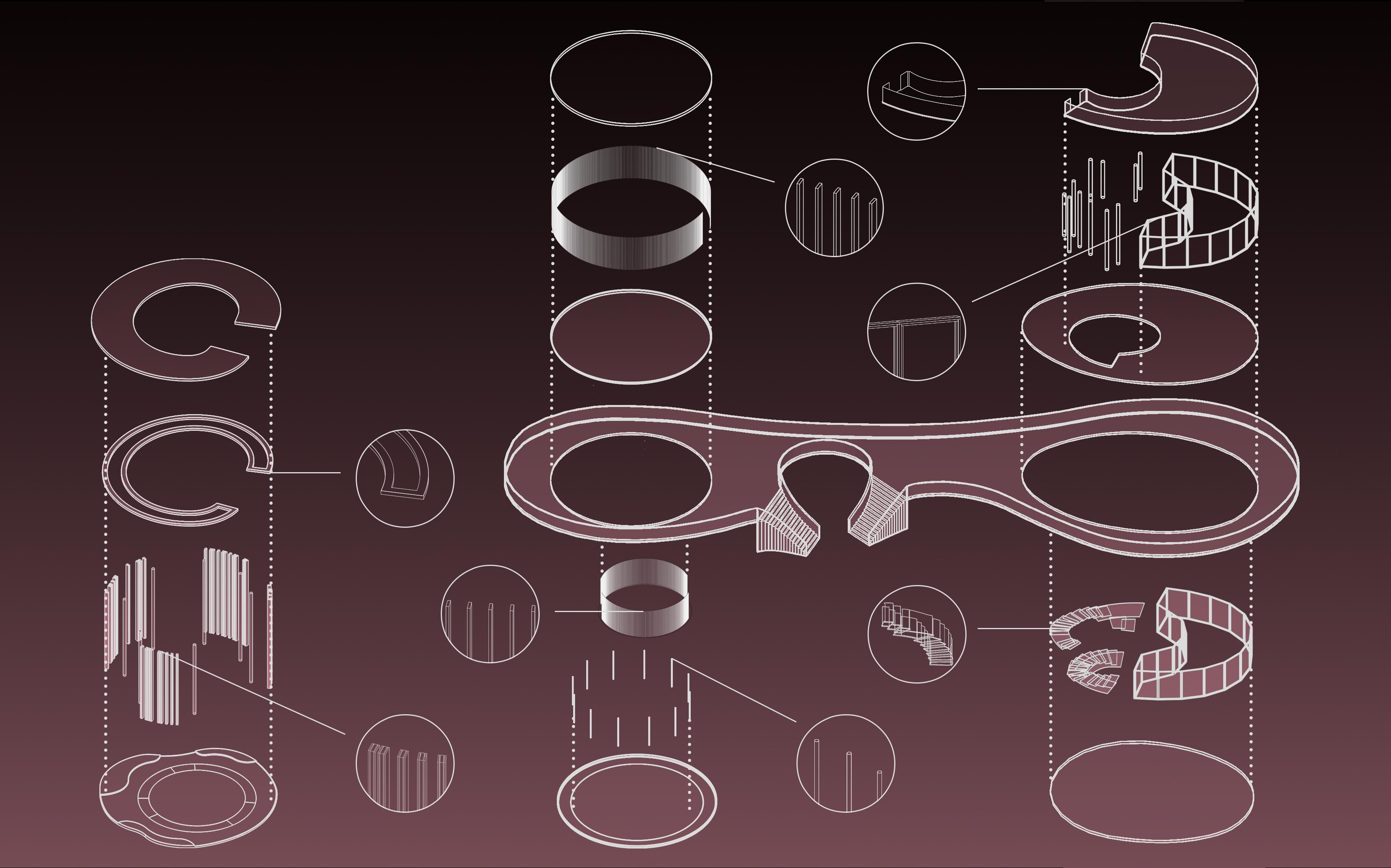
This exploded diagram aims to enhance comprehension of the installation's design and functionality by presenting visual breakdown of its components..Disassemble the device into individual components, categorizing them based on different functions and materials for each layer.

SECTION AA'
A'
VR experience space Movie presentation wall Movie promotional device
VR experience space Interactive installation Scenarios in the museum
Entrance
design
Installation design
Peripheral design(handbag)
Peripheral design(fan)
Installation design
Peripheral design(short-sleeved)