Google Sketchup Rhinocerous Hand Drafting Model Making Basic Carpentry
SOFT SKILLS
Critical thinking Leadership Team work
Problem solving
Communication
Questioning
Decision making
LANGUAGES
English Hindi Gujarati Marathi
The Bricoleur / Bricoleuse: Bricolage as method
Carpentry
MARGINAL POROSITY
Semester 4
Site
JVPD scheme, Vile parle (west), Mumbai
Team
Neha Mhadolkar
Mentor
Abhijit Ekbote
Vision
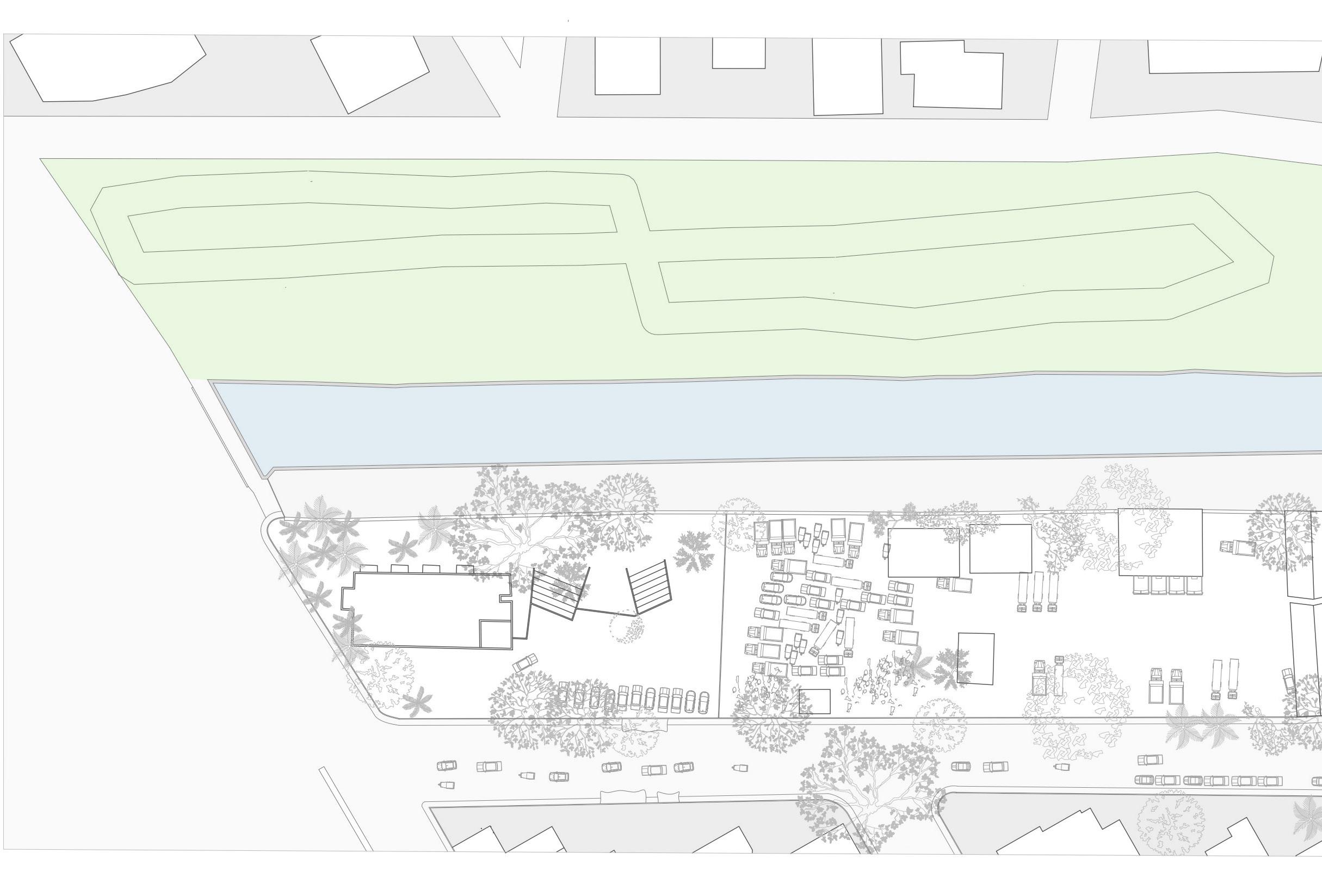
The fabric of the site can be distinguished into four distinct zones:
1. Shops- The most dynamic zone of the fabric
2. Junkyard- dumping, segregating and management of waste
3. Garage- maintenance and repair takes place
4. Service road- restricted
There is a very little intermingling that happens among people inhabiting these zones and hence,
What will it mean to seam together the four zones of the site? Will it be a focal point or an axis through the space that pulls together this fabric ?
Can architecture provoke the amalgamation of a broad and distinct fabric of the place? What form emerges to create space for it?
4. Garage
Design Intervension
Nallah
1. Shops
2. Junkyard
3. Service road Site Plan
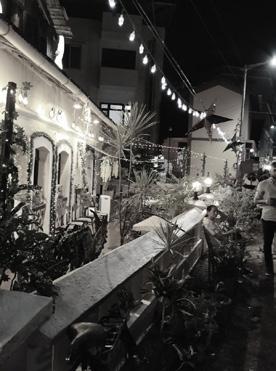
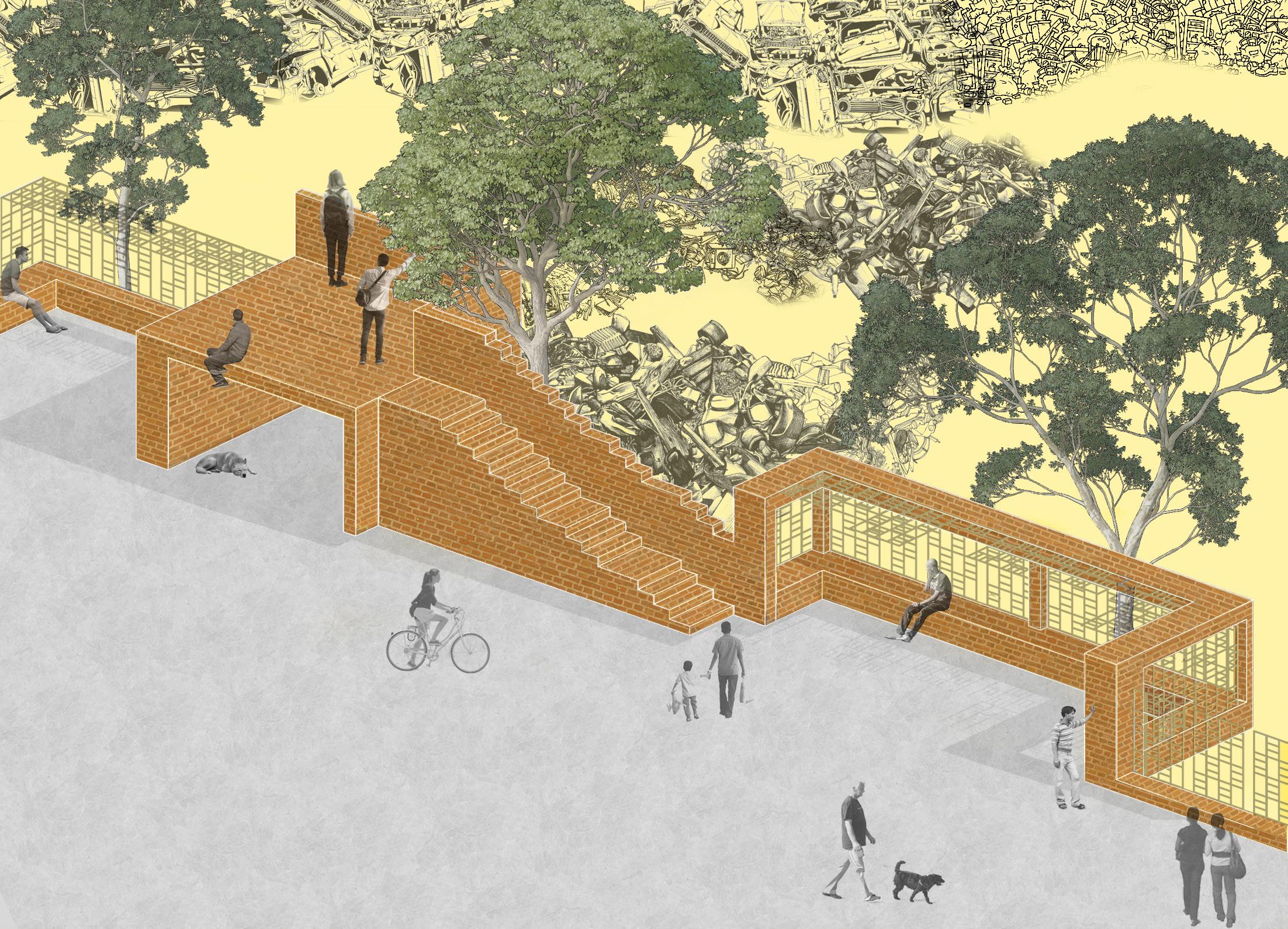
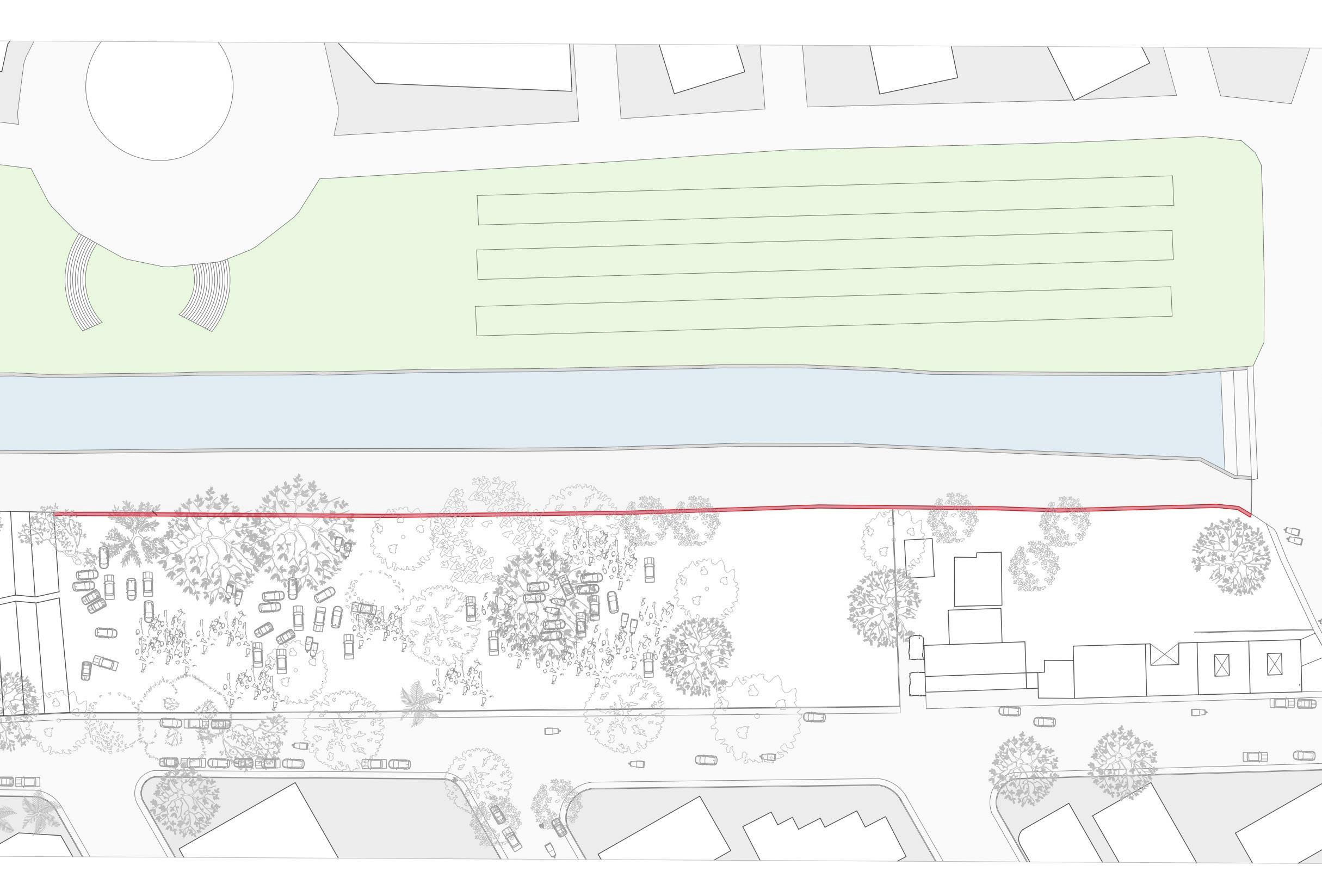
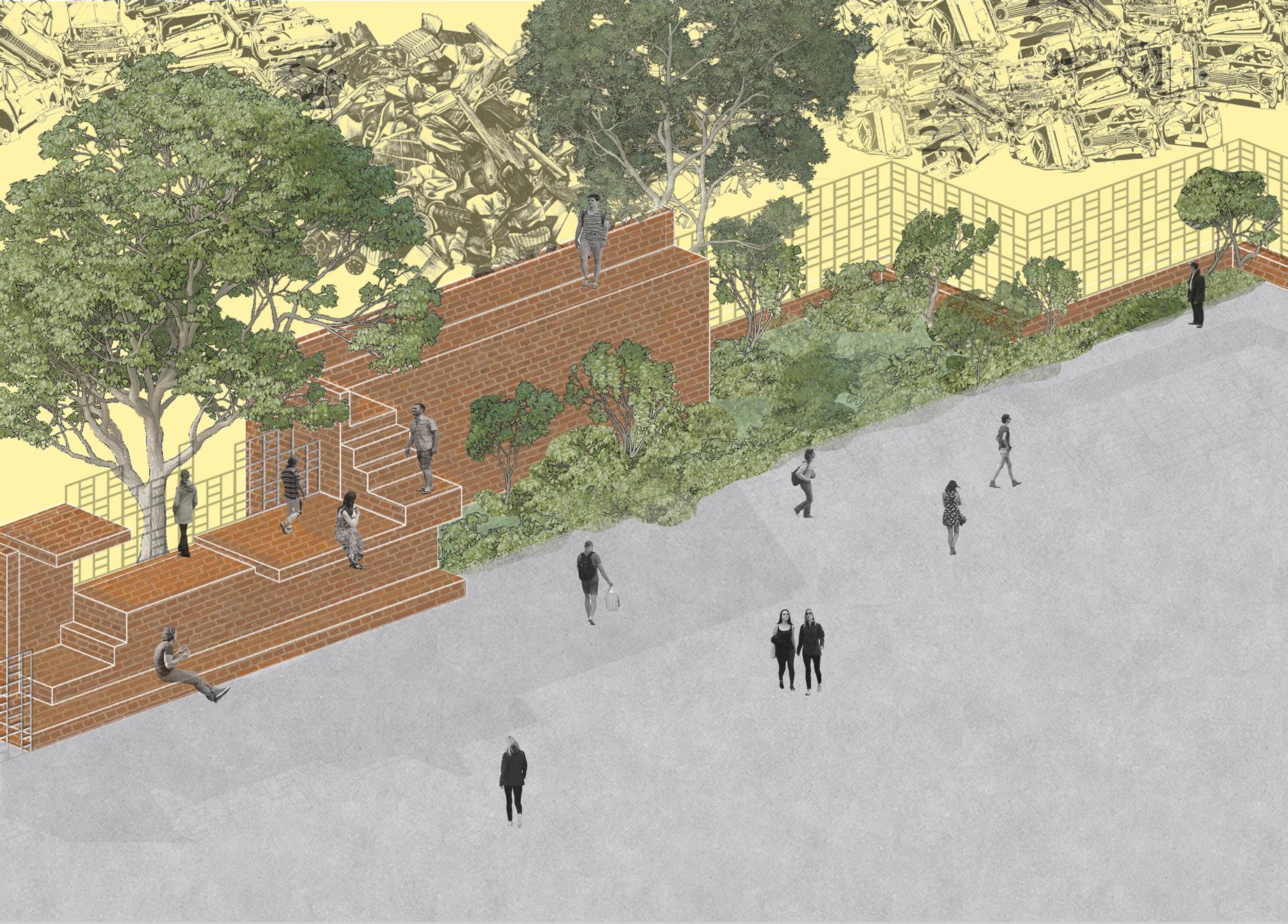
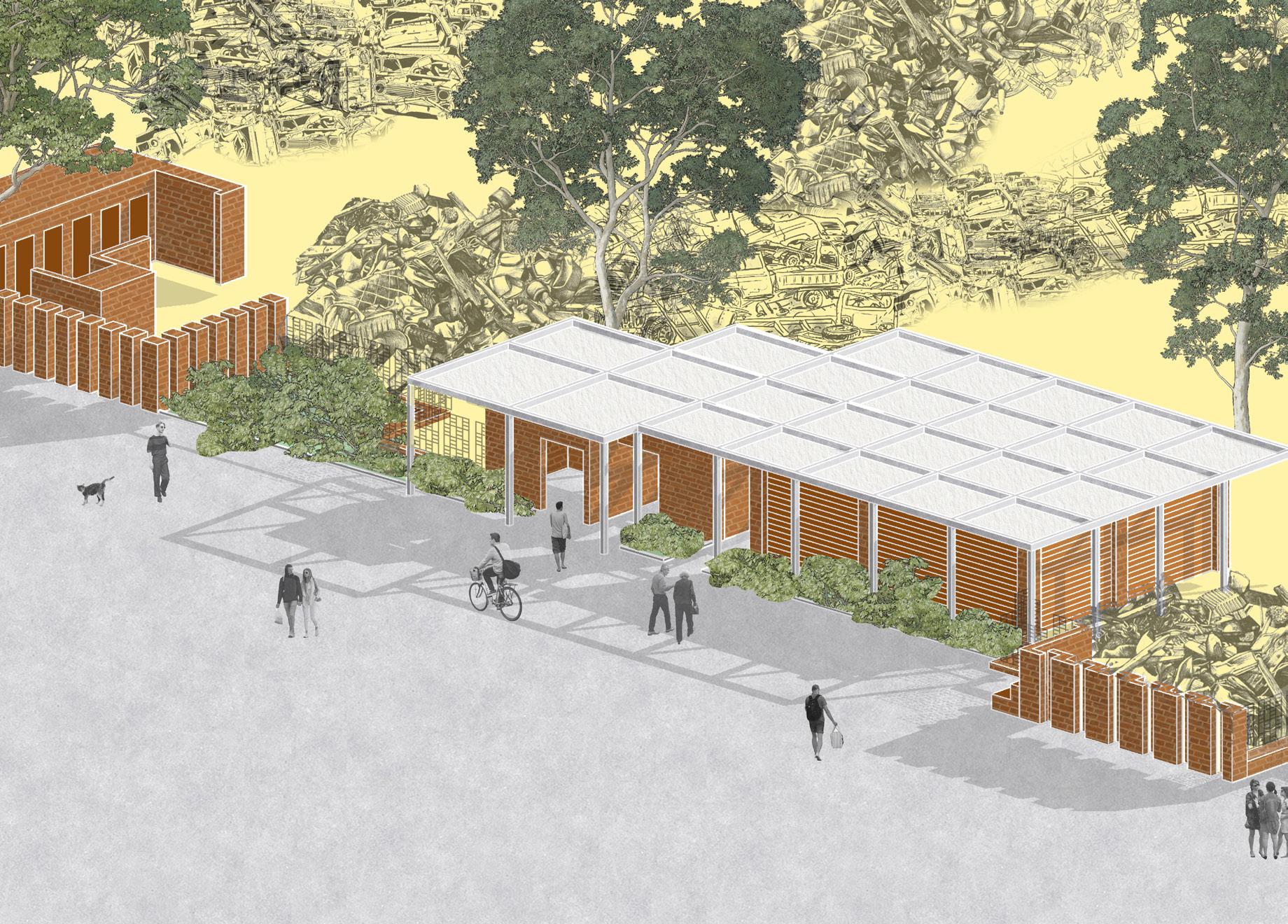
Reimagining the form of the compound wall as a porous and organic entity with a system of niches, alcoves and seatings which affords various inhabitations and interactions
Introduction of various site specific programs which are connected to the pororus compound wall to vitalise the site
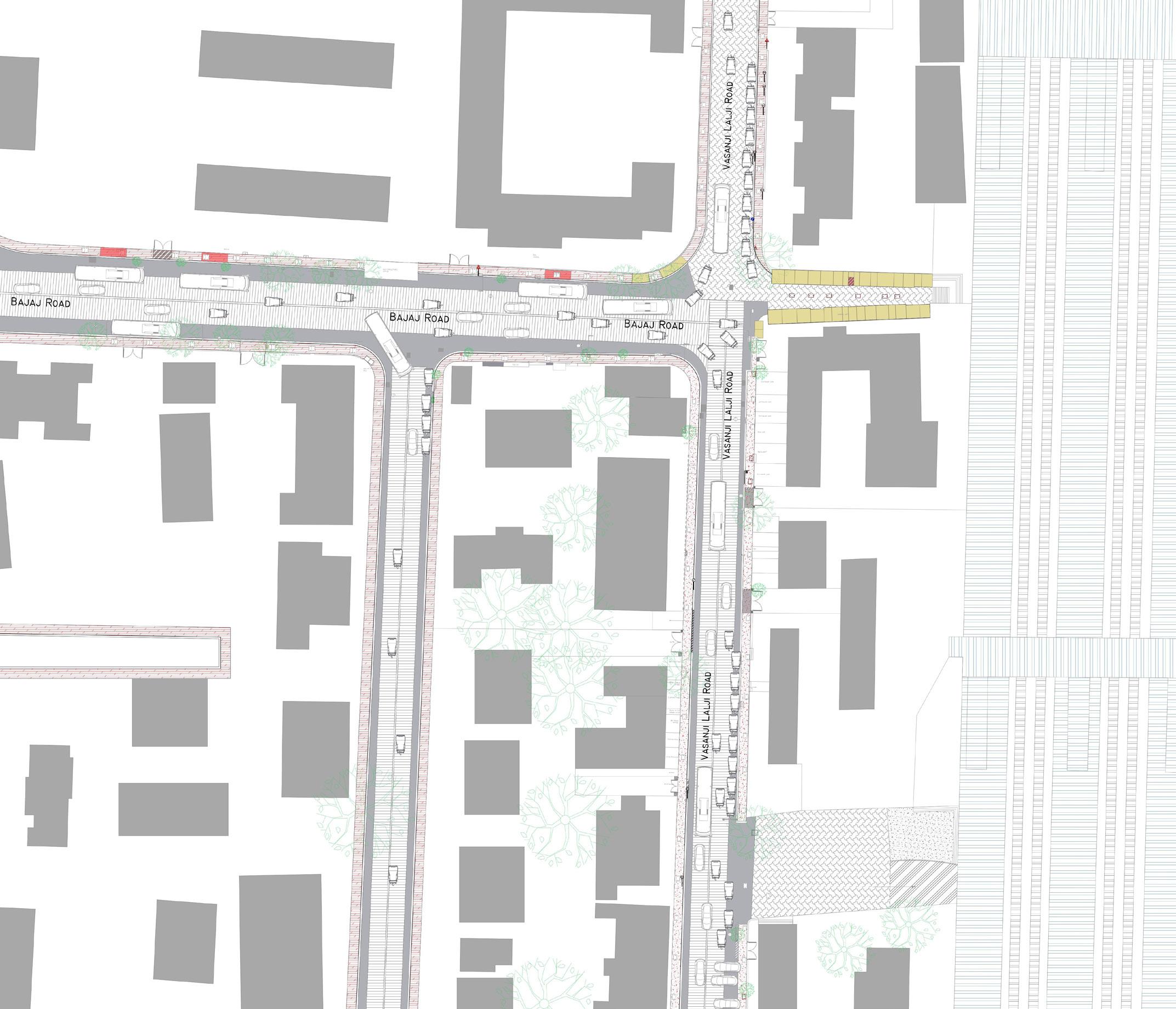
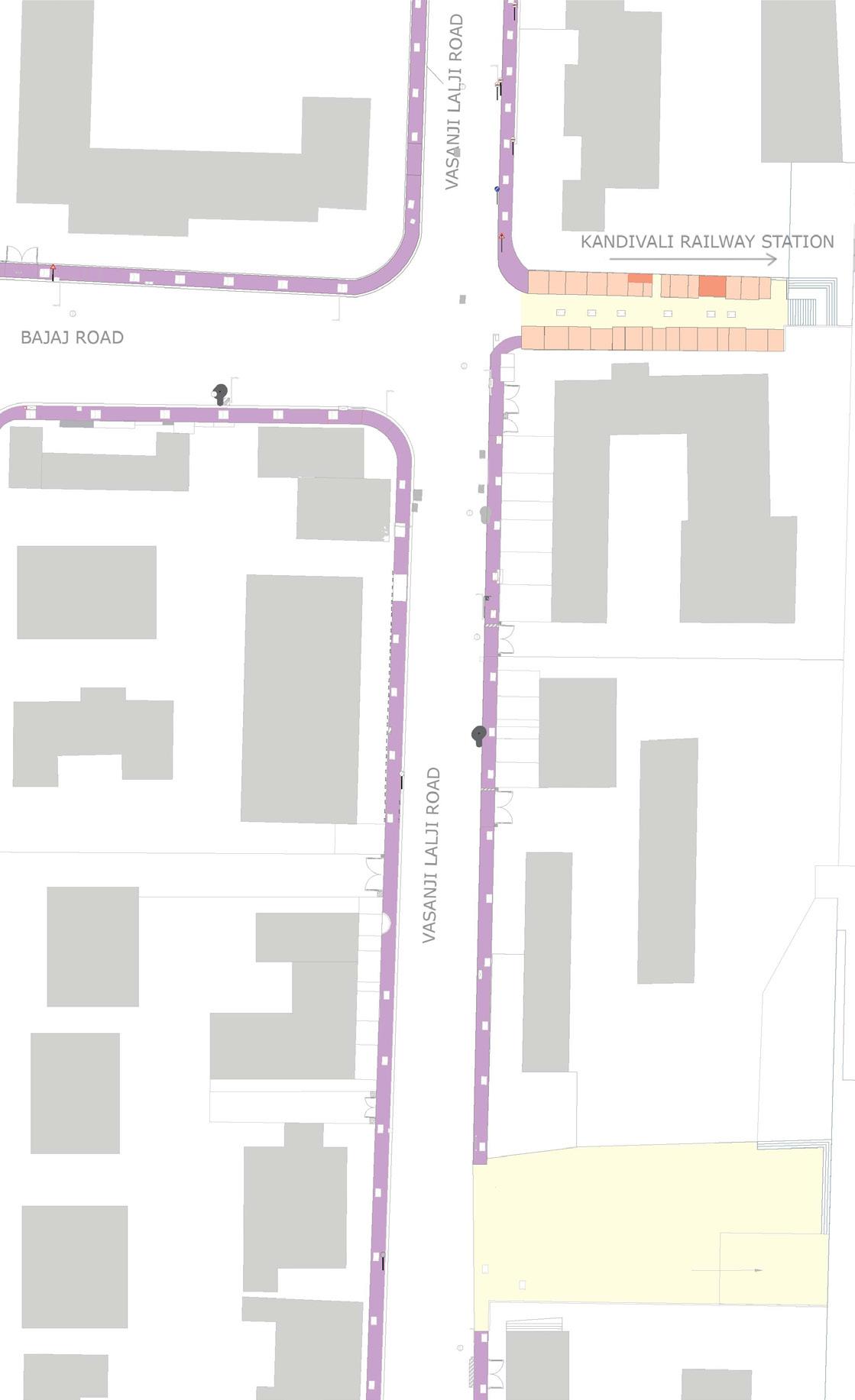
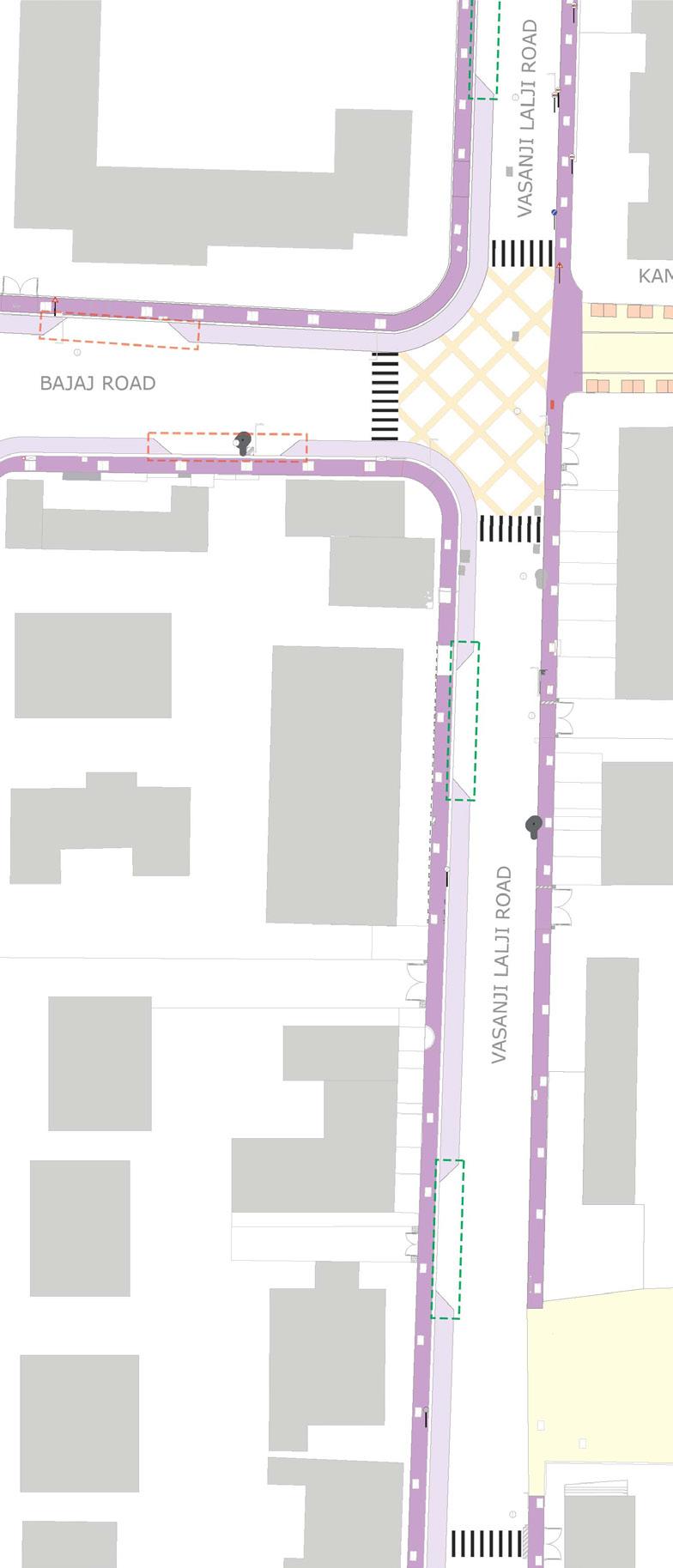
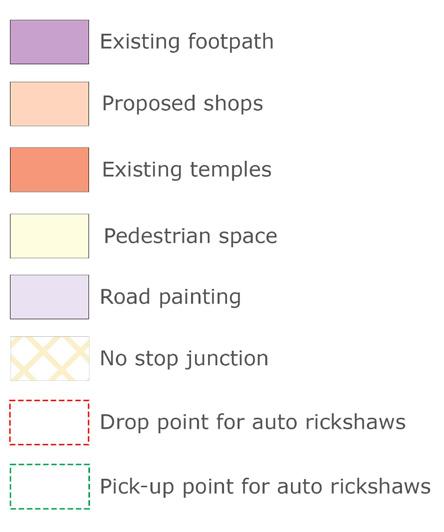
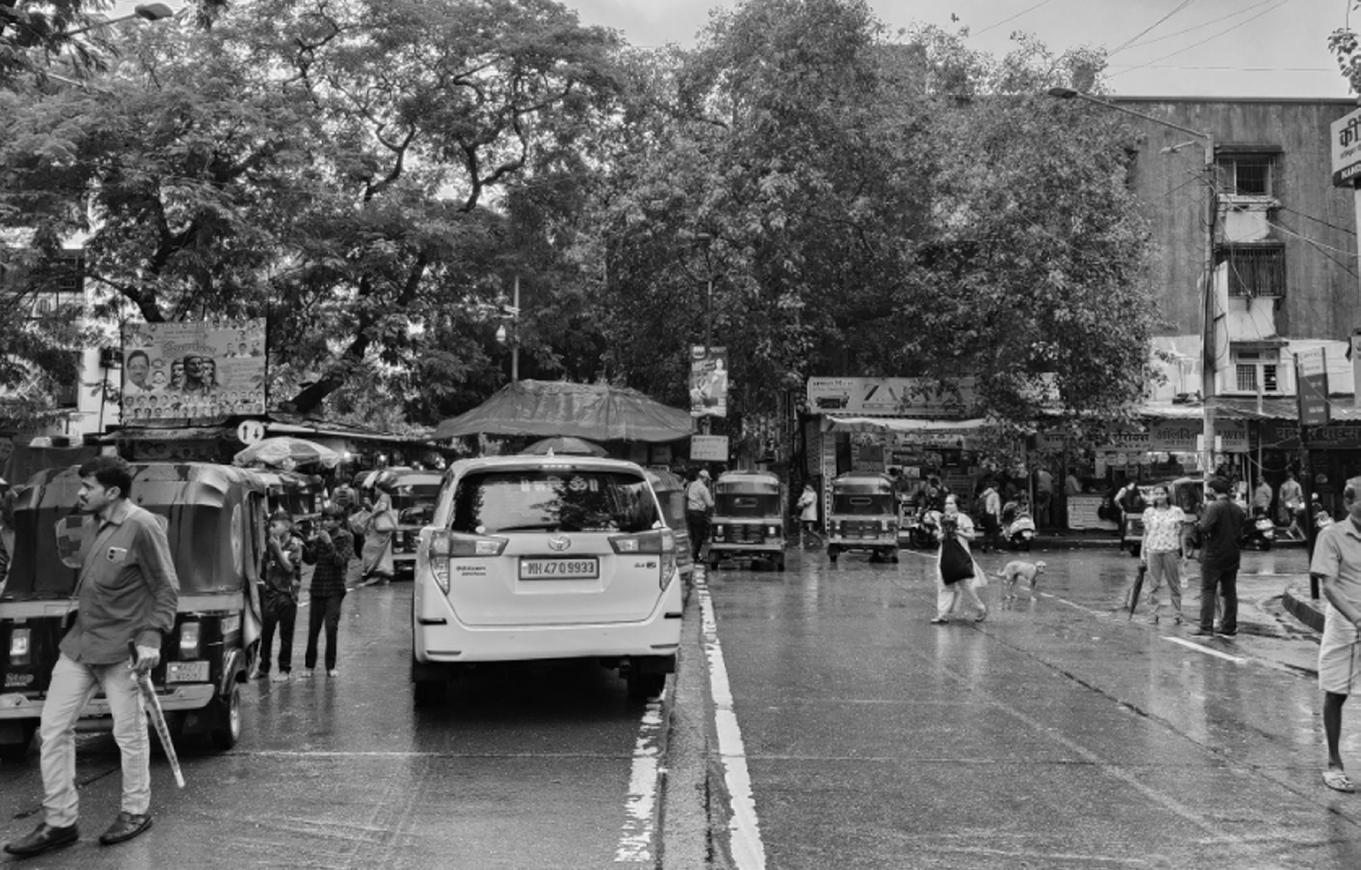
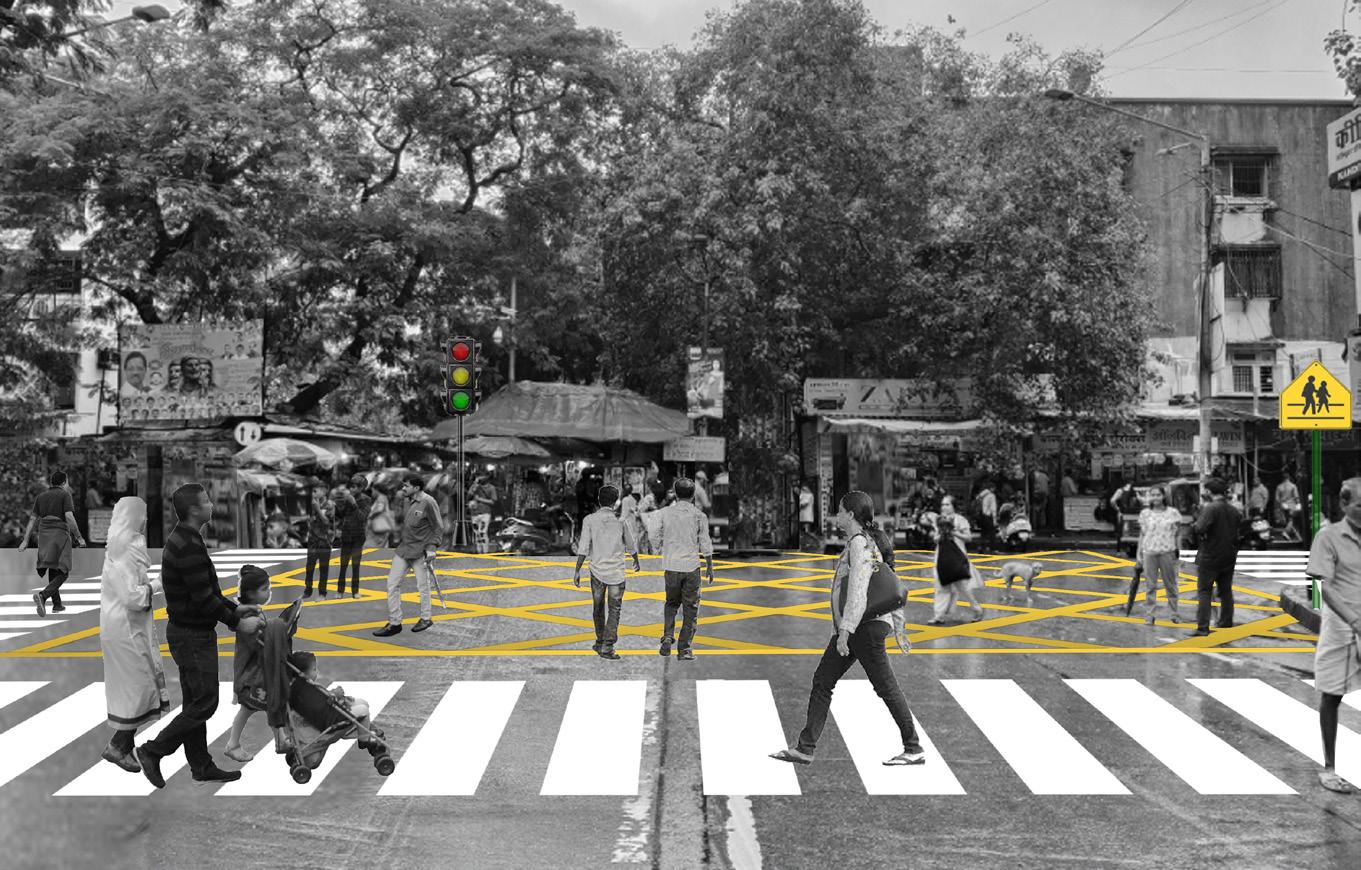
The precint of the Kandivali railway station is an overlap of multiple human activities and movements creating a sort of disorder in the pedestrian and vehicular movements in and around the site. The intervention was to identify and resolve various factors and forces which affect the pedestrian vehicular conflict enabling a harmonised mobility between them and also to eliminate the visual and physical clutter on the streets to improve the experience of the pedestrians.
Before Intervention
After Intervention
CREATING MICROCOSMS
Semester 4
Site
Malusare, Mahabaleshwar
Mentor
Rupali Gupte
Vision
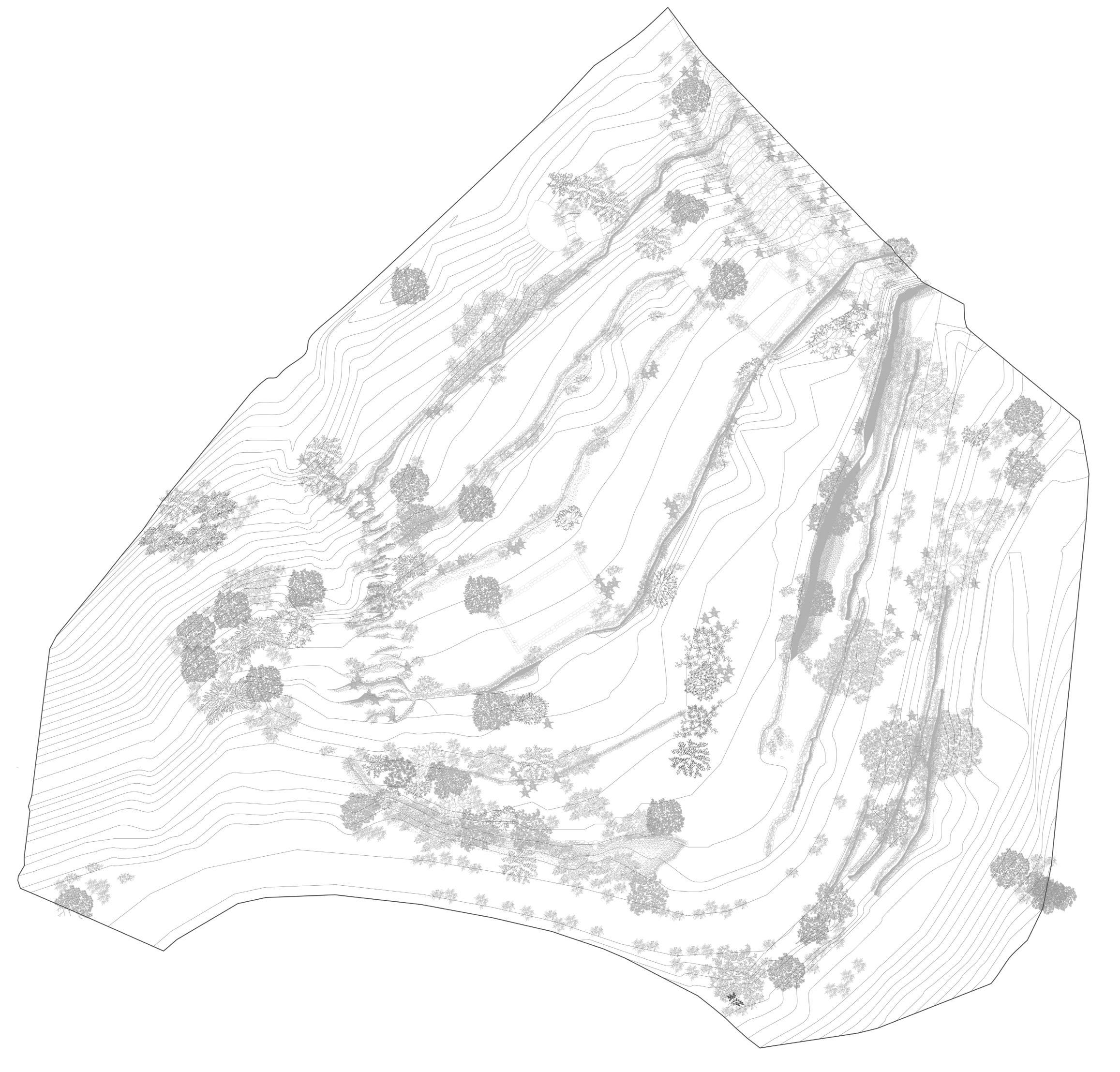
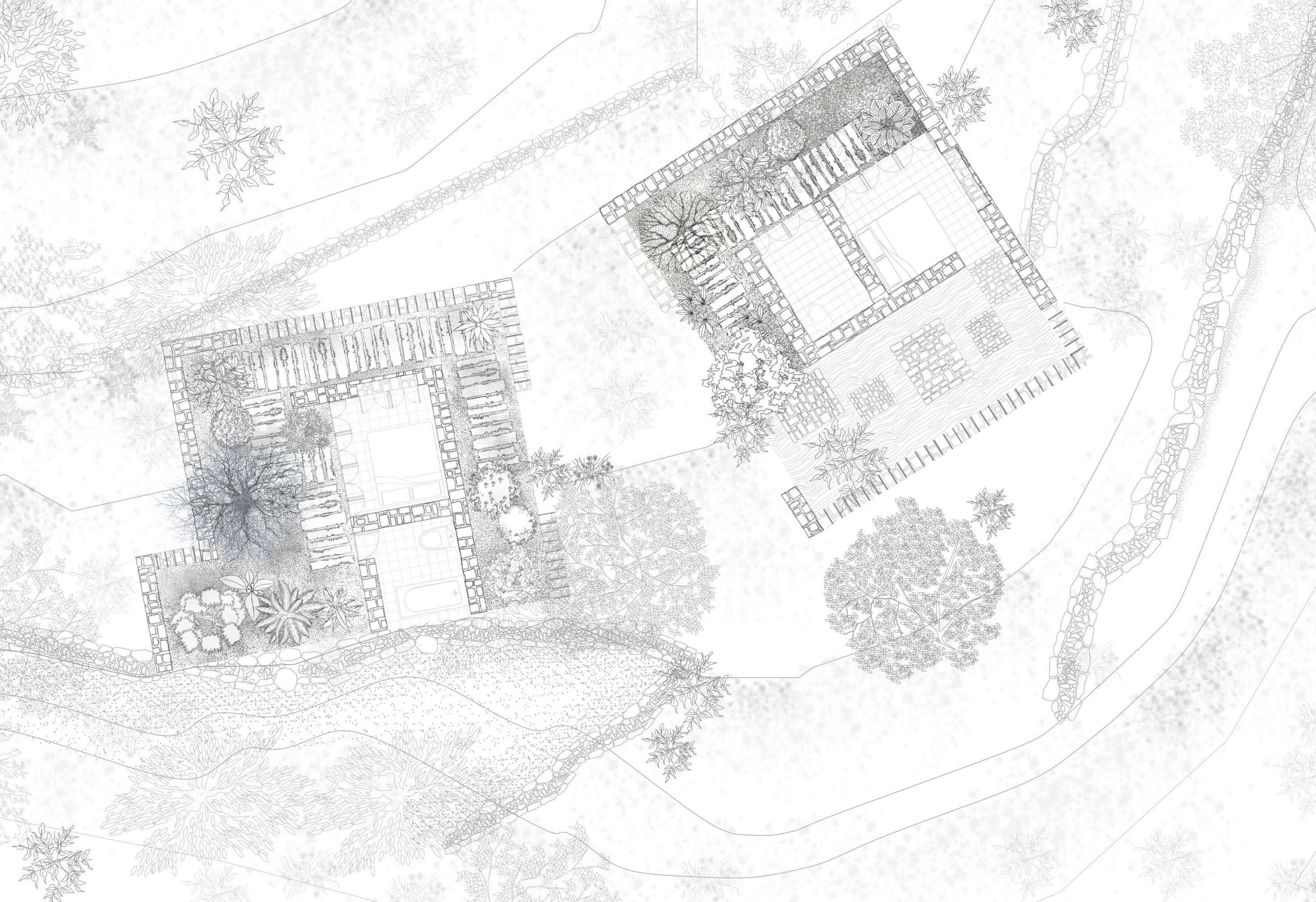
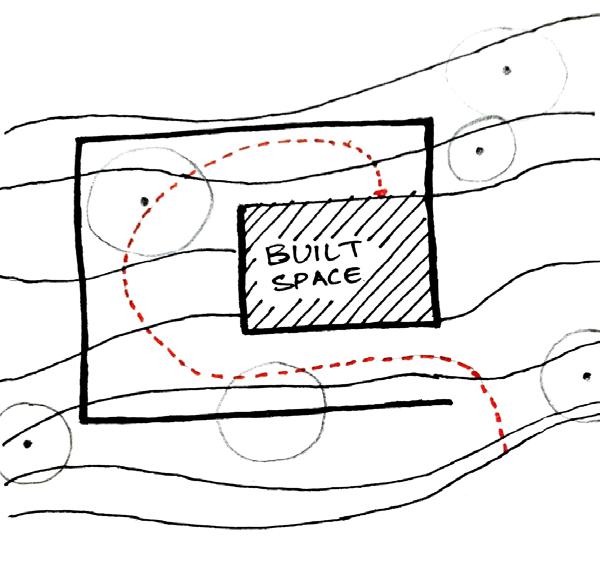
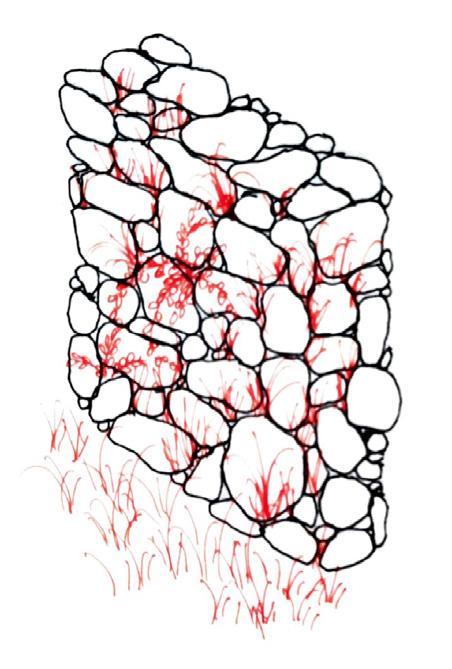
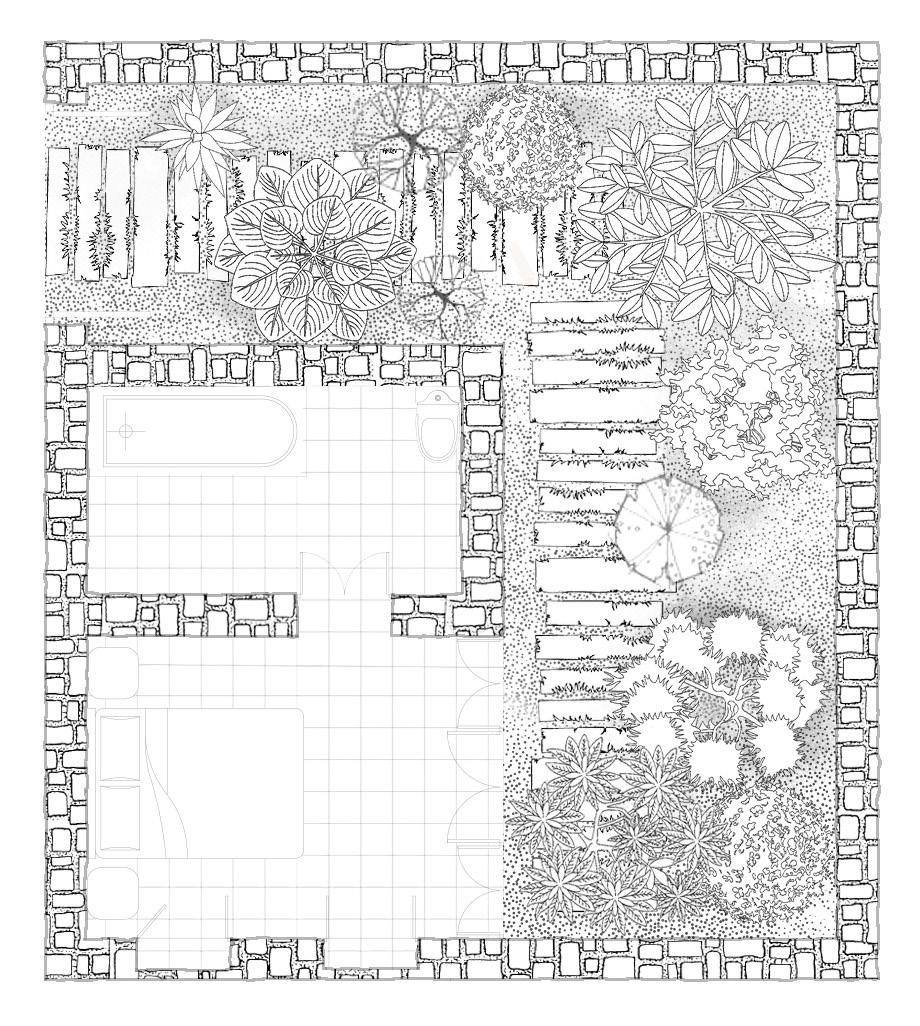
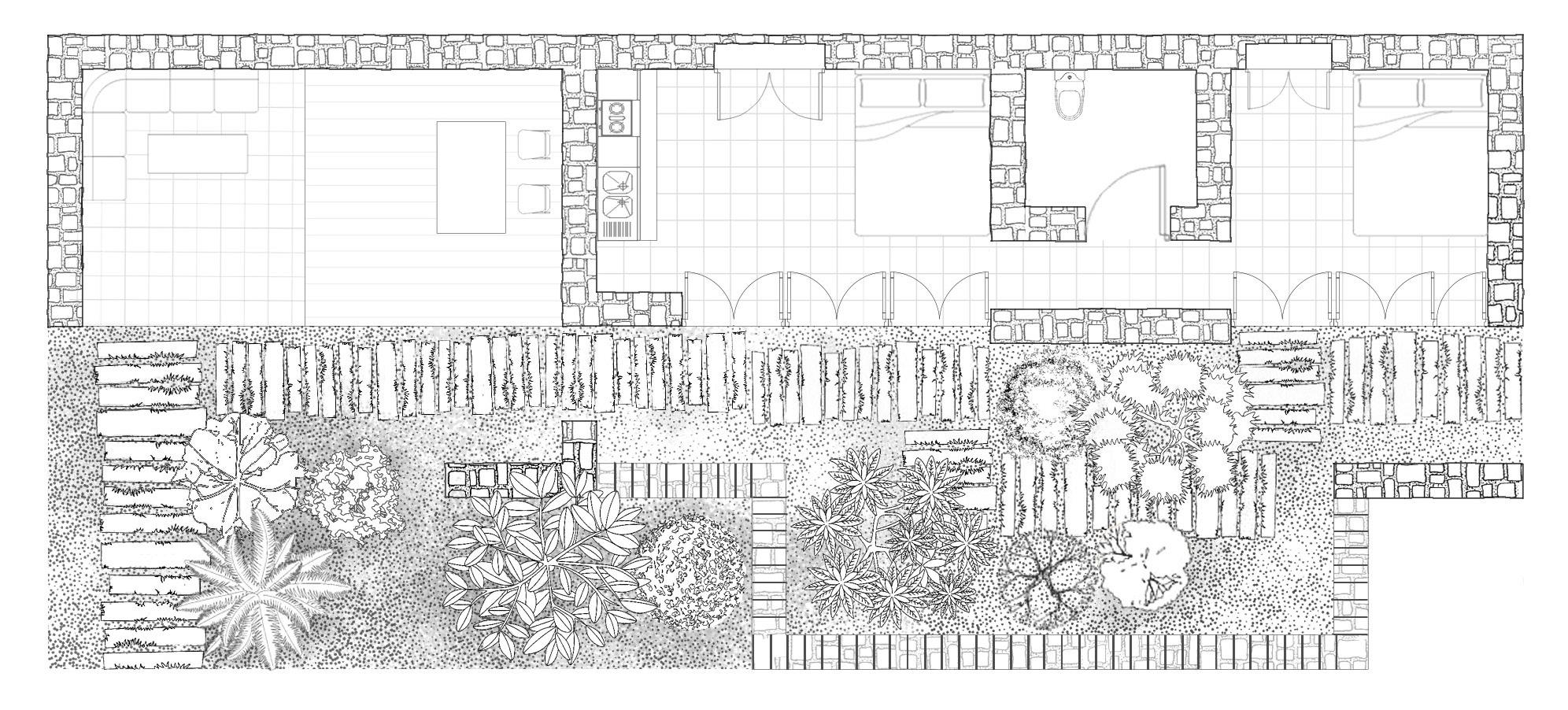
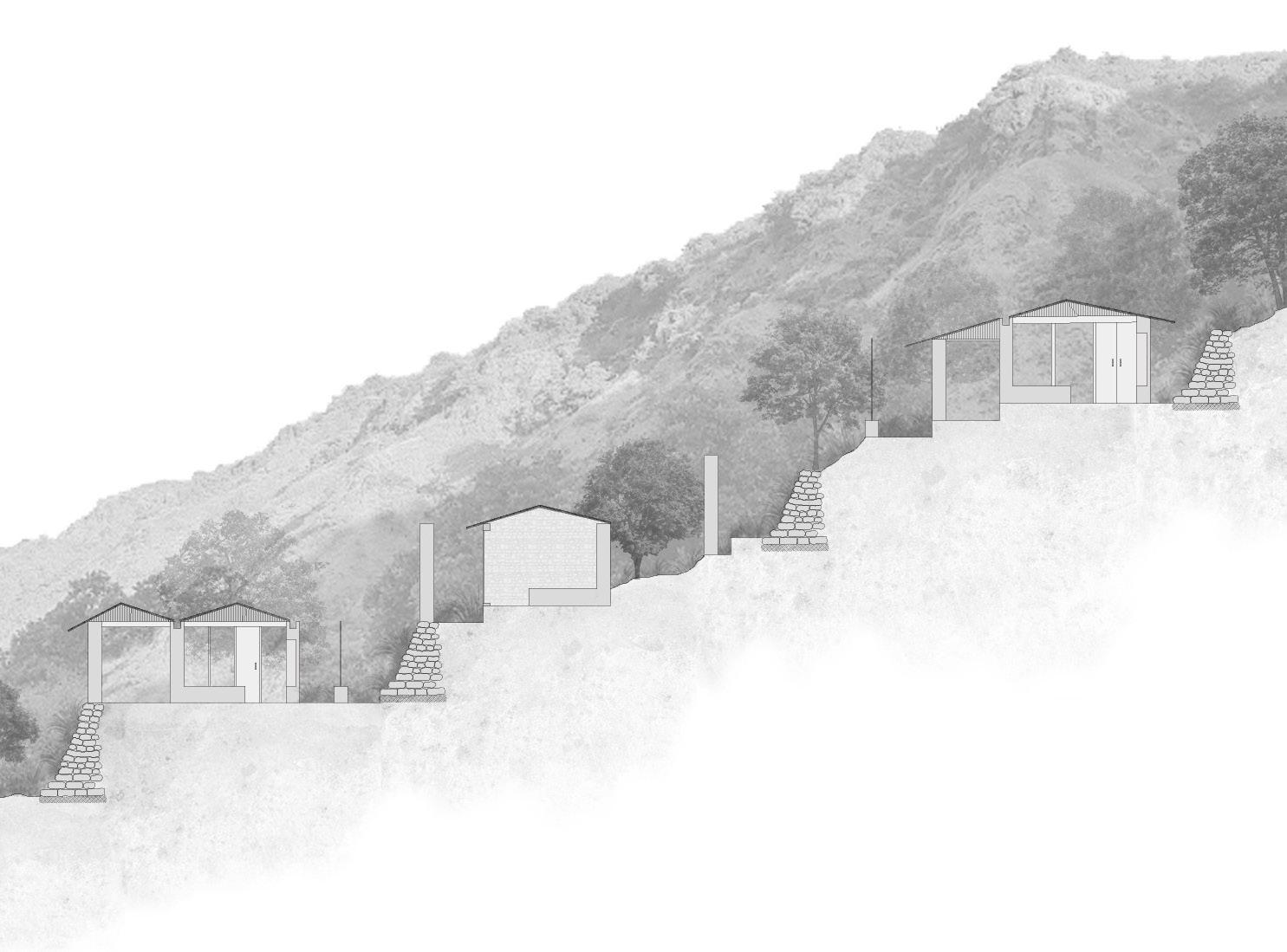
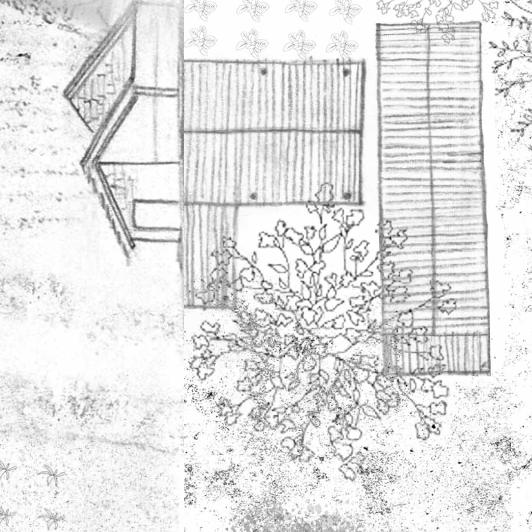
Through various understandings of Type, Pattern and Material phenomenologies creating a space which accomodates six homestays, a restaurant and a care takers unit. The concept of creating landscape within landscape was employed by keeping the ratio of unbuilt spaces more viz a vis the built space.The courtyard was wrapped along the unit and hence one would first make a journey through the courtyard before entering the built space. In this process the countors were altered only along the built space. Stone walls were used so that various plants and alage could grow in the crevices between them and thus blending the building with the surrounding landscape.
Ratio of built space to unbuilt space
stone walls can afford various plants to grow
Permeable
Journey to the homestays
Care taker’s unit
Unit 3
NARRATIVES FROM DIVAR ISLAND: OF LANDSCAPE AND ECONOMY
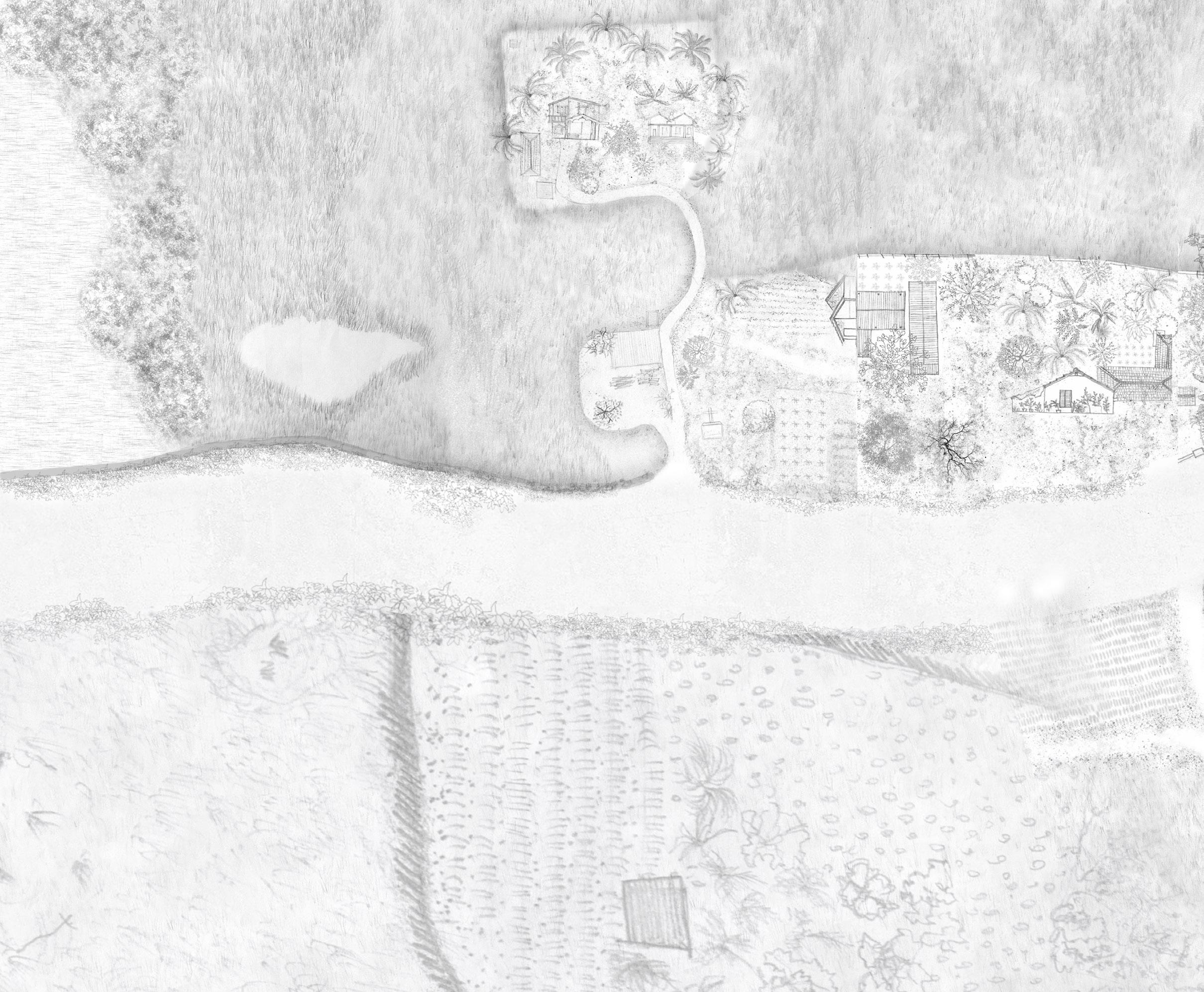
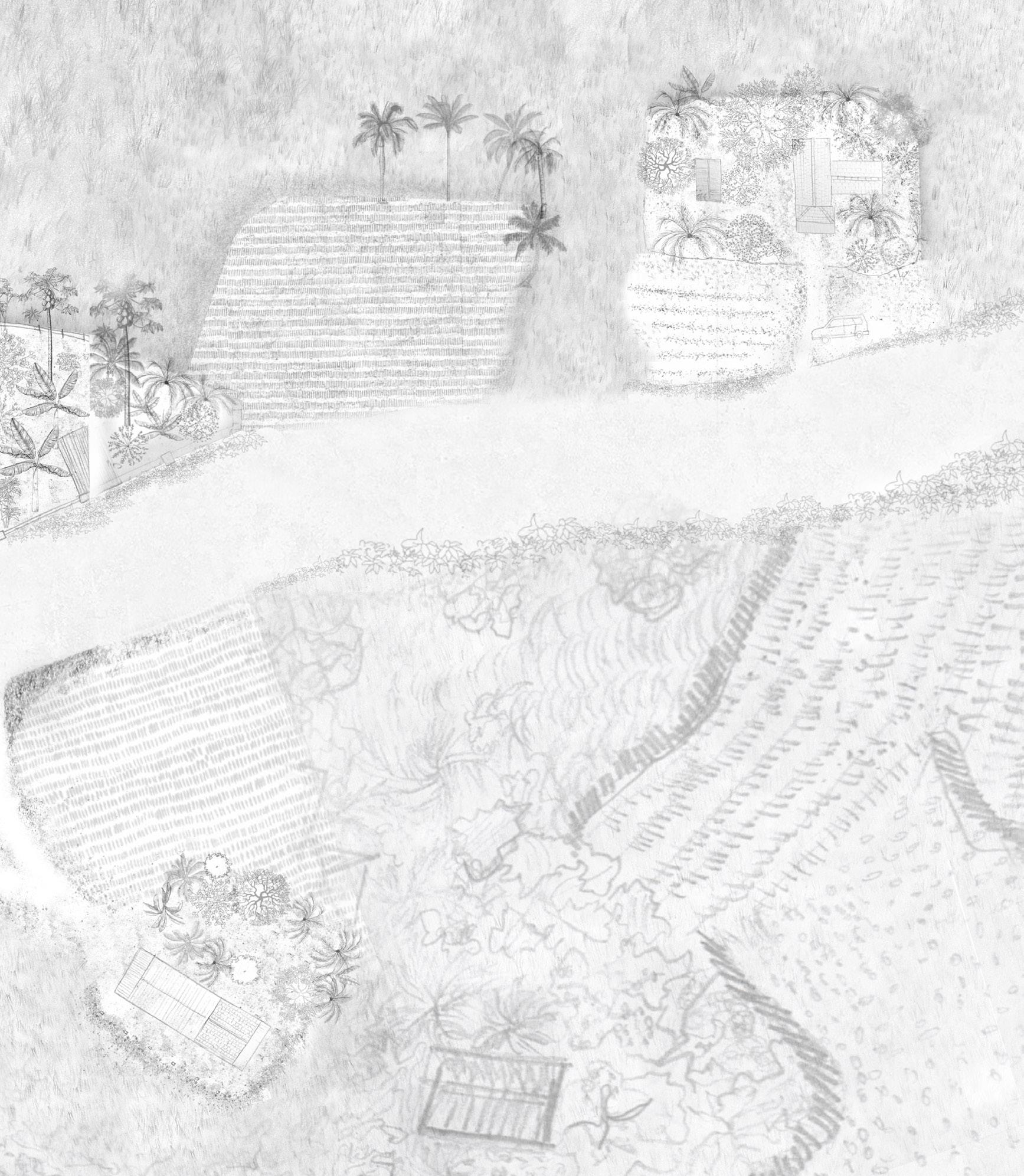
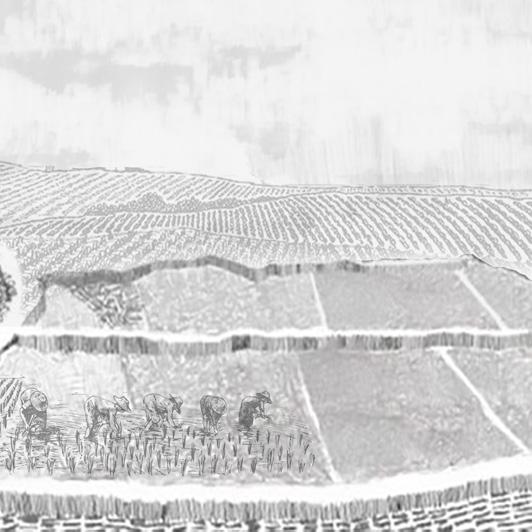
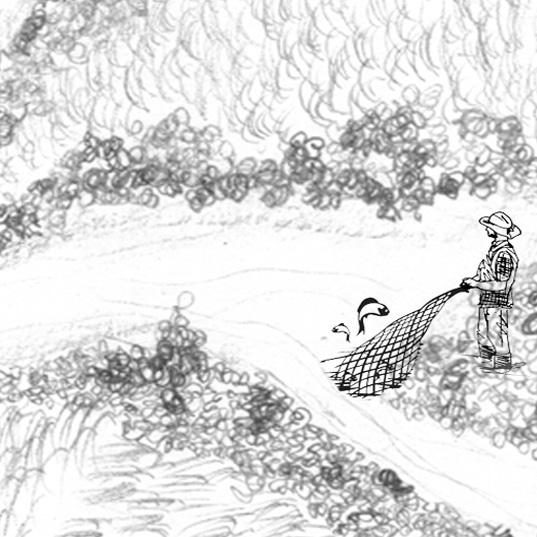
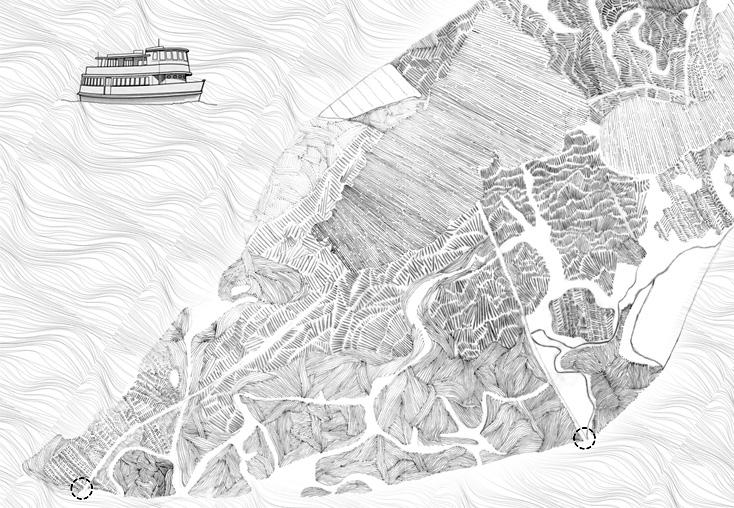
To understand the shifting economy and landscape of Divar Island. Changing landscapes of the island has shaped economies and thus the way people live. The houses here have gardens with different fruit and vegetable plantations that help them sustain which is a common practice seen in almost all households. These gardens are conjectured to be self-sustaining and for own consumption as it is inconvenient for a person to take a ferry and travel to other parts to buy fruits and vegetables. Paddy agriculture is crucial because it happens only three months a year as it requires rain water but the practice of agriculture is also steadily dwindling because of the increasing salinity of the soil due to floods and rampant growth of the mangroves. Activities like fishing happen throughout the year. The island also has various restaurants which are dependent on the produce of the island.
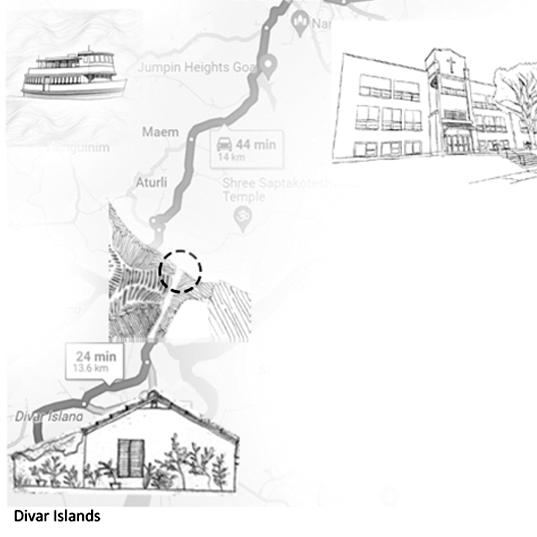
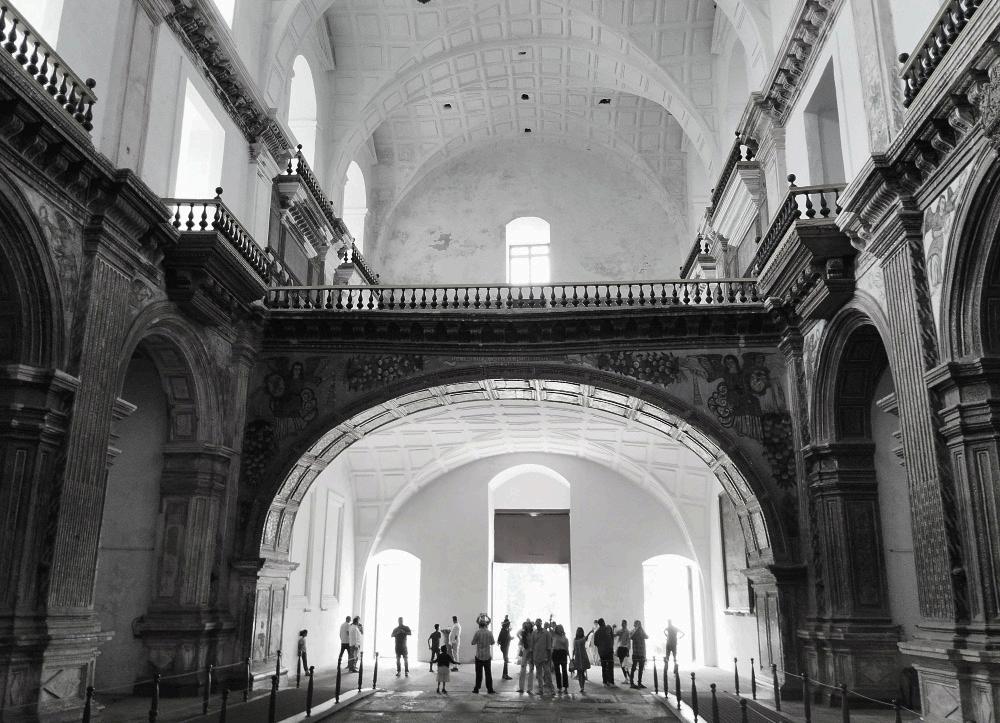
The region near the Old Goa jetty has the Khodpentli Manas which manages the high and low tides of the Mandovi river, This area is known as Khazan lands. This region consists of high number mangroves and increasing cluster of houses as we move towards the Divar center. Fishing and cultivation is practiced by the localities over here. The change in landscape over the years has resulted in shifts in economy and swapping the migration patterns of biological beings.This drawing depicts the transformation of the Khazan terrain, using the current road (formerly a laterite bund wall) as our spine, from an agrobased area to a swampy one, as well as the growth of diverse vegetation due to the changing landscape.This study furthermore looks at changes in changes in terrain and its effects on agrarian practices, shifts in economy, fishing and its networks and variations in migration of birds..
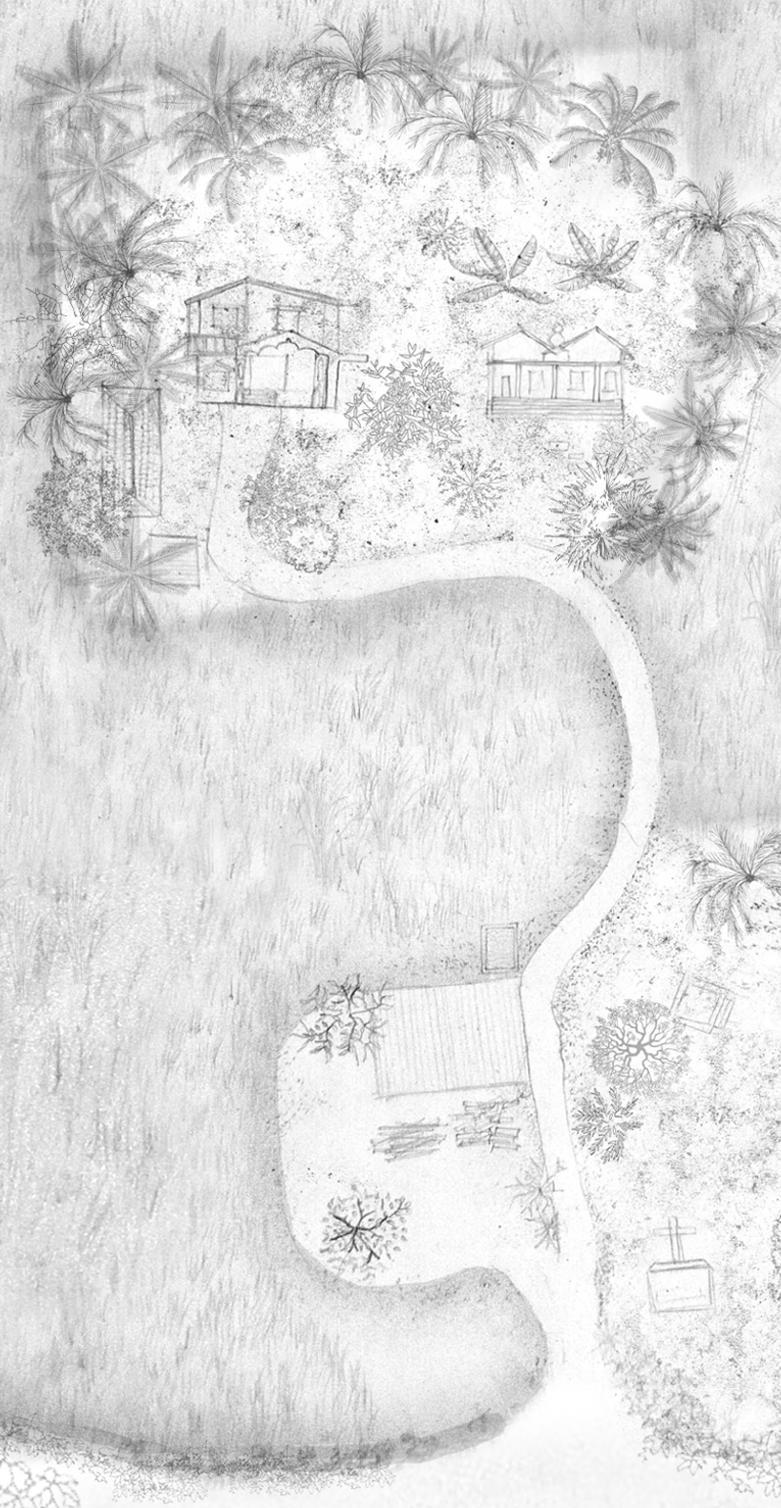
Map of a human settlement in Divar Island, Goa
3. ADAPTING HOUSEHOLDS
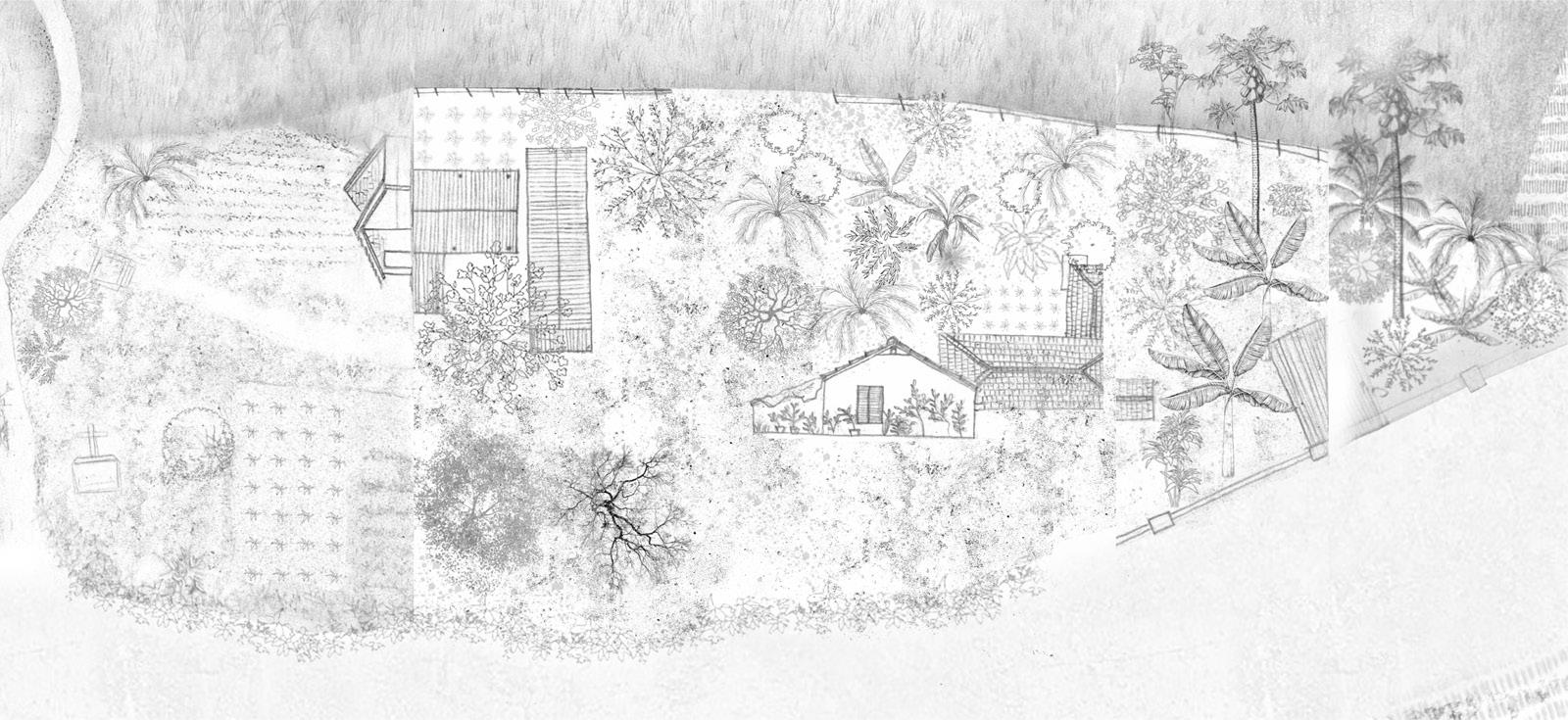
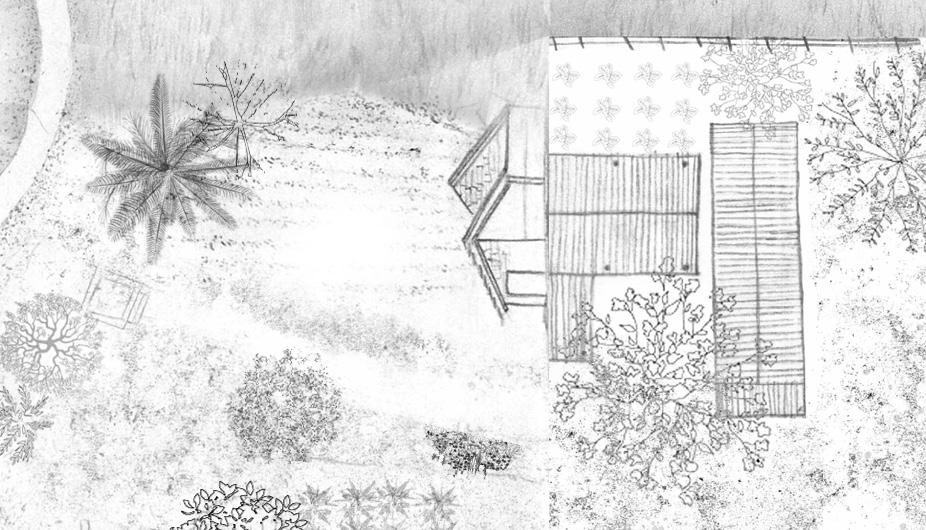
Josephine D’cruz, a local resident of divar island lives in a 100 year old house with 4 family members. She is a retired teacher who used to travel everyday to Bicholim for work, but due to old age and inconvenience caused in traveling , she has opted to retire and decided to work towards other sources of income.
The household works in agriculture growing crops like paddy , ragi, rice (Korghut) along with fruits and vegetables. But agriculture here is seasonal and only takes place 3 months a year therefore is not a reliable source of income. The produce from these farms is mainly used for personal consumption , selling of excess farm produce if any, in main markets of Panjim , Old goa.
The household is also involved in fishing activities, mainly for personal consumption and resorting to other modes of self sustenance like growing and maintaining a home garden with different kinds of flowers and vegetables such as coconut, banana, cashew, papaya etc as traveling to Panjim and other markets of goa for fresh produce is highly inconvenient.
The residents do still travel from the island mainly for shopping clothes and other products, relying on local ferry boats as the only mode of transportation to and from the island. The household also runs a local restaurant and bar built 25 years ago as a stable source of revenue throughout the year.
2. DIMINISHING PRIMARY LIVELIHOOD
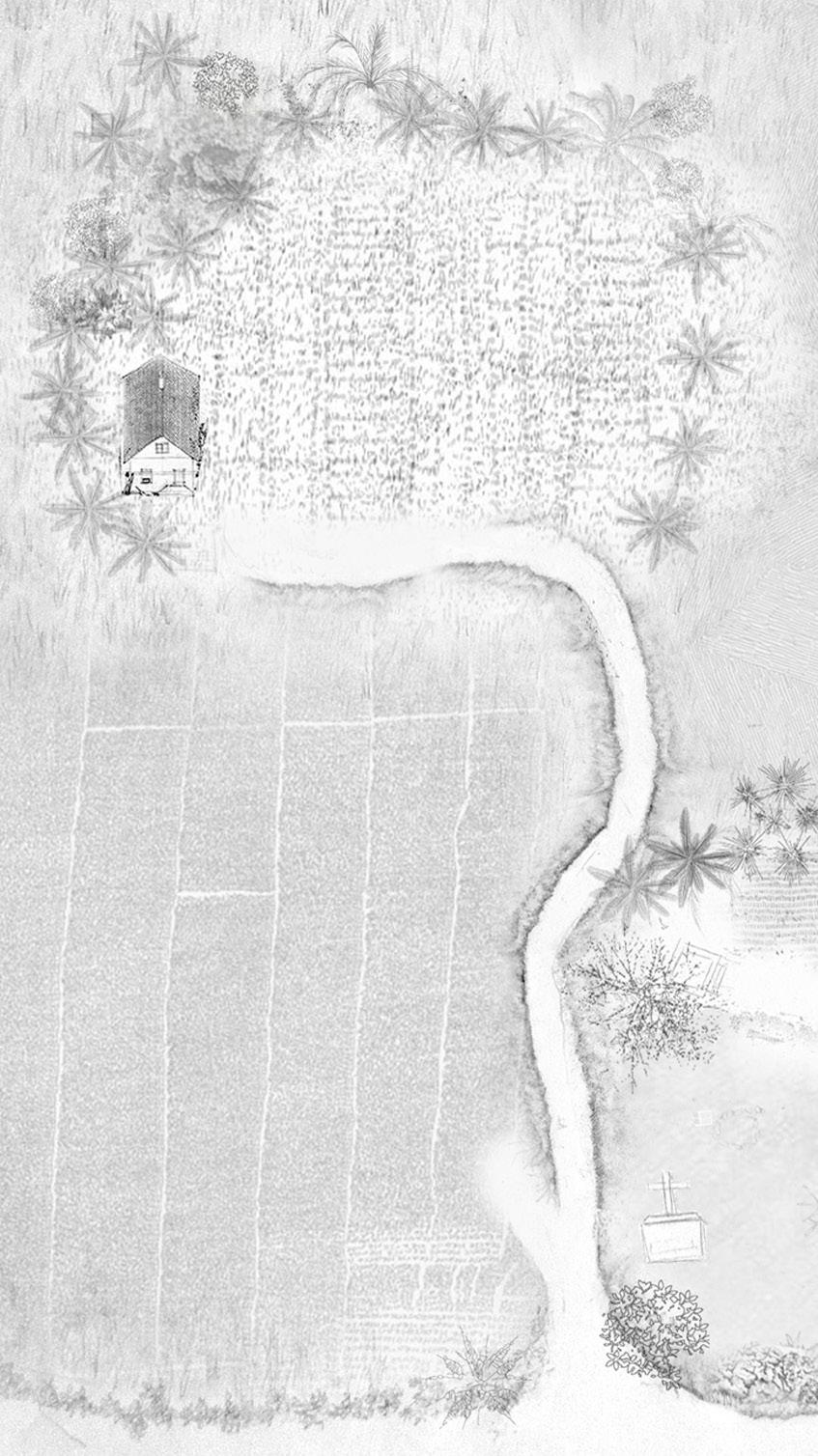
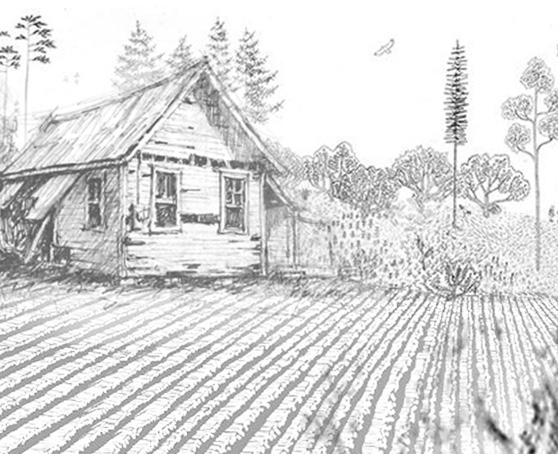
Neighbouring to Restaurant Island and Bar is a newly constructed house of Mrs Namrata, built 8 years ago on the land which was previously used for agriculture
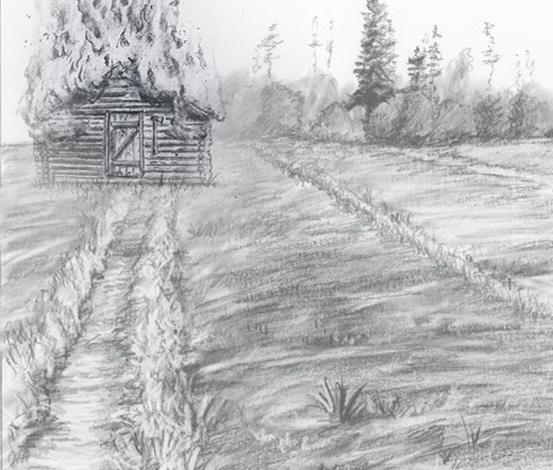
This shift of land from being used for agriculture to nestling a house was due to unforeseen circumstance as they used to reside in the northern part of island close to a paddy field which was burnt to remove off residue crop but accidently caught their house on fire burning all their belongings in the event, forcing them to move and construct house on the agricultural field as this was the last piece of property they owned.
The fields being burnt redued the fertility of the soil and rendered them unfit for cultivation, forcing the household to adapt and change from agro based sector to tertiary sector and trun into jobs away from the isla
VOLUMES AND PROXIMITIES
Semester 6
Site
Bimbisar nagar, Goregaon (East), Mumbai
Mentor
Dipti Bhaindarkar, Abhijit Ekbote
Vision
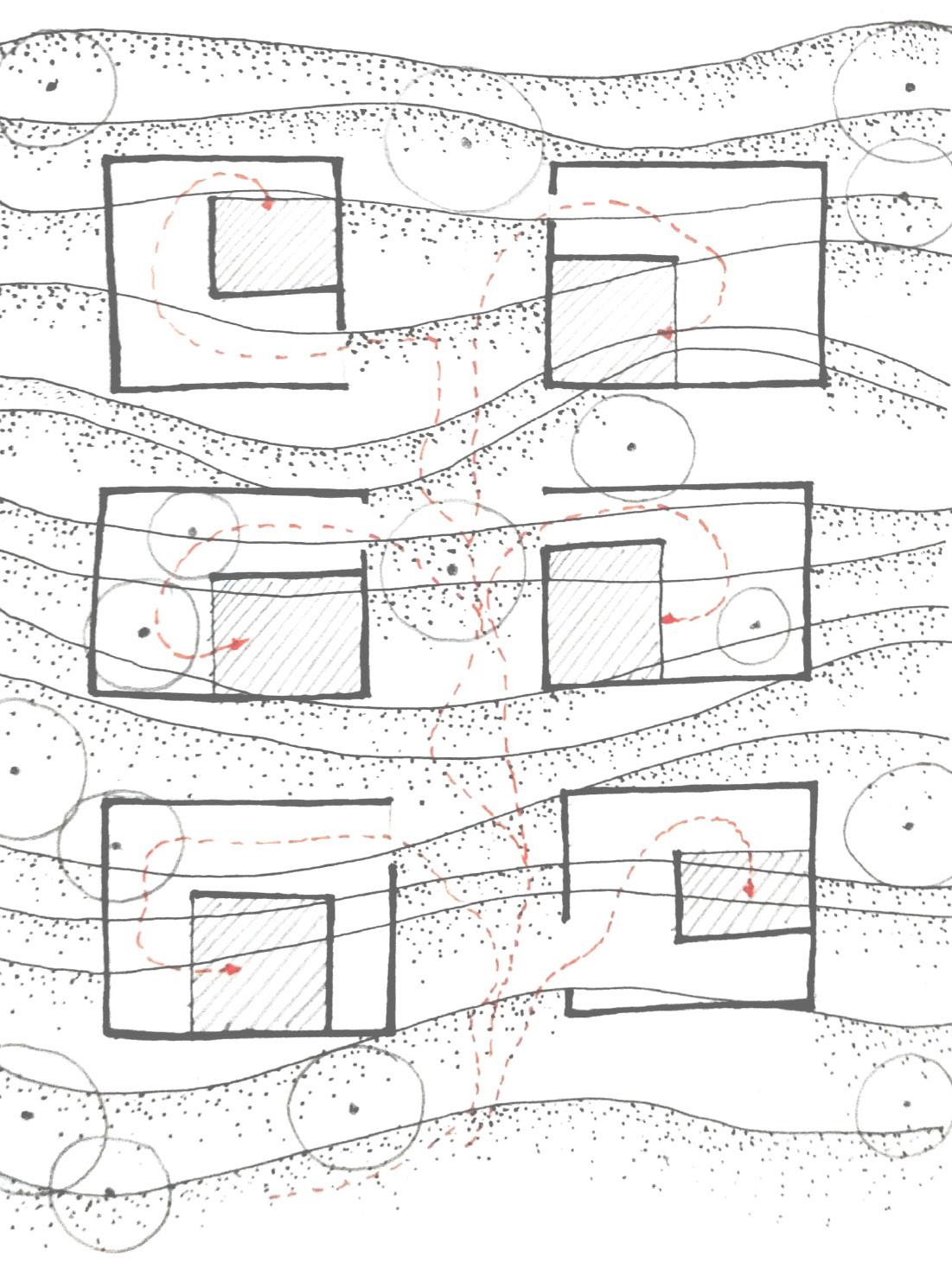
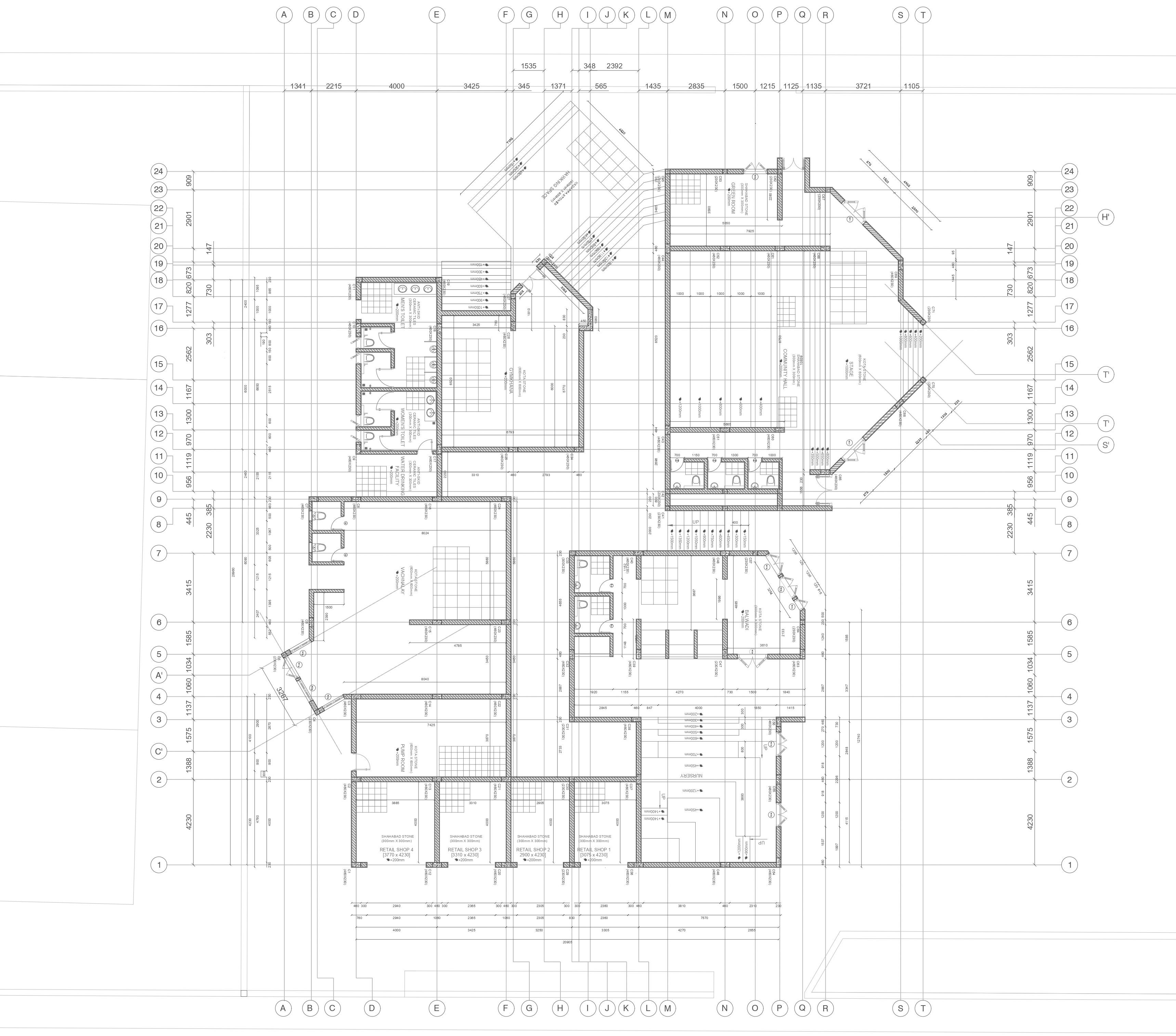
Volume of the structures can create intimate, intimidating or banal spaces. By creating volumes in and around the structure, various levels of experiences can be afforded. Placing these volumes besides each other in a strategic manner in turn creates interstitial spaces with varying proximities which afford multiple activities. These interstitial spaces with varying proximities in a public space become nodes for interaction which facilitate liveliness in a building. Varying proximities is helpful in an urban context where there is a variation in the user group and activities associated with them.
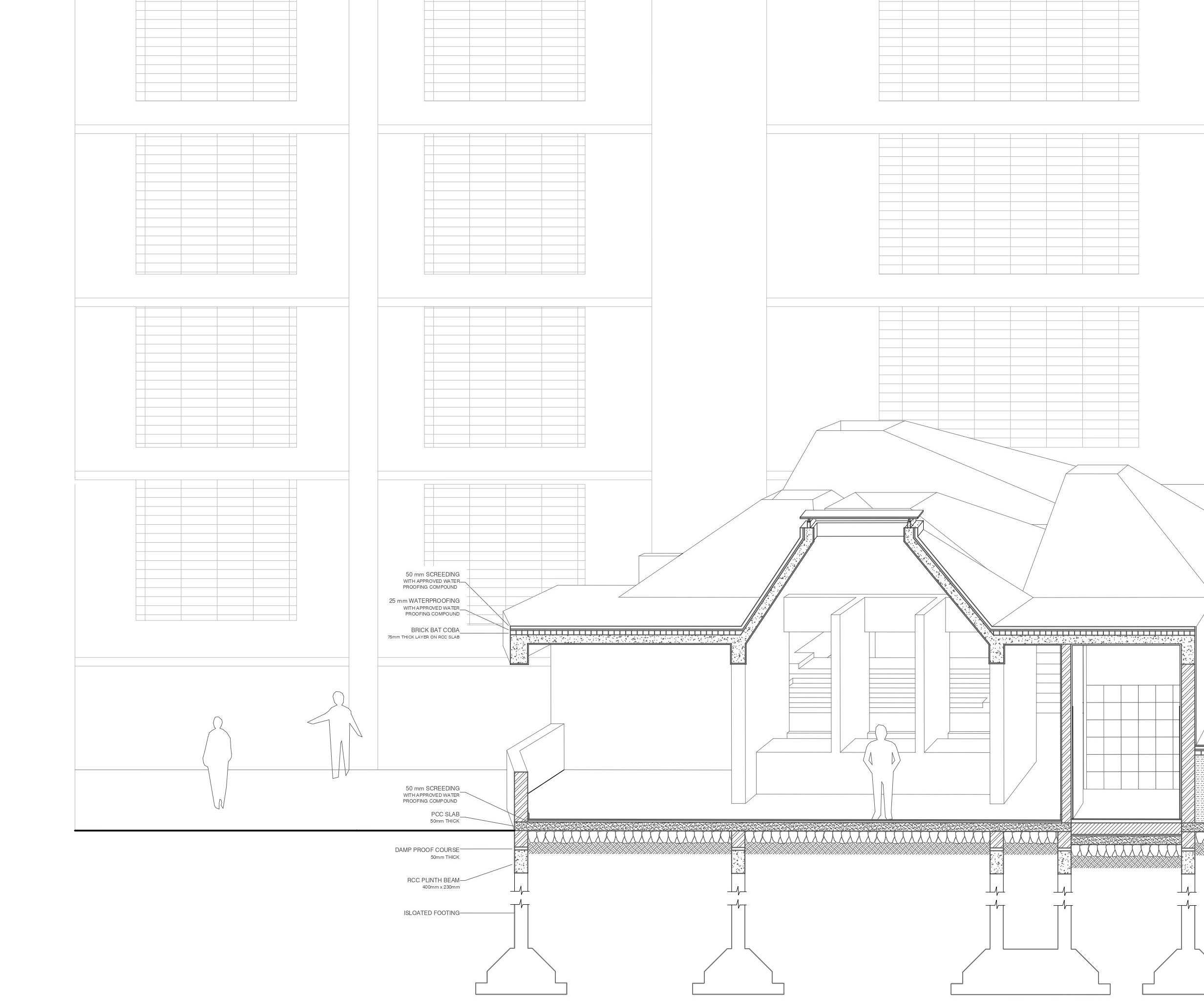
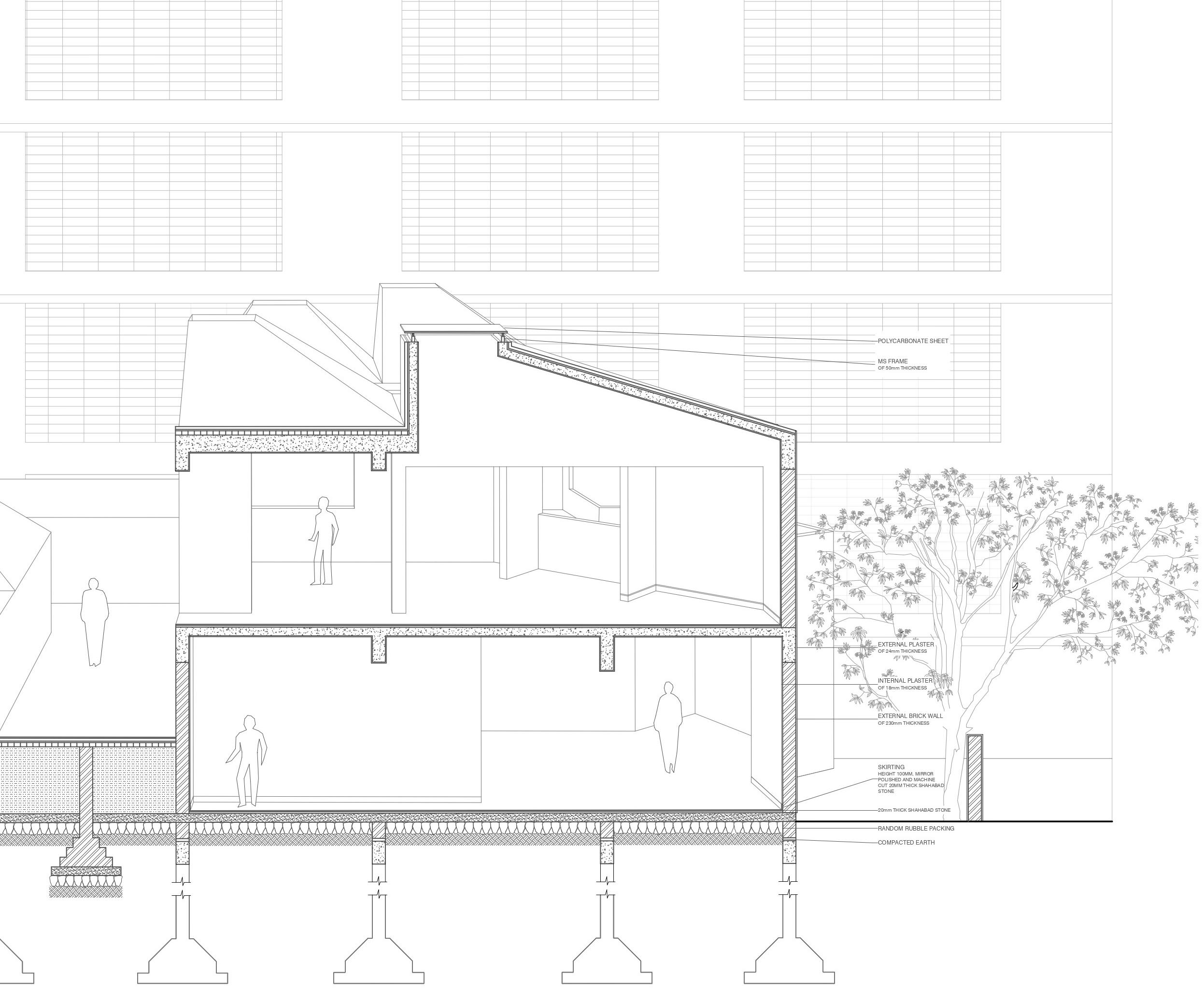
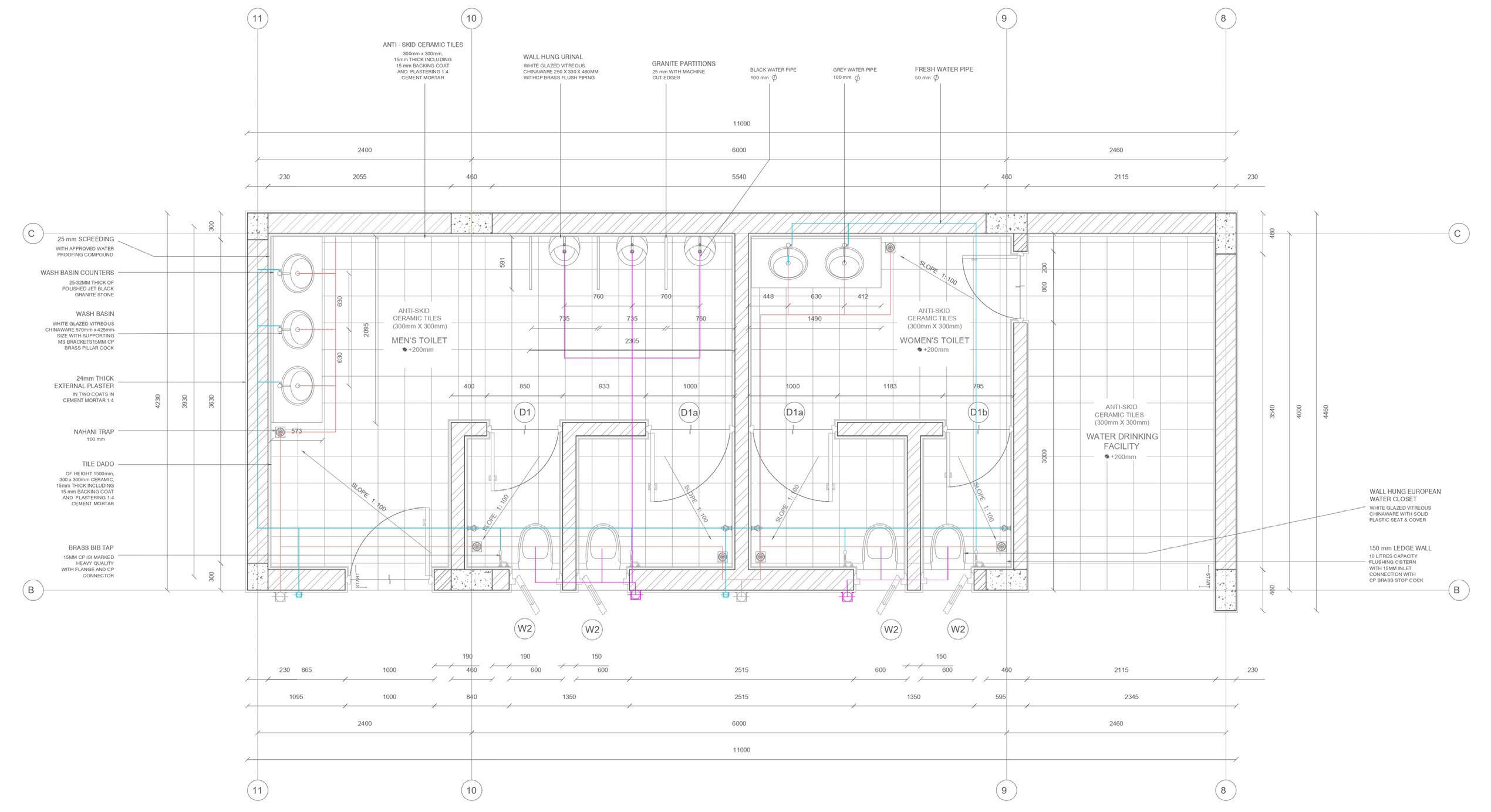
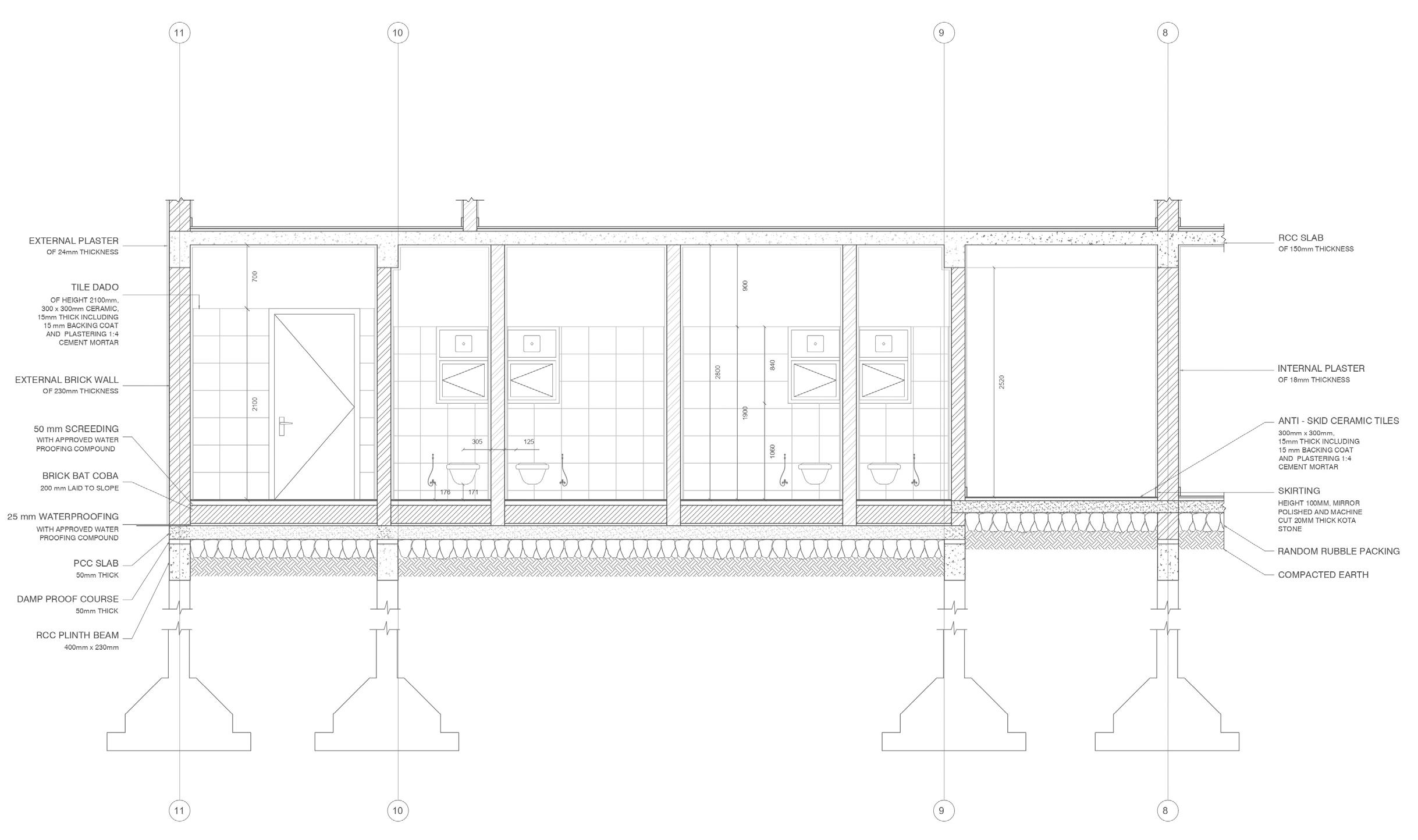
Toilet section
THE BRICOLEUR / BRICOLEUSES:
BRICOLAGE AS METHOD
Semester 3
Place of conduct
School of Environment and Architecture, Borivali (West), Mumbai
Course conductor
Rupali Gupte
About
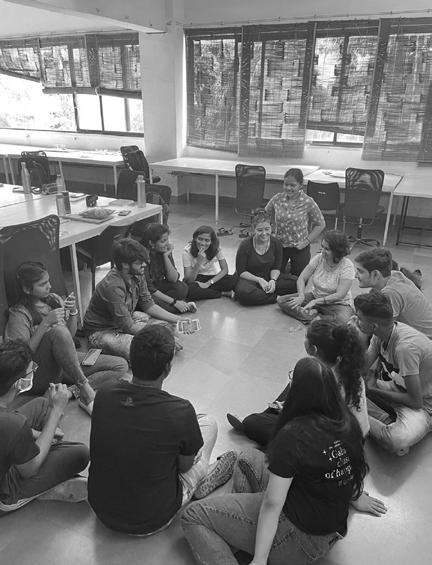
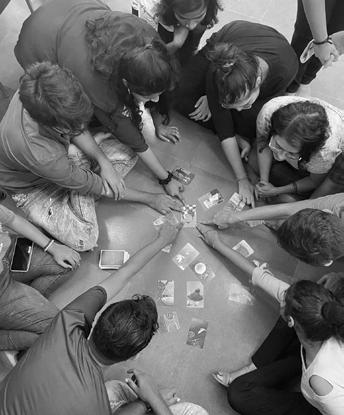
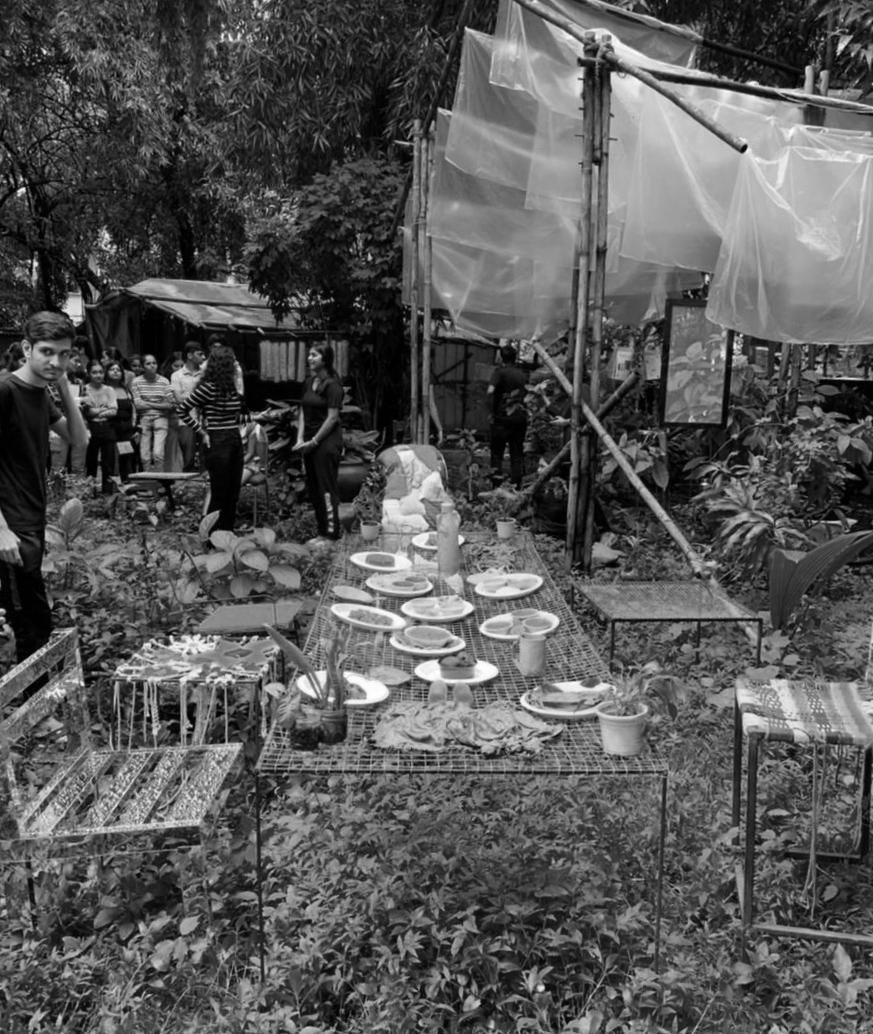
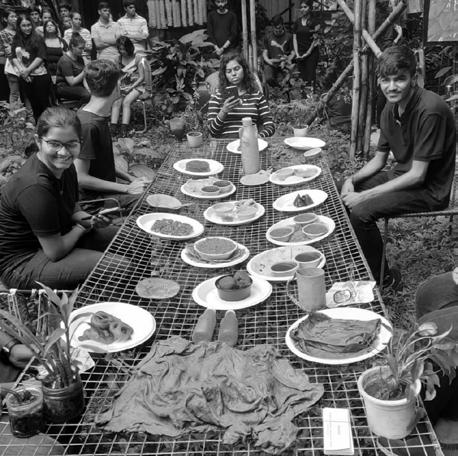
The course drew on the imaginary of the Bricoleur to build the contours of a deep practice that engages in reading, acquaintance with works of art and architecture and making art / architecture / design works. Individuals and groups explored five tropes through which to engage with the idea of the Bricoleur. We explored different figures who embody the qualities of the Bricoleur and corresponding modes of thinking and making. The course blurred the boundaries between art / architectural theory and practice, between reading, thinking and making. We were also encouraged to maintain a journal / blog / vlog to collect the ideas and practices. We then used the Bricoleur’s notes to articulate one question around what we wanted to produce as a work of art/architecture from drawing, to object, to space, anything that one can inhabit and occupy both physically and mentally.
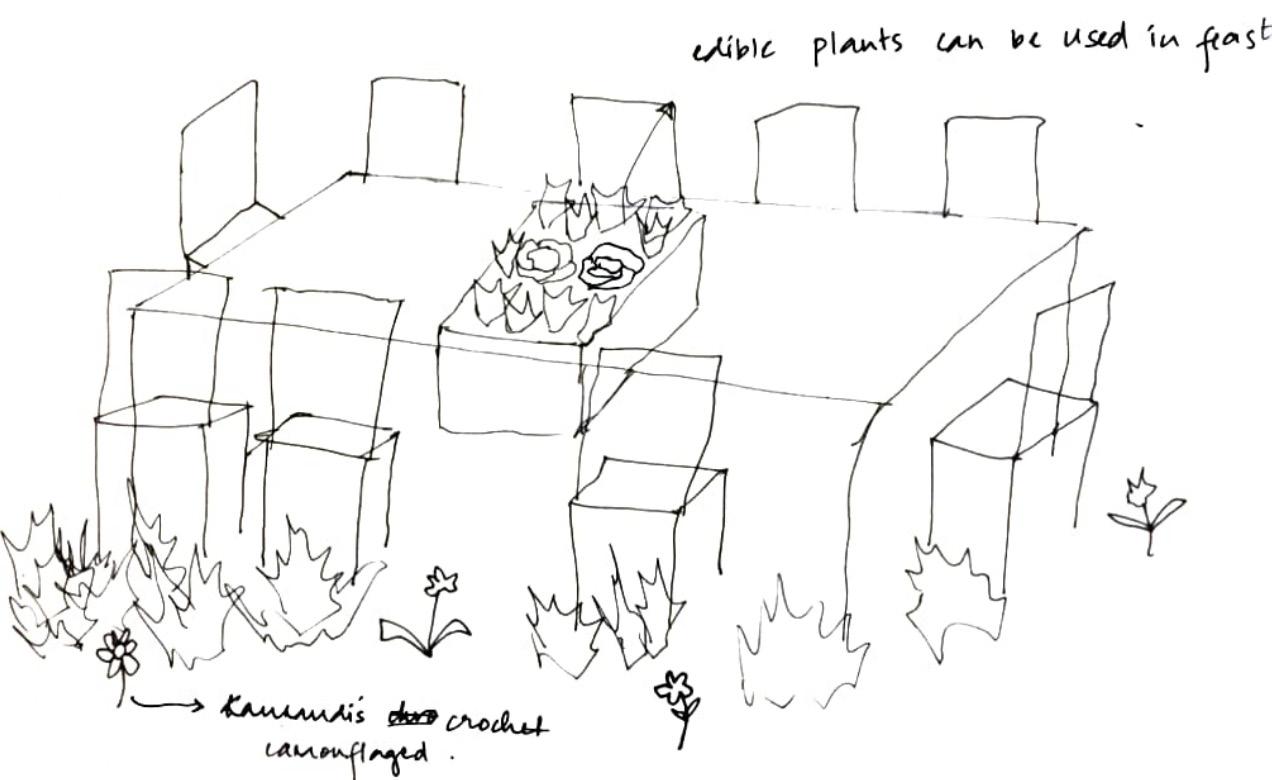
Two minute sketch of the ephemeral wireframe table for the ‘ghostly house’ installation
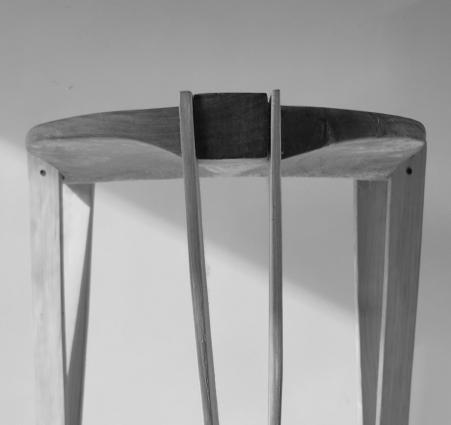
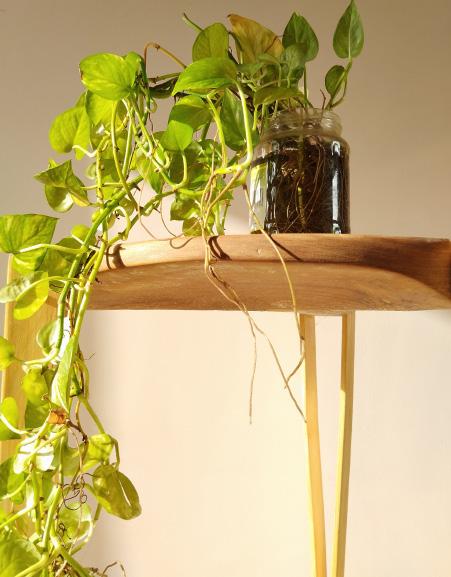
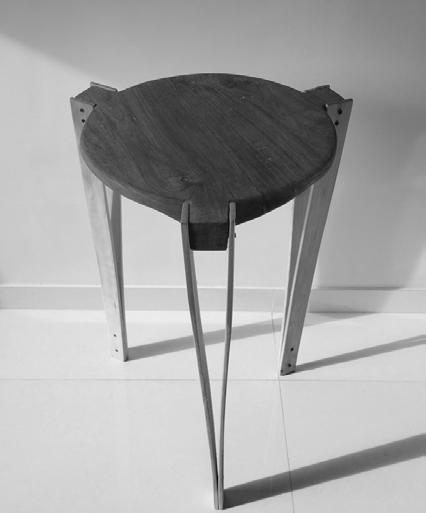
CARPENTRY
Semester 7
Place of conduct
School of Environment and Architecture, Borivali (West), Mumbai
Team
DevvratSingh Chauhan
Course conductor
Pawan Vishwakarma, Sunil Jambhulkar
About
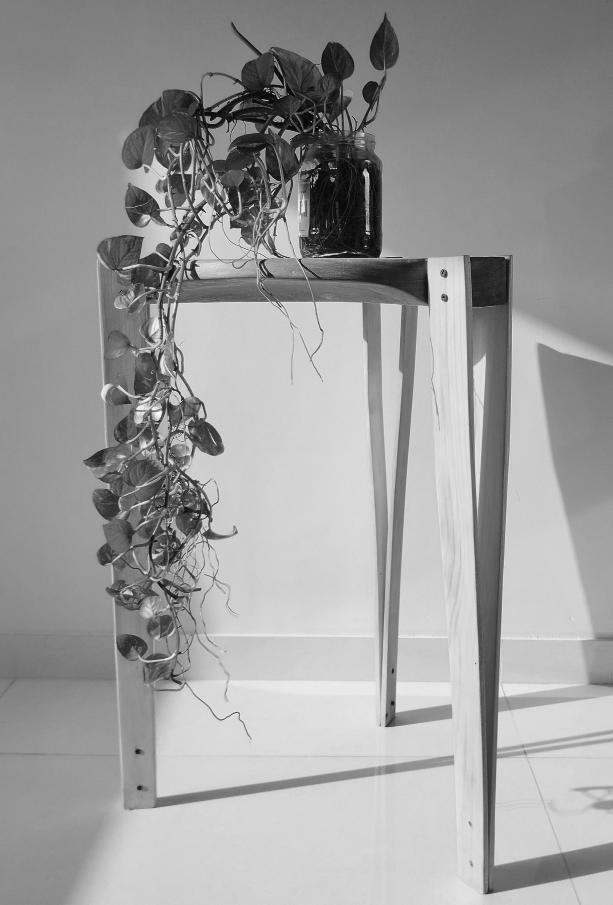
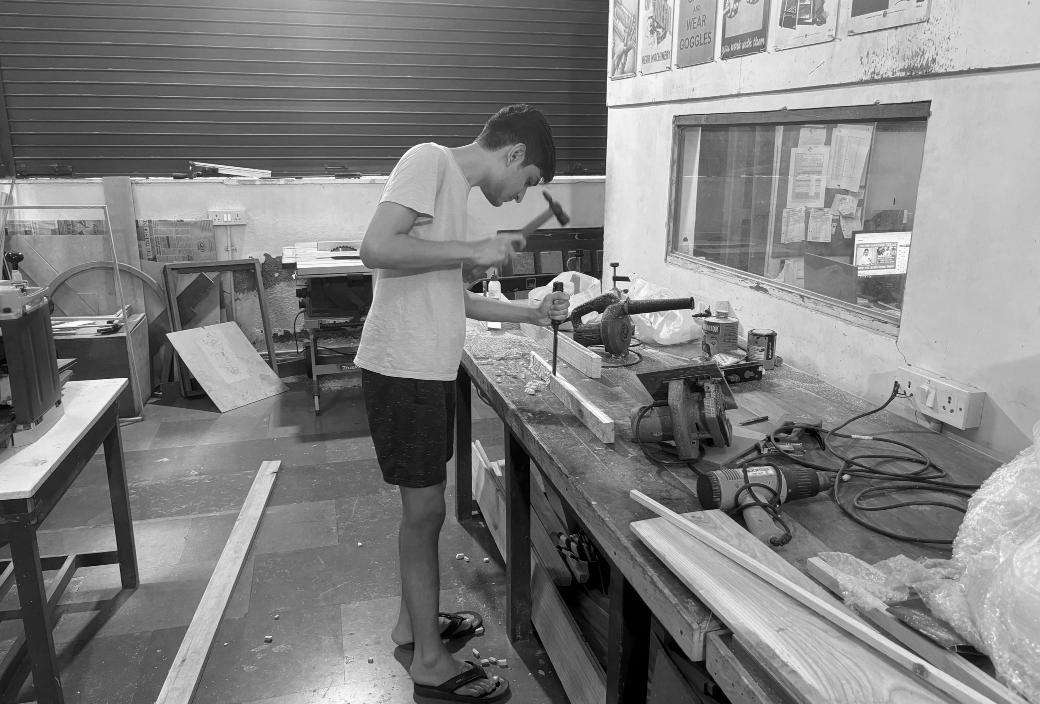
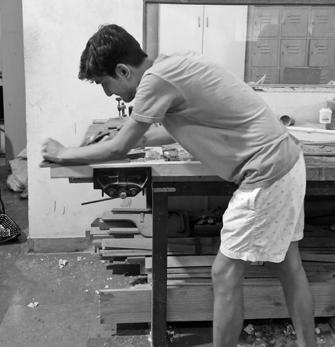
The course focused on getting us acquainted with various wood work techniques and the tools and machinaries which are used in carpentry. It started with choosing furniture designs or making own designs of the furniture. For selection of wood for the furniture a market study was conducted in Vasai. Understanding of various kinds of wood and their strength was intergrated into us.
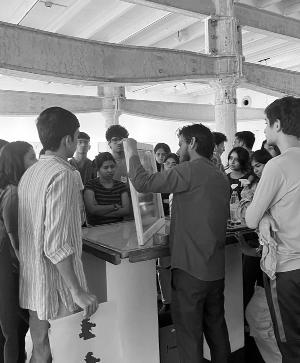
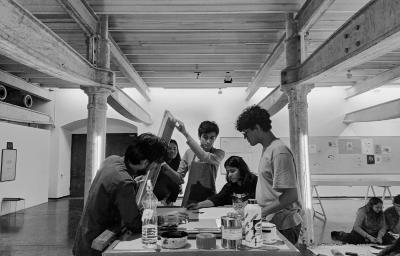
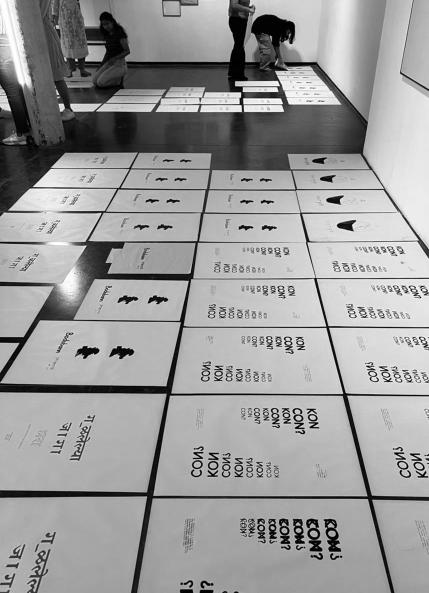
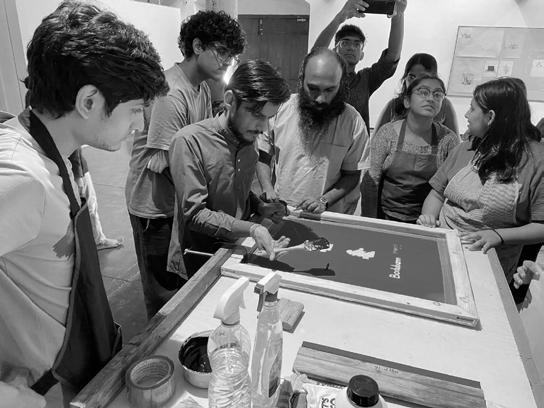
The course was planned around the ongoing exhibition titled Exit Only, No Exit / No Entry, Entry Only at Gallery Project88, Colaba. We were involved in the discourse around exhibition making- not as an end result of practice but rather as a semiotics of language of art and design. We used the current exhibition as a case study and present curatorial propositions on the same. The process of re-proposing the exhibition included designing the gallery space to a selection of works- further reflecting on the aspect of the practice itself- and questioning it critically. The process brought in the designing of posters for the independently re-proposed shows which were also screen printed. The process of screen printing was introduced by CONA’s master print maker Shashi Kumar as an extension of CONA’s printing program.