backman

backman
arch403|danielcurry|oct.2023|w/ArmandoRocha
where: unspecified open plain in the northeastern U.S. what: sustainibility education center why: teach the public about sustainibility and net-zero principles how: tangibly reveal the net-zero process in an approachable manner with a see-through cistern, dramatically angled roofs for rainwater collection, natural ventilation, on-site solar panels, and highly insulated exterior walls composed of uncommon materials
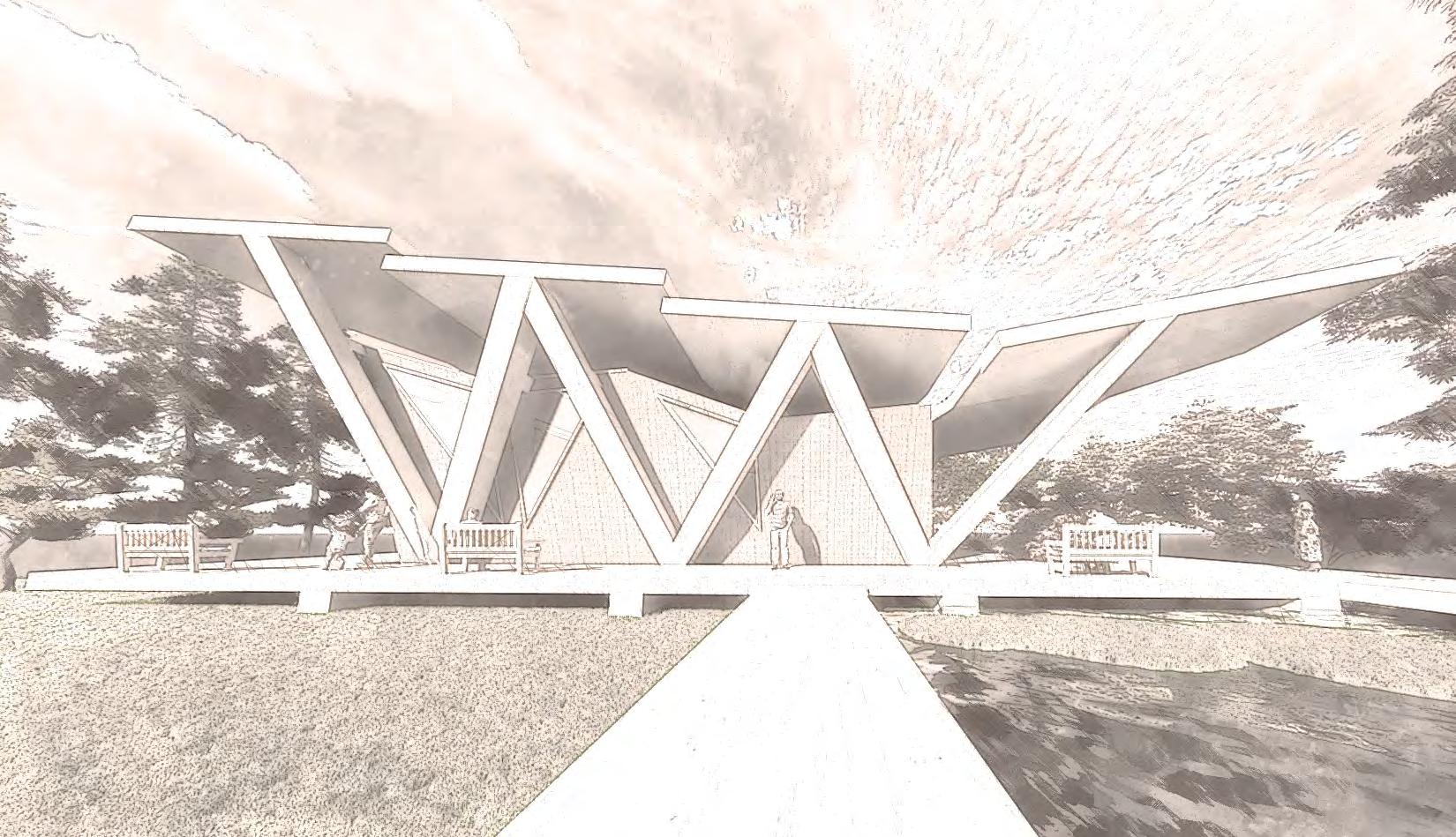
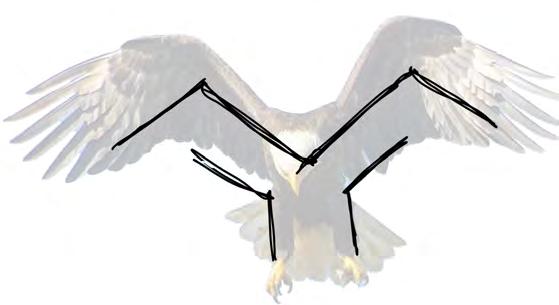
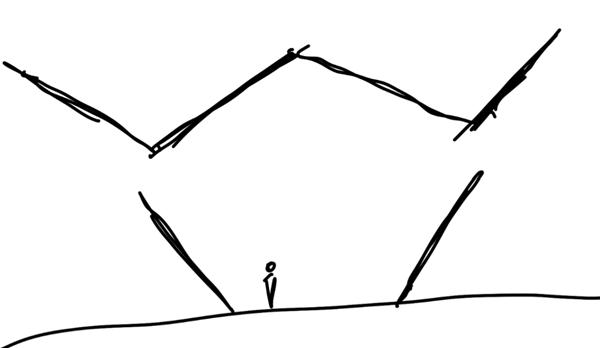
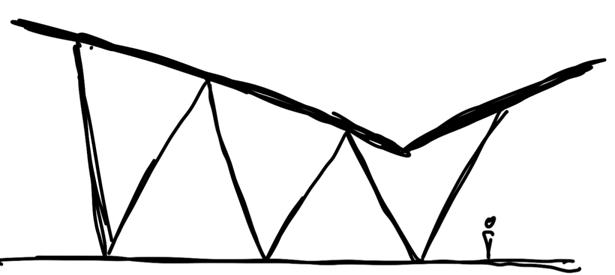
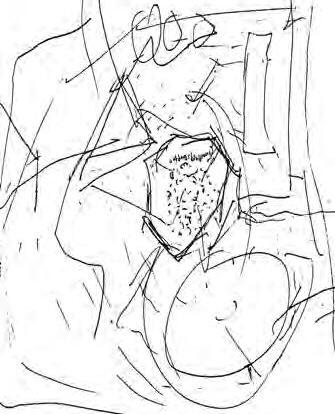
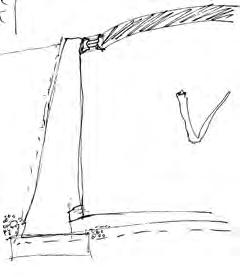
the eagle’s dynamism was a conceptual gold mine, flight is quite the great metaphor for the future understanding the spatial potential investigating the formal possibilities
derived structure
the structure that emerged from these explorations, the V-shaped braces pull outwards and require beams to counteract the resultant tensile forces


Total R-value at wall = SIP - 30, cork - 4, bamboo - 2 at floor = rockwool - 24, concrete -. 6, rigid insulation - 6
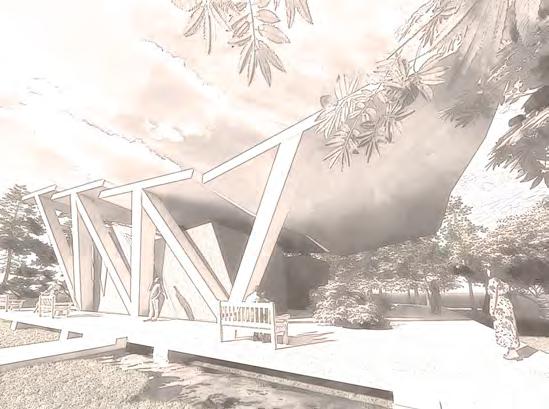
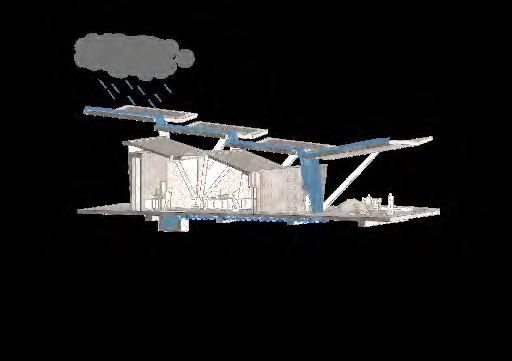
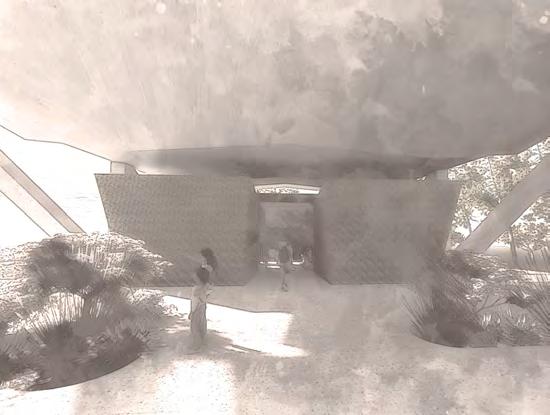
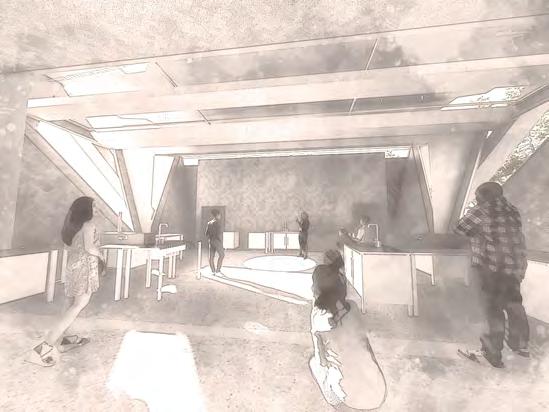
-rainwater collection, roofs drain into a “moat” surrounding the building for collection -the glass-topped cistern in the center of the classroom/lab puts this process on display
clerestory window for natural ventilation
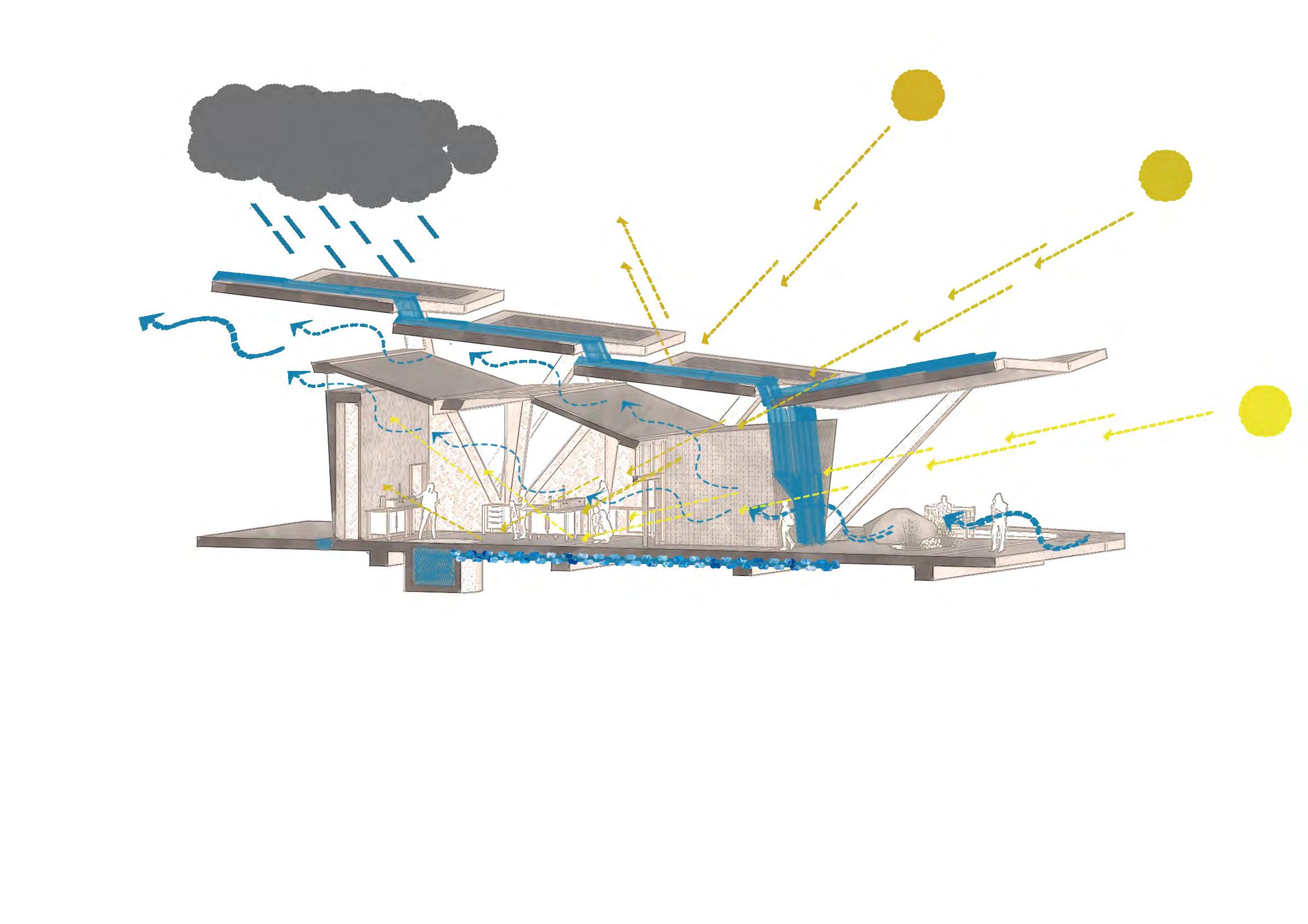
-solar panels, integrated into the downward sloping roof (angled towards the south), satisfy the building’s energy consumption -natural ventilations trot style plan, from
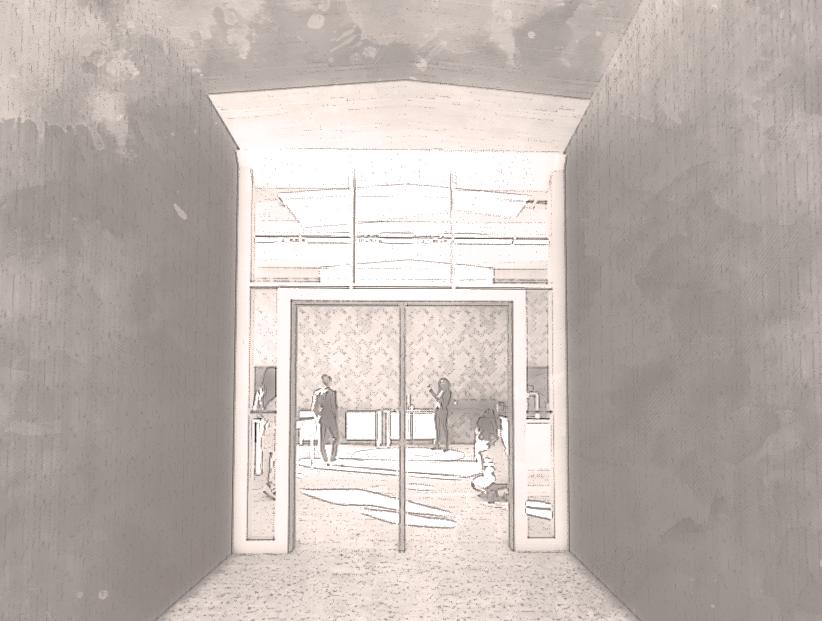
ventilations provides passive cooling benefits, enabled by the foxfrom the front entrance to the operable clerestory at the back
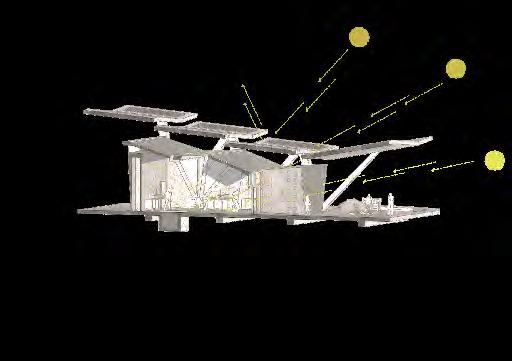
-the well-insulated envelope (see wall assembly above) minimizes the heating and cooling needs
arch403|danielcurry|dec.2023
where: Kenilworth Park & Aquatic Gardens, Washington DC
what: 6-acre park with a restorative community complex comprised of an art gallery, environmental education center, communal event hall, and space for local organizations why: re-connect the predominantly-Black neighborhood with the existing park, incorporate the community’s social and cultural needs, and repair the past environmental harm done to the site and the nearby residents how: organize the site with foundational geometric shapes (a rectangle, triangle, and circle for the enclosed buildings, a hexagon for the sunken, outdoor plaza, and squares for the solar-panel pavilion) and organic park circulation, integrate the newly-constructed buildings with the topography above and below the ground, and maintain the existing vegetation cover

a). first site idea sketch








the vastness of both the site (6 acres) and the project scope (extensive program and responsibility) were immediate challenges in grappling with where to begin, and I resorted to the foundational shapes to organize my ideas and hacked out this rudimentary plan sketch
b). interweaving site elements

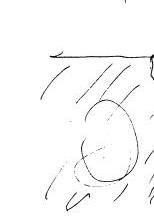
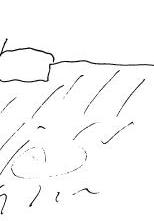
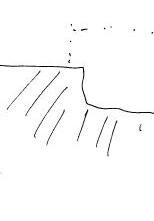
this basic geometric concept turned out to be quite potent, but it was missing something to tie together the various disparate shapes so I introduced a sunken hexagon that could serve as a central locus, this also spurred me to consider how the individual shapes (eventual buildings) would interact with the topography
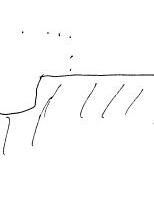
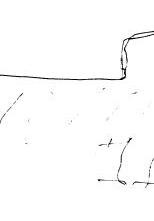
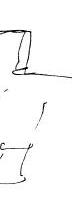
I carved into, and piled on, the ground line (the site’s incline was slight), and then attempted to place individual shapes (now buildings) in relation with the ground (building sections on the right)
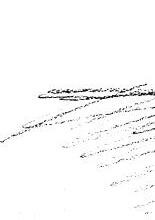
d). hexagon & triangle section
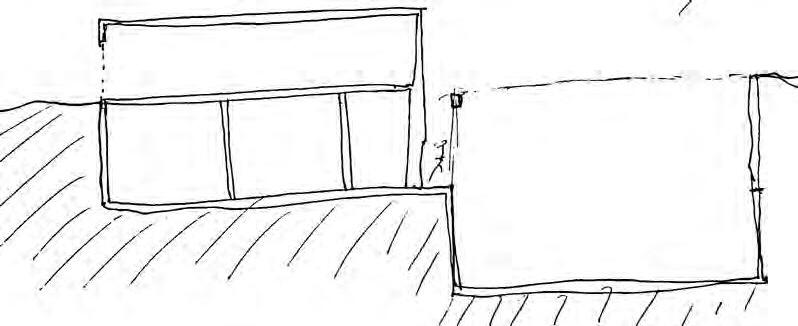
interaction between the triangle (education center) and the central hexagon (sunken public plaza), dynamic perspectives link the two
e). rectangle plan & section a potential plan and section for the rectangle (community hub) and its two story form, now buried partially in another reclaimed slope
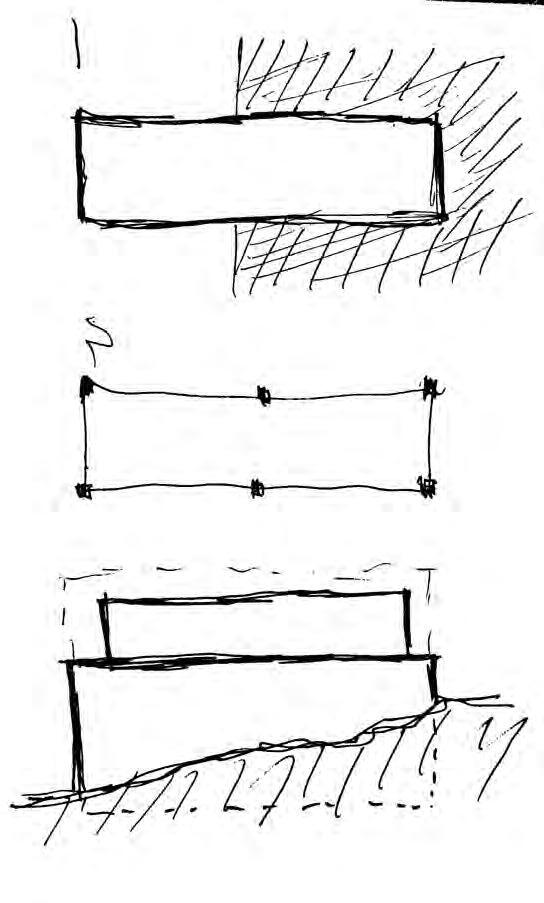





rectangle, half buried and half exposed triangle, one side half buried and the other fully exposed (to the hexagon)
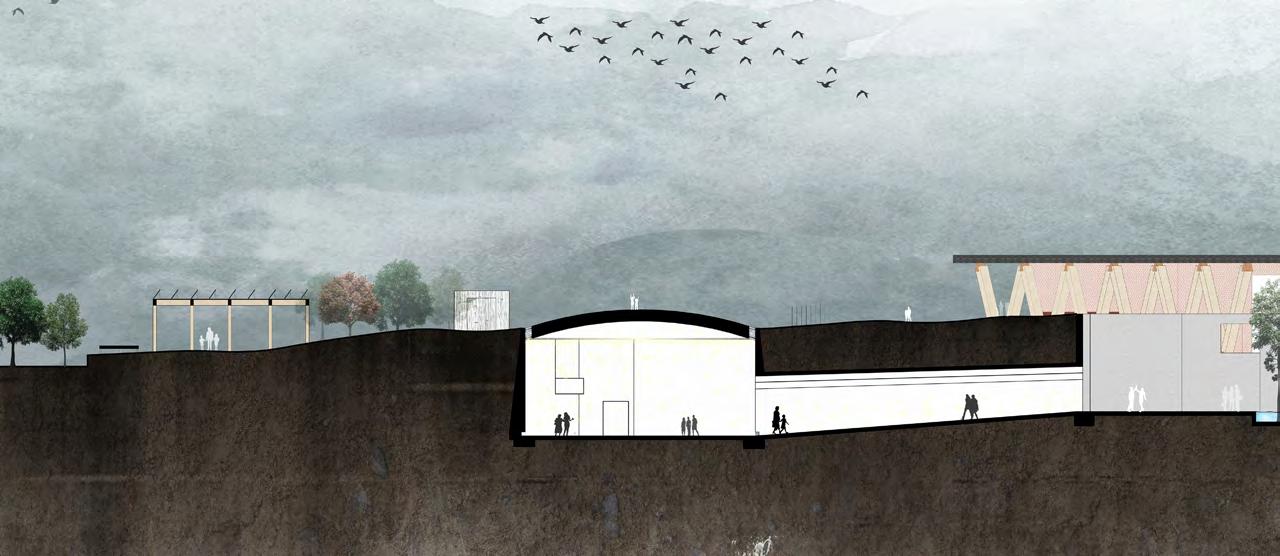
circle, fully buried under a hill of reclaimed earth, creates space in and above












plans for a two-level circle (art galleries) all fully buried, calm spaces of introspection, entered from a tunnel and exited through an elevator directly onto the landscape corresponding section, circular space places emphasis on shared experiences








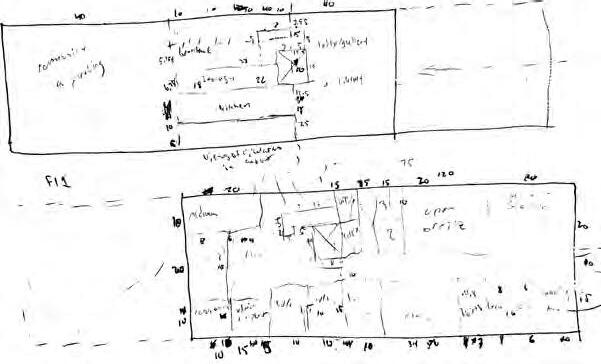
h). triangle plans
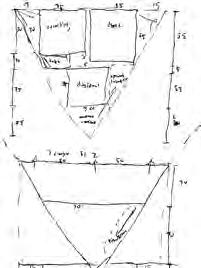
program layout and size requirements for the community hub (rectangle), plans are based on staggered rectangular volumes atop each other program and size for education center (triangle), 3 clustered cubes under triangular umbrella structure 2 1 1 2
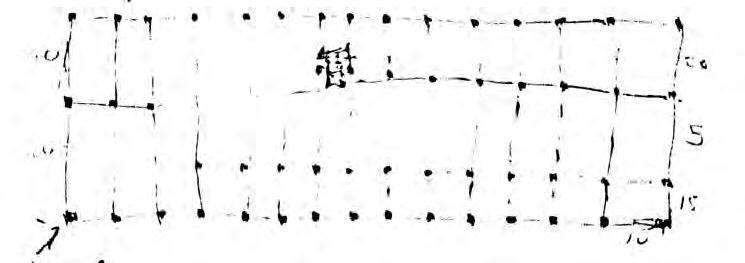
community hub (rectangle) framing plan (steel), longer columnless spans are by the atrium and main pathways
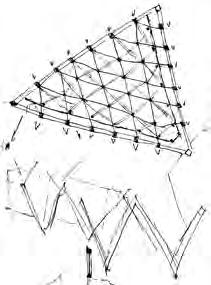
education center (triangle) waffle roof framing plan (clt), held up by large trusses
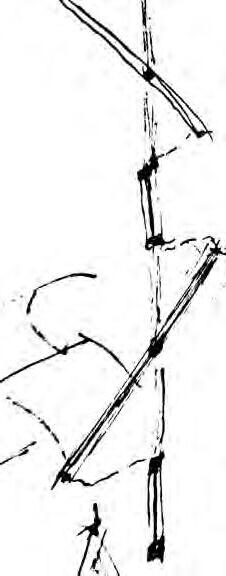
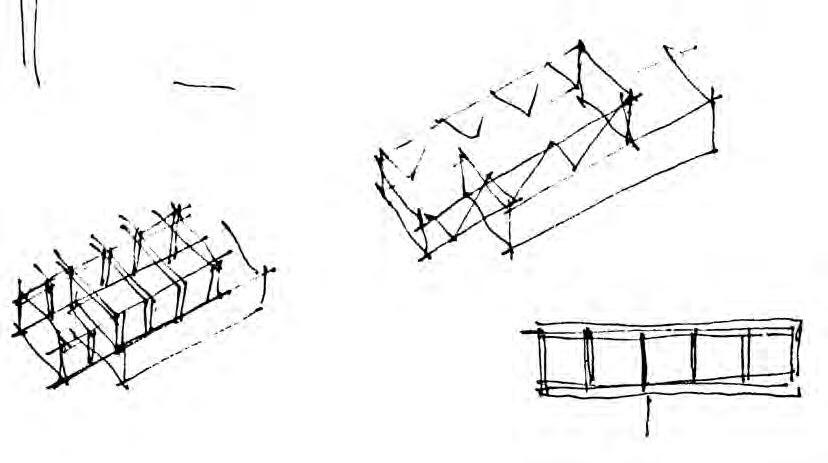
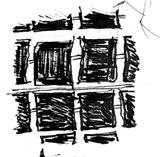
education center (triangle) facade pattern above w/ glass as mullions and solid material as the glass window detail, double-swinging glass panels, center hinge allows swivels in both directions
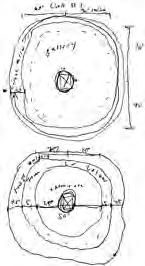
1 2 program and size for art galleries (circle), second gallery ringed above lower gallery (final design followed earlier circle plans)
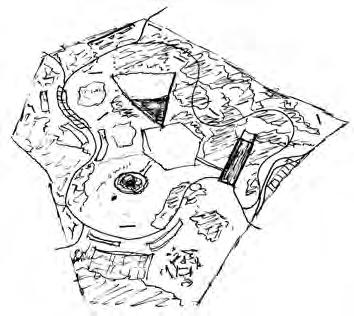
final site design, w/ all constructed and landscape elements
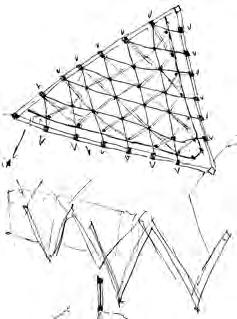
community hub (rectangle) structural options for cantilevered overhang, either increase the beam depth or utilize a truss system perspective of v-shaped trusses in education center (triangle)
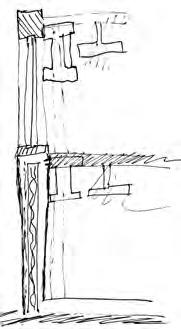
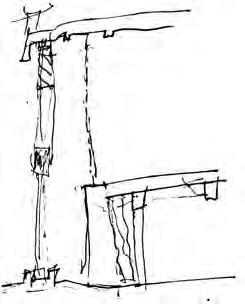
community hub (rectangle), exposed beams and curtain walls, typical connections
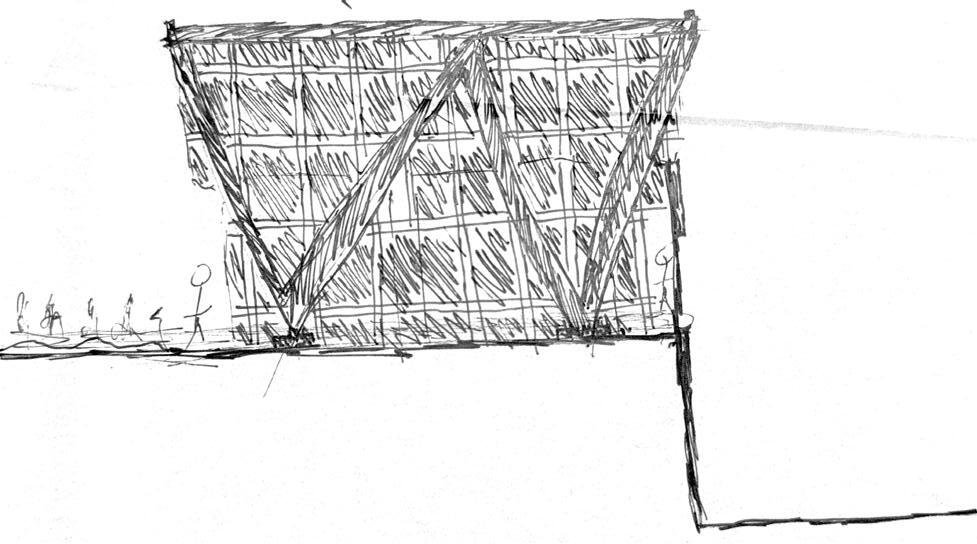
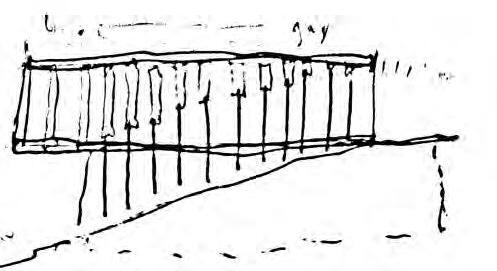
education center (triangle) facade option, truss structure frames a dense, gridded screen facade, triangle and square coming together community hub (rectangle) facade option, material transition follows slope below w/ “heavy” material resting on “light”
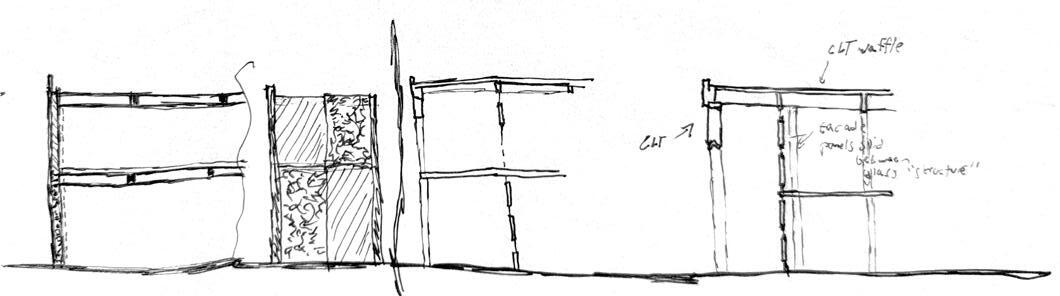
structural section variations
education center (triangle), outer truss structure and inner post/beam structure w/ copper screen above art galleries (circle), concrete shell w/ ribbed concrete cap and a ringed skylight, wall broadens to secure against ground pressure
community hub (rectangle) plan 1
education center (triangle) plan 1 plan 2 plan 2
solar-panel pavilion (split) plan
plans & program cont. (oriented acc. to site plan)
art gallery (circle) plan 2 plan 1
site plan w/in existing kenilworth park footprint
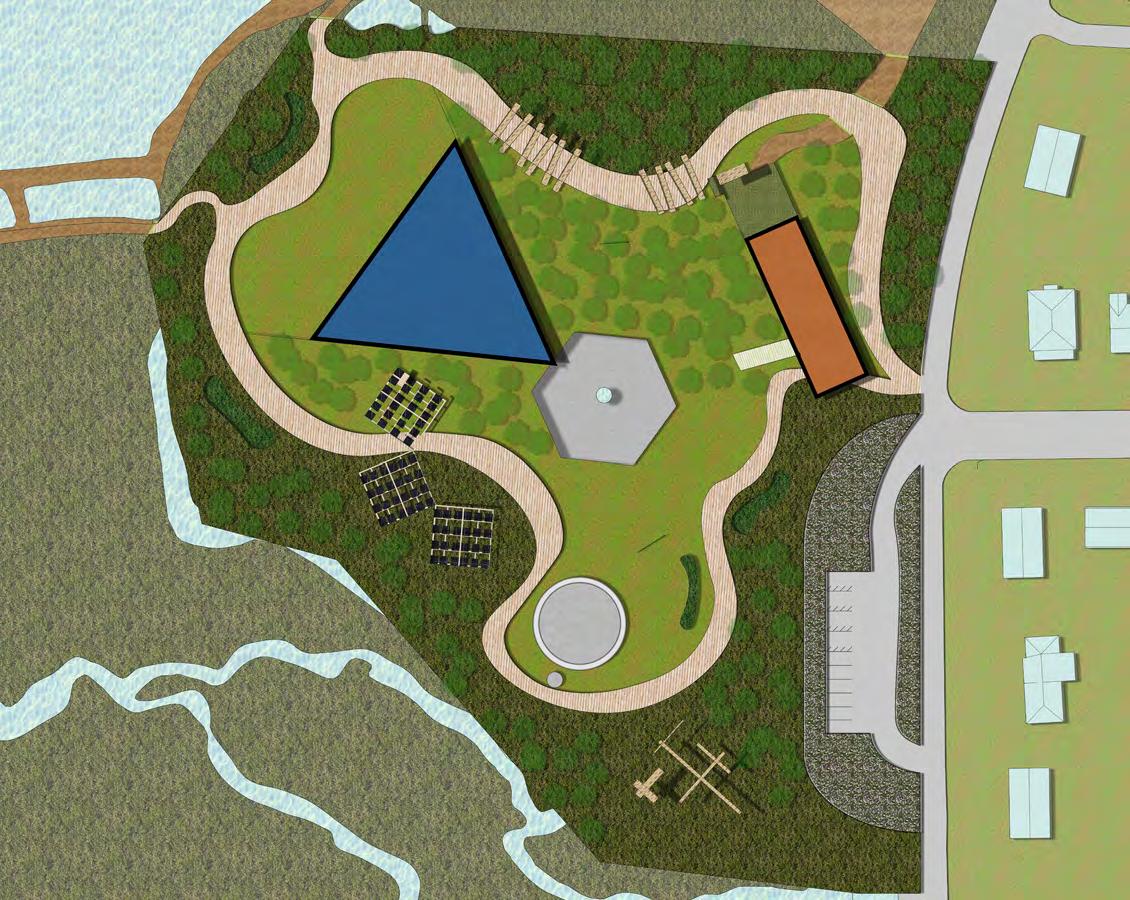
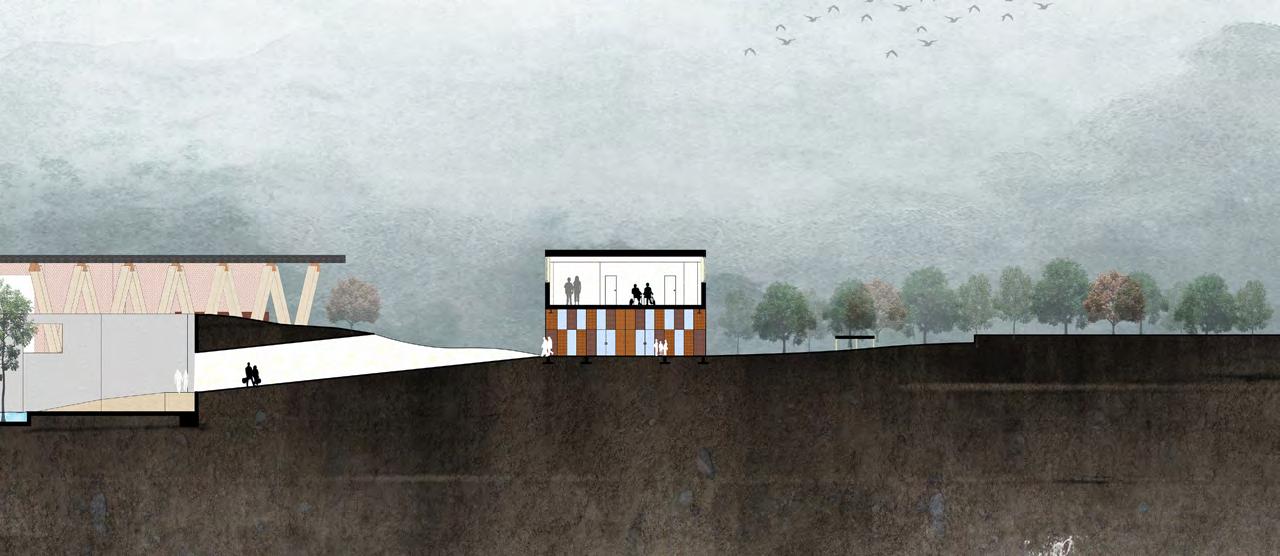
section line and flags correspond to the section perspective spread two pages prior along the wooden path are visible bioswales, framed walkways, a festival lawn, and a playground
park entrance to community hub community hub entrance
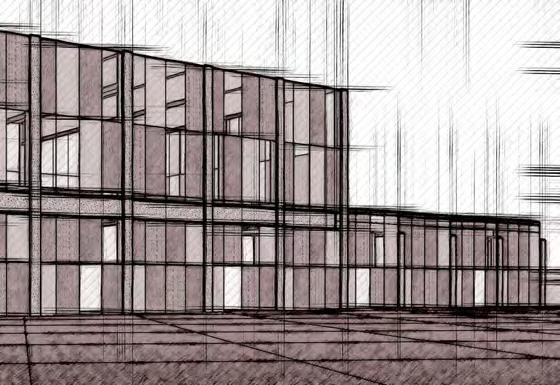
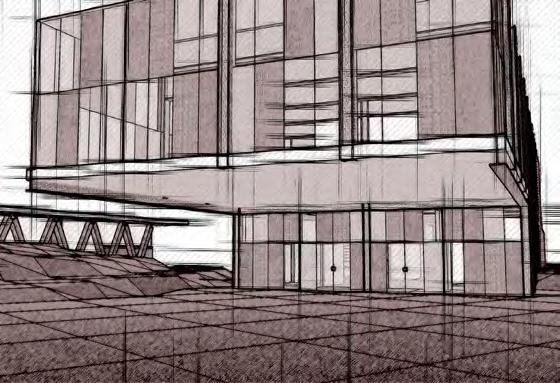
under truss interactive zones above sunken plaza and beyond
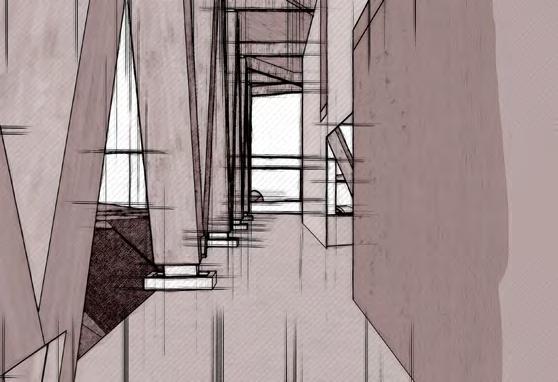
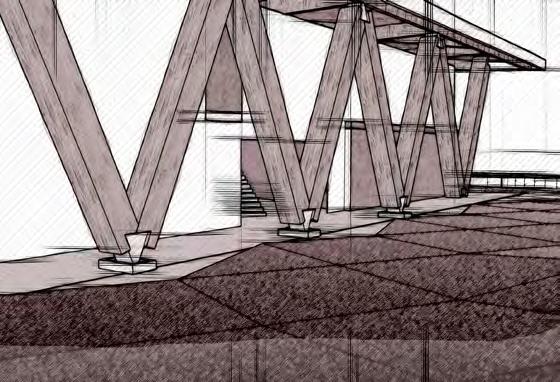
in sunken plaza to education center behind trusses towards park
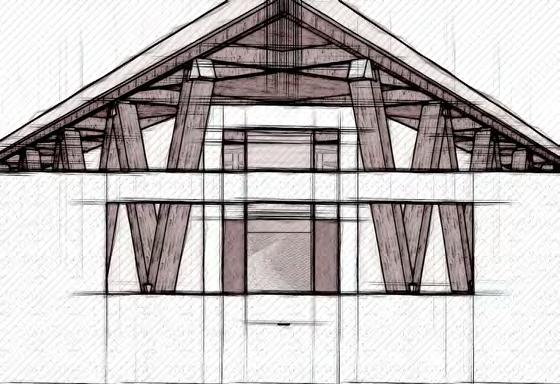
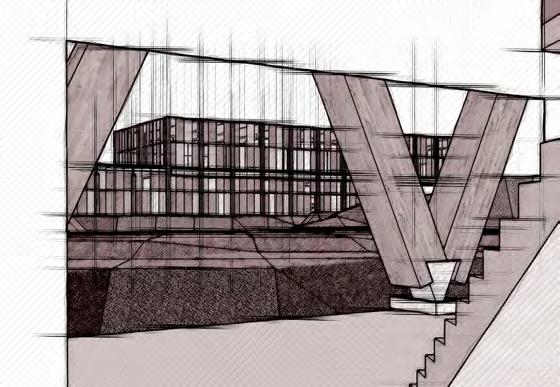
community hub (rectangle) east-facing elevation

facade is composed of irregularly placed wooden panels of various wood types to create an illusion of movement and transition, on the facade exterior are fake I-beams a la the seagram building
education (triangle) north-facing elevation
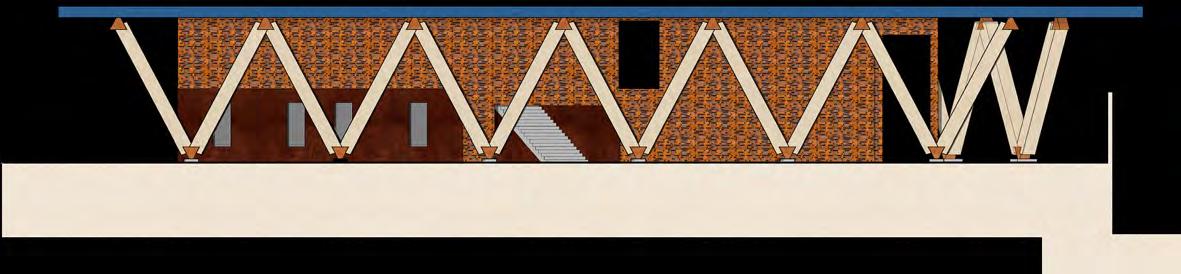
clt waffle roof is topped with an aluminum shell, behind the v-shaped truss structure the inner facade is part wooden panels and part perforated copper screen, depending on whether its a wall to an interior or exterior space
sunken plaza (hexagon) section perspective
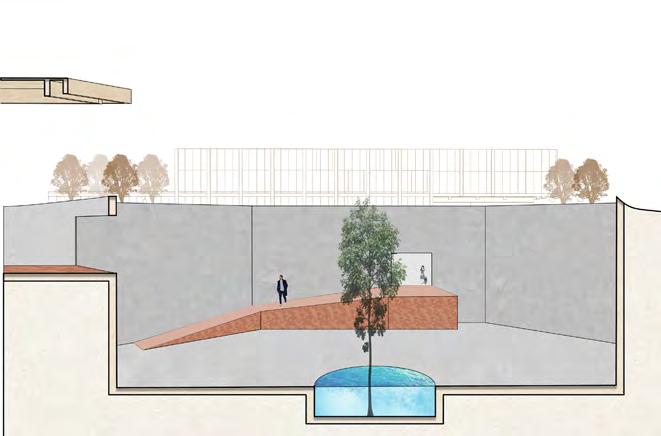
concrete retaining walls w/ pond and tree in center, austere surroundings but source of life at the heart
art gallery (circle) section perspective
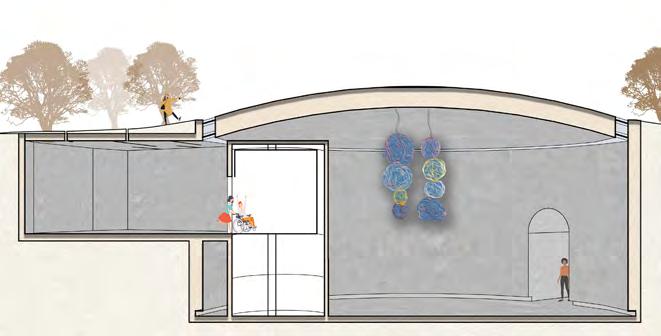
and
education center (triangle) structural system - mass timber
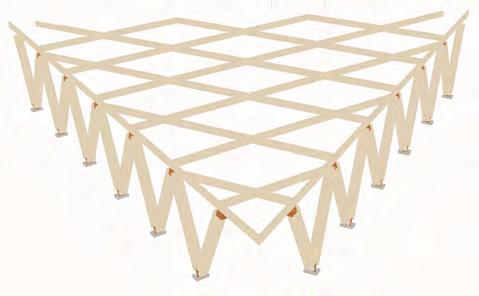
clt trusses and waffle roof w/ corten steel connections designed to highlight the triangular form and trusses
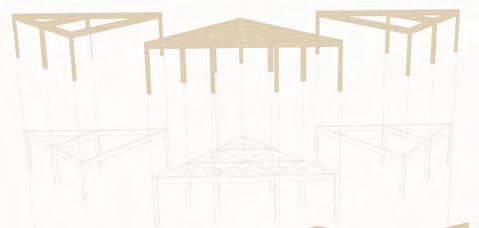
clt post and beam for triangle detached inner structures
arch401|juliaklineberg|dec.2022
where: corner of U St. & 14th St., Washington DC
what: public library of music and community
why: democratize access to musical education and engagement how: open a public plaza beneath the library with no physical bar to entrance and enwrap the circulation around the main library spaces and classrooms to create a people-directed experience
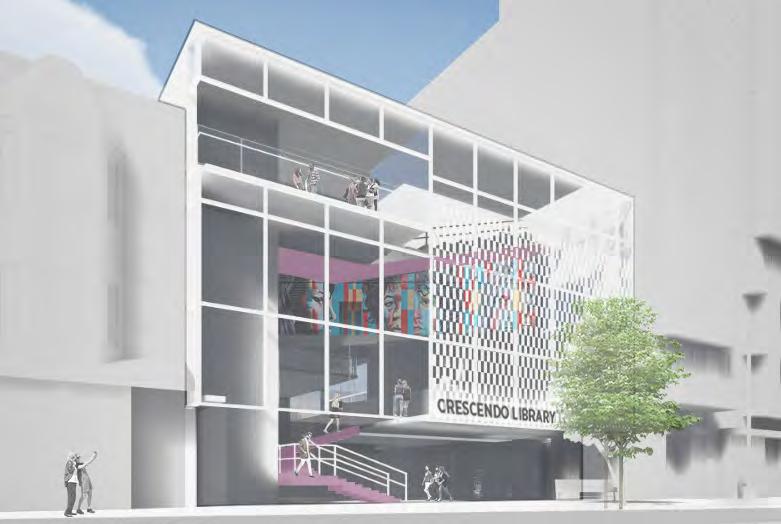
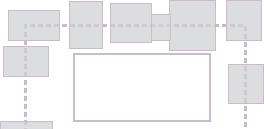

clustered volumes and the dominant path of circulation surround a core of practice rooms the museum volume is lifted to create a publicly accesible plaza with an entrance stairway, the vao libre
circulation diagram
open plaza diagram
one large cube is the core, surrounded by a circulation path that wraps and rises, the cube forms the main reading room and the journey around it is encompassing and elevating a volume is again raised above the ground, but from within rather than from without, as an urban infill site this public space is more contained than bardi’s vao libre but it also contains a program of its own with public restrooms, instrument loan lockers, and a performance room open even to the non-library going public, the enclosed plaza alos offers shelter to any who may need it, no questions asked
floor 1 plan - circulation
floor 2 plan - circulation
plaza plan - circulation
- this level features the open public plaza (with bathrooms and instrument loan lockers) and the main entrance stairway/elevator
- it is approachable and always accessible
- lifted above are the main reading rooms, surrounded by the circulation path overlaid on the plans on the left
floor 3 plan - circulation
floor 4 plan - circulation long. section - through building’s midpoint
the transparent curtain wall facade invites the “outside” in
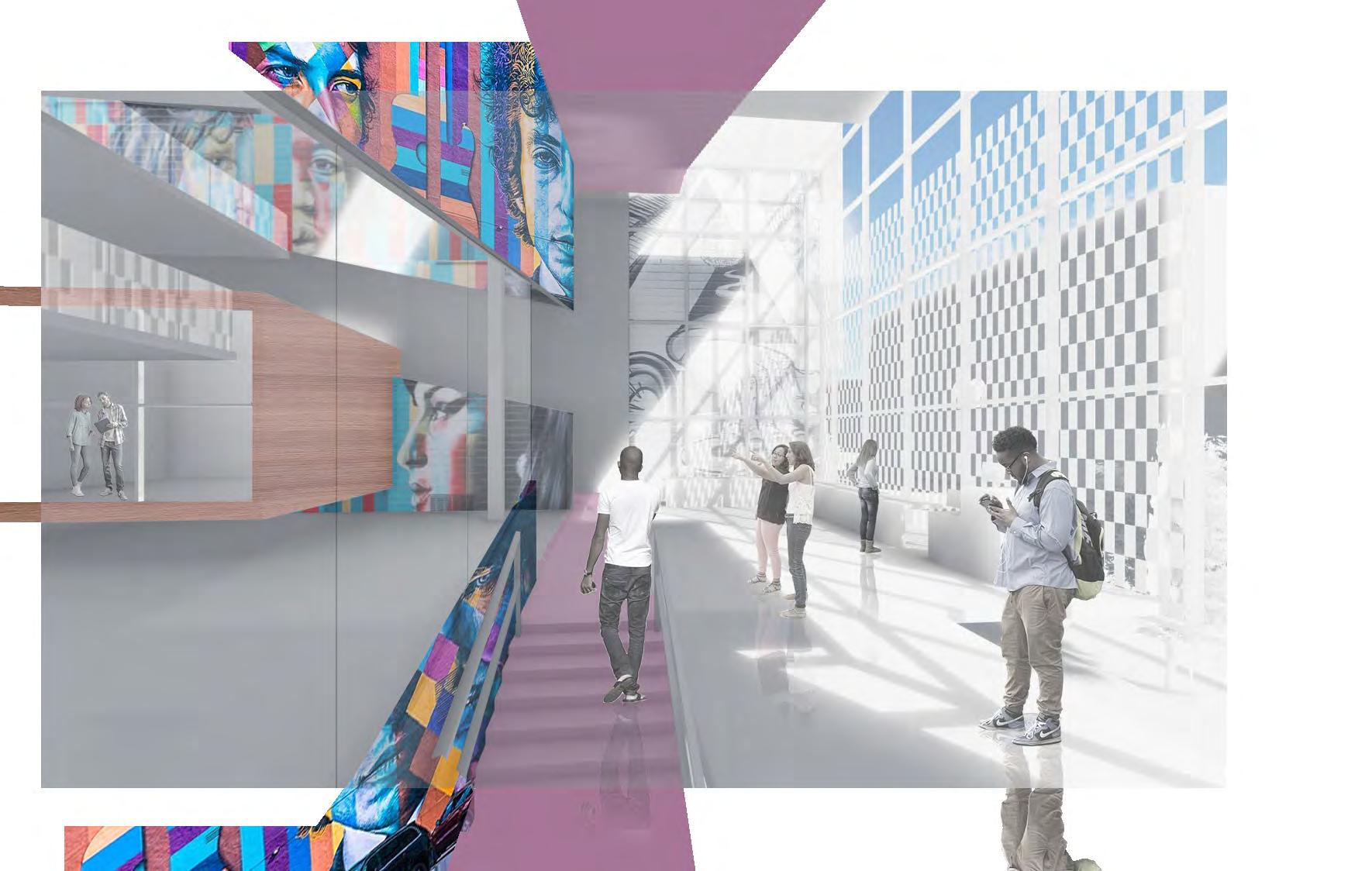
main reading room
elevators are located at the foot of these stairs
interior perspective - circulation through the main lobby and floor 1
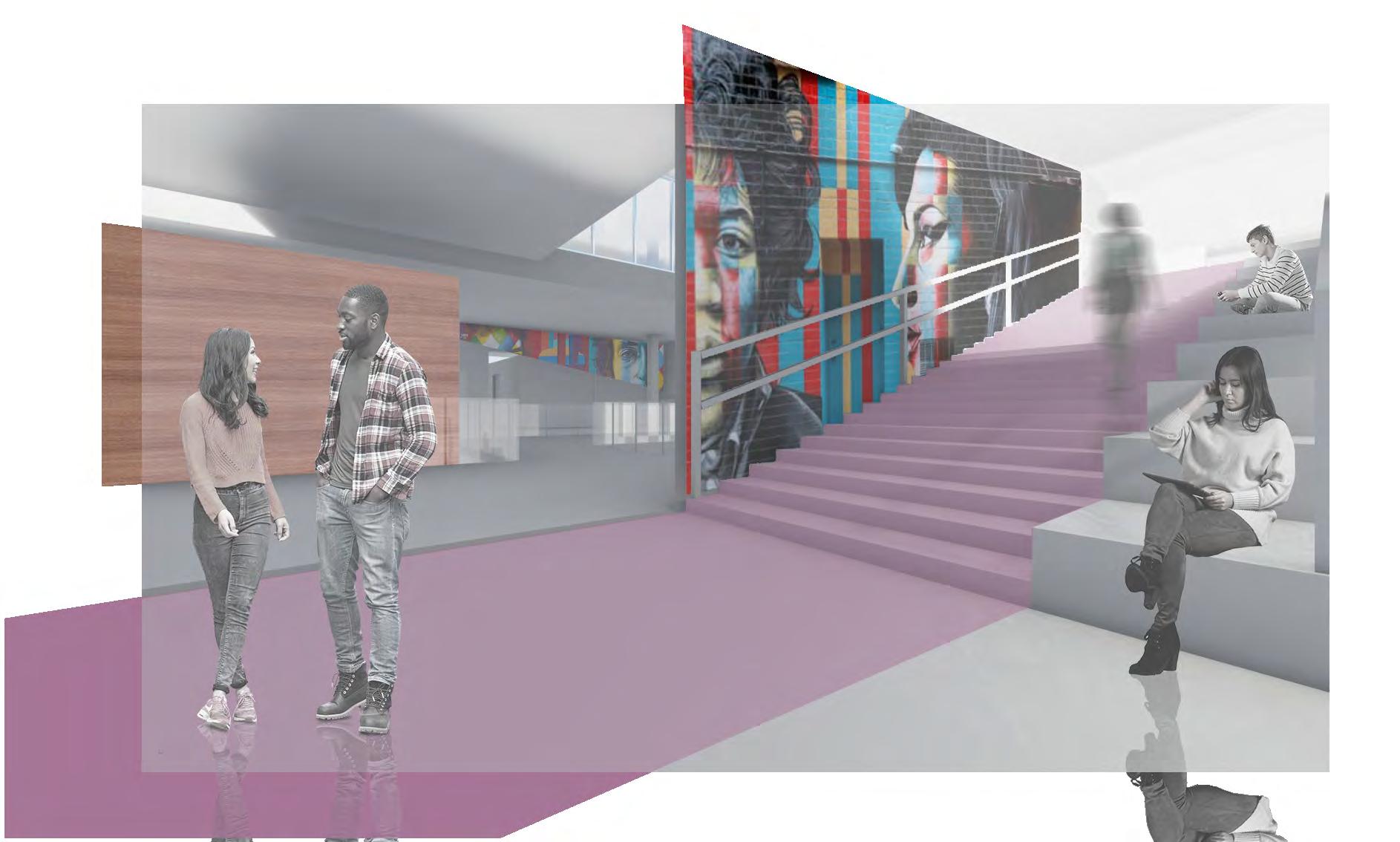
main reading room upper level
murals of musical legends grace the walls
on this floor is also the street-focused portico, in front of these stairs
interior perspective - circulation on floor 3 (see right-side of plan)
arch402|tae-junkim|may2023
where: corner of 12th St. and H St., Washington DC what: 38 units of mixed-use multi-family housing why:: address housing shortage and foster social connection how: utilize an interior, single-loaded corridor with protruding balconies that overlook and envolve a communal courtyard to create a “neighborhood” and moments of interaction
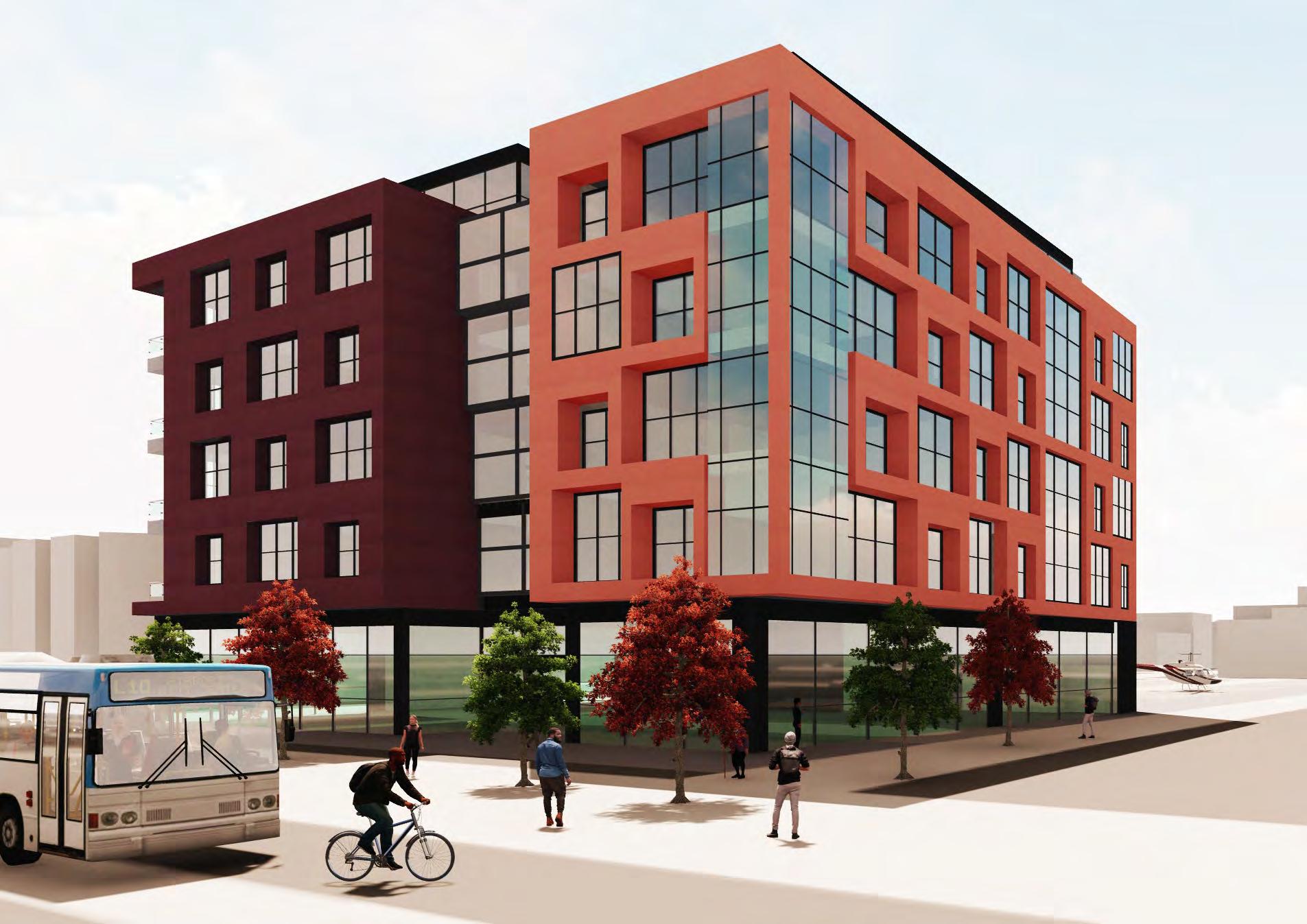
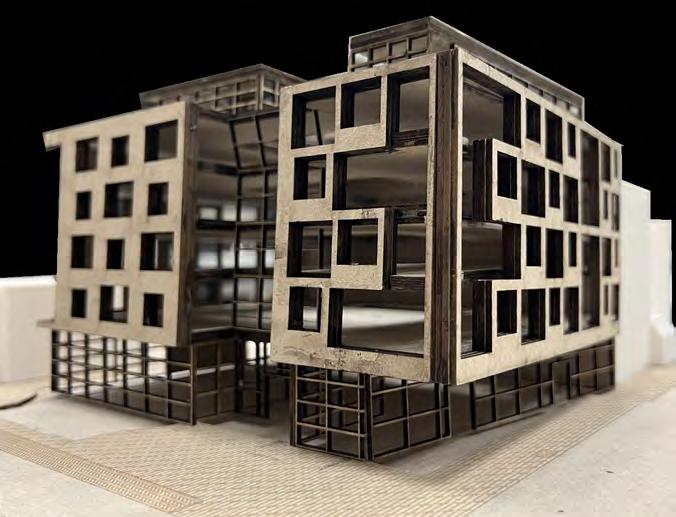
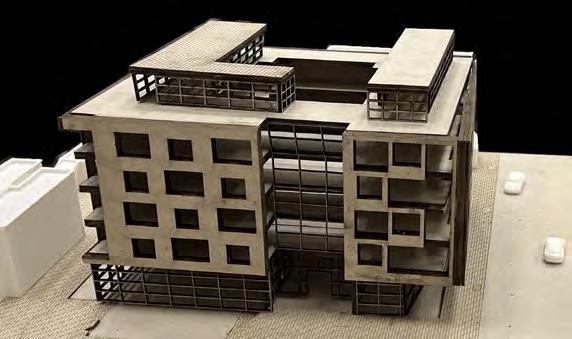
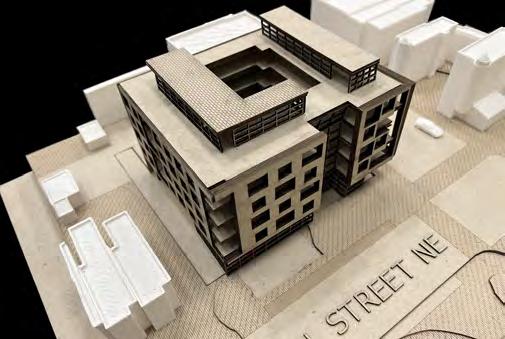
at the corner of H and 12th taken above the corner of 12th and the back alley taken from across 12th
program & circulation plan diagrams floor 1 - retail and lobby floor 2/4 - residential floor 3/5 - residential floor 6 - amenities
- resident entry is from 12th (on the right), off busy H. St., and leads to a large lobby with elevators behind it - entry to the shared courtyard is on 2nd floor - floors 2/4 have 10 units each - floors 3/5 have 8 units each - 2-bed units provide options for intergenerational living
- interior amenity spaces are located on the roof
- an exterior terrace on the roof offers family playspace
long. section - through loft units north to south (H. St. to alley)
north-facing facade elevation - H St.
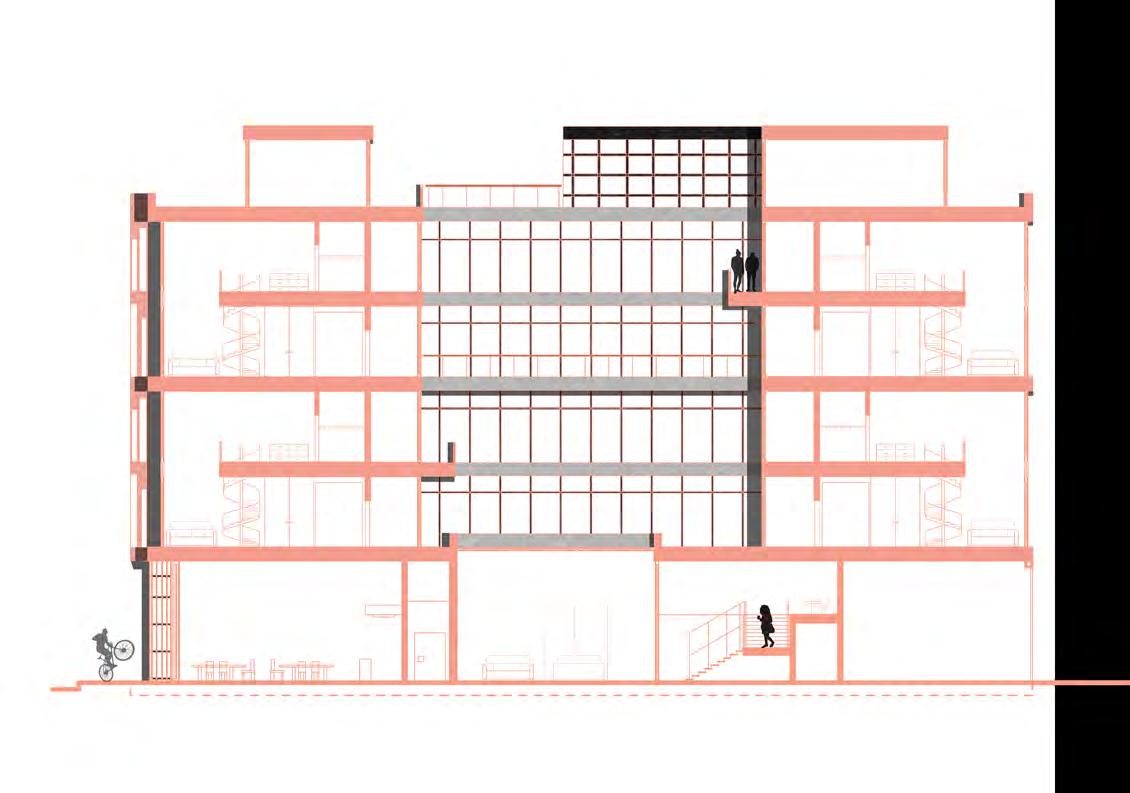
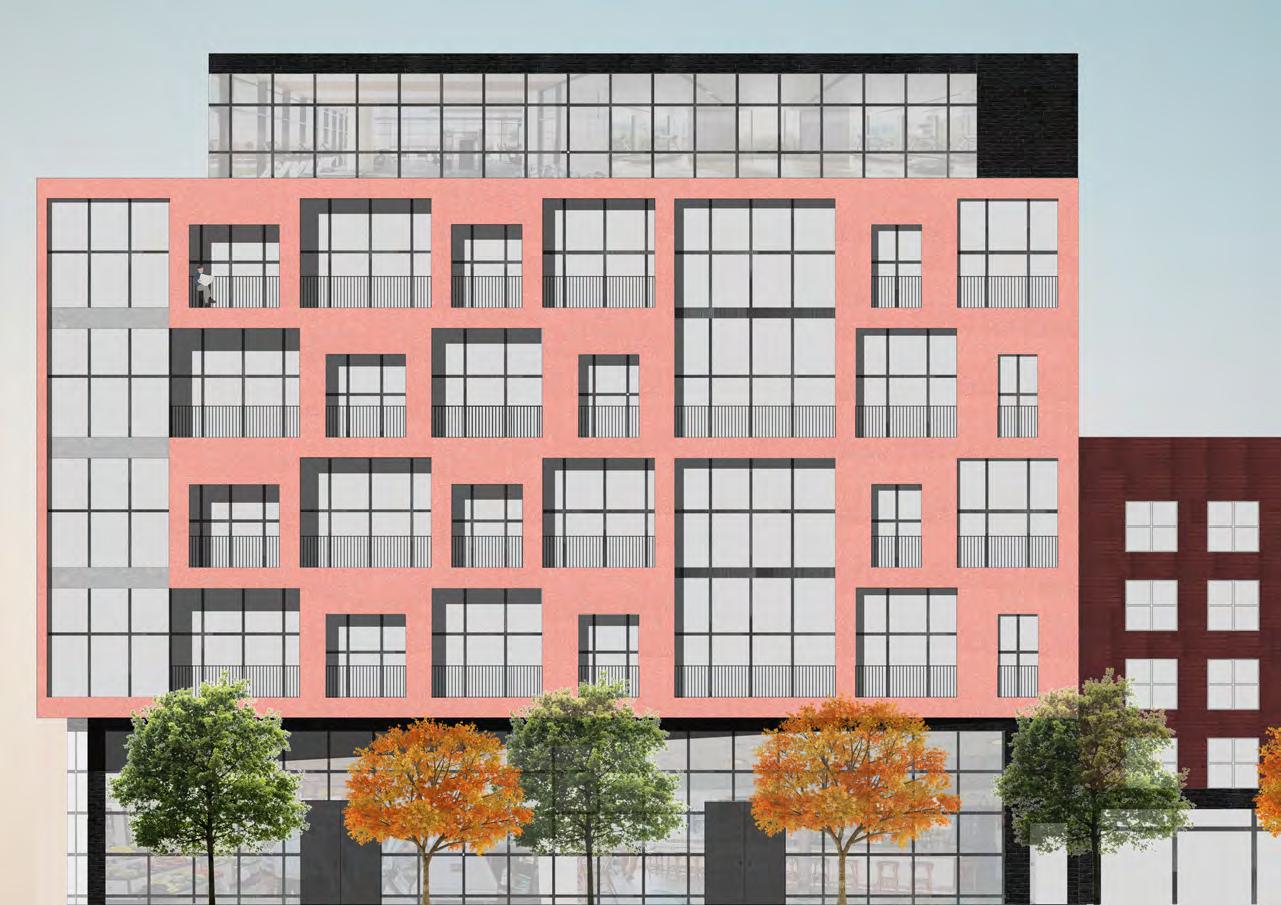
sections:
Floor 3/5 (Typ. Residential 2)
- balconies extend over the shared courtyard from alternating floors, open to the single-loaded corridor they encourage moments of neighborly interaction - loft units have double-height living rooms
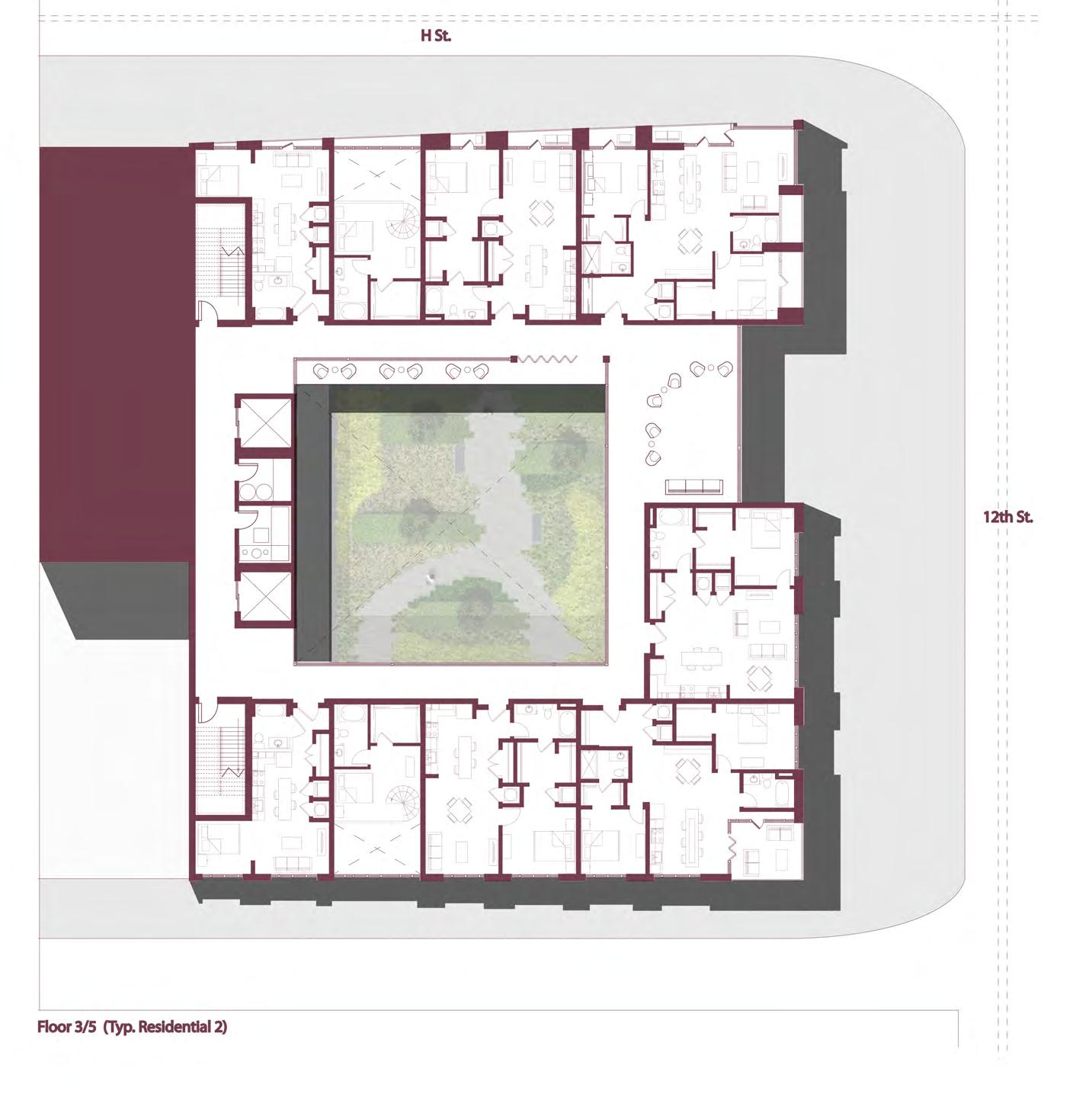
- the corridors are separated from the courtyard by glass curtain-walls to allow for chance encounter across the courtyard
- the corridor widens to introduce staggered gathering spaces (above the off-corridor gathering space in the plan)on the right in the cross section)
plan:
- 3rd floor balcony (just above the courtyard in the plan) is aspace to meet neighbors and relax in community - the off-corridor gathering spaces (on the right in the plan) overlook the building’s entrance and have a glimpse of lively H. St.
- the north H. ST. facade juts out to meet the east 12th St. facade, engaging the active street corner and providing residents with exterior balconies
- single-loaded corridor loops around courtyard and elevator stack, which serves as the primary route of circulation
arch402|tae-junkim|march2023
where: H St. bet. 12th St. & 13th St., Washington DC
what: home of an organization that showcases the art of firstperson storytelling and a public linear plaza why: inspire and connect a community of diverse voices how: design “disorder” into the order and regularity of the urban grid to foster creative tension and make space for “new” stories and dialogue, building - highlight the dynamic interconnected atrium that encourages interaction and connection, plaza - disrupt direct paths, introduce a public market with local vendors that “opens” the plaza to the neighborhood
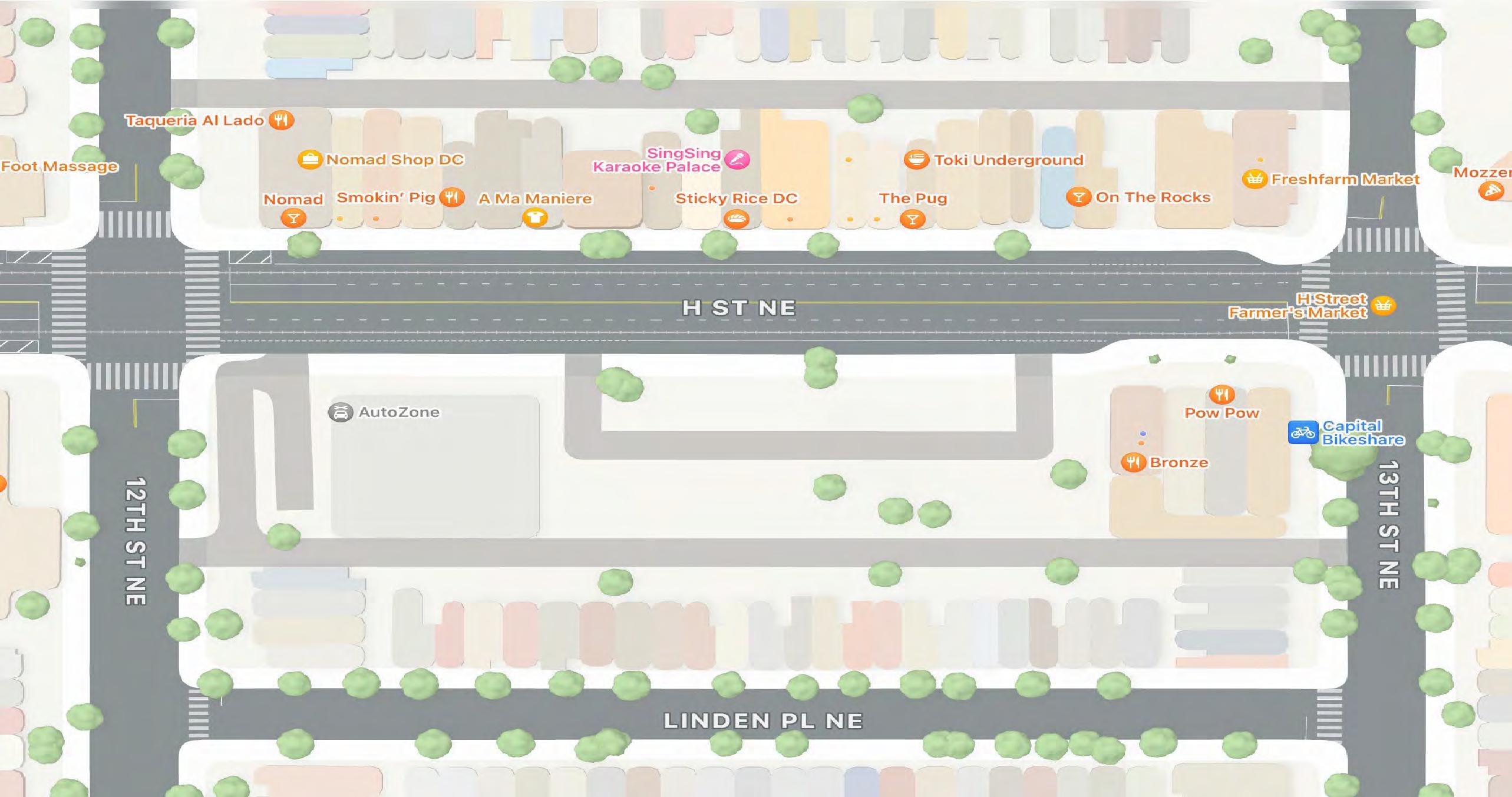
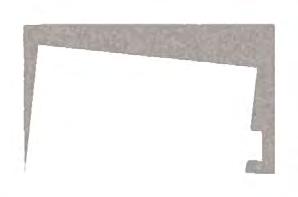
tension between building grid and urban grid
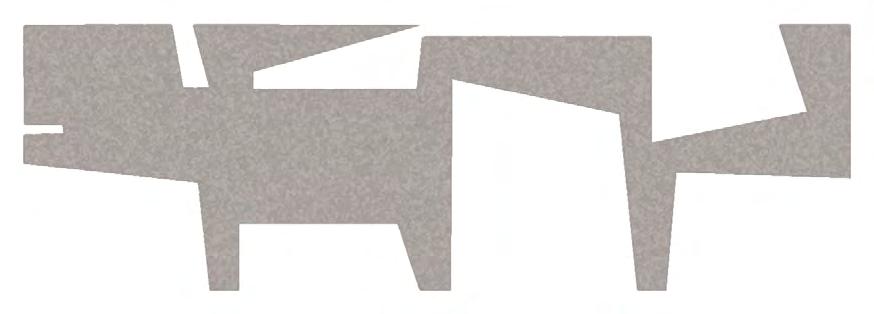
orthogonal plaza organization pushed and pulled into “disruption” of movement
approach and movement diagram
approaches to the building engage the corner and plaza, movement through the plaza is off-kilter
site section - through plaza and building
slight elevation changes throughout the plaza guide visitors towards the building, where the cantilevered overhang welcomes them in
site plan - plaza and building’s 1st floor (atrium)

















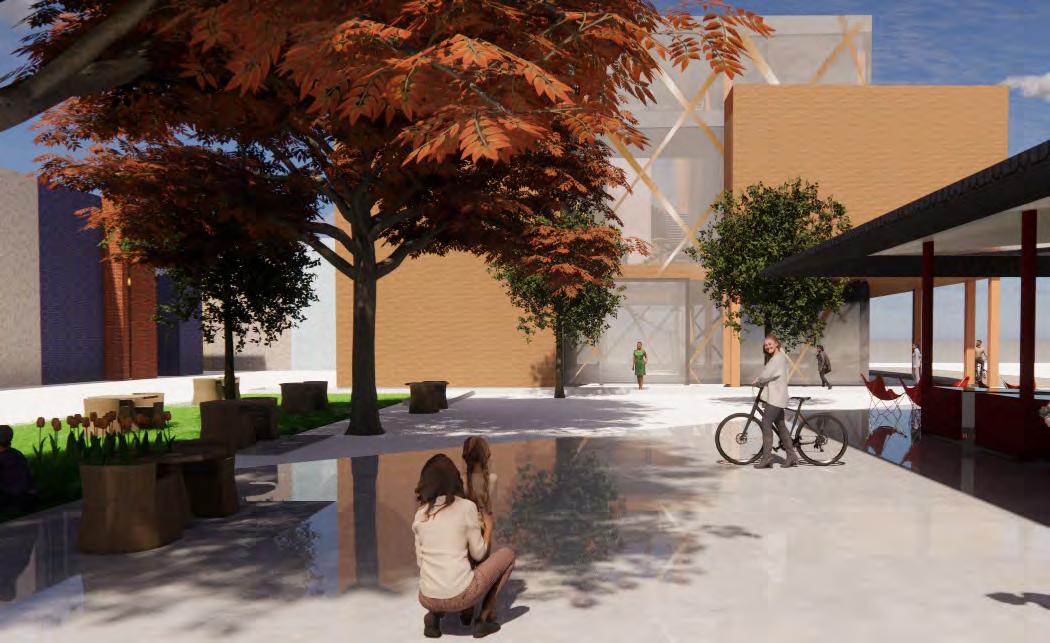
at the building’s front is the public market and seating areas, the market opens to the street and is both its own space and also integrated with the plaza around it (eg the seating that food stalls can use)





2 plan - storytelling hall
floor 1:
- atrium is enclosed by glass curtain walls to connect with the community outside - at the center of the atrium is a large tripleheight lightwell that facilitates inter-floor interactions
- the main staircase wraps around the elevator, just behind the lightwell, and is open on its sides
floor 2:
- main storytelling hall is a majority double-height space but one portion is single-height, allowing for both large and more intimate events
- the hall is ringed with bleacher-type benches attached to the wall and adaptable to a wide variety of events, formal or informal, large or small
- warm wood-covered walls in the hall make for a comforting experience
- surrounding the lightwell on this floor is a smaller, open event space that overlooks the building’s entrance and the plaza (see perspective on next page)
floor 3 plan - cafe & offices
floor 3:
- double-height portion of the storytelling hall is also enclosed by glass curtain walls to bring in natural light to the hall but less directly
- there is a large cafe with views out to the street and the plaza
- the lightwell culminates on this floor and provides cafe guests a place to stand and people watch/interact
cross section - through staircase & storytelling hall (H. St. to alley)







long. section - through lightwell, small event space, & cafe (plaza to 12th St.)



sections:





- floor plates extend into atrium for these moments of connection and storytelling dialogue
- double-height storytelling hall space lets in sunlight from the second level
- atrium is enclosed by a glass roof, thus creating the lightwell
- glass curtain wall on first floor engages passerby on the street
- atrium is dynamic and interactive across all floors and throughout its section in both directions

arch400|josephmckenley|may2022
where: unspecified urban infill site
what: art gallery and community gathering place
why: bring art to the masses
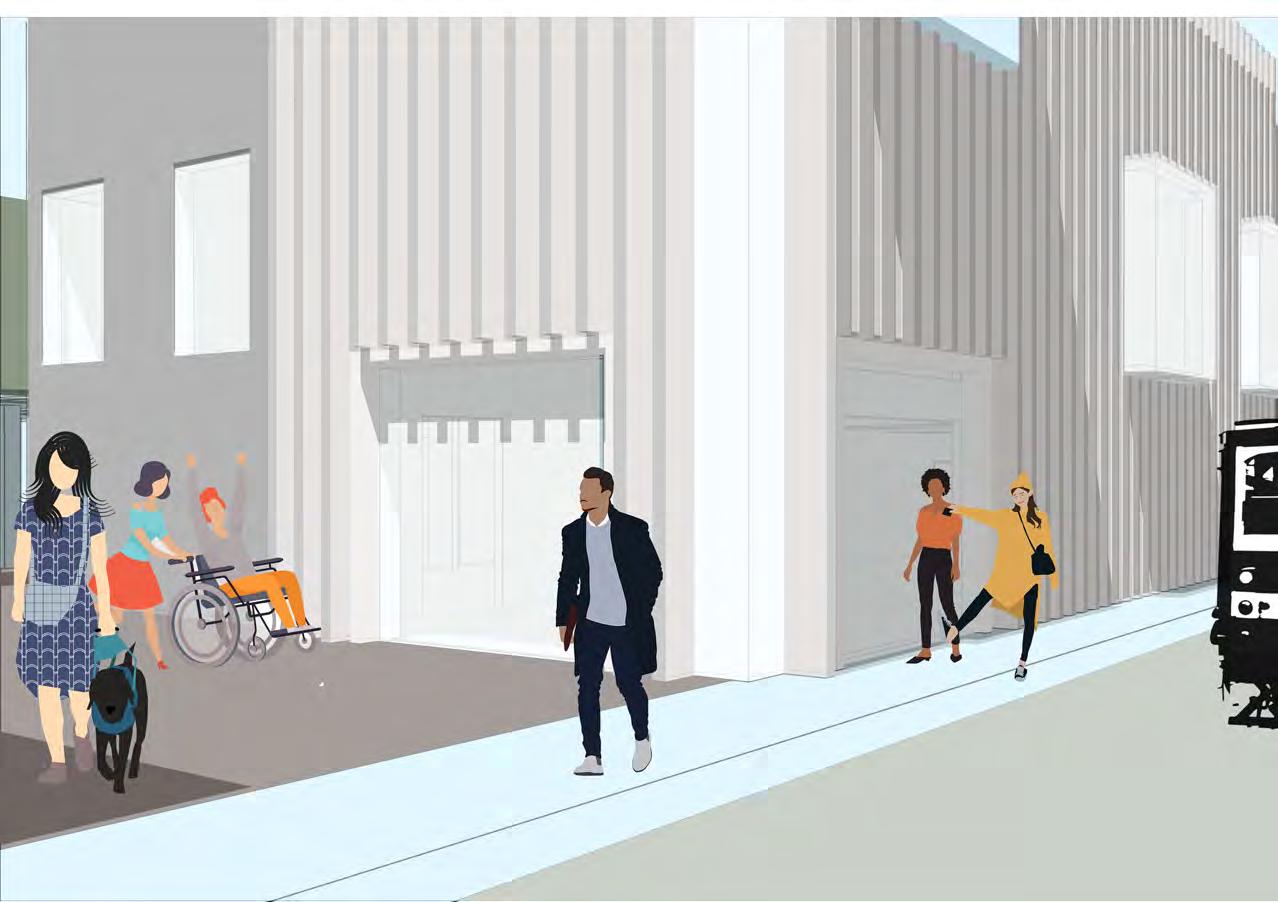
how: revealed circulation is on display inside and outside with glass cube stair landings embedded in the facade and diagonal, atrium-crossing bridges leading directly into the gallery spaces, the movement of people is venerated and encourages neighbors to take a chance and visit the gallery
parti exploration parti resolution
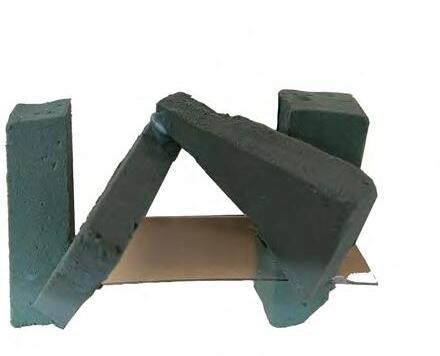
formal experimentation w/ salvage materials
parti derived from model form
massing exploration facade exploration
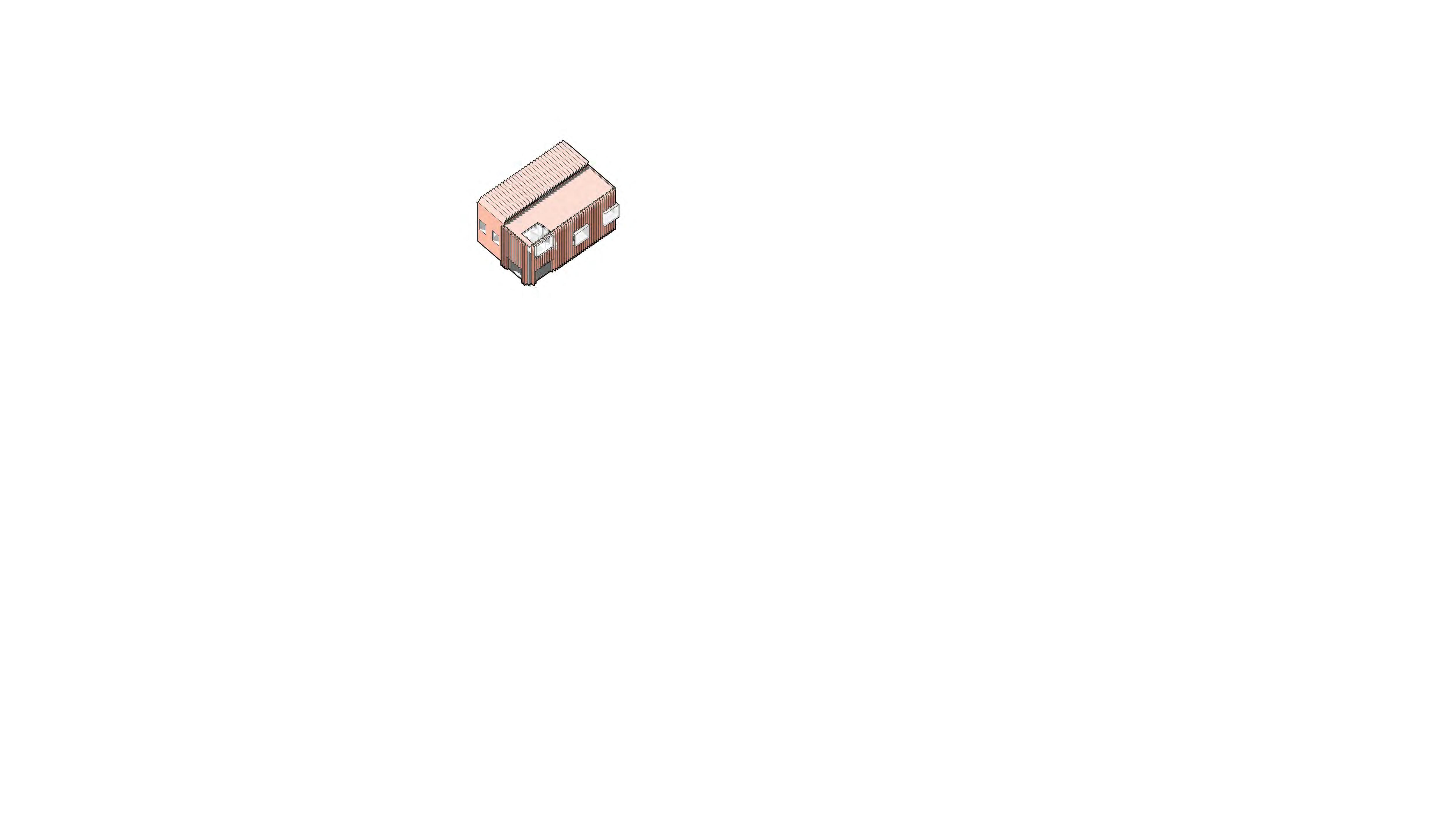
massing investigation from parti
building axon
facade study w/ solar implications
final building form w/ split massing and programming based on the parti explorations, and a finned facade and north-facing sawtooth window roof predicated on the facade sun study
floor 1:
- the finned facade filters in sunlight and casts dynamic shadows across the atrium
- entrances are on both the north and east facades
- above are the atrium-crossing bridges, drawing attention and building excitement up and across the atrium - gallery 1 and administrative space are on this floor
floor 2 plan
floor 2:
- the first set of stairs alights on this floor in the glass cube extrusion and leads across the first atrium bridge to gallery 2
- gallery 2 exits onto a second atrium bridge which ends in the second glass cube extrusion and the begining of the second flight of stairs
- these glass cube extrusions are circulation stops and moments of gathering (as seen in the first elevation on the next page)
floor 3 plan
floor 3:
- the second flight of stairs alights on this floor in the third glass cube extrusion and leads across the third atrium bridge to galleries 3 and 4
- from this floor one can retrace their steps or descend in the central elevator
- overlooking the atrium and lower bridges is a balcony, mimicking the glass cube extrusions across the atrium (accesibly providing a similar moment)
- at each floor are moments of inter-floor connection and interaction
east-facing facade elevation
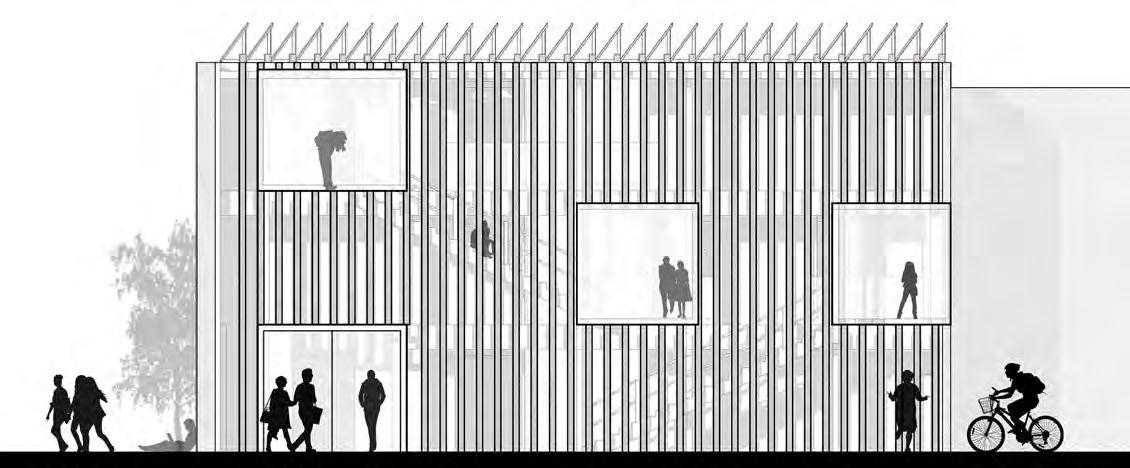
north-facing facade elevation
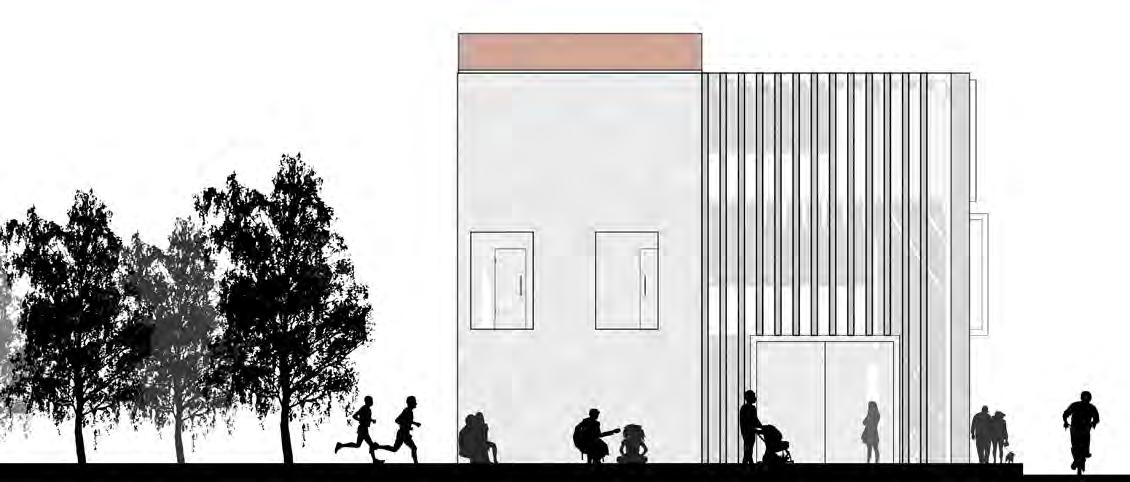
cross section - through bridges, landings, & galleries









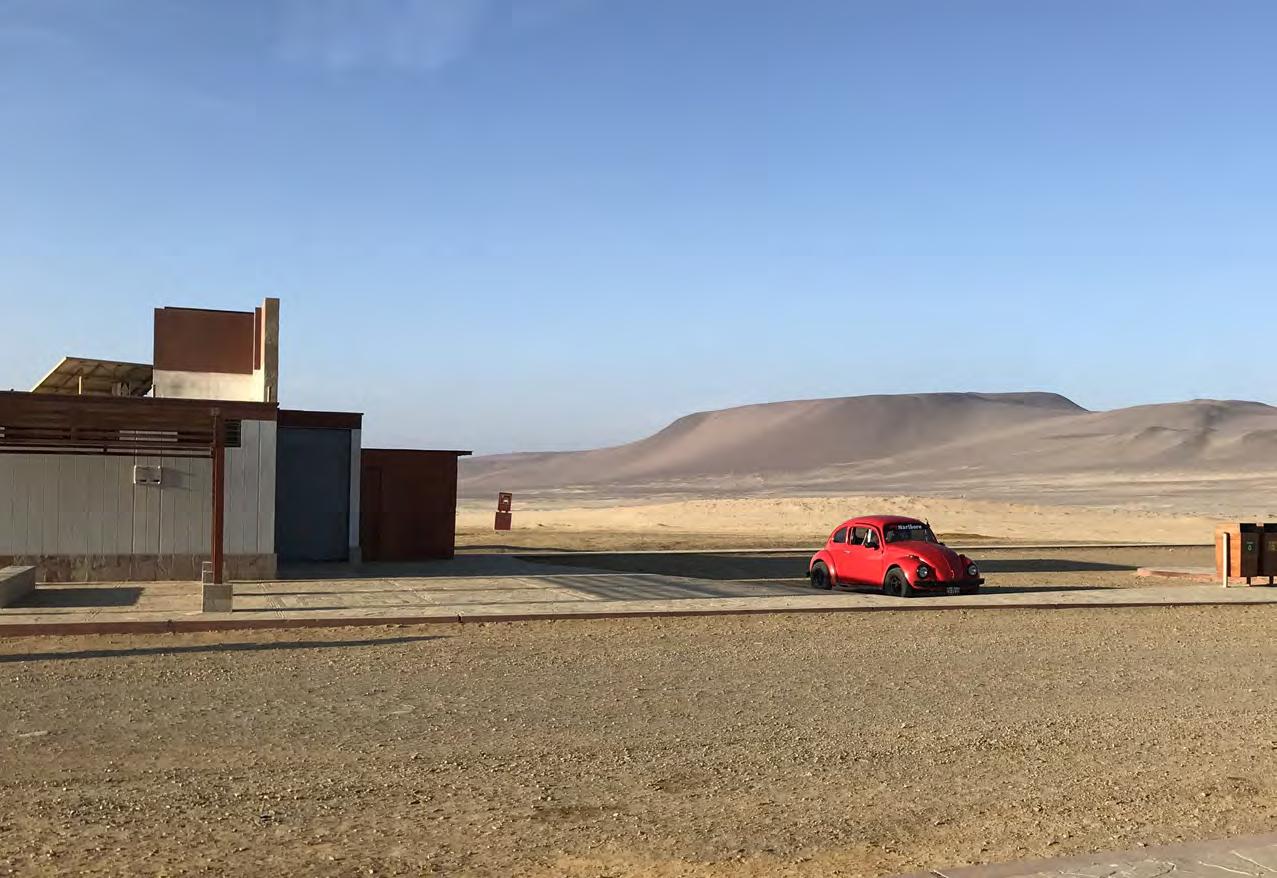
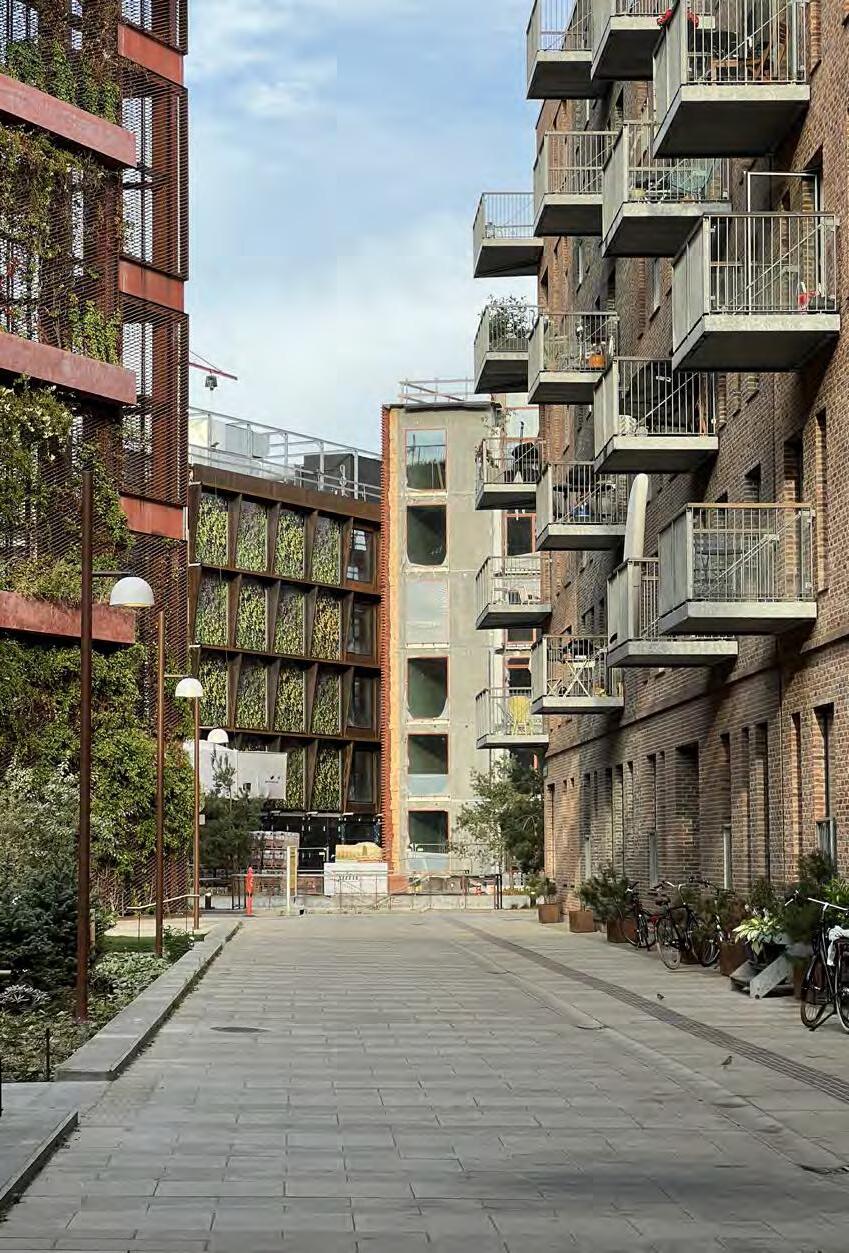
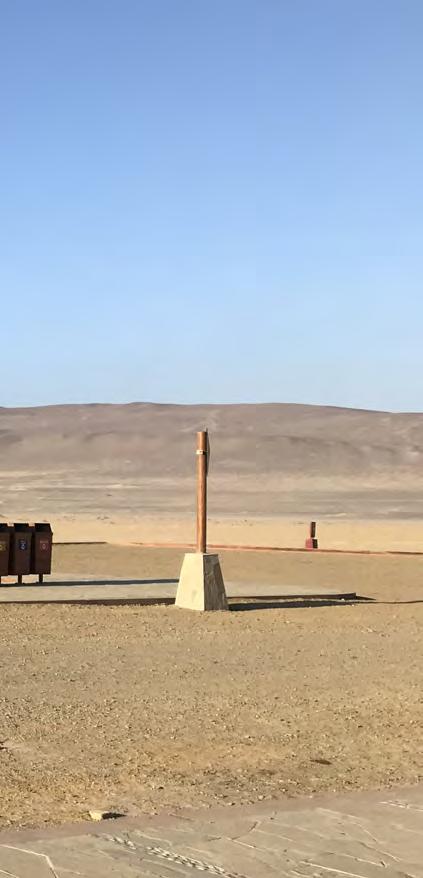
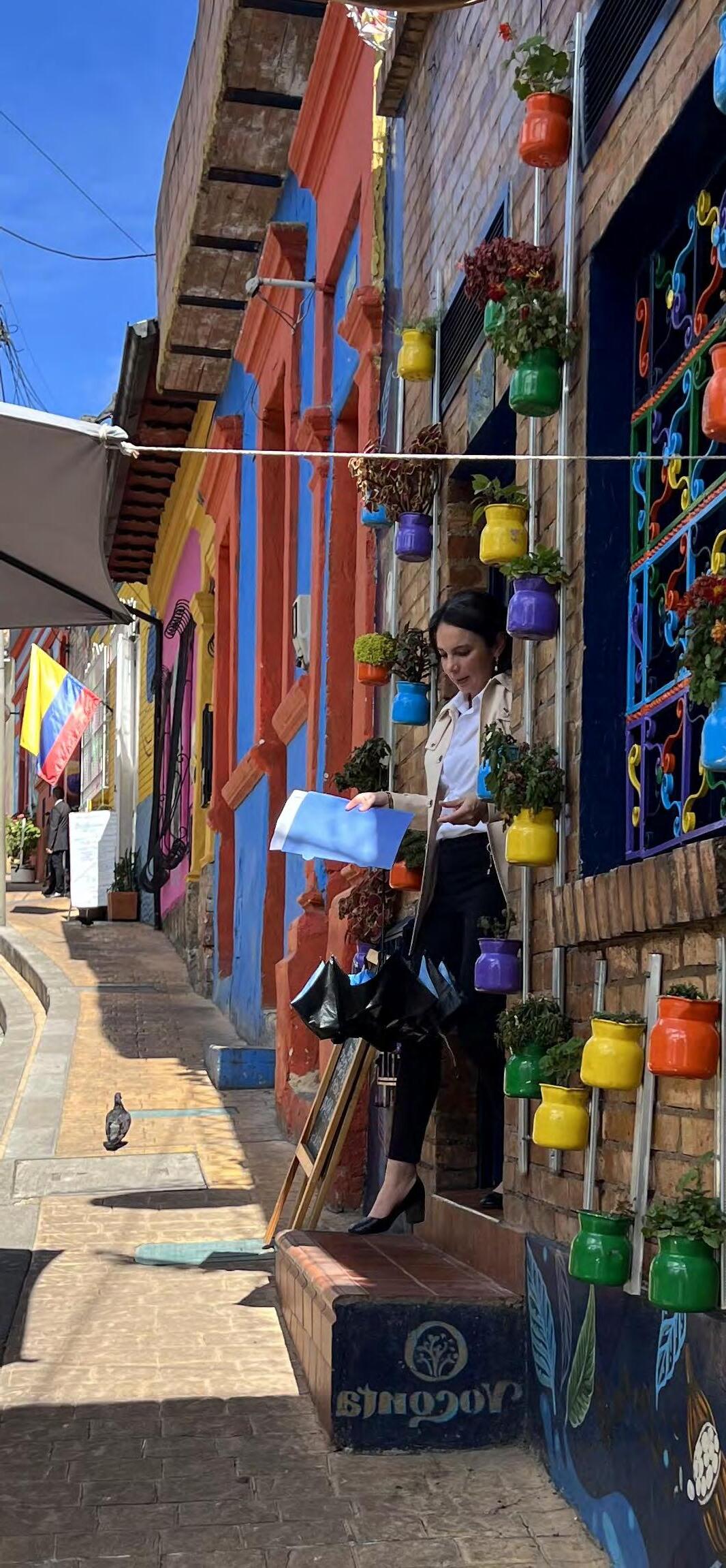
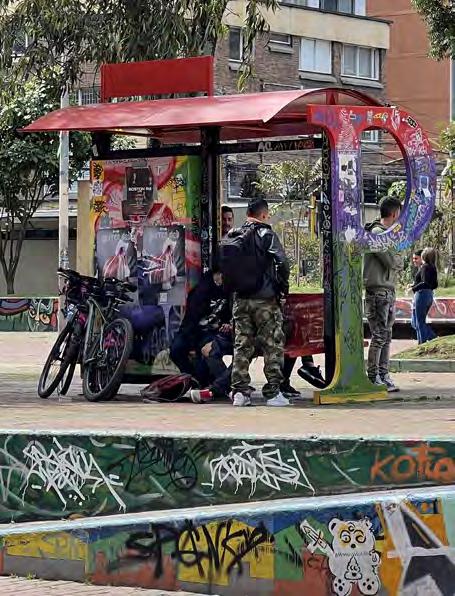
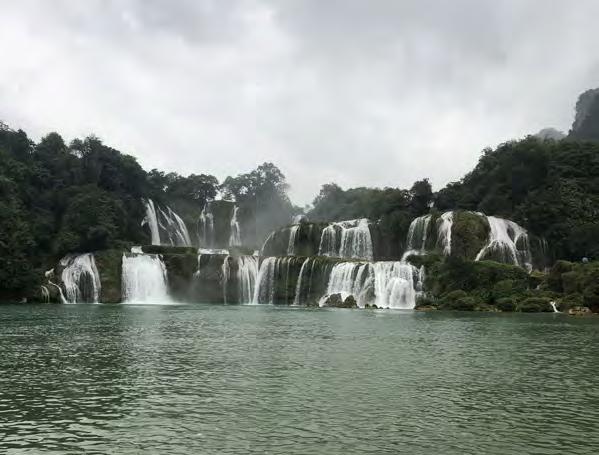
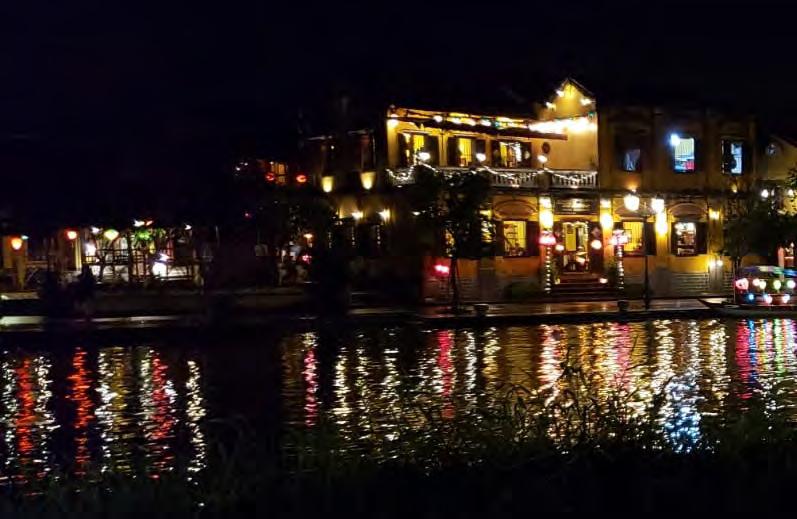
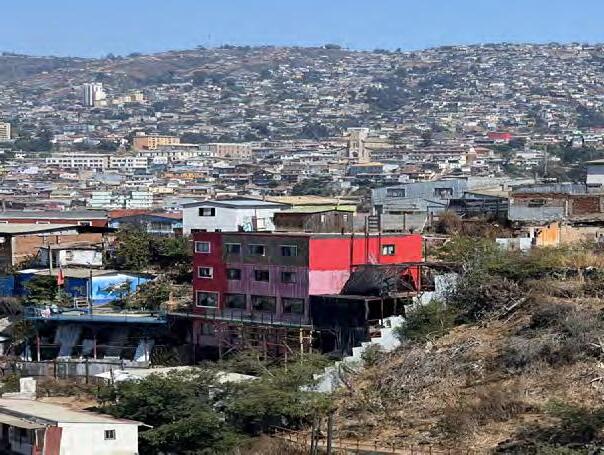
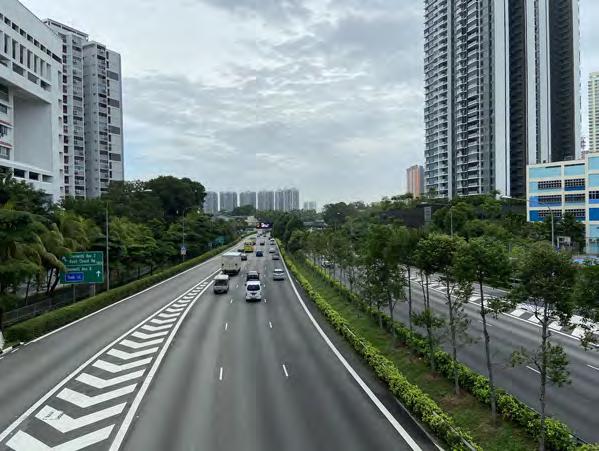
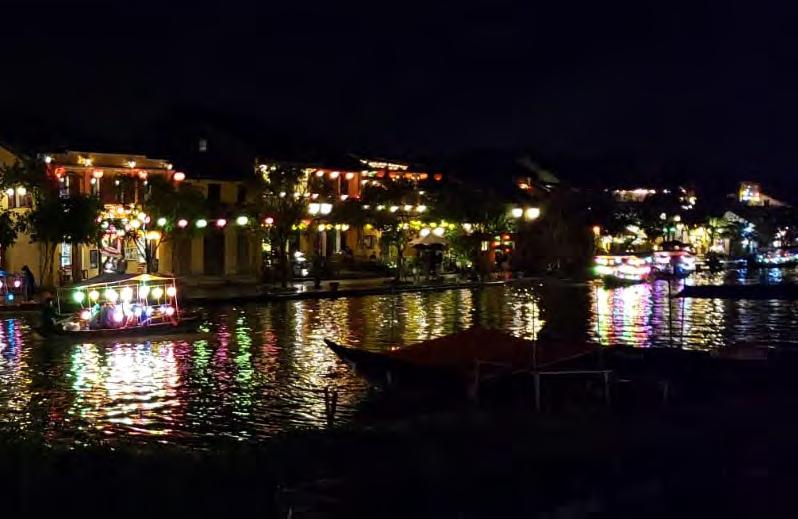
where: wherever I go
what: photos of life and its environment
why: everyone enjoys taking pictures
how: endless curiosity and eyes wide to the world
variousarch.history/theory&historycourses|2021-24
what: papers exploring historical and contemporary themes and questions in architecture
why: if history is a search for the past that shapes the present, architecture is an approach to the future that constructs the present how: a degree in history and an emphasis on arch. history/ theory courses
water infrastructure as public space: medellin’s unidades de vida articulada
abstract: Decrepit water tanks in Medellin’s hillside communities were re-conceived as platforms for public space and new sites of communal connection. This overlooked water infrastructure was transformed into the UVAs, the beating heart of newly animated neighborhoods. Through popular participation these sites became centers of community, designed, physically or conceptually, around the critical role of water. Repurposed water infrastructure provides particularly vibrant public spaces. Water is a lifeline and so are public spaces; their shared meaning is crucial to the power of water infrastructure to enable impactful public spaces. The UVAs demonstrate the deep potential of existent water infrastructure to be the communal, public space for a just city.
abstract: Architecture views concrete as the province of the masters, architects and perhaps engineers; only they can divine its future and its impact on global discussion/the built environment. In reality, the labor necessary to not just produce concrete but to shape and create the physical and social/cultural perceptions of it, and to maintain its global influence, is critical to its architectural value. Non-professionals have discovered concrete’s utility as a mass, democratized material, one that also fostered the foundational “style” of much post-colonial nation-making, and provided the ample labor involved in its use (typically dismissed by architects, ignored in arch. histories, and hidden by its physical manifestations). The story of concrete is inextricable from a story of labor, but the narrative that concrete tells erases the very workers who bring it into the world.
ningbo history musuem: visions of the past, present, and future
abstract: In the era of the glossy, booming Chinese metropolis, the Ningbo History Museum, completed in 2008, takes its cues from sometime and someplace different. The musuem was designed by Wang Shu and Lu Wenyu and is located in Ningbo’s burgeoning modern district. Wang and Lu designed a building deeply rooted in the Ningbo of old, a port city with a long history of traditional Chinese neighborhoods. Even as the Ningbo of old increasingly vanished, their concept for the museum took both inspiration and material, metaphorical and literal, from the Ningbo of yesterday and today and incorporated them into a building that is at once strikingly modern and historically reverent.
for the people: the limitations of universal design
abstract: While the principles of universal design go beyond any one limited perspective to inspire a fuller range of design considerations and accessibility, they may still fall short. Instead, an iterative approach to design (rather than linear), that continuously constructs, and is reconstructed by, the principles of universal design, allows for a constant reappraisal of whether any particular design is living up to both its potential and its promise. Through incorporating (and re-incorporating) the feedback and experiences of every person of all abilities and disabilities, we can then truly design and re-design for both the communal and individual whole. In this process, we recognize that all people possess the right to not just access the spaces we create and design but to also enjoy them to their fullest, and thus we honor personal experience and pleasure.
site-conscious interventions: shared philosophies of francis kere and tadao ando
abstract: The post-war Modernist movement often believed that its favored design solutions could be implemented anywhere, that the architectural truths of its pure volumes and unembellished formal expression applied equally to every context or region. However, as Modernism spread globally, architects interpreted it through the lens of their local climate, topography, or culture. This fusion of the traditional characteristics of modernism with a rich, regional depth led to buildings that respected and honored their context and were the better for it. At different scales, and with contrasting approaches, Tadao Ando’s Koshino House and Francis Kéré’s Mali National Park buildings both speak to an architecture that is aware and conscious of its place.
the rowhouse: a social history from bangkok to philadelphia abstract: Reintroduced time and time again, the rowhouse is found in cities ancient and modern. Solution to urban overcrowding or a flexible crucible of commerce, shelter, and everything in between, the rowhouse appears in cities and building cultures across the world. Not as wasteful, socially, monetarily, and environmentally, as single-family homes but less claustrophobic and more private than many apartments, the rowhouse integrates many of the functions of a healthy and productive city into one straightforward and coherent structure. Whether in Philadelphia, Amphawa, or New York City, the rowhouse is variable and capable.
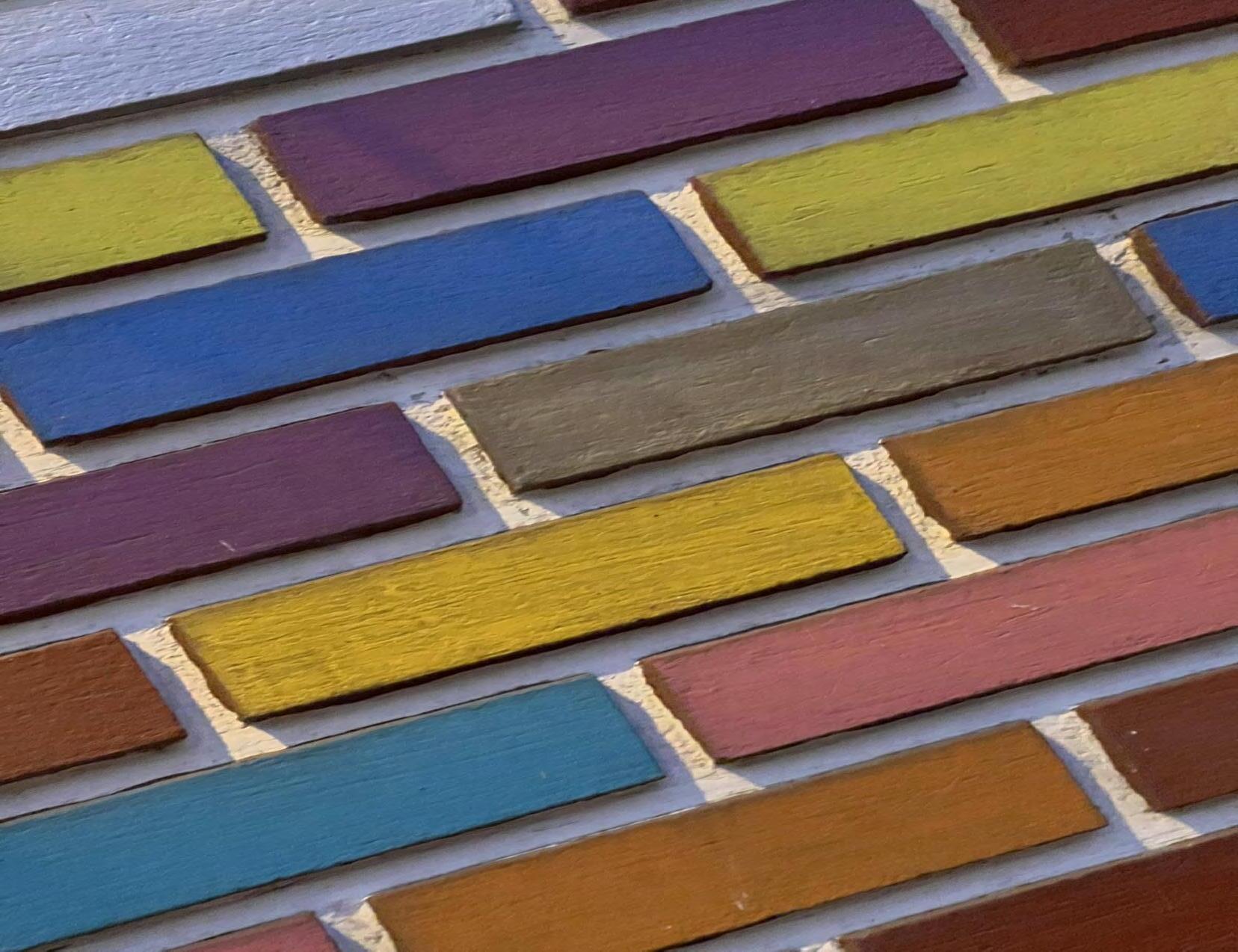
“the rainbow is my favorite color” (aldovaneyck)