Melody Moulton
selected works
Syracuse University School of Architecture 2025

Melody Moulton
Syracuse University School of Architecture 2025
Gensler NYC | June 2024 - August 2024
Syracuse University
School of Architecture
Bachelor of Architecture
Syracuse University in Florence
Dean’s List - eight semesters
Chancellor’s Scholarship
Orange Distinction Award
Revit
Rhino 7 SketchUp AutoCAD
V-Ray
Adobe Illustrator
Adobe Photoshop
Adobe InDesign
Adobe Fresco
Adobe Premeire
Microsoft Office
Woodworking
Laser Cutting
Manual Drafting
CNC Milling
3D Printing
Model Building
Alpha Rho Chi Skopas Chapter
Created curriculum for Gensler’s architectural course at Williamsburg High School
Produced renderings and drawings for commercial clients (Deloitte, Tiffany & Co., L’Oreal, etc.)
Produced construction documents and modeled projects in Revit
Syracuse University School of Architecture | October 2024 - May 2025
Designed and created the official website of my directed research group
Coordinated the publication of students’ projects and process
Syracuse University Florence | January 2023 - May 2023
Assisted students with setting up printing files correctly Fulfiilled printing jobs and troubleshooted printing issues
Barnes Center | September 2021 - May 2025
Teaches new climbers how to climb and safety techniques
Organizes and oversees the responsible storage of equipment Greets patrons and welcomes new climbers Oversees the performance of other employees
Bronx Works | June 2022 - August 2022
Organized community events and distributed food to residents
Syracuse University School of Architecture | March 2022 - Jan. 2023
Gave tours of the Syracuse University School of Architecture to prospective students
Guided 1st year architecture students during transition to college
Syracuse University School of Architecture | January 2021 - May 2021
Held forums on the topic of diversity in the School of Architecture Set up for events related to Diversity, Equity, and Inclusion
Teens Take Charge | June 2019 - April 2020
Student-led coalition combating segregation in NYC public high schools
Coordinated diversification and inclusion strategies
Generated interest for the organization
Met with DOE officials to present and discuss policy
a dedicated space to honor a long-standing national art form
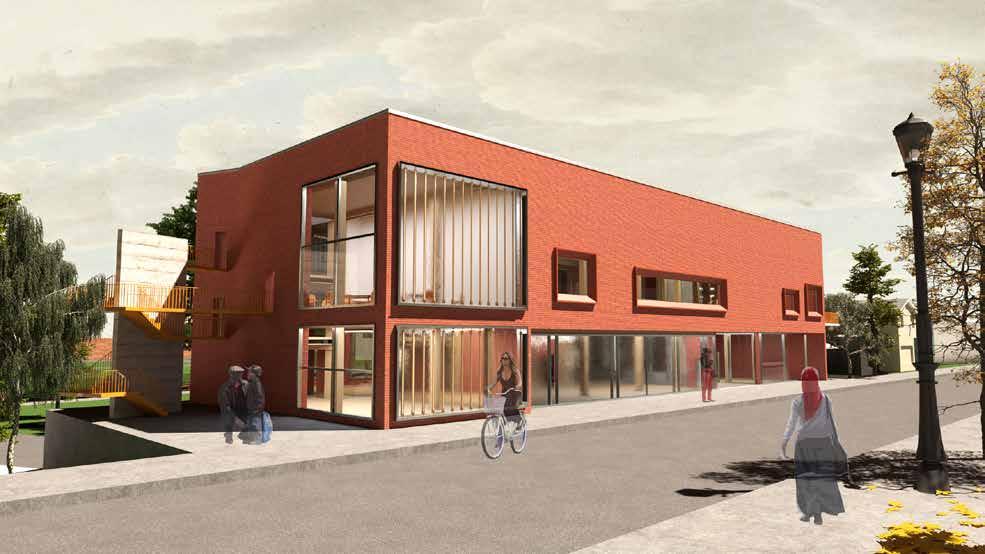
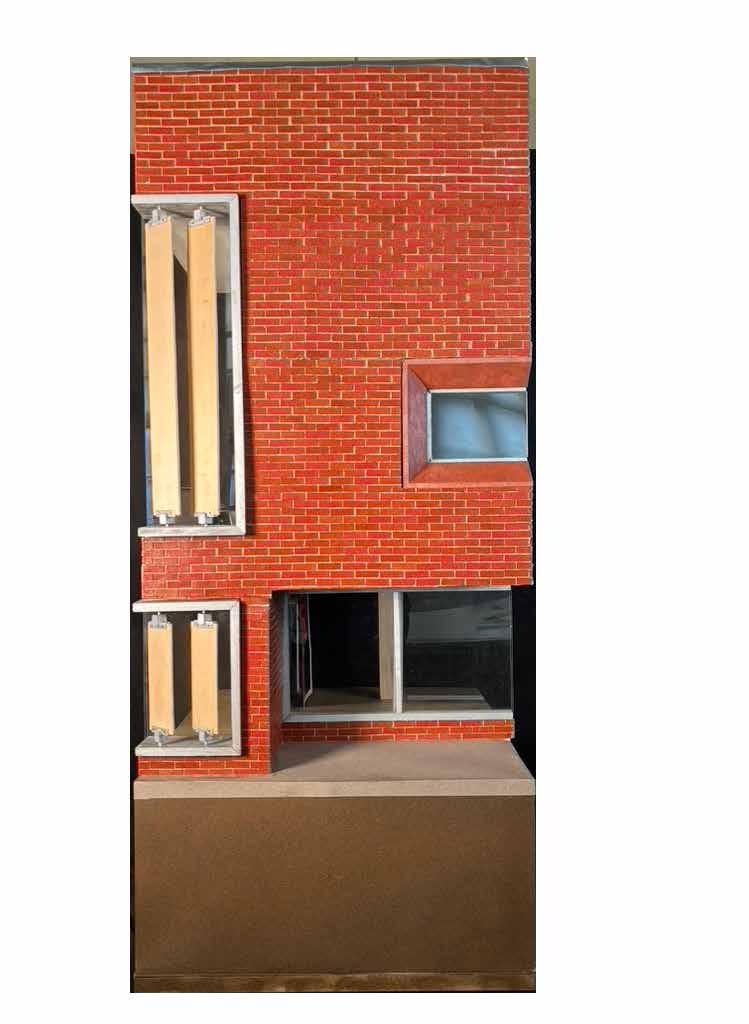
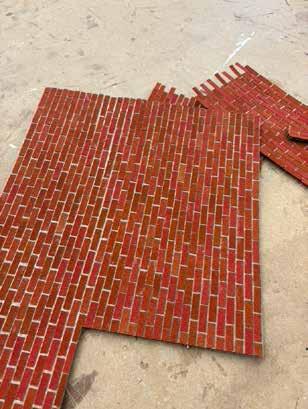
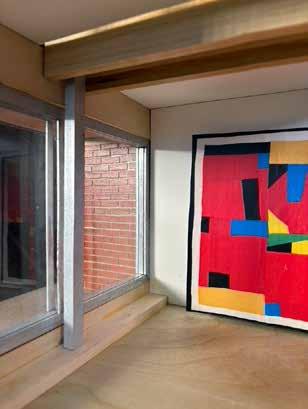
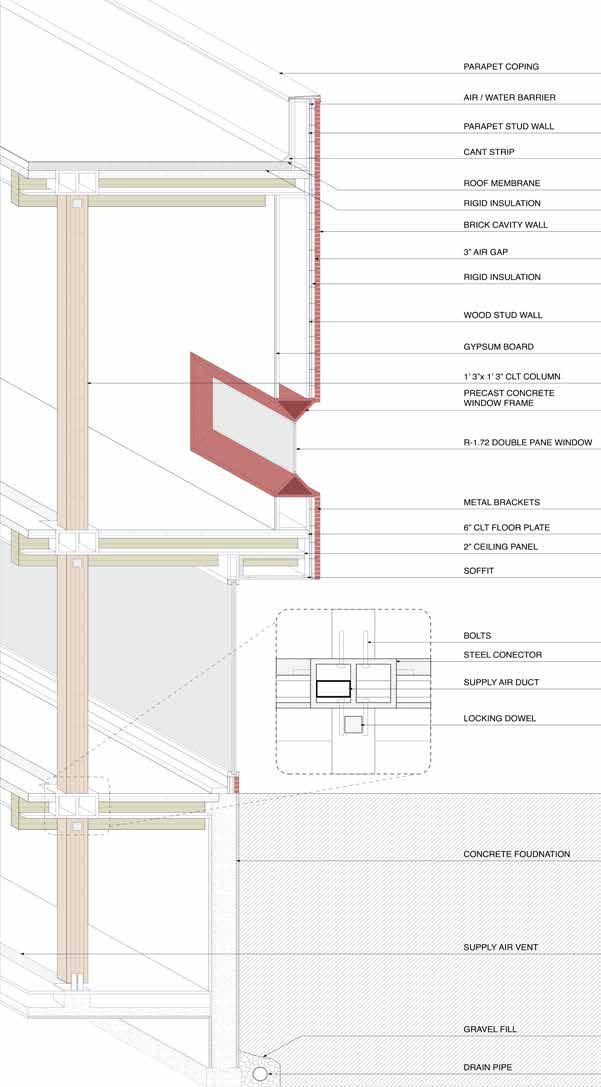
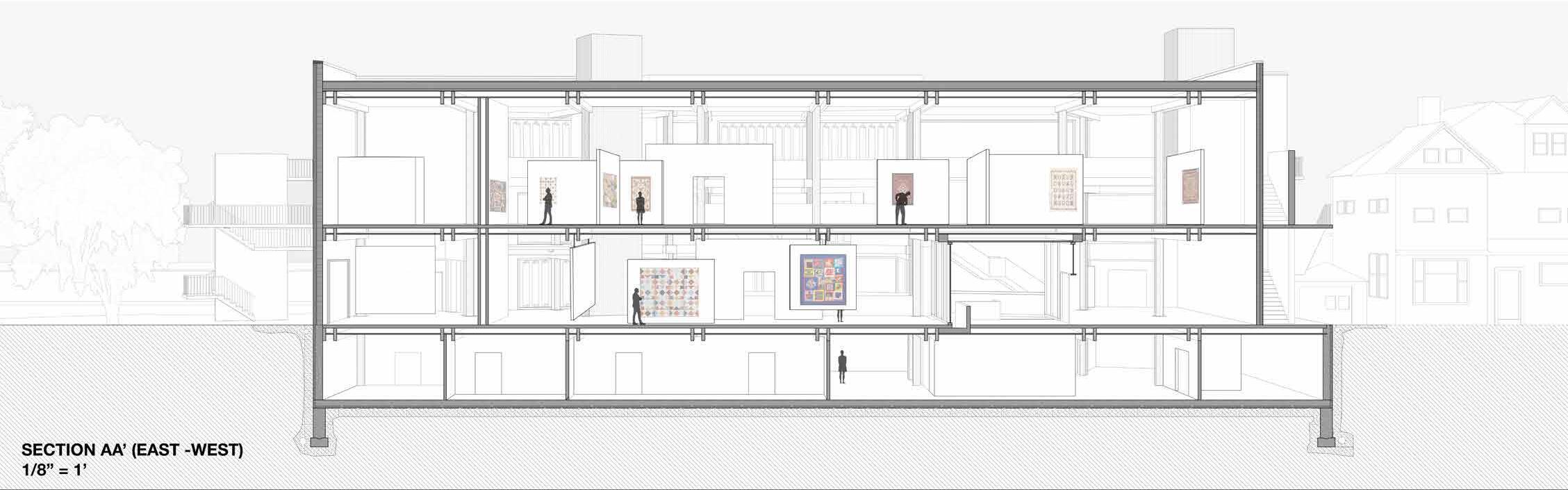
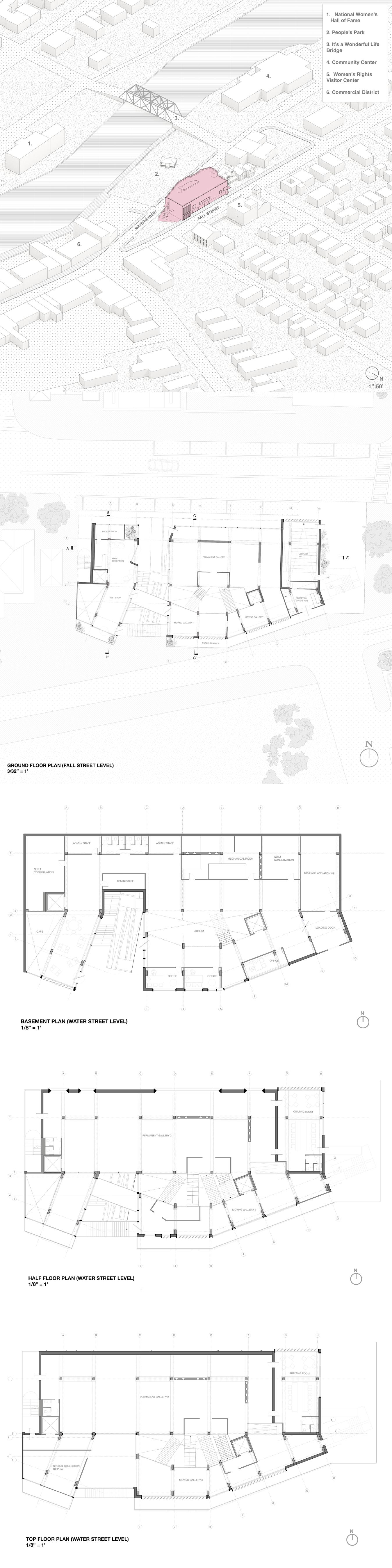
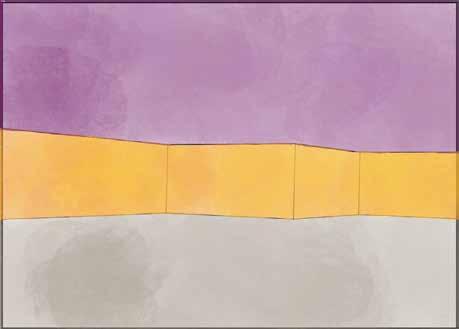
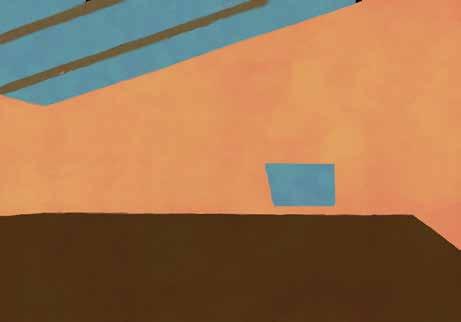
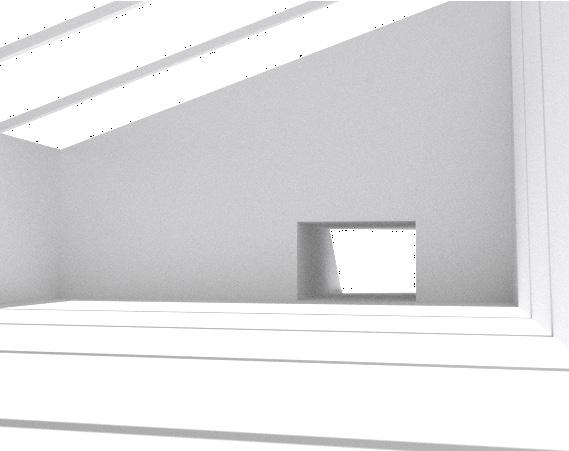
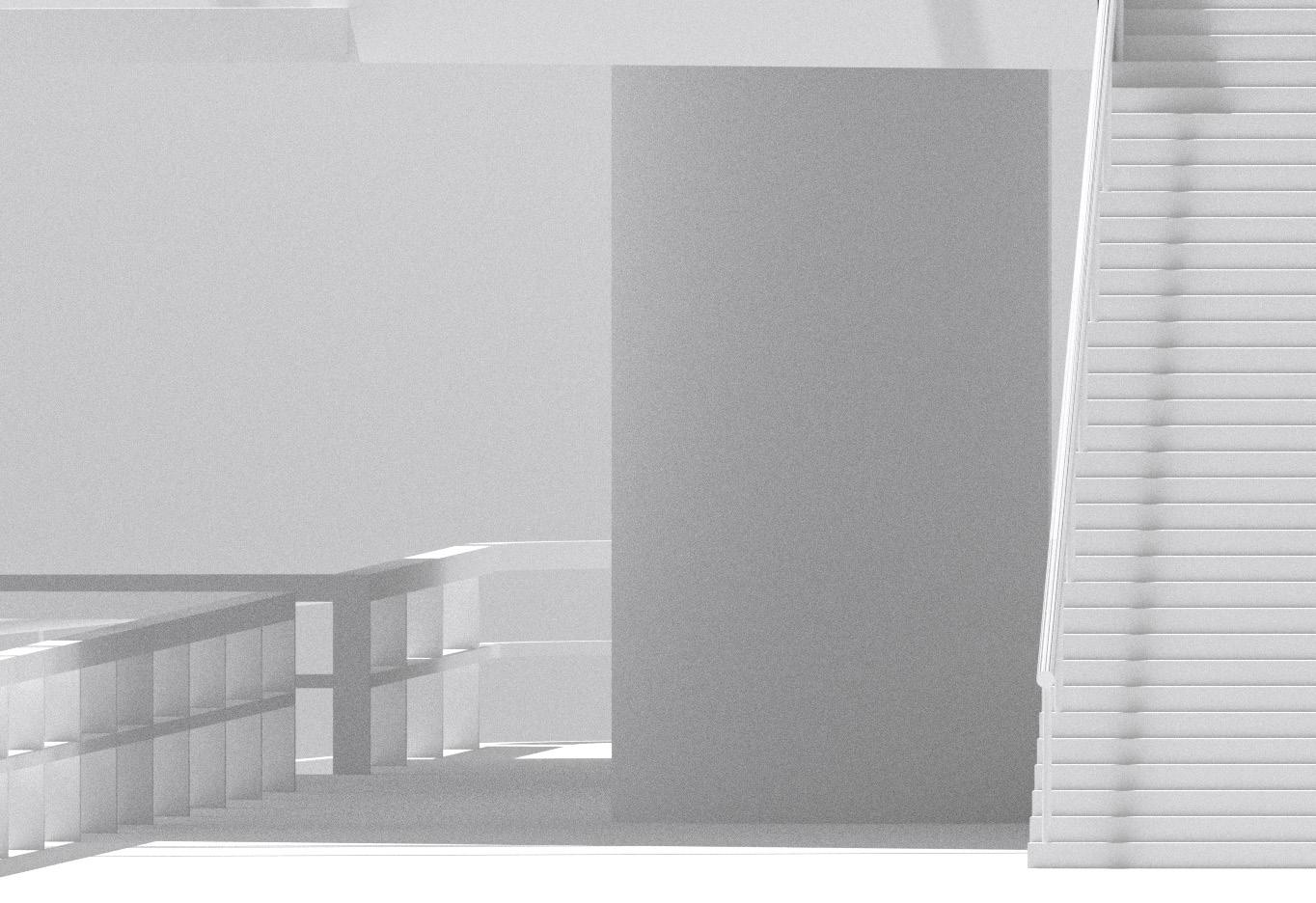
The Museum for the American Quilt is a striking blend of architecture and function, where each facade responds uniquely to its surroundings. Designed to evoke the complexity and beauty of a patchwork quilt, the facades and opposing sides of the building create a dynamic interplay between order and contrast. Inside, the staircases present an organized chaos, guiding visitors through the building’s layers in unexpected ways, while a thoughtfully integrated thoroughfare allows residents to observe the library’s inner workings without fully entering, creating a sense of connection without intrusion. The design incorporates three distinct aperture strategies, framing views and light in unexpected ways. Mass timber construction anchors the building in a sense of warmth and sustainability, using natural materials to craft a space that feels both rooted and innovative.
Design Studio: Quilt Americana
Instructor: Terrance Goode
Collaborators: Andrew Xu, Meghna Goenka
Location: Seneca Falls, NY
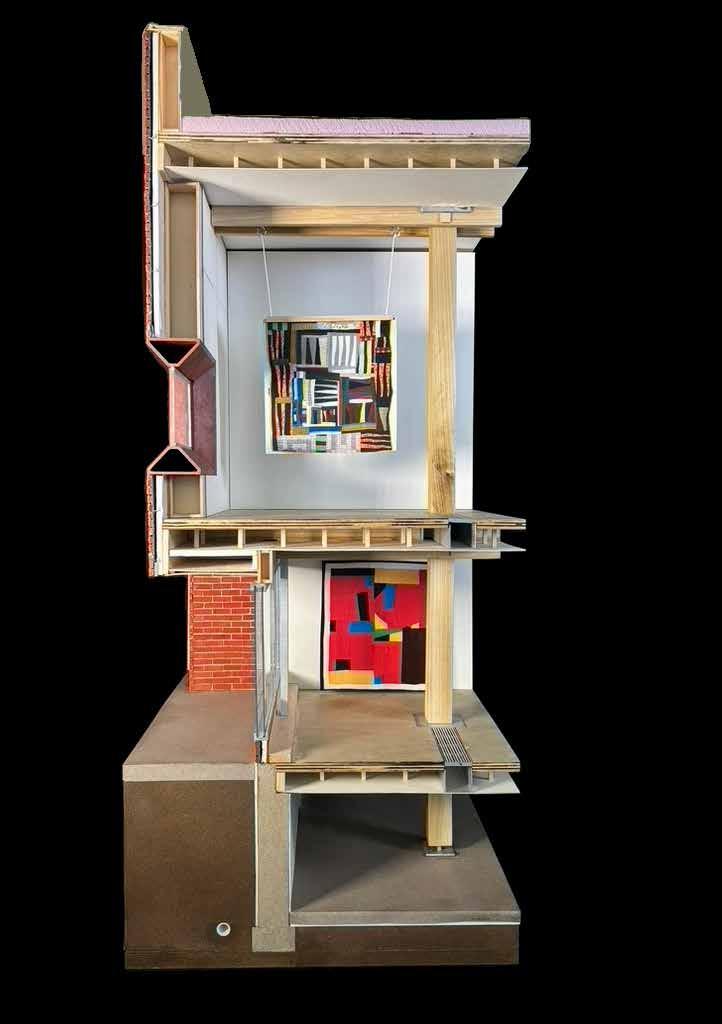
2024 INTEGRATED DESIGN STUDIO
MODEL PRIZE - HONORARY MENTION
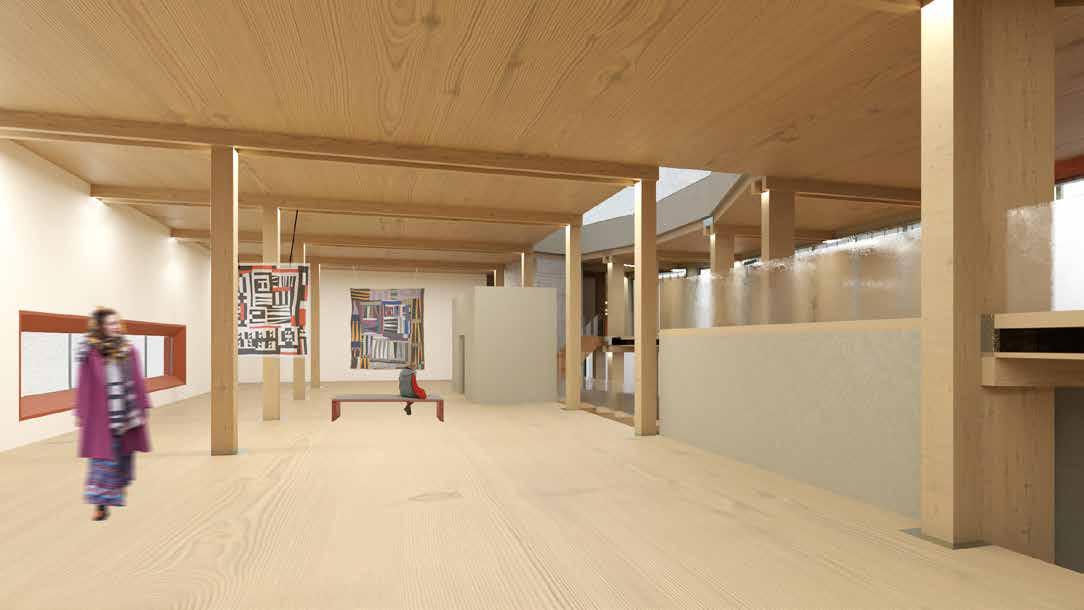
interior render
the convergence of the numinous, the domestic, & the touristic in caribbean grief
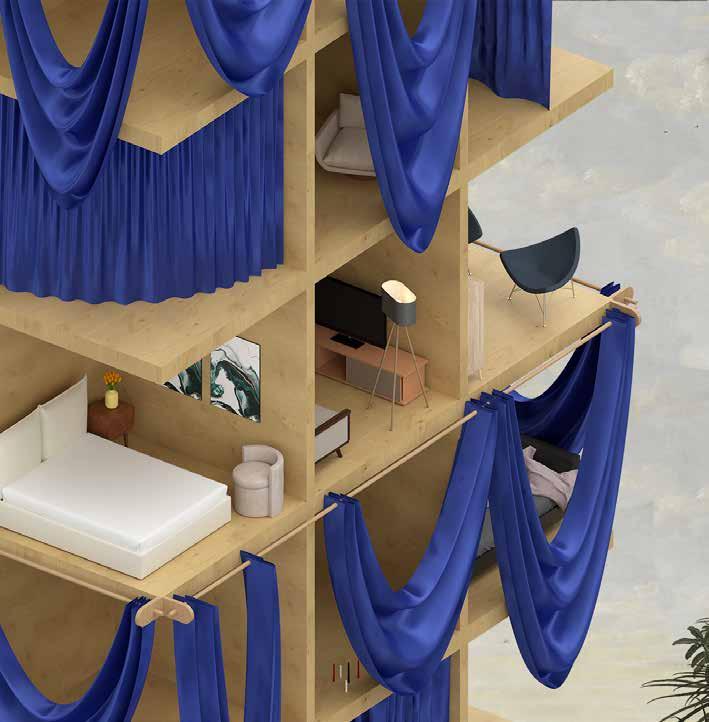
Centered on the Nine-Night ritual—a vital funerary tradition in Caribbean countries rooted in Asante cosmology—the project portrays the hotel as a voyeuristic stage, where grief, death, and spiritual passage are commodified for tourist consumption. Though celebratory in tone, Nine-Night is an intimate, sacred practice that marks the nine days a spirit lingers before departing the earthly realm
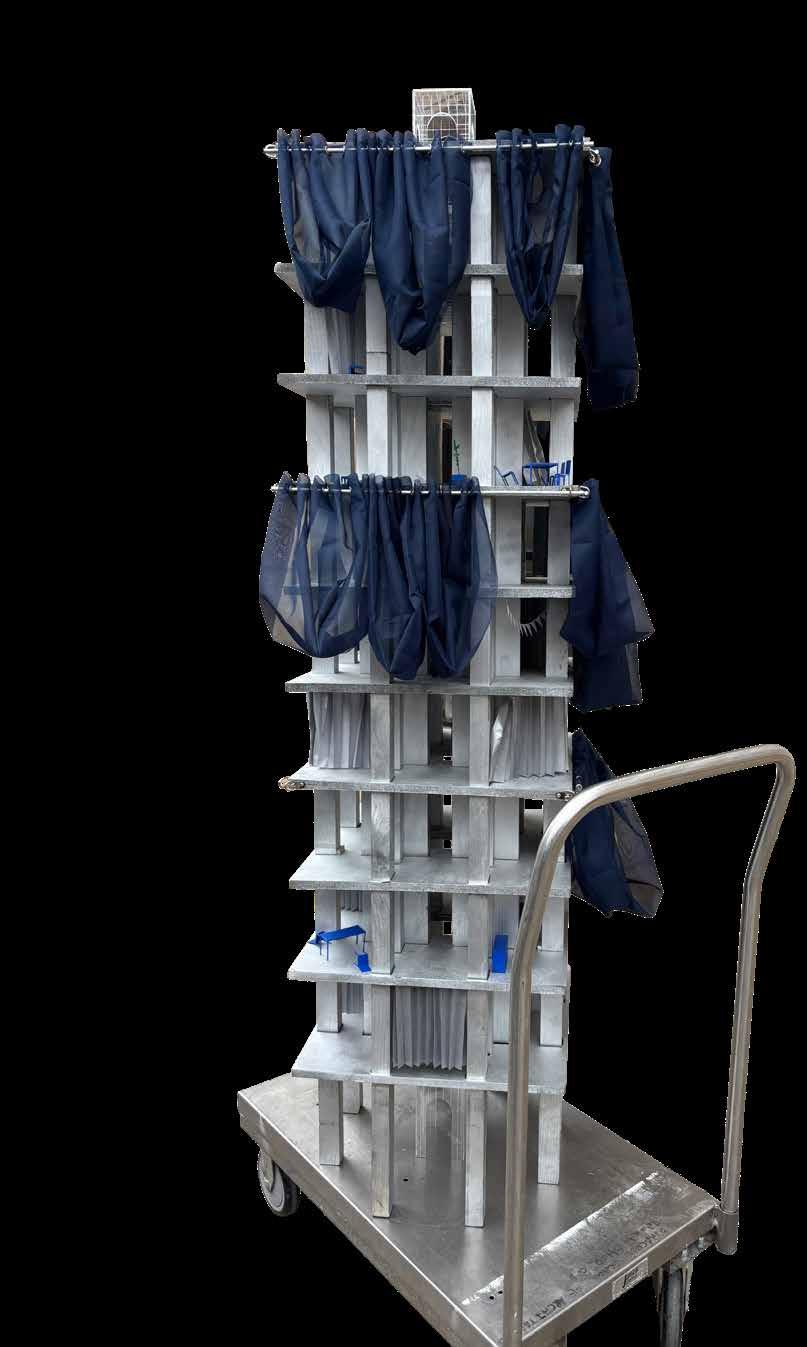
In Nine (9) Lives, this ritual is transformed into a grim display, laying bare, yet simultaneously visually rinsing the violence inherent in the consumption and distortion of culture under the guise of leisure. This is done through a siteless, facade-less relic, cloaked with curtains that falsely affect an air of privacy, while still putting demonstrating and carrying out the same fetishization done by the hotel industry.
Research Group: Homemaking
Advisors: Omar Ali, Marcos Parga
Location: N/A
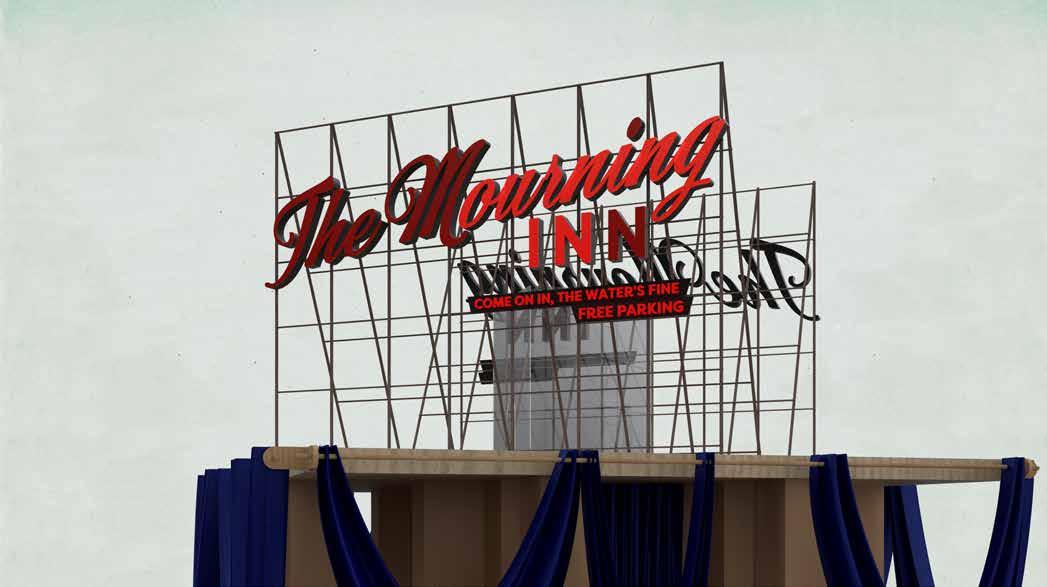
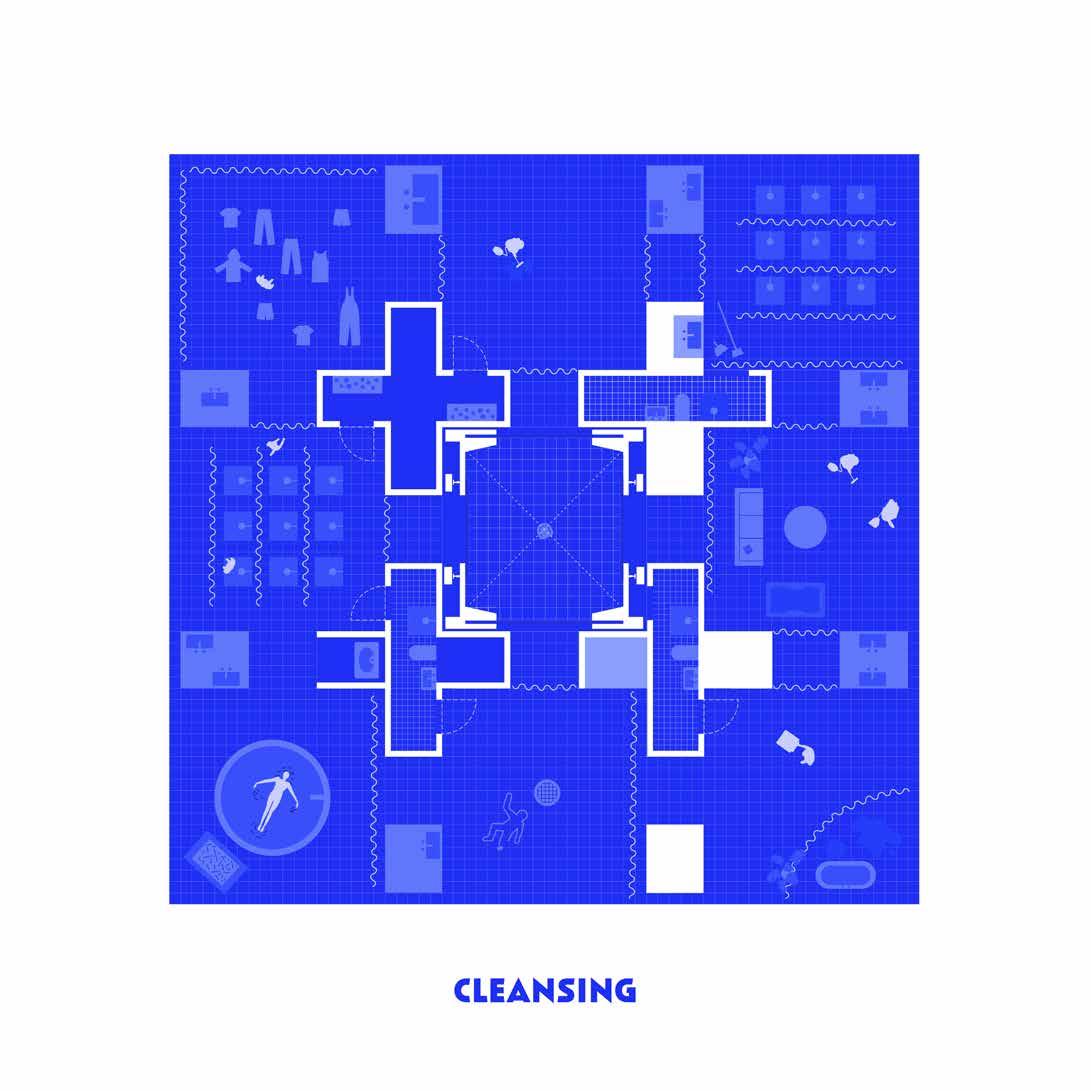
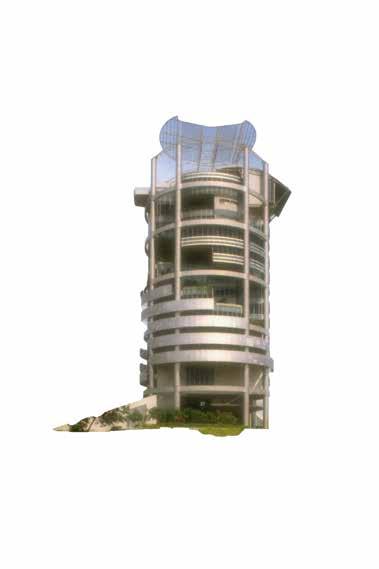
The Mourning Inn is designed for families coming to Jamaica to participate in the nine night ritual, where they will ascend to the top on the building to begin their journey getting glimpses of what awaits them as they arise in the panoramic elevator. They stay, of course, for nine nights, moving down one floor each night, transitioning through the hotel’s three stages of cleansing, celebrating, and reckoning
Formally this project is expressed through a 9 square grid on each of the 9 floors of the project. Beyond the symbolism in the mirrored numbers, the 9 square grid is implemented due to its history as a pedagogical tool to explore space and hierarchy. It encourages thinking about center vs. periphery, solid vs. void, and public vs. private. For instance, the center square often becomes a focal point (entry, courtyard, vertical circulation), while the corners and sides take on supporting roles. In the Mourning Inn, the center square is the panoramic elevator that is the only source of circulation through this conceptual hotel, extending the voyeuristic relationship to the families themselves. It also still functions as a ninth room, becoming part of the activities of the hotel.
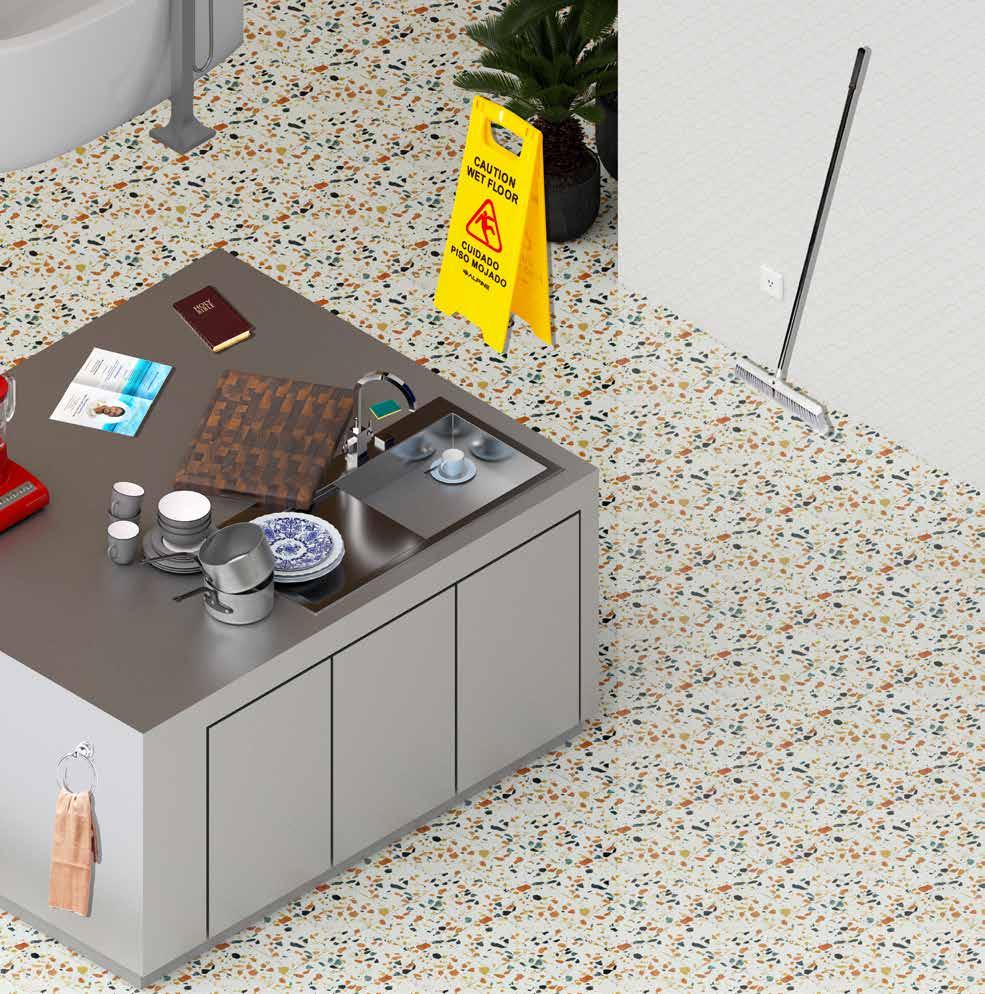
cleansing section of the hotel
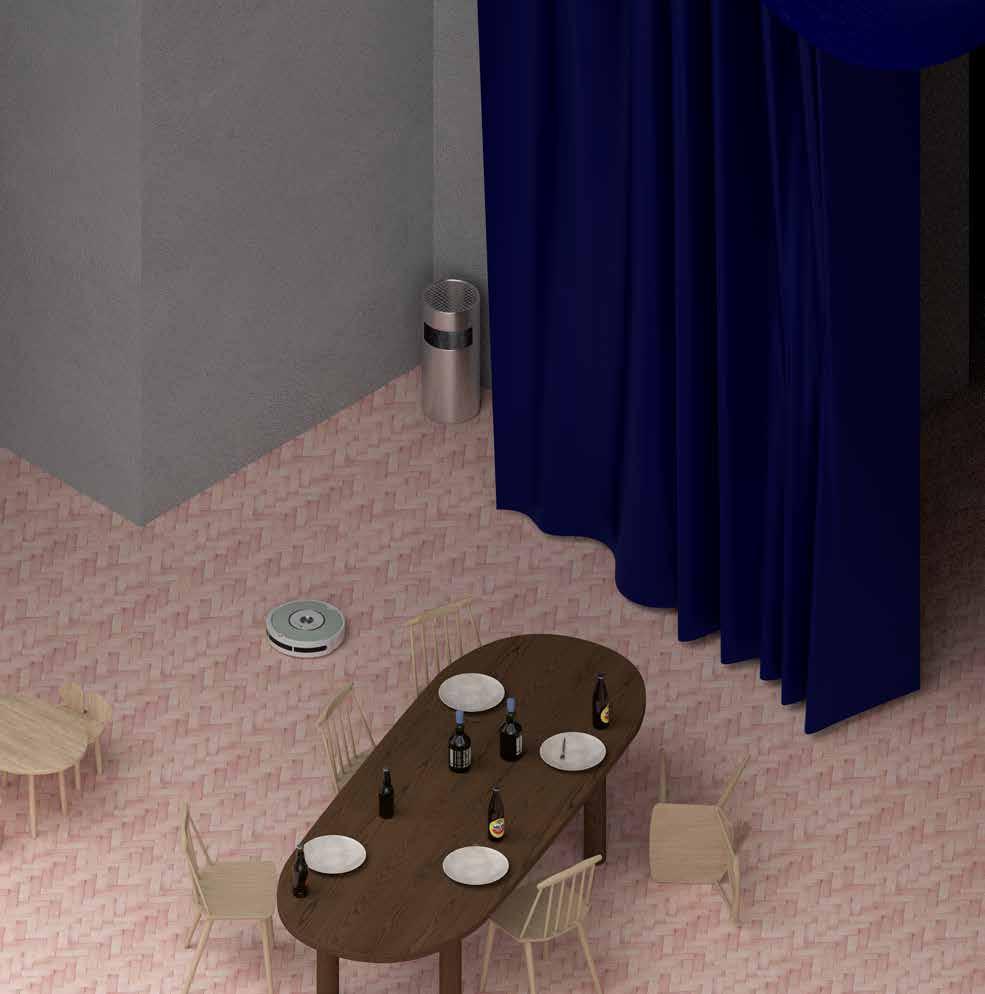
celebrating section of the hotel
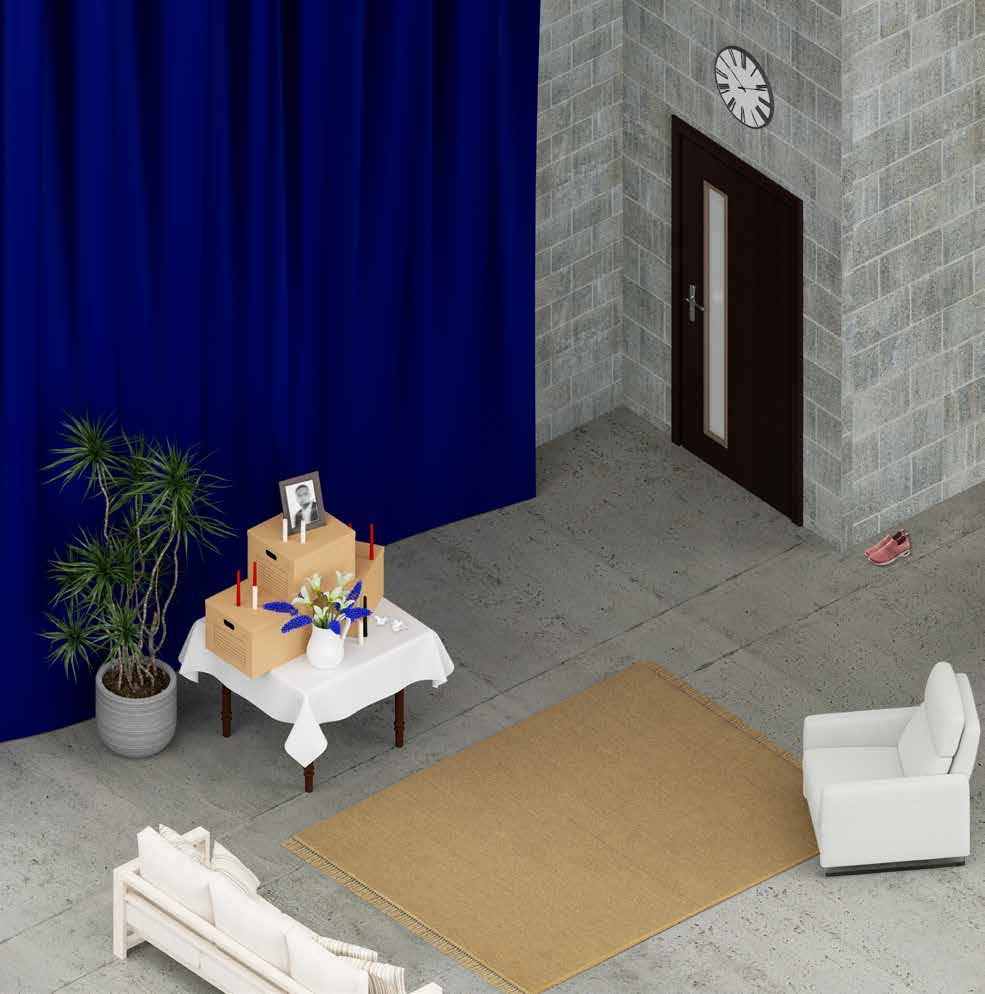
reckoning section of the hotel
an exercise in collaboration, coexisting, + creation
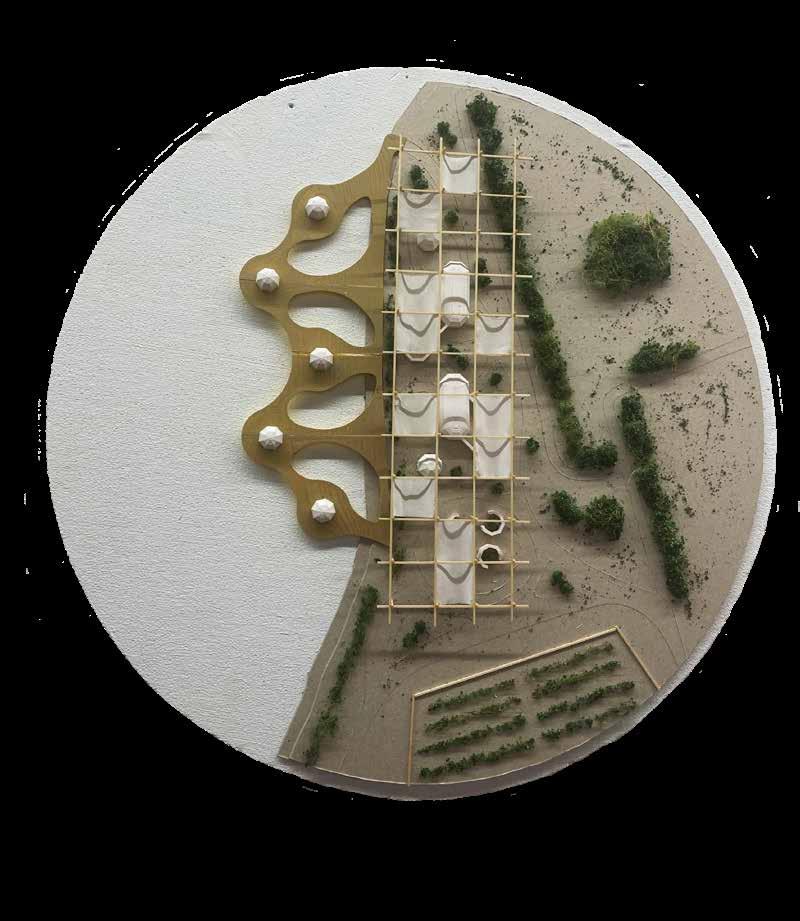
Named after the personification of the earth in Greek mythology, camp gaia hosts 30 Sicilian children aged 10-12 participate in a month long exercise in collaboration, coexisting and creating on the island of Mozia. This camp is split into two phases. The first phase is the scavenger hunt. The goal here is to engage with the island and each other while finding natural materials from the island to create with. They have a prescribed list of materials to collect or take pictures of. They are arranged into teams based on the bungalow they stay in. It is stressed to the children the importance of leaving Mozia as they found it. They collect only highly renewable materials or materials that would have otherwise gone to waste.
Design Studio: Le Isole
Instructor: Olivia Gori
Collaborators: Sophia Martino, Ben Schottmuller
Location: Mozia, Sicily, Italy site axon
Throughout our travels around Italy, I noticed the huge prevalence of grids. Because of this, I looked further into this pattern. The orthogonal grid has been a constant tool throughout the development of ancient city and town planning. We see this in a 1844 city plan of Turin, a Italian city that began in 28 BC as a Roman ‘colonia’ and in an example of a Roman grid town, Avola in Syracuse, Sicily. This camp is subverting the grid by extracting it from the ground plane and simply using it as a tool to frame space and a soft boundary for the campers, not as ground condition or framing space.

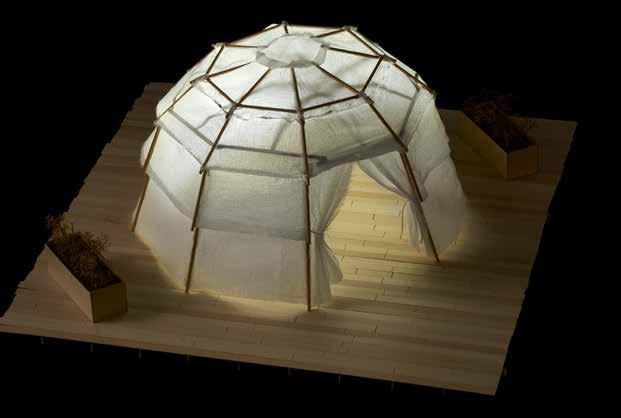
From the very beginning of the design process, I only had interest light, delicate interventions, especially once I chose the program. Because of this, you will see the use of cloth throughout the materiality of the project. I placed this cloth within the spaces created by the grid to delineate our built space and created moments of shade. This strategy continued in the materiality of the forms on the ground plane.
Bamboos are among the strongest and fastest-growing perennial grasses. Europe is the world’s largest importer of bamboo, buying 37 % of the products available on the international market. In the case of Italy, the import of all bamboo products has increased in recent years. The closest large importer of bamboo to the site is in San Giovanni in Fiore, as shown in the diagram below.
REFECTORY SECTION
refectory section
refectory plan
REFECTORY PLAN
studio section
STUDIO SECTION
REFECTORY PLAN
STUDIO AXON
studio plan
STUDIO PLAN
BUNGALOW PLAN AND
bamboo wall (minimal transparency)
bamboo wall (transparent)
minimal transparency transparent
B
a manifestation of versatlity + togetherness
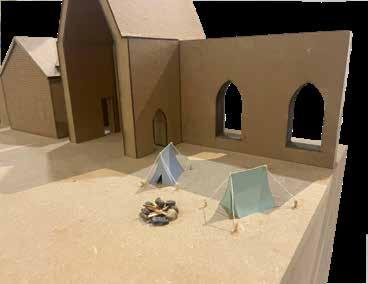
This speculation is an accumulation of spaces used to loosely define the boundaries of a large outdoor space. This space is unable to be defined as vacant because the landscape itself is always occupying it. Many of the rooms do not have a typical floor allowing the existing vegetation to serve as flooring, further blurring the perception of vacancy. The project is a habitable boundary that separates the private and public elements of the site at multiple scales. Additionally, the rooms respond to a variety of conditions, which includes those related to the four seasons and the varying conditions as one moves around the site. Users have autonomy over the varying conditions found around the site to occupy a space that best suits their comfort for the coordinated seasons.
Design Studio: House for Everyone
Instructor: Stephanie Davidson and Georg Rafailidis
Location: Northville, NY plan oblique
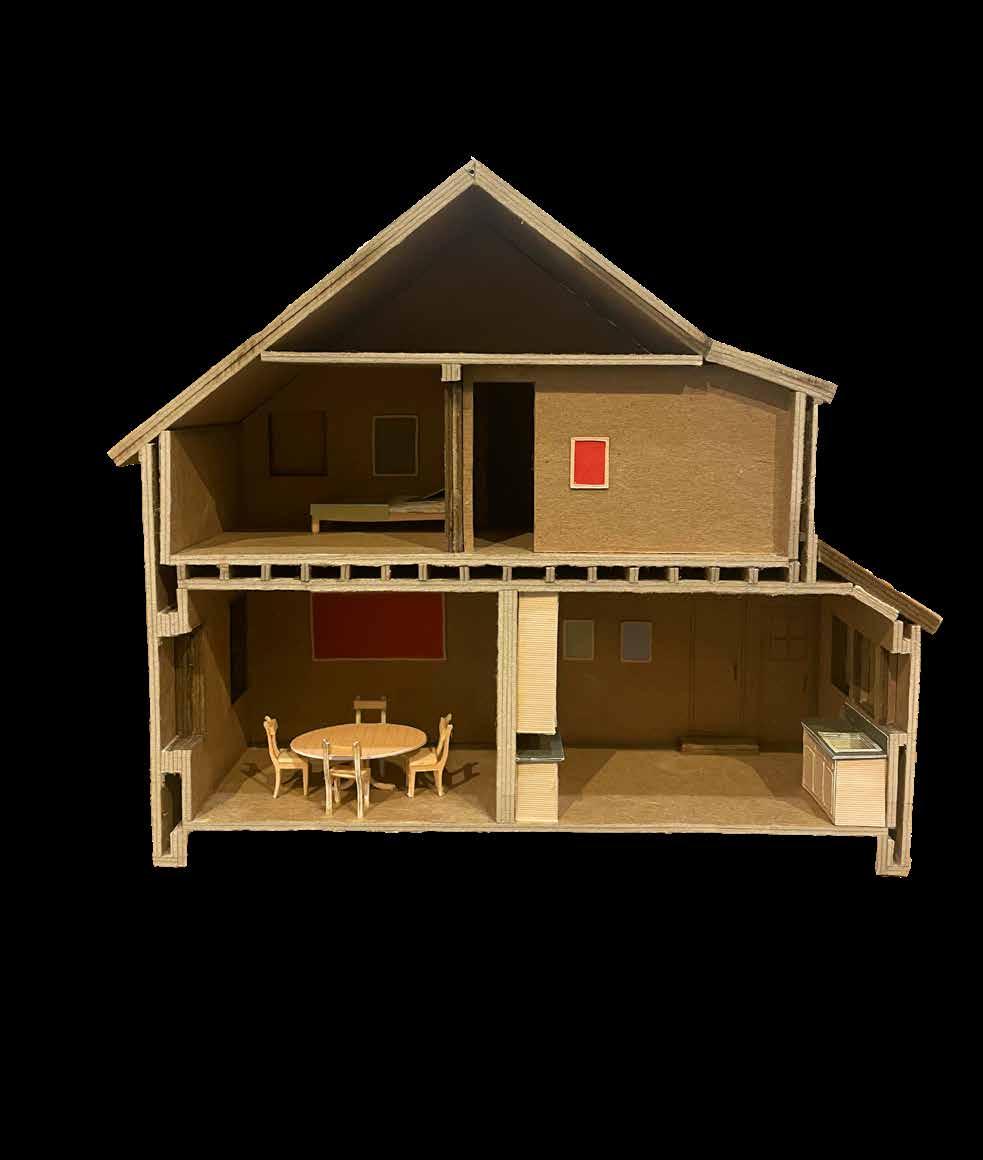
The rooms at the forest’s edge are likely most popular during the springtime, with the tree canopy serving as the roof canopy, allowing visitors to enjoy the fresh air and interact comfortably with the surrounding vegetation. The western side will be mostly useful in the winter months, as these spaces are all entirely enclosed and ideal for the bristling cold in the Adirondacks. Finally, the northern side relates most strongly to the season of autumn, with its rooms serving as transitional space.
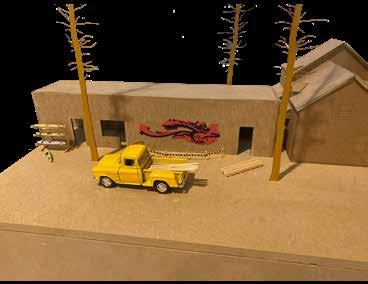
In addition to the primary strategy of creating one large room made up of rooms, it was also crucial to our design process to have the existing homes on the site each become its own room with its own identity on the site. The main house here is nested into the wall and becomes the center of domestic activities for the larger project. The coach house here has had its wings cut off to allow it to become a hearth, both literally with its large fireplace and figuratively, becoming a gathering place for those visiting the project.
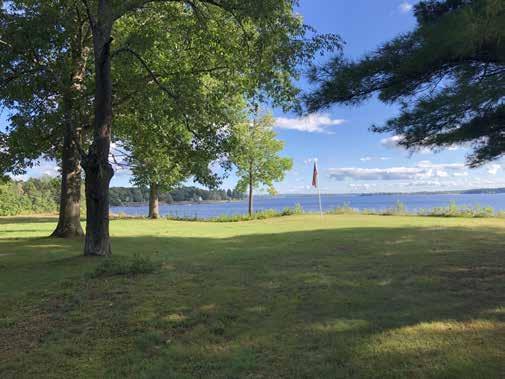
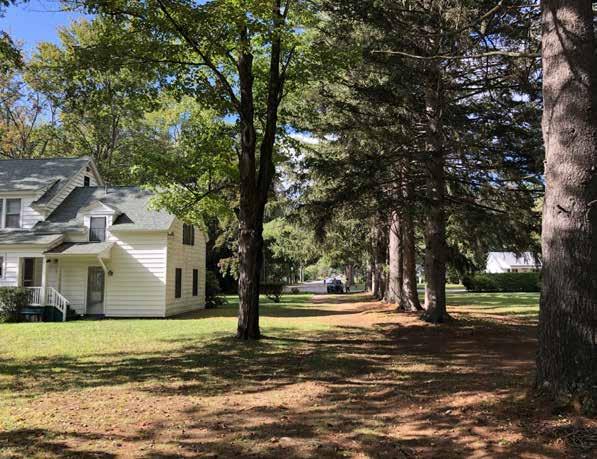
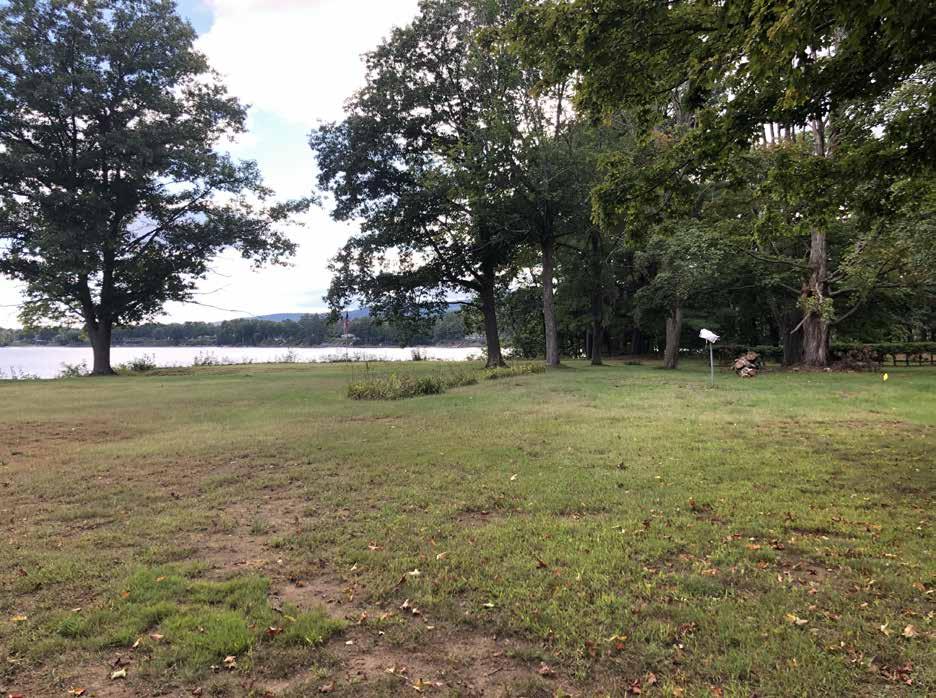
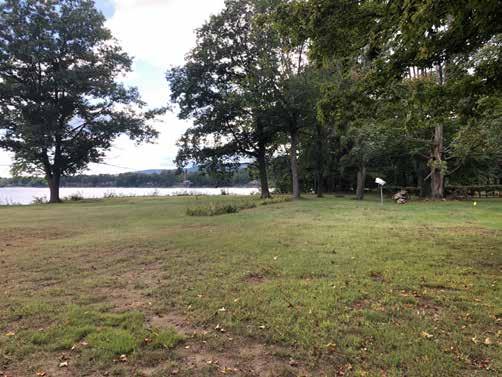
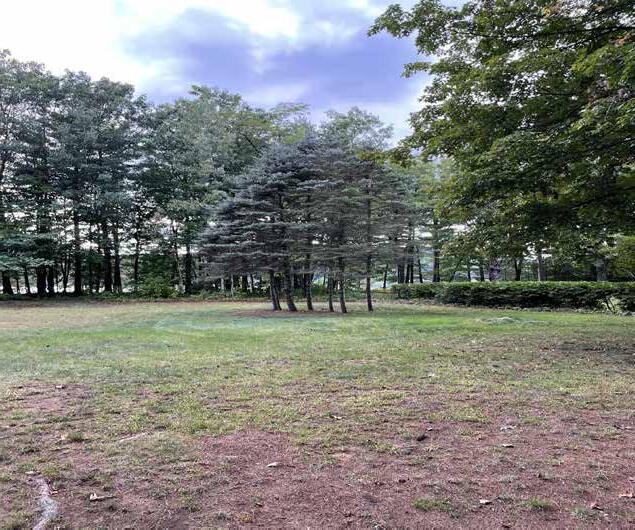
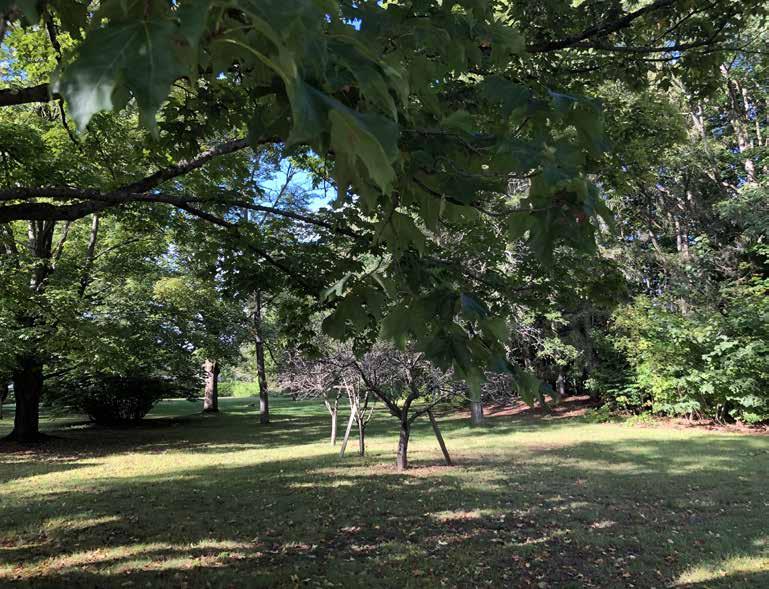
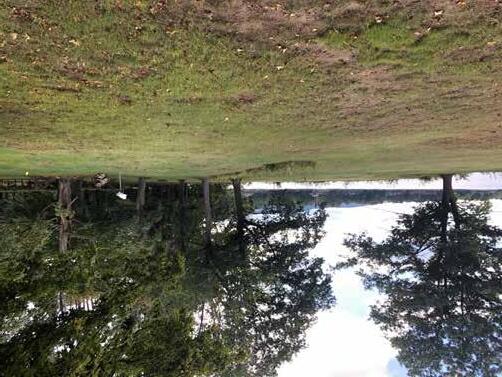
key views superimposed on site photographs
a storehouse for artistic knowledge and development
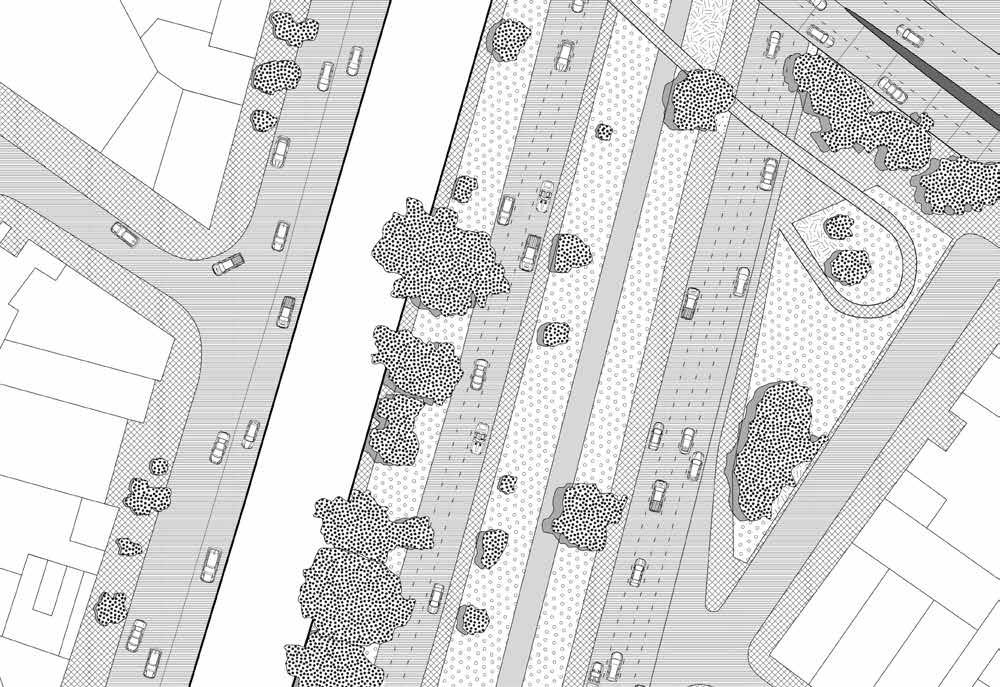
The Bogota Library for the Performing Arts is an ode to the rich artistic history that exists in Colombia and specifically, the bustling city of Bogota. This library contains everything a musician, dancer, actor, director, or any other performing artist may need. From musical scores to professional dance recordings, the BLPA is there to serve the artistic mission.
Design Studio: Interlopers
Instructor: Joel Kerner
Location: Bogota, Colombia
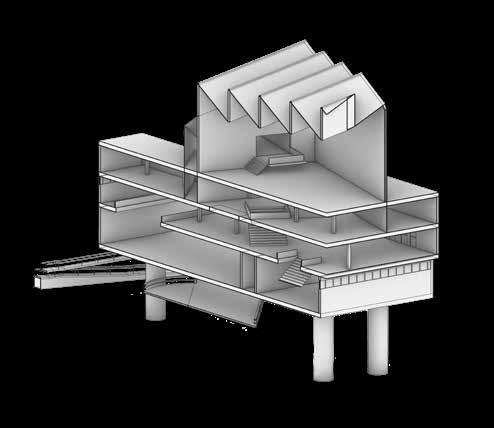
project axon chunk
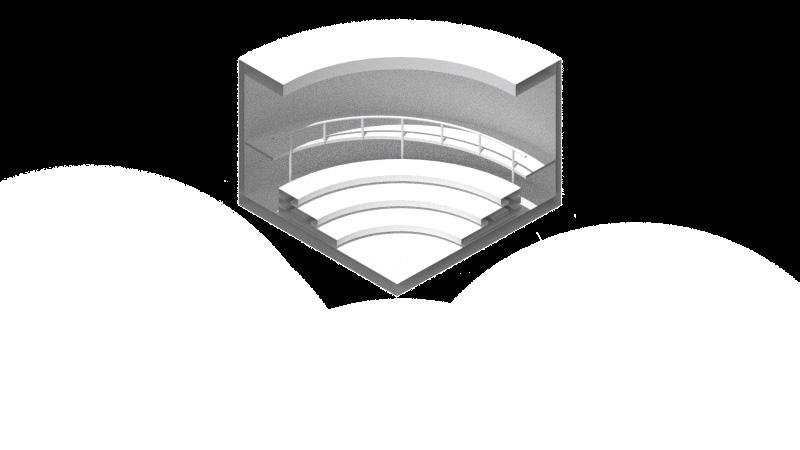


rooftop auditorium
The Bogota Library for the Performing Arts is not only a space for creation and facillitation of the arts, but also for showcasing. This can be seen gallery spaces such as the one above, the listening and screening room, and the two auditoriums.
circulation diagram




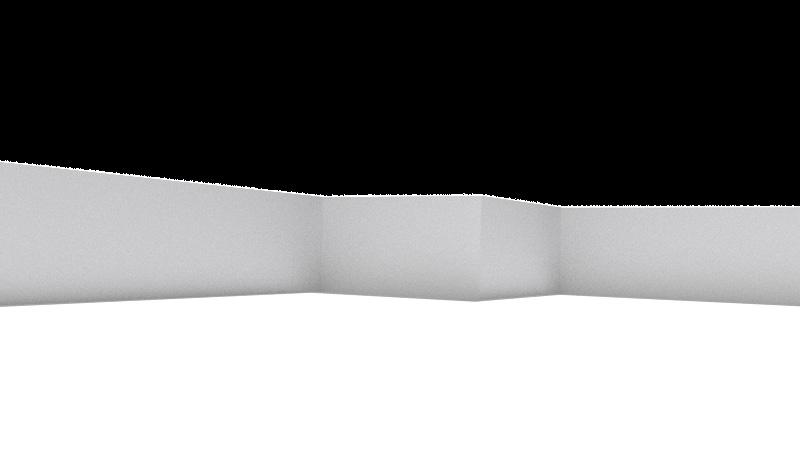
This cool, airy space is open for a variety of events catered towards artists: mixers, jazz showcases, tutorials, etc. It concludes the user’s circulation through the building.
gallery space




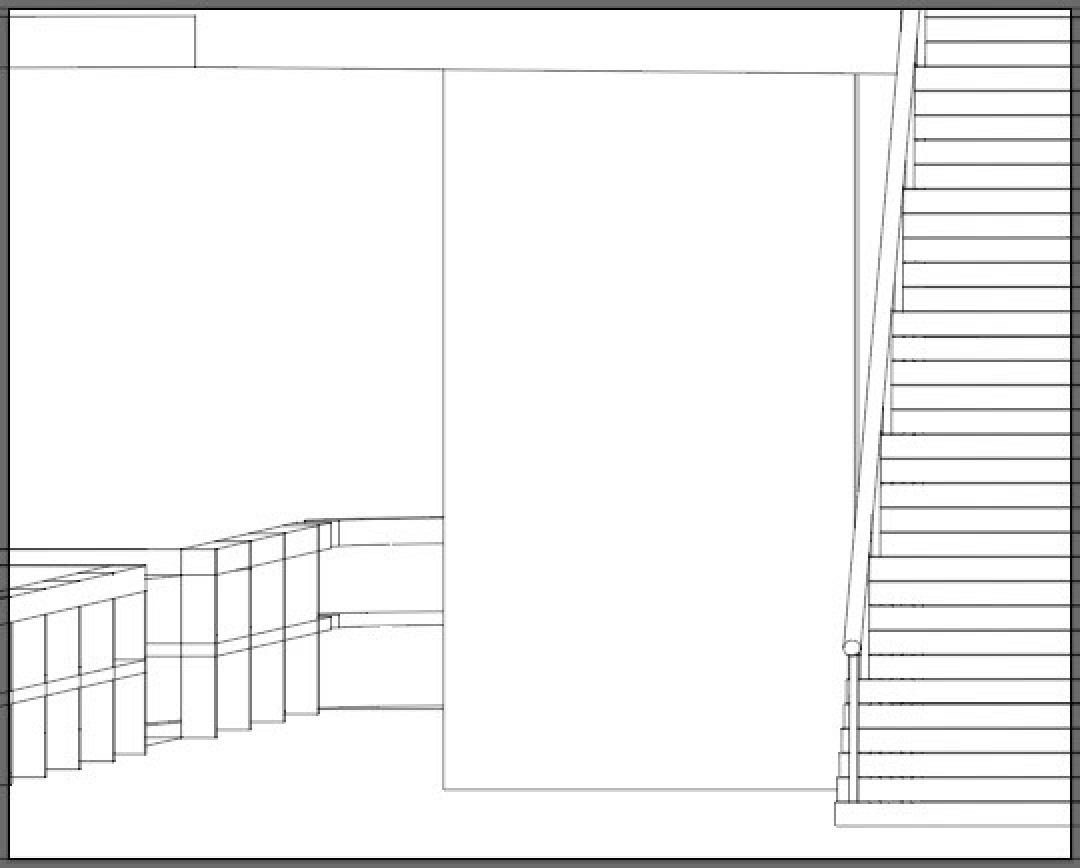
A grand ramp at the southeast entrance takes the visitor up to a bridge that stretches across the Avenida Carrera 30. On this bridge, there are performance pods that artists are strongly encouraged to use to showcase their talents.
section a
landmark bridge performance pods
performance pods
landmark bridge auditorium 1
primary auditorium
computer labs reading areas
bathrooms
computer labs bathrooms reading area
recording studios collaborative spaces
recording studios collaborative spaces
listening/screening room
listening/screening room
main collections
main collections
rooftop auditorium
rooftop auditorium
plans
a facility for environmental outreach and paddling
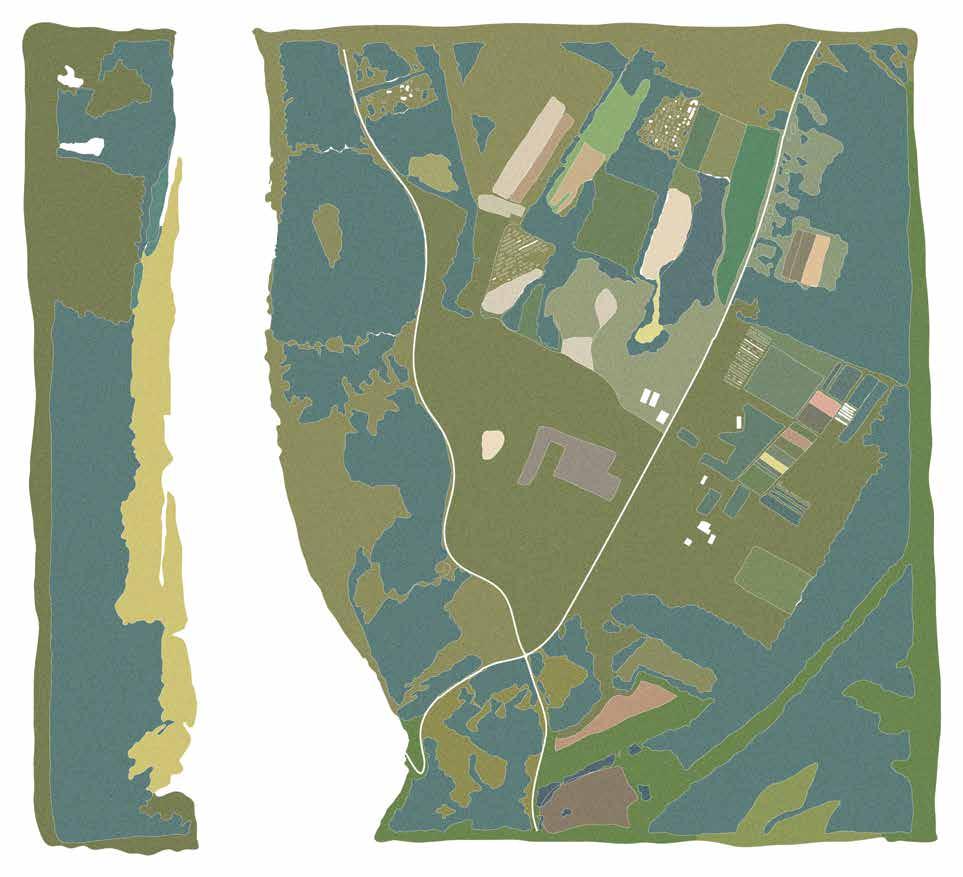
The Center will engage its river landscape context at multiple levels, including K thru 12 environmental education, exhibition space, river level monitoring, and on-ground plus in-water recreation accommodations. Some Center functions require dry, others wet, while still others might enjoy combinations of both states. Center educational priorities include river history –natural and human-made – as well as current and future ecological health. The recreation program is intended to place visitors in close contact with the river itself and its riparian environment. Taken together, Center programing aims to connect the public physically and intellectually with a vital part of the larger landscape they inhabit.
Design Studio: Rural Futurism
Instructor: Timothy Stenson
Location: Vischer Ferry
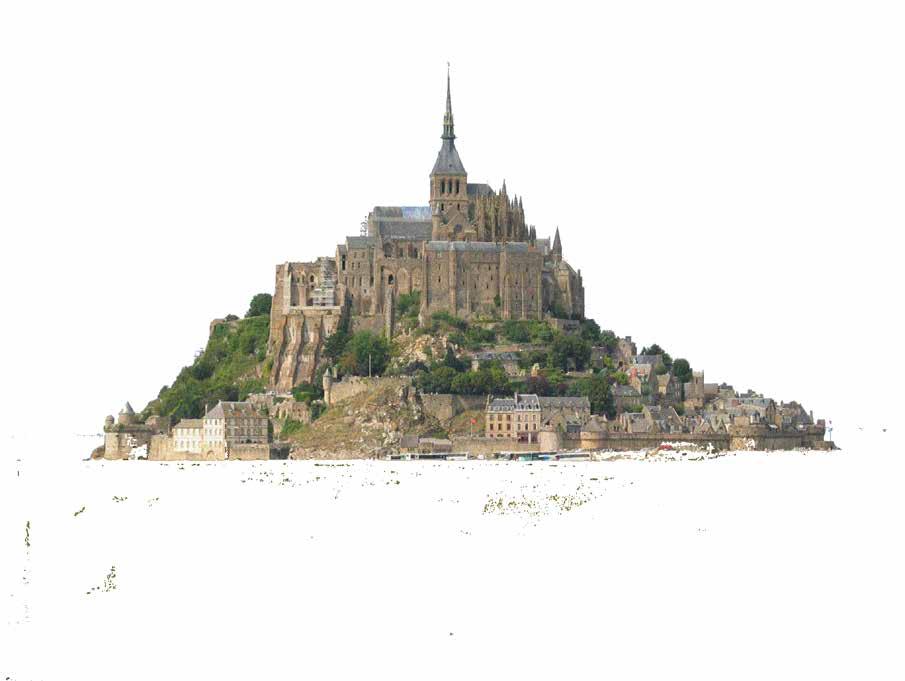


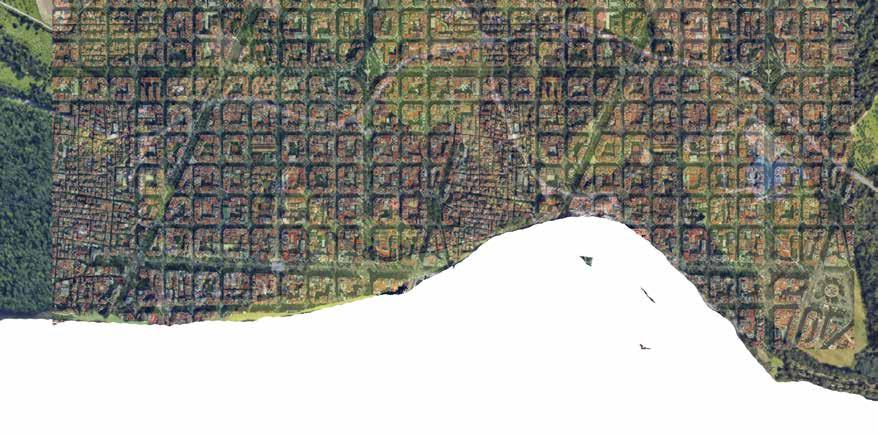
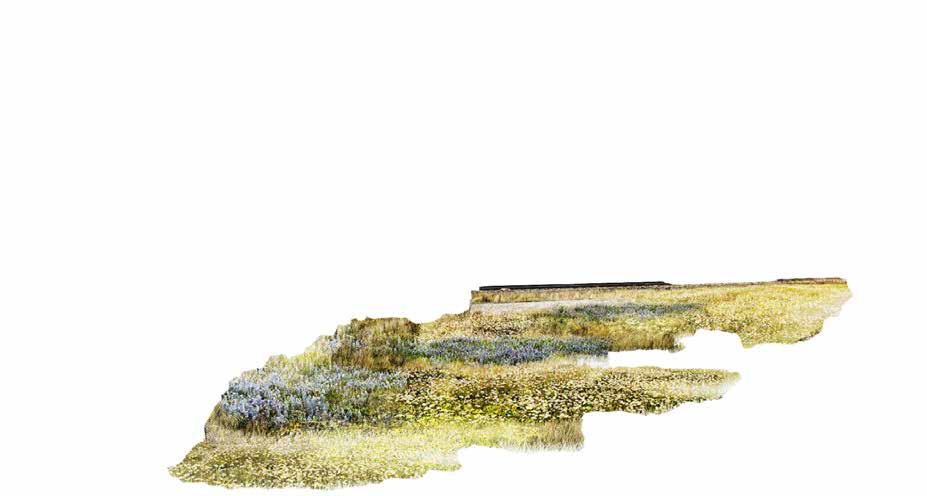
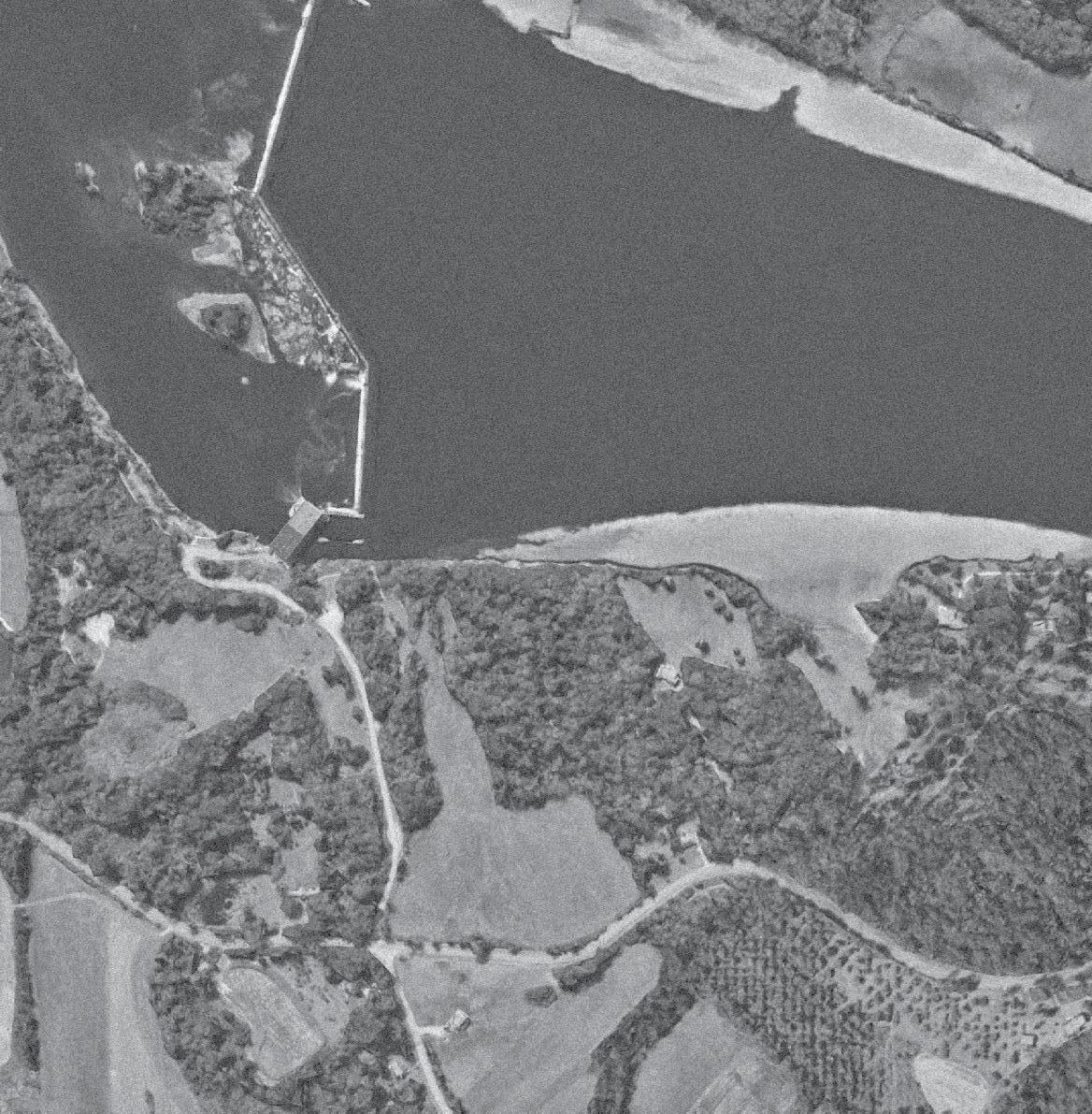
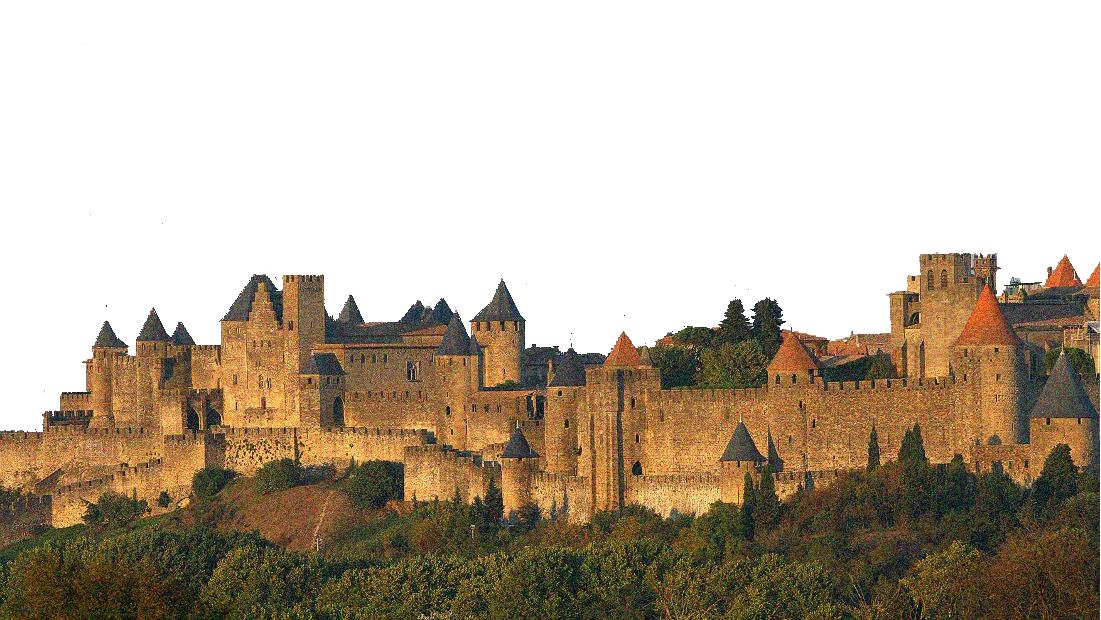
The design process was oriented around the idea of a ‘city upon a hill,’ a phrase derived from the teaching of salt and light in the Sermon on the Mount. It has been often used in the political rhetoric in the United States as a declaration of American exeptionalism. Here, this rhetoric will be used to promote an institution that is working towards undoing all the effects exeptionalism had on the soil America rests on.
a greenway providing a retreat for NYC’s most under-served citizens
The Bronx Link is an ambitious 7-mile greenway connecting the Bronx to Manhattan, transforming the urban landscape into a vibrant corridor for nature, recreation, and connection. This dynamic pathway weaves through neighborhoods, offering a seamless blend of lush green spaces, walking and biking trails, and public gathering areas. It fosters a renewed relationship with the environment, offering a respite from the bustling city while strengthening the bonds between the Bronx and Manhattan. With its innovative design and sustainable features, the Bronx Link is poised to become a defining element in the region’s green infrastructure, bringing together diverse communities in a shared vision of connectivity and green urbanism.
Design Studio: Gensler Summer Studio Advisor: Selwyn Bachus II
Location: Bronx, NY
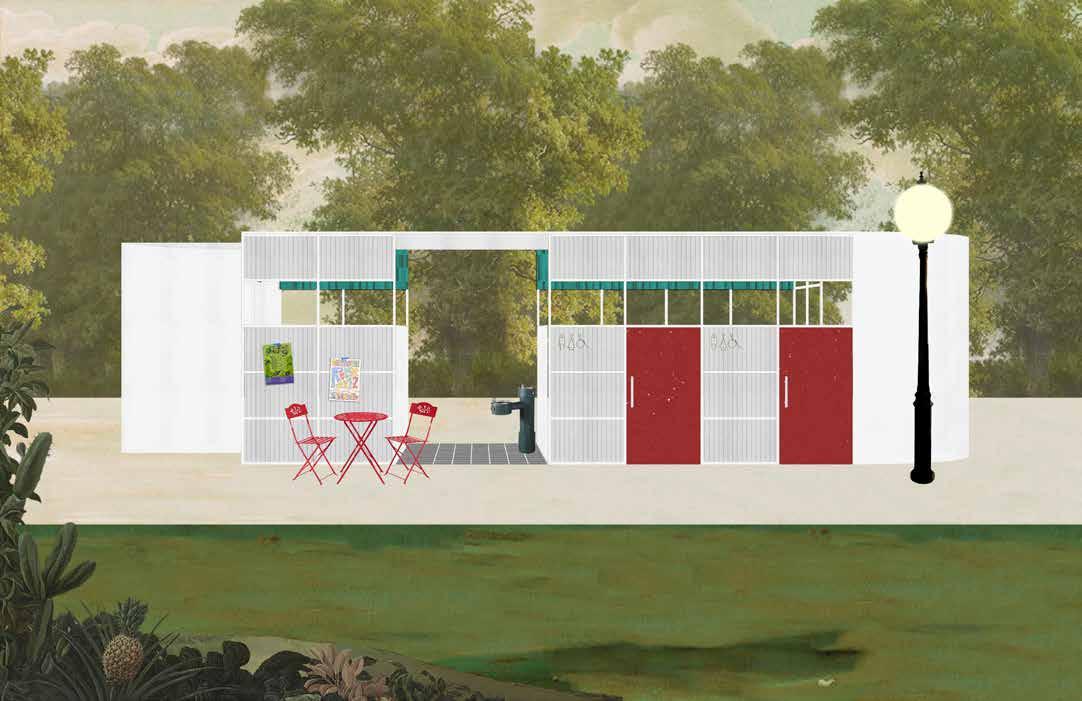
For the Bronx Link, myself and my fellow interns designed a series of branding and wayfinding elements that seamlessly integrate with the greenway’s dynamic urban environment. Drawing inspiration from the unique character of the Bronx and the connection to Manhattan, the design emphasizes clarity, accessibility, and a sense of place. The branding incorporates bold, contemporary visuals that reflect the energy and diversity of the surrounding communities, while the wayfinding system is intuitive and user-friendly, guiding visitors through the greenway with ease. Whether it’s through signage, maps, or comfort stations such as the one pictured the left and below, every element was crafted to enhance the experience, fostering a sense of discovery and connection along the 7-mile route.
GENDER NEUTRAL RESTROOMS WITH ONE ENTRANCE DIRECTLY TO THE EXTERIOR TILING INSPIRED BY THE
GENDER NEUTRAL RESTROOMS WITH ONE ENTRANCE DIRECTLY TO THE EXTERIOR
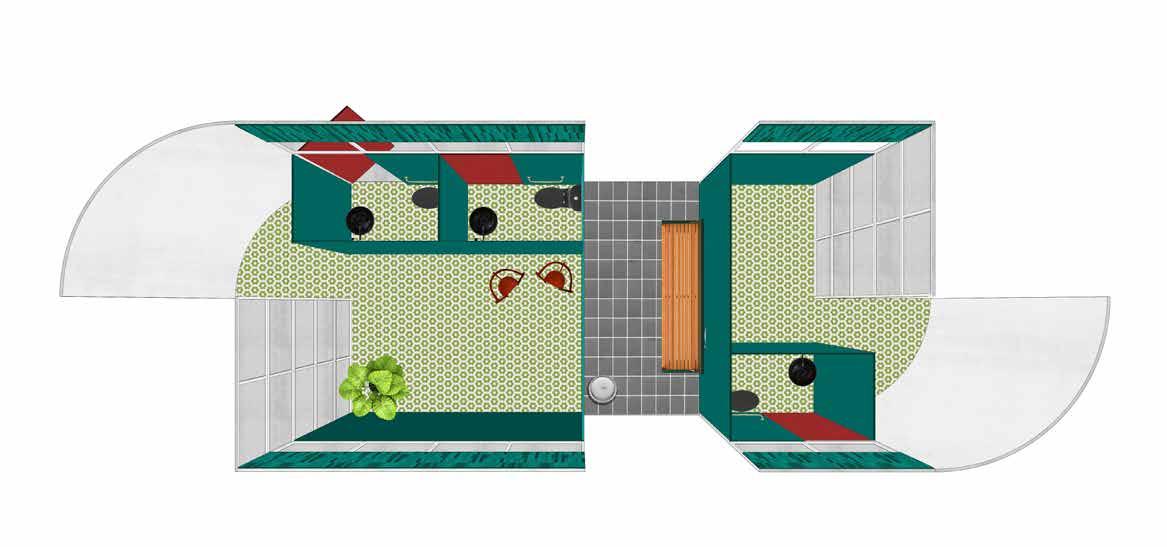
HEAVY USE OF APERTURES ON FACADE IN RESPONSE TO SAFETY CONCERNS