
Year A, 2026


Year A, 2026
Wednesday 18 February is Ash Wednesday. It is the first day of Lent, the time when Christians prepare for Easter, the greatest feast in the Christian calendar.
Easter Sunday commemorates the resurrection of Christ, when Jesus rose from the dead.
For Christians, Lent is a time to reflect on the words and actions of Jesus and explore how they can change their attitudes and behaviours to reach out to others. During Lent, Christians are called to show love, forgiveness and compassion. The season of Lent enables people to deepen their relationship with God and with one another.
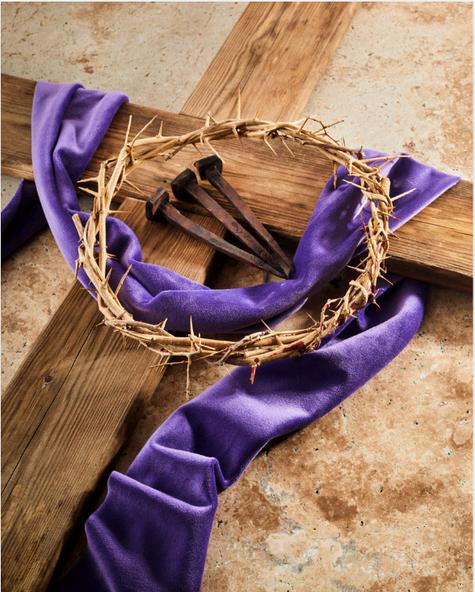
The liturgical colour for Lent is violet.

Lent is a time for:
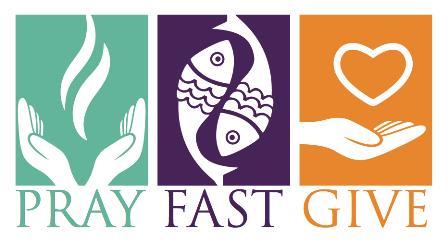
Prayer - There are many forms of prayer that can be practised during Lent. People can: participate in daily Mass. meditate on the daily readings. pray the Stations of the Cross. pray the Rosary. pray in the morning and evening.
Self-denial – Many people give up something or take on a practice or do both, during Lent. Lent is a time when people are called to love one ’ s neighbour and identify with the poor and hungry of the world.
Almsgiving – Almsgiving means donating money or gifts to the poor or performing other acts of charity. As a Catholic faith community, during Lent, we support Caritas Australia’s Project Compassion fundraising appeal.
The Hebrew People of the Old Testament understood that human life was short, and that all people eventually would become sick, grow old and die. They knew their lives were like the grass that grew in the fields and then faded away. They remembered that they were children of Adam and Eve.
God made Adam and Eve from the dust of the earth and breathed His own life into them, and cared for them like a good Father, holding them in the palm of His hand. When they lived by God’s laws, they knew they would always be happy. When Adam and Eve disobeyed God, their life was not easy. They had to work hard, and eventually they died.
When the Hebrews disobeyed God, persons called prophets called them to repent, to turn away from their sin, and to have a change of heart. The people would put on clothes made from rough cloth, cover their heads with ashes; they would fast and pray for God’s mercy.
To mark the beginning of the holy season of Lent, Ash Wednesday in many Christian countries today sees people participate in confession and absolution. There is also the ritual burning of the previous year's Holy Week palms to prepare the ashes for distribution in liturgies. Anyone can receive the ashes, placed on our foreheads in the Sign of the Cross.
On Ash Wednesday, we are reminded of what we are when we no longer are sustained by God: dust. The message of Ash Wednesday is not morbid—it is a joyful reminder that, with God’s life within us, we are so much more than dust and ashes!
When we receive ashes, the priest or minister uses the words, “Remember that you are dust, and to dust you shall return,” (based on Genesis 3:19) or “Repent, and believe in the Gospel,” (from Mark 1:15).