Portfolio MELISSA SWICK
PROJECT _ 01
PROJECT _ 02
PROFESSIONAL WORK
PROJECT _ 03
RETAIL DESIGN MERCEDES-BENZ
GRAFT design and roll-out of international brand retail design Global 2016 - 2020
HENN STUDIO B space identity design for office and brand space Seongnam, South Korea 2013 KOREA TELECOM SPACE IDENTITY
MAH ARCHITECTURAL GROUP retail space and fixture design Denver, Colorado USA 2010 / 2011 EUROPTICS FLAGSHIP STORE
PROJECT _ 04
PROJECT _ 05
PERSONAL WORK
PROJECT _ 06
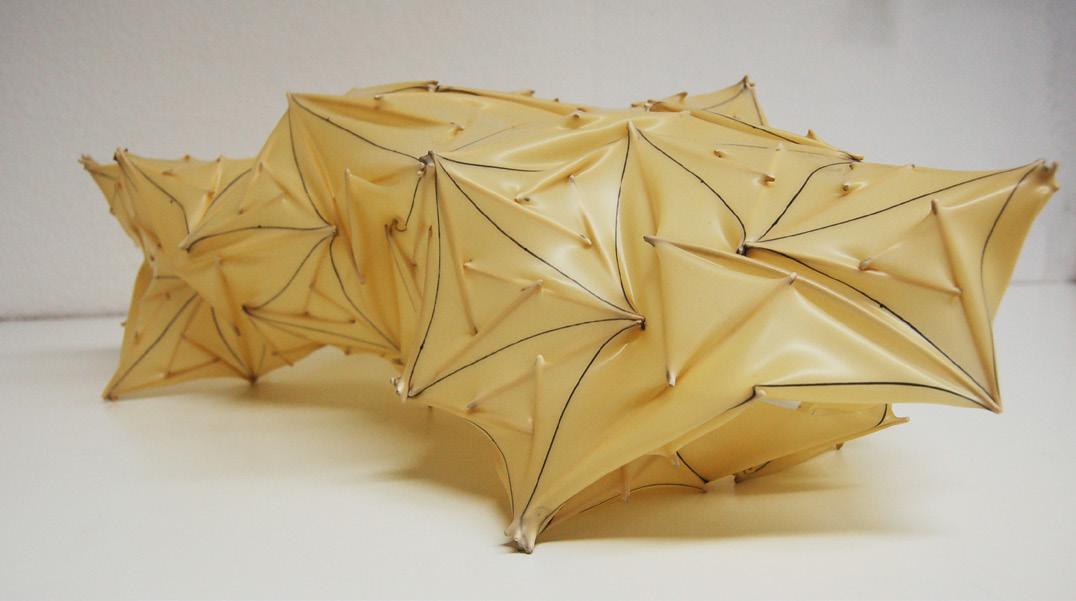
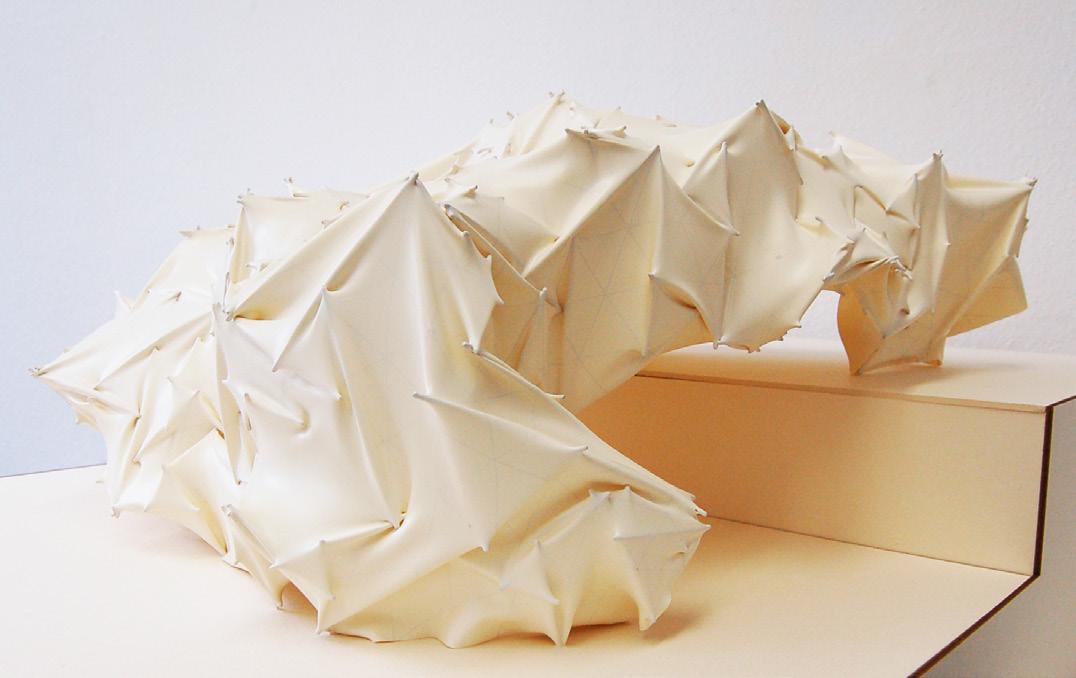
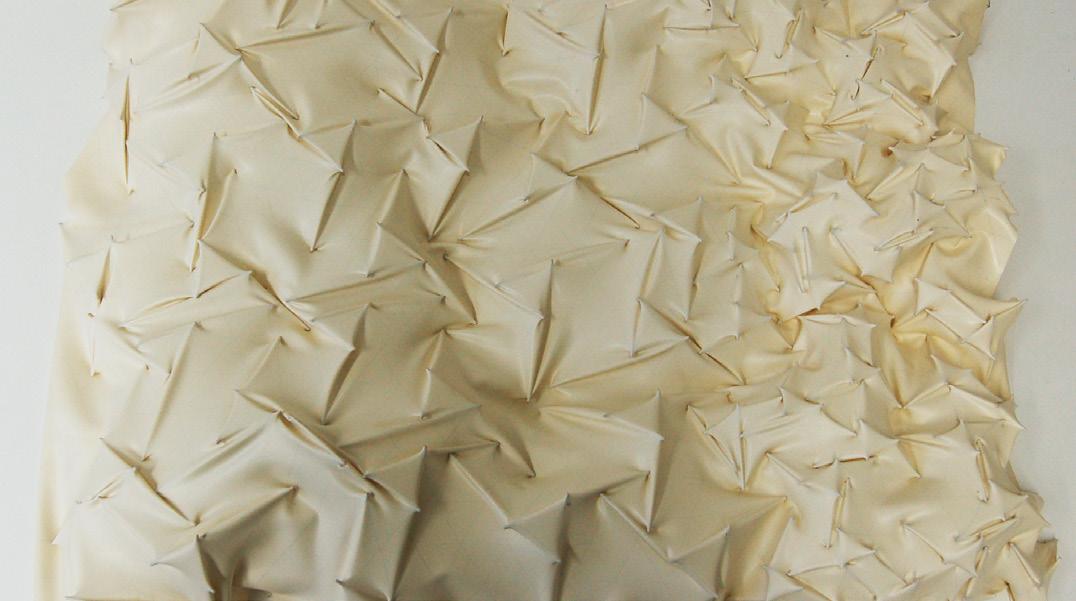
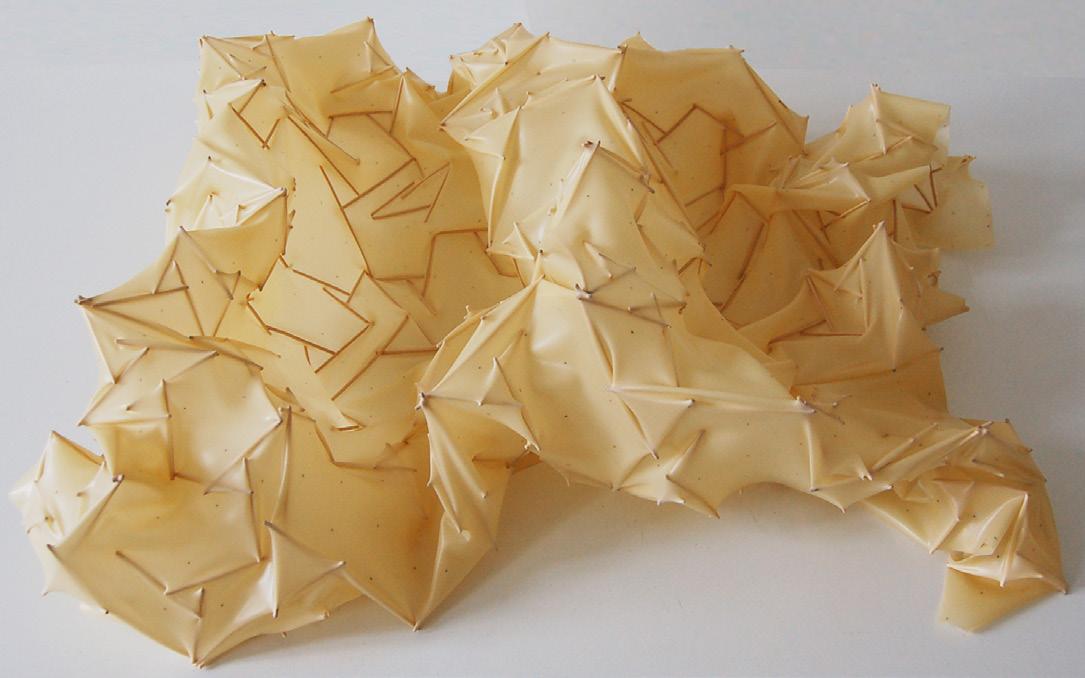
LATEX TENSILITY
SAC MASTER THESIS PROJECT
Architecture & Performative Design specialization Advising Professor: Mirco Becker 2012 / 2013 https://vimeo.com/70096790
NODE 13 EXHIBITION
SAC APD EXHIBITION
Design & Build Exhibition at Frankfurter Kunstverein
Advising Professor: Mirco Becker 2013 https://vimeo.com/60655030
ADAPTABLE CORRIDOR
STÄDELSCHULE RUNDGANG 2012
Design & Build Exhibition Installation
Advising Professor: Johan Bettum 2012
PROJECT _ 01
RETAIL DESIGN MERCEDES-BENZ Global
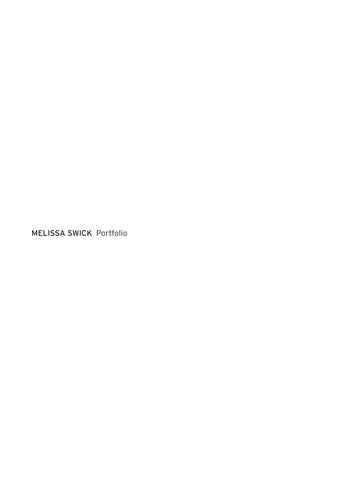
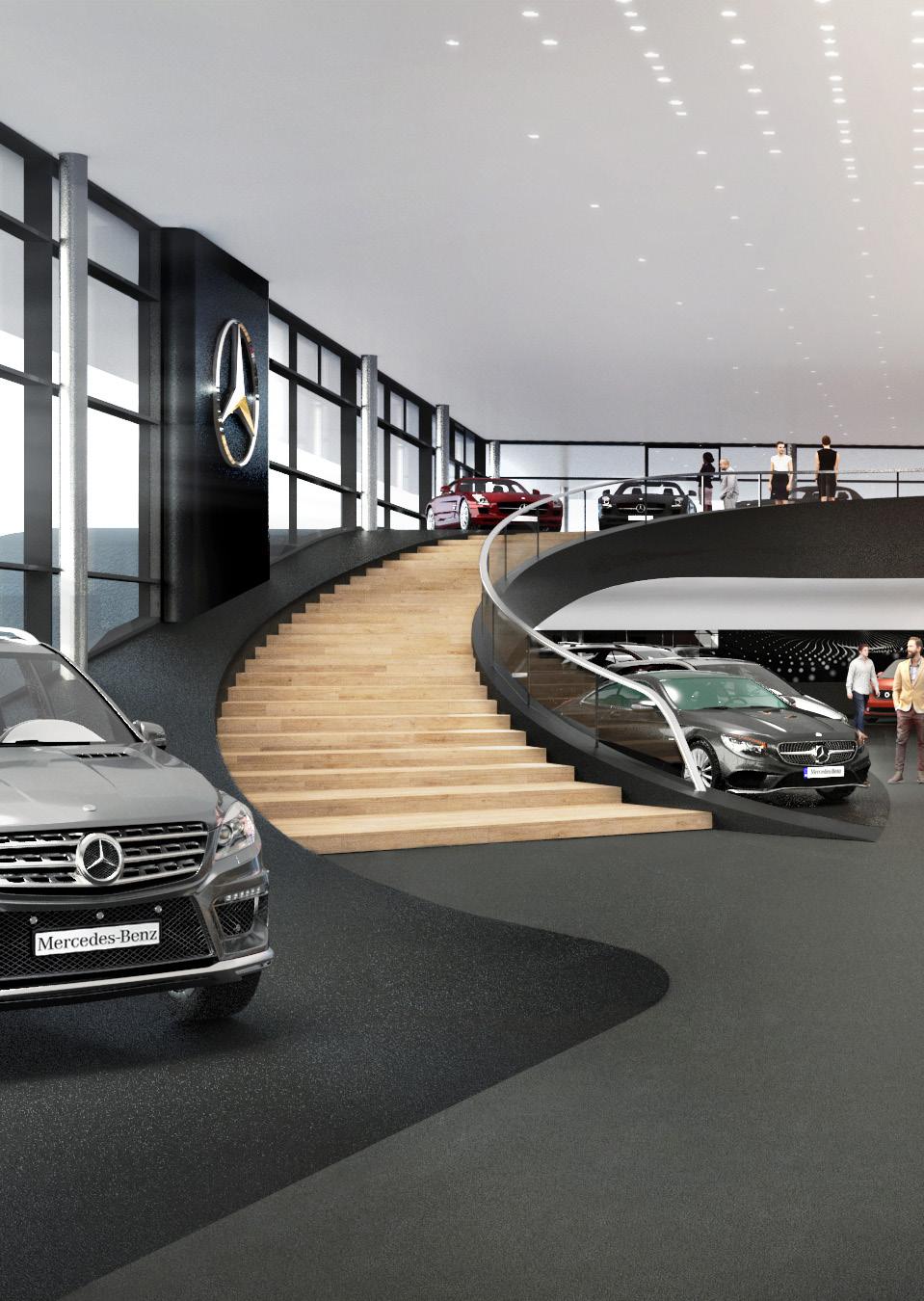
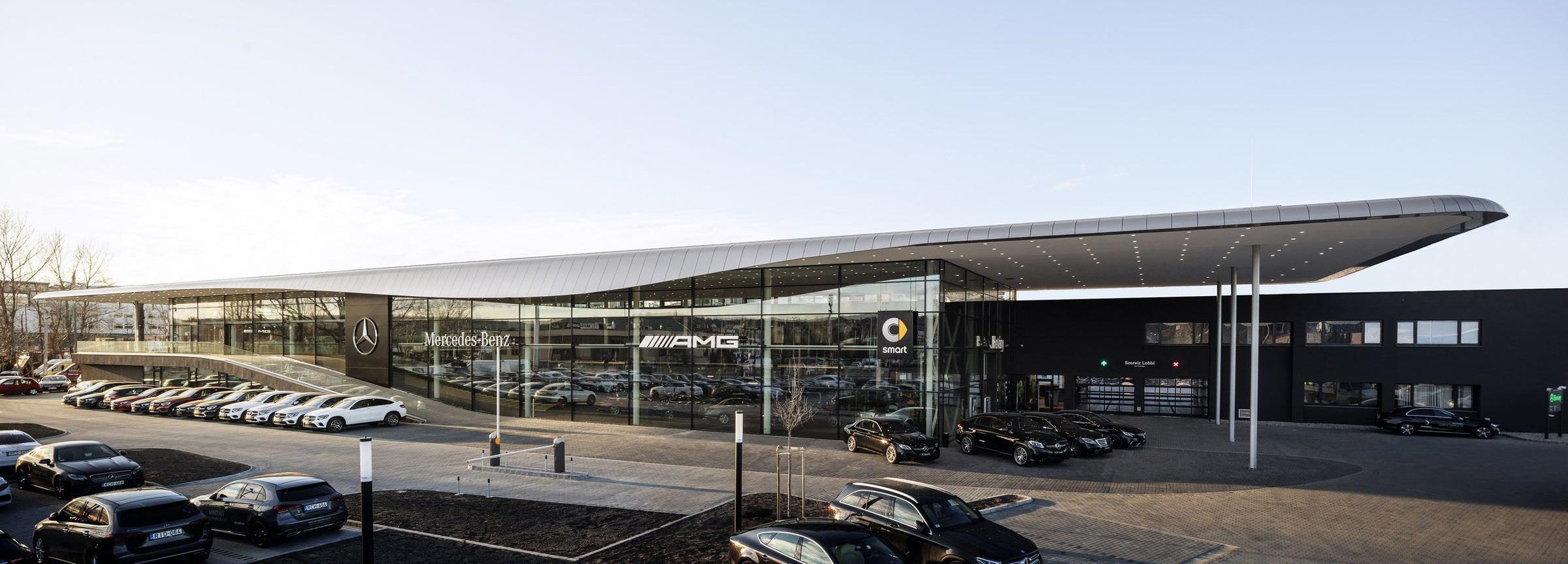
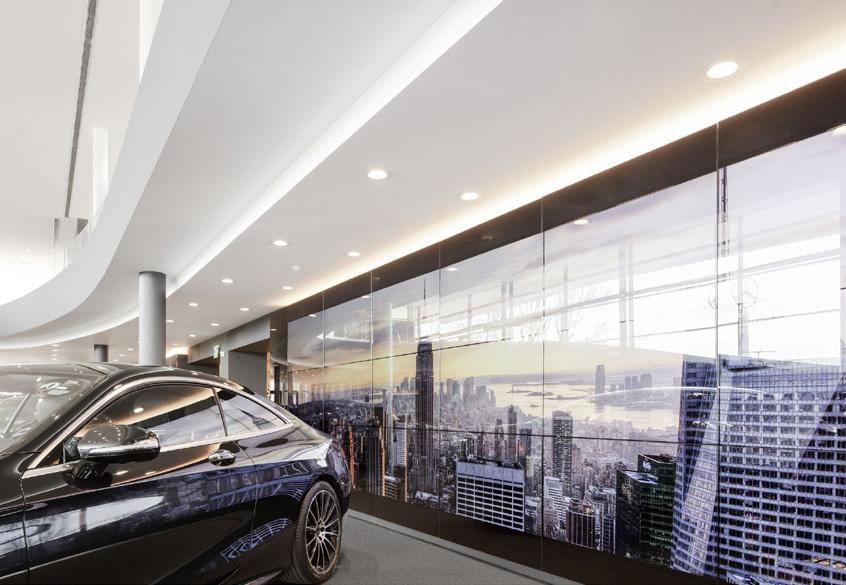
Participation in the international roll-out of the new corporate identity brand architecture concept design for Mercedes-Benz. Participation included, project management, and design for concept and detail design pilot projects internationally. Participation as well included managing project teams internally and managing communication with Mercedes-Benz headquarters, consultants, local retailers and their local design teams.
DESIGN CONCEPT DEVELOPMENT
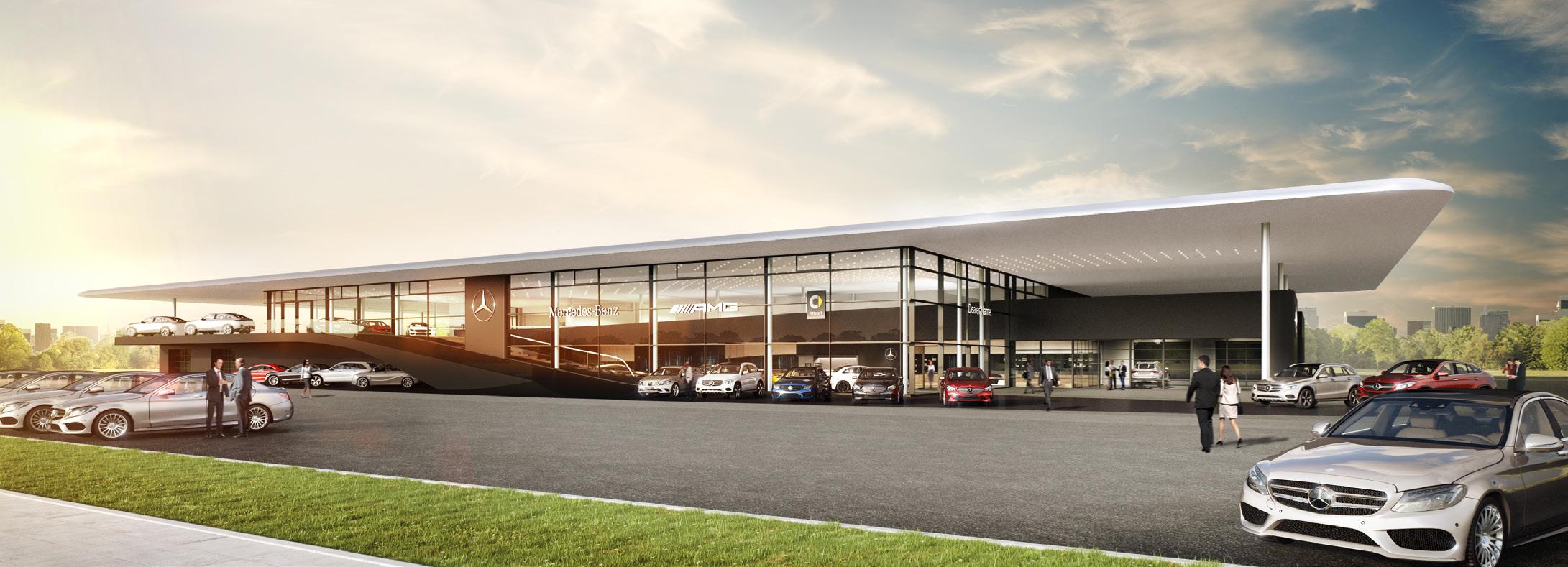
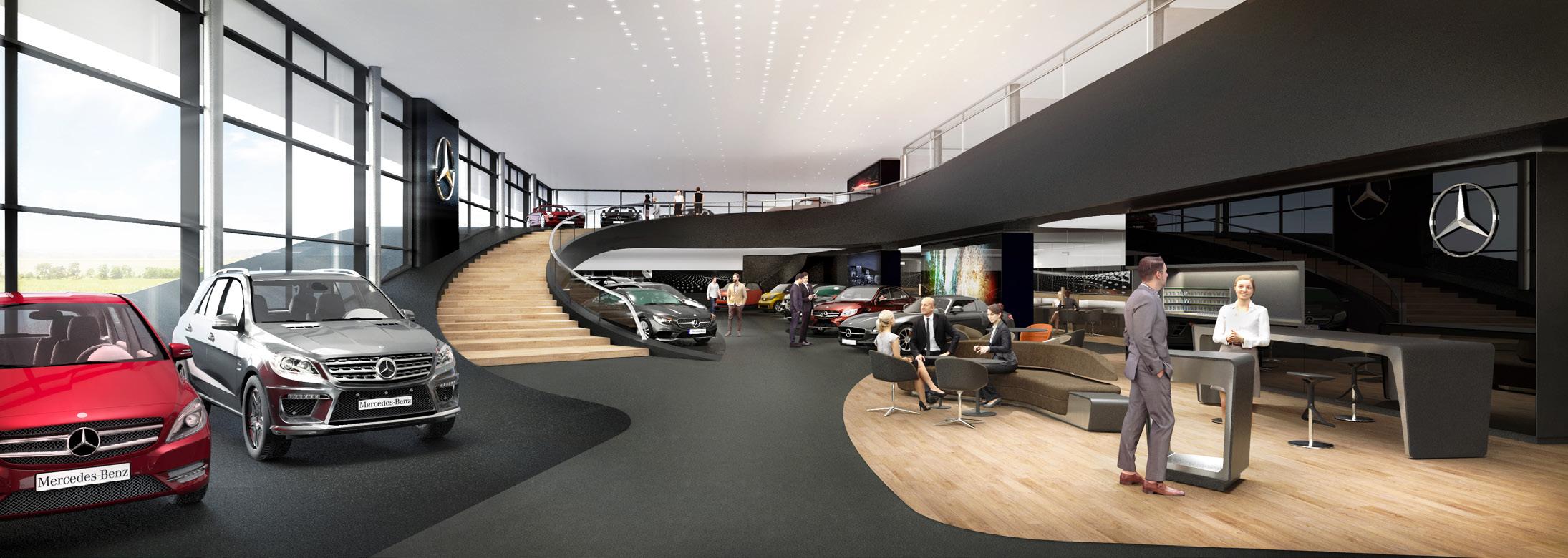
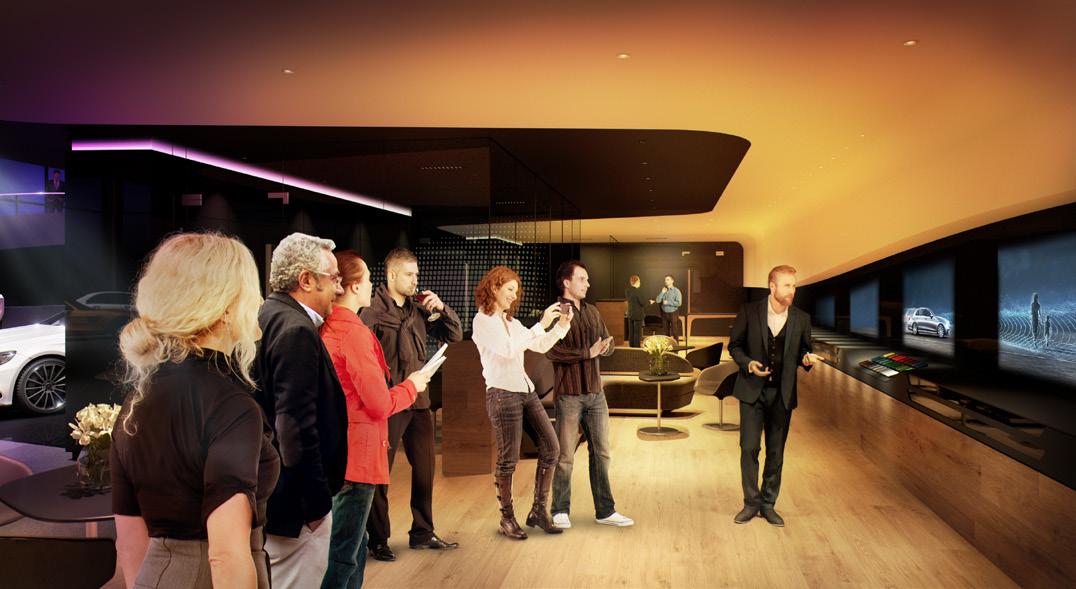
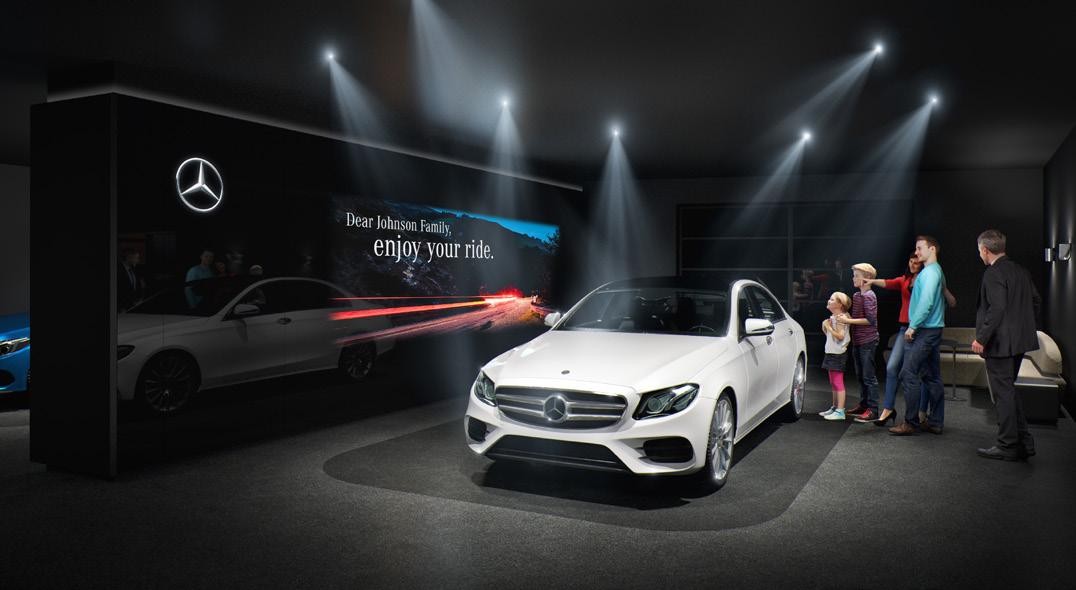
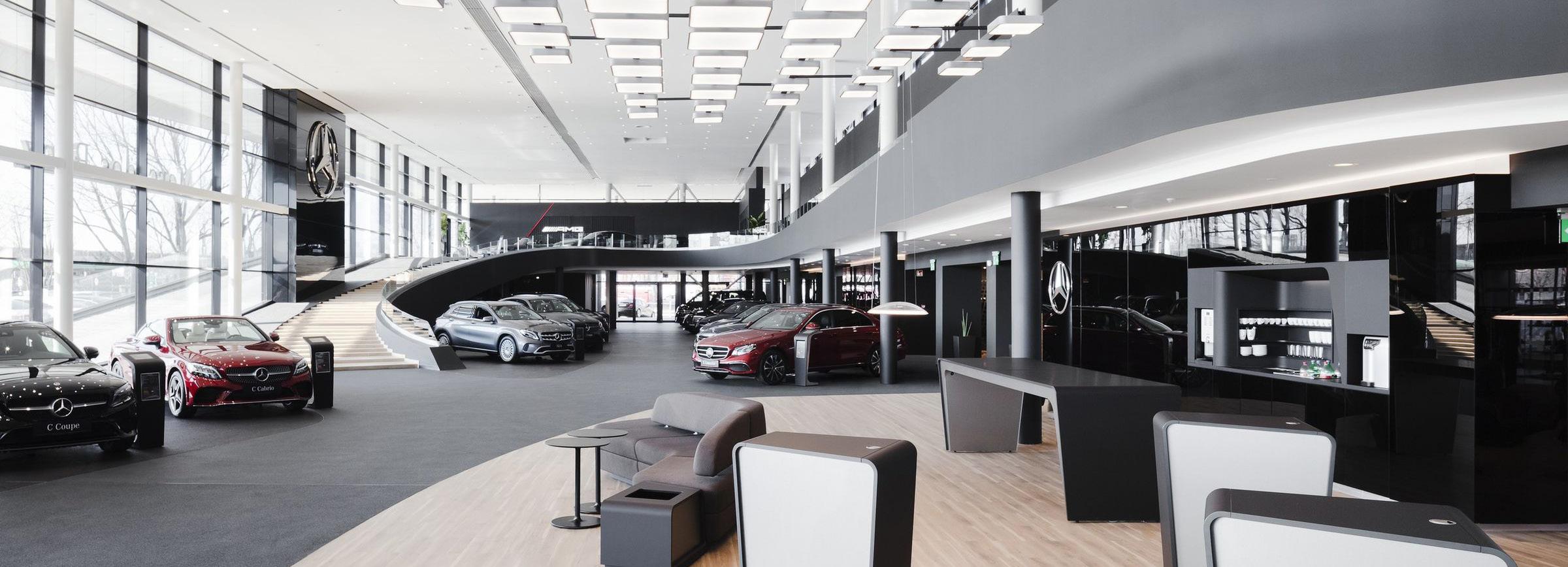
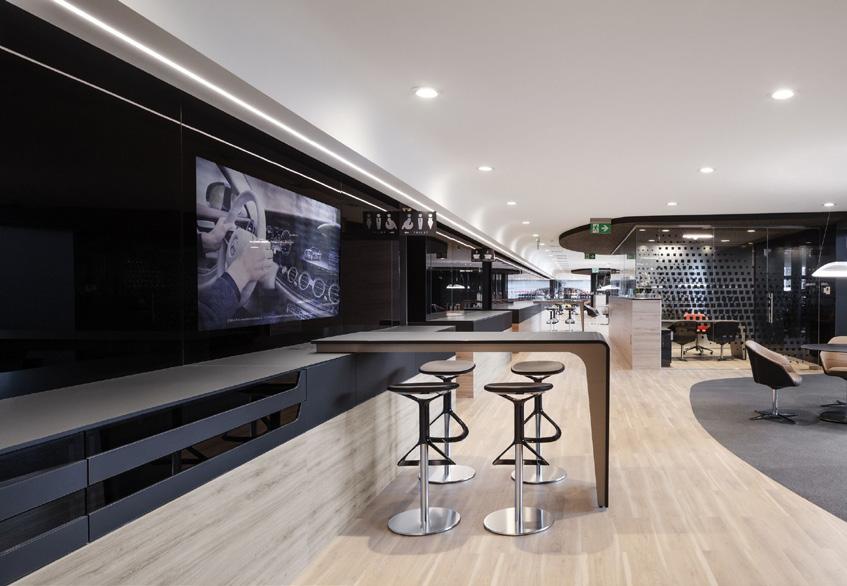
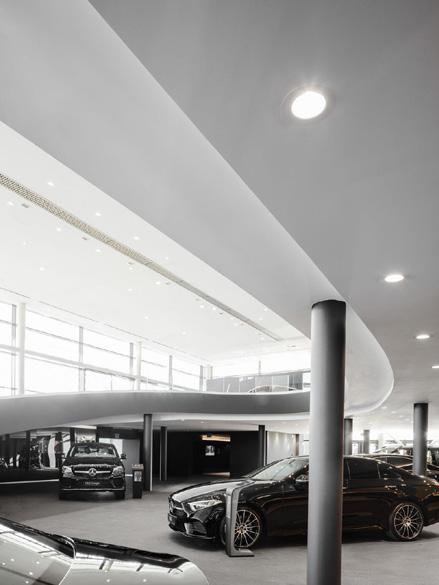
Through concept development and engineering creating design guidelines and planning tools to be implemented at sales locations globally, the new Mercedes-Benz corporate identity architecture was conceived. With the goal of creating a customer-oriented retail experience, the concept of a seamless customer journey with modular “touchpoints” responds to changing offline and online customer expectations. Theatrical vehicle exhibition within the dealerships is interwoven with intimate customer contact areas. Media elements are incorporated into the interior fittings that shape the showroom, strengthening the combination of the real and virtual brand presence. Thus, making it possible to address and respond to the ever-changing requirements of customers and the market. The resulting scenography creates numerous opportunities to interact with the Mercedes-Benz brand at different levels.
CONCEPT DESIGN EXTERIOR
WELCOME AREA/ SHOWROOM EXHIBITION
CONSULTING / EVENT
HANDOVER EXPERIENCE
IMPLEMENTATION AND CONSULTING
The design and consultation of international pilot projects, allowed for testing and development of the design concept by making adaptations for local social, economic, and culturally unique requirements. Managing international pilot projects encompassed regular communication with Mercedes-Benz corporate executives and local project teams. Travel for on-site project visits, project consultation, and hosting workshops/trainings was essential to the process. Travel and communication included but not limited to the following locations; Canada, China, Europe, India, Middle East, Russia, South Africa, South America, South East Asia, and South Korea.
Through a “lighthouse project” initiative for the region of overseas, in collaboration with Mercedes-Benz headquarters and the brand and retail consulting agency FITCH, support was provided for international projects serving as examples in their individual regions. Through themed workshops and trainings, on-site consultations, developing concept designs and provided redlining services support for implementing the new corporate identity architecture was given. The initiative was focused on bringing the design concept to life by fostering an understanding of how to use the tools at hand, architecture, media, people and processes, to curate the ideal customer journey.
CONCEPT PILOT PROJECT BUDAPEST, HUNGARY
WELCOME AREA / SHOWROOM EXHIBITION
CONSULTING AREA
MEDIA STAGE WALL
EXHIBITION
PROJECT _ 02
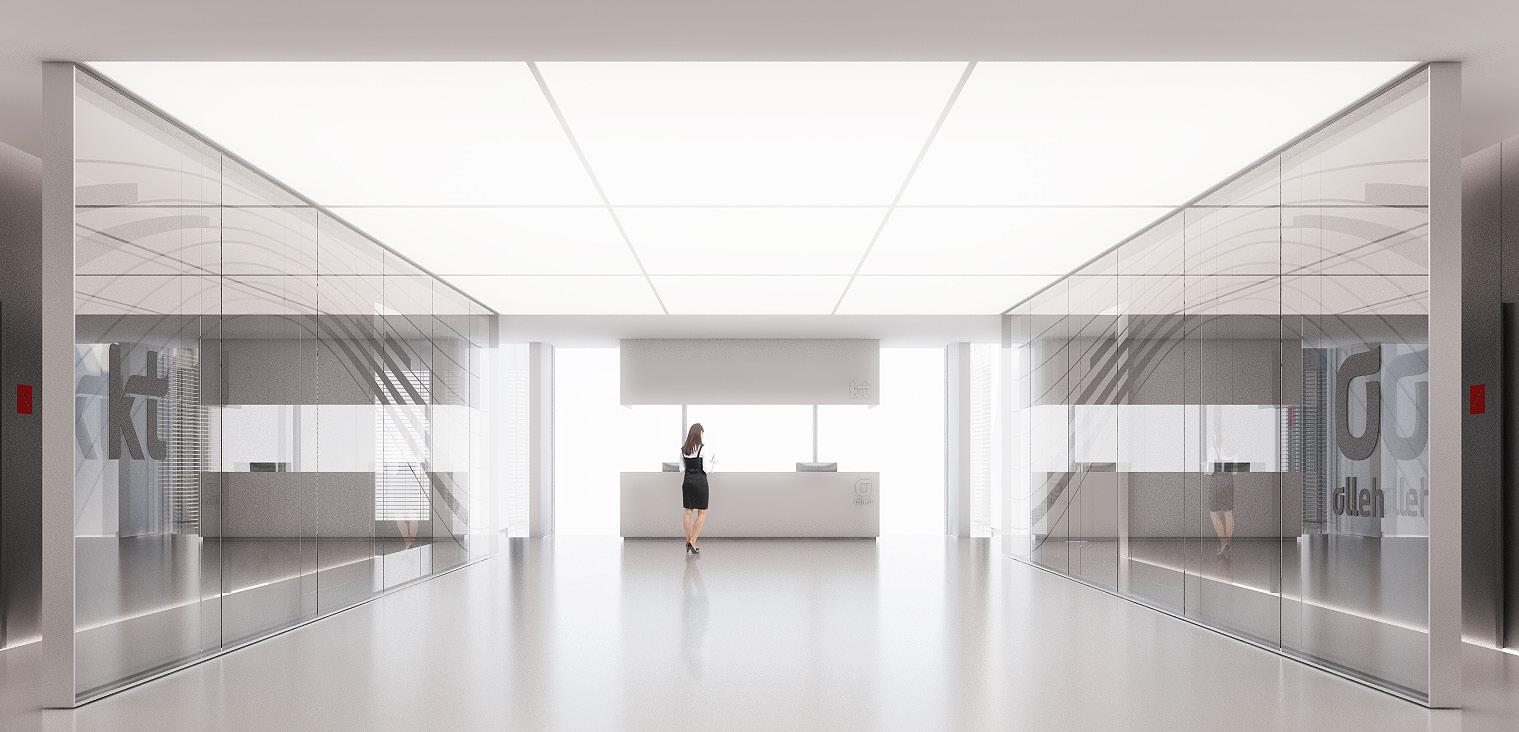
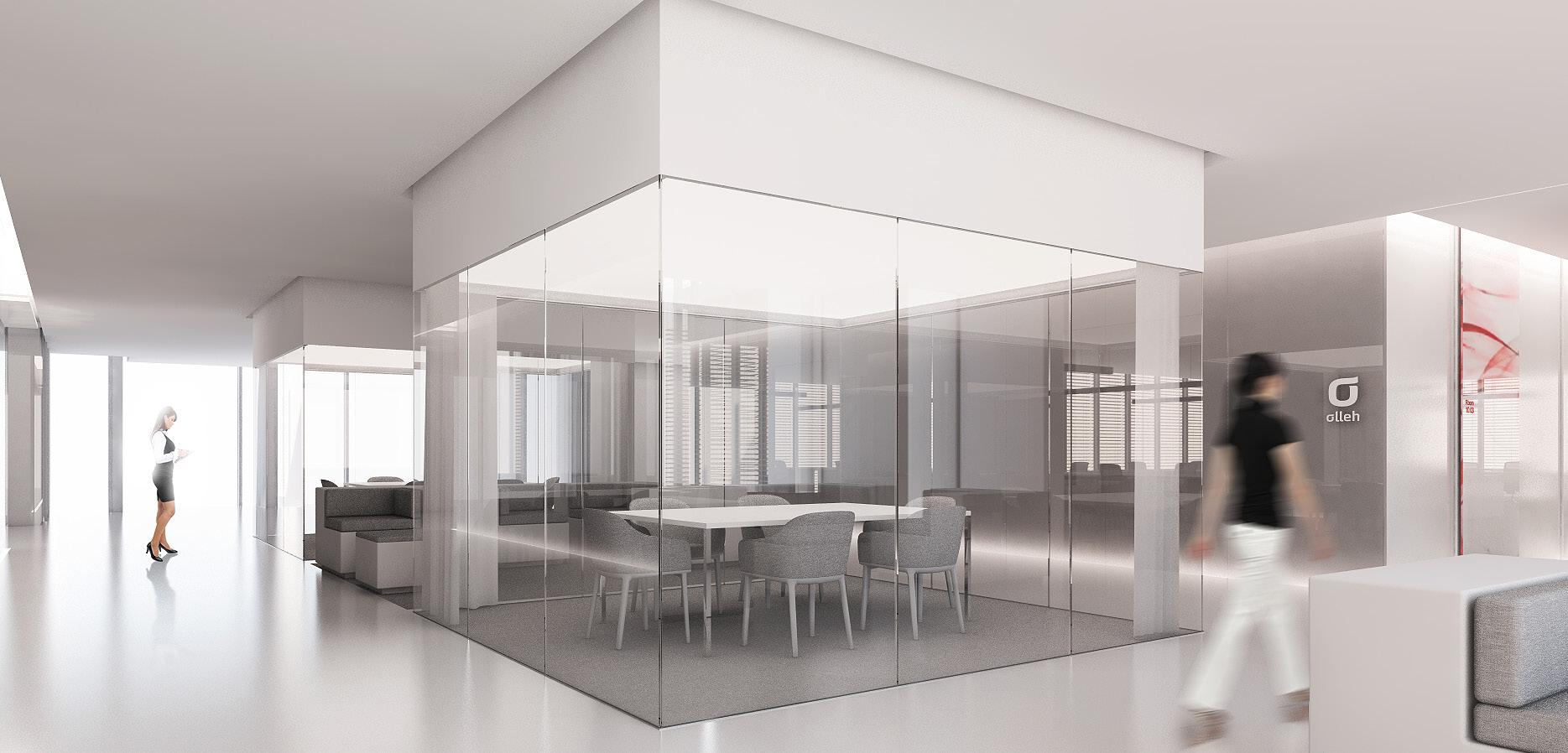
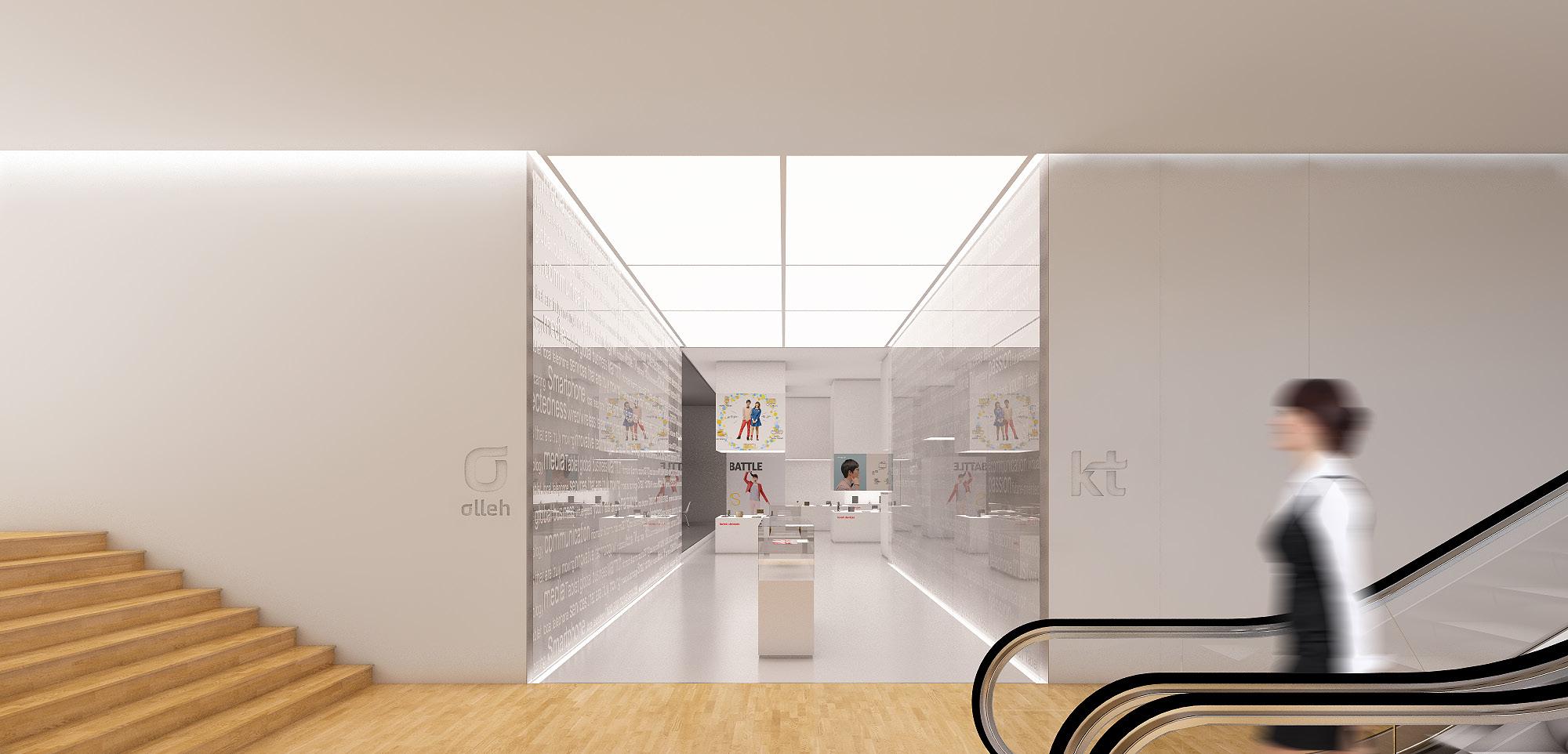
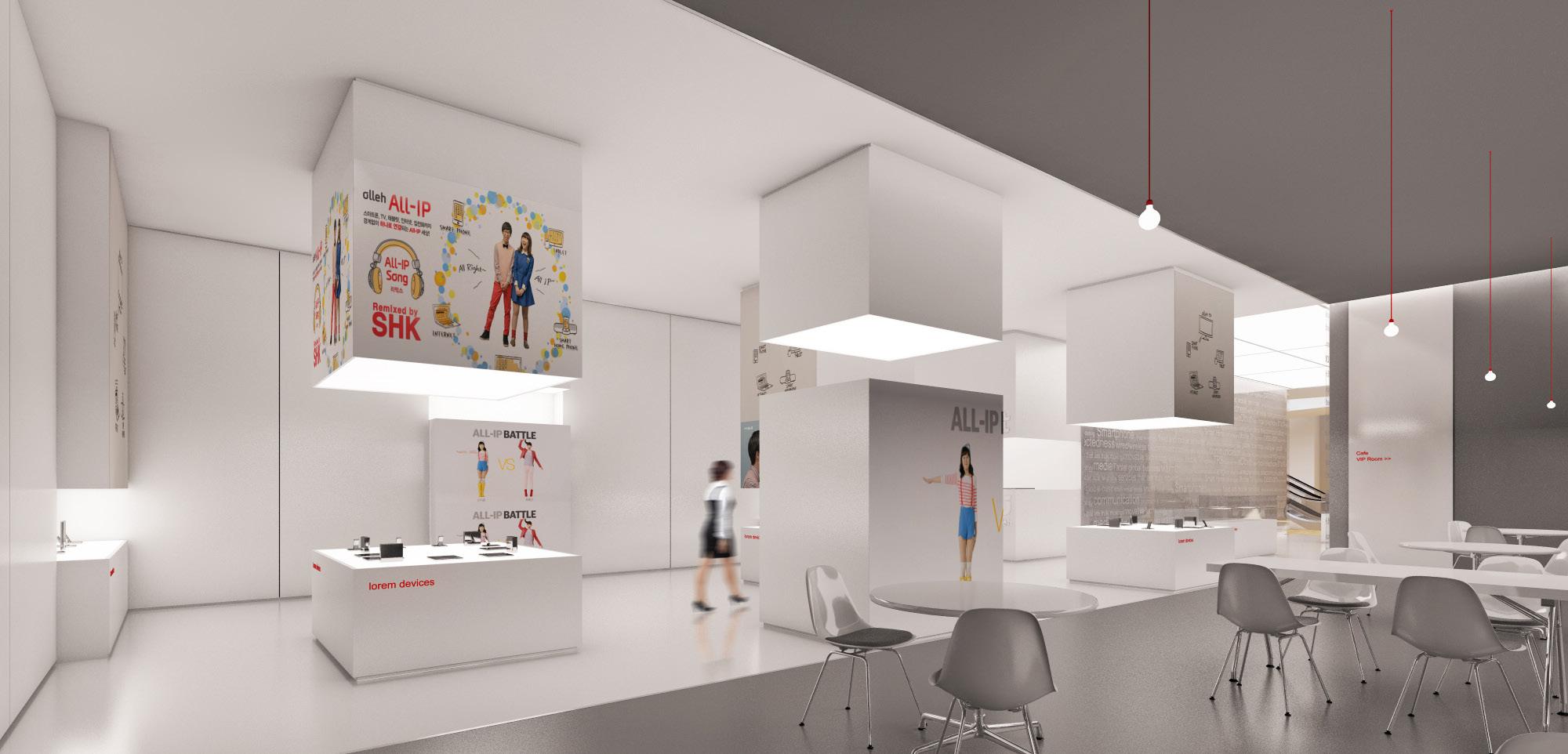
KOREA TELECOM SPACE IDENTITY Seongnam, South Korea
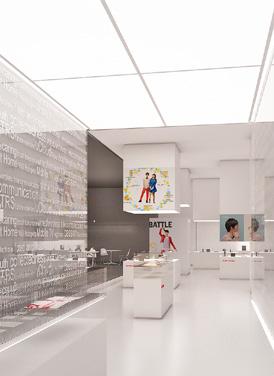
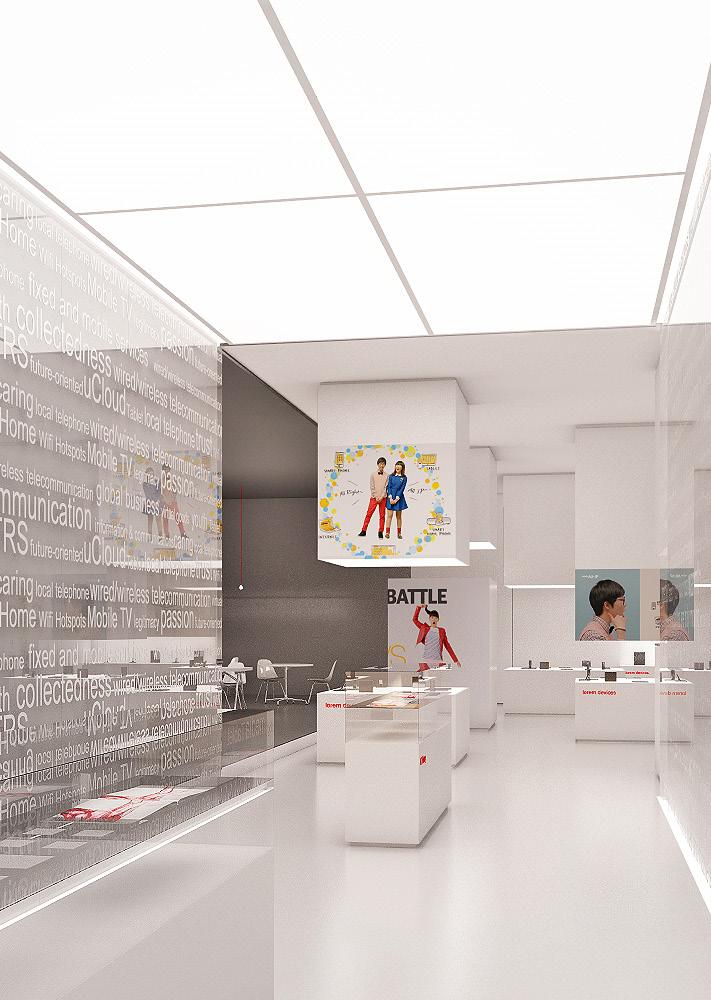
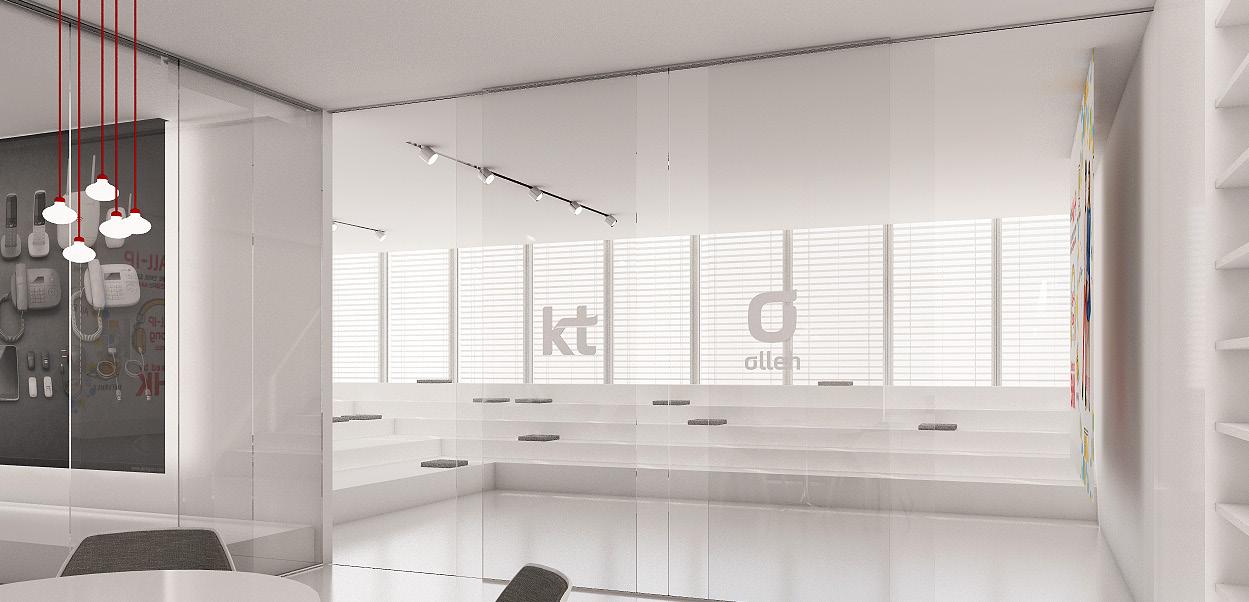
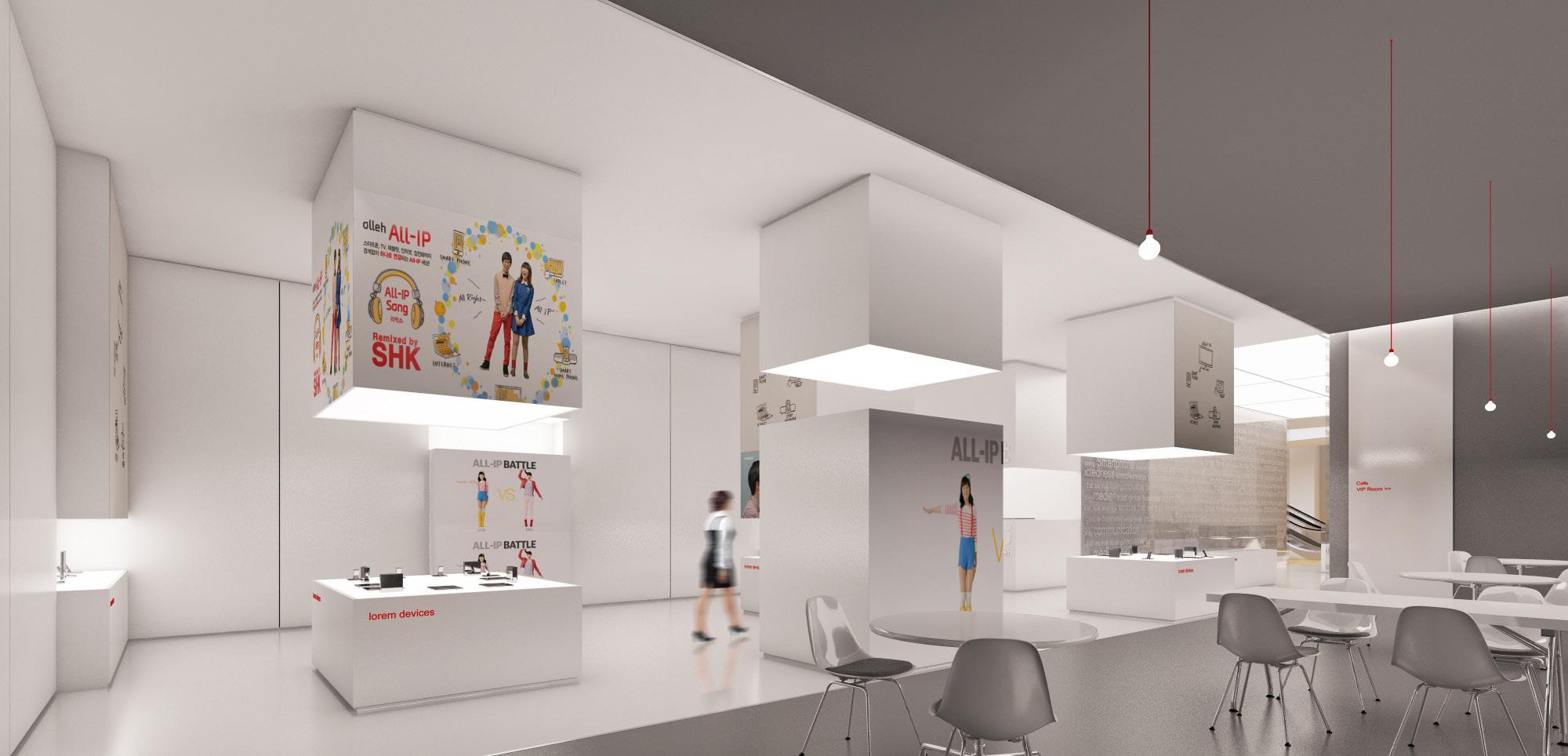
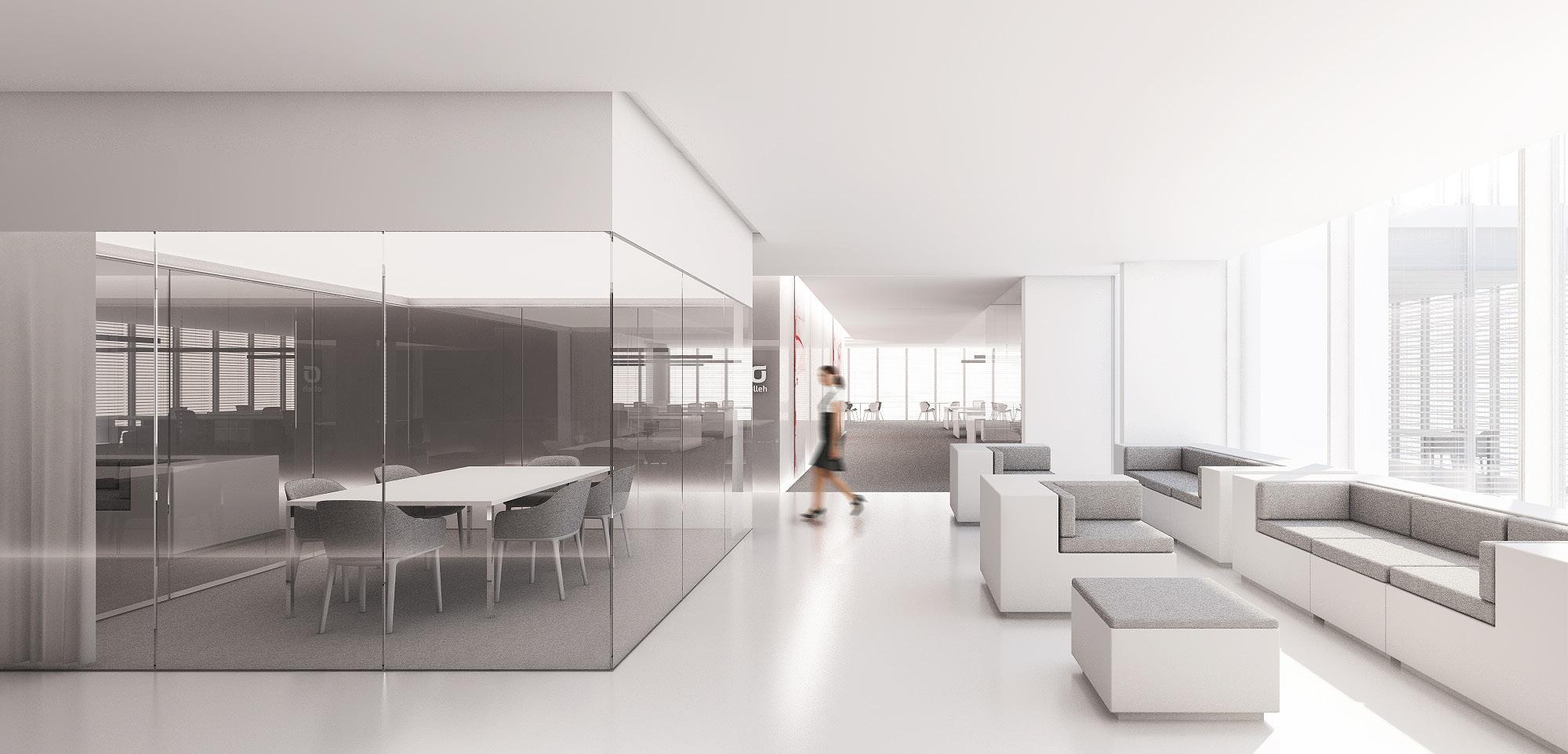
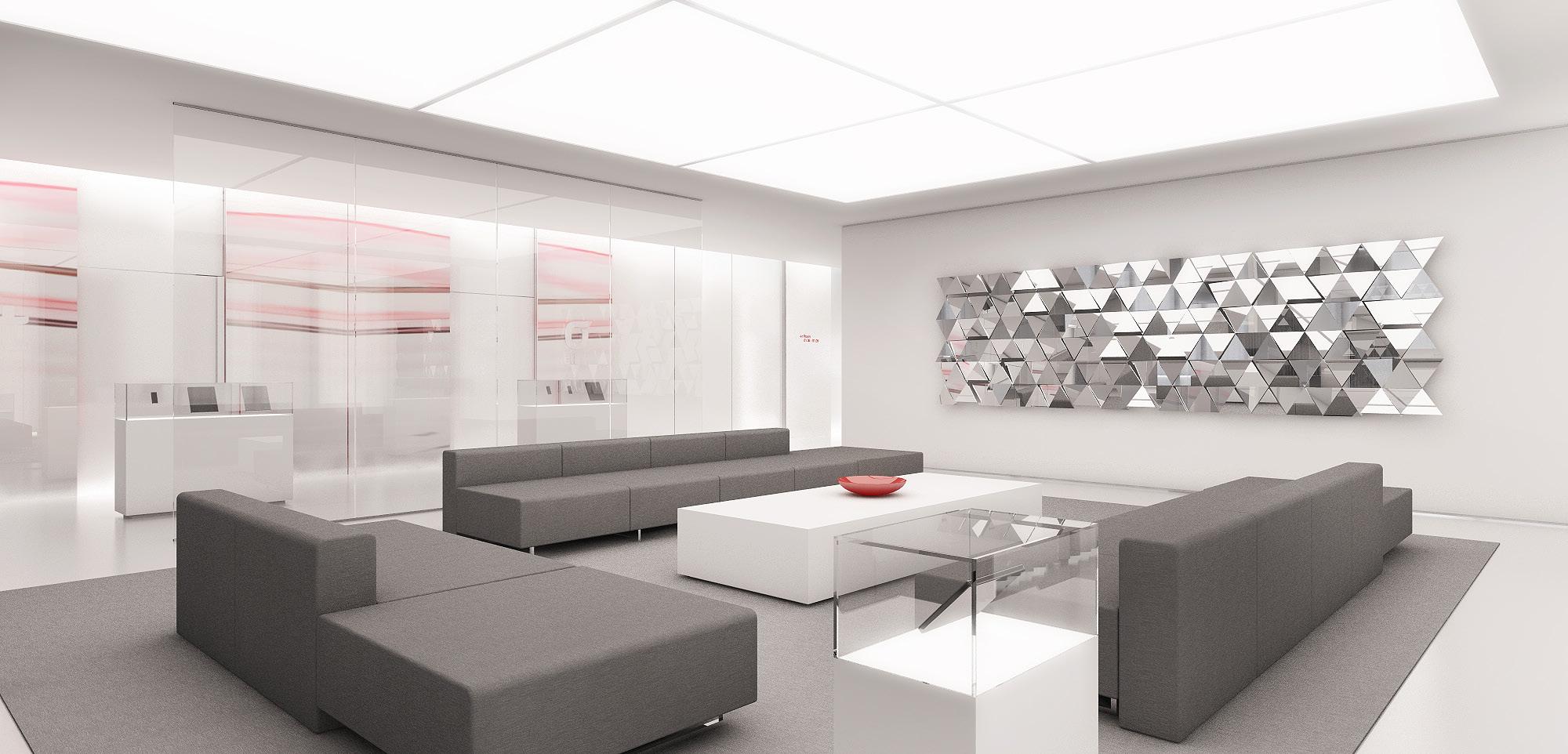
Participation in project acquisition with HENN studio B to develop a space identity for the new Korea Telecom tower in Seongnam, South Korea. Participation included: concept development and design, 3d modeling, production of interior renderings, and diagrams.
SPACE IDENTITY
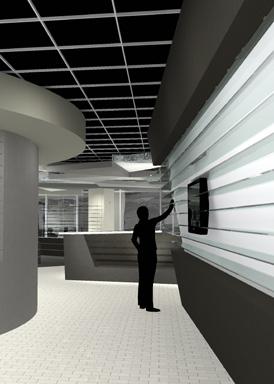
Communication zones are what connect the different building spaces alike the way that telecommunication is the connection between people and places separated by space and time. Light is used as a continual design element throughout, representing the connectivity of communication and serving the functions of visualization, display, spatial zoning and design cohesion. Horizontal surfaces are intervened by extruding volume and light surfaces, providing differentiation between spatial zones and functions. The extruded volumes and light surfaces serve as product displays, built-in furniture and as a tool for creating unique environments.
PR ZONE
COMMUNICATION SCALE
MEETING
LOBBY
BRAND SPACE
PROJECT
_ 03
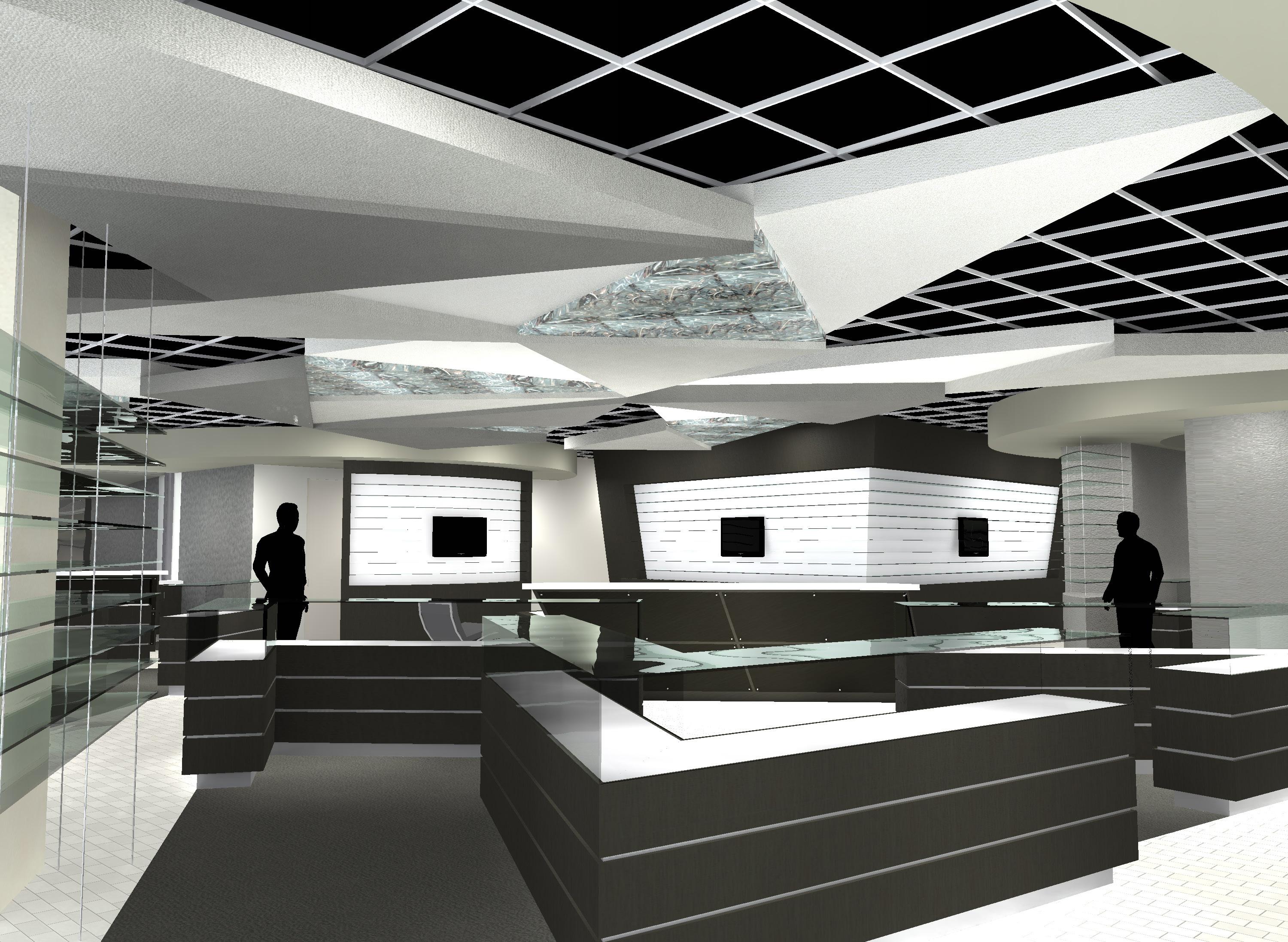
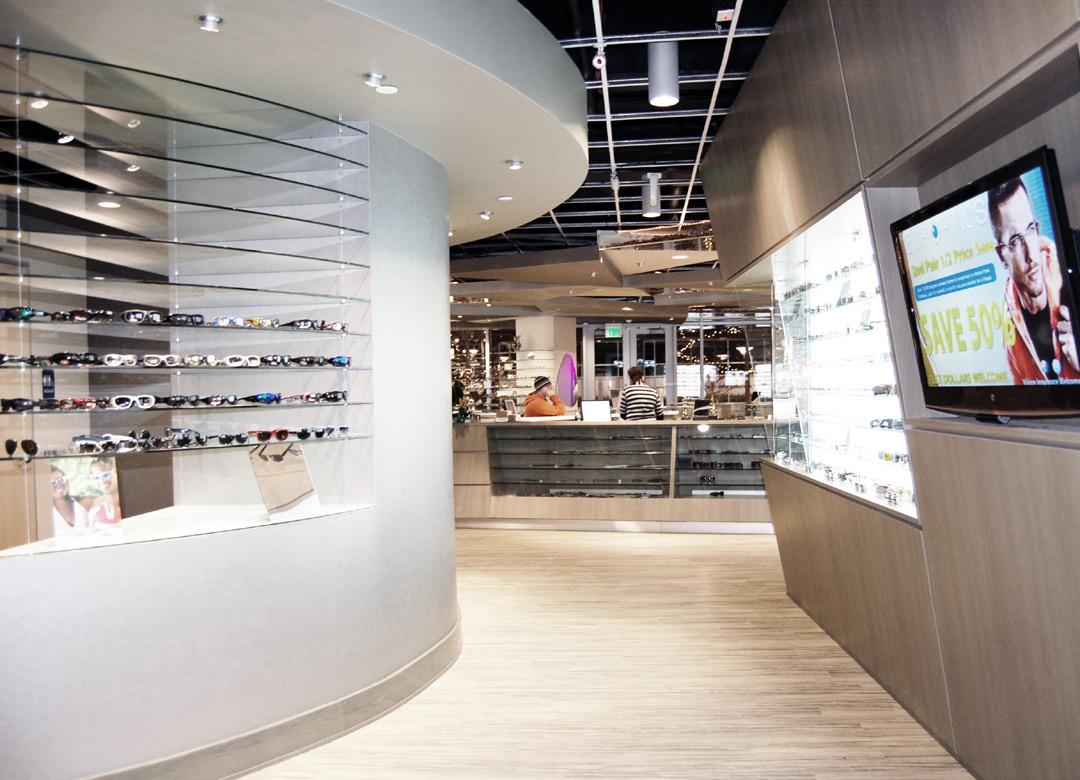
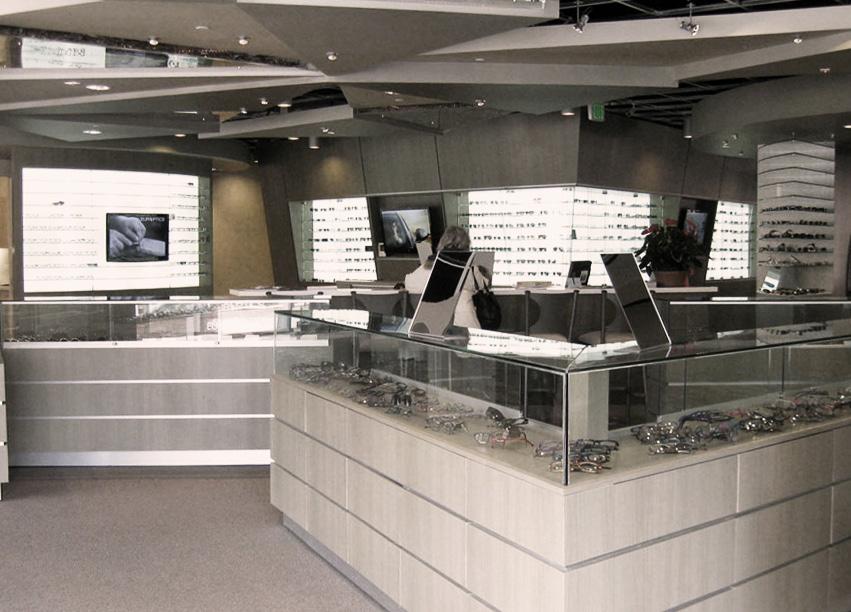
EUROPTICS FLAGSHIP STORE Denver, Colorado USA
Design of optical retail space including all display fixtures. Participation included: chief designer/project manager under the supervision of principle Michael A. Hunsinger, MAH Architectural Group. Project realized and completed Winter 2011.
RETAIL ENVIRONMENT DESIGN
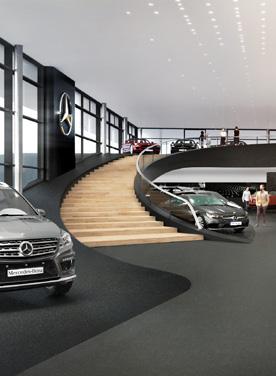
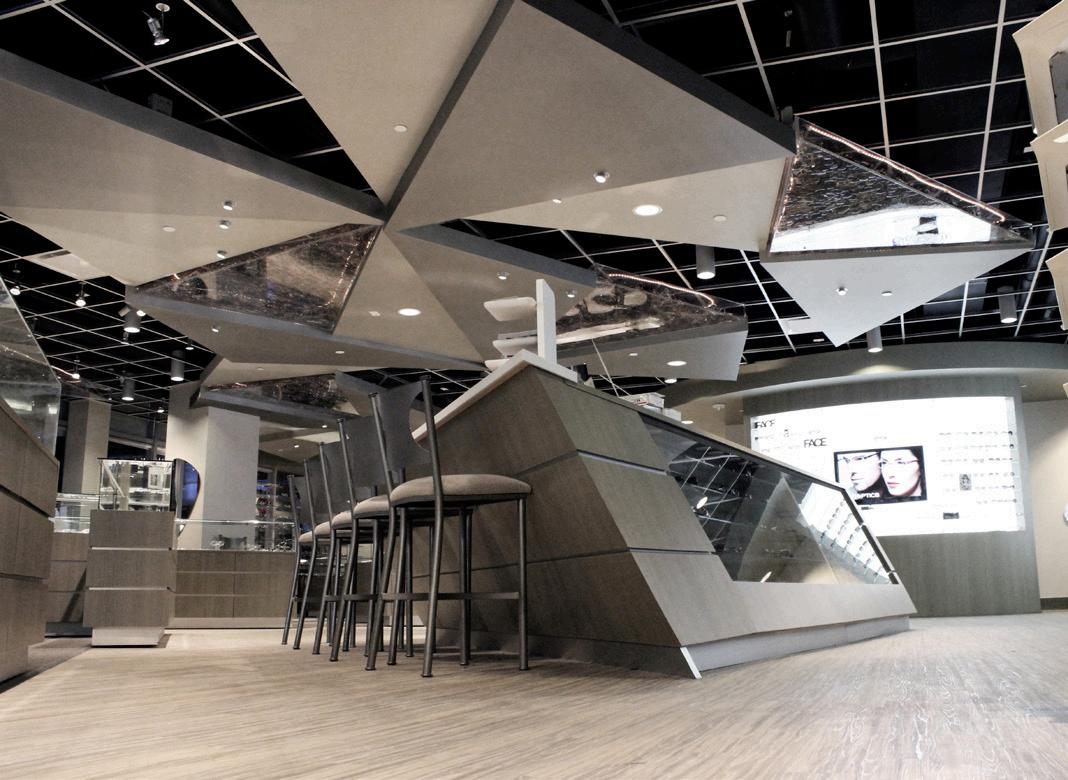
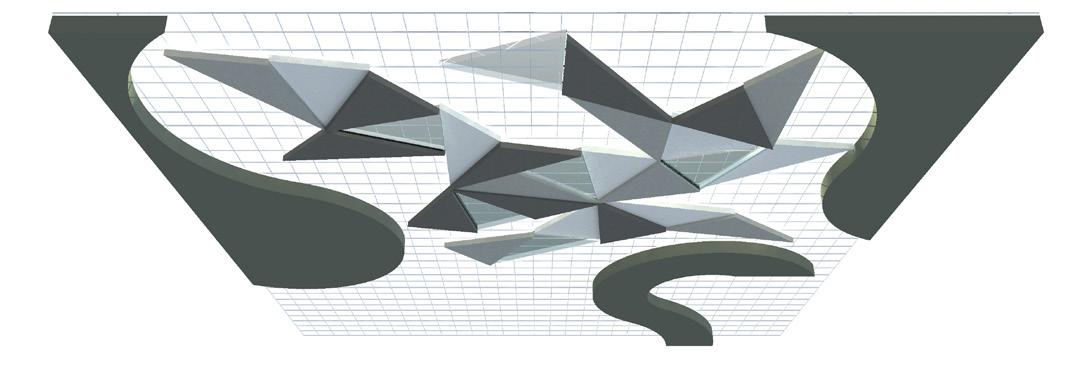
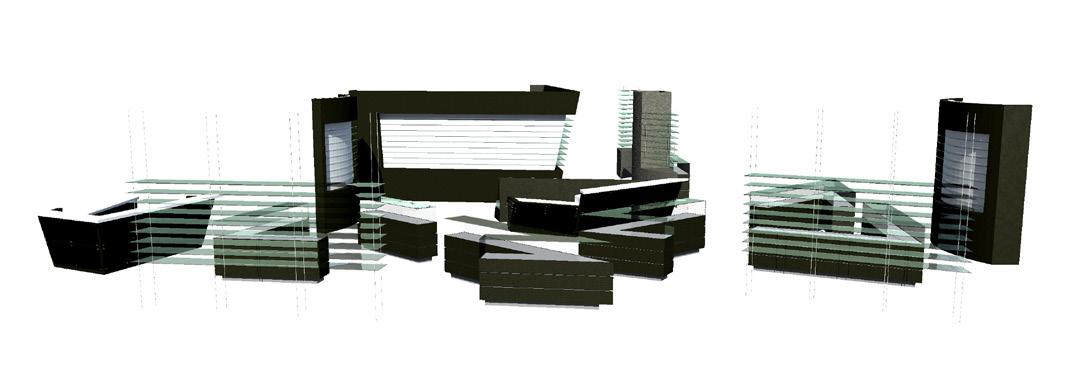
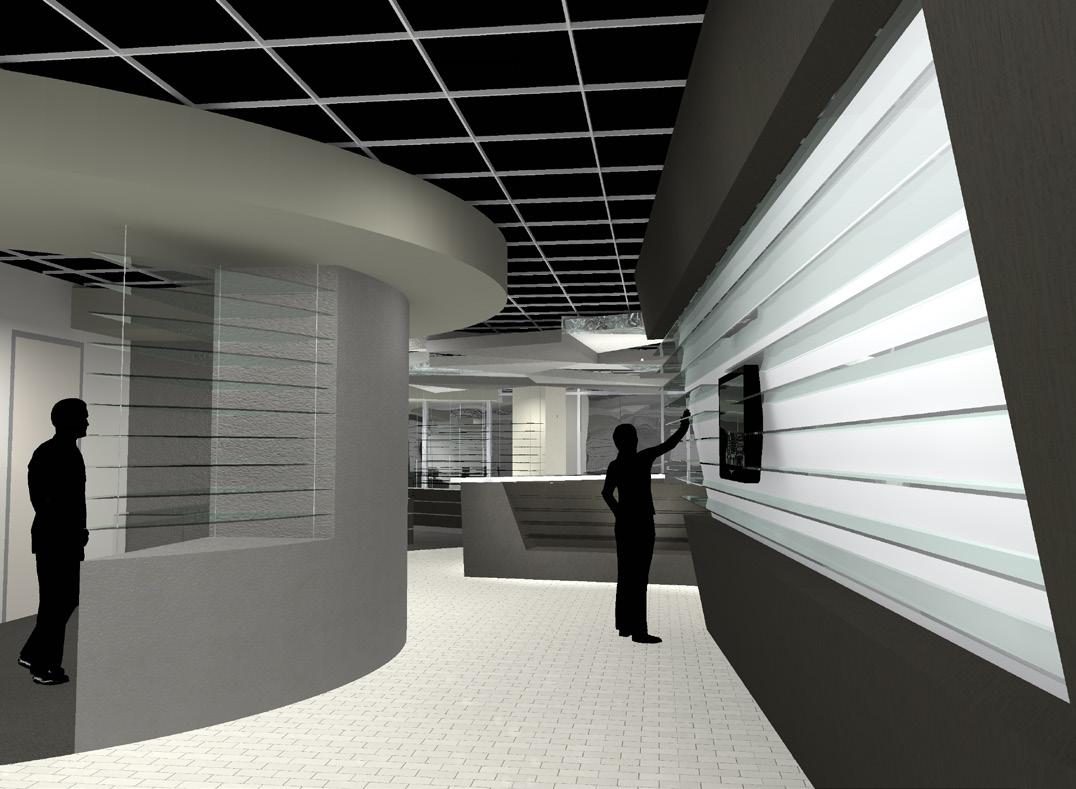
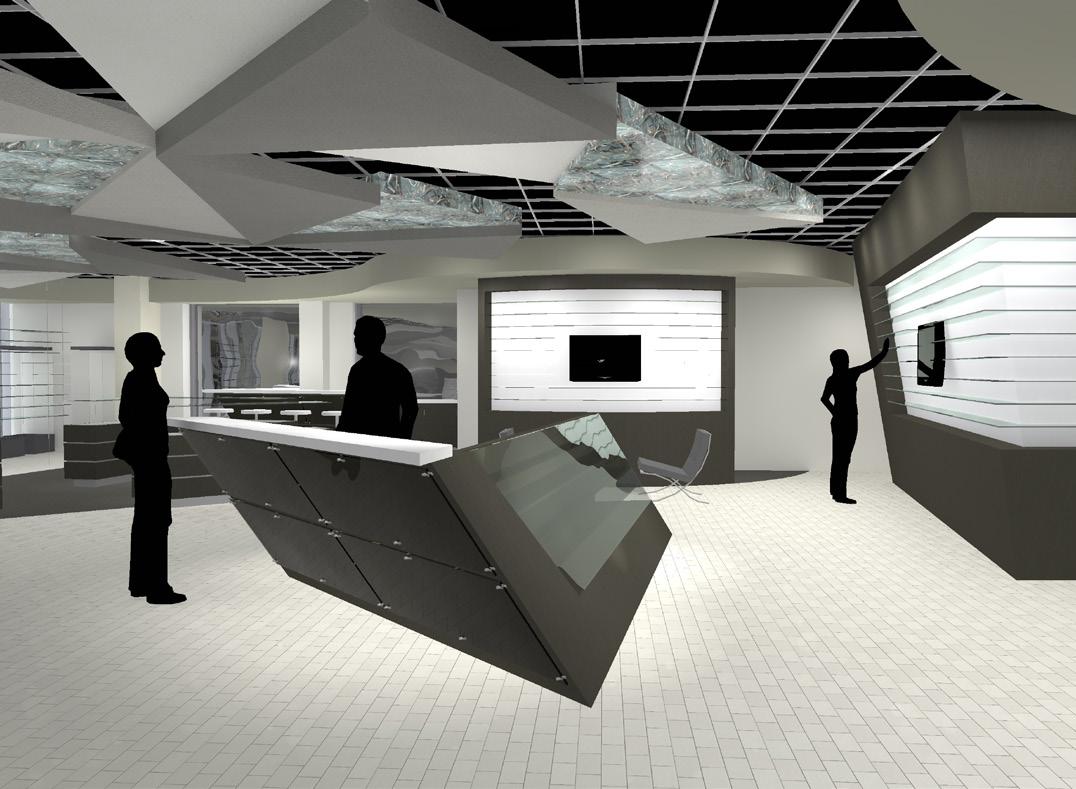
Europtics is a high end eye wear retailer located in Denver, Colorado. The interior architectural design for the flagship store demanded an unprecedented optical retail experience, accomplished by means of custom display mill-work and a triangulated ceiling cloud system utilizing recycled eyeglass frames.
Awarded position of chief designer/project manager following an in-house design competition.
Awarded 2012 national DARE (Dispensing and Retail Excellence) award for the most daring store design and retail environment.
CEILING
Suspended clouds filled with recycled eyeglass frames create a sustainable design element exclusive to this store.
DISPLAY
Unique display cases and walls, establish a distinctive modus operandi for the Europtics flagship store.
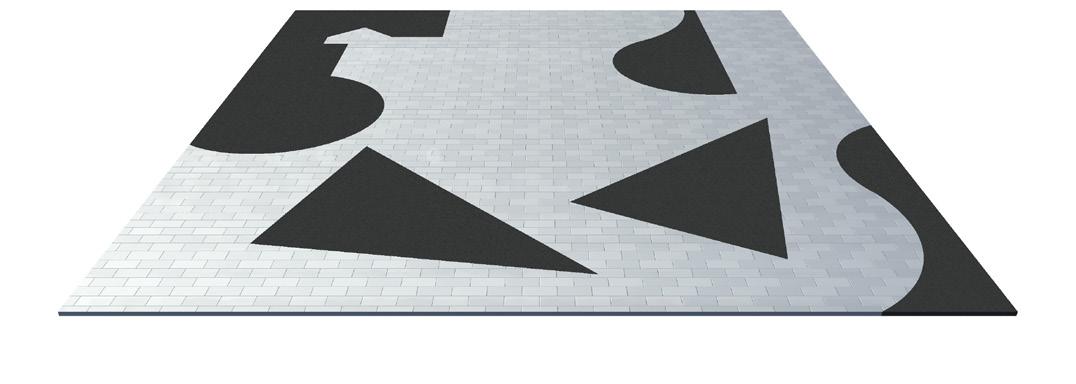
FLOORING
Simplistic floor pattern provides basic way-finding and
MILL-WORK DESIGN DETAILS
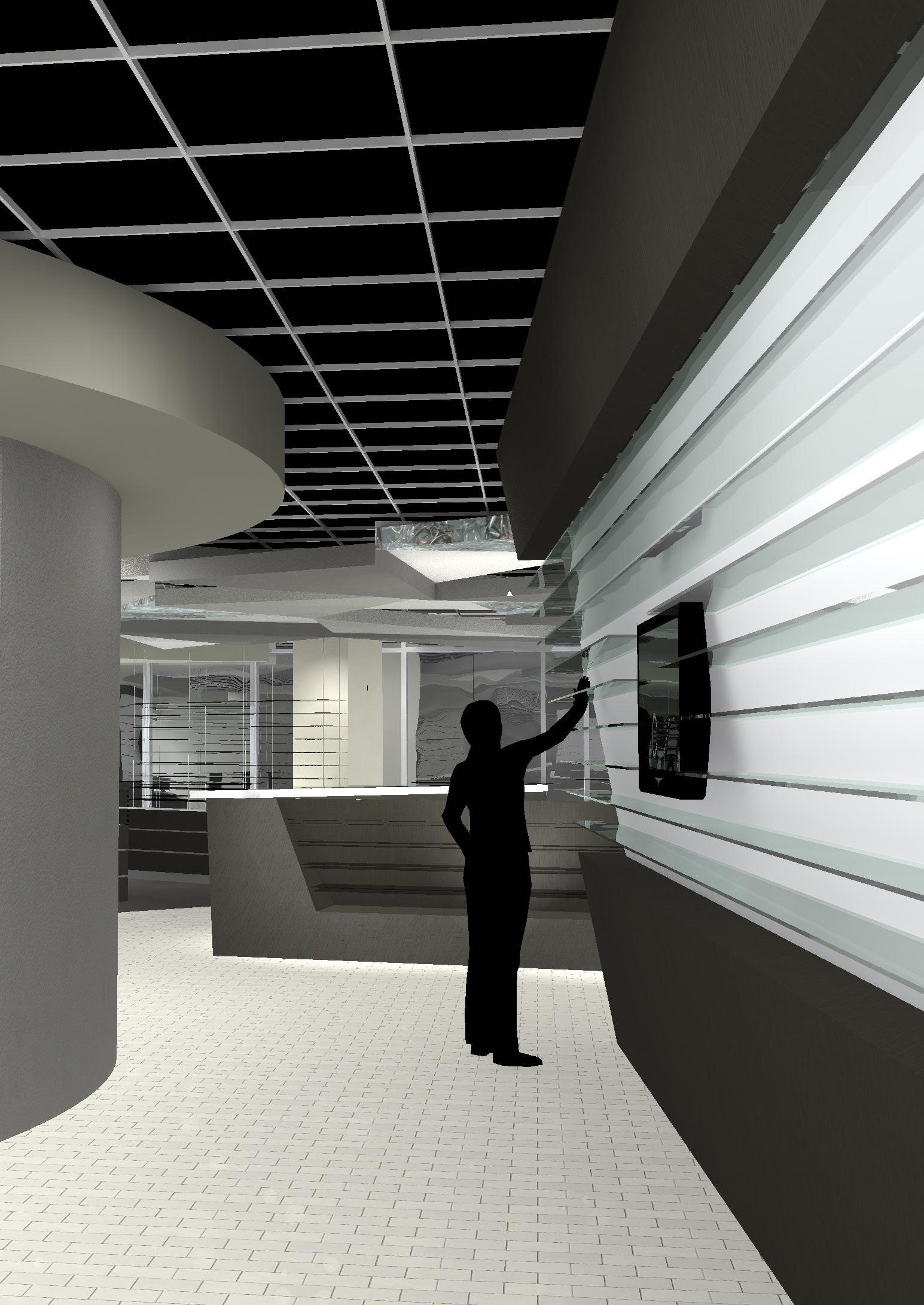
Sampling of two mill-work designs detailed construction documents. Including the large canted glass shelving wall unit with back lighting and the transaction counter incorporating a glass display case. All material specs and fixture designs by Melissa Swick.
CANTED GLASS SHELVING WALL UNIT
PROJECT _ 04
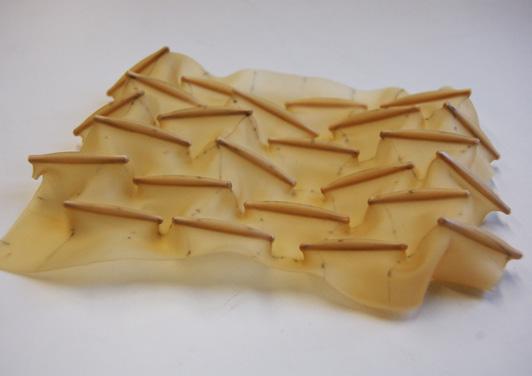
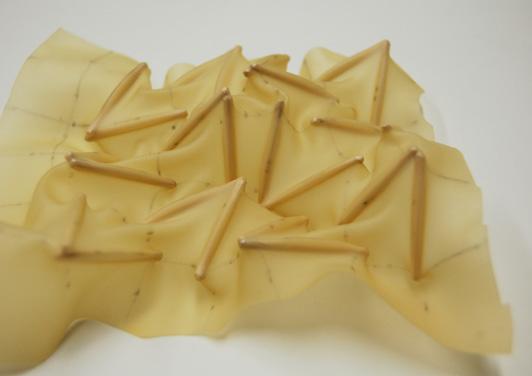
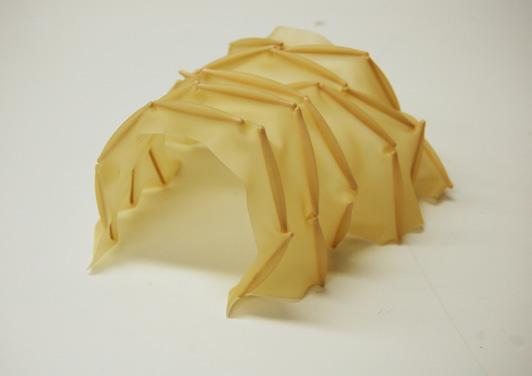
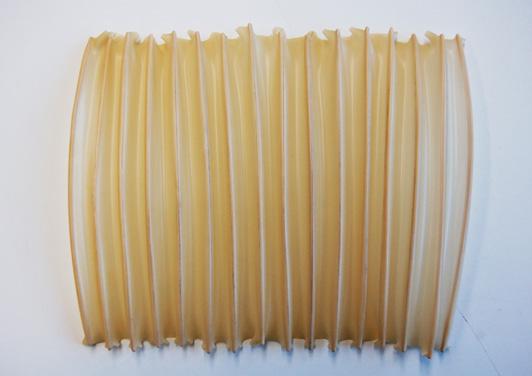
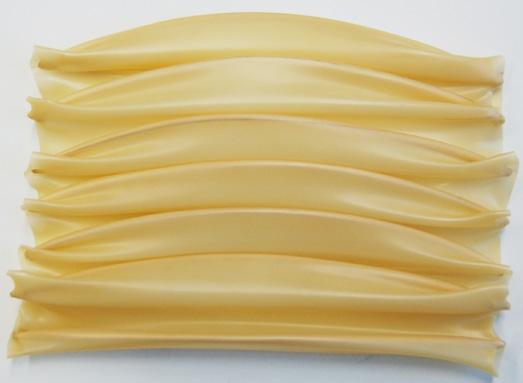
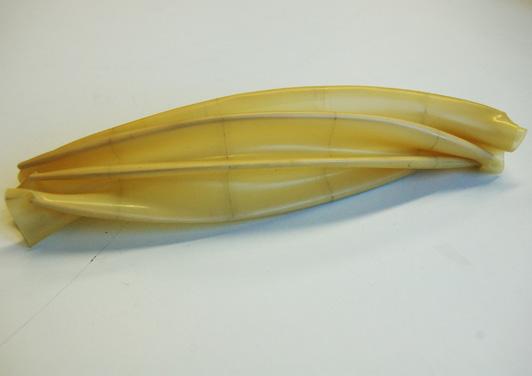
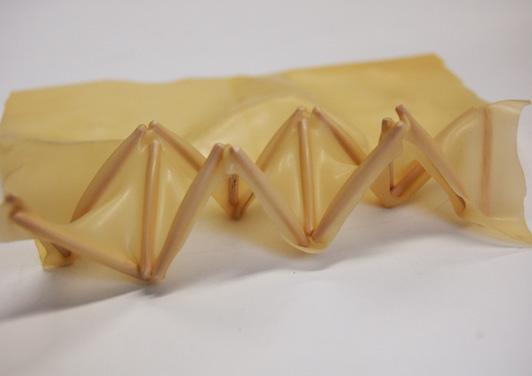
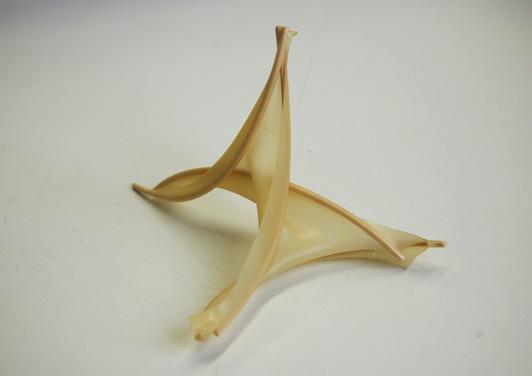
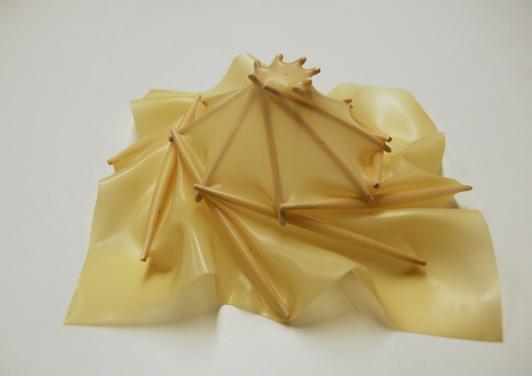
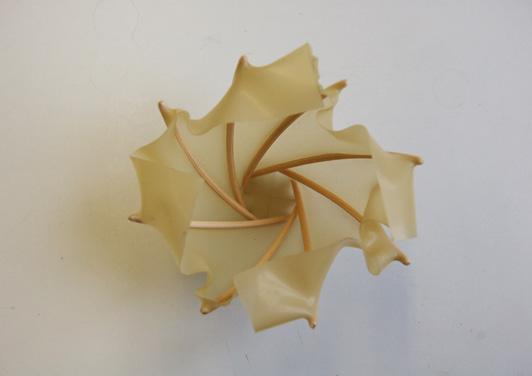
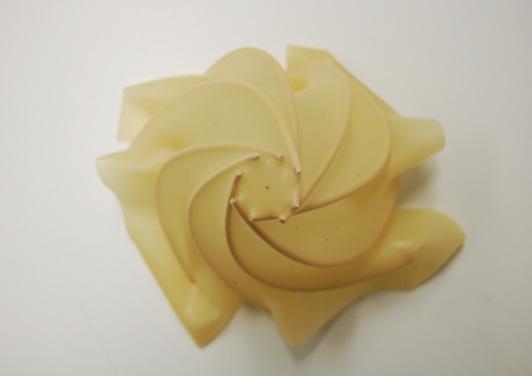
LATEX TENSILITY Master Thesis
An investigation between the materials that form space and the bodies that inhabit it. Advising Professor: Mirco Becker
https://vimeo.com/70096790
STUDY MODEL SERIES
AGGREGATION PLEATING
SYSTEM DEVELOPMENT
TENSEGRITY ROTATION
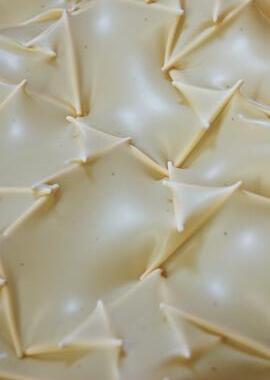
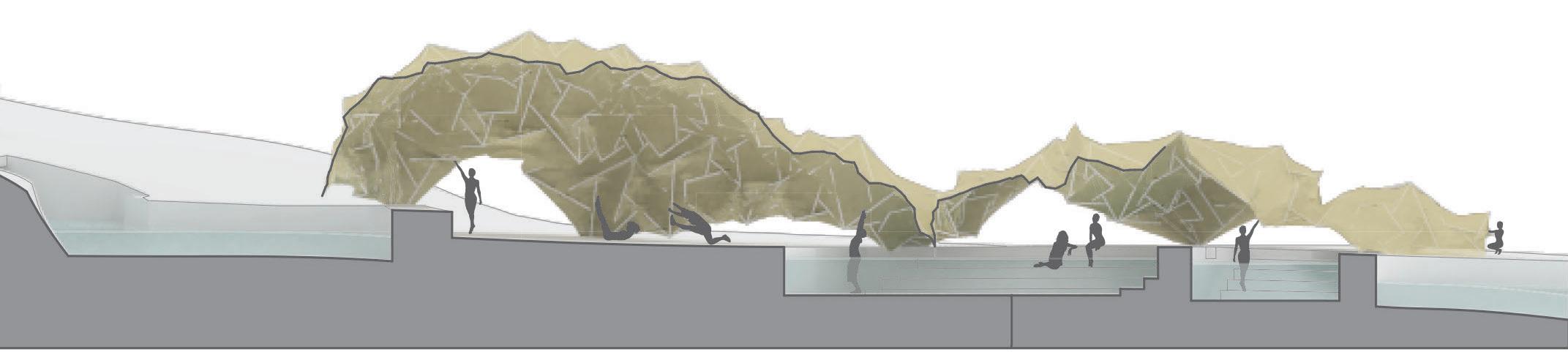
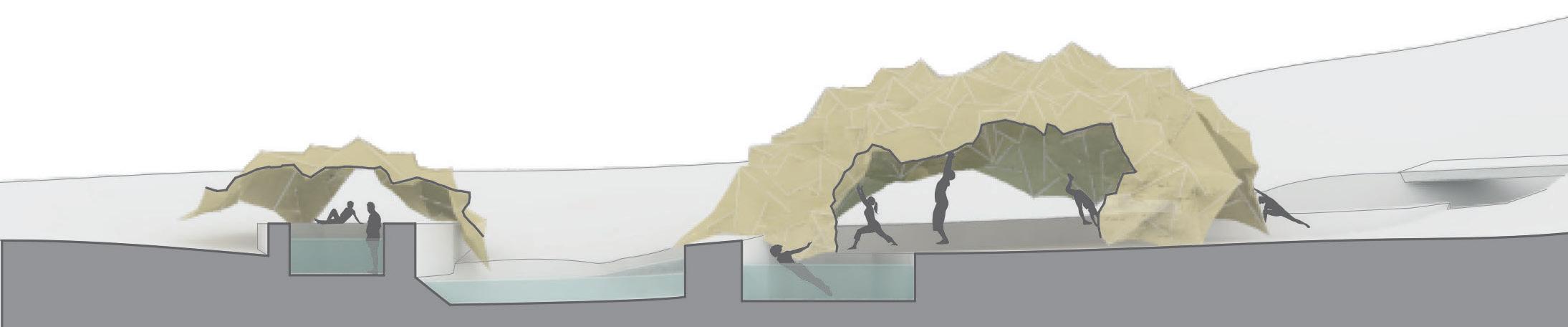
Further development of the tensility system provides design opportunities in the form of spatial variation, having the ability to create multifaceted structures encompassing a large range of spatial situations, by means of an ever-adaptable structural system. This aspect, the flexibility of form, in combination with the hyper-plastic quality of the latex membrane provides for a new dialog between the user and the architecture.
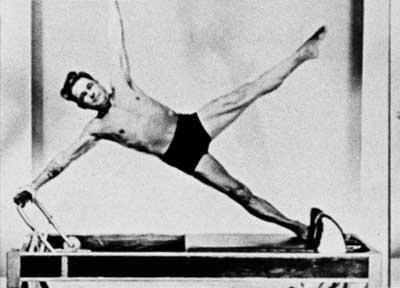
The non-static attributes of the system propagate performative design qualities in the form of a flexible architecture. The structure serves as an apparatus for physiological stretching by means of elastic resistance through physical human interaction. The structure becomes a tool for physical wellness thus blurring the line between machine and architecture.
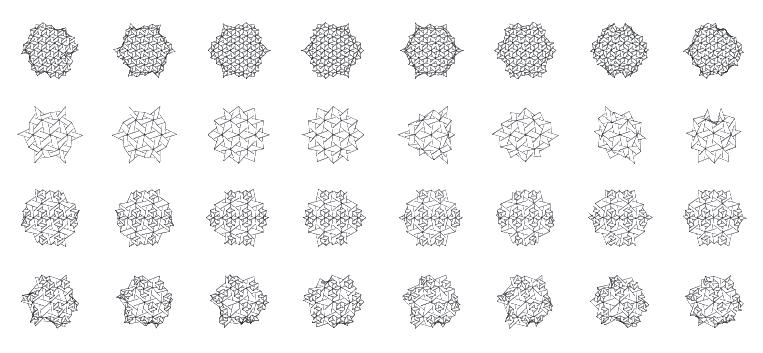
SIERPINSKI TRIANGLE
DESIGN SYSTEM
DIGITAL PROTOTYPES
PHYSICAL PROTOTYPES
PROTOTYPE _ 01
PROTOTYPE _ 03
PROTOTYPE _ 02
PROTOTYPE _ 04
APPARATUS ARCHITECTURE
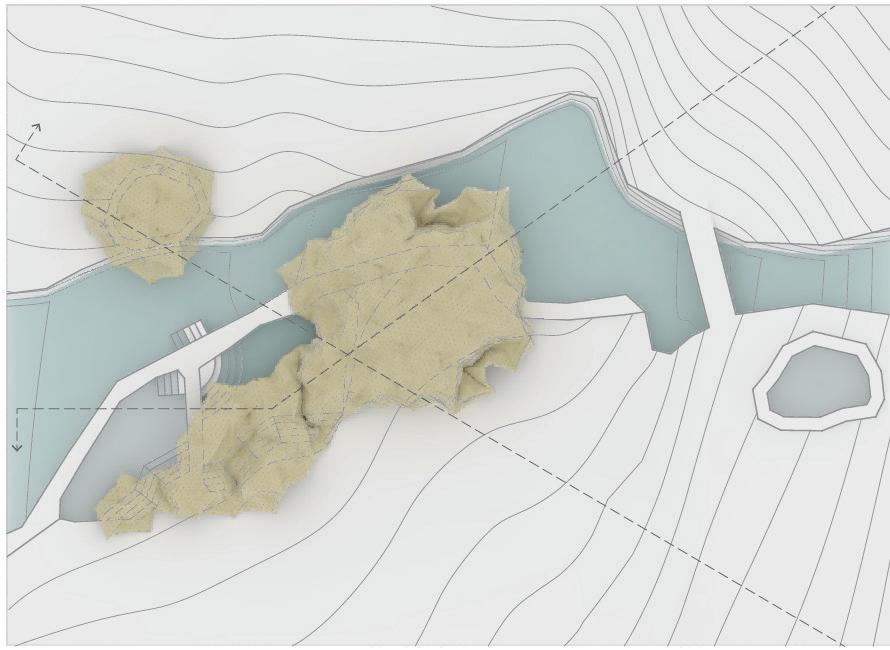
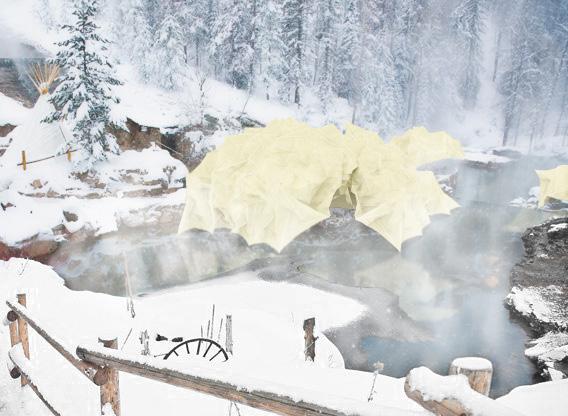
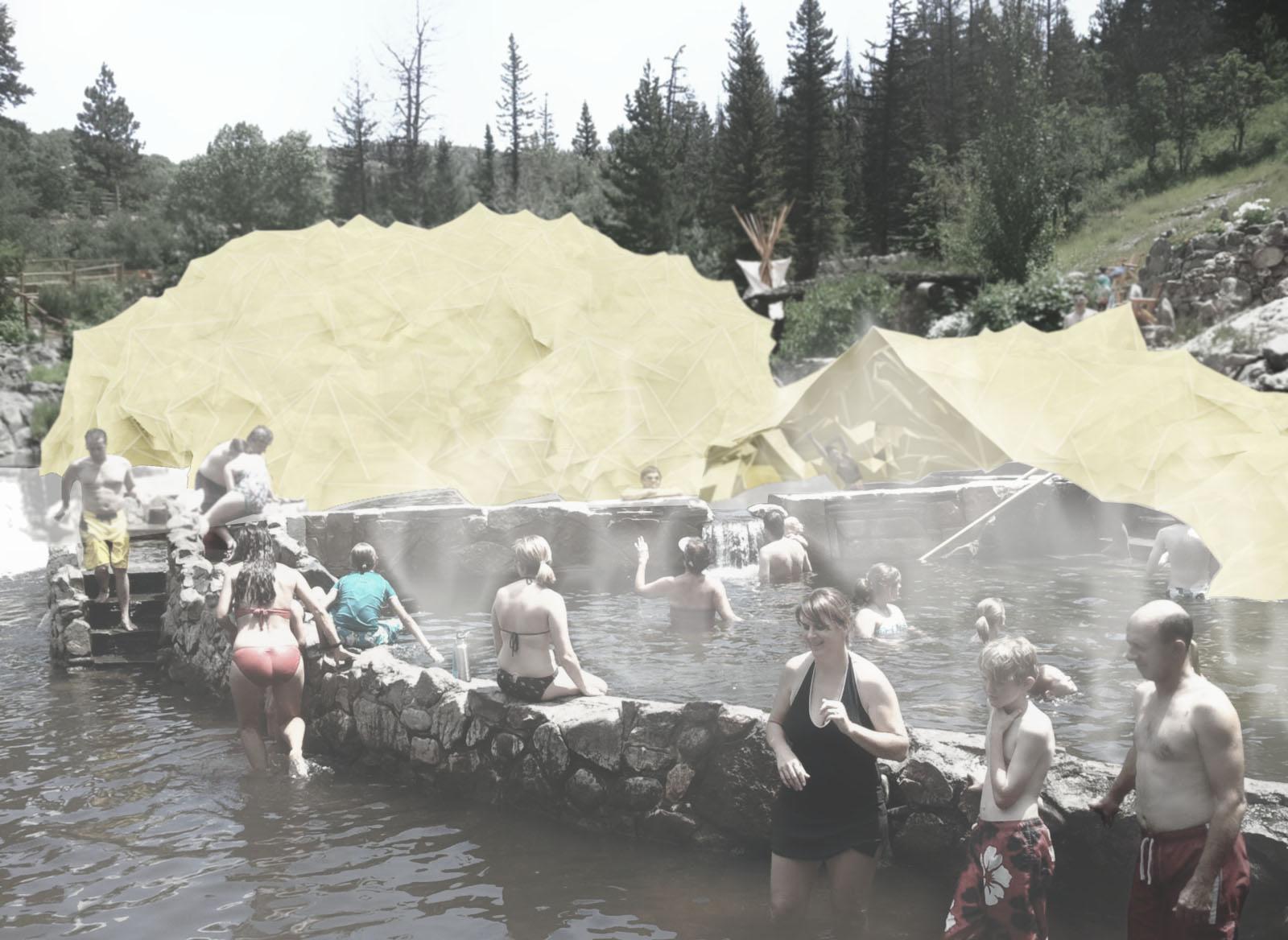
The wellness club concept emerged through research of stretching apparatus design development. Historically this type of machinery was used primarily as a means of physical therapy, and in more recent times as a form of physical fitness. Mindful of wellness, and the extreme flexible boundaries of the material system, a site with equally extreme conditions and a site-specific reference to wellness was chosen. The site selected is a natural hot springs park located in the Colorado Rocky Mountains of North America. The site has an extreme climate with an average annual snowfall of 900 cm and approximately 250 days of sunshine, with a reference to wellness through the healing properties of the naturally heated mineral spring water.
STRETCHING APPARATUS
existing facilities
hot spring water
cold spring water
hot spring creek topography 60 m.
park entrance
STRETCH
STEAM
WELLNESS CENTER
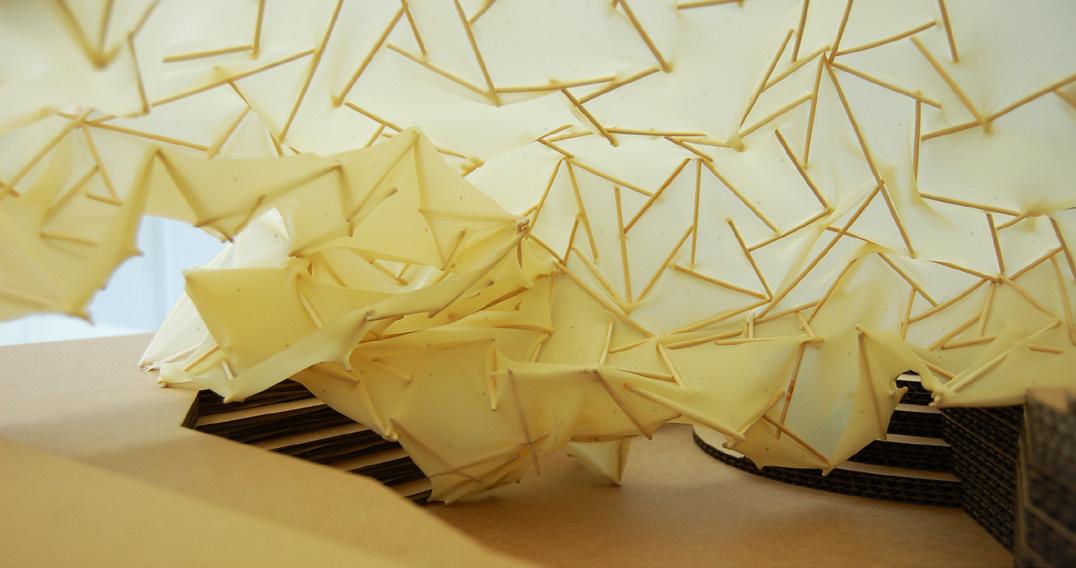
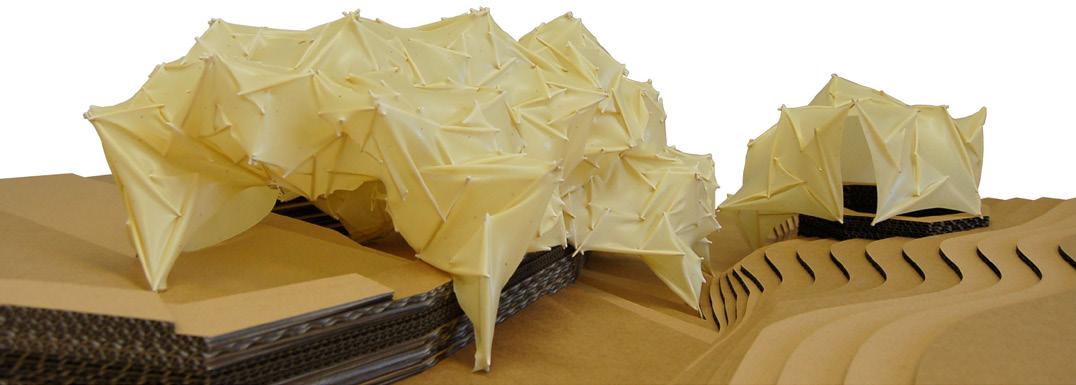
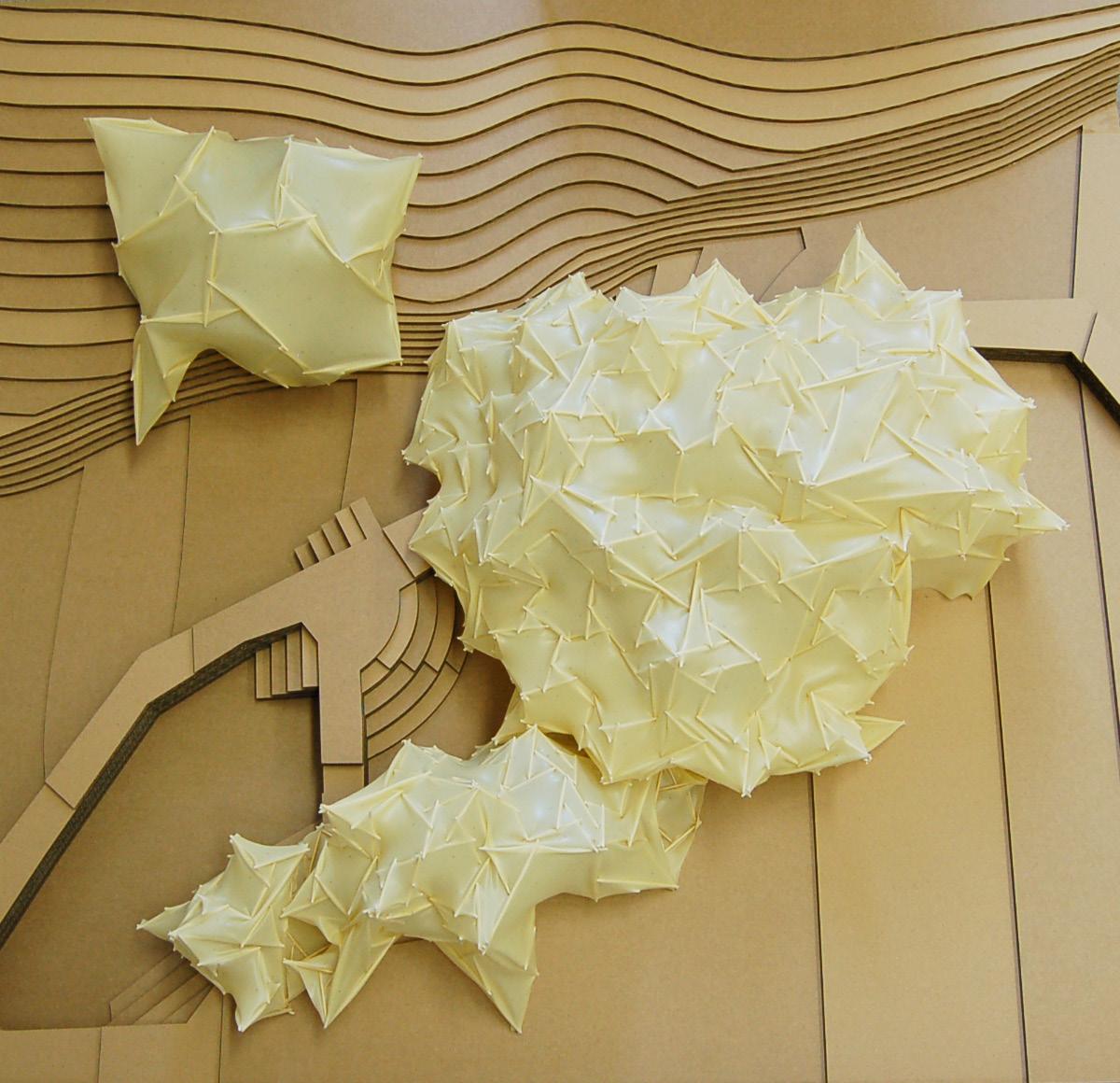
The tensility system responds to the extreme environment by means of site intervention. Placing structure above and around the natural hot springs creates entrapment for the continually released steam, creating a naturally heated and humidified environment and membrane serving as protection from snow and dry heat.
PHYSICAL MODEL
PROJECT
_
05 NODE 13 EXHIBITION Frankfurter Kunstverein
The brief was to design and build a coherent spatial structure for NODE 13 at the Frankfurter Kunstverein with a strong identity for the festival and a reflection of the NODE corporate identity. NODE is a festival for digital arts and culture. It’s a week long rush of A/V performances and exhibitions by artists of the digital and analog media scene from all around the world. Participation included design development and execution along with a team of classmates from the Städelschule Architecture Class. Advising Professor: Mirco Becker
https://vimeo.com/60655030
MATERIAL SYSTEM
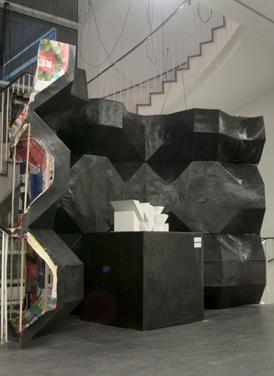
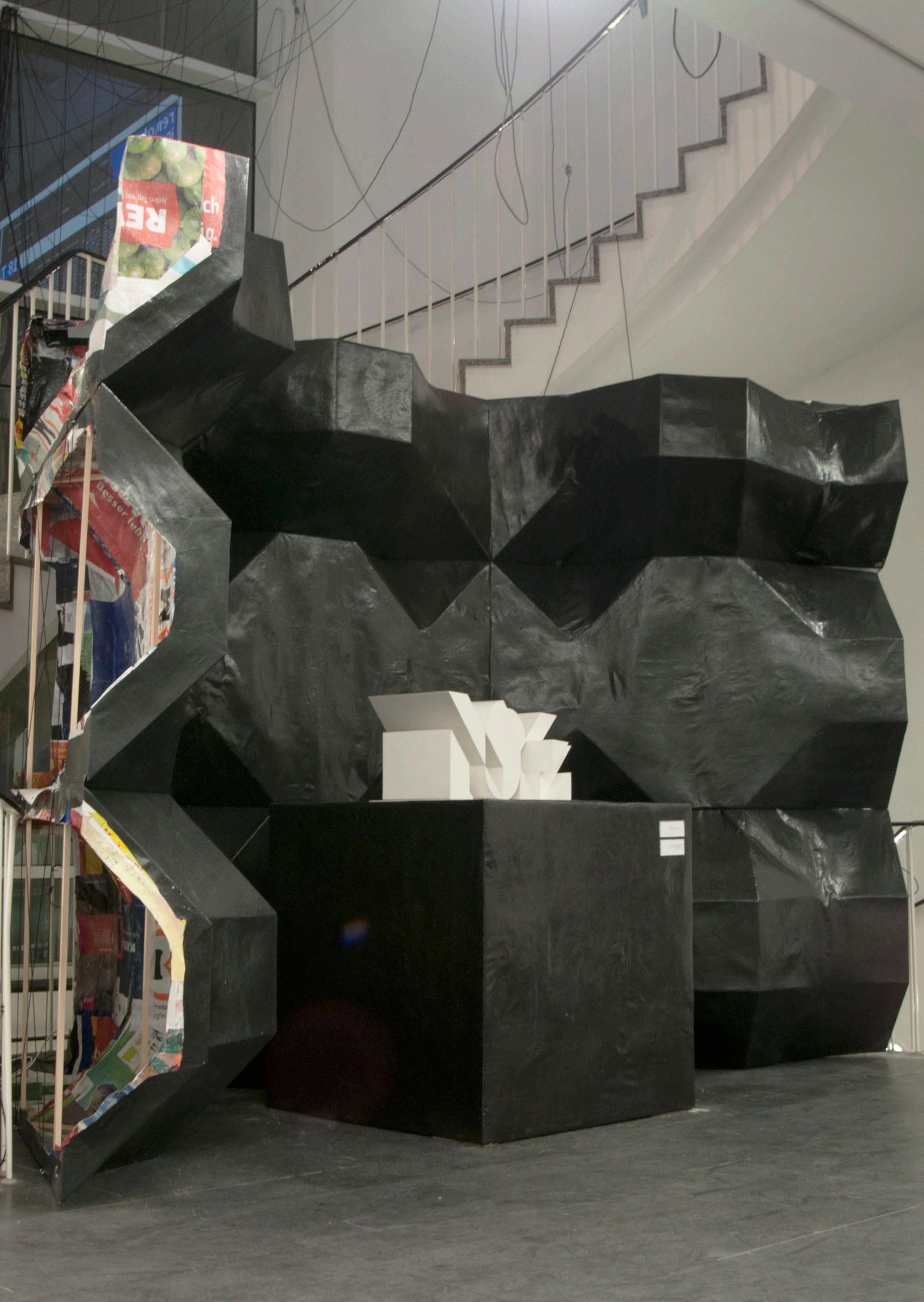
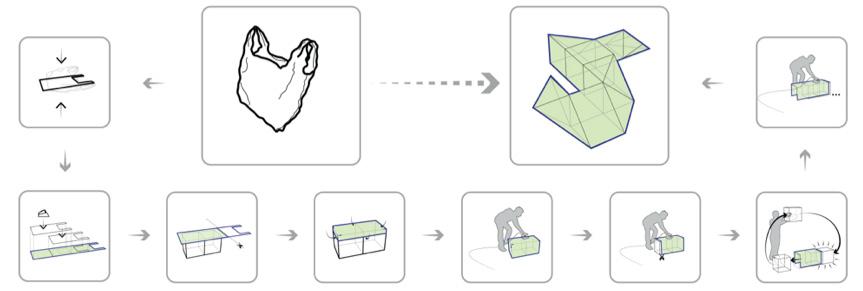
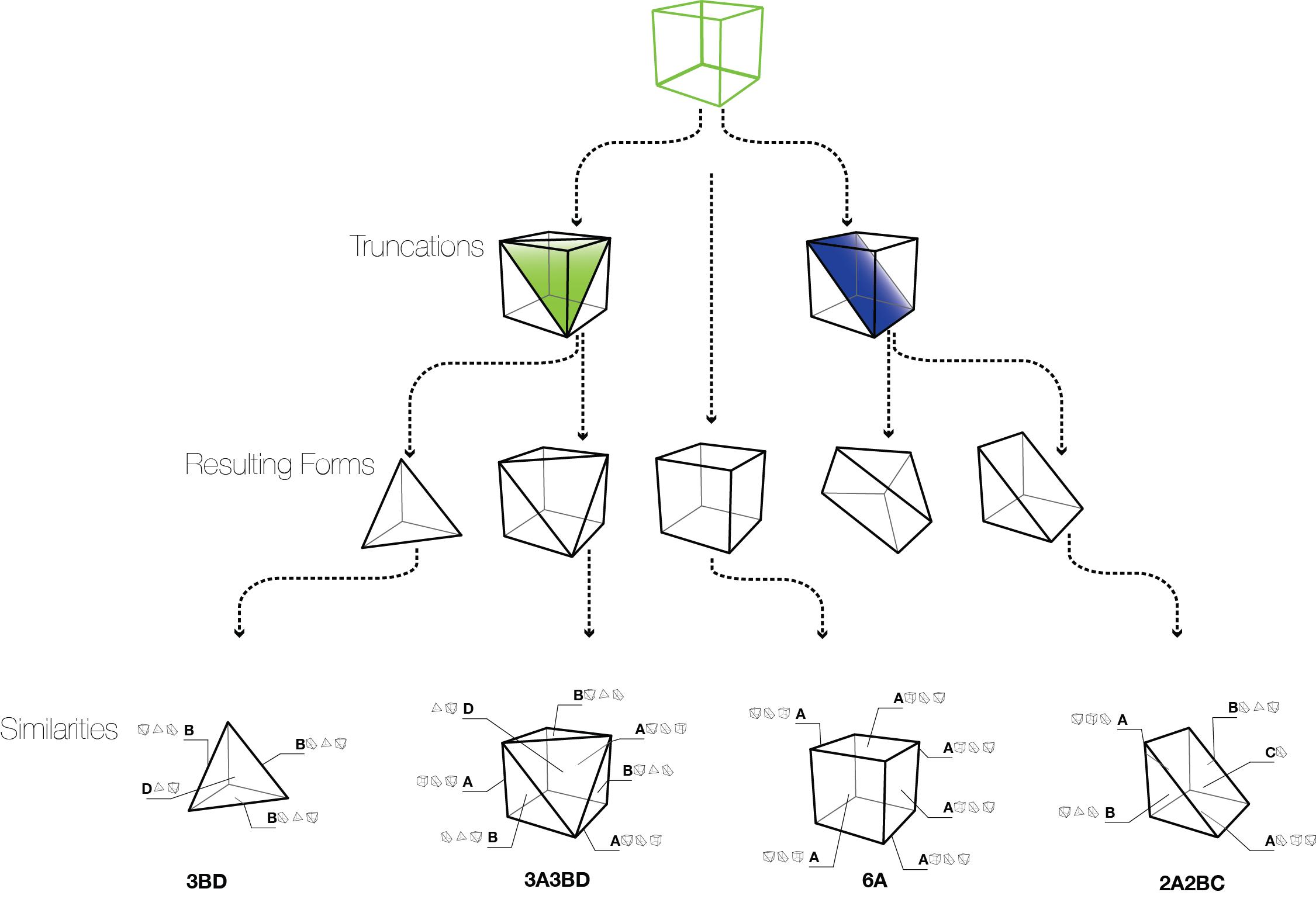
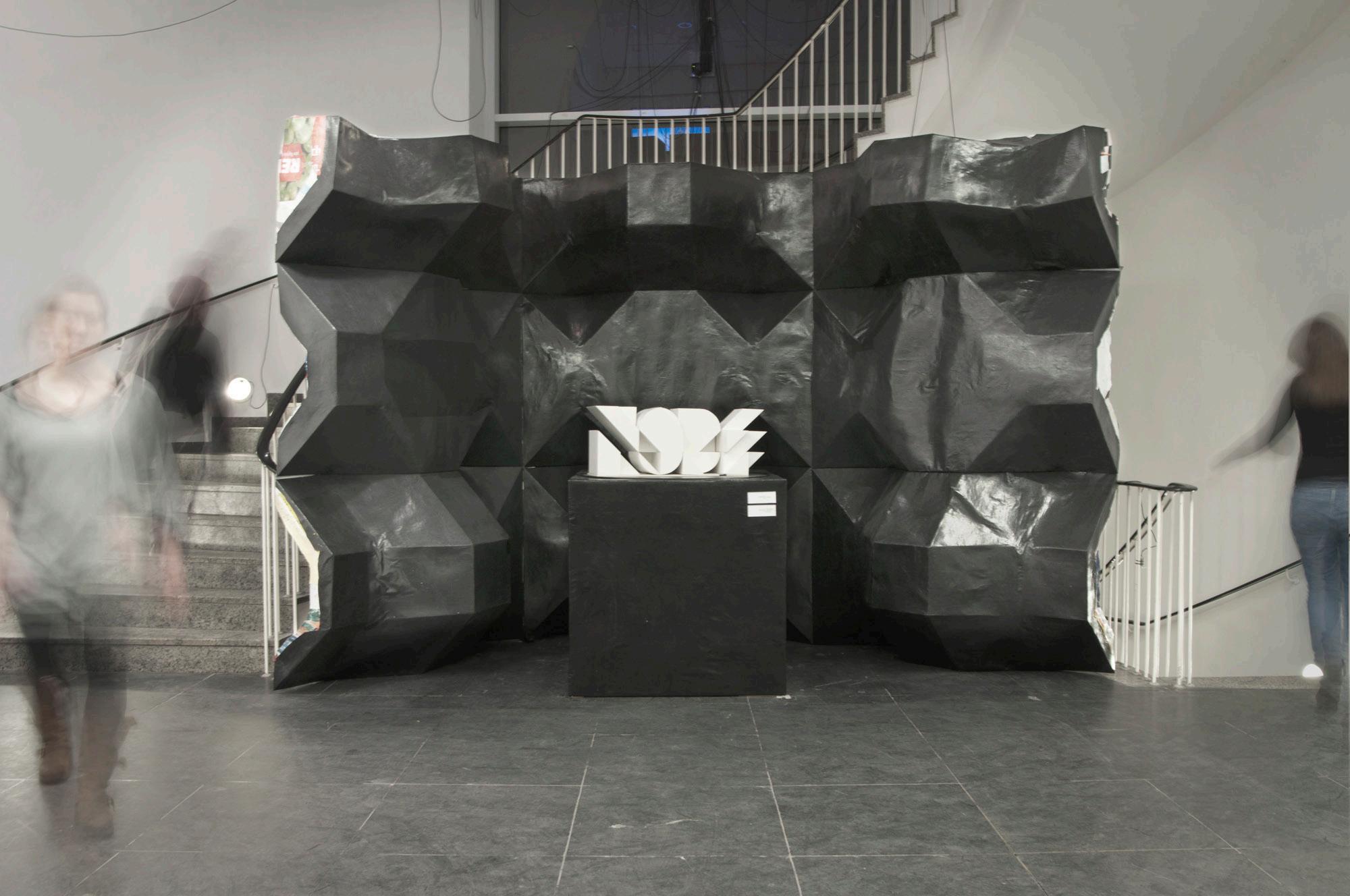
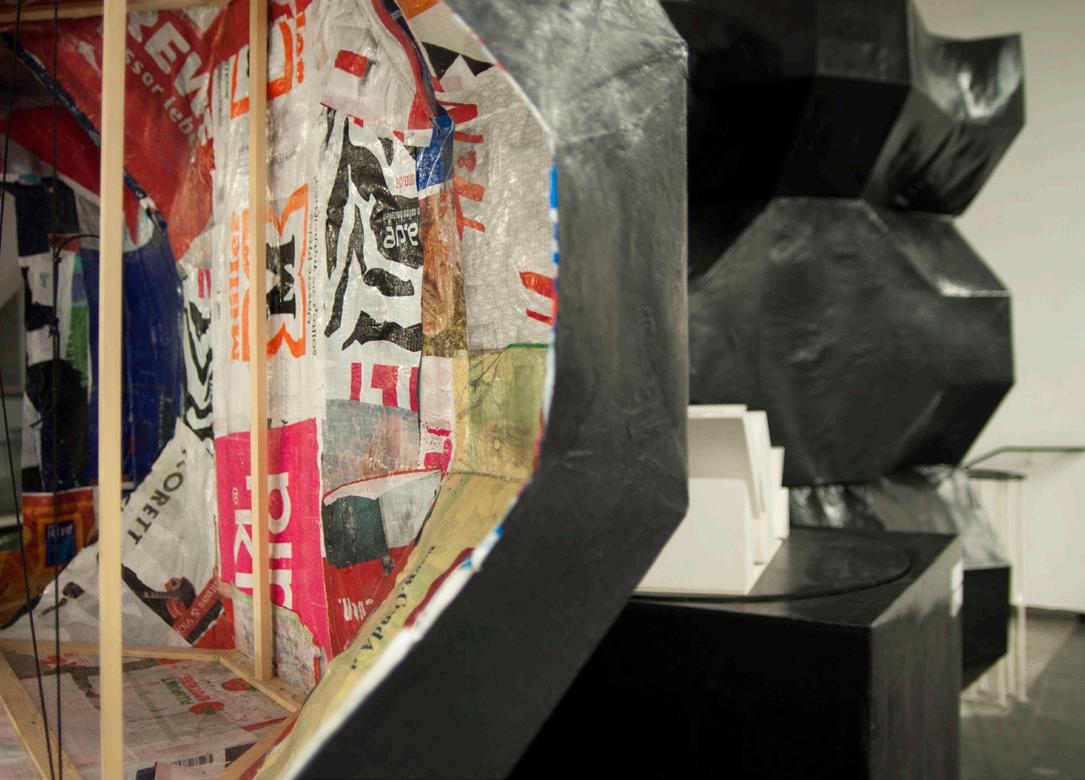
The material system utilized in the design was Heat Pressure Laminating. The technique consists of layering recycled plastic bags and fusing them together by means of applying heat and pressure simultaneously (using an iron). However for optimum results this process should be carried out on flat surfaces which was an informing factor of the design. Due to the constraints of the system, a modular molding technique was adopted that links the material studies carried out at the Städelschule and the spatial requirements of the Festival. The geometry of the modular molds is based on a set of polyhedrons abstracted from the 2D data provided by NODE 13’s visual Corporate Identity. These geometries are then used as molds onto which the plastic is laminated. Once the layering is done the mold can be removed and placed in a new position for future layering.
PRODUCTION AND EXHIBITION
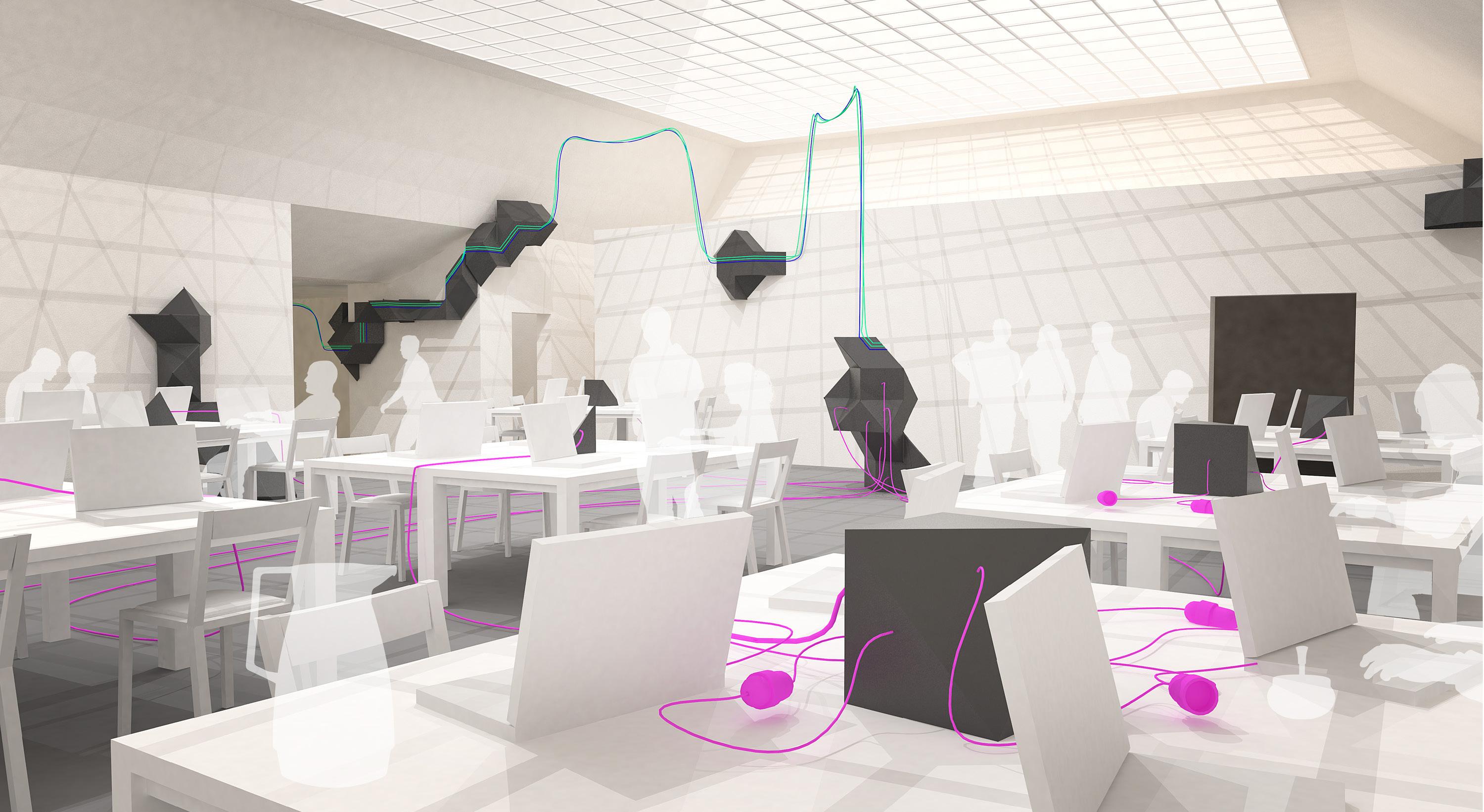
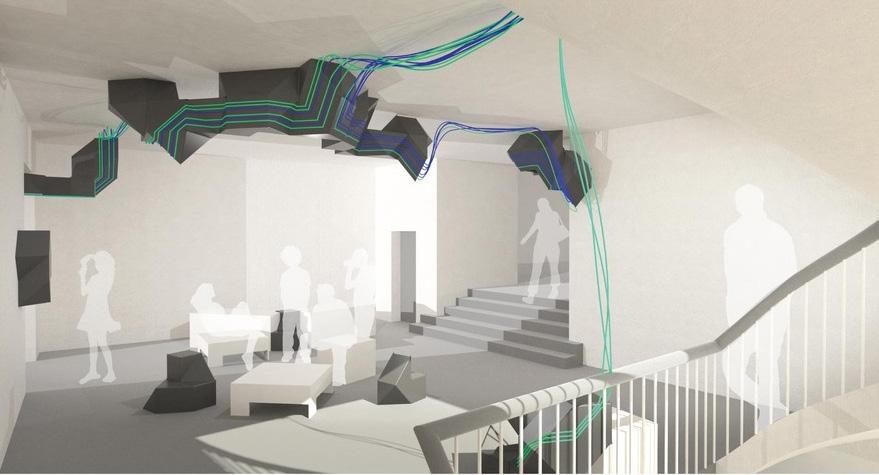
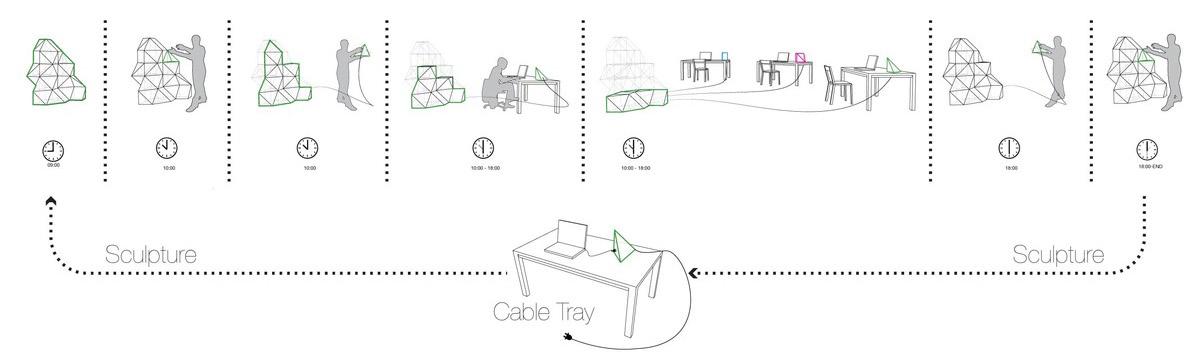
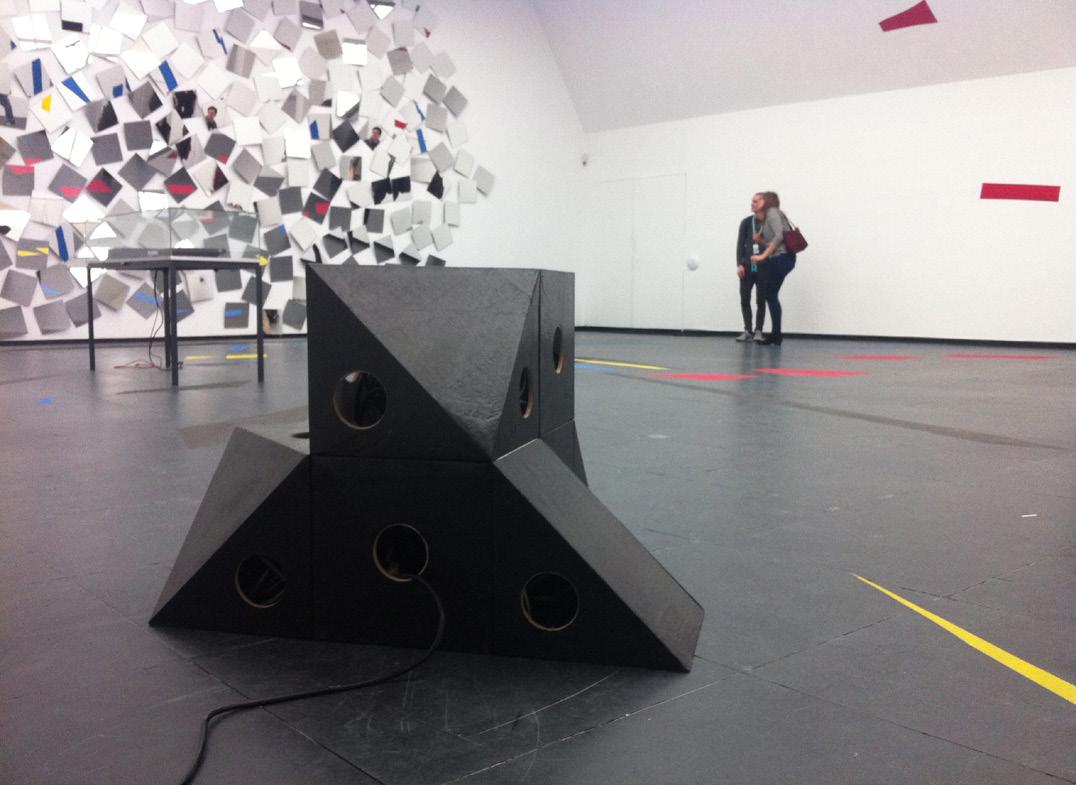
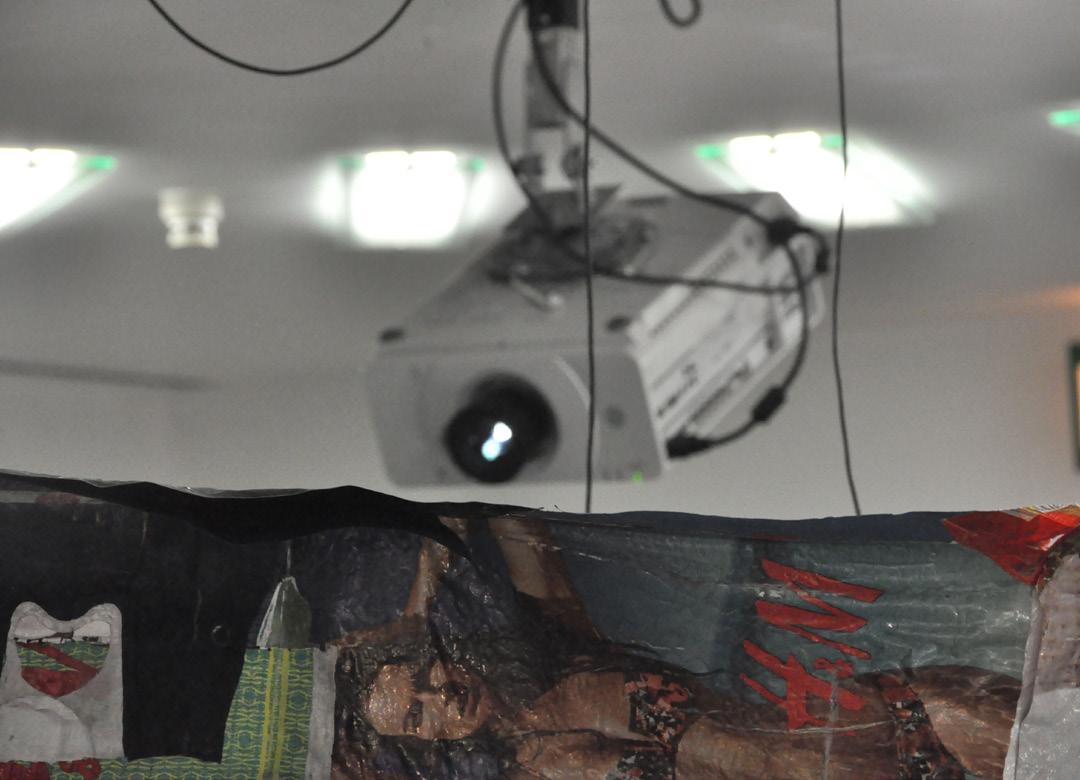
The main objective behind the proposal was to create a continuous spatial and visual experience. Since most of the rooms at the Frankfurter Kunstverein would be doubling as exhibition areas and workshop spaces, a key factor of the design was to create a system that could be adaptable and therefore modular in order to be easily moved during daily transition times when workshop spaces are being converted into exhibition spaces. With flexibility in mind, the concept for a system to organize, collect and centralize cabling came to be the design focus, as events of this type require large amounts of power and cabling. The concept was, cable tray by day, sculpture by night. The sculptures were a collection of a base structure and several connecting elements, which by day served as cable trays and power access, which could be neatly tucked away at night for the exhibition time, providing a centralized storage solution for all cabling and power cords. The final exhibition requirements called for a large backdrop and base for the main entrance hall of the festival where a display of projection mapping on a rotating sculpture would be exhibited. The backdrops were constructed with several layers of plastic bags and a final layer of black plastic was applied for the backdrop. The backsides of the backdrops were left raw to reveal their materiality and construction technique.

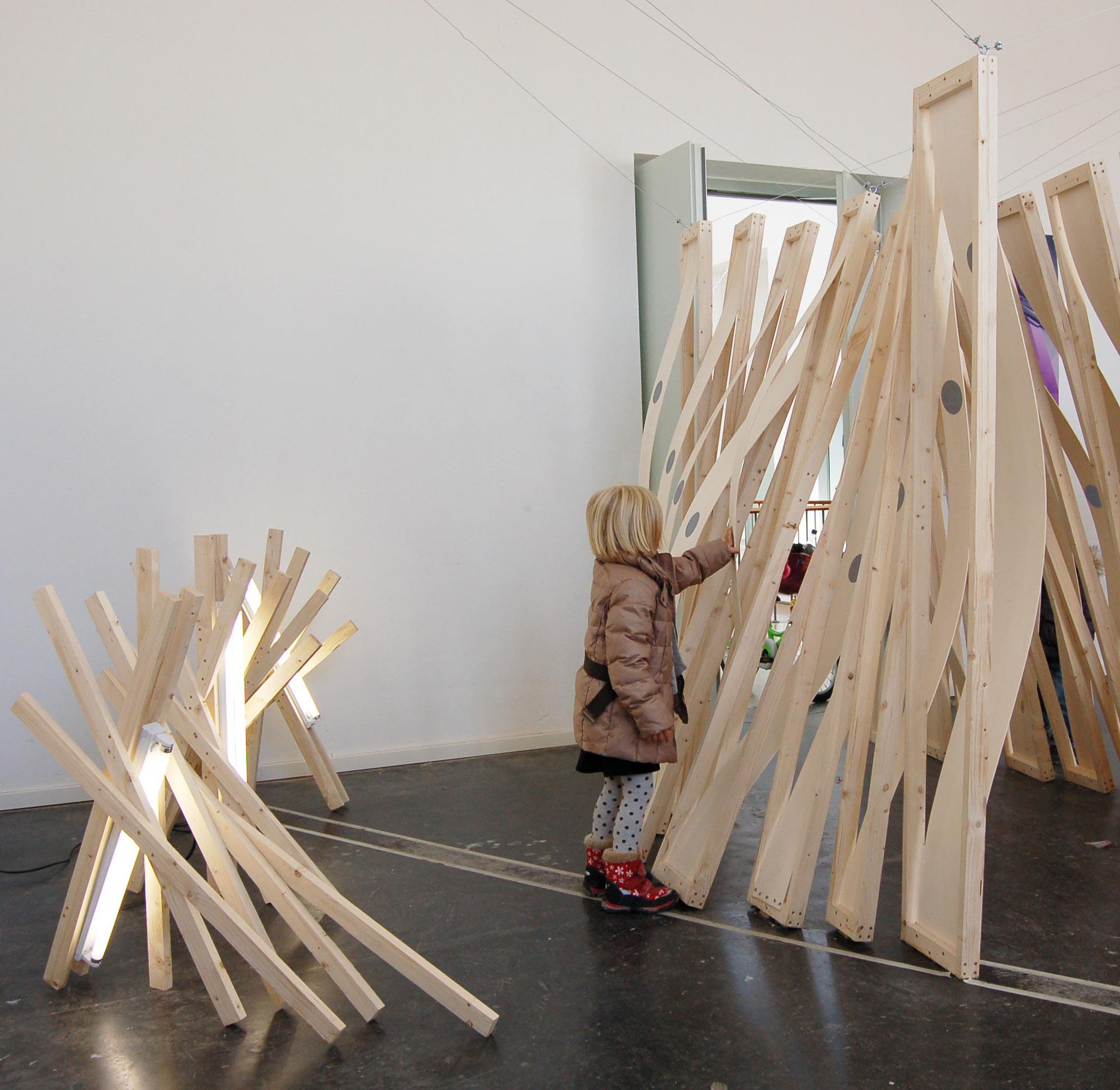
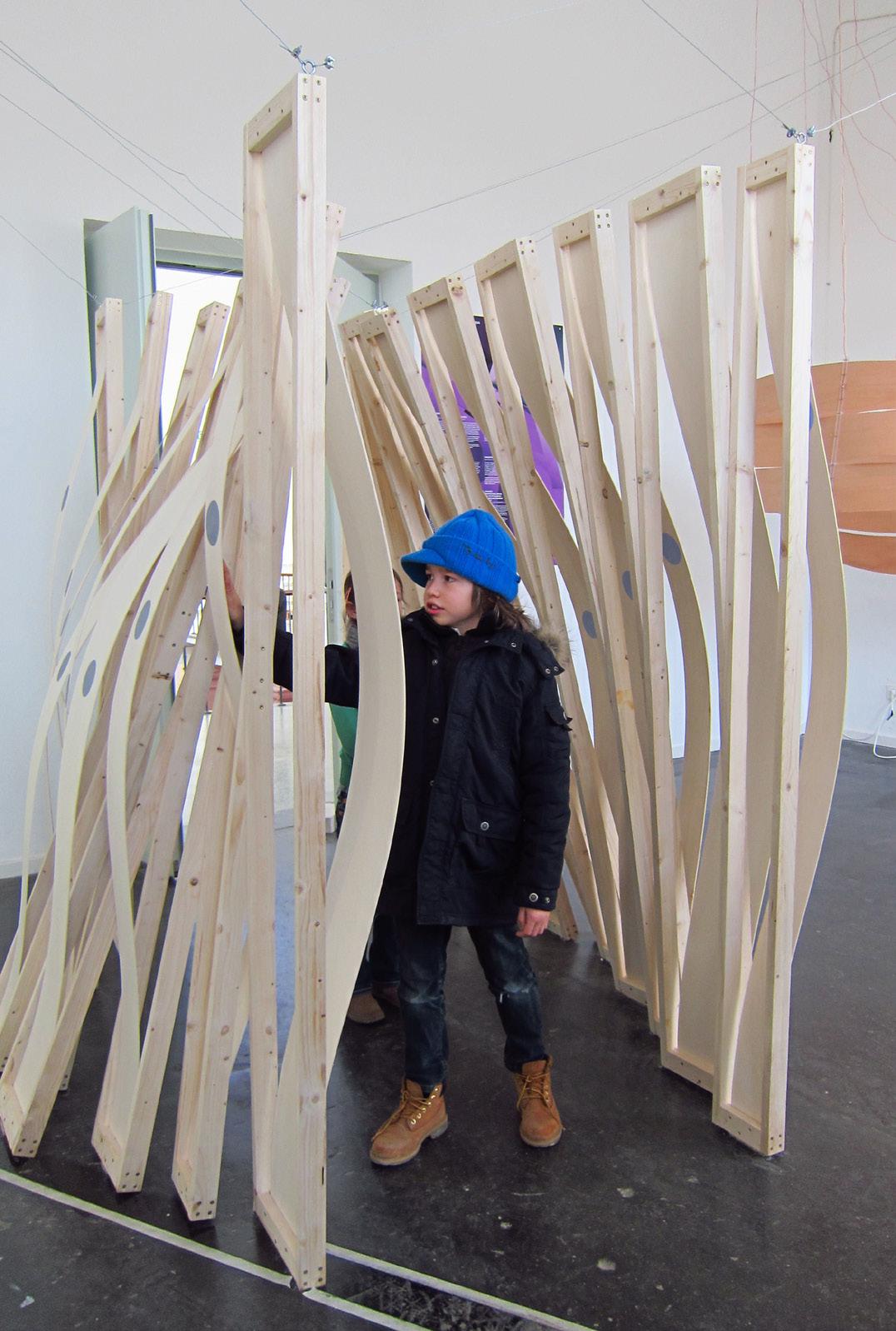
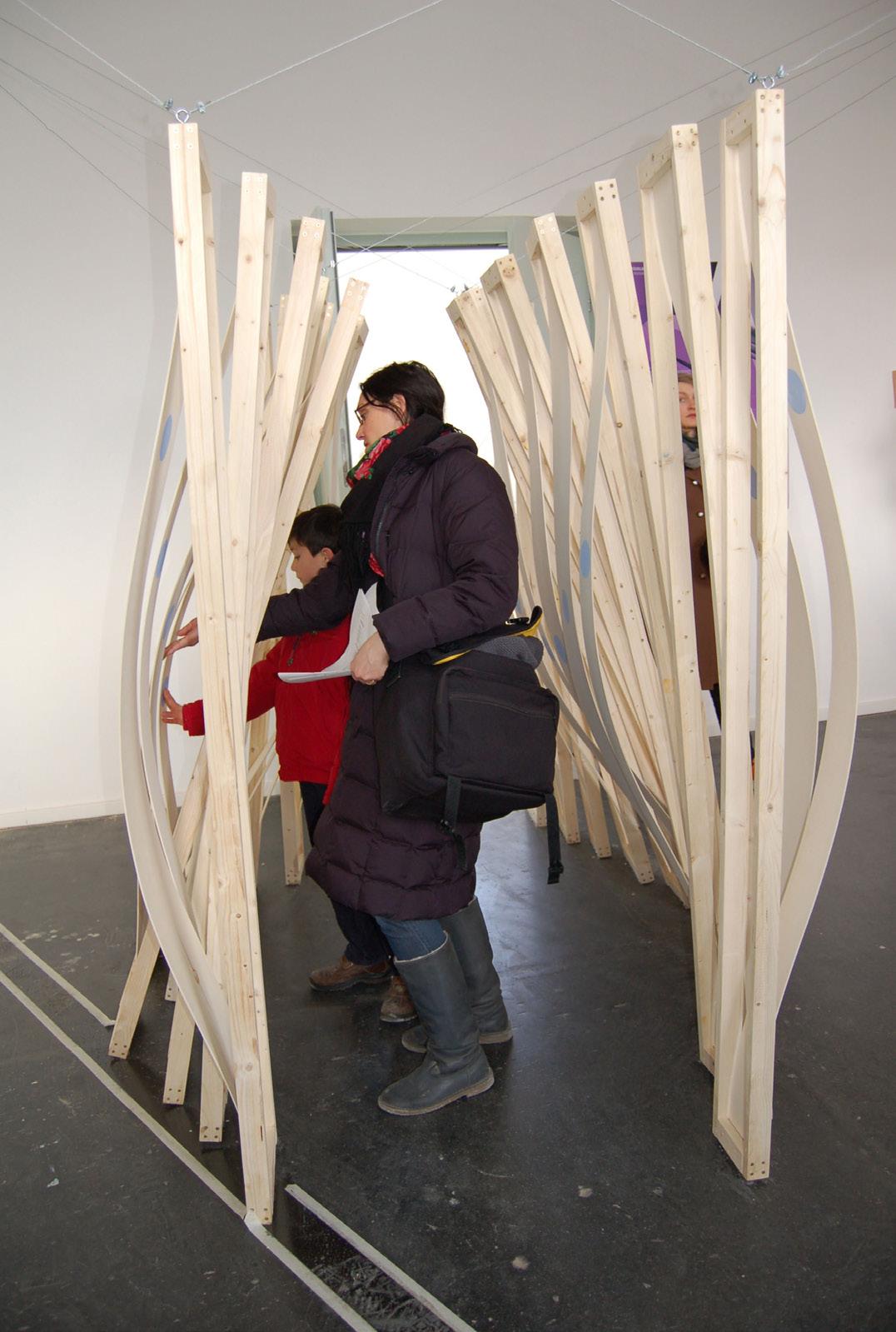
PROJECT _ 06 ADAPTABLE CORRIDOR Städelschule Rundgang 2012
Material research of both natural and smart materials to be utilized in an interactive, installation for the 2012 Städelchule Rungdang. Advising Professor: Johan Bettum
MATERIAL INVESTIGATION
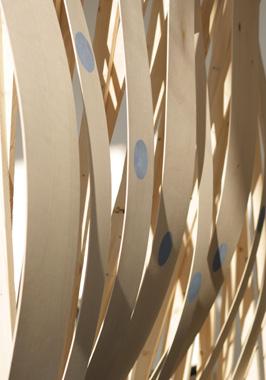
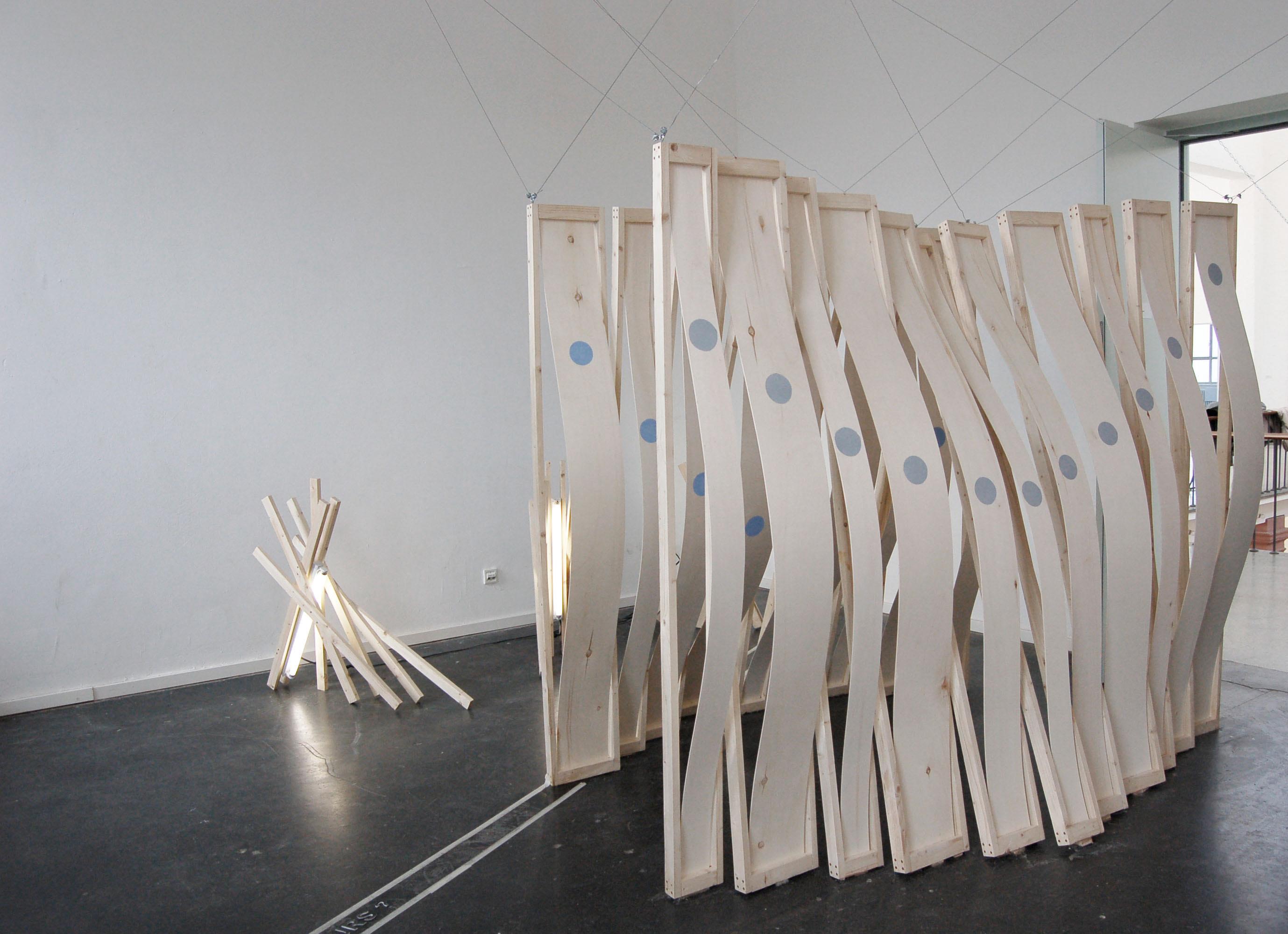
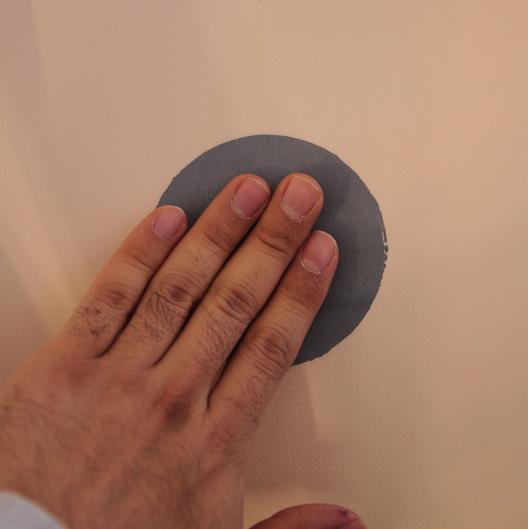
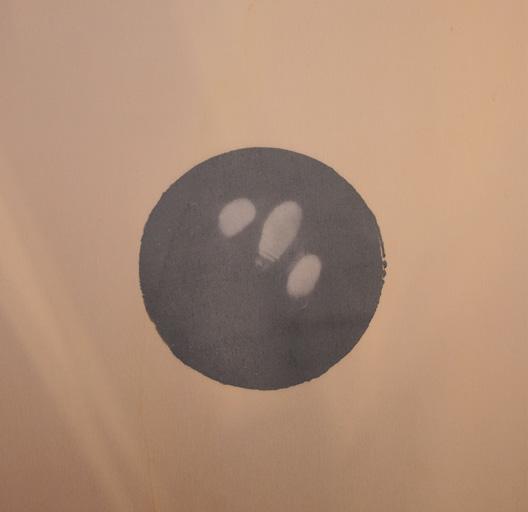
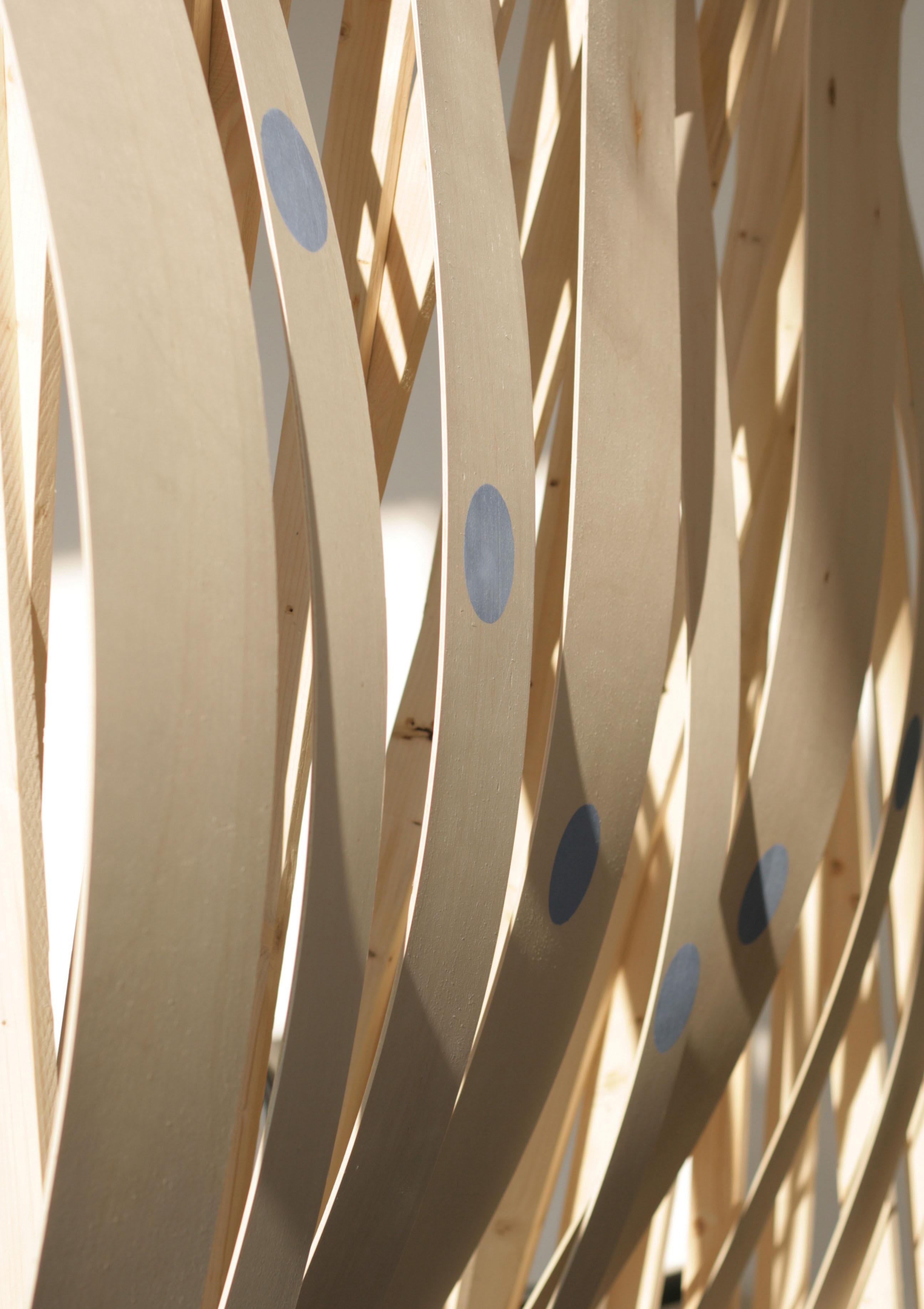
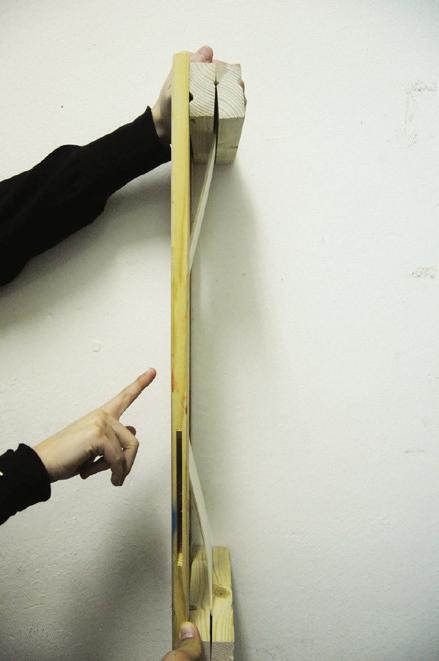
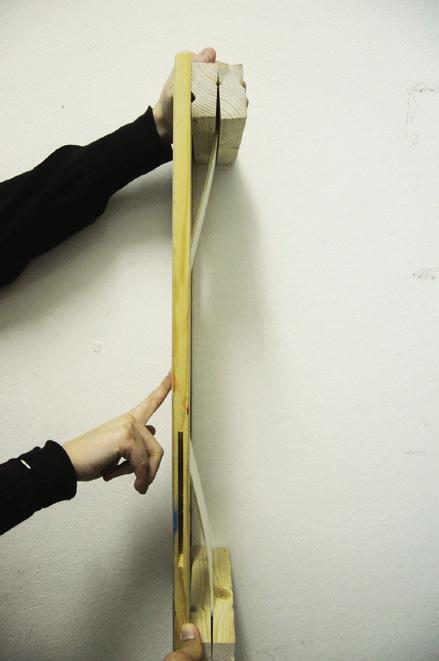
The adaptable corridor installation began with experiments into the natural properties of wood. The idea for a flexible corridor came from the experiments of wood flexibility. Thin planks of wood were fixed in a flexed position between a frame attached to the top and bottom of the plank. The flexible and reactive property of the wood plans inspired a design for an adjustable corridor. Experiments with thermo-chromatic ink also informed the design of the adaptable corridor. The interactive play of the ink when it reacts with heat from the human body was thought perfect to serve as an indicator for interaction with the corridor, as a push button for interaction. The placement of the installation at the entrance to the gallery was thought to encourage visitors to interact with the installation and turned out to served as a bit of a social experiment due to the fact that the corridor was meant to be touched despite being presented in the setting of an art exhibition.
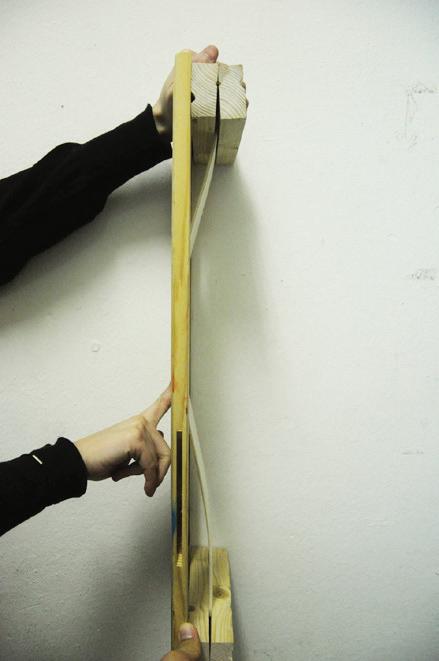
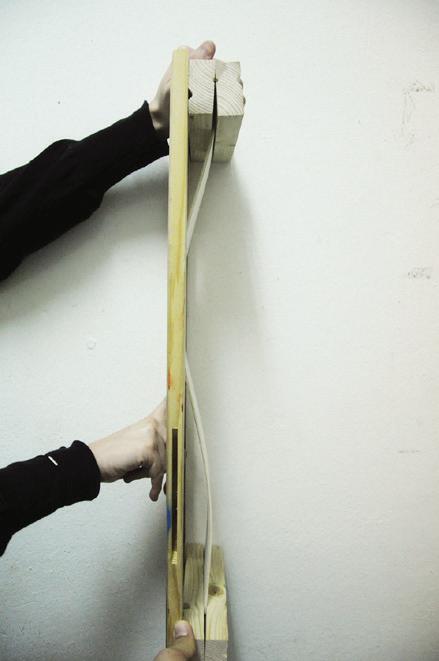
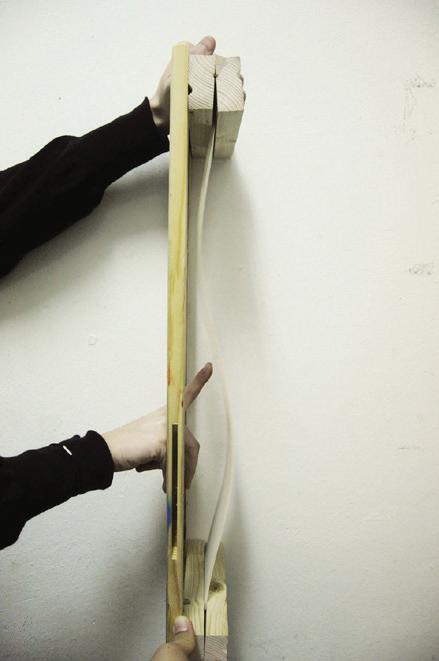
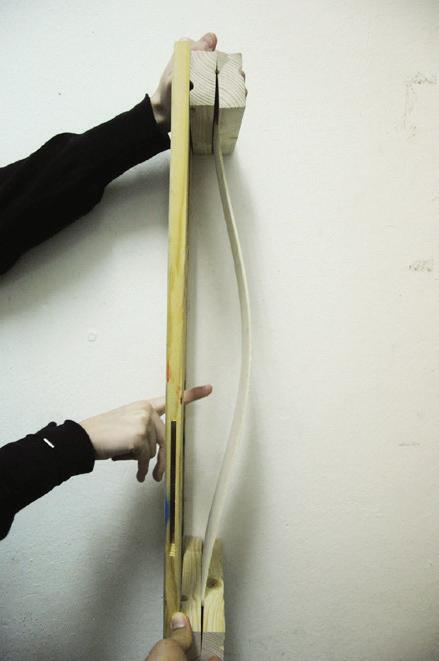
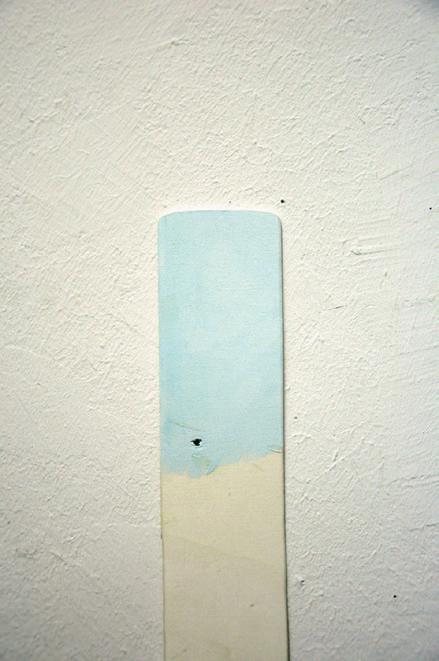
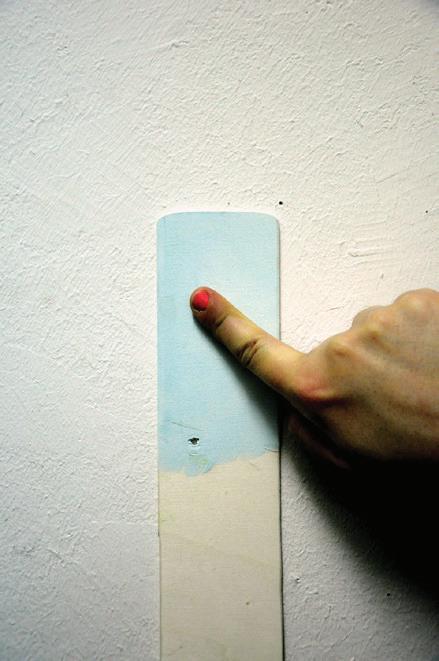
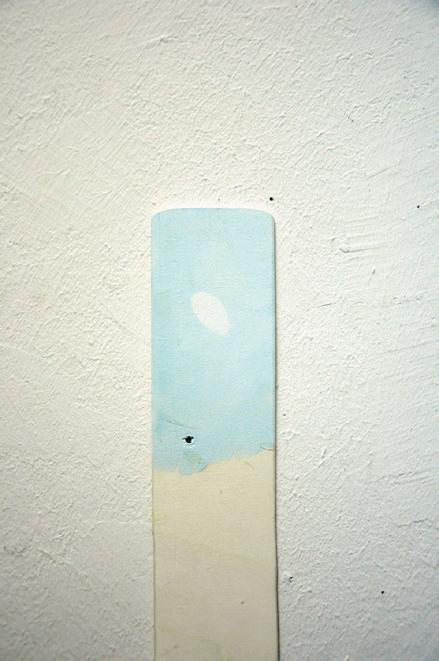
FLEXIBLE WOOD PROTOTYPE THERMO-CHROMATIC INK STUDY
INSTALLATION
USER RESPONSE / INTERACTION
MELISSA SWICK Contact Info
swick.melissa@gmail.com www.linkedin.com/in/swick-melissa (720) 517-3977