PORTFOLIO
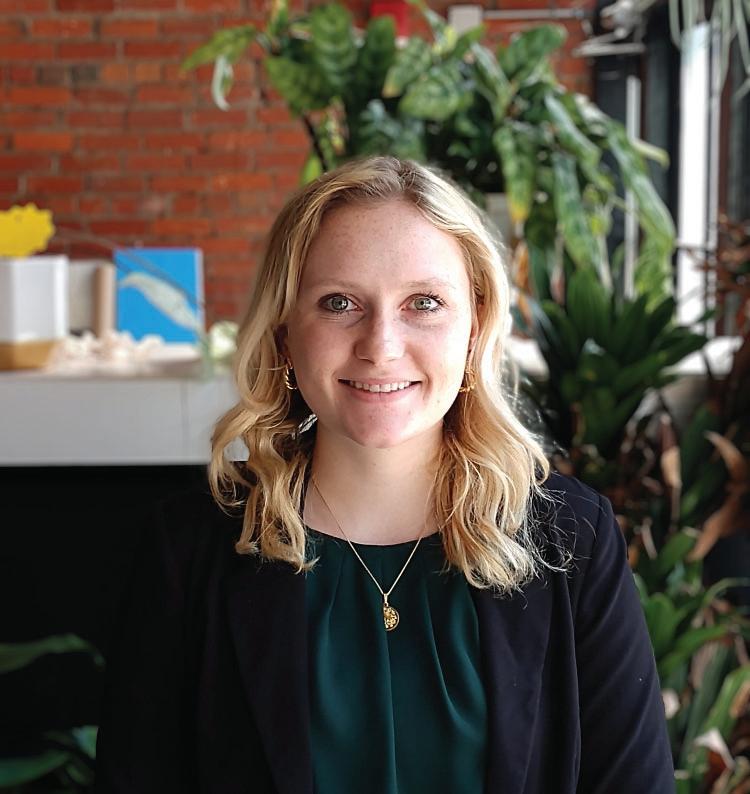
Drexel University Philadelphia, Pennsylvania
I was born and raised in Folsom, California which is about 30 minutes outside of Sacramento California. I have always had a passion to learn and challenge myself when it comes to educa on and work. In my free me, I love to travel and explore the outdoors. Growing up I visited places such as Austrialia, London, Costa Rica, Mexico, and nearly every state. I took camping trips with my family several mes every year and have even taken an 8 week cross country RV trip.
My passion for architecture truly was inspried by the traveling that I did as a child. I loved seeing new places and absorbing how I felt when experiencing them. In high school, I used pain ng and began expressing my ideas three dimesionally through mixed media art. As I explored myself crea vely, I took to cooking and the art of food. Designing has always found a way in my life and I am excited to make it my career.
FIRM: PERKINS EASTMAN
AUGUST 2022- MAY 2024
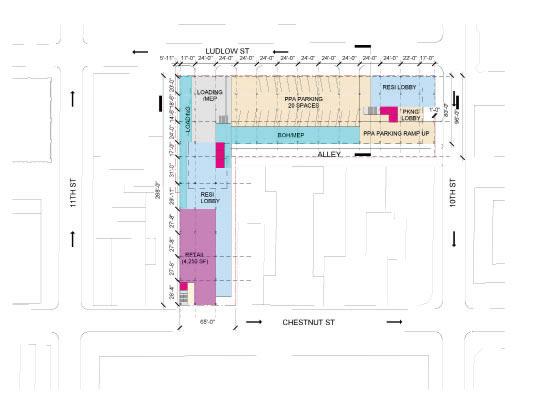
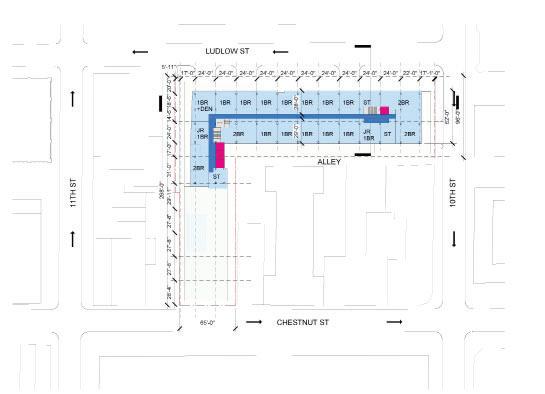
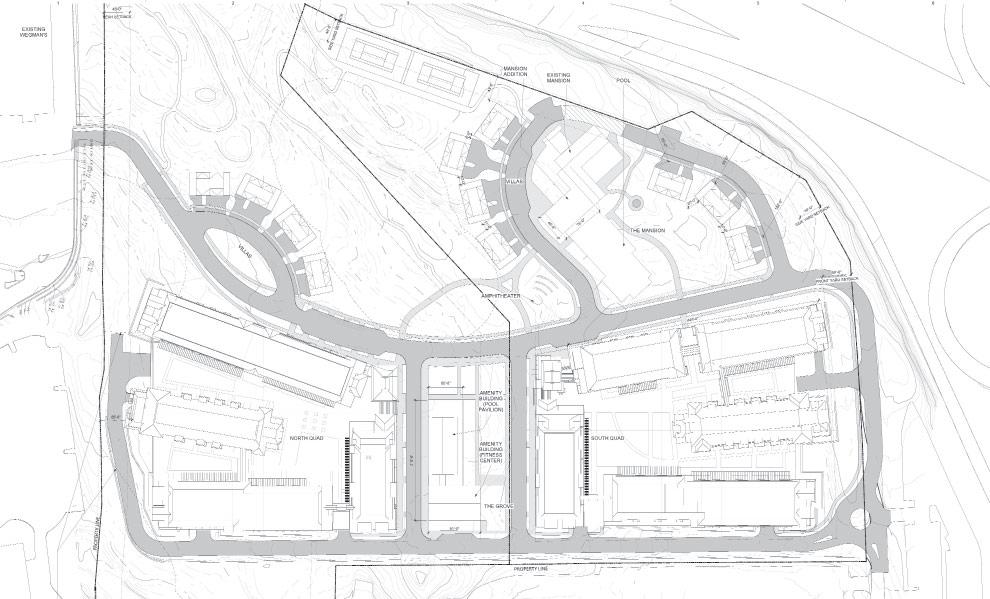
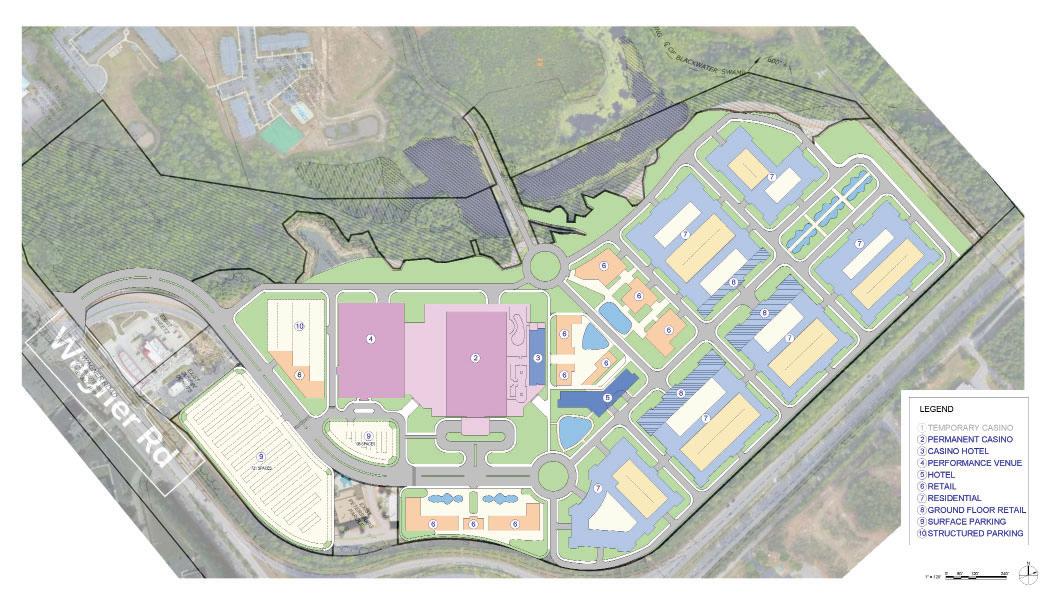
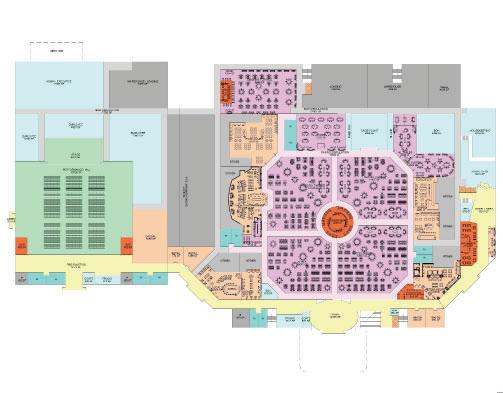
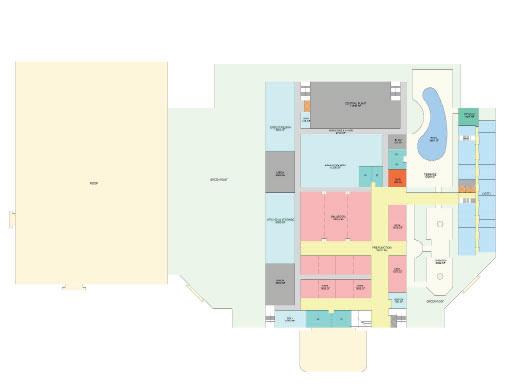
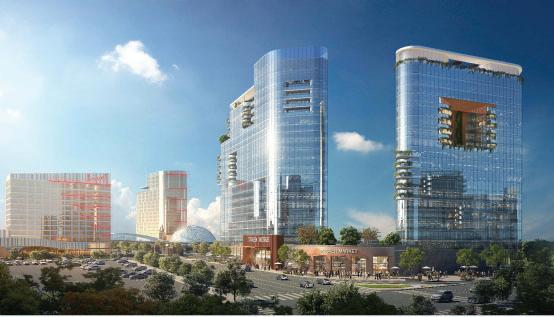
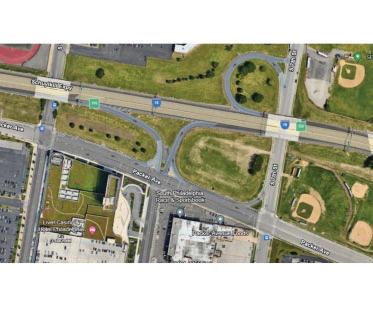
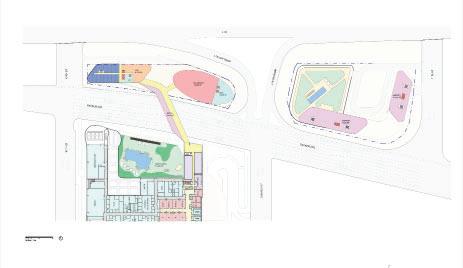
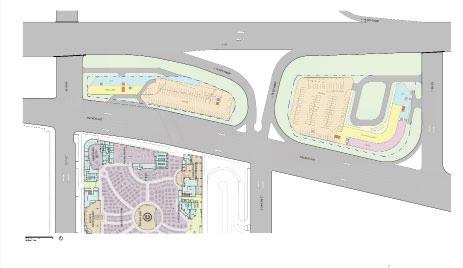
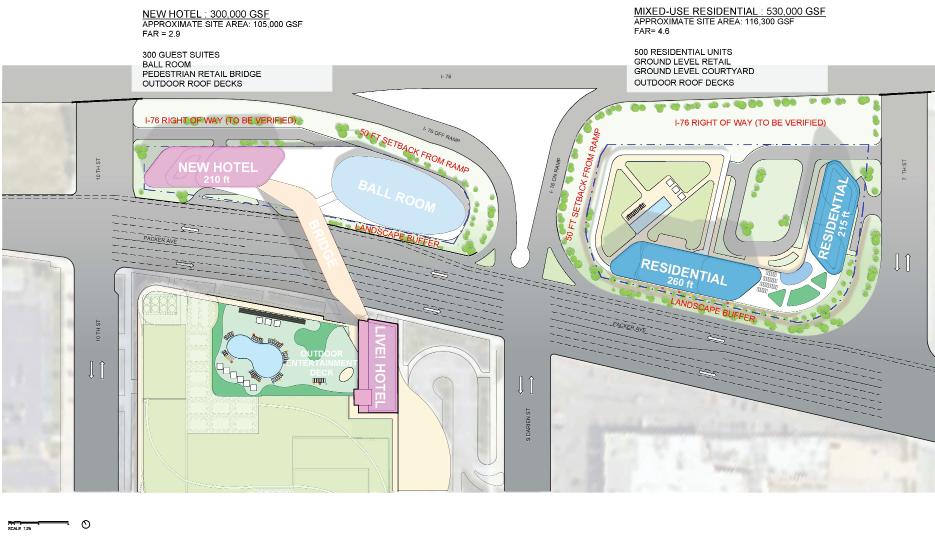
During my tenure at Perkins Eastman Architects in the Philadelphia studio, I engaged in a diverse range of architectural projects that honed my skills and broadened my experience in the field. I contributed to various conceptual studies, including residen al overbuilds, casino hospitality studies, and hotel designs. These projects involved complex mul -phased planning and execu on, requiring a deep understanding of both aesthe c and func onal elements.
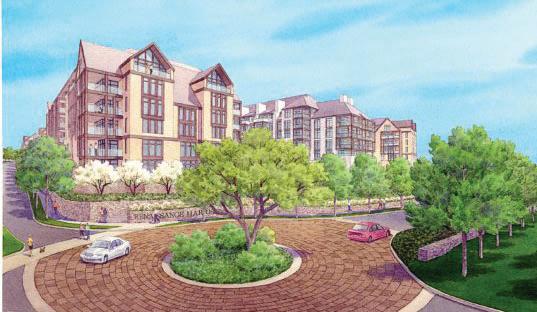
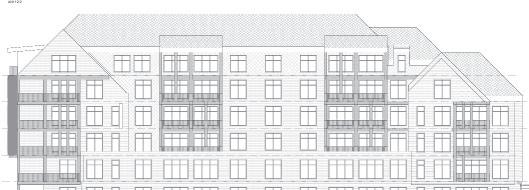
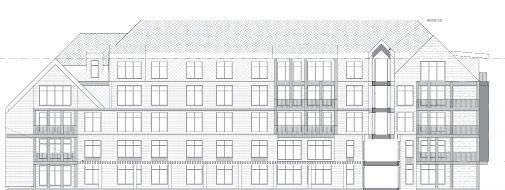
One of the notable projects I worked on was the schema c package for West Red Oak Lane, a luxury Tudor residen al complex in Harrison, NY. This project featured six-story buildings designed in the Tudor style, where I played a key role in developing the schema c designs and ensuring the architectural integrity and luxury standards were met.
In addi on to design and planning, I dedicated a significant por on of my me to 3D modeling and 3D prin ng for various projects. These technologies were crucial in visualizing and refining design concepts, facilita ng be er communica on with clients and stakeholders.
I primarily u lized REVIT for building informa on modeling, Rhino for advanced 3D modeling, AutoCAD for detailed architectural drawings, and Photoshop and Illustrator for rendering and presenta on graphics. My proficiency in these soware tools enabled me to deliver high-quality, precise, and visually compelling architectural designs.
PROFESSOR: Jeremiah Woodring
MARCH- JUNE 2024- STUDIO 4C GROUP PROJECT
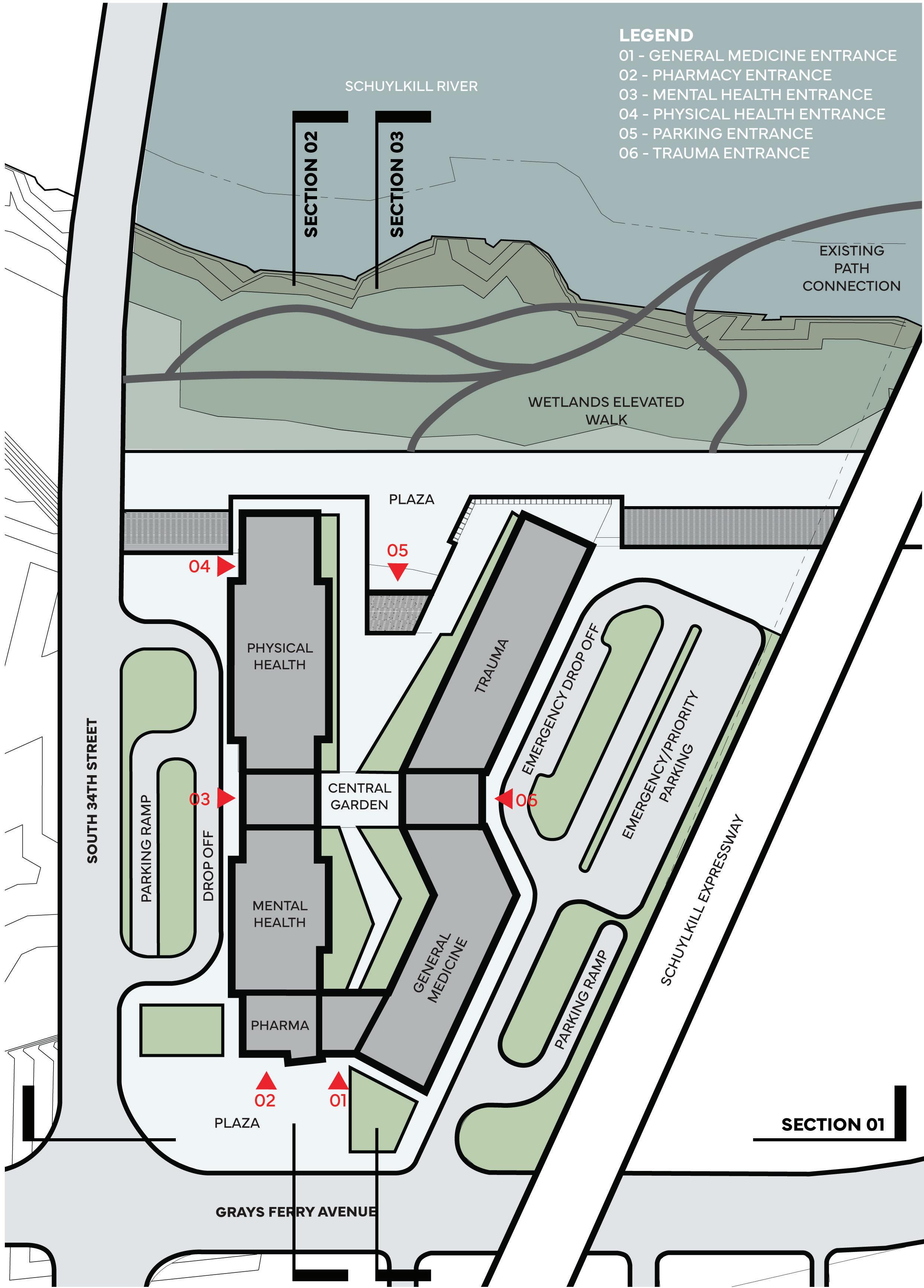
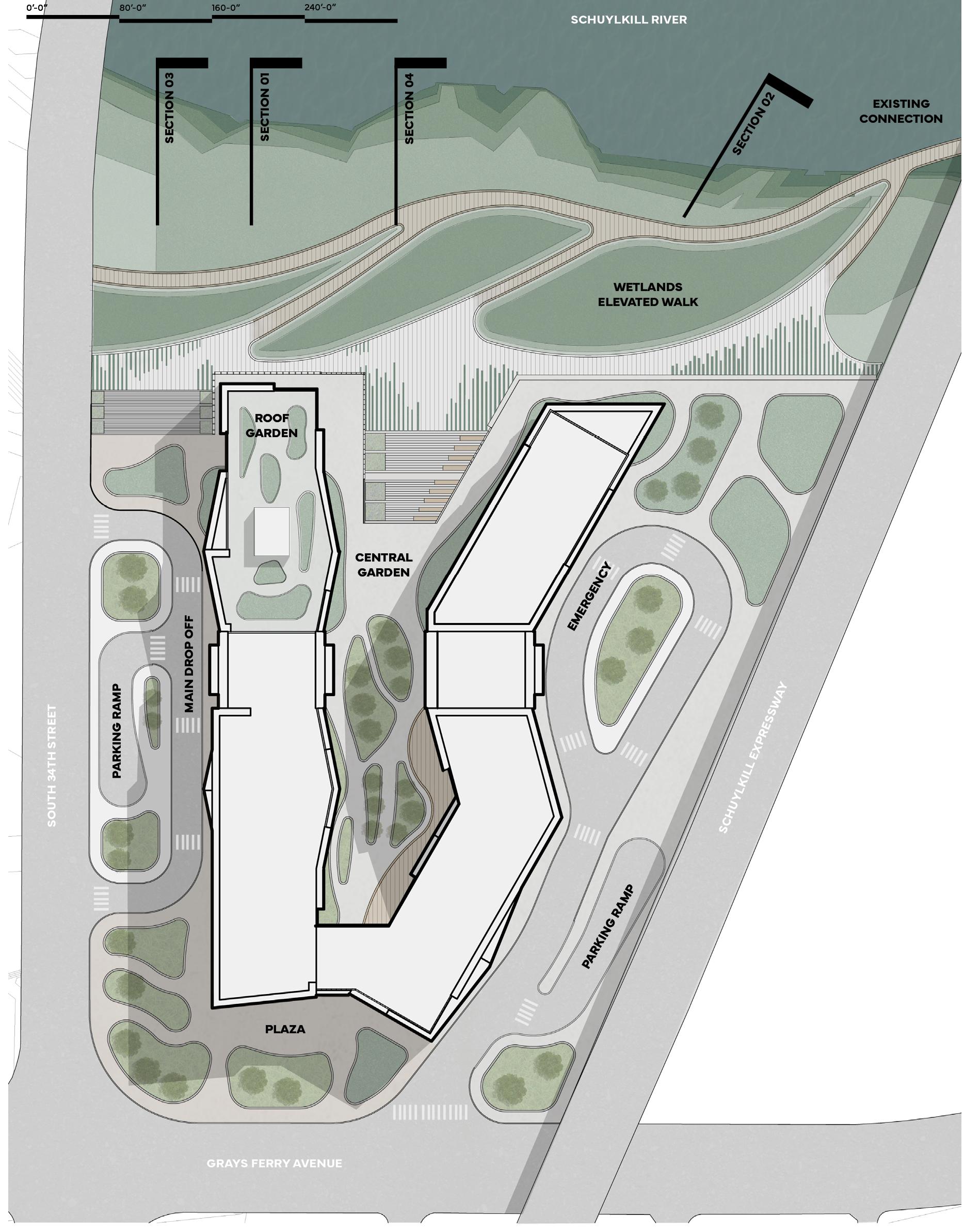
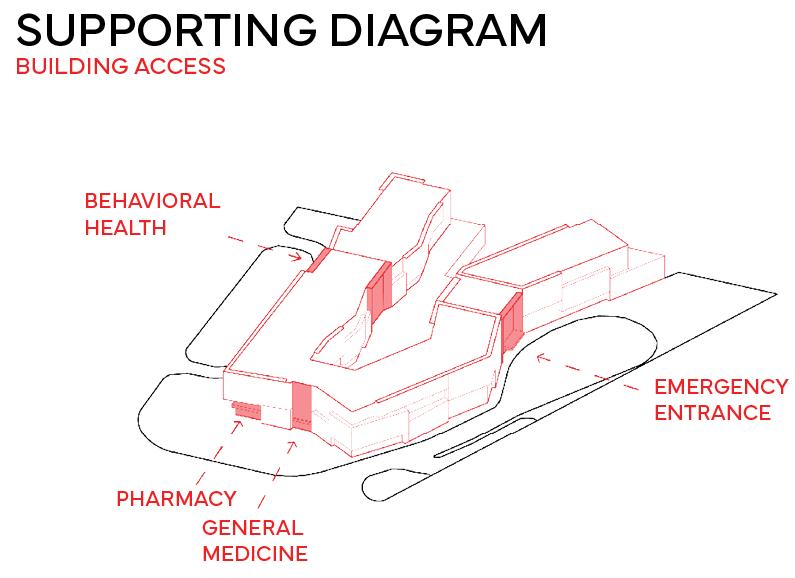
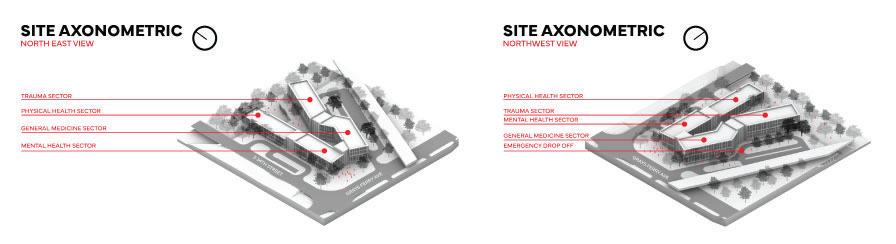
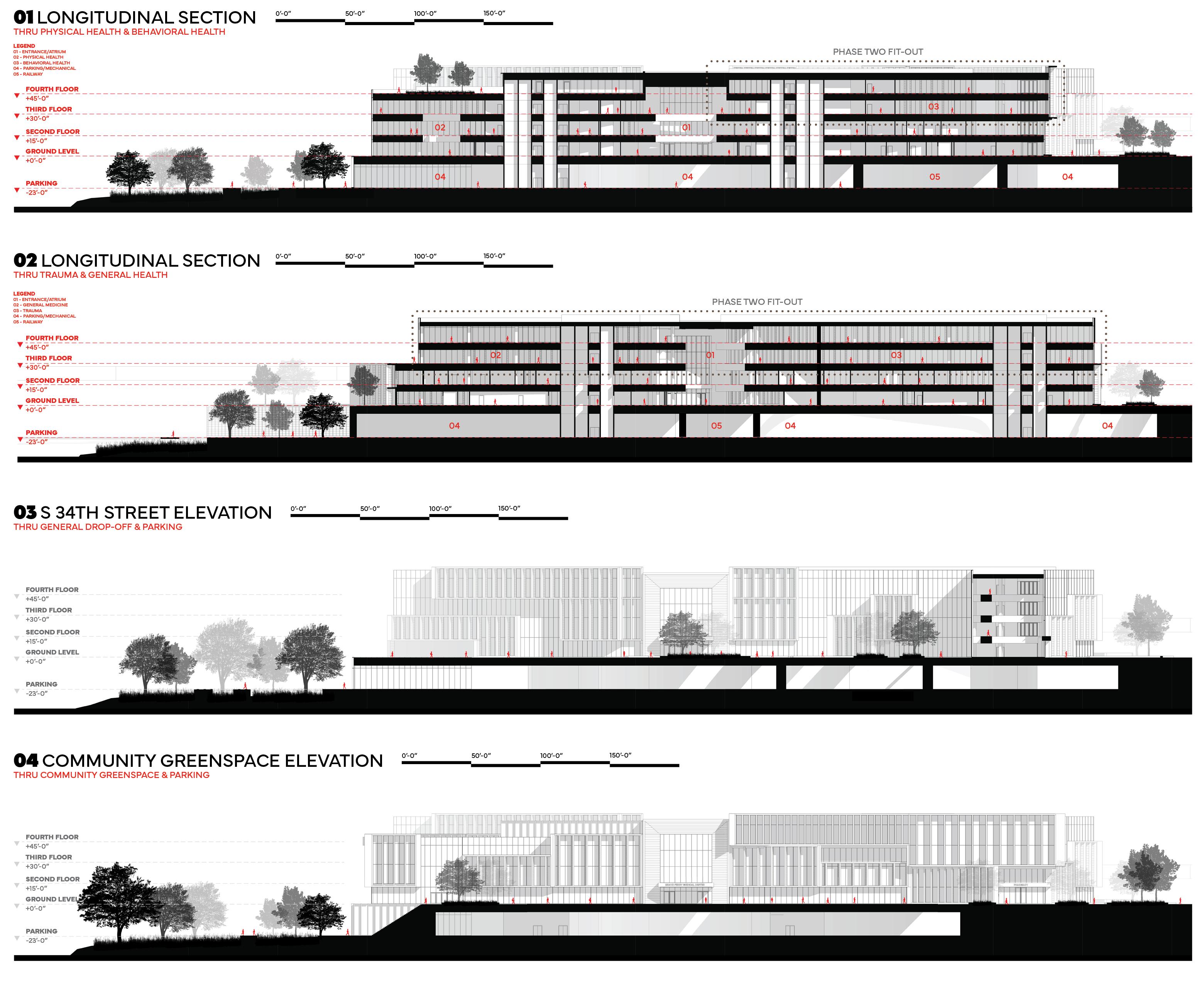
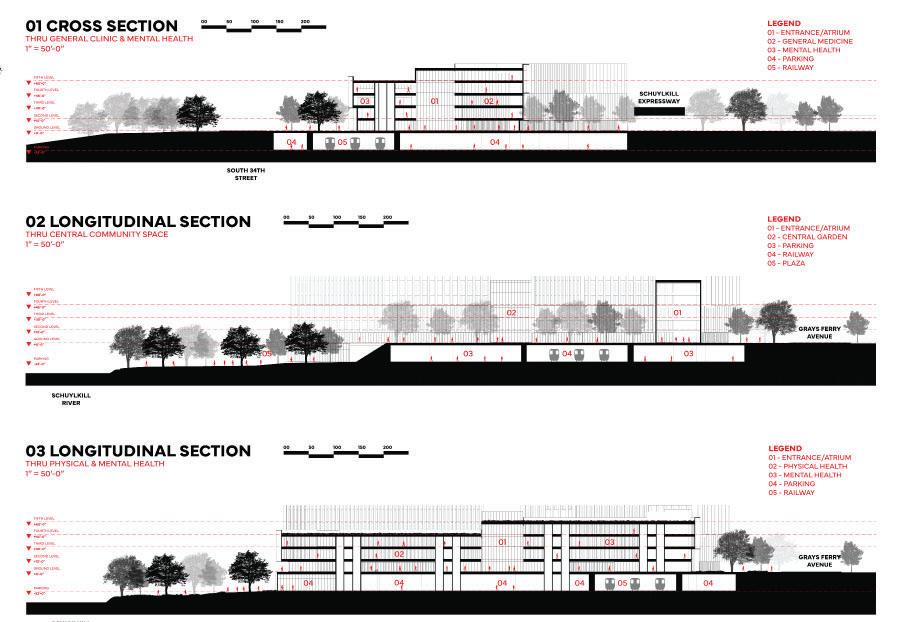
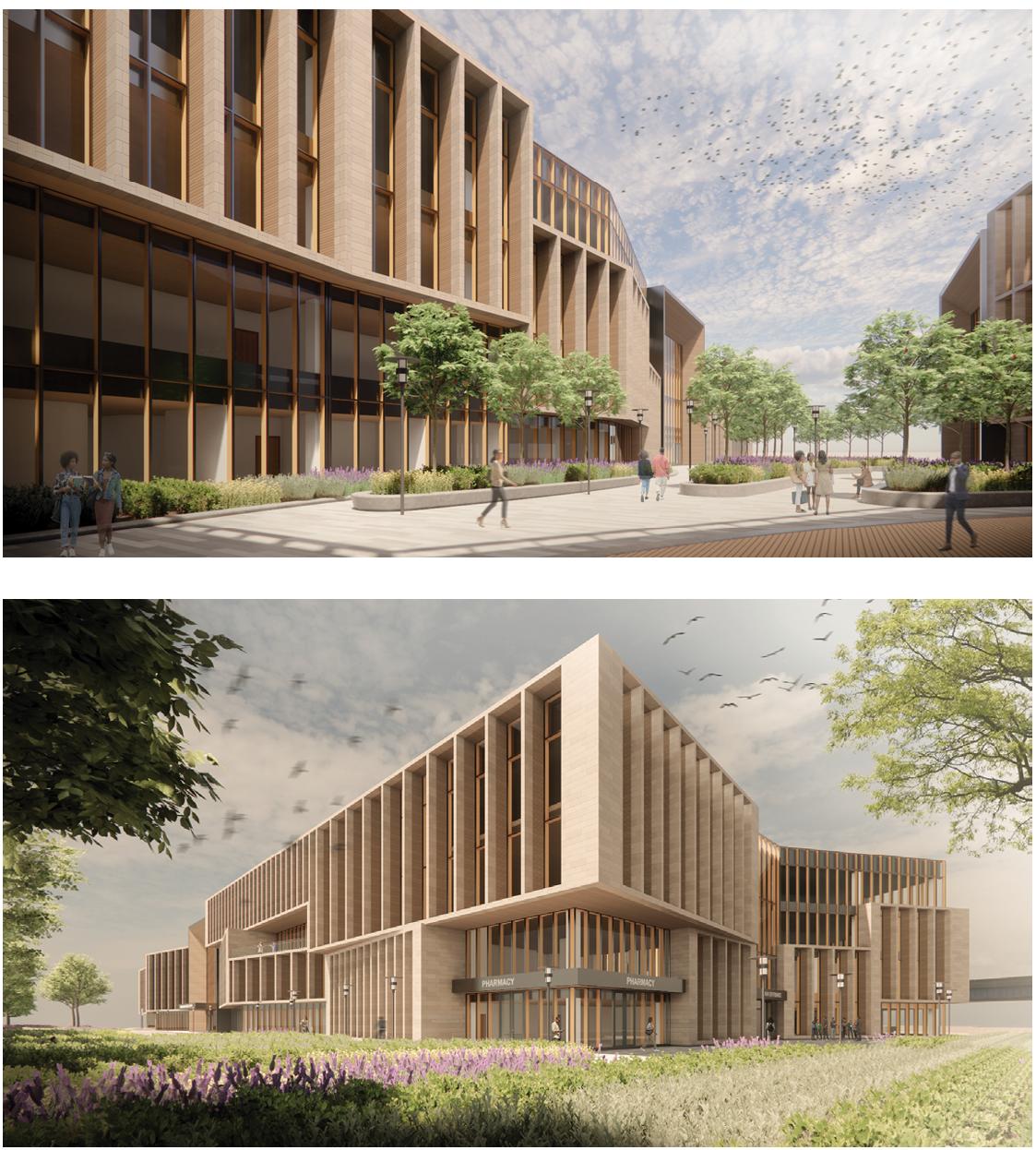
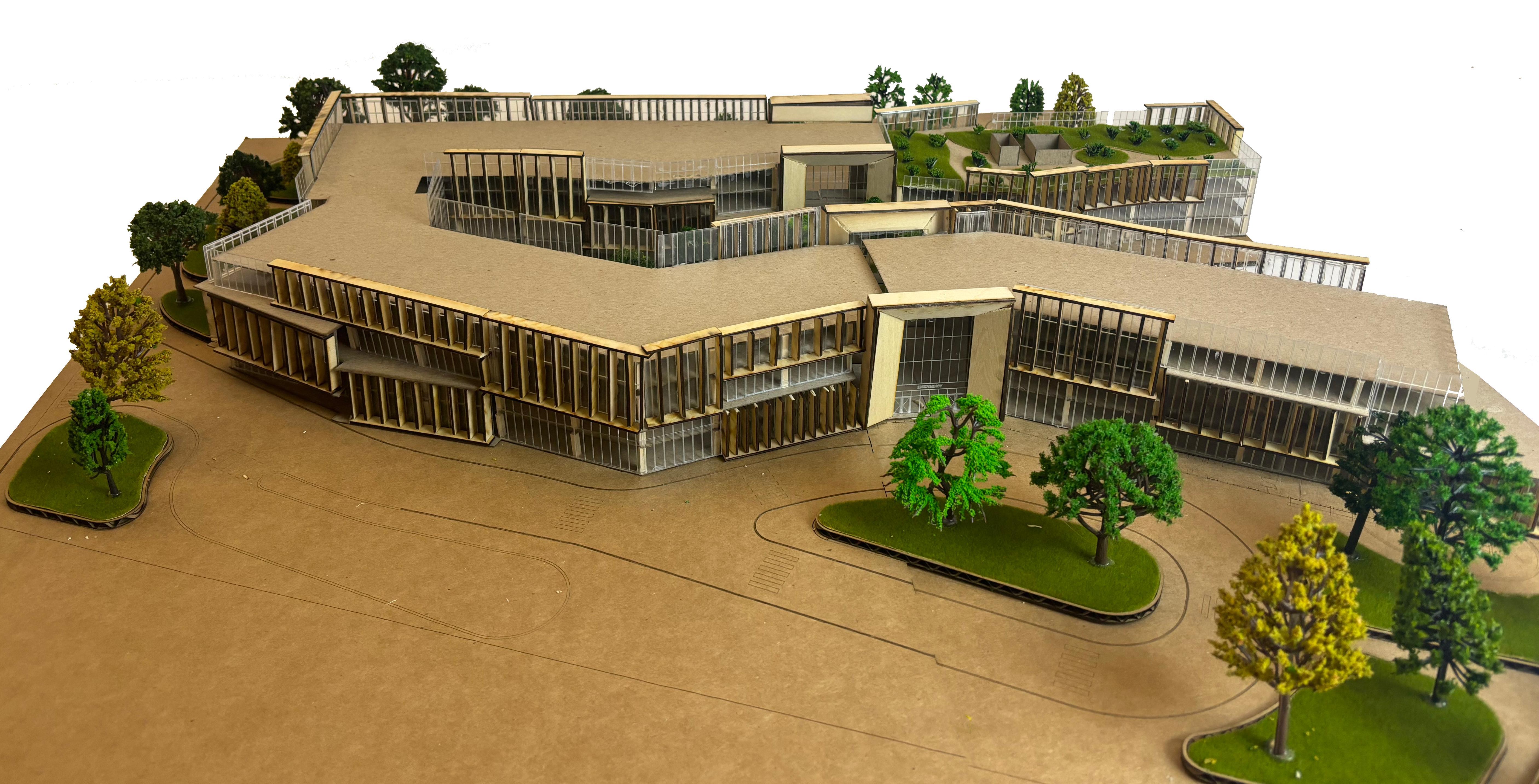
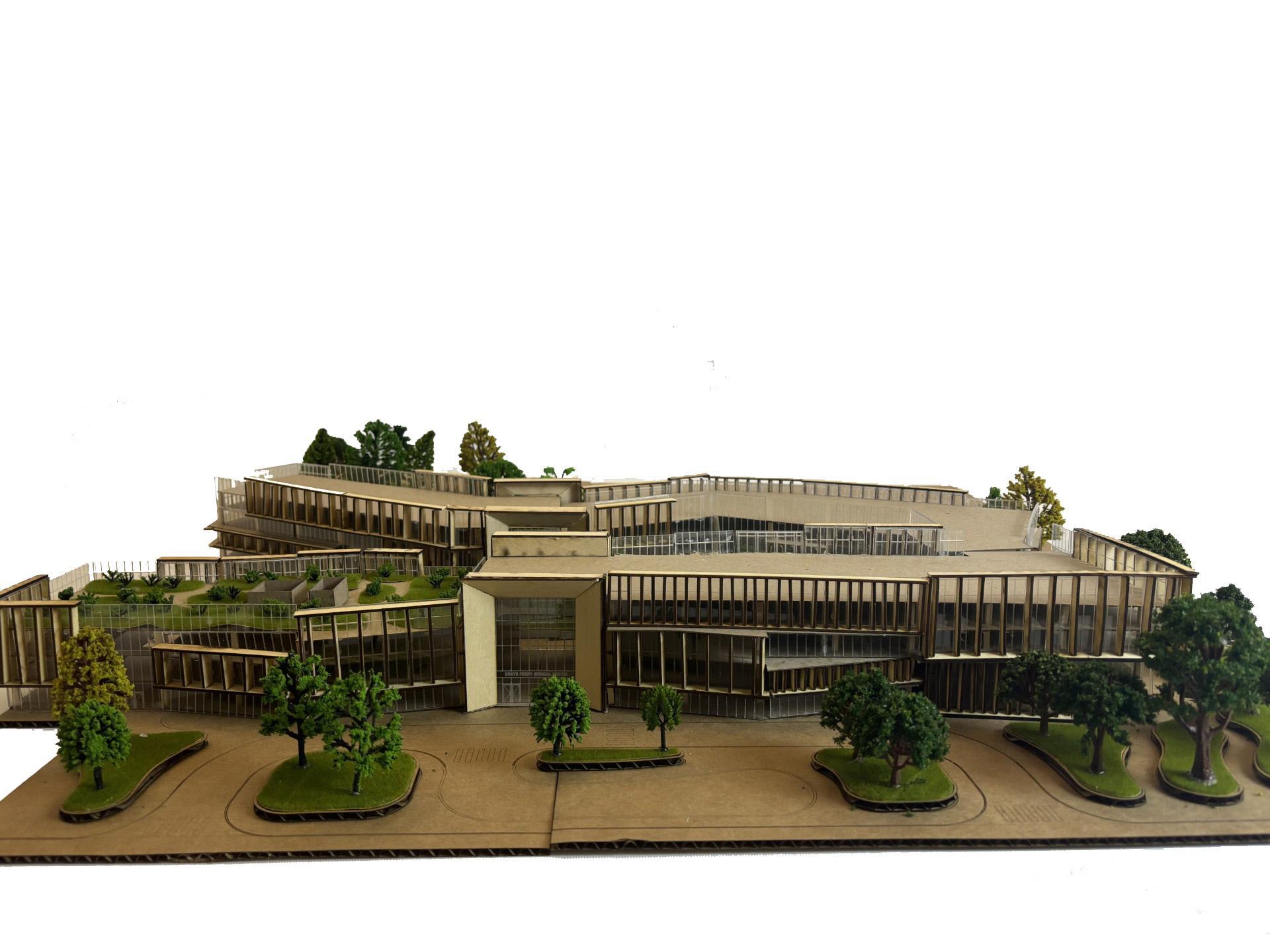
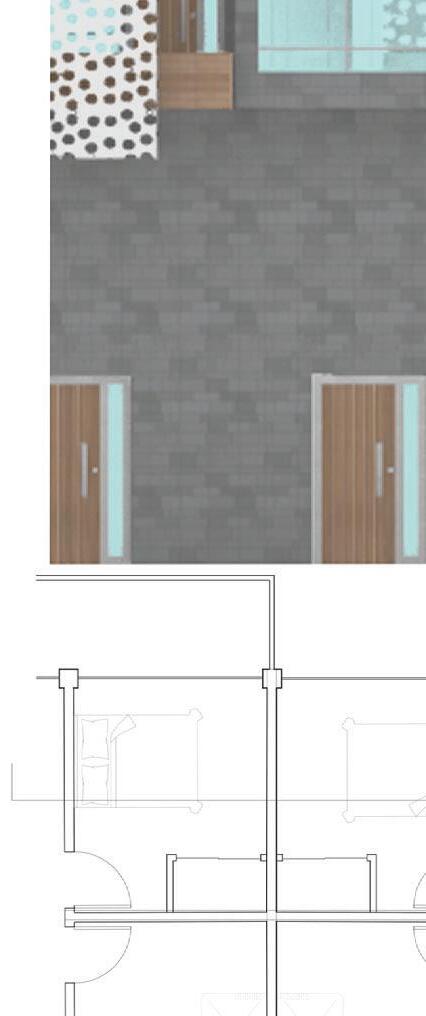
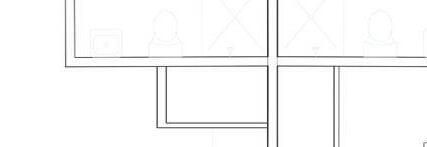
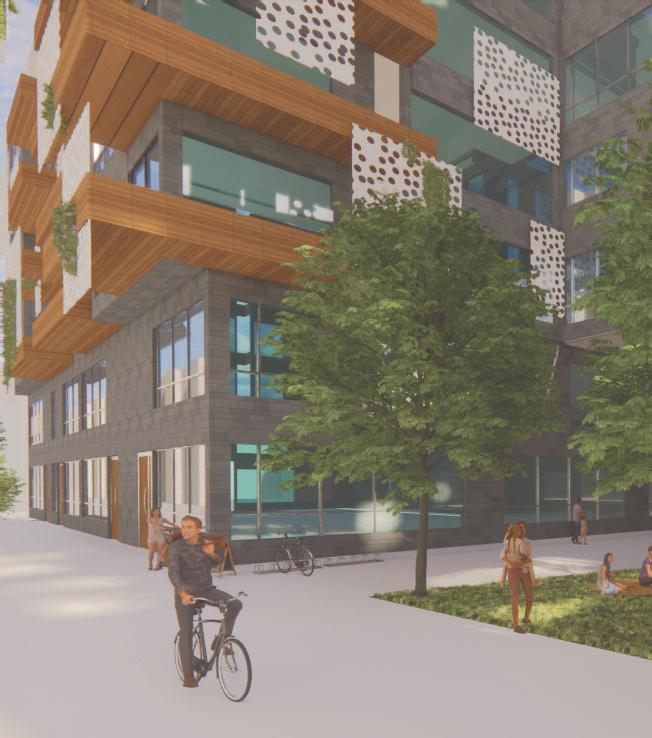
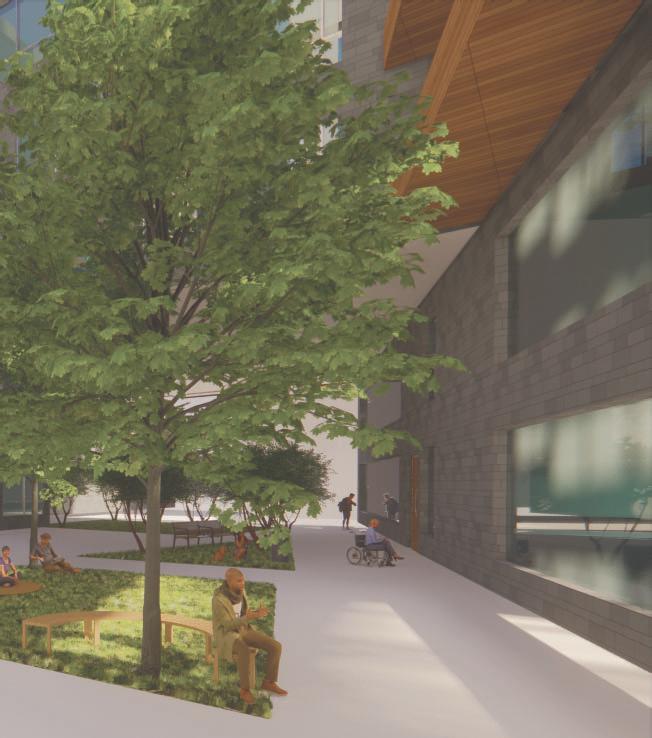
The Grays Ferry Medical Center is an ambi ous group project that envisions a comprehensive medical complex designed to address a wide range of healthcare needs. Located adjacent to the Pennova on Center at the corner of 34th Street and Grays Ferry Avenue, the center benefits from its strategic waterfront loca on, which we have leveraged to create a community-focused waterfront program.
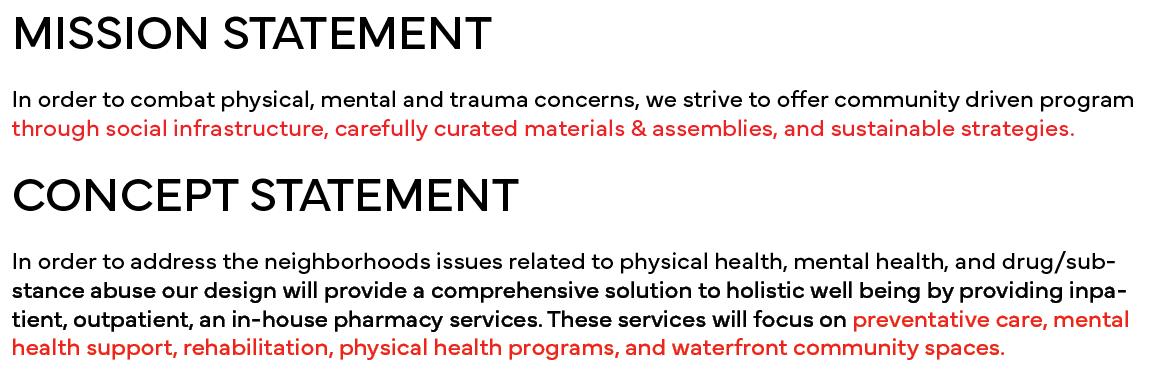
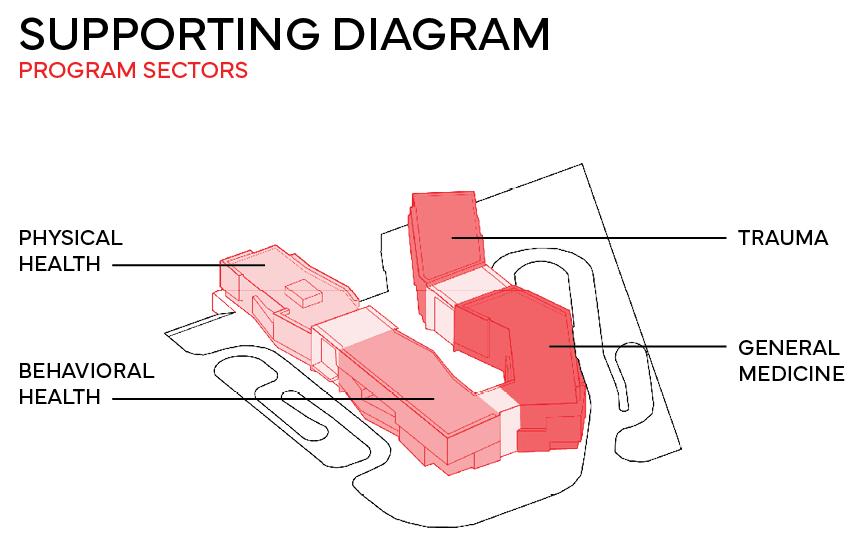
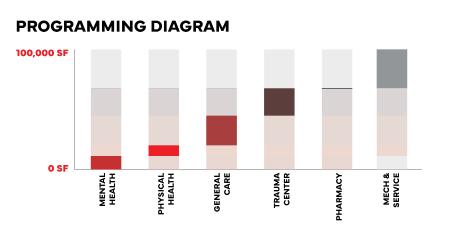
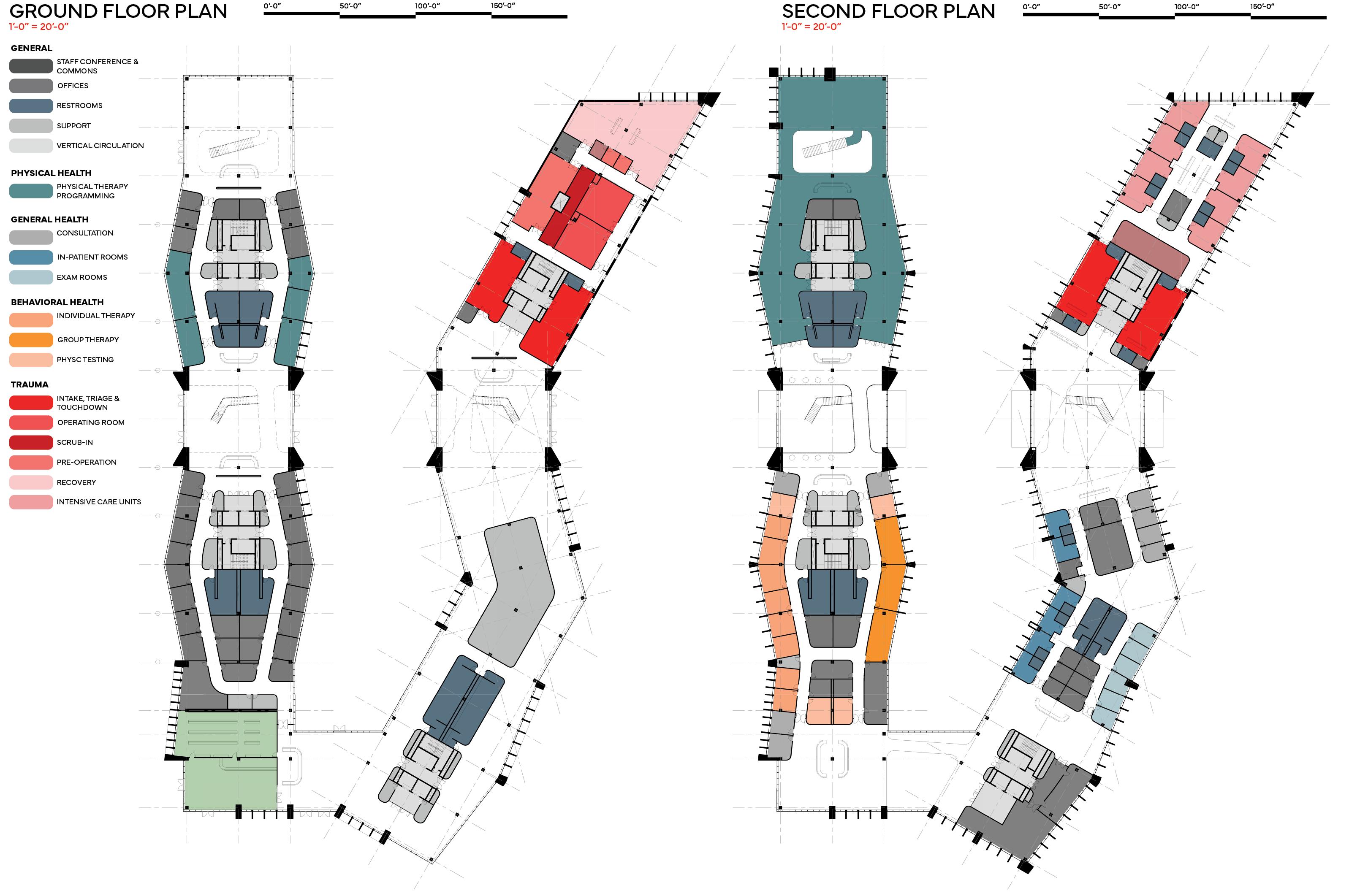
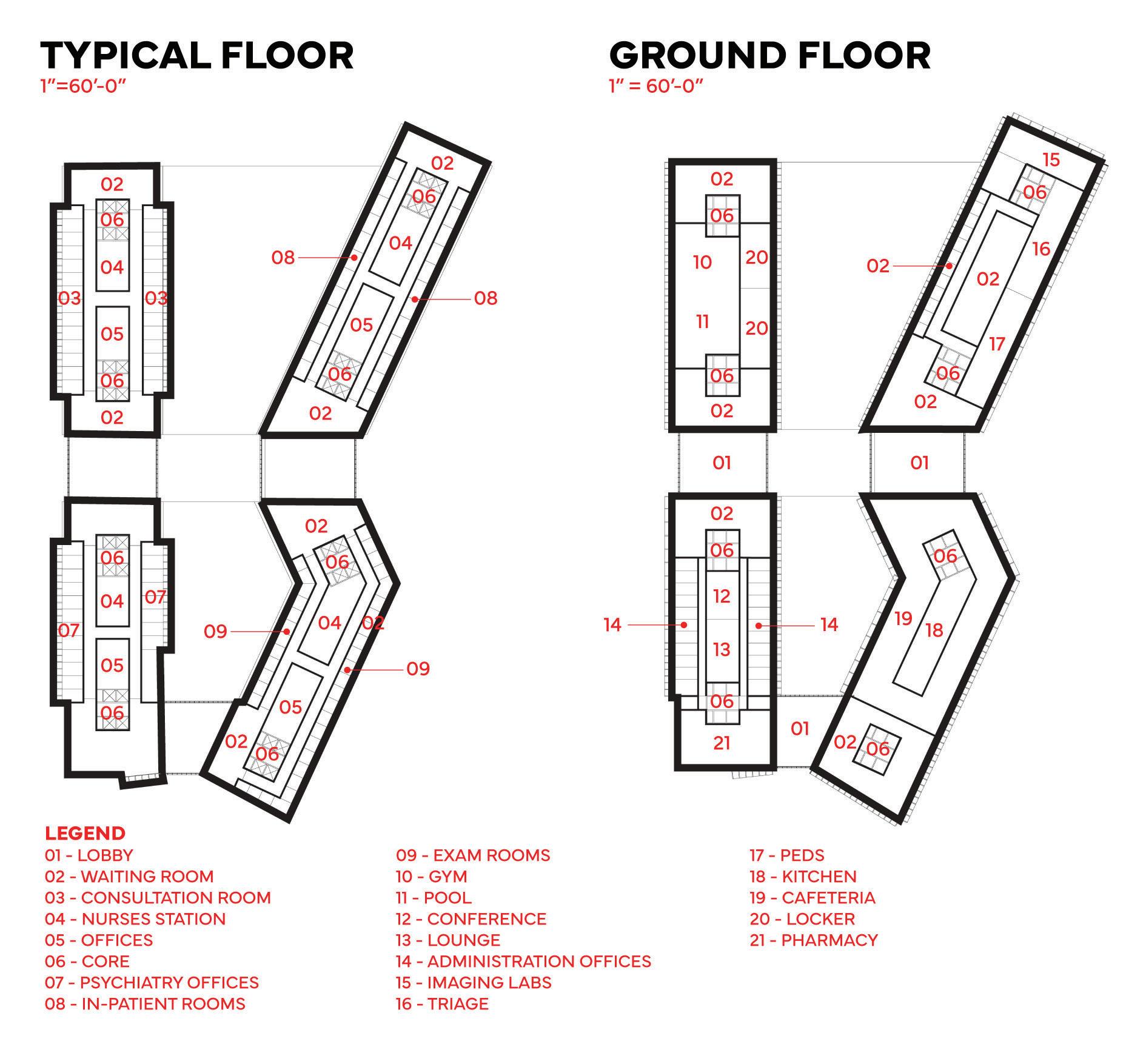
Our design for the Grays Ferry Medical Center integrates mul ple healthcare services, including a trauma care center, mental health services, physical health services, and general care facili es. This holis c approach ensures that the center can provide comprehensive care to the community, addressing both urgent and ongoing health needs.
A standout feature of the center is the inclusion of a community pharmacy, which enhances accessibility to essen al medica ons and healthcare products for local residents. Addi onally, the medical center’s waterfront se ng provides a serene environment that promotes healing and well-being, while also offering space for community ac vi es and engagement.
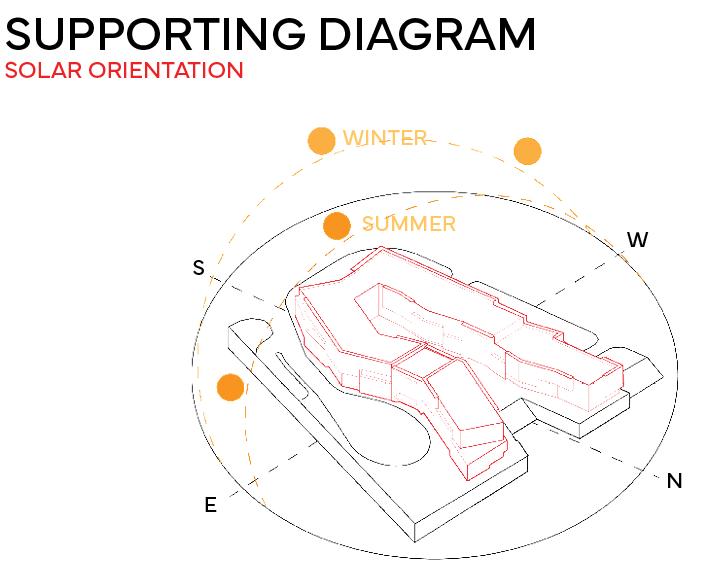
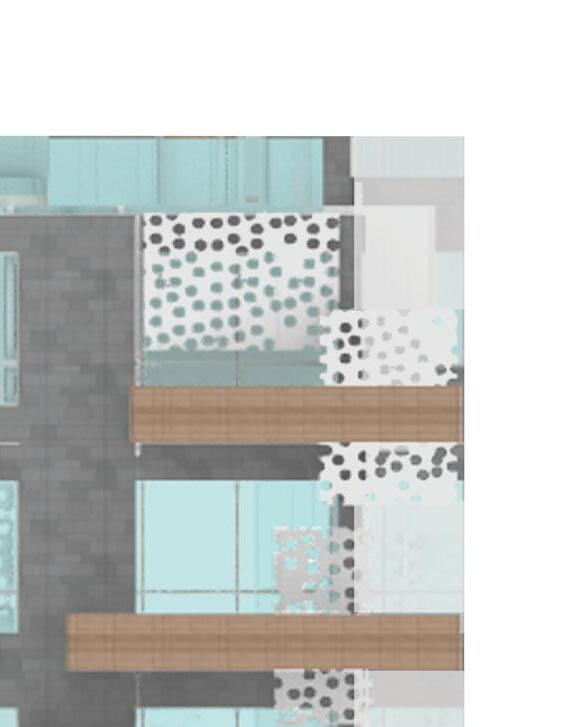
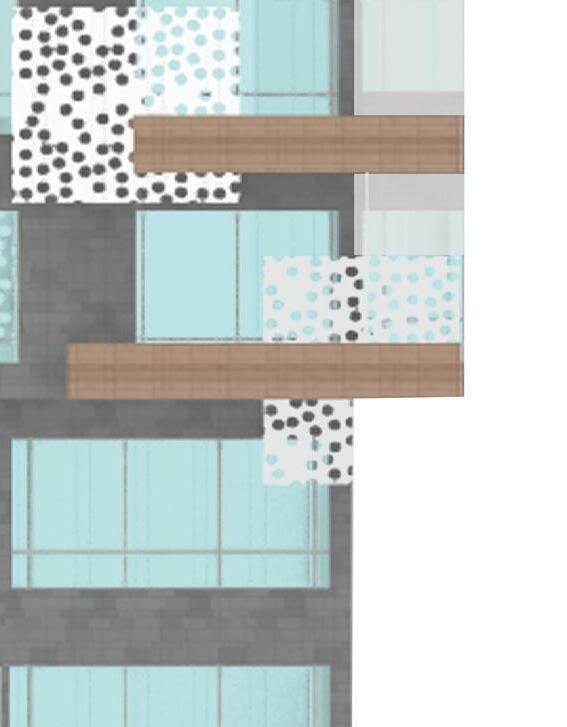
To ensure pa ent privacy and comfort, we incorporated Brise Soleil into the building’s design. This architectural feature not only enhances the aesthe c appeal of the center but also serves a func onal purpose by controlling solar exposure and providing privacy for pa ents within the facility.
Overall, the Grays Ferry Medical Center project is a testament to our commitment to crea ng a healthcare facility that is both func onal and responsive to the needs of the community, integra ng state-of-the-art medical services with though ul design elements that priori ze pa ent care and privacy.
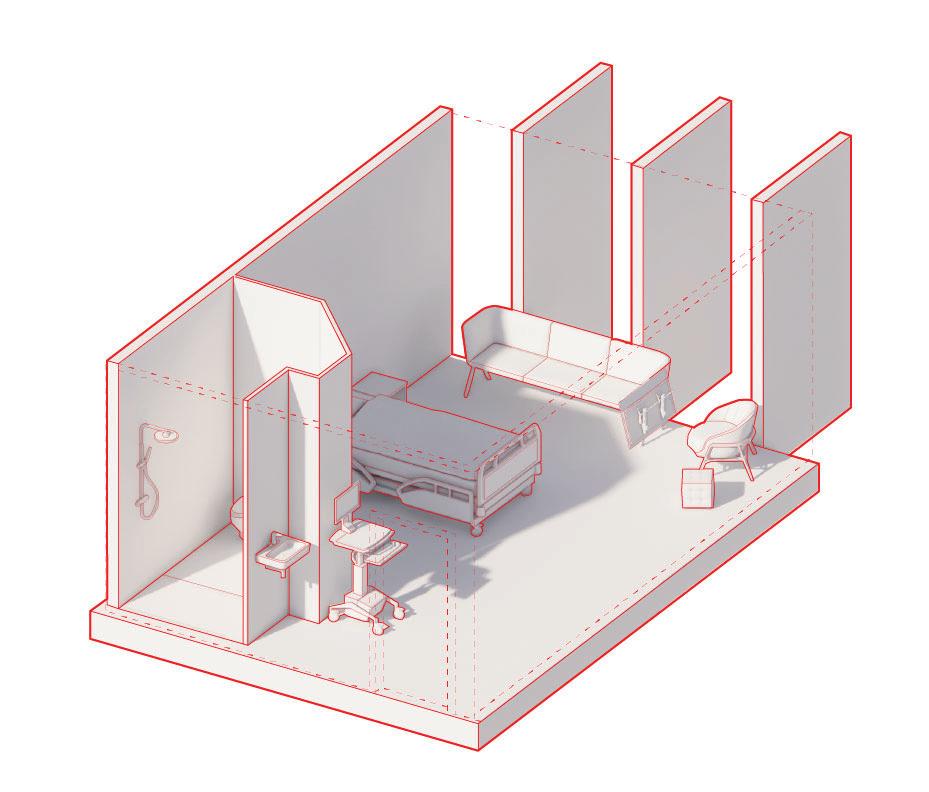
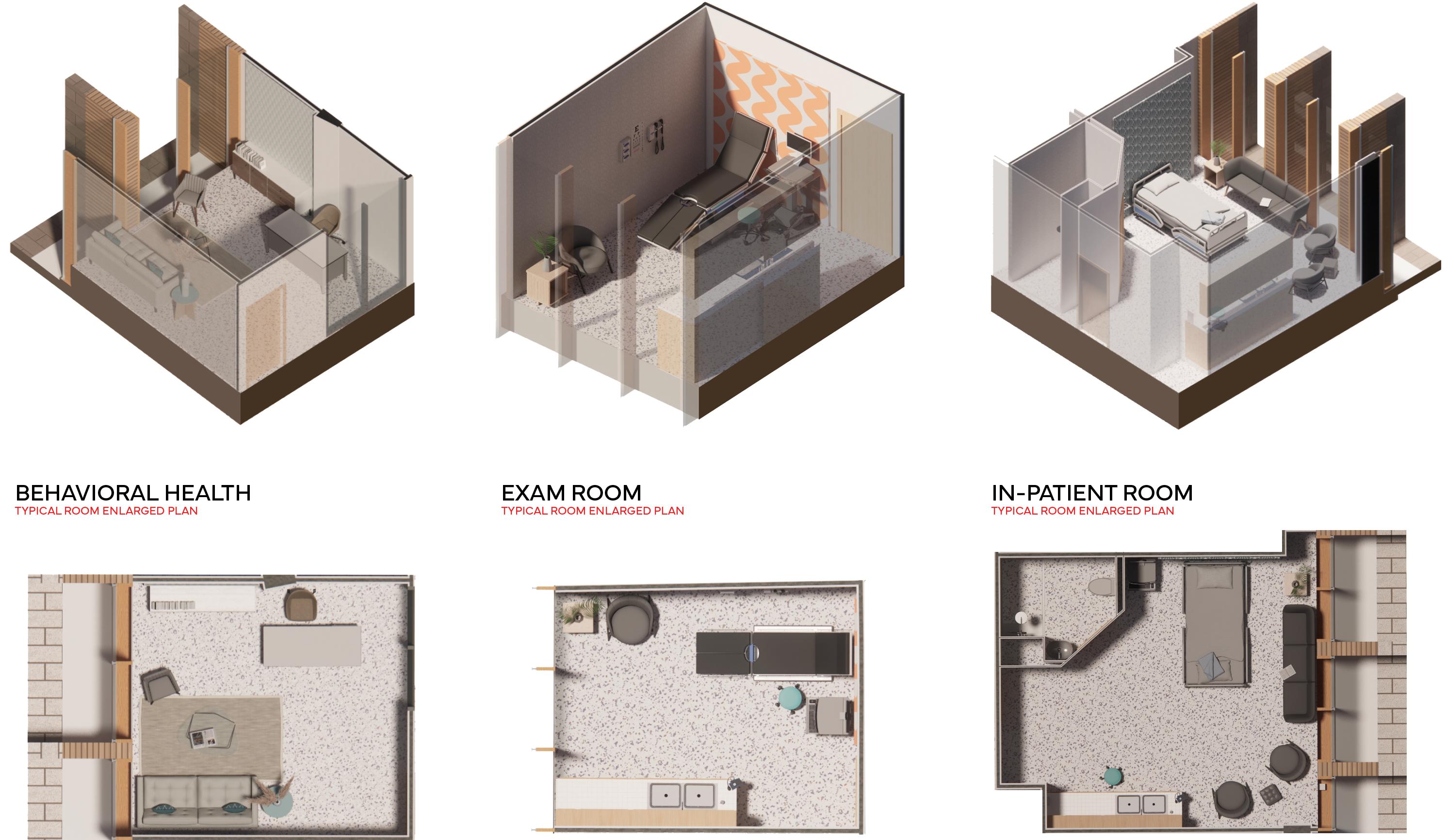
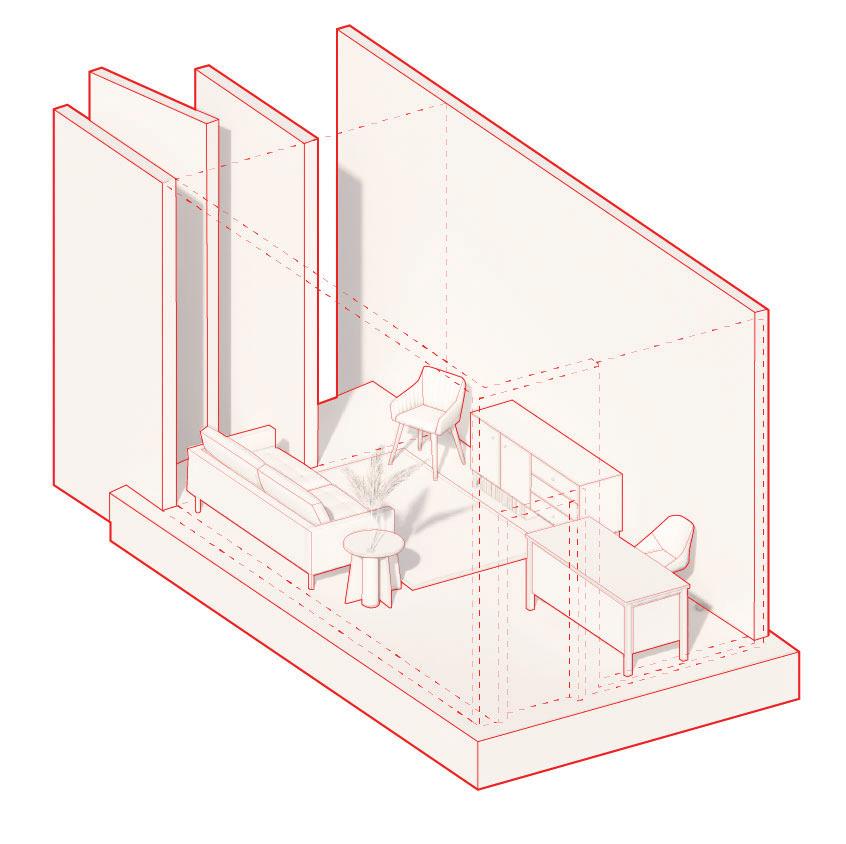
THERAPY ROOM IN PATIENT ROOM
PROFESSOR: Alesa Rubendall, Reberto Desda
SEPTEMBER 2023- MARCH 2024- STUDIO 4A/B PROJECT

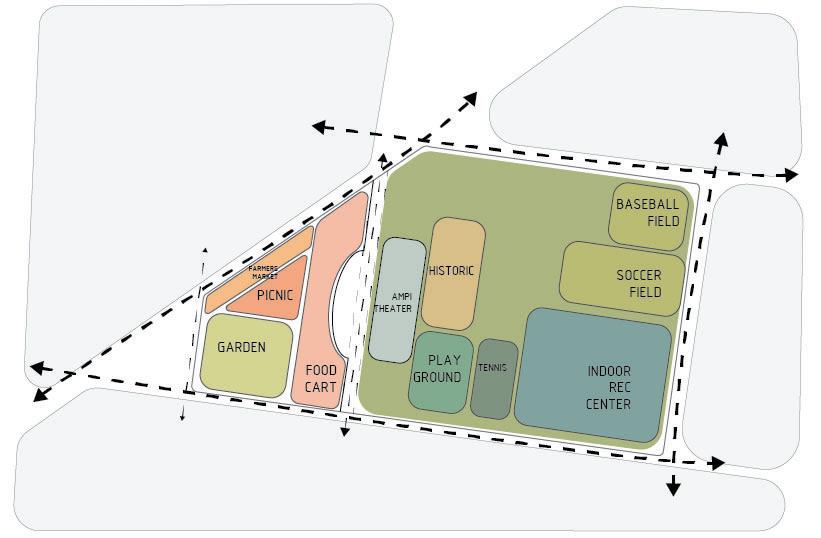
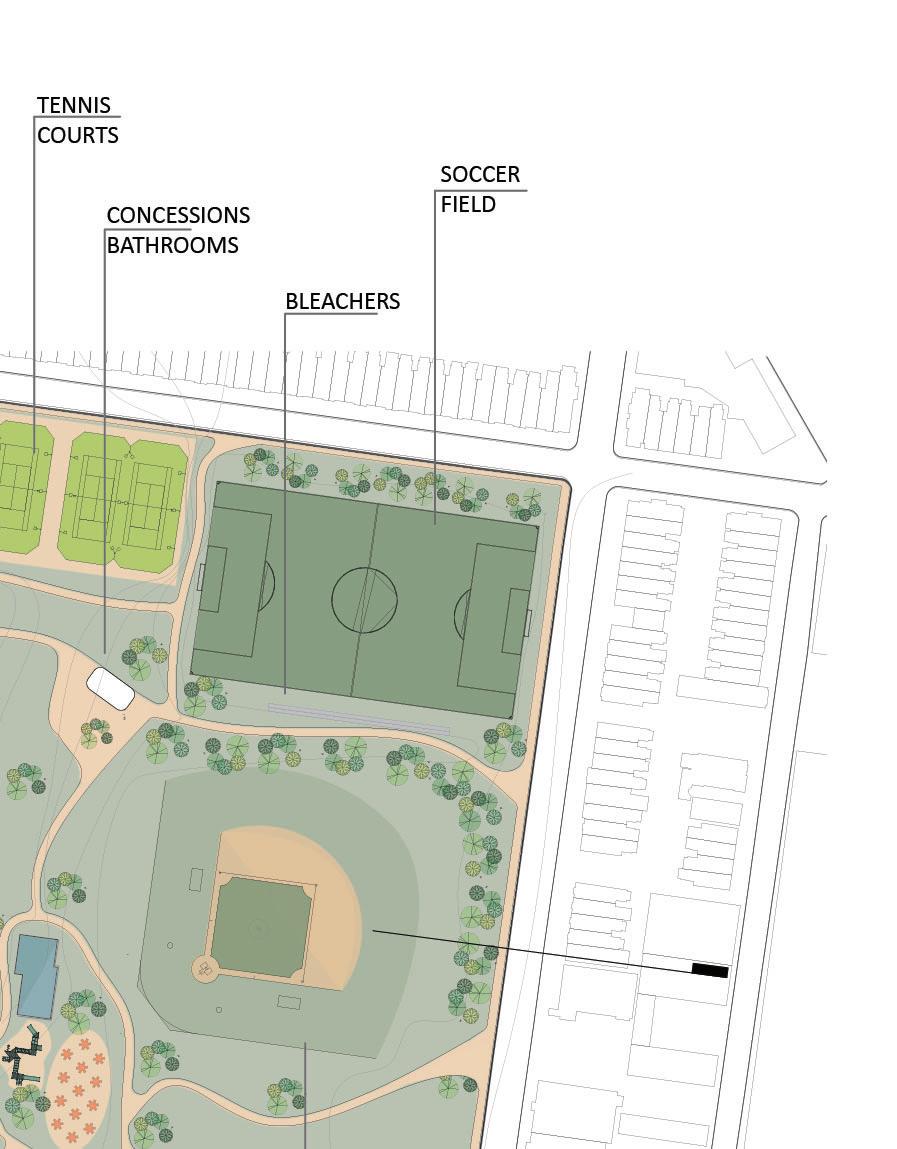
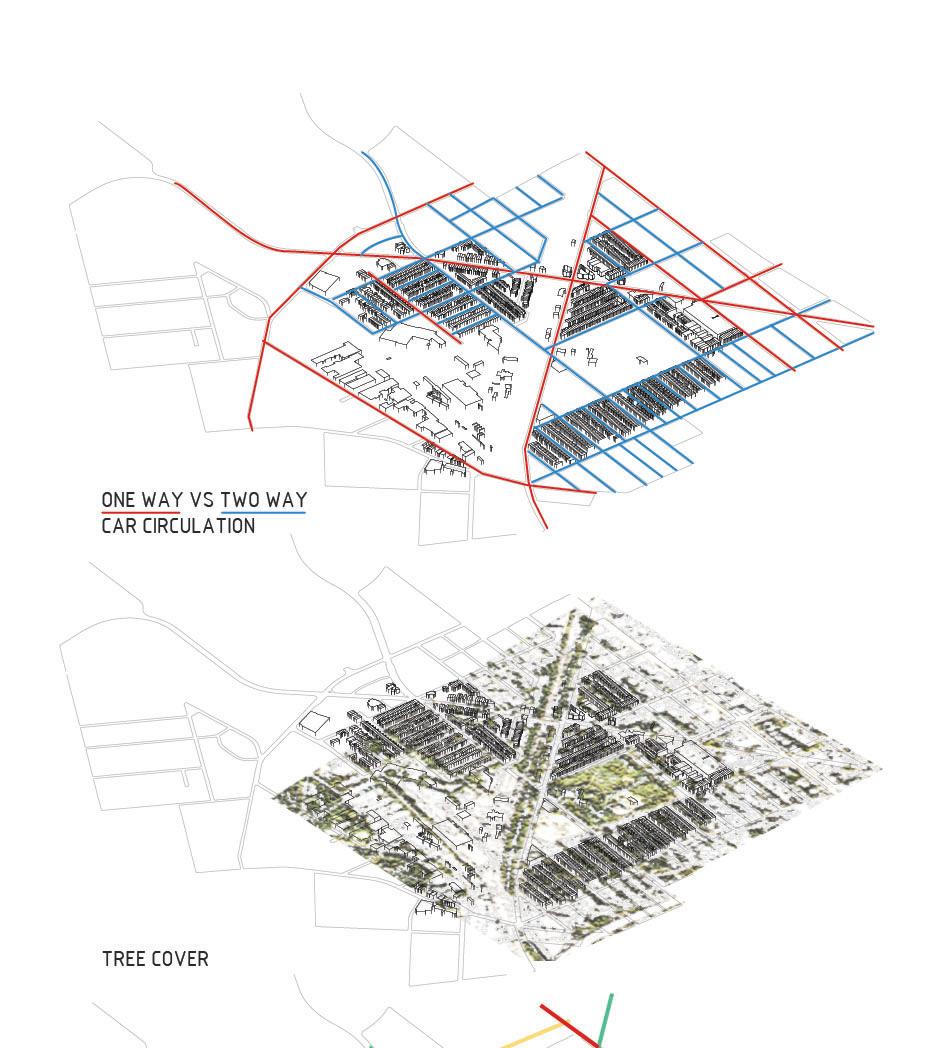
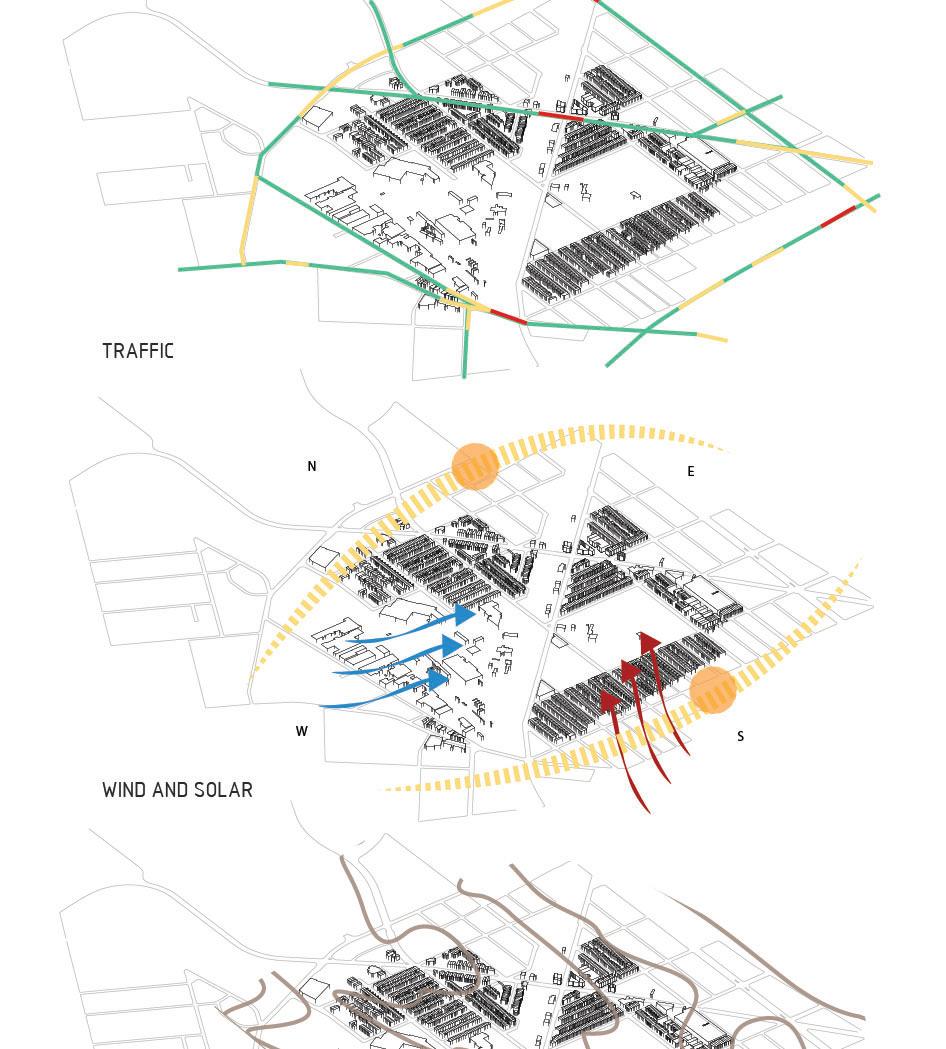
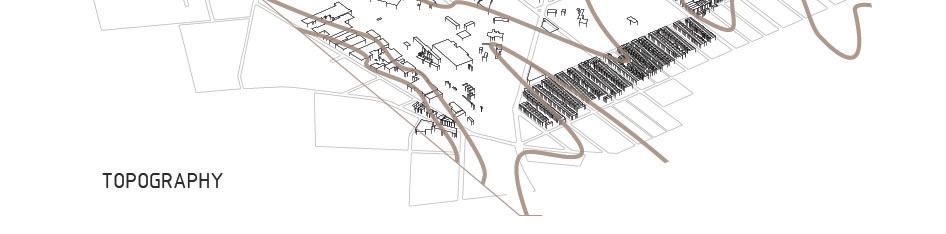
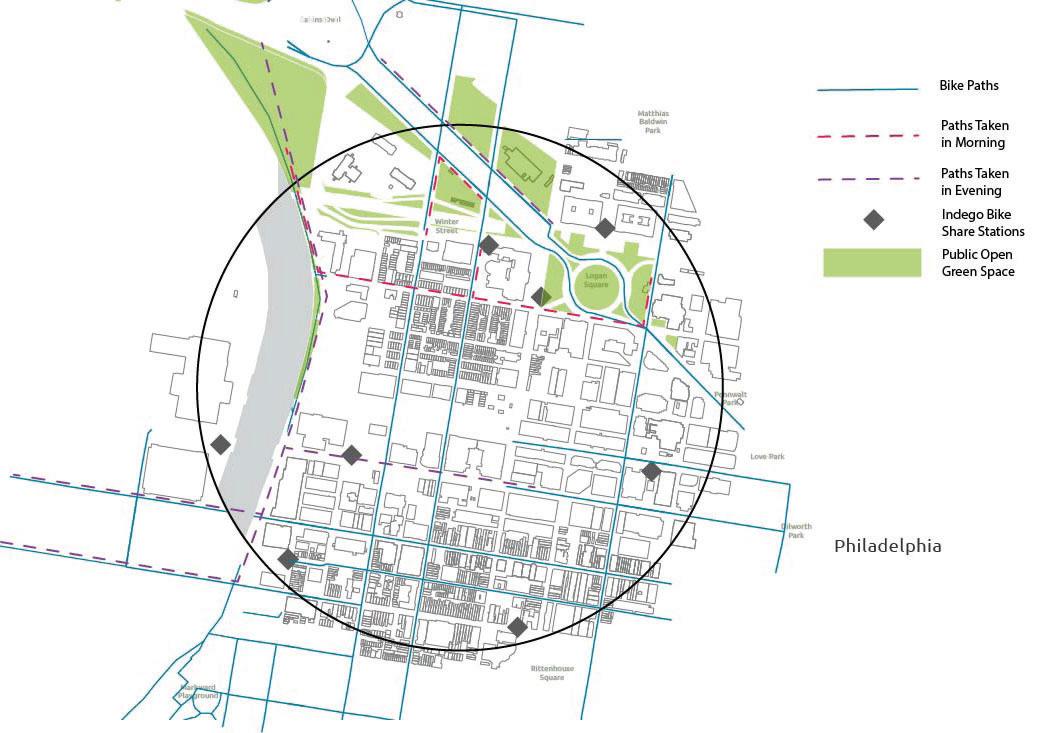
My explora on began with a deep dive into the current state of food access in Logan. The exis ng condi ons show that the neighborhood’s food access is supported through bodegas and stores lacking fresh produce. Recognizing the diverse needs of the community, I examined different scales of food solu ons that could be applied and supported across the neighborhood. Through the applica on of these interven ons- my goal was to create networks that ed the community together, created des na ons throughout the neighborhood and added pockets of green space. I broke my food access systems up into three categories transient methods, intermediate solu ons, and permanent solu ons.
Transient Methods: Street Condi ons and Food Trucks
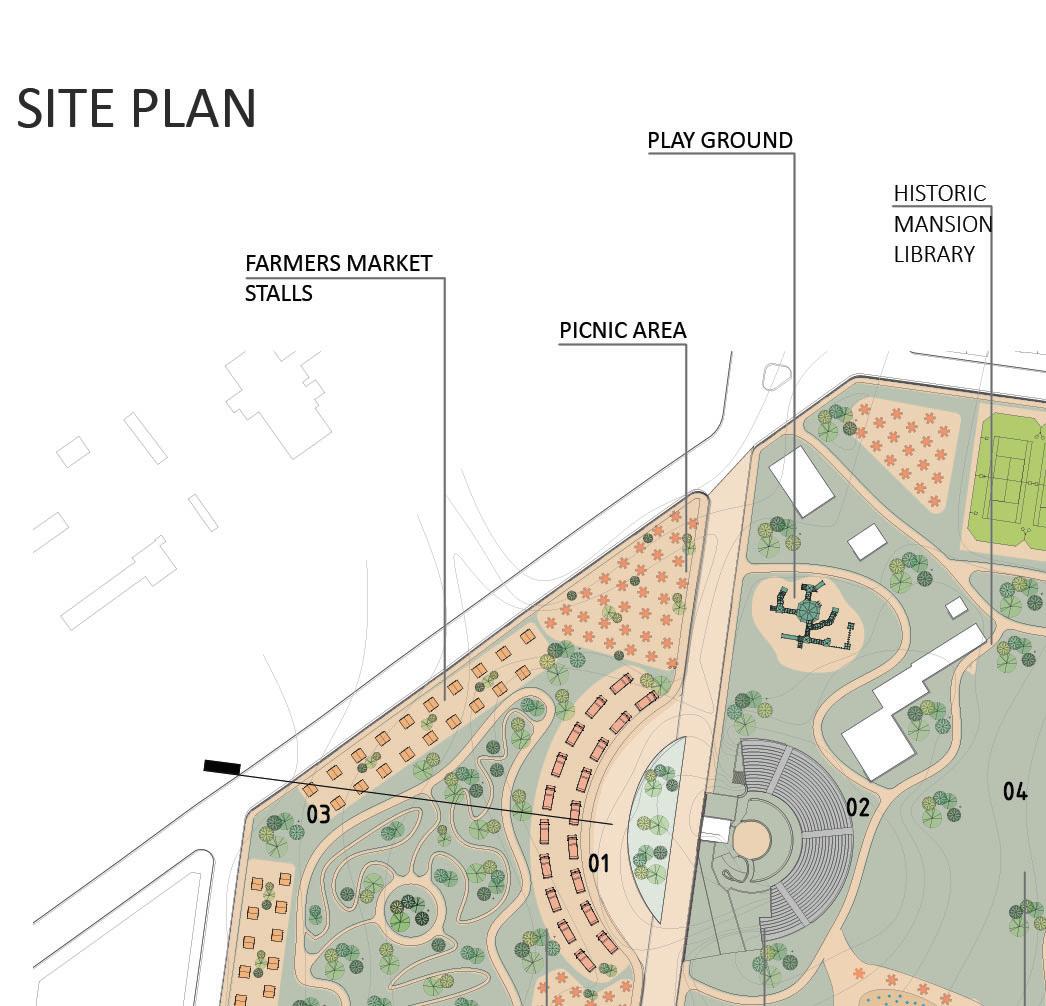
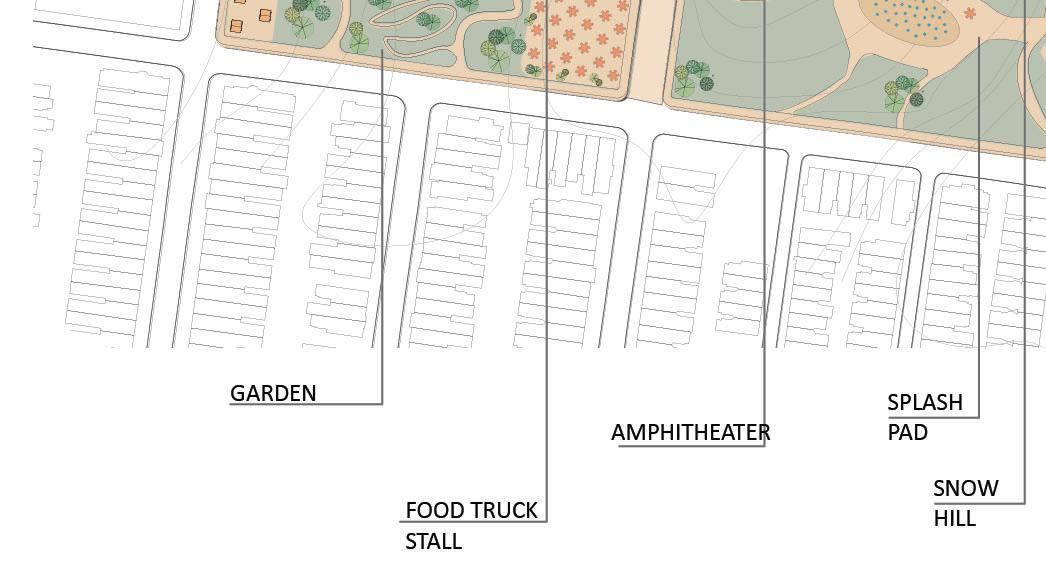
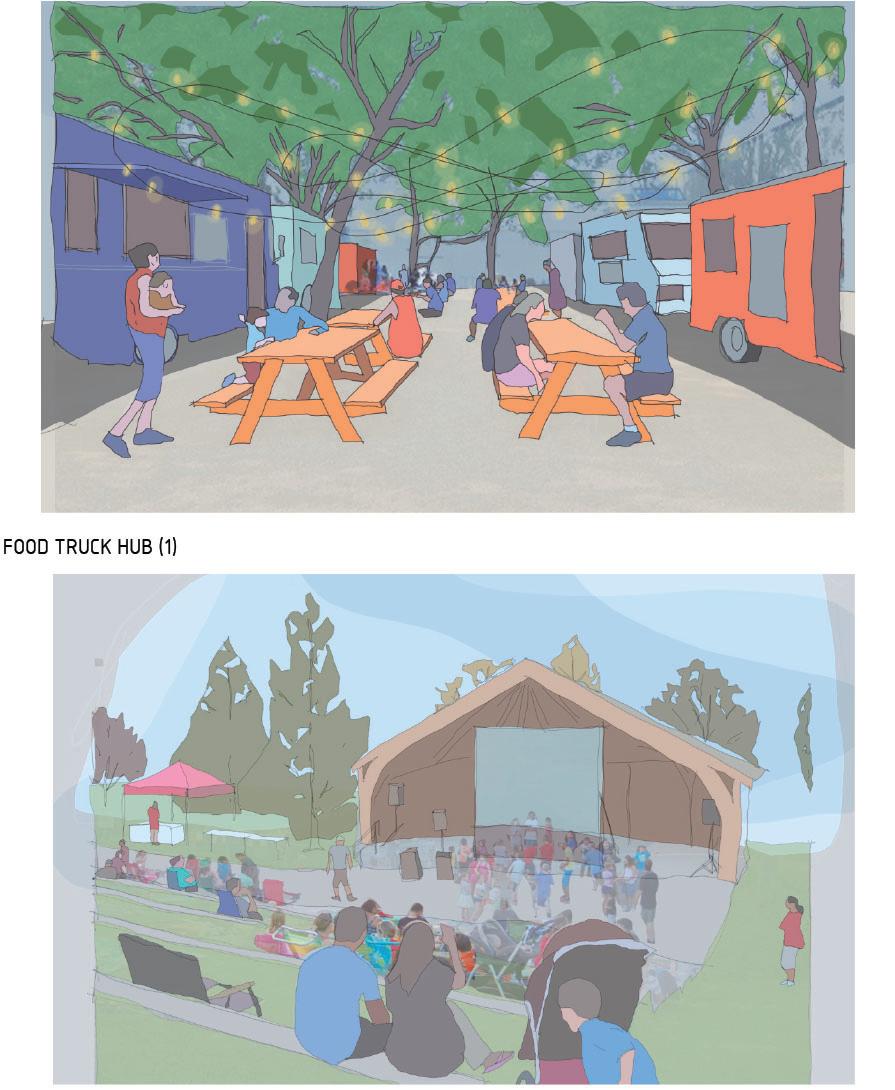
Street condi ons play a pivotal role in suppor ng food access, especially through transient methods such as food trucks and fresh food carts. By evalua ng the ability of streets to accommodate these mobile solu ons, we can create dynamic hubs for quick and convenient access to fresh, healthy food. Improved bike lanes not only enhance accessibility but also promote sustainable modes of transporta on. I went through and began to design alternate street solu ons that allow for this infrastructure comfortably -while also adding elements of outdoor ac va on such as sea ng and greenscape. One of the interven ons related to food carts - showed a permanent space that had the ability for different food carts or pop-up trucks to move in and out . These solu ons allow for variety and different levels of access. While also beginning to add a higher pedestrian quality to the streetscape of the neighborhood.
Fostering Community Connec on: Farmers Market Stands and Community Gardens
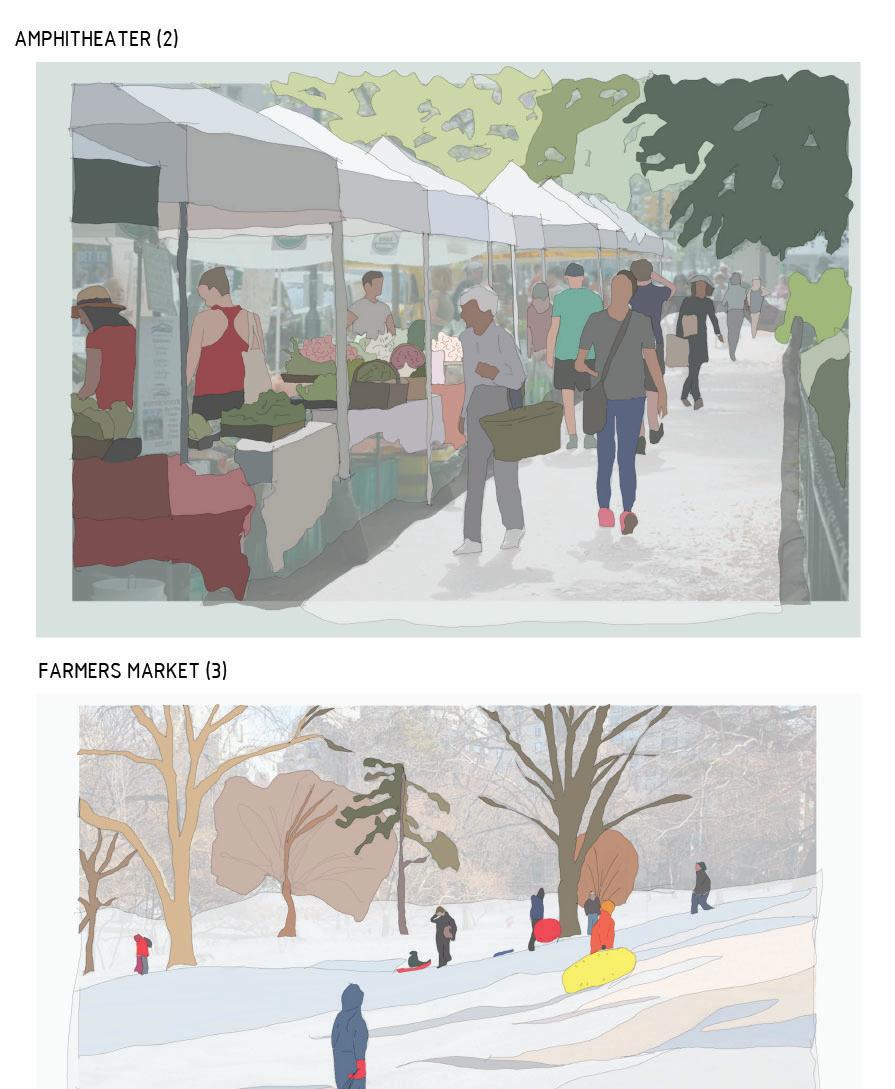
Recognizing the importance of community connec on, the project introduces farmers market stands and community gardens. These ini a ves not only bring fresh produce directly to the community but also promote a sense of local ownership and pride. Community gardens, in par cular, serve as educa onal spaces and sources of locally grown, sustainable produce.
Project Synergy: Strengthening the Fabric of Logan
What makes this approach important is the integra on and synergy between these different scales of food access. Streets that support food trucks can seamlessly connect with food halls in vacant spaces, crea ng a network that addresses immediate needs while contribu ng to long-term urban revitaliza on. As we address food access, we simultaneously enhance the quality of public spaces and encourage a more ac ve and engaged community.
CONNECTION TO THE NEIGHBORHOOD
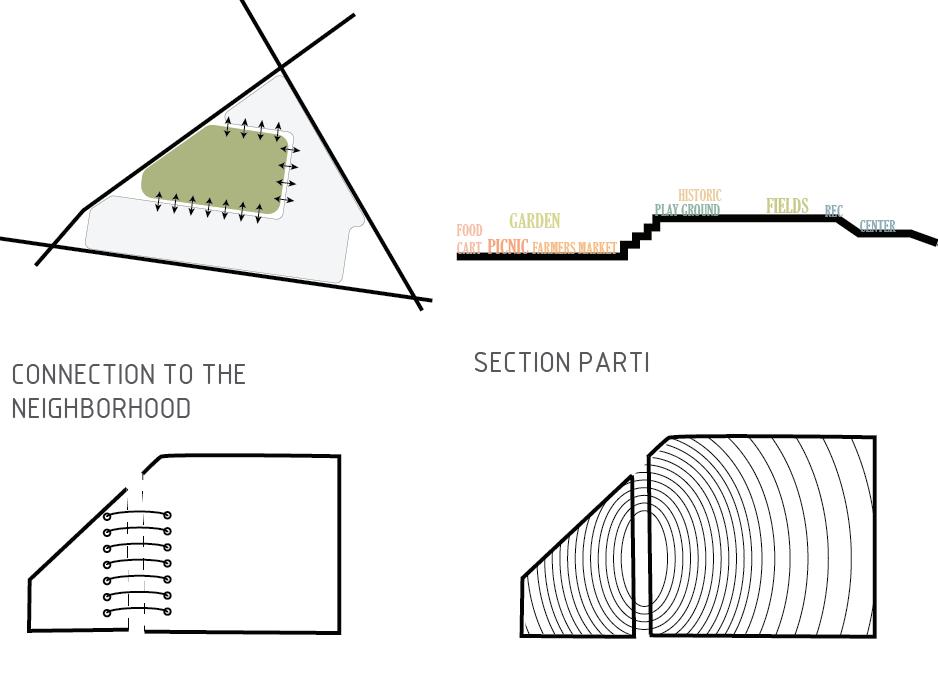
SECTION PARTI
PROFESSOR: JASON AUSTIN
JANUARY- MARCH 2023- STUDIO 3B PROJECT
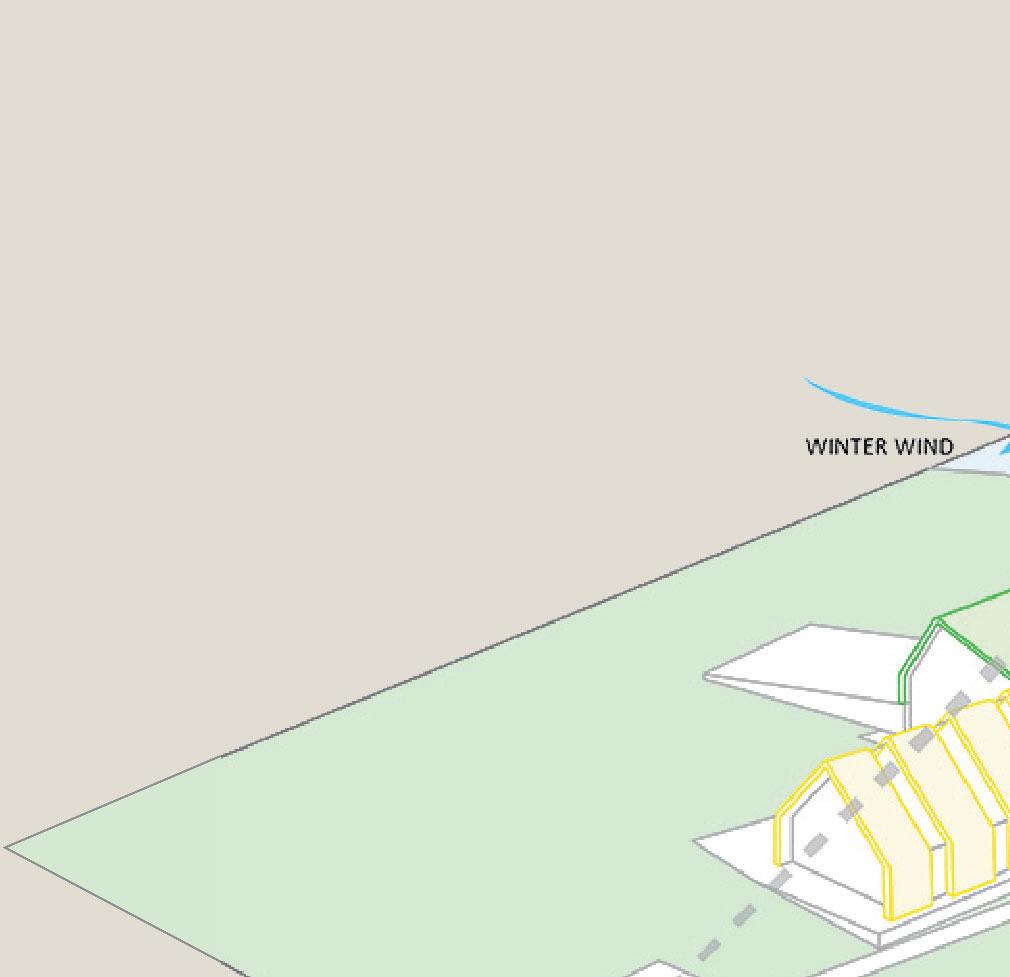
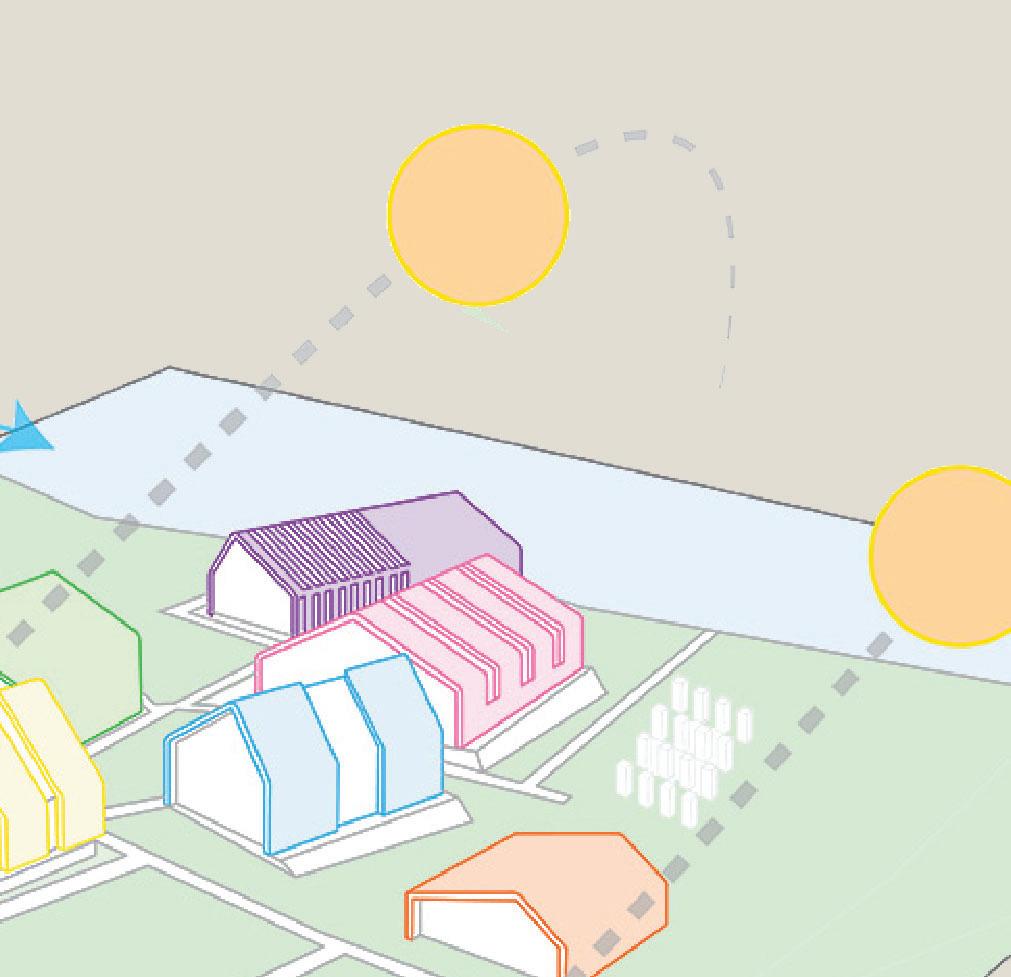
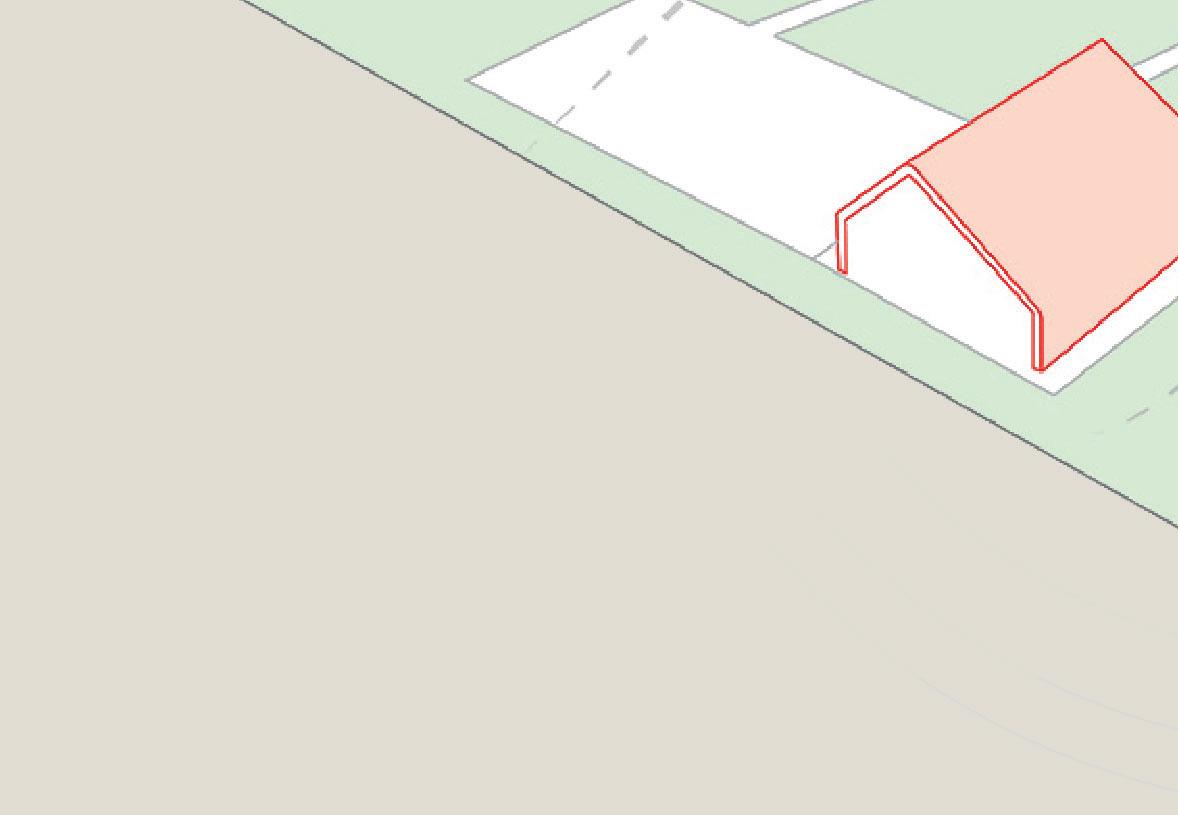
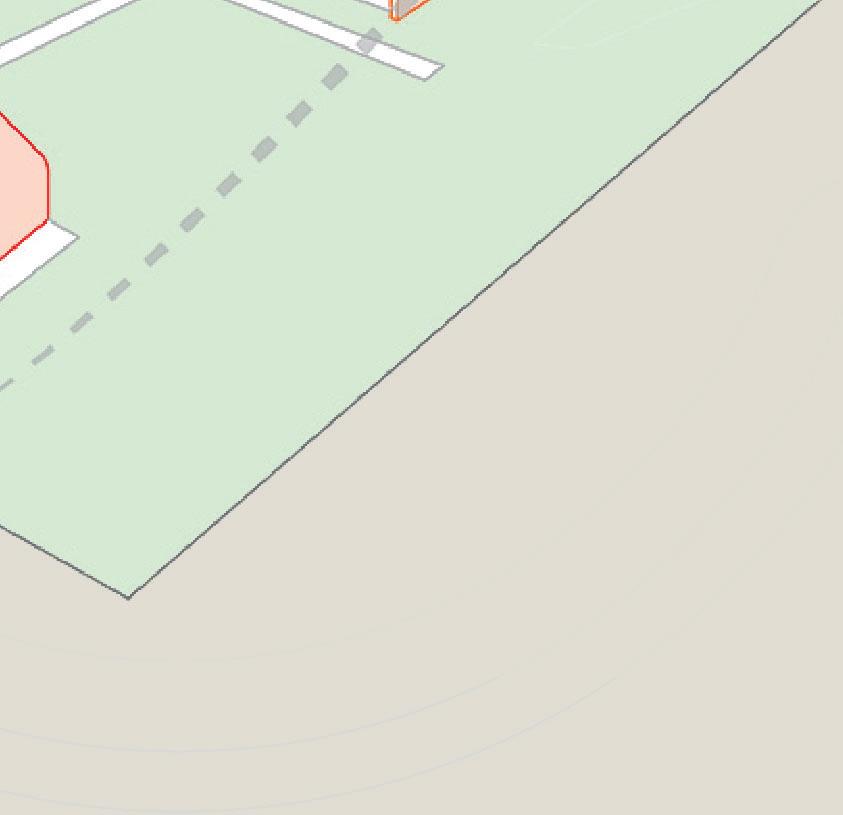
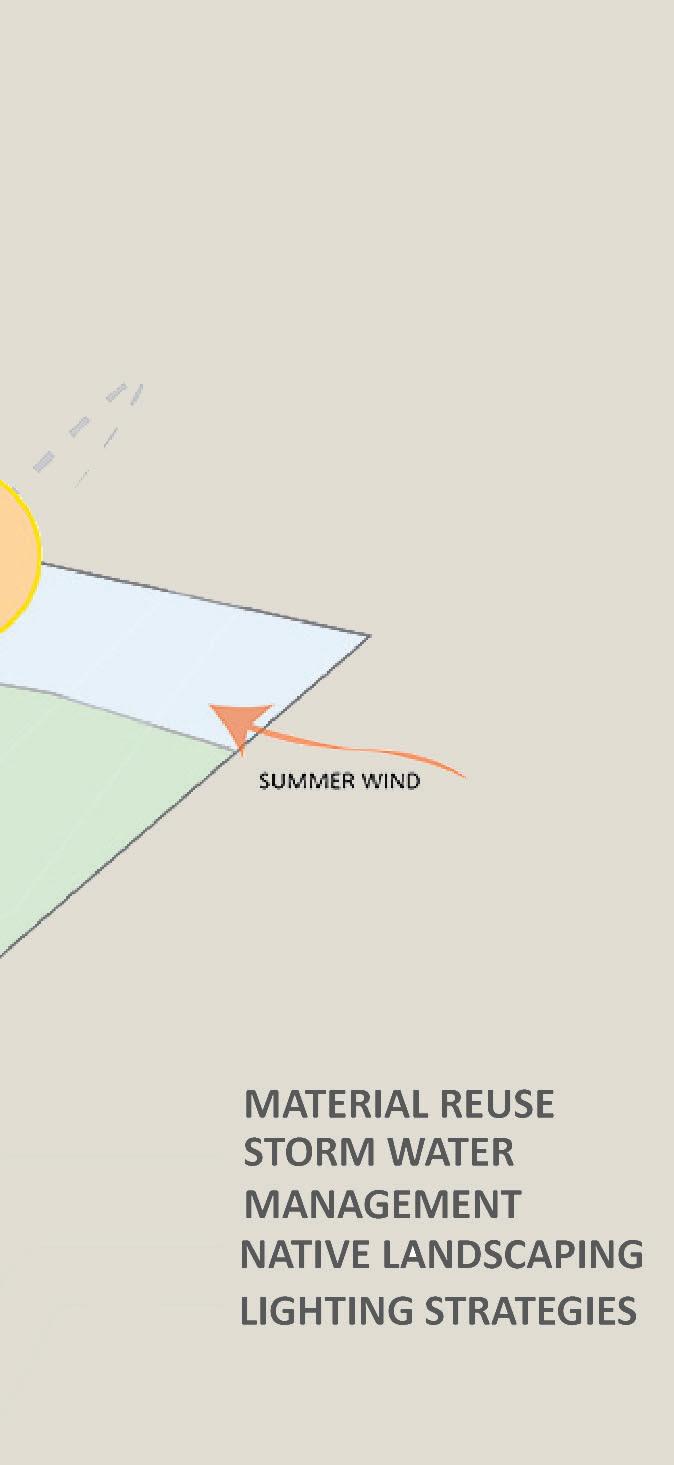

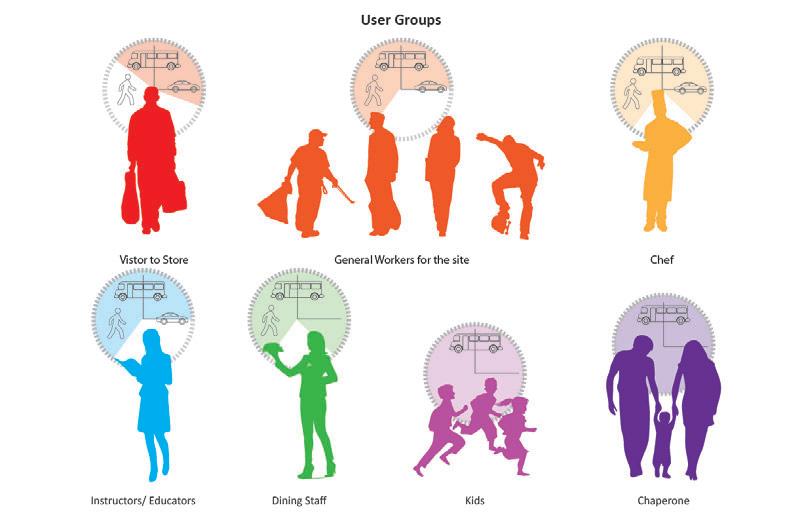
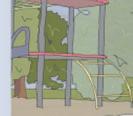
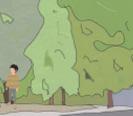
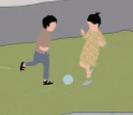
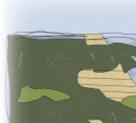
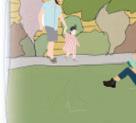
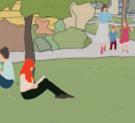
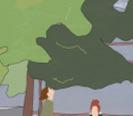
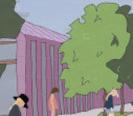
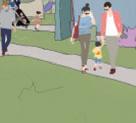
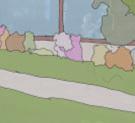
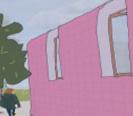
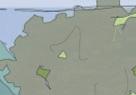
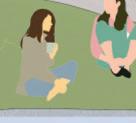
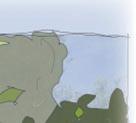
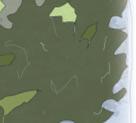
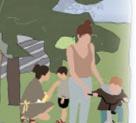
This program is designed to give children a hands-on experience with the full agriculture cycle, from seed to table. Through interac ve ac vi es and educa onal adventures, par cipants will explore hydroponic systems, learn about farm animals, and par cipate in educa onal kitchen sessions. Throughout the fellowship, kids will learn about the science of growing crops and raising livestock, as well as the importance of sustainable agriculture prac ces. They will also discover the connec on between food produc on and healthy ea ng habits. With a focus on hands-on learning and prac cal skills, par cipants will leave the fellowship with a deeper understanding of where their food comes from.
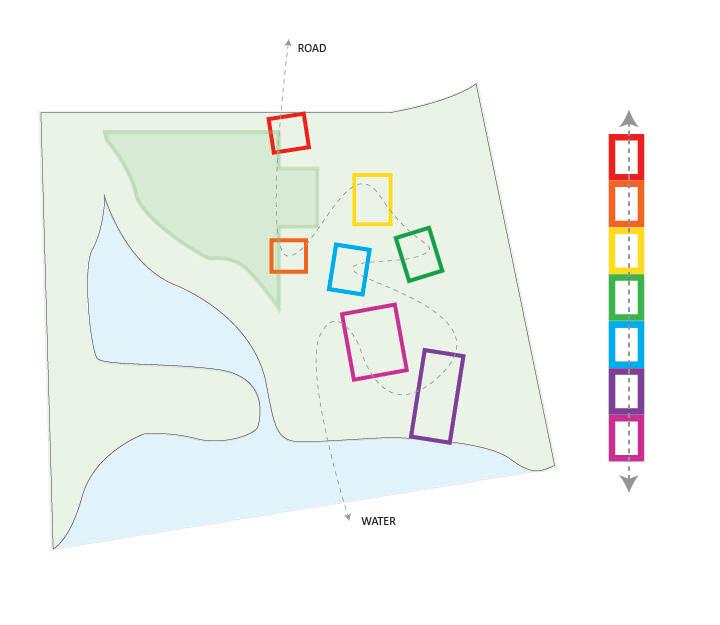
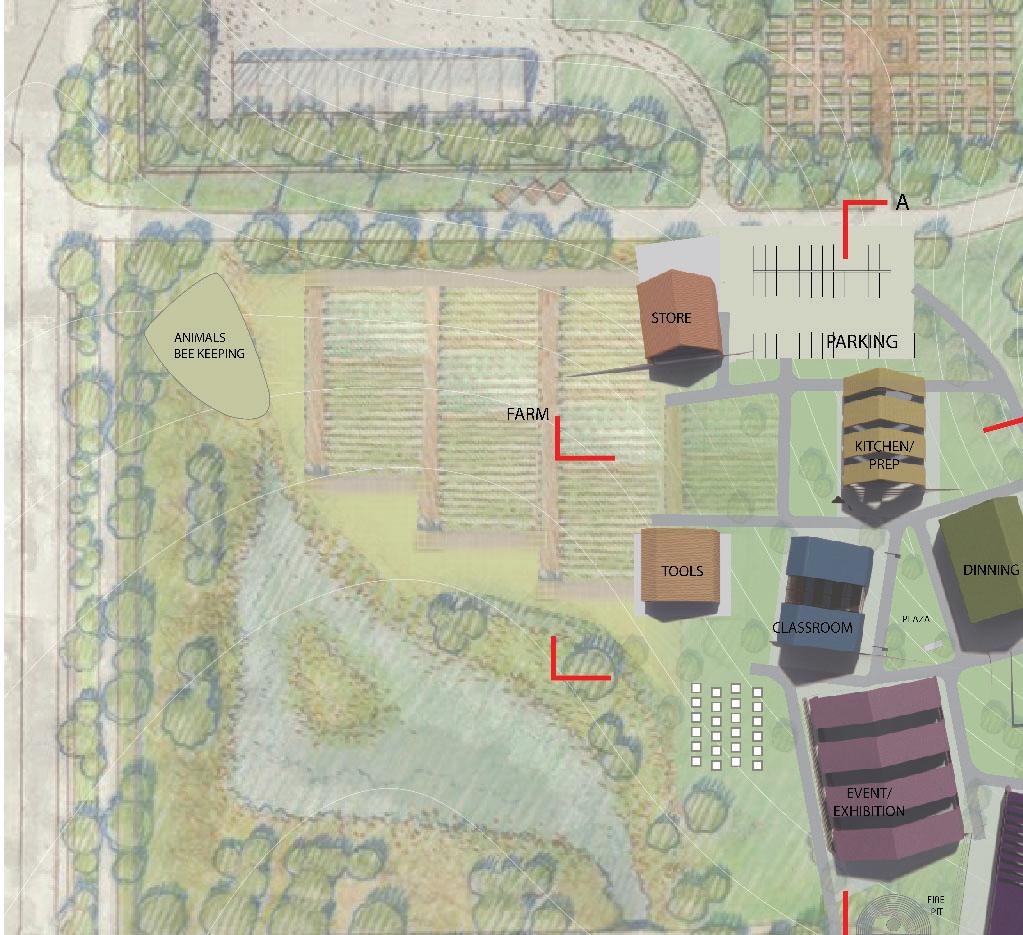
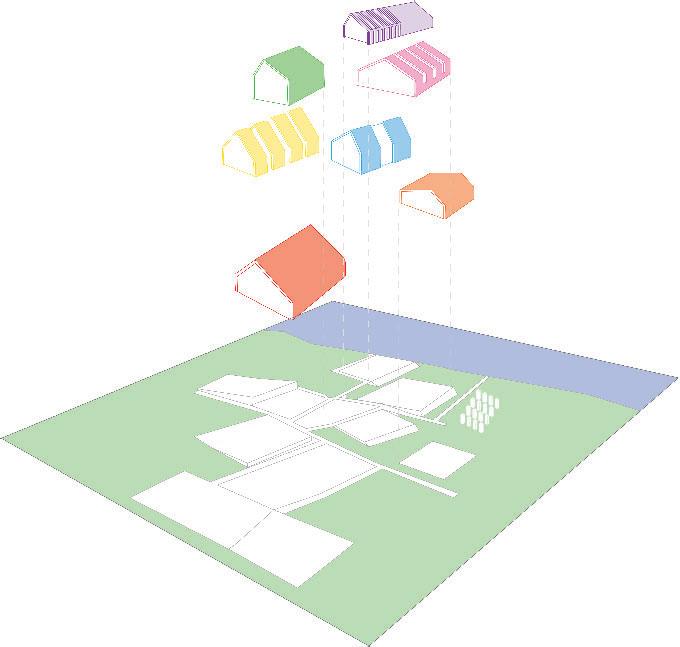
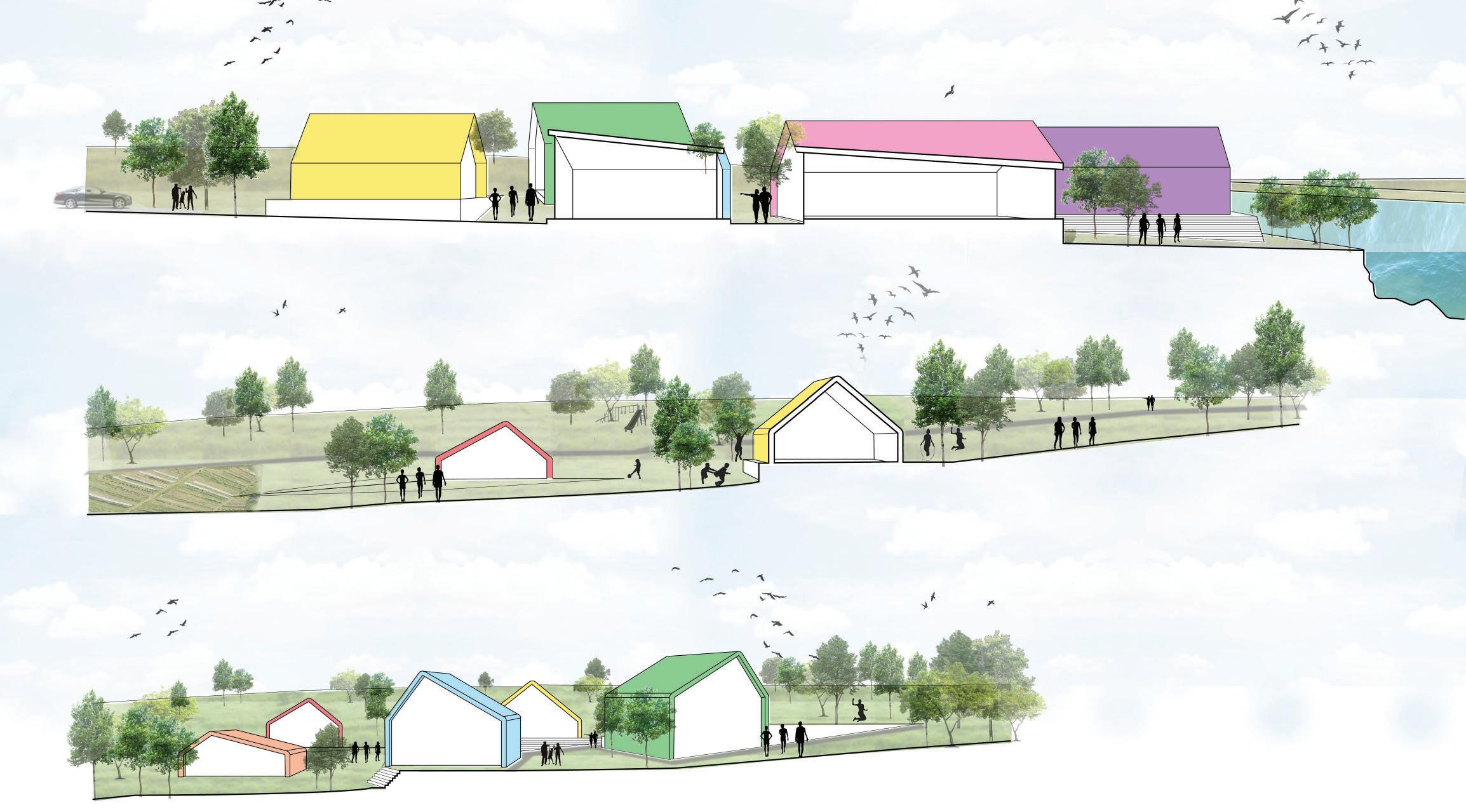
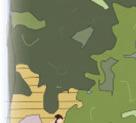
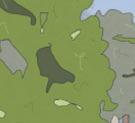
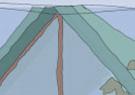
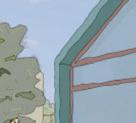
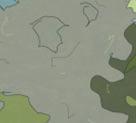
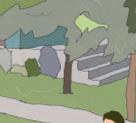
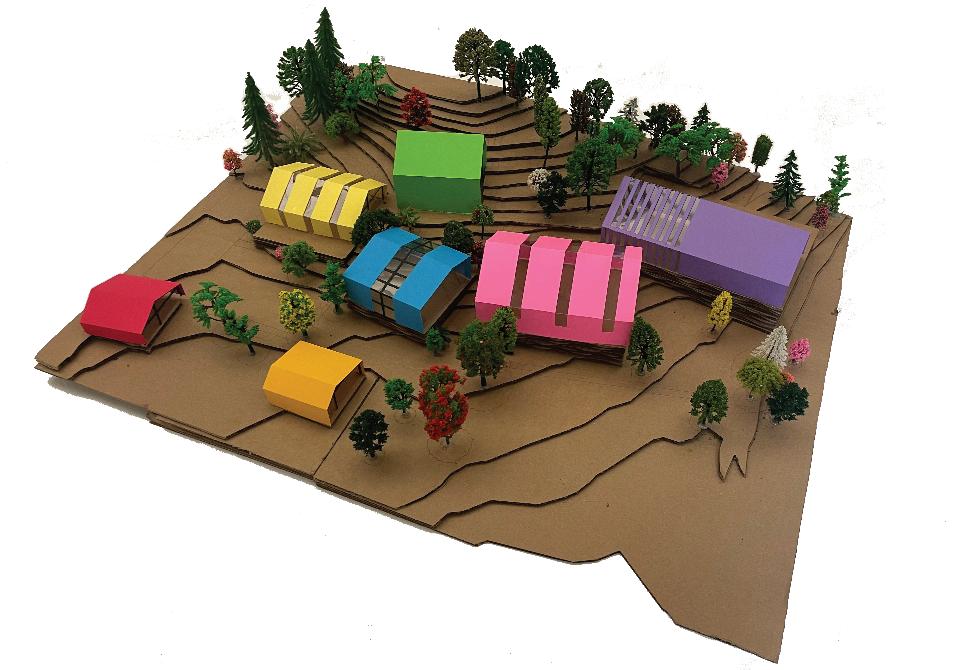
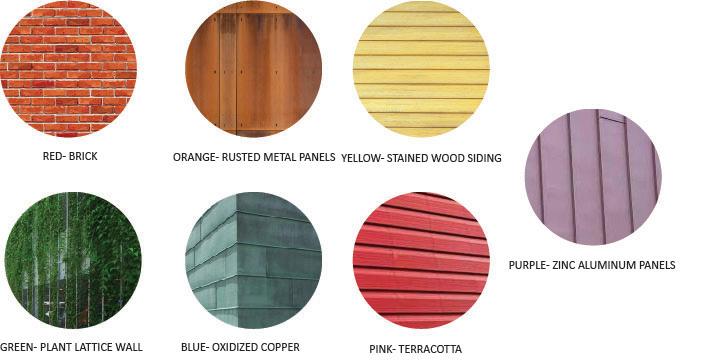
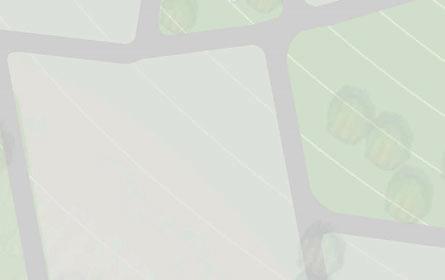
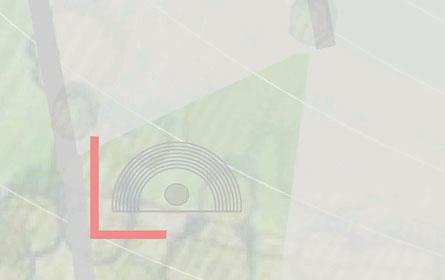
The site is broken up into its specified regions of uses. And sca ered in a more chronological order along the site. The design of the structures draws inspira on from tradi onal farm buildings, specifically the gable roof, which is a common feature in rural architecture. The repe ve use of this roof form creates a unified and cohesive appearance that fits in with the surrounding landscape. In terms of color, the project uses strong color theory to create an associa on between space and func on. For example, different colors may be used to iden fy different areas or func ons within the complex, such as classroom spaces, hands-on learning areas, and store fronts. This not only provides visual interest but also helps with wayfinding and naviga on.
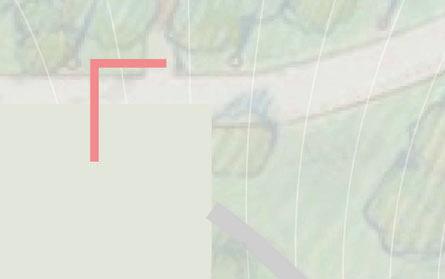
Another key feature of the project is the use of window walls on the east and west sides. These walls provide natural light and stunning views of the water at the top of the site. The window walls also serve to guide visitors towards the most picturesque parts of the site, crea ng a sense of discovery and wonder.In addi on to these design elements, the project takes advantage of the natural topography of the site. Rather than altering the landscape, the structures are designed to follow the contours of the land, crea ng shelves and stepping in the landscape. This approach not only reduces the environmental impact but also creates a harmonious rela onship between the built environment and the natural world.
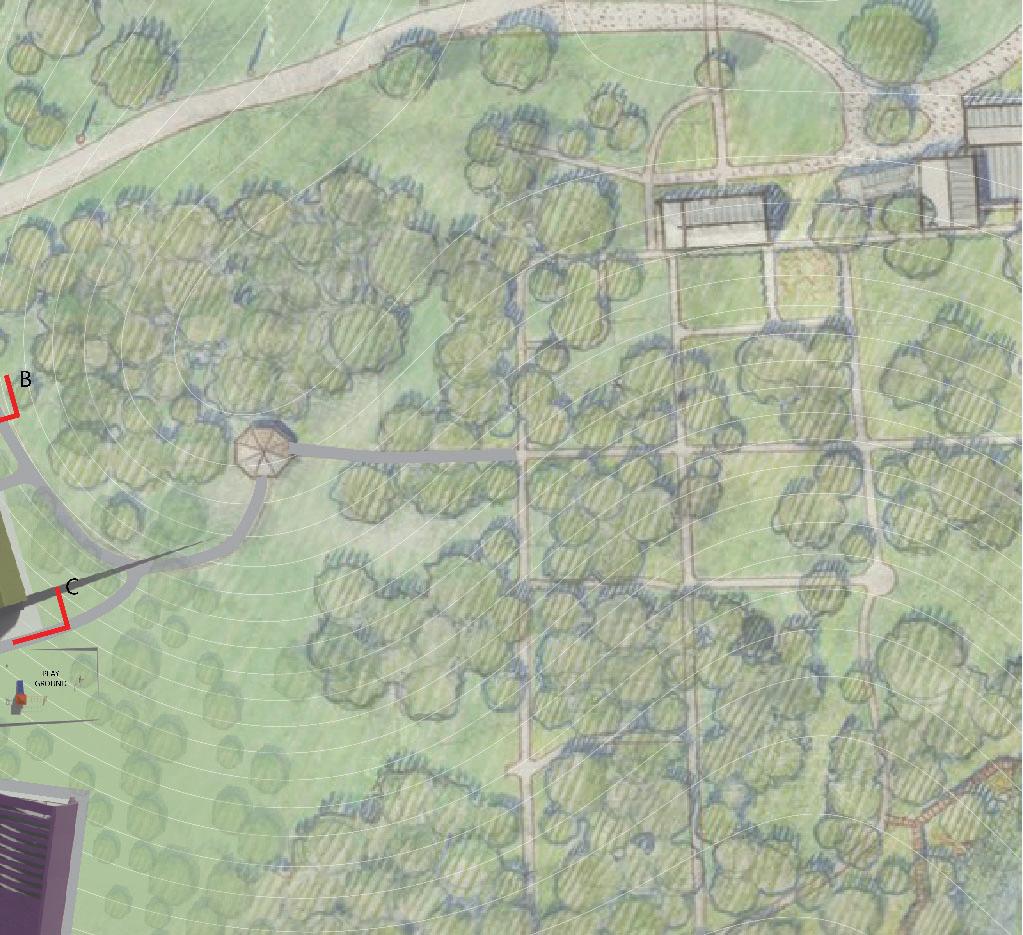
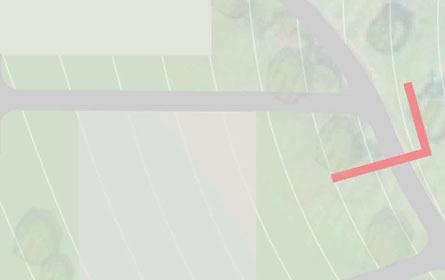
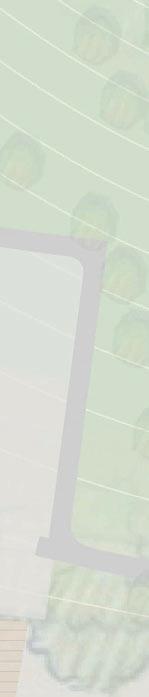
The design of the agriculture fellowship project includes a network of paths that flow through the site, connec ng the various structures and outdoor spaces. The design of the paths are a crucial element in ensuring that the site is fully accessible for all users. The design takes into account the needs of users with different mobility levels, and ensures that everyone can navigate the site with ease and comfort. This creates a welcoming and inclusive environment that encourages explora on, learning, and engagement for all.On one hand, the site is designed to provide a more in mate and focused educa onal experience, with its own dis nct architecture, landscape, and programming. This creates a private space that is dis nct from the larger public space of Bartram’s Garden.





PROFESSOR: JASON AUSTIN
APRIL- JUNE 2023- STUDIO 3C PROJECT
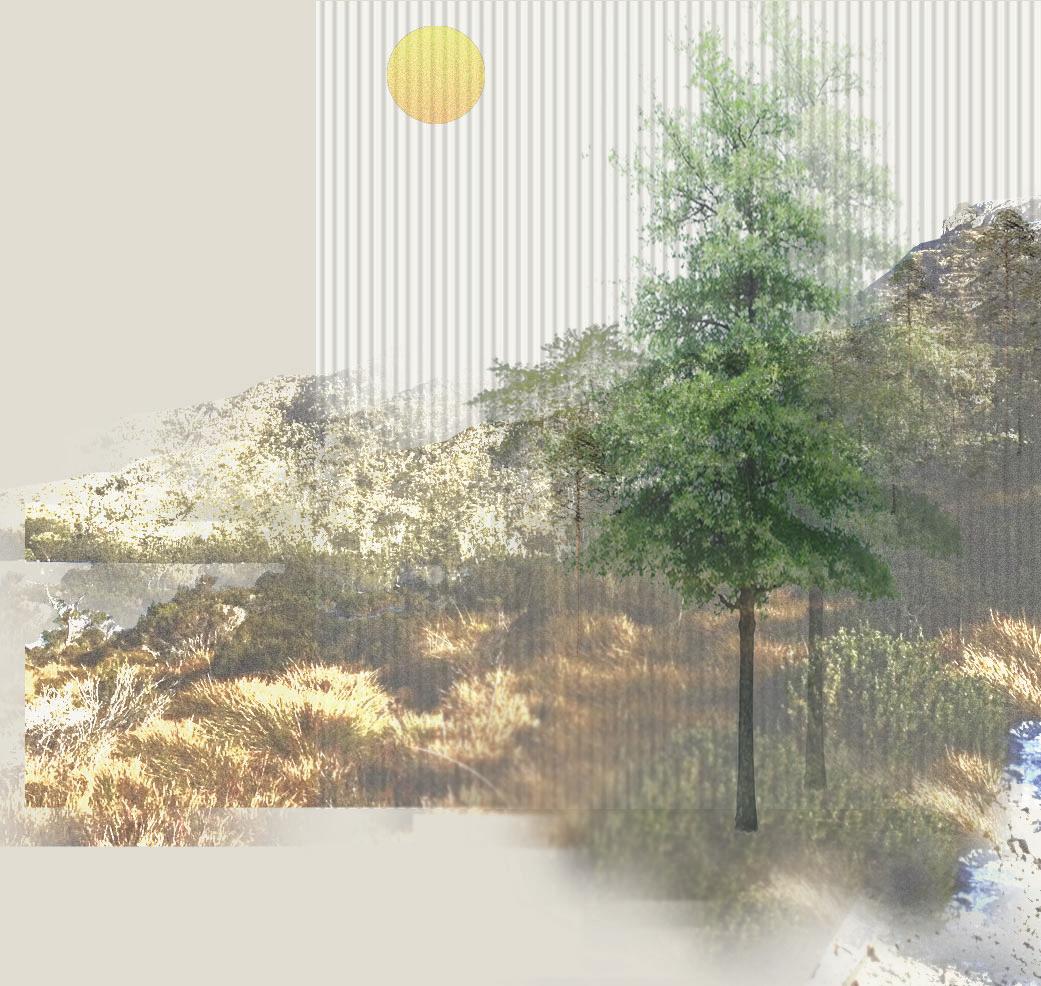
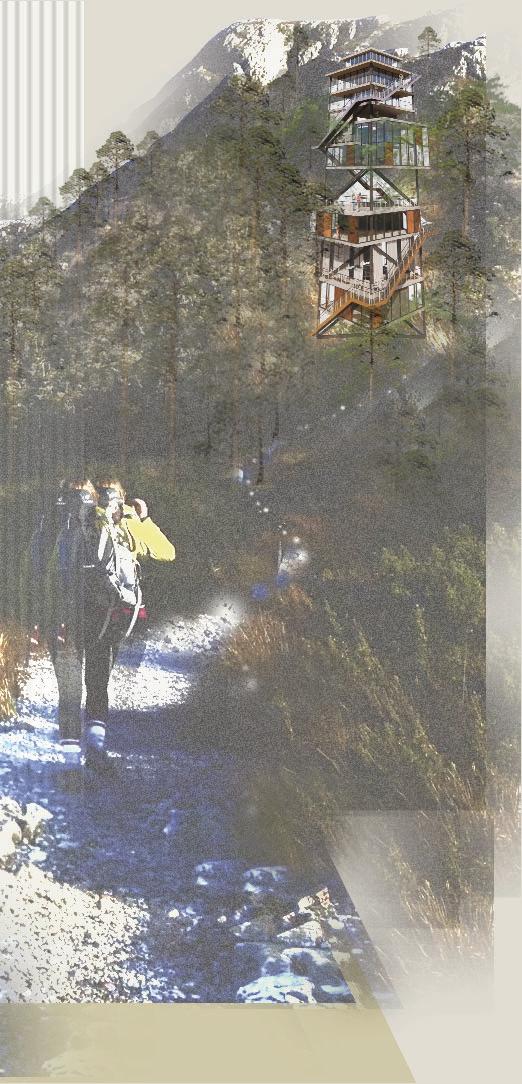
The “Fusion Watch” project aims to address the urgent need for func onal fire lookout towers in the San Bernardino mountains by proposing a modular design that combines the needs and interests of two dis nct user groups: hikers and fire lookout tower watch personnel. This innova ve approach not only promotes interac on between these user groups but also serves as an educa onal and community hub.
Situated above Lake Arrowhead and strategically adjacent to a popular local hiking trail that merges with the Pacific Crest Trail (PCT), the proposed fire lookout tower serves mul ple purposes. The architecture is me culously developed based on a comprehensive program designed specifically for this site.
The modular design approach ensures flexibility, adaptability, and sustainability. It allows for the tower to be replicated in other loca ons, accommoda ng varying site condi ons and user needs while maintaining its core func ons. The Fusion Watch project aspires to become a model for future fire lookout tower designs, promo ng collabora on, educa on, and community engagement in preserving our natural landscapes and protec ng them from devasta ng fires.
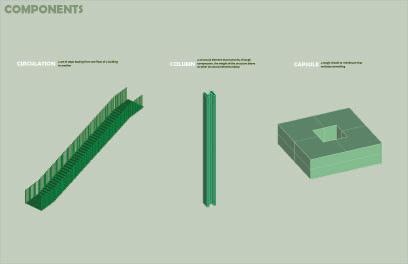
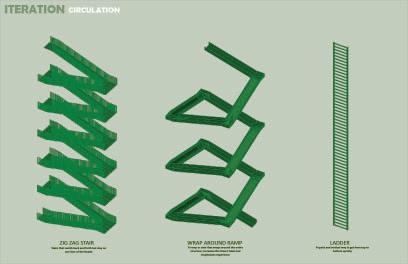
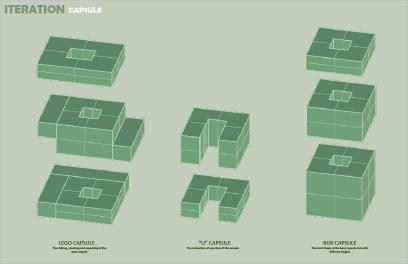
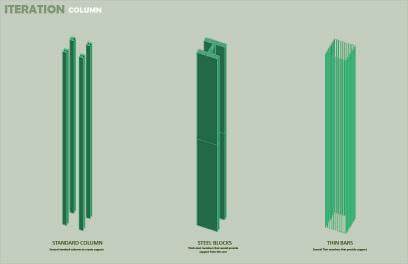
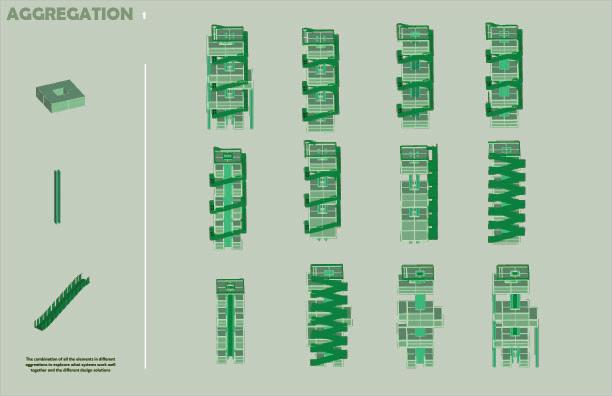
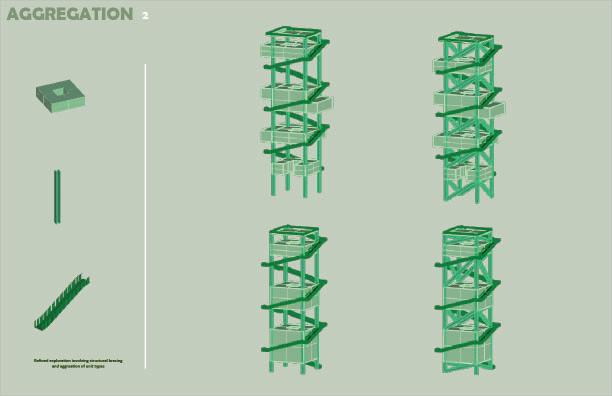
A STUDY OF MIX AND MATCHING THE MODULAR COMPONENTS TO DEVELOP A COMPREHENSIVE AGGREGATION OF THE MOUDLAR DESIGNS THE TOWER COULD TAKE.
FIRE LOOKOUT PUBLIC WORK SPACE AND OBSERVATION PLATFORM
FIRE LOOKOUT WORK SPACE
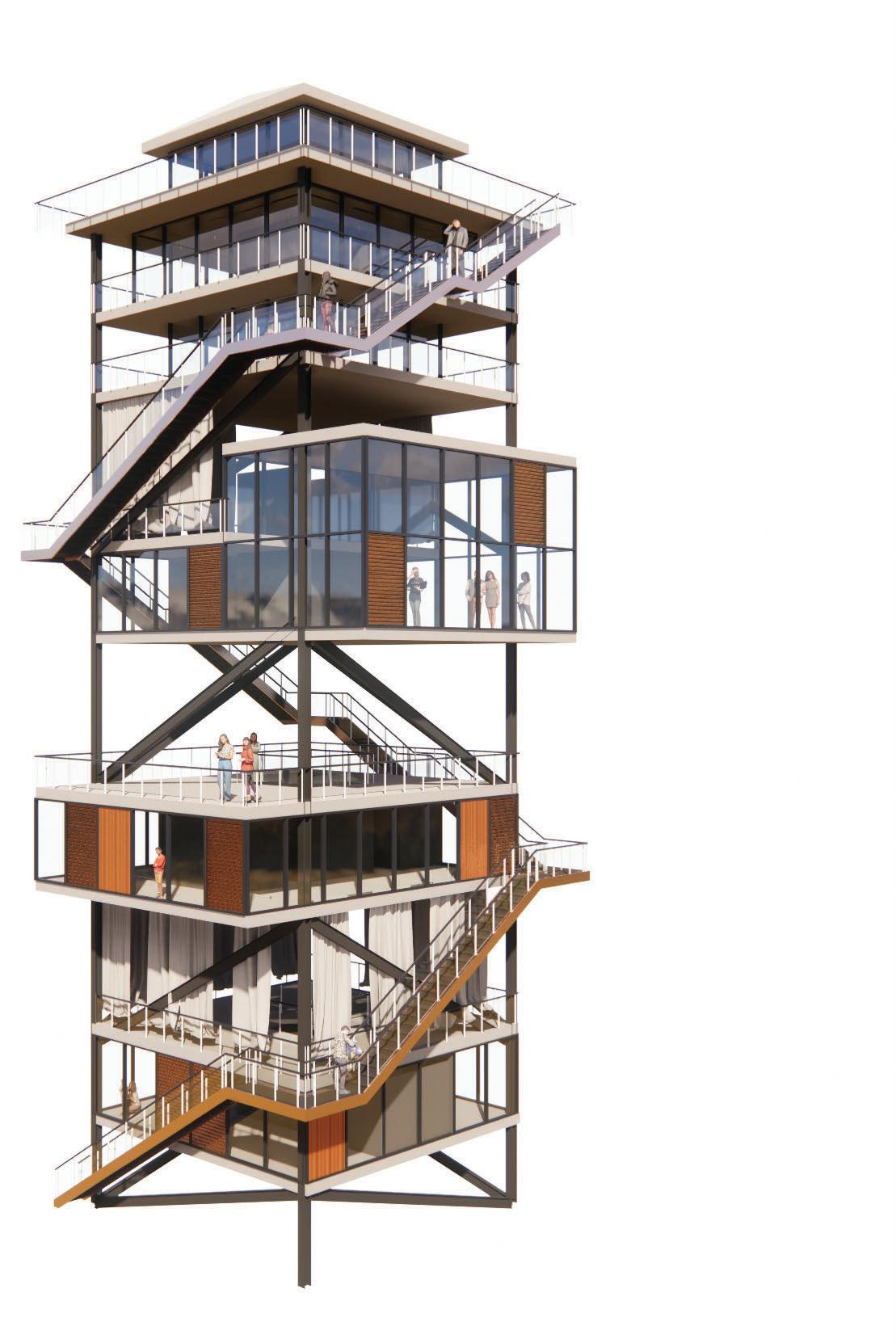
FIRE LOOKOUT LIVING SPACE AND SEMI PRIVATE DECK
OUTDOOR SPACE FOR HOSTEL
HIKER HOSTEL
PUBLIC VIEWING PLATFORM
MAIL ROOM AND HIKER RESTOCK CENTER
PUBLIC VIEWING PLATFORM
EDUCATION CENTER
PROFESSOR: RACHEL SCHADE
JANUARY- MARCH 2022- STUDIO 2B PROJECT
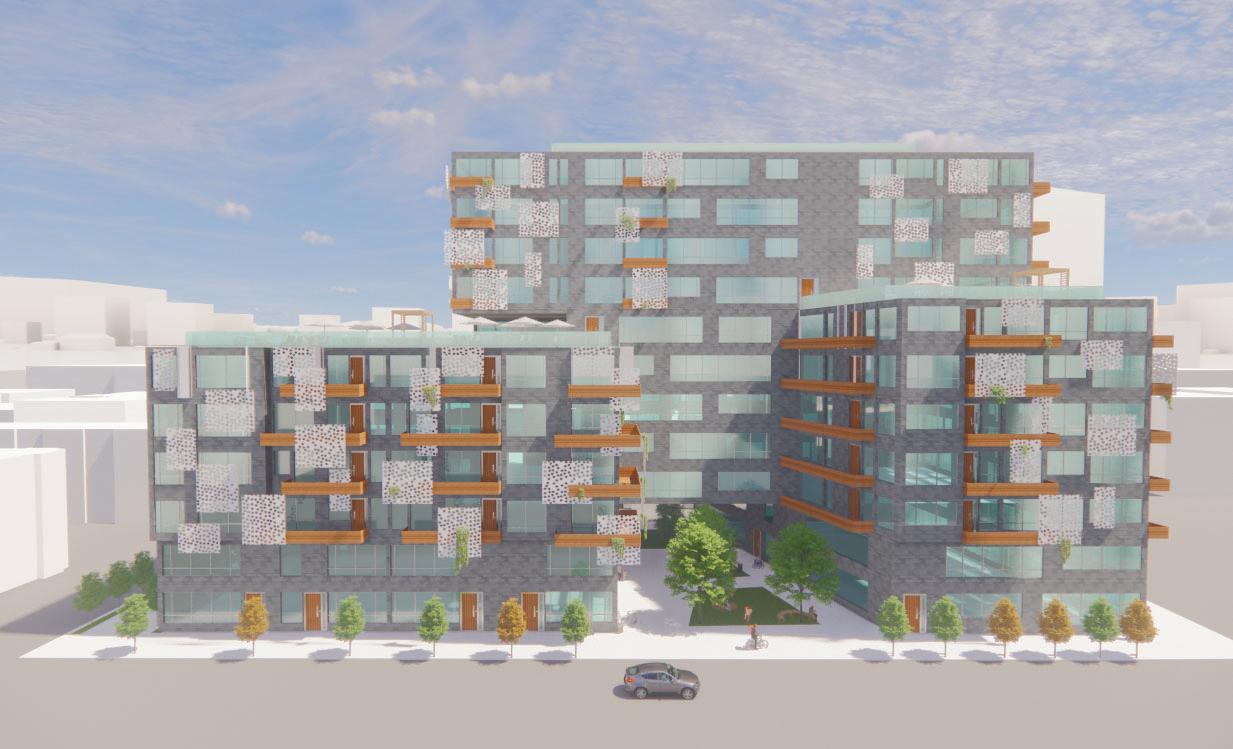
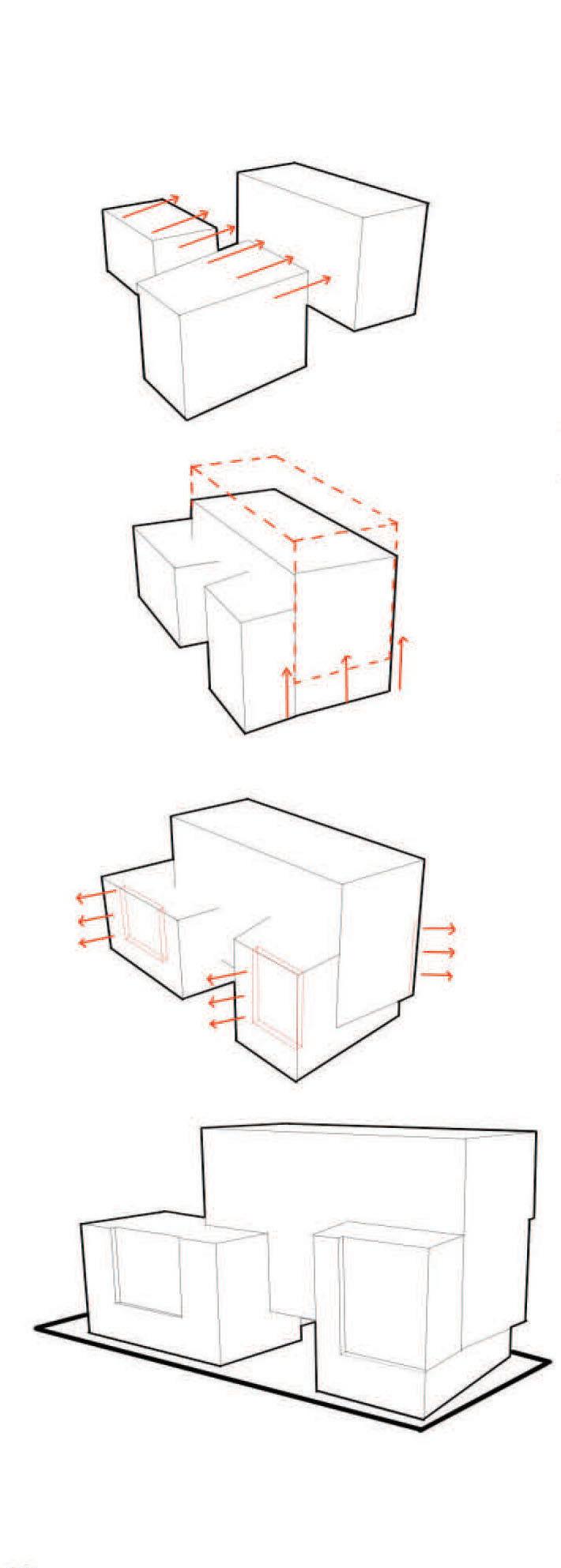
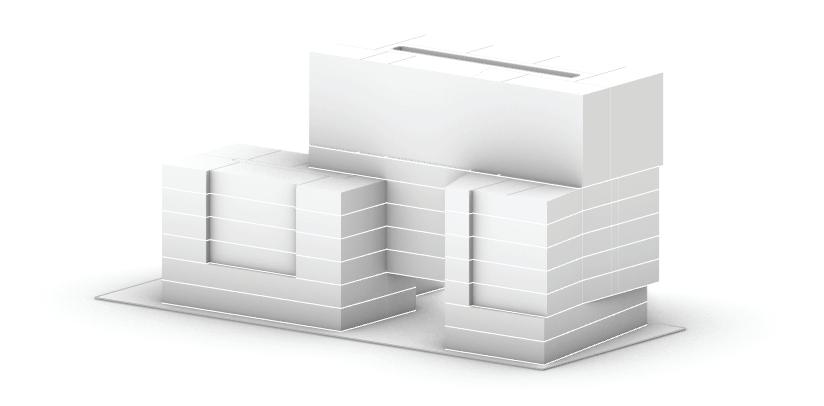
Through a 10 week process, this re rement community was developed. A variety of floor plans and concept models were executed, but the final design resulted in a plan that was meant to bring the community together while allowing for separate home spaces for the residents.
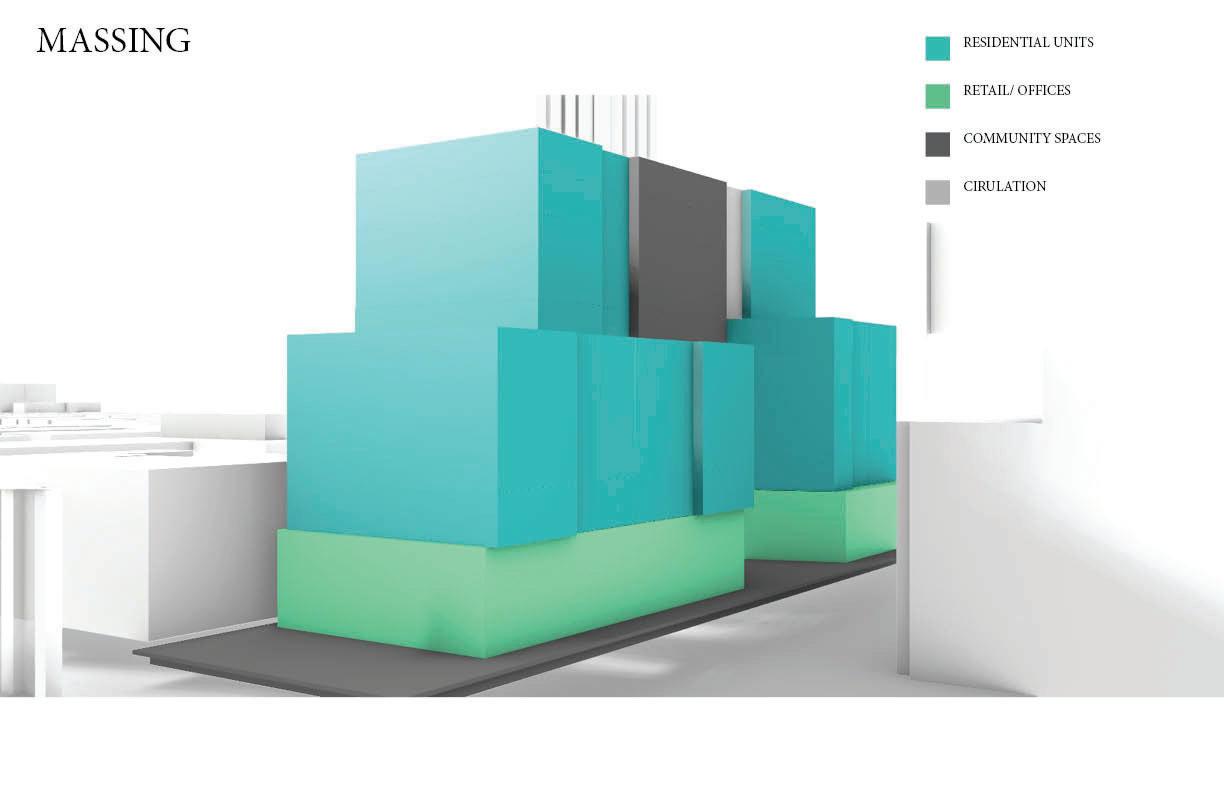
This building is designed for 55 parking spaces, 8 of which are handy capped. It has 97 units, 28 that are studios, 44 that are one bedrooms, 21 two bedrooms, and 4 three bedrooms. The units take a total of 79280 Sqf and around 66% of the building. The first floor has a cafe, a restaurant, a common retail space, and a small office. These spaces all have a ground floor and a mezane on the second floor. The cafe has both in and outdoor sea ng.
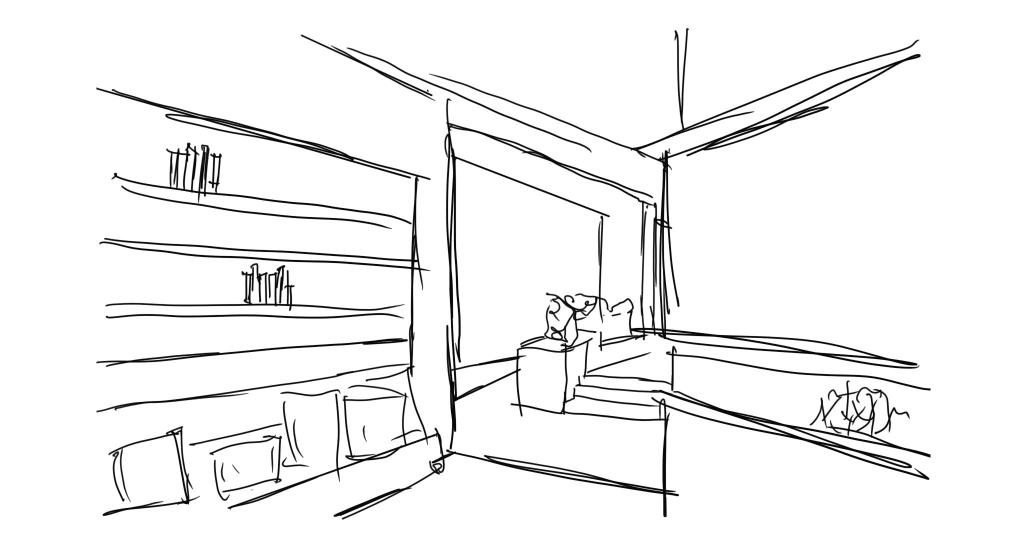
On the other side of the first floor is the lobby space that is designed to house a gathering area with couches and coffee/breakfast bar. Towards the back is the “back of the house” mailroom, leasing offices, and storage for cleaning and u lity equipment. The smaller building segment, in the back, is for housing trash and storage for the building. The second floor has room to house a mulpurpose room, a common area kitchen, and a gym. Floors 3-11 house the units and include common spaces such as reading nooks for the residents.
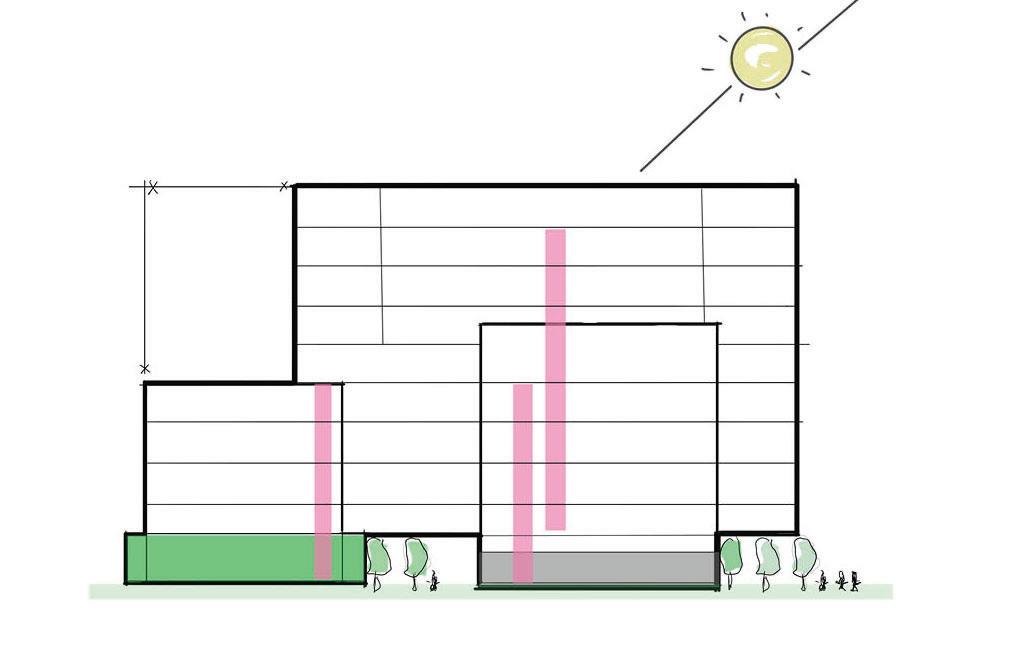
The structure has three green roofs, one on the third floor, one on the 6th floor and one on the 7th floor. As majority of the green spaces reside on the lower floors, I chose to include an atrium that would allow for more interior sunlight to floors 8 through 11. A courtyard is formed by the shape created by the buildings on the right and the le and the space is par ally covered by this back structure that picks up on the third floor. This space is meant for the gathering of residents and to create a sort of ves bule between the street and the building.
RESIDENTIAL UNITS
RETAIL/ OFFICES
GATHERING SPACES
CIRCULATION




1 2 3 4 5
1 2 3 4 5 6
COFFEE SHOP
RESTURANT RETAIL
GENERAL OFFICE
MECHANICAL/ TRASH
LOBBY
COURTYARD
VERTICAL CIRCULATION
OFFICES
BACK OF THE HOUSE
COFFEE/ BREAKFAST BAR
MAIL ROOM
3 4 5 6
PROFESSOR: DAVID BEKER
JANUARY- MARCH 2022- 10 WEEK SHOP PROJECT
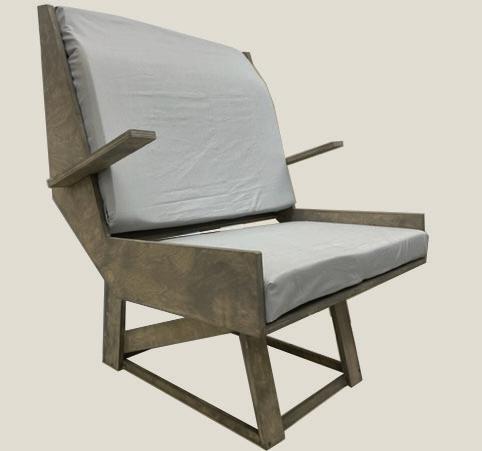
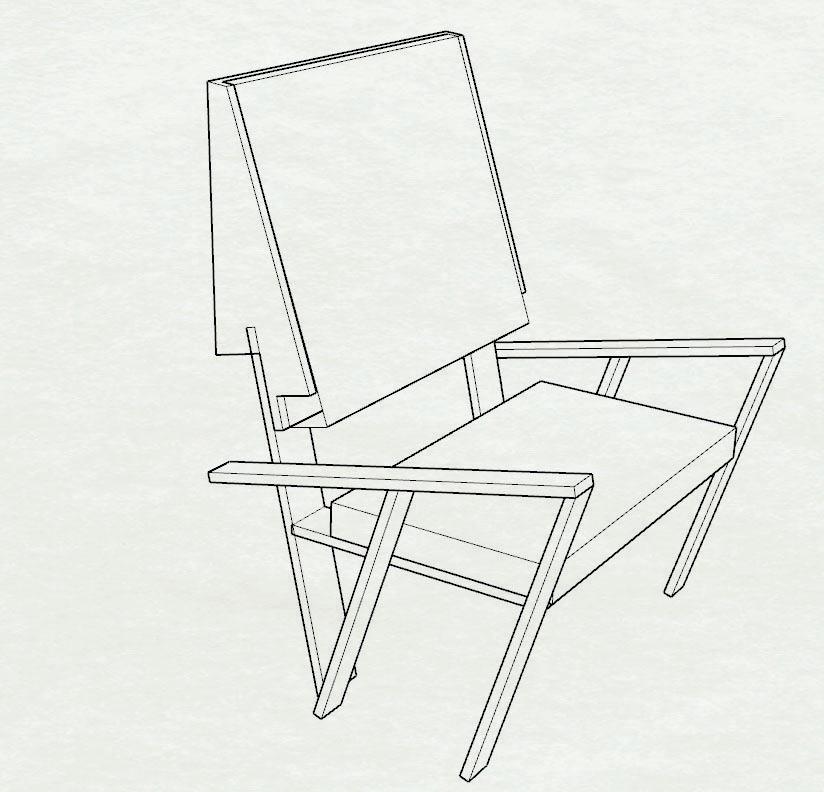
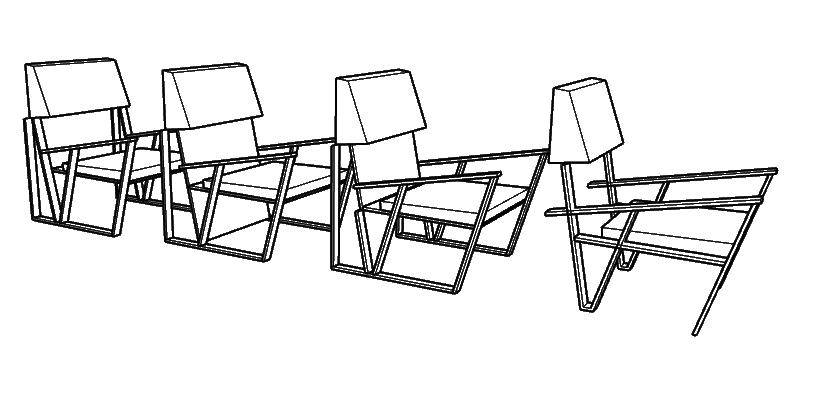
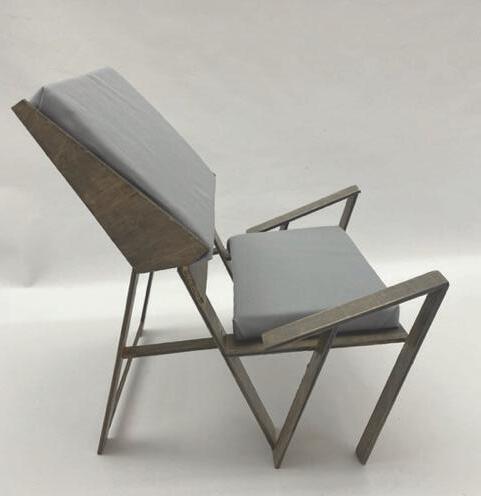
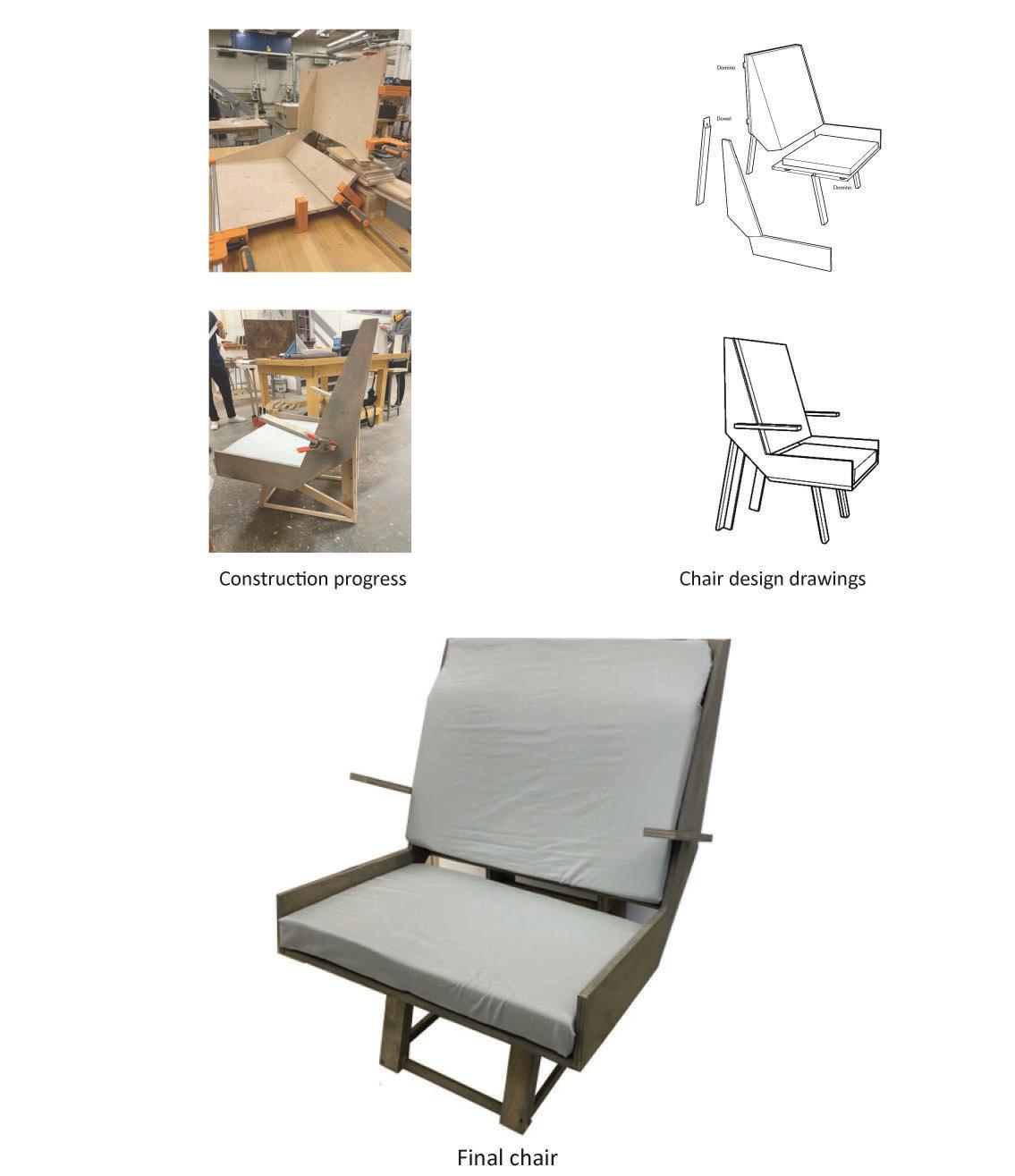
This process began by researching precedent chairs. I began to disect the presedent chairs by lines to find what key elements I wanted to bring with me into my desgin. From these lines I began to extrude and play with shapes, developing itera ons that I wanted to explore. A er se ling on an itera on, a 1/3 scale model of this chair was curated. This experiment taught me about the nature of the material I was working with. I learned that the weight of my design was unsupported in certain areas and as a reuslt I need to add supports for that load. I reevaluated the angle of the back and began experimen ng with how it would affect the loads and comfort of the chair.
This lead to my final design that reduced and simplified some of the components. The cut process was fairly simple and didn’t have many challenges. The process that was more difficult was the joints and connce ng of the pieces. My plywood was a cheaper material and had a lot of spli ng which weakened the joints during construc on. As a result of the weakened supports, I had to add addi onal bracing that wasn’t in the original design.

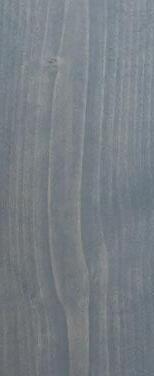
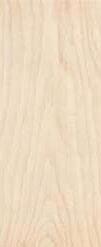
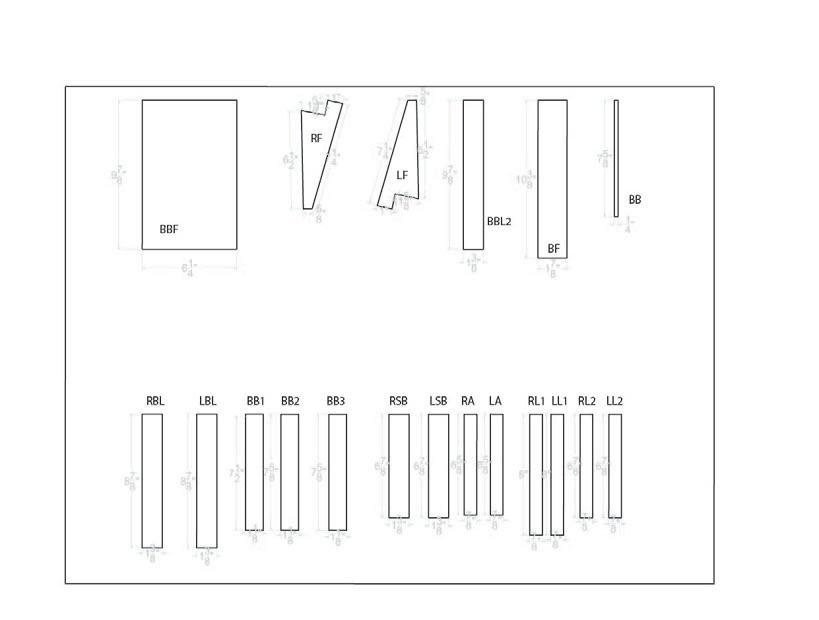
Materials and cut sheet
Kunshan, China - Vector Architects
PROFESSOR: JEREMIAH WOODRING
SEPTEMBER - DECEMBER 2021- THREE WEEK PROJECT
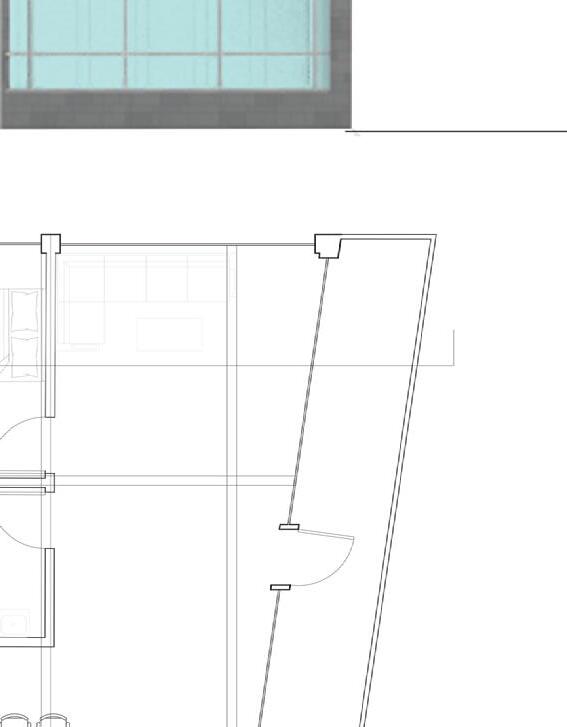
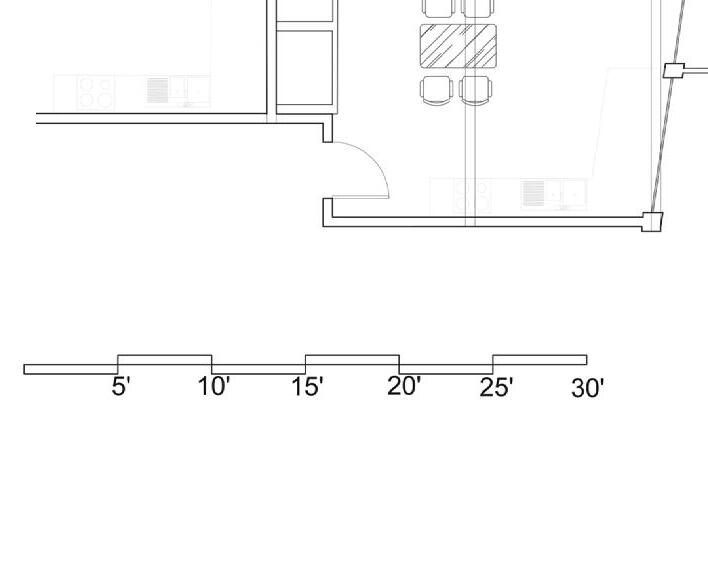
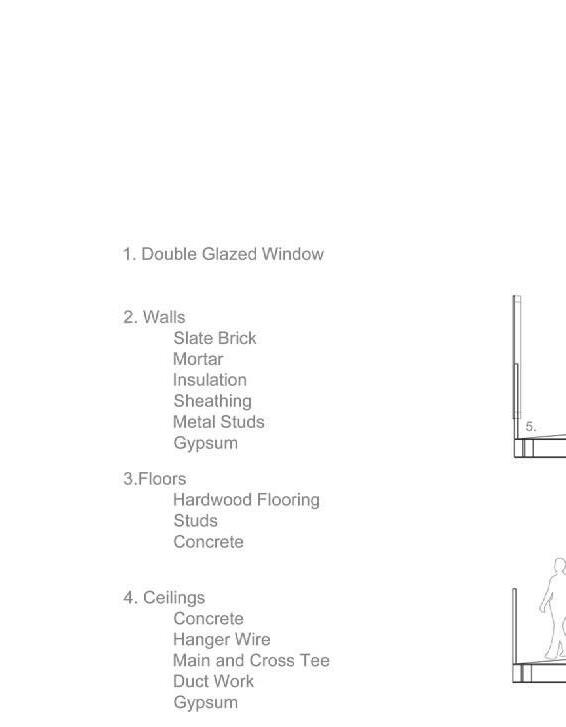
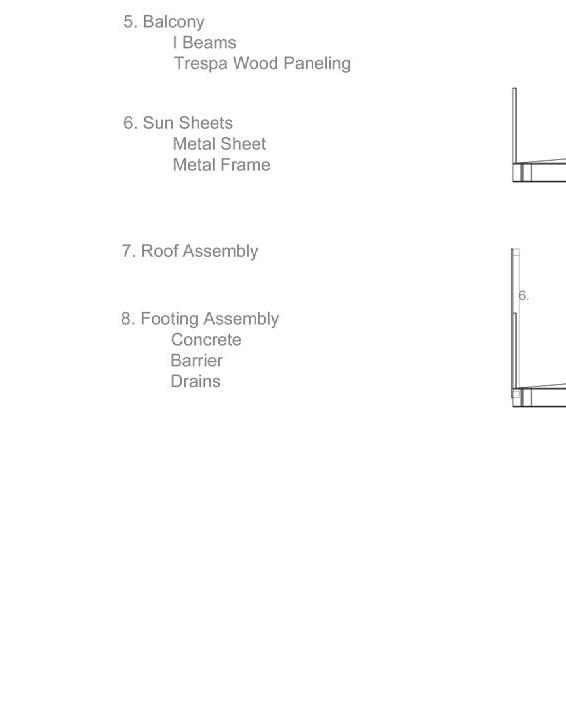
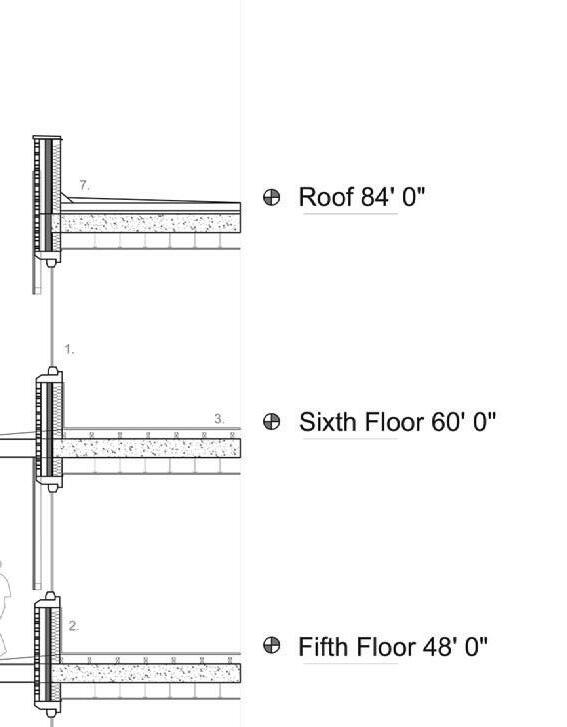
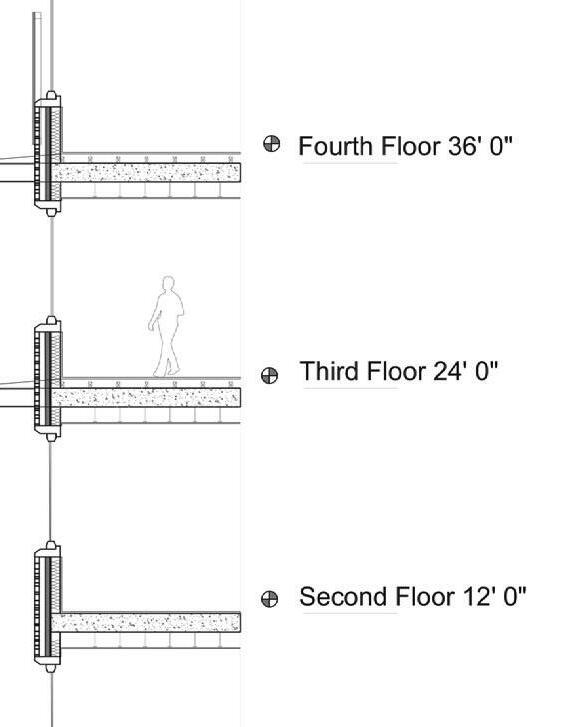
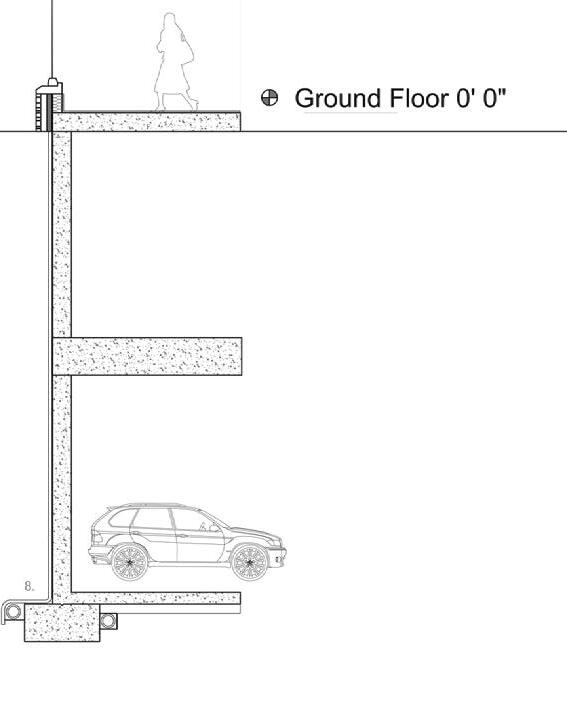
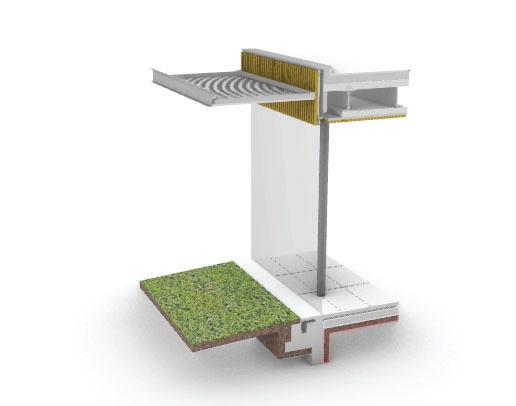
This Pavillion is used to wash and prepare crops during the harvest farm in rural China. The transparency in this structure ( both literal and phenomenal) draw in inside out and the outside in. This structure is meant to harmonize with nature through the ver cality and nutrality the form takes. This project was an analysis of how this structure is put together. A sec on is used to reveal and detail the wall and exterior components of the structure.
This project was made using a variety of programs such as procreate, Rhino, and Photoshop. This exercise was meant to teach new tools with computer programs and well as decoding and understanding specific materials and systems with in a sec on.
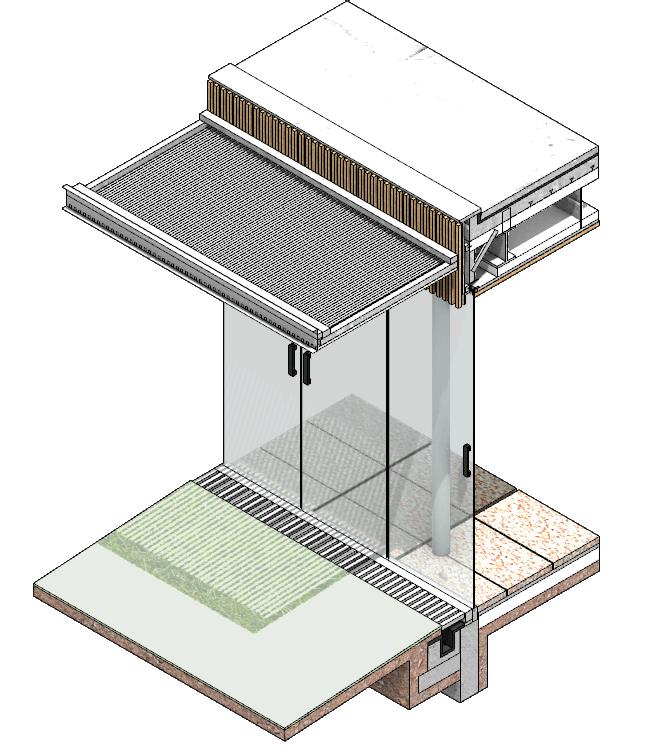
Detailed sec on developed using rhino
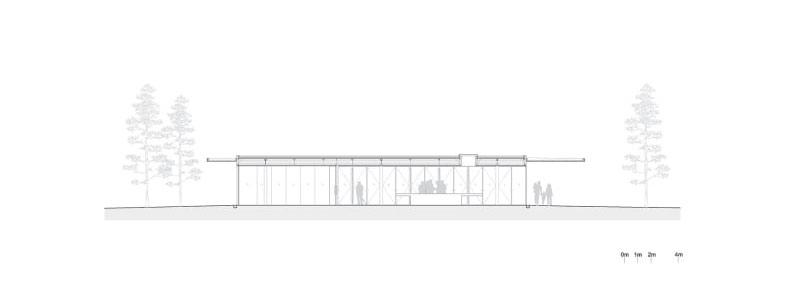
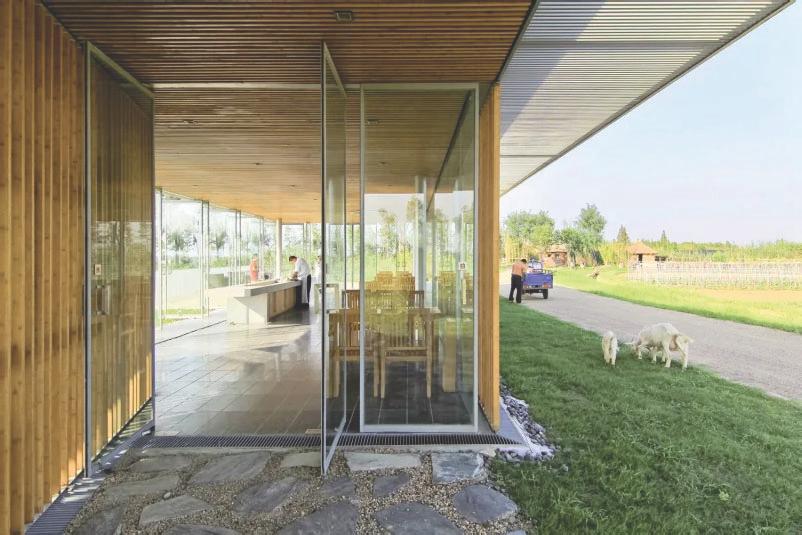
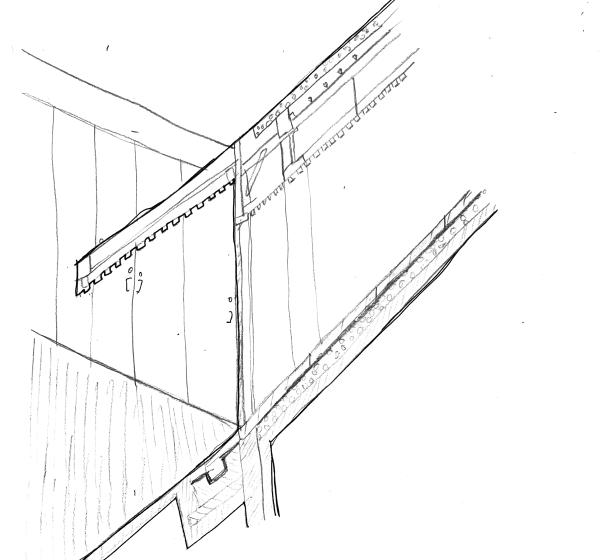
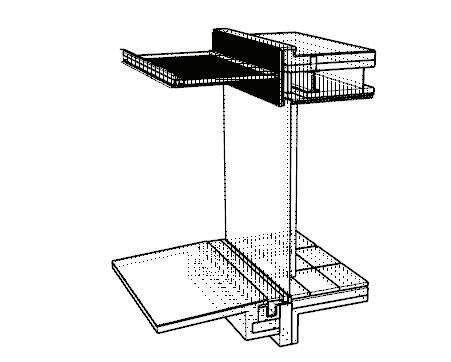
Explora on Drawings
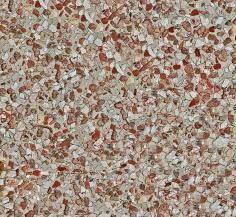
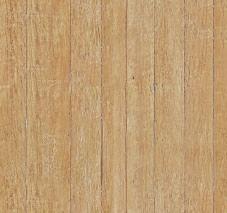
Materiality explored for sec on
INSTRUCTOR: JEFFERY CARTER
SEPTEMBER 2019- MARCH 2020
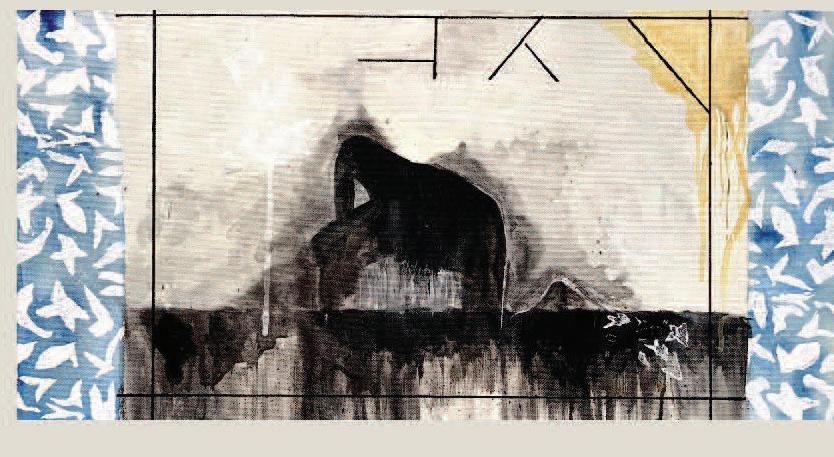
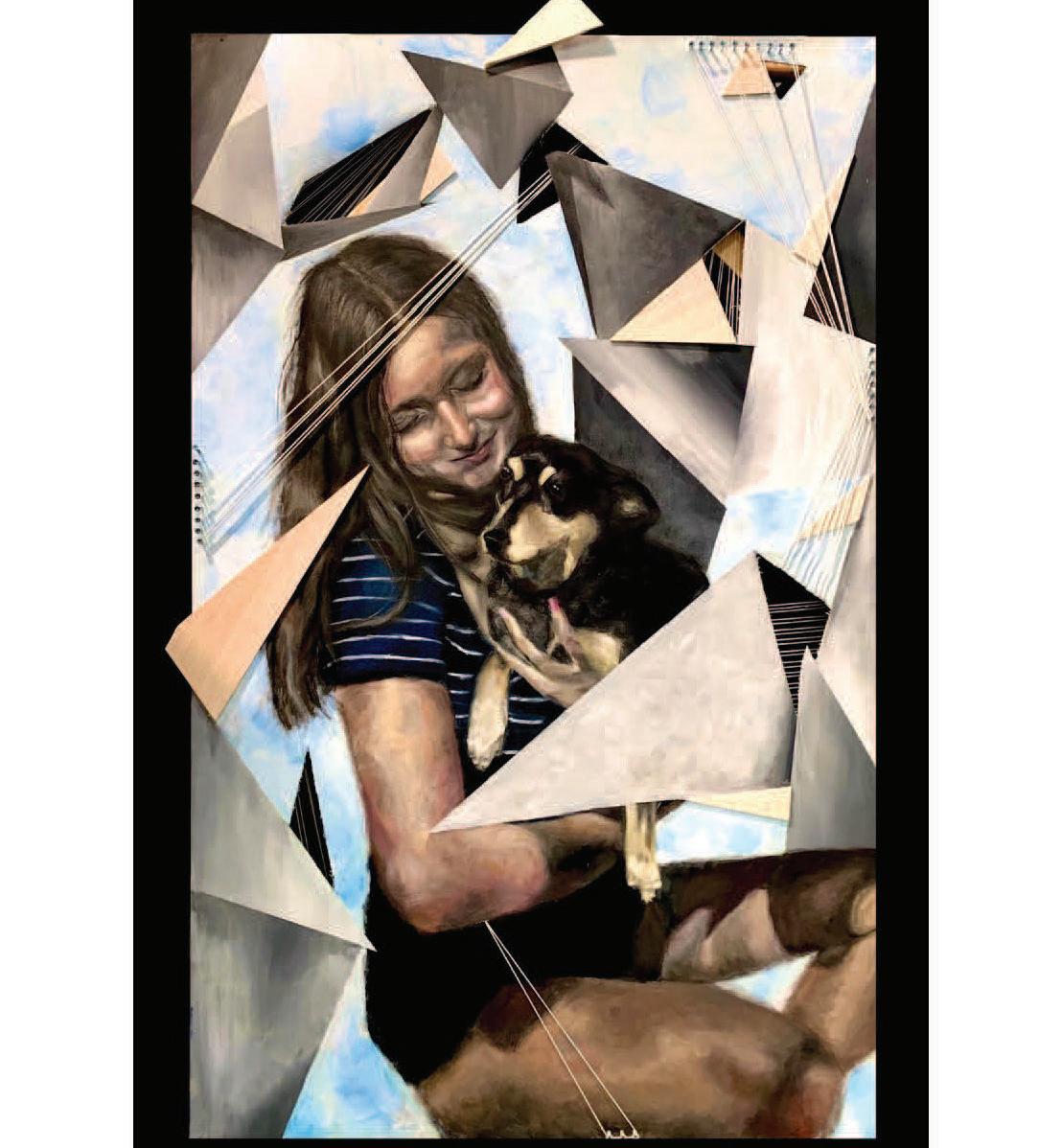
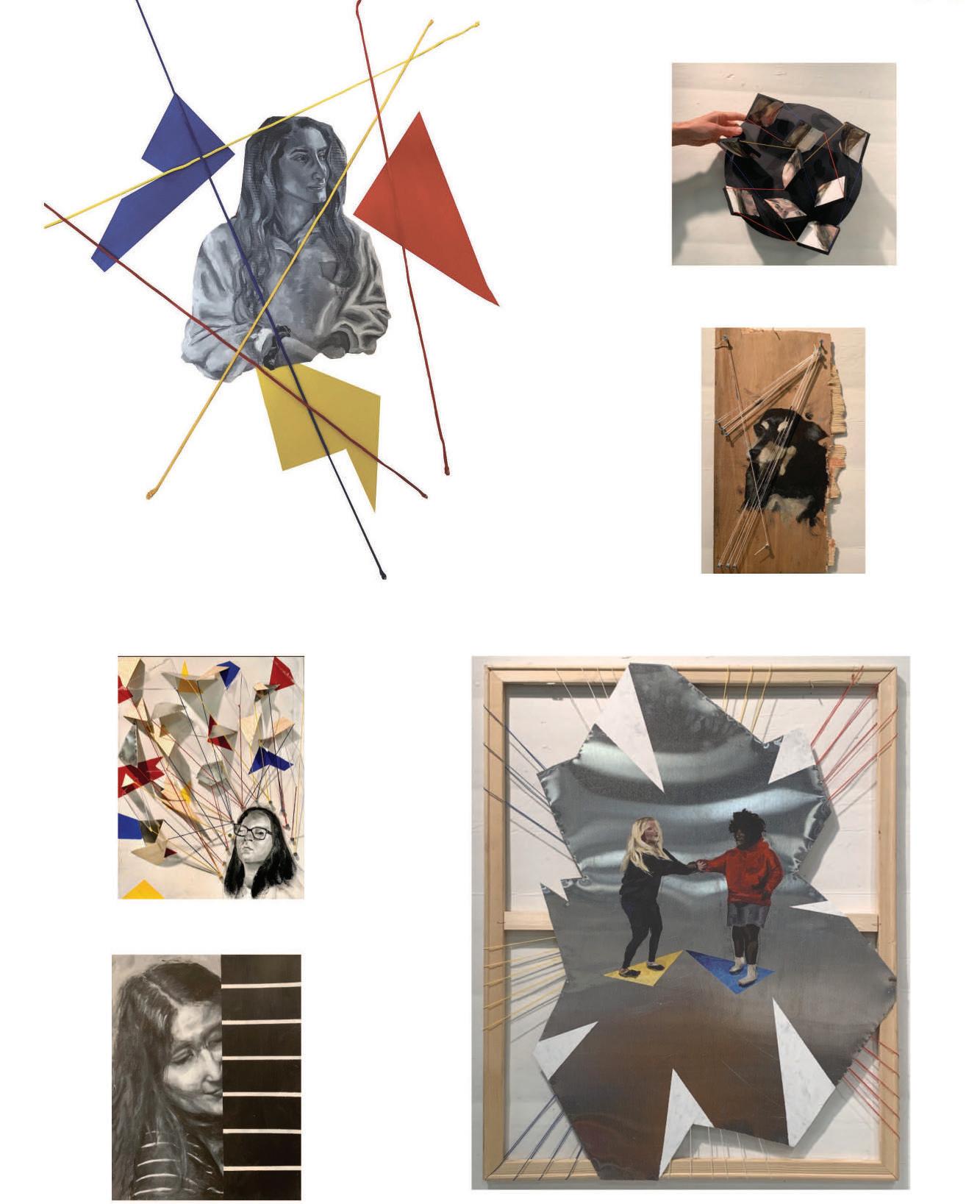
These pieces took on the theme of consump on of humanity through inorganic materials; this concept drove my por olio as in my own life as achievements became more important than emo ons. Throughout society, it goes largely unno ced how what we create consumes us.
My art por olio depicts this idea of the building blocks of what we create consuming the aspects of humanity. Throughout the applica on of my theme, my process of construc ng my pieces has adapted dras cally. In order to execute my message, my pain ngs have morphed into the use of mul media. I began by pain ng pa erns/backgrounds into my pieces as seen in “Stripes”, but my works have taken a physical change.
I began cu ng the canvas and adding new materials. From here, I began experimen ng with different materials such as plexiglass, string, screws, metal, and others. Due to the connota on from “mechanics” and “industrial”, I took it literally in the sense that all those rela onships created within my piece are physical and can be seen and felt. The use of outside elements gave me the ability to show this concept of the physical consump on/altera on that inorganic components have had on humanity