Meignana prasath selected works 2019-2023
Undergraduate Architecture
Portfolio
Meignana prasath S
4th year student in Wadiyar centre for architecture, Mysuru
Phone no:
Email Id:

DOB: 12 October, 2001
Address: Pollachi ,Coimbatore, Tamilnadu
Languages known: English, Tamil, kannada. Education
current- Wadiyar centre for architecture, Mysuru
2019- Chettinad vidya mandir, Karur
2017- Riverside public school, Ooty
2012- The Cliff Nursery and Primary School, Ooty
skills
Drafting
Autodesk AutoCAD
Modelling Sketchup
Post production
Adobe photoshop
Adobe illustrator
Adobe indesign
Rendering Enscape
V-ray Lumion Others Google earth pro Microsoft office suite
Manual Skills Hand drafting Model making Rendering sketching
Measure Drawing Documentation
I acknowlege all my family members, my friends and mentors of wcfa, and the Wcfa institution itself for being instrumental and supportive throughout the journey of this course.
Table of Contents
01. Sustainability Anegundi - 06 sem-07
02. Culinary institute Nashik - 18 sem-06
03. Housing Panjim - 28 sem-04
04. Working drawing Mysuru - 36 sem-05 & 06
05. Miscelleanous works - 42 RSP Anegundi Diagramming
Sustainable Industry
semester 07Anegundi, Karnataka
Studio Guides:
Asst. prof. Surendran Aalone
Prof. Anand Krishnamurthy
Prof. Prashant Pole
Prof. Shrutie Shah
Asst. prof. Asijit khan
Studio Brief:
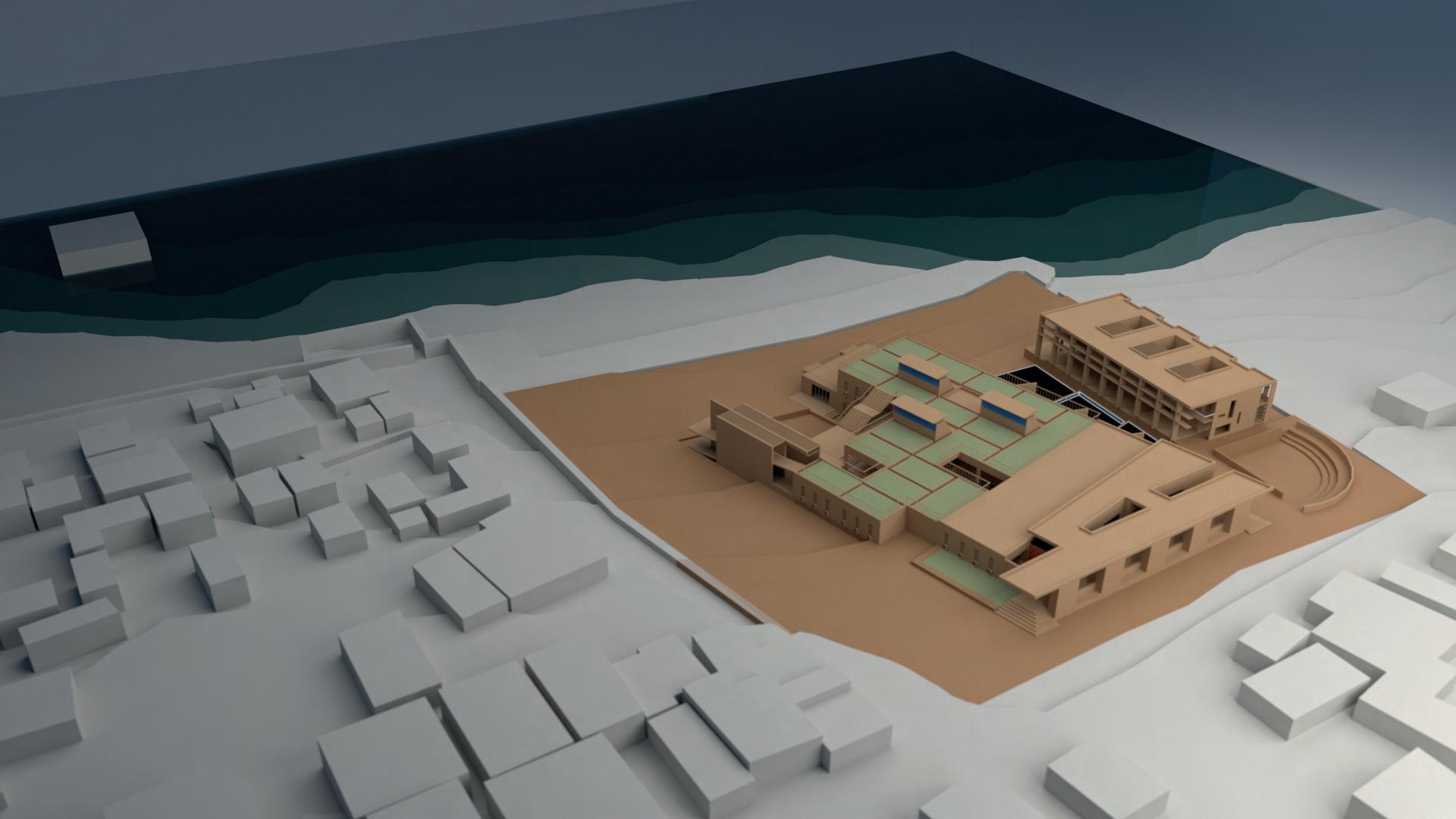
Upon documenting and understanding the working and the role of the Kiskindha trust in the town Angundi, the brief was to design a center for the trust which consolidates all their activities to one location. With sustainability as the major focus of the studio, the students looked at a project like this can be sustainable at a larger level, not just architecturally but in various other ways.
project brief: industrial-tourist complex site area: 8000sqm.(5000 buildable) duration: 16 weeks
01
step 1
circulation spine -axis use river and road programme sets -block
concepts
step 2
using shear -contour volume change-programme
step 3
add buffer -south sun wind path SW and E
step 4
addition of waterbodymicroclimate and rain water harvest
step 5
creating courtyard and voids - climate and workspaces
circulation workspace accomodation
o.a theatre service core retail/exhibit
SKYLIGHTING- as means to bring life and variety into spaces.
COURTYARDS- as a element of sustainability and space making.
CONCOURSE- as a series of semi open spaces, that opens up into a artificial created pond.
SPACES- double height spaces, mezzanines help the employees connect with each other.
SOCIAL DATUM- allowing already existing social activities flow into the site by introducing OAT.
massing
undergraduate
5
portfolio







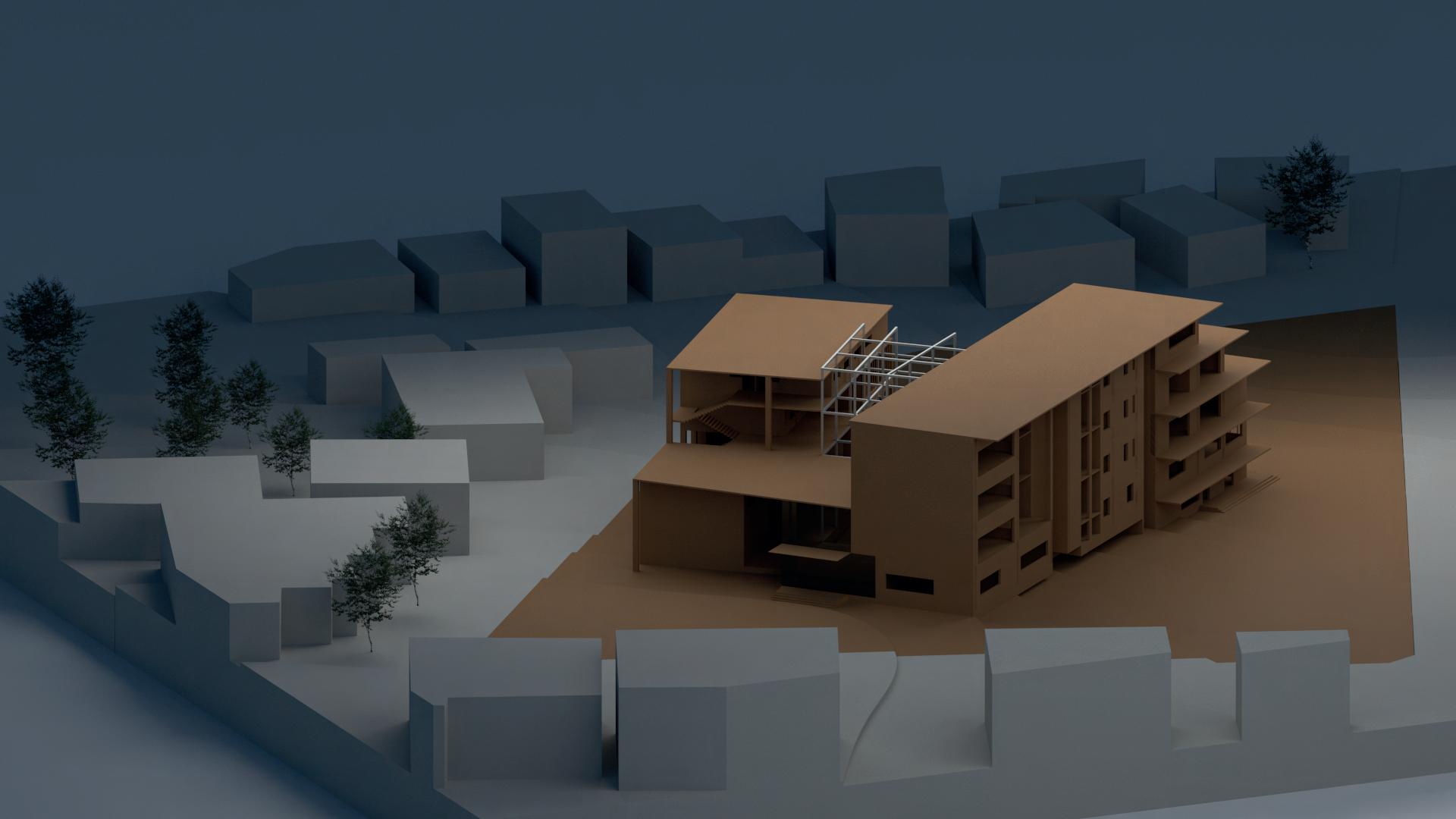
+3650 -300 +3650 lvl +3800 +5000 lvl +3650 -1200 lvl GREEN TERRACE C C’ 07 11 07 07 07 01- admin 02- exhibit & retail 03- handloom 04- croche & weave 05- research 06- drying 07- accomodation 08- dining 09- kitchen 10- washrooms 11- OAT 12- pump room 13- storage 14- maintanence room First floor plan ARCHITECTURAL DESIGN 07 SUSTAINABLE INDUSTRY A N E G U N D I meignana prasath s 4CM19AT058 circulation spine -axis use river and road programme sets -block using shear -contour volume change-programme circulation as buffer-south sun wind path SW and E addition of waterbody-microclimate in addition it also harvest rain water tilting block- create funnel effect active cooling system rainwater harvesting perspective section to indicate the strategies renewable energy solar shading circulation workspace accomodation o.a theatre service core construction material cultivation massing descisions passive cooling community space SUSTAINABLE STRATEGIES MASSING step 3 step 4 retail/exhibit

















































6350 mm 3650 mm +0 mm +300 mm -1200 mm
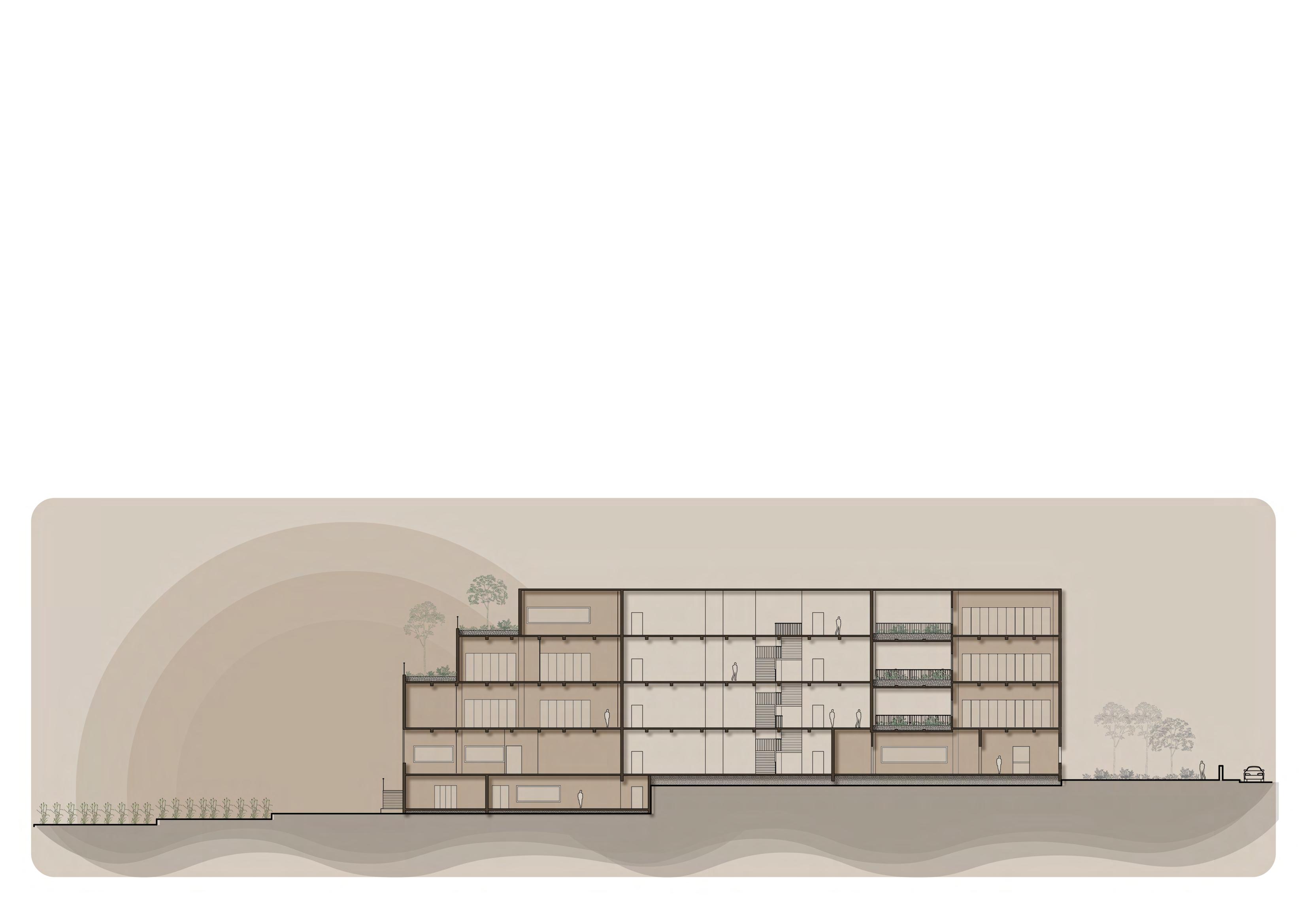
Section AA’
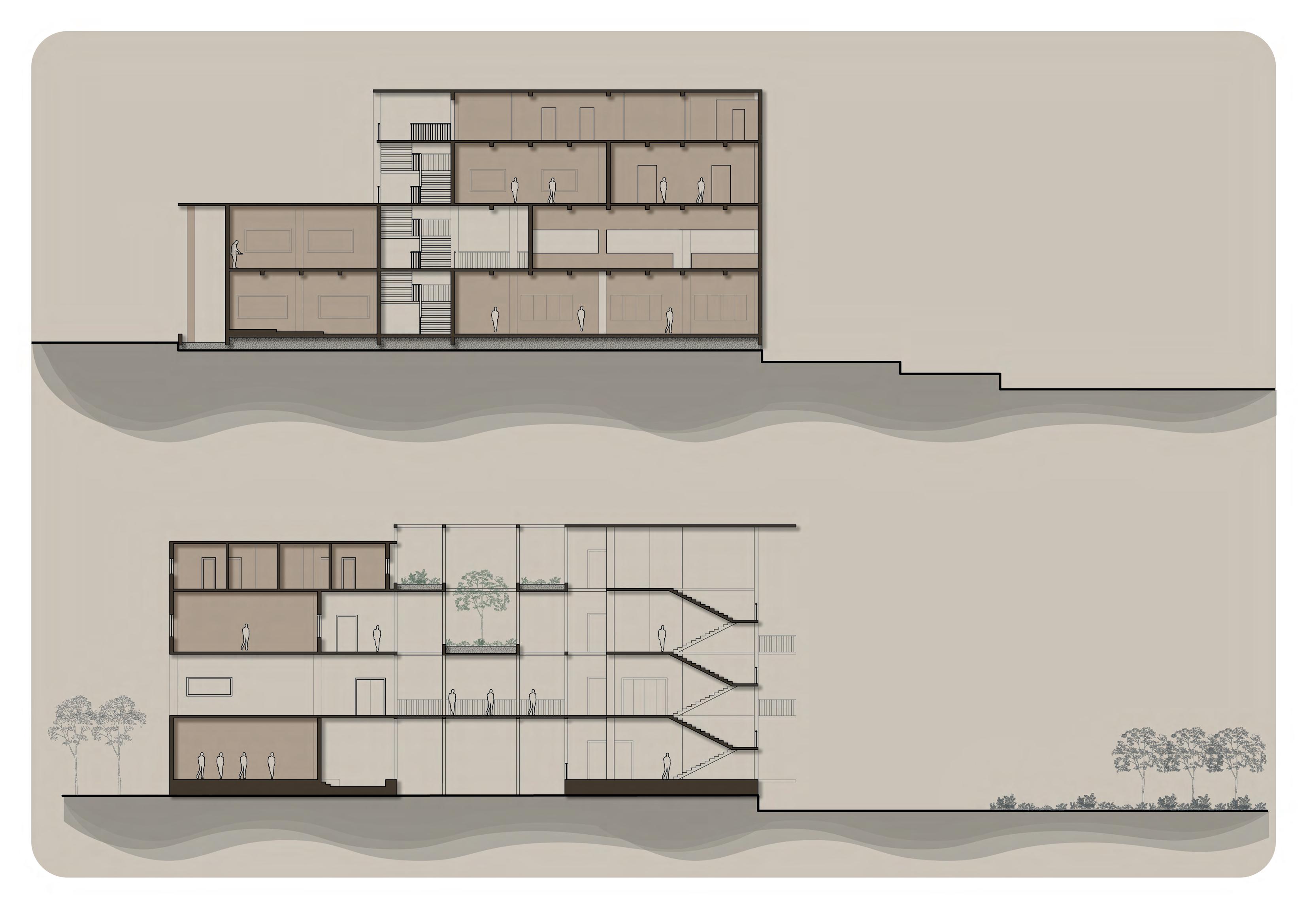
Section BB’
6800 mm 4900 mm 3000 mm +0 mm -300 mm -3350 mm -3800 mm 6800 mm 3000 mm +0 mm -300 mm -3200 mm -3800 mm
Section CC’
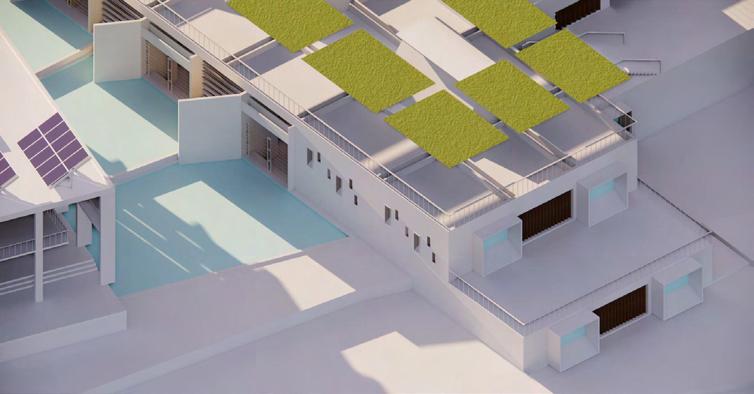
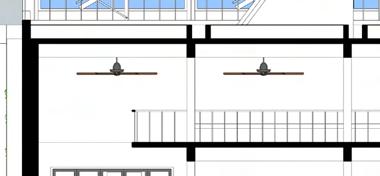

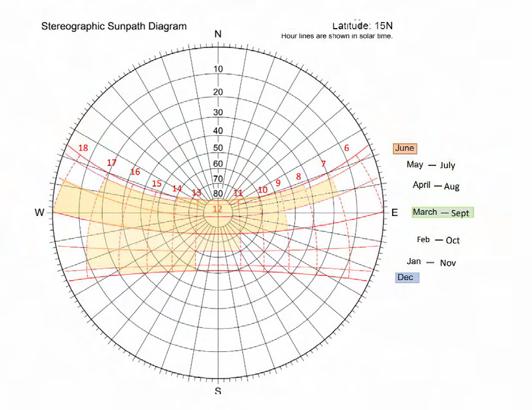
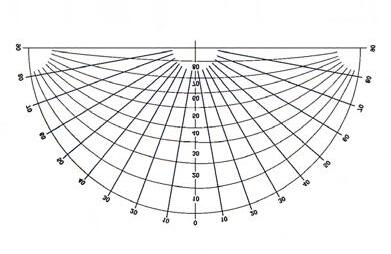

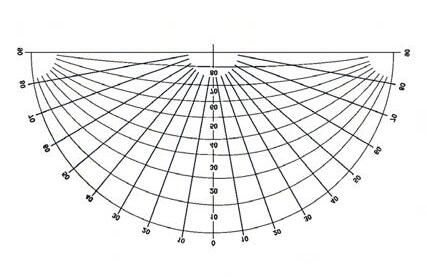
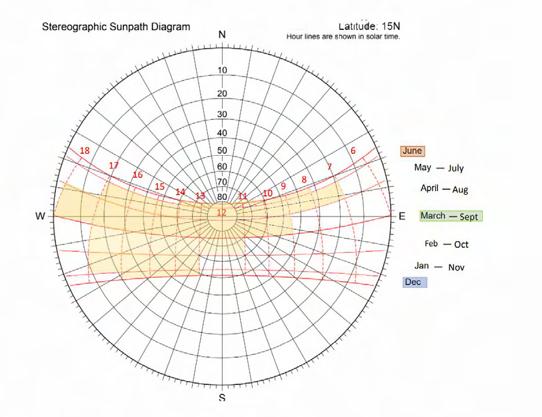
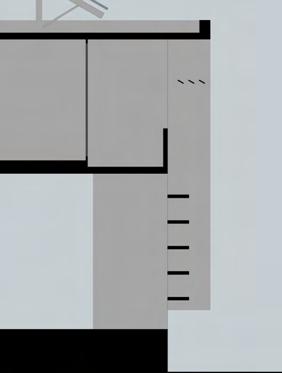
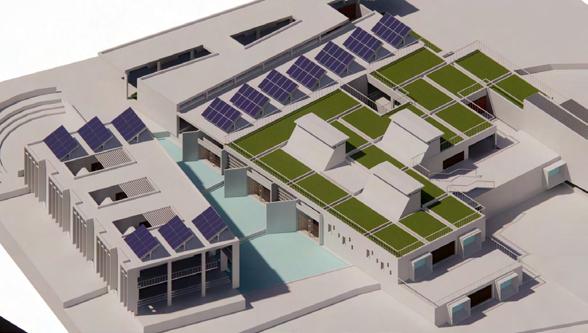

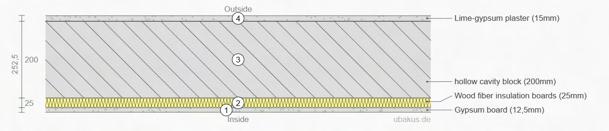
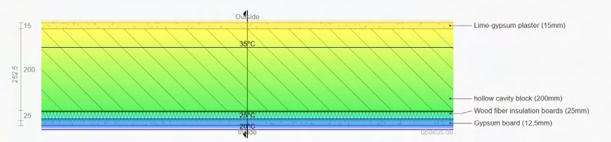
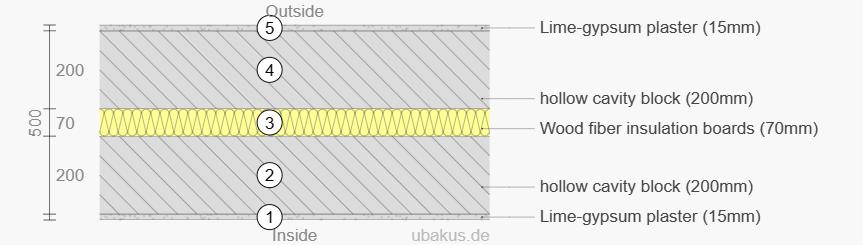
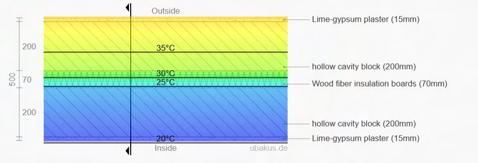
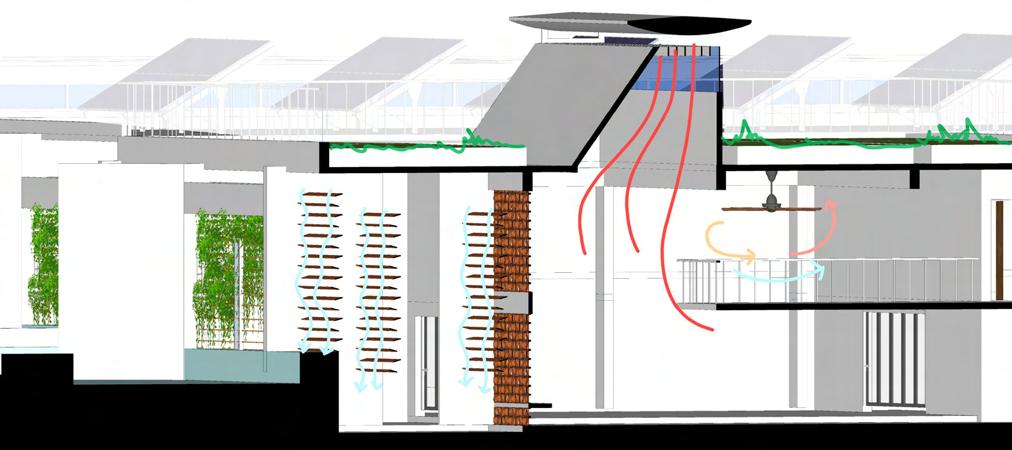


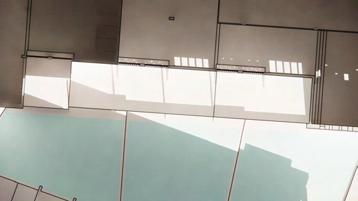
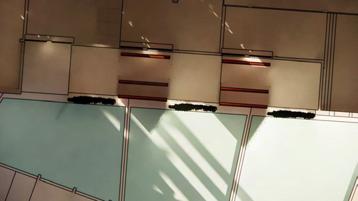
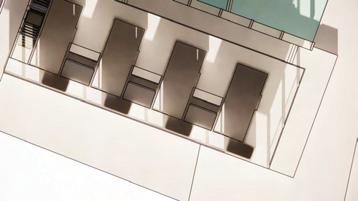
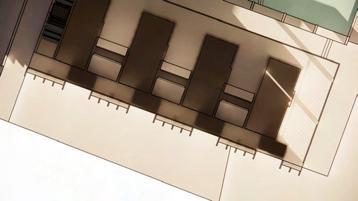
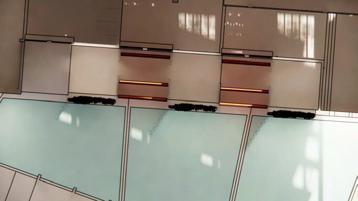
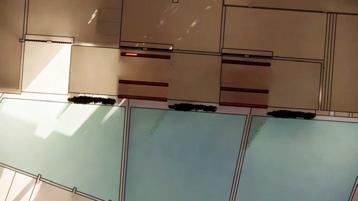
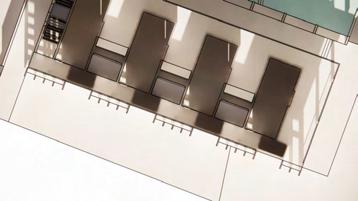
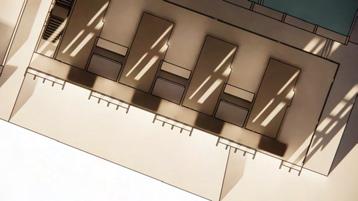


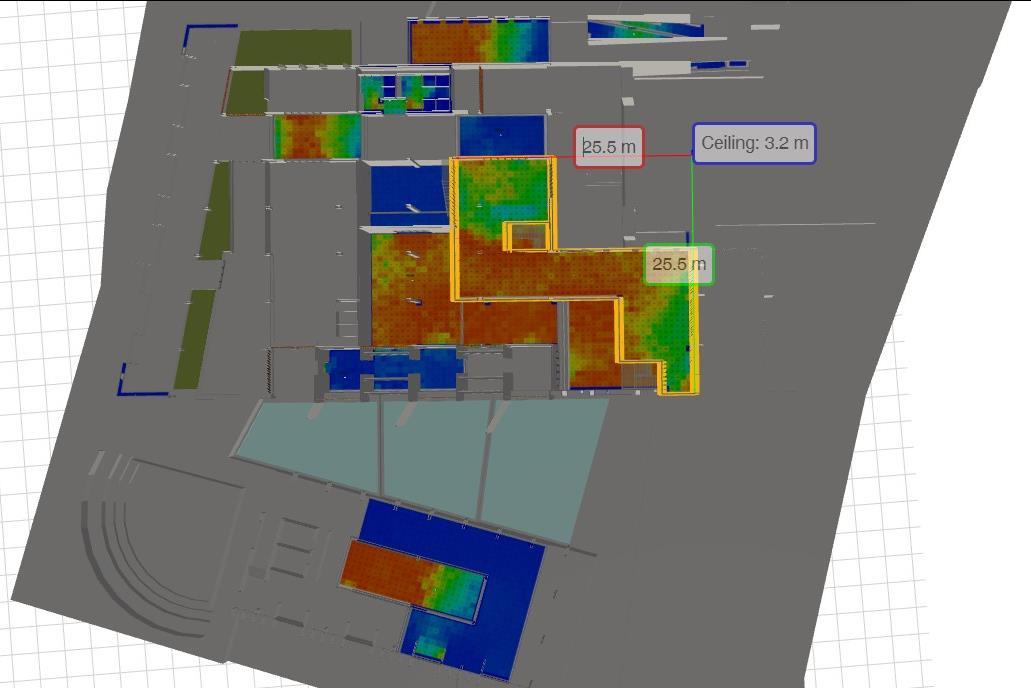
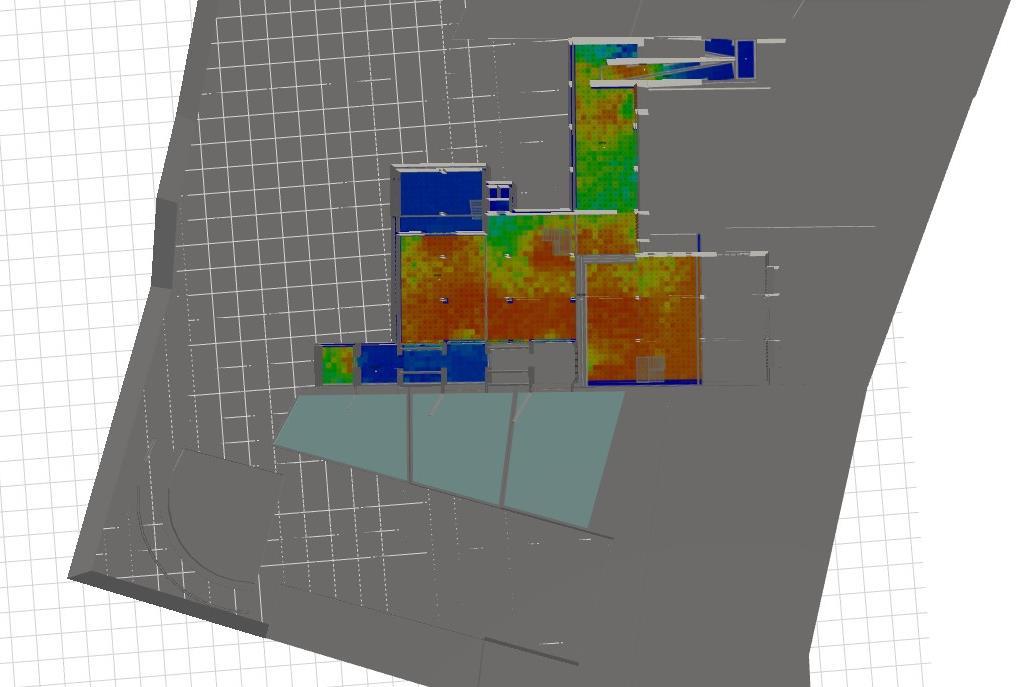
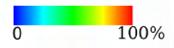
GREEN ROOF The green roof provides opportunity for cultivation of vegetable, or rather it is planted with native shrubs and grass to create a ecology. RAINWATER HARVESTING Mean Annual rainfall in Anegundi is around 700mm. Roof area in design is 3500sqm(usable) Runoff factor for green terraces(42-60) is 50% Filter co-efficient is 0.6 The rainwater is let into the water pond. The water body has a capacity of 1,50,000 litres. The run off water is drained through the drain system that is designed like planter boxes. The drains sit on top of beams, so as to transfer the load safely. RENEWABLE ENERGY Anegundi has clear skies around most time of the year except for the monsoon seasons. Therefore ,considering the high intensity of sunlight solar panels are the best renewable source of energy. This energy is used for running active cooling systems and recharging the grid. 1 solar cell is 1.7sqm. Therefore 130 solar cells is 221sqm area. Generally, One solar cell of 1sqm produces 250 to 300 watts energy on a good sunny day. 1.7sqm cell produces 450 watts energy per day. 130 such cells would produce 55 Kwh/ day. R.E energy ACTIVE COOLING SYSTEMS Back to PWER GRID North walls For a proper summer heat protection, materials with a high heat storage capacity should be used, ideally in combination with an outer insulation. In addition, the direct sun exposure through windows must be reduced to an acceptable level by shading means Material 01: Material is used in general scenarios. The u value is 0.8W/(m²K) Internal temperature: 25 Celsius When external temperature is 35 Celsius. Material 02: Material is used in south wall in manufacturing block. The u value is 0.4W/(m²K) Internal temperature: 25 Celsius When external temperature is 35 Celsius. Passive cooling: Old roof clay tiles are wet with water, through use of drip system. The passage/corridor is 5m in width, a minimum time and distance lag provided. Through help of stack effect in the daylight system, the hot air moves out. To increase the speed of the hot air outflow, the venturi effect is used. Active cooling: The sprinkler has sensors and provides water to plants and the clay tiles. The ceiling fans further mix the air inside the space. Block B(accommodation) FACADEDEGREES⦺ TIME HSA VSA Louvre type south 275 10.00-18.00 3040 Green facade & Egg crate FACADEDEGREES⦺ TIME HSA VSA Louvre type south 290 10.00-18.00 3040 Egg crate Block A(workspace-industry) Without any shading After shading. Morning hours. 9.00 am After shading. Evening hours. 3.00 pm After shading. Mid-noon hours. 12.00 pm Without any shading After shading. Morning hours. 9.00 am After shading. Evening hours. 3.00 pm After shading. Mid-noon hours. 12.00 pm Section through the corridors, shaded. Section through dorms space, shaded. Dark blue shades are semi open and open spaces. Hence the range is more than 2000 lux. Hence receives more daylight than required. For GROUND FLOOR For BASEMENT FLOOR SOUTH & NORTH FAC NG FACADE: Determining the period of the year which can be considered to calculate the horizontal shading device : -South walls faces most heat & radiation from the sun, so shading it during all months of year to make it more occupant friendly throughout the day would be wise. -Particular date can be chosen as 22nd of December, due to the fact the sun in at its lowest angle. NOT If VSA>45 degrees, consider horizontal shading device. If VSA<45 degrees, consider vertical shading device. Consider lowest angle for VSA and lowest angles on both sides of normal for HSA(sun protractor) EAST & WEST FAC NG FACADE: Determining the period of the year which can be considered to calculate the horizontal shading device -west façade receives more radiation during the latter half of the day. The spine gets the sun rays, which is possible to transmit the heat to inner parts of built. -shading these façades by considering the spectrum of angles from Jan-dec. the sun setting points change during various months. SOLAR SHADING DAYLIGHTING Range- 100 Lux – 2000 Lux (Ideal Lux levels for workspaces) Time Period – 8 am – 6 pm. Target – 90% of the time range throughout the year. Range- 100 Lux – 2000 Lux (Ideal Lux levels for workspaces) Time Period – 8 am – 6 pm. Target – 90% of the time range throughout the year. undergraduate portfolio 9
Working Drawings
semester 05 & 06
Studio Guides:
Asst. prof. Gregory Anto
Asst. prof. Surendran Aalone
Asst. prof. Thyagarajan C
Prof. Manoj Ladhad
Prof. SG Srinivas
Studio Brief:
The studio throws emphasis on converting design drawings to their detail. the aim was for us to understand the level of clarity and understanding with which a project should be detailed, so it would be easy to read and execute on site.
site location: Mysuru, karnataka duration: 14 weeks
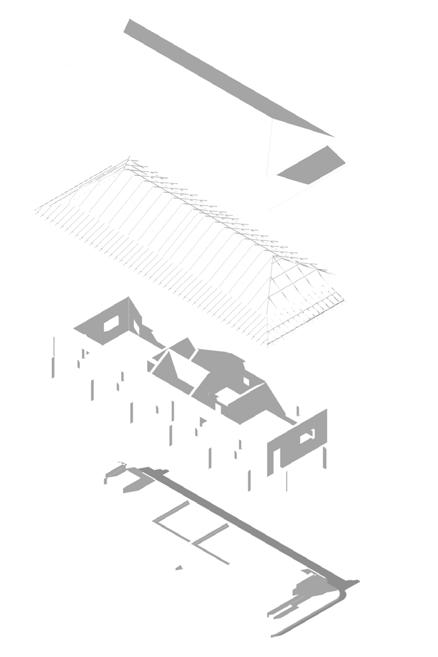
4300 1250 820 1380 A BC D E F G H I J K L M N O P Q RT S 1 2 3 4 5 6 7 8 9 10 11 12 13 14 15 16 17 18 UNIT 3 BHK UNIT II 2 BHK UNIT III 2 BHK UNIT IV 1 BHK UNIT V 1 BHK UNIT VI 1 BHK BLOCK A BLOCK B UNIT VII 2 BHK CORRIDOR
04 undergraduate portfolio 11

A3 05 ISSUED BY ACCEPTED BY PAGE SIZE REV NO NOTES AUTHOR CHECKER DATE HOUSING MEIGNANA PRASATH GA 18 17 10 W3 13 SL. NO 3 4 7 8 9 10 11 12 13 14 15 2W R SYMBOL DESCRIPTION LEGEND DISTRIBUTION BOX CEILING LIGHT POINT WALL MOUNTED LIGHT POINT CEILING FAN POINT EXHAUST FAN POINT FAN REGULATOR BELL PUSH POINT BELL BUZZER POINT 5A SOCKET AND POINT (MID LEVEL) 15A SOCKET AND POINT ABOVE LINTEL) 15A SOCKET AND POINT (MID LEVEL) CONTROL SWITCH (MID LEVEL) WAY POINT (BED LEVEL) )LEVEL DIM( TNIOP 2 BCCM NIAM HEIGHT FROM F.F.L 2100 mm CEILING 2500 mm CEILING 1800 mm 650 mm 1200 mm 2500 mm 1200 mm 2500 mm 1200 mm 1200 mm 650 mm 1200 mm 2100 mm 2W studio GPSS 1.All dimensions are in 'mm'. 2. Drawings not be measured but written dimensions to be followed. 3. For structural details refer drawings issued by structural consultant. 4.This drawing to be read in conjunction with all relevant architect's, service engineer's, drawings and specifications. 1060 1210 3220 3700 300 590 500 1 3 6 9 575 465 240 A C A C B B D D ELECTRICAL CONDUIT PLAN FURNITURE PLAN OF 3BHK FRAMING LAYOUT OF 3BHK SECTION AA’ SECTION CC’ SECTION AA’ DETAIL FOR JUCTION ceramic wall tile 10mm thick dpc waterproofing layer pcc bed 75mm depth cinder filling 200mm depth
A3 03 ISSUED BY ACCEPTED BY PAGE SIZE REV NO NOTES AUTHOR CHECKER DATE HOUSING MEIGNANA PRASATH studio GPSS GA 854 2008 2100 1034 IN OUT 109 25 LINTEL LVL SILL LVL FFL LVL. ±0 SHUTTER FRAME 1000 854 75 75 884 DOOR KNOB 200mm TOWER BOLT MAGNETIC DOOR STOPPER 875 A A' FRONT ELEVATION- INSIDE SECTION AA' PLAN- CLOSED PLAN- OPEN IN OUT DETAIL 2 DETAIL DETAIL 3 25 200 90 100 LINTEL LINTEL LVL TOWER BOLT DETAIL 1 200 75 90 WOODEN BEADING MAIN FRAME TOWER BOLT 150mm DETAIL 2 IN OUT BRICK WALL 240MM SEALANT MAIN FRAME WOODEN BEADING DETAIL 3 WALL SECTION THROUGH BEDROOM 01 SCALE 1:50 1 WALL SECTION THROUGH BATHROOM 2 SCALE 1:50 2 1.All dimensions are in 'mm'. 2. Drawings not be measured but written dimensions to be followed. 3. For structural details refer drawings issued by structural consultant. 4.This drawing to be read in conjunction with all relevant architect's, service engineer's, drawings and specifications. 3000 900 150 20 10 SECTION THROUGH STAIRCASE FFL SCALE 1:30 undergraduate portfolio 13
Culinary Institute
semester 06Nashik, Maharashtra
Studio Guides:
Asst. prof. Surendran Aalone
Assoc. prof. Kiran kumar
Prof. S.G.Srinivas
Prof. Ryan thomas
Asst. Prof. Akash Rai
Asst. Kavana kumar
Studio Brief:
A high rise building with a low foot print area set in a urban context. The culinary institute is a model of the ‘farm to table’ concept, in which the farmland accomodated within the site and building caters to the institute. the program consists of diverse activities and requirements.
project brief: culinary institute with farmlands
site area: 4000sqm.(4000 built area) duration: 12 weeks
02
massing programme
step 1
step 2
considering a rectangular mass cut the volume into two equal halves
3
titlting masses according to site conditions
step 5
cascading vertical gardens across the masses
addition of the Grid (green pockets+bridge +structure) step 6 step 4
addition of waterbodymicroclimate and rain water harvest
Parameters for design:
1.The place of learning needs to be physically connected to the place of growing.
2.Pavilion in a garden.
3.The spatial grid needs to be articulated.
THE GRID- integration of green spaces with connectivity across two blocks.
addition of VERTICAL GARDEN as part of every learning spaces and articulating spaces to structure grid.
farm to table concept- using WHEAT as a crop to create a sustainable institution.
step
institutional depositorycommercial residential cafeteria services undergraduate portfolio 15
concepts
ENTRY02 ENTRY 01 WHEATFIELD WHEATFIELD WHEATFIELD 03 02 01 05 04 12 14 14 Ground floor plan WHEATFIELD WHEATFIELD WHEATFIELD WHEATFIELD 01- waiting lounge 02- staffroom 03- restaurant 04- auditorium 05- lecture room 06- demo room 07- research lab 08- dining 09- kitchen class 10- library 11- computer lab 12- toilets 13- accomodation 14- parking lots
DOWN DOWN +12650 +12650 09 05 13 13 12 UP -8650 11 10 06 06 Fourth floor plan undergraduate portfolio 17
Relative study program, Hampi semester 07
The goal of the studio was to visit a village and understand aspects of history, culture, people ,lifestyle and architectue. Using the knowledge what was observed in the field study, we were made to progressively derive scale, detailof vernacular buildings, functions and eventually have an intervention that would compliment the idenetity and programming of the village.
SITE BY THE RIVER
anegundi
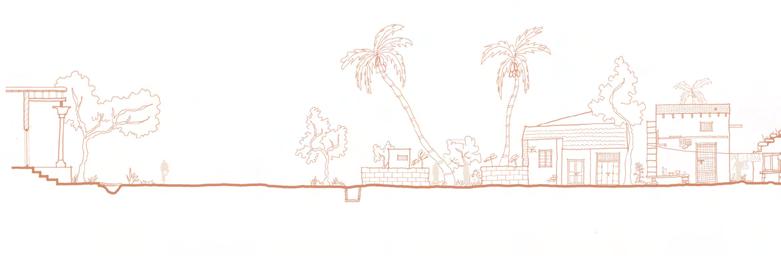

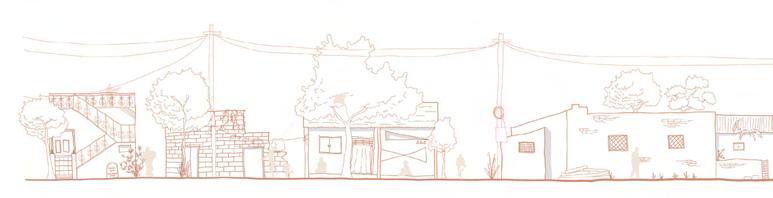
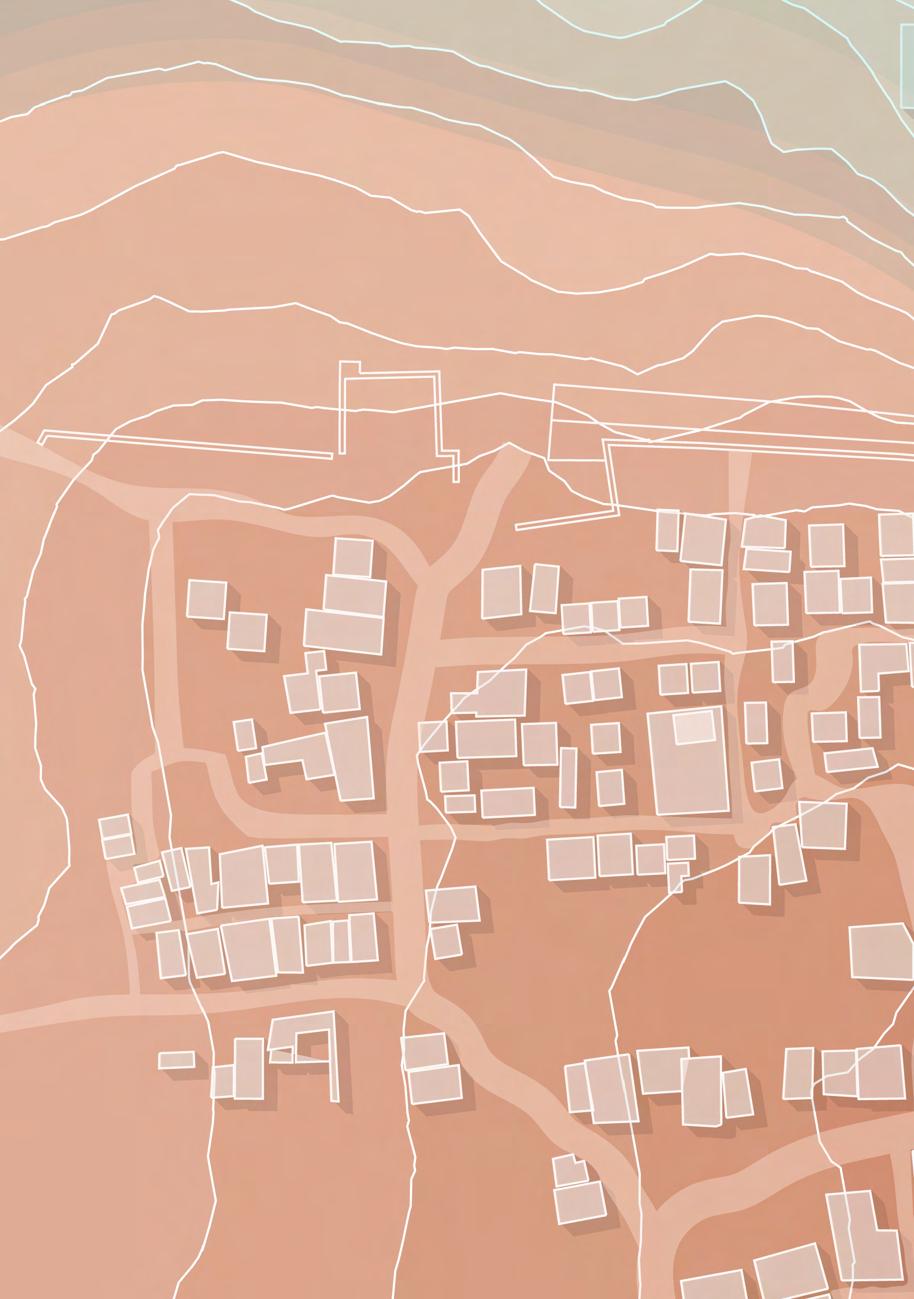
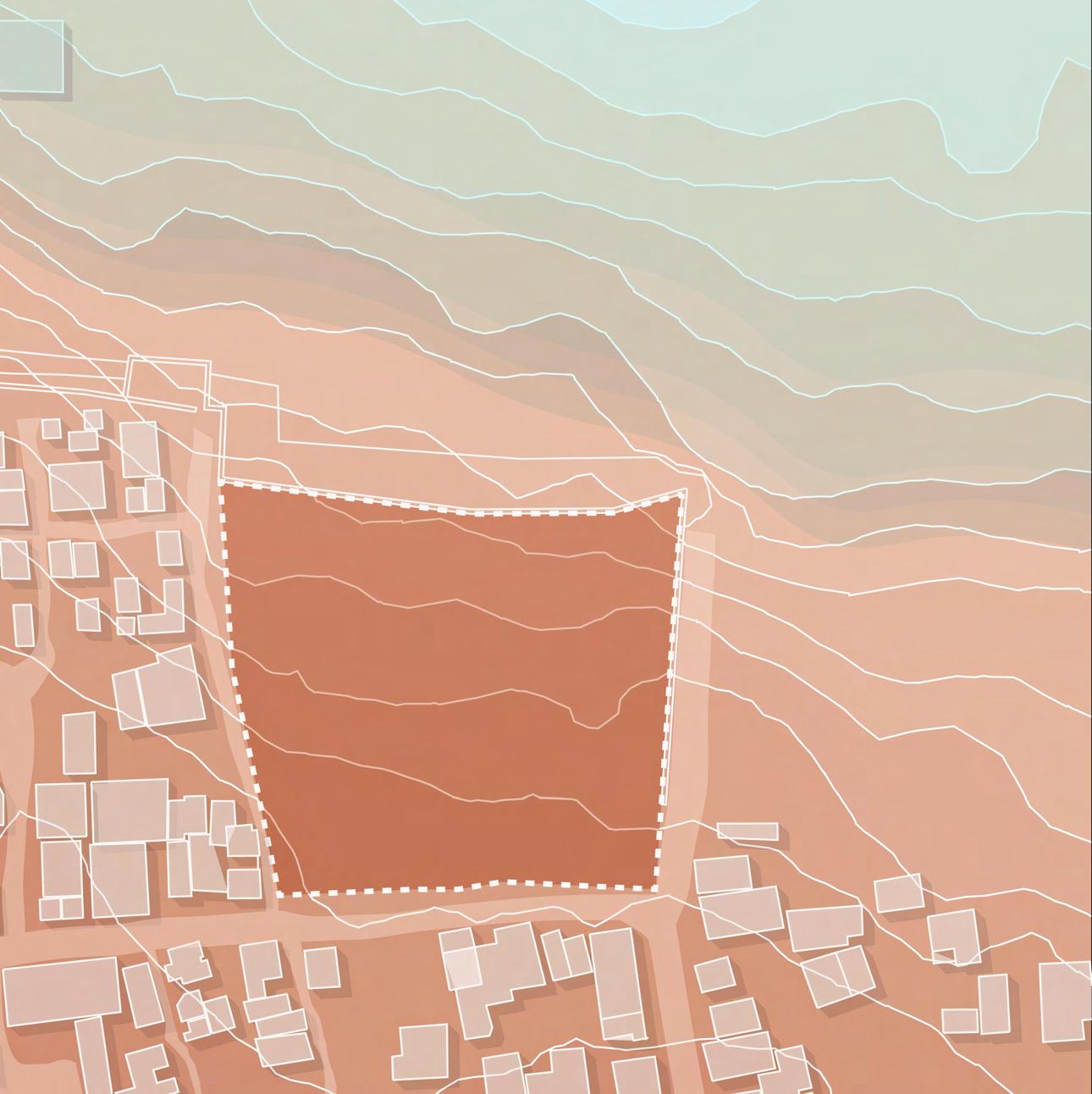
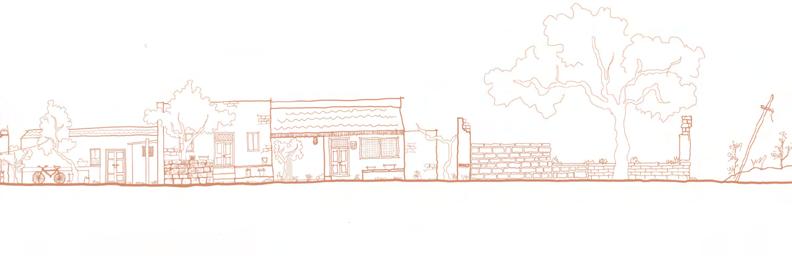
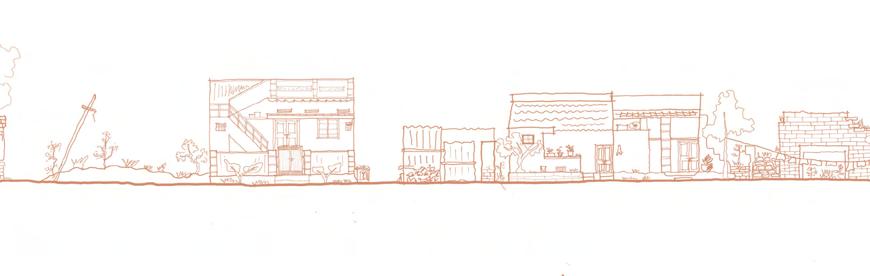

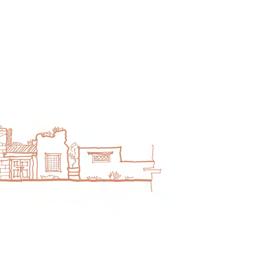
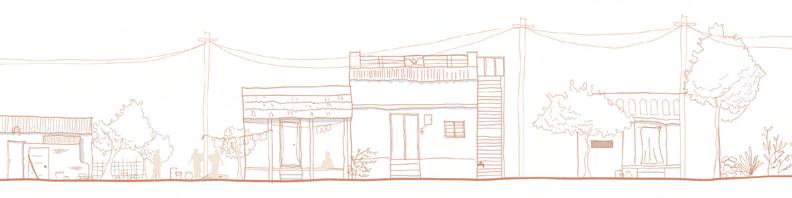
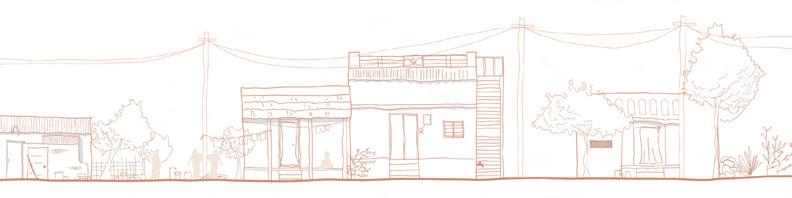
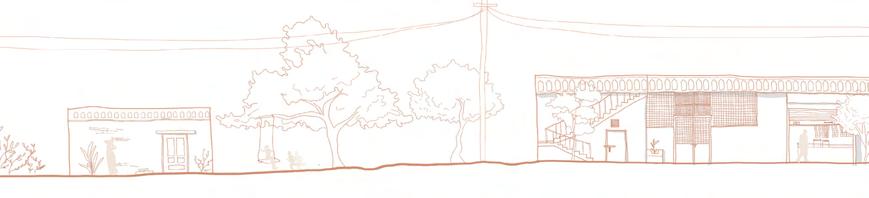
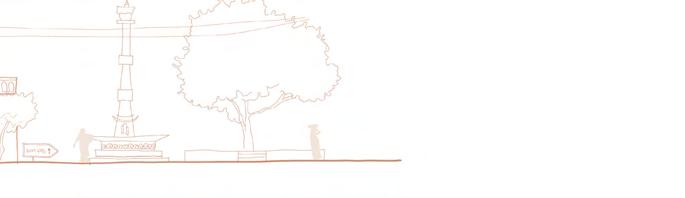
60 STREET ELEVATION STREET ELEVATION 2 61 1
Sketch Credits: Vikram Hegde
62 STREET ELEVATION STREET ELEVATION 2
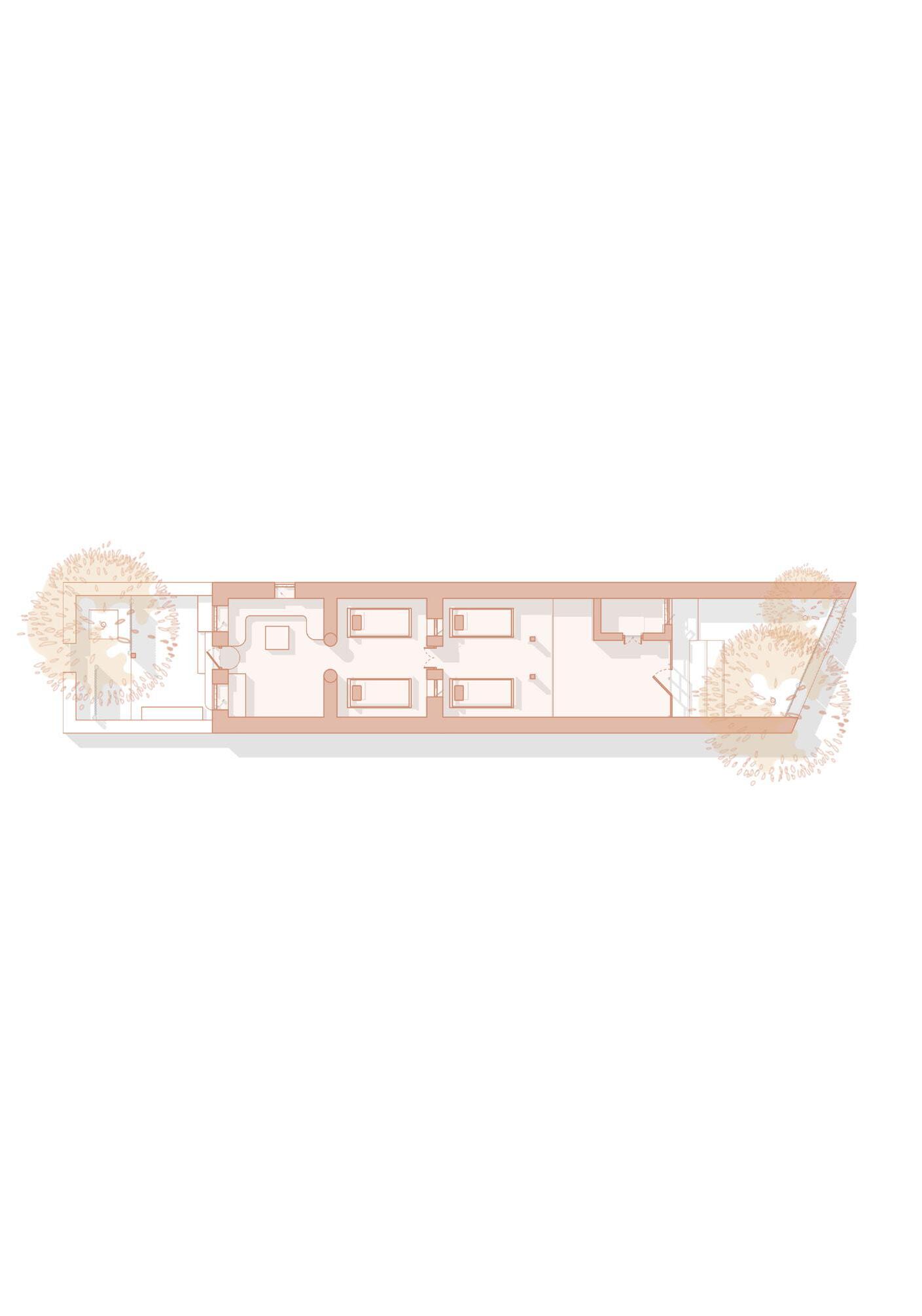
Raw Material: • Cotton fibre • Banana fibre (spliced or rope) Products: Table runners, Table mats, Cushion covers, Rugs, Bags
A typical table mat weaved by them is about 24 x 18 inches.
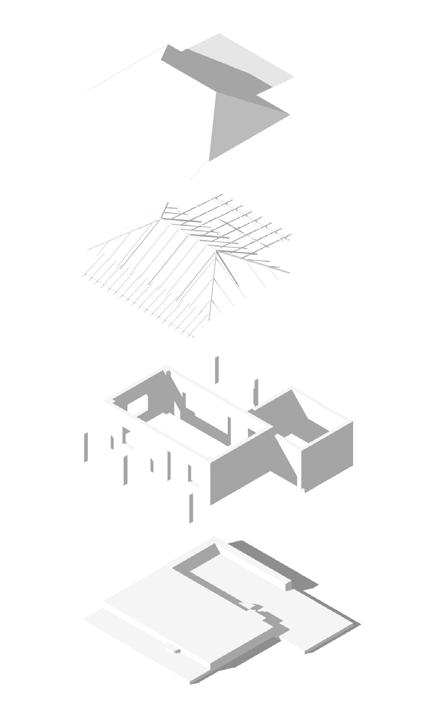
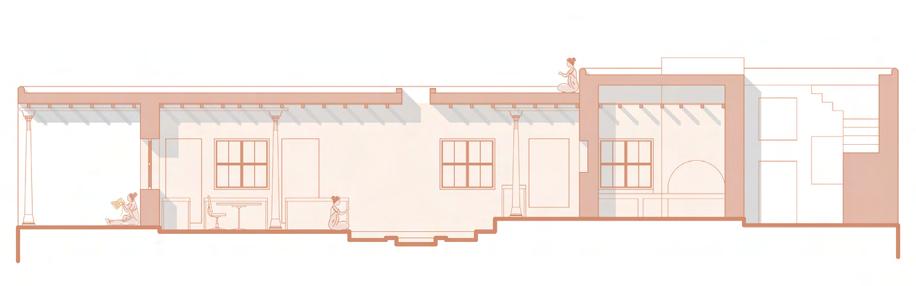

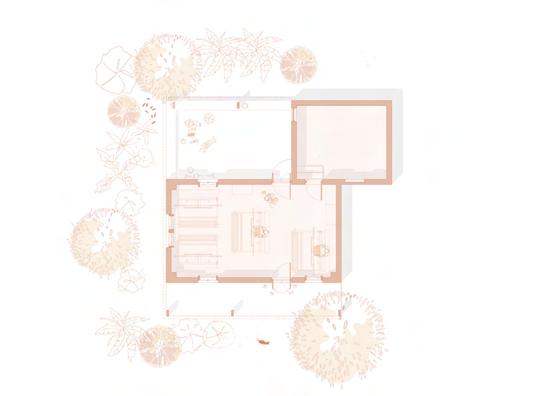
Plan Section 41 Block printing is the process of printing patterns by means of engraved wooden blocks. It is the earliest and simplest technique of textile printing. Raw Materials: Cotton Fabric (sourced from stores in various colors) Paints/Dyes (Sourced from stores) Tools Used: Wooden Block (Carved by themselves) Sewing Machine Process: Cut the fabric to desired shape and size and stitch them together. Two separate fabrics, are layered one over another, put together side by side and connect it with a string. Keep a layer of paper between the fabric and dip the wooden block into the dye and apply the desired block print to the fabric and press it down a few times before taking it off. Once done, leave the fabric out for drying. With some other cotton fabric, they sew it into a small pouch to put the finished dried product in it. Product: Thorana Plan Section 43
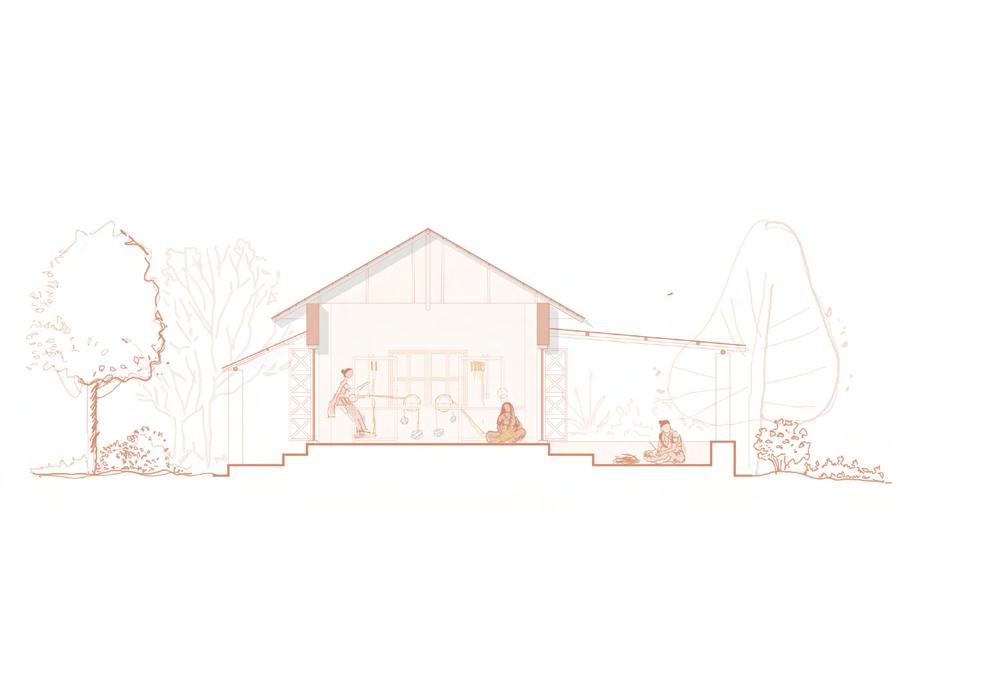
By loom Tools used: The Handloom Needle of 41 cm
Weaving:
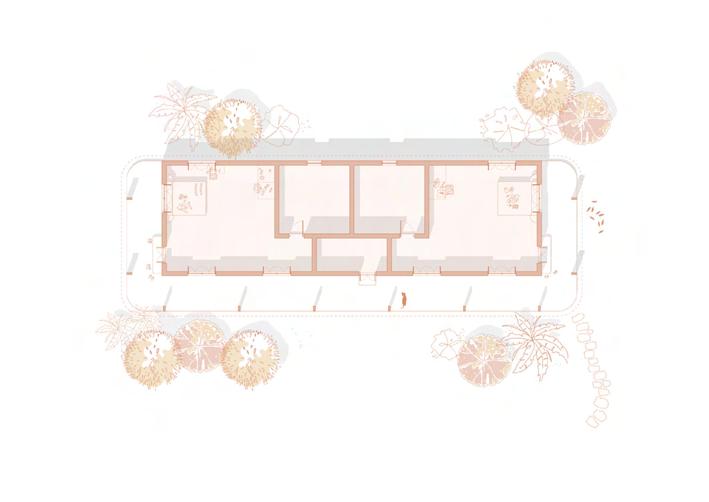
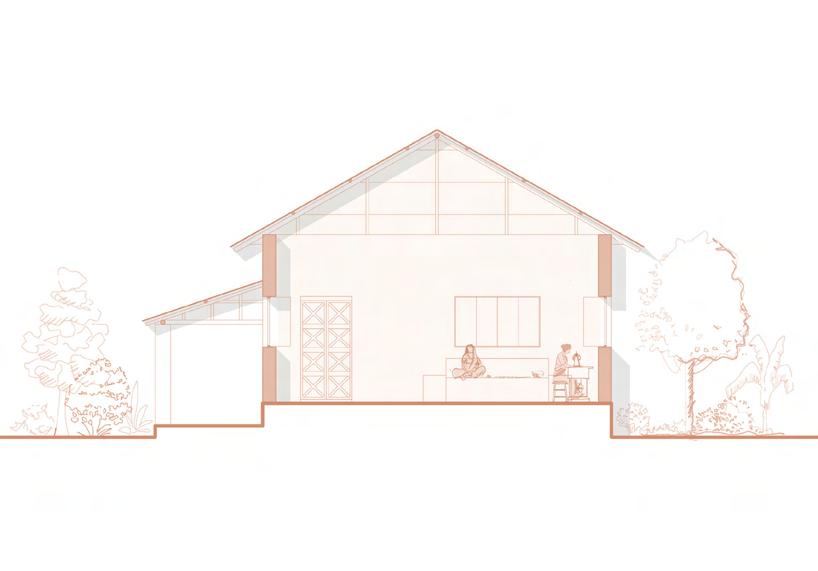
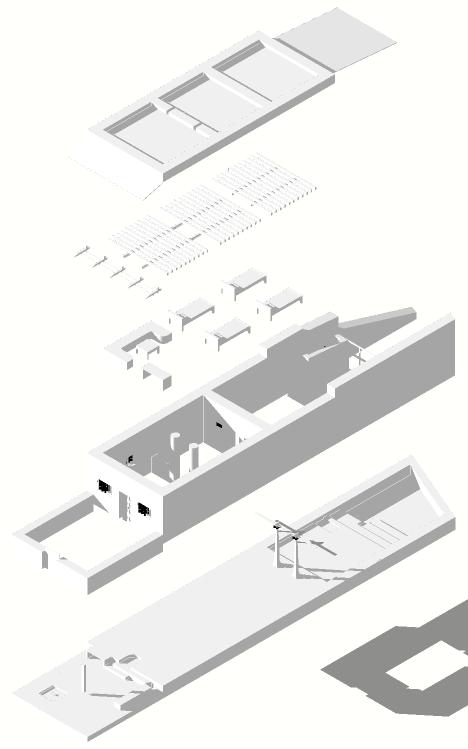
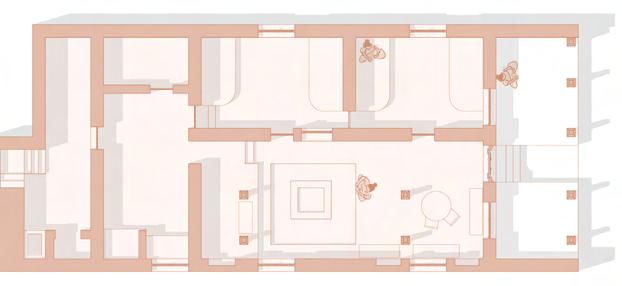
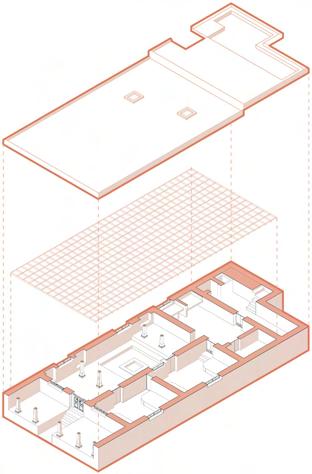
50 Plan Section 51 An ancient residential typology is followed where in a veranda opens out into the streets supported by an intricate colonnade carved out of wood. As one enters there’s a skylight that is essential for lighting up the private spaces. The house has a beautiful quality with a centrally located water harvesting system from which the household is run. Plan Section 53 An ancient residential typology is followed where in a veranda opens out into the streets supported by an intricate colonnade carved out of wood. As one enters there’s a skylight that is essential for lighting up the private spaces. The house has a beautiful quality with a centrally located water harvesting system from which the household is run. undergraduate portfolio 21
Theory of architecture semester 03
The learnings of the semester was through diagramming various well-known buildings along with their well known priniciples of design. The exercise of diagramming helped the indepth study of building and knowledge of design principles.
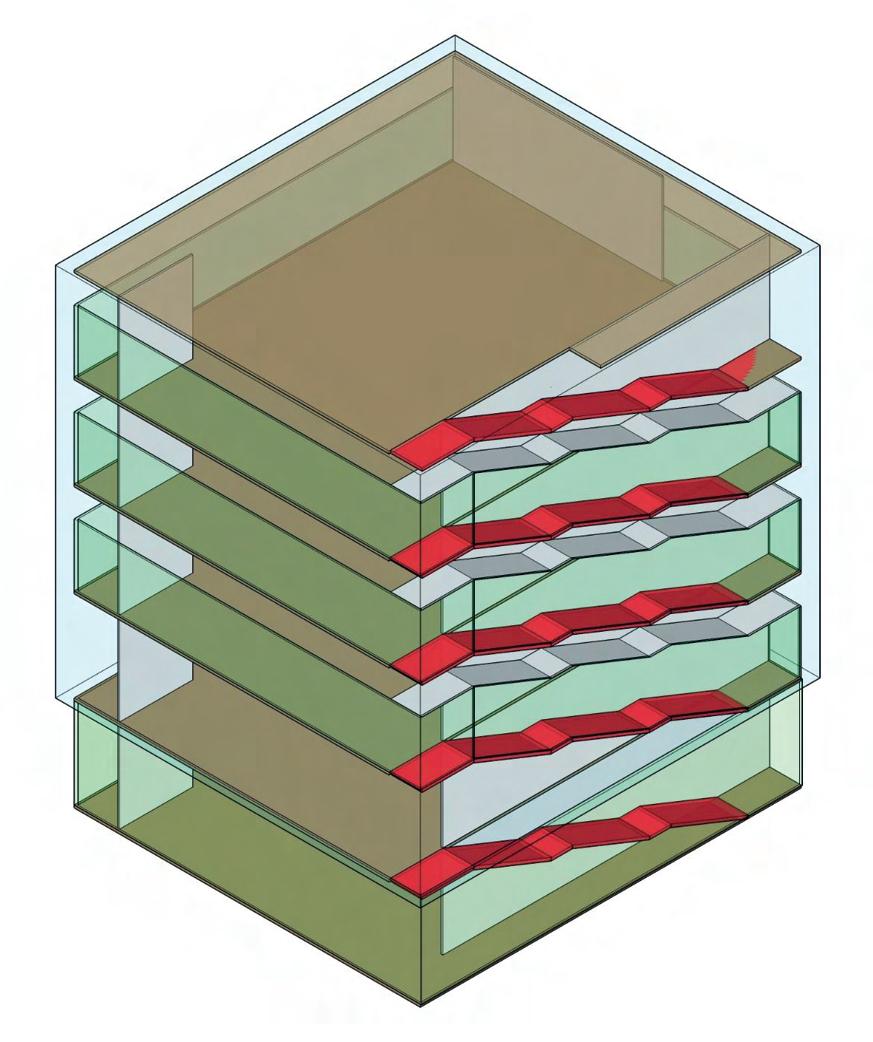
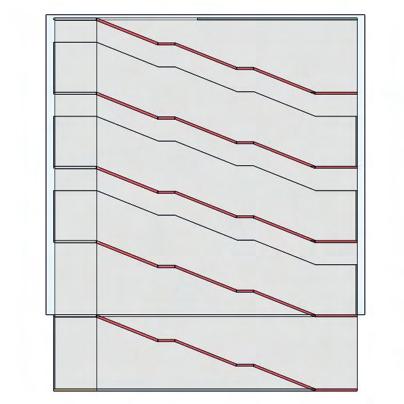
The Bregenz art museum has very few and basic en��es that are repeated throughout the front facade. The repeated en��es create a sense of rhythm in the building, which further gives it a relaxed and pleasured outlook to a viewer
When viewed from the point of perspec�ve of rhythm the building can be considered as a music in the libraries of architecture!. Each and every element making up the building can be like a note of the music.
The main staircase , which is repeated for the all floors are connected with a wall that runs from lower to the upper end of building. The concrete walls and floors stuck together to the staircase acts as separate note with con�nuity and also acts/really like base to the staircase rhythm. You sense a feeling of pleasure when you take the stairs. To balance this rhythm , biased to one side of the building, ver�cal wall suppor�ng emergency exit and elevators are made
Kunsthaus Bregenz Bregenz , 1997
Peter Zumthor
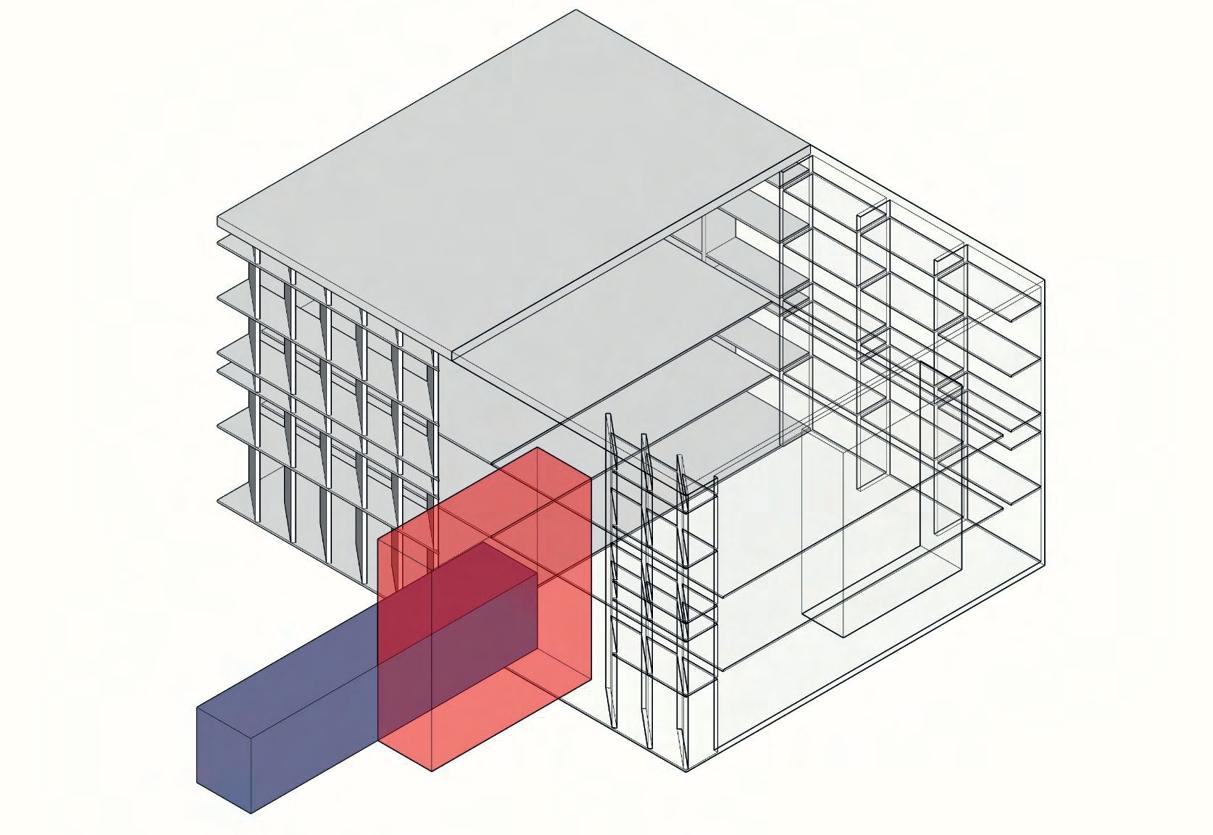
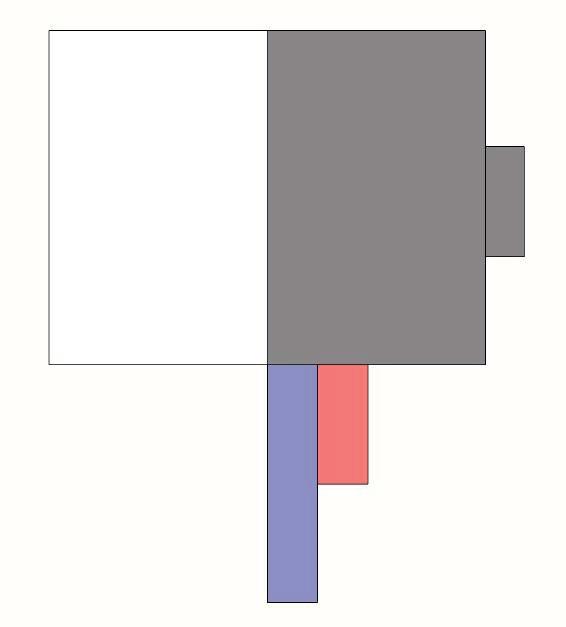
Asymmetry is a principle wherein you create by altering the posi�on of visual weight but at the same create a sense of balance. This building consists of some principles framed by the master, five points of architecture.
Le Corbusier has used and showed the staircase and ramp ,wise & bold. At that period of century, he was the architect who showed the staircase outside. Usually staircase were hidden in some corner of a building. So the staircase wasn’t just placed outside but had a func�on to perform in coordina�on with the ramp. The duo(ramp & staircase) were used to break the order in the building. The symmetry of main compartment of the building is broken, by the posi�oning of staircase and long ramp just to the right side ofsymmetrical line of cuboidal volume. The balance of the building though ,was s�ll perfect because of void that was created in the place where the duo gets intersected into the building.
Mill Owners’ Associa�on Building Ahmedabad, 1954
Le Corbusier
05
3D Diagram
2D Diagram
Rhythm
3D Diagram
2D Diagram
Asymmetry
undergraduate portfolio 23
undergraduate portfolio 25
2019_meignana.p.s@wcfa.ac.in 9655989450