Decolonising
my/your/our
my/your/our

“The classroom remains the most radical space of possibility in the academy”
(hooks, 1994, p.12)
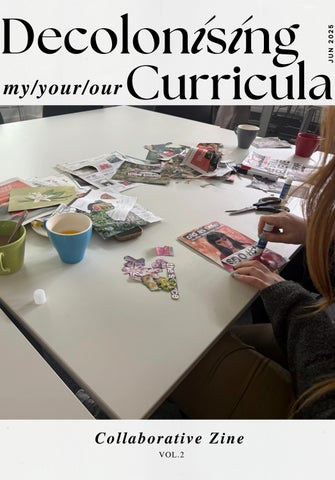
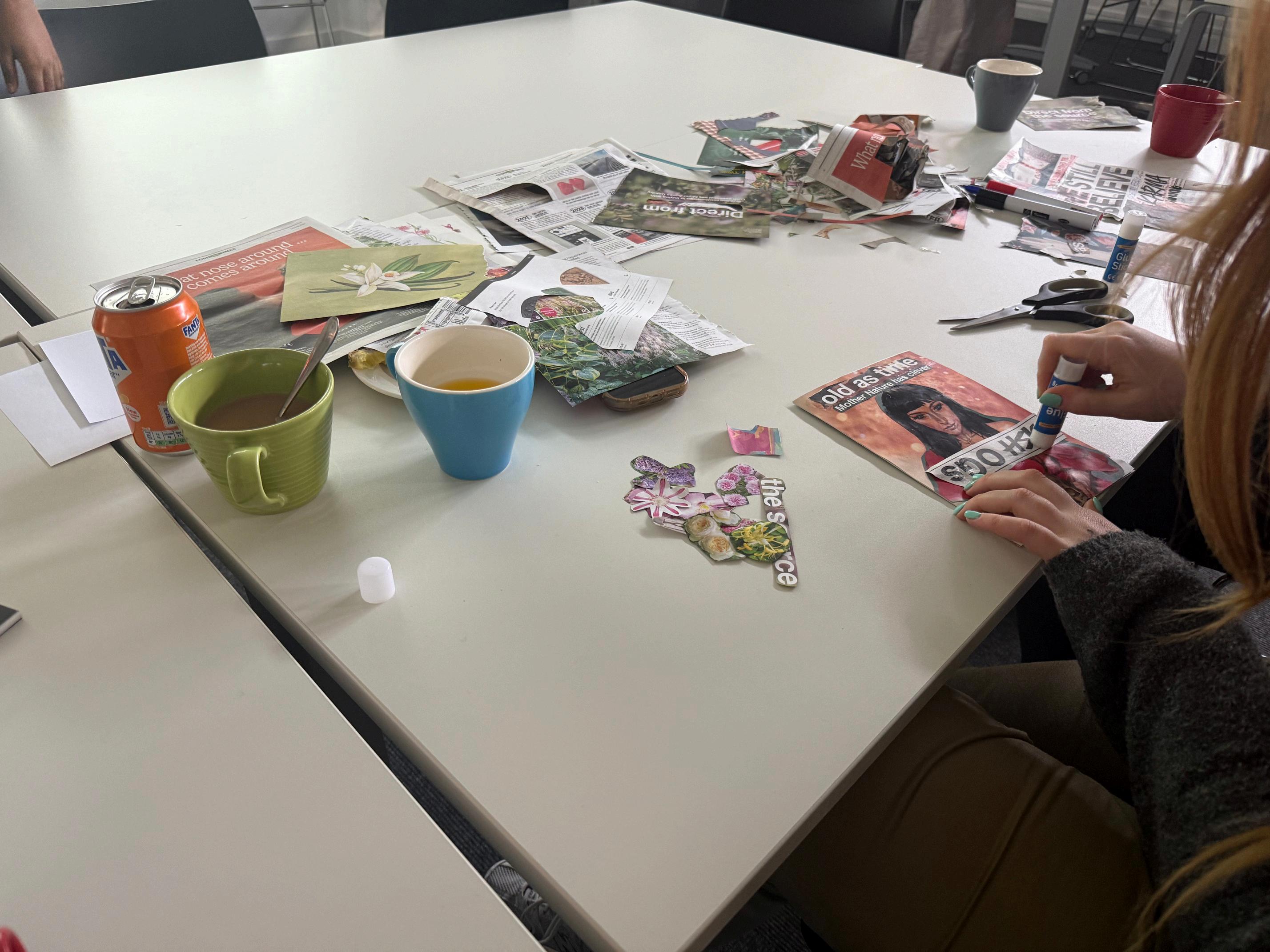
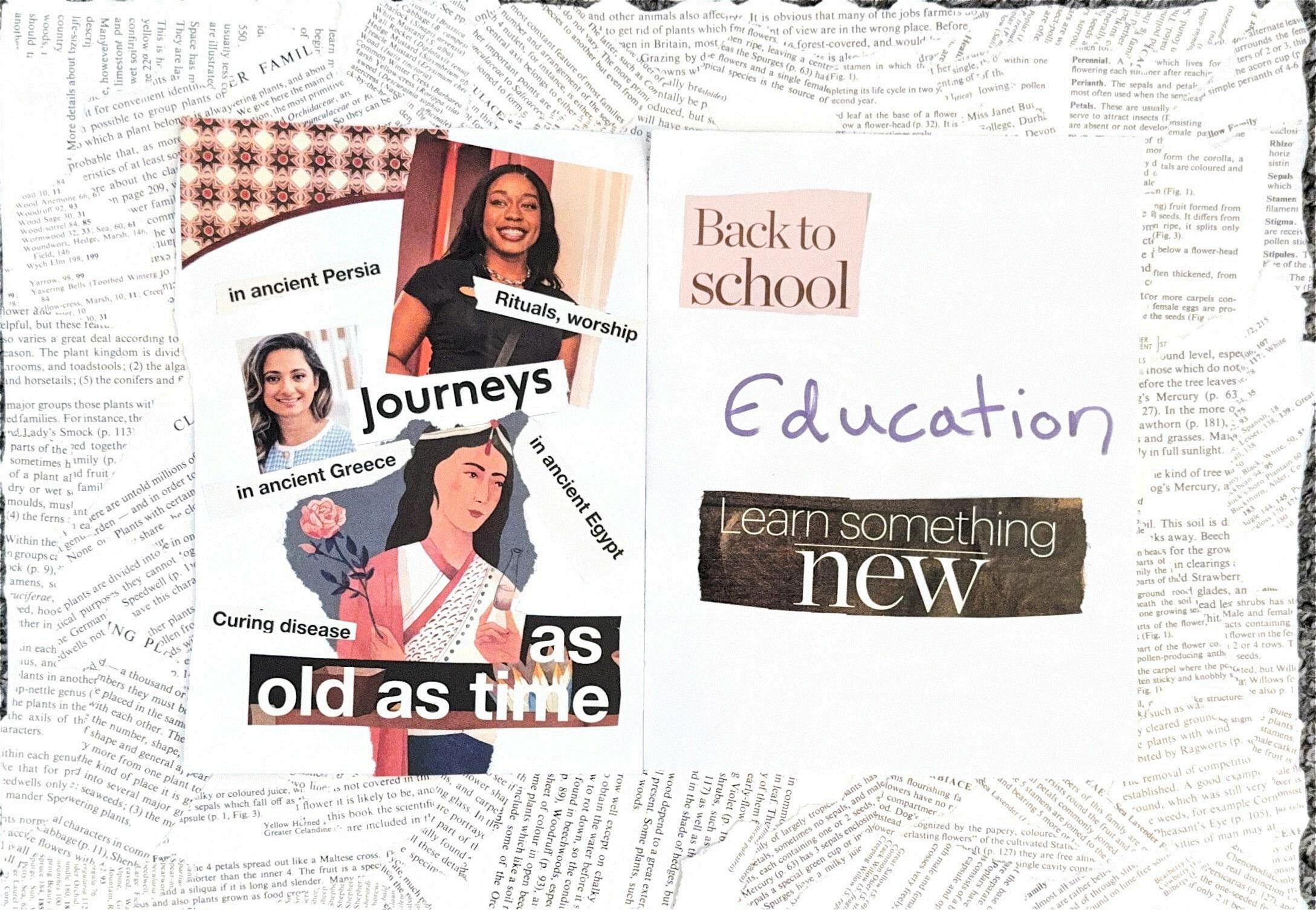
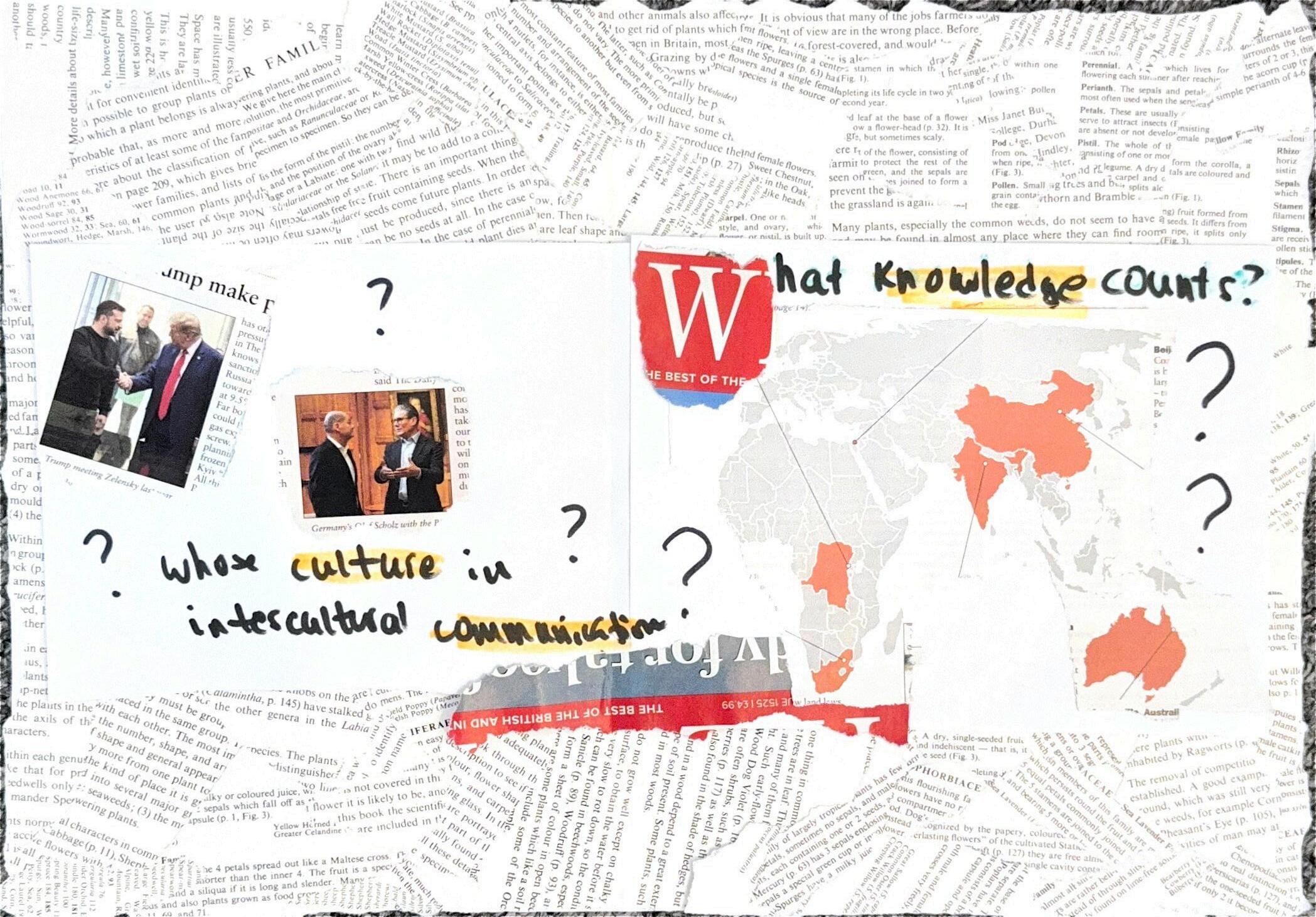
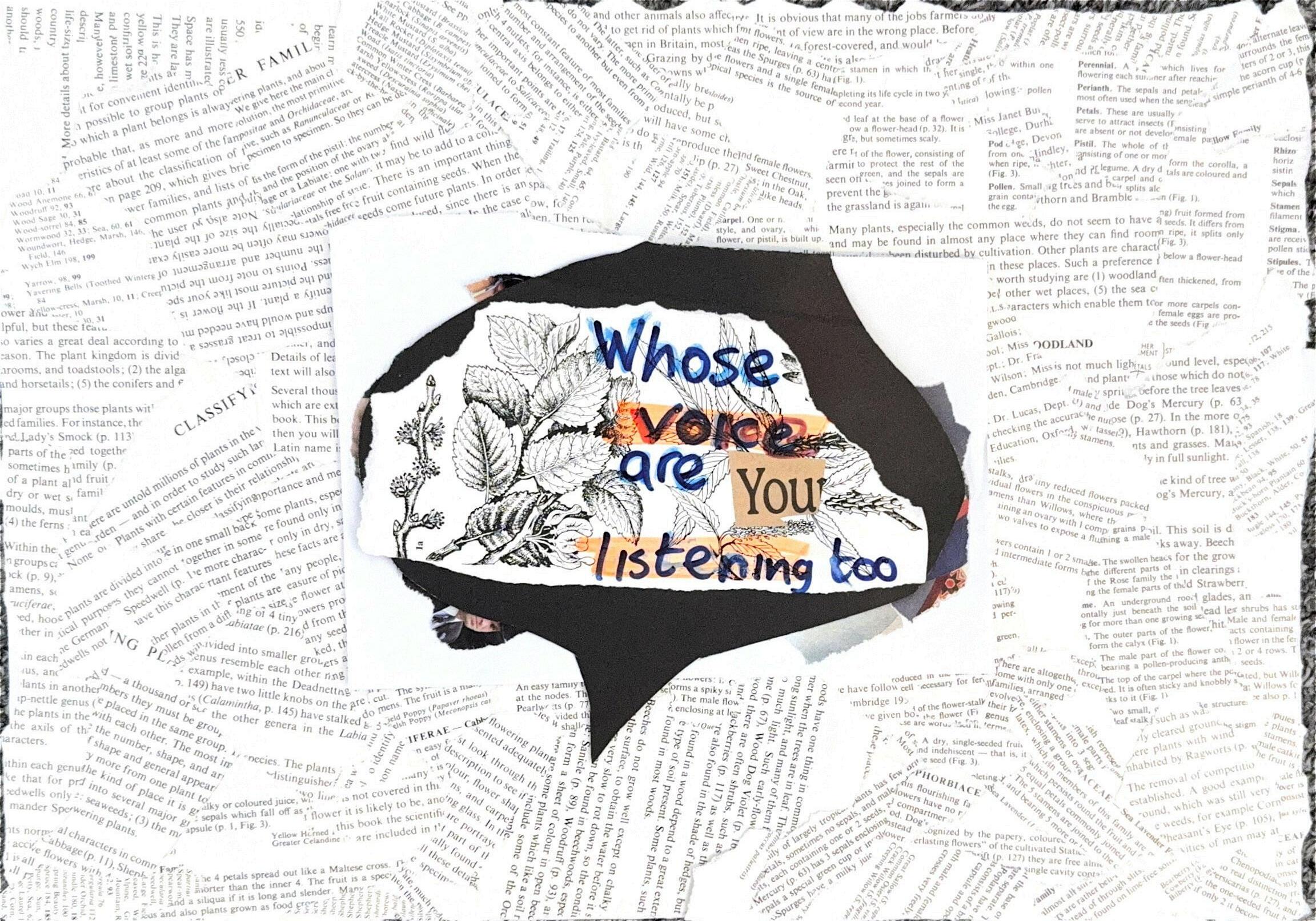
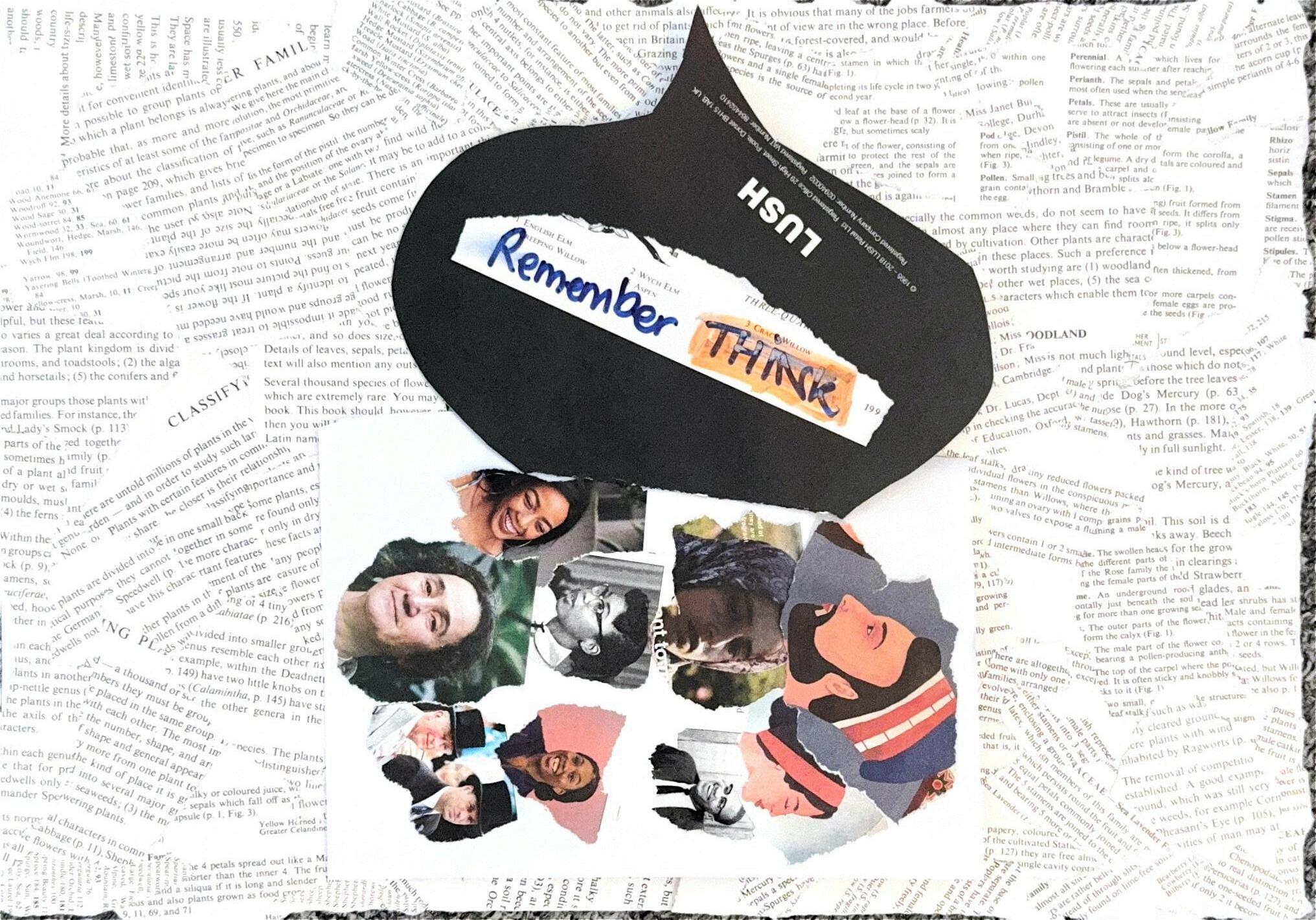
This zine is a production by attendees of the “Crafting Inclusion through Creative Practice: Decolonising Using Zines” workshop, hosted at the Lancaster University Education Conference 2025.
Each zine page was made in 20 minutes. All reflect on the topic of decolonisation and what it could or does mean to their teaching, learning and research practices.
Collected and curated by Meg Ritchie.
Printed and published July 2025.
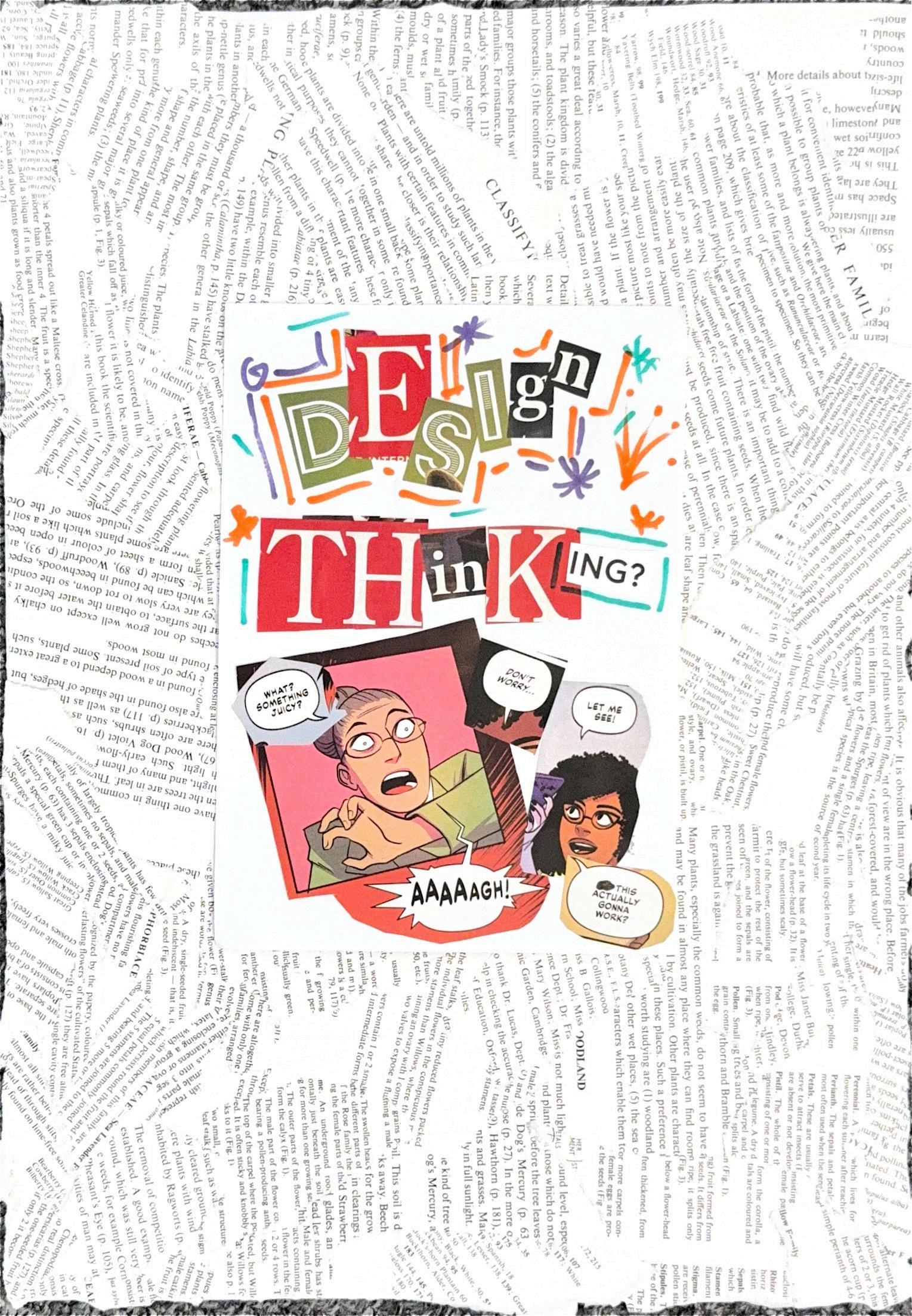
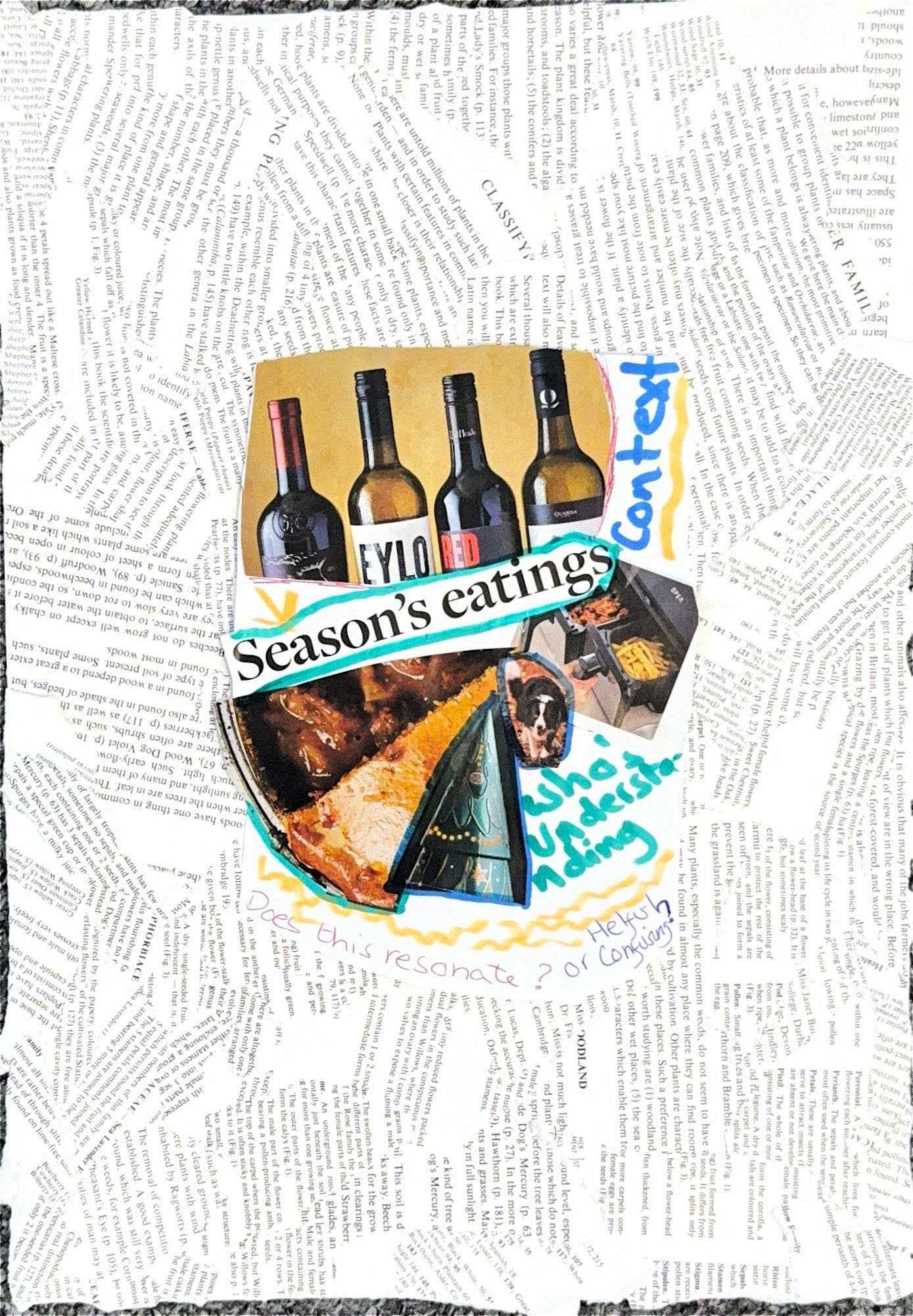
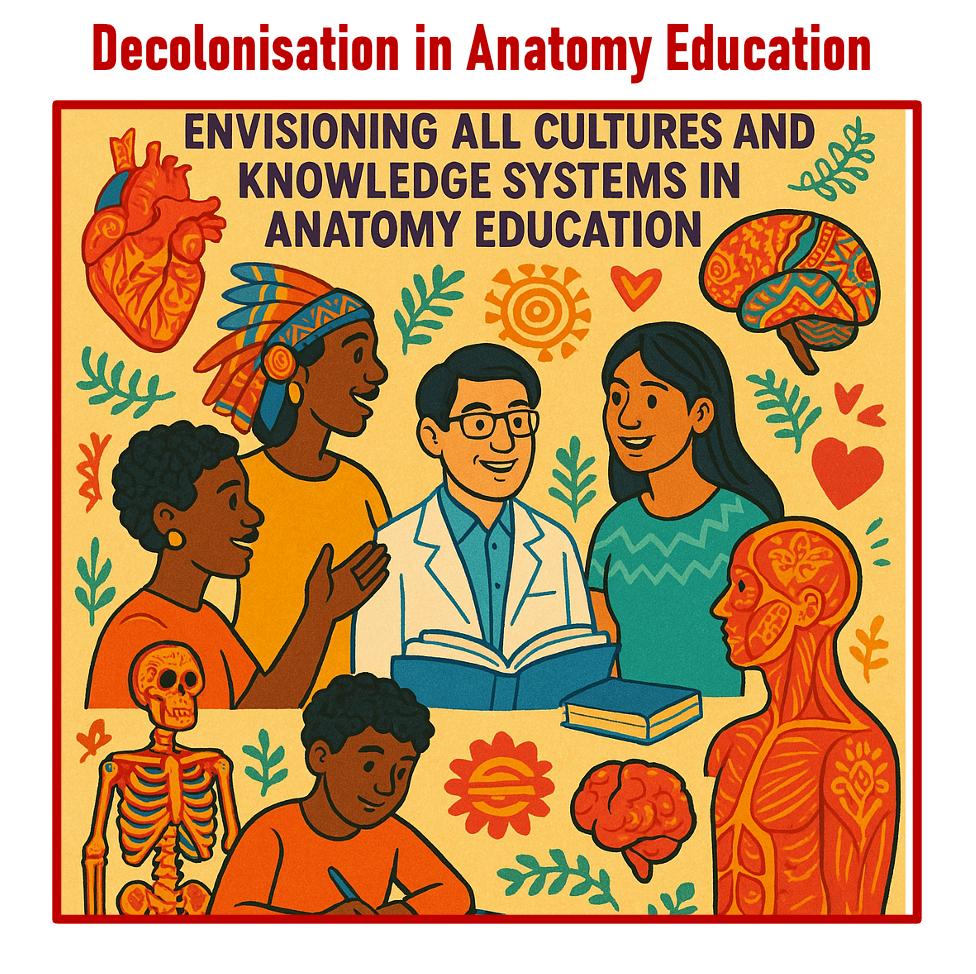
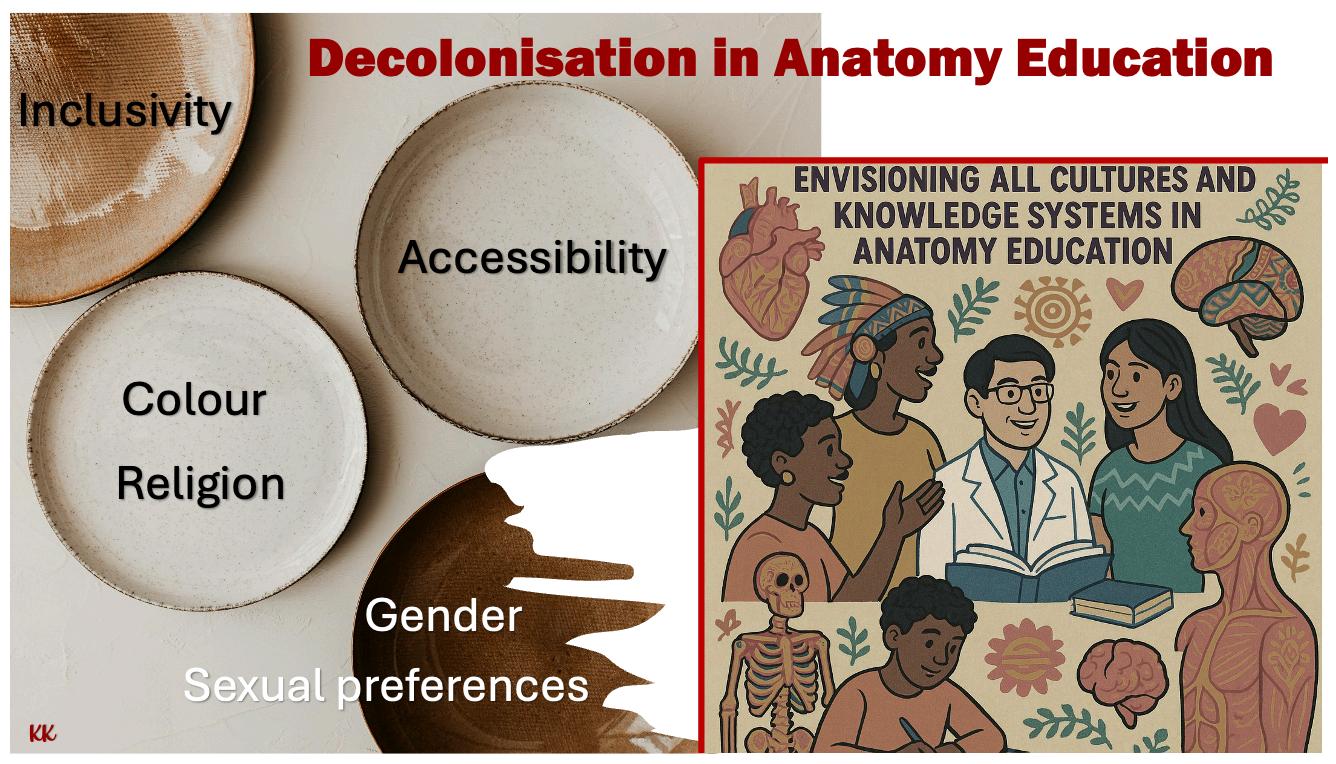
The following two images were created using Artificial Intelligence.
“What does AI mean because of colonialism?”
(emphasis in original, Adams, 2021, p.178)
“Data is the last frontier of colonisation”
(Mahelona in Hao, 2022, np)
“[...] it is critically important that we envision and shape how AI could be part of a revolution that is productive for our [Indigenous] knowledge systems, our languages, and our futures.”
(Whaanga, 2020, p.37)
Adams, R. (2021) Can artificial intelligence be decolonized?, Interdisciplinary Science Reviews, 46(1-2), pp.176-197. Available at: doi.org/10.1080/03080188.2020.1840225
Hao, K. (2022) A new vision of artificial intelligence for the people. Available at: https://www.technologyreview.com/2022/04/22/1050394/artificialintelligence-for-the-people/ (Accessed: 9 Jul. 2025).
hooks, b. (1994) Teaching to Transgress: Education as the Practice of Freedom. Routledge: London and New York.
Whaanga, H. (2020) “AI: A New (R)Evolution or the New Colonizer for Indigenous Peoples?” In J. E. Lewis (ed.) Indigenous Protocol and Artificial Intelligence Position Paper. The Initiative for Indigenous Futures and the Canadian Institute for Advanced Research (CIFAR): Honolulu, Hawaiʻi.