



For my creative process journal, I followed my final concept paper’s creative process.
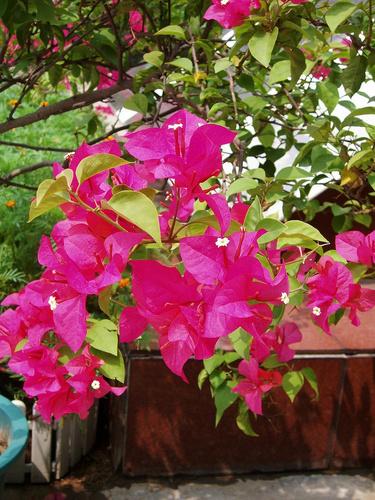
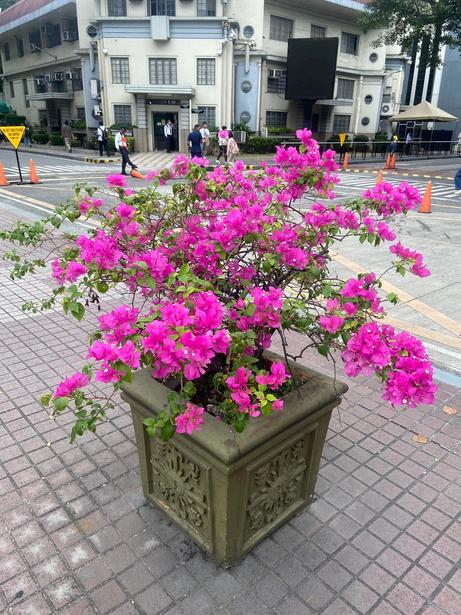
I began by attempting to plant Bugambilya in our backyard. However, due to the lack of space, I was unable to plant Bugambilyas of my own.
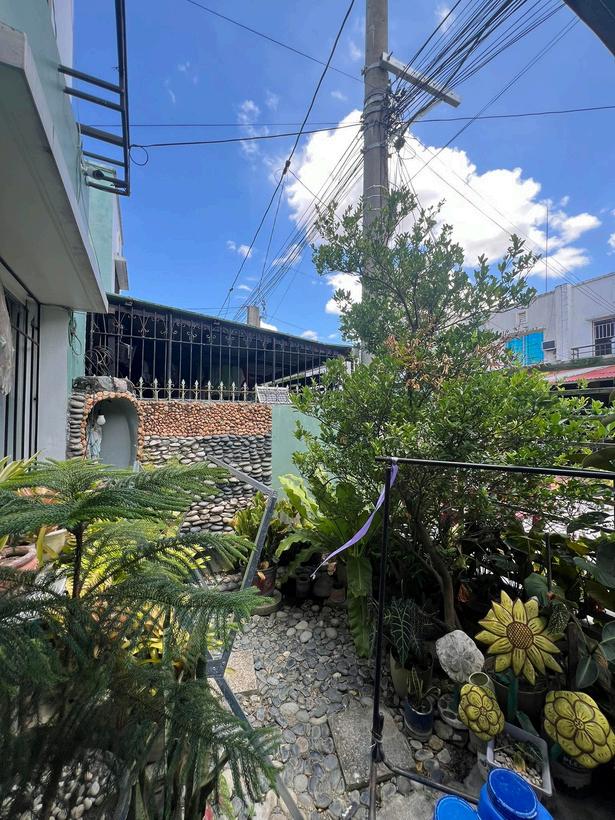
I instead i f locations wher grows and I as from my mom, photos of the around the ne
I even found so the streets o
my mom and i’s convo


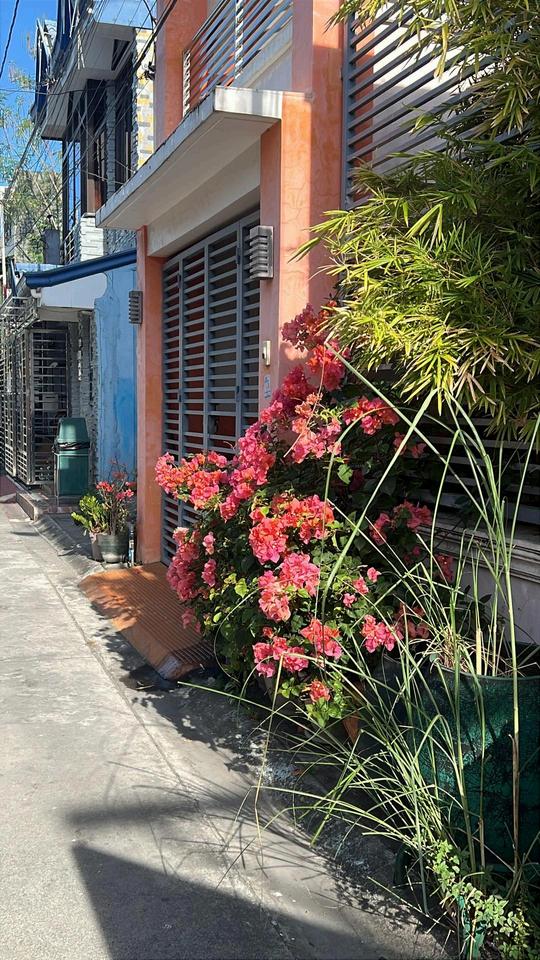
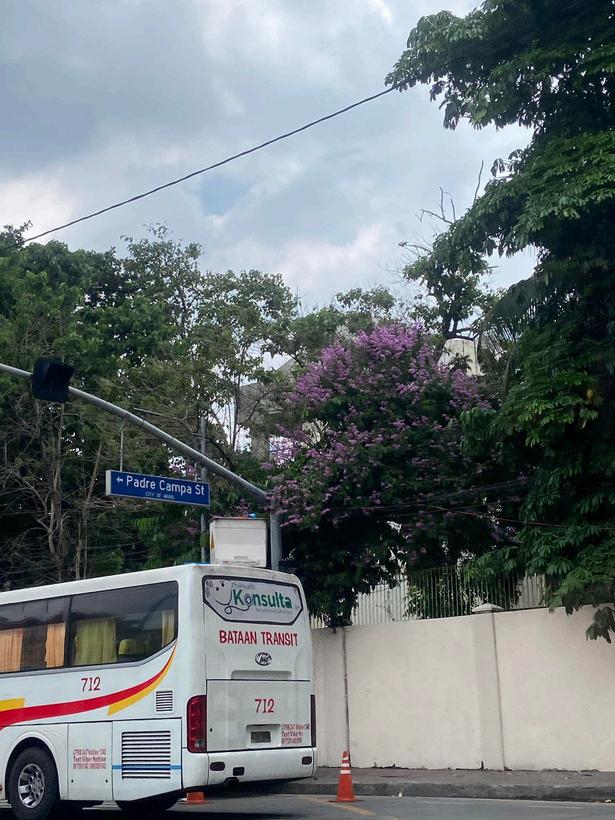

In the process, I realized there are Bugambilyas along Plaza Mayor!
How did I neve before
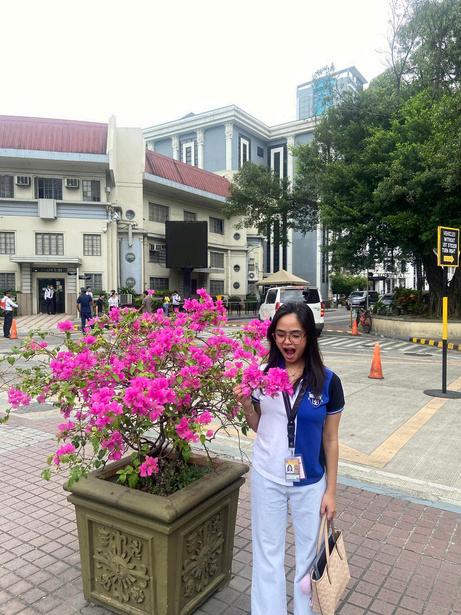
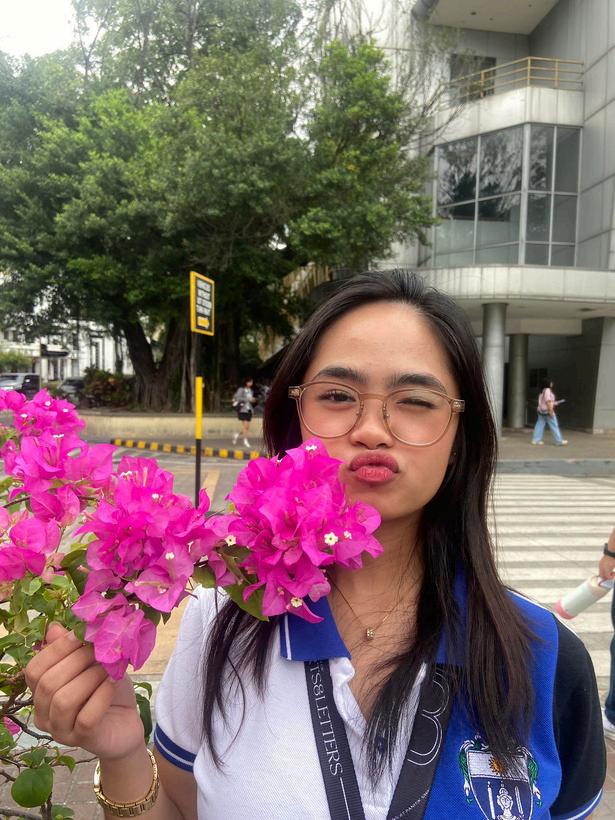
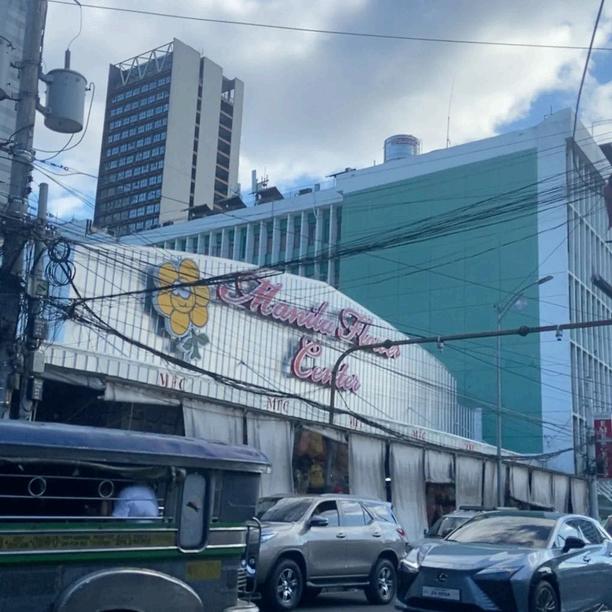

For backup, I also sourced additional fresh flower suppliers for my upcoming mock-up tests.
I even went to check Dangwa. However, one of the workers told me it was rare to see vendors of it and I should come back next time.
To make up for the wasted time, my friend, Joey and I bought ourselves flowers.
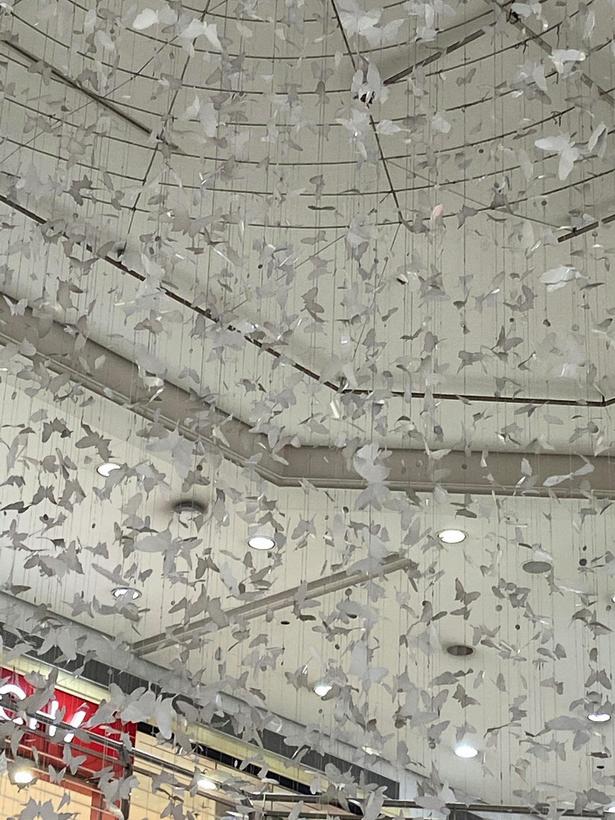
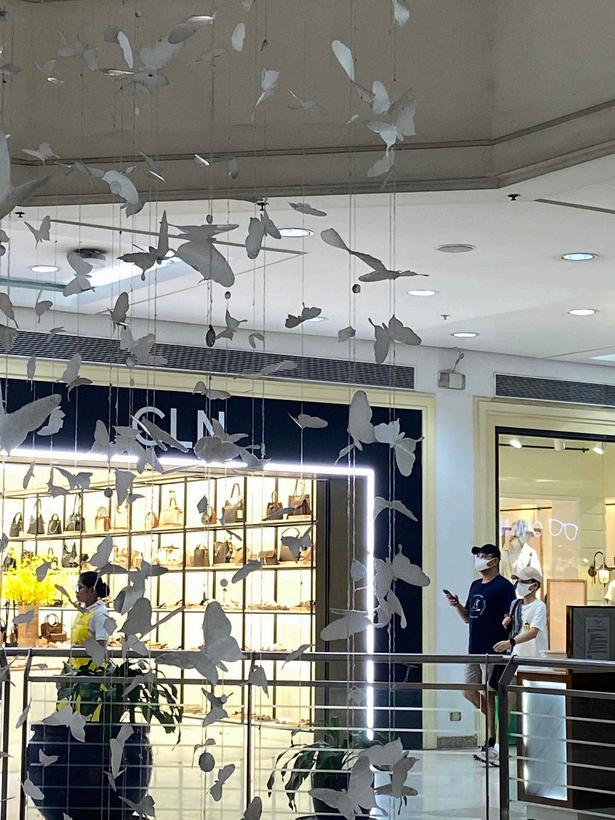
I was in Gateway Mall Cubao to watch the UAAP Volleyball Women's game. Then I saw this installation in the middle of the mall similar to mine—but it used butterflies instead.
I made a mental note to avoid using white Bugambilya so my installation would stand out more—unlike the one I saw in Gateway. While that installation was beautiful from afar, it appeared messy up close as it blended into the mall’s white interior, making the transparent nylon thread more noticeable and distracting.
Claire Bishop states that installation art refers to the kind of art the viewer physically enters. It is often described as “theatrical,” “immersive,” or “experiential” (6). Furthermore, art is not just a reflection of reality—it transforms it, creating a space that connects the tangible with the imagined.
With this in mind, I want my audience to experience more than just floating flowers held by nylon threads. I aim to create an immersive environment—one where the presence of the flowers feels intentional and transformative, not just visual but emotional and spatial too.

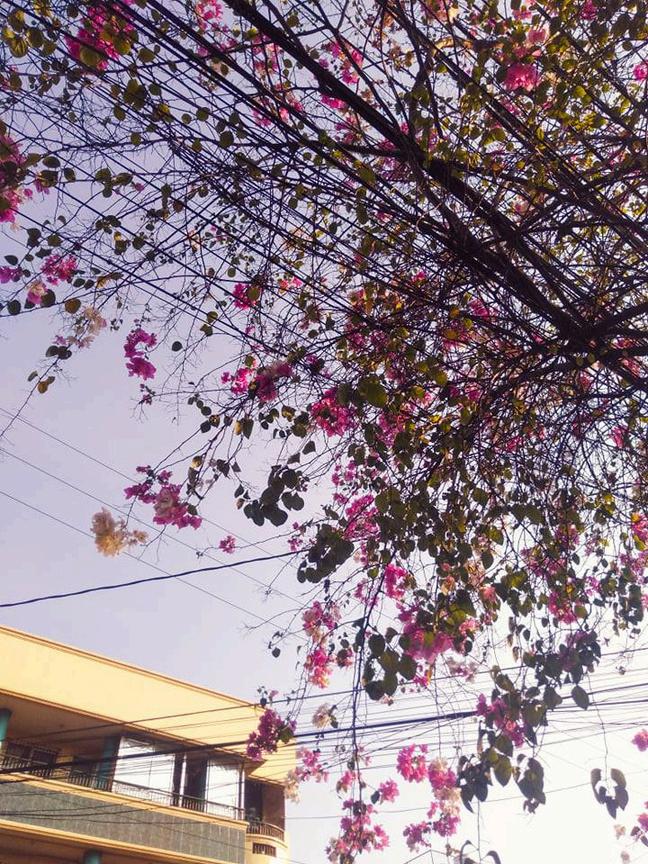
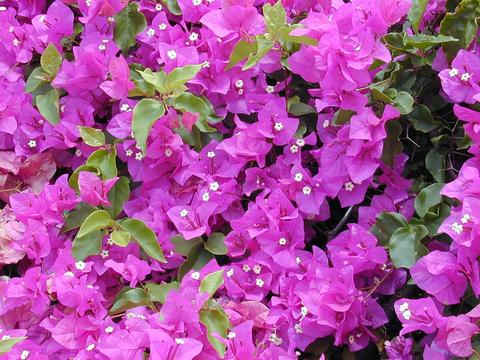
I realized that pink was the most common color I encountered throughout my flower-hunting journey. As someone who has always had a complicated relationship with pink—both loving and hating it at the same time—I’ve decided to embrace it in this project. I’ll use pink as a symbol of growth, both in nature and within myself.
Jeanette Winterson states, “The reality of the imagination leaves out nothing; it is the most complete reality that we can know” (13). I relate this to my installation, where imagination turned into reality through my choice of pink. What once felt like an uncertain relationship with the color has now transformed into something real and intentional—my love for pink is no longer imagined, it’s part of my reality.
Bishop, Claire. Installation Art: A Critical History. Tate Publishing, 2005.
Winterson, Jeanette. Art Objects: Essays on Ecstasy and Effrontery. Jonathan Cape, 1995.