Megha Uddin
Syracuse University
B’Arch 2024
Megha Uddin
Syracuse University
B’Arch 2024
This page is intentionally left blank.
01
dew on lotus
in collaboration with Ziwei Zhang
ARC 408 | Fall 2022
Professor Ju Bin Shanghai, China
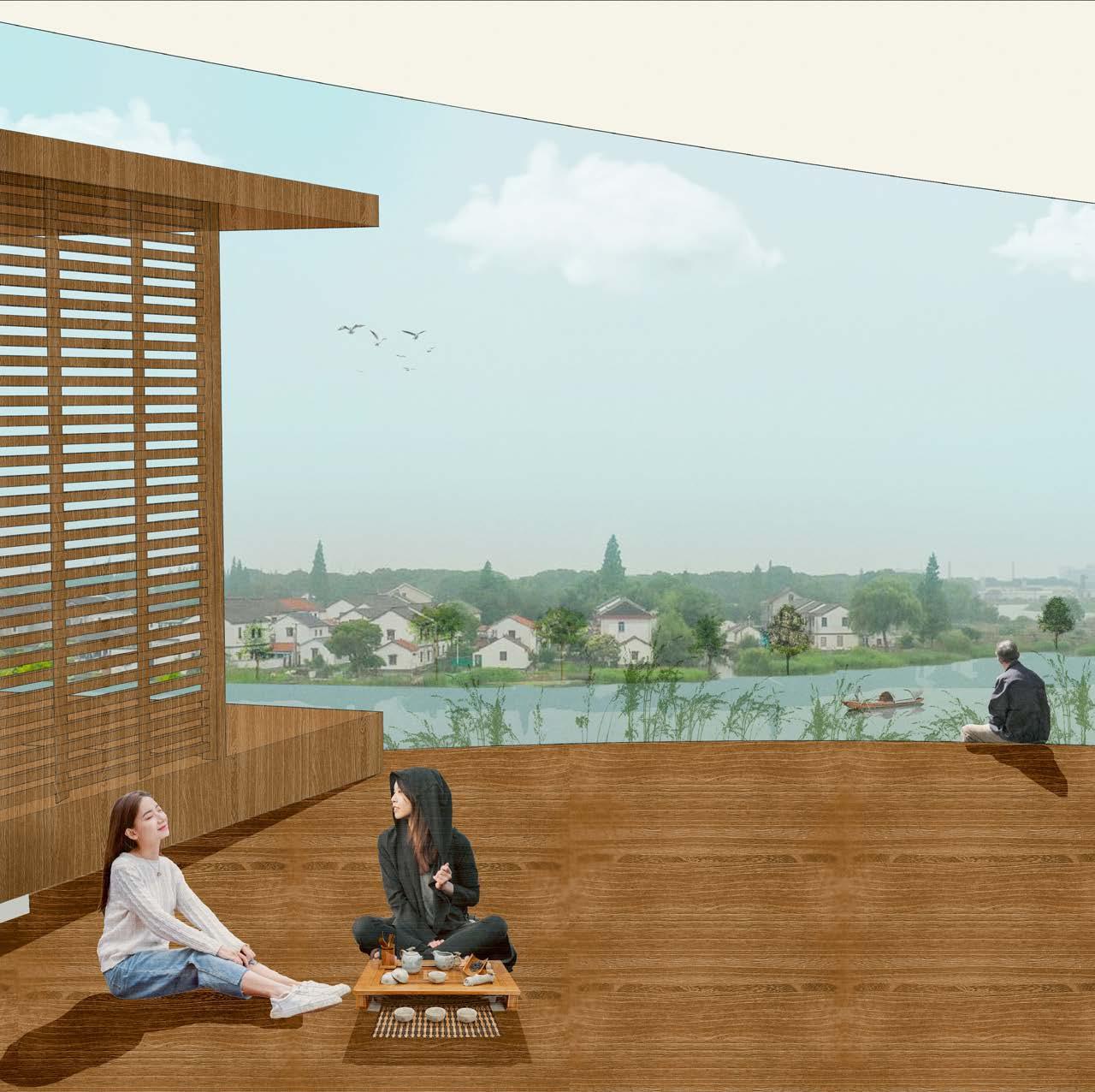
tea room render render of the team room looking over the water boardering the site and the viallges surrounding it
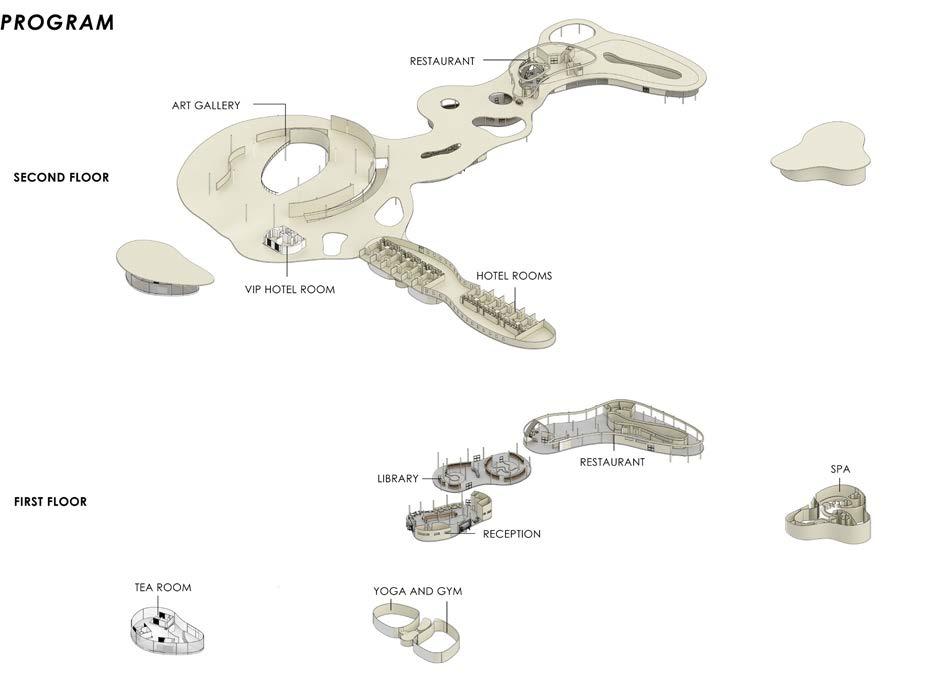
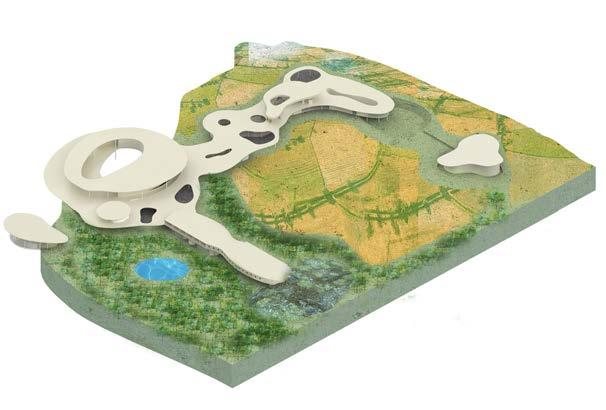
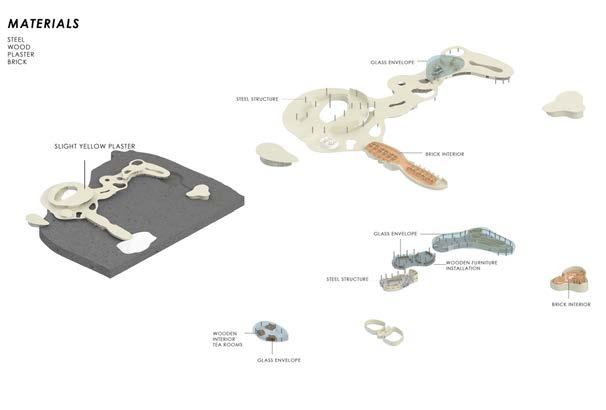
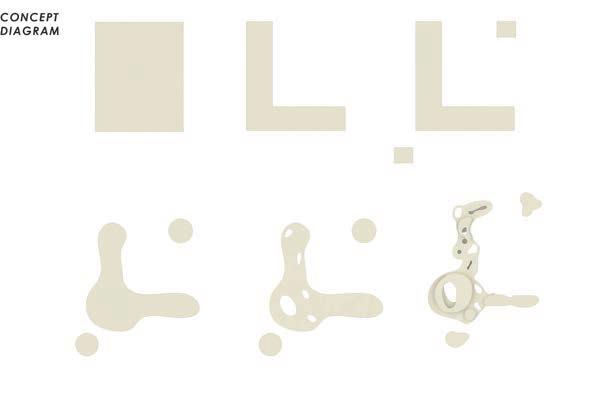
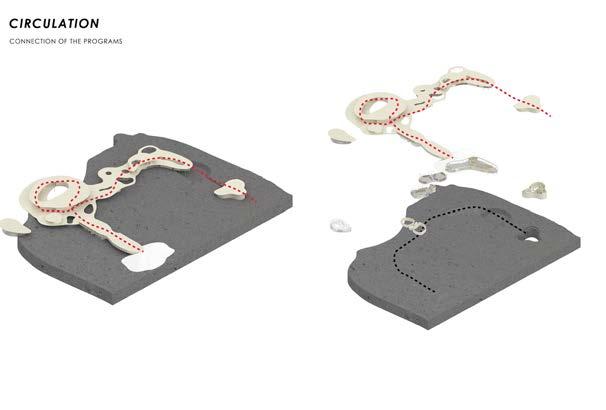
Located near Dalian Lake, this project is a luxuary hotel complex in the midst of nature. The natural landscape surrounding it provides an escape from city life. There are several unique programs scattered on the site for users to stumble upon as they navigate the site. The concept of “dew on lotus” comes from the presence of water gardens filled with water lilies and lotus plants that surround this site. As dew gathers on lotus leaves in the early hours of the mornings, it comes together to create organic forms, and those forms are brought into the forms of the hotel. Through the several experimenations of these organic forms of dew drops coming together and growing apart, the volumes and planes of this project take inspiration from the negative and postive spaces of a lotus leaf filled with dew drops.
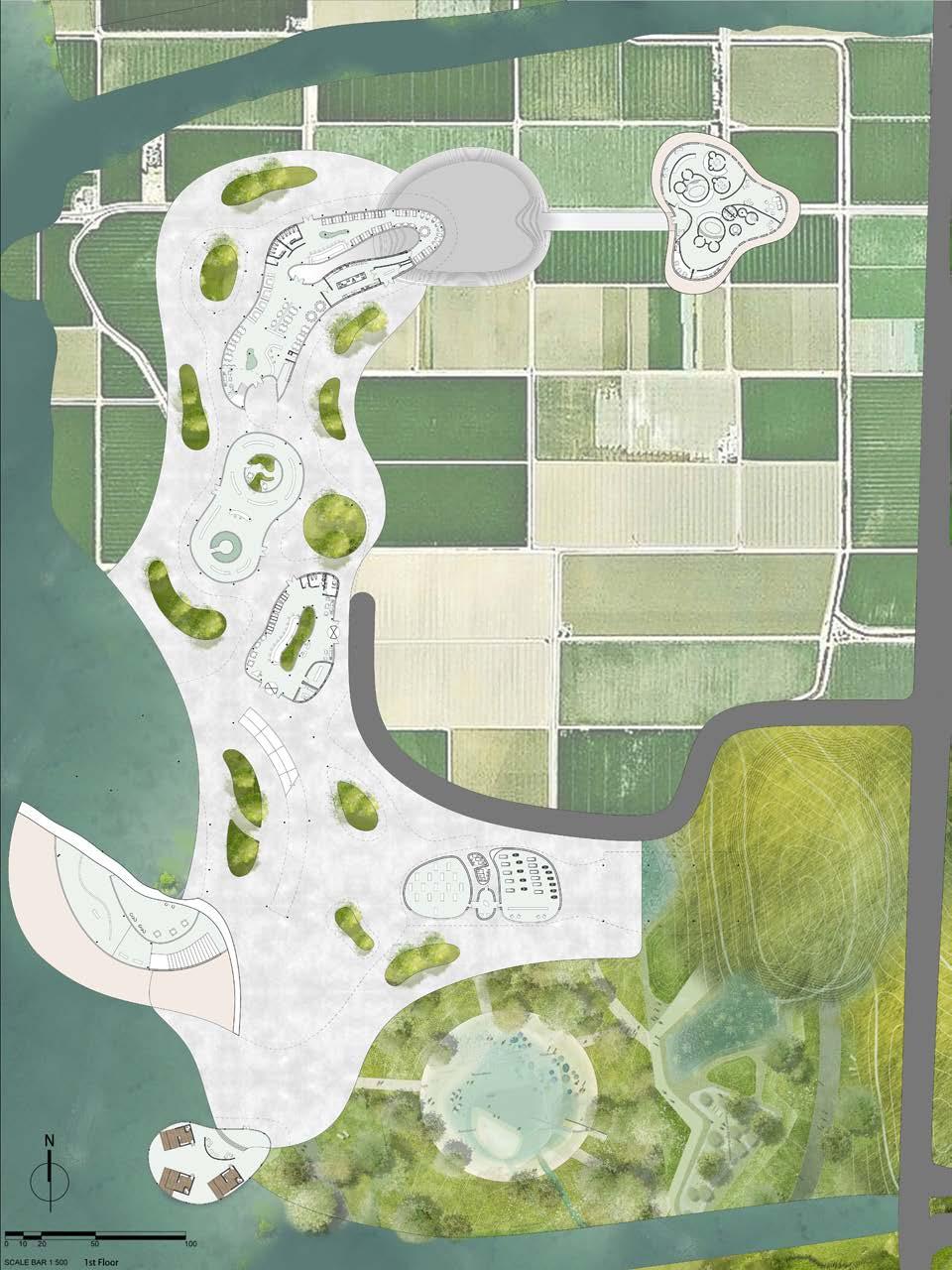
site plan
plan of entire site showing lobby, restaurant, spa, health center, and tea room along with exterior landscape
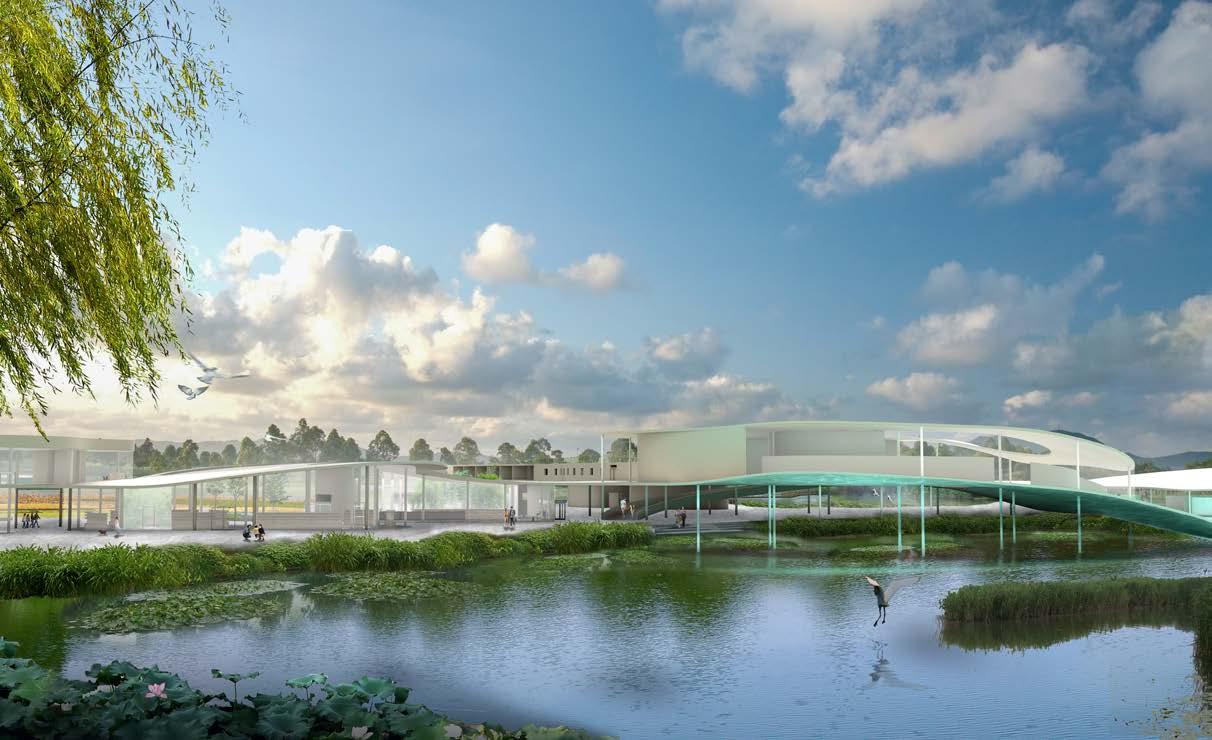
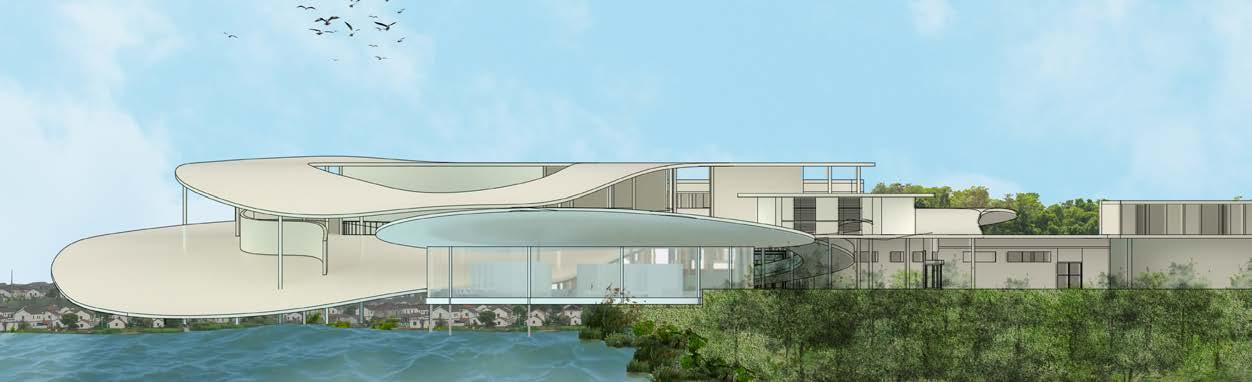
elevation
southern elevation looking toward the tea room and private ruites
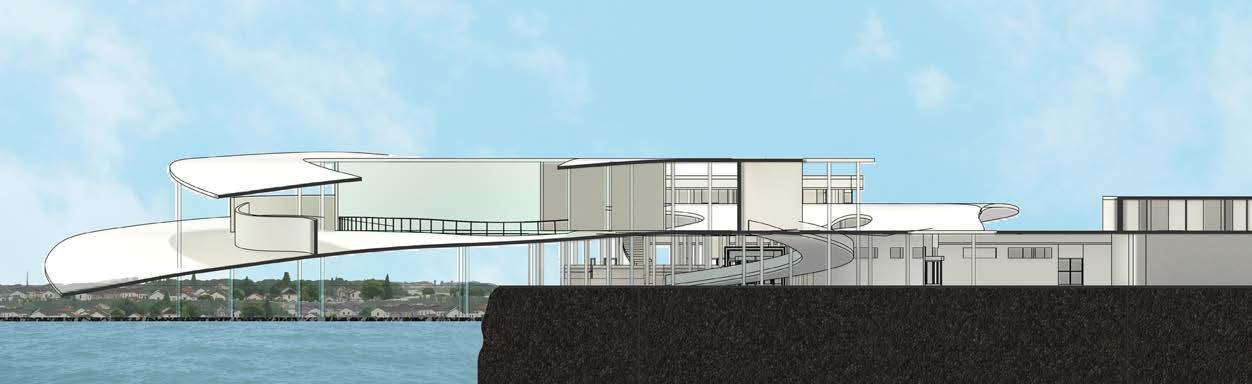
section
section cut through the hill, private suites, and circulation spaces
the museum of floating memories in collaboration with Ned Ijomanta ARC 409 | Spring 2023
Professor Hannibal Newsom Hart Island, NY
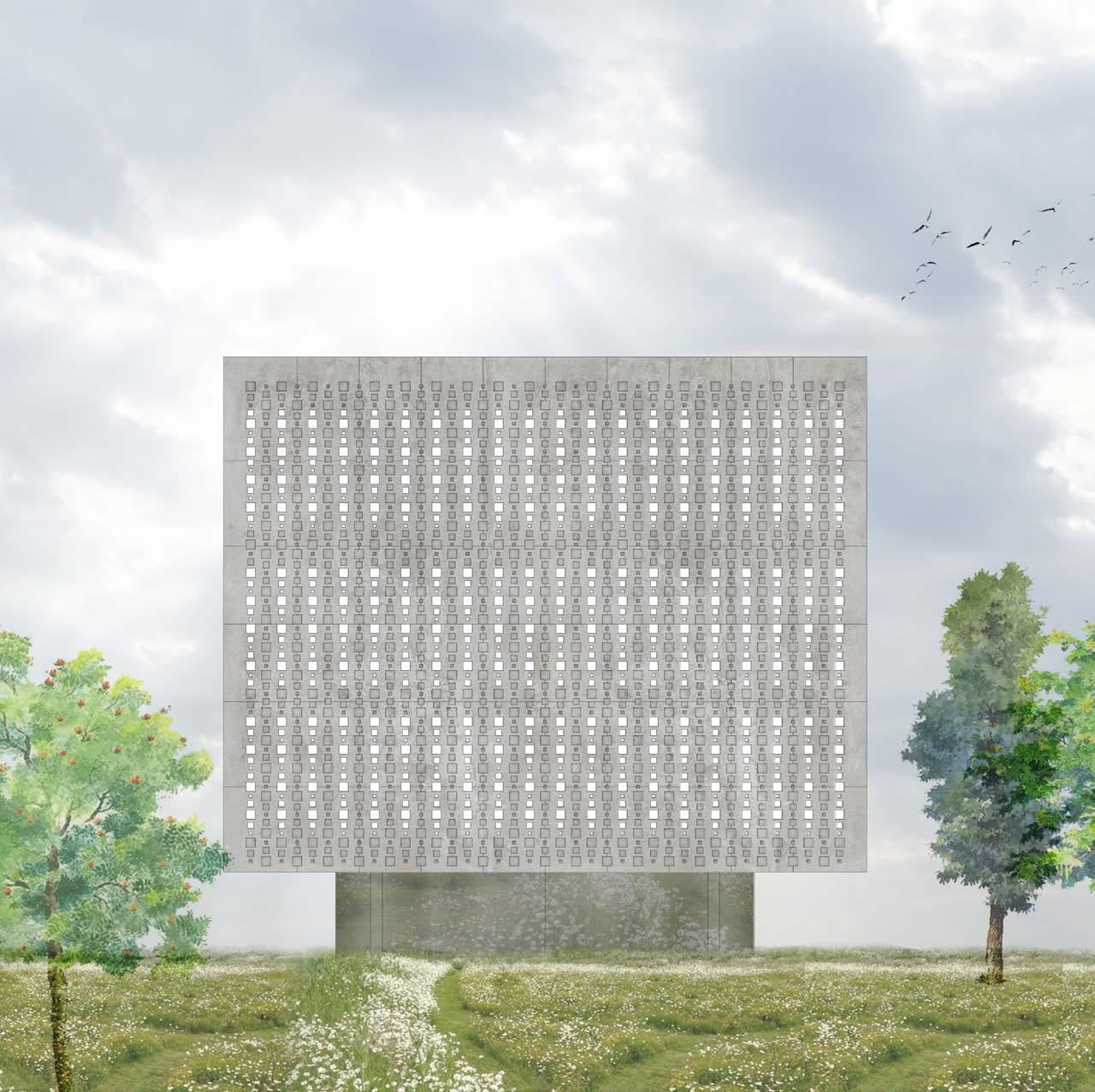
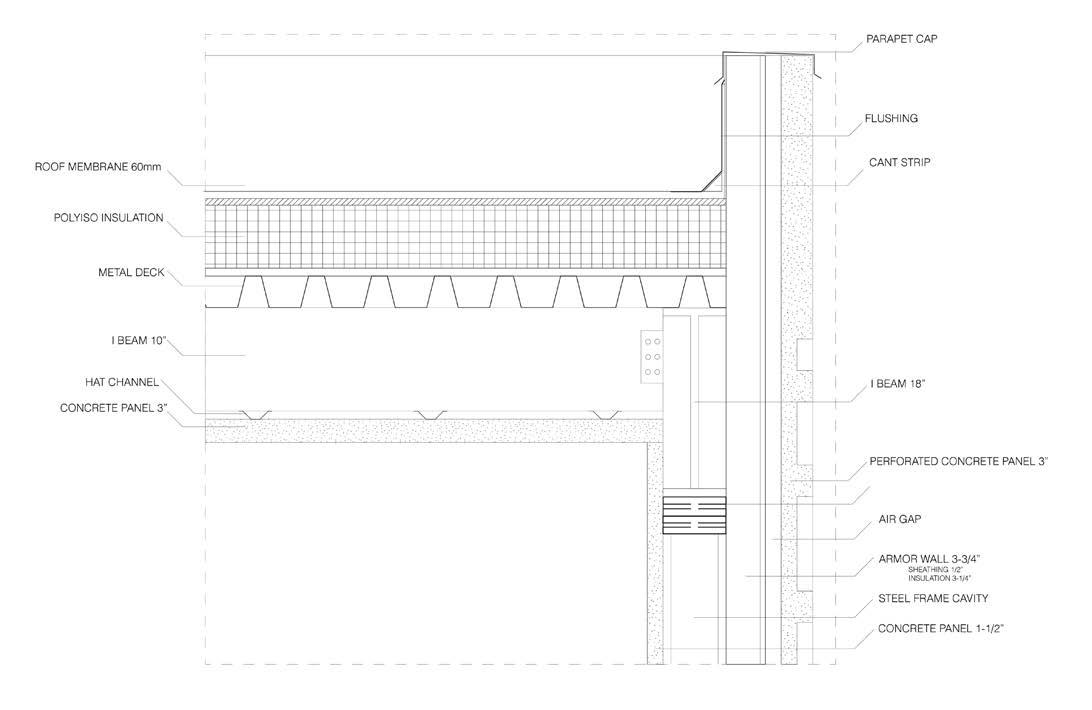
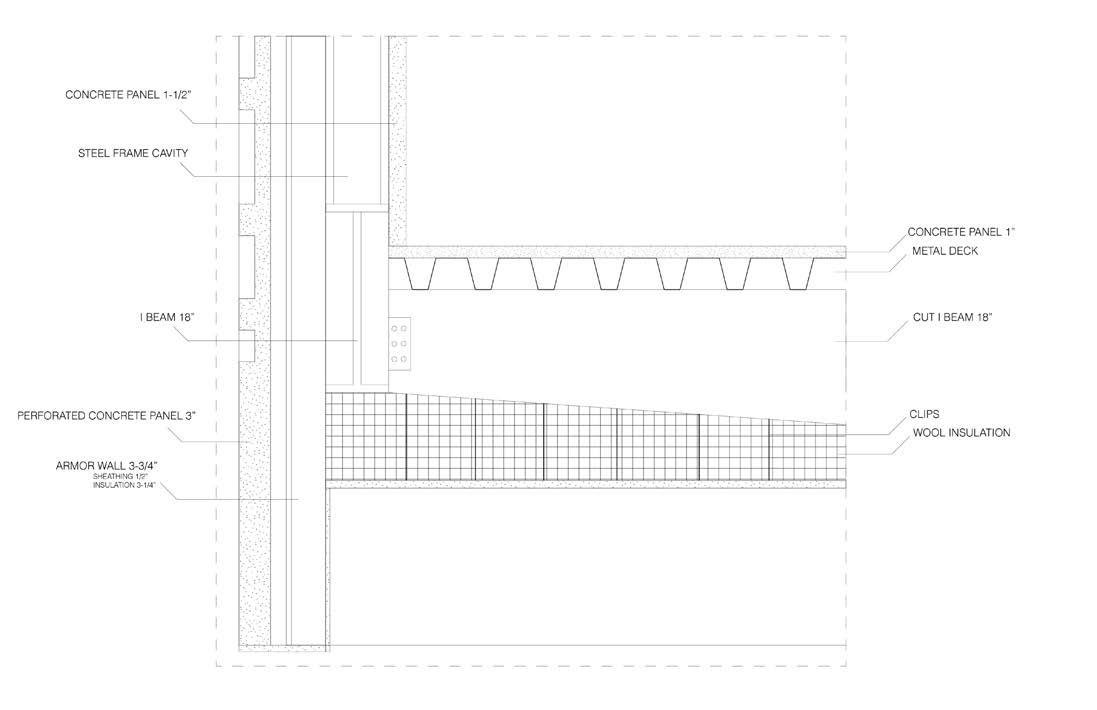
This proposal is centers the history of Hart Island, an island off the coast of the Bronx that has had a dark past and was used as a mass grave/burial site for unclaimed bodies. To highlight the importance of giving those who have been buried there as individuals. This proposal explores this history of Hart Island that was hidden from public eyes but now is having its moment in the light. Through the Hart Island project and Travelling Cloud Museum, a project that investigates the history of those buried in anonymity here to bring their stories to life, this proposal conceptualizes the many layers of protection vs. exhibition of the island. The user experience of this memorial is juxtaposed through the intentions of revealing certain elements while hiding others. The design itself is a statement of solidarity with those who are buried on the island as it portrays an anonymous monumental envelope that engulfs its secrets inside.
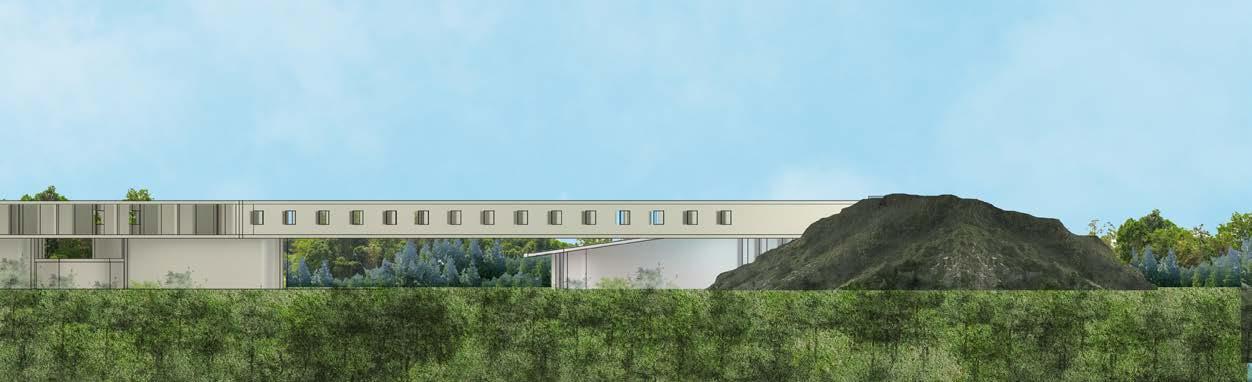
elevation
elevation of thr front facing facade of the building where the sanctum is located
tesseract diagram diagram of how a tesseract works and the the concept of a cube within a cube was derived
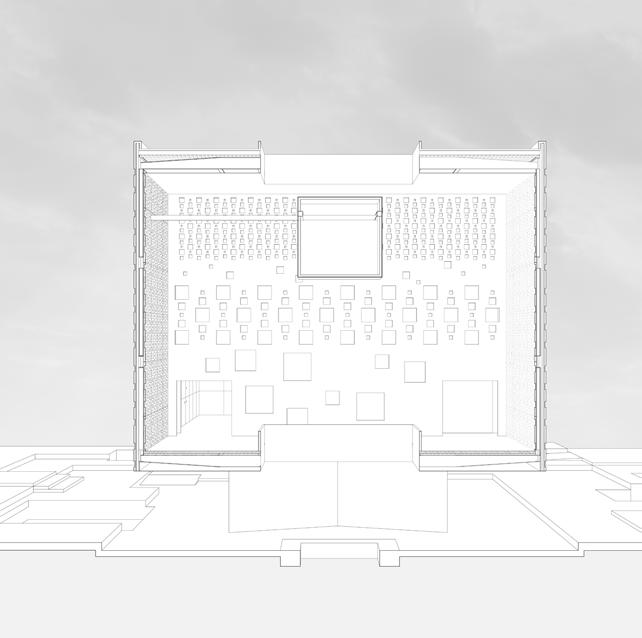
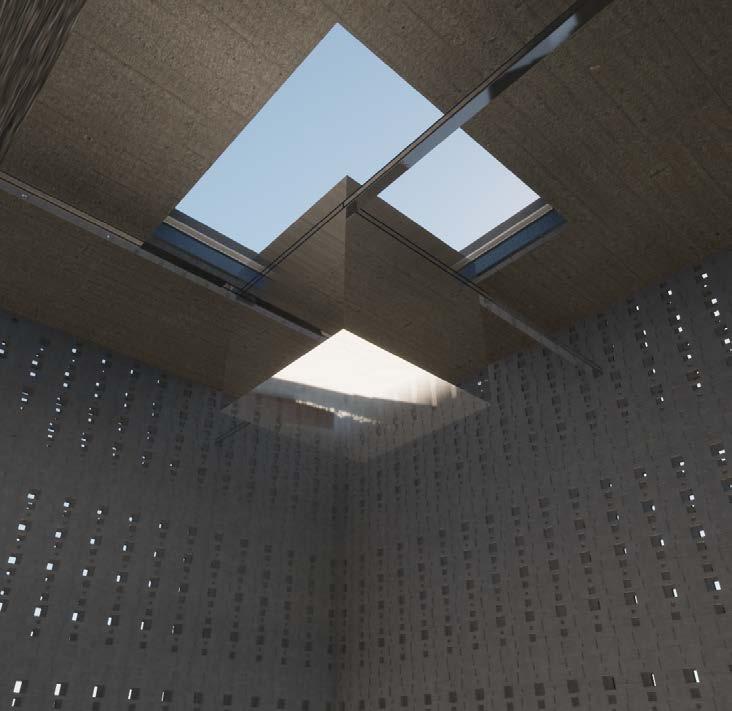
section section showcasing the sanctum space and how it connects vertically and visually
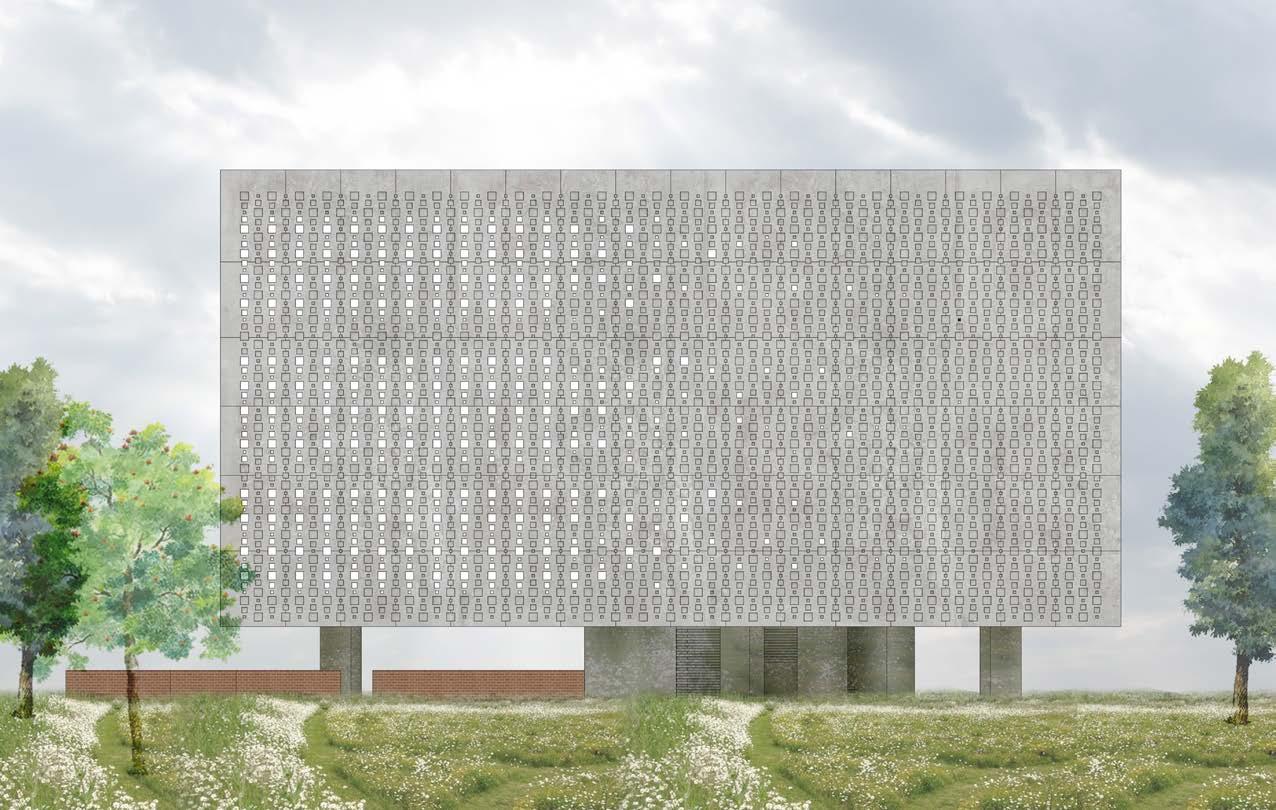
elevation
elevation of the museum showing the difference in the facade of the sanctum space and the museum space
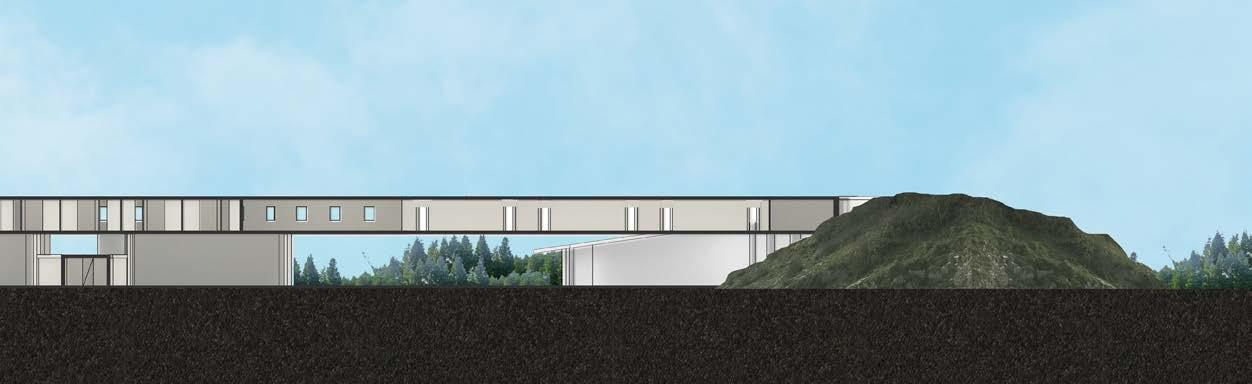
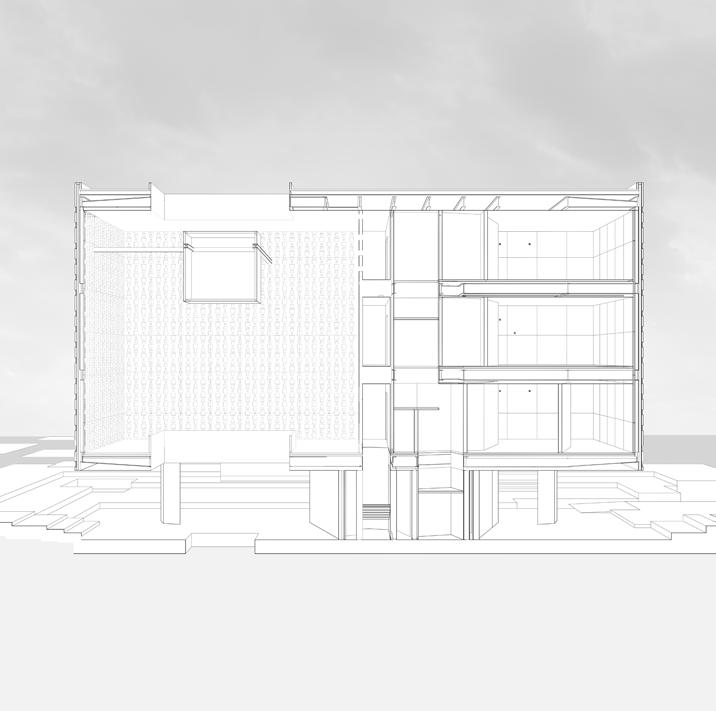
section
section cut through the sanctum pace, the wall that seperates the sanctum and museum that is occupiable, and the museum space
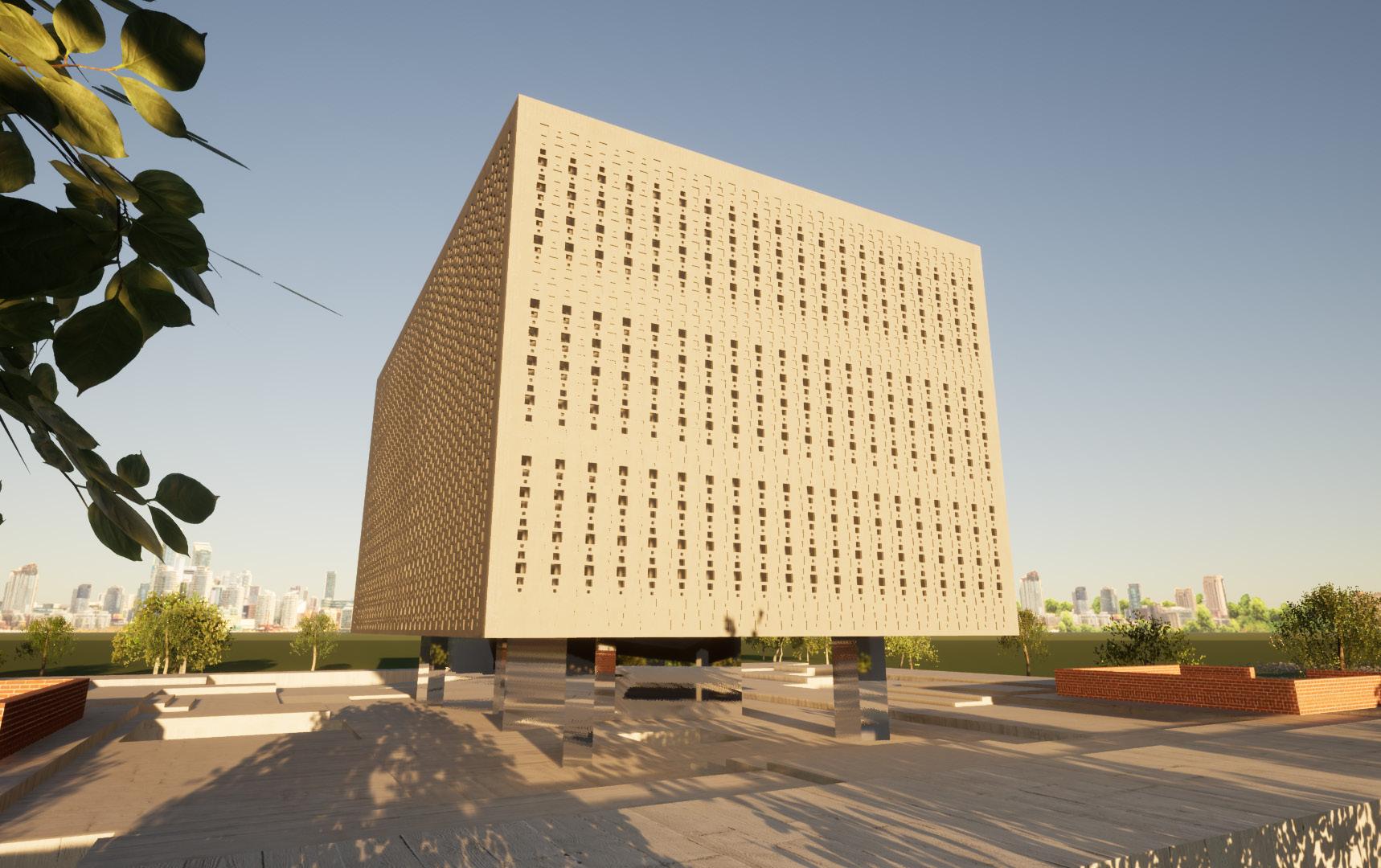
exterior render exterior render of the immediate site of the museum along with the museum itself, showcasing the materiality and facade design
interior render render of the sanctum itself, showing its materiality and how it is held up
ARC 207 | Fall 2020
Professor Marcos Parga Syracuse, NY
Rahma Edible Food Garden Forest is located in a food desert in the southside of Syracuse. During the early stages of this project, research showed that the community there is primarily Black and Brown families who live below the poverty line. These families lack access to resources that lead to a healthy lifestyle. With this in mind, this project focuses on accessibility for everyone living in the surrounding area. Through the use of materiality and layout of the programs, accessibility is achieved. There are times when new architecture projects are created in a community, it leads to gentrification because of the innovation and newness. It can lead the community into disarray because it fails to perform the task it was created for. This proposal would be different as it assimilates into this neighborhood. roof plan shows the layout of the design proposal
section cross section cut through the greenshouse and other programs
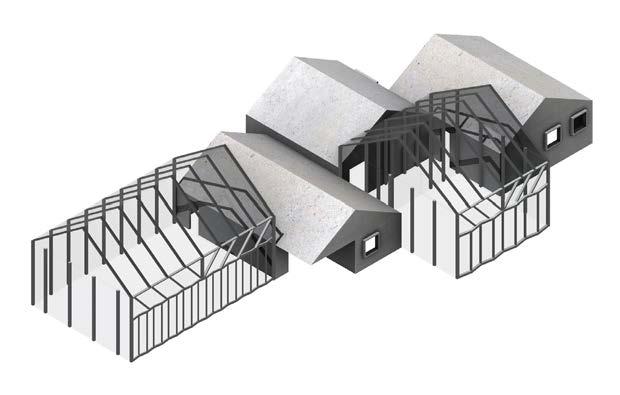
diagrams materiality, program, and volume diagrams breaking down the makeup of the project
04 system overload
in collaboration with Greta Ulatowski
ARC 407 | Spring 2022
Professor Cecilia Lundback Grosseto, Italy
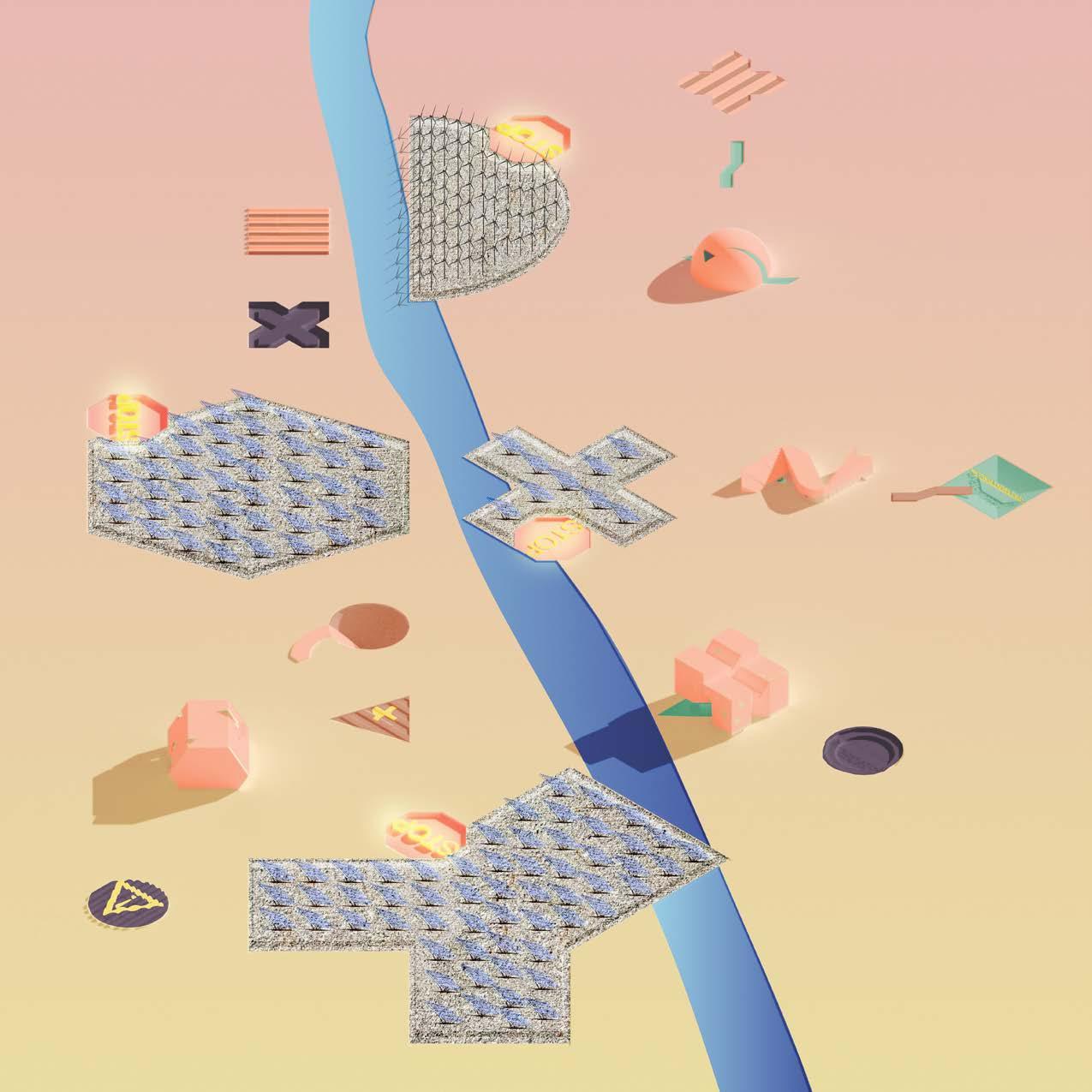
System Overload is a project that creates spaces of wonder and exploration through design methods such as scattering, fragmentation, projection, and layering. It is a proposal concerned with found figures, specifically Italian road sign geometries, which are then superimposed on two different grid systems overlayed in different angles. Although scattering of figures is a main component of the gardens, the grid systems allows us the scatter the figures within certain parameters that are laid out. This also helps one visualize the grid by seeing how these figures are layed out, making the invisible grid a visible component. Instead of just warning caution, this project embraces and relays the realities of energy production and consumption, encouraging people to consume green energy by showcasing the power and sustainability of solar and wind power and hydroelectricity. These gardens use the energy of the site as a commentary to show how people can produce large amounts of sustainable energy that can also be playful and aesthetically pleasing unlike the current state of unsustainable methods of producing energy that exist around the majority of the world today. The title “System Overload” is self explaining as it shows that there is so much excess energy being produced in the gardens that it overloads the infrastructure, such that energy is going to waste because consumption is lower than production.
axon (on the previous page) axon of the site going along the ombrone river. showcases the scattering of figures along the site
found figures after a site visit to grosseto, found figures became an important aspect of the design proposal. the figures we focused on near the site were street signsm which later became the shapes we worked with for the gardens and buildings on the site
taxonamy created by Greta Ulatowski
initial research focusing on productive ground, the initial research phase of this project led us to the use of sustainable energy in italy, specifically in the maremma region. during this phase, research was conducted on solar panels in the area, the conditions of the land and what is needed for proper maintenance of solar energy, etc. the main case study for this phase was a solar energy farm in a small town north of grosseto.
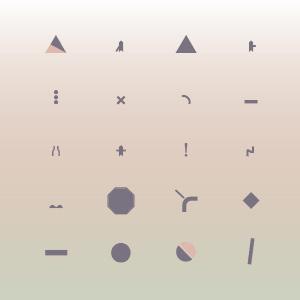
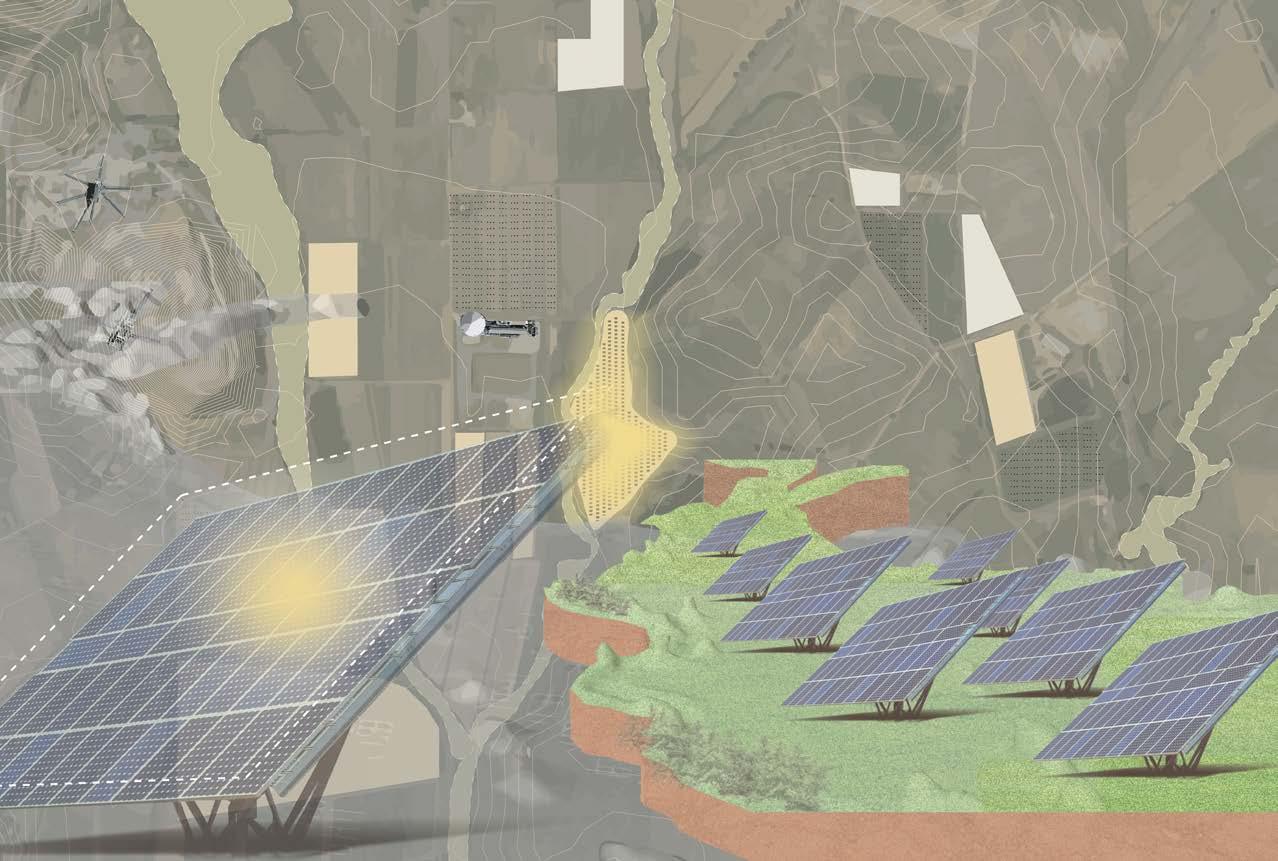
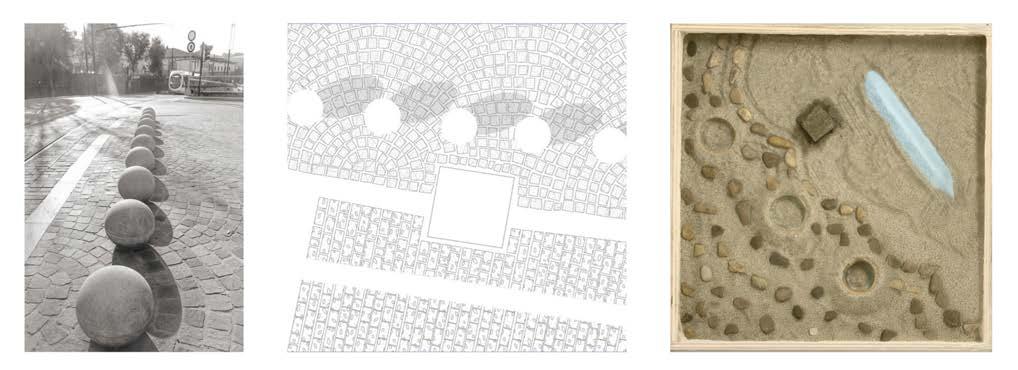
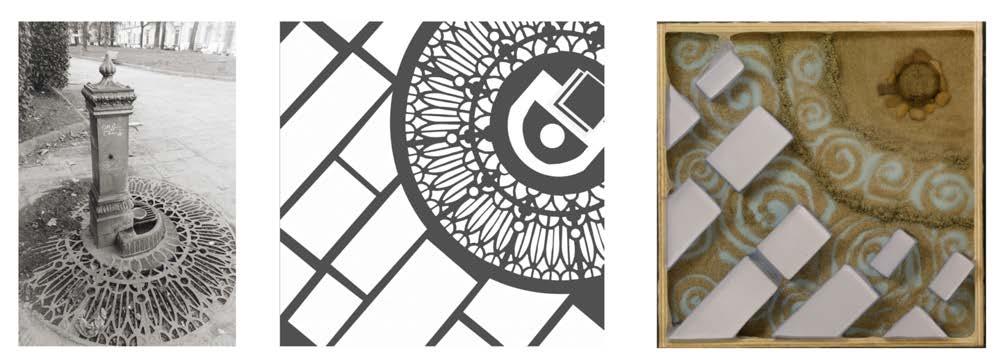
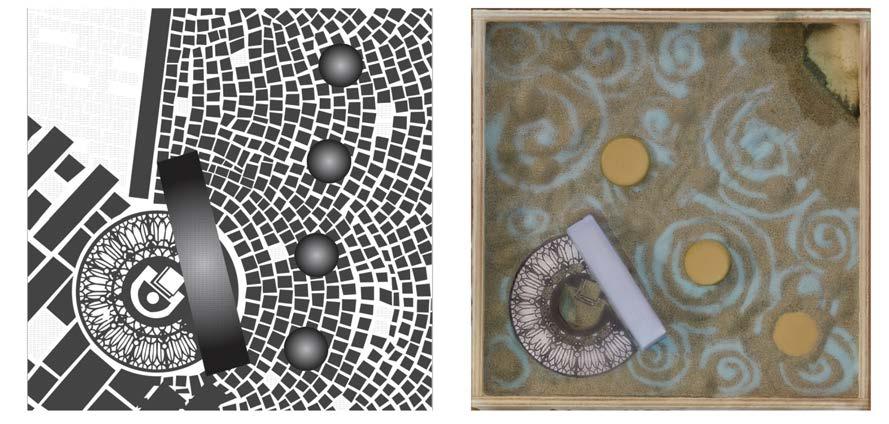
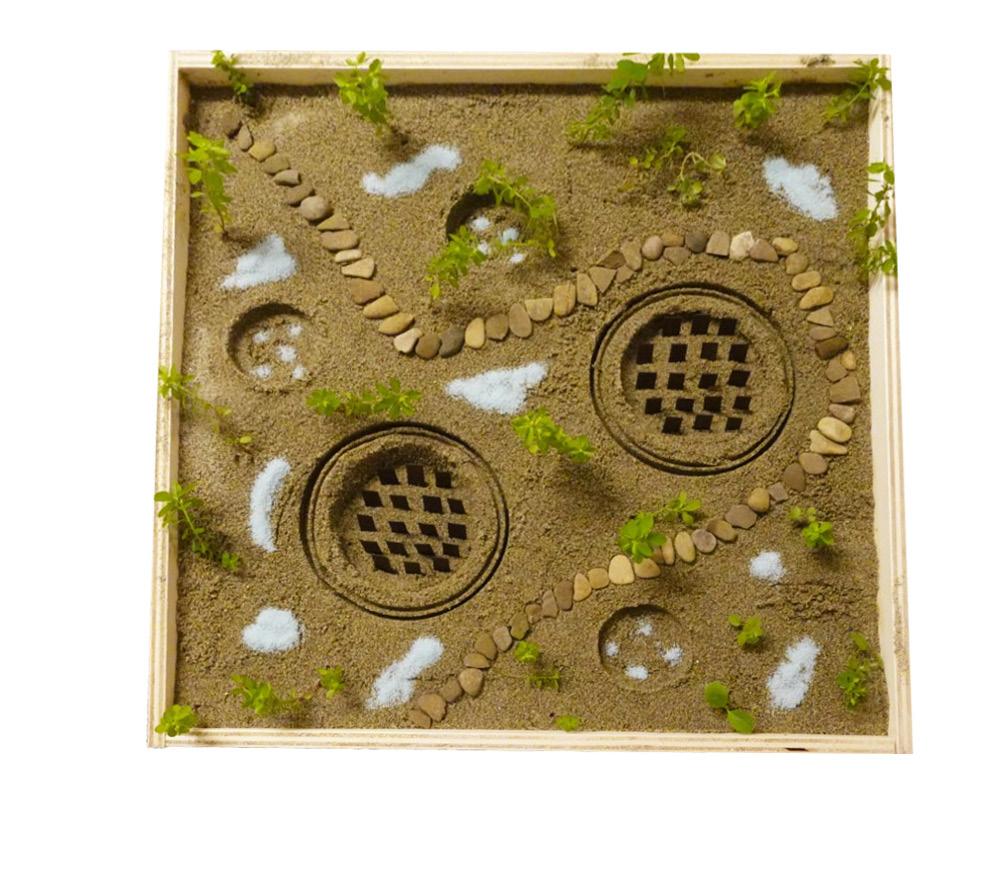
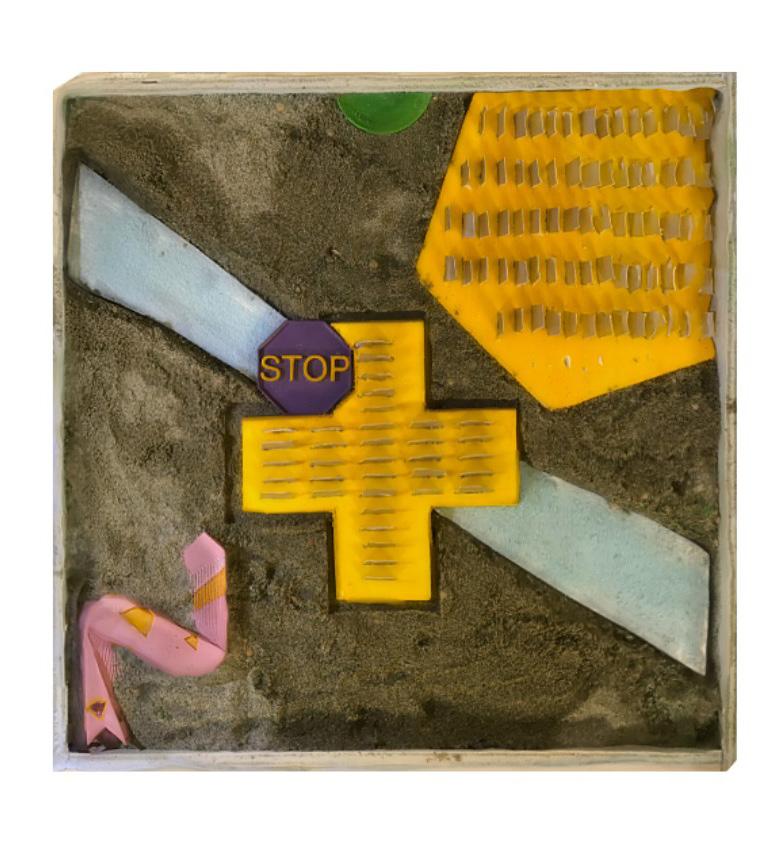
figure grounds during the design process, we photographed at found objects in florence and created figure ground and sand models of them as an exercise on working with figures and modeling. the first two figure ground and models are direct translations of the photographs in plan view, while the last one is a combination of the previous figuregrounds
figure ground one created by Greta Ulatowski models were in collaboration with Greta Ulatowski models scanned via photogrammetry
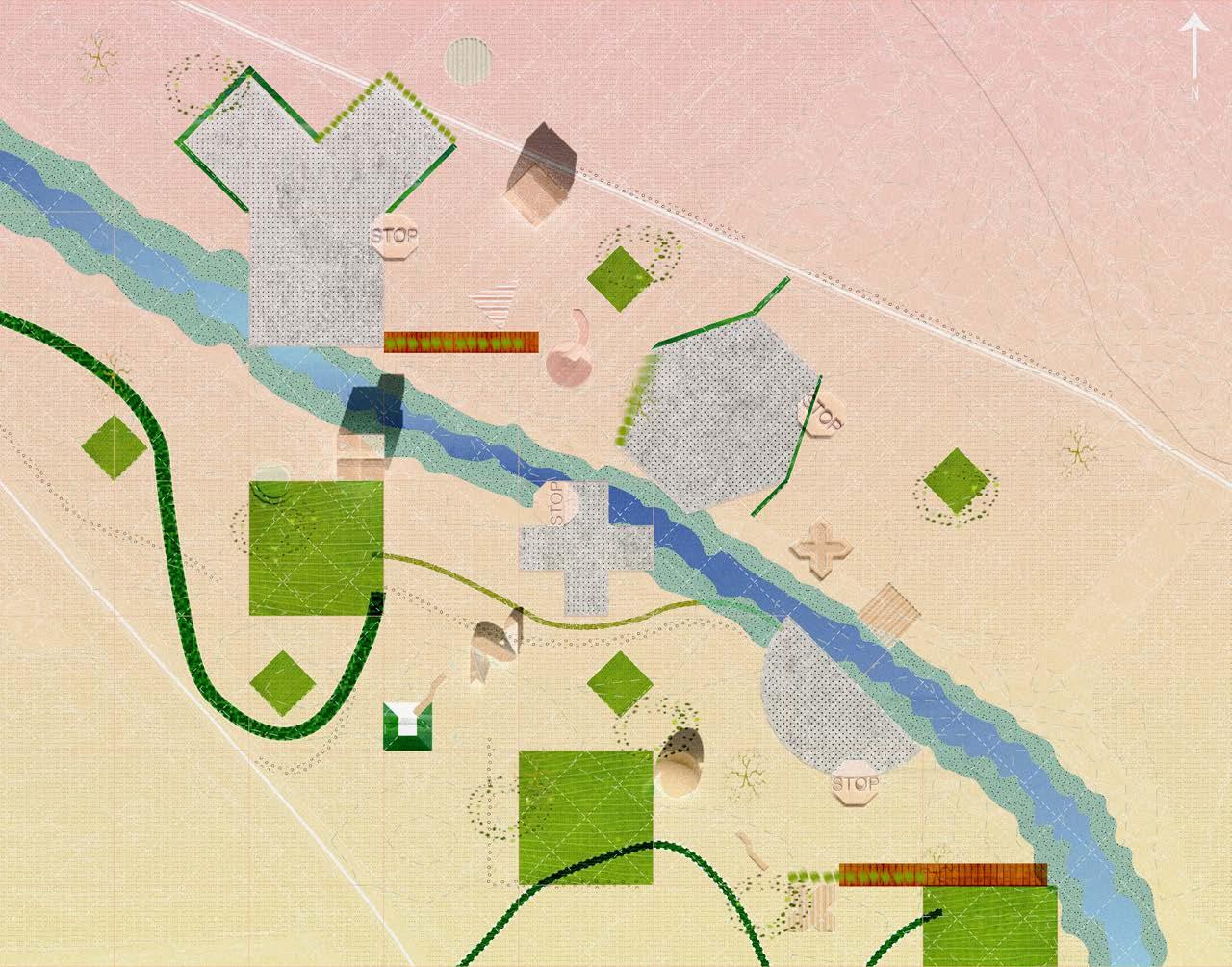
site plan
provides a closer look at the layout of the proposal on the site, showcases the use of found figures
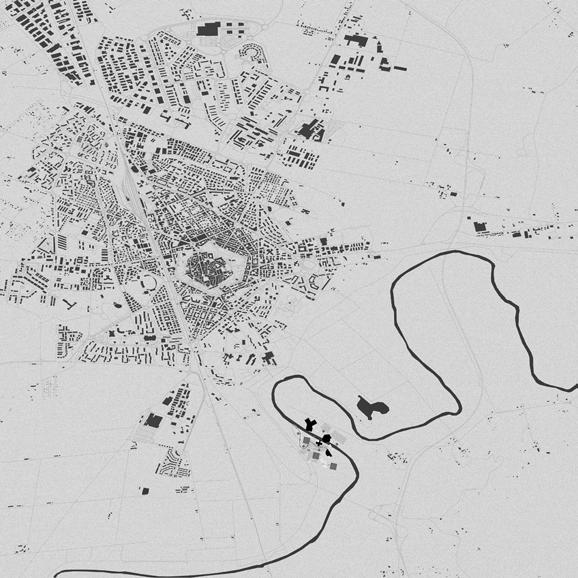
figure ground figure ground of the site and the city of grosseto, showcasing the figural quality of the design in contrast to the surround
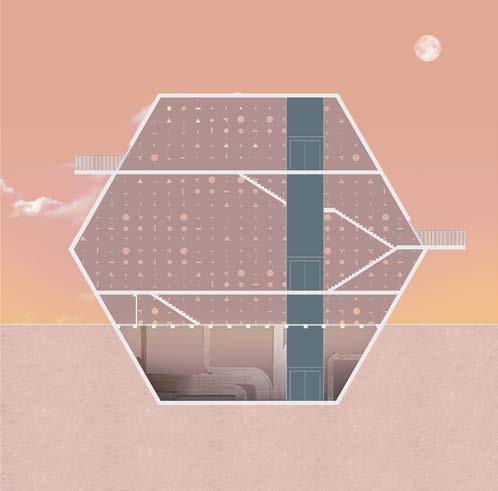
section
section through a science building that is interactive learning space and creates energy for the garden
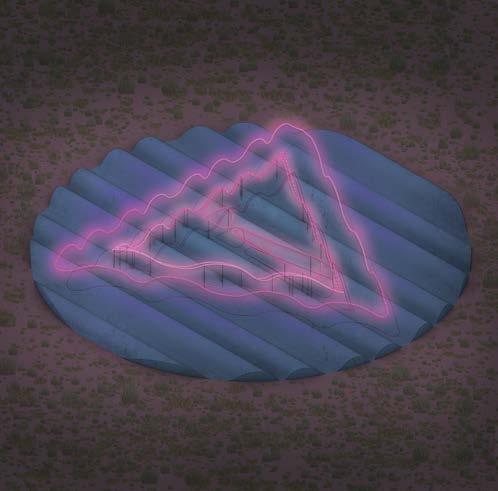
render render of an interactive energy playground
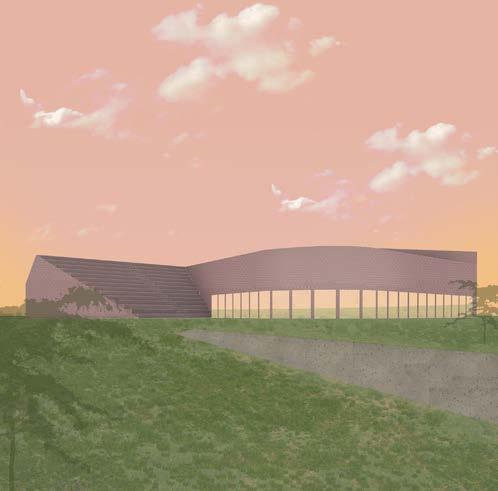
render render of the auditorium space
mid term model
initial model of a part of the site that includes solar panel fields, a walkway, bodies of water that cover the portions of the land. this part of the design was more organic
final model
a direct translation of a portion of the plan, showing solar panel fields, the river ombrone, and the auditorium
05 first step
in collaboration with Matteo Ryan
ARC 207 | Fall 2020
Professor Marcos Parga
Syracuse, NY
created in collaboration with Matteo Ryan
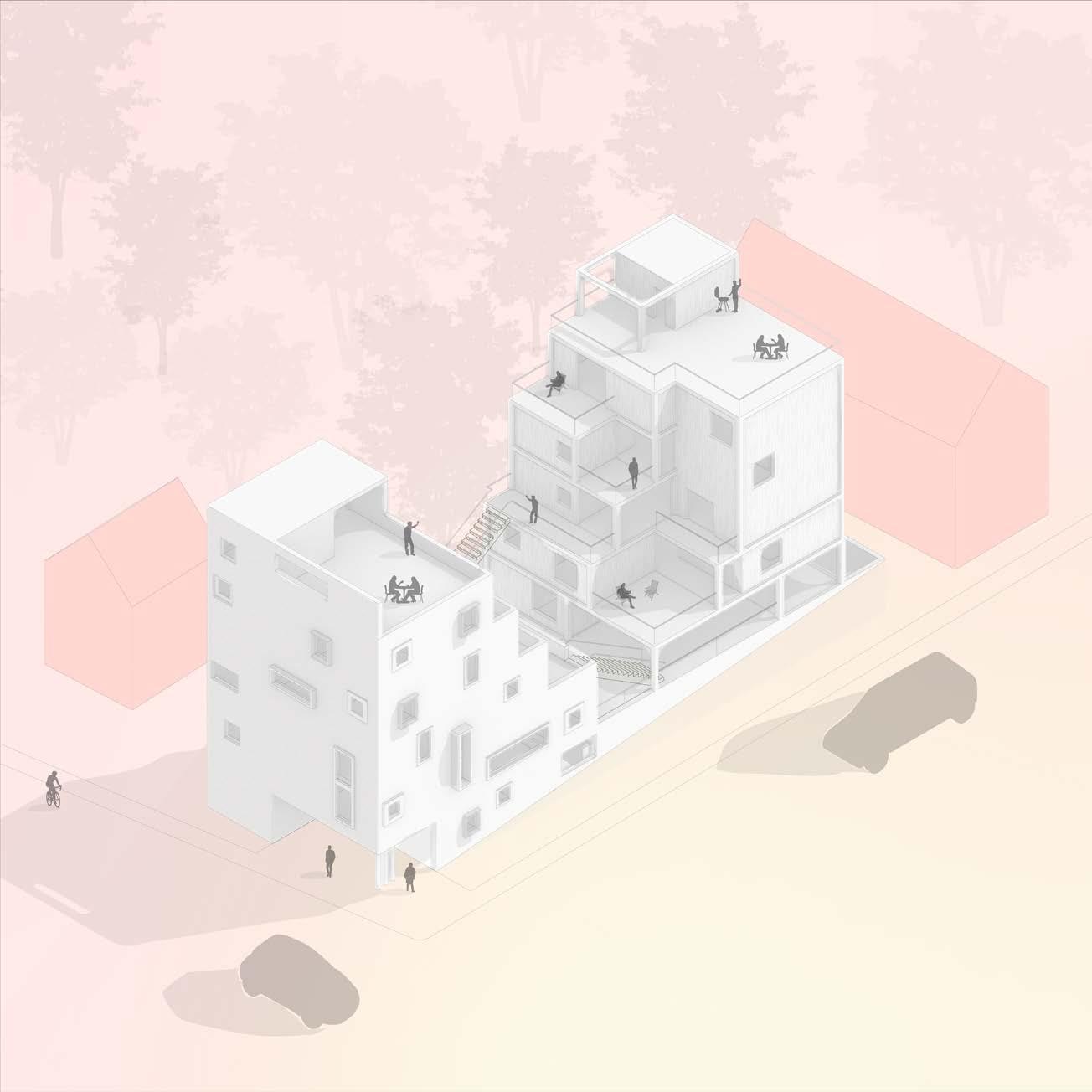
This proposal centers around the rehabilitation of people who have succumbed to homelessnesss in the southside of Syracuse. It aims to create a space within the city that fosters community building through various elements found in each distinct part of the building. The building is open to the public on the ground floor, offering access to vital servicesfor the neighborhood. By opening up the ground floor, the residents of the area are given the opportunity to interact with the project and the tenants, creating familiarity. This aspect is important because sharing amenities creates trust and builds a community bond, which will help the tenants of the housing project integrate into this neighborhood with more efficiency. Above the ground floor wits the temporary and permanent living spaces that create two distinct wings of the building. Although both foster community, each living environment focuses on different aspects of tackling homelessness. The transitional living environment is a space that serves to bring tenants together to develop social skills needed for rehabilitation through design elements, while the permanent living environment create private moments that open up to public spaces that harbor community within tenants.
axon
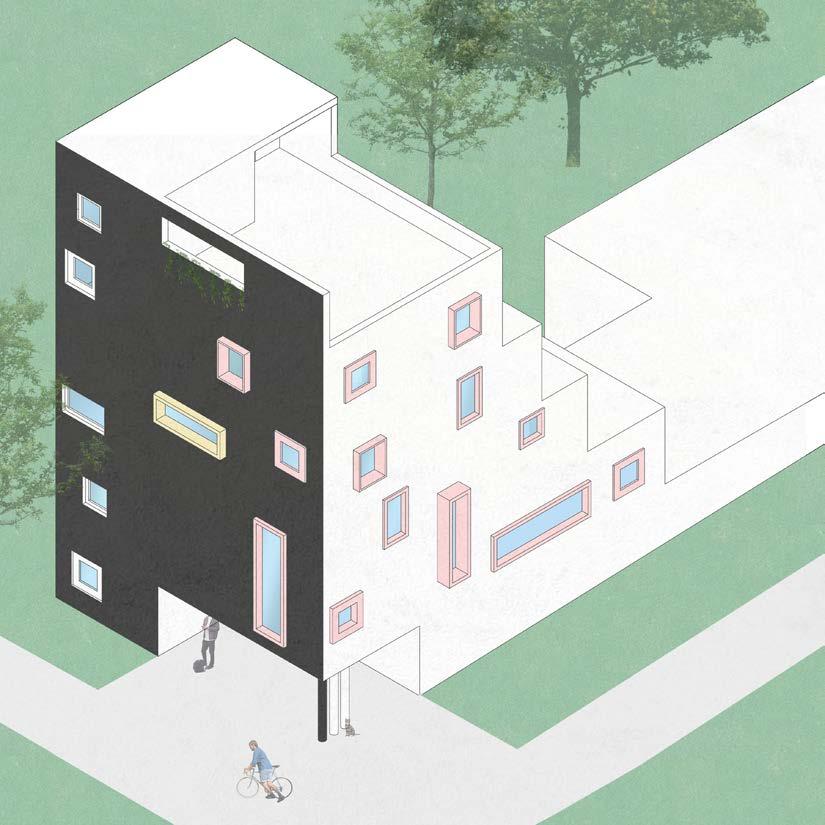
axon of the building showing the temporary and permanents living spaces
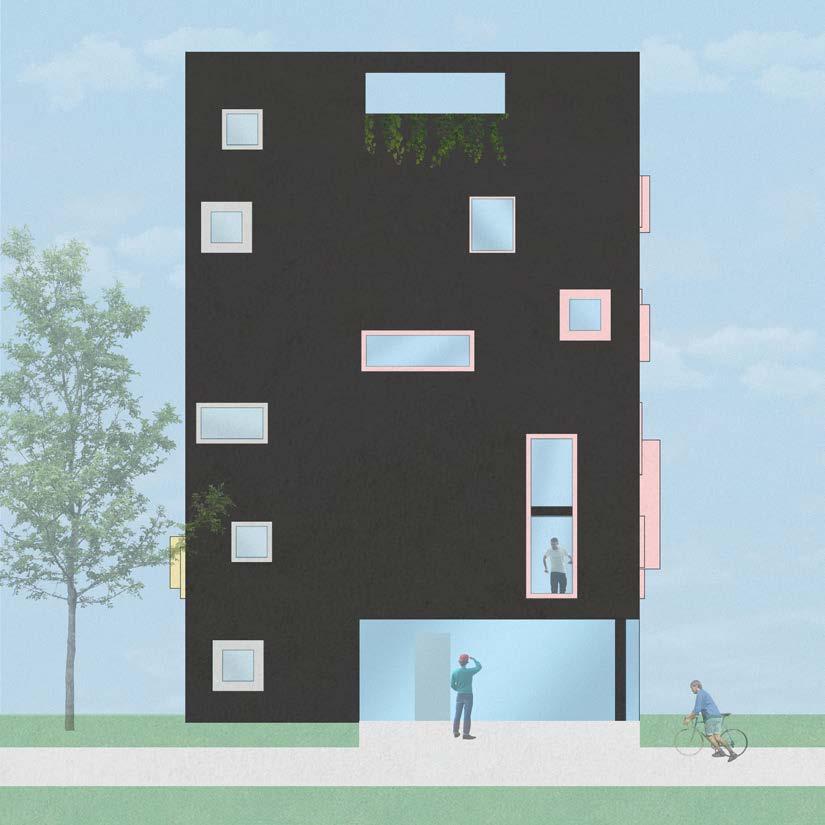
facade facade of the temporary living space
axon
axon view of the temporary living space, showing both facades that face the street
ground floor plan that includes offices for services provided to the tenants and the community, floor plans of the temporary living spaces
section cut hrough the temporary and permanent living spaces
section section cut through the temporary living space and the staggered balconies
06 library of architectural space
ARC 307 | Fall 2021
Professor Richard Rosa Boston, MA
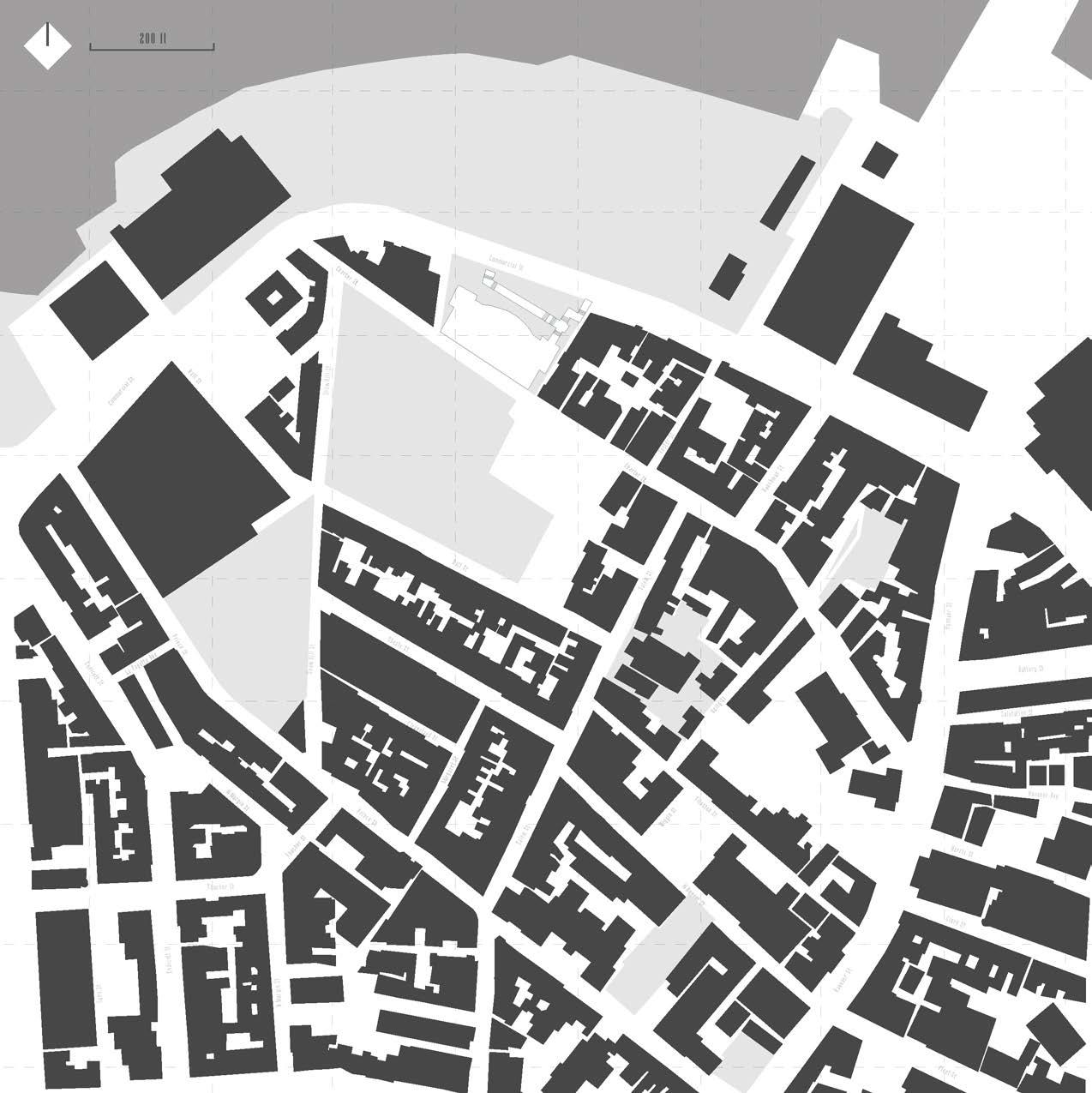
figure ground figure ground of the north end of boston
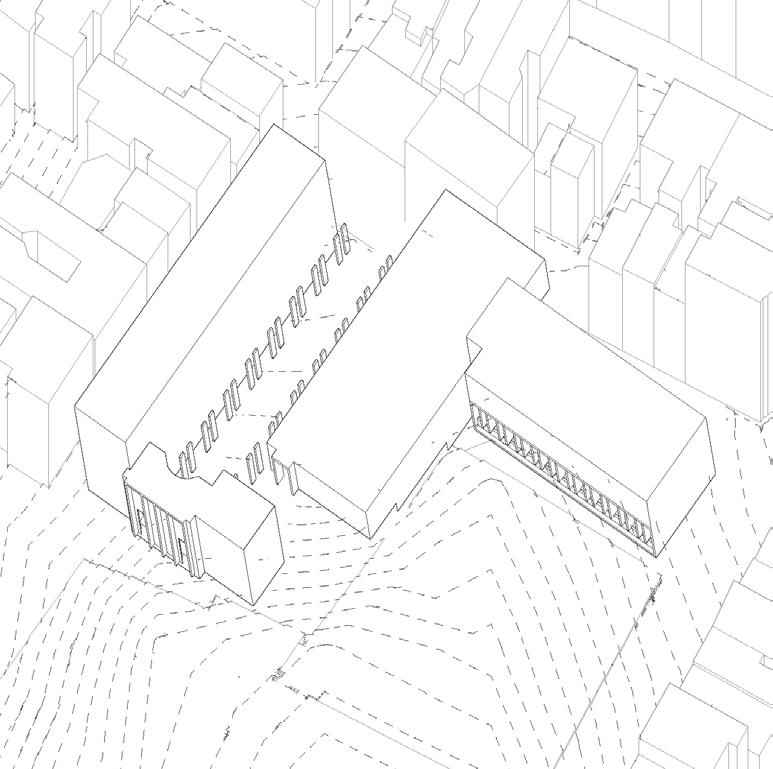
Located in the North End of Boston along the Freedom Trail, this site is by the historic Copps Hill Burial Ground. This library of architectural space takes inspiration from the Uffizi Gallery in Florence, Italy for its form, creating a processional space for users to travel through in relation to the procession of the Freedom Trail.
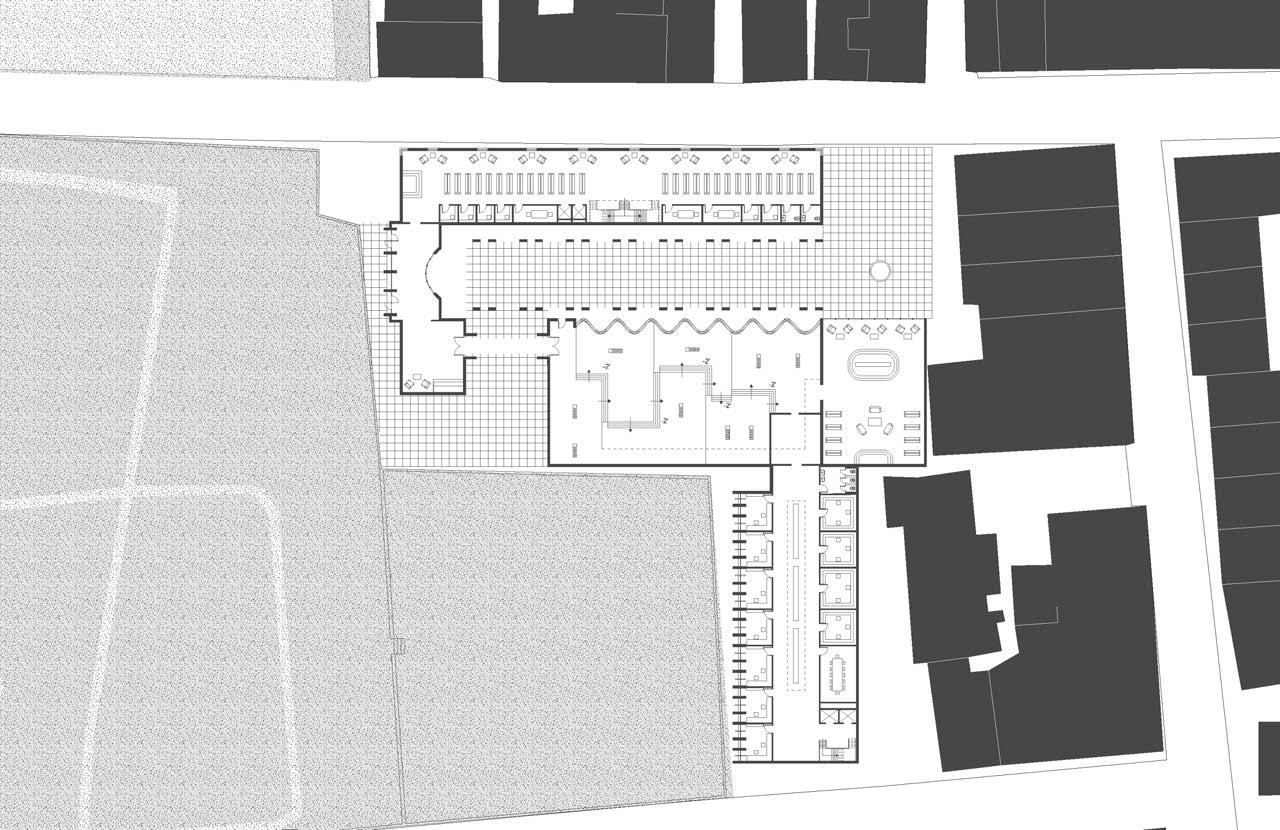
first floor plan first floor containing the library space, galleries, offices
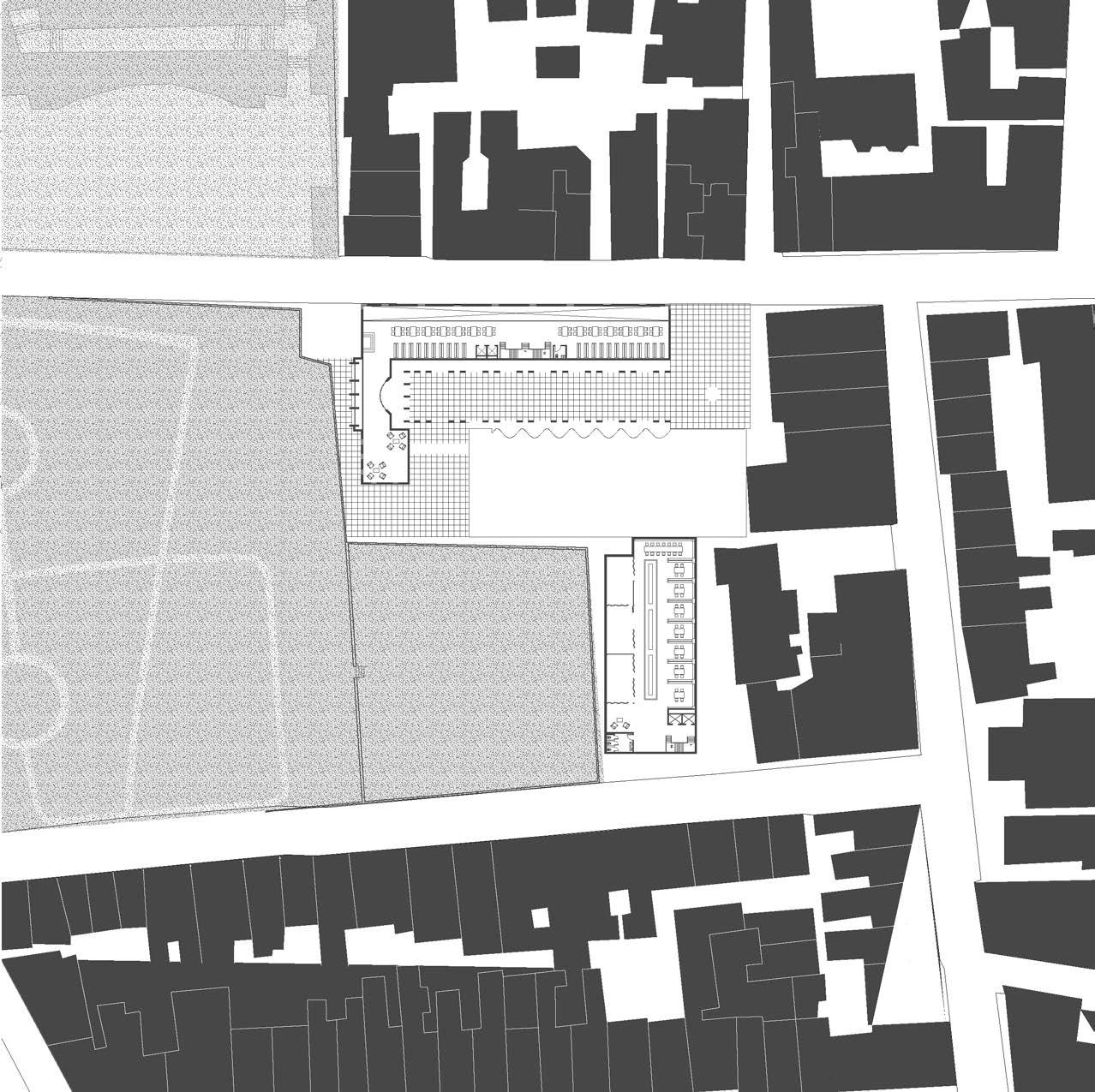
second floor plan
second floor containing additional library space, archive and offices
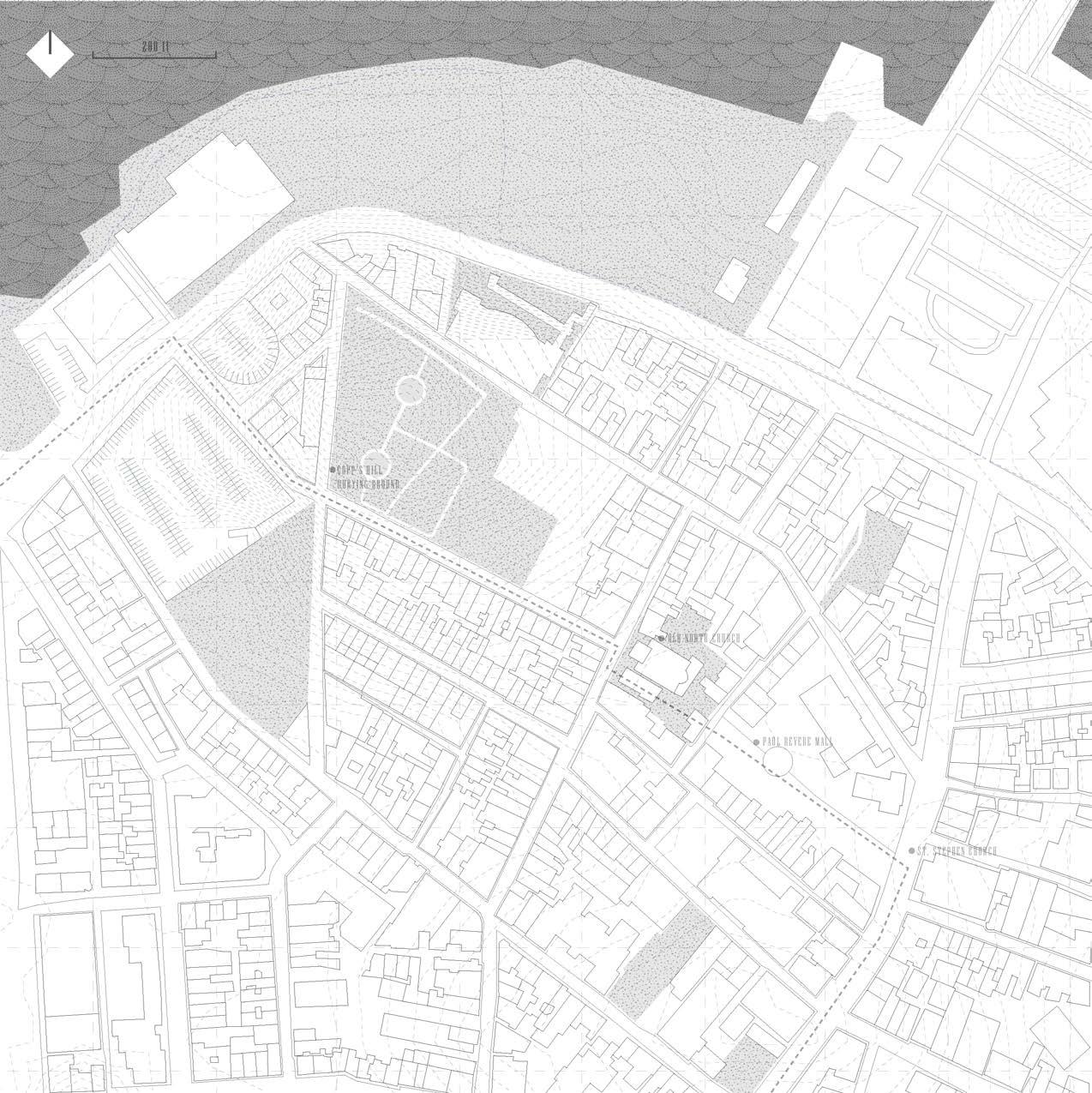
site plan
site plan of the north end of boston