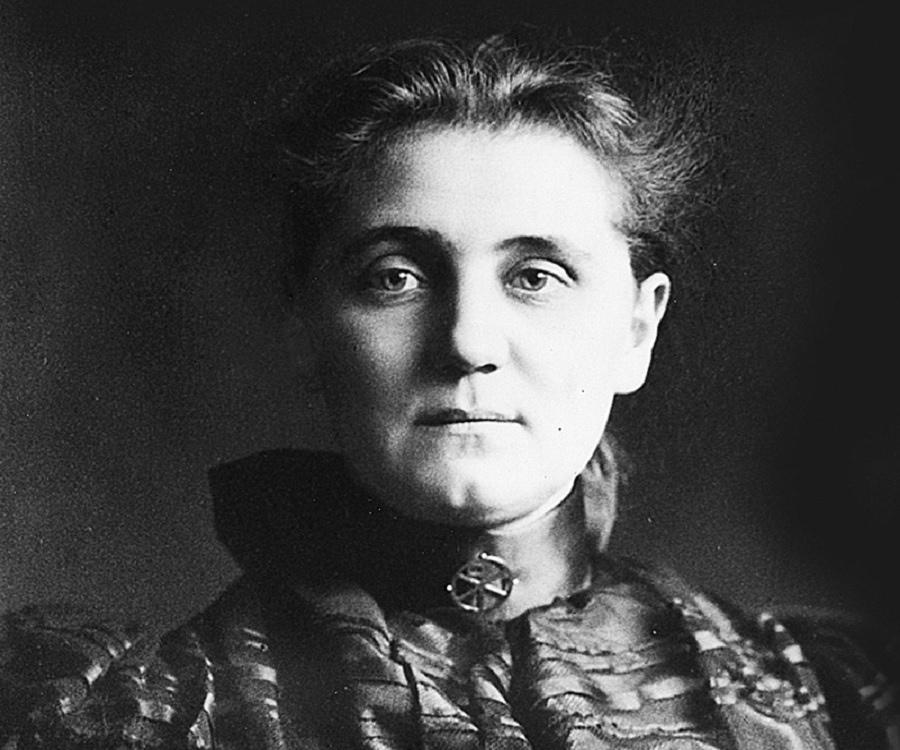
March 2023 CHICAGO Progressive Collection EST. 1889 of
HOUSE HULL
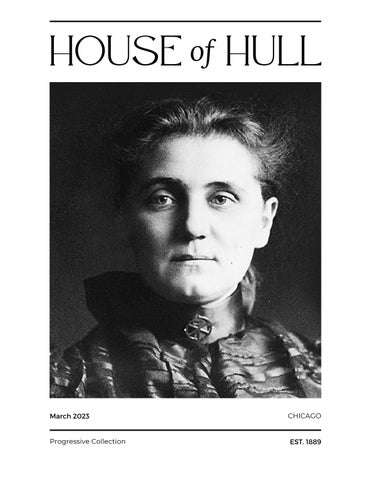
"It is to be hoped that such experiments as are carried on in the art school at Hull House... will at last influence the entire public education system. To give every child in our schools the ability to use his hands with ease and pleasure, not upon the narrow business of fitting him for factory life as educated clerks have been formerly prepared for the merchants, but in order to retain that power of unfolding human life which is implicit in the play instinct"
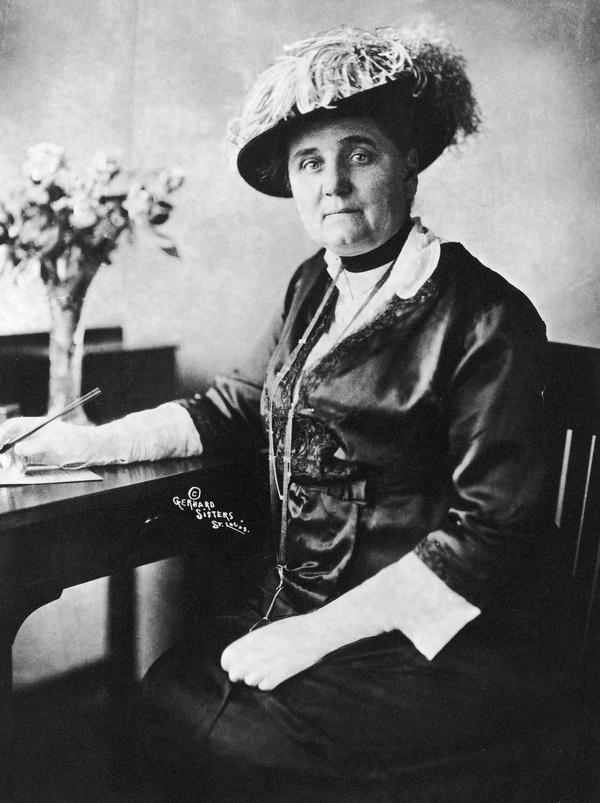
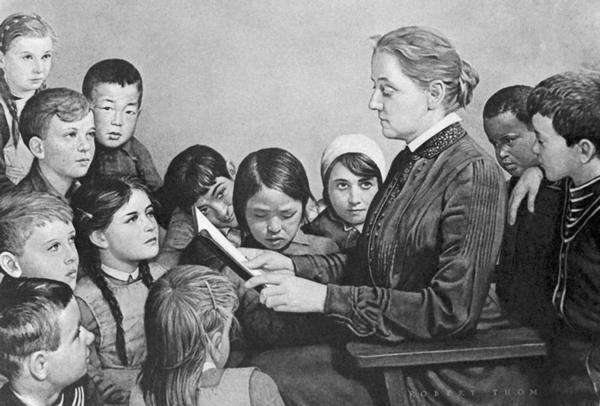
Jane Addams commitment to the arts and what they could do for people is equal to any professional art educator. She recognized the need for noncommercial play and creativity as a way of celebrating life. She stressed the importance of children using their imaginations to develop craftsmanship. A contemporary of John Dewey, she understood the need for educating the whole child, "We are gradually requiring of the educator that he shall free the powers of each man and connect him with the rest of life." (Addams p. 167)
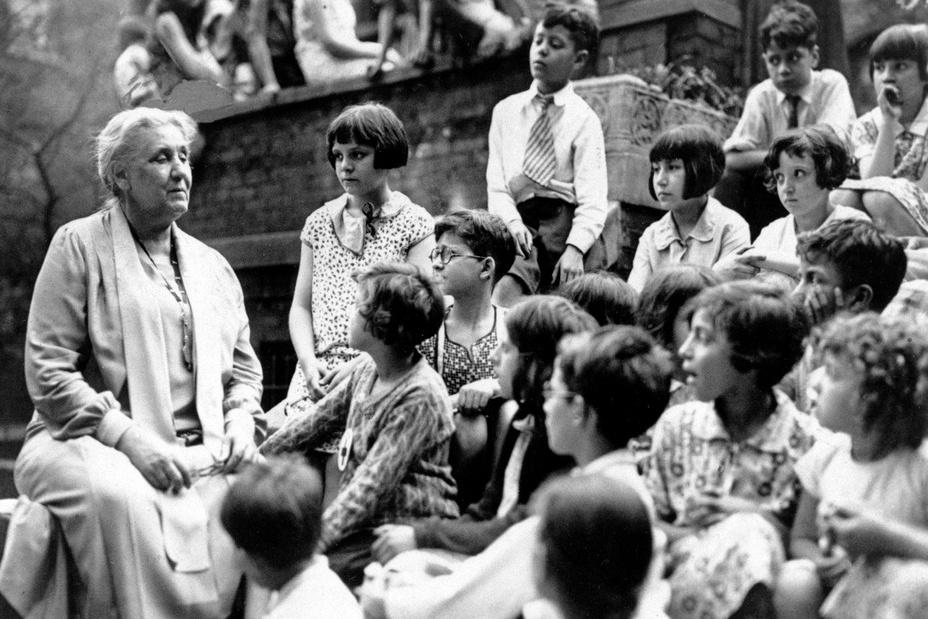
Jane Addams was the first American woman to be awarded the Nobel Peace Prize. She was a pioneer settlement worker and founder of Hull-House in Chicago, author, and leader in woman suffrage and world peace Addams became a role model for middle-class women who volunteered to uplift their communities A prominent woman of the Progressive Era, she helped turn the light on the issues of concern of mothers, such as the needs of children, public health, and world peace She stressed that women have a special responsibility to serve their communities and make them better places to live, arguing they needed the vote to be effective
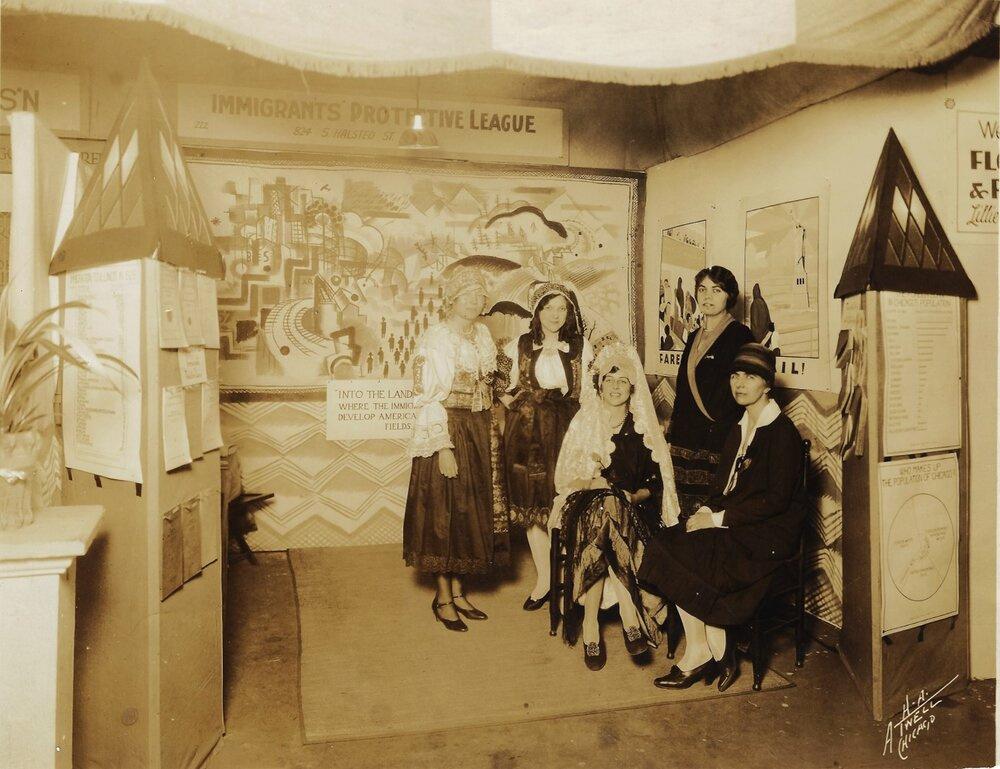
When Jane Addams and Ellen Gates Starr first opened Hull-House in 1889, they had very modest goals They imagined a place to offer art and literary education to their less fortunate neighbors The role of Hull-House, however, quickly grew beyond what either Gates or Addams could have imagined and continuously evolved to meet the needs of their neighbors At the request of the surrounding community, the residents of HullHouse began to offer practical classes that might help the new immigrants become more integrated into American society, such as the English language, cooking, sewing, and technical skills
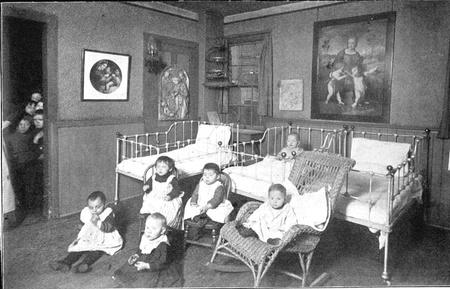
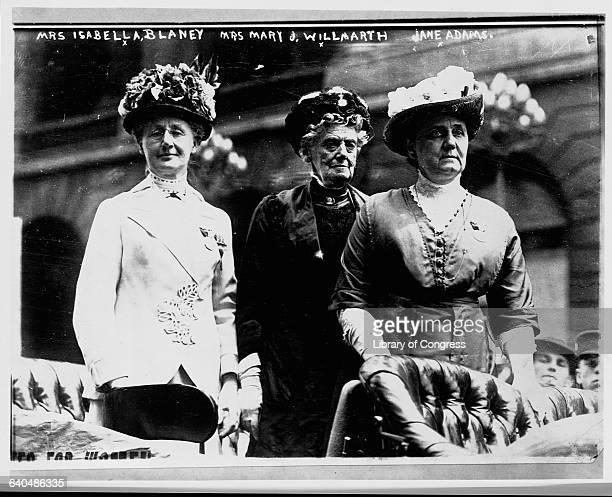
Jane Addams's genuine devotion to the arts in galleries, theaters, libraries, and studios Addams also used artistic language to describe settlement life as a democratic project Hull House artists, reformers, and immigrants blurred the lines between art and life, putting aesthetics at the center of their vision for a more socially just world. In 1917 Hull House had grown from a settlement home to a community center offering counseling, childcare, language classes, employment placement, and art exhibitions of theater, music, and artisanal crafts Hull House took up an entire city block of studios, classrooms, living quarters, offices, and a gym It became the ideal place for young artists to connect with their city An example of Hull-House's innovative programs was familiarizing its residents with artisanship inspired by Mexican pottery and craftwork.
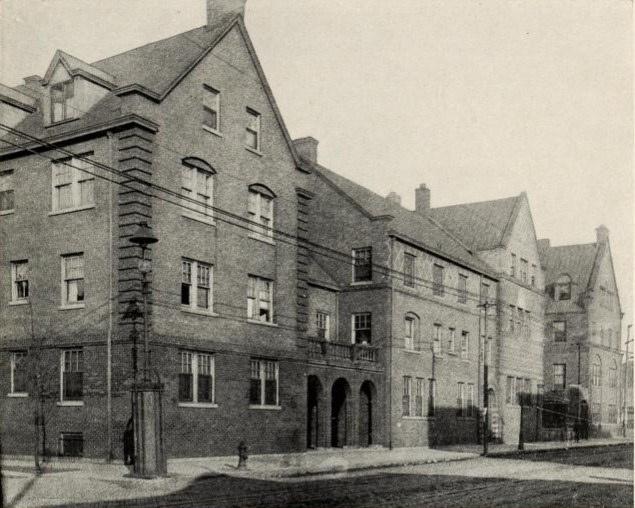
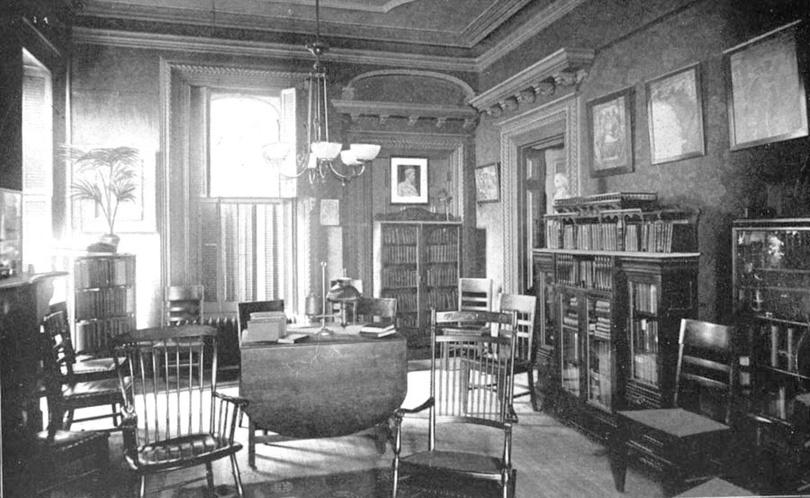
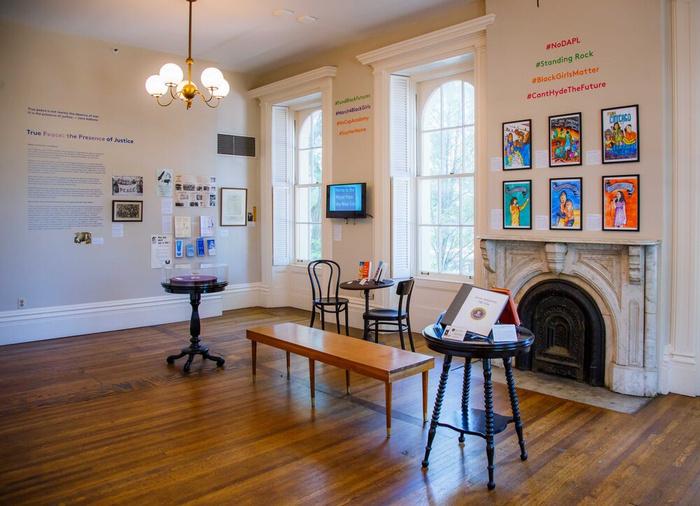
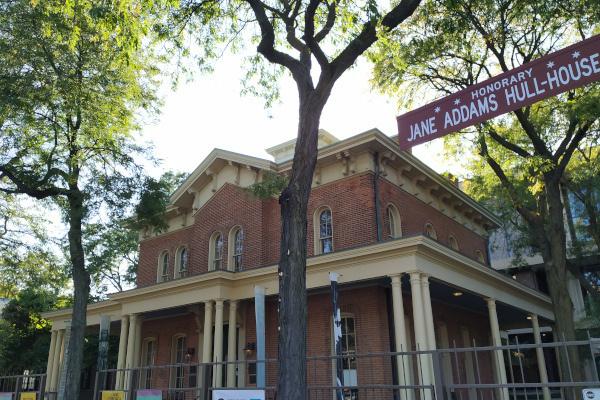 The Hull House museum, located in the two remaining buildings of the thirteen-building complex, is a National Historic Landmark that connects the histories of the Hull House Settlement to present-day social justice issues Exhibitions and public programs highlight histories of activism, progressive education, and democratic principles of participation and exchange
In art education, we can look to HullHouse as a model for bringing culture intimately into community life. The concept of art education programs run for and by the people became forces for beautifying and civilizing the community and, additionally, providing art therapy for the aged, the ill, and the impoverished, cultivating exceptional talent and adding richness to community life. Jane Addams has shown us that human beings need and desire art She has shown us that art education plays a significant role in society. Addams insisted that making and creating culture should be valued and empowering, particularly for women.
"
... every human being is a creative agent".