ARCHITECTURAL PORTFOLIO
MEGAN PFEIFER
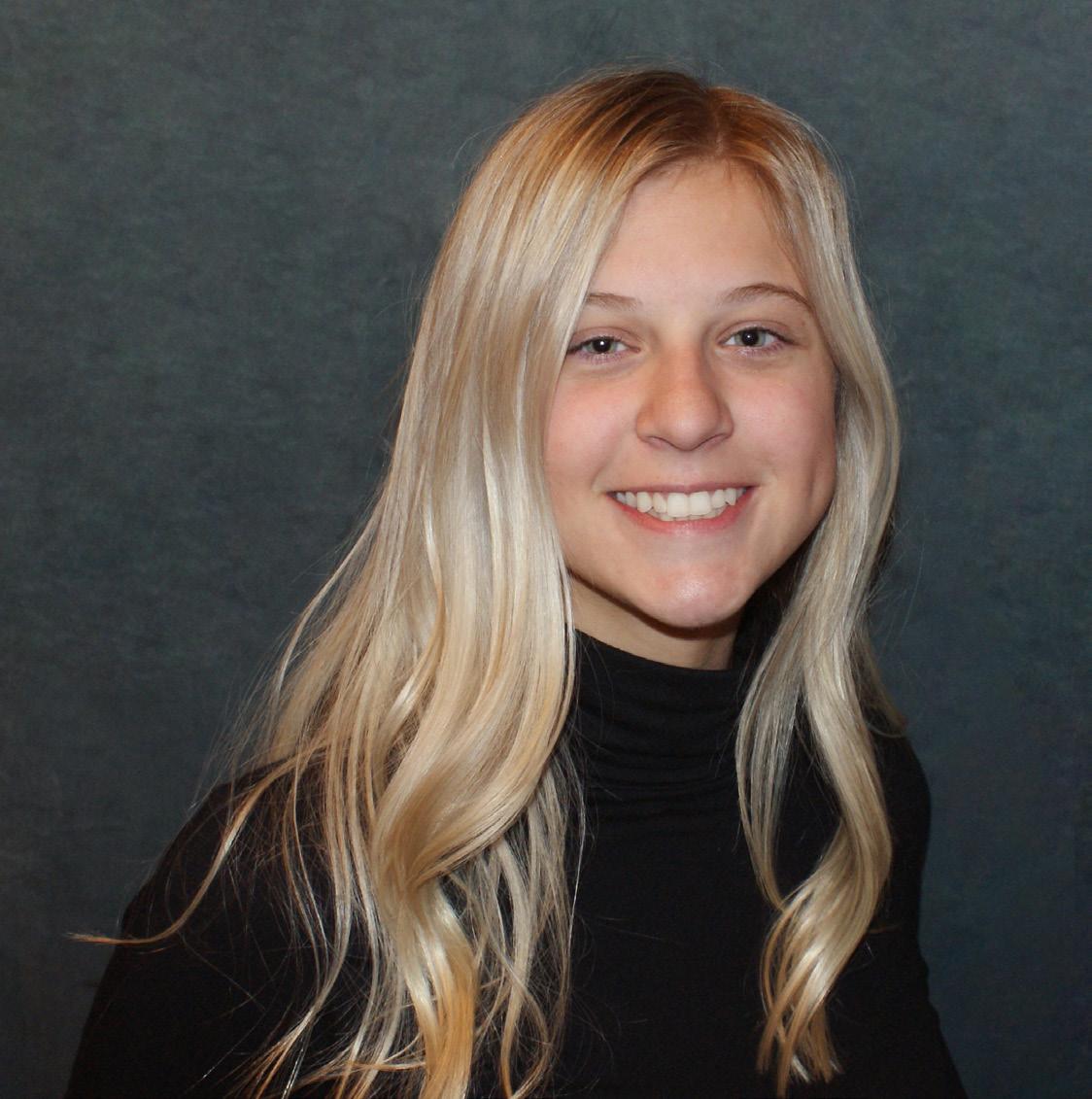
My passions lie in sustainable design, focusing on the use of eco-friendly materials, innovative construction methods, and environmentally conscious design processes. As well as dedicating myself to redefining the concept of “accessibility” in the design field to encompass individuals with physical disabilities, invisible disabilities, chronic illnesses, mental health challenges, and neurodivergence.
Box of Chocolates
Indian Cave Visitor Center
Professional Work
Study Abroad
Personal Projects
Master of Architecture
University of Nebraska-Lincoln
GPA 3.8
Bachelor of Science in Design, Architecture, Environmental Studies
University of Nebraska-Lincoln
GPA 3.9
Graduate Learning Assistant, University of Nebraska-Lincoln
Expected May 2025
Proficient
Rhino, Enscape , Illustrator, Photoshop, Indesign Competent
May 2023
Aug 2023-Present
Assisted in undergraduate courses by grading assignments, exams, and projects, providing detailed feedback to support student learning. Managed and tracked student participation ensuring accurate records for course requirements. Facilitated class communication between student and faculty clarifying course material and expectations.
Architectural Intern, Leo A Daly, Omaha, NE
May 2023-Aug 2023
Assisted in developing plans, sections, graphics, and project proposals, contributing to cohesive design solutions and effective communication. Created 3D models, digital and physical, for multiple commercial projects, enhancing visualization and supporting design development. Created 3D models, digital and physical, for multiple commercial projects, enhancing visualization and supporting design development.
Manager, Head Lifeguard, Jewish Community Center, Omaha, NE
Feb 2018-Aug 2022
Managed and mentored a team of 75+ lifeguards, providing leadership, training, and guidance to ensure safety and performance standards. Oversaw a 40,000 sq. ft. aquatics facility, ensuring a safe environment for 300+ patron by enforcing rules and regulations and maintaining high safety standards.
Office Trainee, RDG Planning and Design, Omaha, NE
Scanned and organized project documents for efficient access and collaboration.
May 2018- Aug 2018
Phi Mu Zeta Gamma Women’s Fraternity, Honor Committee, Recruitment Assistant
Tau Sigma Delta Honor Society, Treasurer
Architectural Dean’s Advisory Board, Student Representative
American Institute of Architecture Students
Revit, SketchUp, Lumion, Grasshopper, ClimateStudio Intermediate
Auto Cad, Twin Motion, HTML, css, JavaScript
Children’s Miracle Network Hospitals
Aug 2019-Present
Participation in University of Nebraska Lincoln Dance Marathon and creates handmade goodies for Hospitals treasure chest.
Youth Emergency Services (YES)
Jan 2016-Present
Coordination of donations and contributing to the organization of food pantry
Beyond School Bells
Aug 2021-May 2022
Creation of an eight week water quality club curriculum and resources.
Douglas Peters, Senior Design Architect, Leo A Daly
Jack Piels, Architect, Leo A Daly 402-391-8111 402-390-4230
Where every performance is enriched by the natural world around it
Graduate Research Studio Fall 2024
In Collaboration with Kael Jakub
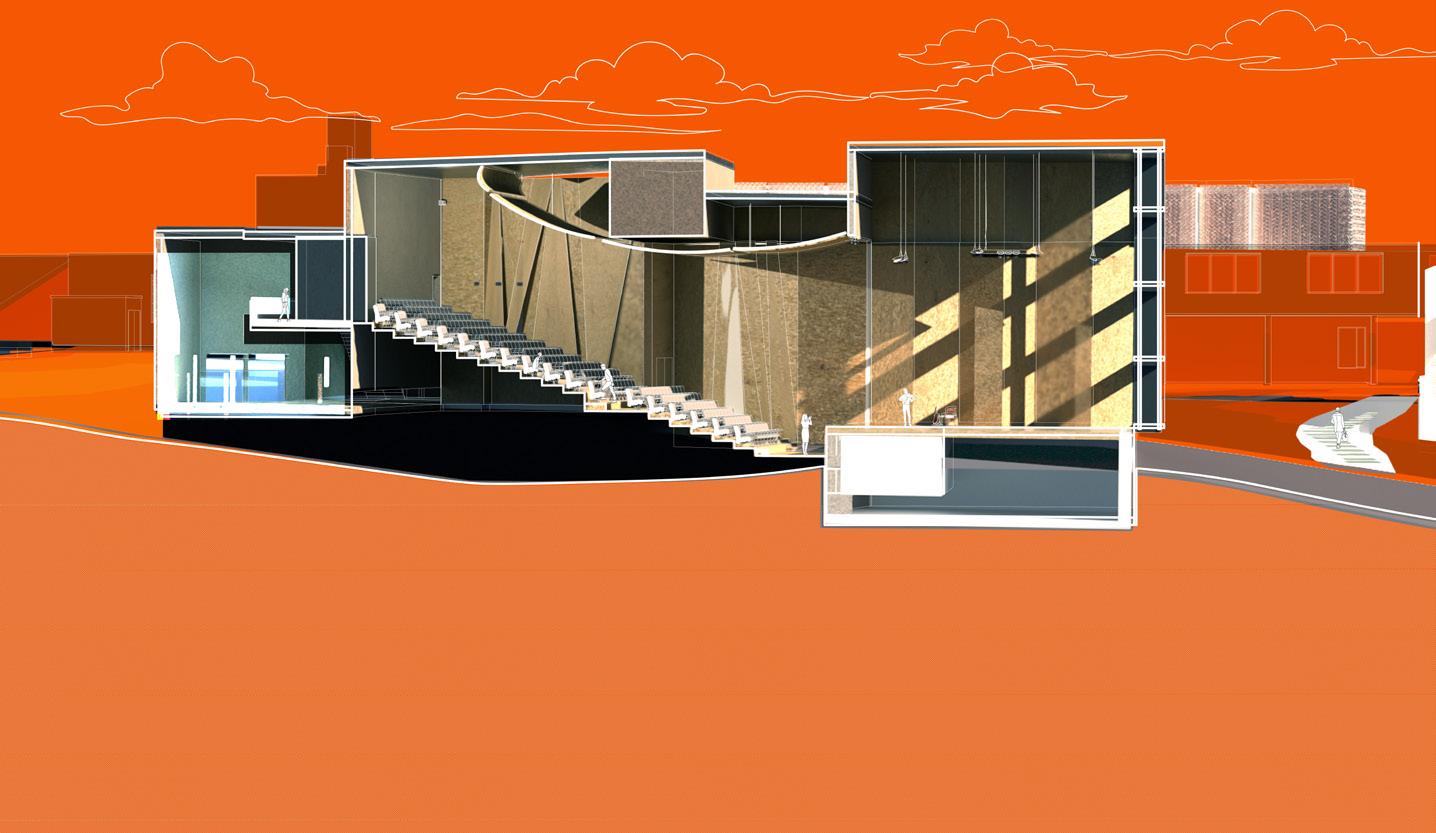
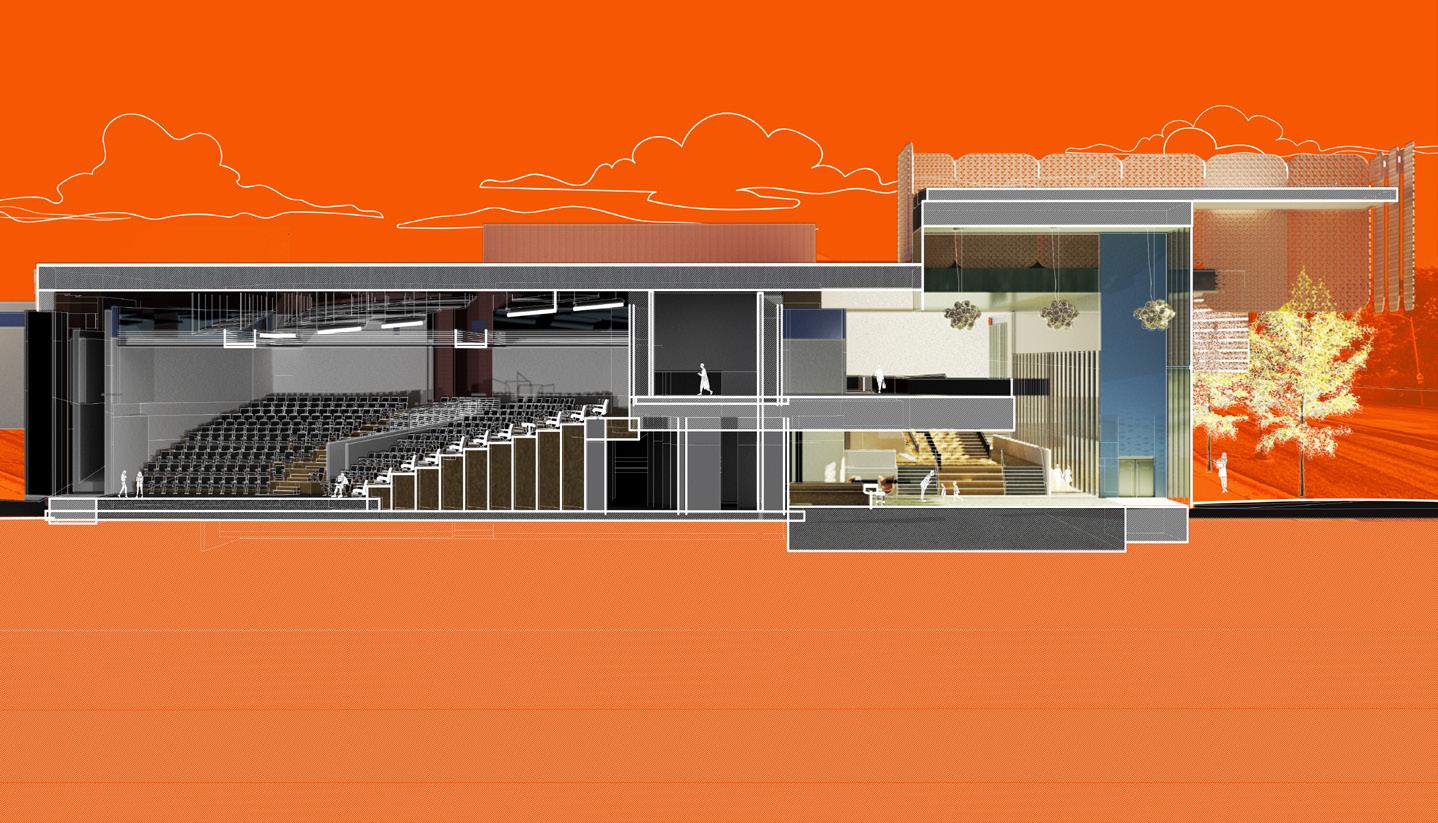
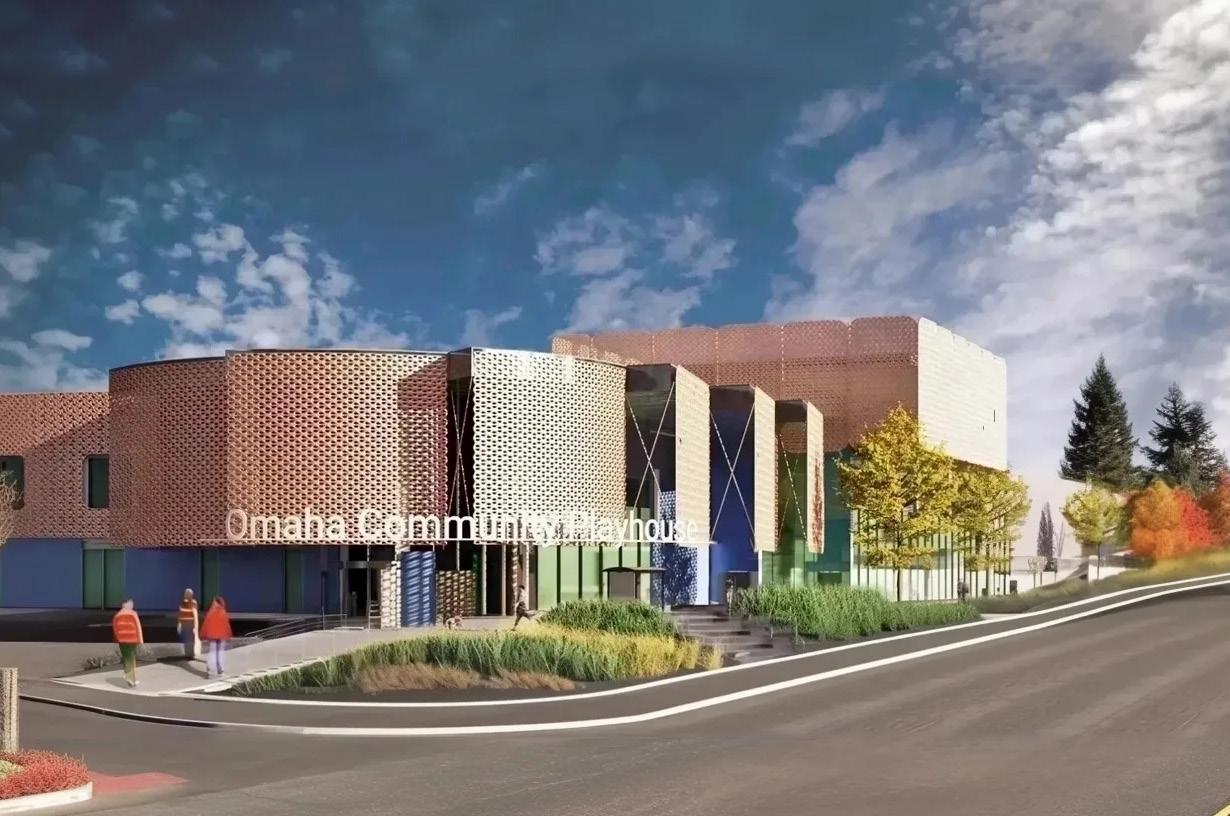
During a four-week speculative exploration focusing on the interplay between nature and performance, this project reimagines the Omaha Academy of Ballet, Omaha Community Playhouse, and Omaha Conservatory of Music at 72nd and Dodge in Omaha, Nebraska. The aim was to renovate existing facilities and introduce new programming to create a shared space fostering collaboration, community, and artistic creation.
Inspired by the idea that “the creation of art itself impacts and is impacted by the environment” (Smithsonian American Art Museum), the design envisions an arts campus where creativity and nature thrive together. Guided by biophilic design principles the project strengthens the bond between users and the environment through natural light, outdoor views, and a cohesive angular motif throughout the site.
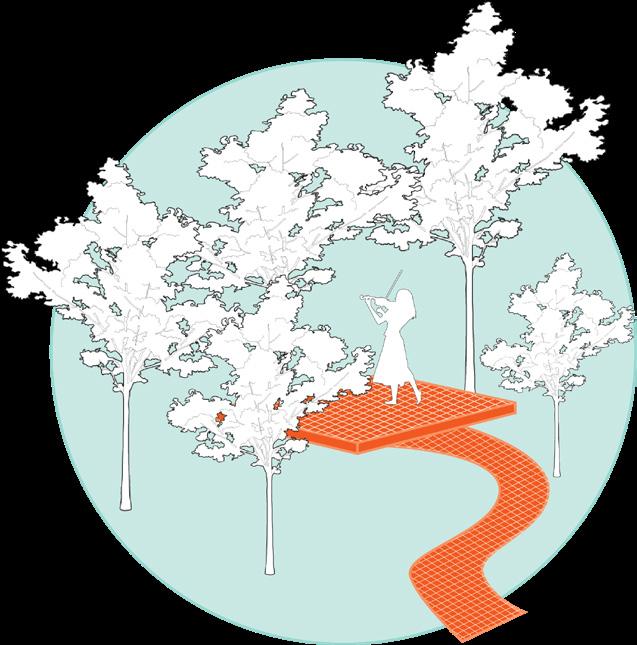
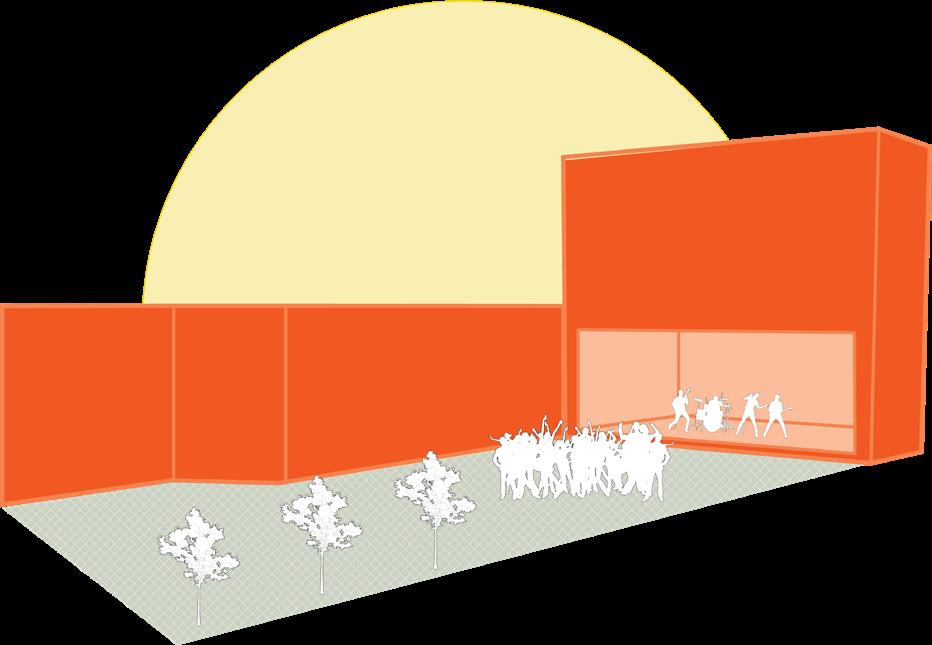
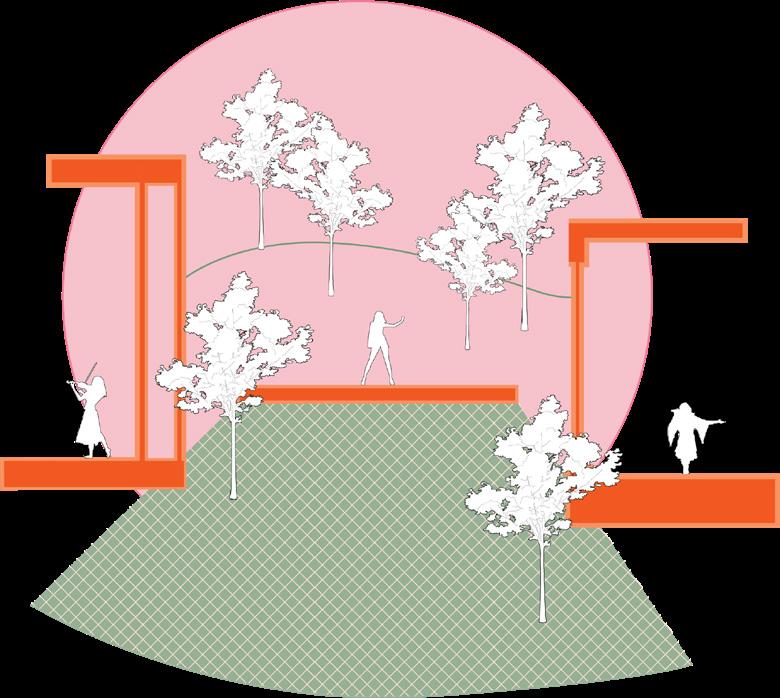
Performance spaces were thoughtfully designed to foster a deep connection between users and the natural world. These spaces are adaptable, allowing for both indoor and outdoor performances, as well as entirely open-air experiences, inviting nature to become an active participant in the creative process.
By intertwining nature and performance, the project not only strengthens the bond between people and the environment but also redefines how art and architecture can coexist harmoniously. This speculative exploration offers a vision for an arts campus where collaboration and creativity flourish alongside a sustainable and inspiring relationship with nature.
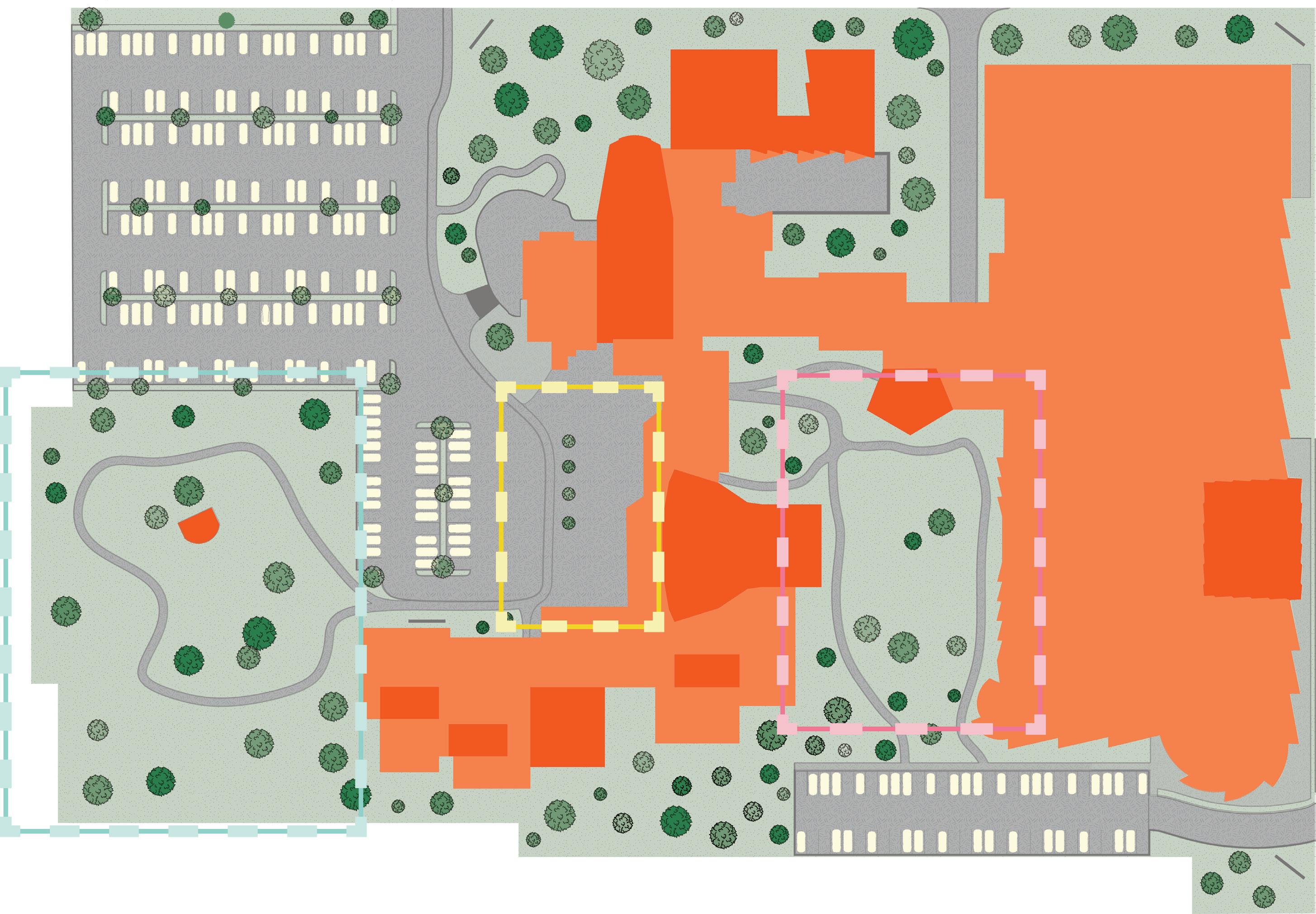
Ground Floor Campus-Wide
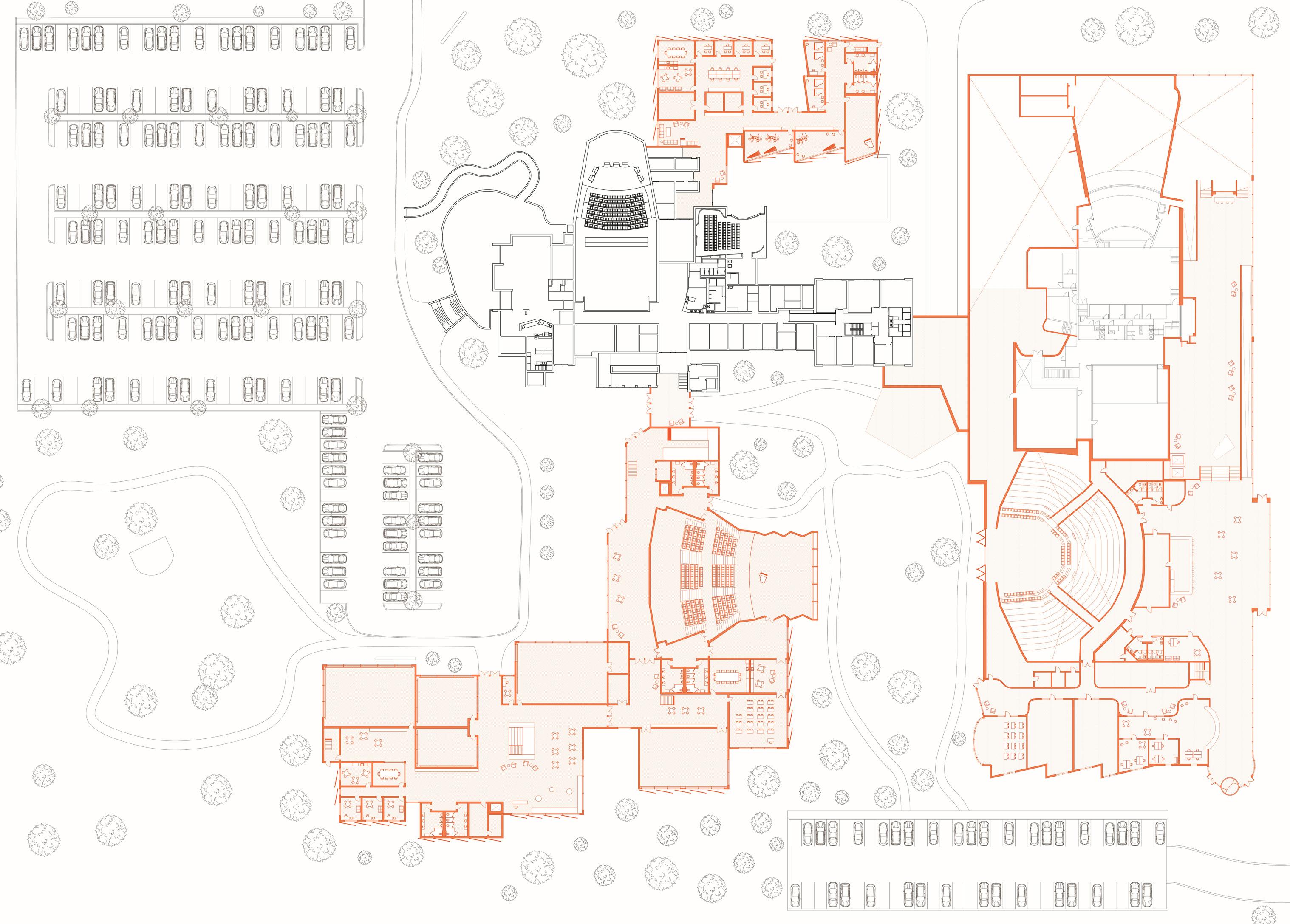
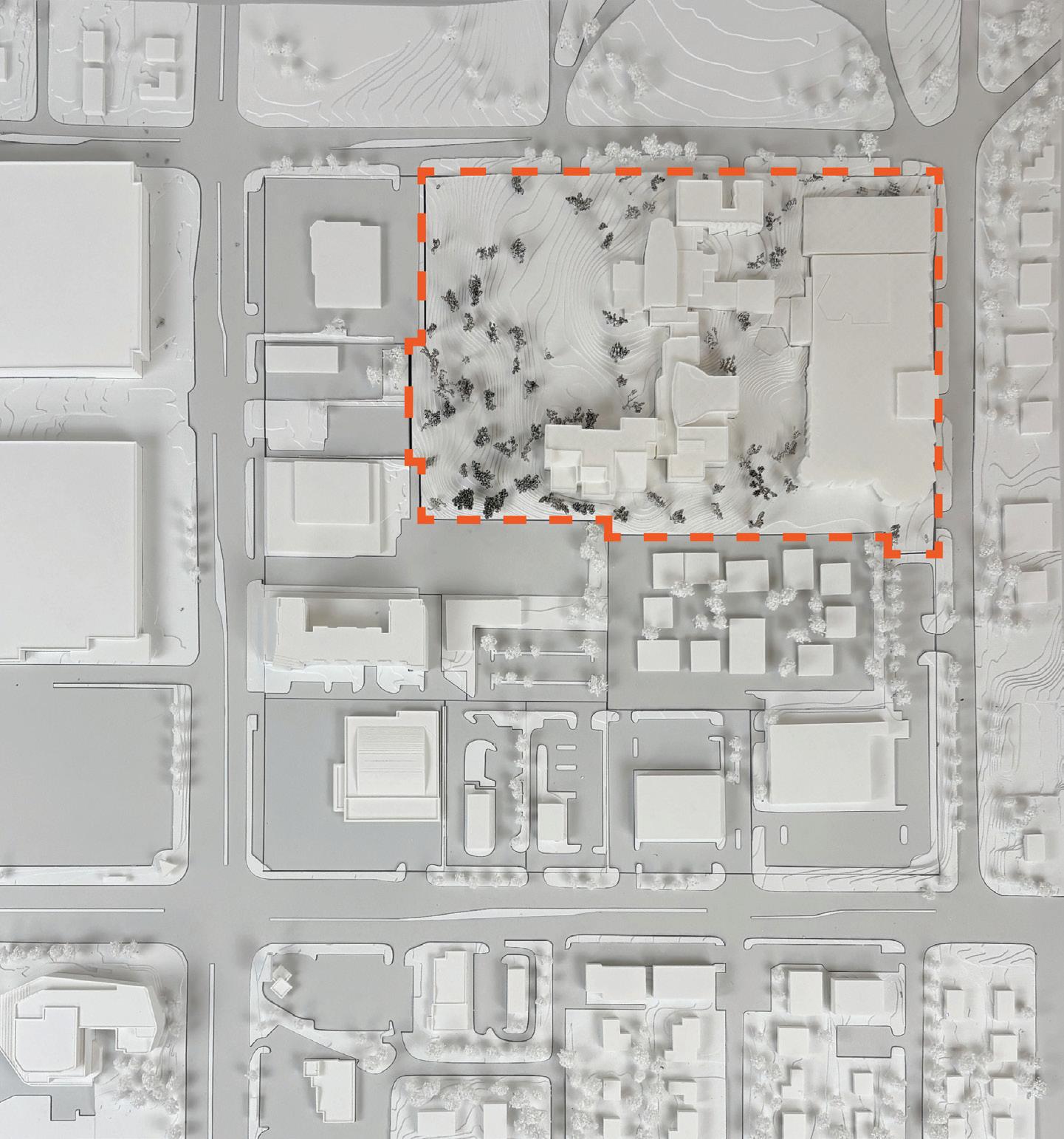
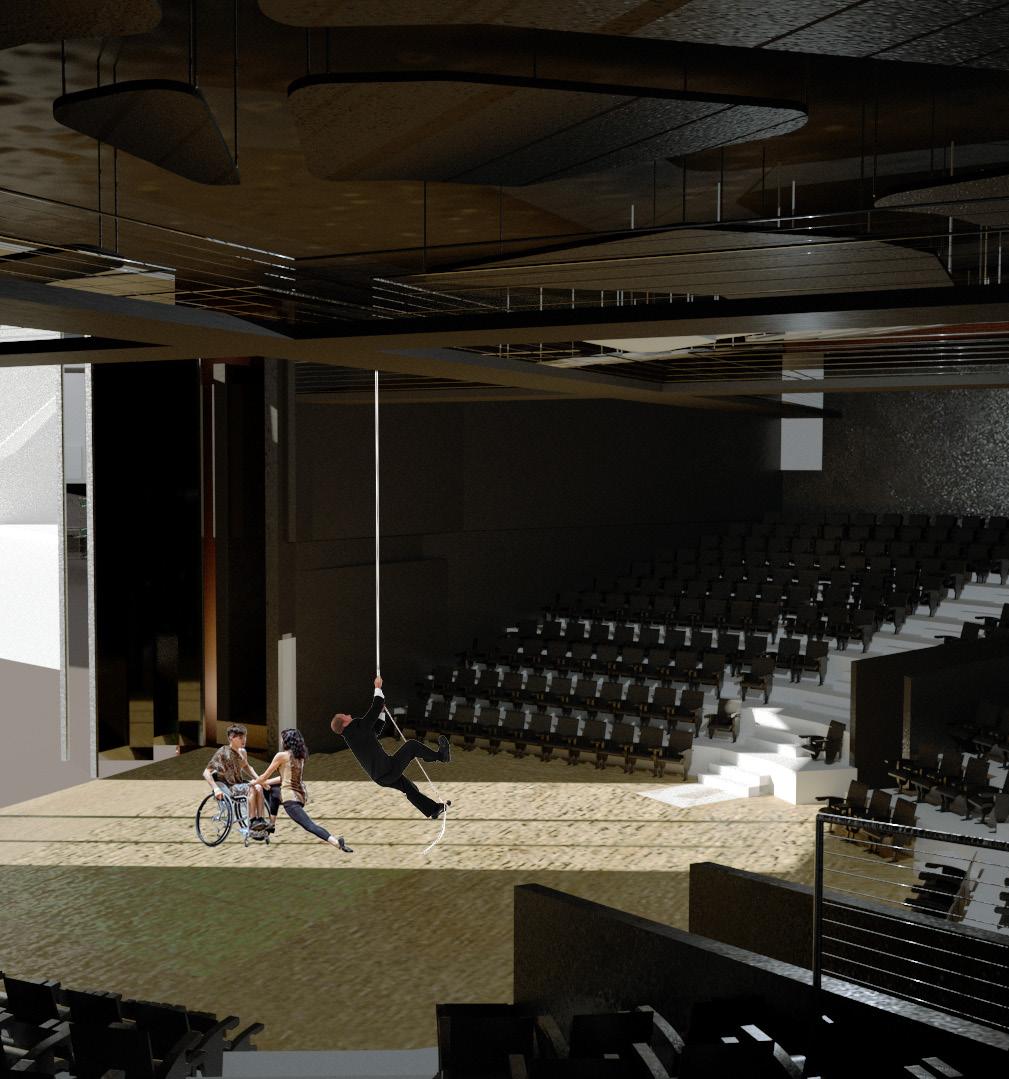
At the heart of the design is an outdoor performance court, surrounded by an amphitheater and dynamic performance spaces that seamlessly blend nature and art. The performance hall features a large window that allows visual views into the outdoor space, fostering a connection between the audience and the environment. The adaptive theater is designed with moveable walls, enabling it to transition effortlessly between indoor and outdoor configurations. Together, these three performance spaces create a flexible and immersive experience, where art and nature interact, inspiring creativity and community engagement.

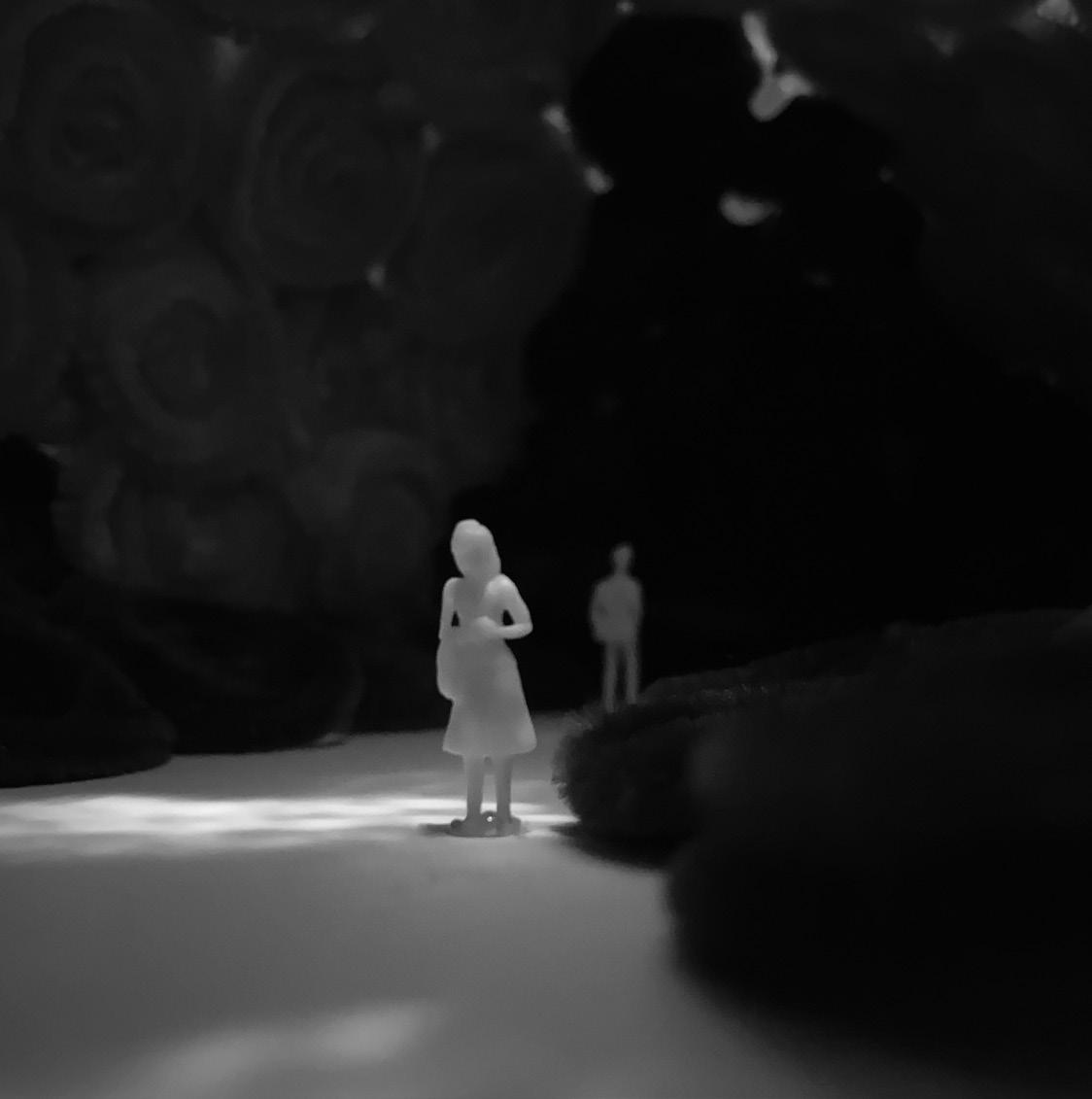
“Life is like a box of chocolates”
- Forrest Gump
Graduate Research Studio Spring 2024
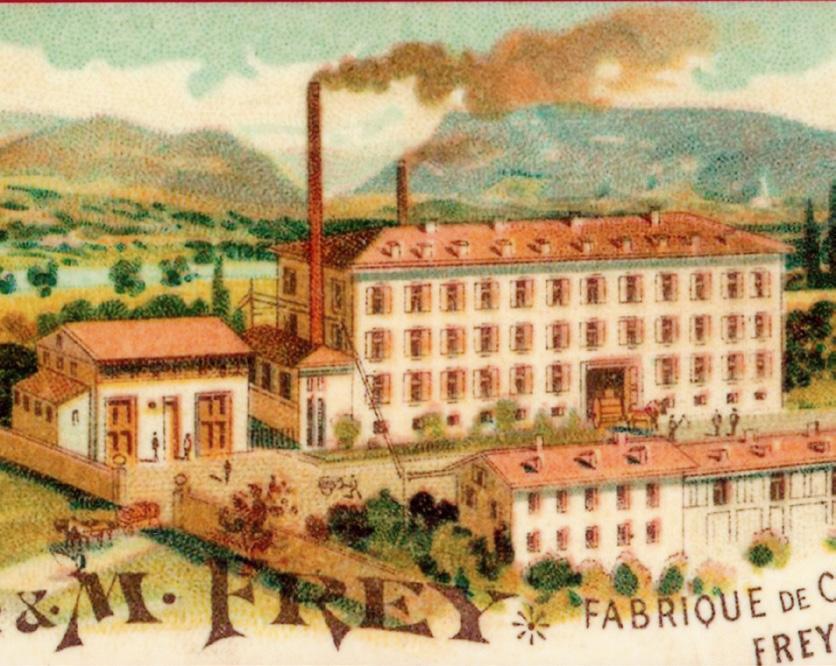
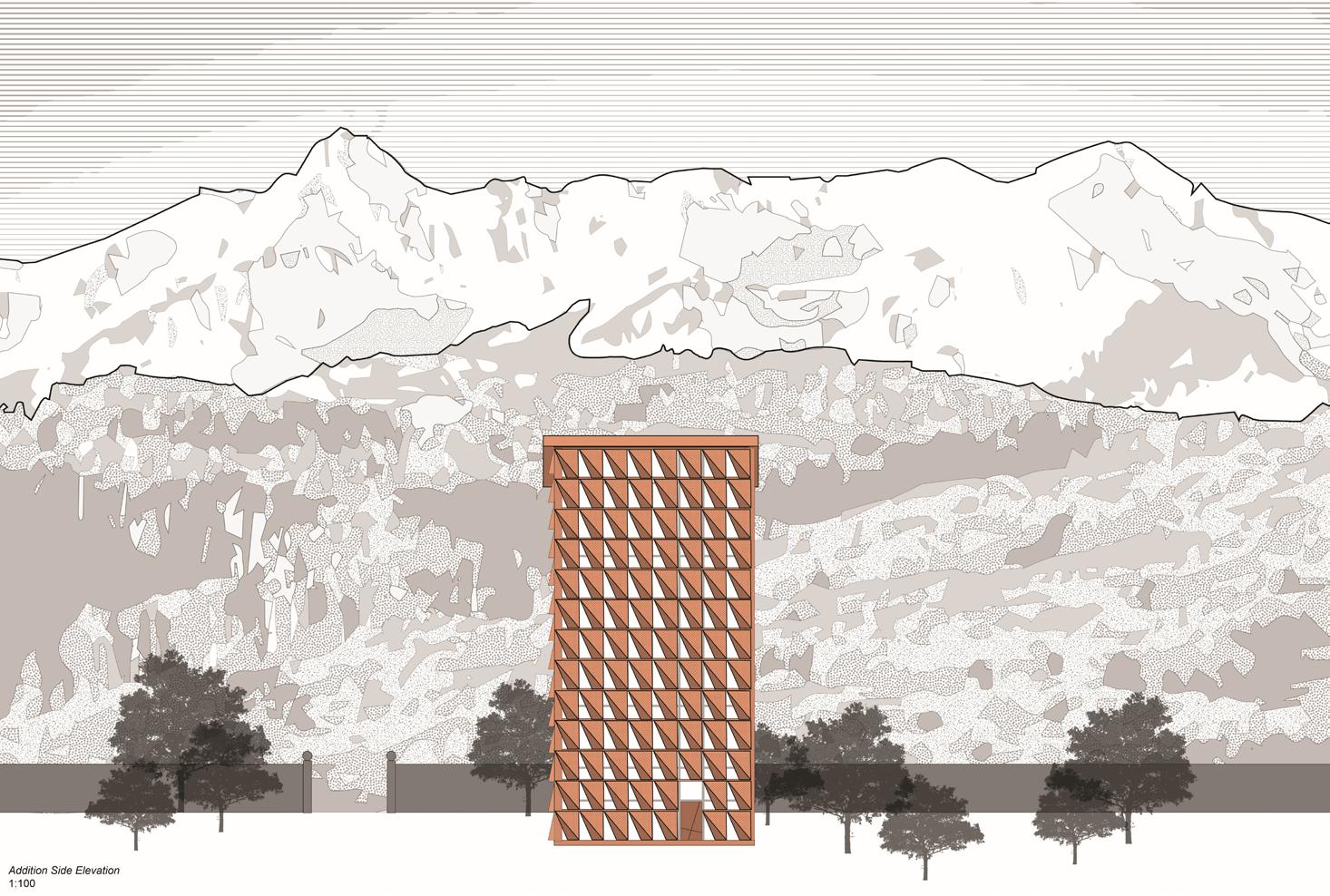
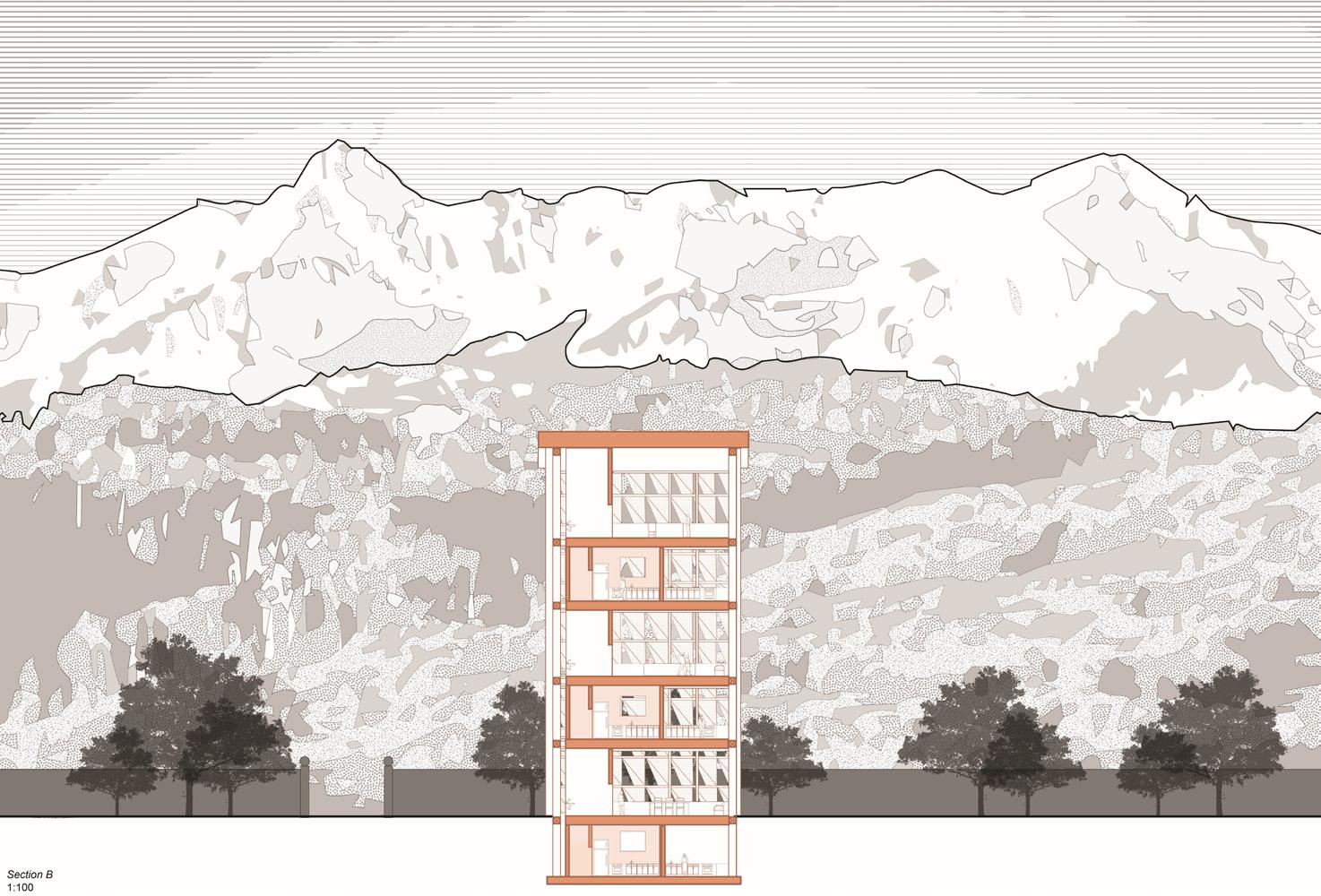
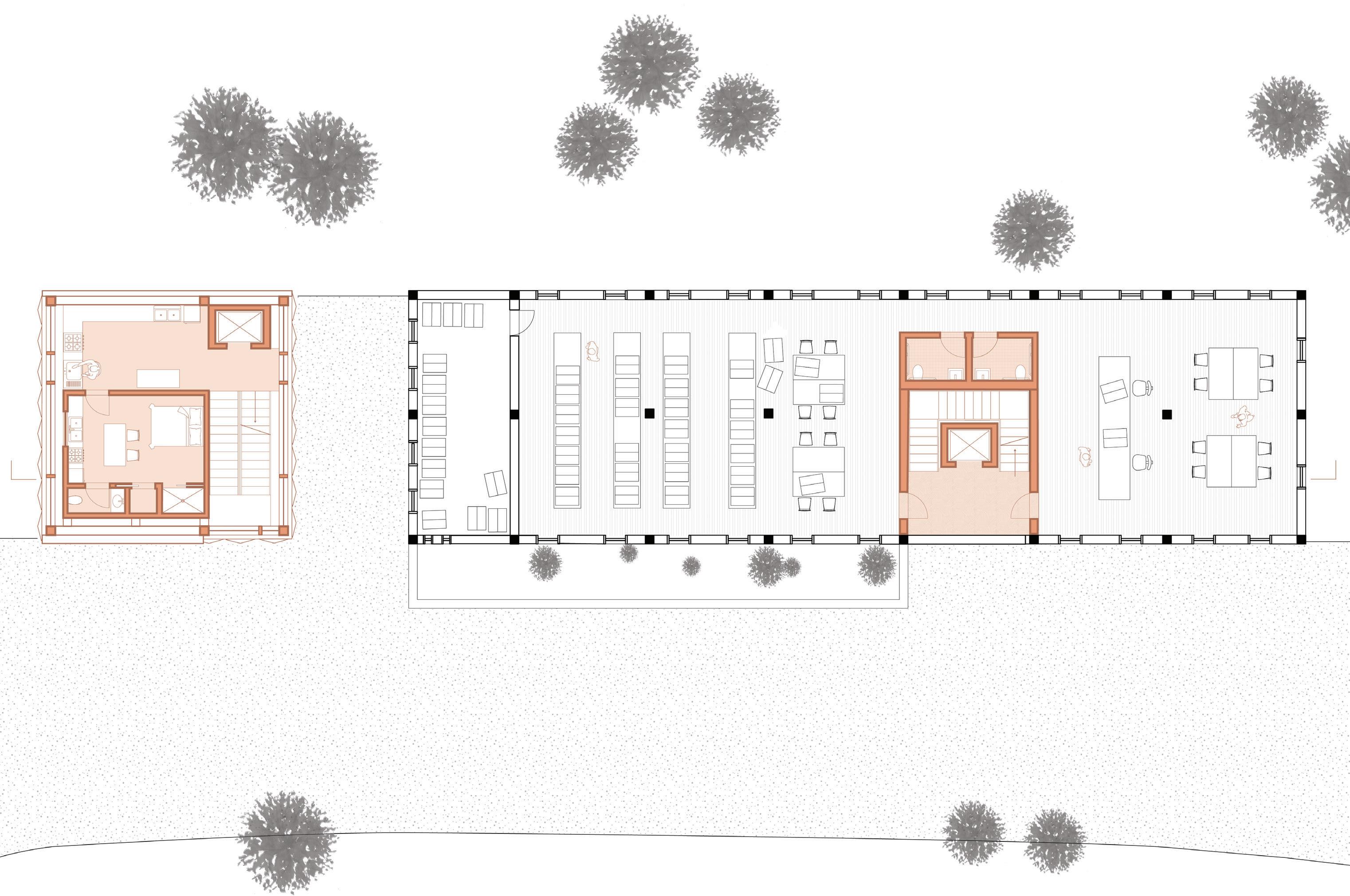
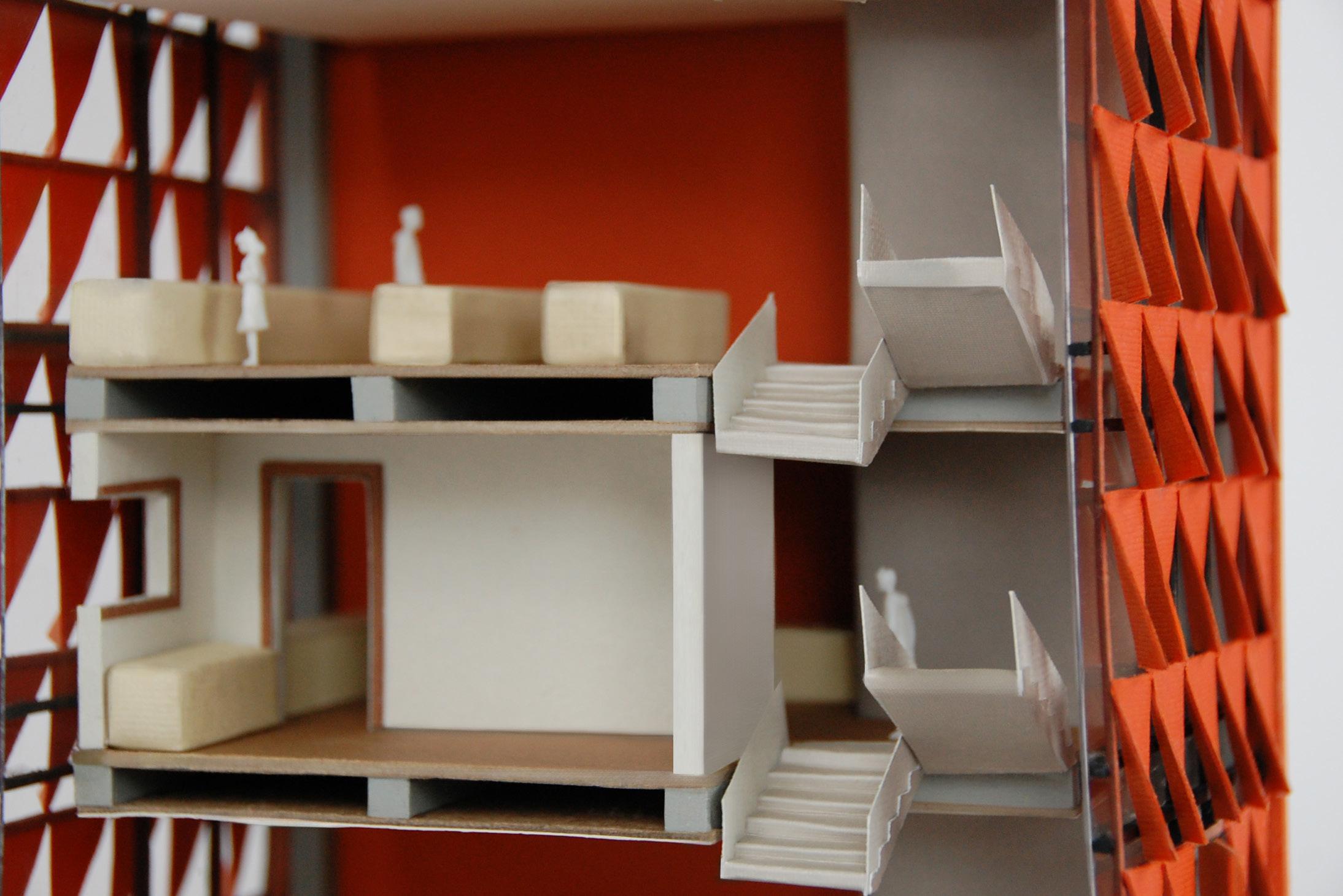
The Re-Imagining the Swiss Chocolate Factory research studio offered a unique opportunity to “study abroad” without leaving Lincoln, Nebraska. Guided by Swiss professors, the studio explored their personal design philosophy, which prioritizes aesthetics and creativity over the functionality and capitalist-driven priorities often seen in American design.
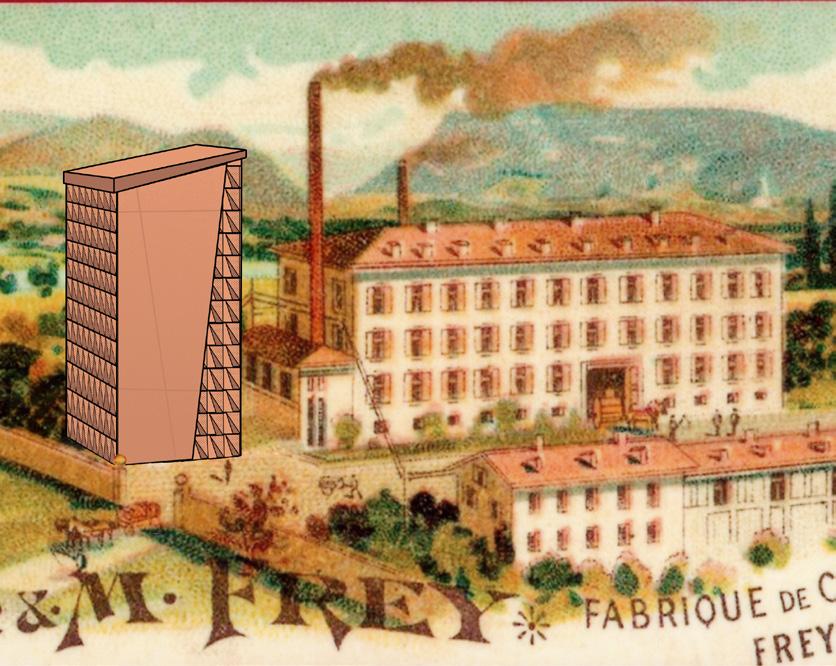
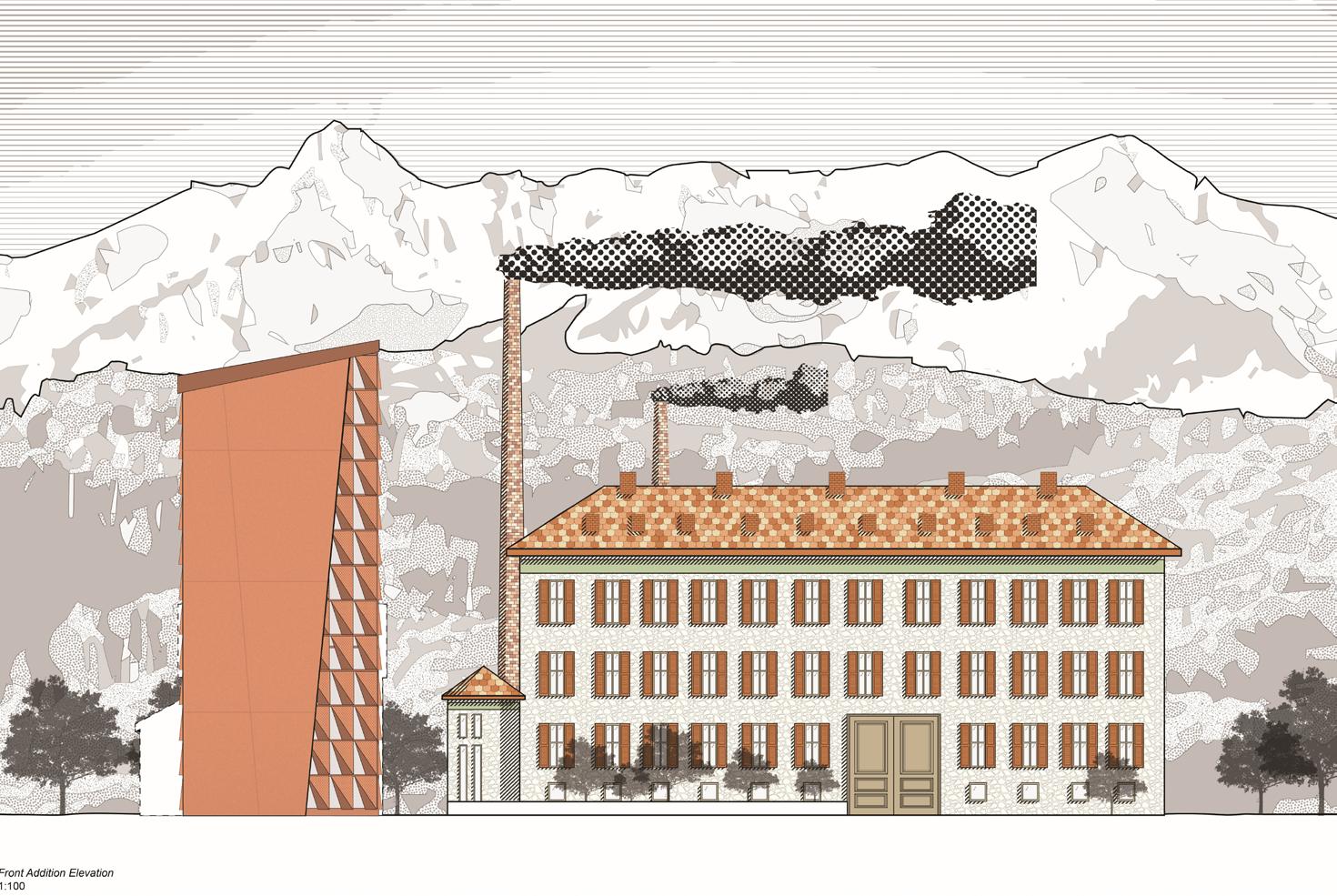
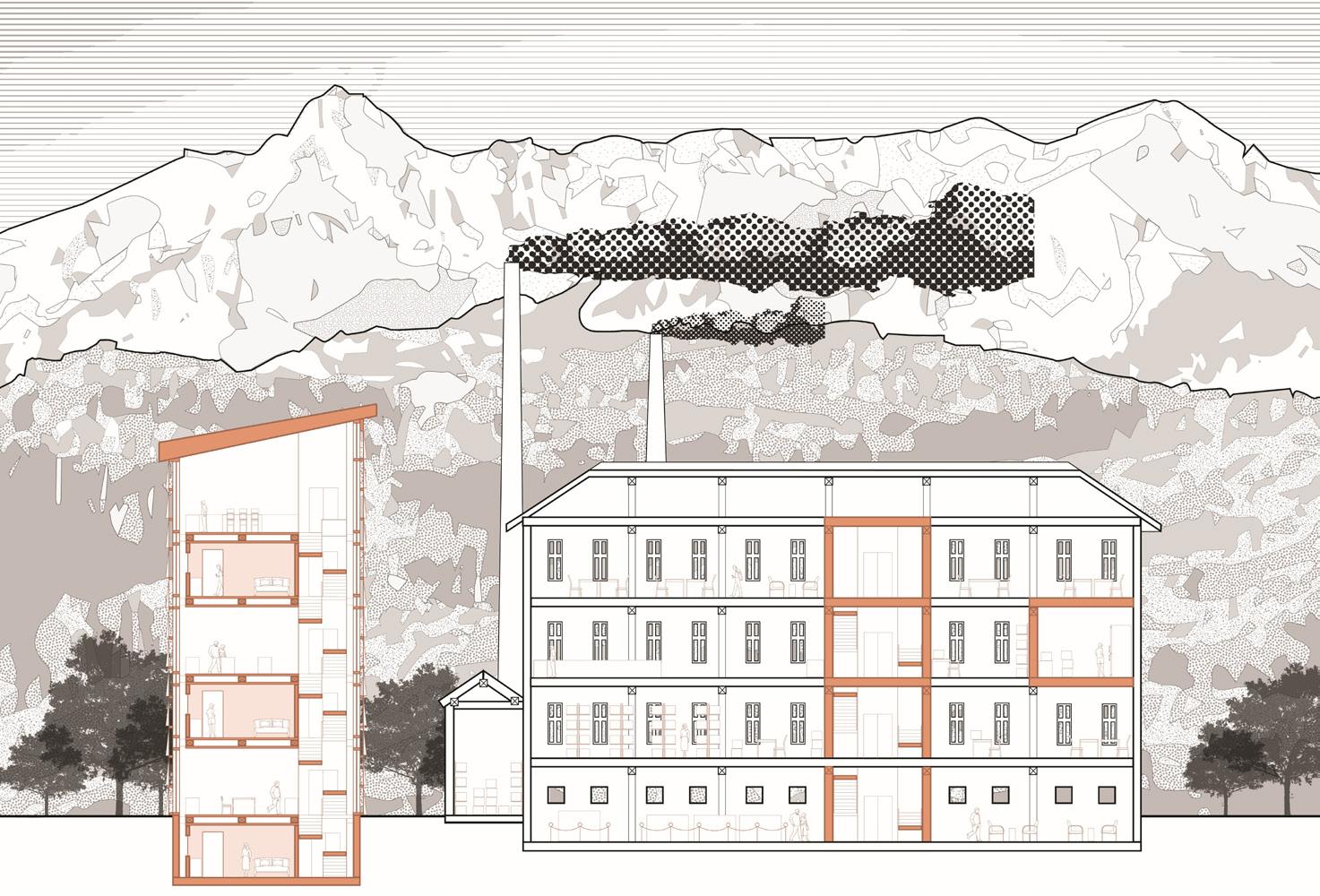
The project challenge was to design a modern addition to a historic chocolate factory, featuring a café, living and working spaces for chocolatiers, and a gallery celebrating Frey Chocolates’ history and commitment to continuous innovation.
Inspired by the phrases “life is like a box of chocolates” and “thinking outside the box,” the design enclosed the chocolatiers’ living quarters in their own “box,” symbolizing the constraints of their personal lives. In contrast, their workspace is open and free, reflecting the creativity and exploration inherent in their craft. This juxtaposition critiques the stifling effects of rigid boundaries while celebrating the balance between confinement and freedom, structure and creativity, and the profound impact of space on both creation and creators.
Collaboration 4th Studio Fall 2022
In collaboration with Elizabeth Nielsen, Josiah Nolting, Hannah Gould
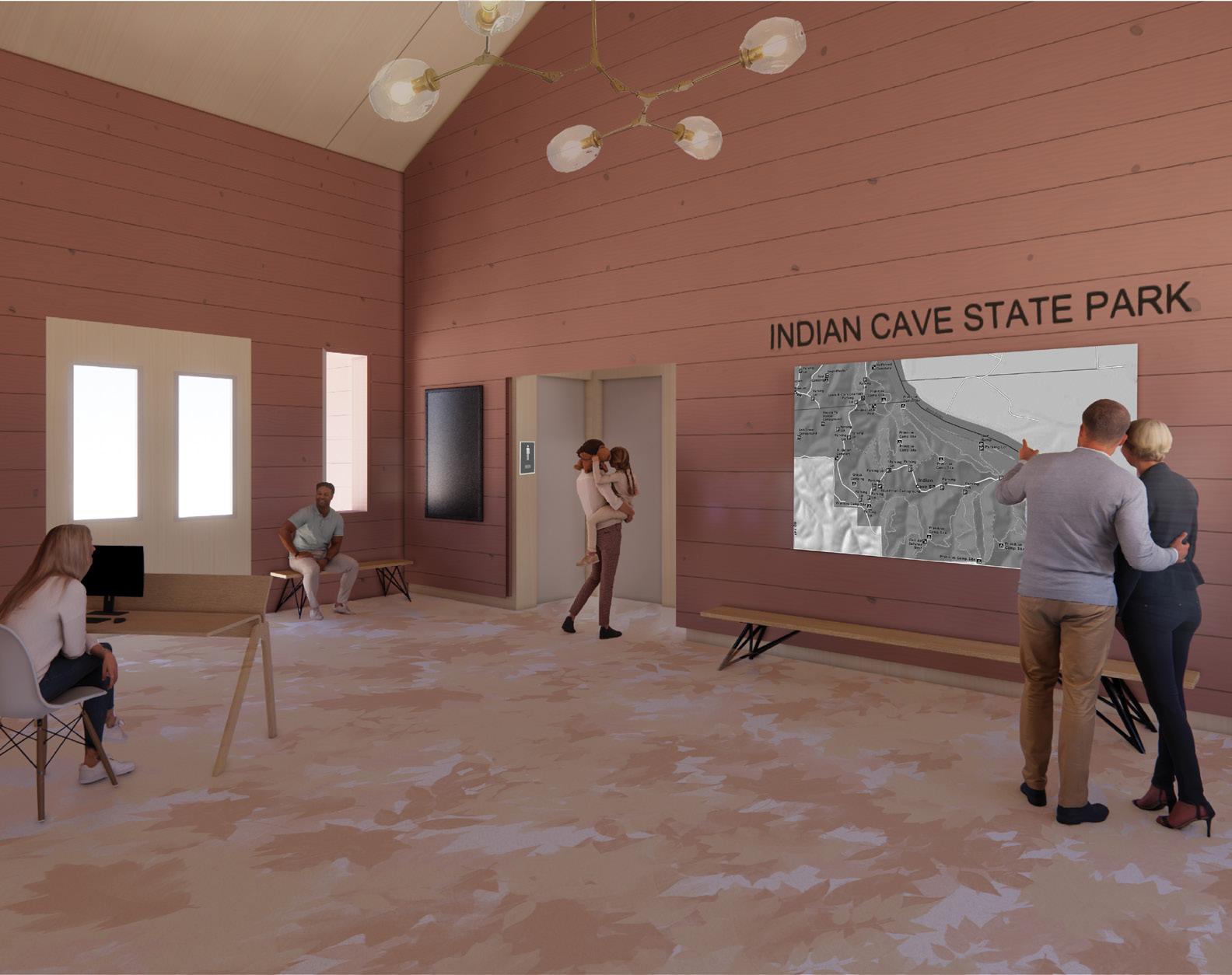
In collaboration with Nebraska Game and Parks the project provided an opportunity to navigate critical design challenges, including budget constraints and effective communication with non-design-oriented clients to help define their programmatic needs and aspirations for the space.
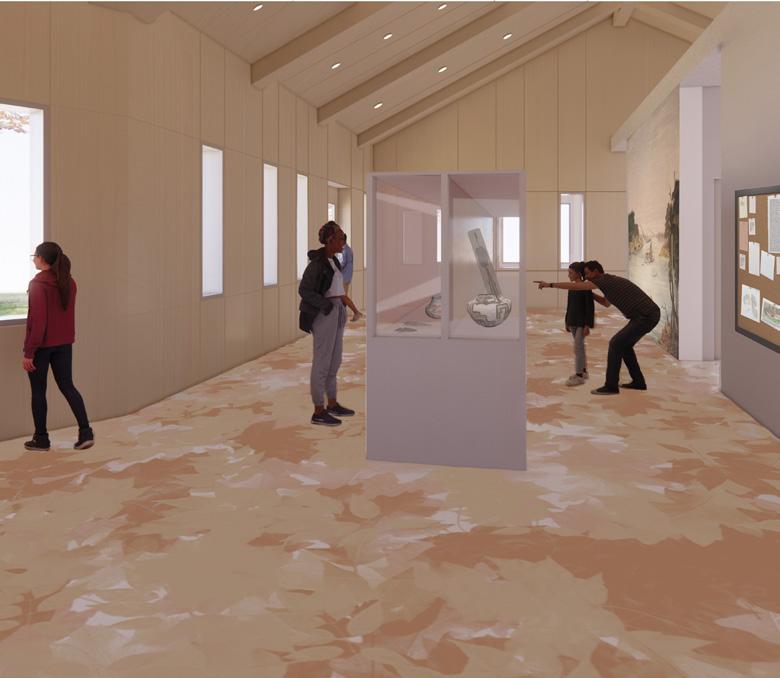
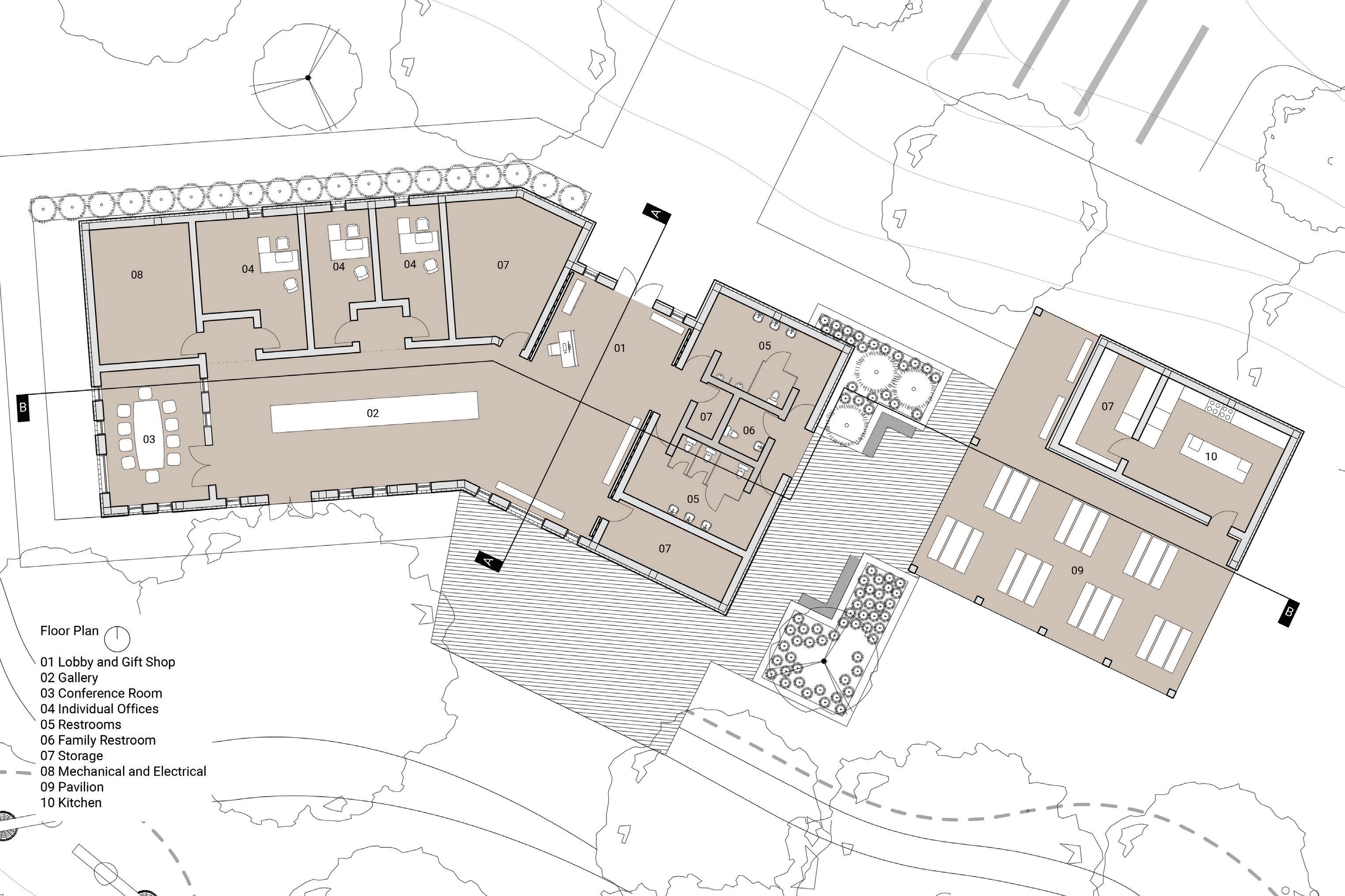
Design philosophies centered on curiosity, preservation, and education guided the architectural approach, ensuring the design respected the existing landscape while fostering a meaningful connection between visitors and the site’s history. Nebraska Game and Parks emphasized functional requirements, including ample storage, restrooms with internal and external access, a gallery, private offices, a conference room, and a cohesive public identity for the center.
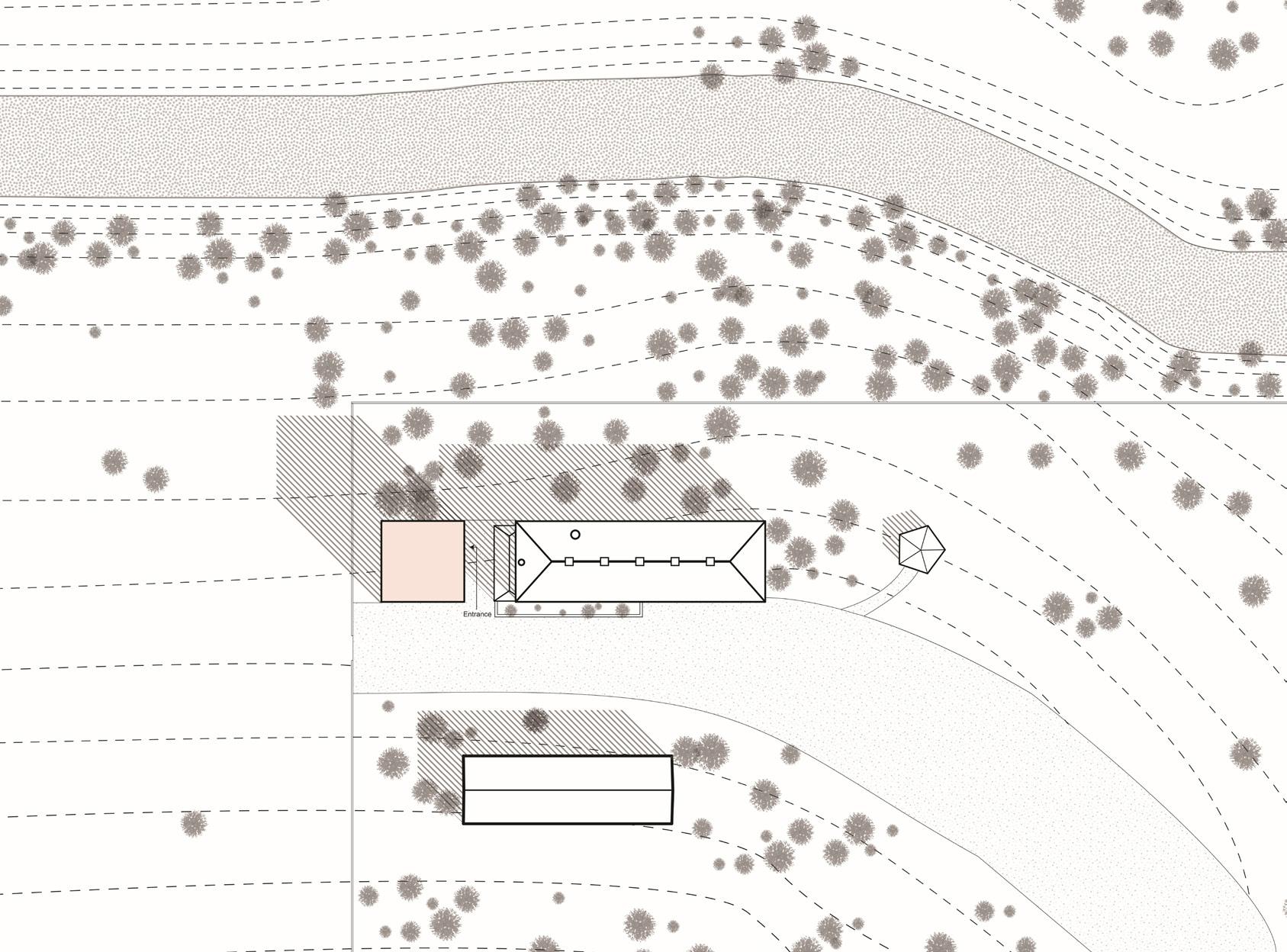
The 4,600-square-foot Visitor Center is centrally located within the site, serving as a physical and symbolic anchor for the park’s activities. Its design harmonizes with the surrounding environment, blending contemporary elements with materials and forms that reflect the region’s natural character.
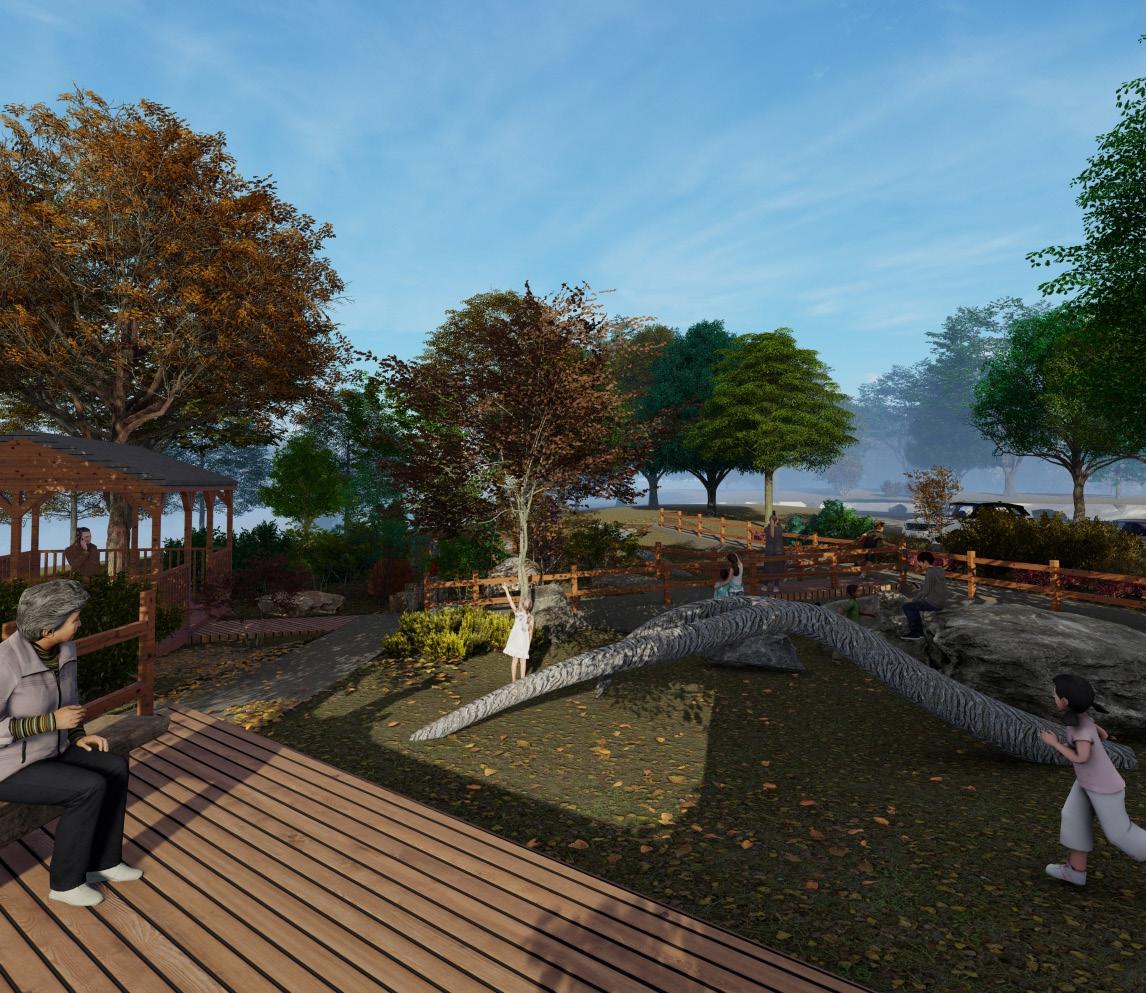
Complementing the center, the 7,800-square-foot nature playscape, adheres to the National Learning Initiative’s best practices for playscape design. It encourages exploration and interaction with the natural environment, enhancing the site’s mission to inspire curiosity and learning.
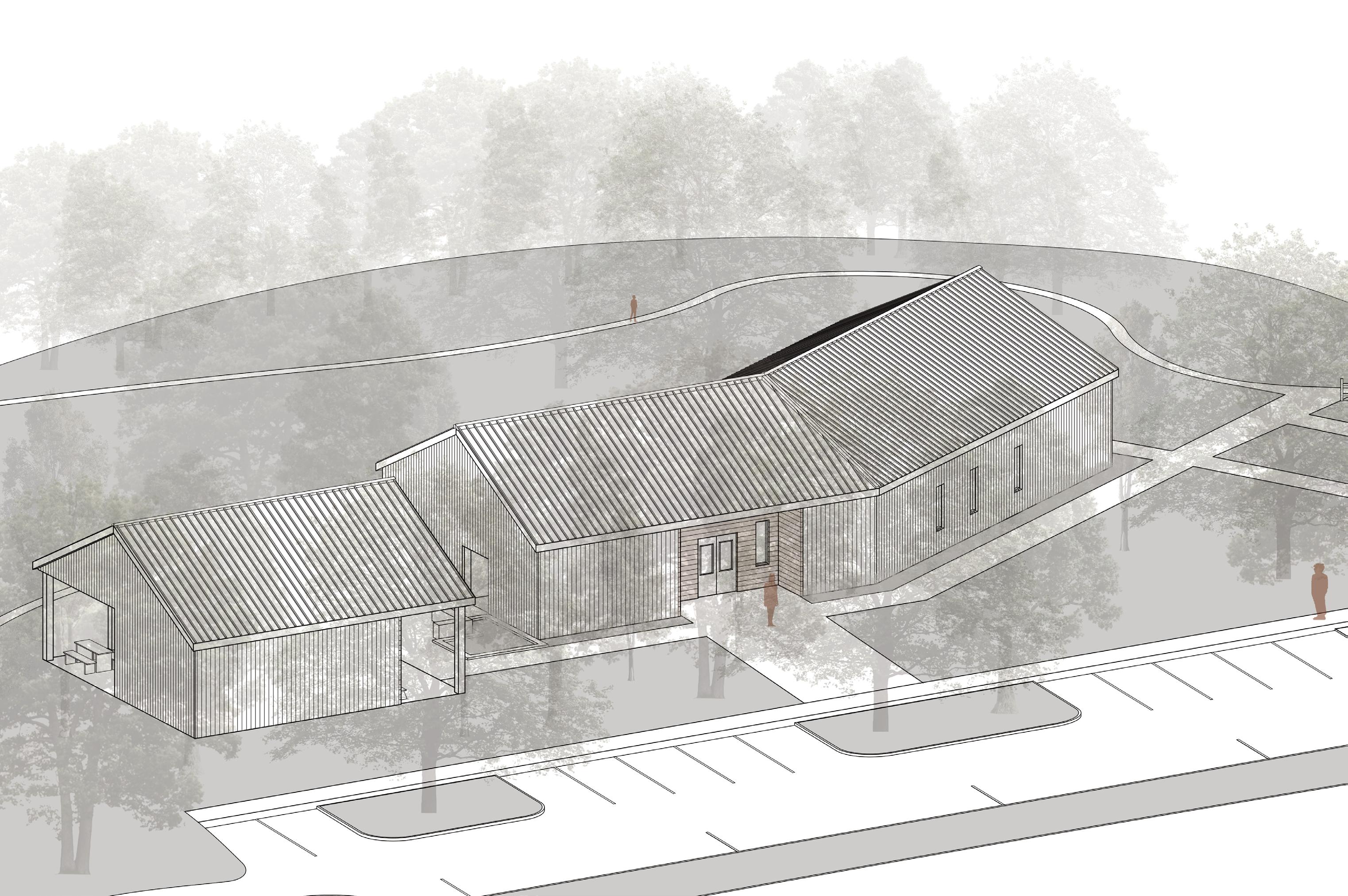
Axonometric
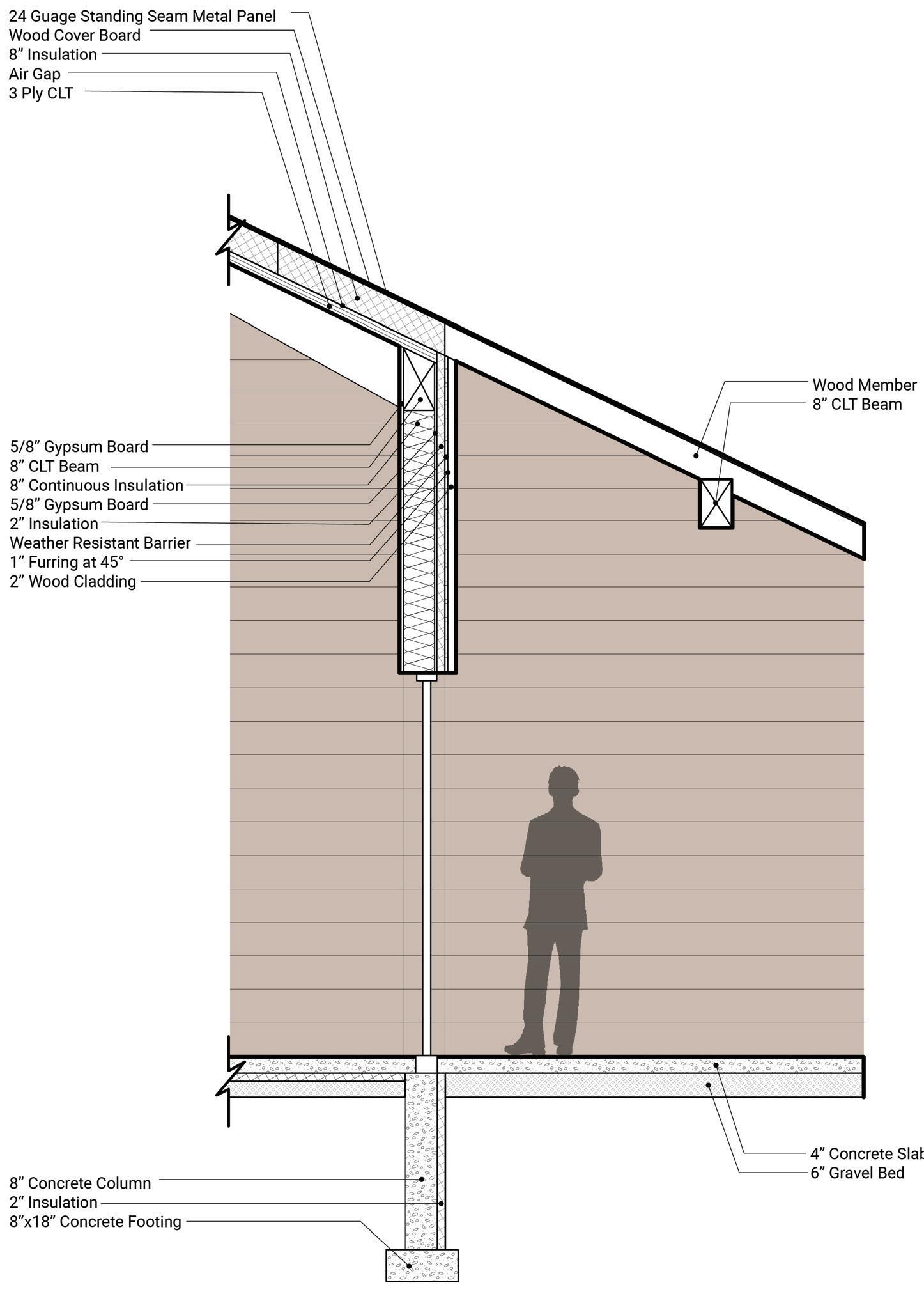
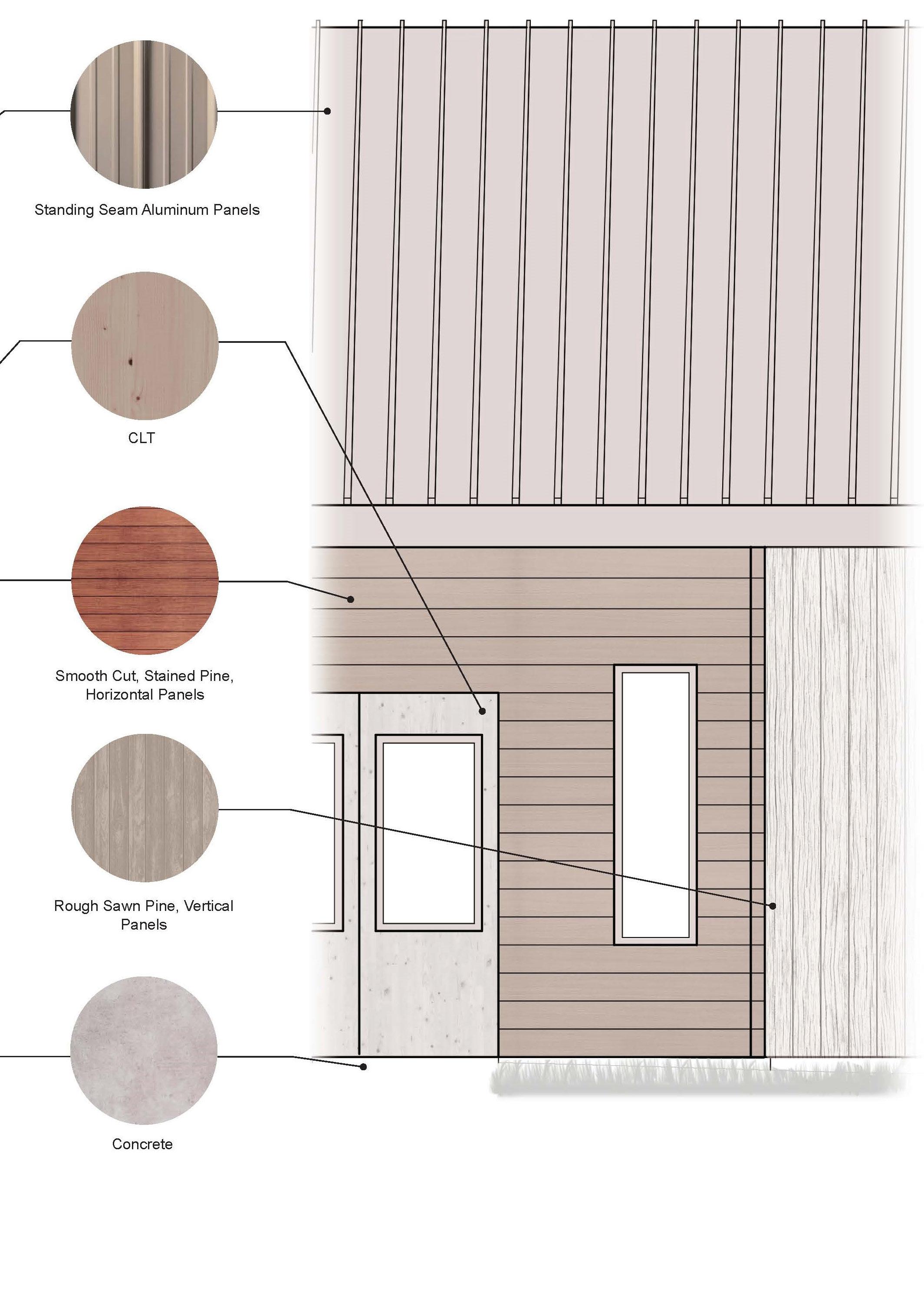
Standing Seam Aluminum
During my time at Leo A Daly, I had the opportunity to work on a diverse range of projects spanning various stages of development and market sectors. My contributions included designing the exterior façade of an existing office building, conducting a site analysis of downtown Omaha for a proposed headquarters building, creating signage for construction zones, assisting with several project proposals, producing 3D-printed models, and preparing AIA Award submissions. These experiences allowed me to engage in multiple aspects of architectural practice, gaining valuable insight into the complexities of each phase of a project.
I was fortunate to collaborate with a wide variety of design professionals, including clients, construction teams, project managers, electrical and structural engineers, writers, licensed architects, interior designers, and business development personnel. This exposure provided me with a comprehensive understanding of various design processes and the critical importance of interdisciplinary collaboration in achieving project success.
Throughout my internship, I saw significant growth in my communication skills, confidence, and proficiency in software such as Revit and SketchUp. However, the most impactful lesson I learned was the importance of lifelong learning—acknowledging that there is always something to gain from the expertise, perspectives, and experiences of those around you, regardless of their role or age. This principle has deeply shaped my approach to architecture and professional growth.
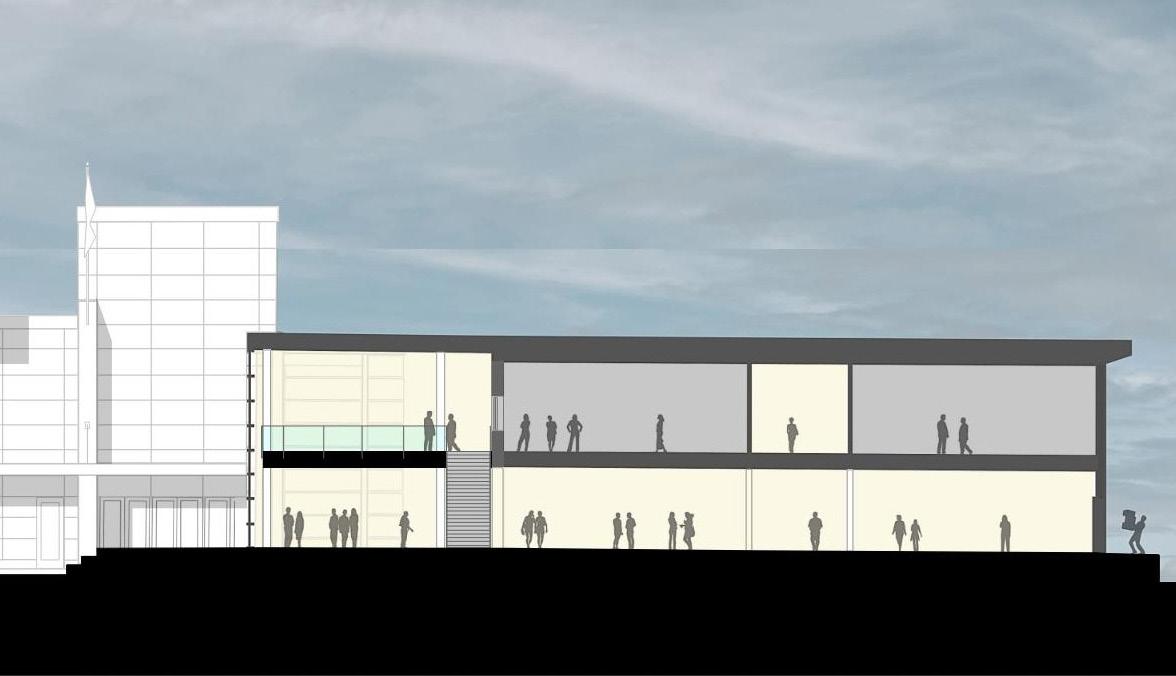
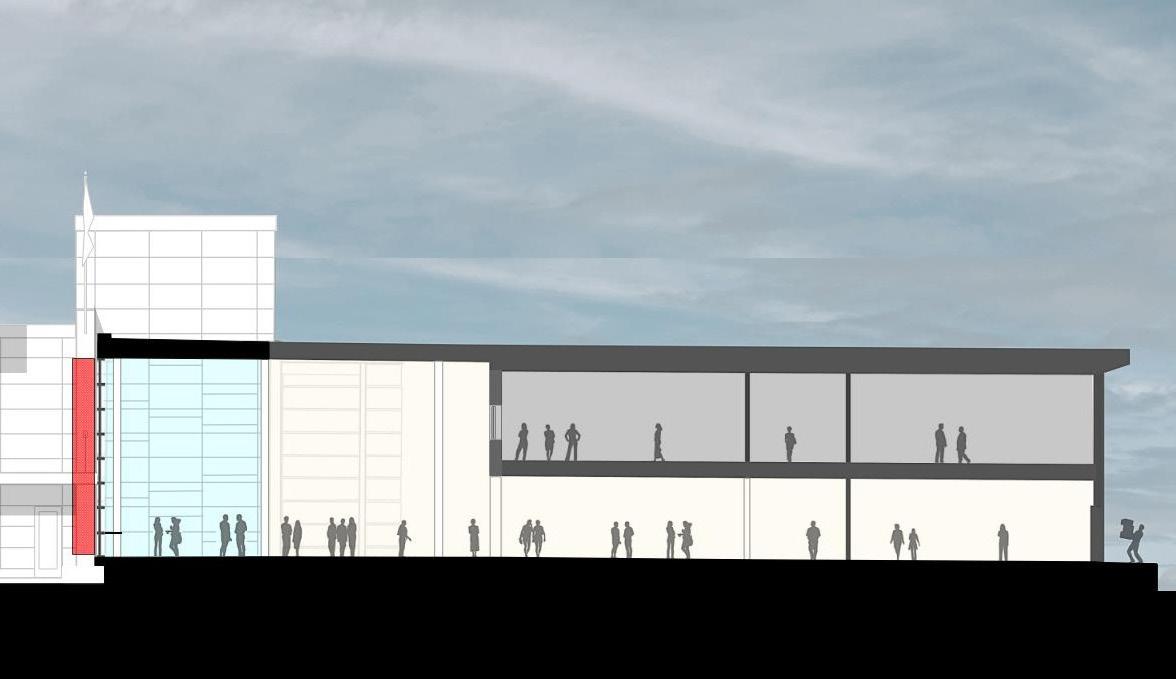
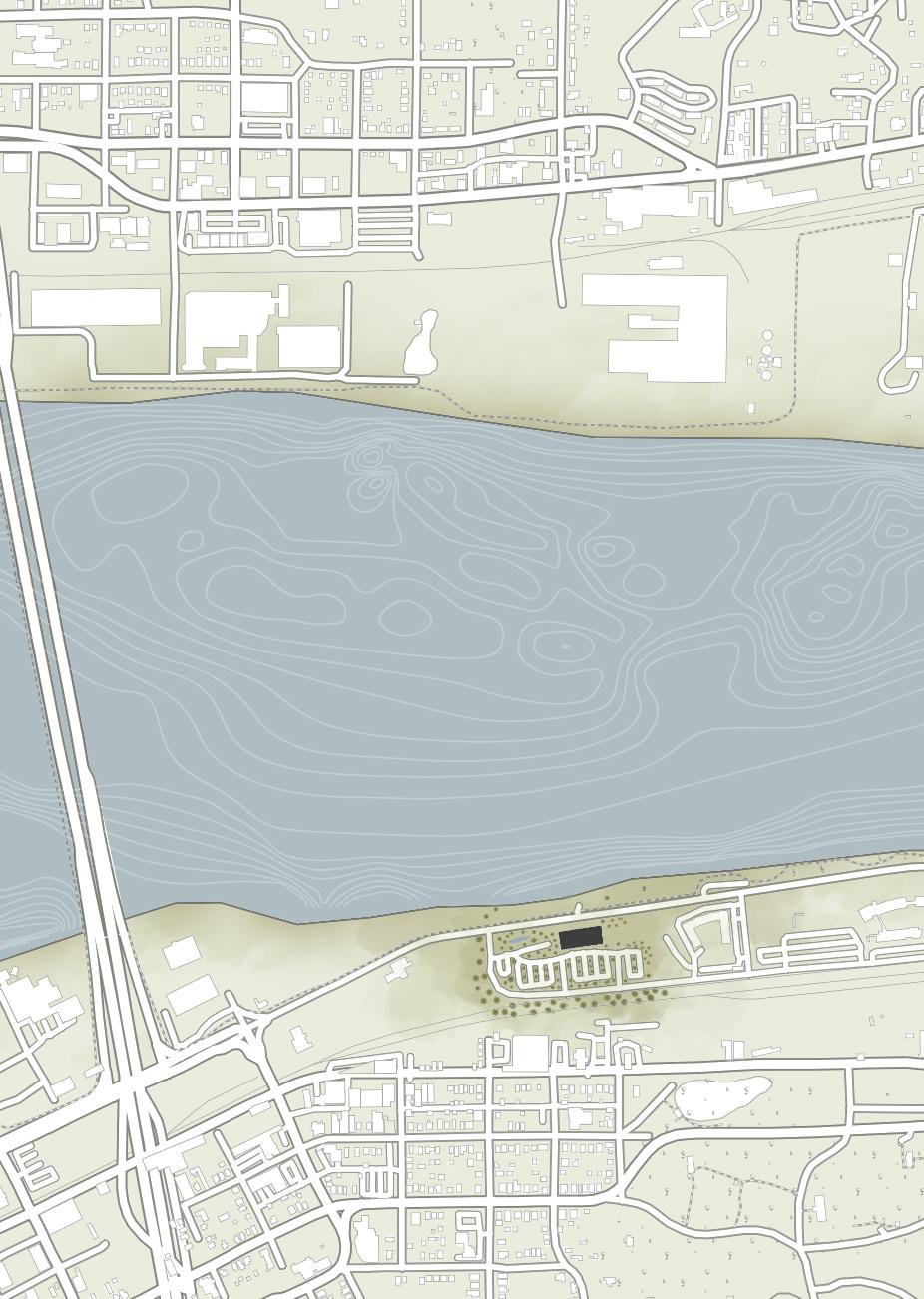
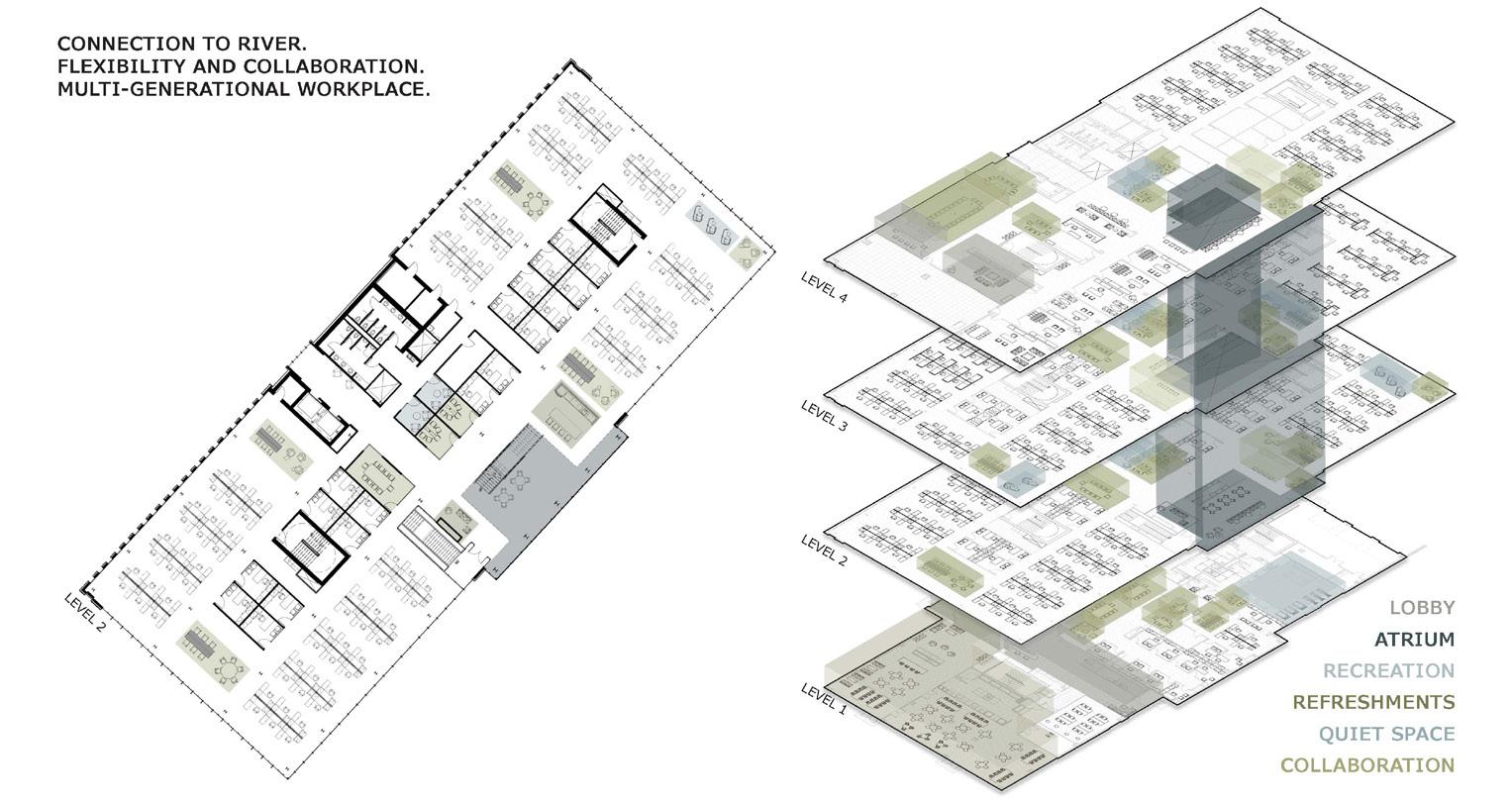
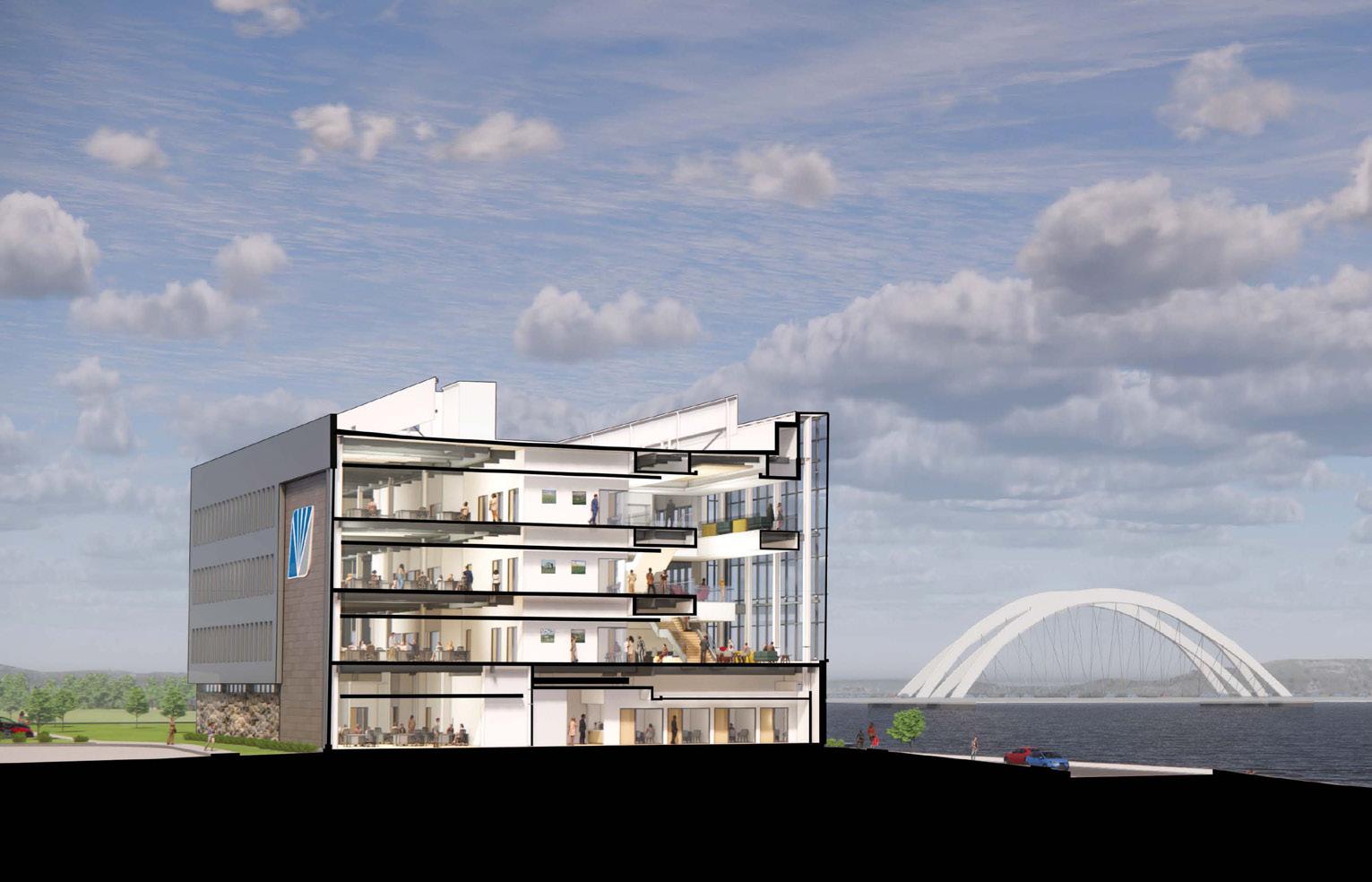
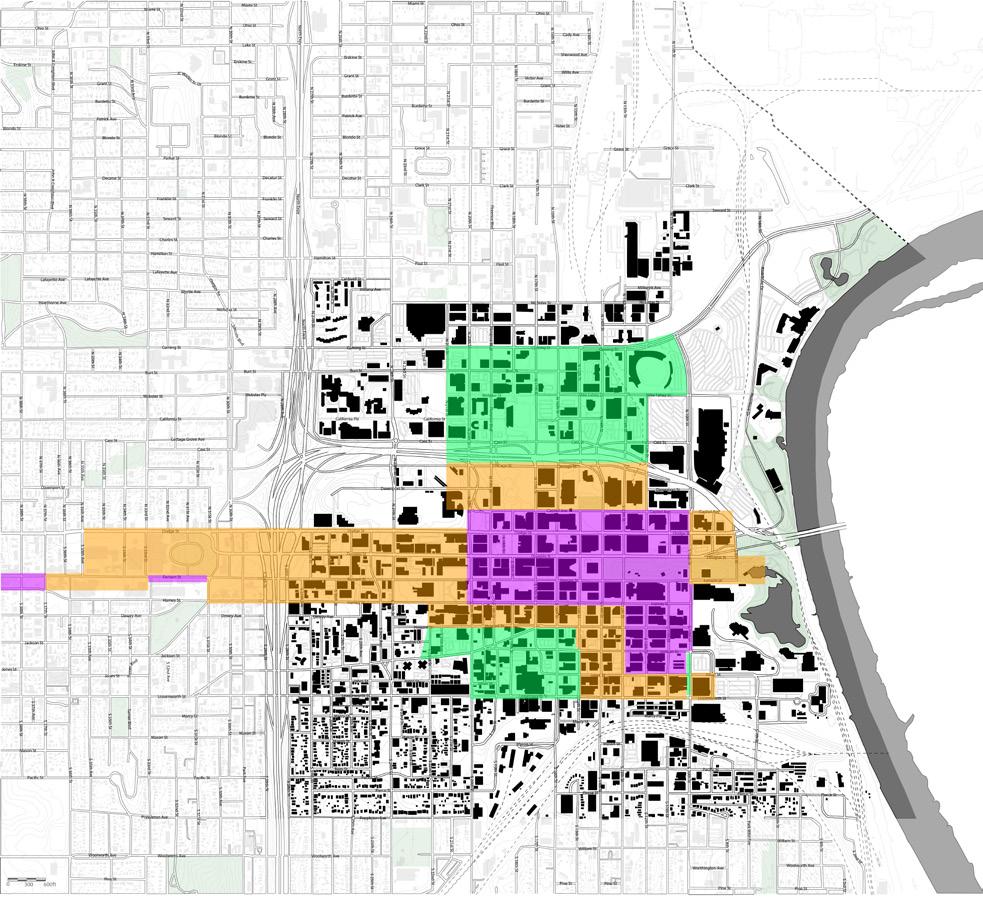
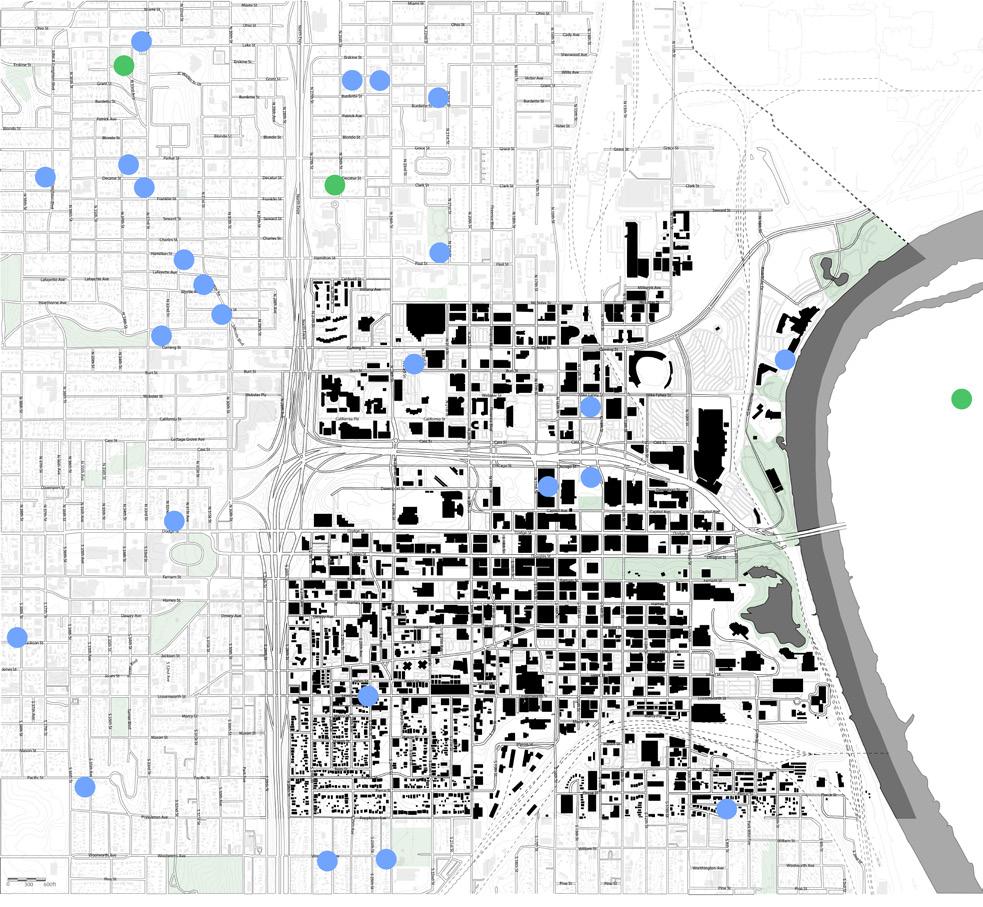
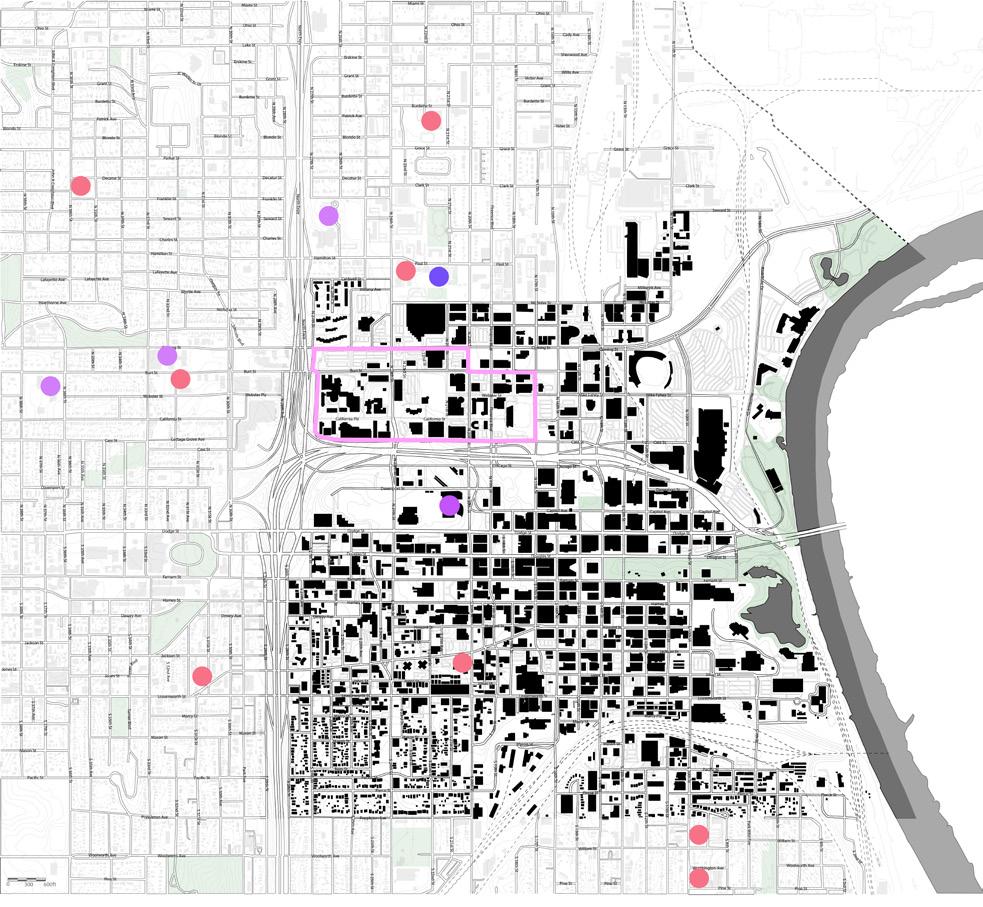
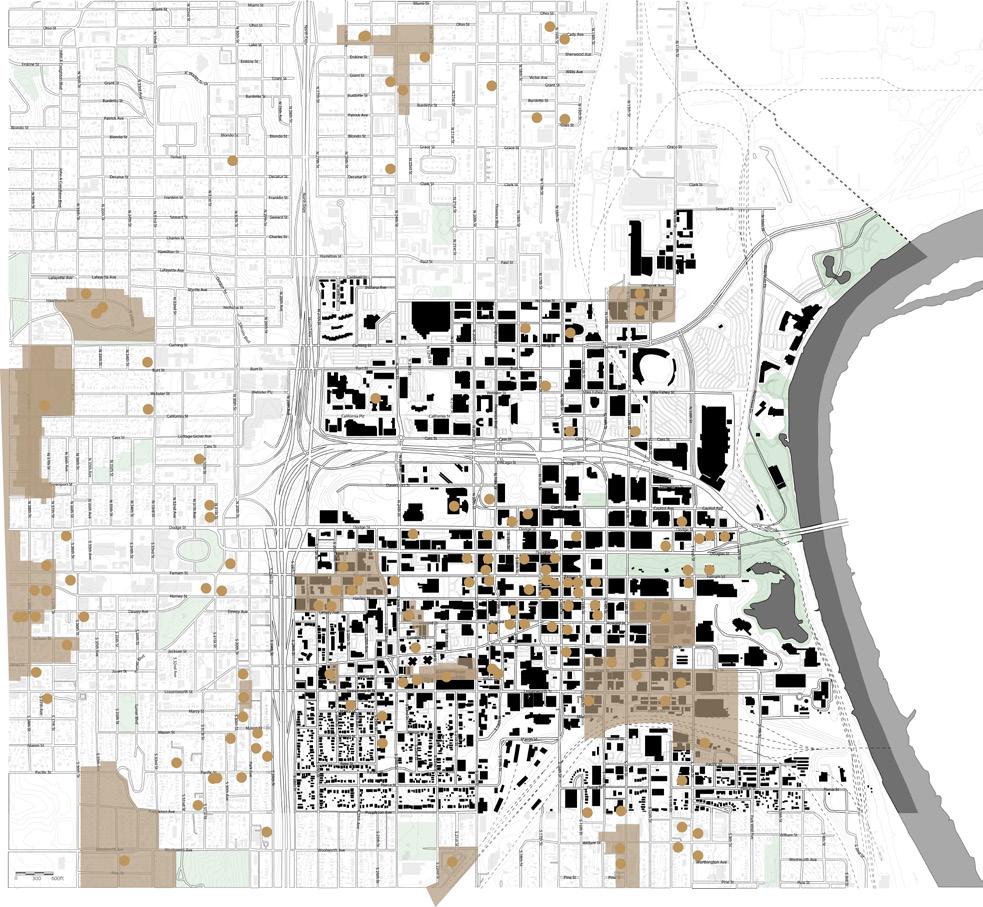
As part of a site analysis for a proposed headquarters in downtown Omaha, I contributed to evaluating critical factors, set forth by the client, such as parking availability and types, proximity to schools and day cares, and the relationship to nearby historical sites.
This analysis required a deep understanding of urban context and how these elements impact functionality, accessibility, community integration, and how the future of the city could be impacted. By examining these layers, I participated in identifying an ideal site that balances operational needs with a meaningful connection to the surrounding environment.
This process highlighted the importance of thoughtful planning in creating spaces that serve both the organization and the broader community.
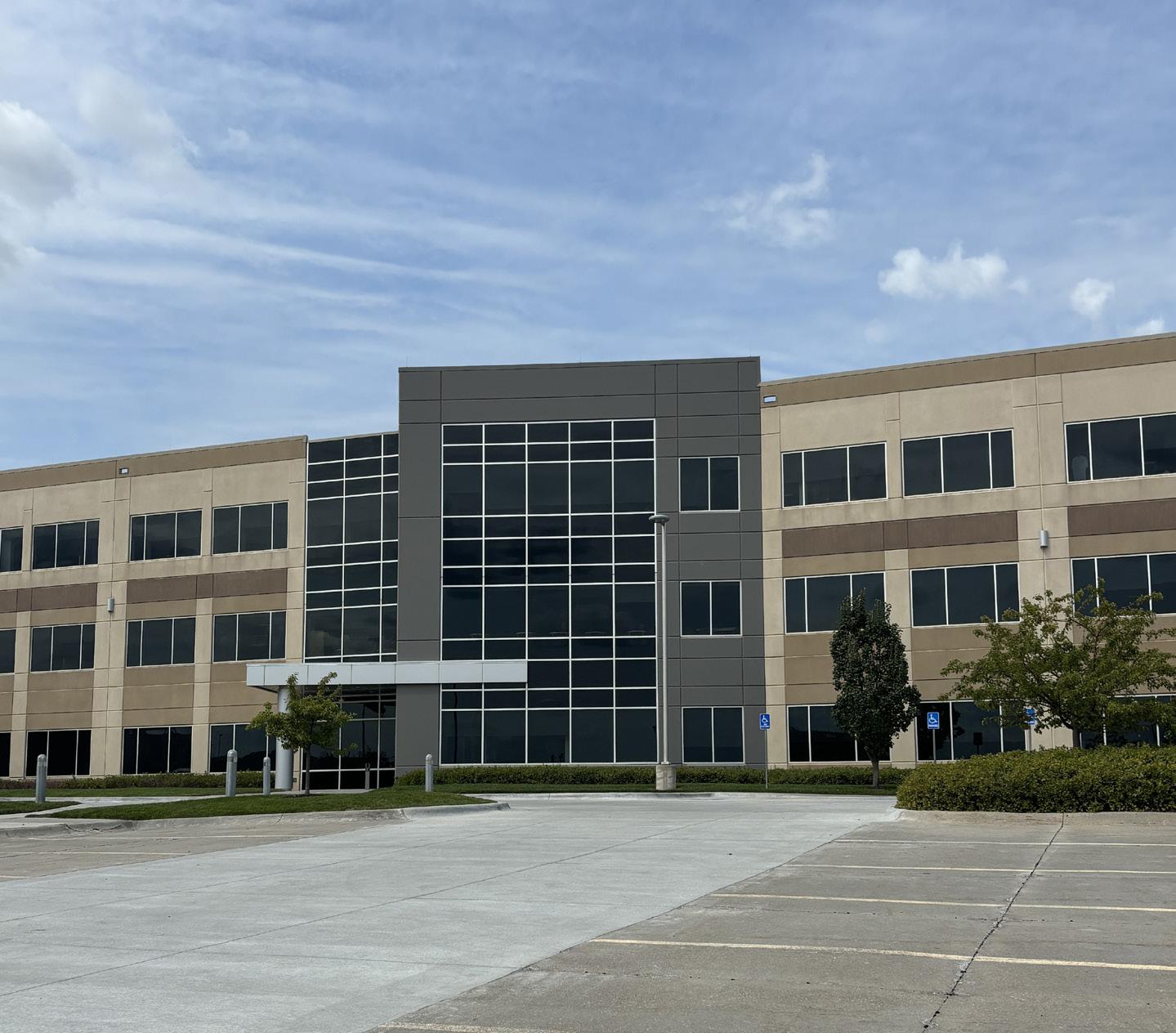
The first time I realized the significant impact of my work was when I created and refined iterations of exterior paint mock-ups to help distinguish a building from its adjacent twin. This design choice not only enhanced the building’s individuality but also improved way finding, reinforced brand recognition, and established a stronger visual connection with its context.
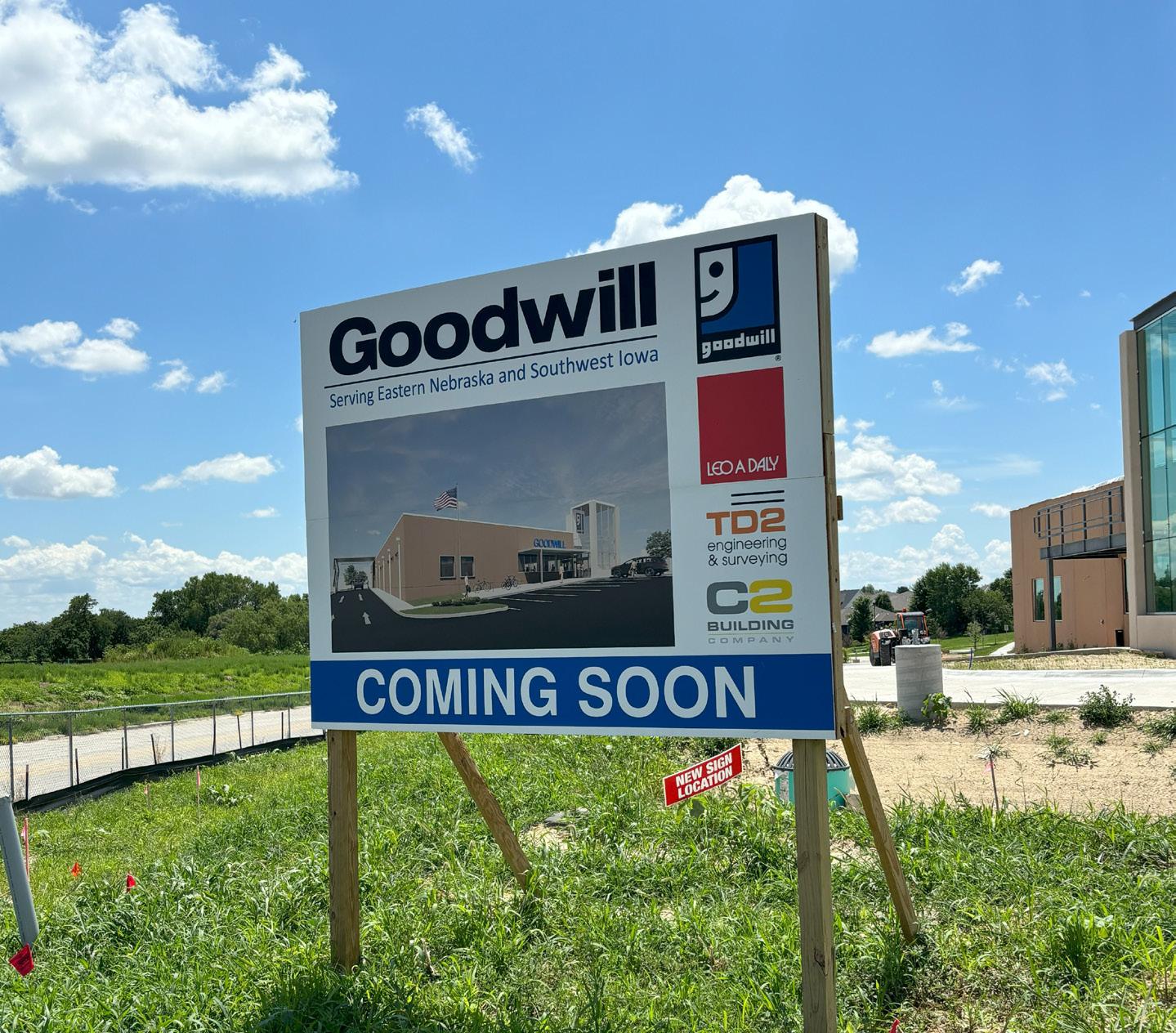
Designing the “Coming Soon” signage allowed me to transform architectural plans into a clear visual that communicated the future Goodwill facility’s vision. This experience deepened my understanding of how visual storytelling bridges the gap between designers and the community, highlighting the importance of clarity and accessibility in architectural communication.
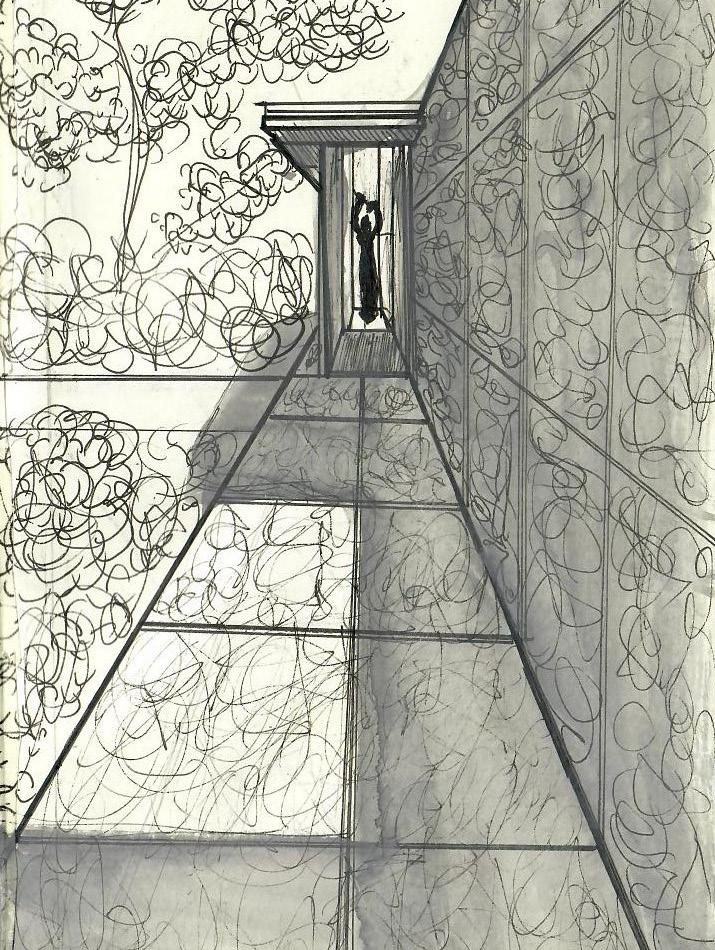
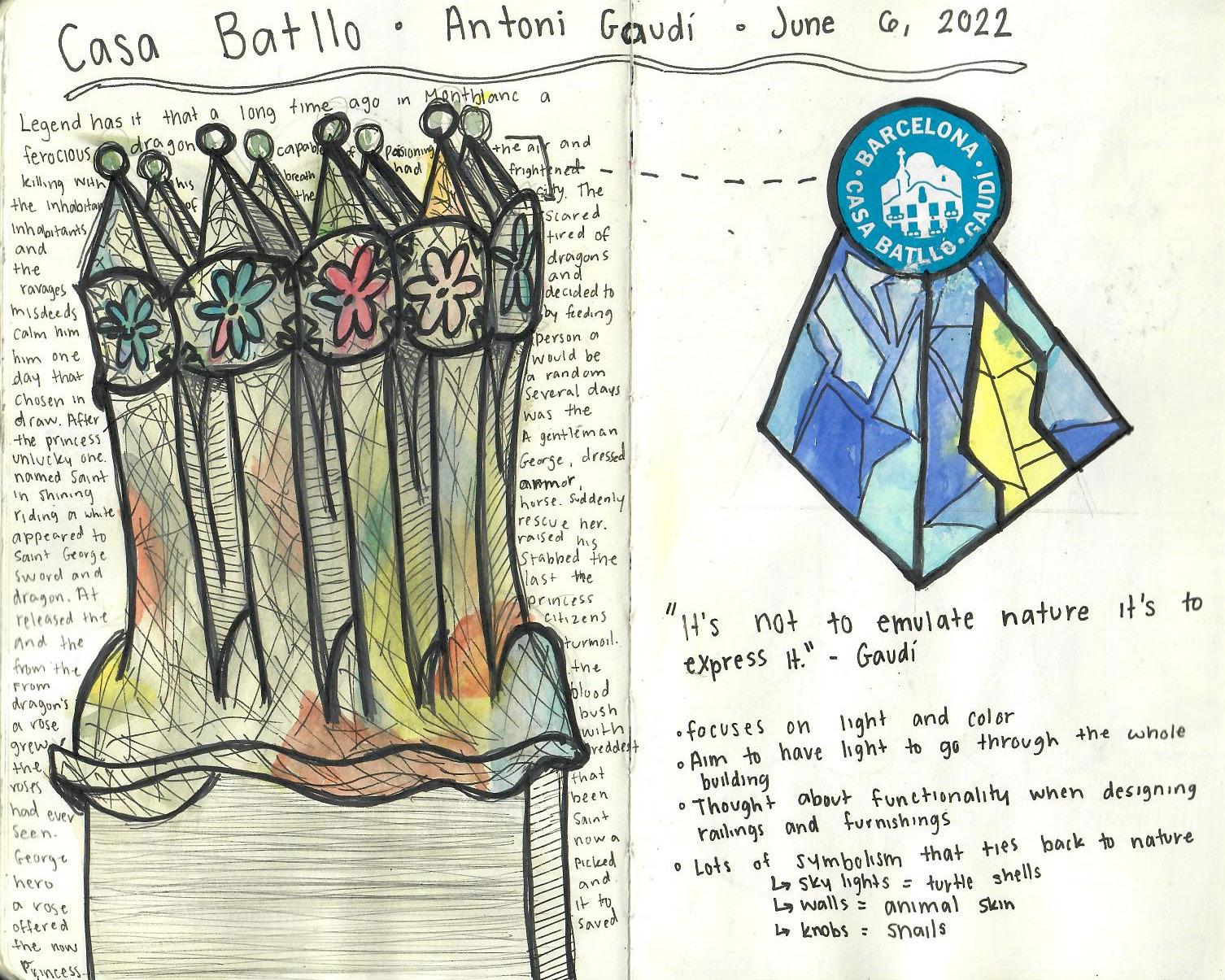
A three-week trip, two weeks exploring, learning, and sketching Barcelona’s architecture, history, and culture. During the two weeks in Barcelona, a sketchbook was filled with what we saw, experienced, and felt. Hand sketching improved tremendously over the two weeks and we learned many drawing techniques such as ink wash, watercolor, and hatching.
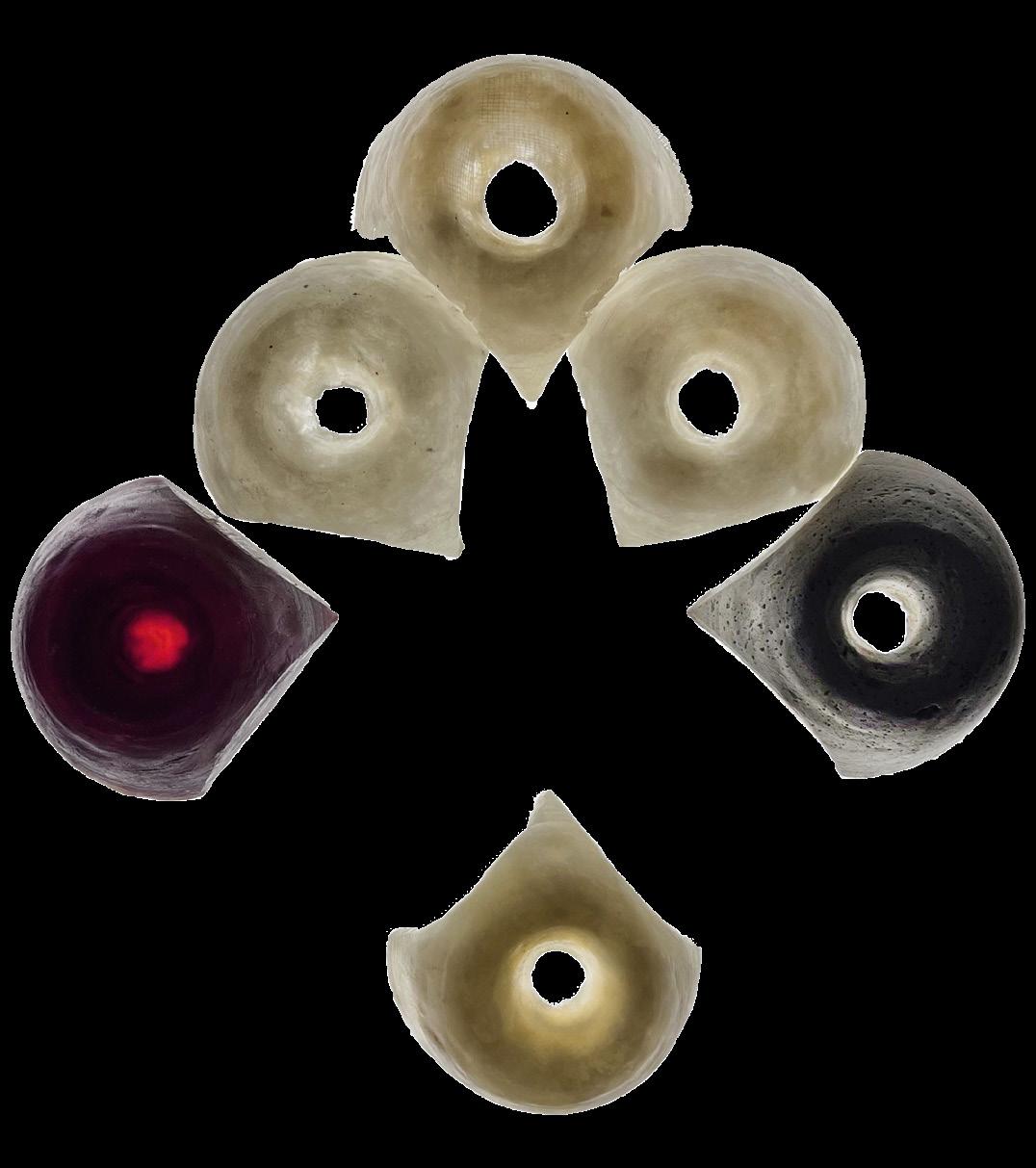
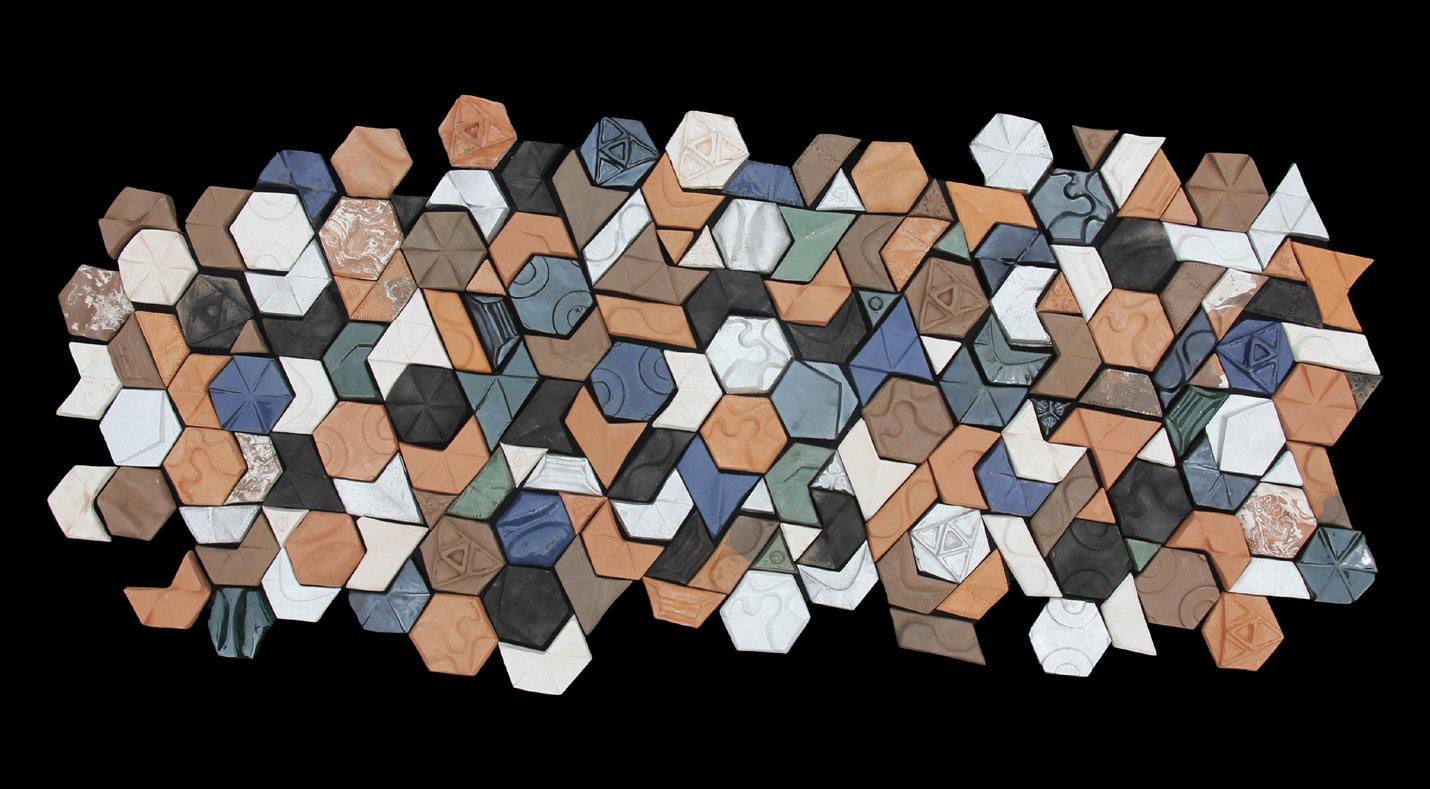
One week in Liencres participating in a hands-on model-making in the digital age workshop. Items created were clay tiles from locally sourced clay and aluminum. Tiles mimic tessellation patterns throughout Barcelona. Pavilions are made from paraffin wax, tree sap, and jesmonite. Inspiration came from Sagrada Familia and its facades, towers, and Gaudi’s use of geometry.
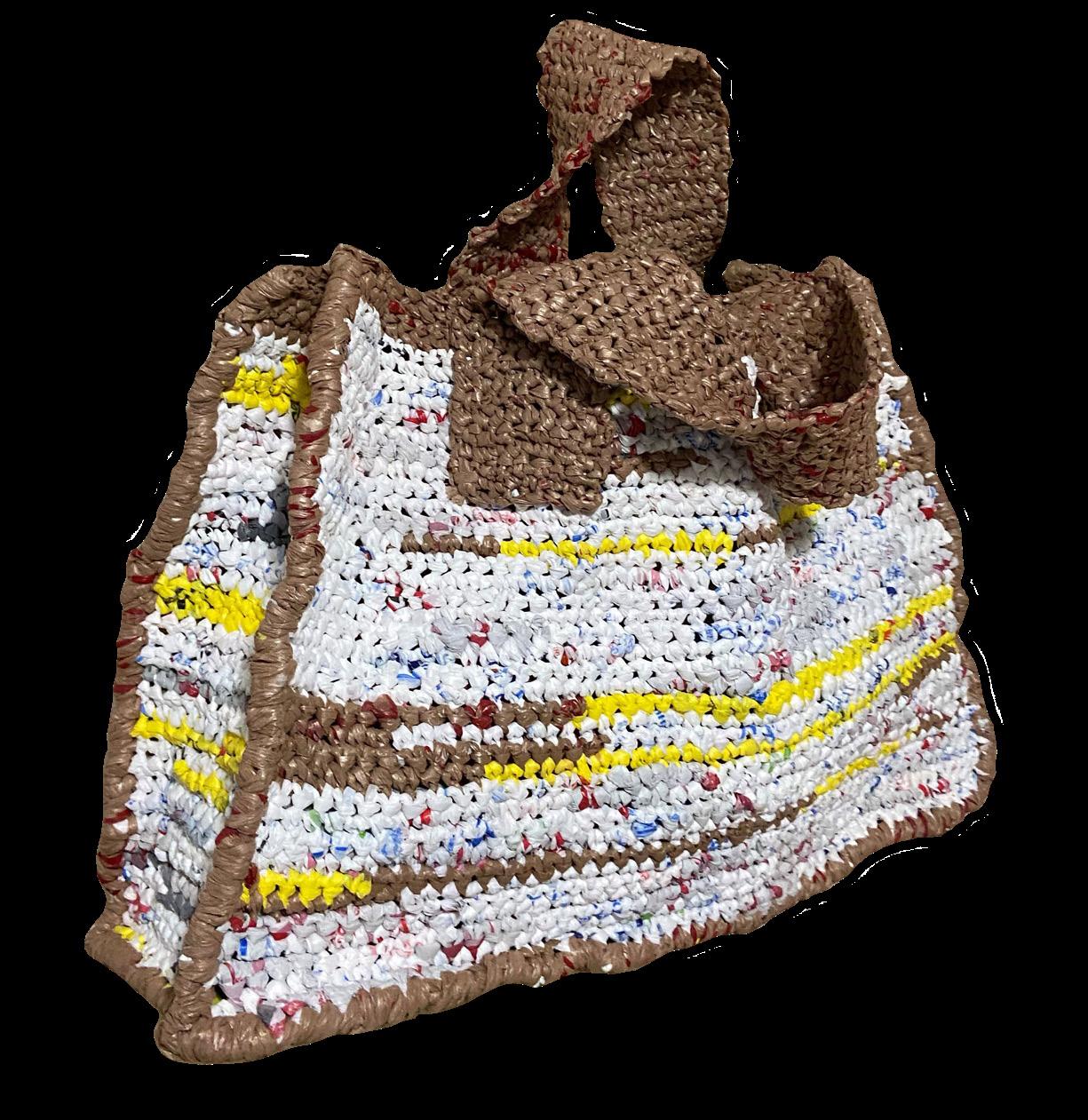
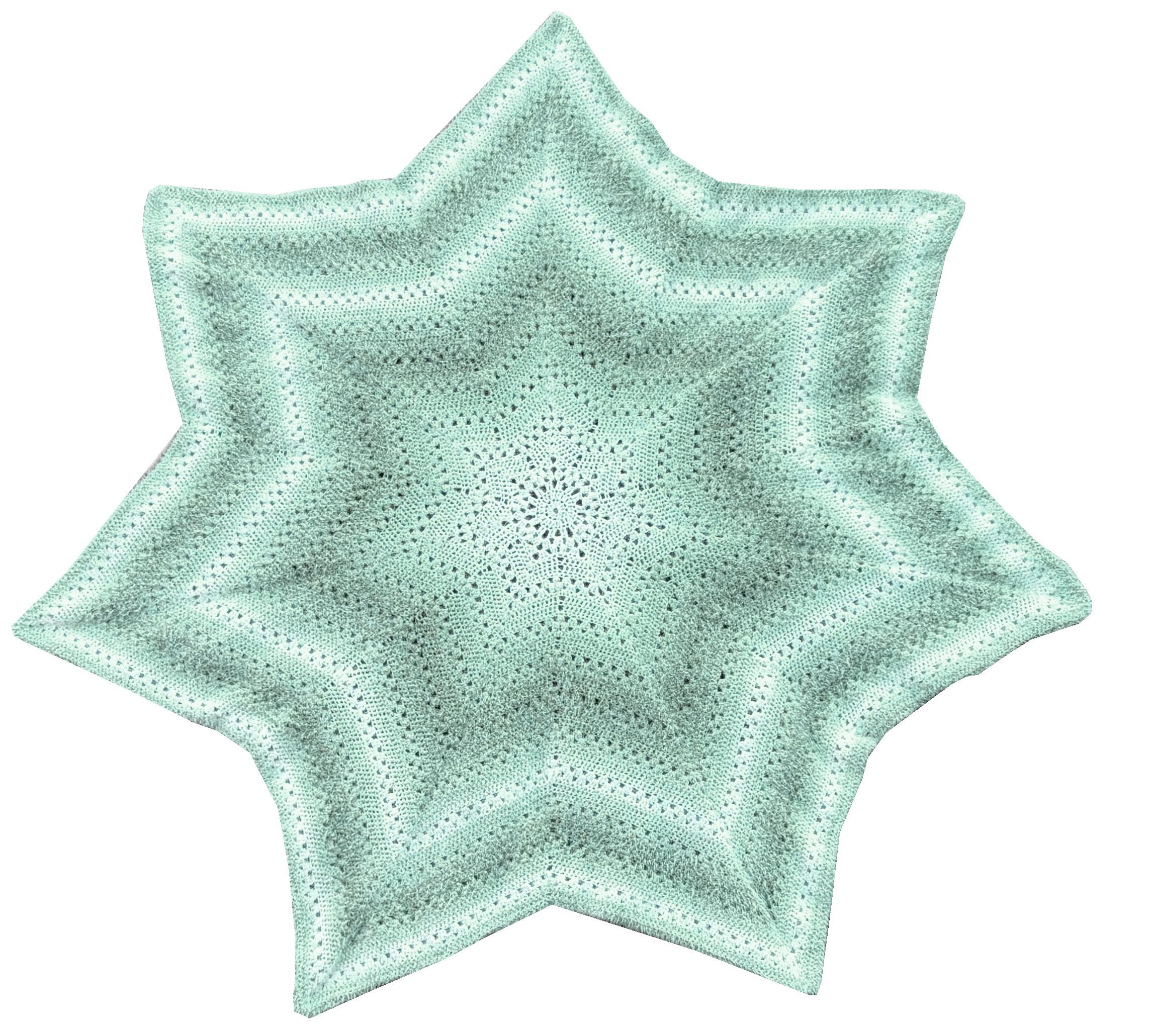
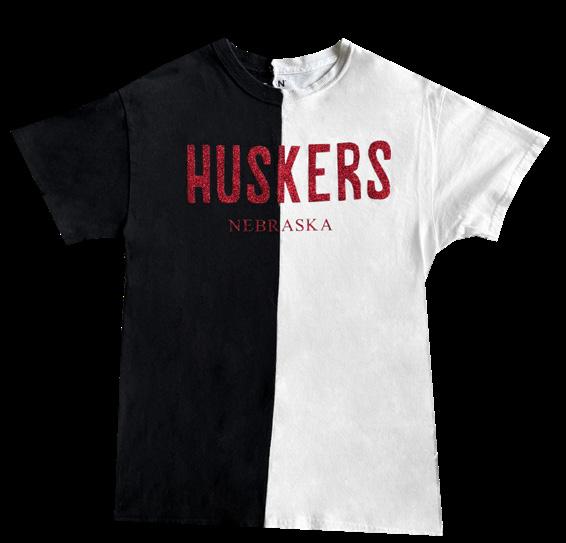
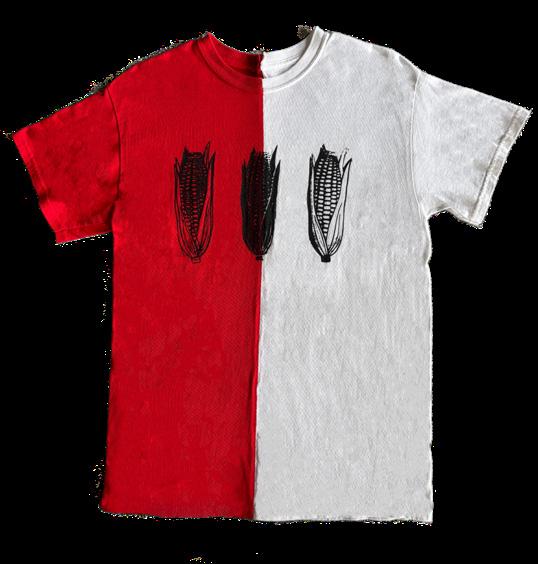
My personal hobbies, including crochet, t-shirt design, model making, and sewing, allow me to engage in hands-on exploration and creative expression. I am particularly drawn to experimenting with unconventional materials, such as plastic bags or re-purposed fabric for crochet, and incorporating techniques like iron-on and screen printing for t-shirts. These activities offer me the opportunity to not only refine my technical skills but also to explore the deeper significance of materiality and process. Each project presents a unique challenge, enabling me to connect with the inherent qualities of different materials and to discover innovative ways of transforming them into something meaningful.