fiSherMan’S terMinal
Cornerstone Architectural Group: 2024-25
Weather:
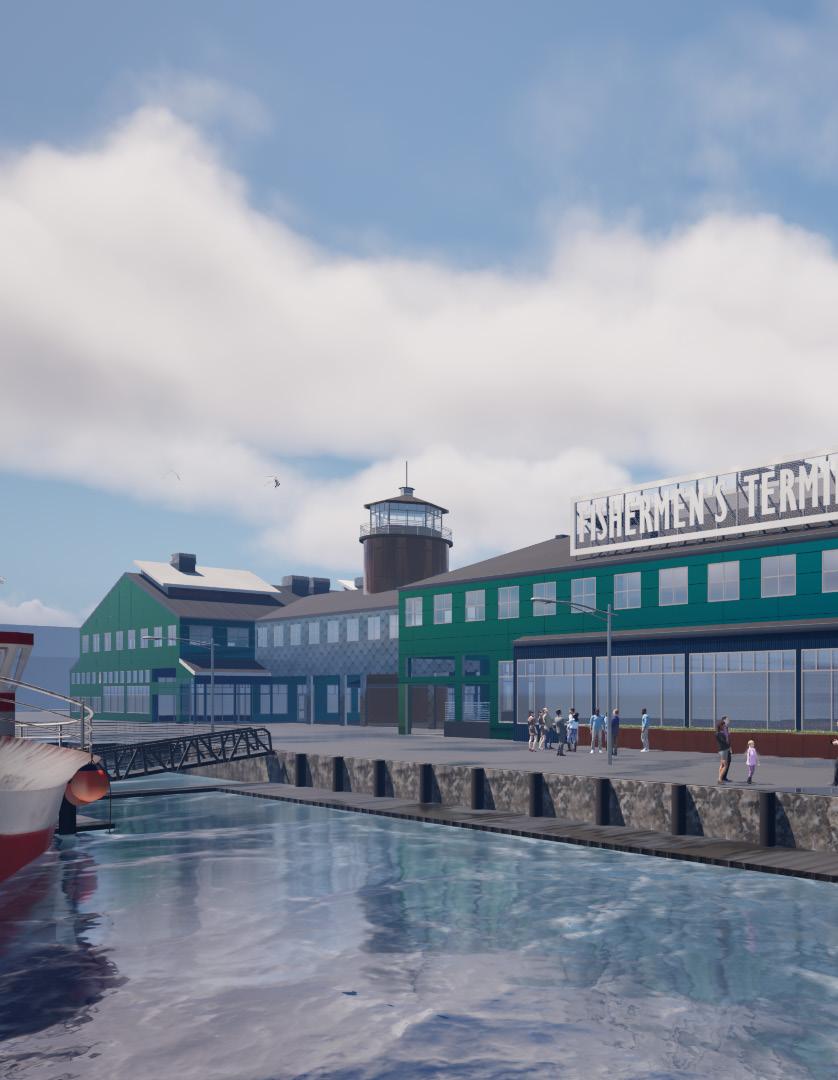
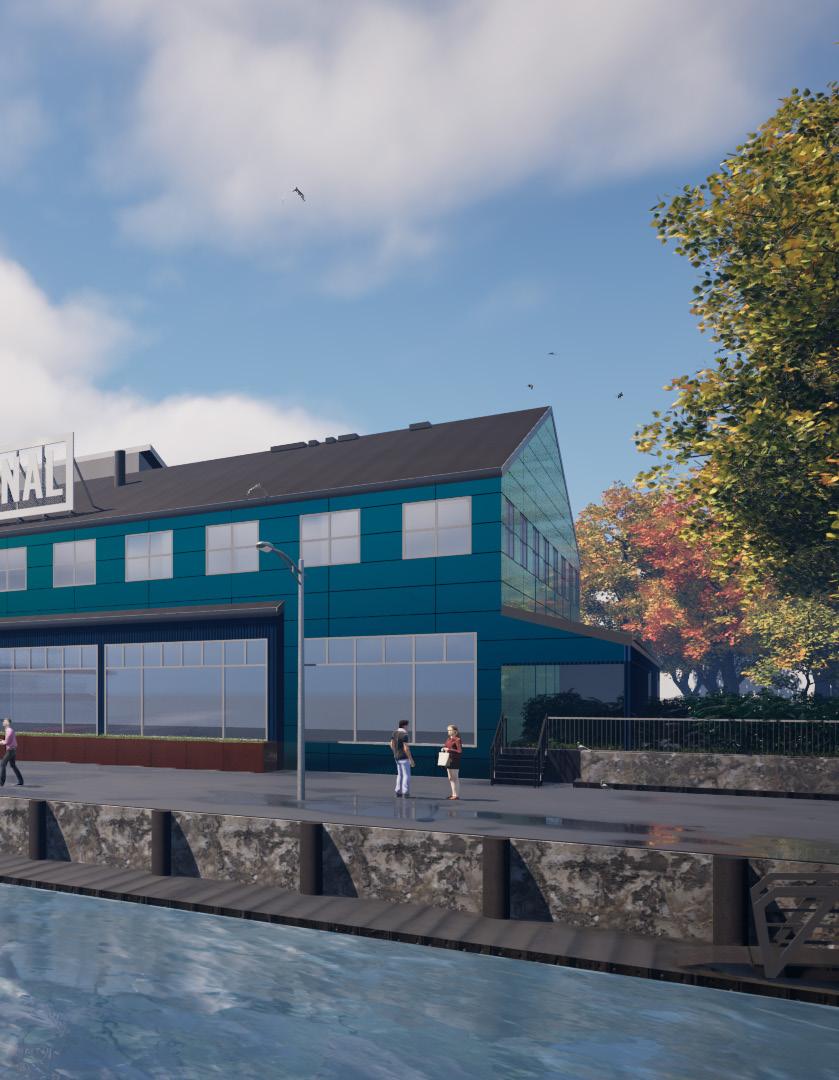
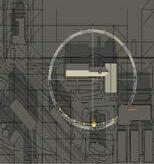
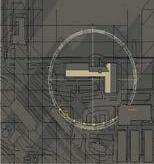
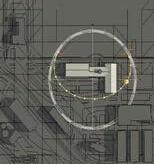
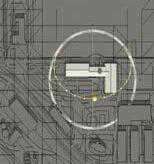
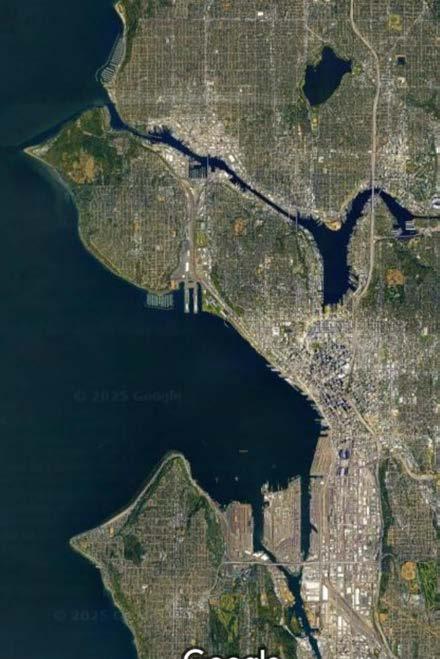
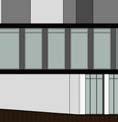
The Port of Seattle is renovating this market building which was historically a terminal for fisherman to dock and deliver their catches. The building is located in adjacent the Ballard Bridge connecting the Ballard and Interbay neighborhoods. The Port of Seattle is a critical government agency as Seattle’s economy is rooted in being a port city where goods are transfered from water to land transportation methods.
Fisherman’s Terminal
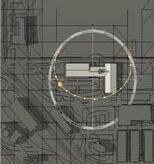
Site 3919 18th Ave W, Seattle, WA
Zone
Mixed Manufacturing and Logistics (MML U/45)
Use Marina/Mercantile
Type II-B
Sq Ft 145,000
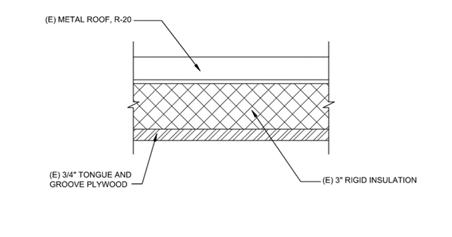
Existing Roof Assembly Description
(From Interior to Exterior)
1. ¾” T&G Roof Sheathing
2. 3” Rigid Insulation
3. Metal Roofing
Program Environmental Renovations
Commercial
Total R-Value of Assembly = 30
Pier 91 Cruise Terminal
Pier 66 Grand Staircase
World Trade Center Seattle
Energy
Energy Efficiency Improvements
Terminal 5
Energy + Carbon Reduction
Obstacle:
Energy efficient improvement scenarios must start with an understanding of the existing assemblies to form a basis for the design intent and improvement. For each major building assembly, both the existing and proposed assemblies have been outlined to show the energy and sustainability improvements. For the major building elements (walls, roofs & fenestrations), we have wholistically reviewed the design upgrade.
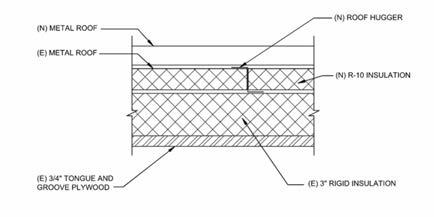
Proposed Roof Assembly Description
(From Interior to Exterior)
The Port of Seattle is interested in pursuing the Living Building Challenge Energy petal requirements of as a part of the building renovations. This would require a 50% reduced energy use from an equivalent baseline building, including the production of energy generated on site.
1. (E) ¾” T&G Roof Sheathing
2. (E) 3” Rigid Insulation
3. (E) Metal Roofing
4. R-10 Insulation
Proposed Roof Assembly
Sustainability Note:
5. Underlayment
Existing Wall Assembly Description (From Interior to Exterior)
6. Metal Roofing
1. Gypsum Wallboard (painted)
2. 2x6 Studs @ 16” o.c w/ R-21 batt insulation
Total R-Value of Assembly = 49
Approach:
3. ¾” Plywood Sheathing
Existing Roof Assembly Description (From Interior to Exterior)
4. Corrugated Metal Siding
1. ¾” T&G Roof Sheathing
Total R-Value of Assembly = 21.2
2. 3” Rigid Insulation
3. Metal Roofing
Note: Our team has included a review of the roofing system and possible upgrade as it fits in with and is analogous to the wall system. Although not part of the LOE and scope for the SDA, if solar panel implementation is being considered, reroofing must be included to reduce cost and logistical impacts on tenants.
Total R-Value of Assembly = 30
Existing Roof Assembly
Square footage of Metal Roof Assembly = 34, 000 SF
Existing R-Value = 30
Proposed R-Value = 49
Energy Efficiency Improvements
Proposed Wall Assembly Description (From Interior to Exterior)
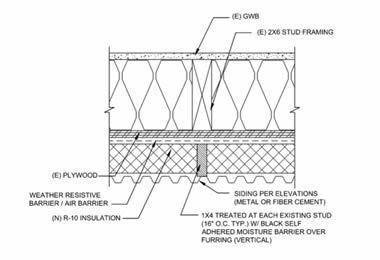
1. (E) Gypsum Wallboard (painted)
2. (E) 2x6 Studs @ 16” o.c w/ R-21 batt insulation
3. (E) ¾” Plywood Sheathing
4. Air Barrier / Weather Resistive Barrier
Energy efficient improvement scenarios must start with an understanding of the existing assemblies to form a basis for the design intent and improvement. For each major building assembly, both the existing and proposed assemblies have been outlined to show the energy and sustainability improvements. For the major building elements (walls, roofs & fenestrations), we have wholistically reviewed the design upgrade.
5. R-10 Insulation
Proposed Roof Assembly Description (From Interior to Exterior)
6. Air Gap
Proposed Wall Assembly
Sustainability Note:
Square footage of Exterior Wall Assembly = 21, 750 SF
Existing R-Value = 21
2
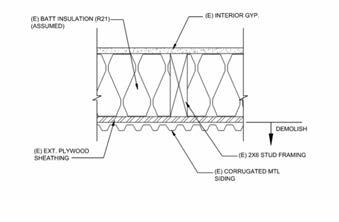
Existing Wall Assembly
7. Cladding (Metal)
1. (E) ¾” T&G Roof Sheathing
2. (E) 3” Rigid Insulation
Total R-Value of Assembly = 33.5
3. (E) Metal Roofing
4. R-10 Insulation
Existing Wall Assembly Description (From Interior to Exterior)
5. Underlayment
1. Gypsum Wallboard (painted)
6. Metal Roofing
Proposed R-Value = 33
Total R-Value of Assembly = 49
3. ¾” Plywood Sheathing
Enhancing the building envelope will improve the thermal performance of the building significantly. Material research involved reviewing available Environmental Product Declarations (EPDs) to identify the carbon factor of various products. The Carbon Leadership Forums (CLF) Carbon Factors Material report was referenced for comparable products that did not have available EPDs, as well as the Inventory of Carbon & Energy (ICE) prepared by the Building Services Research and Intelligence Association Calculations. the carbon emissions associated with each product or material was multiplied by the area of application, defined as wall surface (25,700 SF), roof (40,000 SF), glazing (7,200 SF), or storefront (3,700 SF).
2. 2x6 Studs @ 16” o.c w/ R-21 batt insulation
4. Corrugated Metal Siding
Note: Our team has included a review of the roofing system and possible upgrade as it fits in with and is analogous to the wall system. Although not part of the LOE and scope for the SDA, if solar panel implementation is being considered, reroofing must be included to reduce cost and logistical impacts on tenants.
Total R-Value of Assembly = 21.2
Detail 2: Proposed Wall Assembly (Scale: NTS)
Existing Main Roof Assembly
Detail 3: Existing Roof Assembly (Scale: NTS)
Proposed Main Roof Assembly
Detail 4: Proposed Roof Assembly (Scale: NTS)
Existing Main Roof Assembly
Detail 3: Existing Roof Assembly (Scale: NTS)
Proposed Main Roof Assembly
Detail 4: Proposed Roof Assembly (Scale: NTS)
Obstacle:
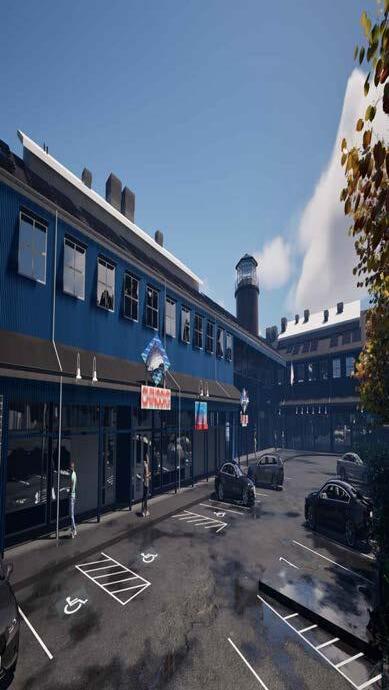
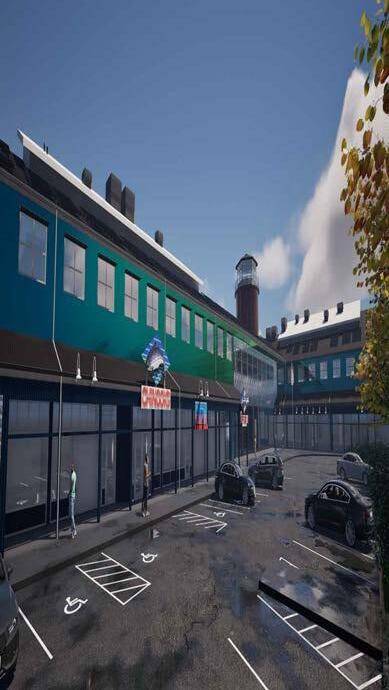
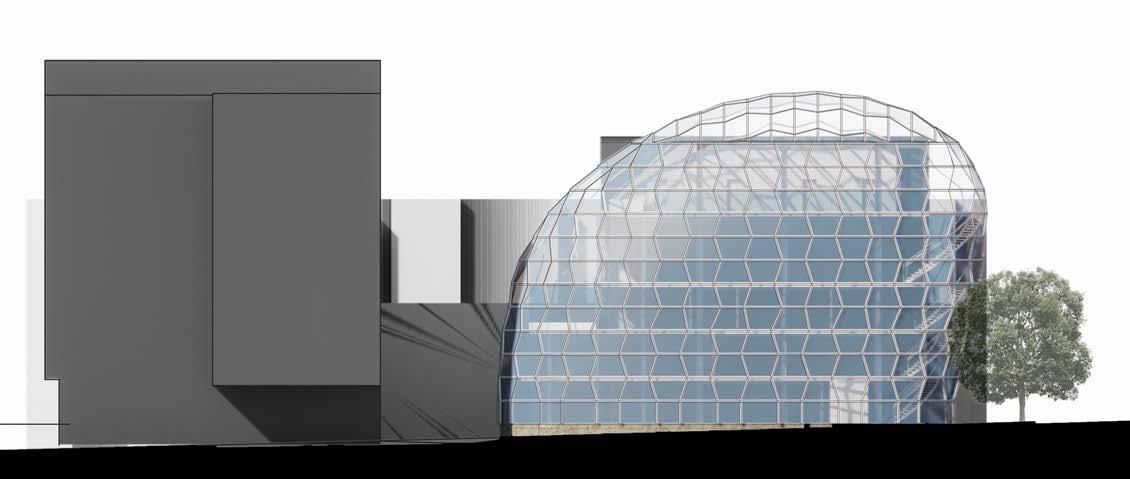
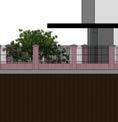
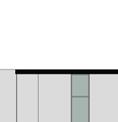
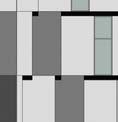
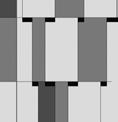
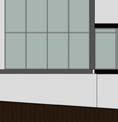
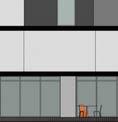
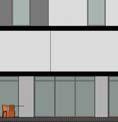
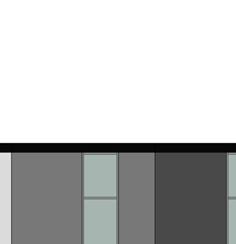
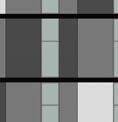
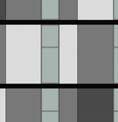
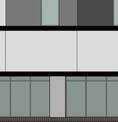
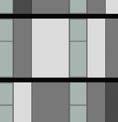
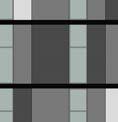
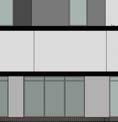
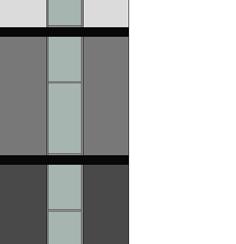
The Port of Seattle project wants the option of pursuing the Living Building Challenge material petal requirements of minimizing carbon production from building materials and avoiding the use of red listed materials (Above) as well as an aesthetically exciting exterior option (Below).
Approach:
Multiple iterations have been developed to present the client with material that utilize recycled materials, are locally sourced, and avoid hazardous chemicals during manufacturing. The base design for the project uses corrugated and box ribbed metal panels in blue tones that match the clients standard color pallet. A contrasting design utilizes corten steel, diamond pattern metal panels, and iridescent metal panels for a lively and exciting exterior. Decisions on materials for weather barrier, insulation, furring, and other components of building envelope were based on absence of red listed materials, and verification of product declare label issued by Living Future Institute.
Weather:
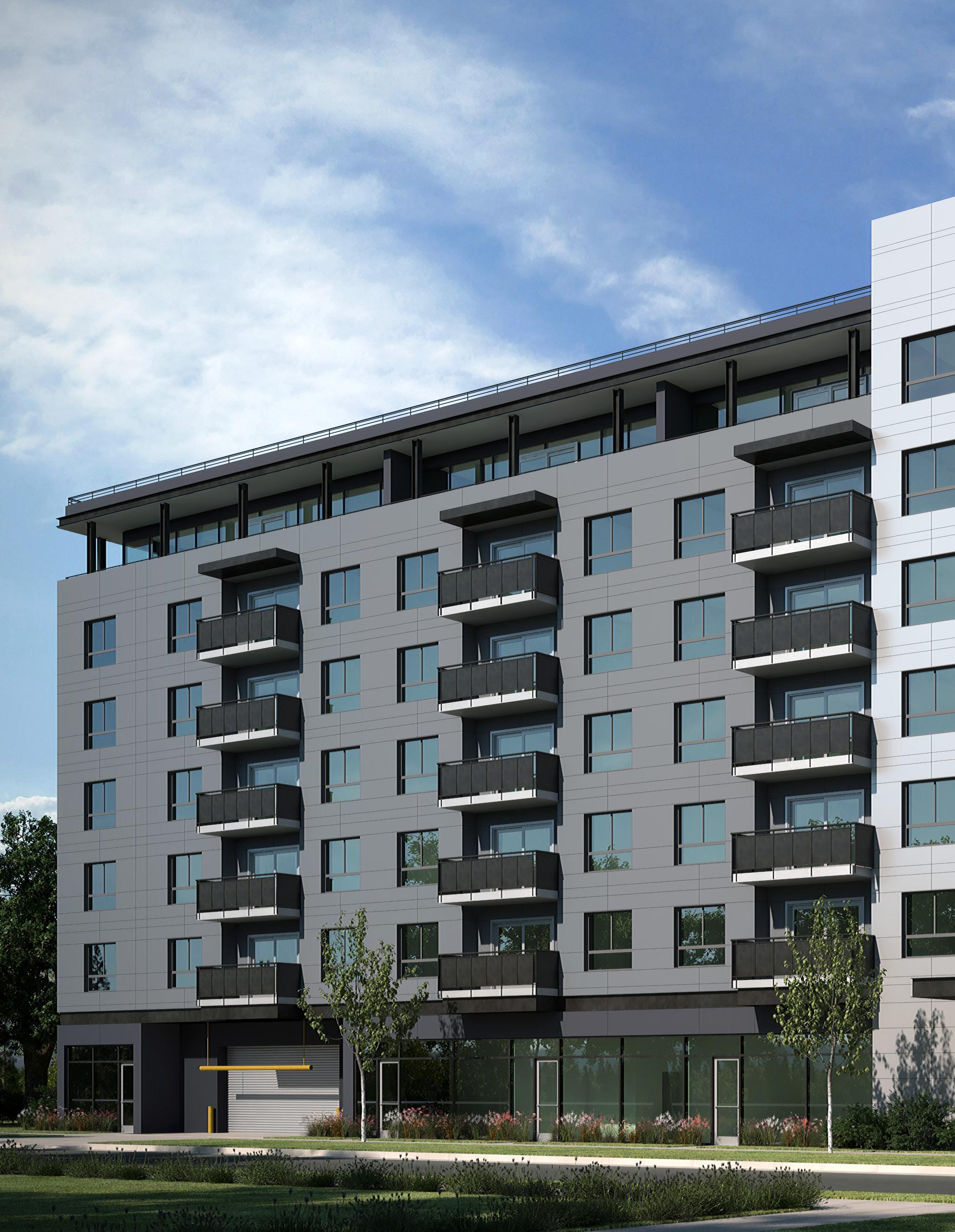
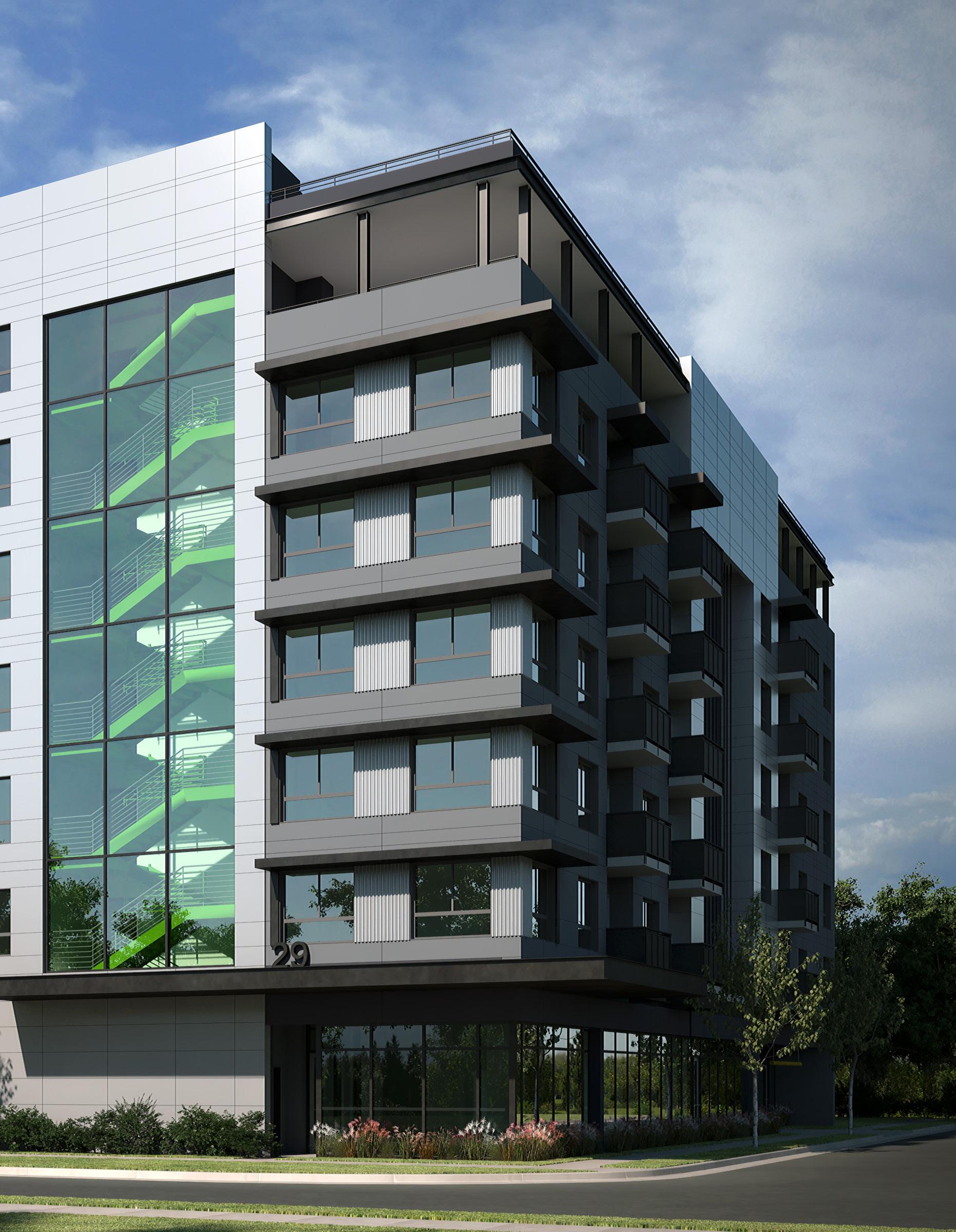
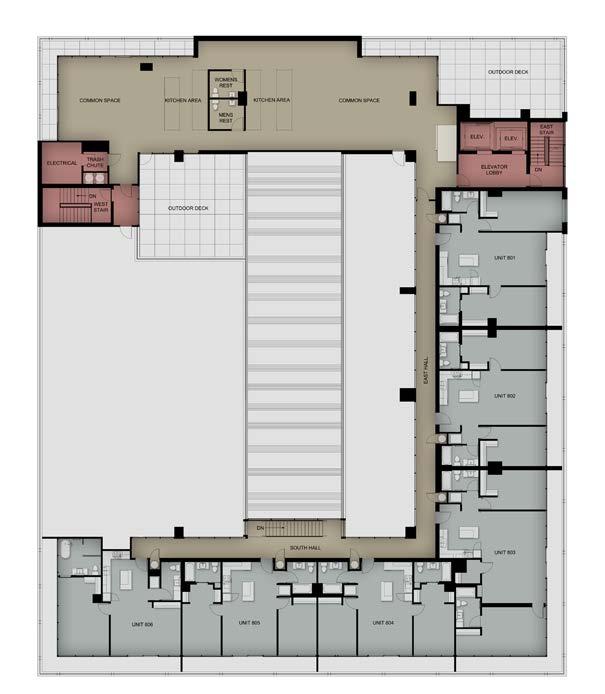
Salt Lake has steadily been growing for the past decade and growth is projected to continue. The most convenient downtown blocks for urban living have been developed with dozens of fiveover-one apartments, as well as adjoining neighborhoods increasing density. It is an exciting time for the small city as it becomes a quaint, mid-sized city.
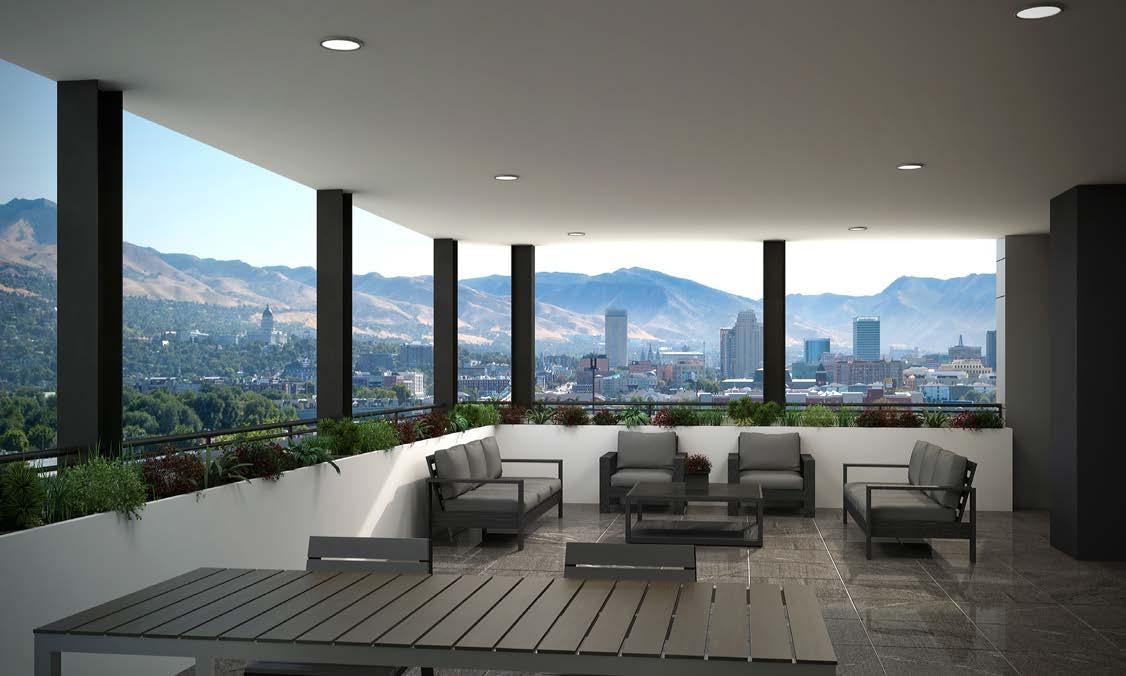
Esplanade Apartments
Site 29 North 1000 West, Salt Lake City, UT
Zone Special Purpose Transit Station (TSA-SP)
Use Residential
Type V/I
Sq Ft 145,000
Program Retail
101 Residential Units
Communal Amenities
Obstacle:
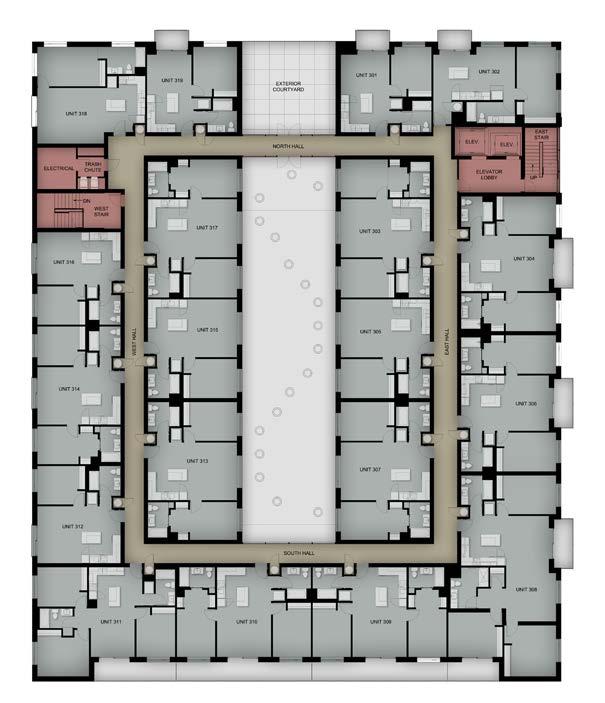
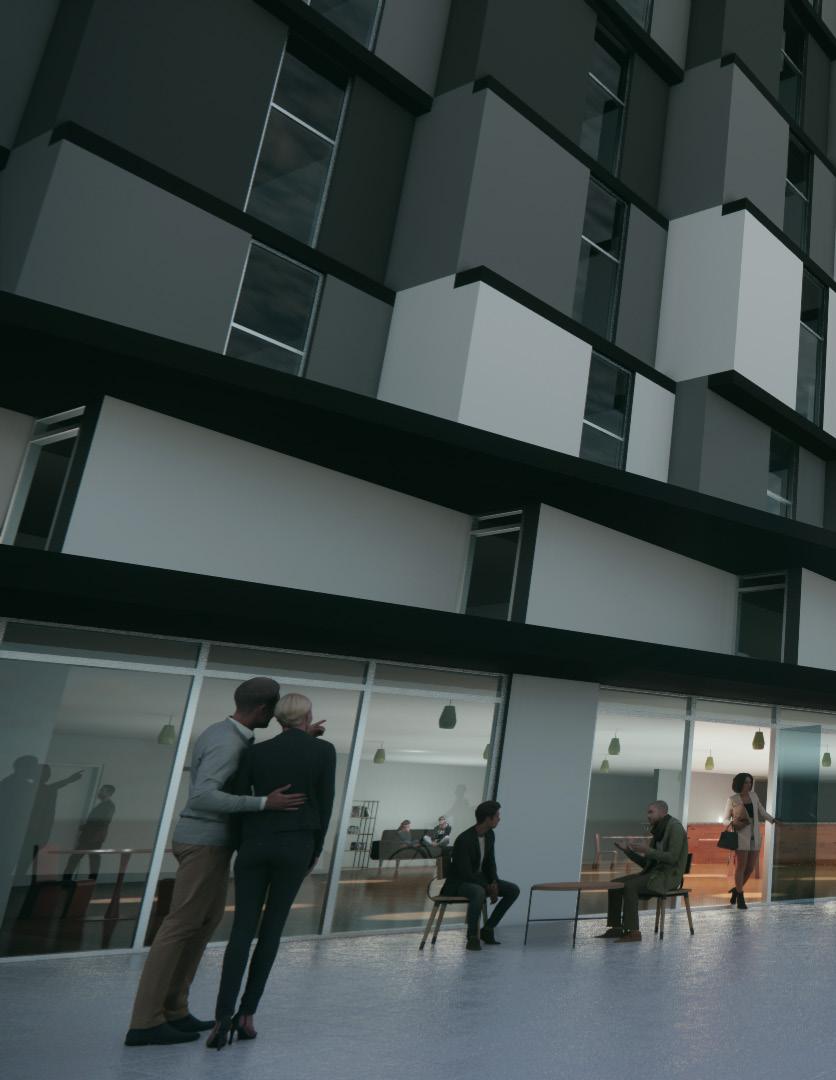
Urban living requires maximizing the utility of living space. The demand for two- and threebedroom spaces remains high in the city. The project required nearly a dozen different interior layouts to accommodate a variety of unit sizes, from studio to penthouse, and Type A units for accessibility.
Approach:
The developer has a strong commitment to Sustainability & energy efficiency. His experience building in Scandinavia utilized similarly relevant design methods such as a strong emphasis on effective building envelope to lower energy demand, electrification of Heating, cooling, and appliances and on-site energy generation. The environment of Utah and Scandinavia have similar climates and cold, yet sunny winters. Substantial insulation and heating zones benefit the occupant and owner. Radiant floors were provided to each unit and electric appliances were specified for high efficiency.
8’ N Type A Unit 306 Enlarged Plan
Kitchen - North
Kitchen - West
MJSA Architects: 2020
Weather:
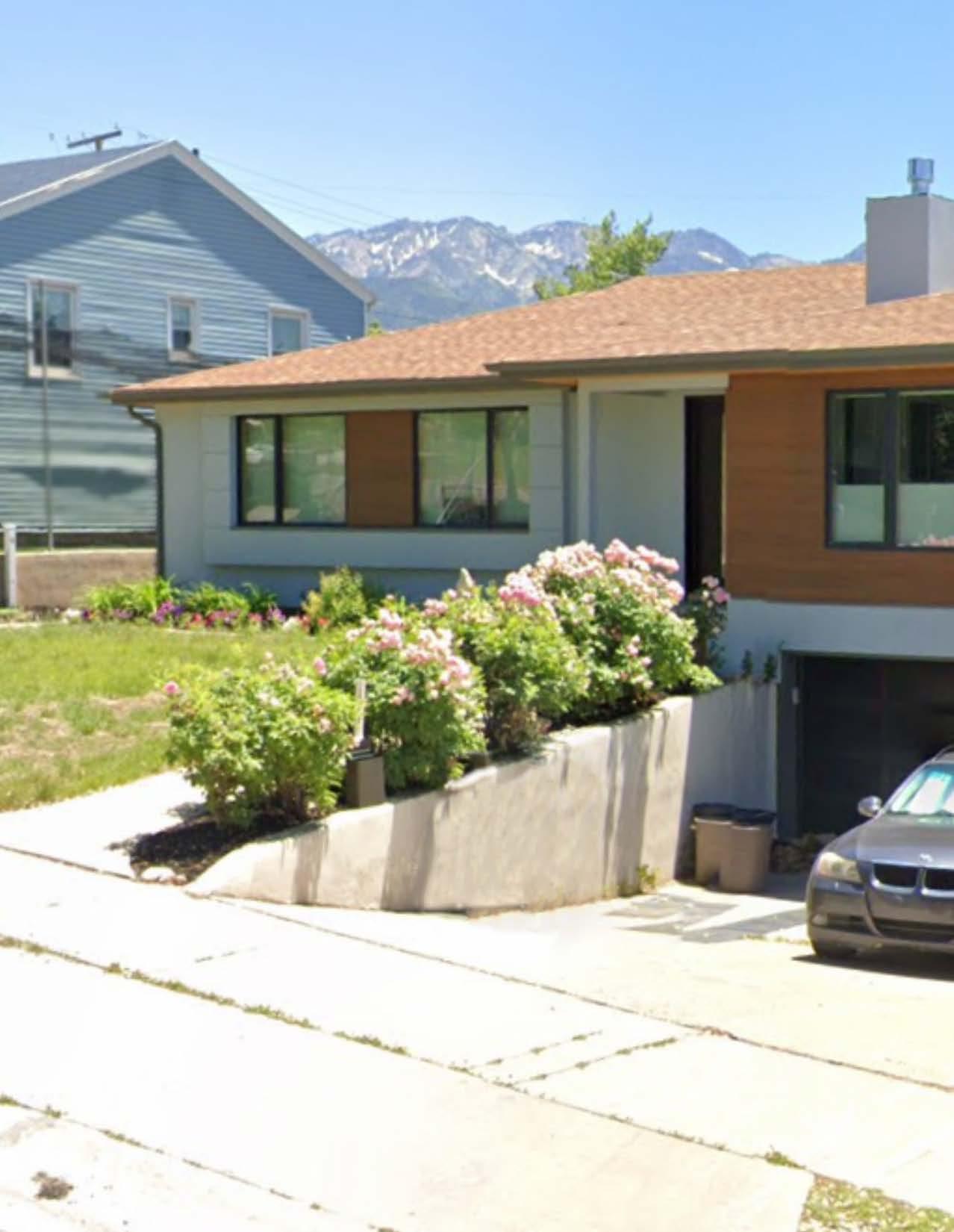
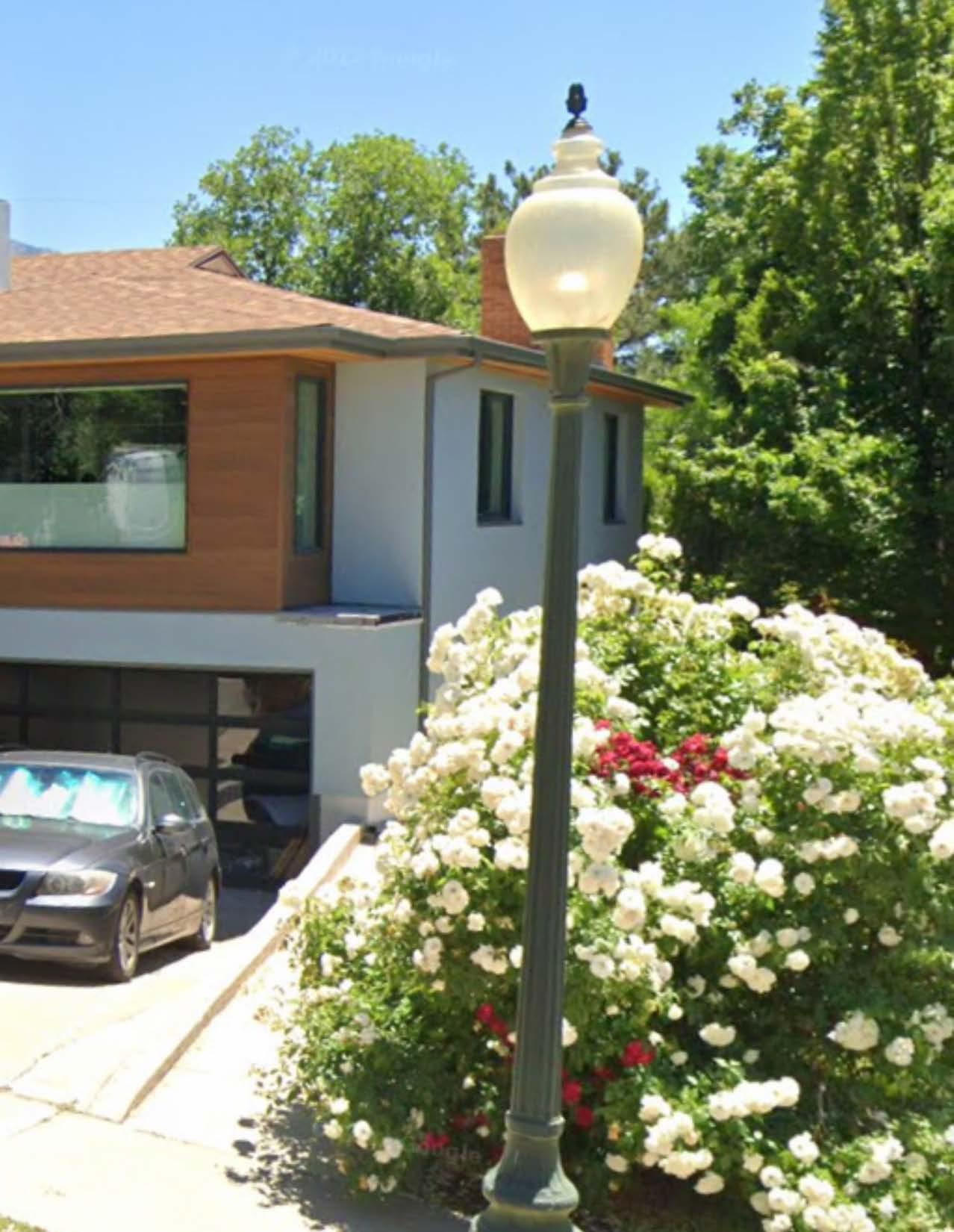
The Smith family lives in the Bonneville Hills neighborhood. They have three kids in K-12 who will likely occupy the basement living space with kitchenette soon. They host family gatherings during the holidays and enjoy entertaining. The home has been in the family for two generations. The paternal grandfather planted a maple tree in the backyard adjacent the southwest corner of the house.
Smith Residence
Site 2274 Kensignten Ave, Salt Lake City, UT
Zone Residential (R-1/5000)
Use Single-Family
Type V-A
Sq Ft 2,197
Program Open Living & Kitchen
Primary Suite
Exterior Deck
Obstacle:
With a growing family, the parents have found their living quarters to become cramped. While the children have enough sleeping space, the parents have worked hard to fit their belongings into limited closet and storage space. Gatherings ofter occupy study and work space. The house has a lovely, well kept backyard that could only be accessed via the east side of the house and walking around the bedroom.
Approach:
Three intentional extensions greatly increased the main suites space for belongings, bathing, an storage as well as allowing clear circulation through the living and cooking spaces. Adding a five foot extension to the main suite gave the Smiths more than enough space for their items and to prepare for an evening out. Adding just two foot extensions to the kitchen and living space allowed cabinets and seating to be moved out of the path of circulation. With a bar and island for serving, as well as a four panel folding door to access the deck from the living space, the Smiths are now prepared to host friends and relatives in a warm and welcoming environment.
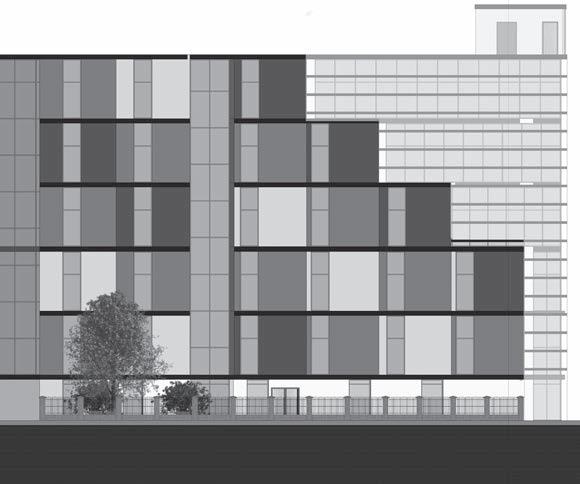
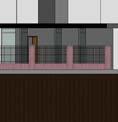
North Elevation
2: Bar - North
4: Kitchen - South
Arch'l Integration Studio III: 2022
Weather:
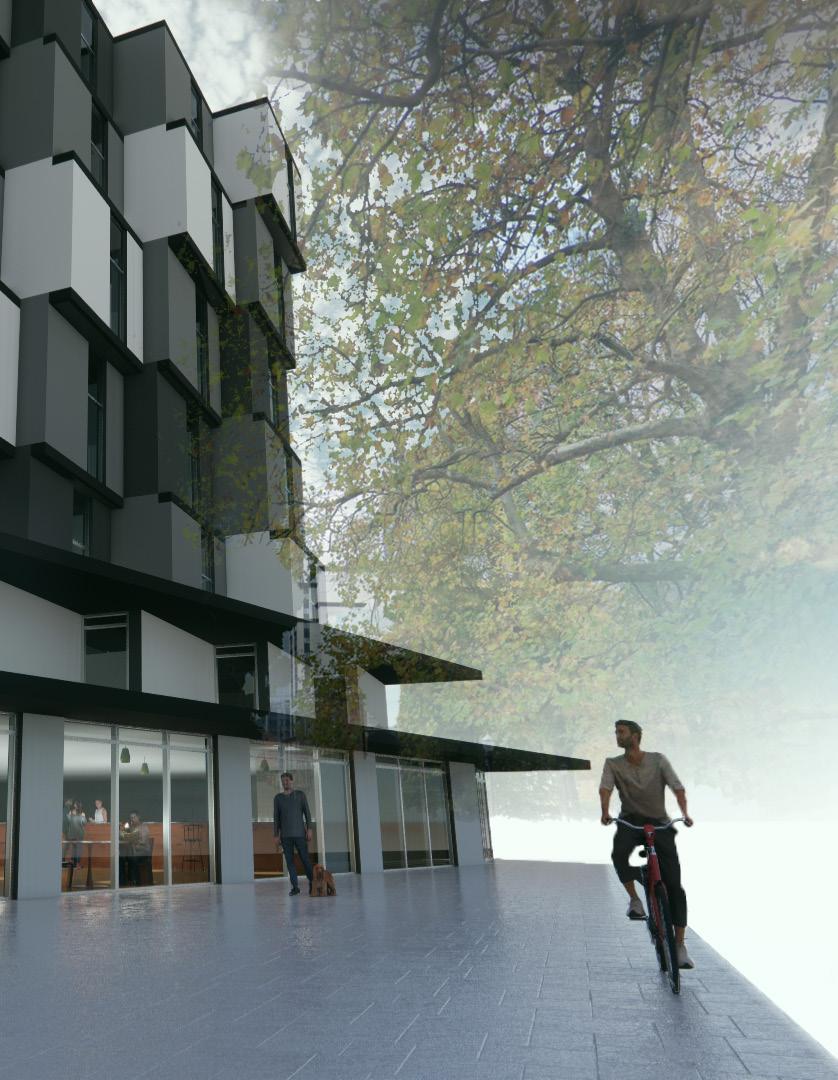
Ambient gray clouds frequent the northwest skies. Life in the water and on land thrives in the rich rain forest ecosystem.
Obstacle:
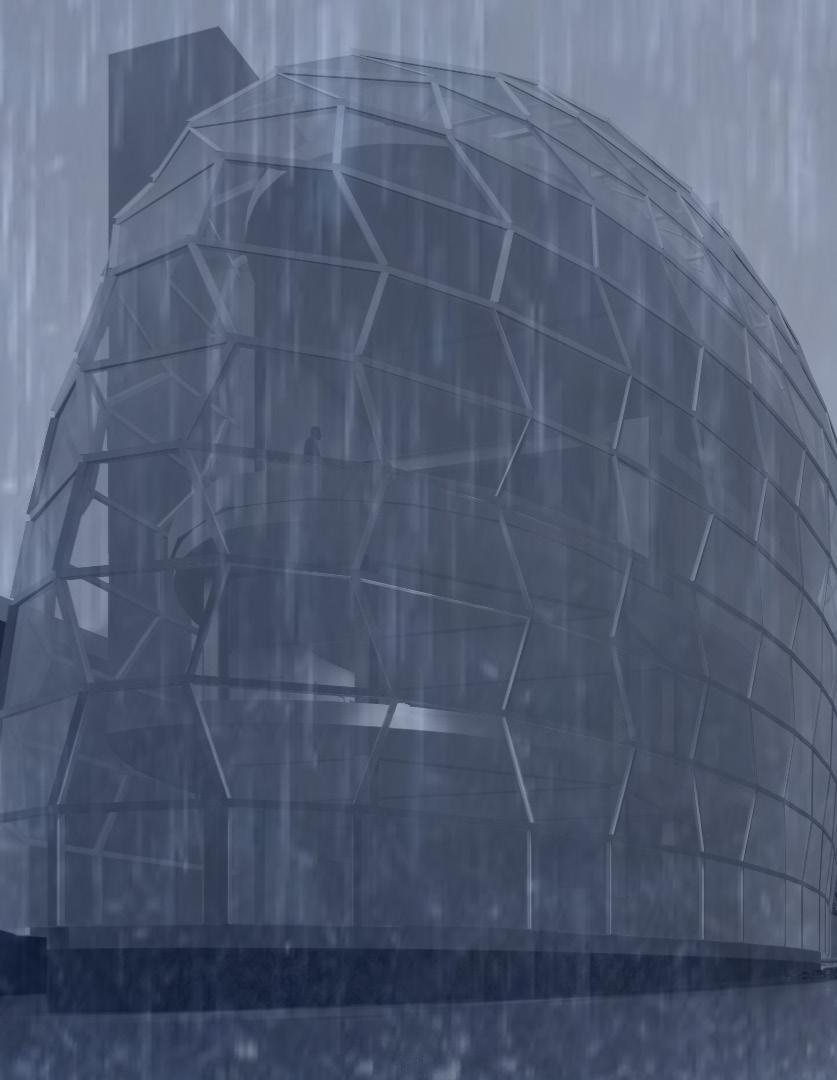
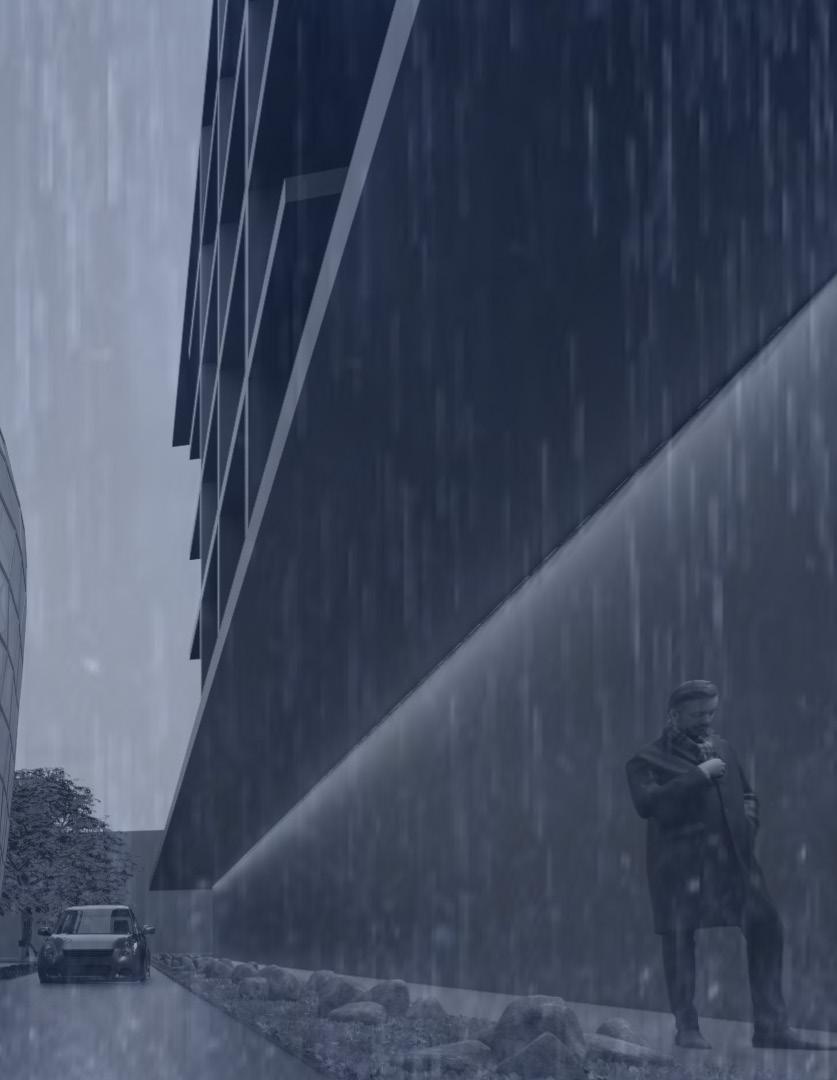
Rain falls 156 days a year in the northwest rain forest city, running over the built environment and carrying toxins down into Puget Sound. The denser urban neighborhoods lack storm water infrastructure that filters the water through systems of natural materials that can prevent toxins from reaching the unique ecology of the sound.
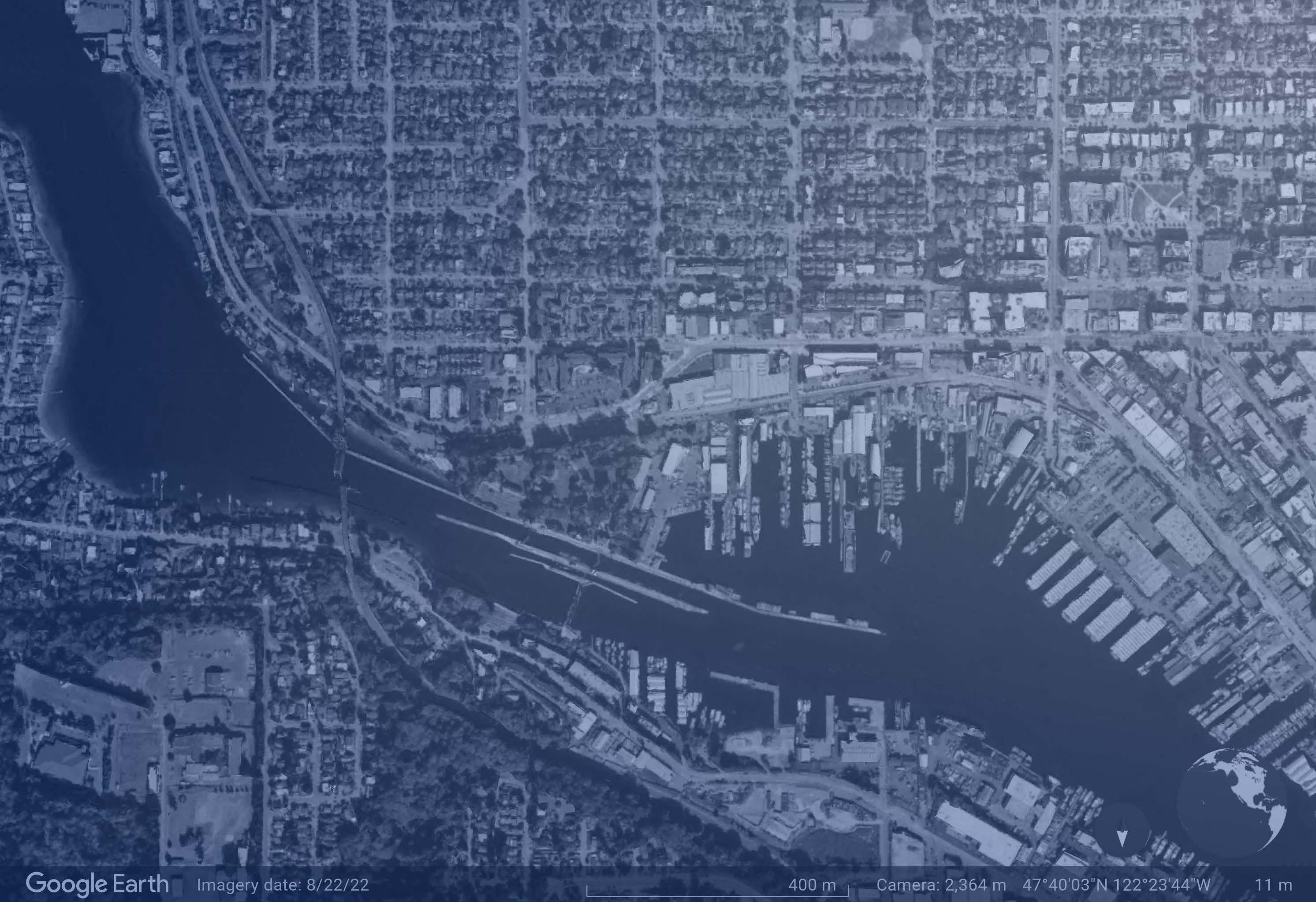
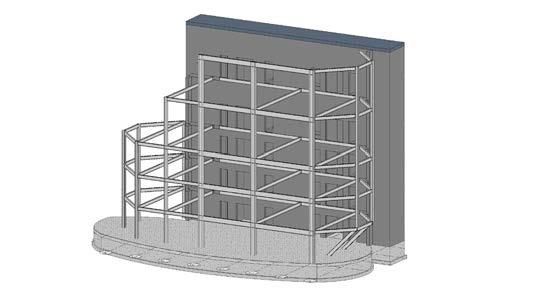
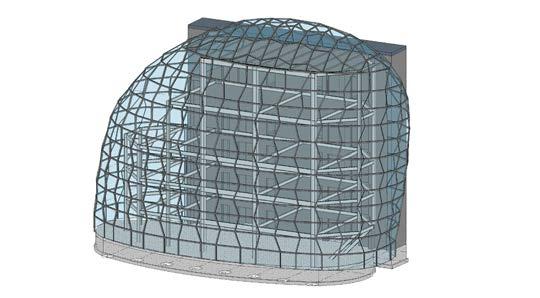
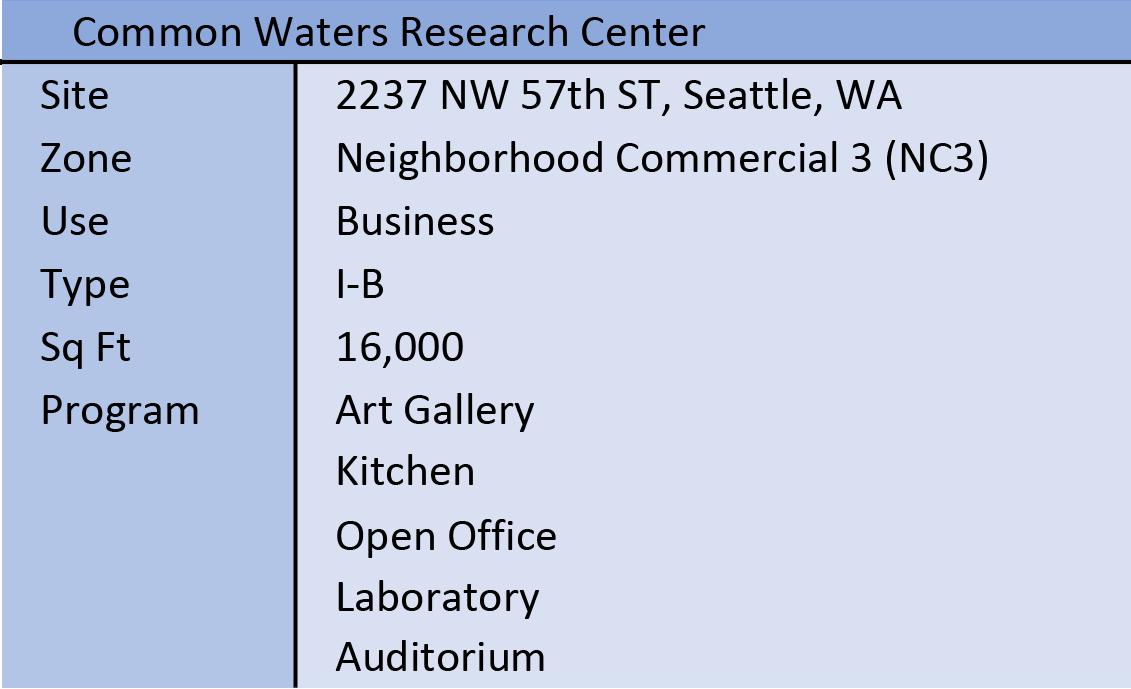
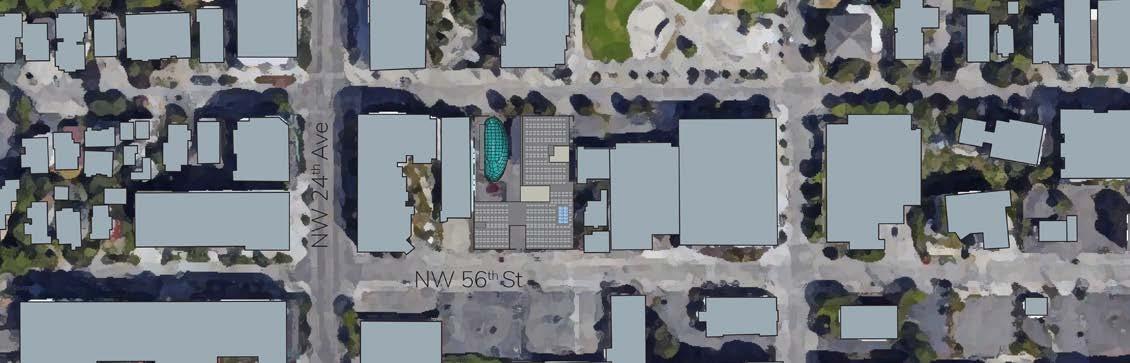
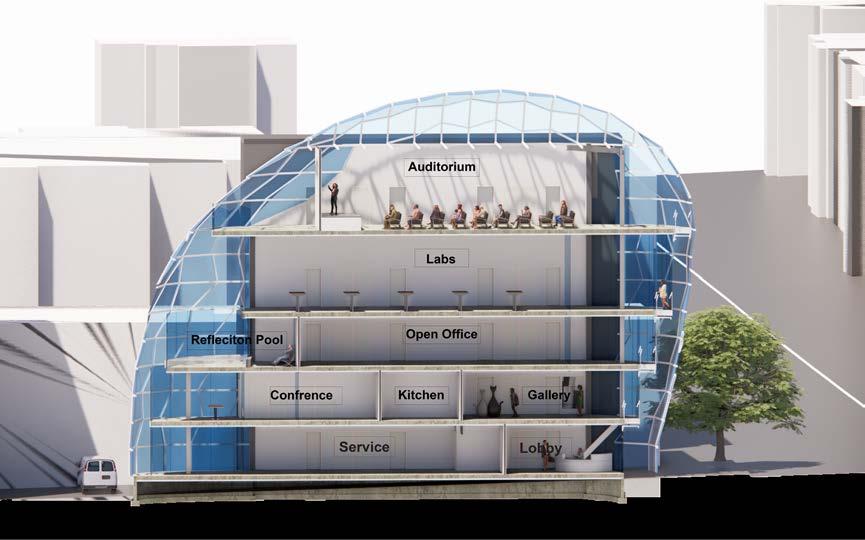
The Common Waters Research Center will facilitate research into restoring and purifying the natural habitat of salmon. This project will be occupied by non-profits developing urban water filtration systems to purify storm runoff before it reaches the sound. Toxic runoff is hazardous to salmon living in the underwater ecosystem.
Overlay
Approach:
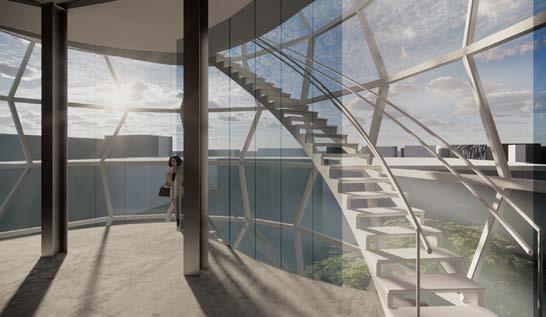
Rainfall is a visible and utilized component of the buildings systems. Making the path of rainwater from roof to ground visible is a reminder of the impact built environments have on the water cycle. The incorporation of natural elements such as sun light dissolves the separation of interior and exterior spaces, retaining a connection to nature.
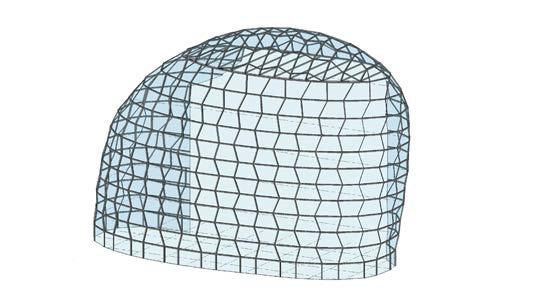
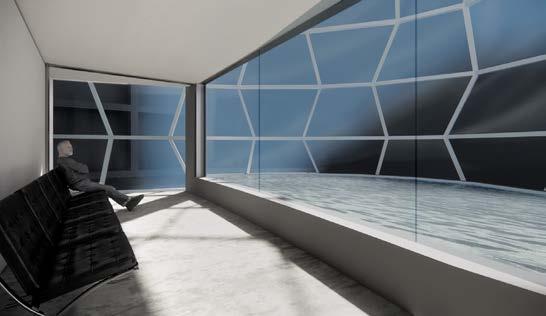
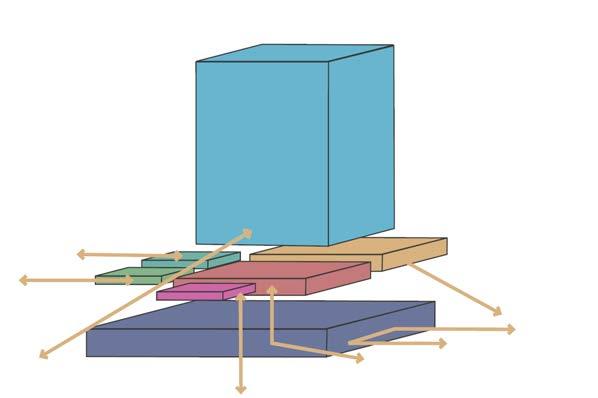
The sequential experience of the research center is a representation of the journey of salmon. Each level of research and education spaces become eddies or calm areas of a river where fish pause to recuperate from the trials of their journey.
Circulation Eddie Reflection Pool