Low Sodium Foods Chart for a Healthier Diet
Maintaining a low-sodium diet is one of the most effective ways to support heart health, kidney function, and overall well-being Sodium plays an important role in fluid balance and nerve function, but consuming too much can lead to high blood pressure, heart disease, and swelling in the body Today, many processed and packaged foods contain high levels of salt, making it challenging to stay within the recommended daily intake around 1500–2300 mg per day for most adults
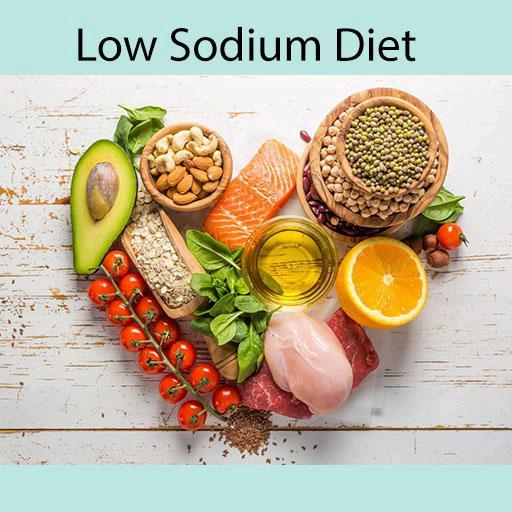
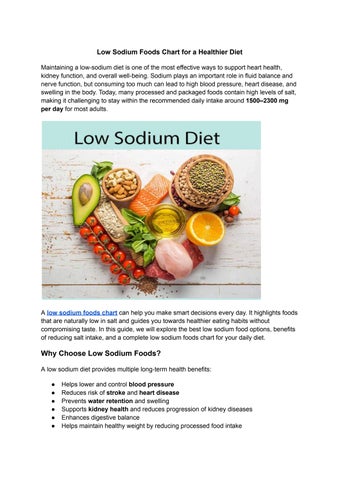
A ghlights foods that are naturally low in salt and guides you towards healthier eating habits without compromising taste In this guide, we will explore the best low sodium food options, benefits of reducing salt intake, and a complete low sodium foods chart for your daily diet.
Why Choose Low Sodium Foods?
A low sodium diet provides multiple long-term health benefits:
● Helps lower and control blood pressure
● Reduces risk of stroke and heart disease
● Prevents water retention and swelling
● Supports kidney health and reduces progression of kidney diseases
● Enhances digestive balance
● Helps maintain healthy weight by reducing processed food intake
People suffering from hypertension, chronic kidney disease (CKD), liver cirrhosis, or heart failure especially need to limit sodium for safer health outcomes.
Low Sodium Foods Chart for a Healthier Diet
Here is a detailed chart you can use daily while planning meals:
Food Group
Low Sodium Foods
Vegetables Spinach, Carrots, Broccoli, Cabbage, Pumpkin, Green beans, Cauliflower, Bell peppers, Zucchini
Fruits Apples, Bananas, Grapes, Oranges, Papaya, Mango, Strawberries, Pears, Watermelon
Protein Sources Unsalted nuts, Fresh chicken, Fresh fish, Eggs, Beans, Lentils, Tofu
Grains & Cereals
Oats, Brown rice, Quinoa, Whole wheat flour, Barley, Chapati (without salt)
Approx. Sodium per Serving
10–60 mg
1–10 mg
50–90 mg (varies)
5–30 mg
Dairy Products Low-sodium milk, Unsalted butter, Plain yogurt 50–120 mg
Snacks & Others Unsalted popcorn, Homemade salads, Fresh juices, Plain biscuits (low sodium)
Herbs & Spices Basil, Oregano, Ginger, Garlic, Turmeric, Cumin, Coriander leaves
Vegetables: Best Foundation for a Low Sodium Diet
5–100 mg
0 mg
Fresh vegetables are naturally rich in nutrients and fiber with minimal sodium You can include:
● Leafy greens like spinach and lettuce
● Carrots and cucumbers for salads
● Cruciferous vegetables such as broccoli and cauliflower
Avoid adding packaged sauces or salted butter while cooking Use spices and herbs to enhance taste without salt
Fruits: Refreshing and Sodium-Free Choices
Most fruits contain almost zero sodium, making them perfect snacks for low-salt diets. Choose fresh fruits rather than canned versions, which often contain added salt or preservatives
Great fruit options:
● Apples & oranges for daily consumption
● Watermelon and grapes for hydration
● Bananas for natural potassium that balances blood pressure
Healthy Proteins Without Excess Salt
Protein is essential for muscle repair and energy, but processed meats often contain extremely high sodium. Prefer:
● Fresh fish instead of canned tuna
● Homemade chicken dishes without packaged marinade
● Plant-based proteins like beans, chickpeas, peas, and lentils
Eggs are also a moderate-sodium but very nutritious option
Grains & Cereals for Sustained Energy
Whole grains provide energy, fiber, and essential minerals without overloading the body with sodium Replace packaged noodles and instant mixes with:
● Brown rice
● Whole wheat roti or bread (check sodium level)
● Dalia and quinoa
● Oatmeal for breakfast
Avoid salted bread, fast food wraps, and bakery items.
Dairy and Beverages in a Low Sodium Diet
Some dairy products like cheese contain high sodium Instead, choose:
● Plain yogurt
● Fresh milk
● Buttermilk without added salt
For drinks: prefer herbal teas or fresh juices instead of soft drinks or canned juices.
Foods to Avoid in a Low Sodium Diet
To keep your diet healthy, try to limit:
Foods to Avoid
Pickles & Papads
Why to Avoid
Very high in salt and preservatives
Processed meats (sausages, salami)
High sodium content
Canned soups & packaged sauces Hidden salt and additives
Instant noodles & snacks like chips Extremely salty junk foods
Restaurant & fast foods
Salted bakery products
Uncontrolled sodium usage
Excess sodium in dough
Even “healthy-looking” products may contain hidden salt. Always read nutrition labels!
Tips to Reduce Sodium Intake Naturally
● Replace table salt with herbal seasonings and spices
● Cook fresh rather than relying on packaged foods
● Rinse canned vegetables before eating
● Choose “low sodium” or “no salt added” labels
● Avoid adding extra salt at the table
● Stay hydrated to flush excess sodium out
Craft your meals focusing on flavor from herbs like ginger, garlic, coriander, and lemon