
CSR & Making a Difference
“Inclusion, especially in
Linda O’Sullivan, Head of Social Inclusion, Business in the Community Ireland Page

“The
Patrick Haslett, Product Manager, Ibec Page 07 www.businessnews.ie
The spirit of inclusion
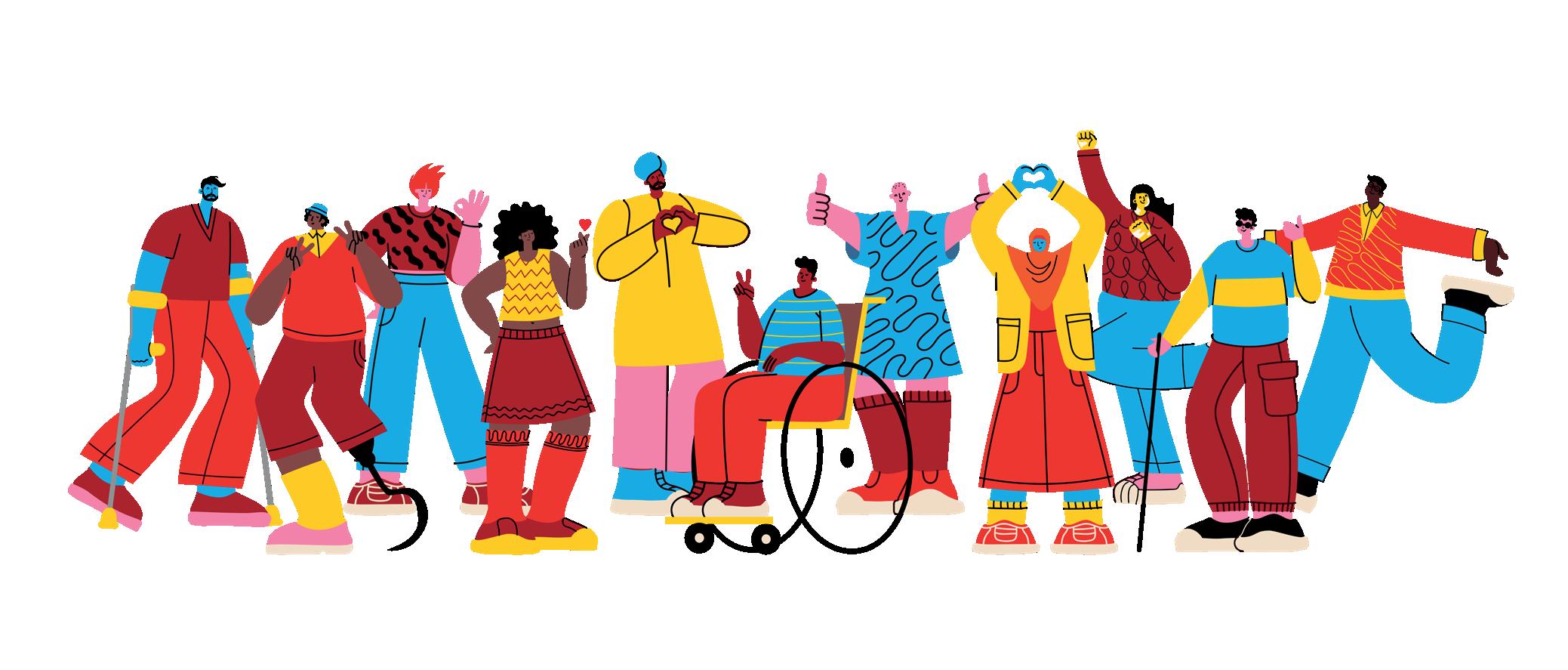

This Christmas, as we celebrate togetherness, let’s also celebrate the workplaces that make inclusion a lived experience.
As the festive season draws near and workplaces across Ireland prepare to wind down, it’s a timely moment to reflect on what truly sustains us — not just as professionals, but as people. In 2025, the conversation around Diversity, Equity and Inclusion has become more urgent, more nuanced and more vital than ever. At the heart of it lies a fundamental principle: inclusion is not just good for business — it’s essential for wellbeing.
Workplaces as communities of belonging
Large workplaces in Ireland, from professional services to construction, finance to retail, are increasingly recognising that they’re not just employers, but communities in their own right. They mirror the diversity, challenges and hopes of Irish society. With this comes a unique power to shape culture, challenge inequality and foster belonging. When employees feel seen, heard and valued for who they are, the impact is profound. It’s not just about representation, but about creating environments where people feel supported mentally, emotionally and socially.
Elevate, The Inclusive Workplace Pledge, championed by Business in the Community Ireland, is helping Irish companies turn intention into action. By committing to measure diversity, share best practices and
hold themselves accountable, signatories are building workplaces that reflect the rich tapestry of Ireland’s evolving demographics. They’re taking tangible steps to ensure that every employee — regardless of background, ability or identity — has an equal opportunity to succeed. This isn’t just policy — it’s people-centred leadership.
Inclusion’s meaningful impact
Inclusion, especially in large organisations, is a cornerstone of resilience. It empowers individuals from all backgrounds — whether defined by ethnicity, disability, gender or socio-economic status — to contribute meaningfully. And when people feel they are heard, that they belong and their opinion matters, wellbeing follows. In workplaces where people feel valued, trust strengthens, collaboration deepens and stress diminishes. Simply put, inclusion creates the conditions for people and businesses to flourish.
Let’s recognise the leaders who champion equity, the colleagues who foster belonging and the organisations that understand that wellbeing begins with feeling welcome. As we look ahead to 2026, we look forward to Irish businesses continuing to lead with courage, compassion and commitment.
Linda O’Sullivan Head of Social Inclusion, Business in the Community Ireland
Unlocking the untapped potential of corporate philanthropy in Ireland
Ireland’s corporate philanthropy is driving social impact, shaping a better future for communities nationwide.

Corporate philanthropy in Ireland is a powerful yet underestimated force for social good. Research from Philanthropy Ireland reveals that our corporate members accounted for 56% of the €919 million in philanthropic funding from members awarded between 2023 and 2024. This statistic underscores the central role that corporate giving plays in Ireland’s philanthropy ecosystem, driving meaningful social and community impact nationwide.
Many of our members support businesses in building structured, purpose-led giving programmes. Acting as intermediaries and advisers, these organisations guide corporates to engage in philanthropy that aligns with their values and with social needs, ensuring that giving is not only generous but also strategic, sustainable and transformative.
A uniquely Irish pathway
Ireland’s philanthropic landscape has a distinctive characteristic: corporate philanthropy often serves as an entry point to personal and family giving. Much of Ireland’s wealth is relatively new and self-made, and many business leaders begin with philanthropy through their companies. Over time, as they retire or sell their businesses, they often establish their own family or personal foundations, trusts or funds.
This interconnectedness means that corporate and individual philanthropy cannot be fully separated in the
How multidisciplinary pathways drive women in global supply chain leadership
Discover how a pharmaceutical company advocates for women in leadership and leverages diverse backgrounds to drive resilience within the supply chain.
Sylvia Kiely, VP of Global Supply Chain and Product Strategy
Lead for Alexion, AstraZeneca Rare Disease, is committed to fostering meaningful change and promoting multidisciplinary talent within its global supply chain.
Ms. Kiely built her career during a time when few women were promoted into senior supply chain roles. “Women should have the same opportunities as men,” states Kiely. “I’m committed to helping women recognise that their skills and strengths can translate powerfully into the supply chain. People from different backgrounds spark new understanding, helping us predict challenges, improve medication delivery and increase our operational responsiveness.”
Early career impact
Alexion nurtures next-generation
Irish context. However, while multinational corporations often speak openly about their giving, reflecting US cultural norms, indigenous Irish companies are less likely to label their social investments as philanthropy. Yet, many Irish-owned businesses are quietly creating real, lasting impact through thoughtful, values-driven giving.
Real impact and future potential Corporate philanthropy’s potential is visible in the work of Philanthropy Ireland members. Some examples include basis.point, which enables its corporate patrons to open educational opportunities for young people from socio-economically disadvantaged backgrounds. The Irish Online Giving Foundation, which encourages employee engagement through payroll giving, embedding generosity across all business levels, and the Vodafone Foundation, which supports older people by helping them access digital technology, bridging social and digital divides.
The message is clear: corporate philanthropy. Both indigenous and multinational companies have enormous potential to shape Ireland’s future for the better. Realising this potential requires a strong, dynamic philanthropy ecosystem where intermediaries, advisers and charity partners work together to steward and enable corporate giving, ensuring every euro invested creates meaningful and lasting social good.

pharma professionals through various initiatives, including female-to-female mentorship and robust internship programmes. “Alexion prides itself on looking at the person and their talent first, supporting individuals to find their place, whether they begin as scientists, technologists, engineers or in finance,” says Kiely. “This people-centred approach broadens opportunities for women and empowers them to carve out a path aligned with their strengths and goals.”
For its recent #GirlsBelong Here2025 partnership with Ibec’s National Manufacturing Day, Alexion invited underrepresented students from Stanhope Secondary School and Dominican Convent High School. “The girls toured the manufacturing site and experienced operations that transform the lives of people living with rare disease,” explains Kiely. “For
most, it was their first time inside a corporate environment. They were really impacted by how subjects like maths and science could be applied in meaningful ways.”
Supply chain sustainability
Not just a corporate pillar, sustainability and CSR are embedded into Alexion’s culture, reflected through partnerships with UCC and DCU. Early-career internships and skills-based volunteering opportunities are designed to nurture future talent, creating an inclusive workforce reflective of the diverse patients they serve.
“Our programmes are designed to do more than just train people; they help students and early career professionals understand their strengths, build their professional identity and step into technical roles. They can explore options.”
Sustainability projects are inspiring students to join the company, which has an impressive employment uptake. Alexion is the first company in Ireland to realise a 100% switch to sustainable aviation fuel in partnership with DHL, and a biomethane production facility in Duleek will provide 100% of its heating from renewable gas starting in 2026. “These initiatives not only strengthen Irish communities; they demonstrate that working with us means contributing to meaningful, sustainable solutions,” concludes Kiely.
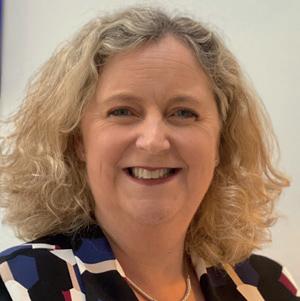
Hazel Hennessy Head of Communications and Relationships, Philanthropy Ireland
Sylvia Kiely VP Global Supply Chain and Product Strategy Lead for Alexion Operations Ireland
Sponsored by Alexion WRITTEN BY
Bethany Cooper
CSR at ESB: driving community impact and a sustainable future
For ESB, powering Ireland extends beyond the company’s core business of energy — it’s about supporting people, places and the planet through CSR.
Corporate Social Responsibility (CSR) is a commitment by organisations to be held accountable — to themselves, their employees, customers and the wider community. For some companies, CSR is a box to be ticked, but for others, it’s integral to their entire operation.
Importance of CSR

Sharon McManus, Group Head of Sustainability, oversees ESB’s broader sustainability strategy, which is built around three key pillars: Planet, Place and People. “CSR means taking responsibility for our impact on the planet, supporting the places and people we serve and being transparent about our progress. We’re committed to accelerating the transition to net zero, ensuring communities are included and supported and engaging openly every step of the way.”
McManus also explains how the organisation’s CSR is aimed at delivering tangible outcomes, ensuring all stakeholders benefit from this engagement and investment.
“We know the energy transition will only succeed if it’s supported by the communities we serve,” says McManus. “As a prominent employer within Ireland and a semi-state entity, we take supporting communities through this change very seriously.”
Sponsorship activities
The company’s sponsorship portfolio plays a prominent role in supporting local communities, with partnerships designed to reinforce its net zero mission and reflect its commitment to education, sustainability and a positive local community.
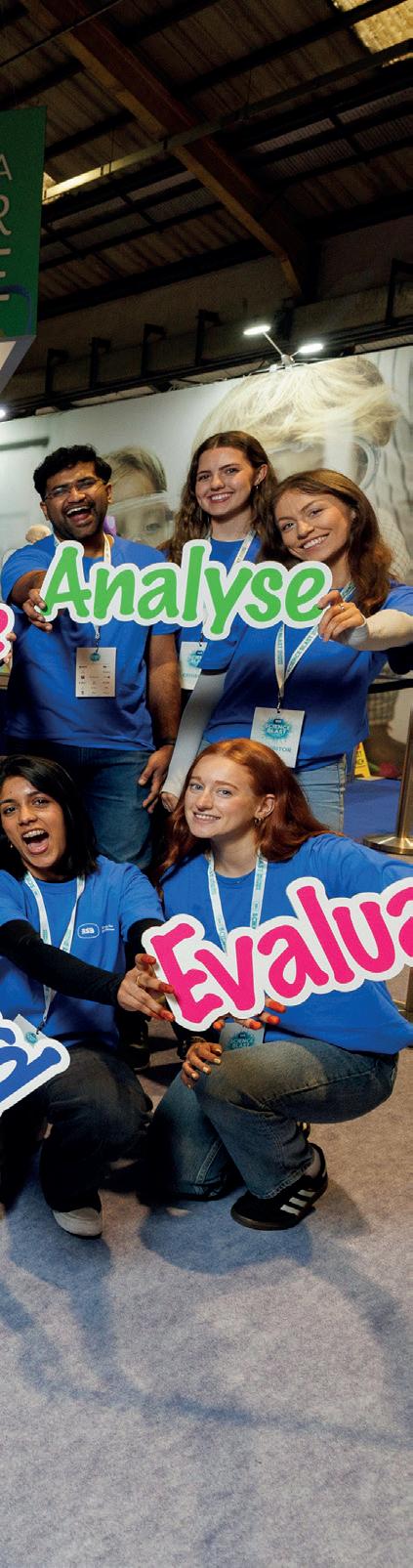
“Sponsorship allows us to connect with communities where we operate and support them on their sustainability journey,” explains Rob Crabbe, Group Sponsorship and PR Manager. One example is Science Blast, delivered by the RDS, an initiative to develop children’s interest and skills in science, technology, engineering and maths (STEM) subjects, encouraging them to consider STEM career paths.
“Seventy thousand primary school students have gone through this programme since 2019,” explains Crabbe, “inspiring curiosity about the world we live in through questions and presenting their findings at showcase events.”
Employees are actively involved through judging and support activities.
Another example is the Quavers to Quadratics programme, presented by the National
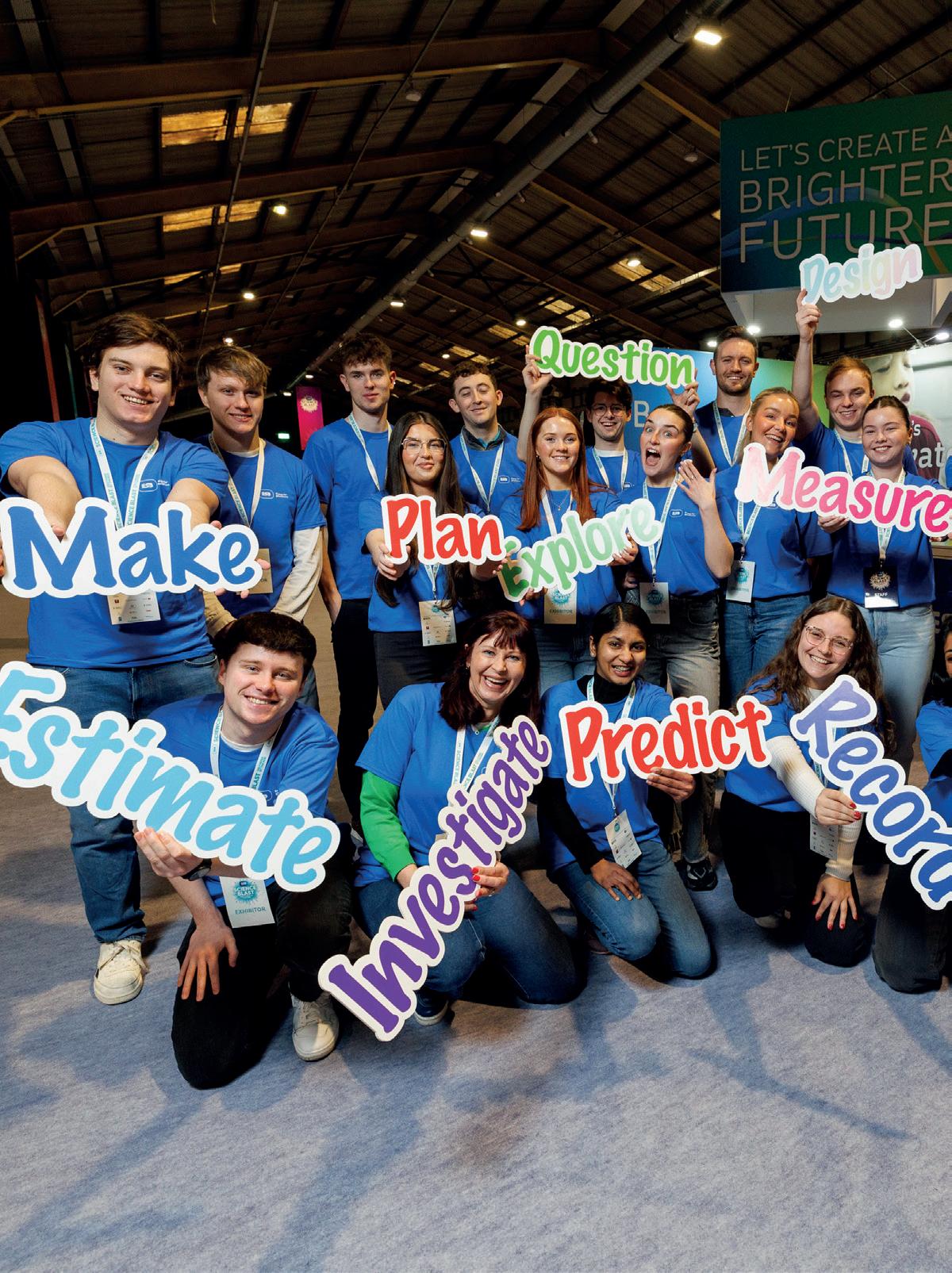
Concert Hall, which explores the intersection of music and science through hands-on workshops. It has engaged over 8,000 students nationwide, supporting creative and accessible STEM education.
Funding opportunities and initiatives
Funding opportunities through the company’s CSR programme support initiatives that address social inclusion, education, access to employment, homelessness and global outreach. “Our north star is stepping forward on social responsibility, making decisions and investments that improve people’s lives and strengthen the communities we serve,” explains Orla Gallagher, CSR Manager.
The Energy for Generations fund, for example, has supported over 800 projects since its foundation. Recent highlights include support of TU Dublin’s TrailblazHER, a dynamic initiative advancing gender equality through mentorship and scholarships, and EPIC, a Business in the Community Ireland programme supporting refugees and migrants into education and employment.
CSR means taking responsibility for our impact on the planet, supporting the places and people we serve and being transparent about our progress.
ElectricAid is an ESB and EirGrid employeeand retiree-funded charity founded by volunteers in 1987, which has supported over 2,500 projects globally with a total value of more than €25 million. “The charity is entirely employee-run, generating great pride and energy throughout our organisations, and has funded 59 projects this year, including €100,000 for the Gaza humanitarian emergency appeal and urgent aid for Valencia and Myanmar,” comments Gallagher.
CSR has been embedded within the company since its foundation almost 100 years ago in 1927. This strong sense of purpose is reflected not only through the volunteering, sponsorship and funding initiatives supported, but also in their recent celebration of 20 years of the Energy for Generations Fund, which saw charity partners welcomed to the company’s Dublin headquarters to celebrate over €20 million awarded to projects around Ireland over the past two decades.
v
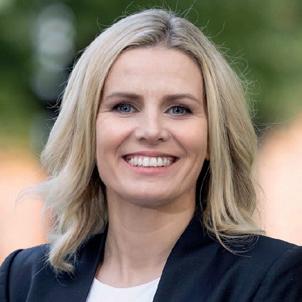
Sharon McManus Group Head of Sustainability, ESB
Rob Crabbe Group Sponsorship and PR Manager, ESB
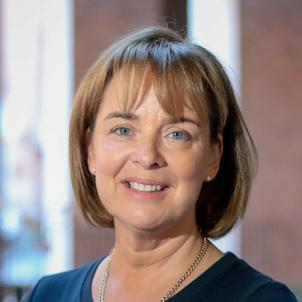
Orla Gallagher CSR Manager, ESB
WRITTEN BY Bethany Cooper
PPutting people at the heart of the net zero energy transition
With a commitment to people-centred sustainability in the transition to net zero, ESB is driving initiatives that support employees, supply chains, customers and the local community.
eople-centred sustainability puts people at the heart of achieving environmental and economic goals. Eileen Hyland, People Centred Sustainability Lead at ESB, is responsible for guiding this pillar of the organisation’s sustainability strategy during its clean energy transition.
“We have a responsibility to ensure our strategy benefits all social groups impacted by our business activities, so no one is left behind,” explains Hyland. “One of the early ads for the Shannon electrification scheme refers to ESB’s aim to ‘lighten human burdens and brighten human lives.’ We continue that today through our People Centred Sustainability programme.”
This translates into meaningful action across four key social groups: employees, supply chain workers, communities and customers. “We take social responsibility very seriously,” explains Hyland. “It reflects our core values of being Caring, Trusted, Driven and Courageous, aligning with our nearly 100-year-old mission to have a positive social impact.”
Partnering with stakeholders to deliver Committed to supporting customers on the journey to net zero carbon emissions by 2040, the company is investing to deliver safe, reliable electricity to 2.5 million homes and businesses. During the first six months of 2025 alone, it
invested over €1.3 billion in critical energy infrastructure and network resilience projects, an increase of €400 million on the same period in 2024.
Close engagement with local stakeholders is vital to this, in line with the company’s approach to People Centred Sustainability. “We invest over €1 million every year through Community Benefit Funds in support of local communities in the vicinity of our wind or solar farms, who play an active role in how this money gets spent,” explains Hyland. “This could be local projects and initiatives, including sports facilities and community centre upgrades.”
ESB is also investing in people. As employee numbers increase yearly, averaging over 9,500 in the first six months of 2025, Hyland explains they’re “focused on creating a safe work environment where employees can thrive.” Commitment to diversity, equity and inclusion is embedded in the organisation’s culture, supported by voluntary, employee-led resource groups that support gender equality, LGBTQ+ inclusion, accessibility and cultural and ethnic diversity.
Reinforcing its commitment to human rights, the company continues to support supply chain workers with organisation-wide due diligence. As Hyland underlines: “We participate in collaborative initiatives across the industry to keep standards high, ensuring responsible sourcing and ethical practices throughout our supply chain, to enable a brighter future for all.”
A dynamic approach to workplace safety, health and wellbeing
Irish electricity company highlights safety, health and wellbeing in the workplace, promoting innovative ways to bring safety culture to life.
For Irish electricity company ESB, safety, health and wellbeing are more than just regulatory requirements.
Mark Madigan, Group Head - Safety Health and Environment, explains, “They’re at the heart of everything we do — fundamental to our strategy to deliver a net zero, future-focused electricity system.”
“While safety, health and wellbeing have always been central to our strategy since ESB was founded in 1927, technological advancement, evolving legislative requirements and emerging hazards and risks require us to take a dynamic approach. We’re constantly updating and challenging our accredited Safety Management System to ensure our staff, approved contractors and the public remain safe, supported and empowered,” explains Madigan.
With over 9,500 direct employees working across diverse work programmes and workplaces, a responsive approach is key. “Regular staff surveys include questions about employee safety, health and wellbeing, allowing us to remain agile as the needs of staff evolve,” says Madigan.
Policies guided by core values
Four intrinsic values guide the company: Caring, Driven, Trusted and Courageous. “We care for our people to ensure they feel valued and supported; we’re driven to continually improve processes; trusted to protect and care for our staff, approved contractors and the public; and courageous in intervening when safety risks arise,” says Madigan. These values guide behaviour,
while informing broader initiatives like the company’s award-winning inclusive apprenticeship schemes. “Female participation within our apprenticeship schemes has reached 26% this year, which we’re very proud of and continue to promote,” highlights Madigan.
Promoting safety culture
The company’s commitment to safety culture can be seen in wellbeing events throughout the year and initiatives supporting over 430 trained Mental Health First Aiders, men’s health initiatives and menopause support programmes. Moreover, for over 50 years, an Employee Assistance Programme (EAP) has provided confidential help and support to staff and their families.
Health and wellbeing campaigns run alongside national and global initiatives to promote important areas such as road safety, mental health or healthy eating and being active. An internal incident management system enables the identification and response to emerging trends and ensures tailored initiatives are quickly set up to support the needs of an evolving workforce. This serves the company’s goal of delivering a clean energy future, as Madigan concludes, “Working for ESB means driving the safe transition to net zero — empowering communities to live more sustainably and safeguarding our planet for generations to come.”

WRITTEN BY
Bethany Cooper
Eileen Hyland People-Centred Sustainability Lead, ESB
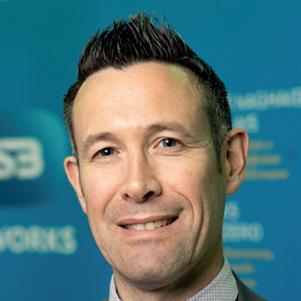
Mark Madigan Group Head of Safety, Health and Environment, ESB

Make a difference this season through volunteering
Christmas is a time of giving, and in Ireland, we’re extremely lucky to have such a strong culture of volunteering, where giving back is just what we do.
Volunteers make a huge impact in our communities throughout the festive season. They make and deliver Christmas dinners to those in need, host community Christmas celebrations where people can come together rather than being alone and man 24-hour phone lines for those who may have nowhere else to turn. Volunteers also support festive fun runs and swims, and visits to Santa. They also make gift boxes to be sent to children in the Global South.
This time of year is a really special time for some but can be a difficult time for many. Like they do throughout the year, volunteers make a big difference.
There are lots of ways to give back
While a lot of Christmas volunteering opportunities fill up early, it’s always worth checking i-vol.ie to see if anyone is looking for help in your area. There are also lots of ways to help in the run-up to Christmas, like sending Christmas cards to residents of nursing homes or organising a carol singing fundraiser in your community. Although it may not sound that festive, donating blood is also an important way to give back, especially at this time of year.
It’s easy to get involved
Looking to the new year, why not consider becoming a Community Volunteer? It’s a great chance for those who want to get involved in their community through events, festivals and occasional urgent supports, but don’t have much time. You can get involved as often or as little as you
like, when it suits your schedule. You get to avail of training, be part of a team and get a pretty cool t-shirt!
Although it may not sound that festive, donating blood is also an important way to give back, especially at this time of year.
If you’re looking for a more regular role or need some more support thinking about what you’d like to do, you can visit volunteer.ie to apply for roles or find your local Volunteer Centre. There is something for everyone!

Amy Woods Head of Advocacy and Engagement, Volunteer Ireland
Irish philanthropy: global impact through local generosity
From supporting health systems in fragile regions to funding clean water systems and expanding access to education, Irish businesses are transforming communities and giving people the chance to live with dignity and hope.
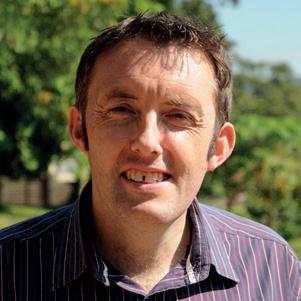
As I return to Trócaire, an organisation where I’ve spent most of the past 25 years, now as CEO, I’m reminded each day of the extraordinary impact Irish companies and individuals continue to have around the world. We witness daily the lasting difference this generosity creates.
A time of growing need
This support has never been more important. Across the globe, governments are reducing their international development budgets at a time when humanitarian needs are reaching record levels. Recent reports show that up to 22 million people will die by 2030 because of drastic aid cuts, and 5 million of these will be children.
These reductions have the greatest impact on the world’s most vulnerable regions, where communities already face conflict, hunger, displacement and the growing effects of climate change. The gap between resources and need is widening rapidly.
Philanthropy in action
Somalia, where we’ve worked since 1992, is among the countries most affected by these cuts, including significant reductions in USAID funding. Yet this is also where Irish businesses are demonstrating what genuine partnership looks like. This isn’t about single donations, but about longterm collaboration based on solidarity and innovation.
Against this backdrop, companies like Aerogen, a Galwaybased medtech company, continue to partner with us to help build a fully equipped hospital in Dollow, Somalia. Led by founder John Power, the project has significantly improved healthcare in one of the world’s most at-risk regions. The
Completing the picture: the two sides of CSR
As we celebrate community impact this season, leading businesses are expanding their understanding of CSR. True social responsibility implies dual commitment: supporting society externally and nurturing your workforce internally.

Ihospital now treats around 2,500 patients each month, providing essential care for mothers and malnourished children.
Aerogen staff worldwide also raised funds for new classrooms in Dollow, improving access to education for girls. Merlon Developments, another supporter of Trócaire based in Kildare, is supporting the project by helping deliver renewable energy solutions for the local hospital.
In Sudan, our Country Director, Mary Wamuyu, recently shared the impact of Irish support. Thanks to the generosity of one Irish donor, 5,000 families in two new camps for internally displaced people and one village will gain access to safe water. This is critical in a region where cholera has affected thousands of people and claimed many lives.
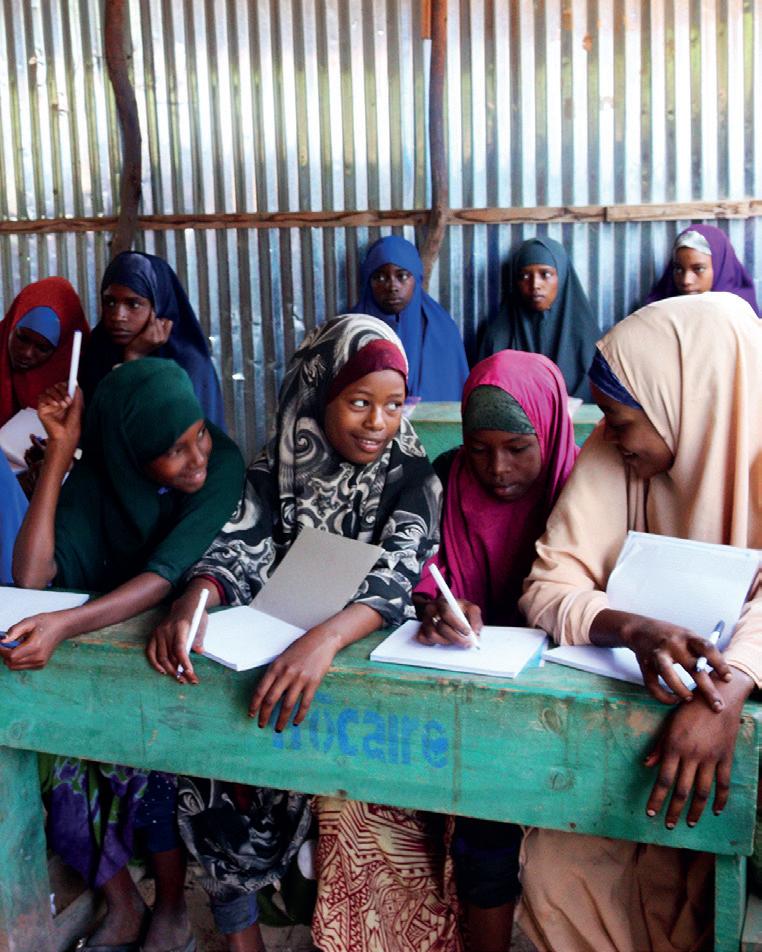
As I return to Trócaire, I do so with gratitude and determination. The generosity of Irish people, from business leaders to community fundraisers, continues to shine even in difficult times. Purpose-driven humanitarian support strengthens leadership, trust, employees and business resilience. Together, we can keep hope alive and ensure that Ireland’s compassion continues to change lives across the world.

rish businesses have a proud tradition of supporting their communities, particularly during the winter months. As we look toward 2026, the meaning of Corporate Social Responsibility (CSR) is expanding naturally.
To build a truly resilient and responsible organisation, the care we extend to our communities should be matched by the care we extend to our own people.
Employee wellbeing is the 'social' engine of sustainability. It is not merely about perks or health promotion — it is about nurturing the subjective, day-today experience of work. When an
organisation’s culture is healthy, inclusive and psychologically safe, employees feel empowered to contribute more effectively to both business goals and wider societal impact.
A structured approach to impact
Just as effective philanthropy requires strategy, building a thriving workplace requires a structured, evidence-based framework. We encourage Irish organisations to view wellbeing through a systemic lens. National standards, such as The KeepWell Mark, guide companies through eight core
pillars of best practice — ranging from 'Leadership', 'Inclusion and Belonging' and 'Mental Health' to 'Talent Support and Development'. Adopting such a framework allows businesses to benchmark their internal social impact with the same rigour they apply to external reporting.
The sustainability dividend
The connection between internal wellbeing and external CSR is clear. Companies that commit to the wellbeing of their employees will unlock significant, evidenced value, including increased productivity, stronger recruitment/ retention and superior business performance.
Expert guidance for the journey
Whether you are an established multinational or a growing SME, creating a sustainable 'human operating system' is a journey best taken with support. Ibec offers dedicated guidance to help you align your internal practices with your broader CSR goals. From strategic workshops to more specific consultancy, we can help turn good intentions into lasting cultural change.

Sean Farrell CEO, Trócaire
Patrick Haslett Product Manager, Ibec
Sponsored by Trócaire
Powering positive local impact
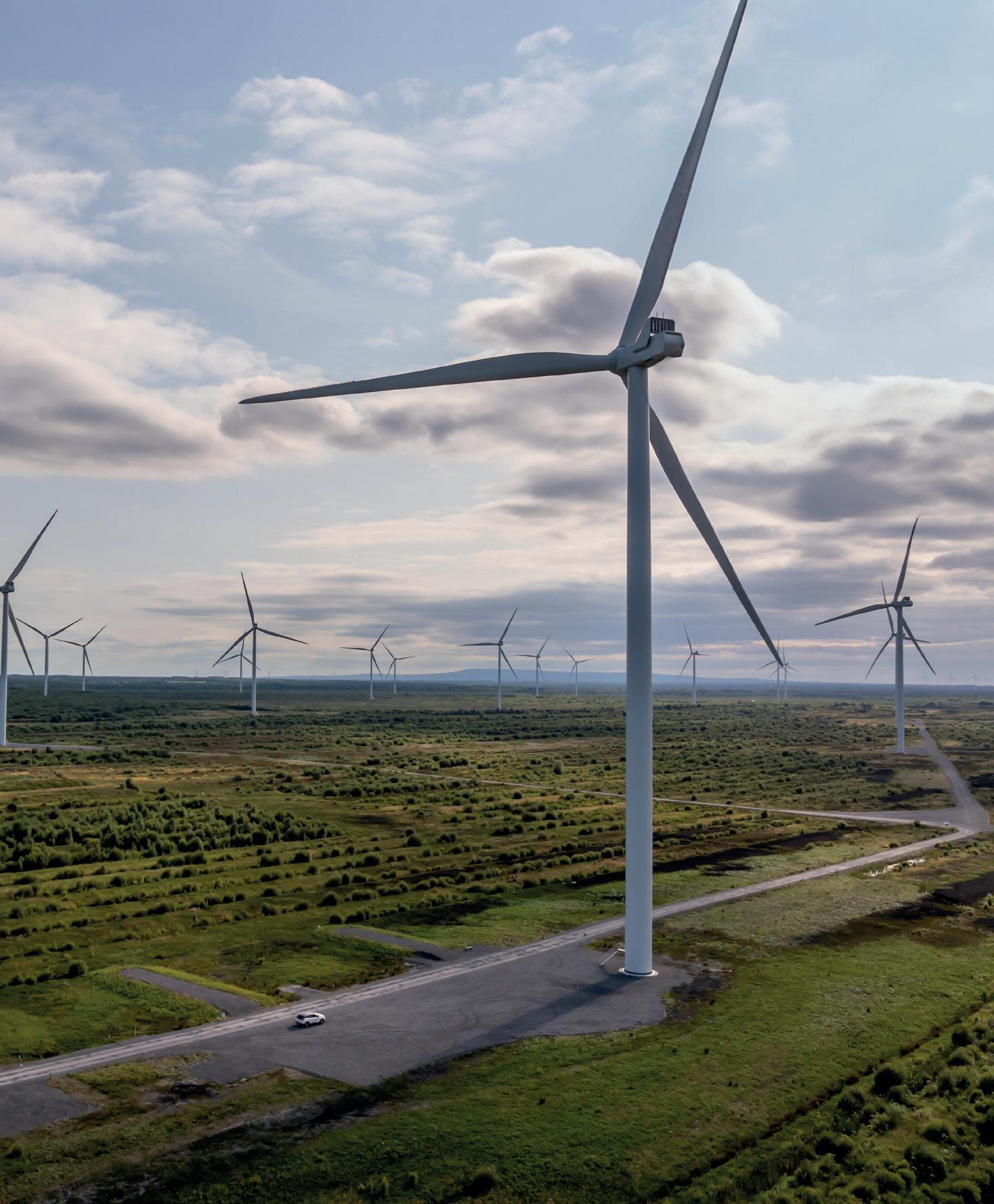
Through community benefit funds, education support and near-neighbour initiatives, one Irish energy company ensures that residents living near renewable energy projects receive meaningful social and economic benefits.
For more than 90 years, BnM has invested in and served communities across Ireland.
Today, we continue that commitment by supporting local economies, safeguarding renewable energy supply and delivering a wide range of community-focused initiatives. Some of these include Community Benefit Funds, Mountlucas Wind Farm & Amenity, Lough Boora Discovery Park, our business accelerator Accelerate Green, Pathways to the Future, educational supports and other initiatives.
Empowering local communities through targeted benefit funds
Community benefit funds support local projects that enhance wellbeing, sustainability, education and environmental stewardship. These funds provide financial assistance to community groups, social enterprises, students and households located near our renewable energy assets. This funding forms part of BnM’s
broader commitment to ensuring that the delivery of renewable energy infrastructure creates lasting value for the communities in which it operates.
Community investment is a central pillar of BnM’s 5GW renewable energy pipeline, which is directly supporting Ireland’s National Development Plan. Nationally, this year BnM has invested €1.4 million through its renewable energy community funds, supporting a range of initiatives including near neighbour schemes, education projects and local enterprise. We aim to ensure that communities living alongside our infrastructure receive meaningful social and economic benefits. Each fund is tailored to the specific location and administered with active local participation. They provide support to neighbours, students and local community groups (notfor-profit organisations or social enterprises) that operate or service communities near our renewable energy generating assets. The overall aim is to increase public and
environmental wellbeing in these communities and to ensure that the communities adjacent to these assets receive tangible economic and social benefits.
CSR plays a vital role in improving quality of life in the communities surrounding our renewable energy projects. By directing financial support to local initiatives, we help foster long-term community development and ensure that residents benefit from the positive presence of our renewable infrastructure.
By directing financial support to local initiatives, we help foster longterm community development.
Near Neighbour Scheme provides direct benefit to households near wind turbines
In recent years, BnM expanded its Community Benefit Package by introducing a Near Neighbour Scheme. Various research based on engaging with local communities indicated that providing direct benefits to residents living in close proximity to a wind farm should be considered. The Scheme is part of the company’s extensive community benefits package (which already includes an Annual Community Gain Scheme and Recreational Facilities).
The second aspect of the Near Neighbour Scheme is to provide funding for individual residential properties within a prescribed distance of a wind turbine to carry out energy efficiency measures on their property. Or they could use the funding towards education support or the purchase of an electric vehicle (EV)*. Our education support measure has assisted several residents covering a variety of courses, from a Level 6 Certificate to a master’s degree.
The Educational Scholarship Scheme is a key pillar of our community engagement strategy. It provides financial support to local students pursuing further or higher education, with additional consideration given to STEM and sustainability-focused courses aligned with the UN Sustainable Development Goals. Scholarships are open to applicants studying Level 6 and above on the National Framework of Qualifications
*Subject to terms and conditions – please see relevant website for more information.

Alison Tilley CSR Manager, BnM
Image provided by BnM