Agricultural Innovation

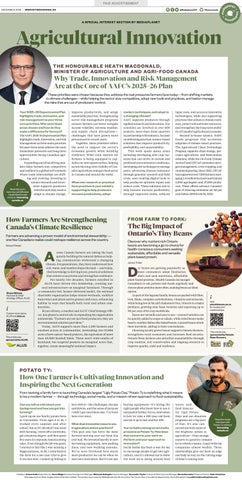
These priorities were chosen because they address the real pressures farmers face today—from shifting markets to climate challenges—while helping the sector stay competitive, adopt new tools and practices, and better manage the risks that are out of producers’ control.
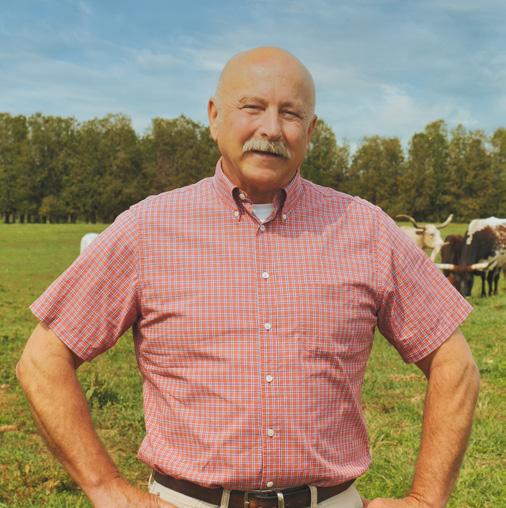
Your 2025–26 Departmental Plan highlights trade, innovation, and risk management as your three core priorities. Why were these areas chosen and how do they make a difference for farmers?
The AAFC 2025-26 Departmental Plan highlights trade, innovation, and risk management as three main priorities because these areas address the most immediate pressures and long-term opportunities facing Canadian agriculture.
Expanding and diversifying markets helps farmers stay competitive and resilient in a global environment where trade relationships are shifting and evolving. Investing in science research and innovation supports producers with the tools they need to adapt to climate change,
improve productivity, and adopt sustainable practices. Strengthening sector risk management programs ensures farmers can better navigate income volatility, extreme weather, and supply chain disruptions— challenges that have grown more pronounced in recent years.
Together, these priorities reflect the need to support the sector’s economic growth while building resilience. What truly matters for farmers is being equipped to capitalize on new opportunities, helping secure the long-term viability of Canada’s agriculture and agri-food sector in Canada and around the world.
What new research or practical farm practices is your ministry supporting to help producers increase productivity, adopt
Farmers are advancing a proven model of environmental stewardship — one few Canadians realize could reshape resilience across the country.
Across Canada farmers are taking the lead, quietly building the natural defences helping communities withstand a changing climate. For generations, they have understood how soil, water, and weather shape the land — and today, that knowledge is driving local, practical solutions that restore ecosystems and strengthen resilience. For nearly two decades, farmers enrolled in ALUS have driven this leadership, creating natural infrastructure on marginal farmland. Through a community-led, farmer-delivered model, the national charitable organization helps restore wetlands, stabilize waterways and plant native grasses and trees, enhancing habitat in ways that benefit both rural and urban communities.
Bryan Gilvesy, a rancher and ALUS’ Chief Strategy Officer, has played a central role in expanding the organization nationwide: “Farmers are not just food producers; they are environmental solution providers.”

Today, ALUS supports more than 2,100 farmers and ranchers across 41 communities, stewarding over 57,000 acres of new nature-based projects, the equivalent of more than 40,000 football fields. These aren’t wide swaths of farmland, but targeted projects on marginal acres that, together, create meaningful national impact.
modern techniques, and adapt to a changing climate?
AAFC supports producers through applied research and innovation. Our scientists are involved in over 600 projects, more than three-quarters in partnership with industry, focused on delivering practical, science-based solutions that improve productivity, profitability, and sustainability.
This work spans many areas including developing new crop varieties that can thrive in current and predicted environmental conditions, developing new techniques to manage pests, advancing disease resistance through genomic research and field trials, and creating digital tools to help producers optimize inputs and reduce costs. These solutions aim to help farmers increase profitability through improved yields, reduced
input costs, and access to innovative technologies, while also supporting practices that enhance climate resilience, protect soil and water resources, and strengthen the long-term stability of Canada’s agricultural economy. Beyond in-house science, AAFC funds programs that accelerate adoption of climate-smart practices. The Agricultural Clean Technology Program supports clean energy, precision agriculture, and bioeconomy solutions, while the On-Farm Climate Action Fund (OFCAF) promotes nitrogen management, cover cropping, and rotational grazing. Since 2022, OFCAF has supported over 7,500 farmers managing 2.4 million hectares and trained 3,000 agrologists and 27,000 producers. These efforts advance Canada’s goal of reducing emissions 45–50 per cent below 2005 levels by 2035.
Discover why nutrient-rich Ontario beans are becoming a go-to choice for health-conscious consumers seeking sustainable, affordable and versatile plant-based protein.
Janice Tober
Dry beans are gaining popularity as more consumers adopt flexitarian diets and seek nutritious, affordable plant-based proteins. Health Canada encourages Canadians to eat protein-rich foods regularly and choose plant proteins more often, making beans an ideal option.
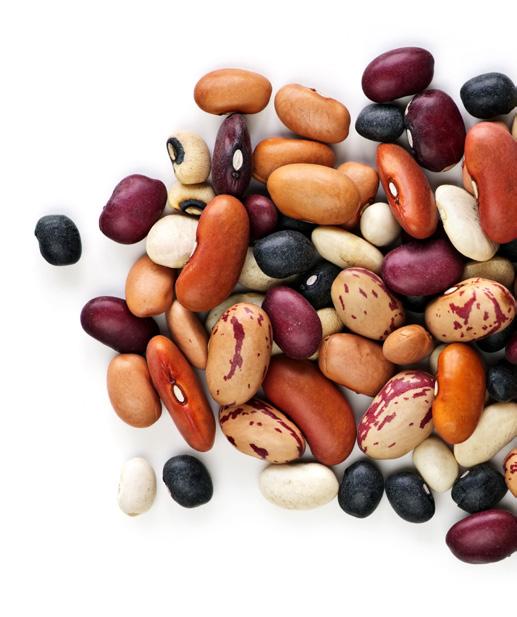
As part of the legume family, beans are packed with fibre, iron, folate, complex carbohydrates, vitamins and minerals, while being low in fat and cholesterol-free. Ontario is a major producer, growing nine bean varieties and exporting up to 90 per cent of its crop worldwide.
Beans are versatile and easy to use—canned varieties can be quickly added to soups or salads, while dried beans make hearty comfort dishes like baked beans. Canned beans retain their nutrients, adding to their convenience.
Choosing locally grown beans supports Ontario farmers, strengthens rural economies and increases food security. Ontario bean farmers also prioritize sustainability through crop rotation, soil conservation and ongoing research to improve quality, yield and resilience.
From reviving a family farm to launching Canada’s largest “Ugly Potato Day,” Potato Ty is redefining what it means to be a modern farmer — through technology, social media, and a mission-driven approach to food sustainability.
Can you tell us a bit about your background and how you got into farming?
I grew up on our family potato farm in Cloverdale. From ages 5 to 18, I worked every summer and after school, but at 18 I decided I was done with farming. I went off to university, got a business degree, and then spent five years in corporate America doing sales. Even though the job was good, I started to feel like I was missing a bigger purpose. At 28, I came back to the farm for a one-year trial to give it one last shot. I ended up falling in
love with it—the challenges, the ups and downs, and the sense of purpose I didn’t get anywhere else. I’ve been here ever since.
What does innovation mean to you in agriculture and on your farm?
This past year has been the most forward-moving year our farm has ever had. We invested heavily in new harvesting equipment, new packing lines, and new washing systems. We’ve seen firsthand how much more productive we can be when we lean into innovation. But it’s not just
buying equipment—it’s hiring the right people who know how to use it and push it further. For us, innovation is how we take a 100-year-old farm and set it up to last another 100.
You’ve built a strong social media presence as Potato Ty. How does that connect to your work on the farm and your approach to innovation?
Social media has been a way for me to encourage people to get into agriculture, and it’s allowed me to show the work we’re doing around food


waste and food insecurity. Ugly Potato Days and our donation programs are a big part of that. It’s also connected me with some of the brightest minds in agriculture—from storage experts to genetics companies to robotics teams. I meet with top companies almost weekly. Those relationships give our farm an edge and help us stay on the cutting edge of what’s coming next.
Ontario farmers’ partnerships with government, universities, and industry are the foundation for innovative, competitive, and sustainable food production.
Crosby Devitt, CEO, Grain Farmers of Ontario

The increasingly complex world of food production requires broad participation from all parts of the value chain.
Ontario farmers’ partnerships with government, universities, and industry are the foundation for innovative, competitive, and sustainable food production.
Farmers have always been huge supporters of research and innovation. Since Day One, they’ve answered the challenge to efficiently produce abundant, affordable food in a safe, sustainable manner. Research and innovation have been central to their success.
Farmers’ participation and advice in setting research priorities and policy decision-making is vital. In agriculture, no one is closer than farmers to the impact of research and policy decisions on sustainability, profitability, and strong communities.
Farmers at the centre of research Collaboration with research partners is key to maximizing investment in innovation to drive a successful agri-food sector. We need decision making that supports evidence-based policies, along with a robust,
right-sized regulatory environment and an effective, efficient research ecosystem…from research funds to people and infrastructure.
Grain Farmers of Ontario is the largest commodity organization in the province, with 28,000 farmer members. We have developed partnerships through the value chain and recognize the strengths everyone brings to the table.
Strategic partnerships drive innovation
We value the capacity and funding Agriculture and Agri-Food Canada and other federal research organizations bring to important activities such as plant breeding and policy development.
We place great importance in the Ontario Agri-Food Innovation Alliance between the Ontario Ministry of Agriculture, Food and Agribusiness and the University of Guelph — a key driver for agri-food research and innovation in the province.
Ontario grain farmers are doing their part, too. Over the past 10 years, Grain Farmers of Ontario has invested more than $16.4 million in 150 research projects. Leveraging other funding sources, the value of these projects
This AgBio start-up supporter turns Canadian entrepreneurism into innovation, driving the AgBio industry forward and paving the way to the future of Canada’s food and agriculture industry.
Sonya Friesen



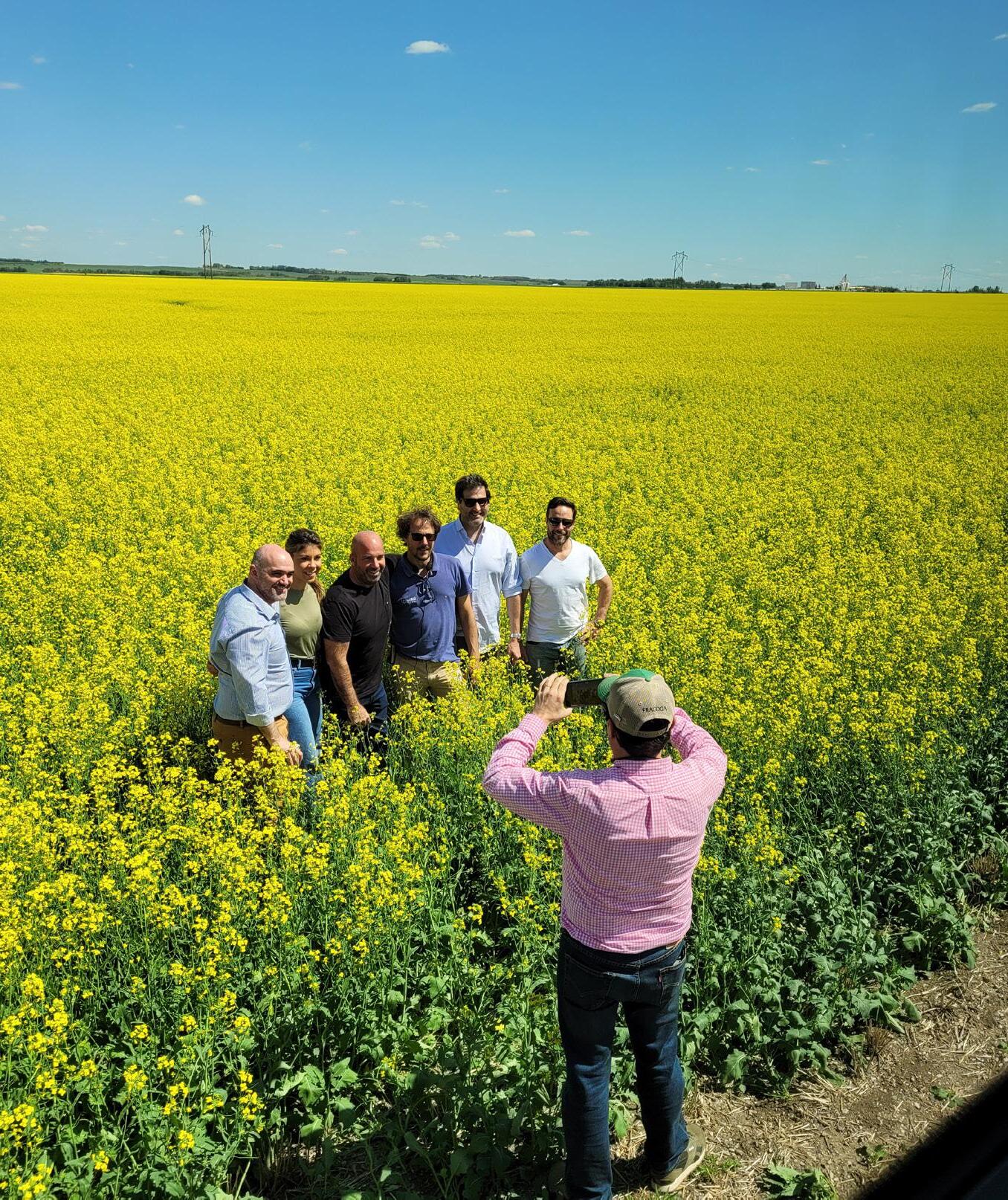
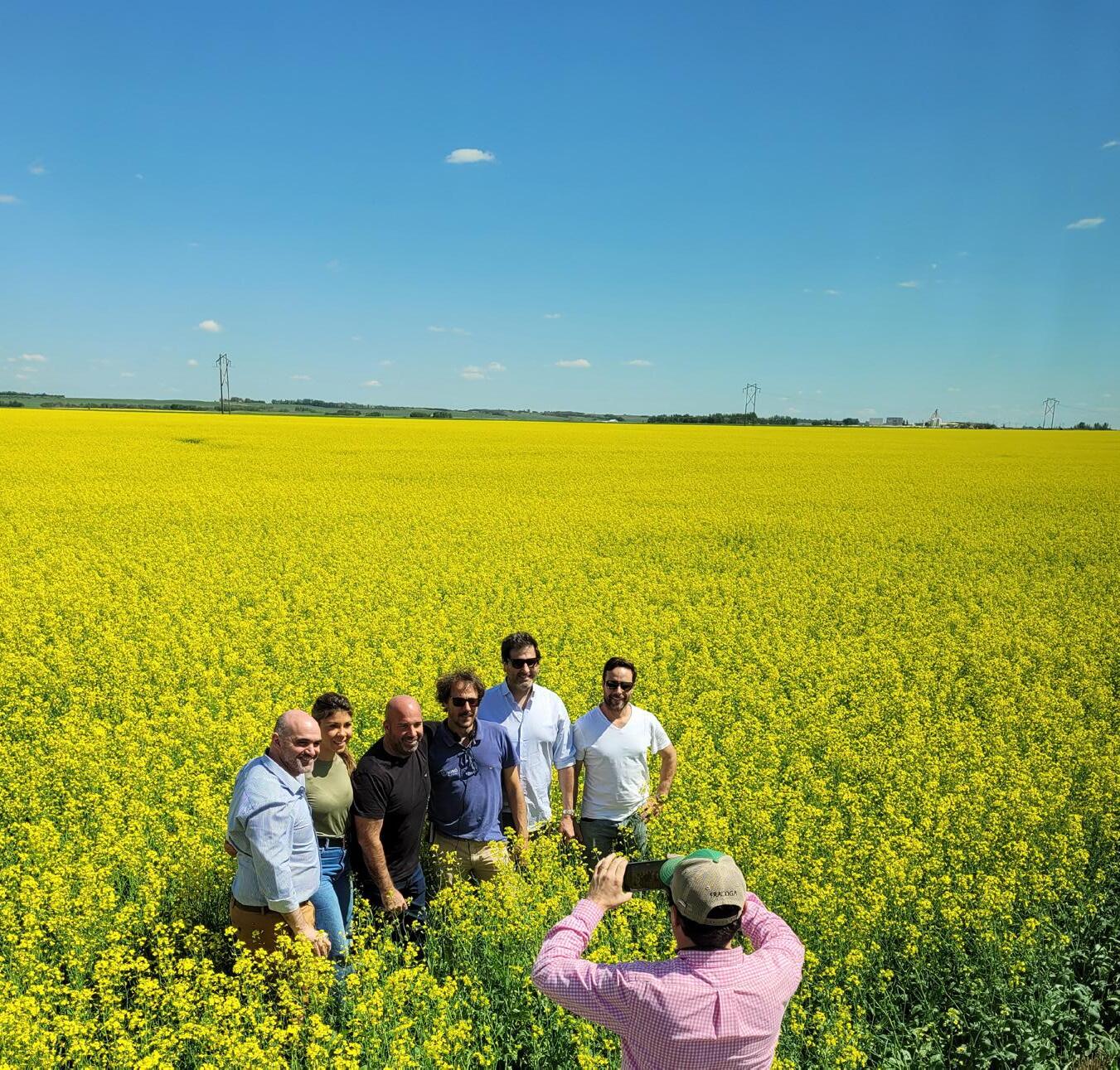
Canada is a nation renowned for its abundant resources: fresh water, timber and farmland may be the first to come to mind. Often overlooked is Canada’s entrepreneurial community, a collection of like-minded individuals who continue to push innovation and industry exploration across the country. While this entrepreneurial mindset has a place in all industries, perhaps one of the most ambitious is Canada’s agriculture and food biotechbetter known as AgBio. It merges Canada’s aptitude towards natural resources with the nation’s leading entrepreneurism and represents companies building innovative agriculture and food business. Leading the mission towards continued innovation in this space is Ag-West Bio, an economic development agency dedicated to helping grow the agriculture and food bio-business in Saskatchewan.
“Agriculture innovation affects everyone,” explains Jeremy Lang, Ag-West Bio Director of Business Development and Innovation. “It determines how we feed the world, steward our environment and build resilient rural economies. Supporting AgBio ensures a sustainable and competitive future for Canada.”
A nonprofit rooted in community
For over 35 years, Ag-West Bio has been committed to helping grow biobusiness in the province. A government-funded, membership-based non-profit, Ag-West Bio acts as a conduit to providing solutions to AgBio
businesses that are starting up, helping them commercialize and grow. “We help businesses succeed where they are at, in all and any area of business and we do it through community,” says Interim Ag-West Bio CEO, Mike Wonnick. Ag-West Bio recognizes the immense need for AgBio in Canada and advocates for Saskatchewan-based organizations that show promise in the space.
It’s
is over $65 mil lion. Additionally, we have invested $2.5 million in professorships for field crop pathology and wheat breeding.
Such investments have helped underpin the progress we’ve made as Ontario grain farmers on many fronts. Through research, we’ve become North America’s leader in sustainable, regenerative agriculture, through techniques such as cover cropping and soil conservation. We’ve secured a niche as the suppliers of choice for food grade soybeans to Japan. And we’ve developed one of the strongest biofuel markets in North America.
Powering Ontario’s agri-food future
The crops grown by Ontario grain farmers cover more than six million acres of land in the province. They generate over $4.7 billion in production value and result in more than $27 billion in economic input. They are responsible for more than 90,000 jobs.
This kind of progress wouldn’t happen without partnerships and it all starts with innovation in the field.
and scale bioproducts,” says Jeremy.
It’s a niche market, but it’s integral to the continued success and adaptability of the Canadian food industry as a whole. “There are challenges facing the sector that are too complex for any single organization to solve alone. When industry, academia, startups and producers come together, risks shrink and more companies can turn research into real products,” says Monica Pollard, Ag-West Bio’s Director of Ecosystem Development.
Spearheading initiatives that move industry forward Ag-West Bio identifies gaps in the AgBio market and aims to create and find initiatives that help fill them.
The Global Agri-Food Advancement Partnership (GAAP) is one such initiative connecting agri-food and biotech innovators with the expertise and ecosystem they need to move from concept to product. “GAAP offers open-access biomanufacturing infrastructure so companies can develop
The Prairie Food Link (PFL) is an initiative that connects food and ingredient entrepreneurs together. “It’s about bringing the right people, ideas and resources together so an industry can grow and innovate faster,” Monica explains. By connecting local agri-food businesses of all sizes, the industry can lean on community and connectivity, working as a team as opposed to siloed. Finally, the Ag-West Bio Technology Commercialization Fund, active since 1989, provides funding to innovative, early stage agri-food companies that show potential in the way of developing new industry technology.
Environmental and socioeconomic challenges are requiring Canada’s AgBio industry to adapt and evolve. Ag-West Bio is ensuring the industry stays competitive both locally and abroad. “Canada has world-class research institutions, abundant natural resources and a growing network of entrepreneurs, making it a hub for agri-food and biomanufacturing innovation,” says Jeremy. “For Canadians, this means economic growth, a sustainable food system and leadership on the global stage.”
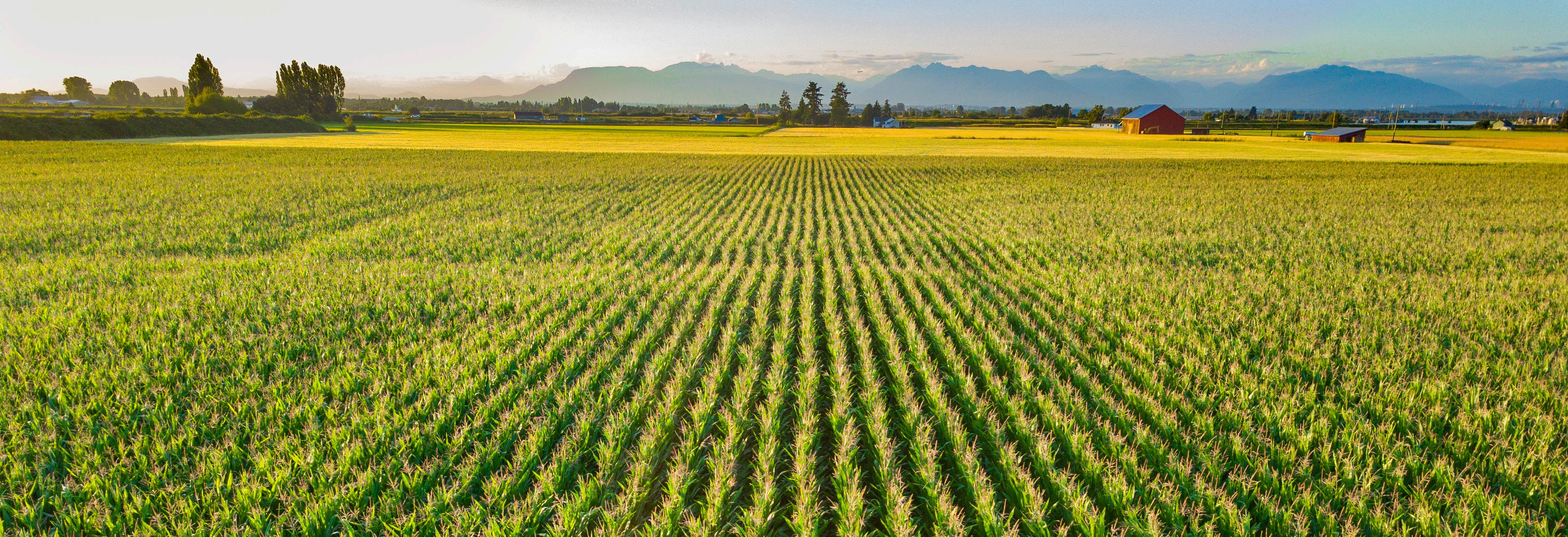
Rising costs, succession pressures and the need for modernization are creating new challenges across the farm and agribusiness value chain. Flexible long-term financing models are helping operators access the capital they need to grow, transition and plan for the future.

Canada’s agricultural sector is undergoing significant change. Rising input costs, elevated interest rates, supply chain challenges, tariff uncertainty, and the growing cost of modernizing operations are placing pressure on farmers and agribusiness operators alike.
Access to capital is increasingly a barrier across the entire value chain.
This strain is intensified by the demographic realities within the sector. With the average Canadian farmer now in their late fifties, the industry is preparing for a major succession shift. An estimated $300 billion in farmland is expected to change hands over the coming decades, and many agribusiness operators face similar transition and growth challenges. Ensuring access to stable, long-term capital is essential to supporting a competitive and resilient sector.
Growing investor interest in Canadian agriculture
The good news is that investors are taking notice. Agriculture is increasingly viewed as a sector that can provide stable, long-term returns, and Canada is recognized globally for its sophisticated operators, high-quality
production, and strong resource advantages. Yet investing directly in the industry has traditionally been difficult due to its private, fragmented structure.
At Bonnefield Financial, we’ve built an investment approach aimed at bridging this gap — giving investors exposure to the attractive attributes of Canadian agriculture while providing farmers and agribusiness operators with capital solutions that support growth, transition and stability.
Addressing capital constraints across the value chain
Our model is designed to deploy investor capital to address long-standing financing challenges facing the industry. Through our buy-and-lease farmland approach, we provide farm operators with secure, longterm access to land while freeing up capital they can reinvest in the areas that matter most. Farmers maintain full control of their operations and can work toward regaining ownership of the land over time as their financial position evolves. For many families, this flexibility makes succession planning more achievable and less financially burdensome. For agribusiness operators, our minority investment strategy delivers patient, long-
term capital that strengthens the broader value chain — from input suppliers to processors and service providers. These businesses face their own modernization and expansion needs, and benefit from capital solutions that complement traditional lending.
Across both farm and agribusiness operations, our goal is the same: to provide flexible tools that enhance competitiveness, support transition, and enable long-term planning.
A committed partner for Canadian agriculture
Flexible financing models that complement traditional debt are playing a growing role in helping operators plan for the future.
As farmers and agribusinesses contend with rising costs, succession pressures, and shifting market dynamics, the need for reliable, long-term capital is becoming a defining issue for the sector. Flexible financing models that complement traditional debt are playing a growing role in helping operators plan for the future. By aligning capital with the longterm nature of agriculture, these models can help strengthen the value chain and support Canada’s position as a global agriculture leader in the years ahead.
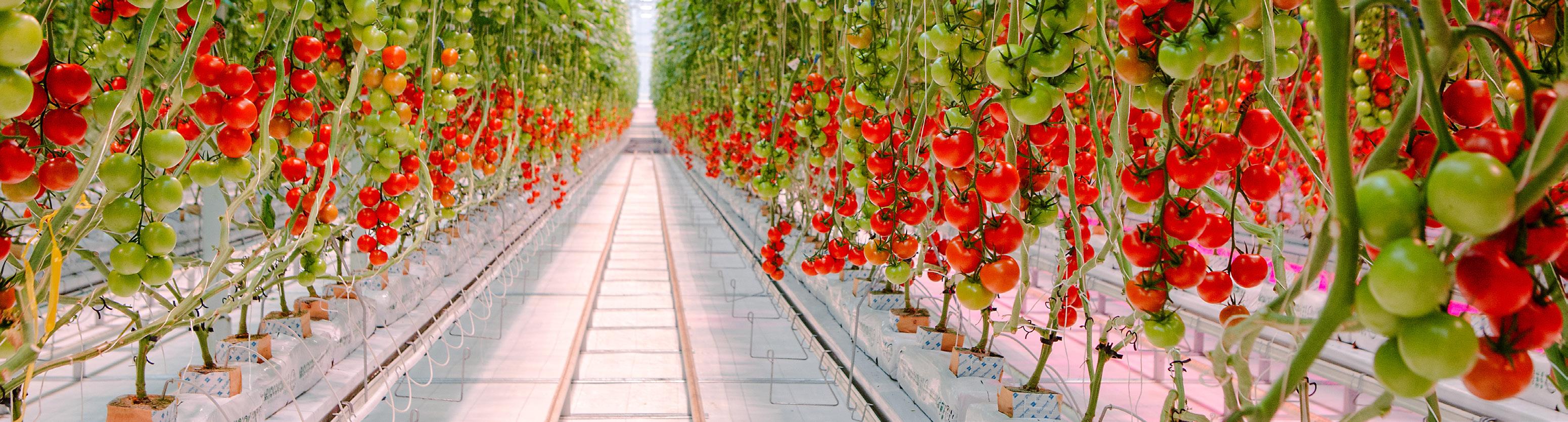
Windset Farms show how greenhouse-grown produce boosts local food production, reduces the environmental footprint, and ensures high-quality produce for consumers year-round. Anne Papmehl

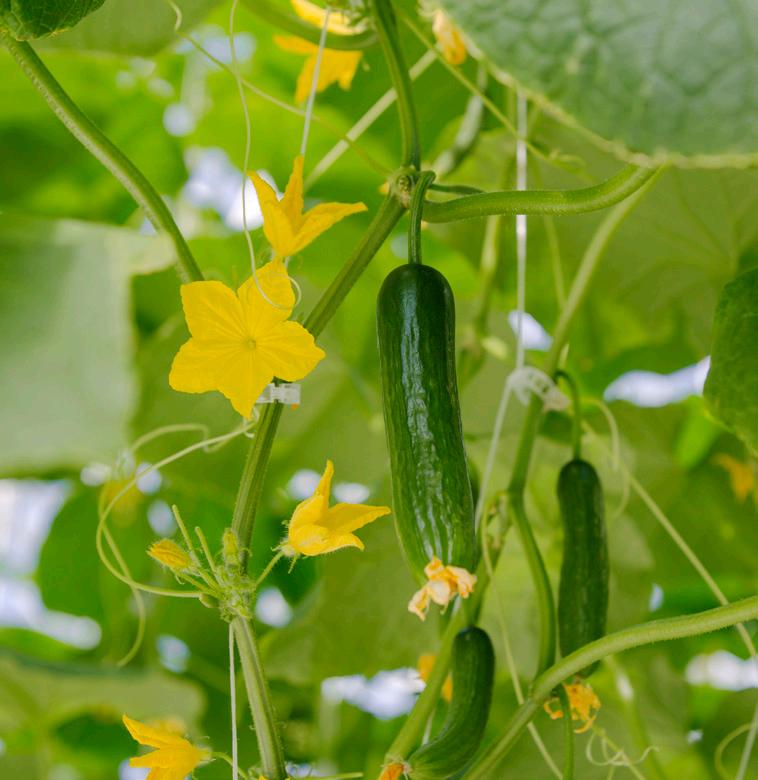
Ahealthy diet includes a wide variety of vegetables. There is no shortage of vegetable varieties at Windset Farms® in Delta, BC. For 30 years, this Canadian greenhouse-produce grower has provided a year-round novel array of tomatoes, cucumbers, peppers, lettuces, and specialty items to local communities. Why so many different varieties of the same vegetable? “Consumers want snackable options, convenient formats, and brands that stand out on the shelf, so new flavours and shapes help keep the produce aisle exciting,” says Steven Newell, CEO, Windset Farms. There’s also a creative angle. “The Windset brand was inspired by art and music because growing food feels like both,” says Newell. “Every variety we grow is like a new composition, balancing colour, flavour, texture, and aroma. Our Maestro® Bell Peppers, for example, are a symphony of colour, each one vibrant, crisp, and perfectly tuned for sweetness,” he says.
Advanced growing techniques at new facility
Windset grows these vegetable medleys at their 92-acre headquarter facility in Delta, BC, and is supported by an extensive partner grower base in British Columbia and Mexico and a 168-acre greenhouse facility in Santa Maria, California. Using state-ofthe-art technology, responsible growing practices, and a gentle hand, Windset brings freshness and quality to the table all year round. “All our plants are non-GMO seedlings grown in carefully controlled environments,” says Newell. Integrated pest management techniques, such as introducing beneficial insects to control the populations of harmful pests in our greenhouse, allow us to grow naturally and sustainably. For pollination, Windset uses bumblebees. “As they move through the greenhouse, they help each flower set fruit, which is essential for healthy tomato production,” says Newell.
To meet increased demand, Windset recently expanded its Delta, BC facility. The upgrade includes the installation of LED lighting across two 24-acre greenhouses, powered by renewable hydroelectricity from BC Hydro. “LEDs use significantly less power than traditional high pressure sodium lighting and allow us to grow high-quality
tomatoes and cucumbers year-round,” says Newell.
As well as LED lighting, Windset installed additional hot-water grow pipes to maintain consistent crop temperatures, vertical airflow fans to recirculate air, and double energy curtains to save energy and enhance light abatement.
This upgrade makes Delta the largest LED-lit greenhouse operation in Western North America. Windset’s commitment to sustainable growing has earned the company BC Hydro’s Clean Energy Champion Award and FortisBC’s Efficiency in Action Award
“Our Delta facility expansion is a major step forward in producing great-tasting food while using fewer resources,” says Newell.
Benefits to consumers, retailers, and communities
This is good news on many fronts. More consumers across Canada will be able to access a consistent supply of fresh, locally grown, healthy produce regardless of the season.
Windset is a one-stop shop for greenhouse vegetables, growing high-quality produce using state-of-the-art technology and responsible growing practices. This means fewer food miles, better food security, and fresh, high-quality produce for our communities to enjoy year-round.

The Canadian Alliance for Net-Zero Agri-food (CANZA) is working collaboratively with industry leaders to advance a more sustainable, resilient agri-food system in Canada.
Tania Amardeil

Canadians from coast to coast to coast rely on the food that our farmers grow, from grains and oilseeds to meat and dairy.
The agri-food system is also a significant contributor to Canada’s economy. In 2024, the agriculture and agri-food system employed 2.3 million people in Canada, providing one in nine jobs, and contributed over $149 billion to Canada’s GDP.
Challenges abound for Canada’s farmers, however. One major concern is climate change, with climate volatility putting our agricultural resilience to the test. Droughts, floods, and erosion are all pervasive threats that put the future of Canadian farms and crops in jeopardy.
Climate-smart, resilient farming is more essential today than it has ever been before, and one organization is on a mission to amplify producers’ efforts.
CANZA is uniting Canada’s agri-food sector to drive change
CANZA unites farmers, researchers, companies, and organizations that share a commitment to accelerating climate action in Canadian agriculture. Under its leadership, members — whether they’re shaping policy, producing food, or providing inputs — can come together to build a more resilient food future.
“CANZA was created to do more than just talk about ideas. We’re here to catalyze change, to get boots on the ground, and to put practical solutions into action,” says Nick Betts, Executive Director of CANZA.
By joining the alliance, partners can play an active role in building a Canadian agri-food sector that’s productive, secure, and competitive, and that benefits farmers, communities, and the environment alike.
The Million Acre Challenge
CANZA’s Million Acre Challenge, currently underway, was created with farmers, for farmers. It provides cost-share support, agronomic capacity, and measurement tools to help farmers adopt climate-smart practices, all while recognizing and rewarding the environmental benefits their work creates across the value chain. Across the country, the private-sector is increasingly stepping up because supporting on-farm environmental improvements strengthens supply chains, reduces risk, and helps meet their environmental commitments. It's a smart, long term investment. And, it accelerates change faster than public funding alone.
Farmers Leading the Way:
Together, we
make Canadian agriculture a model for the world.
Morning Glory Stream Farming
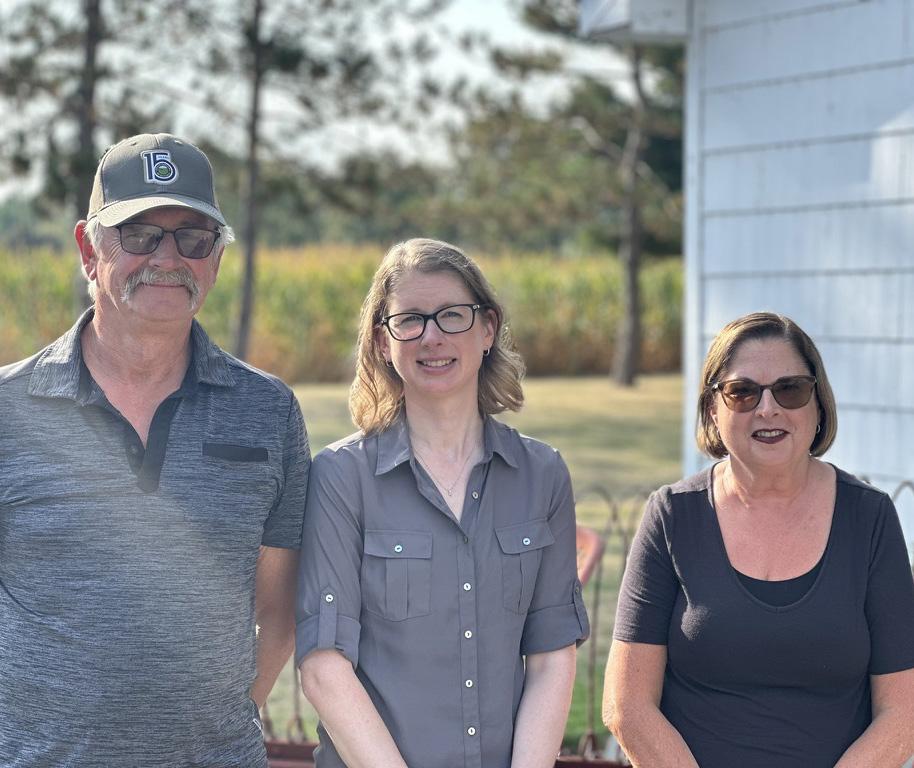
Morning Glory Stream Farming is a fourth-generation family farm in Oxford County, Ontario, growing grains and oilseeds, raising a small cattle herd, and running a research farm that tests new practices. Decades ago, after a heavy rainfall washed away truckloads of soil, John Gal shifted the farm toward low-till, a move that remains foundational today. With his wife Karen and their two daughters, Andrea and Jessica, the family continues to use low-till, cover crops, winter grazing, and strategic fertilizer application to protect soil and improve resiliency, even in unpredictable weather.
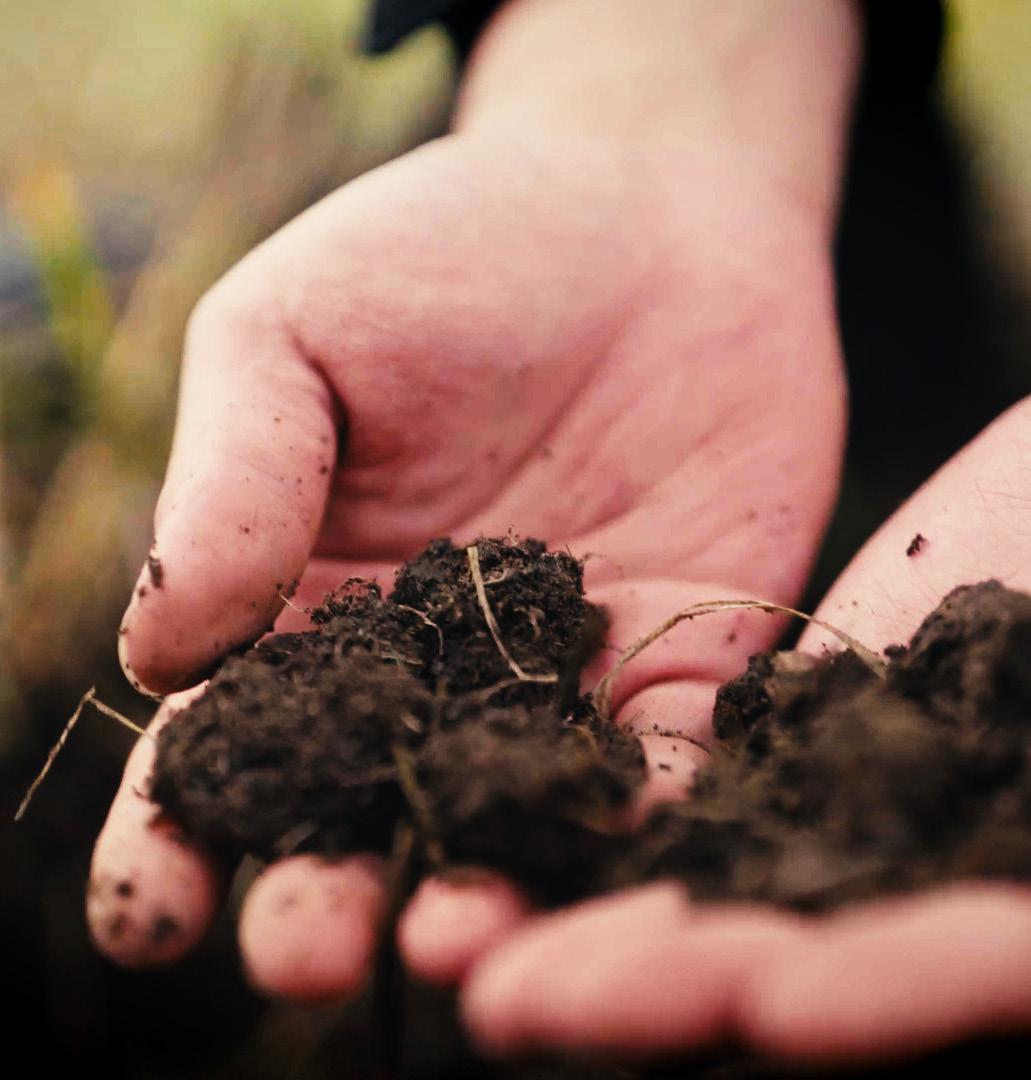
As agribusiness operators, the Gals also test and share practices through their research farm and fertilizer dealership. “We’re facing such volatility and unpredictability in our weather. By minimizing tillage, extending our crop rotation, and
cover cropping, we are increasing the resiliency of our farm,” says Andrea Gal.
Farming isn’t like other businesses. You can’t “fail fast, fail often”, each growing season is precious, and risk is high. By starting small, testing, measuring, and adapting over time, the Gals are showing how climate-smart practices take root and how farmer leadership drives change across communities.
“Built with Canadian farmers, the Million Acre Challenge is rooted in real-world conditions,” says Betts. “Our goal is to accelerate practice adoption that’s both economically viable and environmentally sustainable — practices that strengthen Canada’s agrifood system and make it more resilient, more secure, and more investable.”
Beyond the Million Acre Challenge, CANZA is also working to develop a standardized way to measure, monitor, report, and verify (MMRV) the sustainability initiatives farms are adopting. This type of framework will help to advance Canada’s agri-food system and encourage continuous progress.
“I encourage you to learn more, get involved, and help us seize this opportunity,” says Betts. “Together, we can make Canadian agriculture a model for the world.”