EDITORIAL
There are trajectories that cannot be planned on paper: they are recognised as they unfold, when the wealth of knowledge accumulated in one sector reveals a natural continuity with worlds that seem distant only in appearance. This is what happened to Meccanotecnica Umbra with aerospace. In this issue, we explain how the company is addressing this challenge, making effective use of its expertise and established methodologies in contexts that demand precision, reliability and the capacity to innovate under strict constraints. From its work on mechanical seals for helicopters and aeroplanes to its collaboration with strategic European partners, a path of research, design and testing becomes clear, where every decision is measured, documented and aimed at delivering tangible results.
Aerospace is one of the pillars on which we will build our future, not to change who we are, but to broaden our horizons. It is, of course, a challenging path, but a natural one for a group that has chosen to grow through expertise and innovation. And as we continue to refine materials, processes and ideas, we realise that this direction is the logical extension of our corporate identity, built on excellence, rigour and the vision that has guided our work for almost 60 years and allows us to push a little further each time.
EDITORIALE
Ci sono traiettorie che non si tracciano a tavolino: si riconoscono mentre accadono, quando il patrimonio di conoscenze accumulato in un settore rivela una naturale continuità con mondi solo apparentemente lontani.
È quello che è successo a Meccanotecnica Umbra con l’aerospazio. In questo numero raccontiamo come l’azienda sta affrontando questa sfida, mettendo a frutto competenze e approcci consolidati in contesti che richiedono precisione, affidabilità e capacità di innovare sotto vincoli rigorosi. Dal lavoro sulle tenute meccaniche per elicotteri e aerei alla collaborazione con partner europei strategici, emerge un percorso di studio, progettazione e test, dove ogni scelta è misurata, documentata e volta a garantire risultati concreti.
L’aerospace è una delle gambe su cui costruiremo il nostro futuro, non per cambiare ciò che siamo ma per allargare l’orizzonte. È un percorso impegnativo, certo, ma naturale per un gruppo che ha scelto di crescere attraverso la competenza e l’innovazione. E mentre continuiamo ad affinare materiali, processi e idee, comprendiamo che questa direzione è l’estensione logica della nostra identità aziendale, fatta di eccellenza, rigore e quella capacità di visione che da quasi 60 anni guida il nostro lavoro e ci permette di spingerci ogni volta un po' più lontano.
NEW DIRECTIONS FOR MECCANOTECNICA UMBRA: ENTRY INTO THE EUROPEAN AEROSPACE SUPPLY CHAIN.
NUOVE ROTTE PER MECCANOTECNICA UMBRA:
L’INGRESSO NELLA FILIERA AEROSPAZIALE EUROPEA.
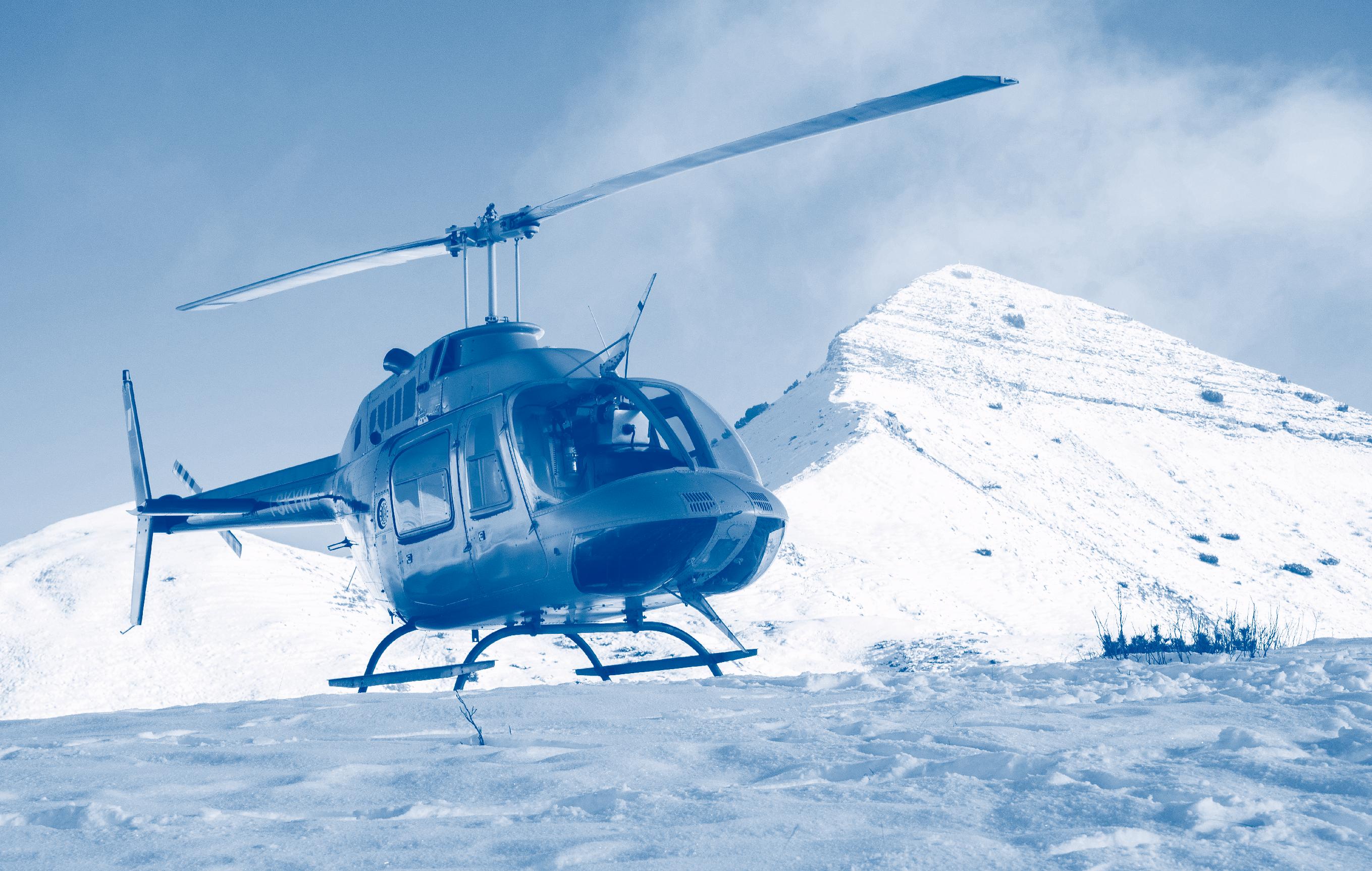
When the call from Leonardo arrived in early 2015, no one at Meccanotecnica Umbra imagined that this contact would mark the start of a journey capable of redefining the company's ambitions. For a company like ours, whose DNA is rooted in the automotive, industrial and household appliance sectors,
the aerospace industry at the time seemed almost a remote dimension: a niche viewed as the exclusive domain of major global players, with standards and requirements so demanding that they represented a frontier difficult to approach. Yet it was precisely that unexpected call that opened the door to taking that leap. Leonardo was seeking an agile and immediately operational partner, willing to collaborate on a reverse engineering project for the development of a product intended for the Asian market. This was a specific and urgent need, difficult to reconcile with the timelines and rigidity of the usual aerospace suppliers. For these industrial giants, mechanical seals only represent a marginal fraction of their overall
Quando nei primi mesi del 2015 arrivò la telefonata di Leonardo, in Meccanotecnica Umbra nessuno immaginava che quel contatto avrebbe segnato l’inizio di un percorso che avrebbe ridefinito le ambizioni dell’azienda. Per una realtà come la nostra, con un DNA radicato nell’automotive, nell’industriale e nell’elettrodomestico, il settore aerospaziale apparteneva allora a una dimensione quasi remota: una nicchia percepita come dominio esclusivo dei grandi player globali, con standard e requisiti talmente elevati da rappresentare una frontiera che sembrava difficilmente avvicinabile. Eppure, proprio quella chiamata inattesa ha aperto la possibilità di compiere un salto di qualità. Leonardo stava cercando un partner agile
PAOLO ZENONE
business, and for this reason it is not always possible to continuously and responsively monitor their development. Meccanotecnica Umbra was able to offer a different kind
of value: our size allows us to be extremely agile, always present and attentive to the specific needs of our customers.
This approach, combined with the strength of our research and development department and our familiarity with customised design logic, made it natural for us to accept a challenge that extended well beyond our company’s usual scope.
In the months following the order, we experienced a genuine cultural transformation. Although they fall within the category of mechanical seals, aeronautical seals require a substantial conceptual leap. The rotation speeds required by the project – up to 18,000 RPM, when Meccanotecnica Umbra had only operated at values up to 5,000 RPM – demanded more rigorous analysis and validation. In this context, every design decision must be grounded in verifiable calculations, certified simulations, repeatable tests or established technical literature. Routine is not an option: choices are not based on engineering instinct, but on documented actions. The documentation itself becomes an integral part of the product. An aeronautical seal does not “exist” without its accompanying technical dossier: certifications, dimensional checks, traceability down to the composition of the raw material, and complete process and verification records.
The effectiveness of the component depends not only on its physical properties, but also on the robustness of the process that produced it.
This requirement led us to obtain ISO 9100 certification (also known as AS/EN 9100), a globally recognised prerequisite for companies wishing to operate in the aerospace sector.
e immediatamente operativo, disponibile a collaborare su un progetto di reverse engineering per lo sviluppo di un prodotto per il mercato asiatico. Una necessità specifica e urgente, che mal si conciliava con le tempistiche e le rigidità dei fornitori abituali dell’aerospace. Per quei colossi industriali, le tenute meccaniche rappresentano una frazione marginale del business complessivo; seguirne lo sviluppo con continuità e reattività non sempre è possibile.
Meccanotecnica Umbra ha potuto offrire un valore diverso: la nostra dimensione ci permette di essere estremamente agili, sempre presenti e attenti alle esigenze specifiche dei nostri clienti.
Un approccio che, insieme alla solidità del reparto ricerca e sviluppo e alla familiarità con logiche di progettazione customizzate, ha reso naturale accettare una sfida che andava ben oltre il perimetro abituale dell’azienda.
Nei mesi successivi alla commessa abbiamo compiuto un autentico cambio culturale. Pur appartenendo alla categoria delle tenute meccaniche, quelle aeronautiche richiedono un salto concettuale importante. Le velocità di rotazione richieste dal progetto – fino a 18.000 giri/min, quando Meccanotecnica Umbra operava su valori non superiori ai 5.000 – imponevano analisi e validazioni più rigorose. In quest’ambito, ogni decisione progettuale deve poggiare su calcoli verificabili, simulazioni certificate, test ripetibili o letteratura tecnica consolidata. La routine non è contemplata: le scelte non sono intuizioni ingegneristiche, ma atti documentati. La documentazione stessa diventa parte integrante del prodotto. Una tenuta aeronautica non “esiste” senza il dossier tecnico che la accompagna: certificazioni, controlli dimensionali, tracciabilità fino alla composizione della materia prima, registri dei processi e delle verifiche.
L’efficacia del componente non dipende solo dalle sue qualità fisiche, ma anche dalla robustezza del percorso che lo ha generato.
We come from the automotive world, already accustomed to stringent standards such as IATF, but 9100 represented an additional level of refinement: more formalised procedures, systemic risk assessment and management, and a deeply structured documentation framework.
Entering the aerospace sector also required physical changes within the production organisation. We designed and created dedicated areas within the Campello sul Clitunno plant, with access restricted to authorised personnel trained according to specific criteria. In these FOD-free (Foreign Object Debris-free) environments, even the accidental presence of a small tool could compromise the reliability of the final component. At the same time, a specific organisational chart was established for the aerospace sector, assigning roles and responsibilities that ensure process control and the capacity to manage any dual-use products with the necessary confidentiality.
The production of the first 300 pieces for helicopters was a decisive test. Not only did it allow Meccanotecnica Umbra to proudly enter one of the most selective segments of the industrial world, but it also enabled us to grow vertically in terms of technology and organisation. The skills gained during those months spread across all departments, raising the overall level of awareness and precision. Above all, this
experience showed us that we can compete with confidence in a sector traditionally dominated
by major international players. This new awareness proved invaluable when we began diversifying our portfolio with the aim of reducing our exposure to global market fluctuations. Our relationship with Leonardo was revived a few years ago, at a time of profound transformation in the European aerospace sector: the main players were beginning to push more decisively towards
Questa necessità ci ha portati a conseguire la certificazione ISO 9100 (nota anche come AS/EN 9100), requisito indispensabile, riconosciuto a livello globale, per le aziende che vogliono operare nel settore aerospaziale. Veniamo da un mondo, quello dell’automotive, già abituato a standard stringenti come la IATF, ma la 9100 ha agito come un ulteriore livello di raffinamento: procedure più formalizzate, valutazione e gestione del rischio sistemica, un sistema documentale profondamente strutturato.
L’ingresso nell’aerospazio ha richiesto anche un intervento fisico sull’organizzazione produttiva. Abbiamo progettato e realizzato aree dedicate nello stabilimento di Campello sul Clitunno, con accesso limitato a personale autorizzato e formato secondo criteri specifici. Si tratta di ambienti FOD-free (Foreign Object Debris-free), completamente liberi da oggetti estranei, dove anche la presenza accidentale di un piccolo utensile potrebbe compromettere l’affidabilità del componente finale. Parallelamente è stato definito un organigramma specifico per l’aerospace, con ruoli e responsabilità che garantiscano il controllo del processo e la capacità di gestire con la dovuta riservatezza anche eventuali prodotti dual use.
La produzione dei primi 300 pezzi destinati agli elicotteri ha rappresentato un banco di prova decisivo. Non solo ha permesso a Meccanotecnica Umbra di entrare con orgoglio in uno dei segmenti più selettivi del settore industriale, ma ci ha anche consentito una crescita tecnica e organizzativa di tipo verticale. Le competenze maturate in quei mesi si sono diffuse in tutti i reparti, elevando il livello generale di consapevolezza e precisione. Ma soprattutto, questa esperienza ci ha dimostrato che possiamo confrontarci senza timori reverenziali con un settore tradizionalmente dominato da grandi player internazionali.
near-shoring strategies, seeking to shorten the supply chain and reduce dependence on geographically distant suppliers. Geopolitical tensions and tariff wars were reshaping the international balance, making the presence of reliable and nearby partners a strategic priority. For companies like ours, that were already structured and certified, a particularly favourable context emerged, rich in concrete opportunities.
Today, Meccanotecnica Umbra holds an emerging yet rapidly expanding position within the aerospace market.
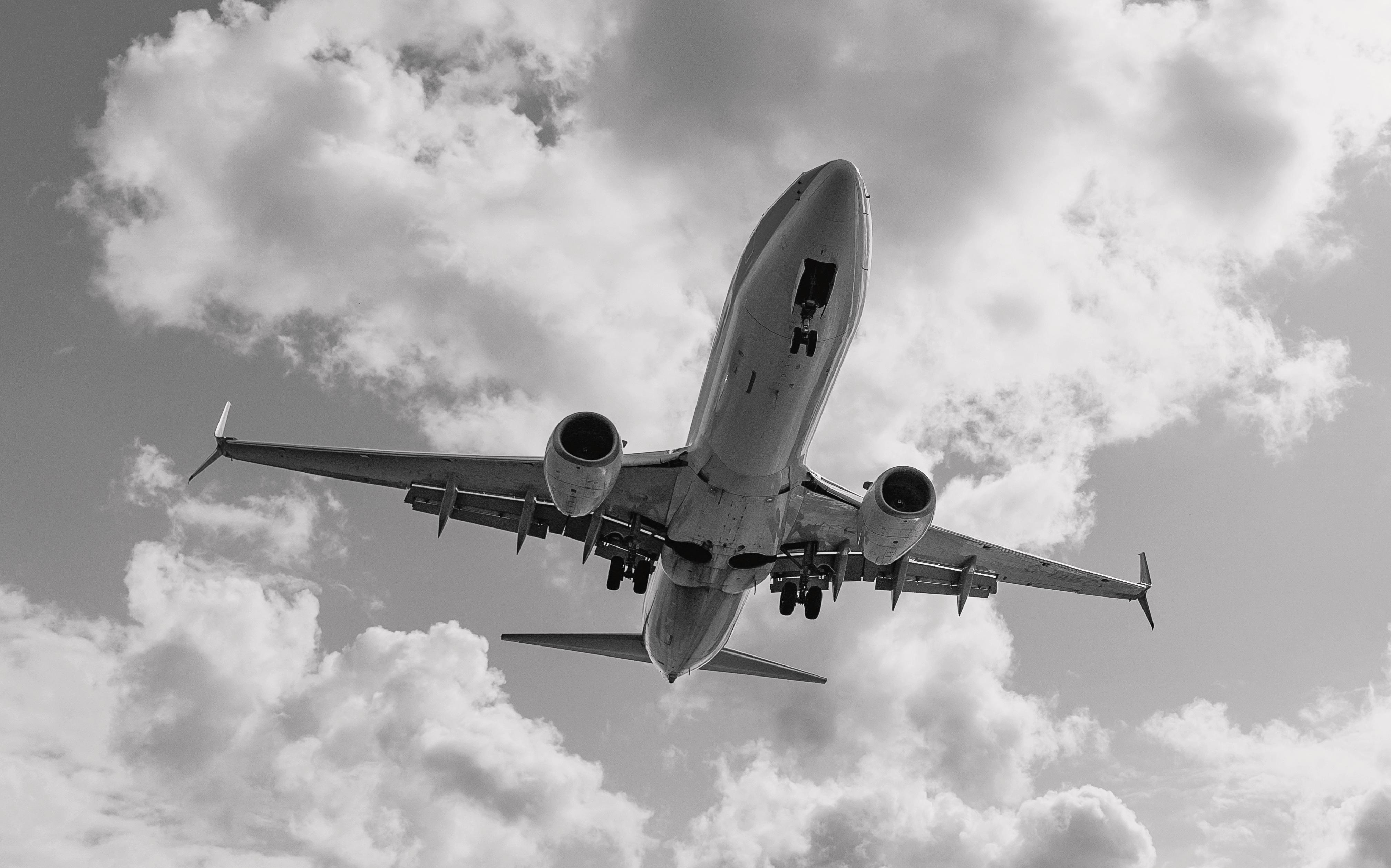
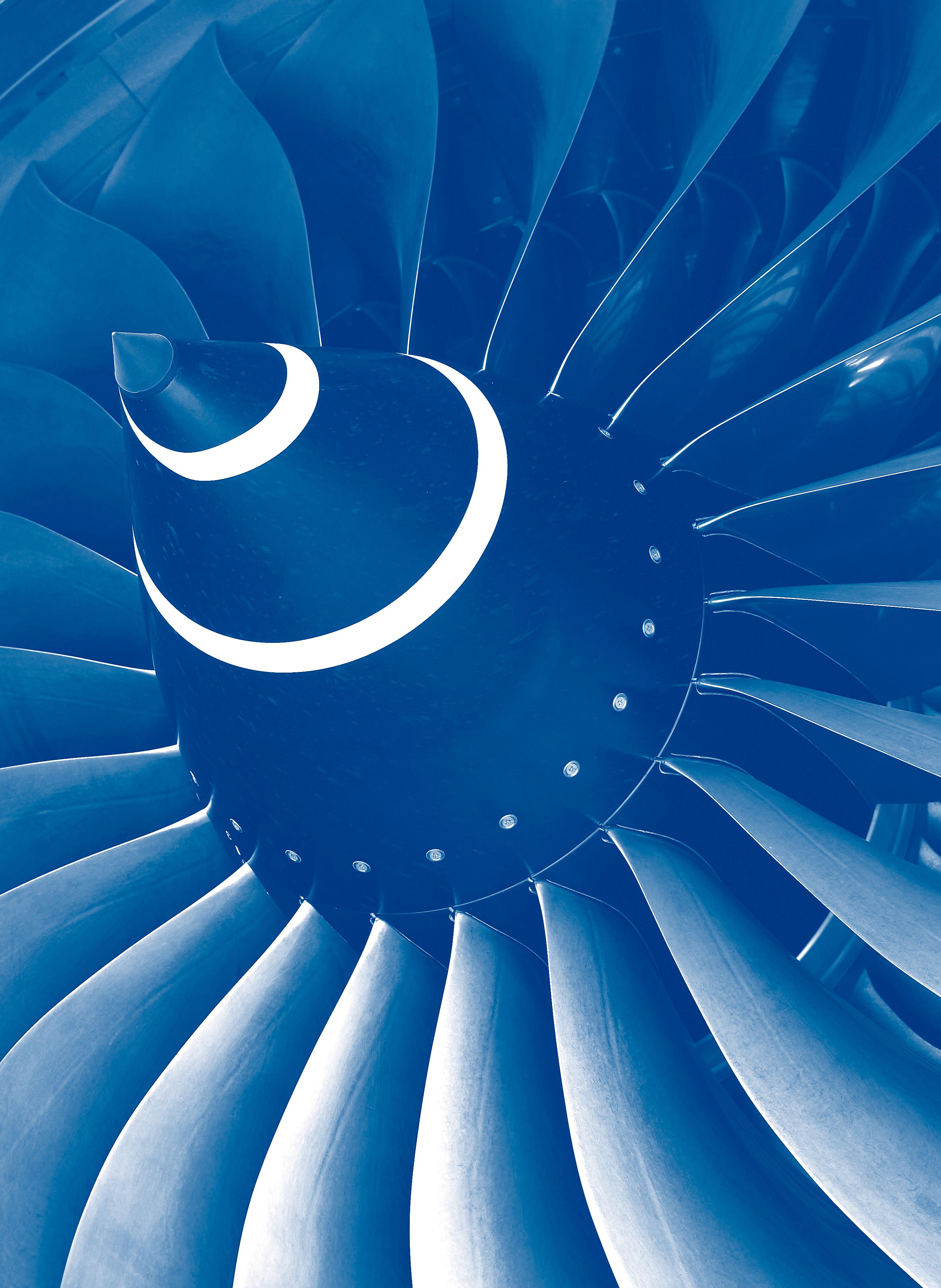
We have broadened the application horizon of our solutions, moving from rotary-wing aircraft to fixed-wing aircraft, which offer a far greater volume potential, in the order of tens of thousands of pieces. This new chapter represents an opportunity to consolidate a critical mass capable of supporting the aerospace division in a structured manner over the long term. In this regard, we are currently engaged in promising discussions with a world-class aircraft engine manufacturer. In addition, Leonardo launched the Crescere Insieme (Growing Together) programme in 2024, aimed at strengthening the Italian industrial supply chain through selective partnerships and shared development projects: an initiative that, in the near future, could even involve us in projects not strictly linked to mechanical seals. This prospect confirms the evolution of Meccanotecnica Umbra’s role within the aerospace value chain, with an increasing focus on strategic partnerships and long-term technological developments.
The strategy for the near future is clear: to focus on Europe, a market where proximity to major
Questa nuova consapevolezza si è rivelata preziosa quando abbiamo avviato il percorso di diversificazione del portafoglio con l’obiettivo di ridurre l’esposizione alle fluttuazioni del mercato globale. Il riallaccio del rapporto con Leonardo è avvenuto pochi anni fa, in un momento di profonda trasformazione del comparto aerospaziale europeo: i principali player iniziavano a spingere con maggiore determinazione verso strategie di near-shoring, per accorciare la filiera e ridurre la dipendenza da fornitori geograficamente lontani. Tensioni geopolitiche e guerre tariffarie stavano ridefinendo gli equilibri internazionali, rendendo la presenza di partner affidabili e vicini una priorità strategica. Per realtà come la nostra, già strutturate e certificate, si è aperto un contesto particolarmente favorevole, ricco di opportunità concrete.
Oggi Meccanotecnica
Umbra
occupa nel mercato aerospaziale
una posizione ancora emergente ma in rapida espansione.
Abbiamo ampliato l’orizzonte applicativo delle nostre soluzioni, passando dai velivoli ad ala rotante agli aerei ad ala fissa, con un potenziale di volumi molto più elevato, dell’ordine delle decine di migliaia di pezzi. Un nuovo capitolo che rappresenta la possibilità di consolidare una massa critica capace di sostenere in modo strutturato la divisione aerospace nel lungo periodo. Proprio a questo proposito, abbiamo in corso un’interazione promettente con un produttore di motori aeronautici di livello mondiale; a questo si aggiunge il programma Crescere Insieme lanciato da Leonardo nel 2024, volto a rafforzare la filiera industriale italiana attraverso partnership selettive e progetti di sviluppo condivisi: un’iniziativa che potrebbe coinvolgerci a breve, anche in progetti non strettamente legati alle tenute meccaniche. Una prospettiva che conferma l’evoluzione del ruolo di Meccanotecnica Umbra
manufacturers and the complexity of certification make it strategic to “play at home”.
Our membership of the Umbrian Aerospace Cluster forms part of this vision. Joining the cluster means being part of a system recognised at European level, presenting ourselves at international trade fairs with a shared identity, and benefiting from a network of certified, cohesive and integrated companies with which to build coherent supply chains. It also means accessing information, initiatives and opportunities that would be difficult to obtain operating on our own. Our CEO, Carlo Pacifici, is now a member of the cluster’s steering committee, contributing to the strategic development of an ecosystem that is becoming a benchmark for the entire region. However, this positioning does not exclude attention to other emerging contexts. Turkey, in particular, is investing heavily in developing its own industrial autonomy in the aeronautical sector, and is showing strong interest in capabilities such as ours. In this perspective, the presence of the Meccanotecnica Umbra plant in Istanbul – although not dedicated to aeronautical production – serves as a genuine listening point: an antenna capable of intercepting local operators attracted by the reputation of a technologically reliable European partner.

all’interno della catena del valore aerospaziale, sempre più orientata verso partnership strategiche e sviluppi tecnologici di lungo periodo.
La
strategia per il prossimo futuro
è
chiara: concentrarsi sull’Europa, un mercato in cui la vicinanza ai principali costruttori e la complessità certificativa rendono strategico “giocare in casa”. In questa prospettiva rientra la nostra adesione al Cluster Aerospaziale Umbro. Entrare nel cluster significa essere parte di un sistema riconosciuto a livello europeo, presentarsi alle fiere internazionali con una identità condivisa, beneficiare di una rete di aziende certificate, vicine e integrate, con cui costruire supply chain coerenti. Significa anche accedere a informazioni, iniziative e opportunità che difficilmente emergerebbero operando in modo isolato. Il nostro CEO Carlo Pacifici è oggi membro del comitato direttivo del cluster, contribuendo allo sviluppo strategico di un ecosistema che sta diventando un punto di riferimento per l’intero territorio. Questa posizione non esclude, tuttavia, l’attenzione verso altri contesti emergenti. La Turchia, in particolare, sta investendo massicciamente per sviluppare una propria autonomia industriale nel settore aeronautico e manifesta un forte interesse per competenze come le nostre. In questa prospettiva, la presenza dello stabilimento Meccanotecnica Umbra a Istanbul – pur non dedicato alla produzione aeronautica – agisce come un vero e proprio punto d’ascolto: un’antenna capace di intercettare operatori locali attratti dall’immagine di un partner europeo tecnologicamente affidabile.
HIGH-ALTITUDE INNOVATION: OUR TECHNOLOGY FOR THE AEROSPACE INDUSTRY. INNOVAZIONE AD ALTA QUOTA: LA NOSTRA TECNOLOGIA PER L’AEROSPAZIO.
ALESSANDRO VENTURA
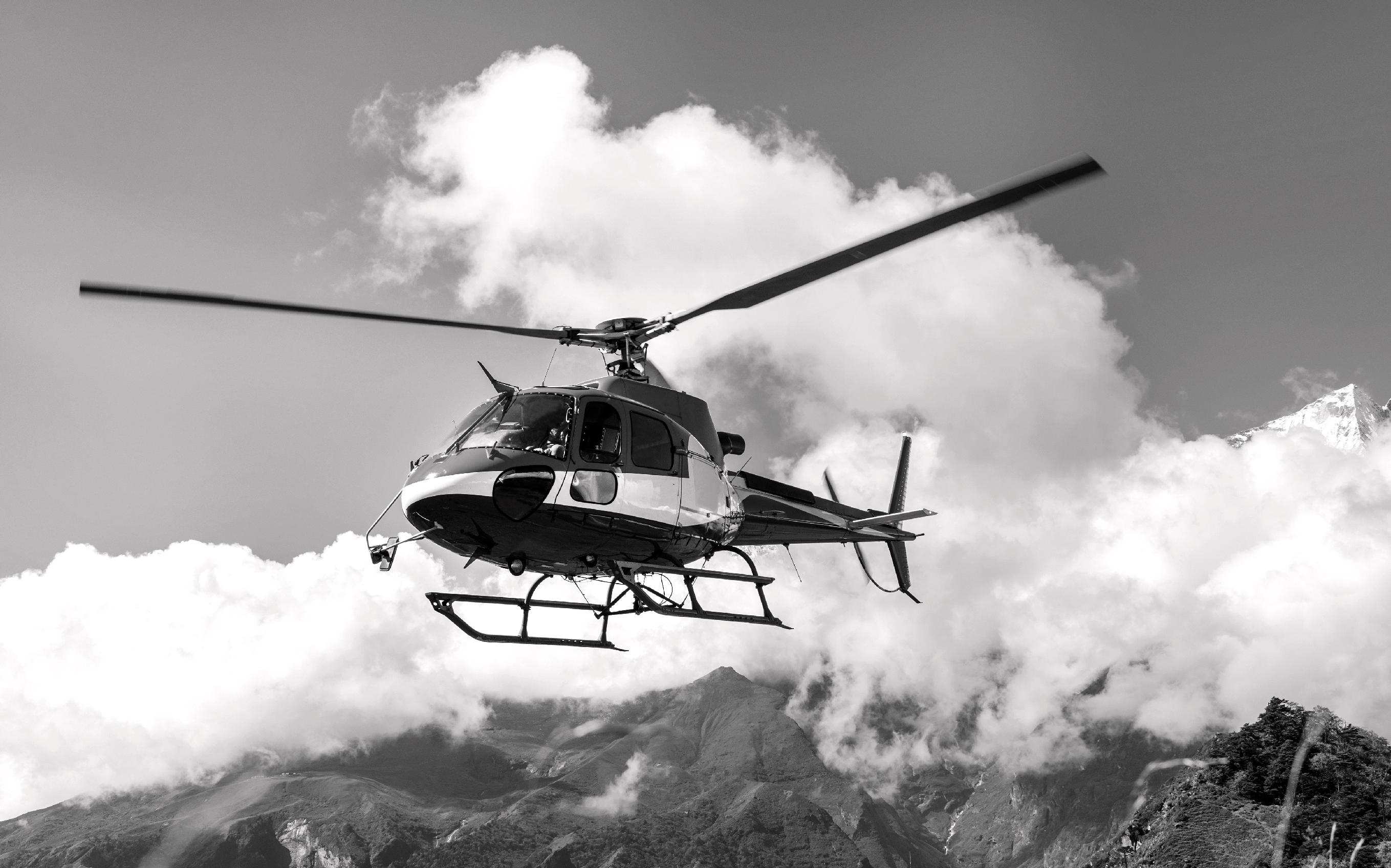
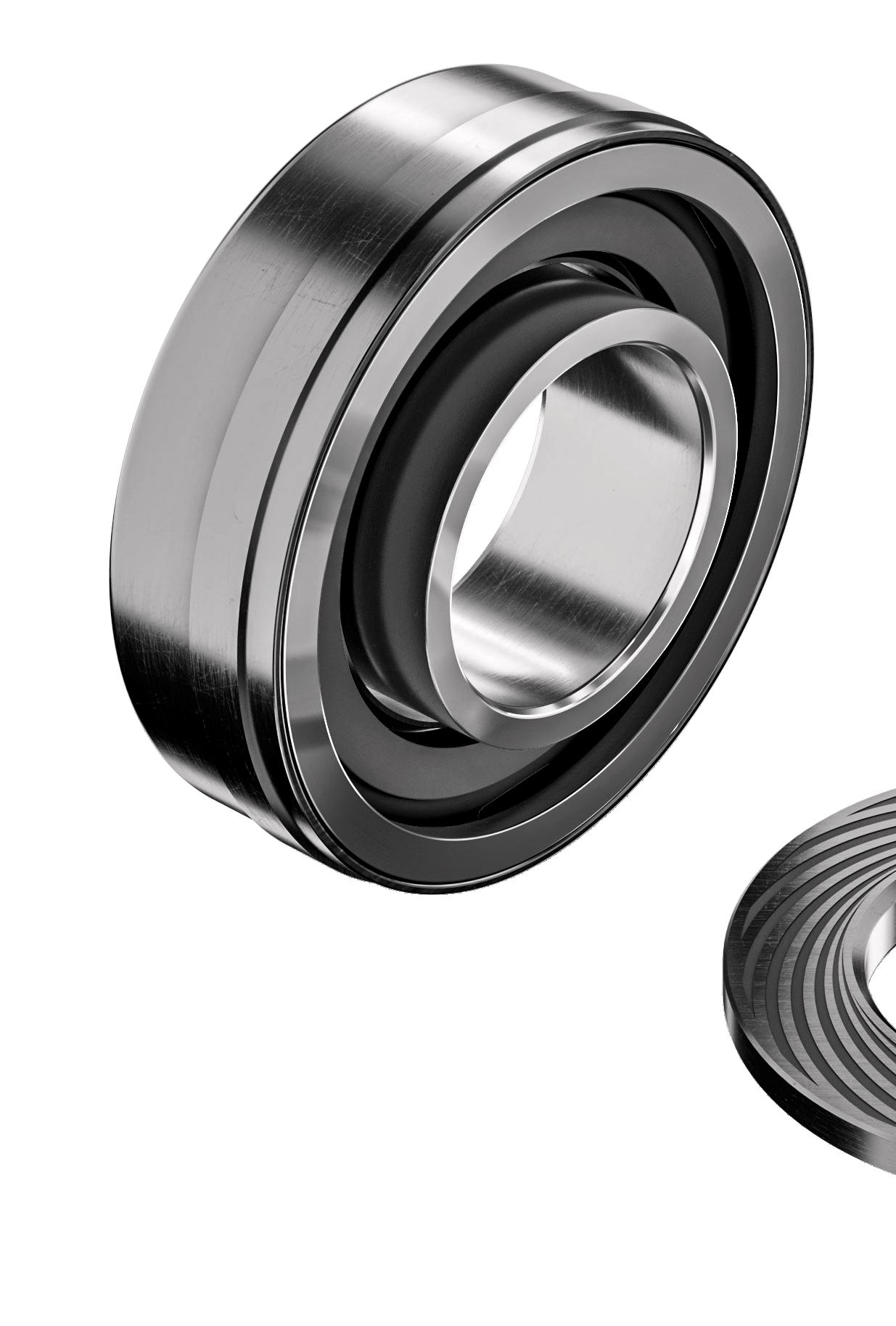
Installing a mechanical seal on board an aircraft means dealing with extreme operating conditions: temperatures below -70°C, engine areas exceeding 200°C, rotation speeds reaching 140,000 revolutions per minute, pressures that vary with flight altitude, environments lubricated by airborne mixtures of oil and air,
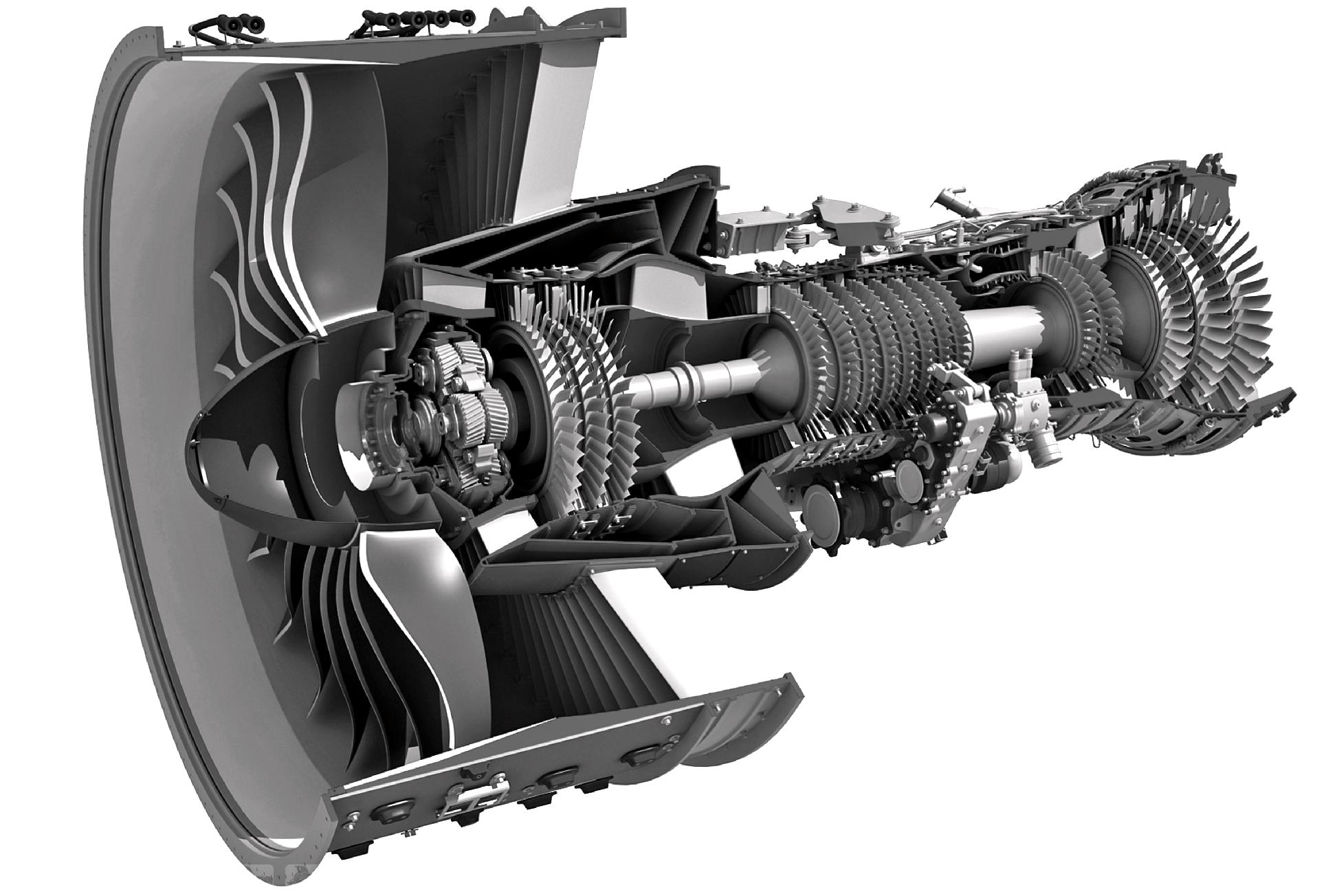
and systems that require a predetermined service life and scheduled maintenance. It is within this context that we develop our customised aeronautical solutions, adapting our know-how and expanding it when necessary. The seals we manufacture at our Competence Centre in Campello sul Clitunno operate at various critical points within aircraft motion transmission: they are used in helicopter gearboxes, in the transmission systems of aircraft engine auxiliaries, in components involved in starting via APUs (Auxiliary Power Units) and ATSs (Air Turbine Starters), in tail rotor control systems and in centrifugal fuel pumps. Each application presents specific challenges and operational constraints,
Mettere una tenuta meccanica a bordo di un velivolo significa confrontarsi con condizioni operative estreme: temperature che scendono al di sotto dei -70°C, zone del motore che superano i 200°C, velocità di rotazione che possono raggiungere i 140.000 giri al minuto, pressioni variabili al variare della quota di volo, ambienti lubrificati da miscele aerodisperse di olio e aria, sistemi che richiedono vita utile predeterminata e manutenzioni programmate. È in questo contesto che sviluppiamo le nostre soluzioni aeronautiche customizzate, adattando il nostro knowhow e ampliandolo dove necessario. Le tenute che realizziamo nel nostro Centro di Competenza di Campello sul Clitunno operano in diversi punti critici della trasmissione del moto nei
yet all require the ability to retain lubricating oil, protect components from external contaminants and ensure reliable, continuous operation even under the most severe conditions. Thanks to a development process based on customer specifications, the Centre is constantly evolving, integrating new solutions to meet the needs of a rapidly growing and innovative sector.
Aeronautical applications impose extremely stringent requirements compared to those of the industrial or automotive sectors, making our seals products that are both highly innovative and inherently challenging.
These are components that must guarantee reliable operation without the possibility of sudden failure: their life cycle is defined at the design stage and replacement occurs exclusively according to scheduled maintenance, typically over a period of two to three years. Reliability is therefore not only a performance target, but a fundamental safety requirement. The seals must operate within an extremely wide temperature range, which can vary from -72 °C to 250 °C depending on their position within the aircraft – from areas most exposed to altitude to regions near the engine where temperatures are significantly higher. These conditions are compounded by extremely high rotational speeds: in certain applications, such as centrifugal fuel feed pumps or engine auxiliary systems, speeds of up to 140,000 revolutions per minute can be reached. At such speeds, centrifugal force causes actual deformation of the ring geometry, a phenomenon that must be anticipated and managed during the design phase
velivoli: sono impiegate nei gearbox degli elicotteri, nei sistemi di trasmissione degli ausiliari dei motori aeronautici, nelle componenti coinvolte nell’avviamento tramite APU (Auxiliary Power Units) e ATS (Air Turbine Starter), negli impianti di controllo del rotore di coda e nelle pompe centrifughe per il carburante. Ogni applicazione presenta specifiche sfide e vincoli operativi, ma tutte richiedono la capacità di garantire la tenuta dell’olio di lubrificazione, la protezione dei componenti da contaminanti esterni e un funzionamento affidabile e continuo anche nelle condizioni più gravose. Grazie a un processo di sviluppo basato sulle specifiche del cliente, il Centro evolve costantemente, integrando nuove soluzioni per rispondere alle esigenze di un settore in rapida crescita e innovazione.
Le applicazioni aeronautiche
impongono requisiti estremamente più severi rispetto a quelli
dell’industriale o dell’automotive, rendendo le nostre tenute prodotti altamente innovativi, ma anche intrinsecamente sfidanti.
Si tratta di componenti che devono garantire un funzionamento certo, senza possibilità di avarie improvvise: il loro ciclo di vita è definito già in fase di progetto e la sostituzione avviene esclusivamente secondo manutenzione programmata, nell’arco tipico di due o tre anni. L’affidabilità non è quindi solo un obiettivo prestazionale, ma una condizione imprescindibile di sicurezza. Le tenute devono operare in un intervallo termico estremamente ampio, che può andare da -72 °C fino a 250 °C a seconda della posizione all’interno del velivolo – nelle zone più esposte alla quota, oppure in prossimità del motore dove l’ambiente è molto più caldo. A queste condizioni
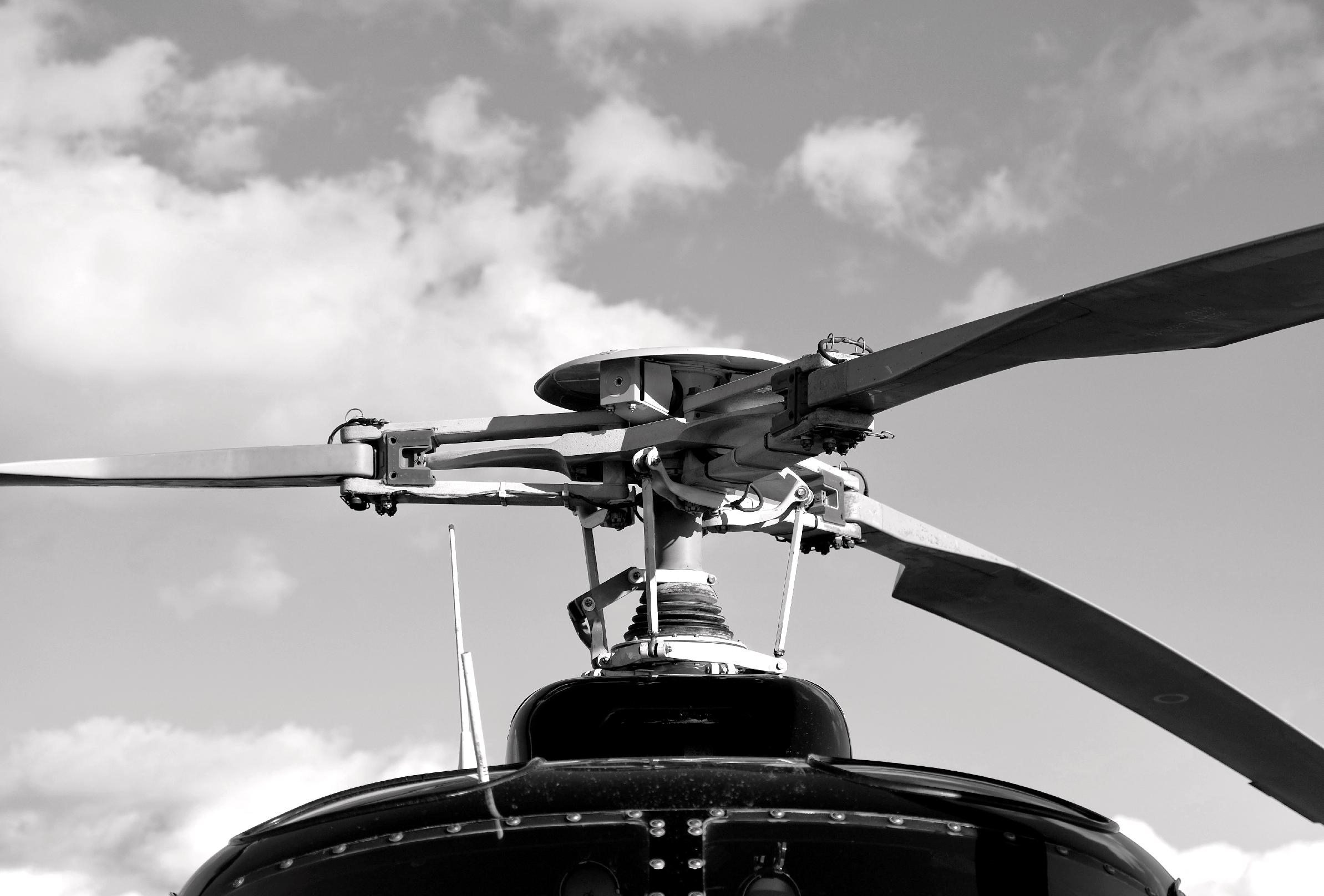
using advanced analysis tools. Predicting these behaviours is essential to ensure the stability of the lubricating film, the absence of contact between surfaces and the operational continuity of highly critical systems, such as APU or ATS startup, or fuel supply to the combustion chamber.
Each of our seals is therefore the result of a complex balance between materials, geometries and operating conditions — an engineering synthesis designed to meet the needs of an industry where there is no room for error.
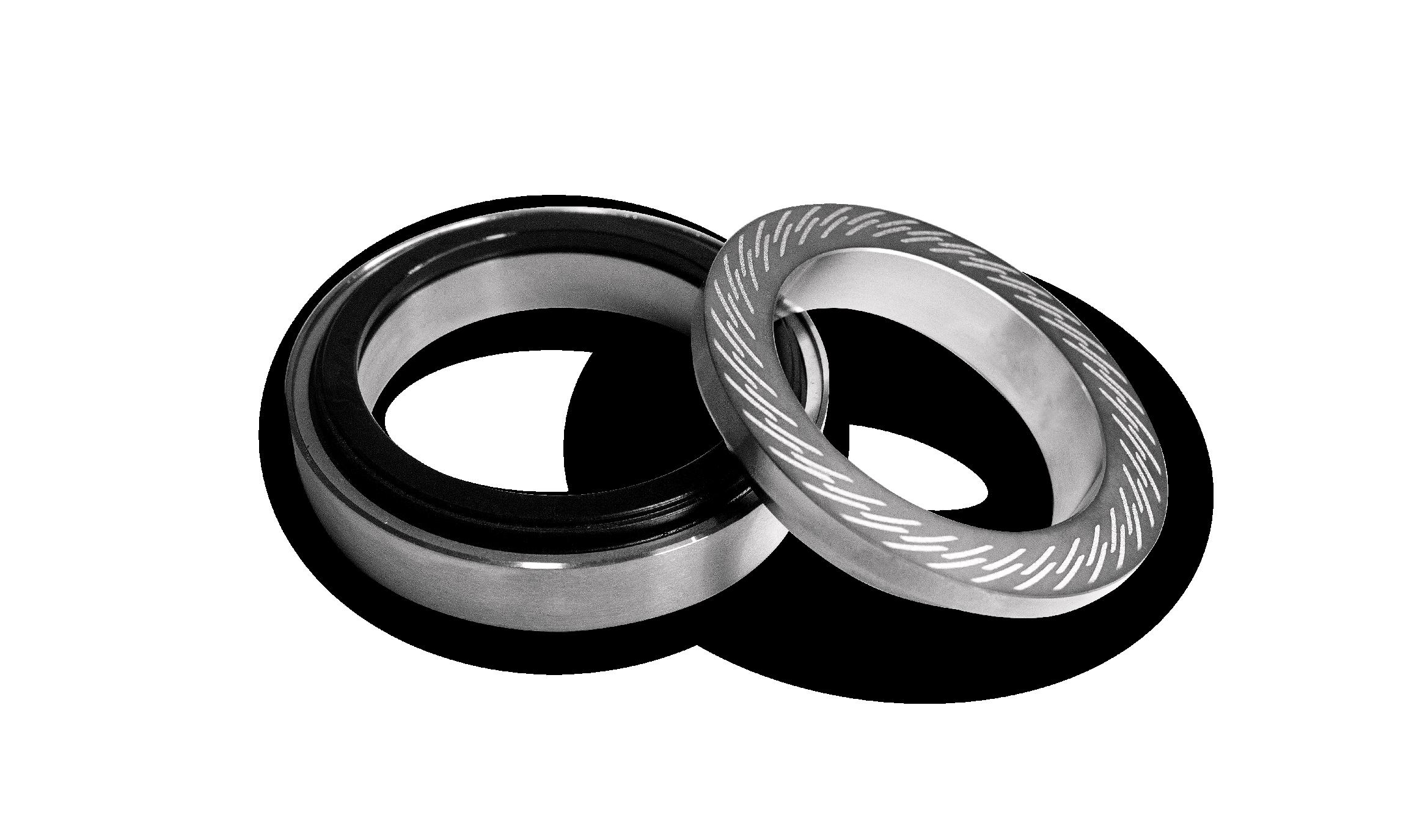
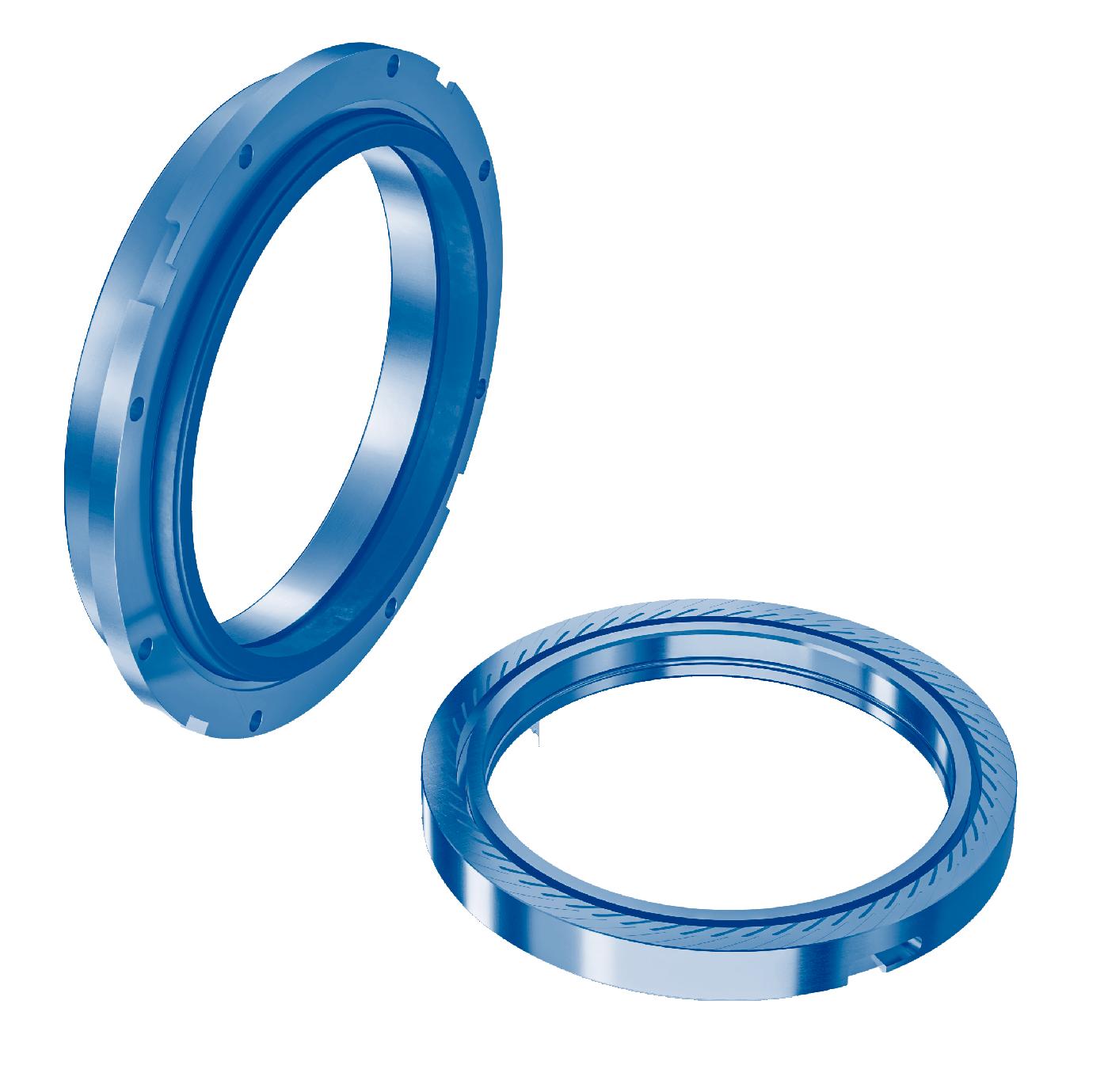
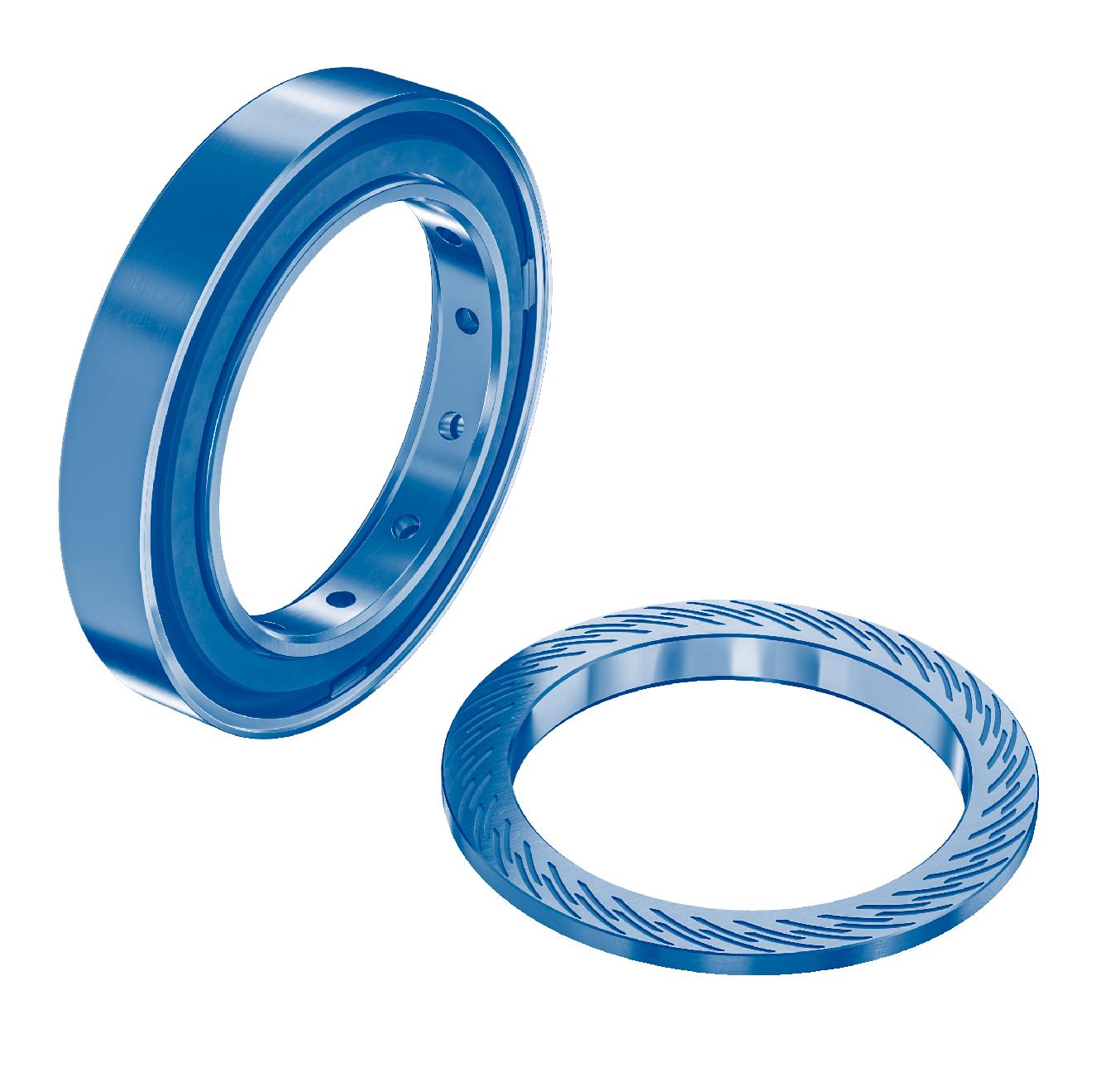
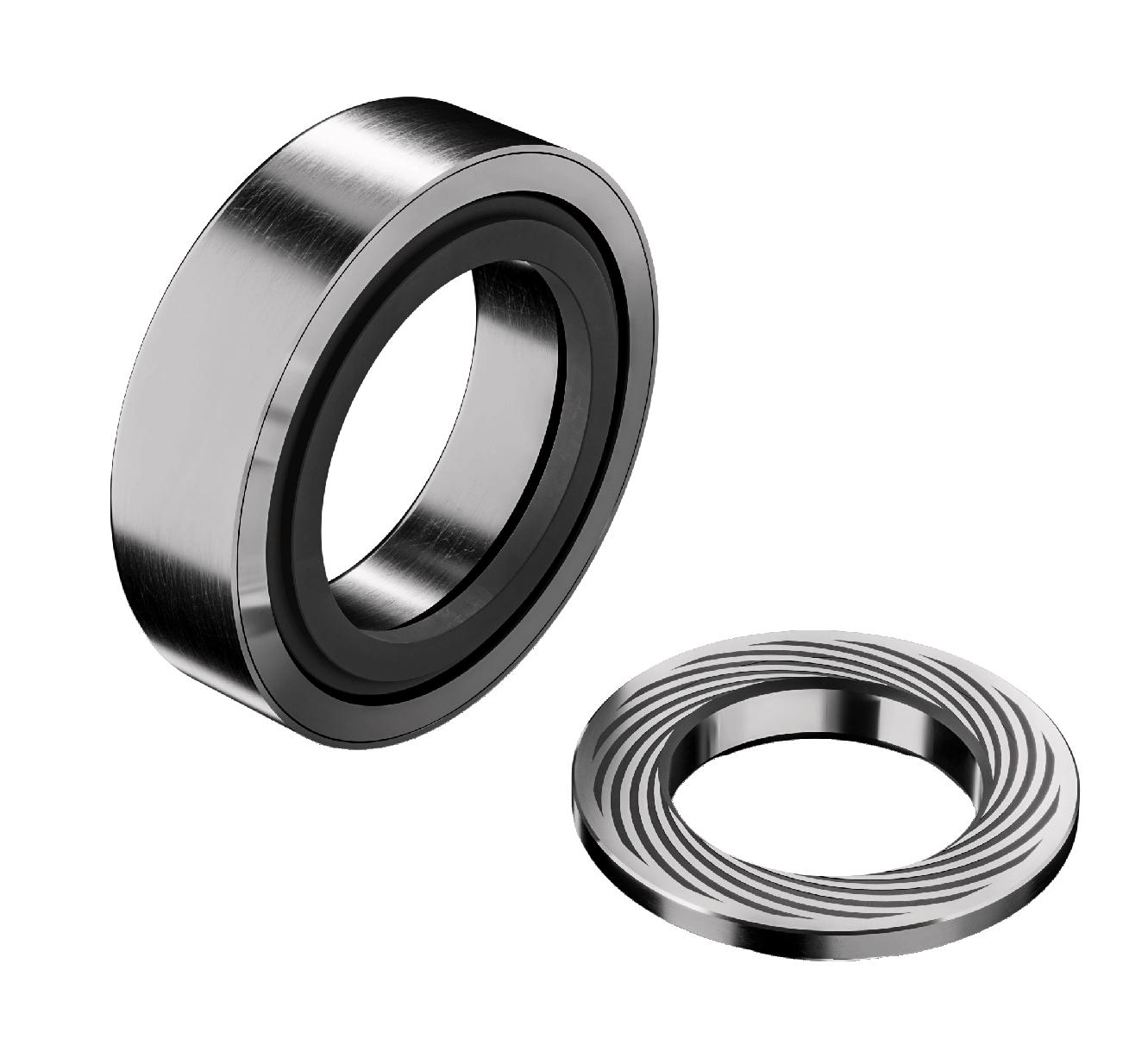
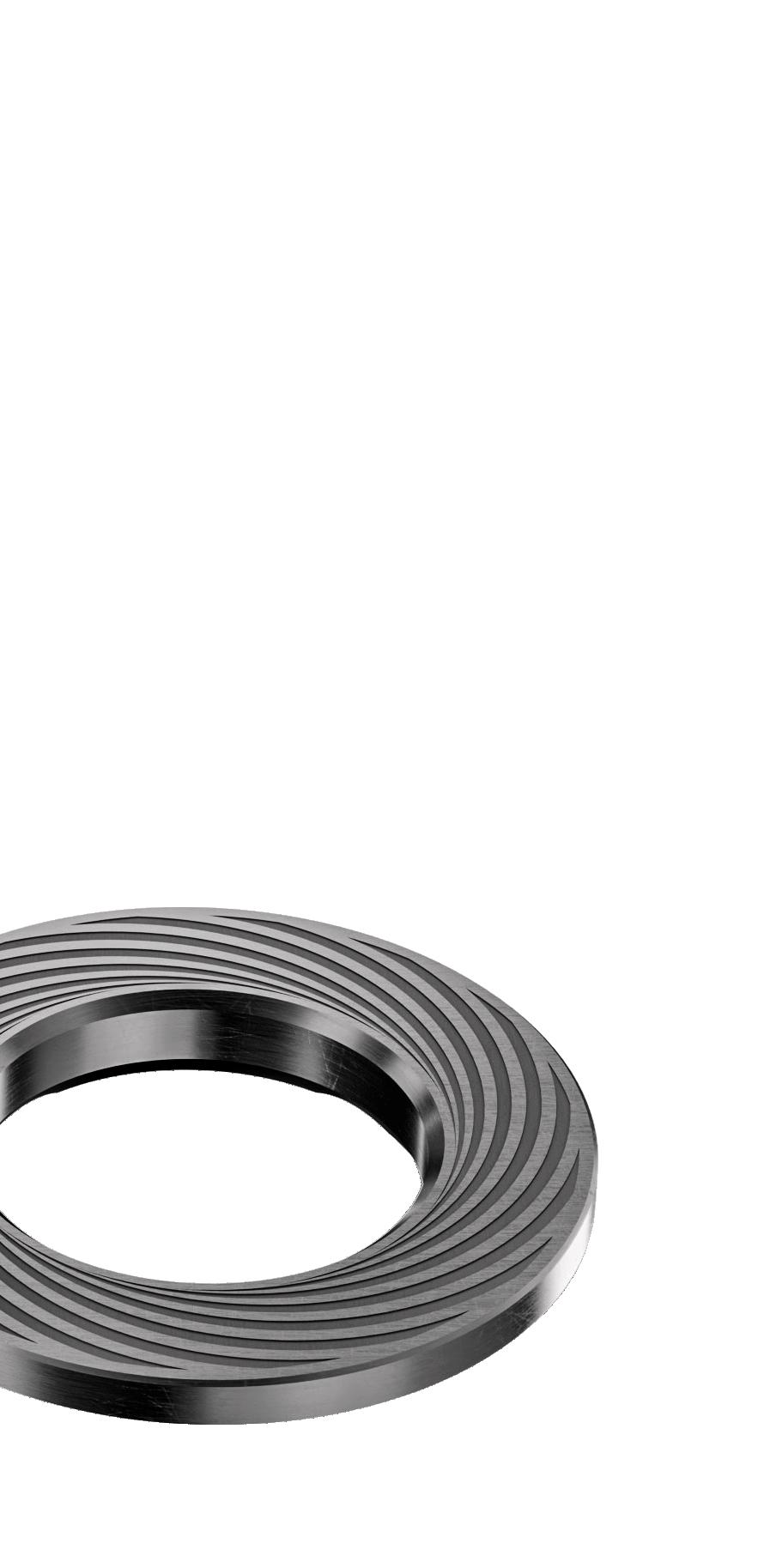
The heart of our technology lies in the geometry of the grooves, the micro-vane patterns laser-engraved on one of the seal surfaces. The shape, depth and arrangement of these elements influence the behaviour of the fluid film, the separation between the surfaces, dynamic stability and the overall efficiency of the component. At the end of last year, the need to address rotation speeds far greater than those encountered in the automotive sector led us to begin a collaboration with the Department of Mechanical Engineering at the University of Perugia. This collaboration represents a strategic step for us: it combines academic expertise with industrial know-how and enables us to tackle challenges that require advanced simulation tools. Using CFD (Computational Fluid Dynamics) tools, we simulate the dynamics of the lubricating fluid within the geometries of our components, which are subjected to extreme stresses generated by exceptionally high rotational speeds. Thanks to these analyses,
si aggiungono velocità di rotazione elevatissime: in alcune applicazioni come le pompe centrifughe dell’alimentazione carburante o nei sistemi ausiliari dei motori, si possono raggiungere i 140.000 giri al minuto. A queste velocità la forza centrifuga induce deformazioni reali della geometria degli anelli, un fenomeno che deve essere previsto e gestito in fase di progettazione attraverso strumenti di analisi avanzata. Anticipare questi comportamenti è essenziale per garantire la stabilità del film di lubrificazione, l’assenza di contatto tra le superfici e la continuità operativa di sistemi altamente critici come l’avviamento tramite APU o ATS, oppure l’alimentazione della camera di combustione.
Ogni nostra tenuta è dunque
il risultato di un equilibrio complesso tra materiali, geometrie e condizioni di esercizio, una sintesi ingegneristica che risponde alle esigenze di un settore in cui non esiste margine di errore. Il cuore della nostra tecnologia risiede nella geometria dei groove, le micro-palettature incise tramite laser su una delle superfici della tenuta. Forma, profondità e disposizione di questi elementi influenzano il comportamento del film fluido, lo stacco tra le superfici, la stabilità dinamica e l’efficienza complessiva del componente. La necessità di affrontare velocità di rotazione molto superiori a quelle dell’automotive ci ha portati, alla fine dello scorso anno, ad avviare una collaborazione con il Dipartimento di Ingegneria Meccanica dell’Università di Perugia. Questa collaborazione rappresenta per noi un passaggio strategico: mette in relazione competenza accademica e know-how industriale e ci permette di affrontare temi che richiedono strumenti di simulazione avanzata. Attraverso strumenti CFD (Computational Fluid Dynamics) simuliamo
we have been able to identify the critical parameters that determine the seal's performance, optimising the design of the grooves.
The results of the numerical simulations have shown an increase in effectiveness of up to two and a half times compared to traditional geometries, allowing us to reduce the number of physical tests and direct the design towards increasingly high-performance solutions.
We are now in the experimental testing phase to verify the achievement of the expected results; we are confident because the data obtained so far from the analyses are consistent with what actually occurs within these geometries.
From a production perspective, despite having advanced skills within the group, we chose not to rely on internal resources at this initial stage: for the basic components, we rely on suppliers already qualified for the aeronautical market and accustomed to operating according to the EN9100 standards. Within the company, we focus on the stages with the highest added value, namely the critical processing of the components and their assembly. In this regard, we have considerably enhanced our lapping and polishing capabilities, essential processes for achieving perfectly flat surfaces, which are a prerequisite for the proper functioning of aeronautical seals. We have also internalised laser cutting for the creation of dedicated geometry grooves, bringing a key technology for the design of aerospace components in-house.
Looking to the future, the goal is to evaluate a gradual return in-house of some processes that are currently outsourced, starting with materials. Our seals use carbon components that must possess extremely specific characteristics to withstand aeronautical operating conditions; for this reason,
we are developing our own carbon compound, drawing on the knowhow of our internal materials division.
This choice offers a twofold advantage: it allows us to control tribological properties more precisely and reduces our dependence on non-European suppliers, shortening the supply chain in line with our customers’ requirements. Looking ahead, this path could lead us to manufacture most of the components needed for the production of our aeronautical seals in-house.
The evolution of our expertise is driving us towards new and broader scenarios:
when you acquire the ability to design and manufacture components capable of withstanding extreme speeds, severe temperature gradients and absolute reliability requirements, it becomes natural to look further ahead.
la dinamica del fluido lubrificante all’interno delle geometrie dei nostri componenti, soggetti alle tensioni estreme generate dall’elevatissima velocità di rotazione. Grazie a queste analisi abbiamo potuto identificare i parametri critici che determinano le prestazioni della tenuta, ottimizzando il design dei groove. I risultati delle simulazioni numeriche hanno evidenziato un incremento di efficacia fino a due volte e mezzo rispetto alle geometrie tradizionali, consentendoci di ridurre il numero di test fisici e orientare la progettazione verso soluzioni
sempre più performanti.
Siamo ora nella fase di test sperimentali per verificare concretamente il raggiungimento dei risultati attesi; siamo confidenti, perché i dati finora ottenuti dalle analisi mostrano coerenza con ciò che realmente accade all’interno di queste geometrie.
Dal punto di vista produttivo, pur disponendo nel gruppo di competenze avanzate, in questa fase iniziale abbiamo scelto di non appoggiarci a realtà interne: per i componenti di base ci affidiamo a fornitori già qualificati per il mercato aeronautico, abituati a operare secondo gli standard della EN9100. In quest’ottica abbiamo perfezionato in modo sostanziale le nostre capacità di lappatura e lucidatura, processi fondamentali per ottenere superfici perfettamente piane, un requisito indispensabile per il funzionamento delle tenute aeronautiche. Abbiamo inoltre internalizzato la laseratura per la realizzazione dei groove a geometria dedicata, portando in casa una tecnologia chiave per il design dei componenti aerospace.
Guardando al futuro, l’obiettivo è valutare un progressivo rientro in-house di alcune lavorazioni oggi esternalizzate, a partire dai materiali. Le nostre tenute impiegano componenti carboniosi che devono possedere caratteristiche estremamente specifiche per resistere alle condizioni operative aeronautiche; per questo
stiamo sviluppando una nostra mescola di carbonio, grazie al know-how della divisione interna dedicata ai materiali.
Una scelta con un duplice vantaggio: controllare in modo più preciso le proprietà tribologiche e ridurre la dipendenza da fornitori extraeuropei, accorciando la supply chain in linea con le richieste dei nostri clienti. In prospettiva, questo percorso potrebbe portarci a realizzare internamente la maggior parte dei componenti necessari alla produzione delle nostre tenute aeronautiche.
L’evoluzione delle nostre competenze ci sta spingendo verso nuovi scenari sempre più ampi: quando si acquisisce la capacità di progettare e produrre componenti che resistono a velocità estreme, a gradienti termici severi e a requisiti di affidabilità assoluta, diventa naturale guardare un po’ più in là.
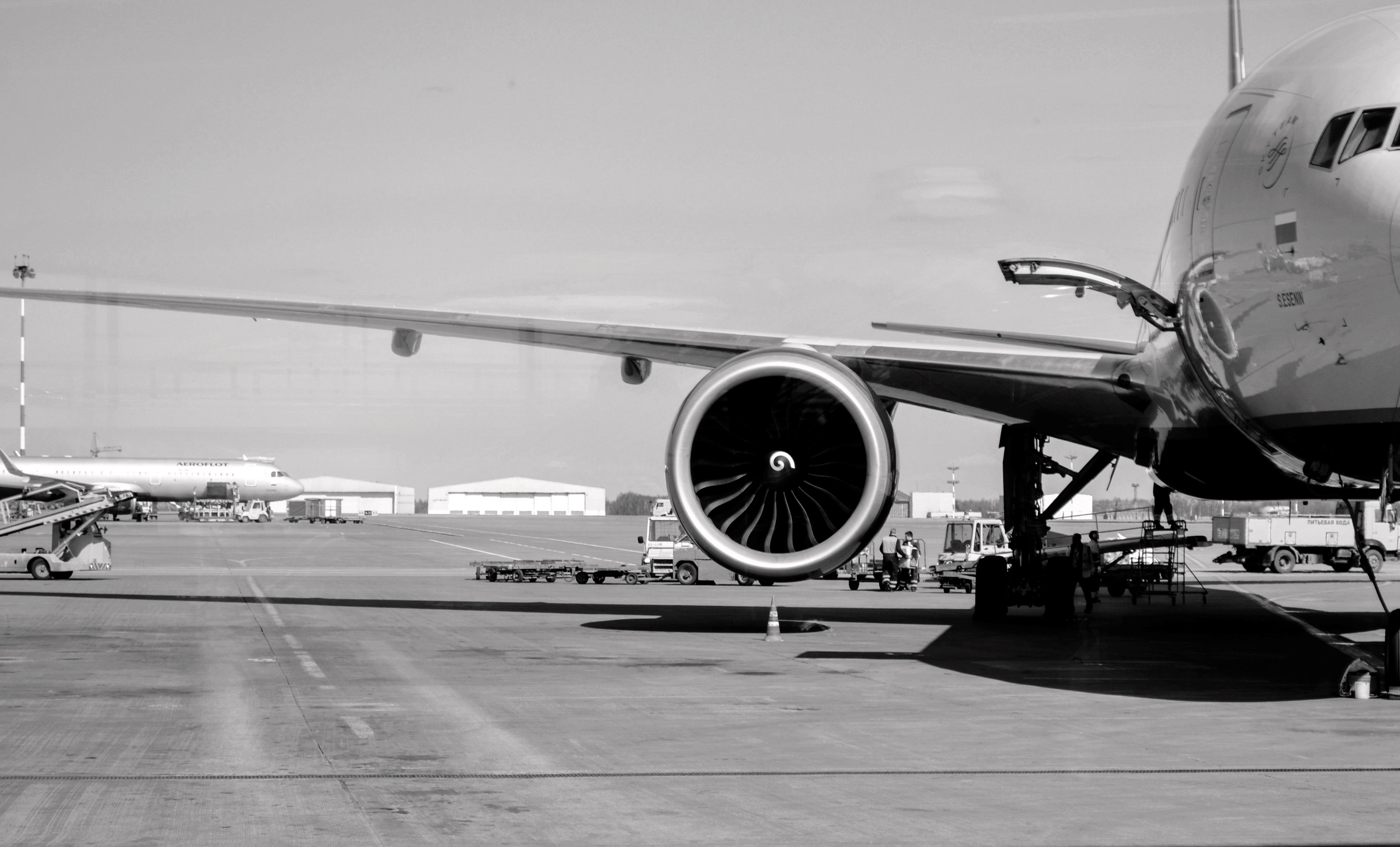
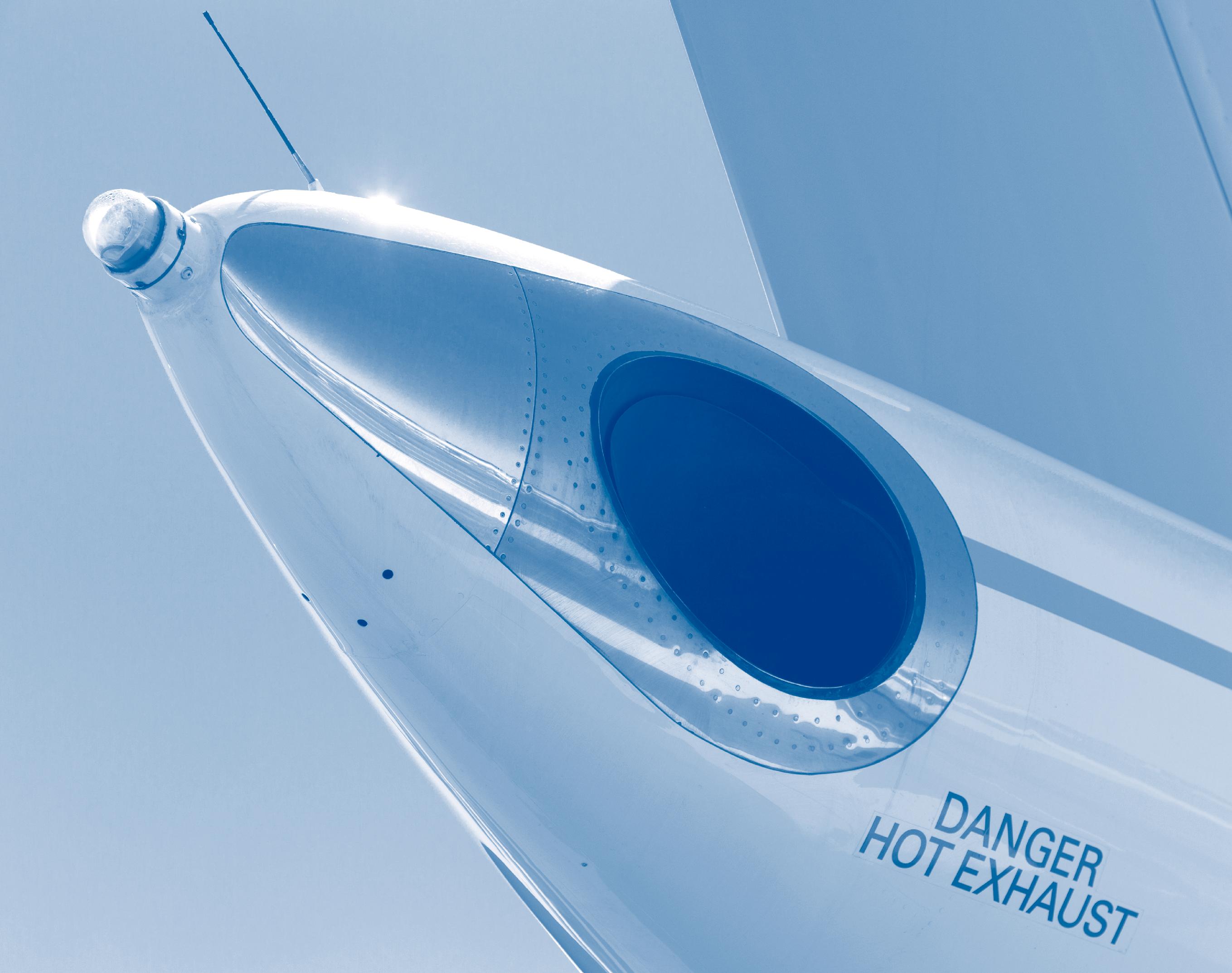
And further ahead, today, means space. In rockets, the power supply for cryogenic engines requires the management of fluids such as liquid hydrogen and oxygen, materials that are complex and delicate to contain, control and isolate. It is a context that amplifies every challenge – including pressures, temperatures, accelerations – but also a field in which our experience finds surprising continuity: from advanced simulations to laser technologies, and from high-speed deformation analysis to materials design. This is why we see space not as a leap into the unknown, but as the natural and technically coherent extension of our current path.
Looking to space means recognising that the trajectory we've
embarked upon can continue
even higher.
E più in là, oggi, significa spazio. Nei razzi, l’alimentazione dei motori criogenici richiede la gestione di fluidi come idrogeno e ossigeno liquidi, materiali complessi e delicati da contenere, controllare e isolare. È un contesto che amplifica tutte le sfide – pressioni, temperature, accelerazioni – ma anche un terreno in cui la nostra esperienza trova una continuità sorprendente: dalle simulazioni avanzate alle tecnologie laser, dalle analisi sulle deformazioni alle alte velocità alla progettazione dei materiali. Per questo guardiamo allo spazio non come un salto nel vuoto, ma come l’estensione naturale e tecnicamente coerente del percorso che stiamo tracciando.
Guardare
allo spazio significa riconoscere che la traiettoria intrapresa può proseguire ancora più in alto.

03. Editorial / Editoriale
04. New routes for Meccanotecnica Umbra: entering the European aerospace industry. / Nuove rotte per Meccnaotecnica Umbra: l'ingresso nella filiera aerospaziale europea.
10. Innovation at high altitude: our technology for aerospace. / Innovazione ad alta quota: la nostra tecnologia per l'aerospazio.
Vuoi collaborare al prossimo numero di MTU? Want to give your contribution to the next