Meaghan K Lyons Selected Works 2023
Meaghan K Lyons
Drivenandskilledarchitectwith5+yearsprofessionalexperience inallstagesofthedesignprocess.Interestindensityinfill, adaptivereuse,andurbanaffordability.
Education
Master of Architecture, 2020
University of California, Berkeley
B.A. Biological Sciences, 2015
University of Chicago
Work Experience
Designer | 05/2020 - Present
Matano Kang Architects | Berkeley, CA
- Sole designer on a variety of healthcare and higher education renovation projects preparing SD, DD, and CD packages
- Respond to comments from AHJ and address any ADA concerns
- Lead meetings with client to get feedback on design direction
- Keep all projects under design budget, while providing an efficient and comprehensive solution to the client
- Manage 5-10 projects and associated deadlines at a time
- Process RFIs and submittals, lead OAC meetings during construction
Design Intern | 05/2018 - 05/2020
Matano Kang Architects | Berkeley, CA
Participated in design development, construction document production, and construction administration. Developed plans, elevations, and details in AutoCAD, coordinated drawings with consultants, visited sites for field measurements.
Graduate Student Instructor | 08/2018 - 12/2019
University of California, Berkeley | Berkeley, CA
Led discussion sections, held office hours, graded assignments and exams for a college-level course in the Integrative Biology department
“Introduction to Oceans.”
Program & Development Assistant | 07/2016 - 07/2017
Chicago Architecture Foundation | Chicago, IL
Recruited, trained, and managed over 1200 volunteers for Open House Chicago, a city-wide architecture festival; managed site logistics and databases.
Competitions
Finalist, Innovation in Affordable Housing Competition
Department of Housing and Urban Development, 04/2020
Winner, James R. Boyce Affordable Housing Studio
University of California, Berkeley, 05/2019
360.202.4833
meaghan.k.lyons@gmail.com
issuu.com/meaghanlyons
Certifications
Path to Licensure, 2023
All ARE divisions completed, 2022
LEED Green Associate, 2020
Skills
AutoCAD
Rhinocerous3D
Revit
Adobe Creative Suite
SketchUp
Microsoft Office Suite
Critical Thinking
Organization Creativity
Languages
English
French
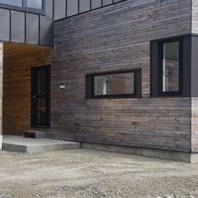
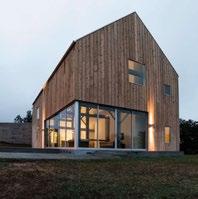
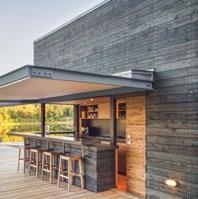
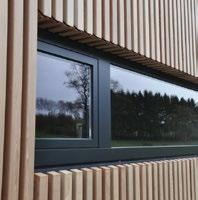
01 07 Three Peaks Housing San Rafael Community Center 21 Richmond Health Education 15 The Ripple Housing 1-1/2" = 1' MATERIAL PRECEDENTS FACADE RENDER WALL SECTION N.T.S. DETAIL 1 3" = 1' DETAIL 2 3" = 1' DETAIL 3 3" = 1' STEEL TRUSS 16” DEEP STEEL BEAM METAL DECKING SURROUNDING GUTTER DOUBLE-PANED RAINSCREEN SYSTEM WATERPROOFING INSULATION COLUMN BASE PLATE GROUT LEVELING NUT WOOD PANEL RAINSCREEEN PROPRIETARY RAINSCREEN ATTACHMENT SYSTEM AIR GAP WATERPROOFING LAYER BATT INSULATION 5/8” GYP. BOARD INTERIOR DRAIN SPOUT FACADE ATTACHMENT TO PRIMARY STRUCTURE INSULATION SURROUNDING GUTTER CUT HIDDEN RAIN GUTTER HANDLE FOR MANUAL OPERATION DOUBLE PANED WINDOW SLOPED SILL SECONDARY FACADE ATTATCHMENT AT MID-SPAN BATT INSULATION. 2 X 6 LIGHT GAUGE STEEL STUDS @ 16” 0.C. ANCHOR BOLTS EMBEDDED IN CONCRETE 2 X 6 LIGHT GAUGE STEEL STUDS @ 16” O.C. FINISH FLOOR SUBFLOOR 8” CONCRETE SLAB CONCRETE PILINGS @ 18’ O.C. SEE DETAIL 2 SEE DETAIL 2 SEE DETAIL 1 BLOCKING CONCRETE BEAM CONCRETE PILINGS DRIVEN DOWN 40’ INTO BAY MUD WOOD PANEL RAINSCREEEN VERTICAL RAIL SUPPORTING RAINSCREEN @ 6’-0” O.C. PROPRIETARY RAINSCREEN ATTACHMENT SYSTEM AIR GAP WATERPROOFING LAYER BATT INSULATION 5/8” GYP. BOARD 2 X 6 LIGHT GAUGE STEEL STUDS @ 16” O.C. INTERIOR DRAIN SPOUT FACADE ATTACHMENT TO PRIMARY STRUCTURE INSULATION SURROUNDING GUTTER CUT HIDDEN RAIN GUTTER FINISH FLOOR HVAC DUCT METAL DECKING STEEL TRUSS 16” DEEP STEEL BEAM SUBFLOOR 8” CONCRETE SLAB
Solar Panels Digital Map to Navigate Library Locations Charging Strip 25 Networked Libraries 31 Bridging the Bay 35 Pastry As Art 39 Oakland Radiology Room
Townhomes
Northern Residential Townhomes
Townhomes
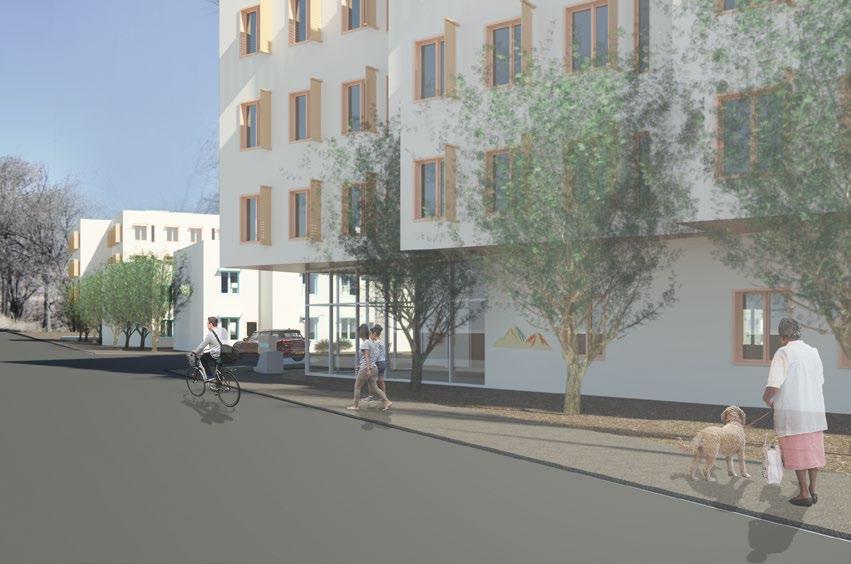
Three Peaks: Affordable Housing for Santa Fe
Townhomes
Department of Housing & Urban Development, Finalist, Innovation in Affordable Housing Competition, 2020 Individual Architecture Work. Teammates: Planning: Cali Slepin, Mariela Herrick; Real Estate Development: Dylan Westhoff; Public Policy: Cody Zeger; Advisor: Carol Galante
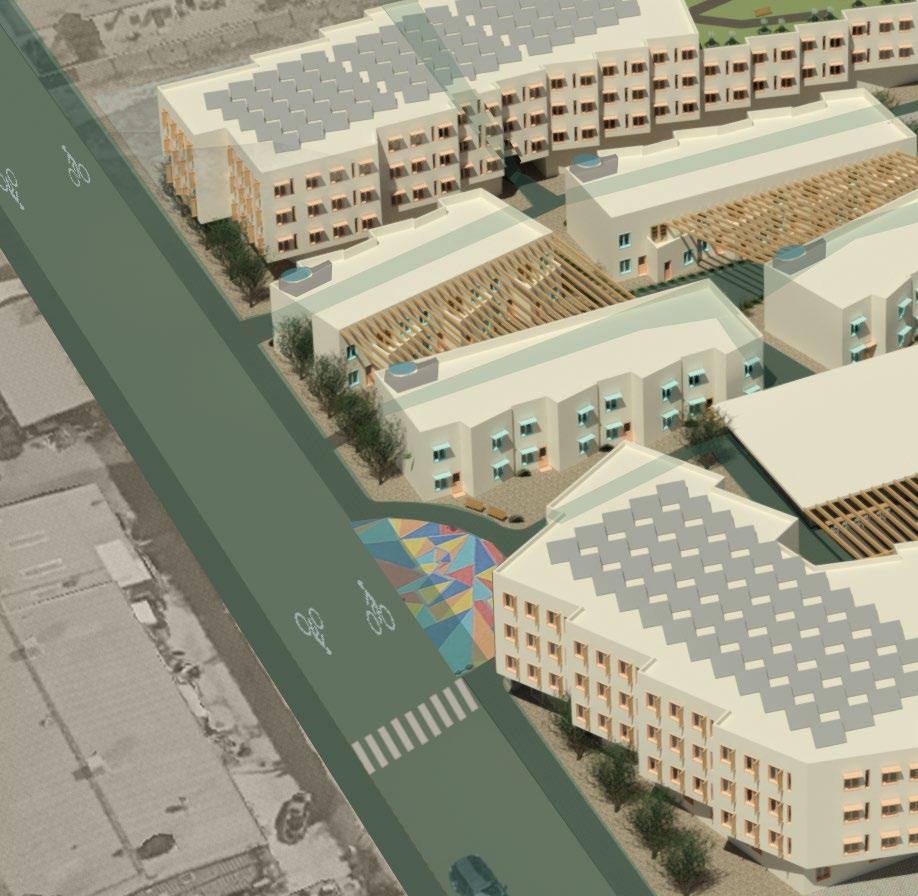
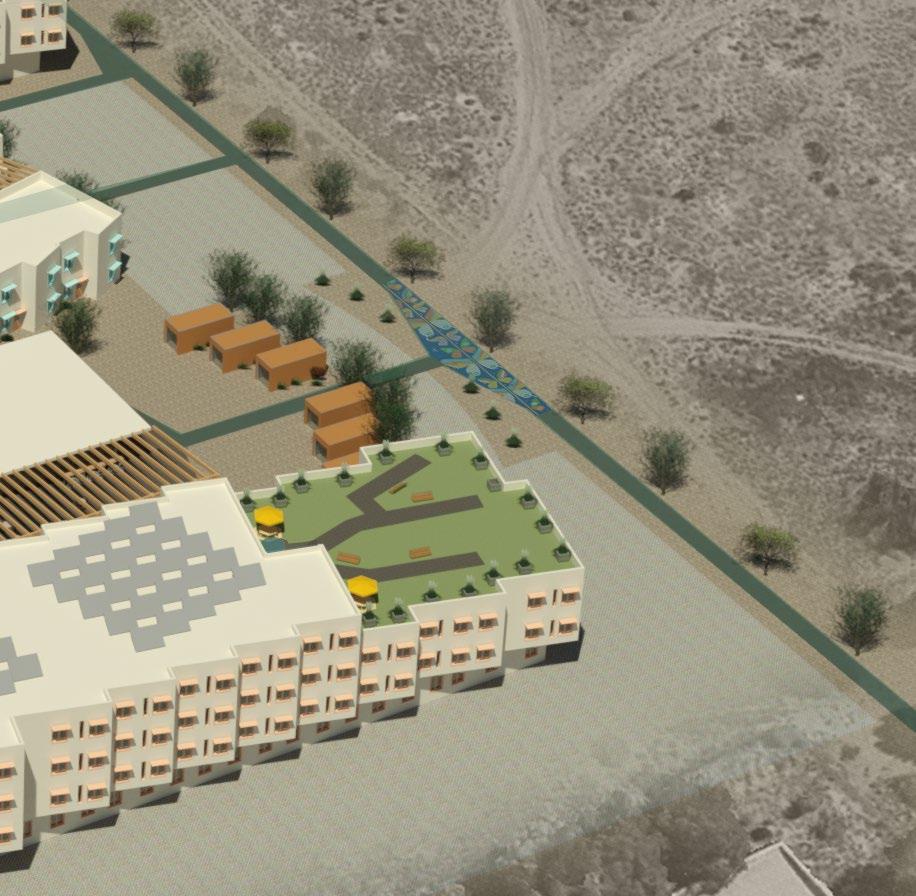
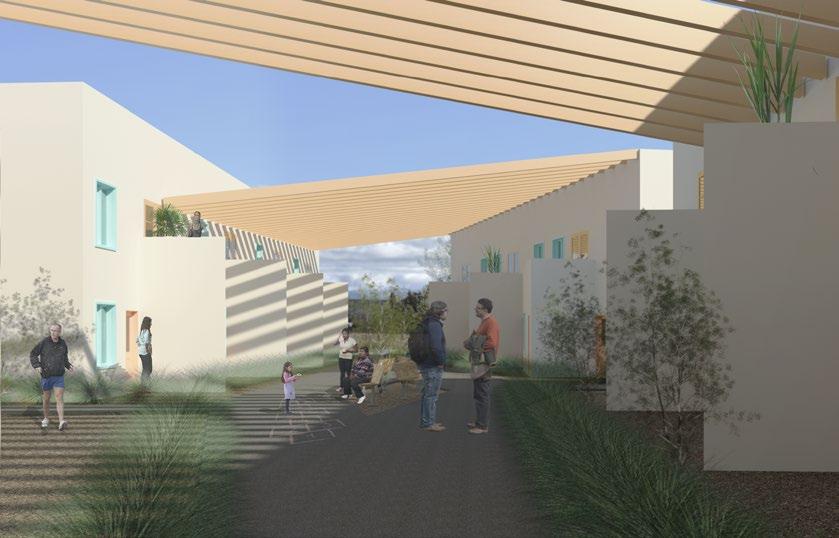
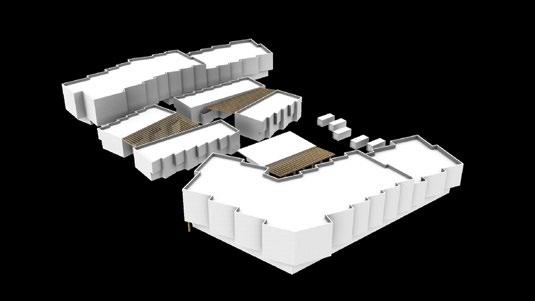
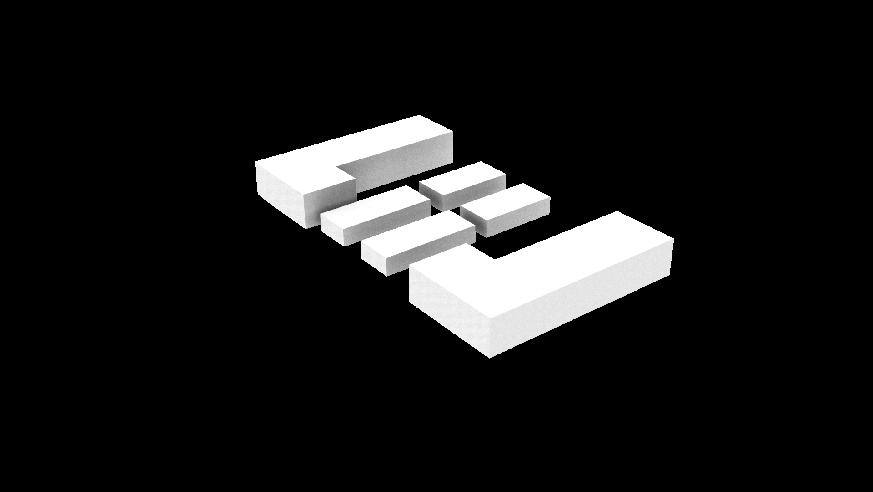
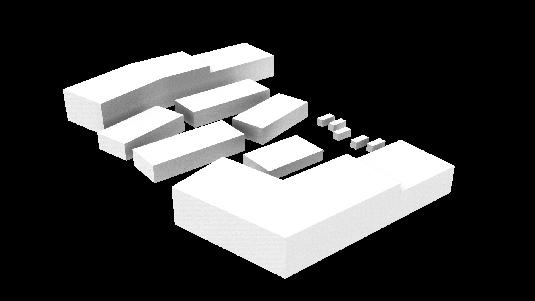
Three Peaks is a proposal for an intergenerational community providing housing and services to Southwest Santa Fe, NM. Located on 6.6 acres of open land in a commercial district, the site plan prioritizes protected public open space and pedestrian greenways. Housing is split between two rental buildings and a block of townhomes for ownership.
1
ThreePeaksHousing//Competition//2020
Approach from Camino de Jacobo
Camino de Jacobo
2
Aerial Overview
Shaded pathway between facing townhome blocks
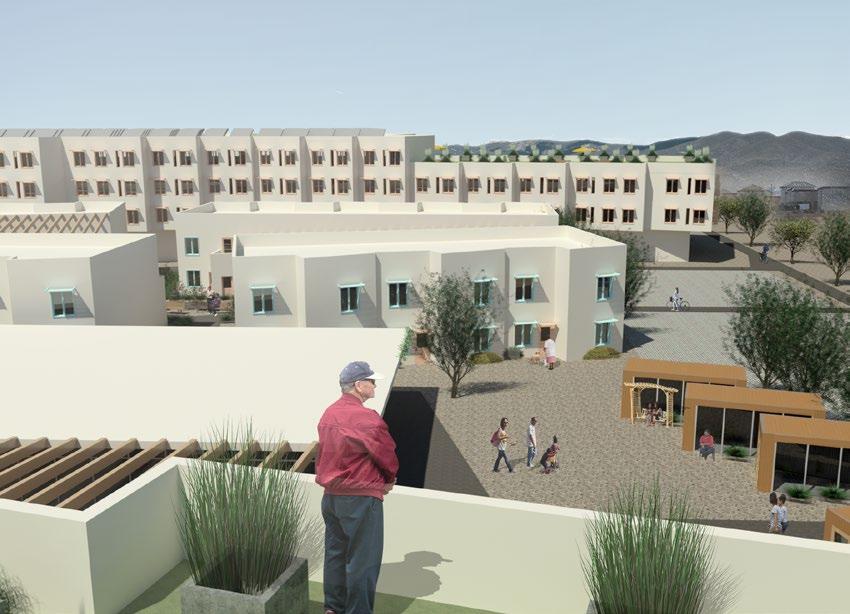
View from Southern Residential green roof
Southern Residential and Resident Services
Central Services Plaza
Artist Incubators
Site Plan
Three Peaks: Plaza Design
Resident services at Three Peaks are centered around a plaza framed by covered paseos emblematic of iconic Santa Fe style. A single-story community room at the center of the plaza activates the space while providing shaded outdoor areas. The edge of the plaza is framed by remodeled shipping containers that serve as artist studios and incubators.
Rental Units
Townhome Units
Resident and Community Services
3 ThreePeaks Housing//Competition//2020
Plaza Interior
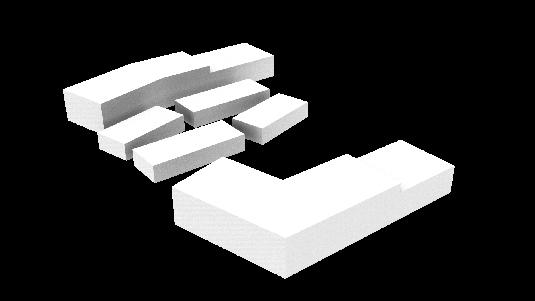
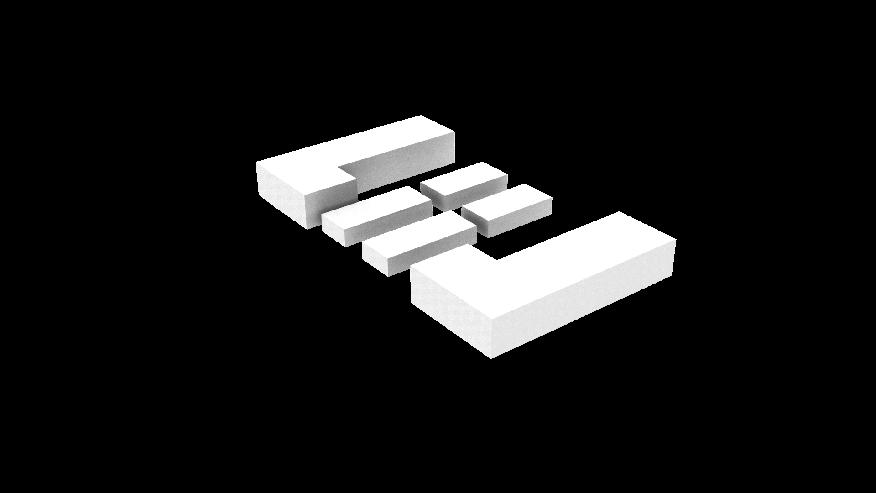
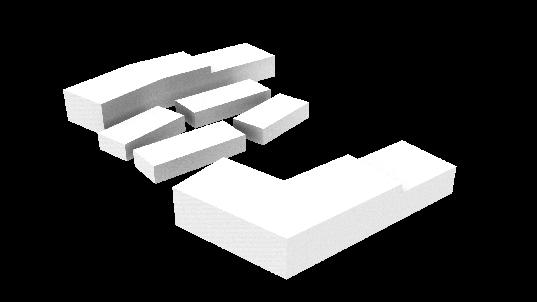
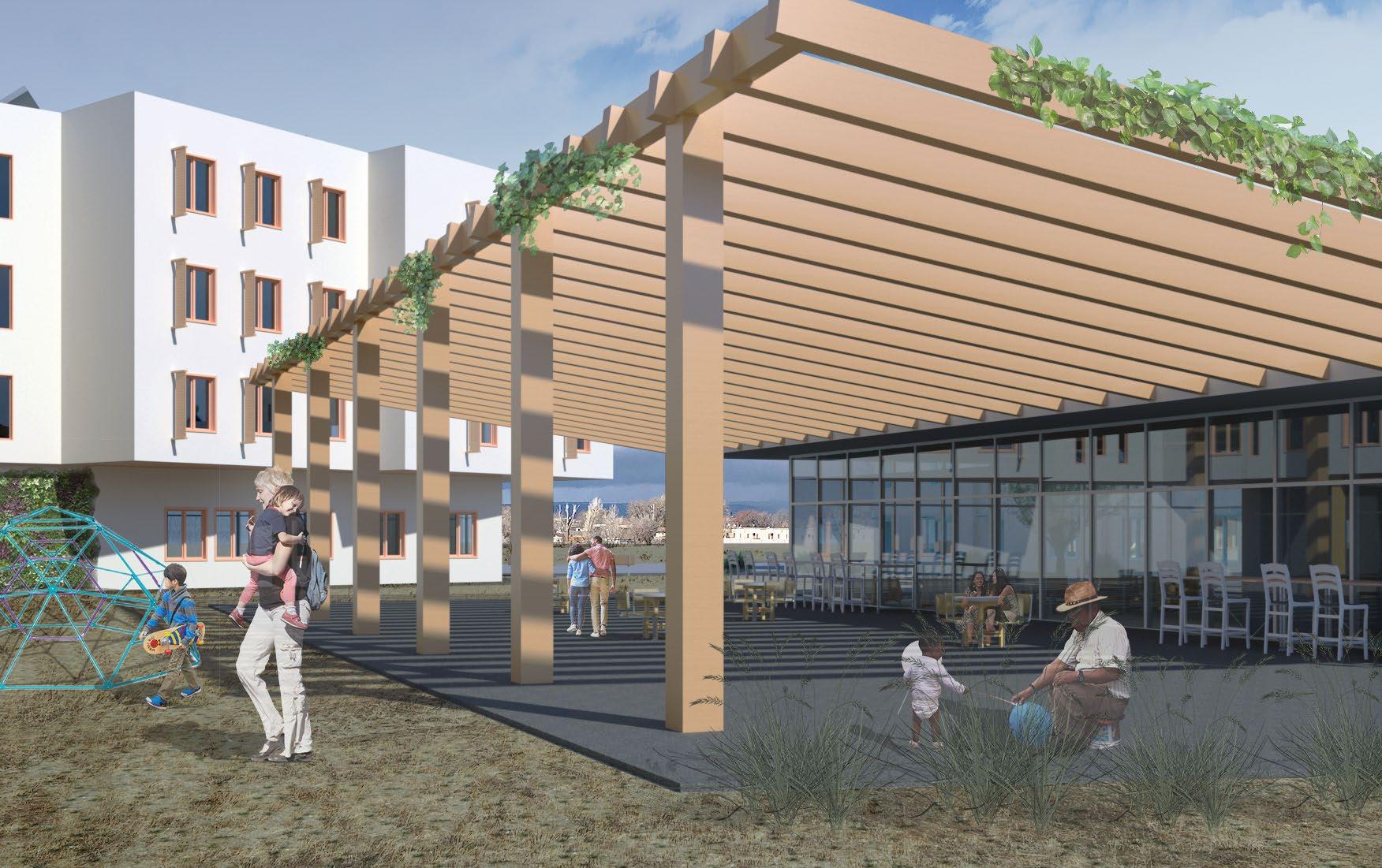
Plaza views Sun path
connections
Pedestrian
Three Peaks: Unit Types
The Three Peaks townhomes acknowledge a history of intergenerational living in Santa Fe, offering adjacent one- and three-bedroom units that can operate separately or as a combined four-bedroom home for larger families. The rental units are a mix of one-, two-, and three-bedroom units to accommodate a wide variety of family types and compositions. Both the rental buildings and the townhomes have a sawtoothed facade for glare-protected views to the Sangre de Cristo mountains.
5
ThreePeaksHousing//Competition//2020 4 6 8 10 14 12 One Bedroom Unit Two Bedroom Unit Three Bedroom Unit Townhome Elevation Townhome Section First Floor Plan Second Floor Plan
6
Typical Floor Plan, Residential Building
Typical Three BR Unit, 975 SF
Typical Two BR Unit, 825 SF
Typical One BR Unit, 525 SF
San Rafael Community Center: Resilient Design
Integrated Studio, University of California, Berkeley, 2019
Instructors: Mark Jensen, Steven Huegli
Individual Work
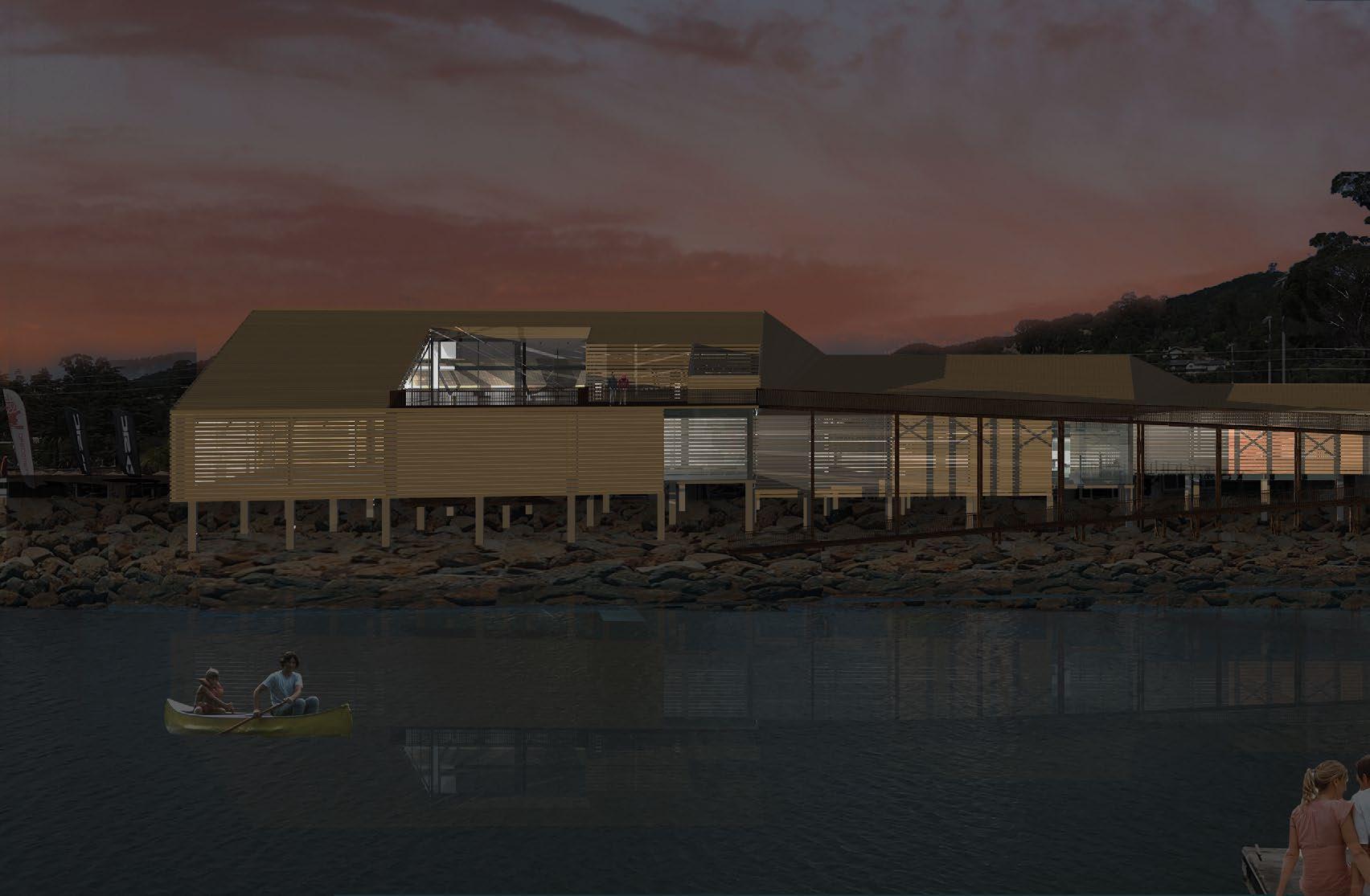
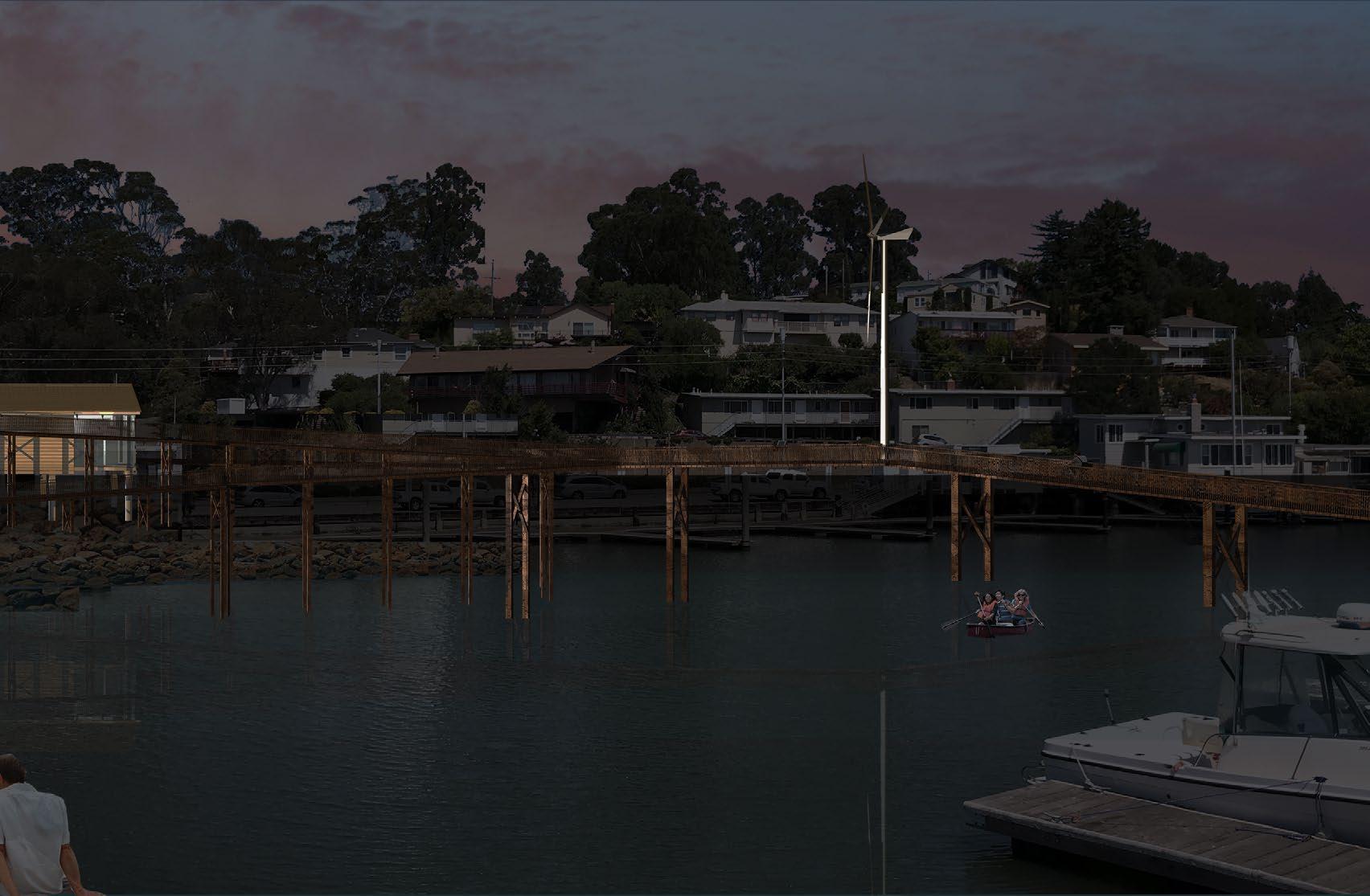
The San Rafael Community Center is a proposal for a wind turbine technician training center, community hub, and emergency relief center in San Rafael, CA.
7
SanRafaelCommunityCenter//Academic//2019
Section Across San Rafael Canal
8
S3
View from across San Rafael Canal
San Rafael Community Center: Community Flow
The community center is raised on pilings driven 60’ into bay mud to mitigate flood risk and is connected to the south side of the San Rafael Canal via pedestrian bridge, allowing for quick access to those visually connected to the center. The building takes inspiration from the light-industrial warehouses of the surrounding neighborhood.
9
INE S3 S2 S3 S1 5 O K P G E D A SanRafaelCommunityCenter//Academic//2019


10 1/32" = 1' ROOF + SITE PLAN
View from street
Site Plan Path
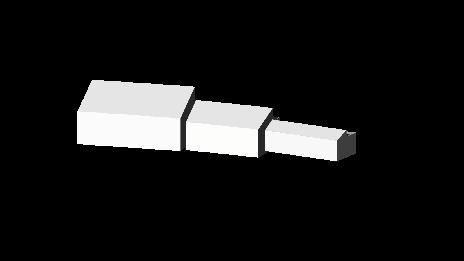
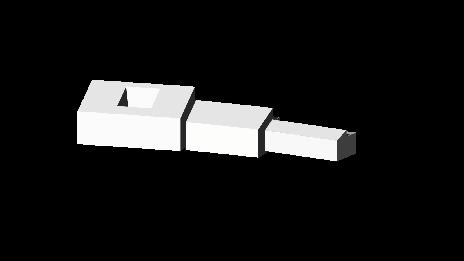
Extrustion
View from bridge over canal
and
San Rafael Community Center: Plan and Interior











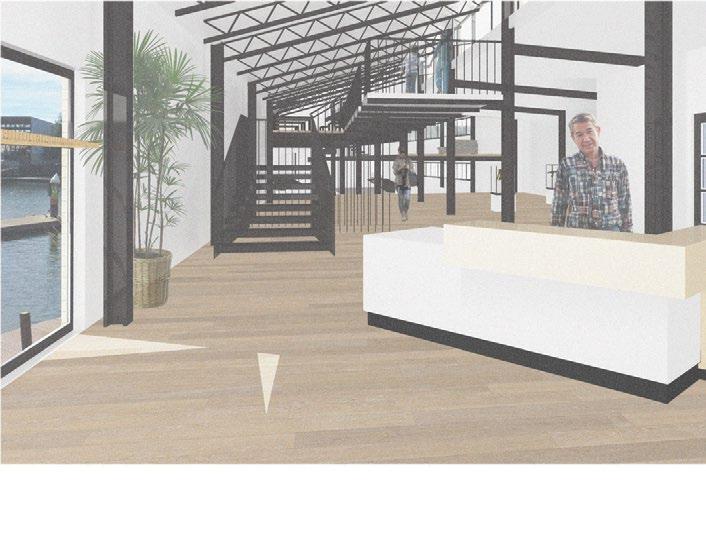


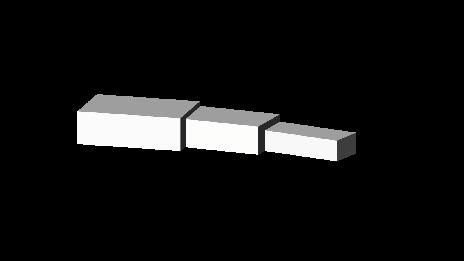
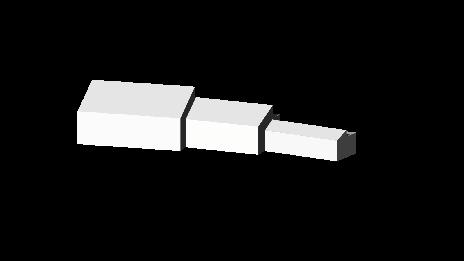
The path through the building is a continuous arc beginning with the brige over the canal and ending at the rooftop obsesrvation deck. Visitors pass through the lobby and a sustainable energy gallery, before reaching a sunken, double-height event space. The remainder of the building is a mix of classrooms and meeting rooms.


11
5 4 3 2 A B 1 AA AA A B A 5 A AA AA 1 2 3 4 S1 S4 S1 S4 192 SF 253 SF 588 SF 209 GO-BAG STORAGE MEETING ROOM 210 CLASSROOM 112 1938 SF 110 LEARNING SHOP 696 SF LOADING DOCK INTERIOR RENDER 3 LEARNING COMMONS SanRafaelCommunityCenter//Academic//2019 INTERIOR RENDER 1 LOBBY INTERIOR RENDER 2 EVENT SPACE Lobby
Community Room
Learning Center
12 8'-0" 18'-0", TYP. O 2 P O N M L C D E F G H J K 5 P 1 4 O N M L K J C D B C D E F G H J K L M N O L M N H P 2 3 4 1 P E 5 F G H J K B C D E F G 3 S3 S3 S3 S2 S2 S4 S4 S1 S4 S4 S2 S2 S3 S1 18’-0” TYP. 18’-0” TYP. 16’-0” 7-1/2” 19’-11” 6’-0” 6’-7” 4’-8-1/2” 9’-4-1/2” 565 SF 207 LOUNGE 610 SF 1269 SF 106 COMMERCIAL KITCHEN 361 SF STORAGE 111 1692 SF 107 ADMINISTRATION OFFICE 346 SF 108 STAFF RESTROOM 109 COURTYARD INTERNET HUB 204 102 RECEPTION OFFICE 104 4308 SF 105 337 SF 103 1700 SF 1060 SF 101 LOBBY WIND GALLERY EVENT SPACE PUBLIC RESTROOMS ROOF DECK 212 960 SF 211 ROOFTOP HVAC 224 SF LIBRARY LEARNING COMMONS WIND WALK 480 SF 201 839 SF 1444 SF CLASSROOM 205 MEETING ROOM First Floor Plan Second Floor Plan
San Rafael Community Center: Section + Detail
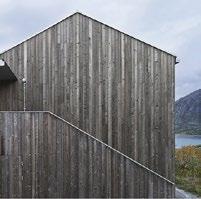
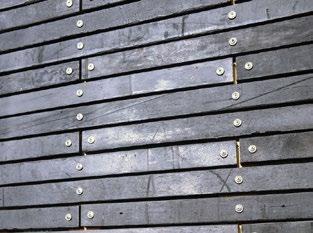
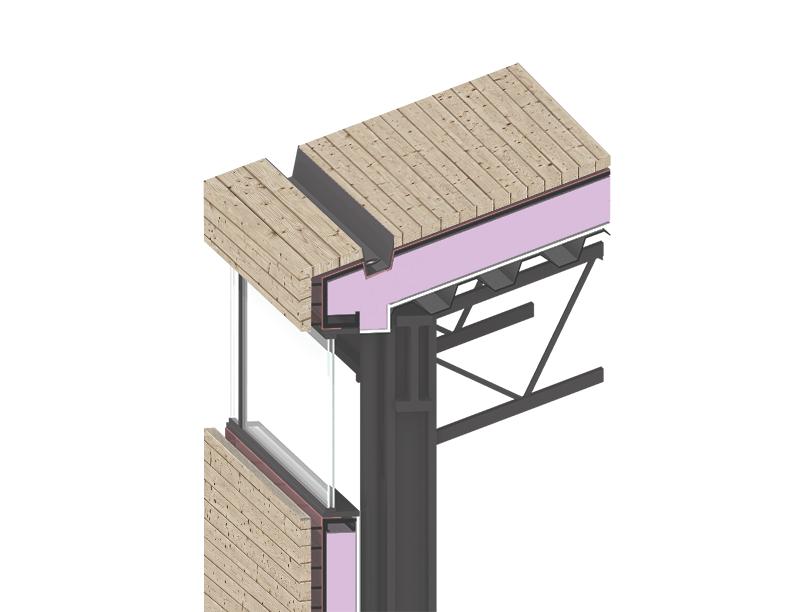
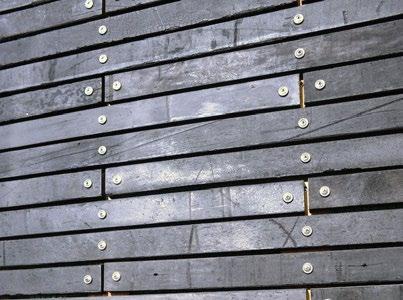
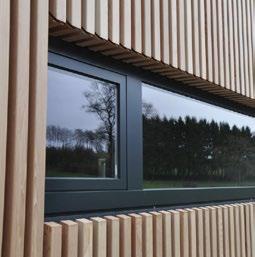
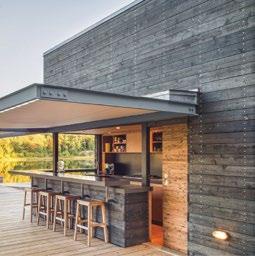
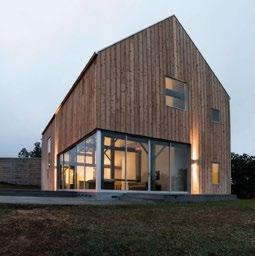
North-facing clerestory windows provide indirect daylight for large swaths of the building, paired with shaded, south-facing windows offering views onto the San Rafael Canal. The building is clad in a wooden slat rainscreen that seamlessly turns the corner from wall to ceiling. Concealed rain gutters capture rainwater and funnel into a collection tank beneath the building. Ultimately, the building has a high-performing interior belied by a muted exterior form.
13
FLOOR 2C 12' 3" FLOOR 2B 9' 3" FLOOR 2A - 3' - 0" 0' 0" 6' 0" FLOOR 1A FLOOR 1B FLOOR 0 - 5' - 0" E D C B A AA AA G A B C D E F L K J G H H J K L F - 5' - 0" FLOOR 0 FLOOR 1B FLOOR 1A 0' 0" - 3' - 0" FLOOR 2A FLOOR 2B FLOOR 2C 6' 0" 9' 3" 12' - 3" 4 3 2 1 1 2 3 4 5 4 3 2 1 5 4 3 2 1 SanRafaelCommunityCenter//Academic// 2019
Section B-B
Section C-C
Longitudinal Section
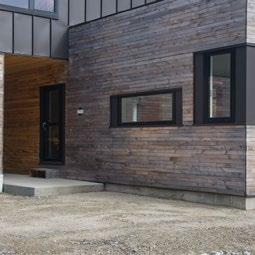
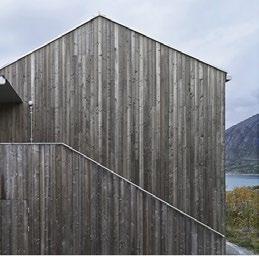
14 1-1/2" = 1' MATERIAL PRECEDENTS FACADE RENDER WALL SECTION N.T.S. STEEL TRUSS 16” DEEP STEEL BEAM METAL DECKING INSULATION SURROUNDING GUTTER CUT HIDDEN RAIN GUTTER OPERABLE DOUBLE-PANED GLASS WINDOW WOOD PANEL RAINSCREEEN PROPRIETARY RAINSCREEN ATTACHMENT SYSTEM AIR GAP WATERPROOFING LAYER BATT INSULATION CONCRETE PILINGS @ 18’ O.C. SEE DETAIL 2 SEE DETAIL 2 SEE DETAIL 1 BLOCKING CONCRETE BEAM CONCRETE PILINGS DRIVEN DOWN 40’ INTO BAY MUD WOOD PANEL RAINSCREEEN VERTICAL RAIL SUPPORTING RAINSCREEN @ 6’-0” O.C. PROPRIETARY RAINSCREEN ATTACHMENT SYSTEM AIR GAP WATERPROOFING LAYER BATT INSULATION 5/8” GYP. BOARD 2 X 6 LIGHT GAUGE STEEL STUDS @ 16” O.C. INTERIOR DRAIN SPOUT FACADE ATTACHMENT TO PRIMARY STRUCTURE INSULATION SURROUNDING GUTTER CUT HIDDEN RAIN GUTTER FINISH FLOOR HVAC DUCT METAL DECKING STEEL TRUSS 16” DEEP STEEL BEAM SUBFLOOR 8” CONCRETE SLAB FLOOR 2C 12' 3" FLOOR 2B 9' 3" FLOOR 2A - 3' - 0" 0' 0" 6' 0" FLOOR 1A FLOOR 1B FLOOR 0 - 5' - 0" P O P O N M M N FLOOR 1B FLOOR 1A 6' - 0" 0' - 0" - 3' - 0" FLOOR 2A 9' - 3" FLOOR 2B 12' 3" FLOOR 2C - 5' - 0" FLOOR 0 3 2 1 1 3 2
Wall Section
Section A-A
The Ripple: Affordable Housing for Rockridge
James R. Boyce Affordable Housing Competition Studio, University of California, Berkeley, Spring 2019
Winning Entry
Instructors: David Baker, Daniel Simons, Carol Galante
Teammates: Architecture: Junyi Ding, Tanner Glackin; Planning: Sandra Mukasa, Scott Schiffer
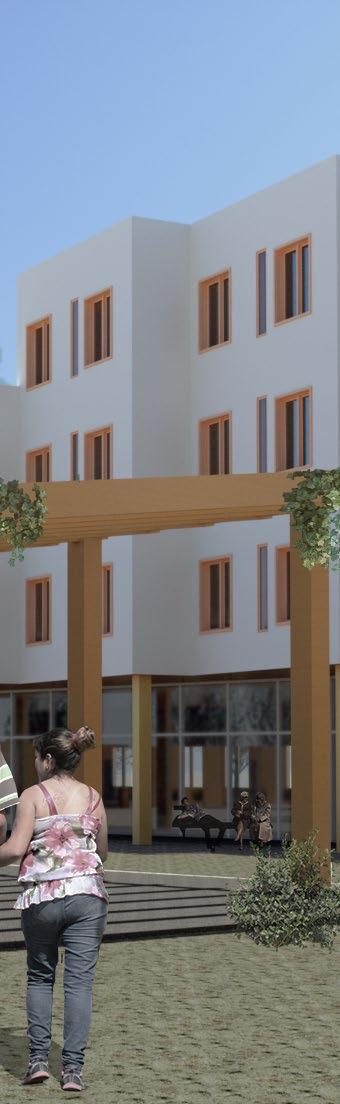
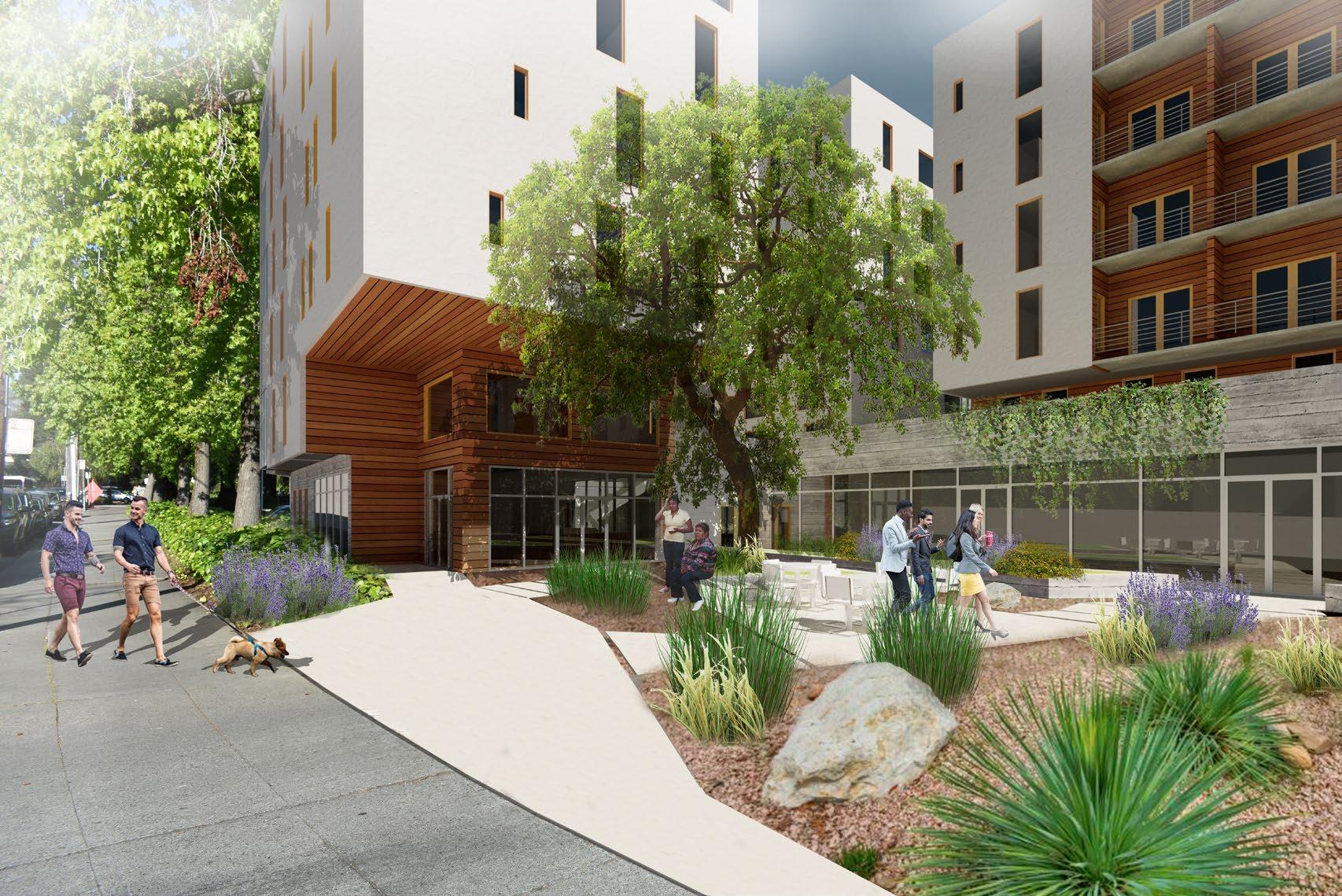
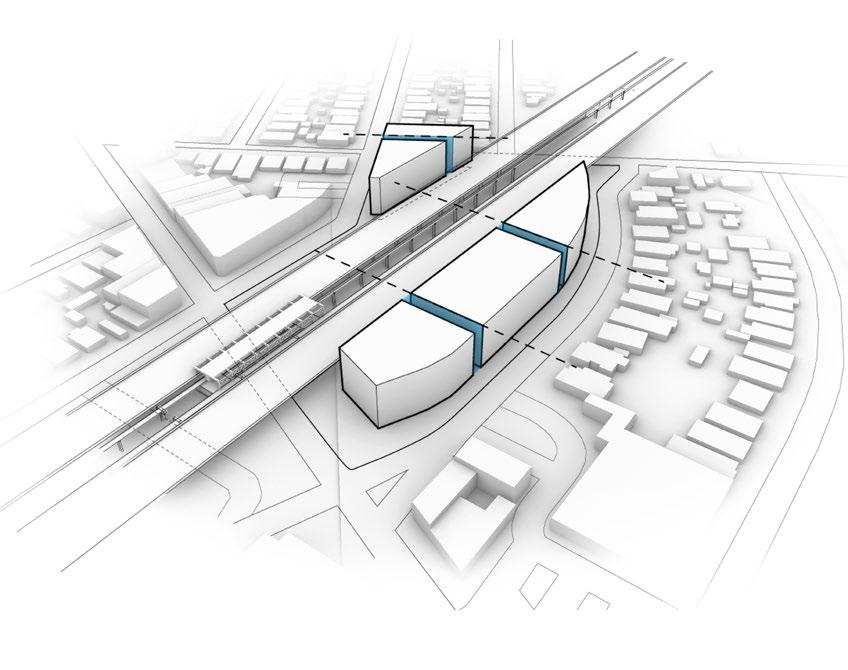
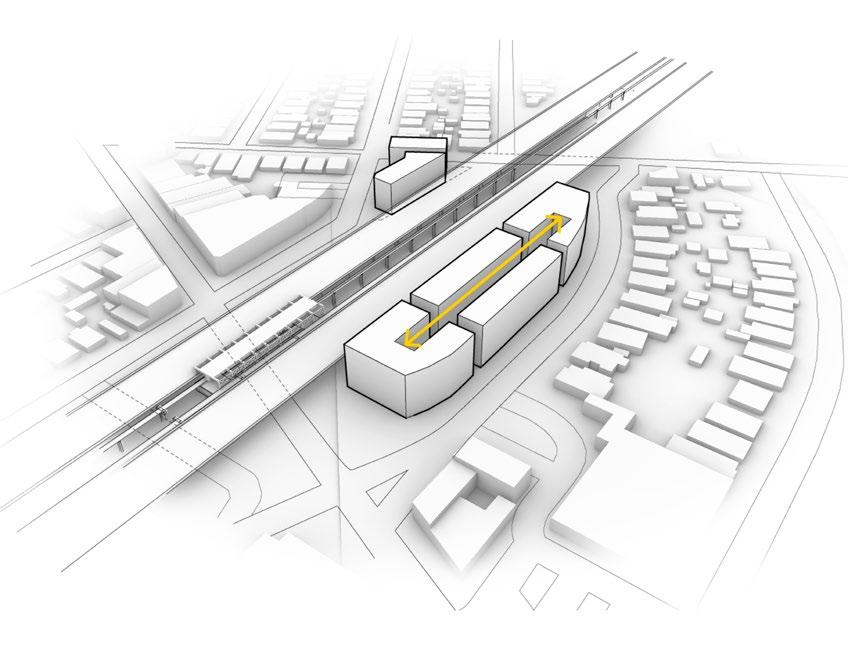
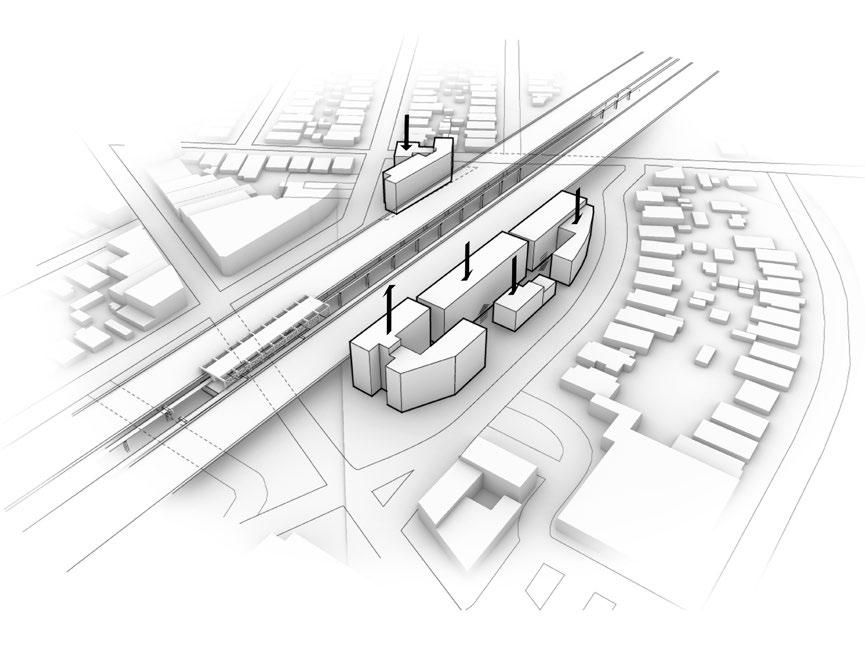
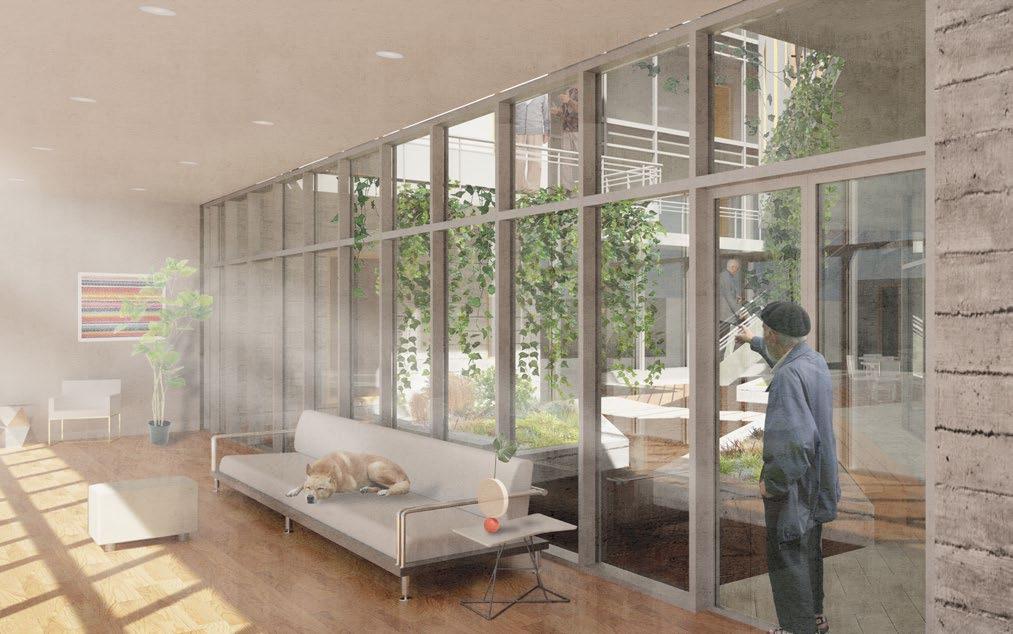
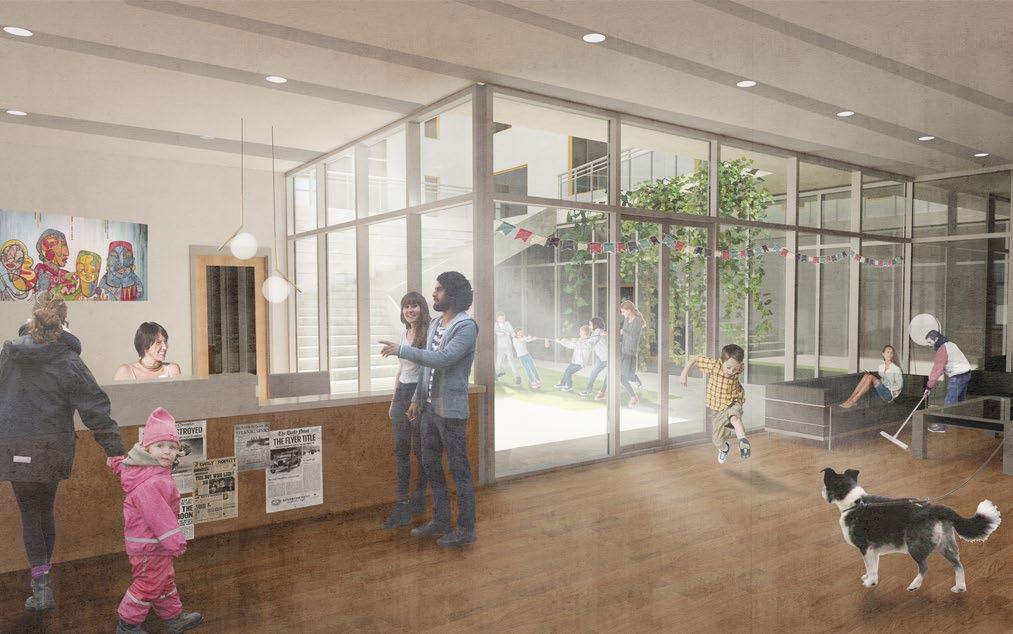
The Ripple is a proposal for a 100% affordable housing development for families and seniors on BART-owned land in the Rockridge neighborhood of Oakland, CA. By adding 170 units of affordable housing to an amenityrich neighborhood, The Ripple aims to open up the historically exclusive Rockidge to all people of all ages. TheRippleHousing// Competition//2019
15
Entrance to Multi-Family Building
16
Elevated Multi-Family Courtyards and Green Roofs
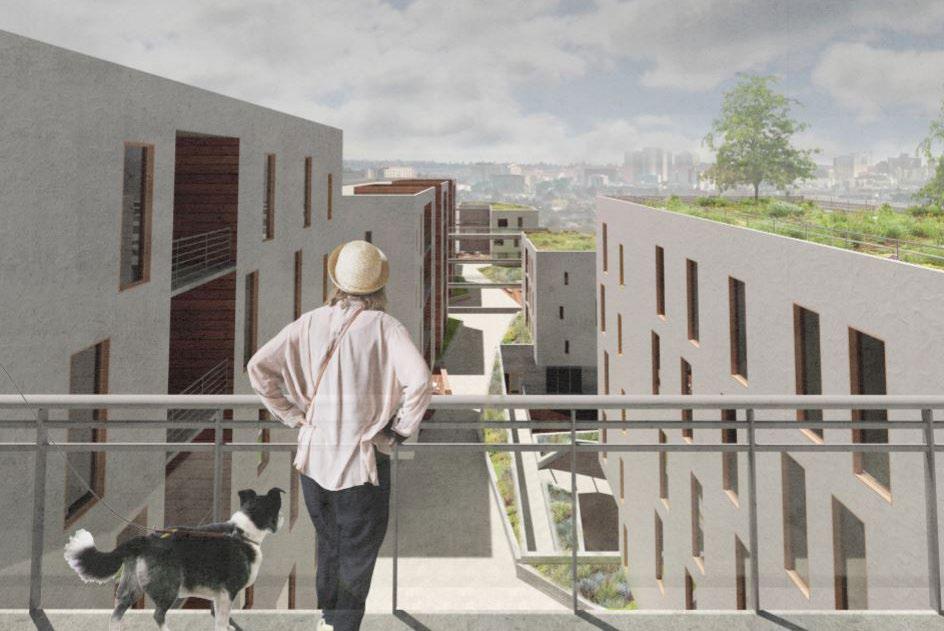
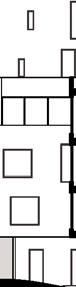
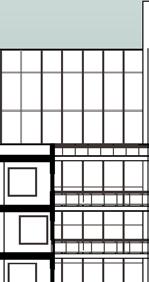
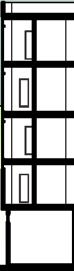
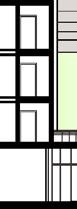
The Ripple is composed of two buildings that face away from the Grove Shafter Freeway and open towards the surrouding neighborhood. Both buildings use stepping strategies and visual breaks to reduce the apparent scale of the building and blend in to the surrounding context. To the north is a larger building for families and to the south is a smaller building for senior living. Both buidlings aim to create













TheRippleHousing//Compeition//Spring2019









Site Section Massing Series
MilesAve ShafterAve


















The Ripple: Community Spaces
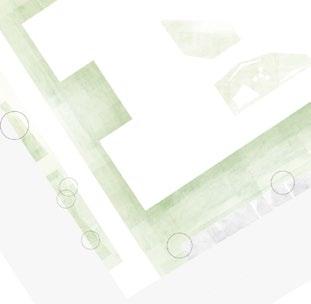


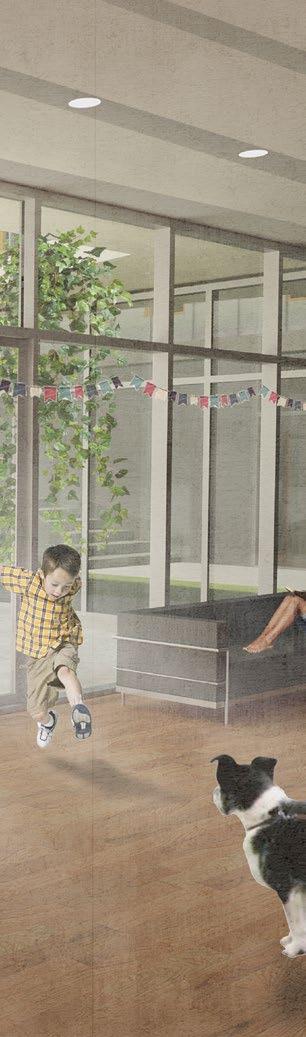
Through inclusion of a wide variety of unit types, The Ripple provides housing for people in all stages of life. The massing of the building is designed to maximize corners, allowing all two- and three-bedroom units to have windows on at least two sides, both improving the living experience and reducing lighting energy loads.

19
TheRippleHousing//Compeition//2019







20 College Ave Keith Ave 24'-8" 8'-4" 16'-4" 27'-0" 8'-4" 35'-0" 11'-10" 9'-10" 5'-0" 5'-10" 11'-0" 10'-2" Site Plan One BR Unit Two BR Unit Three BR Unit Senior Building Lobby
Multi-Family Building Lobby
Richmond Health Education
Matano Kang Architects, 2023
Principal: Doris Kang
Designer
Redesign of an existing health education department at the Kaiser Permanente hospital in Richmond, CA. Conversion of retail space into offices, a consultation room, and a smaller retail and reception area.
21
Richmond Health Education // Professional // 2023
Construction Plan
22
+ Furniture Plan
Equipmemt
Richmond Health Education
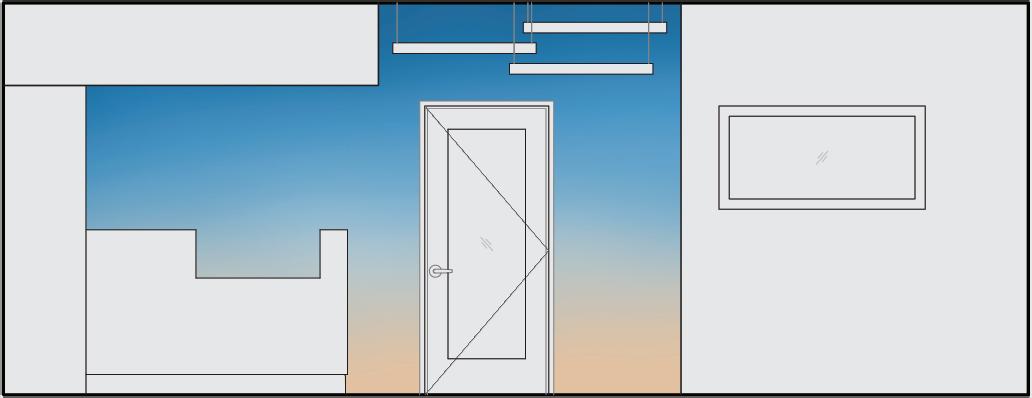
Despite downsizing the reception and sales area, we highlighted the reception area with a custom ADA counter, using a soffit to define the area. Pendant lighting and a large wall graphic further define the space. Under construction, 2023.
23
Richmond Health Education // Professional // 2023
Reception Casework Details
Interior Elevations
24
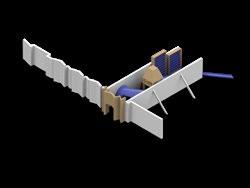
Regional Map: Trainlines and Interventions
Networked Libraries: Regional Urbanism
M.Arch Thesis, University of California, Berkeley 2020
Advisor: Mary Ann Ray
Individual Work
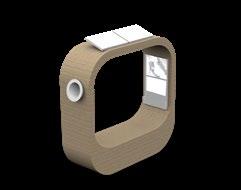
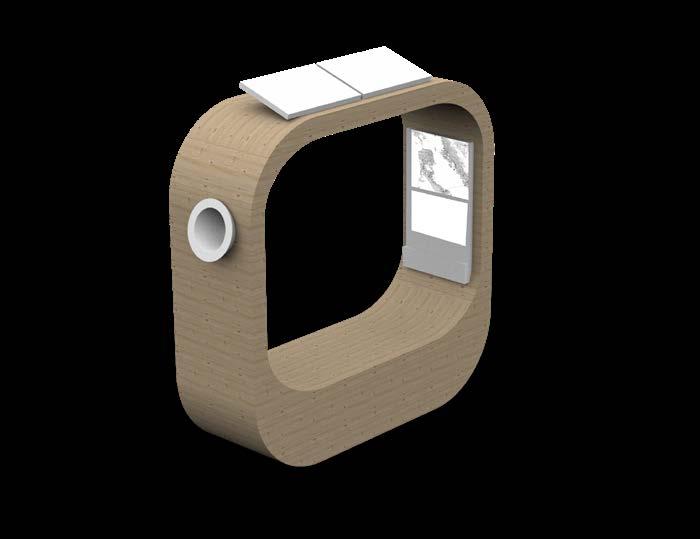
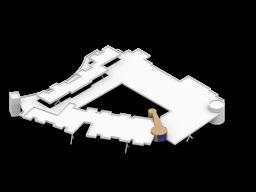
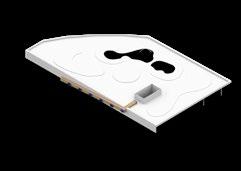
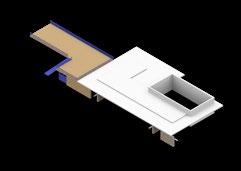
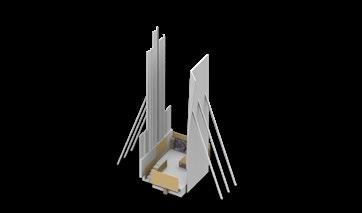
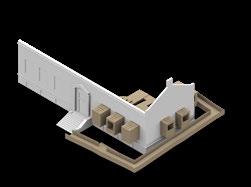
Networked Libraries plays with scale at the personal, building, city, and regional levels, by positing human-scale insertions into existing urban fabric. Taking inspiration from the Bay Area Rapid Transit (BART) system linking many disparate cities into one regional area, Networked Libraries aims to expand the role of the public library using interventions of a cohesive architectural language.
Networked
25
Libraries // Academic // 2020
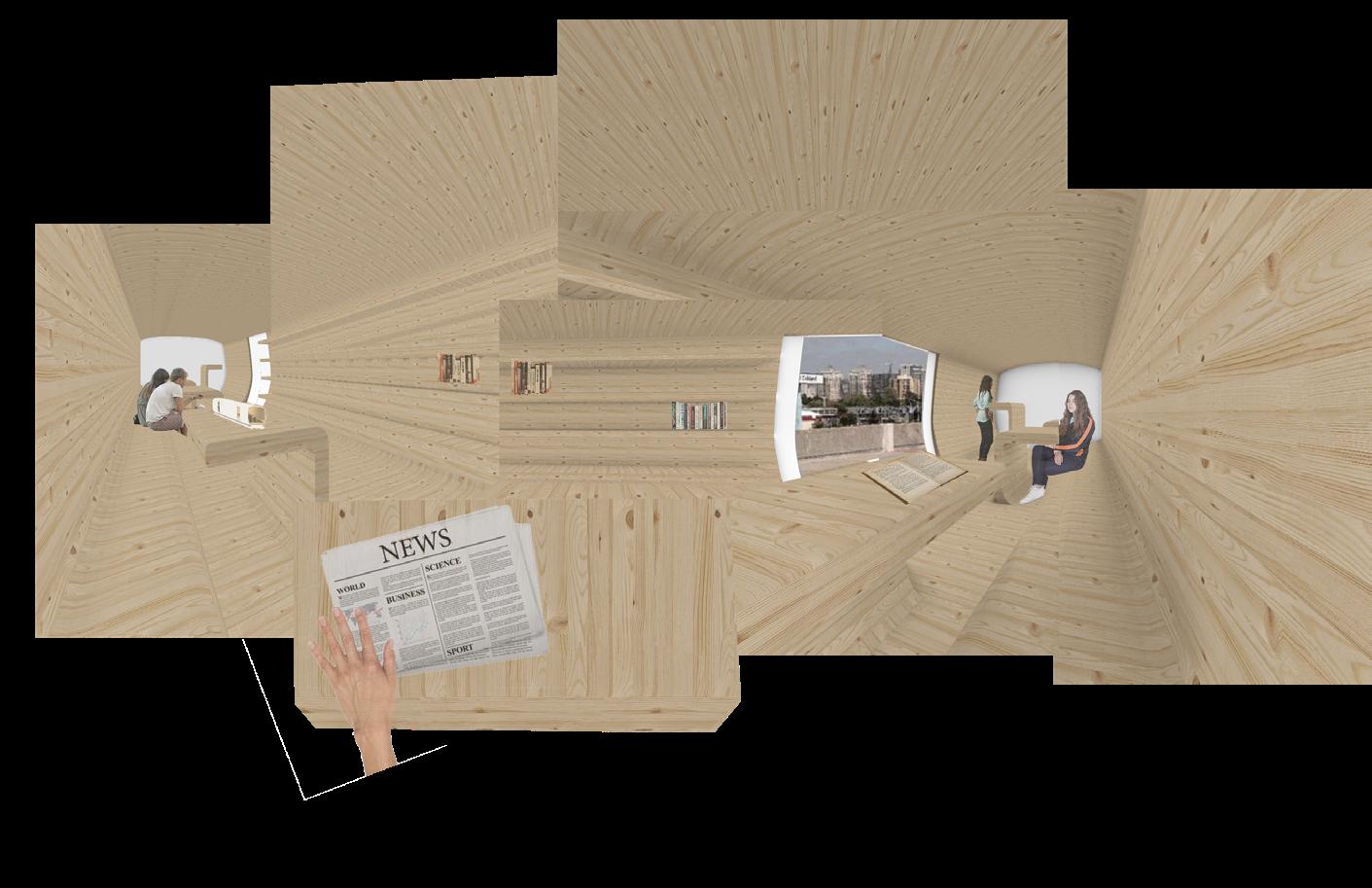
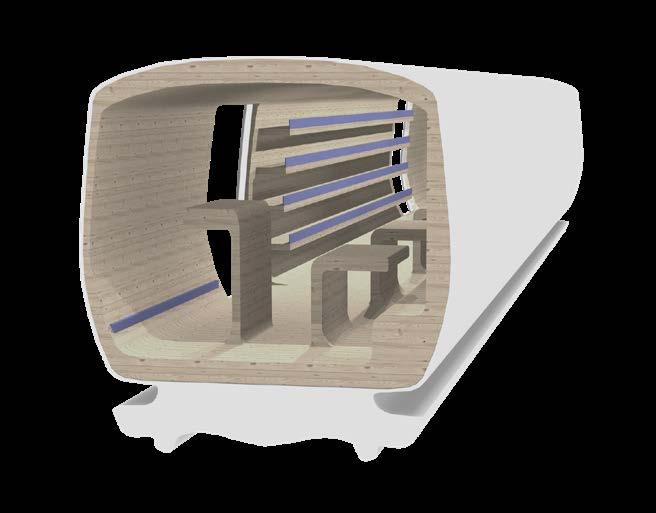
26 Built-in Bookshelves Reading Table Attached Bench BART Reading Car Interior View Towards Closest Library Location Shaded Bench Solar Panels Digital Map to Navigate Library Locations Charging Strip Bus Station
Networked Libraries: Inserted Spaces
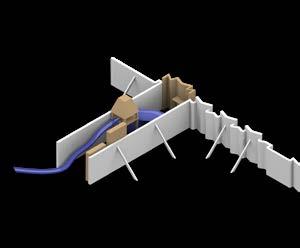
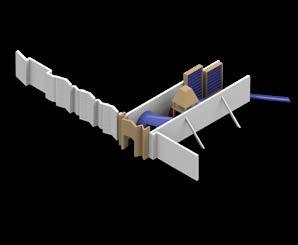
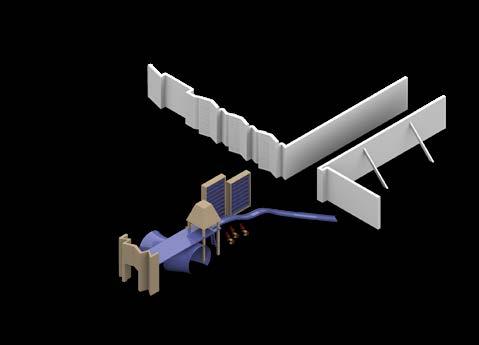
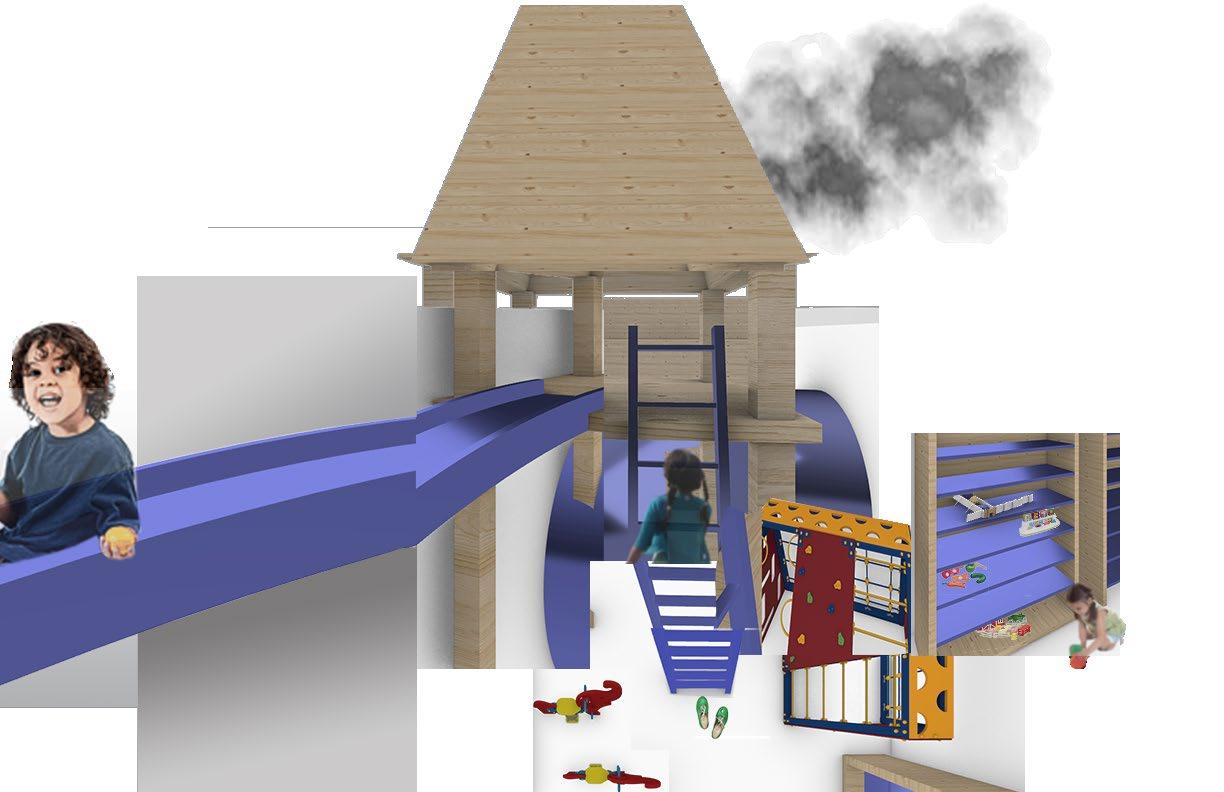
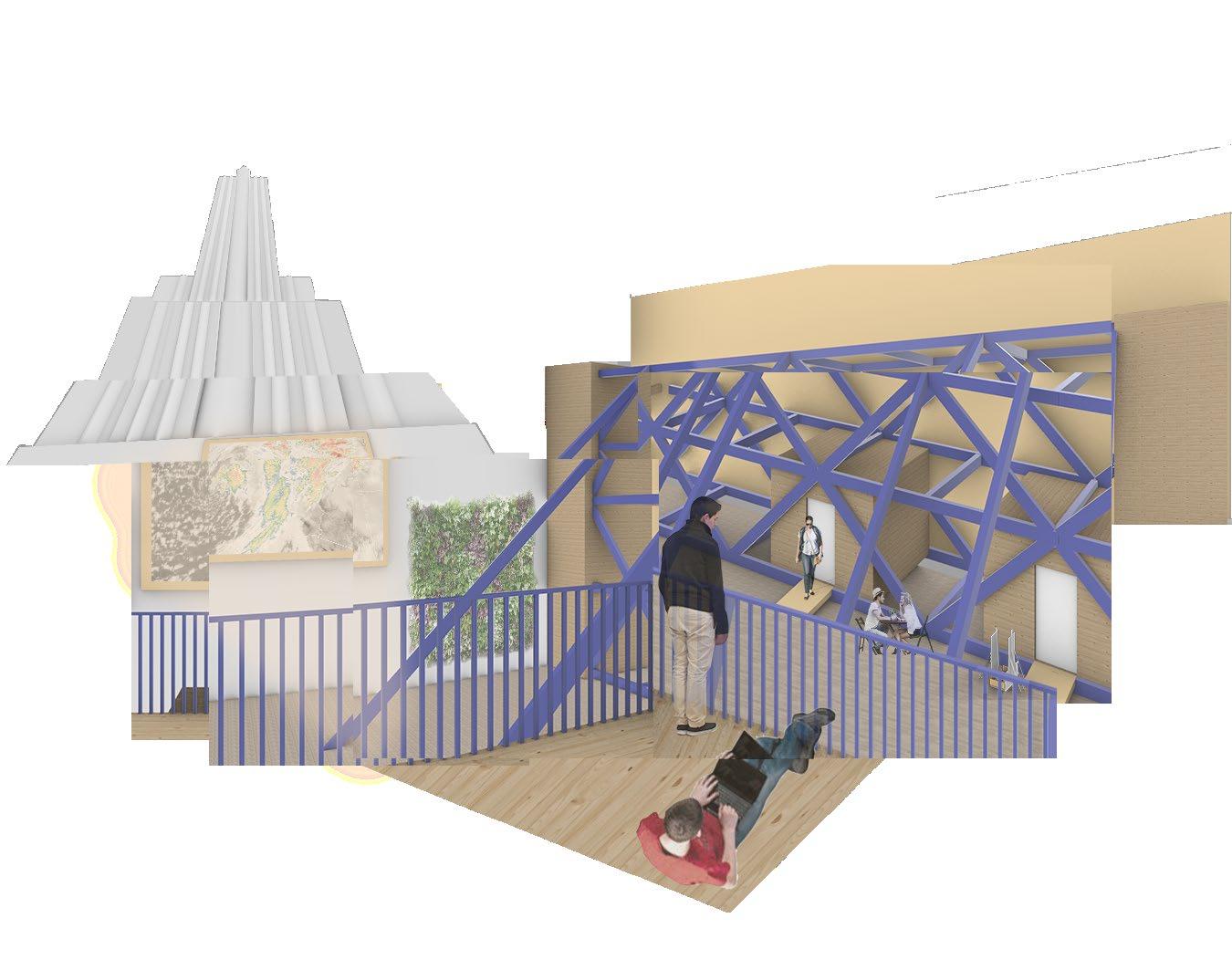
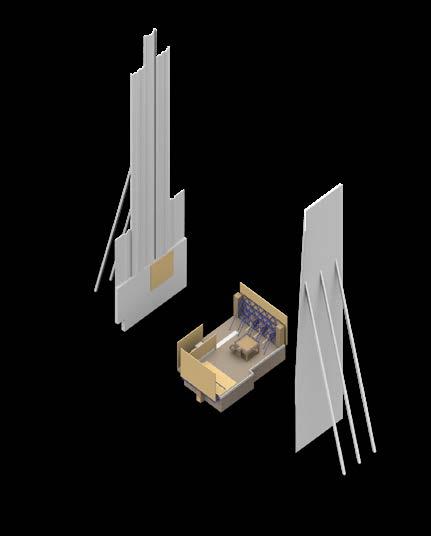
A series of insertions within existing public spaces and libraries contain addtional loaner collections beyond books, includinng toys (above) and maps (right), along with oral histories, medical supplies, plants, and school supplies. The design of each insertion is influenced both by the urban fabric surrounding it and the type of library catalog it contains. The map library, for example, uses the face of the adjacent transit center in downtown San Francisco to project map images, while using a podium to raise the indoor-outdoor space above the street.
27
Networked Libraries // Academic // 2020
Portola Branch Library Collection: Toys
Transbay Transit Center Collection: Maps
28
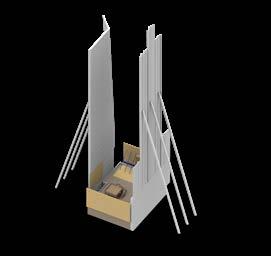
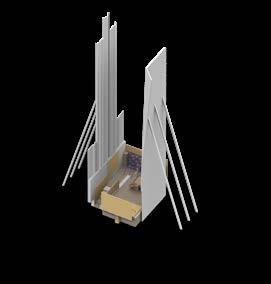
Golden Gate Library Collection: Oral Histories
Networked Libraries: Urban and Personal
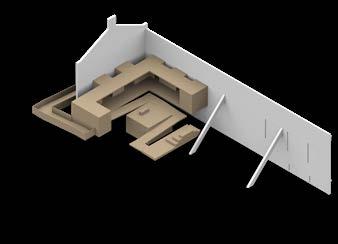
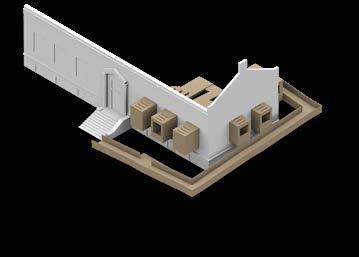
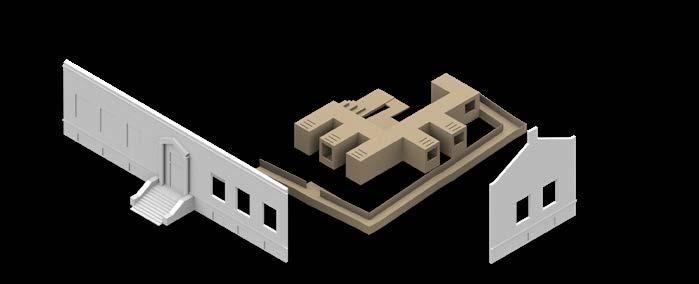
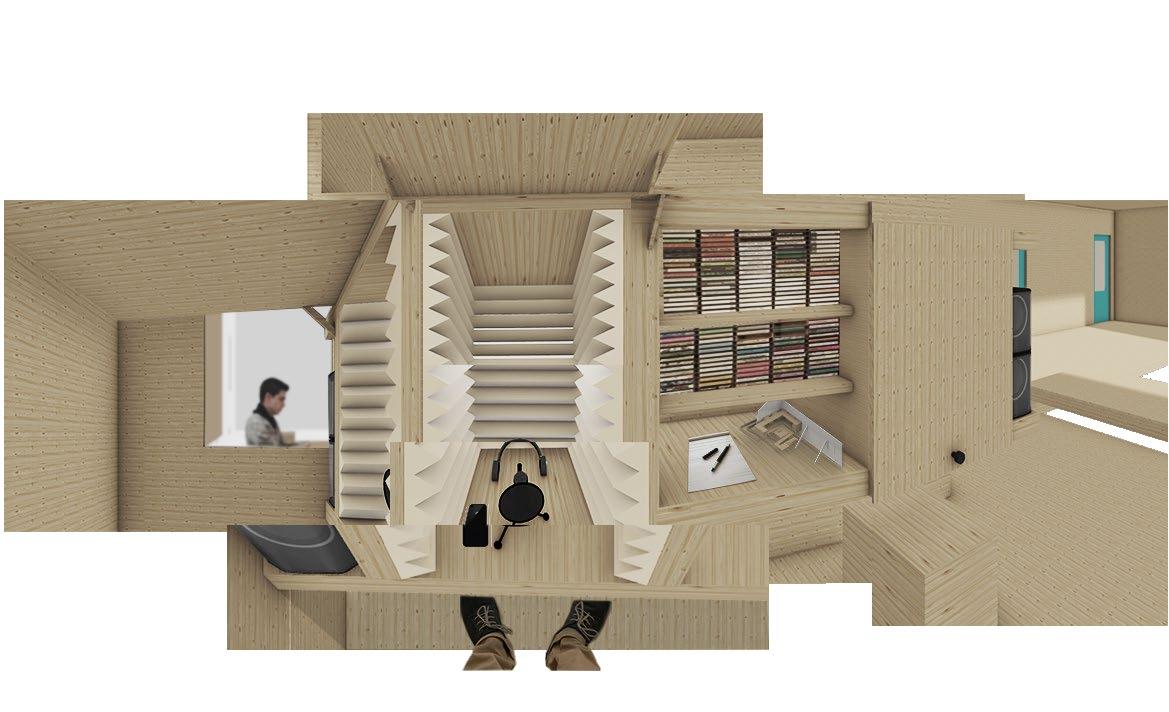
The insertion in the Golden Gate Library, located on historic shellmound sites, is an oral history library that allows visitors to record their own stories as well as listen to the archives. Five private listening/recording booths are inserted in the exisiting oversized colonial-style window and sound isolated. As with other insertions, the listening booths create intimate spaces that remain programmatically and physically connected with much larger urban and regional scales.
29
Networked Libraries// Academic // 2020
30
Lisenting Booth Exterior Elevation
Listening Booth Interior
Lisenting Booth Section
Bridging the Bay: Floodplain Development
Architecture + Urbanism Studio, University of California, Berkeley, 2018
Instructor: M. Paz Gutierrez
Individual Work
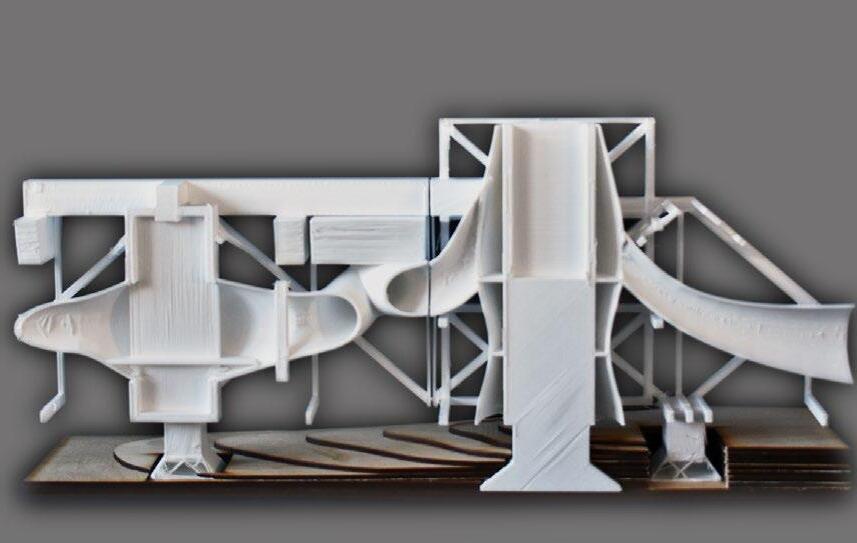
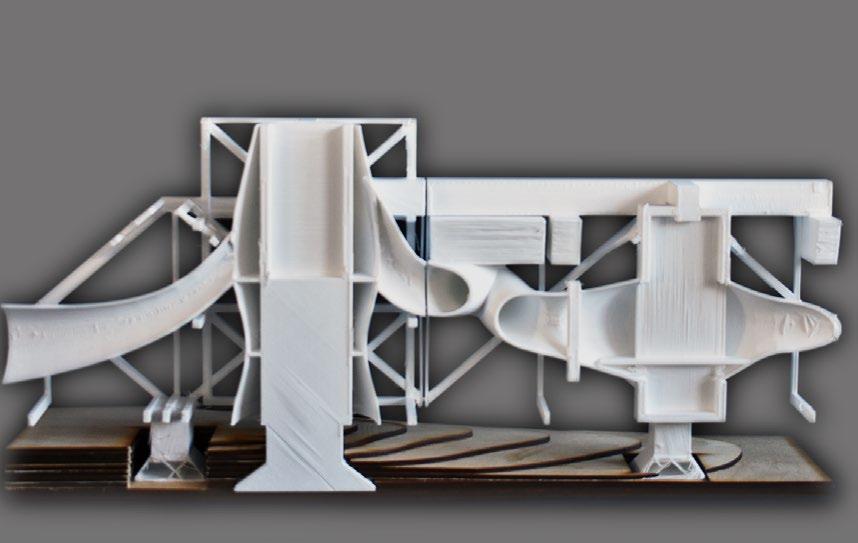
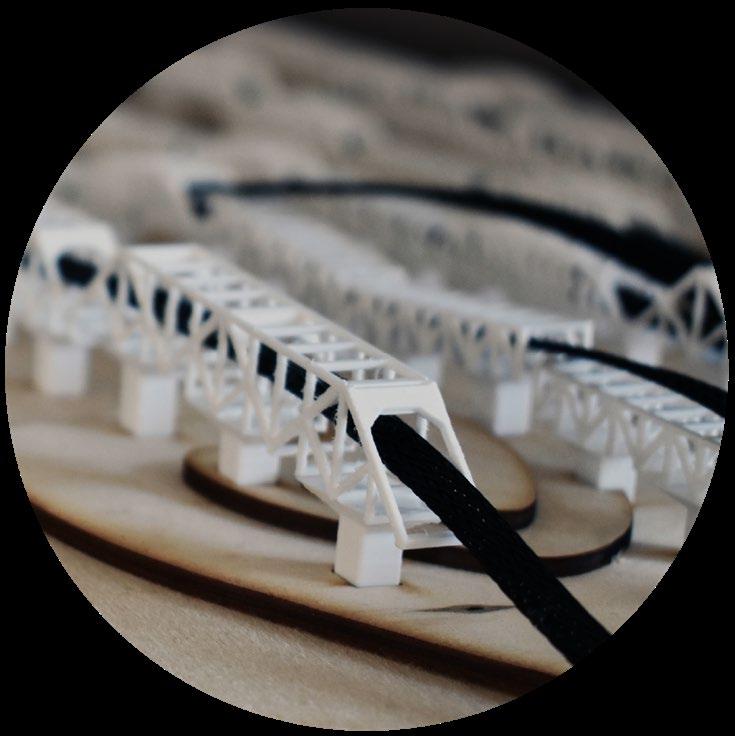
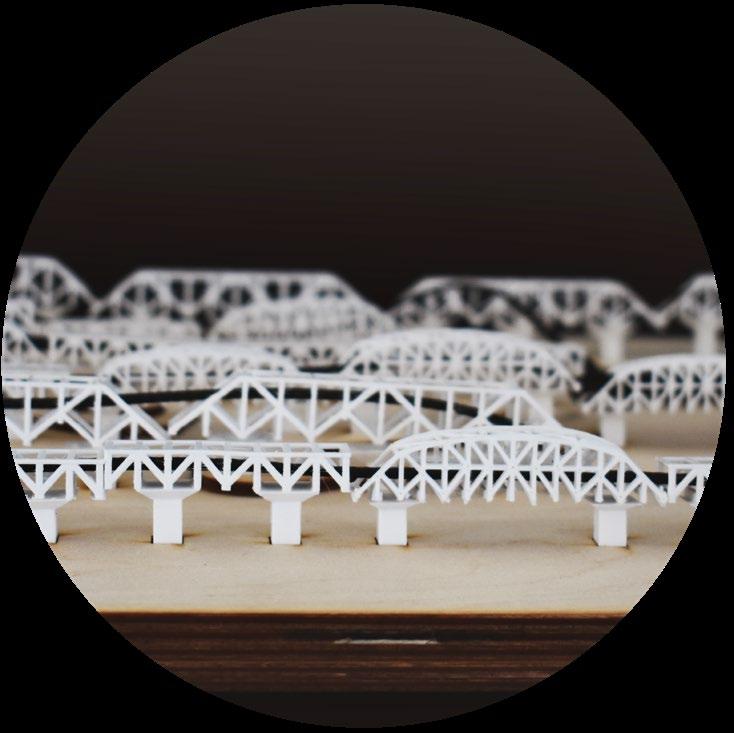
Bridging the Bay is an urban scheme for development in a floodplain, utilizing decommissioned bridges from around San Francisco Bay as infrastructural piers to which modular architecture and a system of parkways are inserted.
31
BridgingtheBay//Academic//2018
Combined Transverse and Longitudinal Sections
32
Bridging the Bay: The Site
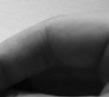
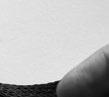
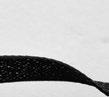
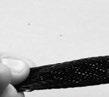
Located on Candlestick Point, the site of the former Giant’s stadium, this land is projected be 40% underwater by 2100. To reclaim this underutilized space, Bridging the Bay brings segments of decommissioned bridges from around San Francisco Bay to the site where they can aggregate into piers that grow as the land recedes. This scheme posits a future in which public parkland is prioritized while individual commercial endeavors can happen in small spaces, in a world that is increasingly connected through technology.
33
BridgingtheBay//Academic//2018
Site Plan
Bay Area Bridges
Material Studies




















































Site Model

Pastry as Art: MOCA Annex
Architecture Studio 200B, University of California, Berkeley, 2018
Instructor: Dan Spiegel
Individual Work
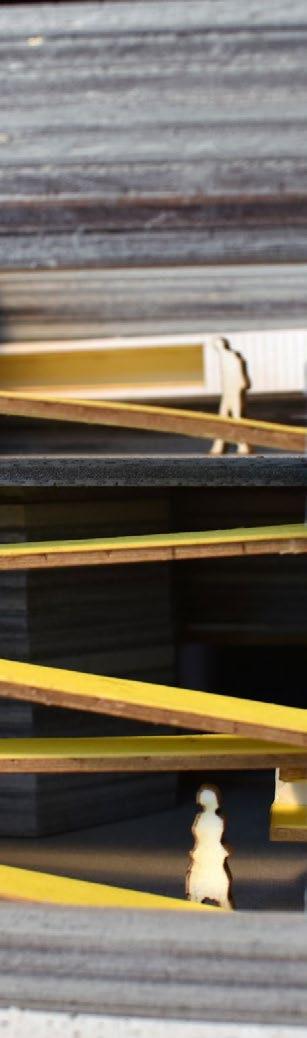
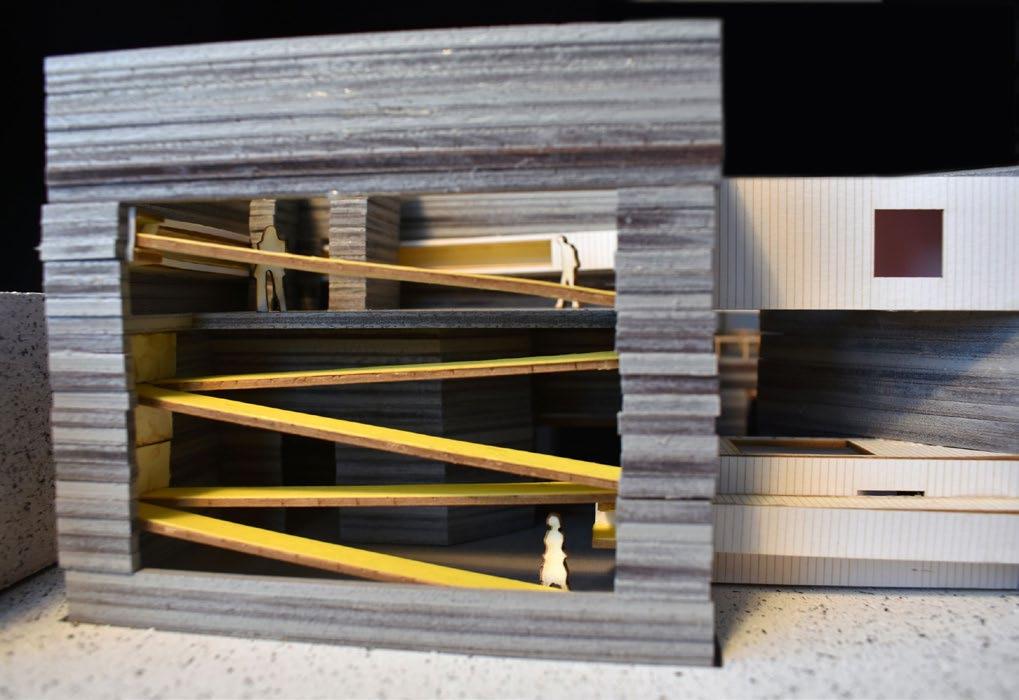
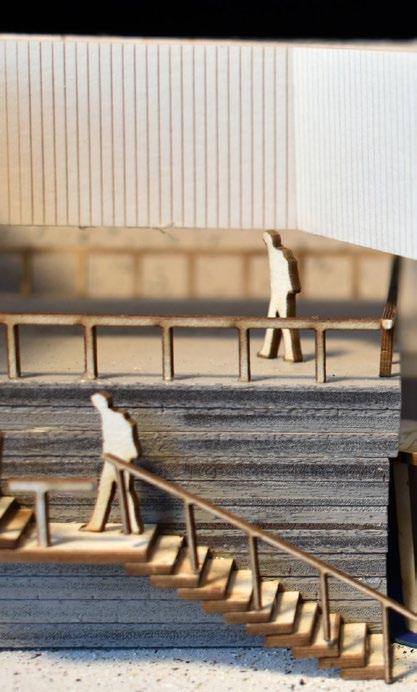
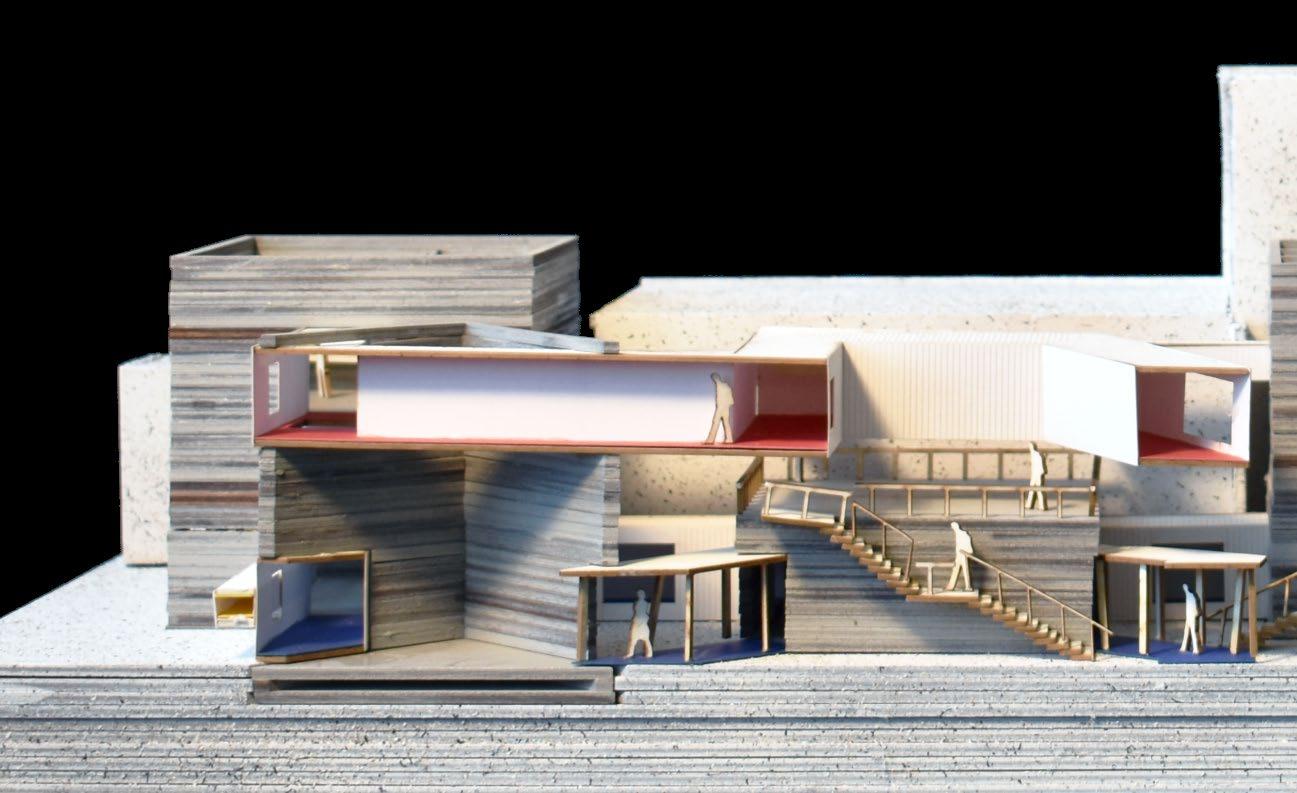
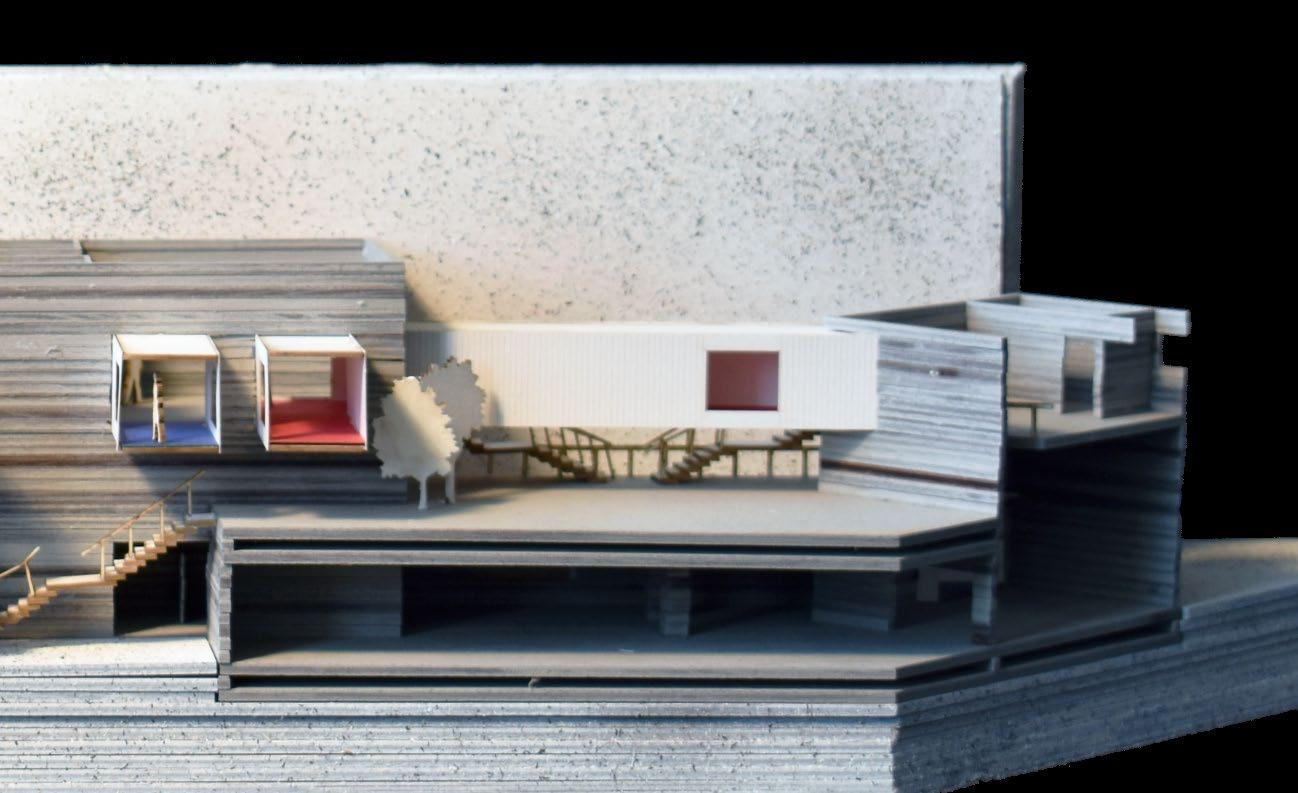
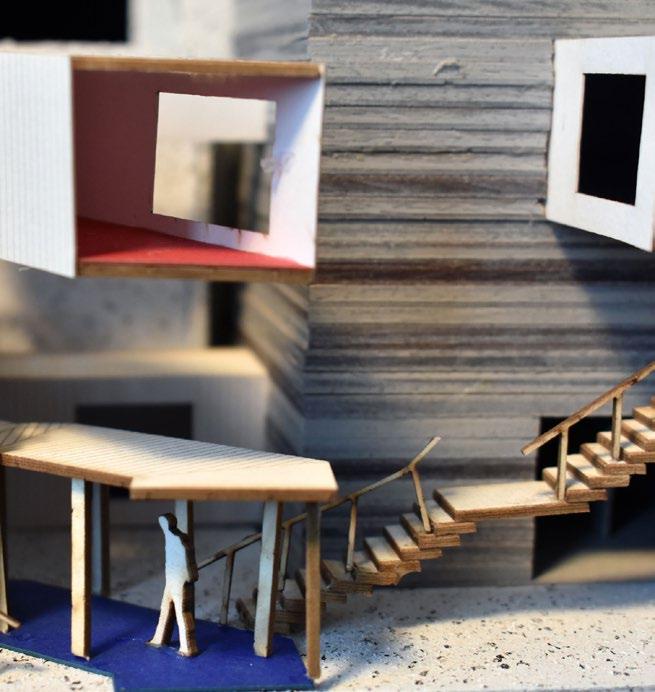
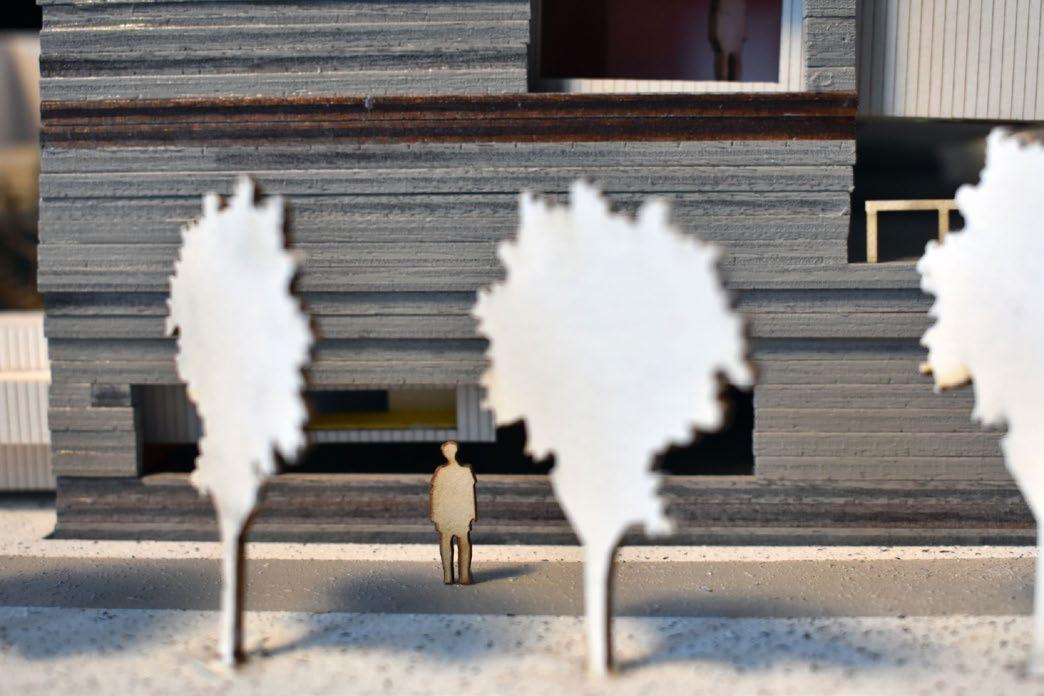
Pastry as Art is a proposed extension for the Museum of Contemporary Art in Los Angeles, CA, combining pasty production and comsumption on a single site to elevate food production to an art form and emphasize process over product. Five pavilions for different stages in the production process are linked together by three separate pathways: one for workers, one for visitors, and one for food.
PastryasArt//Academic//2018
35
Streetside Window View
36
Section Model
Circulation Massing Study
Sidewalk Viewing Window Courtyard Pathway Overpass
Pastry as Art: Connected Networks
Three interconnected circulation routes wind through and around the buildings. Workers have nodal access to the spaces of production (blue), while the pastry moves along a conveyor belt as it is prepared and baked (yellow). Visitors are relegated to a role similar to that of the pastry itself, moving on a prescribed path (pink) to get curated views of various stages of production.
37
PastryasArt//Academic//2018 First Floor Plan

38 16' 8' 4' Unfolded Section Second Floor Plan Elevations
Oakland Radiology: Demolition + Construction
Matano Kang Architects, 2022
Principal: Doris Kang
Designer
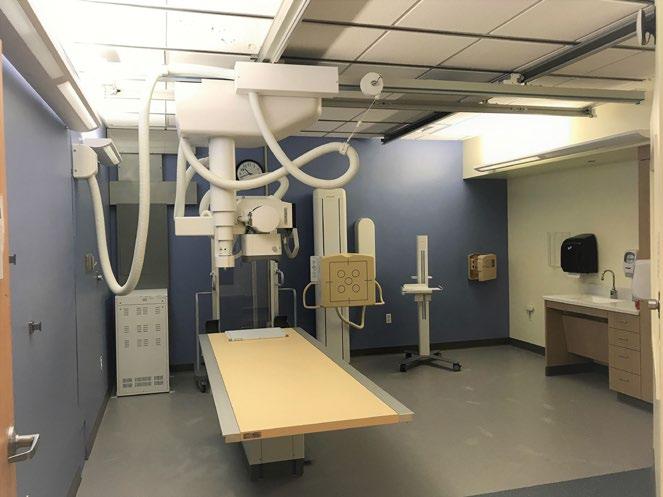
Redesign of a radiology suite at a Kaiser Permanente medical office building in Oakland, CA, including new ceiling installation, ADA updates, new casework and furniture, and updated finishes.
39
OaklandRadiology//Professional//2022
Demolition Plan
40
Casework Details Construction Plan
Oakland Radiology: Equipment + As-Built
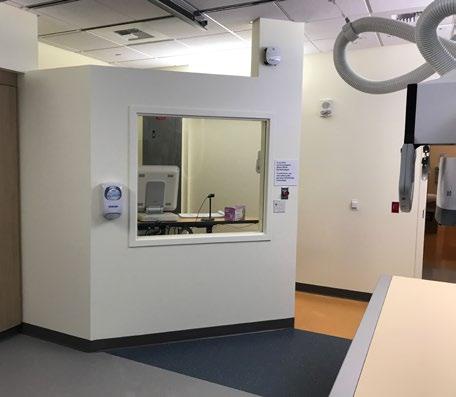
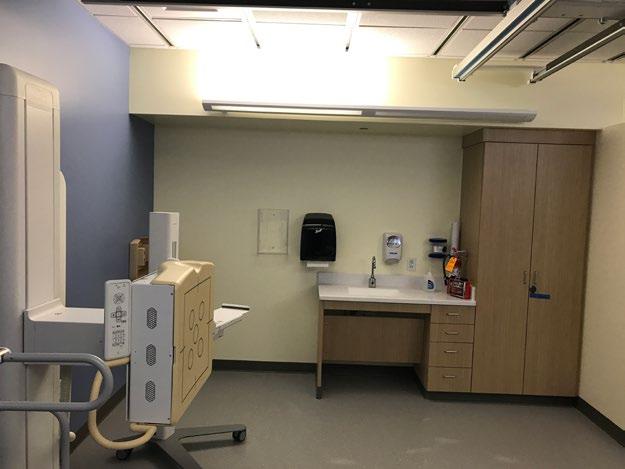
Met the equipment storage and performance needs of Kaiser Permanente staff while ensuring accessiblity standards are met. Combined the Kaiser Permanente design standards with the needs of the building and the design goals of the department. Construction completed in 2022.
41
OaklandRadiology//Professional//2022 Equipment Plan
42
As-Built Photos
Construction RCP