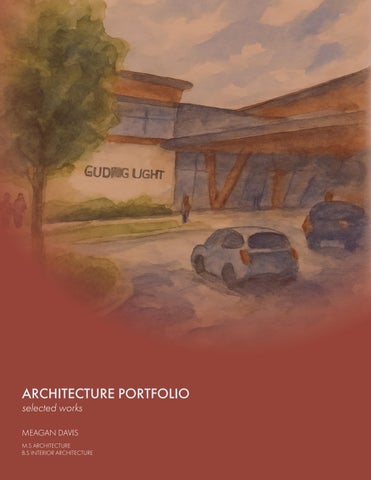
ARCHITECTURE PORTFOLIO
selected works
M.S ARCHITECTURE
B.S INTERIOR ARCHITECTURE
MEAGAN DAVIS
selected works
M.S ARCHITECTURE
B.S INTERIOR ARCHITECTURE


davis.meagan01@gmail.com davis.meagan01@ku.edu (816) 286 - 5772
davis.meagan01@gmail.com l personal davis.meagan01@ku.edu l student (816) 286-5772 l personal cellphone
EDUCATION
MASTER OF ARCHITECTURE
B.S. INTERIOR ARCHITECTURE
The University of Kansas
The University of Kansas
Anticipated Graduation: May 2026
Graduated May 2024

INTERNATIONAL INTERIOR DESIGN ASSOCIATION (IIDA)
AIA STUDENT AWARD CONFERENCE NOMINEE
Member l 2023-present
Nominee l 2025
Nominated for Project Submission to the Student Category Awards for the AIA Kansas 2025 Conference
Cumulative GPA: 3.570 out of 4.0
BACHELOR OF SCIENCE IN INTERIOR ARCHITECTURE
The University of Kansas Graduated: May 2024
MASTERS OF ARCHITECTURE
The University of Kansas Anticipated Graduation May 2026
bcDESIGNGROUP - Overland Park, Kansas
Provides resources to receive unique opportunities to be involved in leadership roles and build professional connections. Attend campus events and participate in mentoring program to enhance professional networking relationships and knowledge within the design industry.
INTERNATIONAL INTERIOR DESIGN ASSOCIATION
IIDA Member l 2022 - Present
CHI OMEGA LAMBDA CHAPTER SORORITY
Alumni l 2020 - 2024
ROCK CHALK REVUE
CHI OMEGA LAMBDA CHAPTER SORORITY
Member l 2021 - 2023
Alumni l 2020-2024
Intern l Fall 2023 - Summer 2025
• Developed space plans, selected materials, and coordinated projects to meet client objectives.
BCDESIGNGROUP
Intern I Fall 2023-Summer 2024
UNIVERSITY OF KANSAS CLUB TENNIS
Member l 2020 - 2024
ROCK CHALK REVUE
• Produced detailed renderings and presentations using Photoshop and other tools to effectively communicate design concepts.
Hands on experience in space planning, material selection, and project coordination.
• Collaborated with clients and team members to deliver creative and logistical support.
BIOSPHERE FLUX - Barcelona, Spain
Assisted with renderings, photoshop, and communication with clients
Intern l Summer 2023
BIOSPHERE FLUX Barcelona, Spain
Intern I Summer 2023
Member l spring 2022, spring 2023
NORTHLAND CAPS
Participant l 2019 - 2020
Engineering and Advanced Manufacturing Strand
6 week philanthropy even that requires daily practice and team collaboration
• Created renderings, Photoshop visuals, and client deliverables for project presentations.
UNIVERSITY OF KANSAS CLUB TENNIS
Bluebeam
Member l 2020-2024
• Assisted in crafting lighting solutions to enhance spatial functionality and ambiance.
SRS DESIGN - Riverside, Missouri
Assisted with renderings, photoshop, and compiling files for clients as well as creating lighting solutions on project.
Intern l Spring 2020
SRS DESIGN
Enscape
Illustrator
InDesign
Photoshop
NORTHLAND CENTER FOR ADVANCED PROFESSIONAL STUDIES l 2019-2020
Revit
• Organized the sample library and provided support during client meetings.
Intern l Spring 2020
• Designed interior plans for spec homes and contributed to presentations.
Maintained sample library, assisted designer in client meetings, designed spec home interiors
CUTCO - Kansas City, Missouri
Sales Representative l 2021 - 2022
CUTCO SALES REPRESENTATIVE
2021-2022
Provided one-on-one demo’s for customers
• Exceeded sales goals through products demonstrations and personalized service.
Engineering and Advanced Manufacturing Strand
Sketchup
-Shannon’s House Project Manager
-Outreach International Team Member
• Enhanced communication and sales skills by presenting products to clients.
Nisha Fernando Director of Interior Architecture
University of Kansas nisha.fernando@ku.edu
Brooke Cinalli
Director of Design
bcDESIGNGROUP
brookec@bc-dg.com

1
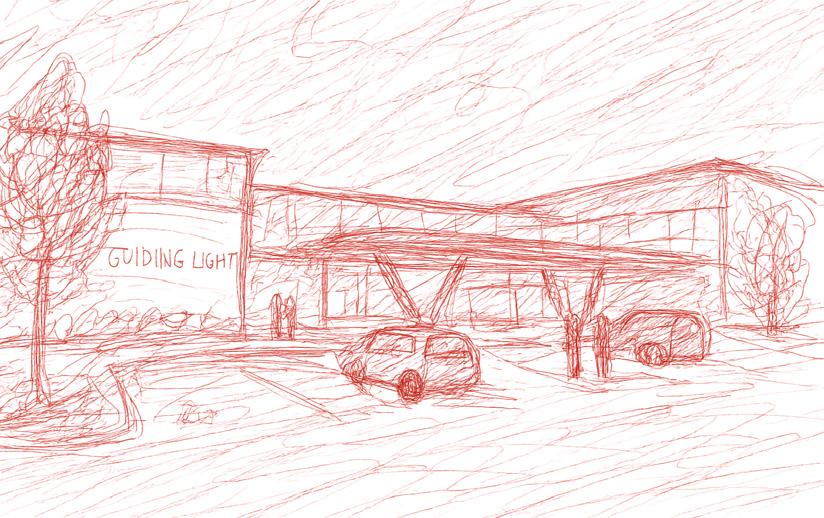
GUIDING LIGHT CANCER CENTER
Olathe, Kansas
Master of Architecture Spring 2025
Kansas City, Missouri
Master of Architecture Fall 2024

TruE WELLNESS CENTER
Lawrence, Kansas
Master of Architecture Summer 2024
FAMILY WELLNESS HOTEL
Vancouver, Canada
Bachelor of Interior Architecture Spring 2023
SMART SUSTAINABLE HOME
Strawberry Hill, Kansas
Bachelor of Interior Architecture Spring 2022
PERSONAL WORKS
Large Scale Painting + Sketches

The University of Kansas KU School of Architecture and Design Master of Architecture
Professor Professor Richard Embers
Semester Spring 2025
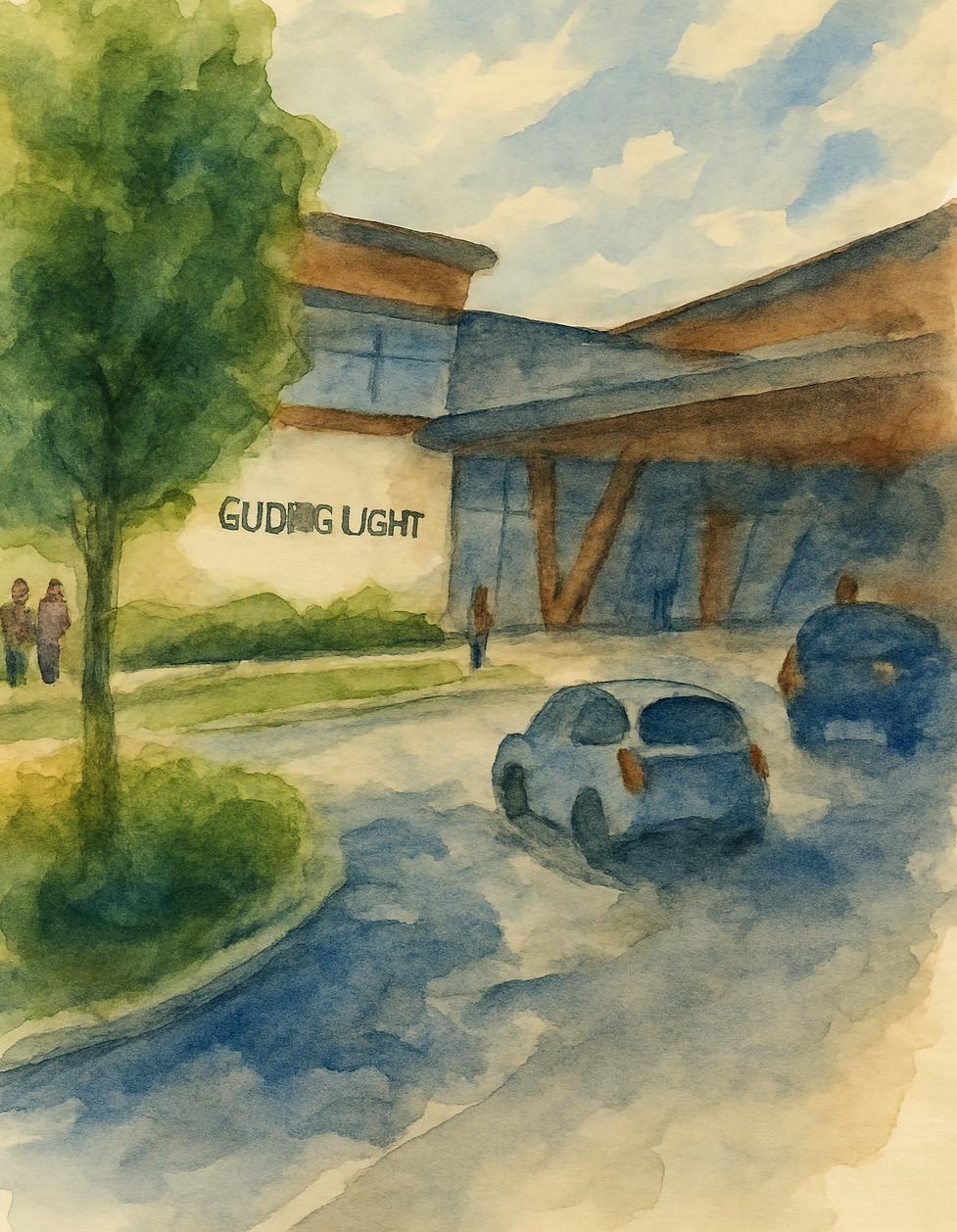
Located adjacent to an existing medical facility in Olathe, Kansas, this 75,000-square-foot cancer center reimagines the healing environment as an active partner in the patient journey. Cancer treatment is not only a medical process but a deeply personal path, one that demands strength, self-advocacy, and resilience. Drawing inspiration from the vast Kansas prairie and the quiet power of a setting sun, the design uses light as a guiding force, weaving a narrative of movement, transformation, and hope.
Light-filled corridors orient patients and offer clarity, while warm golden tones and sensory-rich moments provide comfort and calm. Interactive elements invite patients to mark milestones and reflect on progress, making the architecture not just a backdrop but an emotional anchor. By aligning spatial experience with natural rhythms, the center becomes a place of empowerment, one that supports the body, uplifts the spirit, and honors the complexity of the healing journey.
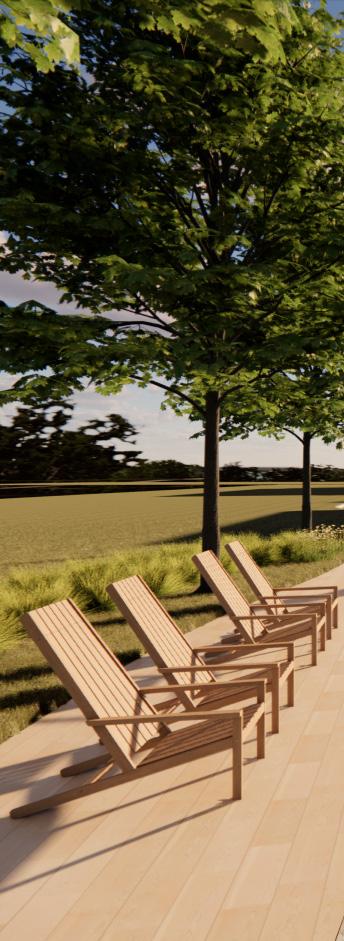
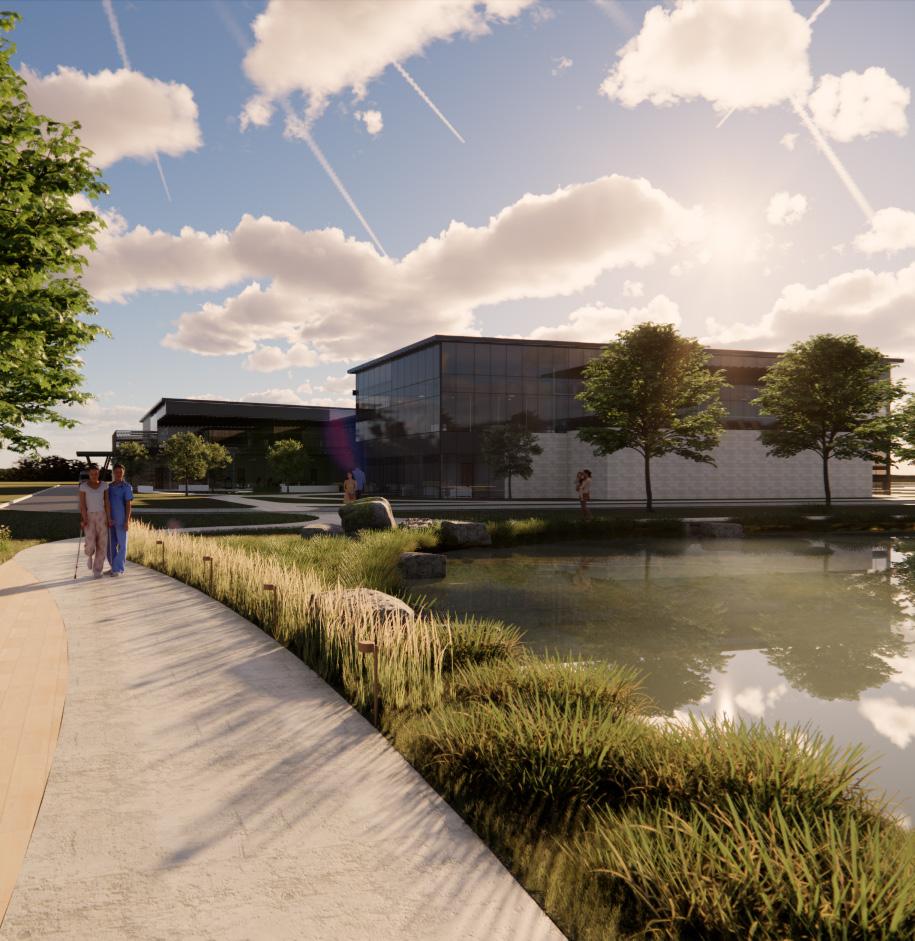
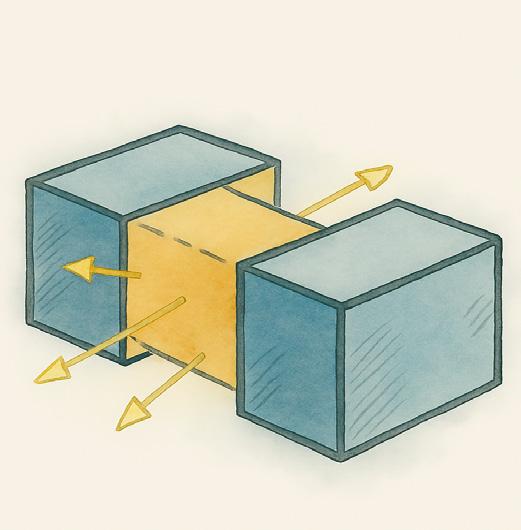
The center core of this form captures sunlight and disperses it to illuminate the surrounding spaces. Inspired by the natural movement of light across the prairie sky, this design fosters a sense of control, resilience, and selfadvocacy for patients. Spaces transition with the day, embracing the warmth of the morning, the strength of the afternoon sun, and the reflective glow of sunset, mirroring the patient’s journey through treatment, recovery, and self-discovery.
The architecture frames light as a tangible symbol of progress, allowing patients to see, feel, and move through hope as they champion their own path to healing. Light-filled corridors guide patients along their path, warm golden hues provide moments of comfort, and interactive installations allow individuals to mark their progress, celebrate milestones, and take ownership of their journey. By aligning architecture with the natural cycles of light, this project transforms the built environment into a catalyst for self-advocacy, emotional well-being, and personal triumph.
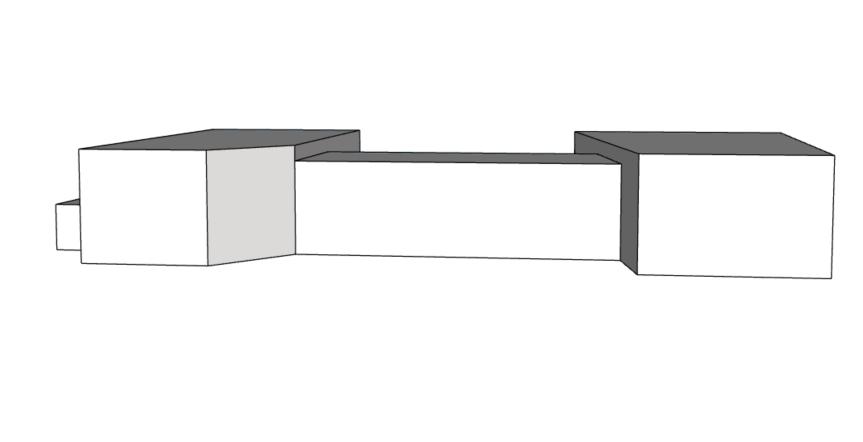

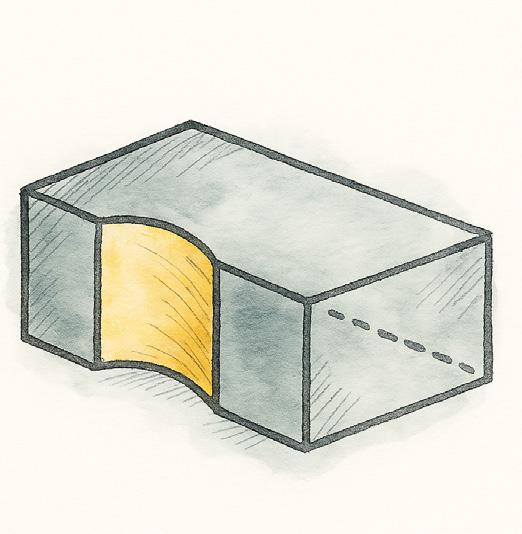

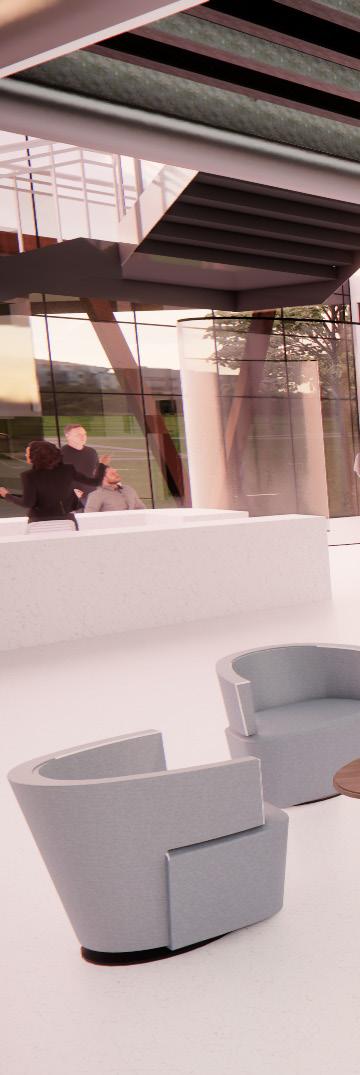
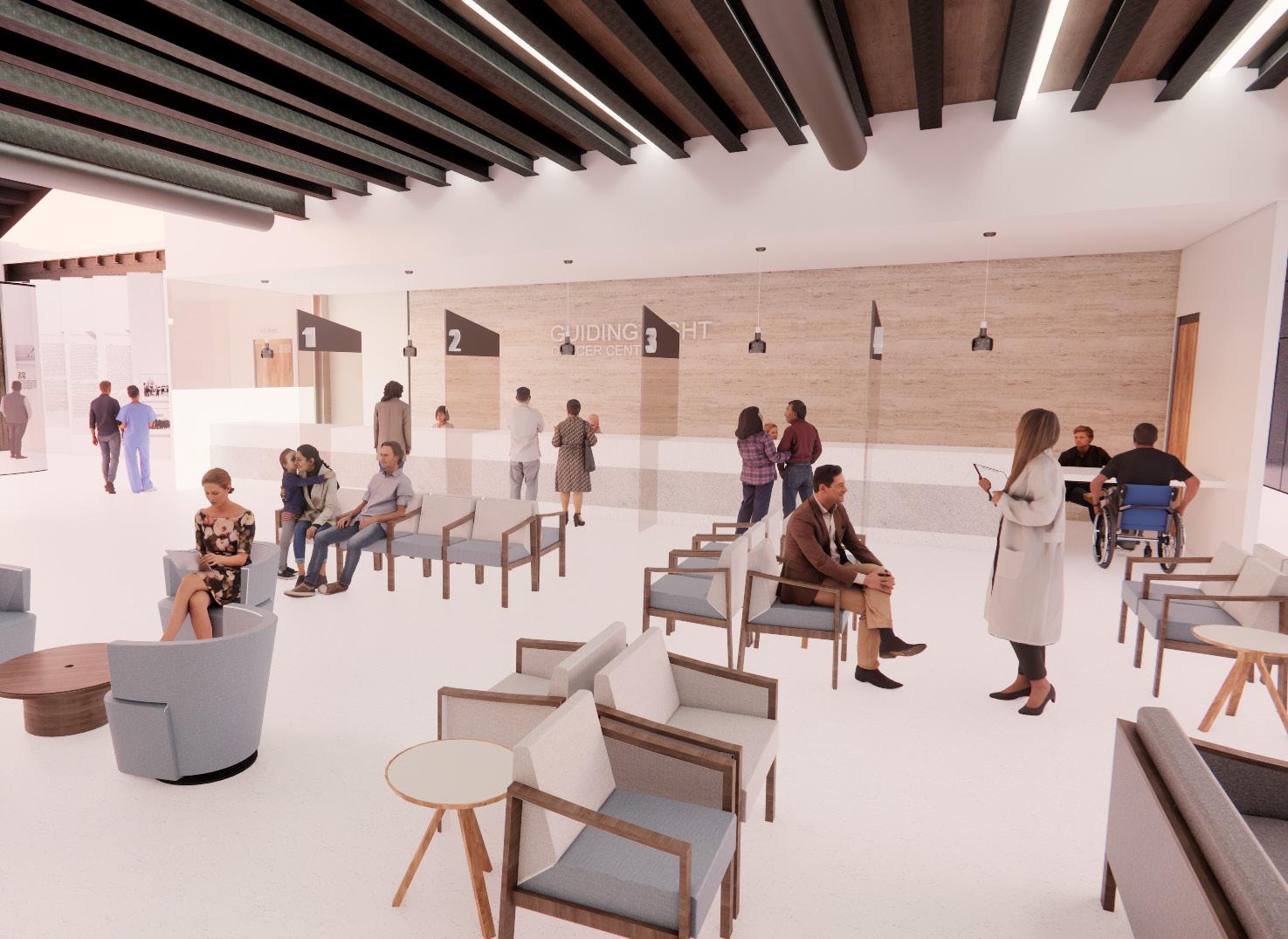
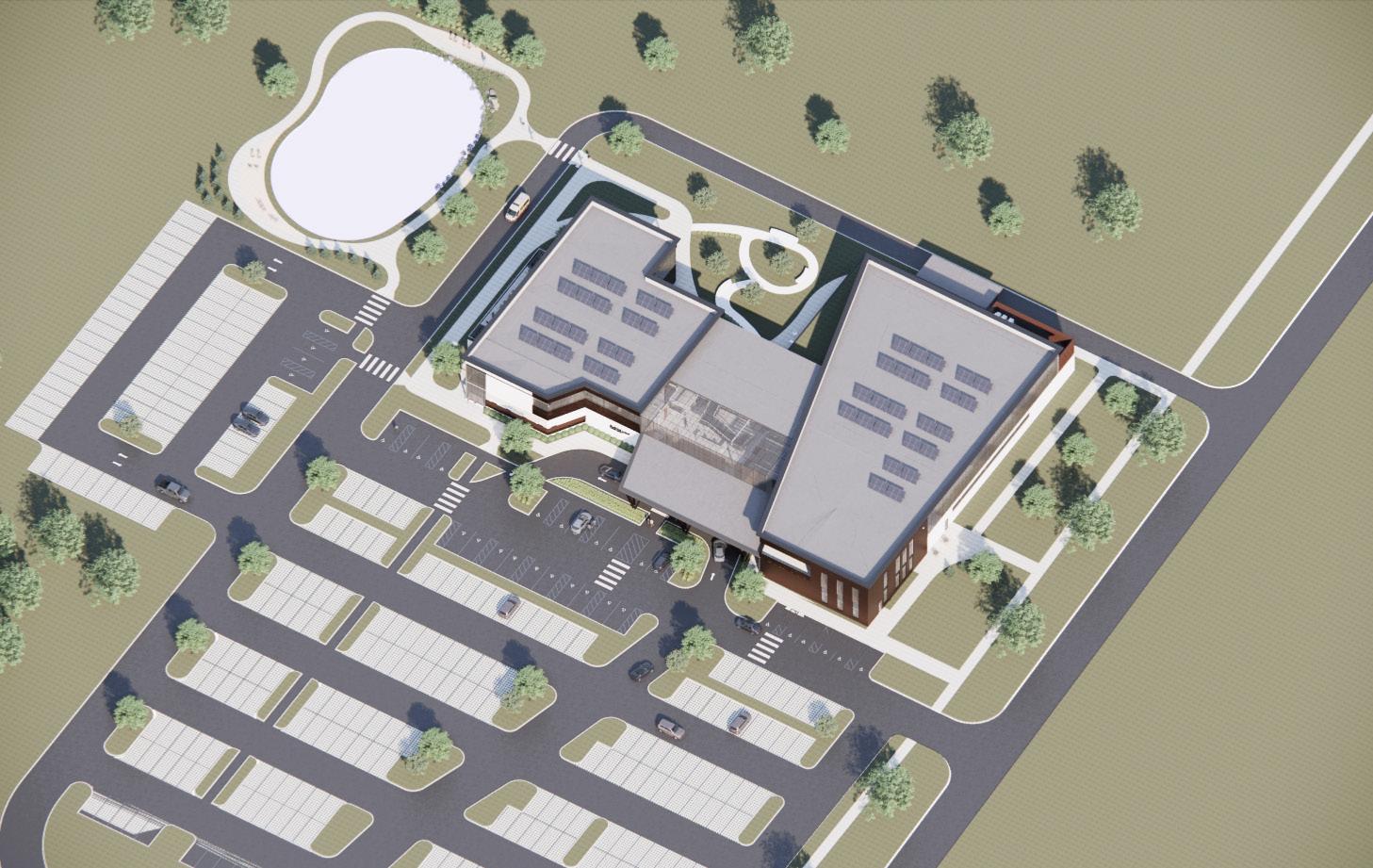
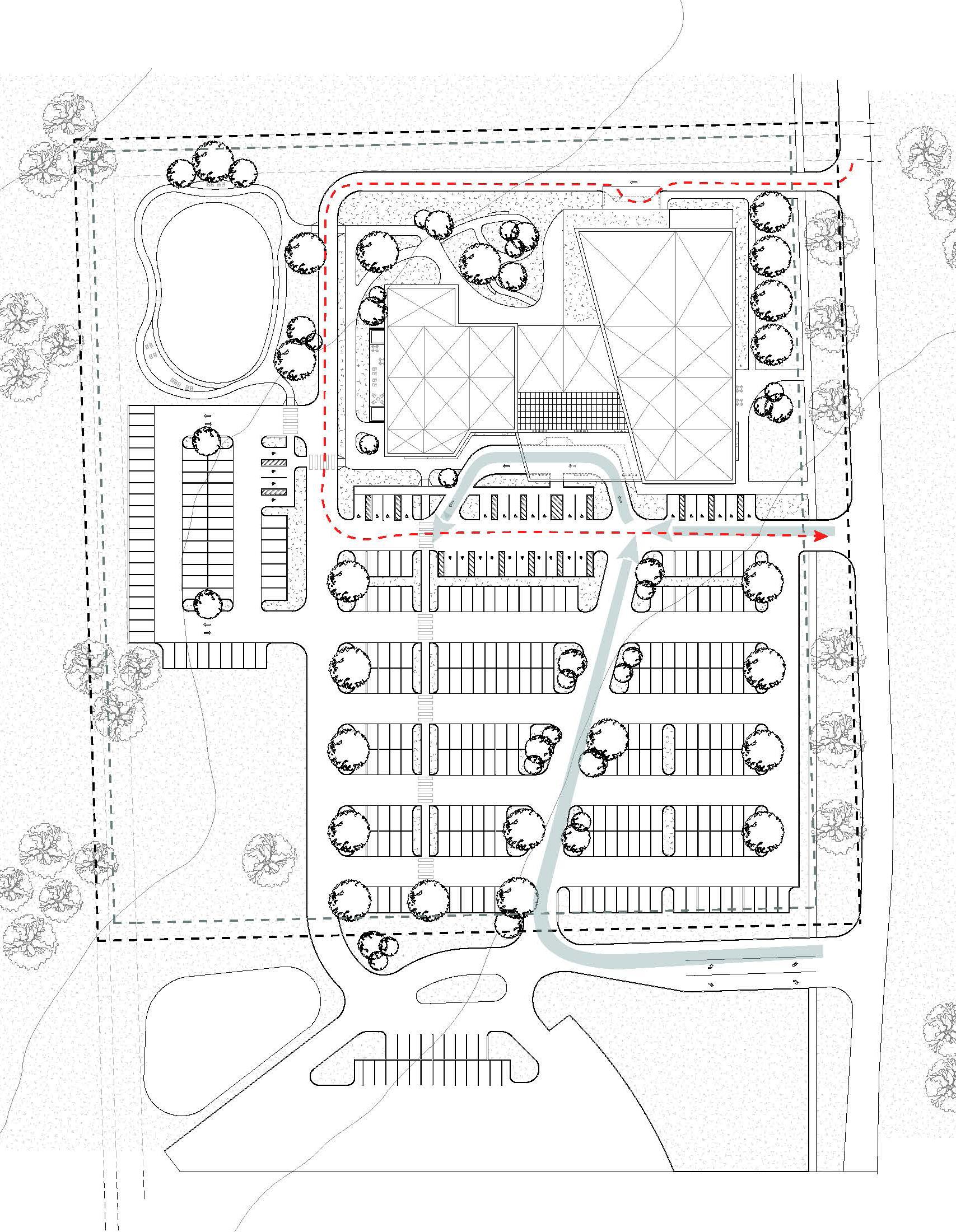
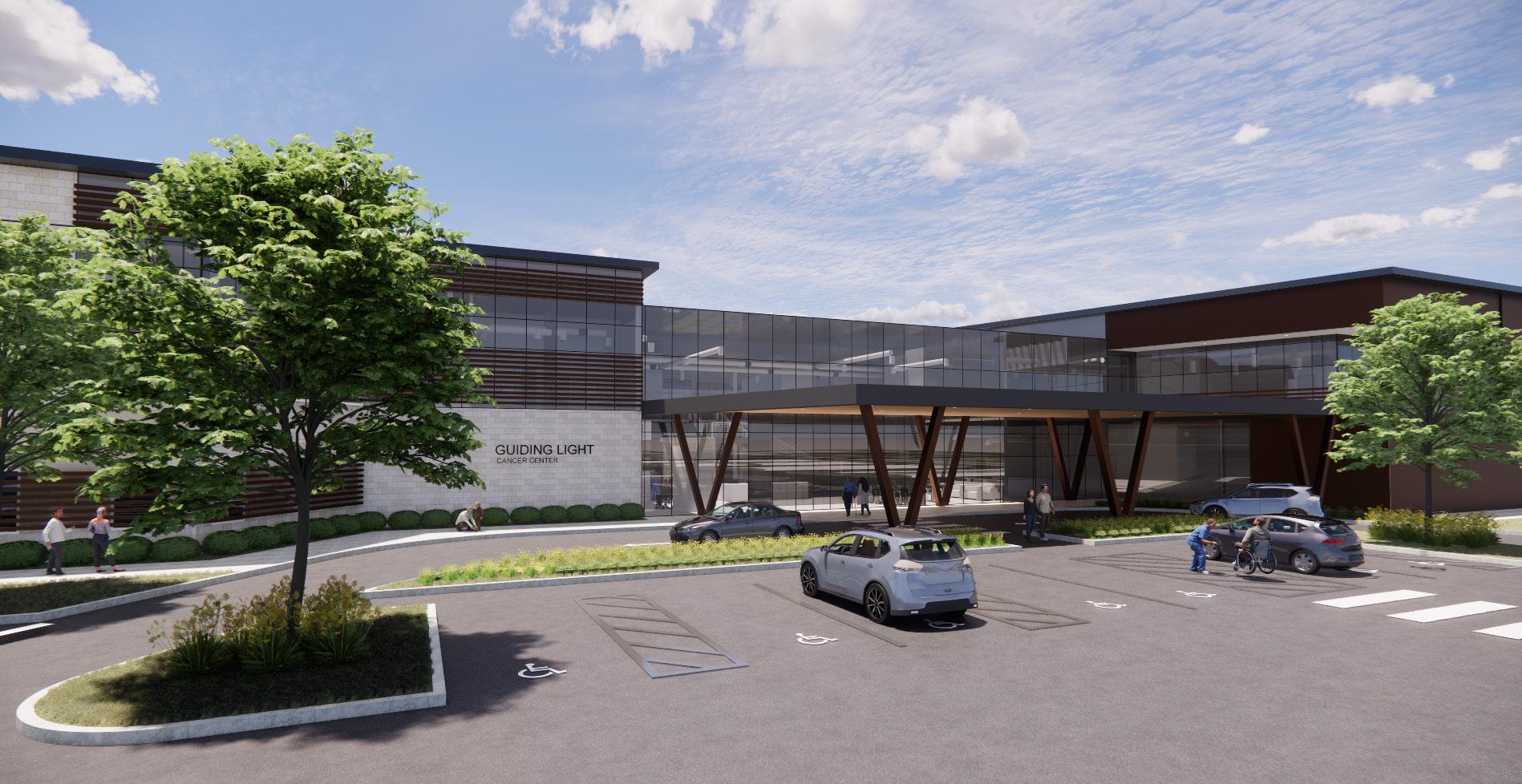
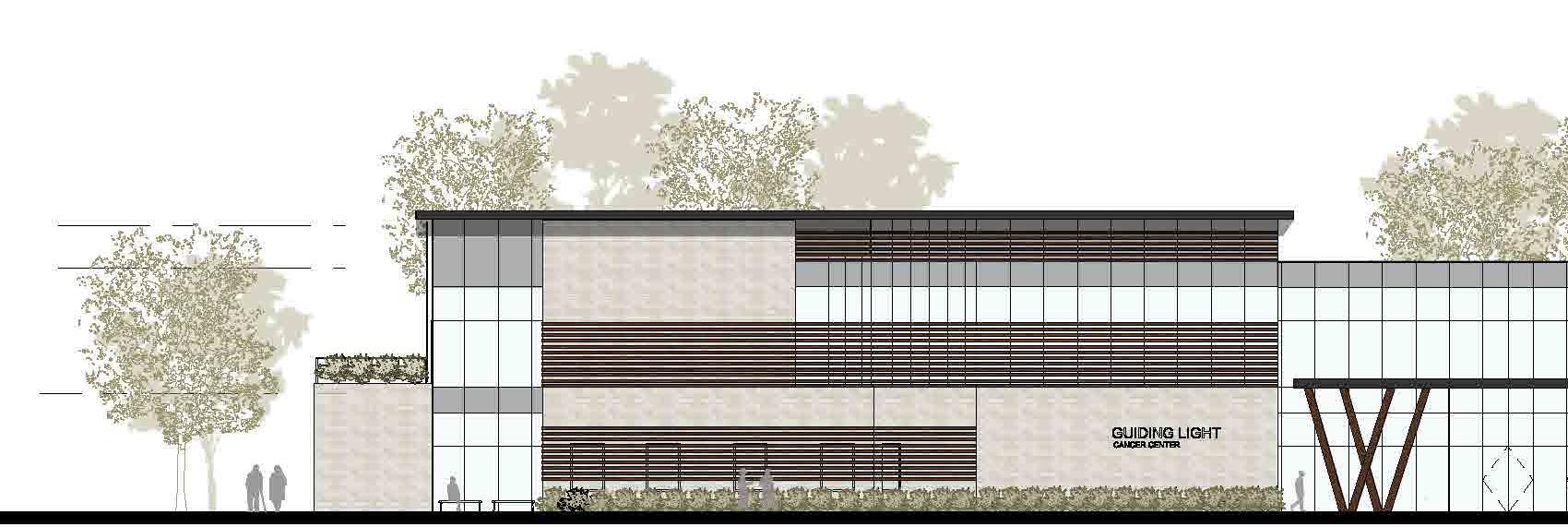
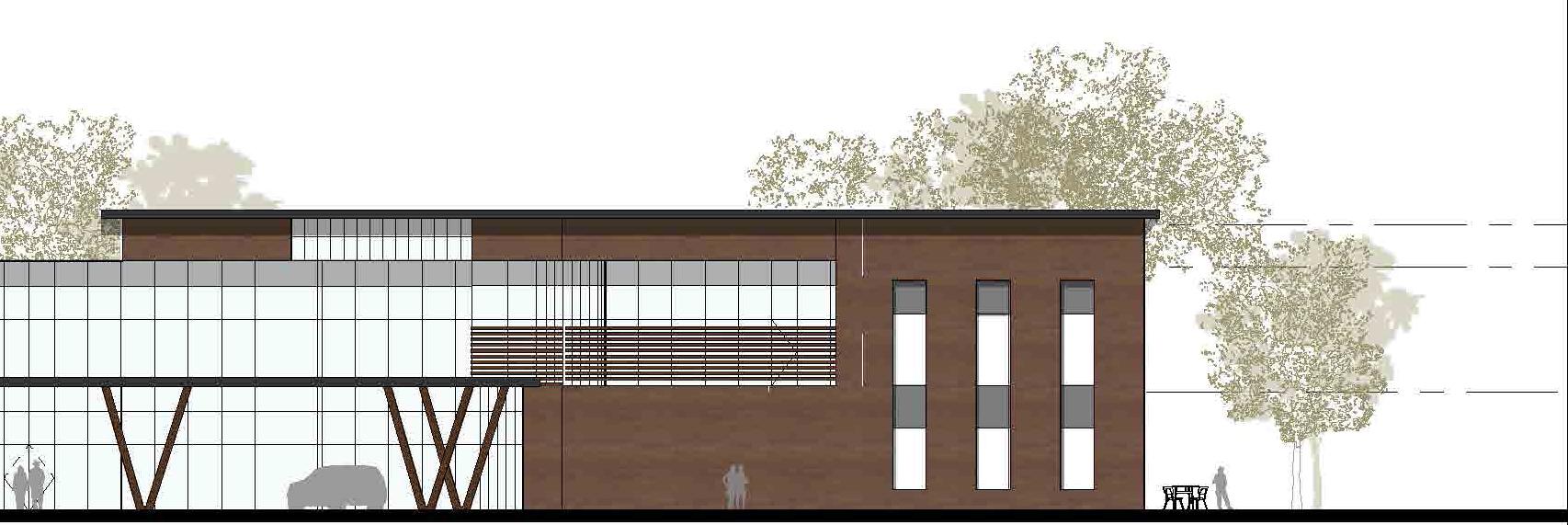
The main entry sequence sets the tone for the patient experience, calm, grounded, and intuitive. Layered materials, natural textures, and transparency at the building’s core emphasize openness and clarity from the moment of arrival. The form gently guides visitors through a journey rooted in light and movement.
The building’s form and entry experience use light and transparency to create a welcoming and intuitive arrival for patients and families.
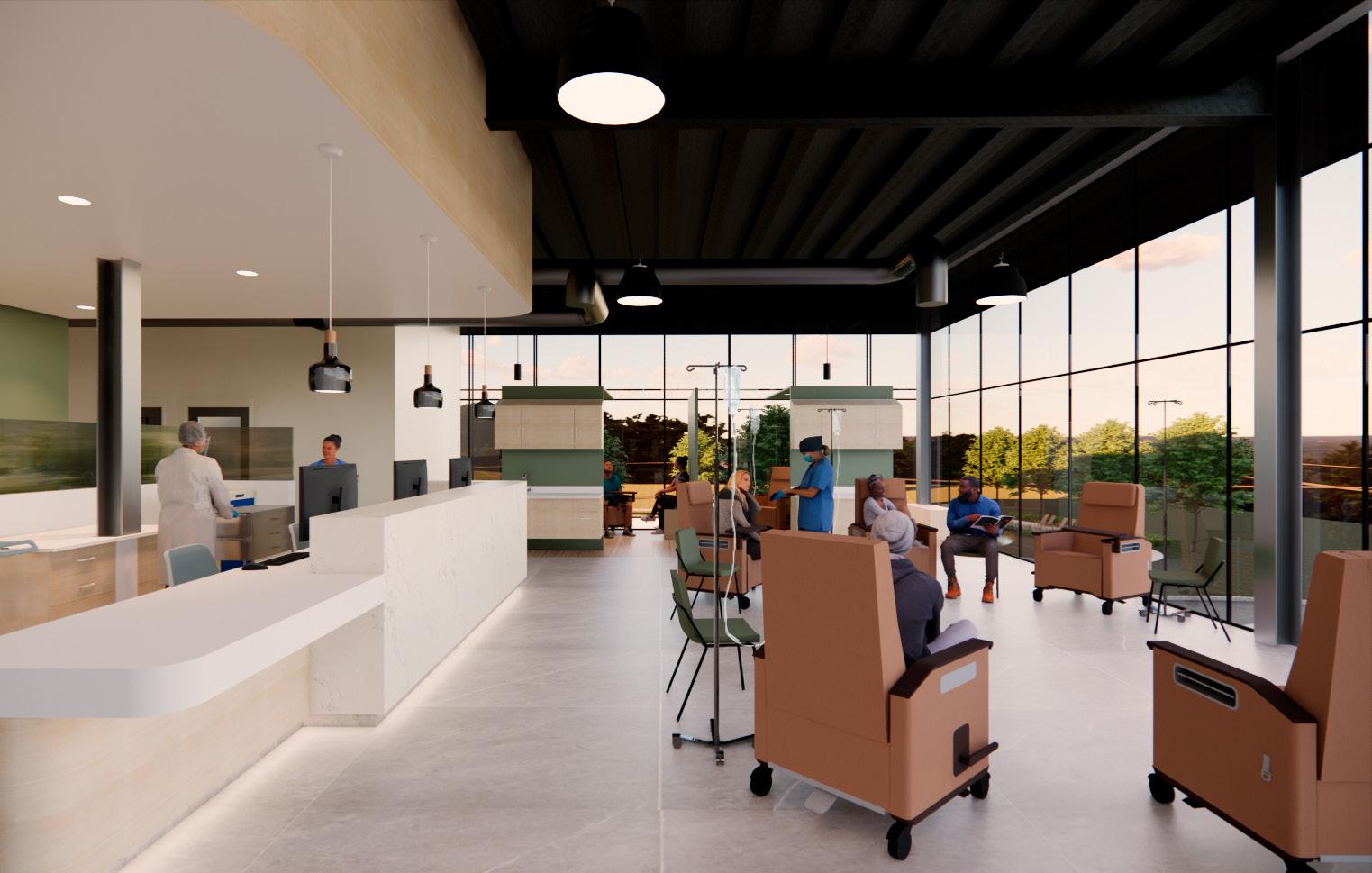
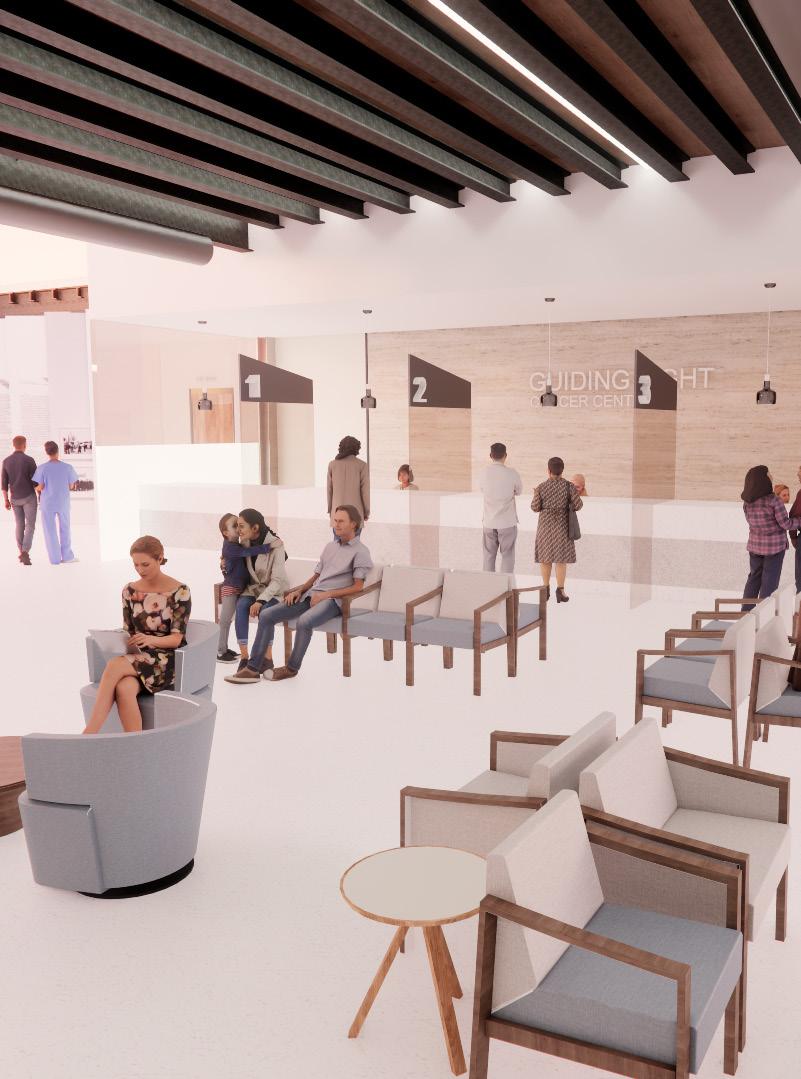
The infusion suite was designed to empower patients by offering choice, comfort, and connection to nature. Individual bays are positioned along a fully glazed exterior wall, allowing each patient access to views and natural light throughout treatment. Warm finishes, thoughtful acoustics, and personal space combine to foster dignity and calm in what is
Natural light and patient-centered design transform the infusion suite into a space of comfort, choice, and quiet strength.
The University of Kansas
KU School of Architecture and Design
Master of Architecture
Professor Professor Dilshan Olssenn
Semester Fall 2024
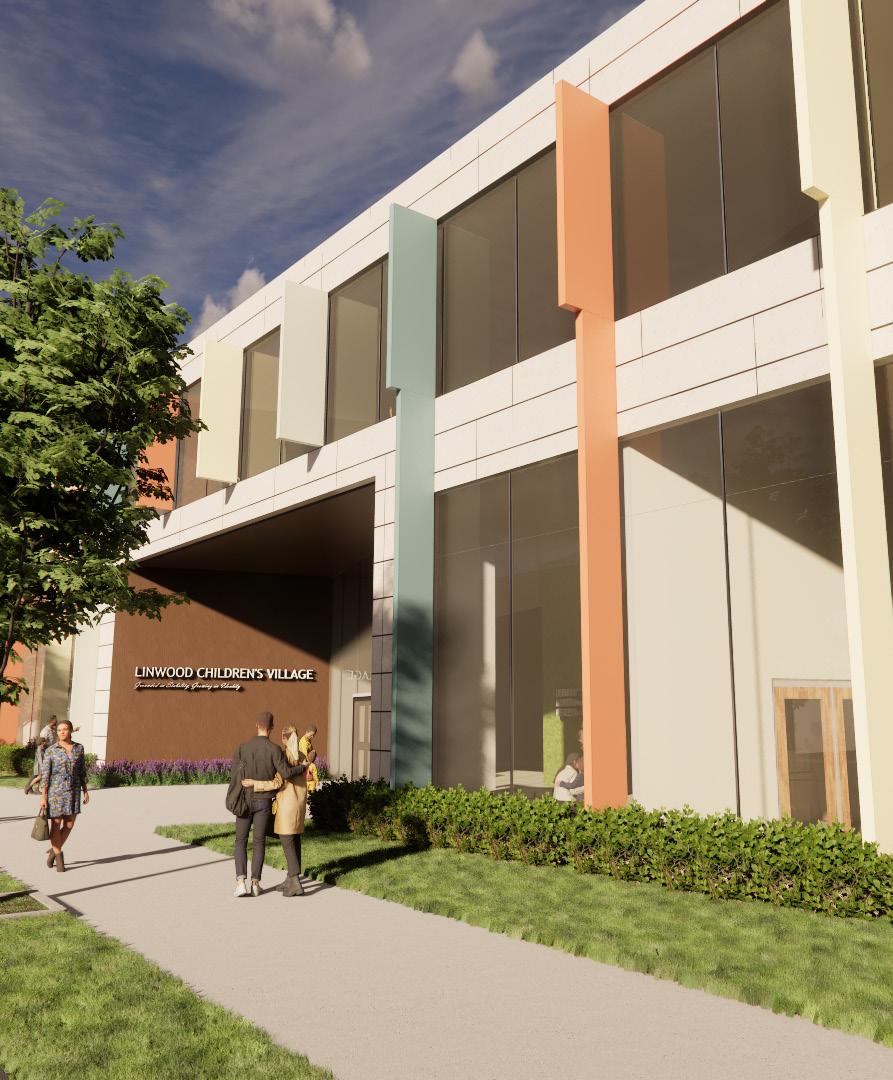
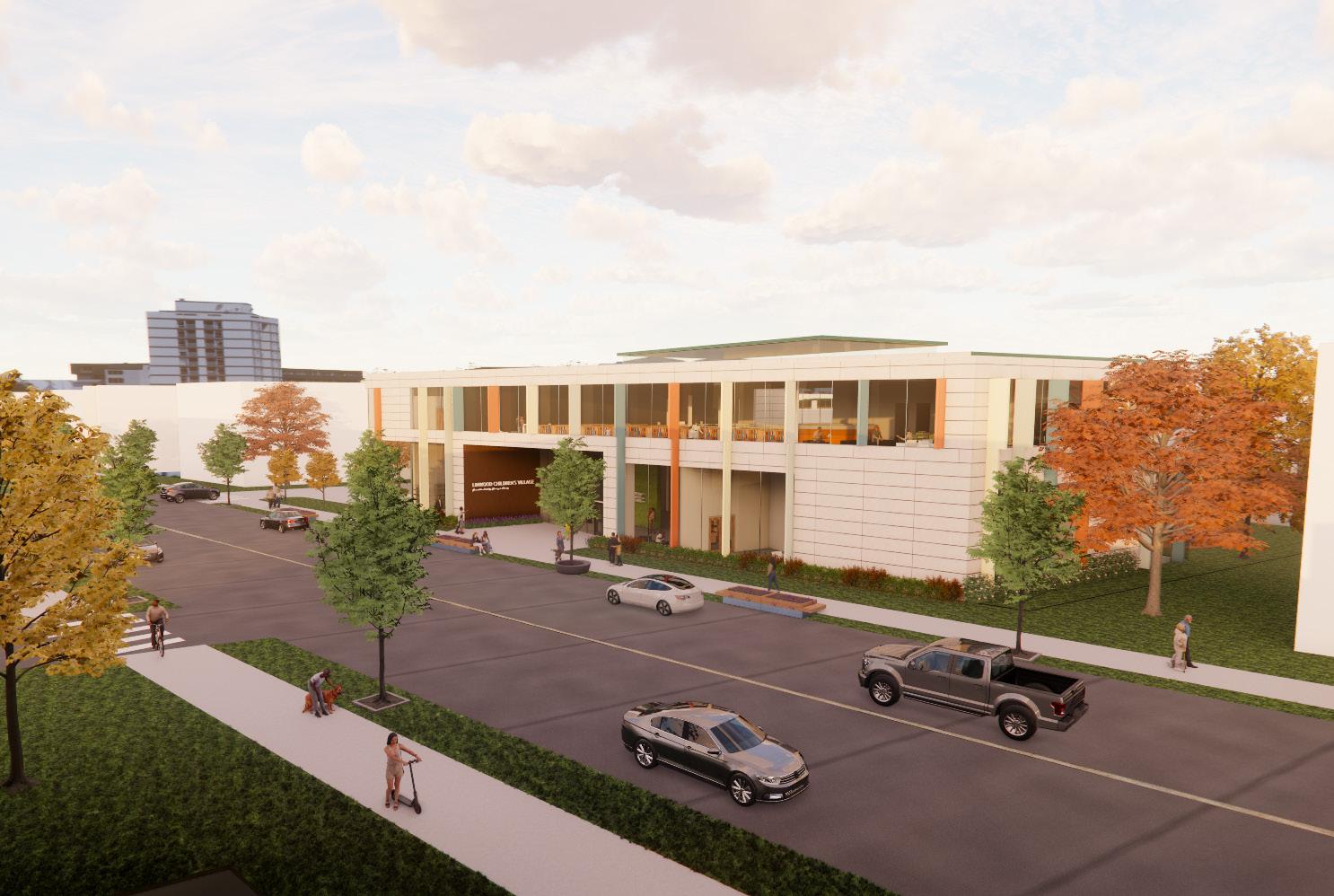
In Kansas City, the rising number of children without parental care presents a critical social concern. To support these children and their surrounding communities, I am designing a multi-functional development along Linwood Boulevard. This site, situated near a corner lot surrounded by abandoned properties, faces challenges such as social isolation, safety concerns, and environmental issues like pollution, limited green space, and the heat island effect. Despite being located on a major arterial road, the area is disconnected from urban activities, making it vital to create a safe, supportive, and transformative environment.
My goal is to design a space that helps these children build confidence, independence, and a sense of balance in their lives. While their past cannot be changed, this development aims to provide opportunities for growth, self-discovery, and empowerment. By addressing both social and environmental challenges, I hope to create a nurturing environment where they can thrive.
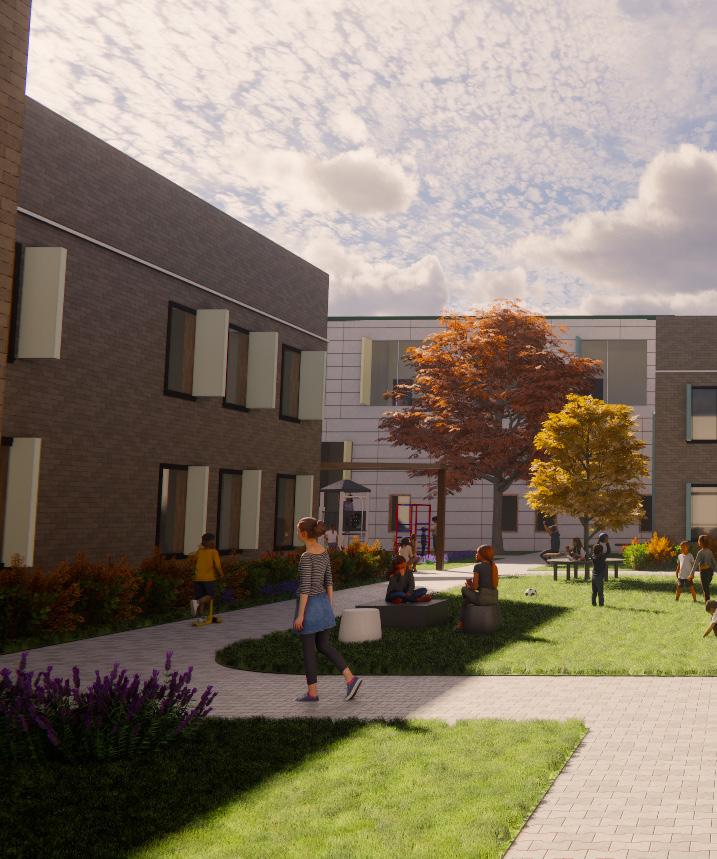
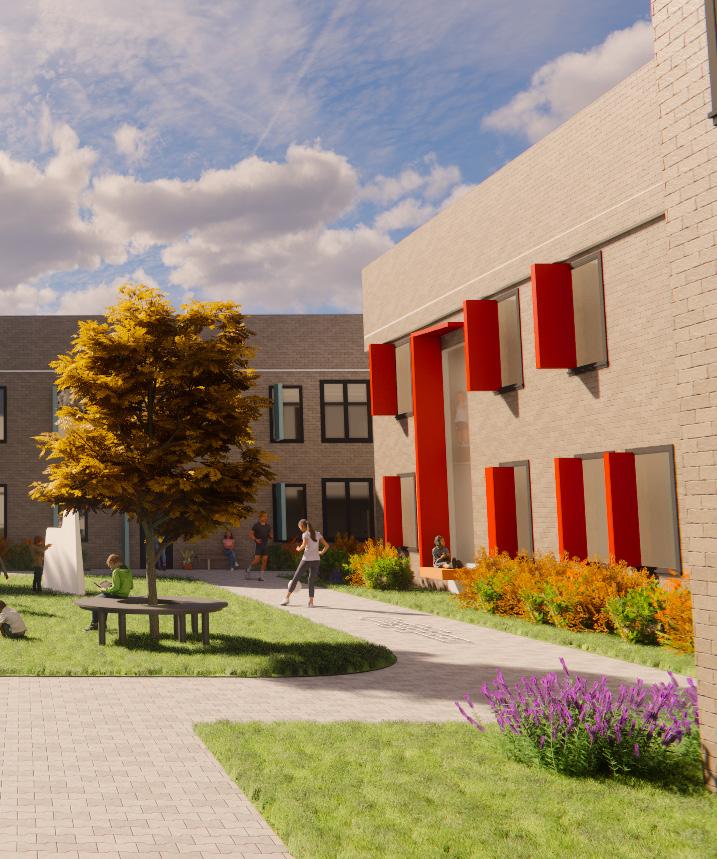
To achieve this, I am focusing on three core principles. Safety is ensured through enclosed courtyards and supervised support available at all times. Confidence and independence are fostered with multi-use spaces that encourage exploration, creativity, and interaction with the public, blending public and private areas to create a dynamic community. Finally, balance is achieved by designing a mix of public and private spaces, centering residential units to subtly encourage interaction and relationship-building. This design includes a thoughtful combination of staff guidance and opportunities for independent living.
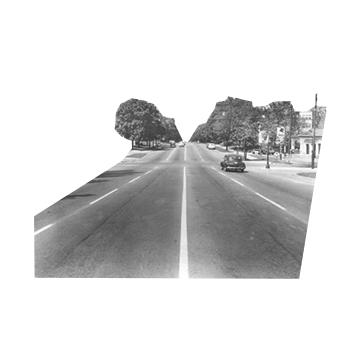
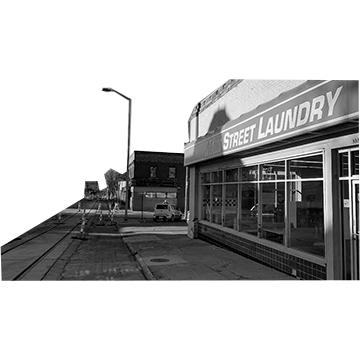
1880s: Kansas City’s expanding streetcar system shaped Midtown, including BroadwayGillham, as lines along Main Street spurred residential and commercial growth.
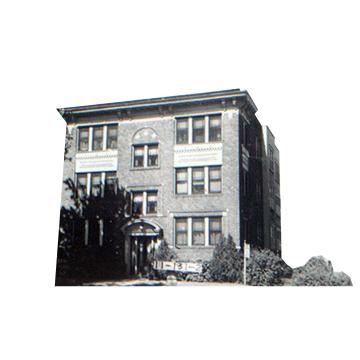
1900-1930: The neighborhood grew with Kansas City’s urban expansion, attracting upper-middle-class families. 1950s-1970s Decline
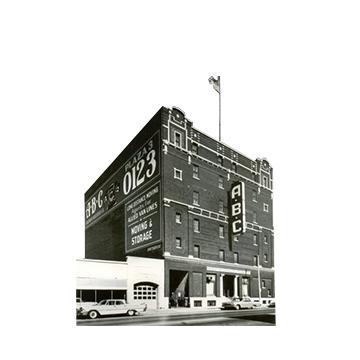
Post-World War II, suburbanization led to population decline and economic stagnation in Broadway-Gillham, leaving many historic buildings in disrepair.
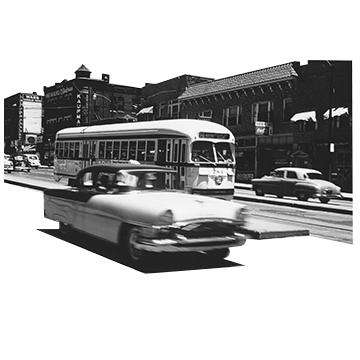
1980s-1990s: Revitalization efforts in Broadway-Gillham focused on preserving historic districts and attracting investment.
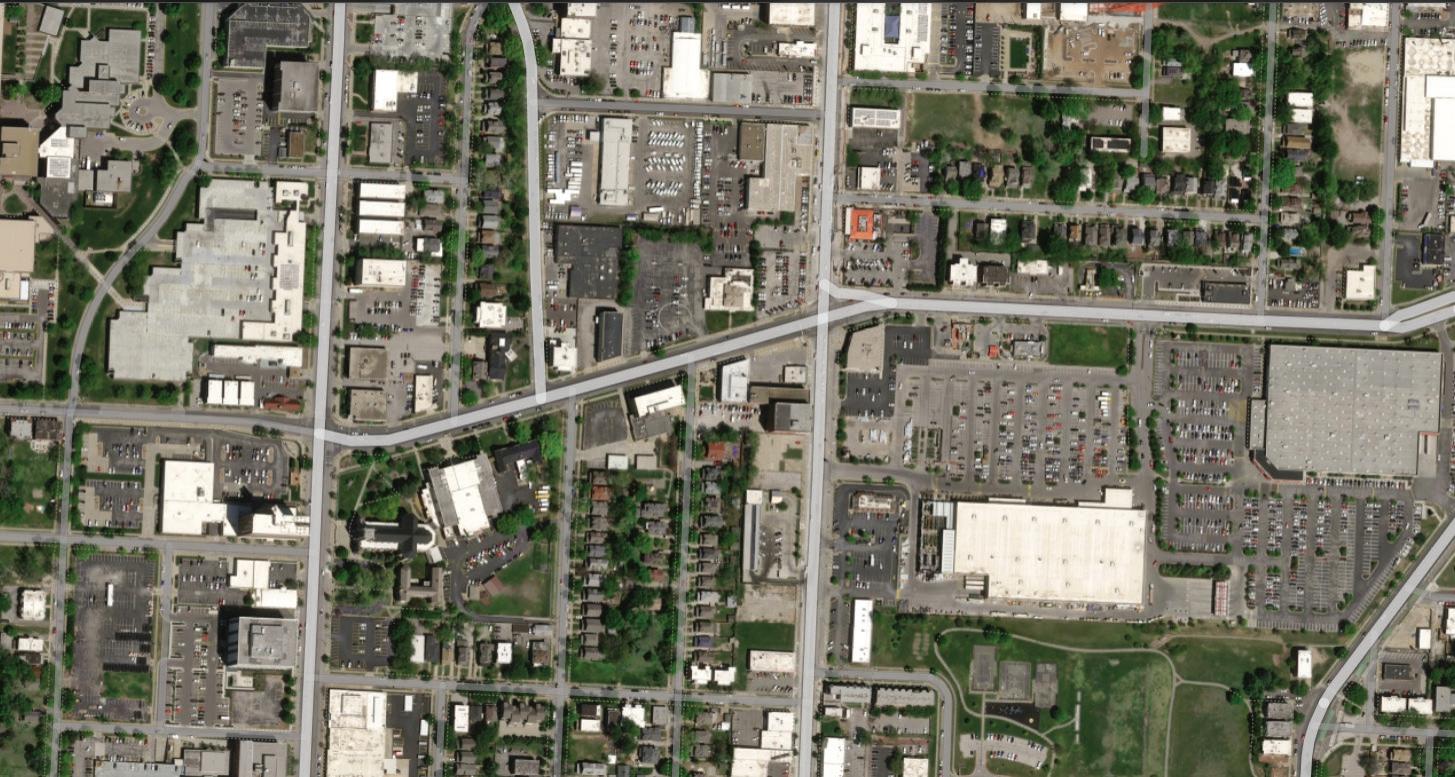
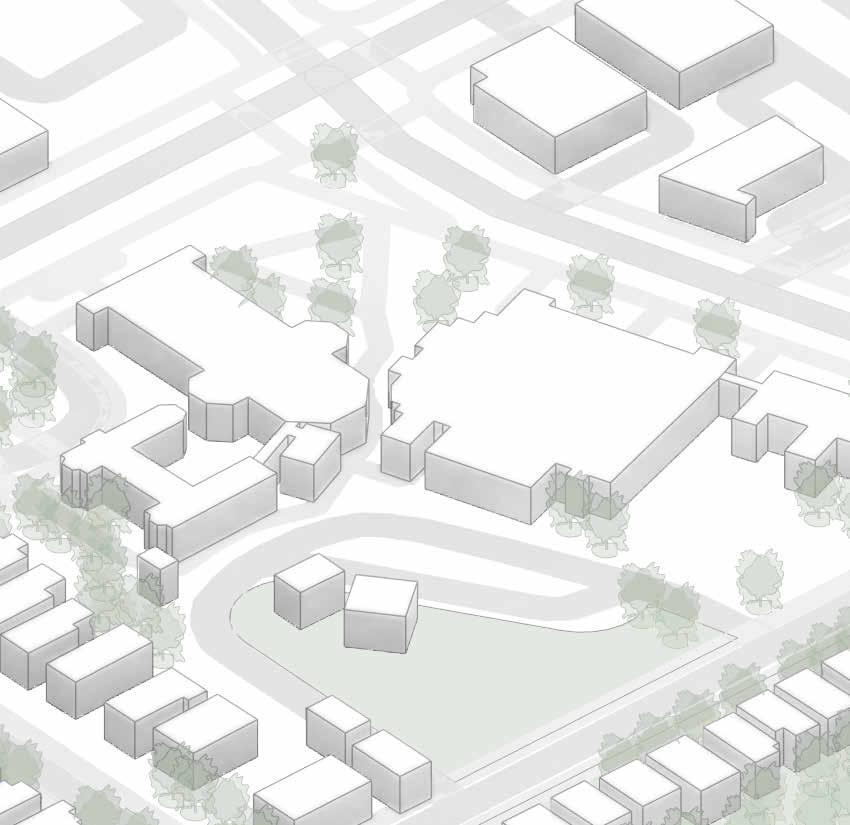
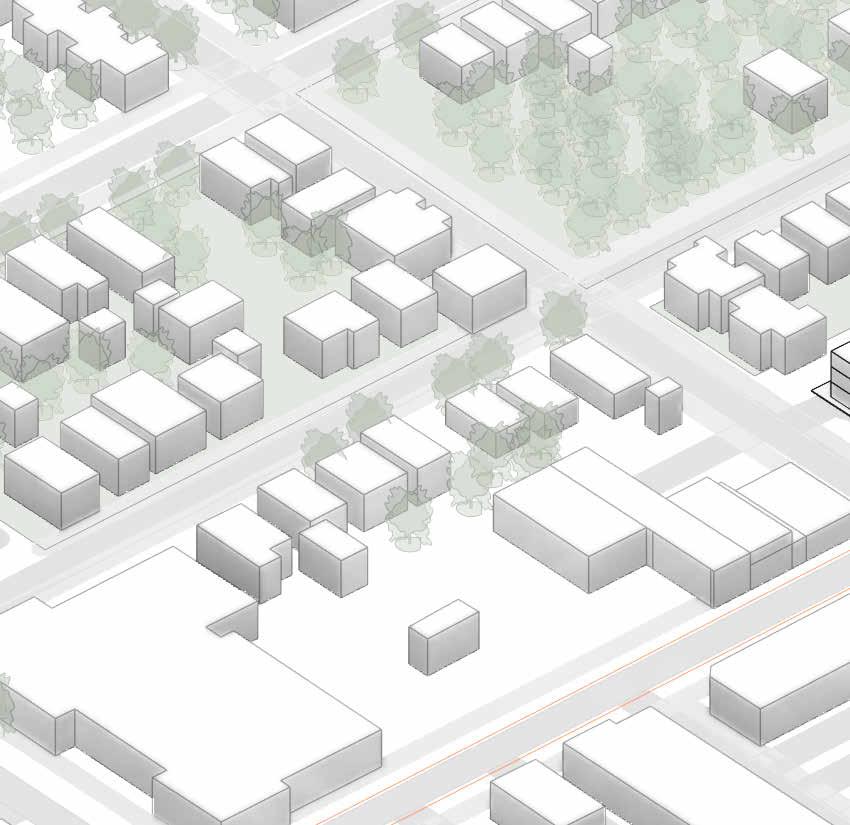
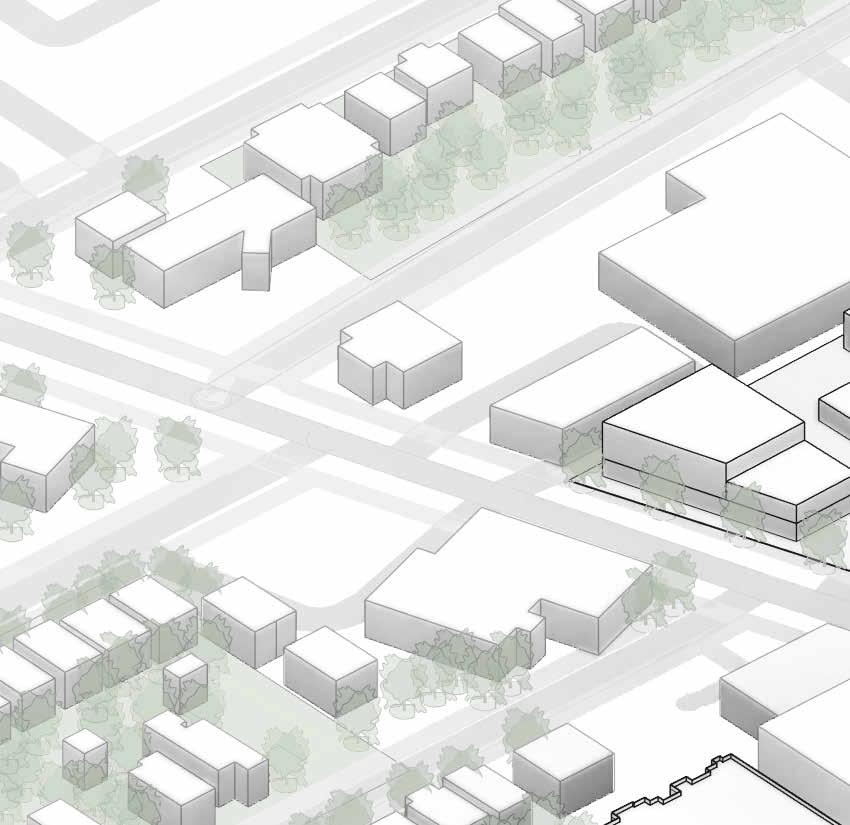
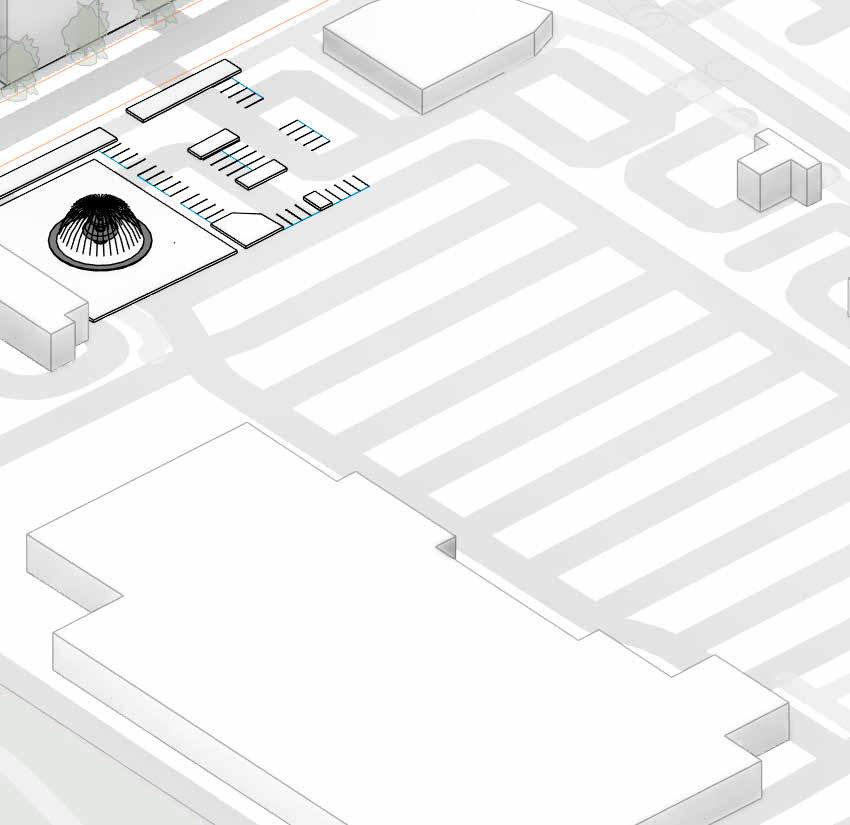
Located at the intersection of Linwood and Main in the Broadway-Gillham neighborhood, our site sits within Kansas City’s Midtown-Westport district. Known for its historic architecture and diverse population, the area has the opportunity to offer a mix of housing and commercial spaces. Surrounding our site sits abandoned lots and large paved areas, highlighting opportunities for revitalization. Late 1800s Initial Development
Integrate residential, commercial, and community spaces to promote walkability and diversity.
Focus on affordable housing and public spaces to support underserved populations.
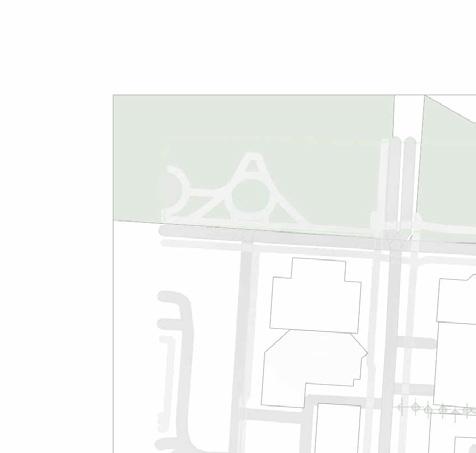
Incorporate parks and sustainable design to enhance quality of life and sustainability.
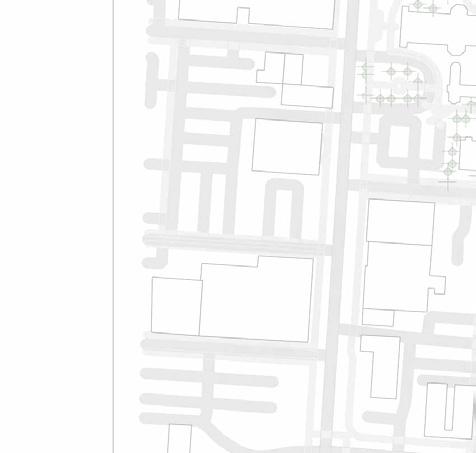
PROPOSAL
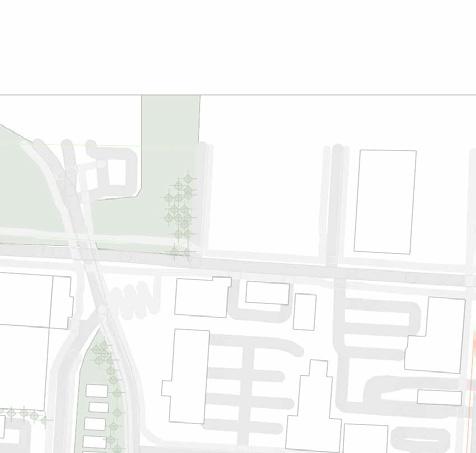
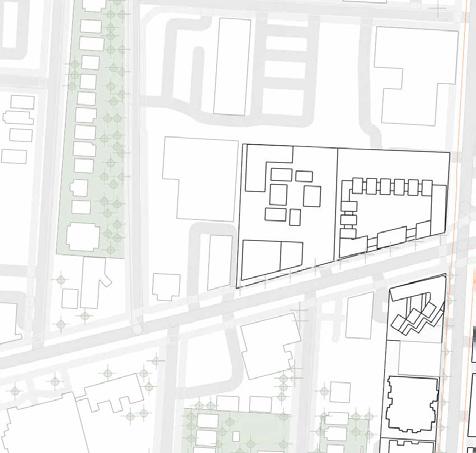
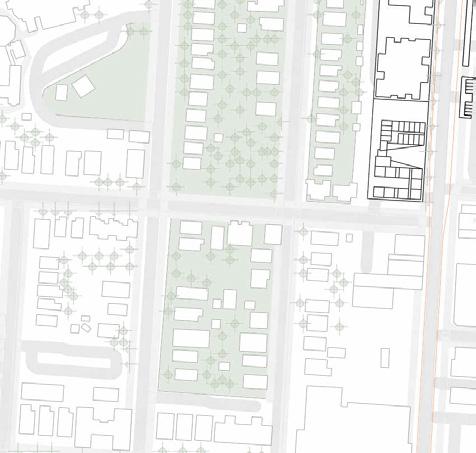
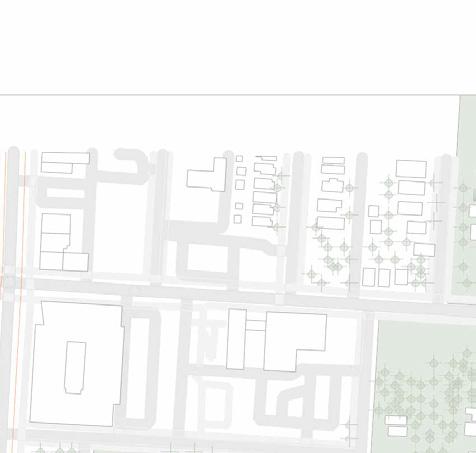
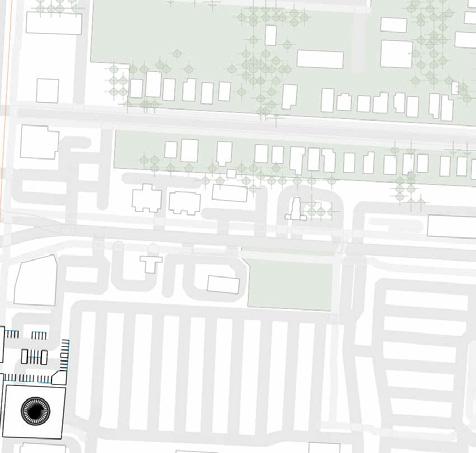
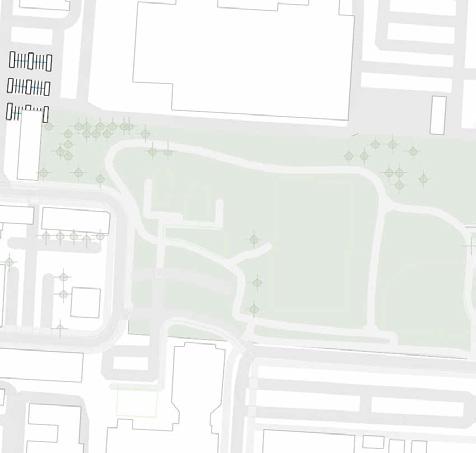
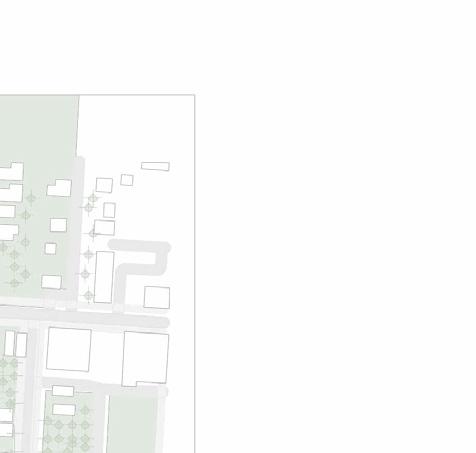
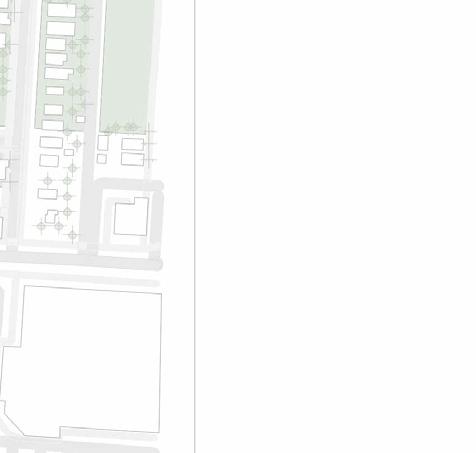
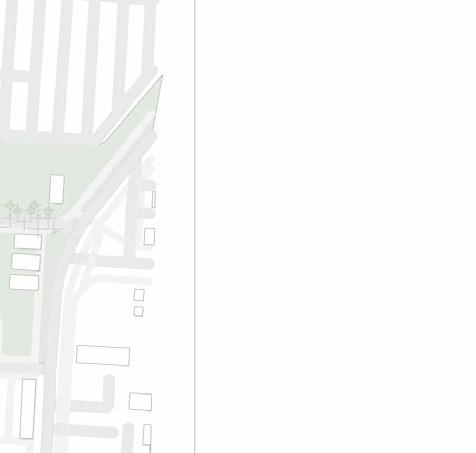
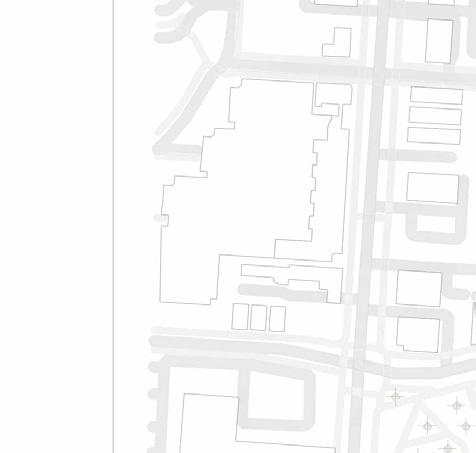
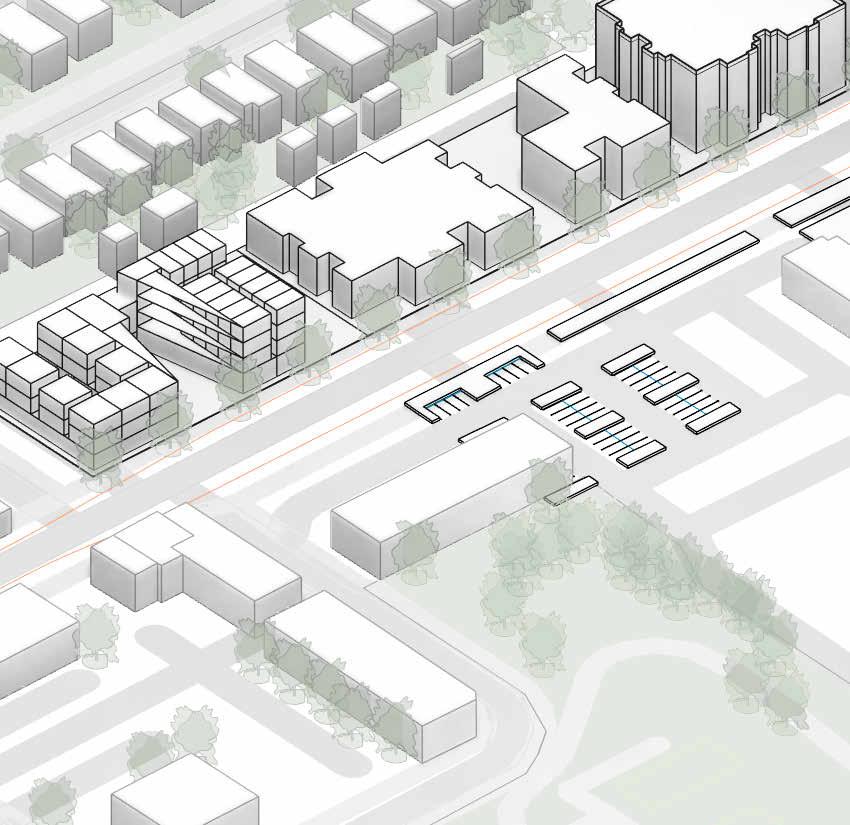
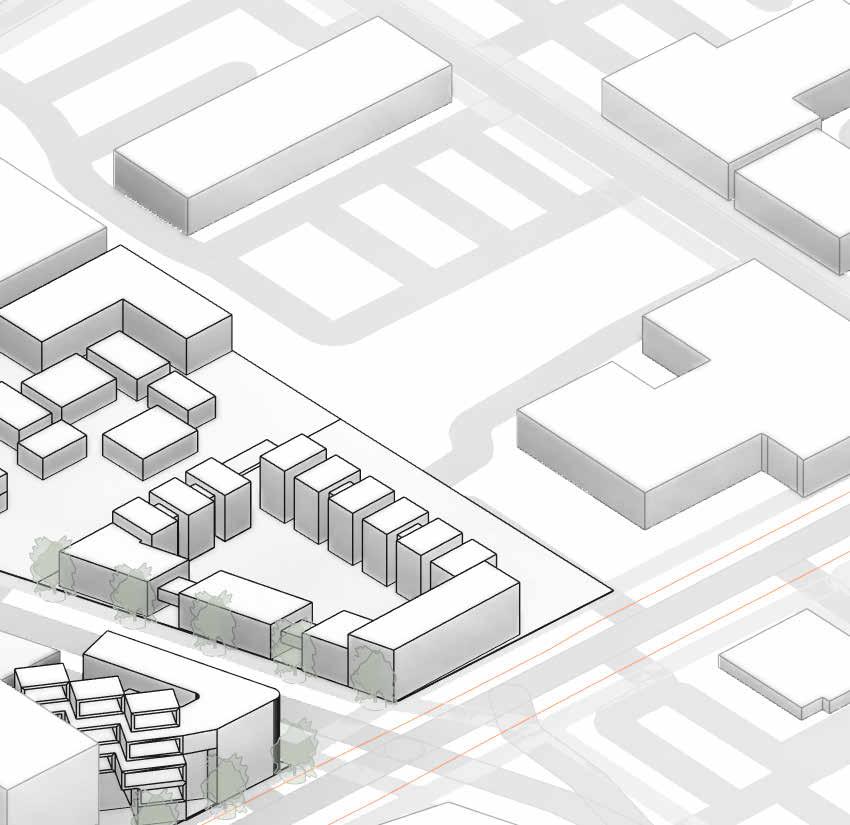
With support from my colleagues, we proposed a mix of housing and commercial spaces to reinvigorate the Broadway-Gillham neighborhood. Our goal was to create opportunities for the community to reclaim abandoned lots, provide housing for underserved populations, and integrate nearby parks and green spaces, integrating them into the urban fabric to bring vibrancy and life back to the area.
and store rainwater for irrigation or other
CHILDREN AND YOUTH WITHOUT PARENTAL CARE
ELDERLY COMMUNITY
HOMELESS COMMUNITY
CHILDREN AND YOUTH WITHOUT PARENTAL CARE
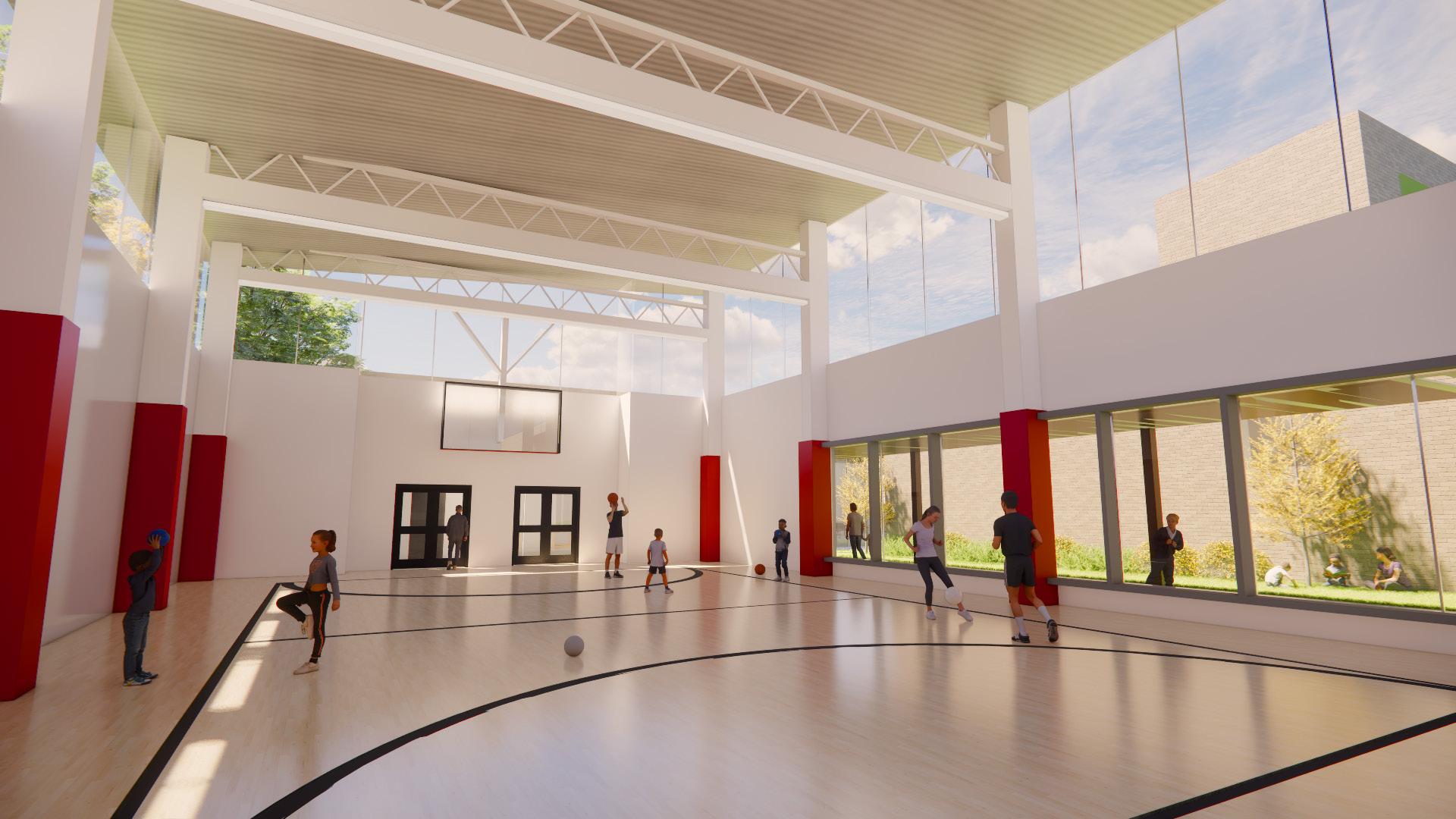
SEMI PRIVATE SPACES OFFICES COUNSELING AFTER SCHOOL ACADEMICS INDOOR SPORTS DINING HALL TEACHING KITCHEN

1. Main Entrance + Lobby 2. Market
3. Art Studio
4. Office + Meeting Space
5. Indoor Sports 6. Dining Hall
7. Mixed Residential Unit
8. Boys Residential Unit
9. Girls Residential Unit
10. Library 11. Counseling
12. After School Academics
13. Mixed Residential Unit
14. Boys Residential Unit
15. Girls Residential Unit


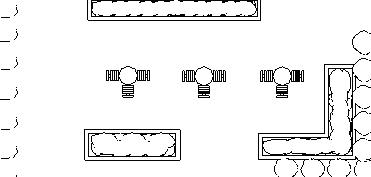
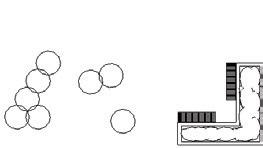
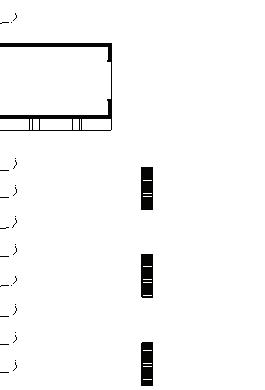




ZONING
SEPARATION OF PRIVACY LEVELS CREATES A SAFE ENVIRONMENT FOR THE CHILDREN WHILE PROVIDING A RANGE OF INTERACTION OPPORTUNITIES.
BLUE = PUBLIC GREY = SEMI PRIVATE RED = PRIVATE
CIRCULATION
SEPERATION OF CIRCULATION PATHS FOR PUBLIC USERS AND KIDS/STAFF, ENSURING EFFICIENT MOVEMENT AND SECURITY. PUBLIC ROUTES CONNECT DIRECTLY TO STREETS, WHILE PRIVATE PATHS FOR KIDS AND STAFF ARE MORE SECLUDED FOR SAFETY.


SUSTAINABILITY
INCORPORATES GREEN ROOFS, RAINWATER HARVESTING, BLUE ROOFS, PERMEABLE PAVERS, AND A COURTYARD TO ENHANCE ENVIRONMENTAL PERFORMANCE AND PROMOTE SUSTAINABILITY.

BOYS UNIT
AGES 10-15
1 Adult; 10 kids
1 Adult; 13 kids
GIRLS UNIT AGES 10-15
1 Adult; 12 kids
GIRLS UNIT AGES 6-9
1 Adult; 10 kids
BOYS UNIT
AGES 10-15
1 Adult; 14 kids 1 Adult; 13 kids




GIRLS UNIT
AGES 10-15
1 Adult; 8 kids
GIRLS UNIT
AGES 6-9
1 Adult; 8 kids
TOTAL MAXIMUM CAPACITY IN RESIDENTIAL UNITS
109 KIDS 10 ADULTS
The University of Kansas KU School of Architecture and Design Master of Architecture
Professor Professor Dan Finnell
Semester Summer 2024
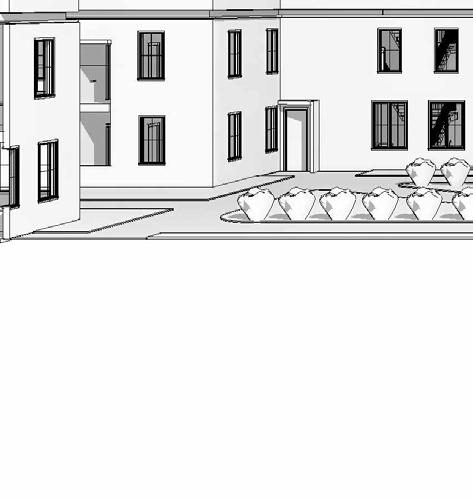
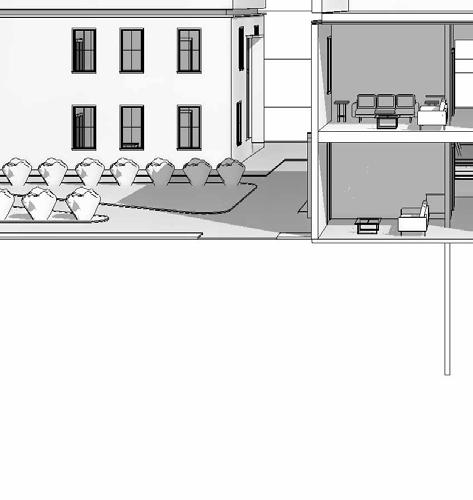
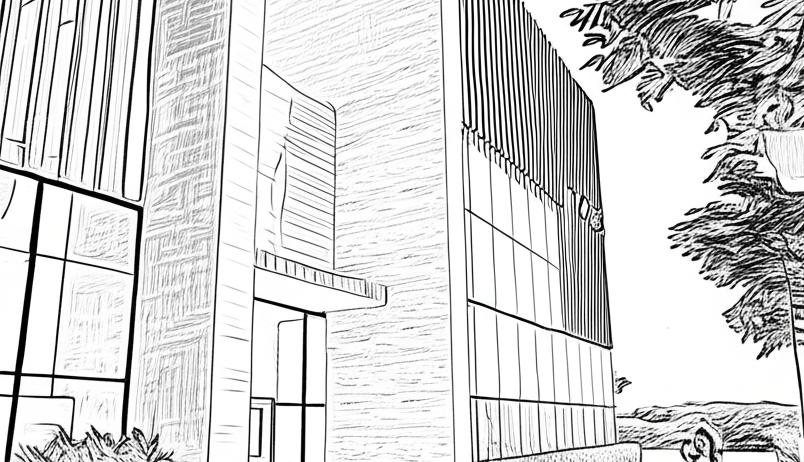
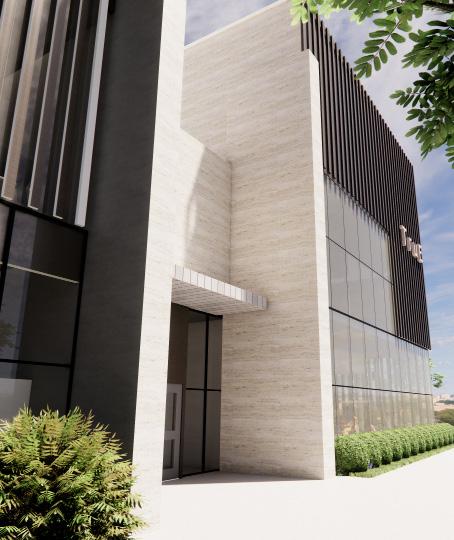
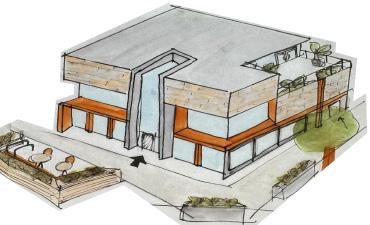
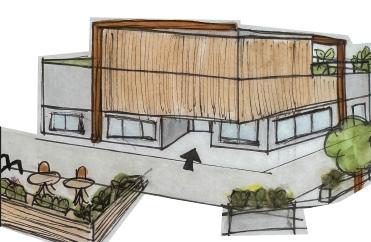
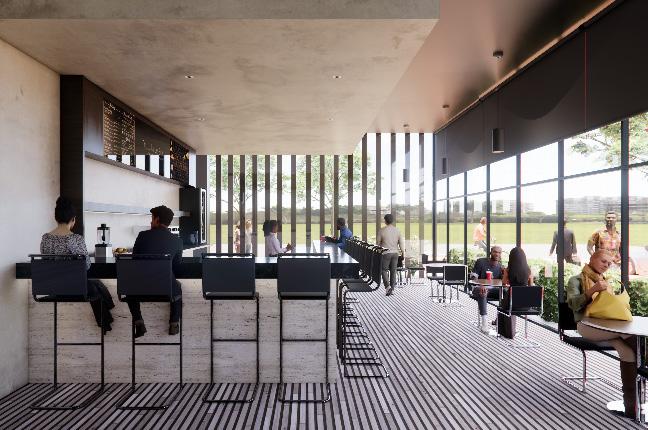
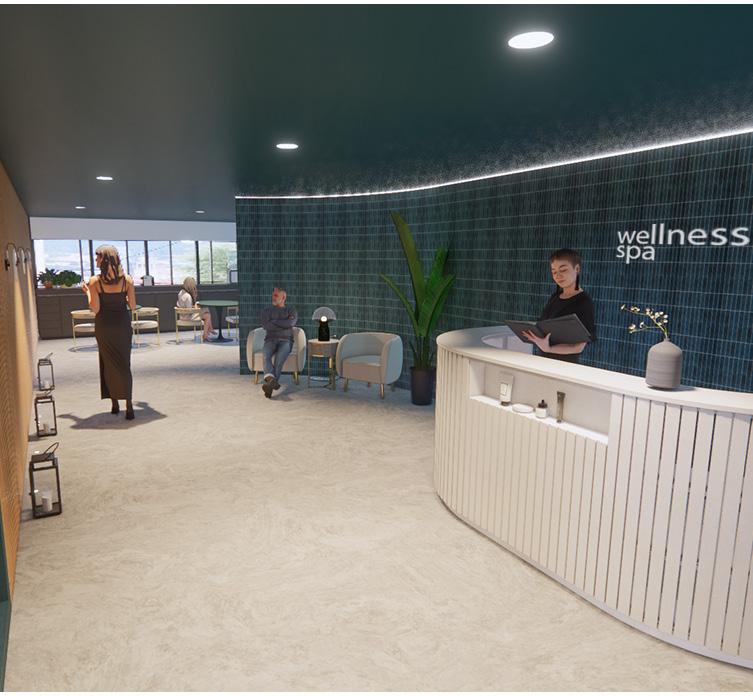
In this accelerated design studio, I had the opportunity to refine a range of architectural design skills through an intensive, hands-on project. The primary objective was to design a wellness center in downtown Lawrence, Kansas—a facility focused on holistic and preventative care. I approached this project with the understanding that wellness centers play a vital role in promoting physical, mental, and spiritual well-being while fostering a sense of community. My goal was to create a space that encourages active, health-conscious lifestyles and supports self-care practices.
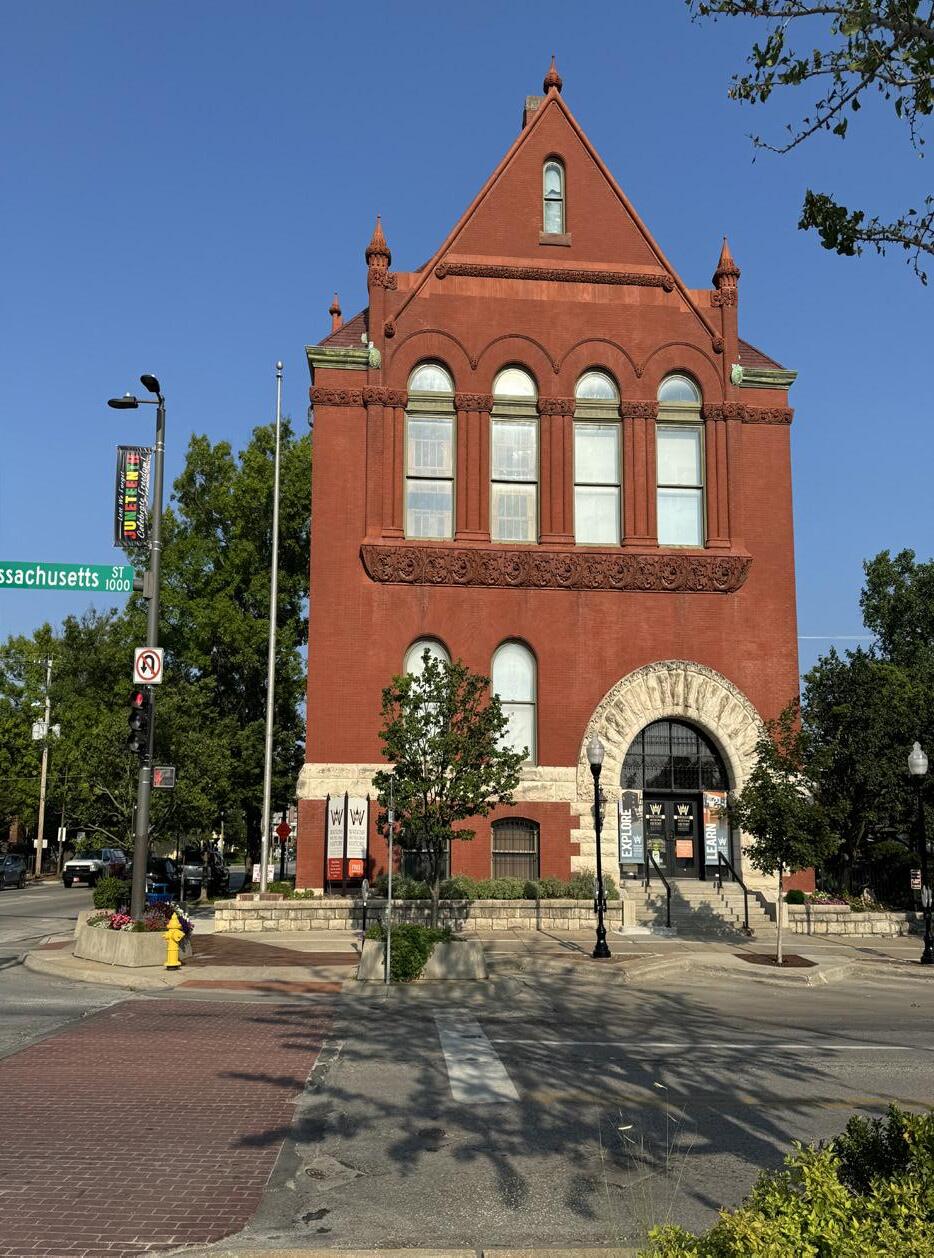
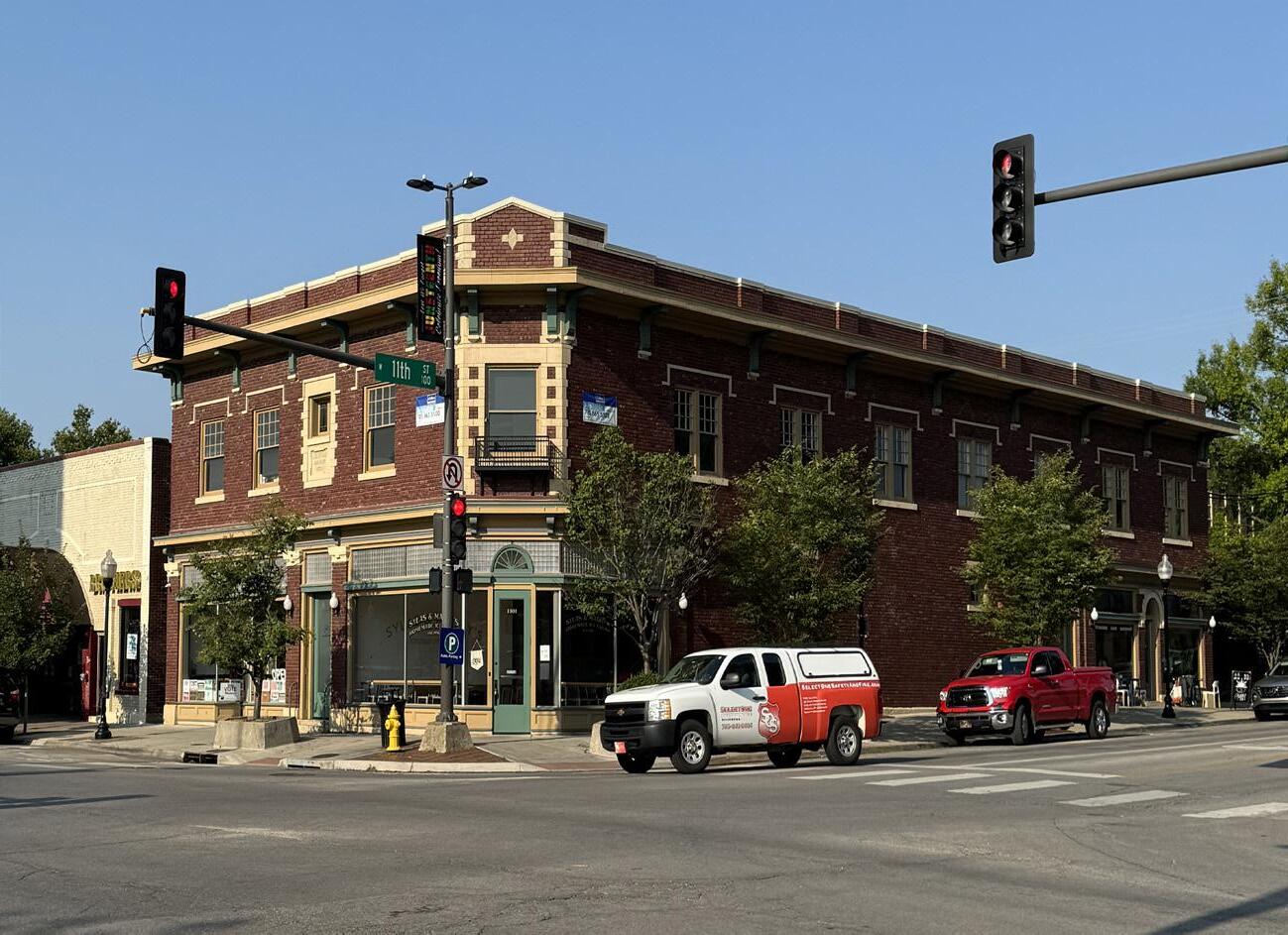
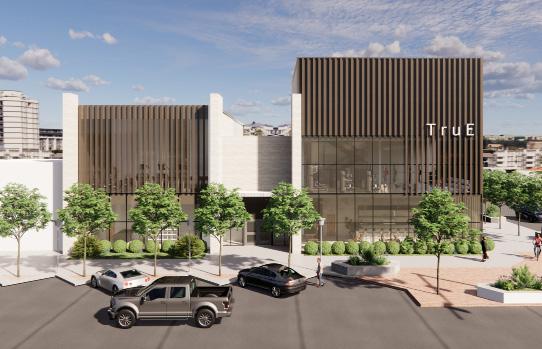
The result is the TruE Wellness Center, located at the northeast corner of Massachusetts Street and 11th Street. I envisioned this center as a vibrant hub where individuals could enhance their well-being through integrative services such as mental health counseling, fitness classes, nutritional guidance, and alternative therapies. To ensure the design met the diverse needs of the community, I incorporated wellness amenities like a hydrotherapy pool, massage therapy rooms, and flexible workout spaces.
Community connection was a key focus of my design. I included features such as a public social garden, a juice bar, and a retail shop to create an inviting atmosphere that fosters interaction and engagement. These elements ensure that the center serves not only as a resource for individual health but also as a gathering space for the broader community. By designing the TruE Wellness Center, I sought to create more than a building—I wanted to establish a place that enriches the lives of Lawrence residents by supporting holistic health and preventative care in an inclusive, accessible environment.
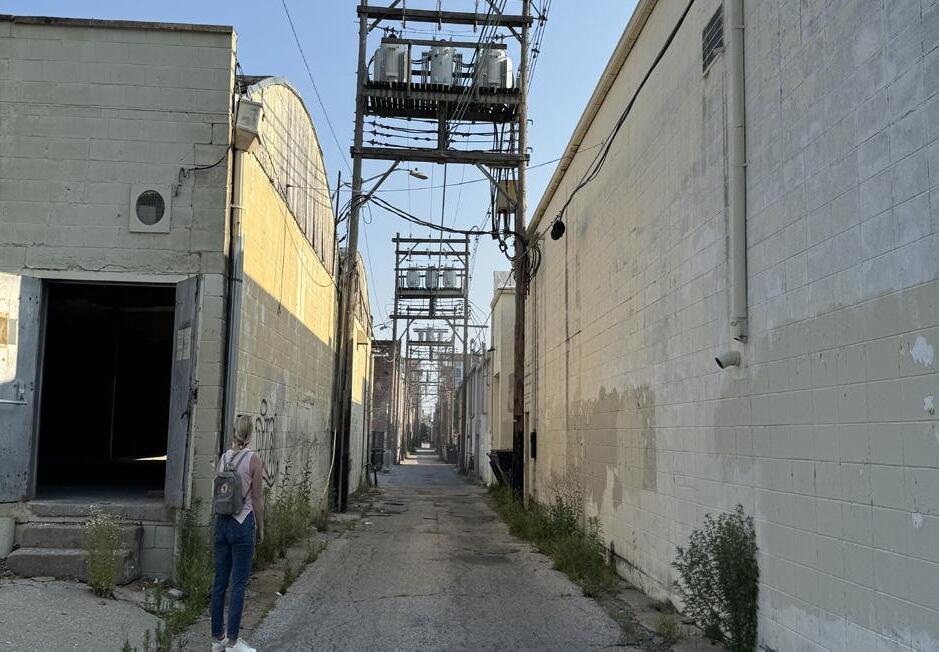
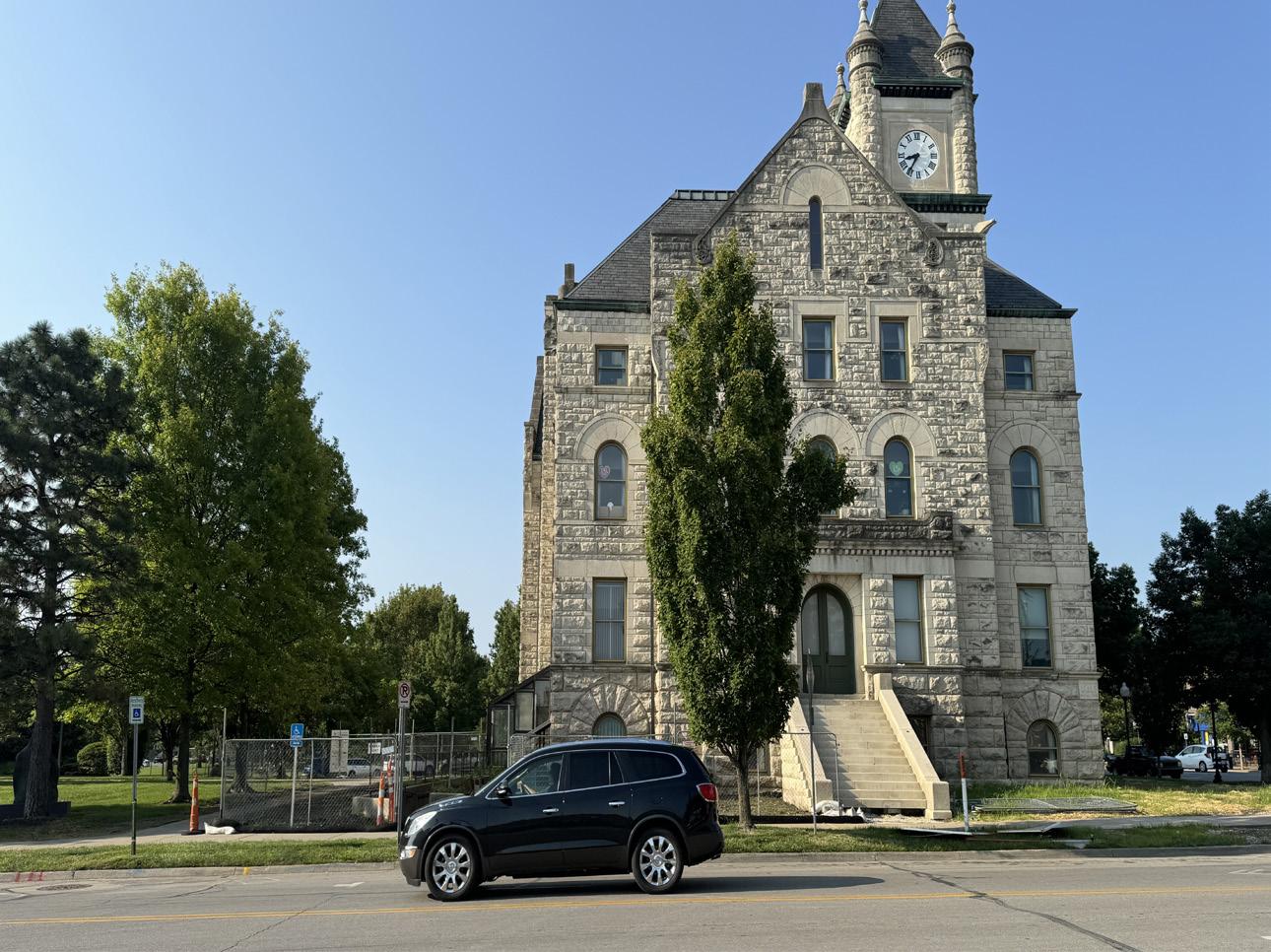
Lawrence, Kansas, features a mix of historic Victorian homes, 19th-century brick facades, and mid-century modern designs. Downtown highlights include preserved storefronts and adaptive reuse projects, blending heritage with contemporary innovation.
PROJECT OVERVIEW
LOCATION: LAWRENCE, KS
TOTAL FLOOR AREA: 20,000 SF
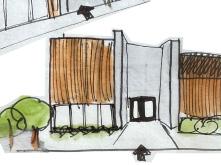
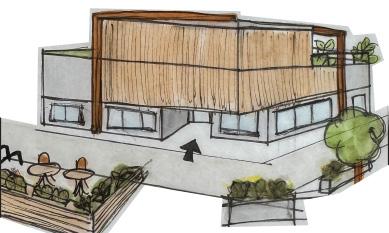
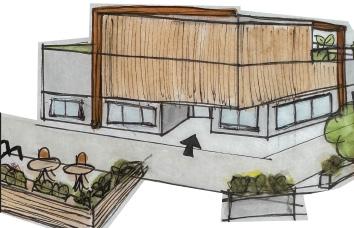
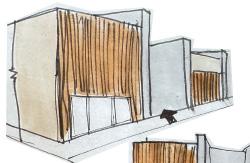
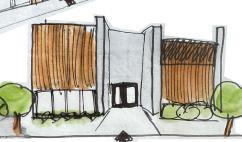
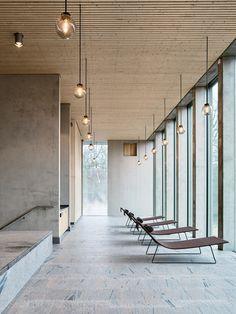
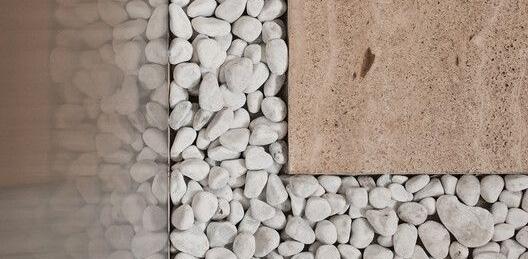
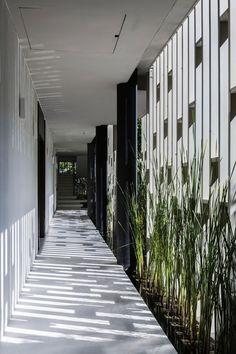
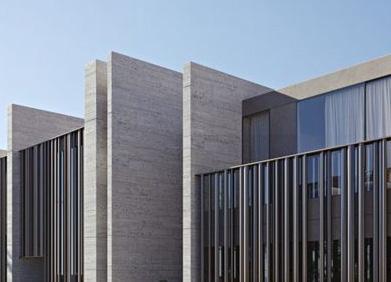
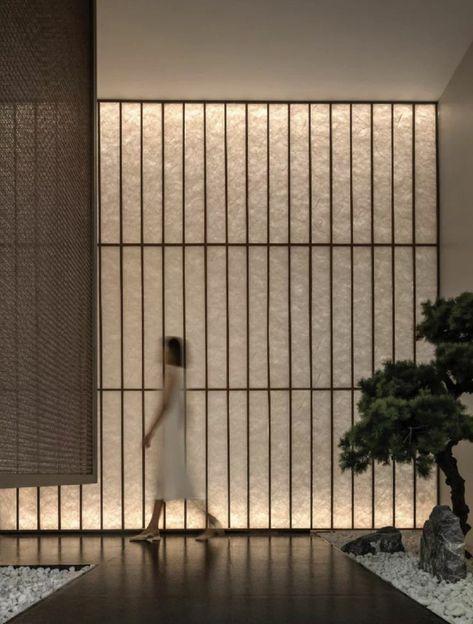
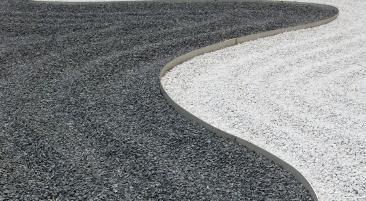
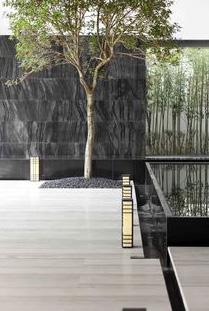
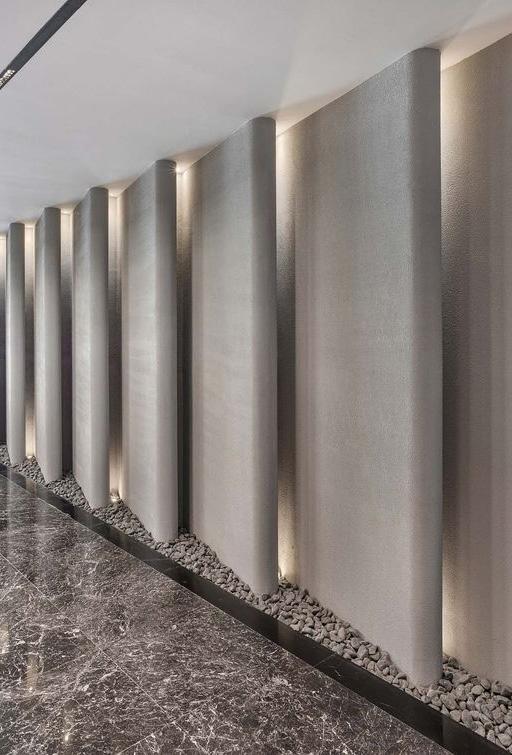
How can I make this grounded, peaceful aesthetic balance out with the commotion and active engagement environment of Mass Street?
What elements are going to draw the user in to want to experience what this structure and form have to offer?
The University of Kansas
KU School of Architecture and Design
Bachelor of Interior Architecture
Professor Professor Herminia Machry
Semester Spring 2023
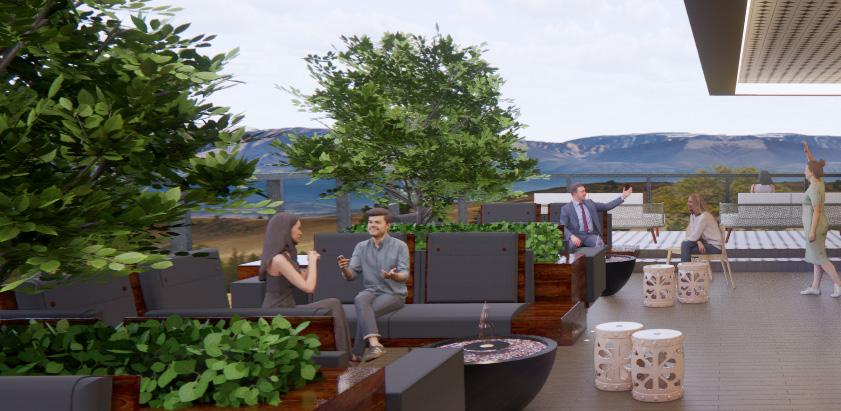
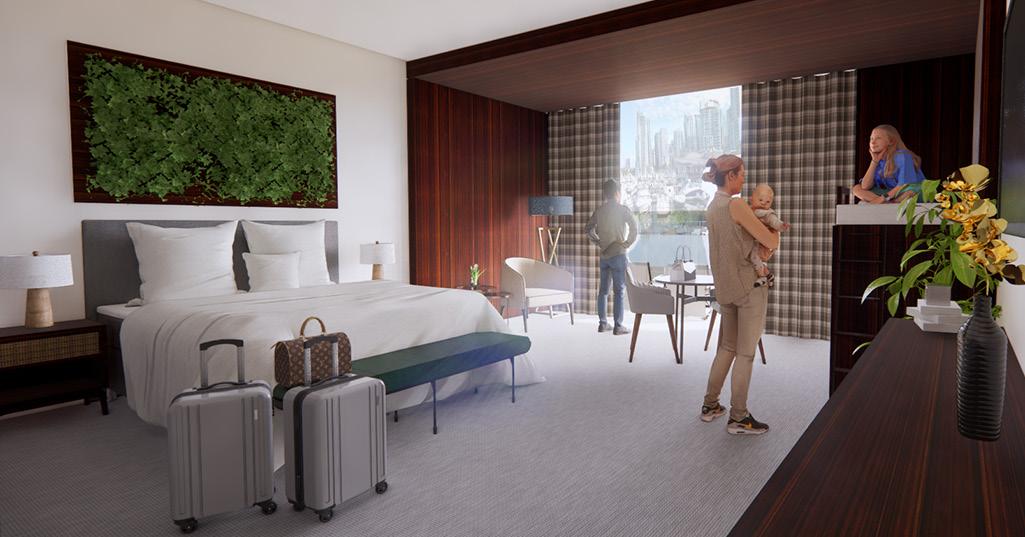
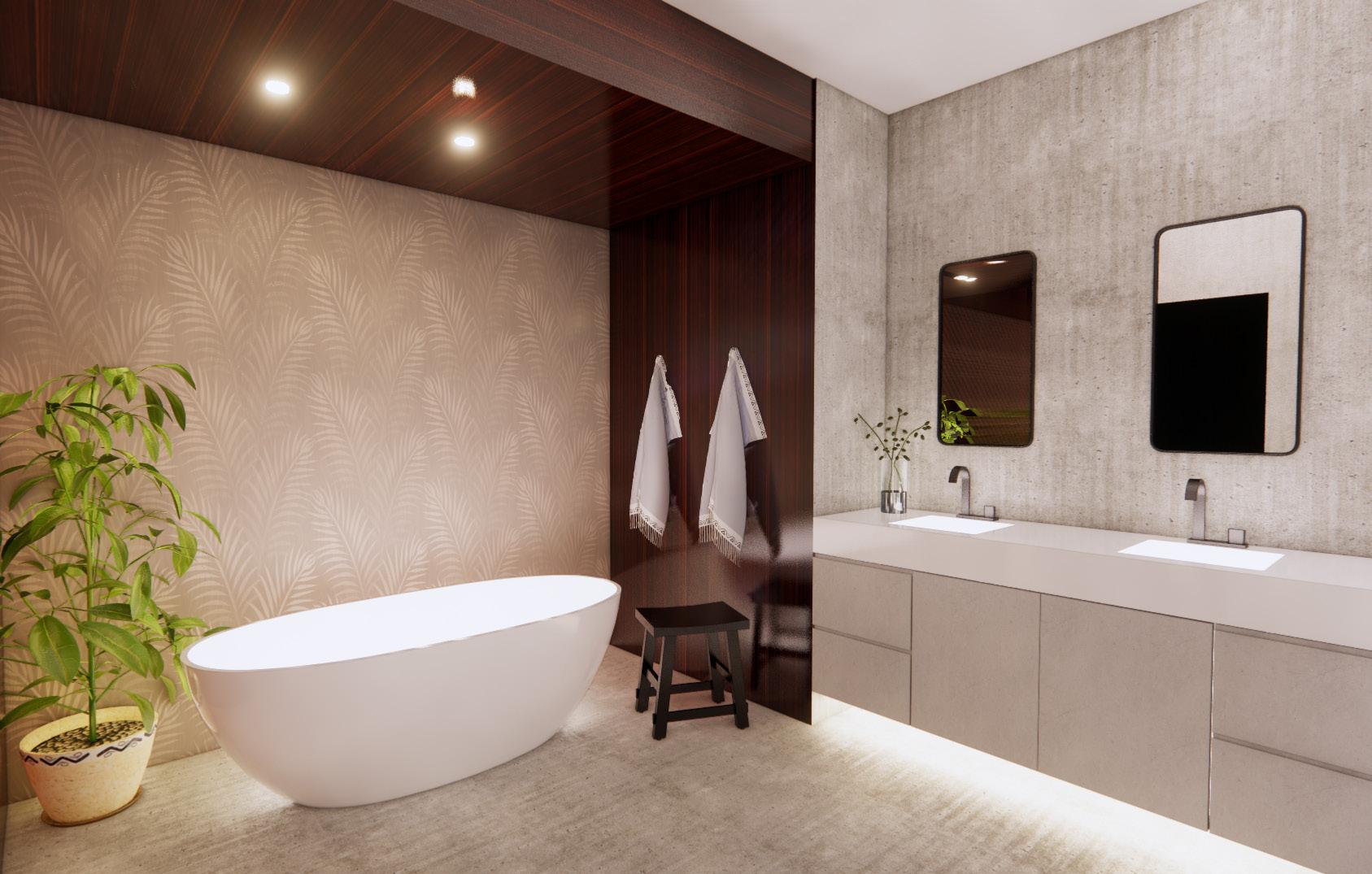
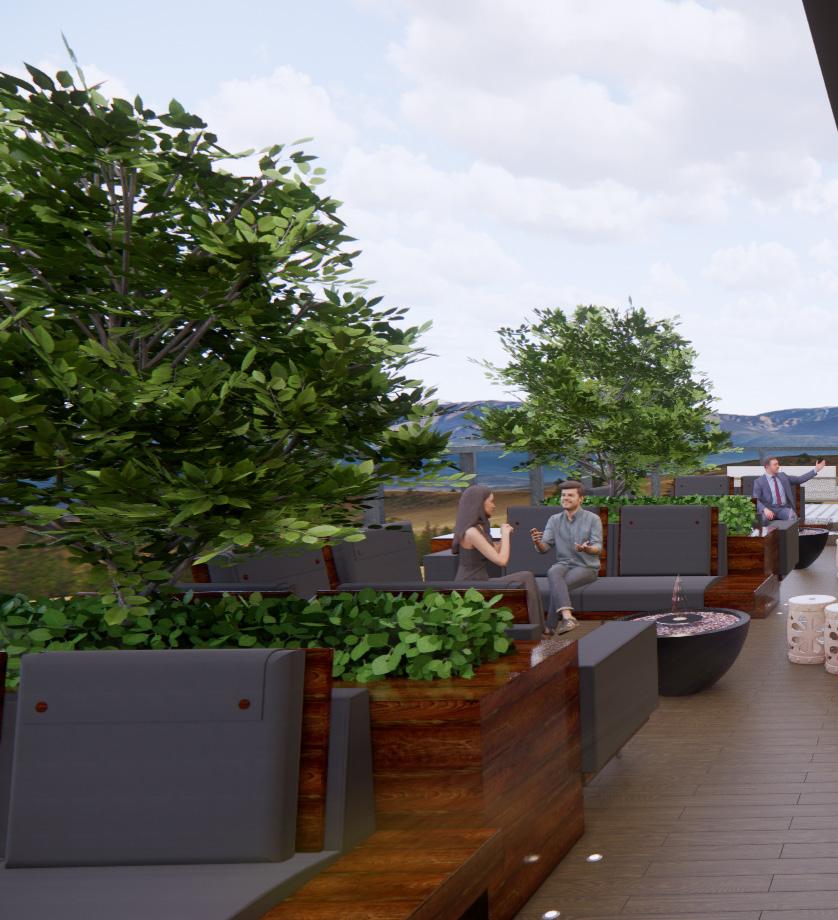
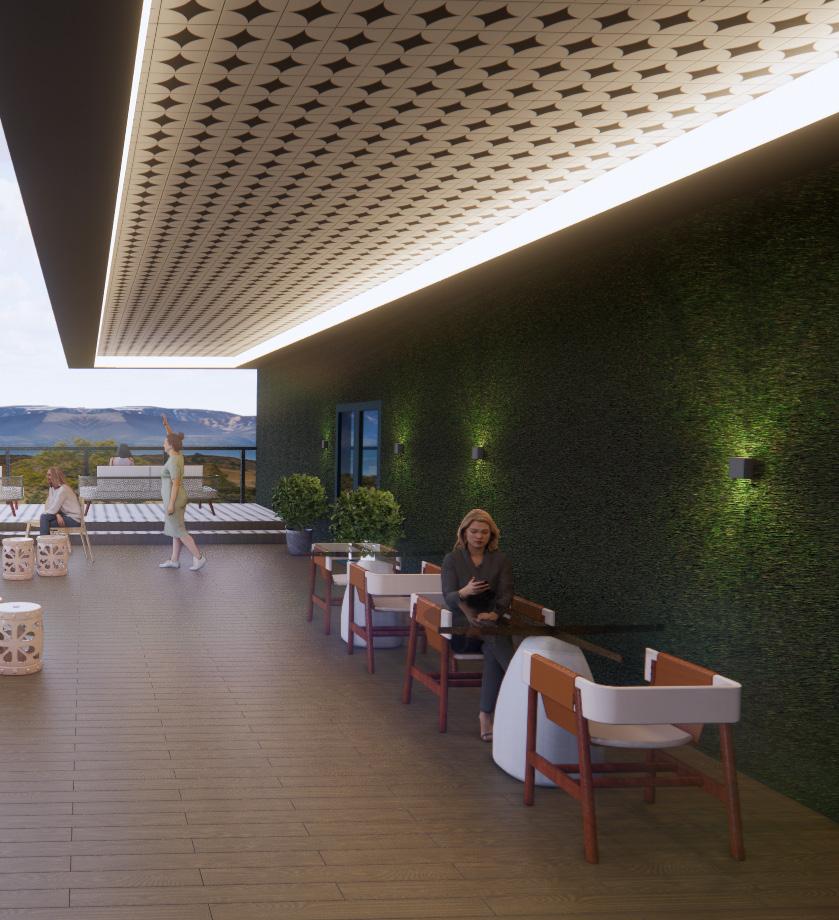
This project was developed in a vertical studio setting, where third-year students collaborated with fourth-year peers to conceptualize and design a unique hotel. Partnering with a fourth-year student, I contributed to the creation of a Family Health and Wellness Hotel located in Vancouver, Canada. My primary focus was designing the hotel’s third floor, ensuring that it aligned seamlessly with our shared vision, strategies, and overall concept.
Vancouver’s reputation for an active, healthconscious lifestyle and its stunning natural surroundings inspired us to envision the hotel as a recovery retreat—a sanctuary for relaxation, reflection, and rejuvenation. Drawing from the city’s distinctive character, we designed the hotel to embody the harmony of Vancouver’s ocean, mountains, and urban environment.
The third floor, in particular, was conceived as a space where recreation, relaxation, and social engagement intersect, catering to families seeking meaningful experiences. Thoughtful planning and design ensured smooth transitions between dynamic and tranquil spaces, reflecting the hotel’s mission to promote wellness and connection. This project allowed me to explore architecture’s potential to create spaces deeply rooted in their context while fostering human connection.
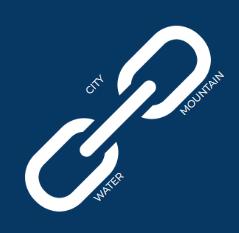
A connection between the ocean, mountains, and city of Vancouver that focuses on the recreation and social balance and freedom to offer a recovery Family Health and Wellness Hotel
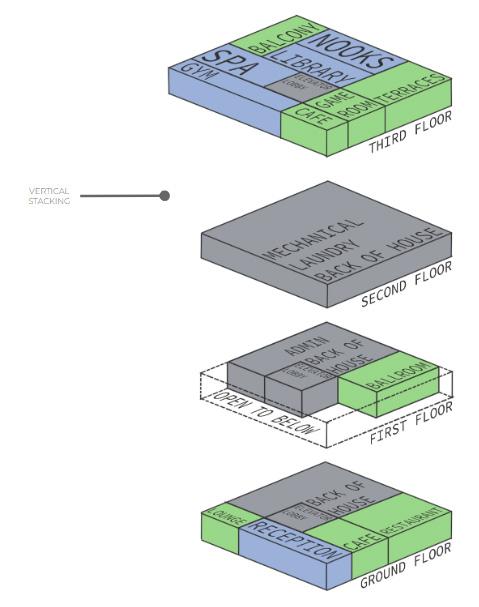
The vertical spatial organization enhances this balance, with larger public spaces (marked in green) located on the ground floor or directly accessible from elevators and stairwells. More intimate, quieter areas (marked in blue) are located on the third floor. Stacked staff areas help maintain a clear separation between back-of-house functions and administrative spaces, while vertical organization enables dramatic, double-height areas on the ground floor.
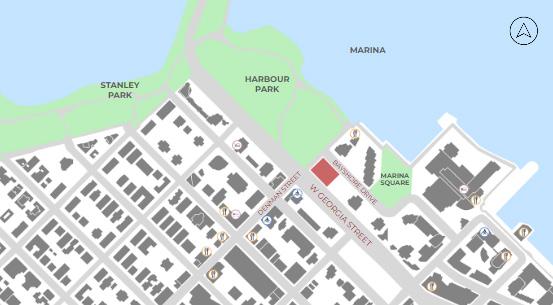
Guest room orientation was designed to maximize views of Vancouver’s landscape. Northwest-facing rooms offer views of Stanley Park’s greenery, while southwest rooms overlook Denman Street and English Bay, ensuring an immersive experience in Vancouver’s natural beauty.
The orientation of the hotel focuses on giving the guest rooms an optimal view of Vancouver. Guests staying in the northwest area of the tower see the nature of Stanley Park while the southwest gets a view up Denman Street and the English Bay.


The University of Kansas
KU School of Architecture and Design
Bachelor of Interior Architecture
Professor Professor Ann Hossler
Semester Spring 2022
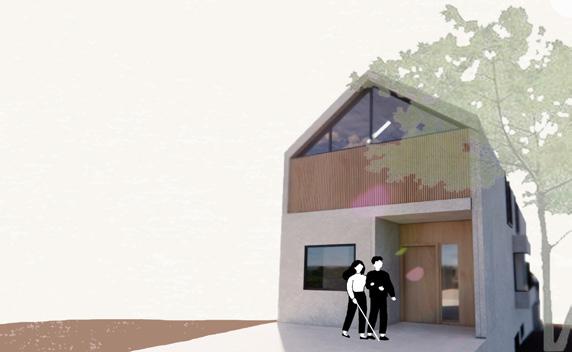
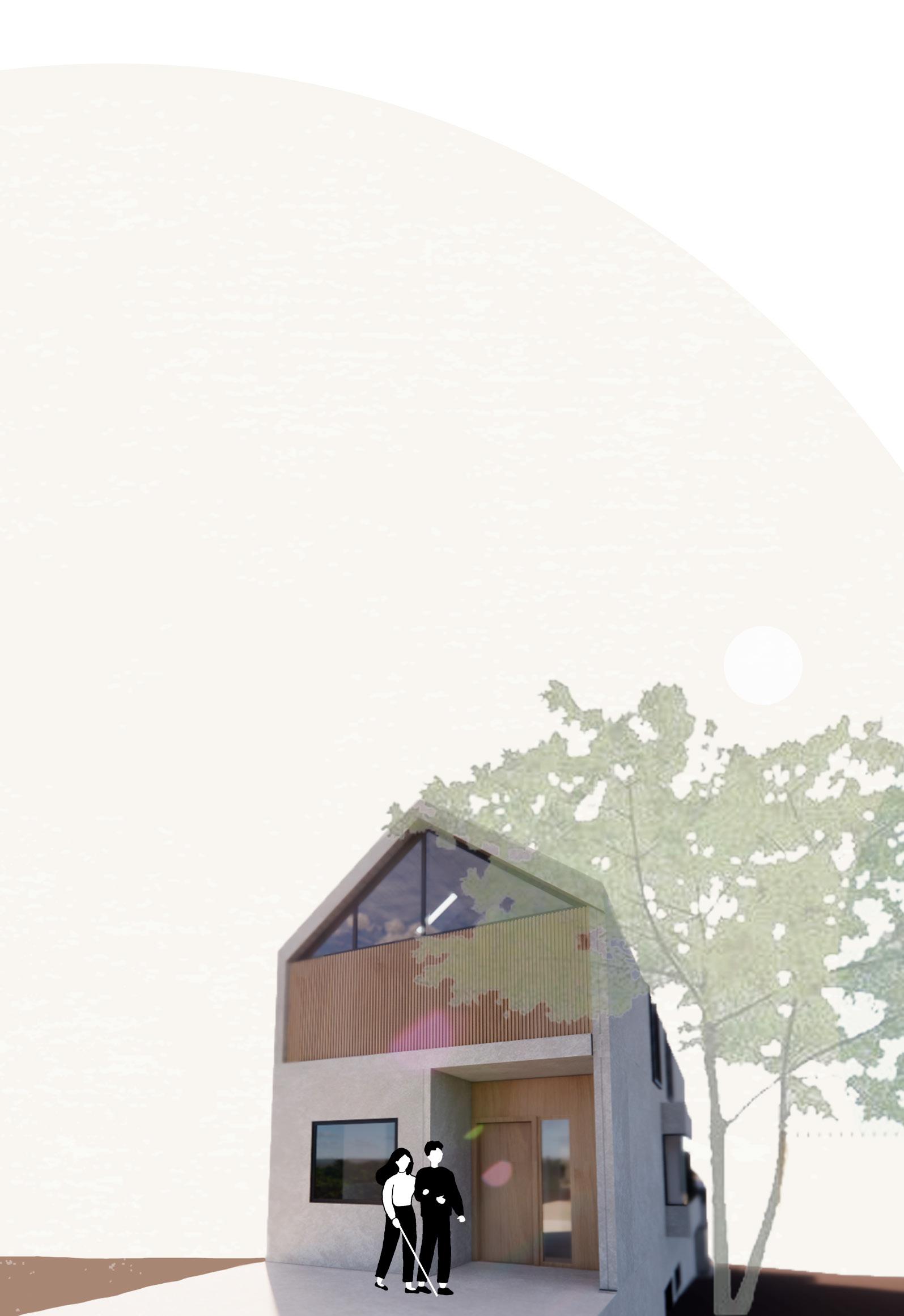
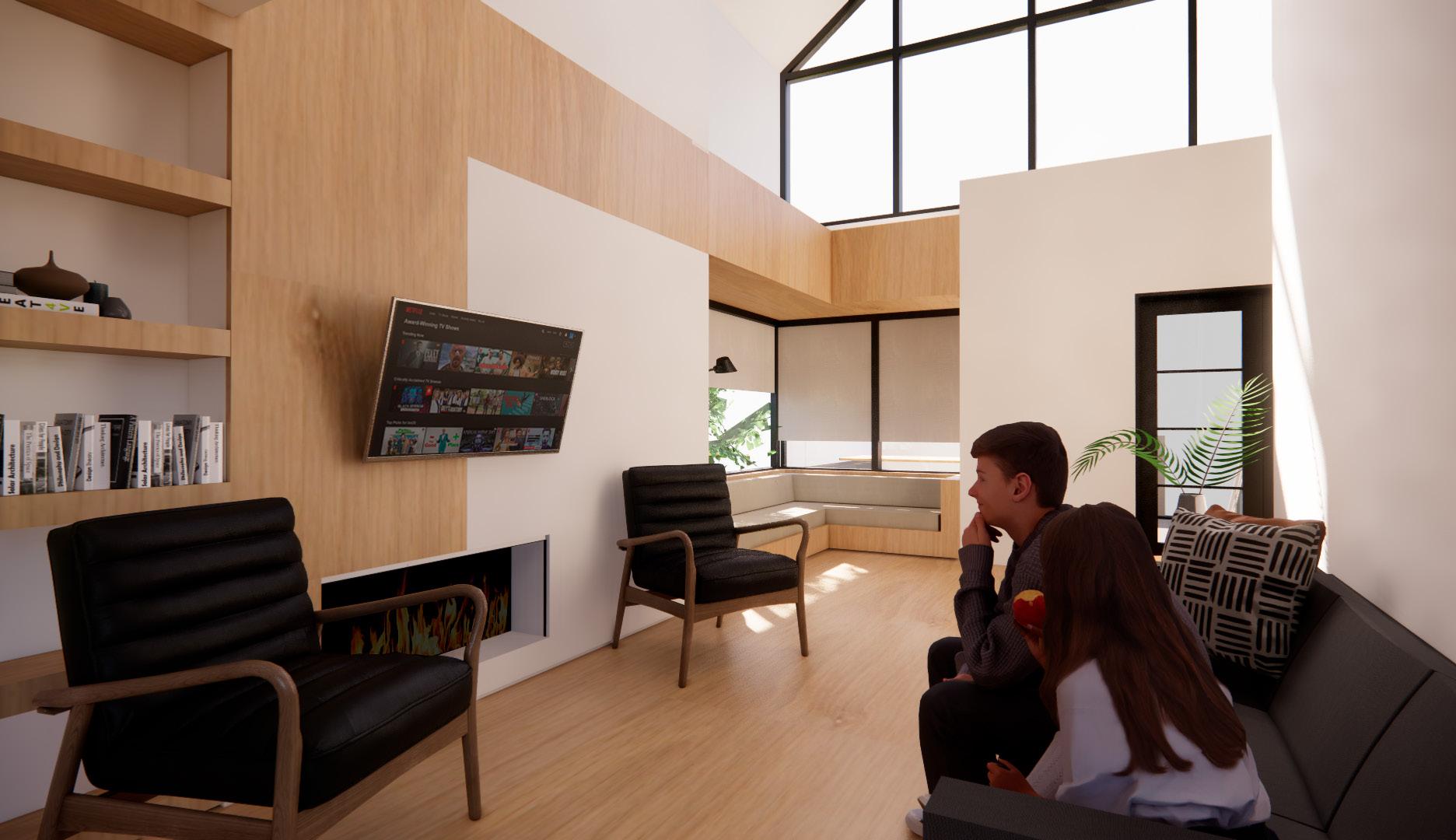
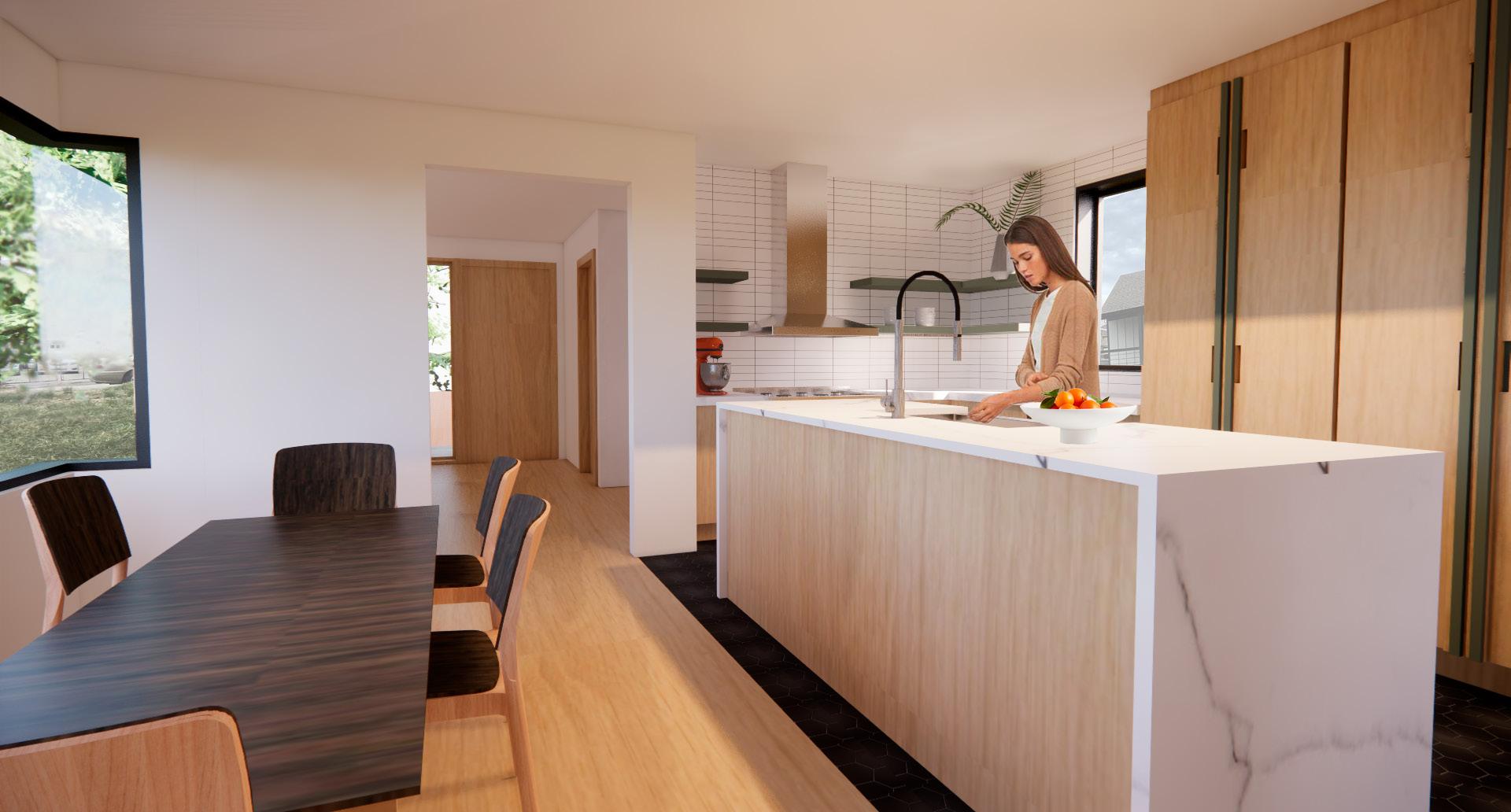
The goal of this project was to research, design, and develop a smart, sustainable home tailored to the unique needs of visually impaired individuals. The result, Invision, is a thoughtfully crafted residence that integrates advanced smart technology to enhance daily living. Prioritizing safety and independence, the home incorporates features like tactile elements and high-contrast color schemes to help residents navigate spaces with ease and confidence. Designed specifically for visually impaired adults, the home fosters autonomy, comfort, and empowerment in their living environment.
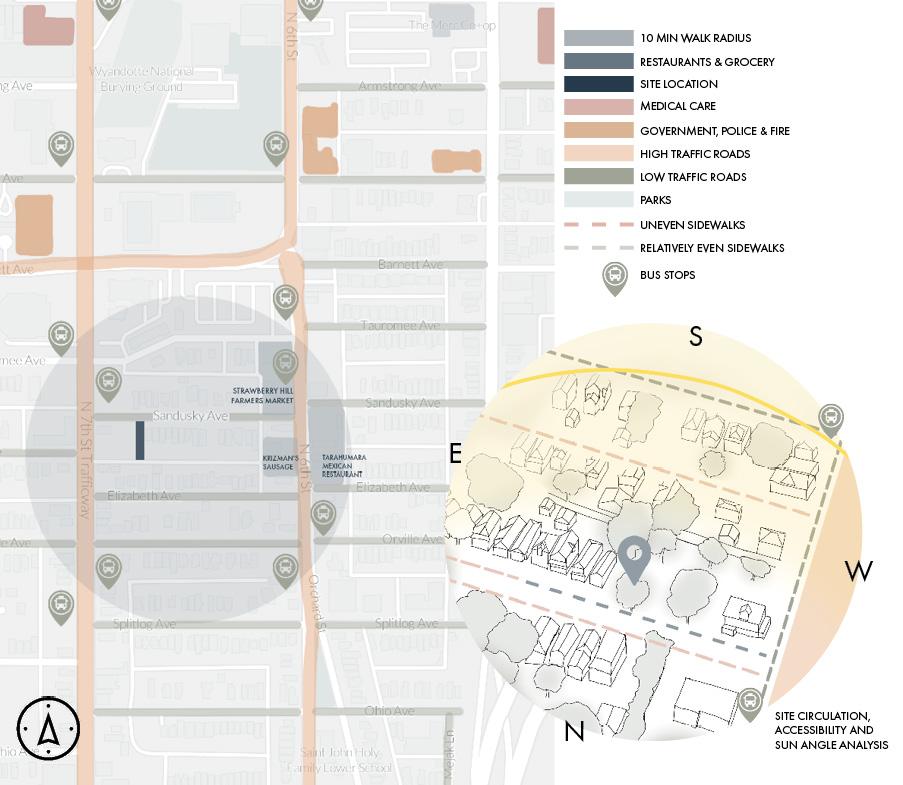
The project is planned for a 25’ x 125’ lot on Sandusky Avenue in Kansas City, Kansas, shaped by specific zoning regulations. These include a 25’ front yard setback, a 30’ minimum backyard setback, and 3’ wide side yards, creating a 20’ x 70’ footprint for the structure. The design also adheres to height restrictions of 2.5 stories and a minimum floor area of 750 square feet.
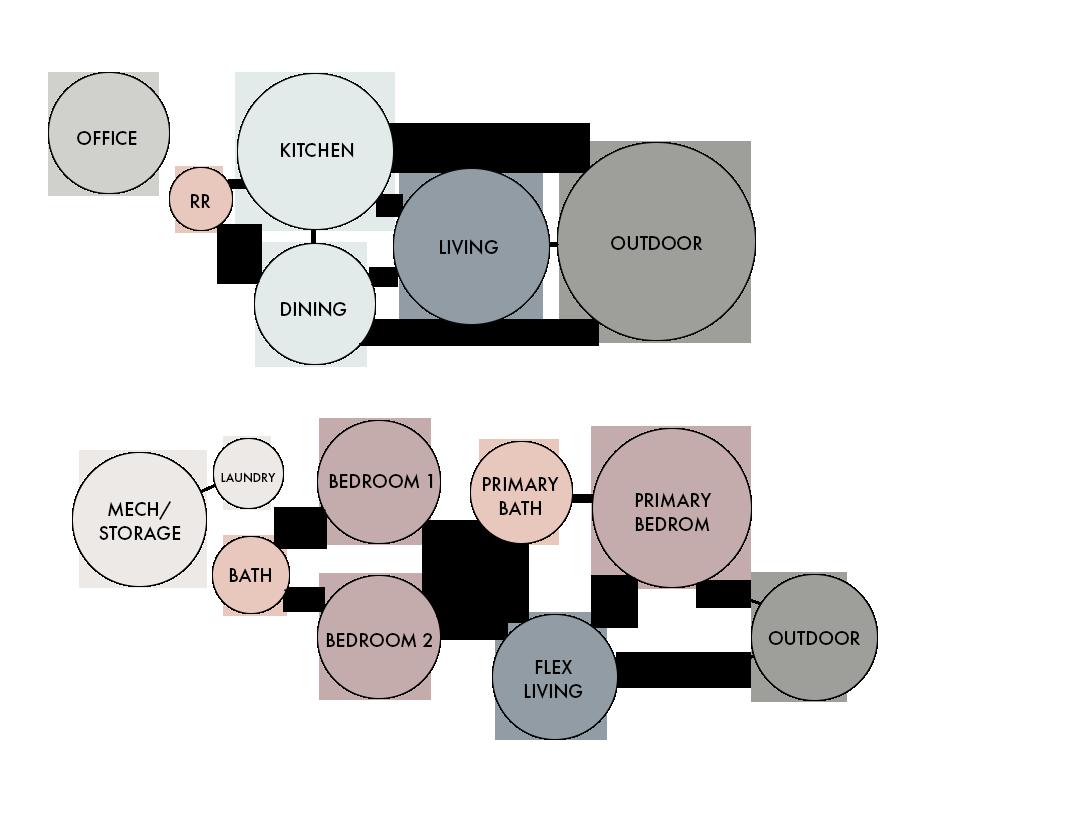
The compact lot dimensions inspired a design that emphasizes vertical organization and multifunctional spaces. The layout ensures accessibility with strategically placed smart devices, textured surfaces for spatial orientation, and adaptable living areas. The design responds to zoning constraints while creating a sustainable, functional, and supportive environment. Invision is more than a residence—it’s a space designed to empower visually impaired individuals and enrich their daily lives.

2
3
Acoustical changed help to recognize different spaces.
Front Door Contrasting Entry
Color contrast or material change can help to quickly locate the entrance.
Entryway Built-in Tactile Walls
Texture change through datum lines, placed at hand height along the built-ins creates a tactile and visual guide to assist wayfinding and indicate door pulls.
Primary Flooring
Light flooring allows for contrast against furniture while keeping main circulation spaces bright and easy to navigate.
Kitchen Tactile + Color Flooring Change
Tactile change in flooring indicates a change in function. Dark tile floor contrasts indicate change from circulation space to utility space.
6 Skylight Windows + Raised Ceiling
Clerestory windows illuminate the interior with diffused light and decreased glare. Natural light is used to indicate living room spaces and comfortable seating.
7 Kitchen Highlighted Edges
Distinguishing edges of cabinetry through color contrast.
8 Living Room Furniture
Dark furniture to contrast light floor and walls + bright colored accent pillows for contrast between couch seat and back.
9 Stairs Tactile Change + Color Contrast
Tactile change: Raised strips approaching the stairs to indicate a tripping hazard is ahead.
Color Contrast: Highlighting the edge of each stair helps users with poor depth perception to indicate the edge of each step.
Primary Bathroom Flooring Change
Tactile change in flooring indicates change in function and potential hazards.
Dark tile flooring contrasts the light tile walls in the shower indicating a change in function and a potential slip hazard when wet.
Bedroom Lighting
Creating dark sleeping environments for individuals with circadian rhythm disorders
Bedroom Acoustics
Creating quiet sleeping environments for individuals with heighten hearing senses.
Contrasting Desk Surface
The desk material will have two tones to allow for maximum color contrast against its surface for two different types of uses.
Bedroom Carpet Flooring
Tactile change indicated a transition into a comfortable, cozy environment from the hallway.
Carpet provides acoustical properties that absorb sounds produced in a room.


BEDROOM 1 PRIMARY BATH/ CLOSET PRIMARY BEDROOM
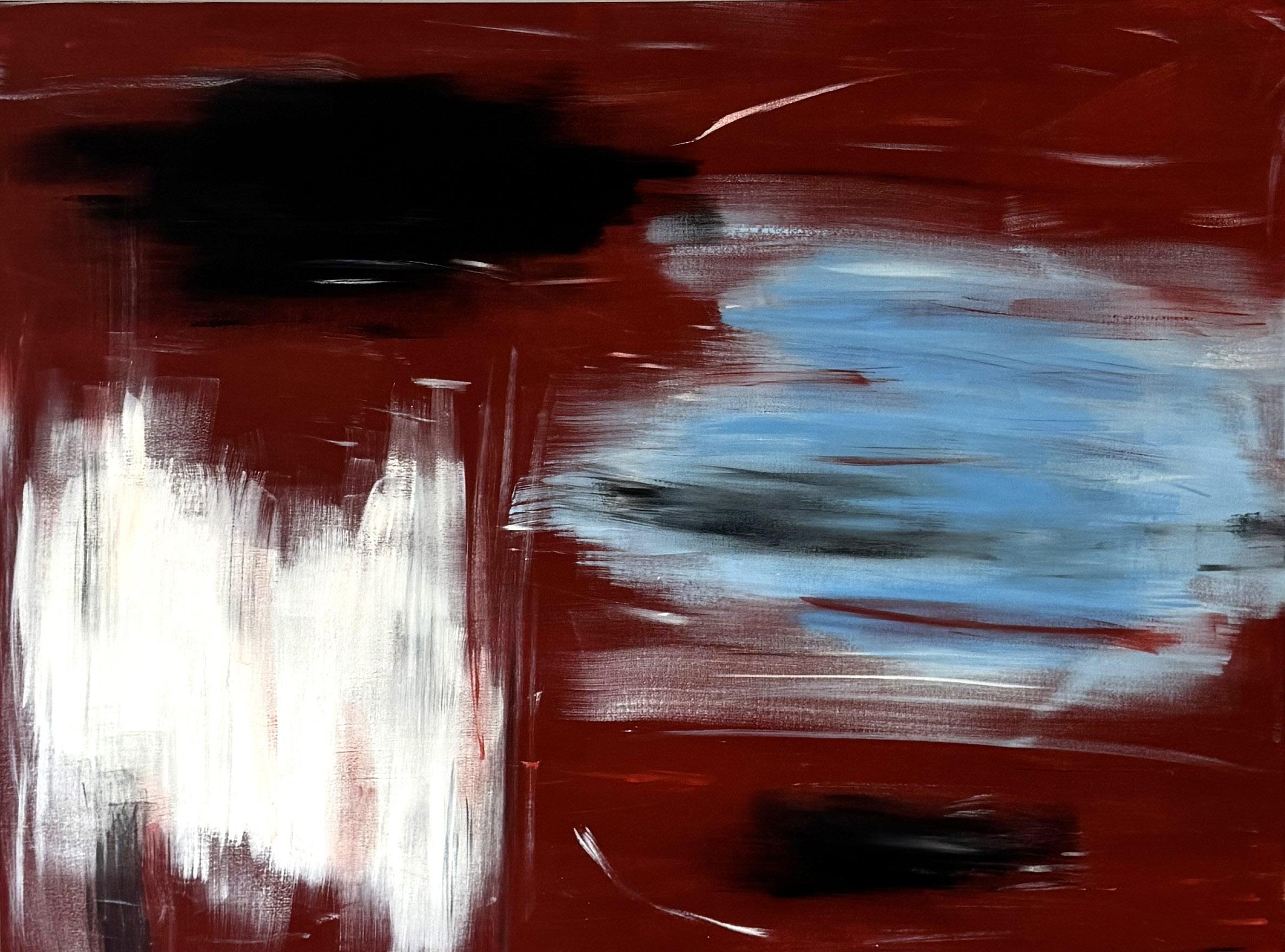
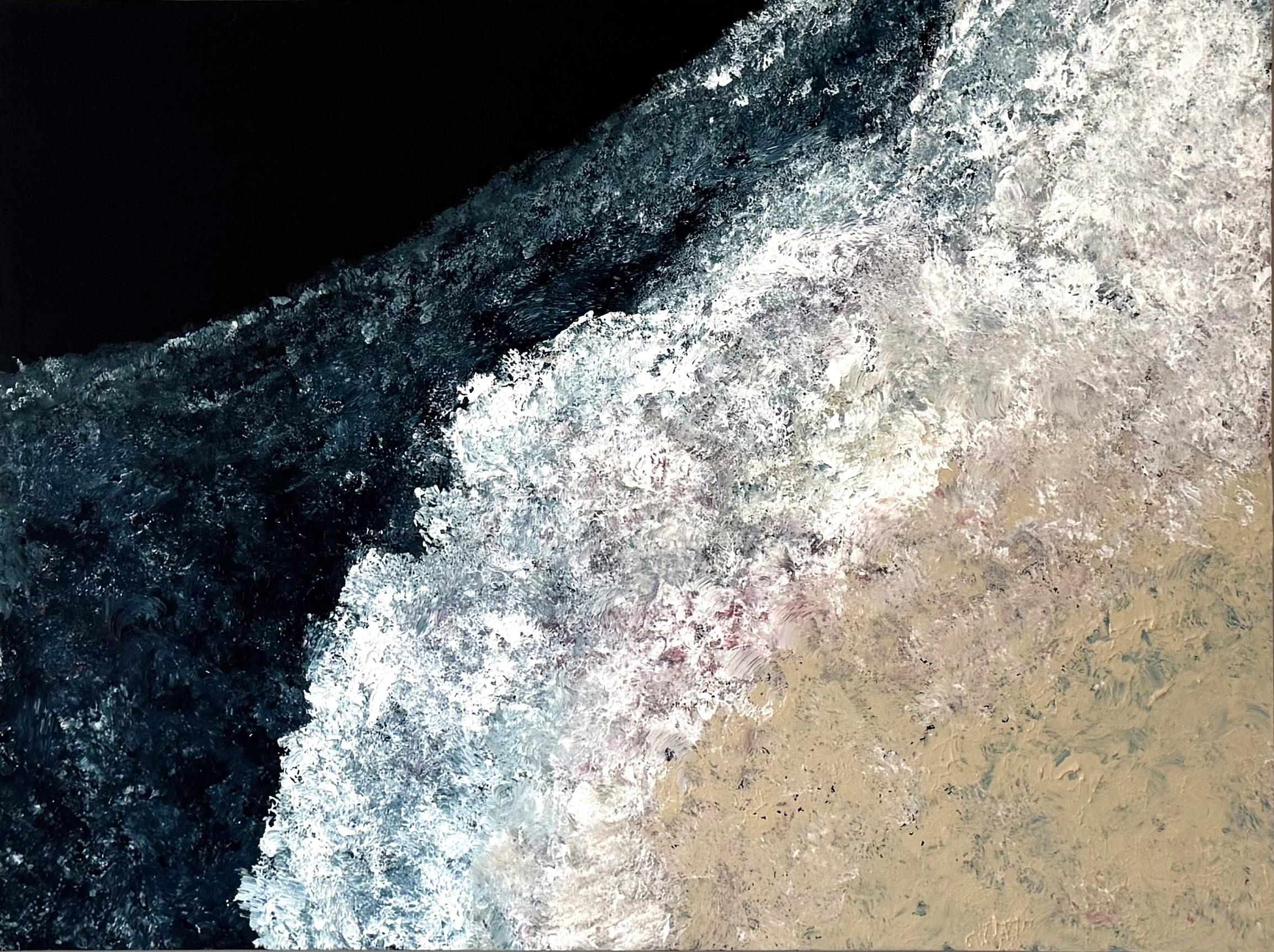


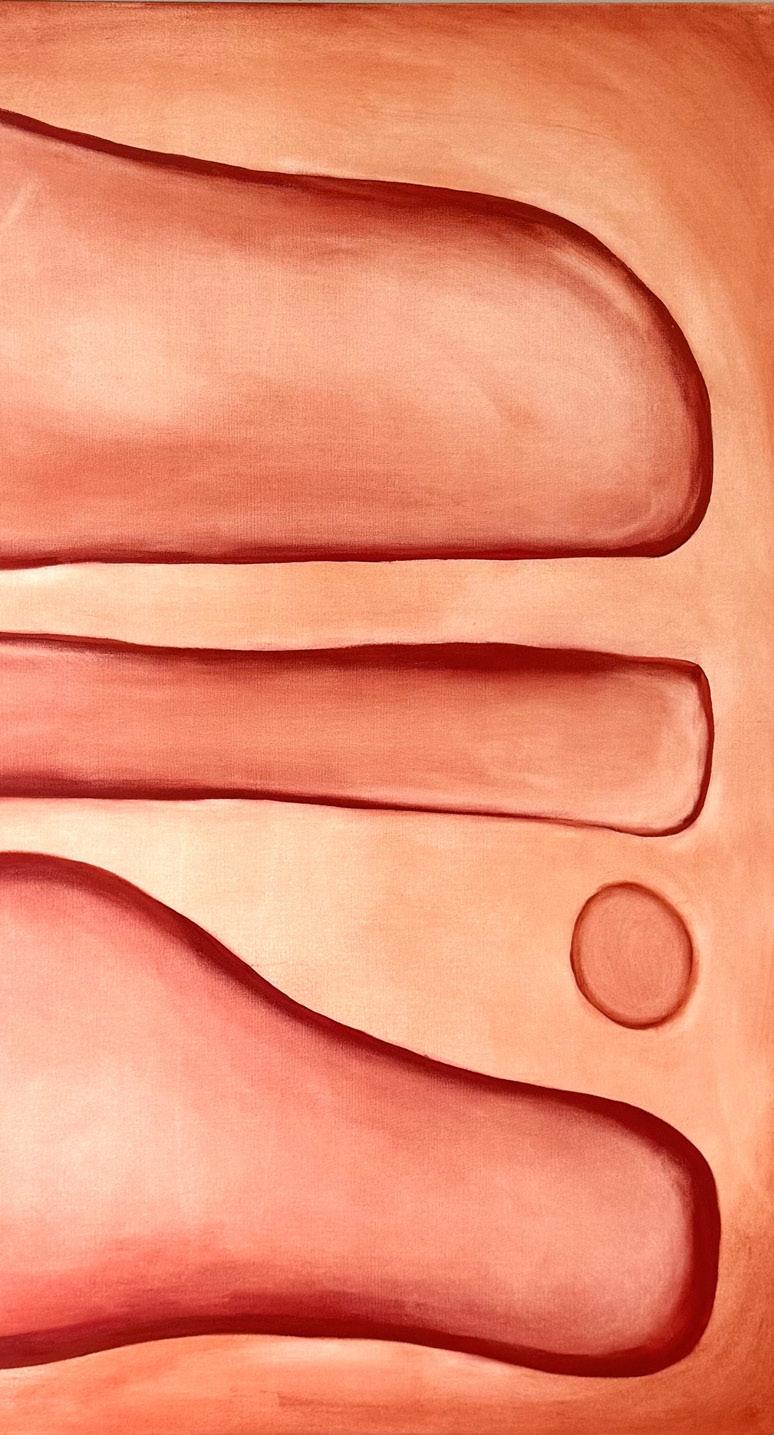
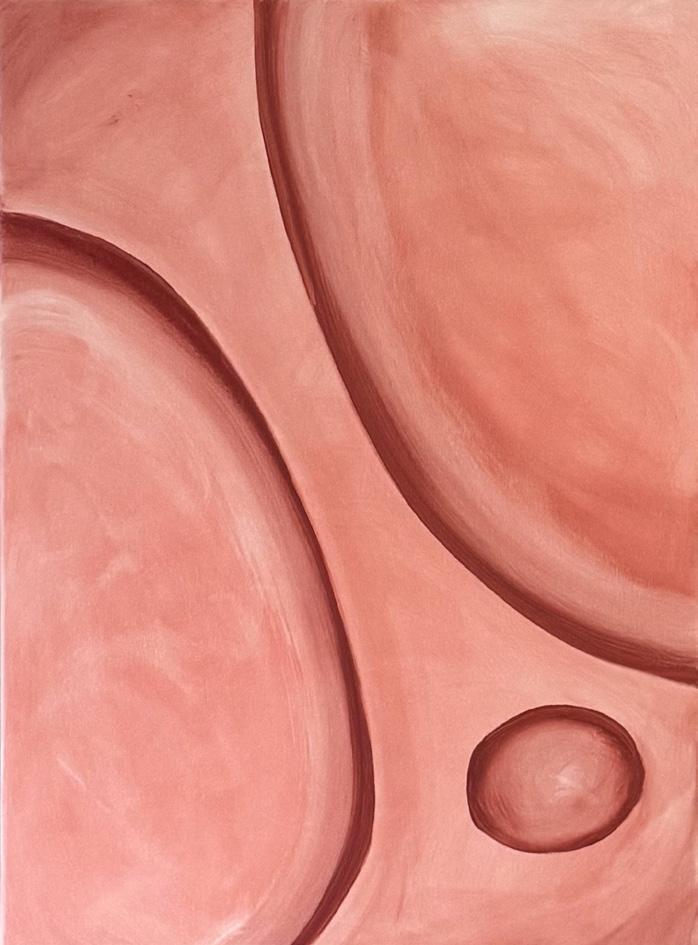
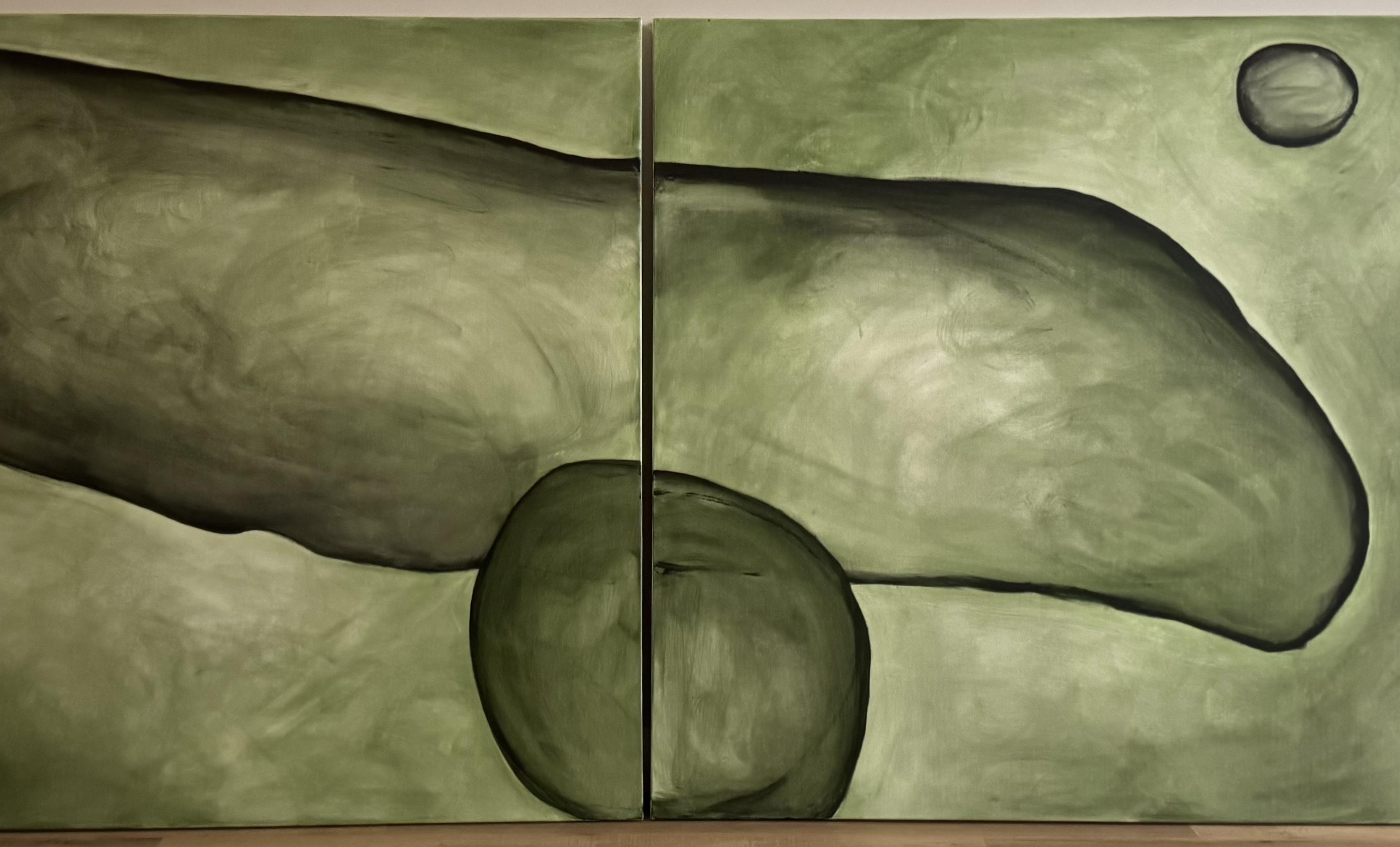
From a young age, I found joy in drawing and painting, immersing myself in creativity as a way to explore the world around me. However, like many, I felt disconnected from this passion when the pandemic hit. It wasn’t until my junior year that I began rediscovering the spark I had lost. I turned to abstract art as a way to express myself, especially when school and life became overwhelming. Painting became both an outlet and a form of self-care, allowing me to reconnect with my love for art and creativity. These personal works reflect that journey—one of rediscovery, resilience, and finding beauty in self-expression.