Our gardens are a vital resource for wildlife, providing corridors of green space between open countryside, allowing species to move about. In fact, gardens across the UK provide more space for nature than all the National Nature Reserves put together.
Let the 2026 Creature Calendar inspire you to improve your garden for our local wildlife by planting native plants and trees, providing some water and shelter, letting some areas grow wild or installing nest boxes.
Get out, record, and see if you can find some of the amazing critters featured.
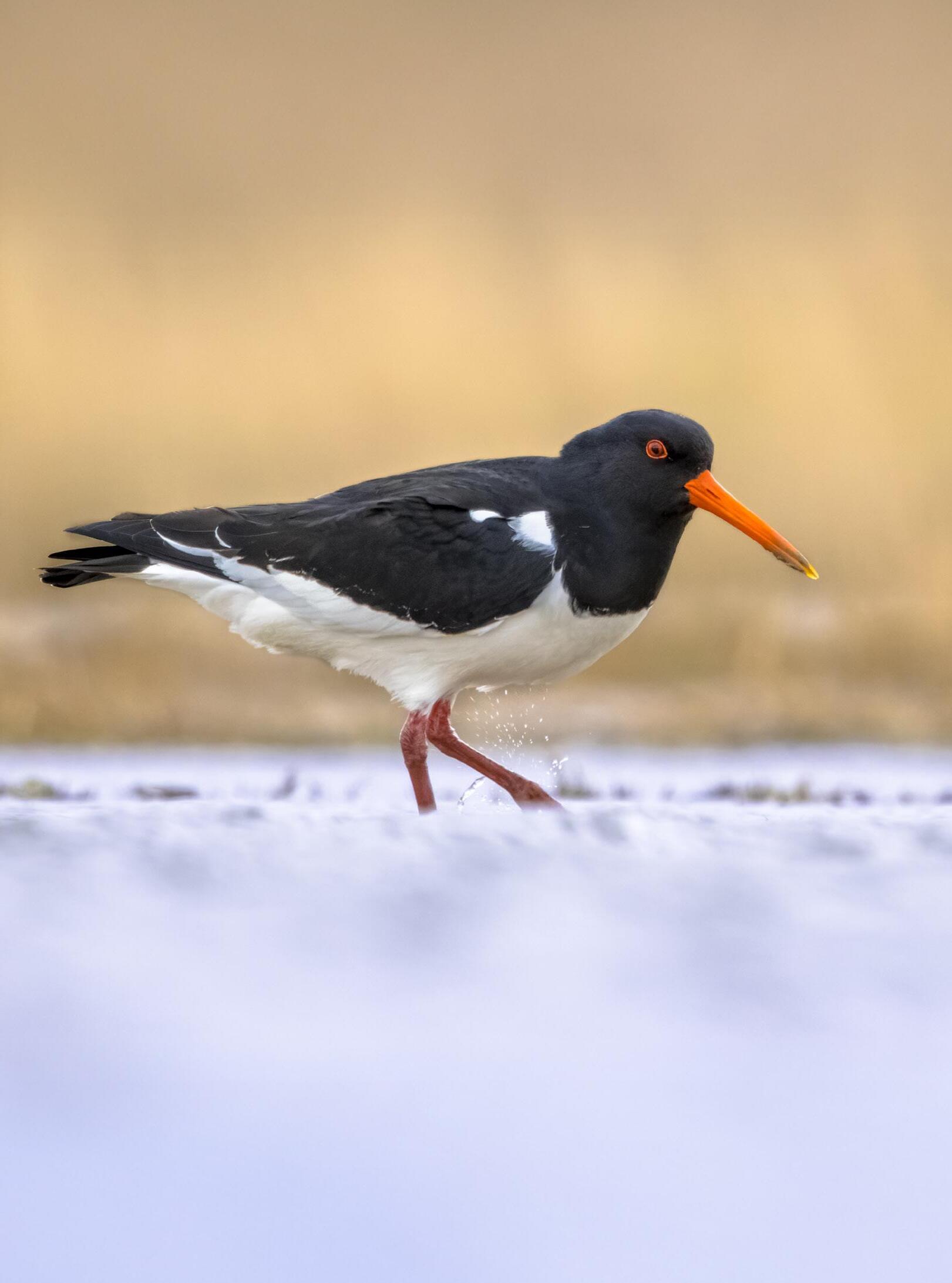
These striking and unmistakable wading birds are easily recognised by their bold black-and-white plumage, bright orange bill, and pink legs. In Northern Ireland, Oystercatchers typically breed on shingle and rocky beaches, although some can also be found nesting further inland near large lakes. Their nests are simple depressions on the ground called ‘scrapes’ where they usually lay four mottled eggs.
Like many waders, Oystercatchers are migratory. Between September and March, numbers along our shores are supported by visitors from Iceland and the Faroe Islands, making this an excellent time to spot
them. Unfortunately, their breeding populations in the UK and Ireland have declined by up to 21% since 1995, largely due to habitat loss and changes in feeding grounds, this is a common problem for most of our wading species of birds.
For more information visit: www.rspb.org.uk
Remember to get involved in the Big Garden Bird Watch at the end of the month, from 23 to 25 January.
Find out more here: www.rspb.org.uk/whats-happening/ big-garden-birdwatch
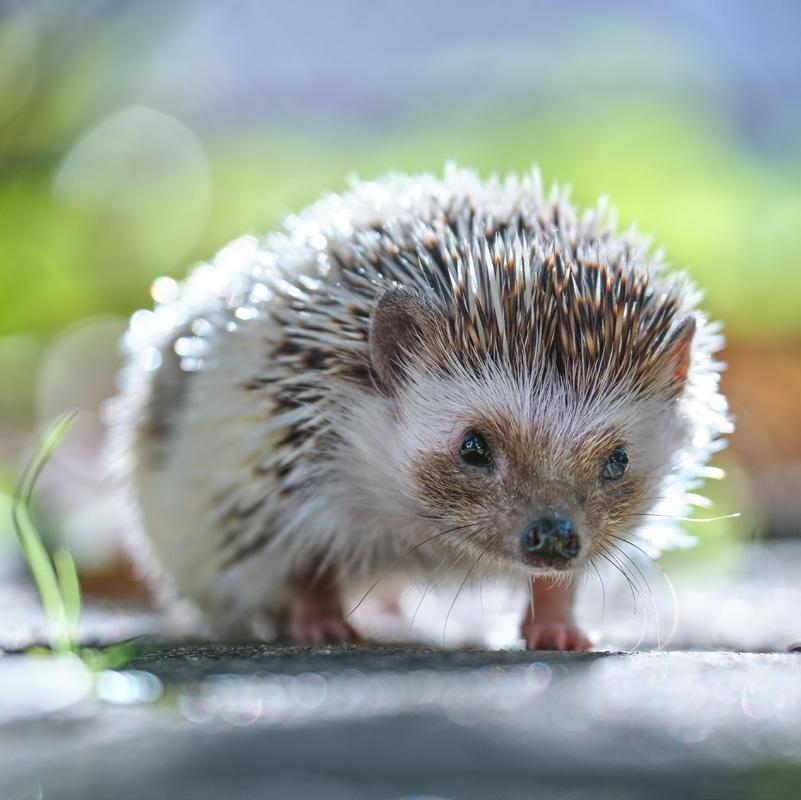
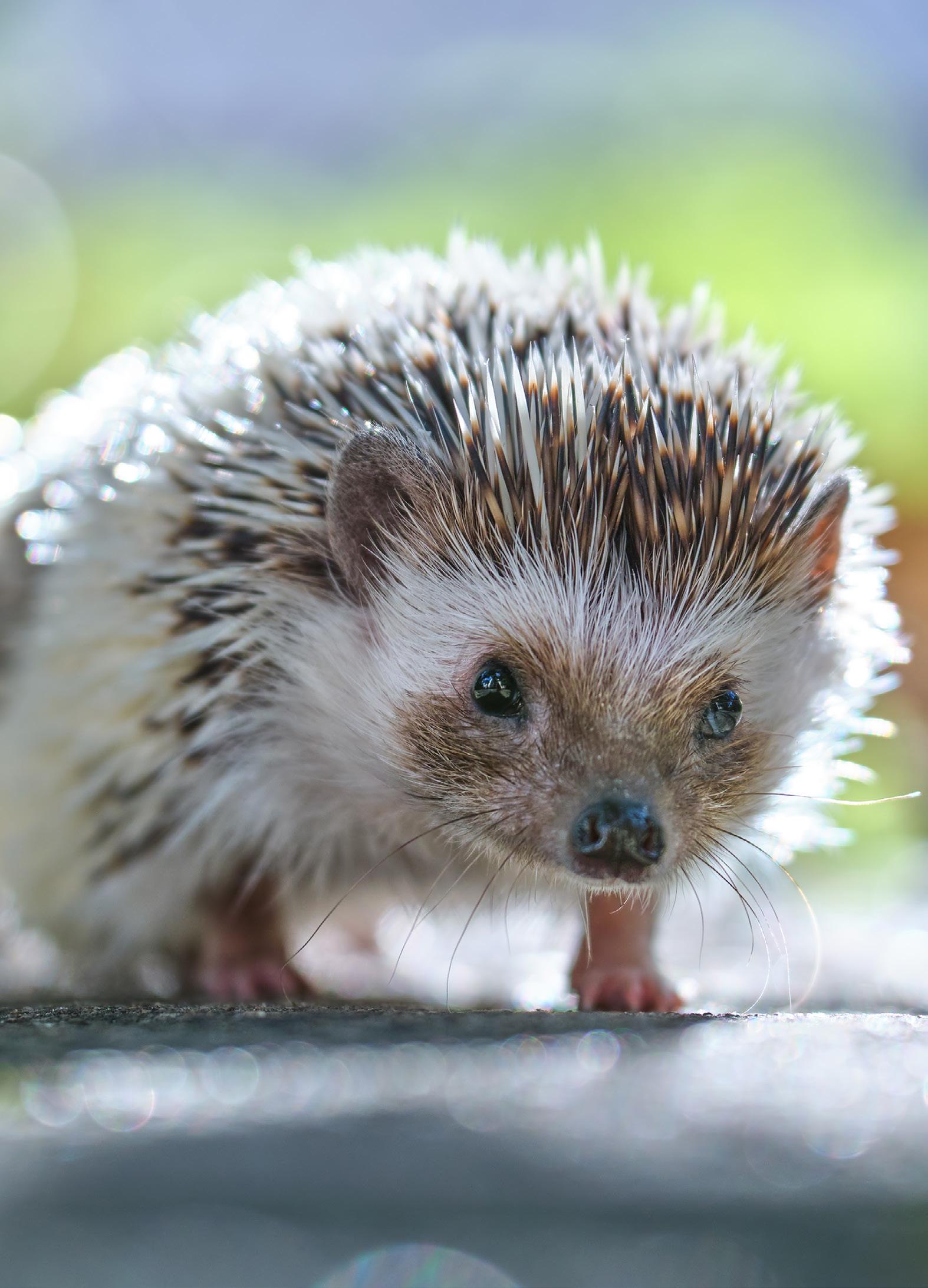
Hedgehogs will be coming out of hibernation soon. Hedgehogs usually hibernate from November through to mid-March, but they can sometimes be seen out and about during this period changing nesting sites.
Hedgehogs eat beetles, caterpillars, earthworms and slugs, so can be a real help to gardeners. Did you know hedgehogs can travel around one mile every night through our parks and gardens to find food and a mate? So, if you have an enclosed garden you might be getting in the way of their plans!
You can help in your own garden by creating a hedgehog hole in your garden fence to create one big hedgehog highway, building a hedgehog home or leaving piles of leaves for them to hibernate in, and by gardening organically - pesticides such as slug pellets are very harmful for hedgehogs.
For more information visit: www.hedgehogstreet.org
If you see a hedgehog that looks unwell it might need a helping hand. Sick, injured and orphaned hedgehogs are susceptible to hypothermia. Staggering is a sign of hypothermia and so is ‘sunbathing’ as they spread themselves out in the sun in an attempt to get some heat into their bodies.
For more information visit: www.britishhedgehogs.org.uk/ found-a-hedgehog
Draw around your hand to finish my spines
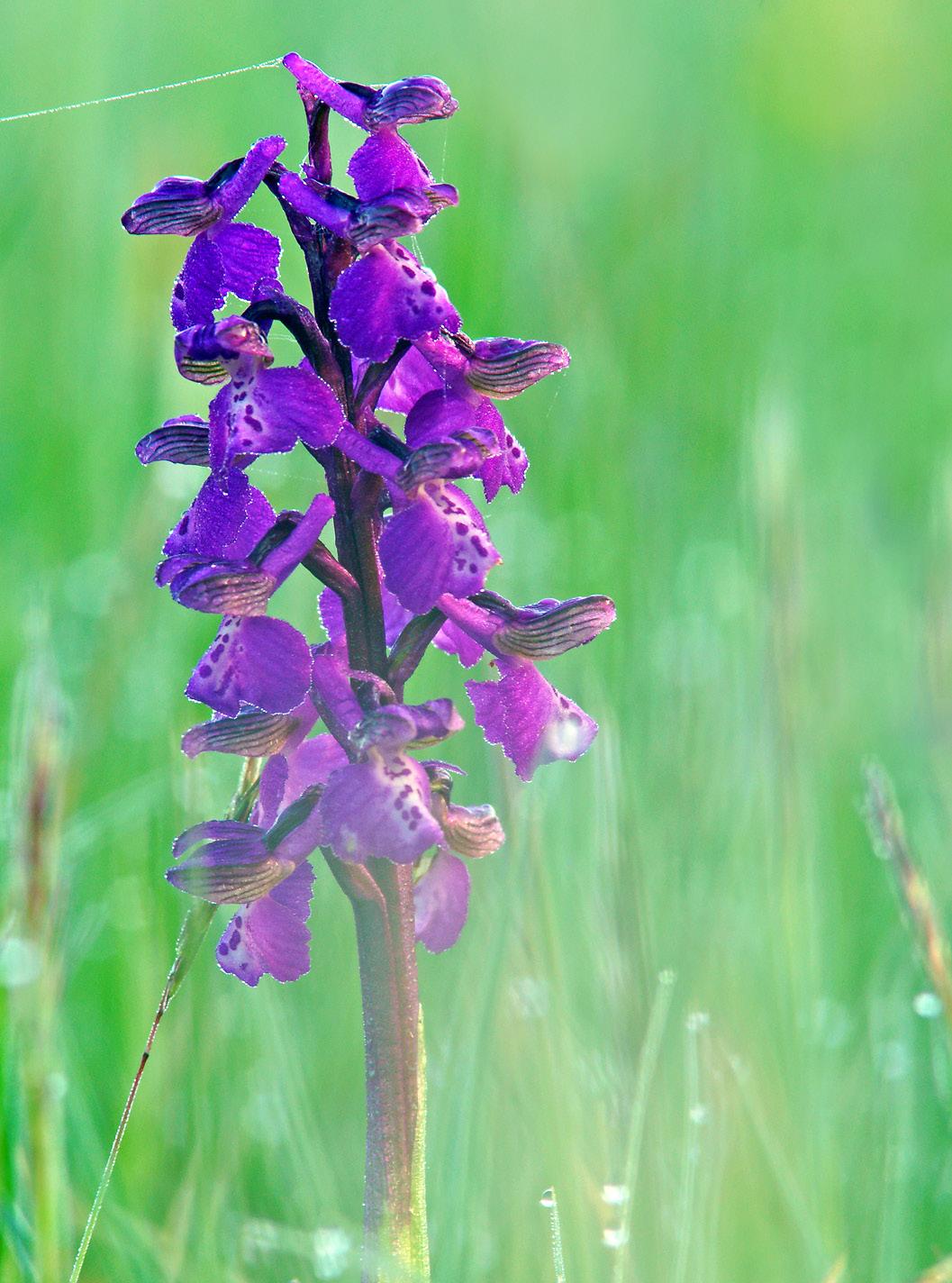
The Green-Winged Orchid (Anacamptis morio), also called the Green-Veined Orchid, grows in short maritime turf on flat or slightly undulating sand close to the sea shore. This beautiful orchid is a small, erect plant which grows to about 30cm tall in grassland and meadows where grazing occurs. It bears flowers, well separated, in short spikes and these flowers appear in several colours – from snow-white through pink and magenta to deep purple. A pair of lateral sepals with prominent green, occasionally purple veins extend laterally like “wings”, giving the orchid its name. Green-winged orchids are pollinated by bumblebees. The main threat for this rare orchid is agricultural intensification and use of chemical fertilizers.
Did you know?
Orchids seeds do not contain enough energy in the form of food reserves to germinate on their own and have to form a partnership with mycorrhizal fungus to grow. The loss of these fungi through cultivation or application of artificial fertilizers and herbicides explains why these orchids are generally only found in unimproved grasslands.








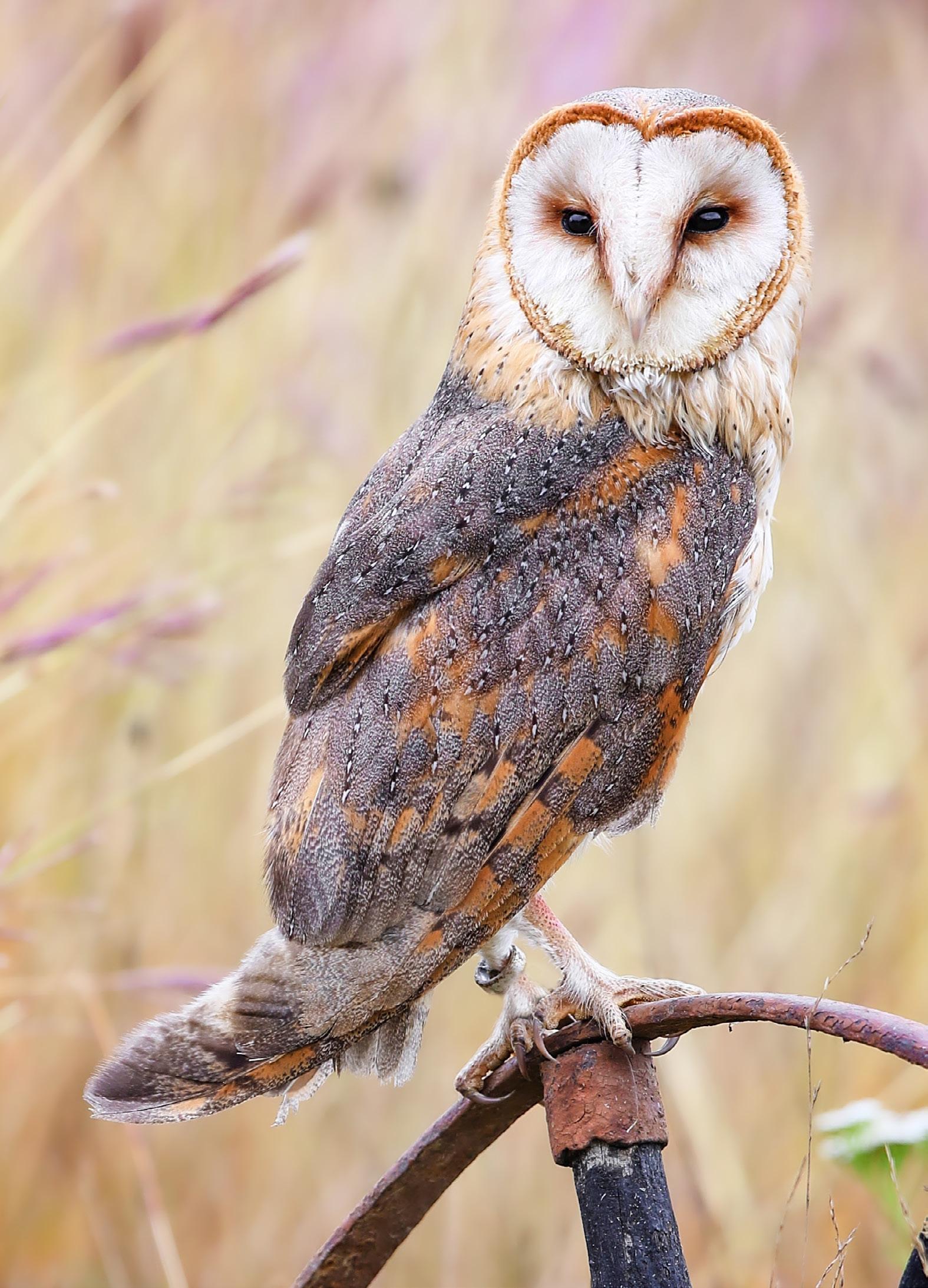
Barn owls can be spotted at any time of the year and have a distinctive white heart-shaped face and black eyes. They are mainly nocturnal but on still, moonlit evenings you might be able to spot a barn owl hunting over field edges and roadside verges. Barn owls hunt for small mammals, such as house mice and wood mice, making them a great friend to farmers and homeowners alike.
Did you know barn owls don’t actually hoot, they screech? So, throughout history, barn owls have been known by many different nicknames, such as ‘screech owl’ ‘ghost owl’ and ‘church owl’.
The barn owl is one of Northern Ireland’s most iconic species but unfortunately one of the most endangered, with less than 50 breeding pairs estimated to be left in Northern Ireland.
One of the reasons is lack of suitable nesting sites. With the help of local schools we have installed three custom built barn owl boxes across the Borough for these beautiful birds, and continue to monitor them.
The barn owl is now one of our rarest and most endangered birds, red-listed on the Irish Birds of Conservation Concern and protected under the Wildlife (NI) Order 1985. Nest sites are protected all year round even if they are not in use.
If you see a barn owl please report it, this will add to valuable research.
For more information visit: www.ulsterwildlife.org/barnowl
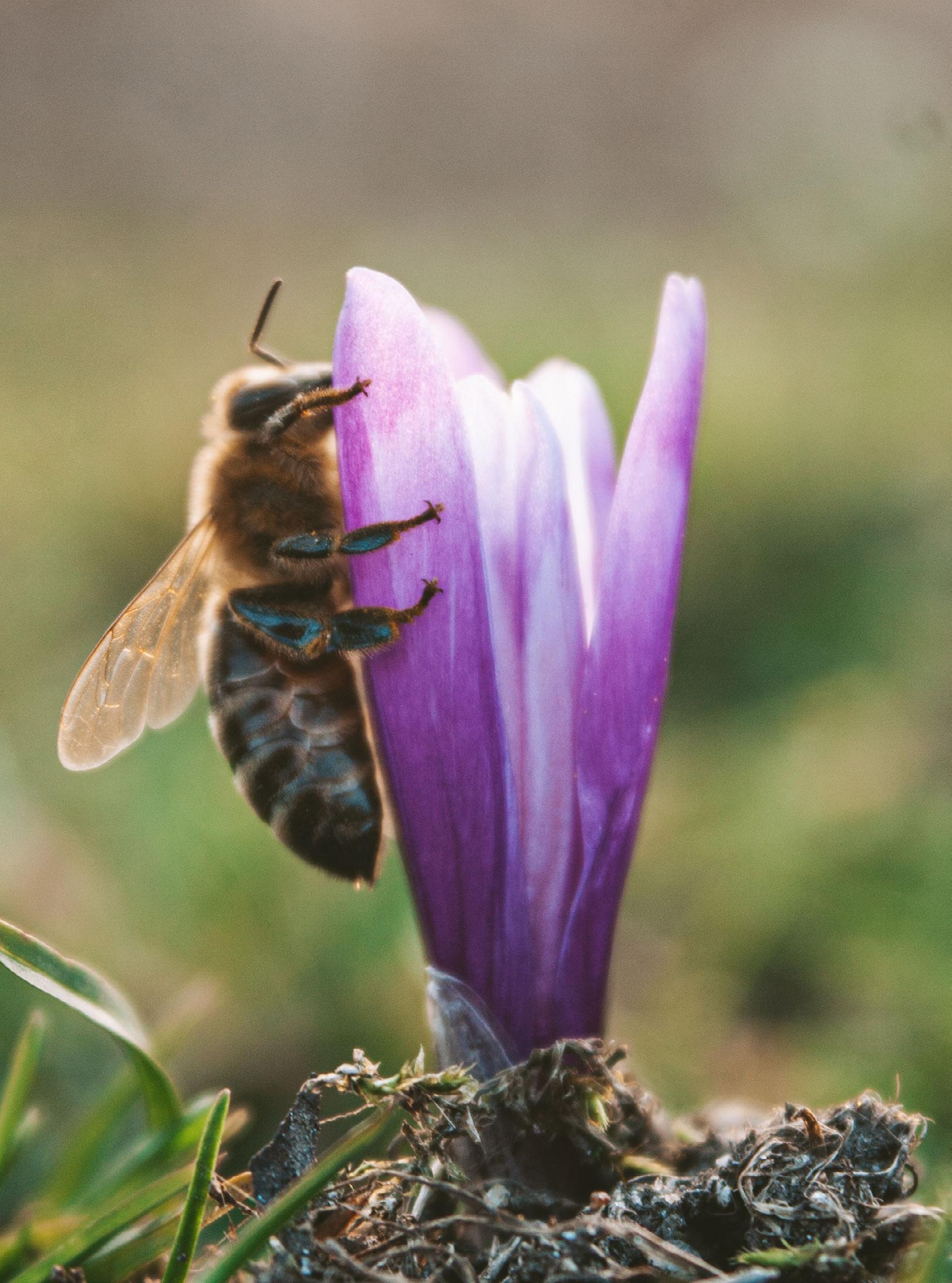
There are hundreds of bees in Northern Ireland including bumblebees, honeybees and solitary bees. Bees are very important for the environment and for people too, and have recently been declared the most important living beings on earth. Did you know pollinators are essential for the production of food and contribute an estimated £1.8bn to the UK’s farming economy every year?
Bee numbers have dramatically declined by almost 90% in the last few years. The uncontrolled use of pesticides, deforestation and lack of flowers are the main reasons for their extinction.
We are working to raise awareness of bees and provide habitat by planting large urban wildflower meadows.
Our meadows are sown with native wildflower seed mix including corn poppy, ox-eye daisy and field scabious, which are all brilliant for bees.
You can help bees in your own garden by eliminating pesticide use, letting a few areas go wild, and by planting pollinator friendly plants. Bees need a wide range of plants that flower from spring to autumn to feed from. These include alyssum, cornflower, sunflower, michaelmas daisy and sweet william for nectar in summer; bluebells, rosemary, geranium and honeysuckle in spring; and ivy can provide food in early and late parts of the year.
A full list of plants that bees will love is available at: www.rhs.org.uk
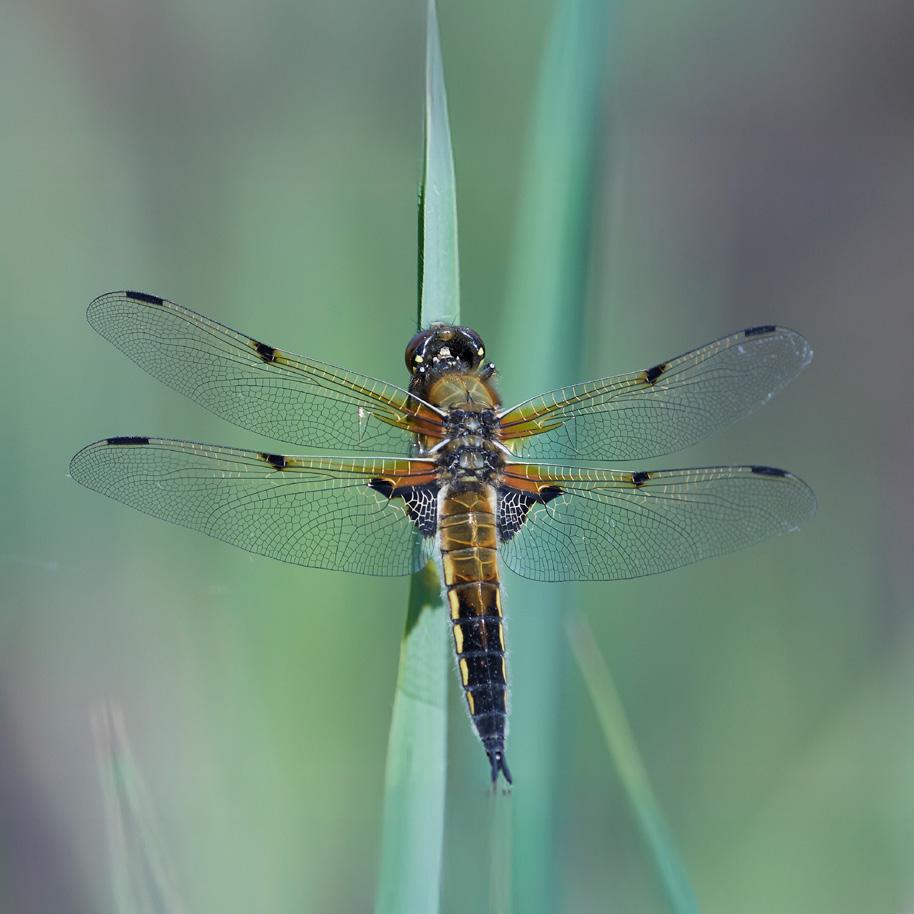
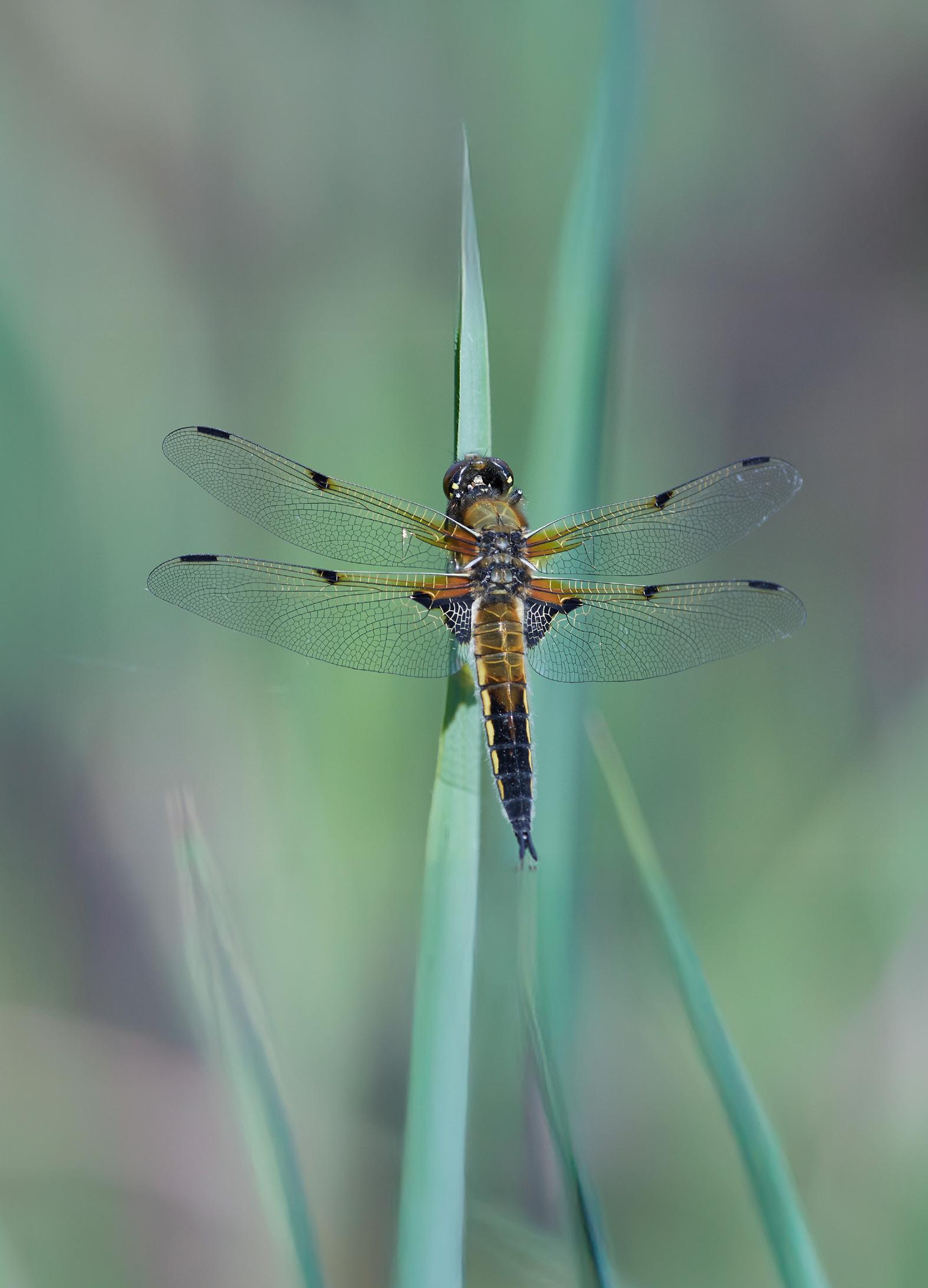
The Four-spotted Chaser (Libellula quadrimaculata) is a striking and energetic dragonfly, easily recognised by the four distinctive dark spots on its wings - two on each side. Adults have a broad, flattened body that ranges from golden-brown to dark bronze, often with a slight metallic sheen. These dragonflies are strong fliers, frequently seen darting and hovering over ponds, lakes, and bogs from May to August.
They are fierce aerial hunters, feeding on smaller insects such as midges and mosquitoes, which they catch on the wing. Males are territorial, often perching on reeds or twigs to defend their patch of water. The larvae, known as nymphs, live underwater for up to two years before emerging to transform into adults.
The Four-spotted Chaser is widespread across Ireland and the UK, and its presence is a good indicator of a healthy heathland/wetland habitat. Get out for a walk in Bashfordsland Wood & Oakfield Glen, Carrickfergus and keep a close eye on the ponds.
You can record your sightings here: www.habitas.org.uk/records
Help me get home!







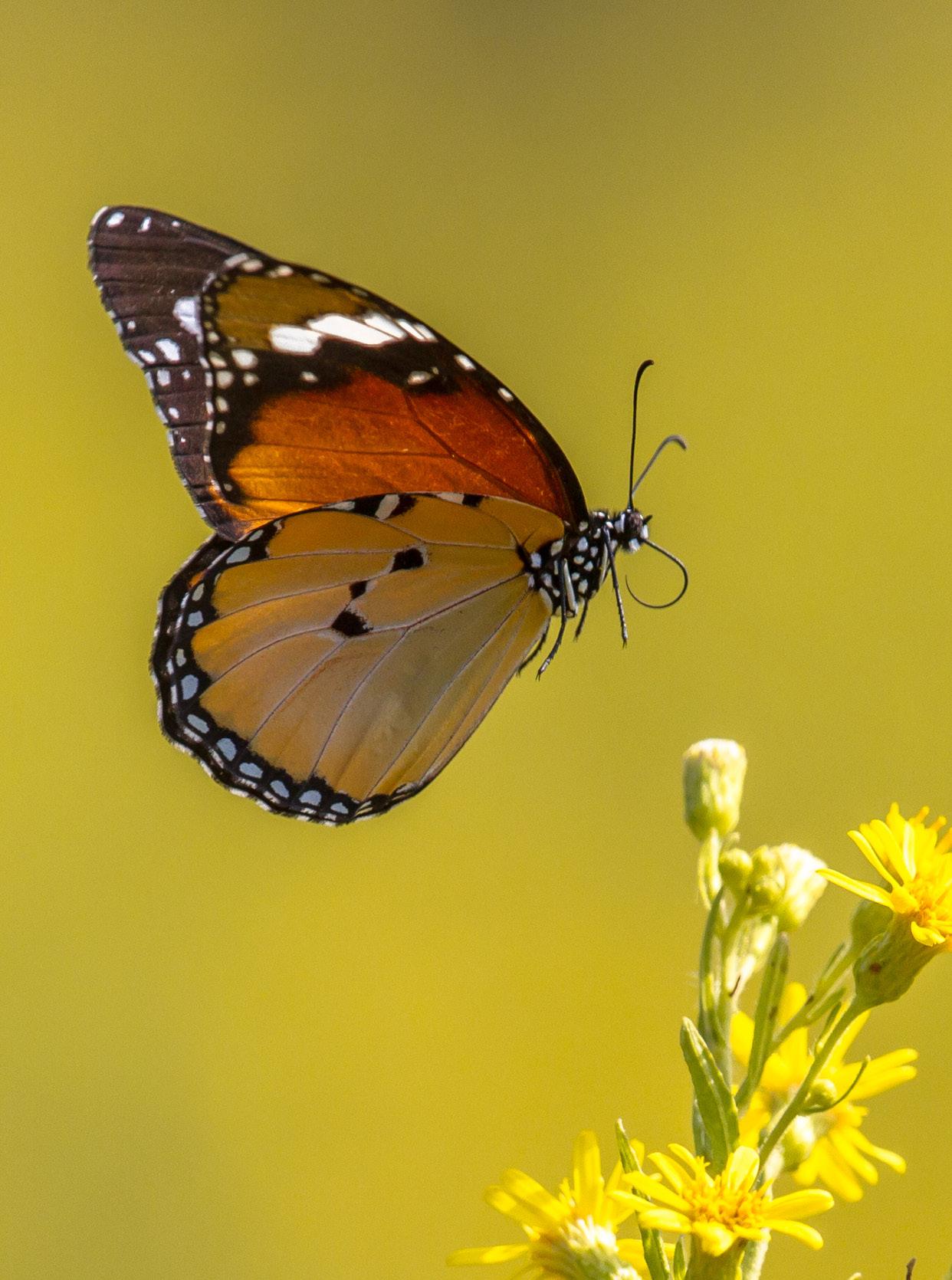
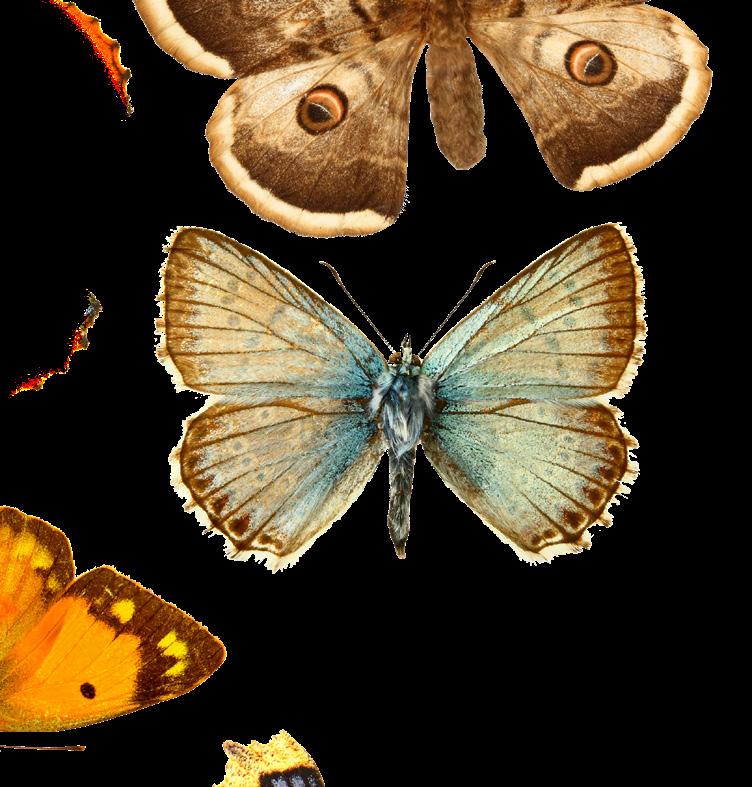
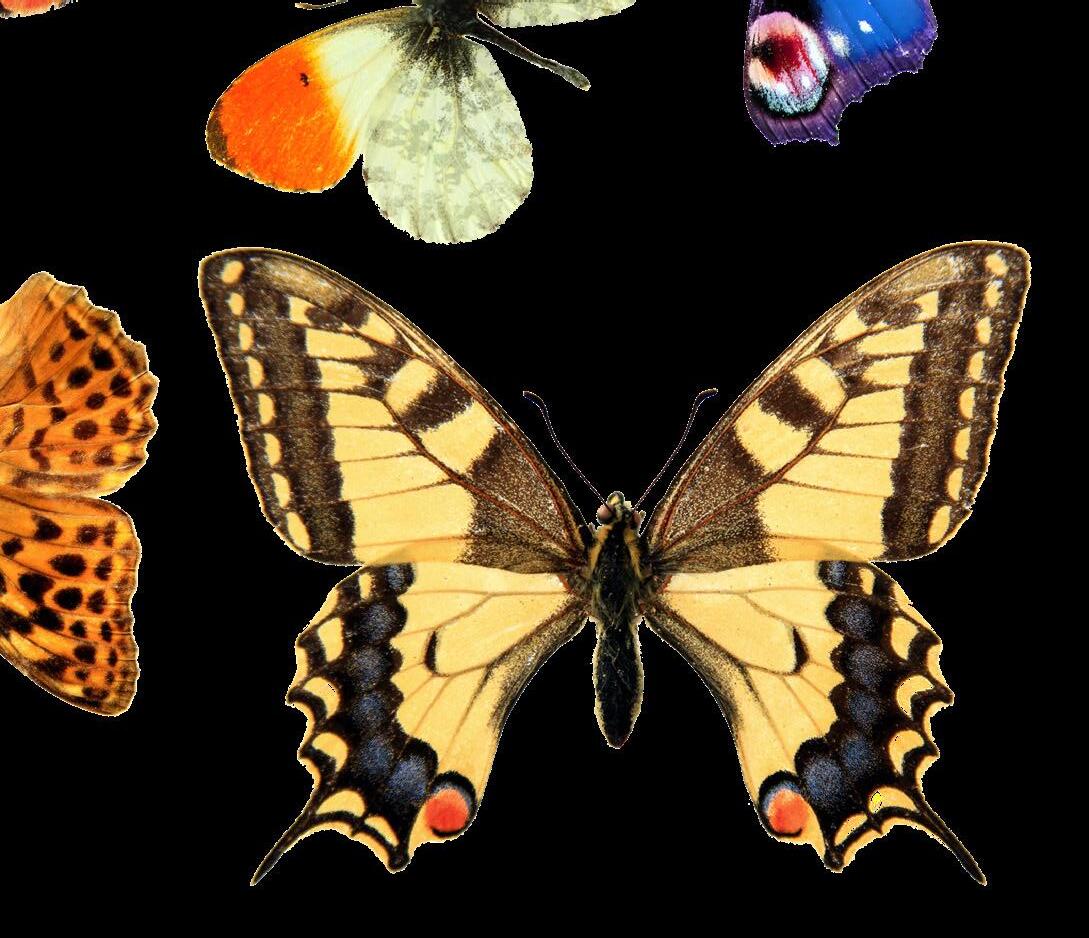
Northern Ireland is home to around 25 species of butterfly including peacock, ringlet, green-veined white, meadow brown and orange tip. Butterflies live in a wide range of habitat including meadows, grasslands, forests, hedgerows, parks, gardens, sand dunes and sea cliffs.
Your garden, no matter how small, can help butterflies by offering supplies of nectar. Butterflies particularly love buddleia, lavender, marjoram and verbena - why not plant some in your garden or in pots on your windowsill?
You can also help butterflies by using peat-free compost and not using pesticides - they kill butterflies as well as other mini-beasts such as beetles and spiders.
Almost half of our butterflies are priority species so all data recorded is important.
Find out more and report your sightings at: www.bigbutterflycount.org
Great places to go on a butterfly hunt in the Borough include Diamond Jubilee Wood Whitehead, Carnfunnock Country Park and Peoples Park Ballymena. Bring a picnic, make a day of it and share your photos on social media using #MEAdventures.
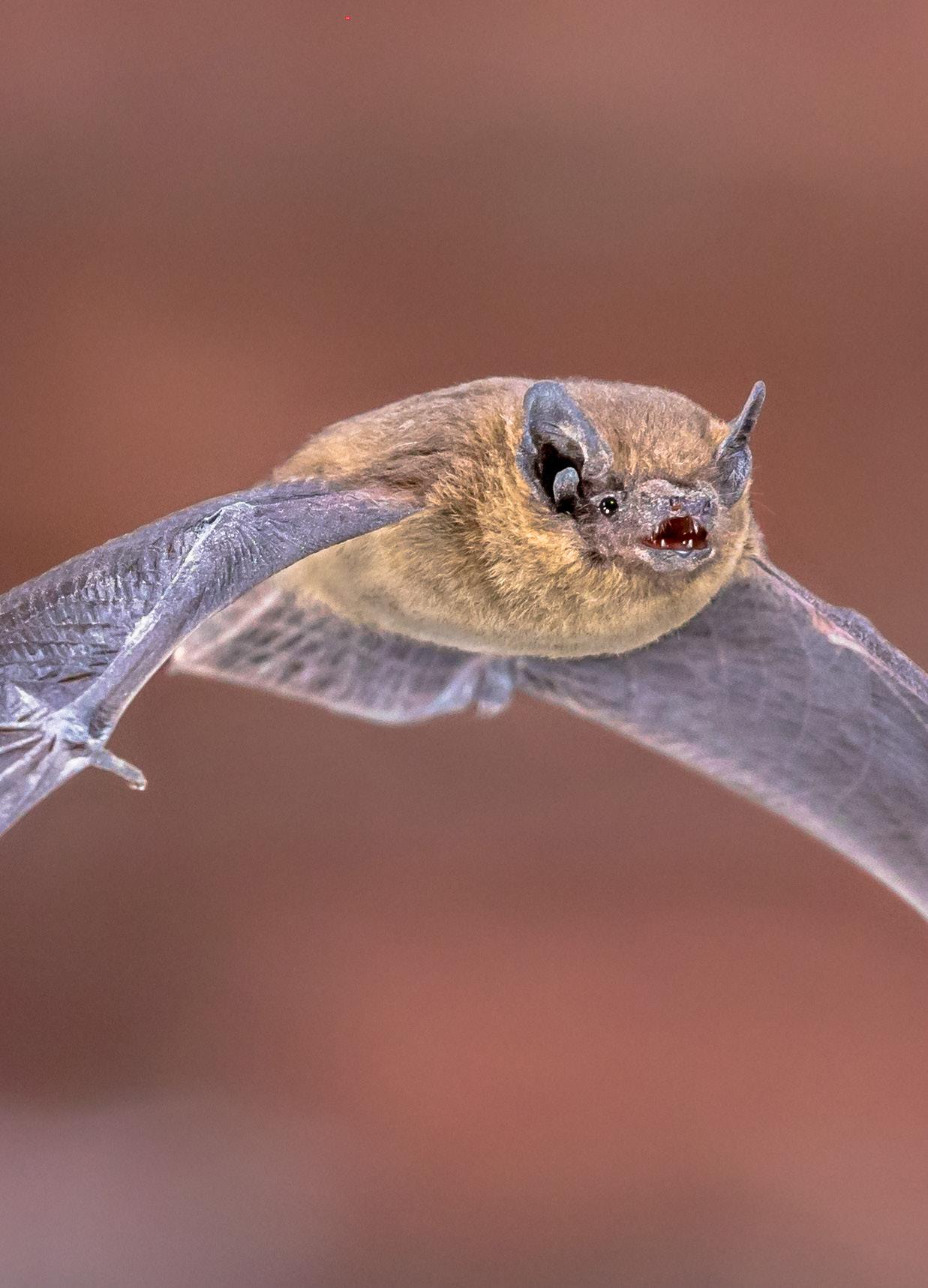
Did you know there are over 1,300 types of bat in the world but only 8 bat species are native to Northern Ireland? All of our bats are small, shy, harmless mammals. The smallest, the pipistrelle, weighs as little as a 2p coin and is known to gobble up more than 500 insects in an hour!
Blind as a bat? Contrary to what some people believe, bats are not blind and in fact are believed to have better eyesight than most humans.
The best time to see bats is at dusk on warm and dry summer evenings. International Bat Night occurs on the last Saturday in August each year and is a great opportunity to get out and look for these fascinating mammals. Some great places to see bats are Ecos Nature Park, Galgorm Wood and
Bashfordsland Wood & Oakfield Glen. How many can you see or indeed hear? To really experience the bat’s world it’s worth borrowing a special detector to hear the high-frequency clicks and buzzes of bats using echolocation to hunt.
Bats and their roosts are protected by law in the UK and Ireland as they are vulnerable to disturbance. This means it is a crime for someone to hurt or kill a bat, or to destroy their roost.
For more information you can visit The Northern Ireland Bat Group: www.bats-ni.org.uk
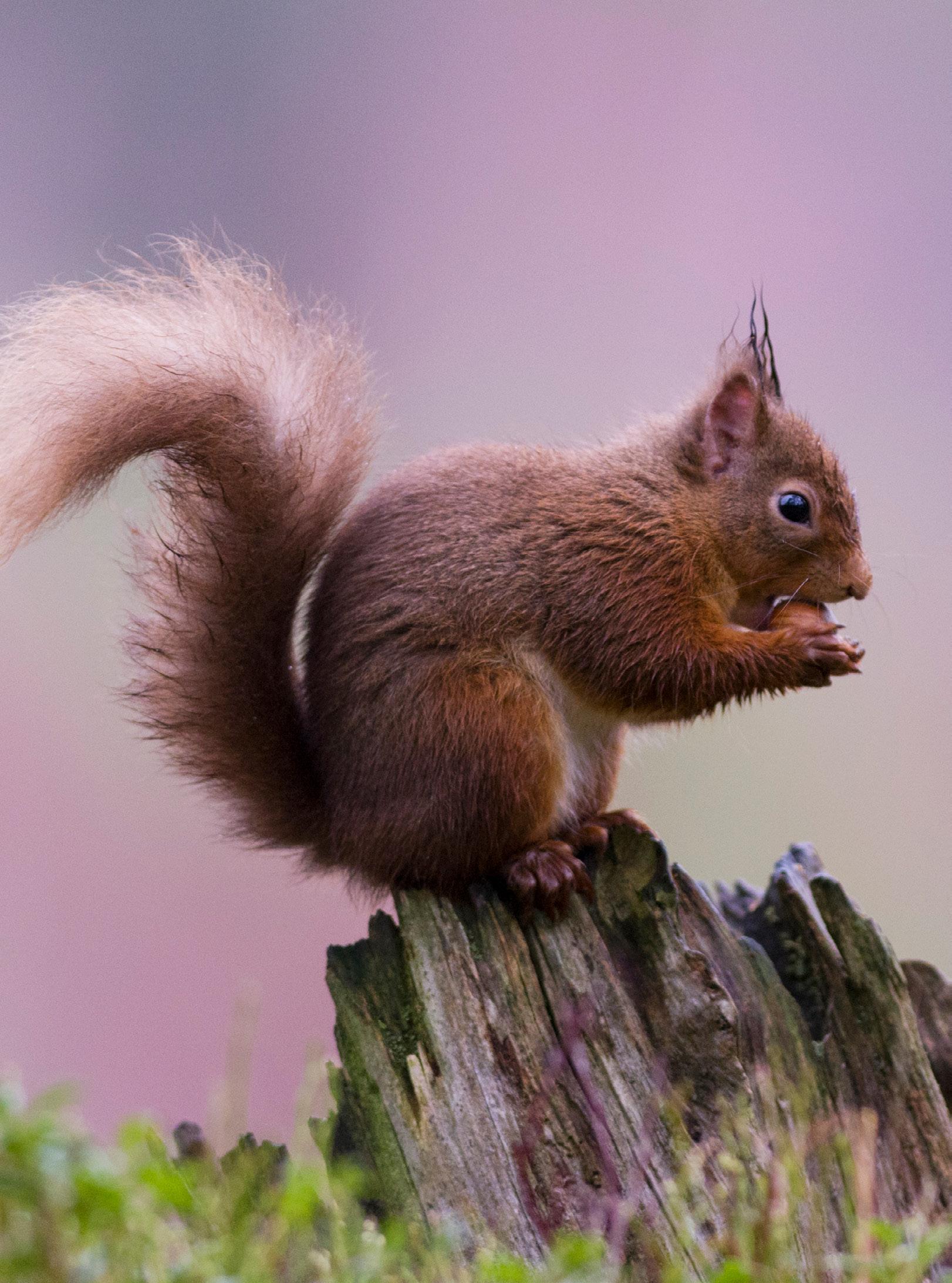
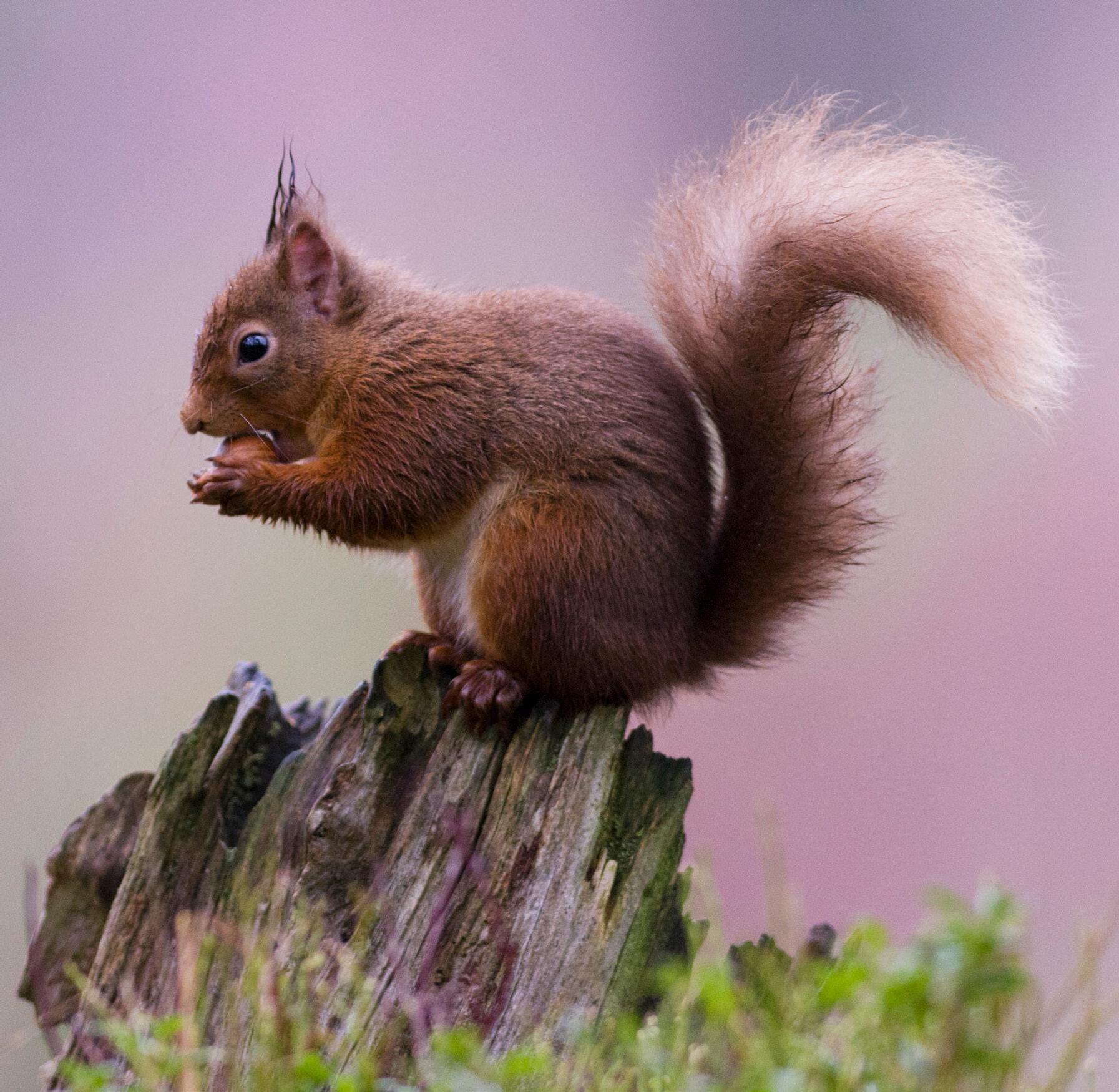
The red squirrel is one of our most iconic mammals immortalised as ‘squirrel nutkin’ by Beatrix Potter. Red squirrels play an important role in regenerating woodlands as they bury nuts and seeds which grow into future trees that sustain a host of native woodland dwellers such as pine martens and jays.
Red squirrels eat a variety of seeds, nuts, funghi, bark, buds and berries. Red squirrels do not hibernate, in very cold weather they will stay in their nests for a day or two, but they cannot survive for longer periods without food.
The red squirrel is believed to have been present in Ireland since the end of the last Ice Age but unfortunately they are currently in decline. Did you know grey squirrels are a major threat
to the survival of the red squirrel population? Greys are larger than reds and can out-compete them for food, and also carry a viral disease (Parapox virus) which can be fatal to reds if transmitted.
North-east Antrim has one of the largest number of red squirrel only areas in Northern Ireland. Red squirrels were recently reintroduced to Carnfunnock Country Park and are also present at Straidkilly Nature Reserve in Glenarm. Seeing a flash of red for the first time is a very special moment and something that everybody should experience – and now you can! Autumn is the best time to see them as there are fewer leaves on the trees, making them easier to spot as they gather food ahead of the winter. Why not take a walk and see what you can see?
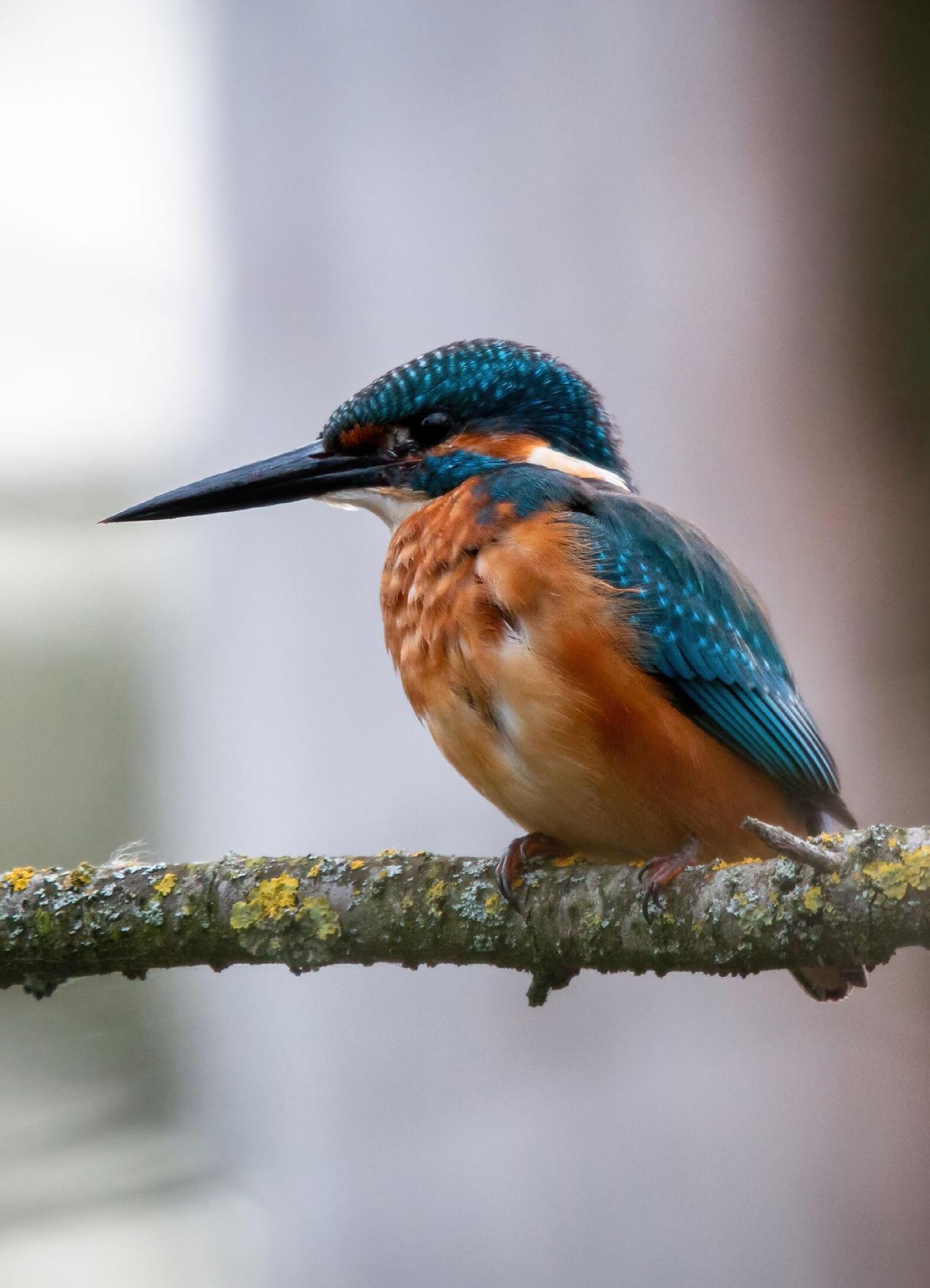
The vibrant azure and copper feathers of the Kingfisher (Alcedo atthis) make them one of our most colourful and instantly recognisable birds. But blink and you’ll miss them – they dart along rivers and streams at high speeds. Kingfishers eat mainly fish, chiefly minnows and sticklebacks, but they also take aquatic insects, freshwater shrimps and tadpoles. When hunting, they close their eyelids (or nictating membrane) as they dive into the water. They bob their heads before diving to accurately judge the depth of the fish.
A kingfisher pair dig a nest tunnel in vertical, sandy riverbanks. The first clutch of 6-7 eggs is laid in late March or in early April. Each chick can eat 12-18 fish a day meaning the adults may catch over 120 fish each day for their brood.
The design of a kingfisher’s beak is aerodynamically efficient, allowing it to dive from its perch, towards its prey, with maximum speed and minimum splash. In fact, the beak design is so clever that the front of many Japanese bullet trains are modelled to mimic it.
Go for a stroll along the river Maine in Cullybackey and you might see a flash of blue!
For more information visit: www.rspb.org.uk
Decorate a crown fit for a Kingfisher
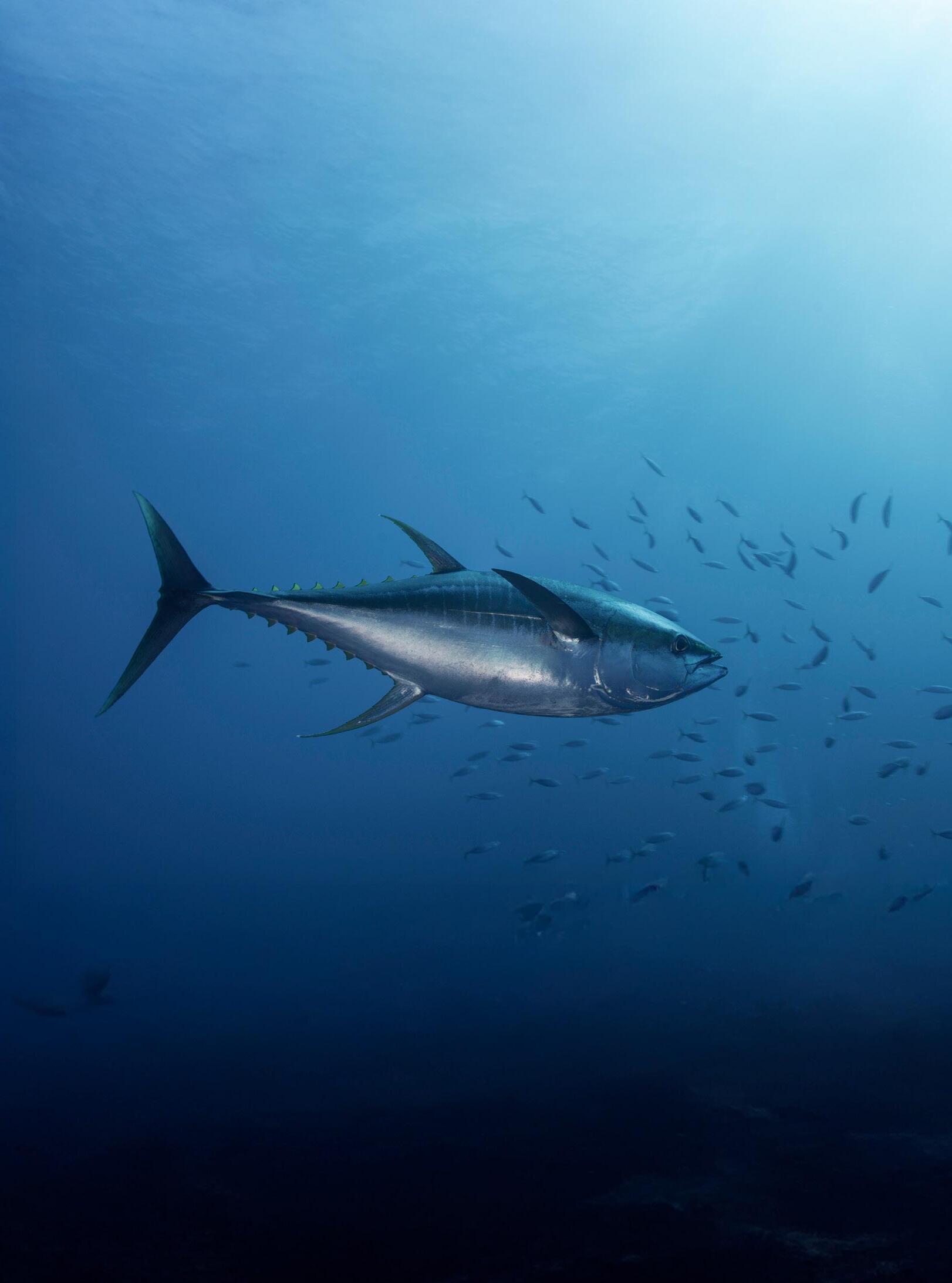
The bluefin tuna (Thunnus thynnus) is a highly migratory fish which roams the oceans. This species will cross oceans, travelling between the Mediterranean Sea and the Gulf of Mexico. They are speedy swimmers, reaching a top speed of 43 mph.
The bluefin tuna can be identified by its distinctive metallic blue colouration on its top side with a white underside. Its body shape is torpedo-like, making it extremely streamlined in the water. Bluefin tuna used to be a regular sight in UK waters but due to overfishing across the Atlantic, the populations declined and became non-existent. For more than 60 years no sightings of this species were recorded anywhere around the UK but in the past decade, sightings are slowly increasing.
The bluefin tuna has a specialised blood vessel structure which allows it to keep its body temperature higher than the water temperature. Keeping body temperatures high helps it swim quickly, even in colder waters. Most fish blood temperatures will be the same as the surrounding water. If you eat fish, please choose sustainably caught fish.
For more information, please visit: www.wildlifetrusts.org
List as many words that rhyme with ‘Blue’ as possible:
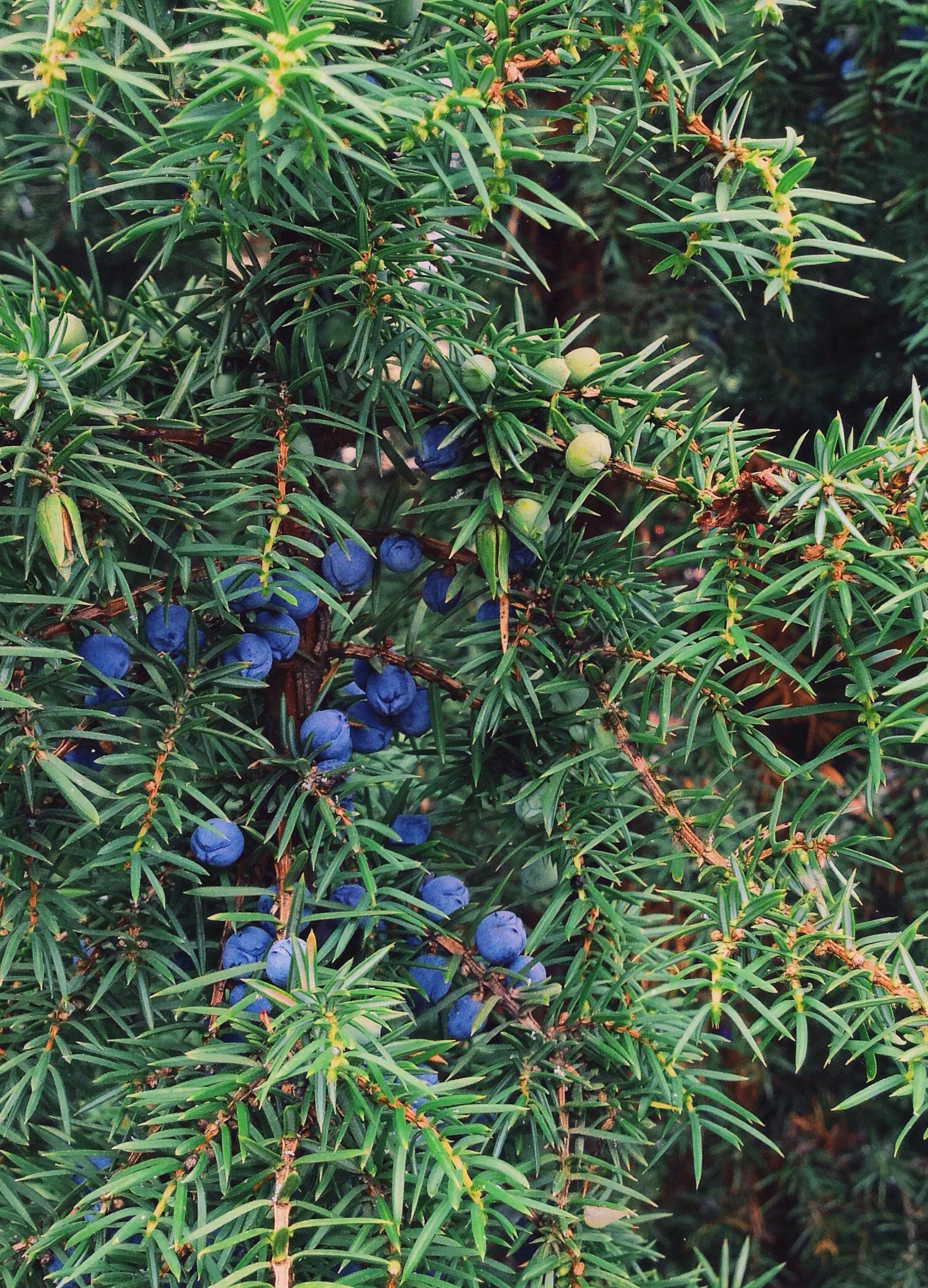
Juniper is one of the few conifers native to Northern Ireland and is a prickly shrub producing a blueblack fleshy berry. Once common on downland, moorland and coastal heathland, it is now much rarer due to habitat loss. The plant is an evergreen perennial which can be seen at any time of year. It is rare and local in Northern Ireland. Causes for its decline may include grazing, burning, scrub clearance and vegetational succession.
Common juniper is a sprawling, spiny, evergreen shrub that tends to grow in colonies on chalk downland, moorland, rocky slopes and coastal heaths. Its two favoured habitats are quite different: in the north, it grows on acid soils on cold, rainy moorland, alongside Heather and Bilberry; in the
south, it prefers the hot, dry, calciumrich soils of downland. It has a long history of folklore and myth and was hung outside the house at Hallowe’en to ward off evil spirits.
Why not take a winter walk along the Gobbins coastal pathway or up into the Antrim Hills? You may see a juniper bush with its beautiful blueblack berries!
Why not take a winter walk along the Gobbins coastal pathway or up into the Antrim Hills? You may see a juniper bush with its beautiful blueblack berries!







For more information on the wonderful wildlife in the borough visit our website by following the link below.
midandeastantrim.gov.uk/biodiversity 028 9335 8233
biodiversity@midandeastantrim.gov.uk