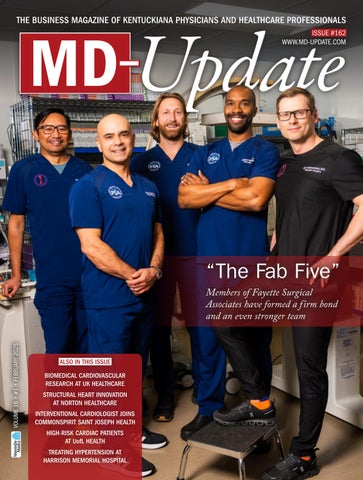
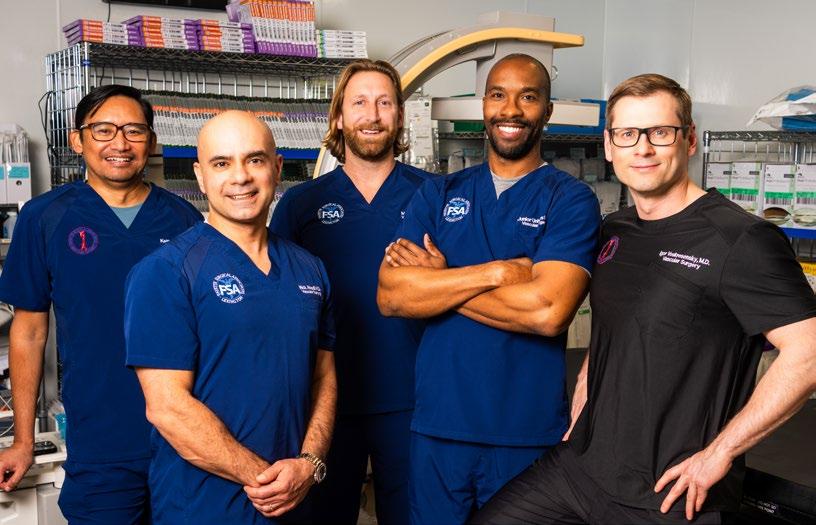
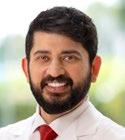
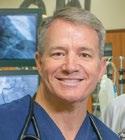
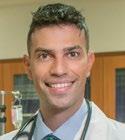
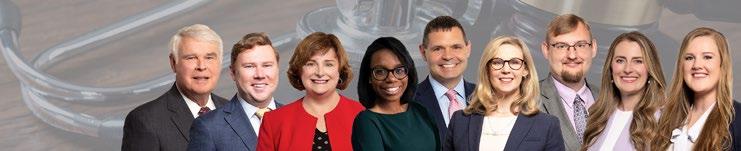
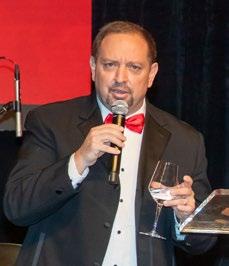
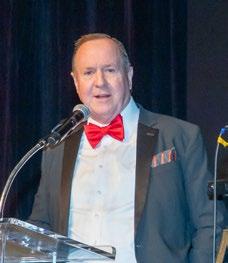
Members of Fayette Surgical Associates have formed a firm bond and an even stronger team
ALSO IN THIS ISSUE
BIOMEDICAL CARDIOVASCULAR RESEARCH AT UK HEALTHCARE
STRUCTURAL HEART INNOVATION AT NORTON HEALTHCARE
INTERVENTIONAL CARDIOLOGIST JOINS
COMMONSPIRIT SAINT JOSEPH HEALTH
HIGH-RISK CARDIAC PATIENTS AT UofL HEALTH
TREATING HYPERTENSION AT HARRISON MEMORIAL HOSPITAL
Combining humankindness and clinical excellence.
At Saint Joseph Health, we advance cardiovascular care every day – treating hearts with precision, compassion and the latest innovations. So your heart keeps doing what it does best. Hello humankindess®
To participate, please contact Gil Dunn, Publisher
GDUNN@MD-UPDATE.COM
859.309.0720 (direct) • 859.608.8454 (cell) Send press releases to gdunn@md-update.com
Welcome to the Cardiovascular Issue of MD-Update!
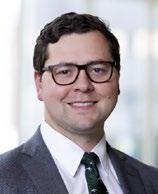
I FIRST MET Nick Abedi, MD, in 2015, when we did a physician profile on him and have followed his career since. I was looking for a vascular medicine story for the 2026 cardiovascular issue and called him last December. He agreed to participate and we embarked on this issue’s cover story. Getting five very busy vascular surgeons together for photos could only happen after 6pm on a weeknight, so that’s what we did.
I hope you enjoy meeting Dr. Abedi and his four partners, with their story beginning on page 12.
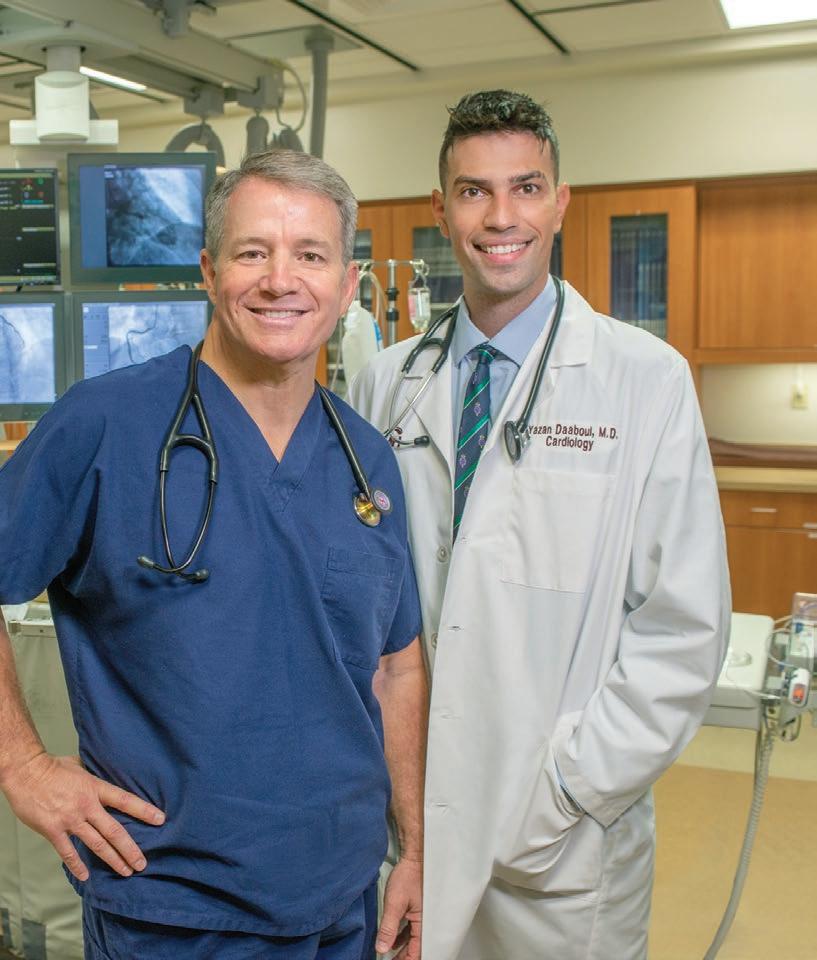
Talking to the other cardiologists for this issue was also a treat: Drs. Amaghan Soomro, Yuvraj Chowdhury, Sean Stewart and reconnecting with Drs. Matthew Shotwell and Yaz Daboul.
KY Legislature
As of February 10, here’s some of what’s happening in medical news at the 2026 Kentucky legislative session from Senator Reggie Thomas, Lexington, Senate Democratic Caucus Chair.
SB 5 removes barriers that make it harder for schools to buy locally grown food, helping districts serve fresher, more nutritious meals to students while supporting Kentucky farmers. The bill also supports training for school food service staff and reflects a “Food Is Medicine” approach that connects nutrition to student health, learning, and success.
SB 12 updates state law governing Level IV trauma centers by allowing emergency departments to be covered by physician assistants or advanced practice registered nurses under physician supervision, rather than requiring a physician to be physically present at all times. Senator Thomas said that healthcare challenges in Kentucky must be addressed through thoughtful investments in the state budget that strengthen access and quality of care. He voted
against this bill because he doesn’t believe it ensures the level of care Kentuckians deserve, particularly in trauma settings, where physician-led judgment is both critical and necessary. However, it passed 27-11.
KMA president Pat Padgett stated that the KMA agreed with Senator Thomas on SB 12.
SB 18 updates Kentucky’s laws governing podiatry by modernizing licensure standards, clarifying the scope of practice, and establishing clear rules for podiatrists supervising physician assistants and podiatric staff. The bill also aligns podiatry regulations with current medical, training, and oversight standards to improve patient care and workforce flexibility.
The Heart Balls
It’s a busy time of the year in cardiovascular medicine. Studies conducted and published by the NIH and the American Heart Association show that December, January, and February have the highest number and percentage of coronary artery deaths. Cold weather, which brings on restricted blood flow; holiday stress; higher alcohol consumption; and unprecedented activities like shoveling snow are thought to be contributing factors.
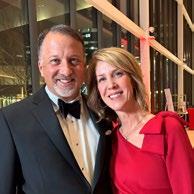
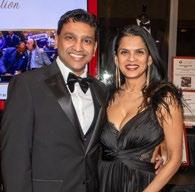
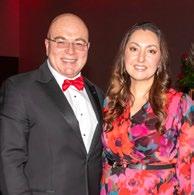
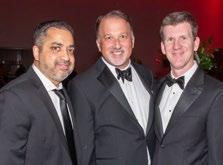
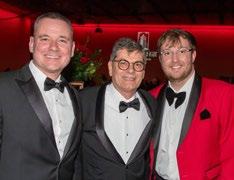
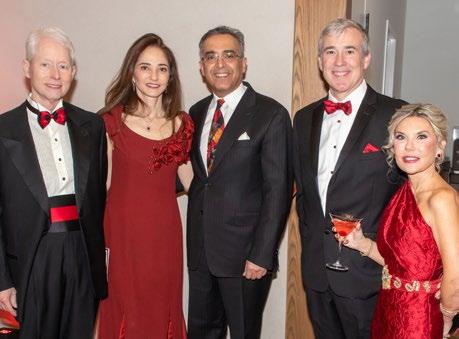
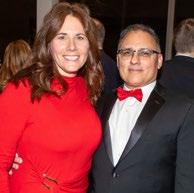
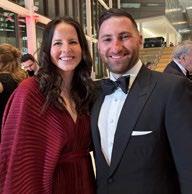
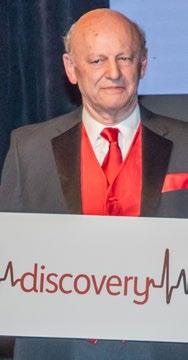
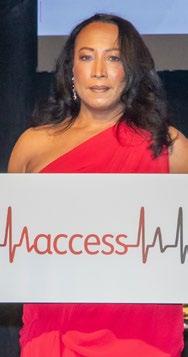
To relieve some of that stress, the American Heart Association throw some BIG parties: the Heart Ball, in both Lexington and Louisville. We attended the Central Kentucky Heart Ball and brought our photographer to get some pictures to share with the non-cardiologists out there.
Look for them on pages 38 and 39 inside.
The 2026 MD-Update editorial calendar is on the preceding page. When you see your specialty and you have a story to tell, contact me. If your specialty isn’t included, that’s another reason to reach out to me. I’m looking forward to hearing from you.
MD-UPDATE MD-Update.com
Volume 16, Number 1 ISSUE #162
EDITOR/PUBLISHER
Gil Dunn gdunn@md-update.com
GRAPHIC DESIGN
Laura Doolittle, Provations Group
COPY EDITOR
Amanda Debord
CONTRIBUTORS:
Jan Anderson, PSyD, LPCC
Katie bathje, MA
Jamie Dittert, JD
Jennifer redmond Knight, DrPH
Shayan Mohammadmoradi, MS, PhD
Scott Neal, CPA, CFP
Allyson yates
CONTACT US:
ADVERTISING AND INTEGRATED PHYSICIAN MARKETING: Gil Dunn gdunn@md-update.com
Mentelle Media, LLC 38 Mentelle Park Lexington Ky 40502 (859) 309-0720 phone and fax
Standard class mail paid in Lebanon Junction, Ky. Postmaster: Please send notices on Form 3579 to 38 Mentelle Park Lexington Ky 40502
MD-Update is peer reviewed for accuracy. However, we cannot warrant the facts supplied nor be held responsible for the opinions expressed in our published materials.
Copyright 2026 Mentelle Media, LLC. All rights reserved. No part of this publication may be reproduced, stored, or transmitted in any form or by any means-electronic, photocopying, recording or otherwise-without the prior written permission of the publisher.
Please contact Mentelle Media for rates to: purchase hardcopies of our articles to distribute to your colleagues or customers: to purchase digital reprints of our articles to host on your company or team websites and/or newsletter. Thank you.
Individual copies of MD-Update are available for $9.95.
Until next time, all the best, Gil Dunn Editor/Publisher MD-Update
Driving Reach and Impact Kentucky’s Lung Cancer Screening Learning Collaborative
BY KATIE BATHJE, MA, QUILS™ GROUP, ALLYSON YATES, JENNIFER REDMOND KNIGHT, DrPH
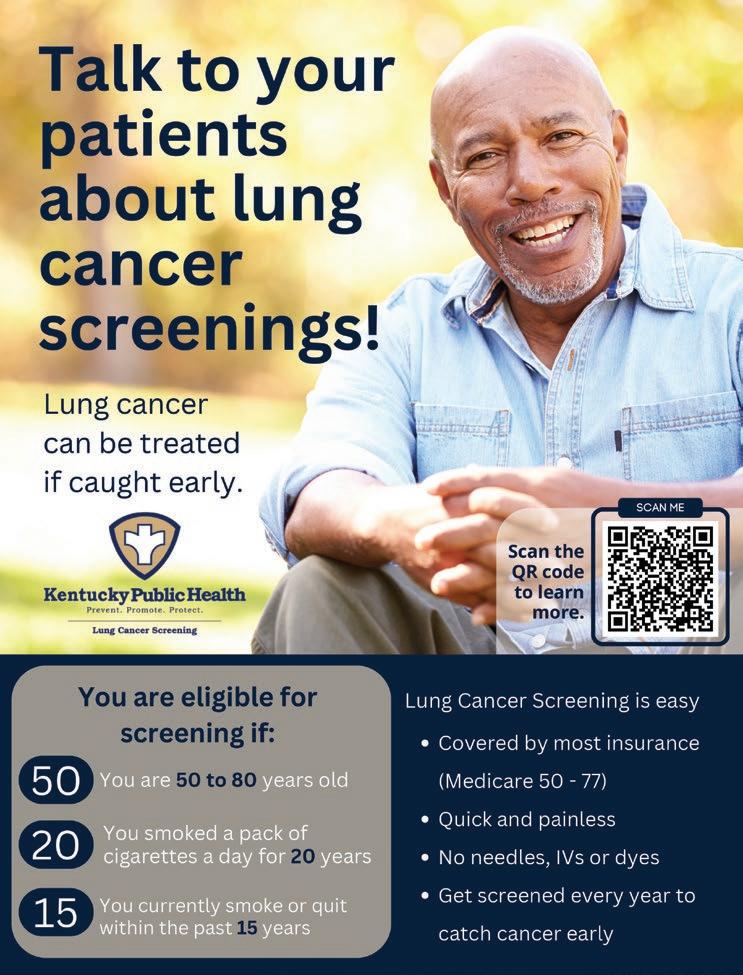
LEXINGTON Lung cancer remains one of Kentucky’s most urgent public health challenges, and the Commonwealth is demonstrating how cross-sector collaboration can accelerate earlier detection and save lives. The Kentucky Lung Cancer Screening Learning Collaborative is one example—pairing structured, statewide learning with hands-on implementation support to move evidence into practice.
Learning collaboratives are a common strategy to diffuse best practices, build workforce capability, and strengthen systems for continuous improvement. Evidence supports that well-designed, interactive virtual environments support strong knowledge gains.1,2
How It Began: The 2023 Lung Cancer Screening Collaborative
In 2023, UK HealthCare Healthy Kentucky Initiative partnered with the Kentucky LEADS - QUILS™ Group (QUality Implementation of Lung Cancer Screening) to conduct an 8-session learning collaborative, “Kentucky Lung Cancer Screening Learning Collaborative: Achieving Equity.” The aim was to build shared understanding, improve organizational readiness, and center equity in LCS. This first collaborative established the relationships and infrastructure that would enable a larger, more implementation focused effort in subsequent years.
Moving Forward: 20252026 Lung Cancer Screening Learning Collaborative
The current learning collaborative series co-led by the Kentucky Cancer Consortium, QUILS™ Group, and the Kentucky Lung Cancer Screening Program kicked off in June 2025. This in-person meeting convened 84 attendees representing 39 organizations and 86 Kentucky counties, setting the stage for a
successful collaborative by grounding attendees in data shared by the Kentucky Cancer Registry’s (KCR) Eric Durbin, DrPH. KCR is one of the most respected registries in the US, with over two decades of gold-level certification from the North American Association of Central Cancer Registries.
With data as the foundation, ‘The Landscape of Lung Cancer in Kentucky’ was presented by multi-disciplinary professionals — Jamie Studts, PhD, a behavioral psychologist from the University of Colorado School of Medicine and Tim Mullett, MD, a thoracic surgeon from the University of Kentucky Markey Cancer Center. Afternoon sessions moved from information sharing to best practices in local implementation of LC initiatives, with Erin Hester, Ph.D., a subject matter expert in integrated strategic communication from UK’s College of Communication, discussing social marketing strategies to increase LCS uptake.
Further evidence-based interventions impacting LCS were shared by the QUILS™ Group, which outlined the essential components of LCS programs, and the Kentucky Cancer Program from both the University of Kentucky and the University of Louisville, who shared how their regionallybased Cancer Control Specialists are implementing LC initiatives at the local level. The day culminated in attendees working in small groups to prioritize strategies from the Kentucky Cancer Plan for implementation as a collaborative.
Ongoing Virtual Convenings
The format—mixing expert input, peer exchange, and action planning—aligns with research showing collaboratives improve professionals’ knowledge, teamwork, and motivation, while creating “normative pressure” and peer recognition that sustain change.3 The kick-off small group feedback and an in-depth online survey (n=151) were used to shape the following KY LCS Learning Collaborative virtual sessions (which have been/will be recorded and posted at Lung Cancer Learning CollaborativeKentucky Cancer Consortium
• National Lung Cancer Screening Day: Planning for Impact (August 2025 – 74 attendees) Speaker Hannah Burson, American Cancer Society’s National Lung Cancer Roundtable, and panelists from Baptist Health Corbin, Lake Cumberland Regional Hospital, and the VA Health Care System, Troy Bowling Campus.
• Tapping Into the Potential of Lung Cancer Screening through Communication & Outreach (October 2025 – 90 attendees) Plenary speaker Dannell Boatman, EdD, from West Virginia University, and panelists from Sterling Health – Owingsville, Community Medical Clinic Hopkinsville, and KCP.
• The Crucial Role of Primary Care in Lung Cancer Screening (January 2026 –70 attendees) In-depth panel discussion featuring primary care providers, a
Kathy Bathje
Allyson Yates
Jennifer Redmond Knight
lung cancer navigator, and a practice administrator; individually representing Kings Daughters Medical Center, New Hope Clinic, Owensboro Health, Saint Joseph East, and St. Elizabeth Cancer Center.
We invite you to join us during the remaining four sessions:
• What you need to know (WYNTK) About Lung Cancer Screening Eligibility – virtually on February 26, 2026, at 12pm ET, with plenary speaker Jamie Studts, PhD, University of Colorado School of Medicine & Cancer Center. Registration is open!
• Integrating Tobacco Treatment into Lung Cancer Screening Efforts – virtually on March 10, 2026, at 12pm ET, with plenary speaker Audrey Darville, PhD, APRN, University of Kentucky. Registration is open!
• Bundling Cancer Screening Interventions: Does Lung Fit In? Virtually - May 2026
• Working Together to Increase Lung Cancer Screening in Kentucky IN-PERSON in Frankfort, KY in June 2026.
From Learning to Doing: Implementation Support
A hallmark of the 2025–2026 collaborative is the opportunity to utilize direct implementation support funded by HKI—an approach the literature associates with stronger outcomes than education alone. Over 20 applications were received requesting more than 4x the funding available. Proposals chosen display both geographic and programmatic diversity. Strategies will include community outreach, public awareness campaigns, support for LCS navigation, LCS data registry participation, tobacco treatment specialist training, a research study, and community health worker support.
Implementation will begin in late January with opportunities for sharing lessons learned throughout 2026, with a final group presentation of lessons learned in December 2026.
Why Learning Collaboratives Work for Professional Development, and Why You Should Join Us!
They Leverage Peer Learning to Reduce Isolation
and Spread Expertise
Learning Collaboratives create a safe space to be intentionally social and supportive around difficult topics. They flourish by facilitating peer-to-peer and expert-to-peer learning—popularized as “All Teach, All Learn.” This design accelerates diffusion of innovations and fosters accountability through shared goals and transparent measurement. A portion of each Kentucky LCS Learning Collaborative sessions include small breakouts. Participants are asked to introduce themself and answer a prepared question related to the session. Small group dialogue has been widely valued by participants in evaluation, as has the encouragement to converse during the session in the chat room and during open floor Q & A time with speakers and panelists.
They
Fit Today’s Multidisciplinary, Distributed Workforce
In public health specifically, collaborative models like Project ECHO—virtual, casebased learning networks—have strong evidence of improving participant knowledge, self-efficacy, and program outcomes.4 They also emphasize workforce resilience, peer collaboration, and skill-building—characteristics central to the Kentucky collaborative’s design. Our team has been intentional in identifying speakers and panelists from multiple disciplines and clinical/community settings. We promote the Collaborative state-wide through varied and trusted networks. This results in widespread geographical representation (all 120 Kentucky counties have been represented
in attendance), as well as a diverse mix of professions and experience. Few educational settings exist that find a thoracic surgeon or radiologist in a paired breakout room discussion with a community health worker or medical coder. This space provides much needed perspectives on complex issues such as LCS implementation.
Looking Ahead
In 2026, the Collaborative is poised to do more than increase screening—it’s building a stronger, more connected public health ecosystem. By pairing a proven collaborative model with implementation support and outreach lens, Kentucky is creating the conditions where more eligible adults get screened earlier, teams gain confidence and capability, and lessons learned spread faster across counties and systems.
The take-home message is clear—learning collaboratives are not just courses—they’re engines for professional development and practice change. When structured around evidence, peer support, and implementation funding, they have the potential to close the gap between what we know and what we do— saving time, resources, and lives.
Katie Bathje, Research Program Administrator, UK’s Markey Cancer Center
Allyson Yates, Research Operations Director, UK’s Markey Cancer Center
Jennifer Redmond Knight, Dr PH, Associate Professor, Health Management and Policy, UK’s College of Public Health
ENDNOTES
1 Faja, S. Collaborative learning in online courses: Exploring students’ perceptions. ERIC
2 Young J, Gifford J, Lancaster A. Effective virtual classrooms: An evidence review. Chartered Institute for Personnel and Development; 2021.
3 Zamboni K, Baker U, Tyagi M, Schellenberg J, Hill Z, Hanson C. How and under what circumstances do quality improvement collaboratives lead to better outcomes? Implement Sci. 2020;15(27).
4 Project ECHO. Evidence of Project ECHO Effectiveness & Impact. University of New Mexico; 2024–2025.
Dan Goulson, MD: A Remembrance
LEXINGTON Dan Goulson, MD, who served as chief medical officer for Saint Joseph Health, died peacefully at his home in Lexington Dec. 18, 2025, two years after being diagnosed with a glioblastoma brain tumor. He was 63.
Born April 11, 1962, in Chapel Hill, North Carolina, to Hilton and Jo Ann Pinnell Goulson, Dr. Goulson is survived by his wife Nancy; children Preston, Zach, Grace, and Anna; sister Amy (Benny) Cutrell; and umpteen members of his extended family.
When he stepped away from his work in 2025, Dr. Goulson shared that working as Saint Joseph Health’s chief medical officer was his “dream job.” He started his career as an anesthesiologist serving the Northern Navajo Medical Center in Shiprock, New Mexico, from 1994 to 1997. He joined UK HealthCare in 1997 and served as the founding medical director for the Center for Advanced Surgery from 2003-2010. After leaving UK HealthCare, he joined Bon Secours Kentucky Health System at Our Lady of Bellefonte Hospital in Ashland, first as vice president for medical affairs, then as chief medical officer and system medical director for the Institute for Patient Safety until he left to join Saint Joseph Health in 2015.
Throughout medical school, Dr. Goulson volunteered as a paramedic with the South Orange Rescue Squad in Chapel Hill. It was during this time that Dr. Goulson met Nancy Z Storck, a
research technician at a Duke University lab that was studying potential treatments for glioblastoma. First colleagues, then friends, then partners, Dan and Nancy were married on November 12, 1988, in Columbus, Ohio.
Dr. Goulson received a B.S. in mechanical engineering from Virginia Tech in 1985 and graduated from the University of North Carolina School of Medicine in 1989. He received further training at the University of Wisconsin Hospital and Clinics and the Gloucestershire Royal Hospital in the United Kingdom; he completed residency at the University of Wisconsin Hospital and Clinics in anesthesiology. He also earned a Certificate in Medical Management from the University of Kentucky in 2000.
While Dr. Goulson had a passion for clinical practice, he also believed in the power that a physician executive could have to make a difference for both patients and providers. As the physician leader of Saint Joseph Health, Dr. Goulson’s primary focus was on delivering the best patient care, and that showed in his leadership during the COVID pandemic. His connection with physicians and staff alike helped to maintain morale through difficult and challenging times.
Under his leadership, Saint Joseph Hospital was recognized by Healthgrades as one of America’s 100 Best Hospitals for the three straight years, and a Top 250 Hospitals since 2019.
Dr. Goulson devoted his time to health care beyond the hospital. As a volunteer member of the American Cancer Society’s advisory board in Kentucky, he helped further the organization’s mission to improve the lives of people with cancer through advocacy, research, and patient support. Recognizing that changes in public policy can help improve the health and wellbeing of individuals, he served on the Kentucky Hospital Association’s Board of Directors and chaired the Physician Leadership Forum, which brings together chief medical officers to discuss issues that impact clinical care.
Dr. Goulson was an active member of Maxwell Street Presbyterian Church in Lexington, serving multiple stints as a member of the Session, including as head of the Personnel Committee. He was also active in the church’s mission work.
“For those who knew Dan, you’d be hard pressed to find a more caring and compassionate physician leader,” said Matt Grimshaw, MBA, market president, Saint Joseph Health. “He loved Saint Joseph Health. He loved being a part of the work we do each and every day. Our hearts are broken; we will miss him dearly.”
Upcoming HIPAA and Part 2 Compliance Obligations: What Providers Need to Know
BY JAMIE WHITE DITTERT
THERE ARE SEVERAL pending and proposed changes to the Health Insurance Portability and Accountability Act of 1996 (HIPAA) and its implementing regulations that have not yet been finalized or taken legal effect, including proposed updates to the HIPAA Security Rule addressing protections for electronic protected health information.
At present, however, there is one area in which compliance with new federal standards is mandatory on or before February 16, 2026. Specifically, entities that qualify as federal Part 2 programs for the treatment of substance use disorders, as well as entities that create, maintain, or receive Part 2 records, must update their notices of privacy practices to reflect new regulatory requirements.
Updates to the HIPAA Security Rule say entities that qualify as federal Part 2 programs for the treatment of substance use disorders, as well as entities that create, maintain, or receive Part 2 records, must update their notices of privacy practices to reflect new regulatory requirements by February 16, 2026.
Background: Substance Use Disorder Records Final Rule
The final rule that revised protections for substance use disorder (SUD) records under 42 C.F.R. Part 2 also included provisions intended to strengthen privacy protections for reproductive health information. However, the reproductive health provisions were subsequently determined to exceed the Department of Health and Human Services’ statutory authority in Purl v. United States Dep’t of Health & Hum. Servs., 787 F. Supp. 3d 284, 331 (N.D. Tex. 2025).
Importantly for healthcare providers, this decision did not affect the remaining changes related to Part 2 substance use disorder records. The notice of privacy practices requirements applicable to Part 2 programs and lawful holders therefore remain in effect and are still scheduled to take legal effect.
Who Is Affected: Part 2 Programs and “Lawful Holders”
Part 2 programs are entities that:
• Hold themselves out as providing diagnosis, treatment, or referral for treatment of substance use disorders, and
• Receive federal assistance (directly or indirectly).
These programs are subject to the most comprehensive notice requirements under the revised regulations.
“Lawful Holders” of Part 2 Records are entities that may not themselves meet the definition of a Part 2 program but that create, receive, or acquire records from a Part 2 program. For example, a primary care physician may not advertise or present themselves as providing substance use disorder treatment and therefore may not qualify as a Part 2
program. However, if that physician receives SUD treatment records from a Part 2 program as part of care coordination, the physician becomes a lawful holder of Part 2 records and is subject to certain compliance obligations.
New Requirements for “Notice of Privacy Practices”
Part 2 programs were previously required to provide patients with a summary of federal confidentiality laws and regulations. Under the revised regulations, this summary must be replaced with a more detailed and structured Notice of Privacy Practices (NPP).
The regulations at 42 C.F.R. § 2.22 specify required headings and content elements for the Part 2 notice, including a variety of topics, restrictions, and obligations. Guidance and sample resources are also available through the Substance Abuse and Mental Health Services Administration (SAMHSA)–sponsored Center for Excellence for Protected Health Information.
While a detailed, regulation-by-regulation review is essential for compliance, at a minimum, the Part 2 notice must:
• Describe permitted and required uses and disclosures of Part 2 records under federal law
• Identify the types of uses and disclosures that require the patient’s written consent, including at least one example
• State clearly that Part 2 records may not be used or disclosed in civil, administrative, criminal, or legislative proceedings against the patient without:
» The patient’s written consent, or
» An appropriate court order issued after the patient has received notice and an opportunity to object to the proposed disclosure
The notice must also inform patients of their rights with respect to their Part 2 records, many of which parallel HIPAA rights, including:
• The right to an accounting of most disclosures
• The right to opt out of fundraising communications
If the Part 2 notice is provided electronically, it must be available and prominently posted on the entity’s website.
Notice Requirements for “Lawful Holders” Who Are Not Part 2 Programs
Entities that qualify as “lawful holders,” but are not themselves Part 2 programs, are not required to create a new Part 2 notice of privacy practices. However, “lawful holders” must update their existing HIPAA Notice of Privacy Practices to accurately reflect how they handle Part 2 records differently than other protected health information.
The full details are set out in federal laws, most particularly 45 C.F.R. § 164.520. Broadly-speaking, the updates should address and describe any Part 2 requirements that are more stringent than HIPAA. Updated notices should define how and under what circumstances Part 2 records are subject to different use and disclosure requirements from the patient’s other protected health information. For example, Part 2 records have different standards for their use and disclosure in civil, criminal, and administrative matters. This may mean changes throughout existing notices or including a section specific to Part 2 records in the notice.
Operational Considerations and Next Steps
Of course, any changes to a notice of privacy practices should be consistent with how records are handled by the entity. Implementing these changes may impact not only the language of a commonly-used document but also internal
policies and procedures for how entities handle the use and disclosure of patient records, particularly for “lawful holders” who are not themselves Part 2 programs but create, maintain, or transmit Part 2 records. Entities who have not already adjusted to these requirements will need to determine the best ways to identify and protect Part 2 records in their possession in a reasonable manner consistent with what is described in their updated notice of privacy practices.
Entities that have not yet implemented these changes should act promptly to ensure that their notices of privacy practices, internal procedures, and record-handling practices are aligned before the February 16, 2026, compliance deadline.
Jamie Wilhite Dittert is Member Attorney practicing in medical negligence and insurance liability defense at Sturgill Turner. She can be reached at jdittert@ sturgillturner.com or (859) 255-8581. This article is intended as a summary of state and/or federal law and does not constitute legal advice.
From the business of health care to compliance to litigation defense, Sturgill Turner’s experienced health care and medical negligence defense attorneys provide comprehensive legal services to health care providers, hospitals and managed care organizations across the Commonwealth. Put our experience to work for you. Sturgill, Turner, Barker & Moloney, PLLC ♦ Lexington, Ky. ♦ 859.255.8581
Disciplined Strategy Beats Episodic Cleverness
ONE OF THE reasons I enjoy working with physicians is that you are trained to think probabilistically, manage risk, and make highstakes decisions with incomplete information. I respect that. Yet, throughout my career, I have seen many otherwise thoughtful doctors invest as if those skills don’t apply to their financial lives, opting instead to react to market noise, chase the latest hot stock, or outsource decisions without a clear framework. This isn’t a matter of intelligence. It’s a matter of starting in the wrong place.
The most consequential investment decision you will ever make is not what to invest in. It is why you are investing at all, and for whom.
The Hidden Cost of “Interesting” Investments
Hot stock tips are seductive for a reason. They offer the promise of outsized returns, intellectual engagement, and the feeling of being ahead of the curve. For physicians, who spend their professional lives mastering complex systems, the allure is understandable. But here’s the uncomfortable truth: acting on tips substitutes activity for clarity.
A stock tip, no matter how compelling, answers none of the questions that actually matter:
• What future obligation is this investment meant to fund?
• Over what time horizon?
• How much volatility can my family realistically tolerate?
• What happens if this investment underperforms at exactly the wrong time?
Without answers to those questions, even a winning investment can be a bad decision. In medicine, you don’t begin treatment of an individual patient by choosing a drug you heard about at a conference. You start with diagnosis, patient goals, comorbidities, and
BY D. ScOTT neaL, cPa, cFP®, cePa
The most consequential investment decision you will ever make is not what to invest in. It is why you are investing at all — and for whom.
risk tolerance. Only then do you select the intervention. Investing deserves the same rigor.
Yet many physicians invert the process:
1. Hear about an opportunity
2. Decide whether it sounds smart
3. Invest
4. Rationalize afterward
That sequence would be malpractice in clinical care. In finance, it’s merely common.
Strategy Is Not About Returns— It’s About Tradeoffs
An investment strategy is often misunderstood as a plan to “maximize returns.” That framing is incomplete and, frankly, dangerous.
A real strategy is a series of explicit tradeoffs:
• Growth vs. stability
• Liquidity vs. long-term compounding
• Personal consumption today vs. family security tomorrow
Every portfolio expresses a philosophy, whether intentional or accidental. The difference is whether you chose it—or the market chose it for you.
For physicians, the stakes of unexamined tradeoffs are high. Income is often uneven, liability exposure is real, and family expectations are complex. A strategy that ignores these realities is not aggressive — it’s negligent.
Your Family Is the Ultimate Stakeholder
Physicians rarely invest solely for themselves. They invest for:
• A spouse with different risk tolerances
• Children whose futures span decades
• Parents who may need support
• A future self who may want autonomy, not maximum wealth
A hot stock tip doesn’t know any of this. A strategy does.
When markets are calm, this distinction feels academic. When markets are volatile, and they will be, strategy helps to keep families from making emotionally destructive decisions at precisely the wrong time.
The Real Risk Physicians Underestimate
Most physicians define investment risk as “losing money.” That’s not wrong, but it is incomplete. The more consequential risks are:
• Being forced to sell at a loss to meet a life obligation
• Discovering too late that assets are illiquid when flexibility is needed
• Taking risks that are tolerable on paper but intolerable in real life
Risk is the chance that money fails you when it is needed most.
A strategy aligned with your family’s goals is designed specifically to manage that risk, not eliminate it, but contain it within boundaries you understand and accept.
Why Good Strategy Feels Boring—And That’s The Point
A sound investment strategy rarely feels exciting. It feels repetitive. It feels methodical. It often feels dull. That is not a flaw. Boring strategies work because they are robust across many futures, not optimized for a
single narrative. They are designed to survive disappointment, not just reward optimism. Physicians, more than most, should appreciate this. You don’t want a treatment plan that works only if everything goes right.
What Changes When Strategy Comes First
When you start with strategy:
• Market noise generally loses its power
• Investment decisions typically become easier, not harder
• You can say “no” to opportunities without fear of missing out
• You evaluate ideas based on fit, not excitement
Hot stock tips don’t disappear, but they are filtered. Most are rejected quickly. A few may be incorporated thoughtfully, in appropriate size, without threatening the integrity of the whole plan. That is the difference between speculation and investing.
Instead of asking, “Is this a good investment?” ask: “What role would this play in my family’s overall plan? What would I give up to include it?”
Instead of asking, “Is this a good investment?” ask:
“What role would this play in my family’s overall plan? What would I give up to include it?”
If you can’t answer that clearly, the investment is not yet worthy of your capital.
The Physician’s Advantage—Use It
Physicians already possess the skills required for excellent long-term investing: discipline, humility in the face of uncertainty, and respect for systems over anecdotes. The chal-
lenge is not learning more about markets. It is applying those skills consistently to your financial life.
Start with strategy. Let goals drive decisions. Allow investments to serve your family—not your curiosity, your ego, or the market’s latest story. Because in the end, wealth is not measured by returns alone, but by the freedom, security, and dignity for the people who depend on you.
Errata. In MD-Update #161, I reported that the QBI deduction was going to 23% in 2026. Due to a late change in the bill, it stayed at 20%. Sorry for that mix-up.
Scott Neal of Lexington, KY is a Senior Wealth Advisor of Mercer Advisors, a Denver-based financial advisory firm. He can be reached by calling 1-800-344-9098. Investing involves risk, including the possible loss of principal. There can be no assurance that any investment strategy or portfolio management methodology will ultimately be profitable or meet its objectives.
The Fab Five
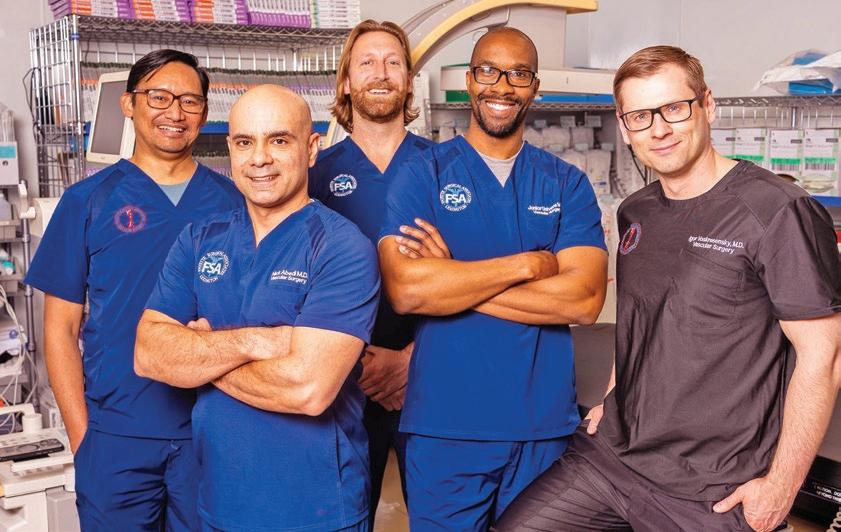
Members of Fayette Surgical Associates have formed a firm bond and an even stronger team
BY JIM KELSEY
LEXINGTON There is a saying that goes, “A man who works with his hands is a laborer; a man who works with his hands and his brain is a craftsman; but a man who works with his hands, and his brain, and his heart is an artist.”
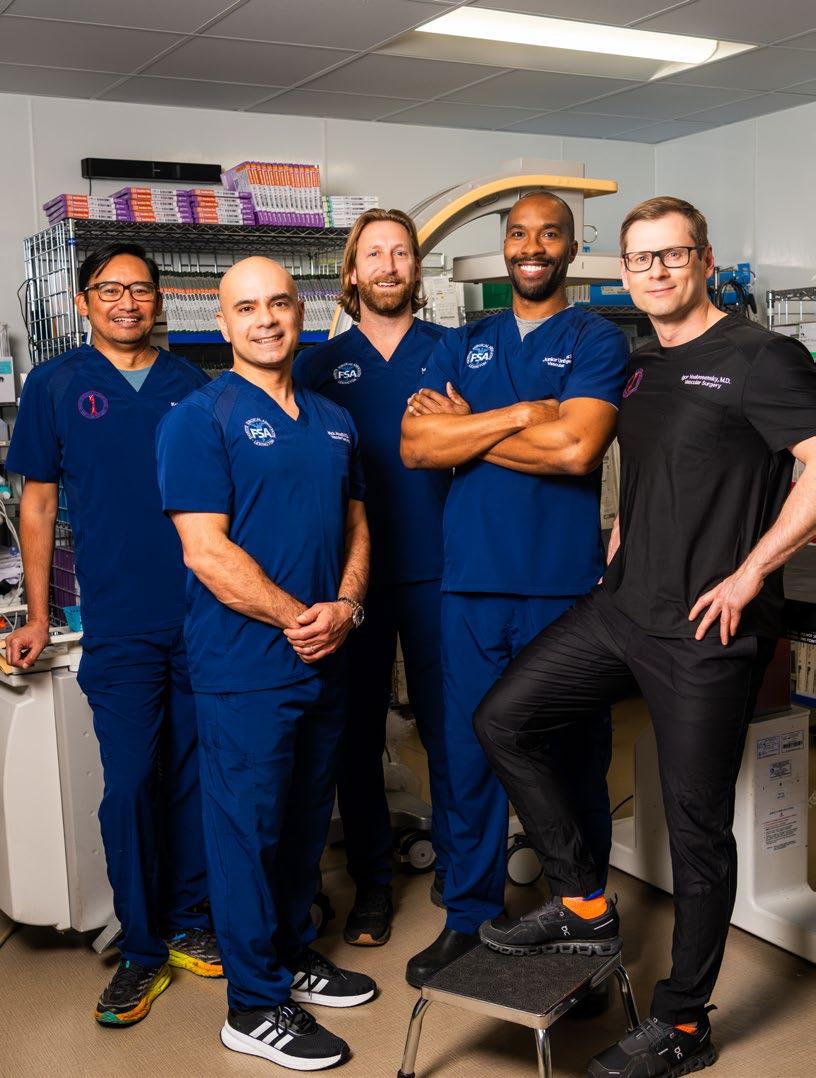
Five such men have recently come together at Fayette Surgical Associates (FSA), a full-service vascular surgical practice with three clinics, all equipped with vascular labs, a state-of-art vascular surgery center, and a prosthetics center. All are conveniently located in Lexington and Somerset, Kentucky. Much like the fingers on a hand, each of these five surgeons brings unique skills and assets, making the whole much greater than the sum of its parts.
Fayette Surgical Associates offers a full range of vascular surgery options including abdominal aortic aneurysm stenting (EVAR) and open repair; balloon angioplasty, stenting, and atherectomy of arterial lesions; operative bypass grafts and hybrid approaches; carotid artery stenting (TCAR); carotid endarterectomy; endovascular grafts and stents; mesenteric and renal artery interventions; and hemodialysis access.
FSA’s vascular surgery center performs peripheral arterial angiogram, atherectomy, angioplasty and stents; venogram and venous stenting; mesenteric artery angioplasty and stent; renal artery angioplasty and stent; dialysis access maintenance; IVC filter insertion and removal; port-a-cath placement and removal; permacath placement; endovenous ablation; microphlebectomy; chemical ablation of veins; and geniculate artery embolization.
FSA’s services also include cosmetically removing those varicose and spider veins.
The vascular lab department of FSA, led by medical director Igor Voskresensky, MD, RPVI, offers carotid artery duplex; upper extremity arterial and venous duplex; abdominal aortic duplex; mesenteric arterial duplex;
renal artery duplex; lower extremity arterial and venous duplex; and dialysis access duplex.
“By some divine intervention, the five of us have come together,” says FSA’s president Nick Abedi, MD, FACS, RPVI. “We all come from different backgrounds, and we really complement each other well. We all have different skill sets. We don’t compete against each other. We’re always there supporting one another, which in a surgery practice, is unheard of.”
The Private Practice Decision
Fayette Surgical Associates is a division of United Surgical Associates, (USA), a private entity that was founded in 1986 to take care of patients by working with local hospitals. From 2009 to 2020, Abedi was employed by Saint Joseph Health but worked in USA’s office, which included surgeons specializing in cardiothoracic, plastic, bariatric, and general surgeries.
“In 2019, most of the FSA members decided they were going to retire, so I had a tough choice,” Abedi says. “The employees whom I considered family members for all those years were either going to lose their jobs or I would have to leave my employment and take the lead and take over this private practice. And that’s what I decided to do.”
Abedi partnered with Voskresensky and Keith Menes, MD, to launch Fayette Surgical Associates. They purchased a building in 2019 and spent nine months renovating it before opening in April 2020, just as the pandemic hit. The pandemic resulted in lack of access to many necessary medical supplies and put on hold all non-urgent procedures. But, as the saying goes, necessity is the mother of invention.
For example, aortography with catheterization is generally performed by accessing the
femoral artery, which can be high-risk for complications and painful. The challenge presented by the pandemic became an opportunity.
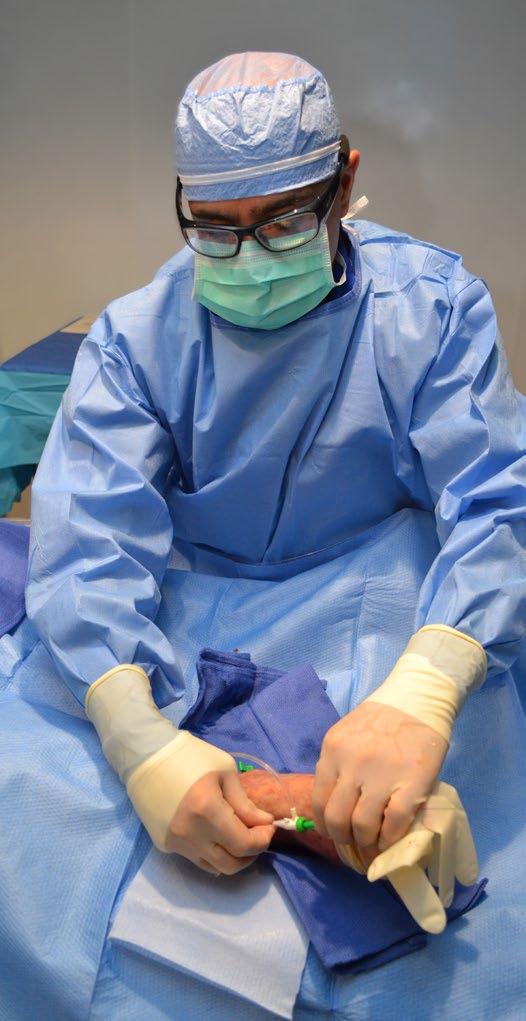
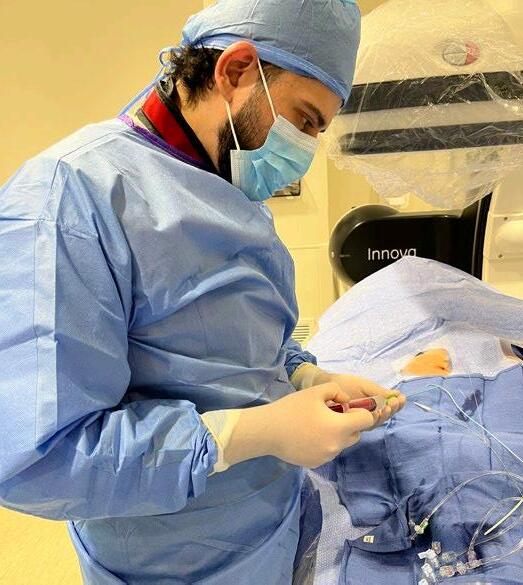
“Since I couldn’t get any IV sedatives, I had to make arterial catheterization as painless and as quick as possible for the patients to tolerate,” Abedi says. “I decided to see if we could access the small arteries around the ankle. It enabled me to use lidocaine to numb the insertion area with minimal sedation required. It’s more challenging to access, but not as painful for the patient, and a whole lot faster.” It not only reduces pain, but with pedal access there is also less radiation exposure, less contrast used, and lower sedation requirements. By changing the way the practice performed angiograms, the FSA surgeons were able to continue taking care of their patients during and beyond the pandemic. Abedi has since taught other vascular surgeons and cardiologists how to do the procedure via pedal access.
“When I was trained, it was thought that accessing the small arteries in the foot could possibly injure them and actually result in somebody losing their limb,” Abedi says. “But by using very small profile devices it can be done safely without vessel injury, and it has a much higher rate of successful intervention because you’re not running wires all the way from one extremity to the other.”
Abedi comes by his passion and skill for surgery naturally. He grew up in West Virginia. His father was a general surgeon, and his mother was an organic chemist. Abedi attended West Virginia University for both undergraduate and medical school. He fell in love with surgery and considered becoming a plastic surgeon before finding his calling as a vascular surgeon. He did his general surgery training at the University of Kentucky, with his first rotation being vascular surgery.
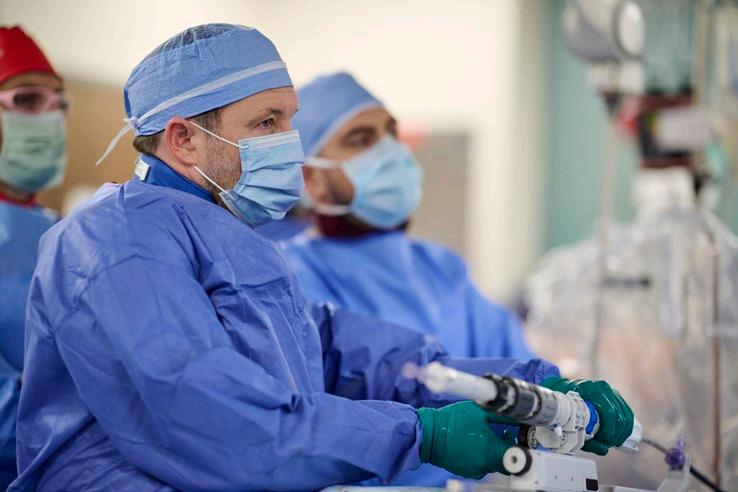
Using pedal access, Dr. Abedi accesses the small arteries around the ankle using lidocaine to numb the insertion area with minimal sedation required.
“I knew immediately, no matter how hard it was, I wanted to be a vascular surgeon,” Abedi says.
While he was certain about his career choice, little did Abedi know that he would end up in a practice with five like-minded vascular surgeons. Menes and Voskresensky, fellow founding partners of FSA, are still with the practice, which has since grown with the addition of Junior Univers, MD, RPVI, and Mark Iltis, DO.
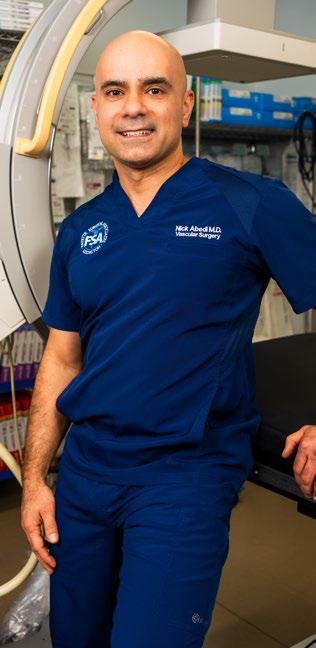
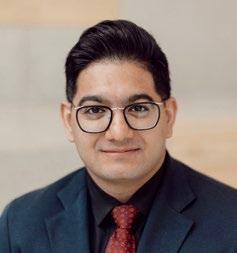
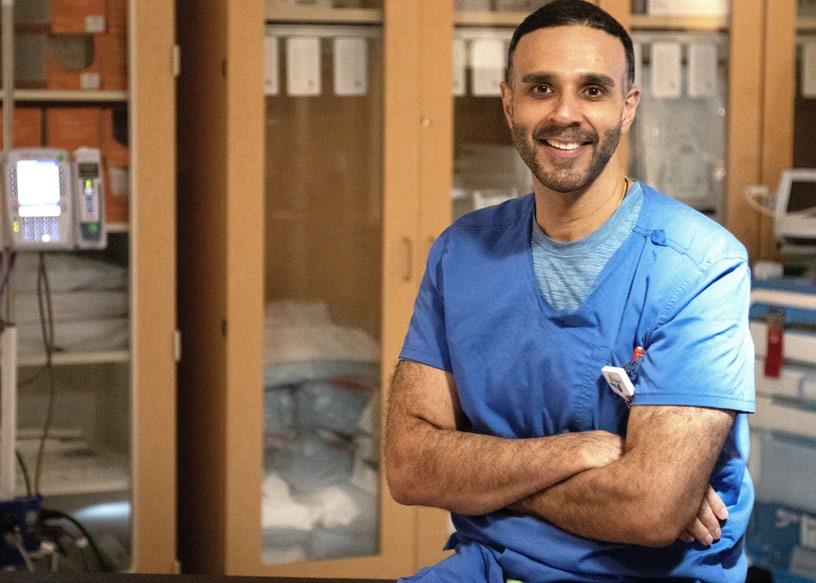
Nick Abedi, MD, FACS, rPvI, president of Fayette Surgical Associates.
PHotoS BY PAUL MArtIN AND GIL DUNN
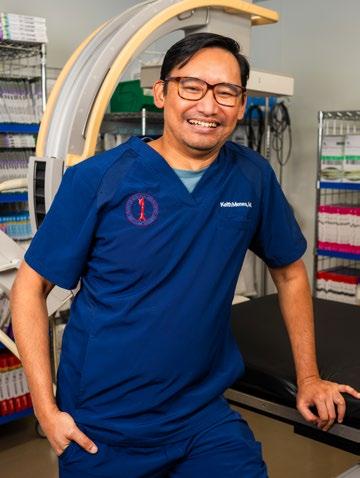
Introducing: Keith Menes, MD
As FSA transitioned in the post-COVID era, its trajectory was shaped not only by clinical innovation but by leadership grounded in collaboration. Among Abedi’s partners, Menes is quick to credit the stewardship that guided the practice through its formative years. “We’re really blessed that Dr. Abedi has the business acumen,” he reflects, “because of his negotiation skills and ability to anticipate the issues of private practice.” Menes stands out not only as a partner, but also as a clinician whose philosophy of care helped crystallize FSA’s identity: technically excellent, bold innovation, and deeply committed to longitudinal patient relationships.
Menes joined FSA in 2015, bringing with him not only technical skill but also an understanding of the demands of modern vascular practice. A native of southern California, he graduated from UCLA before earning his medical degree from Loma Linda University. He completed his general surgery residen-
cy at Swedish Medical Center in Seattle, Washington, and fellowship training at Henry Ford Hospital in Detroit. His credentials reflect rigorous preparation and a lifelong commitment to mastery in complex vascular disease management.
It was during residency that Menes recognized a fundamental shift needed in how we approach vascular pathology. “I saw that Americans were not getting healthier,” he recalls. “General surgery often addresses isolated events, whereas vascular surgery allows us to form true longitudinal partnerships with patients—preventing progression, managing chronic disease, and improving quality of life over years, not just moments.”
His practice reflects that philosophy. The majority of his patients—men and women, typically over 60—present with conditions driven by a familiar but powerful combination of genetic predisposition and modifiable risk factors: suboptimal nutrition, physical inactivity, and smoking. Menes is unequivocal about the physician’s responsibility here. “We have to make it clear that these risk factors are the real drivers,” he says. “A psychology course I took in college taught me a simple truth: intervene at the root of the problem and you solve it. Intervene only at the level of consequence and you never truly fix anything.”
the office.’ One of our physicians is always present, supported by our experienced PAs and dedicated staff. We routinely see patients the same day, complete necessary imaging and diagnostics, and either admit them or schedule definitive intervention—all within hours.”
This level of responsiveness inevitably creates demanding schedules, yet the practice thrives because of its collaborative culture. “We retain full autonomy in decision-making while leaning heavily on one another,” Menes notes. “Complex cases benefit enormously from real-time discussion among partners who share the same high standards. When a challenging procedure arises late at night, a quick group text identifies who can assist, and we get it done together. Because a team that trusts, is a team that triumphs.”
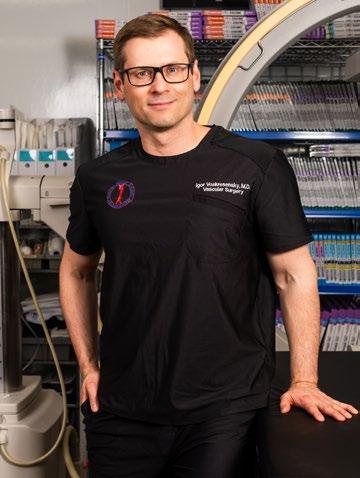
Meet Igor Voskresensky, MD, RPVI
That principle extends directly to how FSA operates. Accessibility is a structural pillar of the practice. “Referring providers frequently contact us saying, ‘I have a patient who urgently needs vascular evaluation,’” Menes explains. “Our answer is immediate: ‘Send them to
“Our practice is going well because the mentality of the group is very much centered on excellent care,” says Dr. V, as his patients call him, who was the third member to join FSA. “When you provide top notch care, you’re going to succeed regardless of the challenges.”
Born in Russia, Voskresensky moved to the United States at the age of 13 after his parents won a green card lottery. They settled in Lexington where he attended Henry Clay High School and then the University of Kentucky. He attended medical school at Vanderbilt University, where he also completed his general surgery residency and a twoyear research fellowship in vein graft injury. He went on to complete a vascular surgery fellowship at the University of Florida.
Voskresensky returned home to Lexington in 2017 to join FSA. “I told my mother I was going to be a surgeon when I was 12 years old, and here I am doing it 30 years later. There’s no other field in medicine that connects you to another human being the way surgery does. Vascular surgery not only does that, but also gives you a chance to be innovative and resourceful. It takes you between the highest of highs and lowest of lows. The greatest reward is when the patients do well, especially in the challenging situations.”
Voskresensky continues, “Our practice is
Keith Menes, MD.
very diverse; we treat a breadth of arterial and venous disease. It’s basically all blood vessels except the brain and the heart. We see many urgent and emergent consultations. What surprised me the most when I started here was the number of young patients with advanced vascular disease. I remember operating on a 38-year-old woman with a completely blocked aorta my first year as an attending surgeon. This is the biggest blood vessel in your body, and to have it happen in a patient that was my age was really shocking. Much of vascular disease and its complications are preventable. Our bodies don’t tell us when we decline a little at a time, they tell us when damage is excessive. I say to my patients, ‘It’s never too late to quit smoking, increase activity, improve your diet, to slow down this decline.’”
“I have seen different models of vascular surgery practices: academic, employed, and now private. We are our own bosses; we do what we think is right for our patients. We truly have a fantastic group here. We enjoy
operating together and helping each other in difficult situations. I hear from patients and staff about how great this team is, and it makes me proud and thankful,” says Voskresensky.
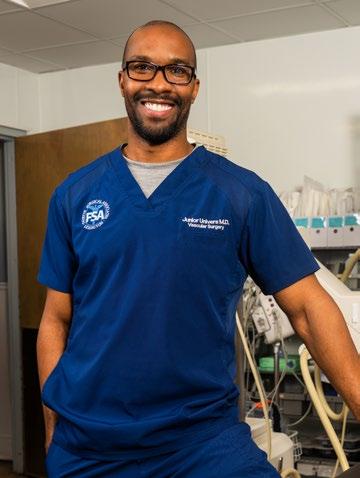
Meet Junior Univers, MD, RPVI
That team atmosphere was what drew Junior Univers to join FSA five years ago. After growing up in West Palm Beach, Florida, Univers attended the University of Florida and then went to medical school at Creighton University. He completed all his surgical training at the University of Tennessee. He started a vascular practice in a hospital in Colorado but realized he wanted something else.
“Through mutual colleagues, I got introduced to the vascular surgery group here,” Univers says. “It was guys my age, similar interests, and our views on what we wanted for the practice were just so similar that we had an instant connection. The way we treat each other around here is like family, just five brothers.”
Univers was also drawn to Lexington because of the lifestyles in the southeast and the resulting need for vascular surgeons in this region of the country.
“One of the main reasons I moved back was this is where you are going to be able to treat the most folks and have the biggest impact,” Univers says, noting the propensity for obesity, smoking, and other lifestyles that contribute to the high vascular pathology rates in the area.
“These are lifelong relationships we’re building. Each time I see a patient, I continue to press on the importance of healthy active living, weight loss, and most importantly, smoking cessation. Two of the big things we continue to preach and try to educate our patients on are the importance of smoking cessation and weight loss,” says Univers.
Univers notes that his patient population includes patients as young as 20-30 years old who have renal disease and need hemodialysis access. Patients in their 40s to 60s often present with peripheral arterial occlusive disease,
Igor voskresensky, MD, rPvI, medical director of FSA’s ultrasound department. Junior Univers, MD, rPvI.
while the senior patients are more apt to need treatment for aneurysmal and peripheral vascular disease.
“Vascular surgery is such a broad field that it’s never the same thing in clinic one day to the next. “Whether it’s from a history of hypertension, diabetes, high cholesterol, or history of smoking, this patient population will likely have multiple vascular pathologies that may need to be treated.”
The complexity and diversity of these cases make the teamwork and camaraderie at FSA that much more important and beneficial for the patients. The depth and diversity of the knowledge and expertise of the five vascular surgeons result in a team approach to diagnosing and treating the problem.
“One of the beautiful things about having partners that are like-minded and accessible is that I could see a patient and think of fixing a problem one way,” Univers says. “I send that problem out to the group, and you now have four other very skilled surgeons looking at that same problem, and you might get three, if not four, different other ways you can attack that same problem. Not only do you have your own background and knowledge to rely on, but you also have access, at a moment of notice, to four other skilled vascular surgeons as well. It allows you to look at situations from so many different angles, and you could tailor a surgical plan that is specifically tailored for that patient.”
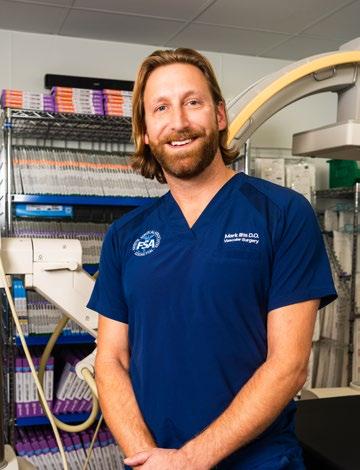
Meet Mark Iltis, DO
The team’s fifth vascular surgeon, Mark Iltis, DO, echoes the value of the team’s camaraderie and shared expertise. It was a vision of that type of setting that moved him to join FSA nearly four years ago.
“It was the private practice, the group of young, ambitious physicians that really inspired me,” Iltis says. “It just felt like a band of brothers.”
Iltis grew up in Sarasota, Florida, and attended the University of Central Florida before earning his master’s degree in medical science in human anatomy at the University of South Florida. He obtained his medical degree from Nova Southeastern University and completed his general surgery residen-
cy at the University of Tennessee in Memphis. He then completed his vascular surgery fellowship at the Baylor College of Medicine in Houston. His specialties include open and endovascular surgical treatment of diseases of the aorta, peripheral arterial system, and venous and carotid disease.
The diverse experiences and skillsets of FSA’s five vascular surgeons prepare them for the wide variety of cases presented to them. Similarly, referrals come from a range of sources, but most commonly from primary care and podiatrists.
Mark Iltis, Do
“The feet are where a lot of the problems will present themselves,” Iltis says. “The feet are the farthest away from your heart. As your blood vessels are diseased, those are the areas that are typically affected first.”
The flexibility and availability of referring to FSA, combined with the expert care patients receive, has formed the foundation for a successful practice.
“I truly believe that I have one of the most special and unique partnerships ever in the history of medicine,” Iltis says. “This job can be extremely stressful. All five of us have each other’s backs. It makes it very manageable. When you are off, you can be off. I know that my partners are all very good at what they do, and I would let them operate on me or my family. Just having that confidence in their ability to take care of people really lets you put your mind at ease.”
The Bond of Brothers
Few relationships match the power of the bond the FSA’s vascular surgeons have formed, but in its relatively short existence,
FSA has developed a powerful connection to the community it serves.
“I was on call, and I saw a gentleman that was near his ninth decade of life who had already had an endovascular repair of an aneurysm present with a ruptured aneurysm,” Abedi recalls. “A ruptured aneurysm carries about a 90% mortality. If it ruptures, you are going to bleed to death. Of the 10% that make it into the hospital, only about 50% of those make it out.
“I still remember that patient. He was in agony. His son calmed him down, and I operated on him. He survived, which is like winning the lottery when you are over 90. Well, here’s the interesting part of that. My son plays soccer and a few days later, he says, ‘Dad, did you know you saved the grandpa of one of my best friends on the soccer team?’ That brought what I do home to me. My kids got to see what I do. That was special to me.”
Experiences like these demonstrate the masterful work performed by the hands, brains, and hearts of the artistic vascular surgeons of Fayette Surgical Associates.
PHoto BY PAUL MArtIN
Expert Vascular Care
• Fellowship trained and board certified surgeons with 15+ years of experience.
• One-stop shop for scans and office appointments, usually on the same day.
• In-house prosthetics center.
• Open communication and collaboration with referring providers.
• Providers on call 24/7.
• Next day appointments always available.
What It Means To Be a Cardiovascular Scientist in Kentucky
At UK HealthCare cardiovascular and biomedical research bring tangible results to patients and families.
BY SHAYAN MOHAMMADMORADI, MS, PHD
LEXINGTON Most people in Kentucky don’t need a statistic to know that heart disease is a problem. They’ve lived it.
It’s the heart attack that didn’t wait for retirement. The stroke that turned a normal morning into a life-changing moment. The blood pressure medication that quietly became part of a daily routine. In the Commonwealth, cardiovascular disease isn’t something we talk about in theory; it’s something families carry with them, often for generations.
I am a cardiovascular scientist, and I do my work in Kentucky. That sometimes surprises people. When many imagine biomedical research, they picture it happening only on the coasts, in places far removed from everyday life. They imagine Kentucky as a place where heart disease is treated in clinics, not studied in laboratories. But that assumption misses something essential. Kentucky isn’t just a place where cardiovascular disease is common, it is a place where cardiovascular discovery is urgent, and where it can be uniquely impactful.
Heart disease remains the leading cause of death in Kentucky, with stroke close behind. The risk factors that drive these outcomes — high blood pressure, obesity, physical inactivity, smoking — are widespread. But they are not simply the result of individual choices. They reflect deeper realities: access to care, education, economic stress, food environments, and long-standing inequities. Behind every number is a family changed overnight, a community strained by preventable illness, and a health system asked to do more with less.
This is why cardiovascular research in Kentucky is not optional. It is a form of service. If we can make progress here, where
“I study cardiovascular disease in Kentucky because this is where the burden is real and where discovery can make the greatest difference” –Shayan Mohammadmoradi, MS, PhD
the burden is high and resources can be constrained, we can generate insights and solutions that travel far beyond state lines. Kentucky is not just a place that needs answers; it is a place that can help lead them.
Platelets: The Active Messengers
My own scientific work sits at the intersection of basic biology and real disease. I study how platelets, cells most people associate only with clotting, communicate with blood vessels and immune cells in ways that shape cardiovascular health. Platelets are often thought of as passive “band-aids,” but in reality, they are active messengers. Under stress, they release signals that can drive inflammation and changes in the vessel wall. That biology matters for common conditions like heart attacks and strokes, but also for less wellknown and often deadly events such as aortic aneurysms. At its core, my work is about asking practical questions. What happens early in disease? What warning signs appear before
symptoms? What parts of this biology can be measured, targeted, or changed safely? How do we move from discovery to prevention, not just treatment?
This is what people mean when they talk about “bench to bedside.” It is not a slogan; it’s a responsibility to ask whether today’s discovery will prevent tomorrow’s emergency. We use experimental models and advanced tools to understand mechanisms, but we never lose sight of the goal: fewer emergencies, fewer disabilities, and more years of healthy life. Working at a public university like the University of Kentucky (UK) shapes how you think about impact. The people who stand to benefit from our science are not an abstract population. They are our neighbors, the patients seen in Kentucky clinics, the families across the Commonwealth, and the communities reached through UK’s growing clinical and research partnerships.
From Labs to Communities
Science does not live only in laboratories. It lives in communities. That commitment is reflected not only in research, but in hands-on community impact across Kentucky. Organizations like the American Heart Association (AHA) help bridge the gap between science and local communities. Through local AHA initiatives, local fire departments in Lexington and Louisville are partnering to improve bystander CPR training, increasing the chances that someone survives a sudden cardiac arrest before help arrives. Programs like Libraries with Heart place blood pressure cuffs in rural libraries, making prevention accessible in places where healthcare access can be limited. Statewide CPR education and emergency cardiovascular care programs reinforce a simple truth: Saving lives begins long before someone reaches a hospital.
Being a scientist in Kentucky also means you are constantly reminded who you are working for. The patients are not faceless data points. They are people you see at the grocery store, at church, at the gym, or in your own family. That proximity creates a sense of responsibility that is hard to describe unless you live it. When you study cardiovascular disease here, urgency is built into the job.
Why Kentucky?
One of the reasons I chose to train and build my career at UK is the culture of mentorship. I did not arrive as a finished product. I arrived as a trainee, curious, driven, and still learning how to ask the right questions. What shaped me were mentors who invested deeply, not only in my experiments, but in my growth as a scientist and communicator. They taught rigor, integrity, collaboration, and the importance of keeping patients and communities at the center of discovery.
That mentorship culture is one of UK’s greatest strengths, and it often goes unseen. It is how universities like UK develop scientists who can operate locally and nationally at the same time, people who understand the realities of Kentucky while contributing meaningfully to conversations that shape cardiovascular research across the country. My work increasingly lives at that intersection. Alongside my research, I am involved nationally with the American Heart Association, including my role as an AHA science communicator. That role reflects something I believe deeply: Science that stays locked inside academic journals cannot reduce disease on its own.
The Role of the American Heart Association
The American Heart Association plays a critical role in turning science into action by bringing together researchers, clinicians, public health experts, and communities to set priorities, translate evidence into guidelines, and advance prevention. It supports research, educates the public, and works to ensure that advancements reach those who need them
most. For states like Kentucky, where the cardiovascular burden is high, that work is not optional; it is essential. As a science communicator, my responsibility is to bridge gaps, between scientists and clinicians, between research and real life, and between evidence and public understanding, especially in an era flooded with health misinformation that fuels confusion and skepticism. Importantly, this impact begins in our own communities. Through local events such as the Heart Ball and other fundraising efforts, the American Heart Association raises resources that are reinvested directly into research. Those funds become competitive grants that support investigators like me, helping discoveries made in Kentucky laboratories move forward and translate into better cardiovascular care for Kentuckians.
I also see advocacy as part of my scientific duty. Not advocacy tied to politics, but advocacy for clarity, honesty, and evidence. Trust in science is built when scientists show up as people, when we explain not just what we know, but how we know it, and what we are still working to understand. It is built when we listen, not just speak. And it is built when communities see scientists who care enough to engage beyond the lab.
That is why being visible as a scientist in Kentucky matters to me. I want students, trainees, and everyday Kentuckians to see that science is not distant or elitist. It is a career built on persistence, failure, mentorship, and teamwork. It involves talking to physicians about real patients, thinking carefully about how discoveries move from bench to bedside, and asking whether our work truly improves health.
Science Is Not a Straight Line
Kentucky has everything it needs to lead in cardiovascular health: strong clinical systems, dedicated researchers, national partnerships, and communities that stand to benefit enormously from prevention and early intervention. What we need is sustained investment, in research, in mentorship, in communication, and in trust. I am proud to do my science at the University of Kentucky. I am
proud to represent Kentucky through national work with the American Heart Association. And I am motivated by a simple belief: Places carrying the greatest burden of cardiovascular disease can also be the places that generate the most meaningful solutions.
Advocacy also means showing what the life of a scientist really looks like. It is not a straight line. It includes failed experiments, rejected grants, long nights, and moments of doubt. But it is also filled with discovery, collaboration, mentorship, and the quiet satisfaction of knowing that today’s work might protect someone’s health years down the road. When people see scientists as real people, neighbors, parents, mentors, it becomes easier to trust the process. Changing the story of heart disease in the Commonwealth will not happen overnight. It will not happen through a single discovery or policy. It will happen through sustained commitment, through education, prevention, mentorship, and honest dialogue.
If you are a clinician, I hope you see researchers as partners, not as people in a separate universe. Tell us what is failing in real practice. Tell us what your patients can’t access. Tell us what outcomes matter most. If you are a policymaker or community leader, I hope you view trust in science as infrastructure. The most elegant guideline means nothing if people don’t believe it, can’t afford it, or can’t reach it. And if you are a student or trainee, especially in Kentucky, consider this a personal invitation. We need you. Cardiovascular disease is the Commonwealth’s fight, and it will take a new generation of scientists, clinicians, educators, and communicators to win it.
I see my role as helping build those bridges, between science and society, between Kentucky and the nation, and ultimately between discovery and healthier lives, one experiment, one conversation, and one community at a time.
Shayan Mohammadmoradi is a senior post-doctoral fellow at the Saha Cardiovascular Research Center, University of Kentucky, and the lead science communicator of the American Heart Association. He can be reached at shayan.m.moradi@uky.edu
Finding a Home in Kentucky
Interventional cardiologist at Saint Joseph Health brings family legacy, specialized training, and passion to Central and Southeastern Kentucky
BY LIZ CAREY
LEXINGTON Moving to America to study medicine wasn’t an easy decision for Armaghan Soomro, MD, but it was one that allowed him to further his pursuit of excellence in cardiology.
Soomro grew up in Karachi, Pakistan, where he earned his Doctor of Medicine from Dow Medical College in Karachi, Pakistan, followed by an internship in medical and general surgery at Civil Hospital Karachi. He completed his internal medicine residency and a cardiovascular fellowship at Hofstra Northwell School of Medicine, Northwell Health- Staten Island, New York. He then pursued highly specialized training with an interventional cardiology fellowship at the University of Arkansas for Medical Sciences in Little Rock, Arkansas, and an advanced structural heart disease fellowship at Oregon Health Sciences University in Portland, Oregon.
Now a cardiologist specializing in general and interventional cardiology at the Saint Joseph Medical Group in Lexington, a mem-
ber of CommonSpirit, Soomro feels he has found a home. He holds multiple prestigious certifications and is proficient in a wide variety of transcatheter procedures like TAVR, MitraClip/TEER, Watchman, and complex PCI, including CTOs, as well as peripheral vascular interventions for PAD and limb salvage, which allows him to provide cutting-edge, evidence-based care while exhibiting procedural excellence to ensure positive patient outcomes.
That pursuit of excellence is what drew him to study in the United States.
“Wanting to excel and get more advanced training was something that always lingered in my mind, and I realized that I was limited in my opportunities in Pakistan. Therefore, weighing out my options, I decided to pursue advanced training in America,” he says. “Nevertheless, it did not in any way change the fact that this was a difficult decision. Fortunately, I had traveled enough in my life earlier and was quite comfortable coming to
the US. I adapted and acclimatized better and faster than many other people may have.”
Medicine Was the Family Business
The son of two doctors, Soomro says he was influenced by his mother’s career as a cardiologist. His father was an acclaimed orthopedic surgeon in Pakistan as well. Their careers and their passion for medicine pushed him to enter the field of cardiology.
“My mother encouraged me and felt that I had potential in medicine,” he says. “If I did not have those parents, I don’t think I would have known this profession as well and may have never pursued this.”
His decision to do interventional cardiology also came from a desire to have a more “dynamic” specialty.
“I wanted to do cardiothoracic surgery initially,” he says, “but when I did cardiothoracic surgery rotations, I was not as excited about surgery. At that point, I realized that interventional cardiology was something that
Armaghan Soomro, MD, interventional cardiologist at the Saint Joseph Medical Group in Lexington, a member of CommonSpirit.
interested me because it had an array of patient care and outpatient care. It was much more dynamic than surgery.”
KY Bluegrass. Family Friendly. Patient Intensive.
Watching transcatheter heart valve procedures such as TAVR, as well as considering the future they could provide patients, was difficult to ignore. Having shadowed his mother’s practice, he knew what kinds of changes the procedures foretold. Soomro joined CommonSpirit while he was doing his fellowship in Oregon and began working with the Saint Joseph cardiology team in Kentucky in September 2025.
“Lexington is a great city,” he says. “I didn’t know much about it prior to coming in here, but I’ve found that it has a lot to offer, both socially and recreationally. It’s a vibrant town. I have a young daughter. It’s a very family-friendly city and offers of lot of activities for us as a family.”
But Kentucky provides challenges as well in treating cardiology patients, he says. The prevalence of heart disease in the state is already becoming clear to him.
“I’ve seen enough to understand that the spectrum of cardiac disease that we have is extremely advanced, extremely challenging,” he says. “In addition, we have some patients who are challenged socio-economically and educationally, and that adds to the complexity.”
The key, he says, is to spend time with patients and educate them so cardiologists can find the best treatment options for them.
“I believe in having a patient-physician partnership, as opposed to dictating what my plan is. I want patients to have buy-in and understanding, because these are very challenging and advanced procedures that we do,” he says. “We want them to understand the challenges that we deal with, and at times we have to come up with creative plans in order to best serve our patients and give them the treatment they deserve and require.”
Have Medicine. Will Travel.
Because he deals with a wide variety of cardiac issues, Soomro’s patient profile changes.
Generally, his patient population is age 50 plus and more likely to be male than female. While the practice does both inpatient and outpatient services, much of his patient population tends to come from the southern part of the state. That sometimes requires that he travels to them, instead of them coming to him.
While his practice is just getting started, he envisions doing more outreach in rural parts of the state. In those cases, Soomro says he will be traveling to ares where he can assess and understand rural patients and bring them care closer to their homes.
“In some of the procedures I do, patients are in a much more advanced stage, so it poses an extra challenge for them to make their way from home, which may be several hours driving each way,” he says. “If you imagine doing four or five hours of driving back and forth just to see a doctor, it can get extremely challenging for these elderly patients and they don’t always have the resources for that.”
Even though he is just starting out, he is already making some strides toward bringing cardiology care to more rural areas of the state.
“I’ve made my way to London already, and I’m planning to meet colleagues in other parts of the state in our other facilities,” he says. “We have a very collaborative and collegial relationship. We’ve started collaborative meetings to engage, understand, and empower our patients, as well as to empower providers in the rural settings that they are in to give them a resource to refer their patients to.”
Those relationships can help introduce some of the newer techniques and treatments to patients who may need them.
The Saint Joseph Health Structural Heart Program
“Structural heart disease is a unique field because it has a combination of several things — new imaging, new devices, advanced interventional techniques — and that is what makes the field exciting and challenging for me,” Soomro says.
Among the new devices coming onto the market soon are commercial therapies for aortic valve regurgitation, mitral valve replacement procedures, and tricuspid valve clips, among others. Bringing those new devices
and therapies to the Bluegrass is something Soomro says is a priority for him.
“All of these are being utilized now on a national level, and we will get them into our system in the near future,” he says. “Cardiac CT has also advanced further. We are developing a comprehensive cardiac CT program, which is used not only for structural work, but also for other cardiac procedures, interventional procedures, coronary PCI procedures, and CT surgery procedures. These are the things we are discussing and developing further so that we can serve our patients in a better manner with excellent patient care for them.”
Looking Back and Forward
Soomro’s love for cardiology came not only from his mother, but from a desire to be on the cutting edge of cardiac intervention.
“When I was in medical college, transcatheter heart valves and TAVR were just coming in. I remember seeing them and being amazed. I felt that the future was so bright, it was very difficult to ignore, and it really piqued my interest,” he says.
For now, the future of cardiology is in his hands as he works on the wide array of patients presented to him in the Kentuckiana region. And, he says, he’s excited to be a part of that.
“There’s a lot of growth in cardiology being done in the region, especially at Saint Joseph Health. That was something I was excited to be a part of and grow myself, as well as the program,” he says. “I’m also involved in some active leadership decision-making with the cardiology division, especially in structural heart. That was something that excited me. So, the combination of the clinical administrative and the growth aspects of the program is something that I felt was a great opportunity.”
Joseph Medical Group 1401
Saint
Innovation at Norton Heart & Vascular Institute
D. Sean Stewart, MD, manages a complicated combination of clinical care and programmatic advancements to improve cardiovascular care across Kentuckiana.
BY SHELLEY ROBERTS BENDALL
LOUISVILLE The Norton Heart & Vascular Institute strives to be the regional leader in the provision of cardiovascular care. As the System Director for Interventional and Structural Cardiology for Norton Healthcare in Louisville, D. Sean Stewart, MD, merges the needs of patients seen in clinic with cutting edge diagnostic and therapeutic modalities to achieve that goal.
The son of a Louisville neonatologist, Dan L. Stewart, MD, the younger Dr. Stewart has known since eighth grade that he wanted
to be a physician within the cardiovascular space. After graduating from Ballard High School, he attended Vanderbilt University and returned home to the University of Louisville for medical school.
During Stewart’s college days, his grandfather, who lived in eastern Kentucky, suffered a heart attack. Stewart noticed the quality of care his grandfather received was not as comprehensive as what he would have received in Louisville. Stewart’s father Dan, advocated for his grandfather to be transferred to Louisville, where he received a coronary artery bypass grafting procedure that ultimately saved his
life. Sean Stewart believes that, without that advocacy, his grandfather’s outcome would not have been a positive one. “I think that was part of the genesis for my passion for cardiovascular medicine and I’ve never drifted away from that focus,” he says.
After a residency in internal medicine at the Medical University of South Carolina, Stewart completed a cardiology fellowship at the University of Louisville. He then completed an additional year of advanced fellowship training in interventional cardiology at the University of Connecticut. Stewart returned to Louisville in 2010 and ultimately
PHOTOS BY JAMIE RHODES, NORTON HEALTHCARE
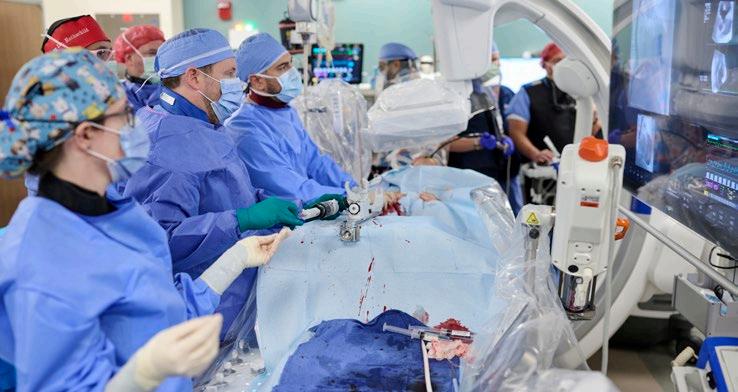
Dr. Sean Stewart performs a transcatheter tricuspid heart valve replacement.
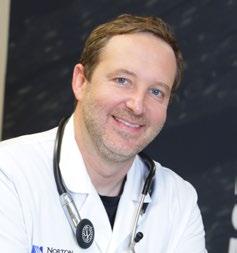
D. Sean Stewart, MD, interventional cardiologist and system medical director, interventional and structural cardiology, Norton Heart & Vascular Institute.
joined Norton Healthcare in 2015, where he is entering his 11th year with the Heart & Vascular Institute.
Connecting With Patients Is Essential
A week in Stewart’s professional life is a combination of seeing patients in the office, performing complex coronary and structural procedures, and helping to build Norton Healthcare’s interventional and structural programs.
On clinical days, Stewart meets with patients to obtain a comprehensive review of their health history, garnering a keen understanding of their current problems, and formulating a plan of care to achieve their goals.
“I think two of our program’s strongest attributes are our transparency and honesty. I truly pride myself on being a fiduciary to the patients that we treat. I am proud to say that our program has never strayed from that principle,” says Stewart.
Though he sees patients that range in age from 18 to over 100 years of age, the majority of his patients are older baby boomers. The population, in general, is living longer and thus developing more cardiovascular problems, including both coronary and valvular issues. Because they are older, these patients often do not do as well with traditional open-
heart surgery. As such, Stewart has pursued the attainment of aggressive therapies to treat these patients with minimally invasive techniques.
Growing the Structural Program
Transcatheter aortic valve replacement, TAVR, has advanced rapidly since first becoming commercially available in 2011. By 2016, the number of transcatheter aortic valve replacements outpaced surgical aortic valve replacement. Under Stewart’s direction, Norton Healthcare has increased the volume of this procedure rapidly, now leading the state in the total number of these procedures performed annually.
“With this success, we started to look at options to repair or replace some of the other cardiac valves in a minimally invasive manner,” Stewart says. “We have now been able to repair or replace many other cardiac valves via minimally invasive techniques.”
One advancement in structural cardiology that is particularly exciting for Stewart is the Edwards EVOQUE transcatheter tricuspid valve replacement. Stewart sees a significant number of patients with leaky tricuspid valves who would benefit from repair or replacement but are not ideal candidates for the other procedures currently available to do so.
“And that is where, to me, EVOQUE is so exciting. EVOQUE is the first commercially available non-aortic percutaneous valve replacement in patients without a previous surgical procedure. I am thrilled that our team at Norton Healthcare is the first in the state to implant it,” he says.
“What this does is help us treat patients more effectively that have severe tricuspid regurgitation, who often have significant symptoms of fatigue and shortness of breath. That’s a big deal for our community and really impacts quality of life.”
EVOQUE is not the only new technology Stewart is excited to bring to the community. He is looking forward to a commercially available mitral valve replacement, projected to be available later this year. “I’m excited about a potential percutaneous mitral valve replacement that is based on the EVOQUE platform. We have a lot of patients that I think would really benefit from a percutaneous mitral valve replacement, because they’re not candidates for a transcatheter edge-to-edge repair and they’re not optimal surgical candidates because of their age or other medical issues,” he says.
Regardless, Stewart encourages earlier referral of those patients with significant valvular issues to a multi-disciplinary structural
Norton Heart & Vascular Institute specialists perform a first-of-its-kind transcatheter tricuspid heart valve replacement.
heart clinic, like the one offered at Norton Healthcare. “Earlier referrals remain of paramount importance. This tends to afford patients more treatment options and usually, better outcomes,” says Stewart.
Importance of Aggressive Medical Therapy
A popular misconception that Stewart encounters is that “People think that the predominance of coronary artery disease comes from the fact that they eat poorly. The vast majority of this is genetics. It’s not so much how you eat, although it does have some effect, but it’s how your body processes and deals with cholesterol.”
“Diet and exercise are important, and we don’t want to discourage people from looking after themselves in general,” Stewart says, but he believes “We need to focus more on trying to get people on aggressive medical therapies and, potentially even evaluating them earlier
for coronary artery disease.” Stewart notes that the new guidelines for cholesterol management dictate lower targets for bad cholesterol. He also notes the importance of optimal blood pressure control and the need for monitoring for other contributory conditions to coronary artery disease, such as diabetes and tobacco use.
To assist in those early interventions, Norton Healthcare has established both metabolic and hypertension clinics. Norton Healthcare has also expanded its utilization of coronary computed tomography scans to allow for more accurate and potentially earlier detection of coronary artery disease via a minimally invasive approach.
Restoring Quality of Life
Likewise, some patients with known coronary artery disease have been told that nothing can be done to fix it. Similar opinions have also been rendered to patients in the structural space as well. Stewart encourages
many of these patients to seek second opinions. “I am glad that I have been able to help many of these patients with more complex coronary and structural issues,” Stewart says.
For example, Stewart remembers a gentleman with a complicated cardiac history who had sought treatment at multiple centers throughout the region but had been unable to find anyone who could help him. Luckily, he connected with Stewart, and after a complex coronary procedure, went from being debilitated with angina to being able to perform all his activities again.
Stewart says, “It was truly rewarding to be able to give him a quality of life back.”
Stewart and Norton Healthcare are proud to work with and provide options for patients to achieve their health goals. “I think we really strive to make sure that we are doing the right thing for our patients,” says Stewart. “I’m extremely honored to work for Norton Healthcare; we seem to have the right moral compass as an institution.”
Kentucky’s LEADER in heart care
• Recognized by USNWR as high performing in chronic obstructive pulmonary disease (COPD), heart bypass surgery and pacemaker implantation
• Highest survival rate in the nation for ECMO interventions treating heart failure
• Among the highest survival rate in the nation for cardiogenic shock to treat heart failure
• First and only in Kentucky to offer renal denervation, a minimally invasive procedure to treat resistant hypertension
• First and only in Kentucky to perform minimally invasive transcatheter tricuspid heart valve replacement
• First in Louisville to implant a dual-chamber leadless pacemaker
• First in Louisville to use PASCAL and MitraClip to replace and repair heart valves
• First in Louisville to offer CathWorks FFRangio® System, a minimally invasive procedure used to treat clogged arteries and advanced heart disease
When it comes to heart and vascular care, we stop at nothing to get your patients the advanced care they need.
To make an appointment or refer a patient, call (502) 446-6484 (NHVI) or visit NortonEpicLink.com.
Bringing Them Back From the Brink
Pulmonary embolisms and high-risk patients at the UofL Health Cardiac Cath Lab
BY LIZ CAREY
LOUISVILLE One of the biggest misconceptions that interventional cardiologists face is that any patient visit to them will result in a stent, says Yuvraj Chowdhury, MD,
“My job isn’t just to open arteries — it’s to understand when and why intervention is needed, and when a patient is better served by medical therapy or lifestyle change.”
Chowdhury, an interventional cardiologist at UofL Health, and director of the cardiac cath lab, says, “I’m trained not only in complex coronary interventions, but also in noninvasive cardiology, including nuclear cardiology, and echocardiography. That background allows me to see the whole picture before ever reaching for a catheter. I also believe deeply in the power of prevention. A large part of what I do involves helping patients understand their disease, modify risk factors, and take ownership of their heart health. Because the best procedure is the one you never need — and empowering patients to avoid that path is just as rewarding as performing a successful intervention.”
Chowdhury grew up in India, in a town at the foothills of the Himalayas. After attending Bharati Vidyapeeth Deemed University Medical College to obtain his bachelor’s degree in medicine and surgery, he did his internal medicine residency at St. Peter’s University Hospital, Rutgers-Robert Wood Johnson Medical School.
“I was fortunate to receive the Maulana Azad national scholarship, which was awarded to me by the President of India,” he says. “That recognition really set me on the path that would eventually lead me halfway around the world. After earning my degree in India, I came to the United States to further my training.”
At St. Peter’s, he served as chief resident. From there he completed a fellowship in cardiovascular medicine at State University of New York where he was elected chief fellow. This
was followed by a fellowship in Interventional Cardiology at the University of Massachusetts in Worcester, where he specialized in complex cardiology interventions, mechanical circulatory support, advanced pulmonary embolism interventions, and interventional management of advanced cardiogenic shock.
All in the Family
Now at UofL Health, Chowdhury specializes in treating patients with coronary artery disease as well as patients with pulmonary embolisms. Apart from placing stents, he’s treating patients by removing clots from their lungs and using percutaneous techniques to close PFOs or “holes in the heart.”
“I take care of the sickest of the sick,” he says. “It is a privilege of bringing people back from the brink.”
Treating patients with cardiac issues is personal for Chowdhury. Not only is medicine something that runs in the family, but cardiovascular health issues took his grandfather. Chowdhury’s wife, Mrin Shetty, MD, is an advanced multi-modality imaging cardiologist and director of the Women’s Heart Program at UofL Health. Chowdhury’s father-in-law is a
renowned cardiac surgeon in Mumbai whose work has inspired a generation of young surgeons. His great-grandfather was also a physician and is known for his work on snake venom research in India.
Choosing cardiology as a specialty came from his experiences watching his father deal with heart disease and his grandfather deal with a stroke.
“I think those experiences introduced me to the fragility of the cardiovascular system long before I ever even stepped into a cath lab,” he says. “Those experiences made the science deeply human for me. That’s why every case still feels so personal. In training, I discovered that I thrived in an environment where precision meets pressure, where the outcome hinges on timing, skill, and calm decision-making.”
Seconds Matter in the Cath Lab
A fascination with the intricacies of hemodynamics and how subtle shifts in flow resistance can have impacts on a patient’s health led to his career in the cath lab where, he says, doctors can turn physiology around in real time.
“Advanced mechanical circulatory support and device innovation became extensions of that passion, allowing me to guide the course of management for our patients in cardiogenic shock due to massive myocardial infarction, where seconds really matter,” he says. “The same mindset extends to my interest in pulmonary embolism intervention. It’s another time-sensitive, life threatening scenario where endovascular expertise can be the difference between survival and loss.”
Chowdhury and his wife joined UofL Health in 2023, largely because of the program’s potential to grow, he says. The facility serves as the focal point of heart care in the region, which allows him to best use his skills in complex coronary interventions and pulmonary embolism therapies.
Yuvraj Chowdhury, MD, interventional cardiologist and director of the cardiac cath lab at UofL Health.
PHOTOS BY CHRISTINA KERN
“Here we are not just performing procedures, we are building a regional hub for advanced cardiovascular care capable of treating the sickest patient. I think those things really drew both of us,” he says.
A High-Risk Patient Population
Most of his patients are middle aged and older, but there are quite a few younger adults that he sees. The patient population is diverse and ranges from those with advanced coronary disease to those with adult congenital heart disease. He has a reputation for taking on highrisk patients that others might turn away. Increasingly, he says, the practice is caring for patients with complex coronary disease and pulmonary embolism that are referred to the practice from hospitals around Kentucky and southern Indiana.
“They’re often critically ill patients, and with timely catheter directed interventions, we are able to restore circulation and prevent
long-term complications,” he says.
“This is an incredibly exciting time for interventional cardiology. We’re moving from a one-size-fits-all approach to truly precision-guided care,” he says. “Advances in intracoronary imaging now allow us to see the vessel in microscopic detail and tailor every stent to the patient’s individual artery. That really has improved outcomes and the longevity of these stents.”
“With mechanical circulatory support, we can now safely perform complex interventions in the sickest hearts — providing temporary support without opening the chest or placing patients on heart-lung bypass. It’s changed what’s possible for those once considered too high risk.”
And as we start to see a second wave of patients with blocked prior stents, drug-coated balloons are an elegant solution, allowing us to recanalize arteries without adding new metal, restoring flow and durability with less long-term risk.
While coronary interventions are the cardiologist’s bread and butter, Chowdhury says, other treatments, like pulmonary embolism intervention and micro-vascular dysfunction testing, can be just as lifesaving.
“Pulmonary embolism intervention is something I’m doing more and more of, as awareness around it is increasing,” he says. “We have developed a highly effective protocol in collaboration with vascular surgery, interventional radiology, the ER, and the critical care unit for the management of these conditions. Treatment options vary by severity but also specialty. Many can be managed with blood thinners, but high acuity patients require invasive interventions, and that can include extracting that clot from a blocked artery in the lungs to restore circulation, potentially saving their life, or infusing clot busting medication directly into the arteries where the clot is, thereby restoring flow.”
Restoring Quality of Life
Pulmonary embolism disproportionately affects women and does not spare the young. Interventional approaches to treat this can stave off long-term complications.
“For a lot of young people, it preserves their quality of life, where they’re able to live a robust life — go for a hike, enjoy time outdoors. And to do those things without functional limitations. In the past, we were just managing with medications and not achieving the same results.”
“There’s nothing like watching a patient go from critical to stable because of something you did with your own hands and heart. That’s what keeps me showing up - not the titles, not the technology, but the privilege to restore life when it’s slipping away. I think that’s my strongest why,” he says.
“A lot of times I meet these people at their weakest moment. There’s a family out there waiting; they’re distraught; they don’t know what the next couple of hours are going to look like. But once the dust settles, and health is restored, you get to go in and restore hope… it’s such a beautiful feeling to wrap up your day like that, to have made that difference, to have changed a life, to change the entire trajectory of what could have happened.”
Dr. Yuvraj Chowdhury performs a procedure in the cath lab at UofL Health - Jewish Hospital.
Bringing Down the Pressure
Minimally invasive hypertension technology is now at Harrison Memorial Hospital
CYNTHIANA Harrison Memorial Hospital (HMH) is offering a new renal denervation (RDN) procedure for patients with hypertension that remains difficult to control. HMH was the first hospital in Central Kentucky to offer the new procedure.
Approved by the US Food and Drug Administration in November 2023, the Symplicity Spyral™ renal denervation (RDN) system is designed to help reduce blood pressure by targeting overactive nerves near the kidneys that contribute to hypertension.
“Bringing advanced cardiovascular care to our community is a priority for Harrison Memorial Hospital,” says Kathy Tussey, HMH chief executive officer. “We are proud to be the first hospital in the region to offer the Symplicity blood pressure procedure, performed by Dr. Matthew Shotwell. This innovative therapy reflects our commitment to providing patients with access to the latest evidence-based treatments close to home.”
Also known as the Symplicity™ blood pressure procedure, RDN is approved as an adjunctive treatment for patients whose blood pressure is not adequately controlled with lifestyle changes and antihypertensive medications alone. The procedure does not replace medication or lifestyle modifications but works alongside them to help achieve improved blood pressure control.
Hypertension is the single largest contributor to death worldwide and affects approximately 50% of U.S. adults. Among adults who are aware they have high blood pressure, nearly 80% do not have it under control. Uncontrolled hypertension
significantly increases the risk of heart attack, stroke, kidney disease, and other serious health complications.
The Symplicity blood pressure procedure has been clinically proven to help reduce blood pressure, which can lower the risk of serious cardiovascular events. During the procedure, performed under mild sedation, a physician inserts a very thin catheter through an artery leading to the kidneys. Controlled energy is then delivered to calm the excessive nerve activity contributing to high blood pressure. The catheter is removed at the end of the procedure, leaving no permanent implant behind. The procedure is performed at Harrison Memorial Hospital by Matthew Shotwell, MD, interventional cardiologist.
“High blood pressure is one of the most common and challenging conditions we treat, and for many patients, medications and lifestyle changes alone simply aren’t enough,” says Shotwell. “Renal denervation offers a new option for carefully selected patients by addressing one of the underlying drivers of hypertension. This procedure provides consistent blood pressure reduction without the need for an implant, and we are excited to offer this advanced treatment to patients in our region.”
At HMH, patient evaluations for renal denervation are led by Yaz Daaboul, MD, along with advanced practice providers in the HMH Cardiology Clinic. This care team works collaboratively to assess each patient and determine whether the blood pressure procedure is an appropriate treatment option. Shotwell then performs the procedure itself.
Matthew Shotwell, MD, and Yaz Daaboul, MD, at Harrison Memorial Hospital.
PHOTO
When Talking About It Doesn’t Help
Why sharing your feelings can backfire— and how to avoid the co-rumination trap
BY JAN ANDERSON, PSYD, LPCC
WE’VE BEEN TOLD for a long time that talking about our feelings is healthy. Vent.
Get it out.
Don’t bottle it up.
So, it can feel almost heretical to say this—but it’s true:
Sharing your feelings doesn’t always help. Sometimes, it actually makes you feel worse. Not because emotions are bad. Not because support doesn’t matter.
Because it’s not just talking that matters—it’s what happens next.
Rumination: When Your Mind Gets Stuck on Repeat
Rumination is what happens when your mind keeps replaying the same problem or feeling, hoping that thinking harder will finally bring relief—while quietly making you feel worse. It’s not reflection. It’s not problem-solving. It’s your brain stuck in replay mode—running the same scene, over and over, without moving the story forward.
Dr. Jan shorthand:
Rumination is replay without resolution.
Telltale signs:
• The same thoughts, the same conclusions, the same ending
• A tight emotional close-up with no zooming out
• A familiar false promise: “If I replay this enough times, something will finally click.”
The hardest part is that you may not realize you’re ruminating—it feels like you’re figuring something out.
Co-rumination: When Connection Keeps You Stuck
Co-rumination is replay mode with an audience.
It’s when two or more people keep re-running the same story—what happened, what was said, how unfair it felt—creating closeness around the distress without changing where the story is headed.
Why it feels good at first:
• Someone else is watching the tape with you
• You feel understood, validated, less alone
• The connection deepens in the moment
Why it quietly backfires:
• The story gets replayed, not reframed
• Emotional volume goes up, not down
• You leave feeling closer—but no freer
The questions keep coming, the story keeps replaying, and the emotional volume gets stuck.
“But I thought talking about feelings was healthy?”
This is usually where clients stop me short.
Are You Reflecting—or Co-Ruminating?
You might be drifting into co-rumination if:
The same story keeps getting retold with no new insight
Emotional intensity rises instead of settling
You feel closer afterward—but not clearer
The conversation stays focused on what happened, not what helps next
A helpful pivot question—whether you’re talking to someone else or to yourself:
“Is this helping me widen my perspective—or just replay the scene?”
If it’s the latter, it may be time to pause, steady, and gently shift the conversation.
Me: Sharing your feelings doesn’t always help.
Client (incredulous): What
Me: Sometimes sharing your feelings can actually make you feel worse
Client: That doesn’t make sense. I thought venting our emotions was supposed to help you feel better. What about the tend-and-befriend stress response, where we seek out others for support when we’re under threat?
We’re not wrong to be confused. Popular culture tells us that expressing our emotions is healthy and good for us. And this isn’t just a trendy, modern idea. Aristotle first suggested that emotional expression brings relief. Freud later jumped on the bandwagon big time and reinforced the belief that talking things through is inherently therapeutic.
But research tells a more nuanced story. Studies following 9/11 and the shootings at Virginia Tech and Northern Illinois found something deeply counterintuitive: people who shared the most about their thoughts and feelings often experienced higher levels of ongoing distress and poorer physical health than those who shared less.
And similar patterns show up well beyond large-scale trauma.
So what gives?
Are we supposed to isolate?
Handle it alone?
Swallow our feelings?
No. And this is where the conversation usually goes off track.
How Talking Goes Wrong (Without Anyone Meaning It To)
Seeking others out when we’re distressed does help us feel safer and more connected—at least at first. That part works.
The problem is what happens next.
With the best of intentions, support can slide into:
• retelling the story
• revisiting the details
• re-experiencing the emotional surge
Instead of helping someone recover, we can end up encouraging them to relive—and sometimes even re-traumatize—the experience.
It’s subtle. All you’re trying to do is be caring and supportive. Let the person talk about their feelings. Let off steam.
But what if our intricately complicated human brains don’t work exactly like an efficient hydraulic system?
In our human complexity, letting off steam doesn’t always relieve the pressure building inside.
The Distinction That Changes Everything
Here’s the distinction I find myself making in my own conversations with clients, and just about anybody else, again and again:
Rumination asks: Why does this feel so bad, and why am I stuck watching this again?
Co-rumination asks: Can we keep replaying this together a little longer?
Healthy reflection asks: What matters most here—and what’s the next step I can take?
The first two keep us watching instead of choosing.
That’s why—despite its enormous potential to help—talking about emotions can backfire.
What Actually Helps: Validation and Perspective
When you’re under stress or feeling threatened, your brain first prioritizes emotional needs. Feelings come first. That’s why being able to talk about your distress matters—at least initially. Effective support does two things:
• It helps you feel understood
• It helps you step back from the emotional close-up Validation matters. Full stop. But validation alone doesn’t change the channel.
What helps is someone who can sit with you—and then help you zoom out—turning down the emotional volume so thinking can widen. Now you’re in a position to take perspective. You can start reframing and problem-solving.
Connection without movement keeps us stuck. Perspective creates traction.
A Surprising Model That Gets This Right
It even works in high-stakes conversations like hostage negotiations. NYPD hostage negotiators saw an immediate drop in bad outcomes
when they adopted a breakthrough approach developed by police officer and clinical psychologist Harvey Schlossberg.
Listening empathy rapport influence behavior change
This progression works not because it’s dramatic, but because people can’t think or choose clearly until things feel steady—even in extreme situations.
Listening and empathy come first. They help emotions settle. They create enough stability for perspective to return.
Only after that does influence make sense. Only then does behavior change become possible. You don’t jump to solutions first. But you also don’t stay in empathy forever.
Support should help you steady first and think better—not just feel understood.
A Simple Gut-check You Can Use Right Away
Whether you’re seeking support or offering it, ask:
• Is this conversation helping me gain distance—or just replay the scene?
• After feeling understood, do I feel more capable—or simply more emotionally activated?
If talking doesn’t widen your options or calm your nervous system, you’re probably stuck in replay mode—alone or together.
The Takeaway
• Replay without direction = rumination
• Shared replay without movement = co-rumination
• Perspective plus choice = change
Talking about feelings isn’t the problem. Getting stuck there is.
The goal isn’t to shut emotions down—it’s to help them steady enough so you can choose what comes next.
If This Sounds Familiar
If you recognized yourself in this—replaying conversations, looping through worries, or getting stuck in the same emotional groove—you don’t need to try harder or talk it out one more time.
What often helps is learning how to steady first, widen perspective, and decide what actually comes next.
That’s the work I do with individuals, couples, and families when talking alone isn’t helping anymore.
If you’re curious what that kind of support could look like for you, you’re welcome to schedule a brief, no-pressure consultation.
We’ll start with what’s been on repeat—and explore what would actually help you move forward with more steadiness, perspective, and choice.
UK HealthCare Welcomes New Physicians
LEXINGTON UK Orthopedic Surgery & Sports Medicine announced the addition of three new doctors to help competitive athletes and active individuals get moving again.
Kolt Pruitt, DO, is a primary care sports medicine physician who see patients at the Sports Medicine Clinic at UK-HealthCare –Turfland. He also serves as team physician for Eastern Kentucky University. Pruitte received his DO at the University of Pikeville Kentucky College of Osteopathic Medicine. He did both his family medicine residency and primary care sports medicine fellowship at the University of Kentucky.
Stepanie Biecker, MS, DO, is a primary care sports medicine physician who sees patients at UK HealthCare – Turfland. Her clinical interests include sports injuries, musculoskeletal care, and athlete wellness.
UK HealthCare Expands Family Care at Hamburg-Lexington
THREE NEW PROVIDERS have joined the UK HealthCare-Hamburg location.
Taylor Patrick, MD, a family medicine specialist, received her medical degree from the University of Kentucky and completed her residency in family medicine at the University of Louisville.
Michelle Williams, PA-C, with expertise in family medicine, palliative care, and obesity medicine, received her physician assistant and kinesiology degrees from the University of Kentucky. She holds certification in basic life support and precision nutrition.
Randal Ball, PA, specializes in primary care, urgent care, and emergency medicine. He holds advanced degrees from the University of Nebraska Medical Center, the University of Kentucky, and the University of Pikeville.
Biecker received her DO from the New York Institute of Technology college of Osteopathic Medicine. She did her residency at Wright State University and fellowship at TriHealth in Cincinnati.
Charles-Antoine Mechas, MD, is an orthopedic surgeon specializing in spine care. He
sees patients at the UK Orthopaedic Spine & Joint Clinic at Good Samaritan Hospital. Mechas received his medical degree and did his residency in orthopaedic surgery at the University of Kentucky. He did his orthopaedic spine surgery fellowship at the Mayo Clinic in Rochester, Minnesota.
the QR code to schedule an appointment.
Taylor Patrick, MD
Stephanie Biecker, MS, DO
Kolt Pruitt, DO
Charles-Antoine Mechas, MD
Saint Joseph Hospital Named One of America’s 100 Best Hospitals for 2026 by
Healthgrades
Lexington hospital ranks among the top 2% in the nation for the fourth year in a row
LEXINGTON Saint Joseph Hospital has been once again named one of America’s 100 Best Hospitals by Healthgrades, placing the organization in the top 2% of U.S. hospitals for overall clinical performance for the fourth year in a row.
In addition to this distinction for overall clinical care, Saint Joseph Hospital has been recognized for its exceptional patient outcomes in key service areas, including critical care. These accolades further underscore Saint Joseph Hospital’s dedication to delivering
the highest quality care to every patient, year after year.
“This recognition from Healthgrades is a testament to the dedication of our caregivers to provide exceptional care to the communities we serve,” said Terry Wooten, MHA, president, Saint Joseph Hospital. “As the new president at Saint Joseph Hospital, I’m excited to be part of the team that has been recognized as a leading example of high-quality care for the fourth straight year. I look forward to all that the future brings.”
Saint Joseph Medical Group Opens Renovated Cardiovascular & Electrophysiology Suite
LEXINGTON Saint Joseph Medical Group celebrated the opening of its newly renovated Cardiovascular & Electrophysiology office suite in Saint Joseph Office Park with a ribbon-cutting and open house on February 2, 2026. The event kicked off American Heart Month, an annual observance in February to raise awareness about heart health, disease prevention and common risk factors.
Located in Building A of the Saint Joseph Office Park on Harrodsburg Road in Lexington, the updated suite offers a modern, patient-centered design and a refreshed experience for its patients, families and visitors.
The ribbon was cut by members of the physician care team at Saint Joseph Medical Group – Cardiovascular & Electrophysiology.
“We are excited to welcome patients to our new space, which will provide an updated and more efficient patient care experience to match and support the advanced heart care we provide to central Kentucky,” said Steve Lin, MD, Saint Joseph Medical Group – Cardiovascular & Electrophysiology and physician lead for heart care at Saint Joseph Health. “Fostering heart health in a high-risk state like Kentucky starts with streamlining care, improving access and upgrading the care environment for our patients with the compassion and care that comes with humankindness.”
Saint Joseph Hospital’s achievement is based solely on what matters most: patient outcomes. To determine America’s 100 Best Hospitals for 2026, Healthgrades evaluated risk-adjusted mortality and complication rates for more than 30 of the most common conditions and procedures at approximately 4,500 hospitals nationwide.
Carmel Jones, MBA, CPA, CMPE, market president of Physician Enterprise at Saint Joseph Health, said the redesigned suite represents a meaningful milestone for Saint Joseph Hospital, long known as Lexington’s heart hospital because of the numerous pioneering advancements that have occurred at Lexington’s first hospital.
“Our heart experts are leading the way in providing advanced cardiovascular and electrophysiological care, and this investment reflects the quality care we aim to provide,“ said Jones.
Providers at this practice include Brittnee Angle, PA-C, Mohamed Ayan, MD, Micha Greenlee, PA-C, Hussam Hamdalla, MD, Jamie Jordan, PA-C, Sharat Koul, DO, Steve Lin, MD, Erin Martin, PA-C, Nicole Moss, PA-C, Armaghan Soomro, MD, Autumn Westmoreland, APRN and Shengnan Zheng, MD with Saint Joseph Medical Group –Cardiology, and Yousef Darrat, MD, and Samy Elayi, MD with Saint Joseph Medical Group – Electrophysiology.
PHOTO BY MAHAN MULTIMEDIA
Lexington Medical Society Presents Its Highest Honor
Jonathan
Feddock, MD,
receives the Jack Trevey Award for Community Service
LEXINGTON Jonathan Feddock, MD, was presented the Jack Trevey Award for Community Service, the Lexington Medical Society’s highest honor, by Hope Cottrill, MD, 2025 LMS president, on January 13, 2026, at the LMS dinner meeting at the Signature Club. Feddock is a radiation oncologist with Baptist Health Lexington and president of Ironcology, a 501 3 nonprofit that he started in 2014.
Feddock is a competitive runner and has taken his passion for running to the next level with community outreach and philanthropy. In 2014 he created a fundraiser, Ironcology, with a goal of raising money for radiology equipment at the University of Kentucky. Ironcology is now a nonprofit that has raised almost four million dollars with the focus of providing resources to cancer patients traveling to Lexington for treatment with hotel rooms, meals, gas cards, and need-based grants.
Feddock is married to Shannon Florea, MD, and has two sons, Asher and Anderson. Both wife and sons are heavily involved in orchestrating the Ironcology event. He finds inspiration from encouraging patients to embrace exercise and well-being as coping mechanisms for their cancer diagnosis.
Feddock recently reflected, “My favorite thing about Ironcology is that if you come to the race at midnight you are going to see seasoned athletes running and biking as fast as they can. Then you are going to see the cancer survivor, who didn’t think they would be there last year, riding on the same bike loop. Then you are going to see the family and the kids. Just seeing the whole community is what the event is about.”
To support Ironcology, visit www.ironcology.org/donate. LMS will match donations, up to $5,000.
LEXINGTON MEDICAL SOCIETY
The principal voice & resource for Central Kentucky physicians
LMS DINNER SOCIAL Healthy Living Symposium: Local Experts Take On Facts & Myths
May 12, 2026
The Signature Club 6pm
35TH ANNUAL
LMS Foundation Golf Tournament
WEDNESDAY
May 20, 2026
University Club of KY
4850 Leestown Road
PHOTO BY JOE OMIELAN
Shannon Florea, MD, with husband, Jonathan Feddock, MD, and sons Anderson and Asher Feddock.
Lexington Medical Society Installs Its 2026 President
LEXINGTON Christine Ko, MD, a Lexington internal medicine physician, was installed as president of the Lexington Medical Society on January 13, 2026, during the LMS Dinner Social held at the Signature Club. Hope Cottrill, MD, a gynecologic oncology physician, was recognized for her outstanding leadership as LMS president in 2025.
Ko, whose platform for this year is physician wellness, stated in her presidential address, “If we can give some focus to our own self-care, I’m talking about humor in our lives, getting our financial house in order, focusing on our own nutrition and exercise, mindfulness and meditation, or even just taking a moment to breathe, I believe it will enable us to stay energetic and optimistic about why we went into medicine – to make a difference and to help improve the health of our fellow Kentuckians.”
The 2026 LMS leadership includes Tina Fawns, MD, vice president, and Daniel Hackett, MD, as the secretary/ treasurer. Marisa Belcastro, MD, is the president-elect and Haider Abbas, MD, is the vice president-elect. Cottrill transitions to LMS executive board chair.
KMA Legislative Update and Forecast
Pat Padgett, KMA executive vice-president, gave the audience a preview of possible upcoming actions in the 2026 Kentucky legislative session and KMA priorities of prior authorization and physician wellness. Padgett also discussed expanded scope of practice initiatives by nonphysicians.
KY Physician Day at the Kentucky Capitol in Frankfort is scheduled for February 18, 2026.
The next Dinner Social meeting of the Lexington Medical Society will be May 12, 2026, at the Signature Club and will include a healthy living symposium. LMS members can bring a potential member at no charge.
Angela Dearinger, MD, LMS past-president, Pat Padgett, KMA executive vP, and Gil Dunn, editor/ publisher of MD-Update.
Pat Padgett, KMA executive vP, listed KMA priorities and potential legislation in the 2026 session in Frankfort.
Bruce Belin, MD, CSGA, LMS past-president, and Thomas Hunter, MD, radiation oncologist with Baptist Health.
Hope Cottrill, MD, hands over the ceremonial presidential gavel to Christine Ko, MD.
Alan Beckman, MD, radiation oncologist with Baptist Health with his colleague Jonathan Feddock, MD.
CentralKentucky HeartBall
LEXINGTON The American Heart Association hosted their 2026 Central Kentucky Heart Ball on Friday, February 6th, at the Central Bank Center in Lexington, Kentucky. The Heart Ball is a powerful evening event that celebrates the Heart Association’s progress, highlights their mission, and serves as another vital fundraising opportunity. The event engages companies, community leaders, and individuals to make a lasting impact across the Four Chambers of their work: discovery, advocacy, access, and knowledge. Supported by the event’s chair couple, Joe and Jennifer Palumbo, the event shared moments to reflect, honor and celebrate the progress made through discovery of groundbreaking research, advancements in access to care, local, state, and federal advocacy efforts, and equipping communities with lifesaving knowledge.
To learn more about the Heart Ball and the American Heart Association in Kentucky, visit heart.org/Kentucky.
OVER $750,000 RAISED!
Bill Meck, WLEX-Tv chief meteorologist, was emcee for the 2026 Central Kentucky Heart Ball.
Matt Grimshaw, market president, CHI Saint Joseph Health, part of CommonSpirit, raised a toast to the attendees.
Chris Roty, market president, Baptist Health Lexington, spoke of the impact of the American Heart Association on Kentuckians.
Steve Behnke, MD, president, Lexington Clinic, and wife Ashleigh will be the Heart Ball chair couple for 2027.
Joseph Thomas, MD, cardiologist with UK HealthCare and Centerpoint Health, with wife Priy Warrior, MD, Family Allergy & Asthma.
Hussam Hamdalla, MD, medical director of the cath lab at CHI Saint Joseph Health and wife Heba.
surgeons Robert
and
Danesh Mazloomdoost, MD, medical director, Wellward Regenerative Medicine, and wife Shadi Talai.
vedant Gupta, MD, cardiologist, and John Gurley, MD, director of the structural heart program at UK HealthCare.
Amy and Rick Lozano, MD, president P&C Labs.
Marc Parazino, DO, sports cardiologist, UK HealthCare, and wife Alisha.
Cardiovascular
Salley, MD,
Hamid Mohammadzadeh, MD, with his wife, Sepideh, joined Neil and Sheila Devine Griffeth, market vP, CHI Saint Joseph Health.
David Charles, MD, EP, Stephen Behnke, MD, president of Lexington Clinic, and Bruce Bradley, MD, cardiologist.
Matt Smith, CEO, Bruce Tassin, market president for Centerpoint Health, and Cameron Faudere, marketing director.
Susan Morrison, Dani Peplaski, Todd Ziegler, Republic Bank market president, and his wife, Karen Ziegler.
Steve Lin, MD, director of The vein Center at Saint Joseph Health, and wife Jenny, with Shengnan Zheng, MD, cardiologist, and her father Rubing Zheng.
Azhar Aslam, MD, director of chest pain center at Baptist Health Lexington, and wife Uzma Aslam, MD, with Dania and Toufic Fakhoury, MD.
PHOTOS BY JOE OMIELAN
The Four Chambers of the AHA: Discovery, Access, Knowledge, Advocacy. Pictured are: Alan Daugherty, MD, UK HealthCare, Wittney Youngblood, Dave Medley, Mallory Jones.