From its roots in 2021 to today, MDLBEAST Foundation has been in constant motion, building, connecting and reimagining what a thriving music ecosystem can be.
Born alongside the launch of XP Music Futures, our annual 3-day music conference in Riyadh, the Foundation was created to answer a critical need: how do we support grassroots music communities, build the industry from the ground up, and lay the foundations for generations to come?
Since then, our mission has been to fortify the regional music ecosystem through innovation, collaboration, and impact. With initiatives spanning talent development, knowledge-sharing, and cultural exchange, we’ve built platforms for learning, connection, and creative expression, all for a better music tomorrow.
At XP, the regional music community takes center stage: by Day, speakers and artists come together for workshops, panels, and open discussions. By Nite, warehouse spaces transform into showcases for the sounds shaping our scene.
Within this vision lies XCHANGE, a series of traveling workshops designed to dive deep into the unique music scenes of MENA cities. In 2024, XCHANGE toured Tunis, Kuwait City, Muscat, and Riyadh. This year, it expands to Bahrain, Qatar, Morocco, and Riyadh, mapping each city’s challenges, opportunities, and potential.
As XP marks fve years in motion, XCHANGE refects that same spirit: we’re not only imagining what the future could be, we’re living proof of music futures already unfolding. The insights gathered, combined with the creative energy of local talent, are captured in this year’s XINE: a chronicle of our collective journey and a love letter to a region in constant evolution.
A FromLetterUs.
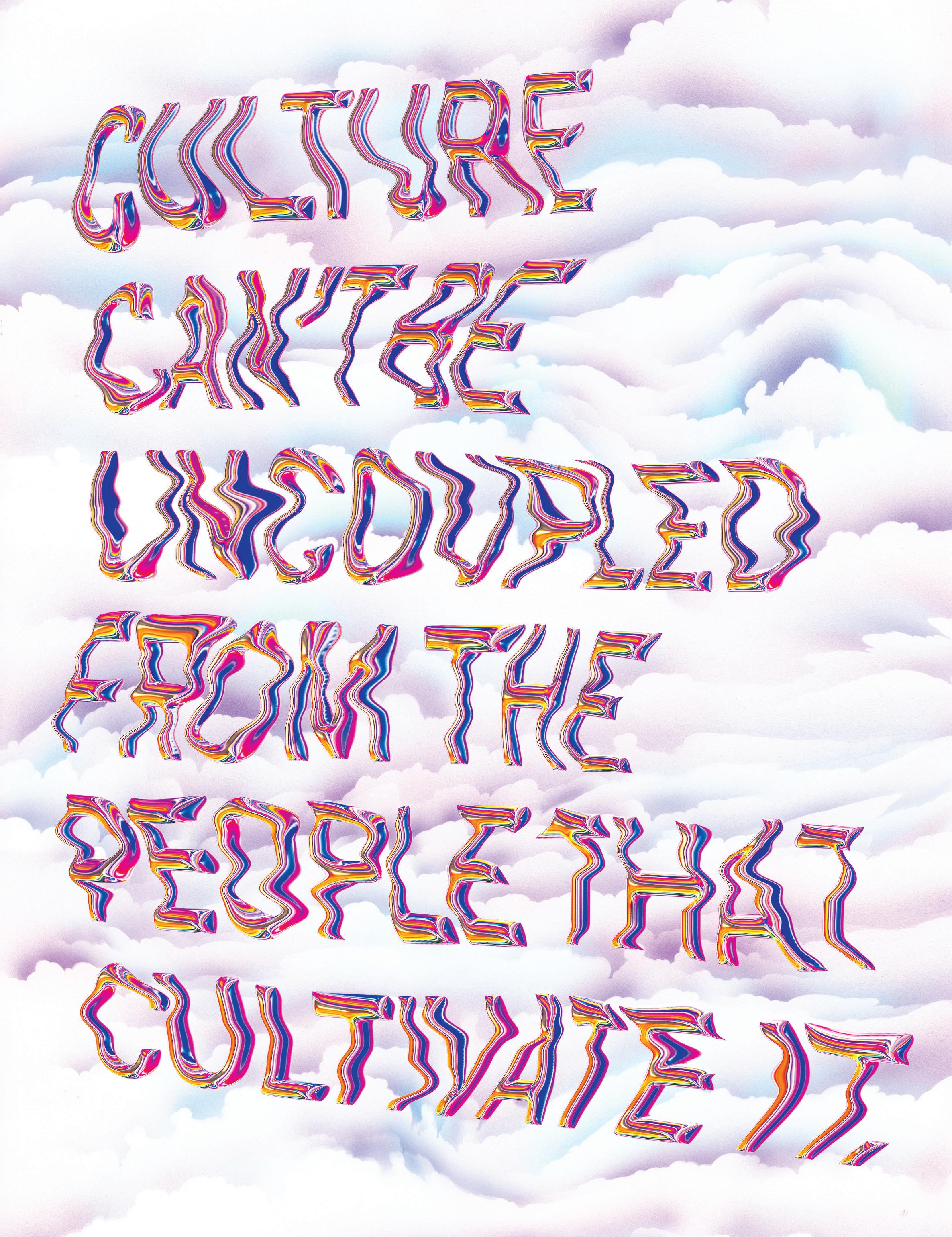
CULTURE CAN’T BE UNCOUPLED FROM THE PEOPLE THAT CULTIVATE IT.
There is no music scene without musicians. No dancefoors without dancers. No shows without hosts. No evidence of such without photographers, journalists and obsessive music and culture nerds.
The Xine Dream Team proudly falls under the last category. They always tell you to never make business personal. But when you’re in the business of culture, it’s easier said than done.
We’ll never get tired of saying this, and we don’t really care if it’s cheesy.
The Xine itself was born as an employee initiative to satiate the aching hunger to document the revolutionary happenings in everyday scenes in MENA music. Casually, enthusiastic music pros and lovers across the Arab world are fundamentally reshaping the regional industry.
Thru XChange, our series of touring workshops in the Middle East, we got our hands dirty and actually learned about the scene from the scene, and did our best to capture these fndings and perspectives.
But as a quick spoiler and summary: the regional music scene is about resilience, grit, ingenuity and at the end of the day - people.
The people we met, whether on the ground or behind screens, that helped us create this book didn’t do it just cuz we’re a charming group of editors. They did it because they love their music communities that hide in the nooks and crannies of major cities in the Middle East.
And while the aim of the Xine, or at least
what we tell management, is to document our research - it’s really to highlight, platform and celebrate the creative communities that are putting MENA on the culture map.
This alone is a privilege.
Being tasked to bear witness to the sheer passion and true talent found in every corner of the region by your employer isn’t a box to tick on the ol’ to-do list. It’s a responsibility the Xine Dream Team takes to heart, and work tireless hours with our killer design partners Water With Water to achieve.
This isn’t because we want a gold star from our big bosses, but because we feel a personal duty to make sure we actually do right by the communities that entrust us with their stories.
So yeah, this is deffo a project that helps us achieve our KPI’s in one way or another. But more importantly, it’s something that means the world to the people who bring it together and to those who see themselves, even in the abstract, between our pages.
It’s ok when your business is personal. It’s just how we like it.
Enjoy the Xine. We sure do.
– Heba, Jood, Khalaf
WATER WITH WATER IS AN EXPERIMENTAL PUBLISHING PROJECT AND VISUAL RESEARCH STUDIO. WE CREATE LIMITEDEDITION BOOKS, EPHEMERA, AND APPAREL THAT REMIX VERNACULAR AESTHETICS AND HISTORICAL REFERENCES INTO BOLD, LAYERED VISUALS. OUR WORK MOVES BETWEEN THE GULF AND GLOBAL ARTIST BOOK SCENES, BLENDING GRAPHIC EXPERIMENTATION WITH CULTURAL STORYTELLING.
waterwithwater.com / @water.with.water
Manama
The Dawn of the Bahraini Electronic Scene with Mazen Maskati - Jood Alkibsy
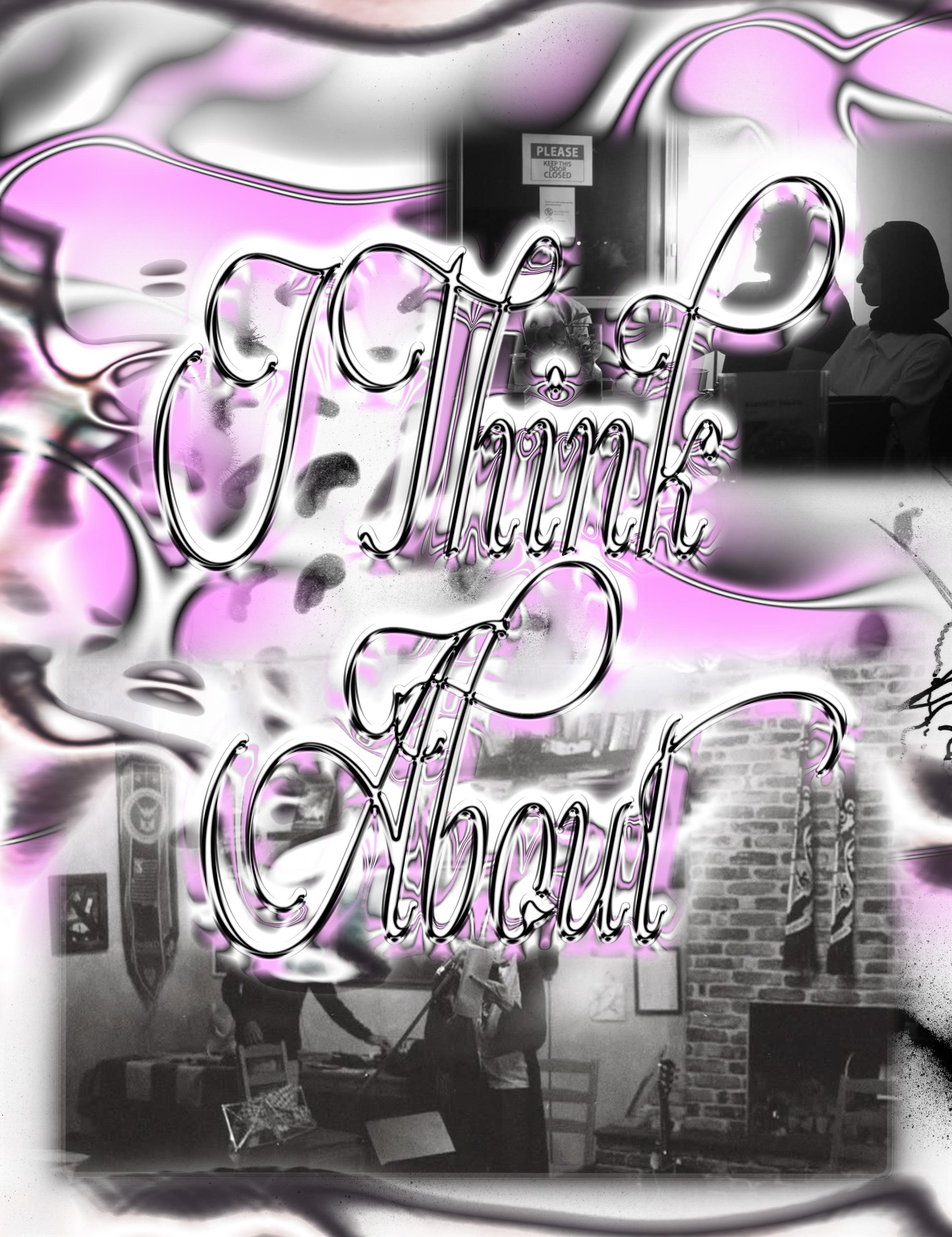
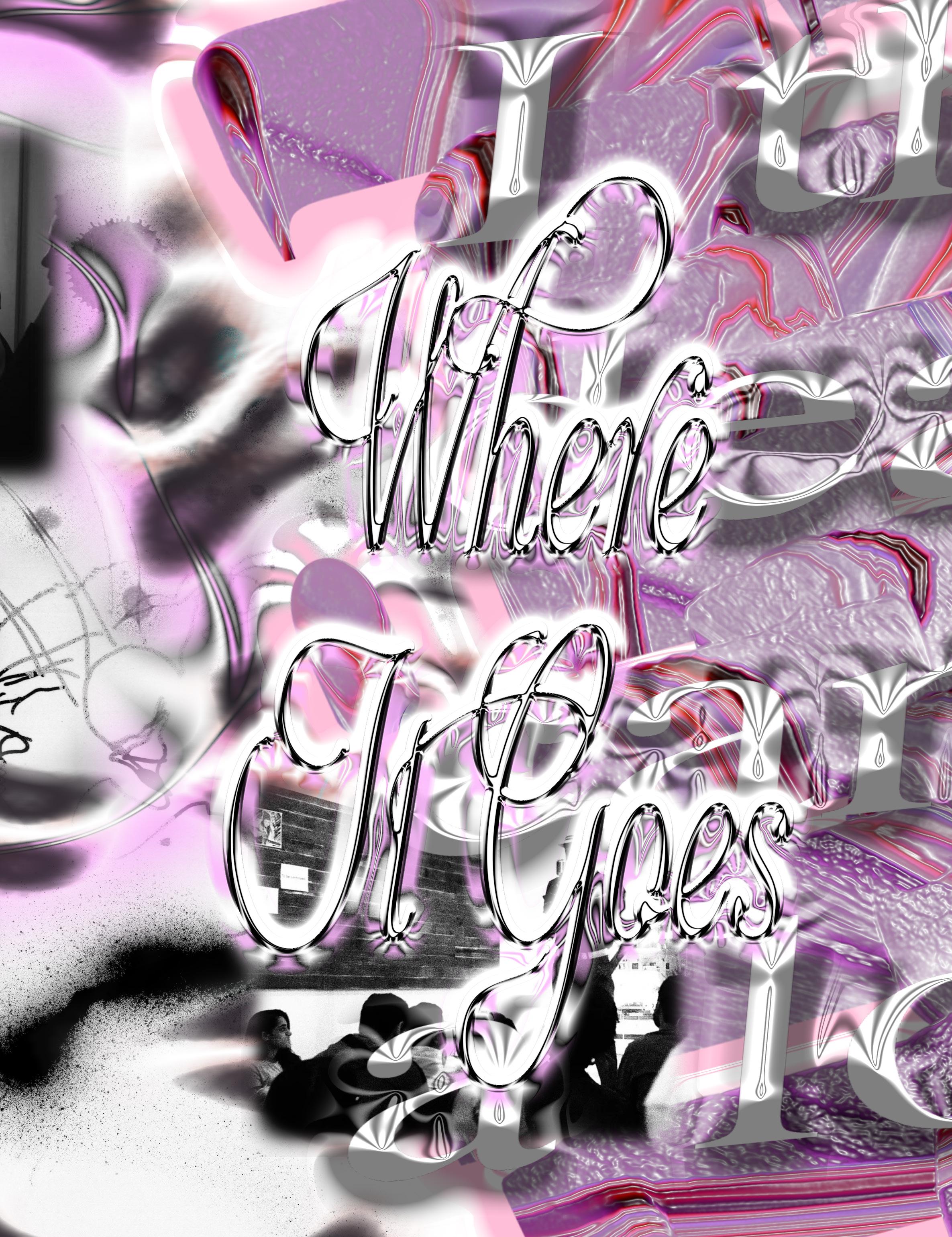
I Think About Where it Goes - Noora Almoosa
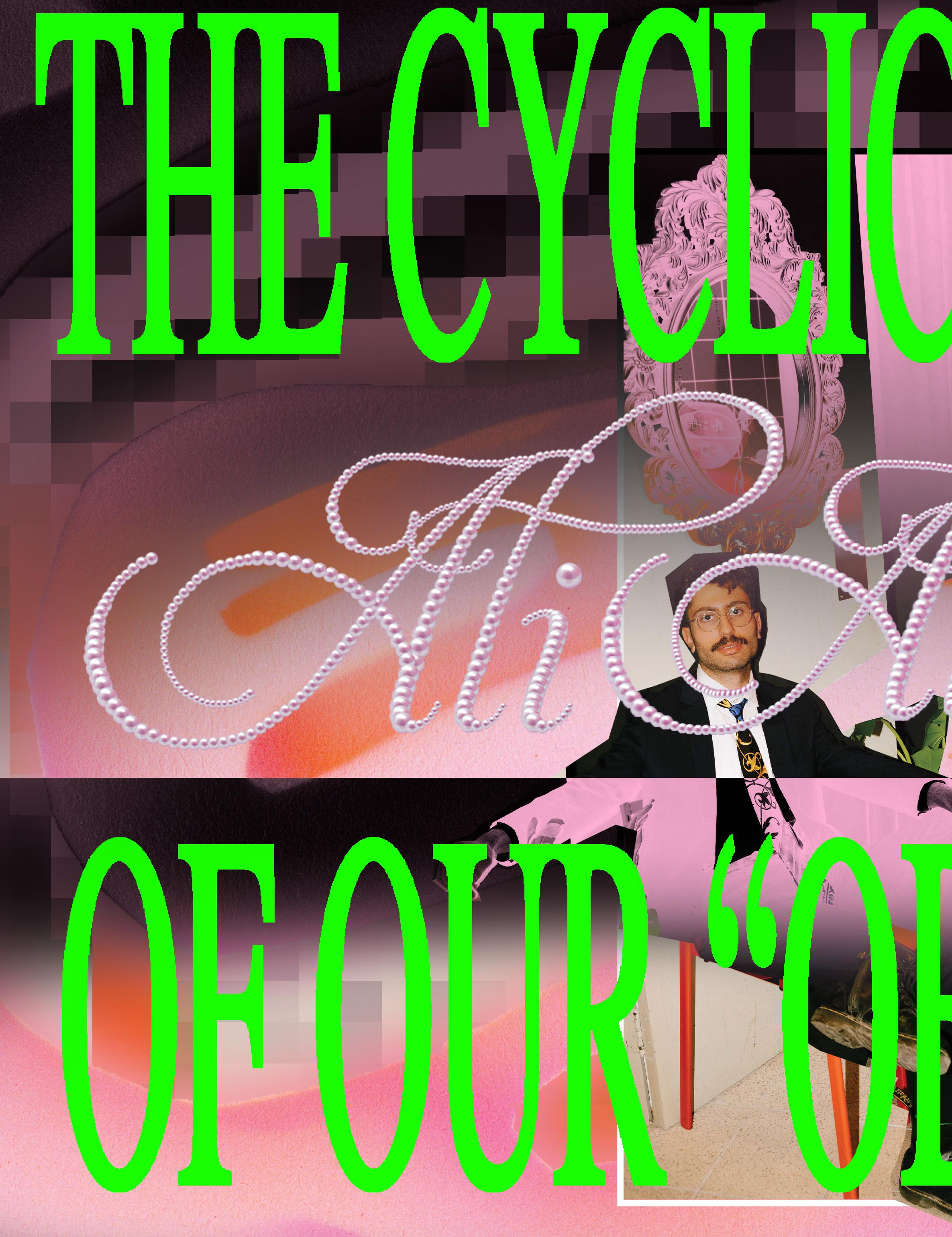
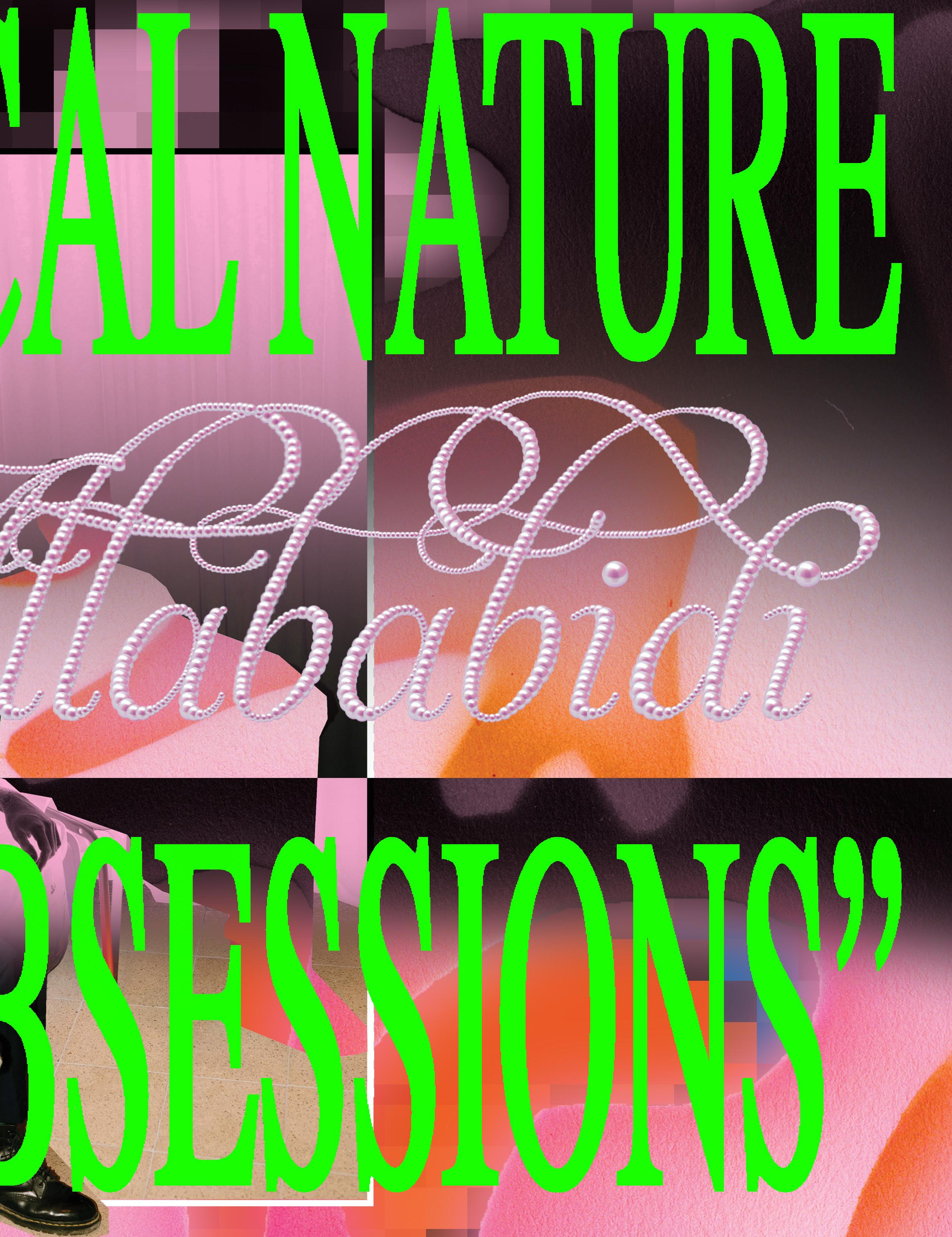
The Cyclical Nature of our “Obsessions” - Ali Allababidi Synthesis - Manama
Doha
–
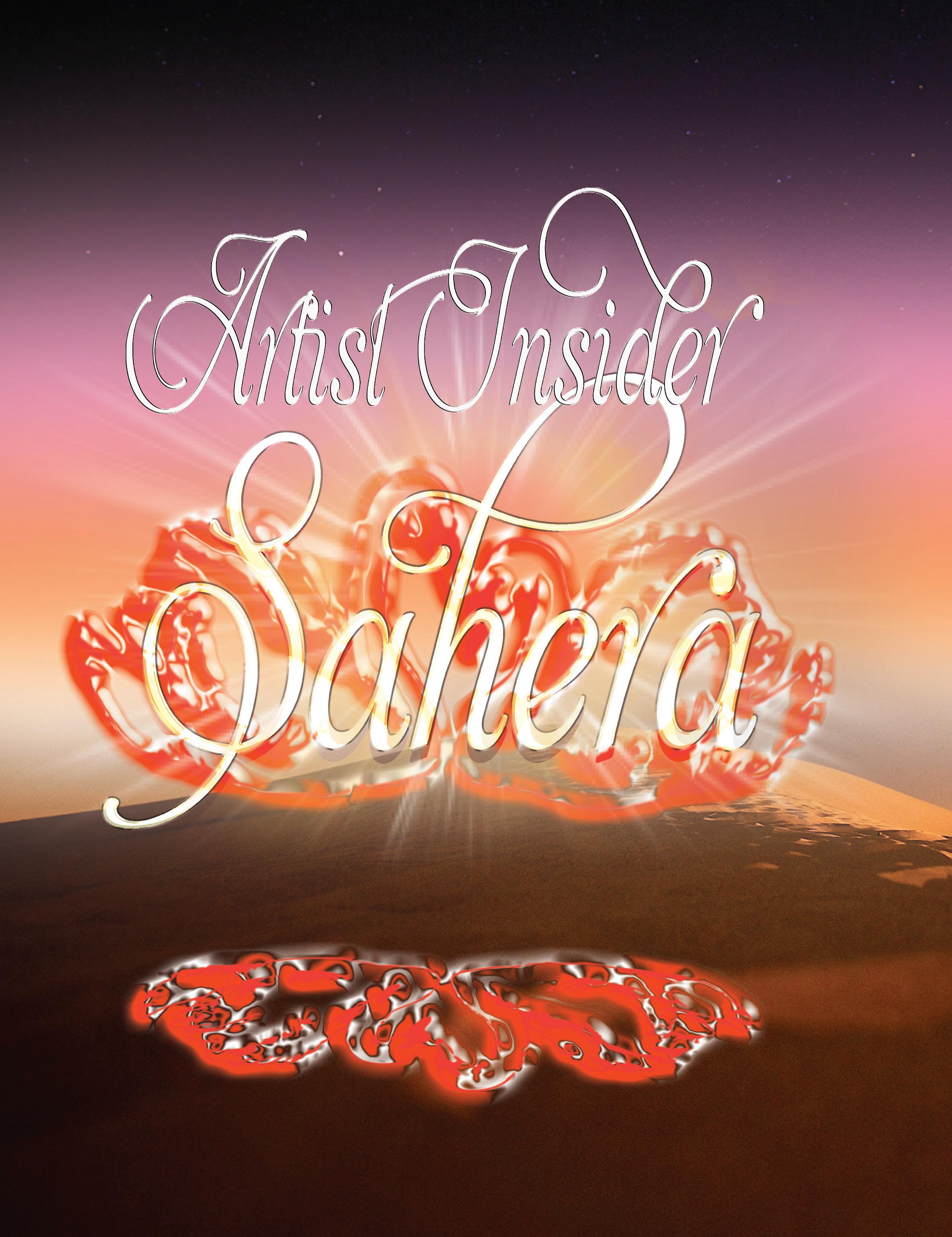
Artist Insider - Sahera
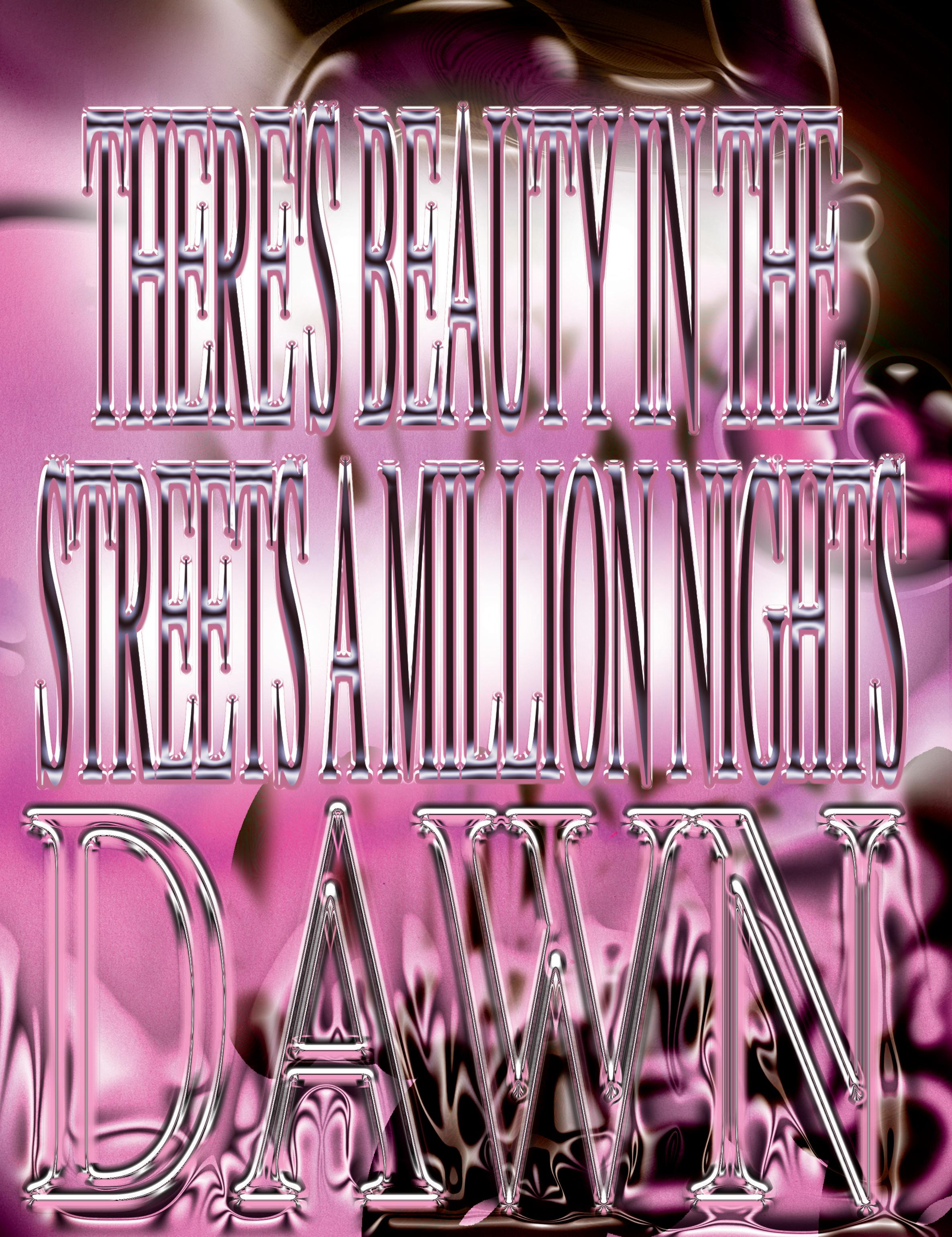
There’s Beauty in the Streets a Million Nights - Dwan Prasojo
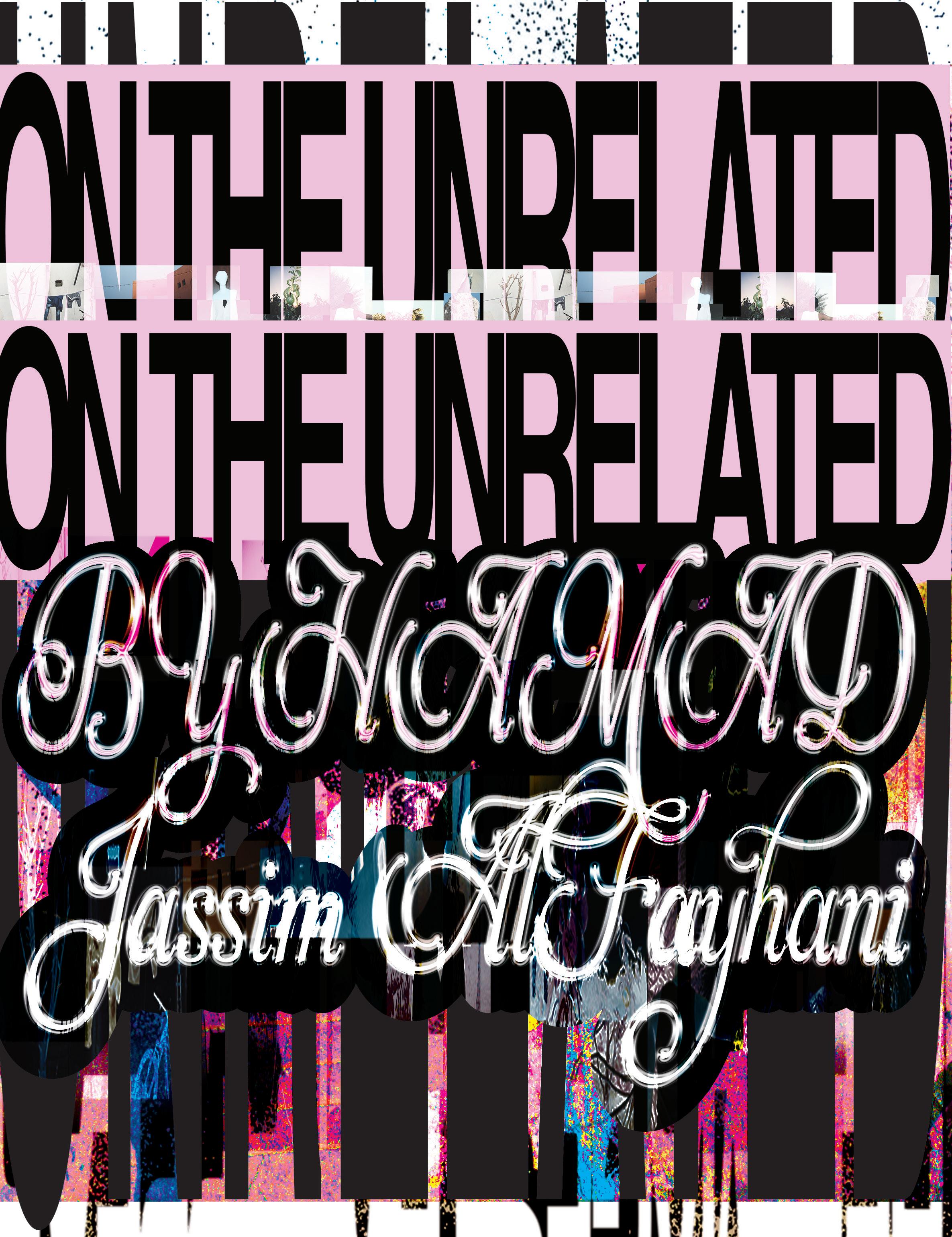
On The Unrelated - Hamad
Synthesis - Doha
–
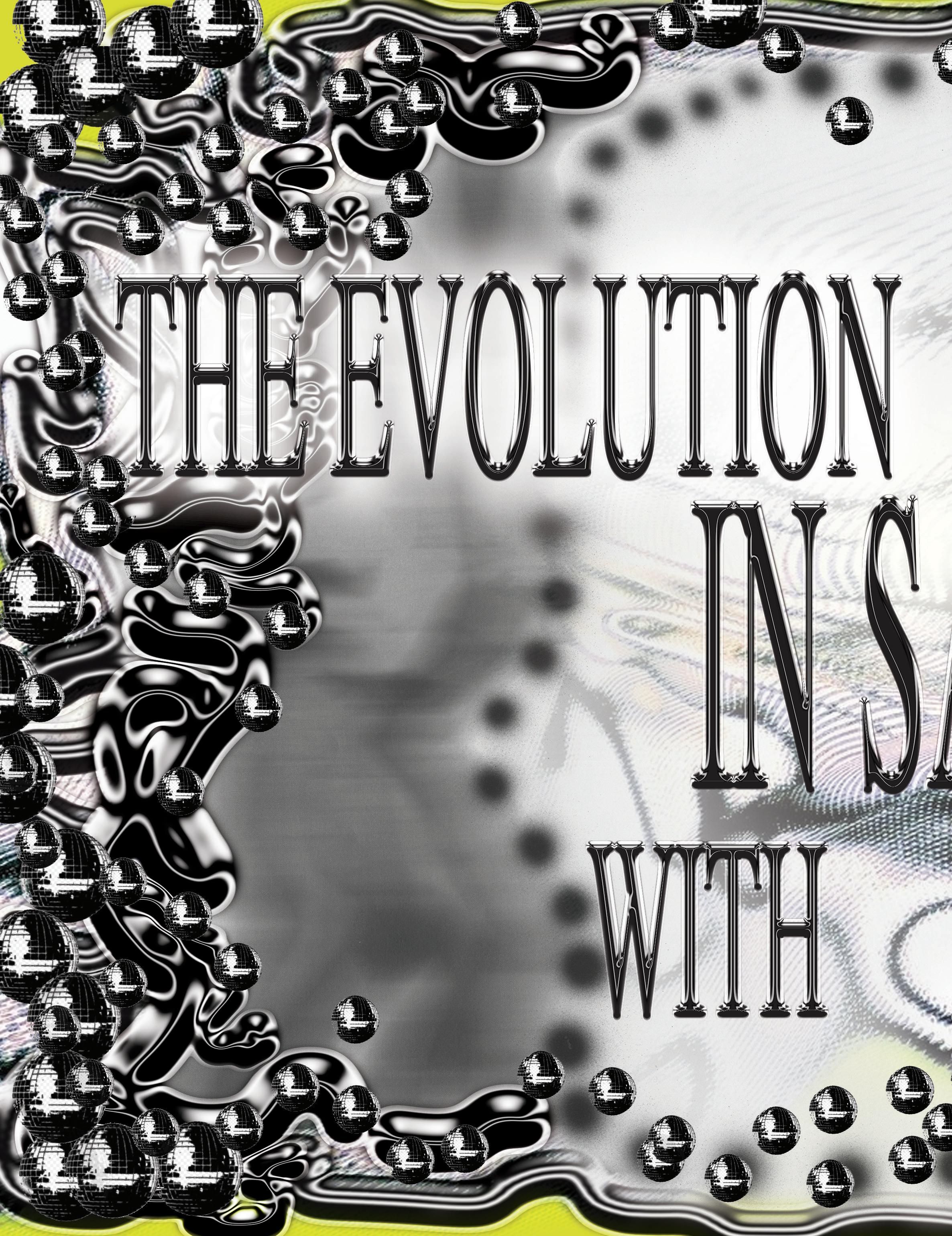
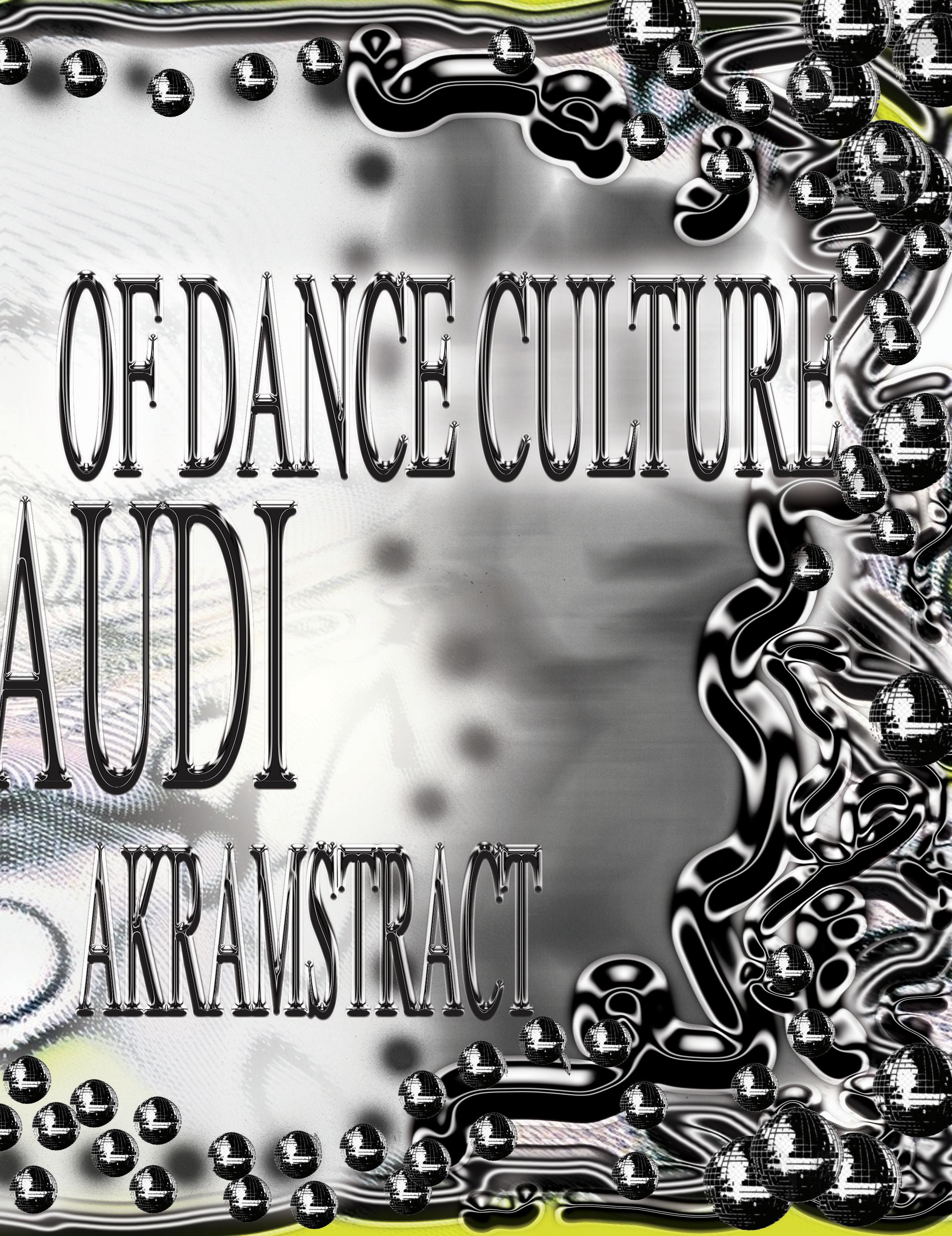
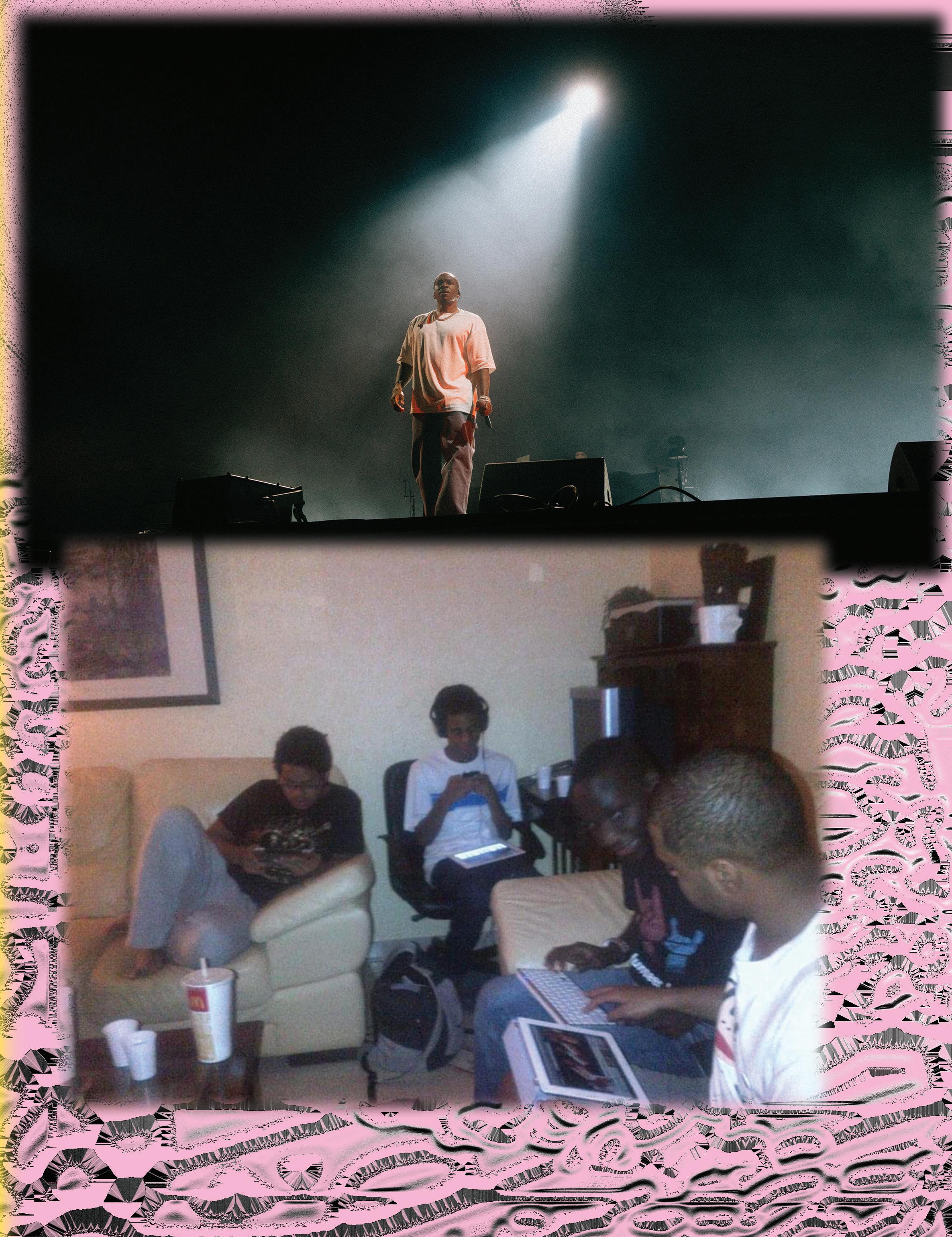
The Evolution of Dance Culture in Saudi with Akramstract
Abu Rada7: Riyadh’s OG Selector - Mansour Barri
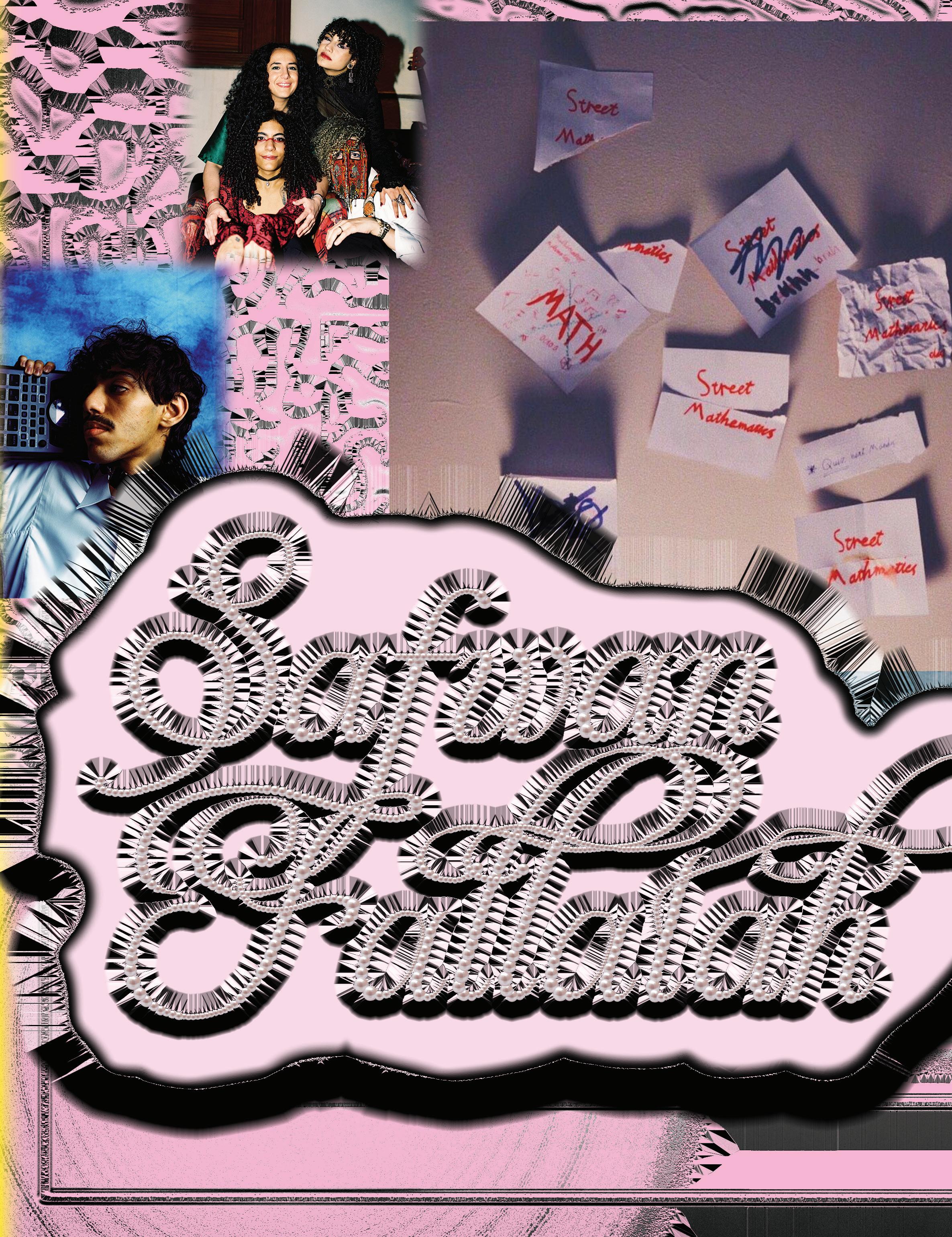
Artist Spotlight - Safwan Fallatah
Artist Spotlight: Hypnosis of Thought - Ahmed Abualdouh
5 Years of XP Dedication
Con ibutor o les
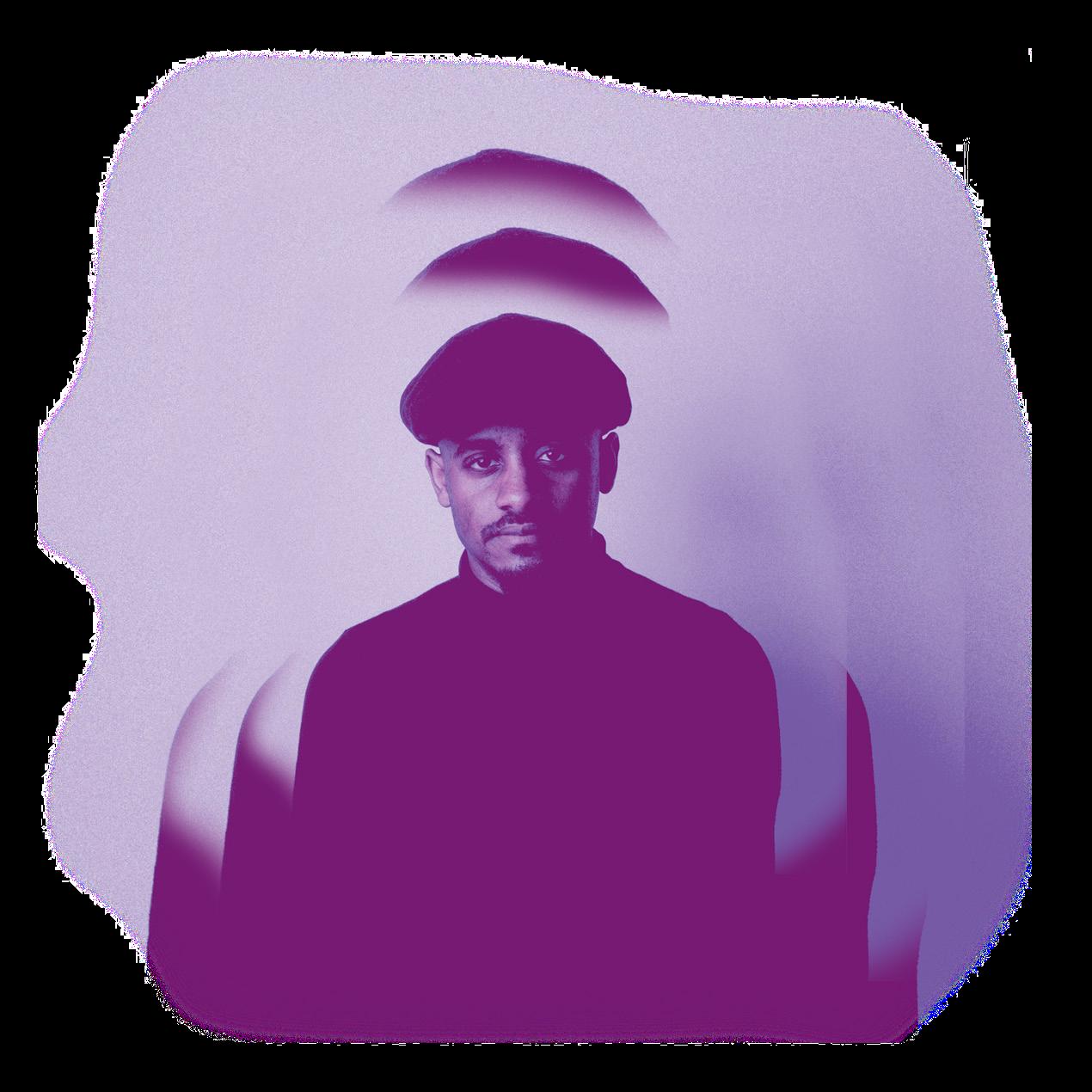
Noora Al Moosa
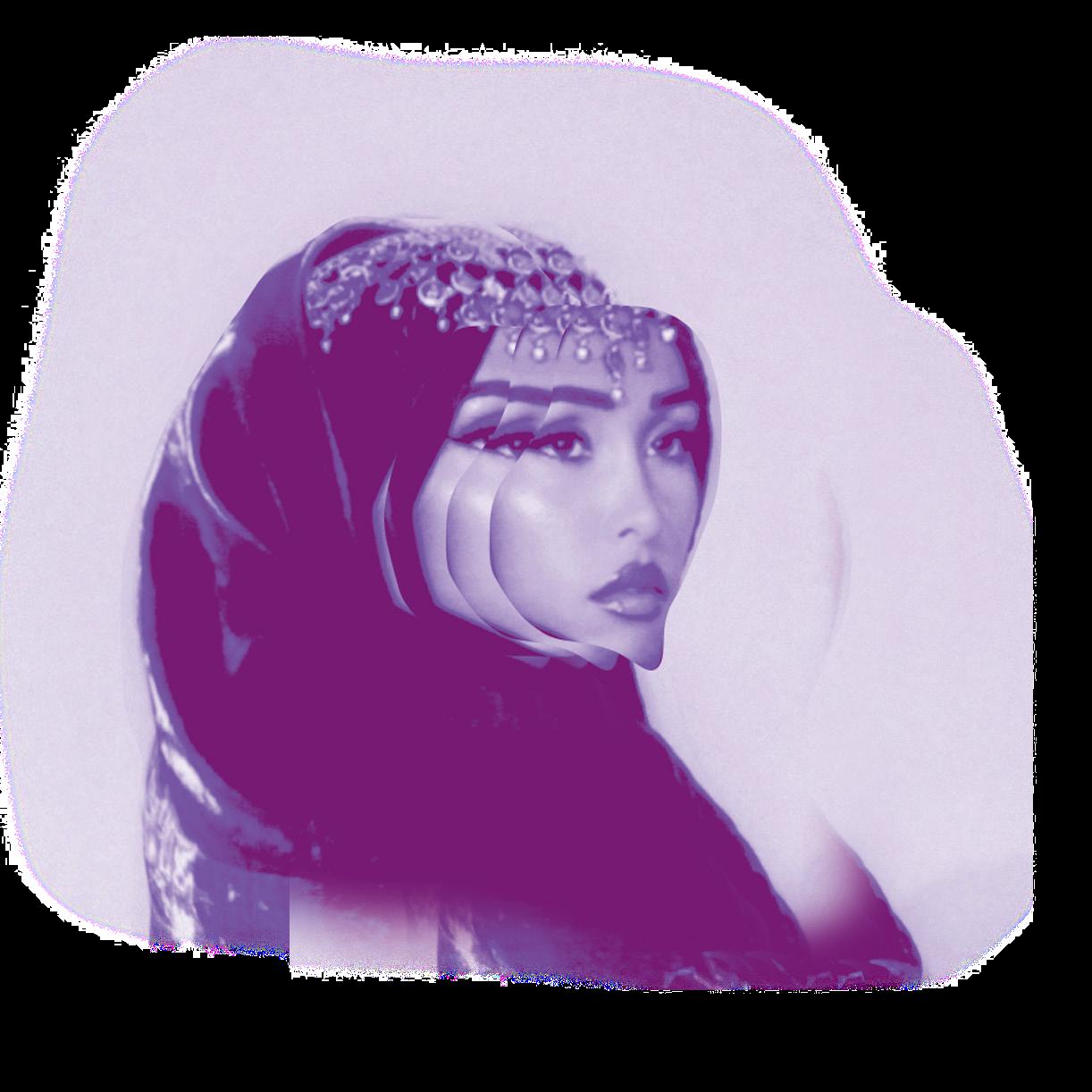
is a Bahraini-Filipino multidisciplinary artist working across sound, storytelling, and performance. Beginning as a singer-songwriter, her practice explores sound’s relationship to memory, place, transformation, and connection, using feld recordings, experimental composition, and voice to capture the subtle emotional and social layers within environments. Under her
Ali Nabeel
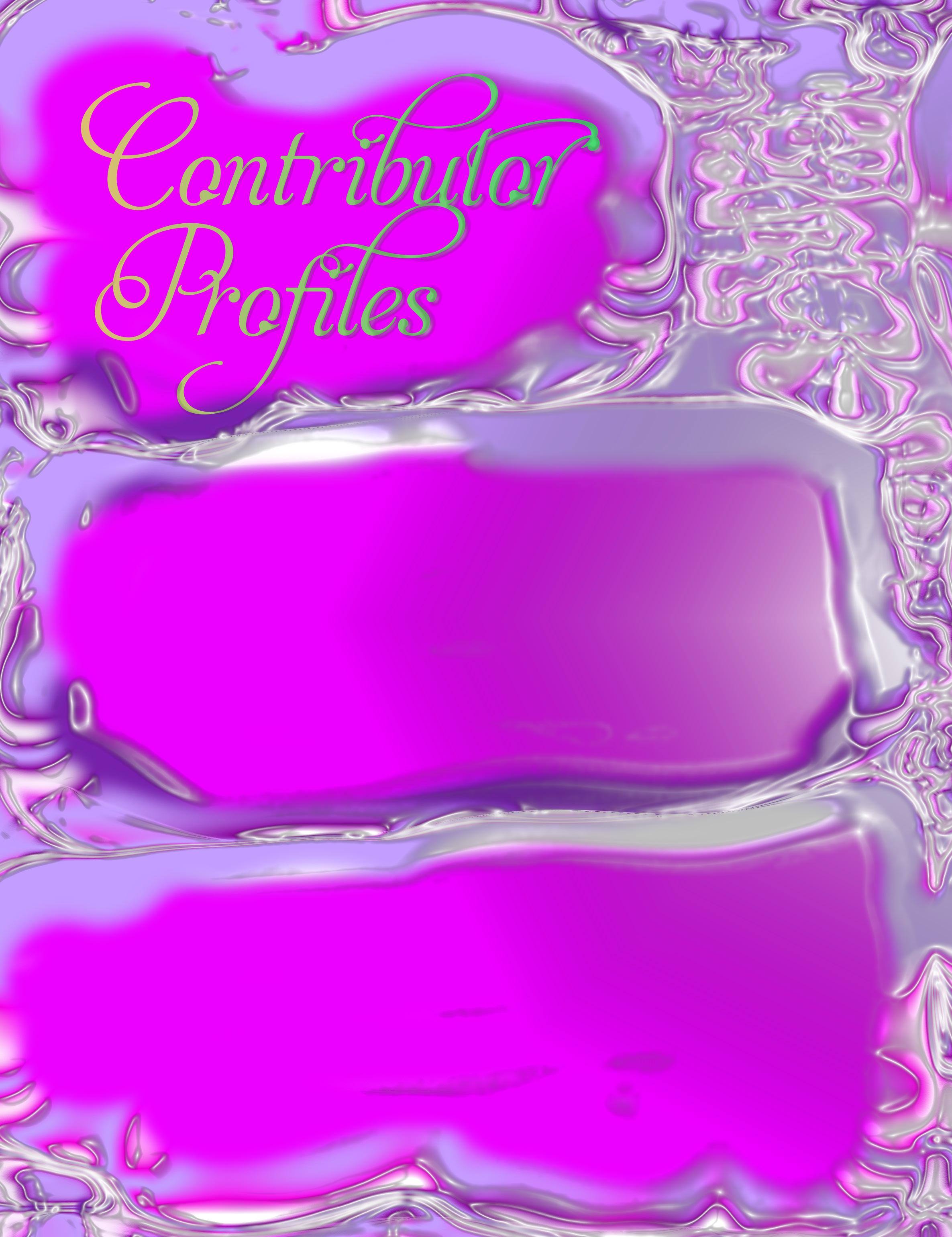
is a Palestinian-Bahraini individual, a multidisciplinary visual designer, and most importantly, a storyteller. In 2024 he started FISH SAMAK to develop the local audiovisual experience, and when he isn’t working on that, he’s either in the kitchen or cycling.
Jood Alkibsy
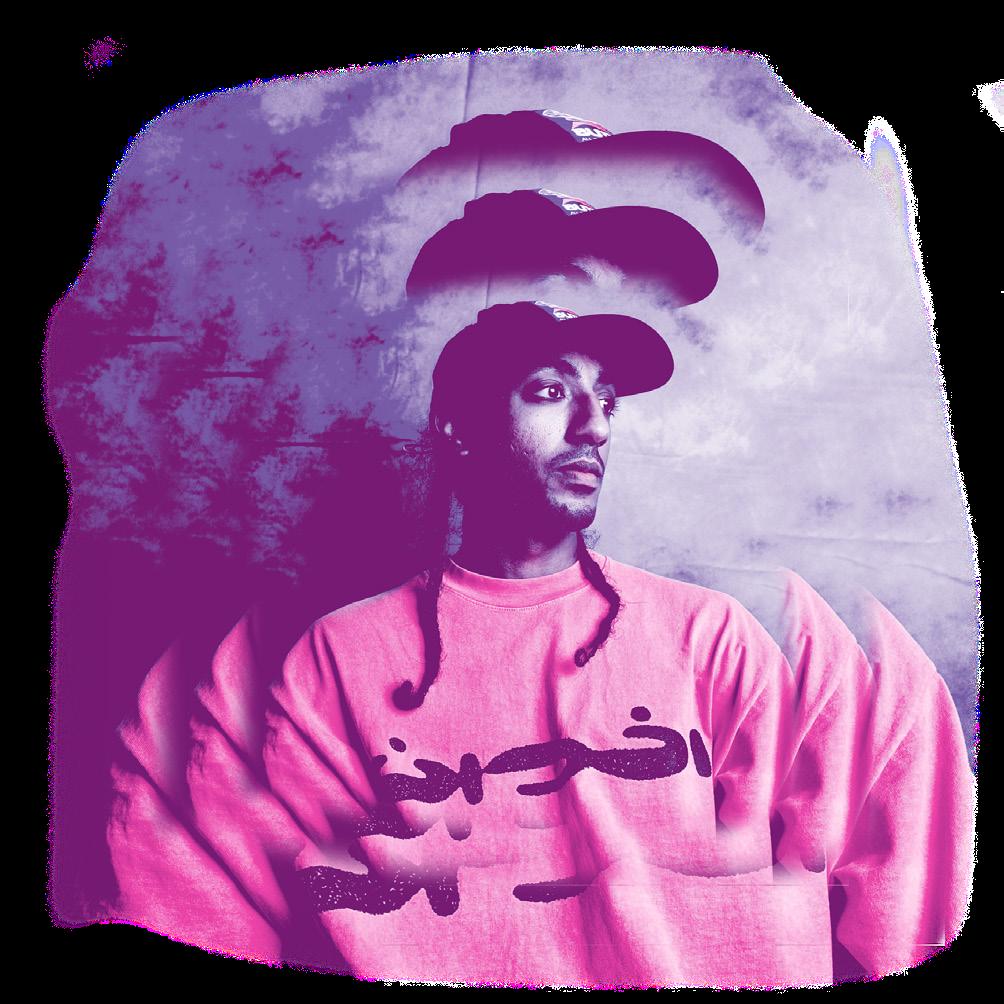
is a creative strategist and aspiring music journalist + dancefoor historian based in Jeddah, SA. In her time working in the music industry, she has developed a deep curiosity and fascination for the region’s dancefoor history and is always on the lookout to collect, document, and archive the rich and colorful stories that shape what it is today.
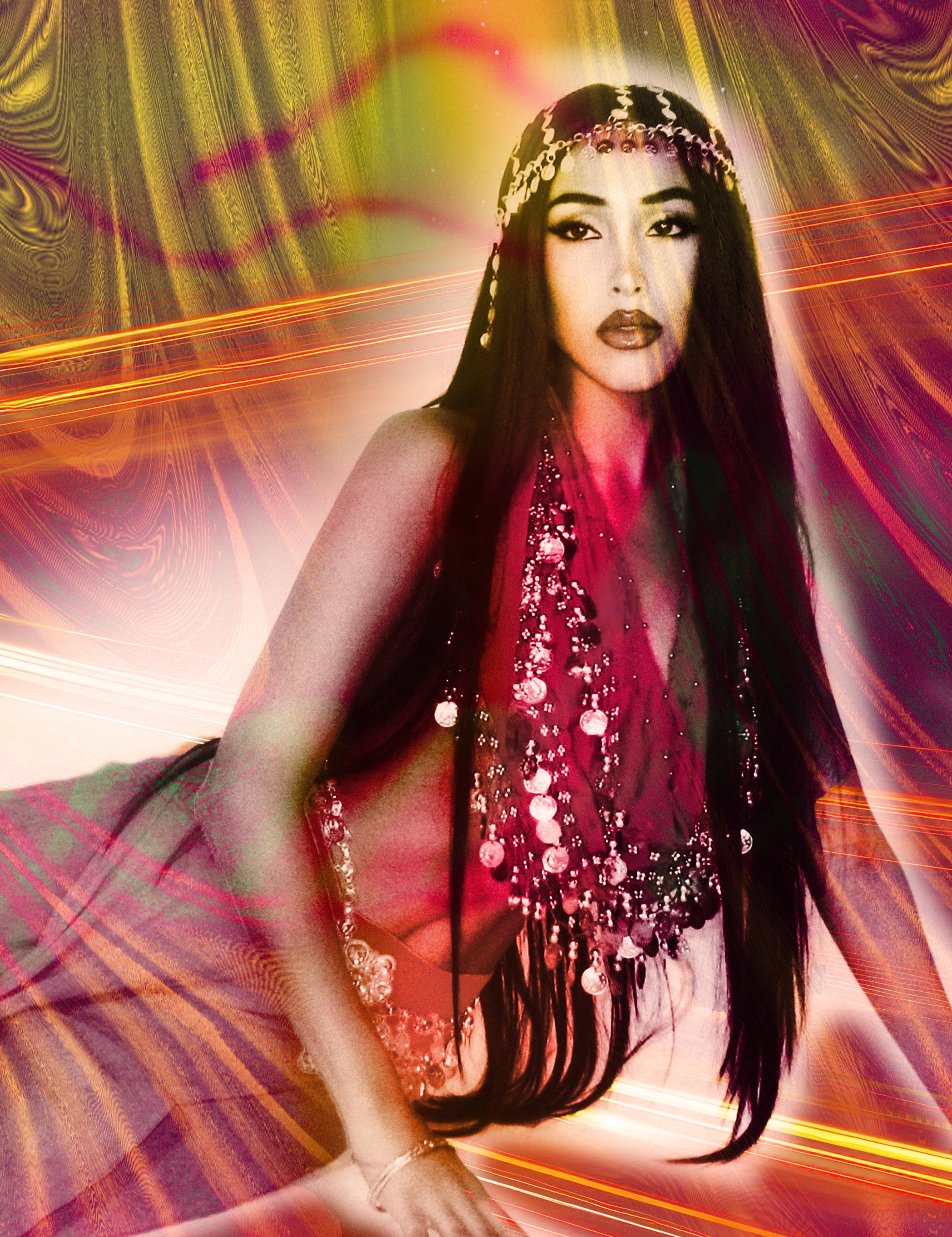
Sahera
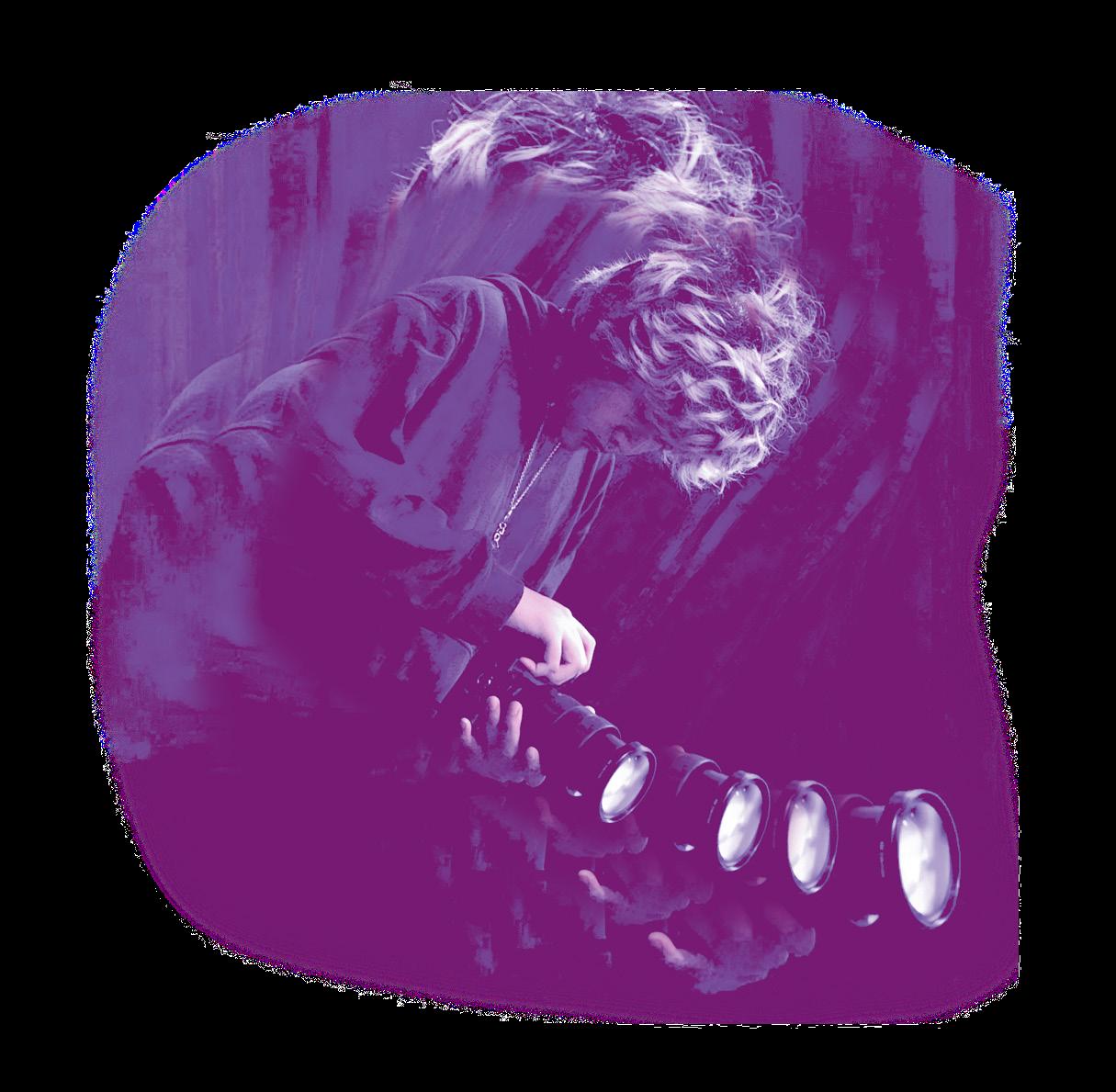
is a Qatari-American independent artist from Los Angeles, California. Her music challenges traditional views on identity and creative expression within the diaspora. Her breakout single “Khaleeji” charted at #3 on Saudi Arabian music charts, refecting a deep connection with the Gulf’s new generation of music listeners. Blending her experiences, sounds, and infuences together, Sahera is quickly carving out her own distinct space in the global music scene, independently.
Dwan Prasojo
publicly fgured as DawnOne, is a multidisciplinary creative based in Doha, Qatar. His work spans photography, videography, and fashion, with a primary focus on music video production and directing. Expanding beyond moving images, he explores various forms of visual storytelling, including editorial projects and mixed media, as a means of artistic expression. Through his work, he aims to create impactful narratives that bridge different creative disciplines while maintaining a distinct visual identity.
Hamad Jassim Al Fayhani
is a flmmaker and visual artist exploring themes of isolation, illness, and the tension between beauty and suffering. His work blends flm, photography, and sound to create surreal emotional landscapes that question memory, identity, and the fragile boundaries between reality and imagination.
Akram
is a local dancer and artist with eight years of experience, and the founder of the Abstract dance crew. A talented performer and artist, Akram has participated in and hosted a variety of dance workshops across the Middle East, Asia, and Europe. To him, dance is an expression of the self through rhythmically connecting with music through movement. His areas of expertise are hiphop freestyling and experimental dance.
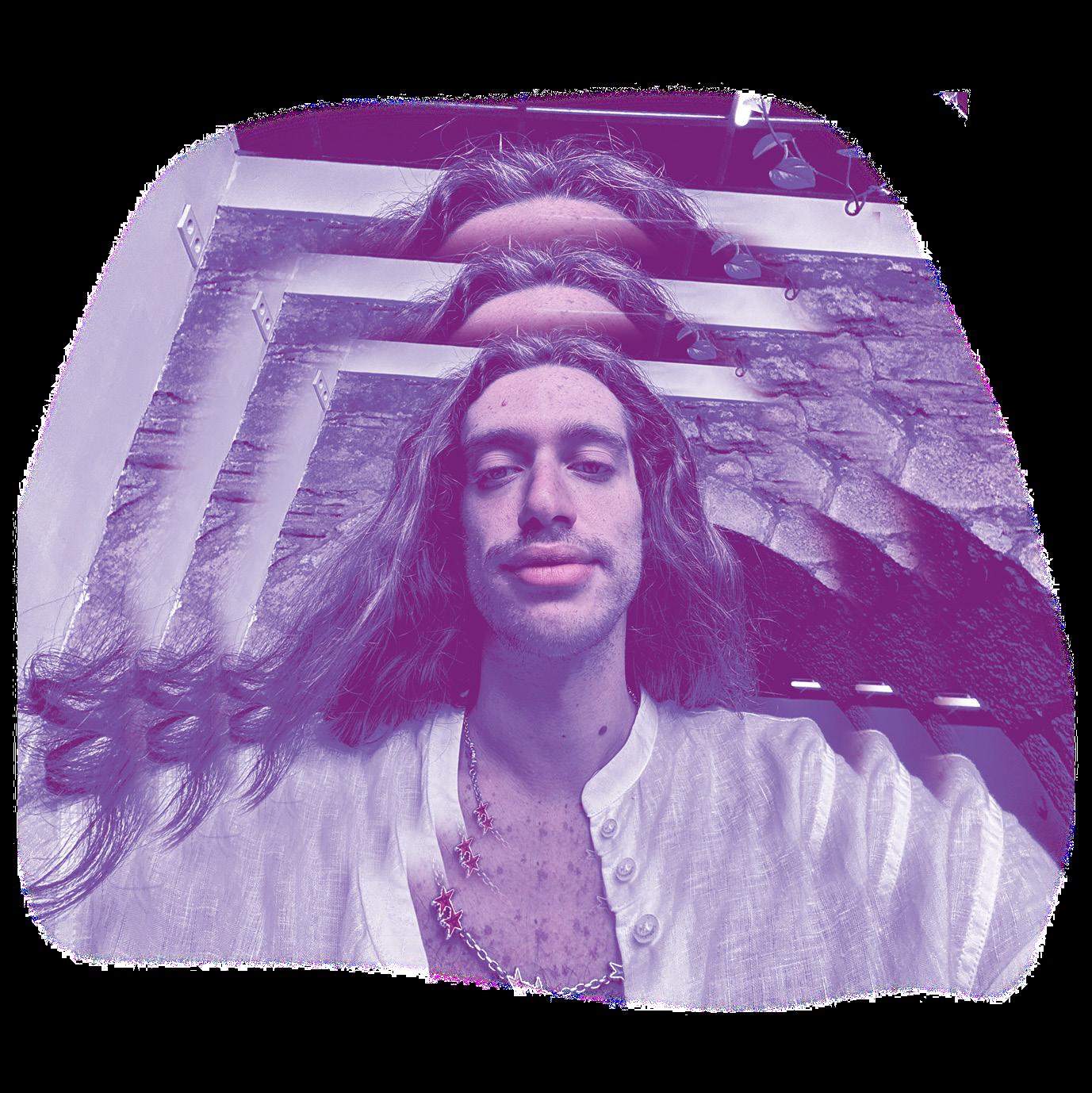
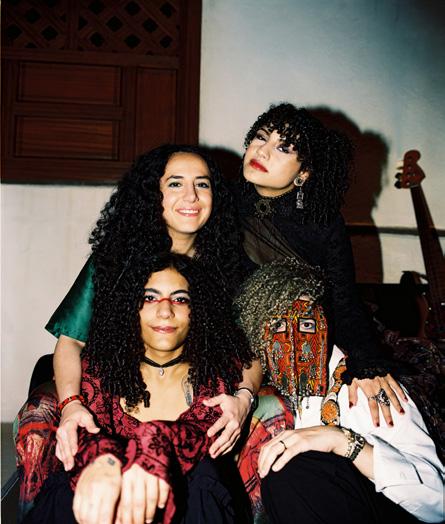
Safwan
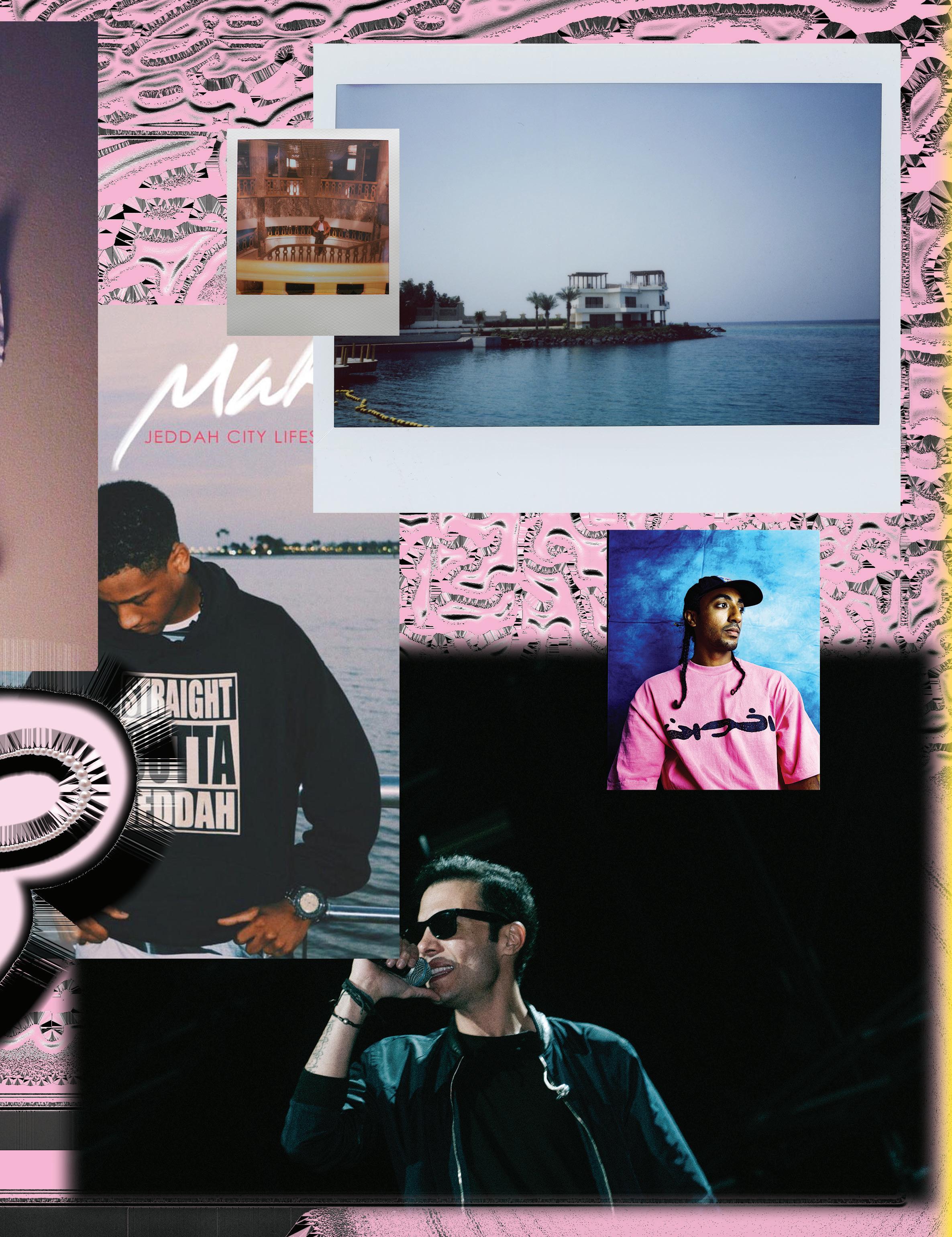
is a Saudi music producer and visual artist guided by a deep emotional connection to sound. Working across Hip-Hop, House, R&B, and electronic genres, he developed his craft through self-teaching and collaboration, eventually expanding his creative practice into photography and flmmaking to visually interpret his music. Today, his work exists at the intersection of sound and image, documenting music culture while producing immersive sonic experiences that refect his personal evolution and love for music as a transformative force.
Ahmed Abualdouh
is a contemporary visual artist based in Saudi whose work explores emotion, chaos, and human perception through bold color and expressive form. Drawing inspiration from music and everyday overstimulation, his paintings translate sound and feeling into raw, visual energy.
Mansour Barri
is a Saudi creative strategist and entrepreneur deeply rooted in the country’s evolving cultural scene. He builds ventures that merge art, technology, and local identity. His work consistently explores how Saudi creativity can stand on global stages while staying true to its local pulse.
“I
s mbled upon this tape…
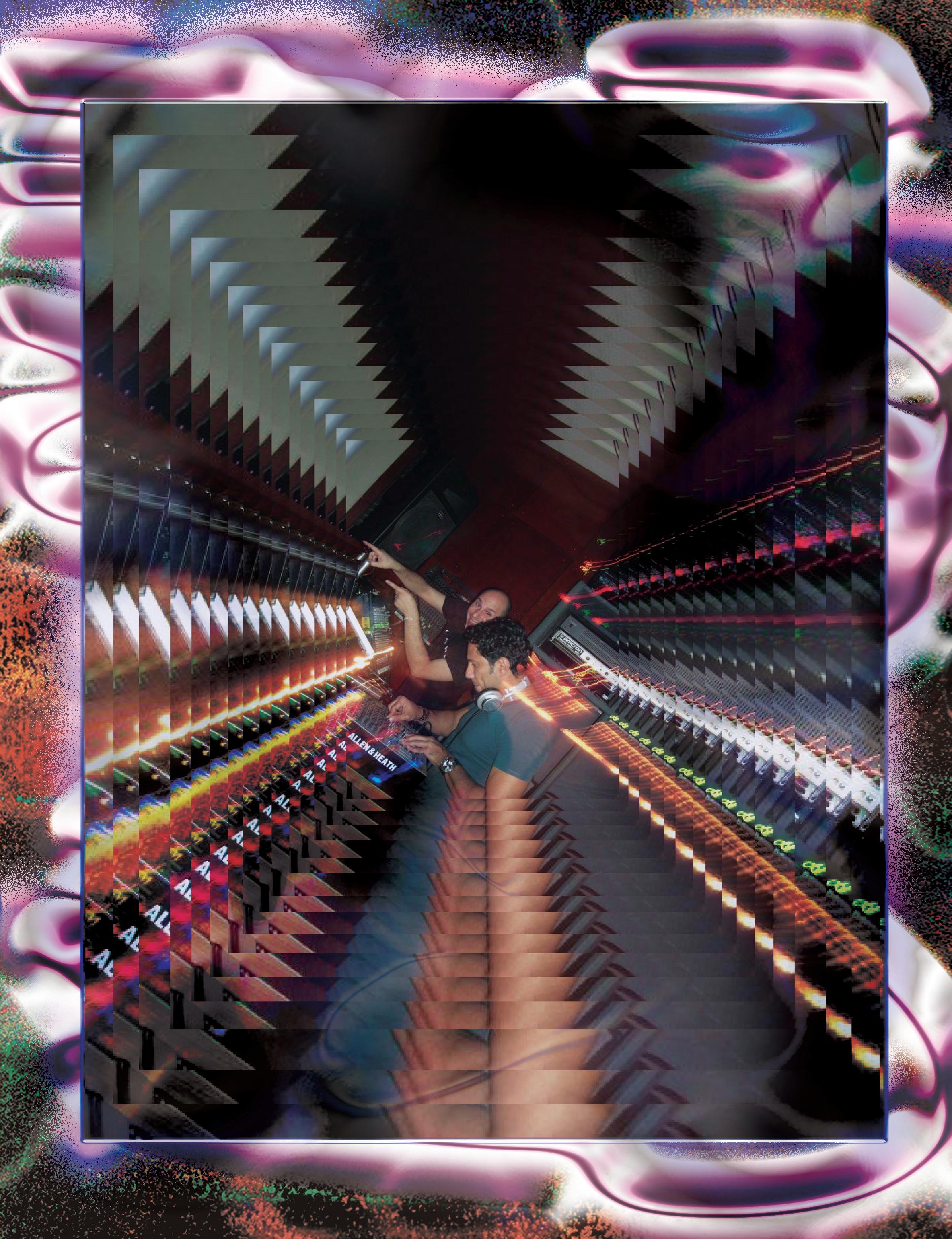
I was a Bahrain frequent growing up. Between the ages of 1-5, I went almost every weekend – so much so that I began to believe it was just a mall that happened to be an hour away from home. My family had been living in the Eastern Province of Saudi, and Seef Mall in Manama was where they chose to let off steam after a week’s work. Eventually, I learned that Bahrain is just a hip and cool country on the other end of the King Fahad Crossway.
And this is what Bahrain was to many of us in Saudi – our weekly source of entertainment and fun. With cinemas screening the latest Hollywood, huge malls with huge food courts (a core memory from my childhood), highend dining experiences, concerts and live shows year-round, Bahrain was a hit. But what most of us weren’t truly exposed to was their underground music scene. I know I wasn’t. Until I went again for a visit in 2025. I was in awe, to say the very least. We hit Calexico, we hit Foundry, and the cherry on top– the juiciest, more favorful and explosive cherry– was Soundscapes’ 10th year anniversary.
Wrapping up my weekend, I knew what I had witnessed there wasn’t just a product
of luck. Yes, Bahrain is hip and cool, but this fourishing scene and network did not randomly erupt out of this earth. It came from somewhere. It’s an outcome of years of quiet building, of people who believed in music before any else did. And I had questions. I wanted to trace that belief back to its source. That’s when I hit up Mazen Al-Maskati, Bahain’s very own veteran DJ and electronic music pioneer– also co-founder of Mindset Events. He was so kind as to agree to an interview with my nosy curious self, eager to share literal history with me. And what I learned, truly, was history.
“It was accidental”
This is what Maskati said when I asked him how he got into music; “I was twelve when I frst bought tapes. I didn’t even know what I was buying”. His frst exposure to music was just a matter of fact, something that just happens to all of us. “I stumbled upon this tape… it had a picture of mannequins wearing all red shirts. It looked weird… so obviously I bought it and it turned out to be Kraftwerk, pioneers of electronic music… I was
instantly drawn to how everything was done electronically, the beats, the drum machines, even their robotic voices”.
“Accidents” like these happened to most of us as we came across the music– or the art, flm, whatever it may be– that we now love for the very frst time. It’s what we choose to do with it or what it does to us that’s different. For Maskati, this accident happened to be transformative.
Contrary to my initial assumption that his DJ career kicked off when he was abroad in the US, Maskati’s music career only started when he got back home; “it was in the early 90s that I really fell in love with electronic music, but I didn’t really start playing until I moved back to Bahrain”. Icons, such as Karim Miknas with Likwid, were already building the scene from the ground-up, and Maskati joined in on the movement. “I ran after-hour events starting at 3 am sometimes, it was the only time we could play what we wanted– experimental techno, stuff we couldn’t risk playing in clubs”. The scene was improvised and intimate, but purposeful. What made me gasp is when he shared one of his regular venues back in the day and how, despite how unlikely of a space, it was packed; “It was this country-western bar, with saddles, wild-western decor and even real horses outside… we’d have up to 500 people on a Thursday night”. This was the dawn of an underground scene, in the wildwest in the middle of Bahrain. And in this, they were creating the language, the scene, the community, the culture.
This brings me to my next point.
This accident happened to be transformative. But not just for Maskati, for the movement.
Mazen– or Karim, or Fawazo, or Sami Dee– played, and people started showing up. In those unlikely venues and hours, music gathered them and they ignited a cultural movement together. The only thing they had in common was their love for the music. In
that shared experience, something larger than any single DJ or track was born: a collective identity. That’s because music never happens in isolation, it’s a cultural force that demands witnesses, invites participation, and turns individuals into a community. “It was risky, but it mattered. This is a homegrown scene — just like what Chicago, New York, or Manchester once were”.
Remember my question about tracing the belief back to its source? I learned that the belief is simple– electronic music is the people’s medium. It’s not a quiet science or something that can be perfected with an equation, it’s an ever-evolving cultural exchange that can only take place on the dancefoor. Without the people, it’s non-existent. This completely challenged my initial thoughts when I frst entered this interview– meticulous calculation and planning may help build up a scene. But what truly makes the scene is simply its people.
And this is a really interesting conclusion, because of something Maskati had said to me. He mentioned an interview with Jim Morrison from the early 70s where he predicts the future of electronic music. He’d said one person would be behind “a bunch of synthesizers controlling everything” and that we are living proof of his prophecy coming true. Except, Jim Morrison wasn’t totally on point– electronic music isn’t a lonely act, there’s always a beating collective behind it.
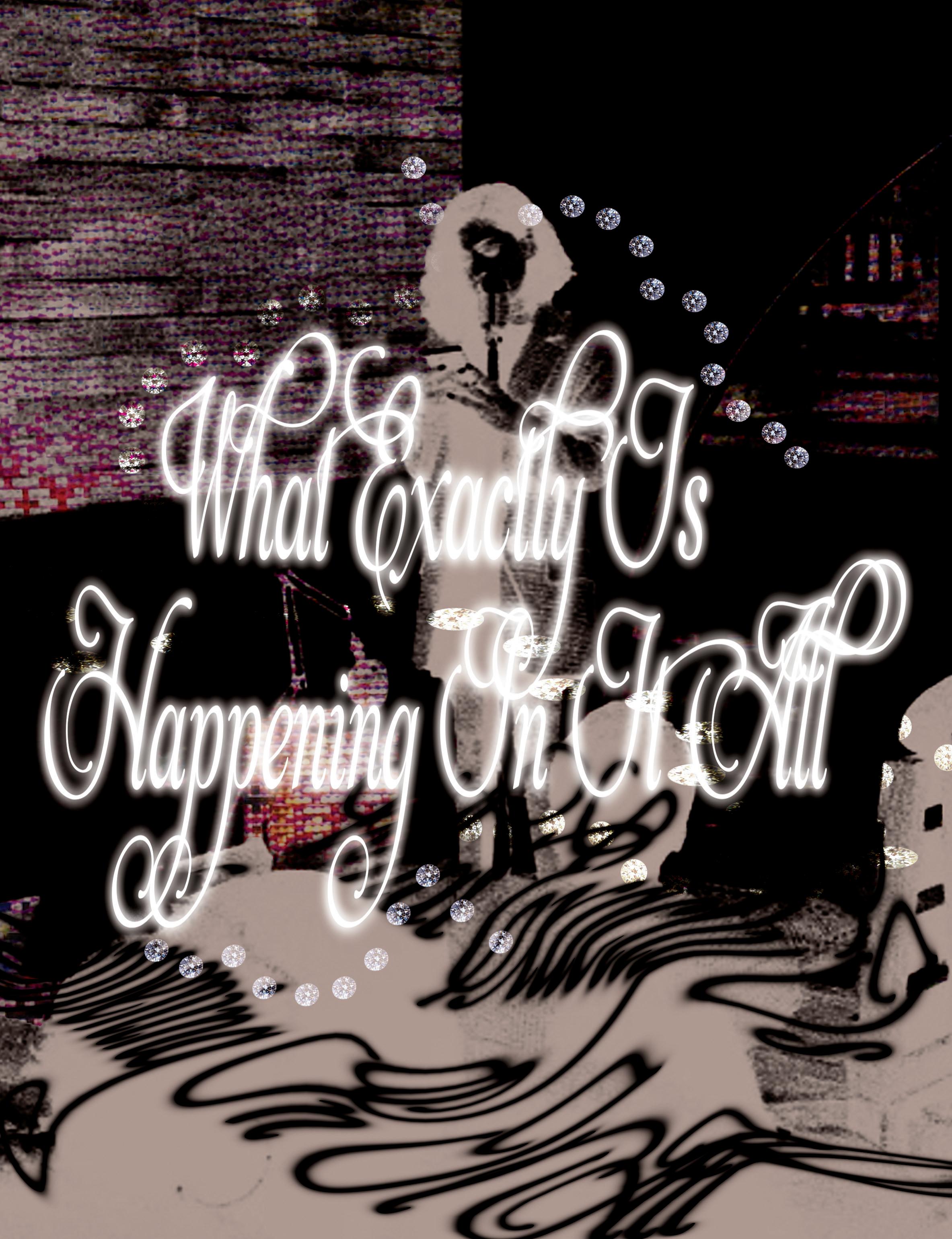
I have been thinking a lot about open mics lately and by extension, spaces to share and hear one another out What exactly is happening in it all
What all of it has meant to me
I think about the generosity Oh I think about the generosity
I think about the give and take I think about the time and attention I think of the roles we play
The different roles here
Organizer performer audience
Hear see listen pause listen hear see feel What it all means
How any one lends to the two and when one absences it is felt I think about the generosity
When I think of open mics
I think of cultivating courage
A muscle being exercised
I think about what grows in isolation vs in the presence of others
I think about the human spirit and what it is capable of
When I think about open mics I think of unfltered becoming I think of rawness
I think of earnestness, I think of risk, I think of the tension of it
I think of reaching a hand out and a hand reaching back to you I think of the connection
Oh I think about the generosity
When I think about open mics, I think of a lineage
What came before us What we do now
What comes after us I think of what we leave
When I think about open mics I think of people
I think about what it is all about I think about the people when they leave I think about what exactly is happening in it all
I think I think I think I think I think of the generosity I think of where it goes
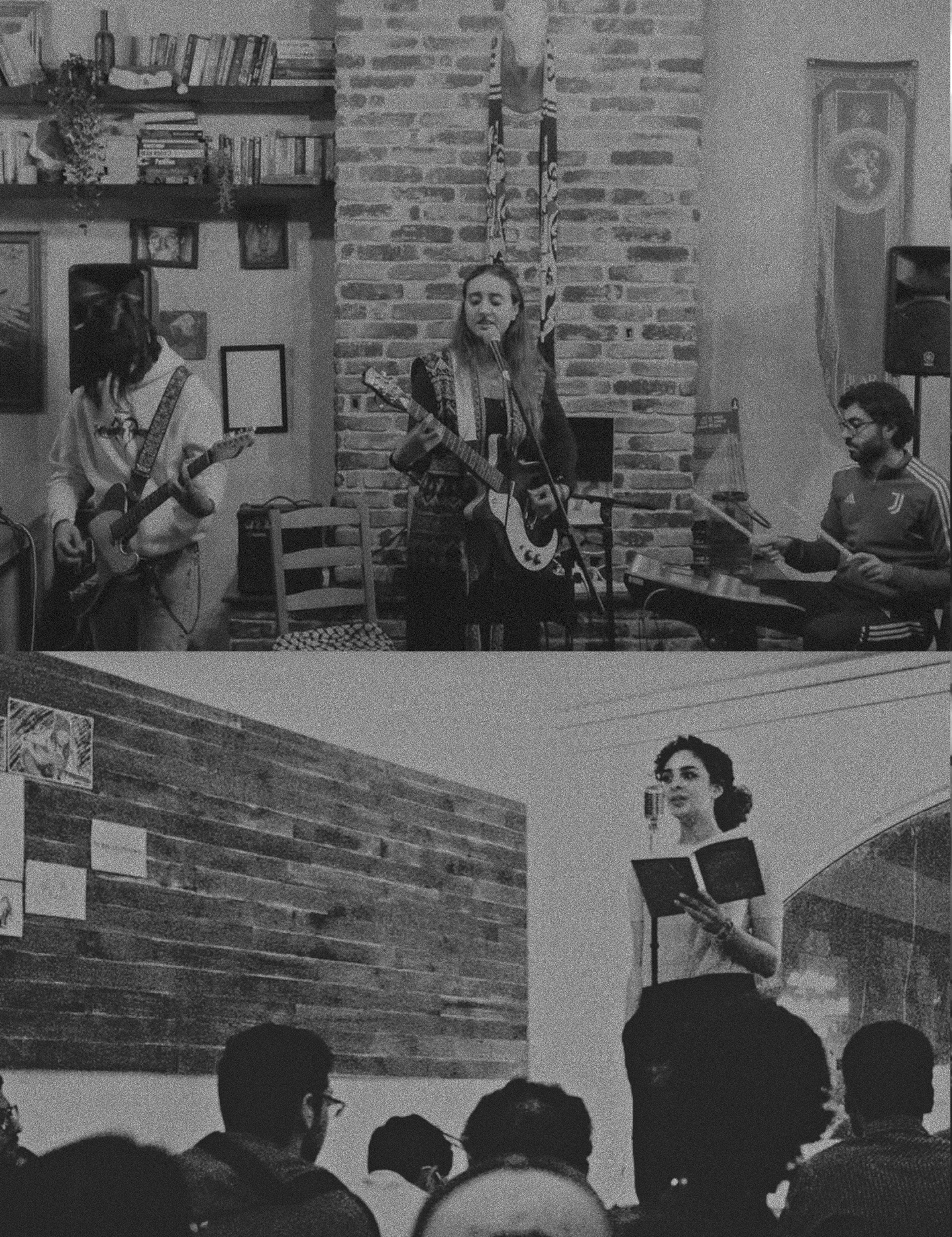
Recently, I returned to an open mic community I used to go to when I was younger. This time, I was invited back to do a feature set and a Q+A with the current audience, I feel to share a little of what I’ve seen, heard, and felt along the way. :)
In my year, I’ve been thinking a lot about what it means to share work publicly. What it takes from me, what I go through internally, even now as I work on new projects. And through that refection, I found myself thinking more and more about generosity. About the generosity of someone giving you their attention. Giving you their time and their energy.
It makes me think of the frst places I experienced that kind of generosity. Places like open mics, showcases, in tiny rooms with folding chairs and warm lights; sometimes sparse, sometimes hot and flled with bodiesssss. Places where I could try something out before I even had the words or confdence to name what I was trying. I just knew I could have someone’s attention for a little while. Preparing for the show with The Misfts*, which many consider a legacy of the community space Sonder Cafe**. It got me
I feel that this space, this lineage, means something for us all.
looking back at old videos and photos of my time at these and other similar spaces. I saw myself and people I performed with, grew up with, learned from and who have helped push me to where I am now too; with some still pursuing their creativity in more ways than one.
I feel that this space, this lineage, means something for us all.
To help write this, I caught up with Mahdi Aseeri, the man who started Sonder Cafe and made room for a lot of us to come through and try something out. Our conversation looked like half venting about how things are, half hopeful about what might still be, and we ended up talking about waves too. About how things in Bahrain’s scene seem to come and go, how there is a build and then a pause, and
how questions repeat. We also spoke about the frequent use of the word “community spaces” :p these days.
He said something that stayed with me, too: “It can’t be about you. It has to be about the people”, referring to cultivating these community spaces.
When he started Sonder, Mahdi said he tried to rarely show his face and try to run things quietly from the backroom. He tried to pay attention to what people were practising, what they wanted, what they were interested in, and then tried to give them space to pursue that. In retrospect, he felt he wanted a space that felt like it belonged to people who needed it.
Here, again, I think about the roles we play in an open mic space, from organiser, performer
to audience. Thinking about what grows when someone pays attention. What grows also when someone steps back. The generosity in all of it.
We also spoke about how everyone seemed to always want to start something new. But then maybe we don’t need more things, we need stronger things. Collaborations, sharing of knowledge, co-creation. Not new for the sake of new. I think curiosity and asking yourself why me, why now, and what is present right now? Could help. This reminded me of a saying I previously heard about resisting the urge to start something new from scratch and instead see what is out there, who else is out there that you can work with. Resist the urge to be the face of something, at least question yourself a bit and see what can be co-built.
There is something hopeful, but also necessary, about believing we can share foundational values and still make space for one another. That your input can be different but still valuable.
Something I think I strive for even now, but it can be so hard when you’re in it. Like reeeeally in it. I think I think of things in a grander scale and how much we must try, and how a lot of things are a microcosm of things and if we can’t hold one another here, how do we hold one another out there?
We talked about other things too. Money, logistics, and the gaps in institutional support. About how these spaces often rely on unpaid labour, volunteer energy, and luck! That no one really wants to talk about the fnancial reality, but it’s real. And, still, somehow, we try to keep them going with sincerity.
He said the key he learnt was “grace”. Grace in how you allow people to be. Grace in not controlling too much. Grace in knowing when to step back and when to let go. Very generous.
Maybe things aren’t meant to last forever. Maybe they’re supposed to be held for a while, and then passed on. At least in this socioeconomic timeline. I’ve observed The Misfts
pick themselves up and again and again and connect through a lineage of hands, some of the same hands that held Sonder too. Mahdi spoke about people willing to step up and hold things up or if not maybe it doesn’t deserve to keep going, because what is a community space if only propped up by a few tired hands? How are we different then if we can’t understand what we are holding together?
Mahdi also spoke of how people should graduate to different roles, to being advisors, to letting new voices come in. All together forming kind of a microcosm of practising for something bigger, something good, if you will.
It made me think of what I see now, about the current wave, and how long it will stay. Whether it should. Whether the next generation should just do their thing. What do we know about these hands and these interests? Whether we have the generosity to keep something going and the grace to let it become something new. Whether we know the value of what we have, of what holds us attentively. The generosity in that.
*the misfts (2021-present) is a community group in Bahrain that hosts events like poetry nights, drawing circles, writing workshops, and acoustic nights. It has become a place to archive seasons of expression from the community while also offering something simple but vital, a safe space to connect with one another.
** Sonder Cafe (2016-2020) was a non proft community space, a social club in Bahrain that helped bring community together through coffee, poetry, photography and recurring creative workshops.
THERE COMES A TIME IN A MAN’S LIFE (MORE LIKE A FEW HUNDRED OF THEM?)
there comes a time in man’s life (more like a few hundred of them?) when we come across a song that we just can’t seem to get enough of. It accompanies you at work, on your errands, while reading, and then at some point it may even tuck you into bed. the days begin to resemble one another, you feel as though the simulation is stuck on a loop. (is that bad?) you fnd comfort and companionship in the predictability amidst all the chaos life brings us. the repetition acts as a mental anchor, it keeps you grounded by blocking out distractions and reducing cognitive load (according to some study). at the specifc phase of your life, it acts as a shield, protecting you from the outside world. despite it bringing serenity to your dayto-day, at some point, it will likely cause stagnation in your mental growth and at that point you will have two choices ahead of you. either stay exactly where you are, hiding in your citadel lacking the courage to explore life’s wonders, or you could assert yourself and take over the world. my point is, it’s okay to fnd solace in things, just perhaps don’t grow overly dependent on them. or do. what do i know.
photographed by: Ghadeer MuhanFna // @ghadeerjpg
when we come across a song that we just can’t seem to get enough of. it accompanies you at work, on your errands, while reading, and then at some point it may even tuck you into bed. the days begin to resemble one another, you feel as though the simulation is stuck on a loop. (is that bad?) you fnd comfort and companionship in the predictability amidst all the chaos life brings us. the repetition acts as a mental anchor, it keeps you grounded by blocking out distractions and reducing cognitive load (according to some study). at the specifc phase of your life, it acts as a shield, protecting you from the outside world. despite it bringing serenity to your day-to-day, at some point, it will likely cause stagnation in your mental growth and at that point you will have two choices ahead of you. either stay exactly where you are, hiding in your citadel lacking the courage to explore life’s wonders, or you could assert yourself and take over the world. my point is, it’s okay to fnd solace in things, just perhaps don’t grow overly dependent on them. or do. what do i know.
SYNTHESIS
Manama
A
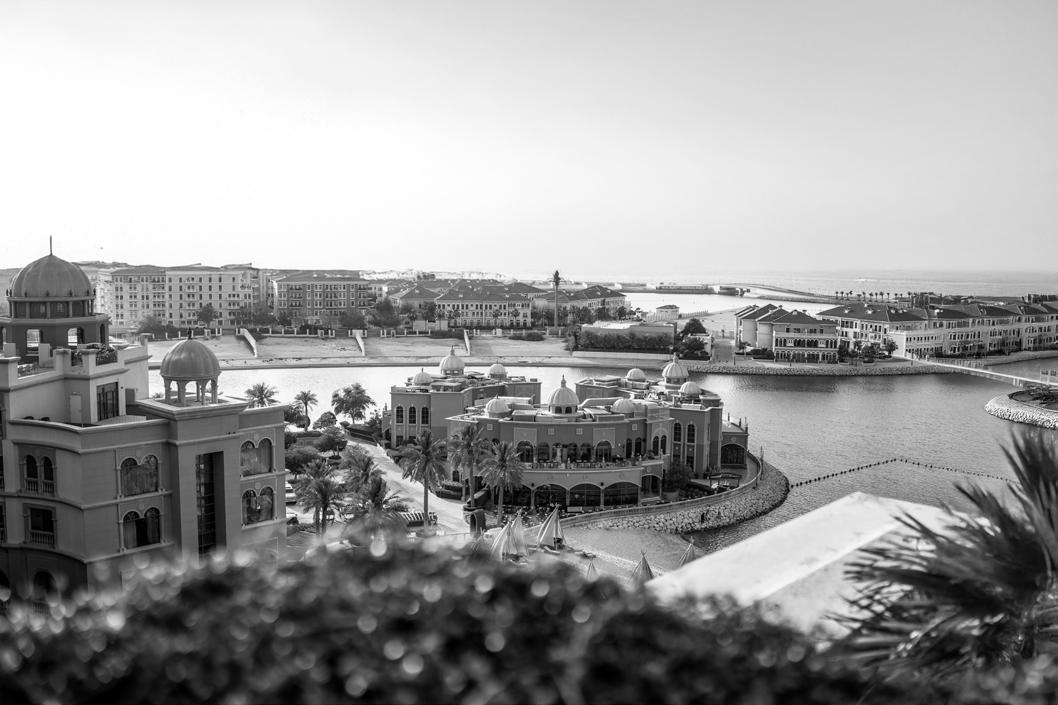
short drive away from Saudi, a tiny island on the Arabian gulf is bursting with promise.
She is Bahrain.
Despite its small size, Bahrain’s music scene is nothing short of lively. For decades, it has carried the region’s nightlife affairs with people from all across the GCC catching whatever can carry them– literally planes, trains and automobiles– just for a weekend in Bahrain. This happened so much so that Bahrain witnessed over 120 thousand cars driving in from Saudi on a singular day in 2018 (it’s true, you can look it up).
What helped set up Bahrain is an amalgamation of things– from its geopolitical location as a port city with a rich history of cultural exchange, to a unique culture boom that unexpectedly designated it the region’s entertainment hub. This created the ideal foundation for what was to become The Bahrain.
And so Bahrain was the frst. But, more importantly, it kicked off a movement that slowly rippled into the greater region. “We started frst. We were the ones pioneering the scene. Bahrain brought the music.”
From venues, to trailblazing collectives, and everything in between, Bahrain has been an undeniable catalyst in the region’s nightlife ecosystem.
We were there to learn from them.
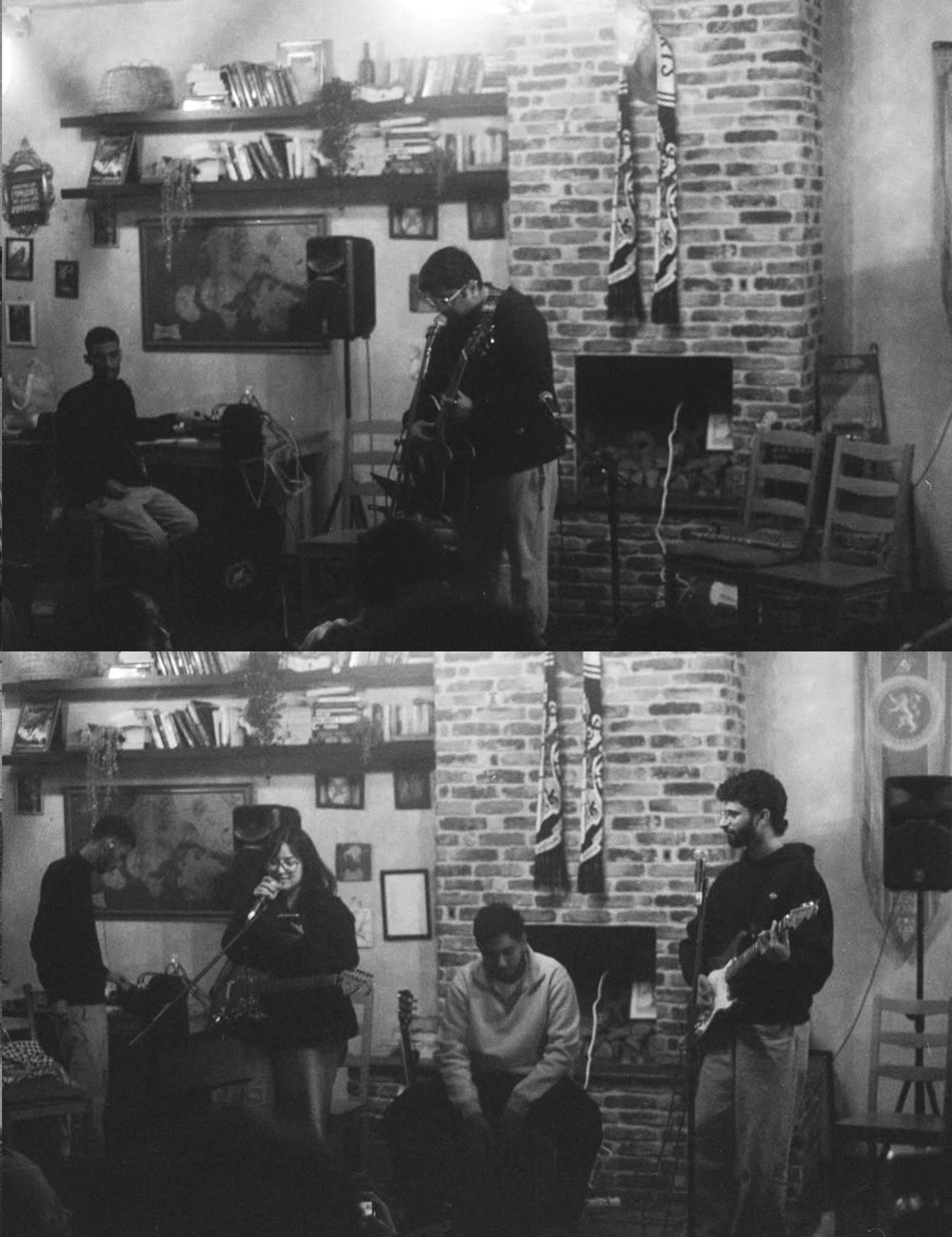
In the heart of Adliyah– the epicenter of Manama’s music scene–, Bahrain’s music community gathered. We were in Calexico, a Mexican restaurant & bar that doubles as a music community hub.
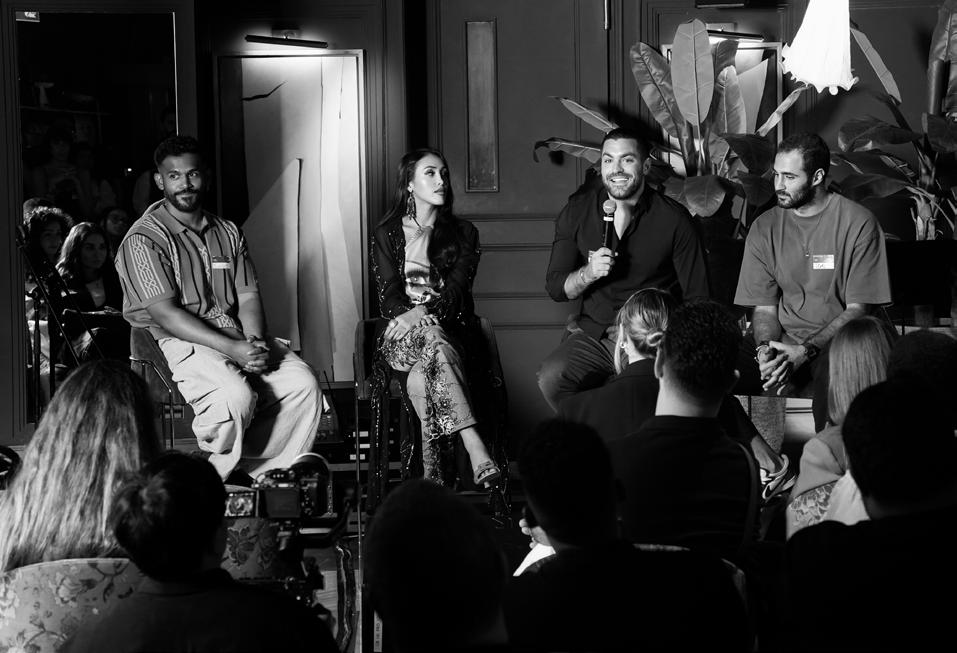
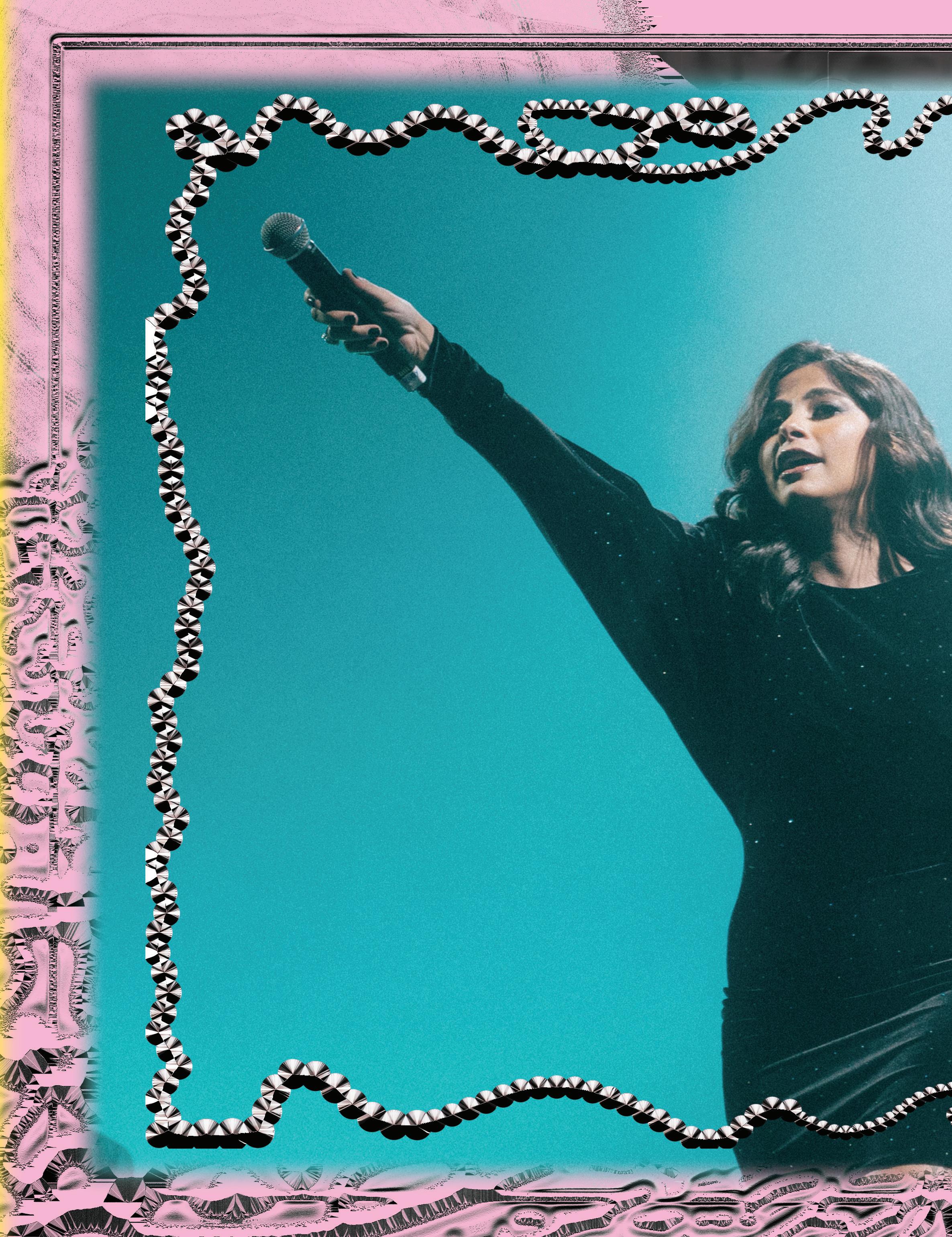
Our session kicked off with a panel, moderated by Bahraini R&B artist May AlQasim. On the panel were Mashael Fairooz, founding partner of JEO Capital Management, Lance Tobini, Vice President of Booking at Al Danah Amphitheatre, Wrista, recording artist and founder of L.O.A.D.B Productions, and Ali
Zayani, co-founder of Bahraini collective Soundscapes.
The following text is a synthesis of our fndings from the panel and 3 overfowing workshop tables.
Bahrain has historically been the designated GCC entertainment hub and that came with its perks. Being the only country regionally with diverse nightlife offerings meant that it had little to compete with– it was guaranteed that their clubs, lounges, and even malls and restaurants would be packed every weekend. This also meant that their music community had infnite more chances to explore and experiment with lax laws, a variety of venues, and diverse audiences to play for.
However, when competition began to enter the regional market, things started to slow down. Being the frst and the only for so long, Bahrain overlooked its need to evolve its music and entertainment industries. Eventually, it being the frst became the only thing left it had to show for.
This is not to say that the Bahraini music community isn’t rich, eager to grow and to exchange– it is. The main barriers they face are institutional with little progress made in its music infrastructure and policy. Despite there being so much talent and an active grassroots movement in Bahrain– an experienced and seasoned grassroots to be even more specifc–,
the scene continues to struggle; from fnding appropriate venues, to ensuring venue longevity, to securing permits, and to building sustainable careers, the scene falls short of The Institution. This resulted in a stunted music industry, while neighboring countries surpassed their initial benchmark (Bahrain).
In spite of these barriers, the grassroots remains vibrant and active.
Independent and cross-genre microvenues and collectives– such as Sonder Café, Ravens Nest, Misfts collective, Museland collective, Soundscapes (the list does not end)-- have been central in platforming local artists and shaping niche music communities across Bahrain, and the whole region. Additionally, creative spaces, such as the popular and collectivelymourned Malja2, were so enthusiastically utilized, displaying the scene’s commitment to collaboration and community. Unfortunately, it is diffcult to DIY a music industry.
Although these venues and collectives were heavily sought after, they seldom lasted; as the venues and collectives grew bigger, they became harder and more expensive to manage and cyclically died out. New venues would emerge– in true initiatory Bahraini fashion– replacing the old ones. Repeat cycle. Without institutional backing, there is a lack of longevity and continuity in the scene, giving the Bahraini music community an additional lump of work to do before being able to share their craft.
What we learned:
A strong grassroots, but a fragile infrastructure
Bahrain is overfowing with a strong grassroots. From the independent Bahrain Music Conference in 2013, to endless community spaces and events launching yearround, the music community takes initiative
to be among each other, to collaborate, and to create together. In order to leverage this, community spaces and accessibility are key to the scene thriving and growing– the lack of institutional support and music-specifc infrastructure leaves the grassroots carrying most of the weight.
Policy and Institutional Gaps + Opportunities
Government initiatives such as Tamkeen are great starts, awarding grants to Bahraini entrepreneurs and creatives– including music scholarships and funding innovative venues–with the broad goal to accelerate the arts and culture economy. Although these initiatives are terrifc launchpads, there remains a lack of focus on music as a stand alone culture and economy, resulting in a neglected music scene. Institutional focus and policy reform are integral in unlocking the next stage of growth.
Short-term models hold the scene back
The focus on short-term entertainment offerings is one of Bahrain’s main setbacks. This model is outdated and only worked when it was the only weekend destination. More than anything, this model stunted the industry’s development when it already has the talent and drive needed for a booming industry. Without longer-term investment, the scene’s growth will remain stagnated.
Venues are everything
A main hurdle artists face in Bahrain is jumping from small-artist to performing artist due to an absence of hospitable venues with the only contenders for performance being either small-scale venues– lounges, cafes, bars, and restaurants– or the headlining, unsellable 10k seating Aldanah Amphitheatre. Nothing in-between. To truly thrive, Bahrain needs mid-size, modular venues that prioritize musicfrst programming, community values, and longevity over turnover.
UNFORTUNATELY, IT IS DIFFICULT TO DIY A MUSIC INDUSTRY.
Bahrain may be the region’s frst, but it is so much more than that. The roots of its music scene run deep, and its grassroots continue to prove that the culture is alive, ambitious, and unafraid. With a renewed focus on community spaces, mid-size venues, and policies that are truly artist-frst, Bahrain can transform itself from a weekend destination into a year-round leading music hub. What started as a pioneering movement can slowly translate into a new cultural renaissance.
Bahrain was the frst, and she can lead again.
ere are two places I call home — Los Angeles, where I learned the art of self- expression, and Doha, where I learned the meaning of belonging.
Between these two very different worlds, I often found myself conficted with my own ideas of creativity and cultural identity.
When I frst started making music, I wasn’t thinking about anything serious. I was just having fun, making songs as a hobby after school. My friends and I would freestyle in the car to random beats on YouTube, and that’s when I began writing a lot of raps.
Growing up in Los Angeles, surrounded by the entertainment industry, gave me a unique perspective on creative expression. I felt like anything was possible from a young age, and that mindset shaped the way I see life. There’s a strange yet glamorous energy in LA that continues to infuence the way I create and interact with my dreams.
In 2023, I began releasing my frst few singles from my apartment in Santa Monica. One of those tracks, “Khaleeji,” wasn’t even meant to be a hit — it was more like a fun love letter to my roots in LA and Doha. I honestly didn’t think anyone would relate to it, since it felt so niche. But after I posted a few clips of the music video on TikTok, it suddenly blew up. The song ended up reaching #3 on the Saudi Arabian music charts, which was surreal to me — especially as an independent female artist with no label or team.
It’s been a beautiful journey so far, and I’ve had the chance to meet so many people across the Gulf who connect with my music. It’s always inspiring to hear their stories and perspectives on self-expression and cultural infuence. There’s an incredible wave of young talent rising in the region — artists who share the same vision of what it means to create freely. It’s truly an exciting time to follow your dreams and show others that it’s possible.
Along this path, I’ve realized how heavy representation can feel, especially when your identity becomes part of your art. There’s been both love and criticism toward my music,
which I expected, being the frst Qatari woman to do something like this. Many people have tried to tell me what to wear, how to act, or what to sing about. But over time, I’ve learned that fully embracing my vision brings me true happiness — and that’s all that matters.
Change is inevitable, and I know how quickly my mind moves from one idea to the next. Sometimes it feels a little crazy, but I love not knowing what’s coming. Exploring my own thoughts and ideas as they evolve toward an unknown future is my favorite part of this process. I like to think of it as a kind of magic. My music has taken many forms over the years, and each shift has been euphoric in its own way.
Every song I make lives in its own world. I’m a very visual person, so I love creating music videos that show people what I see. Much of my inspiration comes from everyday life. For example, my latest song “Sandstorm” was written and recorded during an actual sandstorm. It’s a simple, personal song — something I’ve been embracing more lately.
Everywhere I’ve been and everyone I’ve loved has infuenced my art in magical ways. I feel grateful to experience emotions so deeply, because that energy always transforms into something beautiful. Even when I fnd myself lost in life’s confusing moments, I’m genuinely excited for what’s next. I know I’m the creator of my own destiny, and that realization brings me peace.
I remind myself that this is my one life on Earth, and it’s an incredibly special experience. Everything I dedicate my energy toward is intentional — aligned with my future self in ways I can’t always explain.
I’m not sure where this path will take me, but I love the electric mystery of it all. To me, life is an unseen odyssey of imagination that continues to confuse and captivate me through the beautiful unfolding of endless discovery.
I think death can do a lot for a person. It molds you, resonates within you, creates you. My best friend, Wayne Magat, passed away in the summer of 2021, and I feel like, for me, it started my journey into creativity and art.
I initially launched a clothing brand, Children’s Playground, to try and capture that ‘nostalgic awe’ you try to express when you were younger. It was then where I portrayed my grief onto fabric; to make something worthwhile from what felt unsalvageable. Within the following year, that sparked the idea to direct a short flm, ‘Heaven won’t wait for you, go fnd it’, was a way to understand how myself and others found the compassion to move ourselves forward– be it creation, love, or satisfaction. Over those years, I’ve been really grateful to be inspired by the people around me and to learn so much, in terms of art, and life in it of itself.
Eventually, all of this found its way into music.
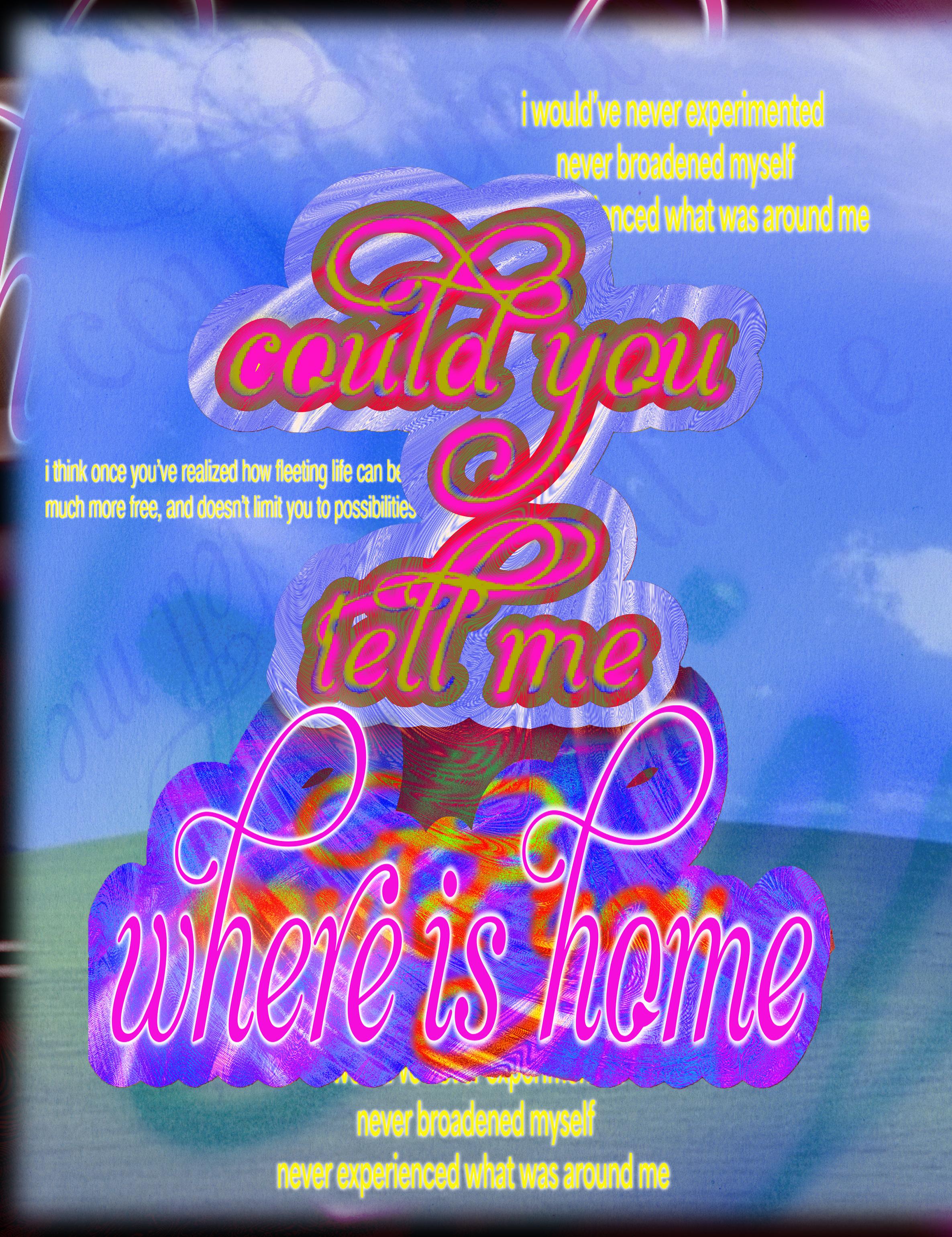
COULD YOU TELL ME WHERE IS HOME is a song I wrote as a fnal message for how I felt—the fnal sentence for my chapters with Wayne. It was the frst track off my debut album, a 2-minute ballad consisting of grand pianos and strings, krushed-up vocals and ghostly, digital synths. My favourite line from it, I wrote ‘Your gravestone made out of Rosetta’. Taking inspiration from Glaive’s ‘May it never Falter’, that line encapsulates all that I see within Wayne. It’s bittersweet to understand that without his passing, I would’ve never experimented, never broadened myself,
and never experienced what was had around me. The ending harmony within that song was a voice recording sent to me by Wayne when we were both kids. It was a melody he’d been trying to fnd for ages, but never found out where it was from. To me, that melody became a guide—a second spark for his unlit candle.
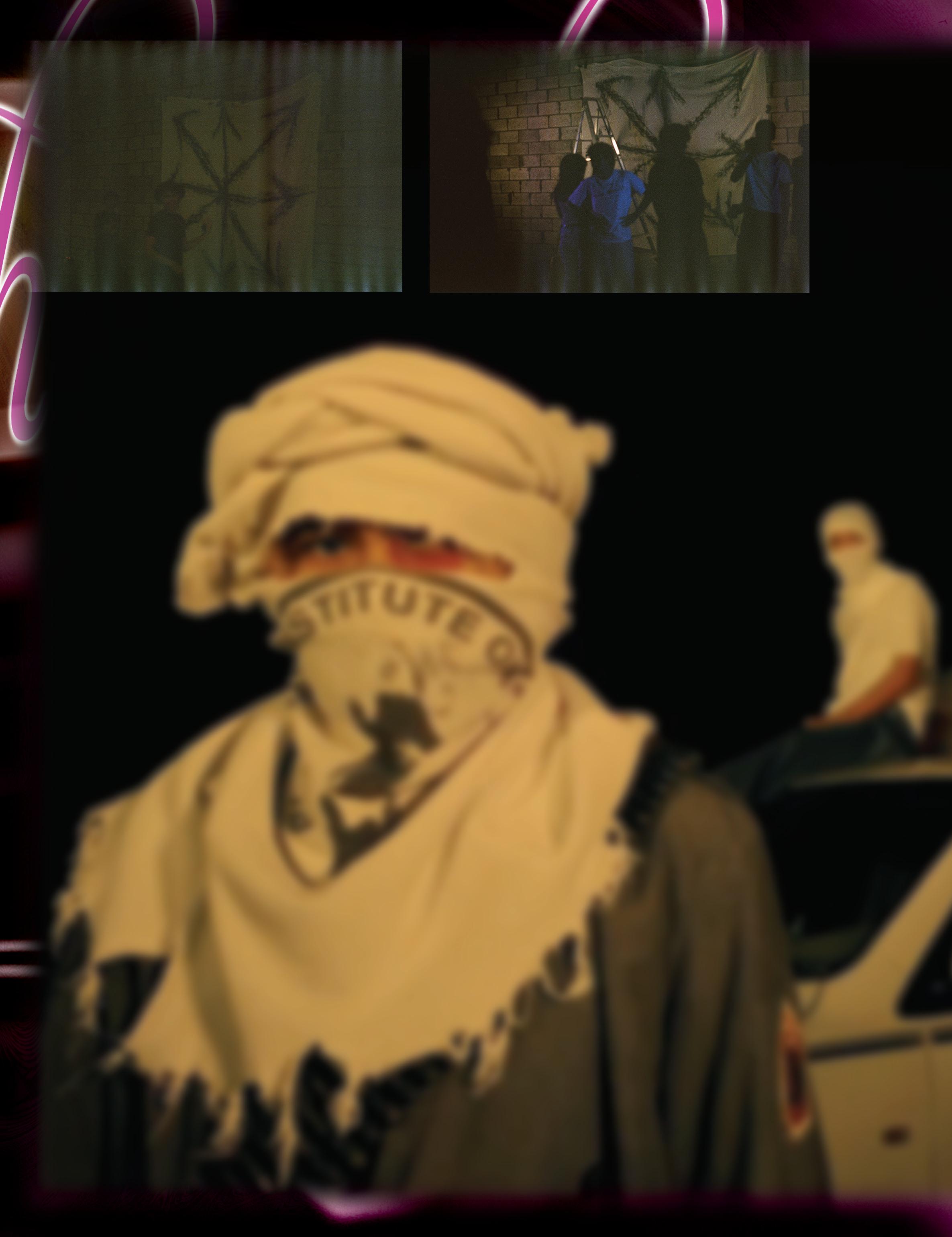
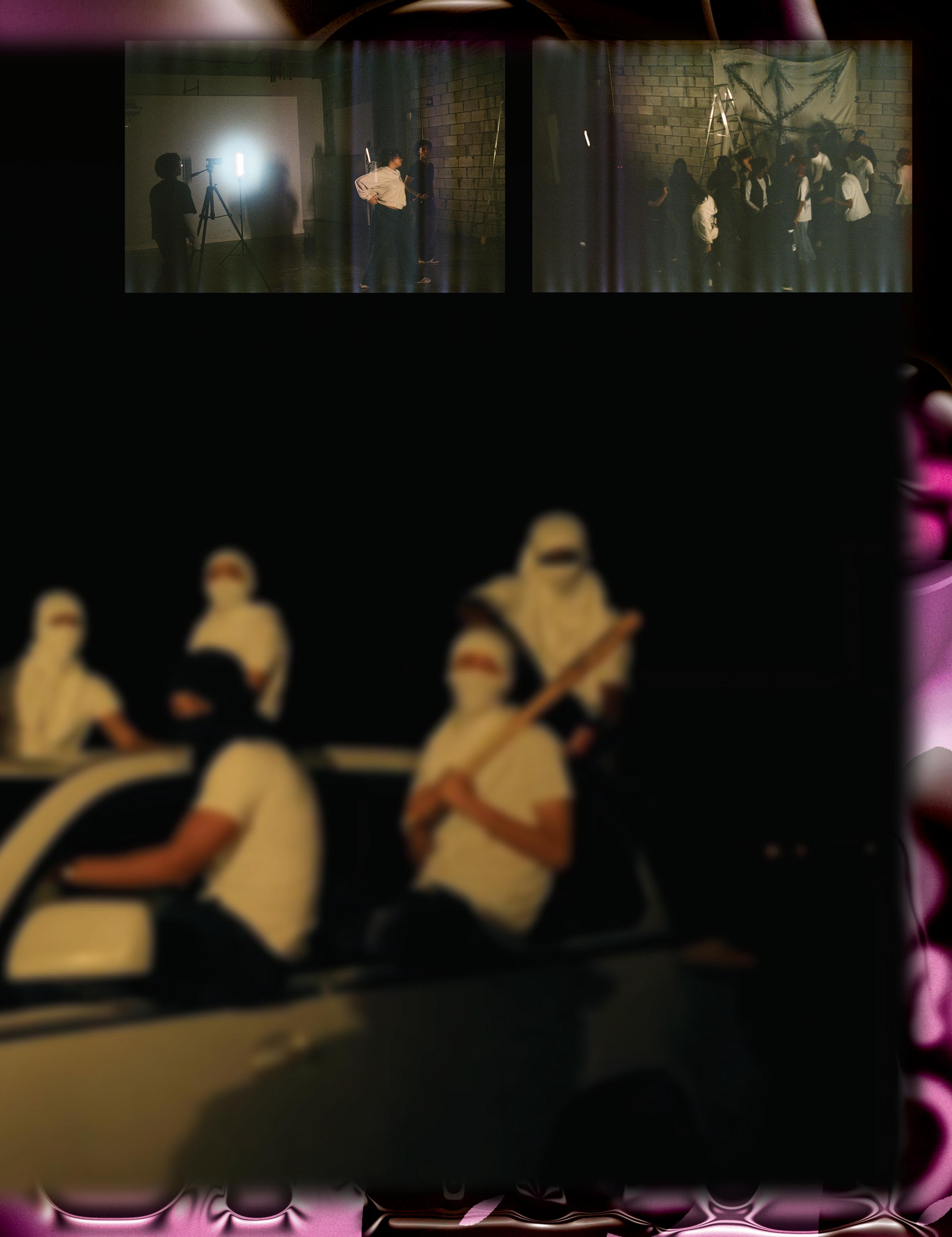
I feel like his death is so enveloped and takes so much form within my aesthetics and personality, in so many aspirations. My ambition to explore new concepts and formats; I think once you’ve realized how feeting life can be, it allows you to be so much more free, and doesn’t limit you to possibilities you’re allowed to take. The symbol of chaos, an 8-point star symbolising uncertainty, has been a prominent motif in many of my songs and visuals. Everything’s fuid, nothing’s defned, and I feel you could see beauty in that regard.
As I’ve dipped my toes in multiple media and formats, I truly believe music is the most encapsulating and reverberating medium of art. It’s the only place where, with so few resources, artists are able to project larger-thanlife ideas, and listeners are able to be wowed by the same 12 notes. I think the only wish I’d have is for someone else to fll up my shoes and take their own steps from the work I put out, the same way Wayne did for me. I honestto-god believe everyone has capabilities and the ability to make something worthwhile, to produce a body that’s able to outlive you, leaving a mark on this endless tapestry of light.
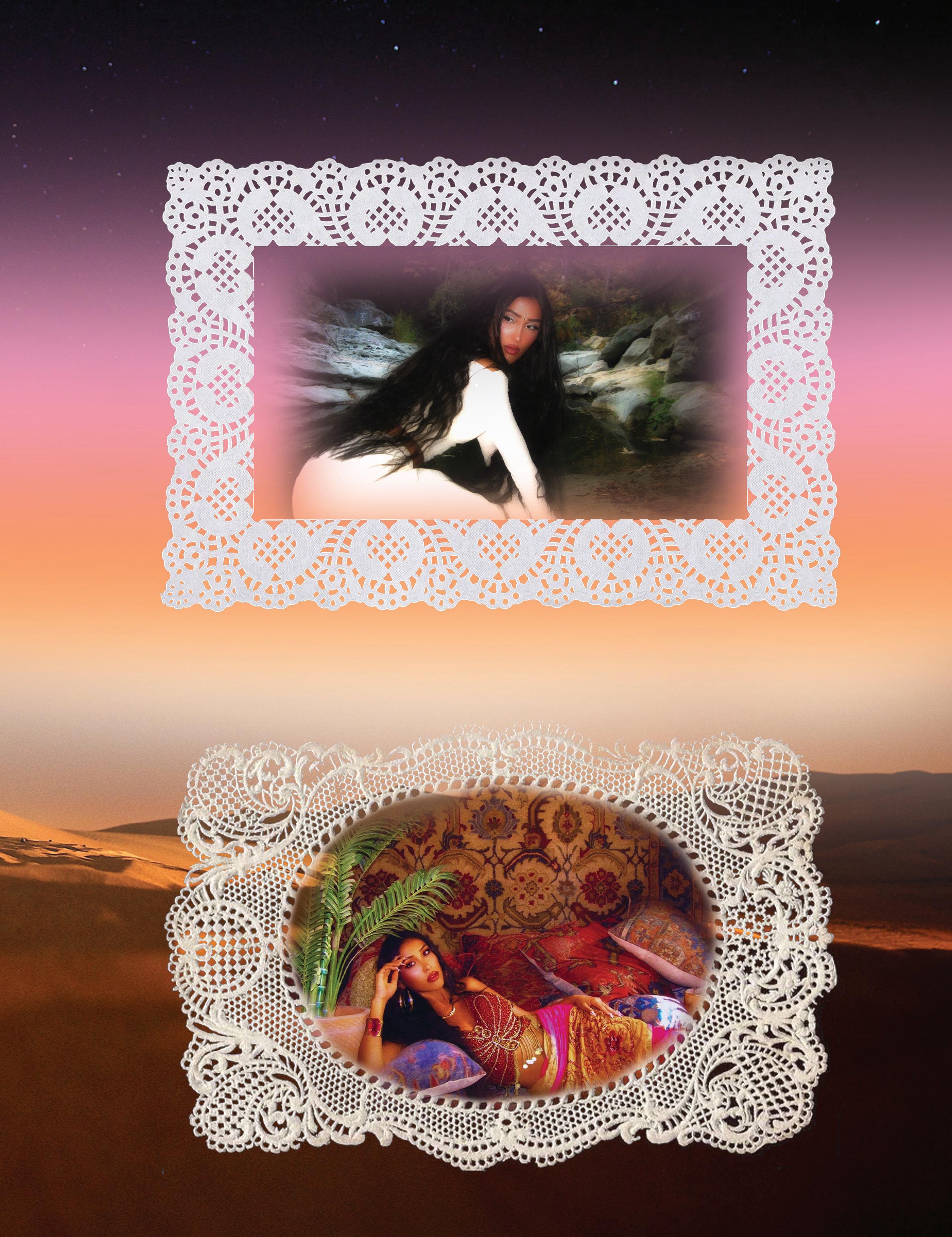
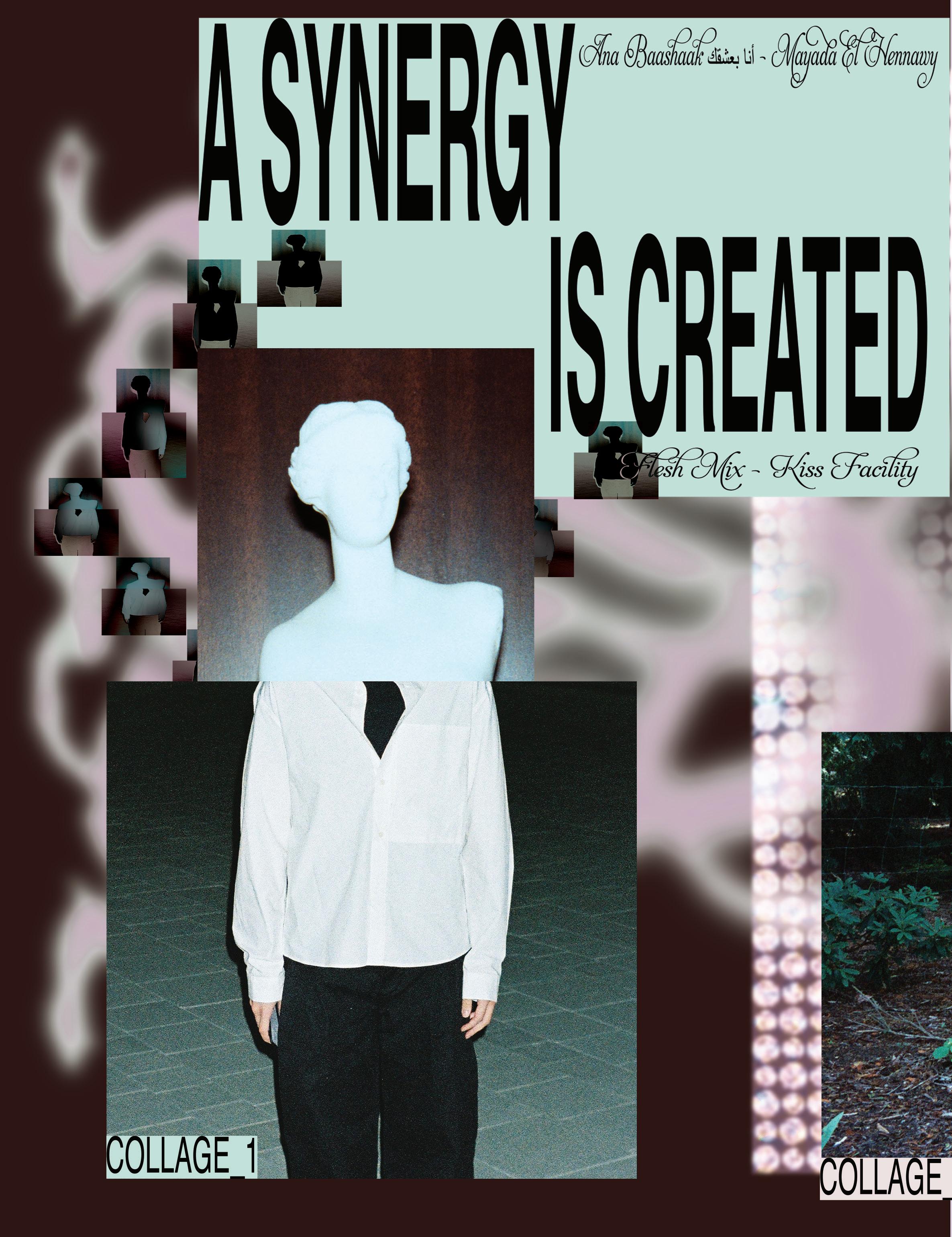
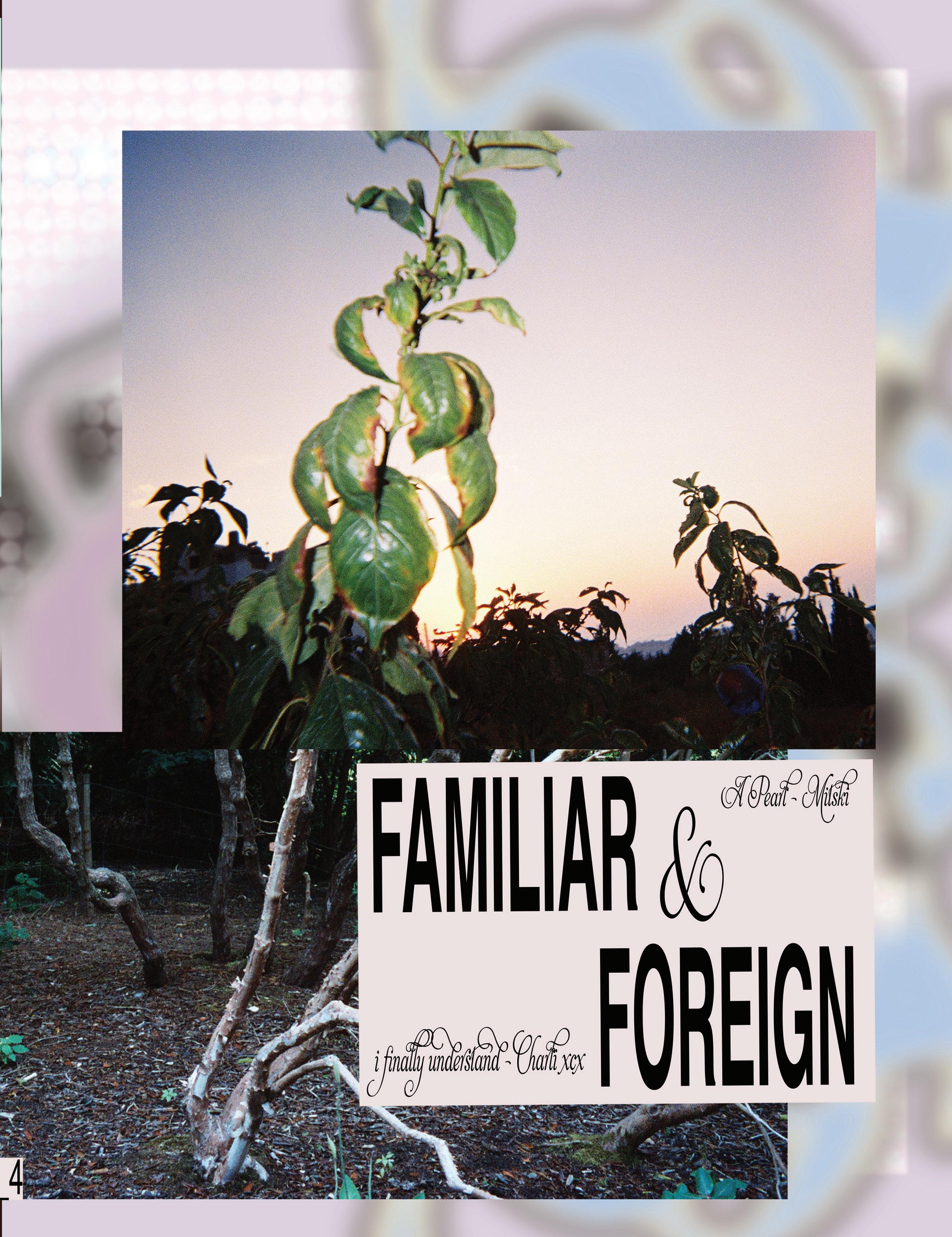
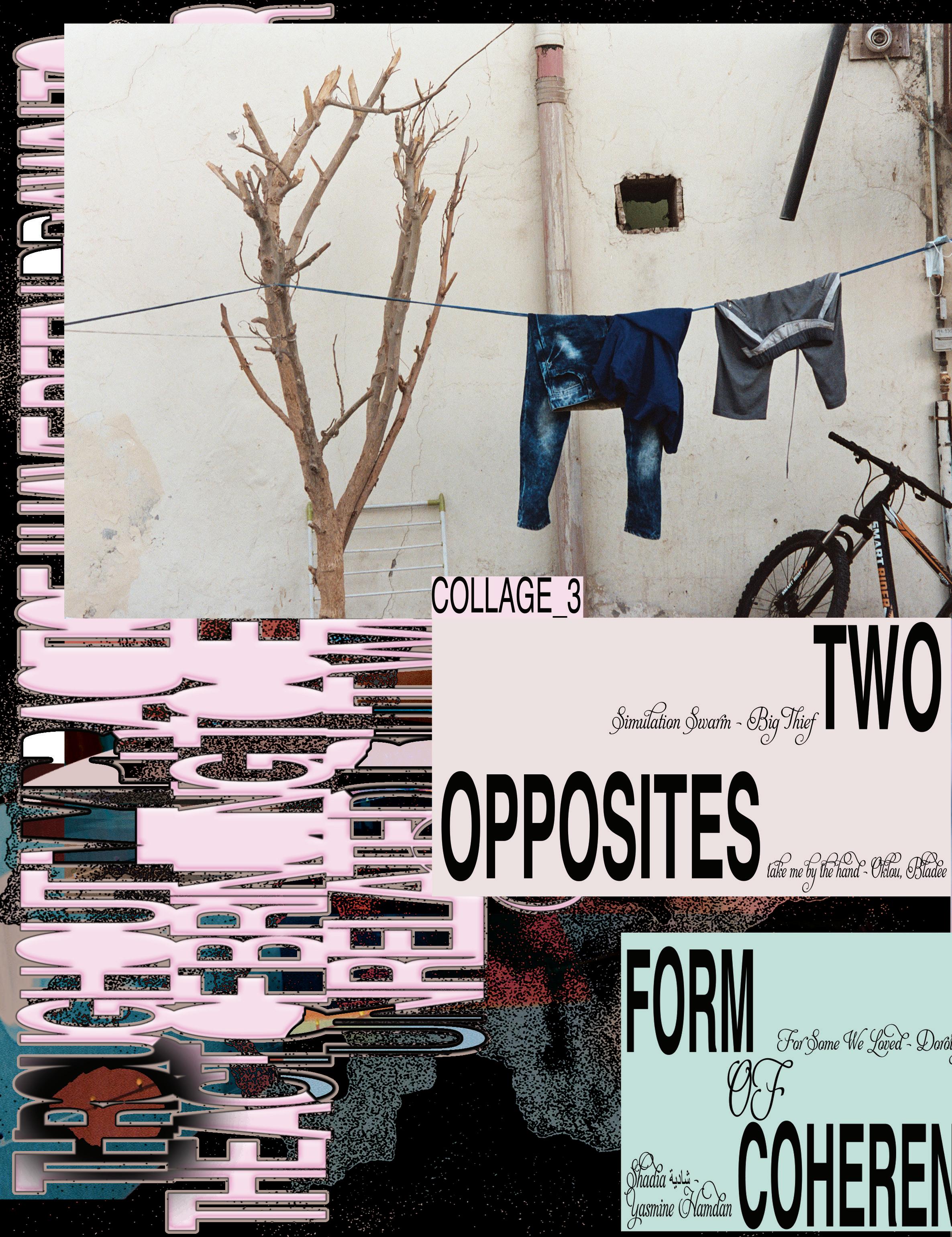
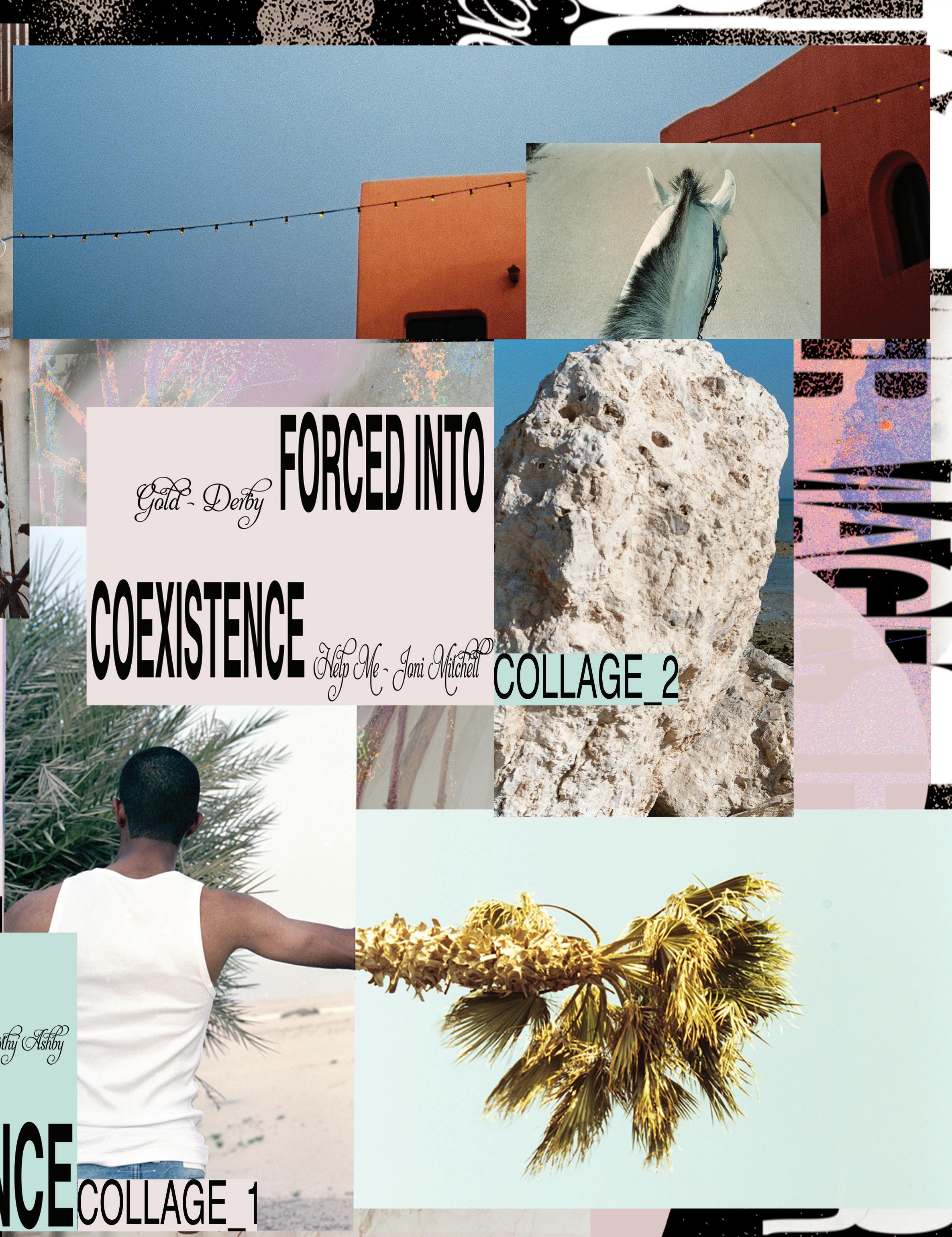
Throughout my practice, I have been drawn to the act of bringing together images that appear unrelated, but when put together, a synergy is created.
In the next few pages, I have put together simple collages of images taken at different times, places, and moods. Along with those collages, I have paired two songs that are also resisting the connection I am drawing between them. The intention is not to seek harmony, but to explore what emerges when two opposites, visual and auditory, familiar and foreign, are forced into coexistence. Through this deliberate dissonance, I want to question how meaning is constructed, and whether contradiction itself can become a form of coherence.
SYNTHESIS
Doha
Think of Qatar’s capital, Doha, as the understated cool sister of the GCC.
Not as showy as Dubai, with a distinct coastal ease not found in the metropolitan desert oasis of Riyadh. The streets are lined with larger than life buildings, astounding architecture and relics left over from the World Cup famously hosted in the winter.
Qatar, like most GCC nations is small and boasts a modest population size, being home of only a couple million folks - a lot of them expats. Unsurprisingly, like most other GCC nations, the citizens and natives hold on to their traditions well - creating a tale of two lively cities that seldom mesh.
When you add that with a lean towards tourism, the music scene there is less driven by experimentation and more driven by entertainment. And we’re talking big time entertainment. From large clubs like Hide that popped up almost overnight, to lush restaurants and lounges serving fresh jazz tunes, there are massive spaces to enjoy music. But Qatar seems to lack small spaces to create it.
We went straight to the source, fying the team out to Doha to learn about the music scene from the people that bring it to life - from the club owners, to the violinists. We wanted to learn what becomes of those who want to create and experiment with their sounds - and the overlooked question of where the citizens of Doha come to play in this expat dominated industry.
—-------
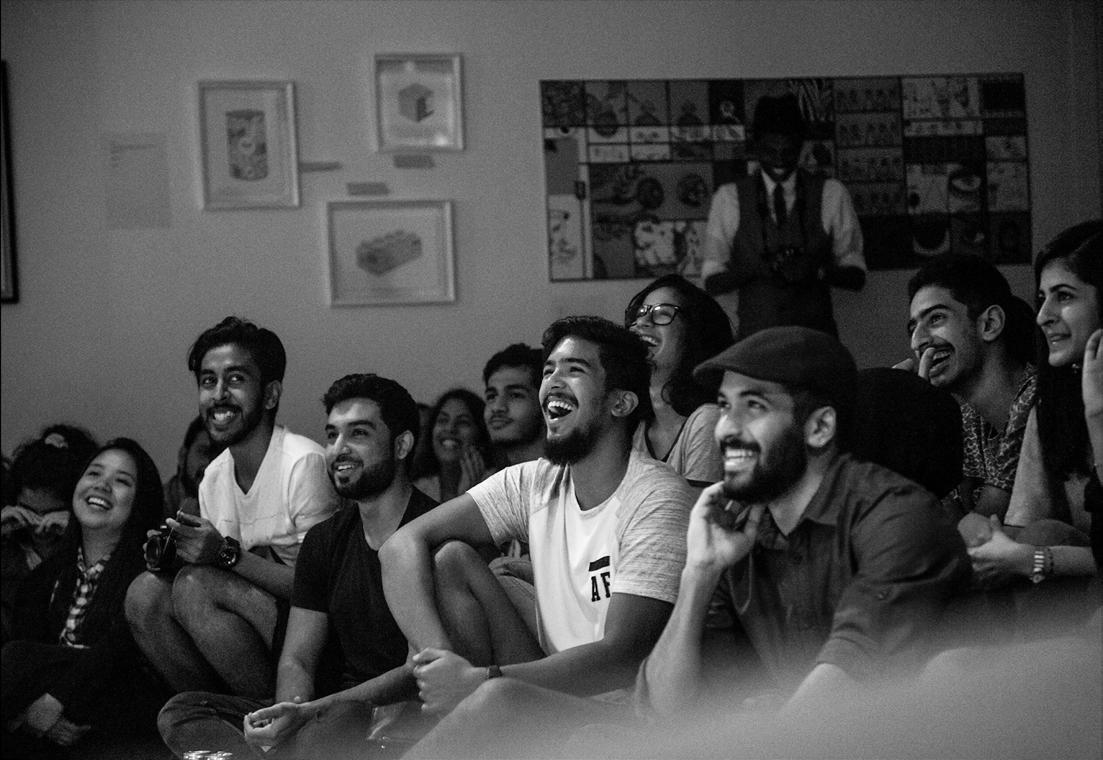
The XP team, alongside Doha’s active music community, fled into the BIBO rooftop. Small, intimate and overlooking sites worth seeing. As we arranged seats and tested mics, Doha’s eager scene fled in slowly. This small space was packed to the brim, spilling onto the rooftop. It seemed like everyone in the scene was there - even those who label themselves as casual audience members. When asked why they came despite not being involved in music - We were met with a shrug and was told at least it was something to do.
Like other cities we visited - this felt like a reunion episode. Different music communities who have only heard whispers of each other were fnally all together, in one place. The panel diversely represented those who make
up the scene - Dimitri the founder of megaclub Hide, Joe the founder of the small collective One Day at a Time and Sahera - an ultra glamorous Qatari-American indie it-girl. It was moderated by Saad al Suwaidi, a local rapper.
The panel discussion echoed the same concerns that were brought up in the round table workshops. Ironically, in the lush economy of Doha - money is a big concern. Because of its famed reputation of riches, bringing in international talent comes with a hefty price - with artists looking to bag a fat check. When testing appetite for local talent, the unfortunate conclusion is that audiences don’t make the effort unless they recognize big, instagrammable names. This makes it diffcult to create a consistent community, or to support local talent. It also makes it diffcult for club owners and promoters to cover overhead costs that come with running a venue, and booking big ticket names.
This also leaves those seeking to explore, perform and experiment with their music with little public platforms. Even those outside of electronic music seem to suffer - being pigeonholed into performing the same covers in fear that bookers aren’t interested in original stuff.
When an audience member voiced the grievance of lacking third spaces where artists can jam, meet and connect, Dimitri did something unprecedented. He offered to open Hide outside of operating hours for up-and-comers to utilize.
As we broke out into smaller group sessions for discussions, participants quickly ran off topic. This isn’t an issue, as it highlighted something critical. They were just so excited to fnally meet each other, be heard, and to feel like they aren’t alone in this journey towards musical expression.
But in these breakout sessions, we noticed something that we couldn’t shake. There were little to no Qatari nationals present. We came to learn that this division is systemic. As mentioned in the panel, traditional wear is banned in clubs and lounges - making Qatari culture, even in the smallest ways, unable to converge with nightlife.
This systemic issue is just the surface. When Sahera sighed as she sat by us, sad her friends couldn’t make it, we learned that this isn’t because her friends or Qatari women
as a whole are unsupportive of the scene. They are legally barred from entering entertainment spaces serving alcohol. Even if they are performing. Even if everyone else is welcome.
This was puzzling. The lack of Qatari integration in the scene isn’t just about cultural hang-ups, it’s codifed. This makes nightlife and music as a whole an expat dominated community. This brings up issues around sustainability - if the majority of audience members are transient, and only call Qatar home for now, how does the scene grow and establish itself frmly?
The limited participation of Qatari citizens means that there are little public programs and avenues for funding and support. This means that those based in Qatar have to create ingenious methods of support and community building.
This doesn’t come easy as there are little third spaces, or grassroots initiatives to gel the scene together. So we hunkered down with the Qatari scene, and tried to develop solutions with them. Ultimately - it boils down to creating a cohesive community network that is able to independently uplift each other, with no commercial motivation. No commercial motivation means that no sound is unwelcomed, experimentation is encouraged, and connection can fourish organically.
This sort of initiative can come in the form of many things, most of the ideas foated were as simple as jam sessions and open mics. Truly - anything that can help bring people together to exchange sounds, ideas, pains and wins. Simply put, the solution to a frustrated and fragmented scene is to create avenues for connection, and more importantly, design the third spaces they deeply desire.
THE LACK OF QATARI INTEGRATION IN THE SCENE ISN’T JUST ABOUT CULTURAL HANG-UPS, IT’S CODIFIED.
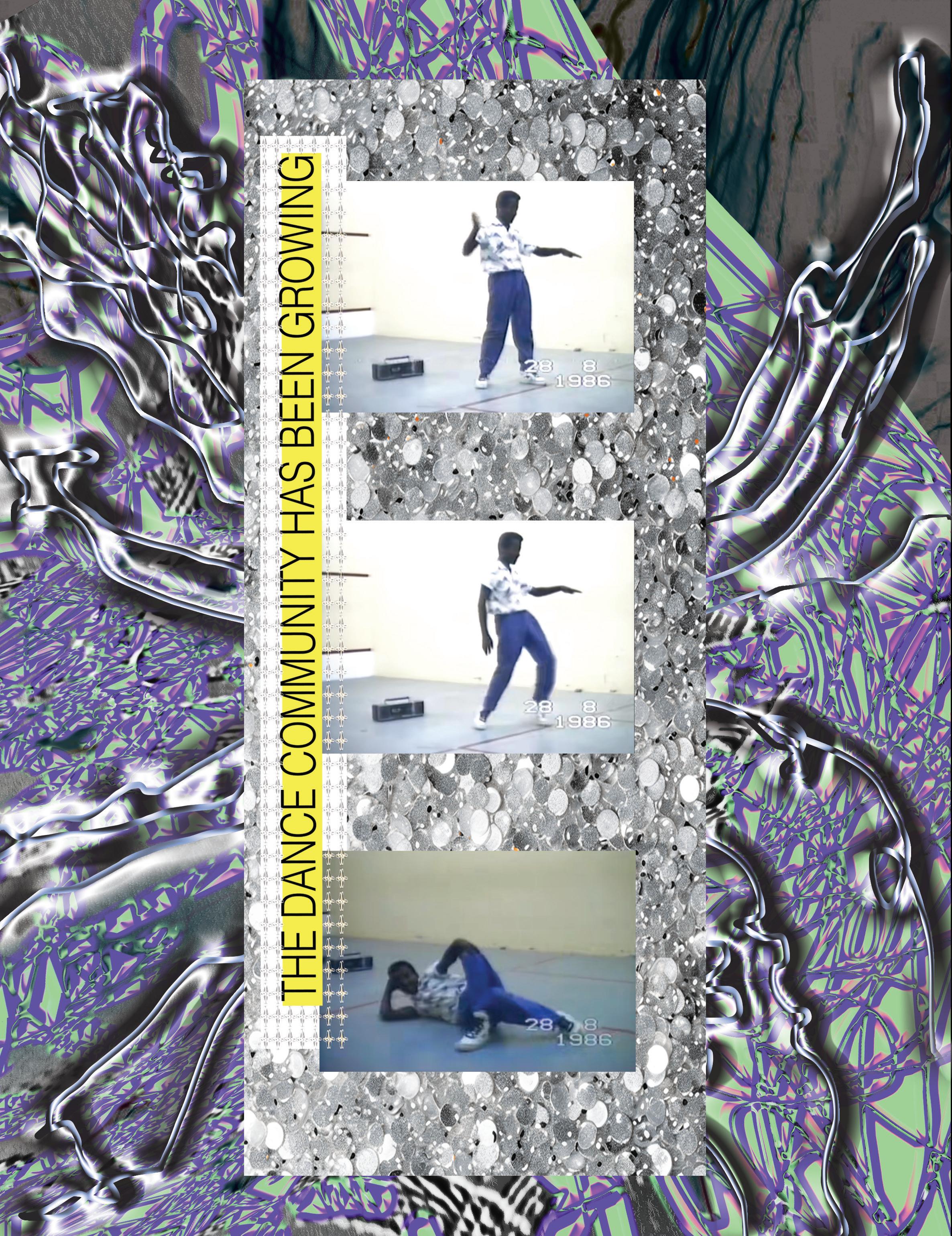
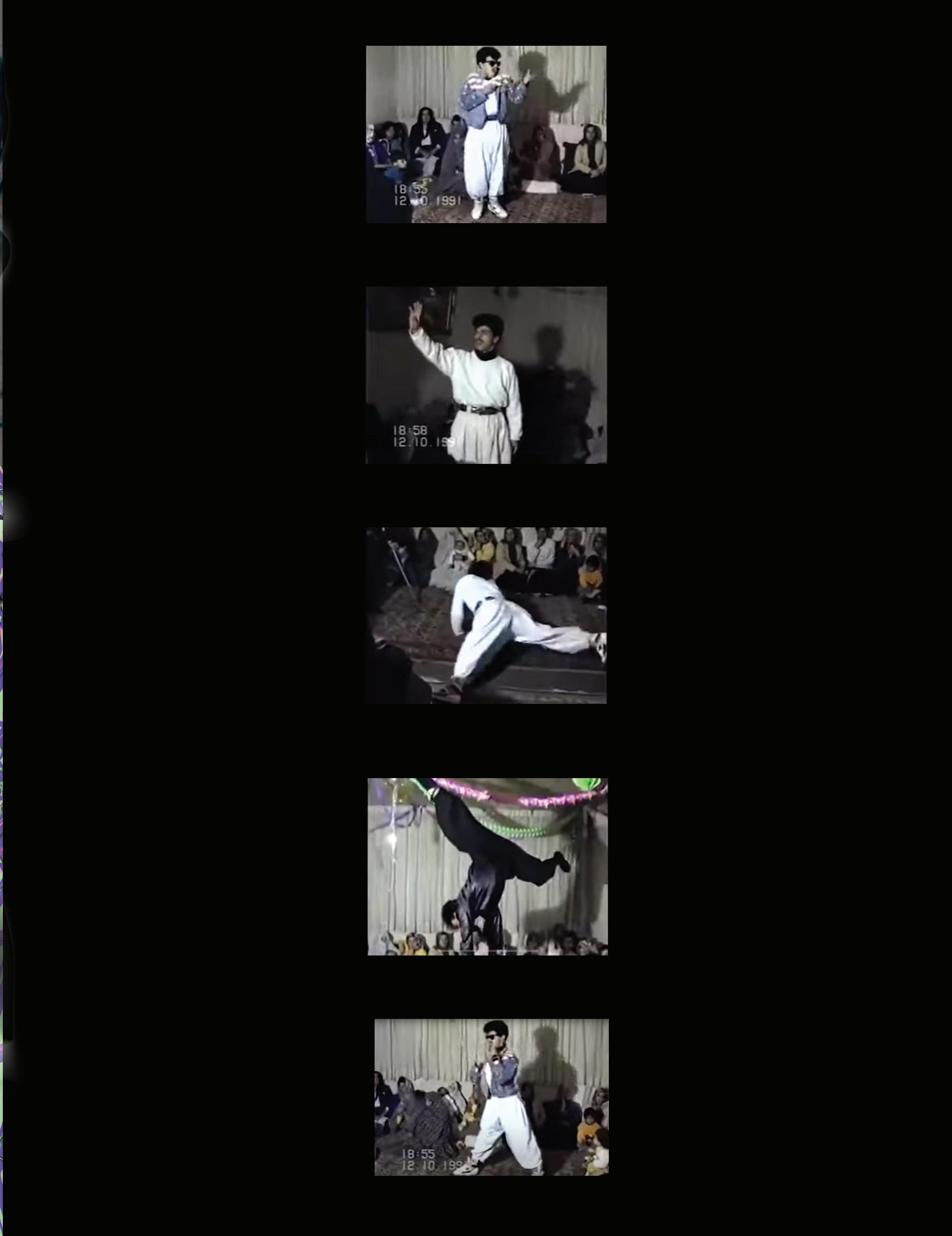
How Has The Dance Community In Saudi Evolved In Recent Years?
The dance community has been growing, especially with the changes in recent years, allowing for more cultural expression and creative arts across Saudi Arabia. The city has seen a rise in allowing open dance projects, workshops, and public events like performance art that embrace a range of styles, from traditional Middle Eastern dances to contemporary and hip-hop, as well as Afro and salsa.
What Role Does Vision 2030 Play In The Cultural Changes Seen In Saudi, Especially In Dance?
Under Saudi Arabia’s Vision 2030, the Kingdom has been undergoing signifcant cultural transformations, and dance has started to gain visibility and acceptance. The Vision 2030 program, launched in 2016, aims to diversify Saudi Arabia’s economy and modernize its society, including embracing arts, culture, and entertainment in ways previously restricted.
How Has Music Infuenced The Dance Community In Saudi?
The rise of music festivals like Soundstorm has brought a signifcant cultural shift, particularly for dancers. With large-scale events like Balad Beast, dance and music have become more publicly embraced, creating new opportunities for both professional and amateur dancers. Music festivals provide a space where dancers feel comfortable expressing themselves through dance. Dance is becoming more accepted within Saudi society as part of a broader cultural renaissance.
What Was The Dance Community Like In The Past Compared To Now?
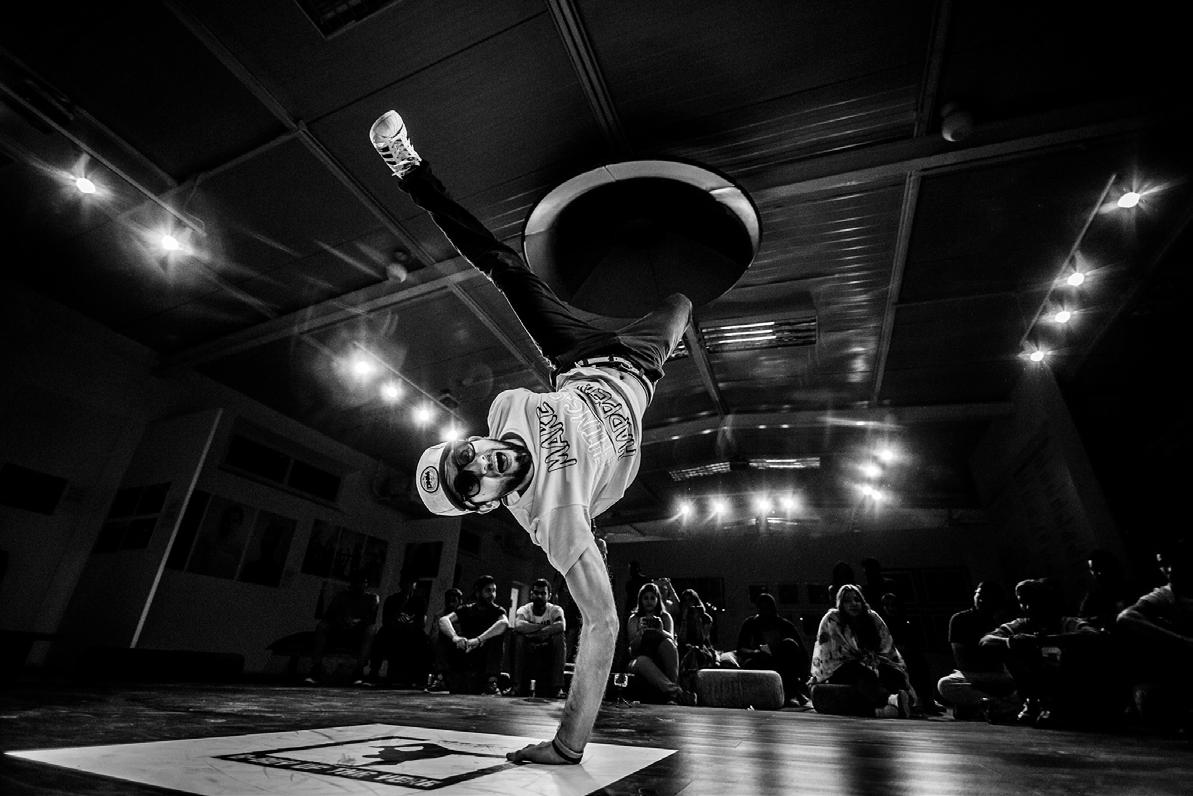
Historically, public dancing wasn’t common or widely accepted back in the day. The dance community was underground. We did dance battles, and “Cyphers”, referring to a space or circle where dancers come together to showcase their skills, freestyle, and engage in improvisational dance.
Abu Rada7:RIYADH’S OG SELECTOR
Mansour Bar
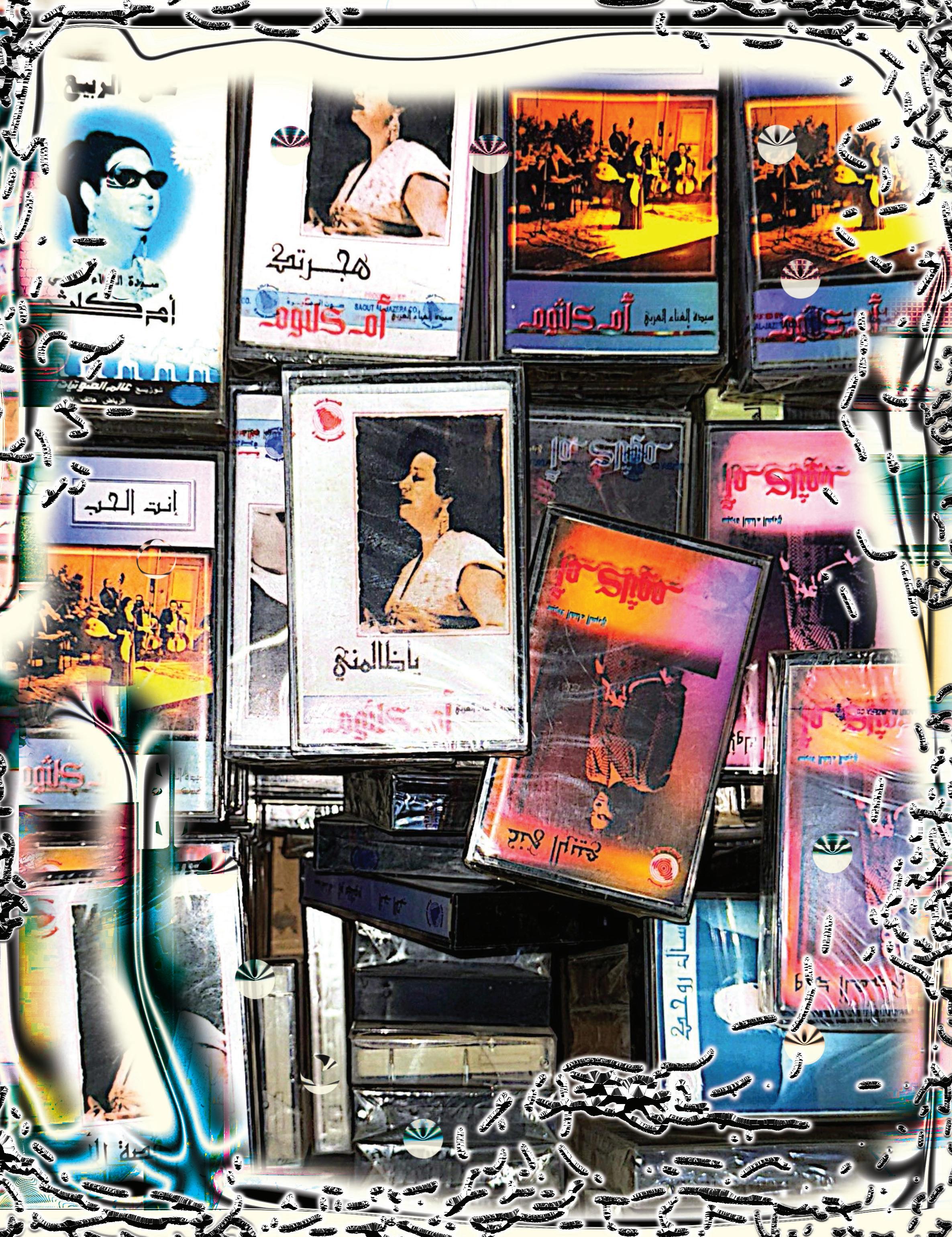
Where do I start? Growing up, I was always fascinated by the local music scene in Saudi. The music you hear at weddings: from Yunbawi to Samri, Mezmar to Shakshaka. Weddings were the place to be. What’s funny is that most of the artists were unknown. No recordings, no videos, no social media back in the day, just word of mouth. But the talent was undeniable. I always wondered: how did they learn? What’s their practice like? Some instruments, like the violin or the semsemeyya, aren’t easy to master.
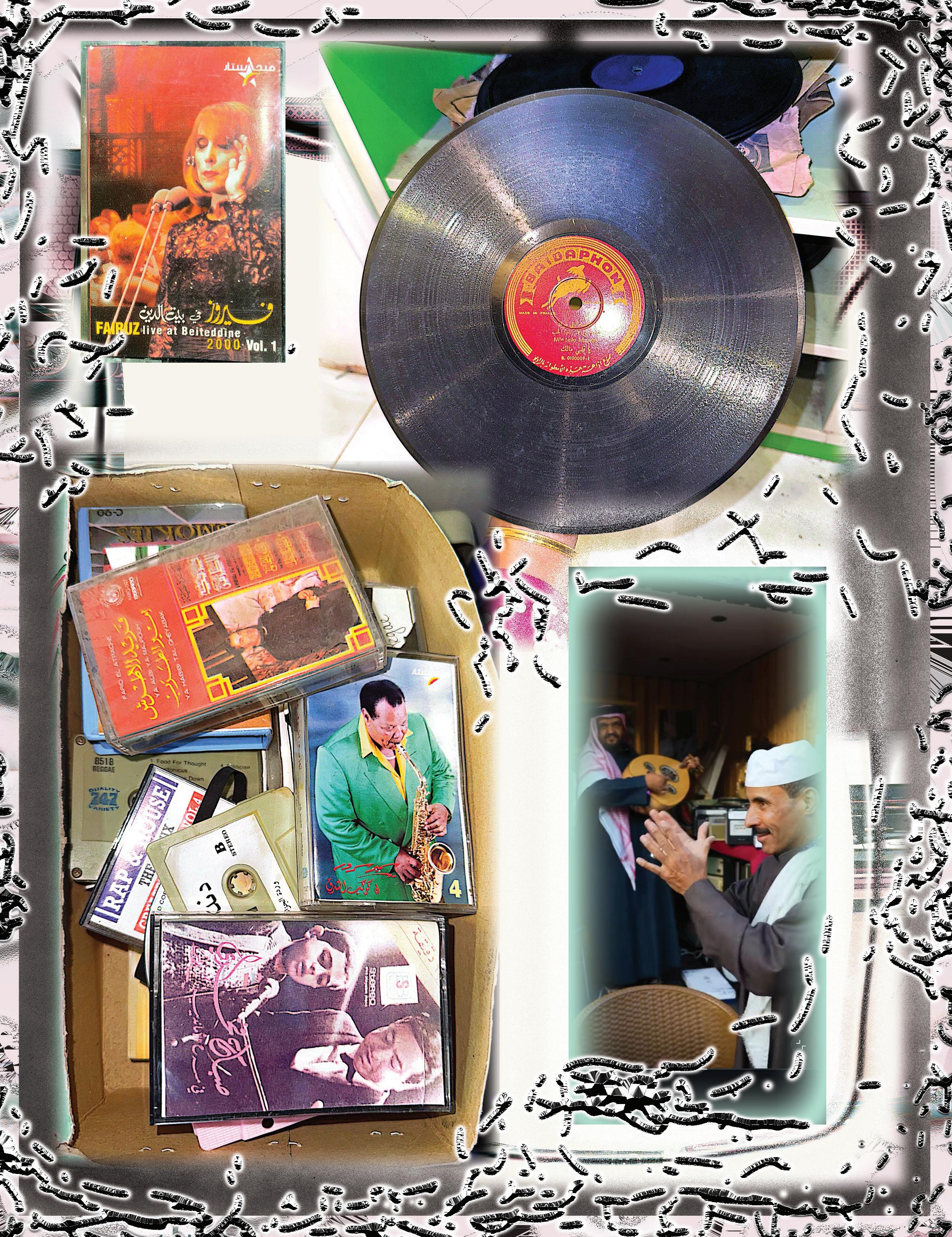
Fast forward to today. After working in the music scene with MDLBEAST, I was walking with my colleague Heba Zaidan through Souq Al-Zal in Riyadh. Suddenly, we heard music blasting in the distance. As we got closer, we saw a man turning the whole street into a party, playing underground local music on speakers, I didn’t even know such records existed, he was dancing, and pulling in both tourists and locals.
I recognized him immediately from TikTok. His name was Abo Radah, a
sha3bi, master curator who sells vinyls, cassettes, and other vintage gems.
I turned to Heba and said, “This guy would ft perfectly at XP.” She smiled: “Why not? Let’s talk to him.”
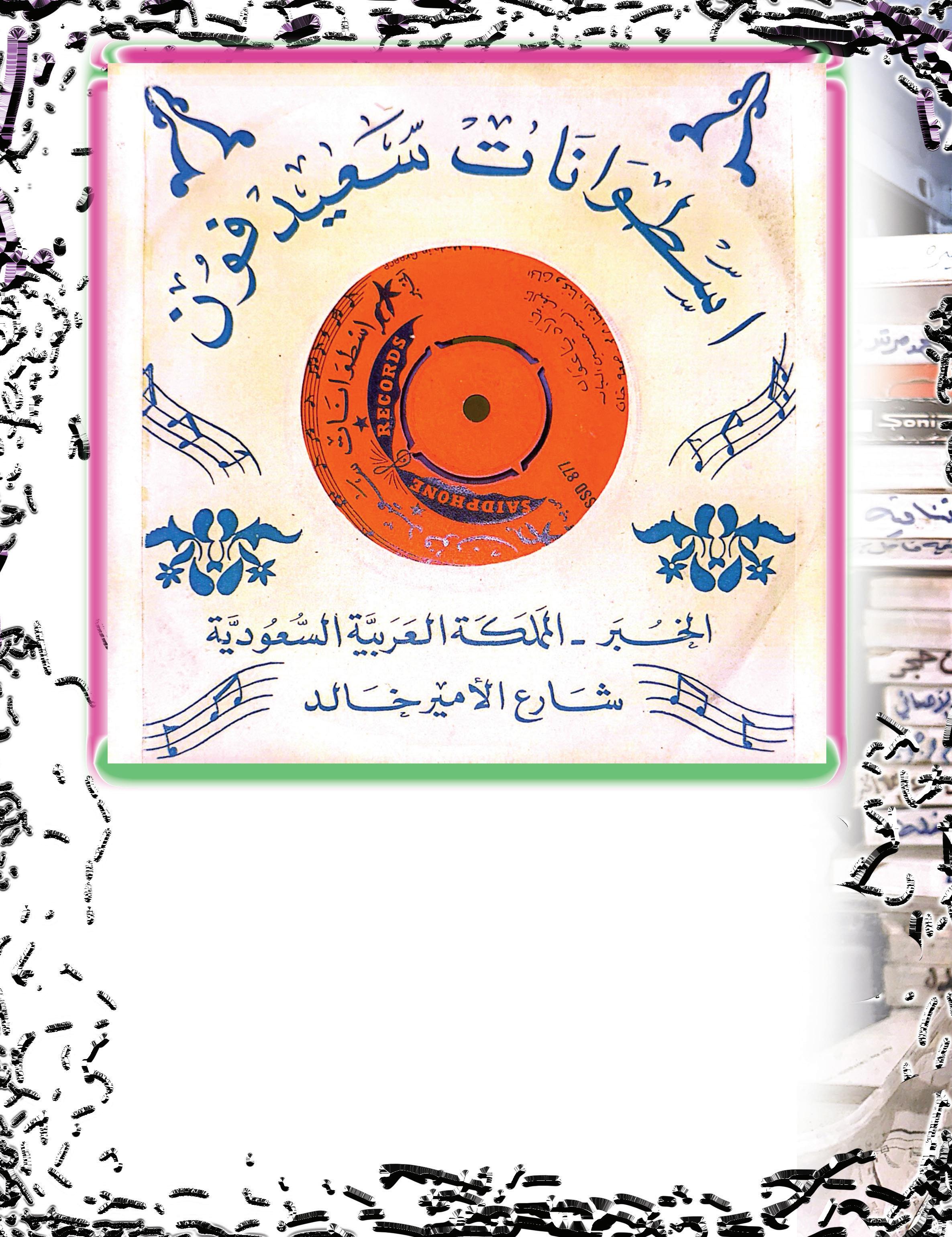
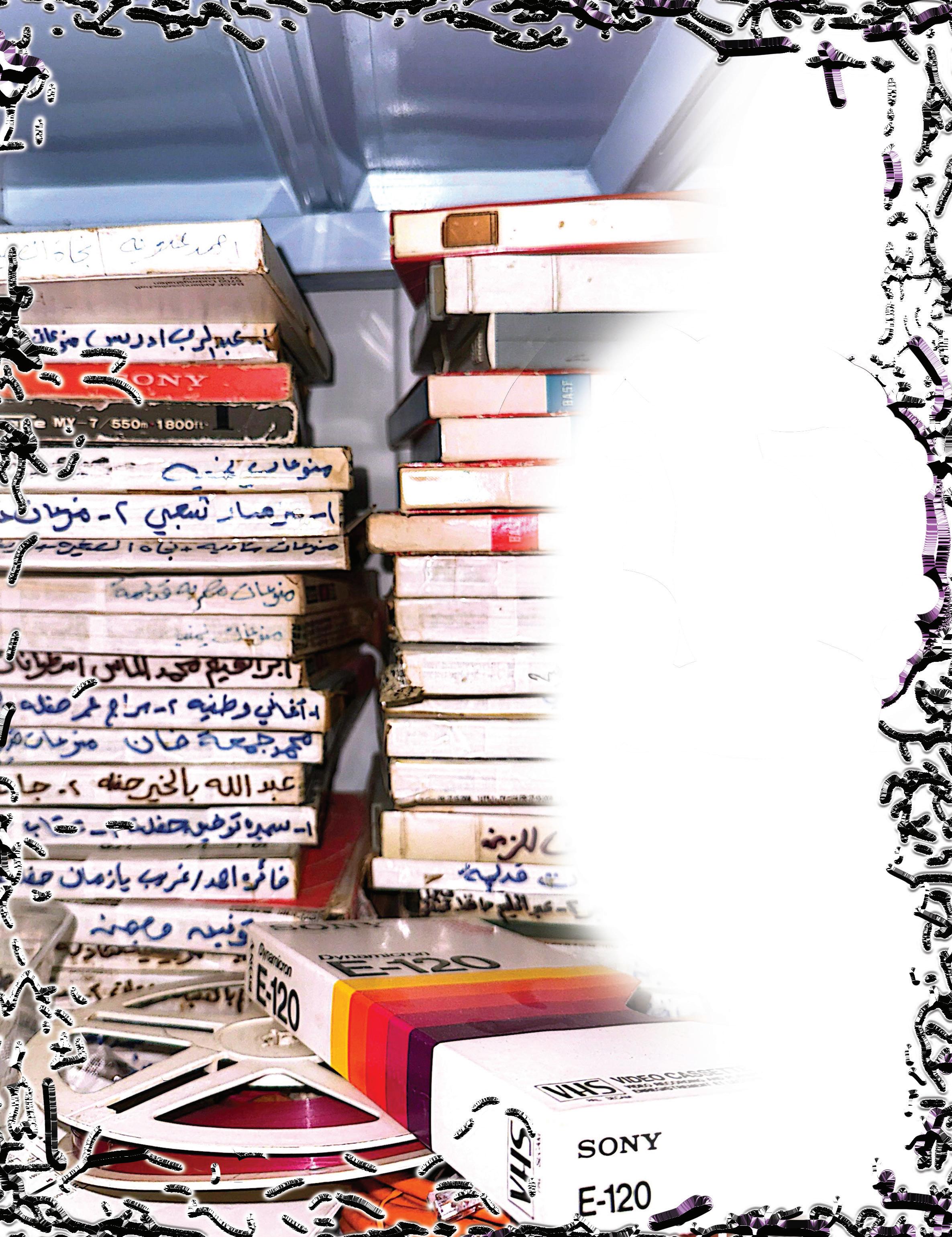
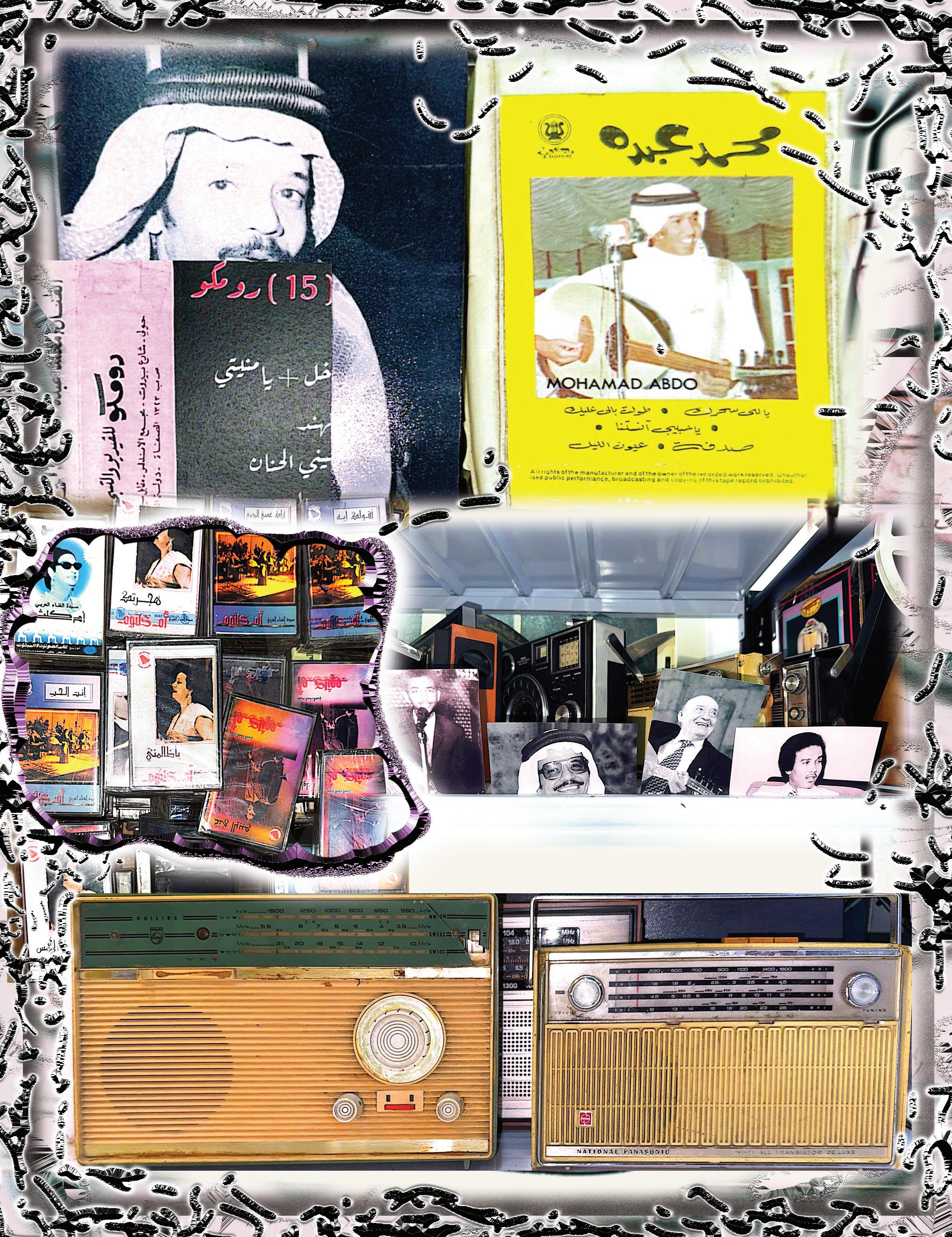
Othman Al-Raddahi, or as everyone calls him, Abo Radah, is a true Riyadh legend. He’s been in the souq for more than 30 years, sitting on a collection of over 3,000 vinyls and even more cassettes. You’ll fnd all kinds of music with him, but what makes him special are the rare local gems, Basheer Shannan, Bin Saeed, Eisa Al-Ahsae and many more. Thanks to people like him, a big part of Saudi’s underground folk history hasn’t disappeared.
I introduced myself, explained where I work, and pitched the idea. His response? “Why not? Take my number. Just don’t call after 12 — my wife gets jealous.” We both cracked up.
The next step was getting him onboard. Sounds simple, right? Just bank details, VAT registration, an email… but he had none of it. Only a phone number, and his son helping him with WhatsApp. That was it. The challenge
was clear: how do you handle paperwork when there isn’t any paperwork? After months of back-and-forth, we fnally made it happen. We got Abo Radah.
Abo Radah arrived with his crew — Shalgam and AlShabah — On the frst day of XP, I was nervous. Would his style connect with an international crowd of music enthusiasts? As the day unfolded, the answer was obvious: it was a total success. His booth became one of the highlights of XP ’24. He sold plenty of vinyls, and the crowd loved him. On the fnal day, I asked him how it went. He couldn’t stop smiling. “We had so much fun. People loved the music, and we sold a lot.”
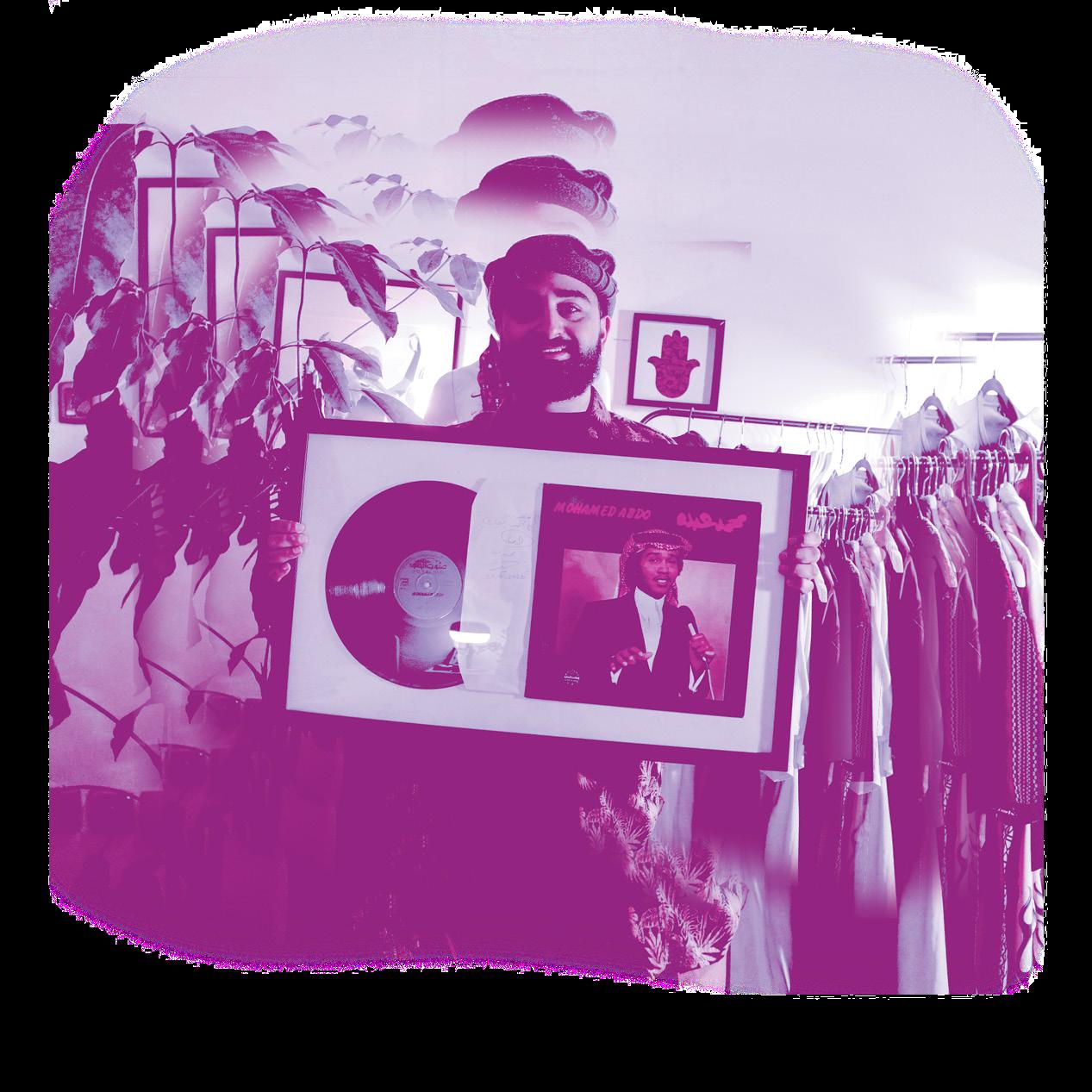
As I browsed his collection, I picked up a Mohammed Abdu record and asked for the price. He took it from me, wrapped it, and handed it back: “It’s free. No need to pay. We’re here for each other.” I insisted, but he refused. At that moment, I understood something deeper about the generosity of Riyadh locals
Music lives through actions like these, just like a butterfy effect, from generation to generation, sharing a song, a tune and a beat. There was always a scene and there were people preserving it, like Abo Radah.
A few weeks go by, my friend Khaled Tanji was fipping through my vinyl collection at home. He spotted the Mohammed Abdu record and casually asked, “Do you want to have this signed?” I froze. “Signed? What do you mean?” He explained he was close friends with Abdu’s grandson.
Weeks passed, and suddenly I received a WhatsApp message from an unknown number: a photo of my record, now signed — “To Mansour Barri, Best wishes, Mohammed Abdu.”
A few days later, I met Abdu’s grandson. Laid-back, apologizing for the delay. I told him, “No, thank you. This is more than enough.” And that’s when it hit me. This was the greatest gift I had ever received.
Shoutout to Abu Radah and all OG Music Selectors keeping our archival music history alive:
_
Abo Radah, Souq Alzal, Riyadh
Jameel Cinema @jameel.cinema
Samee3 Lamee3 @samee3lamee3
Syrian Cassette Archives
@syriancasettearchives
Arabic Independent Music Archive
@aima____________
Sudan Tapes Archive
@sudantapesarchive
Egyptian Cassette Archive, Cairo
Sawt Asura @sawtasura
Ar st Spotlight
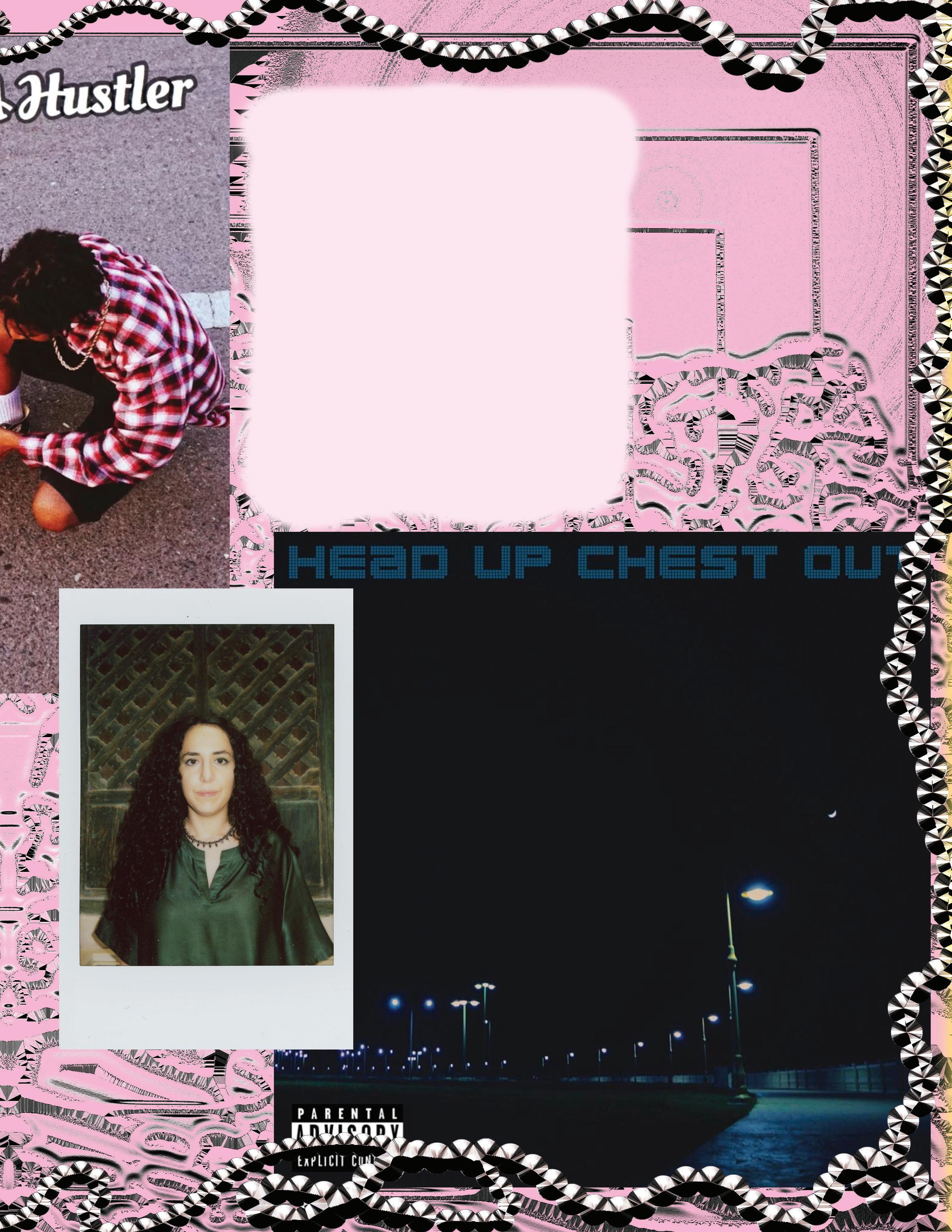
Ever since I was born, music has been my number one thing, my favorite, my joy. One of my earliest memories is when I was 3 years old. I remember I was really sick lying in the backseat of my uncle’s car; he was driving, and my mom was in the passenger seat. My uncle was playing Monica’s For You I Will.
Even though I was sick…really sick…that was one of the happiest moments ever. I felt goosebumps all over my body, and it was like I was almost cured. That song gave me happiness. Ever since that moment, I knew I always loved music.
As the years went by, I started to learn more about music and discover more artists…thanks to my cousins. They used to bring records from the States that weren’t available here, and I learned a lot from them about different bands and artists. Over time, I began to understand genres, instruments, and how music was built.
When I listen to music, I focus on the instruments, the beat, the rhythm. I don’t really pay attention to the lyrics, and that helped feed my subconscious understanding of music theory. The more I listened, the more I discovered, until I reached a point where I thought, why not make my own music?
I started searching on YouTube for some of my favorite producers like DJ Quik, Dr. Dre & Battlecat to see how they make music in the studio. I began to understand the steps of music production: layering drums, pads, piano keys, and so on. I decided to learn how to make music from scratch.
That’s when I discovered that producers use software like FL Studio and Pro Tools. At frst, it all seemed too complicated until one summer in 2011. I remember being at my uncle’s house; my cousin had left his iPad in the basement, and I was there alone. I started playing around with it and found an app called GarageBand.
I was so impressed by how organized and easy it felt to use. I started making a beat, and it actually sounded good, I was shocked! I really loved that beat, even to this day. That moment boosted my energy to become a music producer.
After that, I bought my own iPad and started making more music. Eventually, I understood the process of music production better, and my next step was learning FL Studio. My younger brother Mak, who’s a rapper, helped me a lot
with the software since he already knew how to use it. We started making music together, and from there, I got even more engaged and started buying MIDI keyboards and other gears.
In 2014, I opened my YouTube channel and started uploading beats I’d been making since 2011. Between 2011 and 2016, I got more and more addicted, making beats nonstop and experimenting with different sounds and genres like Hip-Hop, House, Electronic, Synth-pop, and R&B.
During that time, music led me into photography. I wanted to create artworks and album covers for my music, and there was a camera lying around the house, so I started using it taking photos of landscapes and friends
just for fun. I used those pictures as single and album covers until I got the hang of photography. Then I began learning more about professional settings and techniques.
I also got into videography and flmmaking to make music videos for my singles. Over time, I fell in love with photography, especially after discovering analog photography, flm cameras, flm developing, and the whole process. I started buying cameras and flm, developing at home, and practicing more.
That’s how I got into photography, all because of music. Now I’m practicing both more professionally. Since 2011, I’ve learned so much, and I’m still growing in both music and photography, along with flmmaking.
As a music lover, my favorite moments are when I go to music events and document them with my camera. I love capturing the excitement of the crowd and the artists on stage. It feels like the best thing ever, music and photography coming together.
Ar st Spotlight
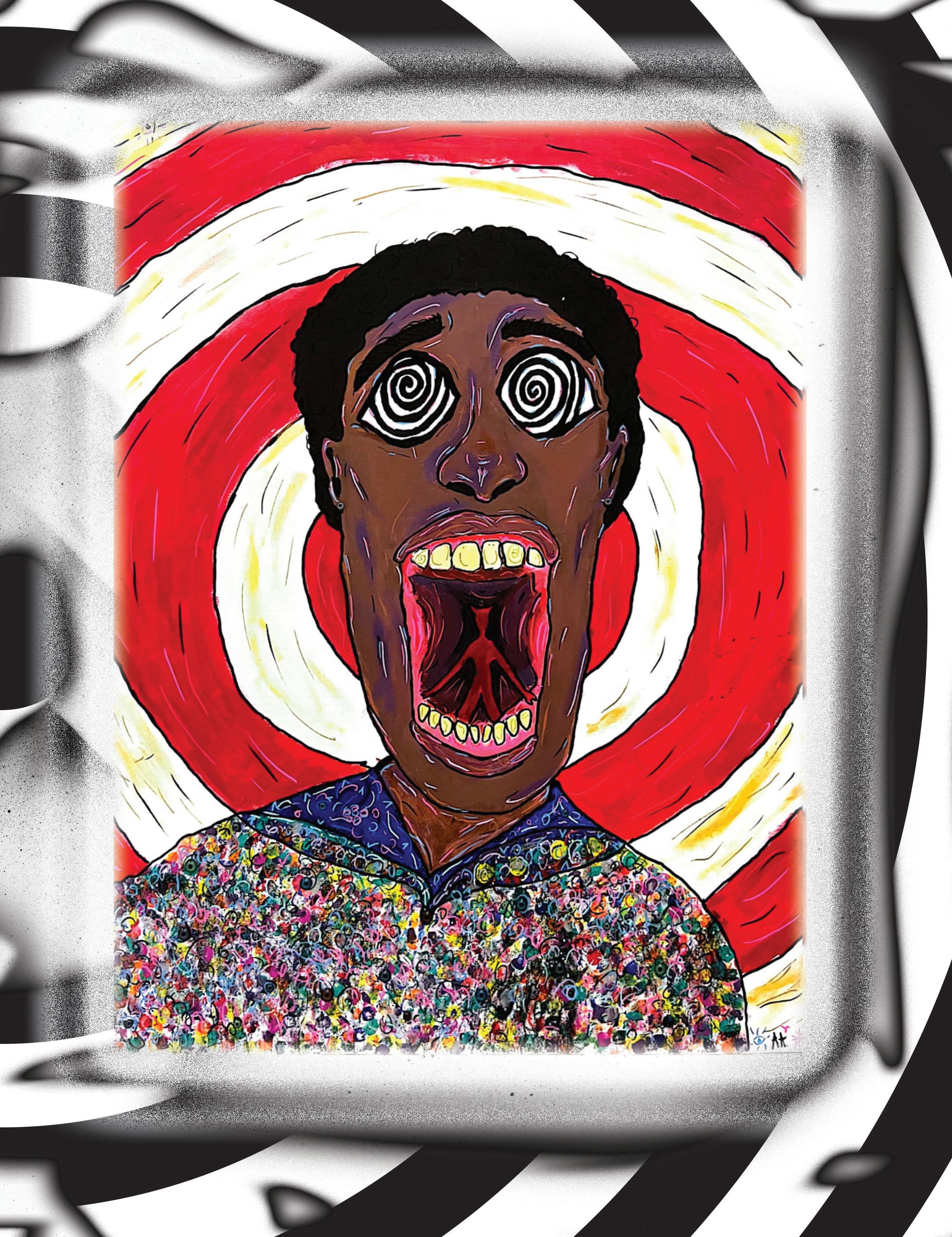
This piece explores the chaos of the mind and the feeling of constant overstimulation.
The spiraling eyes refect a state of ongoing psychosis or mental unrest, while the wide, screaming mouth—with a devilish fgure within—symbolizes the power of the tongue and how words can create or destroy. The hypnotic pull of the image evokes confusion, fear, and the sense of being trapped inside one’s own thoughts. The red-and-white concentric background adds motion and pressure, making the fgure seem both the target and the source of an intense burst of energy. The colorful, textured shirt below contrasts the turmoil above, grounding the work with visual noise that feels both vibrant and unsettling.
Riyadh
5 YEARS OF XP
This year marks a major milestone for Riyadh, for Saudi, and for every artist who’s ever believed that music here deserves a stage.
Six years of MDLBEAST, fve years of the MDLBEAST Foundation and XP Music Futures, and four years of XINE, each step a testament to a growing movement, built from the ground up.
When MDLBEAST began six years ago, it was more than just a music festival, it was a statement. It showed that music, in all its global and local forms, had a home here. From that seed came the Foundation and XP Music Futures, both born out of the belief that for a scene to thrive, it needs more than stages. It needs structure, education and connection. Five years in, XP has become a cornerstone for artists, professionals, and visionaries, a space where people can learn, collaborate, and imagine new possibilities for music in the region.
And then there’s XINE. Born out of XCHANGE, XP’s series of workshops that brings together local music stakeholders to explore challenges and opportunities from across the region, XINE has grown into a vital cornerstone of XP. Where XCHANGE is about dialogue and discovery, XINE represents documentation and expression, a yearly record of the people, ideas, and sounds shaping the scene. It captures the energy that lives between the lines of a growing music community: the offstage conversations, the DIY spirit, and the bridge between the underground and the broader industry.
But progress never happens in isolation. From the very beginning, it was the local collectives, labels, and communities that gave life to this movement. They were the frst ones to take risks, to organize, to produce, to create spaces where people could connect through sound. They didn’t wait for the industry to open its doors; they built their own.
Over the past fve years, these groups have helped defne what the Saudi music landscape looks and feels like. They’ve built platforms for emerging artists, introduced new genres
to fresh ears, and created the kind of cultural momentum that can’t be manufactured. Their parties, pop-ups, and releases have inspired countless others to pick up the decks, grab a mic, or learn the craft of sound.
Today, MDLBEAST Foundation and XINE refect that same energy, rooted in creativity and collaboration. We offer a platform for voices from across the scene, nurturing an ecosystem guided by diversity, curiosity, and community.
So, as we celebrate fve years in motion, we want to thank the collectives, labels, and communities that have been there since day one, the ones shaping the sound of now and inspiring the next chapter. Your dedication, creativity, and passion continue to push the scene forward.
is
is a shoutout
to the ones behind the beat
AADI ANOMALLY RECORDS
ART FLAME AVANTGARDE X
BRAND X
BRIJ ENTERTAINMENT
CAPITAL ENTERTAINMENT
CLOUD 9 DESERT SOUND
EKO FREAKS OF NATURE
GABU GITCH
HAZY HEAVY ARABIA
KAIGUN’S ADVENTURE
KARAZ DISCO
KNZ
LOOP
LYMM
MADHAUS
MAHOOL
MDLBEAST RECORDS
MELOTECH RECORDS
MIXED FEELINGS
NARRATIVES
NOCTUARY
OBLIVION
PEACHEZ
SYRUP THE BASEMENT THE FRIDGE
UNTAMED VAGUE
WALL OF SOUND
WTR
Dedica on
In the words of Heba Zaidan, culture can’t be uncoupled from the people that cultivate it.
This is a dedication to some of the people behind the book you are holding today, cultivating the culture of exchange, of collaboration, of music, of ingenuity– the very culture of Xine.
To Heba, the one who believed in this book before anyone else did, and made sure that– literally no matter what– it was on the shelves at XP every single year. We had very big shoes to fll with this edition.
To Jood Alkibsy and Ahmed Khalaf, the Xine Dream Team, who took on the mission of building a book from scratch– if you’re reading this, we did it.
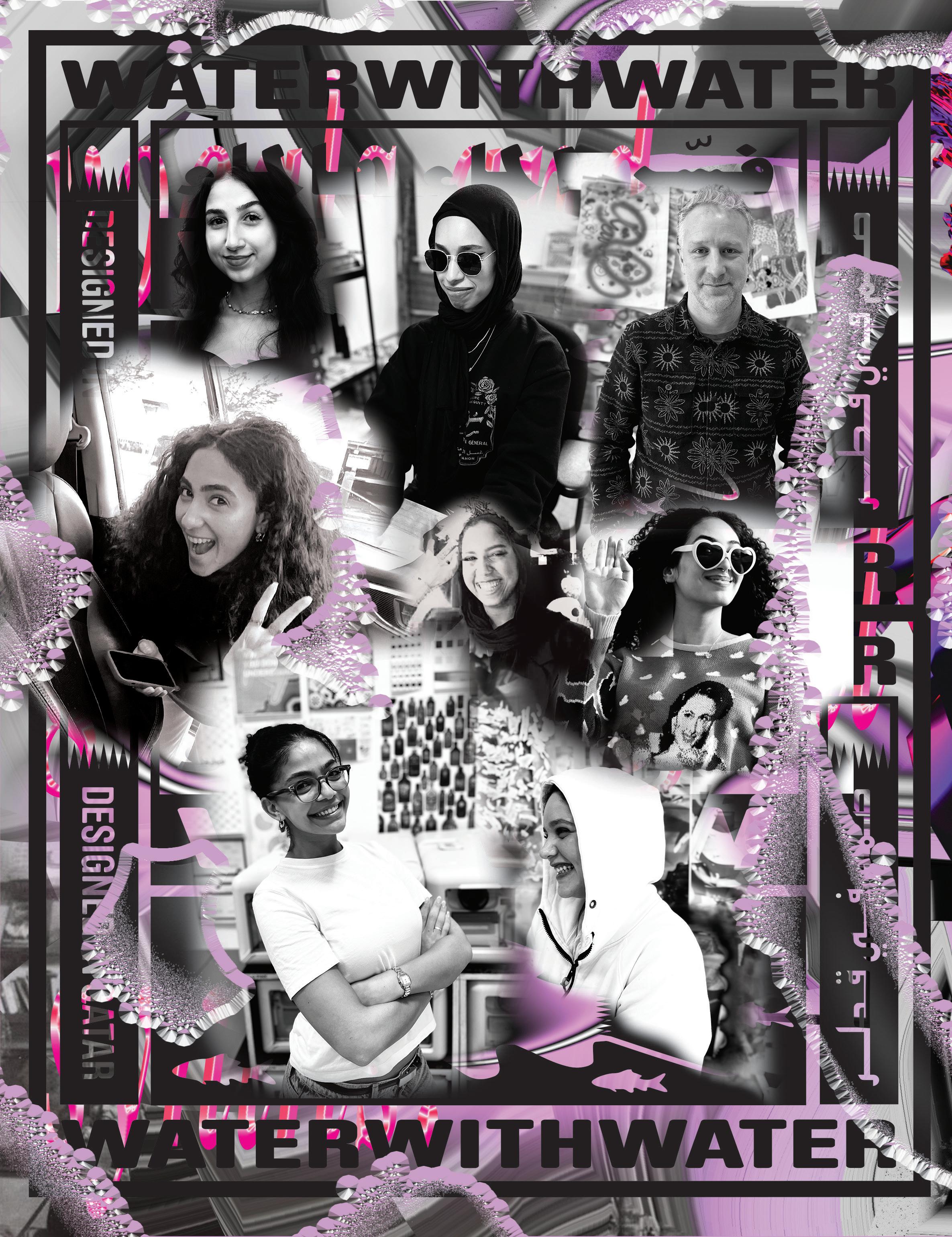
To Nathan Ross Davis, Aya Mohamed, and Hagar Allam, the masterminds behind Water With Water who were patient and crazy enough to work with us, the ones who brought our words and ideas to life in these beautiful printed pages.
To the ones that held our hands and made sure we did a kick-ass job, Omar Agha, Creative Director of MDLBEAST, visual genius and our no.1 support-system, Tanya Awad, Head of Music and Experiences and the one that was always frst in line to read our work, and David Ross, Director of XP Music Futures and numbers wiz, the one that gave us very necessary reality-checks when we so desperately needed them.
To the ones who cheer us on and entrust us with the valuable task of sharing the sounds and stories of our scene, Nada Alhelabi, General Manager of MDLBEAST Foundation, Baloo, Chief Creative Offcer of MDLBEAST, and Ramadan Alharatani, CEO of MDLBEAST, we hope that we make you proud.
And of course and above all, to the ones this book is not possible without, the creatives and contributors from all across the region, who took a chance on us, putting the time, energy, and magical creative powers required to help us capture the lush beautiful landscape that is the regional music scene.
Cheers!
Design by Hagar Allam and Nathan Ross Davis. Special thanks to Ayatalla Mohamed and the whole W/W/W team.
Super thanks to Jood, Khalaf and Heba for all the support and positive energy. Printed in Qatar, 2025.