THE DAISY ARTS CENTER DESIGN DOCUMENTATION (draft)
THE DAISY ARTS CENTER
DESIGN DOCUMENTATION
DESIGN
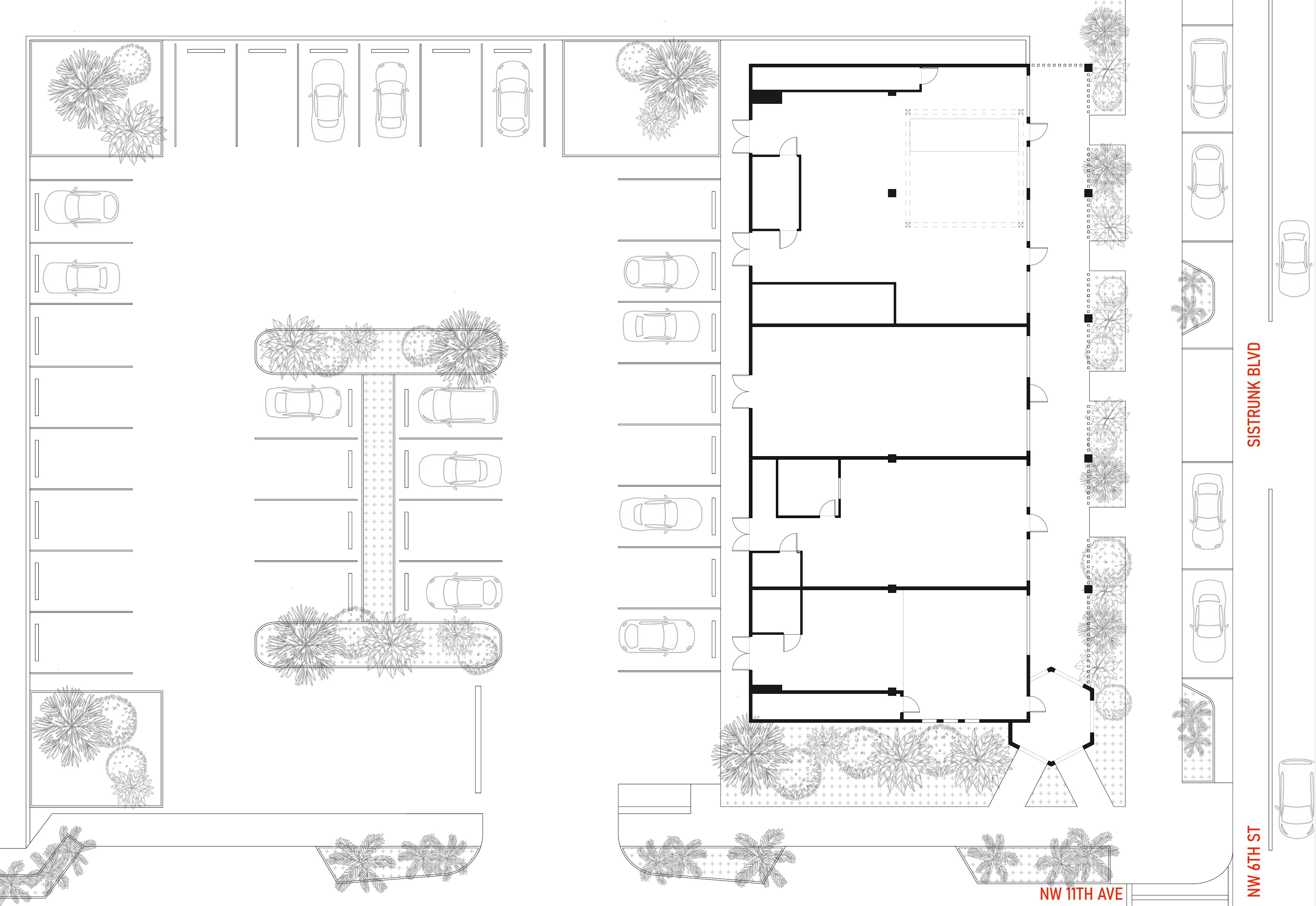
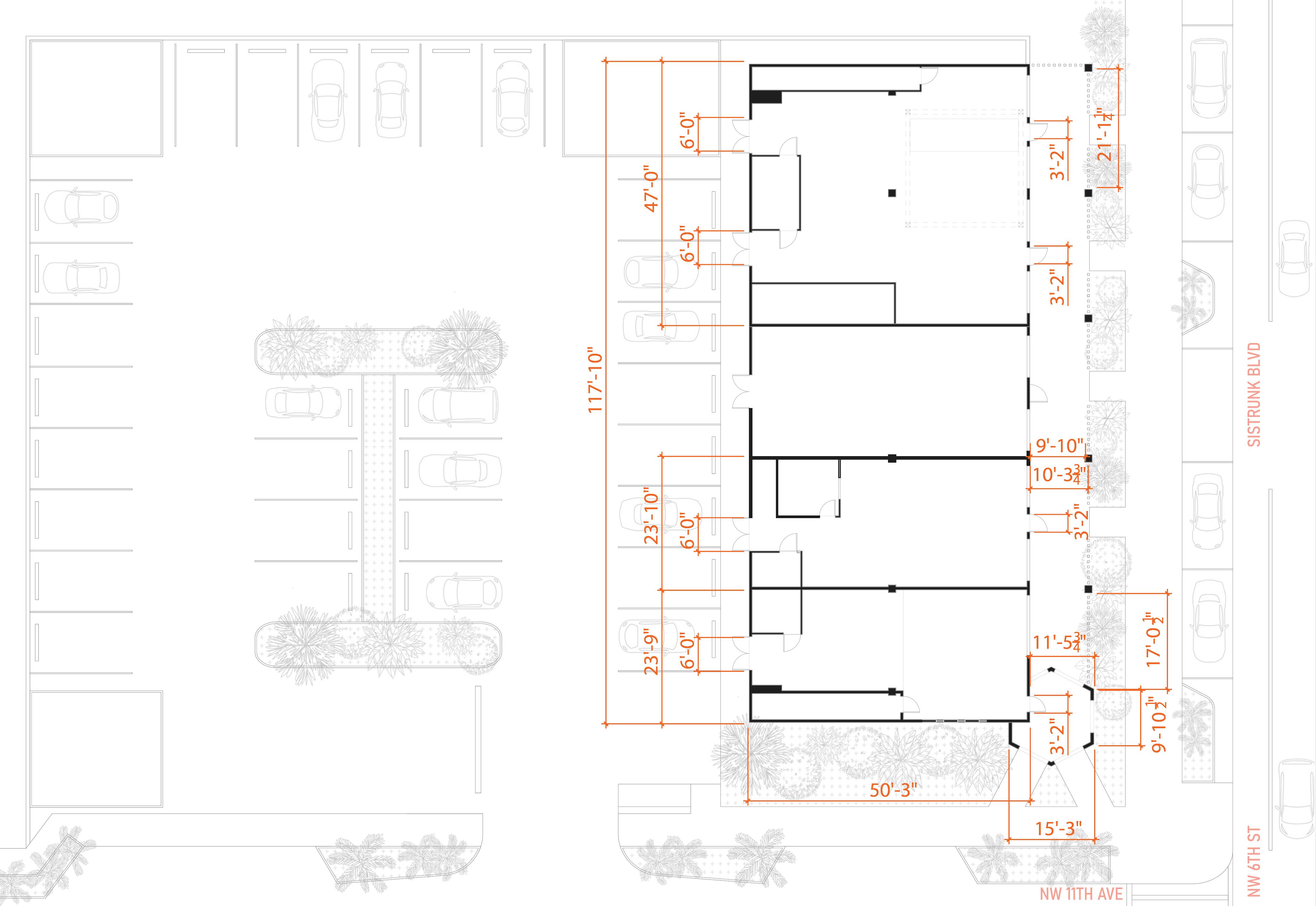
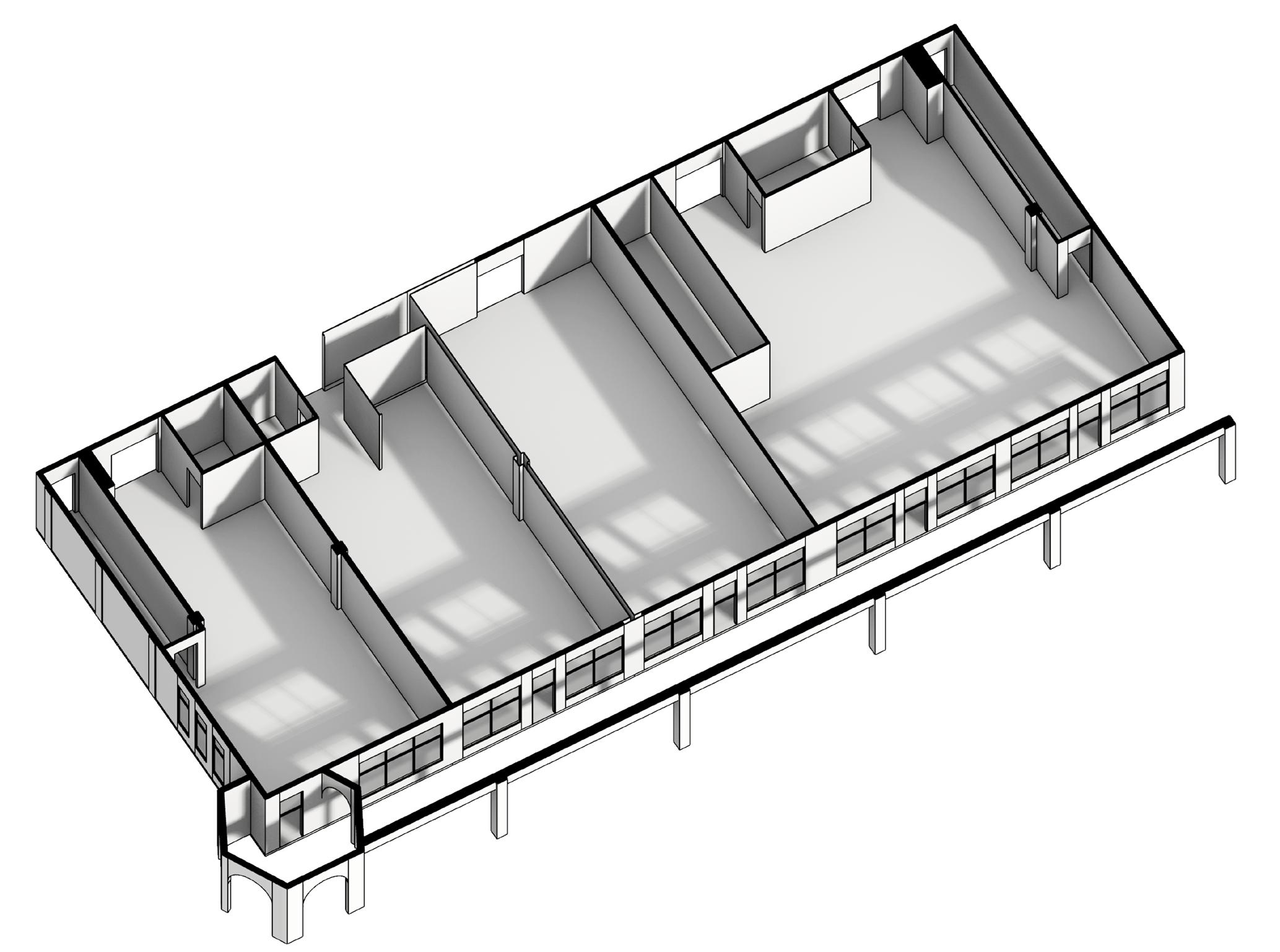
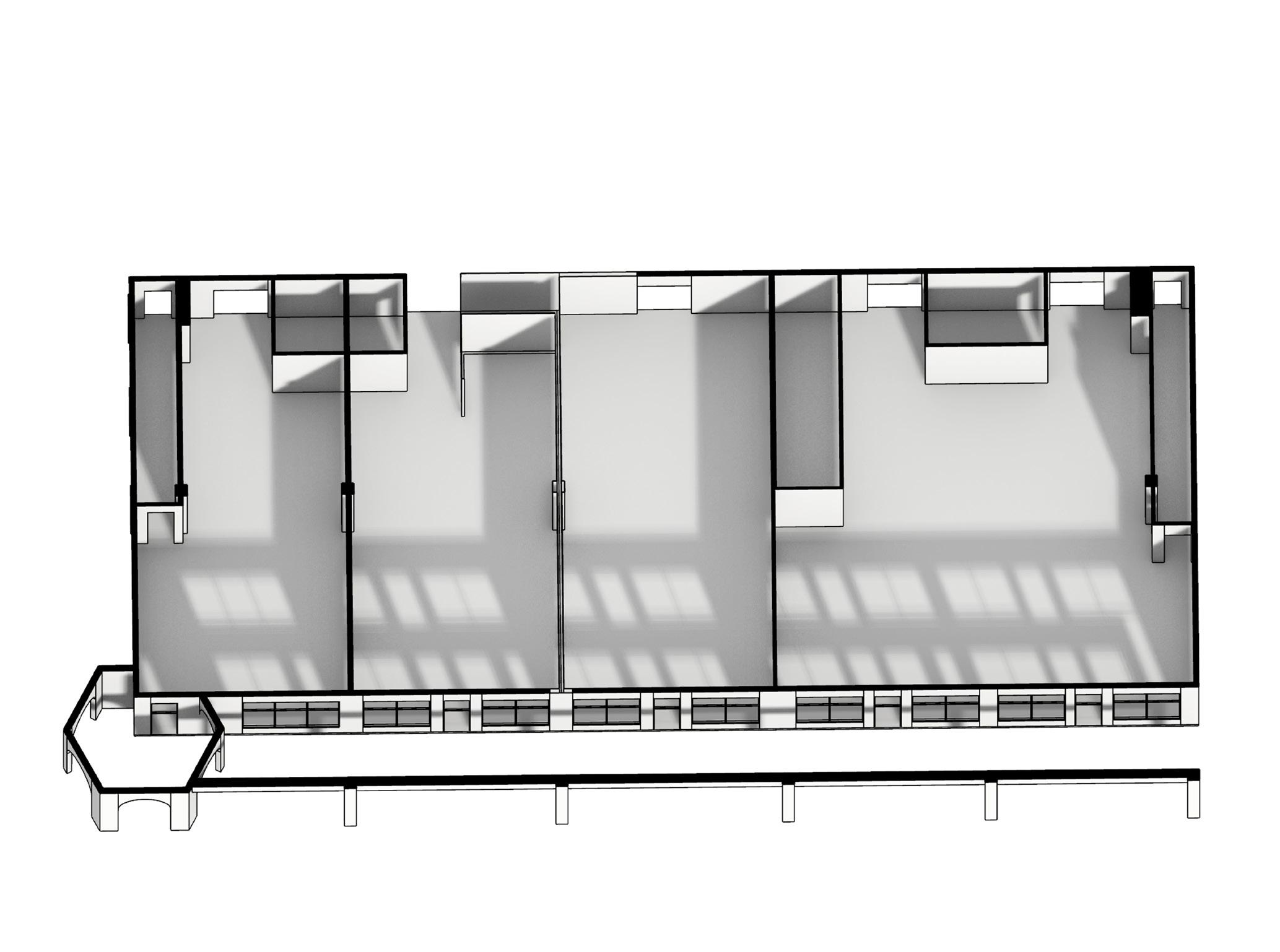
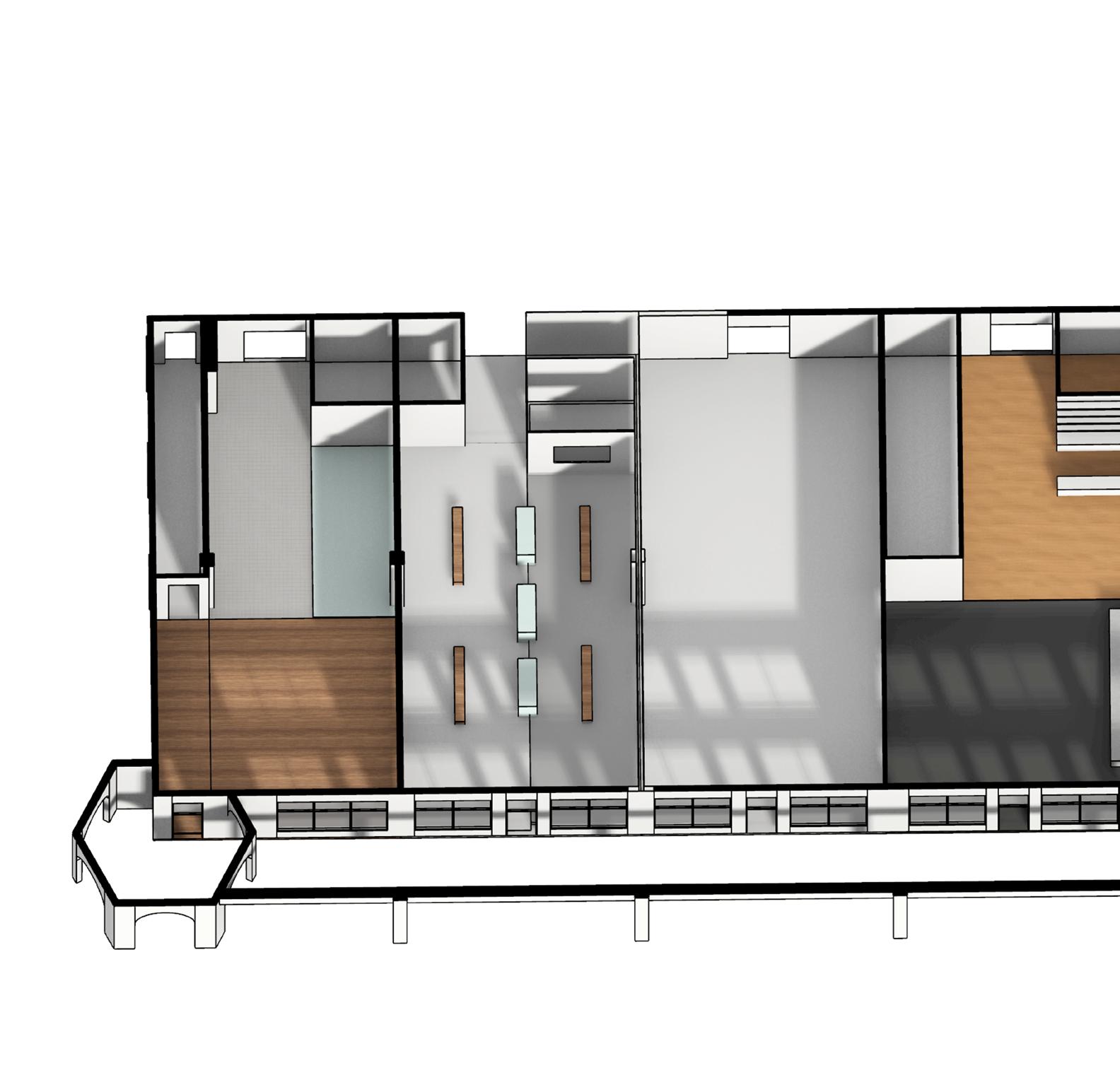
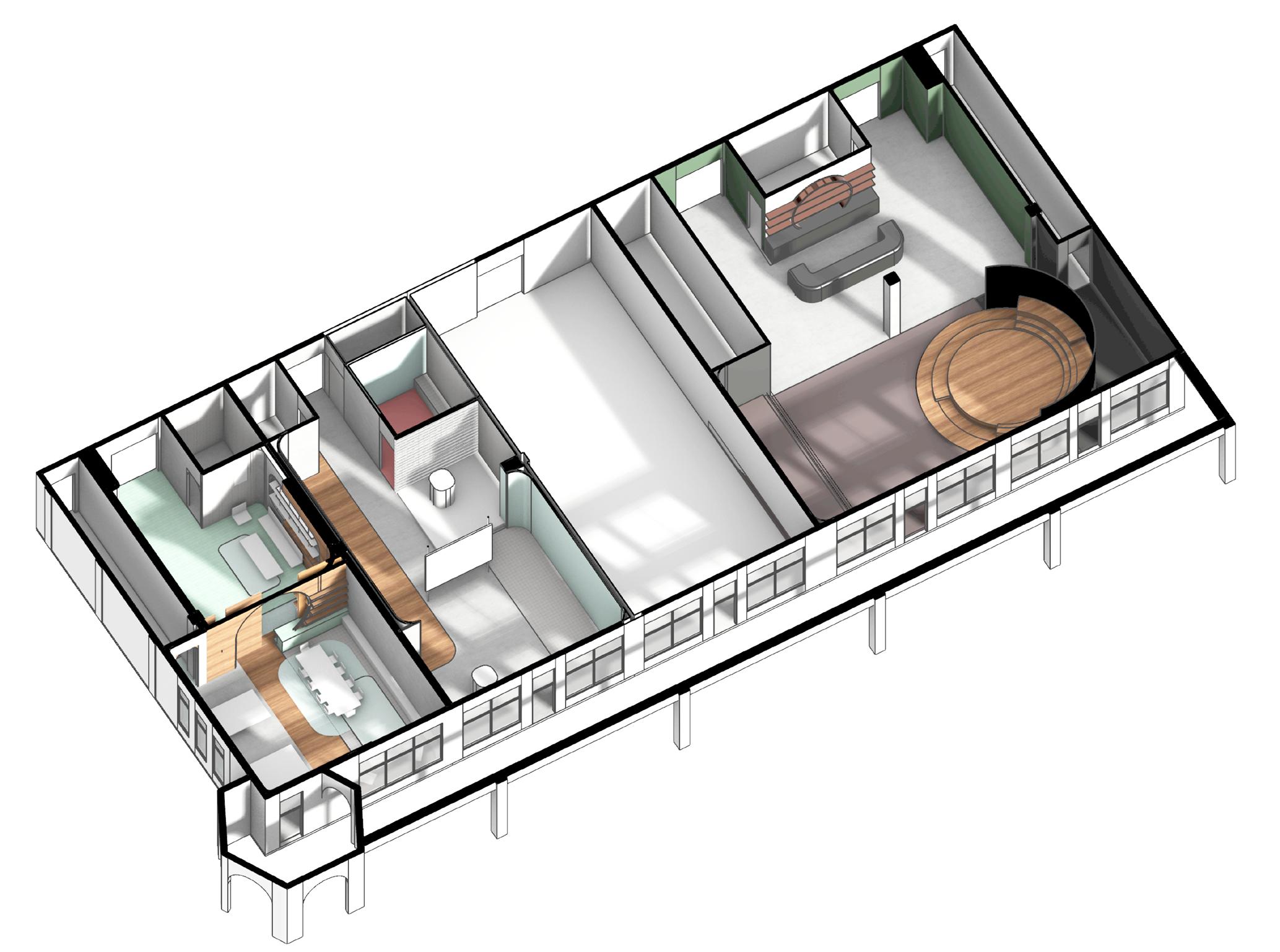
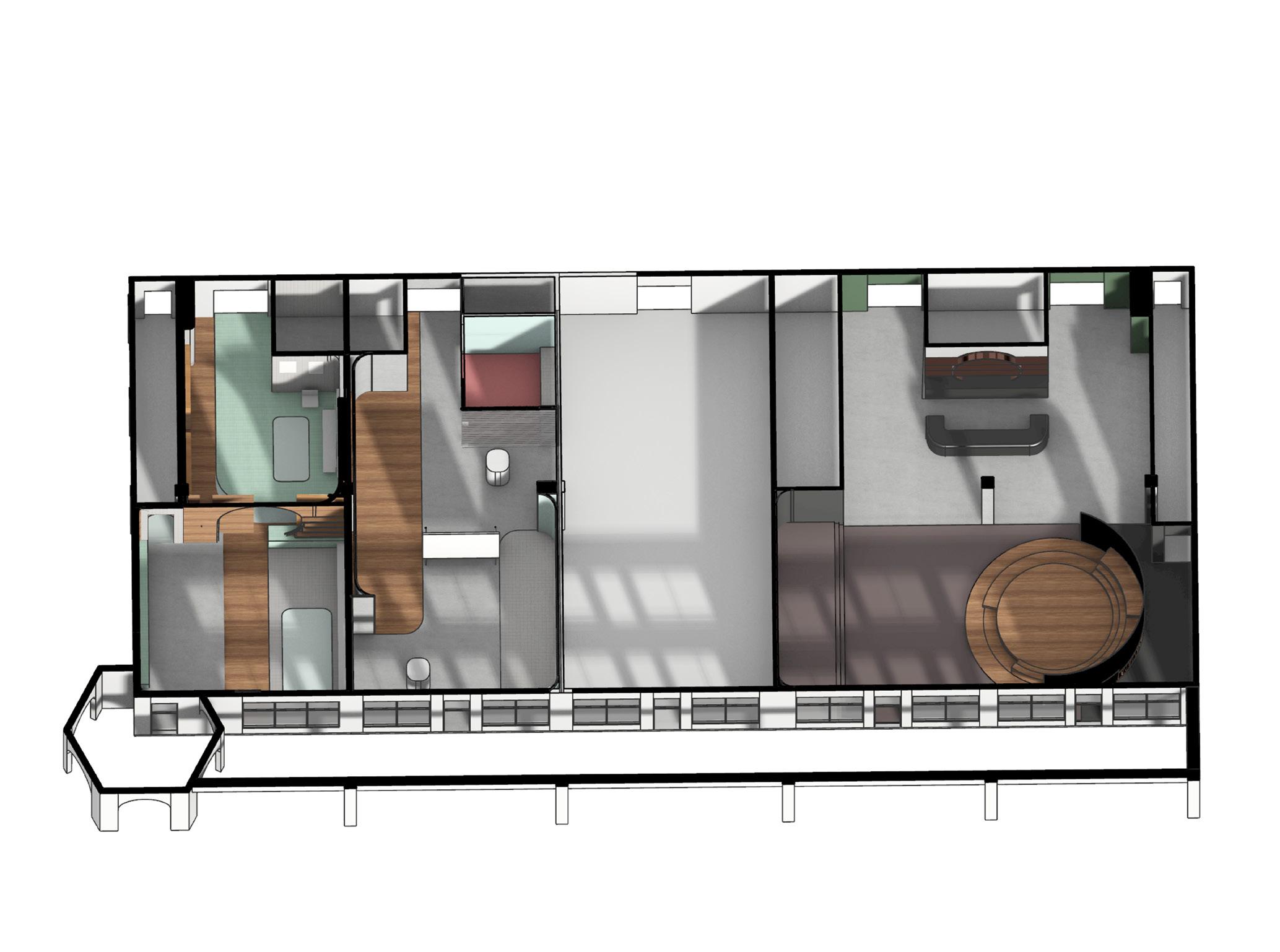
THE DAISY ART CENTER PLAN
THE DAISY ART CENTER PLAN - MEASUREMENT ANALYSIS
A2 A4 A5 A3
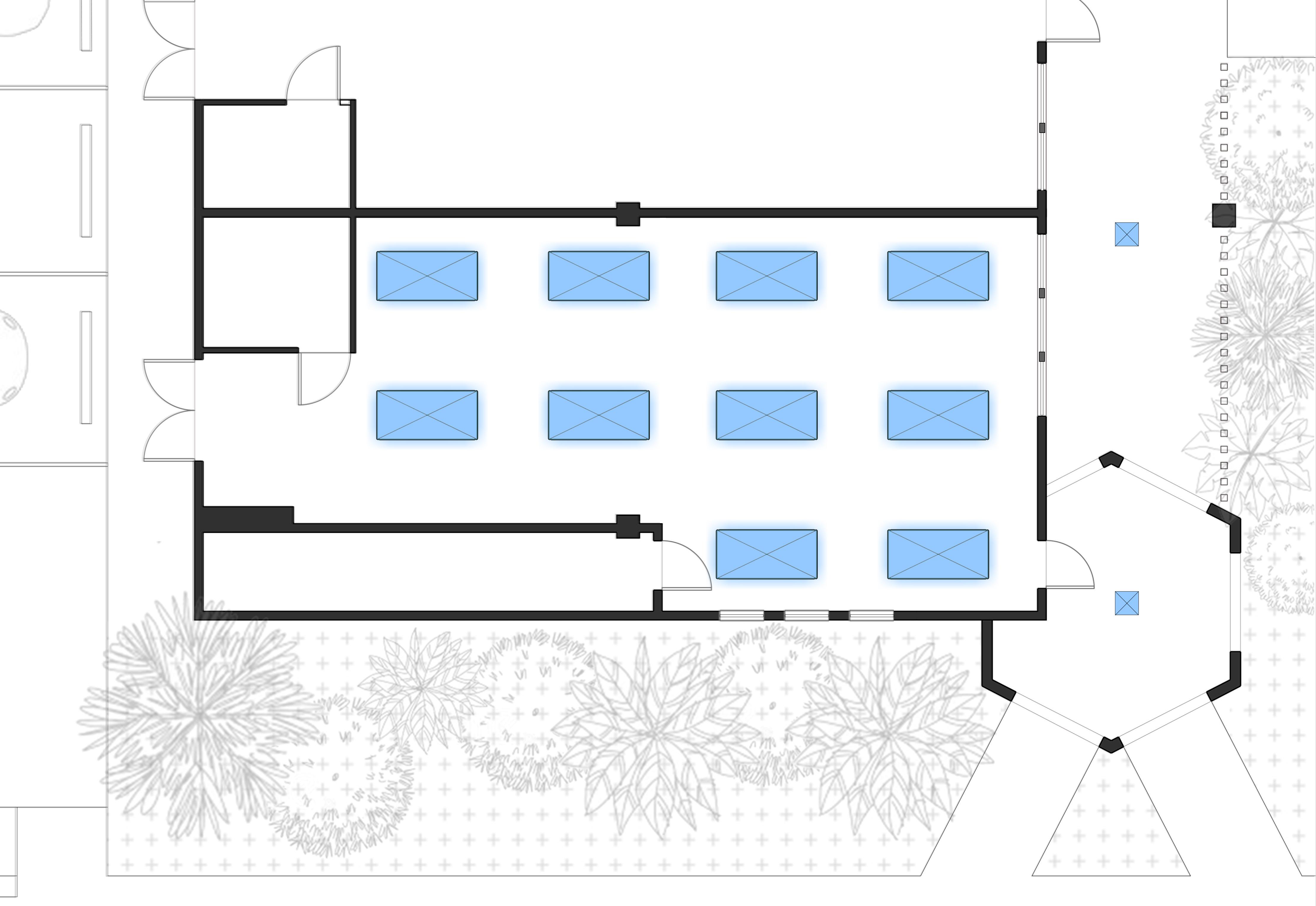
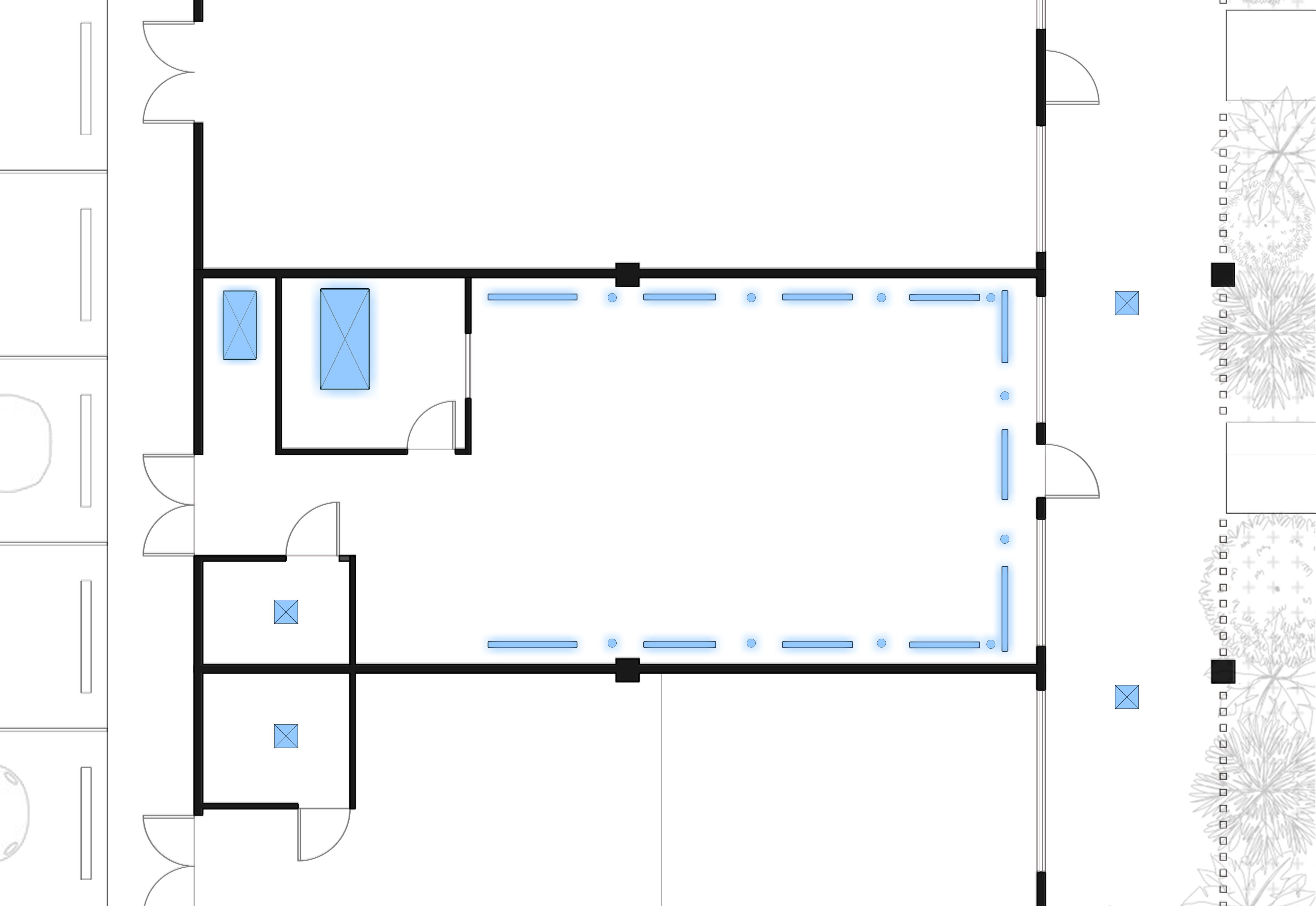
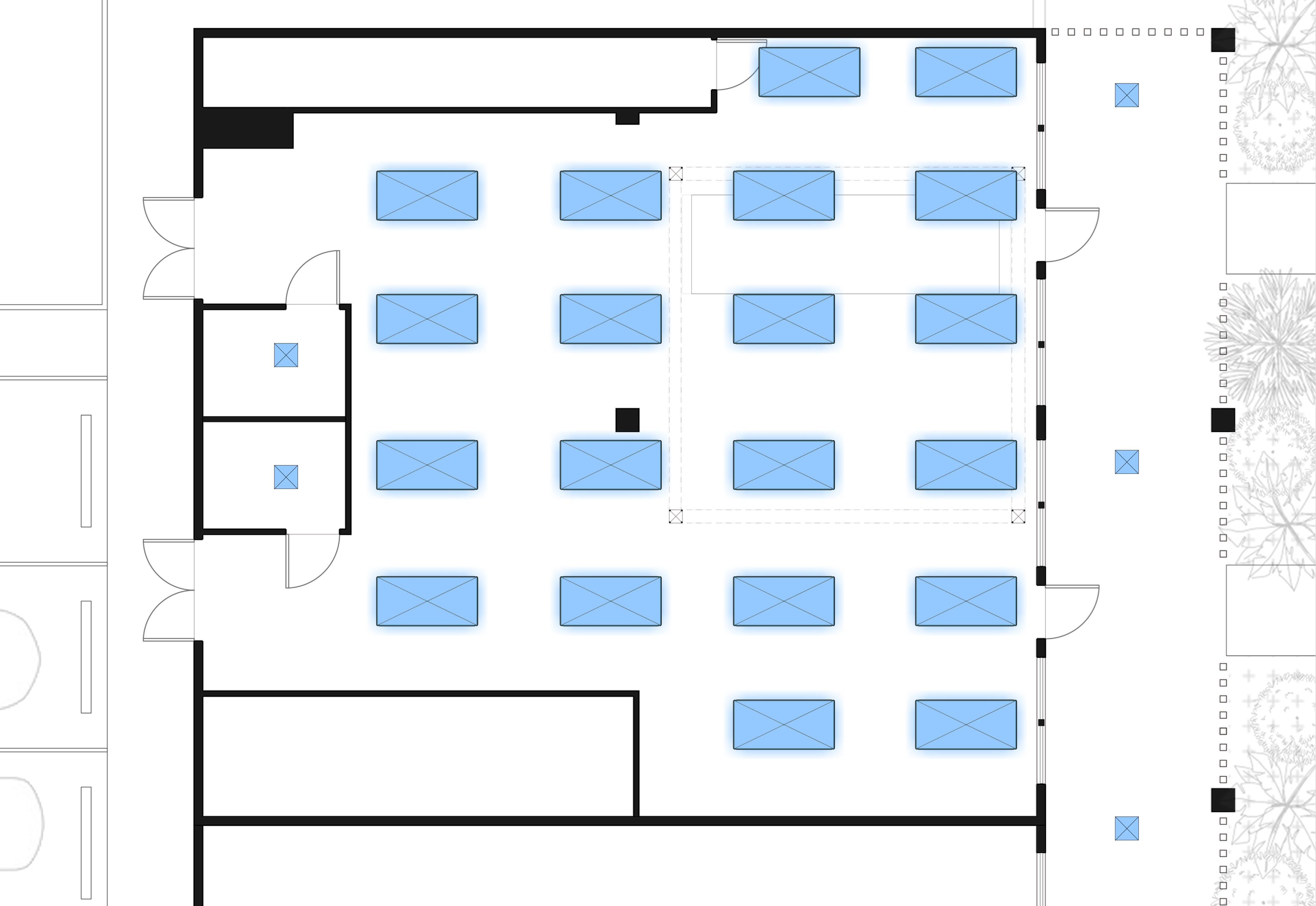
THE GALLERY PLAN - LIGHTING ANALYSIS A1
THE FLORIDA ROOM PLAN THE CIRCUIT PLAN
THE CIRCUIT PLAN - LIGHTING ANALYSIS
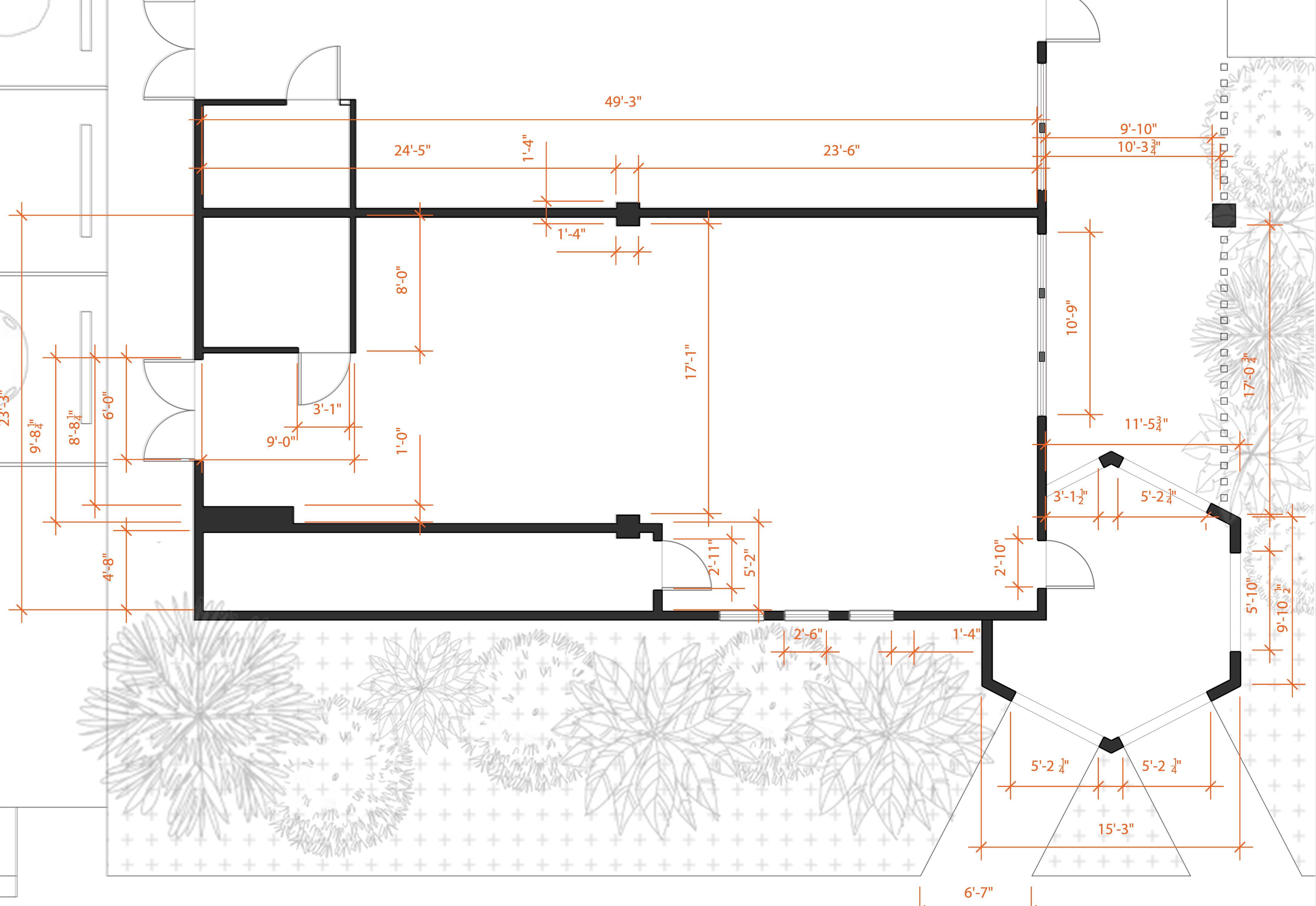
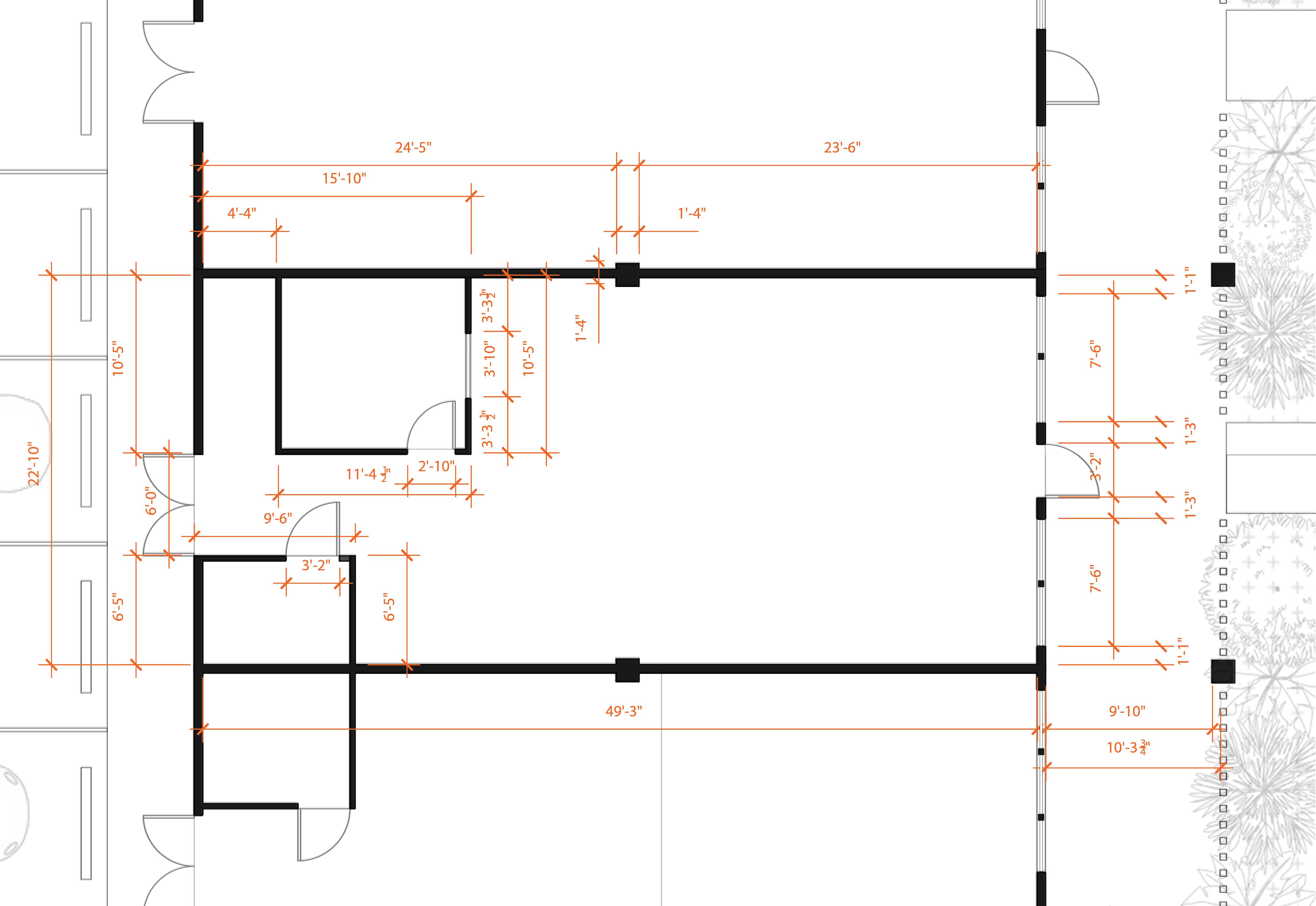
THE FLORIDA ROOM PLAN - MEASUREMENT ANALYSIS THE CIRCUIT PLAN- MEASUREMENT ANALYSIS
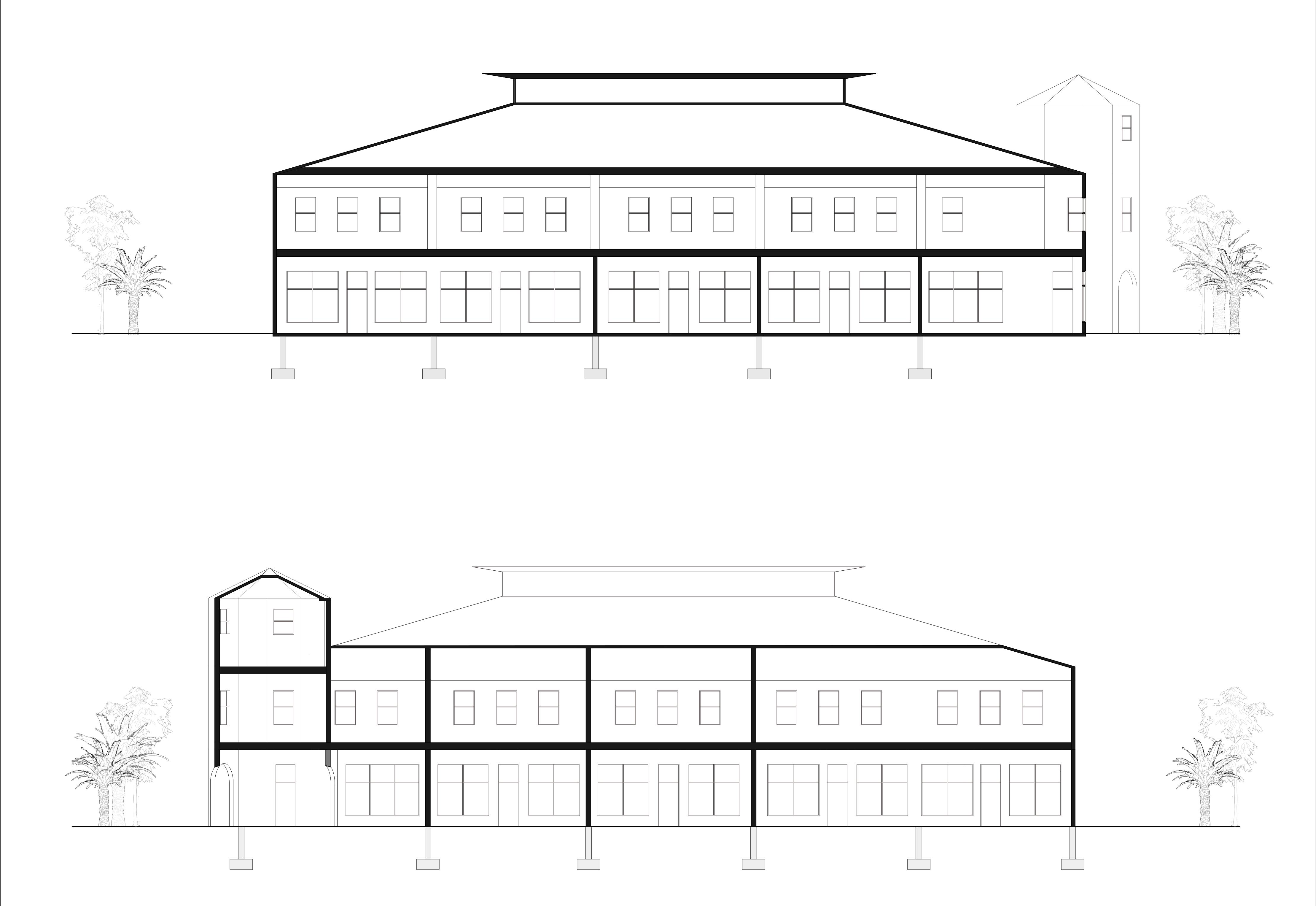
SECTION DRAWING
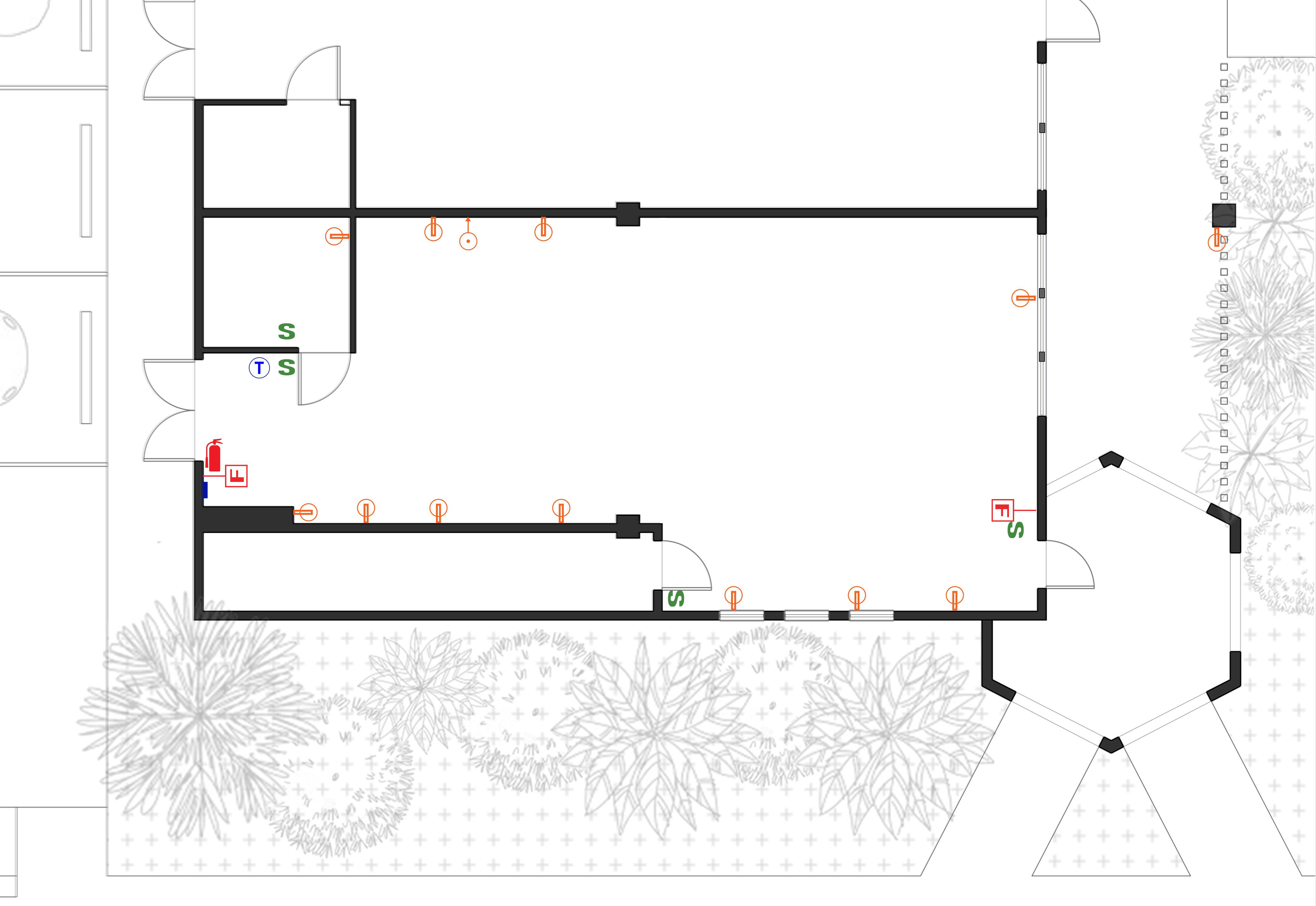
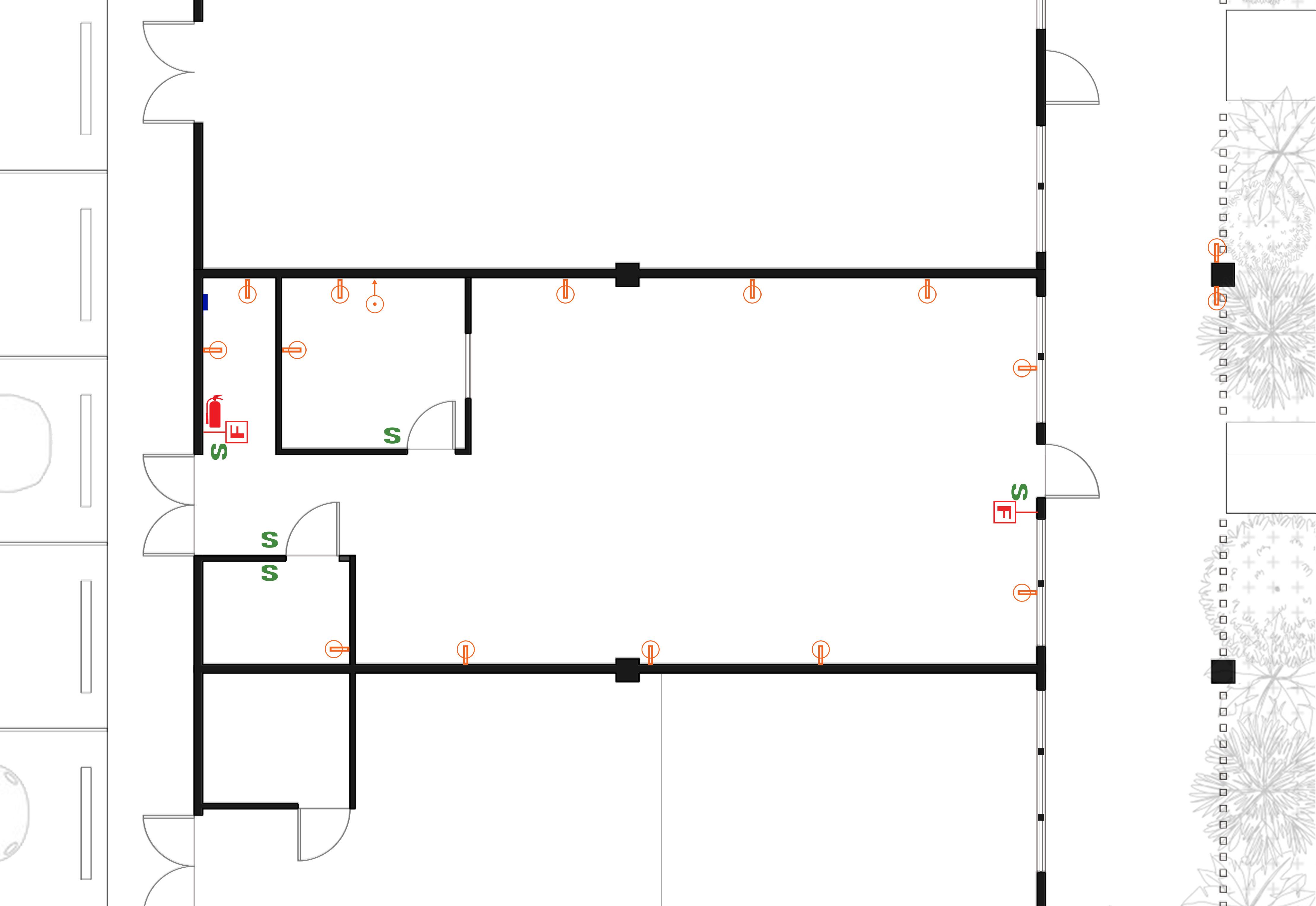
THE FLORIDA ROOM PLAN - ELECTRICAL ANALYSIS THE CIRCUIT PLAN - ELECTRICAL ANALYSIS
THE FLORIDA ROOM PLAN - LIGHTING ANALYSIS
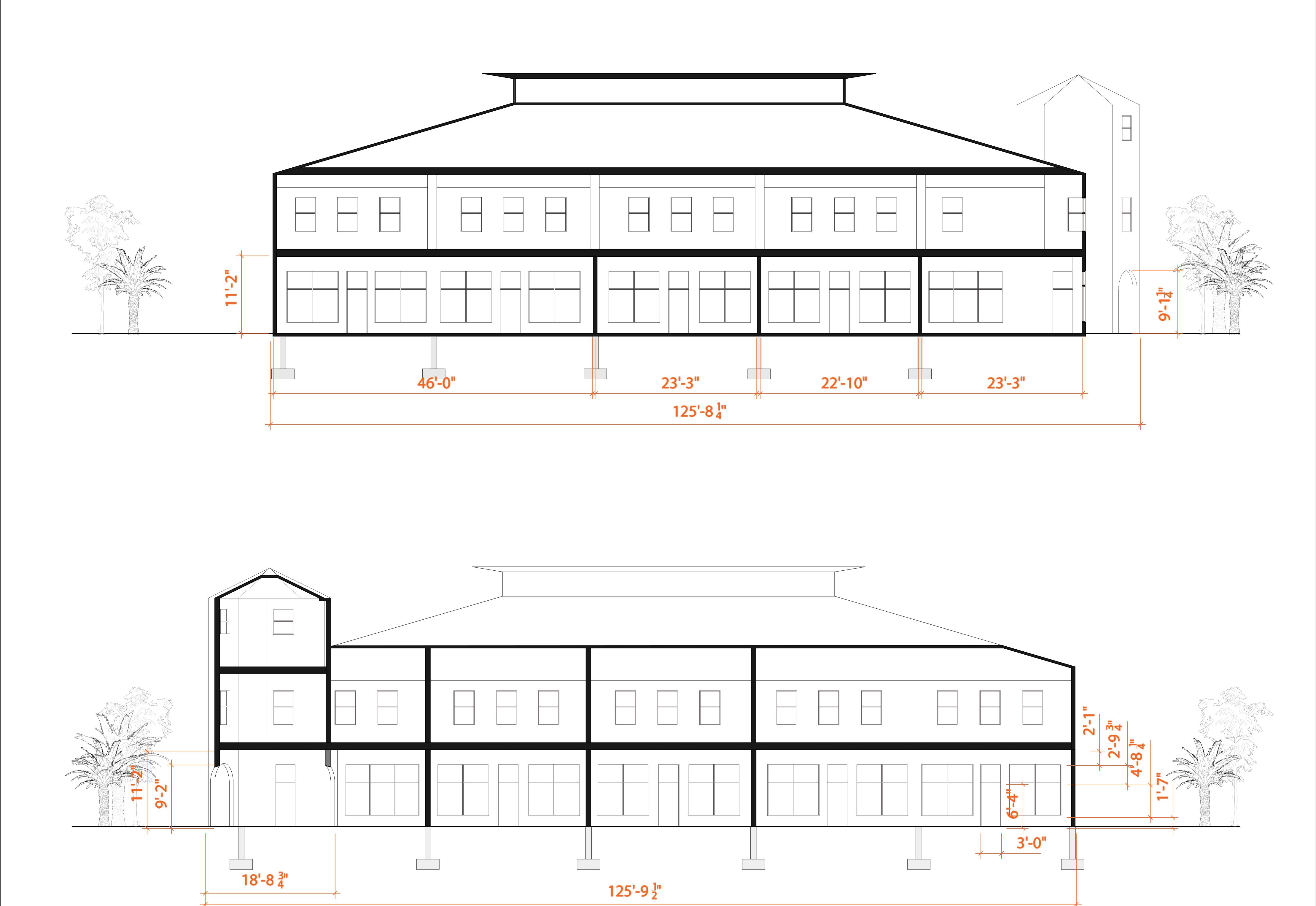
SECTION DRAWING - MEASUREMENT ANALYSIS
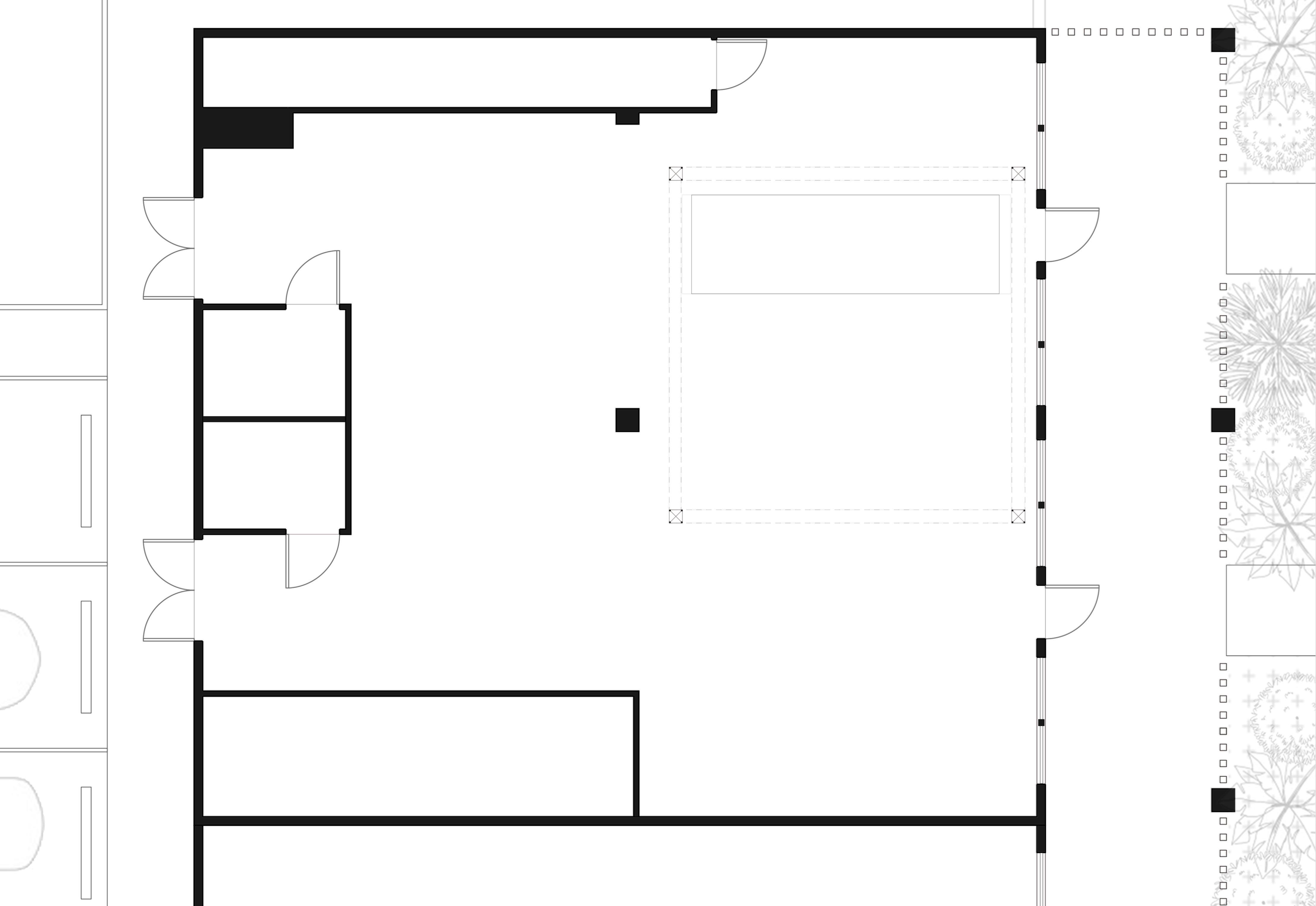
THE GALLERY PLAN
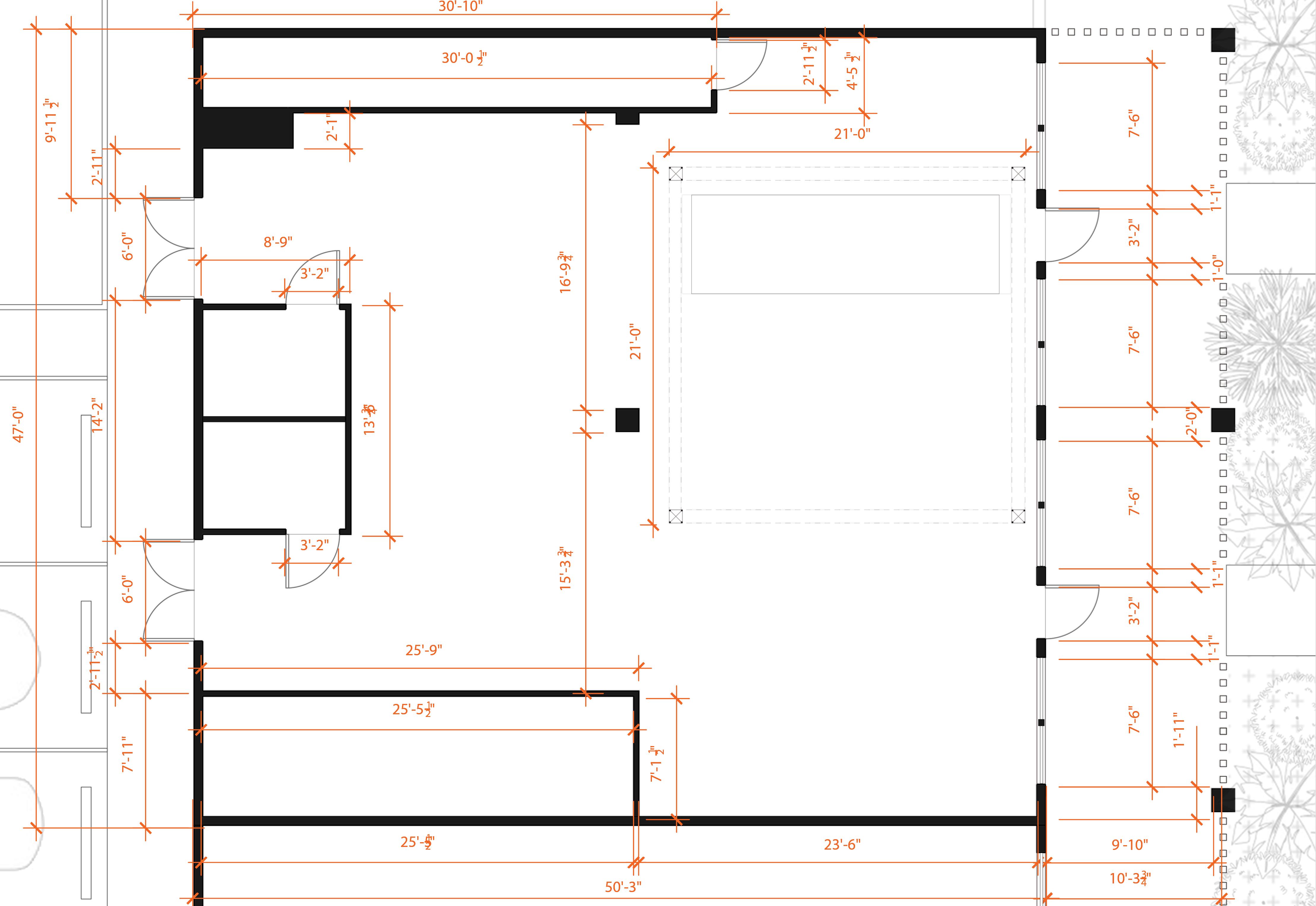
THE GALLERY PLAN - MEASUREMENT ANALYSIS
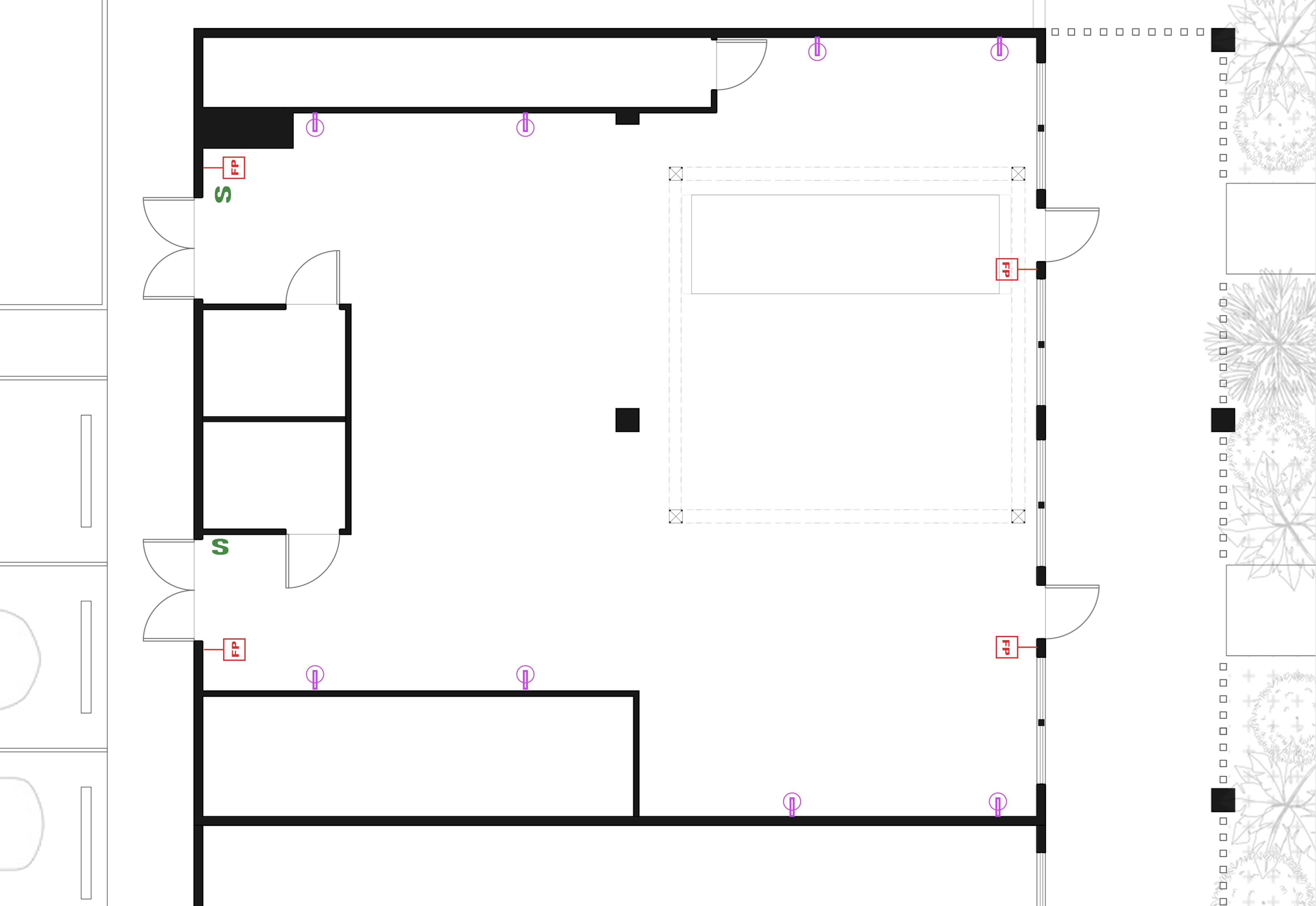
THE GALLERY PLAN - ELECTRICAL ANALYSIS
THE DAISY ARTS CENTER
FIRST FLOOR PLAN
THE DAISY ARTS CENTER
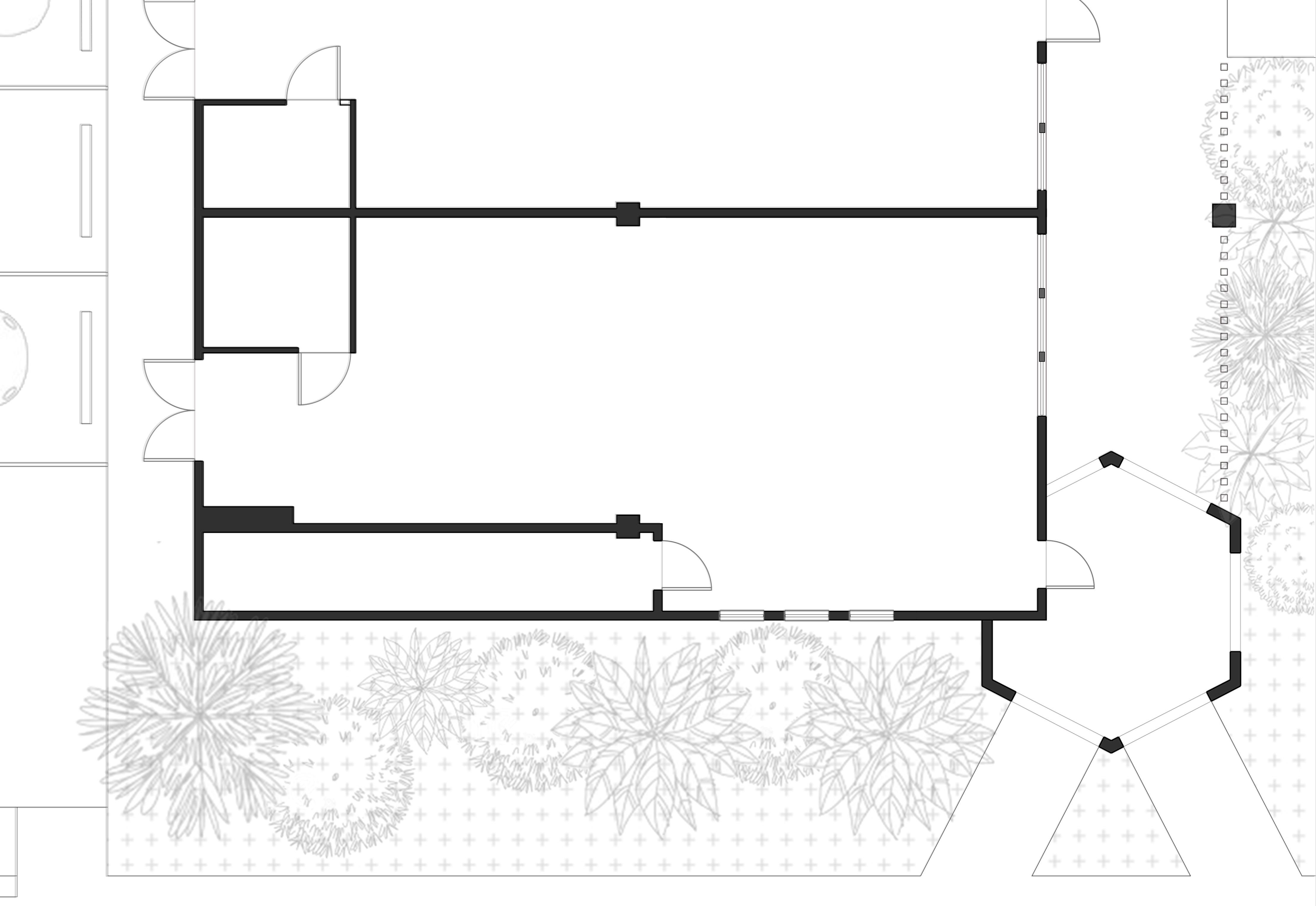
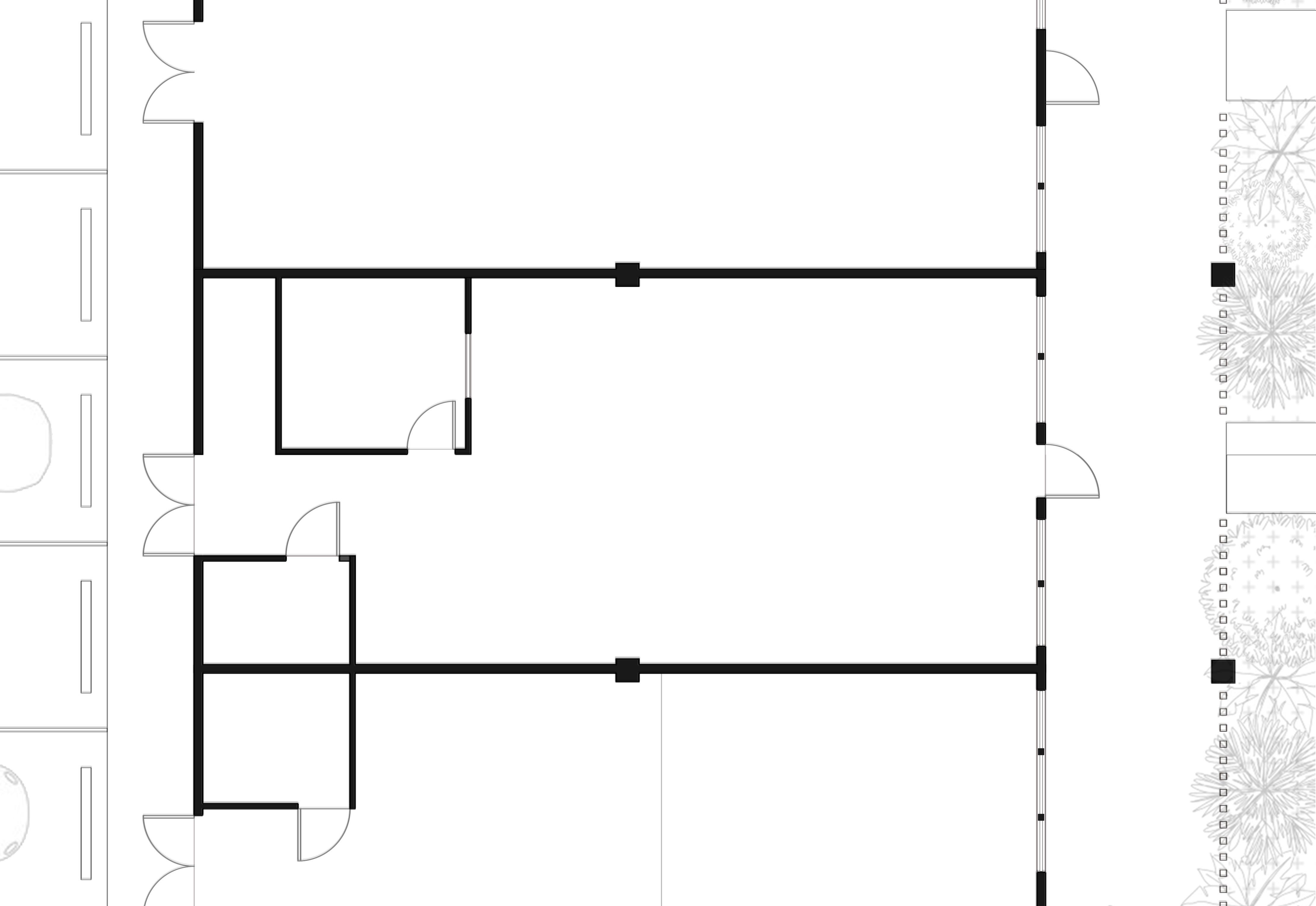
THE FLORIDA ROOM PLAN
THE DAISY ARTS CENTER
LOCATION:
THE FLORIDA ROOM PLAN
MEASUREMENT ANALYSIS
THE DAISY ARTS CENTER
THE FLORIDA ROOM PLAN
THE DAISY ARTS CENTER
THE FLORIDA ROOM PLAN
LIGHTING ANALYSIS
THE GALLERY PLAN
THE DAISY ARTS CENTER
THE GALLERY PLAN
MEASUREMENT ANALYSIS
THE DAISY ARTS CENTER
ELECTRICAL ANALYSIS THE GALLERY PLAN
LIGHT SWITCH COAX OUTLET THERMOSTAT DUPLEX OUTLET
THE DAISY ARTS CENTER
LIGHTING ANALYSIS
THE GALLERY PLAN
THE CIRCUIT PLAN
THE DAISY ARTS CENTER
LOCATION:
THE CIRCUIT PLAN
MEASUREMENT ANALYSIS
THE DAISY ARTS CENTER
THE CIRCUIT PLAN ELECTRICAL ANALYSIS LIGHT SWITCH COAX OUTLET THERMOSTAT DUPLEX OUTLET
THE DAISY ARTS CENTER
LOCATION:
THE CIRCUIT PLAN LIGHTING ANALYSIS
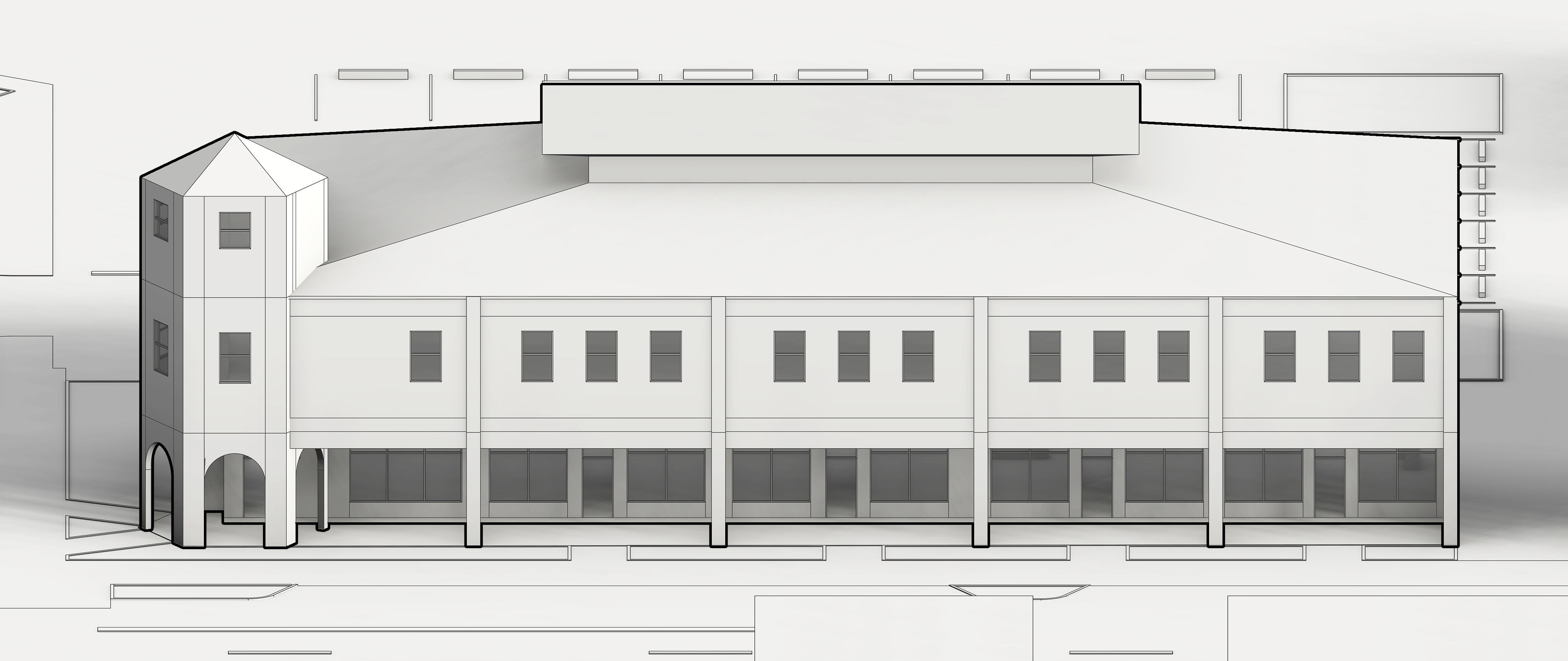
SECTION DRAWING
THE DAISY ARTS CENTER
SECTION DRAWING MEASUREMENT ANALYSIS
DAISY SISTRUNK
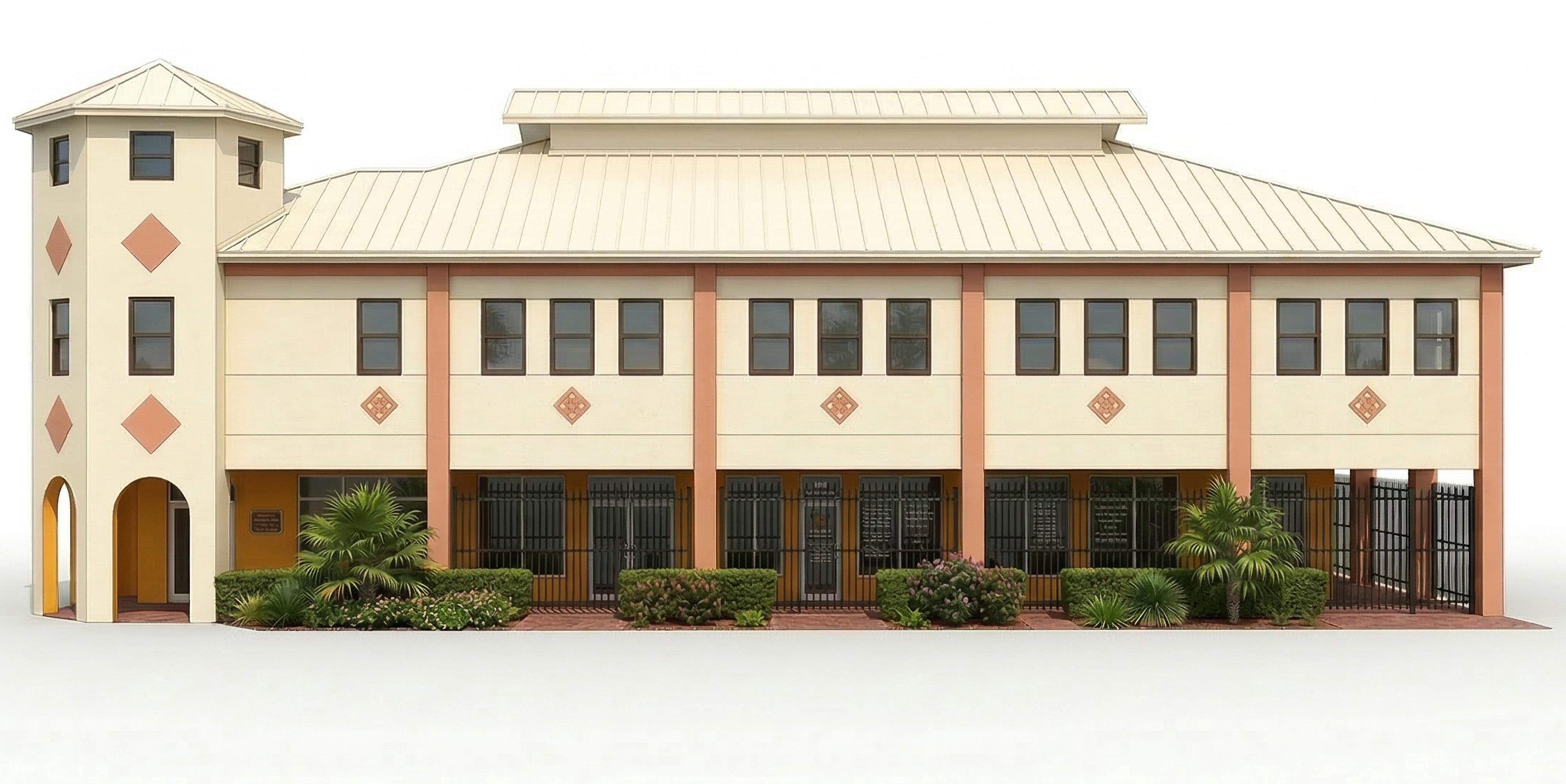
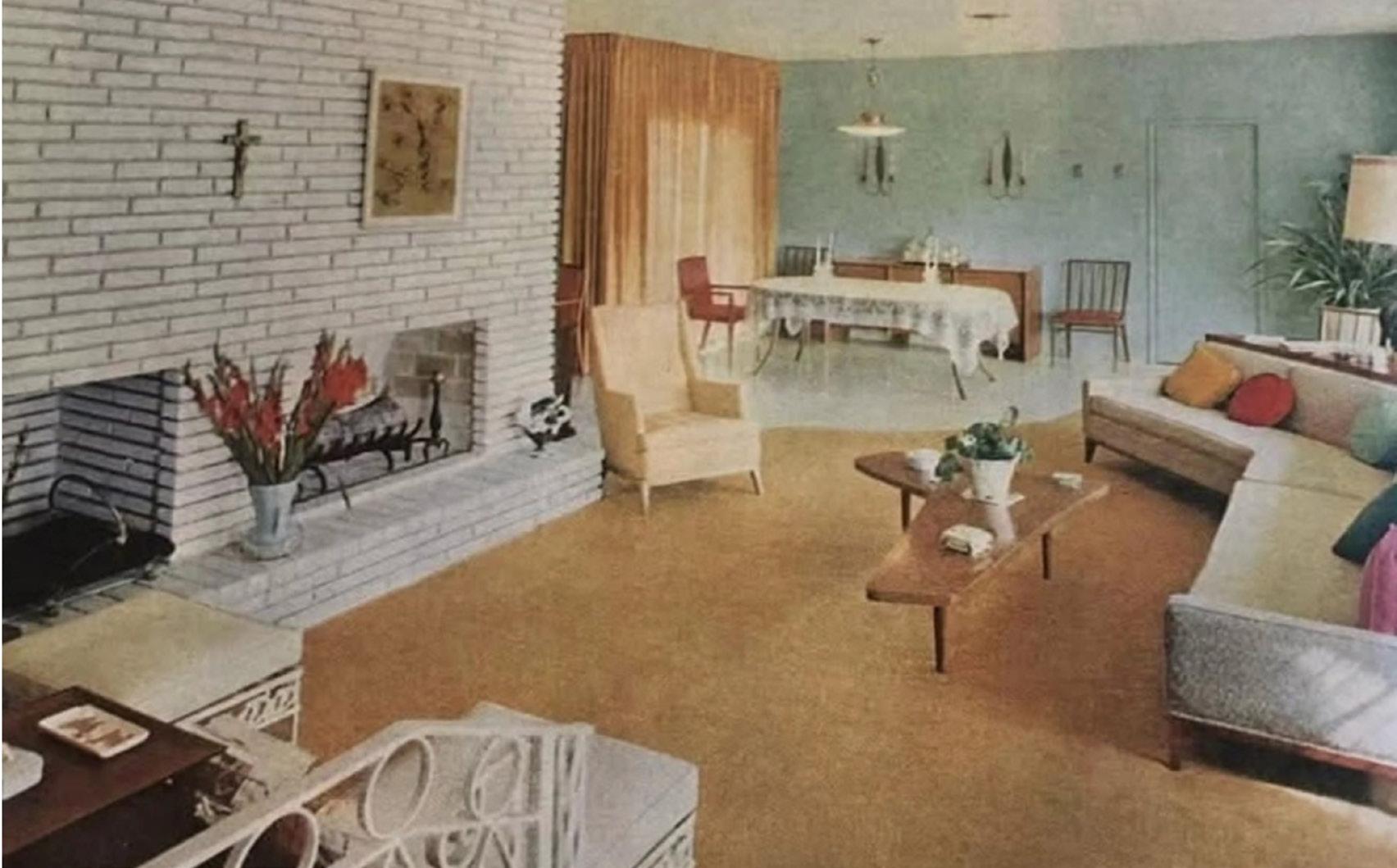
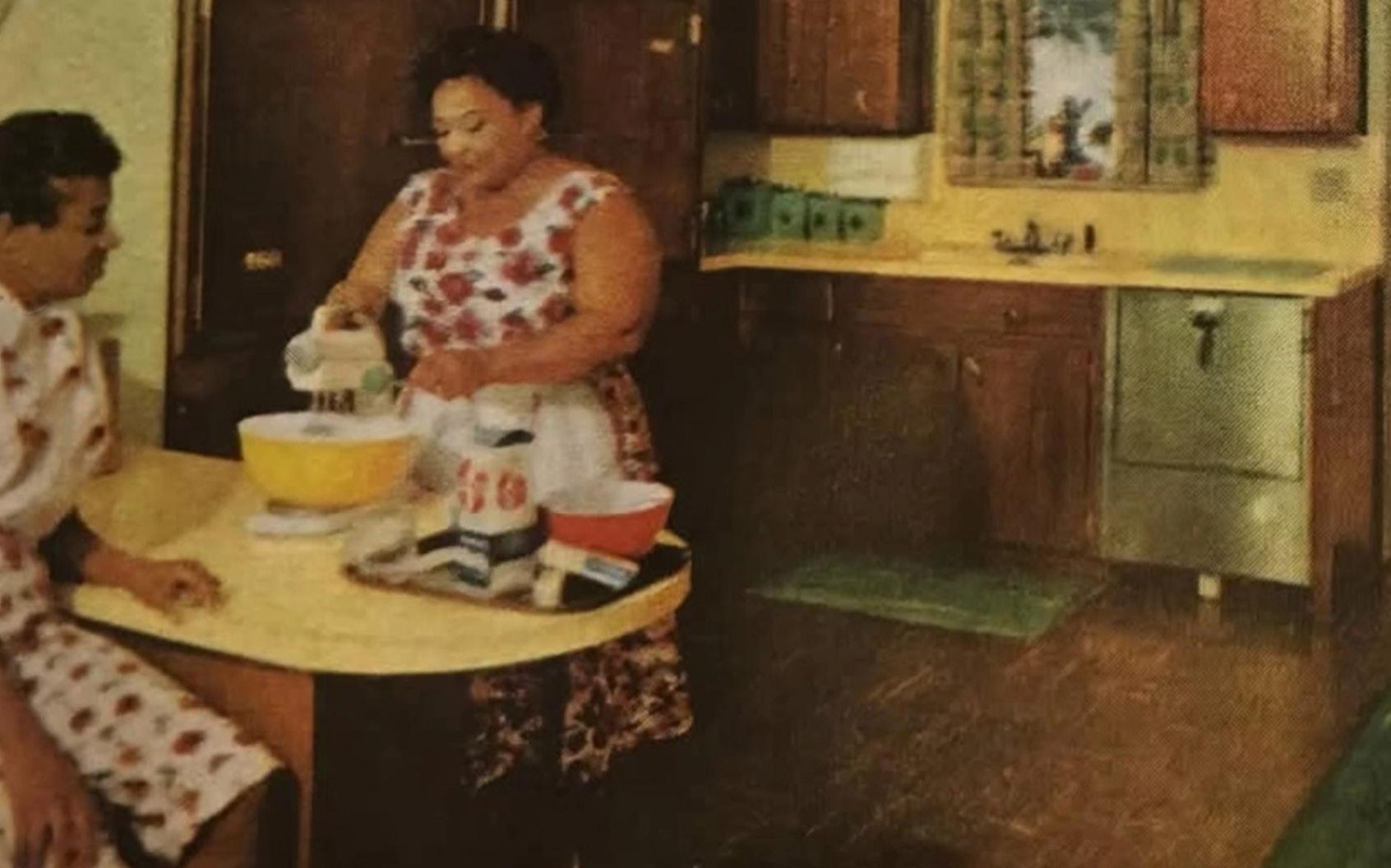
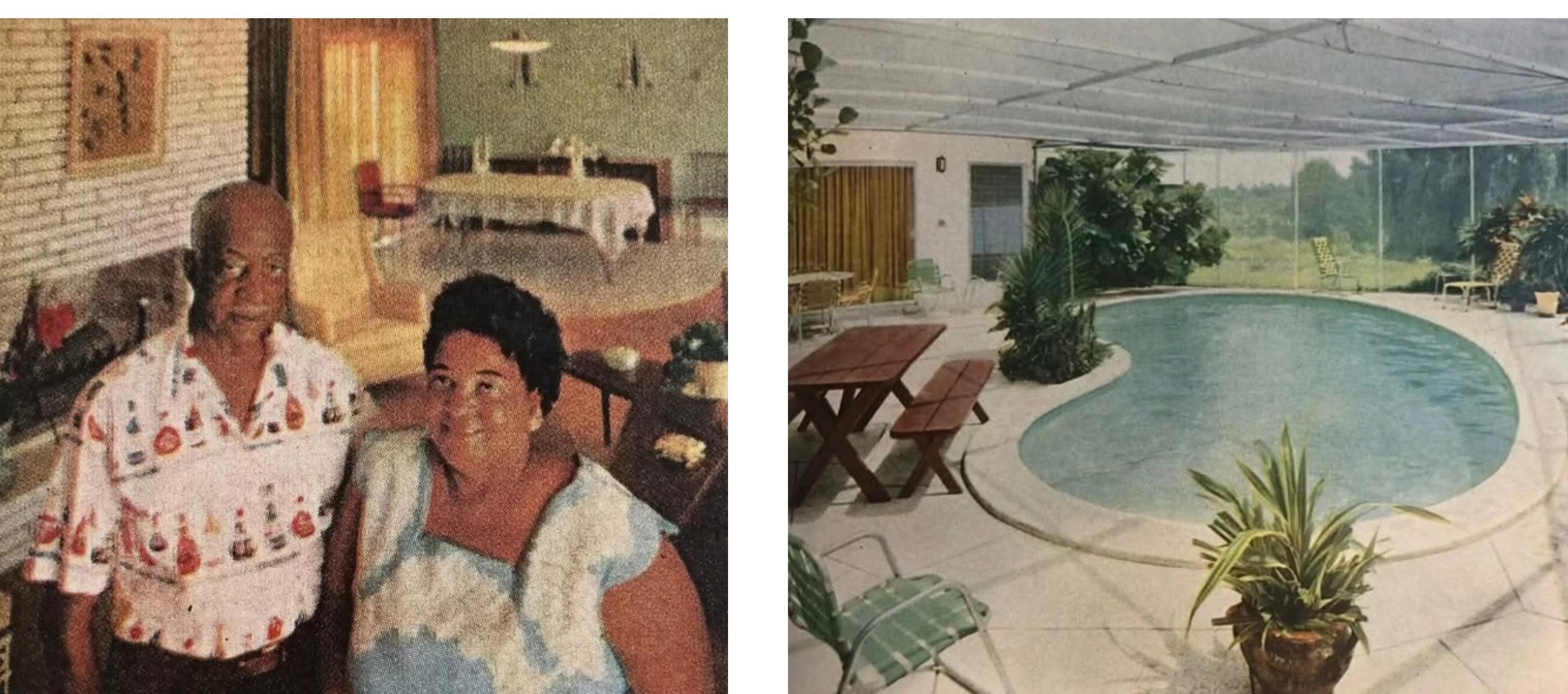
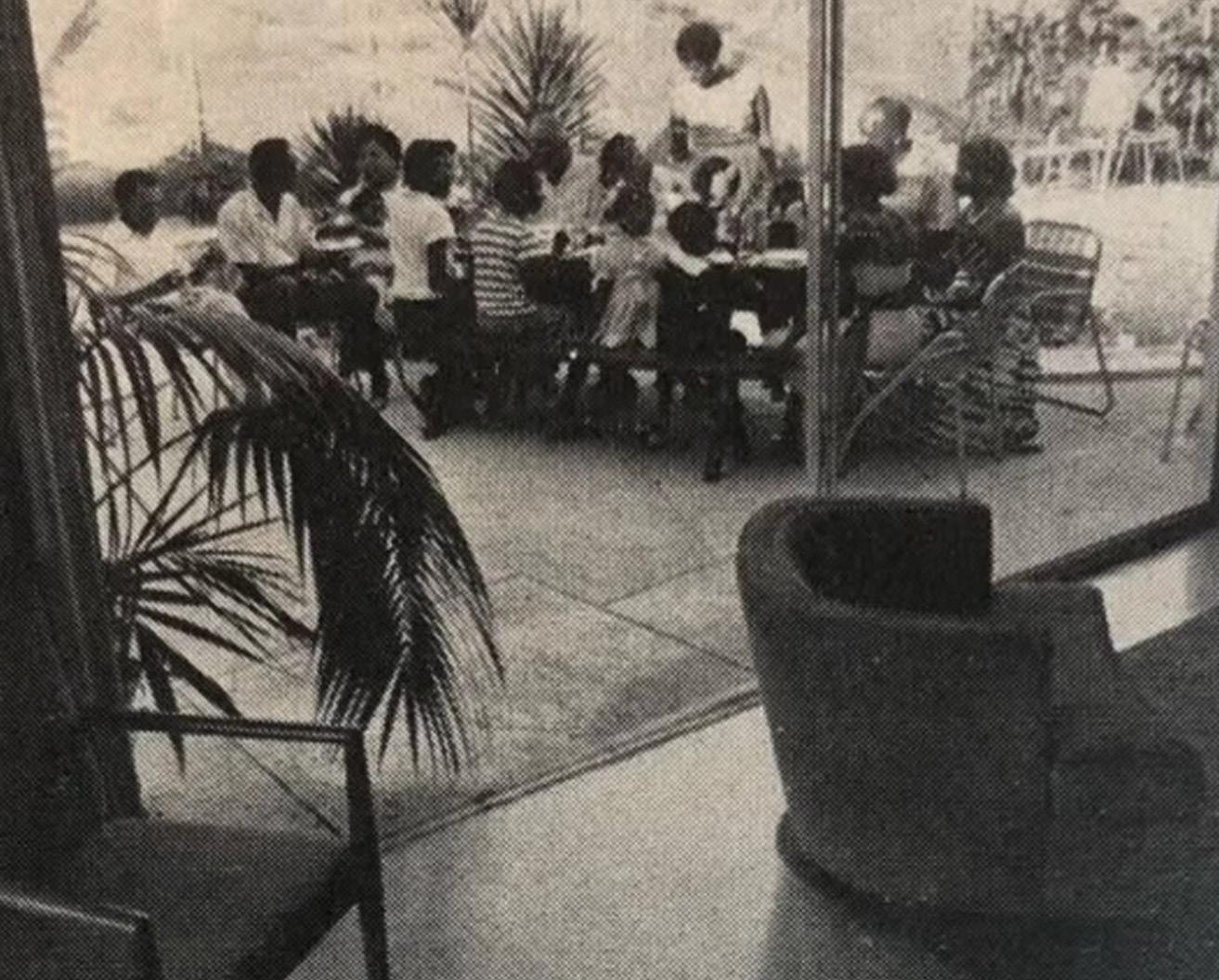
Daisy Sistrunk’s presence, as captured in mid-century Ebony magazine, situates her within a narrative of Black excellence, domestic agency, and cultural resilience in segregated Fort Lauderdale. Alongside Dr. James Franklin Sistrunk, her life reflects how the home operated not merely as shelter, but as a site of dignity, social gathering, and community formation within constrained urban conditions. The spatial richness of their residence—from interior living spaces to outdoor communal areas—reveals an architecture of care, hospitality, and quiet assertion of identity. As a precedent, her legacy calls for a design that translates memory into lived experience, where domesticity, culture, and community become inseparable spatial forces.
EXISTING
INTIMATE GATHERING AREA
WORKSPACE AND MEETING TABLE
THE FLORIDA ROOM
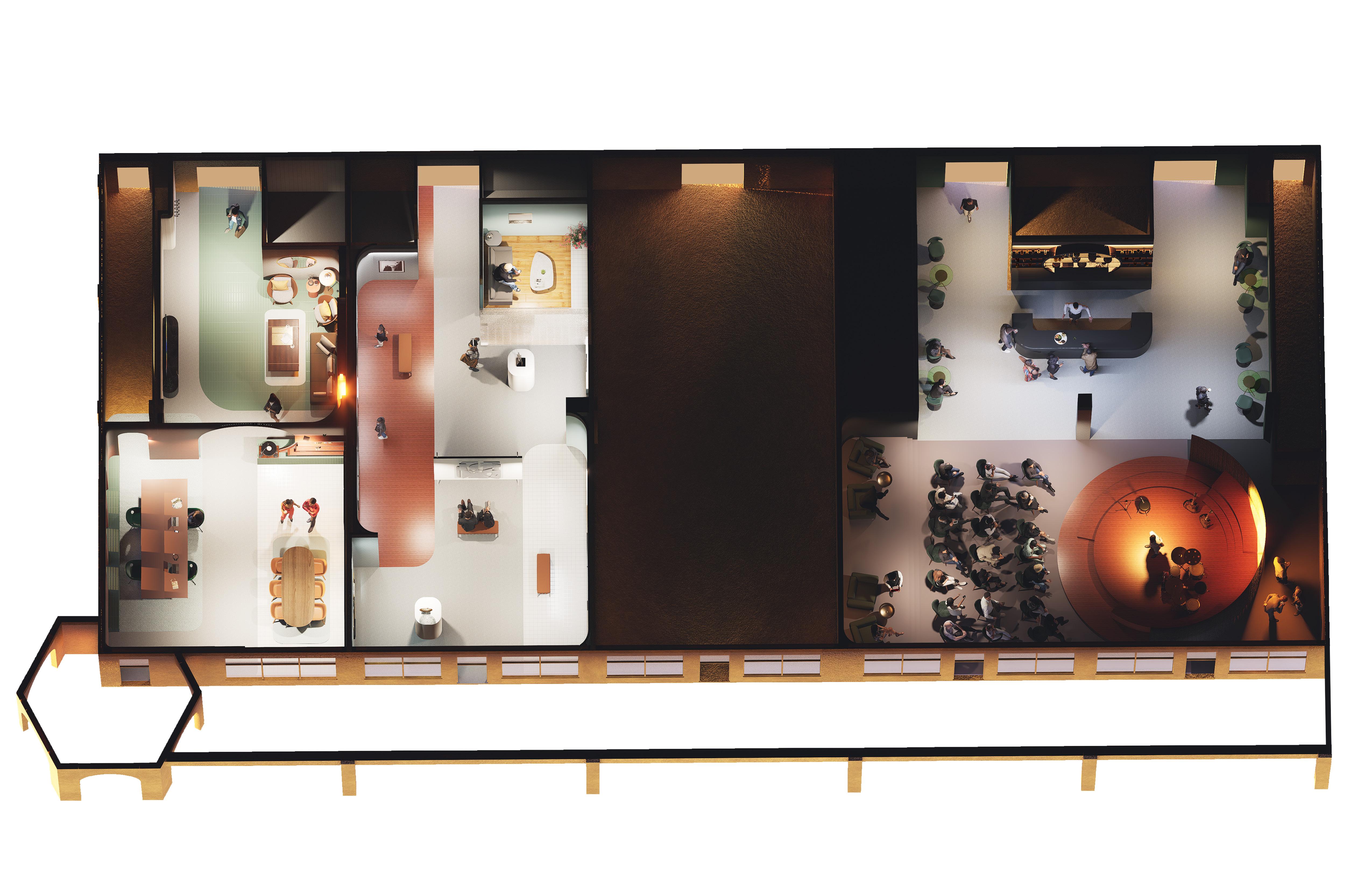
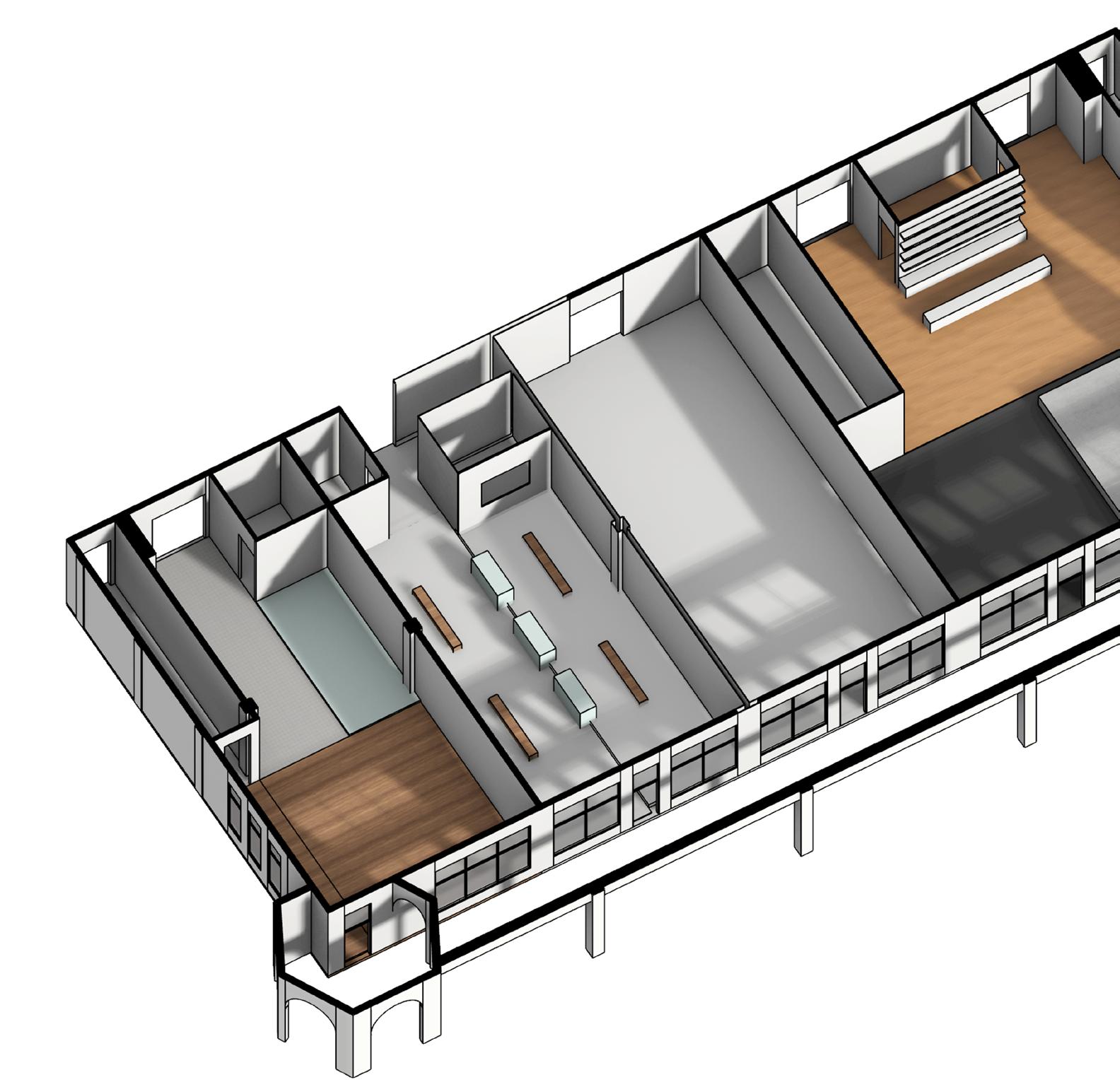
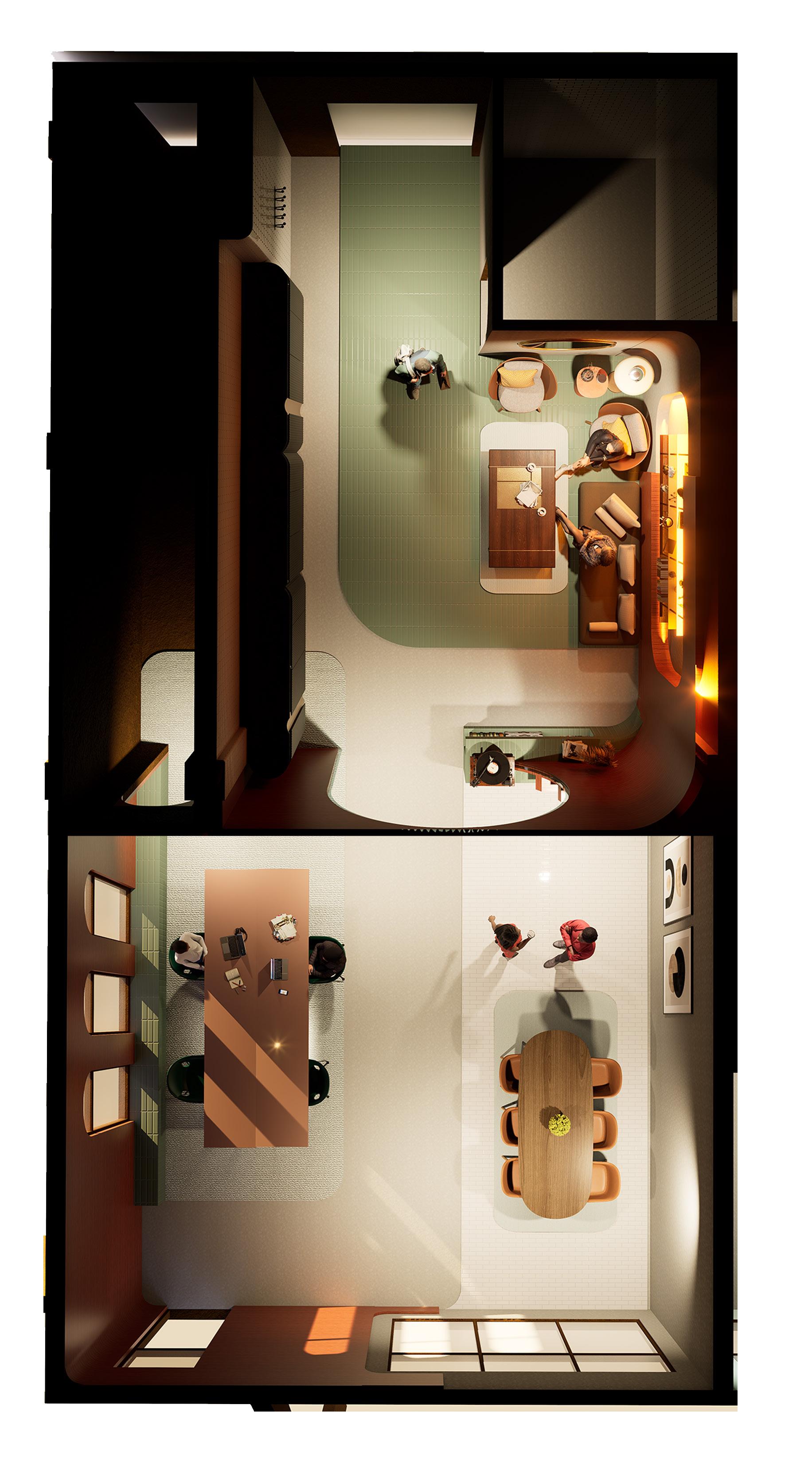
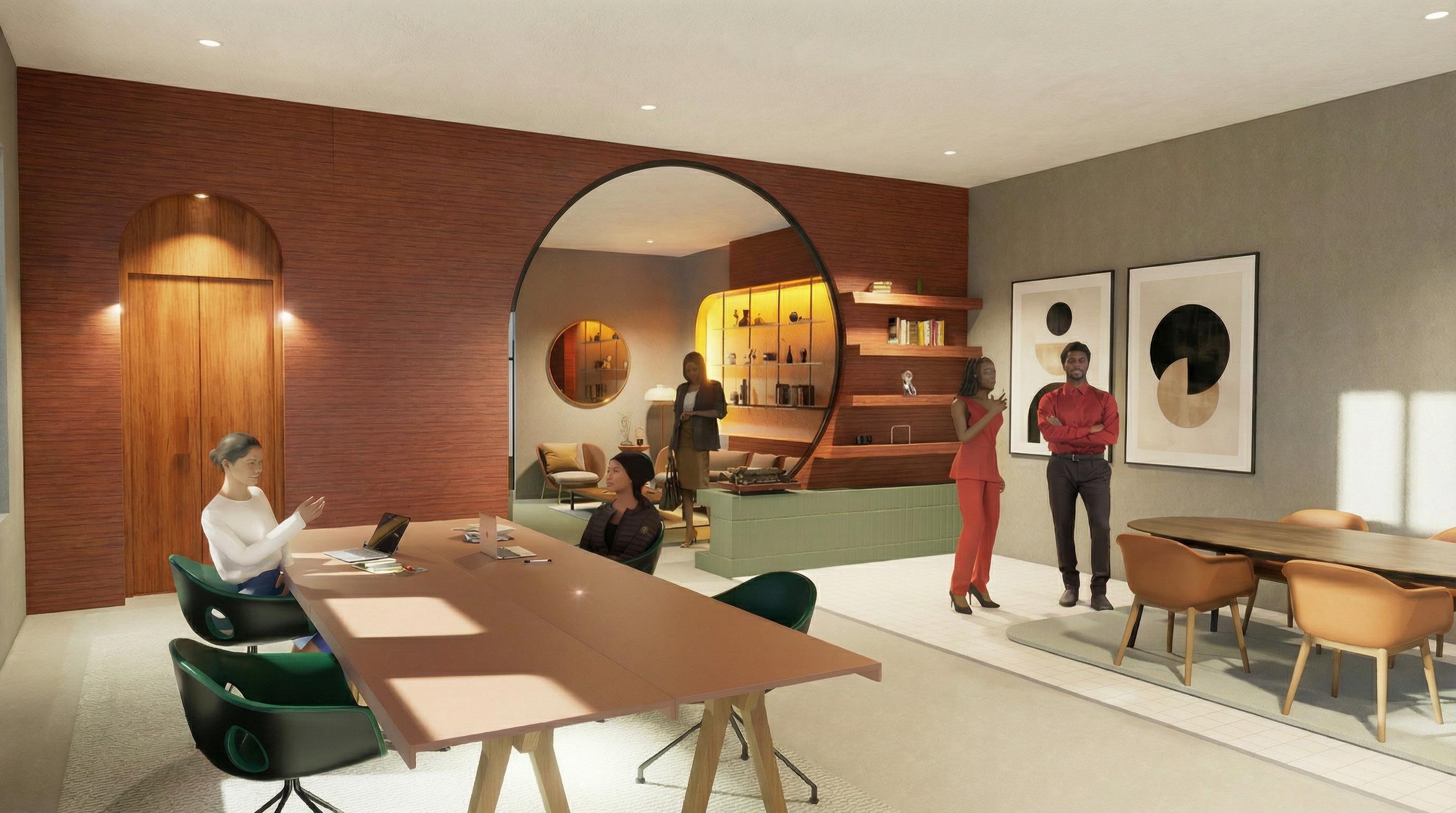
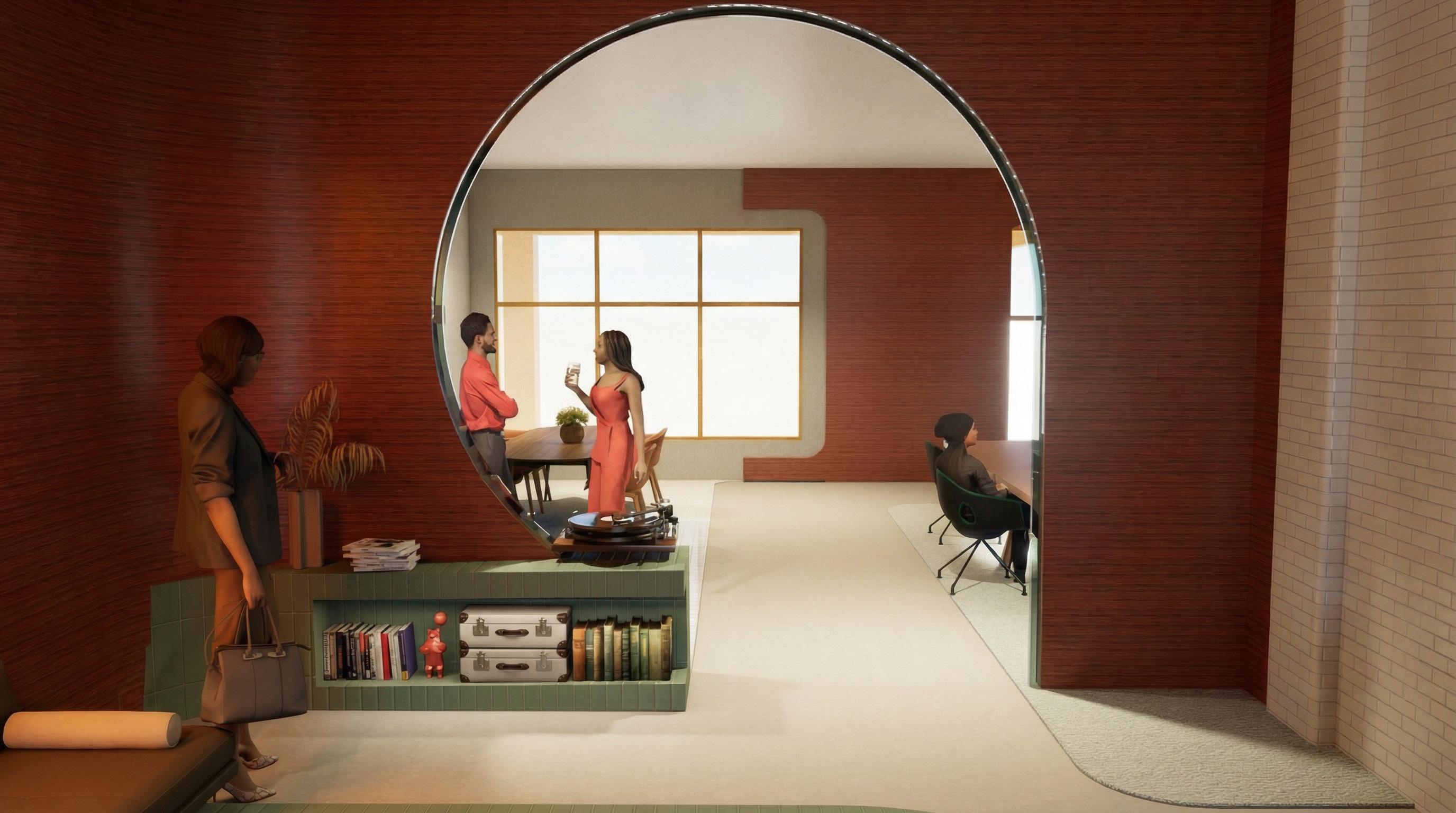
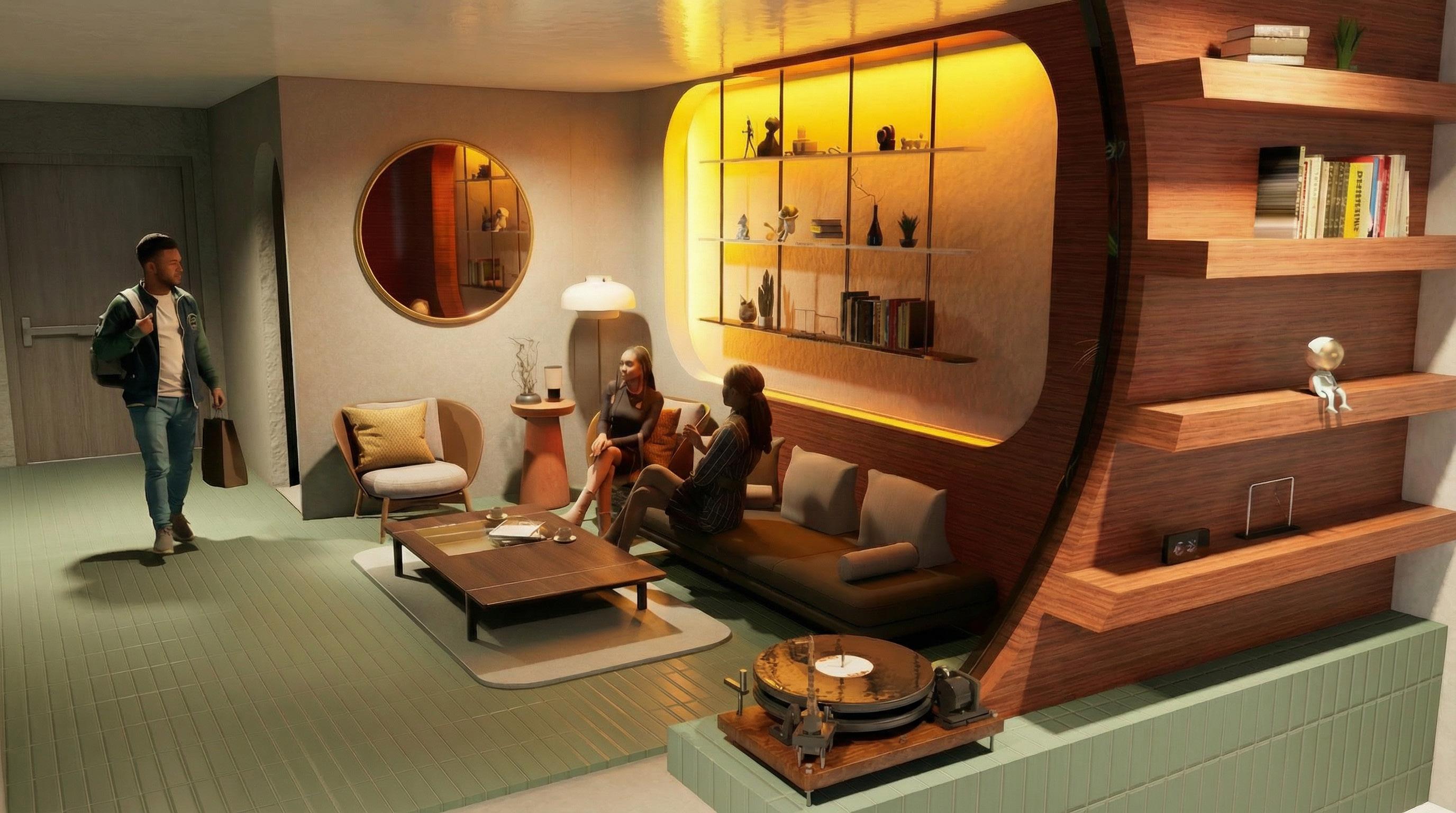
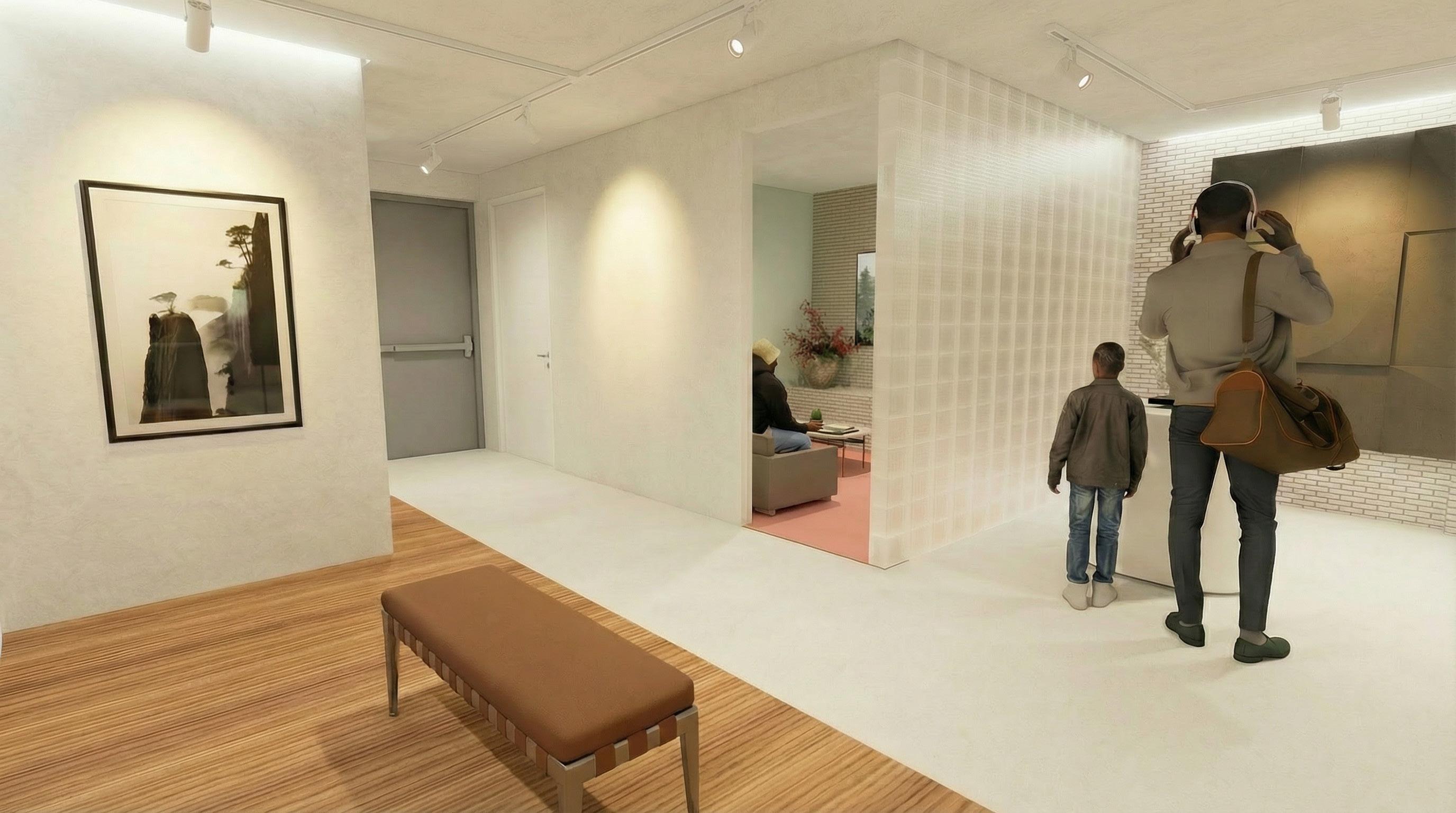
A warm, open, and flexible gathering space designed for connection. Imagine walking into Daisy Sistrunk’s living room—inviting, comfortable, and alive with possibility. This multipurpose room shifts seamlessly between uses: a productive co-working space for community members, artists, and local organizations during the day; a green room for performers preparing for shows in The Circuit; and an intimate setting for donor receptions and pre-show gatherings. The design should feel productive without being sterile, casual without being careless—adaptable enough to host a planning meeting, a quiet afternoon of focused work, a bustling pre-show reception, or artists warming up before taking the stage.
MATERIALITY AND FORM EXPLANATION:
The material palette draws directly from the language of the Sistrunk family home, translating its warmth, texture, and spatial intimacy into a contemporary interior condition. Variations in floor and wall materiality articulate distinct zones, subtly guiding circulation while producing a gradient between gathering, working, and transitional spaces. The partition wall, defined by a circular opening, reinterprets the frontal arches of the original residence, transforming a historical motif into a spatial threshold that frames movement and visual connection. Walls thicken into inhabitable surfaces, becoming alcoves for shelving and moments of pause—particularly within the intimate gathering area—where architecture shifts from boundary to lived interface.
SURFACE GALLERY (PAITING)
VOLUMETRIC GALLERY (SCULPTURE)
LIVING MEMORY ROOM
VOLUMETRIC GALLERY (SCULPTURE)
SURFACE GALLERY (PAITING)
THE GALLERY
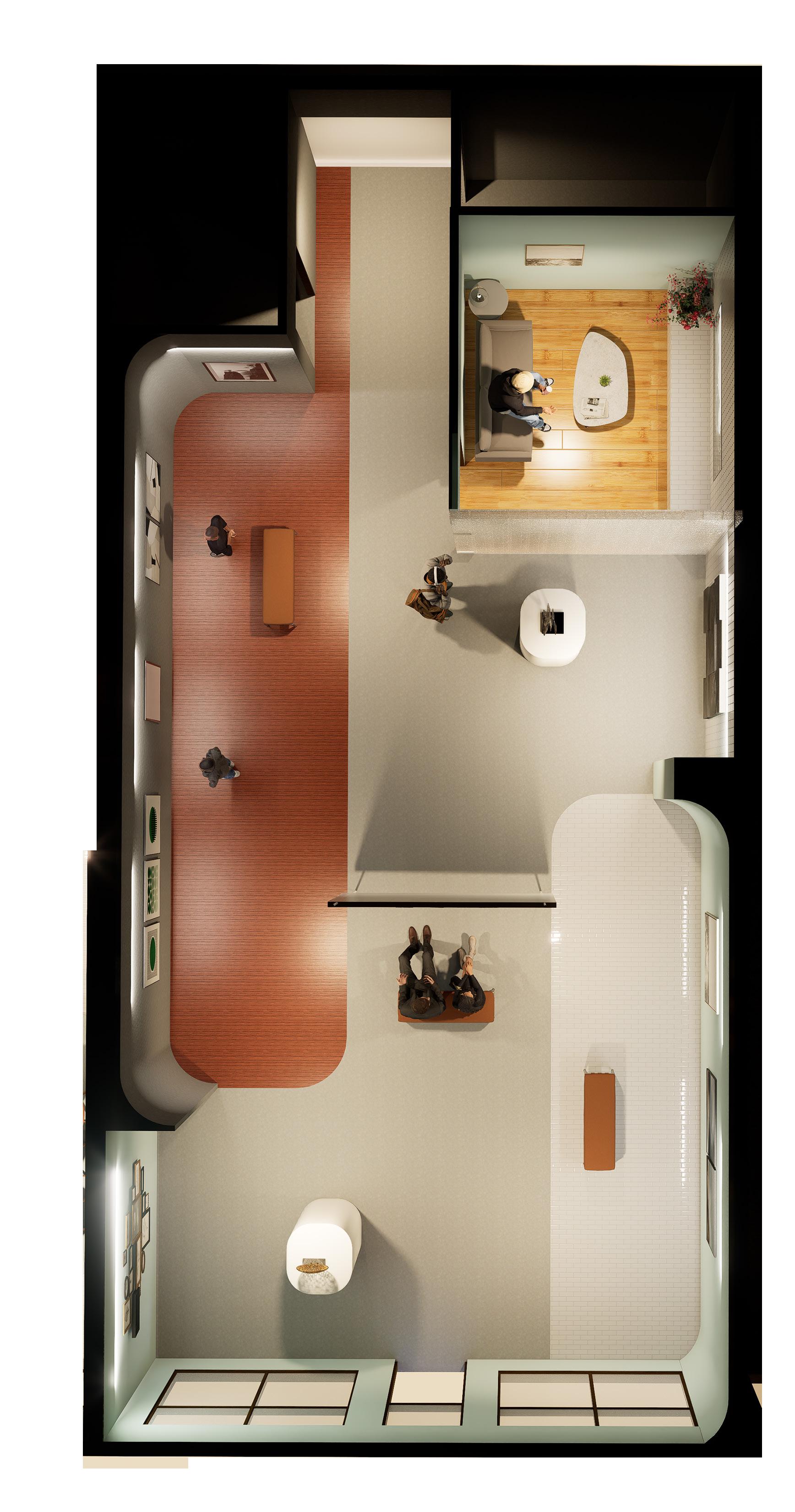
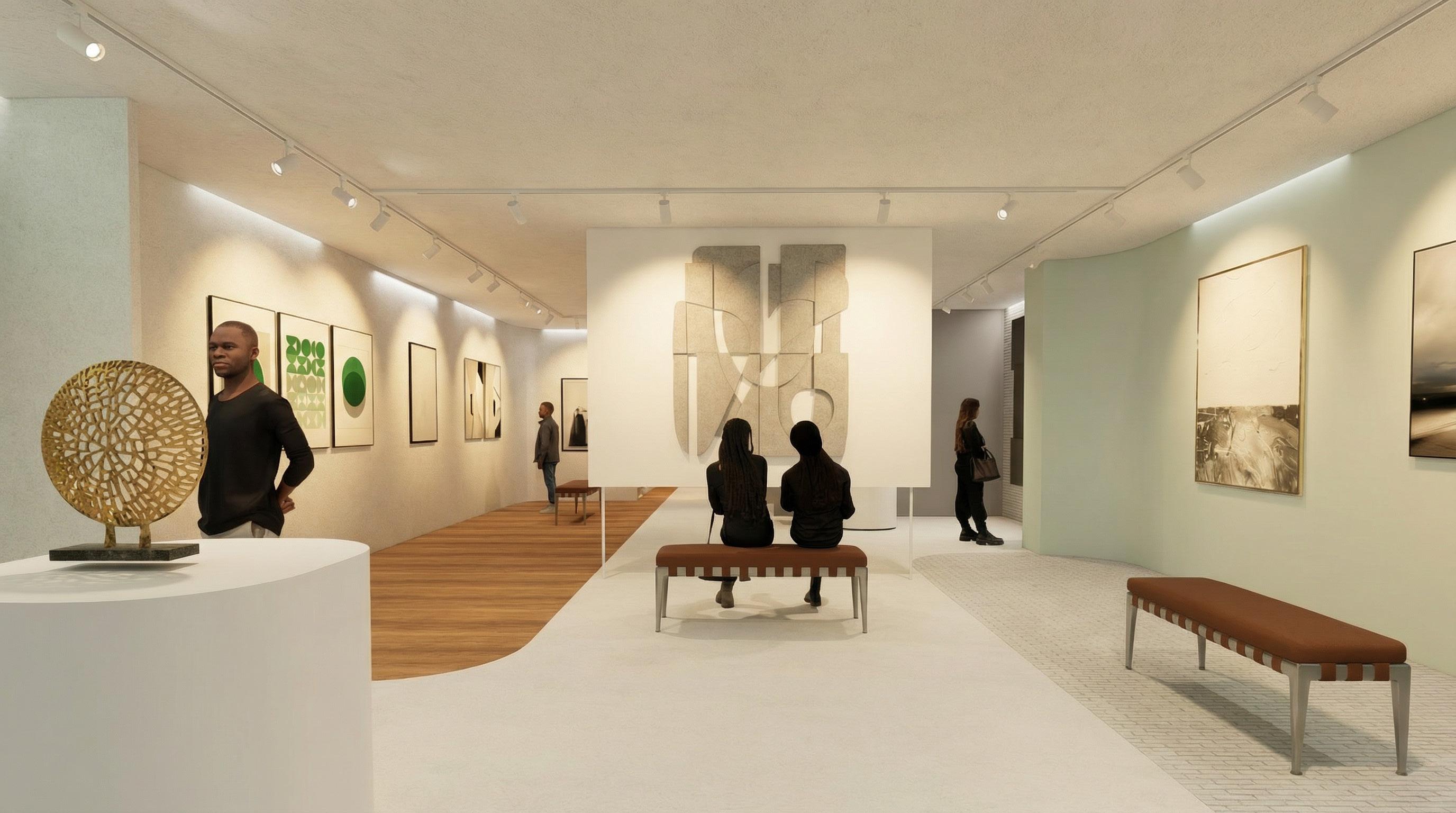
A space where creative, provocative work meets community. Exhibitions here aren’t just for looking—they’re for sparking dialogue, reflection, and understanding. The design should honor both the art on the walls and the people in the room, creating an environment where visitors feel invited to linger, question, and connect. Community-centered and artist-inspired, this gallery is as much about who gathers as what hangs.
MATERIALITY AND FORM EXPLANATION:
The project draws from the spatial language of the Sistrunk family home, translating its material warmth and layered thresholds into a gallery condition that differentiates modes of viewing. Material shifts in floor and wall surfaces establish a clear yet fluid division between the Surface Gallery (painting) and the Volumetric Gallery (sculpture), where wood tones, tile, and softened finishes guide movement while signaling changes in spatial behavior. Formally, the walls begin to thicken and curve, producing moments of enclosure that “hold” the body. This create intimate zones for lingering, reflection, and slower engagement with the work. Benches are embedded within these conditions, reinforcing a linear pause along circulation while inviting occupation and questioning.
At the center, a partition wall reinterprets the Florida Room condition found in the Sistrunk home; however, rather than operating as a porous, transitional threshold that encourages flow outward, it becomes a more solid, anchoring element that resists movement and instead promotes dwelling. This inversion transforms the idea of passage into a moment of pause, allowing the gallery to oscillate between openness and containment. Through this interplay of material contrast and formal compression, the project constructs an architecture that choreographs how bodies move, stop, gather, and remember.
SOCIAL BAR AND DINING
SITTING AREAS AND
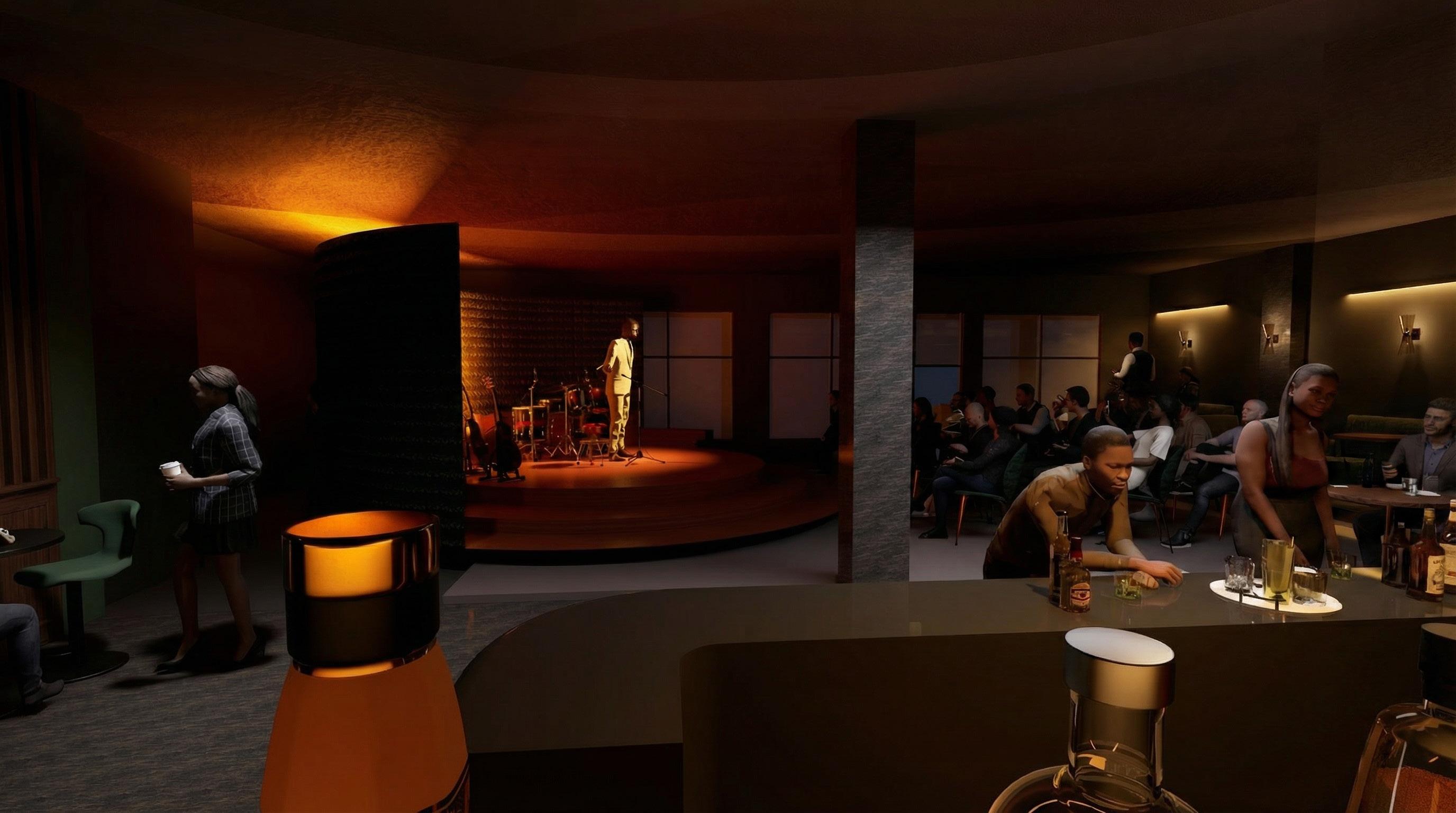
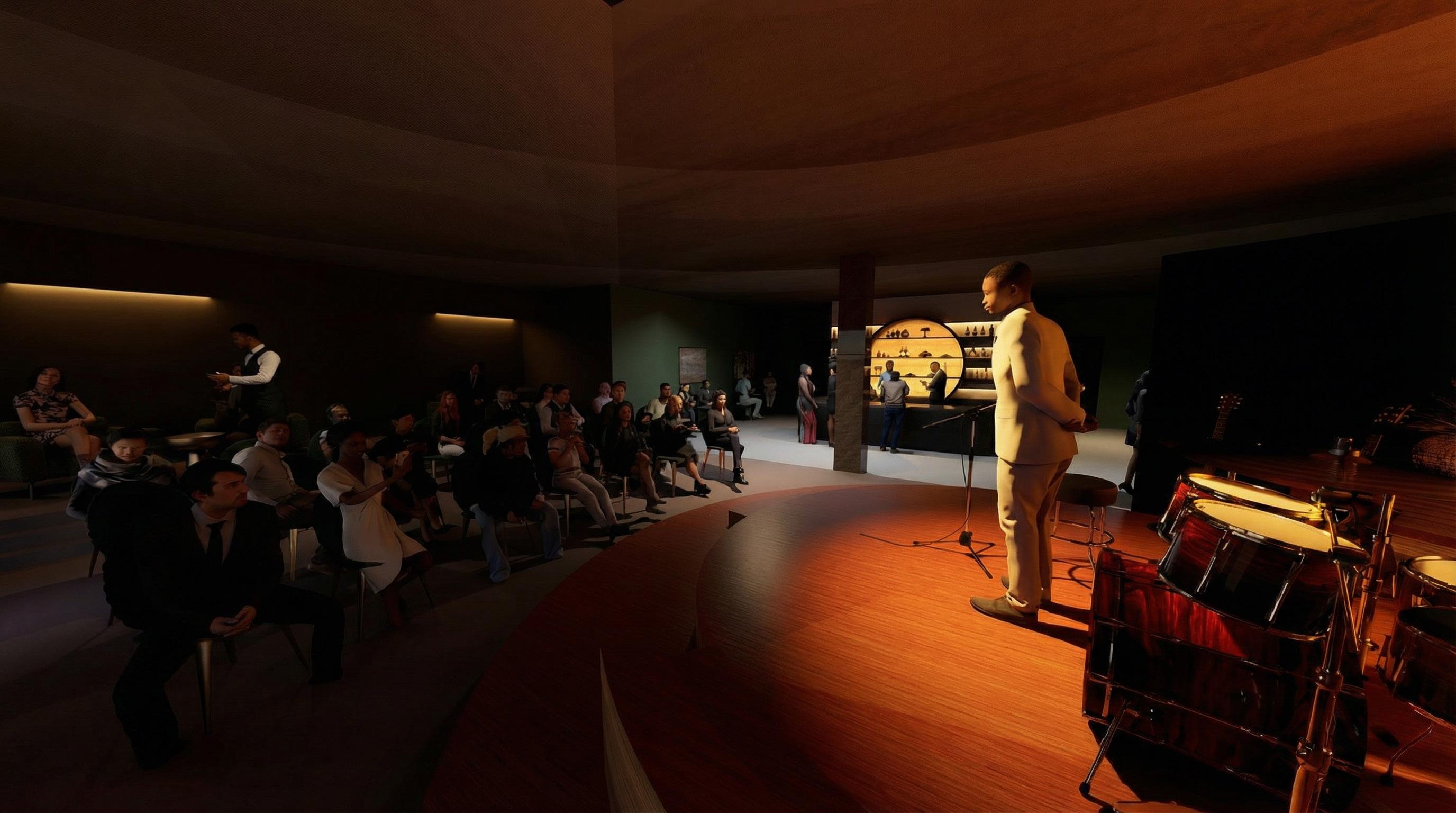
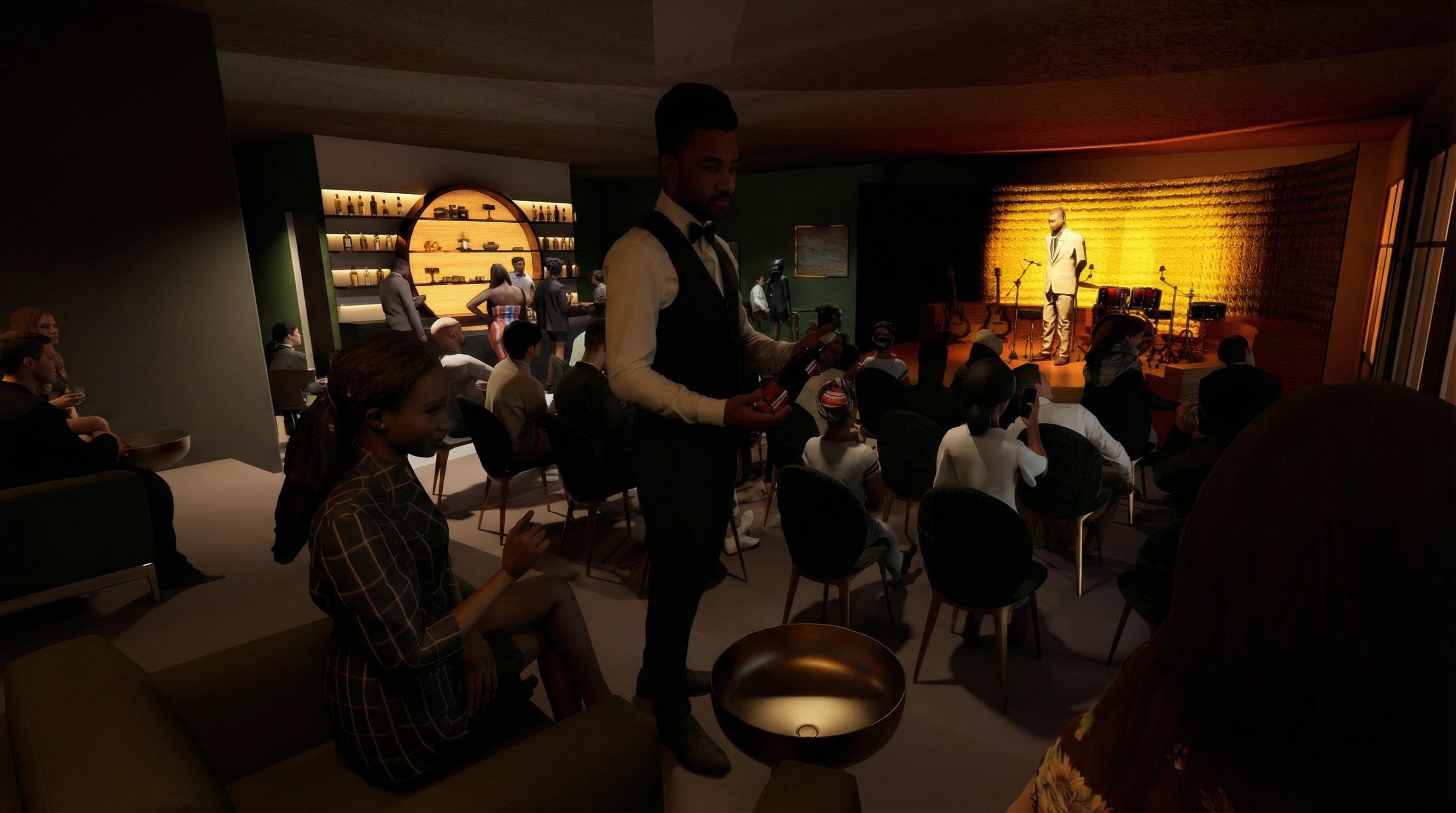
THE CIRCUIT
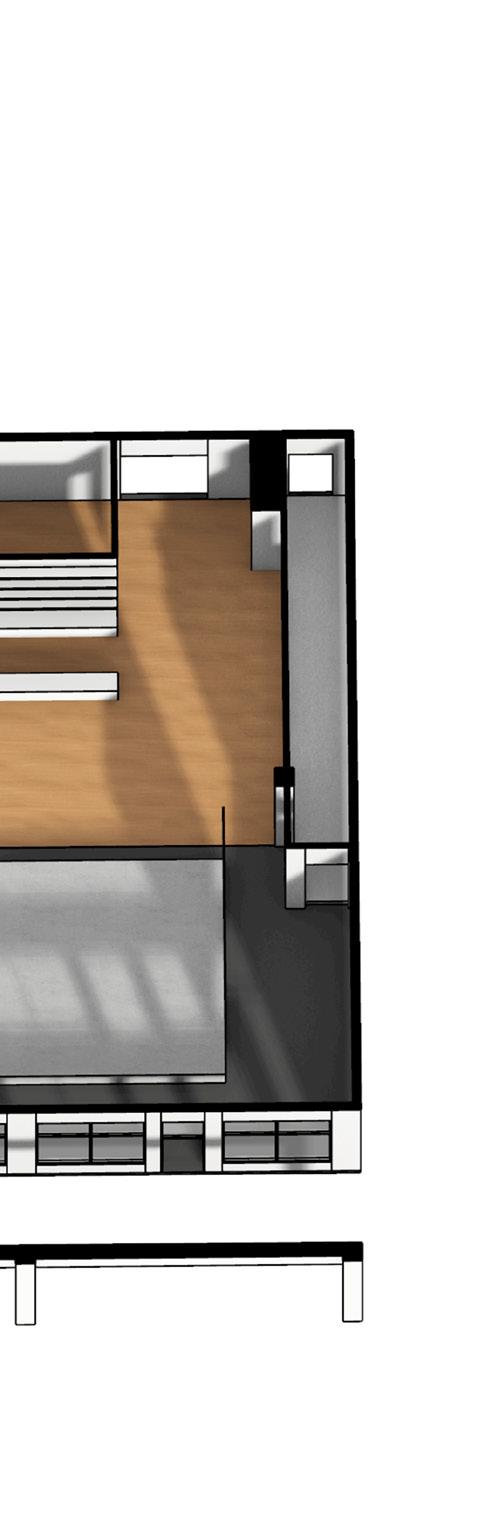
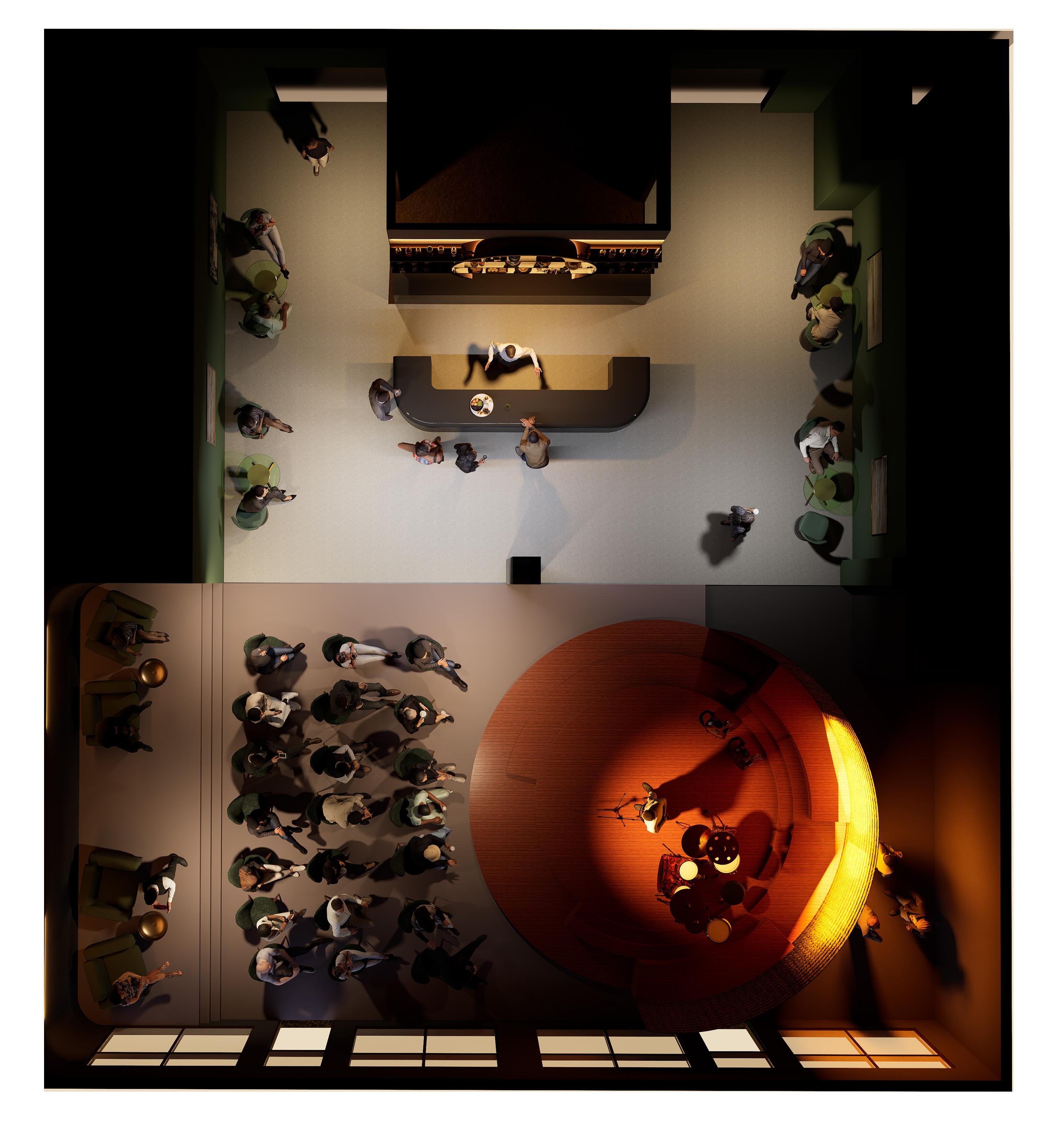
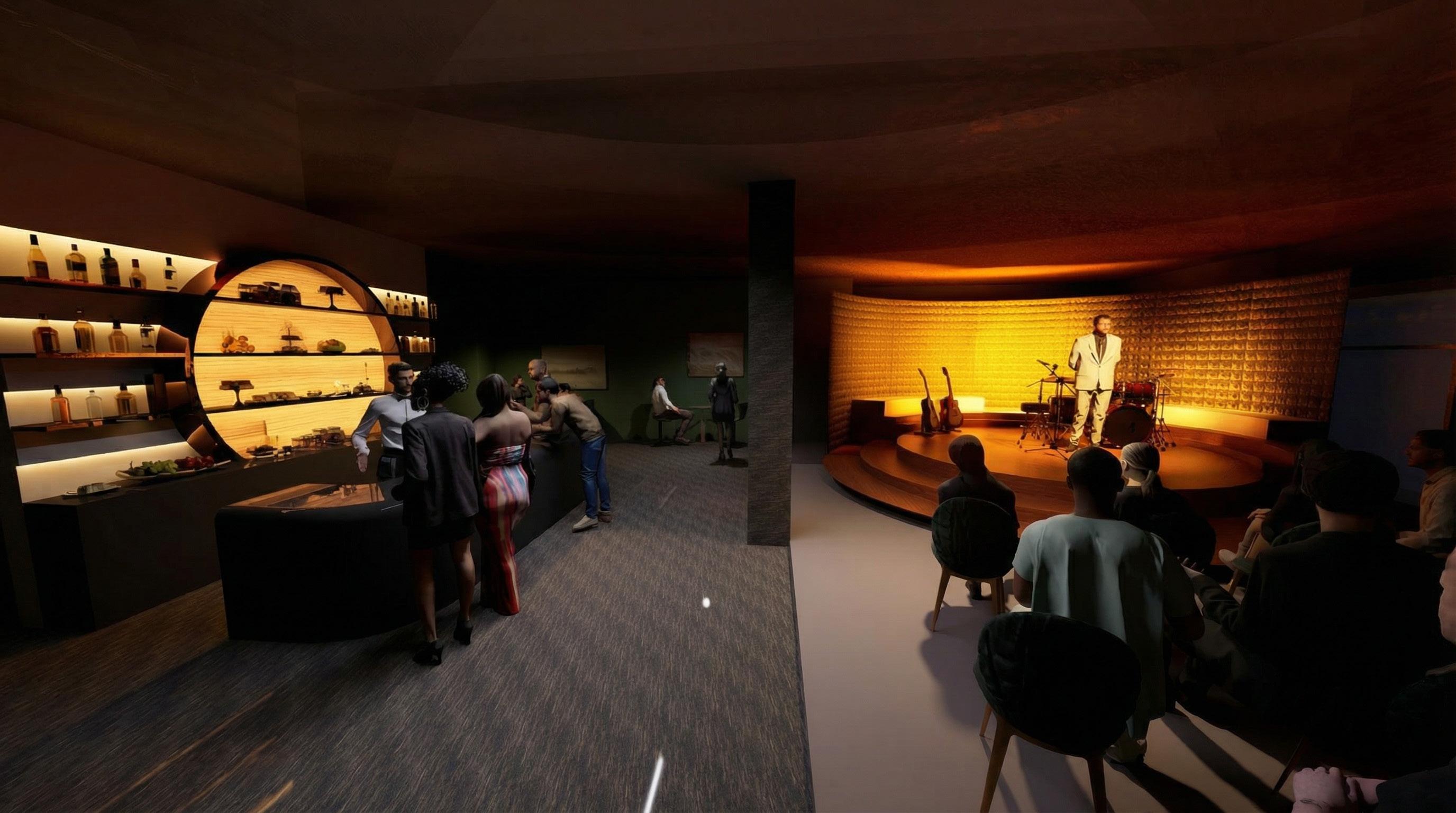
A black box performance space built for artistic risk-taking and innovation. This is where artists experiment, audiences lean in, and failure is part of the process. The flexible, stripped-down design should support a range of performances—music, spoken word, film, theater, multimedia—while maintaining an intimate, community-rooted feel. It’s not a traditional stage; it’s a reconfigurable space where artists and audiences meet in the middle, where the unexpected is welcome, and where powerful experiences are born.
MATERIALITY AND FORM EXPLANATION:
The circular stage operates as a field of performative props, where integrated platforms enable acts of elevation, placement, and transformation, allowing the space to be continuously reconfigured by the performers themselves. These elements are not for passive occupation, but for staging—supporting instruments, bodies, and moments of emphasis within the performance. The surrounding darkness of the stage and viewing area recedes to foreground light as an active agent, shaping perception and directing attention. Beyond this, the bar and social areas shift into a lighter, more diffuse condition, forming a contrasting environment of exchange and release.