Mickhyle Dangalan



07 06 08
07 06 08
AIA Florida Citation Award - Theoretical and Research Student
ACSA 2025 Intersection Research Conference: AI Design Practices
AIA Fort Lauderdale Citation Award - Unbuilt, Student Category
FAU Design Award
CriticalMASS 2025 Research Project Participant
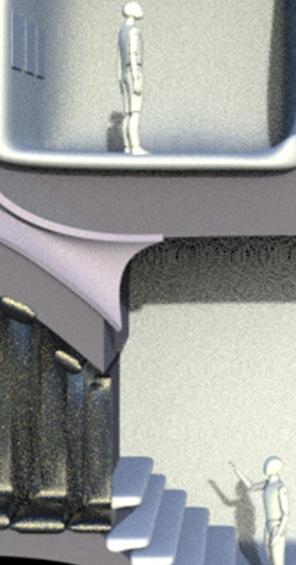
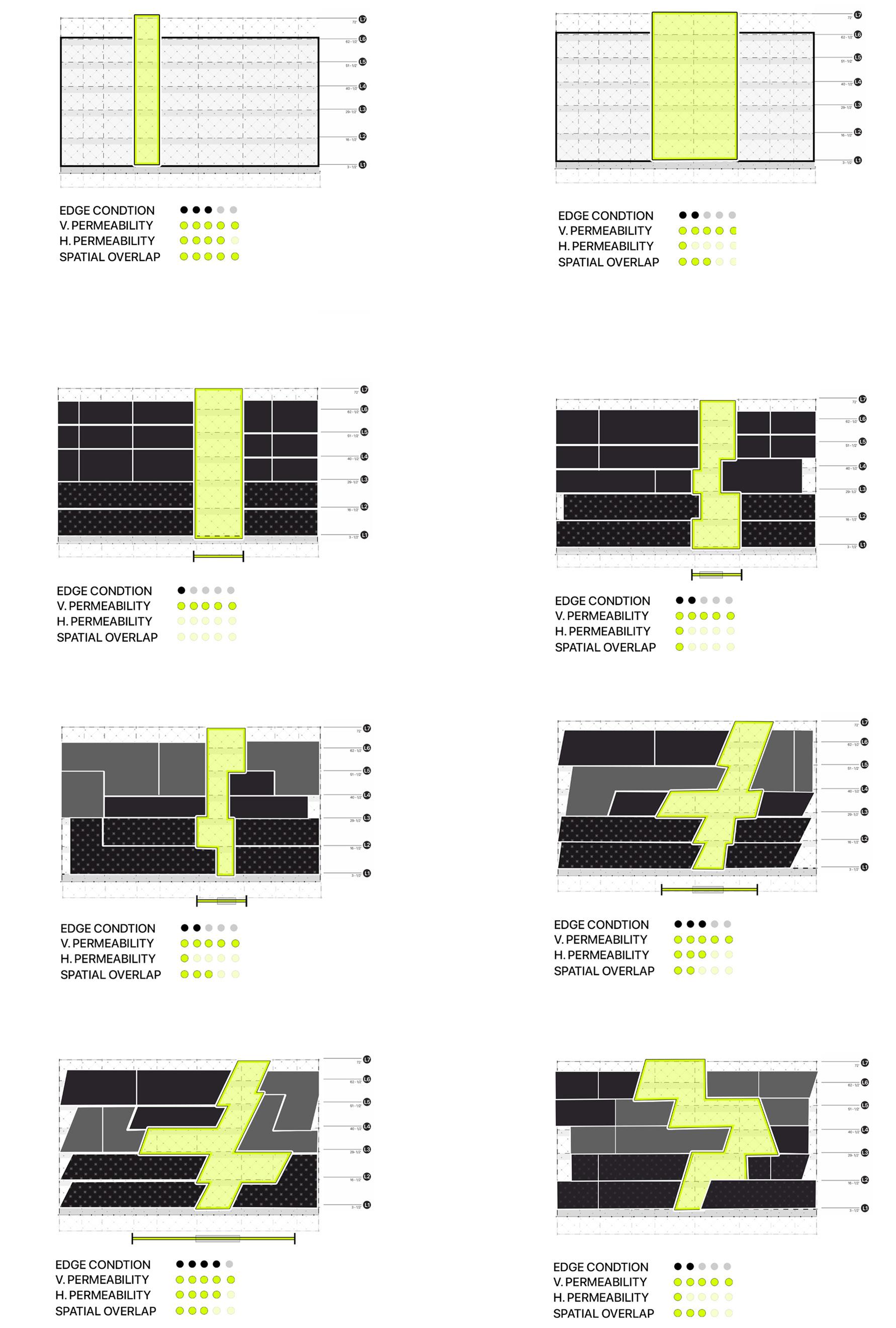
The agenda of this project is to conceptualize and design the office of the future by exploring the intersection of spatial cognition, emergent behavior, and computational design. The design engages in the principles of Stigmergy and Self-Organizing Maps (SOMs) as methodologies for dynamic form finding, facilitating adaptive and self-regulating spatial configurations. This investigation integrates a key navigational and analytical tool to establish a feedback-driven approach to spatial organizations that is attuned to human-scale perceptions – Isovists.
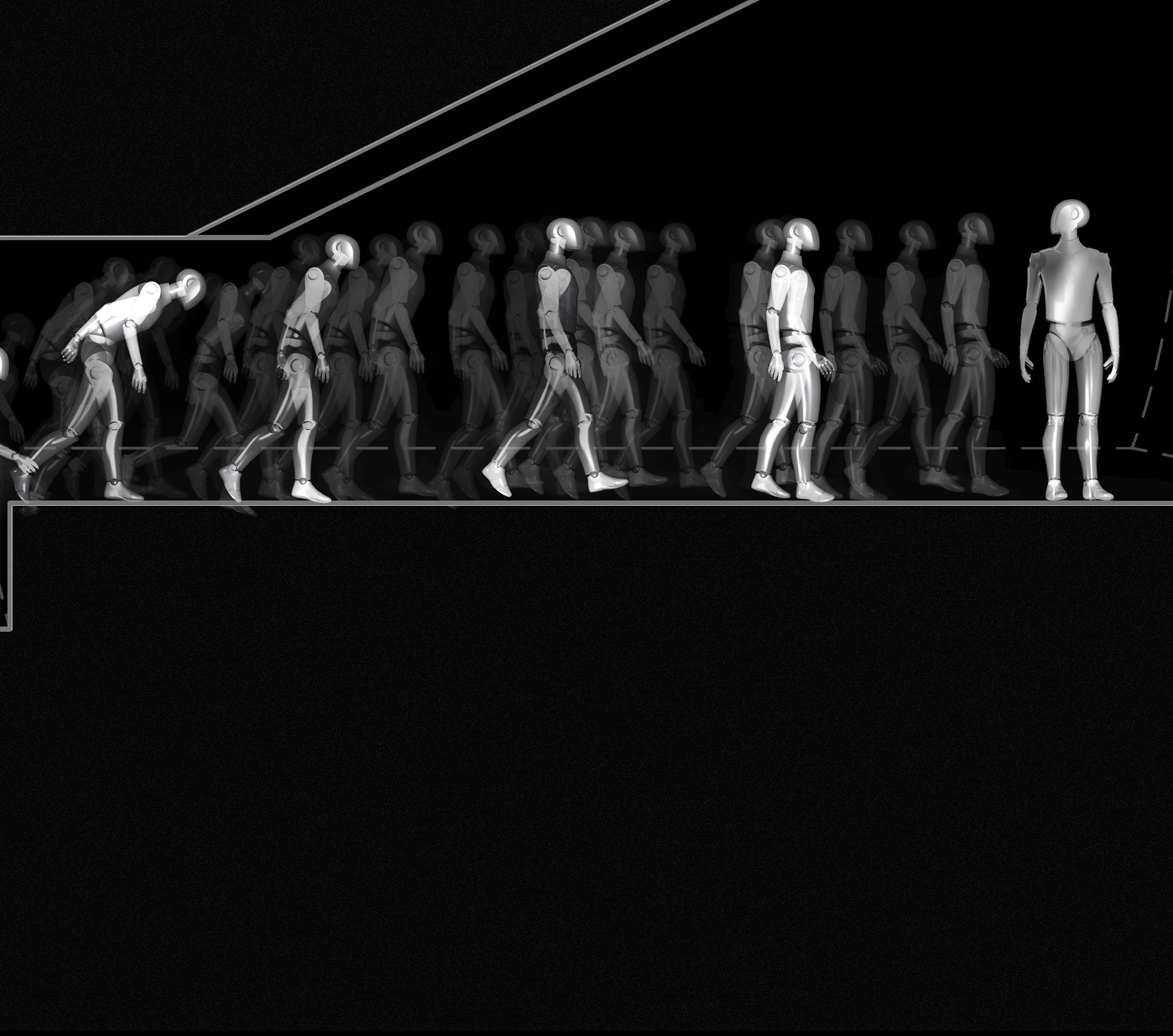

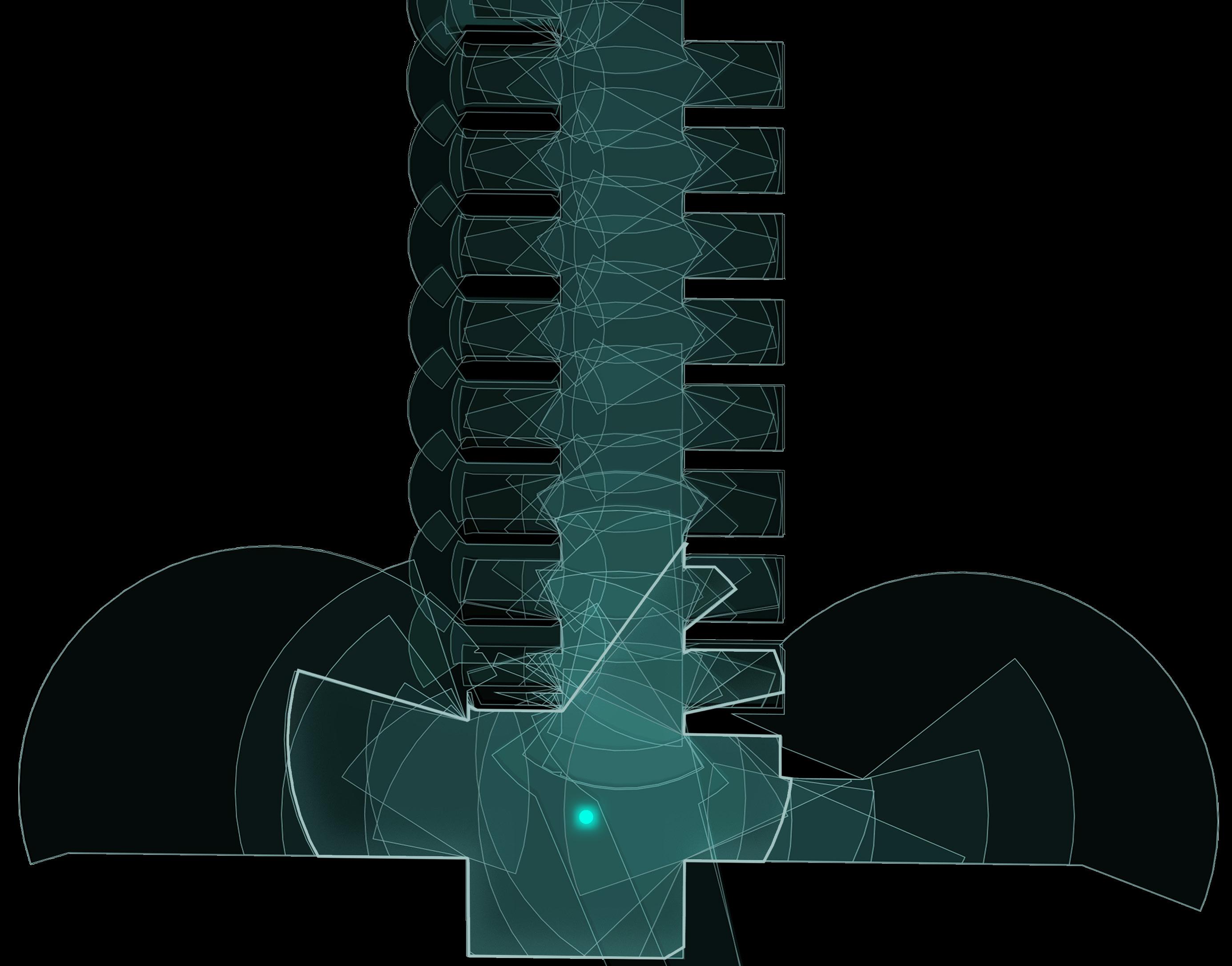
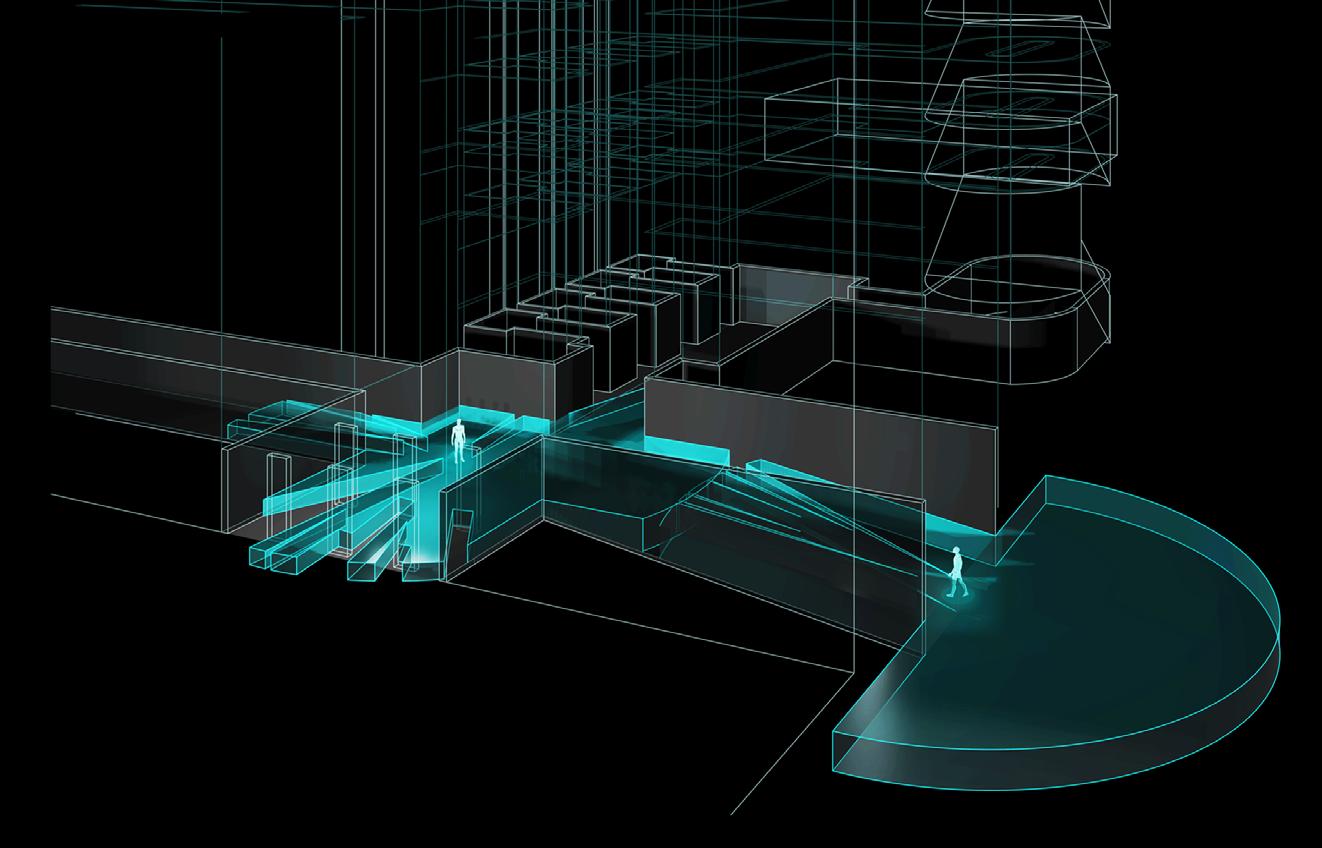
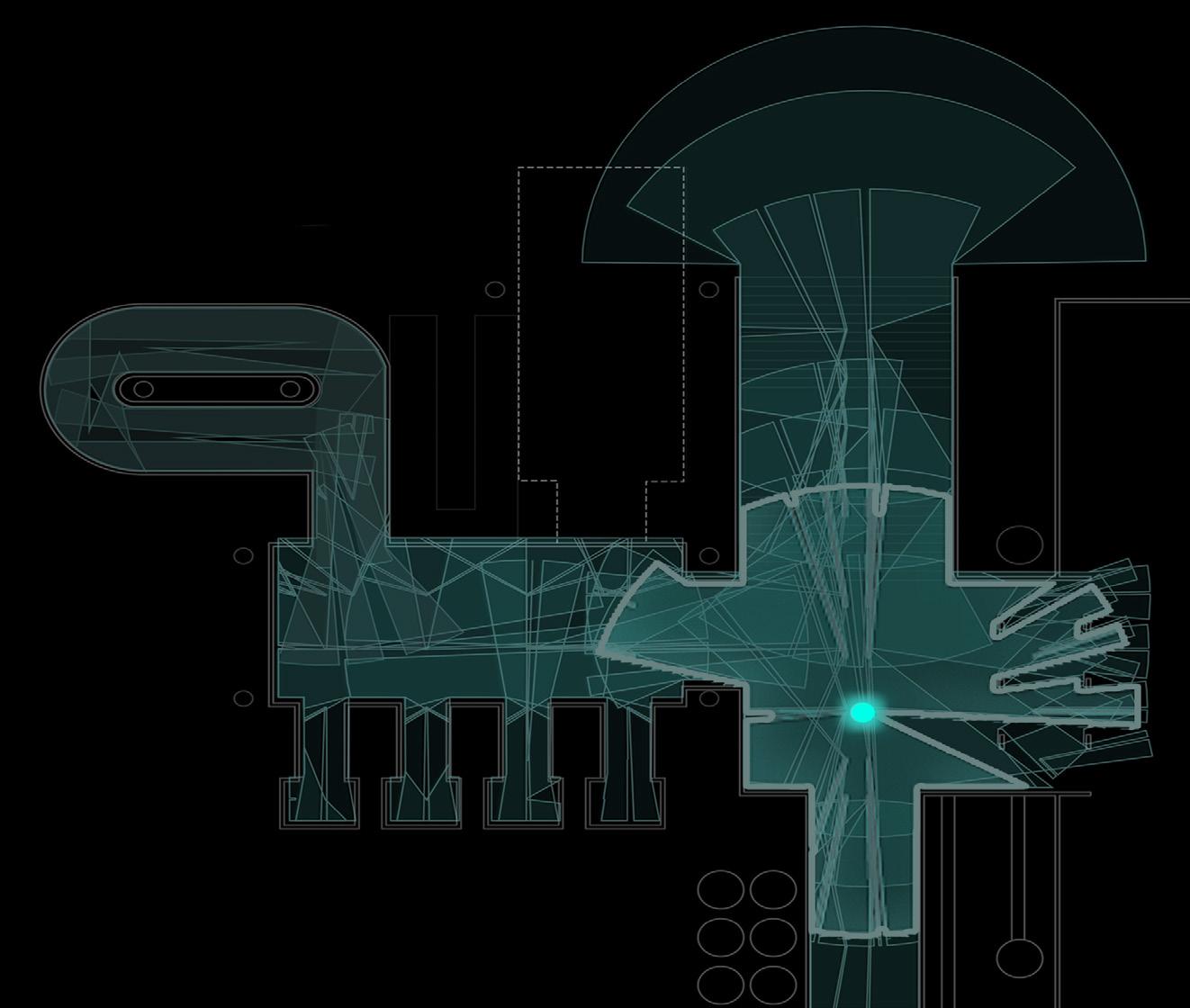
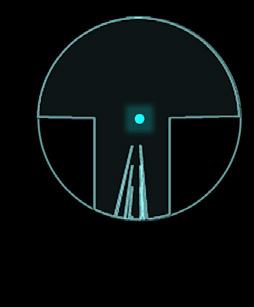
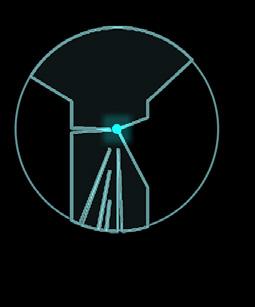

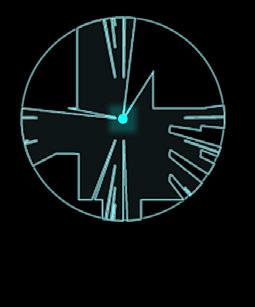
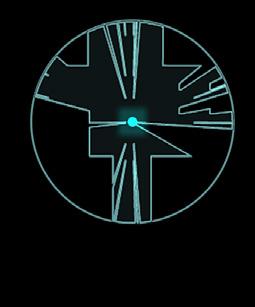
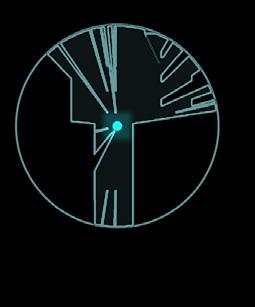
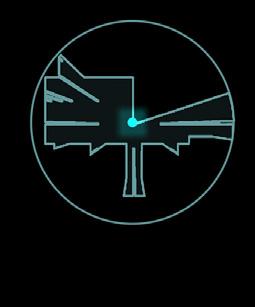

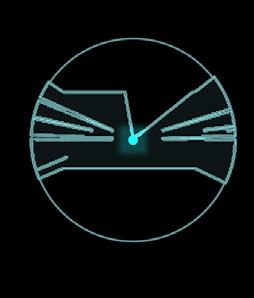
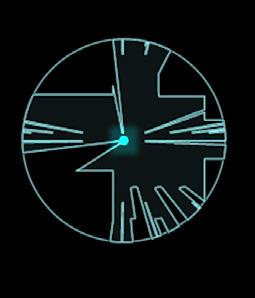
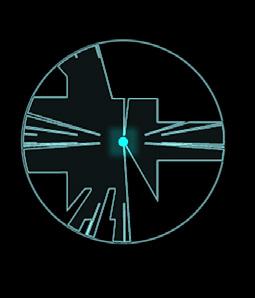
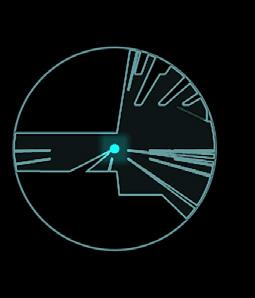
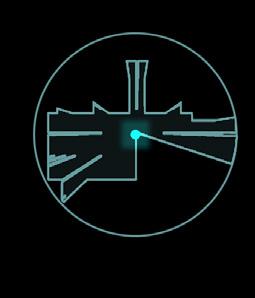
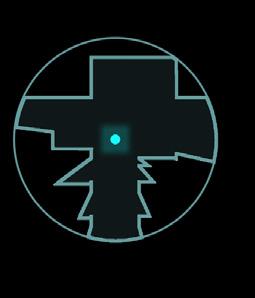
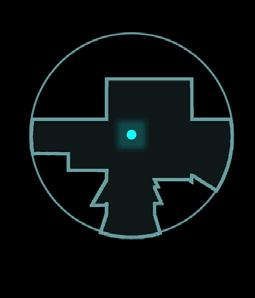
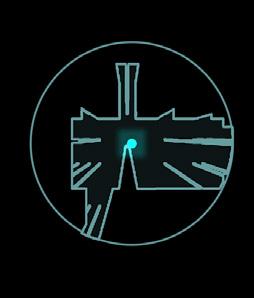
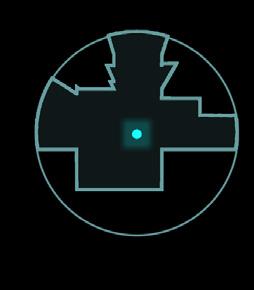
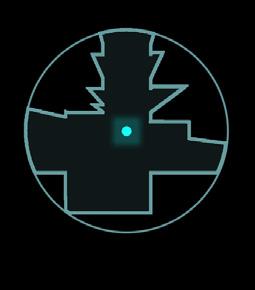
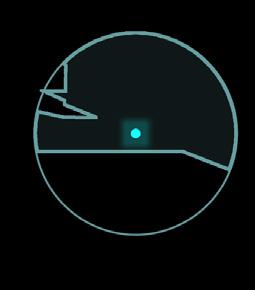
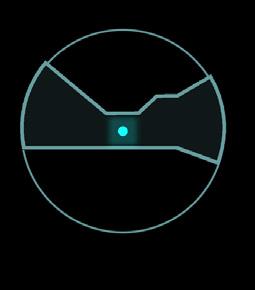
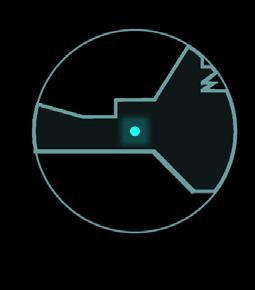
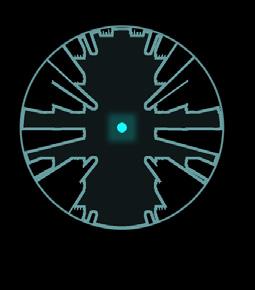
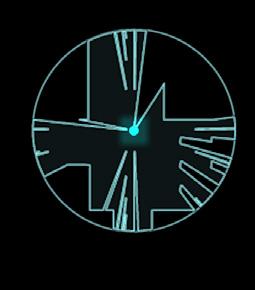
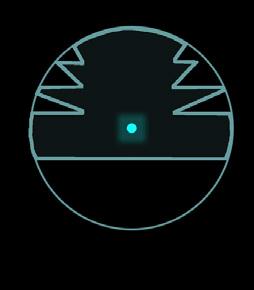
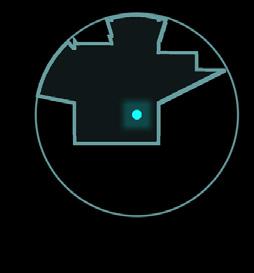
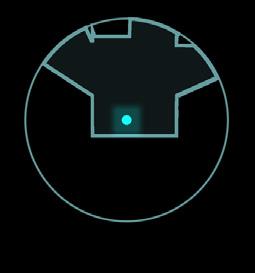
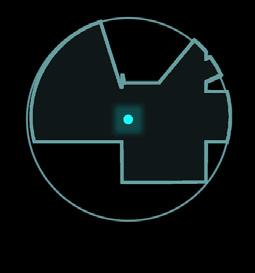
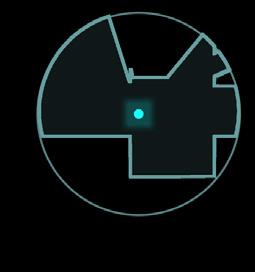

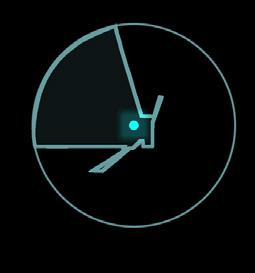
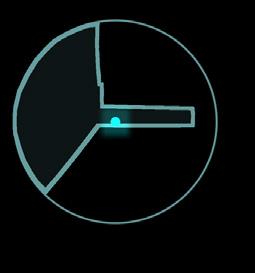
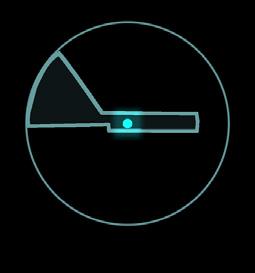
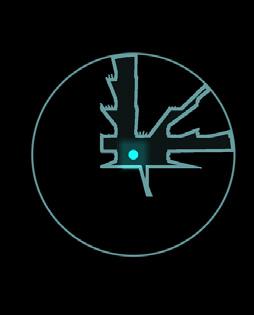
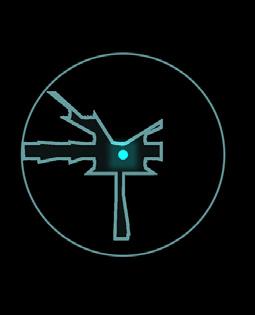
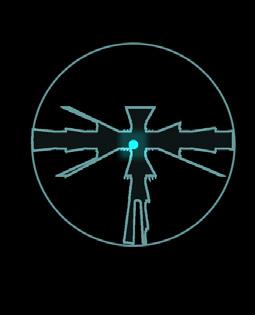
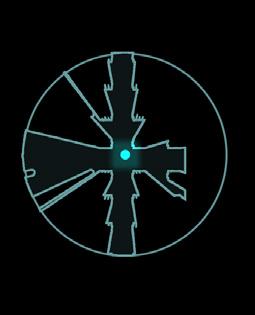
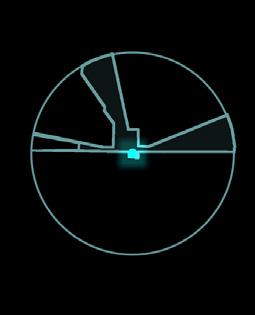
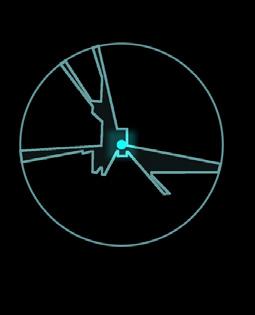
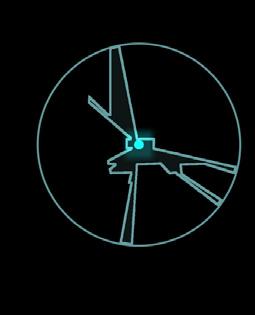
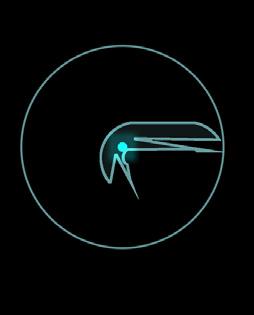
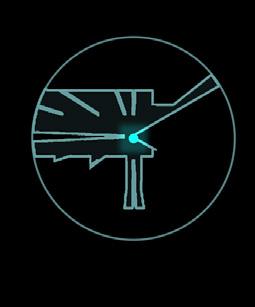
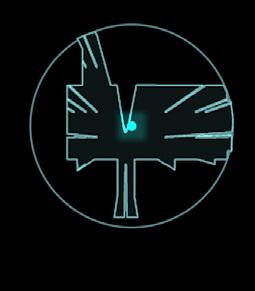

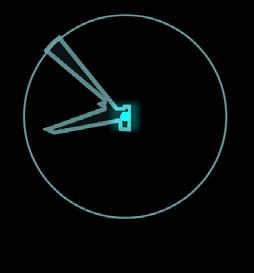


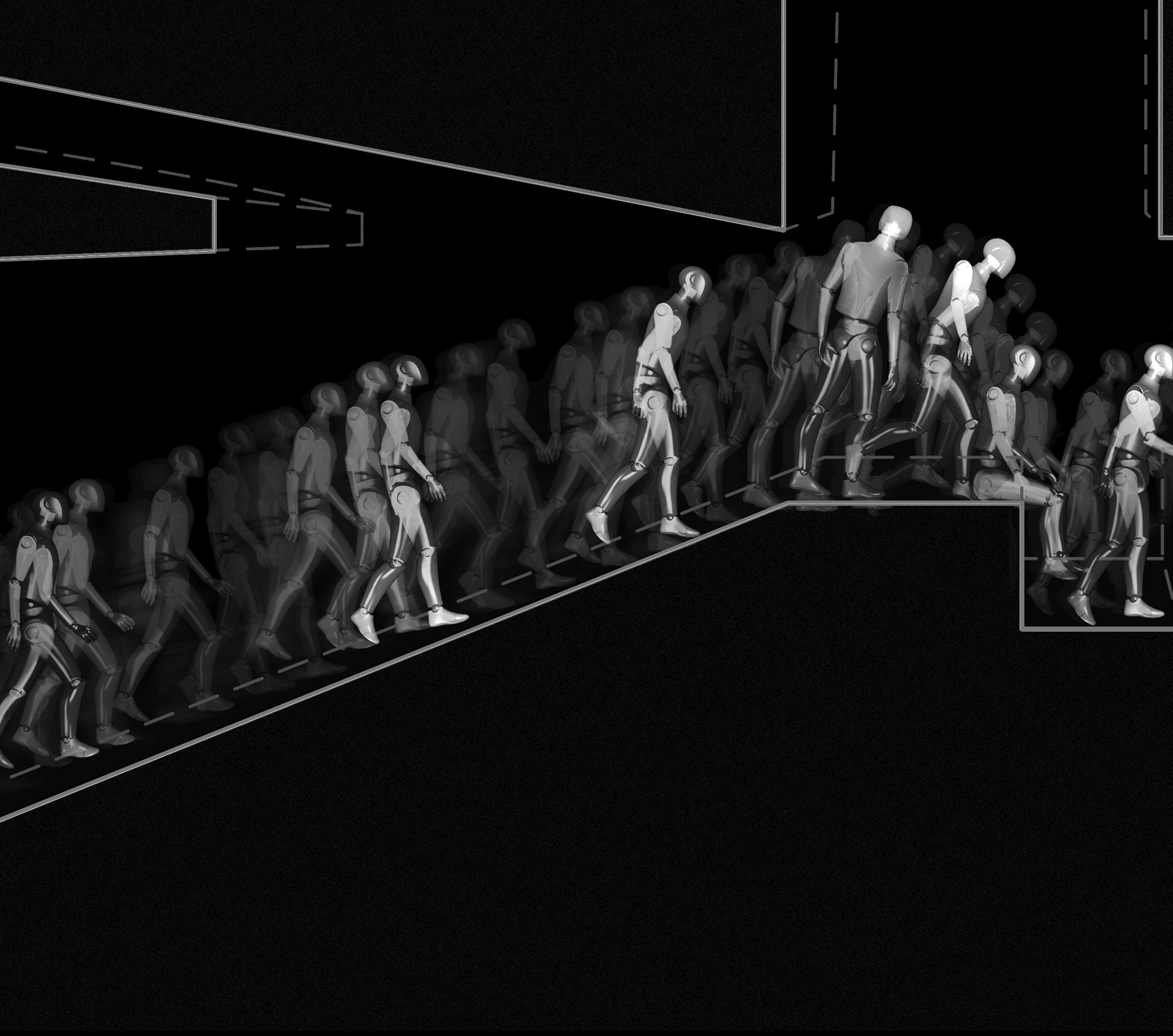
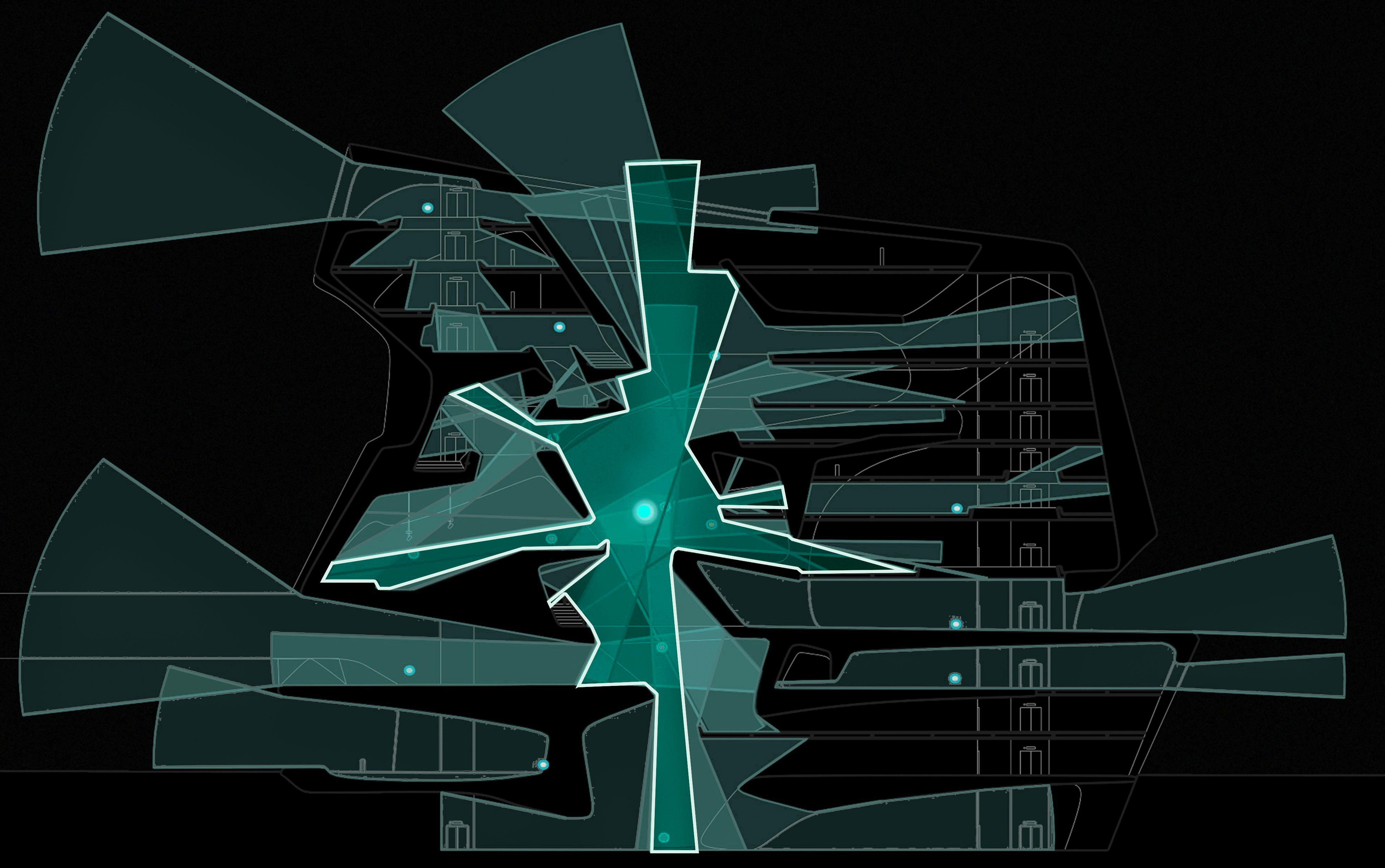
Our team initially investigated the Isovists tool in our precedent study in Lloyd’s Building in London, designed by Richard Rogers. This analysis served as a foundational exploration of how visibility and connectivity influence architectural form and user experience. Through our professor’s guidance, our team explored the articulation of Isovists through sectional analysis, examining how spatial relations and visual permeability are expressed vertically within the building. From this exercise, our agenda of playing with the Isovists was sparked, prompting a deeper exploration of how spatial visibility and connectivity can be reimagined and dynamically manipulated.

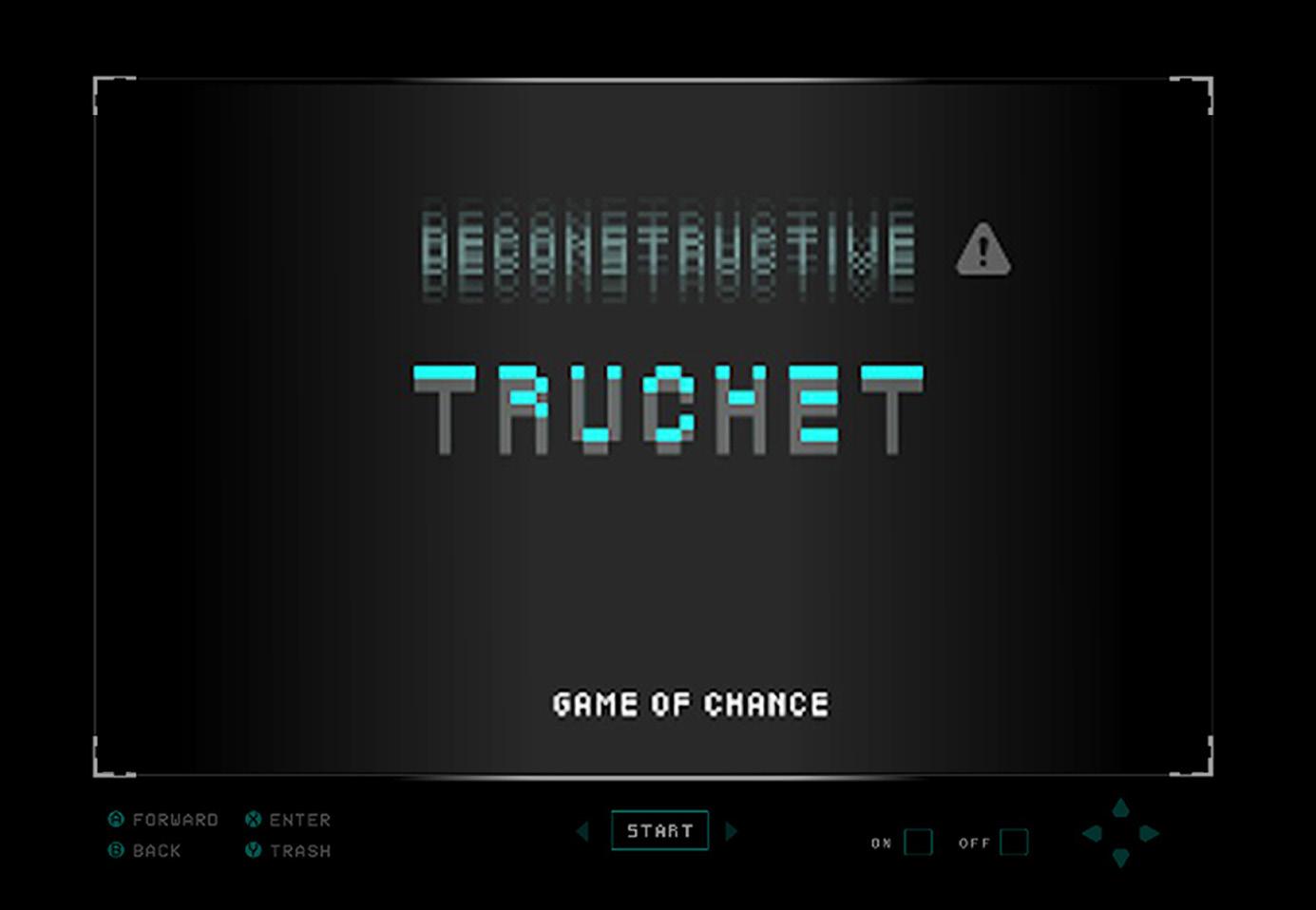
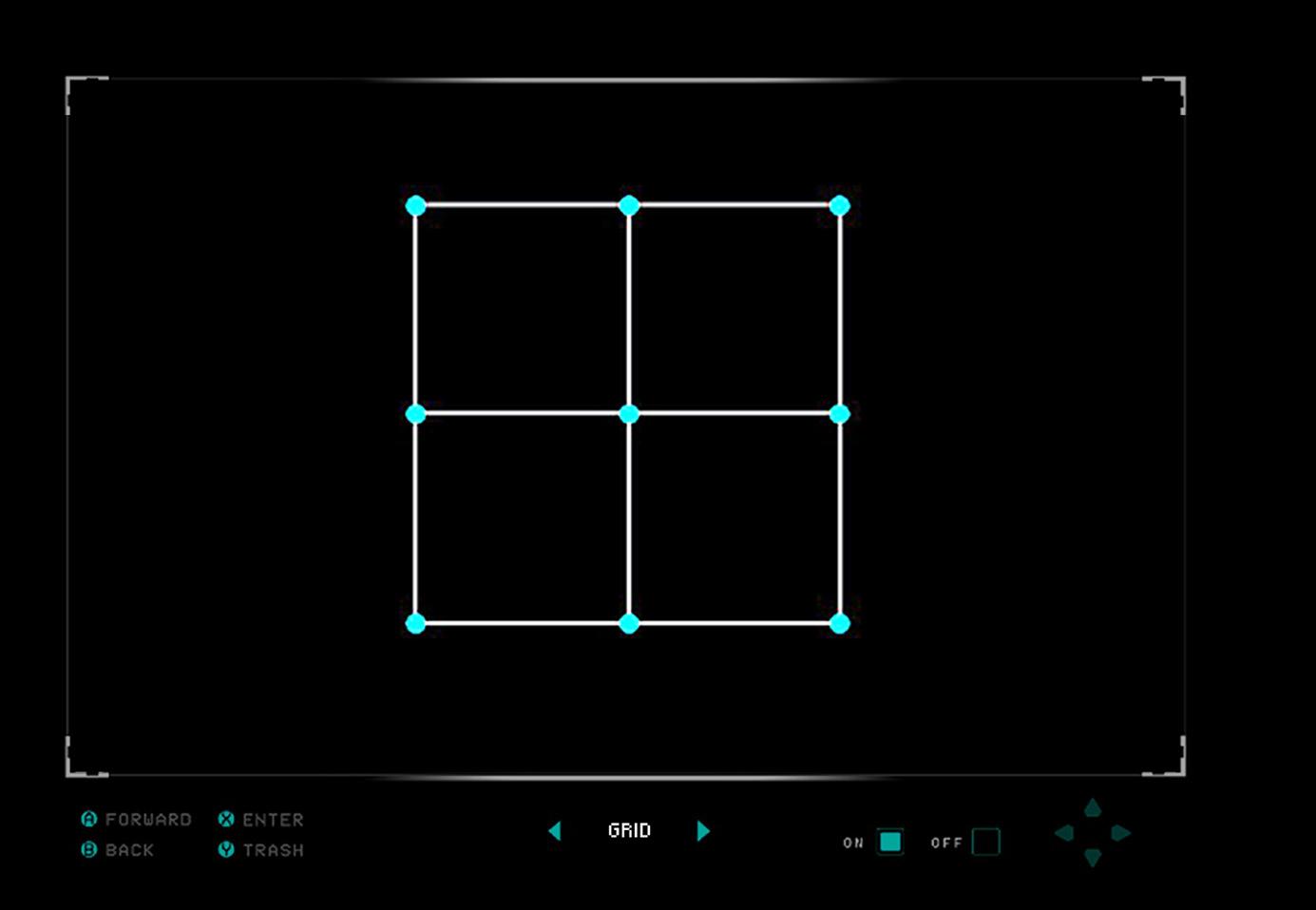
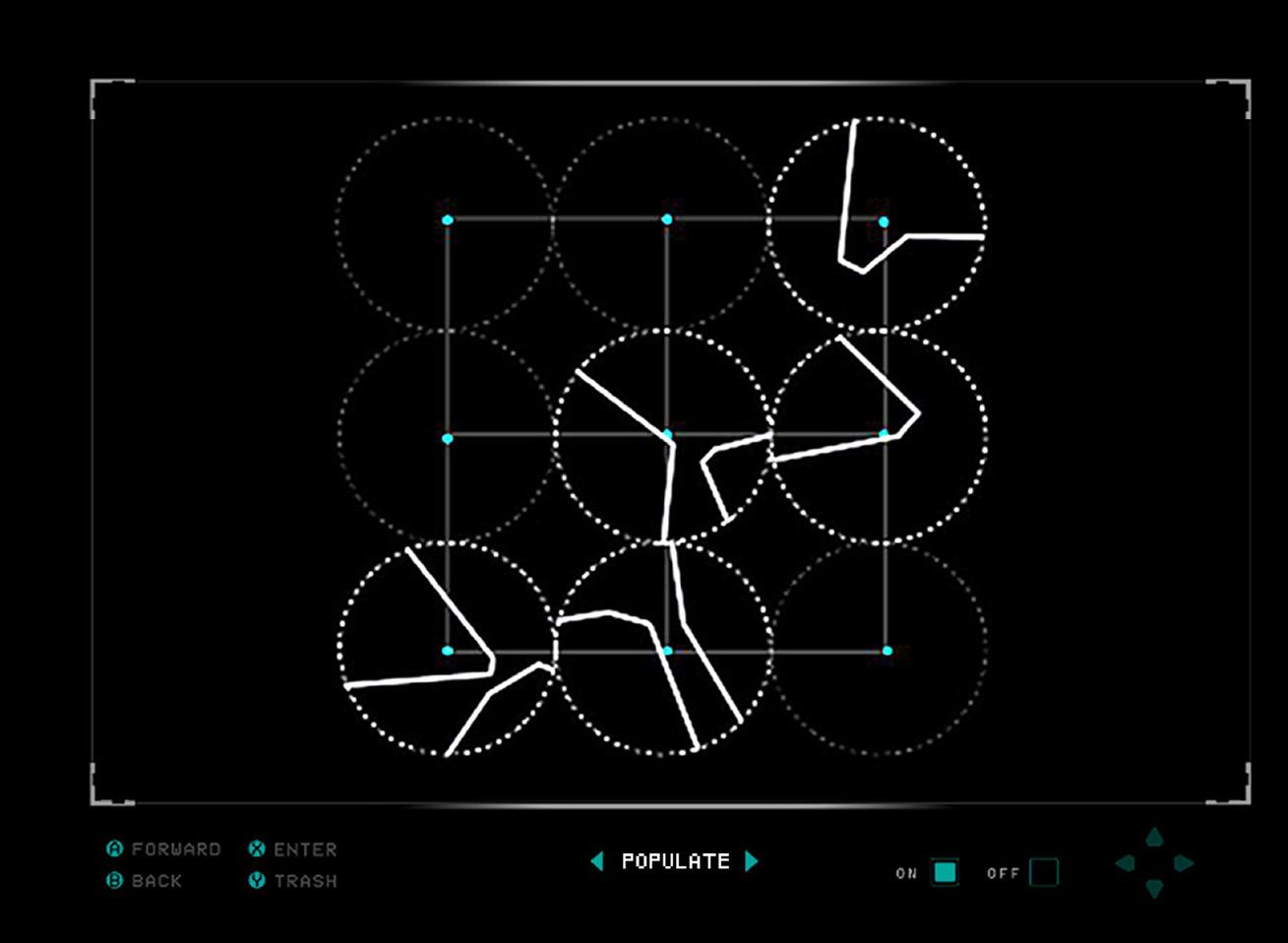
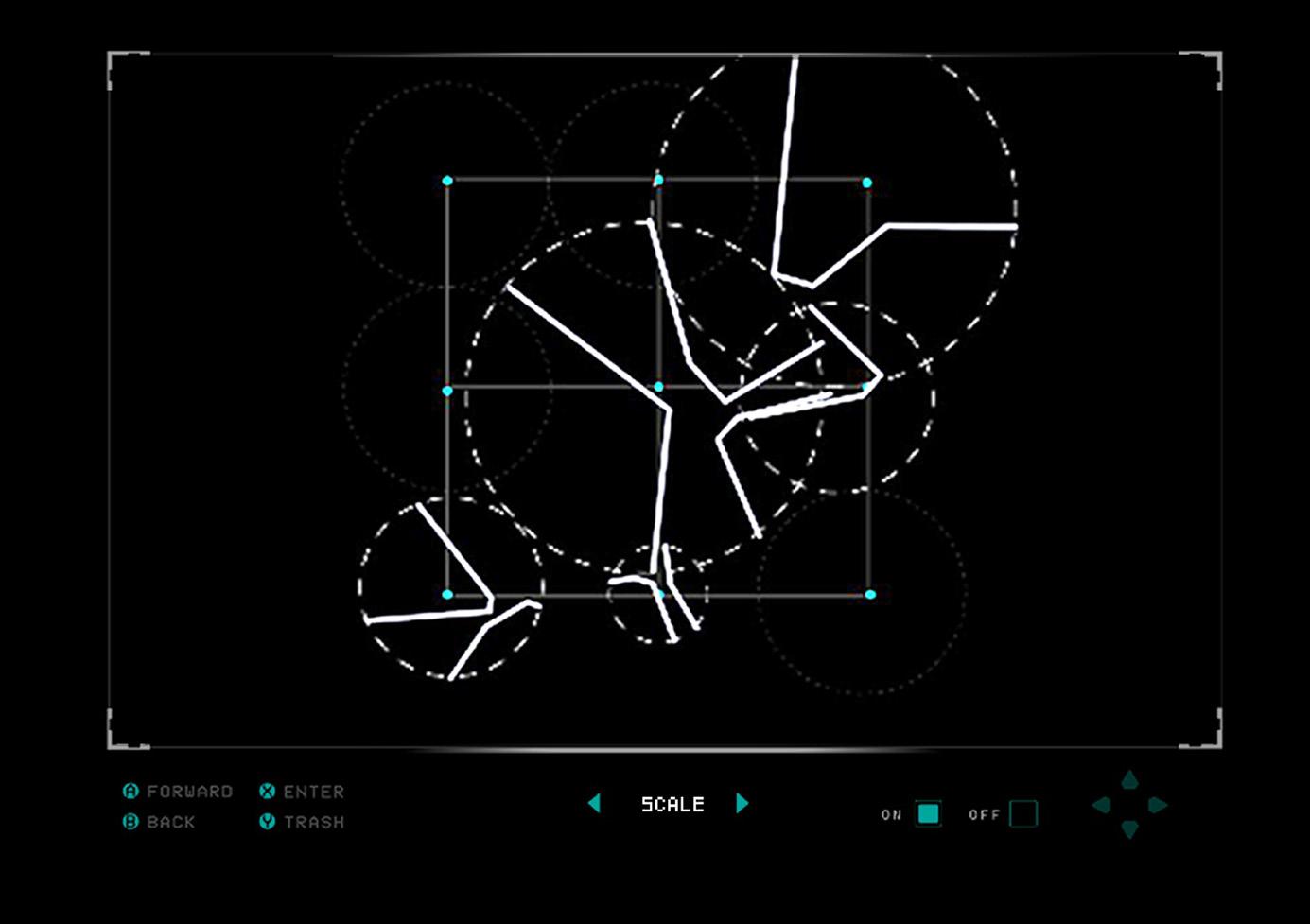
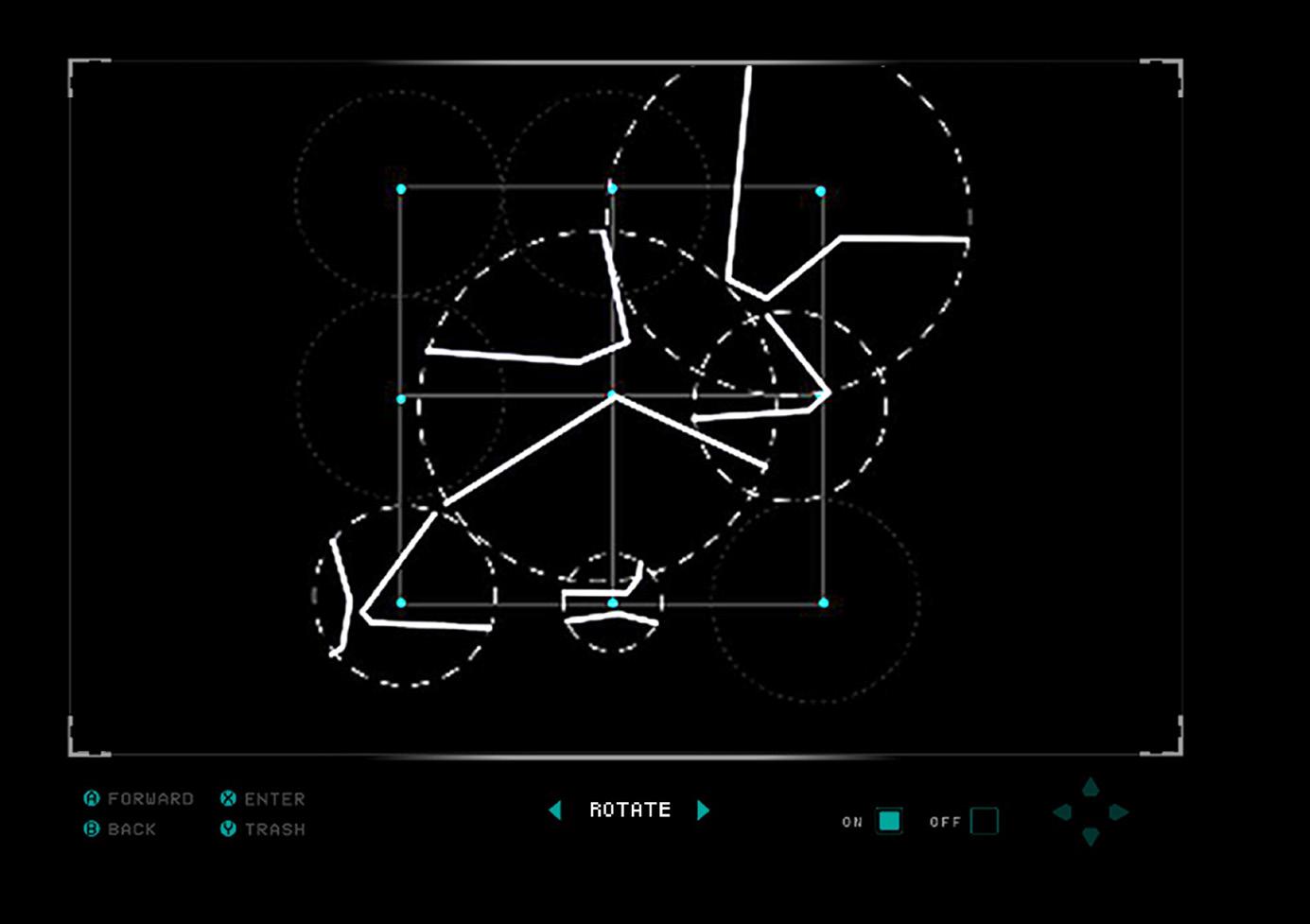
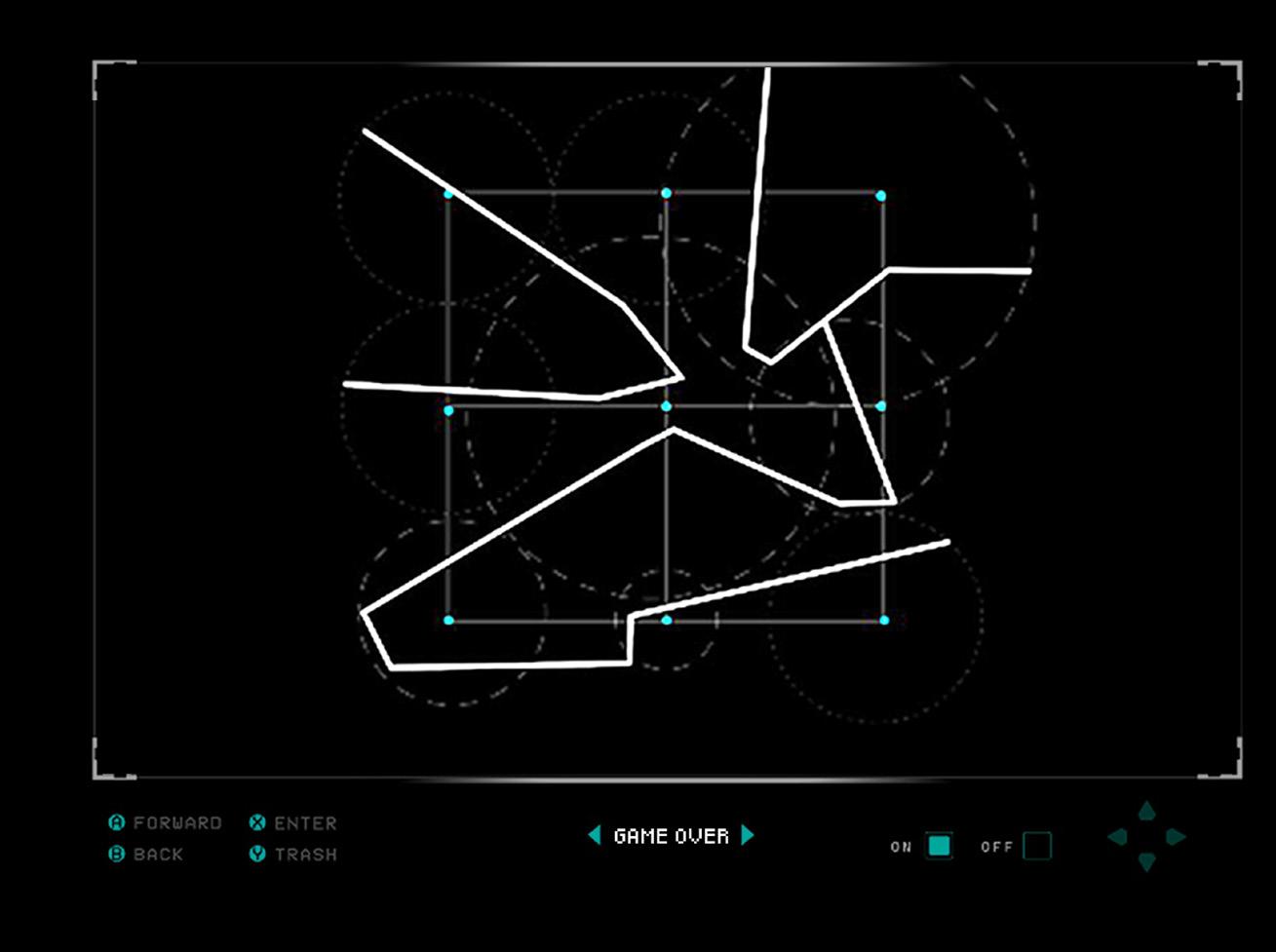
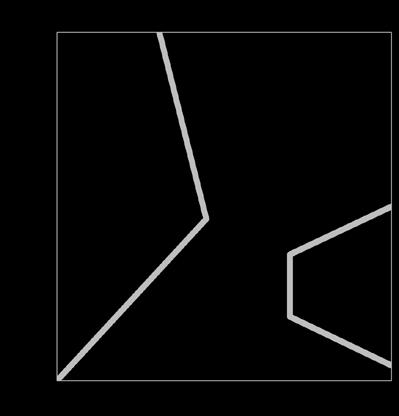
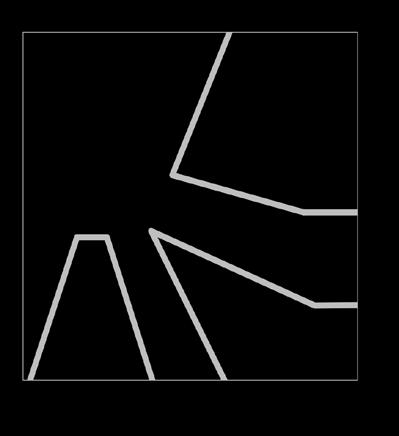
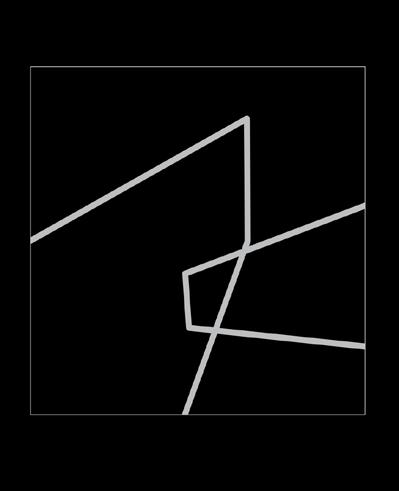
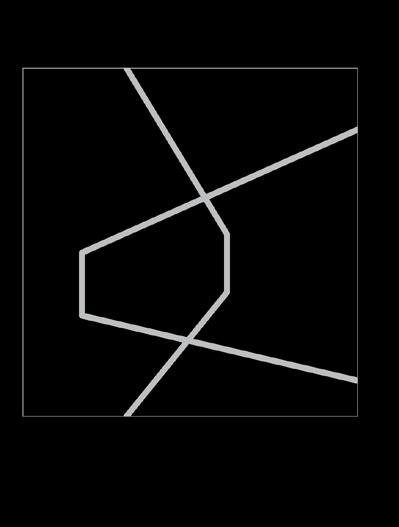
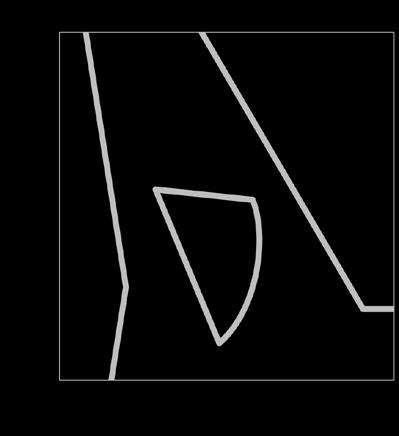
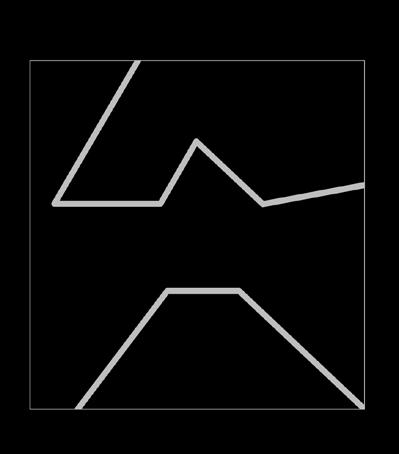
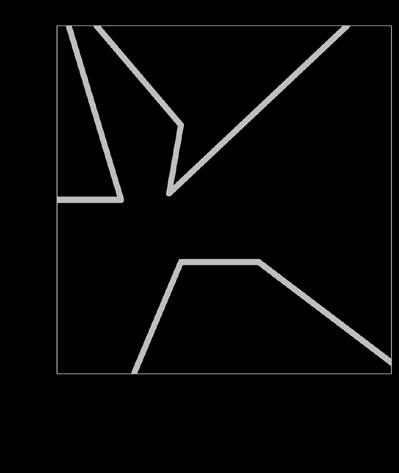
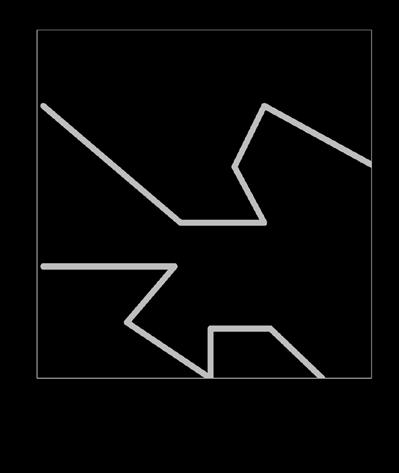
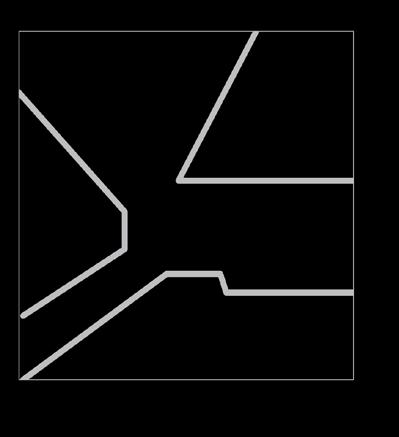
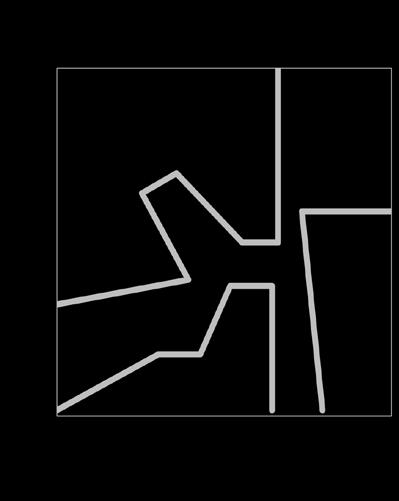
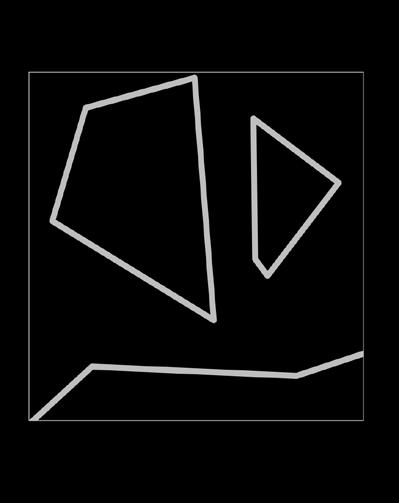
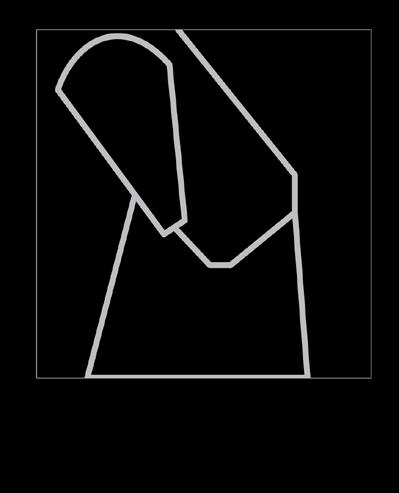
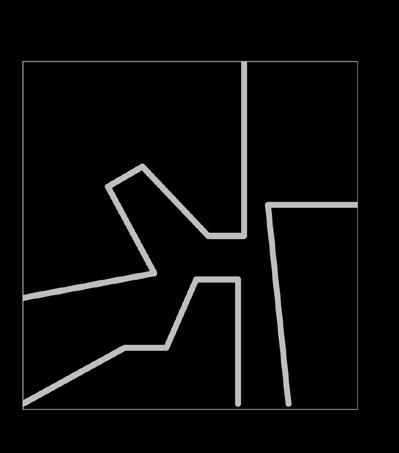
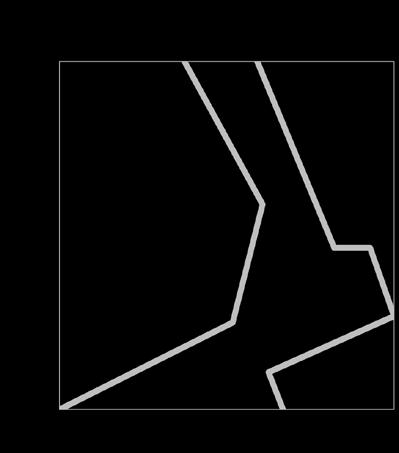

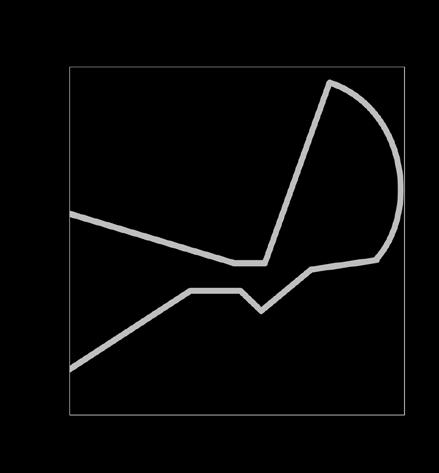
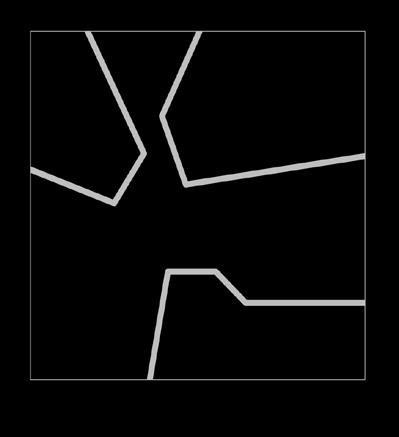
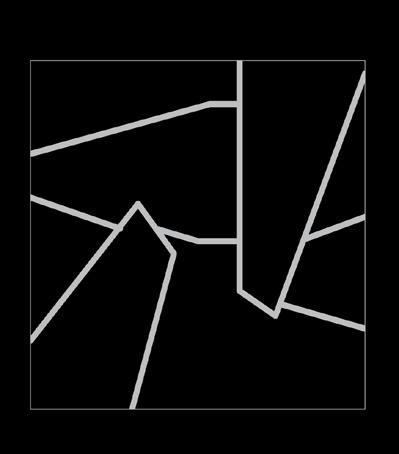
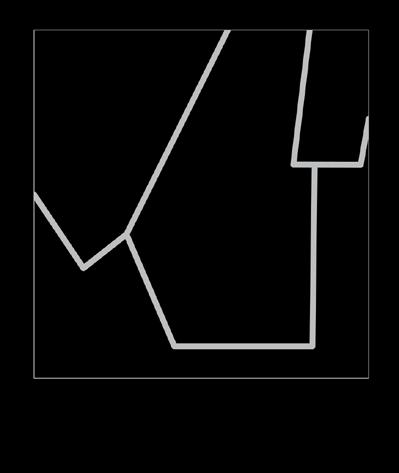

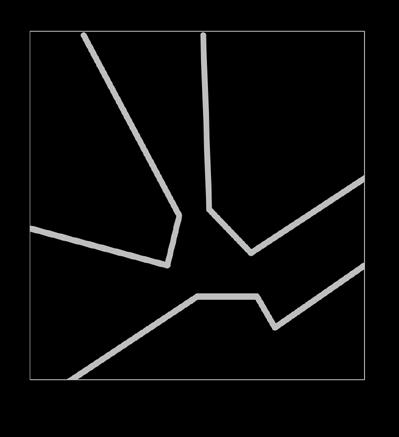

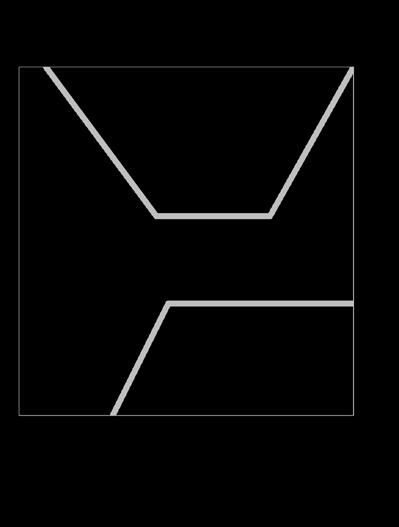
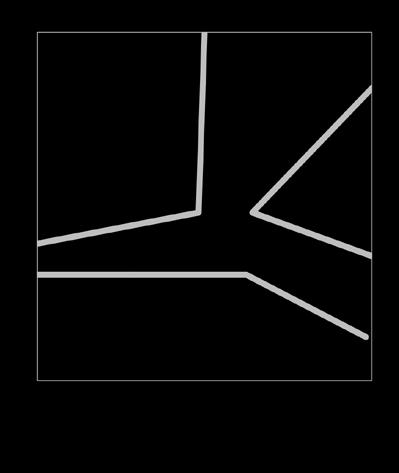
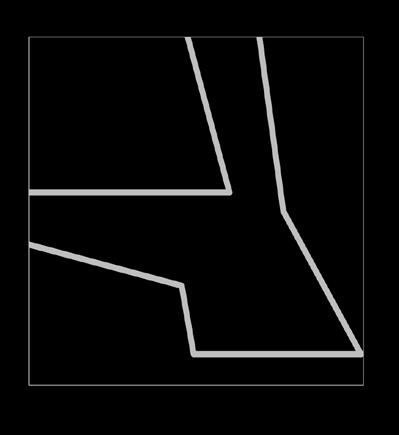
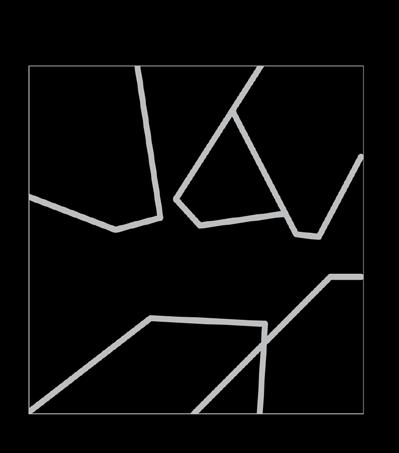
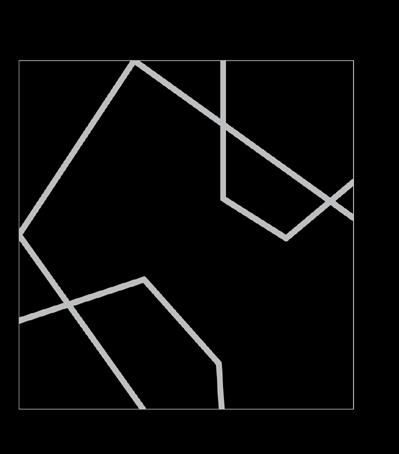


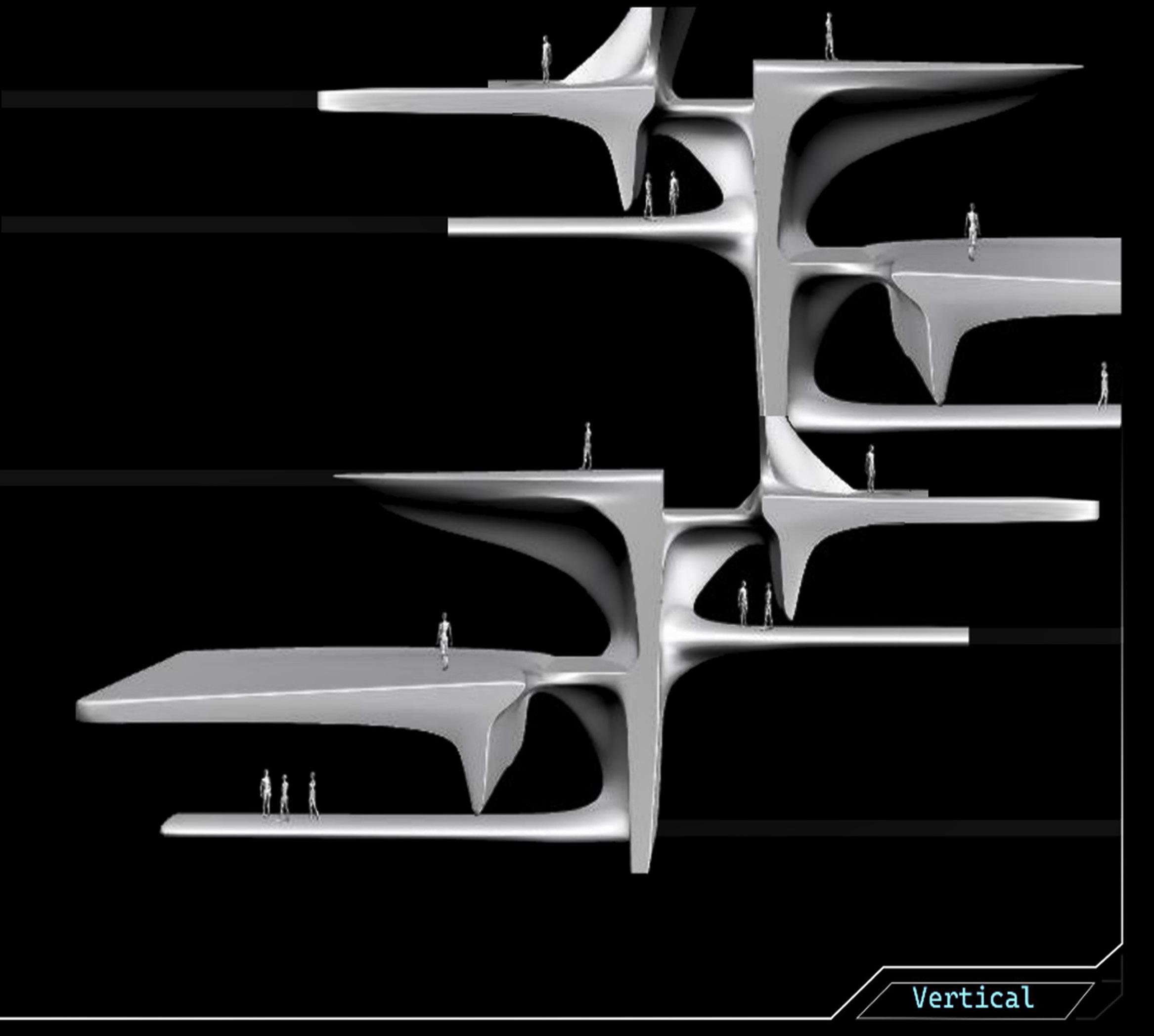
The newfound curiosity of the Isovist play inspired our team to push how spatial design processes are first generated. A game – deconstructive tiling- emerged to help foster a new spatial experience attuned to the human-scale perception, operating both planimetric and sectional articulations. The Isovists act as a guiding parameter withing this formula, influencing the organizations of tiles based on visibility, connectivity and proprioceptive depth experience. The game produces a infinite range of spatial compositions, each uniquely responsive to the interplay of these elements.

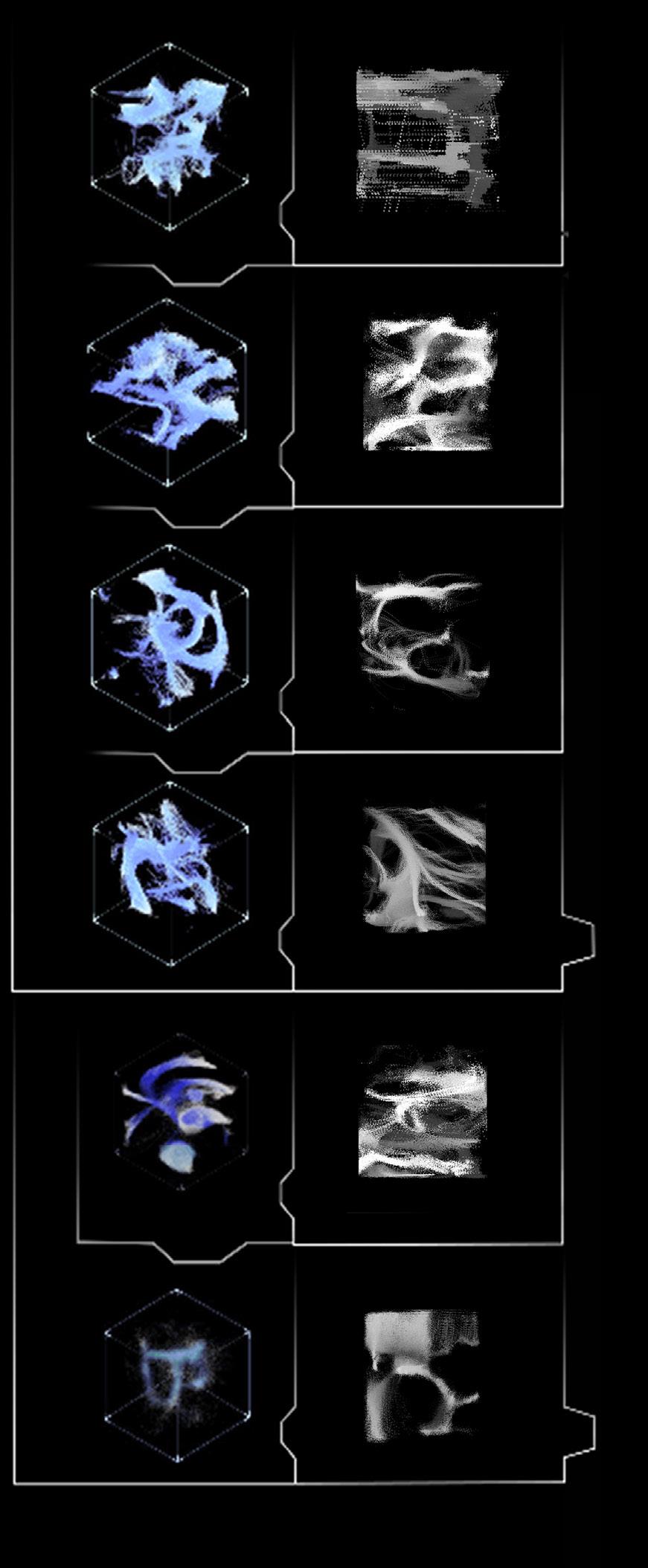
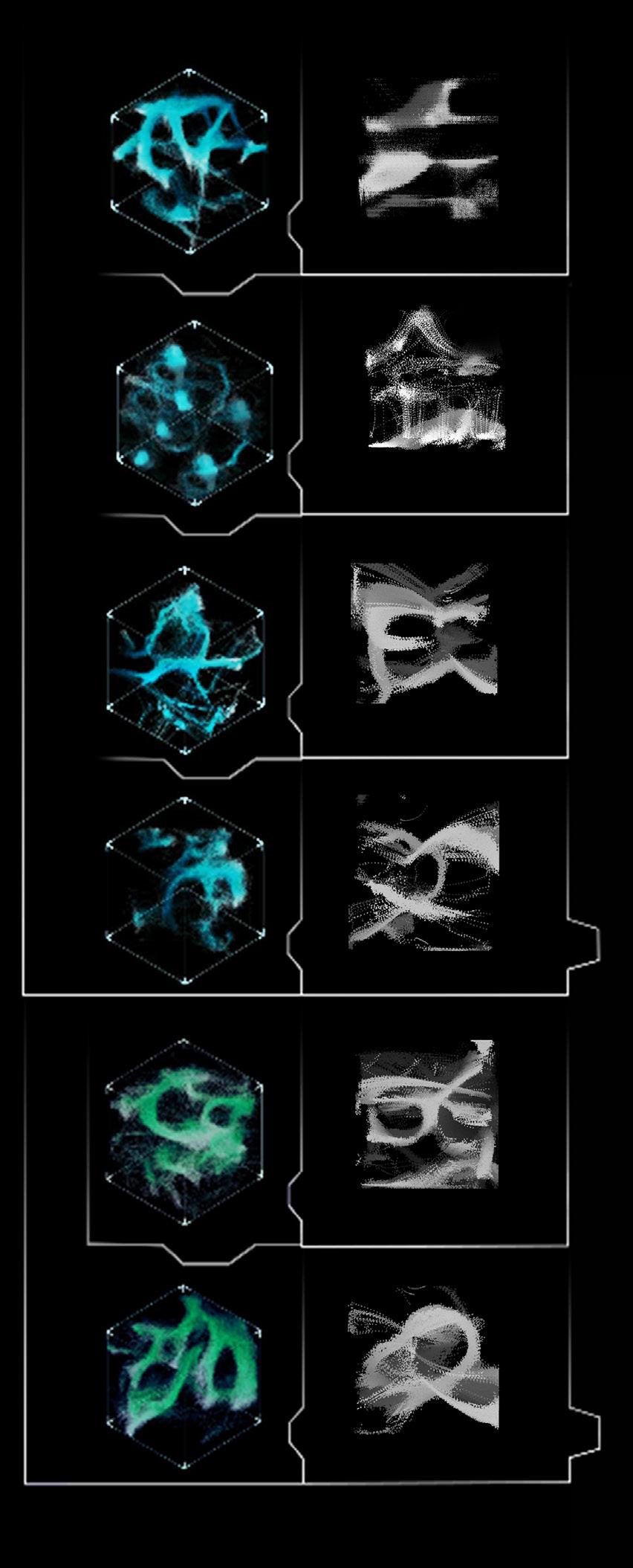
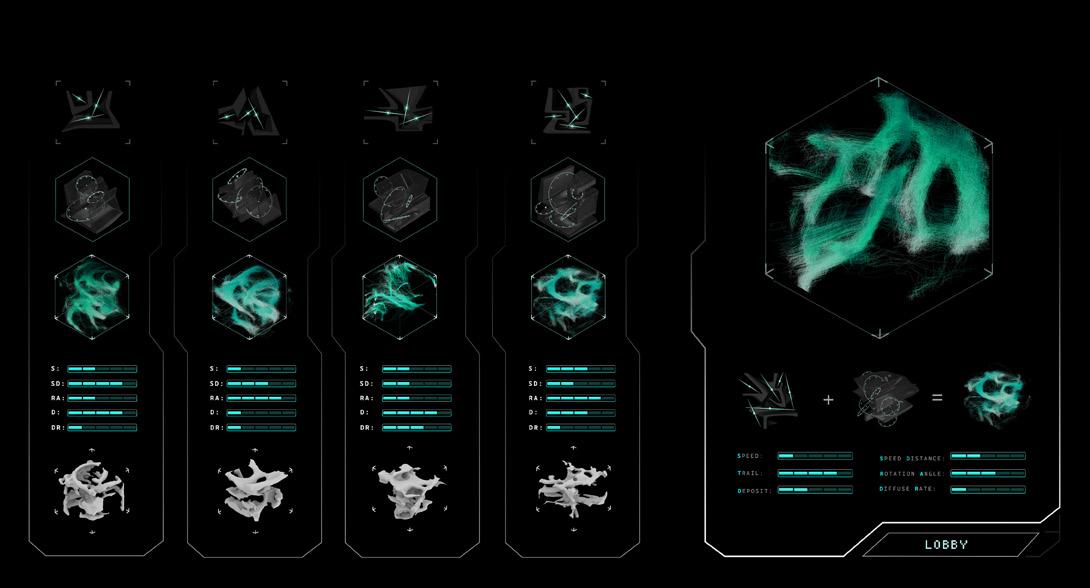
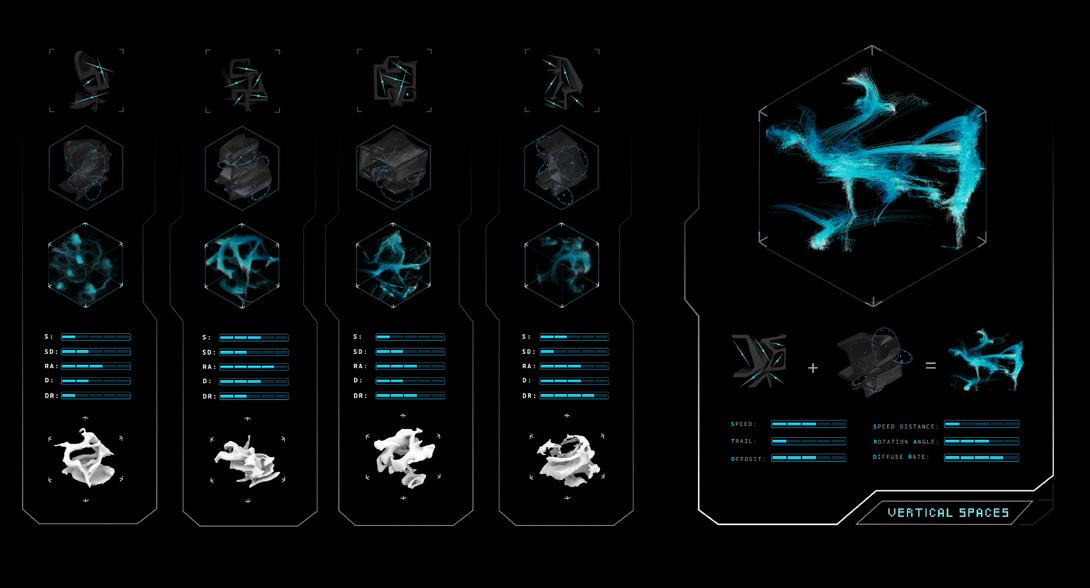
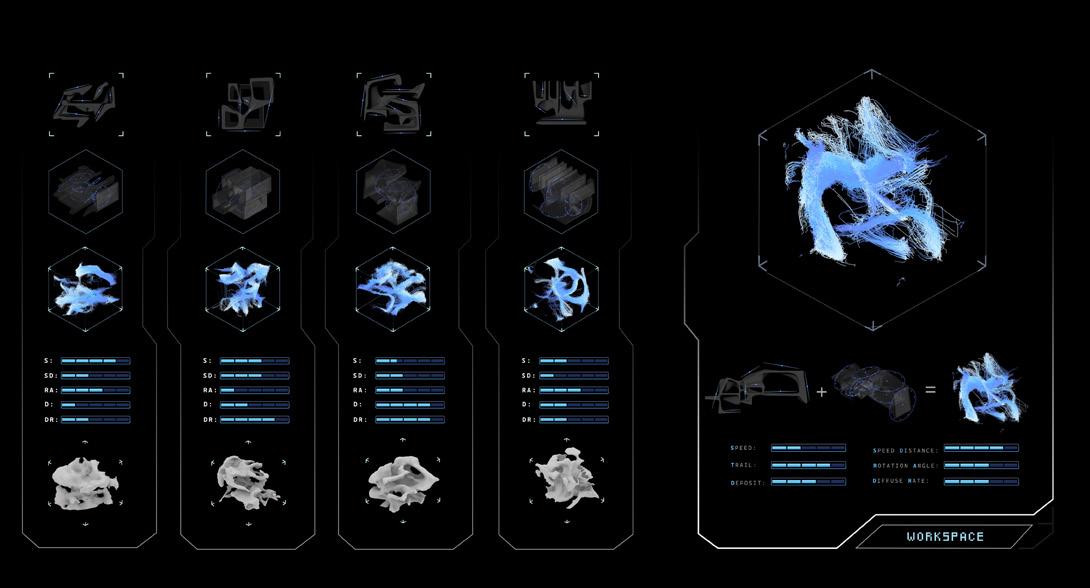
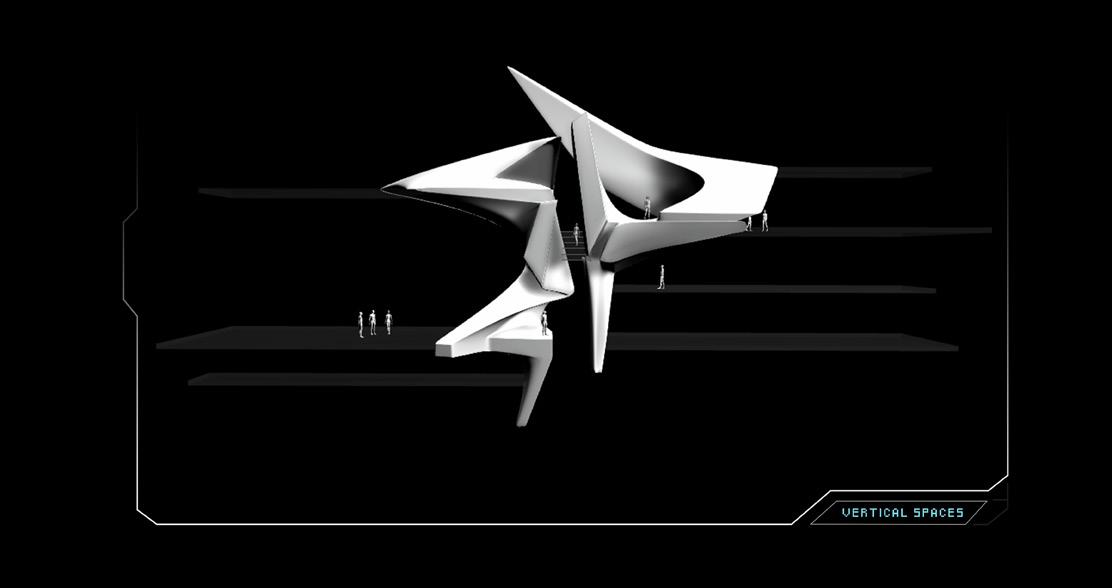
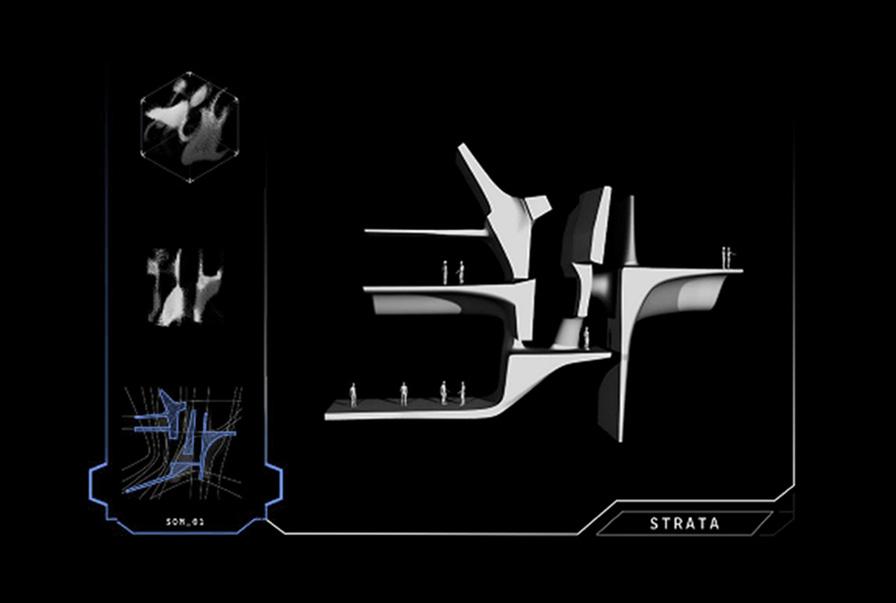
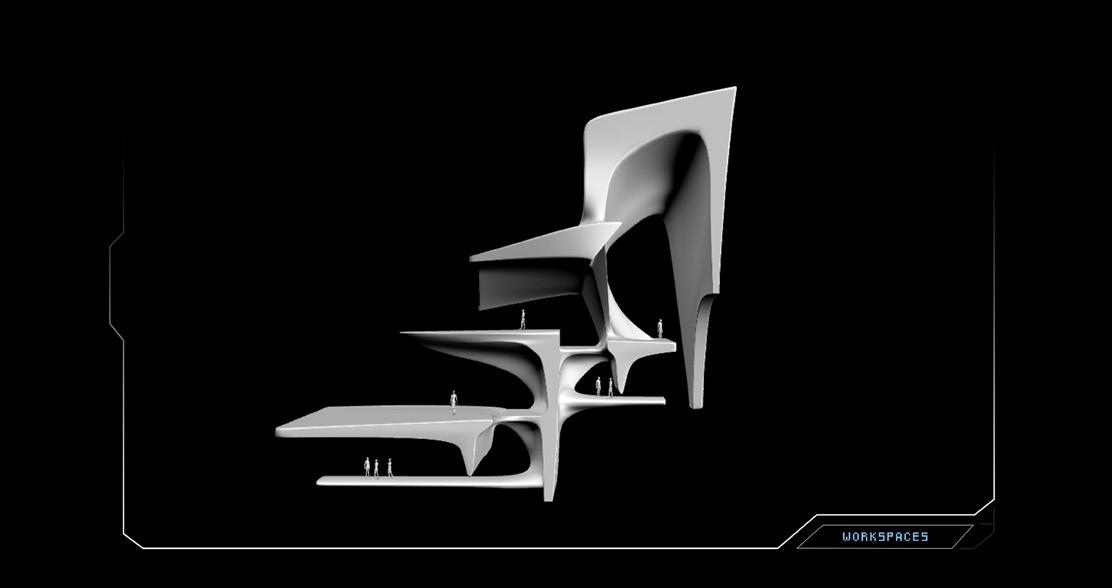
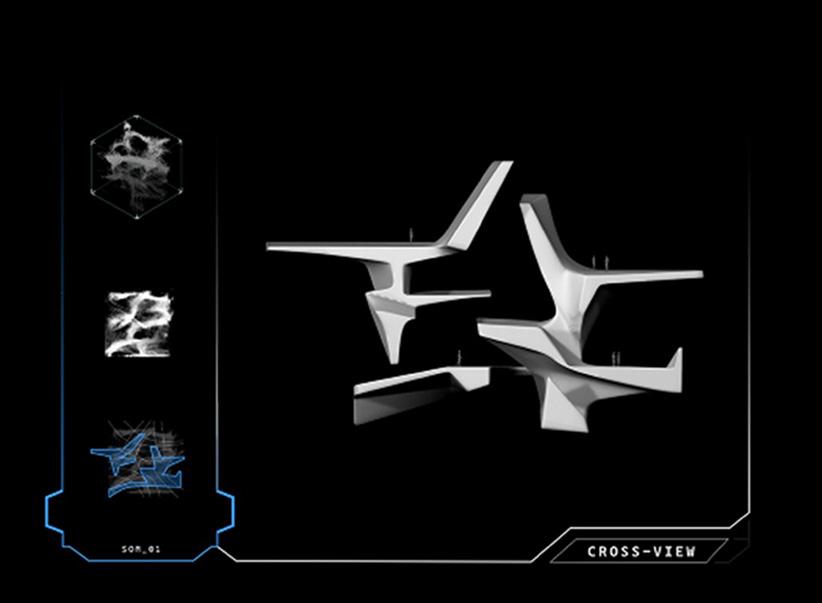
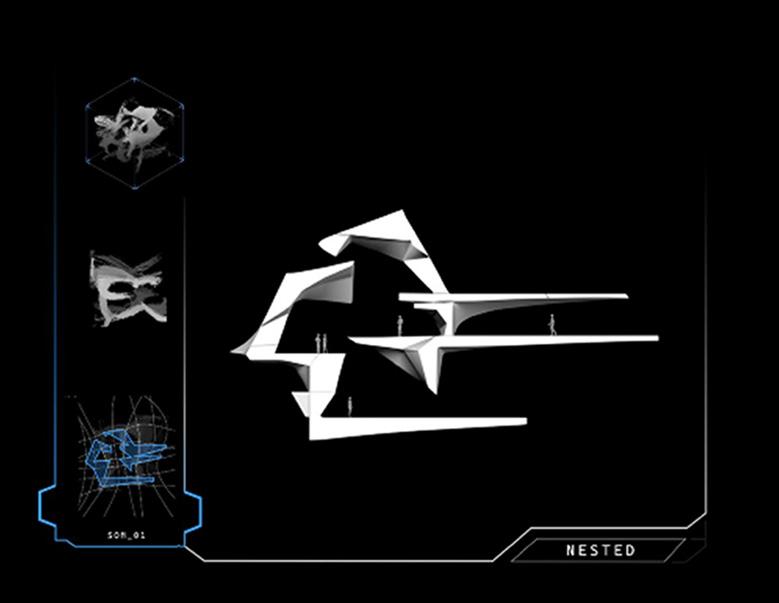
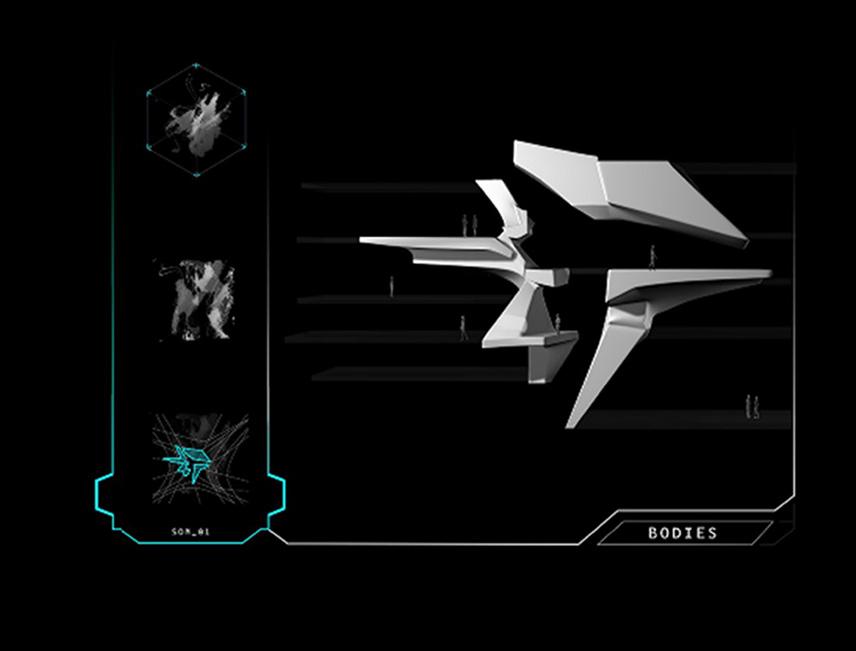
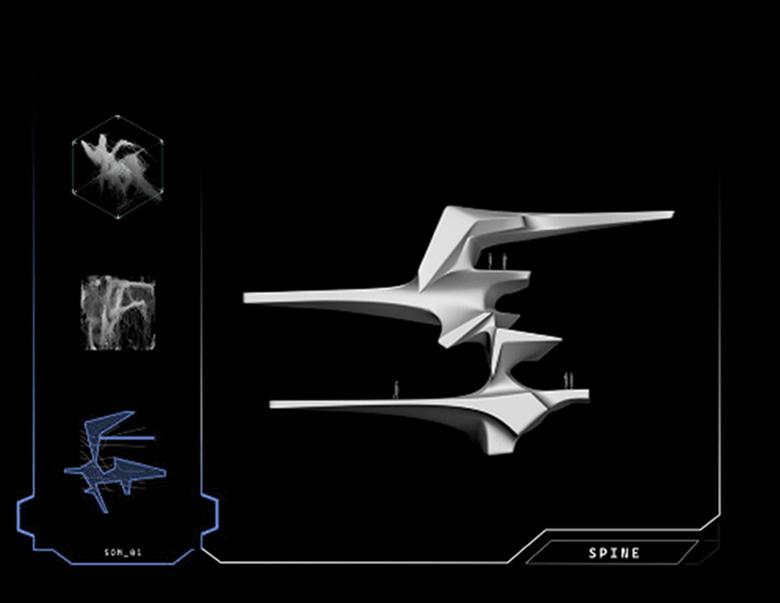

As the project evolved, it consistently maintained a focus on human-centered design principles, even when subjected to AI-driven simulations based on Stigmergy and SOMs. The latter intergation with a human-centered design approach asserts the value of computational design not in the creation of arbitrary forms, rather in the developments of spaces that respond meaningfully to the lives experience of their occupants. While emergent behaviors provide new pathways for dynamic spatial configurations, the ultimate success of the design is determined by how these tools are harnessed to create environments that are intuitively navigable, socially cohesive and attuned to human-scale perceptions.
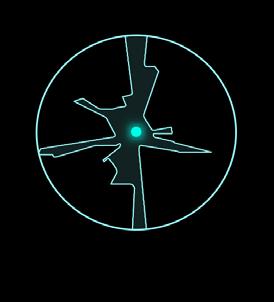
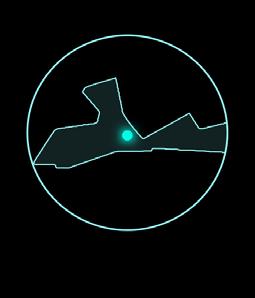


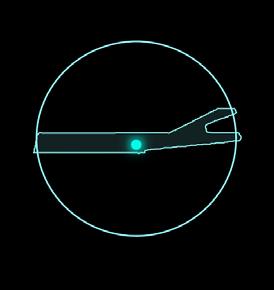

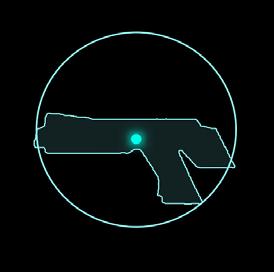

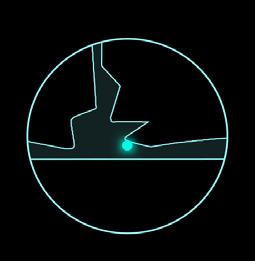
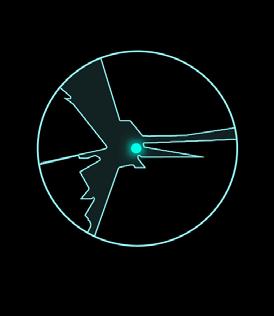
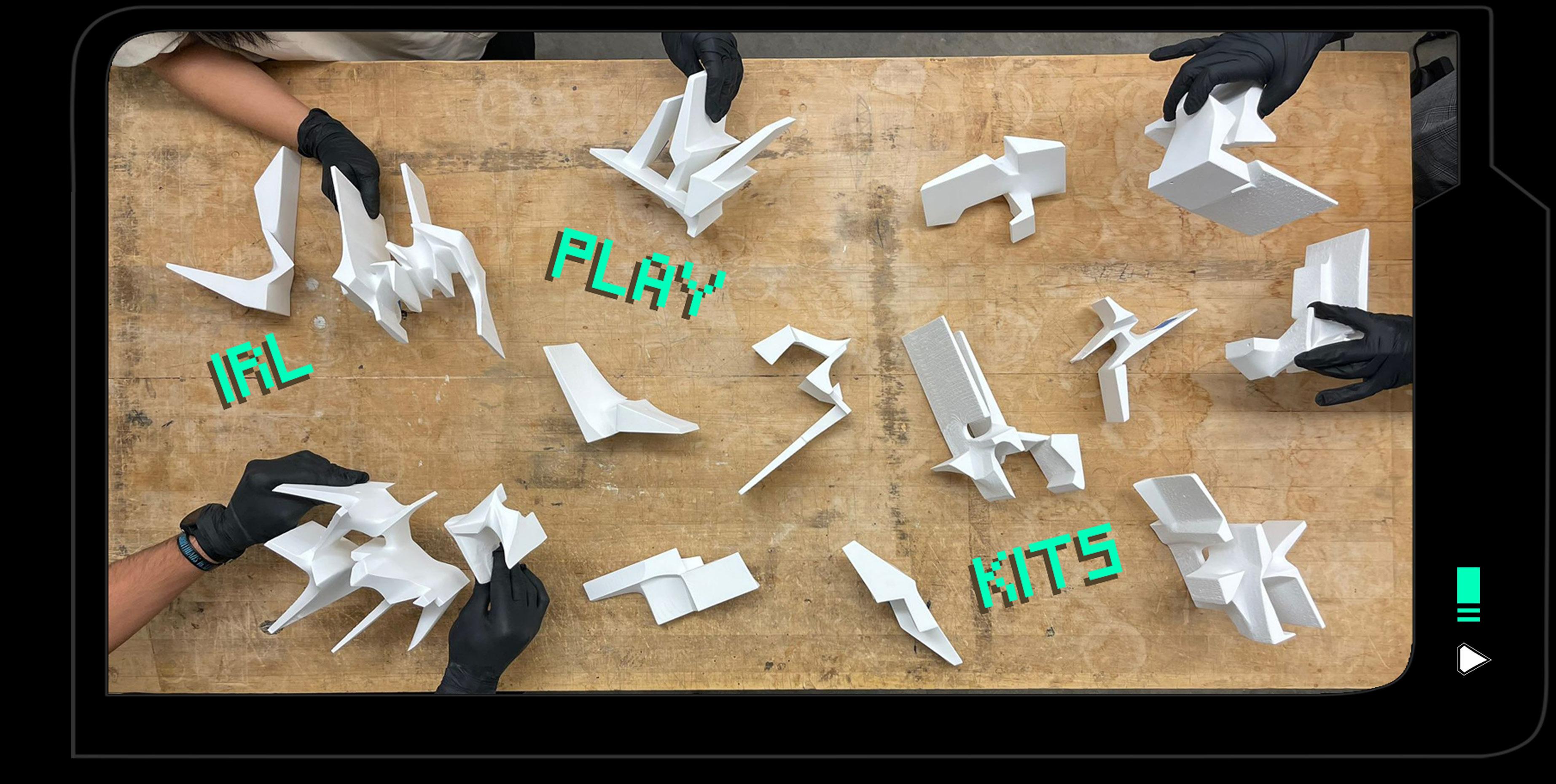

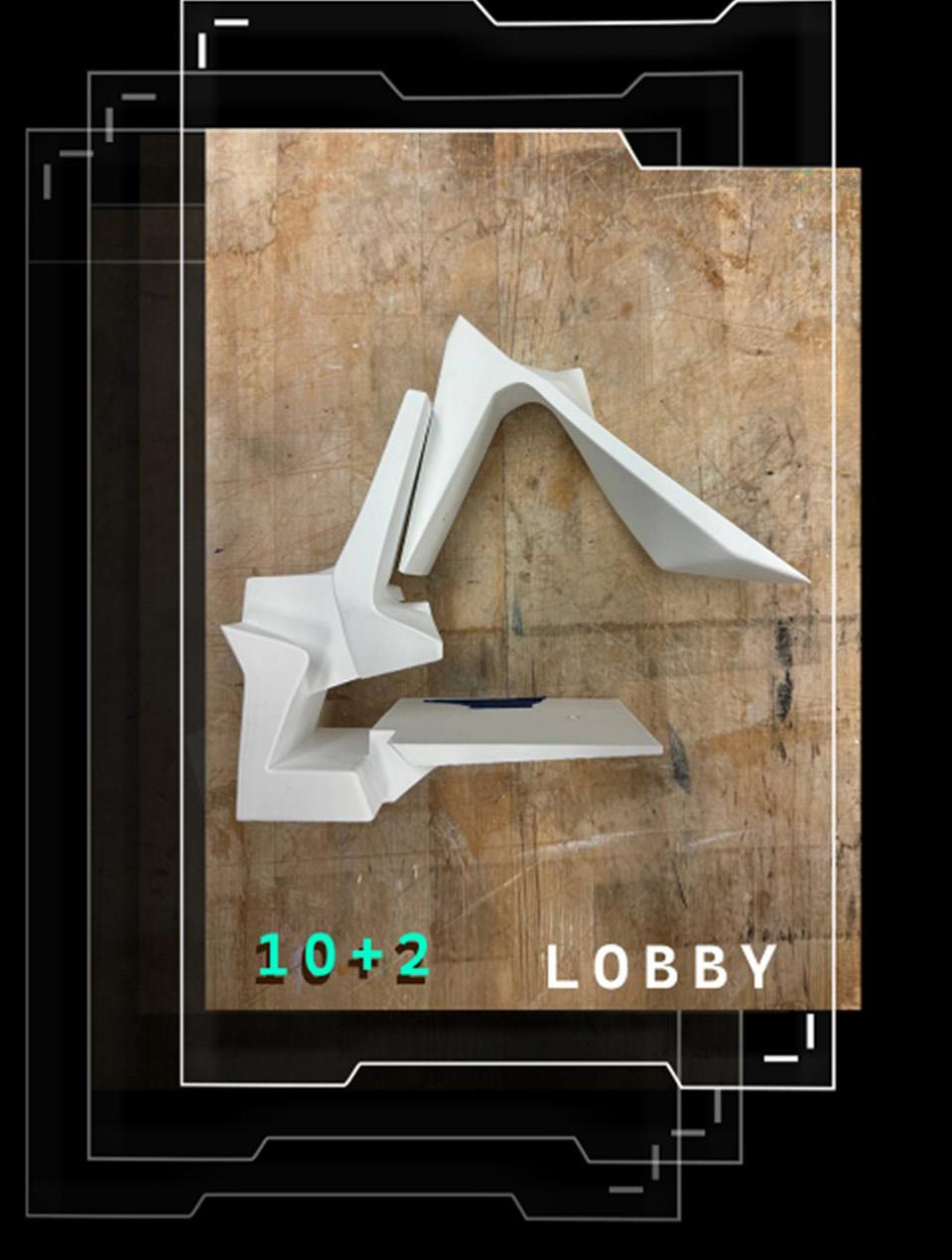
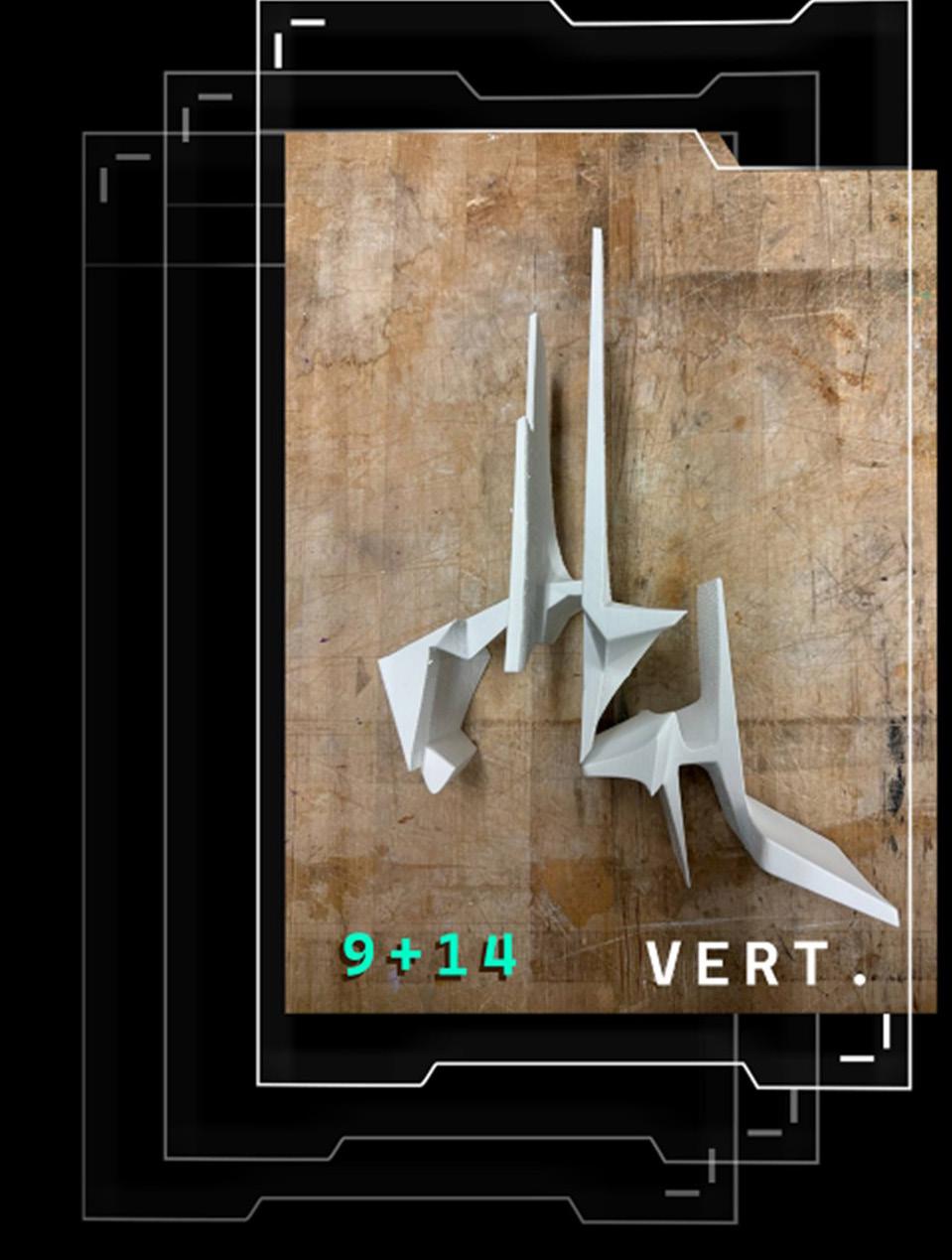
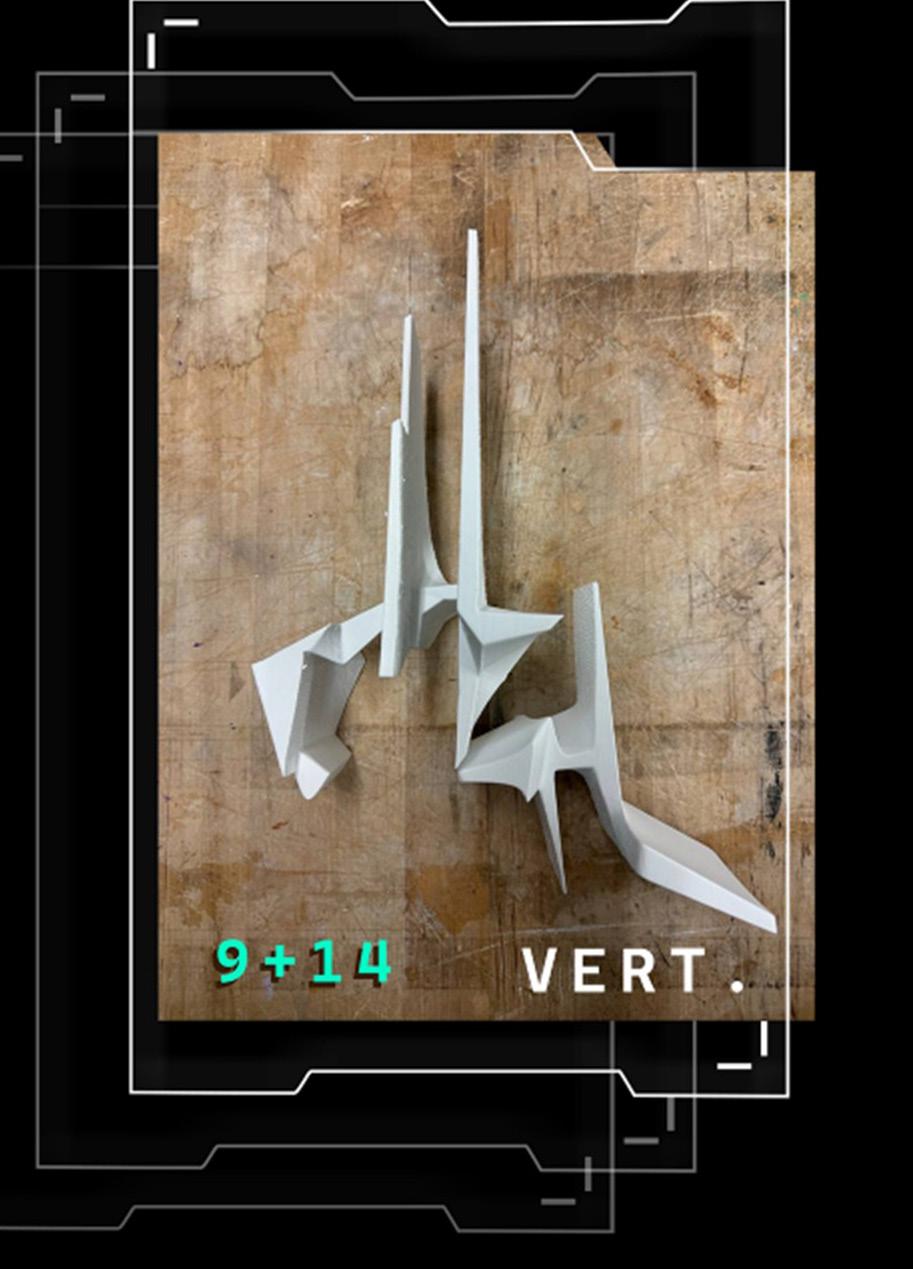
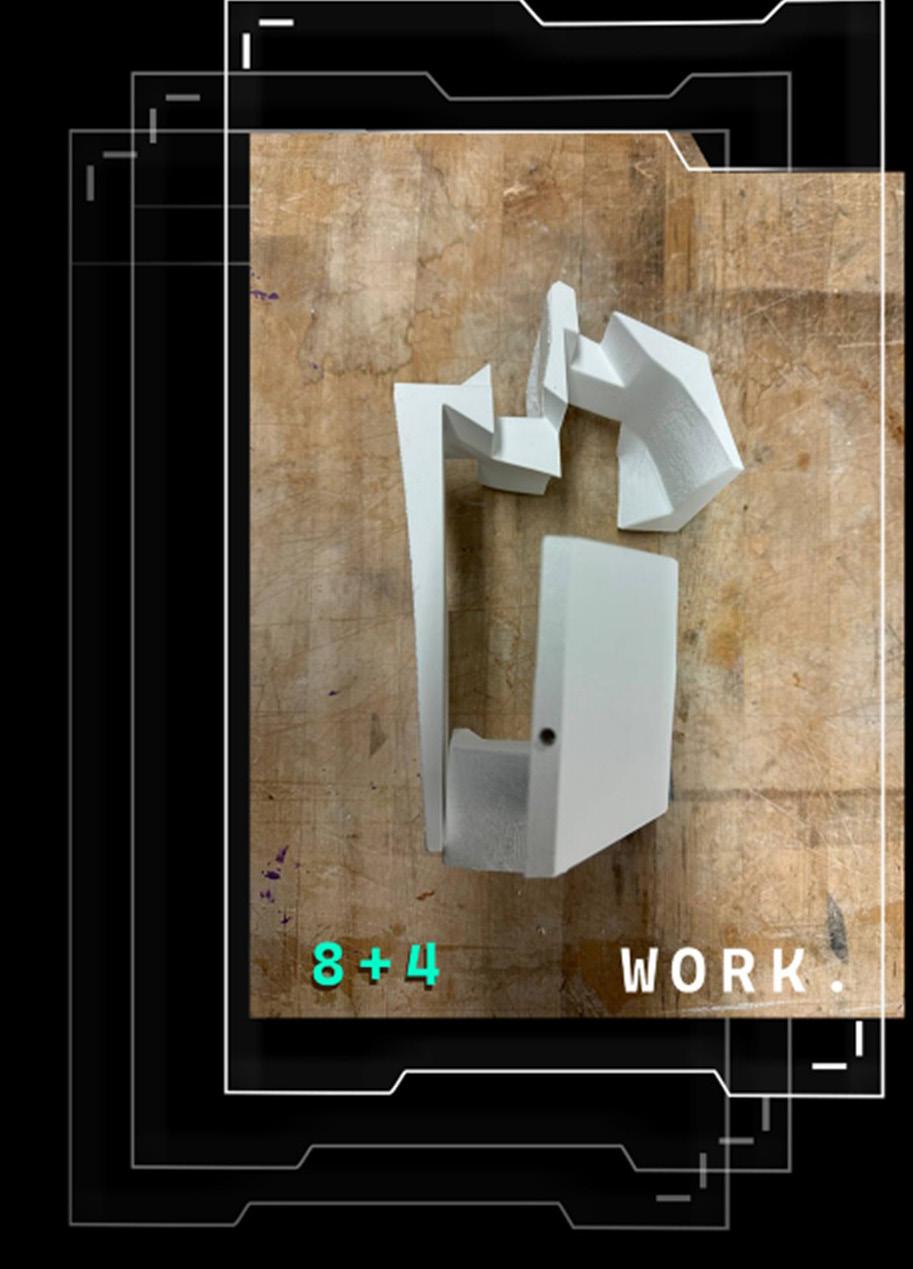
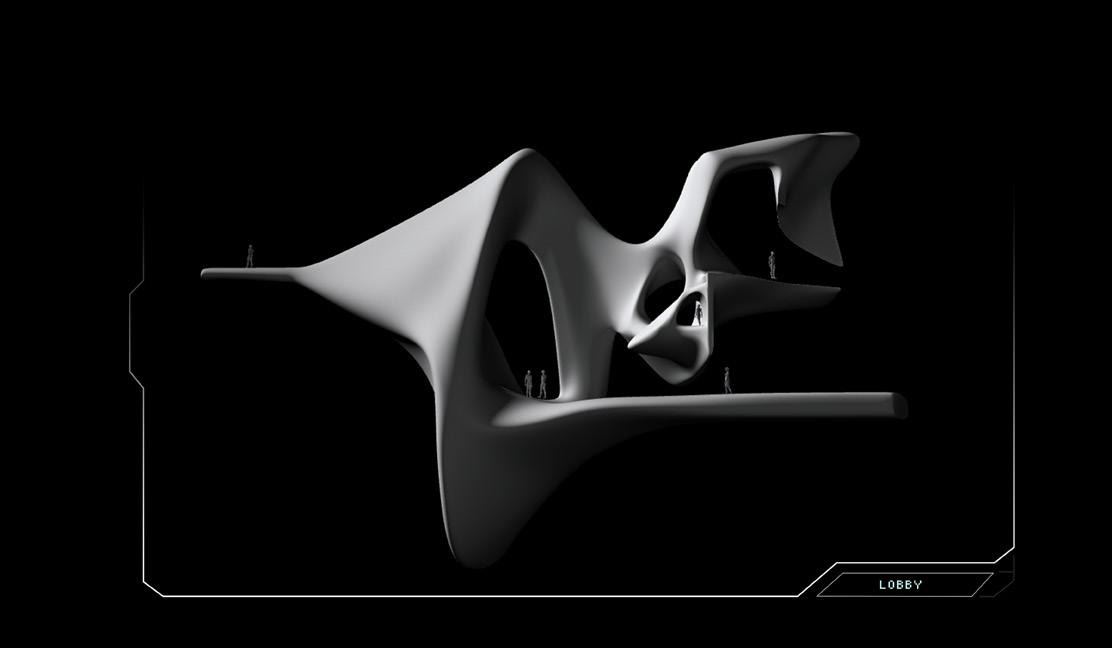
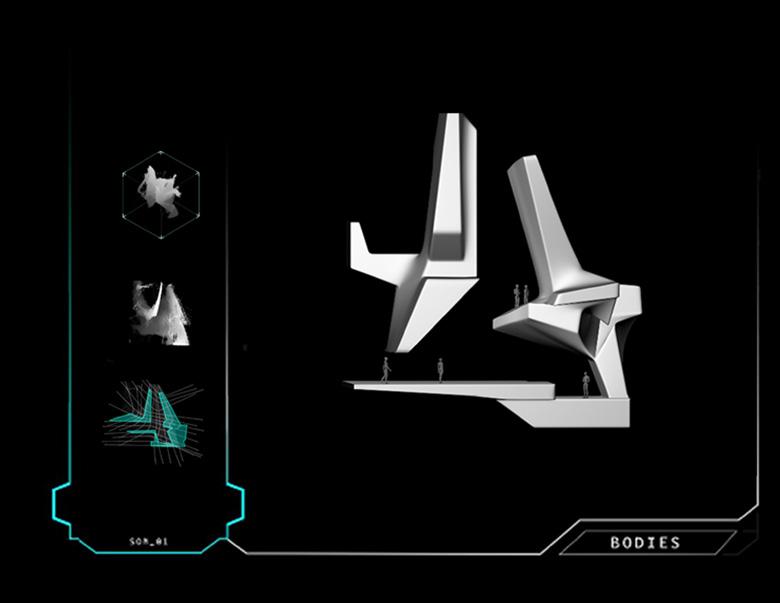
The main spatial syntheses were germinated digitally, but our team sought to enhance haptic engagement. To achieve this, we 3D printed all the spatial results from the simulations, transforming them into physical models that allowed for direct, hands-on interaction with the design. This process introduced ‘PLAY’ into the workflow, enabling real-time spatial exploration and configuration. The tactile experience provided a deeper understanding of spatial dynamics, allowing for refinement through physical manipulation. This procress led to the section design that engages the play of Isovists.
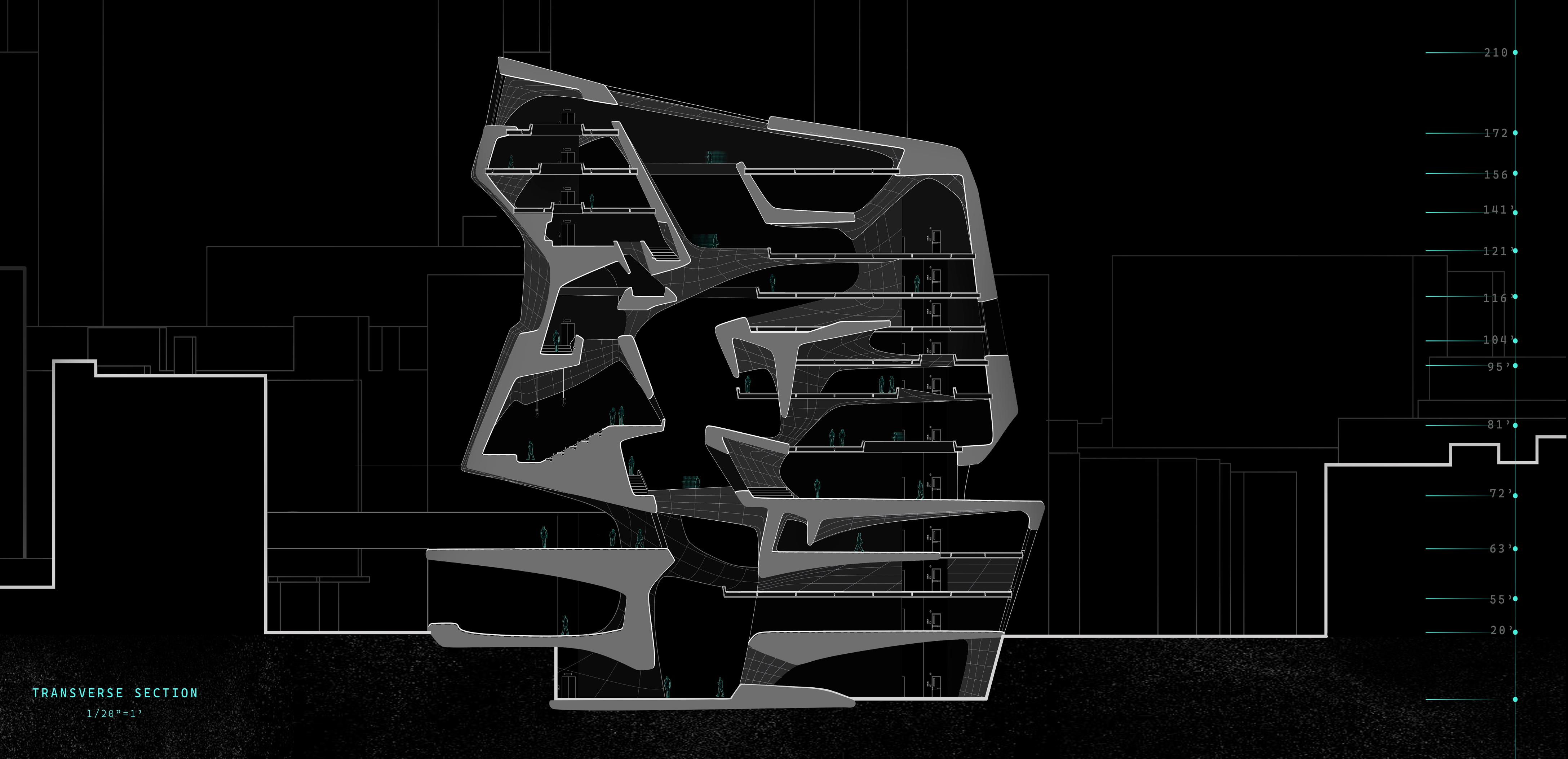
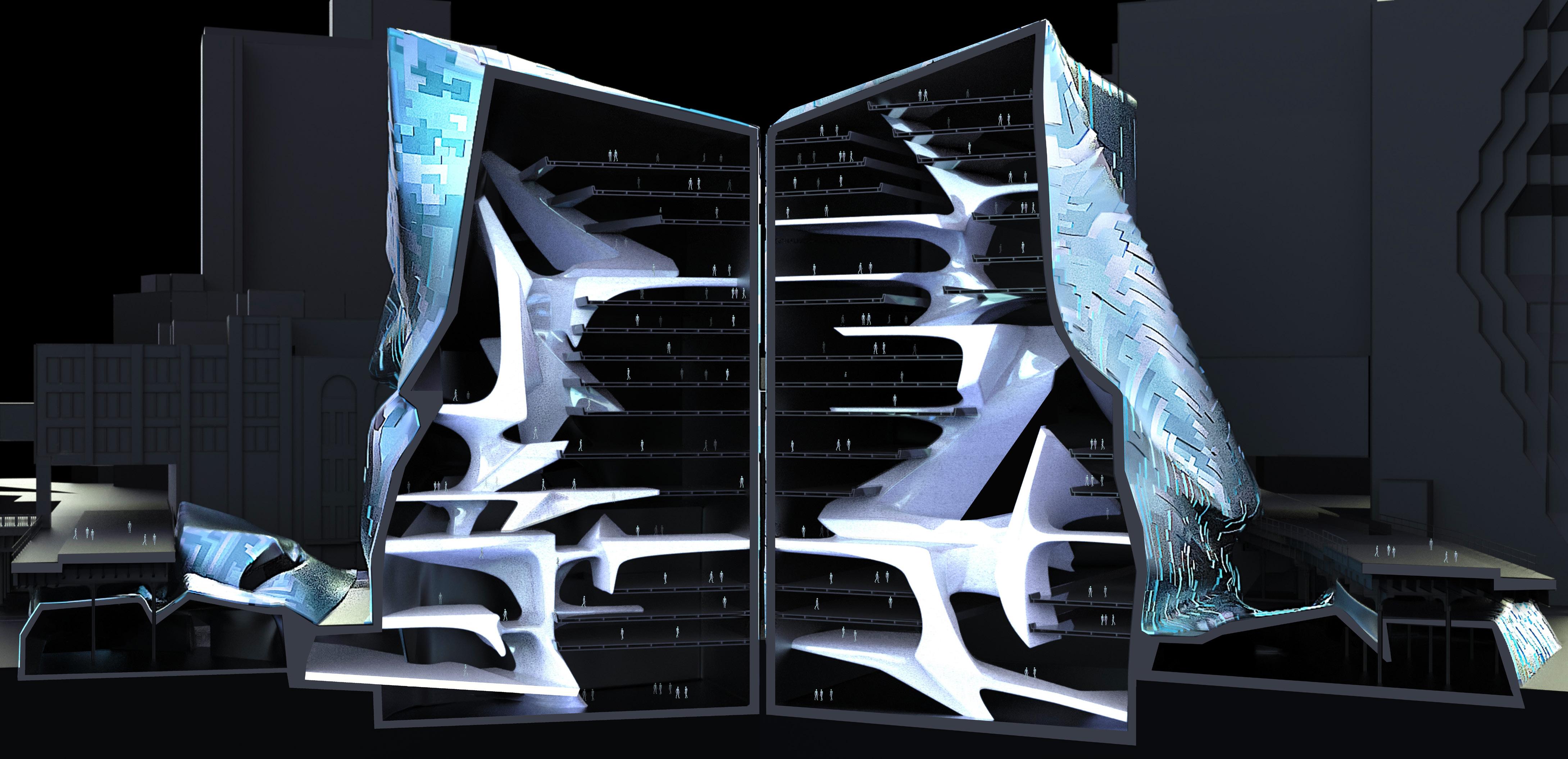
By integrating AI-driven tools such as Stigmergy and SOMs with a human-centered design approach, this project asserts the value of computational design not in the creation of arbitrary forms rather in the developments of spaces that respond meaningfully to the lives experience of their occupants. While emergent behaviors provide new pathways for dynamic spatial configurations, the ultimate success of the design is determined by how these tools are harnessed to create environments that are intuitively navigable, socially cohesive and attuned to human-scale perceptvions.
Professor: Daniel Bolojan
Coordinator: Dustin White
Course: Design 8 FAU Academic Achievement Award Spring 2025
Semester: Spring 2025
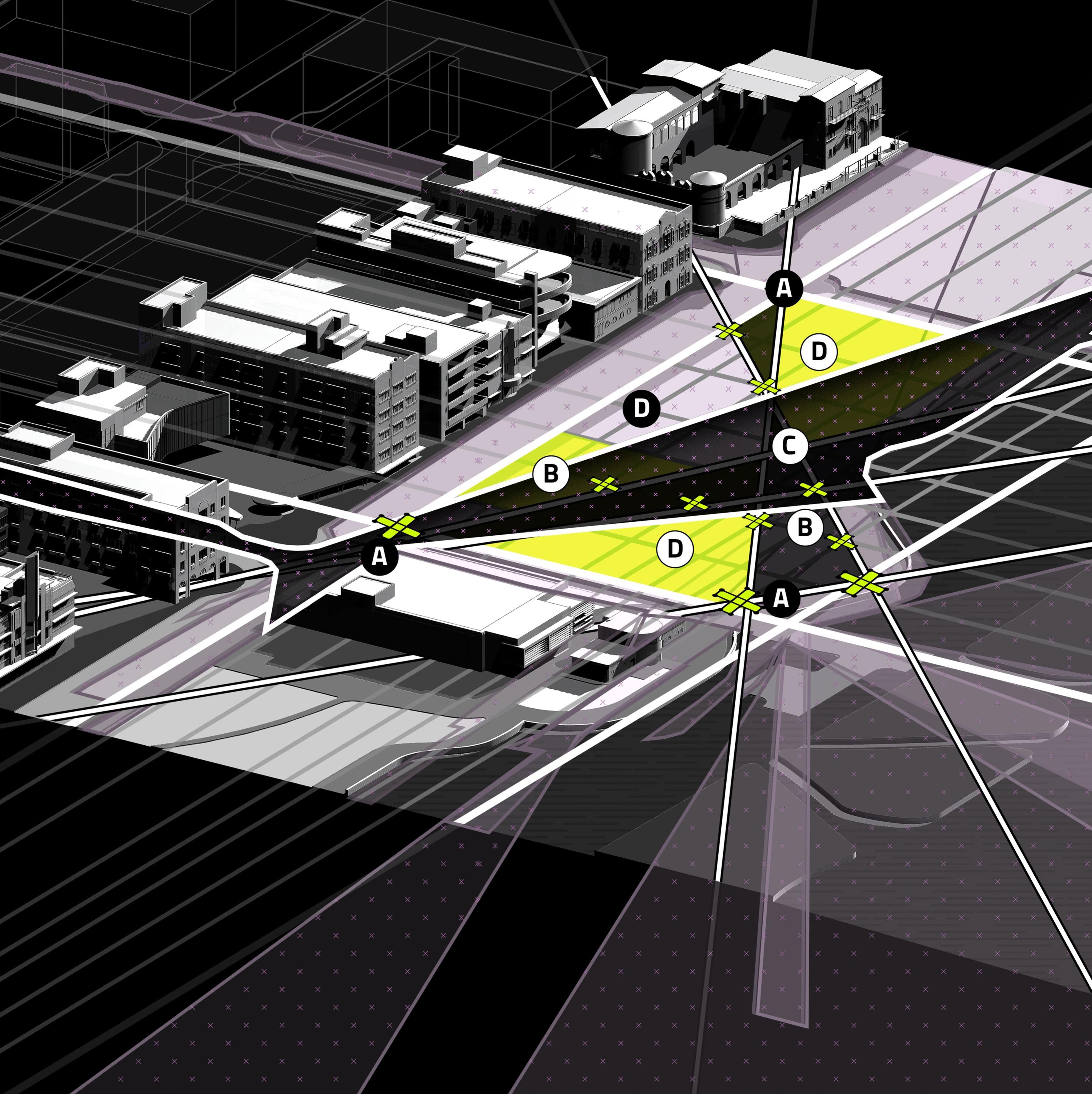
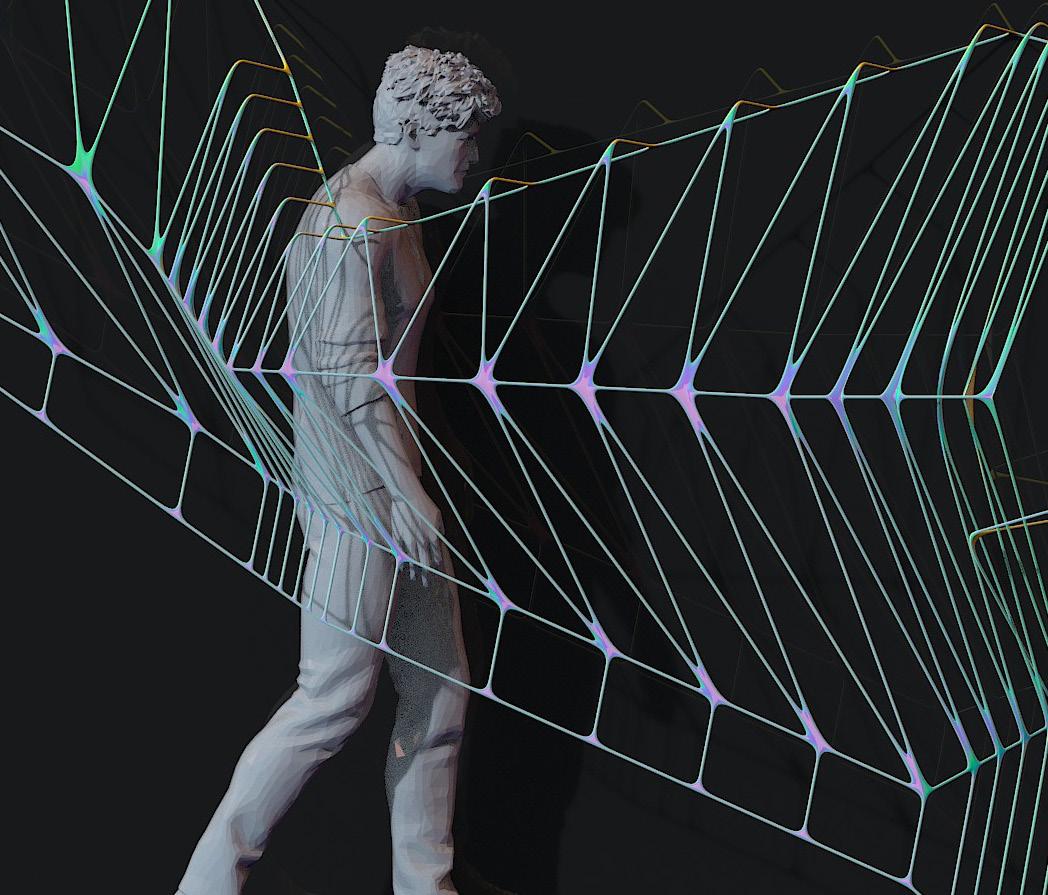
This semester’s investigation addressed the question of how to conceive an open-air, long-span roof within the complex environmental and urban conditions of Lummus Park, Miami. Framed by the need to accommodate an open-air market, the project required a spatial system capable of supporting circulation, gathering, and shaded exchange. Rather than approaching the project through a predetermined formal agenda, the design process was initiated by constructing a series of site-derived parameters—climatic, spatial, and experiential—that could generate an architectural system in approaching design. These parameters operate not as constraints but as catalysts, enabling a structural system to surface through negotiation rather than prescription.
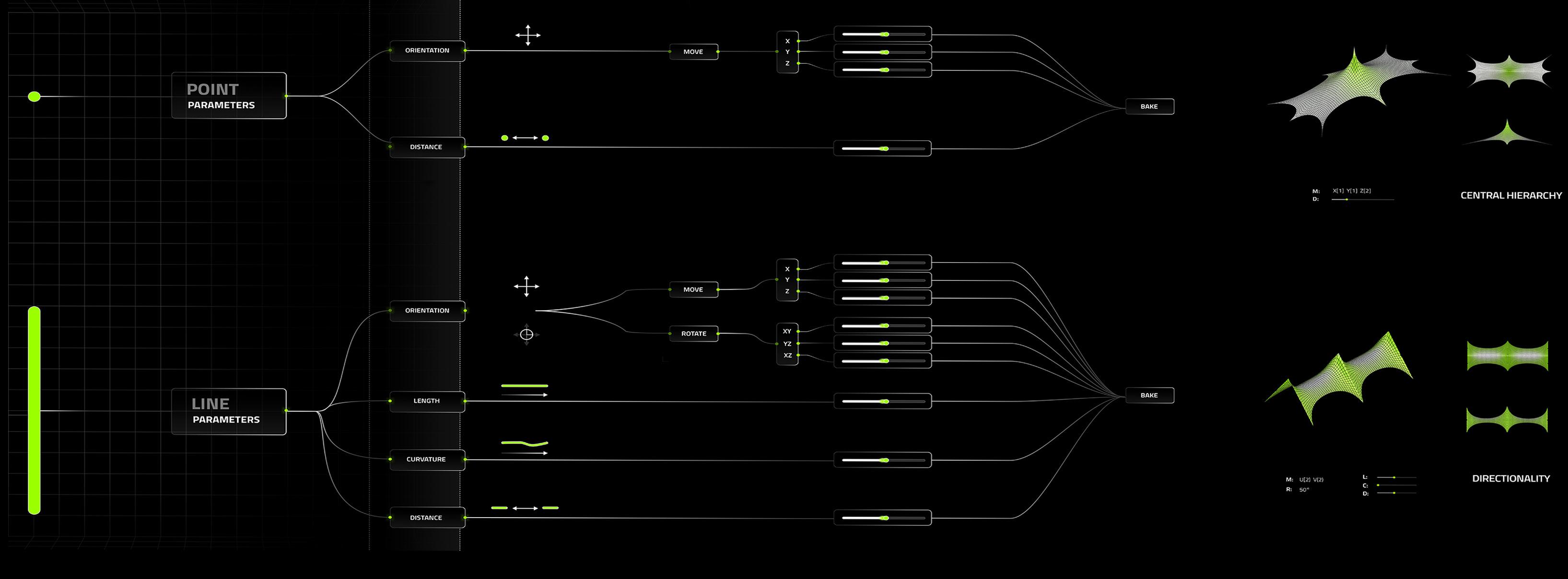
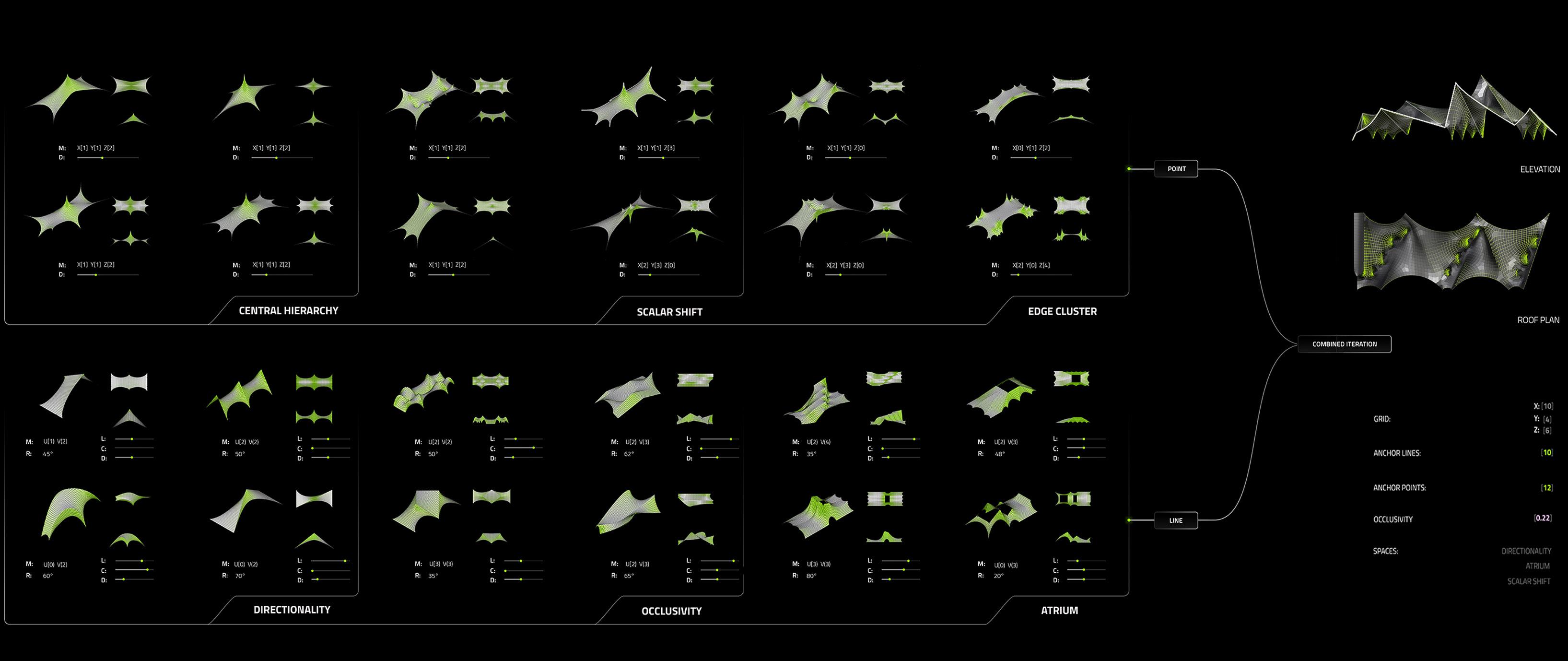
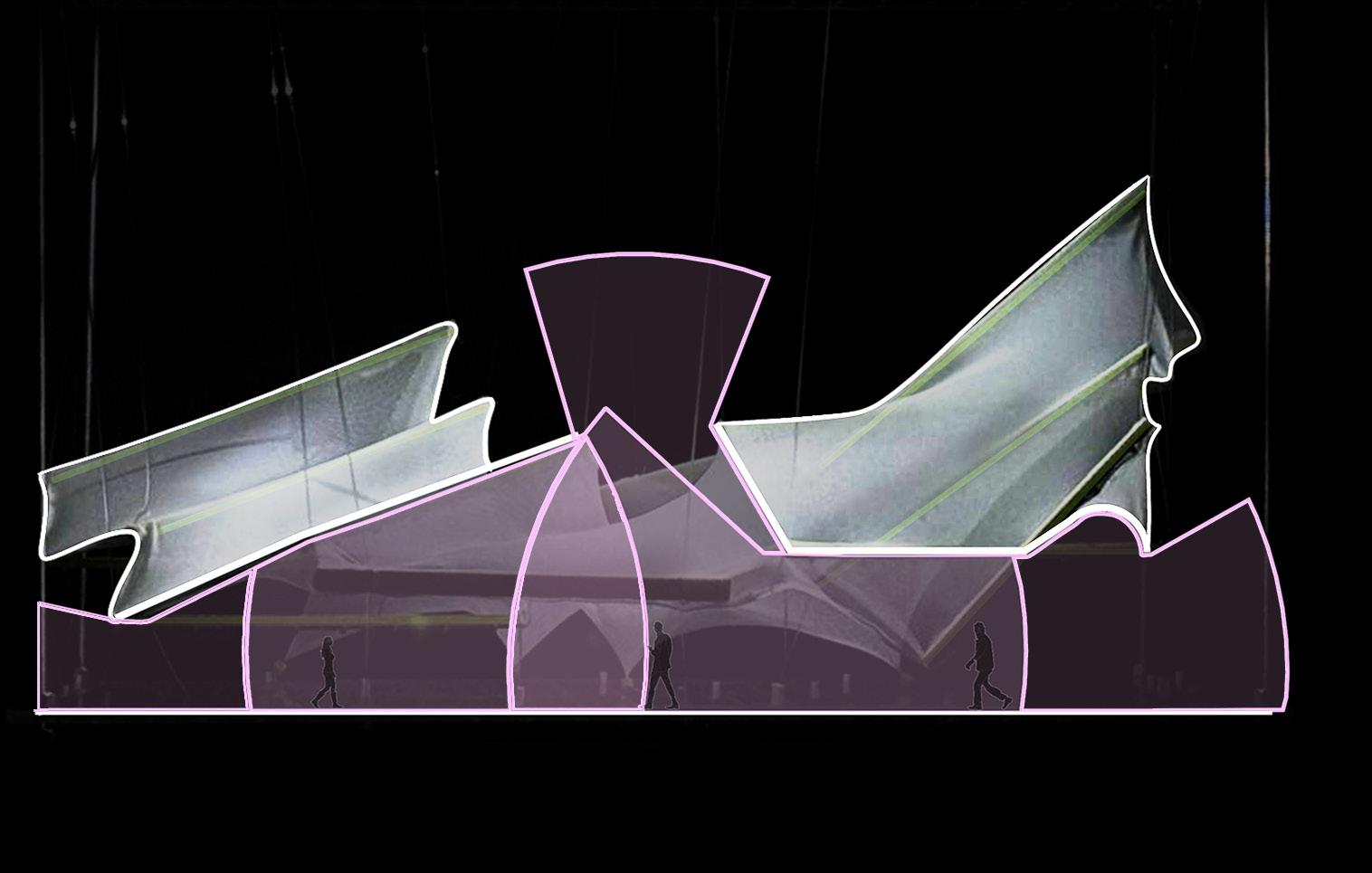
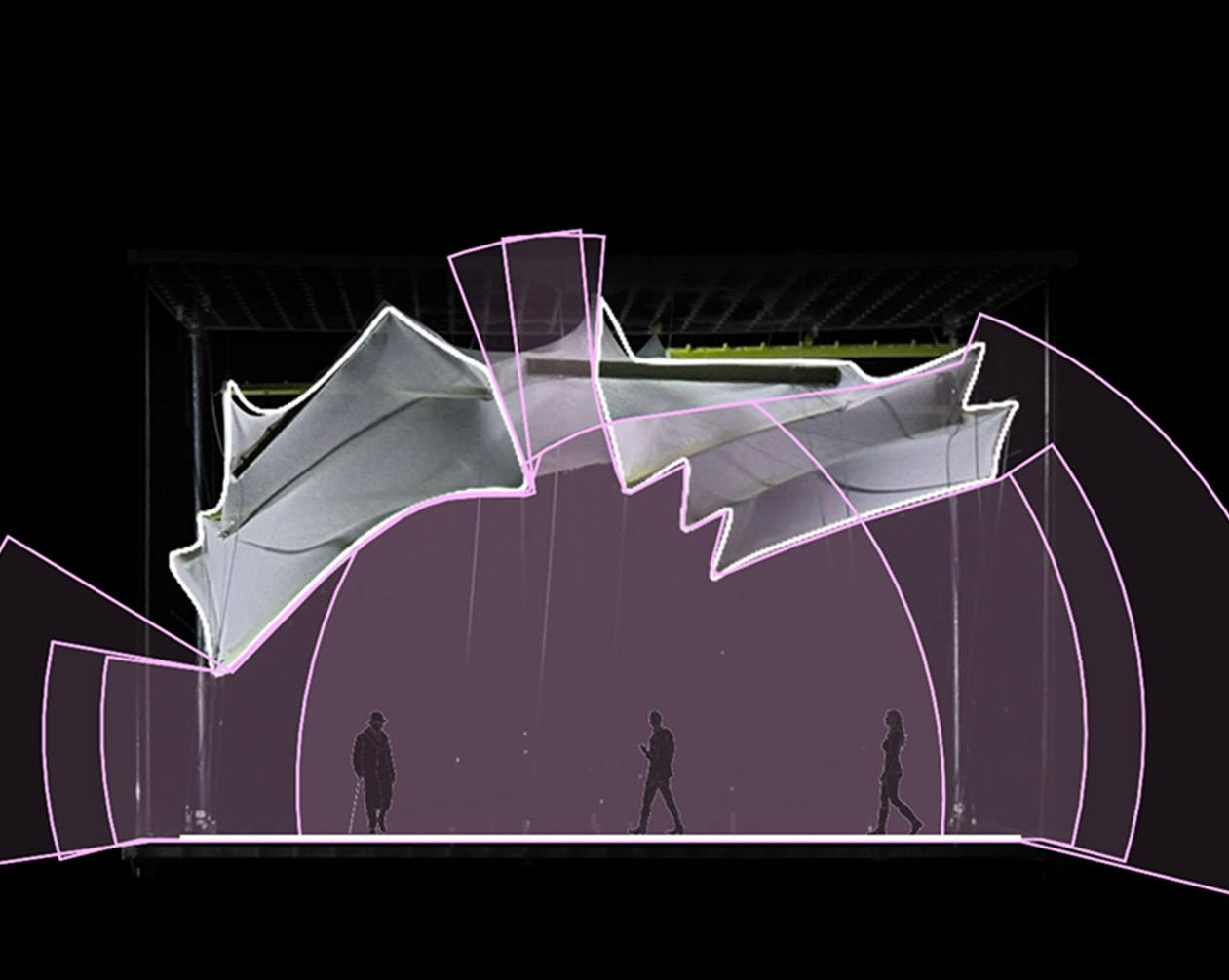
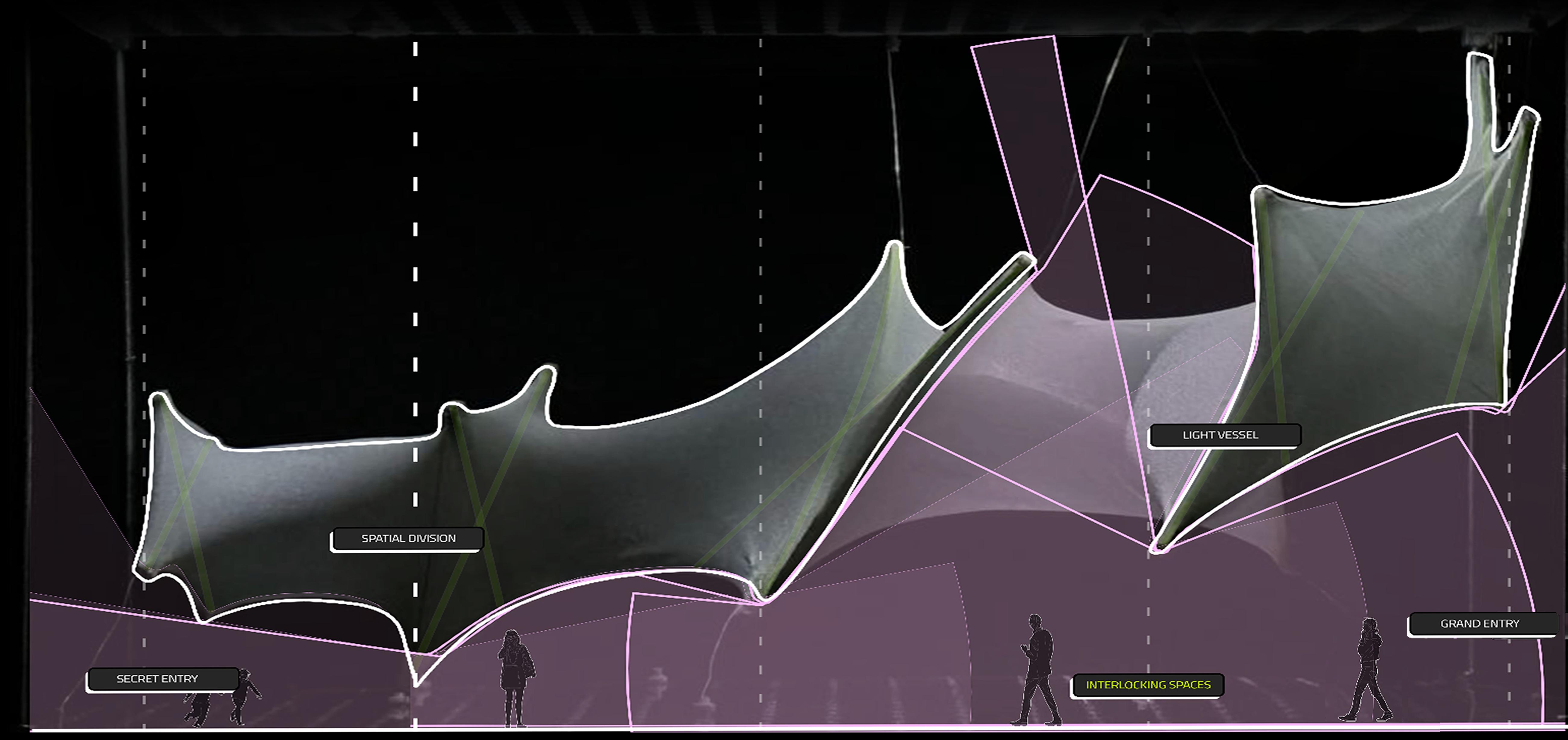
The design exploration challenges the generative potential of a simple point-and-line system within a tensile structural framework. By continuously altering the parameters that govern this system, the project reveals how subtle geometric shifts produce varied spatial conditions—thresholds, apertures, extensions, and dispersed zones of gathering. These emergent formations construct a rich field of spatial inquiry, allowing the architecture to align itself with the specific environmental, social, and experiential parameters of the Lummus Park site.
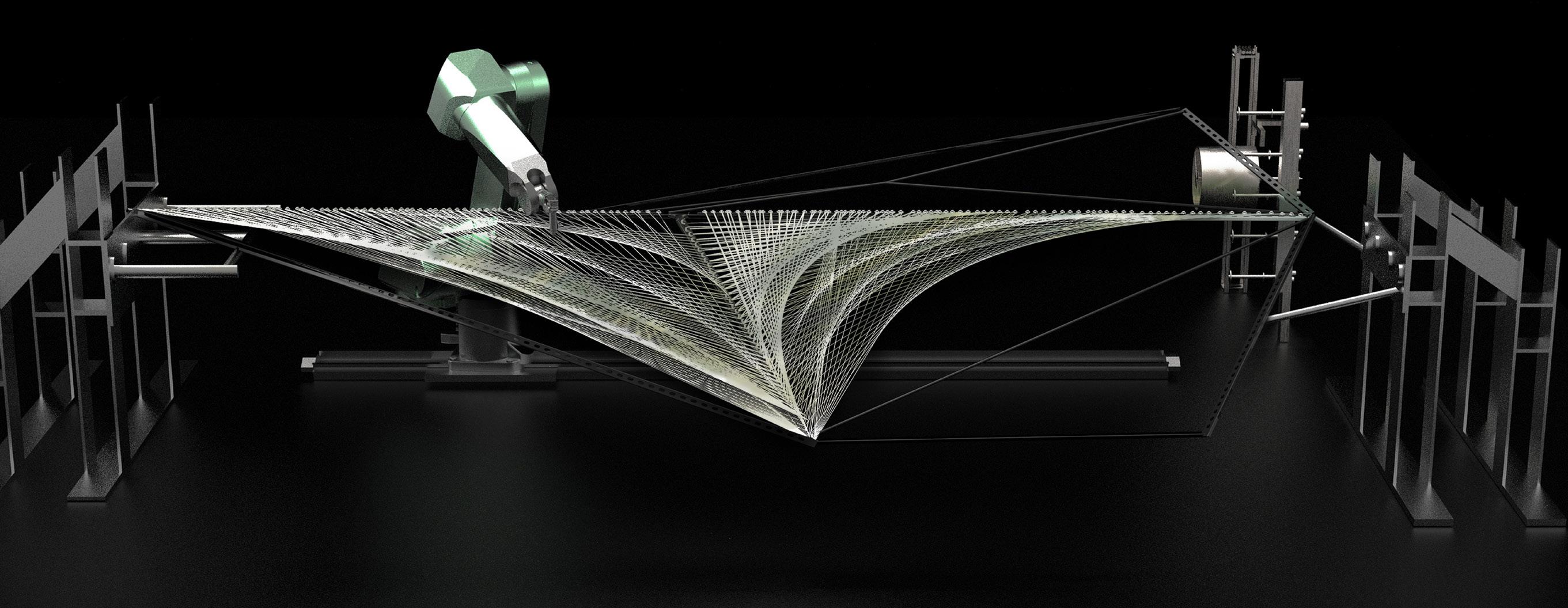
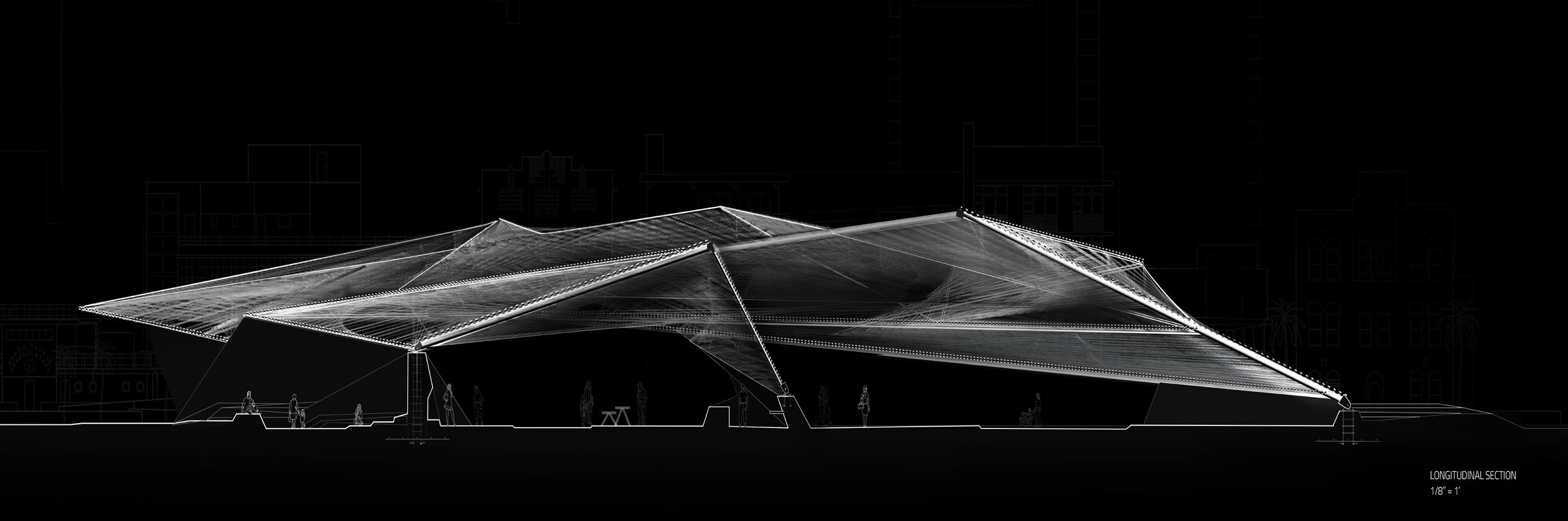
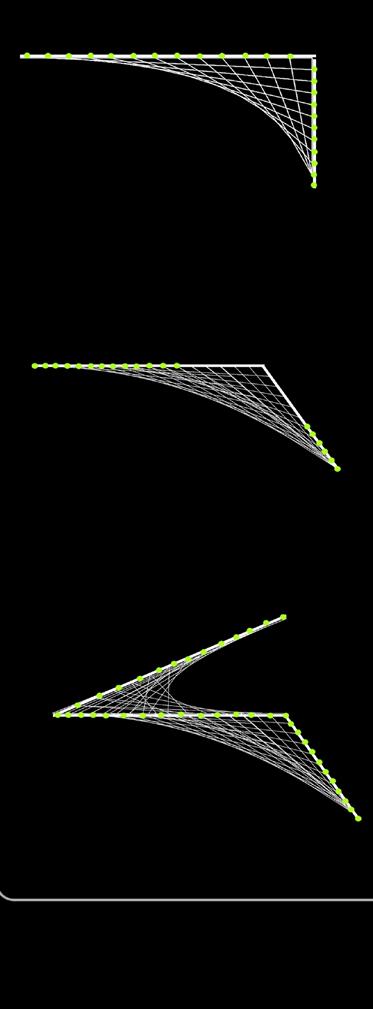
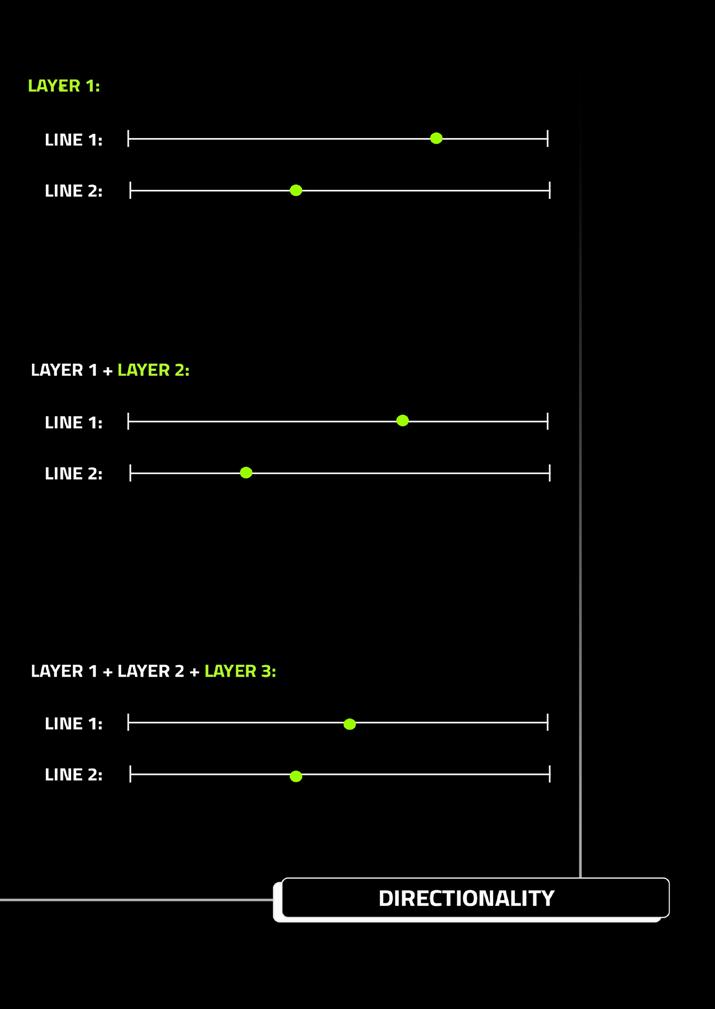
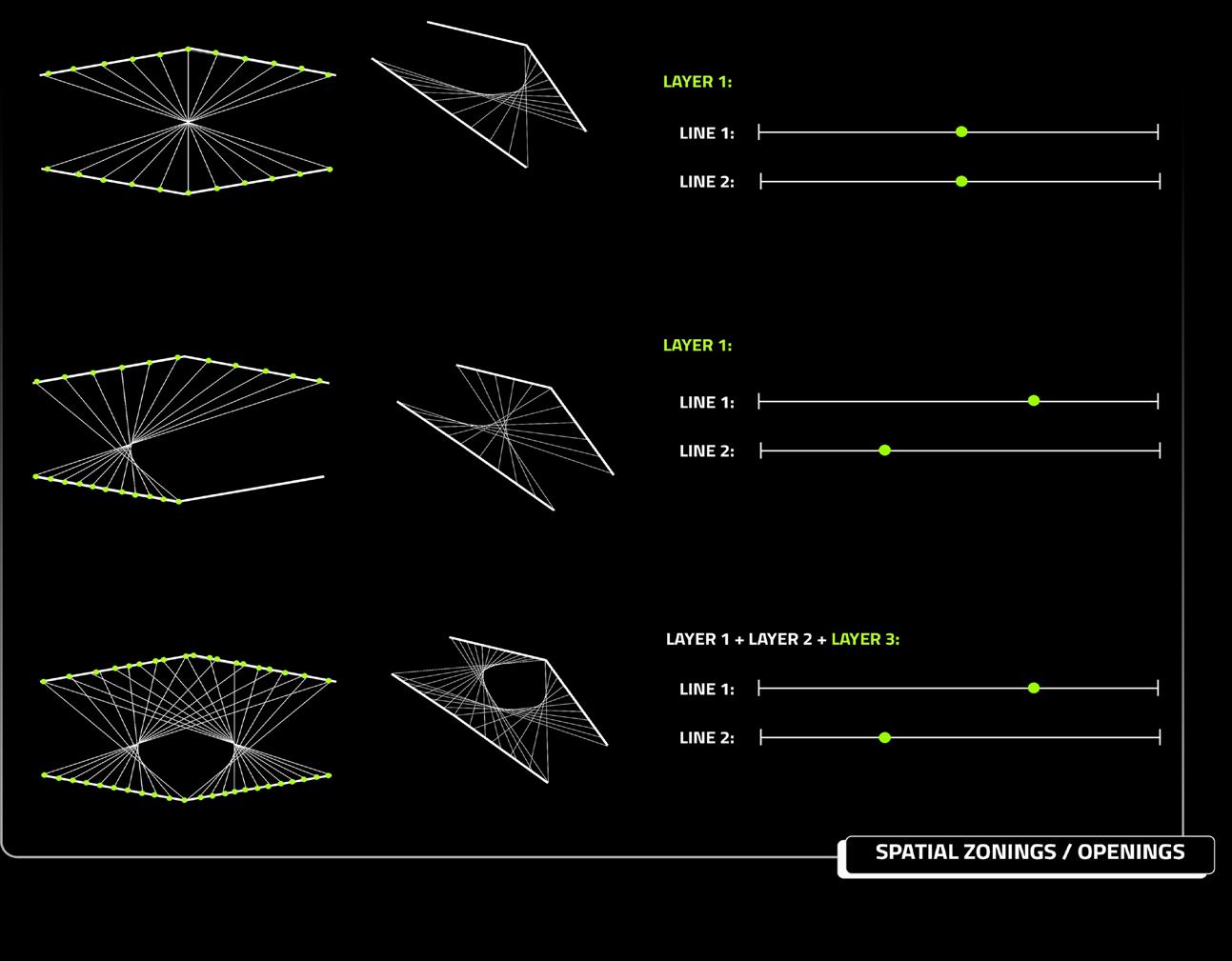
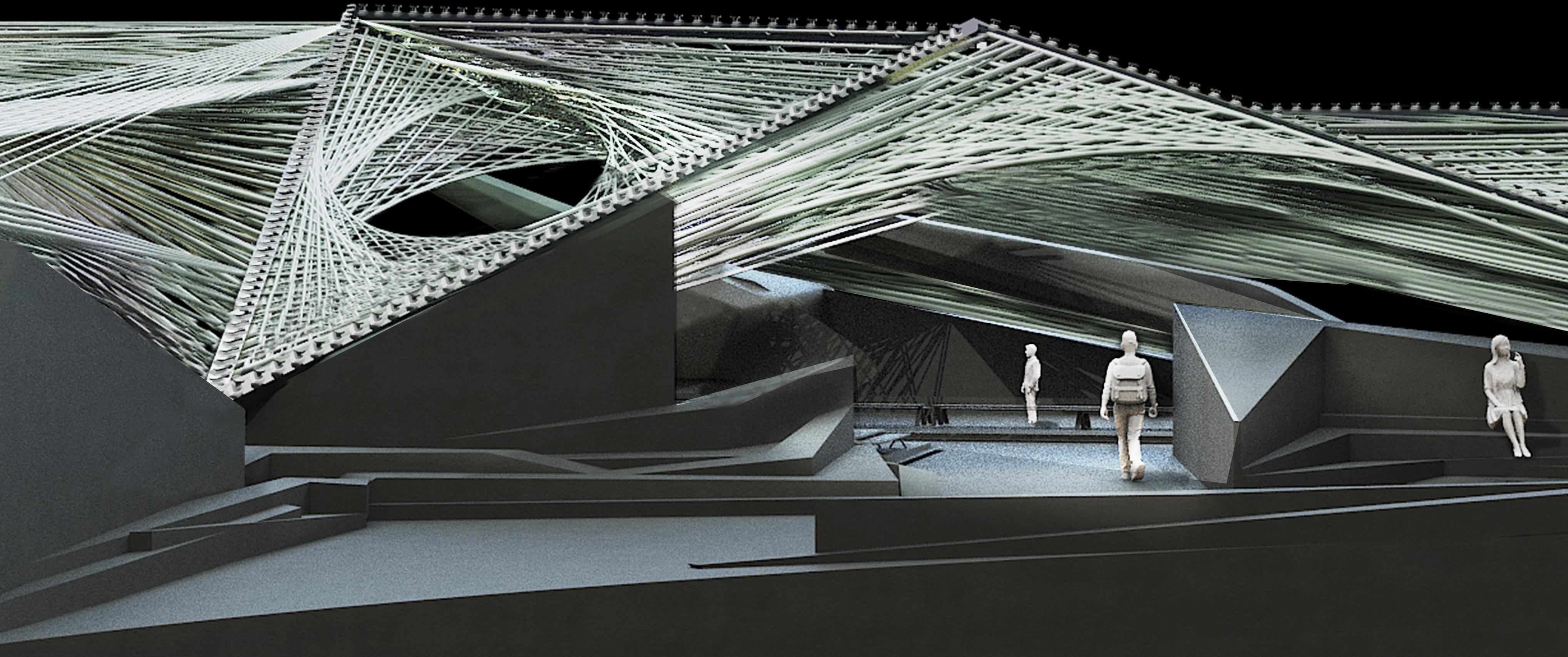
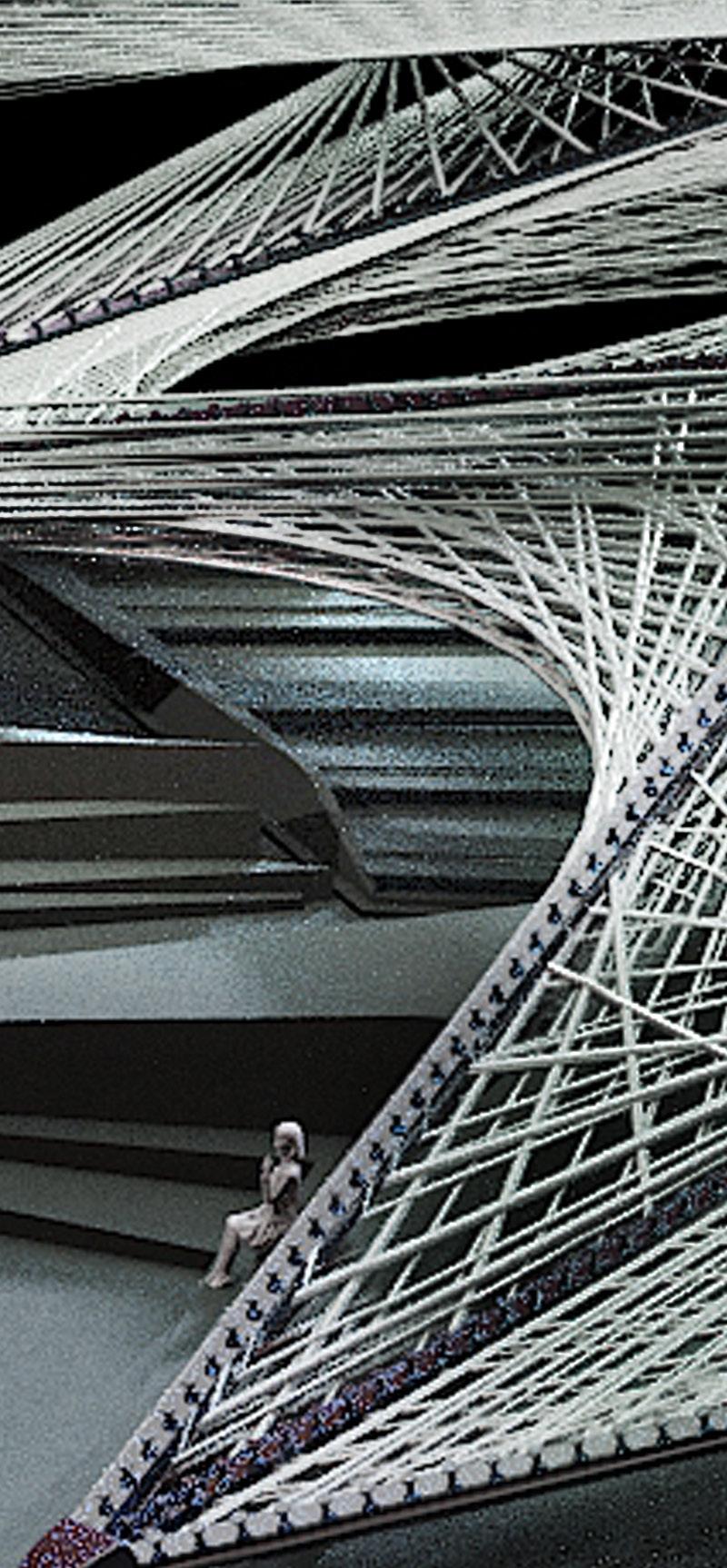
As the design process advanced, the point-and-line system naturally evolved into an exploration of material and structural behavior through a woven framework. This emergent weaving logic introduced a haptic, choreographed sense of movement—both in the act of construction and in the spatial rhythms it produces. The interlacing fibers modulate density, tension, and porosity, generating a translucent atmospheric effect as light filters through the layered geometry. The resulting system operates not merely as structure, but as an experiential membrane that refracts light, organizes space, and amplifies the site’s environmental conditions.
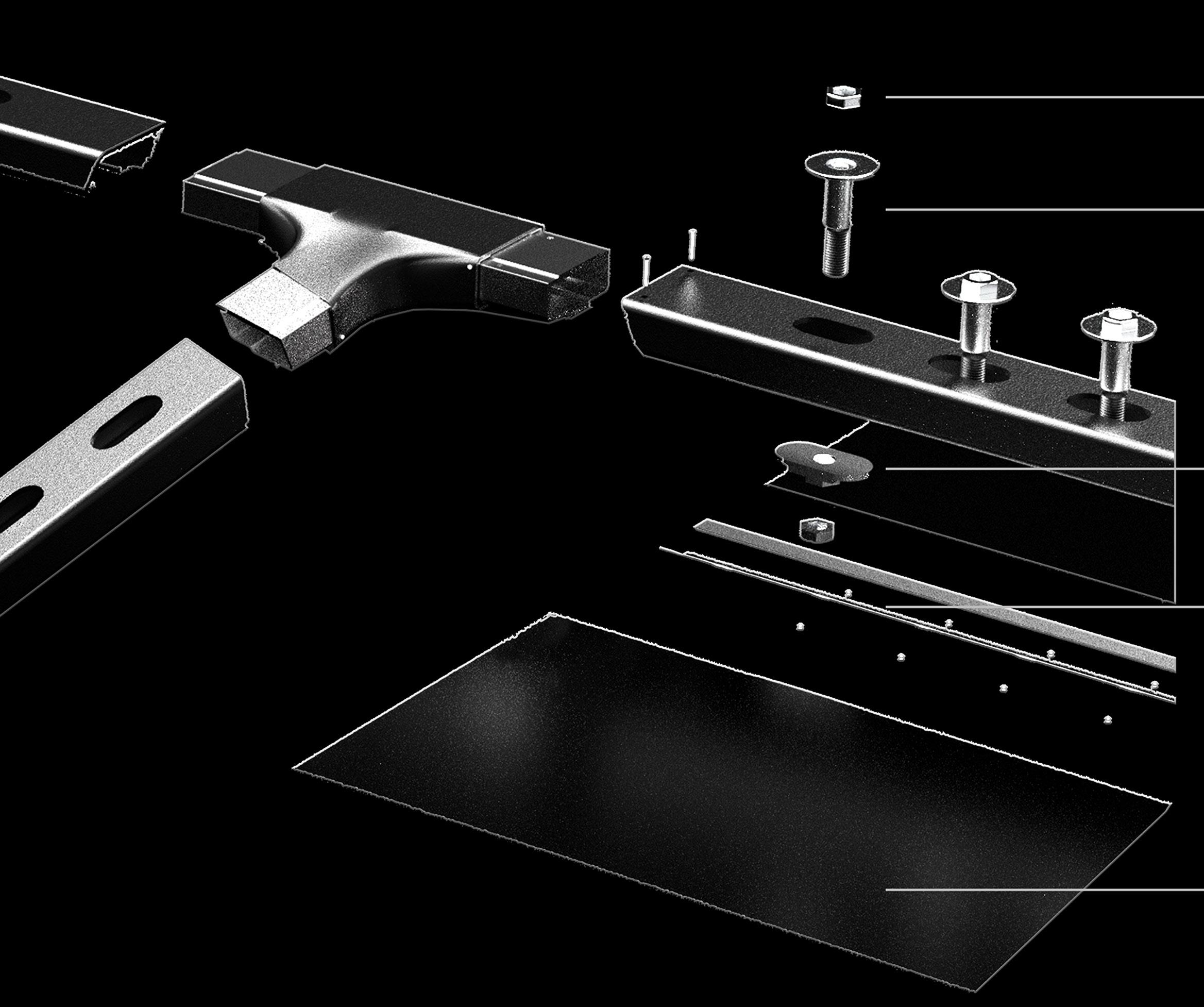
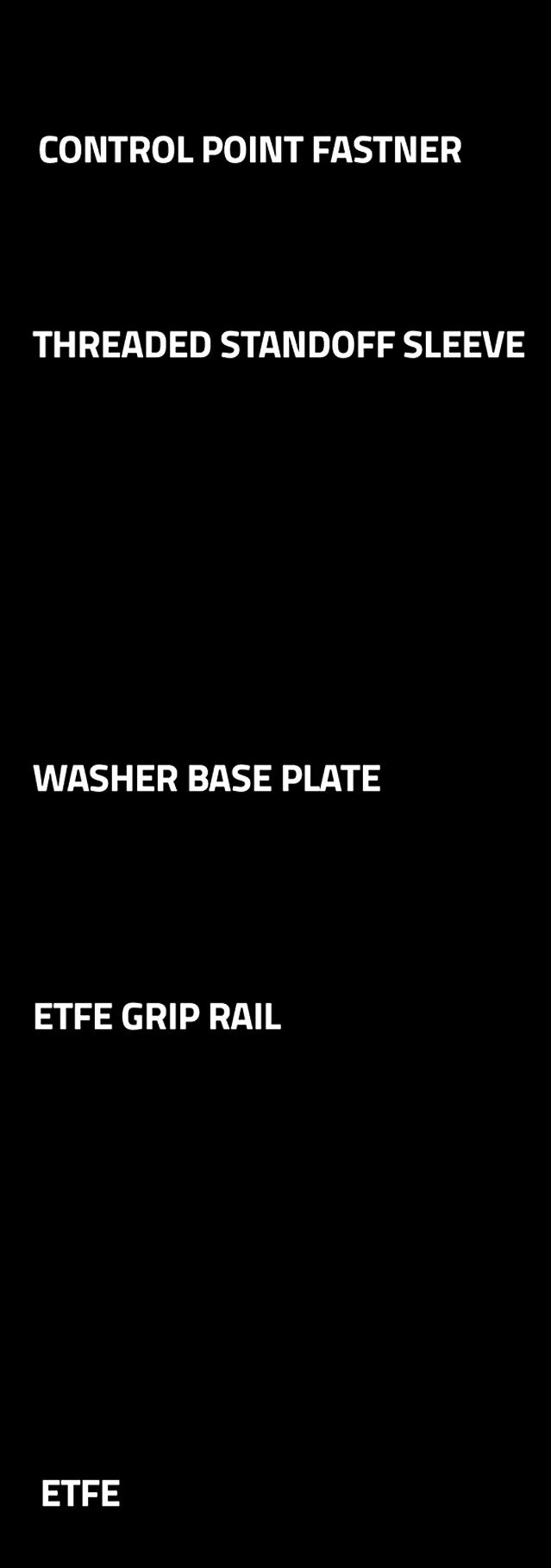
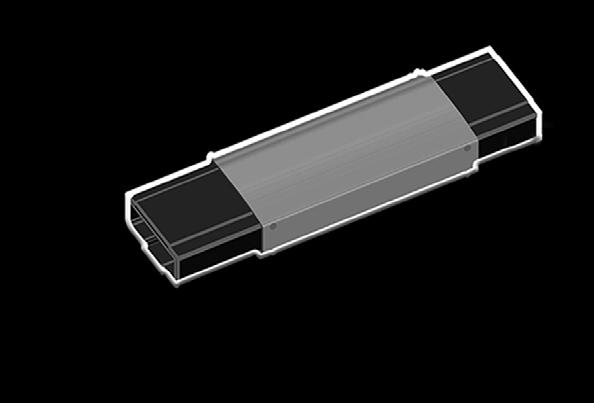
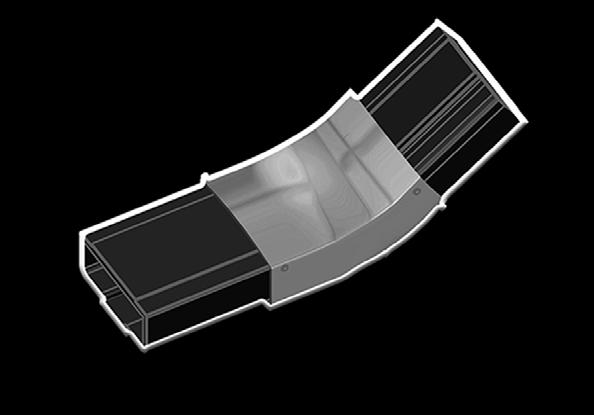
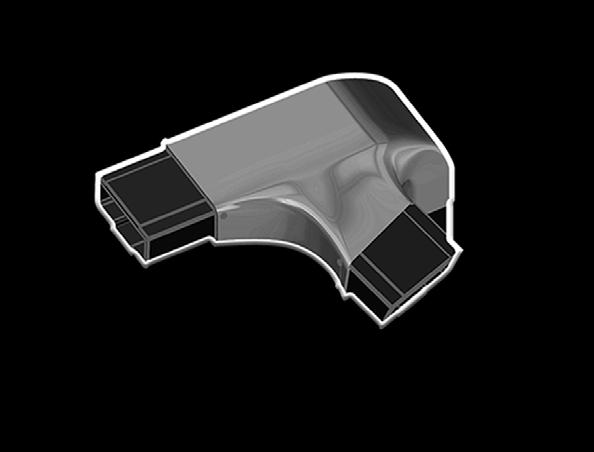
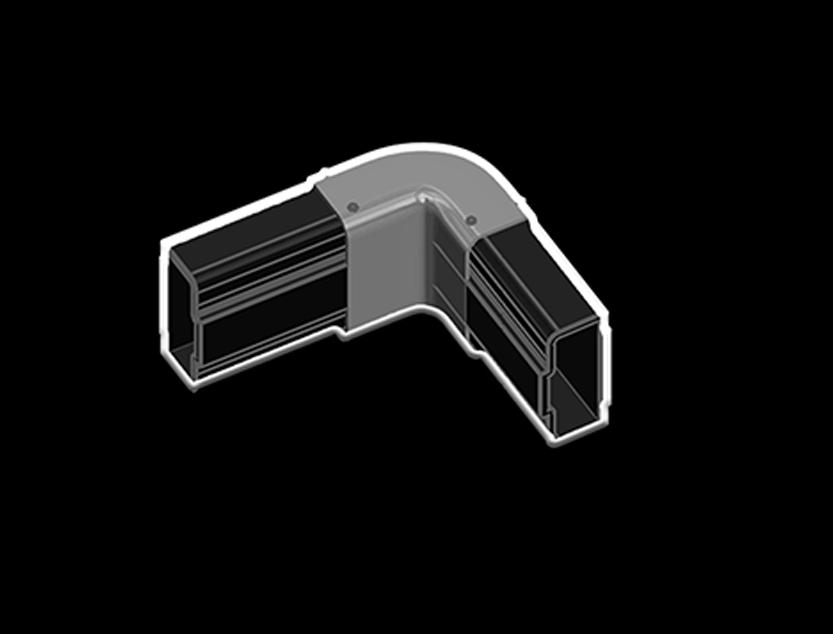
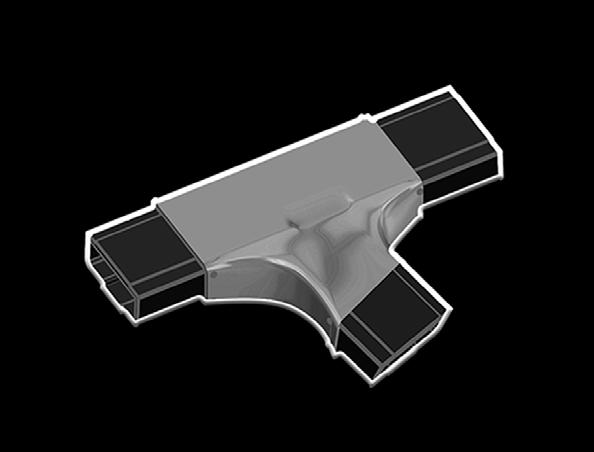
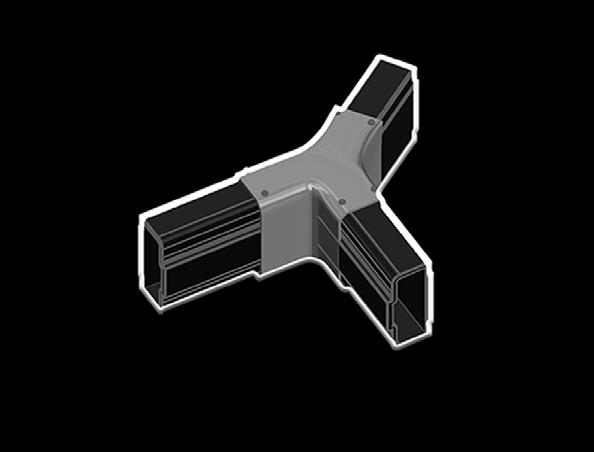
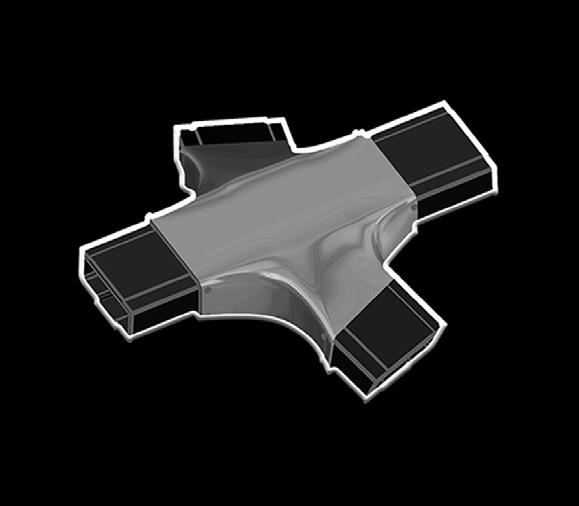
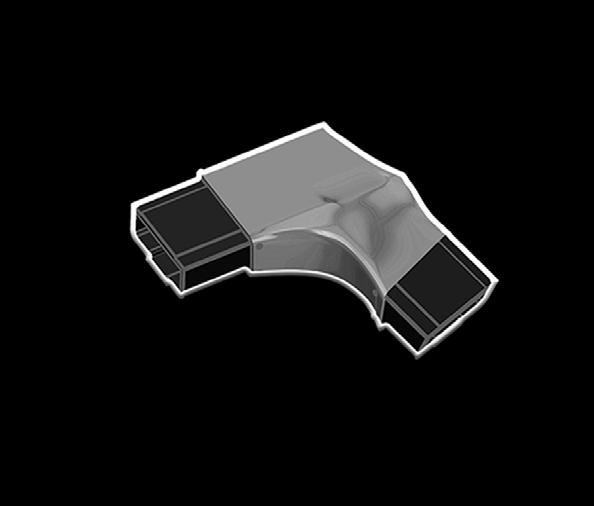
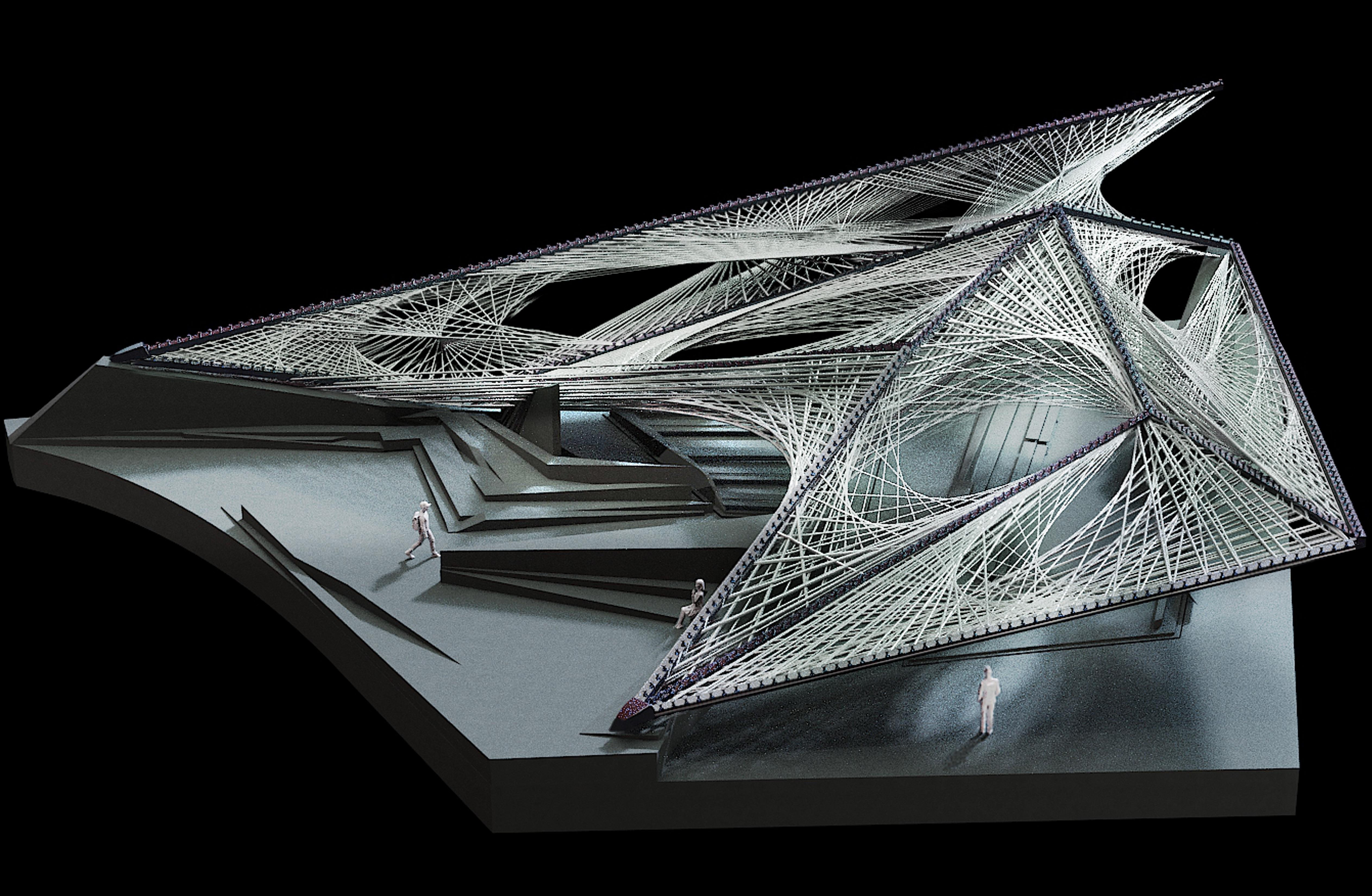
The structural system is conceived as a hybrid tensile–frame assembly in which a family of custom steel nodes choreographs the convergence of cables, rods, and woven strands. Each node is parametrically differentiated to receive unique vector forces, allowing the roof to twist, span, and anchor with minimal mass. The components become a kit-of-parts: machined joints, tension hardware, and calibrated plates that collectively stabilize an otherwise fluid, fabric-like geometry.
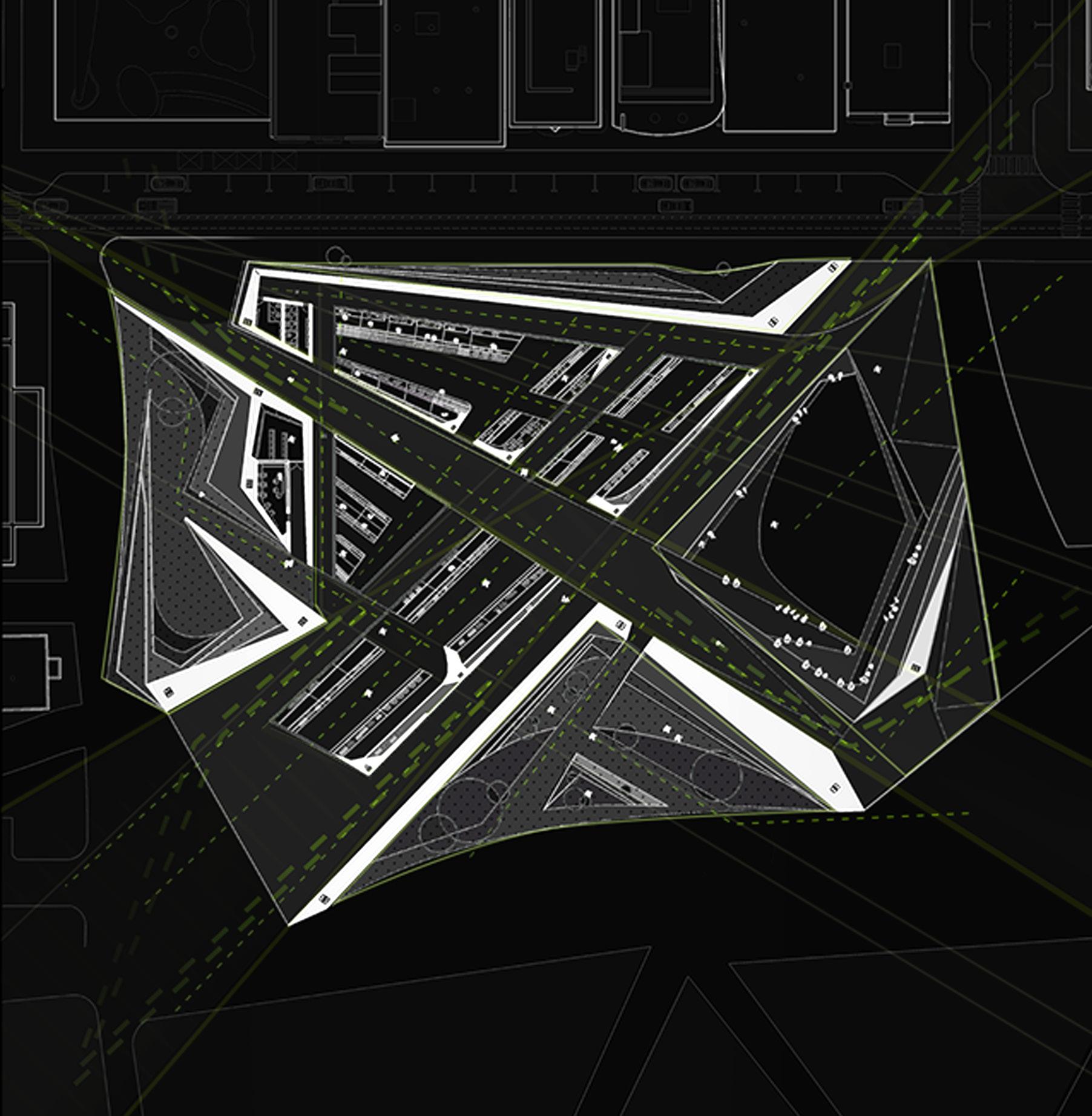
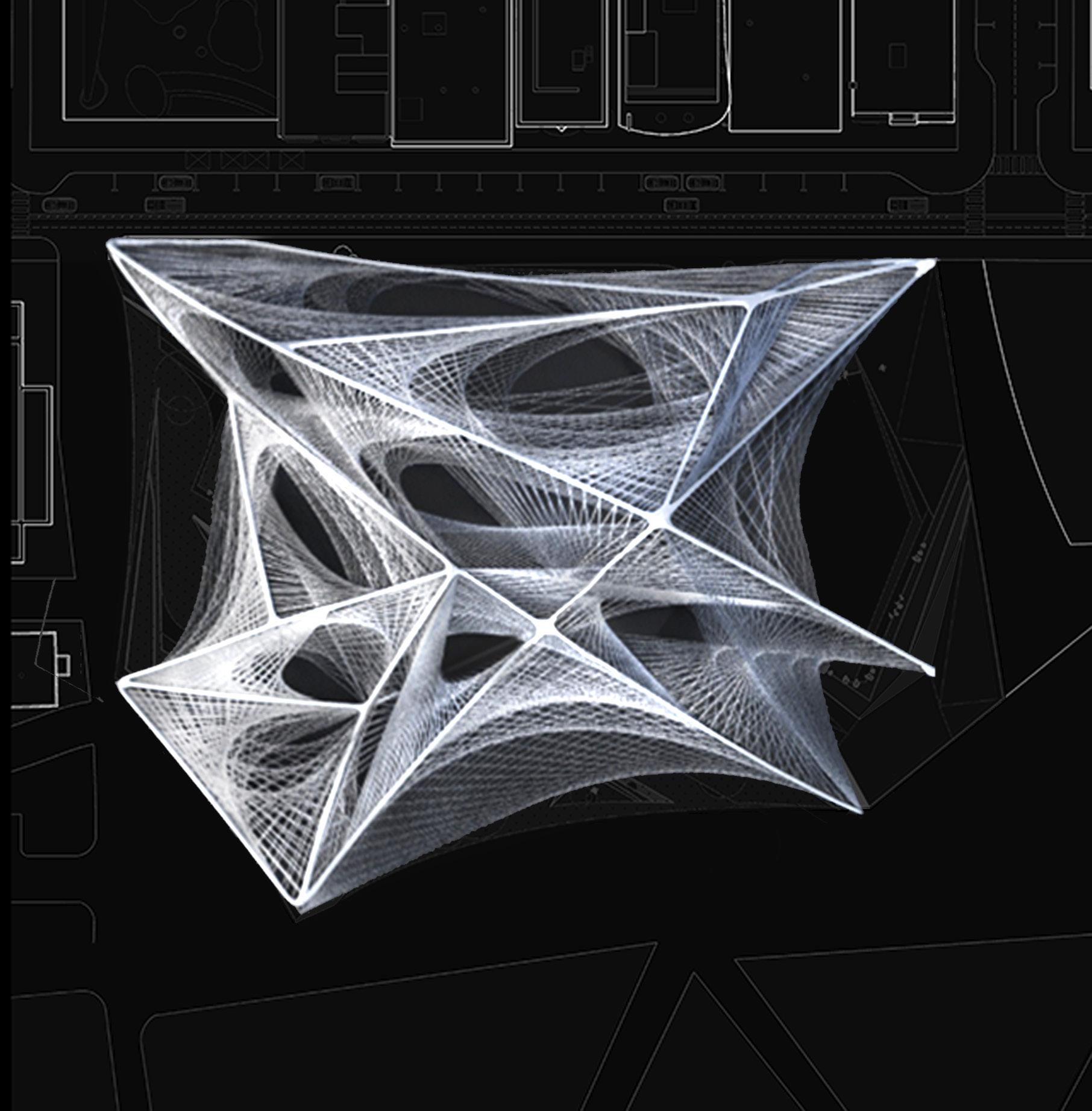
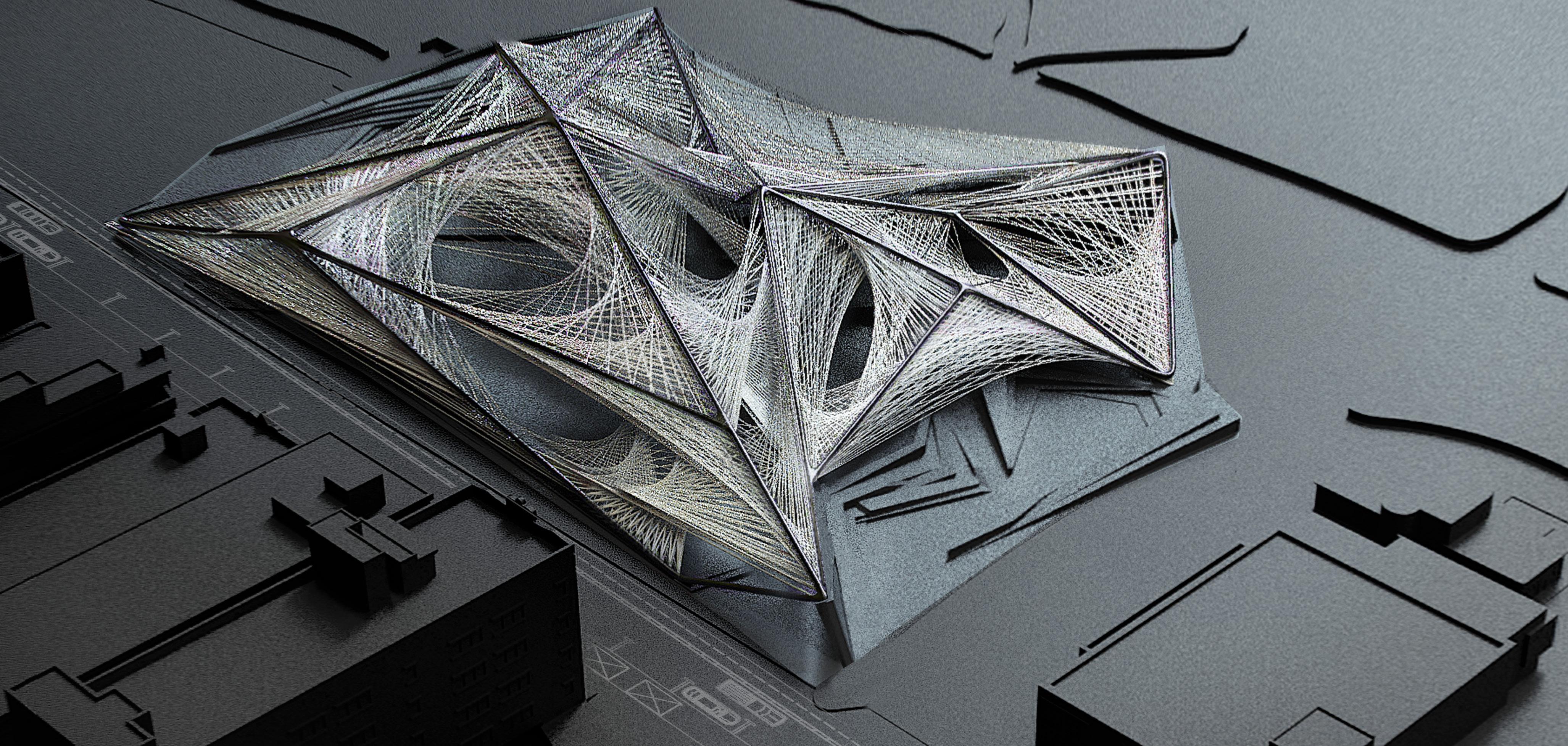
The ground plane is designed as an active participant rather than a passive pedestal. Its stepped and sliding surfaces echo the directional forces of the roof, creating a reciprocal relationship between earth and canopy. As the tensile system stretches and pulls above, the ground plane mirrors these vectors through shifted slabs, elongated platforms, and carved circulation paths. The geometry of the roof becomes a generative framework for organizing the open-air market below—informing how circulation flows, where gathering zones emerge, and how individual stalls are arranged. In this way, the roof does not simply shelter the market; it choreographs its spatial logic, producing a coherent interplay between structure, program, and movement.
Professor: Dustin White Elective: Materials and Ecol-
Collaborators: Entire Class Semester: Spring 2025
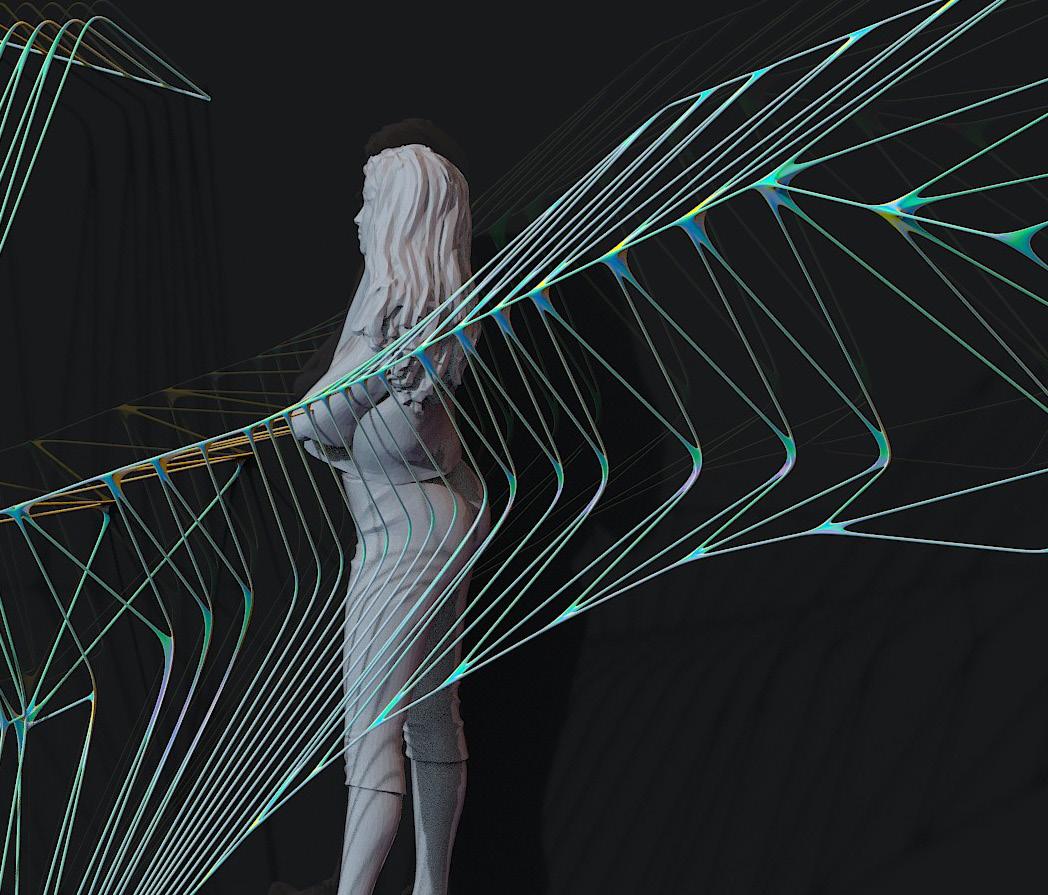
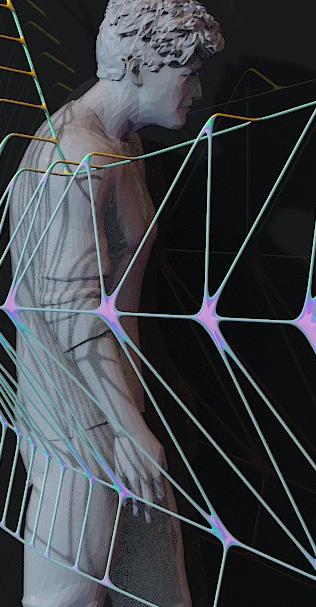
The model rendering represents my charrette iteration that challenges the conventional idea of a wall. Through group discussions and rapid explorations, the project reframed the wall not as a static divider but as a spatial instrument capable of influencing posture, rhythm, and movement. The sketches accompanying this study examine how people navigate fluid, draping geometries and abstracted boundaries, focusing on proprioceptive awareness and bodily interaction with surfaces. These observations reveal how subtle shifts in depth, contour, and enclosure guide rest, orientation, and circulation.
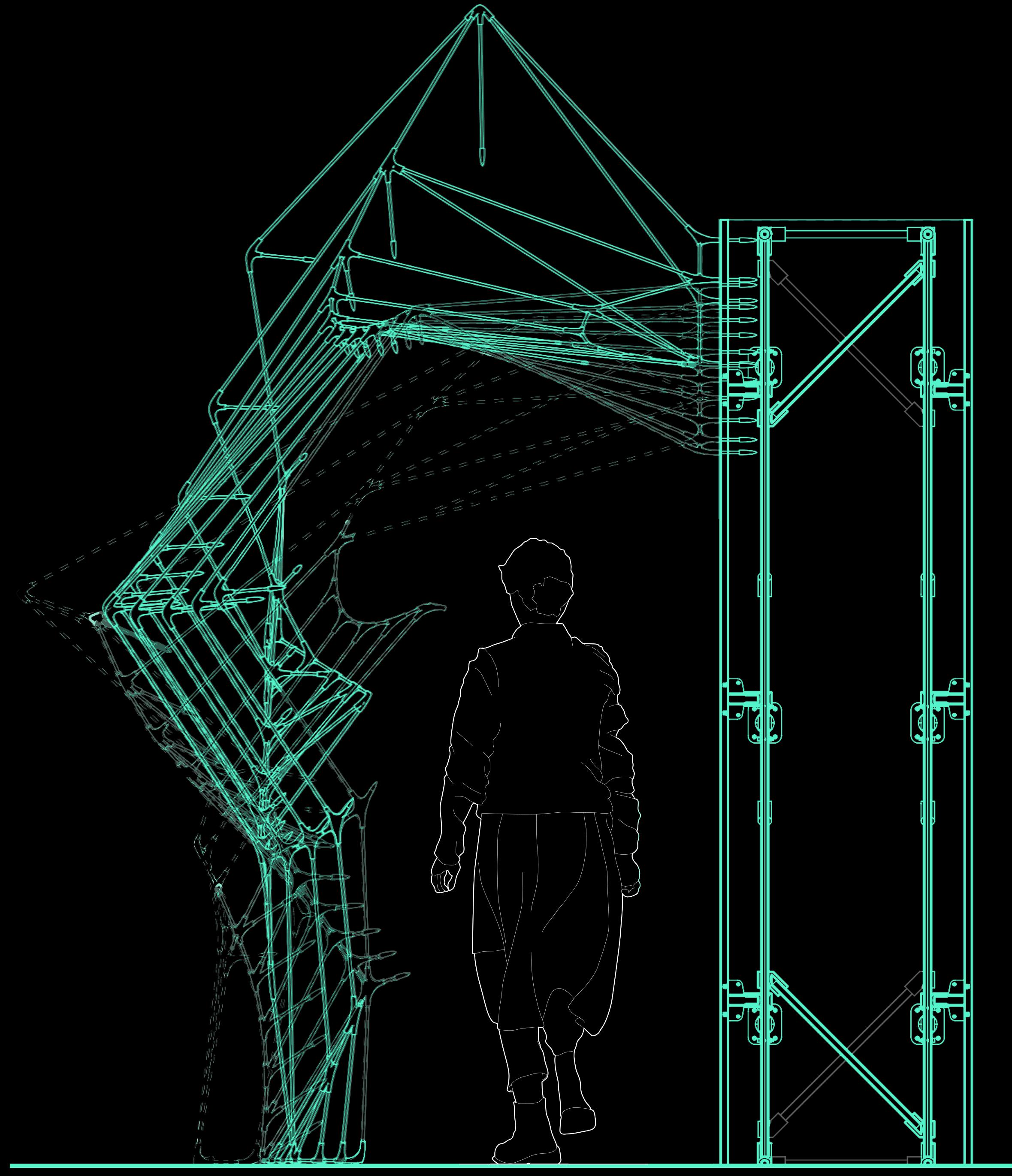
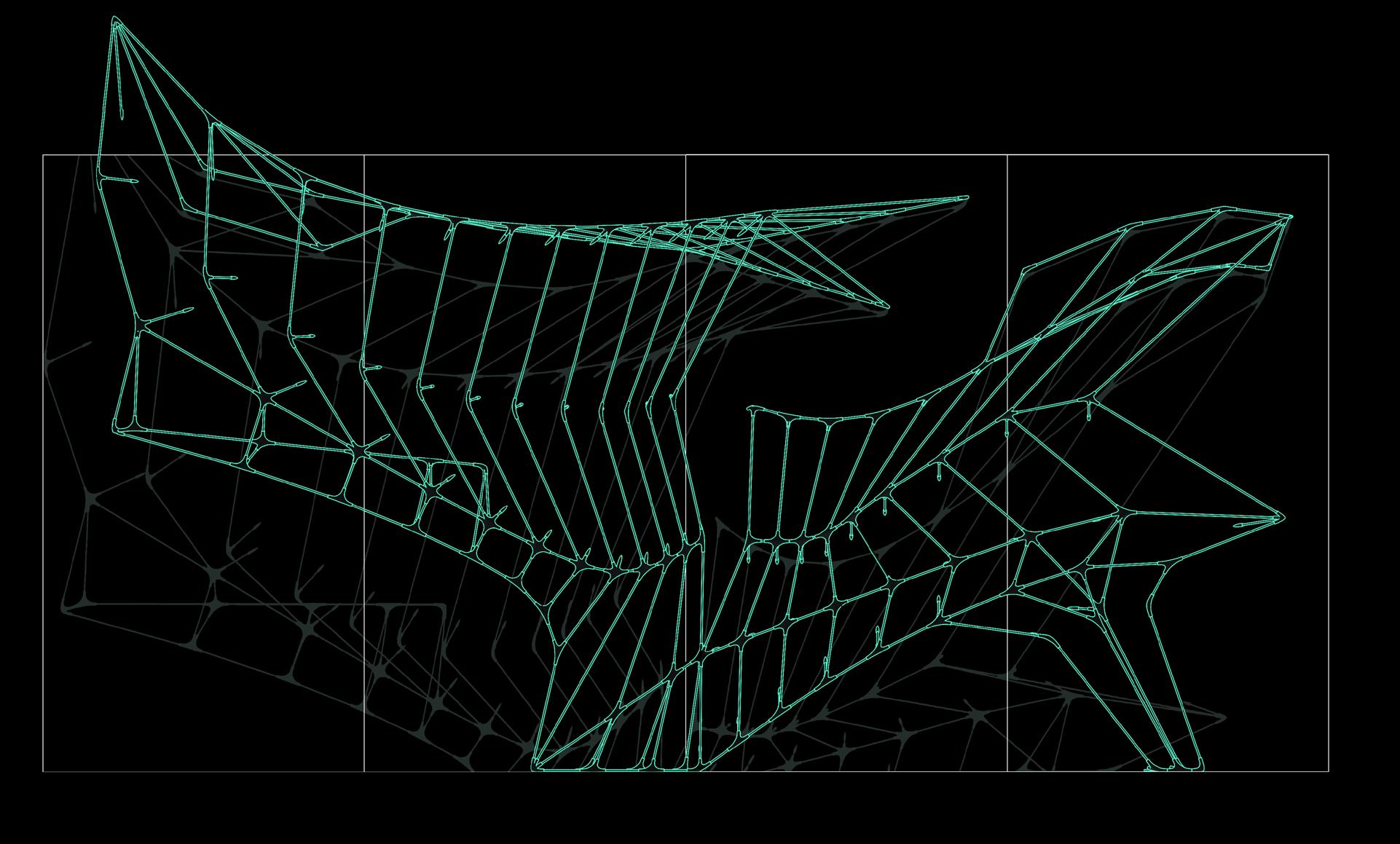
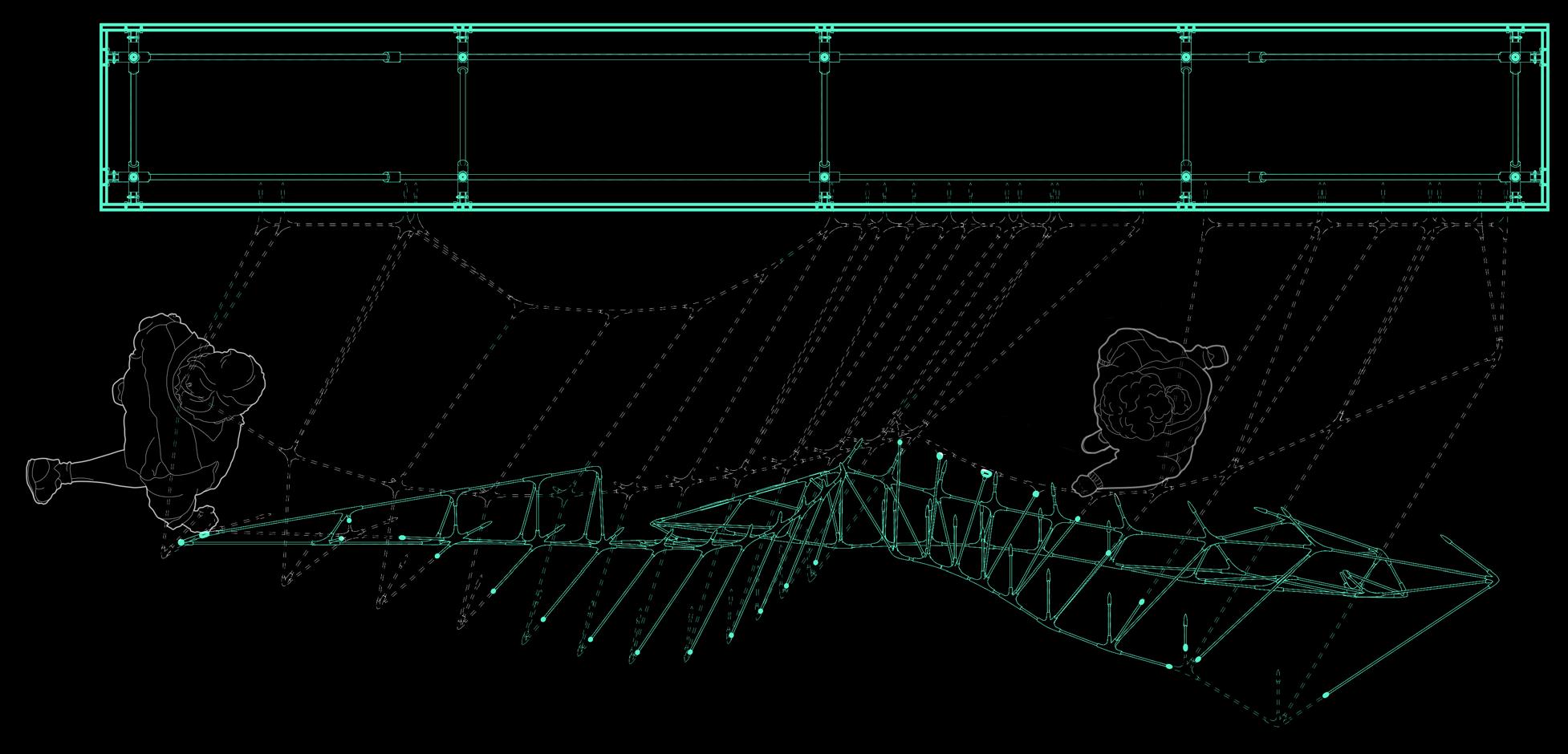
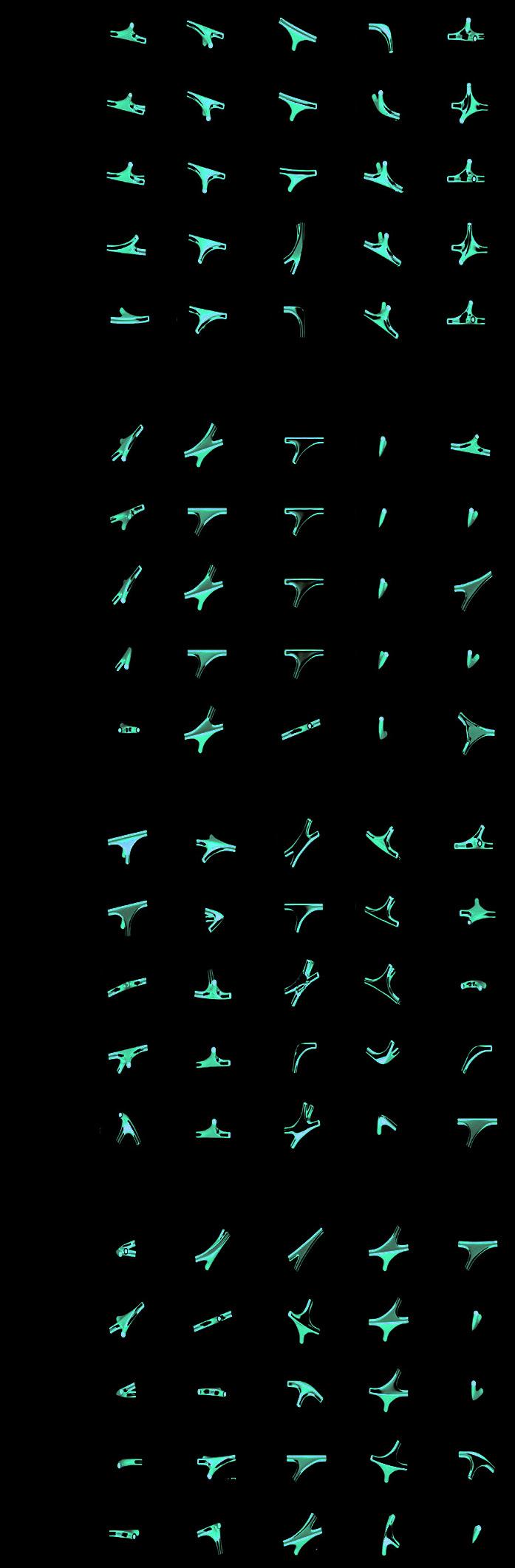
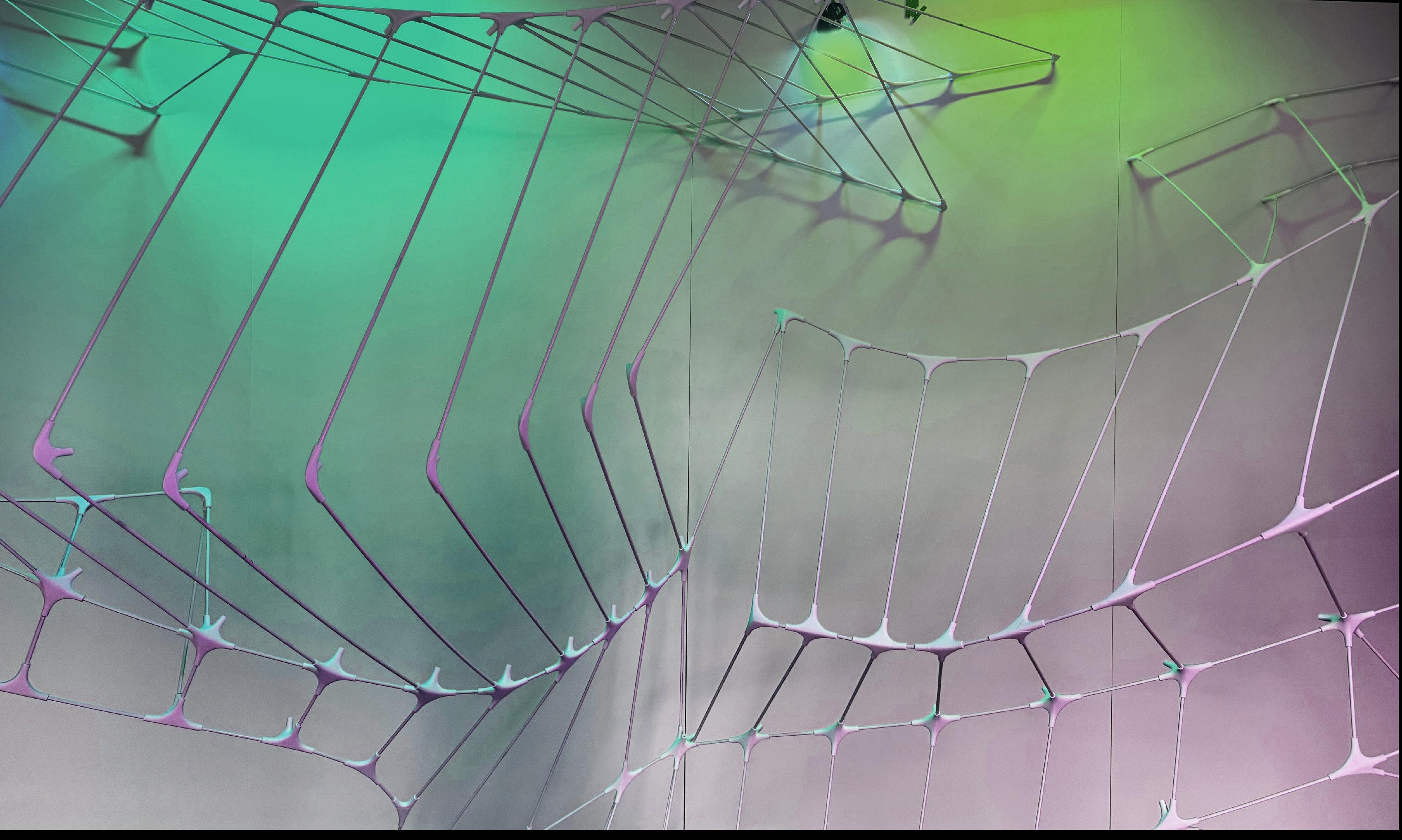
The iterative drawings extend this inquiry toward more intimate scales, showing how bodies lean, adapt, and settle into shaped spaces—suggesting an emerging choreography between human form and spatial form. As the study advanced, these insights began to crystallize into a structural language. The design evolves from a conceptual “ghost formation” into a constructible framework, revealing how a once-abstract wall can be reimagined as a porous, vector-driven enclosure. Together, the final representations present the wall not merely as a boundary, but as an integrated spatial-structural device shaped by bodily engagement, material behavior, and calibrated geometry.
Professor: Francis Lyn Course: Design 9
Semester: Fall 2025
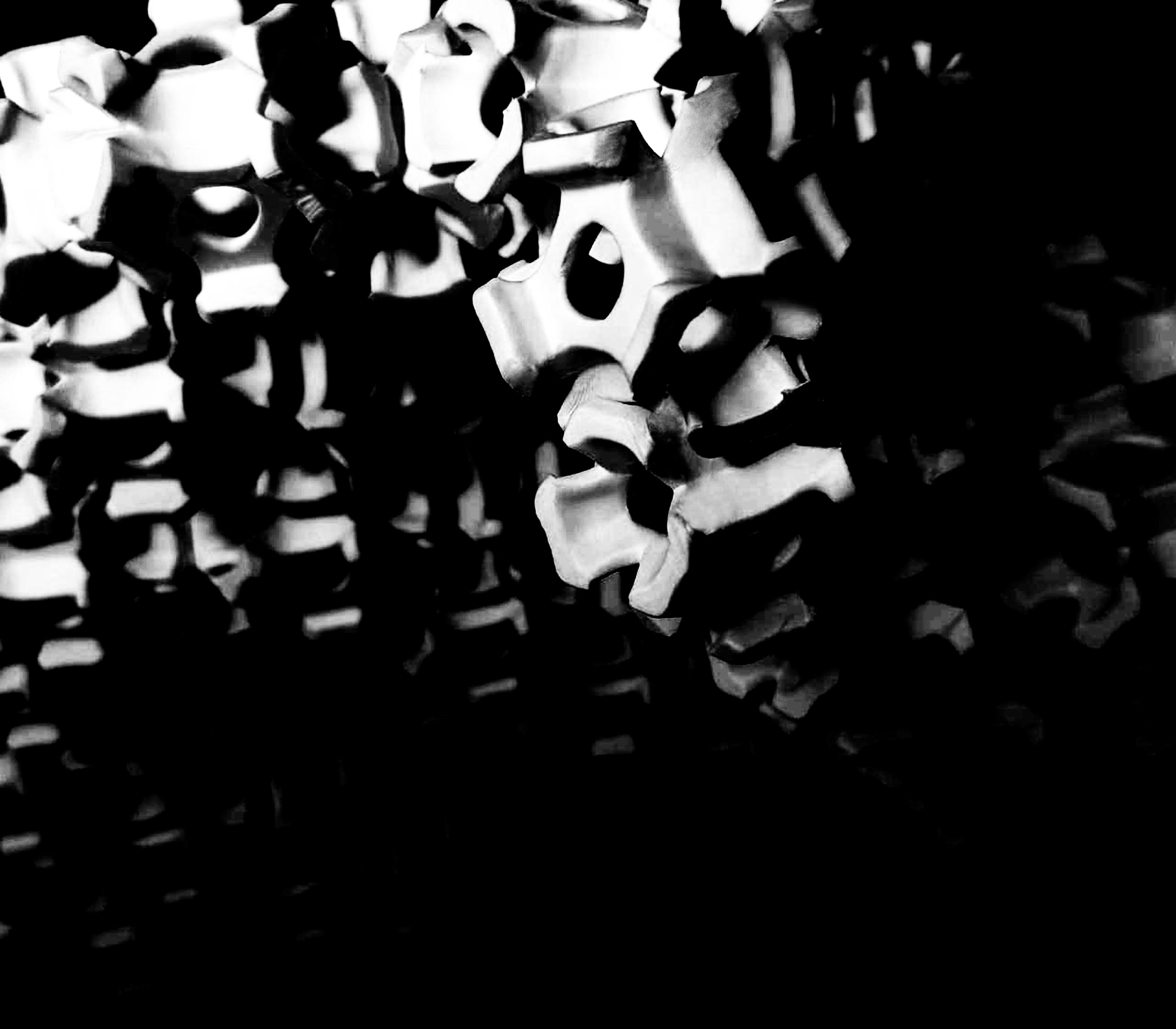
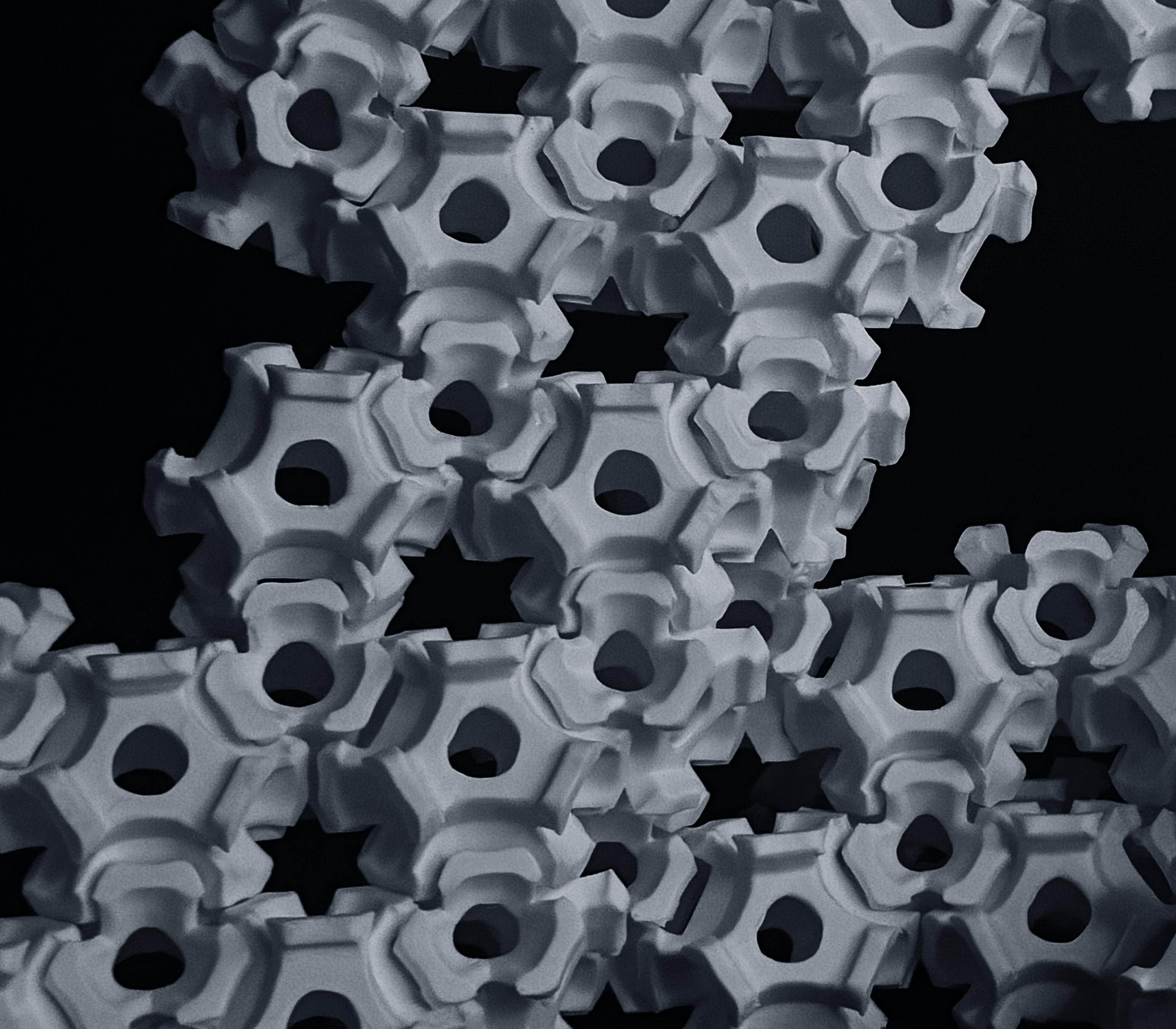
The Floridian context is ubiquitous with the use of breeze block—an iconic material known for mediating light, airflow, and privacy across tropical architecture. This project challenges that familiar design notion by transforming the breeze block from a two-dimensional façade element into a three-dimensional aggregation system. Instead of functioning as a simple perforated screen, the module evolves into a spatial and structural motif capable of blooming outward, interlocking, and generating volumetric formations. Through iterative modeling and fabrication, the study explores how a single unit can propagate into complex assemblies that produce shade, porosity, and spatial depth. The result is a speculative reinterpretation of the breeze block as a dynamic 3D architecture that responds to climate while reimagining one of Florida’s most recognizable building elements—ultimately creating a system that becomes autonomous in its design integration.
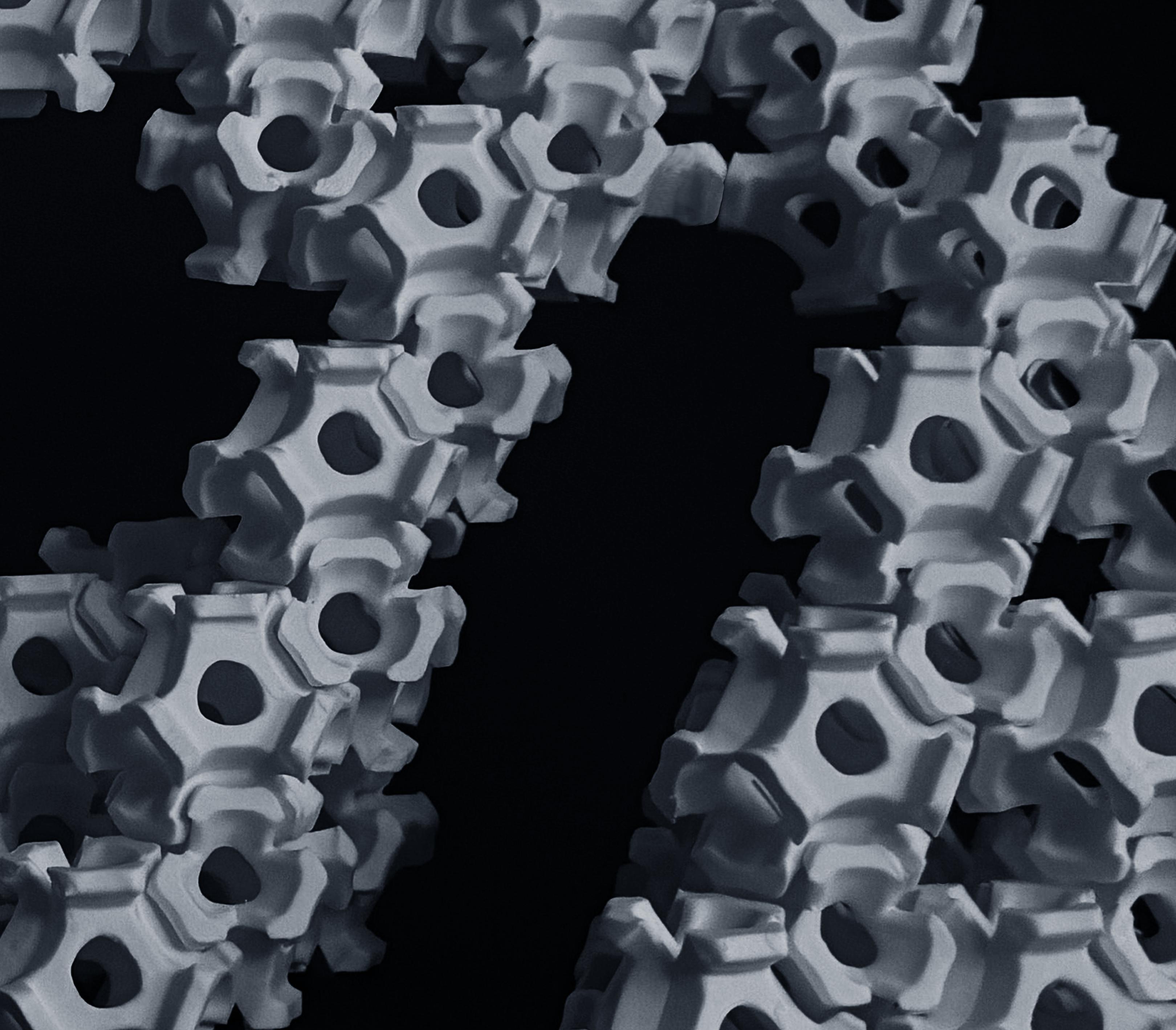
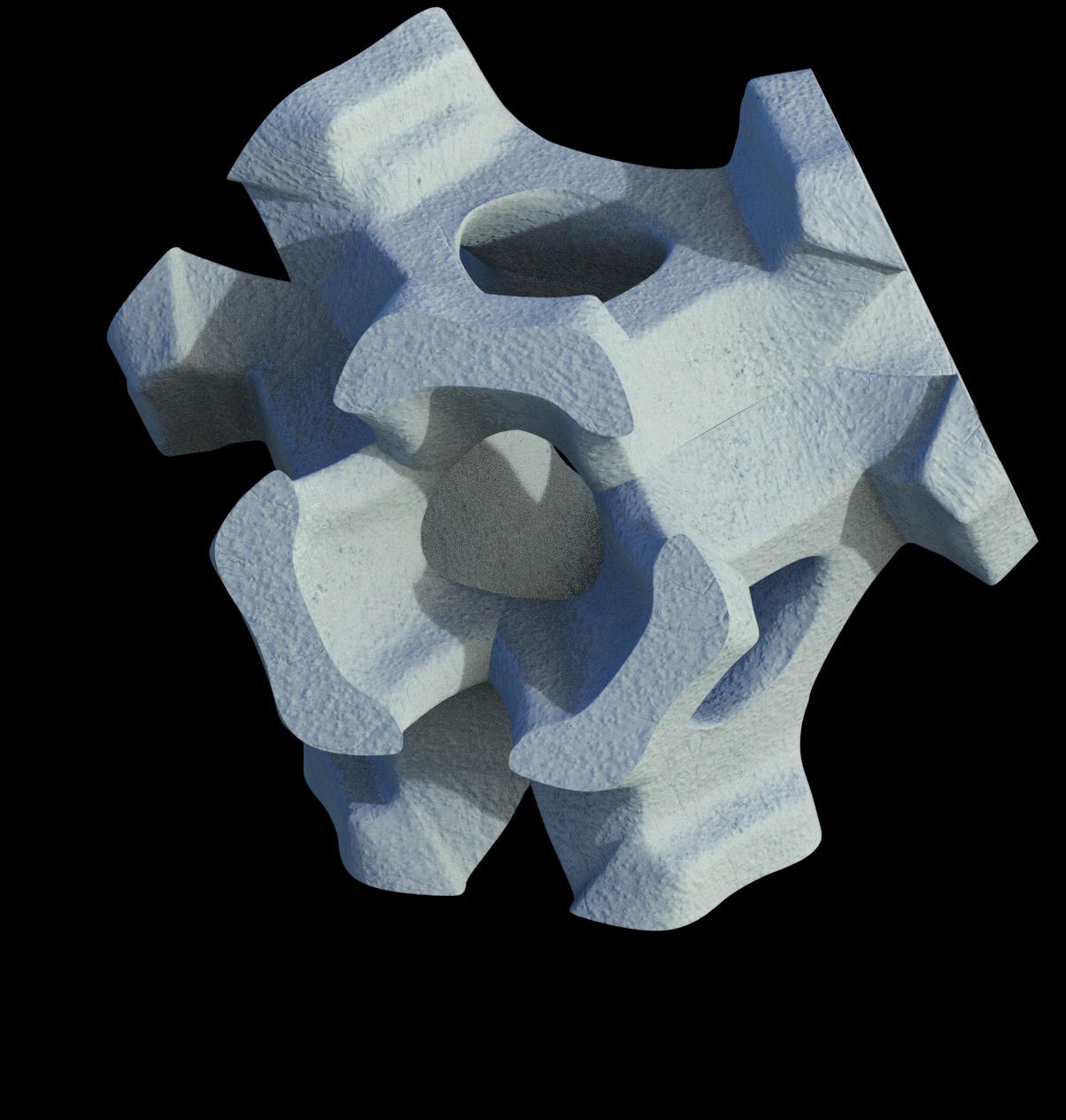
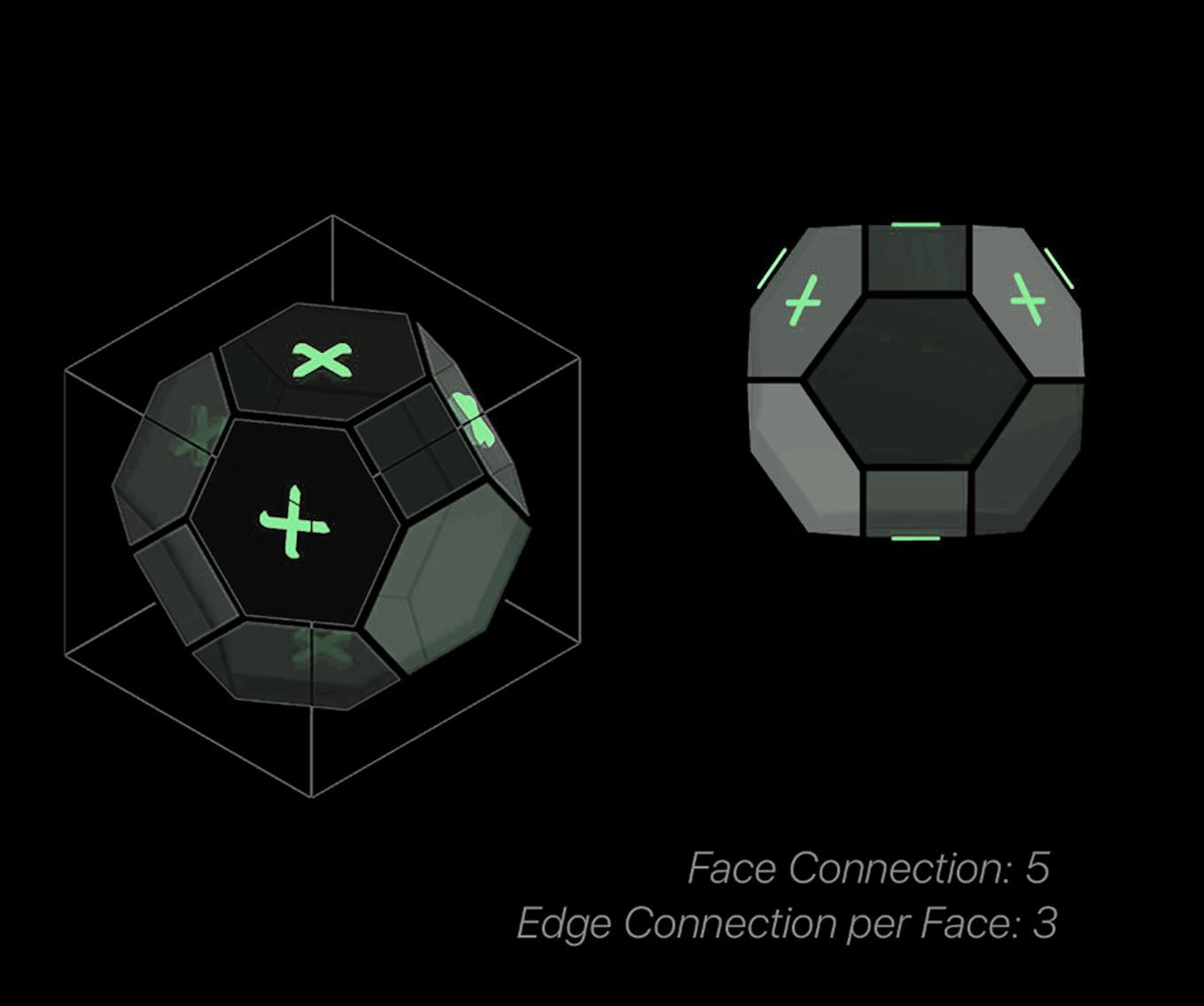
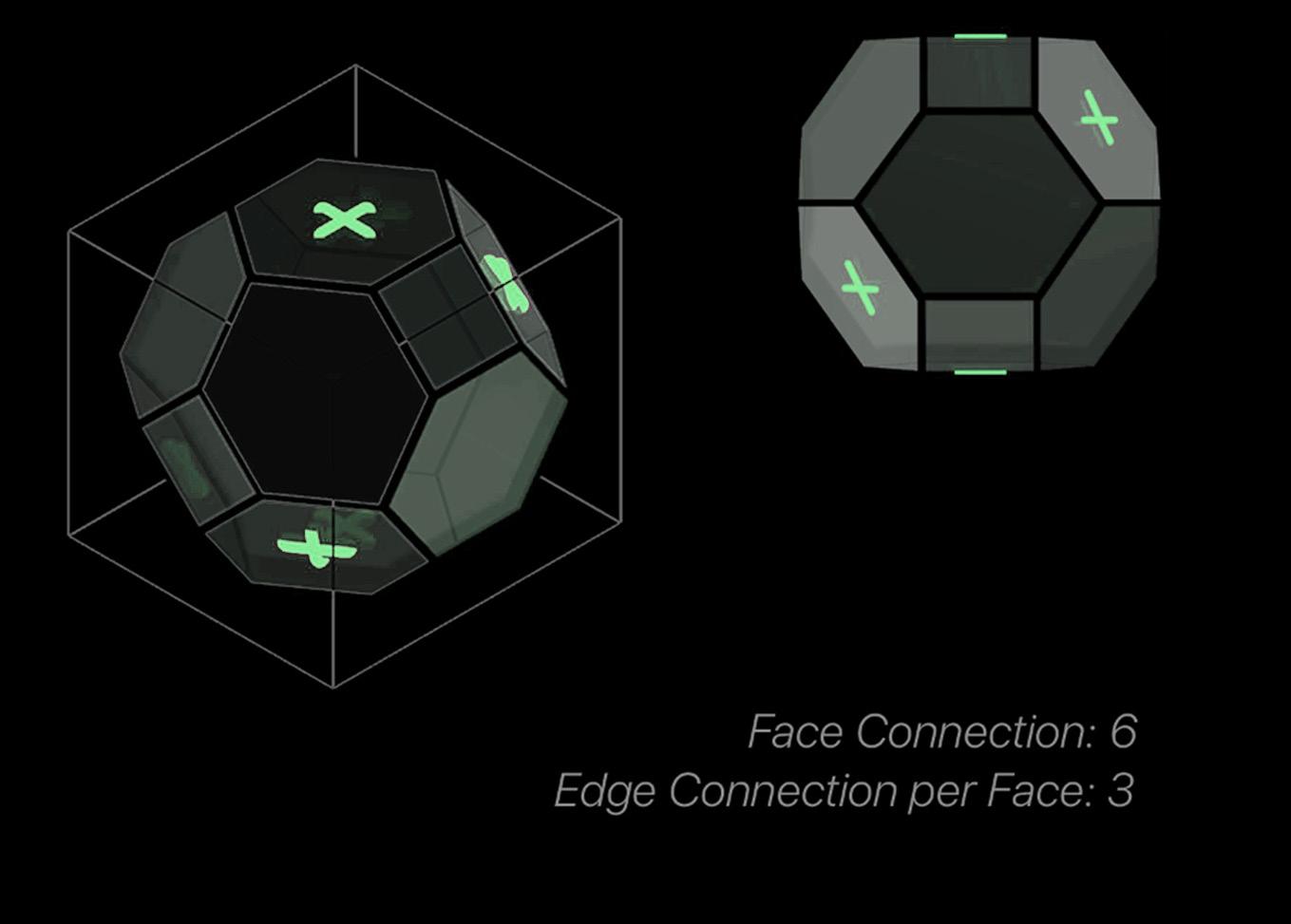
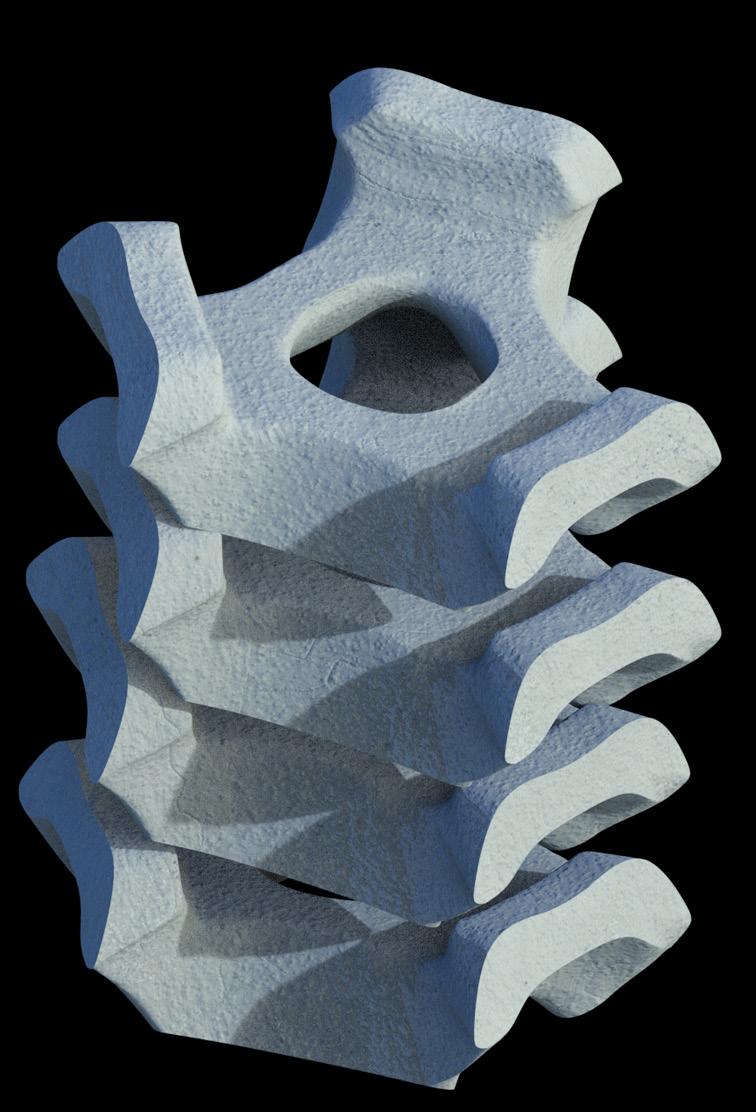
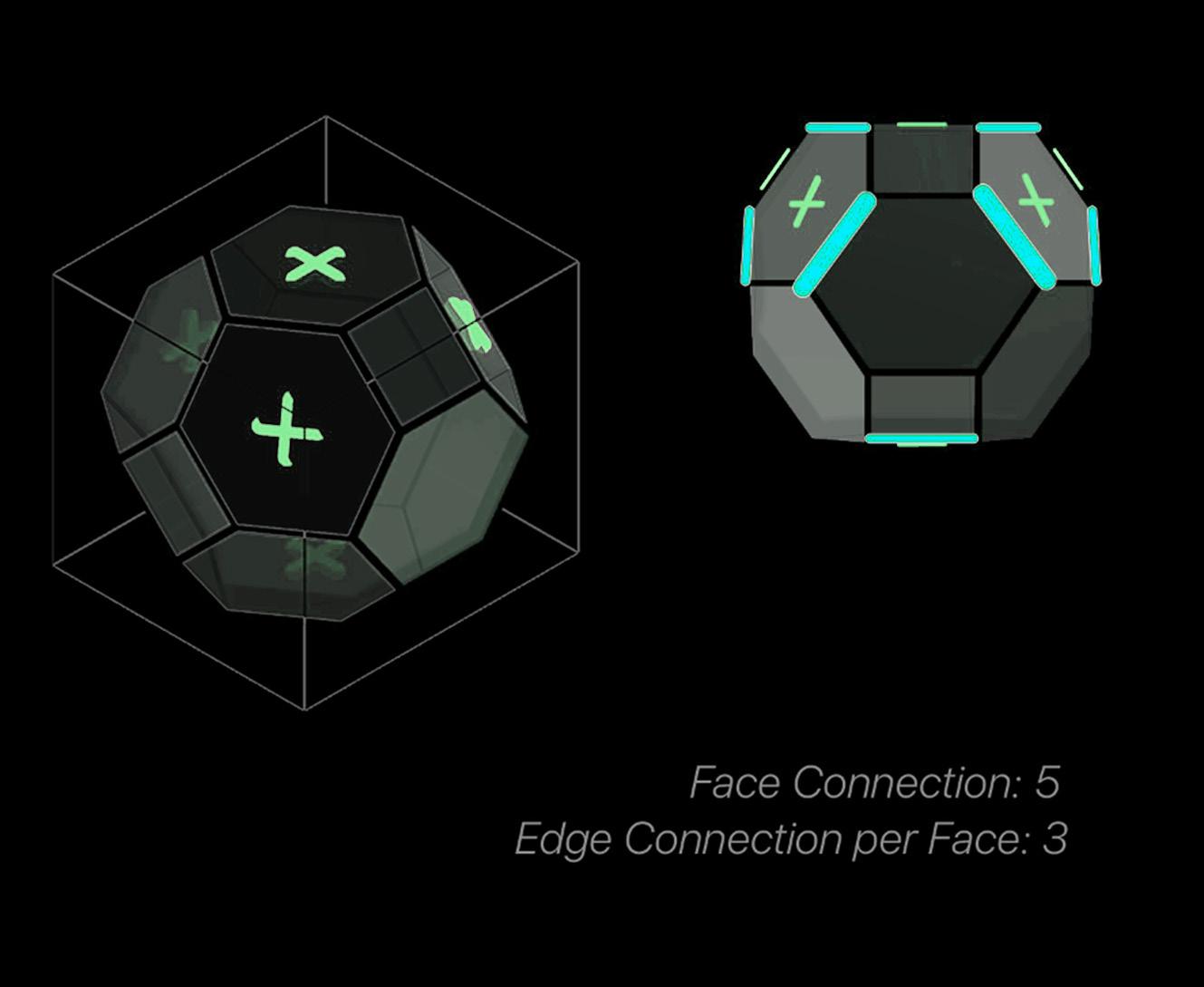
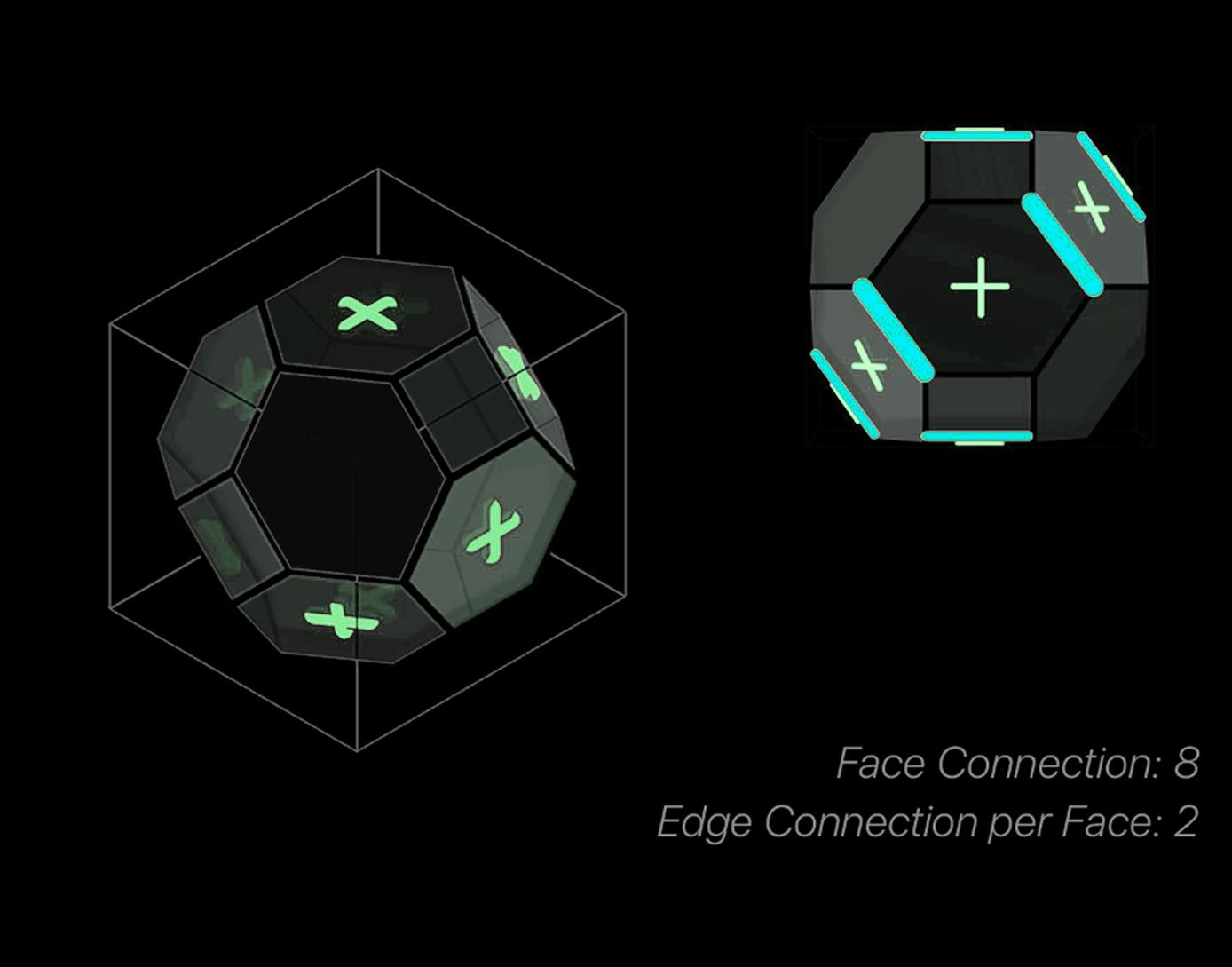
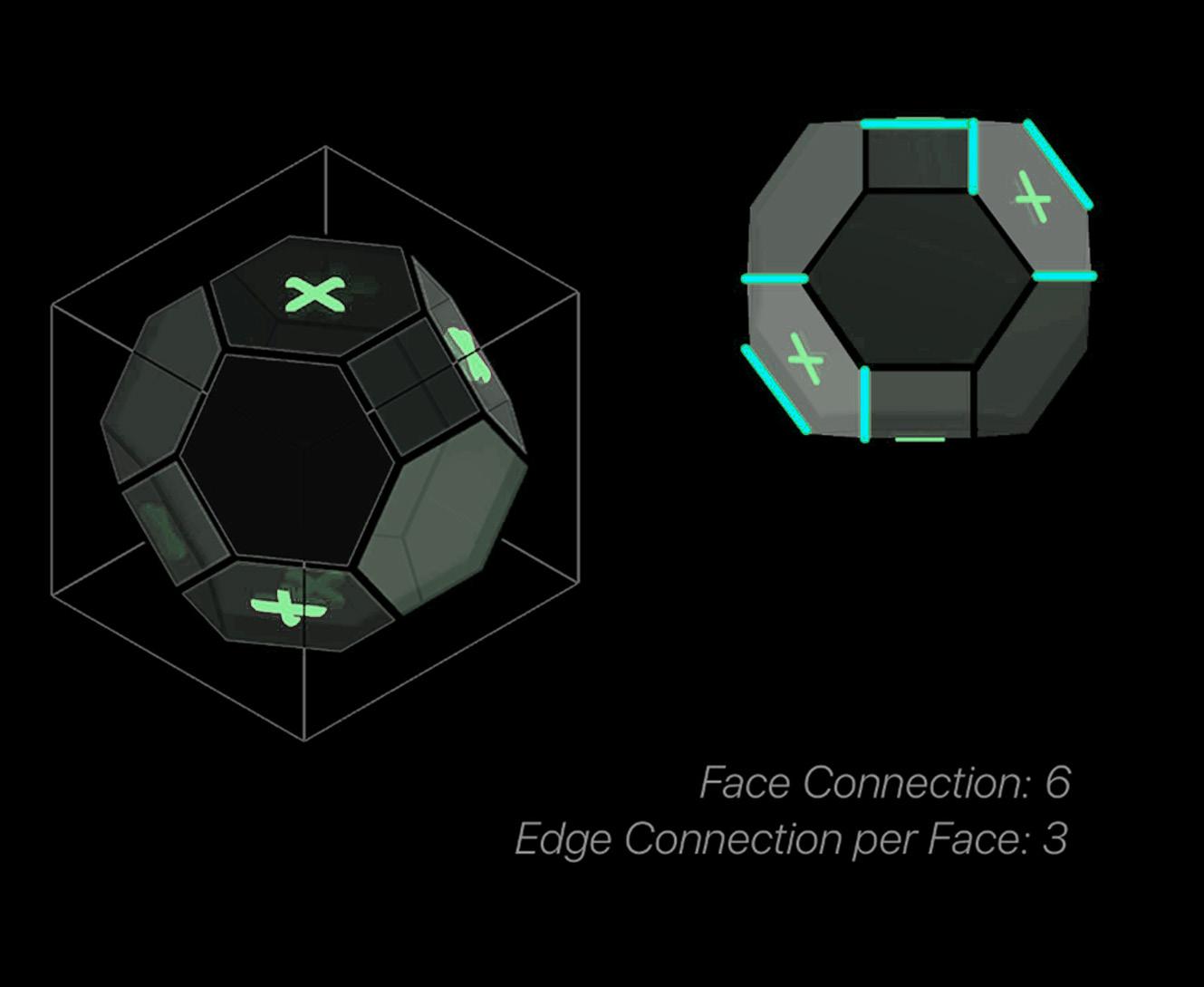
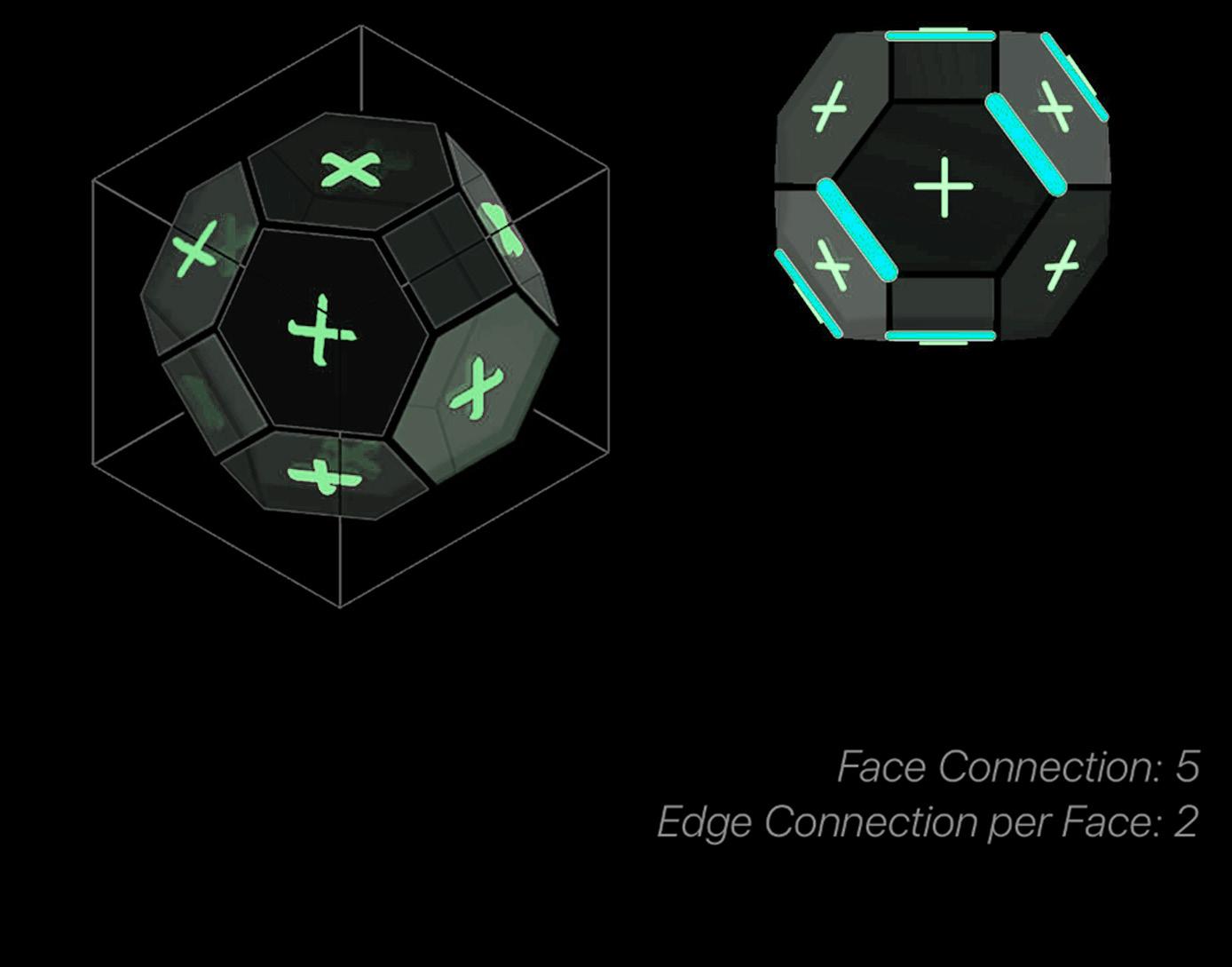
The design integrates a system derived from an octahedral-based geometry, using its logic of symmetric faces to enable controlled aggregation. The first step was to articulate each face as a moldable surface, ensuring that the concrete prototypes could be cast efficiently and consistently. However, upon fabricated, the physical model exhibited an emergent behavior: the faces did not merely align but initiated a self-registering interlock, suggesting a latent structural intelligence within the unit. This emergent interlocking system allowed the units to stack, rotate, and aggregate autonomously, transforming a simple mold-driven design into a structurally expressive and spatially adaptable module.
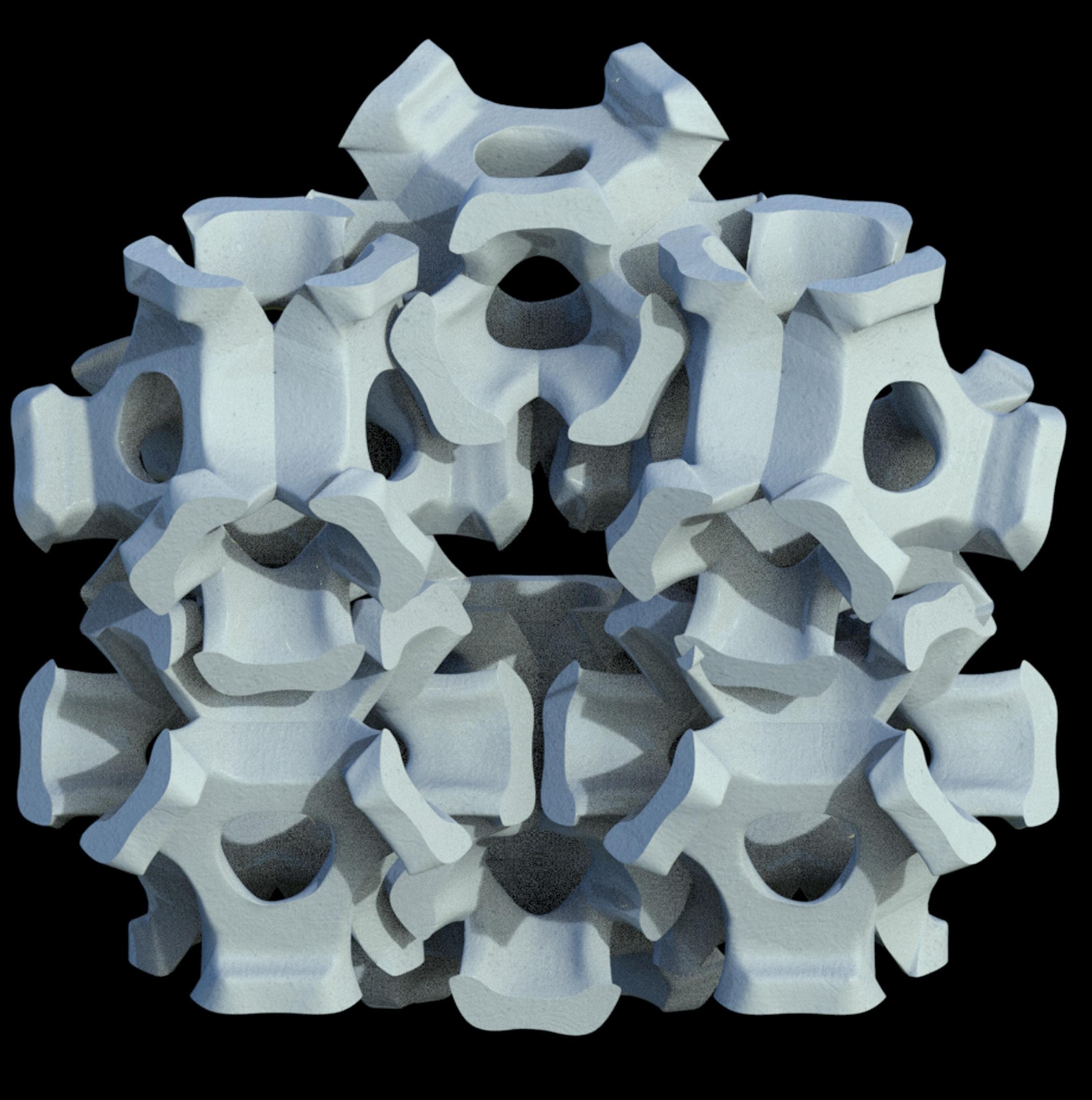
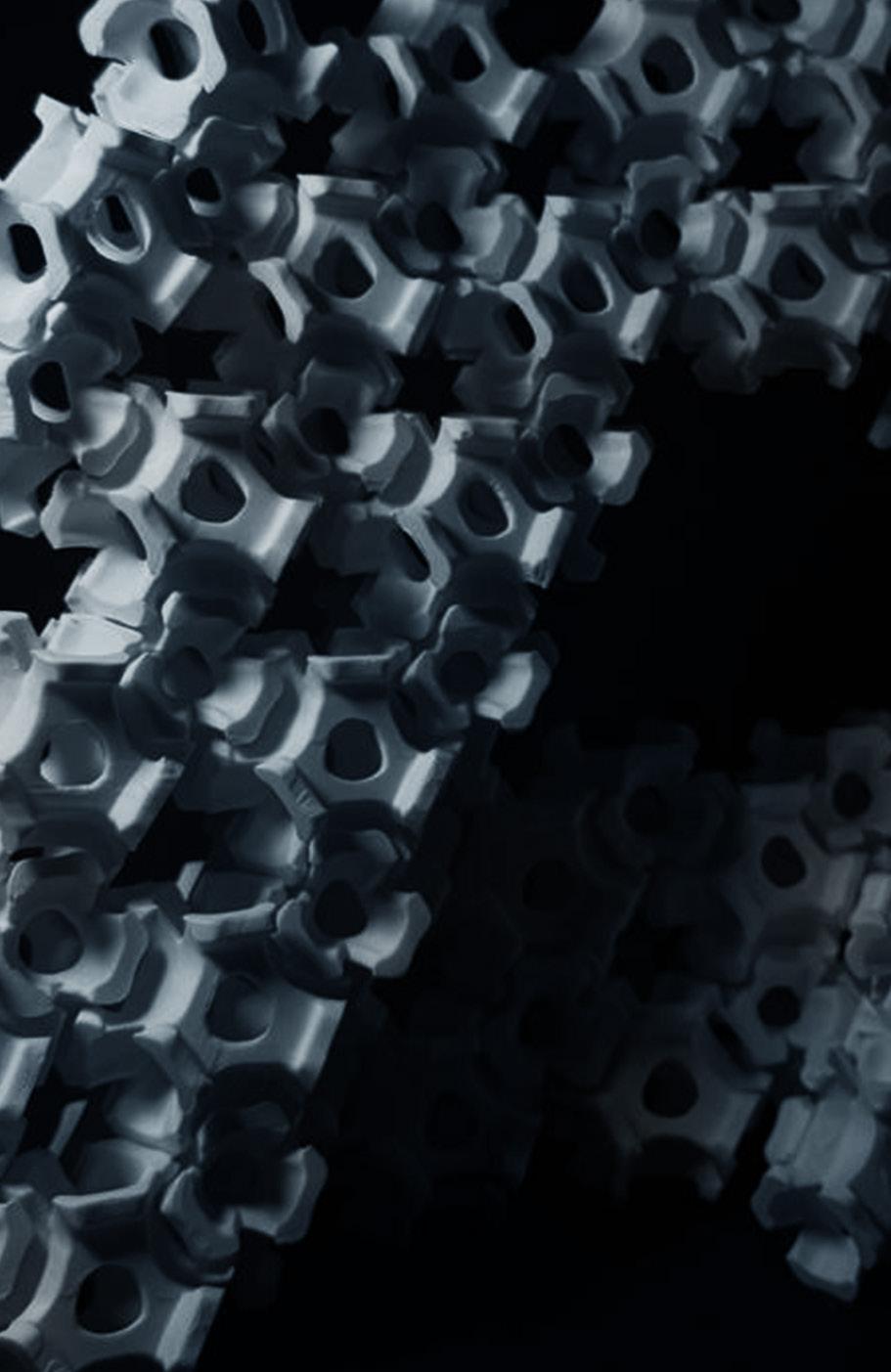
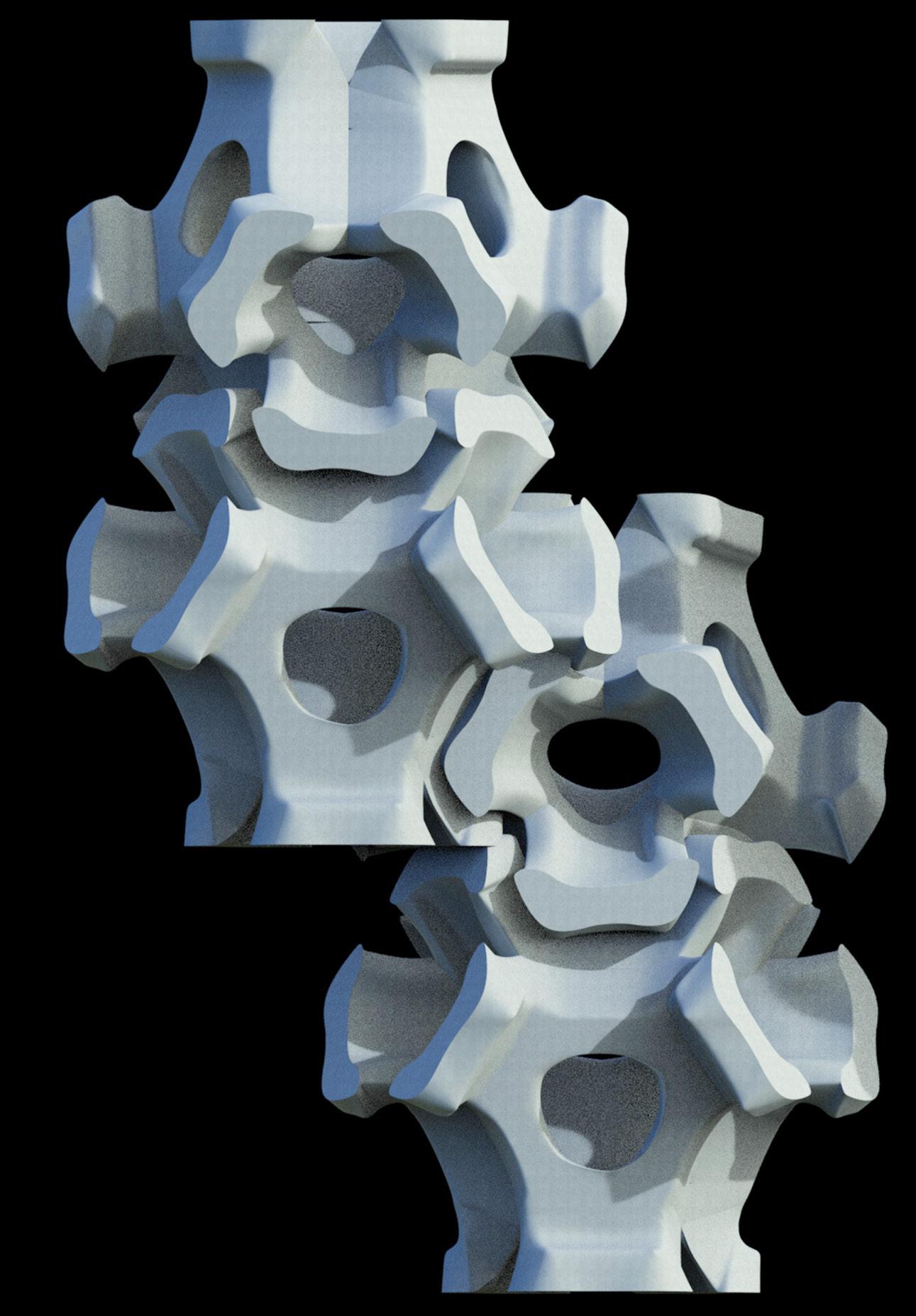
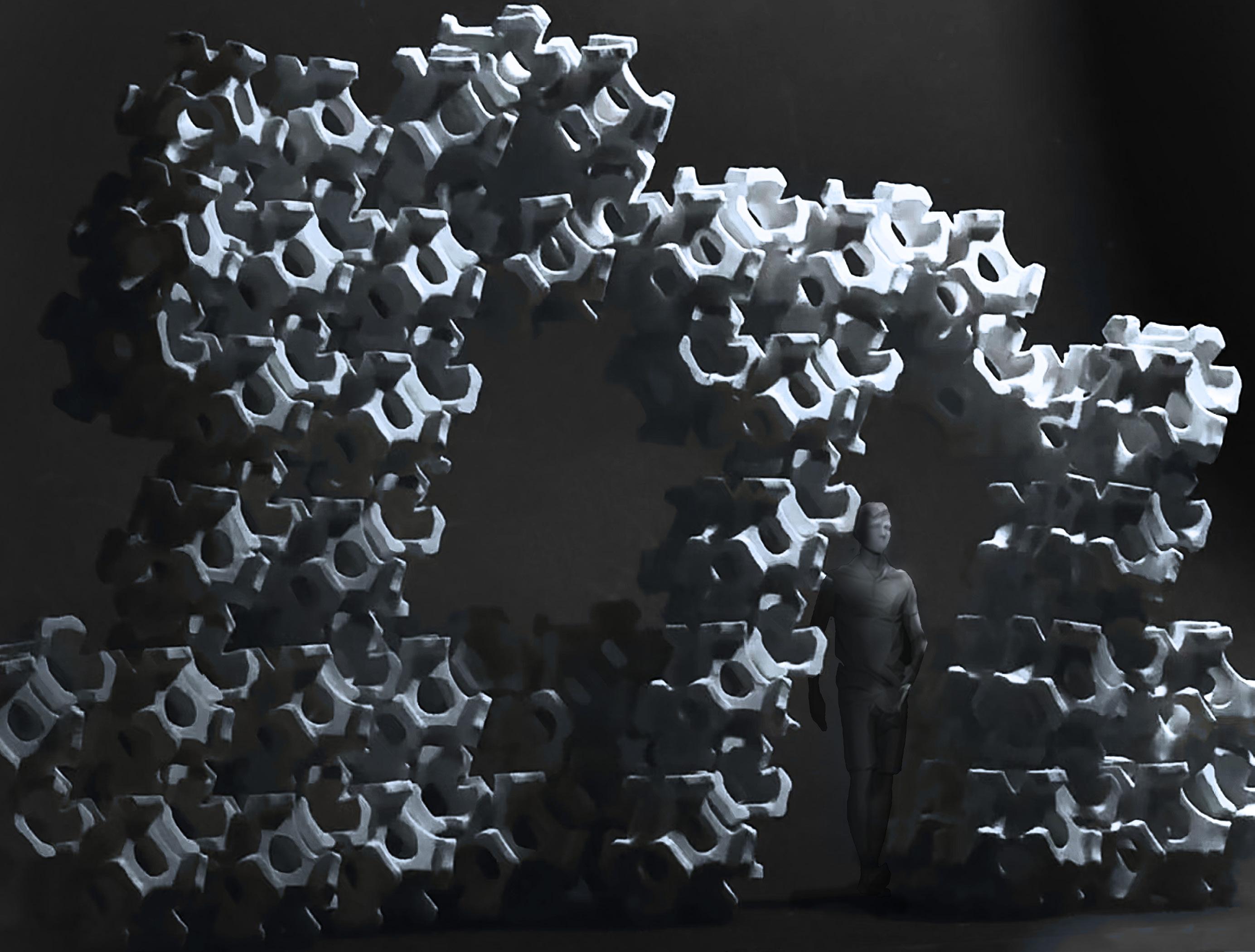
The physical exploration revealed an autonomous behavior within the system, exposing capacities far beyond the initial design assumptions. As the units aggregated, the geometry demonstrated a self-directed logic—one that emerged not from prescriptive intent but from the inherent intelligence of the form itself.
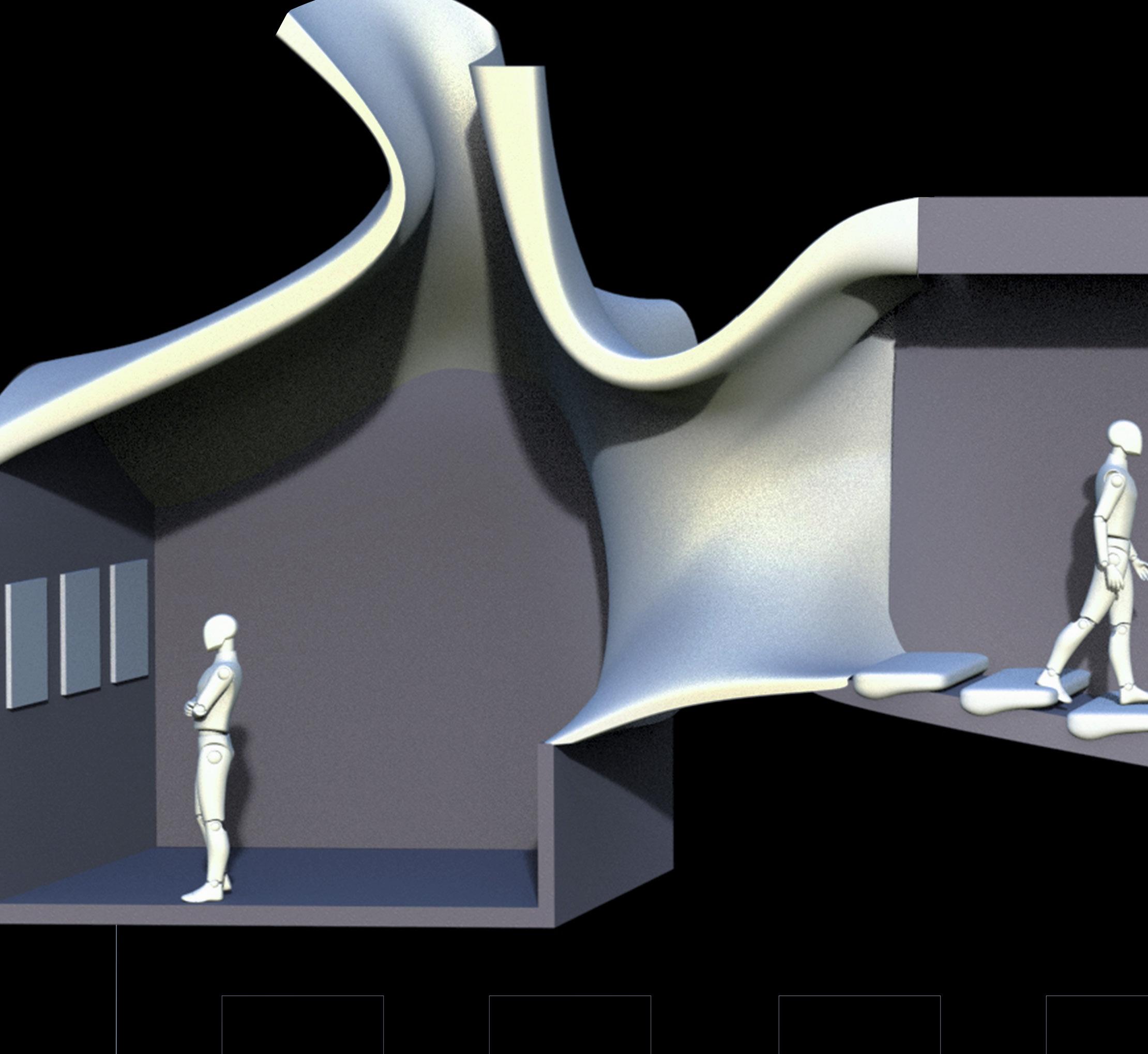
The design sculpts a spatial instrument for bringing light into the space. As an experimental art gallery, it challenges the conventional notion of simply viewing light by transforming illumination into a haptic field of interaction. The building appears carved from light itself, drawing users into a tactile dialogue with the structure. This haptic intimacy transcends mere visual appreciation, immersing occupants in an experience that resonates deep within the senses. Through this approach, the architecture engages and inspires a bond between the environment and the human spirit through the language of touch.
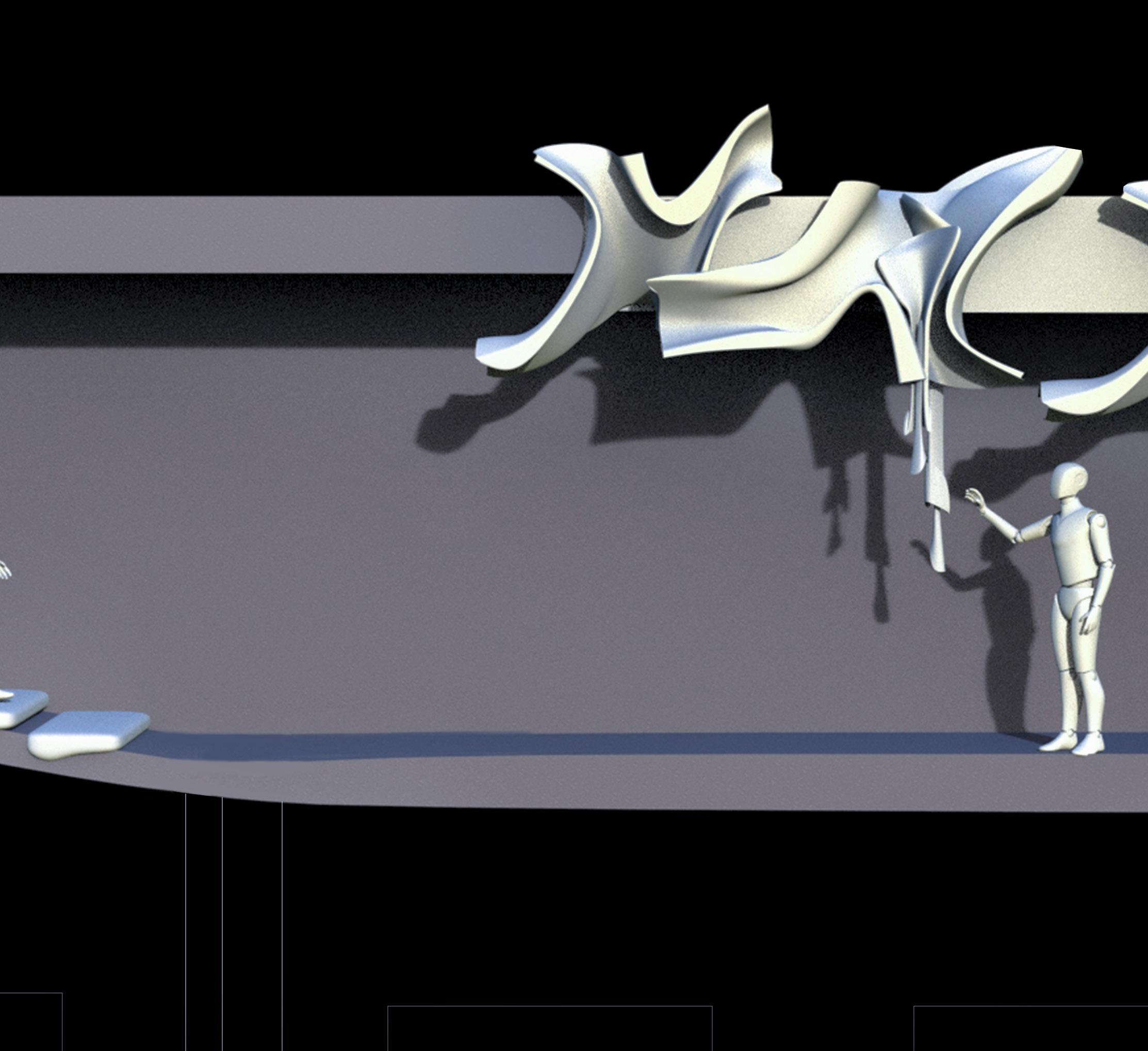

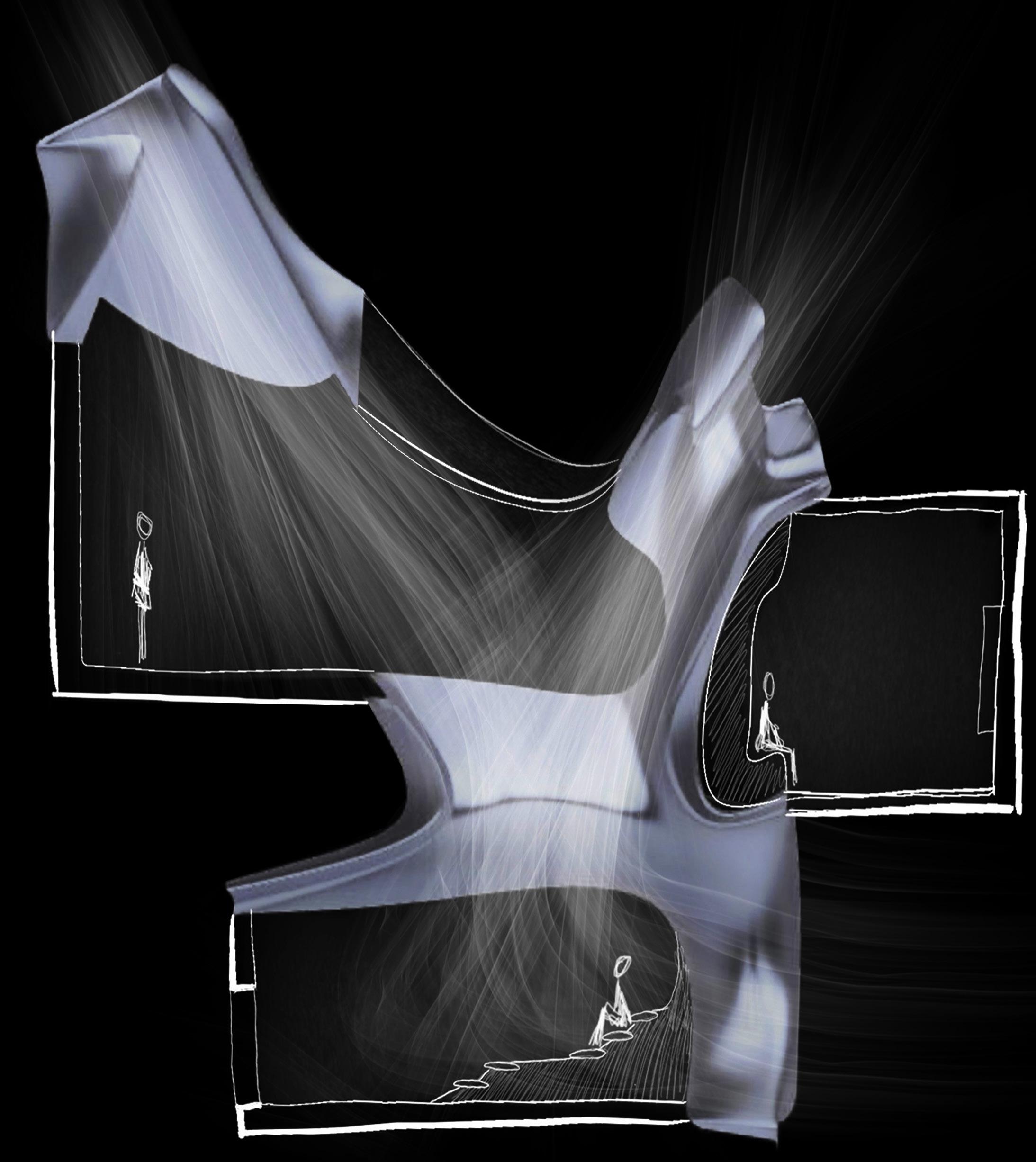
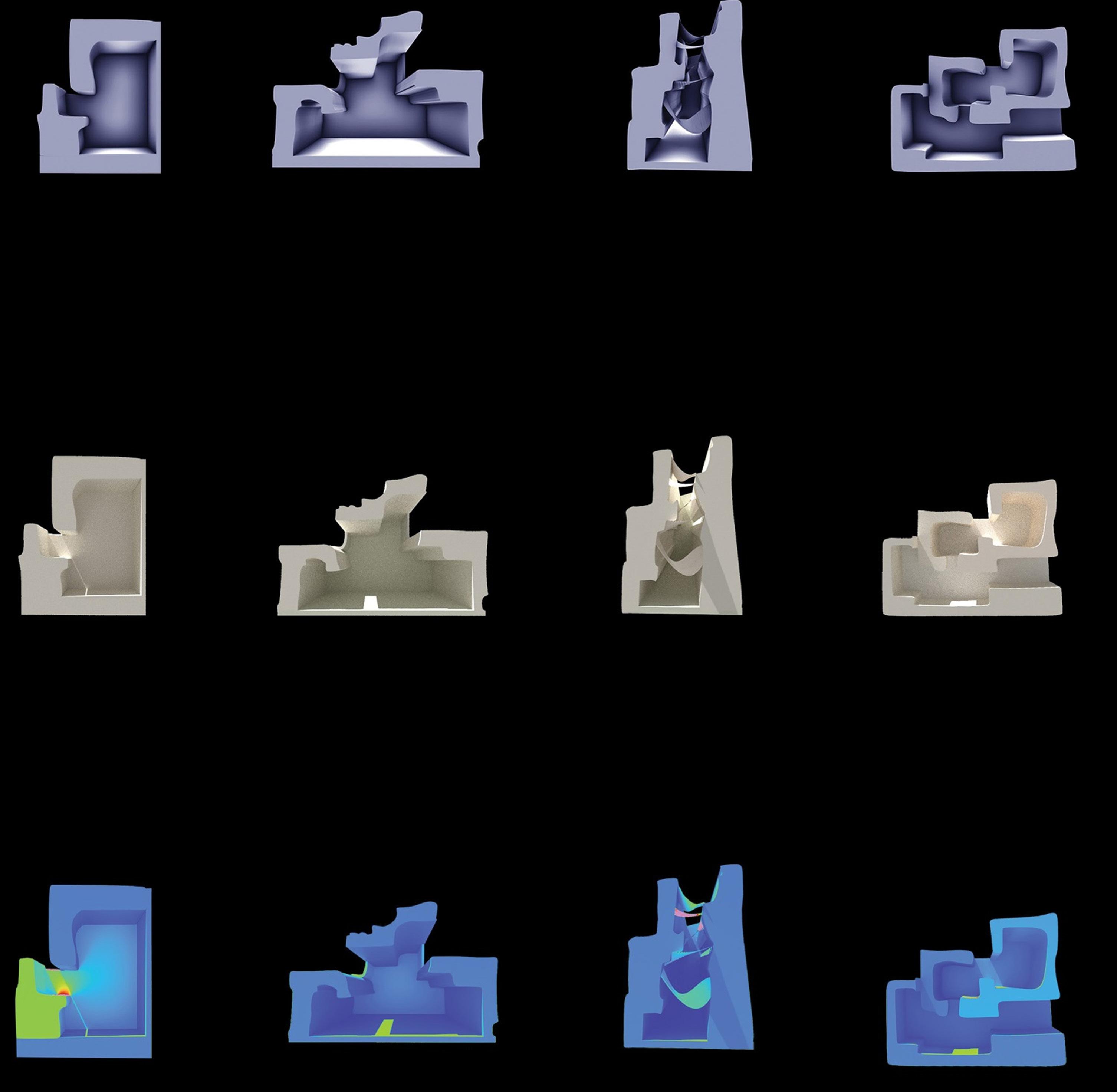
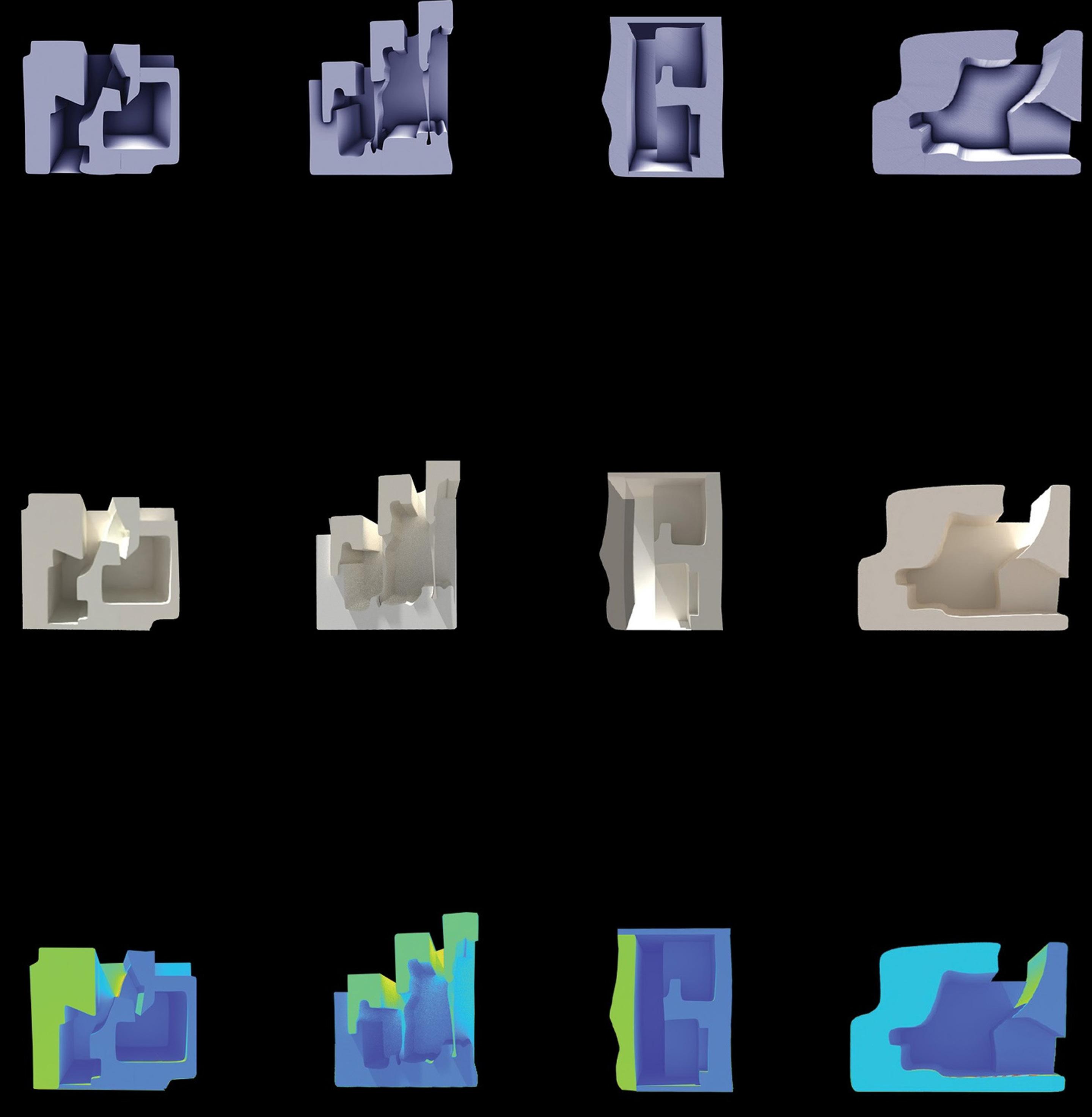
Inspired by the svpecific tree formations on the site—whose branching structures and filtered apertures shape how light enters the park—the project developed a series of lighting-strategy vessels that reinterpret this natural logic architecturally. Using ClimateStudio daylight simulations, the project investigated multiple light strategies—diffuse washes, concentrated shafts, indirect reflection, and deep ambient glow—to understand how form could choreograph luminous atmospheres. These simulations informed a feedback loop between design, material behavior, and spatial performance, guiding the refinement of the final typology. Through this process, light became both a generator and a regulator of space, shaping the experiential and environmental intelligence of the art gallery.
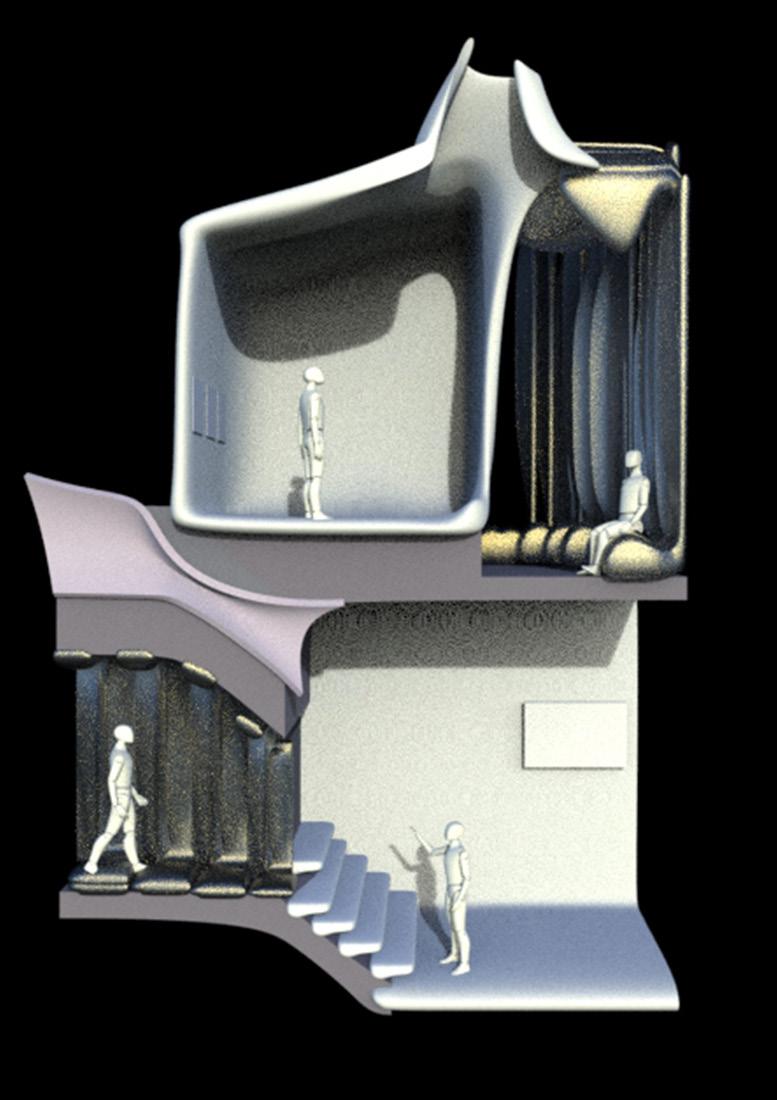
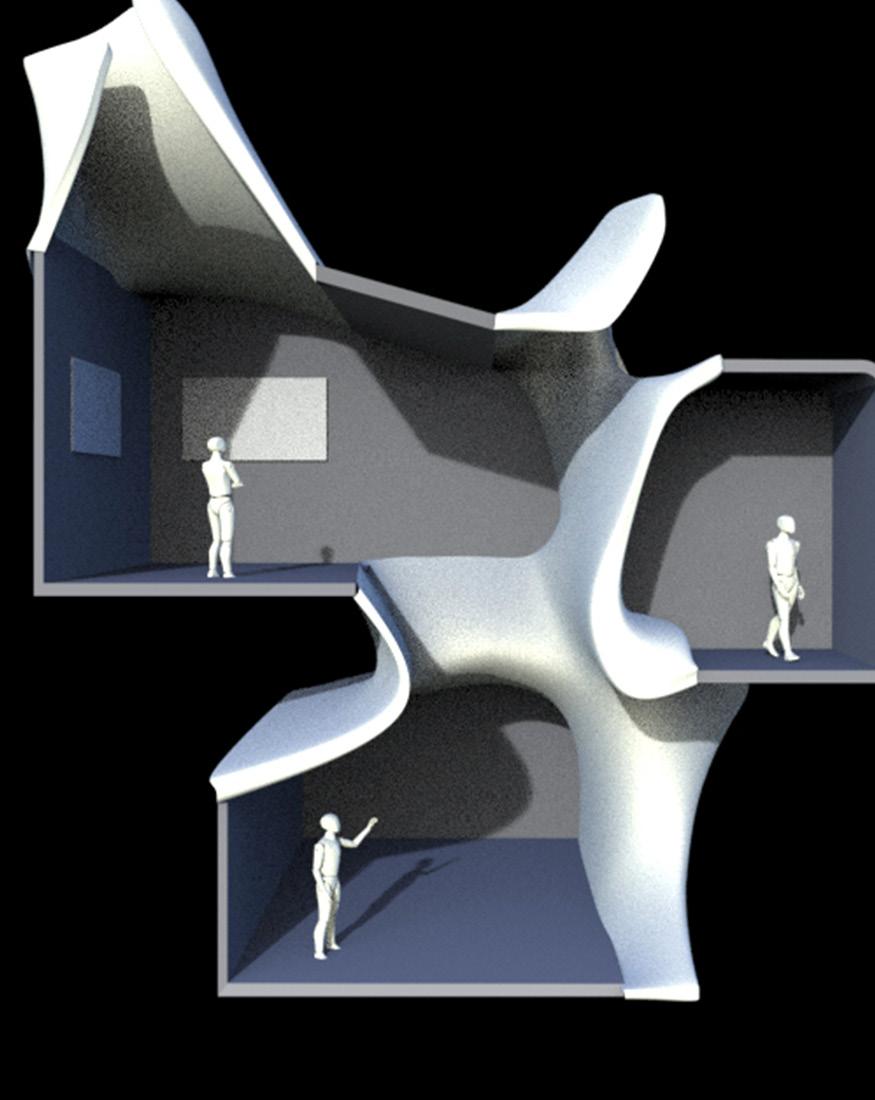
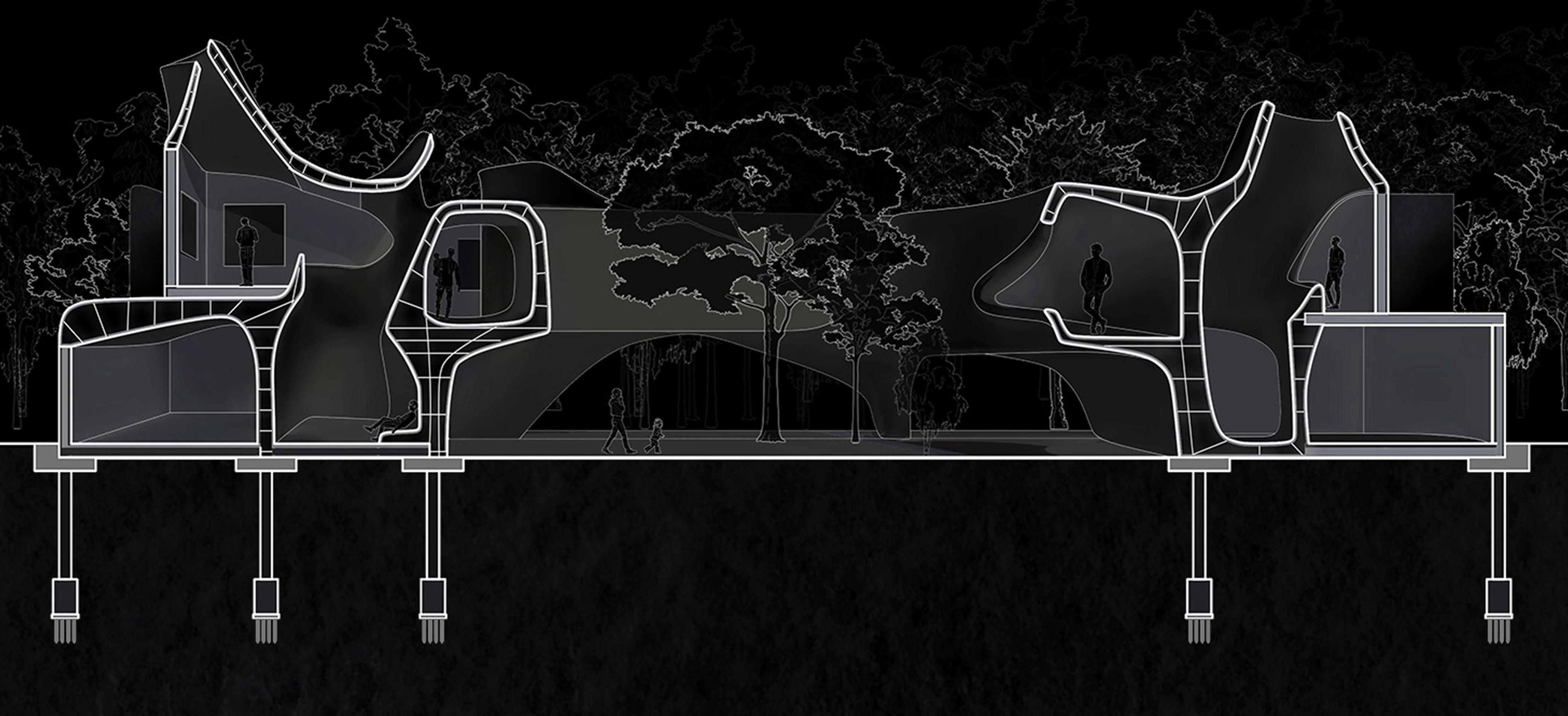
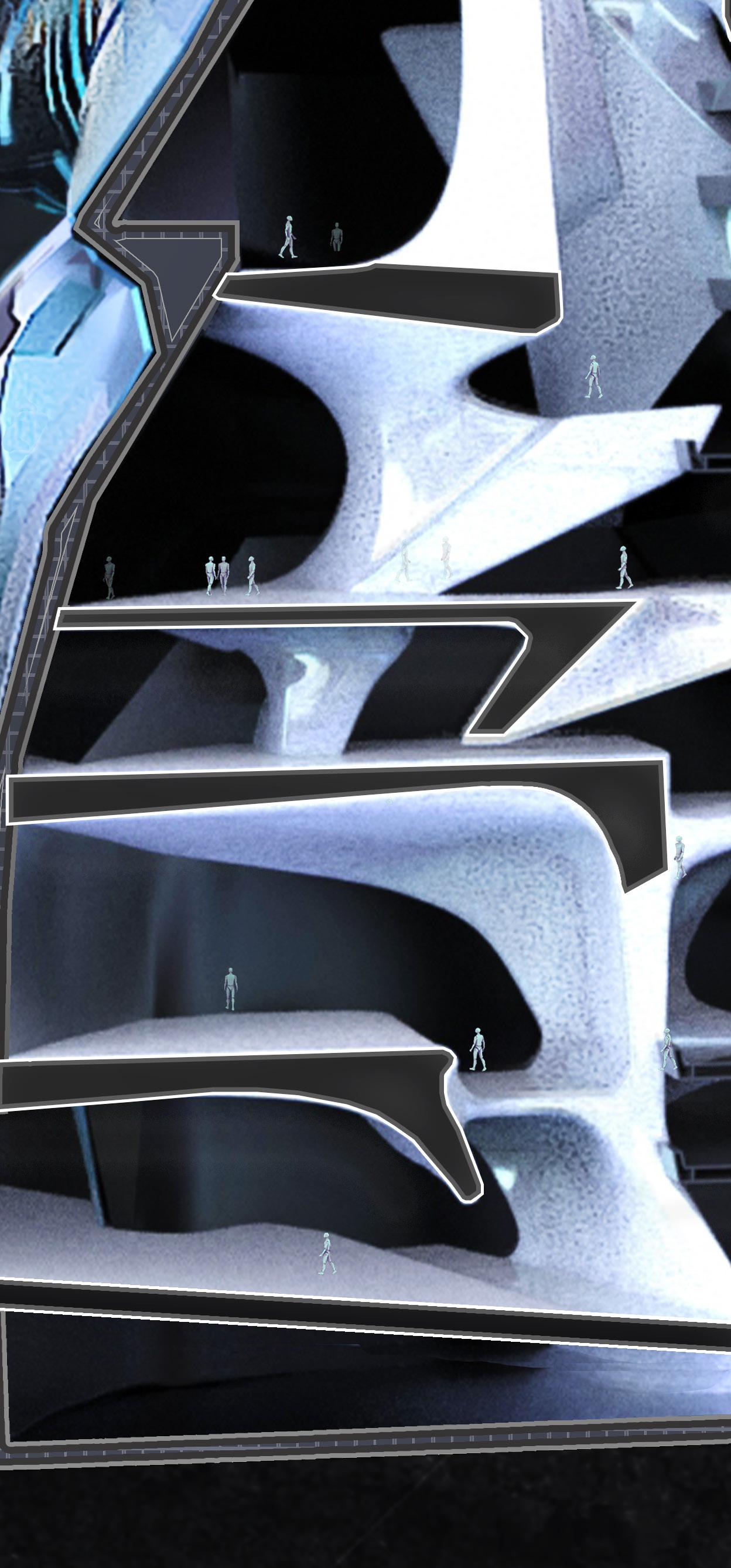
These sectional studies illustrate how the light vessels carve, channel, and modulate illumination throughout the gallery. Each volume is shaped by a calibrated interplay between convex and concave surfaces, redirecting daylight into pockets of diffused glow or concentrating it into vertical shafts. The cavities operate as spatial registers of both structure and atmosphere—thickened walls that bend, hollow, and taper to orchestrate differing intensities of light. Within the aggregated massing, these vessels align to create a sequence of luminous chambers that shift as one moves through the building. Together, the sections and rendered cuts reveal how light becomes a shaping force, generating programmatic zones, guiding circulation, and producing an immersive sensorial experience unique to the art gallery’s environmental and site-driven logic.
Mentors: Alejandro Echeverry and David Thirwell 2025 Stiles Corporation FAU SOA Fellowship Program Certification
Collaborator: Alvaro Valdez Sanches
Summer Fellowship 2025: Stiles and FAU
Outstanding Academic Achievement Stiles Fellowship in Design + Construction
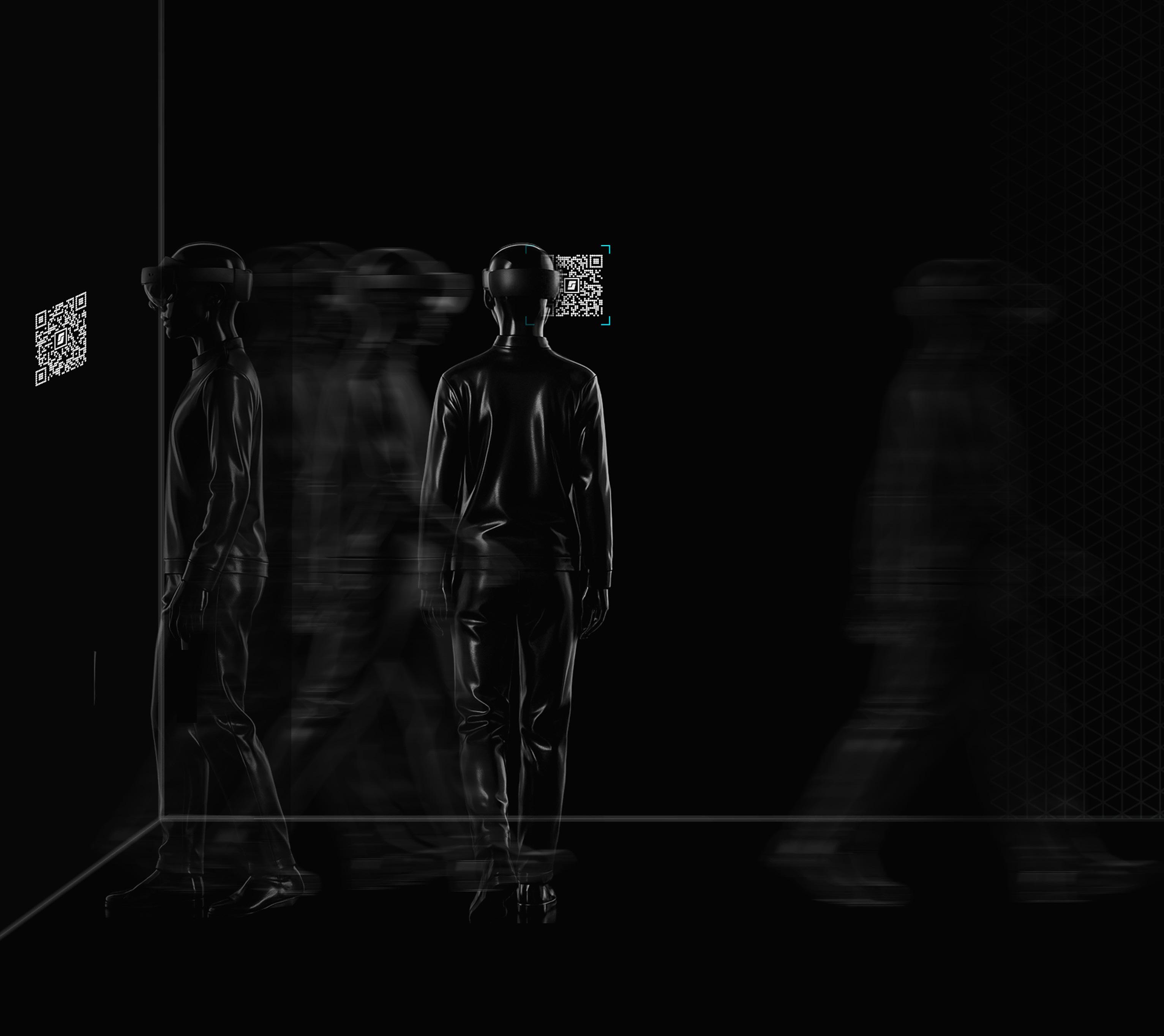
The research Project investigates the application of Mixed Reality and Artificial Intelligence in enhancing early-stage detection of building code compliance issues during construction and inspection process. Utilizing the Microsoft HoloLens 2, the system facilitates real-time on-site visualization (comparison with the BIM model), assists with code interpretation, and semi-automated compliance assessment.
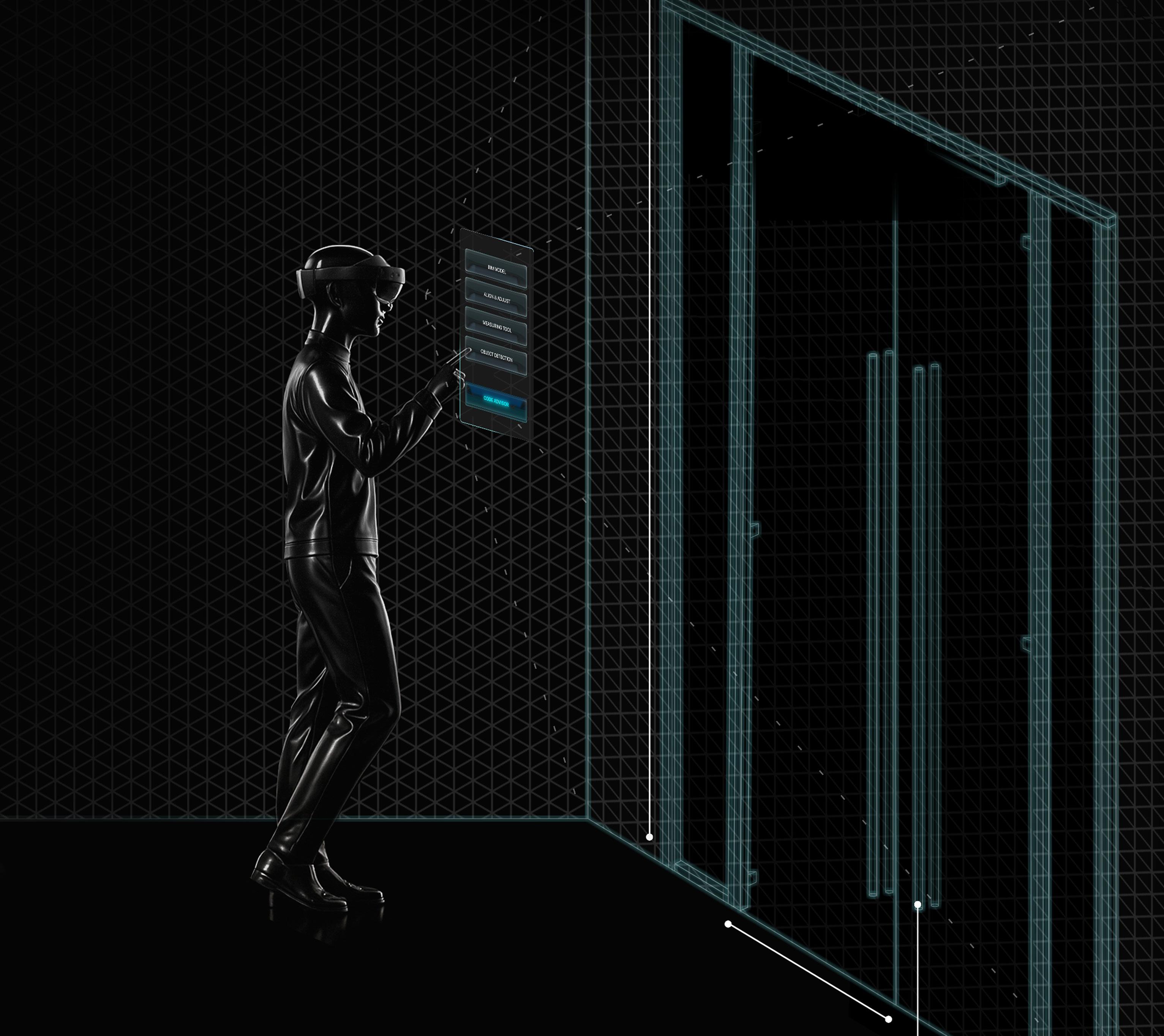

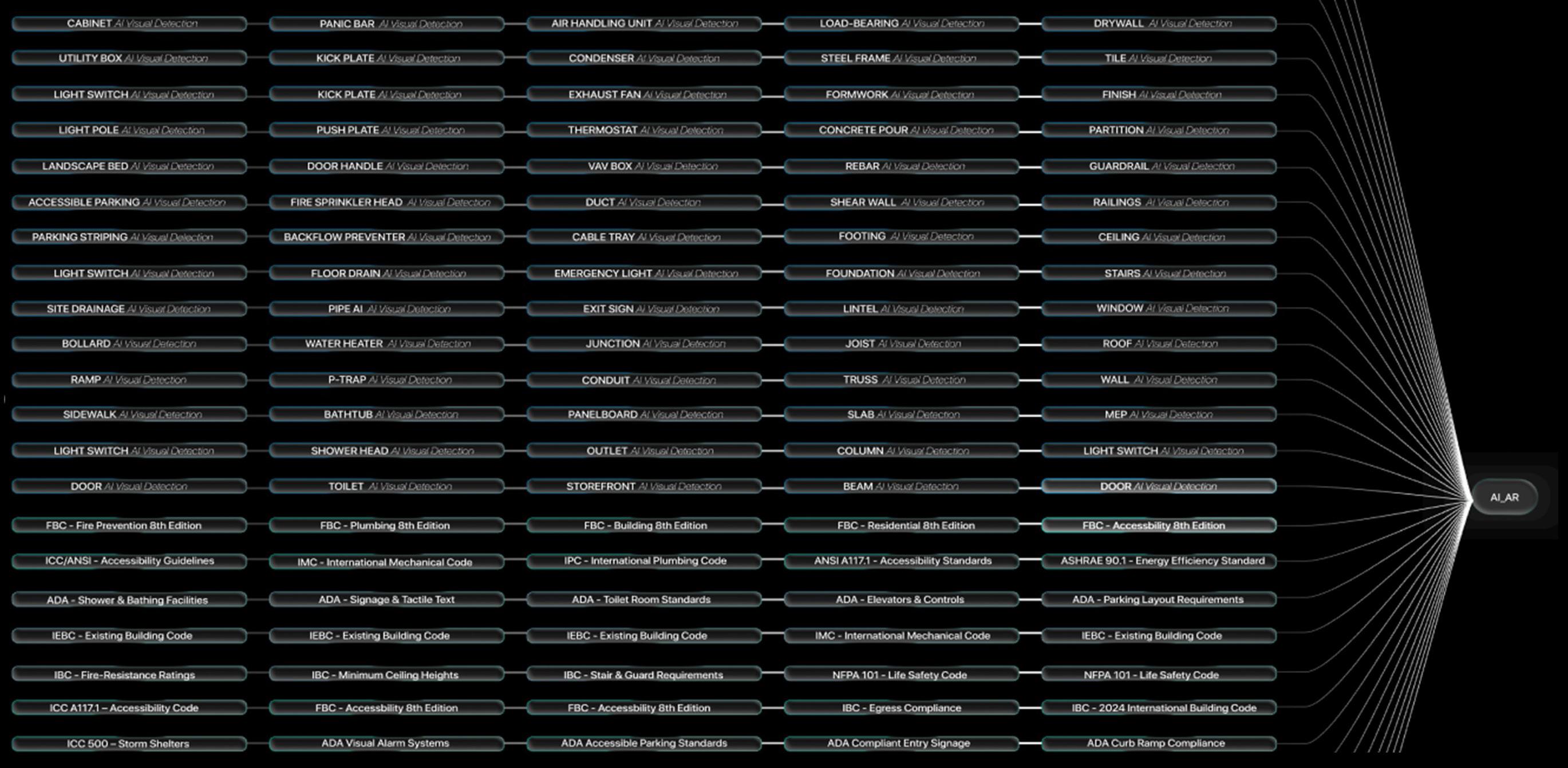
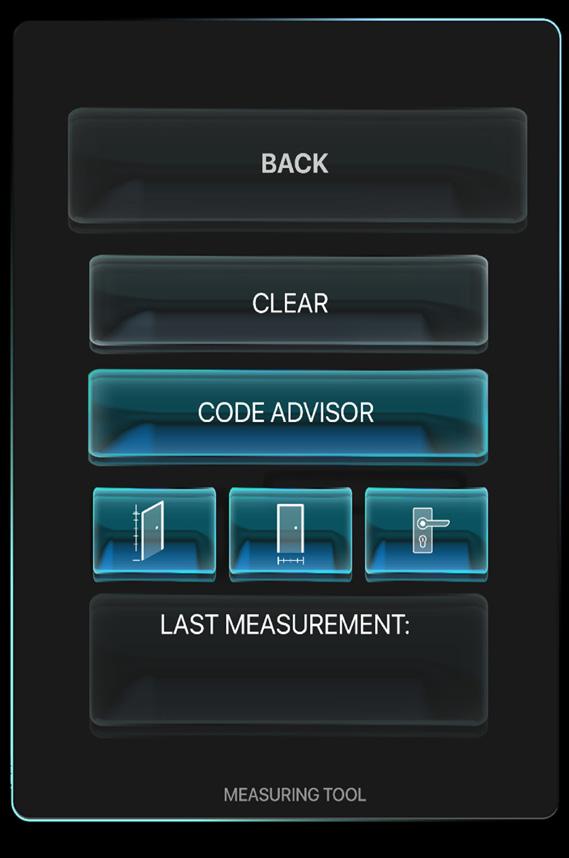
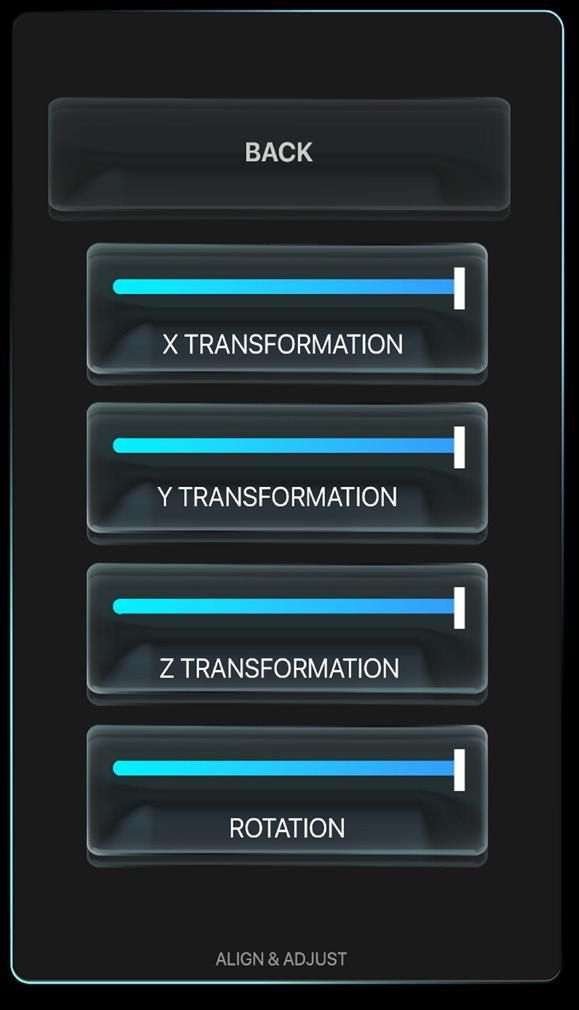
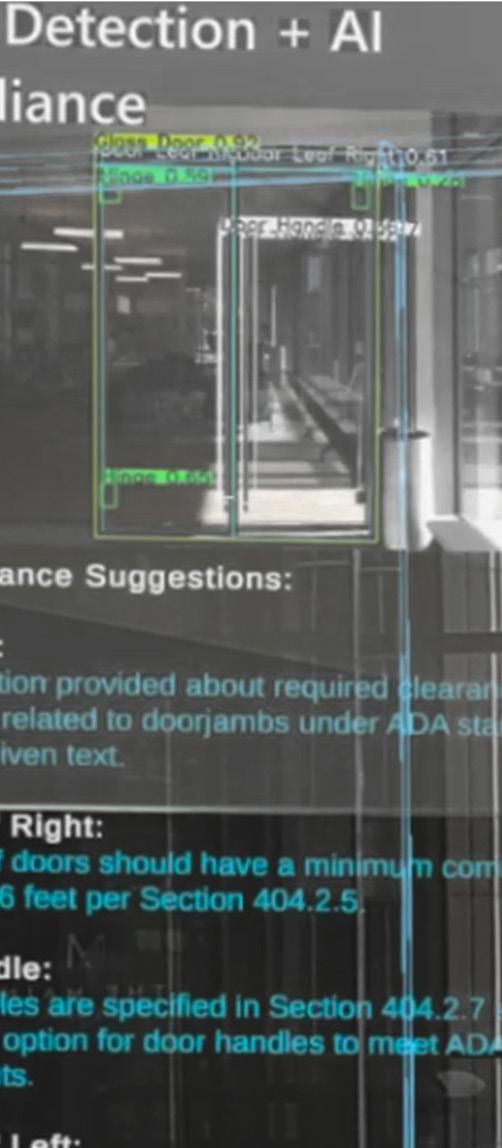
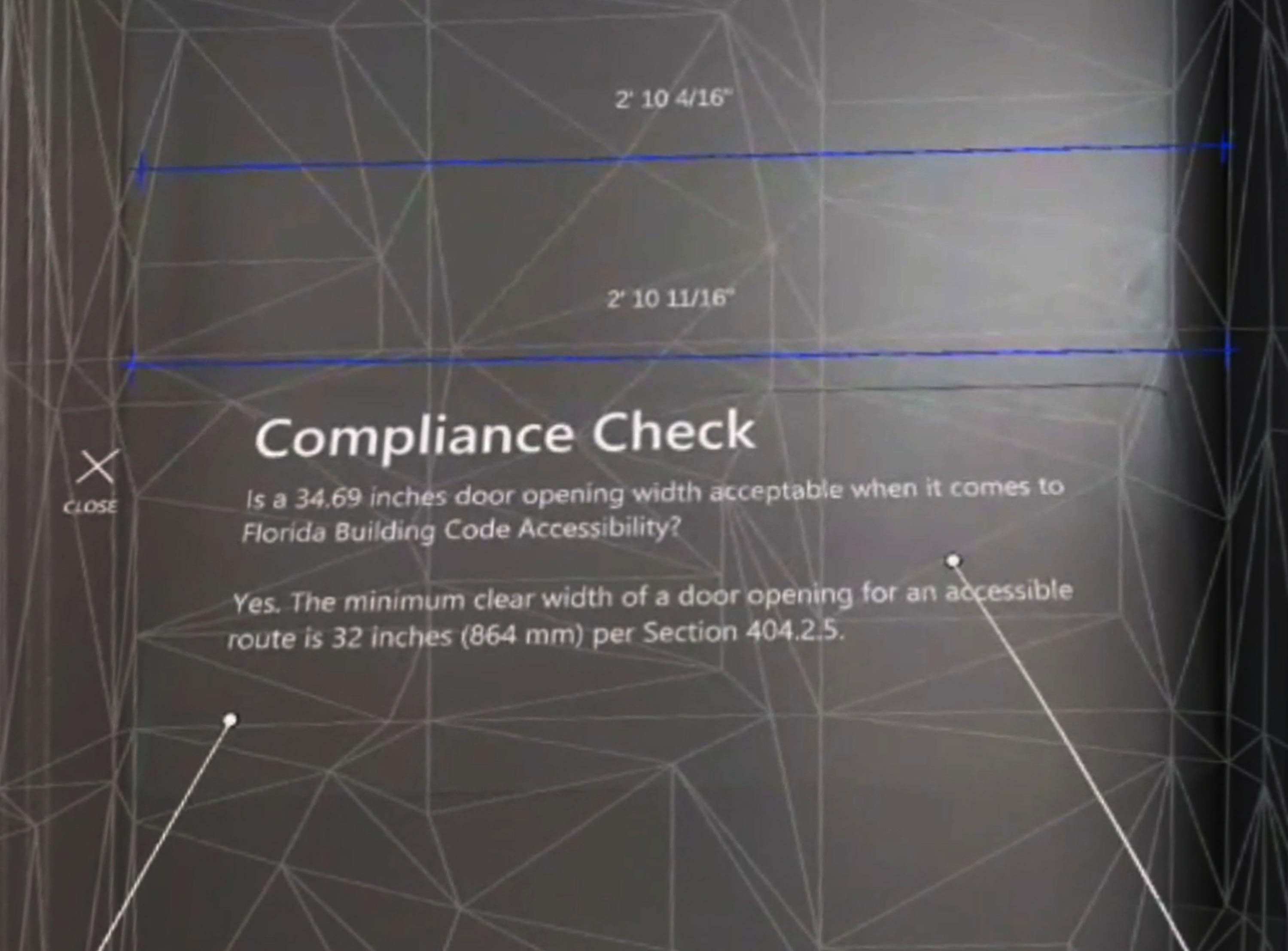
This study focuses on door units and evaluates their compliance with the Florida Building Code (FBC 8th Edition – Accessibility), specifically addressing minimum ADA door width, clearances, and hardware height requirements. By linking a Revit model to the HoloLens headset and using a QR-based calibration system, the workflow projects the BIM model onto the real construction environment so users can measure a door, input values through an interactive menu, and have the system automatically evaluate minimum width, handle height, and clearance conditions for code compliance.
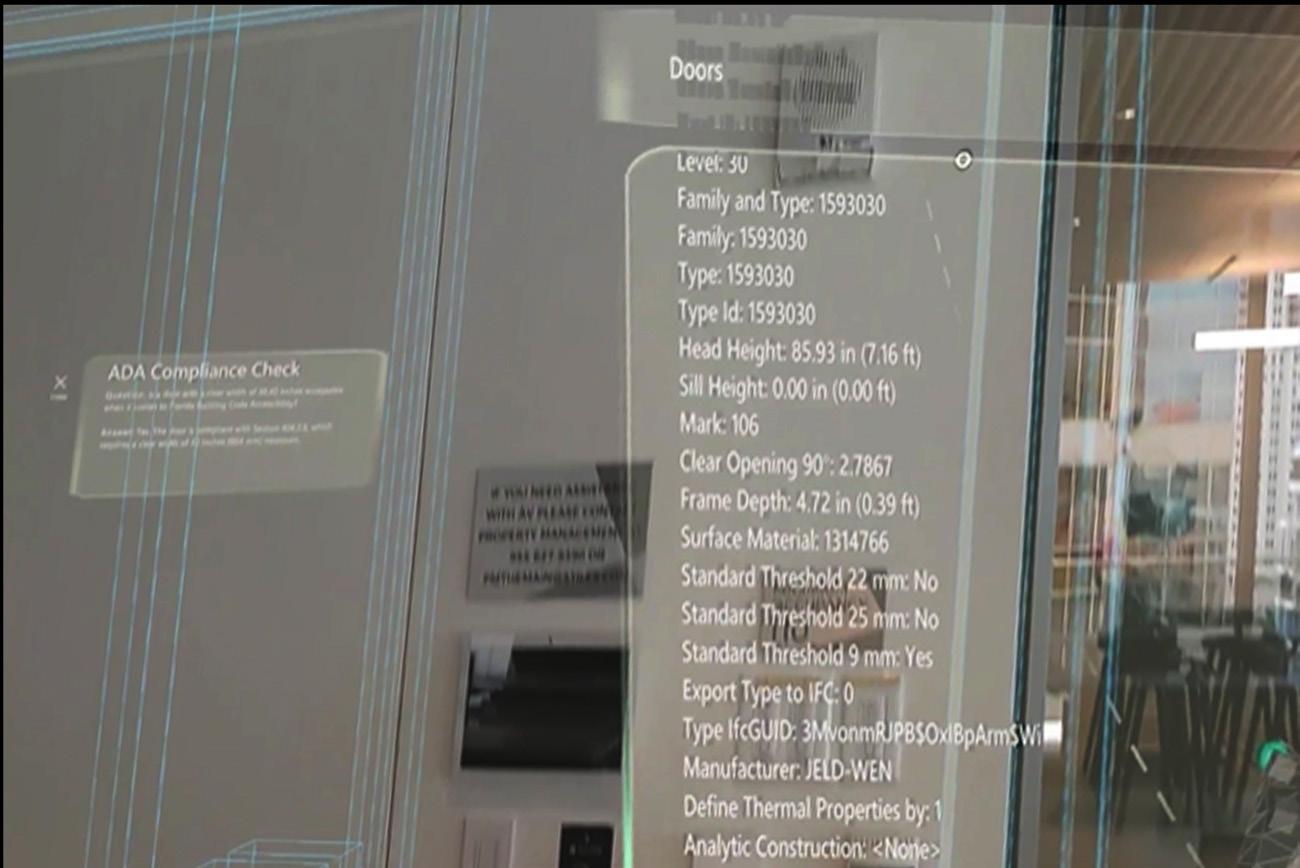
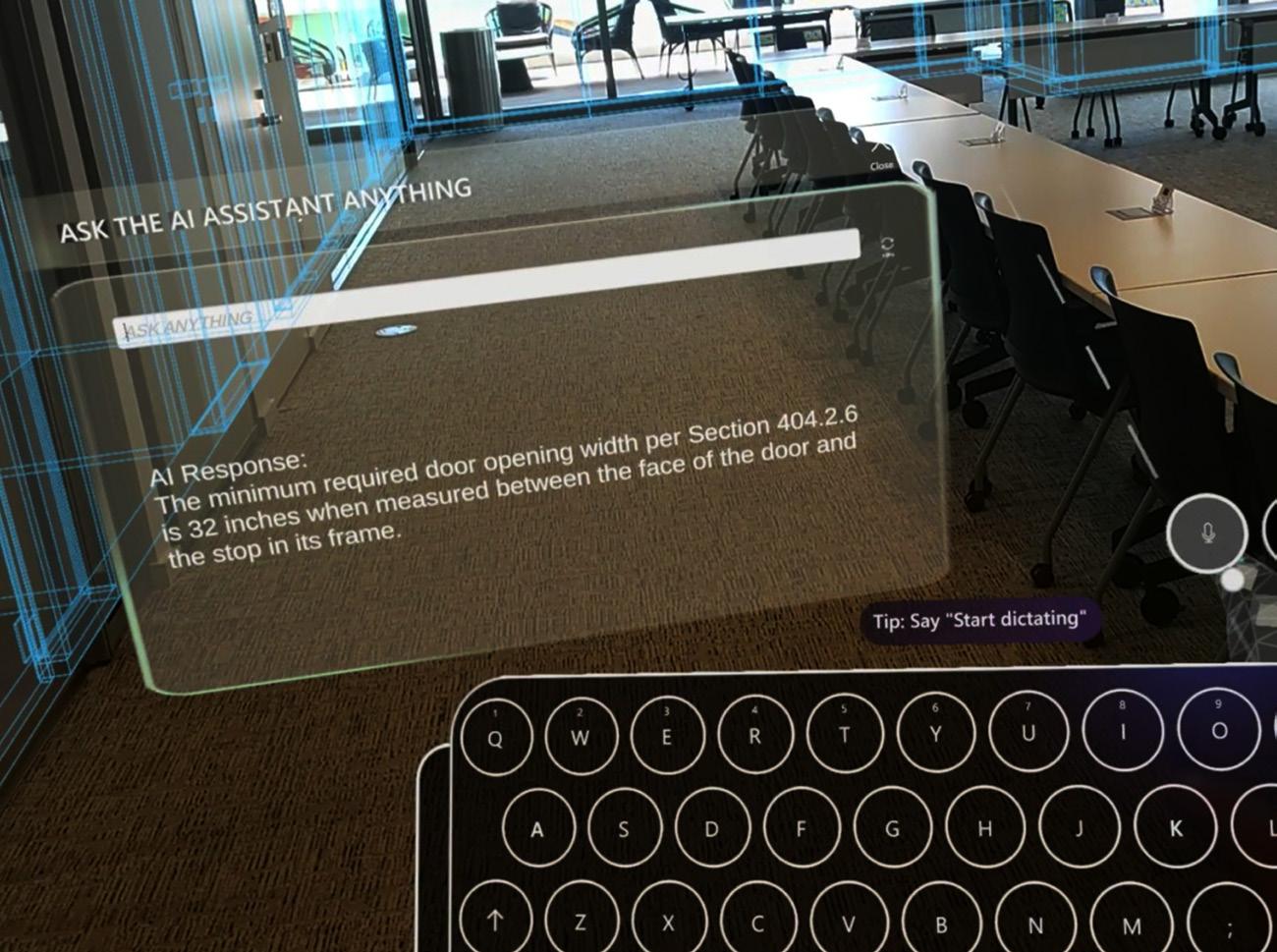
A built-in AI assistant—powered by a large language model fine-tuned on over 11,000 question–answer pairs from the FBC—allows users to ask in-situ questions such as “What is the minimum clear width for a door?” or “At what height should handles be installed?” making code interpretation a real-time, spatially embedded process. The gesture-driven interface (open palm to summon a menu that follows the hand, downward palm to lock it in space, extended hold to close, plus sliders for fine digital-to-physical alignment) enables users to navigate tools, refine overlays, and identify discrepancies with a high level of spatial awareness and accuracy.w
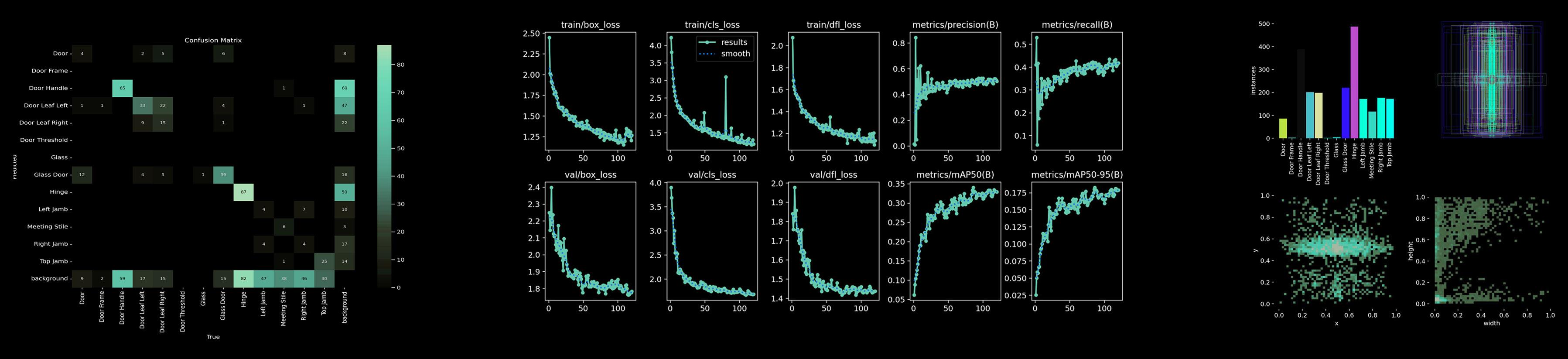
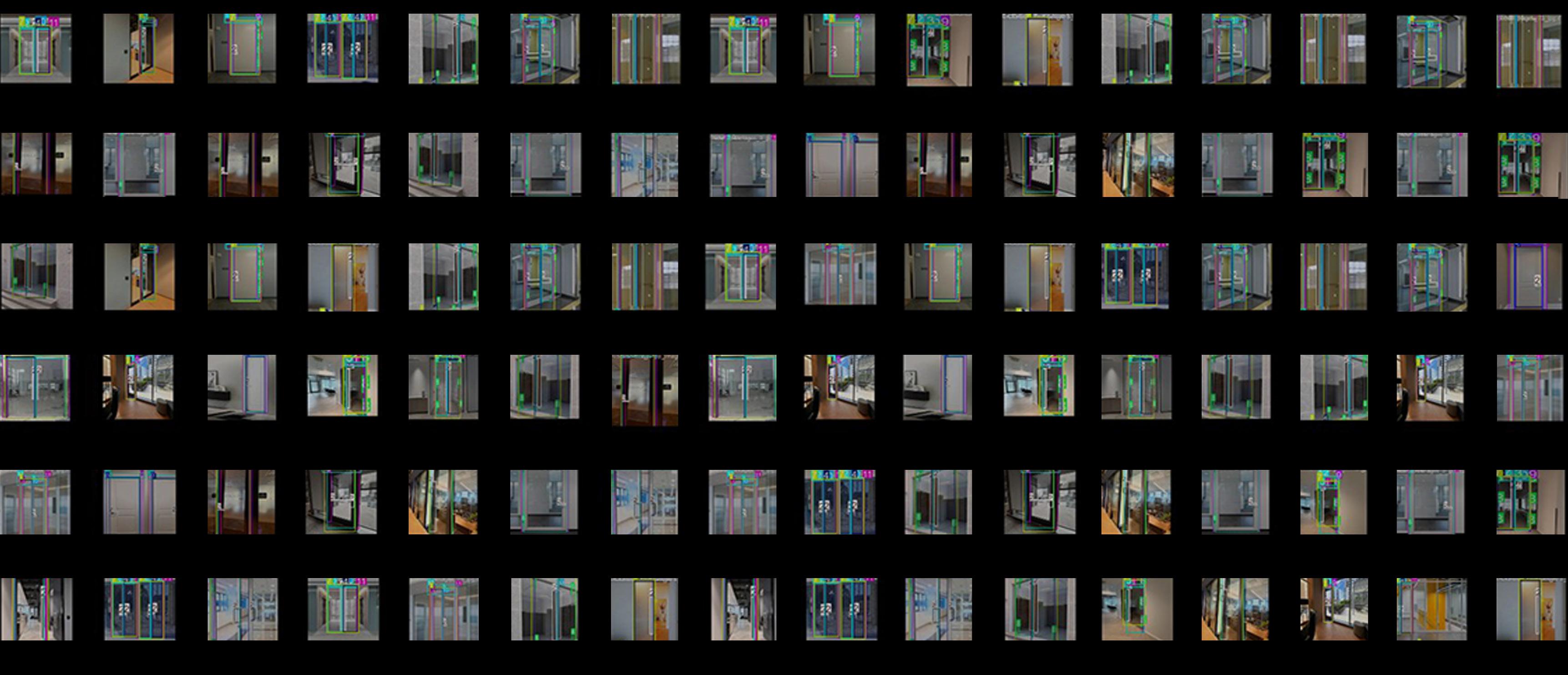
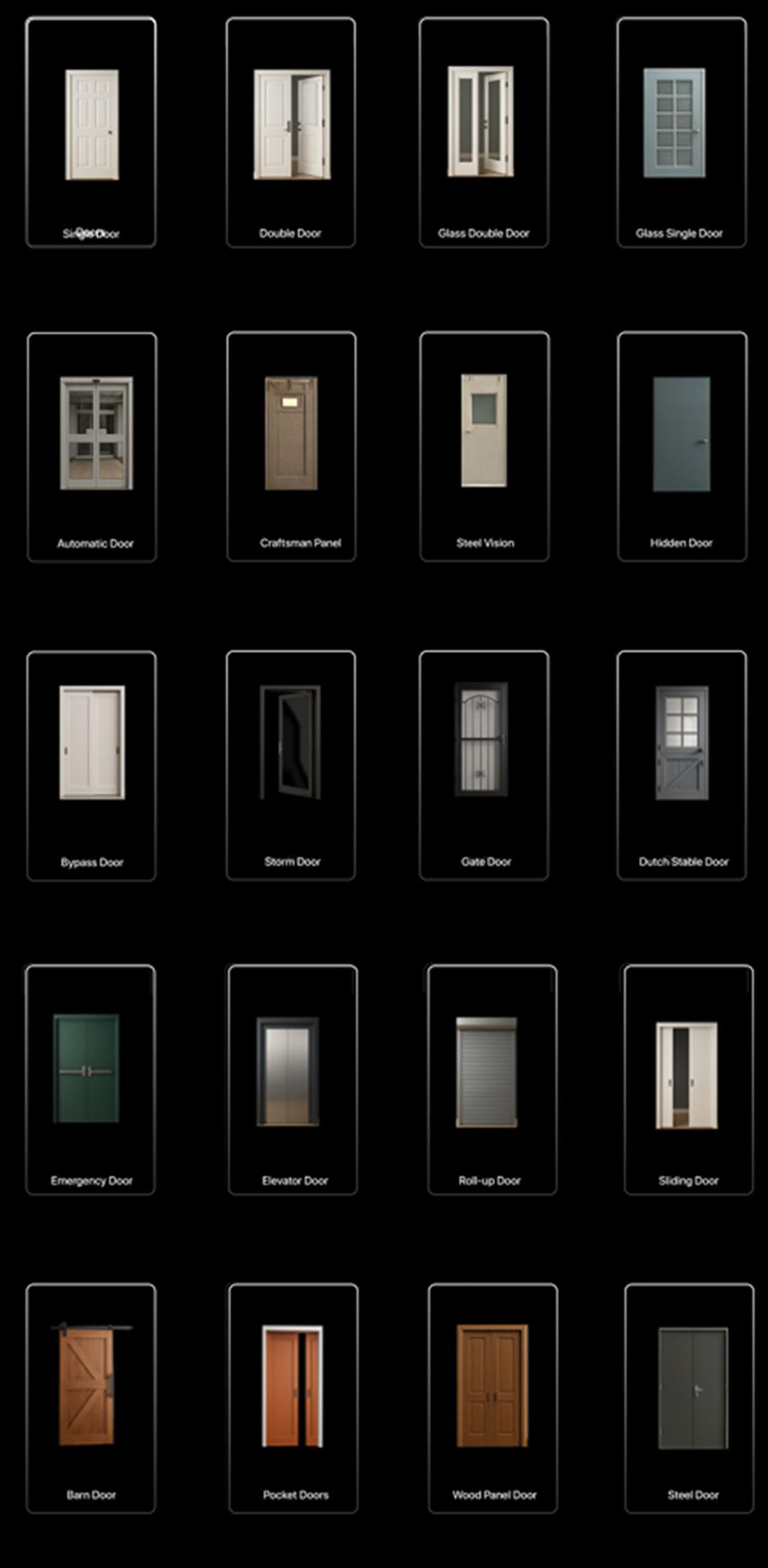
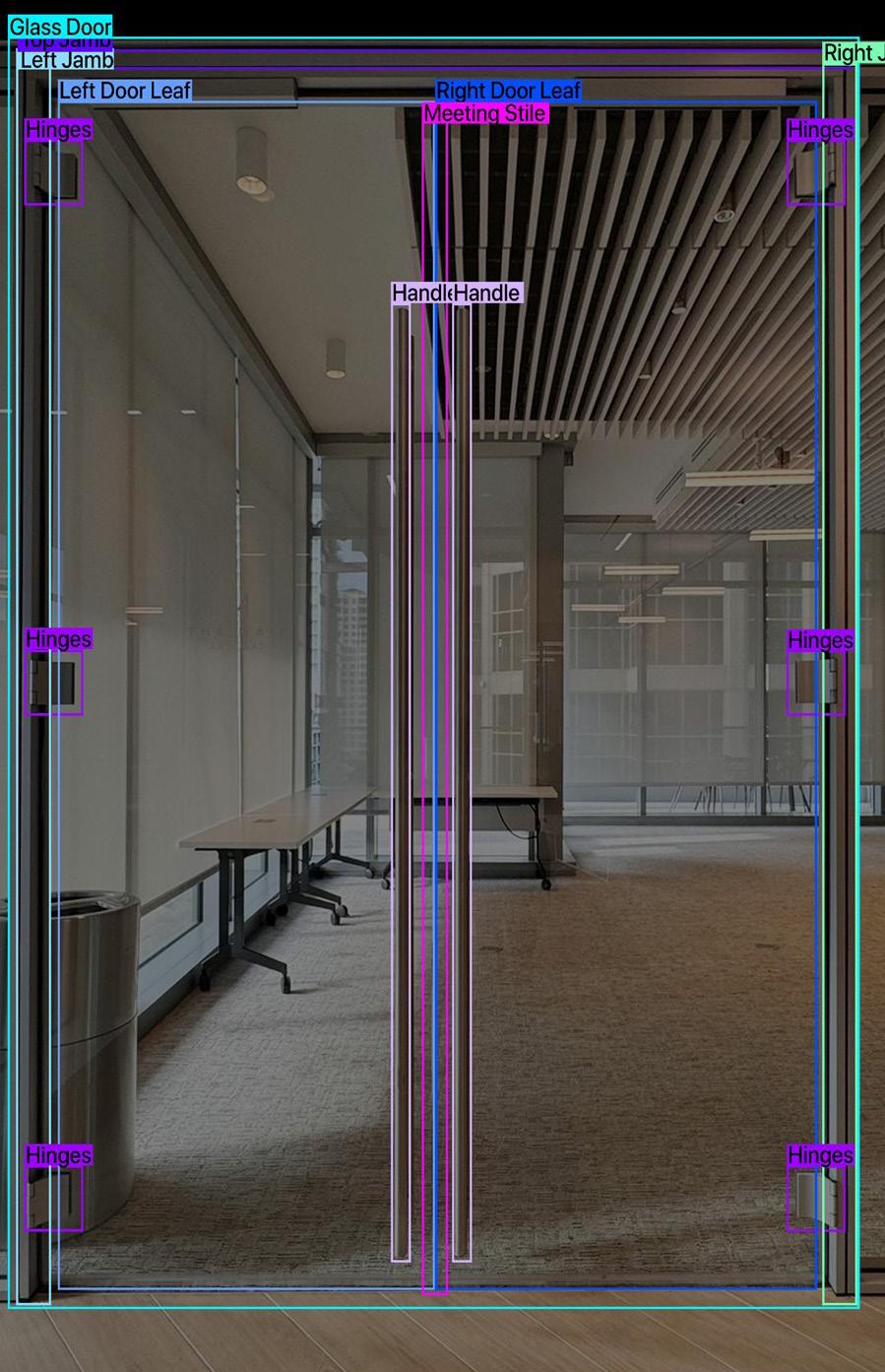
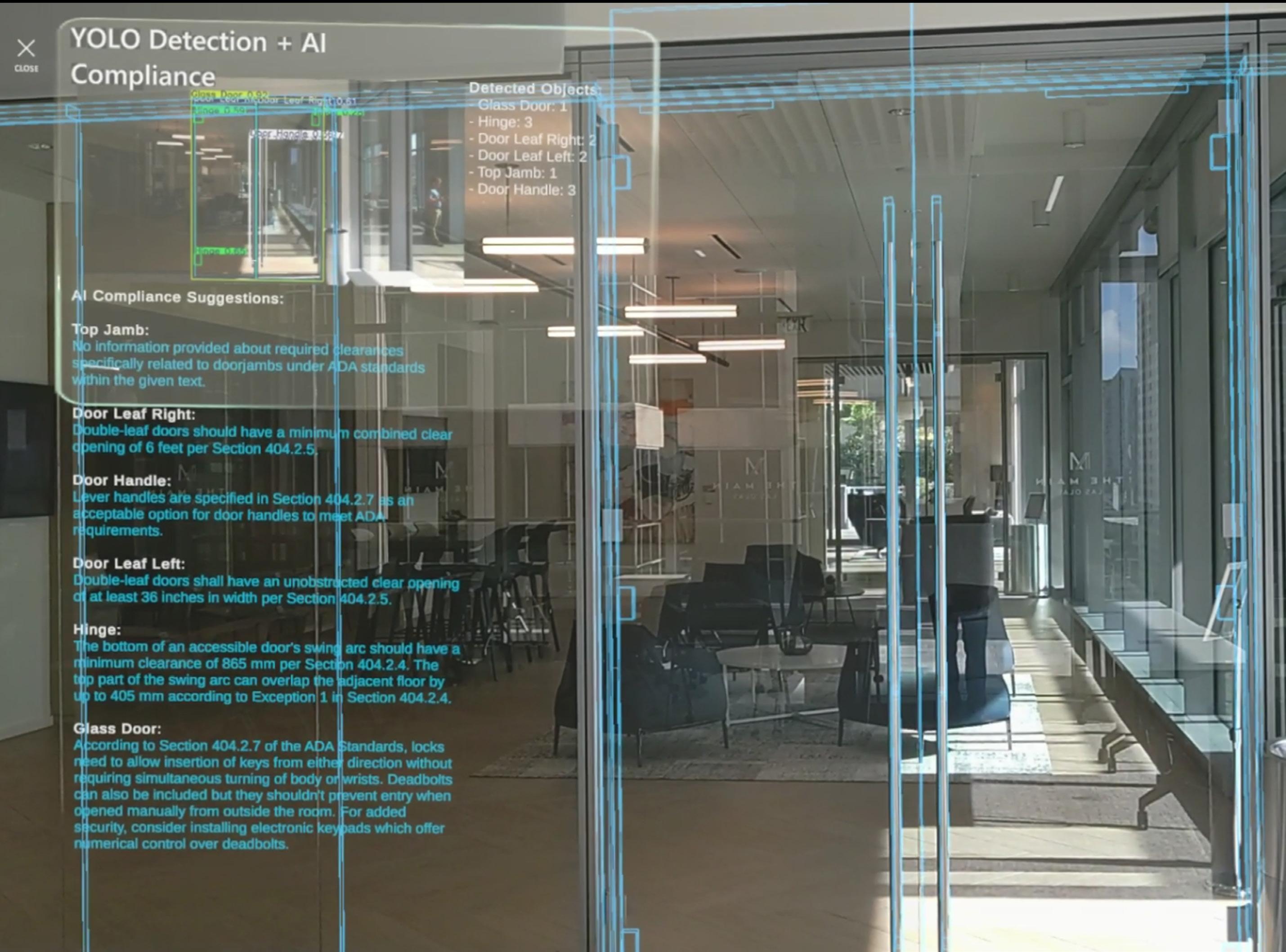
This AI integration phase advanced the system by developing a semi-automated code checker that bridges the digital and physical environment. The use of AI—specifically Large Language Models (LLMs) and object-detection systems built within Unity—produces an adaptive cognitive tool capable of evaluating code compliance in real time. A YOLOv8-based detection model was trained on over 400 examples of door types and components, enabling the system to recognize architectural elements and perform spatial and dimensional verification against BIM data with increased precision.
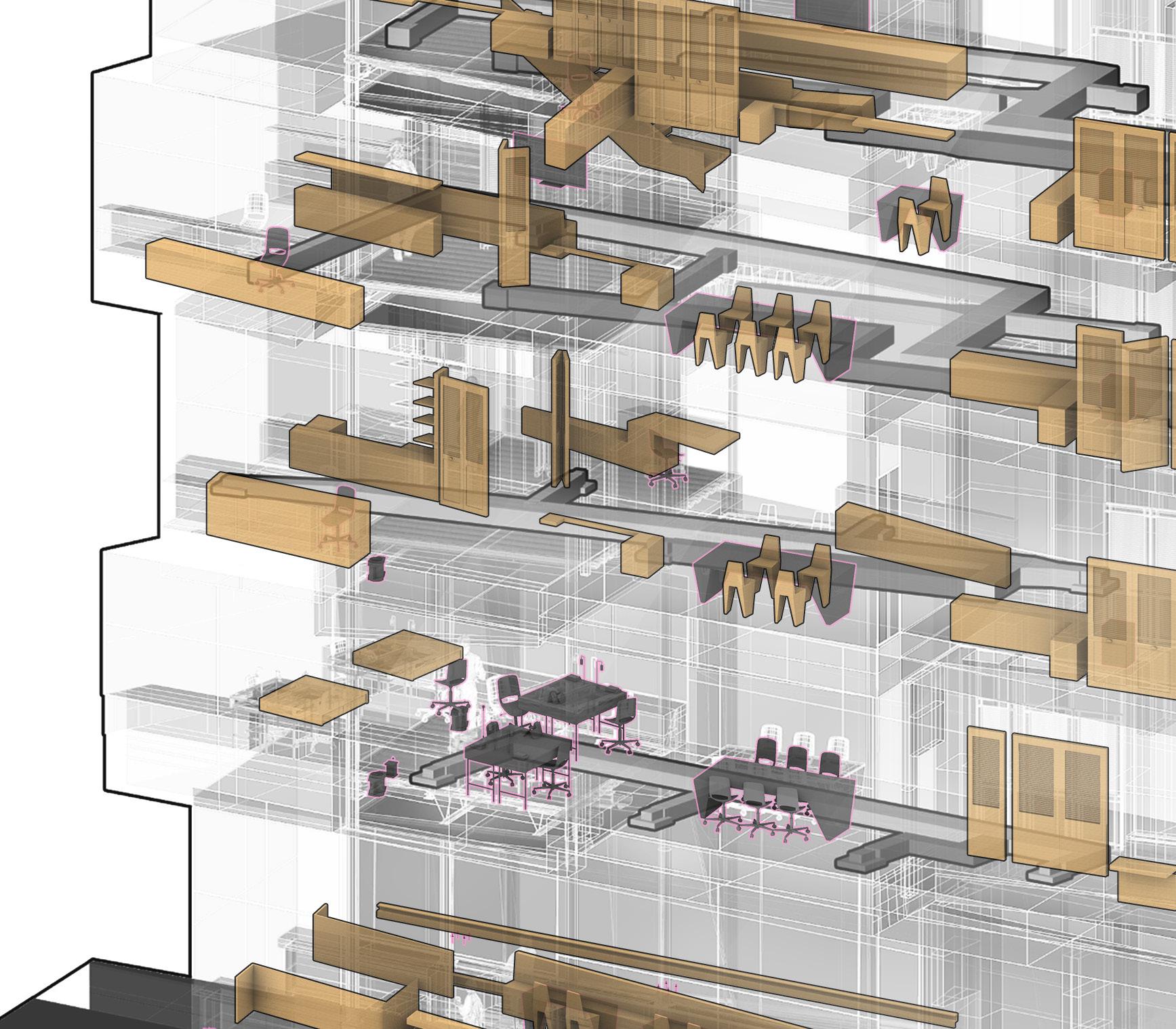
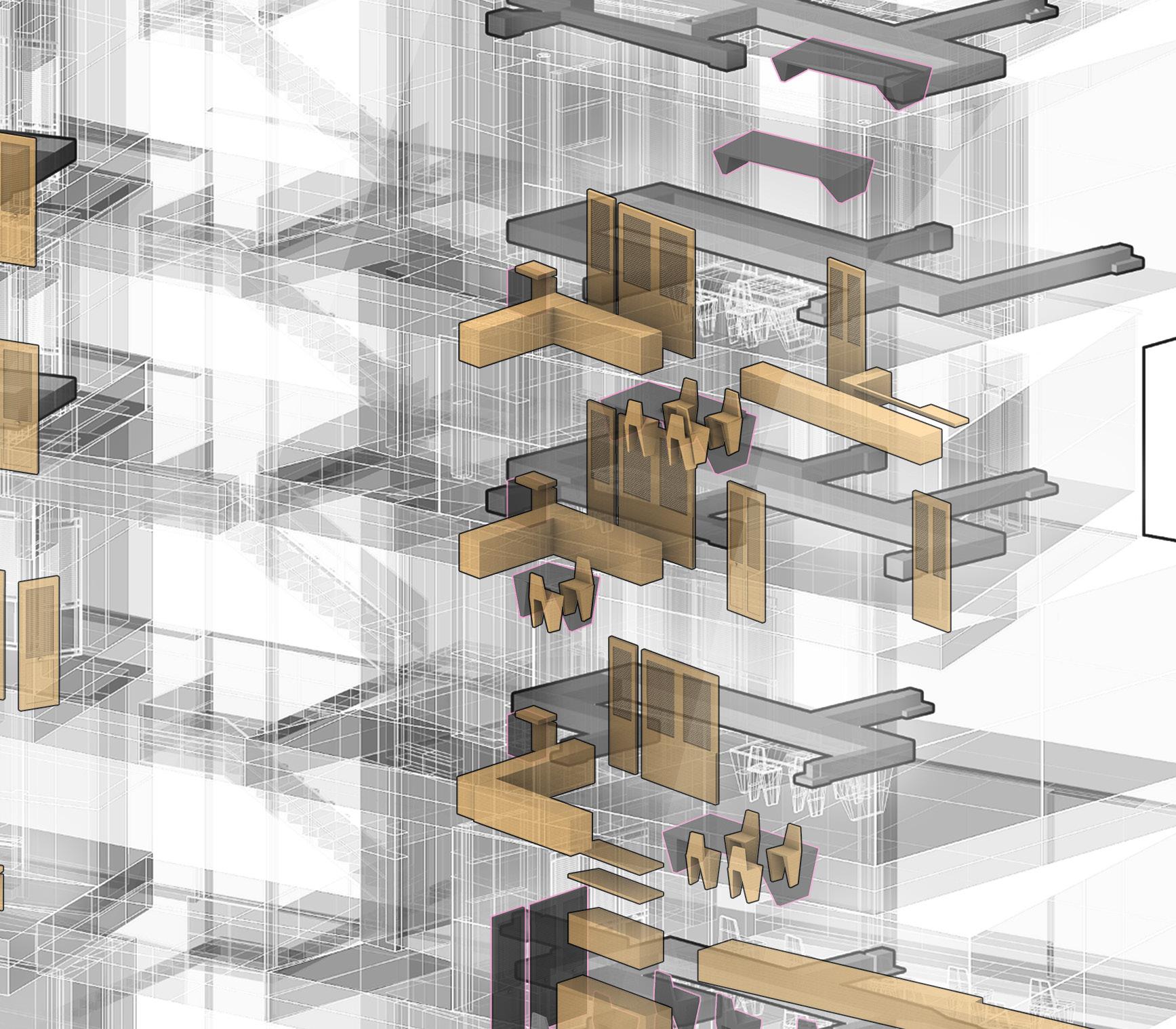
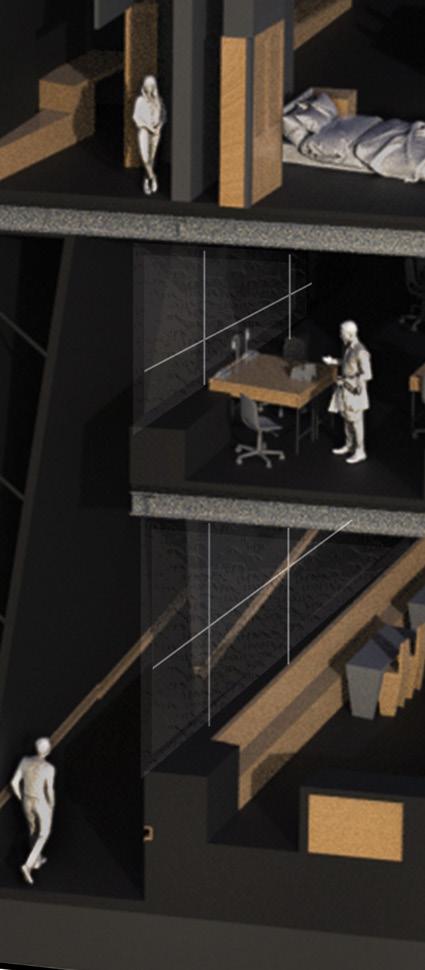
The project confronts the challenge of a narrow mixed-use site by organizing the design around two monolithic core entities, which operate as spatial anchors and programmatic drivers. These cores structure the building’s vertical and horizontal logics, enabling circulation, services, and program layering to unfold around them in a calibrated and highly adaptive manner. Their presence transforms the constraints of the site into opportunities for sectional richness, spatial continuity, and an intensified architectural identity.
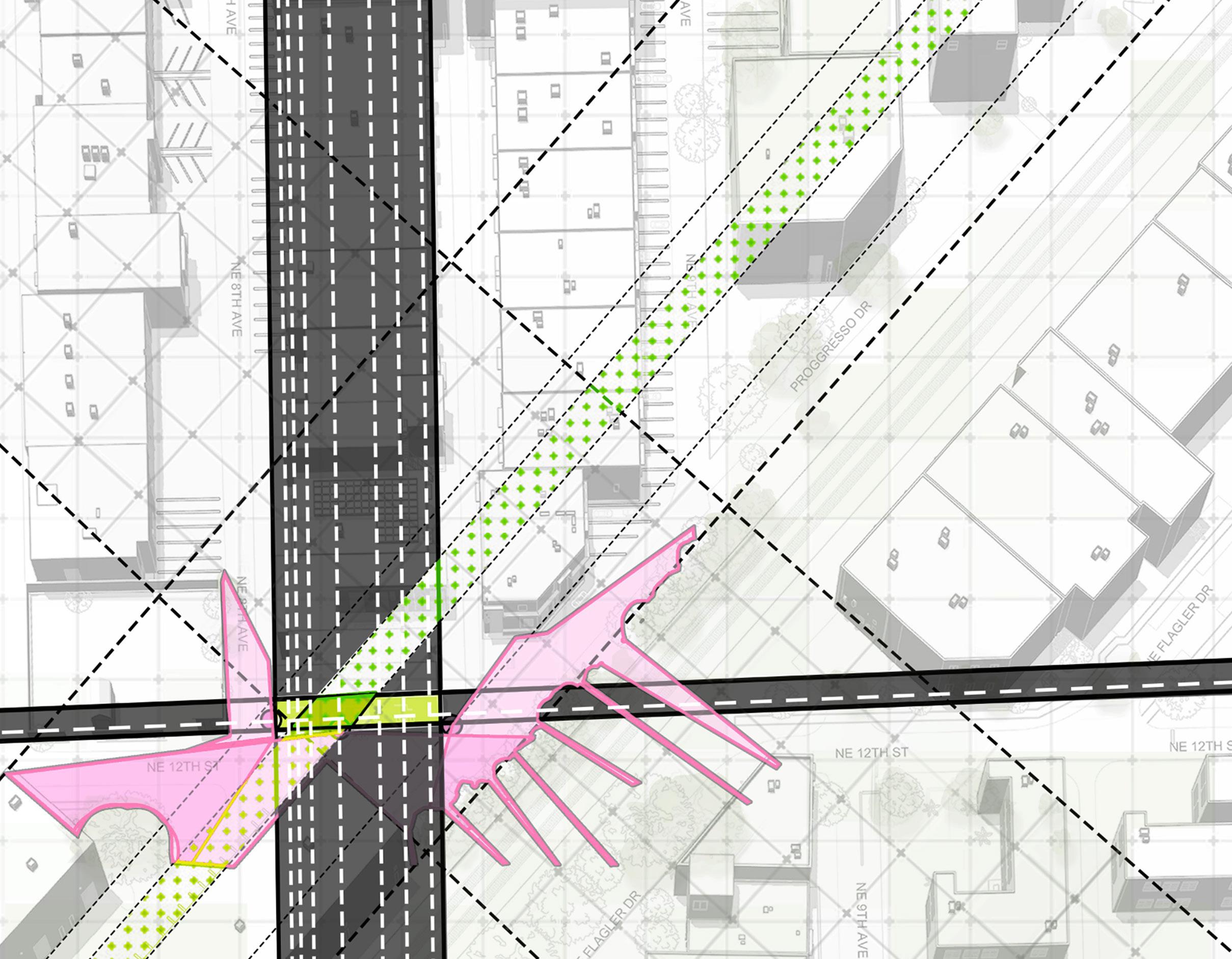
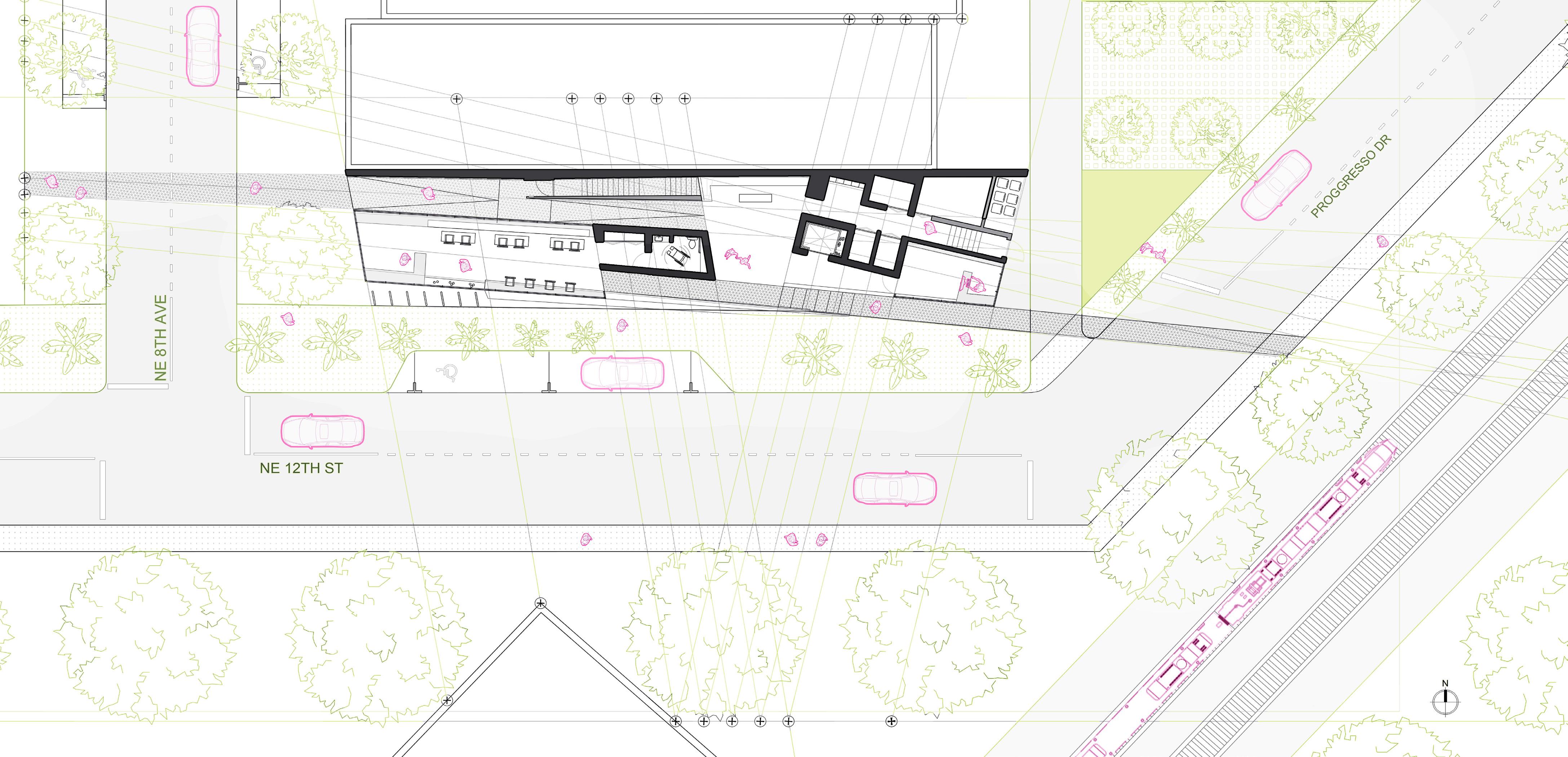
The site context becomes an active instrument in shaping the project’s spatial organization. The narrow frontage, adjacent street conditions, and shifting urban edges inform a calibrated relationship between solid and void—resulting in a sequence of carved courtyards, slips, and thresholds that mediate between public and private realms. The section reinforces this dialogue by stacking programs in response to light access, view corridors, and moments of urban compression, while the plan negotiates these constraints through interlocking geometries derived from the two core masses. Together, the contextual drivers and monolithic cores produce an architecture that is simultaneously responsive to its site and internally coherent, allowing spatial, structural, and programmatic strategies to converge in a unified system.
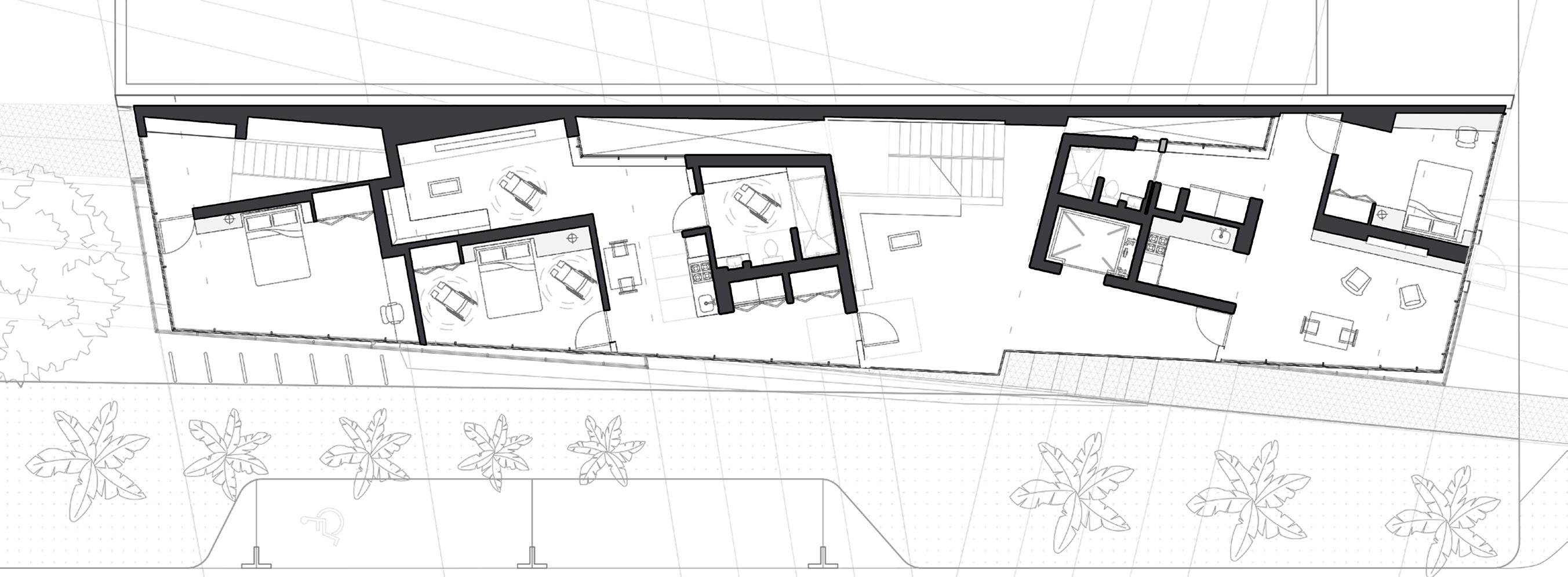
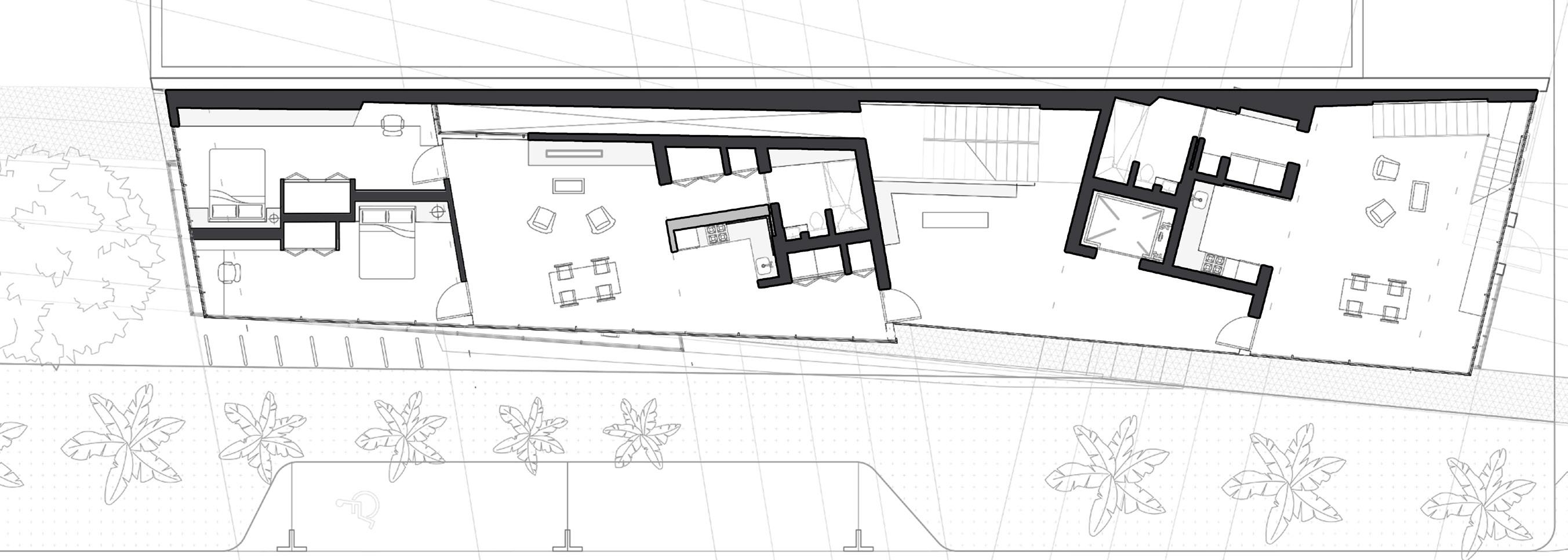
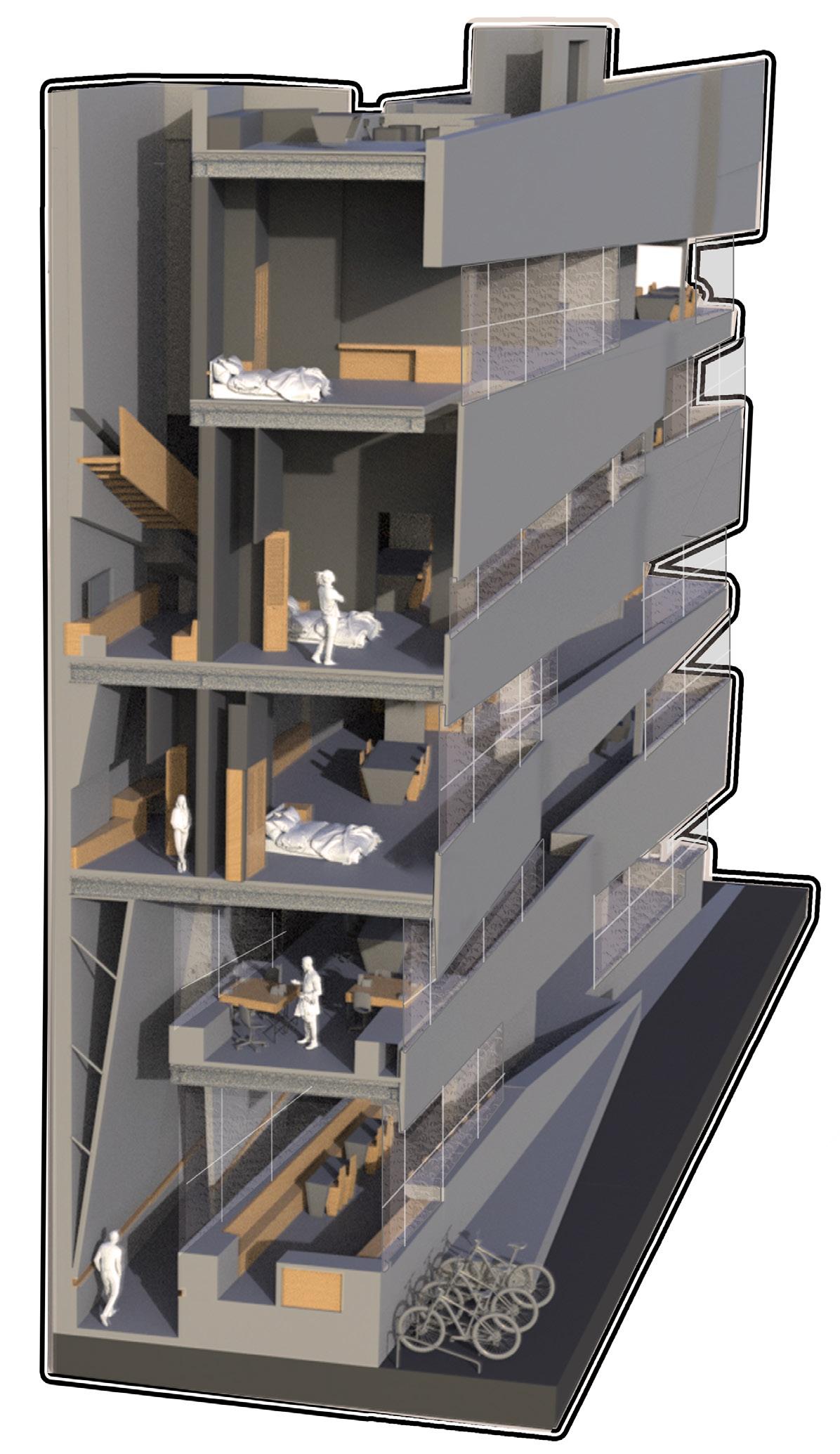
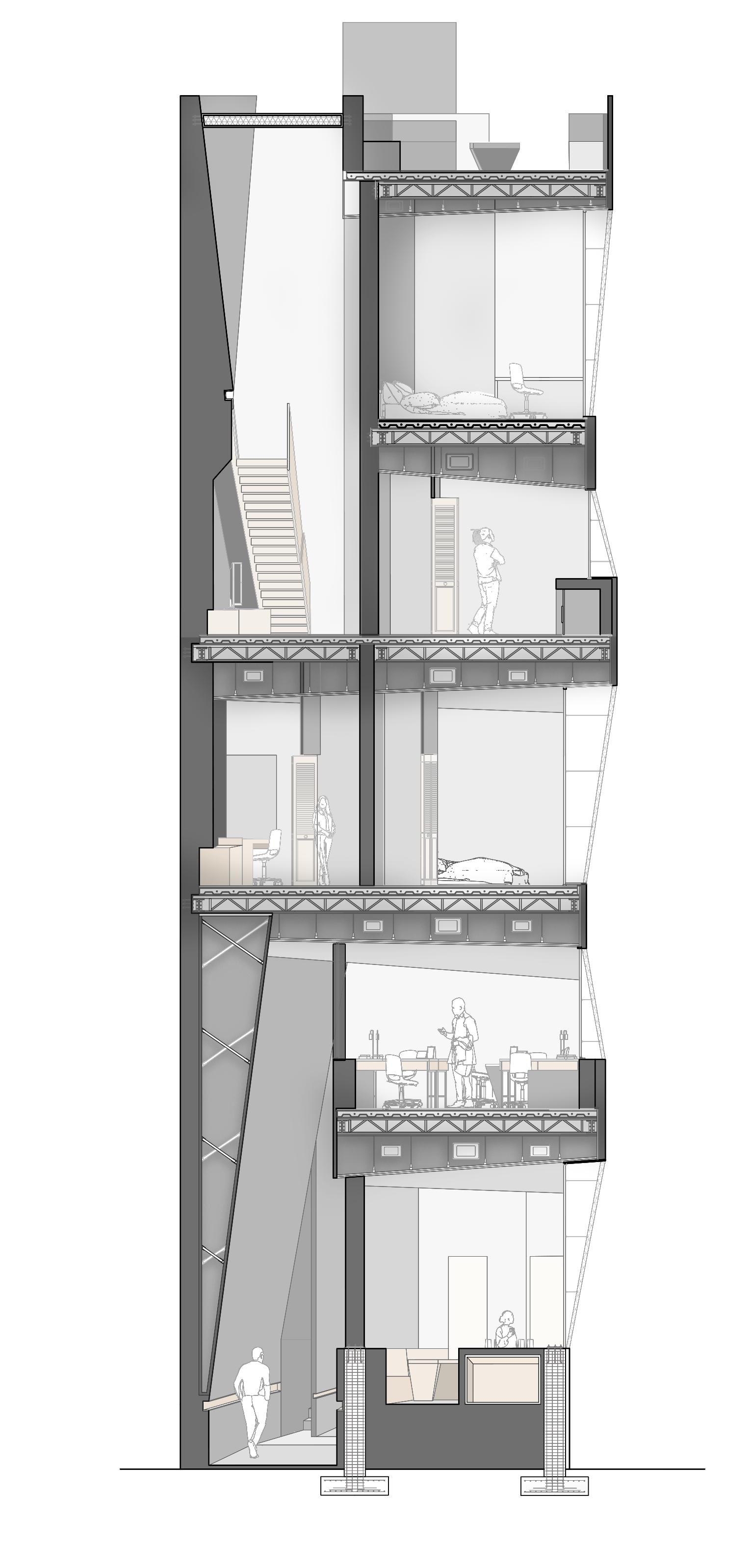
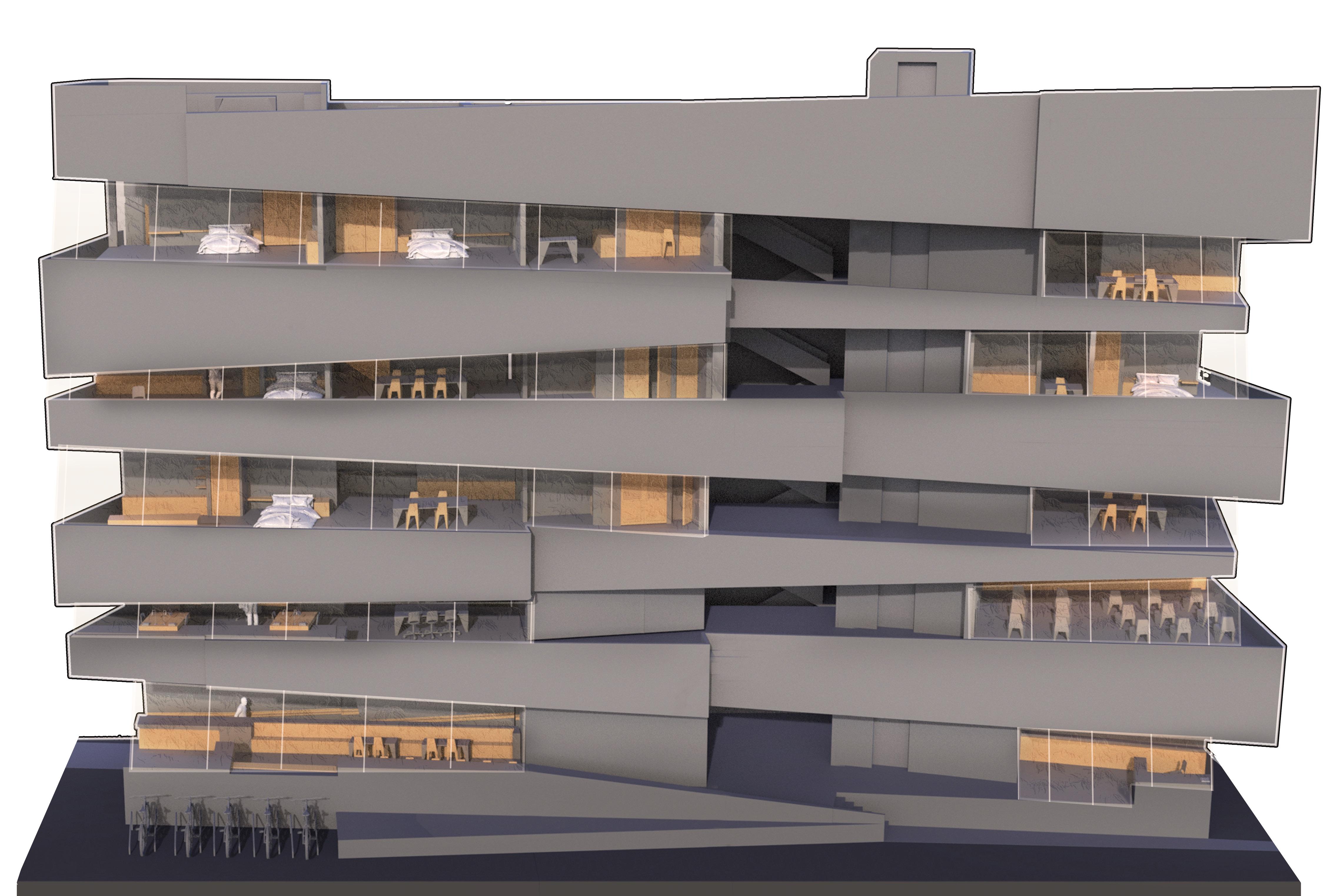
The challenge of working with a monolithic concrete structure lies in cultivating a sense of lightness while preserving its inherent solidity. In this project, the concrete mass is strategically carved to produce moments of spatial porosity, allowing the heavy material to slip, reveal, and accommodate integrated furniture elements and built-in programmatic niches. The paired monolithic cores house the building’s MEP infrastructure, enabling them to act as service spines that support both sides of the mixed-use interior. Through these operations, the cores become more than structural anchors—they operate as spatial generators that reconcile mass with lightness and utility with architectural expression.aa
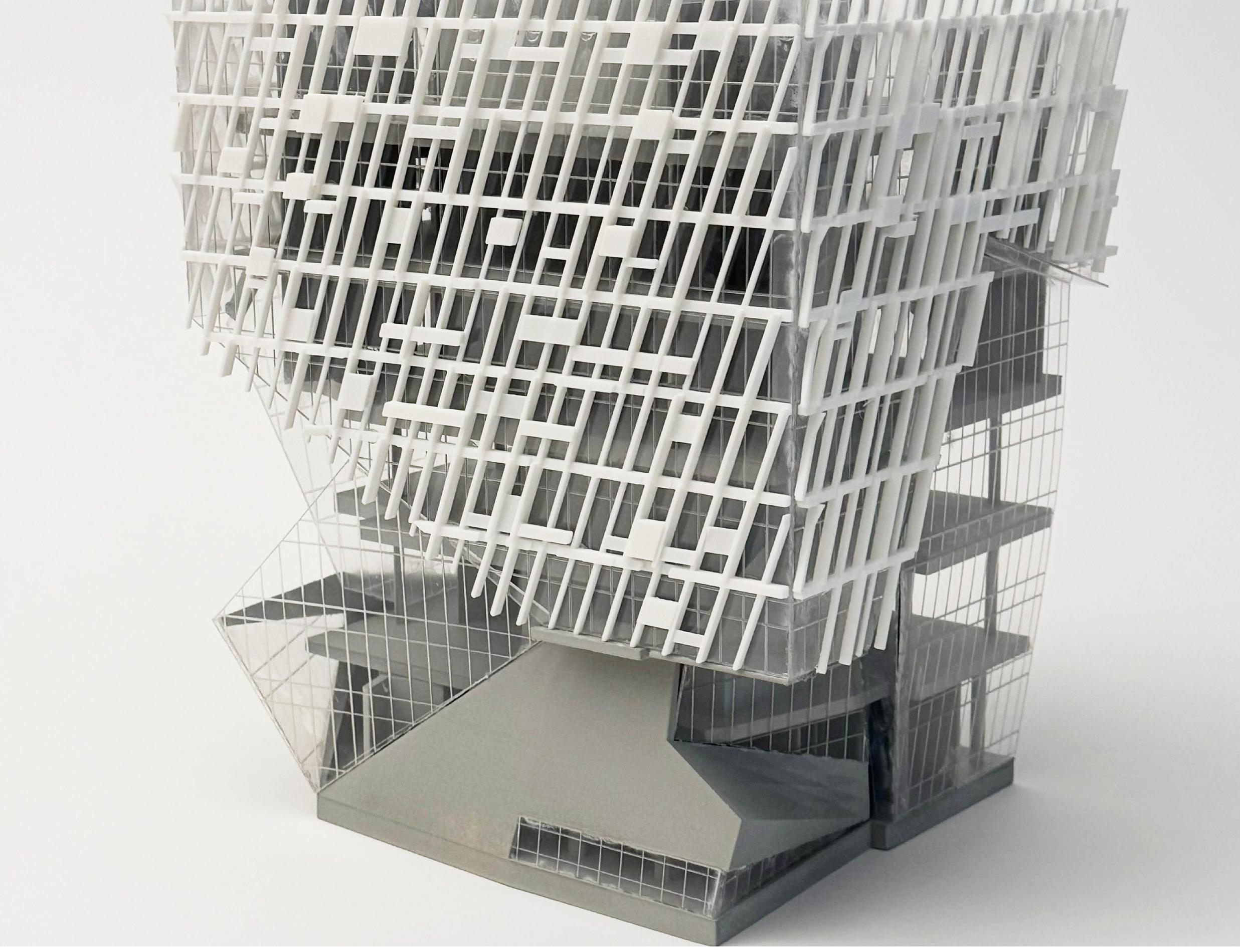
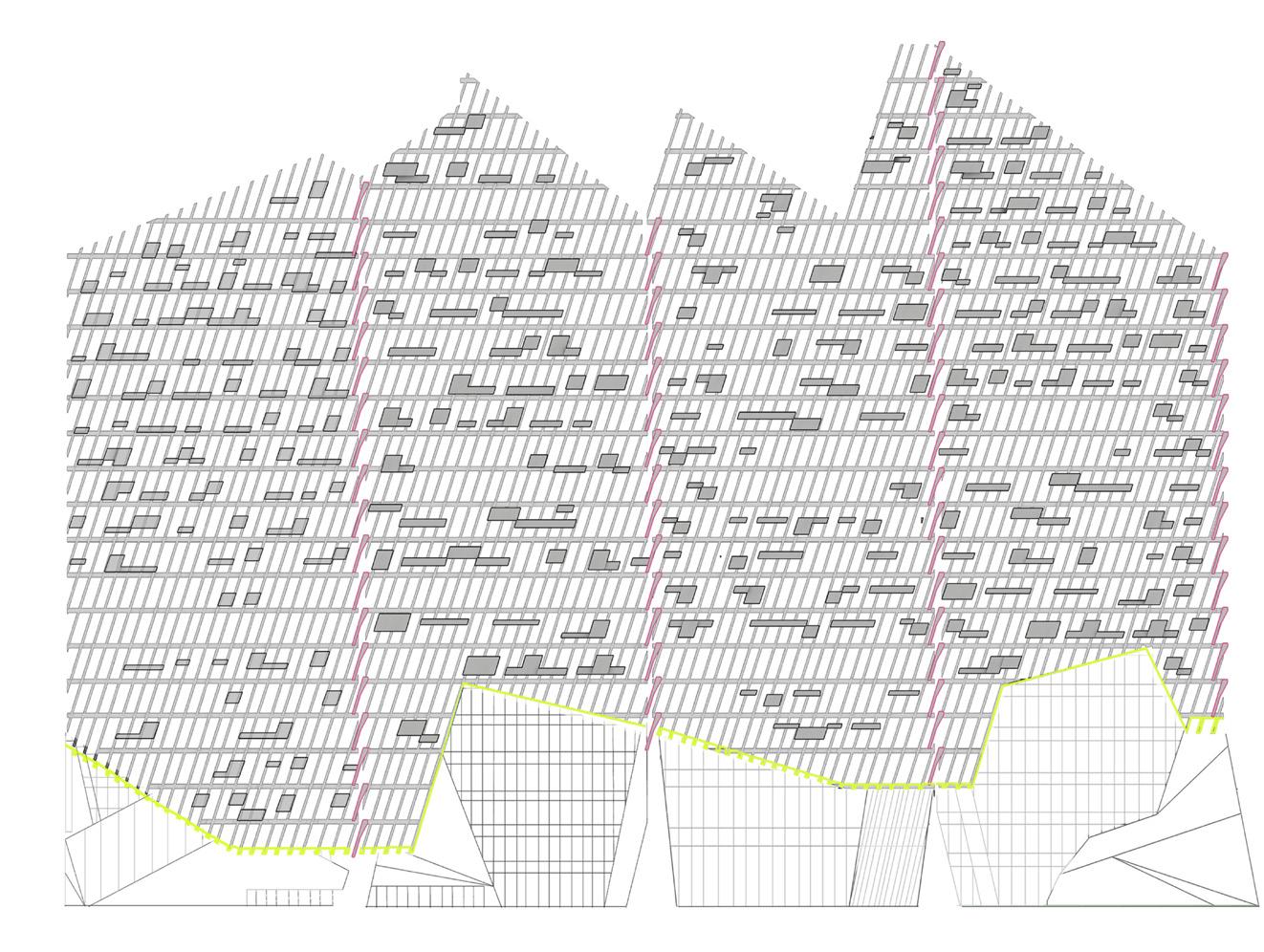
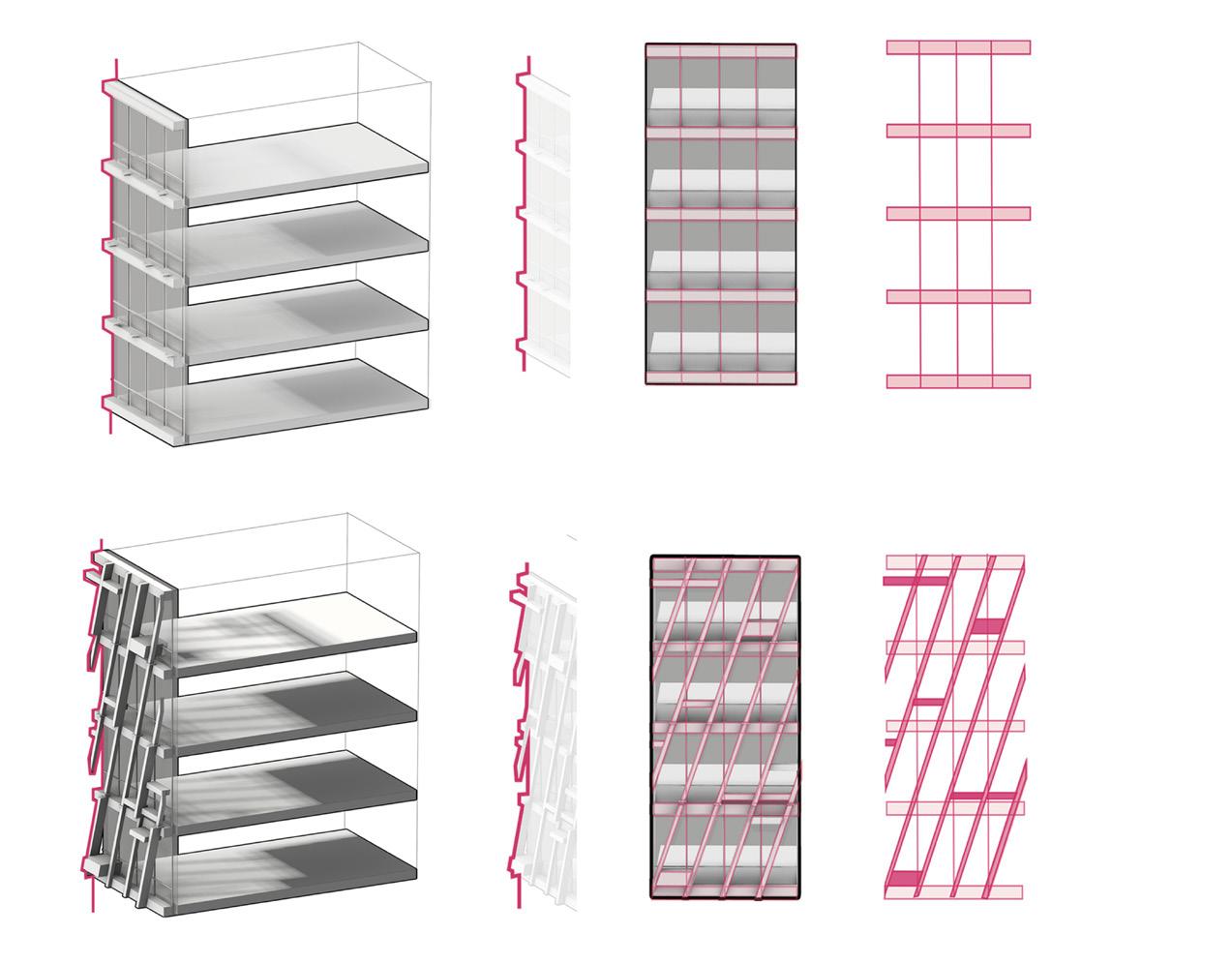
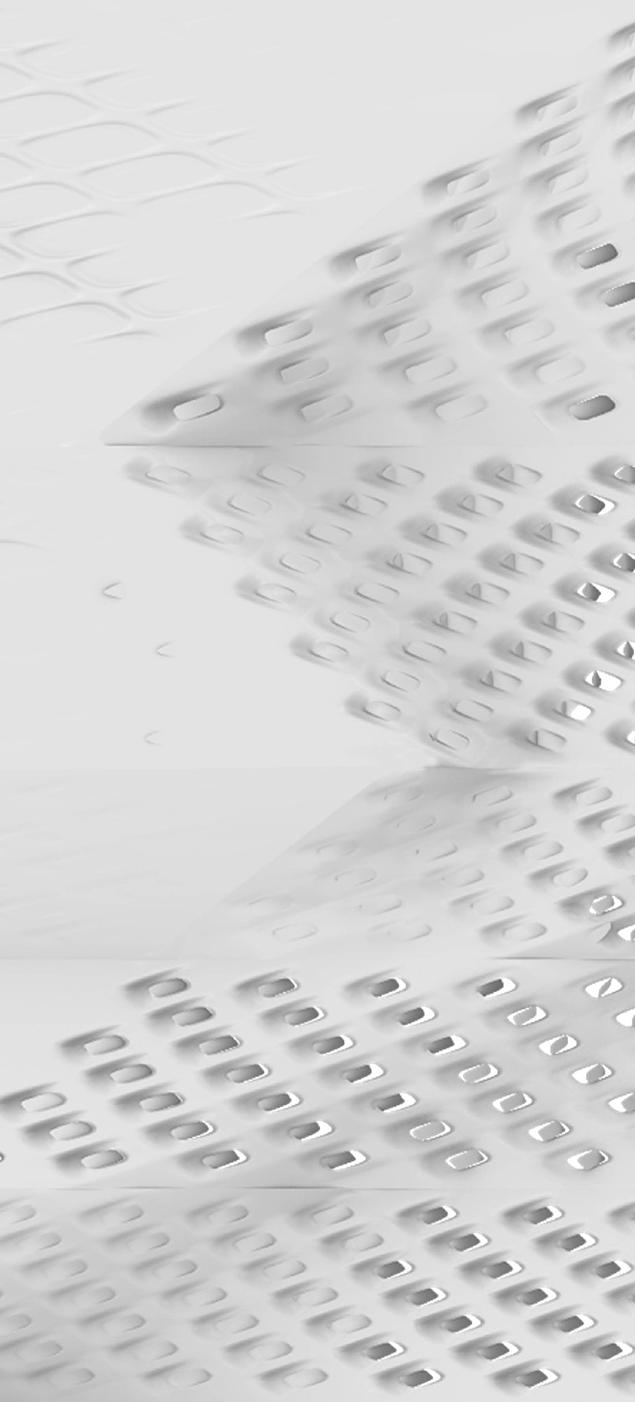
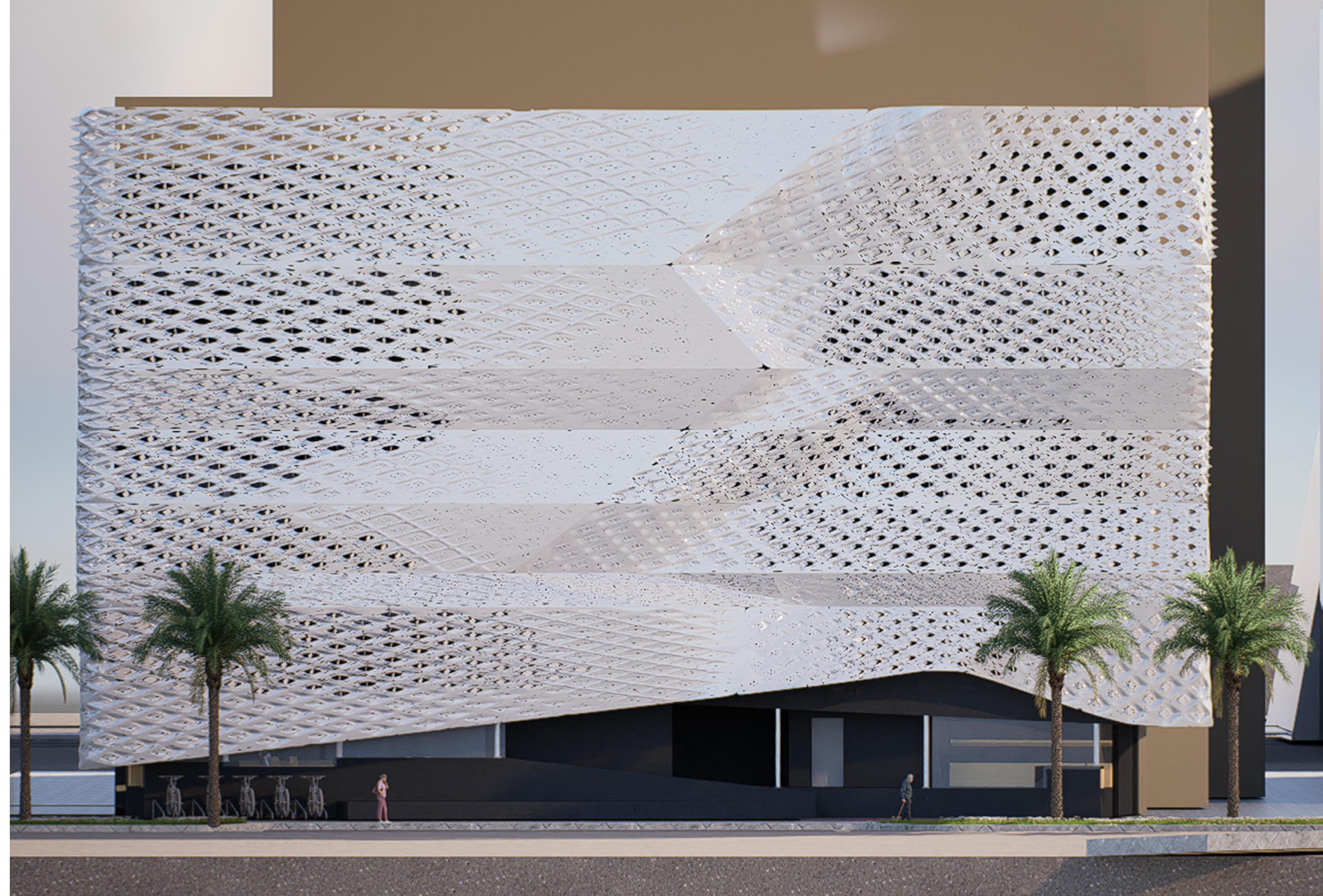
The precedent study of the Morphosis Finance Tower reveals a parametric approach to environmental modulation, using calibrated geometries to shape light, airflow, and thermal performance across the façade. Rather than treating environmental control as an applied layer, the project demonstrates how a responsive lighting and shading strategy can be embedded directly into the architectural system, allowing form, climate, and performance to co-evolve. This precedent informs the current design’s ambition to develop a similarly adaptive framework—one in which environmental intelligence is not added onto the building, but generated through the continuous negotiation between structure, climate, and spatial experience.
Professor: Heather Ligler
Collaborators: Kelly Rice, Fadi Akel
Course: Design 5
Semester: Fall 2023
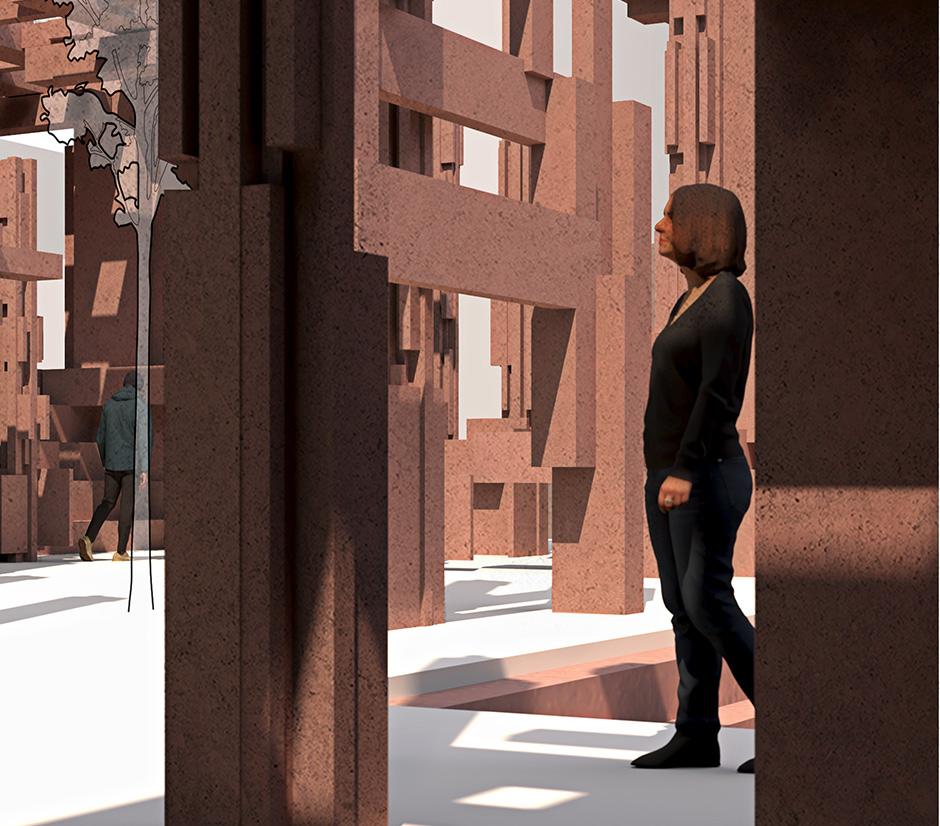
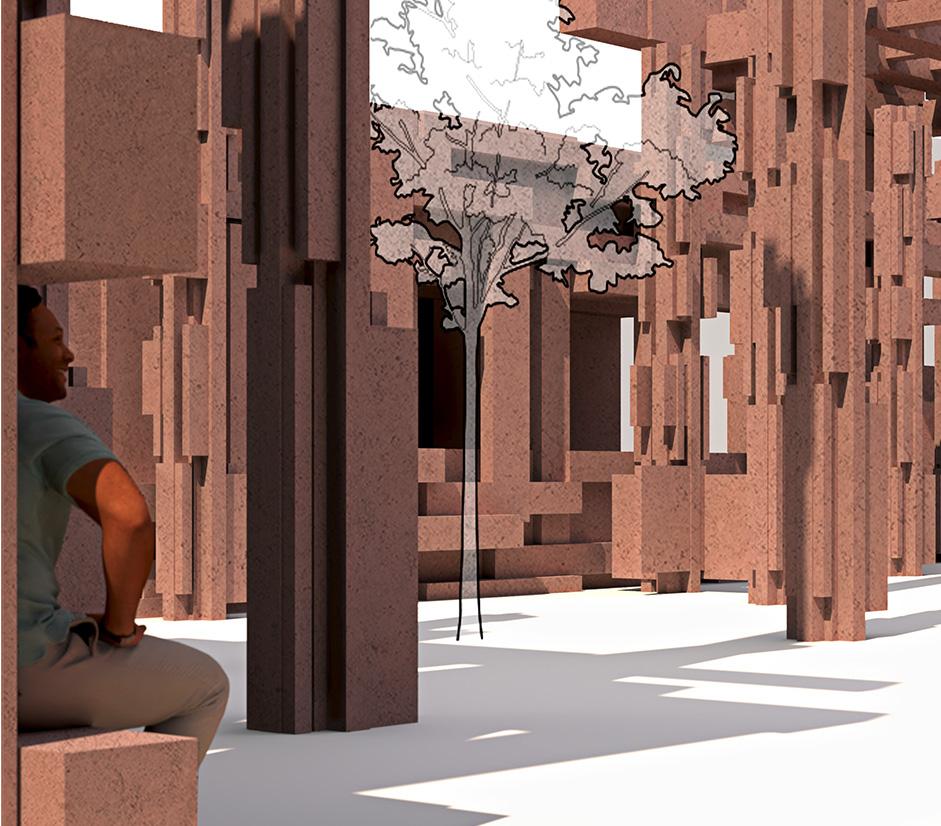
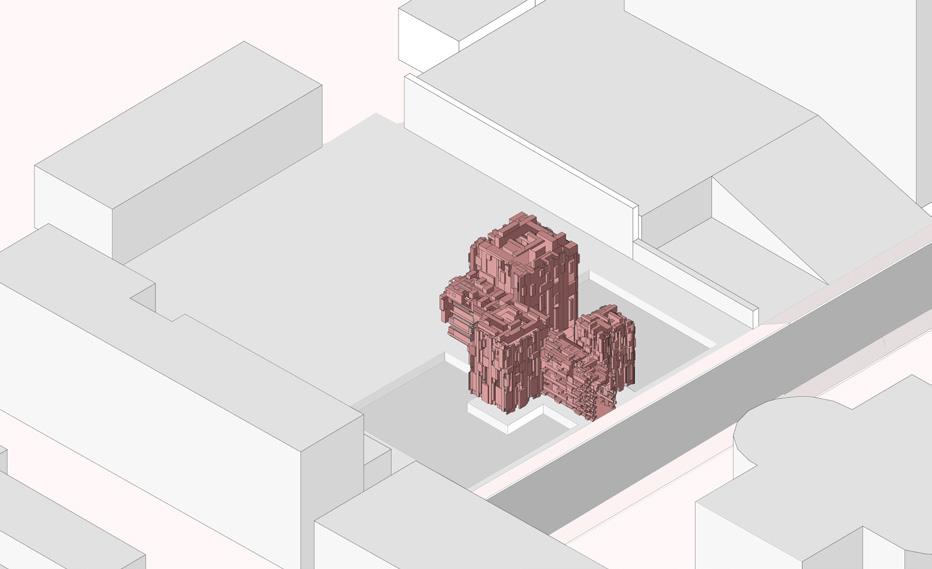
The Charleston, South Carolina site offered a compelling framework for exploring front–back spatial relationships, inspiring a building organization that negotiates between public exposure and more intimate interior conditions. Over the semester, the project employed shape-grammar rules to examine how generative logic can drive architectural form, allowing a set of coded operations to produce layered variations and spatial outcomes. These rules became a tool for shaping light, circulation, and pockets of gathering space, revealing how a simple procedural system can yield a rich architectural language tailored to the site’s contextual and experiential demands.
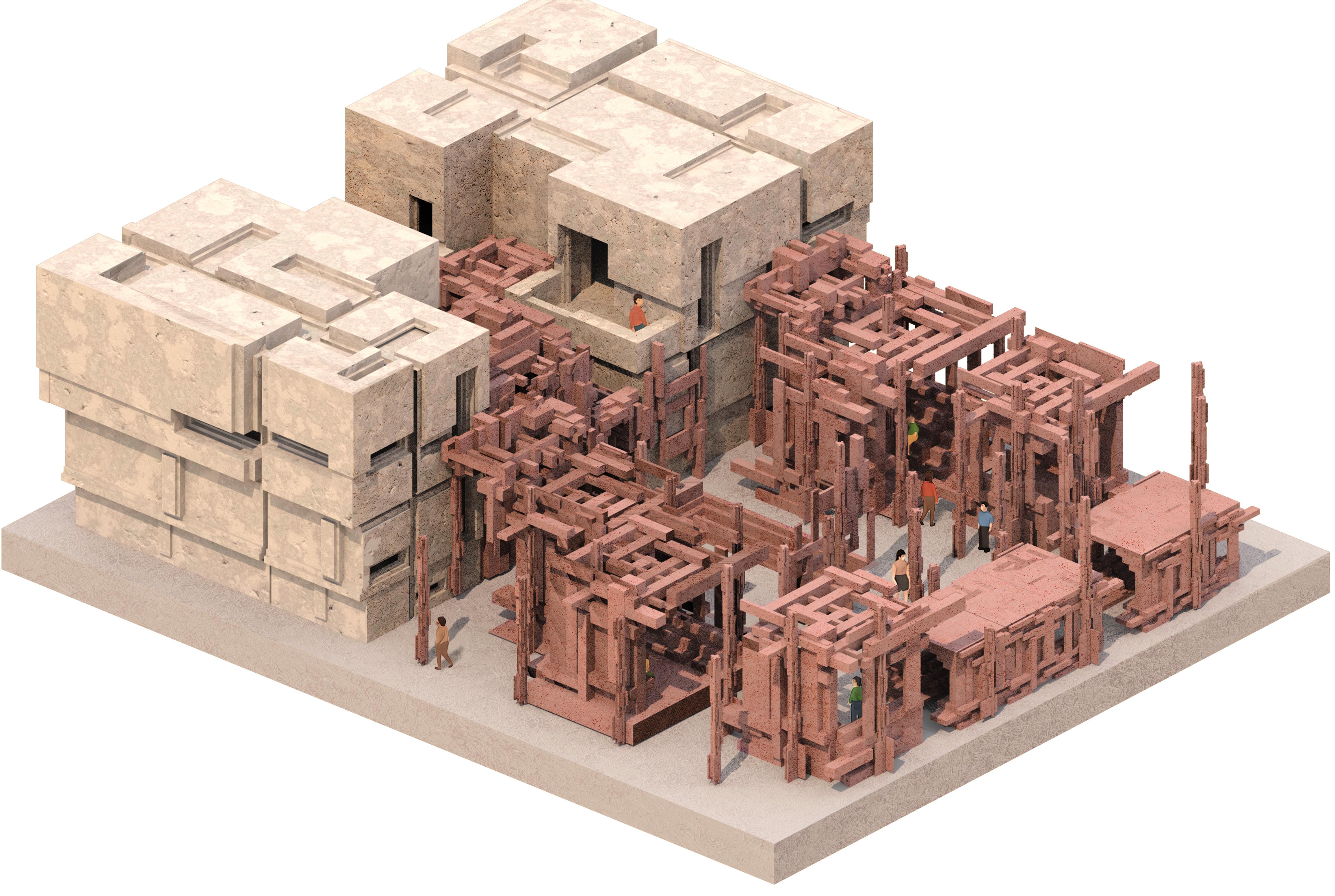
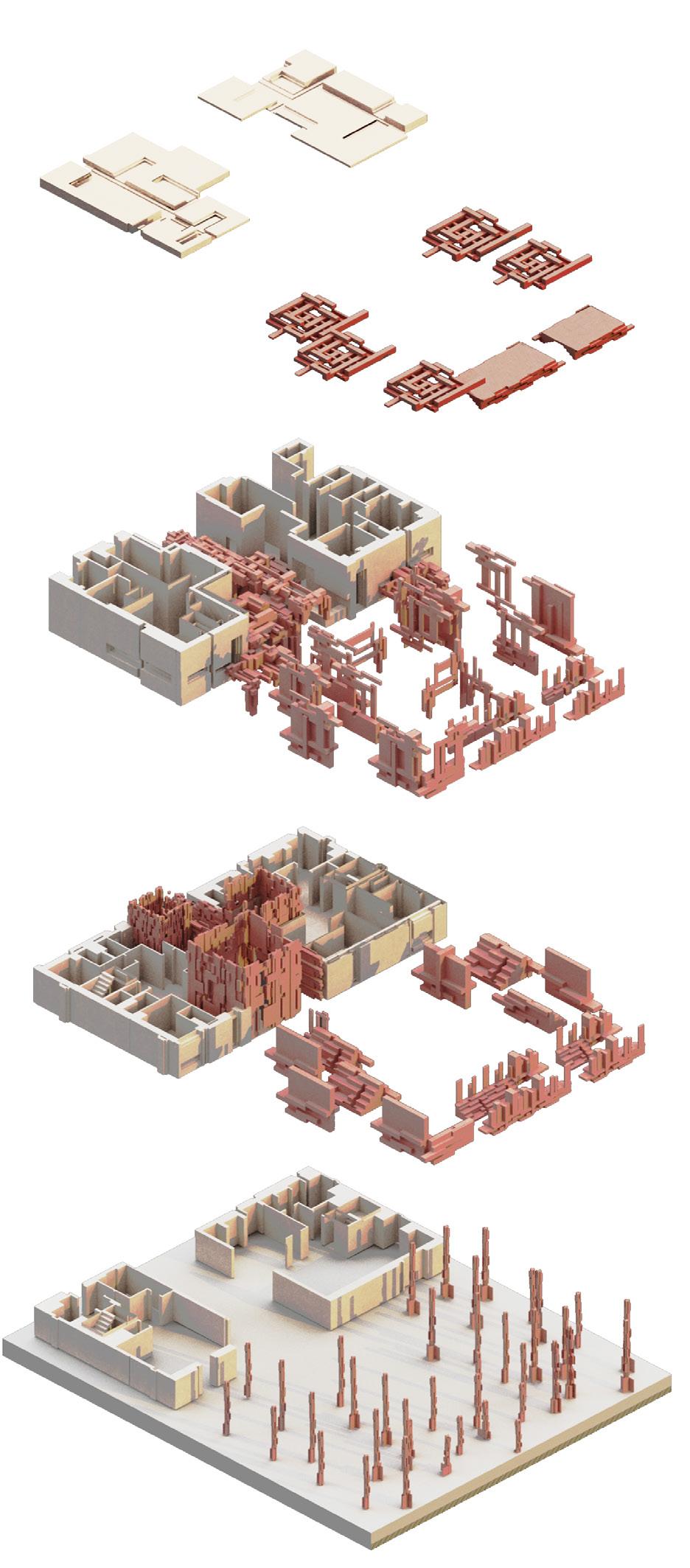
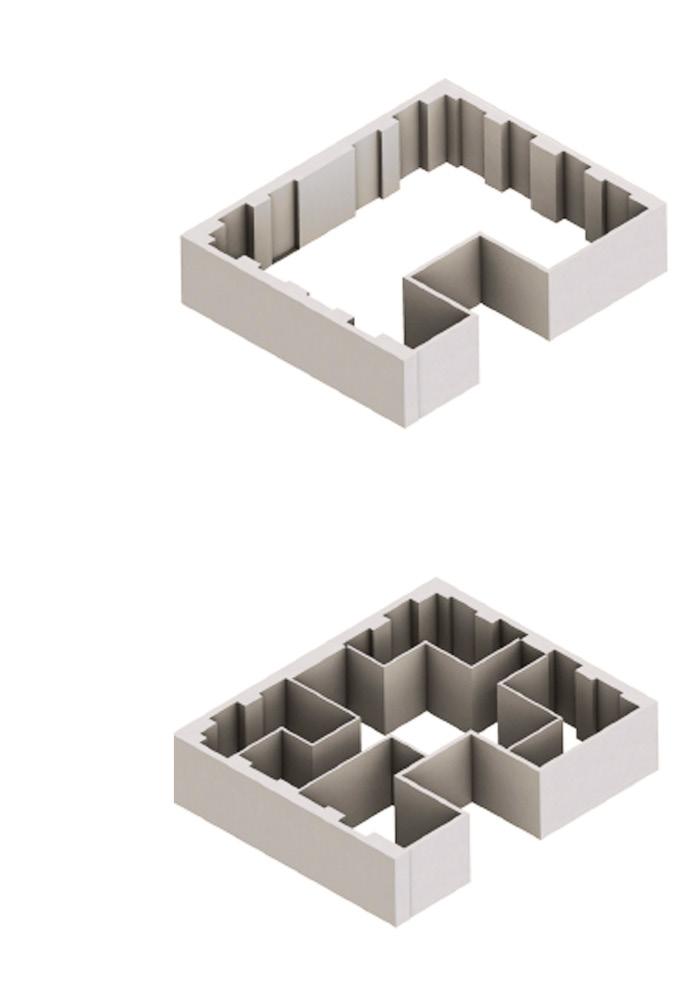
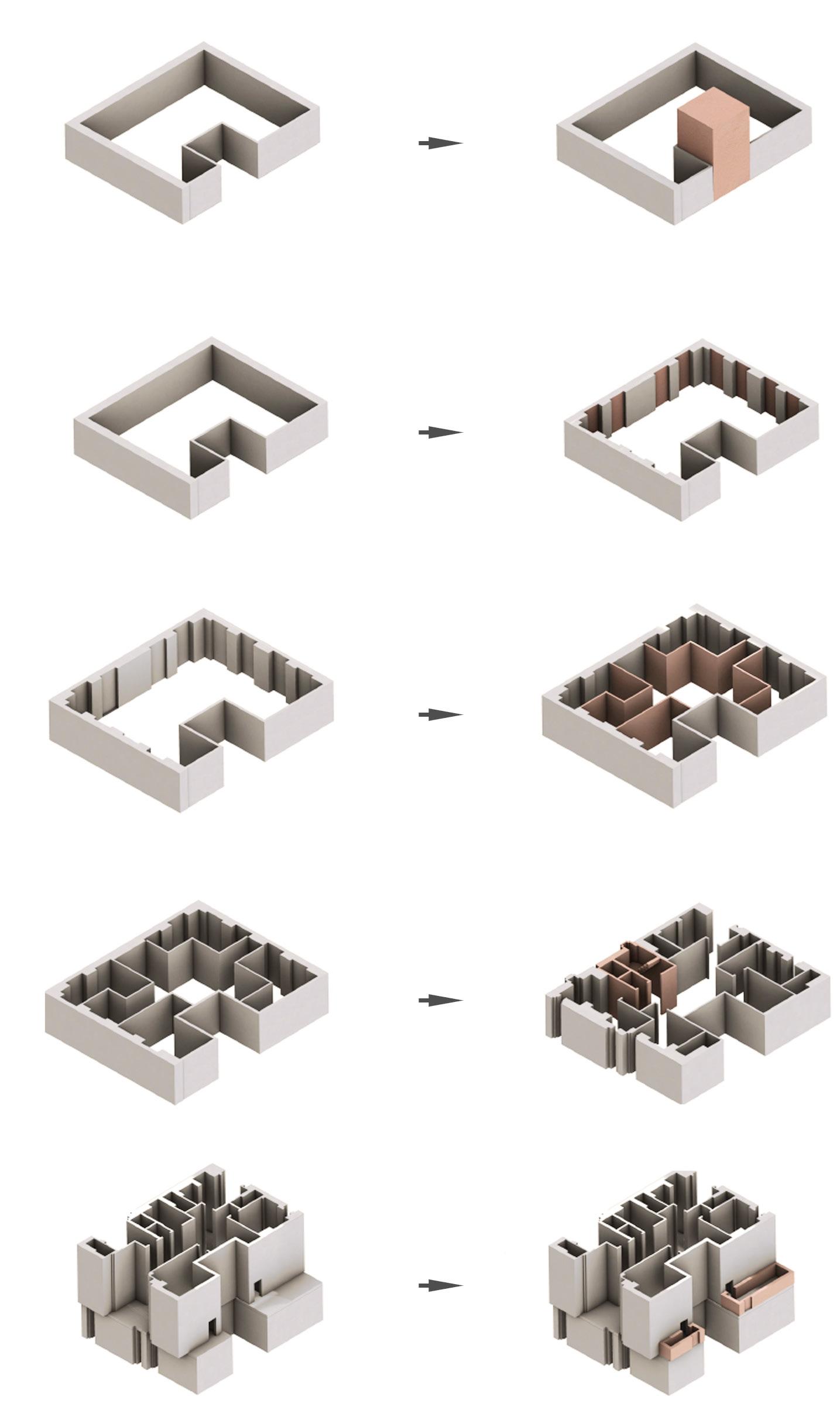
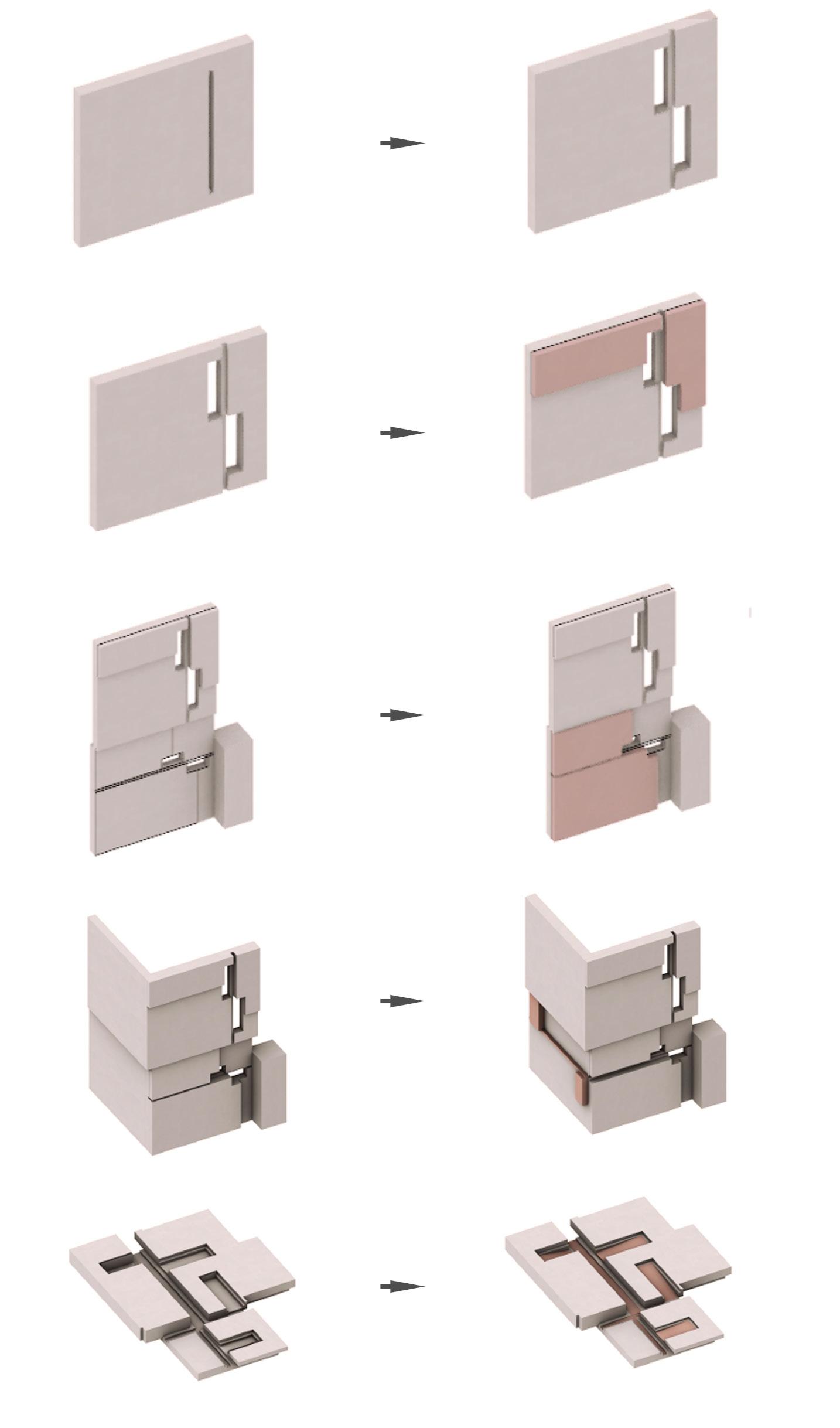
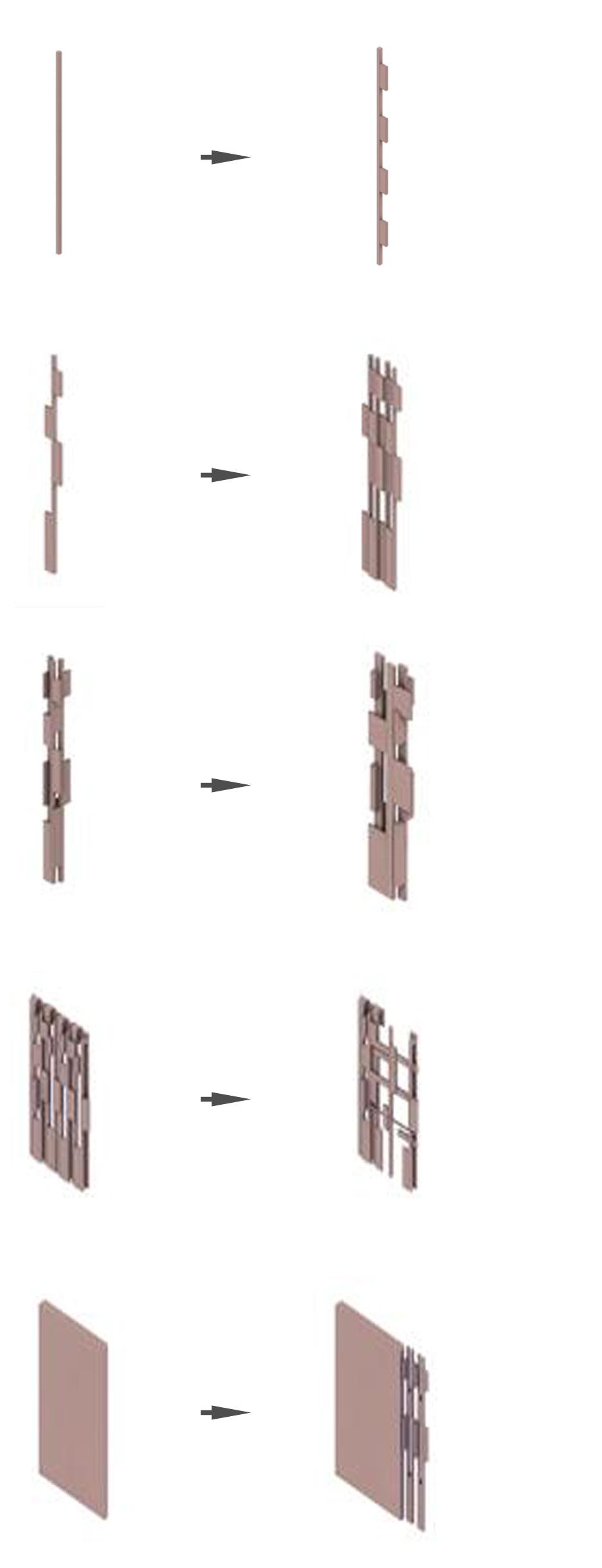
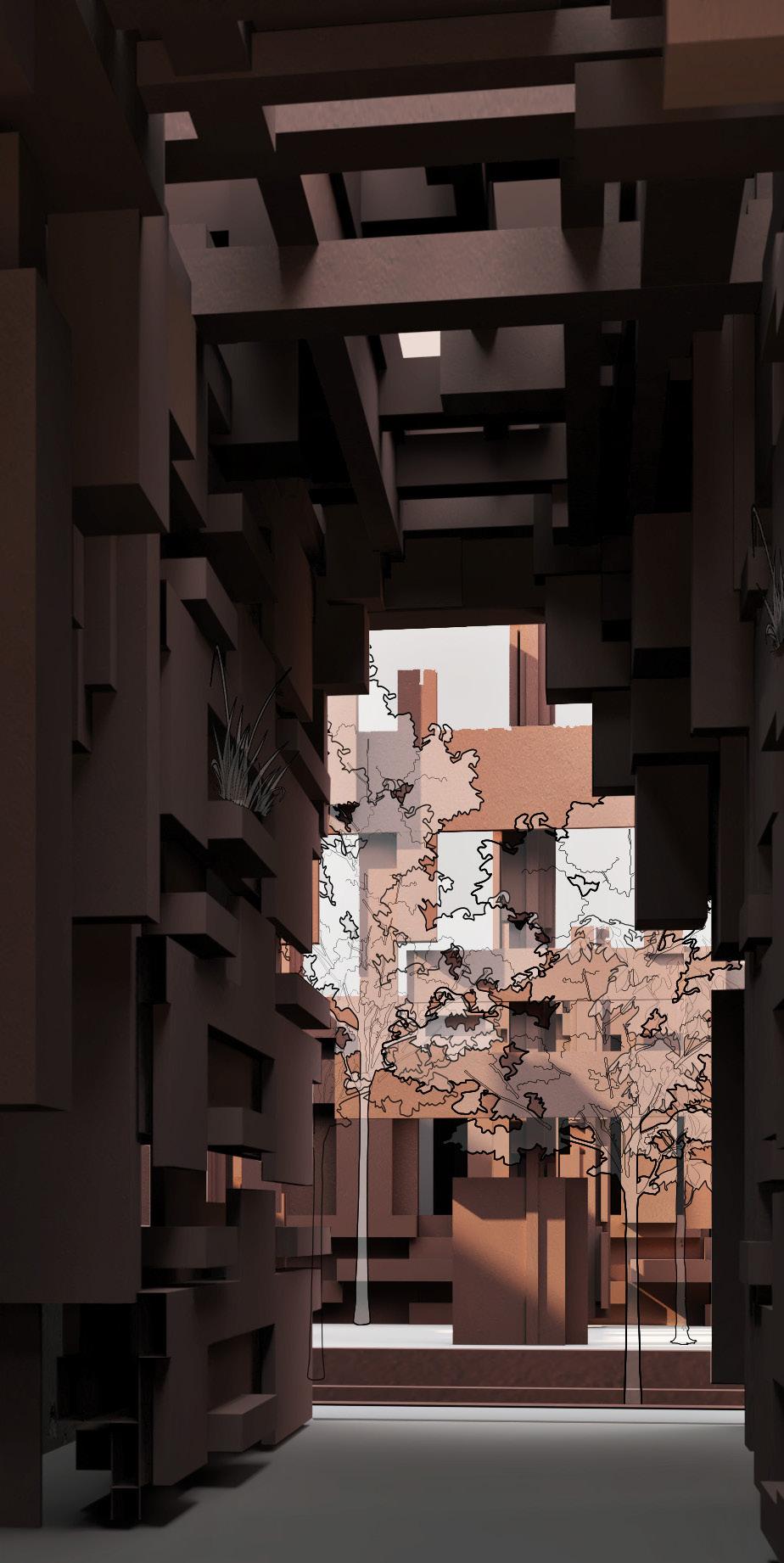
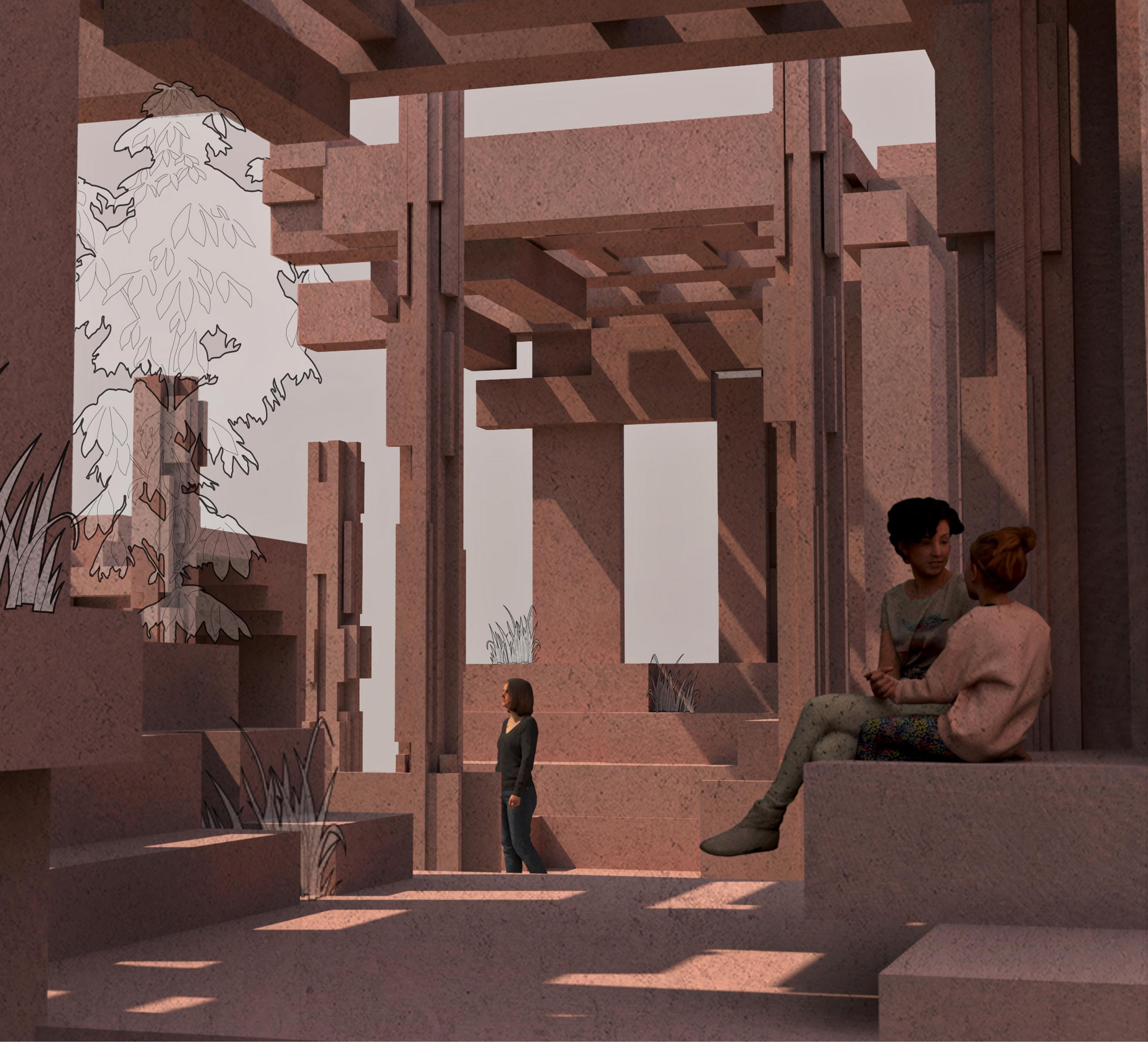
The image illustrates the shape-grammar rules that establish the project’s porous tectonic language. These rules generate an interior field of articulated timber-like formations, producing gradients of density, enclosure, and spatial flow. In contrast, the front massing applies an inverse operation—carving into a heavy, monolithic volume—yet both systems share a common geometric and procedural logic. This duality between porous aggregation and carved solidity produces a cohesive architectural language, allowing the building to negotiate between exposure and protection, openness and mass, public interface and intimate interiority. Together, the rule sets demonstrate how a single generative framework can yield materially distinct, yet conceptually unified, tectonic conditions across the project.
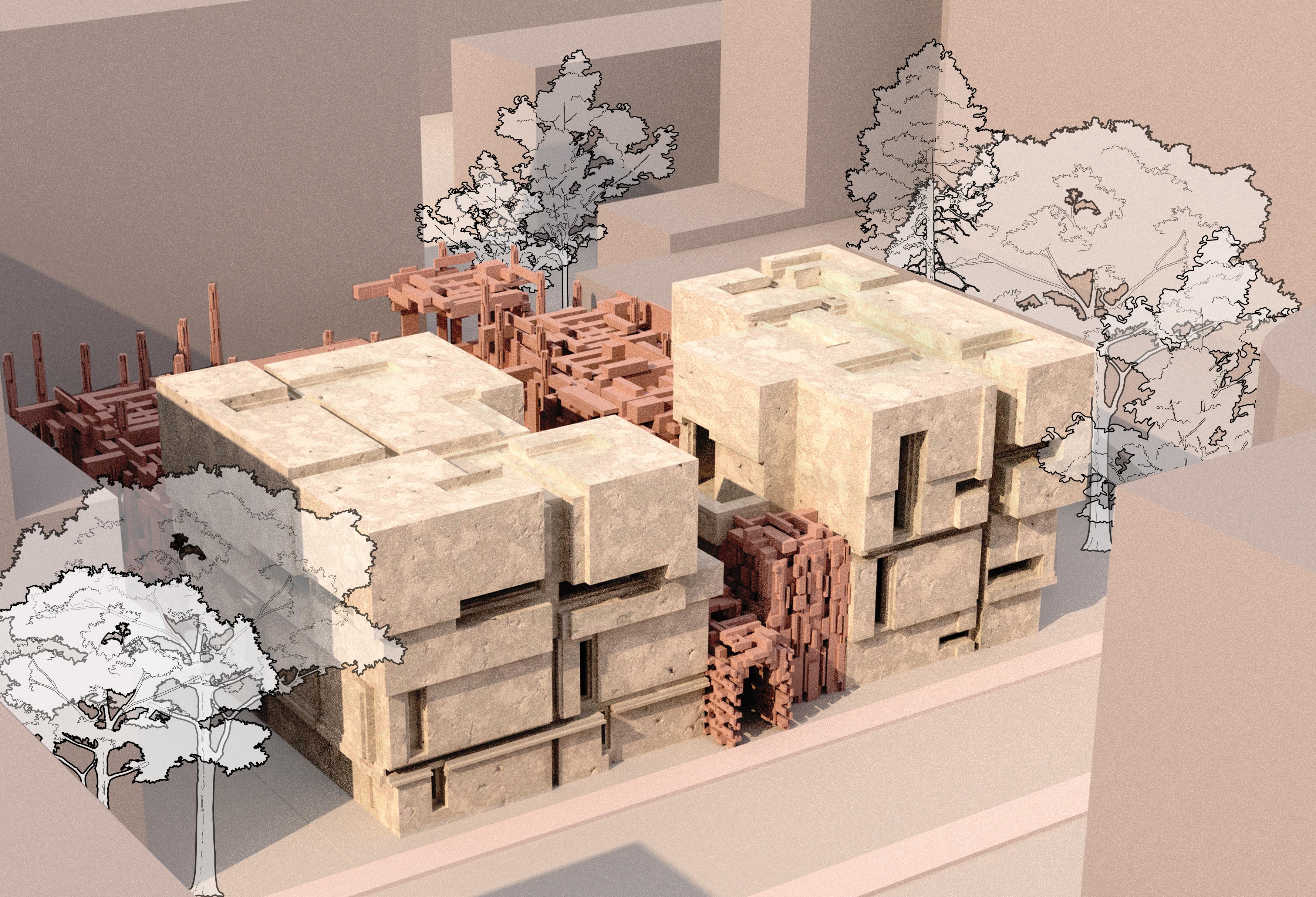
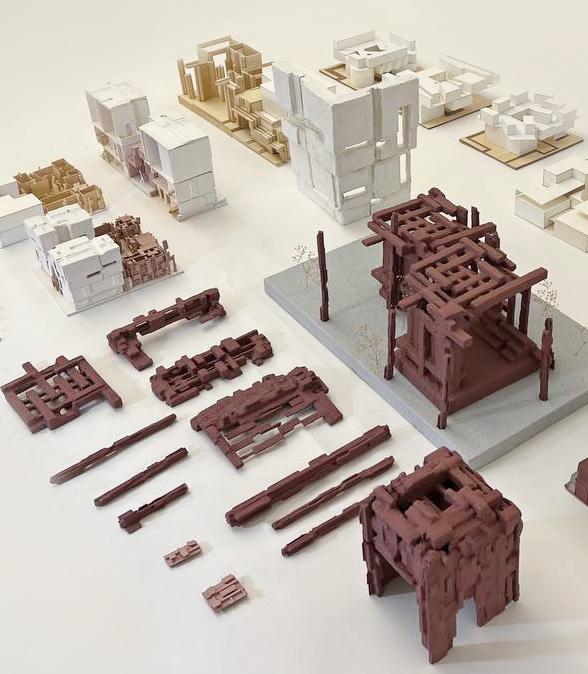
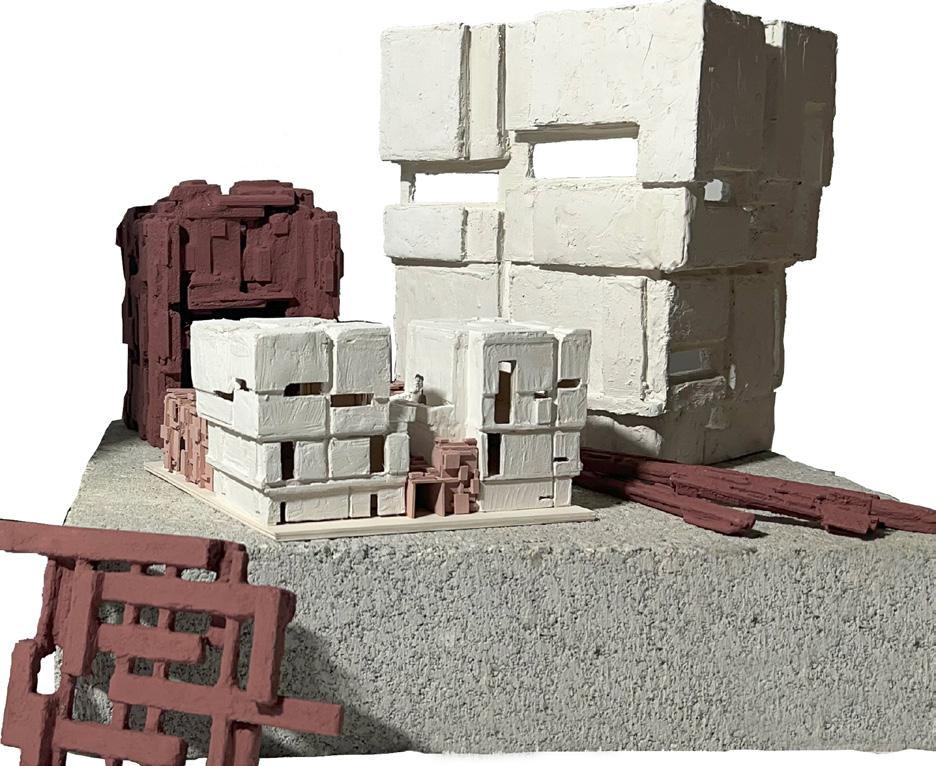
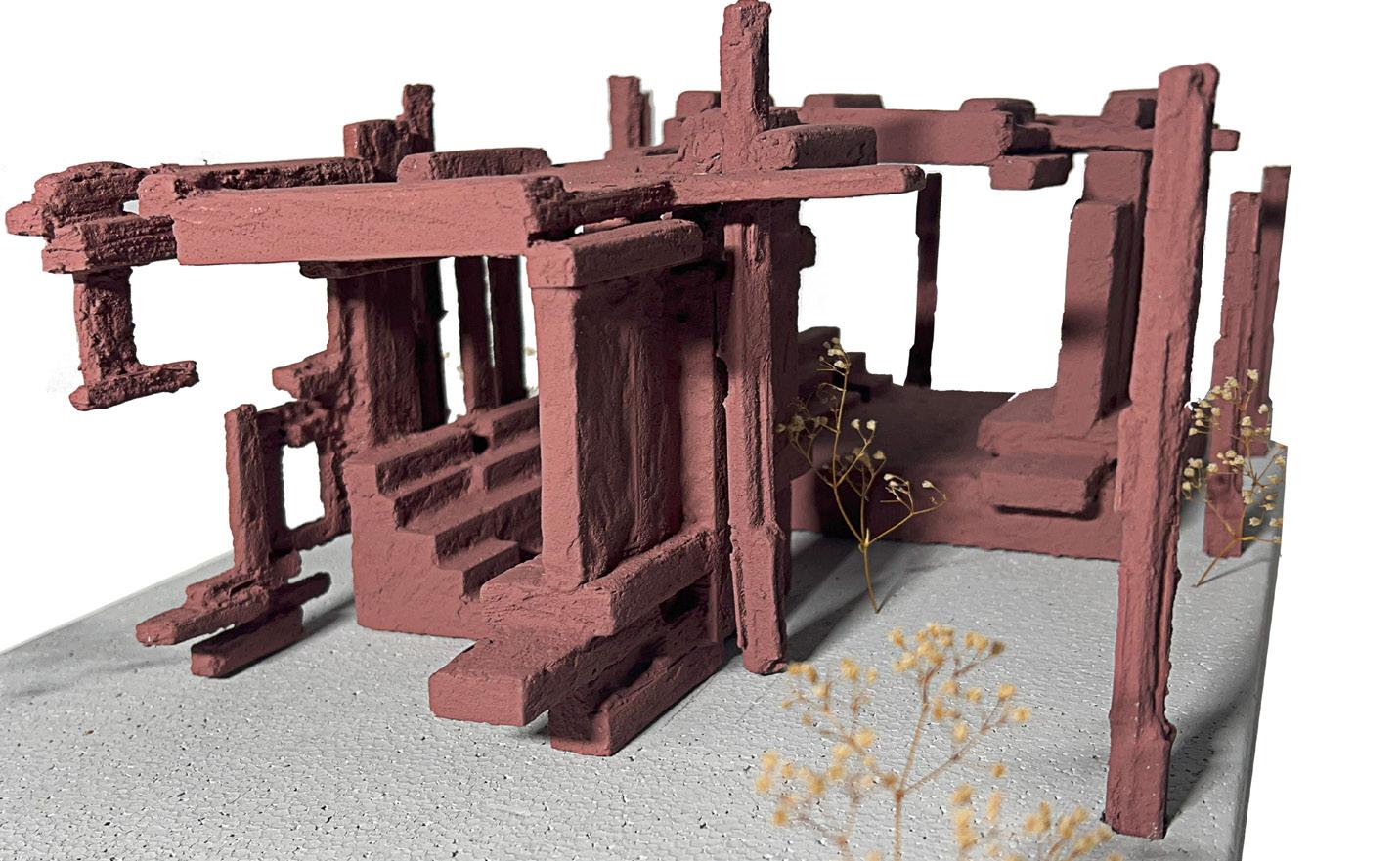
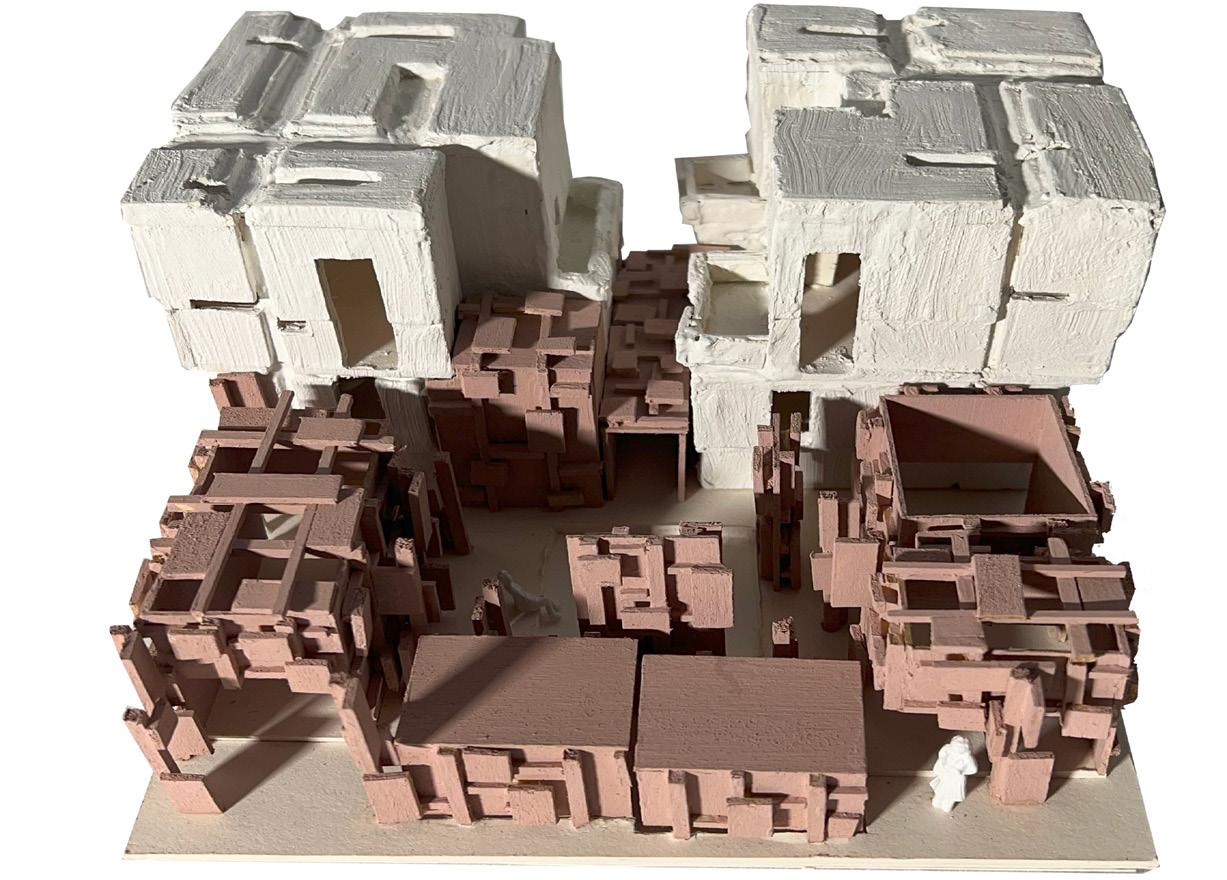
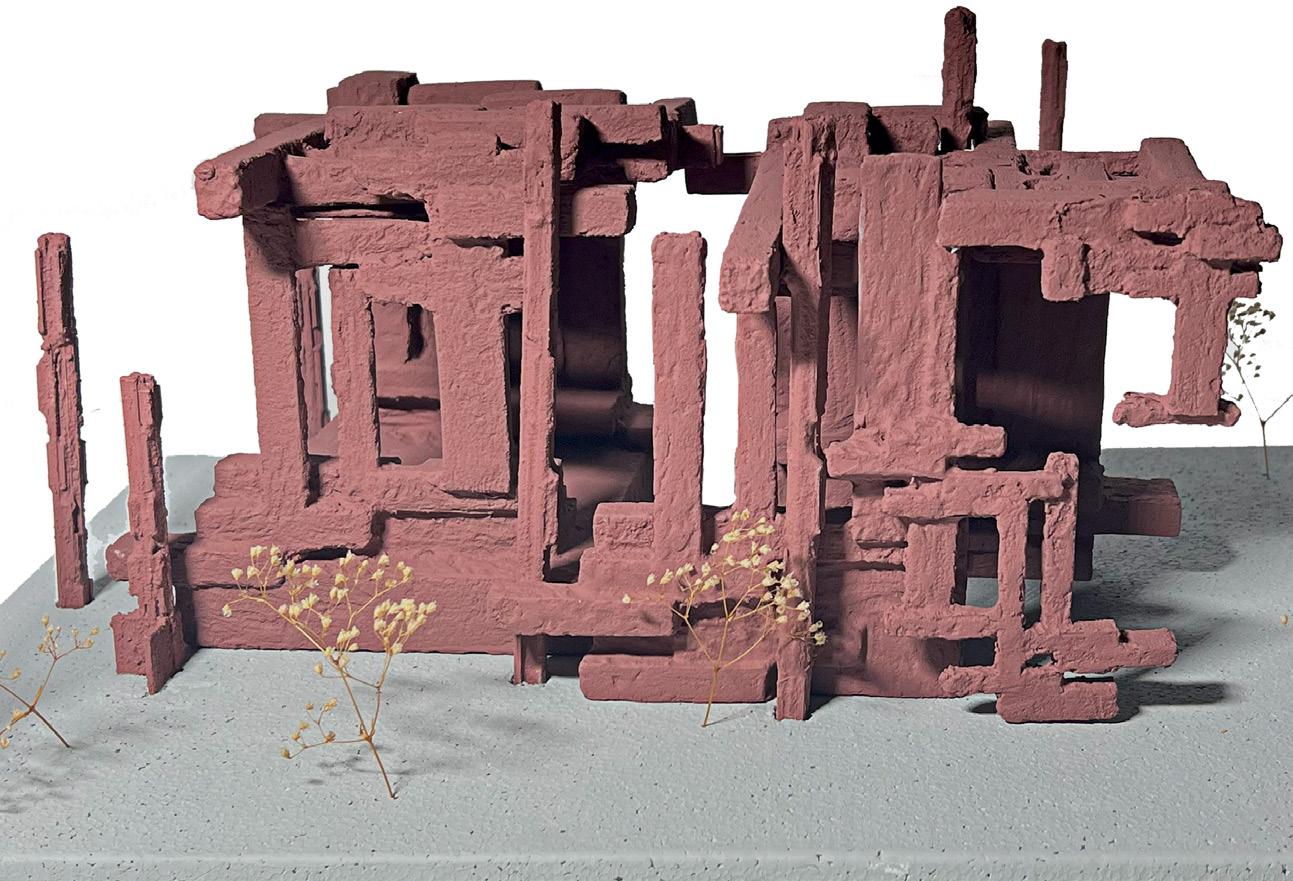
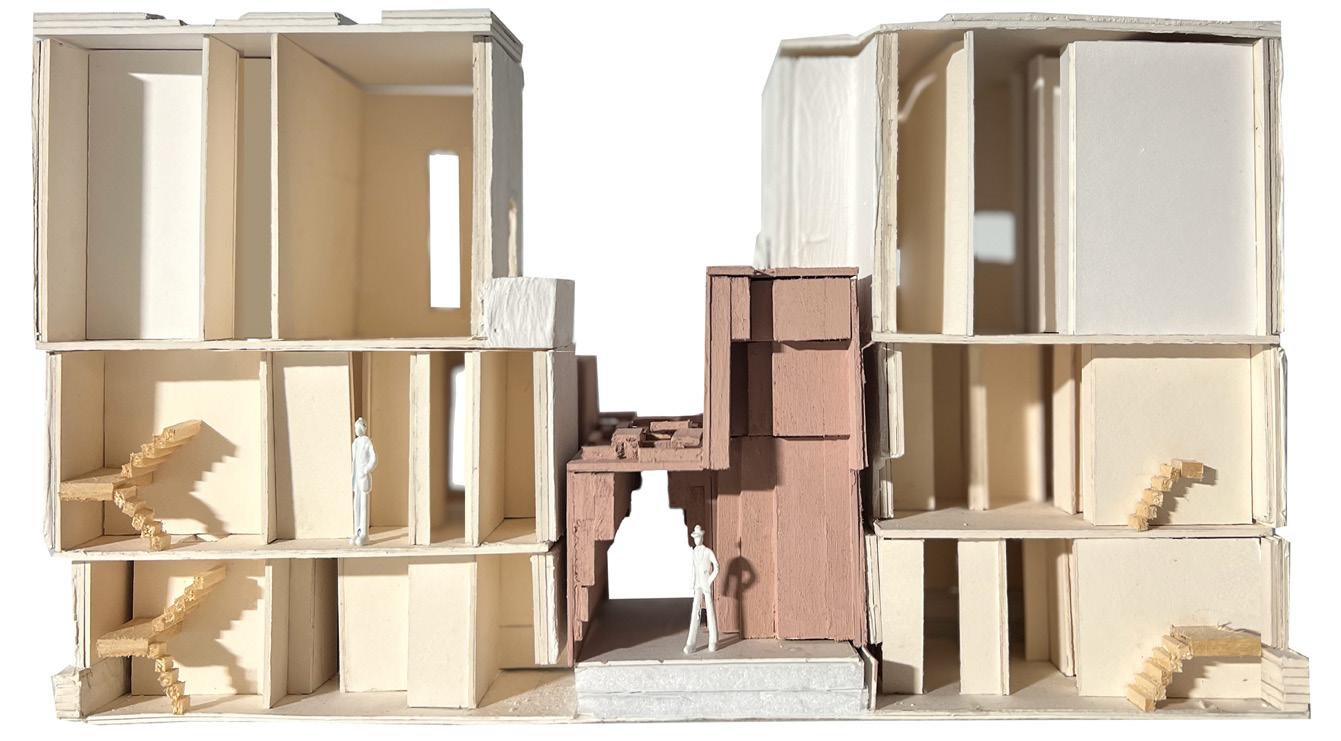
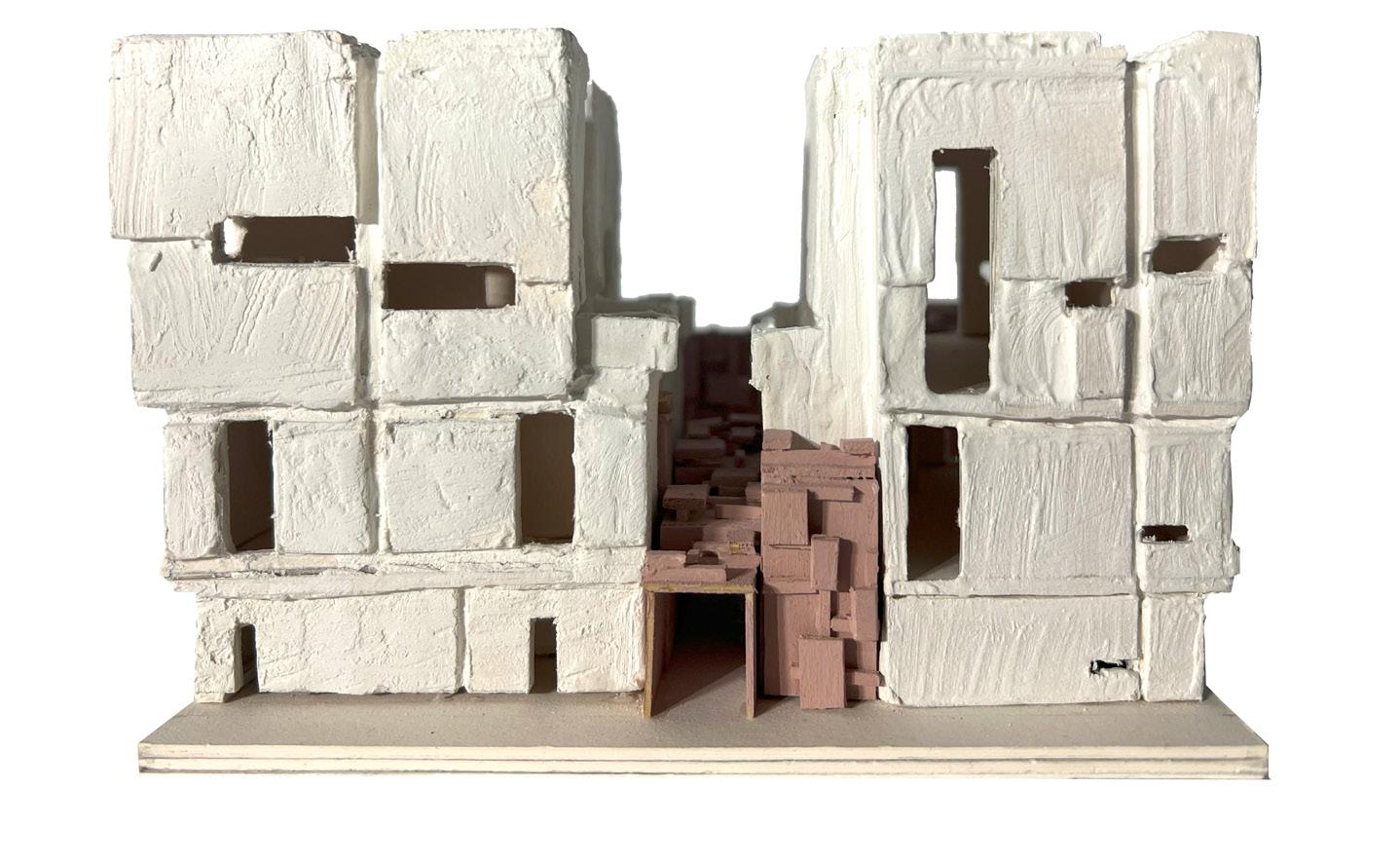
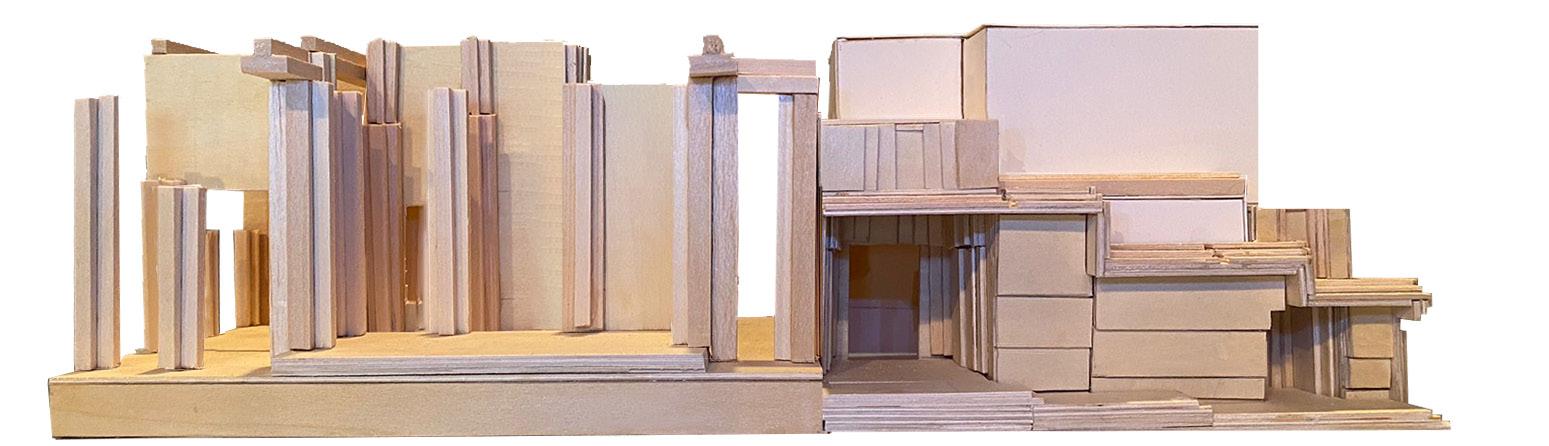
The project employs physical models to simulate real lighting conditions, allowing the tectonic behavior of both the solid and porous systems to be studied at an architectural scale. The front massing emphasizes a carved, monolithic presence that frames a deliberate passageway, drawing visitors toward the more intricate and porous spatial field at the rear. This calibrated transition—from heavy to light, from carved solidity to structural play—reveals how the project orchestrates movement, atmosphere, and illumination. The rendered view captures this relationship, hinting at how the front volume becomes a threshold into the tectonic complexity unfolding behind it.
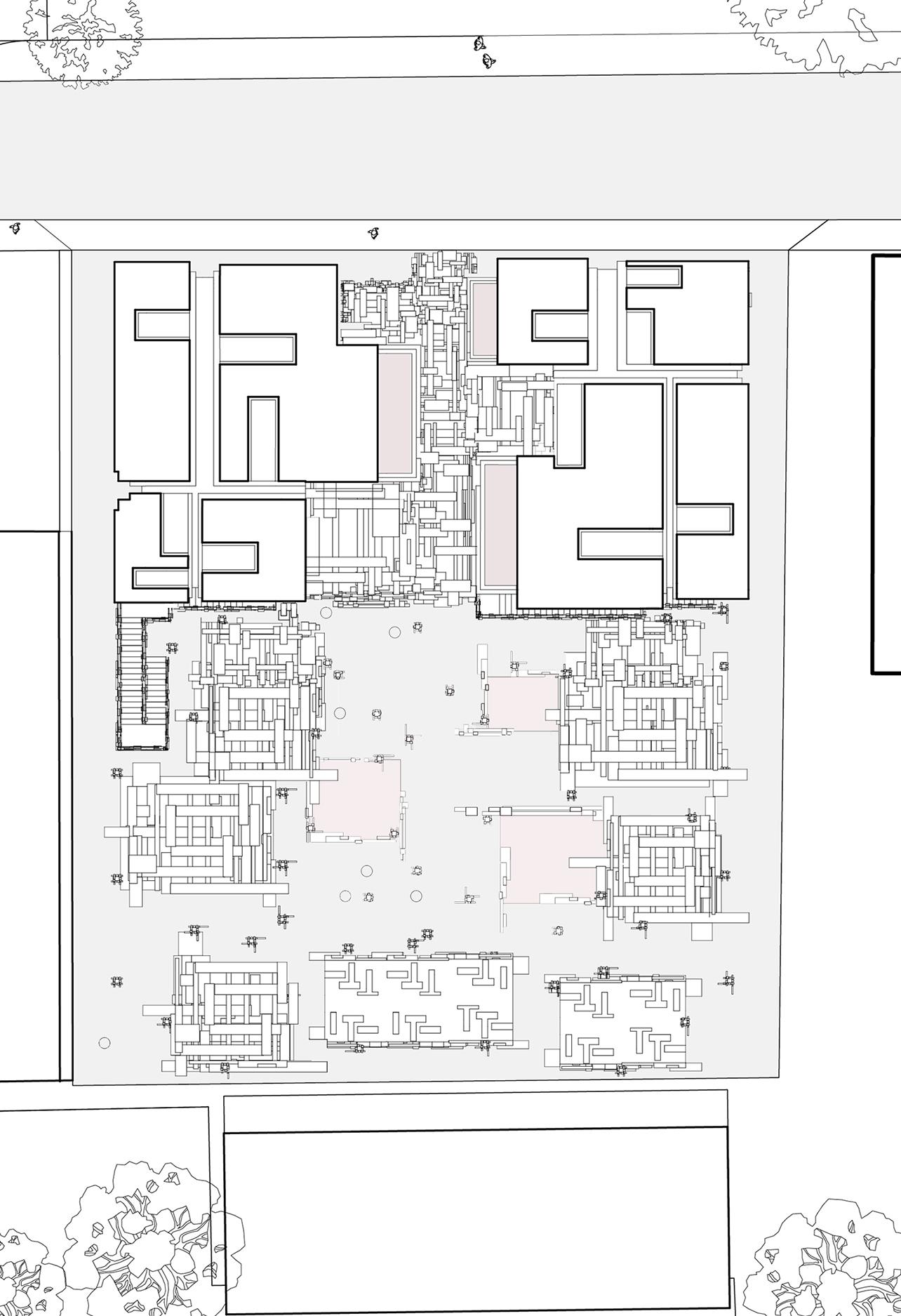
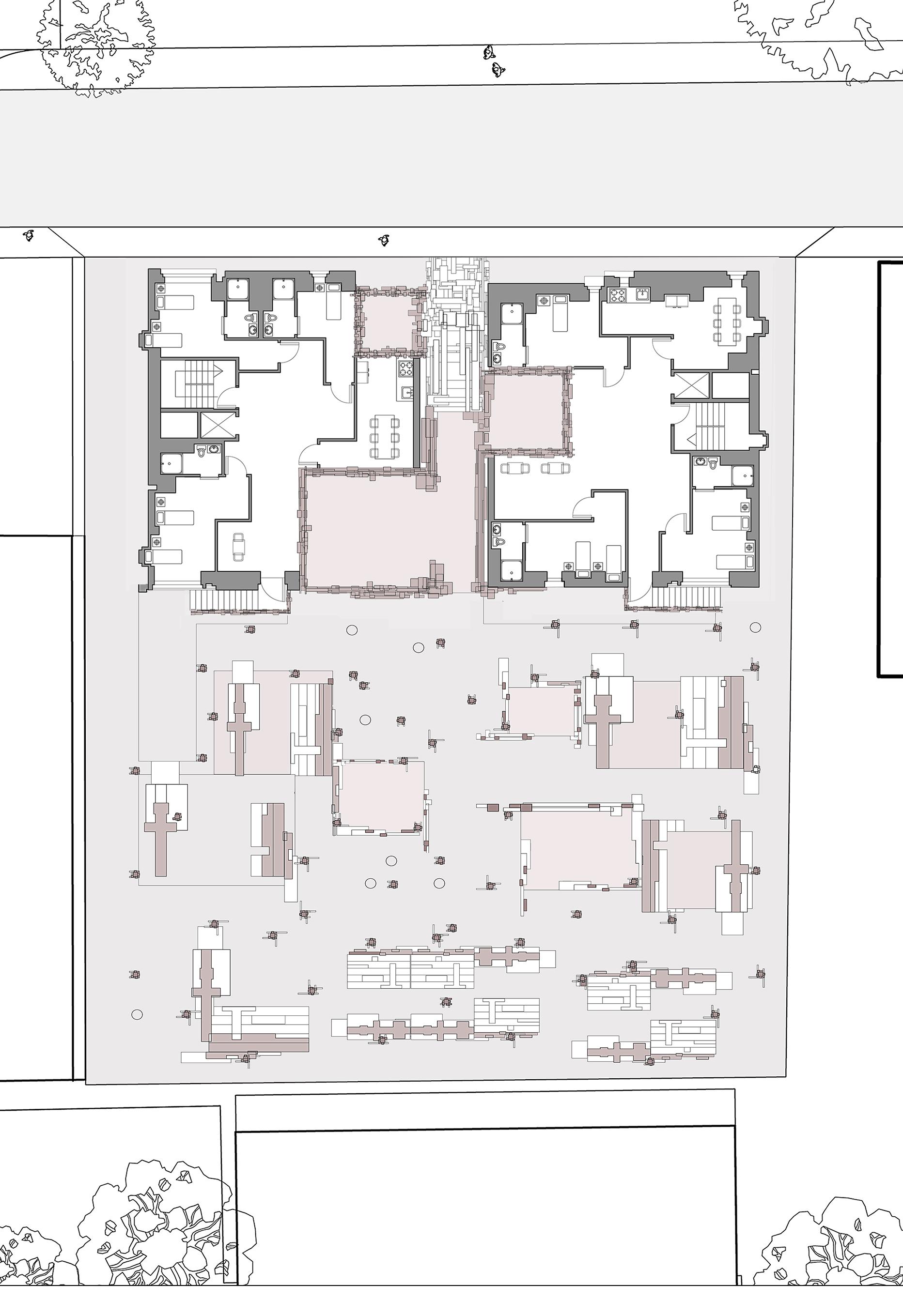
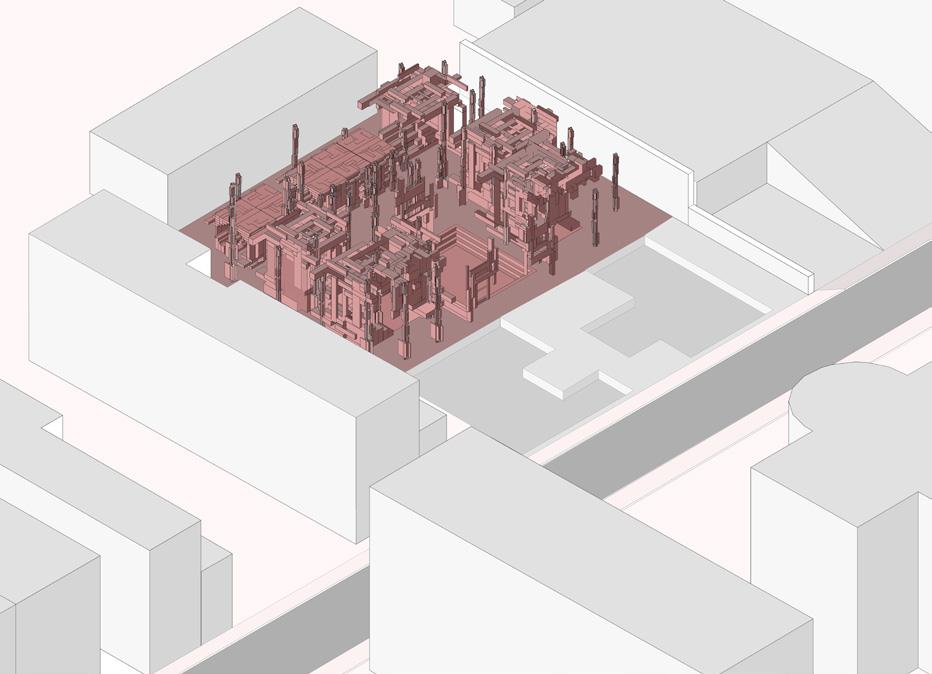
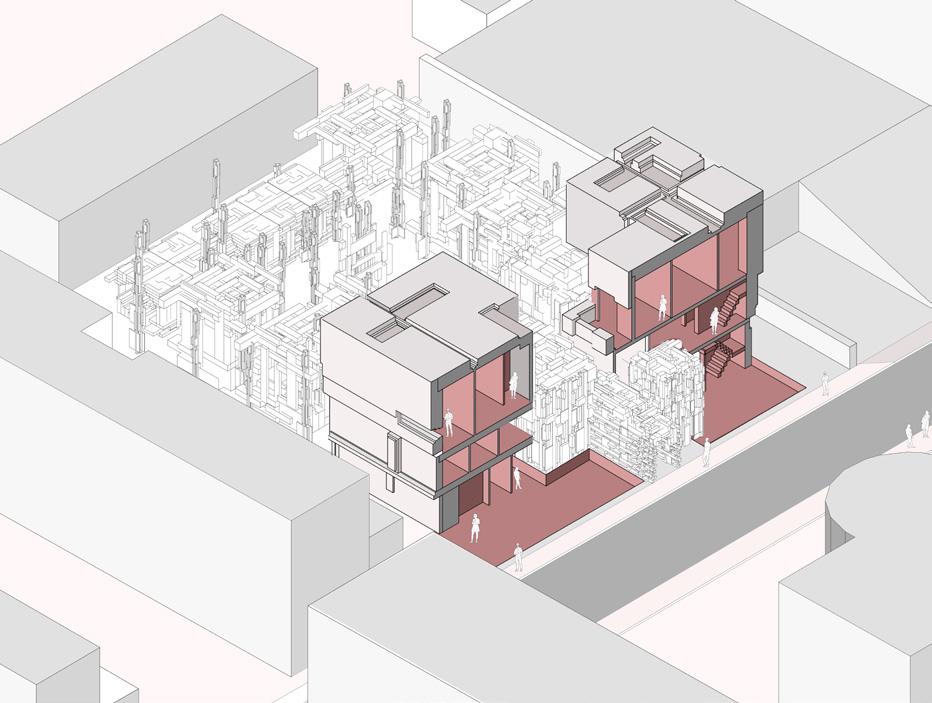
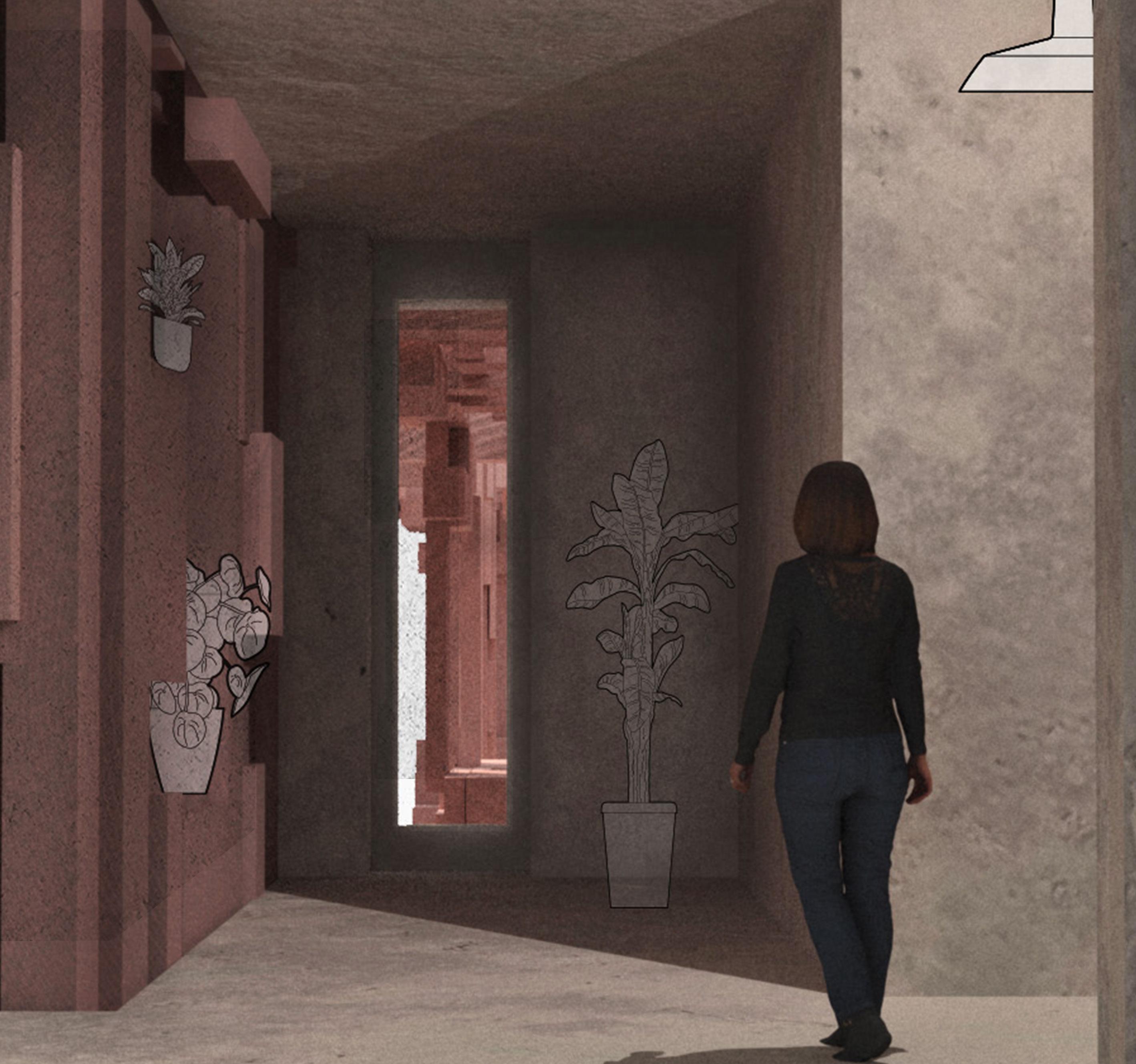
The interior residential plan reinforces the project’s dichotomic spatial relationship by translating the courtyard logic into a carved interior condition rather than a tectonic one. These carved pockets slip into the massing to create built-in furniture elements, intimate recesses, and spatial moments that soften the solidity of the monolithic structure. The renderings demonstrate how different shape-grammar operations generate distinct programmatic atmospheres, allowing each residential zone to express a variation of the project’s formal and organizational logic.