BUILDING SUCCESSFUL COMMUNITIES
1975 - 2025
Thank You
As we mark this significant milestone in MCCSA’s history, I would like to extend my heartfelt thanks to all those who contributed to the Jubilee publication. Your reflections, stories, time, and effort have helped us shape a meaningful record of our journey over the past 50 years.
A special mention must be made of both Dr Ian Harmstorf OAM BVK and Rob Smetak for their tireless work, commitment, and care in supporting the development of this publication. Their contributions have been invaluable, and we are deeply grateful.
Thank you once again to each and every one of you who helped bring this project to life.
Mrs
Miriam Cocking
Chairperson MCCSA
Disclaimer
Every effort has been made to ensure the accuracy and completeness of the information included in this Jubilee publication. We have drawn on the records and resources available to us at the time of compilation. However, due to the many relocations and changes in the early years of ECC/MCCSA’s history, there are some gaps in our archives.
We sincerely apologise if any past board or staff members, volunteers, or contributors have been unintentionally omitted. Their contributions remain valued and appreciated as part of MCCSA’s proud 50-year journey.
If you notice any omissions or inaccuracies, please feel free to contact us so we may update our records for future editions.
TECHNICAL EDITOR: Helena Kyriazopoulos OAM
GRAPHIC DESIGN: Georgi Bah
HISTORIAN: Dr Ian Harmstorf OAM BVK
RESEARCH: Rob Smetak
Foreword
BY THE HON. HIEU VAN LE AC
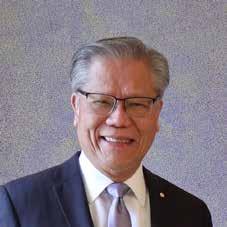
As Patron, it is with great pride that I join you in celebrating a remarkable milestone—the 50th anniversary of the Multicultural Communities Council of South Australia (MCCSA).
This occasion is not just a commemoration of time passed; it is a testament to the resilience, unity, and progress fostered by MCCSA in our diverse community.
From its modest beginnings, MCCSA has evolved into a cornerstone of South Australia’s cultural fabric, embodying the essence of inclusivity and service that defines our multicultural identity.
Established initially as the Good Neighbour Council in 1949, it provided essential support to post-World War II migrants navigating new lives in Australia. However, it was the transformative era of the 1970s that saw MCCSA emerge as a pivotal advocate for diversity, dismantling barriers and championing the contributions of culturally diverse communities.
The amalgamation of the Ethnic Communities Council and the United Ethnic Communities Council in 1995 marked a watershed moment, consolidating MCCSA’s role as a unifying force. Since then, MCCSA has been a vanguard of change, advocating for equitable policies, pioneering essential services and empowering generations of Australians from all backgrounds.
As someone who arrived in Australia as a refugee, I have experienced firsthand the profound impact of community support. MCCSA has been a lifeline for countless individuals and families, fostering cross-cultural understanding, guiding newcomers and tirelessly advocating for inclusivity and equality.
Today, MCCSA stands as a testament to the vision and dedication of extraordinary individuals. Leaders like Bruno Krumins AM, Michael Schultz AM, Randolph Alwis AM, Ron Tan OAM, Tony Cocchiaro AM, Miriam Cocking and countless dedicated volunteers have forged its enduring legacy. Special tribute is due to stalwarts such as Ian Harmstorf OAM BVK and Silvio Iadarola, whose unwavering commitment has guided MCCSA through many challenges over the years.
Notably, the pivotal contributions of women such as Sofia Kanas OAM, Sofia Matias, Isolde Davis OAM, Laima Bogens OAM, Ilde Wetherill, Dana Vukovich, Helena Kyriazopoulos OAM, Gosia Skalban OAM and Miriam Cocking have been instrumental in MCCSA’s success and achievements.
Reflecting on the past five decades, we celebrate not only the milestones but also the resilience, perseverance and passion that have seen us through adversity and triumph alike. Looking ahead, MCCSA remains steadfast in its mission to cultivate an inclusive, equitable society where every individual can thrive and contribute.
With 36 diverse programs and state-wide partnerships, MCCSA continues to serve as a beacon of hope and opportunity for all South Australians. On this momentous occasion, let us honour the pioneers, leaders and communities whose strength and passion inspire us daily.
I extend my heartfelt gratitude to everyone who has been part of MCCSA’s journey—a journey that underscores the profound impact of community and promises a brighter tomorrow.
Happy 50th anniversary, MCCSA!
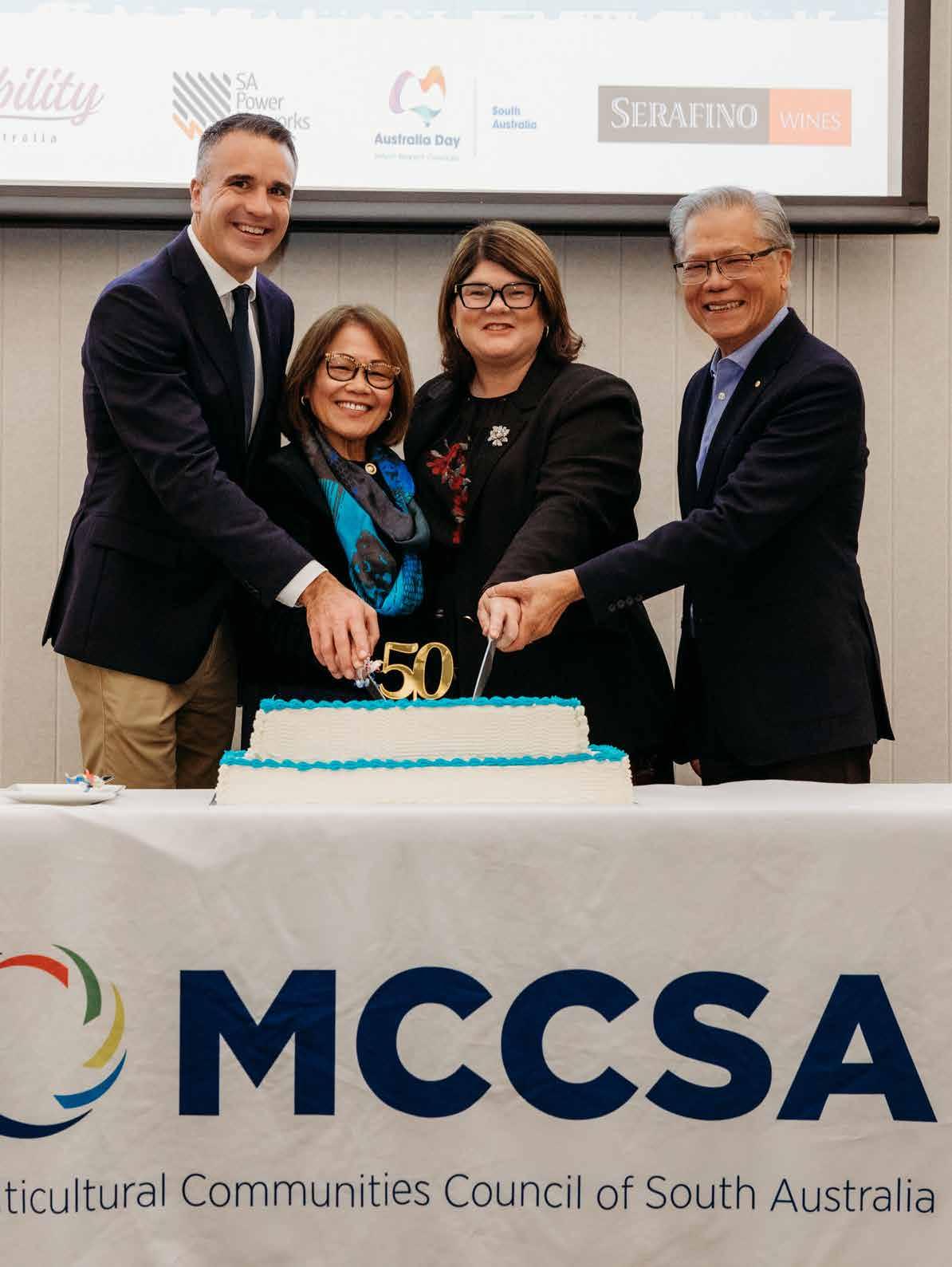
Premier Peter Malinauskas, MCCSA Chairperson Miriam Cocking, Hon Zoe Bettison MP and the Hon. Hieu Van Le AC
From the Premier of South Australia
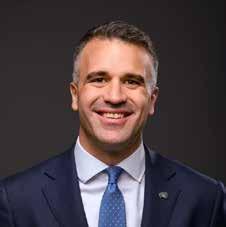
HON PETER MALINAUSKAS MP
I extend my warmest wishes and congratulations to the Multicultural Communities Council of South Australia as it celebrates its 50th anniversary.
This milestone occasion is a timely opportunity to reflect on the Council’s achievements and successes over five decades and its contribution to the strength and vibrancy of our richly diverse state.
The Council has a long and proud history, providing steadfast and strong leadership. Thank you for your tireless efforts in empowering, advocating and supporting our diverse culturally and linguistically communities.
The work of the Council has allowed communities, families and individuals to receive the support they needed to become outstanding contributors to our great state.
Multiculturalism is one of our state’s greatest assets, but this was only achieved from the hard work of those who promoted, supported and valued our diverse migrants.
On your Jubilee, I congratulate and thank the dedication of the past and present Board, Executive team and those who have contributed to the work of the Council.
May this special anniversary be a time to celebrate the many achievements of the past and look ahead to a prosperous and exciting future.
From the Minister for Multicultural Affairs
HON ZOE BETTISON MP
I extend my best wishes to the Multicultural Communities Council of South Australia on the occasion of its 50th anniversary.
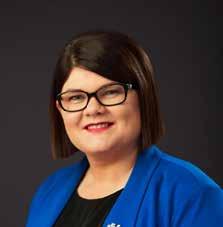
For five decades, the Council’s deep connection and engagement with culturally diverse communities, strong leadership, advocacy, and culturally responsive programs and services, have had a profound impact on the lives of our migrant communities in South Australia.
This important work reflects our state’s vision for a cohesive, equitable and harmonious multicultural society that makes South Australia such a great place to live, study, work and thrive.
The South Australian Government is proud to support the Council and looks forward to continuing to work with the Council to achieve meaningful outcomes for our state’s multicultural communities in the future.
On this significant anniversary, I congratulate Mrs Miriam Cocking, Chair of the Multicultural Communities Council of South Australia and the Board, Ms Helena Kyriazopoulos OAM, Chief Executive Officer, staff, volunteers and supporters for their service, extraordinary achievements and commitment to our diverse communities in South Australia.


From the Leadership of the Opposition
HON VINCENT TARZIA MP & JOSH TEAGUE MP
We extend our warmest congratulations to the Multicultural Communities Council of South Australia (MCCSA) on this remarkable 50-year milestone.
For half a century, MCCSA has championed the voices, cultures, and contributions of South Australia’s diverse communities. Your work has brought people together, strengthened community connections and helped shape a more inclusive and vibrant state for all.
We believe that South Australia’s greatest strength lies in its people. Our diversity enriches every part of our society, from small businesses and schools to community organisations and cultural celebrations. We are proud to stand with all communities who call South Australia home and to support a future built on respect, opportunity, and shared belonging.
As we celebrate this historic occasion, we honour the contribution of generations of multicultural South Australians who have helped build our state. We also look to the future with optimism, a future where every person, no matter their background, has the opportunity to participate, contribute and thrive.
Congratulations to MCCSA on 50 years of leadership and advocacy. We look forward to continuing this journey together.
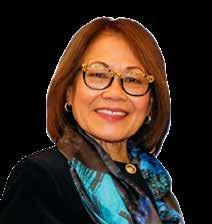
Celebrating 50 Years of Unity, Advocacy and Progress
MCCSA CHAIRPERSON MIRIAM COCKING
This Jubilee marks an extraordinary milestone, 50 years of unwavering dedication to multiculturalism, equity, and community empowerment.
Since our founding in 1975, the Multicultural Communities Council of SA has been a strong and principled voice for culturally and linguistically diverse communities. From our earliest days, we have advocated for fairness, influenced public policy, built bridges between cultures, and championed a vision of a society where every person, regardless of their background, is respected, valued, and given the opportunity to thrive.
The journey has not always been easy. We have faced social shifts, political headwinds, and complex challenges. Yet, through resilience, collaboration, and an unwavering belief in our purpose, we have not only endured, we have flourished.
Our success would not have been possible without the extraordinary people who give life to our mission. To our dedicated staff, whose passion, skill, and commitment form the backbone of our organisation, and to our 170 remarkable volunteers, who selflessly give their time and energy to uplift others: thank you. Your contributions continue to inspire and drive meaningful change across our communities.
We also extend our deepest gratitude to our partners and funders. Your trust, support, and shared belief in the power of inclusion have transformed ideas into action and hope into progress.
This 50th anniversary is more than a celebration of the past, it is a tribute to what we can achieve when people and institutions work together with purpose and heart. It is a time to honour our roots, reflect on how far we’ve come, and look forward with renewed strength and unity.
To our founders, staff past and present, volunteers, community leaders, partners, funders, and every individual who has walked this journey with us, thank you. You are the reason for our success and the torchbearers of our vision.
Together, we step confidently into the future, united in purpose, inspired by our shared journey, and more committed than ever to building a truly inclusive, just, and harmonious multicultural Australia.
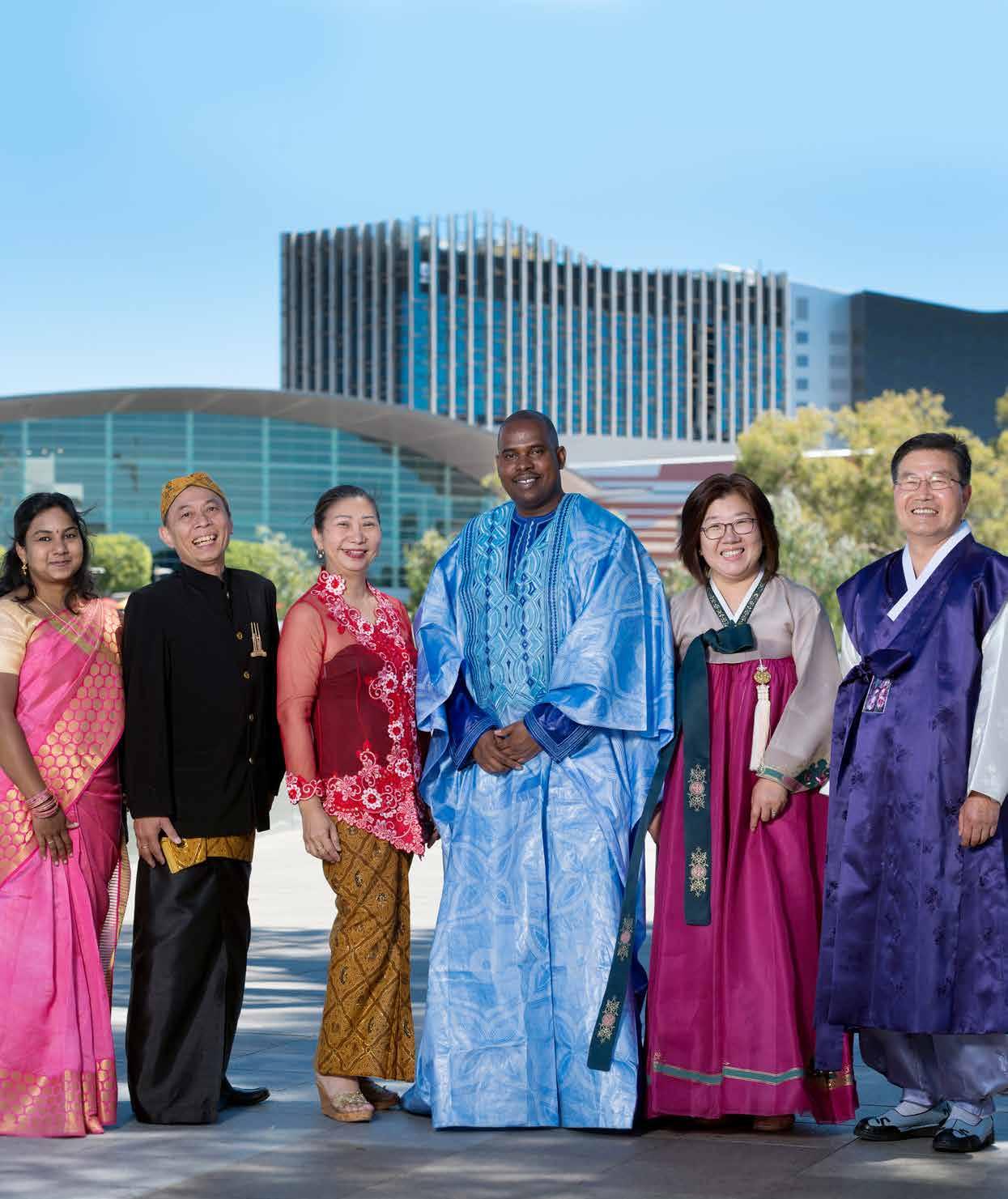

Celebrating 50 Years of MCCSA, A Personal Reflection
MCCSA CEO HELENA KYRIAZOPOULOS OAM
As we celebrate MCCSA’s 50th anniversary, I can’t help but reflect on what this organisation truly means, not just to the thousands of people it has supported over the years, but to me personally.
My parents came to Australia as a young family, full of hope but also facing the many challenges that come with starting over in a new country. Like so many migrants, they worked hard to create opportunities for themselves and more importantly, for their children. Their story is one I carry with me every day and it has shaped my understanding of the vital role MCCSA plays in the lives of so many. I know firsthand how important it is to feel supported, to have someone advocating for you and to be part of a community that understands your journey.
Since its beginnings in 1975, MCCSA has been that support for countless individuals and families. Over the past five decades, the organisation has grown, adapted and evolved, always with the same core purpose: to stand beside multicultural communities and ensure their voices are heard. Whether it was helping new arrivals find their feet, advocating for fairness and inclusion, or strengthening connections between cultures, MCCSA has always been driven by the belief that diversity makes us stronger.
The past decade, in particular, has been a time of great growth and change. We’ve expanded our programs, responded to new challenge, and continued to build a more inclusive South Australia. But what has always remained constant is the people, the leaders, staff, volunteers and community members who have shaped MCCSA into what it is today. This milestone belongs to all of you.
As we look to the future, I know there is still work to do. The world around us is changing and with that comes new challenges and opportunities. But just as my parents once took a leap of faith to build a better life, I know MCCSA will continue to take those leaps alongside the communities we serve because that’s what we’ve always done.
Thank you to everyone who has been part of this journey. Your dedication and passion have made all the difference. Let’s celebrate our past, embrace the present and step forward with confidence into the future.
Happy 50th anniversary, MCCSA!
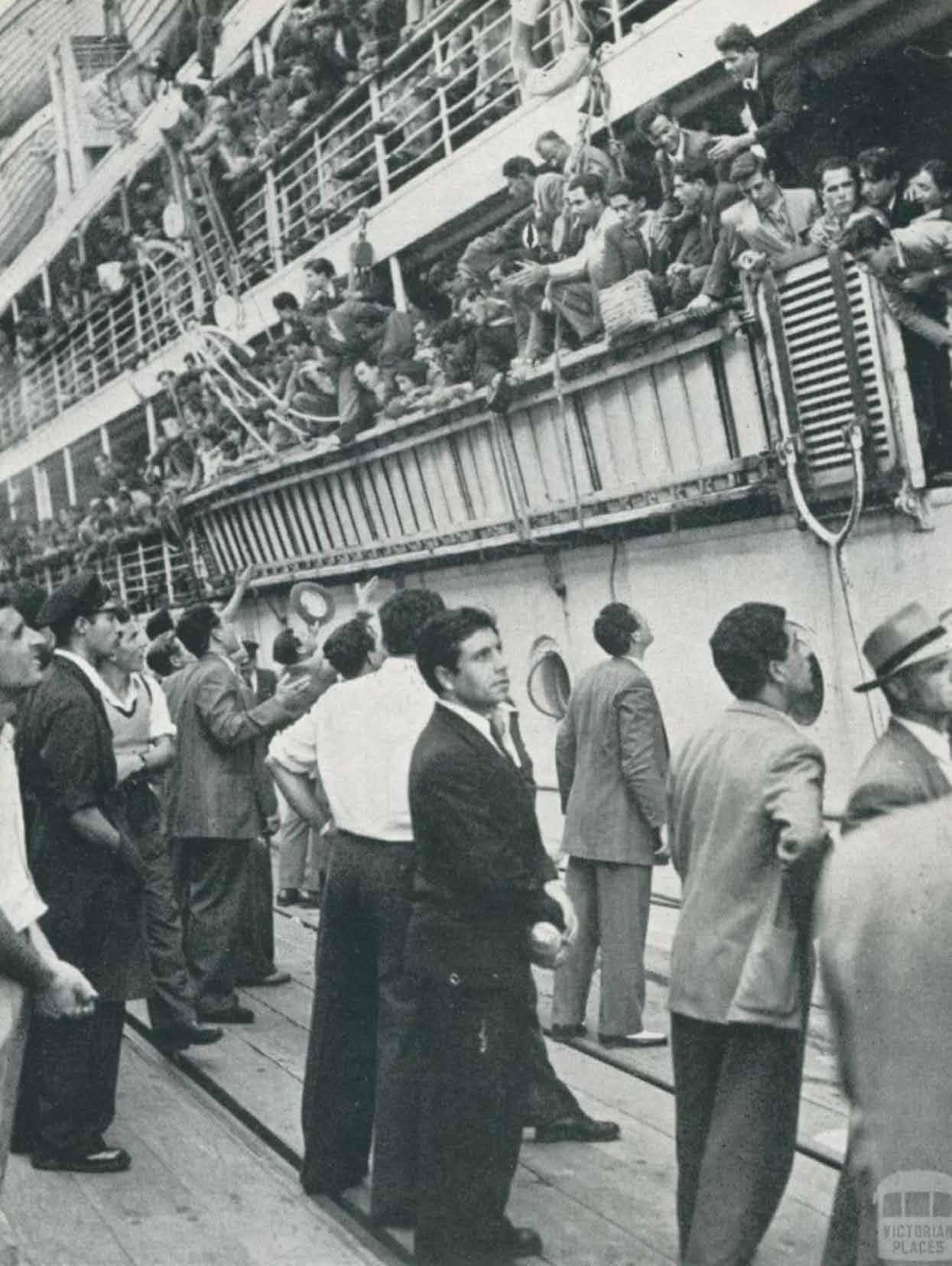
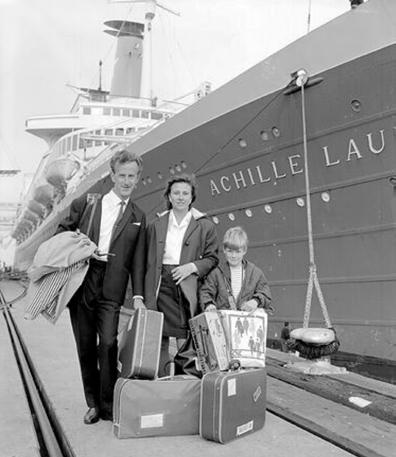
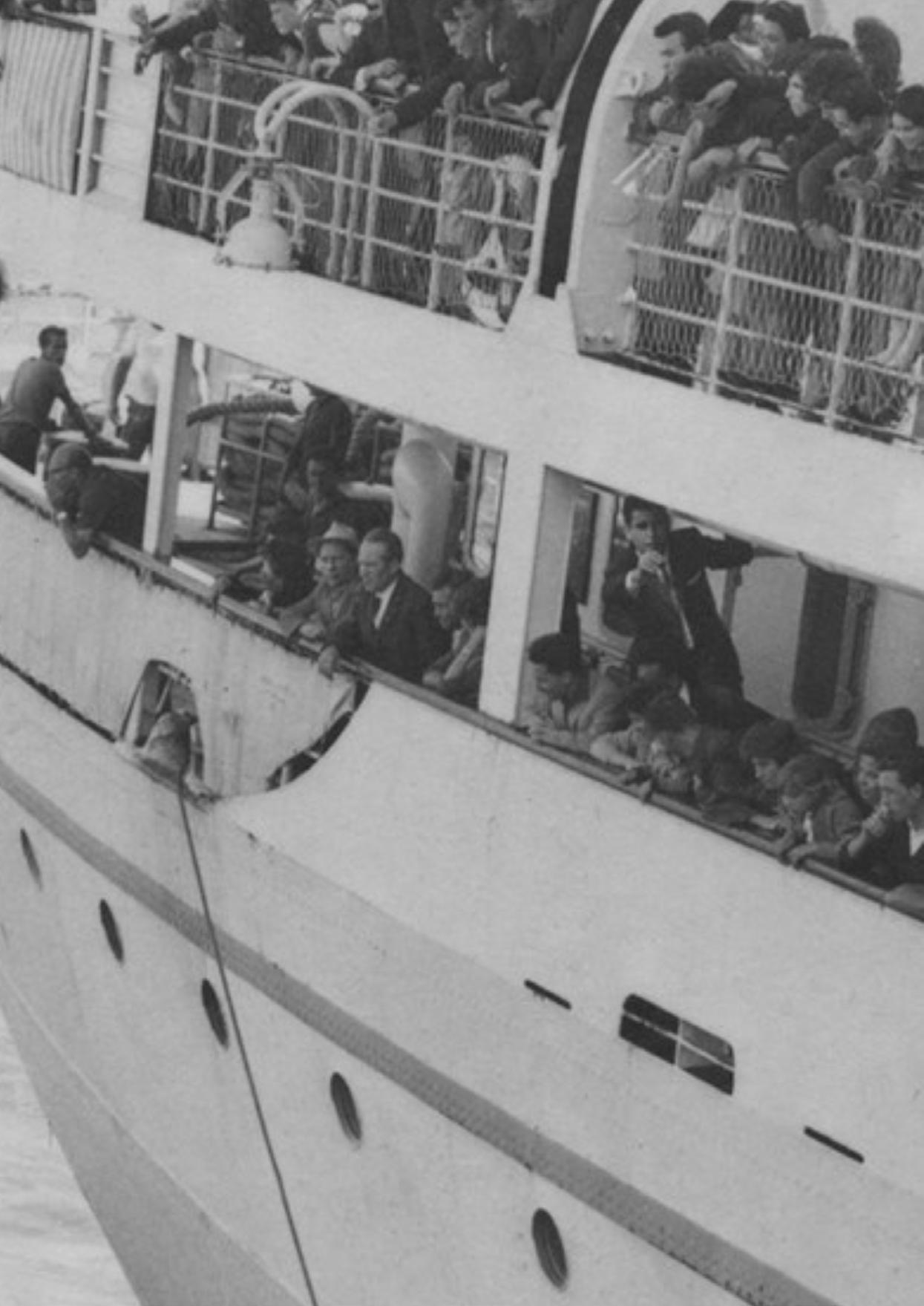
Arriving Port Melbourne 1947
Australia – A Land of Migrants
Ancient Migration and Early Settlement
Australia has always been a land of migration. From the arrival of Aboriginal peoples over 65,000 years ago to the European settlers just 250 years ago, migration has shaped this continent. The story of Australia is one of waves of newcomers building lives and contributing to a vibrant society—though not without significant struggles and inequities, particularly for Aboriginal and Torres Strait Islander peoples.
A Diverse Nation From Its Beginnings
From the beginning of European settlement newcomers arrived from a variety of backgrounds, resulting in Australia becoming one of the most ethnically and culturally diverse countries in the world. However this diversity has also brought challenges. Each wave of new arrivals was often met with suspicion, vilification and discrimination. Despite this, history shows that within three generations migrants generally integrate into the mainstream of Australian society, even as prejudices stubbornly persist.
Post-War Migration and Multiculturalism
The post-World War II period saw the largest wave of migration since the 1850s gold rushes. Between 1945 and 1970, over two million migrants came to Australia, many from war-torn Europe.
Initially, voluntary organisations like the Good Neighbour Councils attempted to support migrants, but by the 1970s, governments became more directly involved, encouraging the growth of ethnic community organisations and multicultural councils. The Whitlam Government’s (1973-75) commitment to multiculturalism and the passing of anti-discrimination legislation marked a decisive policy shift. This era marked the shift from assimilation, forcing migrants to abandon their cultural identities, to multiculturalism, which celebrates diversity within the framework of Australian values and laws.
Embracing the Multicultural Identity
Multiculturalism remains a topic of debate. Some view it as a threat to national cohesion, others misunderstand it as a call for total assimilation. Yet, the reality is that Australia has long been a multicultural nation and this diversity continues to be one of its greatest strengths. Cultural fusion has led to a vibrant, prosperous society where food, arts, languages, and traditions from every corner of the world thrive in urban and regional communities alike. As we reflect on history it becomes clear that embracing diversity has made Australia stronger, not weaker. The Australian identity continues to evolve, enriched by each wave of migration and strengthened by the contributions of all who call this country home.
A Short History of the Multicultural Communities Council of South Australia
Post-War Beginnings: Seeds of Multicultural Support
1949–1970s
The story of the Multicultural Communities Council of South Australia (MCCSA) begins in the aftermath of World War II when South Australia welcomed thousands of migrants fleeing wartorn Europe. In response to their needs, the Good Neighbour Council (GNC) was established in 1949—the first of its kind in Australia. Entirely voluntary, the GNC was formed to help migrants settle into their new homeland.
However its approach was assimilationist: newcomers were expected to fully adopt Australian customs, language, and ways of life. By the 1970’s a significant number of migrants were returning to their countries of origin, disillusioned by their experiences. These patterns prompted a major reassessment of national immigration and settlement policy.
A New Vision: Policy Shifts and Cultural Recognition 1970s
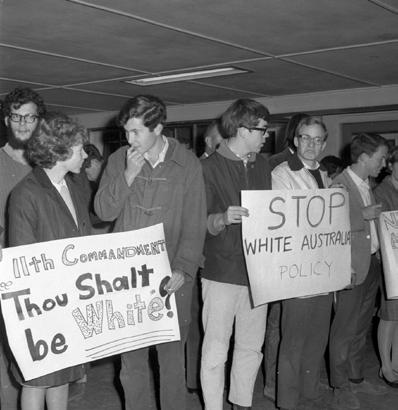
The 1970s marked a pivotal shift. The dismantling of the White Australia Policy (1973), the introduction of anti-discrimination laws and a broader recognition of cultural diversity led to a more inclusive national ethos. Migrants were now encouraged to maintain their cultural traditions, provided they aligned with Australian laws. It became clear that new structures were needed to support this evolving multicultural identity.
In response the Ethnic Communities Council (ECC) of South Australia was formally established in 1975 to represent the growing cultural diversity of the state. Although the GNC continued in a limited capacity until 1989, the ECC emerged as the primary voice for ethnic communities.
Merging for Strength: Unity Through Diversity
1979–1995
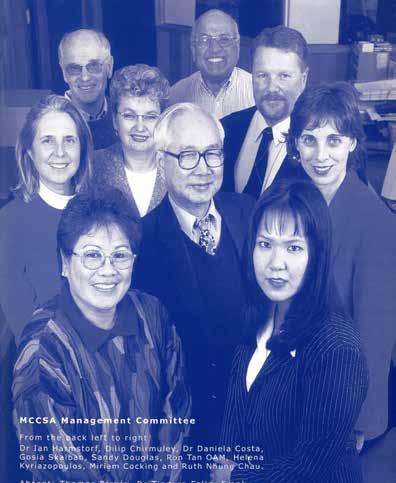
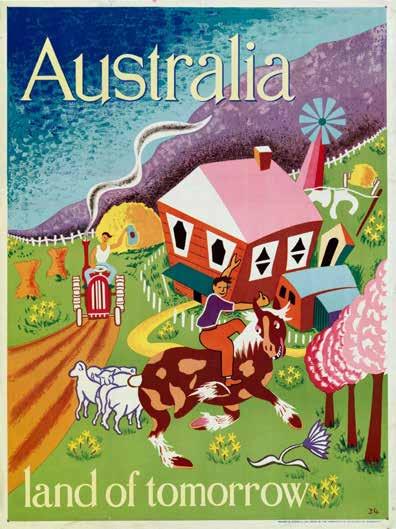
Despite progress differences in perspective and approach within ethnic communities led to the formation of the United Ethnic Communities Council (UECC) in 1979. For more than a decade the ECC and UECC operated side by side. Recognising the need for a united voice, the two councils merged in August 1995 to form the Multicultural Communities Council of South Australia (MCCSA). This new body affiliated with the national Federation of Ethnic Communities’ Councils of Australia (FECCA, established1979), strengthening the influence and reach of the Council across South Australia.
Advocacy and Service: Expanding Impact
1995–Present
From the outset, MCCSA embraced a dual mission: to meet the practical needs of communities through culturally responsive services and to provide strong advocacy for fair and inclusive policies at both state and national levels. While initially seen primarily as an advocacy organisation, MCCSA has played a foundational role in establishing programs that would become essential to community well being. These include Multicultural Aged Care, Multicultural Youth SA, the Multicultural Home Support Program and the Multicultural Awards, which later evolved into the Governor’s Multicultural Awards. The organisation also championed CALD Women’s Leadership Training, which was eventually integrated into TAFE.
SA. MCCSA’s advocacy contributed to the establishment of vital infrastructure such as Migrant Resource Centres, Migrant Health Centres and the Regency Green Aged Care Facility.
Foundations Built on Vision and Leadership
These achievements reflect MCCSA’s long-standing role as both a trailblazer and a collaborative partner in South Australia’s multicultural development. The organisation has always been grounded in the vision, commitment and contributions of countless individuals and communities. Its foundations were laid by tireless advocates, community leaders and volunteers who believed in a more inclusive future. Among the most notable contributors to the ECC and MCCSA’s legacy are Mr Bruno Krumins AM, Michael Schulz AM, Randolph Alwis AM, Laima Bogens OAM, Sofia Kanas OAM, and Ron Tan OAM. These individuals—and many others, helped shaped the direction, purpose, and enduring values of the organisation. Their legacy continues to guide MCCSA today.
21st Century Milestones and Growth
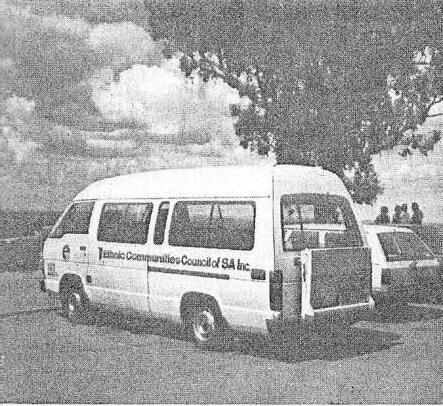
As MCCSA entered the 21st century, it carried forward its founding values while expanding its reach. Some of its earliest programs remain active and influential. The Aged Care Volunteer Visitors Scheme, Australia’s first, has been running continuously for 38 years. The Community Transport Program also marks 38 years of dedicated service while the Reconnect Youth Program has supported young people for over two decades. These initiatives laid the groundwork for the organisation’s growth. Today, MCCSA manages 36 distinct programs, designed to meet a broad and evolving range of community needs.
A major milestone came in the early 2000s when MCCSA acquired its own premises on Gilbert Street, after five relocations in ten years. This brought much-needed stability to staff, volunteers and the communities they serve. Yet, as programs have grown, so too have the demands on space and resources, challenges that the organisation continues to navigate with resilience and creativity.
Present-Day Leadership and Reach
MCCSA’s present-day operations reflect the scope of its impact. It manages 36 programs that support a diverse array of communities, represents 131 ethnic organisations, and engages with over 85 percent of South Australia’s migrant population. As a non-government organisation, it occupies a unique position—capable of responding to grassroots needs while also supporting governments in achieving culturally effective policy outcomes.
An Evolving Mission for the Future
Migration trends, community needs and cultural dynamics continue to evolve, but MCCSA remains a steadfast presence. Its mission to empower South Australia’s ethnic communities, promote inclusion, and ensure equitable access to services has never wavered. From advocacy to service delivery MCCSA continues to lead systemic change and provide vital support. It stands today as a pillar of multicultural progress—past, present and future.
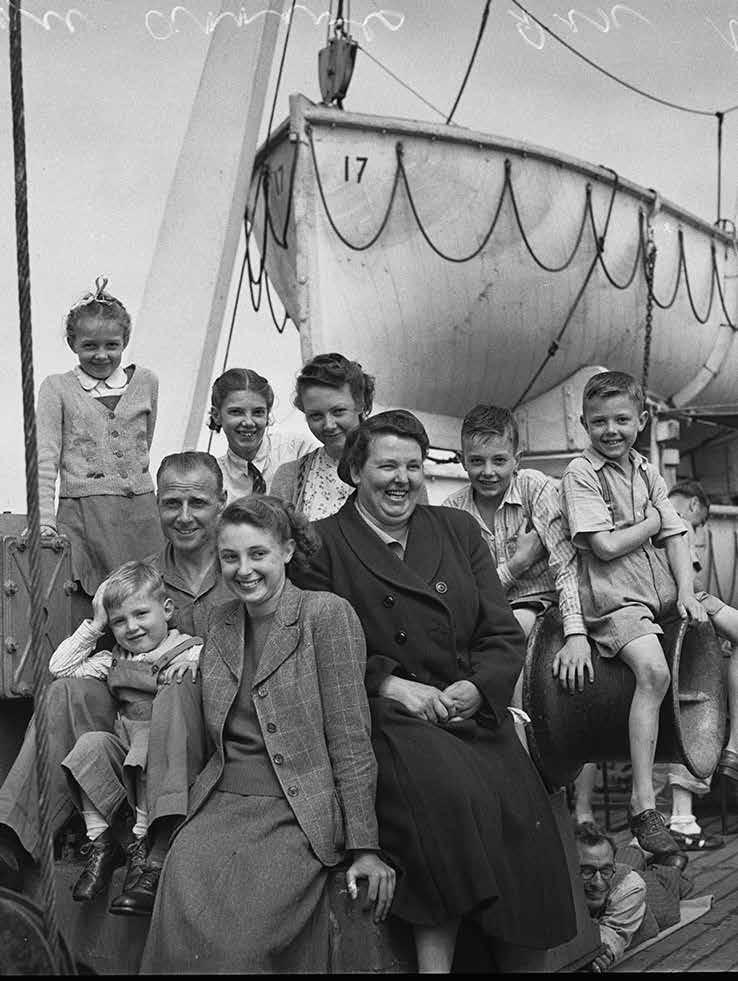
British migrants on the deck of the Georgic, Australia, 1949, by Norman Herfort
Heritage Matters – Honouring Our Founders and Their Legacy
Australia’s Journey from Exclusion to Inclusion
Celebrating MCCSA’s 50th anniversary is also a celebration of Australia's journey towards multiculturalism and the pioneers who shaped it. Only a few decades ago Australia’s identity was defined by the White Australia Policy. Federal ministers openly opposed cultural pluralism, promoting a monocultural society. Historical narratives largely ignored Aboriginal peoples and the ethnic diversity present since colonisation.
Post-War Migration and Shifting Perspectives
Post-World War II realities forced a revaluation. Australia needed population growth, but Britain could no longer supply enough migrants. The nation turned to war-ravaged Europe, then later to Southern Europe, and reluctantly, beyond. Global shifts, such as civil rights movements and the dismantling of apartheid, pressured Australia to reform. The 1967 referendum granting citizenship to Aboriginal Australians marked a key domestic turning point.
The Rise of Multicultural Policy in the 1970s
The 1970s brought transformational change: the Whitlam Government officially abolished the White Australia Policy, introduced multicultural policies and funded ethnic community councils. The Galbally Report of 1978 codified these principles promoting cultural maintenance, equal opportunity and social cohesion. These foundational changes helped to institutionalise multiculturalism as part of Australia’s national identity.
Building Institutions: MCC and National Movements
In this fertile environment South Australia’s ethnic leaders formed the Ethnic Communities Council in 1975. Despite opposition from fringe groups advocating a return to monoculturalism these leaders persisted. Community organisations mushroomed, representing the growing diversity of the state. By 1979, national representation was formalised through FECCA, and community media blossomed with SBS’s launch in 1980. Subsequent decades saw the consolidation of multiculturalism as national policy embracing civic duty, cultural respect and social equity.
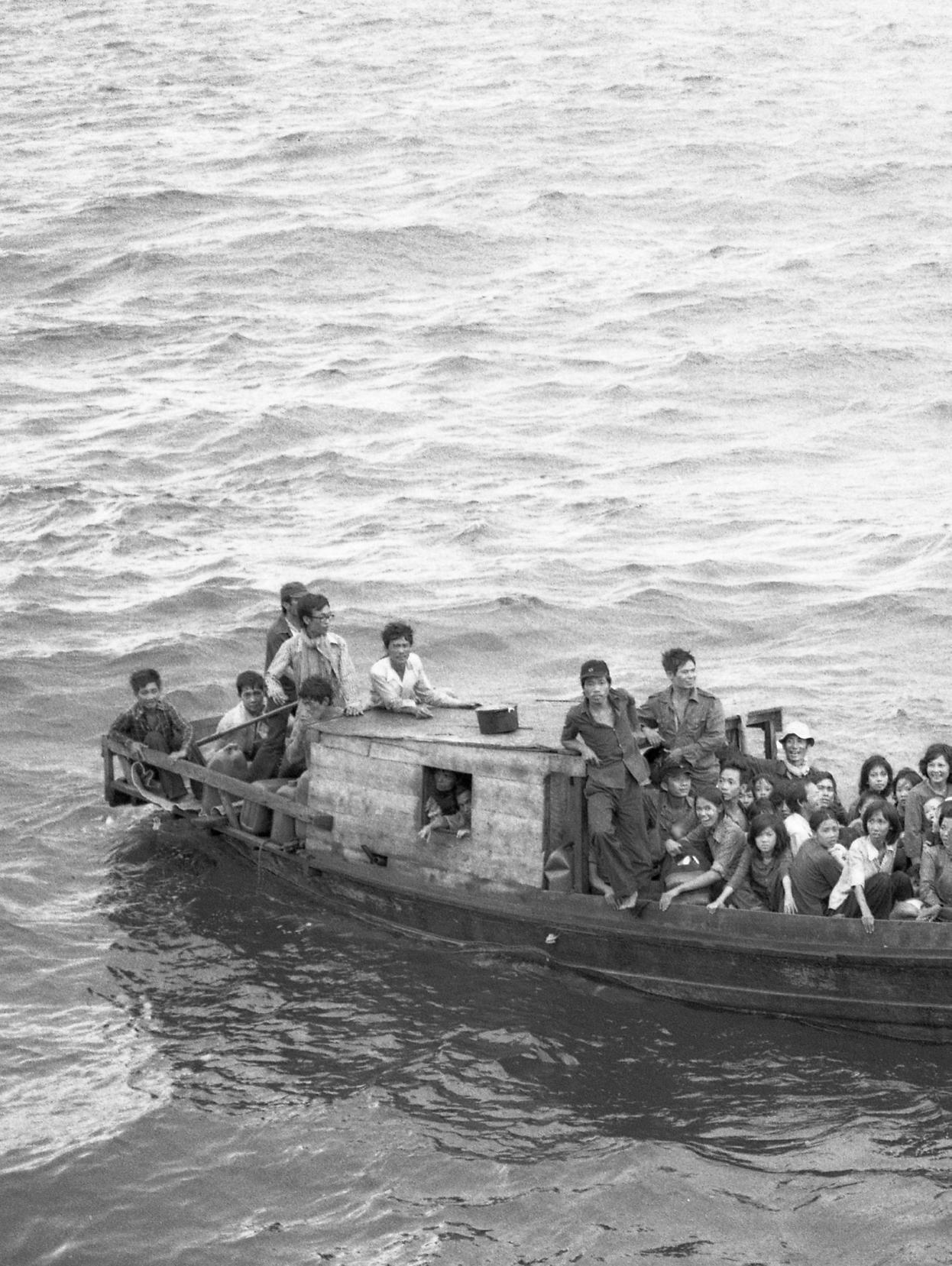
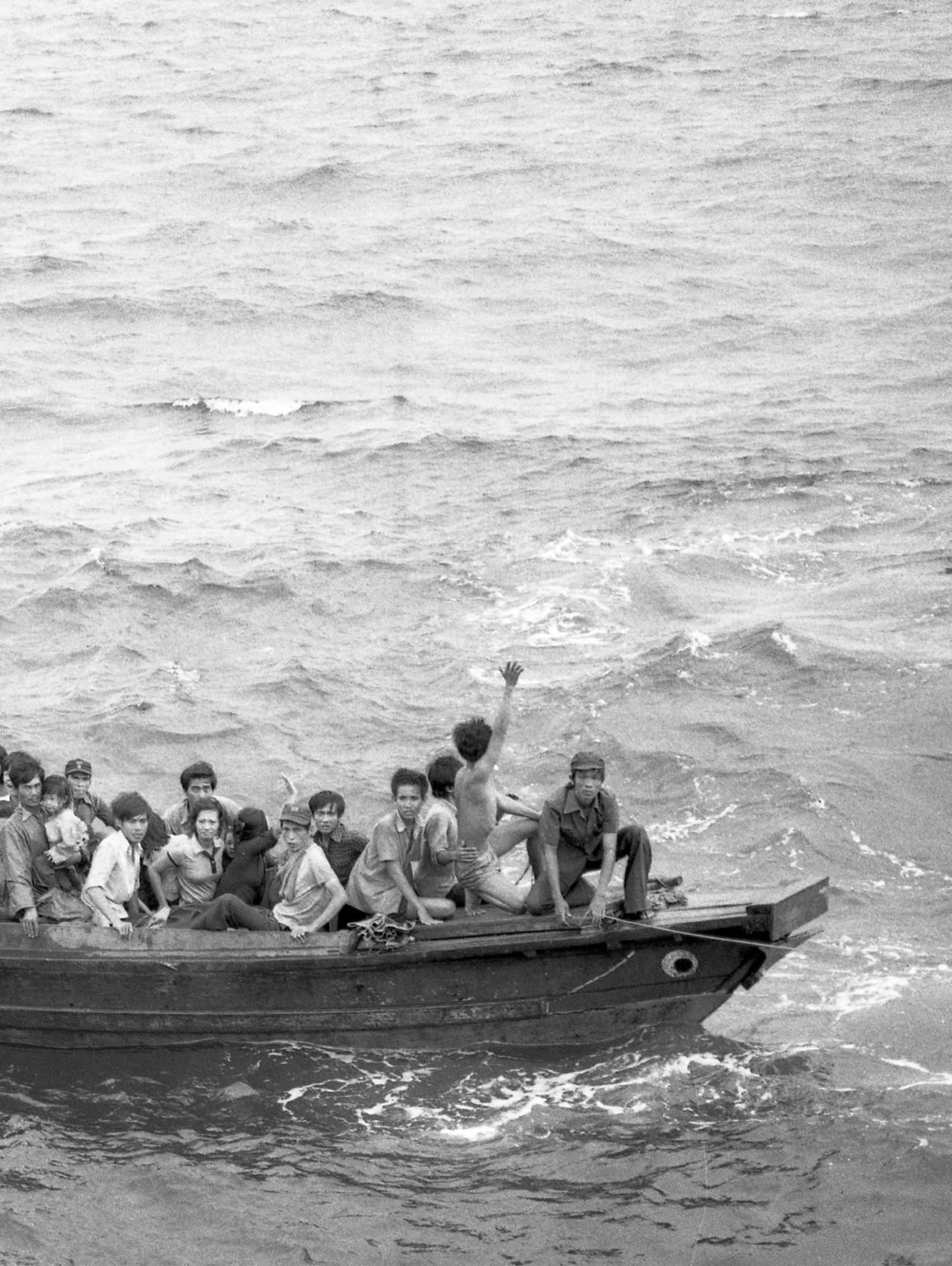
Vietnamese boat people in October 1981. Pic: David Tanner
Prominent Past Contributors to ECC-MCCSA
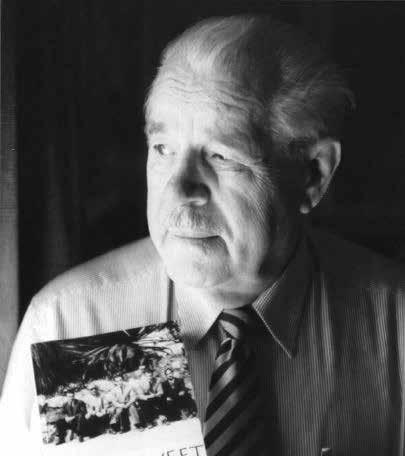
STANISLAW GOTOWICZ OAM 1975-1981
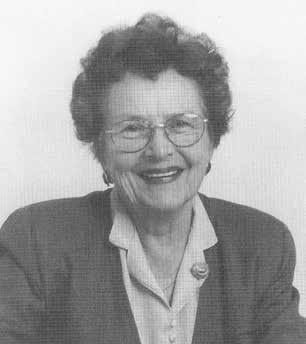
LAIMA BOGENS OAM 1984-2001
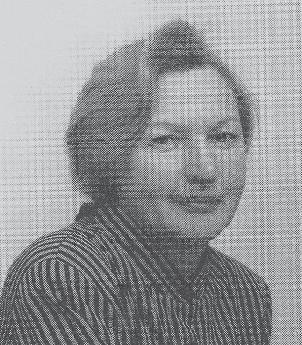
EKATERINA BRIFFA 1996-2001
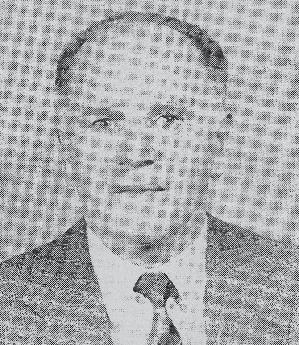
SCHULZ AM 1982-2001
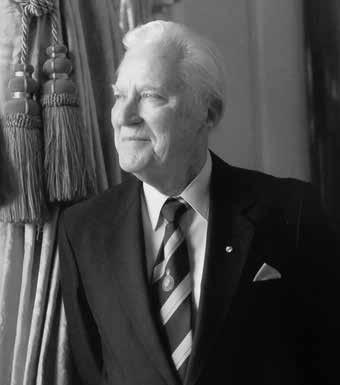
BRUNO KRUMINS AM 1986-1994
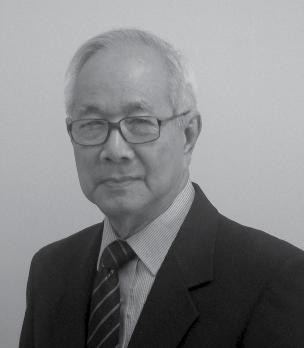
RON TAN OAM 1996-2013
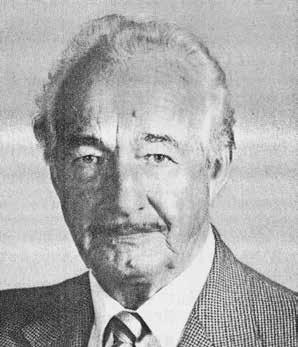
JOSEPH GARAMY AM 1983-1994
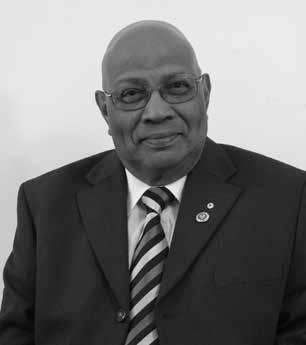
RANDOLPH ALWIS AM 1989-1997
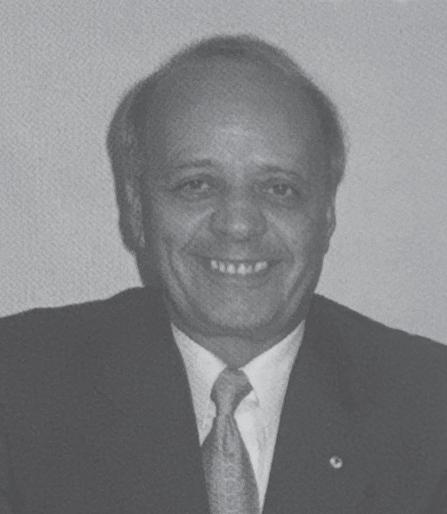
CAV. DR. ANTONIO COCCHIARO AM 2005 - 2009
MICHAEL
Honouring the Founders and Looking Forward
Honouring our heritage means recognising the early pioneers who worked tirelessly to establish platforms for dignity, respect and representation. From the first President of the Ethnic Communities Council of South Australia, Mr István Adorján, whose dedication was instrumental in its founding in 1975, to the current Chair of the Multicultural Communities Council, Mrs Miriam Cocking, countless individuals have shaped the organisation’s journey.
Leaders such as Bruno Krumins AM, Michael Schulz AM, Randolph Alwis AM, Tony Cocchiaro AM and Ron Tan OAM were key in directing MCCSA’s early course. Their commitment helped lay the foundation for generations of migrants to find belonging, opportunity and a strong voice in public life.
This legacy continues through the efforts of many others who have shared their time, talents and cultural knowledge to support the evolving needs of South Australia's multicultural communities. Among them are dedicated individuals and numerous member organisations whose collective contributions, often recorded in past Annual Reports, made it possible for the ECC and later MCCSA, to deliver on its vision over the last fifty years.
Notably, many women have played essential roles in shaping and sustaining the organisation, such as Laima Bogens OAM, Sofia Kanas OAM and Dr Sophia Matiasz. Their commitment, leadership and behind-the-scenes support deserve special recognition, and their stories must be brought to the foreground as we mark this milestone.
One example of enduring community dedication is Mr Petra Zdravkovski (Zed), who, as Chair of the Regional Multicultural Communities Network, championed multicultural development in South Australia’s regional areas. In 2003, he remarked that migrant communities "would not only bring badly needed skills in some cases to the communities, they would help stabilise population and indeed bring the benefits of a culturally diverse group." His words remain as relevant today as they were then.
Heritage is not only about remembering the past, but also about safeguarding the values of unity in diversity for future generations. As we celebrate MCCSA’s legacy, we recommit ourselves to ensuring fairness, inclusion and respect for all. The story of multicultural Australia is still being written and we all have a role in carrying it forward.
Presidents / Chairpersons
ECCSA and MCCSA
Mr István Adorján
ECCSA 1975 - 1976
Mr Stanislaw Gotowicz OAM
ECCSA 1976 - 1977
Mr Janis Gulbis OAM
ECCSA 1977 - 1983
Mr Joseph Garamy AM
ECCSA 1983 - 1988
Mr Bruno Krummins AM
ECCSA 1988 - 1992
Mr Randolph Alwis AM
ECCSA 1992 - 1995
Mr Randolph Alwis AM
MCCSA 1995 - 1997
Mr Michael Schulz AM
MCCSA 1997 - 2001
Mr Ron Tan OAM
MCCSA 2001 - 2005
Dr Antonio Cocchiaro AM
MCCSA 2005 - 2009
Mr Ron Tan OAM
MCCSA 2009 - 2013
Ms Helena Kyriazopoulos OAM
MCCSA 2013 - 2015
Mrs Miriam Cocking
MCCSA 2015 - Current
Bruno Krumins AM
One of MCCSA’s founding figures was Mr Bruno Krumins AM, whose legacy continues to shape South Australia’s multicultural landscape.
Over the course of his distinguished public life, Mr Krumins held several pivotal roles, including:
President of the Ethnic Communities Council of South Australia (1988 - 1992)
Inaugural Chair of the South Australian Multicultural and Ethnic Affairs Commission (1981)
Lieutenant Governor of South Australia (2000 - 2007)
As part of MCCSA’s Oral History Project (2016), Mr Krumins participated in a recorded interview in which he reflected on the early days of the organisation, the challenges faced by multicultural communities, and his vision for a more inclusive South Australia. His insights, captured in that conversation, remain a valuable record of our shared history and commitment to diversity.
A small excerpt from his reflection on life in Australia reveals both his humility and the remarkable journey he undertook:
I arrived in Australia in 1949 as a displaced person from Europe and was immediately sent to the migrant transits camp in Bonegilla, Victoria. I distinctly remember the morning when we arrived by train at the Bonegilla railway station and when I stepped out on the wooden platform to be met by the extremely hot sun and a swarm of flies. A very excited young journalist put a microphone in my face and asked, ‘How do you like Australia?’ I cannot remember what I replied, but whatever I said I believe was not very complimentary to my newly adopted country. If that journalist were to ask me the same question today, he would get a very inspirational story of a man who loves his adopted country. I served as Lieutenant Governor of South Australia for seven years, followed by another migrant and boat refugee from Vietnam, Mr Hieu Van Le, who after serving his seven years as Lieutenant Governor, became the Governor of South Australia.
Mr Krumins voice continues to resonate through the institutions he helped to build. As we mark 50 years of MCCSA, we honour his vision, courage and unwavering belief in a multicultural South Australia. His story is not only part of our history, it continues to inspire the present and guide the future.
In remembering Mr Krumins and the many others who helped establish MCCSA we also reflect on how far we have come. Multiculturalism is no longer a separate or secondary narrative. It is the foundation of our shared identity and a defining feature of contemporary South Australia. MCCSA’s jubilee is both a celebration of this legacy and a recommitment to the principles of equity, inclusion and social cohesion that continue to shape our collective journey.
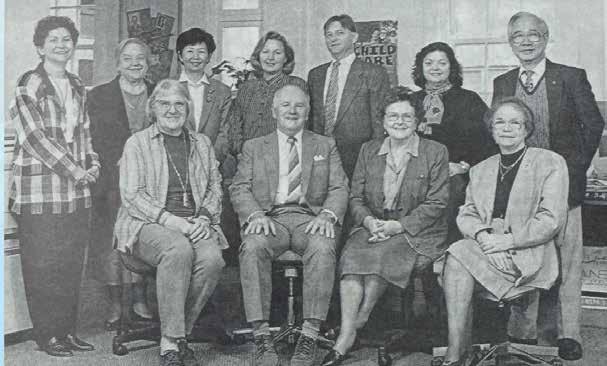
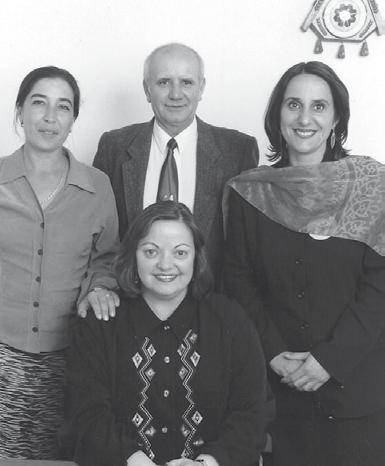
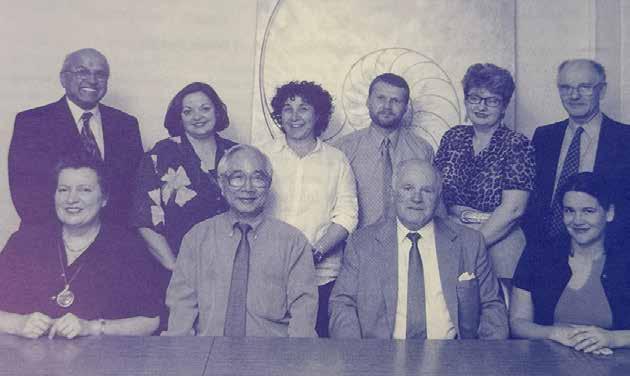
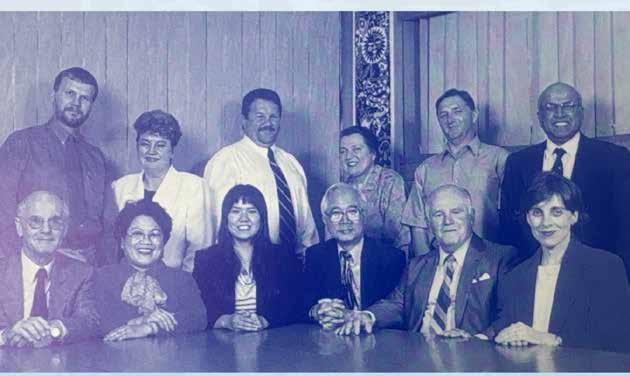
Reflections of 50 years
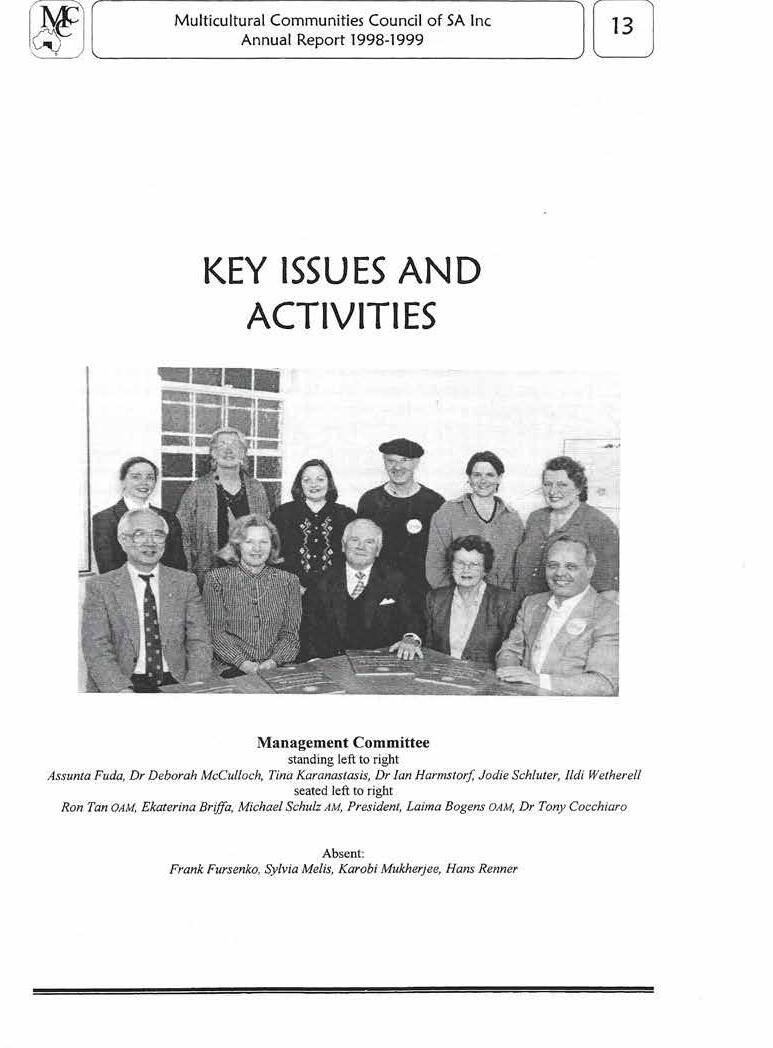
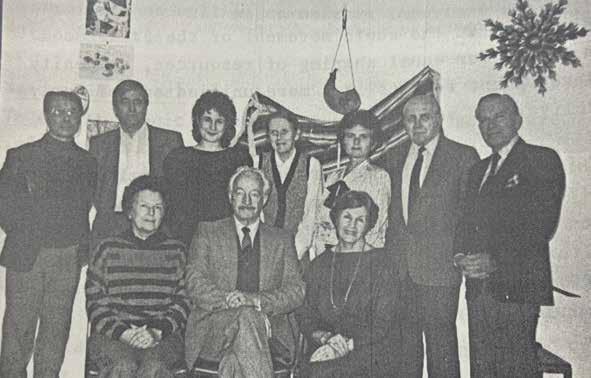
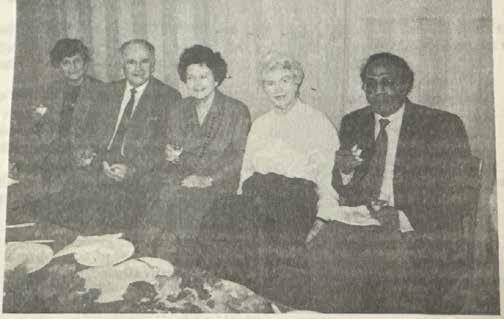
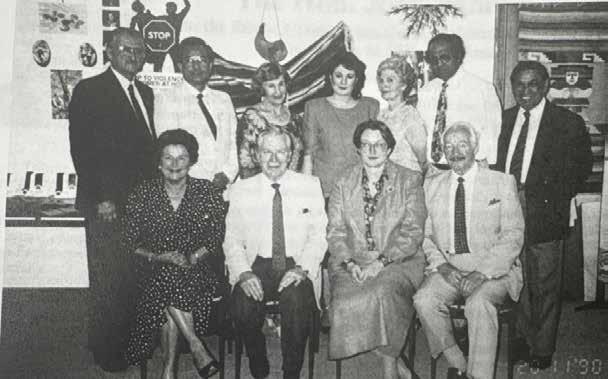
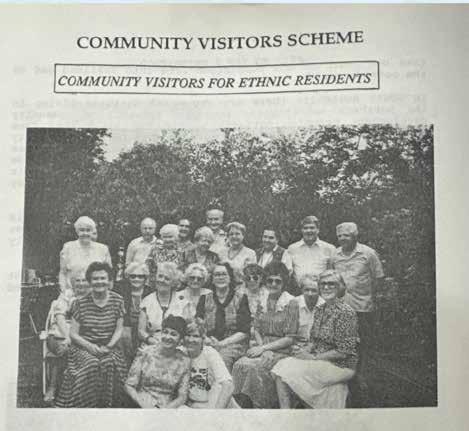

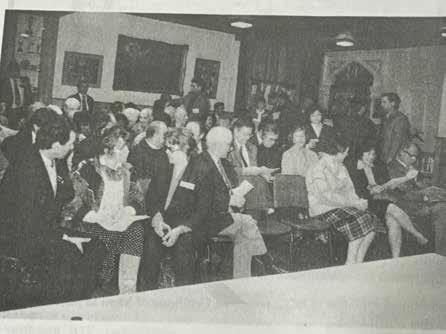
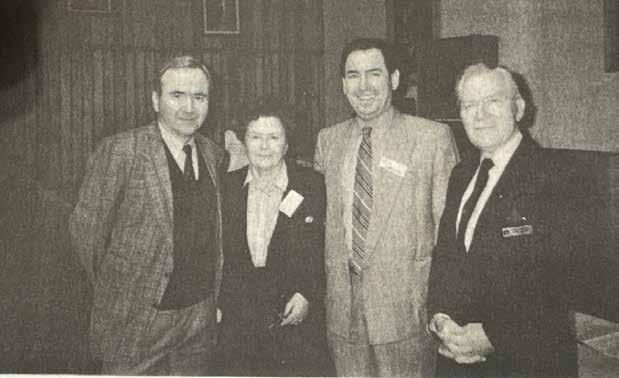
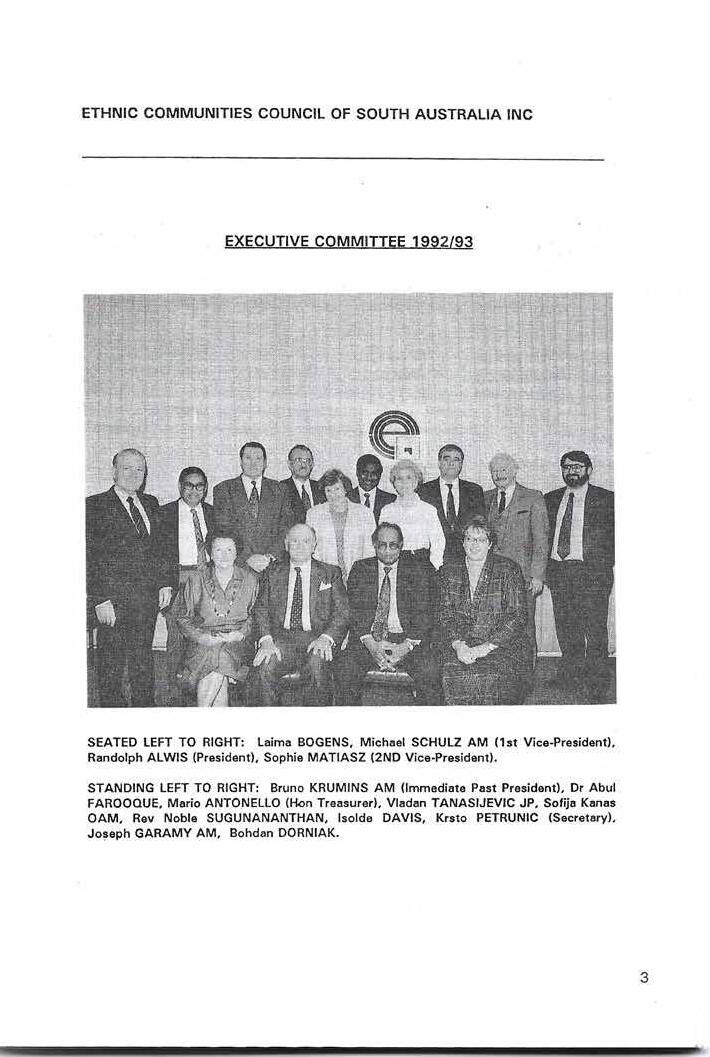
1990 ECCSA Executive Committee
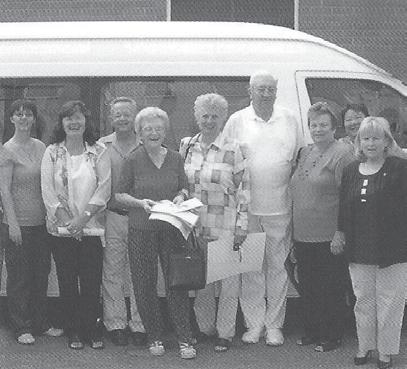

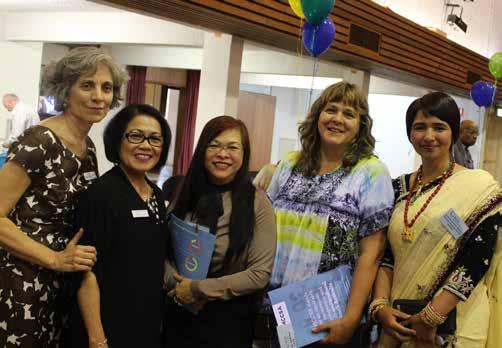
Reflections of 50 years
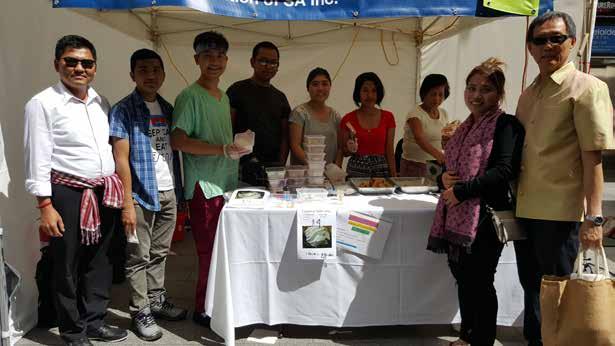
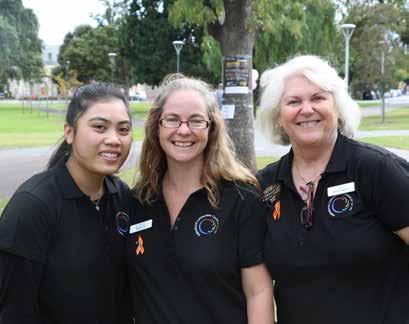
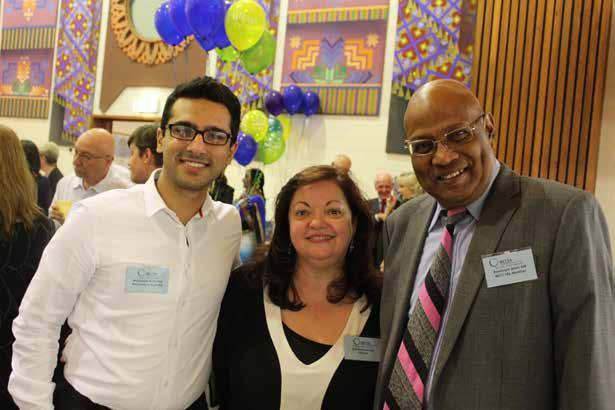
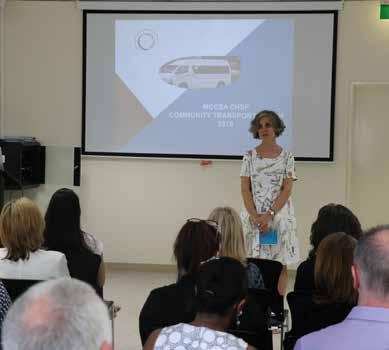
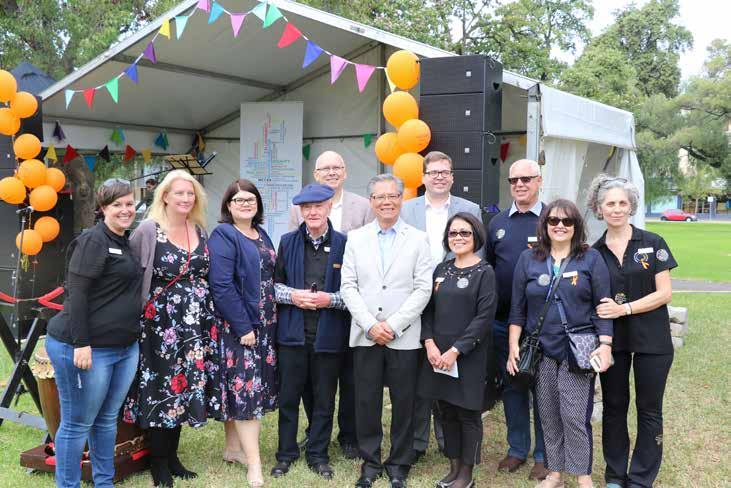
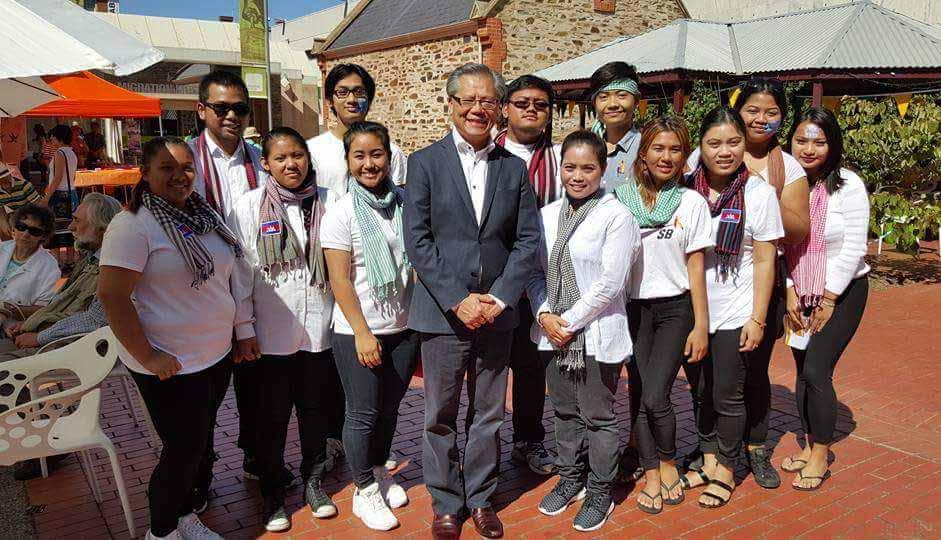
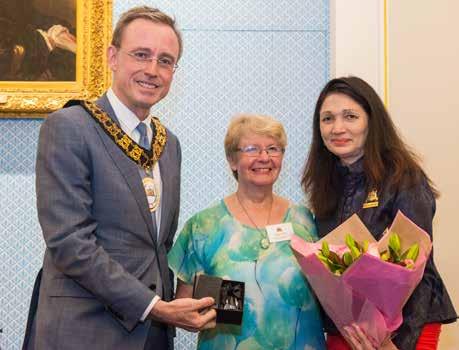
2016 Community Transport Forum
2015 Reconnect Program
2016 MCCSA Community Event
2017 United Youth Program
2018 International Women’s Day
2015 MCCSA AGM
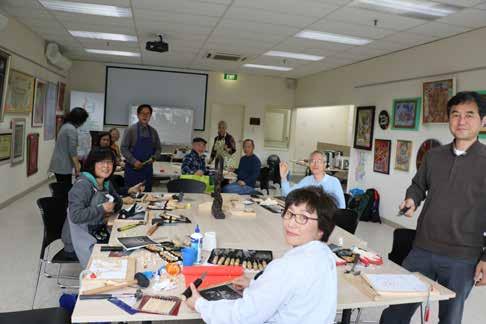
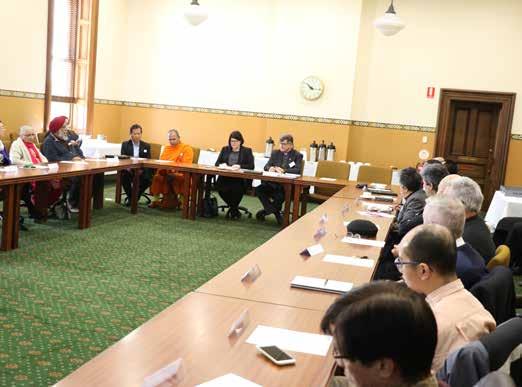
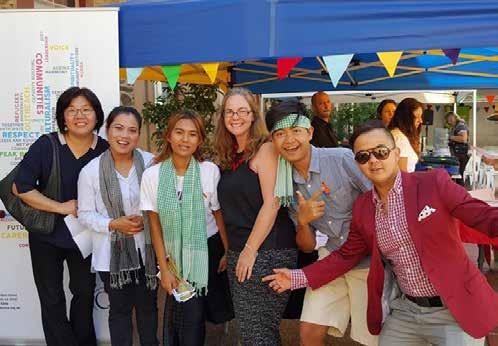
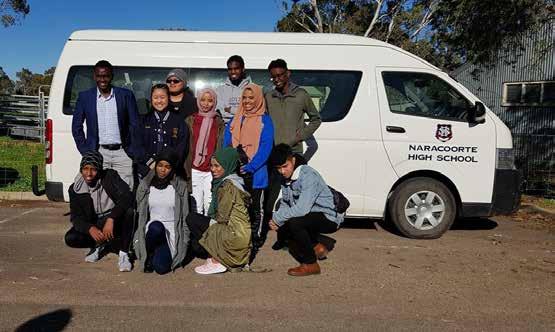
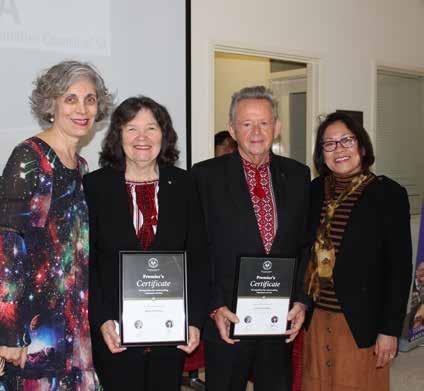
2016 Korean Wood Carving Lesson
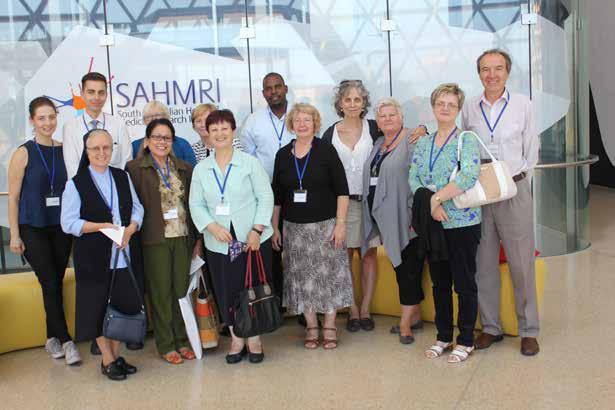
2015 MCCSA Board visits SAHMRI
2016 MCCSA SALA Art Exhibition
2016 Community Event Museum
2017 Premier’s Certificate for CVS volunteers
2018 MCCSA Refugee Day in Naracoorte
2016 MCCSA Community Event
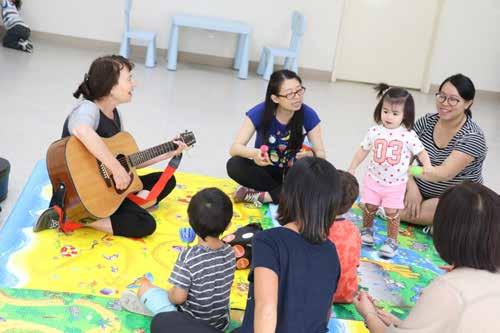
2017 MCCSA Multicultural Playgroup
2017 Domestic Violence Round Table with Multi Faith Leaders
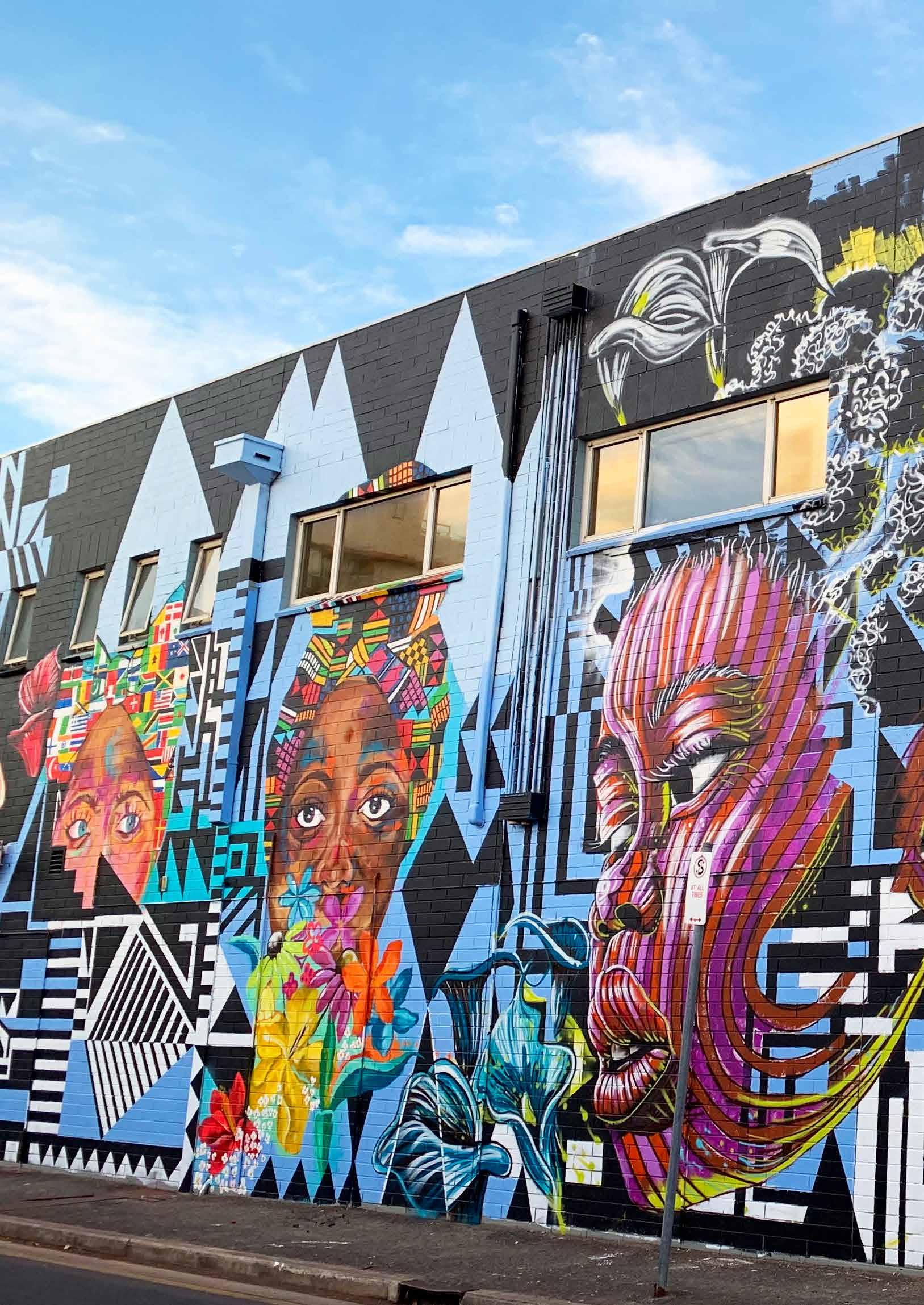
Contemporary MCCSA: A Peak Body for a Diverse South Australia
Today, the Multicultural Communities Council of South Australia (MCCSA) stands as a vital and influential force in shaping the state’s multicultural landscape.
As the peak body representing over 130 ethnic organisations, encompassing more than 85 percent of South Australia’s migrant population, MCCSA plays a central role in both grassroots engagement and policy advocacy. Its operations reflect the breadth and diversity of modern migration and the increasingly complex realities facing culturally and linguistically diverse (CALD) communities.
MCCSA’s unique strength lies in its dual ability to strengthen systems and empower communities simultaneously, bridging gaps that no other organisation can. It is trusted as a neutral convener by government, industry and over 130-member organisations, giving it unmatched reach and legitimacy across South Australia’s multicultural sector.
From its origins as a volunteer-led initiative, MCCSA has evolved into a dynamic organisation delivering 36 targeted programs across aged care, youth engagement, employment, mental health, family support, leadership development and skilled migrant inclusion. Each program is shaped by community consultation and grounded in lived experience, ensuring services are responsive, relevant and culturally safe.
Yet, even with this success, MCCSA continues to face structural challenges, such as the persistent short-term nature of program funding, increasing demand on limited space, staff capacity and the need to continually demonstrate outcomes in an ever-shifting policy and funding environment.
Why MCCSA is Irreplaceable
MCCSA is more than a service provider. It is the trusted peak body representing over 130 ethnic organisations and 85 percent of South Australia’s migrant population. It is the only organisation that combines grassroots reach, system-level influence and cultural brokerage at a state-wide scale. MCCSA builds the capacity of hundreds of community groups, translates government priorities into community-led action and mobilises faster than any other body during crises because of its trusted multilingual networks.
It ensures migrants and skilled professionals contribute to South Australia’s workforce, reduces social isolation and associated health costs and strengthens social cohesion by connecting people and systems. Its policy voice, drawn from lived experience, shapes state and national decisions despite rarely being funded to do so. Without MCCSA, South Australia would lose its most trusted convener, its peak multicultural advocate and its strongest bridge between diverse communities and the systems that serve them.
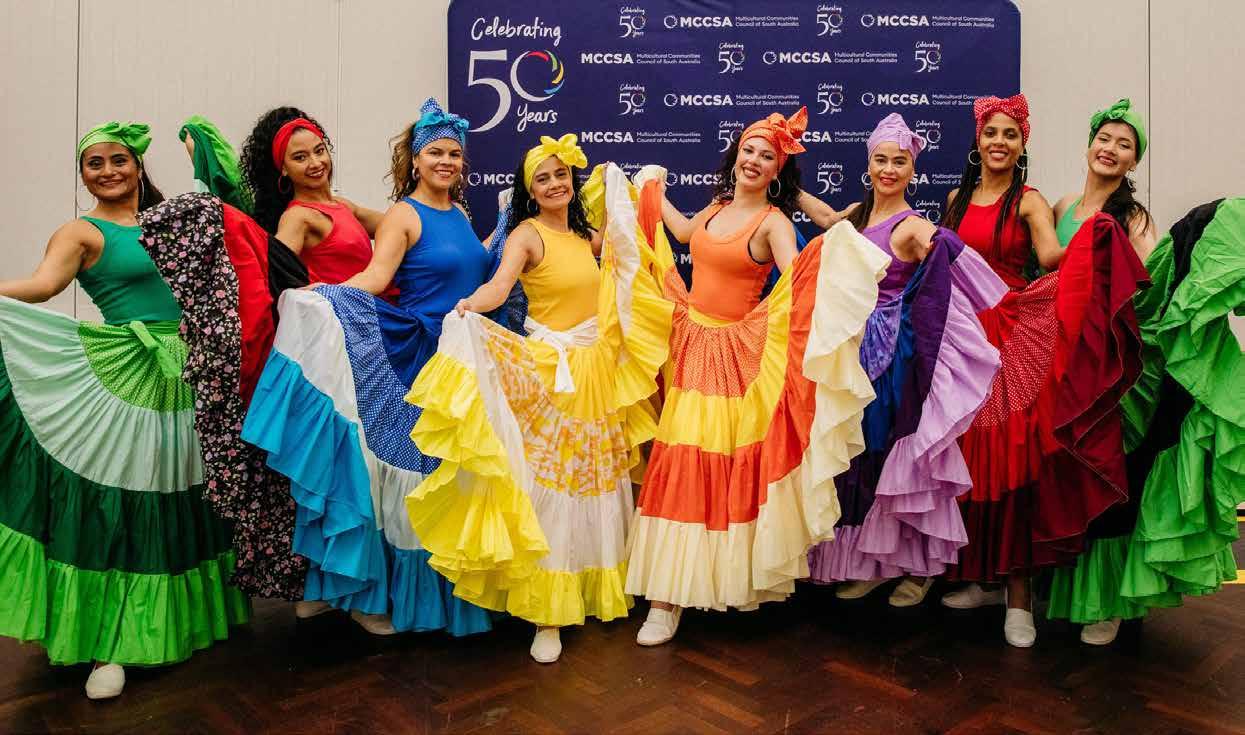
Meeting Diverse Needs: Community-Driven Programs
MCCSA’s programs reflect the diversity, resilience and aspirations of South Australia's multicultural communities. Each initiative is designed to respond to specific needs across life stages and cultural contexts, ensuring culturally safe and inclusive support. Our current program areas include:
Aged Care and Seniors Support: Longstanding initiatives such as the Aged Care Volunteer Visitors Scheme and CALD Seniors Social Groups foster connection, reduce isolation and promote dignity in ageing. MCCSA also provides critical support to carers, recognising the cultural complexities and emotional demands of caring roles in migrant families. Workshops, respite activities and information sessions help carers maintain their wellbeing while navigating aged care and disability systems.
Youth Engagement: The Reconnect Youth Program delivers early intervention and case management for young people at risk of disengagement. Complementing this is our multicultural playgroup, which provides a welcoming space for migrant parents and young children to build social connections, share cultural parenting practices and strengthen early childhood development. Newer youth-focused projects also support mental health literacy, leadership development and civic engagement.
Health and Wellbeing: MCCSA leads a variety of culturally tailored health programs addressing both physical and mental health. These include mental health literacy campaigns, suicide prevention and chronic disease education. All programs are designed to overcome language, stigma and access barriers, particularly within emerging and underrepresented communities.
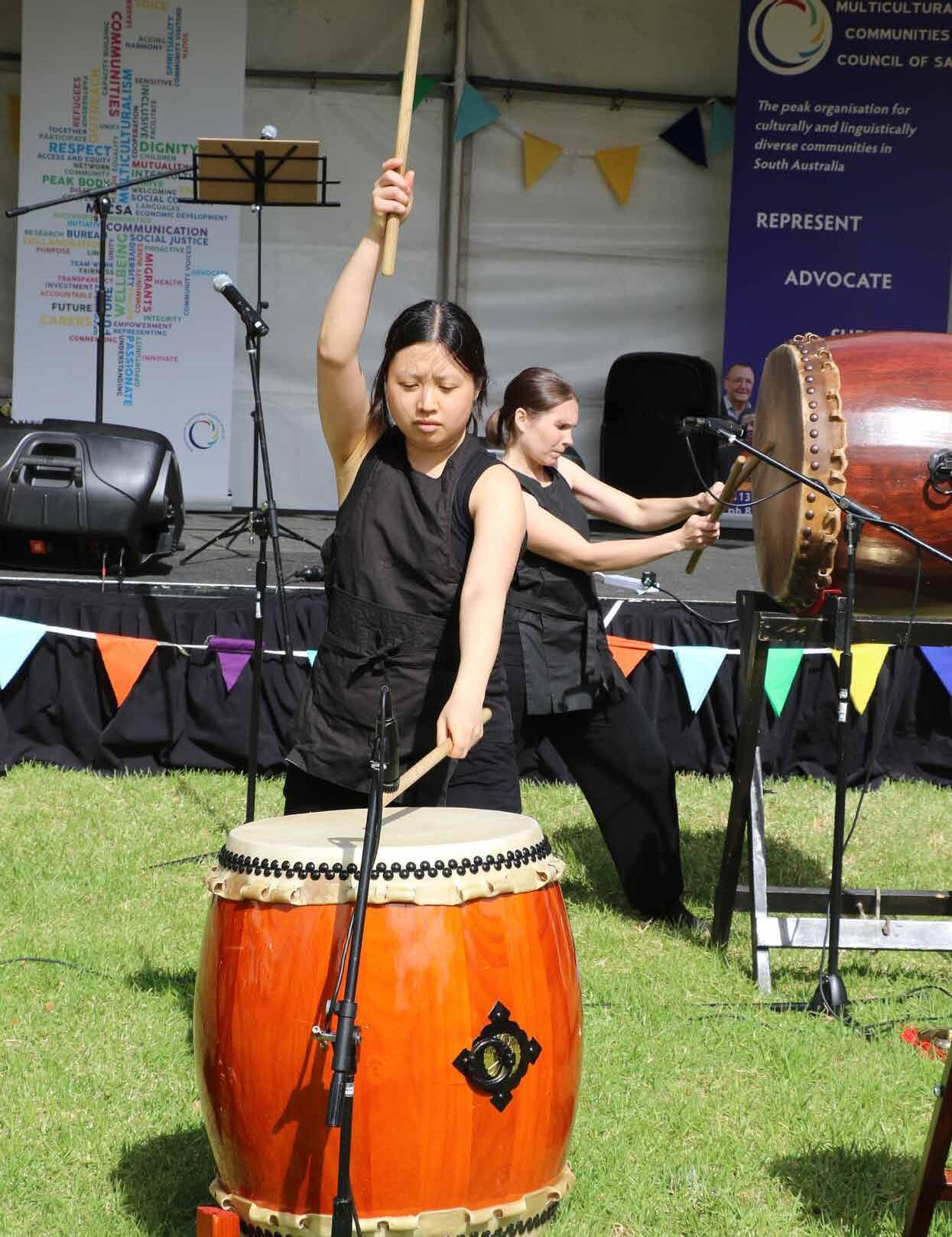
MCCSA 50th anniversary celebration
Disability and Inclusion: MCCSA supports people with disability and their families by providing culturally appropriate education on the NDIS, building advocacy skills, and promoting inclusive attitudes within community settings. Programs work to reduce stigma and improve access to services for people with disability from CALD backgrounds, ensuring that no one is left behind.
Women’s Leadership and Safety: Initiatives like the Multicultural Women’s Council, family violence prevention programs and community education workshops empower CALD women with the tools, confidence and networks to lead, protect themselves and support others. These programs also foster gender equity and challenge harmful social norms through culturally sensitive approaches.
Men’s Health and Wellbeing: In recognition of the stigma and silence often surrounding men’s mental health in CALD communities, MCCSA has developed specific programs, led through its Men’s Council to promote emotional wellbeing, challenge isolation and encourage help-seeking. These initiatives provide safe spaces for connection, conversation and culturally grounded peer support, helping men build resilience, confidence and leadership within their communities.
Employment, Economic Participation and Skilled Migration: MCCSA helps individuals and families achieve economic security through job-readiness workshops, digital skills training, small business mentoring and employment pathways. For skilled migrants, we offer targeted support to overcome credential recognition barriers, connect with industry mentors and access professional networks, unlocking the potential of global talent for South Australia’s economy. These efforts also directly contribute to addressing South Australia’s workforce gaps and reducing reliance on costly social supports by ensuring new arrivals can quickly contribute their skills and talent.
Disaster and Emergency Support: MCCSA has consistently mobilised to support multicultural communities through major emergencies, including the COVID-19 pandemic, regional bushfires and humanitarian arrivals. Our culturally responsive approach ensures accurate information, tailored relief and strong community engagement in times of crisis. Because of our trusted relationships, multilingual networks and ability to reach those mainstream systems cannot, MCCSA mobilises faster and more effectively in times of crisis than any other body.
culturalQ Training and Mainstream Consultancy: Through our expanding culturalQ training and consultancy services, MCCSA partners with government, corporate, and community organisations to build cultural intelligence and embed equity into their policies and service delivery. Grounded in lived experience, these programs not only foster cross-cultural understanding but also equip partners with practical tools to review and transform their practices to better meet the needs of diverse communities.
Community Voices Program: MCCSA creates platforms for community members to express their needs, share lived experiences and shape public conversation. Through facilitated forums, storytelling initiatives and public events, the program ensures that diverse perspectives are heard and valued in decision-making processes. Community Voices publication also serves as a channel for providing timely and relevant information to communities and stakeholders, supporting informed dialogue and mutual understanding.
Governance Support for Community Organisations: Recognising the vital role of grassroots groups, MCCSA provides practical governance training and organisational development support to member organisations. This includes assistance with board development, compliance, financial literacy and succession planning, strengthening the capacity and sustainability of multicultural leadership across the state.
Strategic Partnerships: Working Together for Impact
MCCSA’s success is underpinned by strong, strategic partnerships with:
Local, state and federal government agencies
Non-government organisations and multicultural service providers
Academic and research institutions
Community leaders, faith groups and grassroots organisations
These partnerships enable MCCSA to scale its impact, co-design solutions and inform policy through evidence and lived experience. At the same time, the complexity of partnership management, especially across shifting funding cycles and political priorities, demands careful navigation and constant dialogue.
As the trusted convener of this network, MCCSA not only delivers programs but also co-designs systemic solutions and translates government priorities into community-led action. No other organisation holds this combination of reach, cultural brokerage and policy influence at a statewide scale.
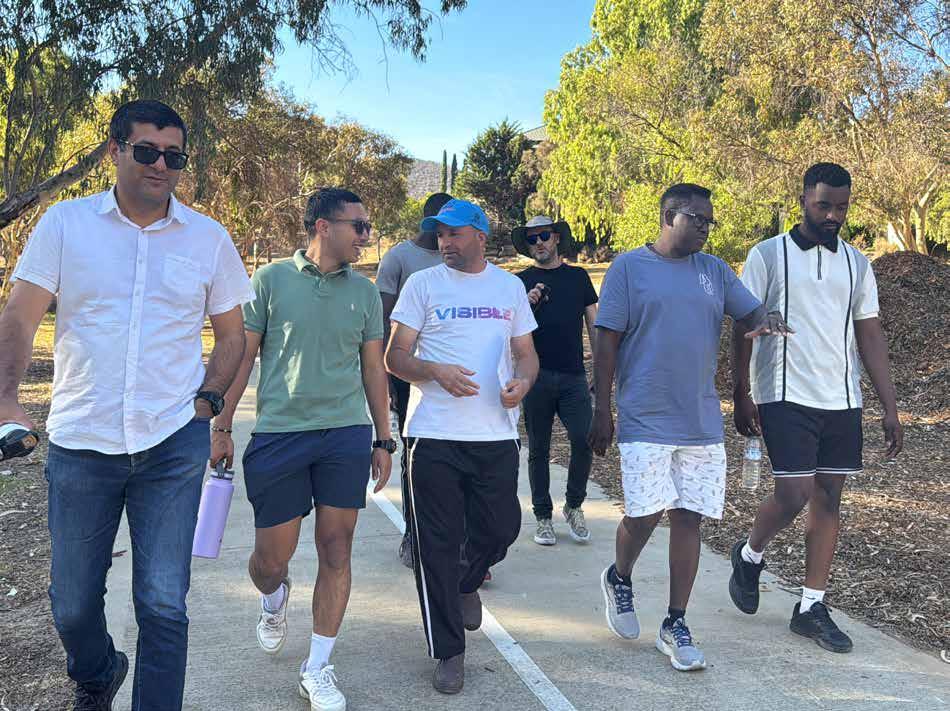
MCCSA Men’s Group 2024
Policy Advocacy: A Trusted Voice at the Table
Beyond service delivery, MCCSA plays a central role in shaping inclusive public policy.
The organisation contributes regularly to government consultations and advisory panels, advocating for community-informed responses to issues such as:
• Access to health services and system navigation
• Inclusive aged care and elder abuse prevention
• Language services and interpreter access
• Employment pathways for migrants and skilled professionals
• Anti-racism and social cohesion initiatives
• Refugee and migrant settlement services
Culturally competent emergency response
Whether submitting formal policy advice or contributing to national campaigns, MCCSA brings a trusted voice grounded in on-the-ground experience and cultural insight. However, this vital work is often undertaken without dedicated funding, adding further pressure to an already stretched organisational framework.
This policy work, often unfunded, is critical to ensuring that diverse voices inform decisions that shape South Australia’s future. It also positions MCCSA as a key bridge between government and communities, ensuring policies are not just inclusive in name but effective in practice.
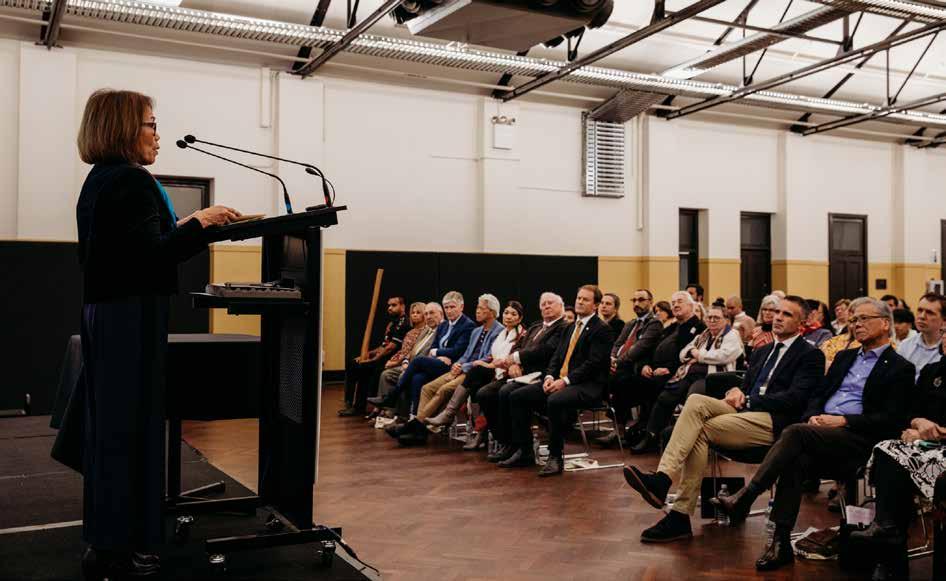
Community event Torrens Parade Ground 2025
Looking Ahead: An Evolving Mission for the Future
Migration trends, community needs and cultural dynamics continue to evolve, but MCCSA remains a steadfast presence. Guided by its vision of an equitable, cohesive and thriving multicultural South Australia, the organisation continues to adapt while staying true to its founding purpose.
As South Australia’s population becomes more globally connected, MCCSA’s role as a system navigator, cultural broker and peak representative becomes increasingly essential. Without MCCSA, there would be no single body able to bridge grassroots needs with state and federal priorities at this scale.
MCCSA’s mission is to support and advocate for all people from culturally and linguistically diverse (CALD) backgrounds so they can realise their potential as active contributors to the economic, political, social and cultural life of South Australia. This mission underpins every aspect of its work. From advocacy to service delivery, MCCSA leads systemic change and provides vital support to communities across the state.
Multiculturalism is no longer a side narrative. It is the New Mainstream. South Australia is home to people from more than 200 cultural backgrounds and our society is shaped and strengthened by this diversity. MCCSA firmly rejects any view that sees CALD communities through a lens of disadvantage or priority population. These communities are not marginal, but central to our shared story. They are active agents of change, growth, and social cohesion.
Today, MCCSA stands as a pillar of multicultural progress, honouring its past, grounded in the present and looking confidently to the future. Its journey has been shaped not only by achievements, but also by persistent challenges in space, funding and capacity. It is through resilience, innovation and the support of its communities that MCCSA has continued to move forward.
To meet the future with confidence, MCCSA continues to advocate for longer-term funding, expanded facilities and stronger policy alignment. This will ensure it can keep doing what it does best: connecting people, systems and opportunities.
MCCSA remains the only organisation in South Australia that combines peak body representation, trusted access to over 85 percent of the state’s migrant population, direct program delivery and systemlevel advocacy. Without MCCSA, government and industry would lose an important and trusted link to multicultural communities, increasing the risk that diverse voices may be less effectively heard and represented in policy, service design and crisis response.
From its beginnings 50 years ago, founded by refugees from war-torn Europe seeking a voice in their new home, MCCSA has grown into a central force for multicultural representation in South Australia. Today, as the state’s peak multicultural body, it plays a critical role in supporting diverse communities and shaping inclusive policy. MCCSA remains focused on ensuring that people from culturally and linguistically diverse backgrounds can participate fully and equally in South Australian life. At the heart of its work is a clear purpose: to strengthen the social cohesion that underpins a resilient, fair and connected society.
A HANAK ADA COSTA AGI HANAK ALGERNON VAN DER HOEVEN ANDRIS
DARZINS ANGELA NESCI ANTONIO COCCHIARO ASSUNTA FUDA BEN HO
BILL SWIFT BILL VON RIET BOHDAN DORNIAK BRUNO KRUMINS
CATHY CHONG CHRIS PETRUNIC CHRISTINE FINNIMORE
CHRISTINE LOVEDAY CLAUDIA CREAM DANA VUKOVICH DANIELA COSTA
DEBORAH MCCULLOCH DILIP CHIRMULEY GIANCARLO CHIRO
EDUARDO DONOSO EKATERINA BRIFFA ELIZABETH NGHIA FATTANEH SCOTT
50 years of Committee & Board Members
FRANK BARBARO FRANK FURSENKO FRED SCHAFFER GIANCARLO CHIRO
GOSIA SKALBAN HANNIBAL KHOURY HANS RENNER HARRY BUGEJA
HELEN RANT HELENA KYRIAZOPOULOS I KALNINS I DENCHEV
IAN HARMSTORF ILDI WETHERELL IMANTS ROZENBILDS INAAM KHIZAM
INARA STRUNGS IODIE SCHLUTER IREK LASOCKI IRENE KRASTEV
ISOLDE DAVIS ISTVAN ADORJAN IVAN DENCHEV JAMES TAYLOR
JANIS GULBIS JAROSLAV KOVARICEK JAROSLAW SMOLICZ JASNA PALEKA
JEFF FIEBIG JILL BARATOSY JOLANTA FRANKS JOLANTA PICHETA-FRANKS
JOLANTA KOZAK JORGE GALLEGUILLOS-POZO JOROSLOV SMOLICZ
|JOSEPH BAYER JOSEPH GARAMY JOSEPH MASIKA RAJENDRA PANDEY
KALEEDA RASHEED KAROBI MUKHERJEE KOSTAS FOTIADIS
KATE BARNETT KOULA ASLANIDIS KRSTO PETRUNIC LAIMA BOGENS
LEILA MANSOUR LENARD SCIANCALEPORE LIZABETH NGHIA
LORETTA LORENZUTTI LUCIA ARMAN M RAKIC MAHJABEEN AHMAD
MANJU KHADKA MARGARETHA HANEN MARGOTA PUKITIS
MARIA BAREDO MARIA KOWALSKI MARIO ANTONELLO
MARIOS PANATSOS MARKO MILOSEVIC MARY PATETSOS
MICHAEL SCHULZ MIKE DUNPHY MILINKO RAKICH MIRIAM COCKING
N JURKOVIC NADIA ESKANDER NASIR HASSAIN NATALIA JURKOVIC
NENAD PUSONJIC NICKY DIMITROPOULOS NOBLE SUGUNANANTHAN
NOUHA JABER PAM ANDRITSAKIS PAMELA SKARDOON PATRICIA RIOS
PATRIZIA KADIS PENNY ANAGNOSTOU PERI RAJAGOPALAN
PETAR ZDRAVKOVSKI PETER HANUS PETER LAZAREVICH R NANDIC
RAJENDRA PANDEY RANIELSON SANTANA RANDOLPH ALWIS
REMO PORCARO RENÈ GRYMPA RON TAN RUTH NHUNG CHAU
RUTH TULLOCH S RUDZENSKAS SANDY DOUGLAS SATHISH DASAN
SIDNEY VITEK SILVIO LADOROLA SOFIJA KANAS ISOLDE DAVIS
SOPHIA MATIASZ STANISLAW GOTOWICZ SUREN EDGAR SYLVIA MELIS
THEA SARRIS THEODORE PASICZYNSKYJ THOMAS BANHAZI
TINA KARANASTASIS TINDARO FALLO TIRANA HASSAN TONI DIGNON
ANTONIO COCCHIARO TUNG SHEN CHIN VINCE PATUPAS VIVIEN HOPE
VLADO TANASIJEVIC
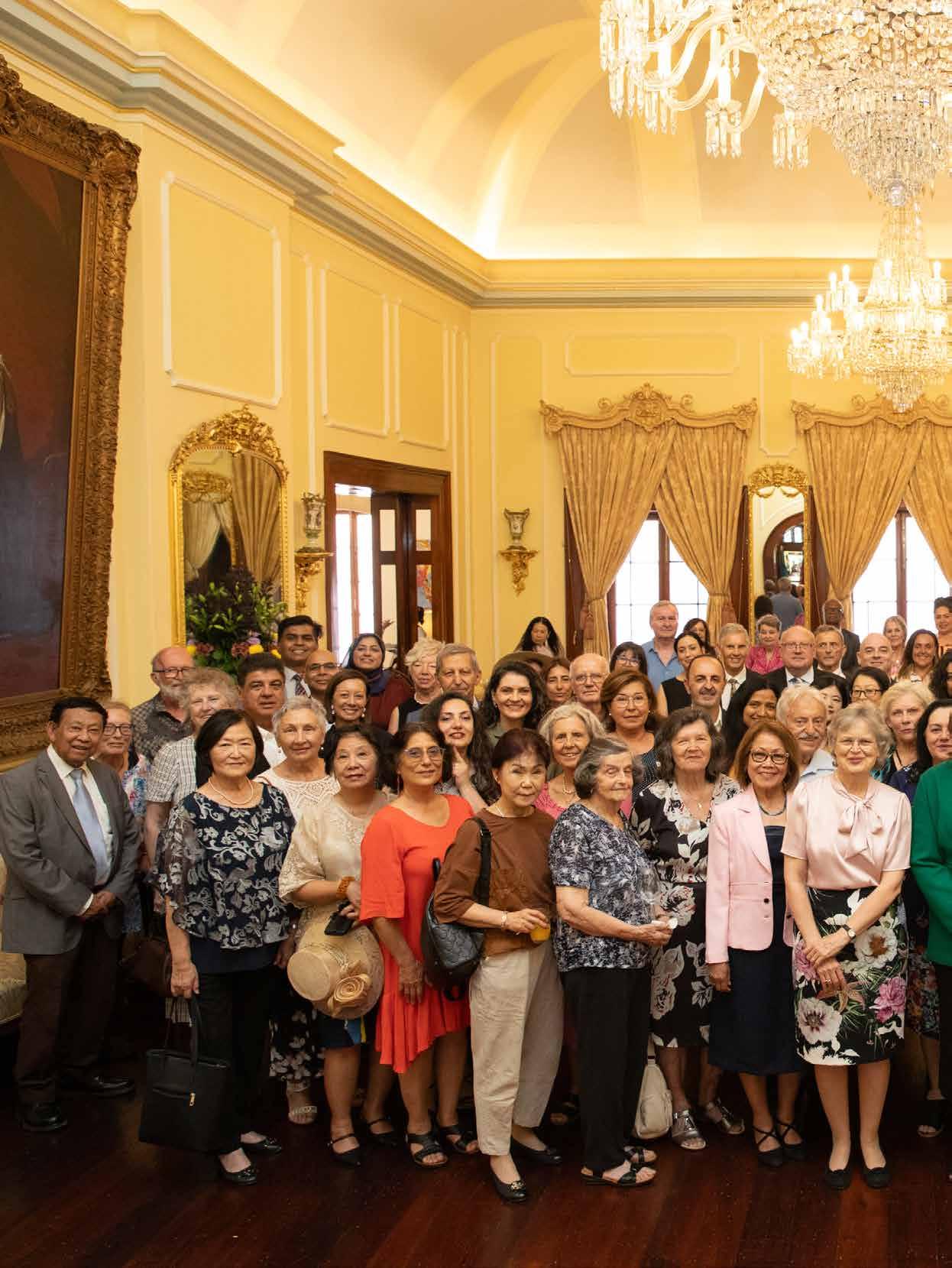
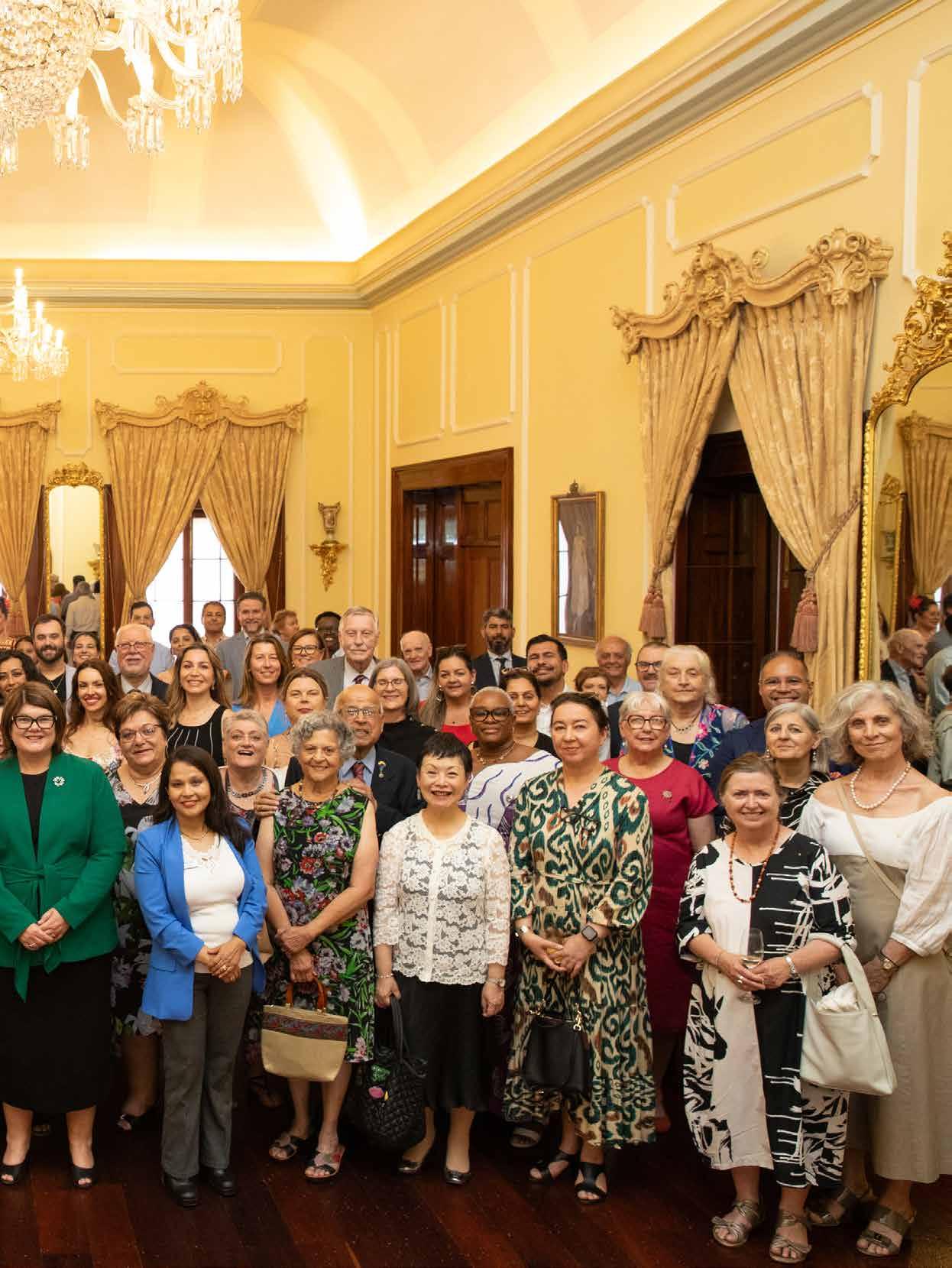
MCCSA Staff 1985-2025
Alian Mohamad
Angelika Tyrone
Annamarie Bánházi
Anne Johnson
Annie Barone
Attila Szabo
Aveen Muhamad
Ayma Acosta
Aysen (Eileen) Hassen
Barnabas Johnson
Barone Ling
Bill Trewartha
Bob Dixon-Short
Chinami Klenovsky
Claude Hedrick
Deborah McCulloch
Dimitri Calantzis
Ewa Zysk
Florine Dsouza
Florencia Leira
Florine Fernandes
Fred Schaffer
Gabriel Akon
Geoffrey Brown
George Gouzounis
Guenter Pratz
Hanaa’ Grave
Hee Young Lim
Helena Kyriazopoulos
Helena Reid
Isabella Bracco
Jane Delin
Jenny Lindon
Jodie Schluter
Judith Owuor
Julia Hoare
June Lee
Karen Dewis
Karina Sader
Katie Trinh
Katherine Greer
Kathy Stamboulakis
Kay Lima
Kristin Johansson
Kveta Fulin
Kwol Bol Bol
Lena Gasparyan
Lenard Sciancalepore
Ling Giang
Ljubo Alympic
Luis Cohen
Luisa Viteri
Maggie Asaad
Maria Gigos
Maria Mccarthy
Maria Nagy
Marielba Bortone
Mary Cenzato
Max Mastrosavas
May Lee
Megan Hill
Megs Lamb
Milan Andelkovic
Mechell August
Odette Mbuzukongira
Omar Ahmad
Penelope Thompson
Penelope Tindall
Perrin Abbas
Peter Lawrie
Phil Allan
Rany Thach
Rekha Prasad
Renee Krallis
Rita Perkons
Rosemary Calabrese
Ross Barnett
Ross Karavis
Rui Zhoubrahim
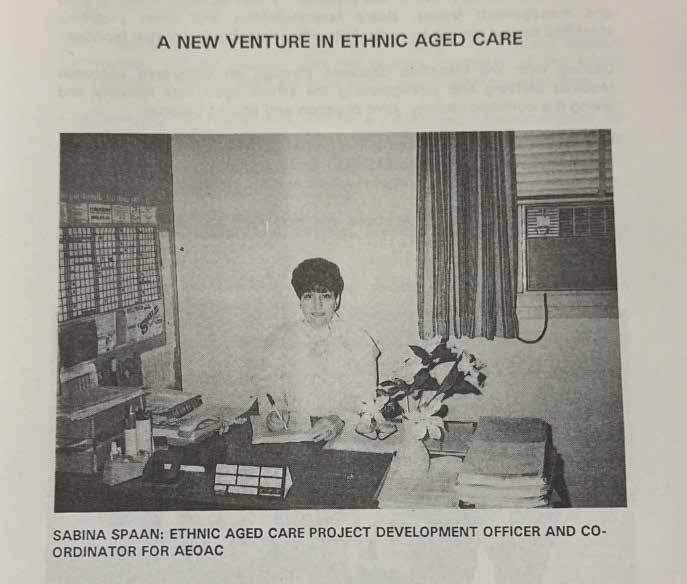
Sabina Spaan
Sabine Muller
Sidique Bah
Samer Madbak
Sarma Priedkalns
Savry Ouk
Sharon Mooney
Sharon Pippos
Sisaleo Philavong
Somi Lindsay
Stefano Patrola
Sunlay Ly
Tanya Aysen Kaplan
Tina Karanastasis
Tony James
Ukash Ali Ahmed
Veronica Davila
Veronica Peciar
Vicki Arachi
Victoria Tairli
Vivien Hope
Xiaohui (Abby) Lui
Yvonne Angelakis
Zita Ngor
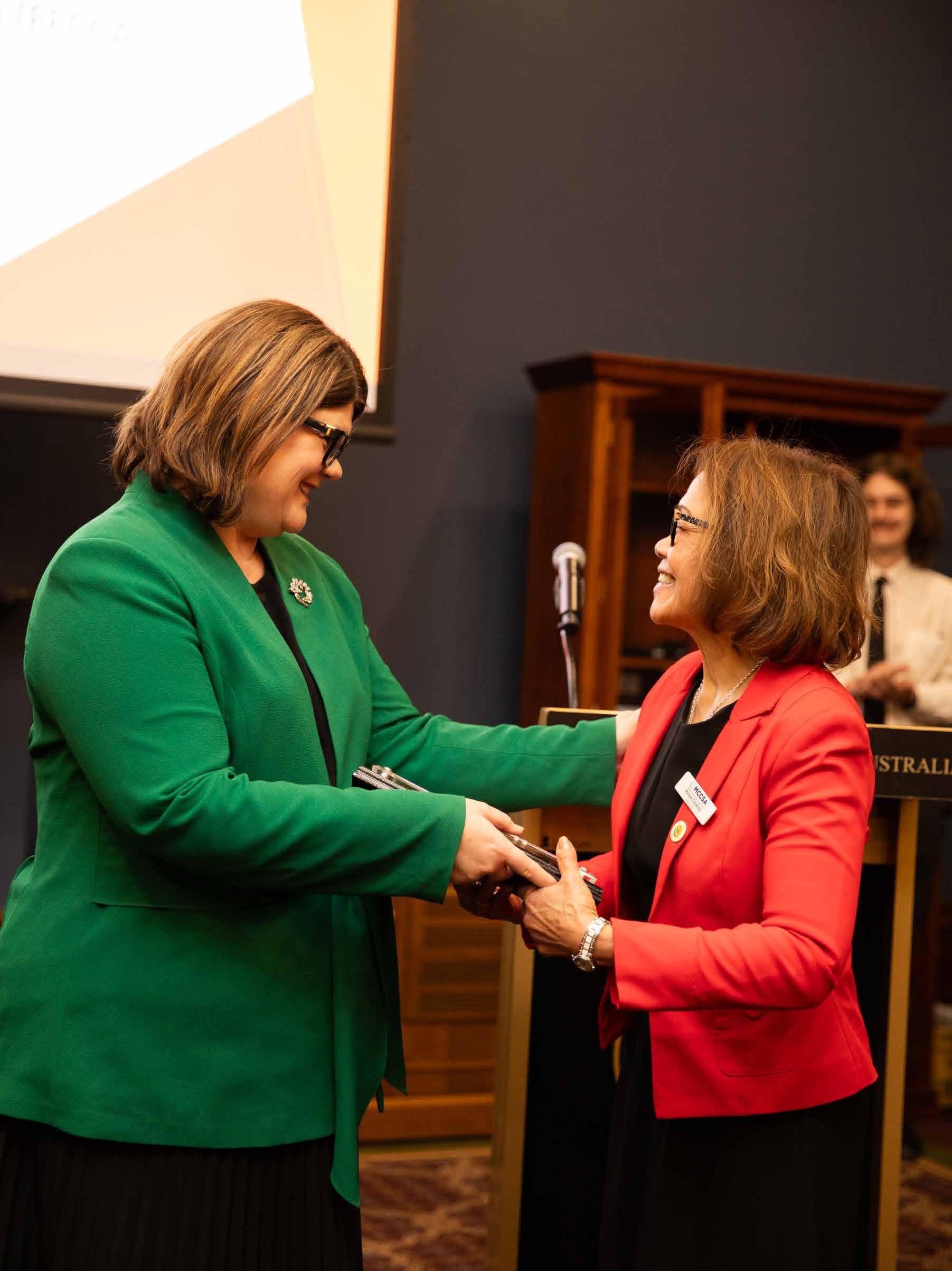
Hon Zoe Bettison MP pictured with MCCSA Chairperson Miriam Cocking
Current MCCSA Board 2025
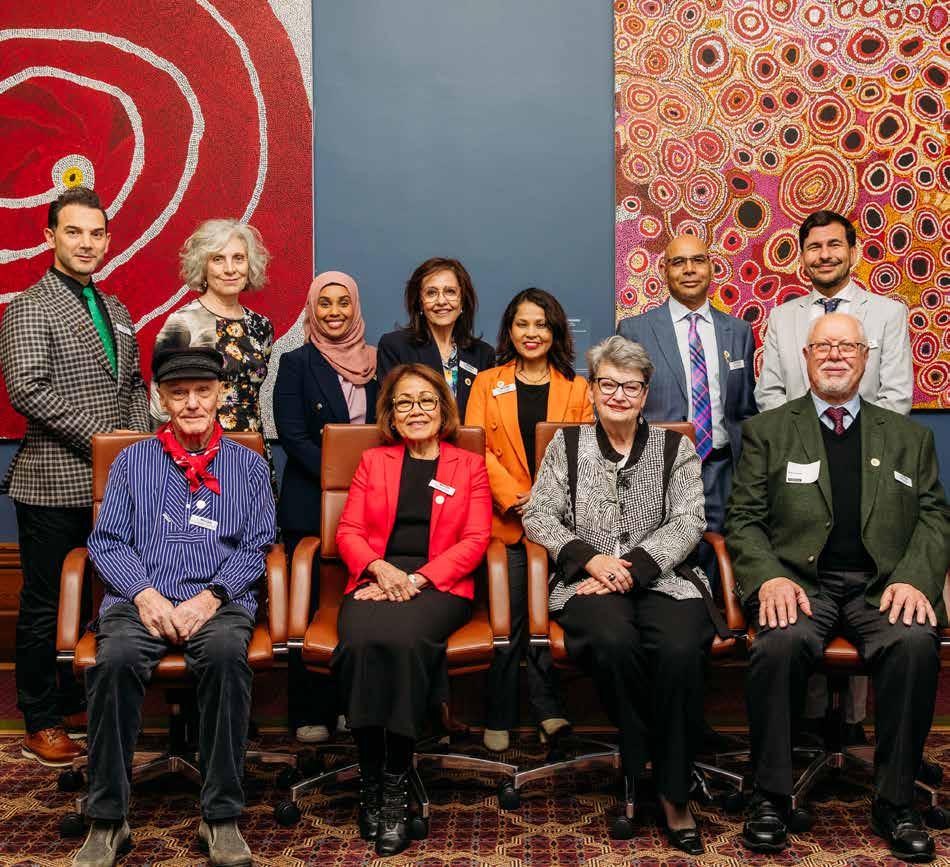
Back row: Suren Edgar, Helena Kyriazopoulos OAM – CEO, Zainab Jimie, Patrizia Kadis, Manju Khadka, Nasir Hussain, Ranielson Santana de Silva
Front row: Dr Ian Harmstorf OAM BVK – Deputy Chairperson, Miriam Cocking – Chairperson, Gosia Skalban OAM, Silvio Iadarola – Treasurer