Connection is Prevention: A Community-Led Model for Men's Mental Health
Please note that this report reflects the stories of real individuals. To respect what they shared with us, we have not amended shared quotes in any way.
If any of the following content is causing any stress or discomfort support is available through:
Lifeline (13 11 14),
Beyond Blue (1300 224 636).
Acknowledgment of Country
MCCSA acknowledges the traditional owners of Country throughout Australia, and their continuing connection to land, sea, and community. We pay our respects to them and their cultures, and to elders both past and present.
Collaborative Partners
MCCSA warmly acknowledge the generous support of Adelaide University, the City of Charles Sturt Council’s Community Development team, and Breakthrough Mental Health Research Foundation. Their collaborative partnership and commitment meaningfully contributed to the success of the Multicultural Men’s Mental Health Community Connections Project. We are sincerely grateful for their collaboration in this important work.
Community Partners
Funded by
EXECUTIVE SUMMARY
This report tells the story of a two-year, community-led Discovery journey to understand and improve men’s mental health across four culturally and linguistically diverse communities.
Guided by MCCSA’s Men’s Health Engagement Model (MHEM) and a co-designed Theory of Change, the project aimed to:
reduce stigma
build culturally grounded pathways to support
What emerged from the earliest consultations was unambiguous: for many men, mental health was heavily stigmatised and associated with being “crazy”; shame, fear and mistrust suppressed disclosure; language and confidentiality concerns blocked honest conversations with practitioners; and communities lacked stable, low or no-cost places to meet regularly. It became clear that this infrastructural gap was a significant issue, undermining informal peer support and the normalisation of help-seeking.
In response, the project invested in trusted community connectors, flexible co-design, multilingual and culturally congruent activities, and advocacy with mental health providers. Participation grew steadily wherever culturally safe spaces, peer leadership and practical navigation support were present.
The Association of the Burundian Community of SA expanded from seven to 42 regular participants and drew around 1,400 people across four major gatherings. The group emphasised youth engagement and intergenerational storytelling.
Kabudu Men’s Group of SA shifted its gatherings from private homes to a neutral council venue, which encouraged greater openness and participation. Stabilised at 25 regular participants, the group reached 666 more through three cultural nights and an end-of-year celebration.
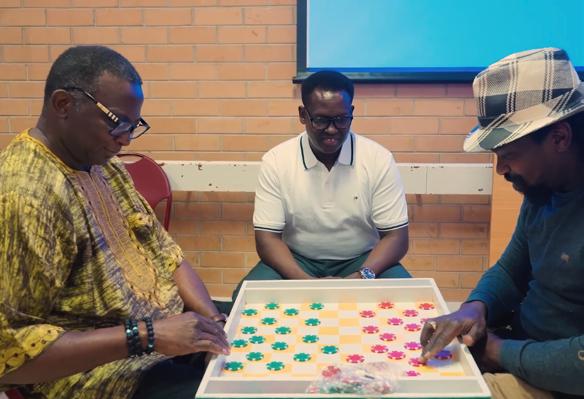
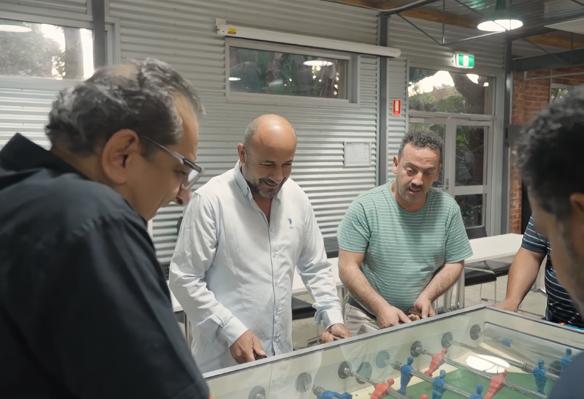
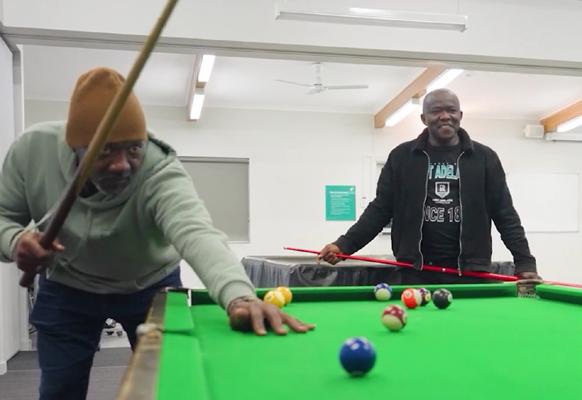
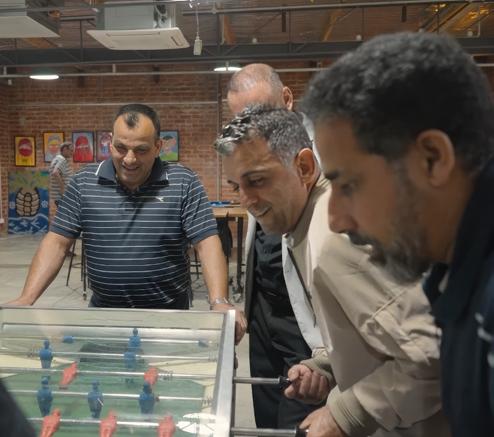
Australians for Syria SA grew from 11 to 35 regular participants, utilising informal conversations grounded in spirituality and community spirit, while also incorporating fun board games and social soccer.
The Latin American Society of SA mobilised 300 people through a BBQ cooking competition, 95 for Men’s Health Week, and maintained workshops of 12 to 25 men. These figures do not simply show attendance, but evidence the enabling conditions predicted through the project’s Theory of Change: when men have culturally safe spaces, visible peer leadership and services willing to flex, we see that stigma loosens, engagement deepens, and prevention becomes realistic.
The recommendations offered here are written in narrative form and are directly tied to the issues raised by men from communities involved. They call for longterm, trust-based funding that explicitly resources community infrastructure and sustainable models for community connectors; commissioning requirements that mandate trauma-informed, culturally responsive practice and transparent privacy protocols; and evaluation approaches that remain relational, narrative and co-owned.
The accompanying documentary film carries the voices of those who made this work real.
influence mental health services to become more responsive, trauma-informed, and culturally safe
Documentary film
This report is intended to be accompanied by MCCSA’s documentary film, which was created in collaboration with community partners, Kabudu Men’s Group of SA, Australians for Syria SA, the Latin American Society of SA, and the Association of the Burundian Community of SA.
The film tells the story of the Men’s Mental Health Community Connections Discovery Project and, through interviews and footage of the project in action, highlights what mental health prevention work can look like when led by community.
As an essential part of the storytelling and documentation of MCCSA’s Discovery journey, the documentary gives the men involved in the project the final word on what works about this model, why it matters, and what still needs to change in the mental health landscape.
Click the code below to watch our documentary film.
Introduction
The Multicultural Men’s Mental Health Community Connections Discovery Project was a two-year initiative delivered through a collaborative consortium partnership between the Multicultural Communities Council of South Australia (MCCSA), the Fay Fuller Foundation, and four culturally and linguistically diverse (CALD) community groups: the Association of the Burundian Community of SA, the Kabudu Men’s Group of SA (representing Sierra Leonean and West African men), Australians for Syria SA, and the Latin American Society of SA (LASSA).
The project’s goal was to explore what mental health and wellbeing means to men from these communities, while supporting them to co-design culturally relevant and sustainable solutions.
MCCSA provided coordination, mentorship, and wrap-around support, while the Fay Fuller Foundation’s flexible funding allowed the project to adapt dynamically rather than adhere to a rigid, output-driven model.
This approach required ongoing encouragement, patience, and a deliberate step back from control—and the result was authentic, community-led momentum.
Partnership, purpose, and context
This project was built on a shared belief that communities possess the wisdom, strength, and insight to lead their own solutions when given the trust and resources to do so.
It was also grounded in a common purpose: to centre community voices, reduce mental health stigma, and empower CALD men to define wellbeing on their own terms.
Fay Fuller Foundation’s bold commitment to improving the mental health and wellbeing of all people in South Australia—especially through community-led, preventative approaches—aligned seamlessly with MCCSA’s mission of building equitable, thriving multicultural communities.
For the four participating communities, the project represented an opportunity to address the social and emotional isolation of their men and unlock their potential to thrive socially, emotionally, economically, and culturally.
Together, this partnership challenged the dominant paradigms of mental health intervention. Instead of imposing programs from the top down, it created conditions for listening, trust-building, and experimentation. Men were asked in their own languages, within their own spaces, and guided by their community connectors:
• what mental health means to them
• what supports are needed, and
• how stigma, trauma, and disconnection can be addressed in ways that honour their culture, language, faith, and lived experiences.
This was not just a project, it was a process of restoring agency and self-determination. It acknowledged that the barriers CALD men face are not rooted in individual failure, but in structural forces: systemic racism, war, forced migration, and a mental health system that often feels out of reach.
What made the partnership work was not simply shared goals, but a shared conviction: that transformation happens when communities lead, and when systems are willing to listen.
Ukash Ahmed
Our Theory of Change, told as a story
The change we wanted to see through this project was communities where men no longer carried shame and silence around their mental health, but instead felt safe, supported and confident to share their struggles and seek help early.
We envisioned trusted connectors embedded in every community, creating the conditions for ordinary conversations about wellbeing, while men developed strategies for resilience and social connection. Over time, stigma and fear would give way to trust, and communities would hold stronger networks of friendship and support. Service providers, equipped with cultural intelligence and trauma-informed practice, would be seen as accessible and respectful partners, offering care that is person-centred and culturally safe. In this future, men and their families would have both the agency and the opportunity to make informed choices about their mental health, with equitable access to support that meets their needs.
We assumed that to achieve this change, we must begin where people already are. If men are carrying shame, mistrust and trauma, they will not seek help early. If services are perceived as culturally unsafe, overly clinical or opaque about privacy, engagement will be shallow and short. If communities cannot meet regularly in spaces that feel like theirs, the social fabric required for prevention will fray. This understanding told us that change rests on interconnected conditions.
When communities are resourced to identify, train and support their connectors—the people men already trust—conversations about distress can become ordinary rather than exceptional. With flexible funding, coaching and peer learning, those connectors can adapt to changing circumstances, maintain momentum and hold space through the inevitable disruptions of work and family life.
When mental health services shift to cultural intelligence and trauma-informed practice, and when they are transparent about privacy, interpreters and recordkeeping, men’s fear and mistrust abates, and they approach care with agency. When regular, culturally safe, affordable community spaces are secured, men can build the routines of connection that allow early noticing, early conversations and early action. When evaluation is co-owned and narrative, learning remains alive and responsive rather than extractive.
In practice, this causal logic held whenever these enabling conditions were present. It faltered whenever connectors burnt out or moved on, when venues were lost, when services could not or would not flex, or when fears about records and confidentiality re-emerged. These ruptures confirmed that the “how” of funding and commissioning— the provision of infrastructure, the payment and protection of connectors, and the embedding of trauma-informed, culturally responsive practice—is not peripheral to prevention. It is the prevention.
Theory of Change: Multicultural Men’s Mental Health Community Connections
Note: Influencing mental health services was an initial goal of the Community Connections Discovery Project and included as additional pathways in the the first iteration of the Theory of Change. However, during the two years, it was recognised that a shift in the practices of mental health service providers required a longer term, systemic advocacy approach. This remains an ongoing priority through sharing community voice, learnings from this and other projects, providing cultural intelligence training, and advocating through relationships and forums.
FOUNDATIONS
KEY SUPPORTS AND ACTIVITIES TOGETHER COMMUNITY CONNECTORS AND MEMBERS
KEY SUPPORTS AND TOGETHER COMMUNITY CONNECTORS AND MEMBERS
Community relationships and listening first
Existing community groups with shared connection
LONG TERM OUTCOMES
Reduced shame, stigma and concern
Share lived experience and knowledge
Build trust and understanding
Multiple community connectors within community are identified
Clear communication and shared values, goals & understanding
Community is confident and comfortable to discuss mental health and other challenges
Mental health providers are working in culturally safe ways and people feel comfortable accessing them
Community feels connected and have networks of people to turn to for friendship and support
Increased knowledge of mental health issues and resources for support
Community-led ways of supporting each other
Share experiences and challenges
Culturally safe learning about mental health
Develop vision, practices and ways of engaging
Regularly connect and have fun
Training and support for community connectors
Consistent and accessible places for community to meet
Learning and reflecting together along the way
Reaching out and including the diversity of community
The MCCSA Men’s Health Engagement Model in practice
The Men’s Health Engagement Model (MHEM), developed by MCCSA, offers a flexible, community-led framework for engaging men from CALD backgrounds in prevention and early intervention. It comprises seven interconnected elements: Project Set Up; Consultation with Communities; Co-design Workshops and Training; Implementing the Project with Communities; Working with Mental Health Providers; Evaluation; and End of Project Event.
Rather than prescribing a linear process, the model is designed to support communities to move fluidly across these stages responsive to emerging insights, challenges, and opportunities. At its core, MHEM centres trust, cultural safety, flexibility, and the leadership of community connectors to drive meaningful engagement.
In practice, the four community partners in the Men’s Mental Health Community Connections Project did not follow the model in a rigid or uniform sequence. Instead, they adapted it to fit their own contexts, needs, and pace, demonstrating the strength of the model’s flexibility. As challenges arose, communities were empowered to iterate, adjust timelines, and prioritise what mattered most for their men.
The Project Set Up phase laid the foundation through trust-building and establishing readiness. Community connectors were identified early and supported as central drivers of the process. Governance was intentionally kept light to enable responsiveness, and early attention was given to an often-overlooked practical challenge: the lack of stable, culturally safe spaces for men to gather.
Addressing this infrastructural gap had lasting impacts on attendance, logistics, and momentum across the life of the project. It has also built ongoing relationships and access to infrastructure for communities, that have sustained beyond the end of the project.
During Consultation with Communities , men spoke candidly, often for the first time, about their experiences, beliefs, and fears around mental health. A consistent theme was shame, and many equated mental distresses with weakness or being perceived as “crazy.” In many countries of origin, mental health support was associated with institutionalisation, not early intervention or community care, and these perceptions travelled with them. Language barriers and fears around confidentiality, particularly when interpreters were involved, further suppressed honest disclosure. For many, past trauma from war, displacement, and resettlement remained unresolved, yet trauma-informed care remained largely inaccessible.
What emerged from these early engagements was clear: for CALD men, mental health support could not be approached through conventional service models. It had to be reimagined, led by communities, grounded in trust, and embedded in cultural, linguistic, and faithbased understandings of wellbeing.
Religious and cultural healing practices were often preferred not as a rejection of Western mental health models, but because mental health services had frequently failed to meet men where they were. The absence of regular, affordable, and culturally safe community spaces compounded this disconnect by weakening the everyday, informal interactions where distress might be noticed early and compassion offered without stigma.
“Some of us hide our problems behind our smiles.”
Project Participant
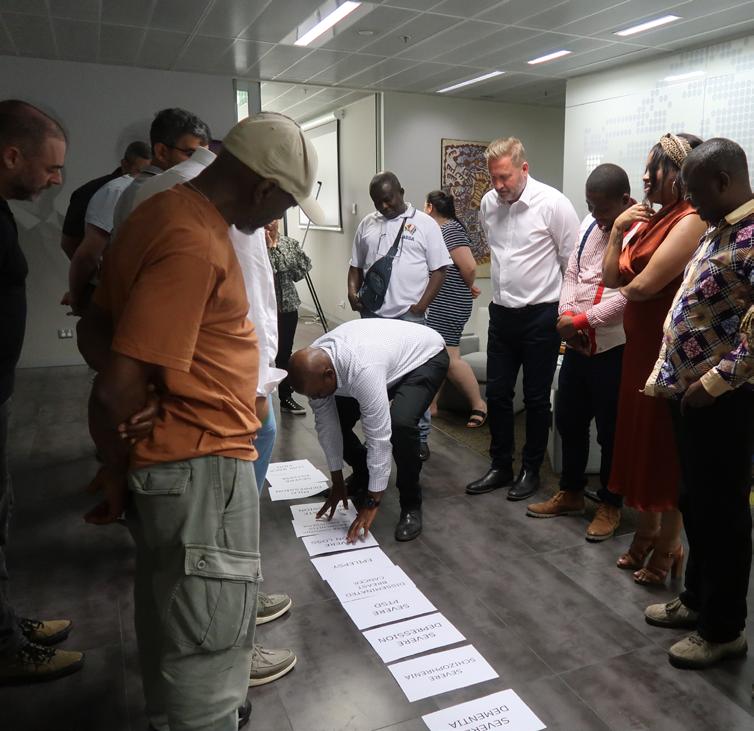
Co-designed Workshops and Training transformed these insights into action. Community connectors were resourced and empowered to design locally meaningful activities that normalised conversations around distress, masculinity, trauma, parenting, and help-seeking. These activities used culturally resonant language, metaphors, and worldviews. At the heart of this approach was a clear principle: stigma cannot be lectured away, but it dissolves in trusted spaces where men feel seen, safe, and unjudged.
Implementing the Project required ongoing adaptability. Activities were delivered in first languages; timelines were adjusted around men’s work and family responsibilities; new connectors were brought in when needed to address burnout or life transitions. Where venues remained insecure, communities found temporary workarounds—though often at the cost of continuity and attendance. The fragility of voluntary labour and space insecurity served as a powerful reminder that sustainable prevention requires investment in infrastructure and paid connector roles within the communities.
Evaluation was embedded throughout the project in a way that was reflective, relational, and low burden. Rather than extracting data, the process centred narrative, collective sensemaking, and iterative learning. This approach honoured community time and insights while generating actionable feedback in real time—supporting responsiveness over compliance.
The End of Project Event was not positioned as a conclusion, but as a translation point. Communities used it to share what had shifted, what remained difficult, and what changes were needed at the system level to embed prevention work into the broader mental health landscape. The event helped extend the learning beyond the immediate participants—into conversations around commissioning, policy, and service reform. The accompanying documentary amplifies these messages, giving the final word to the men themselves on what worked, what mattered, and what still needs to change.
“This project is one in a million. It doesn’t put you in a box. It gives you the freedom to grow and find ways to talk about mental health that work for us.”
Community leader
What the consultations surfaced
From the outset, men spoke about stigma not as a messaging problem but as a deep social and cultural reality. Admitting to emotional distress was experienced as shameful, a threat to masculine identity, or evidence of being “crazy”. This narrow, pathologising definition of mental health rendered prevention almost meaningless: if care is only for those who have already broken down, why talk early?
The historical absence of community-based mental health services in countries of origin reinforced this mindset, with severe mental illnesses and institutionalisation as the dominant reference point.
Language barriers were a constant, but confidentiality fears around interpreters were just as decisive. Men worried that interpreters might know their families, or that disclosures could be used against them in custody matters or to fuel accusations of domestic violence.
The health system itself appeared complex and alien, with little clarity about rights, costs, pathways and protections. Past traumatic experiences from war, displacement and resettlement and managing transitions layered on top of daily stressors; yet, trauma-informed, culturally grounded services were scarce and inconsistently available.
Faith and cultural healing practices were trusted first because they aligned with values and experience, while Western clinical approaches were often perceived as rigid, diagnostic and disconnected.
Threaded through all of this was the absence of infrastructure. Without reliable, culturally safe, low or no-cost spaces to meet, men could not build the regular habits of connection and care that make prevention possible. The project had to constantly work around this structural gap, which meant momentum was always at risk.
Implementation learnings and adaptations
The project adapted continually to keep faith with its principles. A single-connector model proved too fragile. Instead, multi-connector teams, with stipends and structured support, were essential to maintain continuity and avoid burnout. Training and engagement materials had to be delivered in the language men use at home, with interpreters used carefully and only with explicit, culturally safe confidentiality protocols. Evaluation methods were reshaped to centre narrative, story and reflective practice, reducing burden and increasing ownership. Engagement with mental health services shifted from generic information sessions to detailed co-design on privacy, consent and navigation—because men needed to understand exactly how they were protected before they would disclose.
Above all, the project learned that infrastructure and trust are not optional extras—without them, prevention work is fragile. As the project unfolded, it became evident that several mental health providers, bound by strict funding conditions, struggled to offer flexible or outreach-based supports that met the communities’ expectations.
In response, MCCSA pivoted towards systemic advocacy, building relationships with SA Health and Adelaide PHN to share project learnings and community aspirations. Adelaide PHN subsequently rolled out Cultural Intelligence training for all staff and commissioned services, embedding cultural responsiveness into mental health service delivery.
MCCSA was invited to nominate representatives to the PHN’s commissioning panel, bringing CALD expertise to the selection of organisations delivering a culturally responsive suicide prevention project. At the same time, an MCCSA staff member joined the Head to Health Kids Hub steering committee to co-design services for children aged zero to 12. MCCSA also conducted CALD community consultations to inform the Hub’s design. These engagements marked a shift from discrete community events towards influencing funding conditions, promoting service flexibility and advocating for systemic change, ensuring CALD men’s mental health needs inform broader sector planning.
Another unexpected outcome was MCCSA’s growing influence in the mental health sector. Staff have been appointed to highprofile advisory bodies such as the SA Suicide Prevention Council, ensuring CALD perspectives are represented at decisionmaking tables.
Data collection also posed challenges. Traditional quantitative measures such as attendance registers failed to capture the fluid, informal nature of community-led activities. Although headcounts indicated steady improvements in attendance and retention, this data alone could not convey the depth of engagement. Communities held celebratory forums that drew everyday people of all ages and genders—an unexpected outcome, since the project had initially focused solely on men.
These gatherings demonstrated that CALD communities often prioritise strong social connections as a pathway to wellbeing. In casual conversations, men identified parenting pressures, obligations to family back home, employment challenges, rising cost of living, and limited time for spiritual practice as key stressors.
These factors shaped participants’ mental health, indicating interventions must address broader social determinants, including financial stability, family support, and community belonging, alongside traditional mental health messages. Men consistently highlighted strong family ties, communal activities, and spirituality as protective factors. They recognised mental health as an issue but focused on how strong social connections, financial security, and a sense of spirituality helped them feel fulfilled, productive, and able to meet their responsibilities.
Learnings from the Discovery Project directly led to additional initiatives. MCCSA secured co-funding from Preventive Health SA and the Hospital Research Foundation to deliver a health literacy project with six communities, replicating the Discovery Project model. MCCSA also obtained DHS funding for a Strength for Life program for the Burundi and Kabudu communities, focusing on physical health and wellbeing. These spin-off projects underscore the scalability and adaptability of a community-led, co-design approach.
“This project gave us skills and power we didn’t have before. Men now know it’s okay to talk, to ask for help, and to support each other.”
Community Connector
Enabling conditions for success
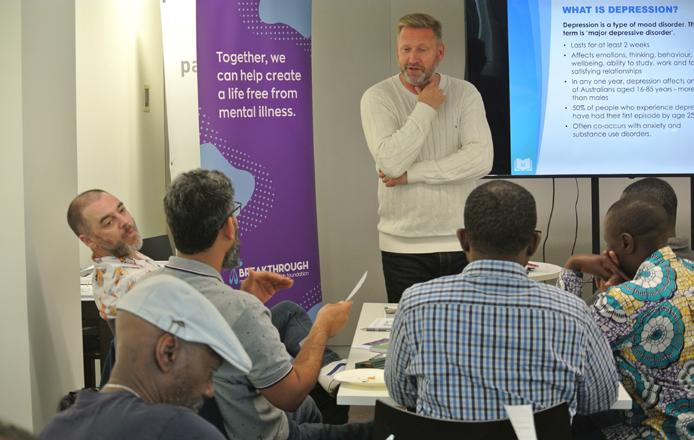
Throughout the project, MCCSA engaged a dedicated community development practitioner with deep CALD expertise and a system navigator to troubleshoot issues as they emerged. For example, Mental Health First Aid training was originally scheduled as two intensive days that clashed with many connectors’ work commitments. By negotiating with Breakthrough Mental Health Research Foundation, MCCSA arranged for Mental Health First Aid to be delivered over four evening sessions across four weeks.
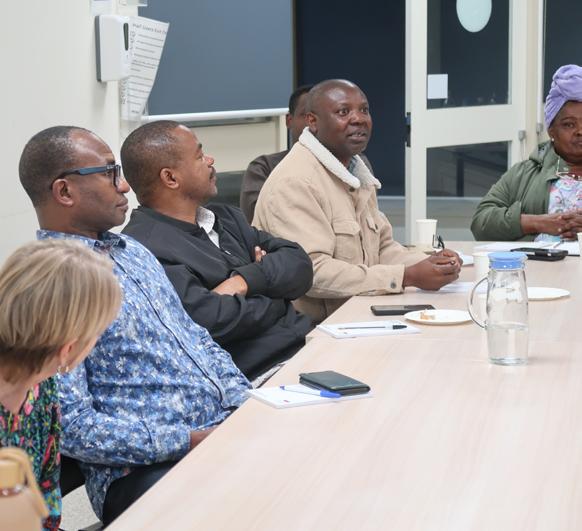
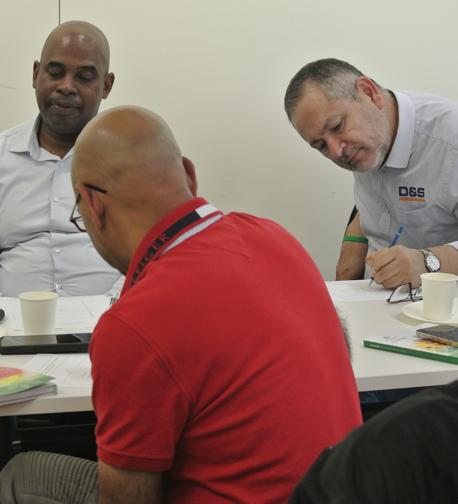
This flexible format allowed working connectors to participate, gain accredited qualifications, and enhance each community’s capacity to recognise and respond to mental health concerns. Similarly, capturing evaluation feedback on paper proved difficult in informal settings. MCCSA supported the community connectors in facilitating round table discussions immediately after each session to capture feedback from participants. These discussions generated qualitative insights in real time and informed project adjustments, while the final-stage evaluation was captured through video interviews as part of a Discovery journey documentary.
The multimedia approach honoured oral storytelling traditions and ensured community voices were authentically represented.
MCCSA’s wrap-around support proved critical to sustaining momentum. During the project period, MCCSA coordinated several complementary initiatives that provided resources and training to the same communities.
Two of the partner communities, Australians for Syria SA and the Association of the Burundian Community of SA, were directly involved in a federally funded Cultural Connections in Disability project, which allocated funds to support community-led disability initiatives.
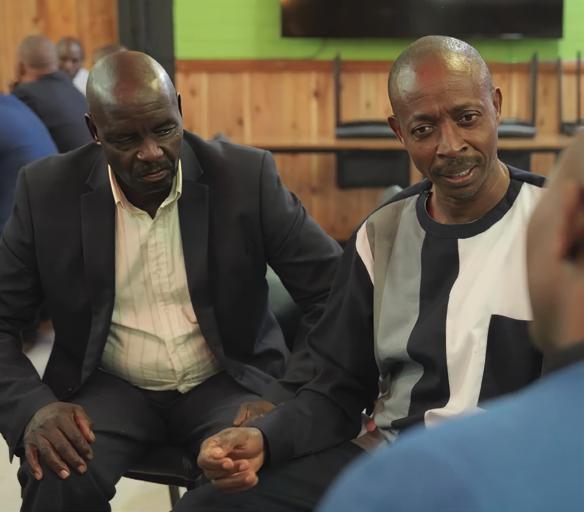
“Since we got this project, men are coming together, sitting, discussing their issues - just like how it was in Africa. Most people feel like they are back home.”
Community Connector
Simultaneously, the Community Boards and Governance project funded by the Department of Premier and Cabinet delivered leadership training for connectors and community leaders, strengthening governance structures, particularly for newly elected leaders in each group. In total, 18 community leaders and connectors successfully completed all capacity-building activities, including the Community Boards and Governance training and accredited Mental Health First Aid training.
MCCSA’s existing relationships with local councils ensured communities could access regular meeting spaces at minimal or no cost.
The MCCSA hub itself was used flexibly for community of practice gatherings, mentoring sessions, and capacity-building workshops. This weaving of resources across multiple projects allowed, for instance, a Burundian connector to attend governance training one week and then host a mental health storytelling event in a council hall the next. By providing a holistic environment, MCCSA ensured mental health support, leadership development, and community infrastructure reinforced one another.
Fay Fuller Foundation provided enabling, hands-on support and flexible funding that allowed the project to evolve organically. The Foundation also regularly brought together Discovery Partners to exchange learnings and reaffirm their core belief that communities are the experts in their own experiences. They demonstrated a commitment to deep listening, learning, and providing the necessary support to allow communities to interpret and implement the project in ways that made sense to them.
This approach was both reassuring and empowering for the communities and other partners. It created the conditions for communities to stay curious, adapt the project as needed, and allocate their resources towards what mattered most to them.
Key process learnings
Implementing a genuinely communityled initiative generated valuable process learnings. Foremost among these was the understanding that true community ownership takes time, particularly within communities that are accustomed to top-down approaches. In the early stages, the partner groups initially looked to MCCSA for direction, reflecting a long-standing pattern of being treated as program recipients rather than as drivers of change.
To shift this mindset, the project team invested several months in dialogue and capacity-building workshops. Community connectors and leaders were reassured that there were no “wrong answers” and no fixed deliverables. Their role was to surface their community’s real needs and ideas, even if these were unpolished or unexpected.
Gradually, this message took hold. One by one, the groups transitioned from hesitation to confidence, shifting from a passive stance of “being done to” toward an active approach of “doing it ourselves.” Gradually, the communities started seeing the project as “their own,” not an MCCSA initiative. Leaders of men’s groups began proactively organising activities and inviting MCCSA staff as supportive guests, rather than waiting for approval or guidance. This required ongoing encouragement, patience, and a deliberate step back from control, but the result was authentic, community-led momentum.
Participation data
Each community began with a small core group of men and, once culturally safe spaces and trusted leadership were established, grew into stable cohorts and, in many cases, broad community engagement.
The Association of the Burundian Community of SA started with seven men and, at its peak, maintained 42 men attending their regular sessions. They hosted four community gatherings that each attracted an average of 350 people, bringing roughly 1,400 community members into contact with the project’s messages and activities. Their Independence Day celebration demonstrated how anchoring mental health engagement in cultural milestones normalises the conversation and makes it a collective, rather than individual, responsibility.
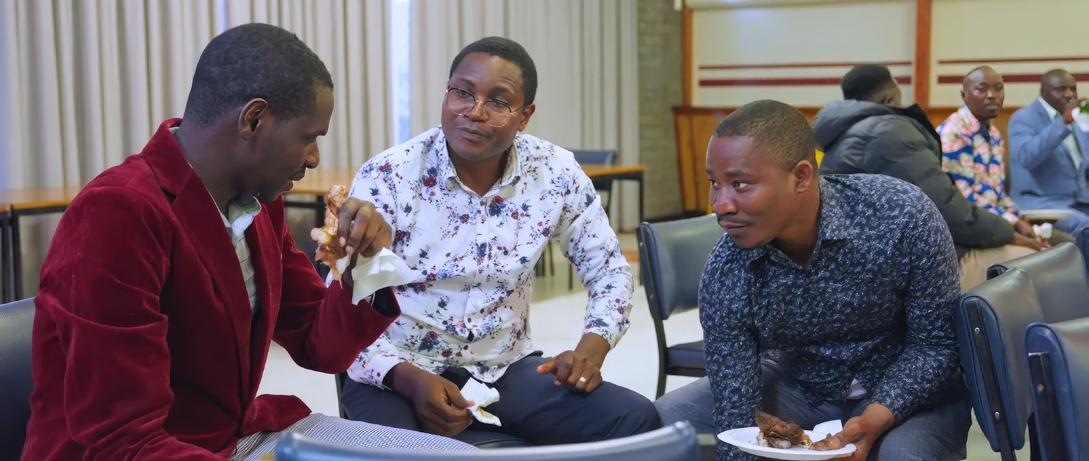
Kabudu Men’s Group of SA began with 17 members and settled into a consistent group of 25 men attending sessions. Their end-ofyear event drew 77 community members, men, women and children, illustrating how men’s health work ripples through families. Three cultural nights drew an average of 222 attendees each, adding a further 666 touchpoints. This pattern underscored the value of embedding men’s health into cultural celebration and community pride.
18 community leaders and connectors trained +2500 touchpoints with community members
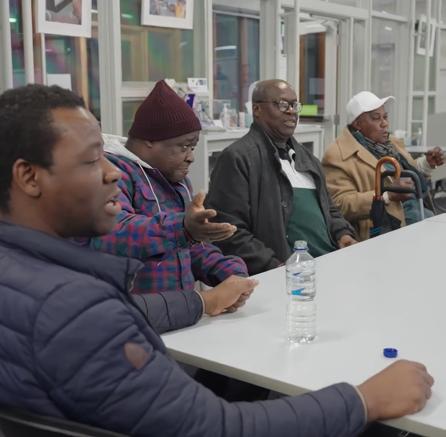
Australians for Syria SA commenced with 11 men and grew to 35 regular participants at the project’s peak. This steady expansion, despite ongoing concerns about confidentiality and system mistrust, reflects the compound value of bilingual connectors, culturally grounded activities and transparent explanations of how the health system works, what rights men have and how information is protected.
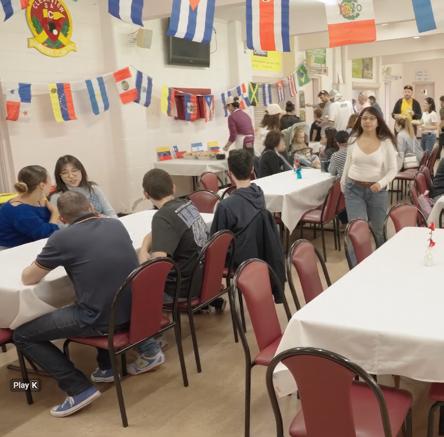
The Latin American Society of SA engaged the community through three large events, a cooking competition with 300 participants, a Men’s Health Week event with 95 attendees, and sustained a run of workshops that consistently brought between 12 and 25 men together. Their model of large, celebratory entry points feeding into smaller, relational learning spaces proved highly effective at converting curiosity into ongoing engagement.
“The most profound learning is how powerful small investments in trust and time can be. You don’t need millions – you need belief in people.”
Community Connector
Taken together, these trajectories tell a Story of Change: when communities have spaces, leadership and service partnerships that feel safe and congruent, participation grows, stabilises and deepens. Large community events legitimise the topic publicly, while regular small- group work re -weaves stigma into solidarity, builds literacy, and increases confidence to engage with primary care and mental health services earlier. +125 total regular participants converting curiosity into ongoing engagement
RECOMMENDATIONS
The work ahead is clear, and our recommendations are deeply tied to the issues communities named.
Communities need stable, culturally safe, low or no-cost spaces to meet regularly. Without this physical infrastructure, the informal, relational work that prevents crises cannot be sustained. Funding agreements and prevention grants must explicitly include venue lines that cover the life of the initiative and support growth.
Connector roles must be formalised, resourced and multiplied. A single volunteer cannot carry the weight of stigma reduction, navigation support and group facilitation over the years. Multi- connector models with peer support, stipends, succession planning and structured training and development are essential.
Peer support is necessary to protect both the people doing the work and the integrity of the work itself. It is critical to continue investing in community capacity and leadership by maintaining core funding for backbone organisations like MCCSA to provide ongoing facilitation, mentorship, and coordination for community-led work .
Mental health services must move beyond cultural awareness and into cultural intelligence, traumainformed practice and transparent privacy protocols. Contracts and commissioning frameworks should require services to demonstrate how they will align care with community explanatory models, how they will protect confidentiality in interpretermediated encounters, and how they will deliver clear, translated information about rights, consent and recordkeeping. Communities should be involved in monitoring and refining these practices, not just consulted at the beginning.
Navigation support must be funded as a core component of men’s mental health prevention. The health system is complex; expecting men to find their way unaided, in a second or third language, under the weight of trauma and stigma, is unrealistic. Bilingual and bicultural navigators can bridge the gap, convert intention into action, and prevent disengagement after a first appointment.
This project showed us what’s possible. Communities don’t need rescuing—they need resourcing.”
Community Connector
Evaluation should remain relational, narrative and co-owned. Communities must be involved in defining what success looks like, how it is measured, and how learning feeds back into practice. Funders should back this approach, recognising that numbers alone cannot capture shifts in trust, agency and cultural safety.
To ensure robust monitoring, sustainable evaluation methods must be developed. Mixed method evaluation frameworks that combine headcounts, qualitative feedback from round table discussions, video interviews, and narrative reports enable communities to tell their own stories. Process-oriented indicators such as trust-building milestones and connector retention should complement outcome measures like mental health literacy and service uptake.
Long-term, trust-based funding needs to become the norm. Short cycles and output-driven contracts push communities to perform rather than learn, and they undermine the very conditions, stability, trust, and iteration that make prevention possible. The project’s gains were made because communities were allowed to experiment, recommit and adapt; sustaining those gains requires funding and policy settings that do the same.
Finally, systemic advocacy must continue. Funders and policymakers should work closely with MCCSA and other CALD peak bodies to influence mental health providers, promoting outreach models, flexible appointment times, satellite clinics in community spaces, and culturally responsive care. Research into social determinants affecting CALD men’s mental health, family obligations, financial pressures, employment, and housing stability will inform policy reforms.
“Before this project, our community never talked about mental health. Now they have more confidence. Nobody is scared. Nobody is shy. They speak up about their problems.”
Community Connector
Limitations and risks
The work’s fragility was most visible wherever infrastructure was absent, connectors were overstretched, or services could not flex. Voluntary labour, while generous, is not a sustainable backbone for prevention.
Connector attrition remains a live risk without continued resourcing, recognition, and succession planning. Cultural intelligence and trauma-informed practice are uneven across services and require more than goodwill to embed. Measuring change in stigma, literacy, and agency in culturally safe ways is timeintensive and must be properly resourced.
What needs to happen next
To honour what men and communities built, the next phase must embed the enabling conditions into the system itself. Communities should be funded to secure stable spaces and multi-connector teams. Services should be commissioned to deliver culturally responsive, trauma-informed models with transparent privacy and navigation support built in. Funders should maintain trust-based, flexible arrangements that reward learning and adaptation.
Evaluation should continue to be co-owned and narrative-rich, ensuring that this Theory of Change remains a living guide.
CONCLUSION
Prevention lives in the community.
For it to endure, communities need infrastructure, trusted leadership and services that are willing to meet them where they are. This project showed that when men have access to culturally safe spaces, when peer leaders are properly supported, and when services flex, the silence around mental health begins to loosen.
The recommendations offered here are not add-ons; they are the practical steps required to make the causal logic of our Theory of Change real. With long-term support, communities can continue what they started: redefining men’s mental health on their terms and inviting the system to build around that reality.
The documentary film that accompanies this report ensures the last word rests with them.
“We meet every month to talk about life and any problems. It gives us good psychological support. We don’t feel alone anymore.”
Project Participant
“Let people empower themselves. Don’t prescribe. That’s when magic happens.”
Community leader
“We started by just trying to bring people together – and without knowing it, we opened a space where stigma began to fade.”
Community Connector
Community-Led & Culturally Grounded Preventative Mental Health
A Replicable Model Overview
This model defines the relationship between funders, capacity building organisations (eg. MCCSA), and community partners to deliver culturally responsive, preventative mental health projects. It is designed to be replicable across settings where mental health stigma, service inaccessibility, or cultural disconnection act as barriers to support.
Success relies on a tri-part structure supported by enabling conditions. The model prioritises trust-based funding, peer-led design, and flexible, wrap-around coordination.
Core components
1. Funders—flexible and strategic enablers:
• Provide long-term, trust-based funding not tied to rigid Key Performance Indicators.
• Support adaptive planning, allowing iterative changes in delivery and budget based on emerging community feedback.
• Act as learning partners, not auditors, and engage in shared reflection, open dialogue, and support for developmental evaluation methods.
• Help translate project learning into broader policy influence.
Condition: Funders must be willing to relinquish control over outputs in favour of deeper, community-defined outcomes.
2. Capacity building organisations— translators, advocates, and mentors
• Act as intermediaries between funders and communities, ensuring project integrity, accountability, and support.
• Deliver training, mentoring, and governance development for connectors, peer leaders, and volunteers.
• Provide logistical infrastructure, venue access, insurance, financial management, and wrap-around support.
• Maintain sustainable community connector models to provide support and ensure continuity if individuals leave.
• Embed inclusive practices (e.g. use of interpreters, culturally appropriate scheduling, and holistic support beyond mental health alone).
• Broker systemic partnerships with government and health agencies.
Condition: These organisations must be resourced to sustain a backbone function across multiple projects and cohorts, not on a per-project basis.
3. Community partners—co-designers and frontline drivers:
• Surface community determined priorities, needs and solutions.
• Identify and coordinate training for trusted community connectors who lead engagement in culturally relevant ways.
• Facilitate co-design activities (e.g. storytelling nights, cooking events, sport, and faith-based dialogue) rooted in local traditions and needs.
• Focus on low-barrier entry points to mental health conversations – social, spiritual, and family-based, rather than clinical.
• Conduct informal and formal evaluation through oral storytelling, roundtable feedback, and participatory video or creative formats.
Condition: Communities must be trusted as experts of their own experience and leaders in developing solutions, not service delivery recipients.
The partnership model
Community spaces
Wraparound connector support
Culturally relevant approaches
t y B u i l ding Organisations
Translators, Advocates & Mentors
Built on shared community trust. Works through challenges & roadblocks
Evaluation beyond metrics Strategic systems engagement
Supports the conditions for community to lead
COMMUNITY LEADERSHIP, CONNECTION AND RESILIENCE
Co-Designers & Frontline Drivers
Flexible and long-term funding
Flexible & Strategic Enablers
Funders
Resources flow to community priorities
Community-centric approaches
Building connection to community and place
Low-barrier/ safe entry points to mental health discussions
RELATIONSHIPS
Overcoming stigma through sharing and support
CEMENTING LONG-TERM CONNECTIONS AND TRUST
Building community networks and ownership of health & wellbeing outcomes
Enabling conditions for success
To operationalise this model in any context, the following five conditions are essential:
1. Flexible, long-term funding
Time-bound, prescriptive grants limit communities and opportunities.
Success depends on funders enabling a three-to-five-year cycle of relationship building, delivery, and adaptation.
2. Wraparound and sustainable connector support
Invest in community connectors and plan for sustainability.
Trusted community connectors are key to success, and they may also move in and out of involvement as personal circumstances change. To support sustainability and embrace growth, multiple connectors should be established for each community with wraparound support—training, peer mentoring, modest stipends, inclusive approaches and leadership development pathways.
3. Community spaces
To be connected, communities need places to be together.
This requires access to familiar, low-cost, informal gathering spaces (e.g. libraries, community halls, kitchens). These physical spaces are as important as the programming.
4. Community-led and culturally relevant approaches
Be responsive to the communities you are reaching into.
All aspects of model delivery—including activities, choosing spaces, training and evaluation—must be co-designed with community, and rooted in local traditions and needs.
5. Evaluation beyond metrics
Community stories and journeys are more than numbers.
Communities must be involved in defining what success looks like, how it is measured, and how learning feeds back into practice. Mixed-method evaluation should track trustbuilding milestones.
6. Strategic systems engagement
Systems need to do the work too.
To trigger and advocate for systems change, community insights must feed into commissioning panels, PHNs, and policy forums. A project is successful when it informs not just practice, but the system that surrounds it.
Expected outcomes
If these conditions are met, expected outcomes include:
• Increased engagement by men traditionally excluded from mental health conversations and supports.
• Reduction in stigma through peer-led normalisation of emotional wellbeing.
• Strengthened community cohesion via social connection activities.
• Emergence of CALD leadership with recognised, transferable skills.
• Policy and commissioning decisions more reflective of CALD perspectives.
• Expansion of culturally grounded prevention models across regions or sectors.
Notes
COMMUNITY WELLBEING
CALD leaders emerging
System responding to CALD needs & priorities
Individuals are more engaged
Stronger community connection & resilience
Ongoing access to community resources
Culturally grounded prevention models expanding
Make a new connection today and play a classic strategy game like Connect Four, where two players drop colored discs into a vertical grid, aiming to be the first to get four of their own color in a row (horizontally, vertically, or diagonally).
We encourage people to grab a pen, ask someone to play with you here on the back of our report; Connection is Prevention.