Architecture Design Fundimentals II
By Mathias Bhagroo
Table of Contents Formal Orders of Axis, Symmetry, Hierarchy, and Rhythm …………………………..…3 Golden Ratio Furniture ……………………………………………………………………..6 Odile Decq Project ………………………………………………………..…………….....11 Odile Decq Poster …………………………………………………………………….……13 Revit: Maya Lin Vietnam Memorial ……………………………………………………...14 House Survey and Transformation 16 Deconstructivism Project ………………………………………………………….………18 Invisible Cities Project ……………………………………………………………….…….21 Author Information …………..…………………………………………………………...27
Formal Orders of Axis, Symmetry, Hierarchy, and Rhythm
Formal Orders of Axis, Symmetry, Hierarchy, and Rhythm
-Garden Gazebo
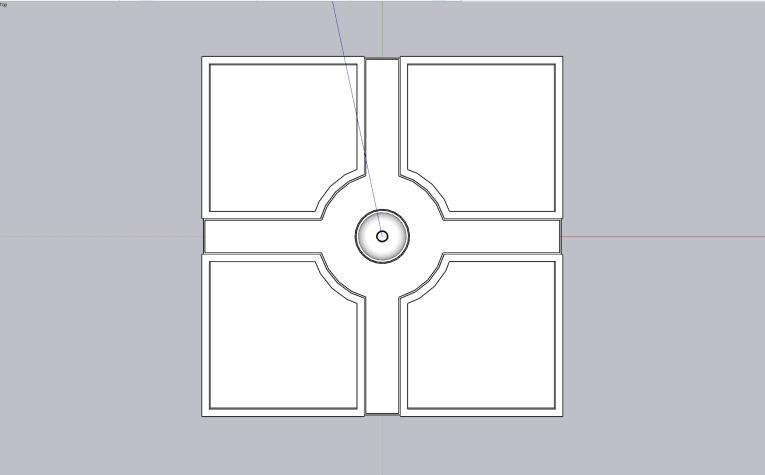
In architecture, axis is described as a central line that draws viewers into a structure and provides the overall organization of a design. In my Garden Gazebo (image below), I created a pathway that leads to the central structure, which is intended to give order and create balance in the design. The road, as well as the gazebo, are enclosed by the garden sections, which allowed me to utilize the negative space to create a pathway that represents axis.
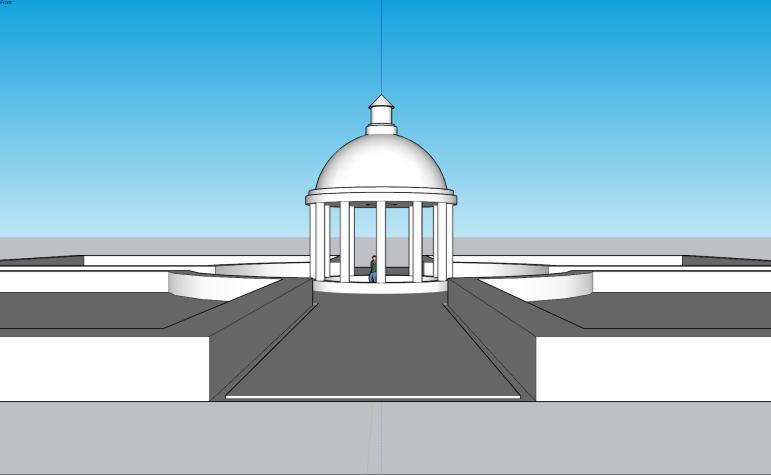
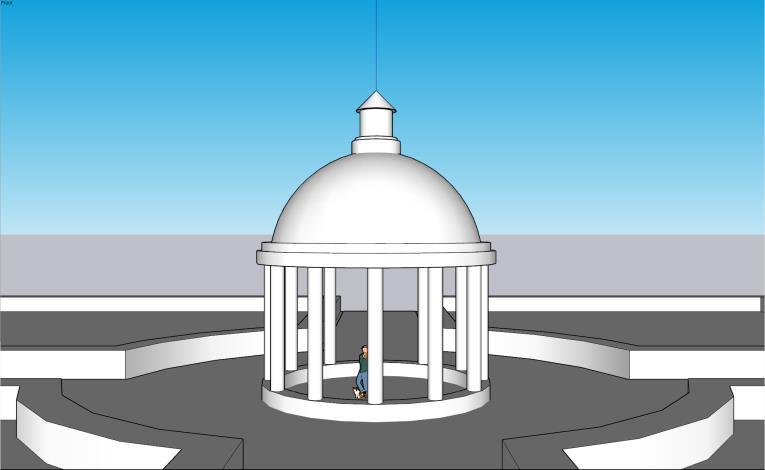
Another element represented in this design is symmetry, which is described as both sides being equal. Symmetry is used in design because it creates a natural flow and gives a sense of balance. In the Garden Gazebo, symmetry can be seen in multiple places. The front view of the design (first image) represents symmetry because both sides are equivalent to each other. Furthermore, the image below is a top-down view of the garden, which also has a symmetrical arrangement.
Formal Orders of Axis, Symmetry, Hierarchy, and Rhythm
-Garden Gazebo
The third element represented in this design is hierarchy, which is the arrangement of objects according to relative importance or inclusiveness. For the gazebo itself, I used a large dome shape to draw attention from the viewer. Since the dome is one of the biggest shapes in the design, it is likely the first object that is noticed.
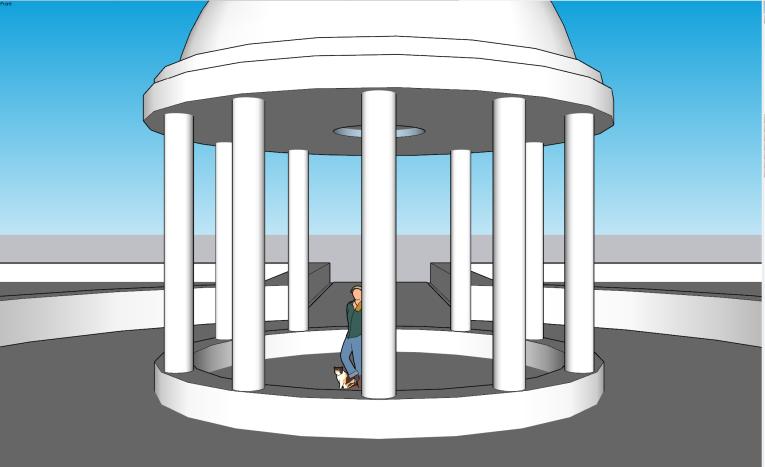
The last element used in this design is rhythm. Like axis and symmetry, rhythm helps to organize a design and contributes to the flow of the overall structure. Rhythm can be represented using repeated elements and patterns in a design. In the Garden Gazebo, rhythm can be seen in the gazebo’s pillars, as well as the gardens in the four corners of the design.
Golden Ration Furnature
Golden Ratio Furniture
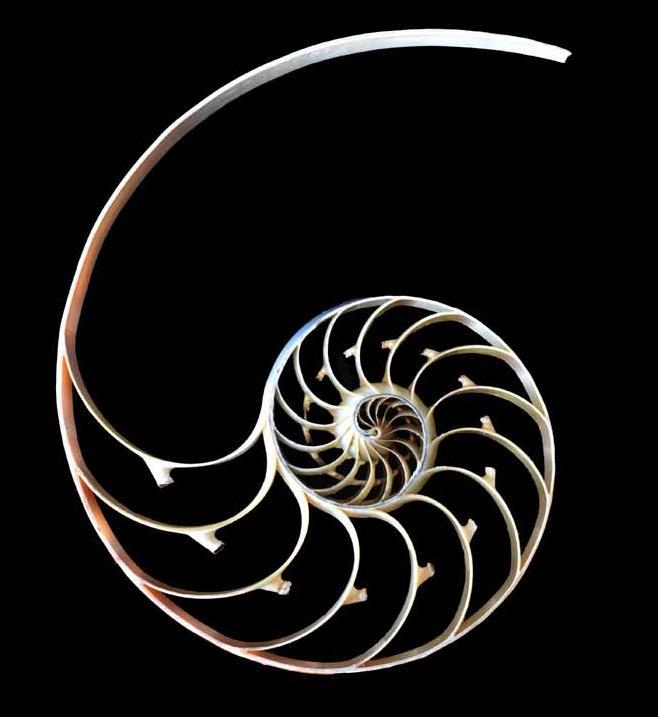
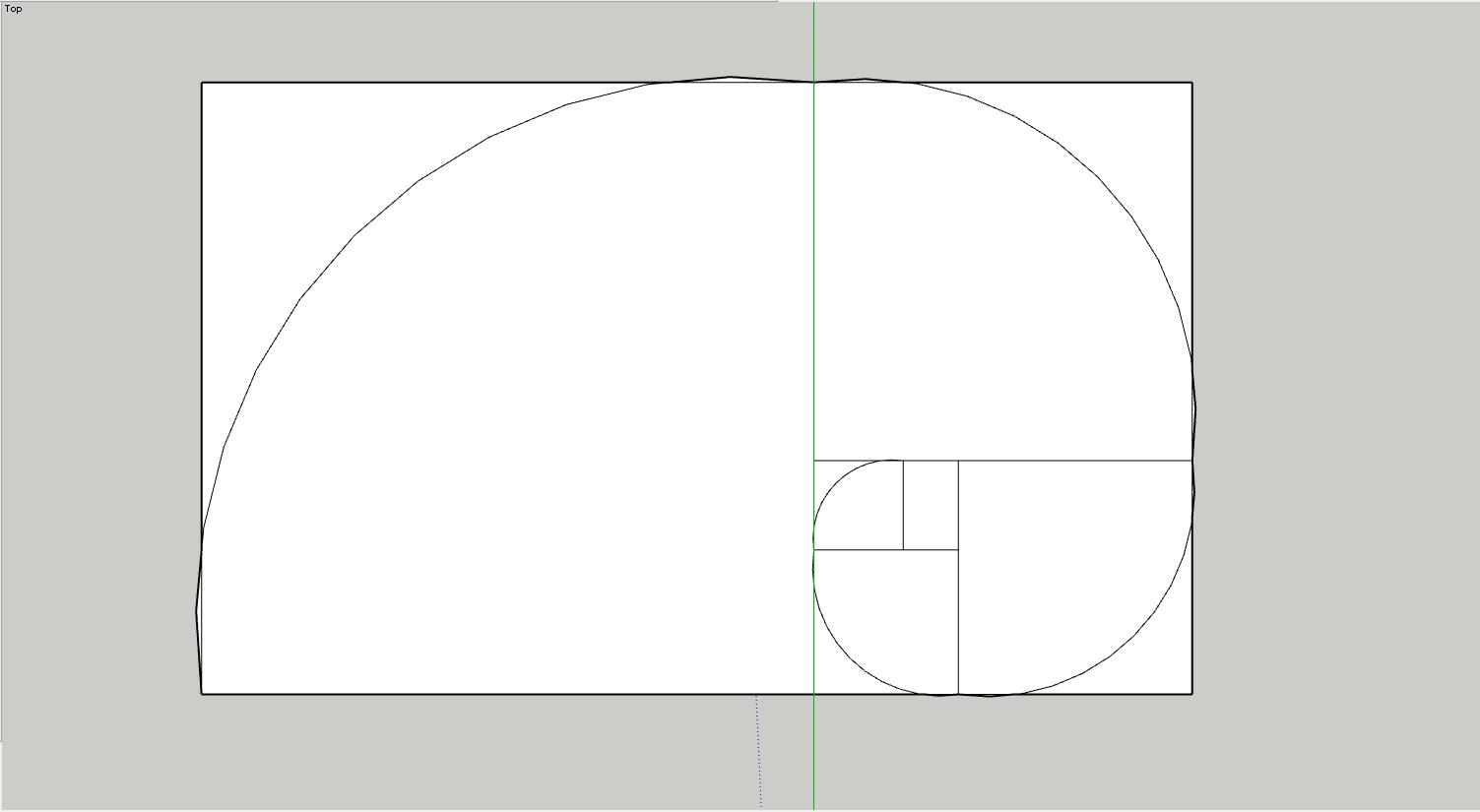
The golden ratio is associated with the Fibonacci sequence and is primarily used as a measuring tool. Its purpose is to create aesthetically pleasing designs using ratios that break down larger shapes. The golden ratio brings visual harmony to the way things are arranged in the natural world. The use of the golden ratio dates back to the Greeks, who believed that building with the ratio pleased the gods.
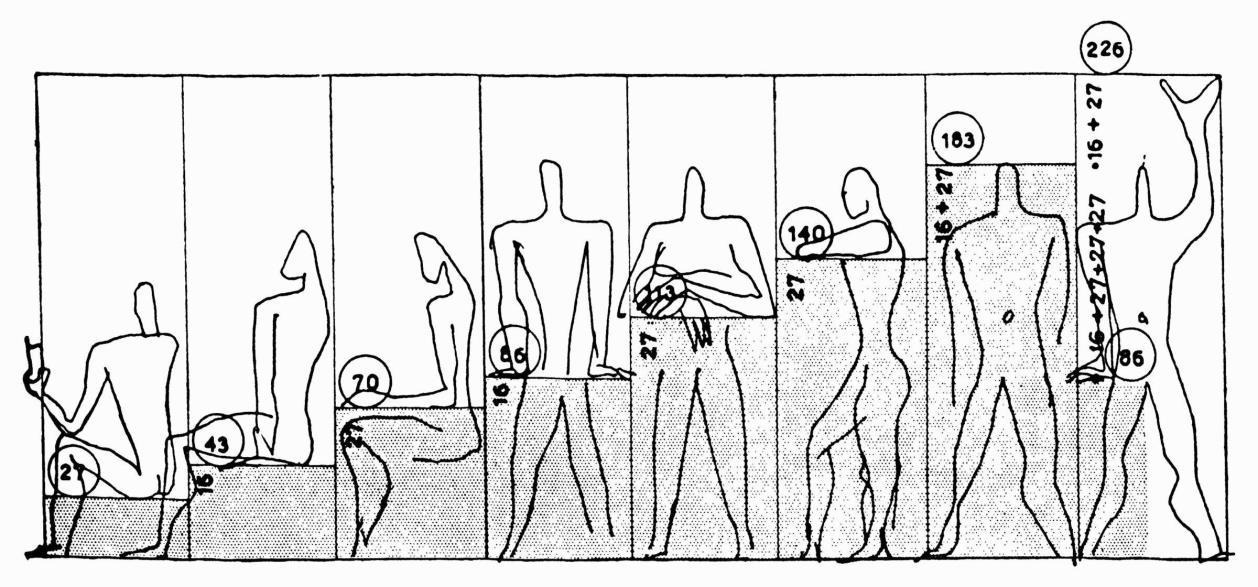
Similar to the golden ratio, another method of measuring is Le Corbusier's “Modulor Man.” It is described as a stylized human figure, standing square shouldered, with one arm raised occasionally, the mascot of Le Corbusier's system for reordering the universe. Le Corbusier believed that the proportions of the human body can be reflected in architectural designs.
Golden Ratio Furniture
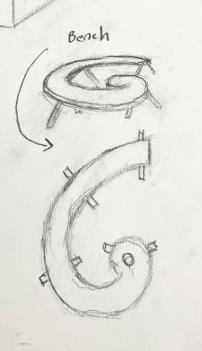
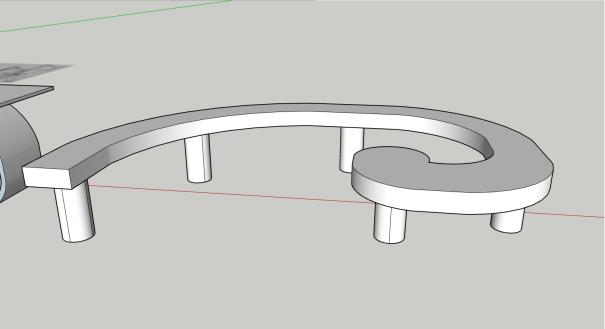
The first piece of furniture is my bench design. Using the swirl from the golden ratio (in proportion too), I created a 3-dimensional version that is suspended over the ground. From there, I initially created diagonal legs that would support the bench; however, I chose to use cylindrical legs that were strategically placed for my final design. Not only was it far simpler to draft, but it also would be more practical in a structural sense (thicker legs in this design would be stronger and better suited compared to smaller, diagonal legs).
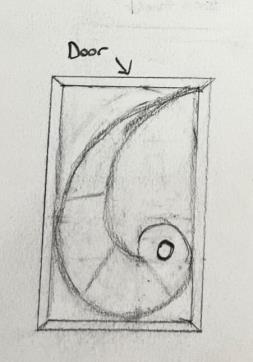
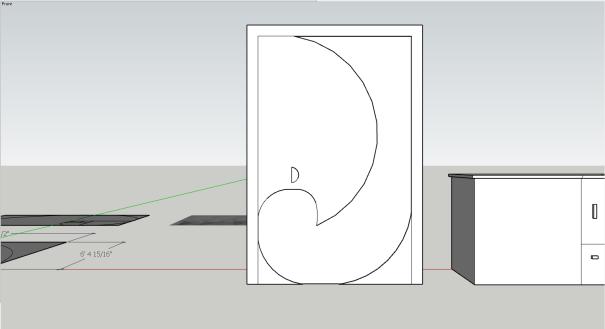
The second draft is of my doorframe. Using the proportions of the golden ratio, as well as the swirl, I created the layout of the door relative to the human reference Sketchup provides. It is not shown in the model I made, but the swirl pattern is supposed to be glass and is set inside the rest of the door. Compared to the initial sketch, it remains consistent to how the idea was originally conceived.
Golden Ratio Furniture
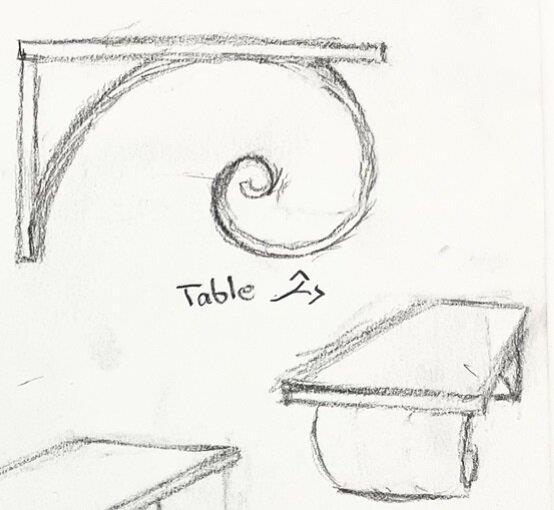
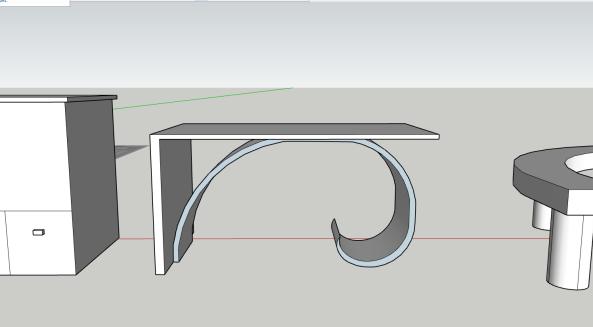
My third draft is my table design. I extended the swirl upwards, making it 3 dimensional, then turned it over on its side. From there, I made a vertical rectangle and horizontal rectangle to make the actual table sections. All shapes are proportional to the golden ratio and the swirl acts as the table's leg.
My final design is the countertop. This is the simplest of all my furnace designs; however, it is the best showcase of how the golden ratio plays a role in how things can be constructed. Using the drafted golden ratio, I used the lift tool and brought it upward to make it 3 dimensional. From there, I flipped it and turned the broken-down shapes into drawers. Like my original sketch, the drafted version remains consistent with my original idea.
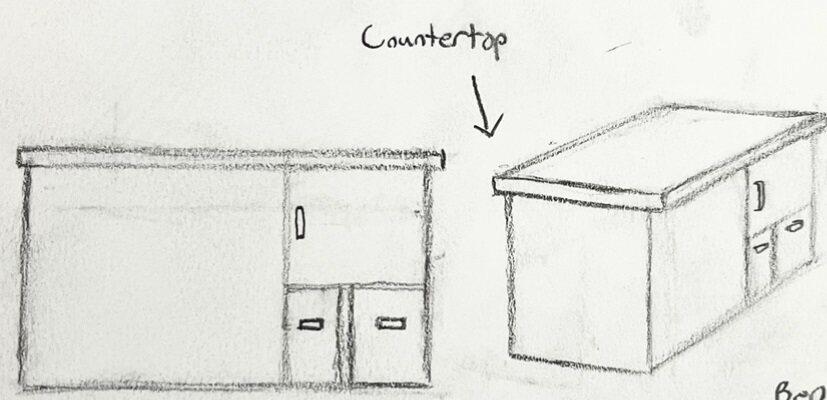
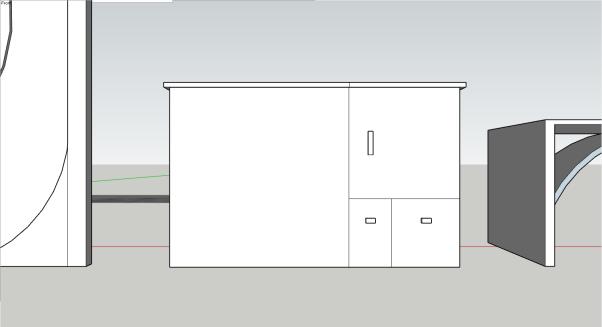
Golden Ratio Furniture
Both the golden ratio and the Modular Man are complementary guides to proportions in design. In the golden ratios case, it measures proportions based upon a 1:1.6 ratio and can be seen in both nature, architecture, and even human proportion. Similarly, the Modular Man works to measure proportions based on the human body in general. To elaborate, it seems as if the Modular Man is used to measure things meant to be used by humas, such as furniture, doorways, and the size of rooms (when it comes to architecture).
Odile Decq Project
Odile Decq Project
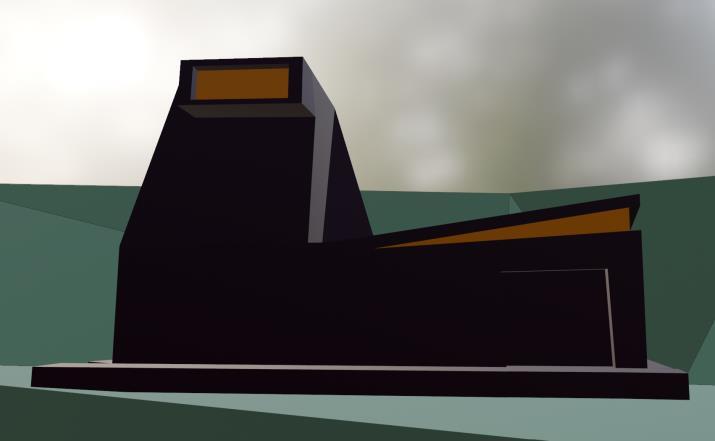
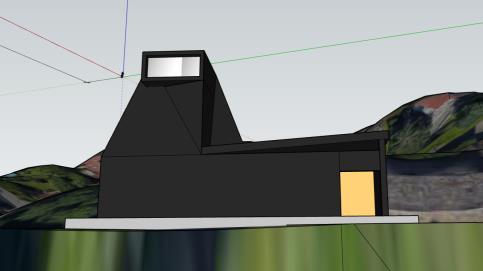
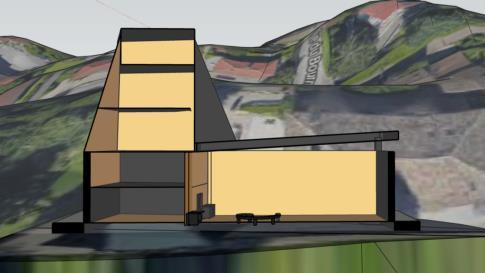
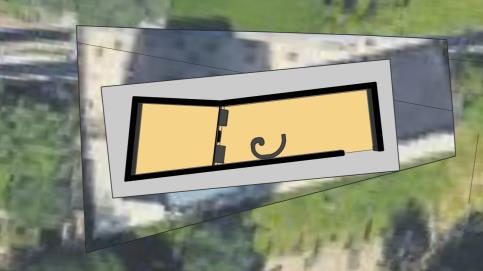
This project aimed to capture the image of Odile Decq’s Artist Residency in France using Sketchup. Not only was this a source of practice for Sketchup, but we were also tasked with researching another rendering software. In my case, I created a rendered image using Blender. Being my first-time using Blender, my render is crude, and I heavily criticize my work, yet I still strive to overcome this challenge.
Sketchup Images
Elevation
Section Plan
Render using Blender
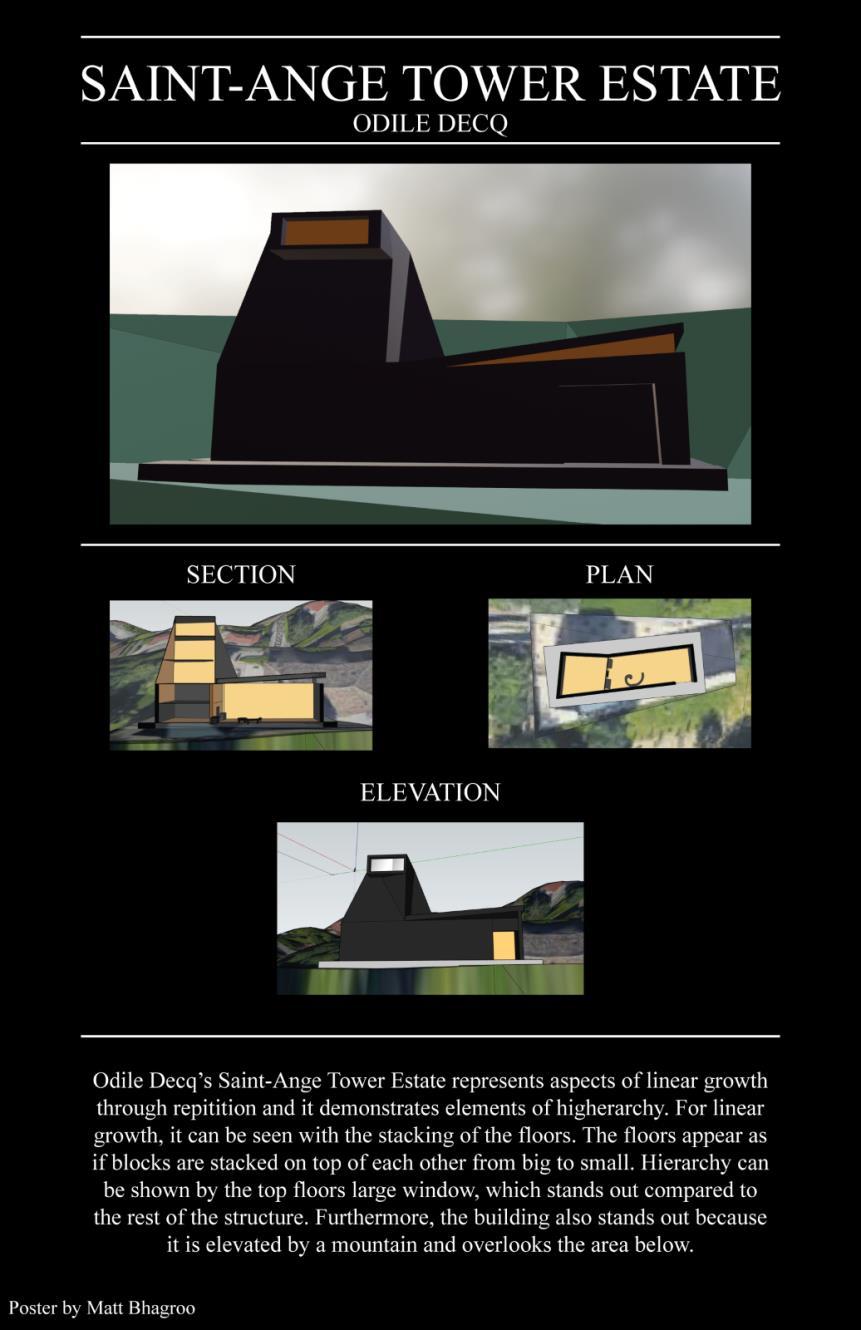
Odile Decq Poster

Revit: Maya Lin Vietnam Memorial
Revit: Maya Lin Vietnam Memorial
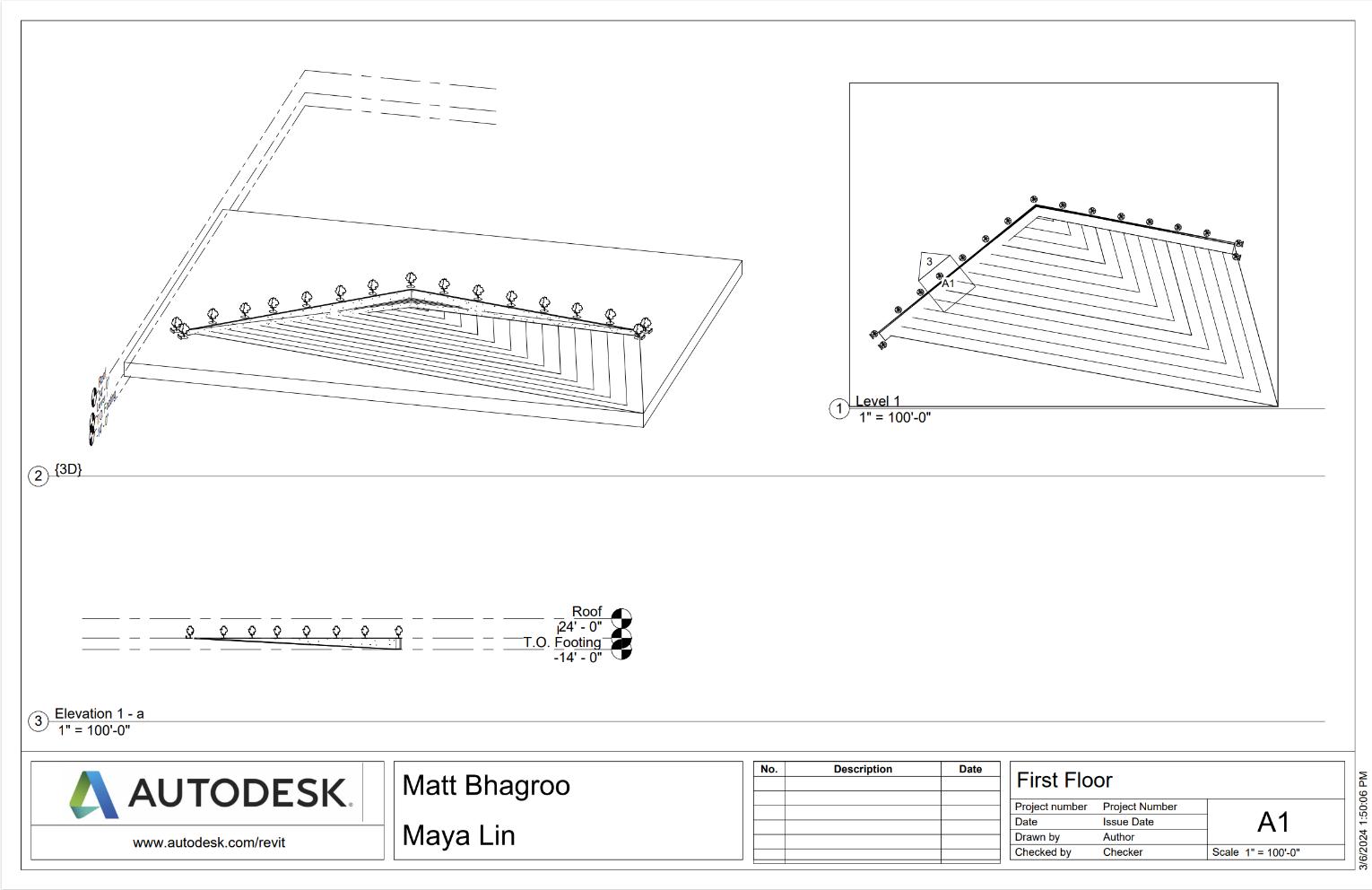
This project was done using Revit. The goal of this project was to create a digital draft of Maya Lin’s Vietnam Memorial in Washington D.C. and create a gateway or transformation using the idea of boundary and threshold. In my design, I chose to enclose the memorial with trees, making it a more intimate place. Next, I put a couple walls alongside the entrances, creating a gateway.
House Survey and Transformation
House Survey and Transformation
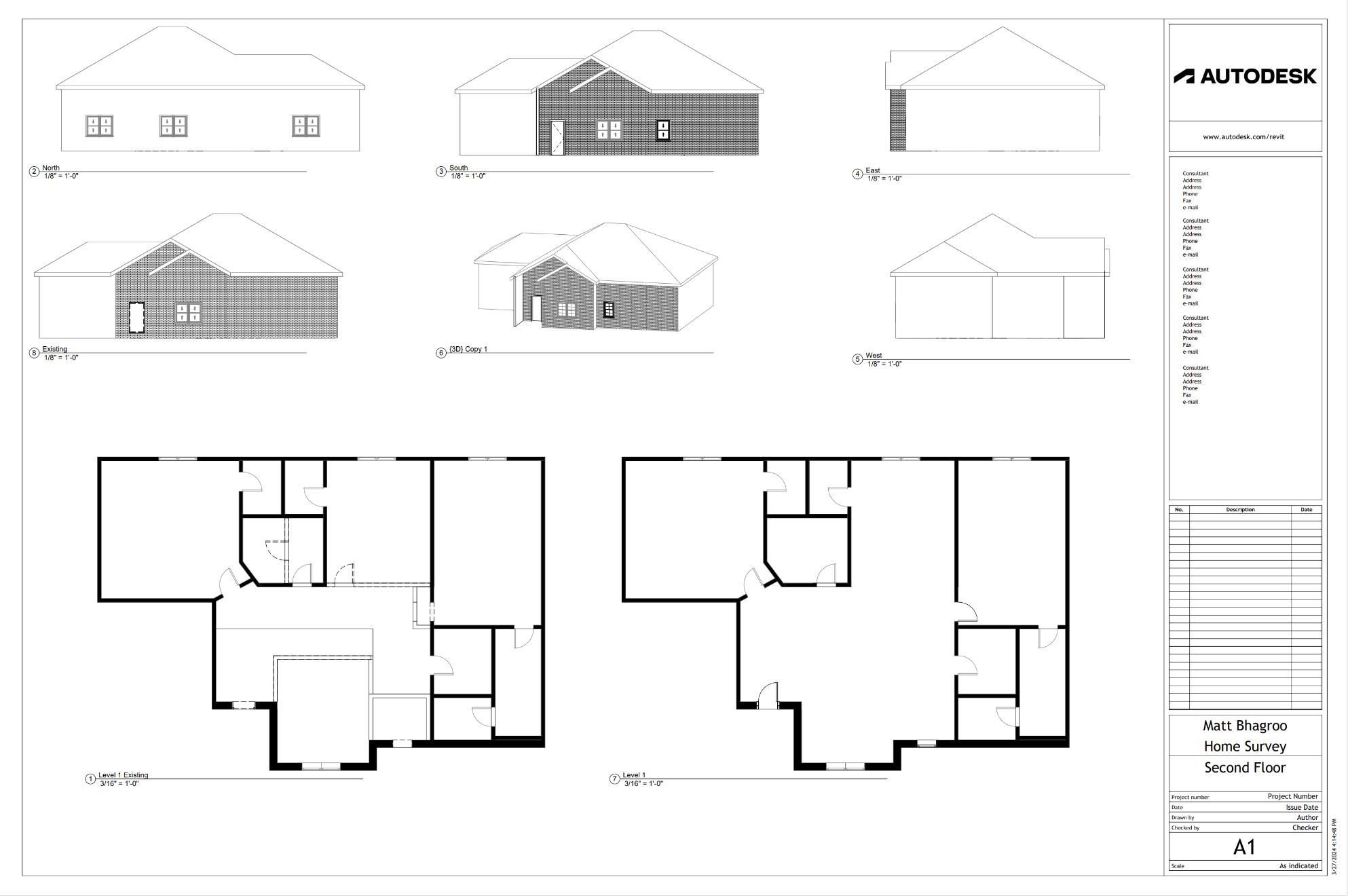
This project was done using Revit and aimed create a replica of a house we surveyed. After drafting the surveyed house in Revit, we were then tasked to transform the arrangement of the house. In my case, I drafted the second story of my house (bottom left image) and transformed the structure to function as a single-story home (bottom right image). The new open area can be used to create a kitchen and living space, while the rooms on the sides can still function as bedrooms, bathrooms, or a laundry room.
Elements of Deconstructivism
Elements of Deconstructivism
- Parc de la Villette Folie P7
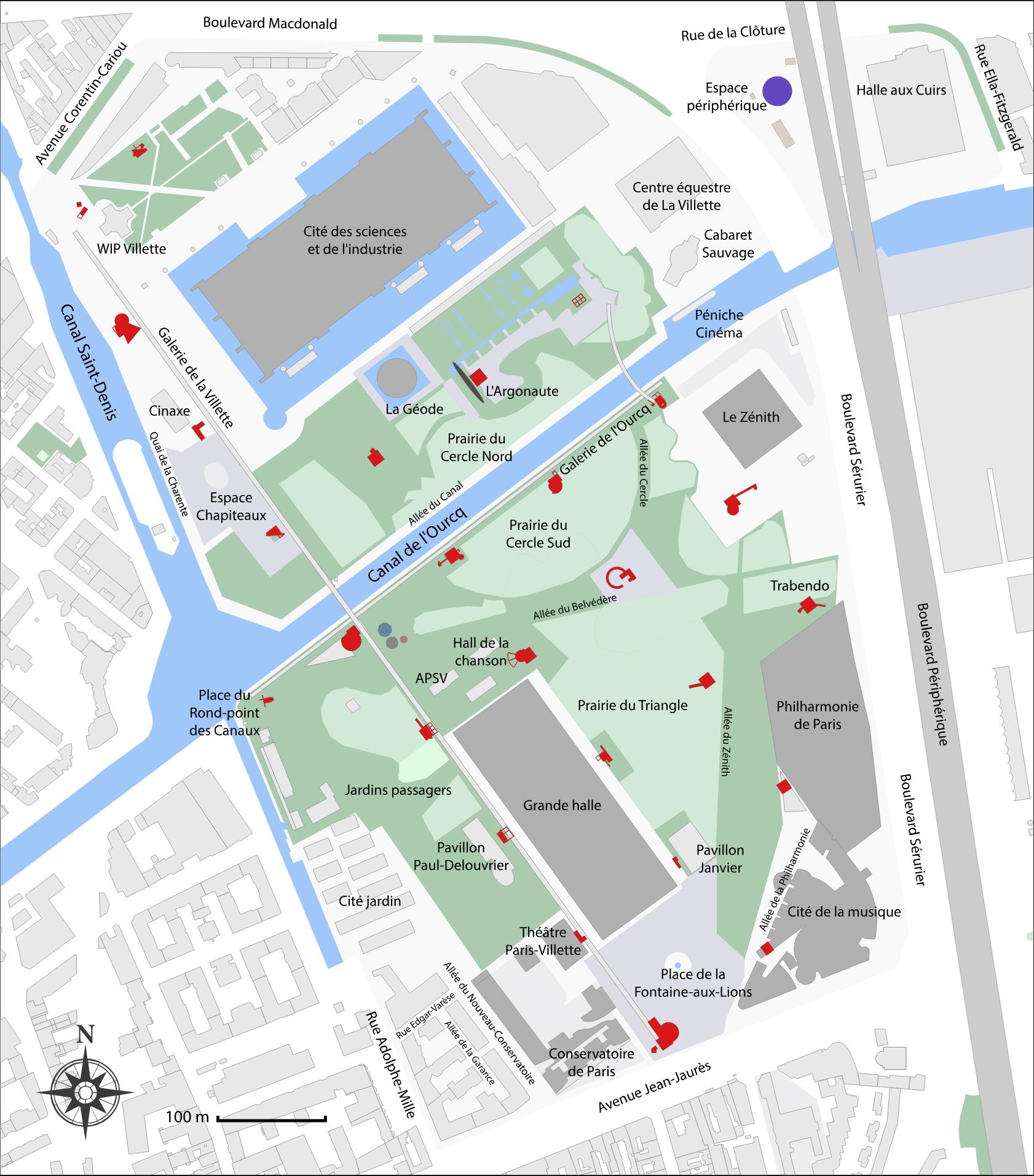
In architecture, the term deconstructivism is used to describe the breaking of harmony in a structure by manipulating its forms and creating something new. An example of deconstructivism can be expressed with the Guggenheim Museum Bilbao. The structure lacks symmetry and is composed of opposing forms and curved shapes, creating a very complex sense of harmony. In another instance, Bernard Tschumi’s Parc de la Villette in Paris also represents aspects of deconstructivism.
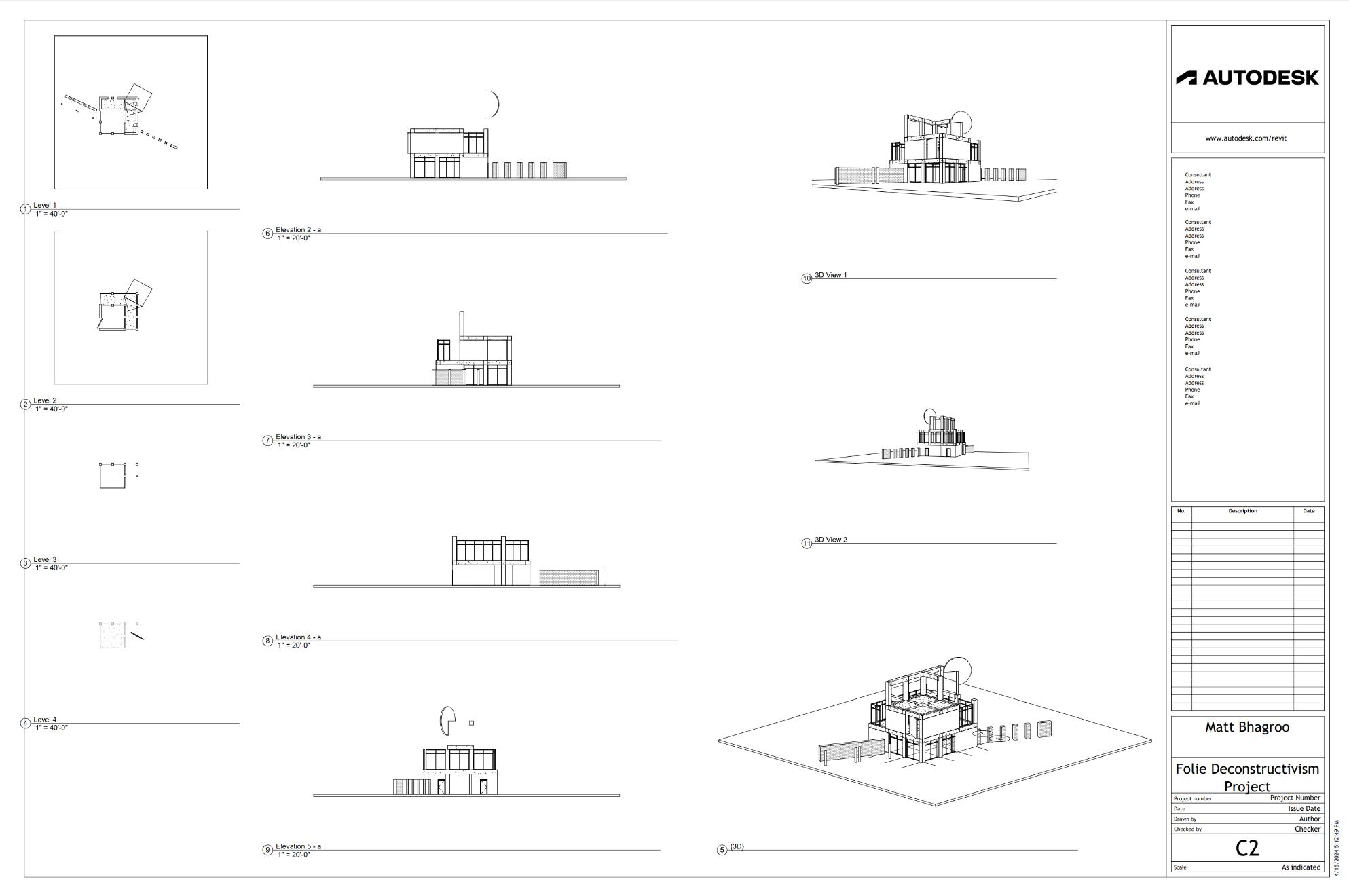
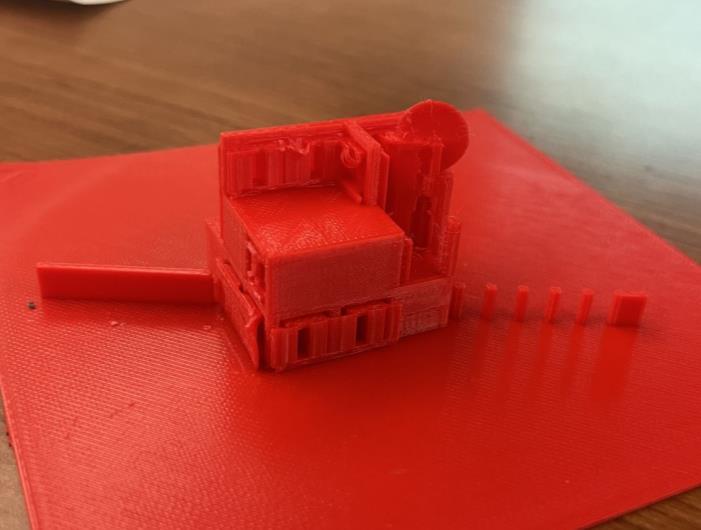
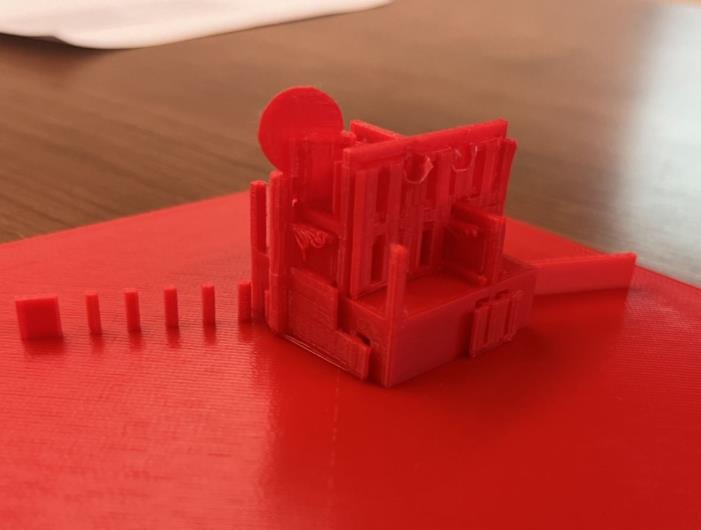
Tschumi’s Parc de la Villette consists of 26 red folies that are arranged in a grid-like pattern around a park. Each folie is unique in design and represents characteristics of deconstructivism. Looking at these structures, it seems as if they could be broken down into smaller parts and rearranged into something new. Most folies also include a shape of some kind, such as circles, domes, and cylindrical forms that counter the balance of the rest of the structure. The P7 folie called Café Goutu is the one I drafted in Revit, and it highlights these observations. The overall shape can be made using a 3x3x3 cubic frame, with finer details such as windows and juxtaposing walls being placed within or around the main structure. Furthermore, the circular element at the top of the P7 folie replaces part of the cubic frame, contrasting the overall balance of the structure and reenforces the idea of deconstructivism.
Elements of Deconstructivism
- Parc de la Villette Folie P7
3-D Printed Models
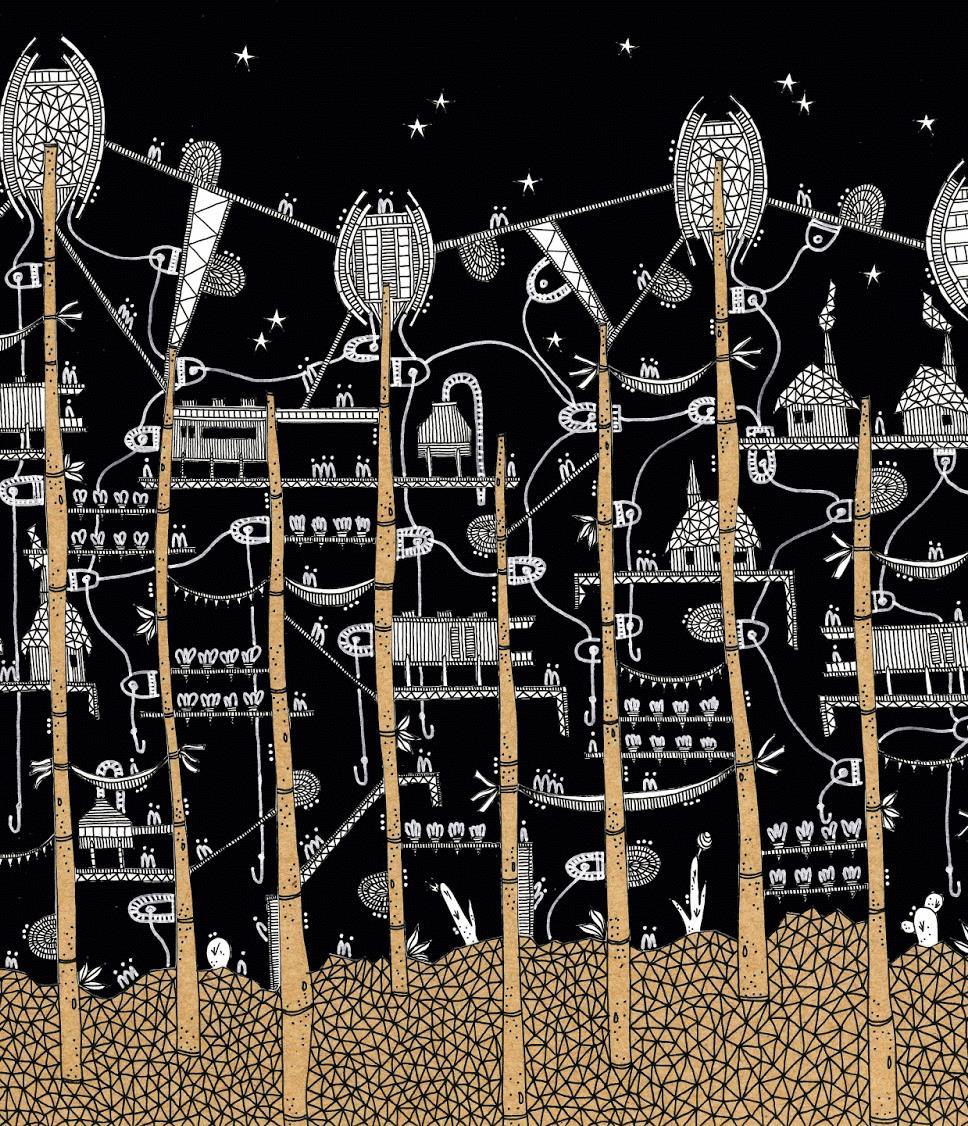
Invisible Cities from Italo Calvino
Invisible Cities from Italo Calvino
-Zenobia
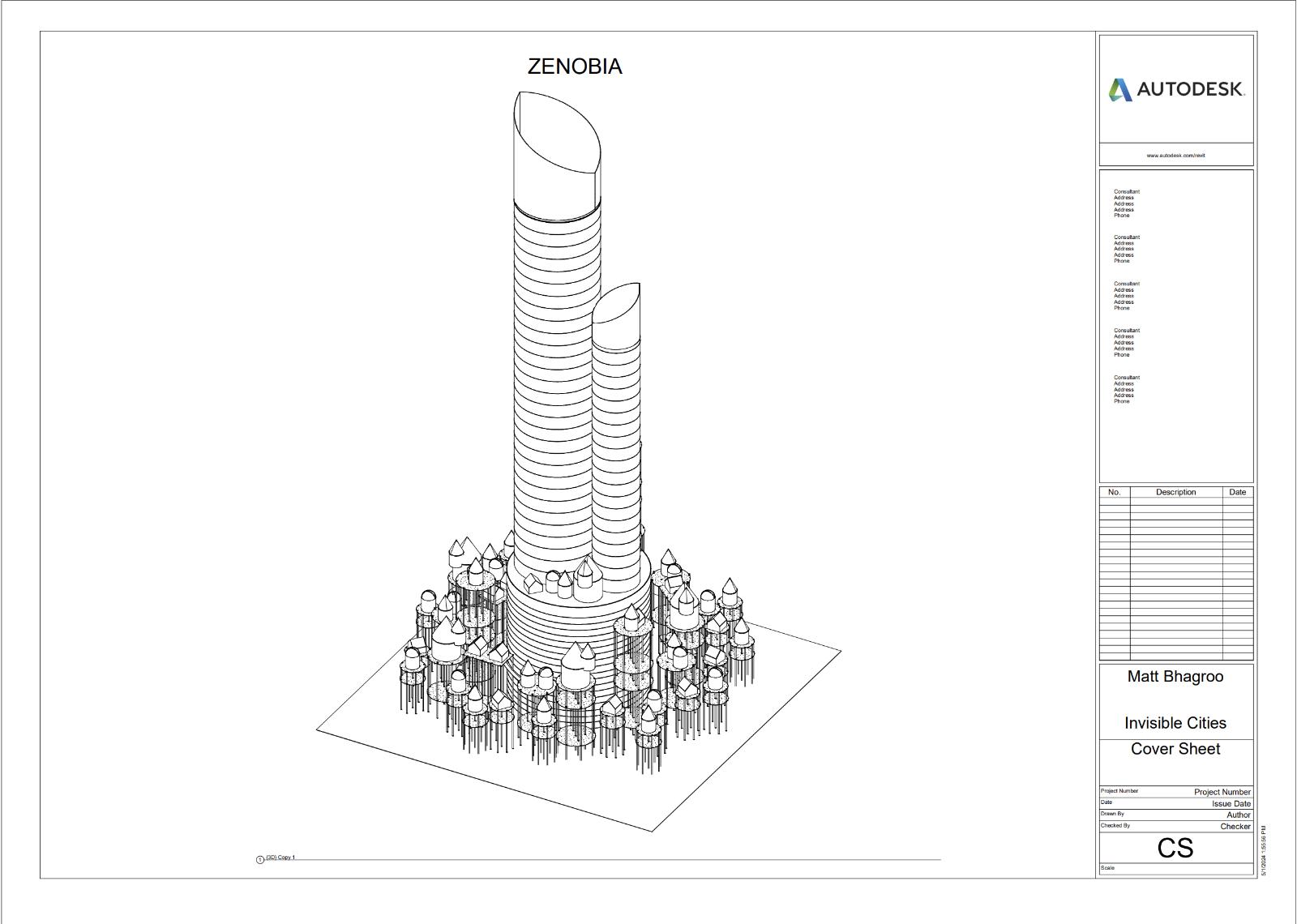
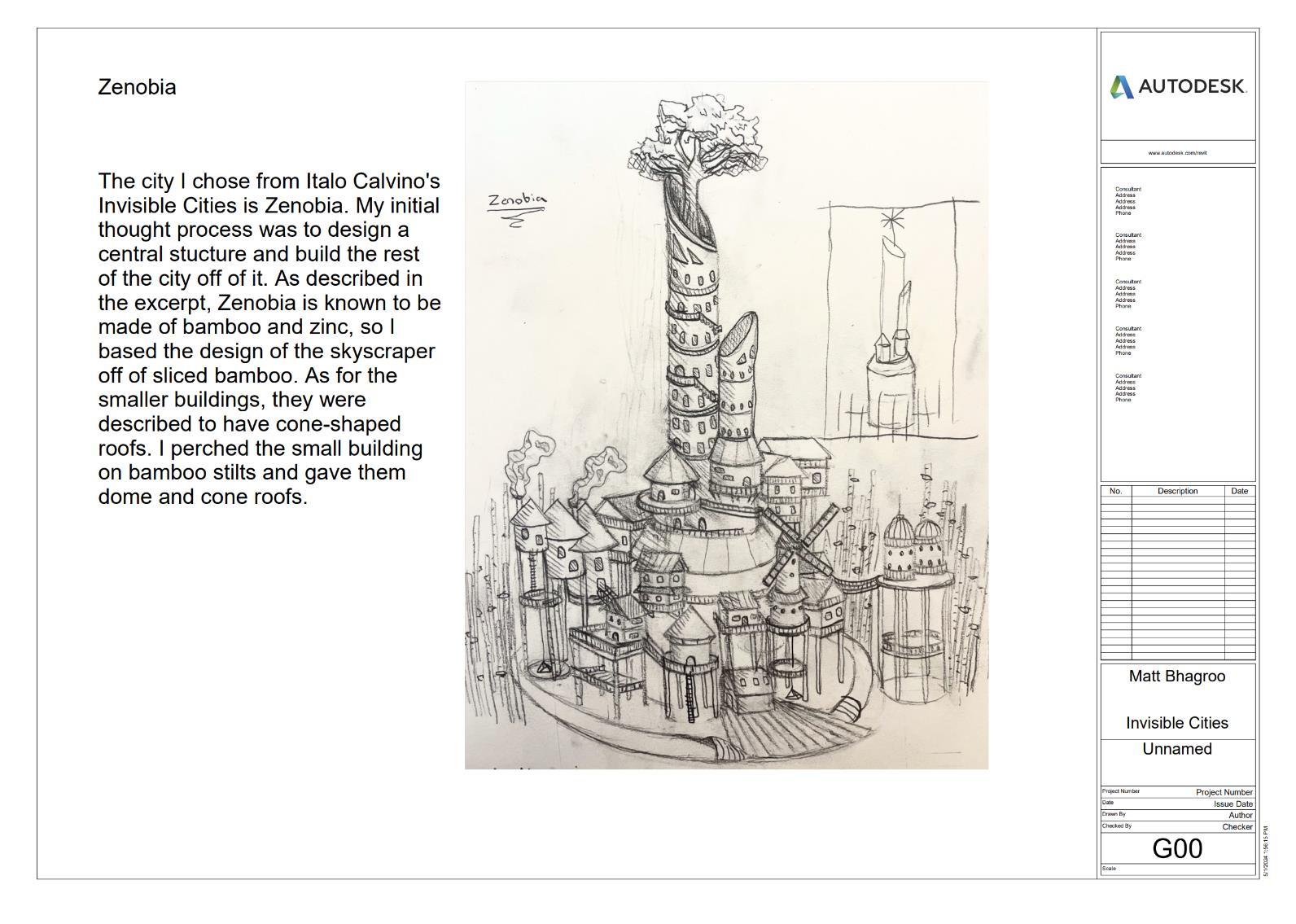
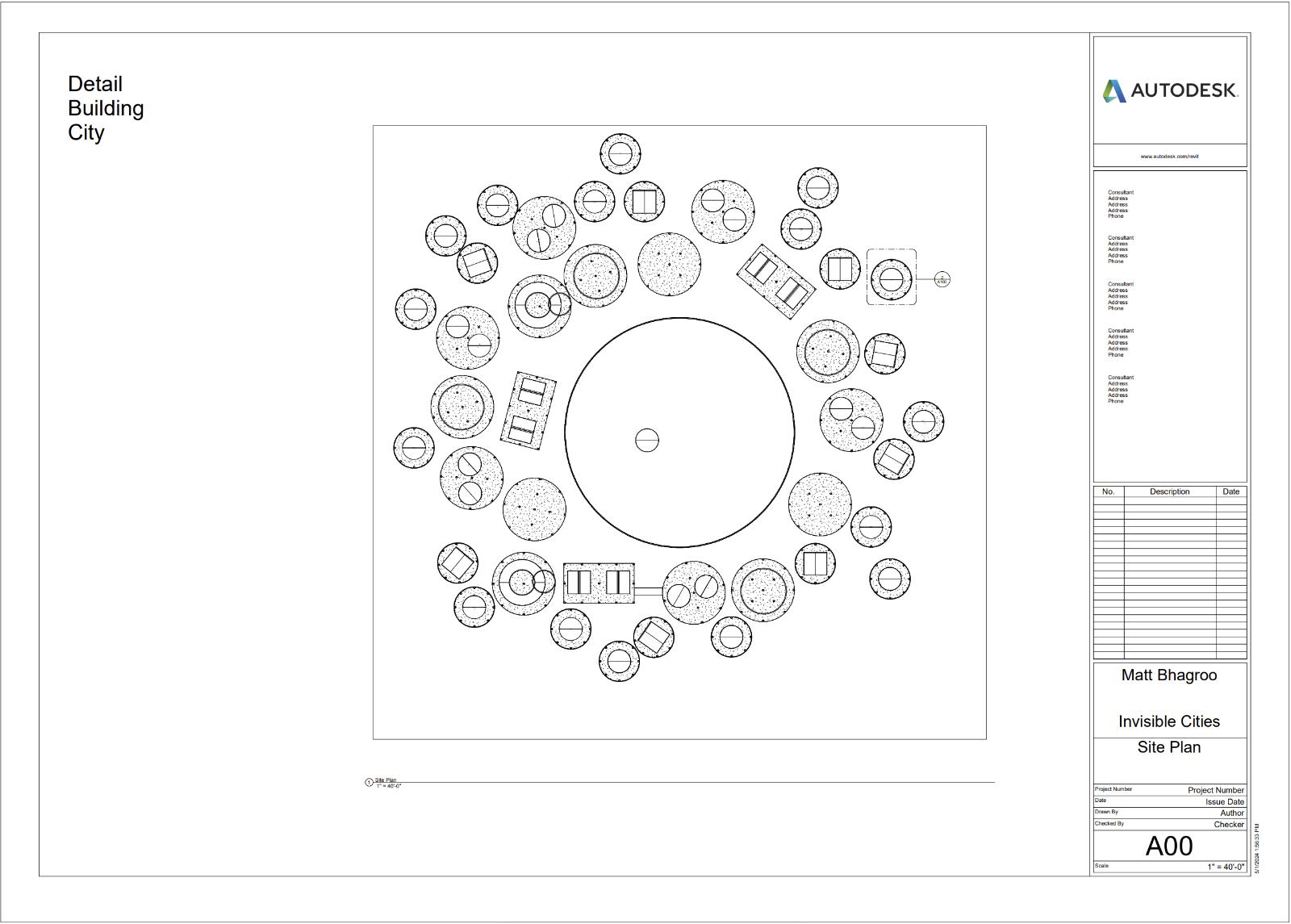
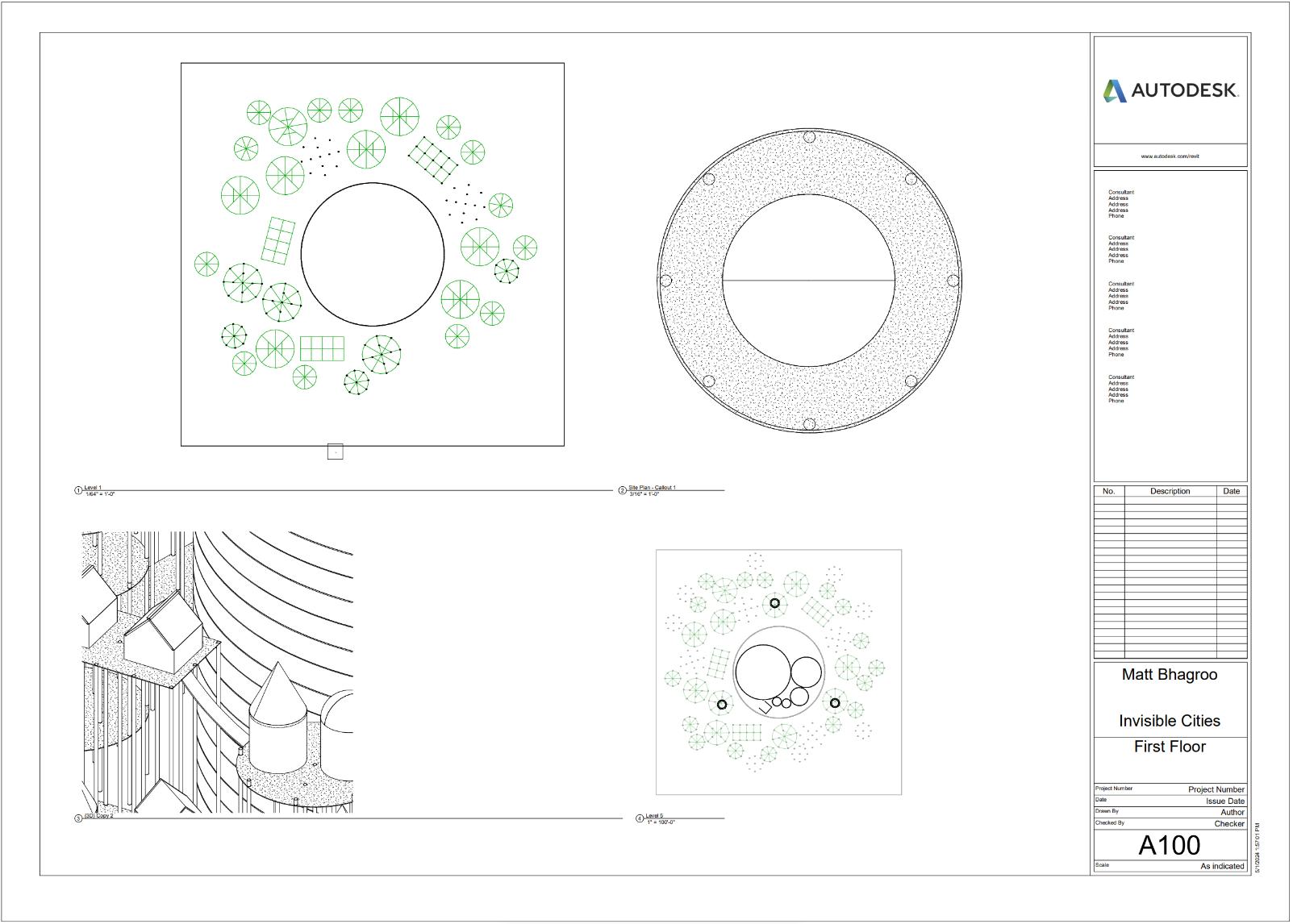
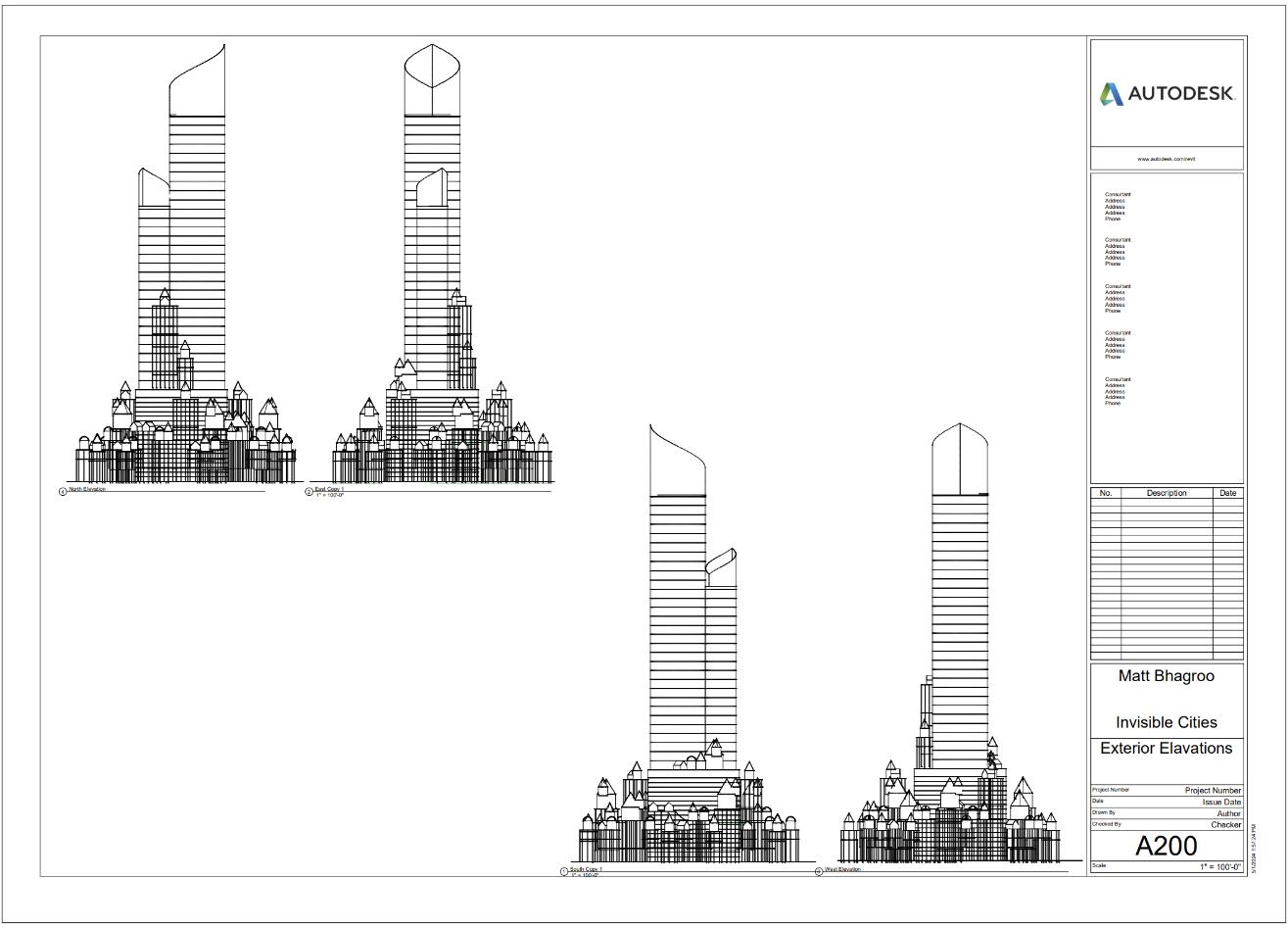
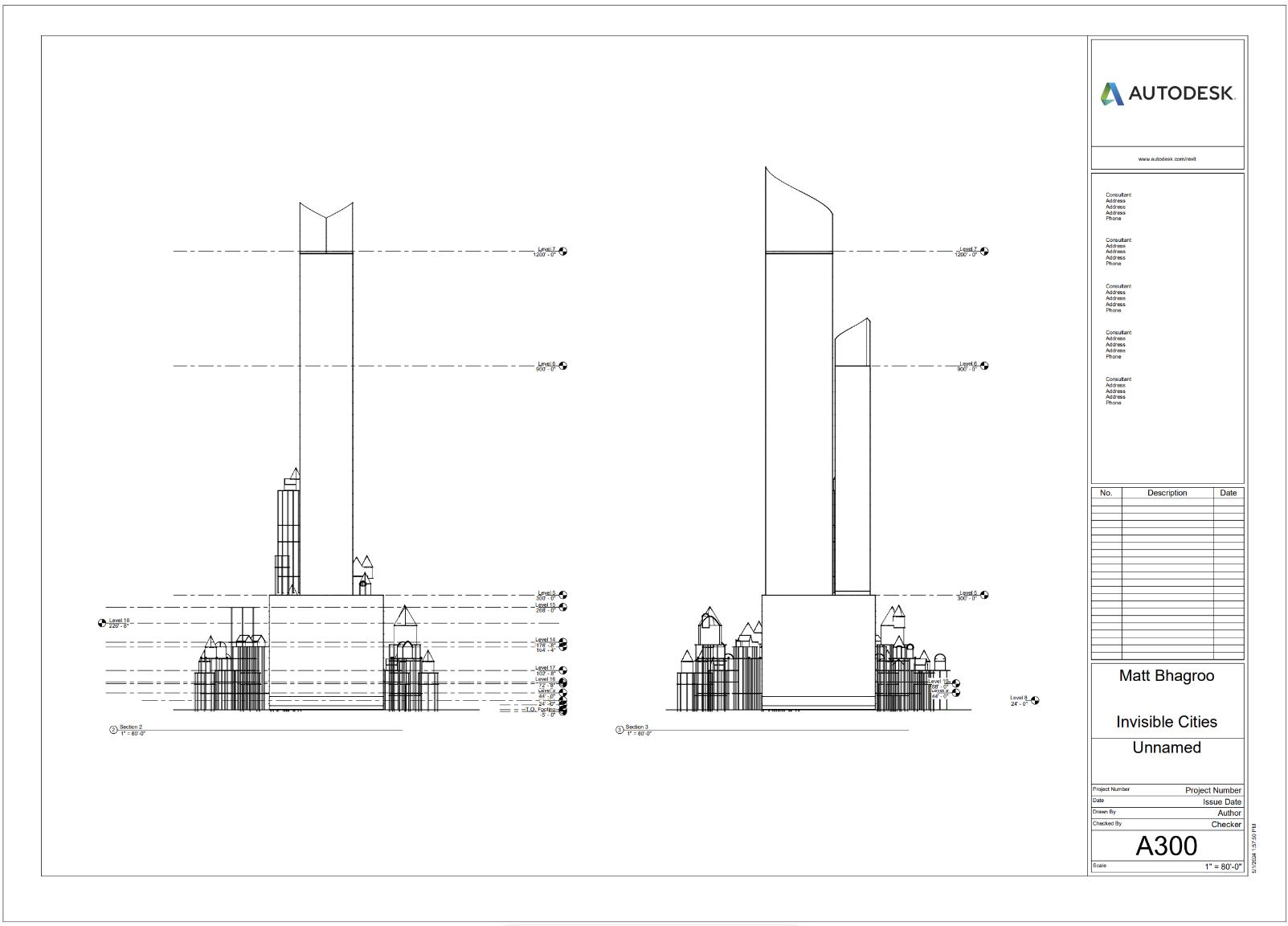
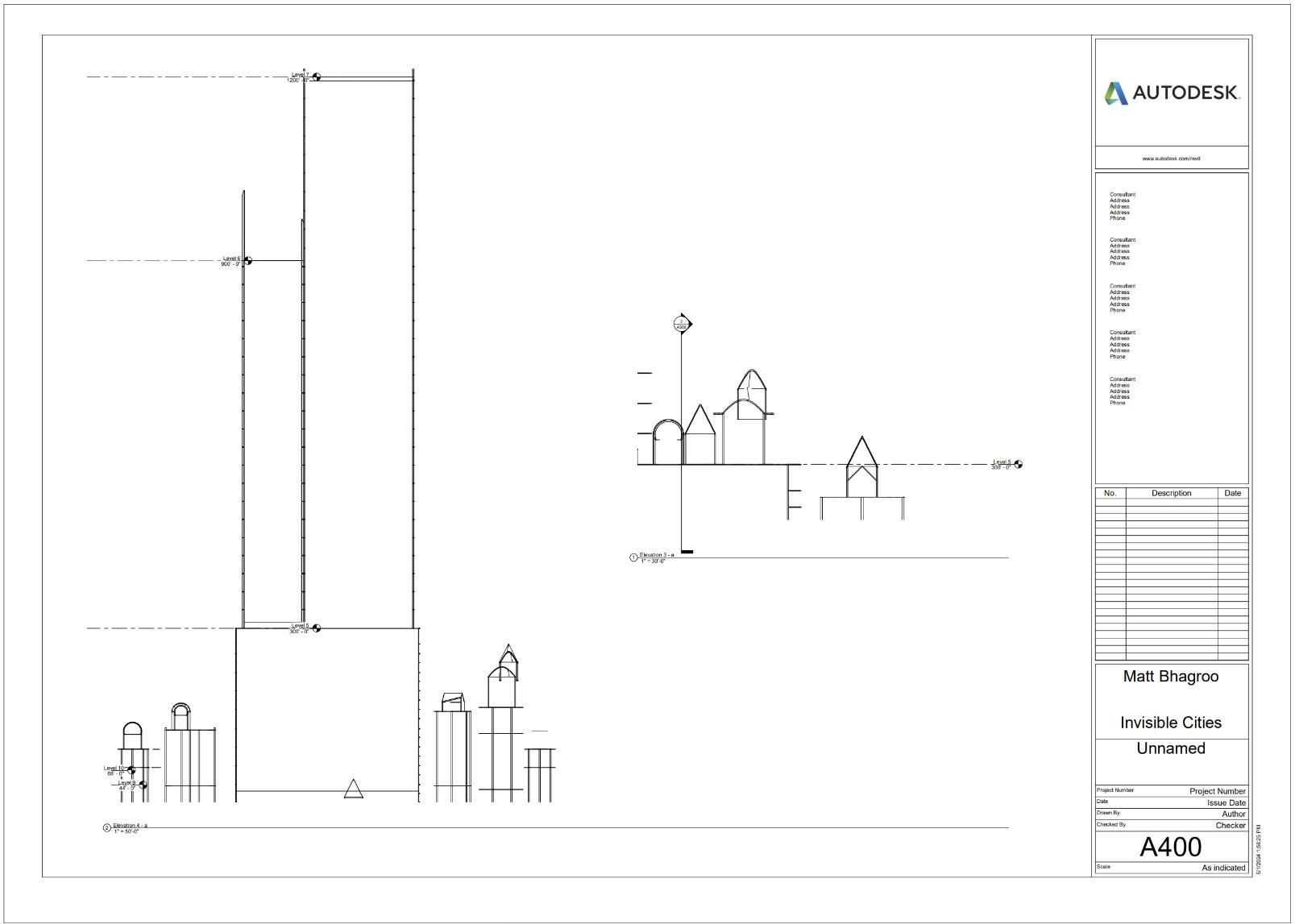
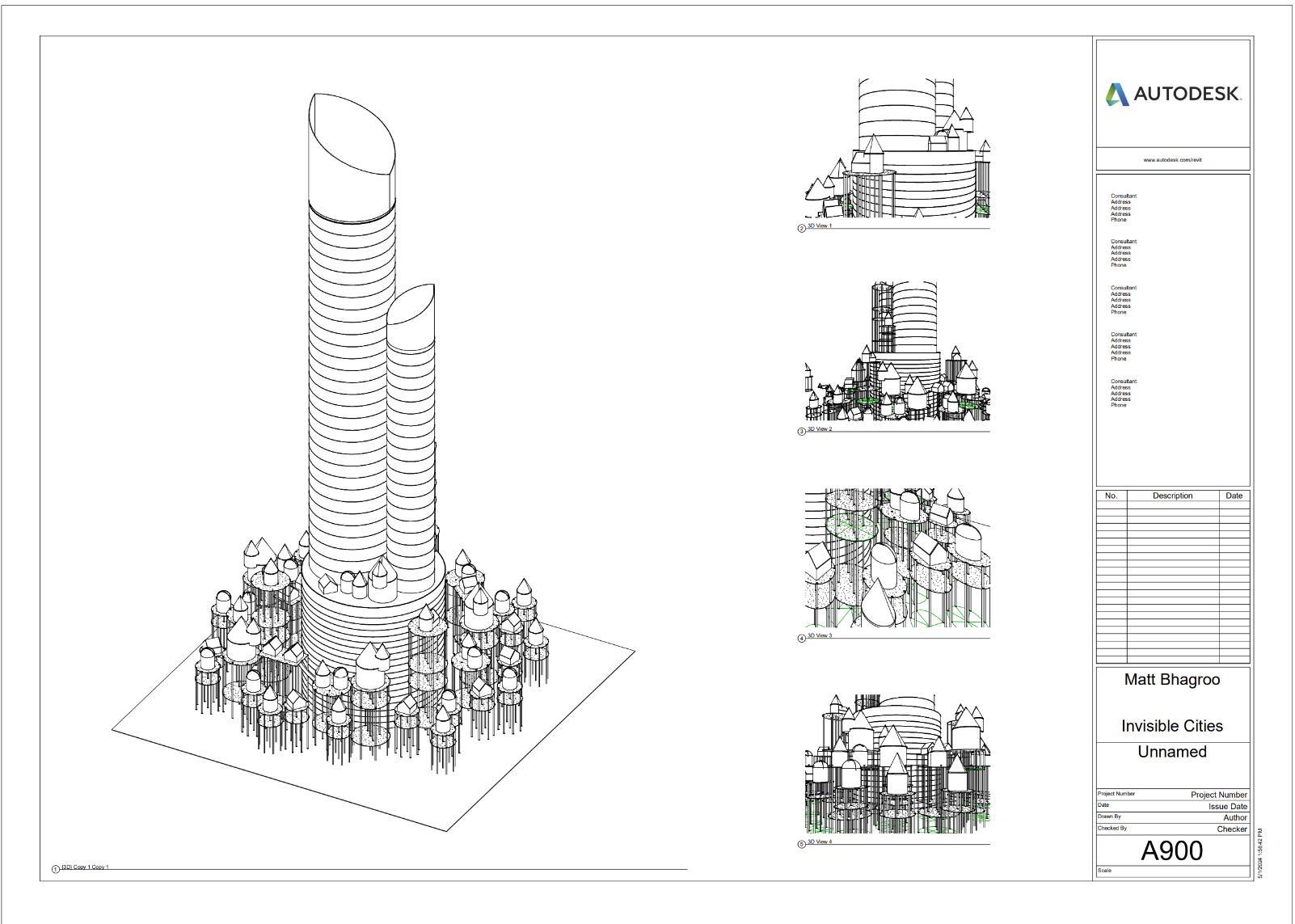
Zenobia is one of the cities described in Italo Calvino’s book Invisible Cities. The goal of this project was to read the excerpt that described the city, then create a drafted representation based on your observations. For the text describing Zenobia, it claimed that the city was made of bamboo and zinc. Moreover, it is stated that the city is perched on stilts and the roofs are cone-shaped.
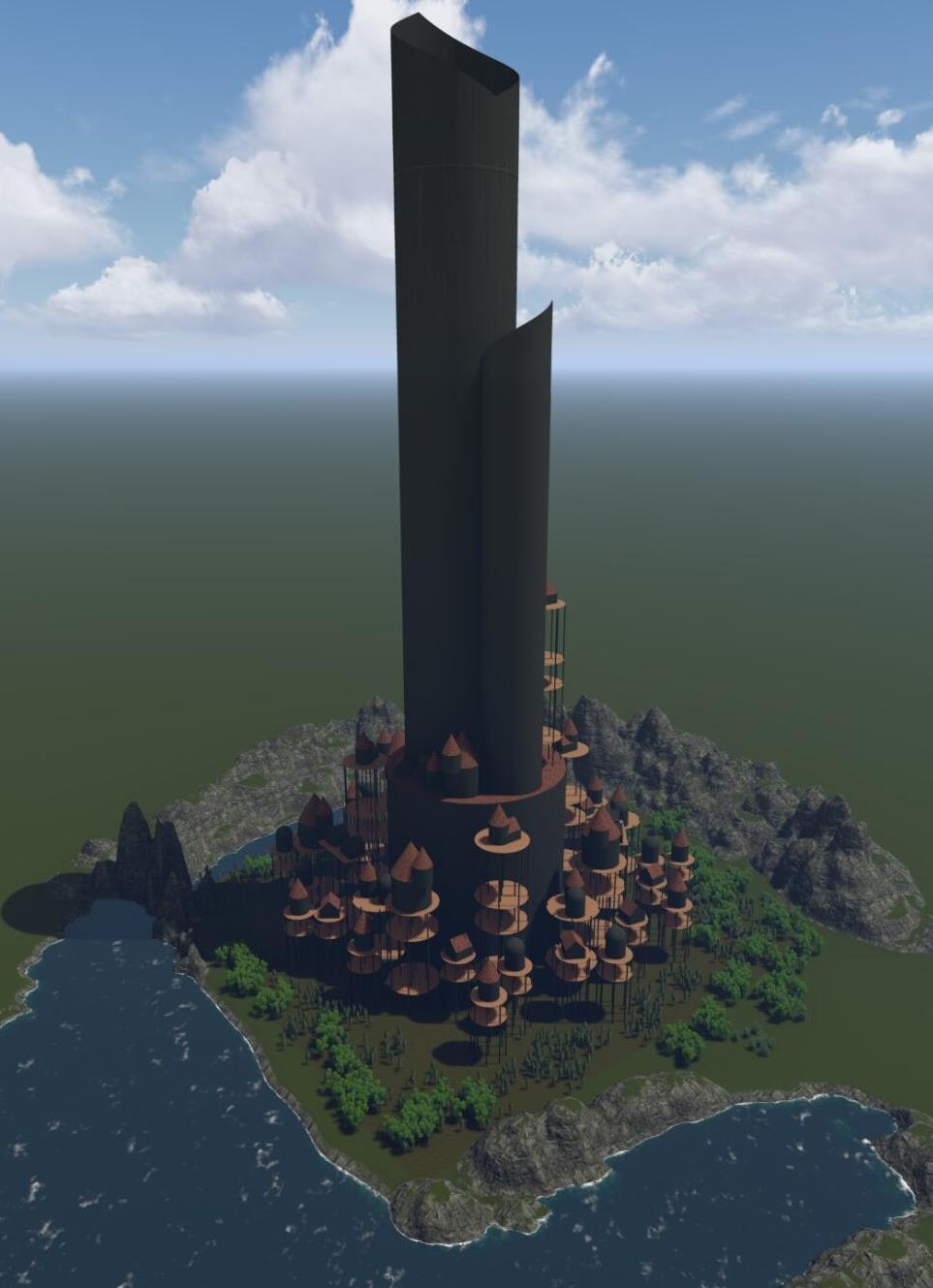
Image drafted in Lumion
Invisible Cities from Italo Calvino
-Zenobia
Invisible Cities from Italo Calvino
-Zenobia
Invisible Cities from Italo Calvino
-Zenobia
Invisible Cities from Italo Calvino
-Zenobia
 By Mathias Bhagroo
Personal Email: mattbhagroo@outlook.com School Email: mbhagroo@students.fairmontstate.edu Course: Architecture Design Fundimentals II (ARCH 1050) Freshman, class of 2027 Author Information