Hurley
2021 - 2025 selected works
Hurley
2021 - 2025 selected works
3011 Woodshore Ct, Carmel, IN 46033
Cell: (317)979-2506
Email: mhurley0708@icloud.com
Summary
Through my work at CSO, I developed valuable skills related to being an effective member of a project team. I had an opportunity to work with people across several different positions, which gave me insight into a variety of roles and responsibilities. I was able to quickly build skills that contributed directly to team projects, including the opportunity to handle all digital work inside of Revit on a project during the schematic and design development phases while working with a Principle at the firm. I also gained many hours towards my goal to become a licensed architect in three of the required AXP areas. As a student in the CAP program at Ball State I learned not only how to collaborate in a team environment, but also how to succeed independently.
Experience
CAP Student
Ball State University – Muncie, IN
August 2020 – May 2025
Through the CAP program I was able to build not only key technical skills related to design and software but also important soft skills, including collaboration and presentation skills. While completing my degree, I achieved a minor in sustainability, an area I consider important.
• Created accurate and assistive concept and presentation models.
• Developed a strong workflow for projects from start to finish.
• Gained experience with Rhino, Revit, and Adobe suite.
Intern
CSO Architects – Indianapolis, IN
January 2024 – August 2024
At CSO I worked primarily on education projects in K-12 and higher ed. On these projects I became effective at detailing sections, organizing drawings, and identifying drawings where I could provide the most benefit. I also often assisted the other interns with Revit-related issues.
• Helped to complete full construction document sets.
• Gained experience working in an effective project team.
• Developed a strong and effective workflow in Revit and Sketch-Up.
Education
Academic Honors Diploma
Carmel High School – Carmel, IN
Bachelor of Architecture | Sustainability Minor
Ball State University – Muncie, IN
May 2020
August 2020 - May 2025
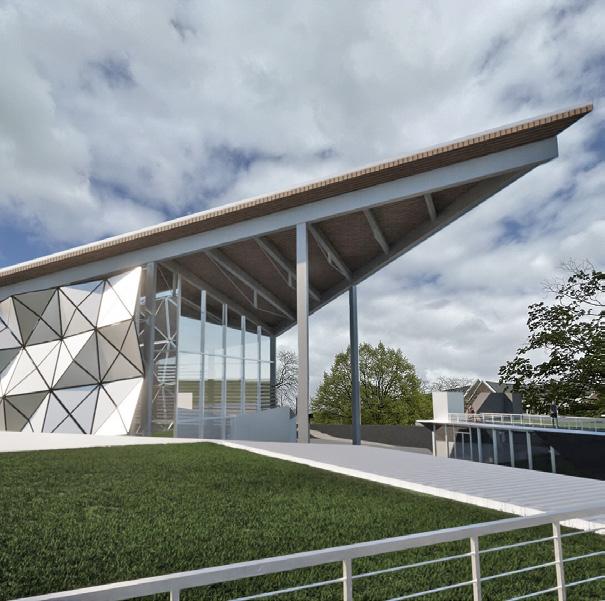
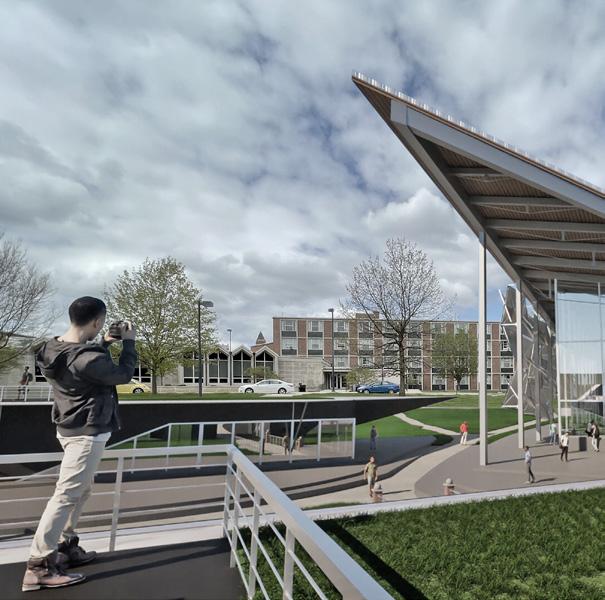
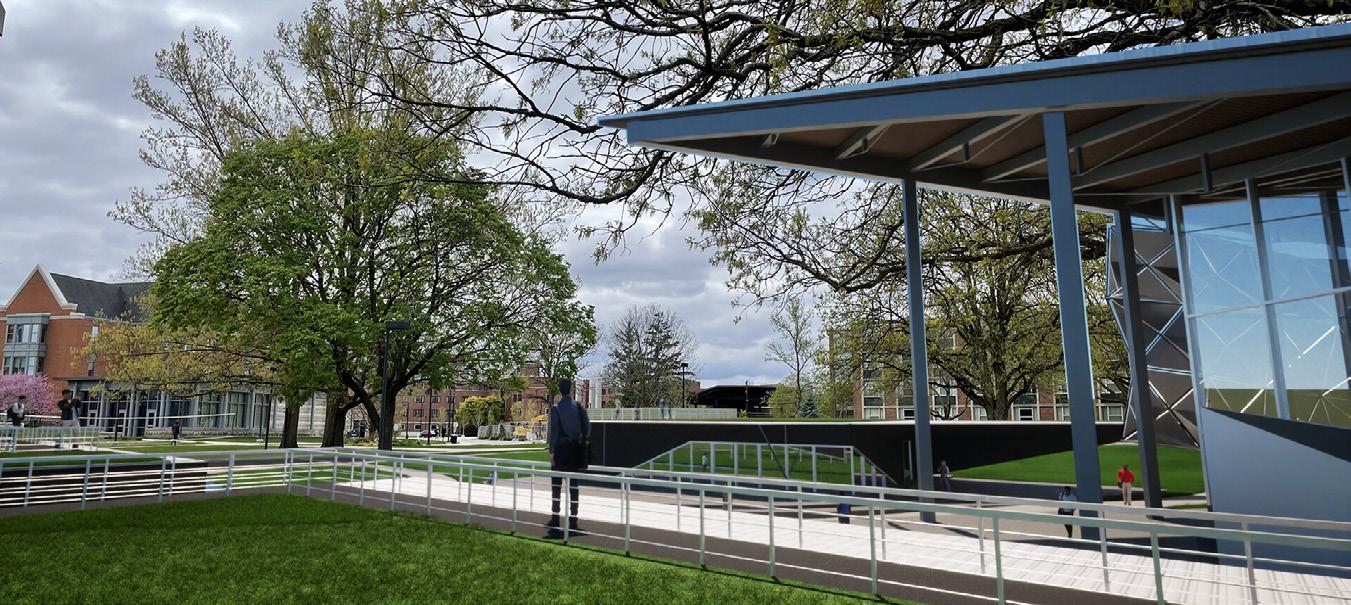
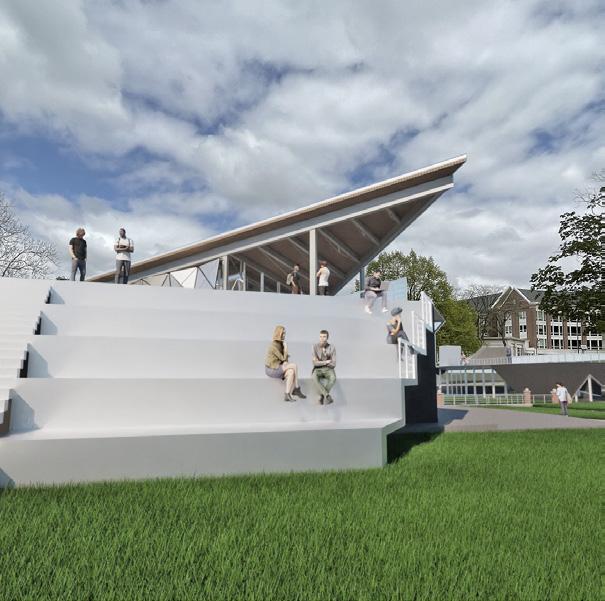
This project revolved around utilizing steel structures in a designed spiritual space. The site I chose for the project was on Ball State’s campus just outside of Noyer Residence Hall. The site has a circular shape with a network of paths and a small creek flowing through the center. I decided to divide up the required spaces among different buildings that were grouped based on their uses. Each of the satelite buildings have an interior space and a green roof to maintain water runoff and pathways for people to walk on.
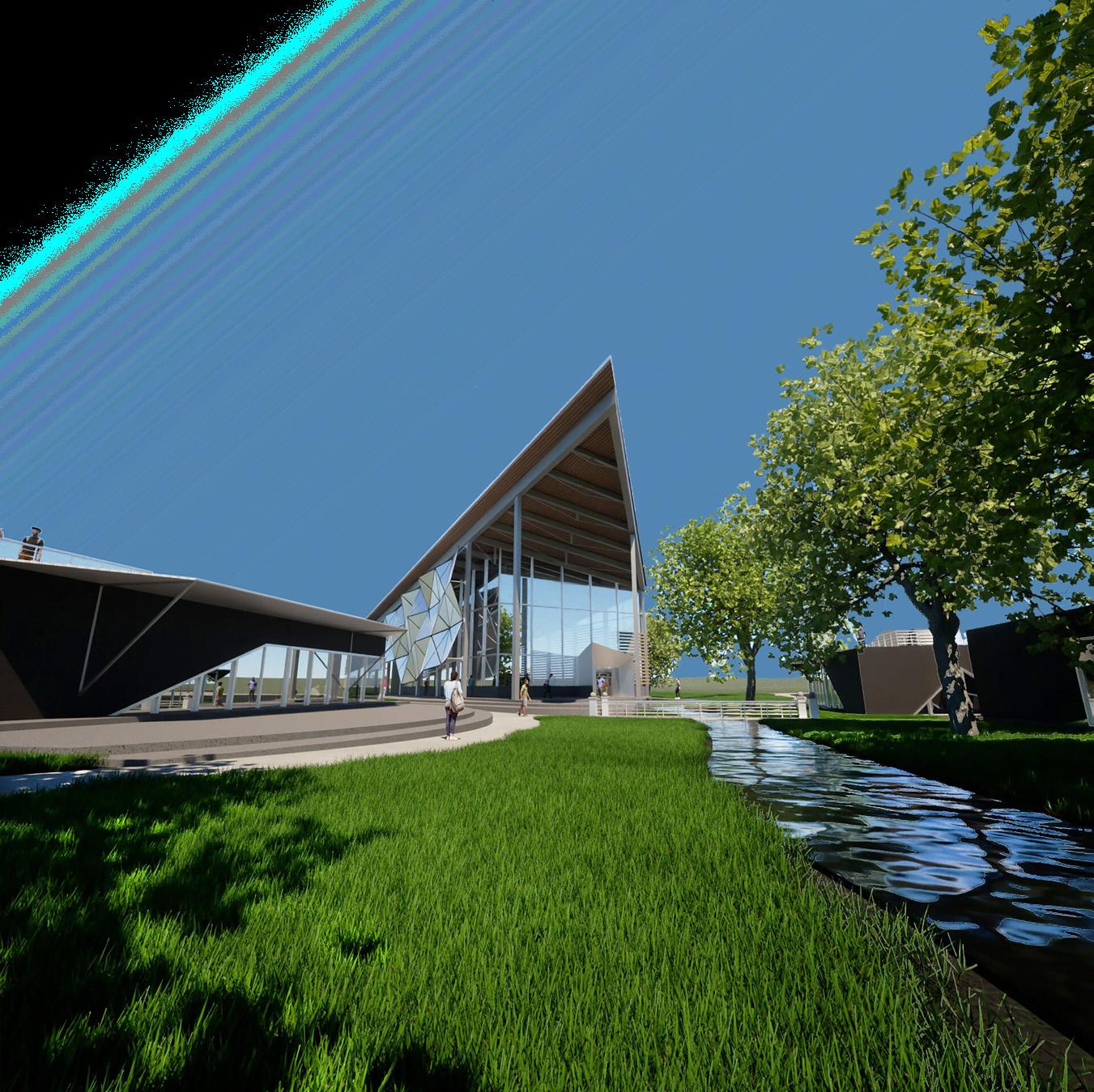
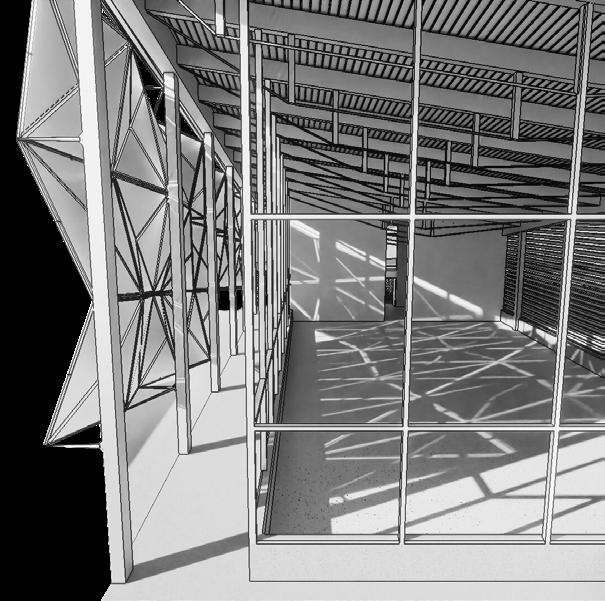
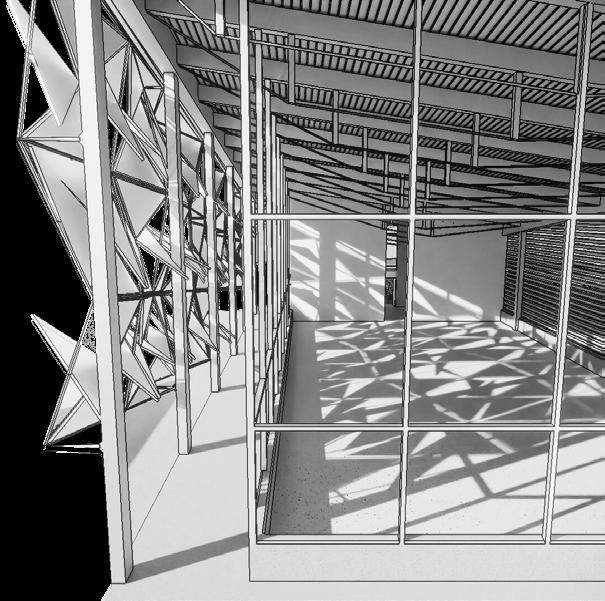
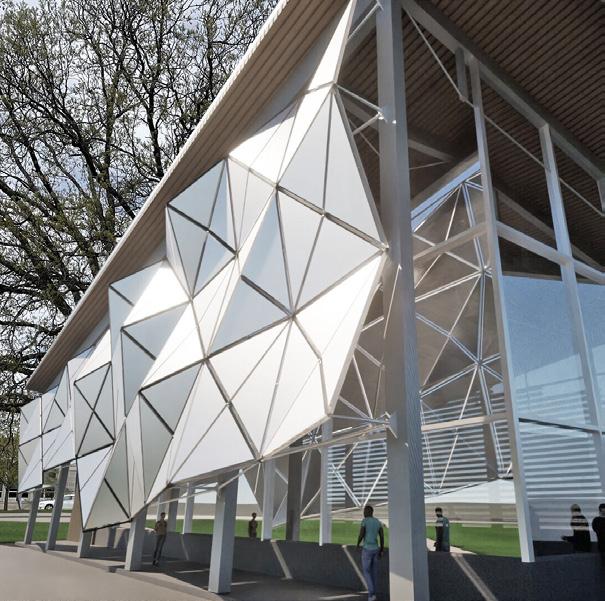
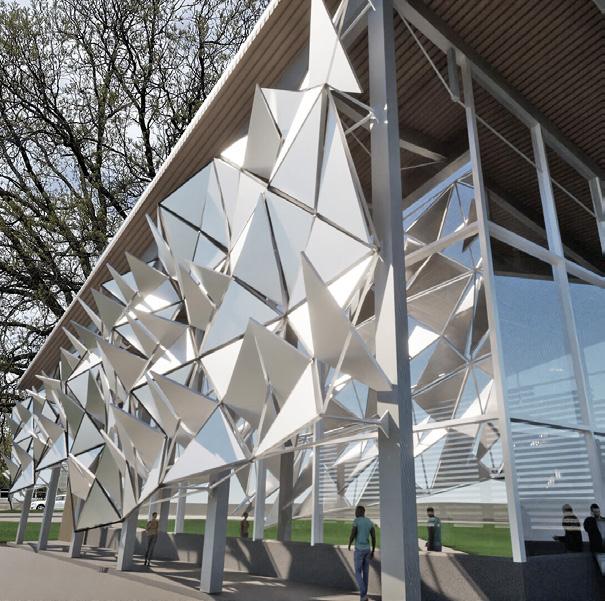
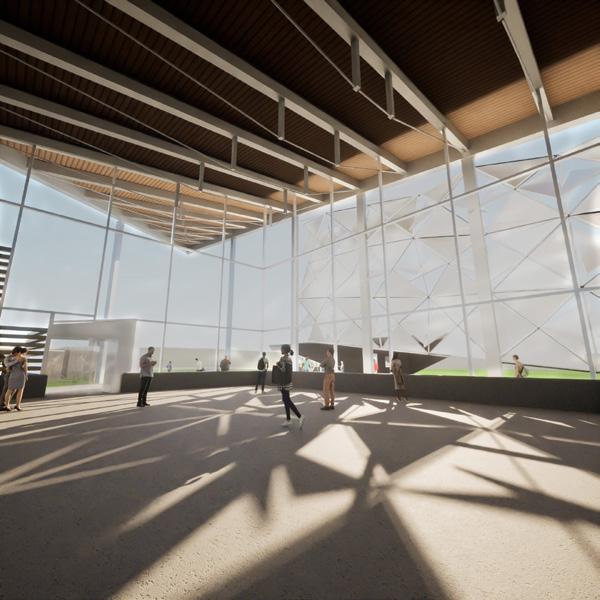
The largest building houses the multi-use and spritual space. The steel structure holding the roof utilizes tension members to reduce the load over the long span. The tension members move diagonally across the building following a datum that leads to the peak of the roof on the outside. A screen with rotating aluminum panels is located on the south facing wall which is entirely glass. This screen filters the light into the spiritual space and is able to be adjusted to let more or less light in adding to the spiritual feeling in the space.
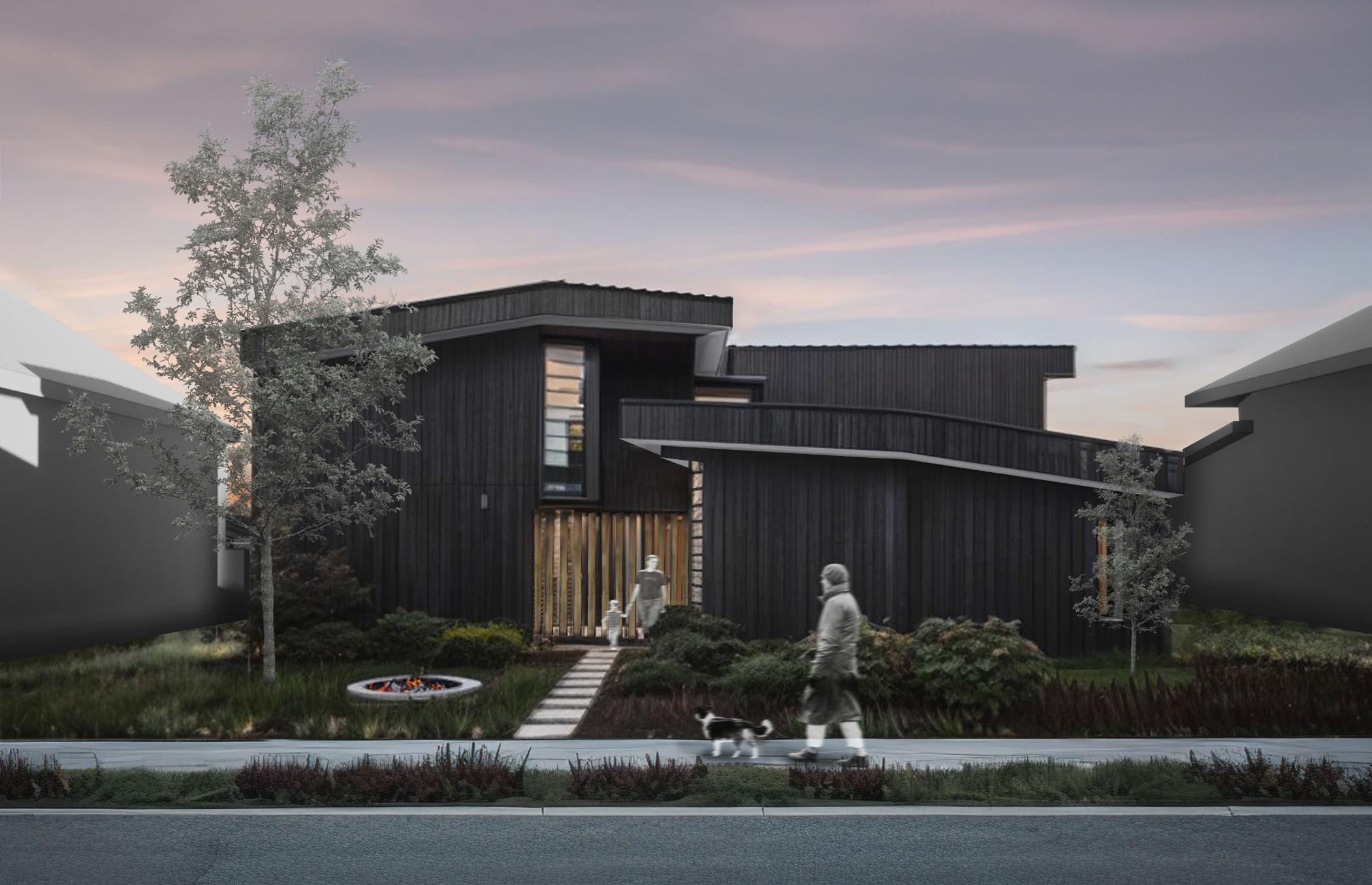
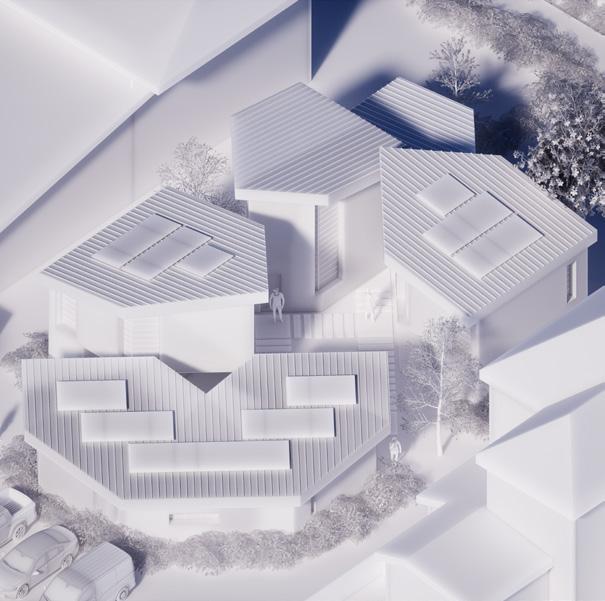
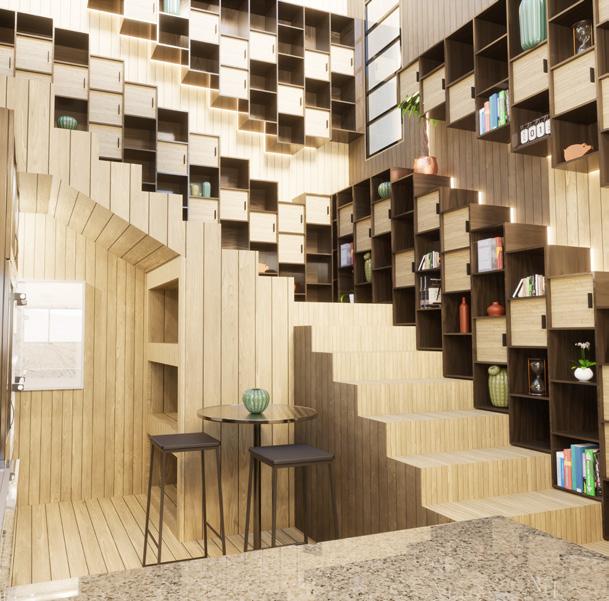
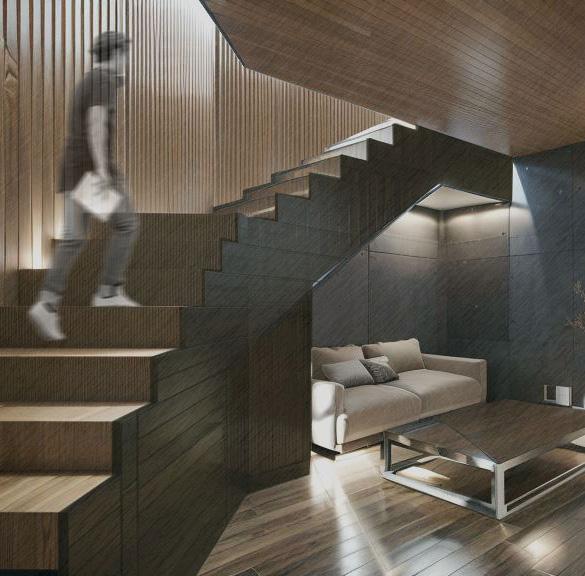
This project was designed as a pocket neighborhood for four housing units. The selected site needed to be two empty sequential housing plots that could be merged into one. The site my group and I chose was located in East Central Muncie, near downtown. A large emphasis in the design of this project was placed on sustainable practices and modularity. These were accomplished through utilizing CLT panels, water collection, solar panels, and home batteries.





My primary role in the group was to optimize each units’ performance through carefully selecting materials and mechanical systems in the units. Cove.tool played a large role in my process of analyzing the performance of each unit to ensure that their EUI could be offset to 0 through the usage of the solar panels. Pictured above are the three units’ floor plans with their daylighting analysis. Additionally, there is an example wall section showing the construction used throughout the different units.
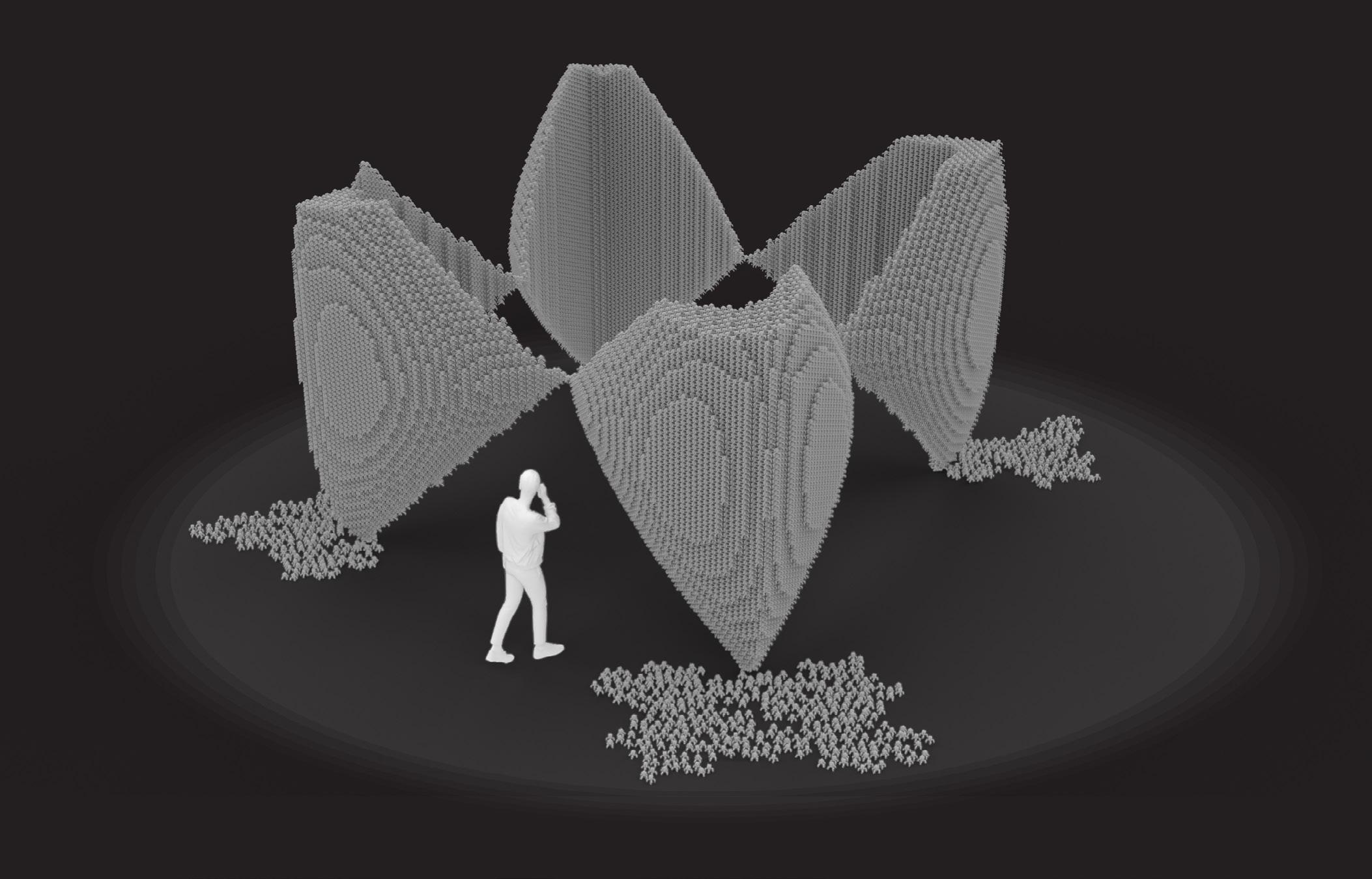

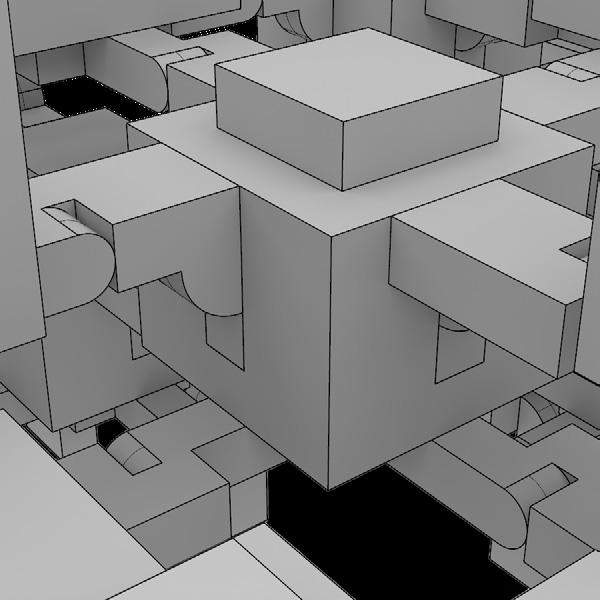
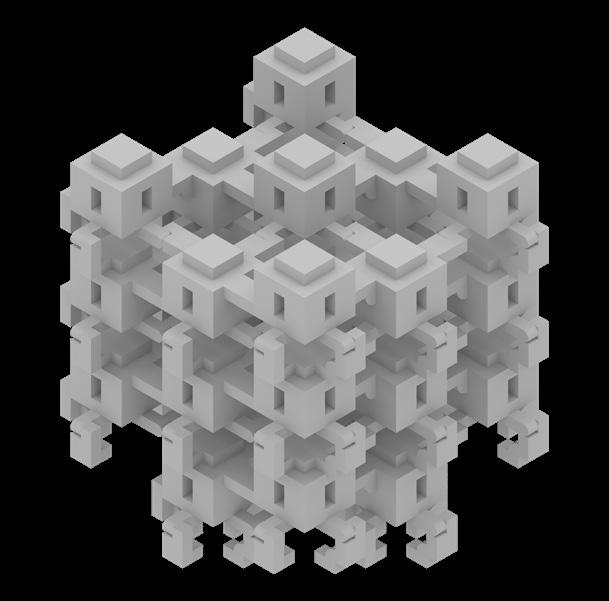
This was my Undergraduate Thesis project. In this project I wanted to explore an architectural concept I didn’t already know the answer to. I chose to explore a potential future that machines and architecture could share. I moved forward while looking closely at the work and ideas of metabolism architecture from 1980s Japan. I sought to create architecture that was capable of constant adaptation in an uncertain future.
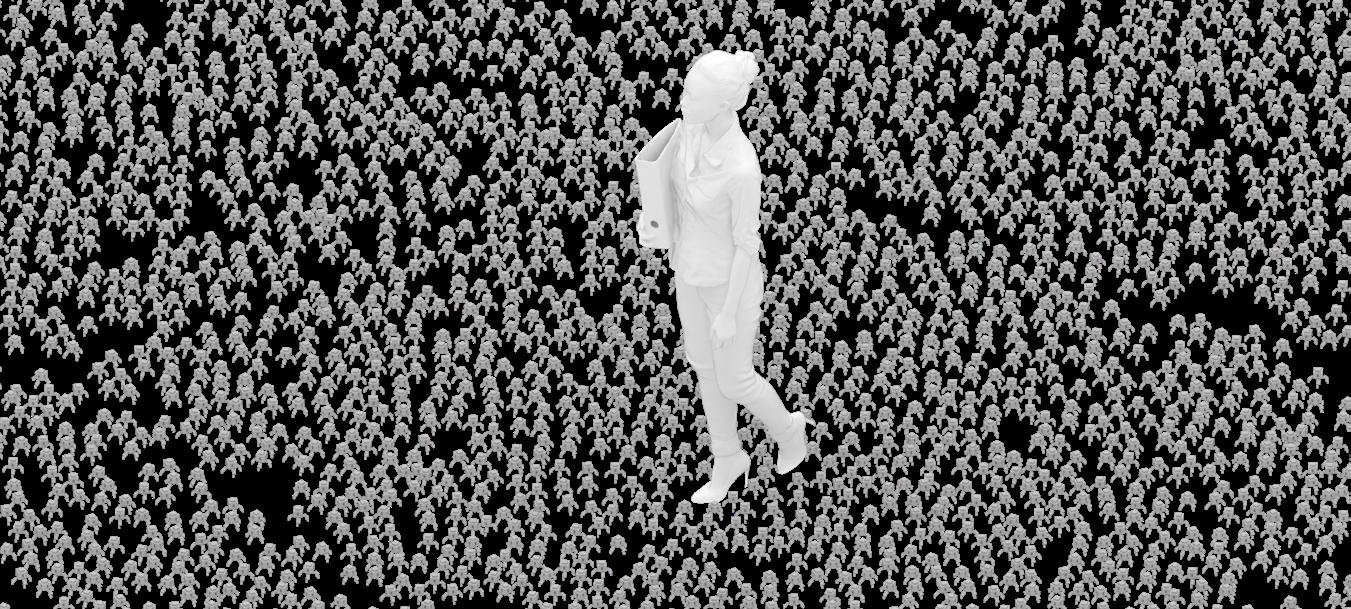
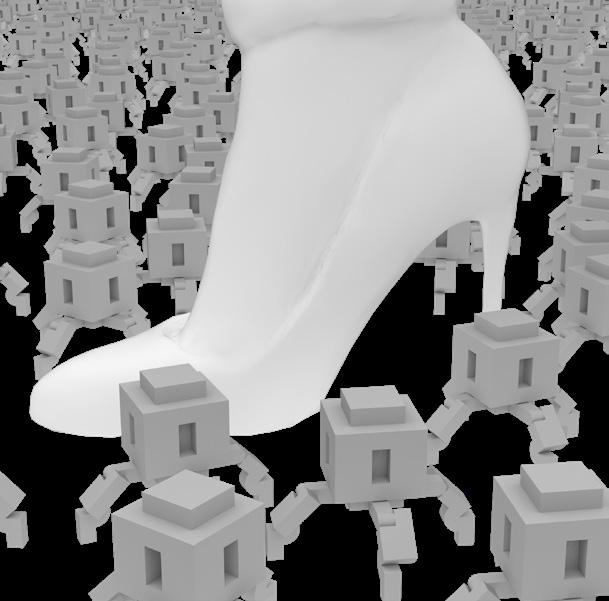
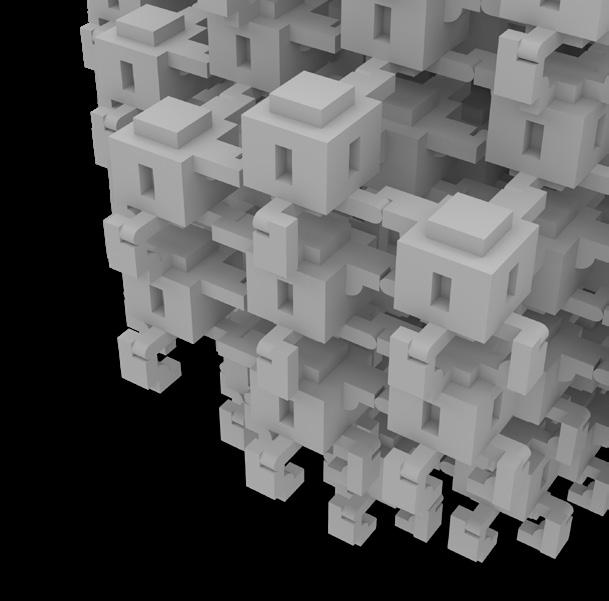
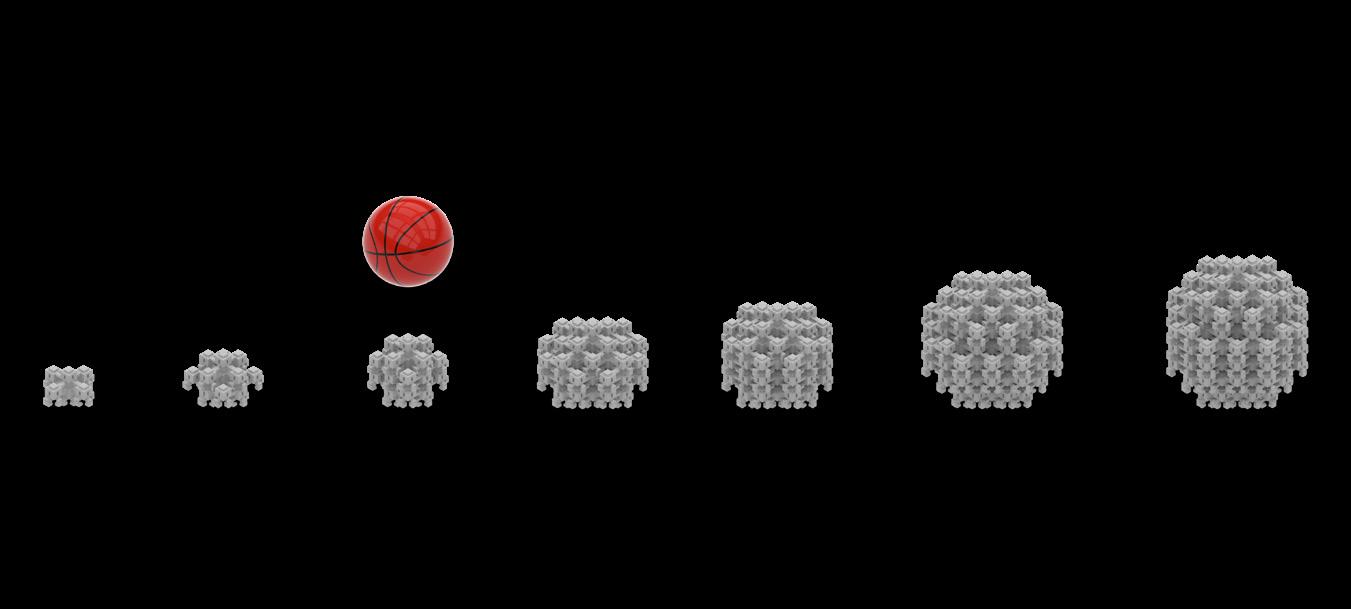
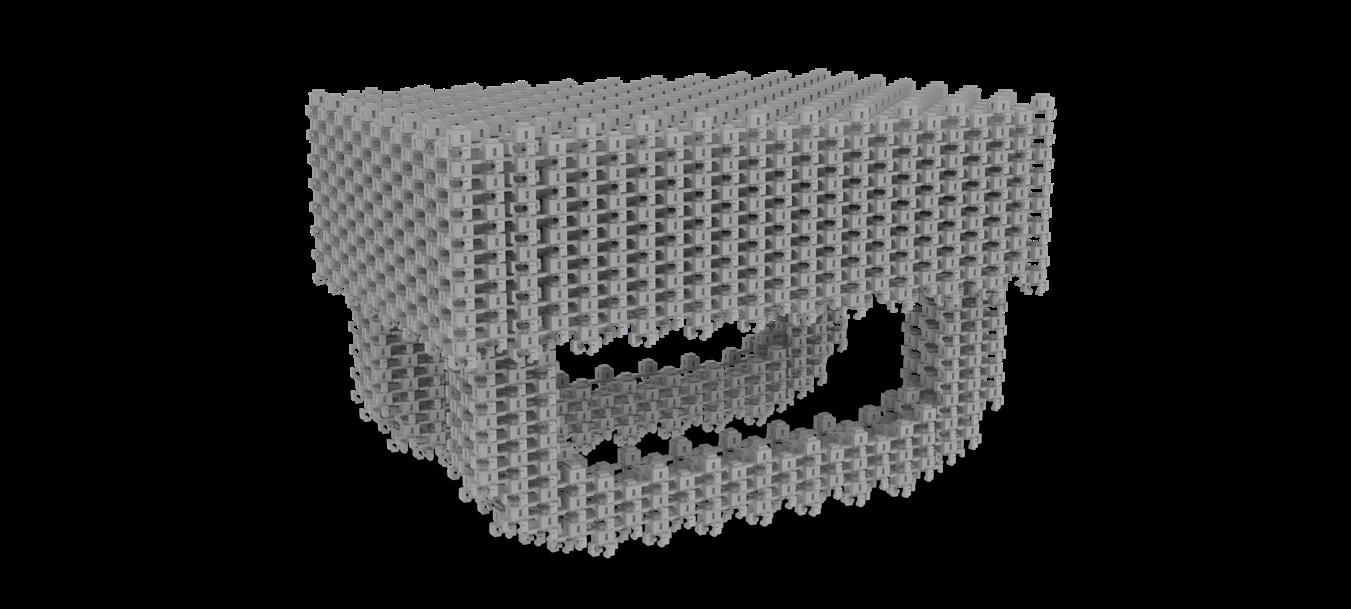
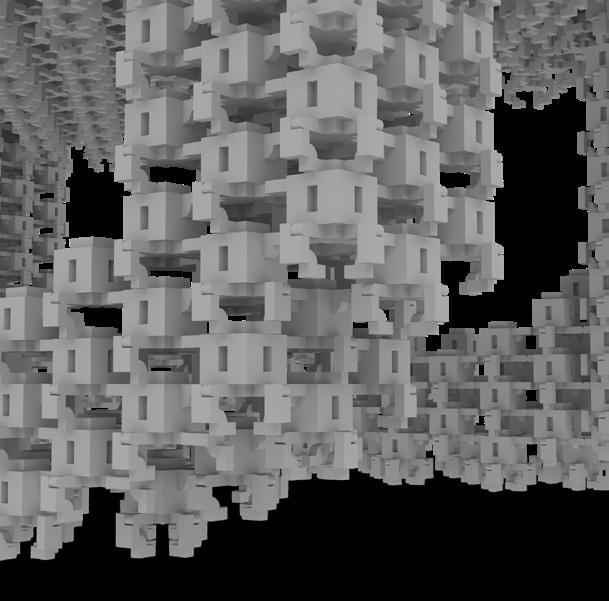
This exploration manifested as many individual machines that, by working together, would operate as one living machine. The living machine was capable of creating works of architecture at any scale, as long as it had the necessary units. Each unit is capable of attaching itself to four other units, assembling themselves into large voxelized structures. These structures and the living machines would be a part of an ever evolving architectural landscape, altering any space that they inhabit or create themselves.