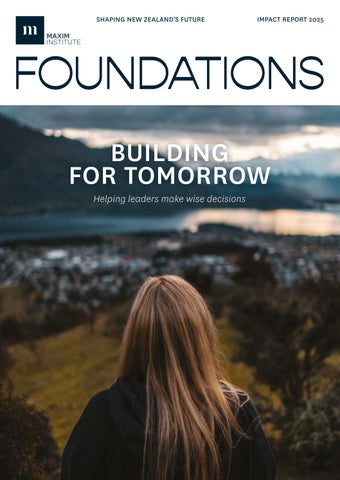

BUILDING FOR TOMORROW
Helping leaders make wise decisions
Maxim Institute is an independent think tank working to promote the dignity of every person in New Zealand, by standing for freedom, justice, compassion, and hope.
DONATE www.maxim.org.nz/donate
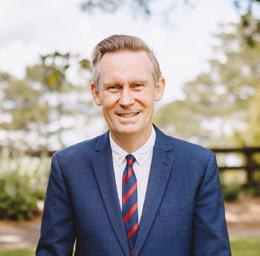
FROM THE EXECUTIVE DIRECTOR
“You don’t get to the light by accident.” Those words have stayed with me since I first heard them at this year’s Leadership Academy graduation. They were inspired by an artwork unveiled at the ceremony: a canvas painted by one of our graduates. It depicts a long path beneath towering oaks, drawing the eye toward a sliver of light on the horizon.
The picture captures something essential: you can’t see the light ahead if you’re always looking down at your feet. Today we’re often caught in the now, but New Zealand isn’t just a product of circumstance. History didn’t simply “happen” to us; we made choices that brought us here—some wise, others less so. That’s why leadership matters.
Looking back on 2025, I’m reminded that we cannot take anything for granted. Society is like a garden. Without care, it becomes overgrown, crowded, and confused. Ideological weeds choke it, as does short-term thinking. Maxim Institute exists to check these hazards and offer a better path.
We do this by helping leaders make wise decisions, recognising our time and place in history.
None of this would be possible without your generosity. You keep the lights on and enable us to speak in the public square with principled, independent, solutions-focused research. As you’ll see in the following pages, your support is making a difference.
We don’t get to the light by accident— and we couldn’t take these steps without you. Please keep walking with us.
Ngā mihi nui, Tim Wilson Executive Director

MAXIM’S MISSION
New Zealand’s future rests on today’s choices. Society prospers when leaders make decisions grounded in reality—taking the world as it actually is, not as they would like it to be. This means recognising humanity’s capacity for extraordinary achievement and goodness, while also acknowledging that we are often self-serving and prone to error.
Government plays an important but limited role. Society’s true strength lies in the bonds of family, community, and the institutions that endure across generations. We draw on the wisdom of those who came before us, knowing each generation is only a custodian of the inheritance it will pass on. Our mission is to preserve freedom, justice, compassion, and hope.
As an independent think tank, we uphold the dignity of every New Zealander through principled, evidence-based research. We speak in the public square on issues such as euthanasia, artificial intelligence, and energy—issues that shape our nation’s long-term health.
All our work is sustained by our Christian foundations, our hope for the future, and our love for this land and its people. The families, community groups, trusts, and everyday Kiwis who support us, share in that love.


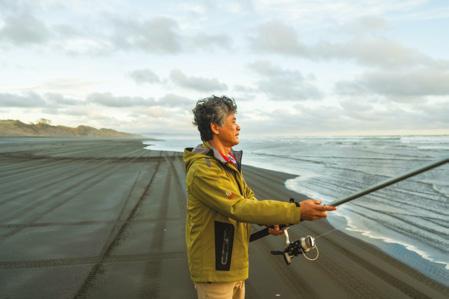



OUR RESEARCH
Research begins with real problems: laws that fail to protect the vulnerable, policies that overlook human dignity, and cultural assumptions that quietly harm our nation. Left unchallenged, these forces corrode. Freedom is more than a feeling; it rests on preserving and renewing what has long held us in good stead.
That's why we lead with principled, independent research that confronts ideologies. This year we’ve explored how AI is transforming the future of work, charted better ways to provide compassionate end-of-life care, and laid out a roadmap for abundant, affordable energy to power New Zealand’s future.
We’ve also made submissions on the Covid-19 response, an amendment bill that threatened the rule of law, and the government’s hate crime consultation paper. Together, these efforts spark conversations that change minds, open doors, and safeguard future generations.
Increasingly we’re being asked to provide feedback on critical matters. The Auditor-General invited Maxim to offer feedback on its annual work plan and later acknowledged our input, particularly on co-governance, misinformation, and disinformation. The Medical Council of New Zealand also sought our feedback on its Draft Statement on Using AI in Patient Care, a topic we will explore in greater depth through our 2026 research.
Without your generosity—and your conviction that New Zealand deserves more than short-term fixes—none of this would be possible.

DEFENDING THE VULNERABLE AT THE END OF LIFE
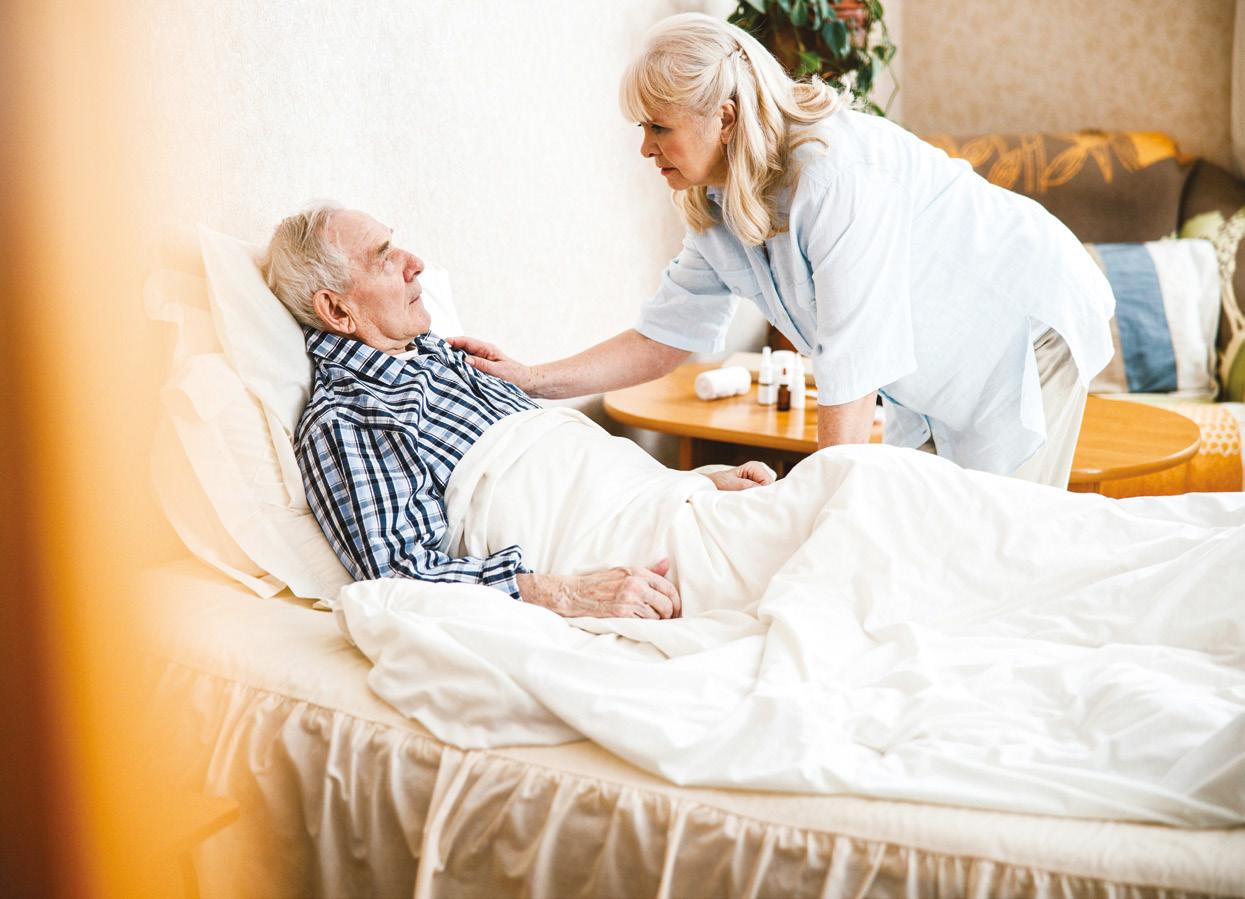
For many New Zealanders facing the end of life, euthanasia’s promise of “choice” has proven hollow. When isolation, fear of being a burden, or lack of access to quality care drive a person’s decision, state-assisted suicide does not guarantee autonomy. Instead, it deepens vulnerability.
This year, Maxim released Interrogating Choice: Euthanasia and the illusion of autonomy, continuing the work we began before the End of Life Choice Act passed in 2020. The report was clear: true choice requires the kind of options that many New Zealanders don’t have.
Euthanasia is universally available; palliative care is not. Many regions have few or no palliative care specialists, and hospices are not fully funded. Belgium has liberal euthanasia laws, yet applications for euthanasia guarantee a referral to palliative care. In New Zealand, the Ministry of Health has dismissed such safeguards as barriers to euthanasia.
Recommendations (in brief):
• Prioritise training in palliative care so more healthcare workers can provide higher quality end-of-life support.
• Expand access to palliative care so every New Zealander has that choice.
• Protect freedom of conscience by rejecting proposed expansion that would leave patients and medical staff with no euthanasia-free spaces.
Our report captured national attention. The New Zealand Herald covered our report in an article, quoting Research Manager Maryanne Spurdle and amplifying our concerns about gaps in palliative care and weak euthanasia safeguards. That article alone reached an estimated 360,000 readers in newspapers across the country, helping bring national attention to the urgent need for better end-of-life care.
"Even Belgium, with its liberal euthanasia laws, aspires to offer a fair choice. Its legislation includes a “right to palliative care” provision. Why? Because any health system that doesn’t offer to ease all patients’ suffering should never offer all patients a terminal “fix”.
From “Are we euthanising choice” published in The Post.
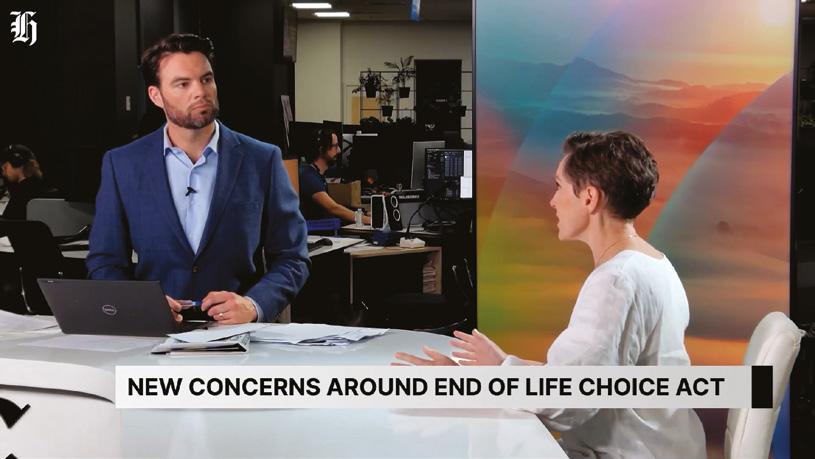
Maryanne’s media appearances extended the impact. On Herald NOW, she highlighted serious flaws in the system’s safeguards—prompting discussion about whether patients are being adequately protected. On Newstalk ZB’s The Leighton Smith Podcast, the discussion turned to what compassion and dignity mean in a healthcare system increasingly driven by convenience. One listener reflected:
“I was very, very sceptical about this conversation before pushing start. I was genuinely surprised by the thorough research findings and insights. Excellent listening.”
Maryanne also contributed an opinion piece for Stuff, titled “Are we euthanising choice?” The op-ed challenged the illusion of autonomy promised by the End of Life Choice Act, arguing that until all New Zealanders have access to quality palliative care, true choice remains out of reach. It urged the Ministry of Health to end the “postcode lottery” in end-oflife care and fully fund hospices so that every person can die with dignity.
Coverage of Interrogating Choice reached nearly 770,000 New Zealanders, shaping national discussion around palliative care inequity, hospice funding, and patient safety. Maryanne and Tim also briefed Minister of Health Simeon Brown on the gaps in oversight of euthanasia provision and the ways that safeguards and end-of-life care could be improved.
The paper's reach went beyond media. Our new “Verity” events brought women together to wrestle with end-oflife issues. At the first one, Dr Lara Hoskins examined
whether New Zealand’s End of Life Choice Act truly reflects compassion. The next event featured international speaker and advocate Amanda Achtman, who shared sobering lessons from Canada’s experience. Gatherings like these help build a network of New Zealanders committed to care and compassion over expediency.
Looking ahead
The Ministry of Health has proposed 25 changes that would expand access to euthanasia. They would require every care facility to permit the procedure on site, allow doctors to raise it with patients, and leave no euthanasia-free spaces. Our paper showed how the End of Life Choice Act would then—despite its name—negatively impact choice for practitioners and patients alike.
In August, a member’s bill incorporated the Ministry of Health’s recommendations alongside removal of the six-month prognosis. If adopted, it would move New Zealand closer to Canada, where five per cent of all deaths are now from euthanasia.
With your support, Maxim will continue to resist this drift. We want a New Zealand where no one is told their best option is to die.
Maryanne appeared on The Leighton Smith Podcast and Herald NOW with Ryan Bridge.
SCAN HERE to support our research


PROTECTING DIGNITY IN THE AGE OF AI
AI is transforming how we live and work, promising efficiency and opportunity, but also threatening widespread employment disruption. Dr Paul Henderson’s Gone for Good: AI and the future of work draws on international evidence to show which industries will be hit hardest, and who will feel the effects first.
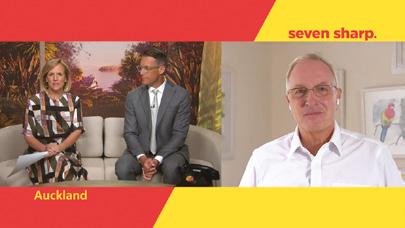
Our message resonated widely. TVNZ’s Seven Sharp covered the report, reaching more than 500,000 viewers, and highlighted our estimate that at least 10% of New Zealand jobs could vanish within five years. Dr Henderson also published an op-ed for 1News, arguing that policy must keep pace with innovation if New Zealand is to protect both opportunity and purpose in the age of AI.
Radio news bulletins echoed these warnings, noting that even highly skilled roles could be affected. Dr Henderson expanded on the paper’s core message—prepare now or risk being left behind—during briefings to senior officials in Wellington and business leaders at the Auckland Business Chamber.
Recommendations (in brief):
• Gather data to map AI exposure across industries to identify which jobs and skills are most at risk from automation.
• Develop homegrown expertise in AI and prioritise skilled migrants who can strengthen New Zealand’s capacity to innovate and create new, high value jobs in emerging sectors.
• Support workers whose roles are being reshaped by AI through retraining, on-the-job upskilling and gradual technology adoption that keeps people— not algorithms—at the centre of work.
The report’s relevance endures: Dr Henderson was interviewed on Radio New Zealand (RNZ) months after its release to discuss AI’s growing presence in the workplace. Tech commentator Finn Hogan also cited our research on TVNZ’s Breakfast, underscoring our continued influence.
Altogether, Gone for Good reached an estimated 1 million New Zealanders across TV, radio, and online platforms. The paper embodies Maxim’s mission: confronting change with realism and hope, reminding New Zealanders that our future is about more than just productivity—it’s about people.
Dr Paul Henderson on Seven Sharp

POWERING PROSPERITY: UNLOCKING NEW ZEALAND’S ENERGY FUTURE
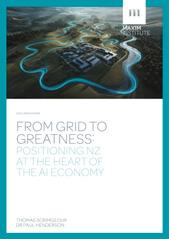
From Grid to Greatness: Positioning NZ at the heart of the AI economy continued our exploration of AI. We examined the economic opportunity that data centres present for New Zealand. These warehouse-sized computers are the physical infrastructure of the AI economy. With New Zealand’s cool climate, stable legal system, and an electricity supply that is nearly 90% renewable, New Zealand has natural advantages that could make it a world-class destination for this fastgrowing industry.
But there’s one major obstacle: energy. New Zealand’s electricity is clean, but costly—and supply is falling behind demand. We analysed the options and recommended bold but realistic solutions, including supercritical geothermal and small modular nuclear reactors (SMRs) to secure abundant, affordable power for decades to come.
The “nuclear option” captured national attention as Thomas Scrimgeour discussed our recommendations on The Mike Hosking Breakfast Show and Herald NOW. After hearing about the research, Hosking praised it, saying it offered “almost too much logic” for a Monday morning.
The paper dominated the airwaves, with Newstalk ZB’s Kerre Woodham opening her morning show with talkback on New Zealand’s nuclear energy debate. Conversations continued on RNZ, The Platform, and 1News, where Thomas’s op-ed “Should New Zealand Take the Nuclear Option?” challenged the nation to overcome its long-standing nuclear hesitation and think ambitiously about energy security.
Recommendations (in brief)
• Increase renewable generation by doubling geothermal output and exploring emerging technologies such as supercritical geothermal (ultra-hot, high-pressure steam) and SMRs—compact nuclear plants designed for safe, localised energy production.
• Streamline regulation and encourage collaboration through public-private partnerships that speed up consenting and investment in generation and grid infrastructure.
• Expand digital and energy connectivity by building new undersea cables and transmission links, supported by targeted fiscal incentives that attract long-term data centre and technology investment.
Altogether, coverage reached 875,000 New Zealanders. Soon after, New Zealand First’s Shane Jones announced a party debate on nuclear power, and ACT’s David Seymour urged an “adult conversation” on the topic.
Alongside media engagement, Thomas Scrimgeour briefed MPs from several parties in Wellington and—with Dr Henderson—co-hosted an energy roundtable with the Northern Infrastructure Forum.
Energy has become one of the defining issues of 2025 and will remain so as supply pressures mount. From Grid to Greatness challenges New Zealand to think ambitiously about how we power prosperity in an AI-driven world.
SUBMISSIONS

PROTECTING FREE EXPRESSION
Proposed hate crime laws risk punishing thoughts, fragmenting society, and undermining free expression.
In our submission, Research Fellows Marcus Roberts and Warren Brookbanks argued that existing sentencing tools already allow courts to consider hateful motives— without creating new offences that criminalise belief or speech.
The Law Commission took note: its summary of submissions drew heavily on Maxim’s work, and Professor Brookbanks was appointed to its Technical Advisory Group. The Commission’s final report and recommendations to the Minister of Justice are due in mid-2026.
UPHOLDING THE RULE OF LAW
When the Government introduced the Credit Contracts and Consumer Finance Amendment Bill, one clause sought to retroactively reduce penalties for banks that had failed to disclose information to borrowers.
The change would have disadvantaged some 170,000 New Zealanders involved in an ongoing class action against two major banks. Our submission warned that retrospective lawmaking would undermine the rule of law, separation of powers, and access to justice.
In October, the Finance and Expenditure Committee unanimously decided to remove the offending clause.
SCAN HERE to support our research
FREEDOM, TRUST, AND THE PANDEMIC
Since Covid-19, trust in national institutions has fallen sharply.
Phase 2 of the Royal Commission of Inquiry into Covid-19 Lessons Learned offers a chance to rebuild that trust. Maxim’s detailed, heavily footnoted submission drew on constitutional principles to examine how emergency measures constrained rights, eroded accountability, and damaged public confidence.
Our goal is to help ensure future crises are met with responses that are proportionate, transparent, and grounded in law. Phase 2 of the inquiry began in late 2024, and the Royal Commission will deliver its final report in February 2026.

"A society grows great when its elders plant trees whose shade they know they will never sit in."
INVESTING IN FUTURE LEADERS
“You don’t get to the light by accident.” That observation from an alumnus captures our purpose: forming leaders who see the present moment clearly and walk with courage, conviction, and hope.
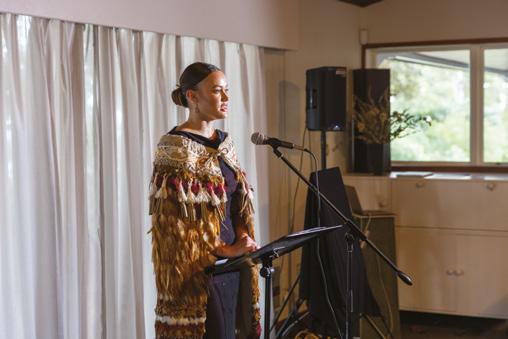
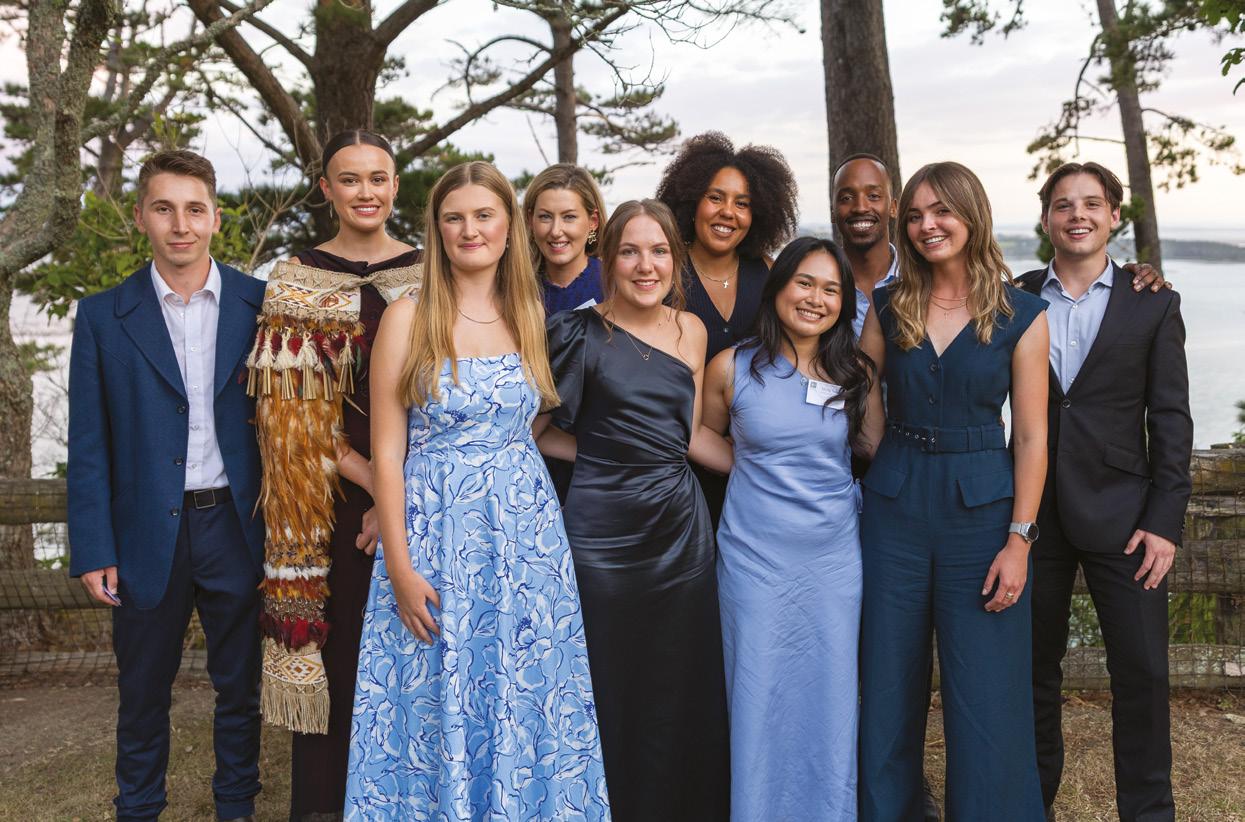
The Academy is a unique 12-week residential summer programme that brings together intellectually curious young leaders who aspire to serve New Zealand through policy and public life. Maxim’s Leadership Academy fellows live, learn, and debate side by side, grappling with the big questions of justice, truth, and human dignity.
They study theology, politics, history, and economics, while also gaining practical tools in communication and policy engagement. They visit MPs at Parliament during Wellington Week, join commemorations at Waitangi, and meet leaders from politics, media, and civil society. More than a course, it is a community of shared meals, late-night conversations, and enduring friendships that continue long after graduation.
“The Maxim Leadership Academy was by far more enriching, informative, and empowering than my four years at university.”
— Arian Tashakkori
SCAN HERE to invest in NZ's future leaders
RECENT GRADUATES ALREADY MAKING THEIR MARK
In just three years, 23 graduates have completed the Academy, joining a wider network of nearly 150 Maxim alumni now serving across New Zealand—in Parliament and government departments, law, media, NGOs, and advocacy organisations.
• One graduate is now working as a support advisor to an MP.
• Another is working as a Policy Analyst at Whaikaha – Ministry of Disabled People.
• Others have pursued further study, including a master's degree at King’s College London.
• Alumni have contributed at Blind Low Vision NZ, Ethos Alliance, the Free Speech Union, Home Foundation, Pillar, and Maxim Institute, as well as in major public service institutions such as Stats NZ, and in leading legal firms.
A GROWING NETWORK
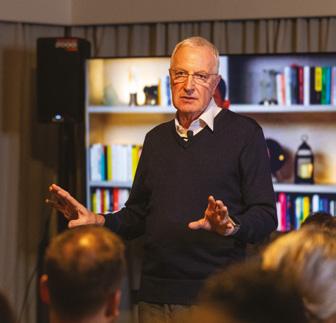
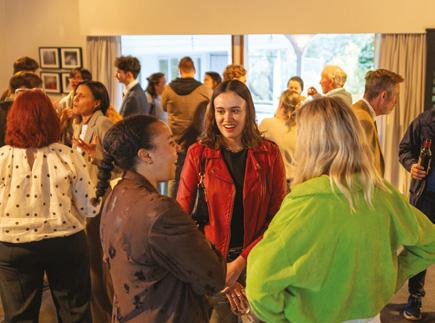
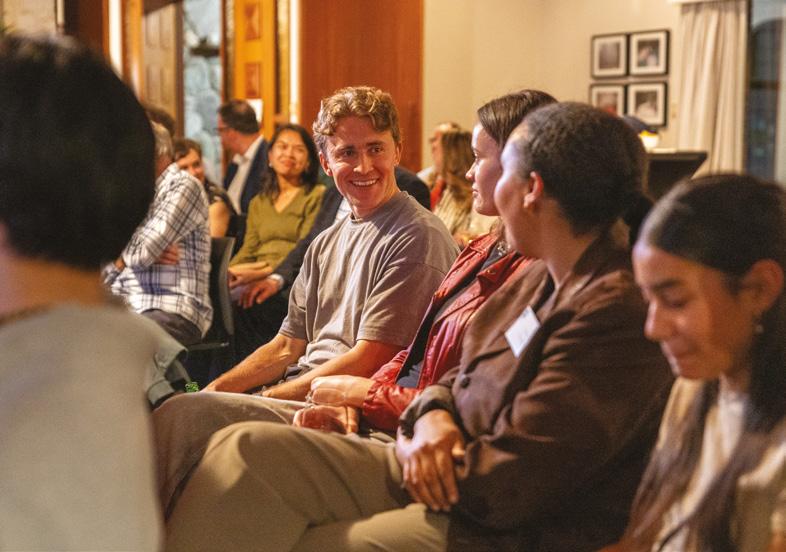
This year saw the launch of the Alumni Circle—an initiative to build a vibrant graduate network that fosters deep friendships, supports professional growth, and embodies the ethos of Maxim Institute.
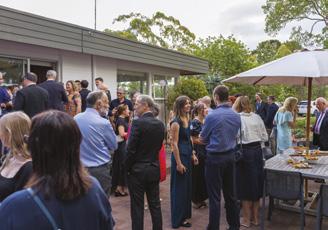
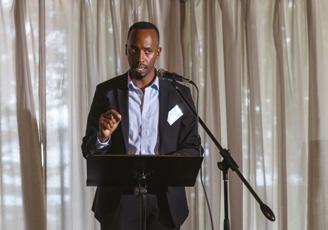
These gatherings bring the Leadership Academy’s mission to life, creating space for graduates to reconnect, sharpen their thinking, and continue growing as principled leaders. Momentum is building. For the 2025/26 Academy, we received a record number of applicants—evidence of the hunger for this kind of formation, and of the potential to multiply its impact in years to come.
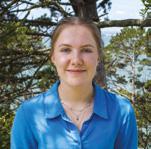
“The Leadership Academy has been a true blessing. The quality of teaching and the incredible people I’ve met have given me renewed hope for New Zealand’s future.”
— Abigail Pushenko

YOUR PART IN THE STORY
Leadership matters. The Academy is one of the most strategic ways Maxim invests in New Zealand’s future. Every new fellow represents a torchbearer for principled, hopeful leadership in our nation. You are helping them carry that light forward—ensuring that New Zealand’s future is shaped by wisdom, courage, and hope.
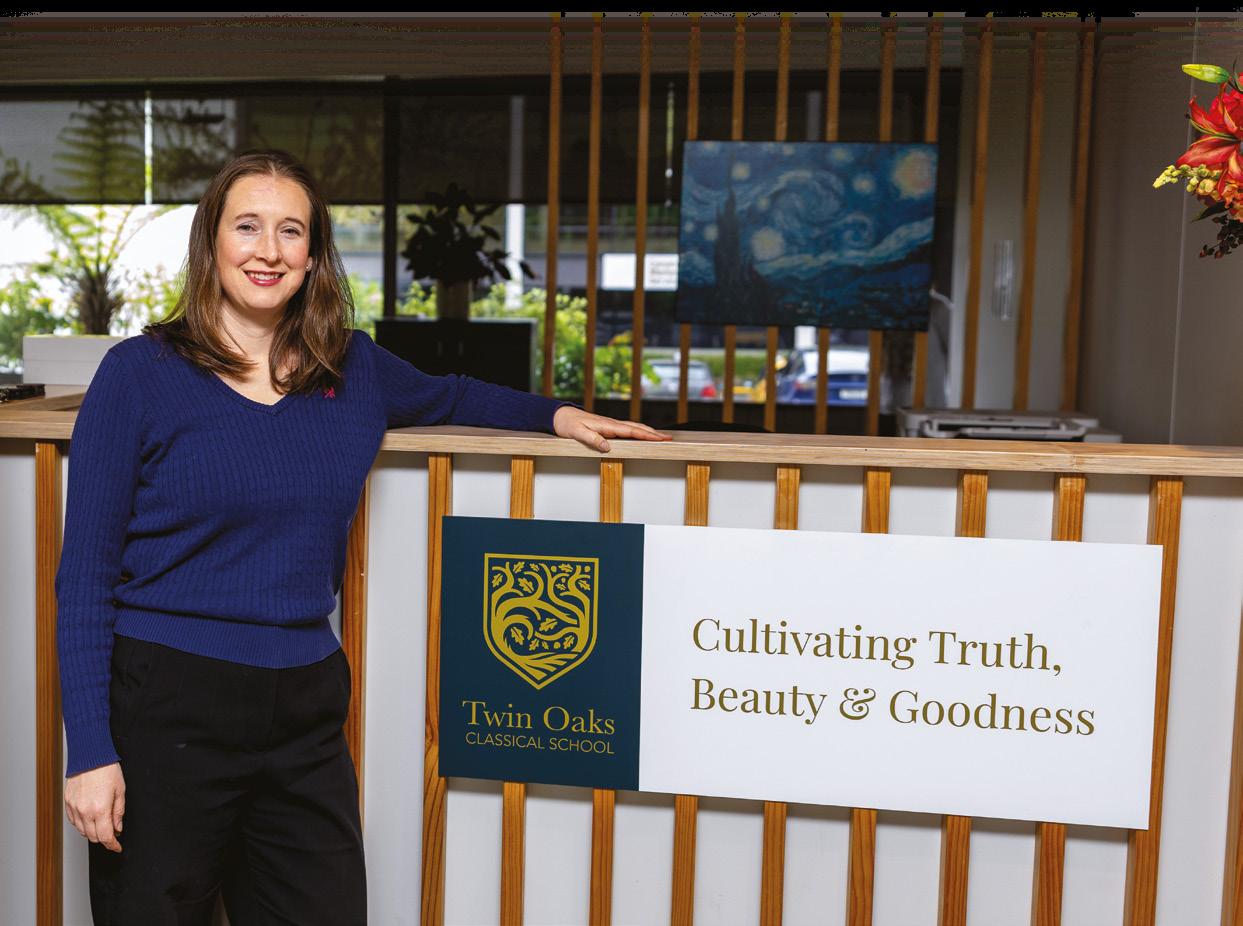
ALUMNI PROFILE AMANDA GOODCHILD FROM MAXIM TO RUNNING A CHARTER SCHOOL
In my final year studying Commerce at the University of Auckland, I walked past a poster advertising an essay competition for the Maxim Institute. I'd never heard of Maxim (it was pretty new back in 2002), yet my interest was piqued. The essay topic asked entrants to discuss freedom within “civil society.” That intrigued me, as did the offer of a summer internship after graduation. So I was stoked to earn a place on the Maxim Internship. The late-night debates were almost as good as going fly fishing with Dr Paul Henderson in the mountains of Canterbury.
I went on to work for Maxim for five years, mostly in the communications team. My time there taught me the power of ideas to shape lives, the importance of wise leadership, and the need for robust public debate. In 2007 I emigrated to the UK with my British husband, David. We have four children. I learned to juggle motherhood, working, church leadership, writing, starting a business, schooling, and home schooling. I especially enjoyed my time as Board Chair at our children’s primary school. That gave me an inside look at the British education system.
After 18 years in the UK, our family arrived back here in February to help start Twin Oaks Classical School with my new friends, Beth Isaachsen (Maxim alumnus) and Julia Bloore. We had all been homeschooling with the same philosophy and love of liberal arts education, rooted in the Christian tradition. My experience across educational governance, pastoral leadership, and business has equipped me with the right skills for this unique opportunity.
The government backed our vision and our team. In July we opened Twin Oaks as a fully state-funded charter school, teaching our own curriculum in which parents deliver learning at home two days a week. We’re showing New Zealand the power of involving parents as true partners in their children’s learning and—importantly— character formation.
It’s a dream come true. I'm so delighted to have reconnected with many old Maxim friends who still share a heart to see communities flourish across Aotearoa. Many of them are also part of our school community. When I started at Maxim 20 years ago, I was younger, single, and childless, boldly campaigning for freedom and choice in education. Back then I hoped New Zealand would embrace charter schools. I’m thrilled that I now get to help build one, not only for my boys, but for the many children who will follow them.
EVENTS
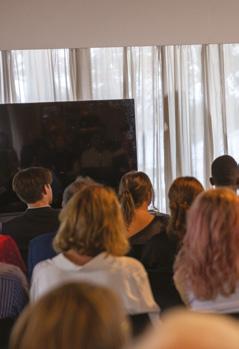
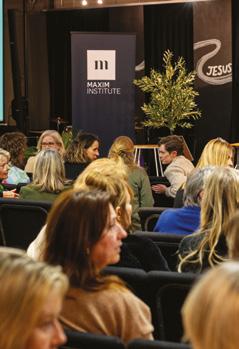
Events are where Maxim’s work comes alive. Research connects with hearts and minds, sparking conversations that lead to new ideas. In a culture that often feels fragmented, these gatherings remind us that society is not just policy and politics—it's people coming together to build trust.
Our events strengthen society by connecting leaders, alumni, and communities. Yes, Maxim is a think tank, but we’re also a network of people united by shared concerns and hope for our nation.
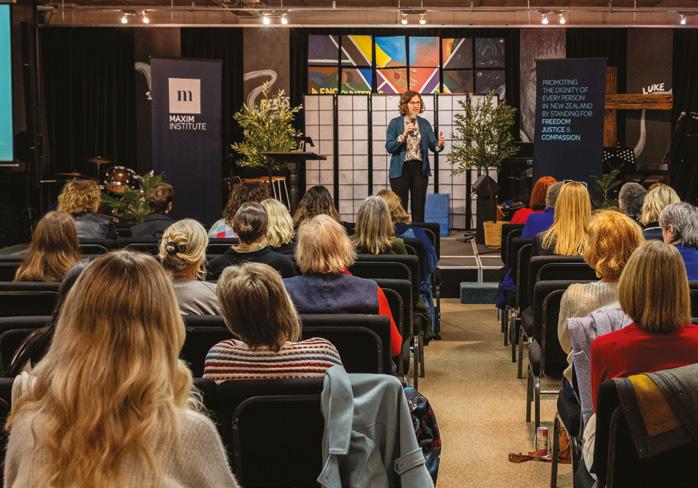
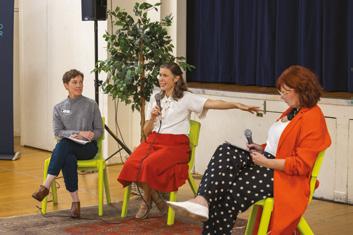
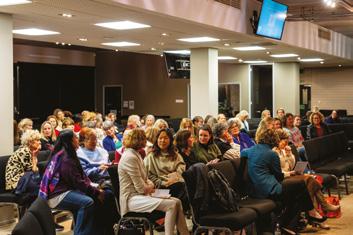
VERITY: WOMEN SHAPING THE FUTURE
Launched this year, Verity—a network established by Maxim—has quickly become a hub for women passionate about shaping culture and public life. The purpose is simple: to think deeply about the issues that define our nation’s direction and to bring wisdom and compassion to public debate.
At our inaugural gathering, Lou Bridges, Maryanne Spurdle, and Dr Lara Hoskins explored a pressing question: what are the unintended consequences of offering the vulnerable anything other than lifeaffirming support?
Together, attendees discussed euthanasia’s impact on vulnerable people, the pressures on families and caregivers, and what true compassion looks like in end-of-life care.
Our second event featured Canadian advocate Amanda Achtman, who challenged cultural assumptions about ageing. She invited women to see it as a blessing rather than a burden. As New Zealand’s population grows older, she asked, how can we resist the idea that dependence equals decline? Instead, Amanda proposed a “revolution of tenderness”
that honours older generations and restores dignity to the final chapters of life.
“It’s rare to go to an event where everything the speakers say is really good… this was a stand-out event for me.”
Verity is a growing network of women committed to deep thinking and courageous leadership that shapes a freer, fairer, and more compassionate nation.
SCAN HERE to support our events
CHURCH LEADERS’ BRIEFING
Although euthanasia has only been legal since 2021, few realise how rapidly it is reshaping communities. The Ministry of Health has already proposed changes that would expand access, remove safeguards, and weaken freedom-of-conscience protections—raising serious concerns for those called to serve the vulnerable.
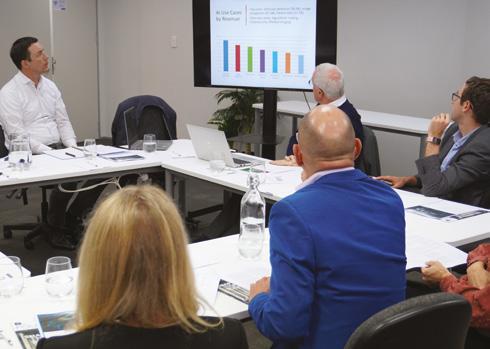
Responding to this, we invited pastors, church leaders, and those involved in pastoral care to an exclusive briefing on the impact of New Zealand’s legislation.
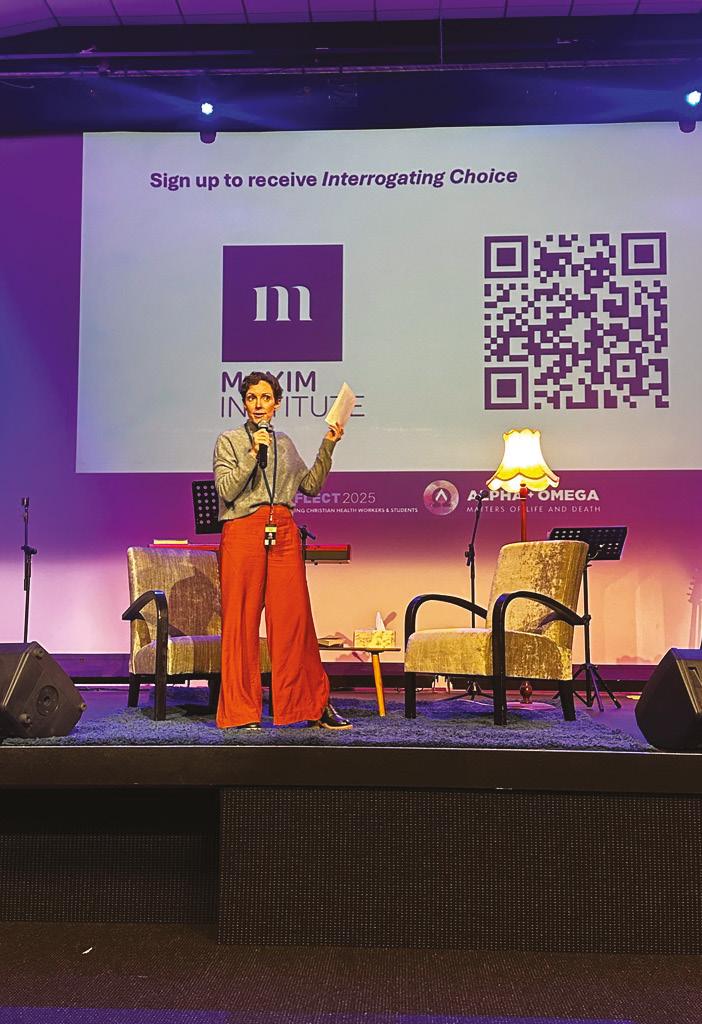
Tim Wilson and Maryanne Spurdle led a conversation based on our paper, Interrogating Choice: Euthanasia and the illusion of autonomy, helping church leaders understand:
• how the law is affecting vulnerable New Zealanders;
• the Ministry’s proposed changes and their implications;
• and the health system gaps that are increasing demand for euthanasia.
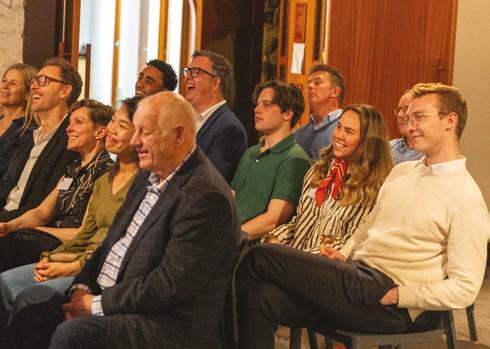
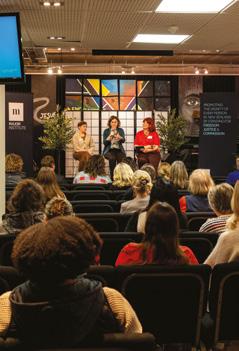
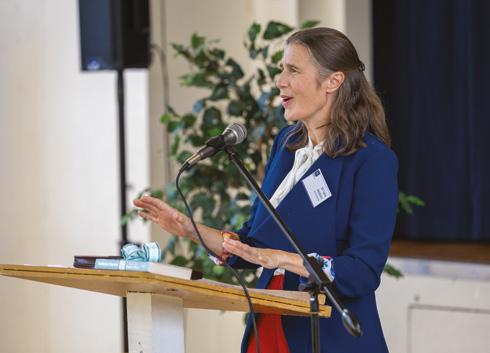
“So helpful for us to be educated on these key issues that affect so much of our pastoral care. Love that you are wanting to equip the church!”
PARTNERED & CO-HOSTED EVENTS
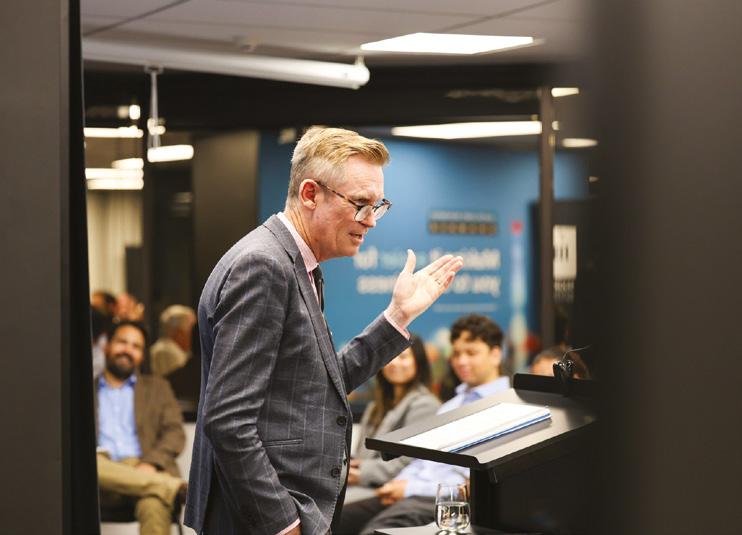
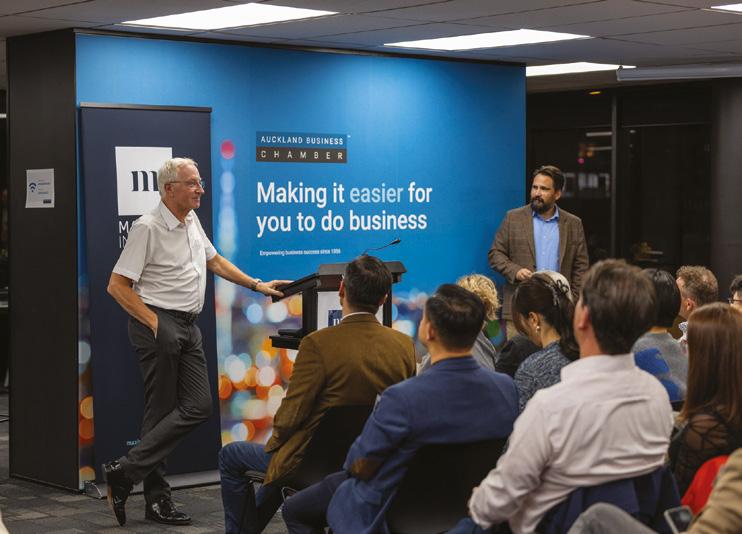
We partnered with several organisations to extend the reach of our research, including:
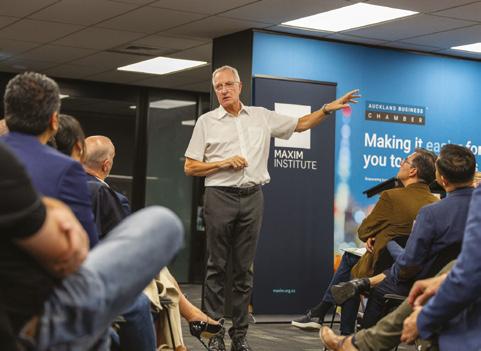
• Auckland Business Chamber: Business leaders explored AI and the future of work with Dr Paul Henderson.
• Christian Medical Fellowship: More than 220 health professionals engaged with Maxim research on euthanasia and bioethics.
• Northern Infrastructure Forum: Energy leaders considered our
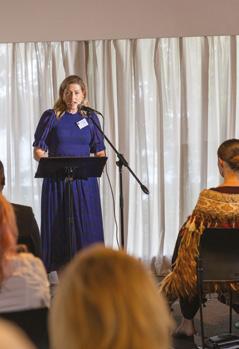
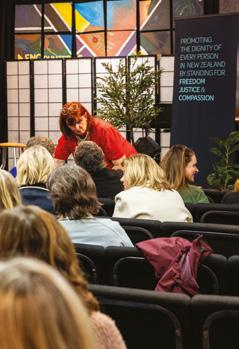
Grid to Greatness proposals, as they discussed New Zealand’s energy future.
• Thinking Matters: Attendees wrestled with questions of meaning, suffering, and the search for truth.
Our events also sow seeds in the next generation. A group of Auckland school prefects learned from Tim Wilson about the importance of “disagreeing well” in a divided age. Meanwhile, Dr Stephanie Worboys inspired students at City Impact
School with a vision of leadership and service grounded in truth and courage.
Why This Matters
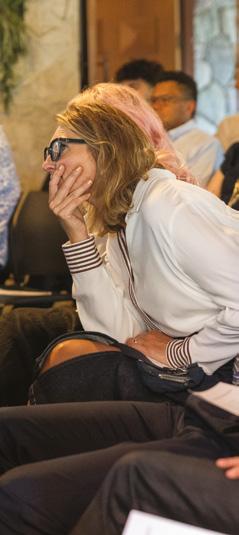
Such gatherings embody this truth: society is organic, relational, and strengthened when people meet face-to-face. Each event becomes an opportunity to spark new ideas and build enduring friendships.
Because of you, these rooms are full of life. Leaders leave equipped to build a freer, fairer, and more compassionate nation.

SCAN HERE to donate to our events
MAXIM IN THE MEDIA
Historian and philosopher
Hannah Arendt once observed:
“The moment we no longer have a free press, anything can happen.” Citizens depend on the media to make informed decisions. Yet too often, New Zealand’s public square is reduced to point-scoring and ideological soundbites.
Maxim’s voice is different. Truth is our currency. Whether on TVNZ, RNZ, Herald NOW, Newstalk ZB, or one of the nation’s leading podcasts, our researchers bring principled, solutionsfocused analysis to New Zealand’s most pressing issues. We play the ball, not the man—engaging ideas rather than tearing people down.
When Parliament debated euthanasia, Maxim reframed the conversation around dignity and care rather than autonomy and expedience. When businesses and policymakers looked at AI and energy, our analysis helped leaders see both opportunity and responsibility. From a growing number of media hits through interviews broadcast nationwide, Maxim is a trusted voice.
None of this would be possible without you. Your support amplifies a principled, sensible voice in the public square—ensuring New Zealanders hear not just the loudest opinions, but reasonable and hopeful ones too.
9.4M
Media Hits
Estimated legacy media audience reached over the past 12 months.

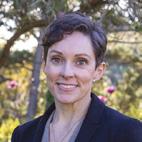
Maryanne Spurdle
“The review looks at the tension between safeguards and access—and in every single case... it always goes to the side of easier and faster access.”
The Leighton Smith Podcast

Dr Paul Henderson
“Jobs where there’s been a massive amount of [data] available, such as finance or banking or actuarial studies with insurance and so forth, because there’s such excellent, high-quality data... people in those industries are probably quite vulnerable because the machine intelligence can very quickly crunch that data and get a good outcome.”
RNZ's Checkpoint with Melissa Chan-Green
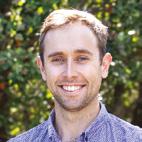
Thomas Scrimgeour
“We should be looking at all options for energy, because what we want is energy abundance… it is that abundance which brings down prices.”
Herald NOW with Ryan Bridge
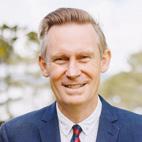
Tim Wilson
“I’m going to honour Charlie Kirk’s memory by showing up to talk civilly to people I would disagree with.”
RNZ's The Panel with Wallace Chapman
SCAN HERE to support our media engagment

LOOKING AHEAD 25 YEARS OF BUILDING FOR TOMORROW
As Maxim enters its twenty-fifth year, we pause to look back—not nostalgically but with gratitude and resolve. Gratitude for the generous donors who have supported our work. Resolve, because of the task before us: serving the common good.
In 2026, the Sir John Graham Lecture will take up the theme of history, exploring how our understanding of (and disconnection from) the past shapes who we are today. It's fitting that this milestone falls in an election year, when questions of leadership and direction are once again up for debate.
Our research will continue to speak into New Zealand’s future. We will explore nationhood in a changing world. Our work on AI will expand, examining its impact on healthcare, government, and law—always guided by the conviction that technology must uphold, not supplant, human dignity. We will also continue our work on end-of-life care, ensuring that compassion, not convenience, guides the choices of our most vulnerable.
Each of these projects flows from the same conviction: the future will not be secured by accident but by intent. Indeed, our forthcoming paper, Betting on Better, explores the promise and pitfalls of social impact bonds. With social investment set to feature prominently in the coming election, we aim to speak into the debate with research that will help improve outcomes for the most vulnerable.
In this anniversary year, we invite you to join a legacy that began 25 years ago. We are part of a much longer tradition: New Zealanders who are working to build a society that is freer, more just, compassionate, and hopeful.
Will you help grow Maxim’s impact?
Maxim Institute is 100% donor funded. Your support enables us to produce independent research and share ideas that shape a more hopeful future for our nation.
If you prefer to give via online banking: Account Name: Maxim Institute, Account Number: 03-0830-0138818-01
SCAN TO DONATE
www.maxim.org.nz/donate