



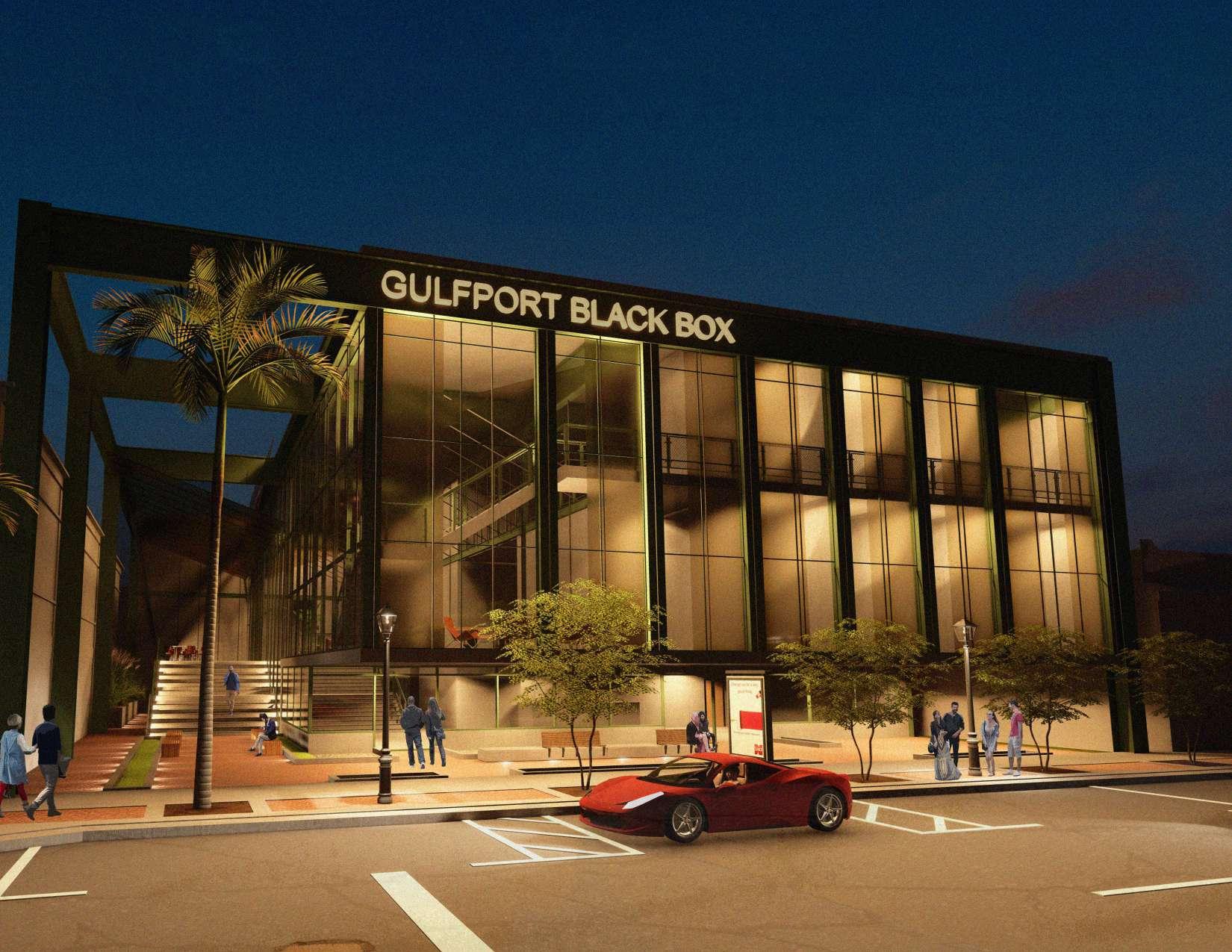
4th Year- 2024 - Gulfport, MS - Displayed in Giles Hall Gallery
This project presents an innovative steel design for an urban infill site located in Gulfport, Mississippi, aimed at addressing both the aesthetic and functional demands of the environment. With the ever-present challenge of flooding in the region, the design incorporates resilient strategies that prioritize both structural integrity and adaptability to water-related events. The focus on steel cables as a primary material not only ensures the building’s strength and flexibility, but also evokes a sense of dynamic tension that responds to both natural forces and urban context. The project seamlessly integrates into the fabric of Gulfport’s waterfront district, creating a visually striking, environmentally responsive structure that celebrates the unique qualities of the coastal city while providing a model for future resilient urban development.
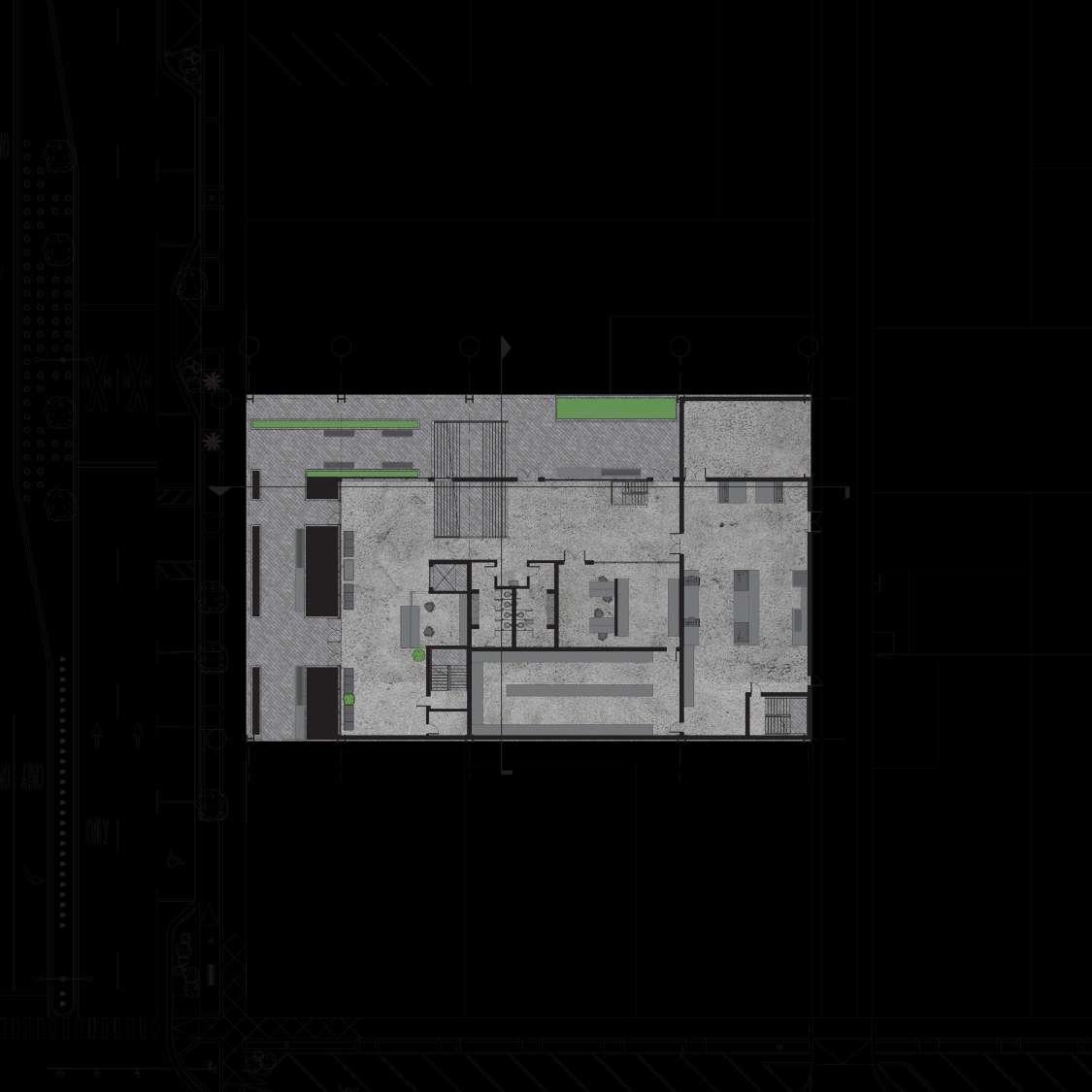
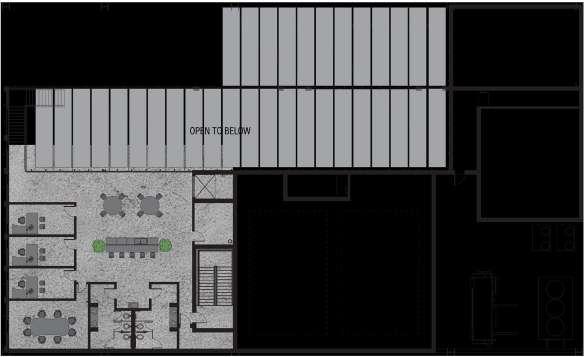
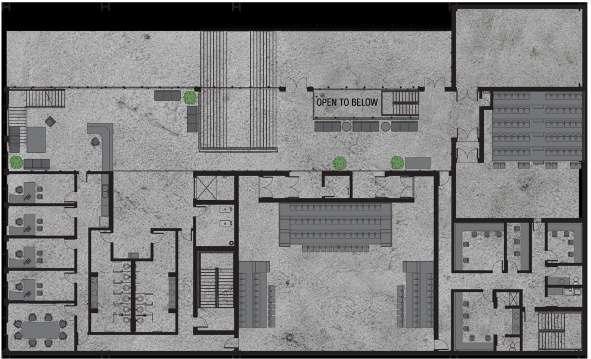
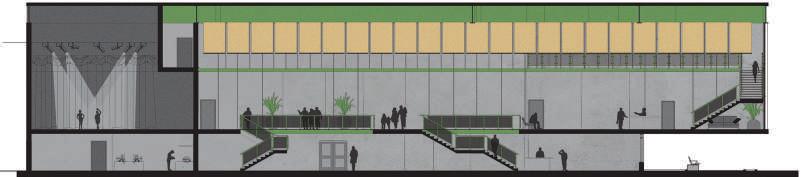
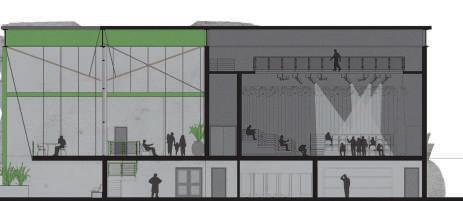
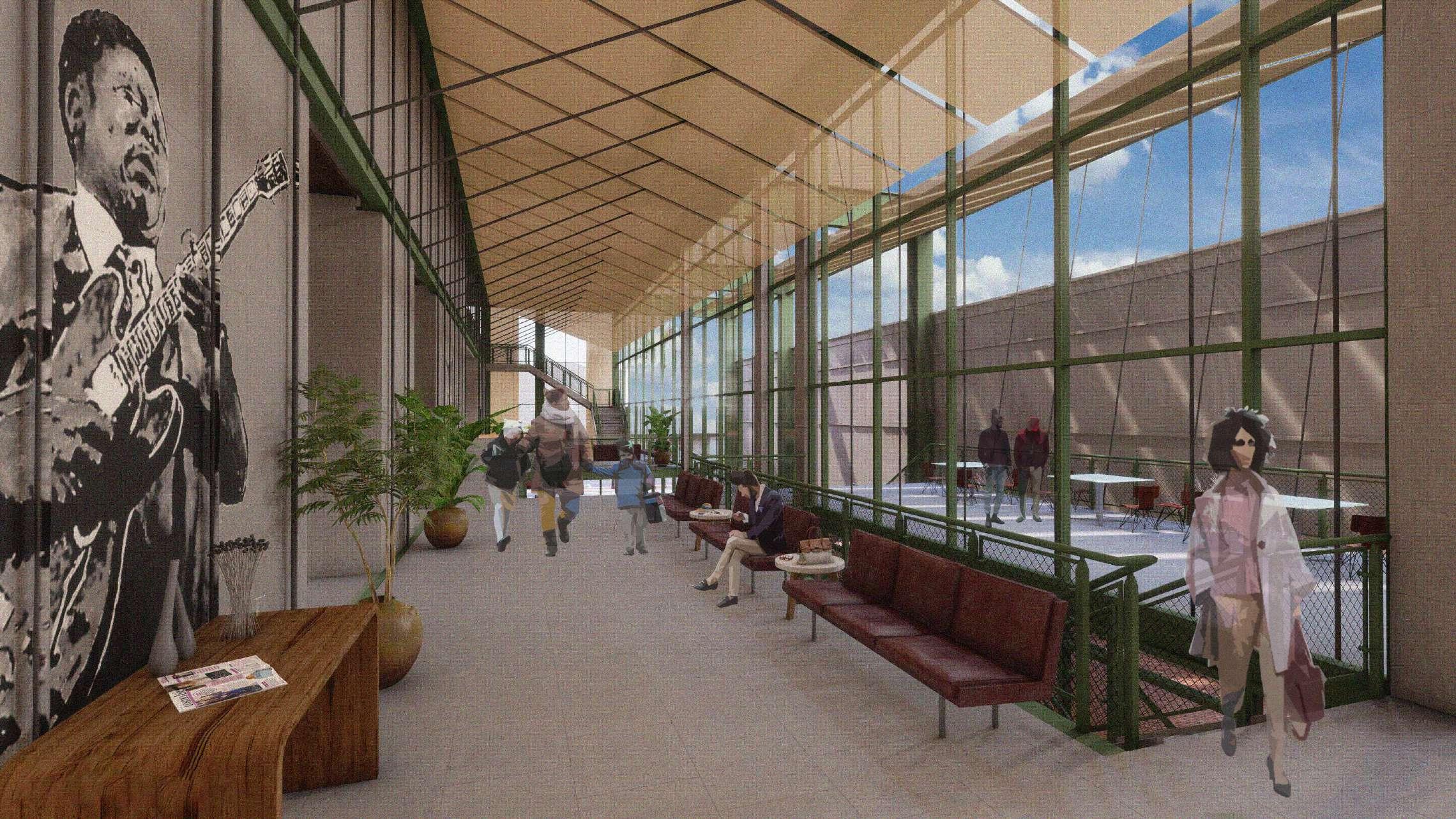
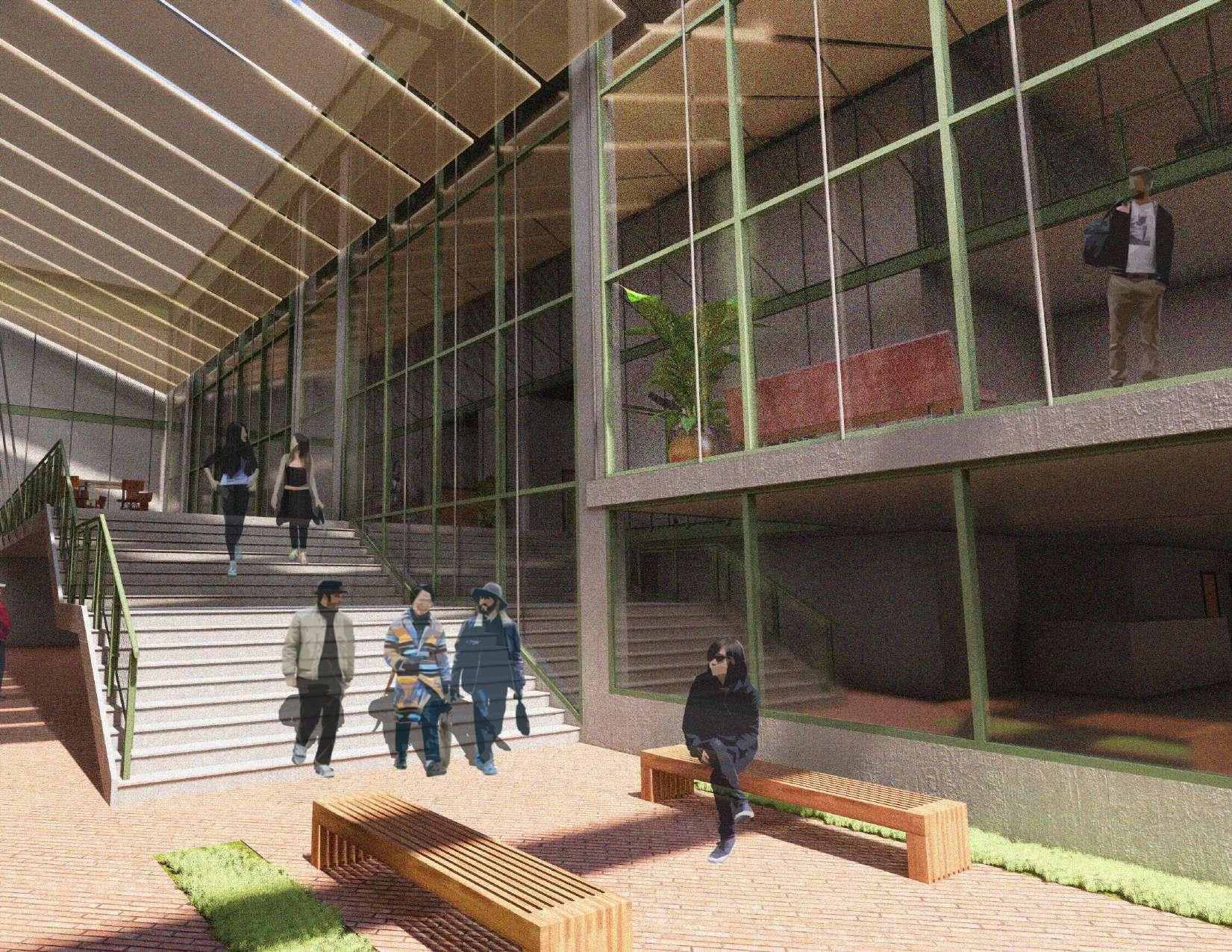
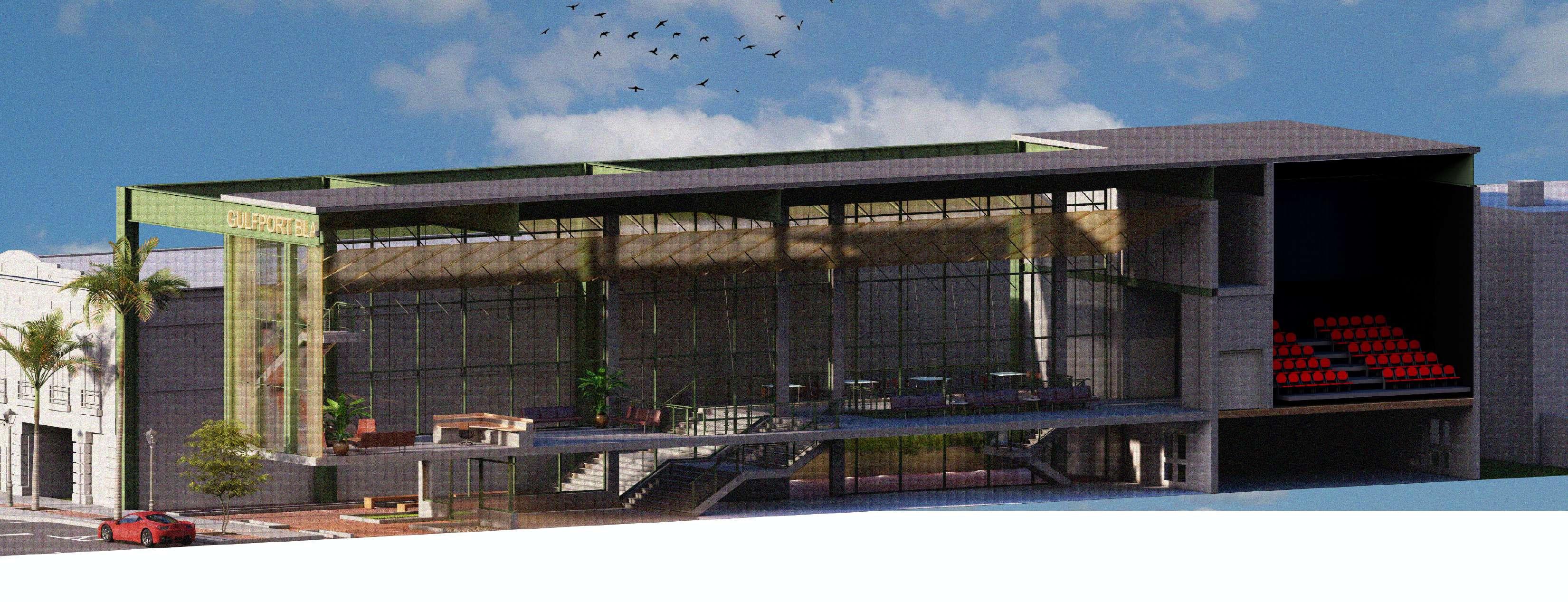
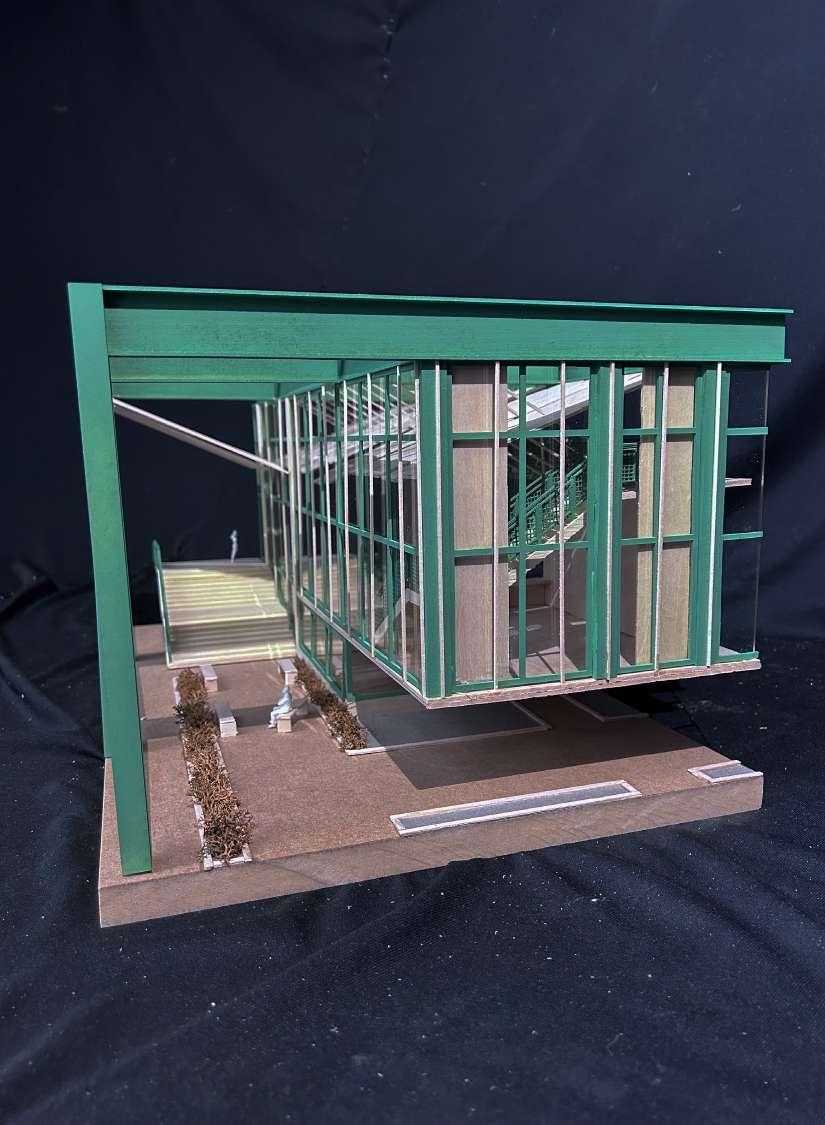
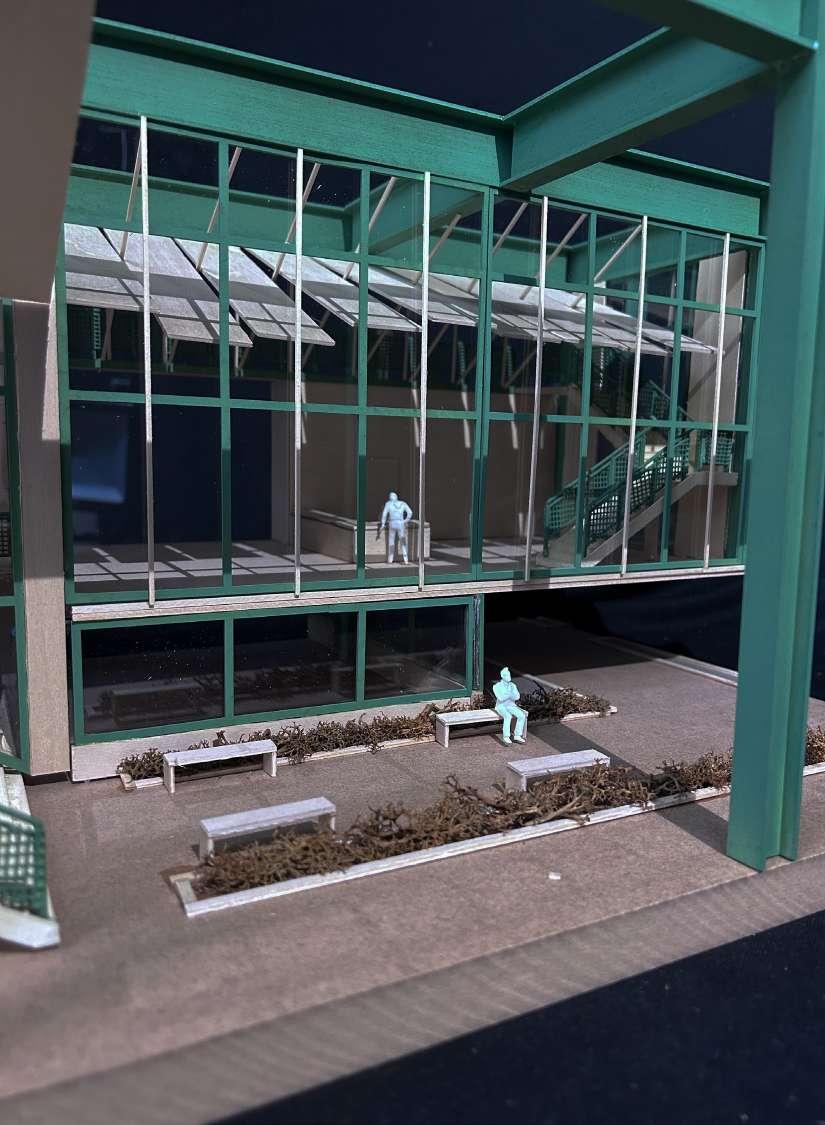
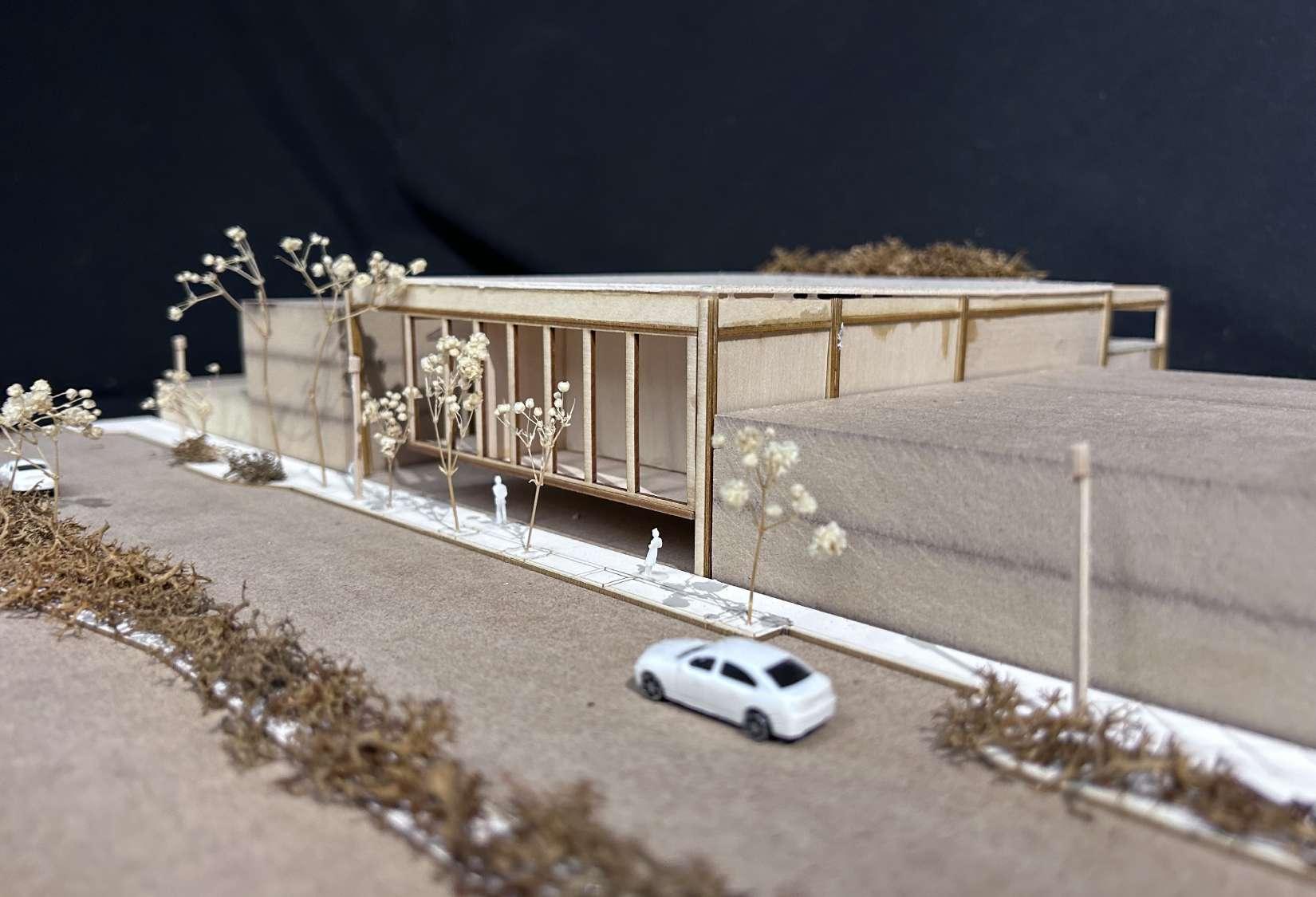
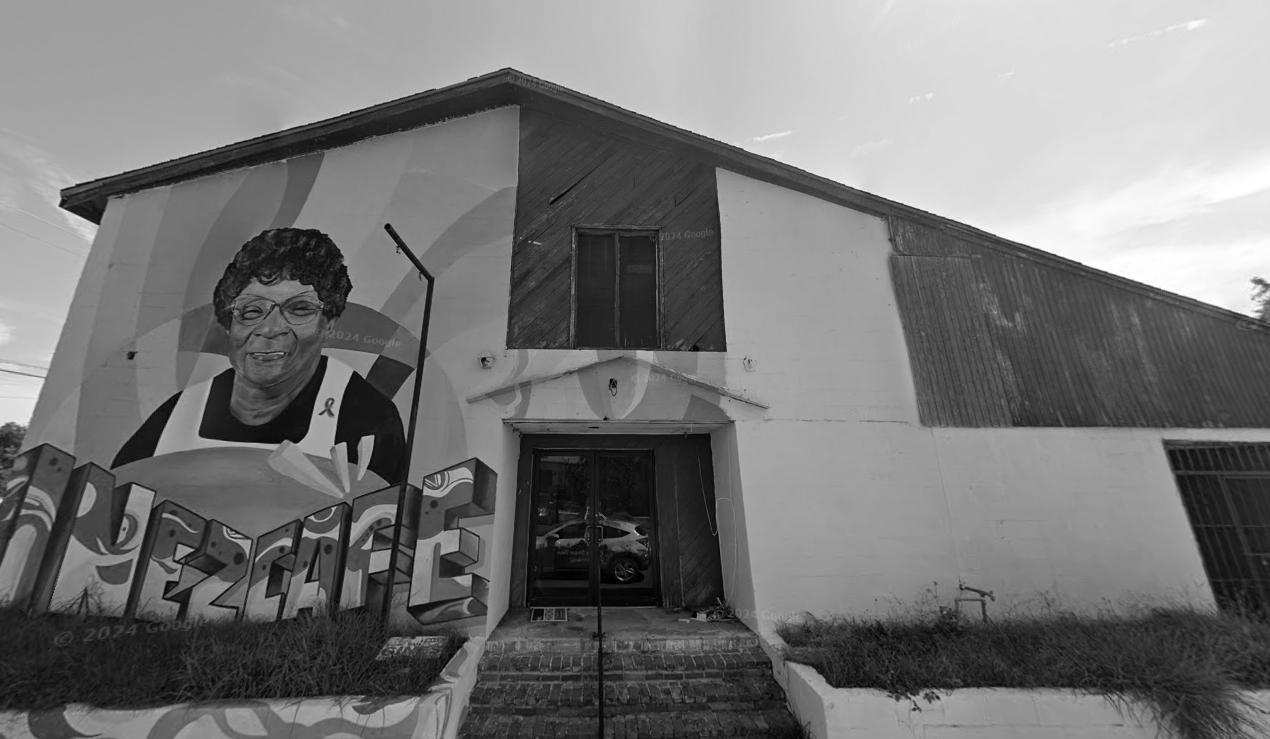
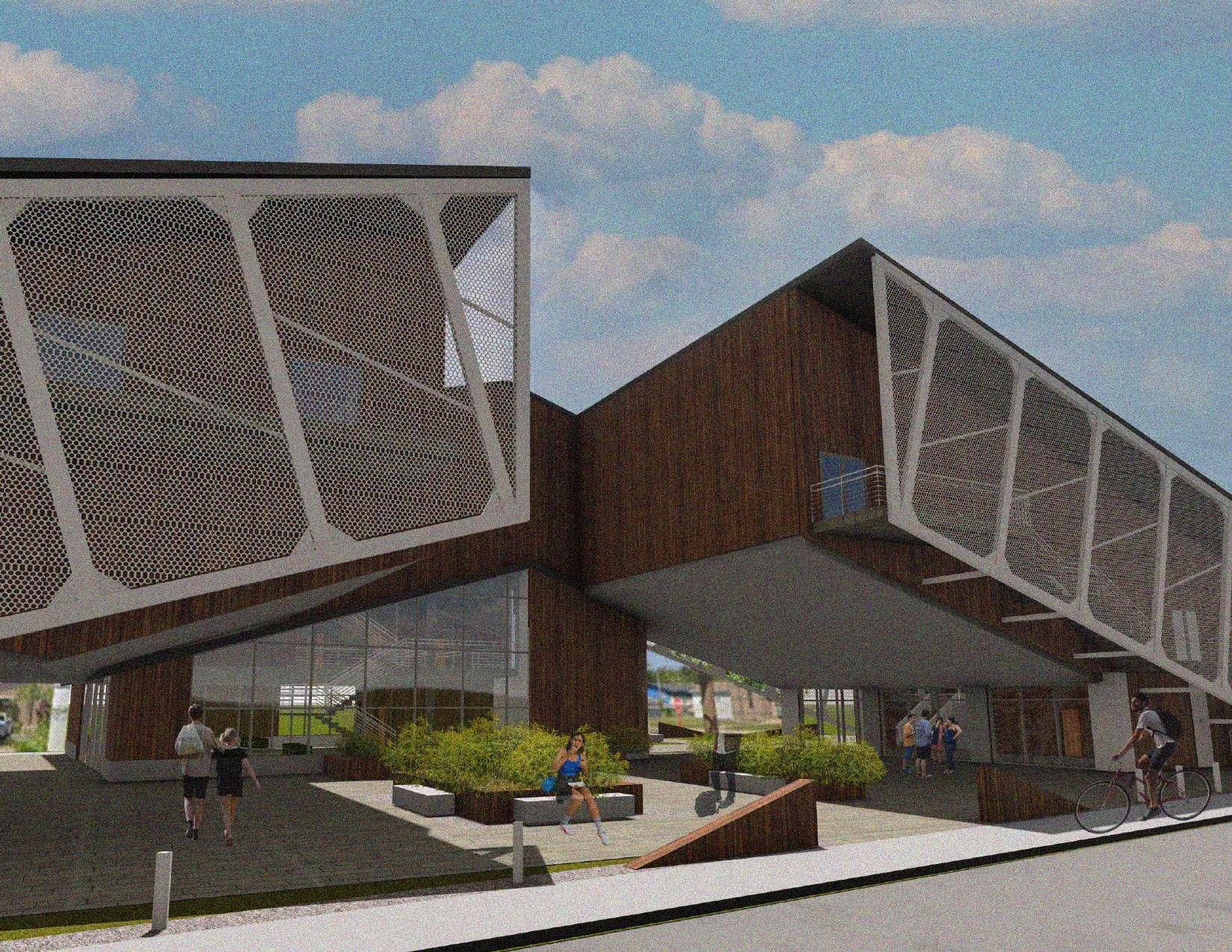
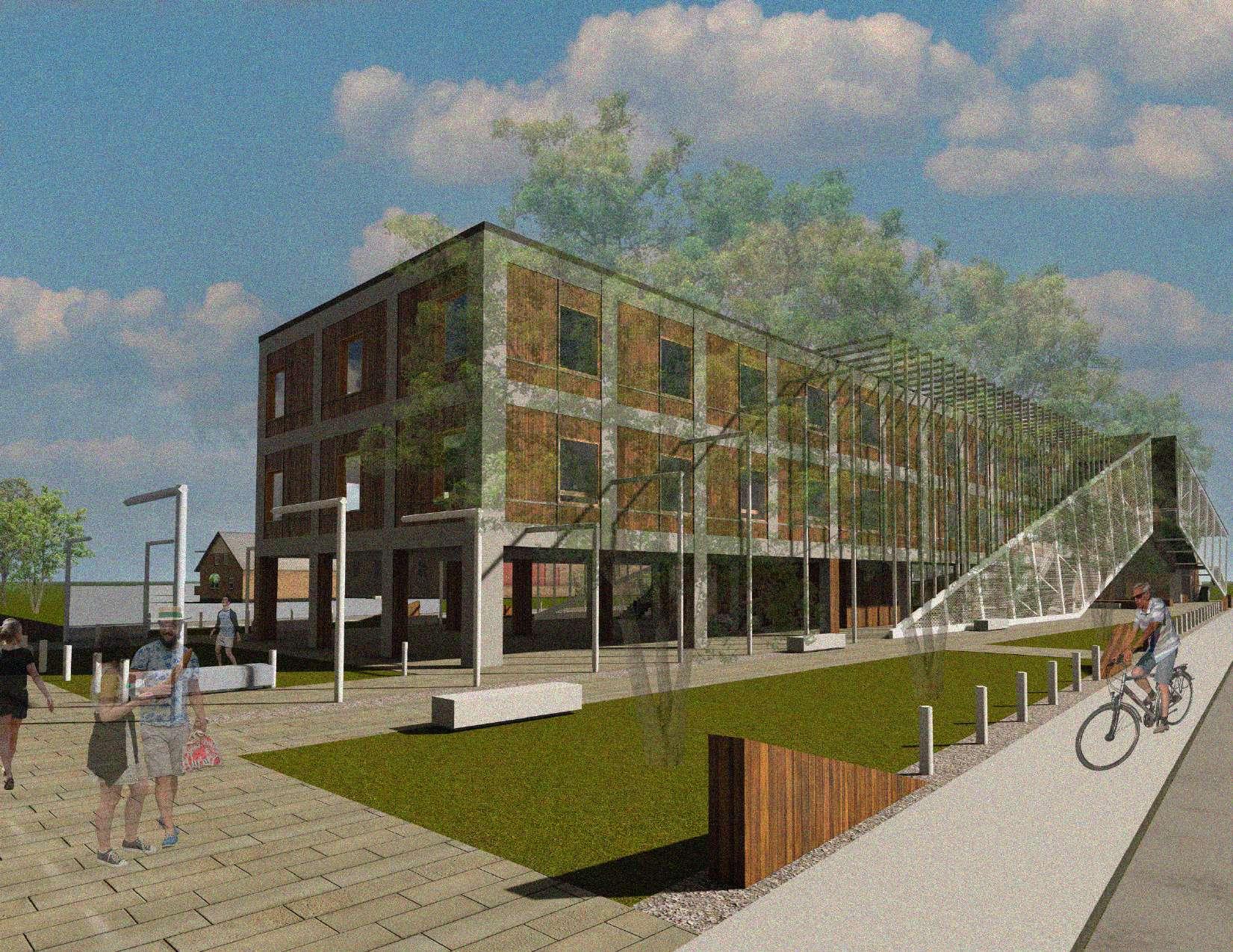
Following Hurricane Katrina, East Biloxi has faced significant challenges in recovering and rebuilding. This project aims to revitalize the area through community engagement and resilience. Once a vibrant restaurant, the Inez Cafe now stands abandoned at the corner of Division and Main Street, awaiting a revival. By incorporating three of the historic buildings on the site, the entire block was redesigned. The design’s objective was to honor the significance of these existing structures by reflecting their rooflines and positions on the site. The adaptive reuse of these buildings serves as both a tribute to the past and a hopeful statement about the future of East Biloxi and its community.
The project’s final design element is highlighted by the use of a white perforated metal screen, a material featured throughout all new construction components. This screen accentuates the roofline of the original Inez Cafe, reinforcing the design intent.
Beyond its aesthetic role, the perforated screen also functions as a secondary exterior space for the building, while serving as the primary route for vertical circulation.
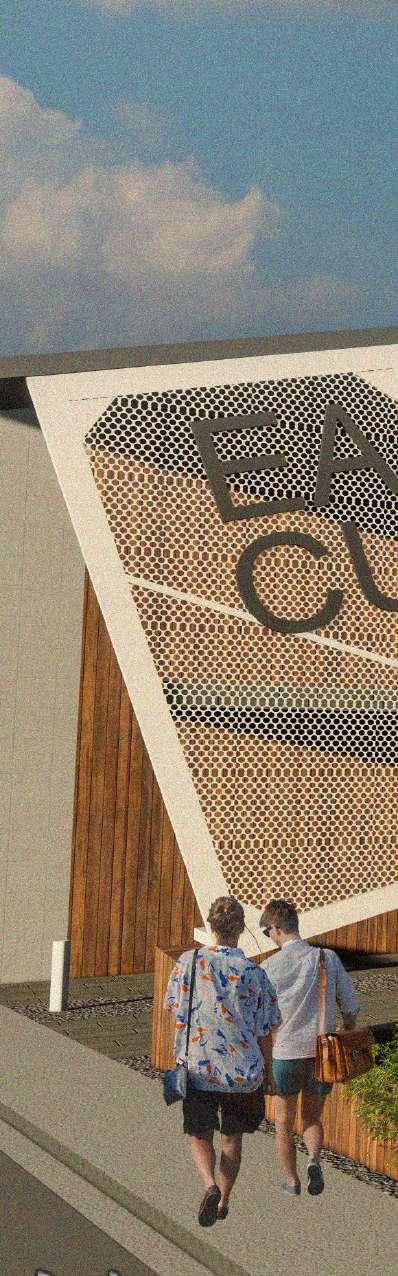
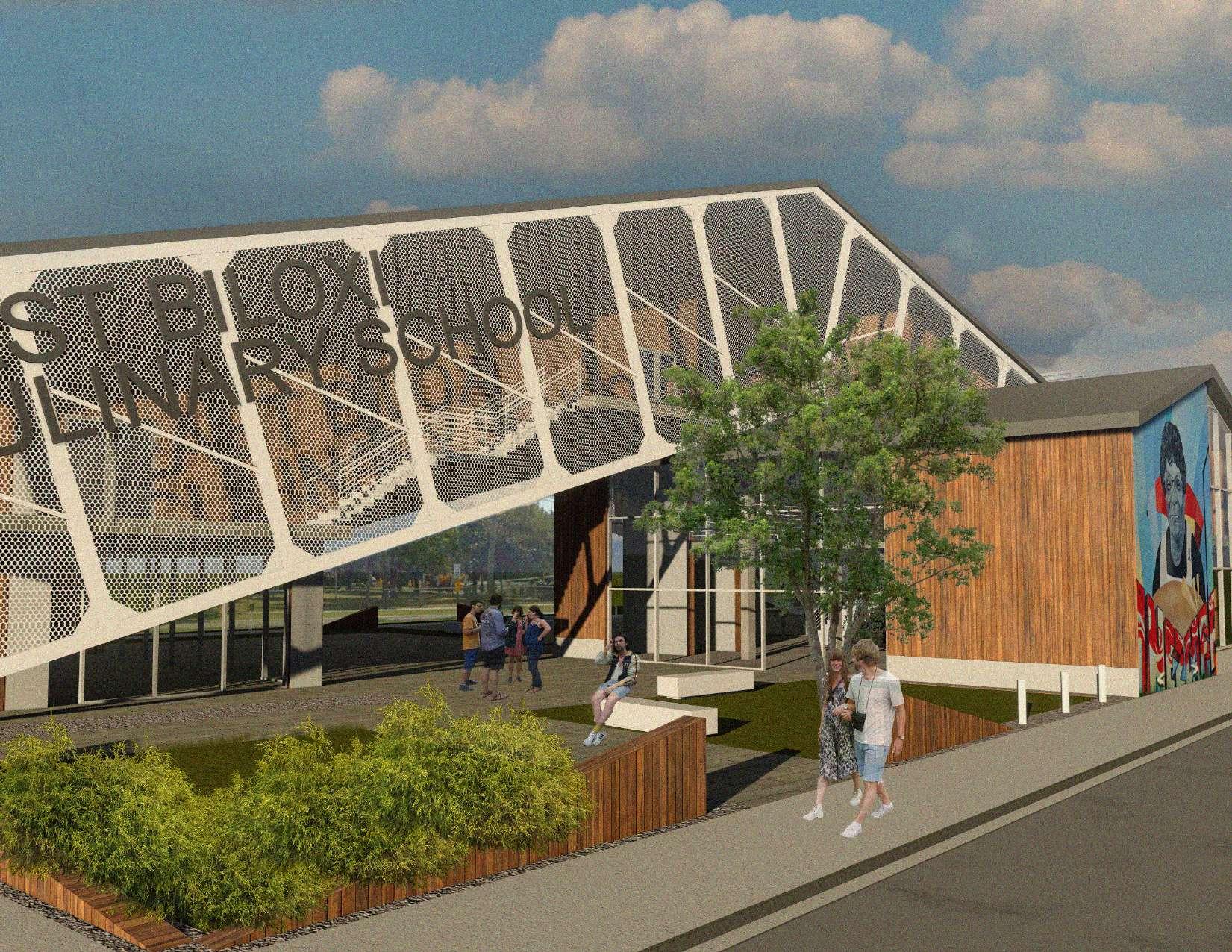
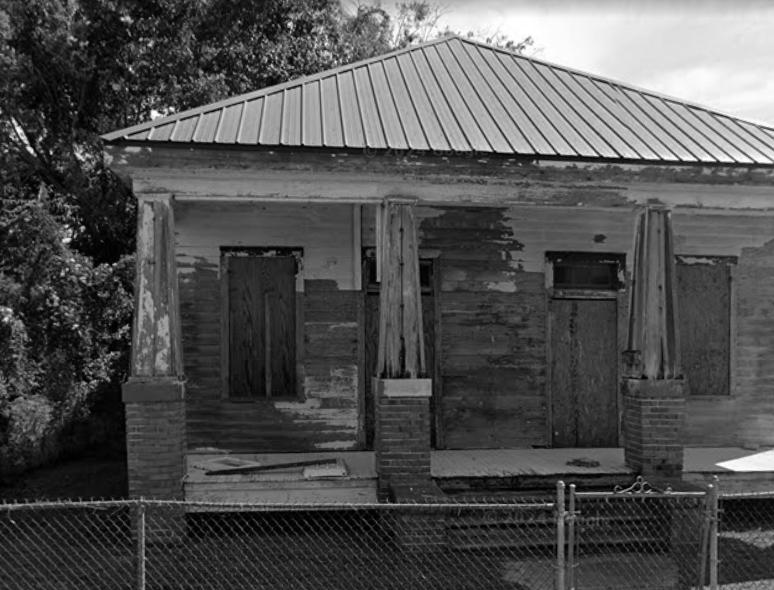
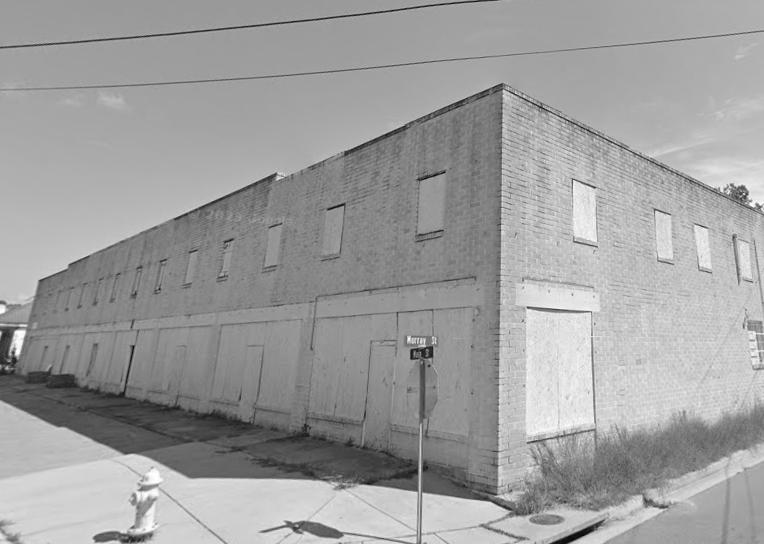
To fully maximize the use of the entire block, this project extends to both the Northeast and Southwest corners of the site. This strategic positioning not only optimizes space and functionality but also enhances the overall design by addressing security concerns through thoughtful placement of access points, natural surveillance, and site lines.
By anchoring each corner, the design allows the project to effectively define and dominate the block from all sides, eliminating any potential weak points that could feel isolated or unsafe. Given that this is a campus setting, establishing a clear and secure perimeter was a key consideration in the design process.
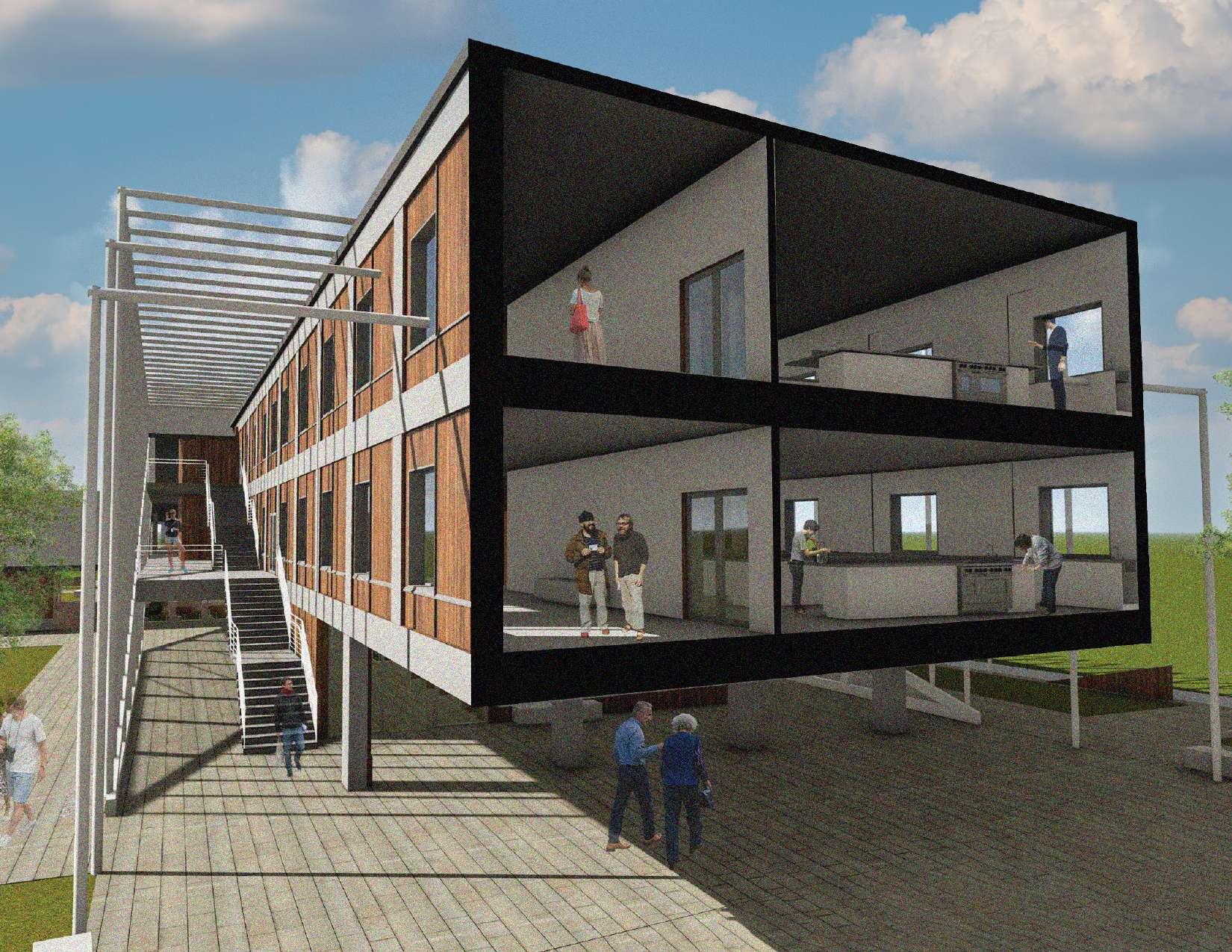
SECTION B
3rd Year- 2023 - Starkville, MS - Honorable mention for use of precast concrete
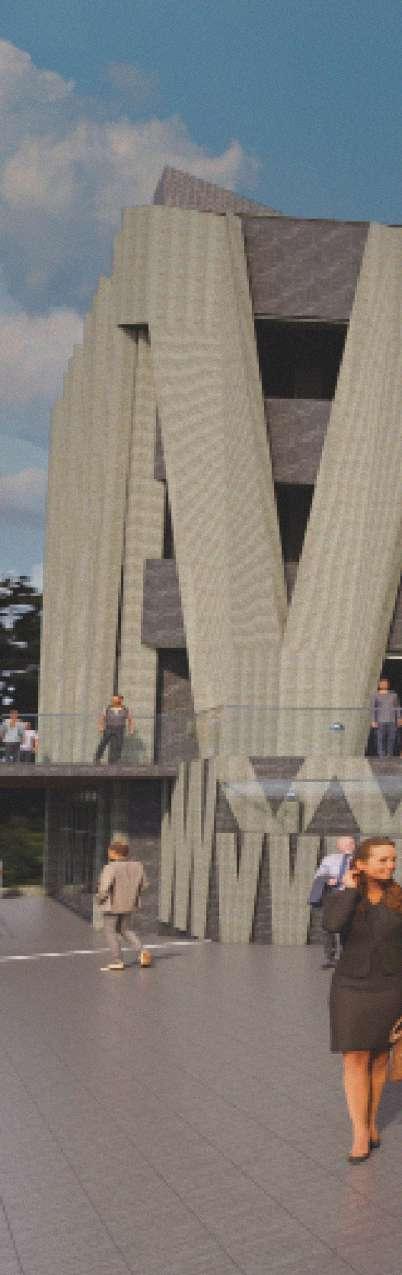
Centered around fostering community engagement, this project seeks to enhance the integration of Downtown Starkville by creating a dynamic space that serves as a connector for the Innovation Hub. Designed to be a vibrant focal point, the building will offer an inviting environment for pedestrians and visitors. Its welcoming courtyard provides a central gathering space, while the striking façade adds visual interest to the streetscape. Additionally, the multi-purpose rooftop offers versatile options for community events, gatherings, and recreation. Overall, this project is not only about linking the Starkville community to the Hub but also about bringing people together, encouraging interaction, and creating a shared sense of belonging and connection.
This project was a collaborative effort, and my role was that of the Project Designer.
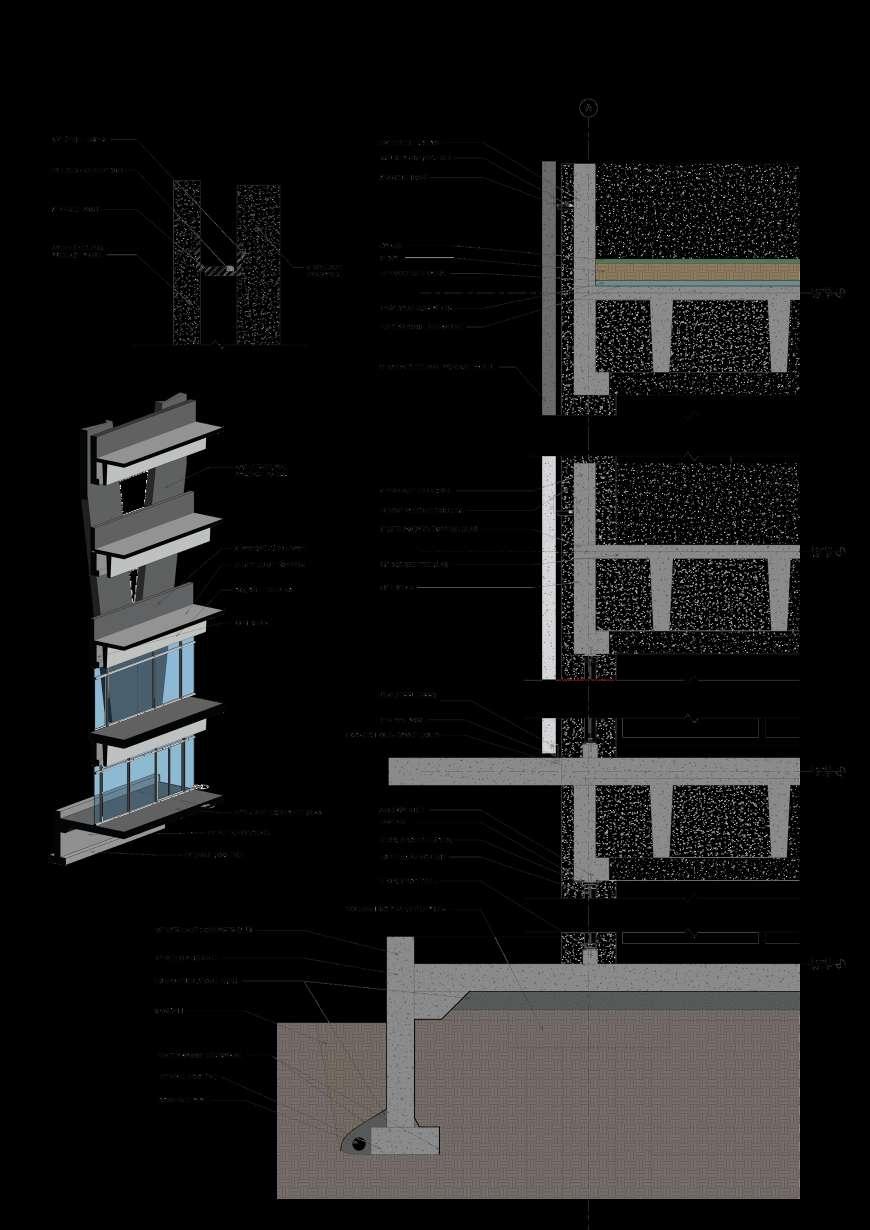
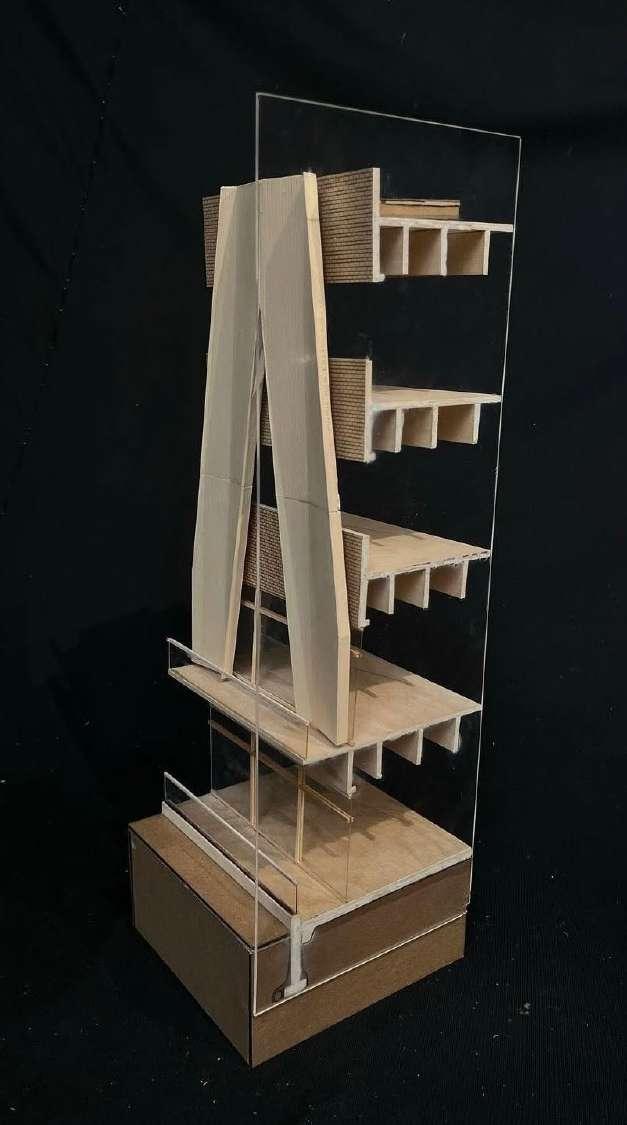
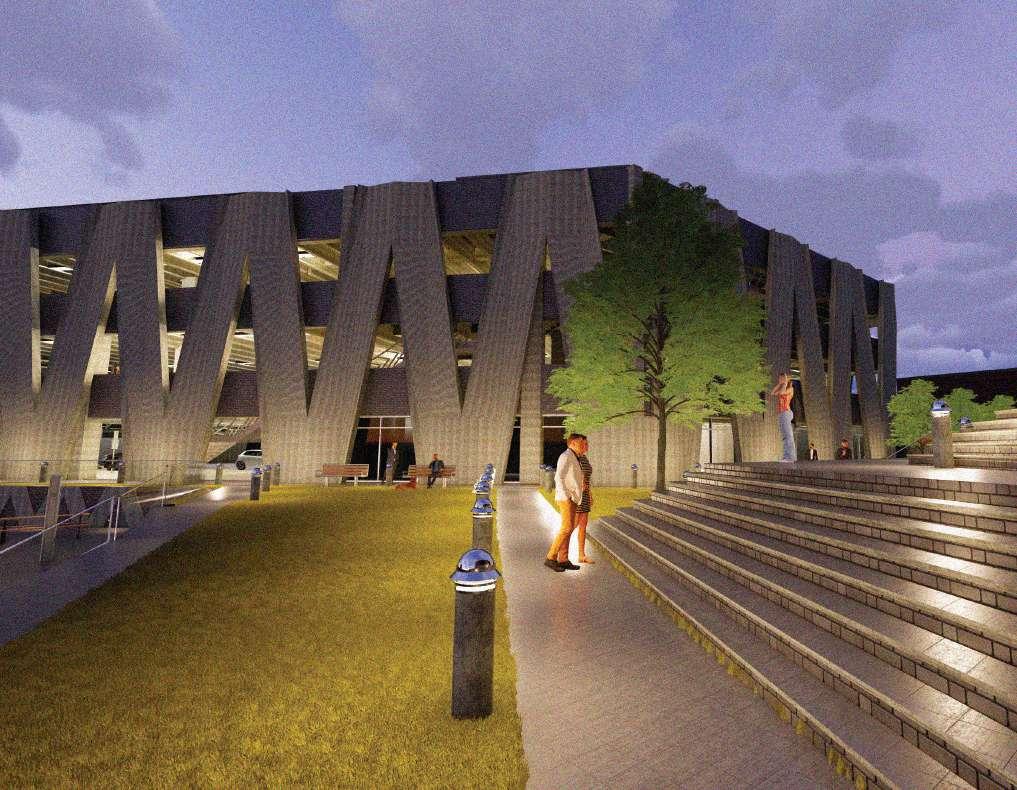
As a team, we were tasked with using a precast concrete panel system for the parking garage façade. Over the course of the semester, we developed several panel designs, each crafted in concrete. Ultimately, we chose a diagonal panel design, which we repeated to form the V shape that defines the façade. This approach allowed us to create a clean, impactful design while ensuring an efficient manufacturing process.
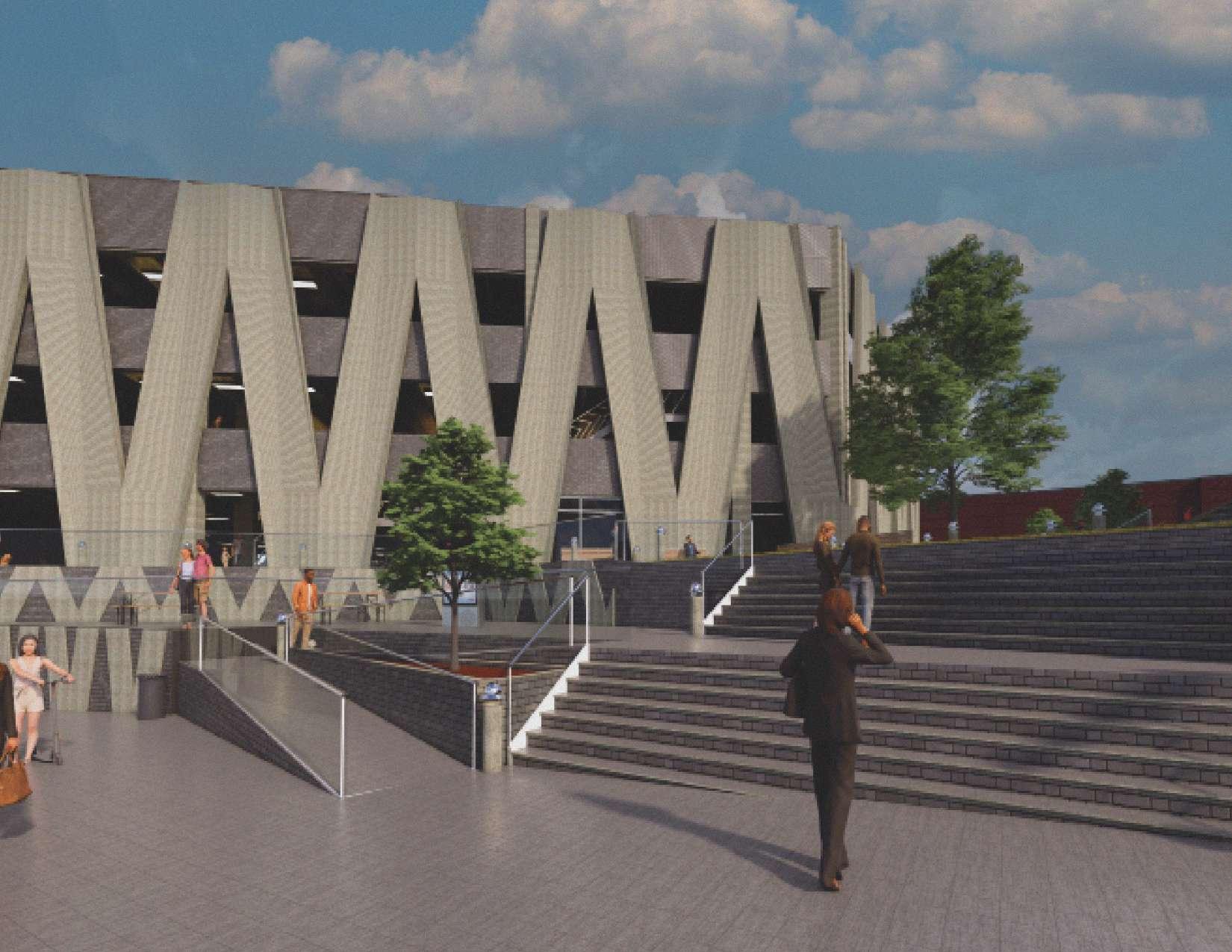
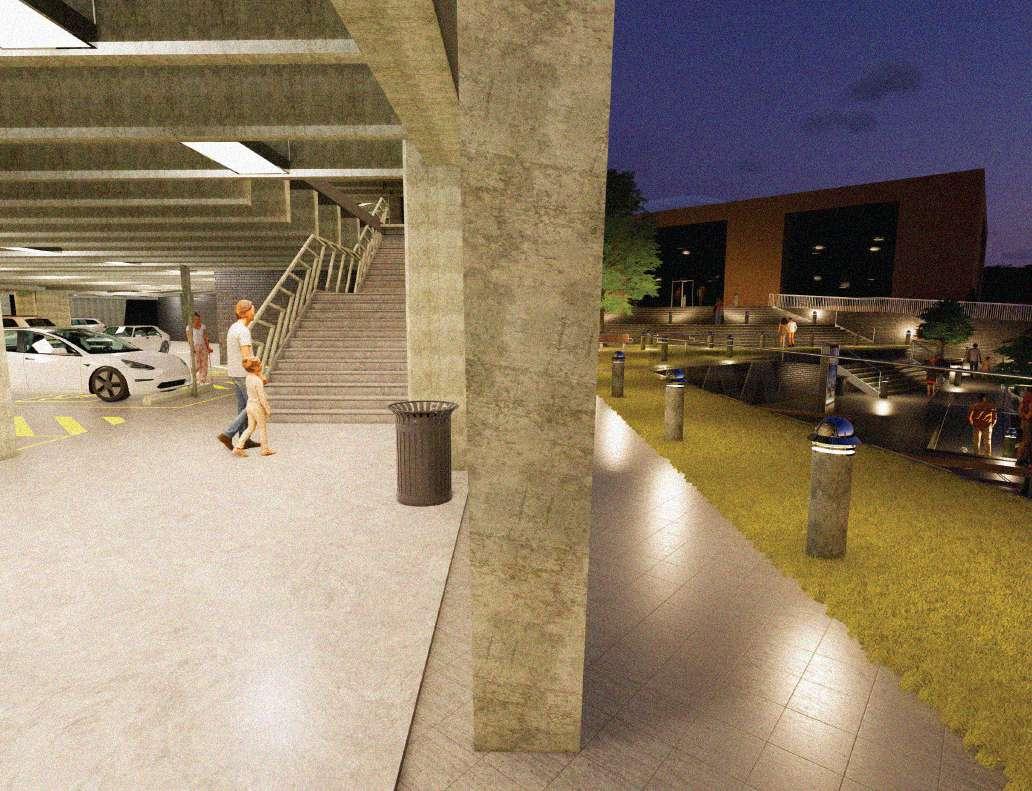
The Innovation HUB and its entrance courtyard were untouchable in this project, and instead served as an influence for new construction.
ADA ramps throughout wheelchair accessibility. main concrete panel
throughout the courtyard allow total accessibility. The ramps also mimick the panel design across the facade.
Courtyard and rooftop terraces, along with large grass areas create pedestrian seating destinations.
SITE PLAN
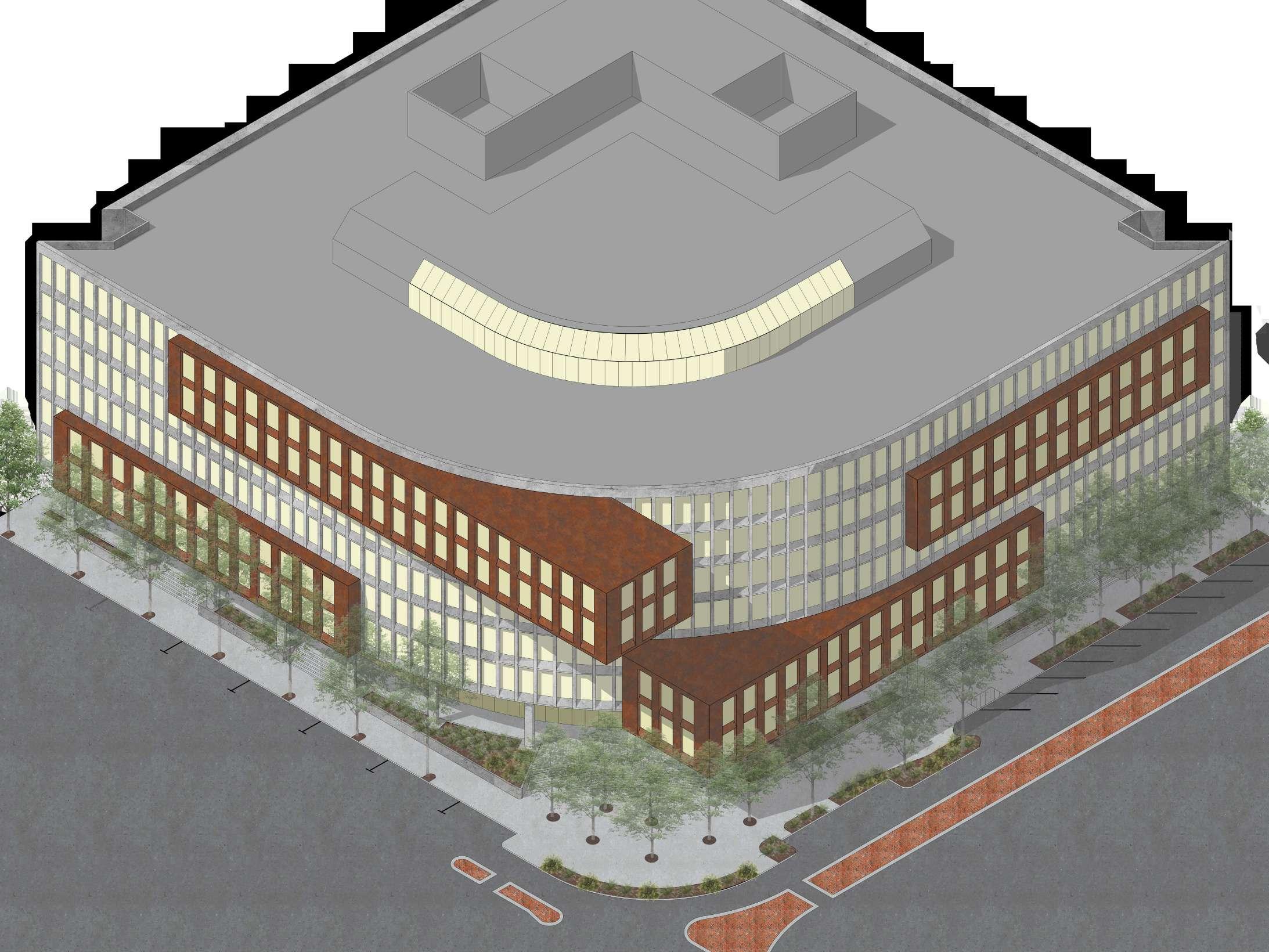
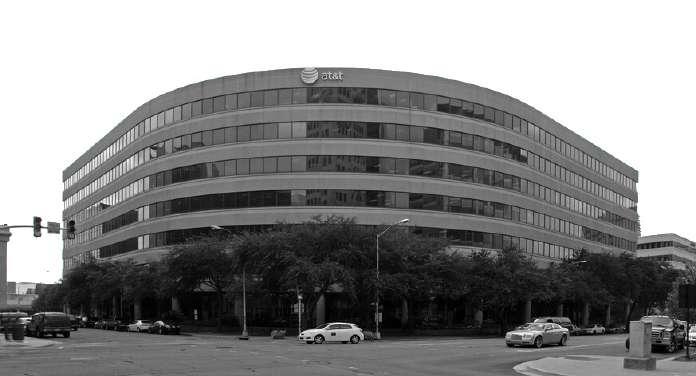
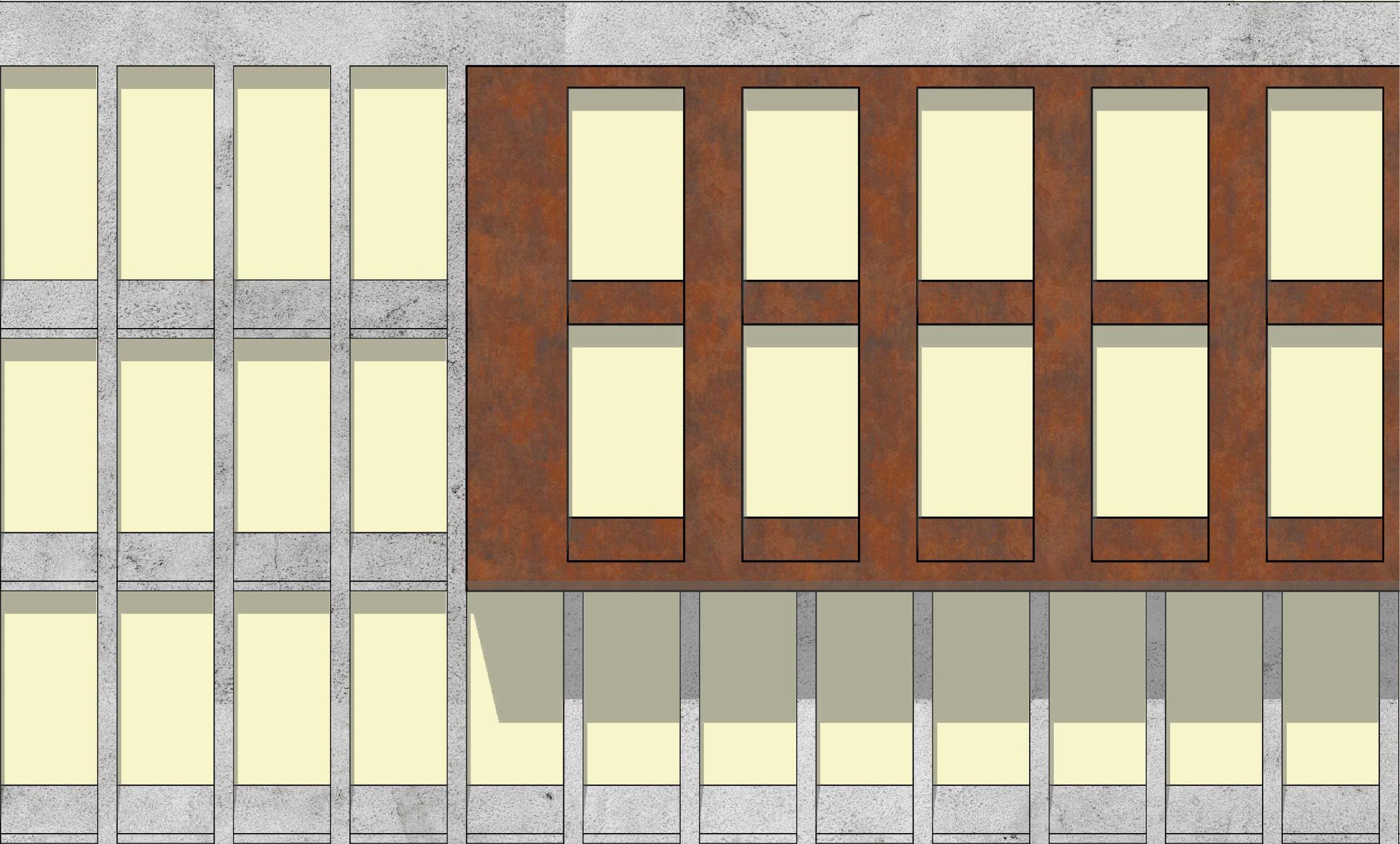
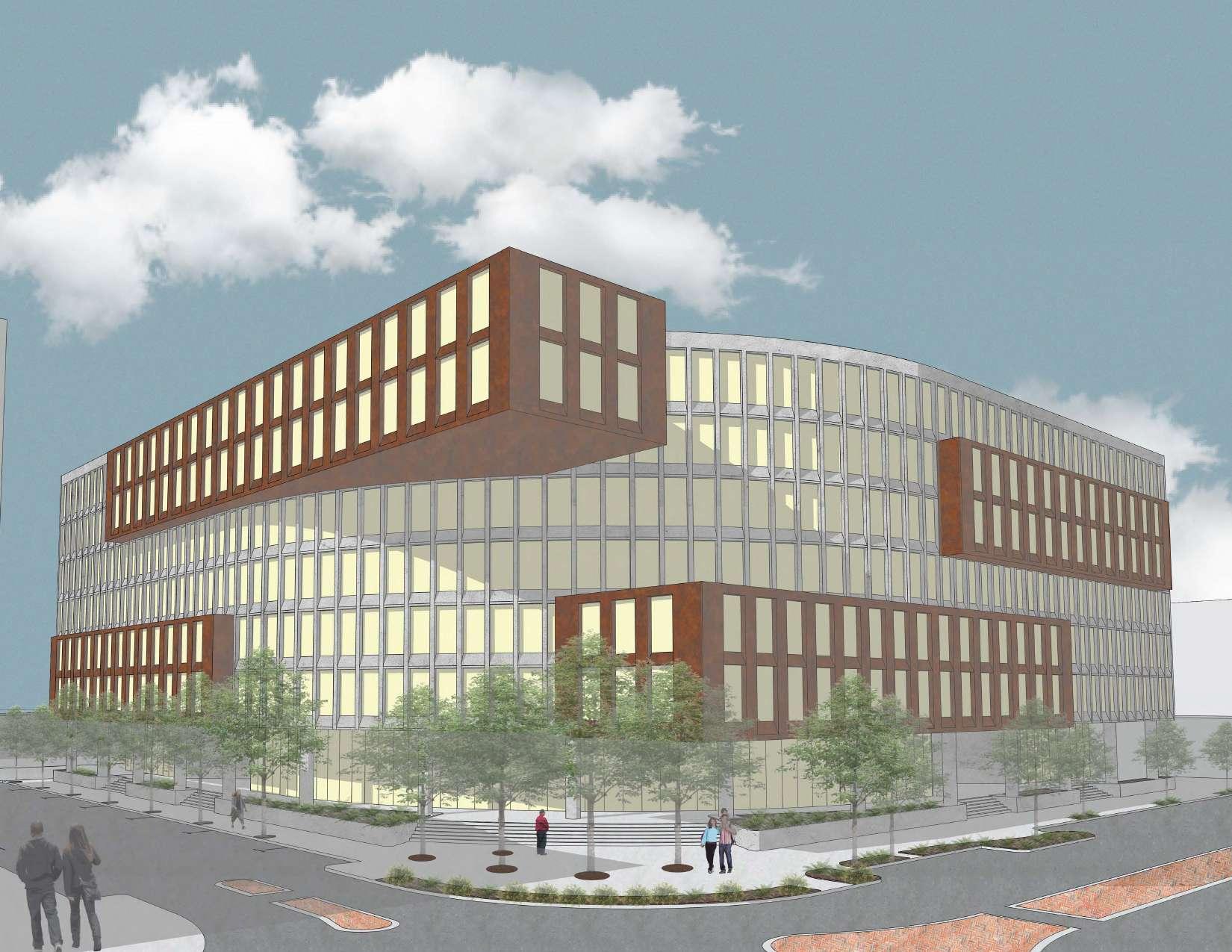
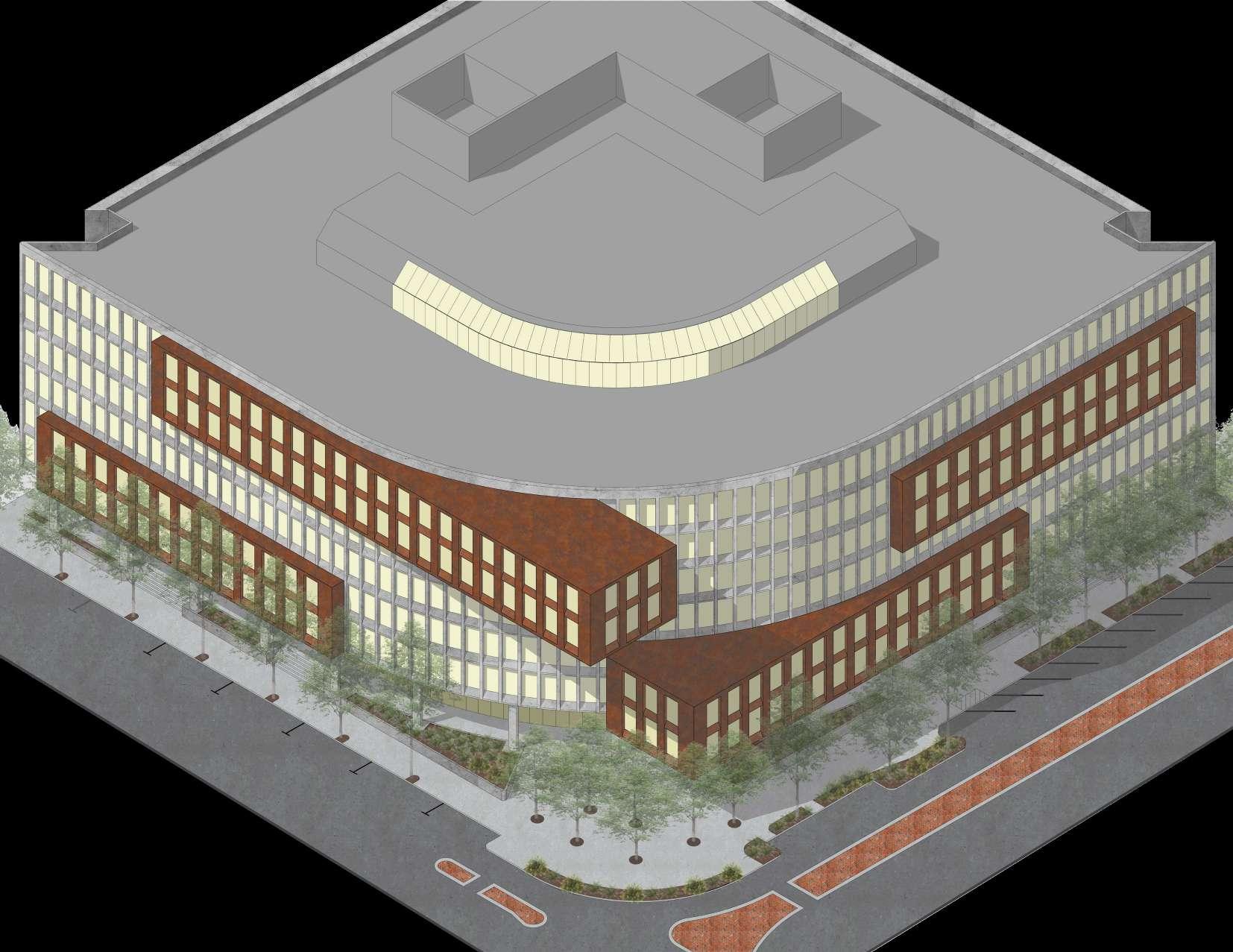
This project involved a one-month design process focused on redesigning the façade of the Landmark Building in Jackson, MS. We were required to preserve the building’s existing structure and were not allowed to alter the first floor. Additionally, we were advised to avoid incorporating a screen into the design. I was particularly committed to preserving the curved corner of the façade and sought to redesign it in a way that emphasized this feature. To highlight the curve, I extruded cantilevers along the façade, drawing attention to the existing form. To further enhance the composition, vertical concrete louvers were added to the original façade plane, transitioning the design from horizontal to vertical. The new vertical concrete surface now serves as a backdrop for the cantilevered corten steel extrusions, creating a striking contrast.
3rd-5th year
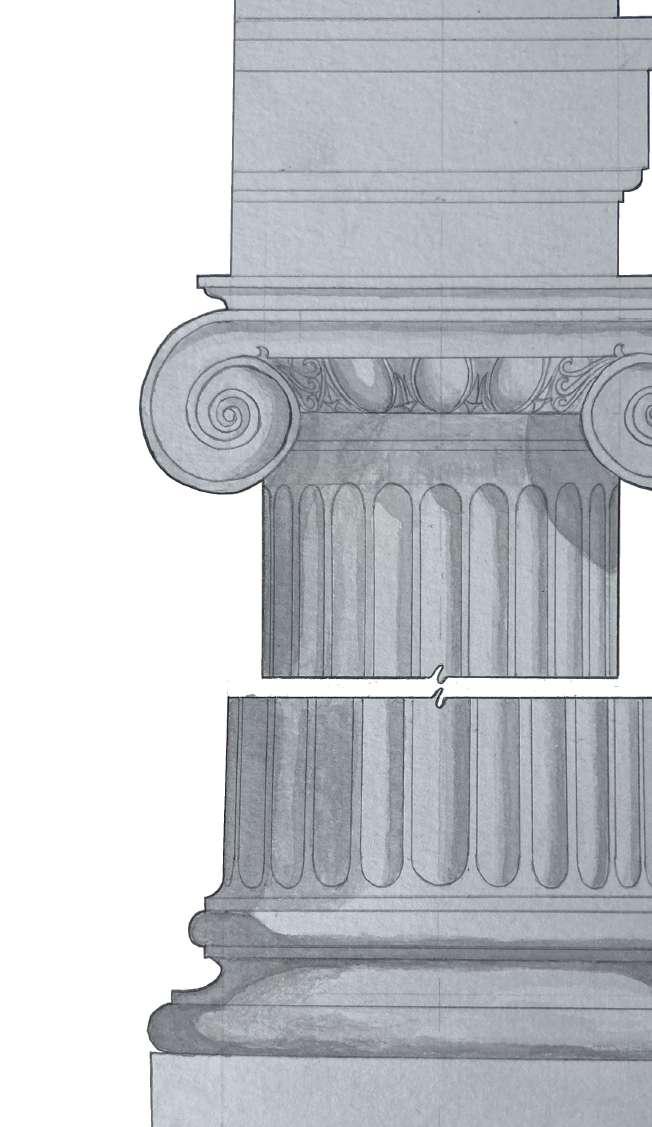
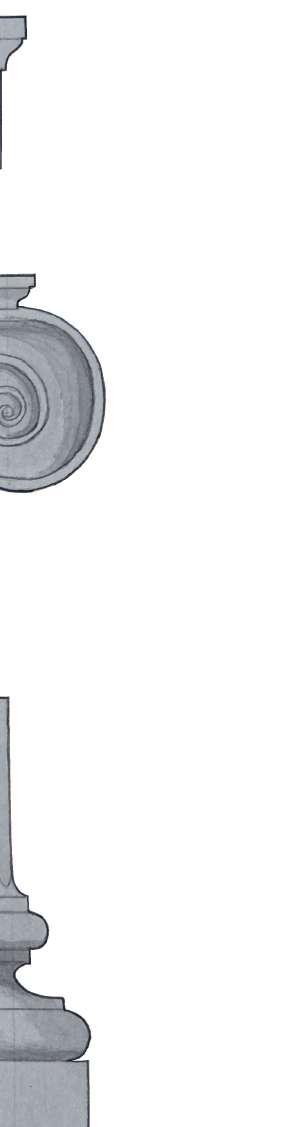
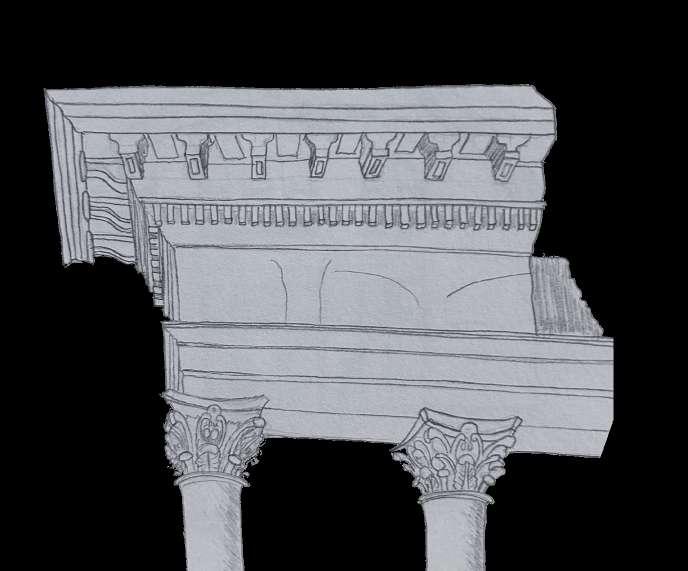
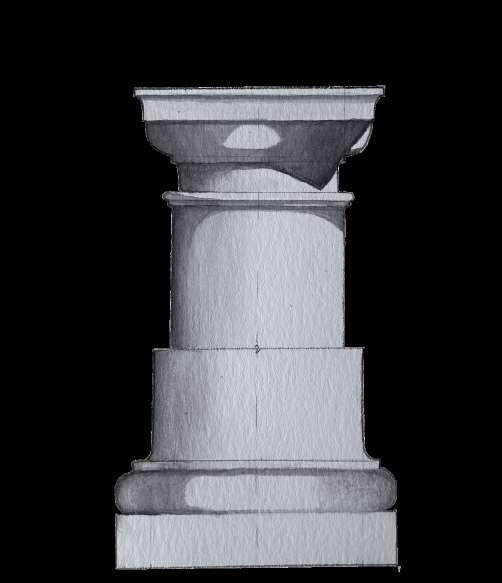
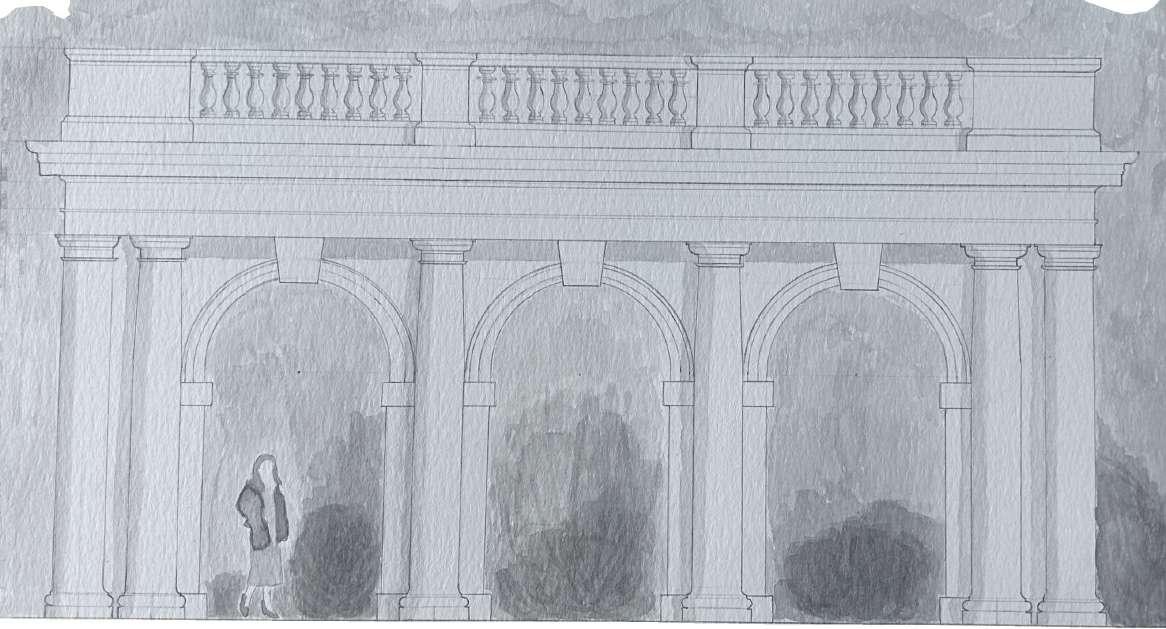
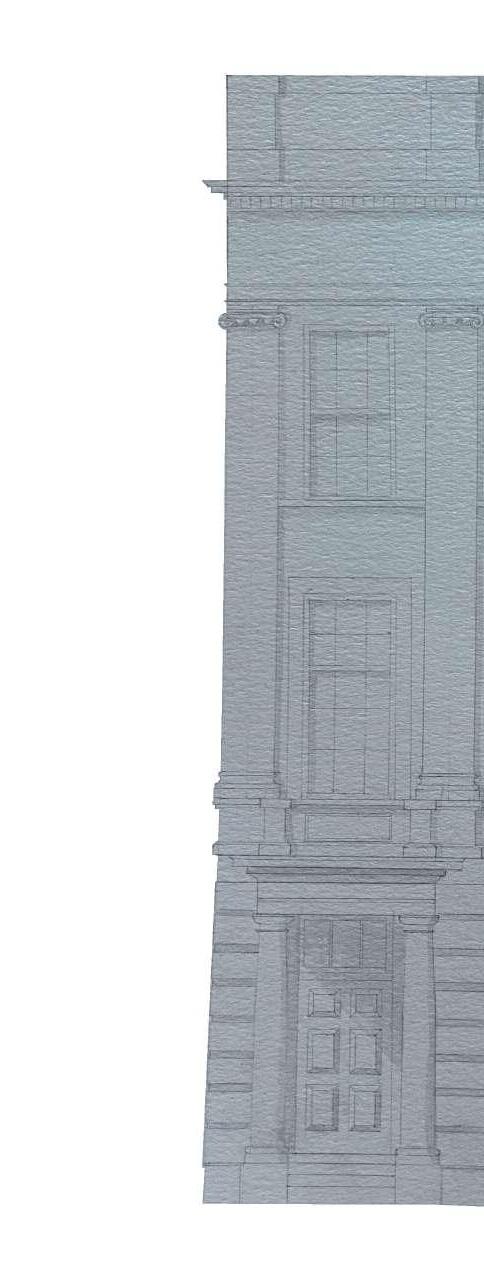
This is a small preview to the drawings I’ve done through my years of school. To the right are a collection of drawings from two classes I took in undergrad: “The Classical Language of Architecture”, and “Introduction to Historical Preservation”. It is a combi nation of freehand sketching, as well as drafting. The shading on the ionic column, doric column, and the pavilion were all done in ink wash.