
about me
As of autumn 2022, I am a student in the master’s program in Architecture and Urban Design at the Chalmers University of Technology in Sweden. I am an open-minded person and eager to explore the world which led me to spend the past 3 years developing my education at the University of Lisbon and deepening my design skills while working in an architectural office - studio ABACAXI in Rotterdam, Nether- lands. In my work, I try to experiment with different types of graphics, but above all, I look for solutions that are accessible to all, with an emphasis on the elderly and people with disabilities. The recent time during pandemic crisis has shown us that as a society, we should be prepared for different emergency options, so furthermore, I believe that sustainable and accessible architecture are the pillars of contemporary design. Architecture is not my only passion. Besides it, I enjoy travelling and combining it with extreme sports. I devoted last year to improving my surfing and climbing skills. Apart from sports, I like analogue photography and collecting vinyl records.

08/2022 - currently
02/2019 - 06/2022
09/2020 - 06/2021
Chalmers University of Technology / Sweden
master’s program in Architecture and Urban Design contact: joaquim.tarraso@chalmers.se
Silesian University of Technology / Poland
bachelor of science in architecture contact: joanna.gadkowska@polsl.pl
University of Lisbon / Portugal
bachelor of science in architecture
09/2017 - 06/2018
Gdansk University of Technology / Poland
bachelor of science in architecture
09/2021 - 03/2022
ABACAXI STUDIO
experience
internship in an architecture studio based in Rotterdam, Netherlands contact: +31 (0)6 17 31 61 28 / info@studioabacaxi.com
02/2020 - 08/2021
Laboratory of Architecture 60+
member and editor of a foundation focused on arch for elderly contact: labusagnieszka@gmail.com
09/2019 - 03/2020
Laka Foundation / Design That Educates Awards
editor, researcher, social media manager, person responsible for contact with competition participants, judges contact: foundation@lakareacts.com
achievements
03/2022 - 06/2022 1st prize in “space for everyone” competition / poland author of the project
03/2022 - 06/2022 finalist of art-therapy center competition / england author of the project
05/2022 - 07/2022 shortlisted in lake mývatn competition / iceland co-author of the project
04/2021 - 06/2021 finalist of water temple competition / mexico co-author of the project
04/2019 - 06/2019 3rd prize in geosfera competition / poland
co-author of the project
student research groups / activity
- revit
- 3ds Max
- autocad
- archicad
- photoshop
- lumion
- rhinoceros
- indesign
- illustrator
certificates
04/2021 - 07/2021
LAB 60+
group focused on universal design and researching the topic of senility in architecture, urbanism and design / 2018 - till now
- Revit 2019 Architecture Course
- Modelling and 3D printing workshops “modelOn”
- english (fluent)
- polish (native)
languages
interests / passions
02/2019 - 06/2019
Student Council of Silesian University of Technology
member of architectural student council / 2018-2020
- analog photography
- climbing
- surfing
- gravel biking
- running
collection of individual and group work from the period of 2020 - 2023
“art-ium” art therapy center in Pleasington - competition design proposal for art therapy center in Pleasington, UK individual work / engineer degree project / Silesian University of Technology 2022 / supervisors: prof. Agnieszka Bugno-Janik
“The Quarter” - architecture project proposal for collective housing and service zone in Portela de Sintra, Portugal individual work / University of Lisbon 2021 / academic project / supervisors: prof. João Pedro Costa & prof. Allesia Allegri design
“study of lindholmen’s DNA transformation based on archival drawings” - matter, space, structure I individual work / Chalmers University of Technology 2022_2023 / supervisors: prof. Naima Callenberg & Peter Christensson
“Lake Mývatn Community Center” - lake Mývatn community house competition by Buildner in Iceland result: shortlisted /group work / non-academic project 2022 / co-authors: Bartosz Szczyrk, Martyna Kotulek
“The Invisible Temple” - the water temple competition by Quechua Architecture Competition in Santa Maria Regla, Mexico result: finalist / group work / non-academic project 2021 / co-author: Bartosz Szczyrk
“The Green-Station” - interwine urban fragments / strategic proposal and urban project in Portela de Sintra, Portugal group work / University of Lisbon 2021 / academic project / co-authors: Hanna Galas, Paulina Konsek / supervisors: prof. Allesia Allegri
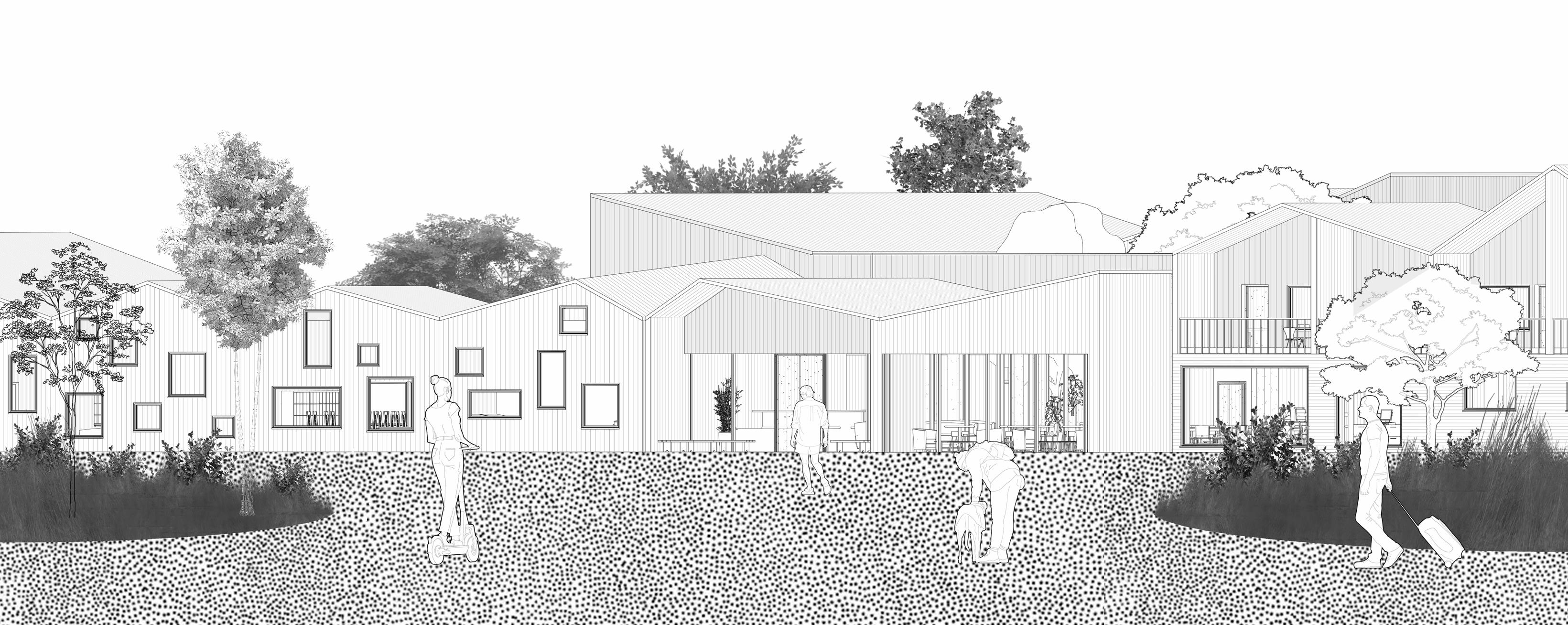
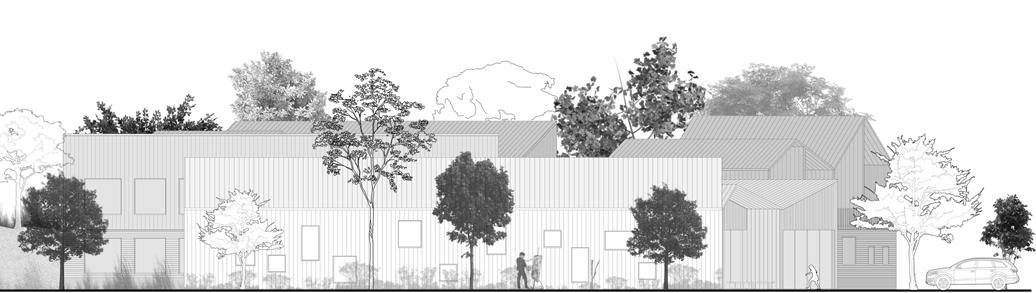
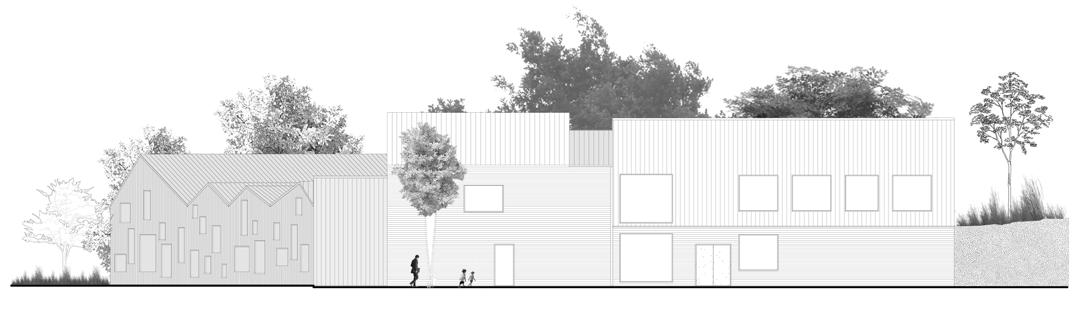
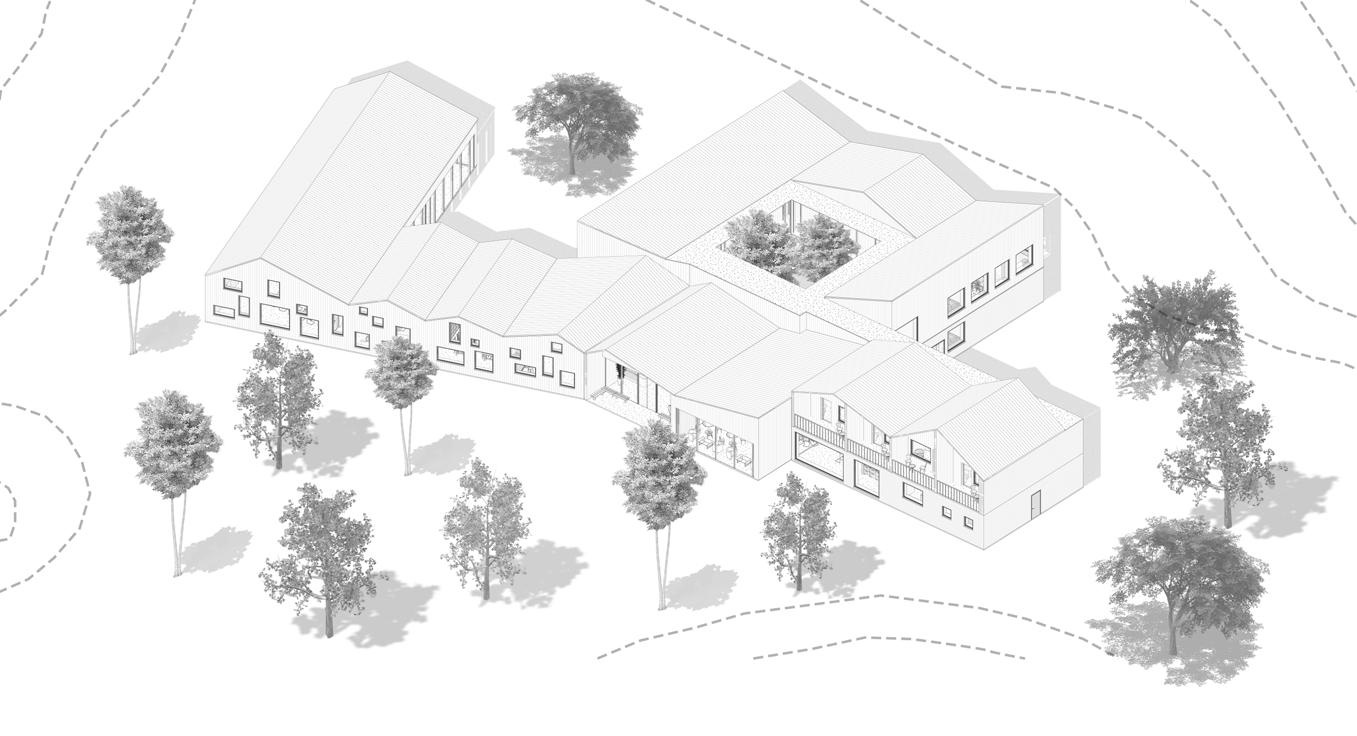
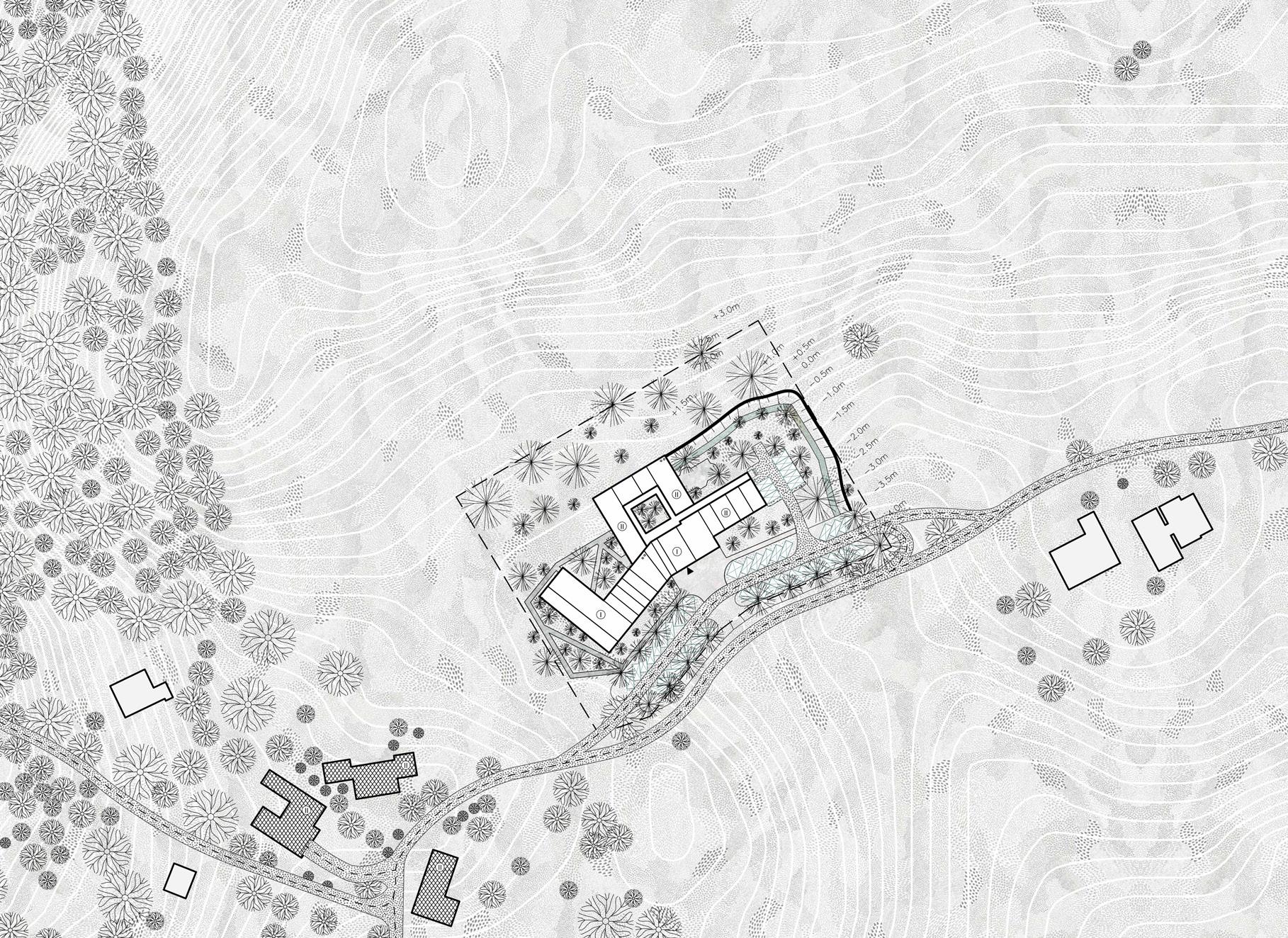
The idea of the project is to create an accessible, two-storey building, which will refer to the surrounding architecture of Pleasington by its material but above all by its shape. The architectural competition was to design a therapeutic space for painting, sculpture and music as part of an art therapy program. The goal of the project is to create a space that will provide a platform for people to practice these art forms in groups, and its architecture will not only enable their work process but also create a healing and relaxing environment. This environment includes not only the building, but also the design of the therapeutic green space outside, but also inside the centre, as well as parking spaces. The building must meet the requirements of the art therapy center but also fit well into the established architectural canons of Pleasington and the surrounding area.
Pleasington, UK
53.733°N 2.544°W
1st prize in “Space for everyone”competition (PL) / finalist of art therapy center competition (UK)
Academic project / Individual work 02/2022 - 06/2022
engineer degree diploma / VIII semester Silesian University of Technology
supervisors: prof. Agnieszka Bugno-Janik / Agnieszka. Bugno-Janik@polsl.pl
1.
author: M. Benek / site plan
author: M. Benek / west elevation
author: M. Benek / east elevation
a volume based on world directions and idea of centric atrium
2. Dividing the volume into separate functional zones
3. Variation of roof height according to the function inside
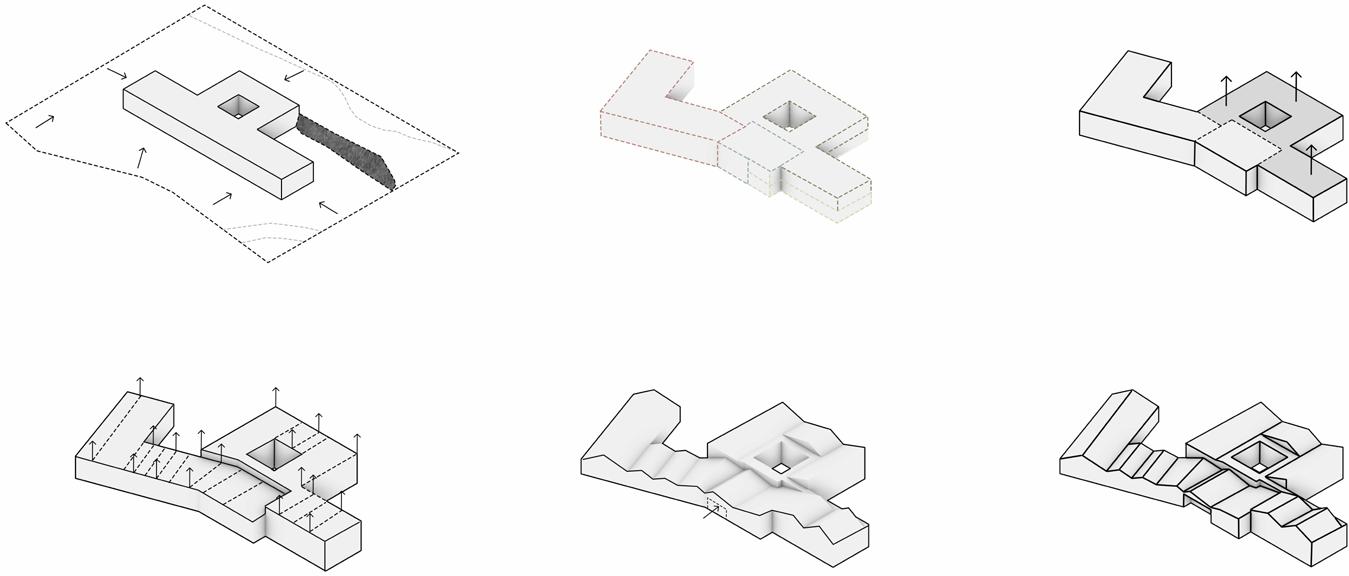
5. Emphasize the entrance are by cutting the volume
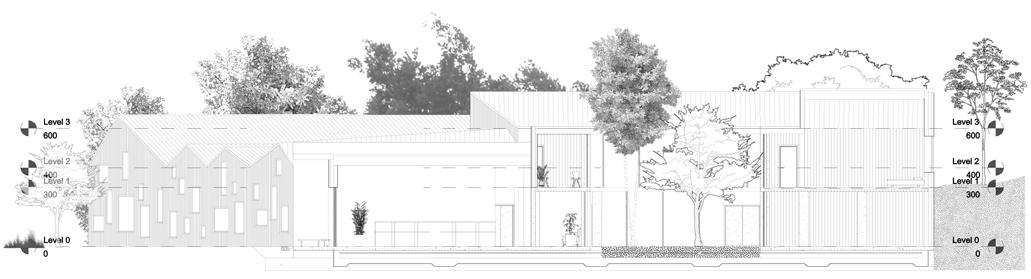
author: M. Benek / section B-B
author: M. Benek / ground floor plan
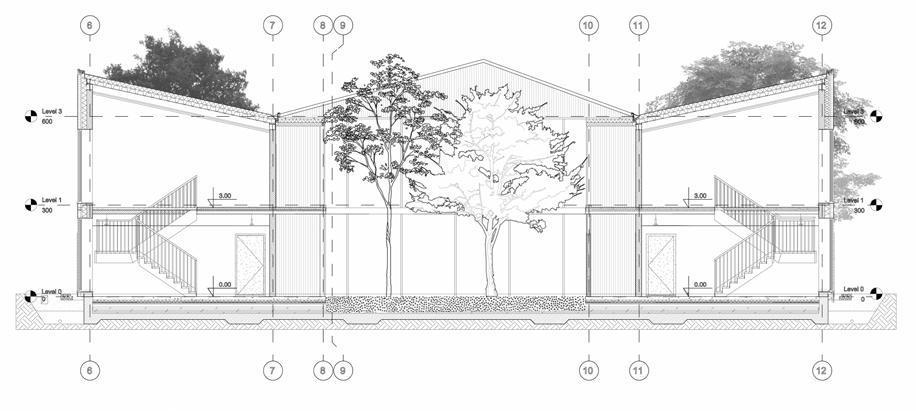

author: M. Benek / section A-A
author: M. Benek / south elevation
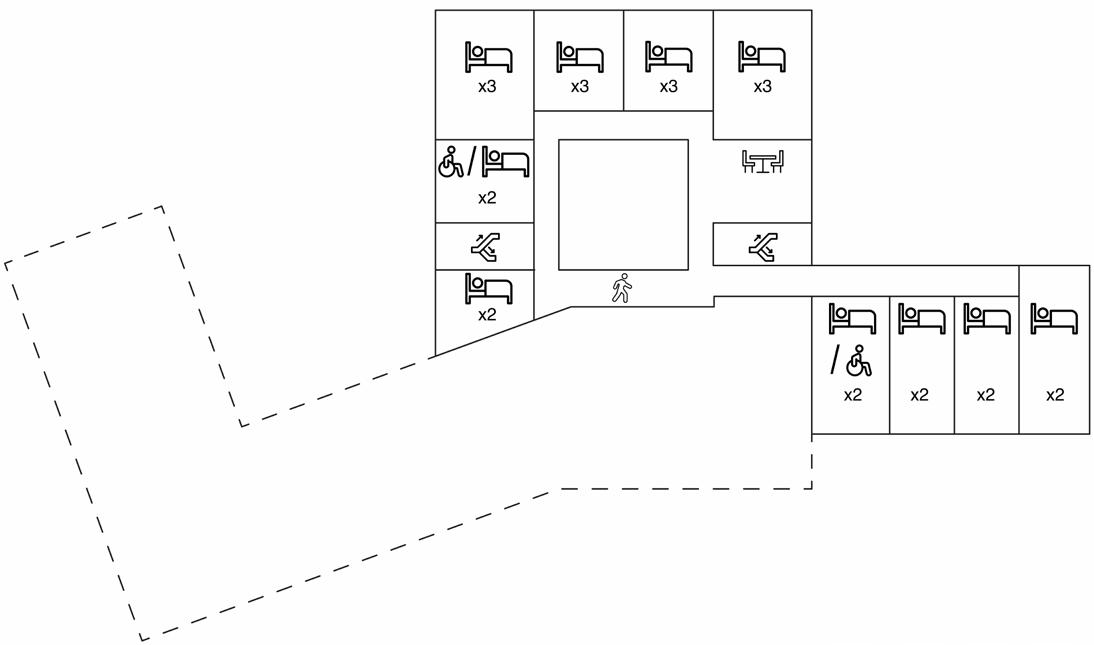
The first floor of the building was divided into zones such as the entrance zone, classroom zone, technical rooms zone, atrium as a green centre of the building providing natural lighting, administration zone and exhibition zone. On the right side of the first floor, we can find the catering zone, which includes a restaurant and kitchen facilities. The second floor has a completely different function and it contains the accommodation zone, which can accommodate up to 25 people at a time. In addition to the hotel zone, the floor also consists of many common spaces facing the atrium. The idea of separating the daily use areas such as the restaurant, the exhibition area and above all the art therapy spaces from the hotel area is to create a natural zone of calm, undisturbed by visitors, a space in which patients feel comfortable even after classes. The space has been designed to be accessible also to people with disabilities, taking into account as many dysfunctions as possible that the user may have. The hotel zone not only has living rooms but also common areas facing the green atrium to bring users together.
KONSTRUKCJA DACHU:
jednowarstwowa membrana bitumiczna
ROOF CONSTRUCTION single-layerbitumen membrane
160 mm izolacja termiczna z pianki sztywnej (paroizolacja)
160mm rigid foam thermal insulation (vapour barrier
150 mm blacha trapezowa
150mm trapezoidal sheet
270 mm belka stalowa
270mm steel beam
12,5mm płyta gipsowo-kartonowa na podkonstrukcji
12.5 drywall on substructure
KONSTRUKCJA ŚCIANY: 20 mm panele z drewna dębowego
40 mm podkonstrukcja z pustką wentylacyjną 150mm izolacja termiczna
bariera paroszczelna 200mm mur z piasku wapna
WALL STRUCTURE 20mm oak wood panels 40mm substructure with ventilation gap 150mm thermal insulation vapor barrier 200mm sand and lime wall
KONSTRUKCJA GÓRNEJ KONDYGNACJI:
UPPER FLOOR STRUCTURE
90 mm wylewka
20 mm panele laminowane 90 mm beton
340 mm prefabrykowana płyta betonowa
mm stalowa belka
15 mm sufit podwieszany z płyt gipsowo kartonowych
author: M. Benek / section in detail
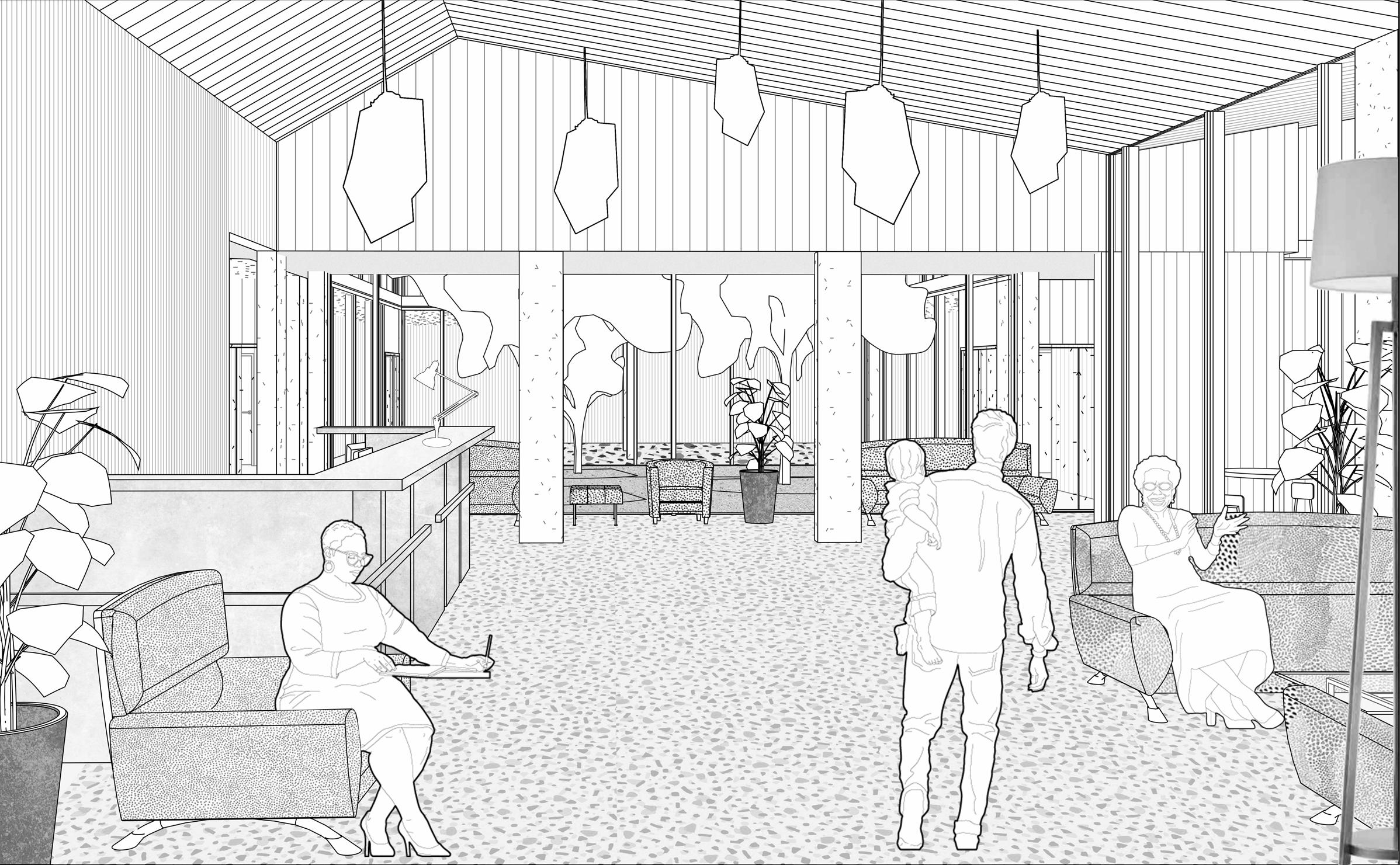
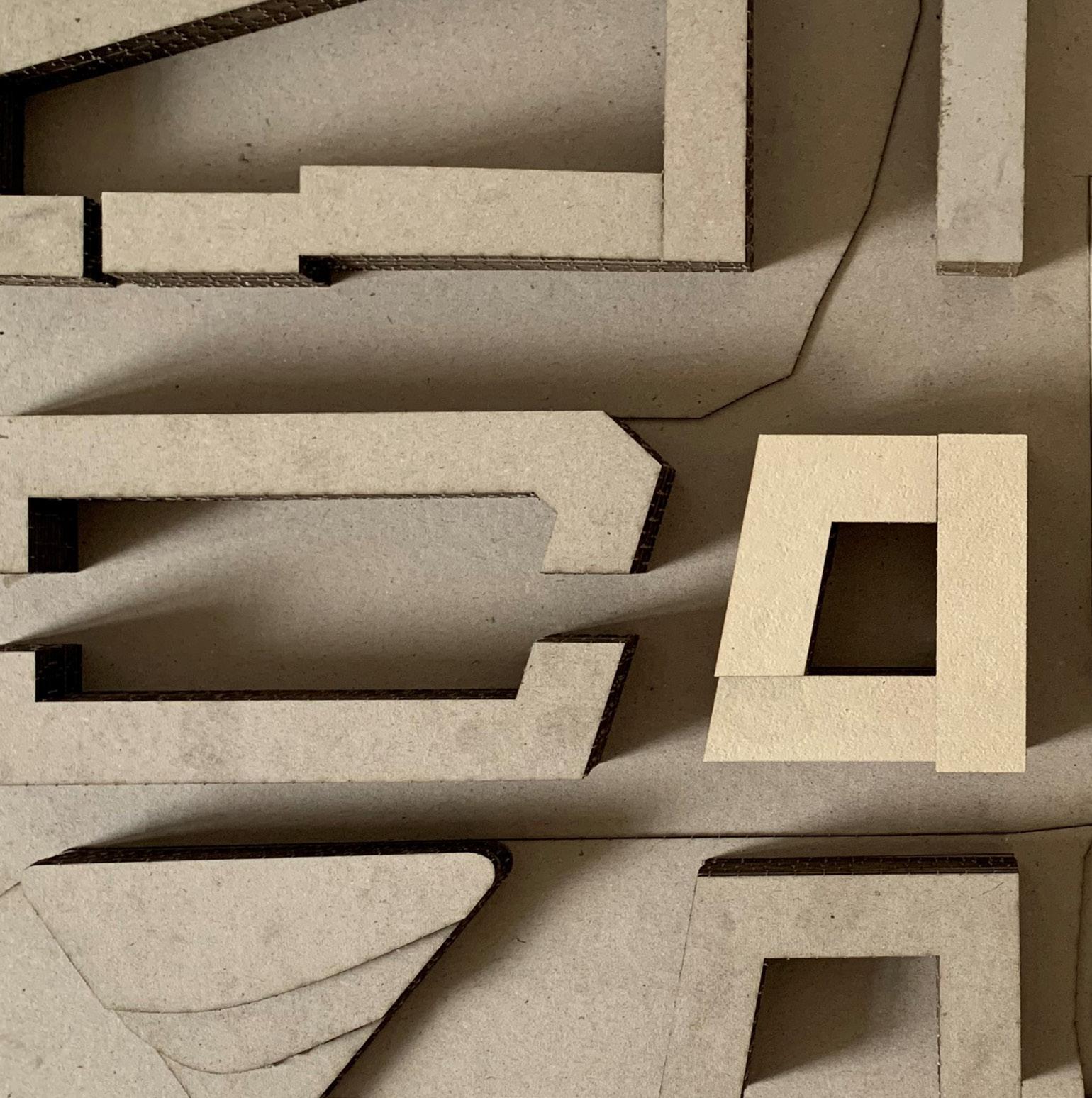
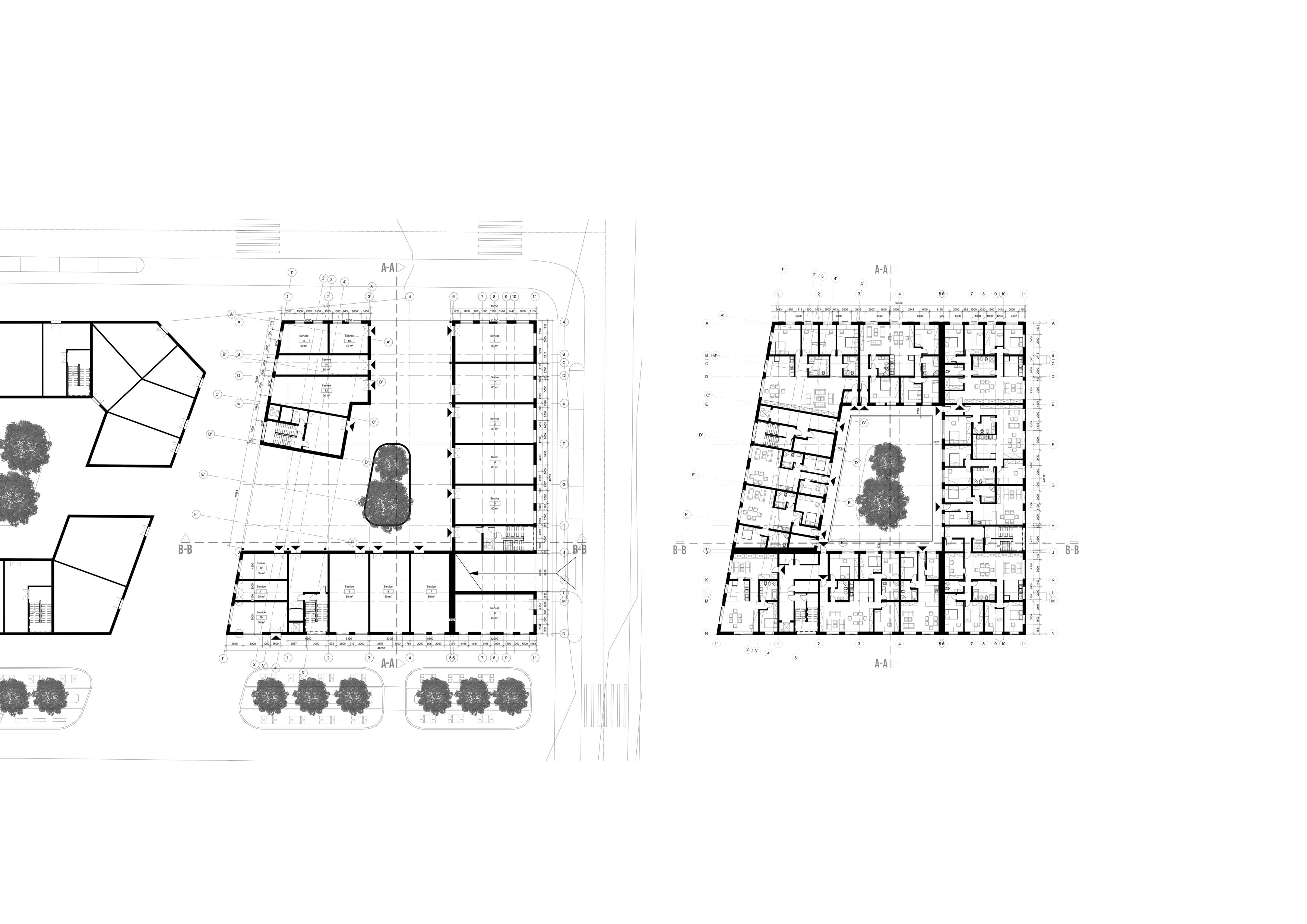
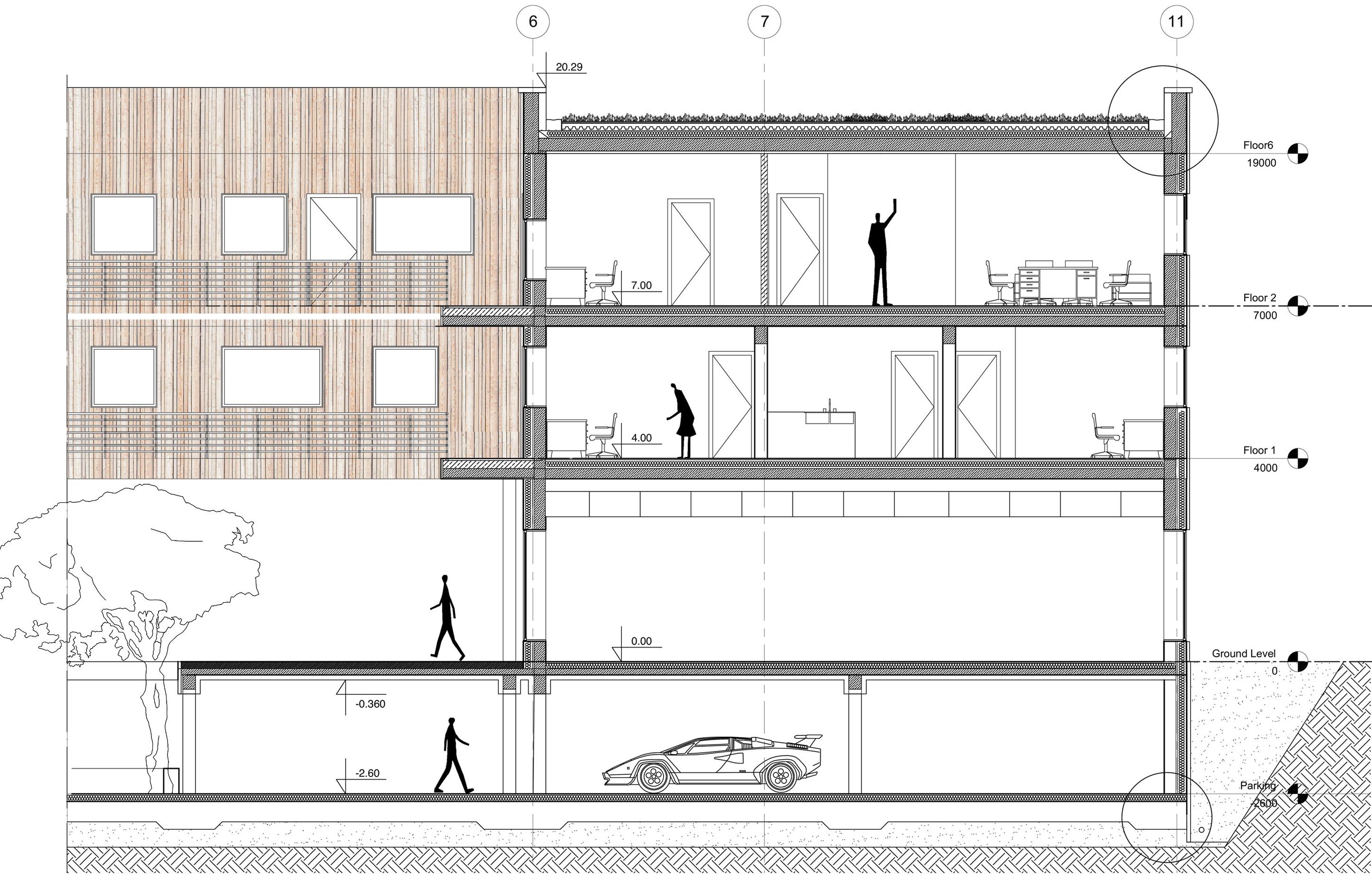
The design of “The Quarter’ refers to the surrounding buildings, which are characterised by inner courtyards. The design idea was based on centralising all the services and communal space in an intimate courtyard, that is filled with greenery. To make things more intriguing, people accessing this space at the ground level can only see the crowns of the trees, that extend from the parking lot. This was intended to minimise the shadow impact in the already darkened space. The inspiration for the gallery-type building came from “The Carré” residential complex, designed by Rem Koolhas and OMA in Breda, Netherlands.
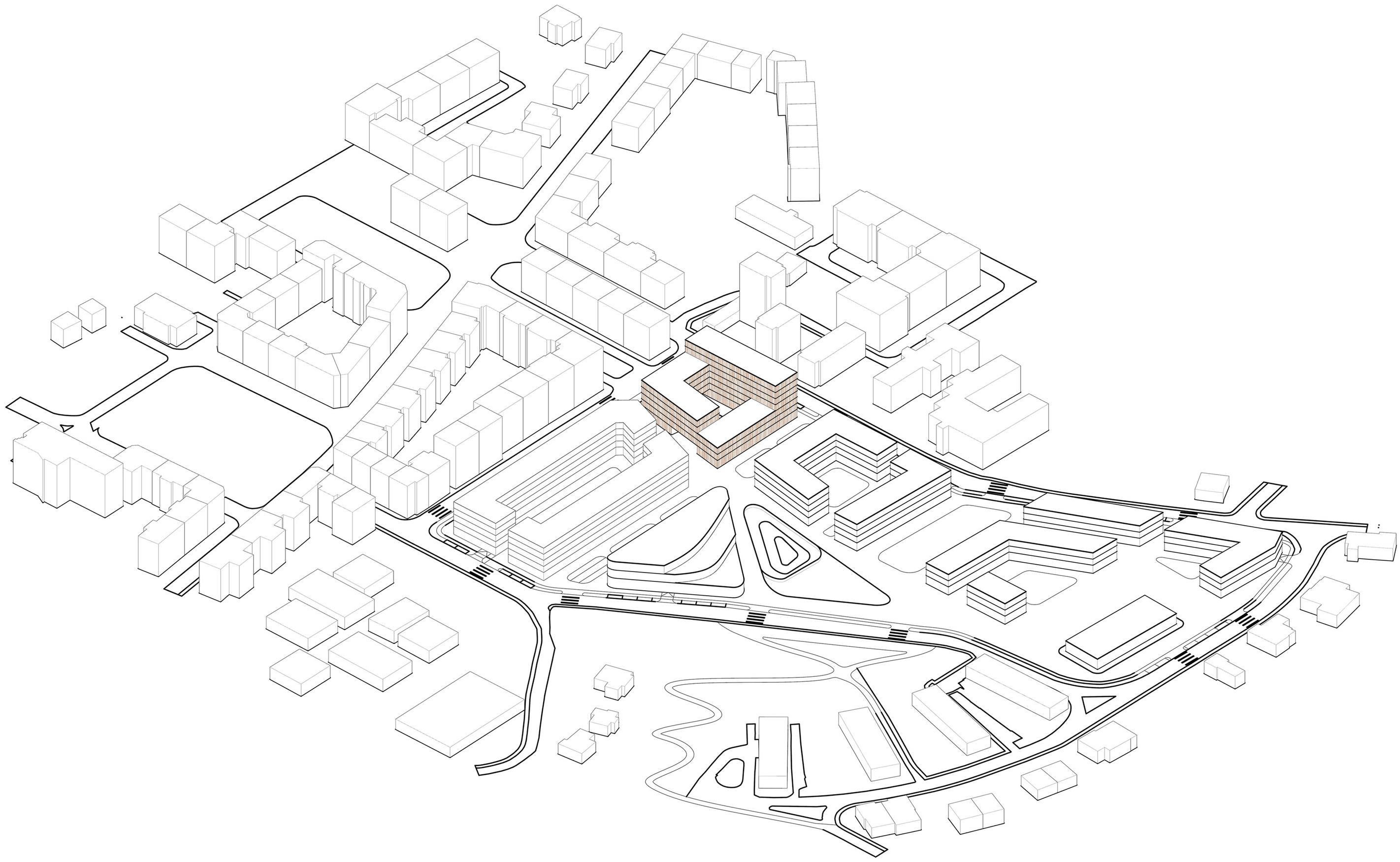
Portela de Sintra, Portugal
38° 48’’ 08, 13’’ N, 9° 22” 35,05” Academic project / Individual work 02/2021 - 06/2021
Laboratório de Projecto II / VI semester
University of Lisbon
supervisors: prof. João Pedro Costa / joao.pedro.costa@sapo. pt
prof. Allesia Allegri / allegri.alessia@gmail.com
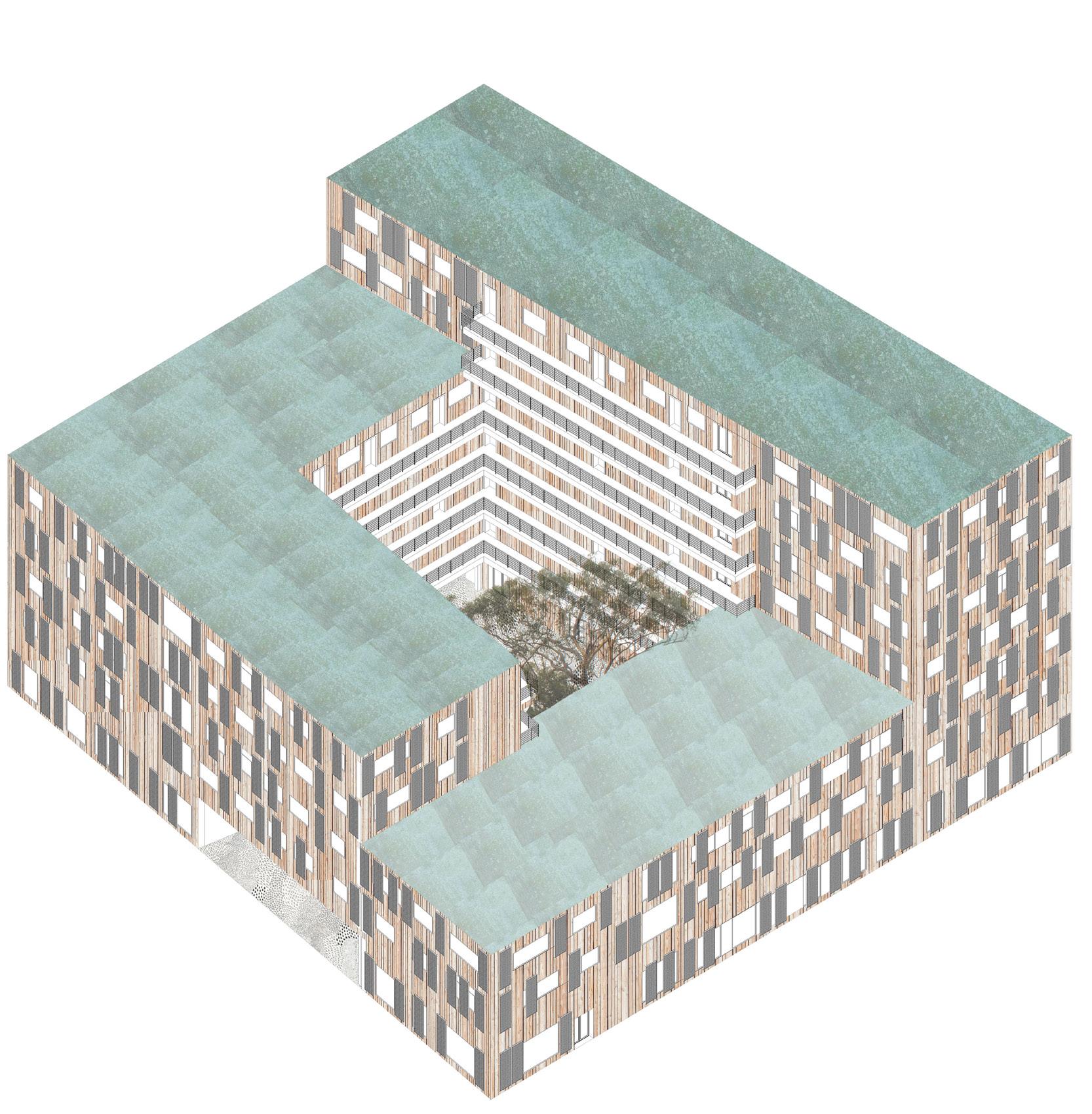
 author: M. Benek / axonometry
author: M. Benek / detail of a roof structure
author: M. Benek / technical drawing of a section
author: M. Benek / detail of a fundament with a layer description
From the beginning of the studio, my attention was drawn to the history of changes of Lindholmen. I wanted to highlight the fact that Lindholmen as a site changed its function repeatedly, which caused DNA alteration. My goal was to ask what is the next step in the transformation of this DNA. What should we do in order not to completely deprive the district of its old qualities? How can we manipulate DNA in the future? Through the following graphics, I tried to show how the character of the district has changed so far. My main tool became materials which I have found in archives.
Göteborg, Sweden
57°40”18”N 11°58”51”E
Academic project / Individual work
08/2022 - 01/2023
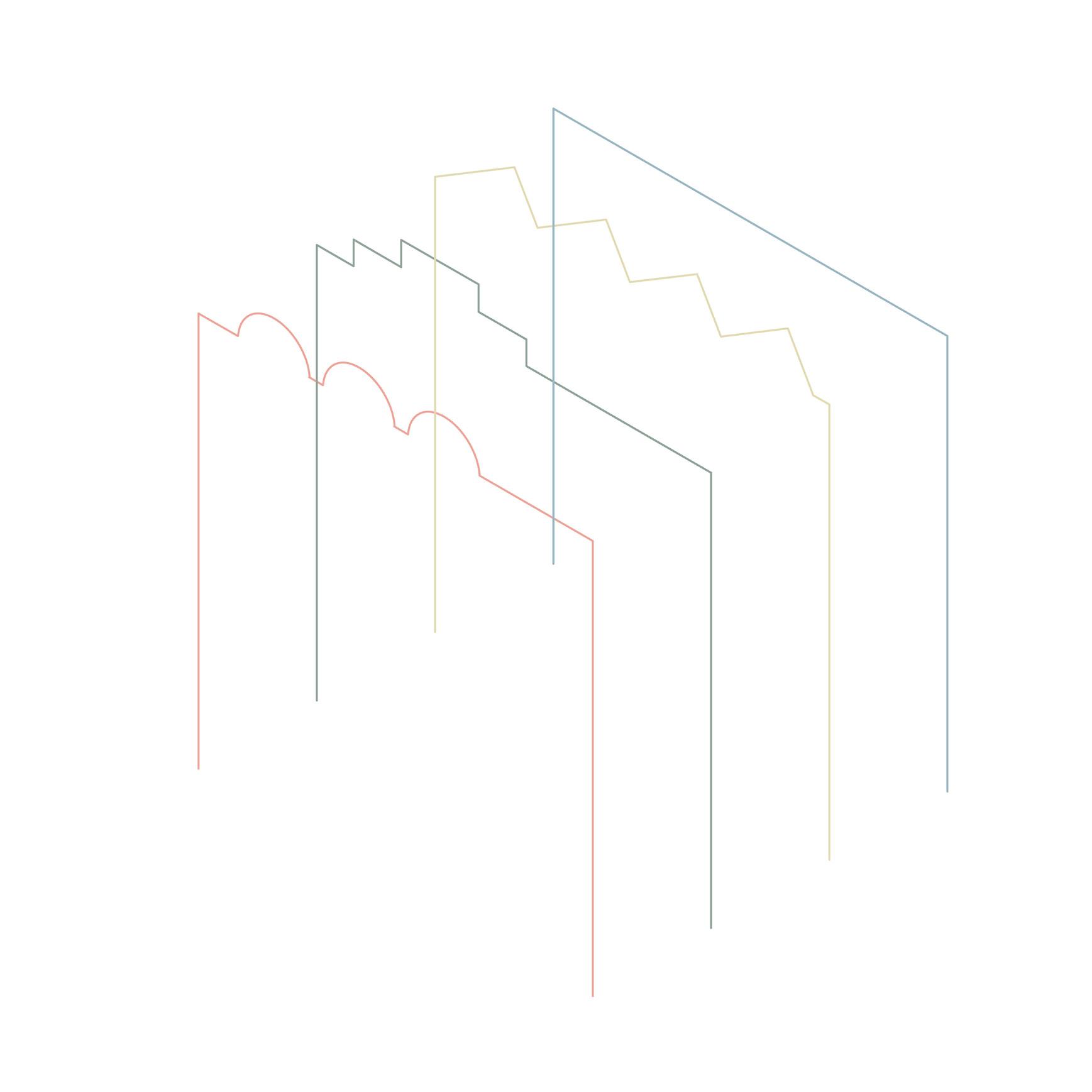
Matter, Space, Structure I Studio / I semester Chalmers University of Technology
supervisors: prof. Naima Callenberg / prof. Peter Christensson
The next step, after analysing the transformation of the power station site on the basis of archive maps, was to collect all possible material regarding the building from the architectural side - plans, sections, and elevation views. All the collected drawings allowed me to divide the content into the 5 most important time periods in which the building experienced the most radical changes. These were 1899, 1913, 1929, 1947 and from 1976 to the present.
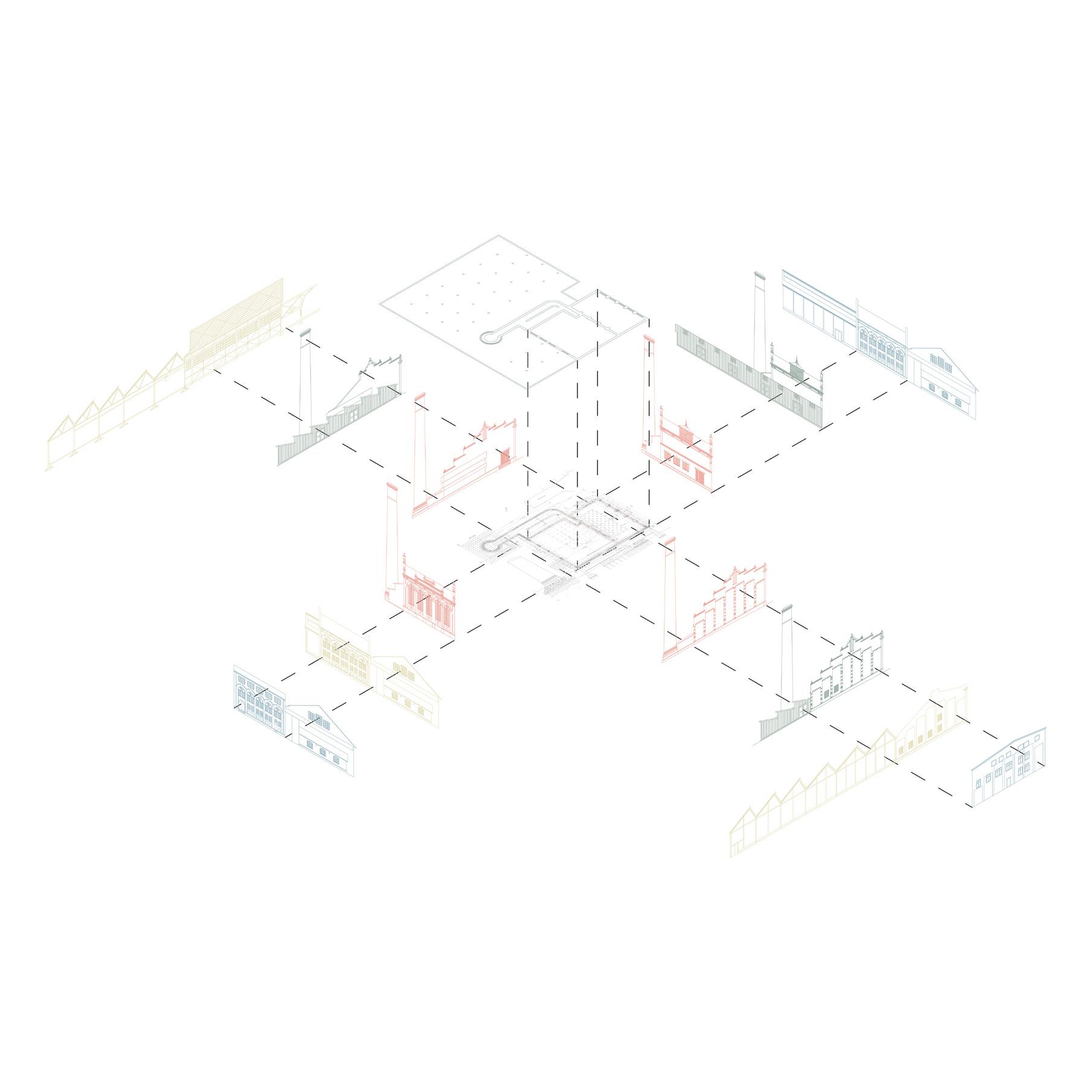
Once I had gathered all the material, I started comparing it with each other, plan by plan, elevation by elevation, which gave an insight into the changes that had taken place over 100 years.
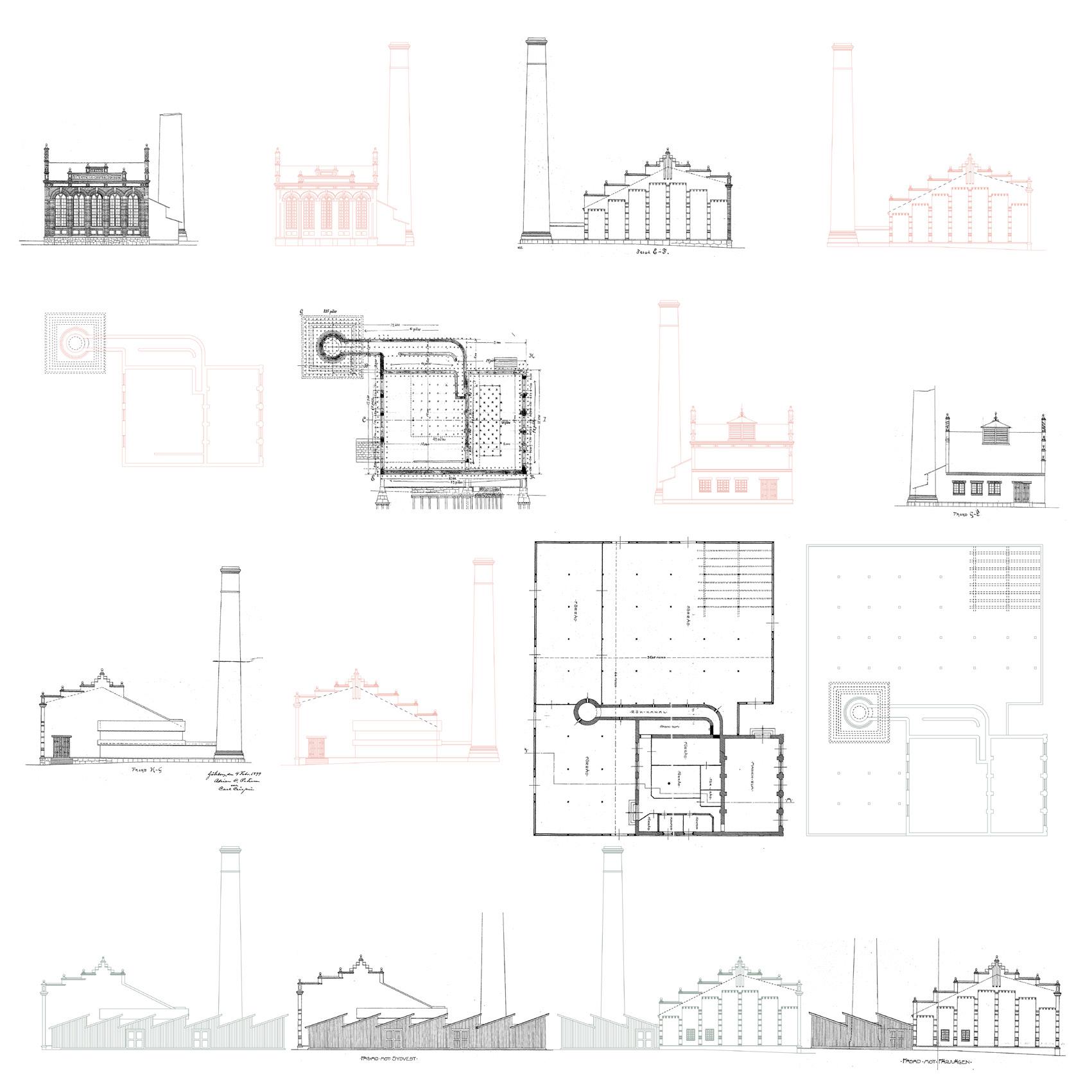
The final product was based on archive drawings overlaid on top of each other. On the foundation of these, a selection was undertaken to filter materials, elements, details or types of construction that seemed to be crucial to the transformation and the story of change.
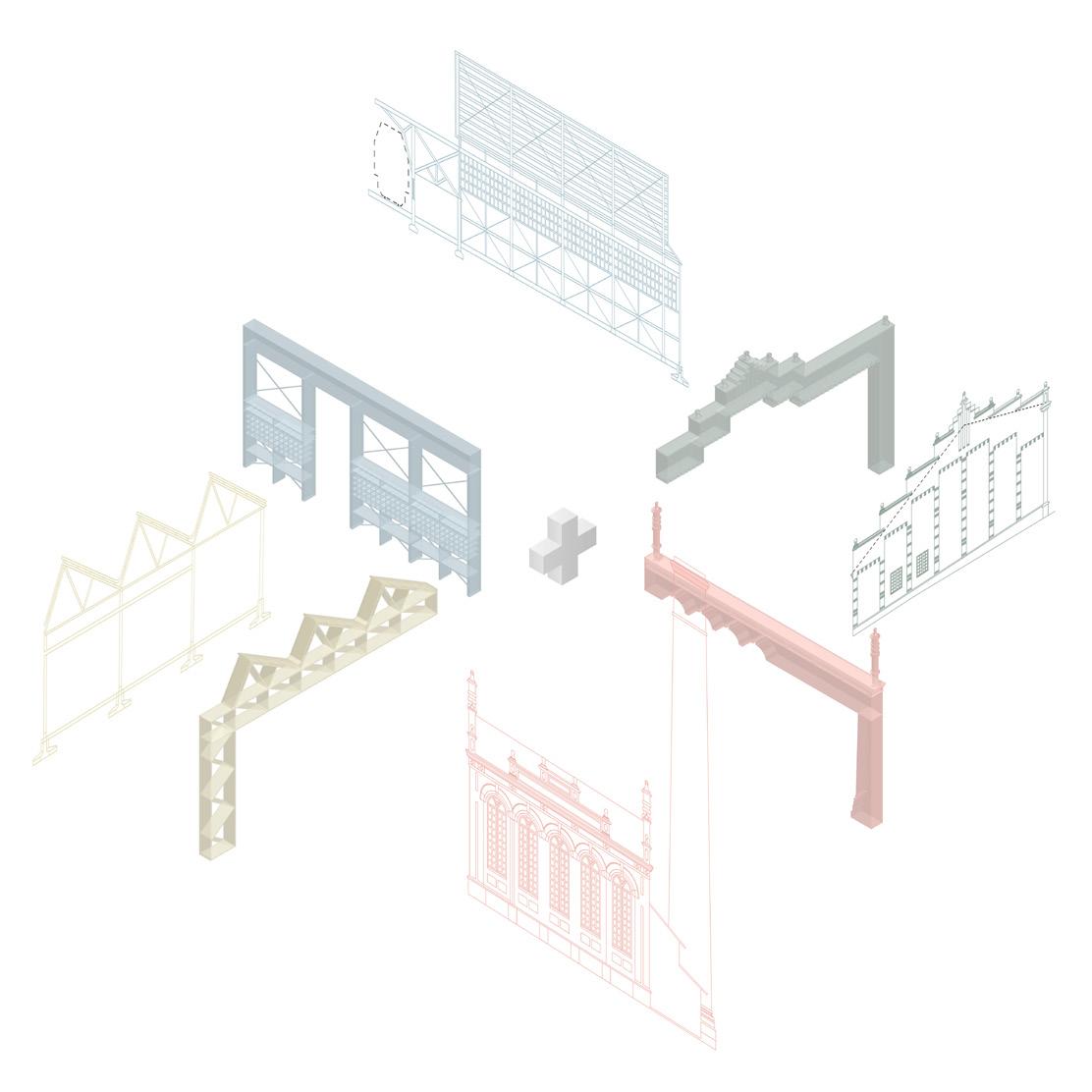
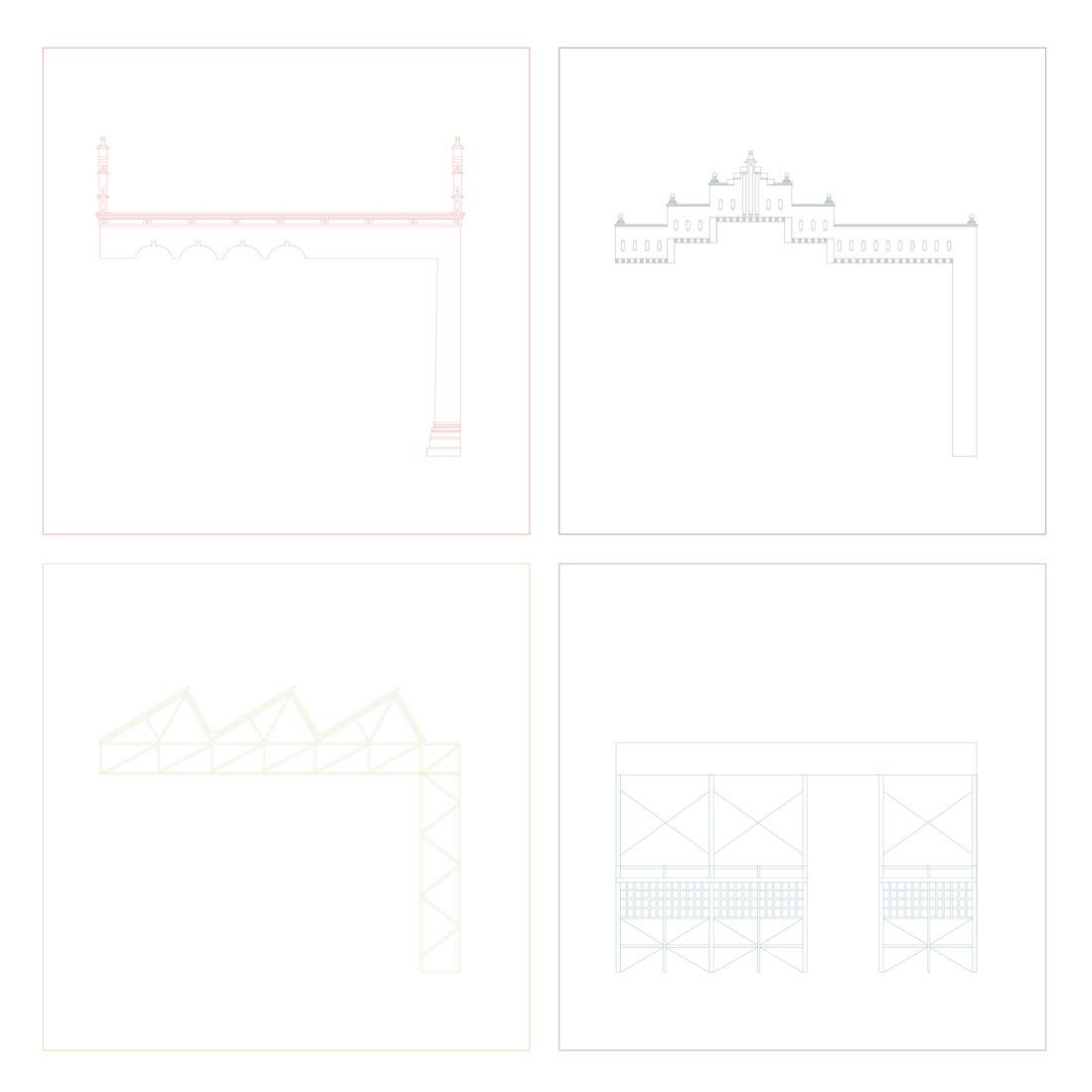
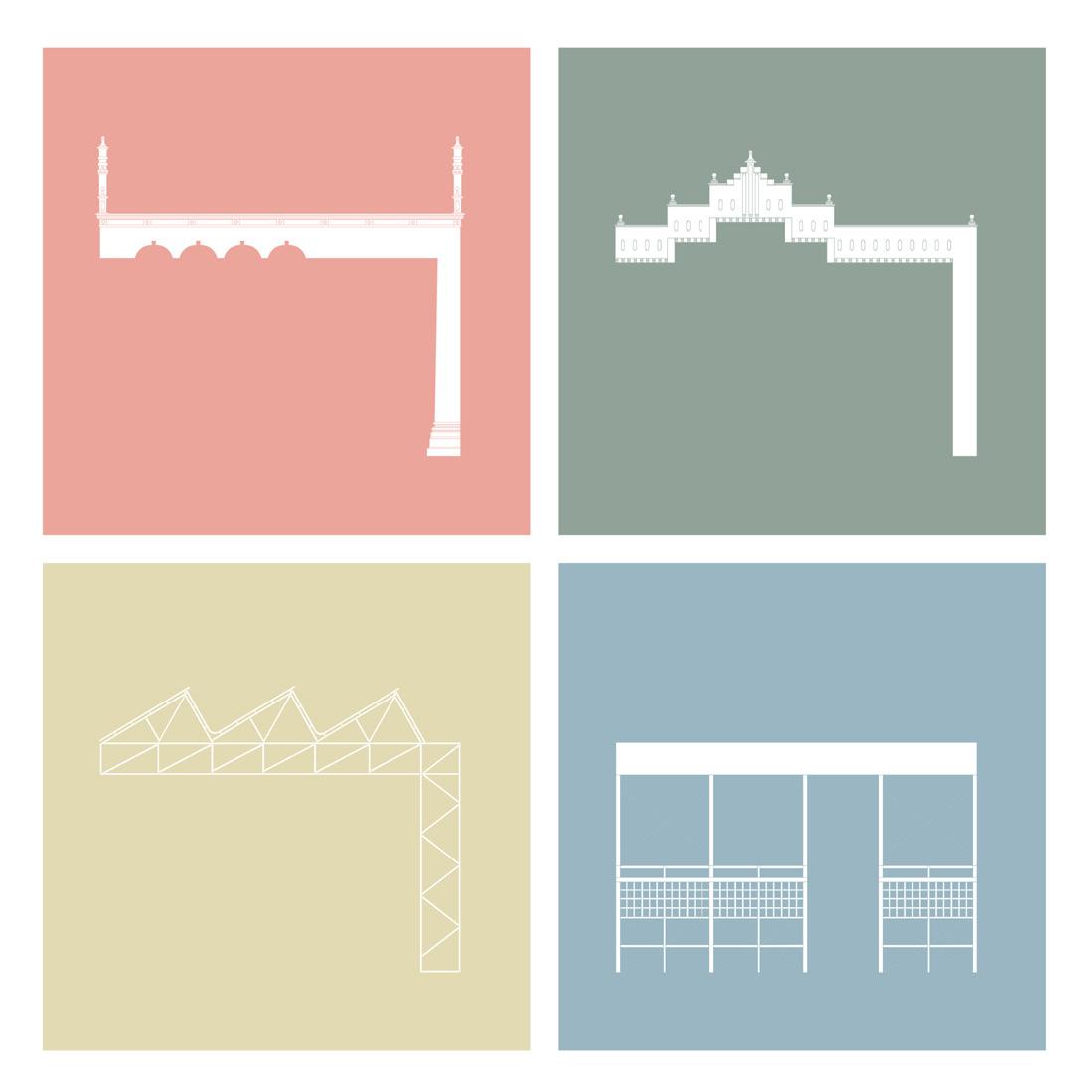
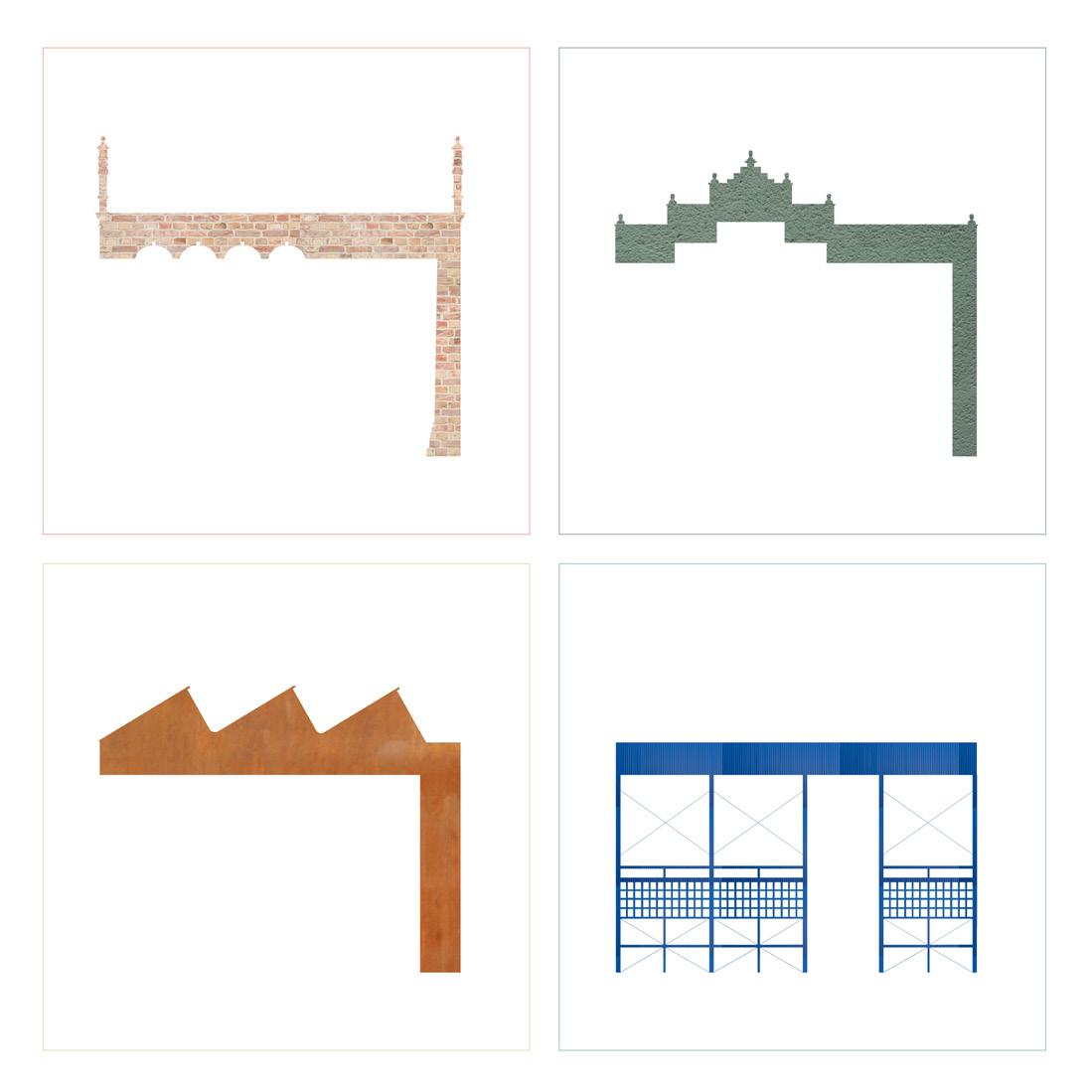
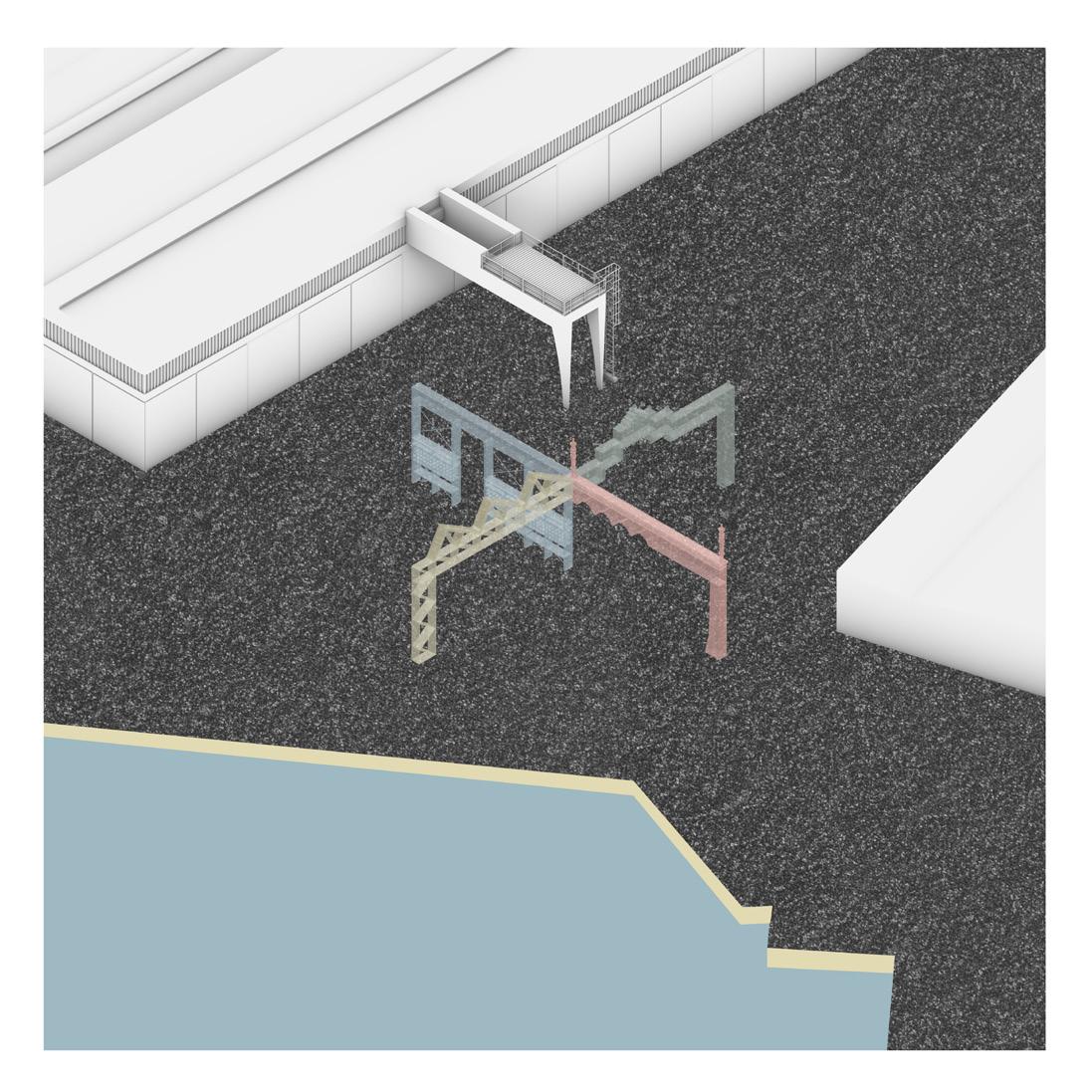
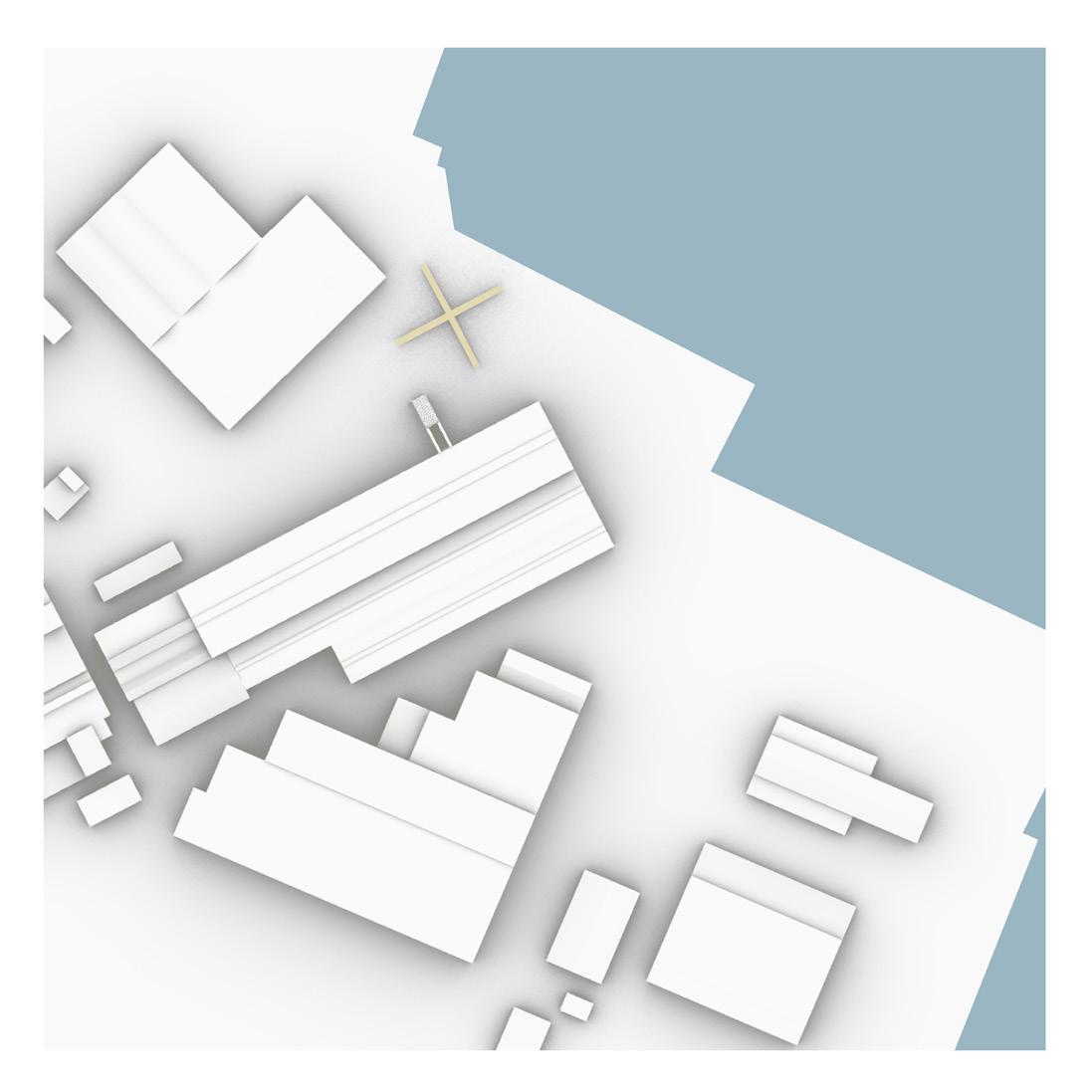
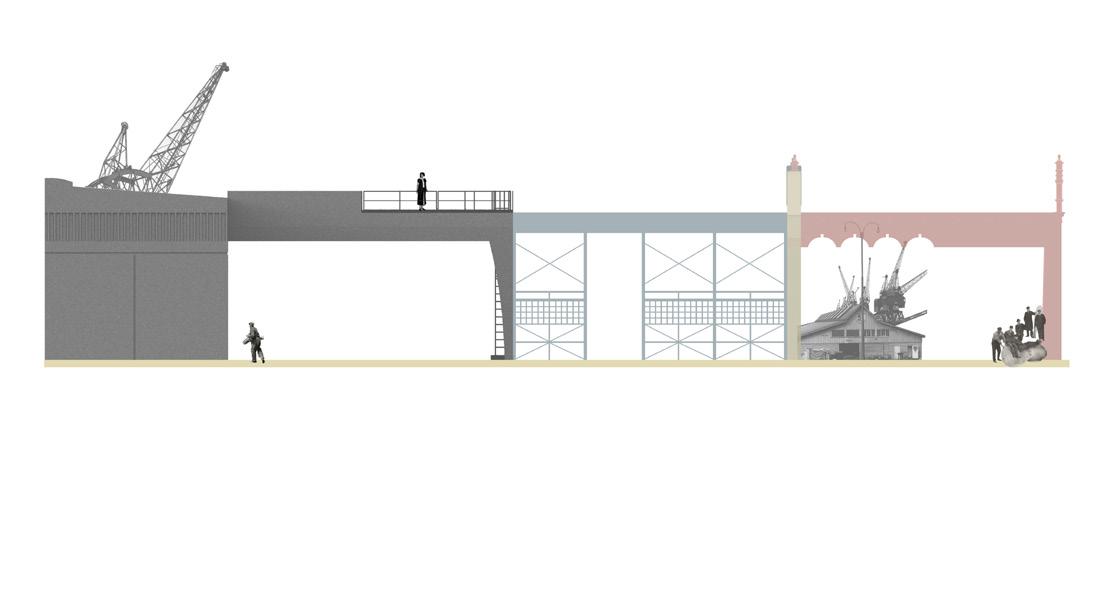
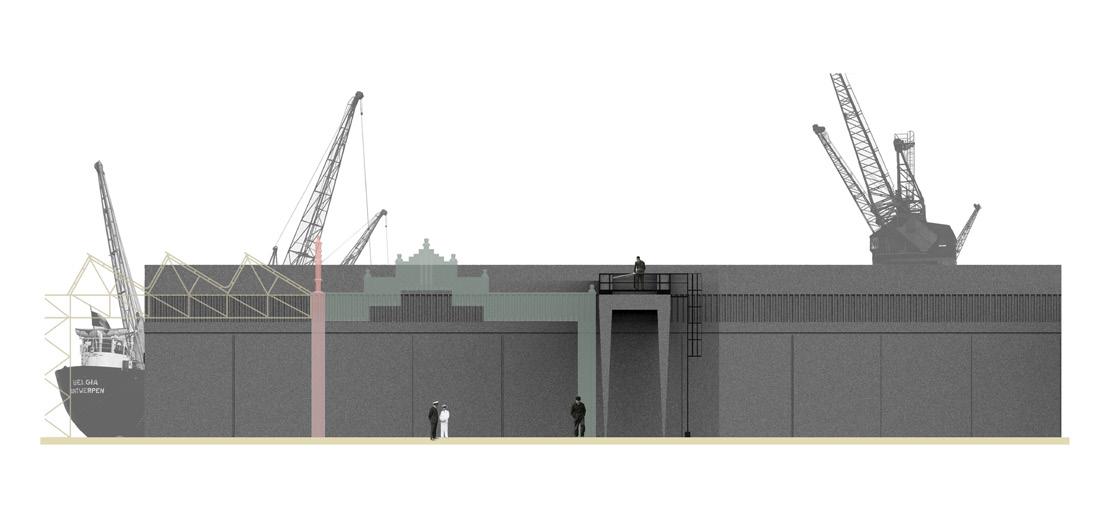
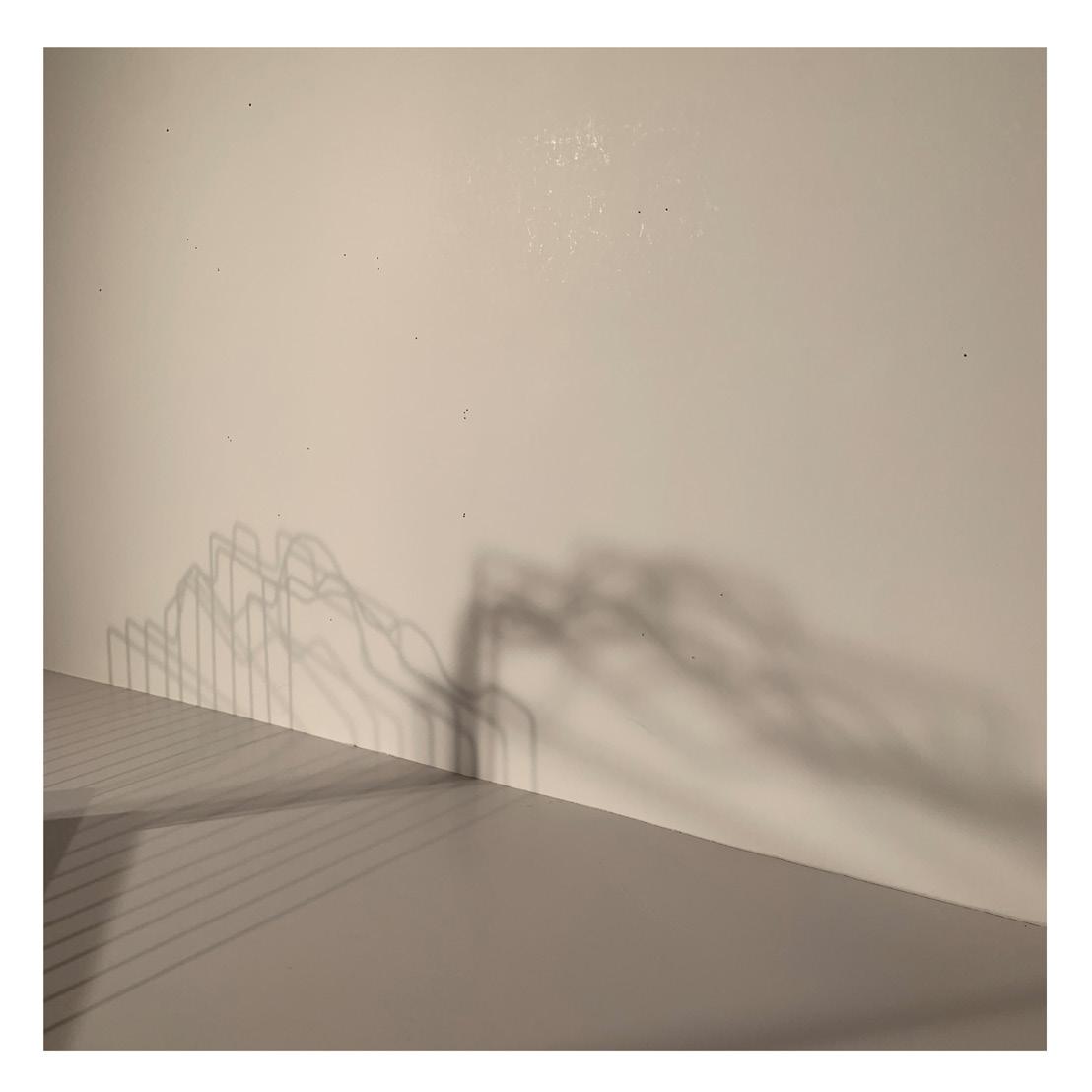
The project consists of 4 gates connected to each other on an X-shaped plan. The reference for each of these gates became a crane attached to the hall as a service element for unloading. It was chosen as a result of its geographical location. It is placed in the same spot where the power station building once stood, which was demolished after 1947. It is this period that can be considered crucial, as the building simply ceased to exist after 1947. The need to create another hall in the 1960s and 1970s was, unfortunately, greater than the preservation of a historic piece of architecture. All that remains of the building is archive evidence and its geographical location.
4 wings - 4 gates. Each corresponds to a particular period, a particular transformation, or a particular technical advance that we could see in Lindholmen at that time. The gates are based on details and designs that correspond to a given period of history. Taken together, they form a space that summarizes the Lindholmen of the past and is designed to be a monument of what once was, but has been erased from the pages of history. This shows us the changes in DNA that have taken place in such a short period, motivated by galloping industrialism.
author: M. Benek / concept model
author: M. Benek / concept model
author: M. Benek / concept model
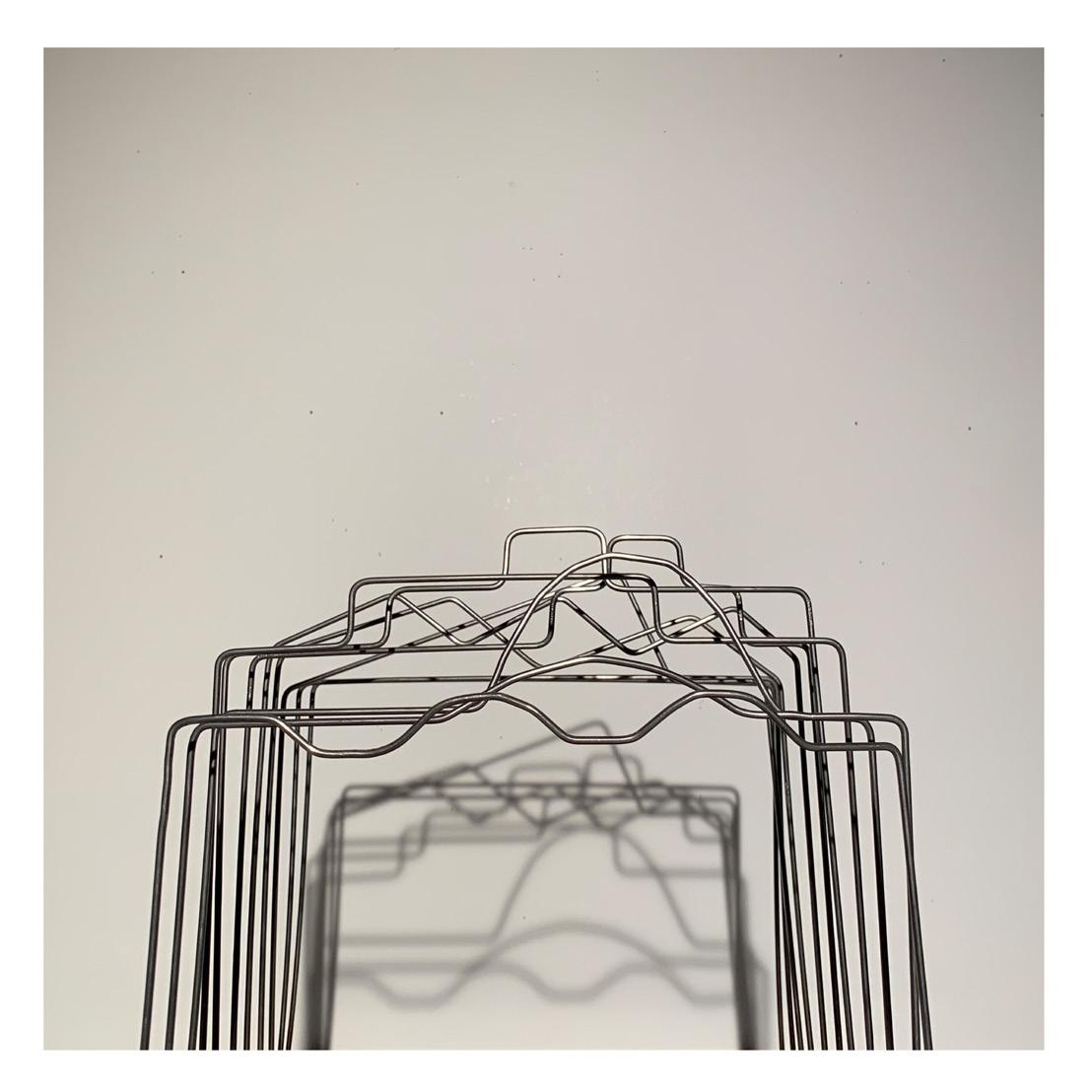
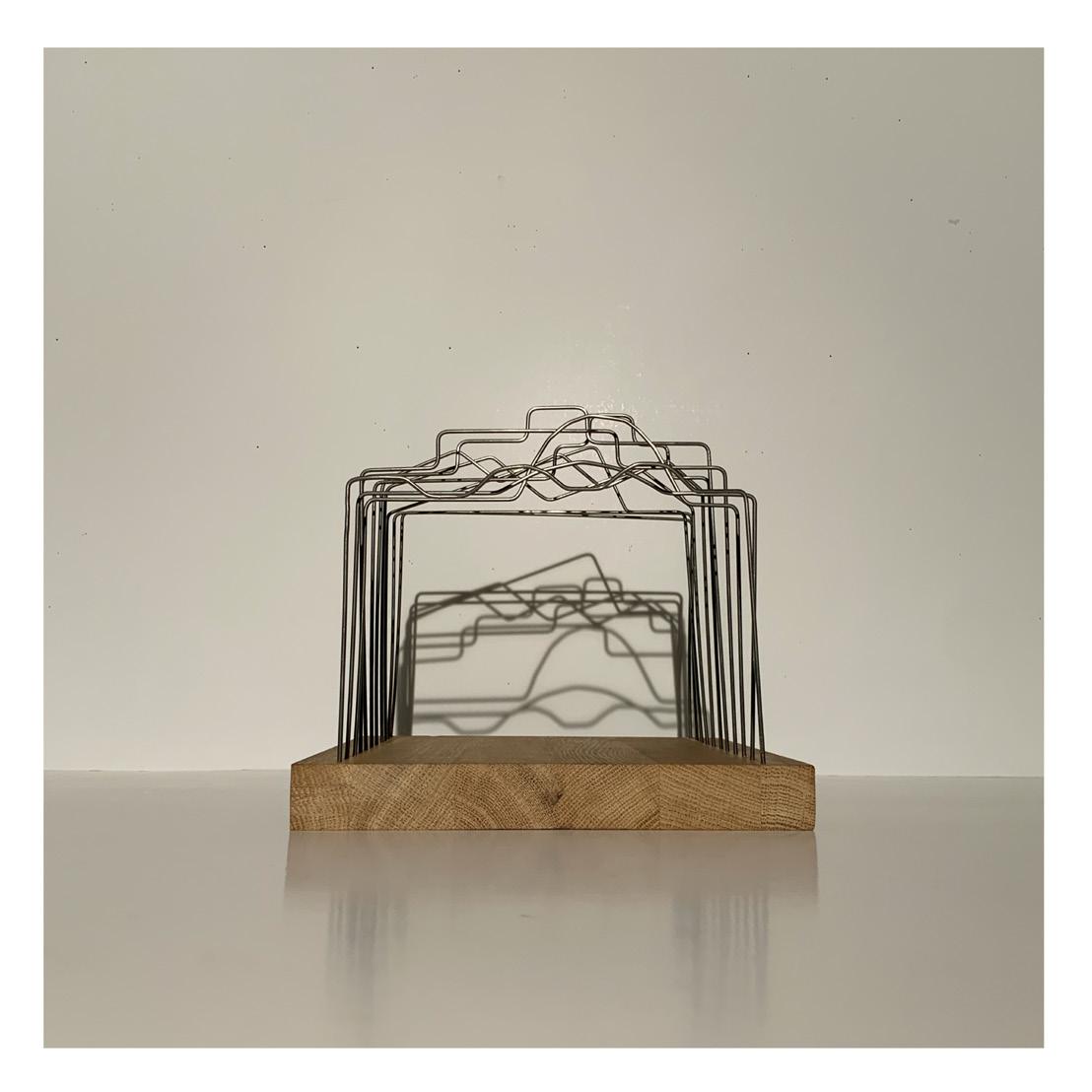
Lake Mývatn, Iceland
65°36” 17°00”W
competition / group work
04/2022 - 05/2022
co-authors: Bartłomiej Szczyrk, Martyna Kotulek
result: shortlisted mention in Lake Mývatn community house competition organized by Buildner

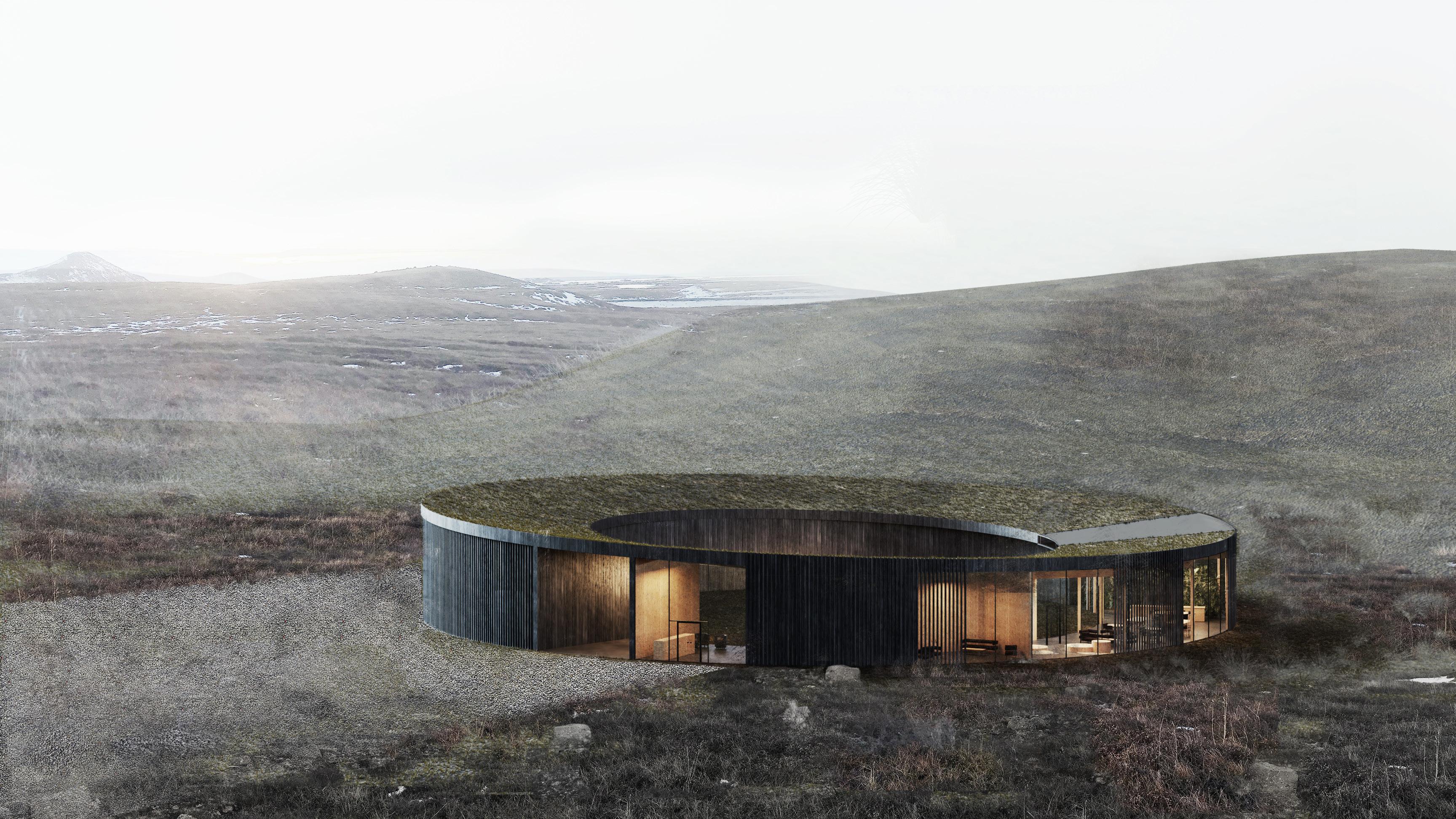
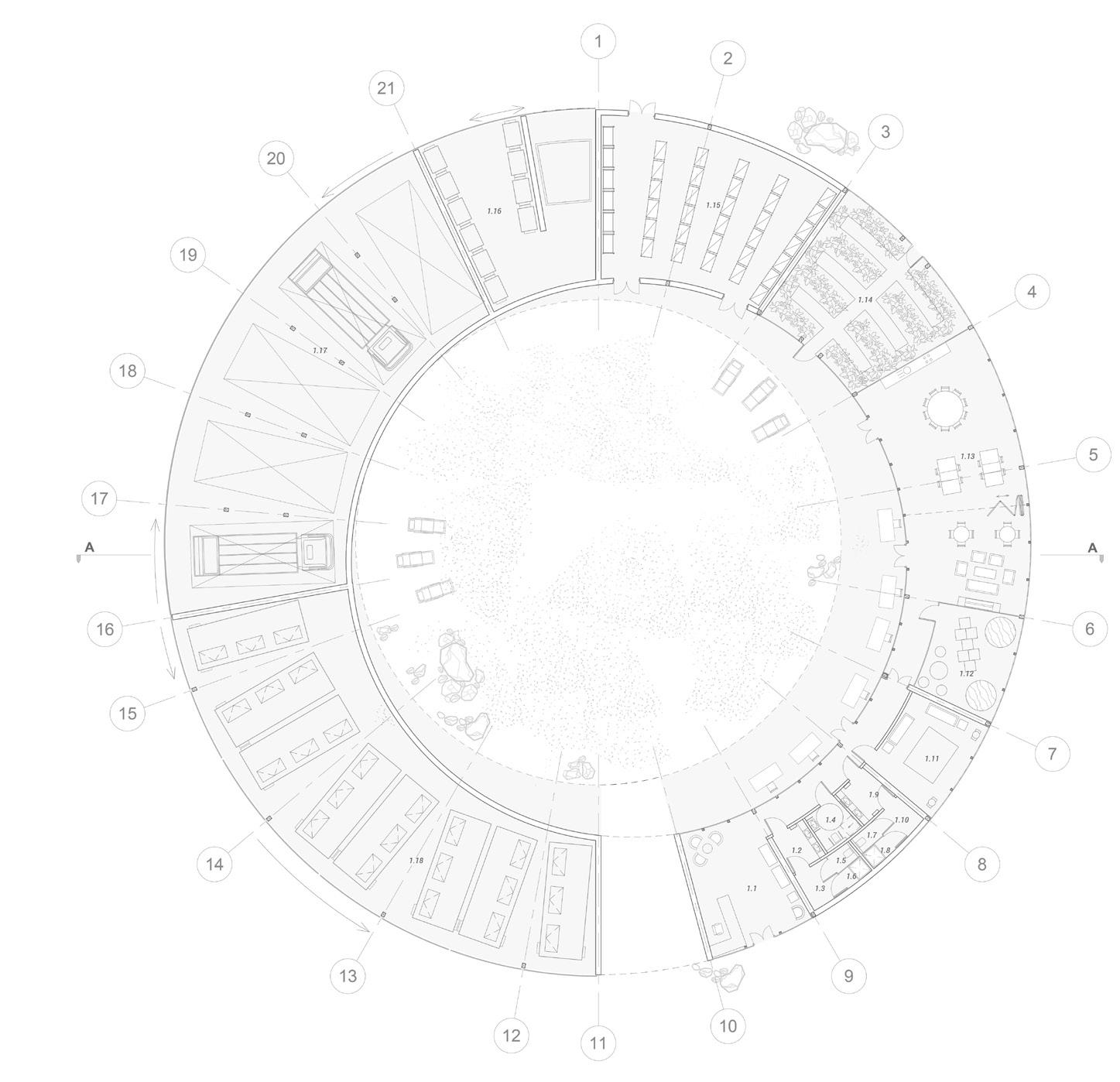
From the very beginning, we aimed to design a structure whose form would be as functional as possible. For that purpose we decided to place all the functions in one closed area to naturally integrate with the natural habitat of Lake Mývatn.Our approach to the building concept is a living organism consisting of many elements captured within a building with a minimalistic form and a cosy interior.
Our aim was to give balanced proportions between two main functions - waste management and social center for two communities. The reason for combining all functions together is to make it more practical and intuitive in use.
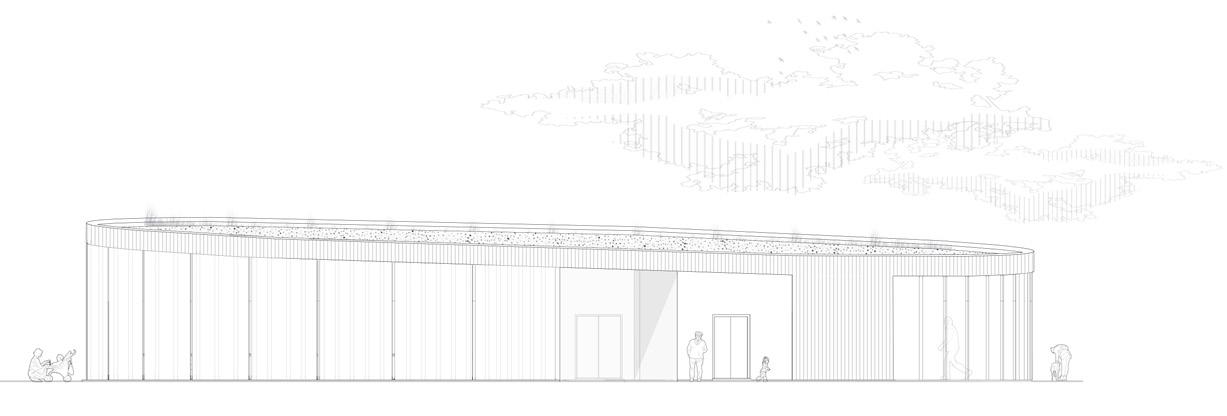
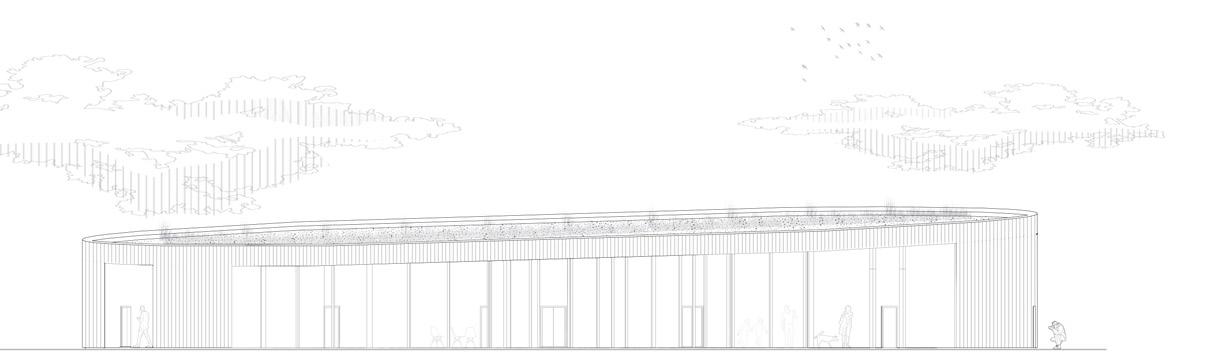
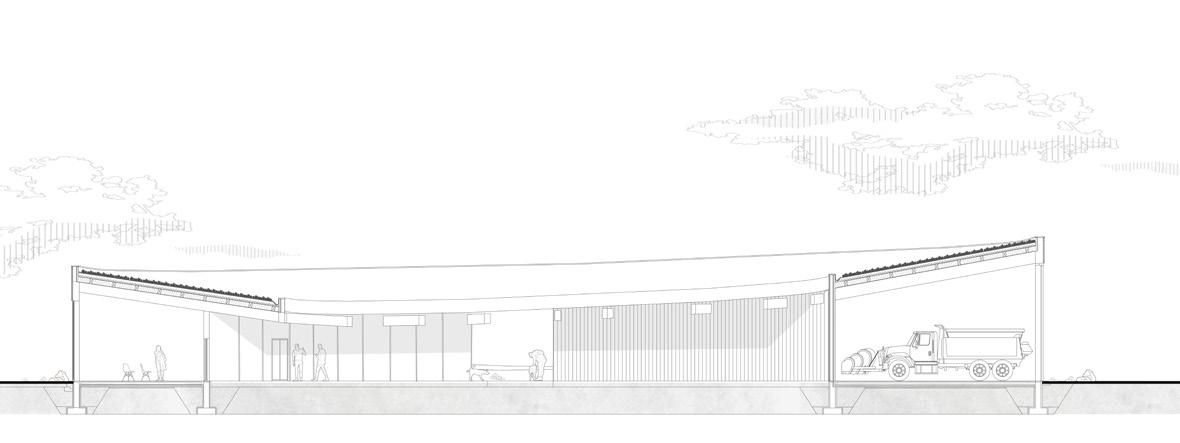
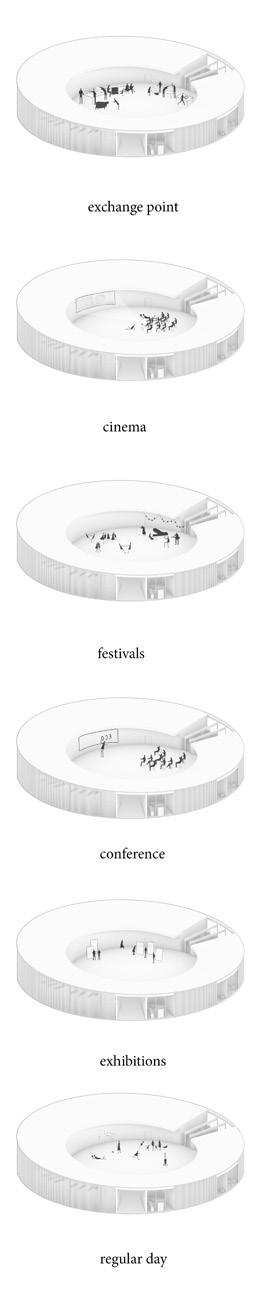
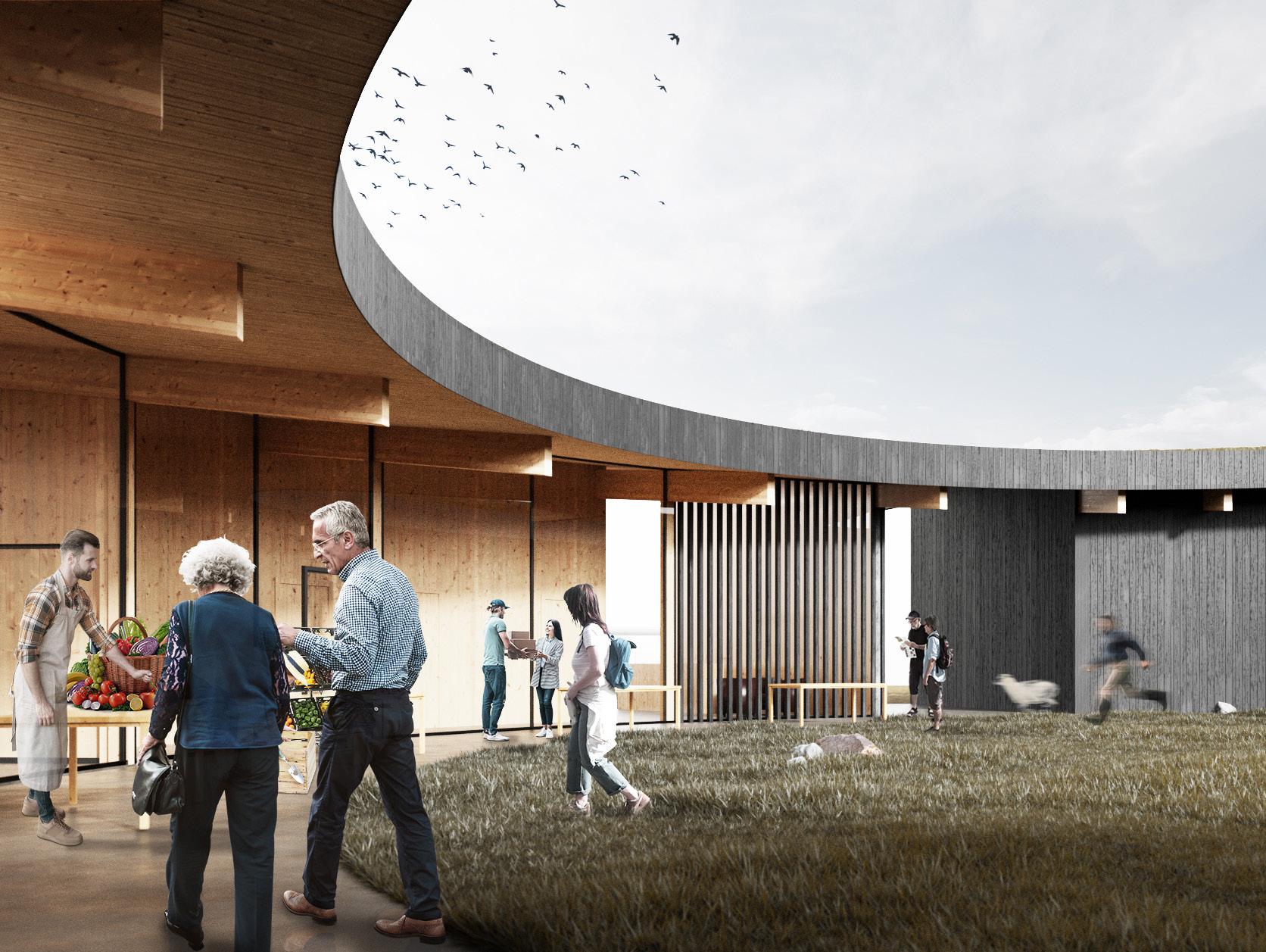
In the Lake Mývatn Community Center project, the focus was placed on factors such as sustainability, which underlines the system in which the building was designed - CO2 - efficient timber construction. Second factor was the idea of circular economy, which can be seen in the focal point of the project - the atrium - a place intended, among other functions, for the exchanging of products between the two communities living in the vicinity - Skútustaðahreppur and Thingeyarsveit. To make this space even more valuable, we have designed it in such a way that it can be used not only as a place for the product trade and second-hand market but also as a friendly space for visitors, travellers and people living locally who need a space to organize various leisure events such as summer cinema, courses, presentations, exhibitions or local festivals.
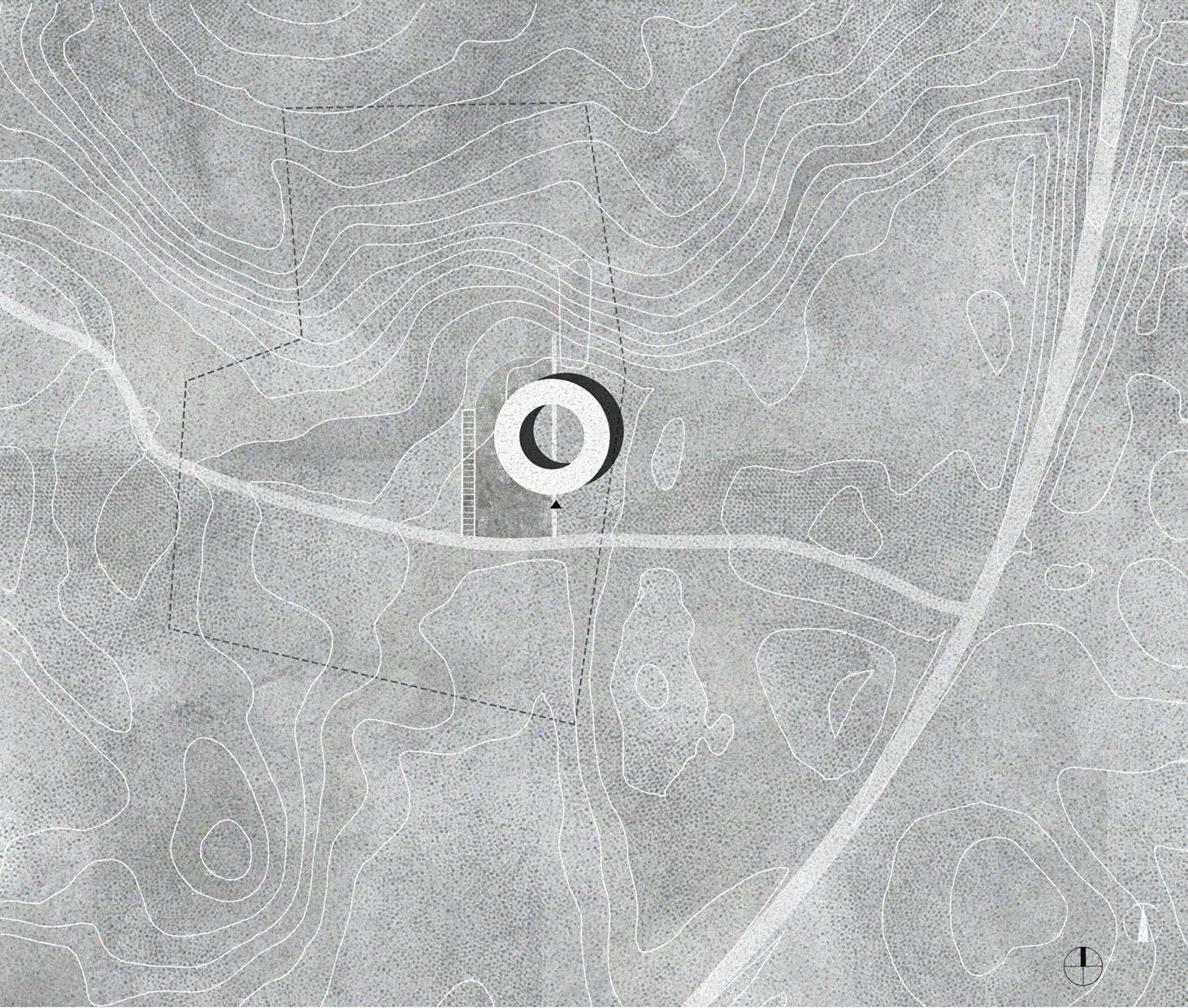
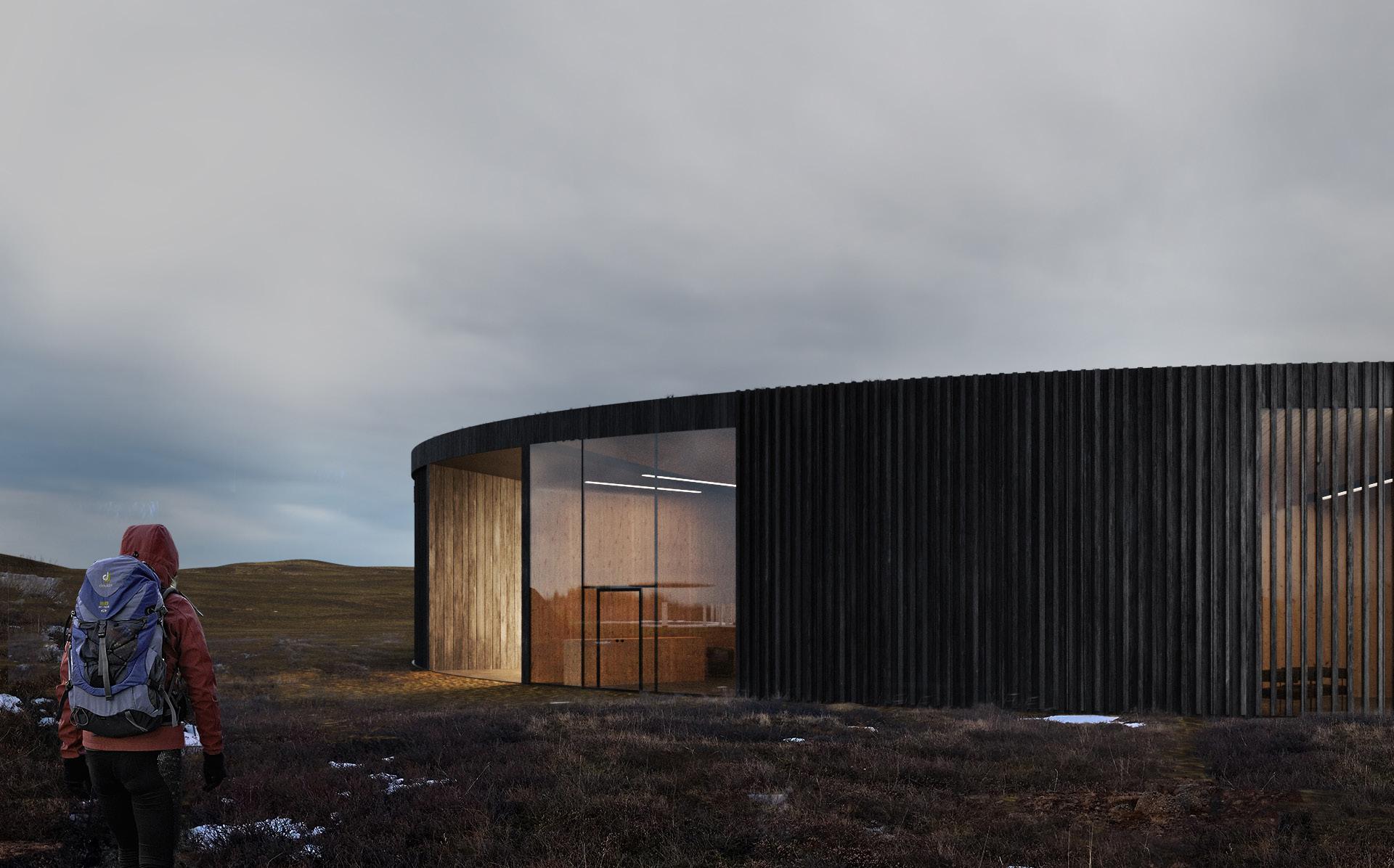
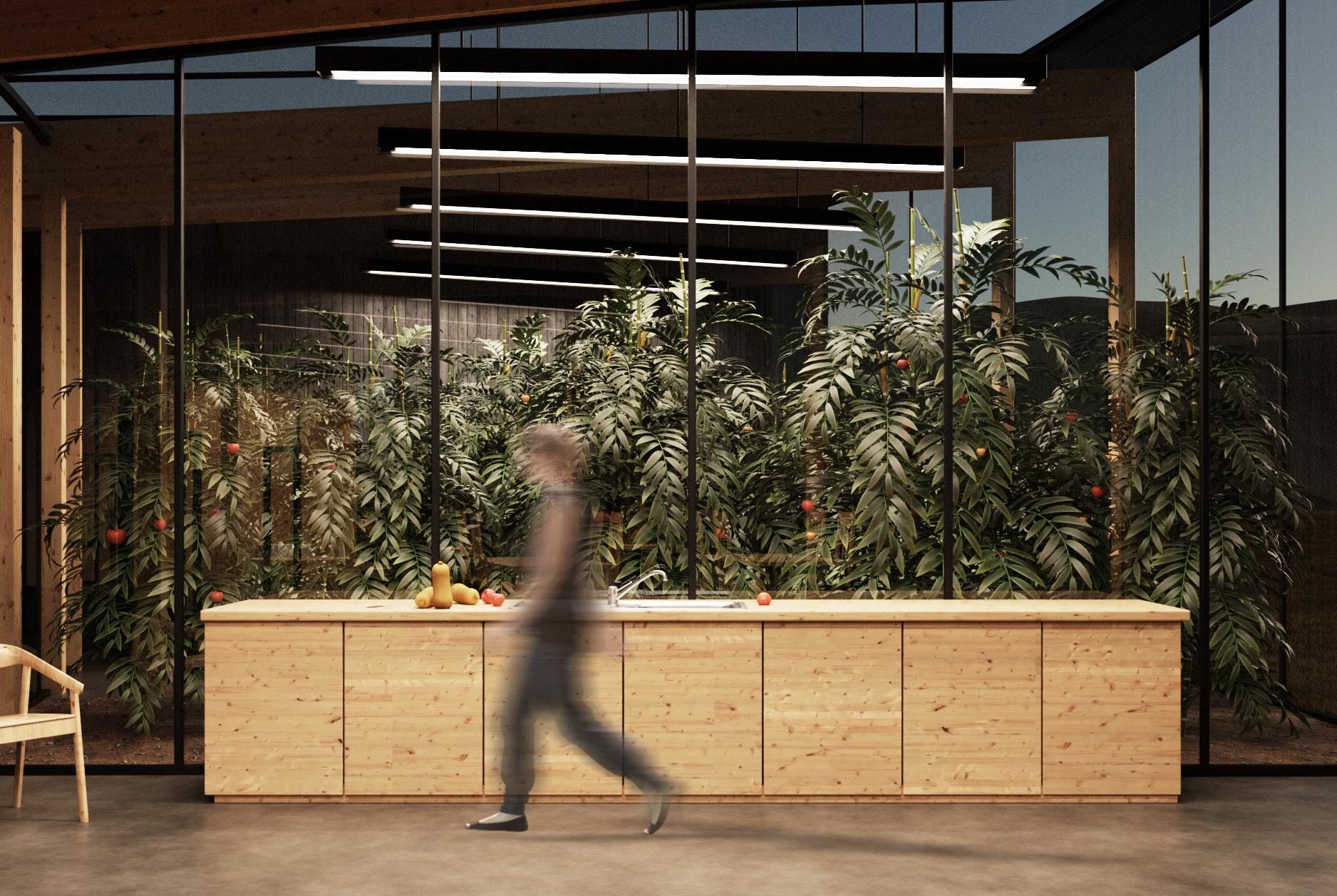
The building itself, which is based on a circle plan, is intended to enhance a feeling of safety and cosiness in this beautiful but also wild and virgin landscape. Simultaneously by having big windows in community spaces it blends the border between inside and outside, to avoid a perception of detachment from the surrounding nature. The main structure consists of spaces such as a greenhouse, social rooms with a kitchen, showers with toilets for travellers, large storage spaces, an information point and a space to exhibit and exchange products with other members of the community.
“The Invisible Temple”
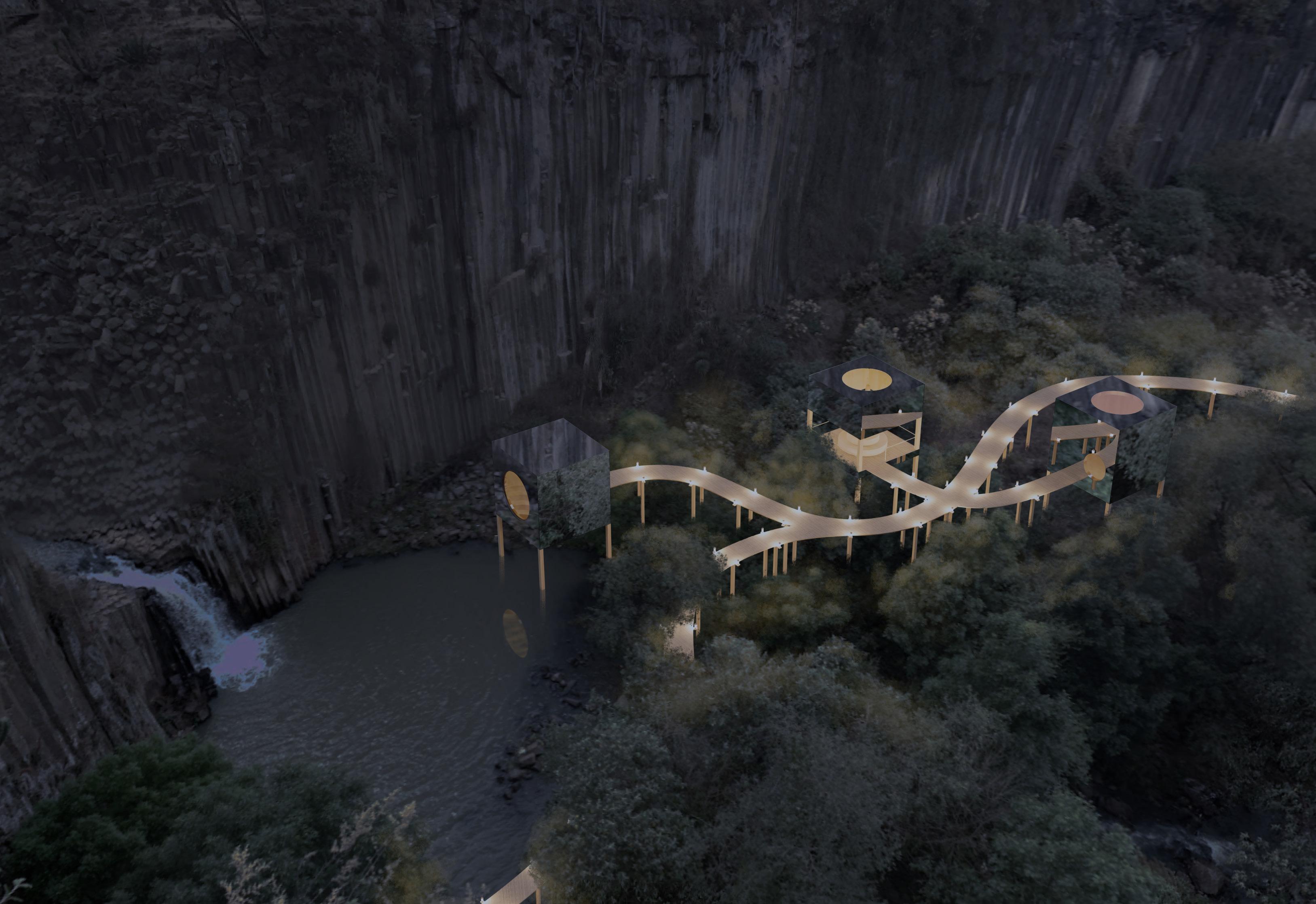
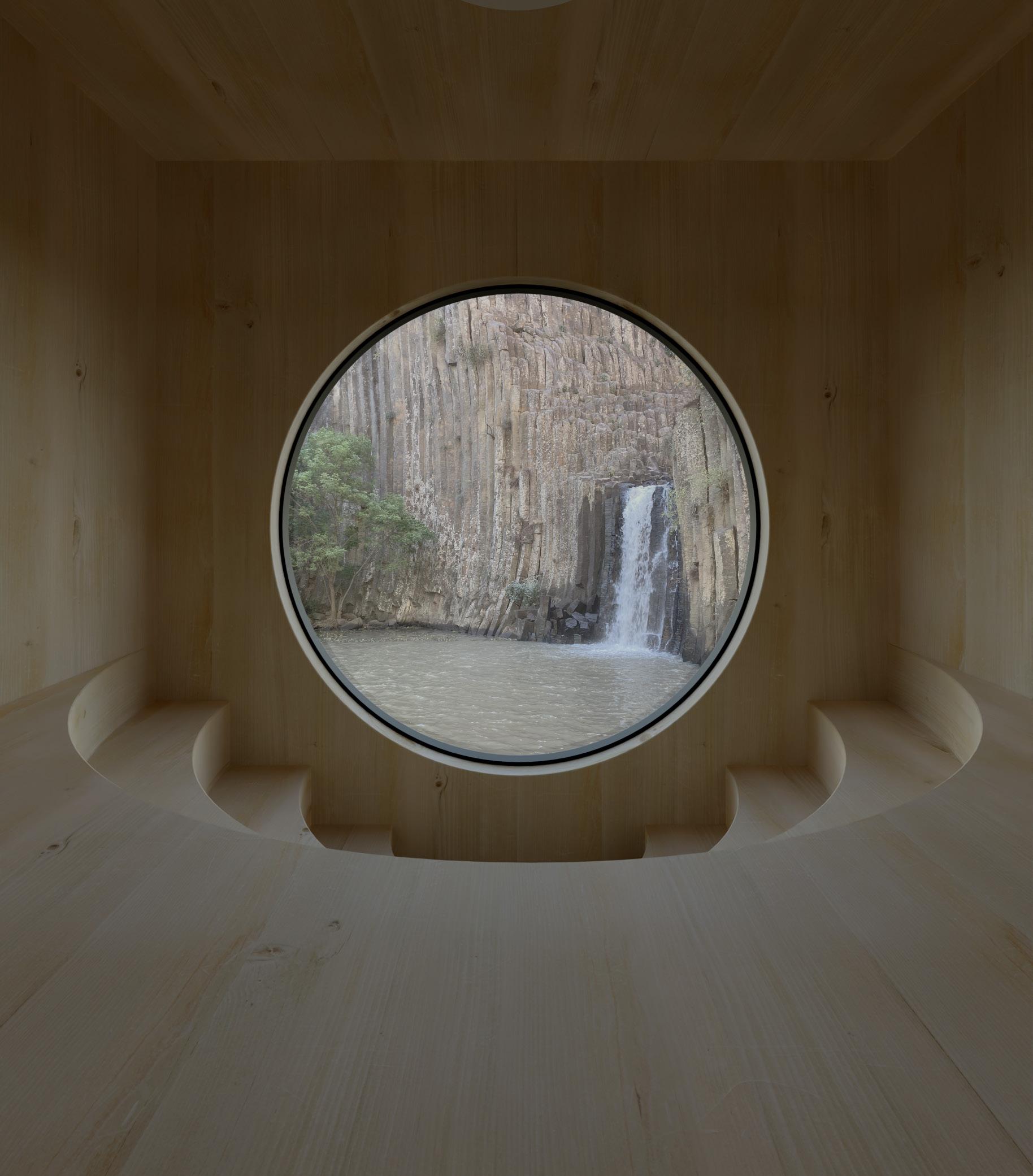
From the beginning, our greatest challenge was to design a form so simple that it would not draw away the viewer’s attention from the surrounding nature. We decided to design three 6x6 metre cubic modules of timber construction with a façade made of mirrored panels. All connected by a path suspended in the air, supported by wooden poles. Each module has a different function such as toilet, viewpoint and the water temple itself. The use of mirrored panels is suggesting that nature remains on the pedestal while architecture plays its role as the background. The interior design allows a visitor to connect with water in a calm atmosphere. This is what we think the definition of a water temple is. A form that simply does not shift the attention from what is crucial, in this case, the surrounding nature.
Santa Maria Regla, Mexico 20°14”20”N 98°33”43”O
Competition / Group work 04/2021 - 07/2021
co-author: Bartosz Szczyrk
result: finalist
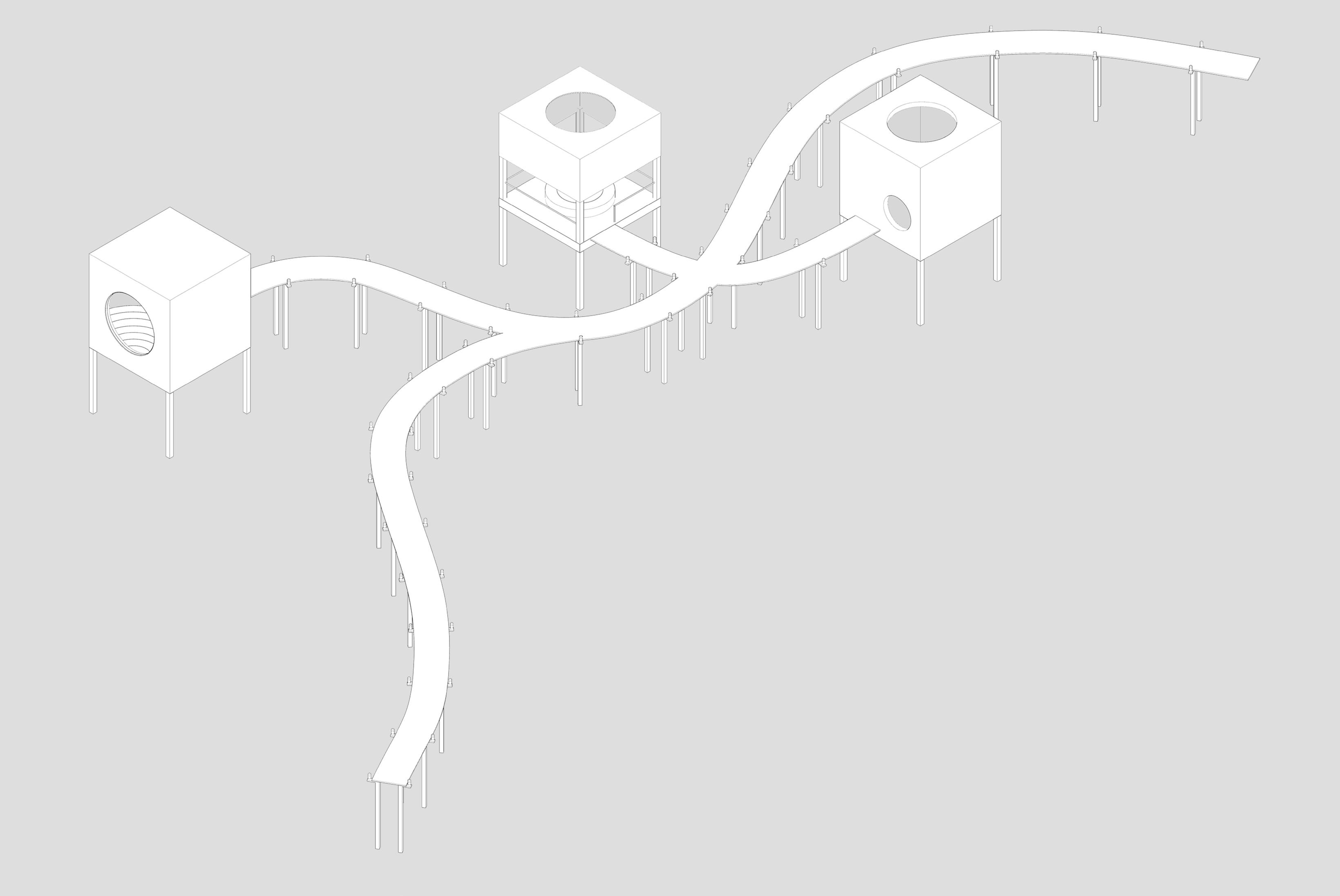 author: M. Benek / idea scheme
1. water temple
2. common area
3. technical zone
4. wooden path
1.
2.
3.
author: M. Benek / idea scheme
1. water temple
2. common area
3. technical zone
4. wooden path
1.
2.
3.
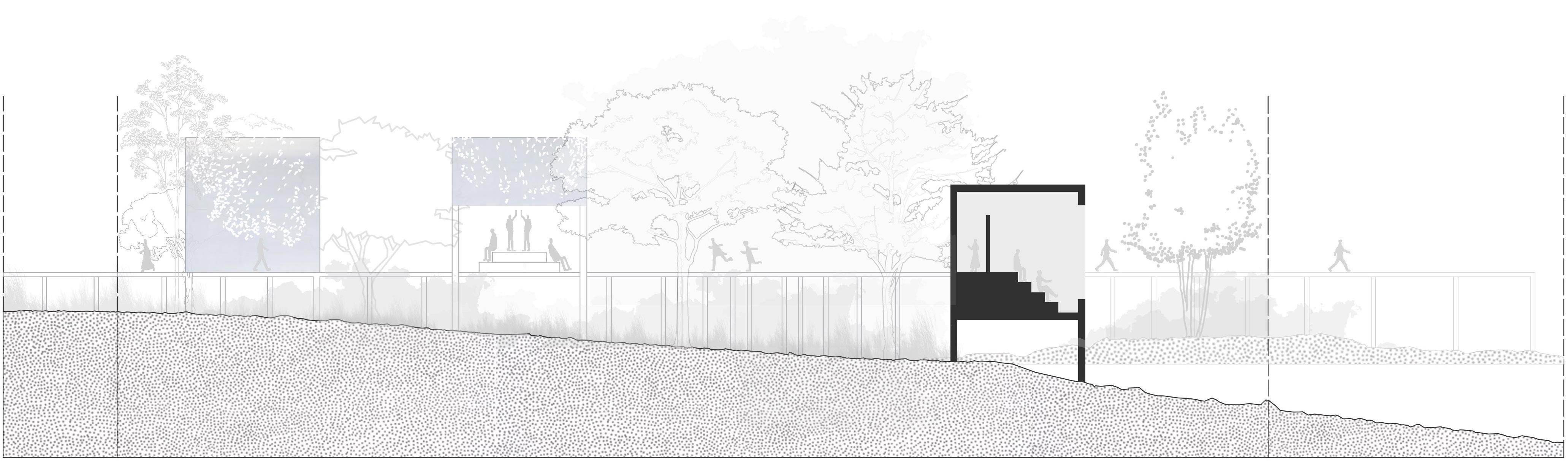
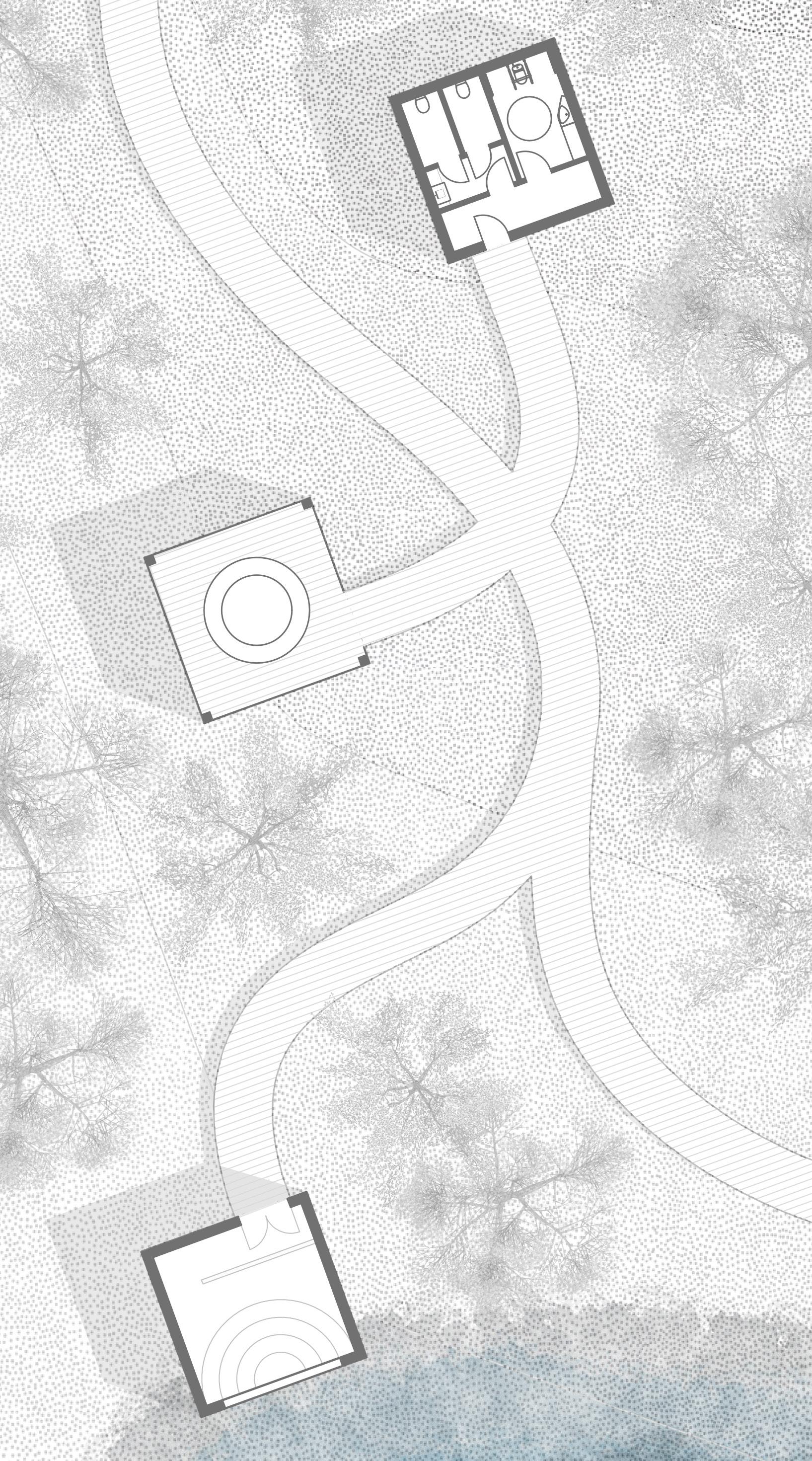
 author: B. Szczyrk, M. Benek / plan
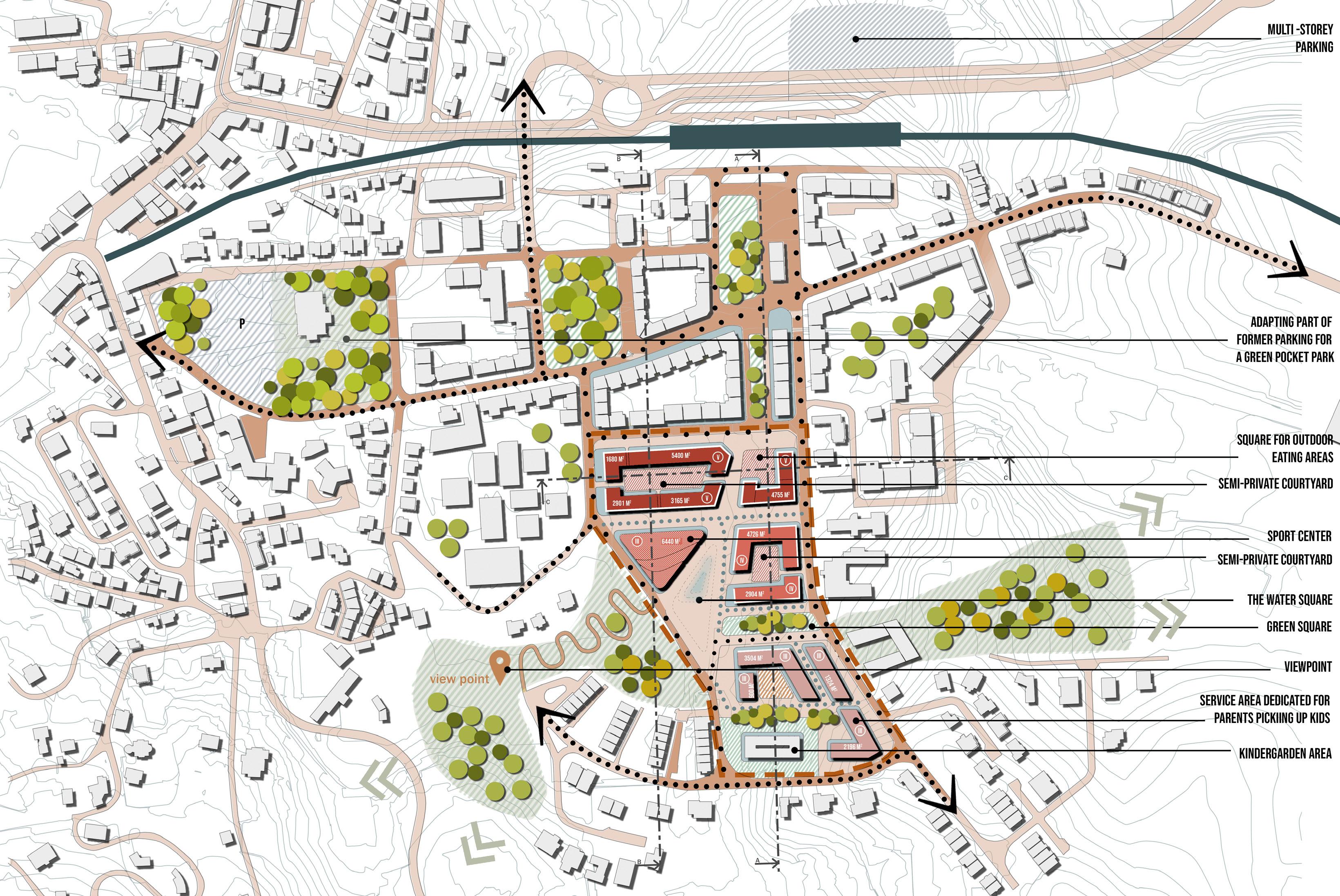
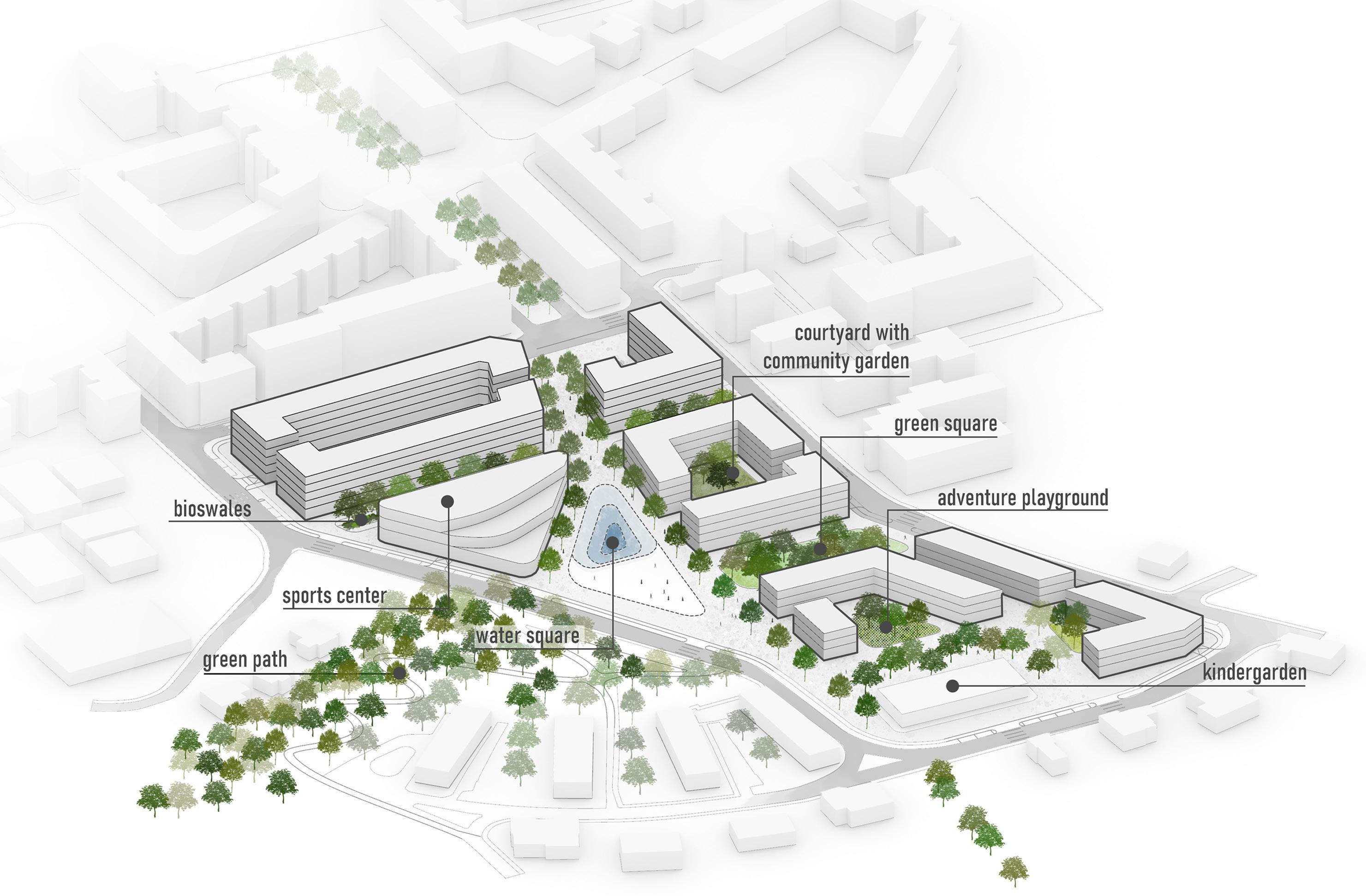
The “Green-Station” project has incorporated resident and people -friendly solutions. The problem of an excessive number of cars in the city, as well as air pollution and negative effects of climate change, have been reduced. The aim of the project focuses on creating comfortable and accessible places for all people, with out social exclusion. The public spaces will make Portela de Sintra come alive and become an interesting tourist stop on the way to visit the palaces of Sintra.
Portela de Sintra, Portugal 38°47”57”N 9°23”18”W
Academic project / group work 02/2021 - 06/2021
Urbanism II / VI semester

University of Lisbon
co-authors: Hanna Galas, Paulina Konsek supervisor: prof. Allesia Allegri / allegri.alessia@gmail.com
green station”
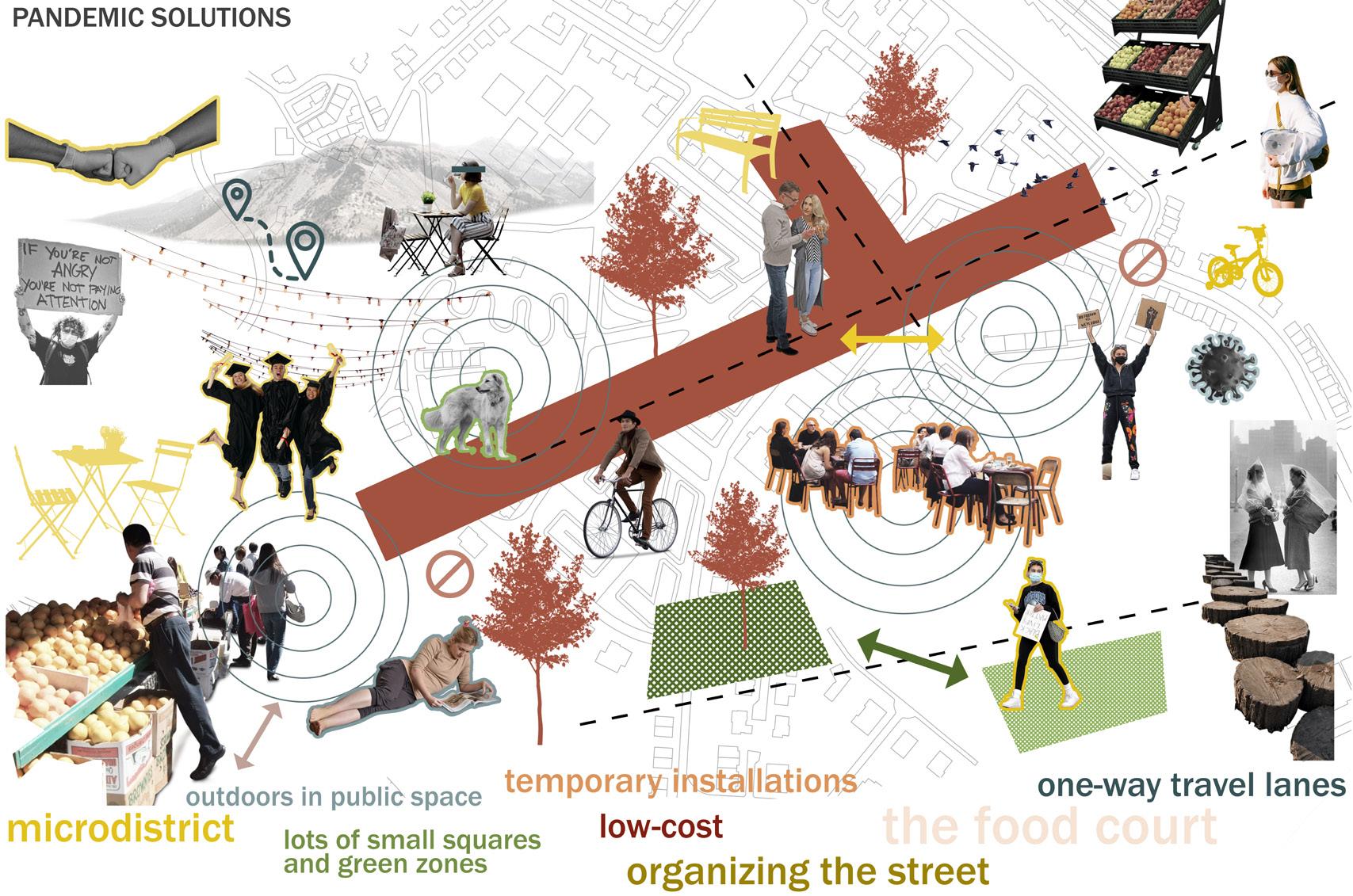
author: M. Benek / pandemic solutions collage
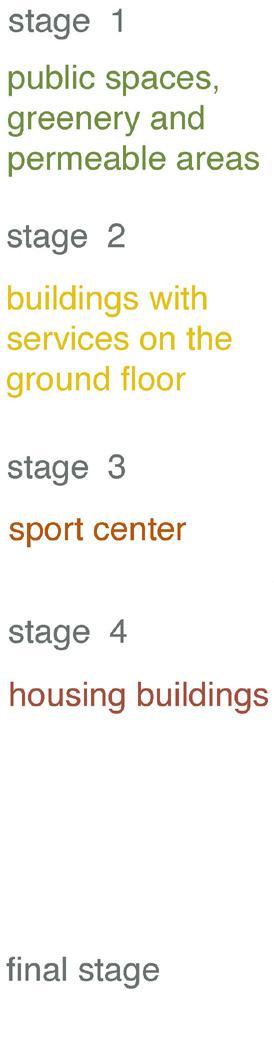
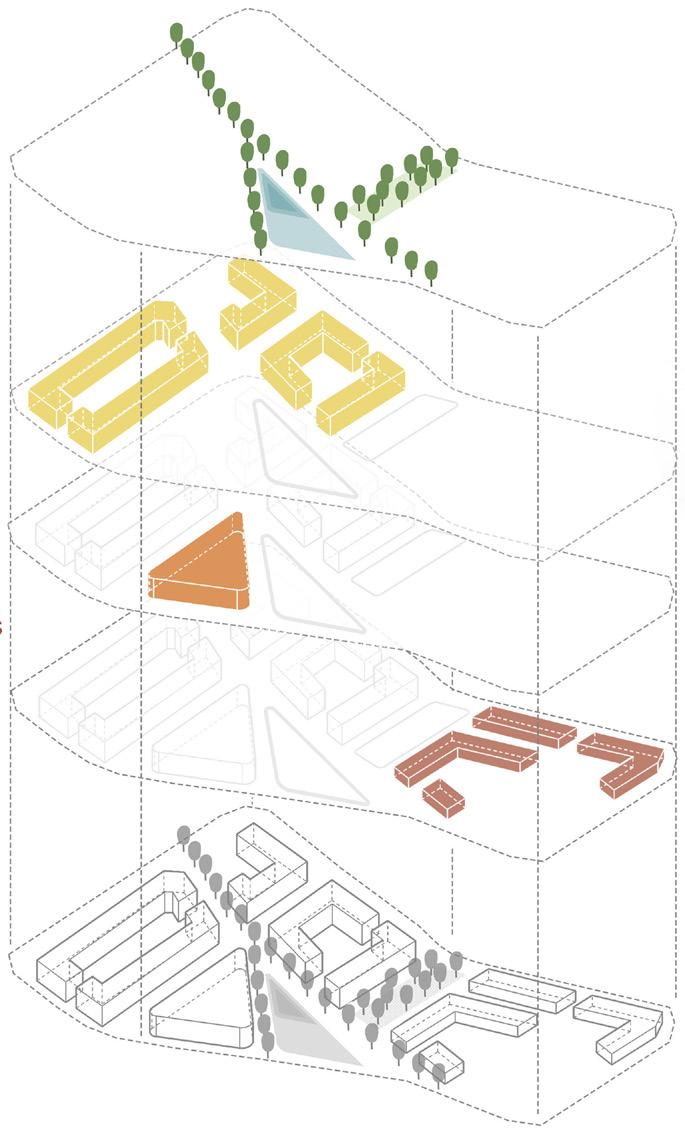
author: H. Galas, M. Benek / investment stages scheme
slowing down a motorised traffic greenery connections and viewing corridors the main idea diagram
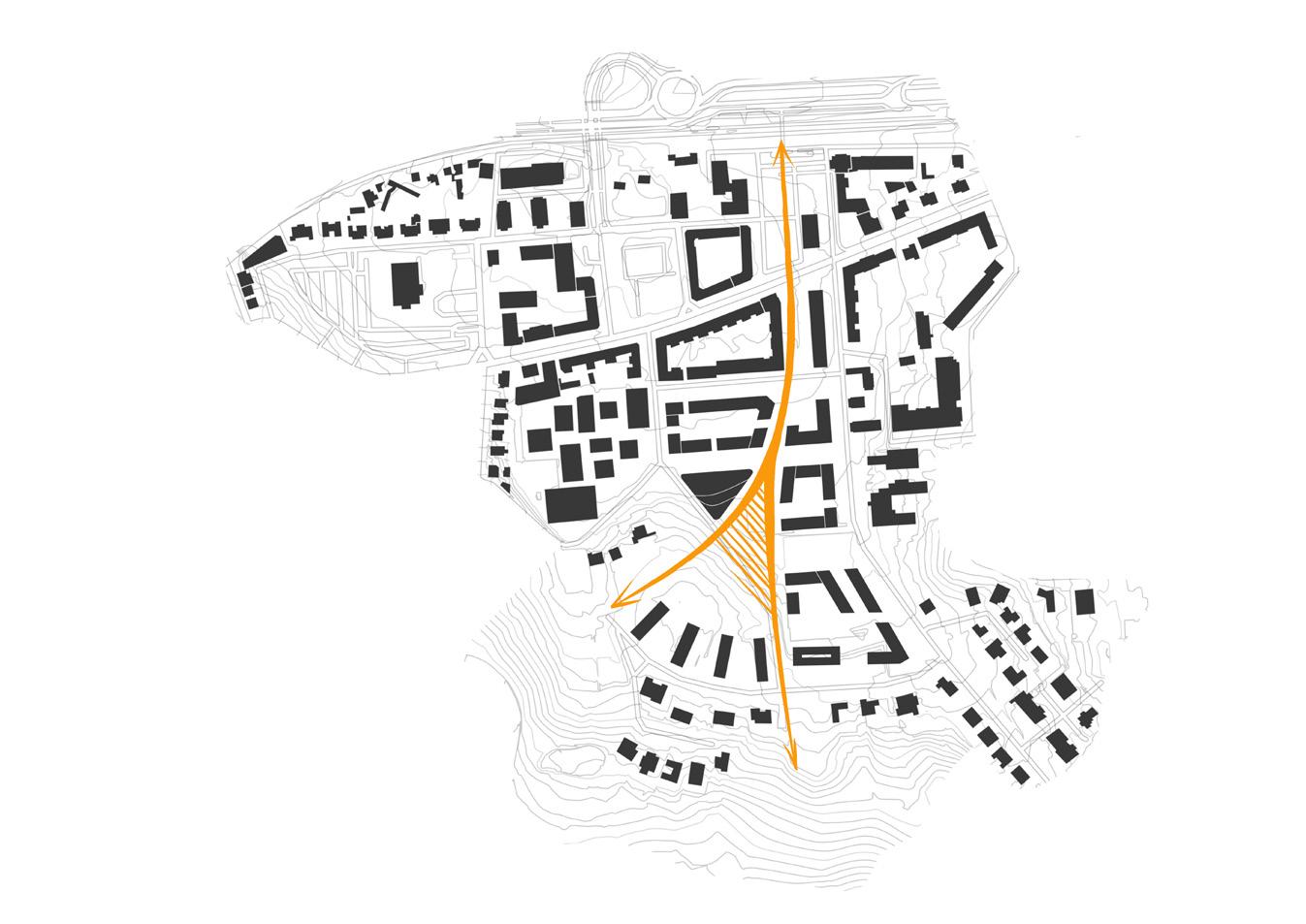
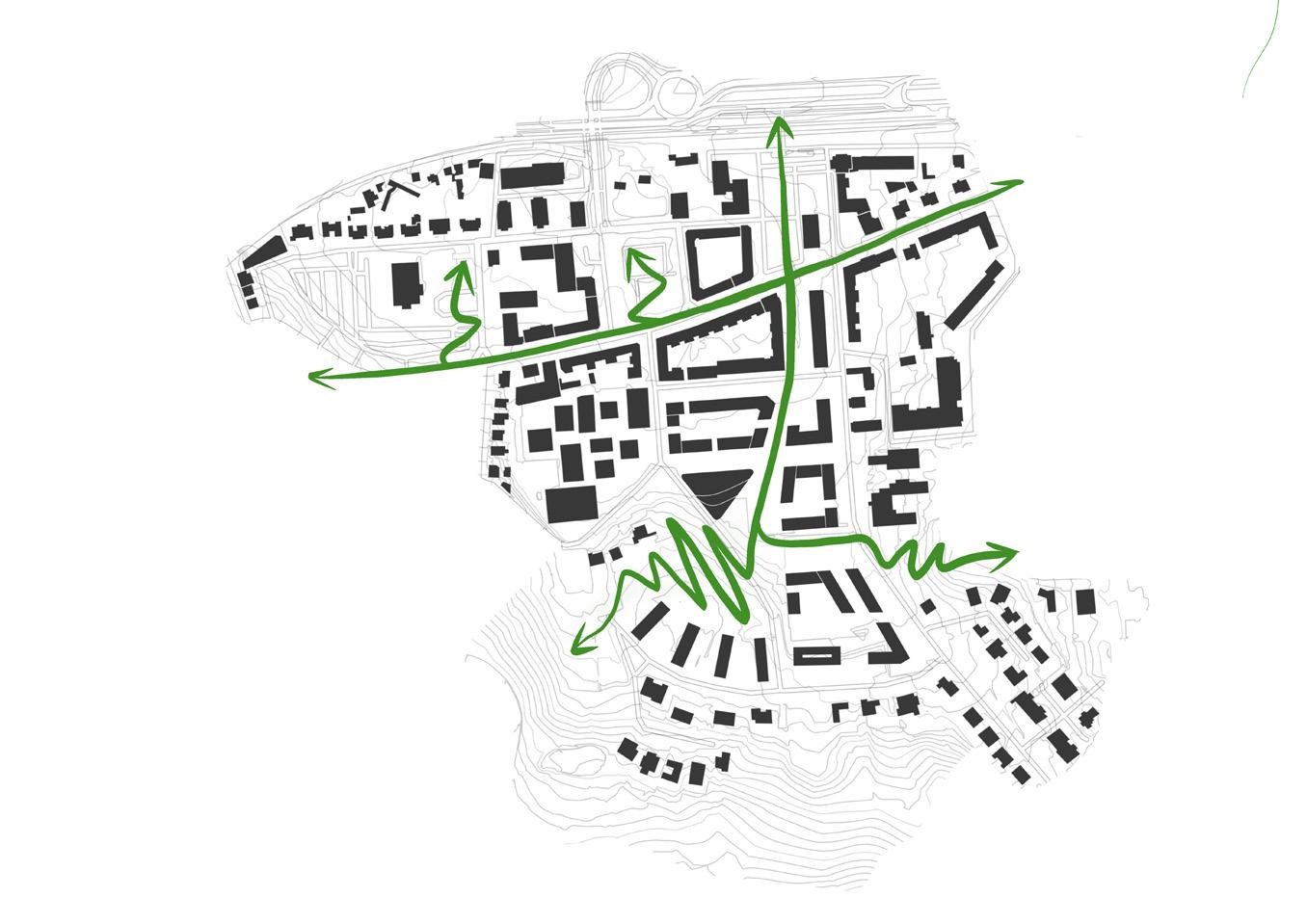
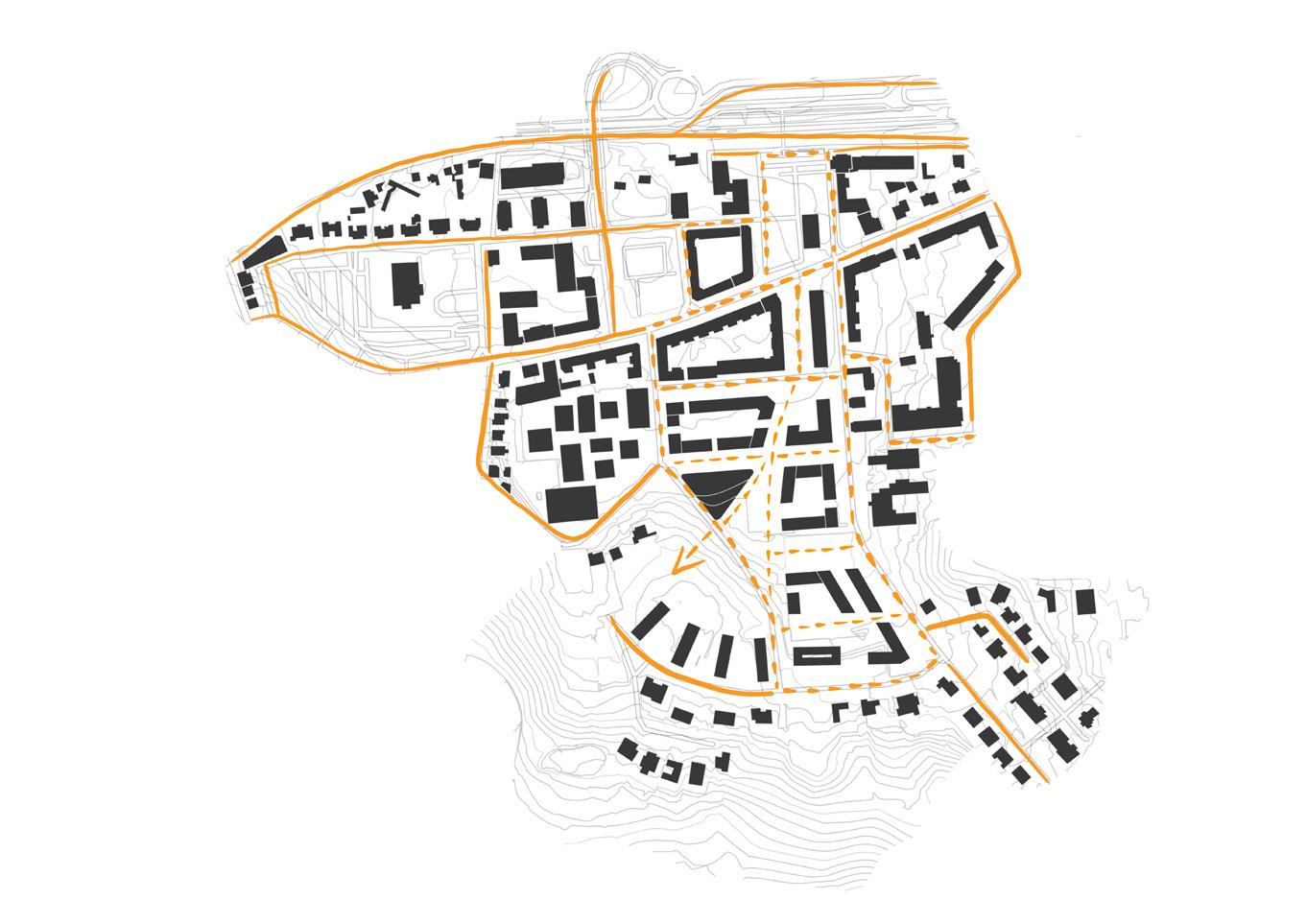
authors: P. Konsek, H. Galas / idea diagrams
authors: H. Halas, P. Konsek, M. Benek / strategic proposal for the center of Portela de Sintra
thank you for your time and consideration