
Post-Mining Palimpsest
Jharia, India | Regenerative Landforms
AA School, EmTech, Dissertation Project 2025
Team: Mauli Patel, Sung-Soo Park, Luis Castro, Ajinkya Randive
Tutors: Dr. Milad Showkatbakhsh, Dr. Michael Weinstock, Dr. Anna Font
Computational modelling | Ecological planting | Bio-receptive material research
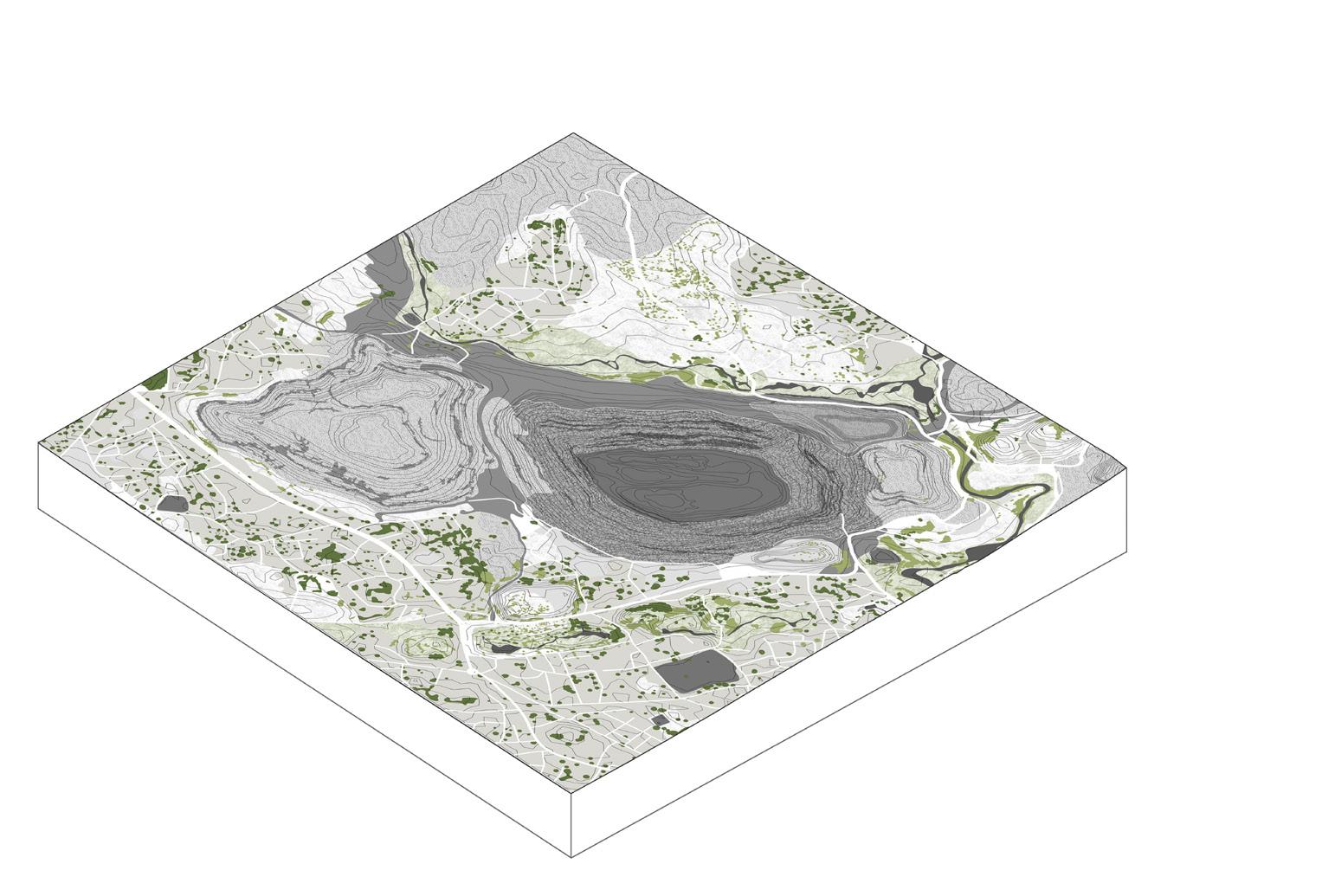
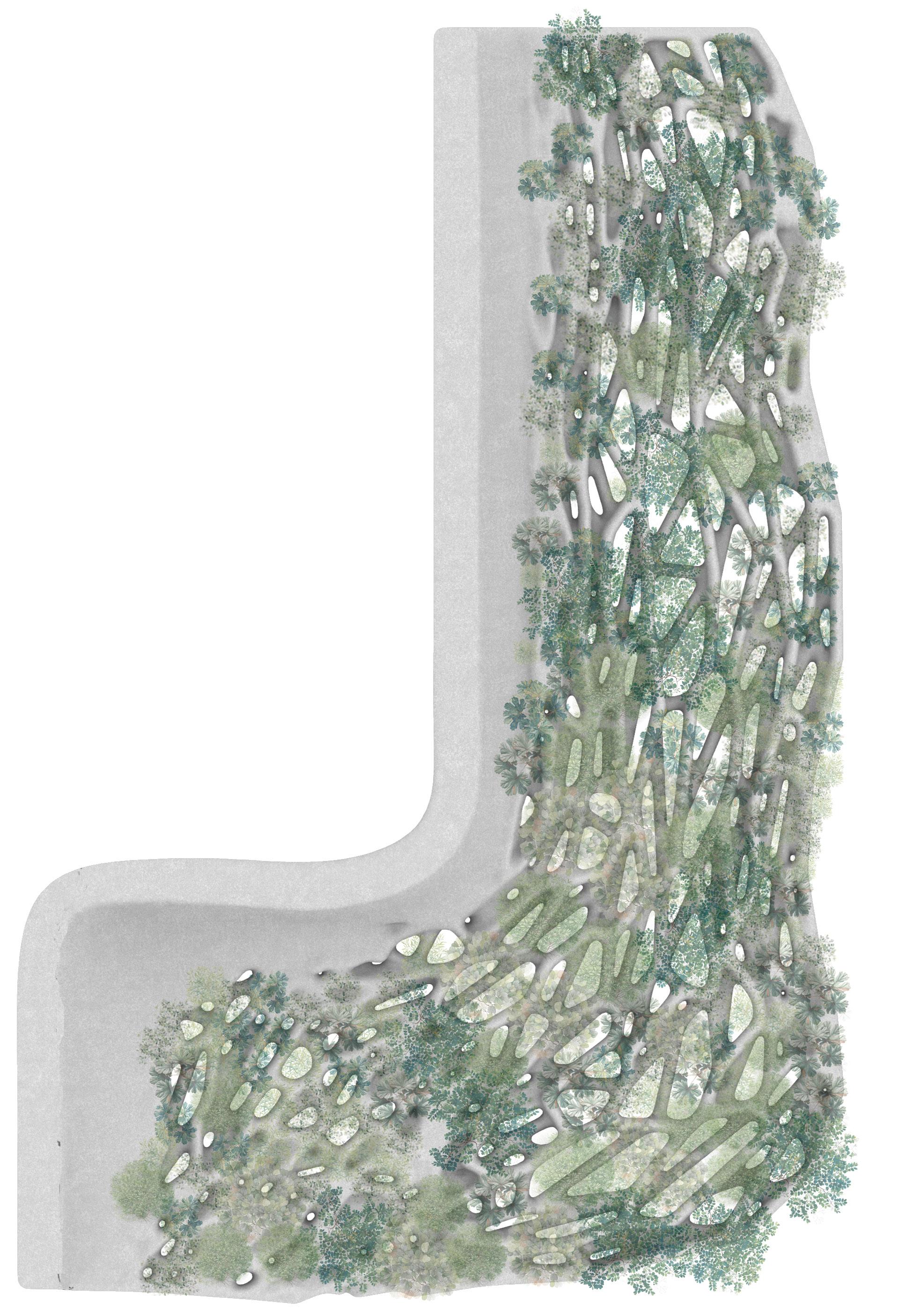
The project reimagines Jharia’s abandoned coal mines, marked by a century of environmental degradation, terrain instability, and chronic contamination, as a landscape that can be read through computation and data-driven design, and guided towards ecological repair. Agentbased modelling and risk analytics reveal how subsidence, hydrology, and contamination move across the terrain, allowing stabilisation networks to grow from land’s behaviour. Multi-objective optimisation and groundstructure interaction modelling refine this understanding into stabilisation corridors and ecological planting guilds Robotic 3D printing with bio-receptive composites derived from mining waste creates porous surfaces that anchor soil and initiate phytoremediation, enabling extraction scars to shift toward adaptive, inhabitable futures.
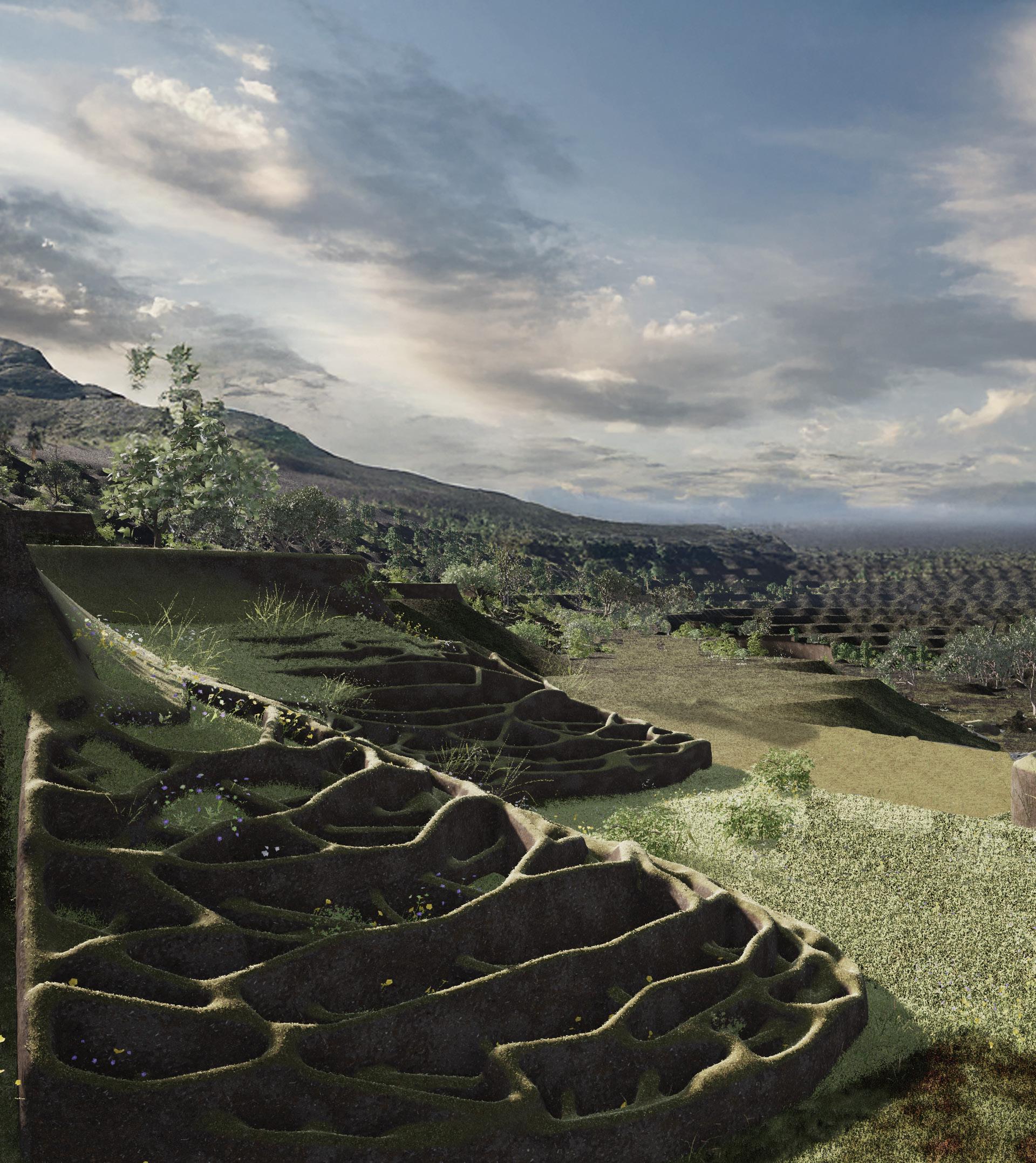
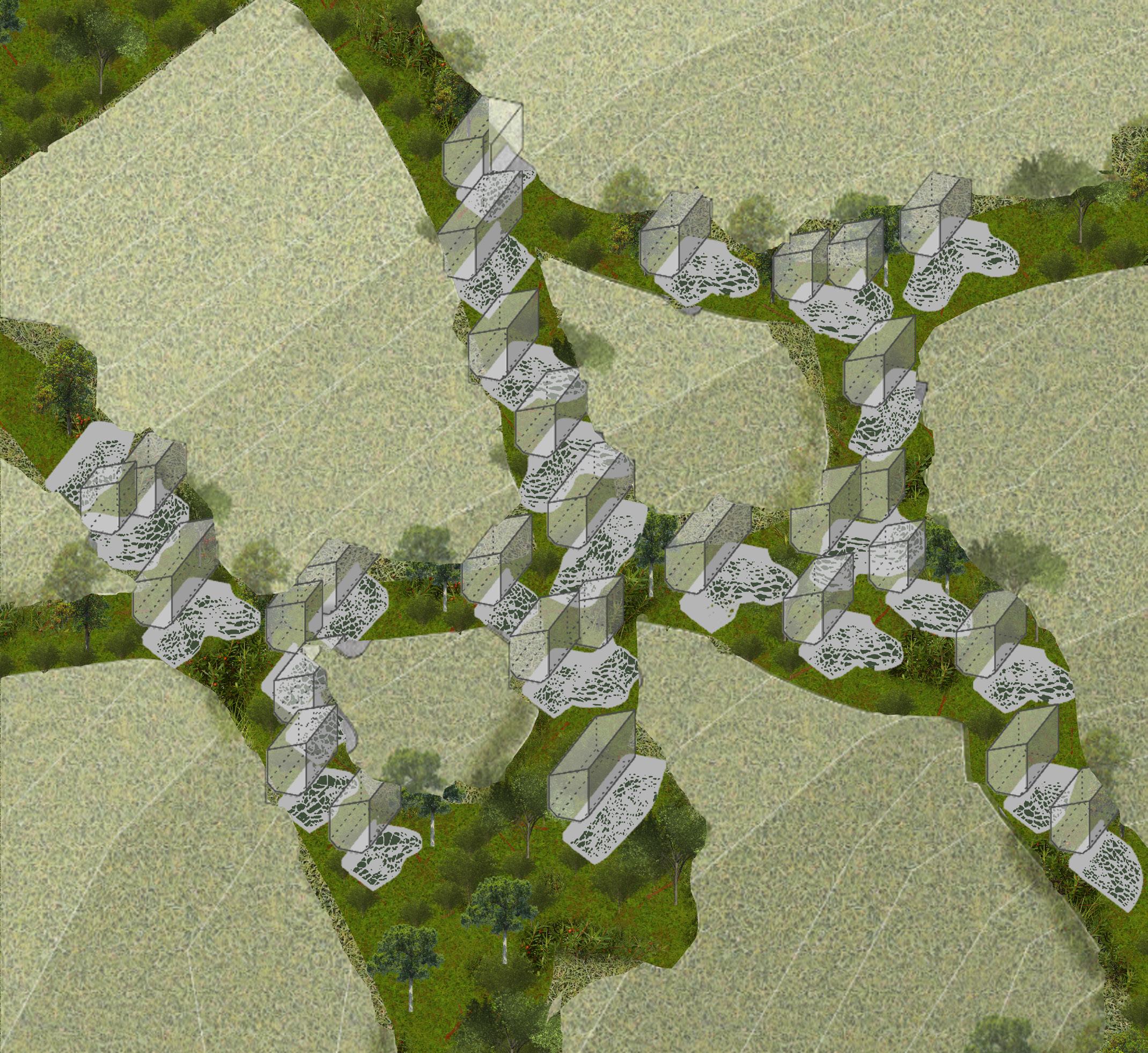
Speculative reconstruction of stabilised terraces formed through bio-receptive 3D printed systems.
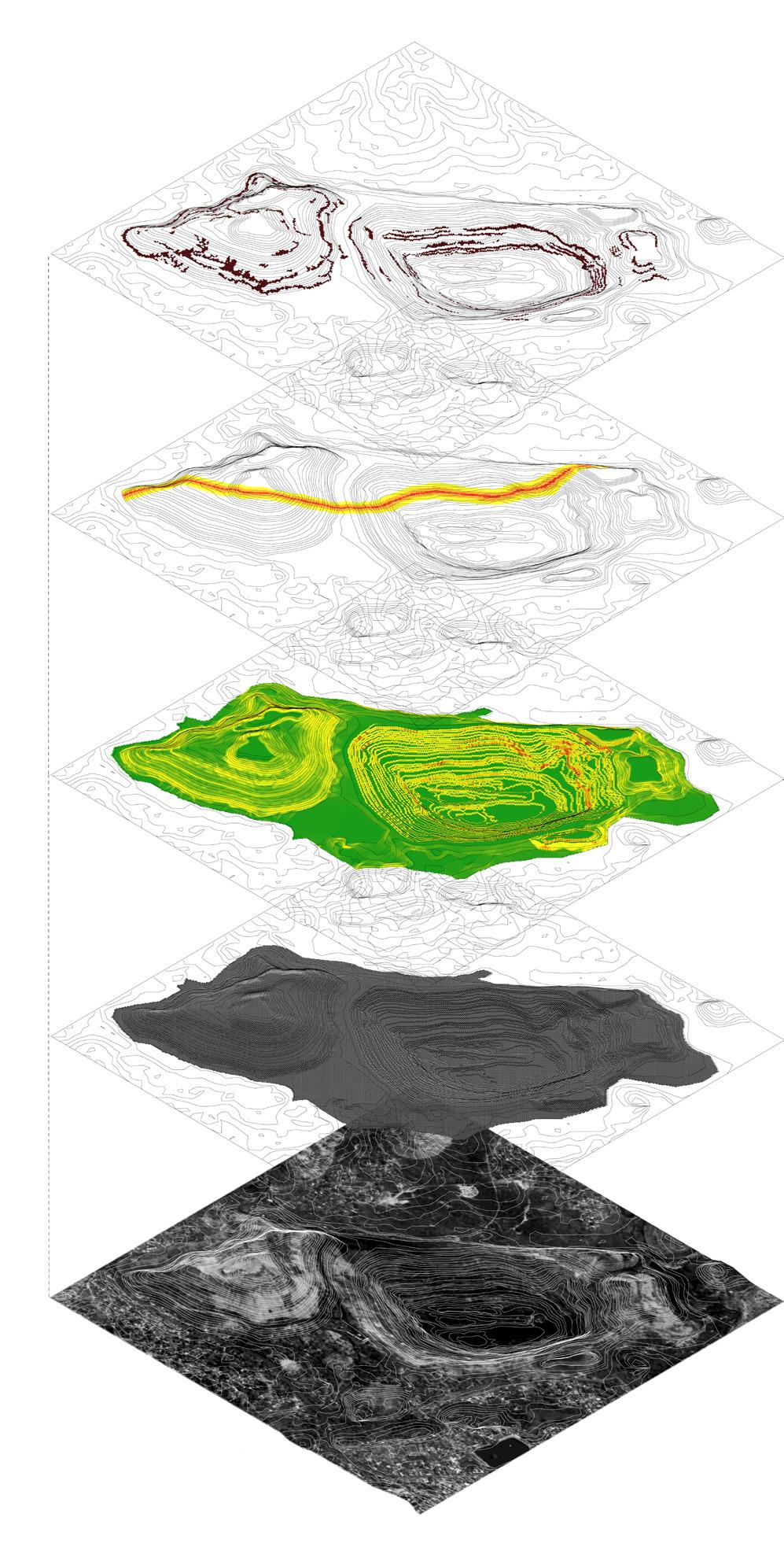
4. Subsidence Areas
Detection of sectors with higher thermal concentration.
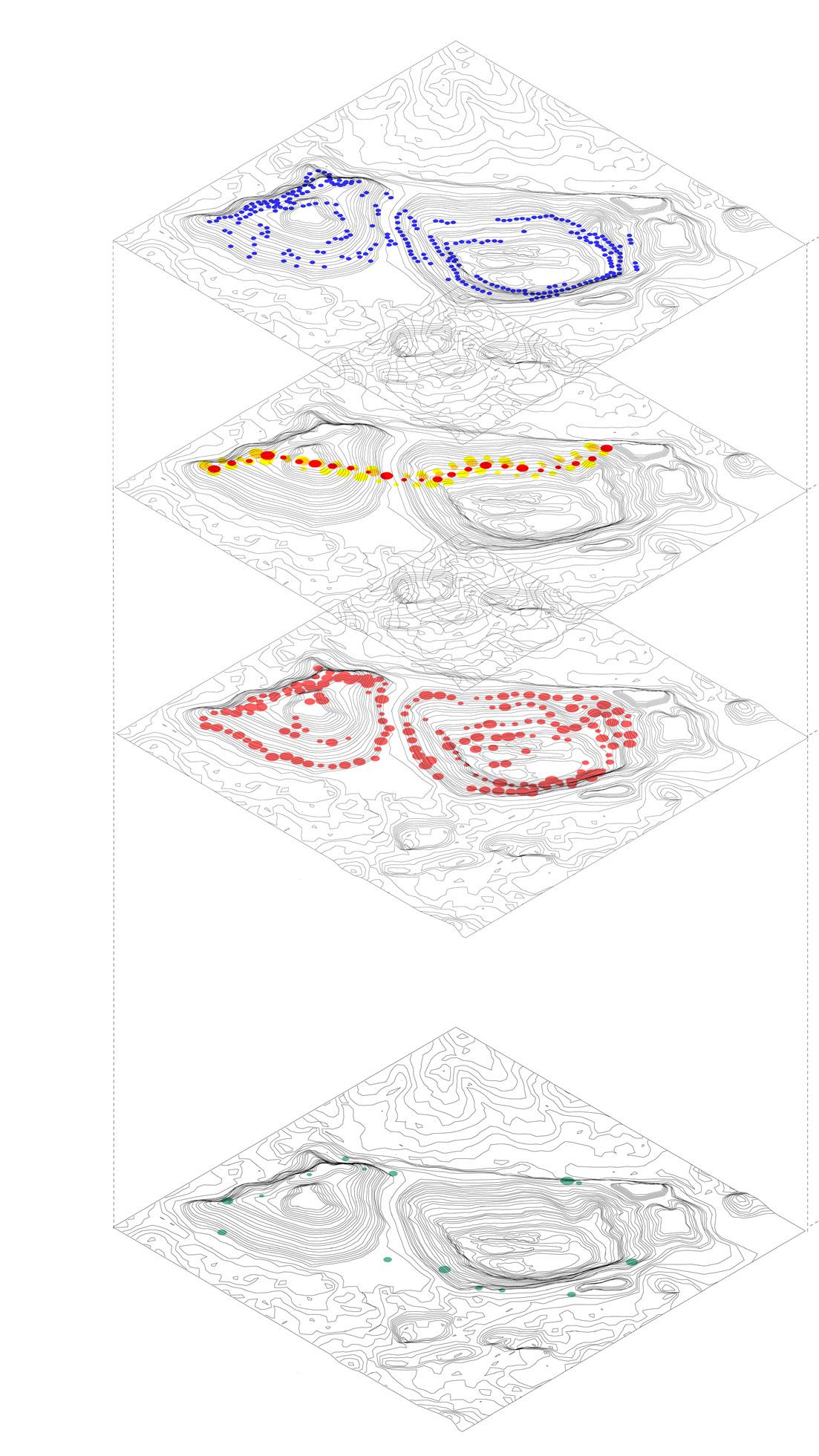
Site conditions are treated as data layers for generating a stabilization corridor throughout the mine, connecting the most critical areas. This makes it a bottom-up, data-informed network.
5. Rocky Terrain Identification of areas with predominant rocks.
3. Terrain Slope Analysis of ground slope variations with critical areas.
2. 5m x 5m Terrain 5 x 5 m ground environmental data information.
1. Terrain Elevation Satellite elevation data processed to record years of terrain alteration to detect polluted zones.
1. Nodes: Attractor
2. High Slope: Attractors
3. Subsidence: Attractions
4. Rocks: Repulsion
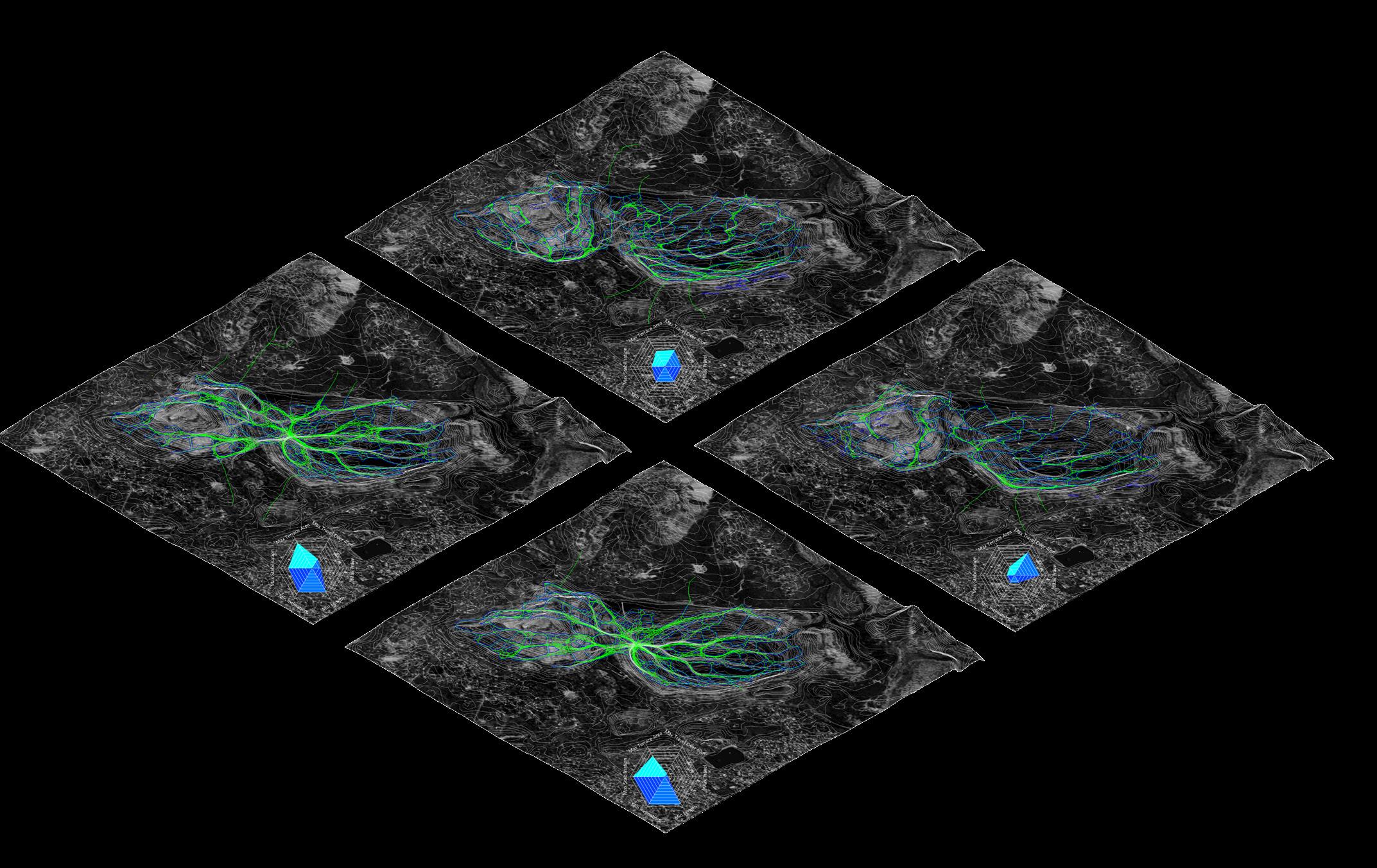
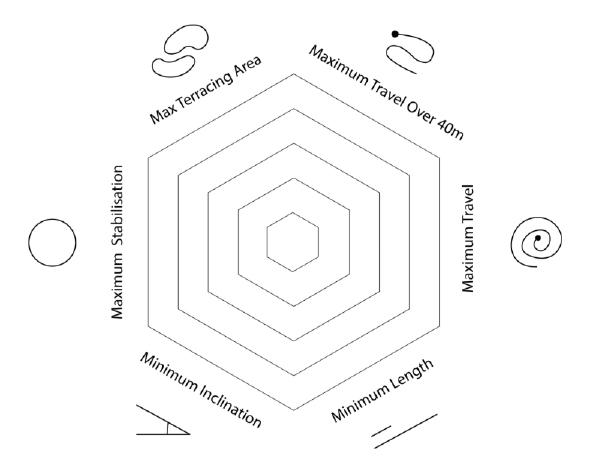
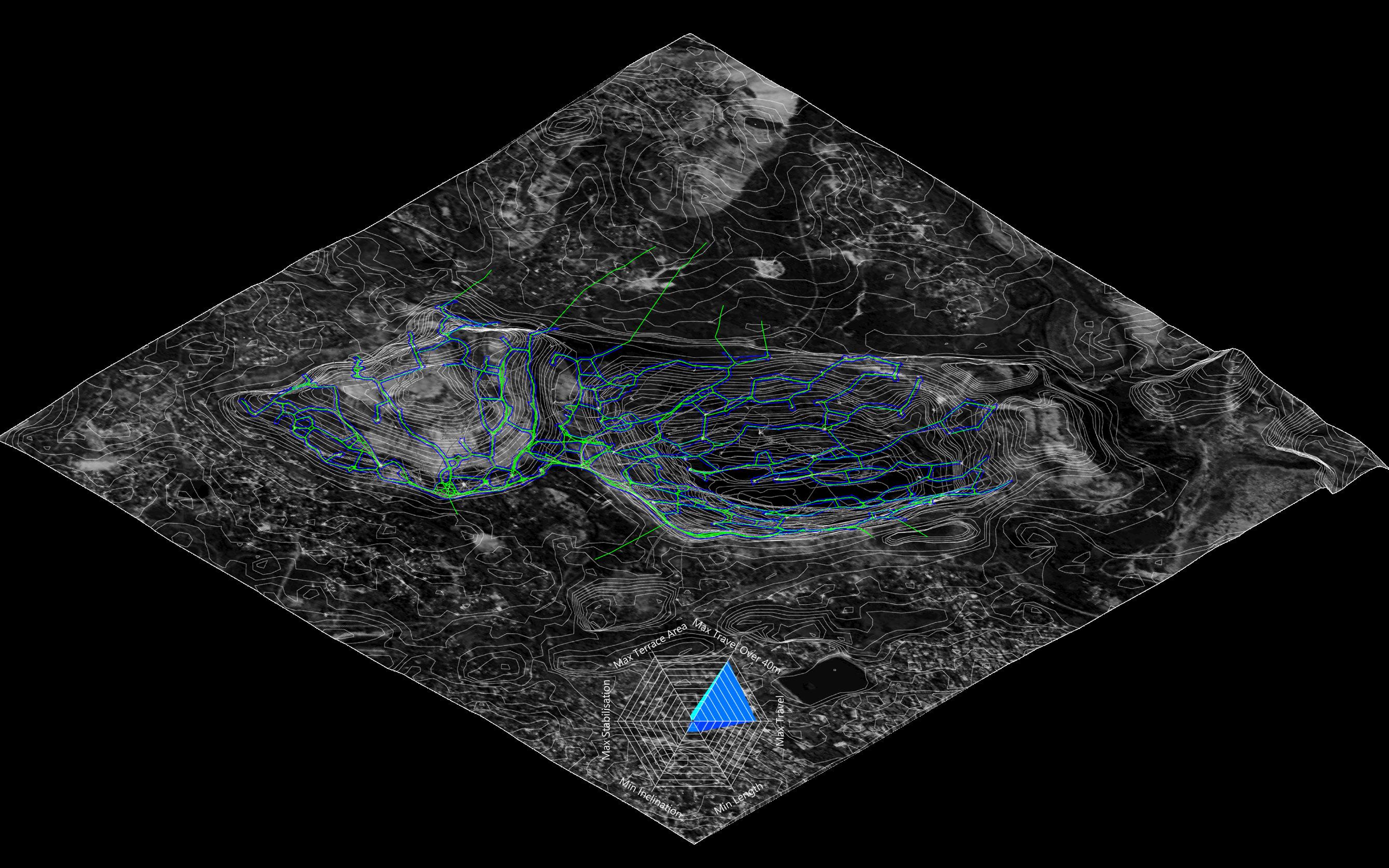
Varying agents behaviors generate various iterations. The most optimal amongst 1000s of iterations is chosen.
Attraction & Repulsion
Stigmergy Flocking Agent Behaviours
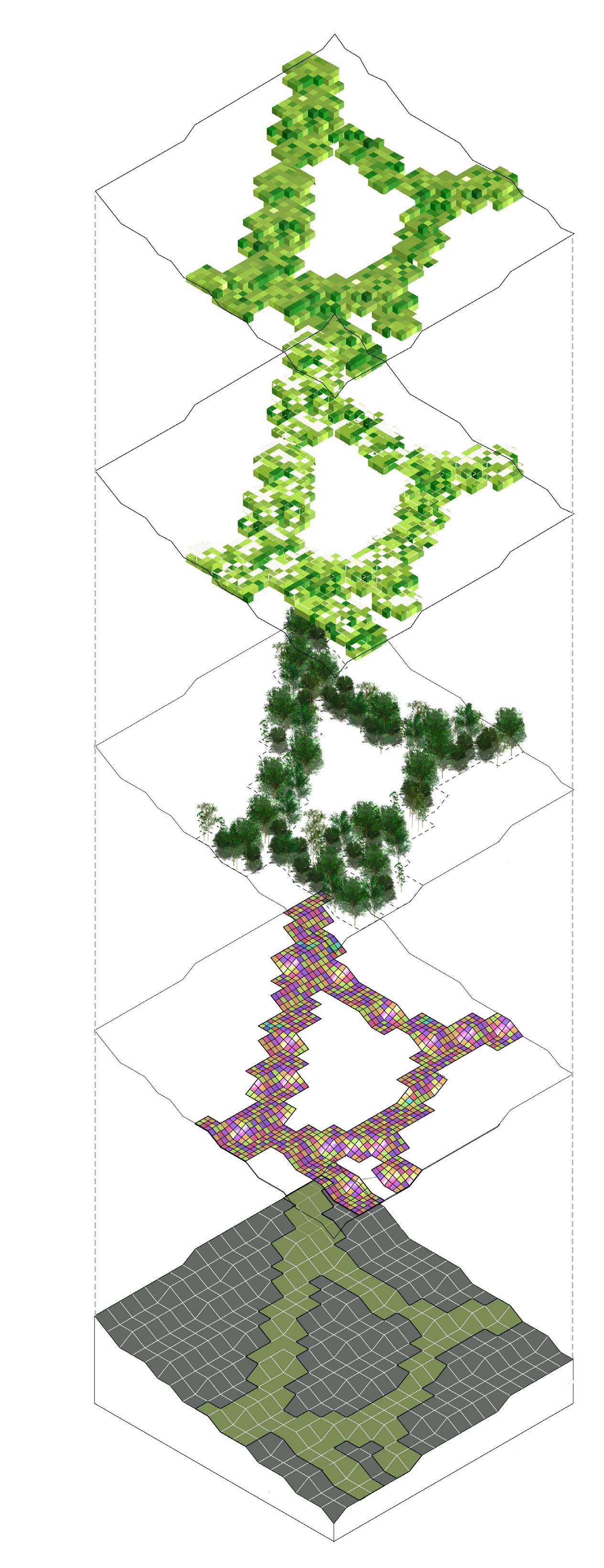
Plant Biomass Simulation
Plant Biomass Simulation
Corridor defined as the Stabilised zone
C# script for allocating planting based on ground micro-conditions
Stabilising Plants
Phytoremediation Plants
Soil Enriching Plants
Biodiversity Plants
Terrain into 5m x 5m Data: Slope Ground soil cover
Polluted land
Elevation
Sun Radiation Water Flow
Ground Temperature
Bioreceptive structures designed as earlystage inserts that later serve as extensions for architecture after remediation cycles.Omnisti cone opta cus eiur, nulpa et ma et quas dolupta teceperorem voloressimil incidia nestiaspitio vel magnihi tatur,
Zone dedicated for Architecture
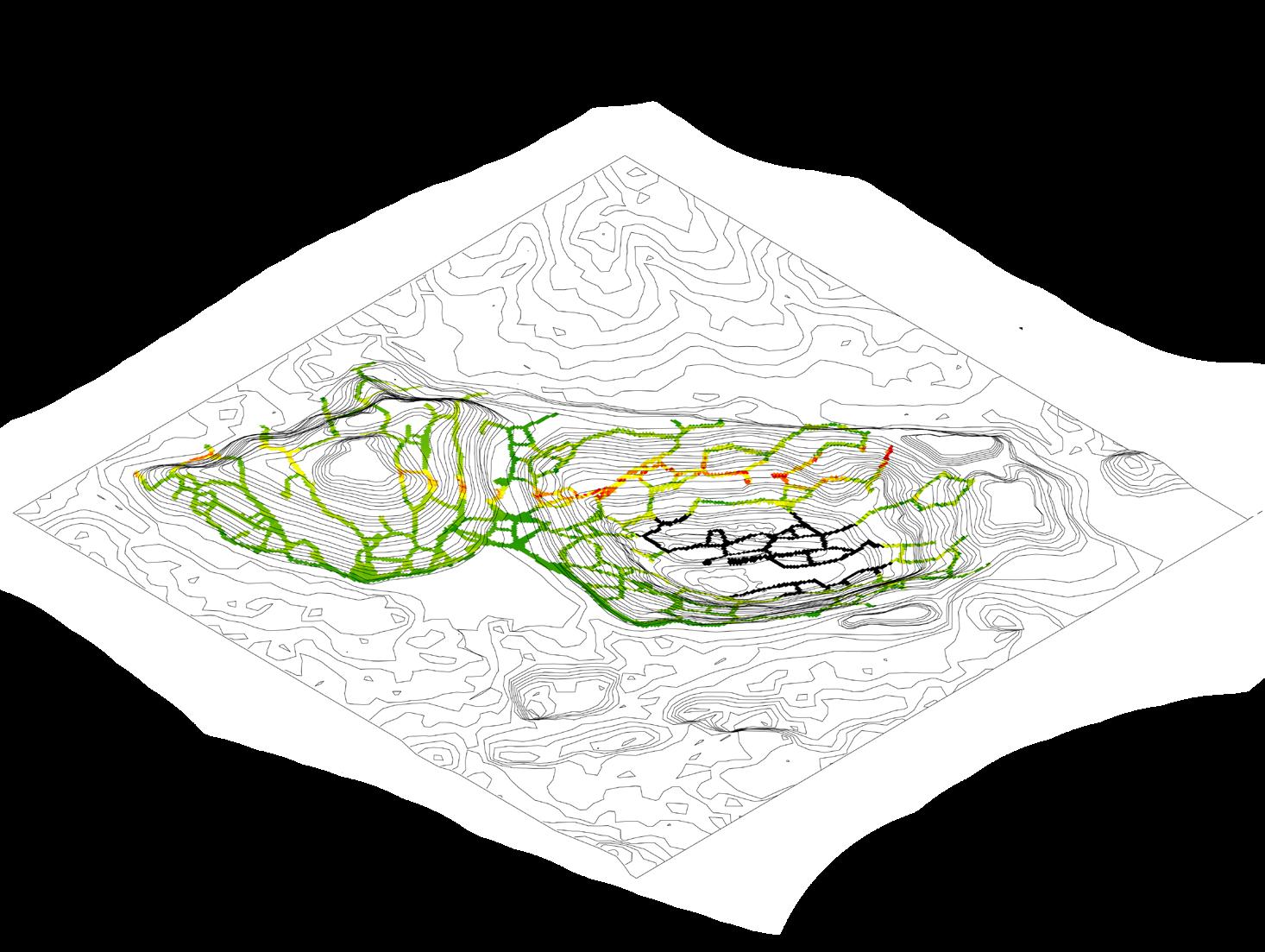
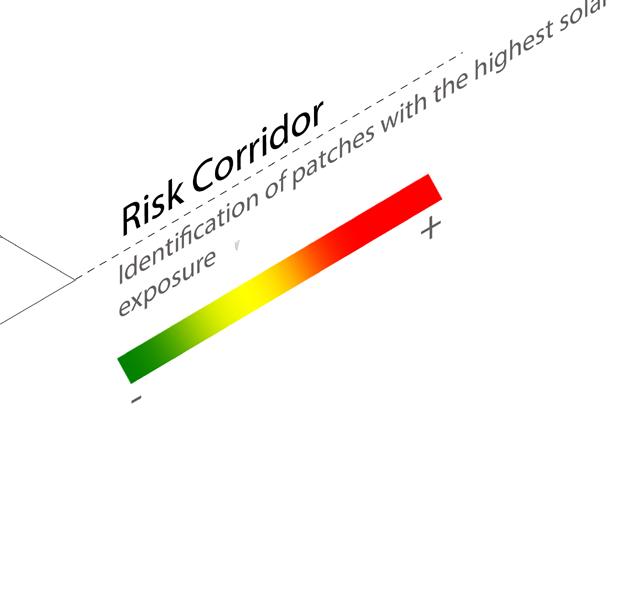
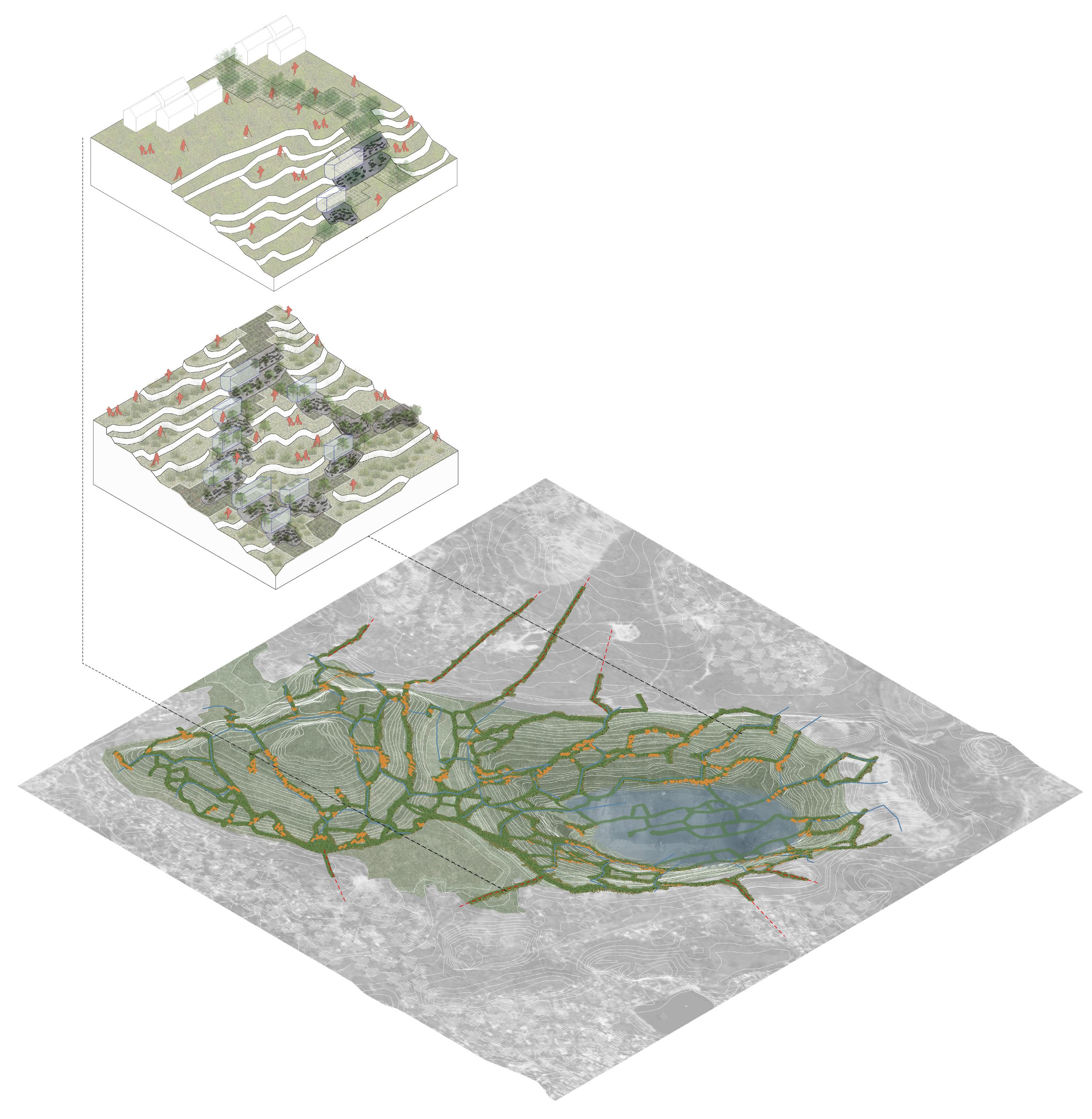
Stabilization corridor categorized into zones for intervention based on risk assessment.
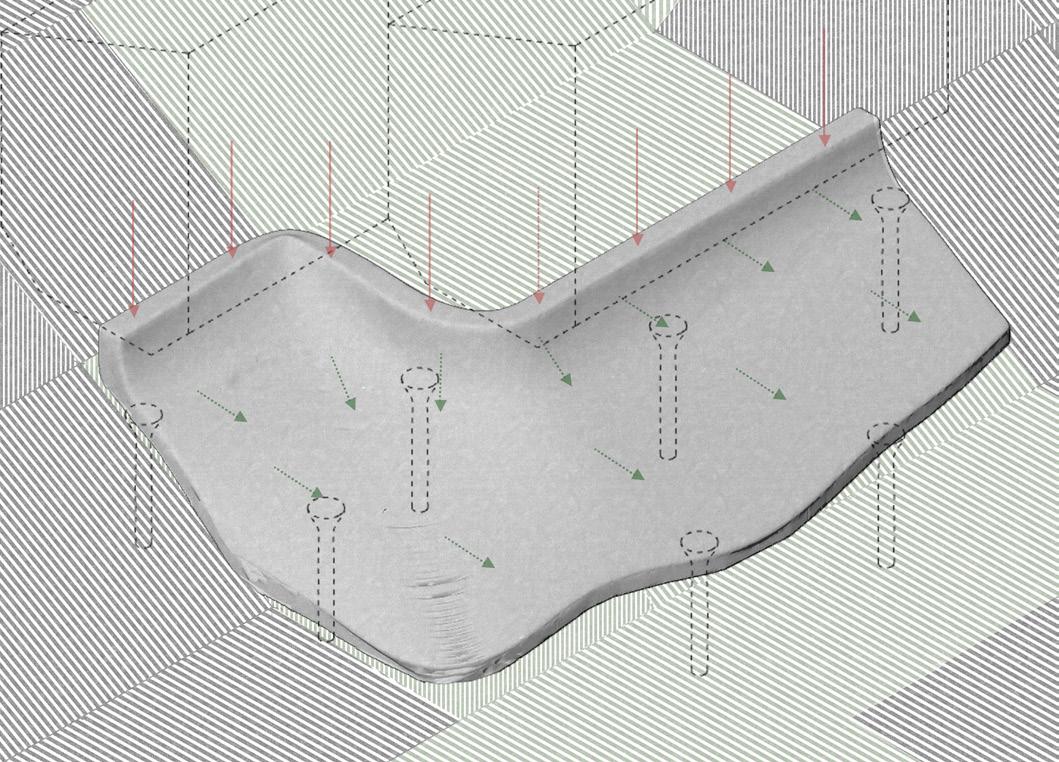
Shell under structural forces.
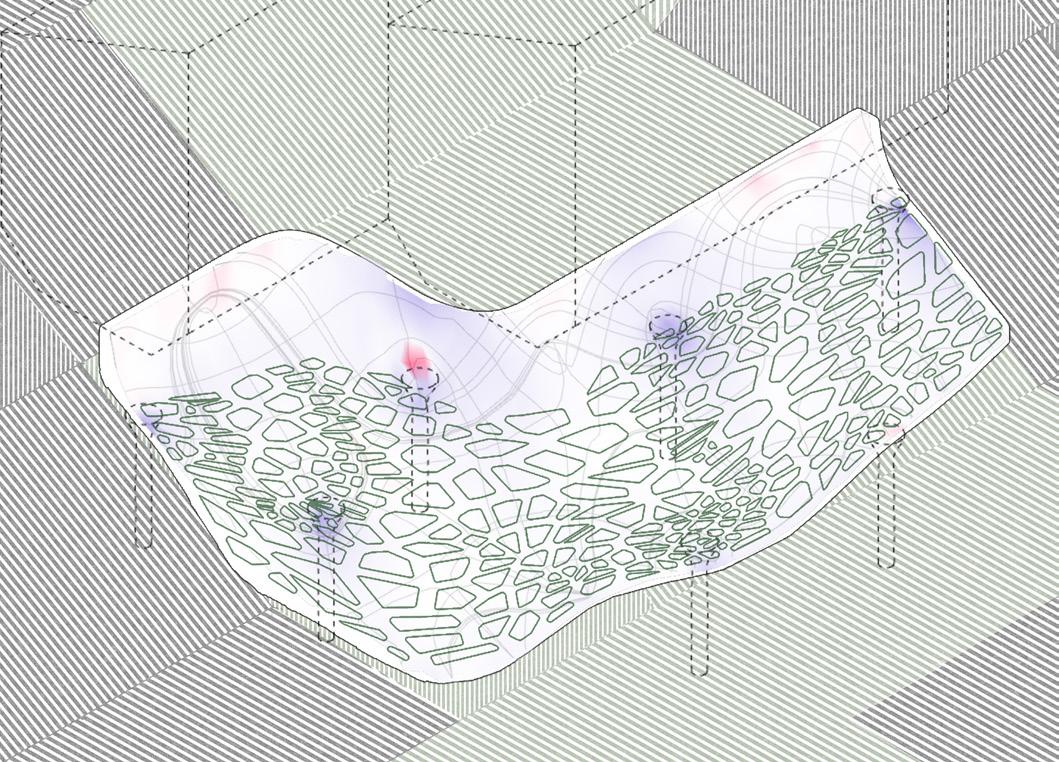
Material Subtraction as per stress lines.
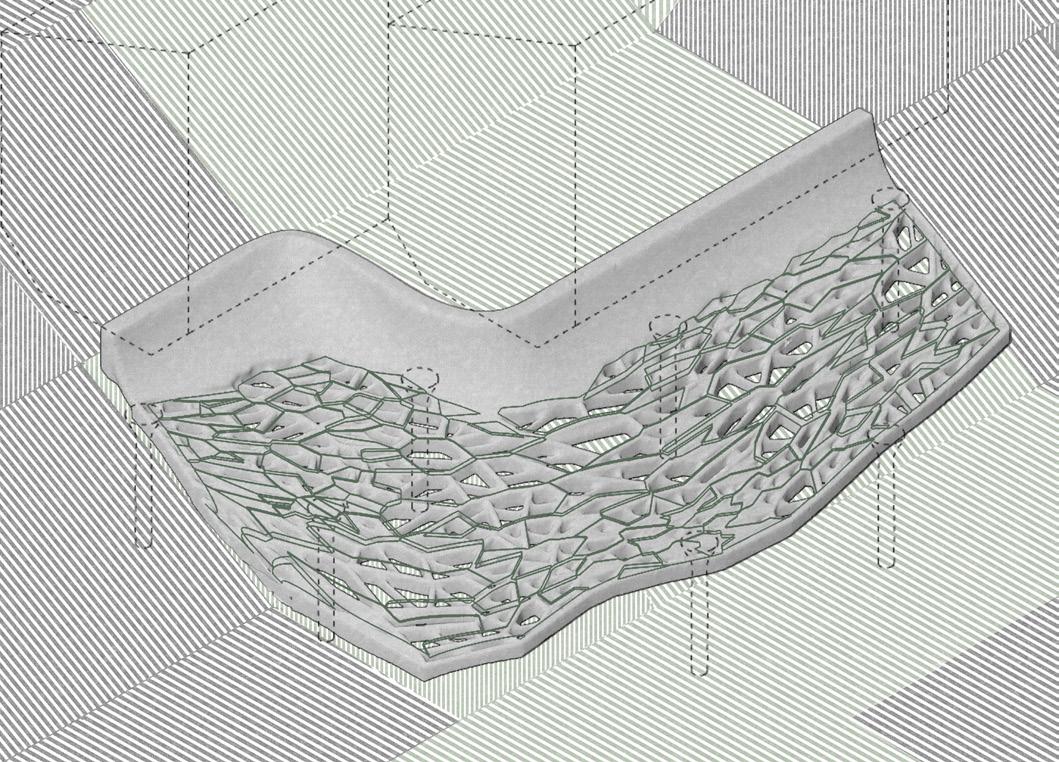
Connecting pockets based on plant sizes.
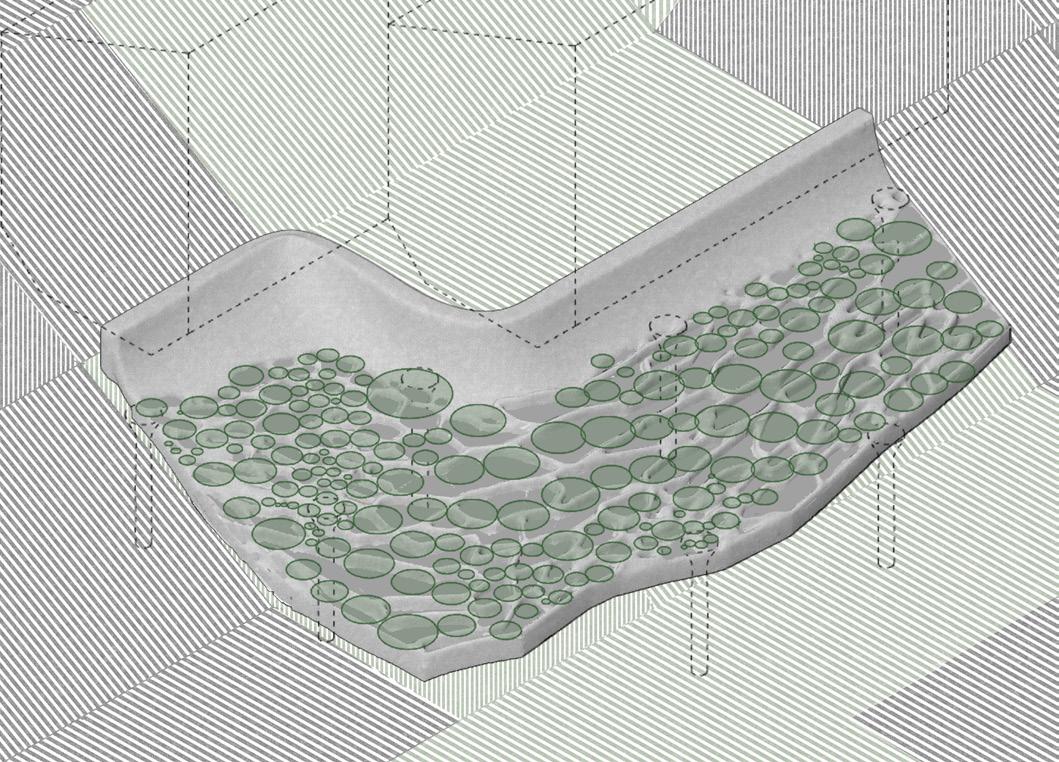
Soil cover and plant allocation.
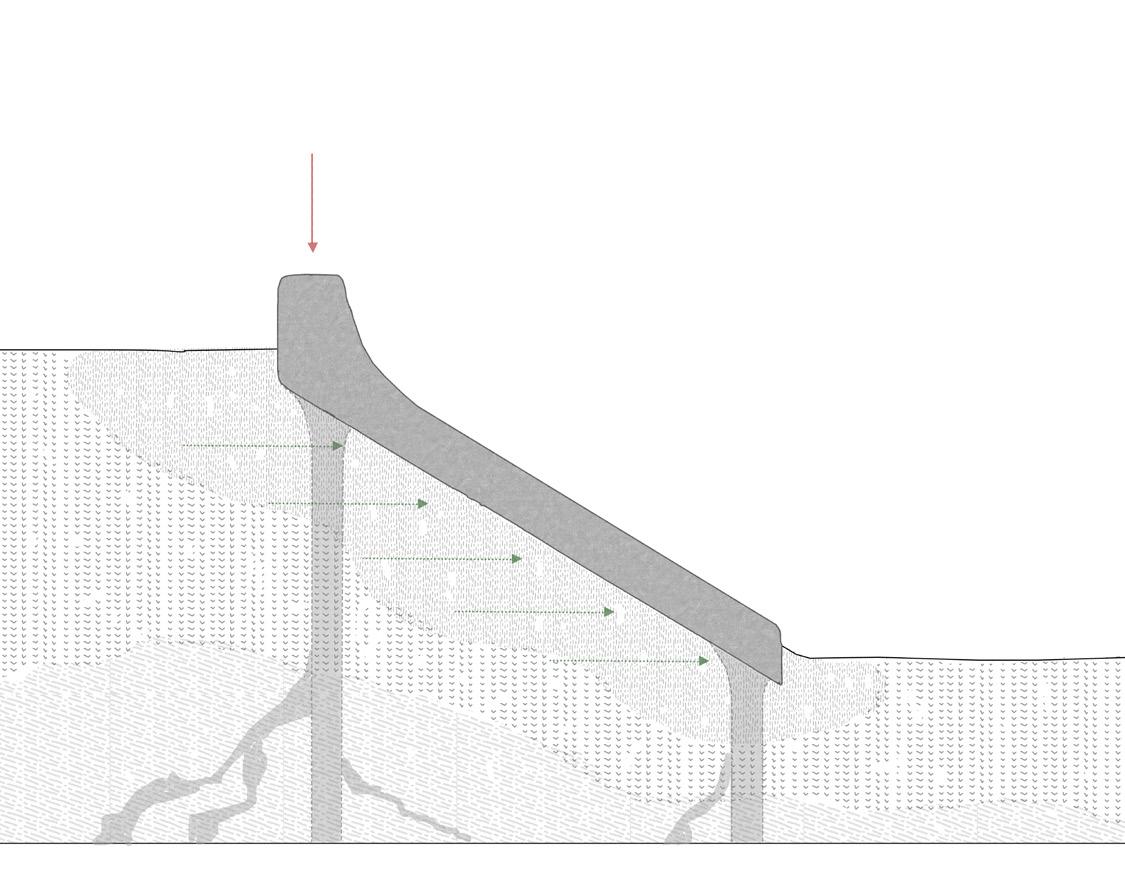
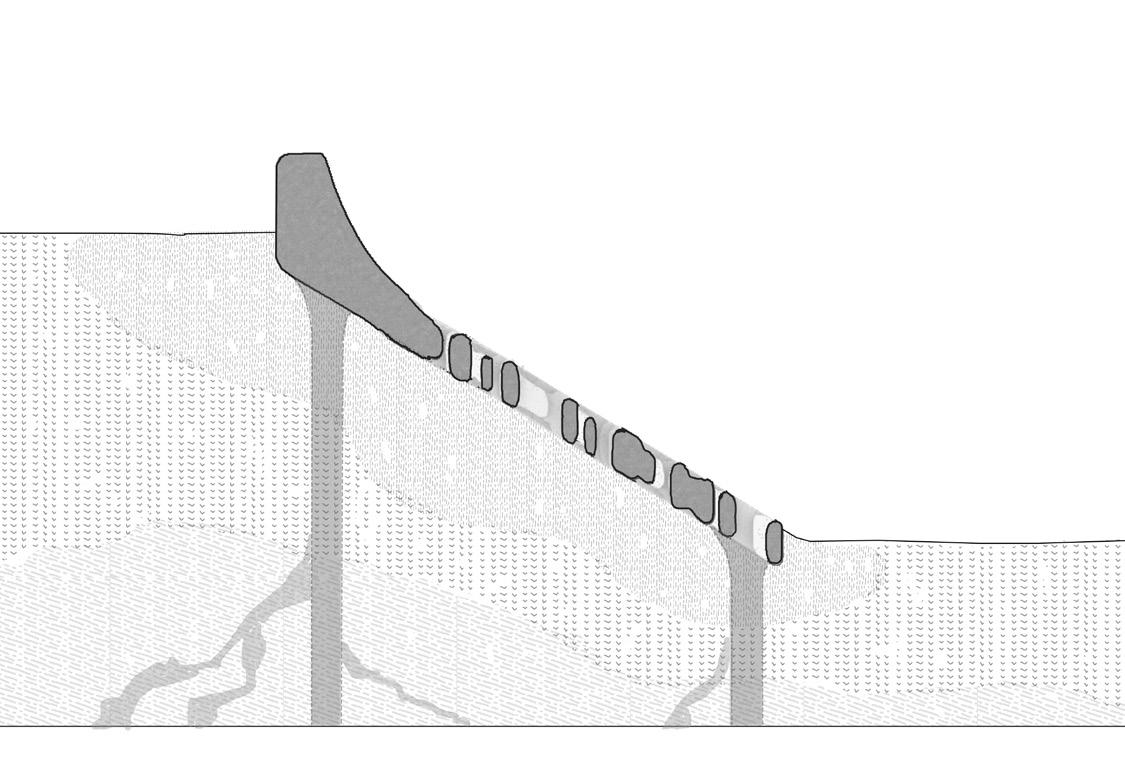
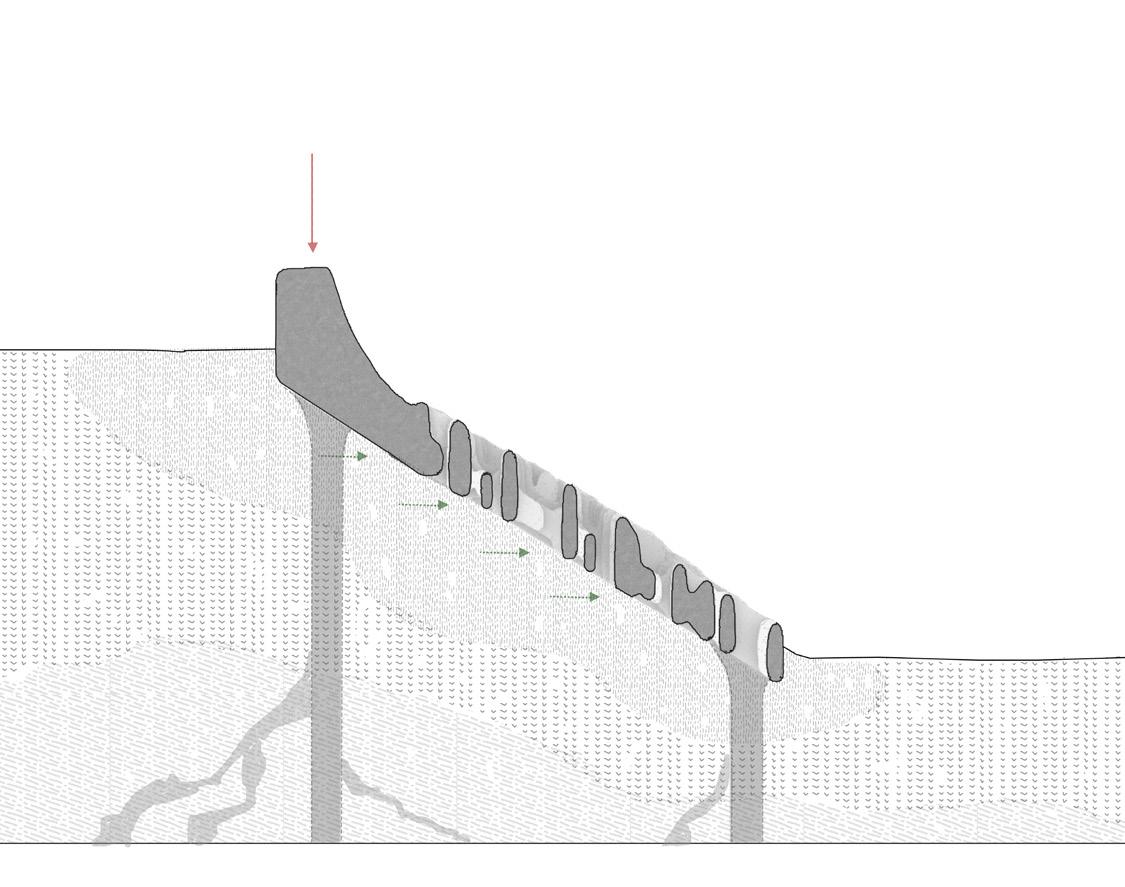
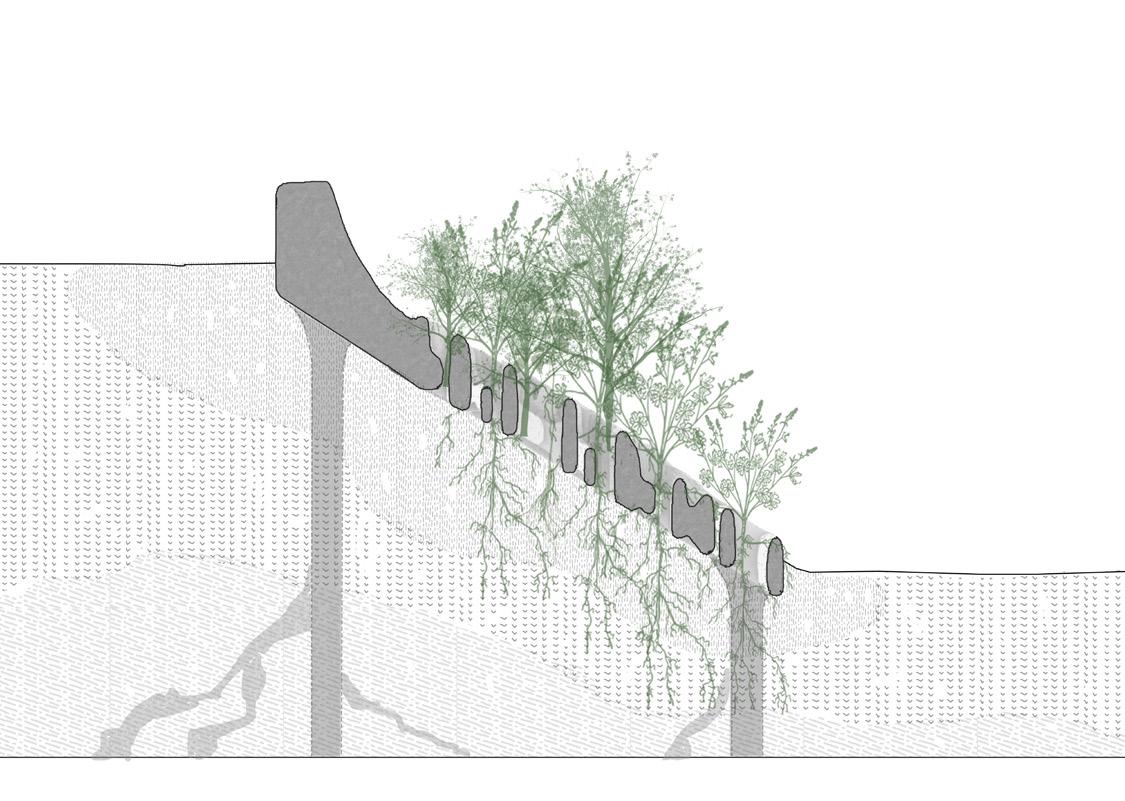
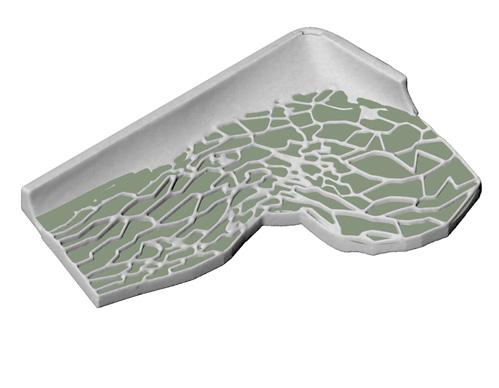
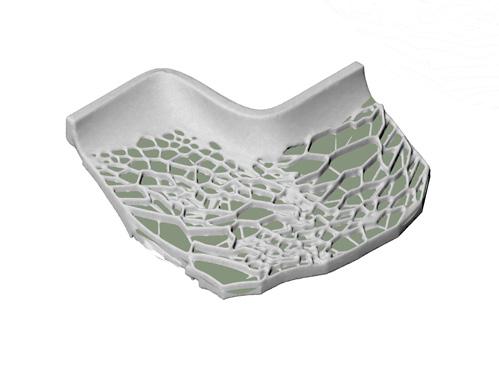
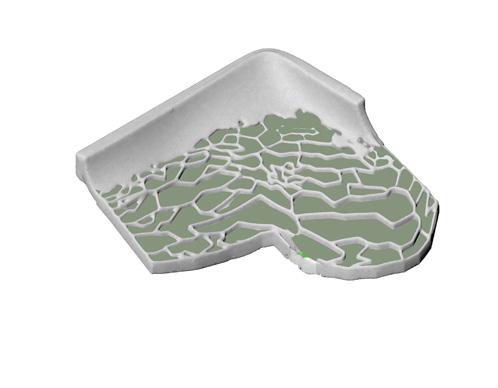
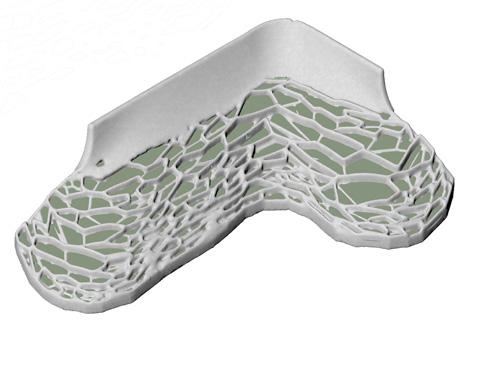
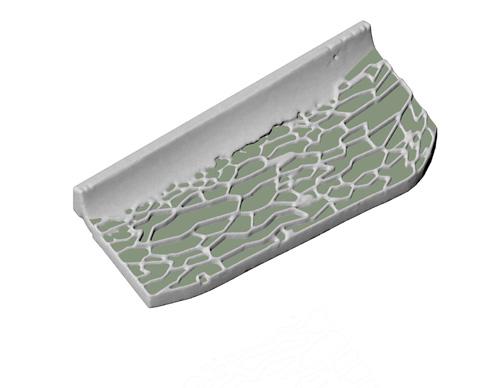
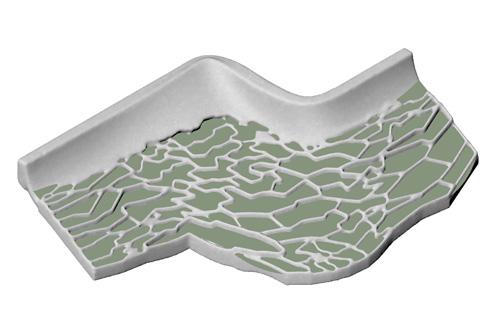
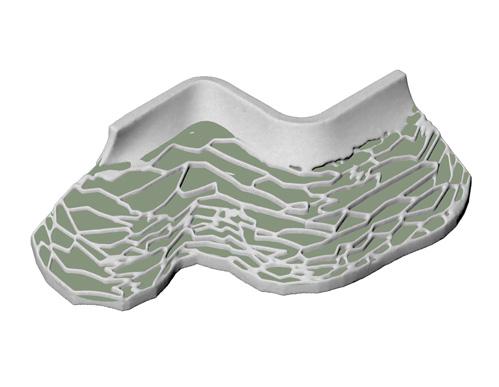
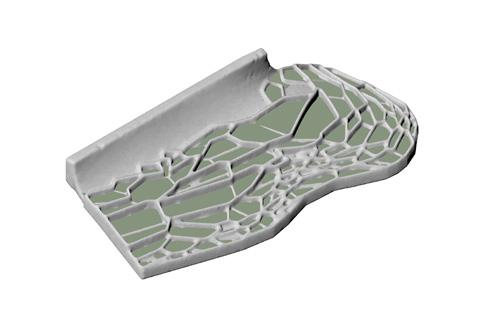
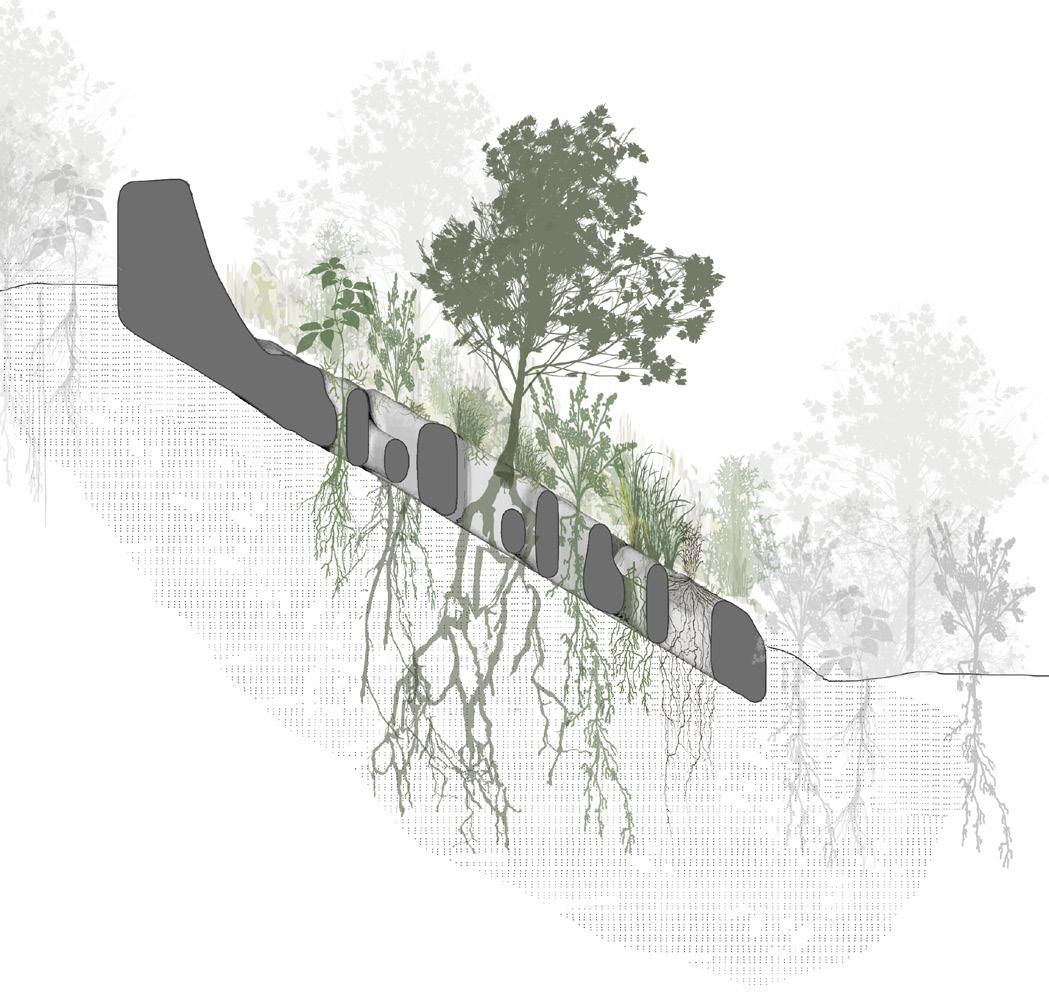
The bioreceptive wall supports plant growth for ground stabilisation while forming an anchored base for future architectural foundations. Varying planting pockets respond to structural forces, adjusting material thickness where required. Each wall is terrain-specific and is 3D printed in situ using materials sourced on site and in the region. The material mix of fly ash, lime, biochar, soil, organic matter and stabilisers was refined through compression tests and robotic extrusion trials.
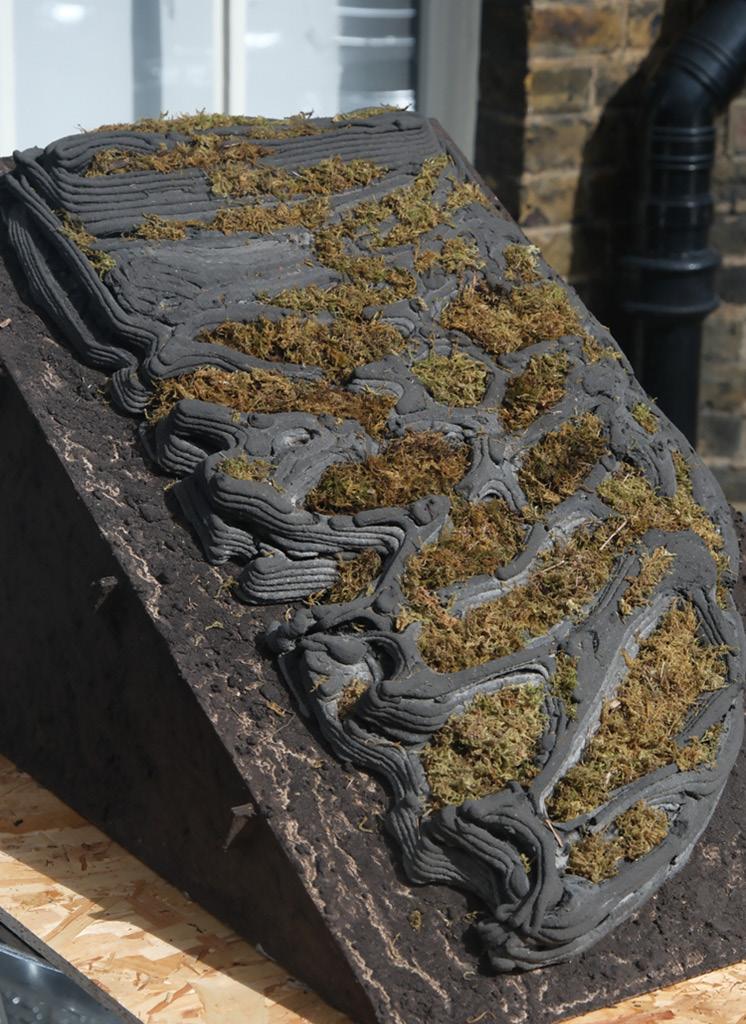
Prototypes tested material and structural performance through multiple composition trials and robotic extrusion, with continuous feedback between material development and design. Large-format 3D printing challenges are understood, leaving scope for future research to refine the geometry.

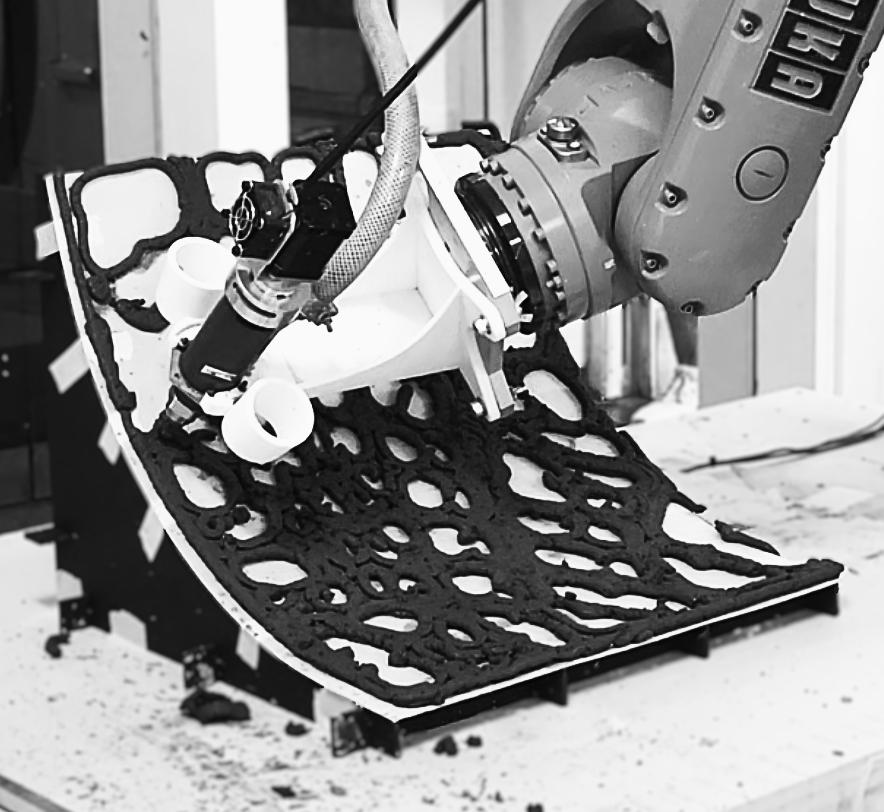
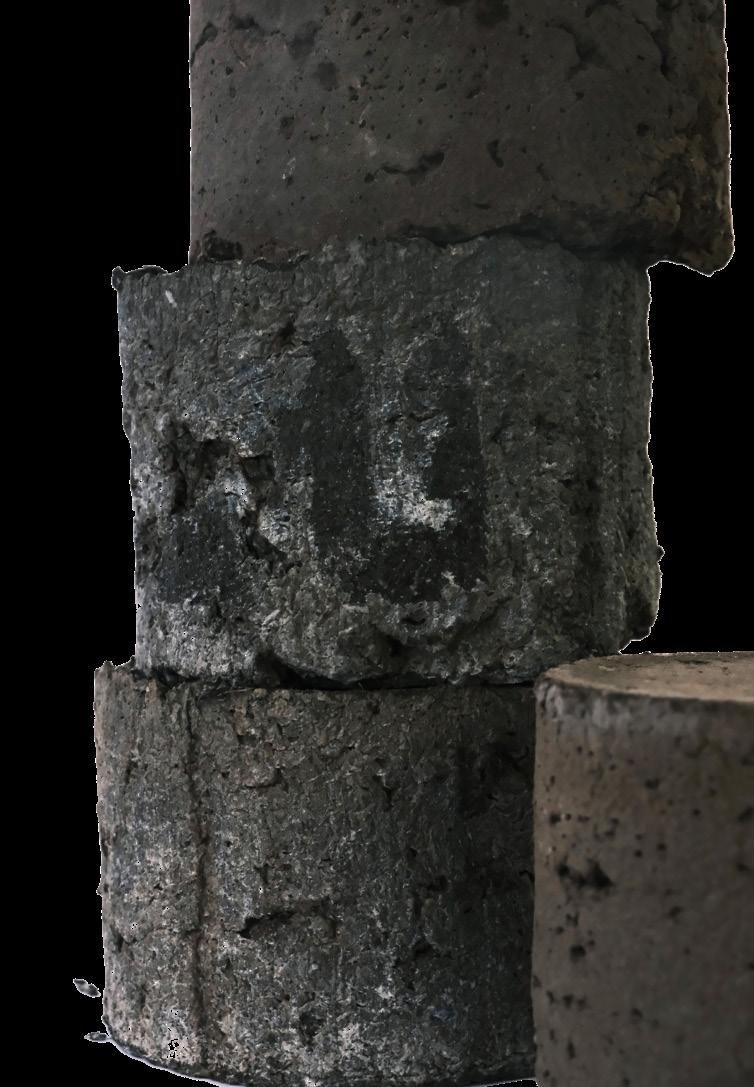
fly ash + lime + biochar + soil + organic matter + stabilisers
Early extrusion tests and material composition experiments.
Seciton revealing varying pockets and interplay of plants.
Lightweight Composite Bridge
Ahmedabad, India | Biomimetic Design
AA School, EmTech, Dissertation Project 2025
Team: Mauli Patel, Daniel Luis Castro
Tutors: Dr. Milad Showkatbakhsh, Dr. Elif Erdine
Biomimicry | Robotic Fabrication | Digital Material Performance
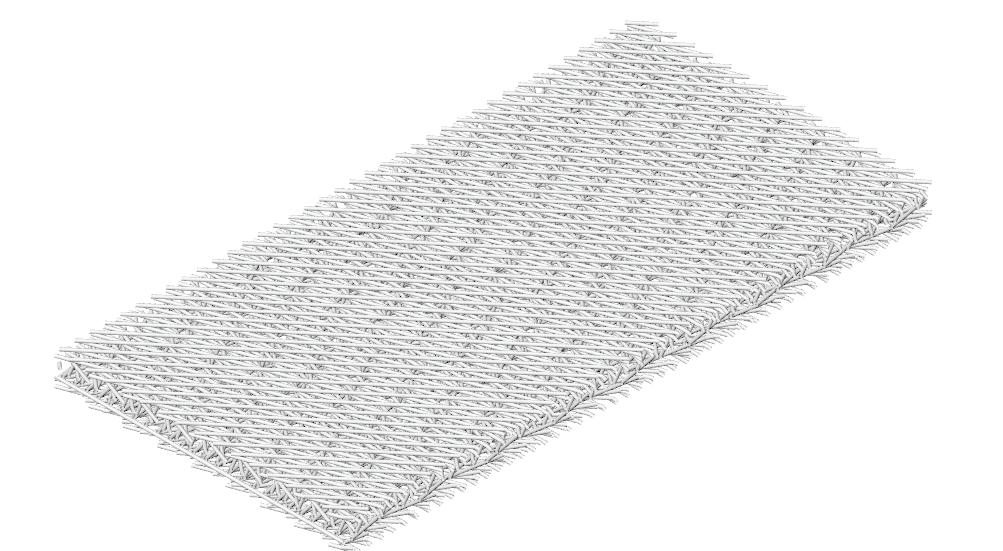
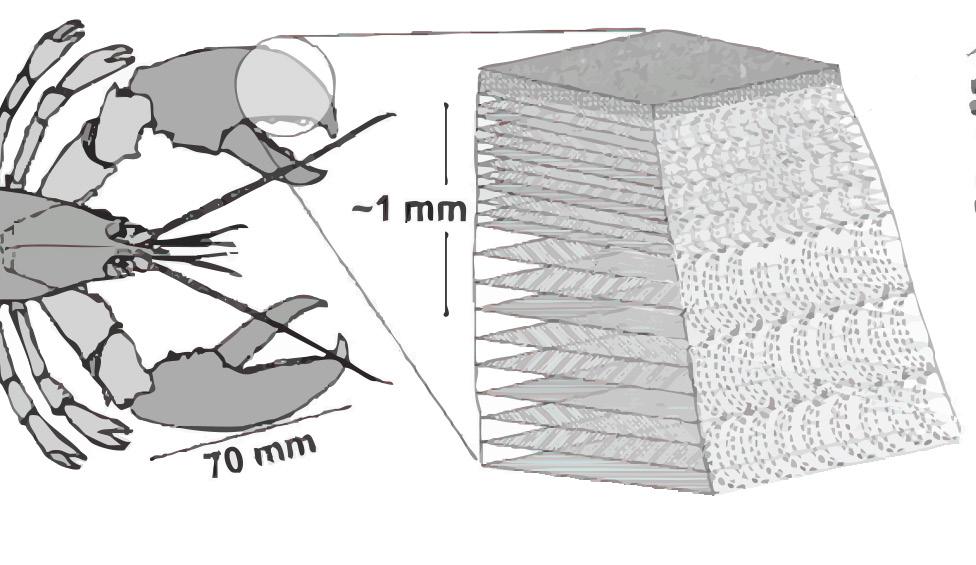
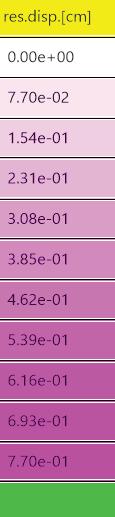
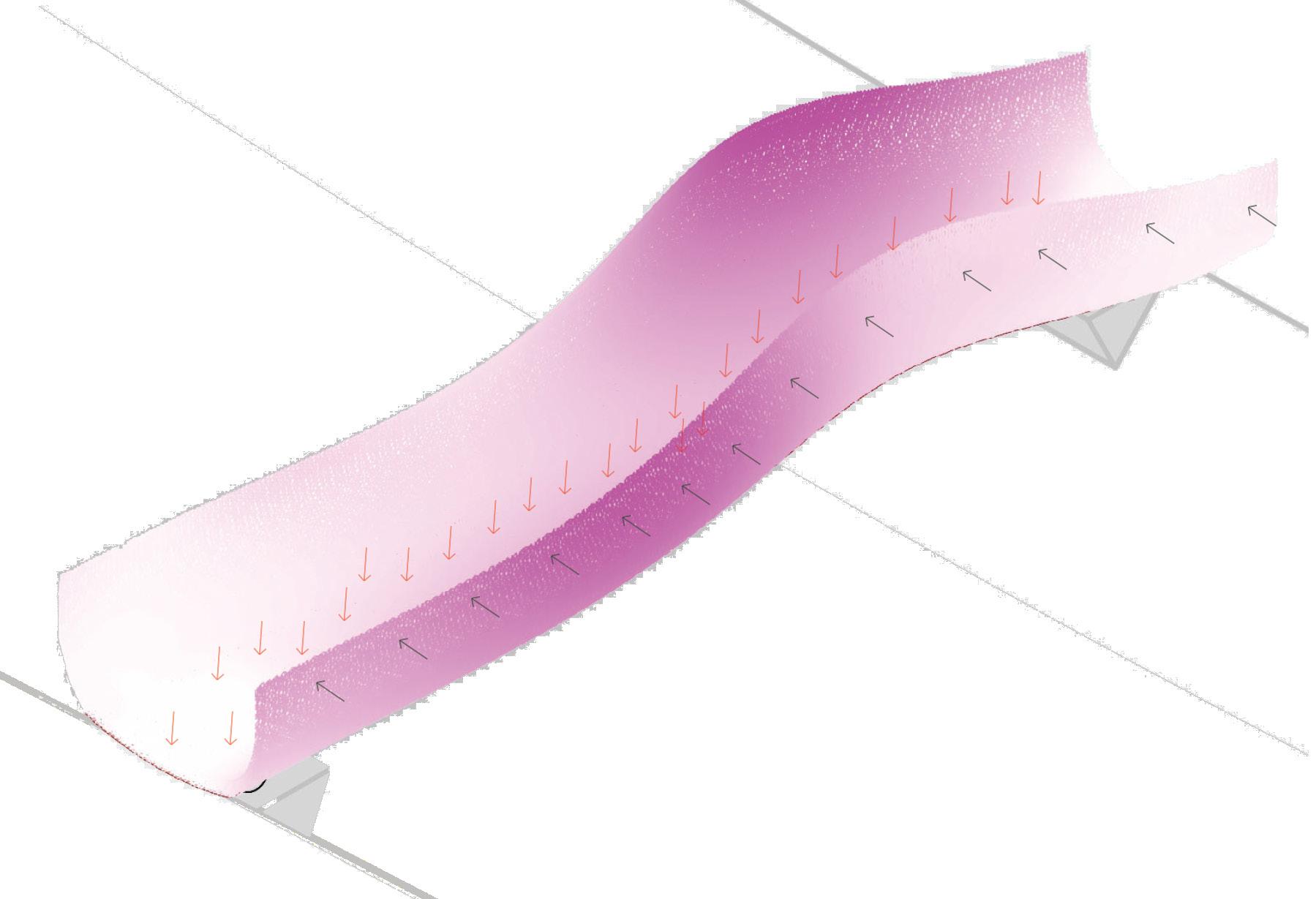
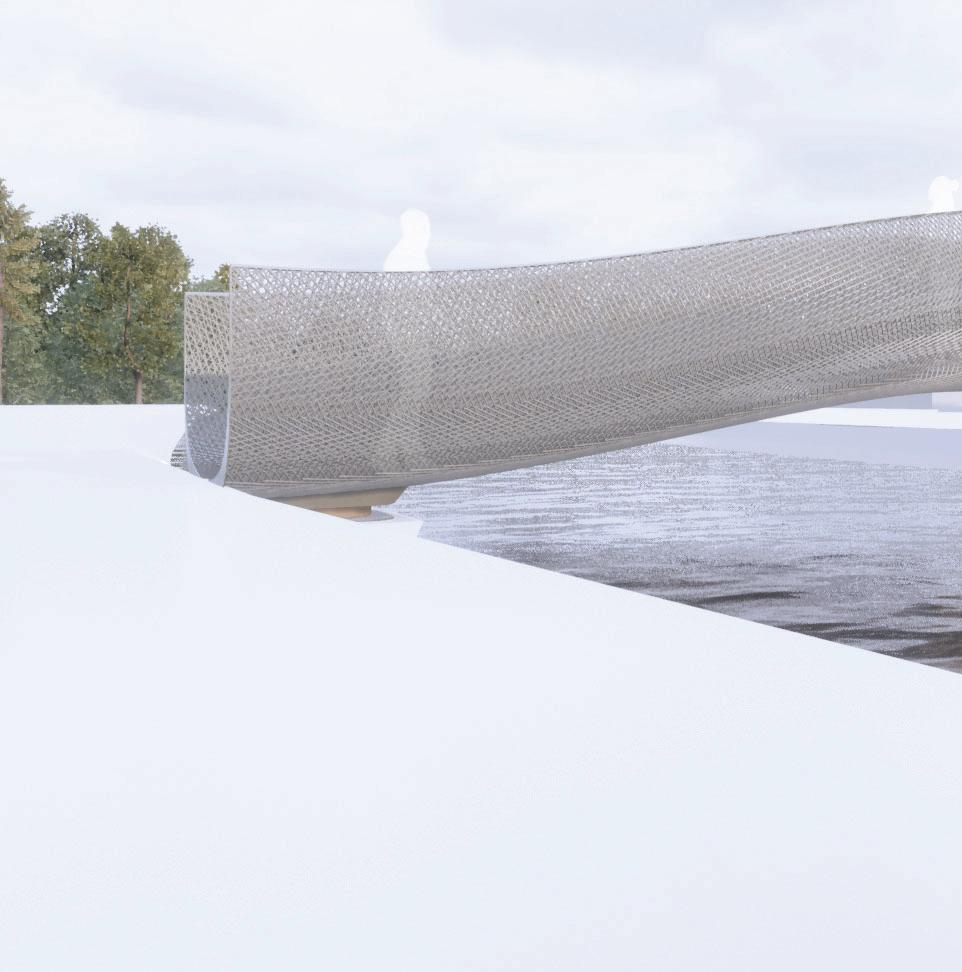
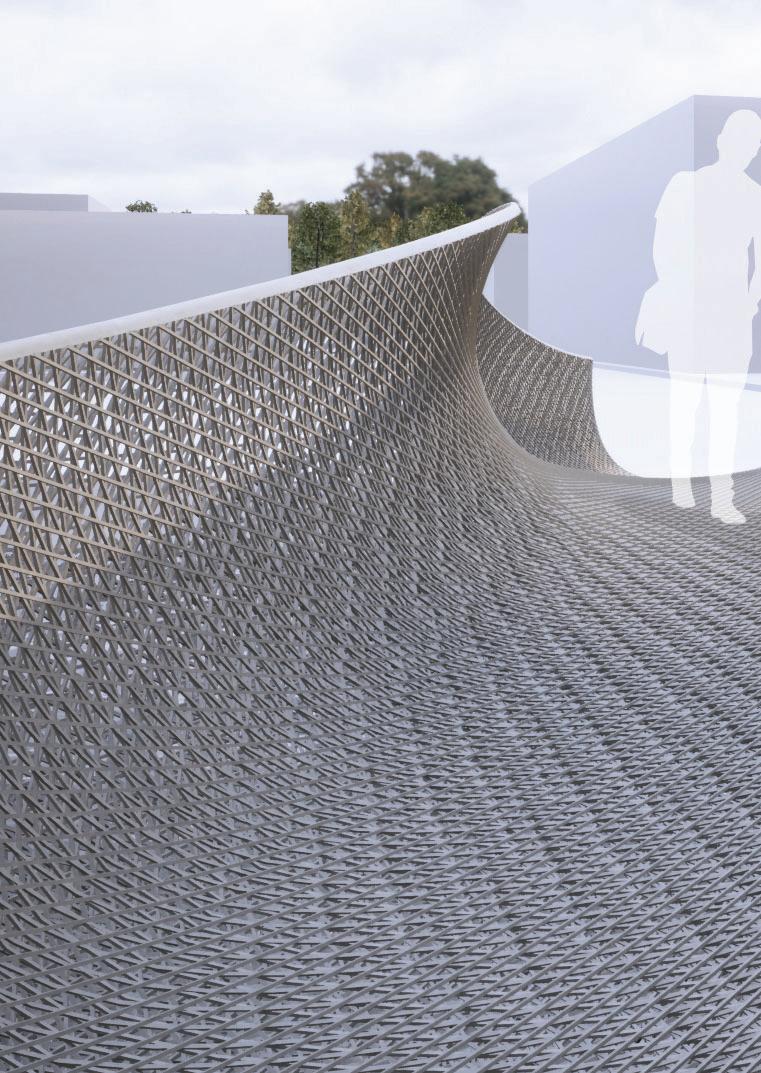
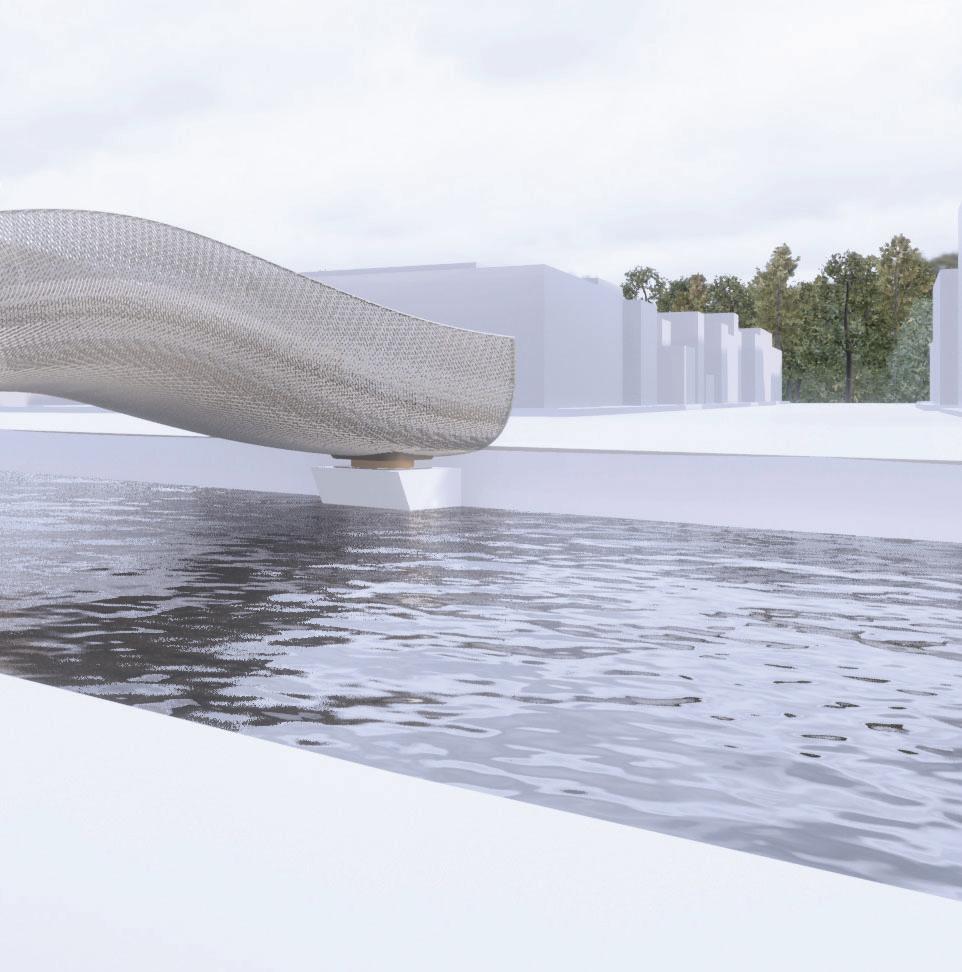
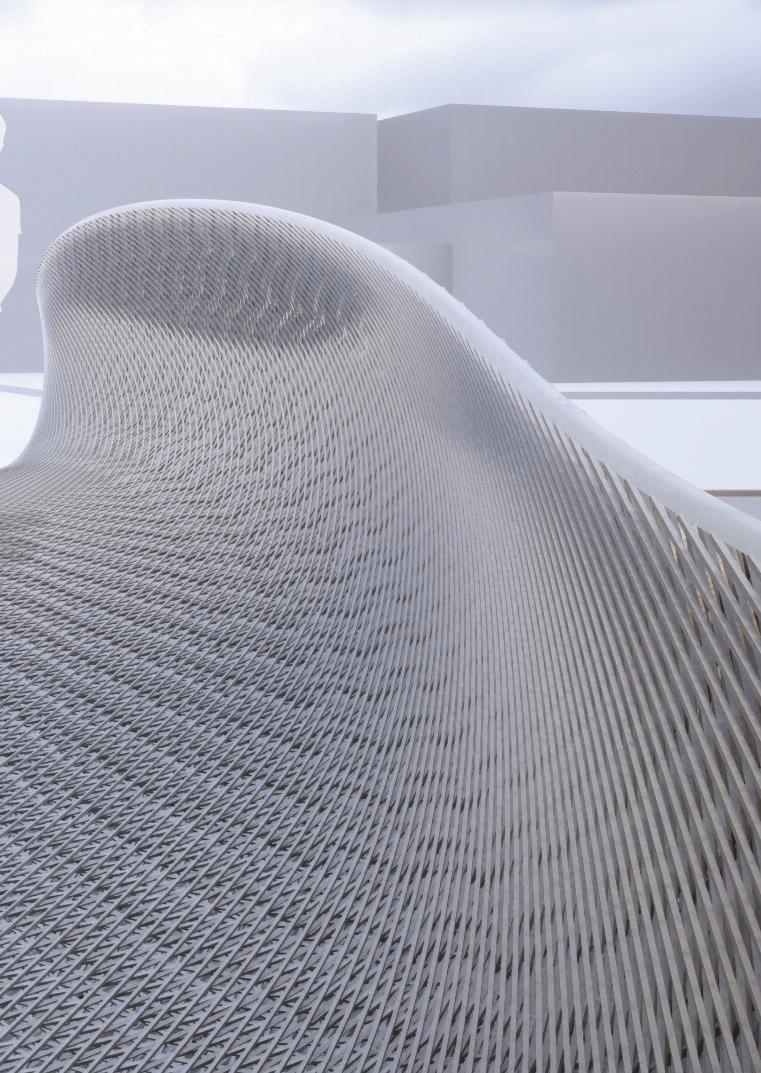
This project investigates the lobster shell as a model for high-performance, materially efficient architectural systems. By studying the Bouligand microstructure of Homarus americanus, we extracted principles of layered chitin-fiber organisation that achieve remarkable strength, flexibility, and impact resistance. These biological logics were abstracted into computational workflows, informing the design of a lightweight pedestrian bridge. Using multi-objective evolutionary optimisation, computational fluid dynamics, and structural analysis, the geometry was refined for minimum displacement, reduced material volume, and improved wind performance. Robotic fabrication and material prototyping further translated biological patterning into a scalable architectural strategy.
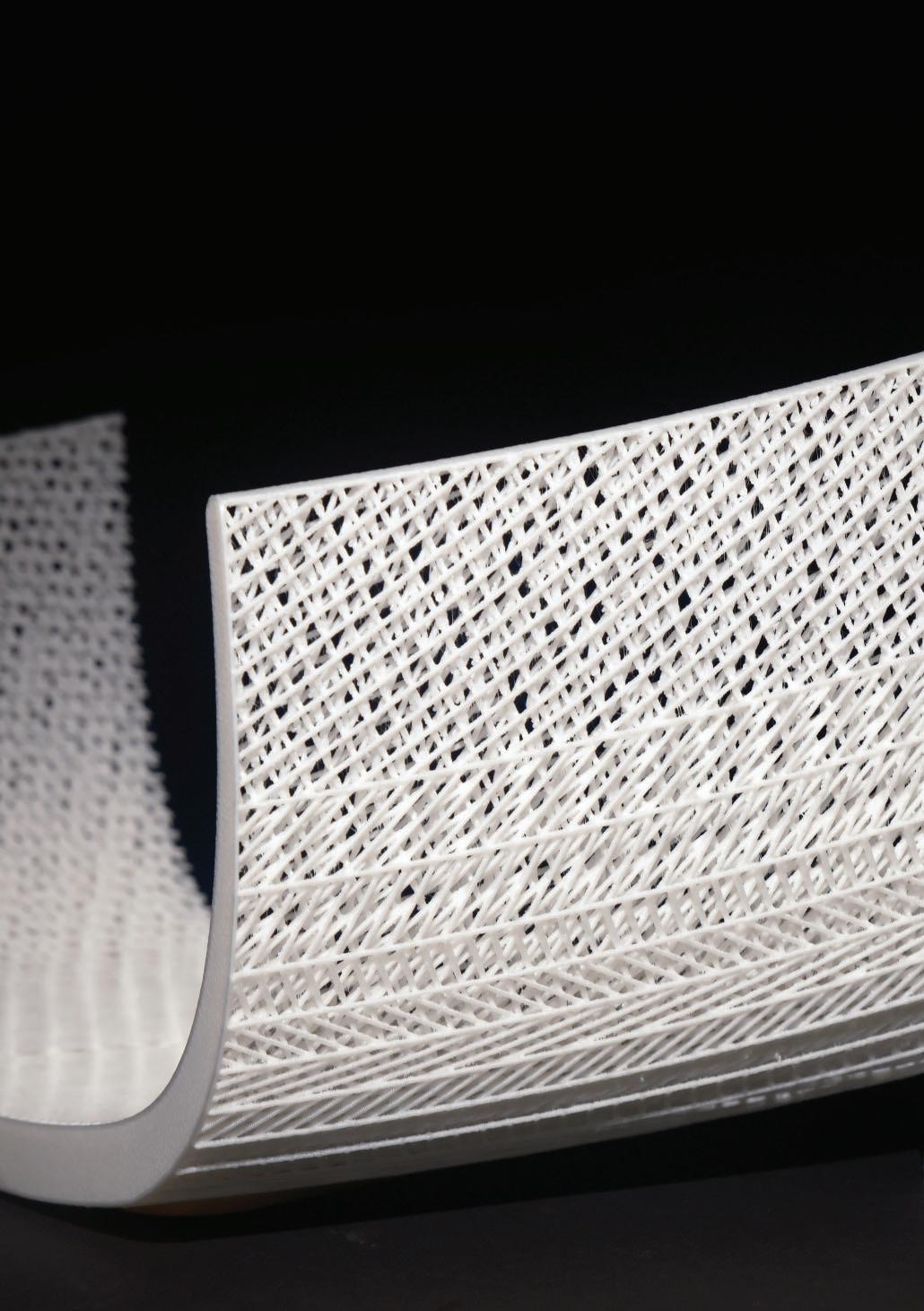
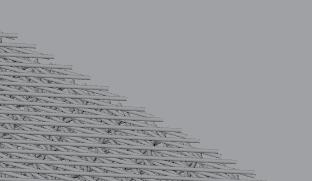
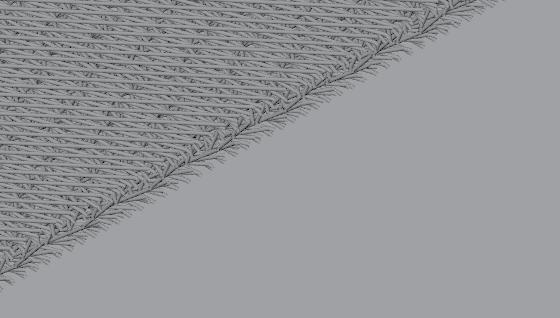
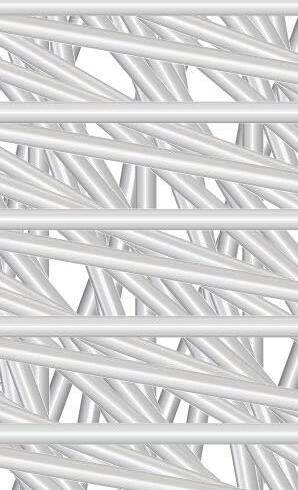
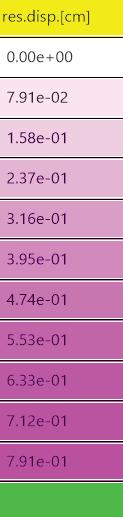
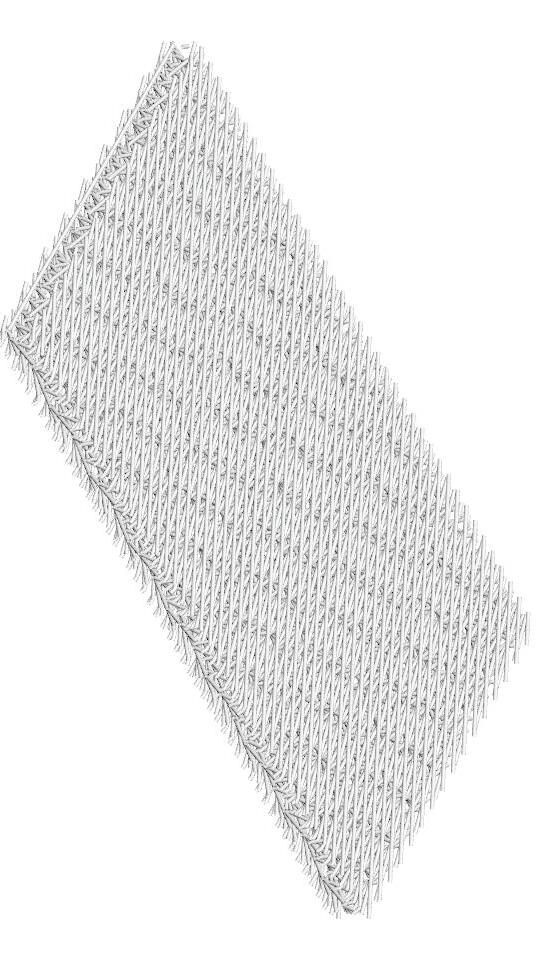
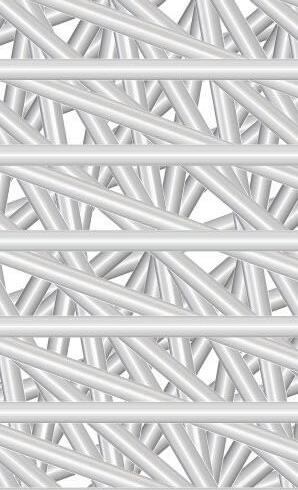
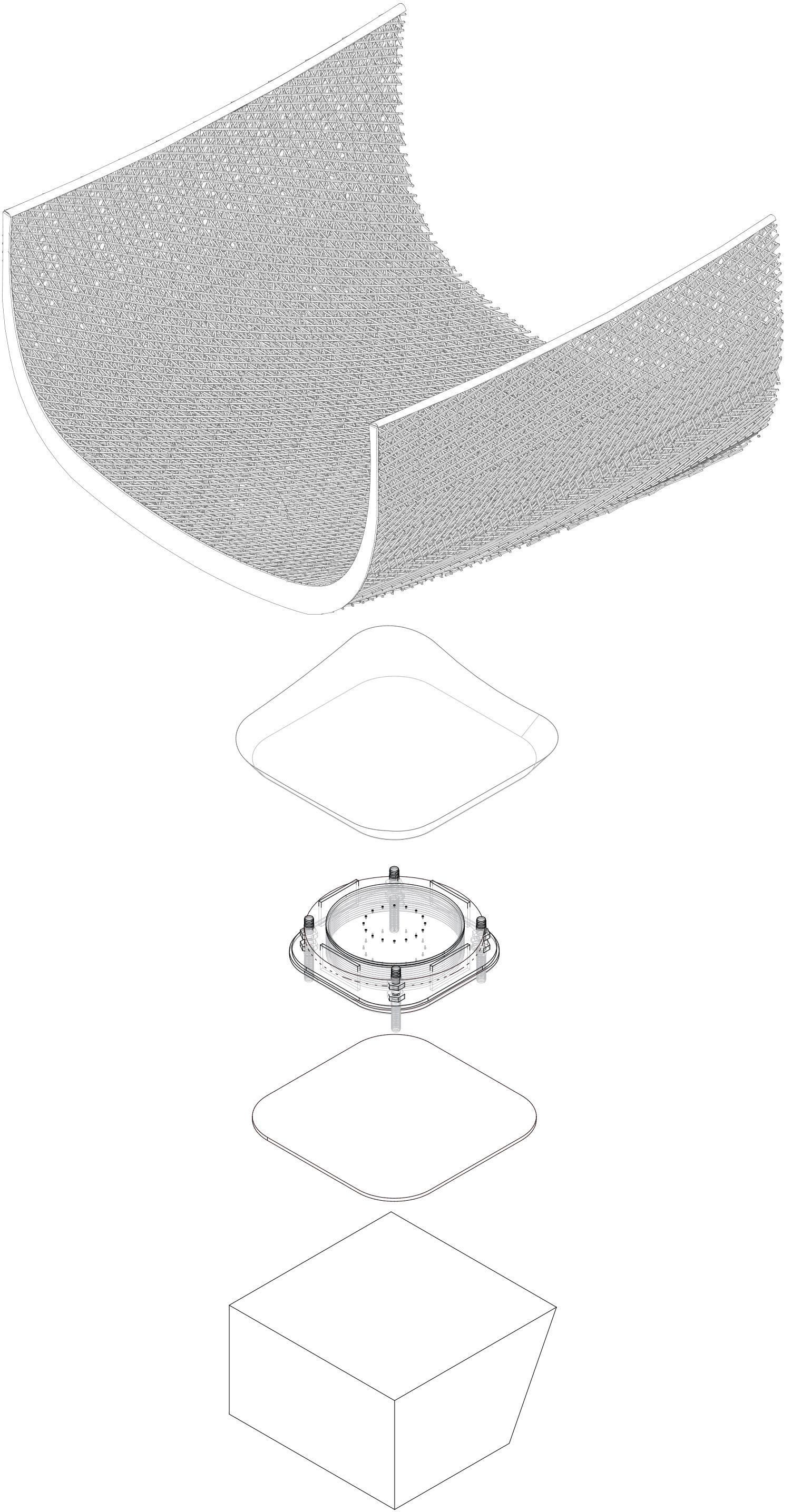
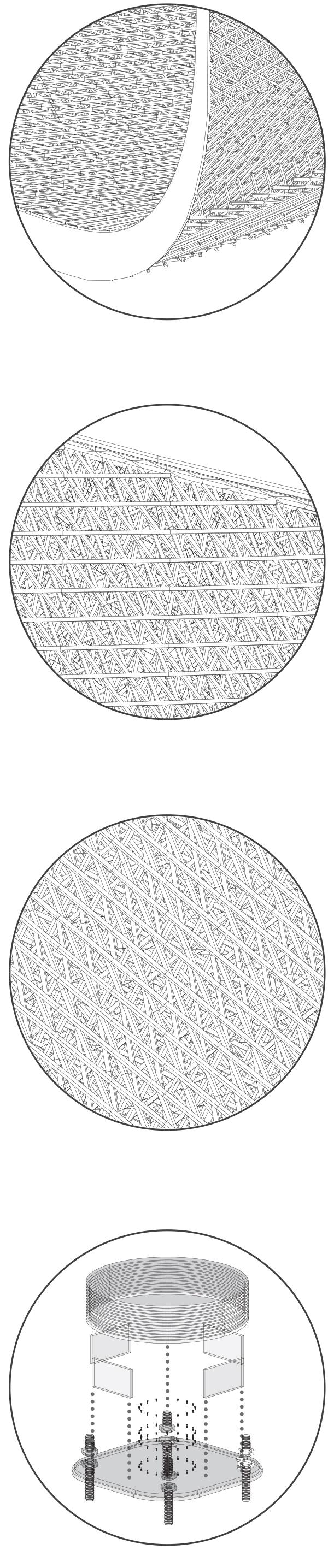
Bouligand Structure geometry abstracted to be applied on a lightweight bridge system. Fibre composites of various densities, orientations, and layer formations are tested digitally for structural behavior.














Nonplanar PET Fibre LayerS
Curved Handrail
Vertical Surface 4cm Spacing 1cm PET Fibre 8 Fibre Layer
Horizontal Surface 4cm Spacing 1cm PET Fibre 16 Fibre Layer
Elastomeric Bearing Steel Guides
Fastening Anchors Base Plate
PET base printed with fibres
Bearing Pad
Base Plate
Foundation
PET Fibre layers

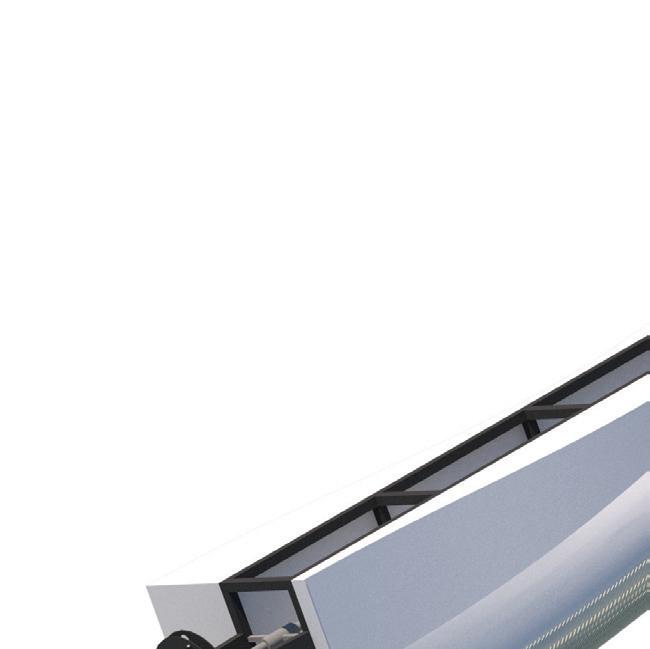
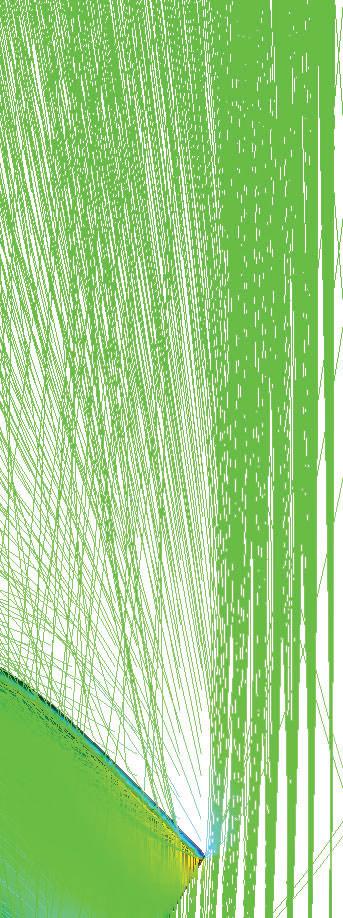

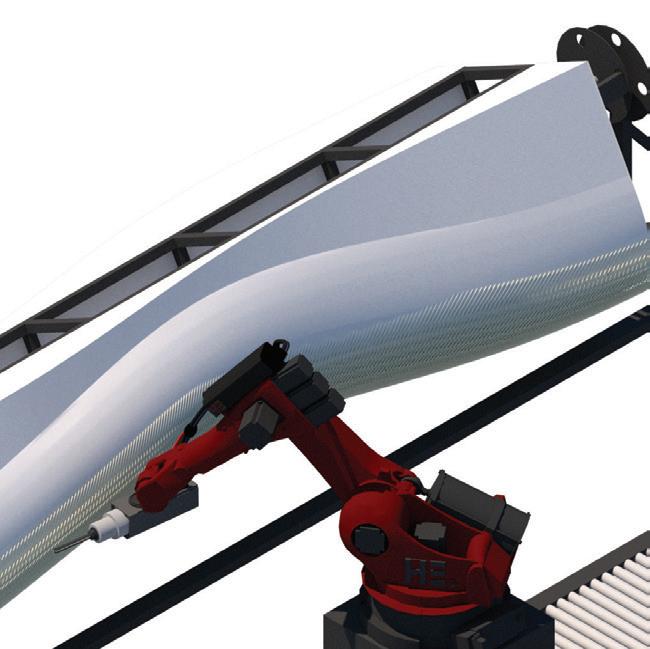
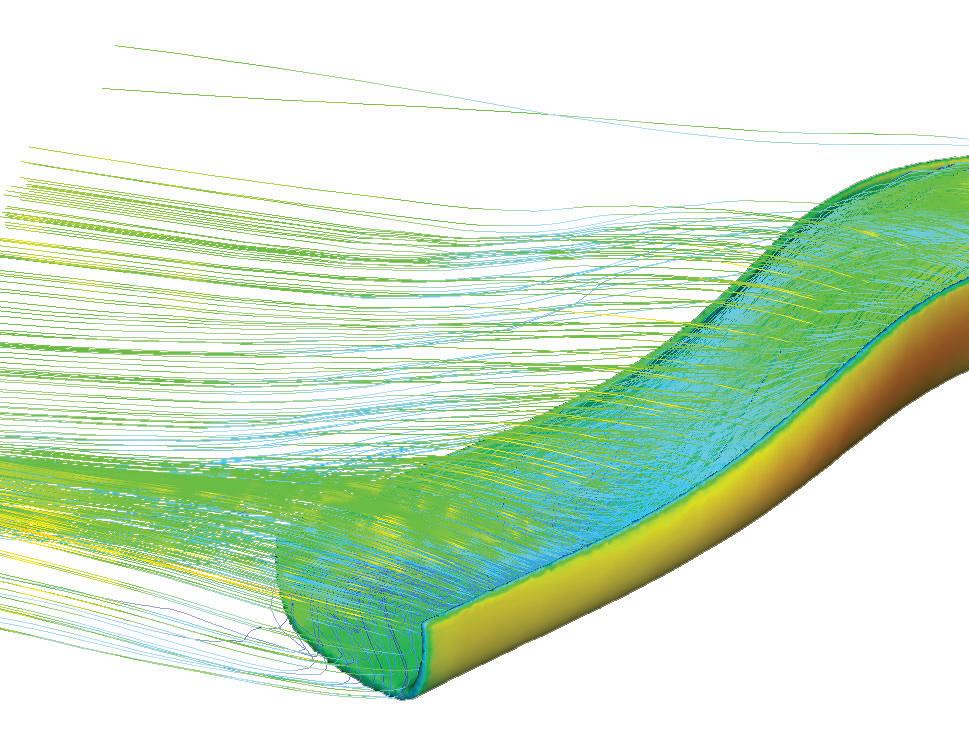

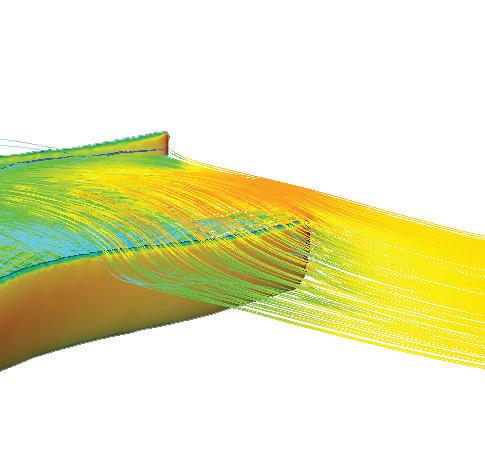





CFD Wind velocities and pressures guided the form refinement.
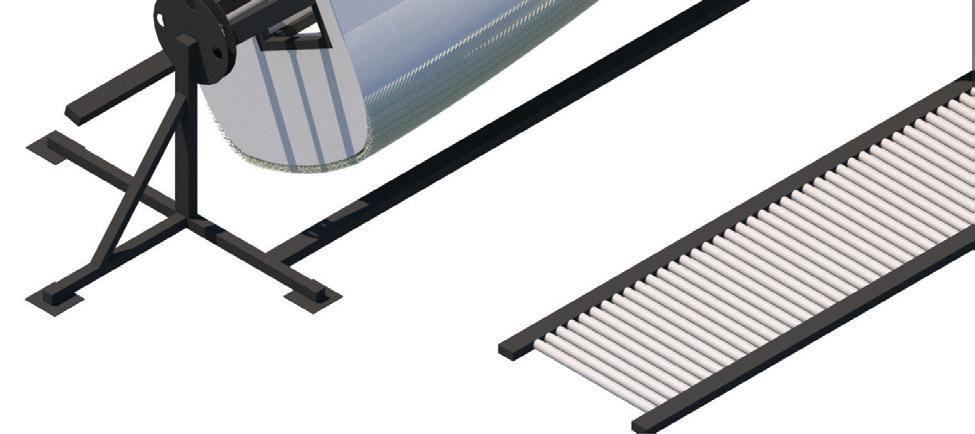
Fabrication Strategy
Emergence
Kuwait | Tower Morphology
AA School, EmTech, Emergence Seminar 2025
Team: Mauli Patel, Sherine Elabd, Maria Aranzales, Shivangi Panchal Tutors: Dr. Milad Showkatbakhsh, Dr. Elif Erdine
Emergent Design | Multi-objective Optimisation
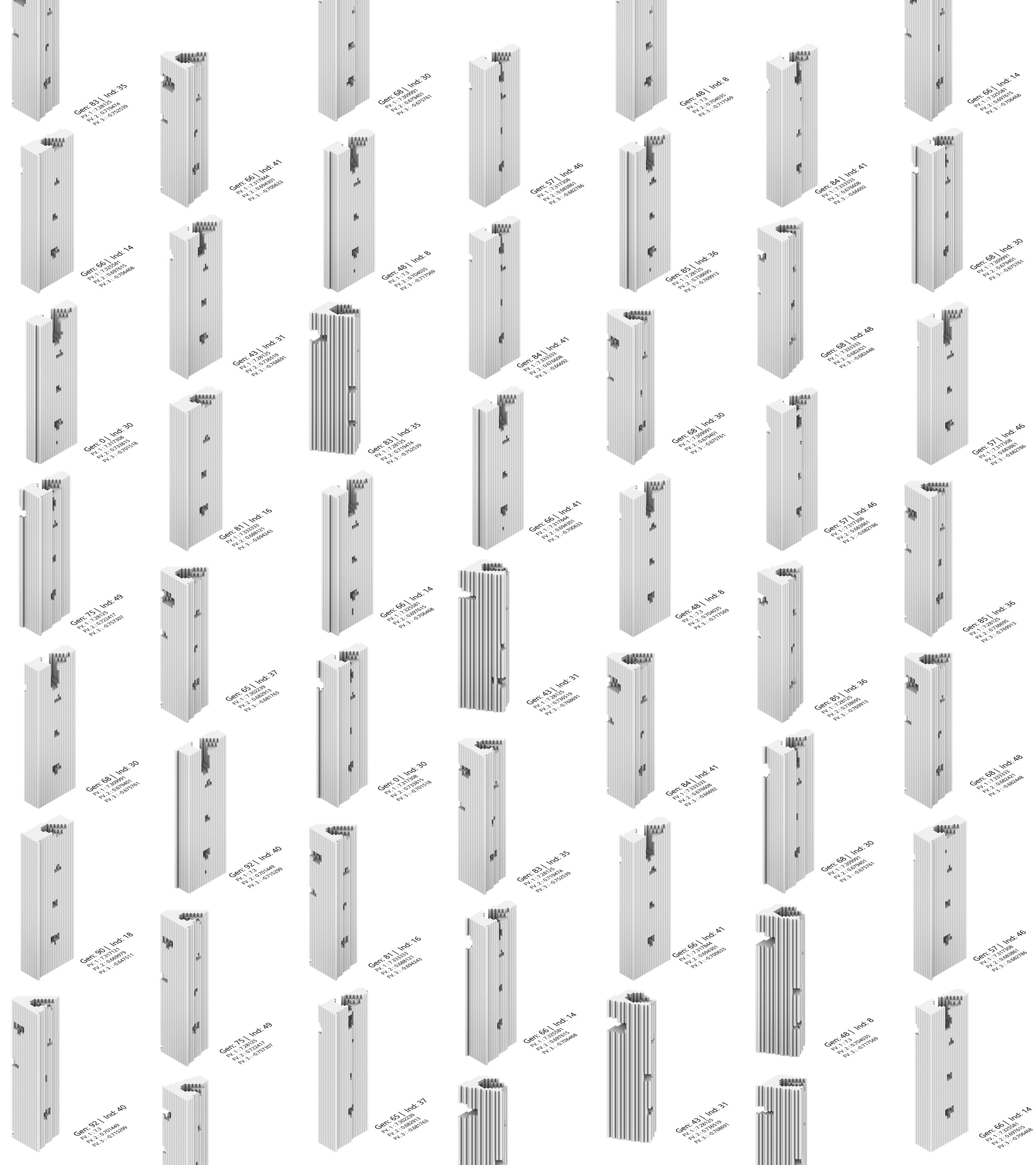
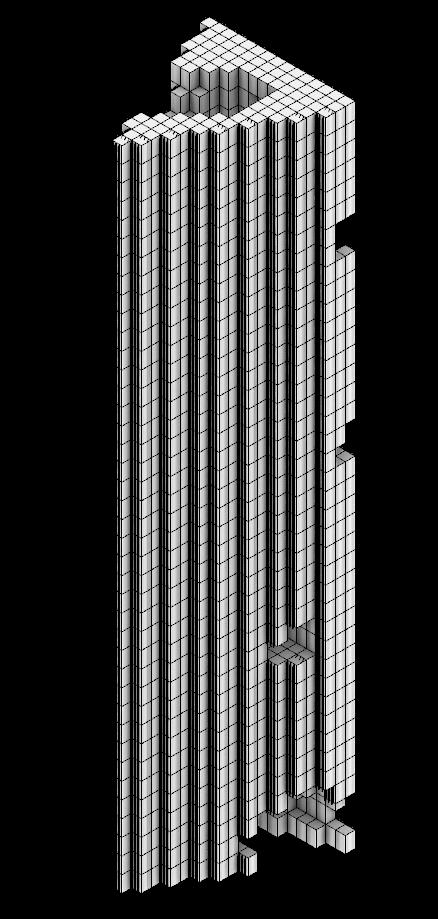
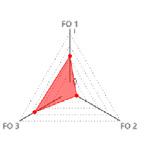
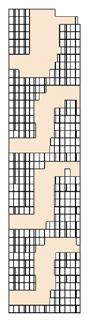
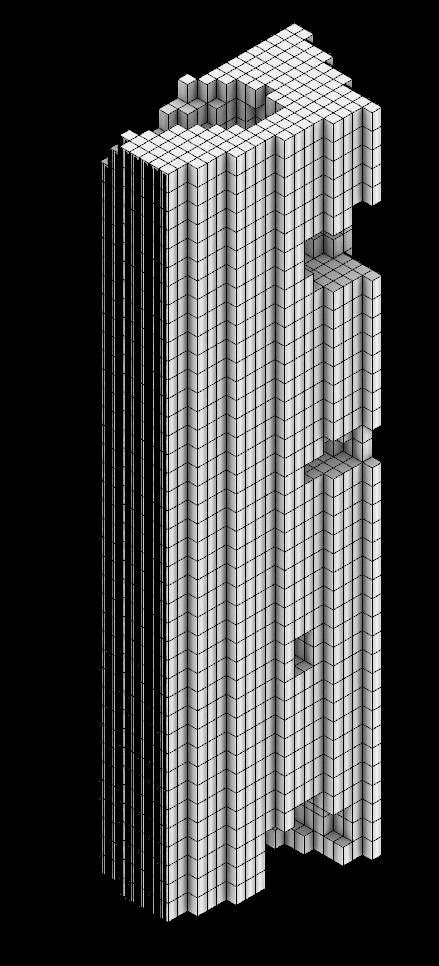
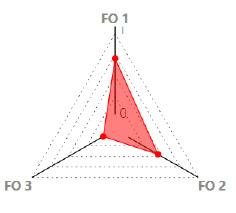
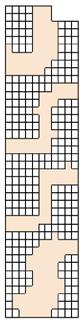
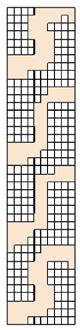
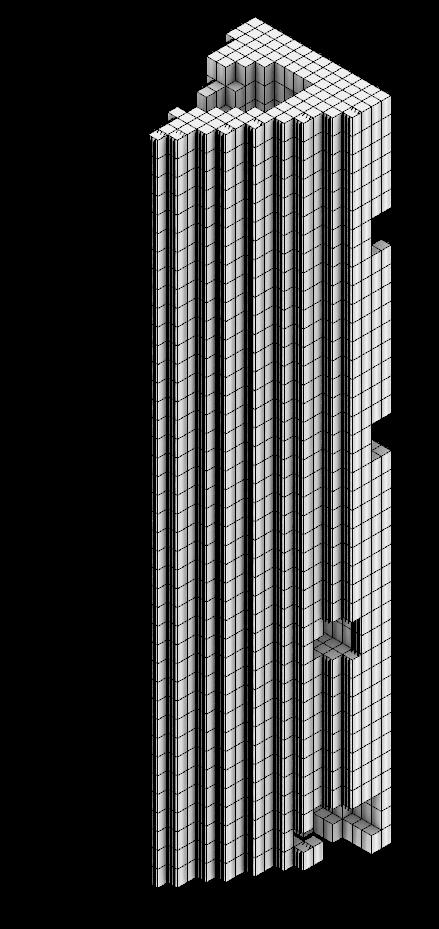
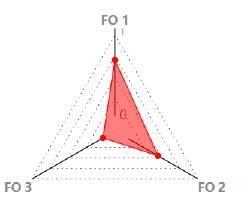
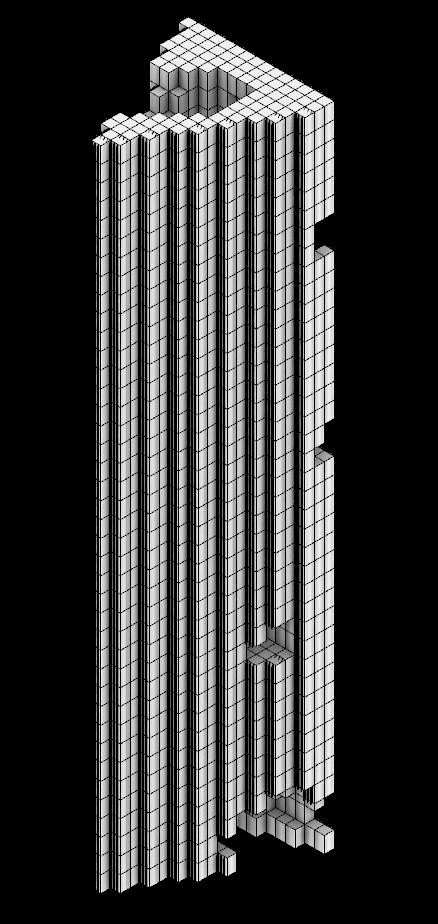
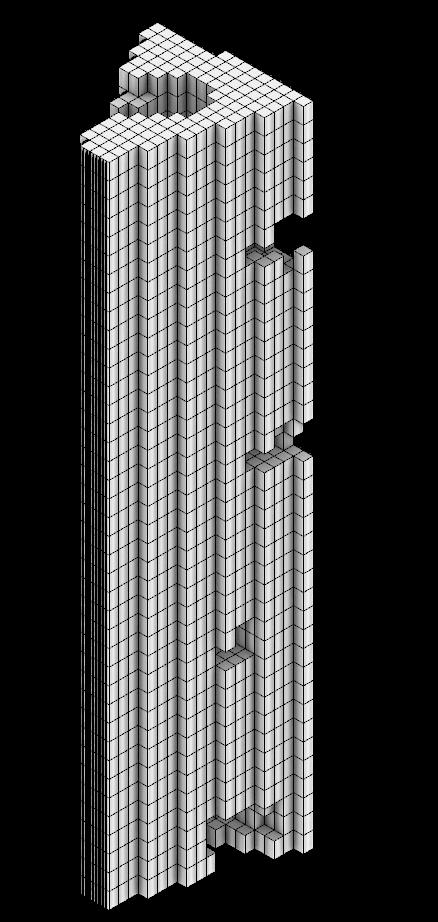
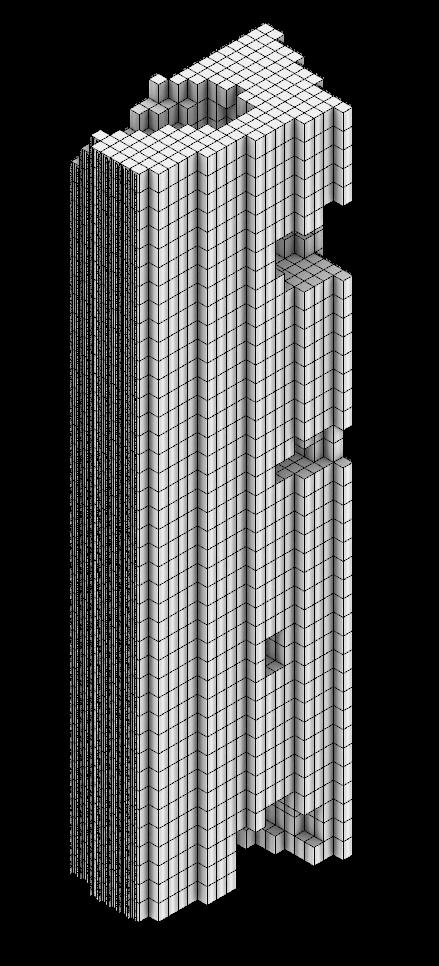
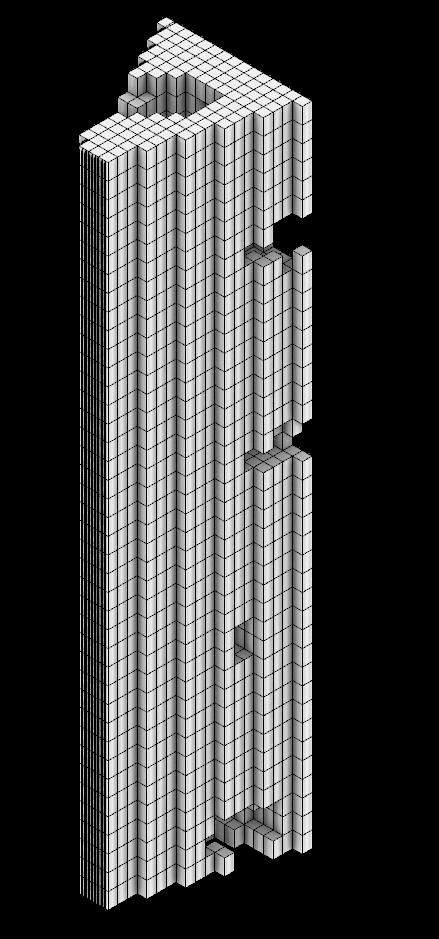
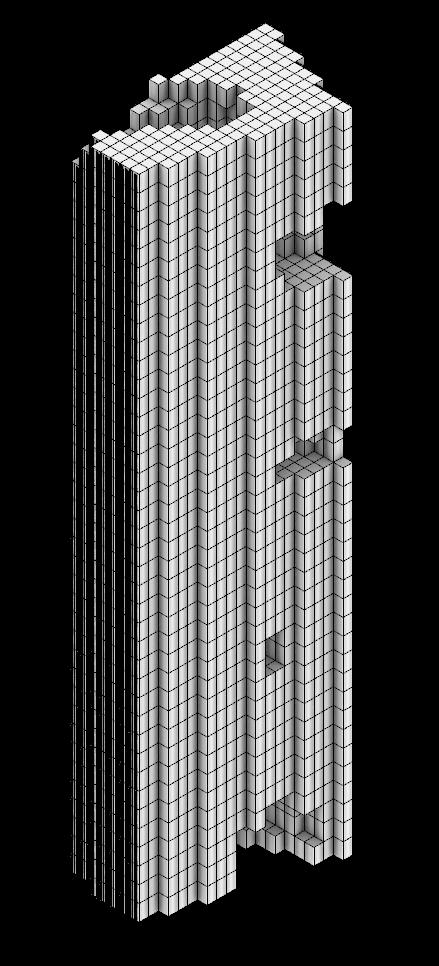
In the context of Kuwait’s climate and coastal setting the MahaNakhon's principles are re-adapted. This project explores tower morphology and façade behaviour through an evolutionary design process and multi-objective optimisation using Wallacei. The aim was to test how different geometric logics could improve self-shading, enhance views to the gulf, and increase the stack effect at the tower’s core. Thousands of variations were generated by treating geometric controls as “ genes,” allowing the system to evolve forms that performed better against the set criteria. The resulting simulations were then unpacked, compared, and clustered to guide the selection of the most effective design directions
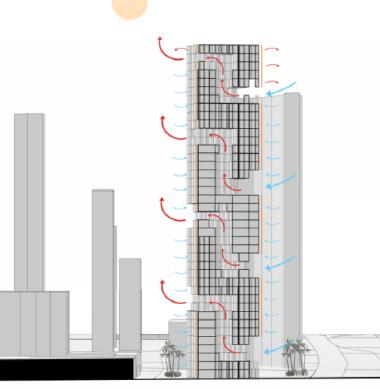
Simulation 1- Base Morphology
02 Maximum View to the Gulf
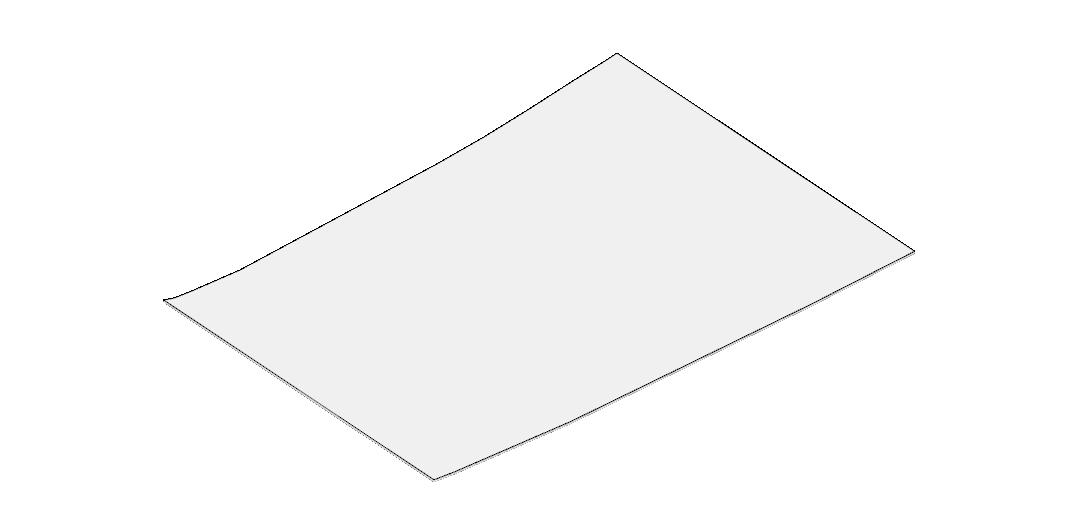
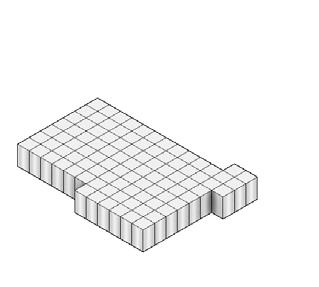
Interpolated curves created by site boundary, scaled to create zone of geometrical movement
4 points on an ellipse
3m x 3m rectangular grid
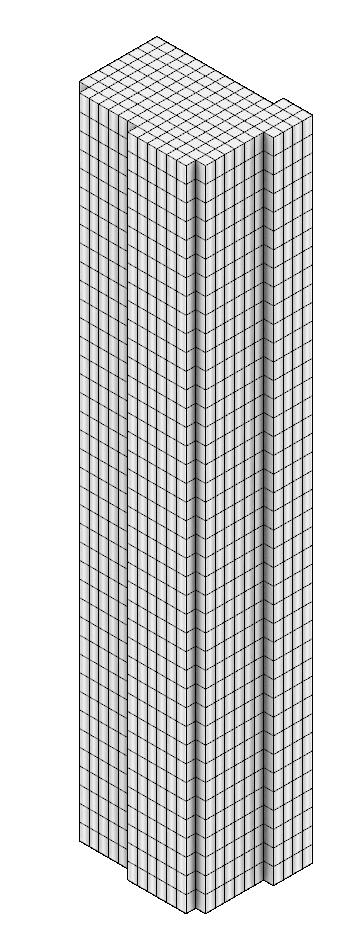
External and internal voxels extruded for 5m floor height
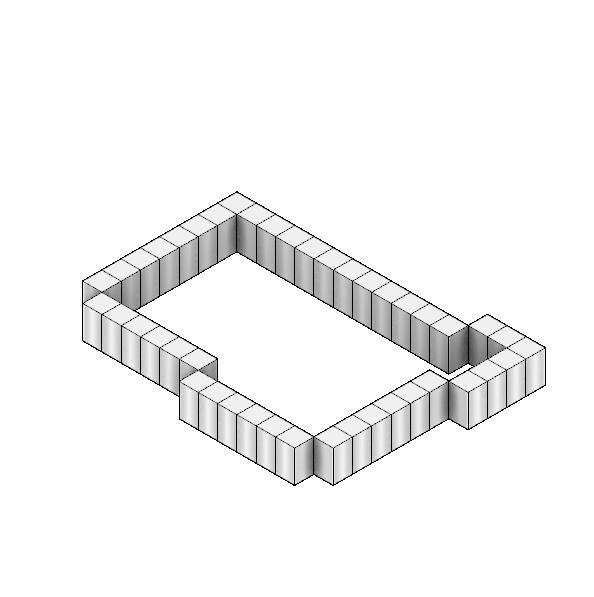
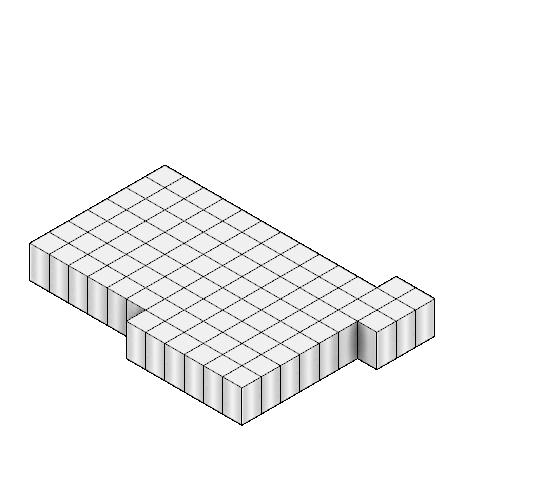
Pseudo code diagram constructing the morphology.
Subtracting the voxels closest to the curves by a distance parameter
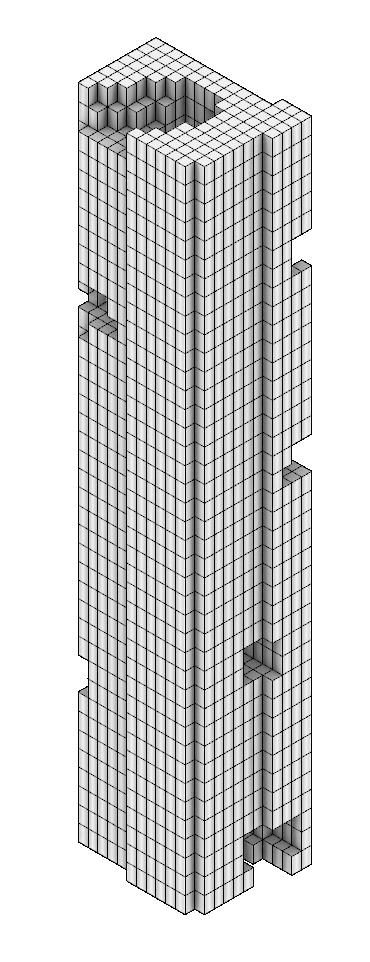
4 Sections of tower intersected with curves created using the predominant wind vectors
Identifying the base polygon curves
Extracting Peripheral voxels
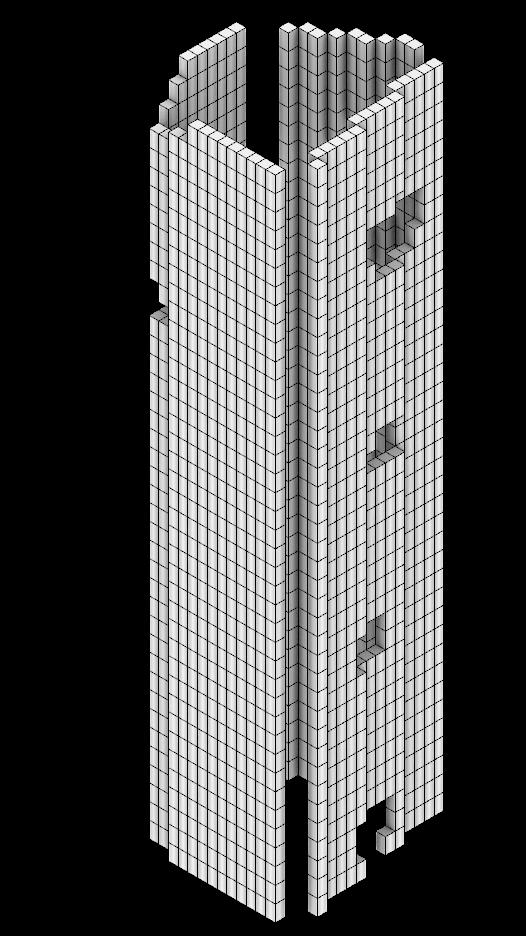
Extracting outer faces and eliminating the north.
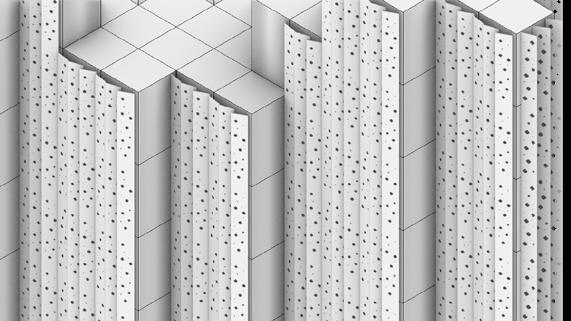
Dividing each face into 0.75m louver
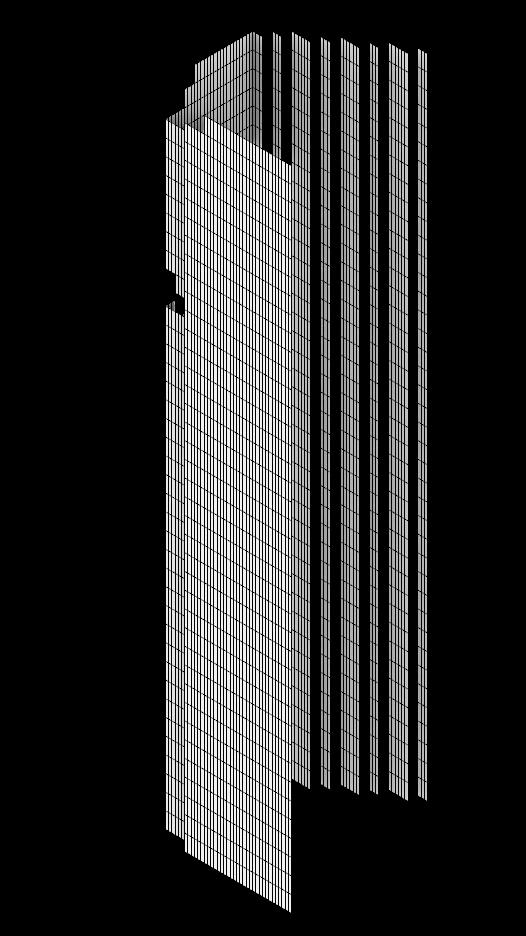
3 sets of louvers controlled by 3 different angles
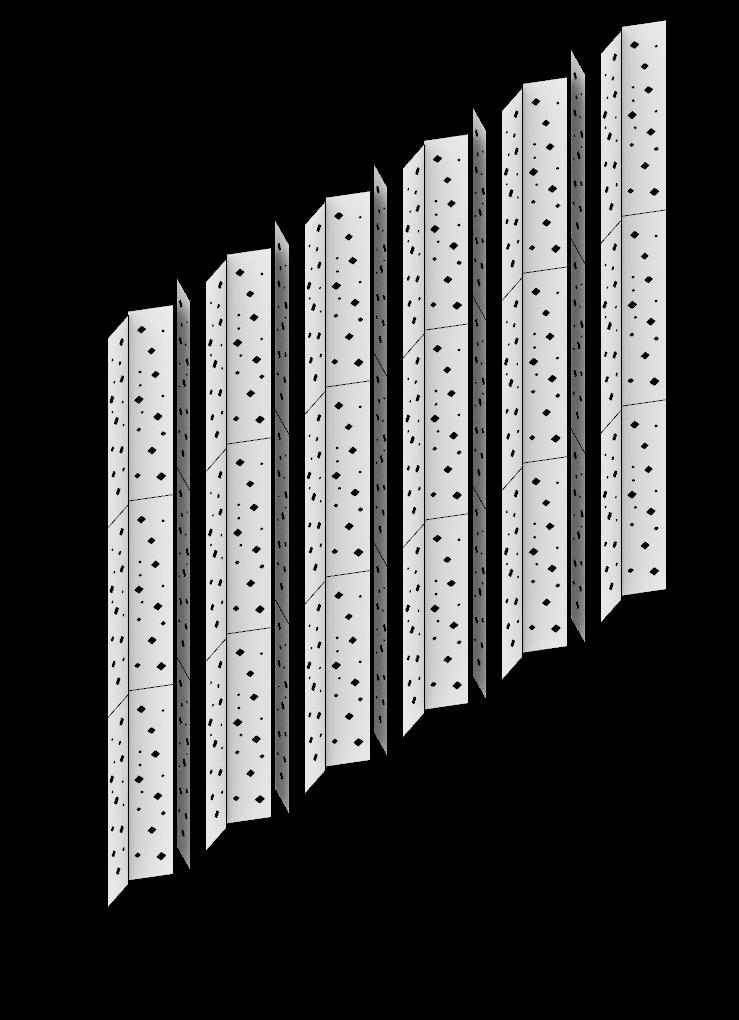
Rotating each louver along its center with addition of perforations
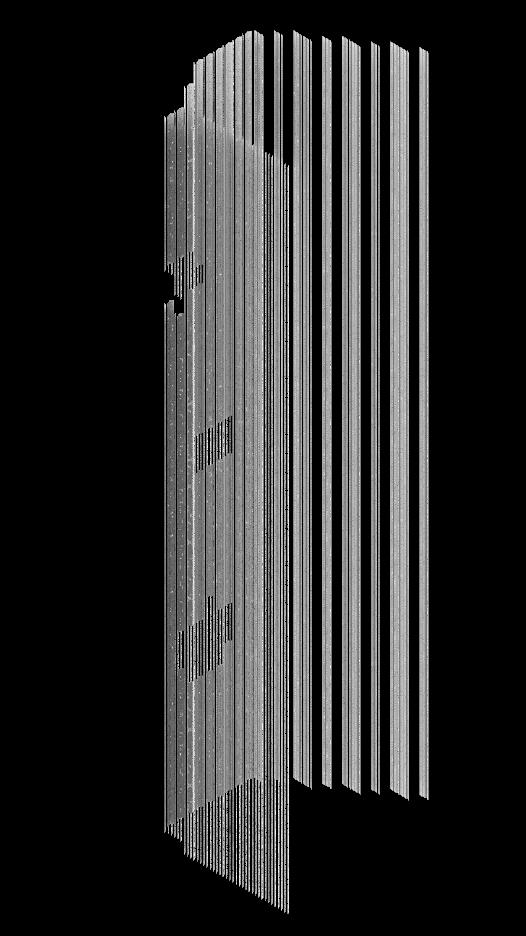
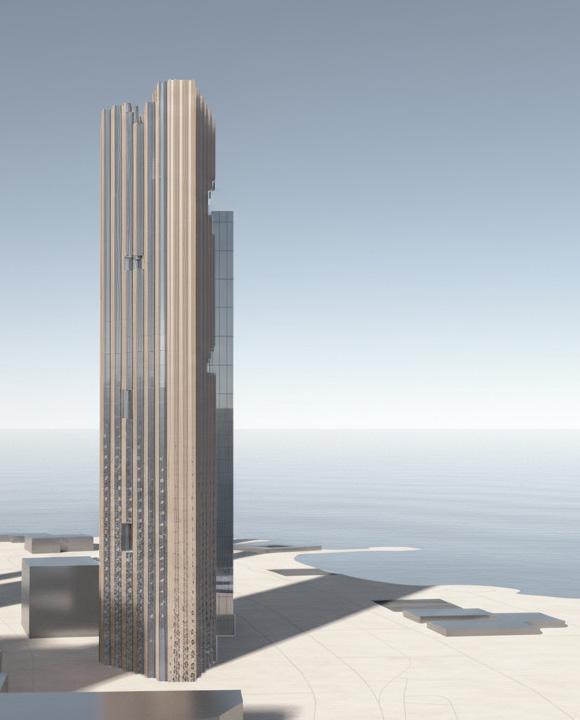
After running sequential simulations, ten variants were shortlisted, and detailed post-analysis led to the selection of a single optimised tower morphology.
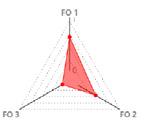
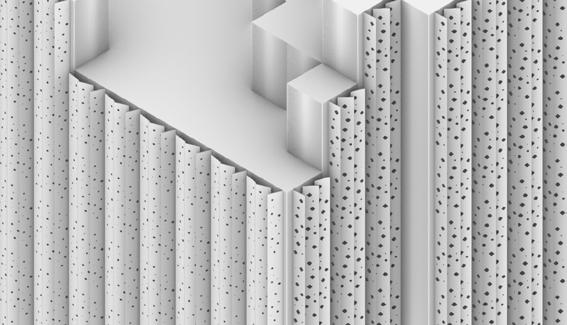
Generation 25 | Individual 2
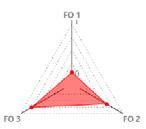
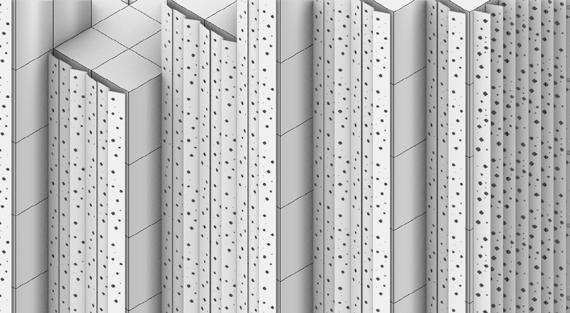
Generation 52 | Individual 21
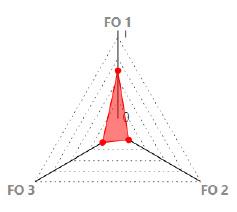

Generation 54 | Individual 6
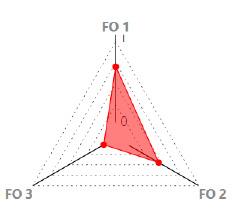

Generation 57 | Individual 3
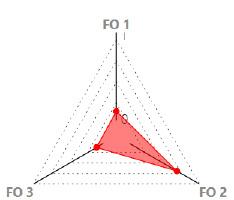
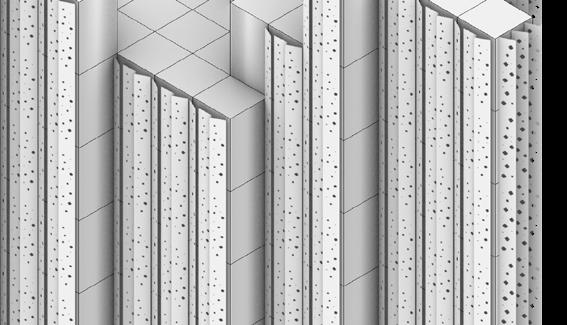
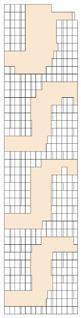
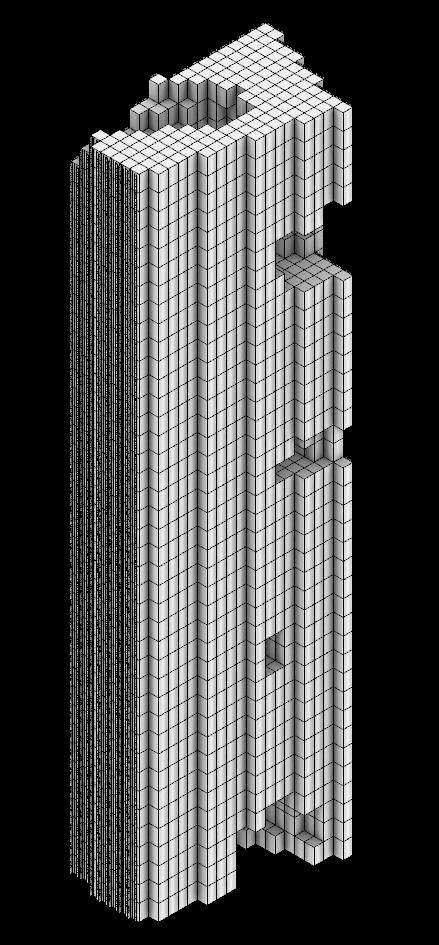
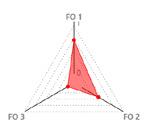
Generation 58 | Individual 29

Generation 40 | Individual 2

Generation 38 | Individual 35
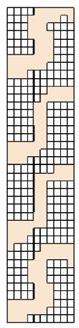
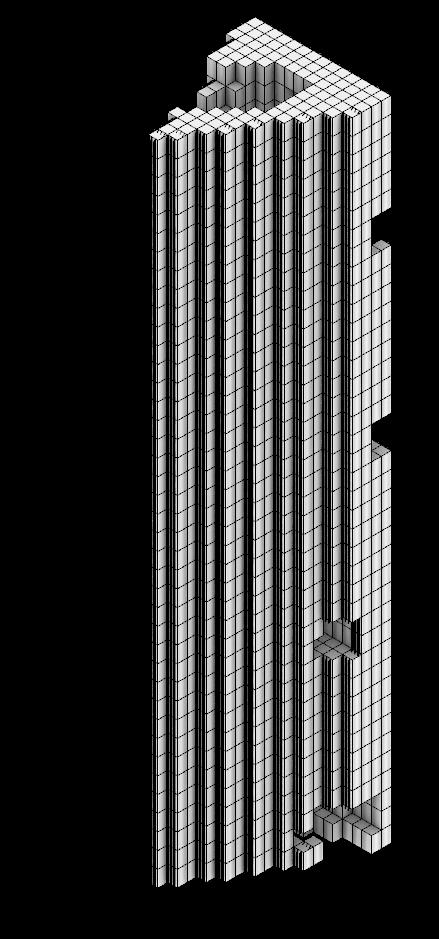
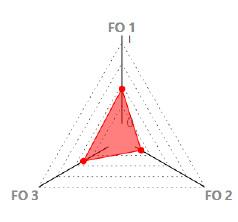
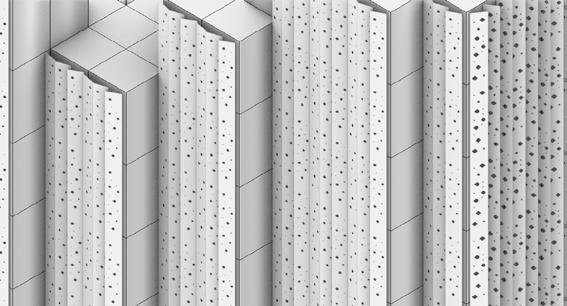
Generation 39 | Individual 38

Design & Build
AA School of Architecture, London | Installation
AA School, EmTech, Design and Build Project 2025
Team: Mauli Patel, Luis Castro, Sung-Soo Park Tutors: Dr. Milad Showkatbakhsh, Dr. Michael Weinstock
Digital Fabrication | Prototyping | Reusable Formwork
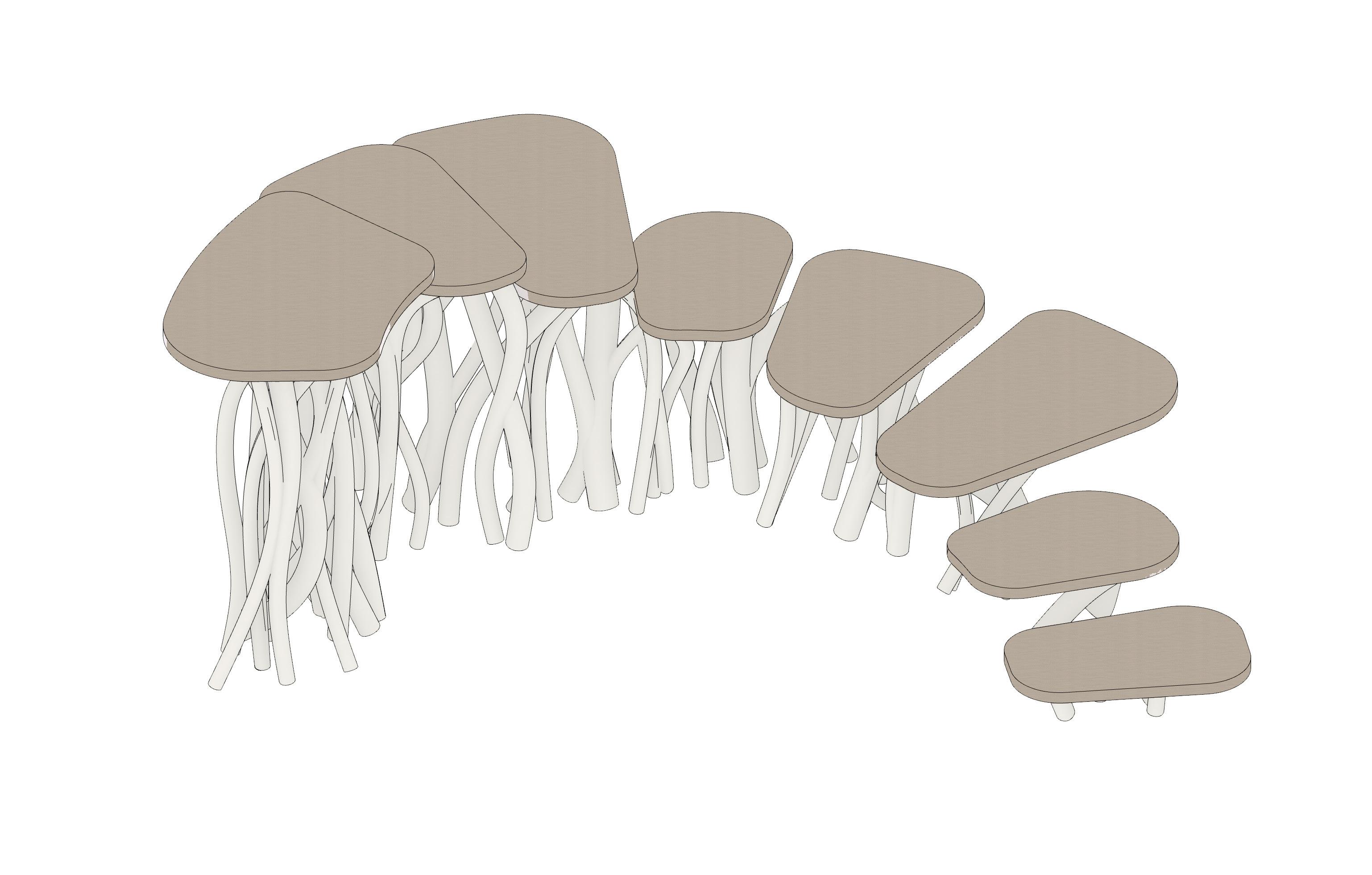
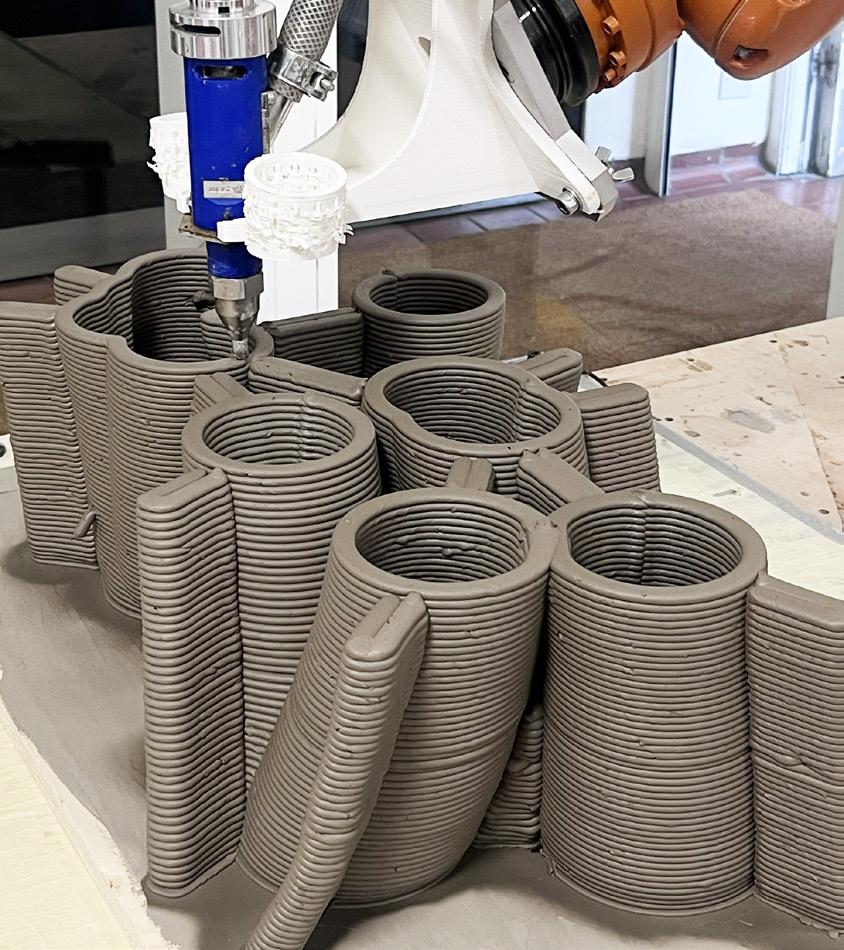
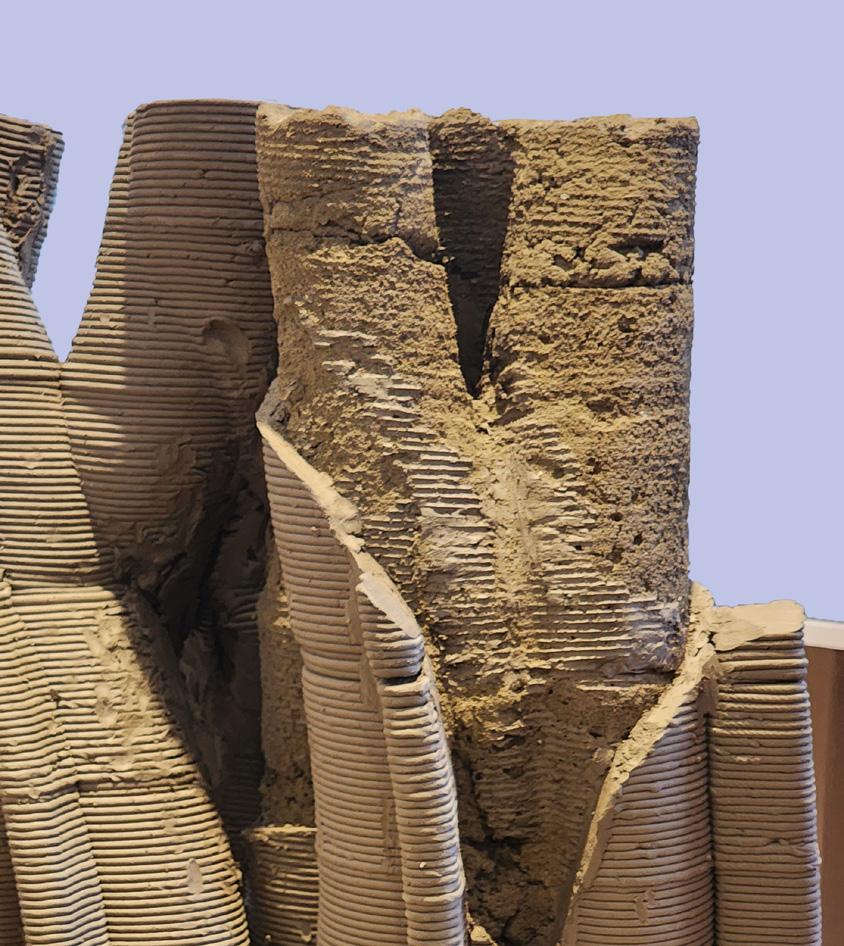
Early-stage prototyping explored the use of reusable formwork for casting non-standard concrete geometries, demonstrated here through a vertical load-bearing stair element. To achieve such forms, 3D-printed recyclable clay was tested as a formwork system. The experiments included trials with various concrete mixes, including sawdust composites, and involved 3D-printing a segment of the global geometry to study drying behaviour before casting. Once the concrete set, the clay formwork was removed and fully reclaimed for reuse. The process revealed key challenges such as drying times, casting stability, transport, self-weight and material behaviour, forming a foundation for further research into reusable formwork systems.
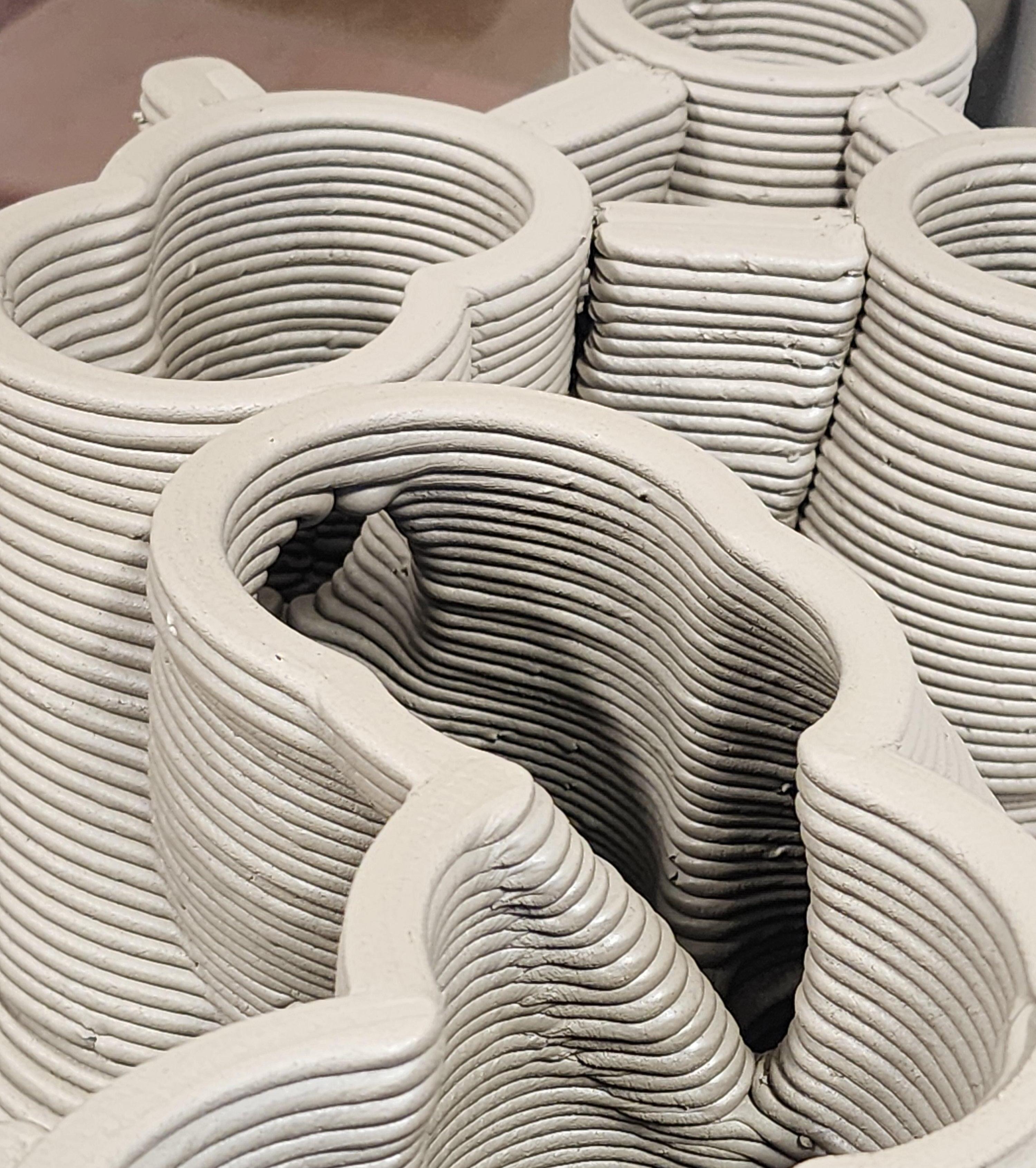
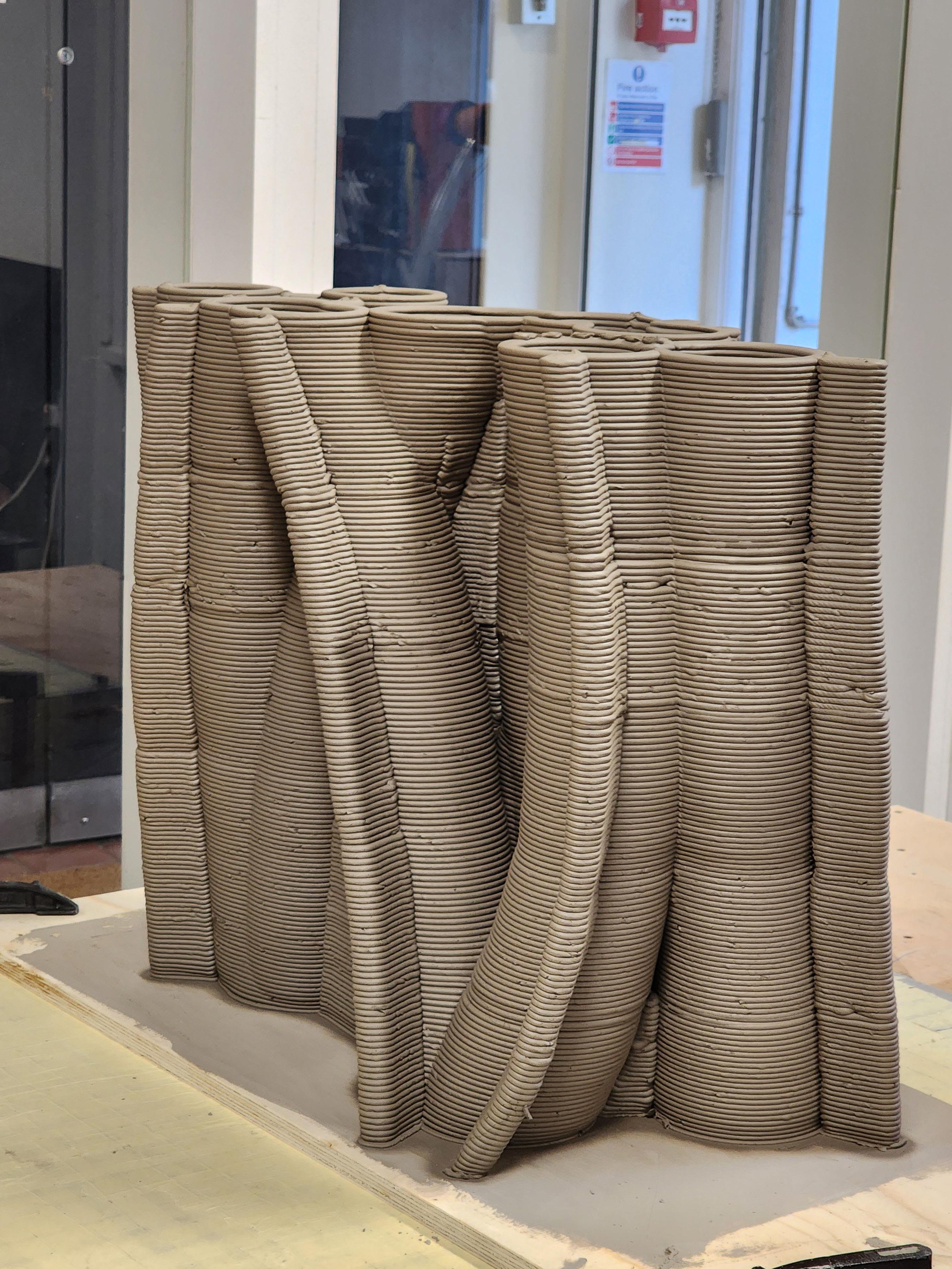
Robotic 3D printing of the geometry using supporting clay fins to provide structural stability during fabrication.
The sawdust concrete composite was cast while the clay remained plastic to avoid cracking from water absorption.
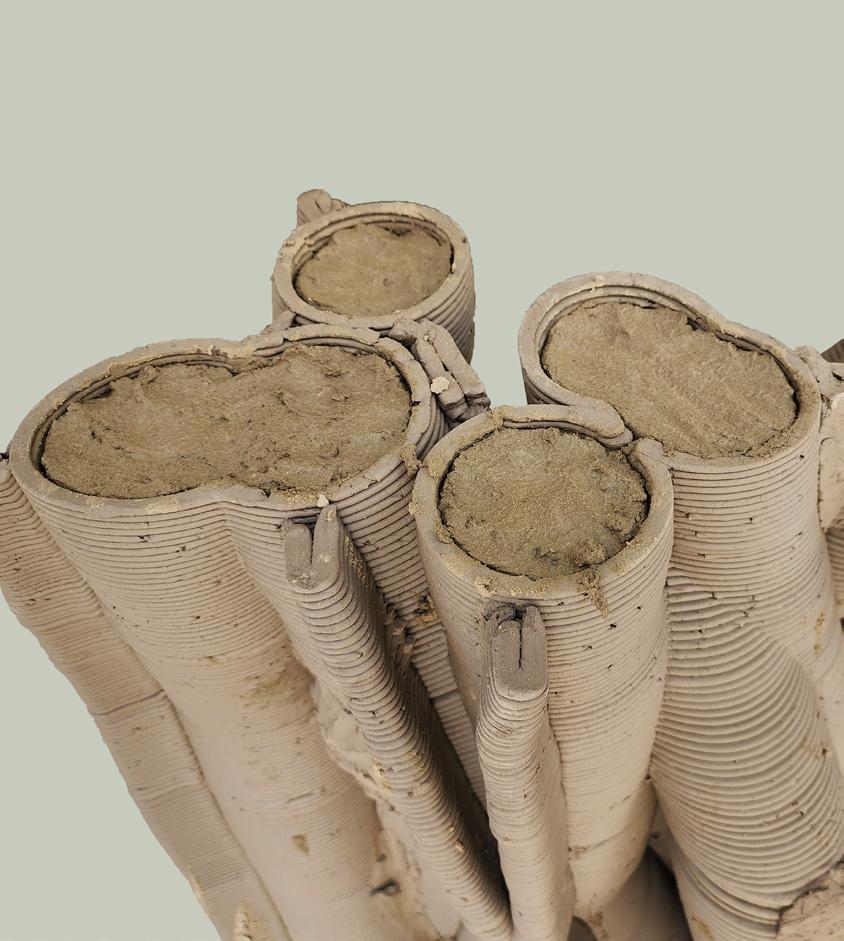
Uncovered casting showed material discontinuities in the sawdust composite, while the clay formwork performed well.
High Chair
Delft, Netherlands | CNC Fabrication
Minor in Archineering, TU Delft, Spring 2017
Team: Mauli Patel
Tutors: Bob van Vliet
Digital Fabrication | Prototyping
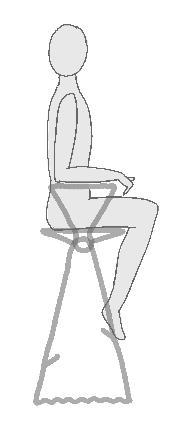
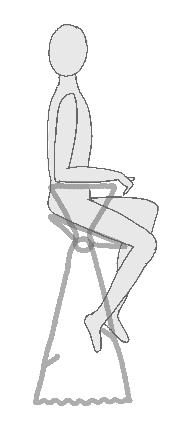
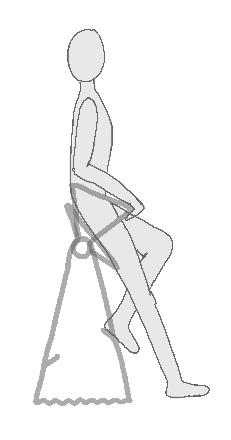
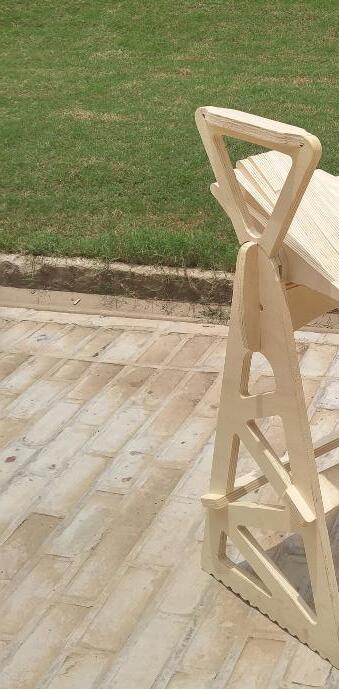
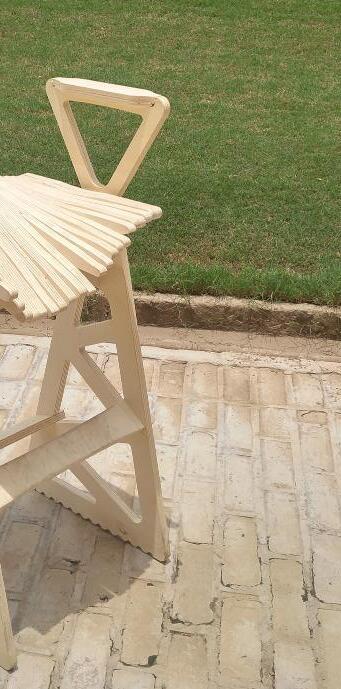
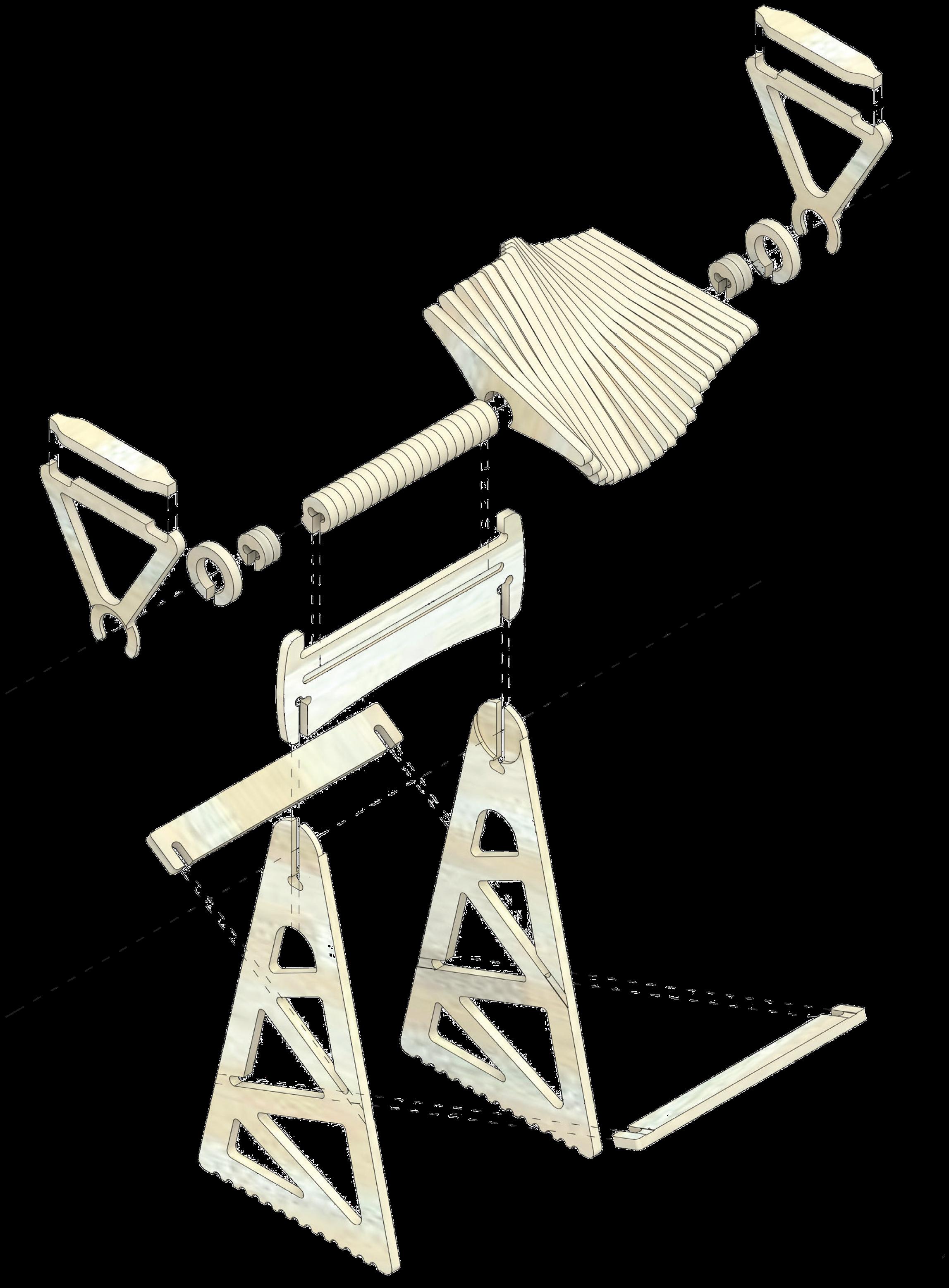
Developed as a Digital Technologies exercise under Archineering, the chair explores flexibility and multipurpose use within defined material, fabrication, and size constraints. All components were digitally modelled, CNC-milled, and assembled through a friction-based interlocking system in poplar plywood, creating a structurally stable form without additional fasteners. The design works within the limits of material and production technique, enabling efficient mass production, simple assembly and disassembly, and adaptable variations in size and height. Its unconventional geometry encourages active and tactile engagement from the user.
Garden by the Field
Nadiad, India | Residential Landscape
Professional Work 2024 | Proposal
Team: Mauli Patel
Landscape Planning | Conceptual Design
Extending a modest house beside an agricultural field, the project forms a small garden articulated through planting pockets and gently meandering paths. An abstracted river motif runs across the ground, while a matrix of seasonal plantings reveals shifting characters throughout the year. The proportions between planted areas and textured open spaces establish distinct atmospheres and define how the garden is inhabited and moved through.
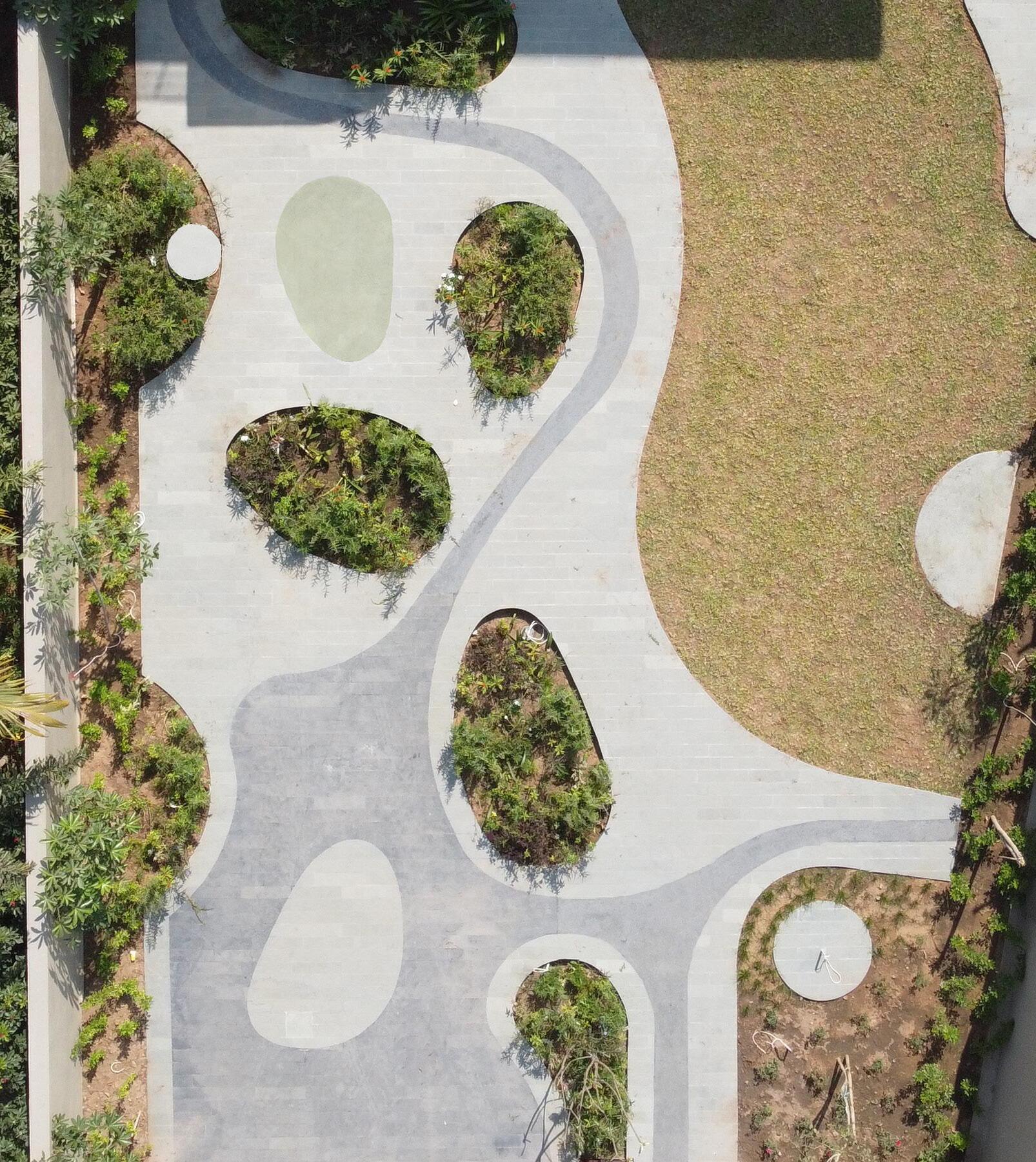
Freshly planted pockets carved around the floorscape
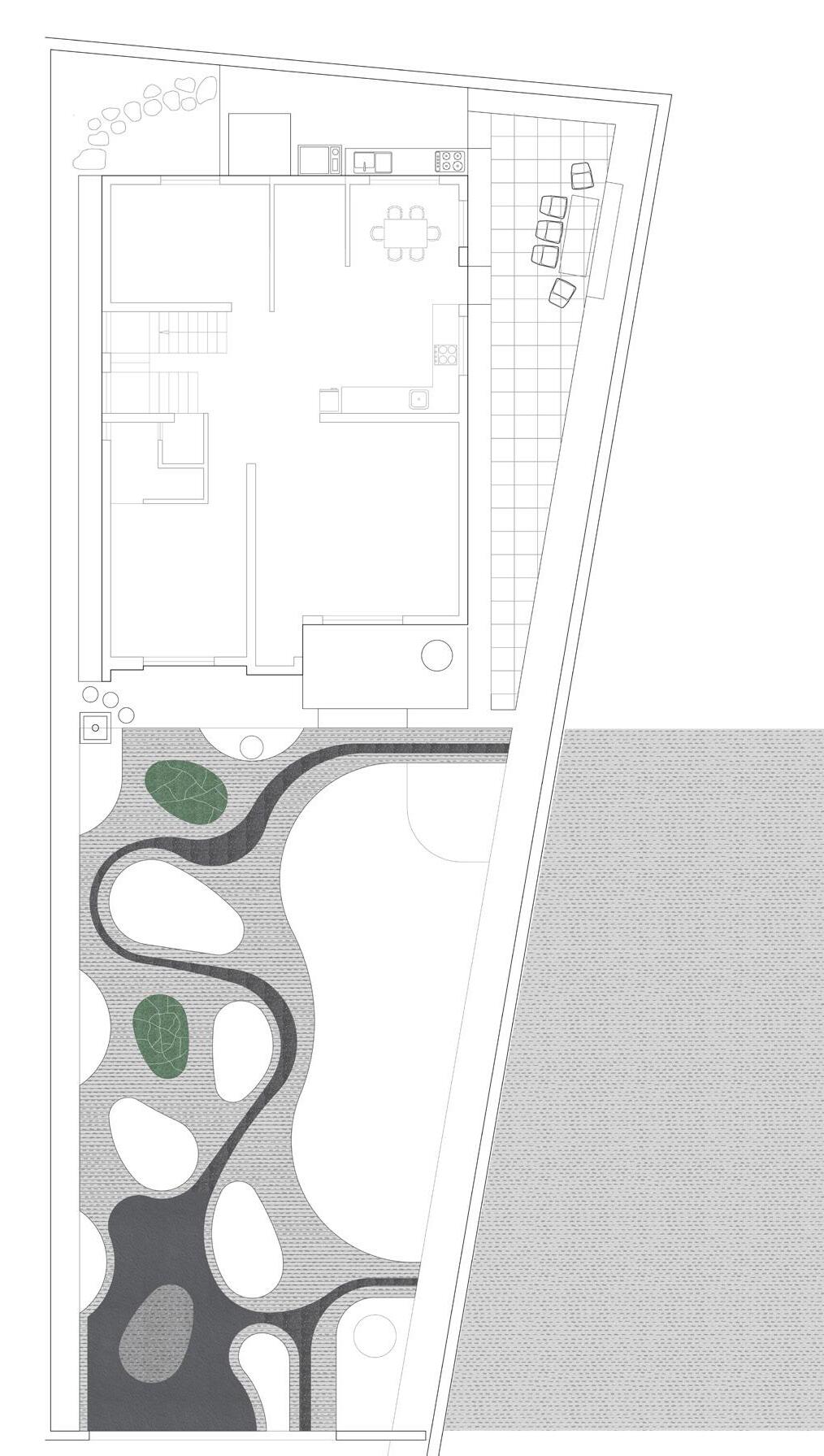
The ground tells the abstracted stories of fields, rivers, towns and forests. A novel formation emerges. Here, it also incorporates insights from the iterative processes.
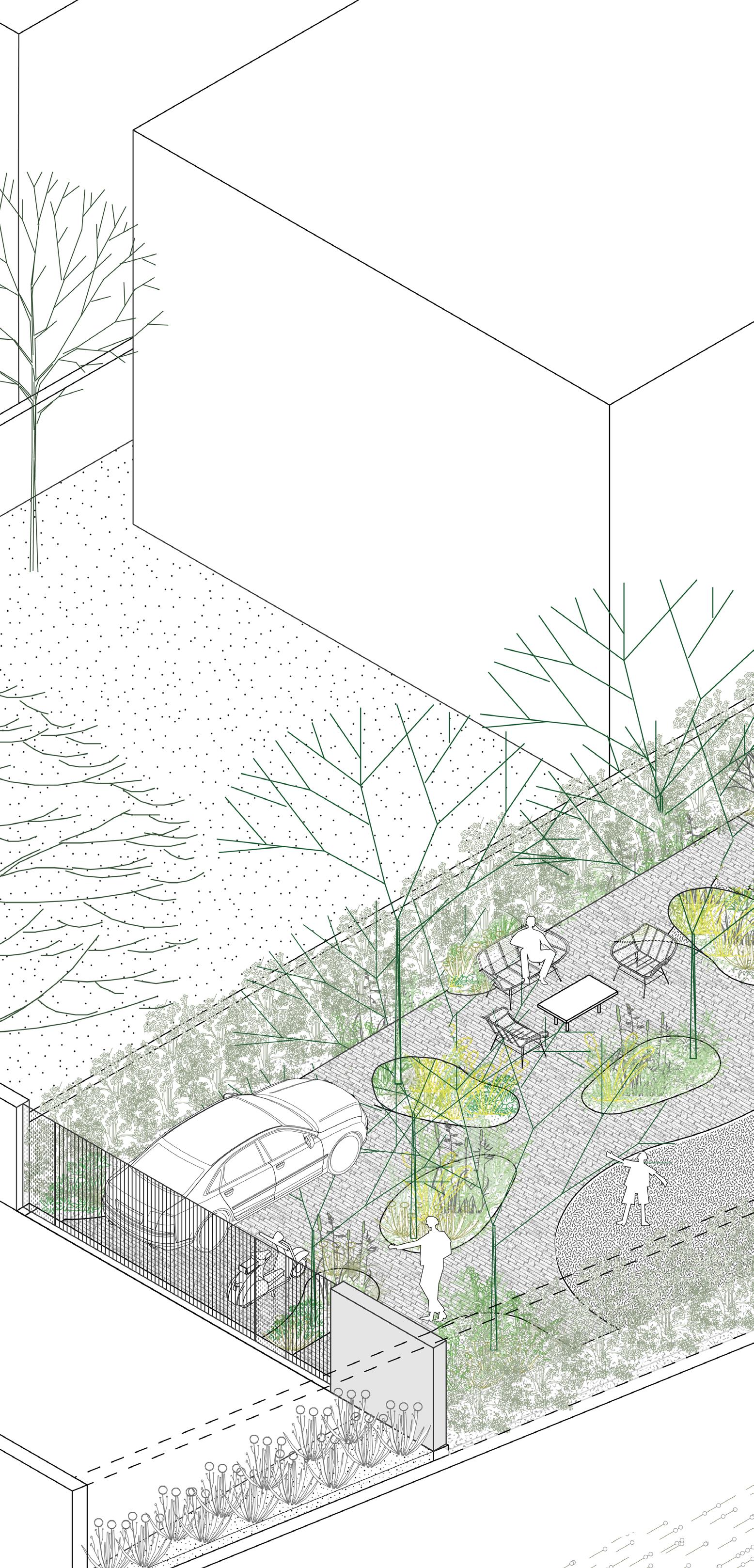
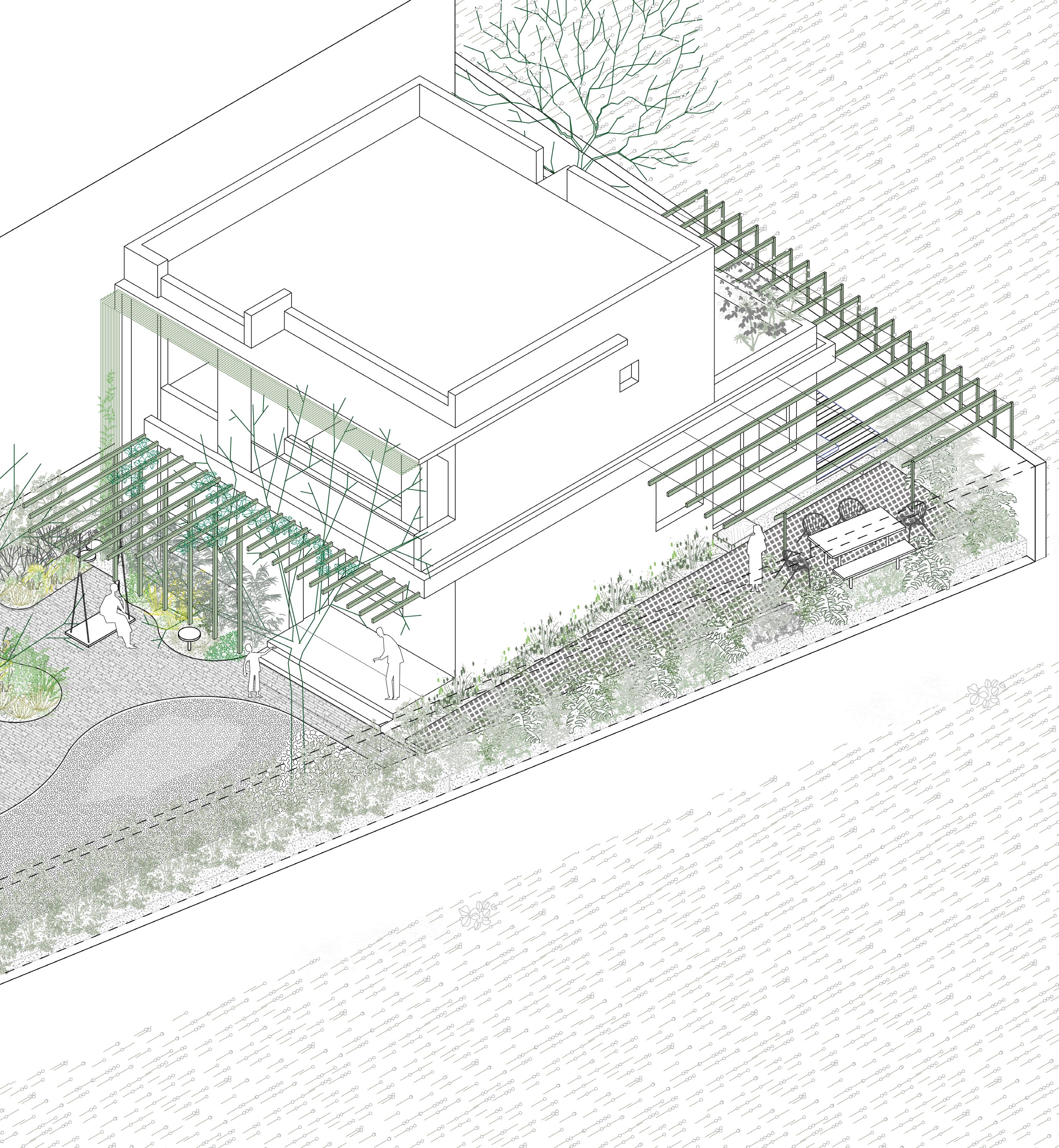
A small garden takes shape, revealing nuanced elements seamlessly interwoven. Diverse mixed plantings form islands, engaging the curious mind. A large ground surface, divided but not fragmented, facilitates movement and smaller pockets. Trees provide shade, fostering spaces for both play and quiet.
Atop
Vadodara, India | Shared Open Space
Professional Work 2024 | Proposal
Team: Mauli Patel
Landscape Planning | Conceptual Design
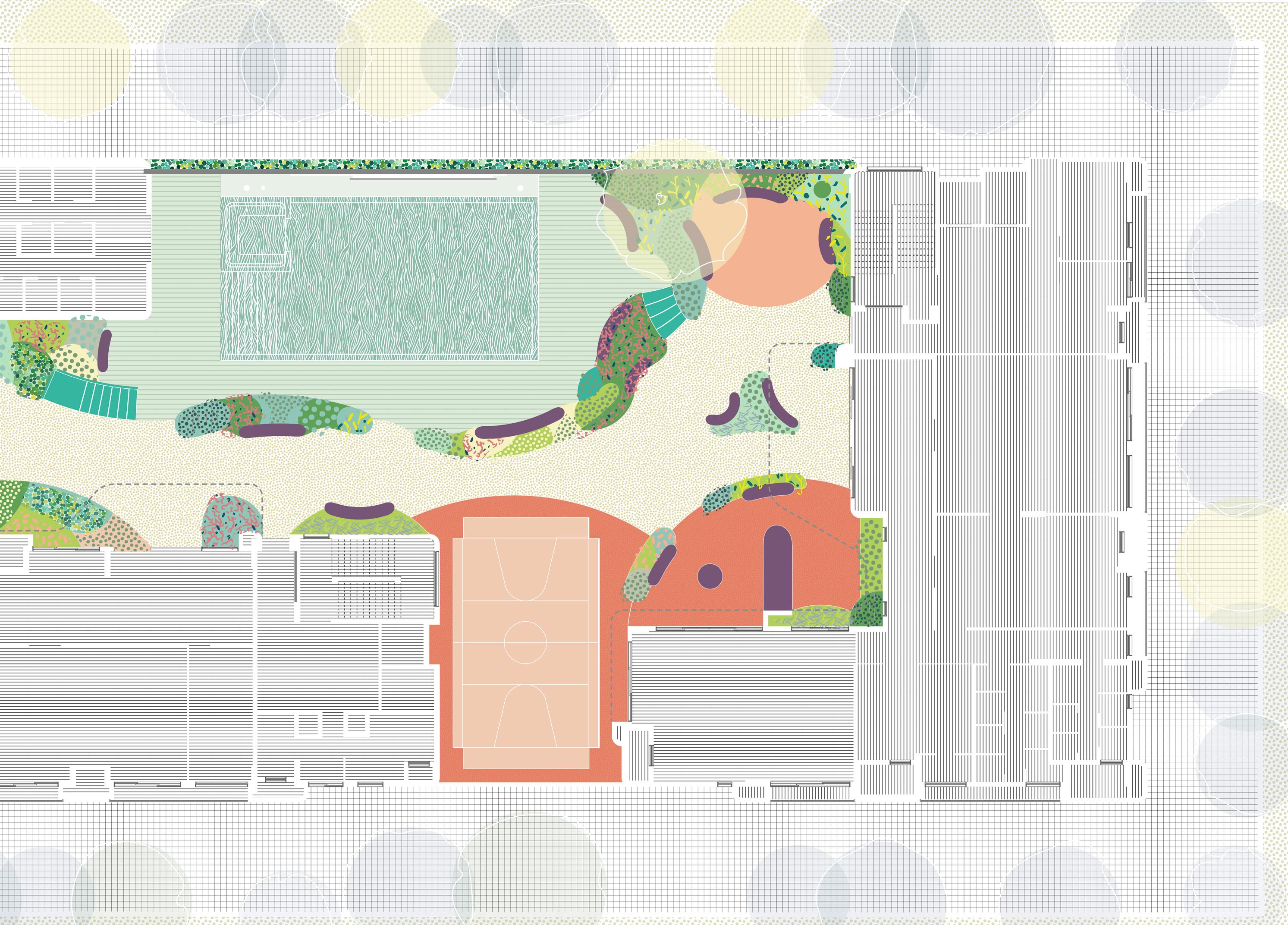
The project proposes a podium space design between residential towers centred around a pedestrian plaza interwoven with planting pockets. Conceived as a playful and colourful public space, it accommodates a series of smaller functional zones including an amphitheatre, café, multi-use courts, play areas, and event lawns. Key activity nodes are positioned along a seamless, meandering walking plaza, creating moments of pause and interaction. The planting palette is tailored for a dry climate and the podium condition of the site allows for a landscape designed with minimal soil depth while still supporting diverse spatial experiences.
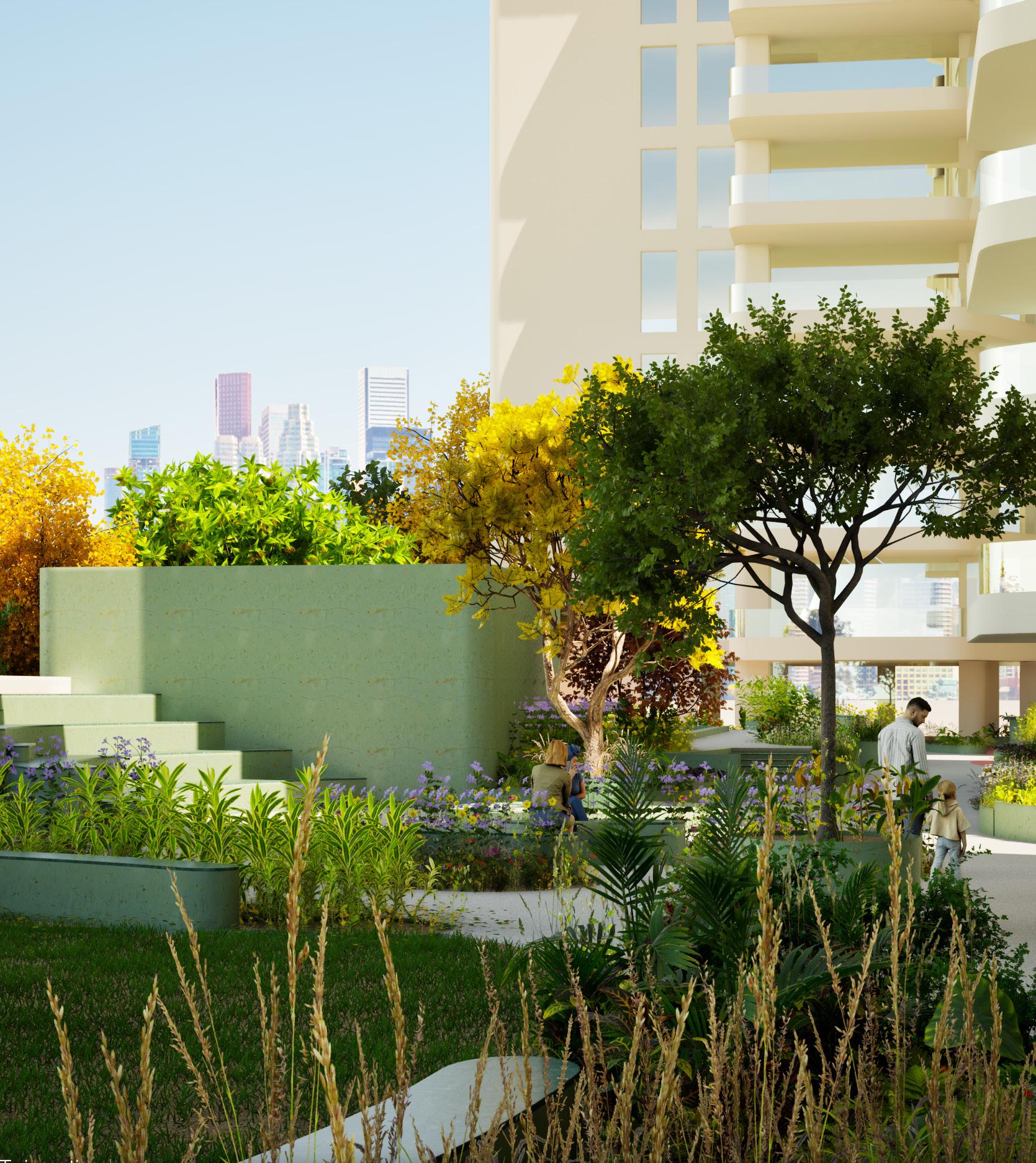
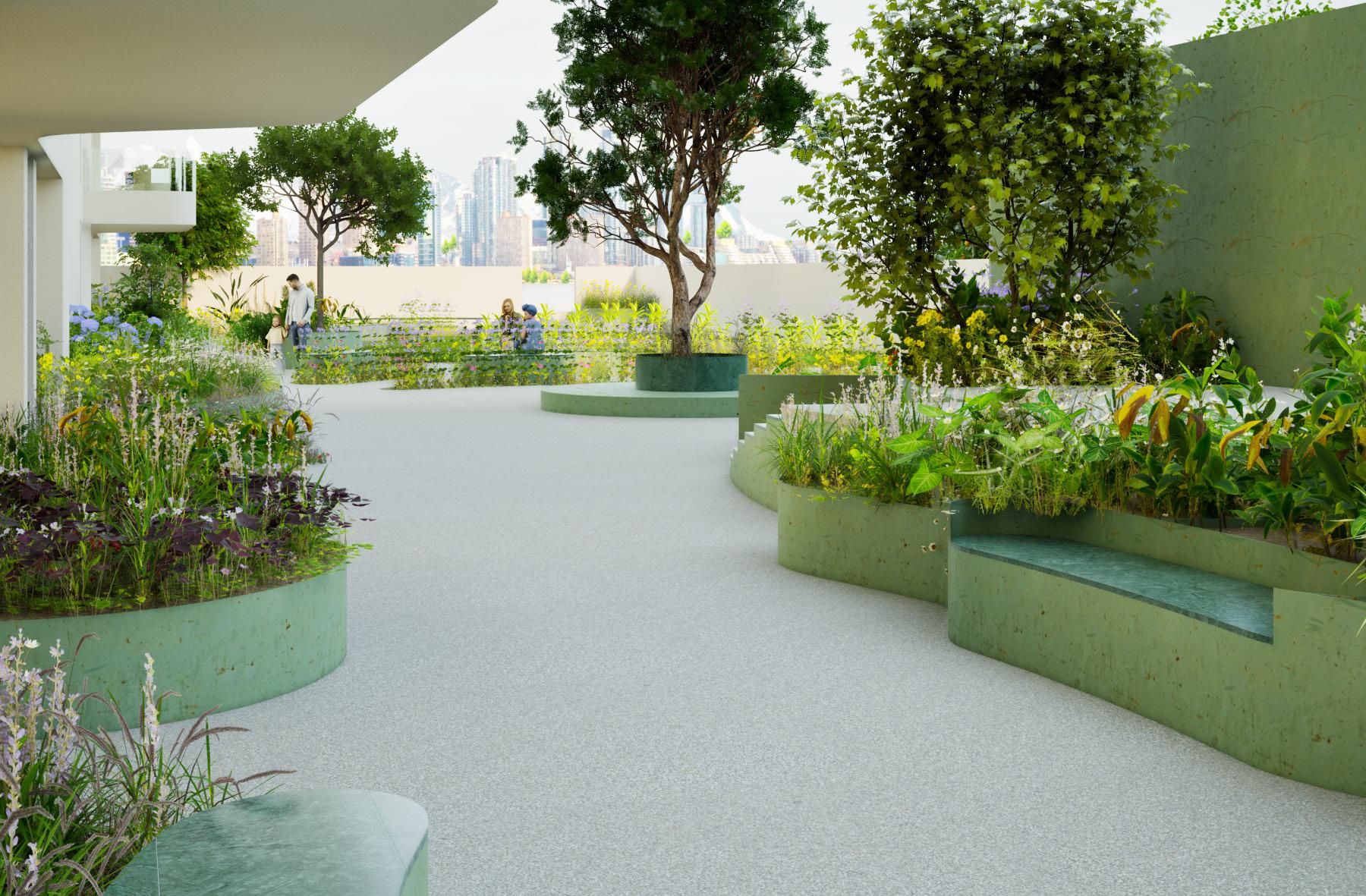
Movement through the plaza invites meandering, revealing chance encounters and social interactions.
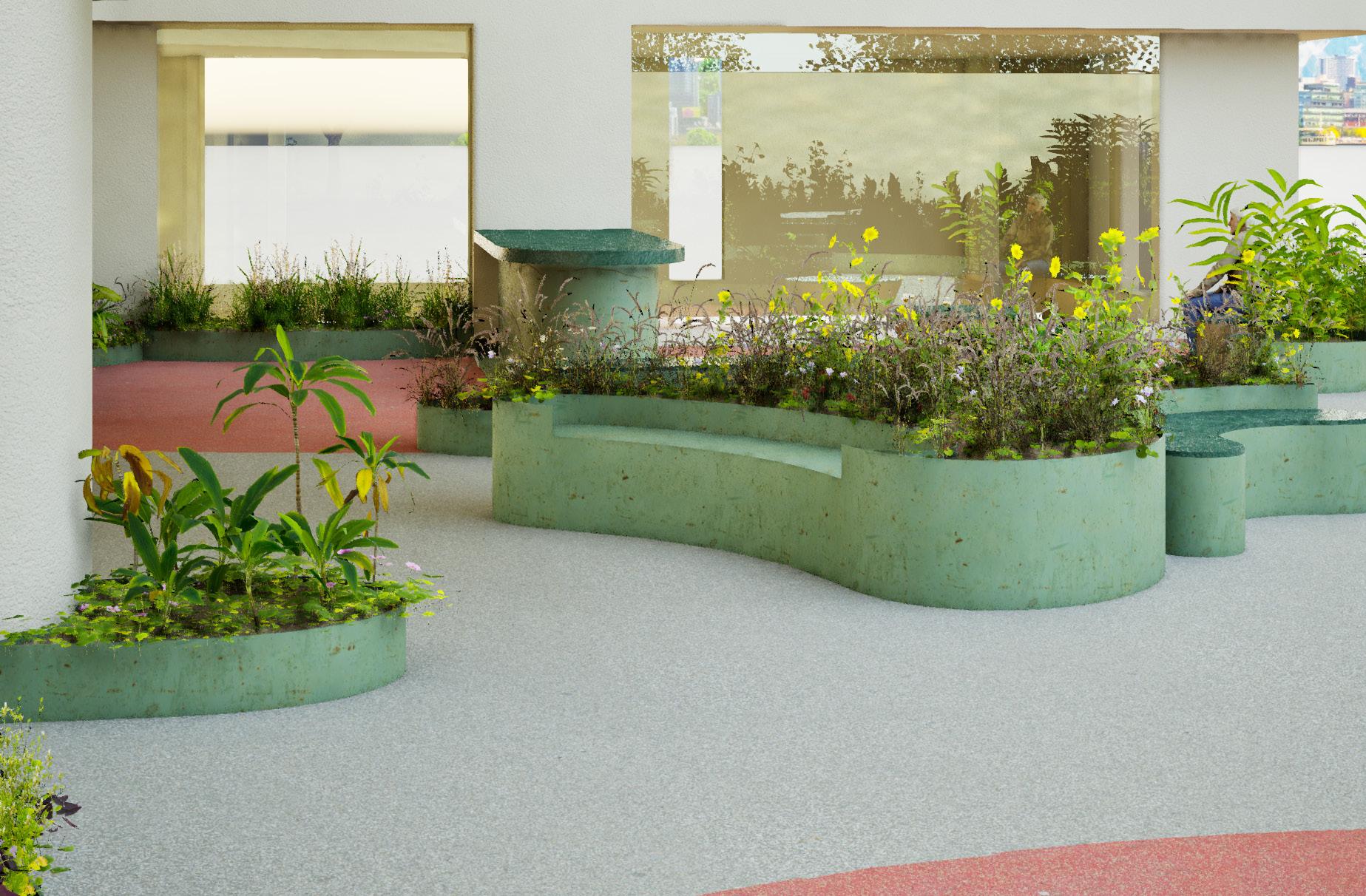
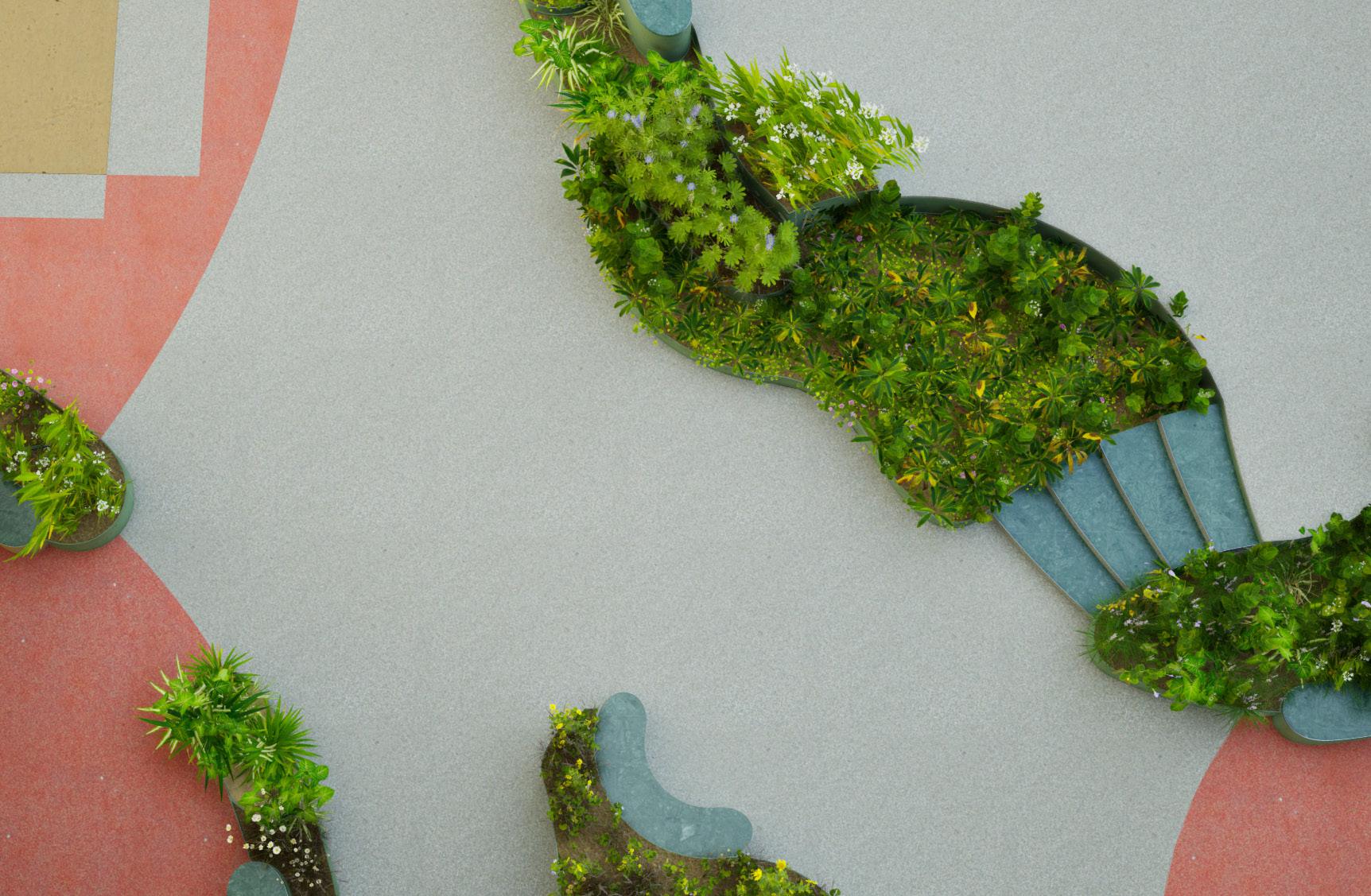
Public furniture playfully integrates planting as minimal interventions that also form a node for an outdoor café.
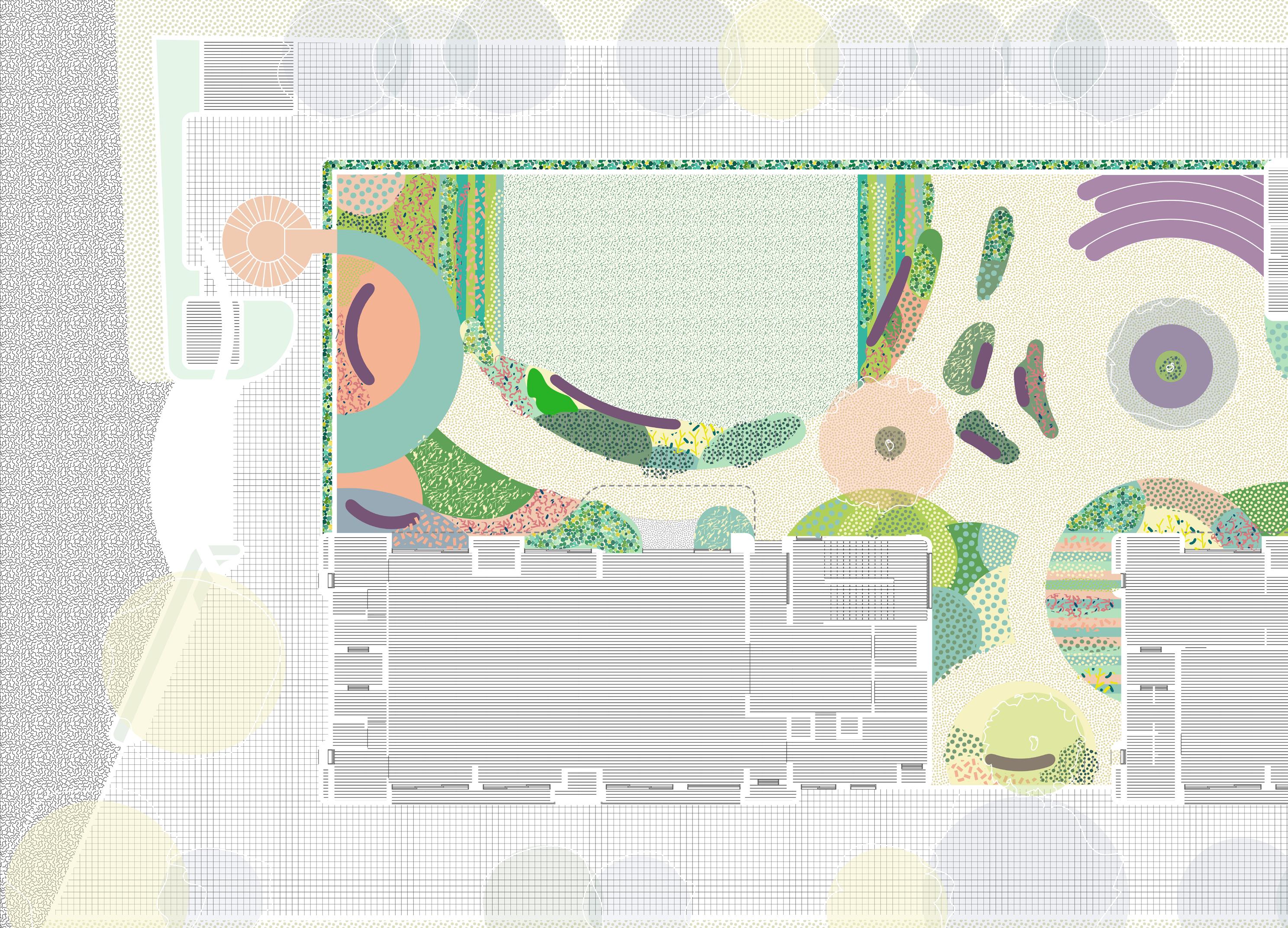
1. Entry to Podium level
2. Large gathering space
3. Tree court and Amphitheatre
4. Existing pool
5. Multipurpose playcourt
6. Outdoor Cafe
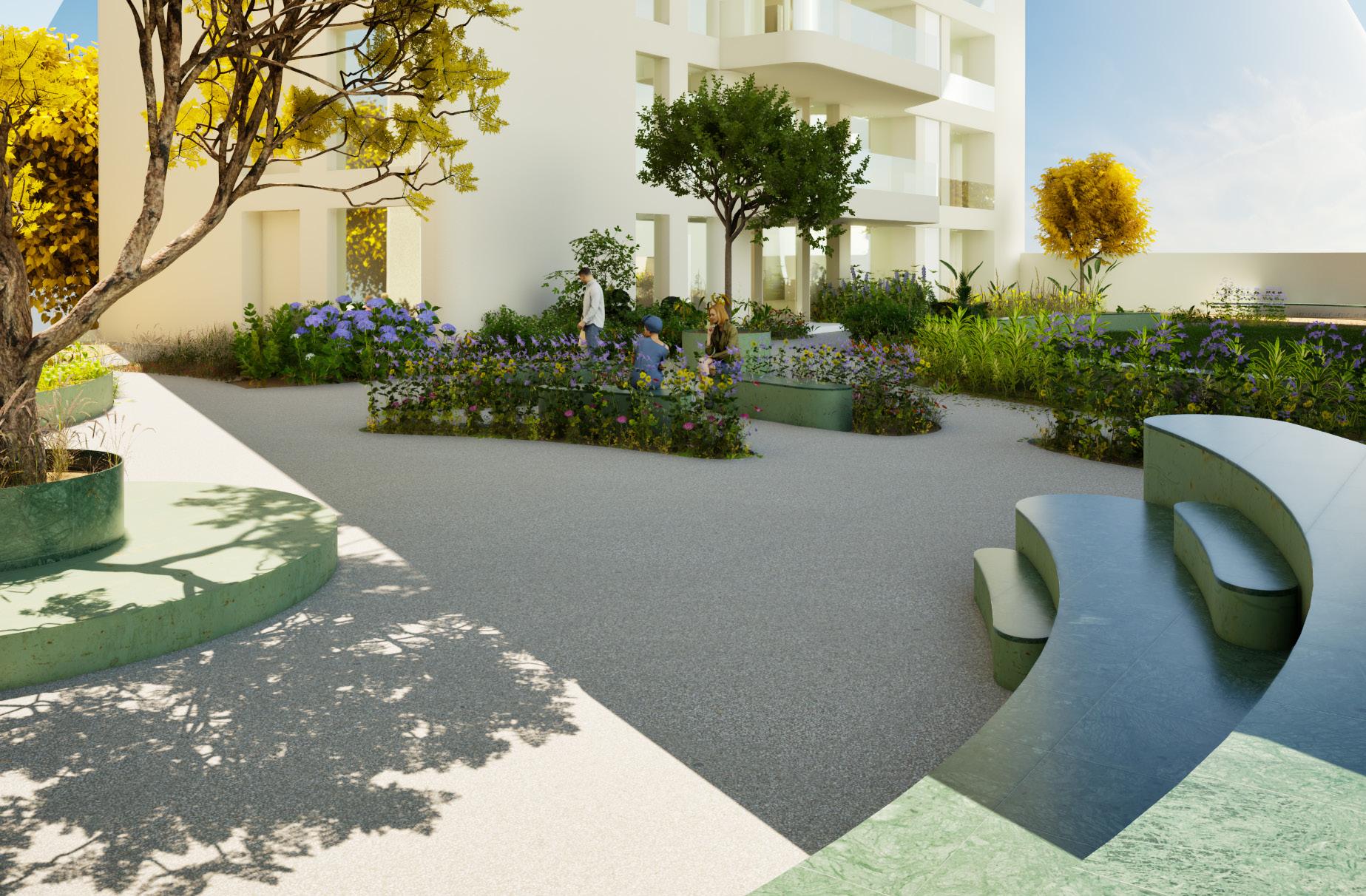
Seating around the central tree echoes regional village plazas and naturally hosts a range of cultural activities.
d planting, flooring, and colour cues guide behaviour and use. Together, these simple gestures shape an inviting, playful public space.
Carve
HUMAN ECOLOGY
Bangkok, Thailand | Urban Flood Resilience
Designing Resilience in Asia (DRIA) Competition, 2018 Team: Mauli Patel, Netra Bafna, Yash Mehta
Urban Design Strategy | Spatial and Climate Analysis | Urban Policy
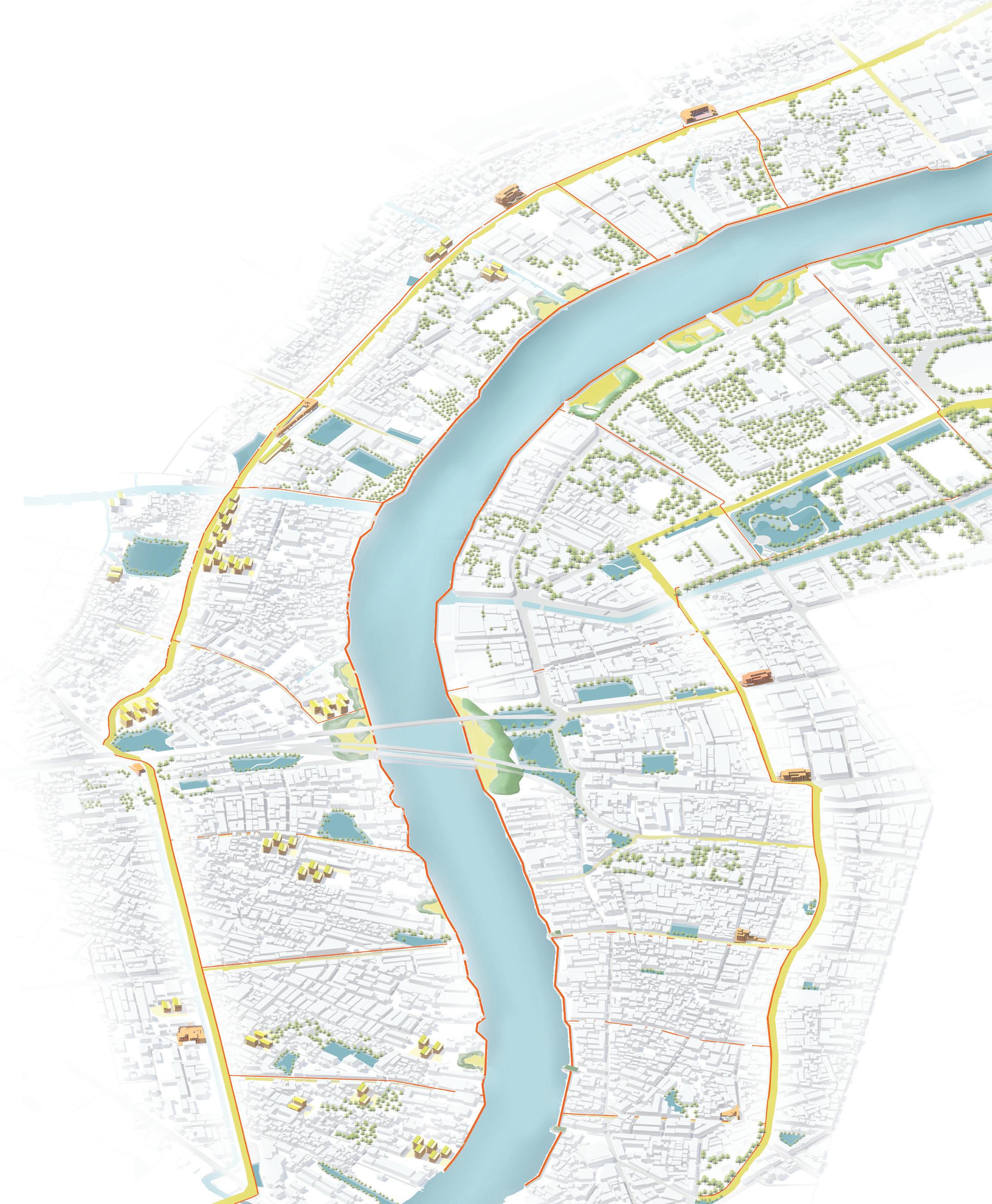
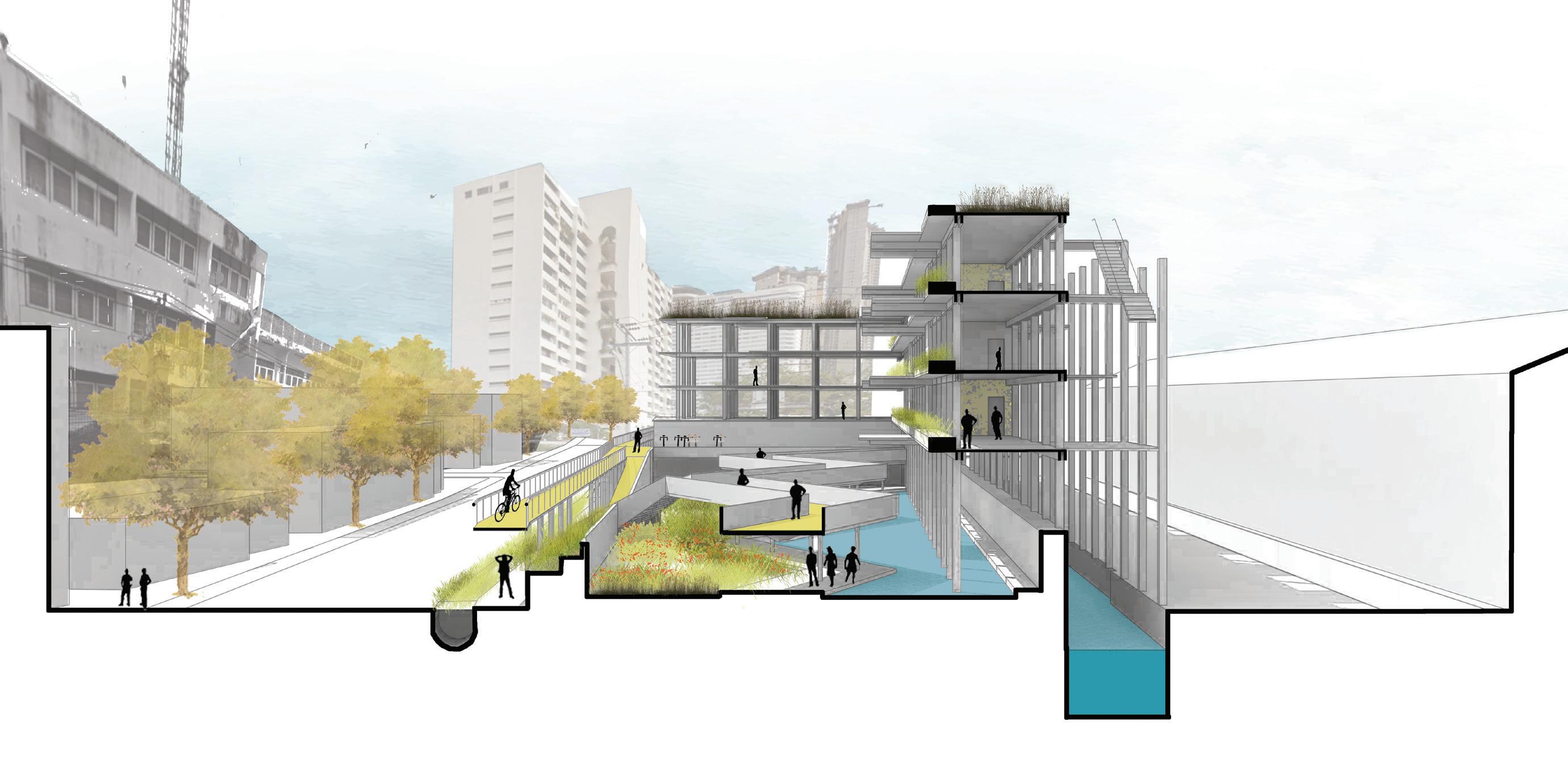
From an agrarian settlement to a megapolis with snarling traffic, Bangkok, like many other cities, has harmed the relation between humans and ecology. Our proposal aims at rejuvenating this relation by sensitizing Bangkokians towards water. Our vision for redeveloping Bangkok is based on the idea that spaces for collective and public integrated with water sensitive systems will make Bangkok resilient, Bangkokians aware of water systems and enhance its urban experience.
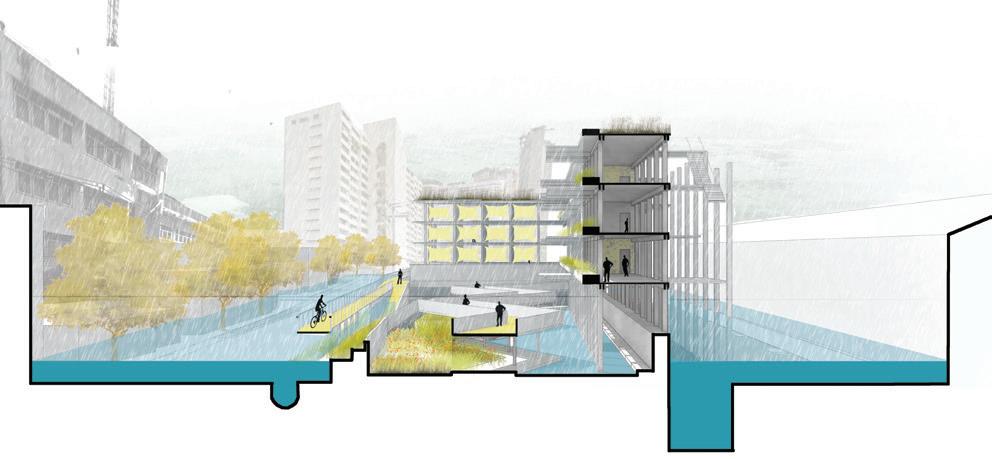
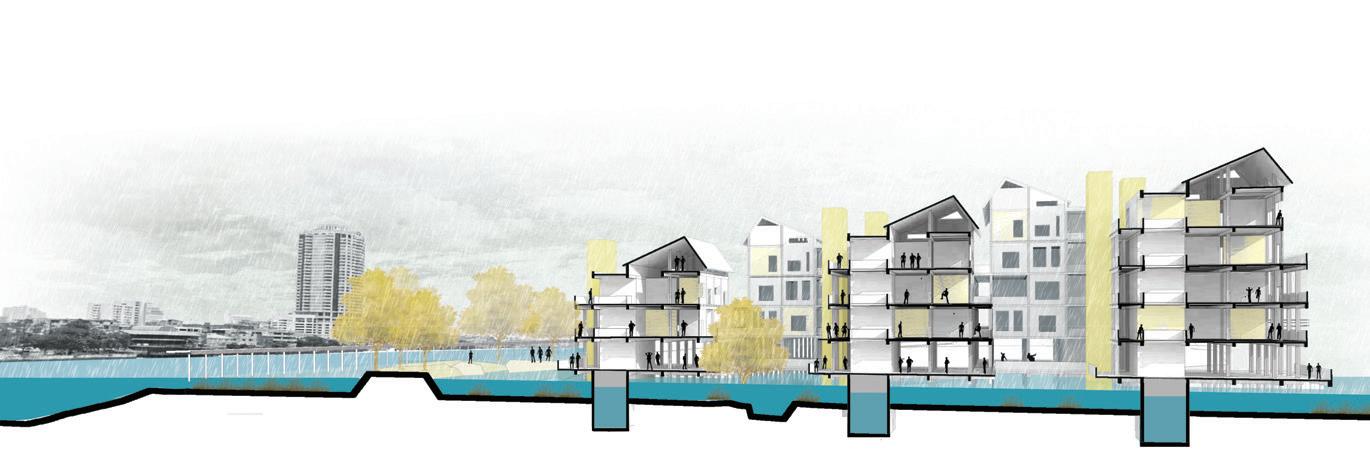
As Bangkok floods for various reasons, the overarching idea has been integrated in these four strategies : Rejuvenate, Soak, Protect, Adapt to respond to each flood level.
http://designingresilience.com/proposals/human-ecologyinfluencing-water-systems-through-spaces-for-collective/
Influencing water systems through spaces for collective and public
Rejuvenate
Soak
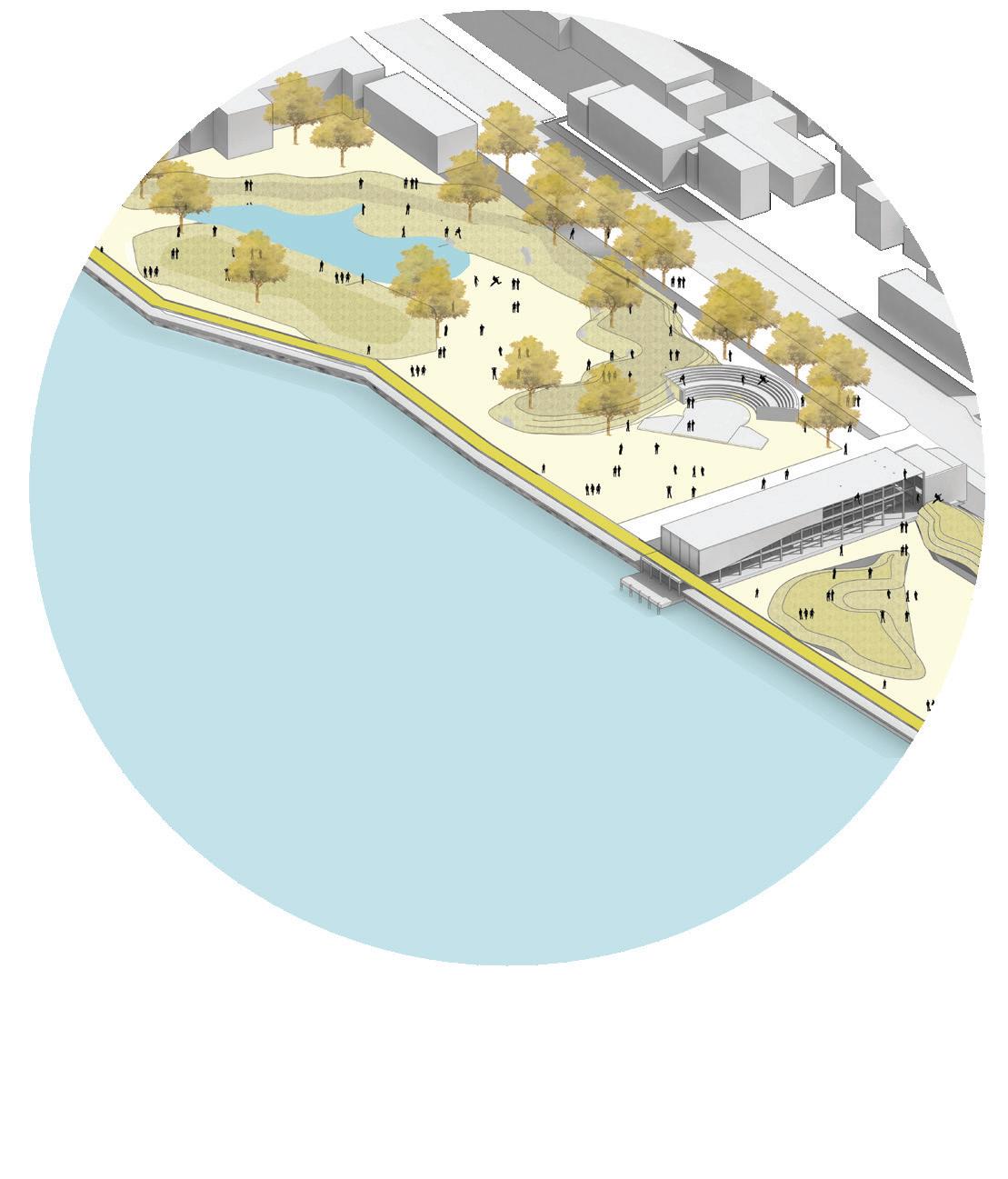
To protect the river from excessive flow, a green belt is proposed along the tributaries and the river Chao Phraya to hold the soil together and increase the absorption rate of the soil along the river. Afforestation in the temple complexes in Bangkok is proposed to set an example for the city in a place that is the most revered.
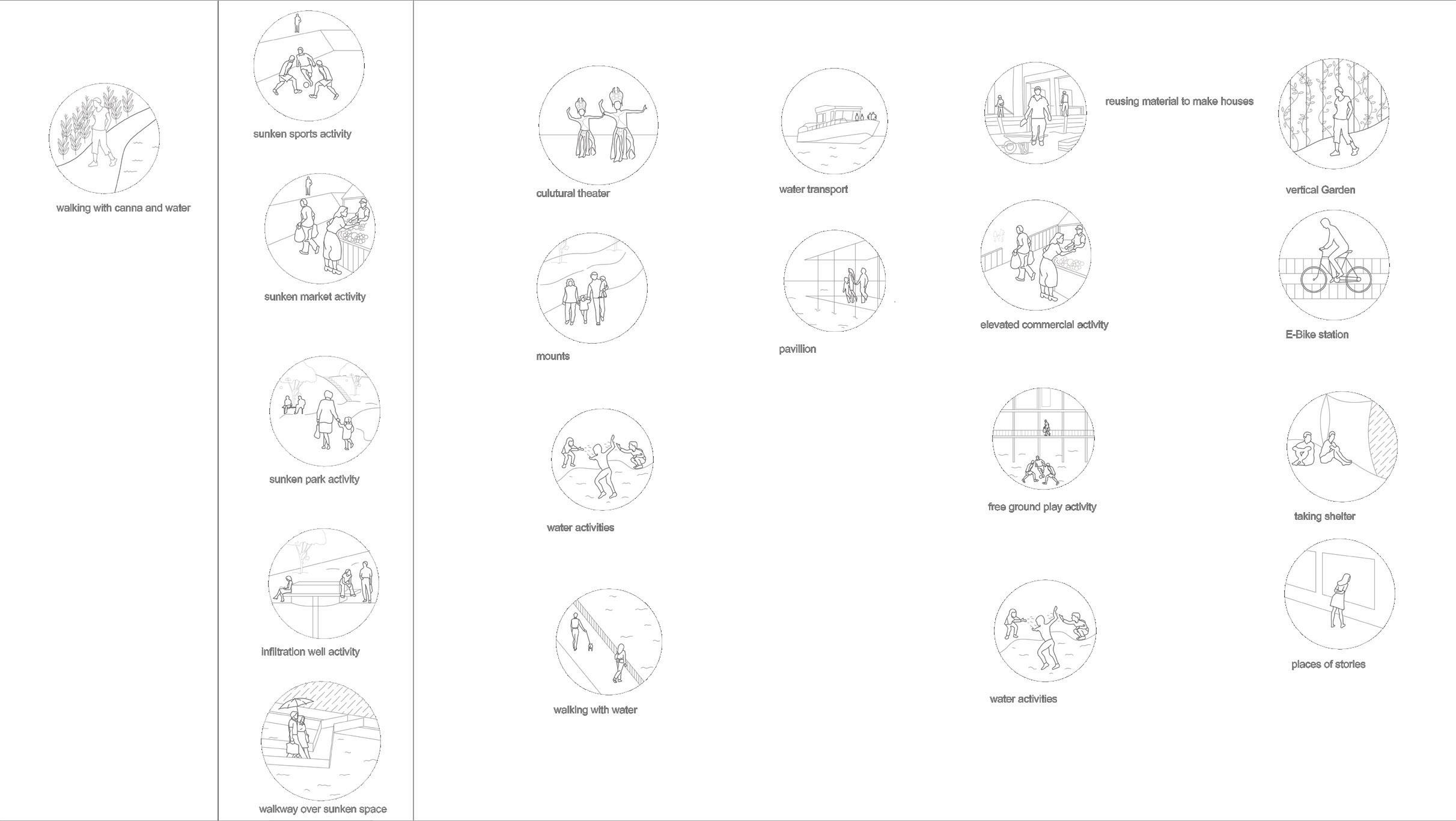
Rejuvenate
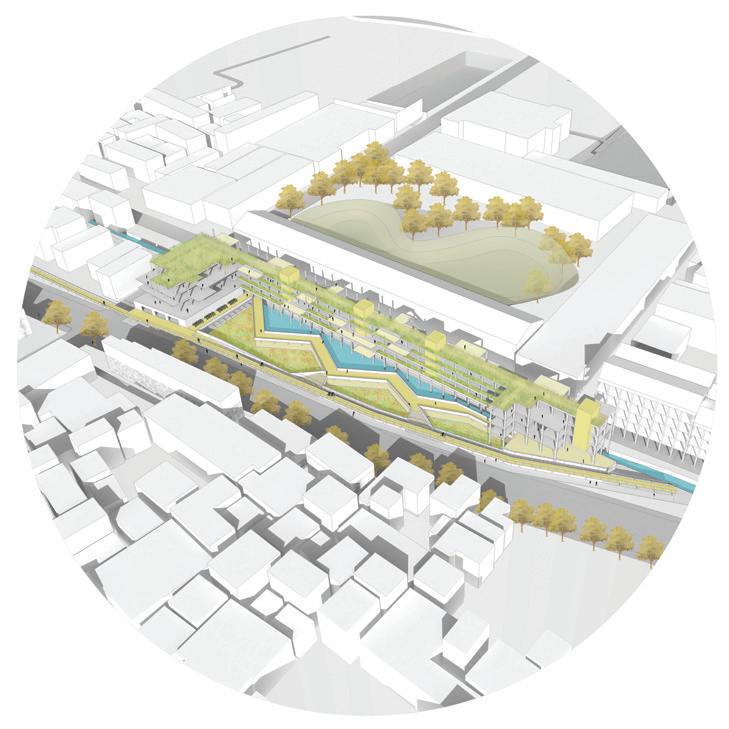
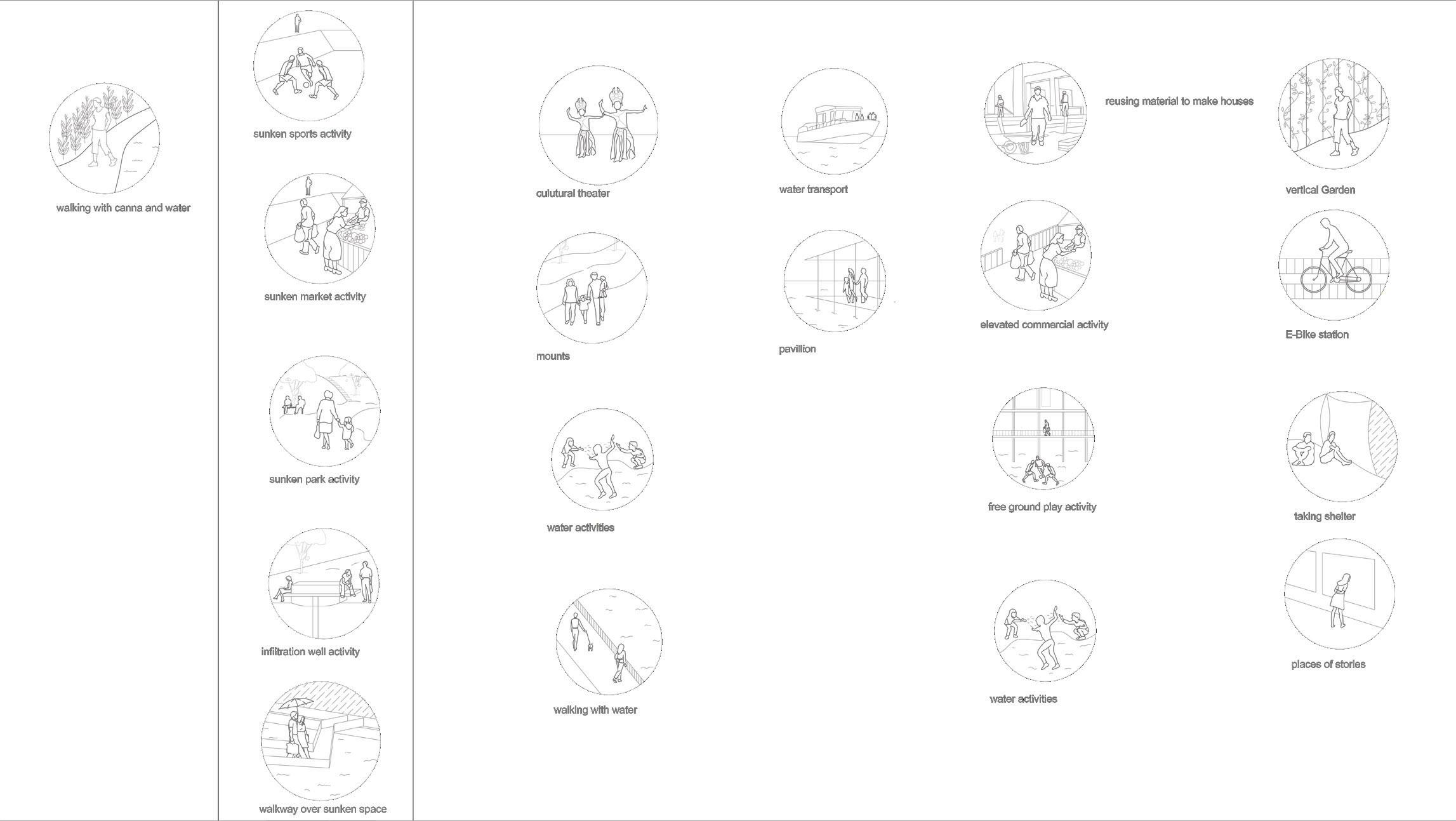
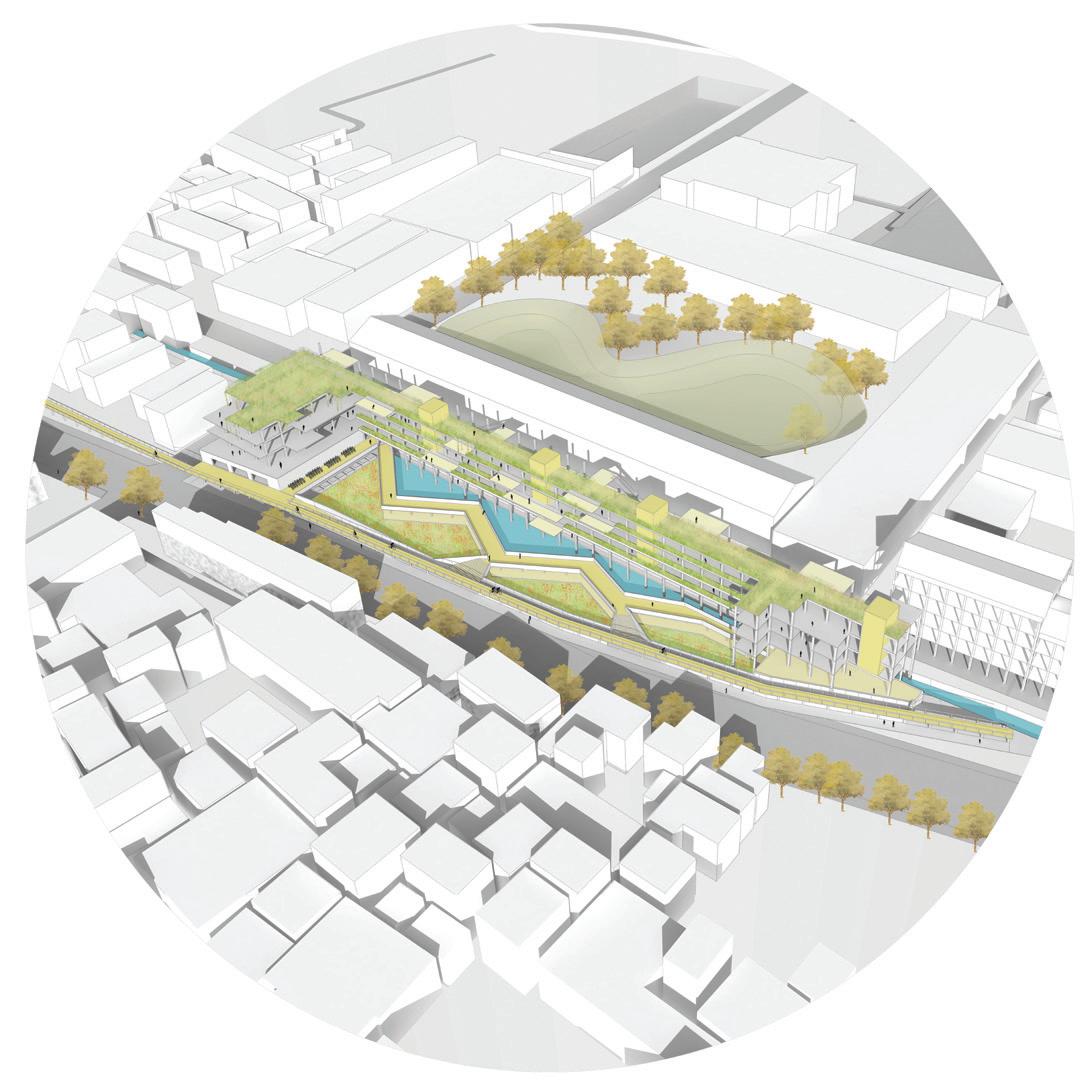
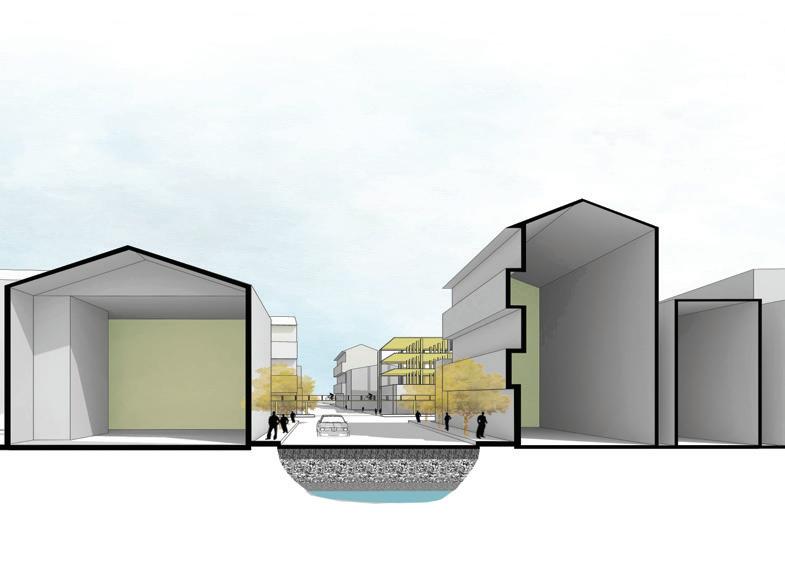
Our proposal aims at rejuvenating the water canals by making decentralized sewage treatment plants that clean the canals and treat the household wastewater and create a green public space. This will create awareness and remove the stigma related to sewage. The decentralized sewage system consists of septic tanks, root zone treatment beds, and polishing ponds. The sludge removed is further treated to produce biogas. The cleansed water will be used for maintaining the green urban space of the sewage
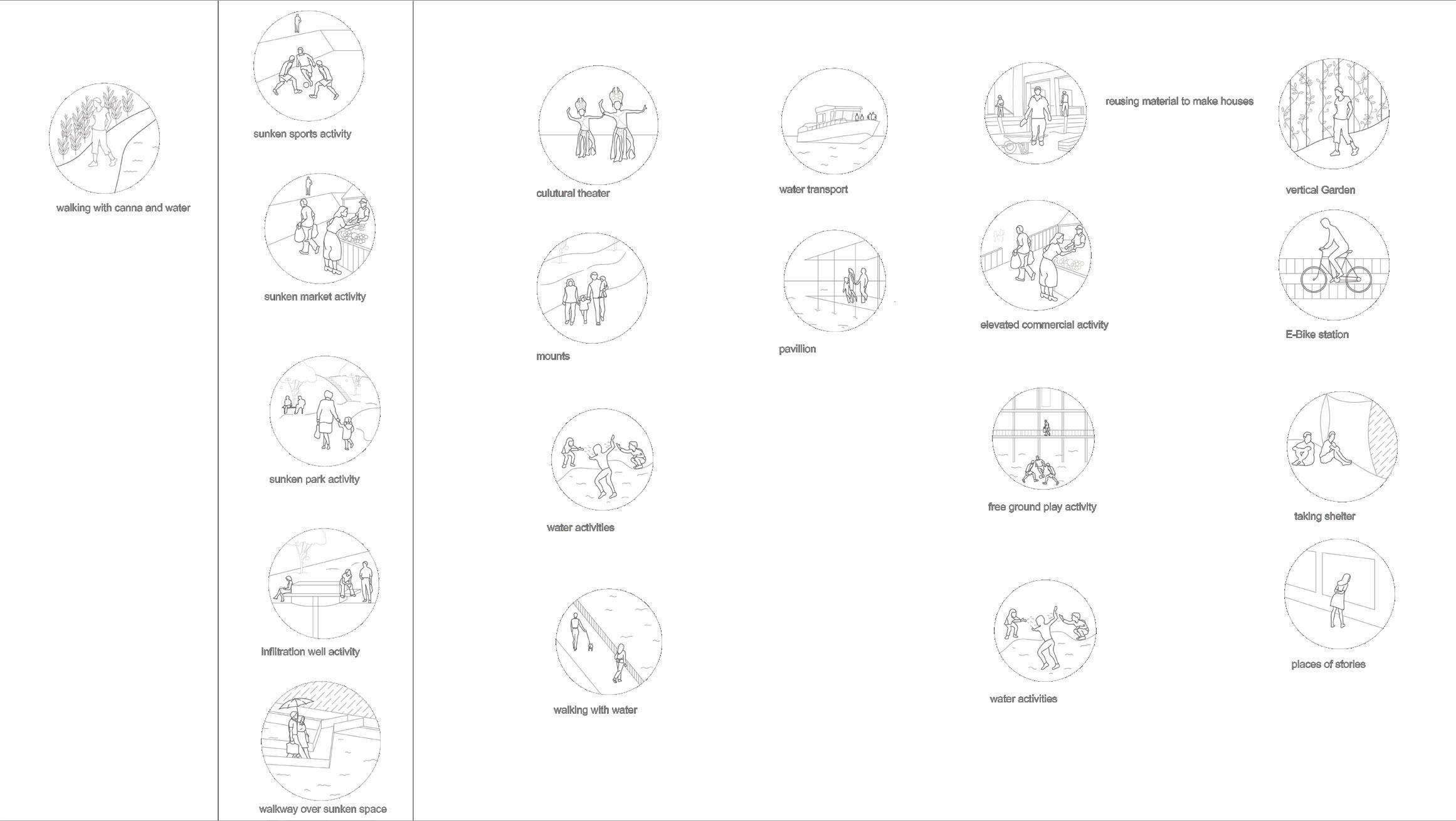

Existing canal
Septic tanks
Root zone treatment with canna plants Polishing ponds
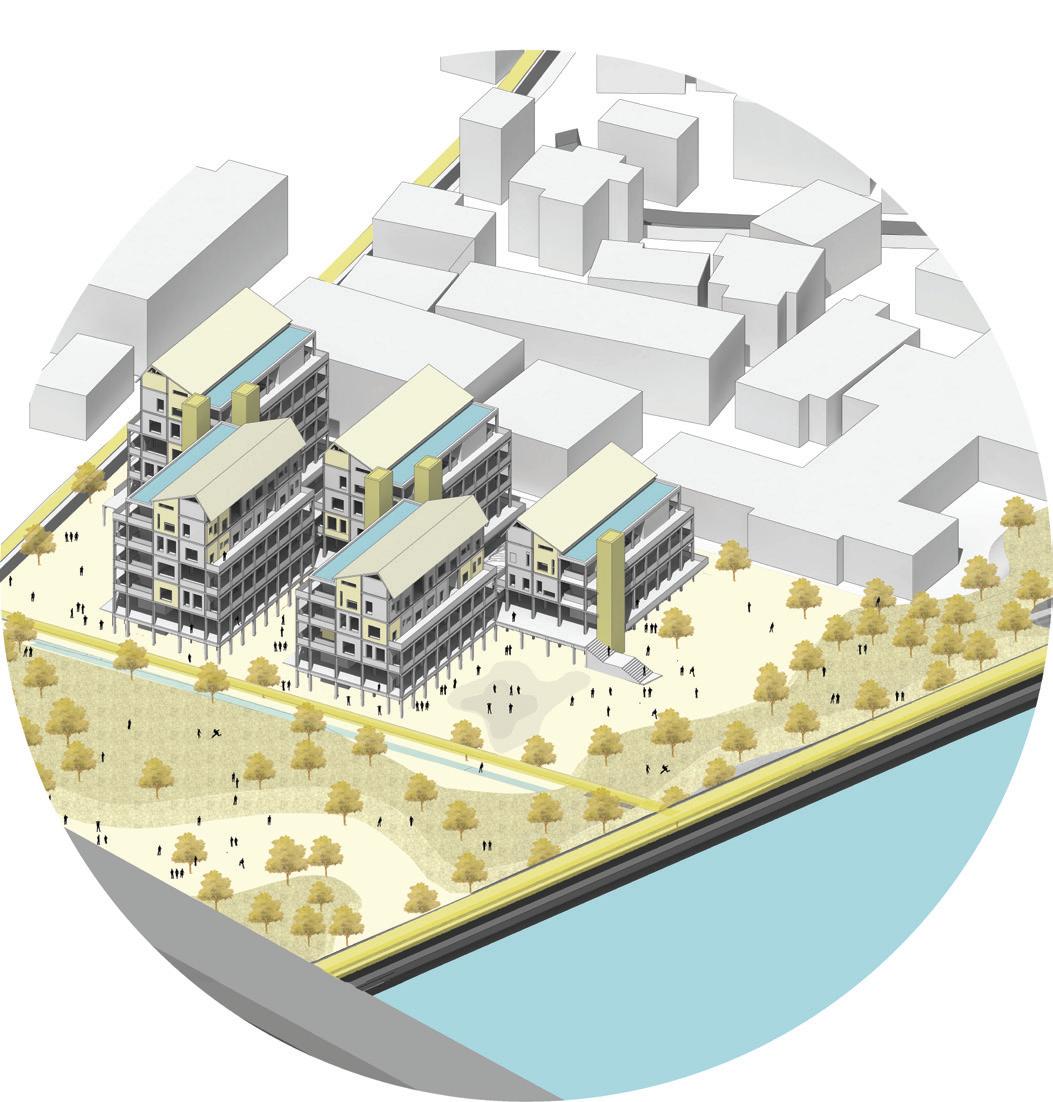
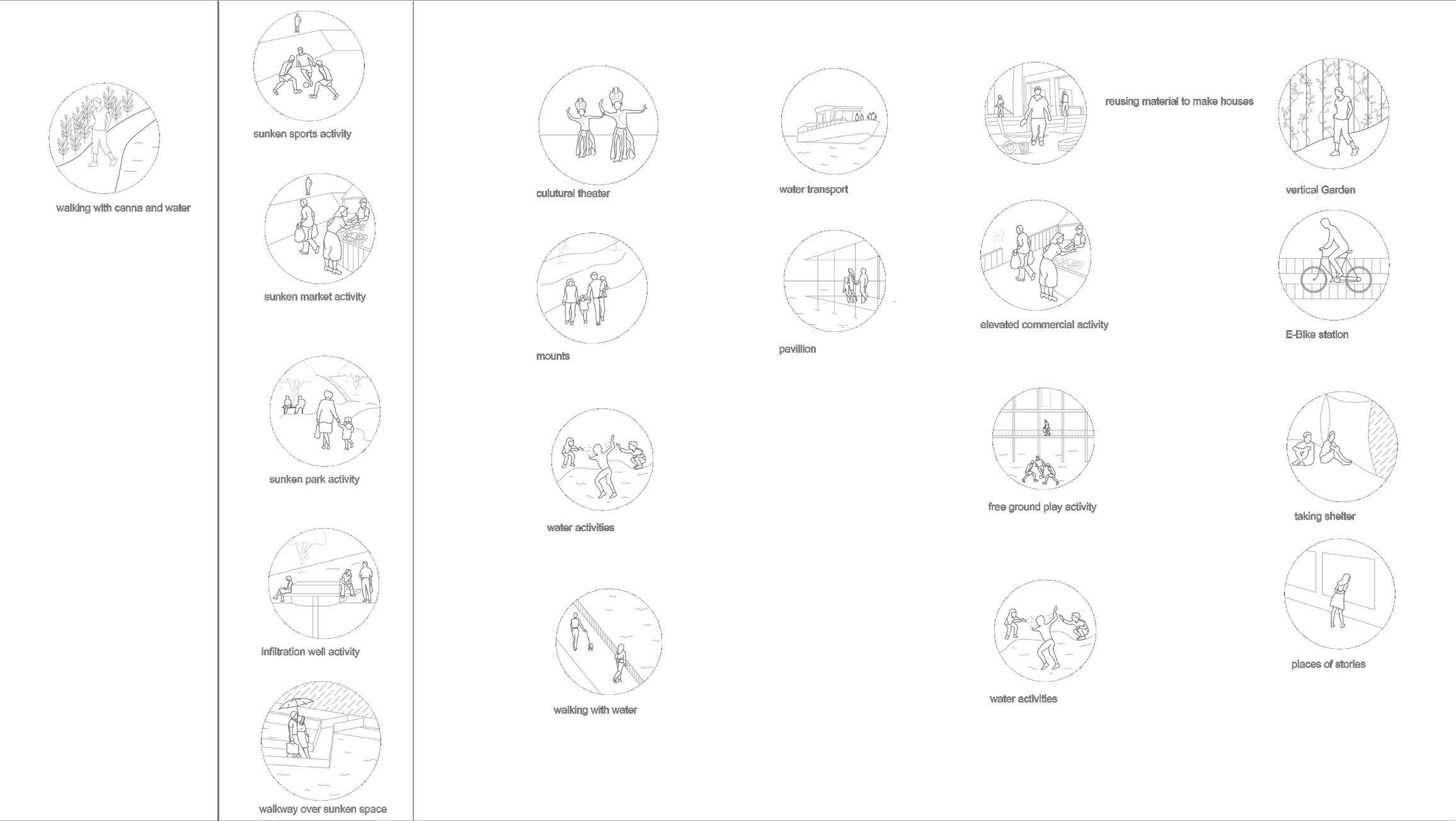
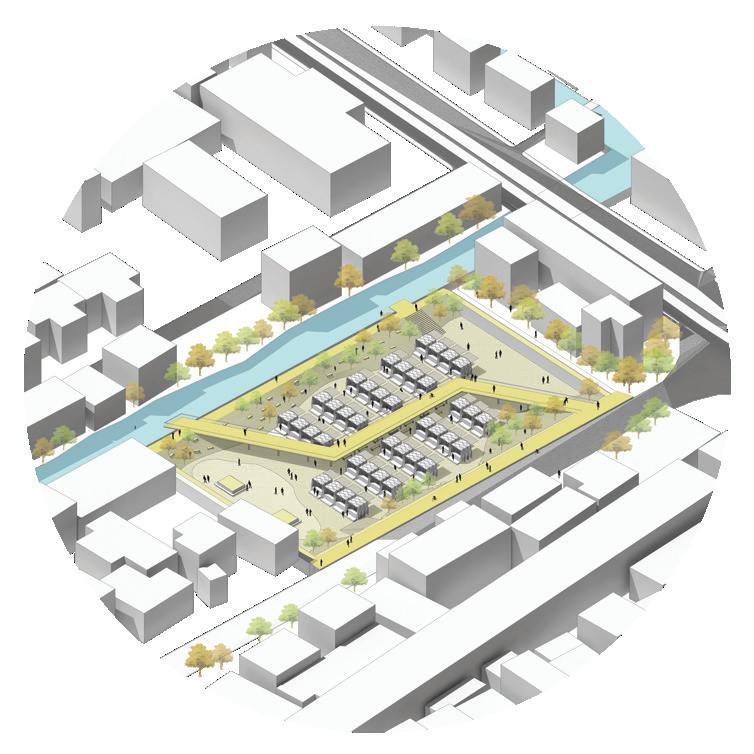
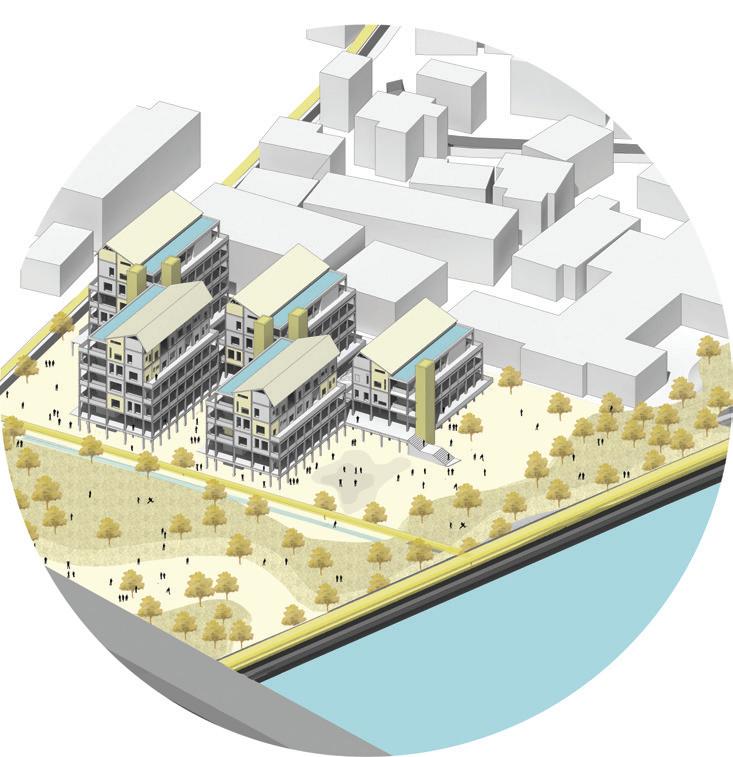
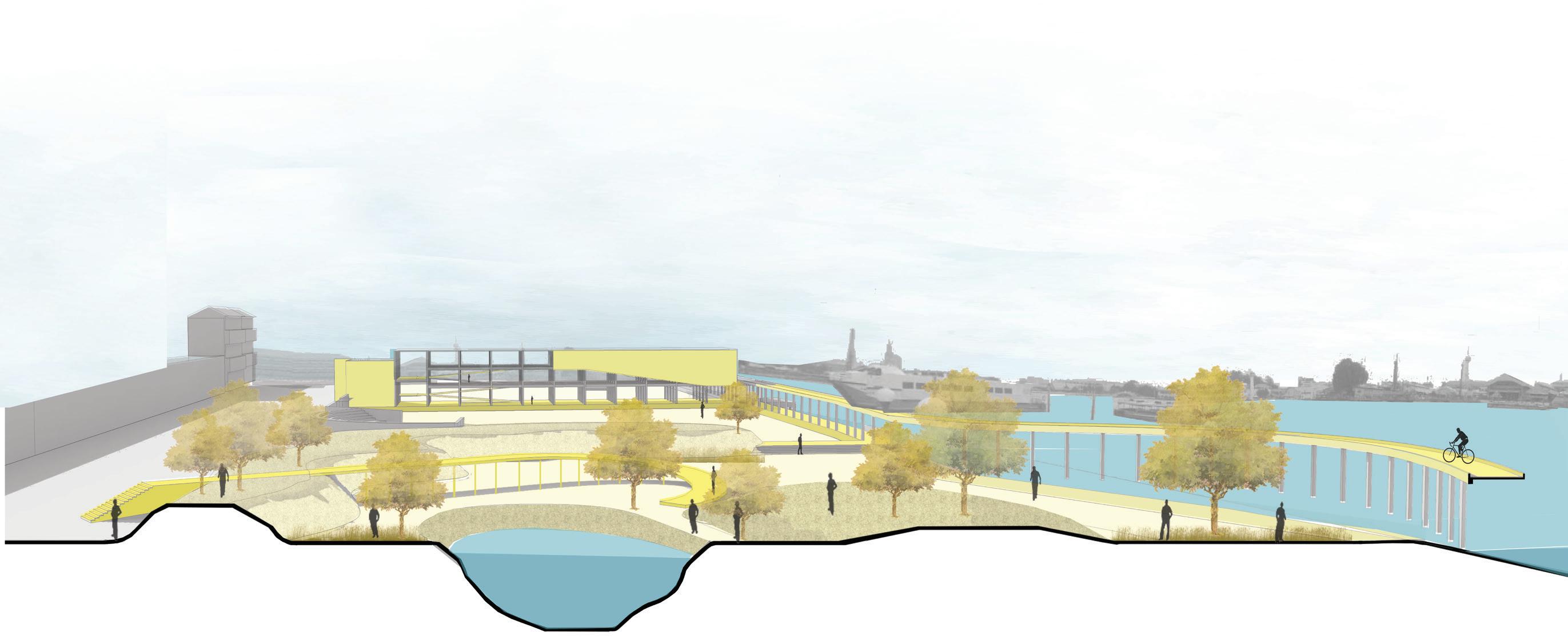
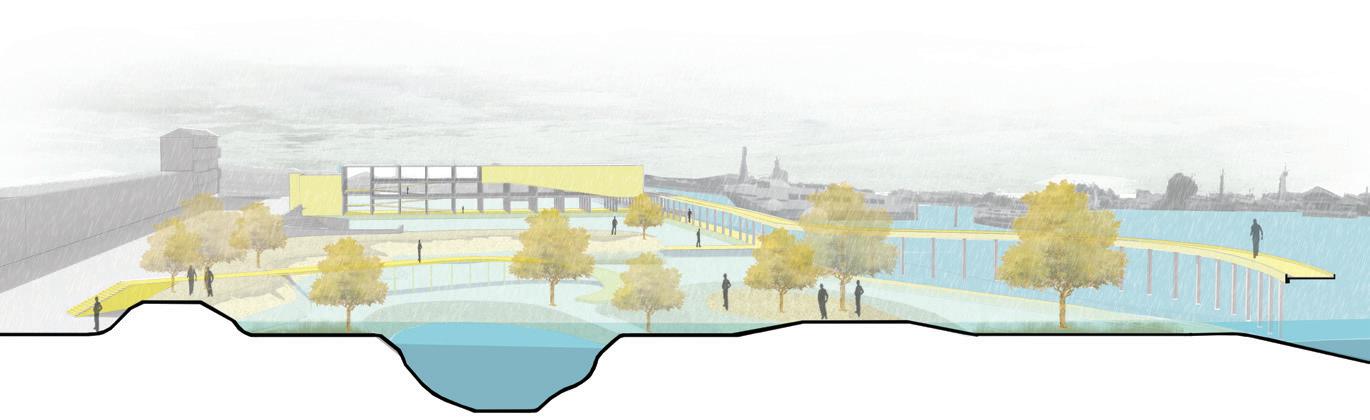
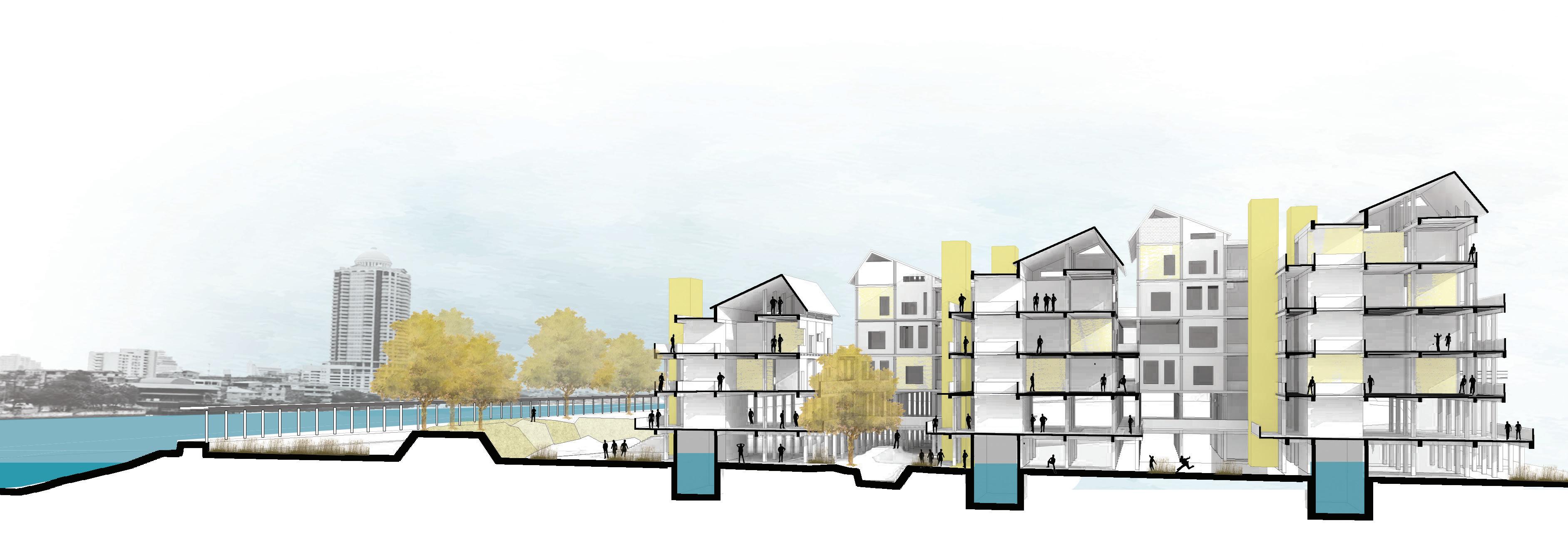
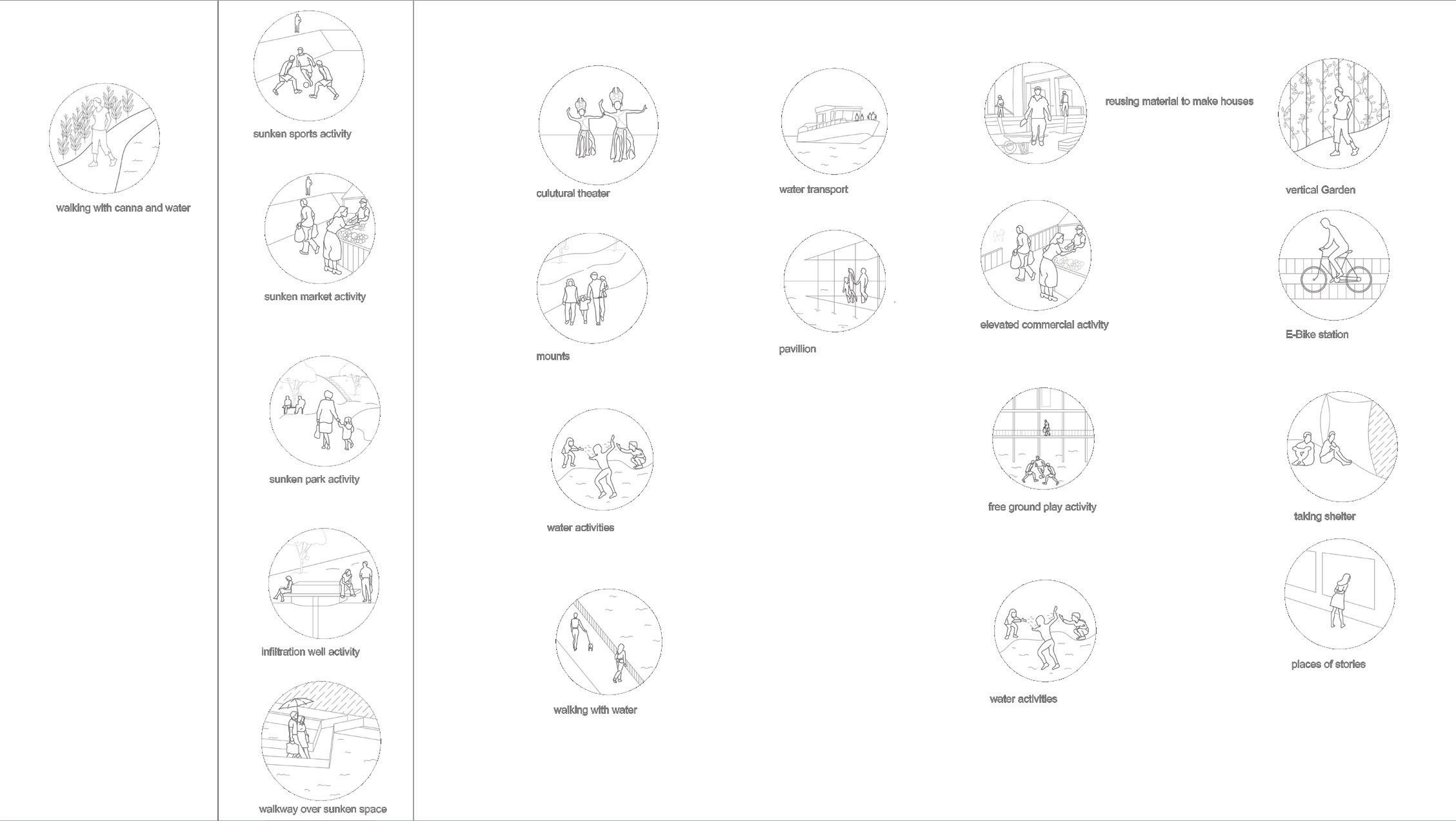
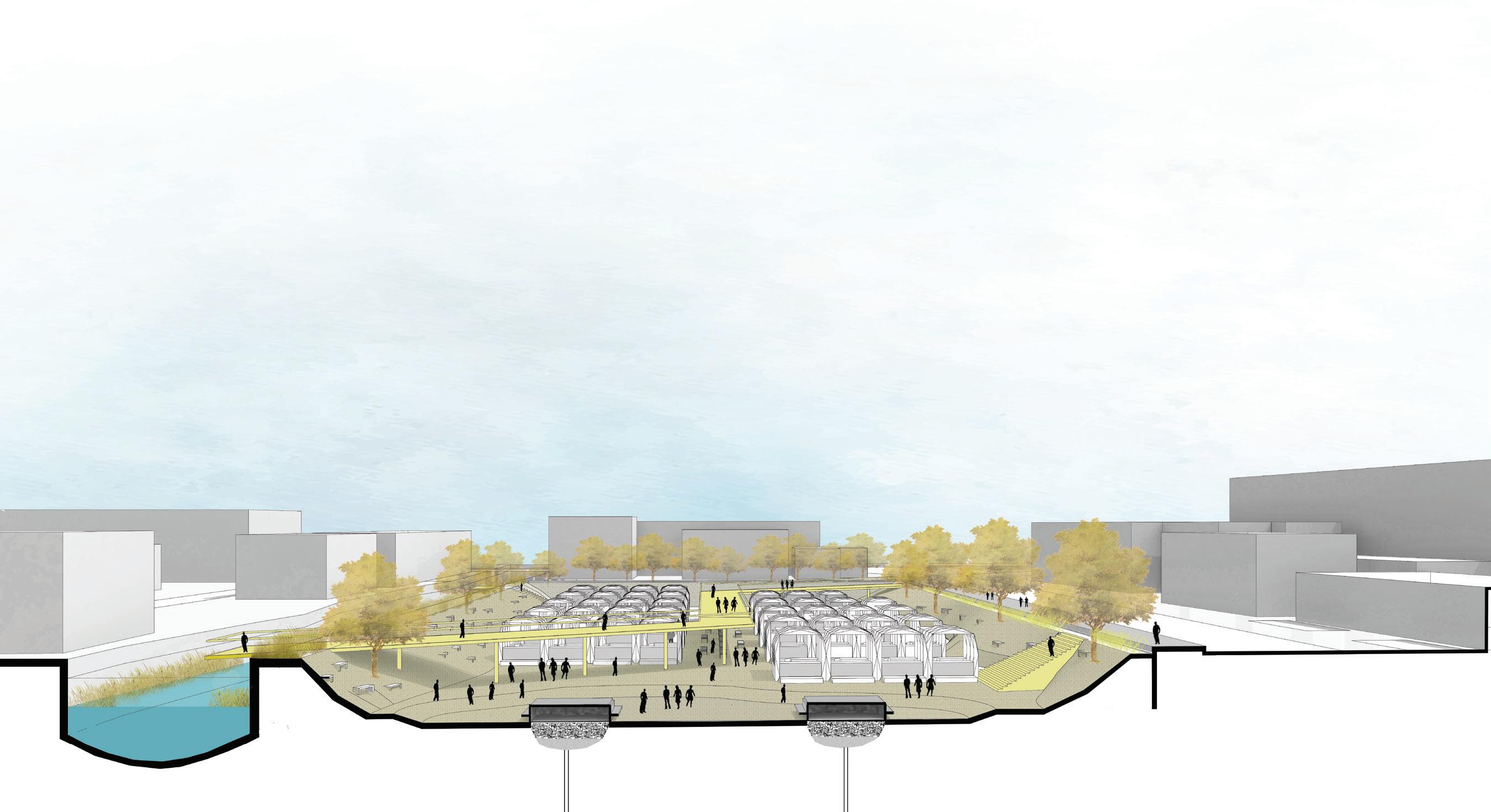
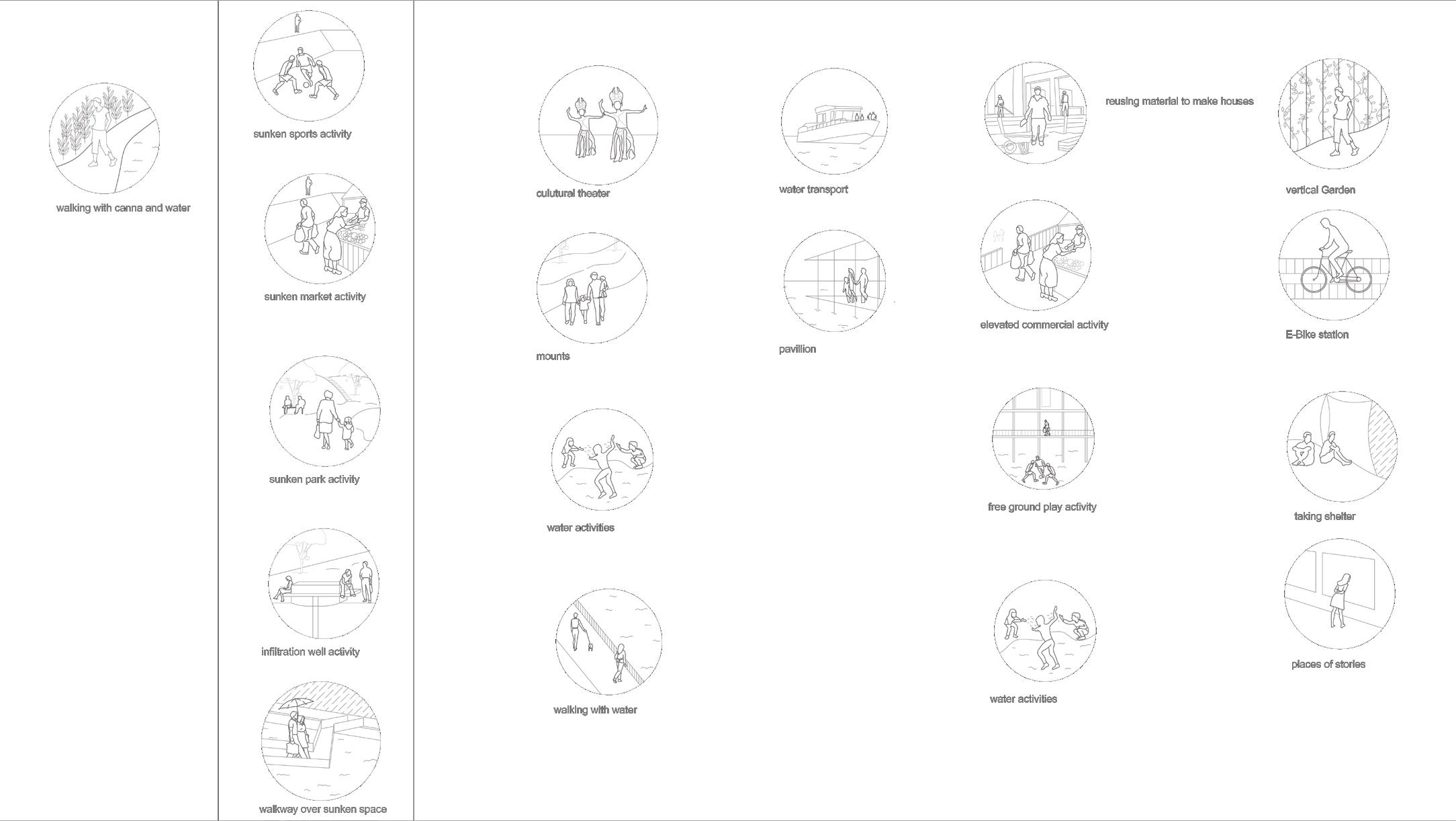
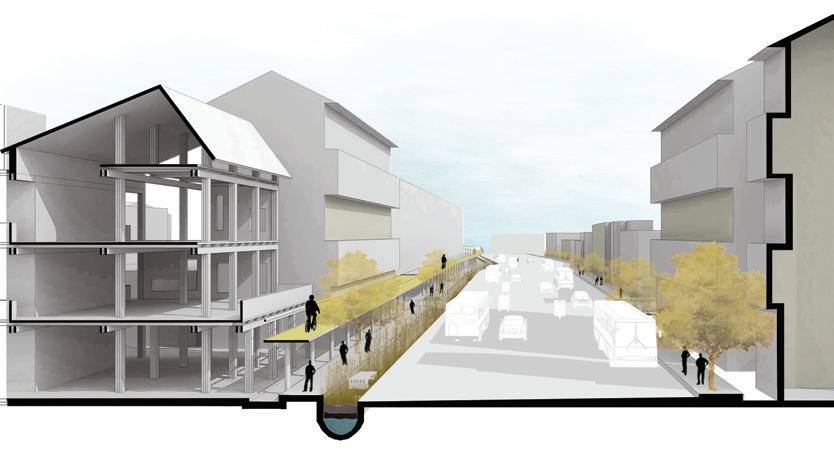
In the long run, the decentralized sewage system will have a neighborhood center that will incorporate spaces for the surrounding communities to work, green spaces, spaces of stories where dying communities will be celebrated and a cycle station where cycles can be rented out. During the Flood situation, it will act as a place for shelter and the elevated cycling path will act as an evacuation path.
To make the center more livable, we propose multi-story housing that frees up the ground, makes it permeable and elevates commercial and housing to protect it from damage. The housing will consist of column beam structure, slabs, and cores consisting of services and
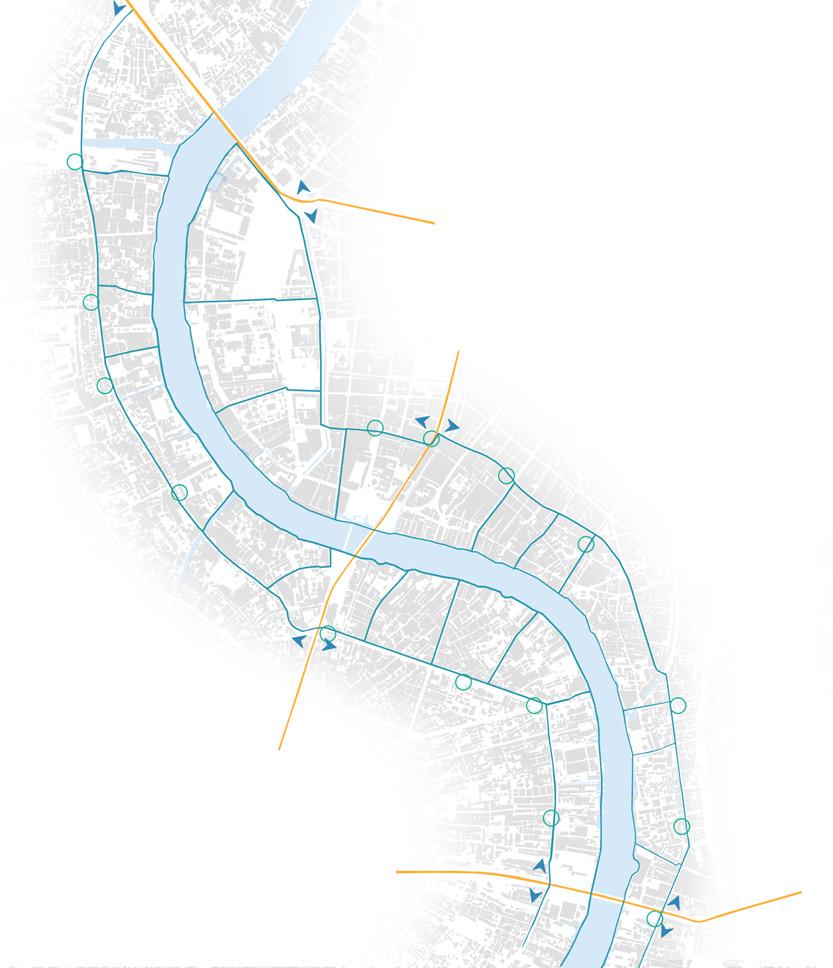
Proposed Skytrain
E-Bike Station/ Places of shelter Neighborhood centers
Elevated Cycling path/ Elevated Evacuation route
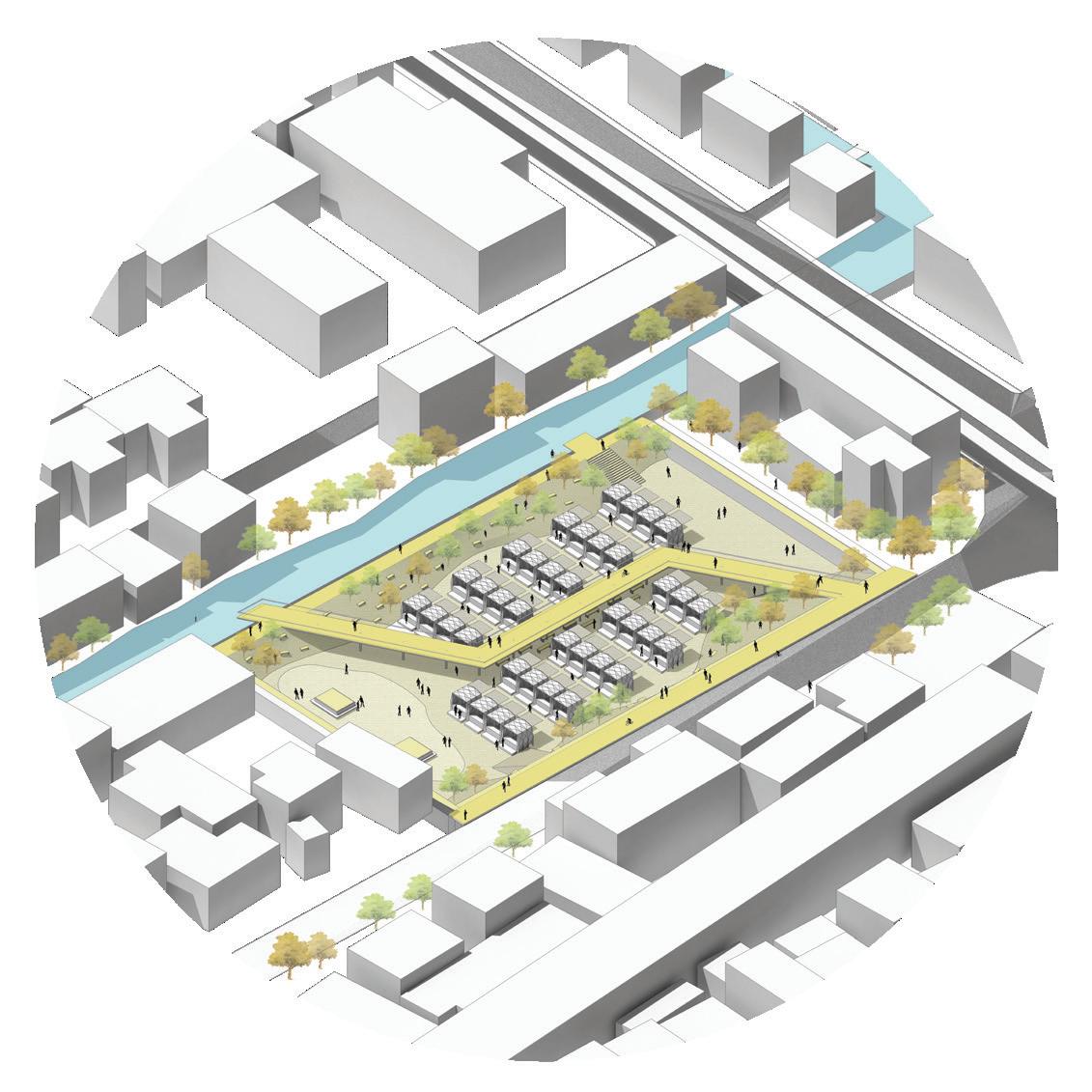
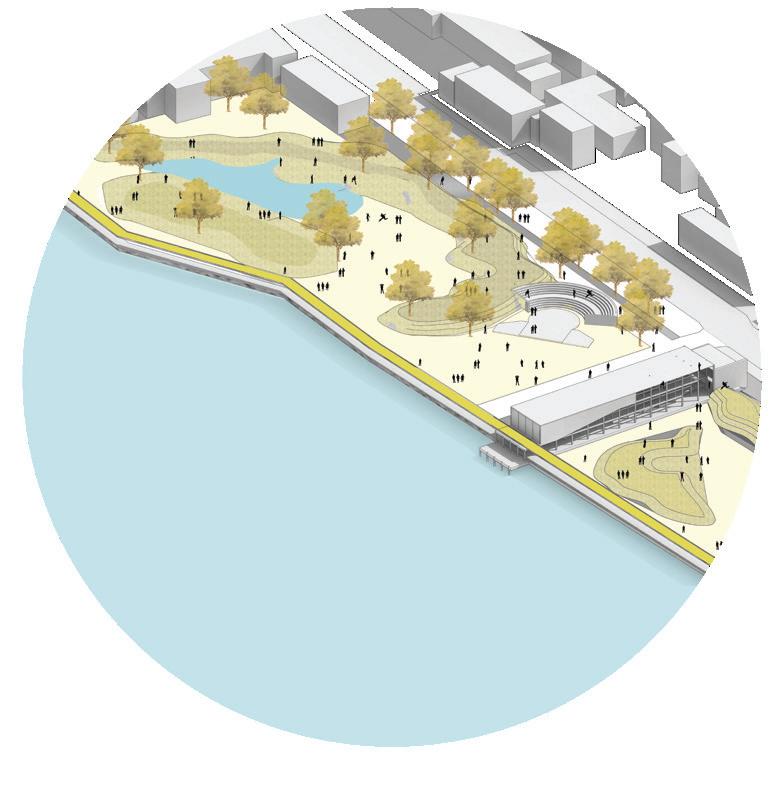
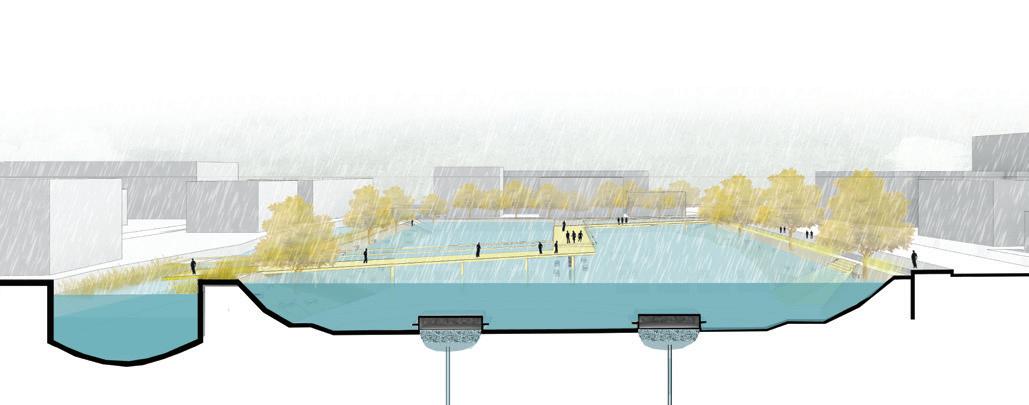
A softer approach to soak in maximum water to the ground is adopted by making sunken social and sport-related spaces. This would help as Bangkok has many areas with depleted groundwater. These spaces would hold public activities throughout the year and hold water during heavy rains and then percolate it in the ground over time through infiltration wells.
Existing canal
Soak
Bioswale
Rock bed Gravel
Forest Trails
Ahmedabad, India | Suburban Community
M/S Prabhakar Bhagwat(Landscape India) 2022
Team: Mauli Patel, Vinay Khushwah(lead), Aniket Bhagwat(guide)
Conceptual Planning | Masterplan Development | Land Grading | Water Management
Forest Trails explores a suburban model where each home is paired with collectively managed cropland and orchards, creating a direct relationship between living spaces and productive land. The masterplan brings together everyday activities around a central wooded area to build a simple, community-oriented environment. My role included contributing to the masterplan concept, developing programmes, water and landform development, and preparing a detailed design for the entrance zone.
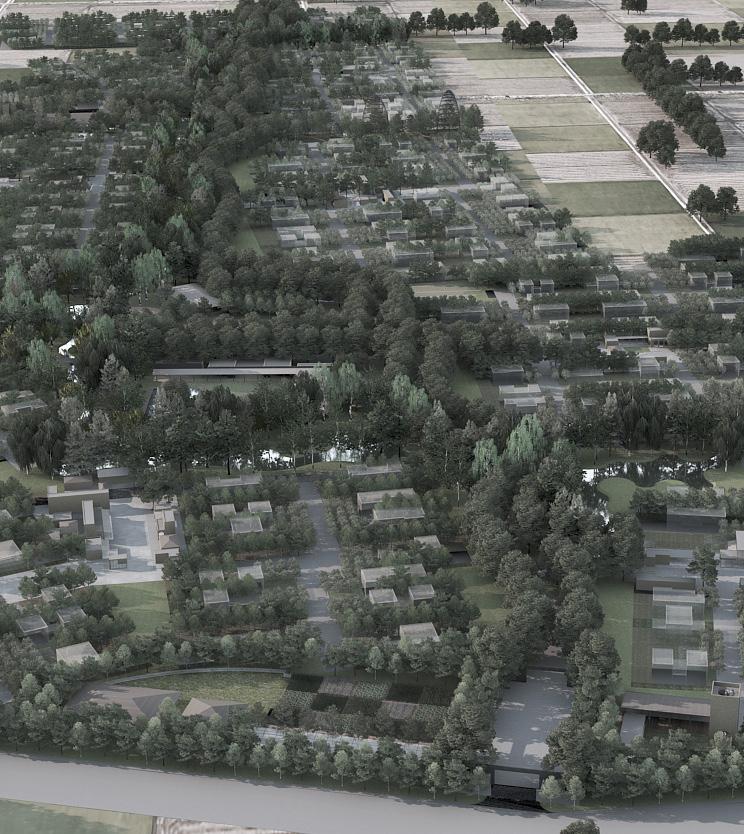
Image credits: M/s Prabhakar Bhagwat.
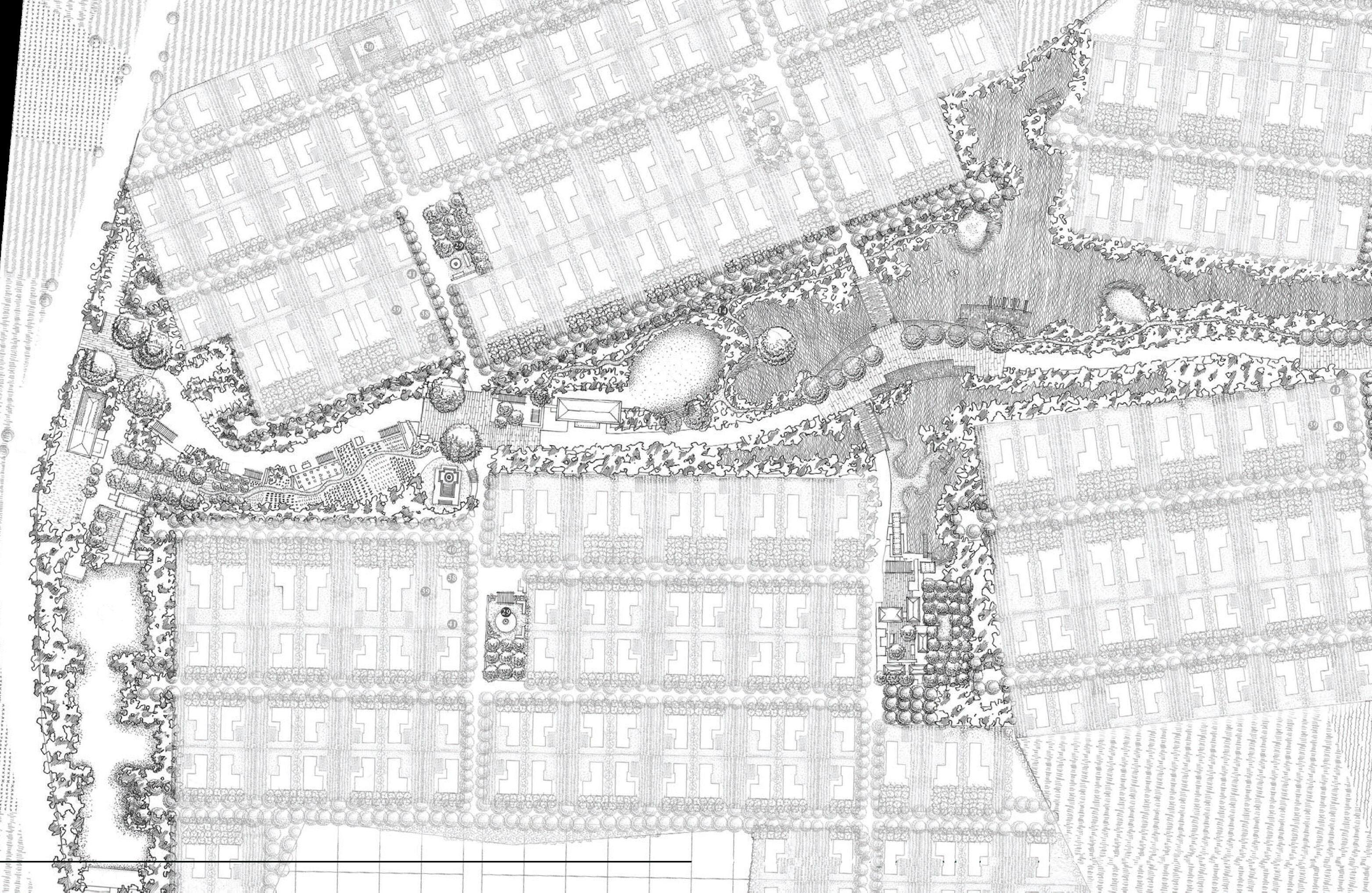
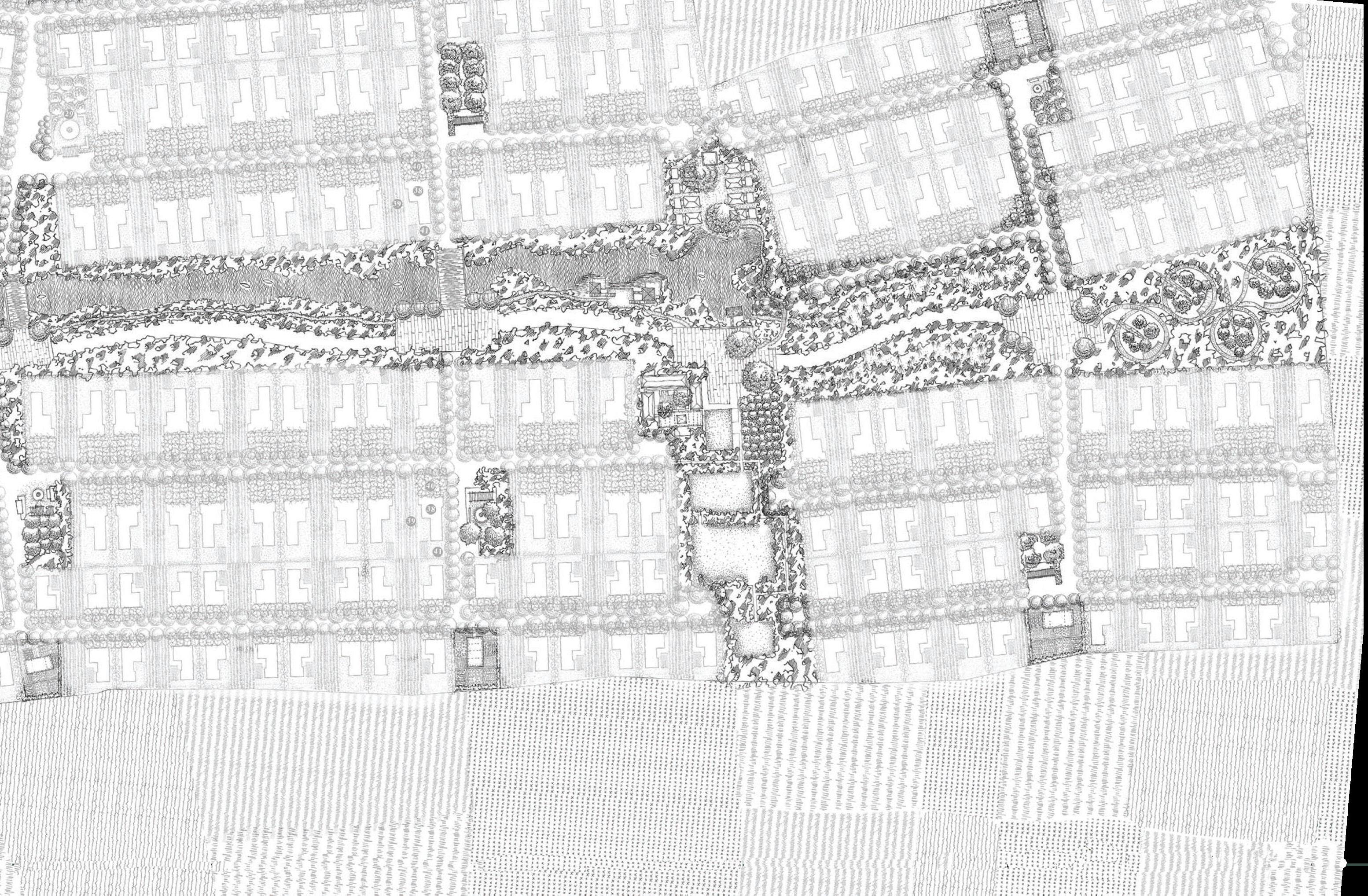
1. Plaza
2. Event Space
3. Lake
4. Densely planted Path
5. Camping Space
6. Aviary
7. Paddock
8. Hotel and Orchards
Bosch Bangalore Headquarters
Bangalore, India | Corporate Workspace Landscapes
M/S Prabhakar Bhagwat(Landscape India) 2022
Team: Mauli Patel, Pranav Salvi, Vinay Khushwah(lead), Aniket Bhagwat(guide)
Landscape Design | Construction Drawings | Program Development | Conceptual Design
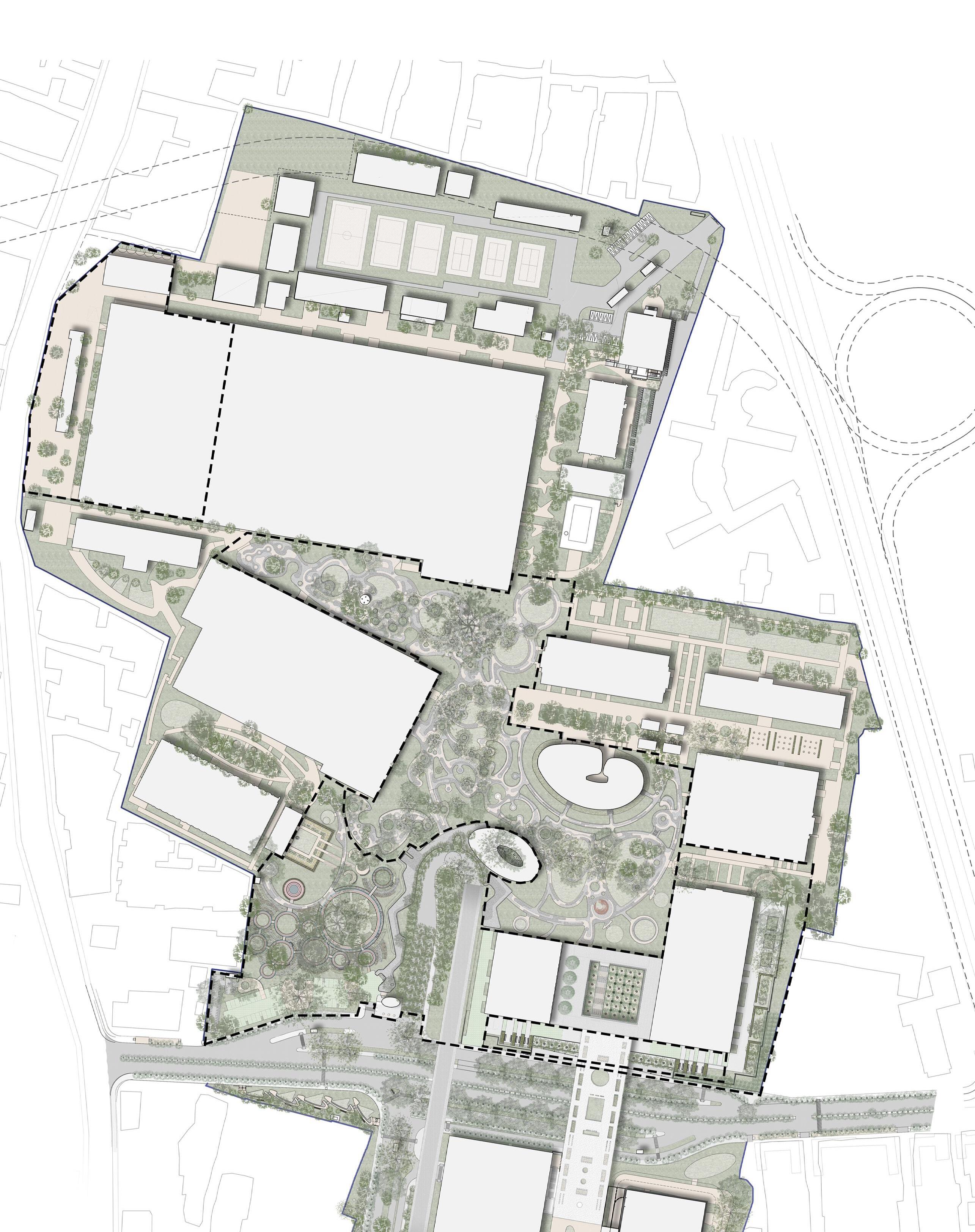
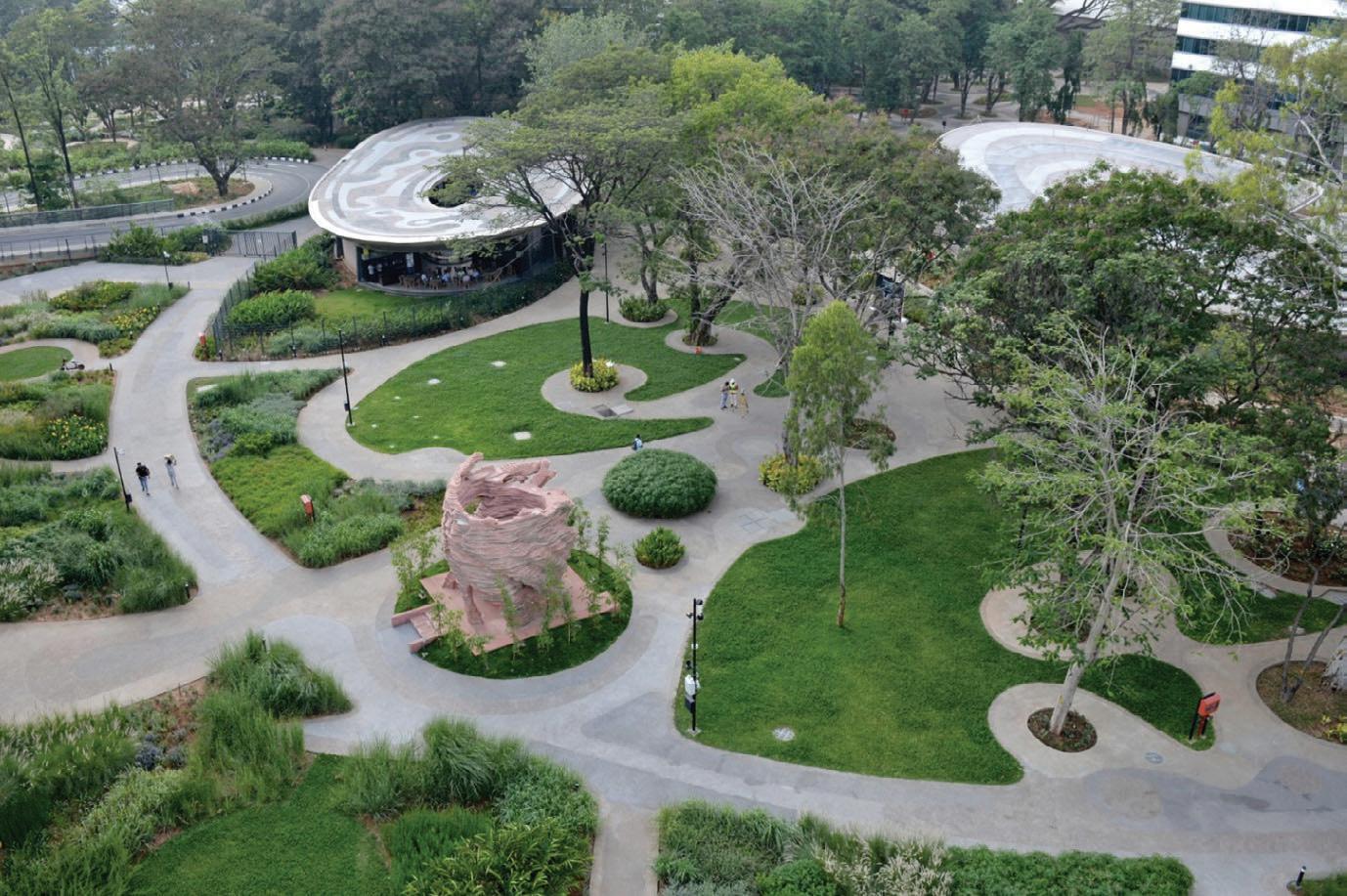
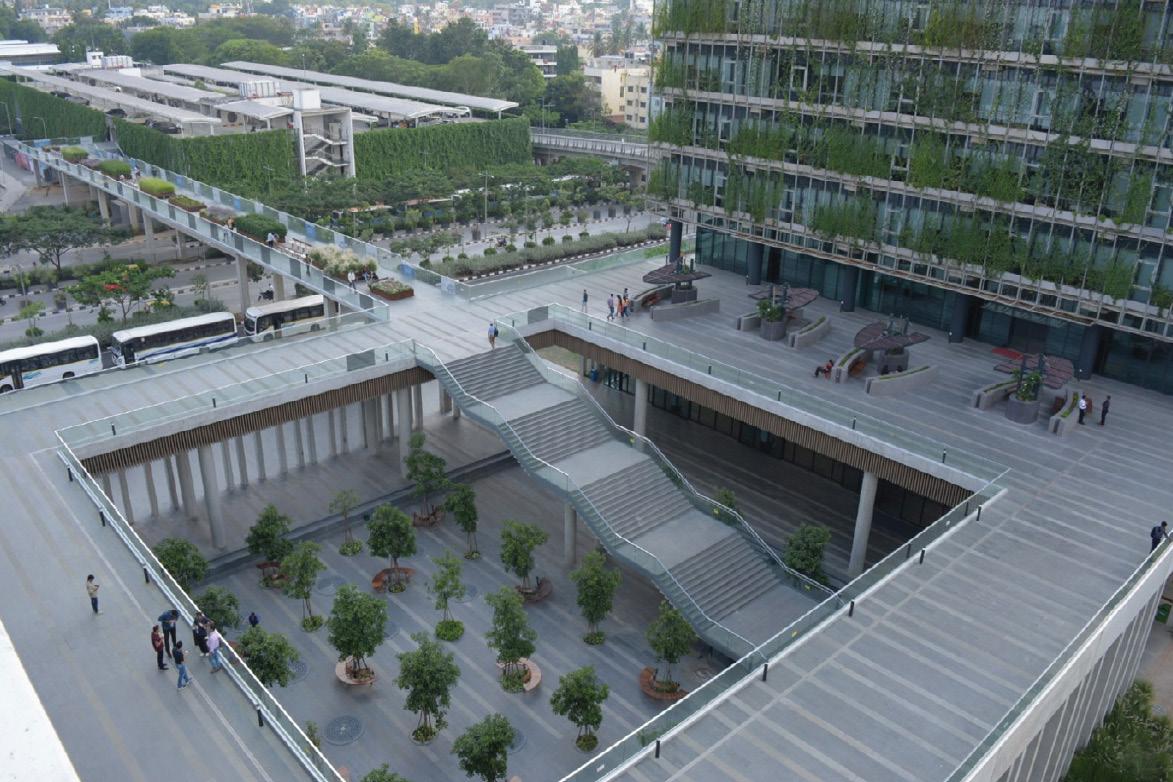
The Bosch corporate headquarters in Bangalore shifted from a manufacturing campus to an IT-focused workplace, prompting a master plan redesign inspired by the city’s garden-city identity and biodiversity. As part of the design team, I contributed to developing expansive yet detailed landscape forms and worked on resolving services, flooring interfaces, outdoor furniture placement, and hardscape coordination. I also supported conceptual design for the entrance lobby experience and the adaptive reuse of a Hangar building to create cultural and community-focused spaces within the campus.
Scope:
Connecting Plaza
An intricate landscape system built around mature trees forms the campus core. I produced construction drawings, coordinated on site, and oversaw execution between existing buildings.
Entrance Plaza & Road Edge
Facing a busy road, this zone leads into the entrance plaza and the ‘Garden of Magnificent Trees.’ I detailed the stepped and ramped edges and their circular geometries around existing trees.
Adaptive reuse- Hangar Building
The historic hangar and old admin block are slated for restoration with future metro connectivity. The design process involved extensive stakeholder discussions to shape the campus vision.
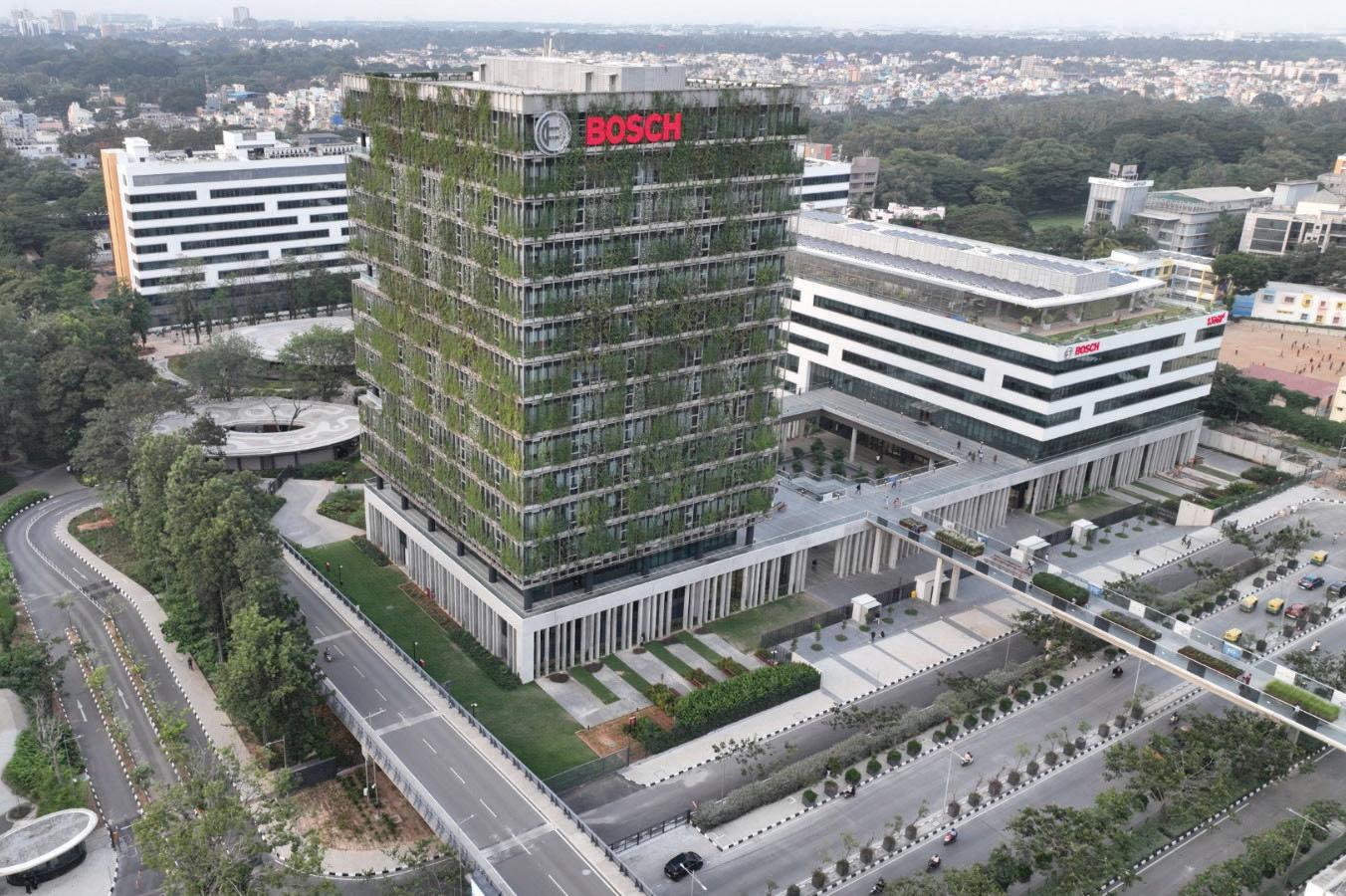
The Bosch campus seamlessly integrates with the city road, optimizing visual transparency through light metal screens and textured stone flooring and grass pavers. Steps along the road align with the ramp, blending into the pedestrian pathway. My role centered on articulating details and crafting construction drawings for precise execution.
The Bosch campus seamlessly integrates with the city road, optimizing visual transparency through light metal screens and textured stone flooring and grass pavers. Steps along the road align with the ramp, blending into the pedestrian pathway. My role centered on articulating details and crafting construction drawings for precise execution.
The Robert Bosch plaza boasts intricate formality with its exquisite wooden benches, precisely arranged trees, and elegant water fountains. Overcoming challenging details and site conditions, the design addresses hydrological considerations while meticulously articulating every aspect of the space.
Presented with a meandering geometry that embraces existing trees, integrates underground services, and guides pedestrian movement with intentional pauses through plantings and ground cover, I collaborated on using three types of stonecrete mixtures. This approach responds to material demands and accentuates movement, fosters playful pauses, and establishes guiding lines within this large floor plate connecting adjacent buidlings. This forms the heart of the project with this playful graphic across 3000 sq mt.
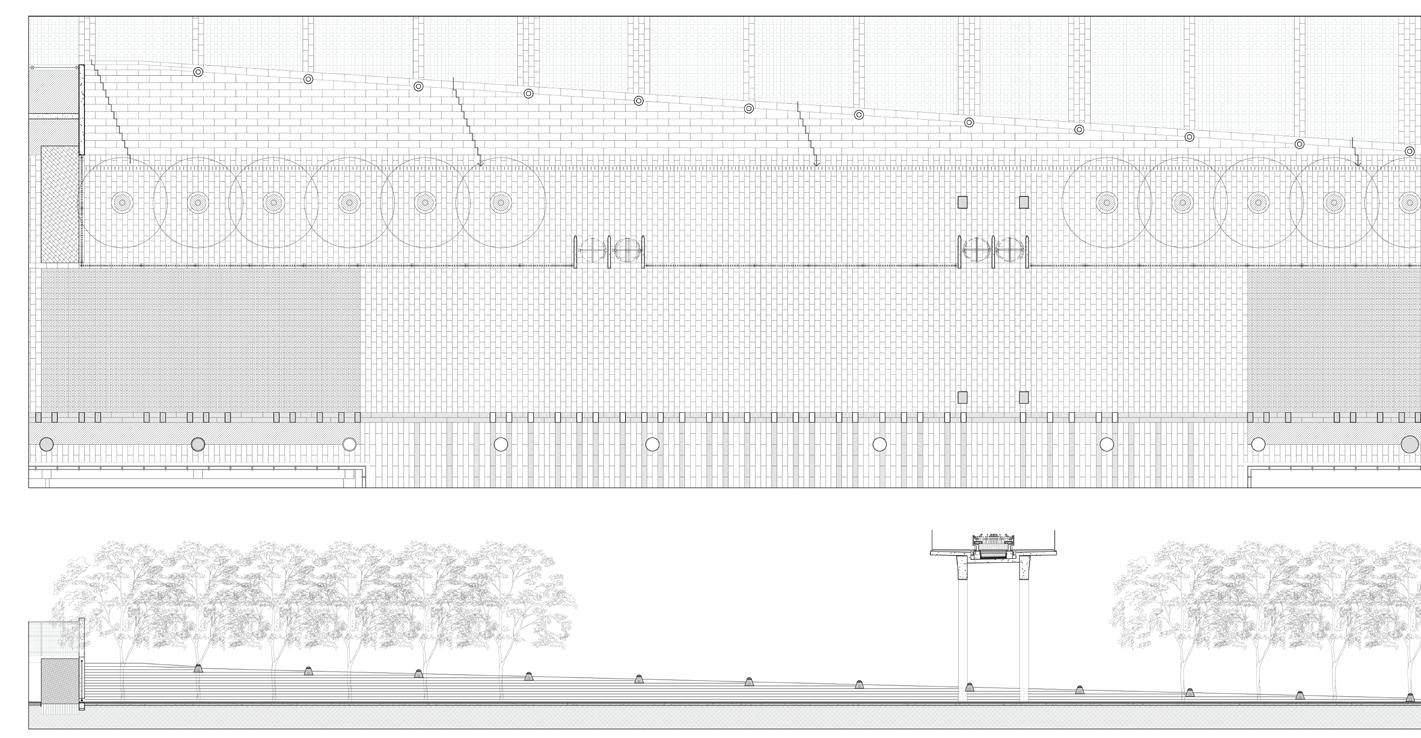
Three stonecrete mixes that resolve service demands and define movement. These materials create subtle guides, playful pauses, and a unified graphic spread across 3000 sq mt, forming the project’s central connective surface.
Image credits: M/s Prabhakar Bhagwat.
seamlessly road, optimizing through light metal stone flooring along the road blending into the role centered and crafting for precise
Plaza steps terminating at the pedestrian ramp along the road levels
Plaza steps terminating at the pedestrian ramp along the road levels.
boasts its exquisite precisely arranged fountains. details and design addresses considerations while every aspect
Security fence allowing visual tranparency from the road.
Stonecrete patterns adjusting to the playful hardscape form.

0 m 20 m
patterns adjusting to the playful landscape grain
Stonecrete
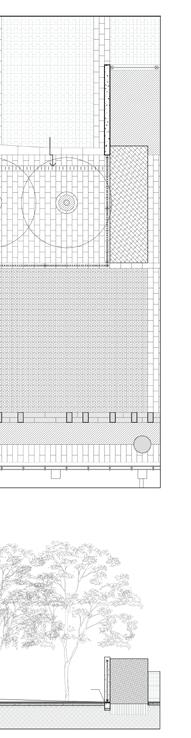
Cross section through the tree pits and water fountains
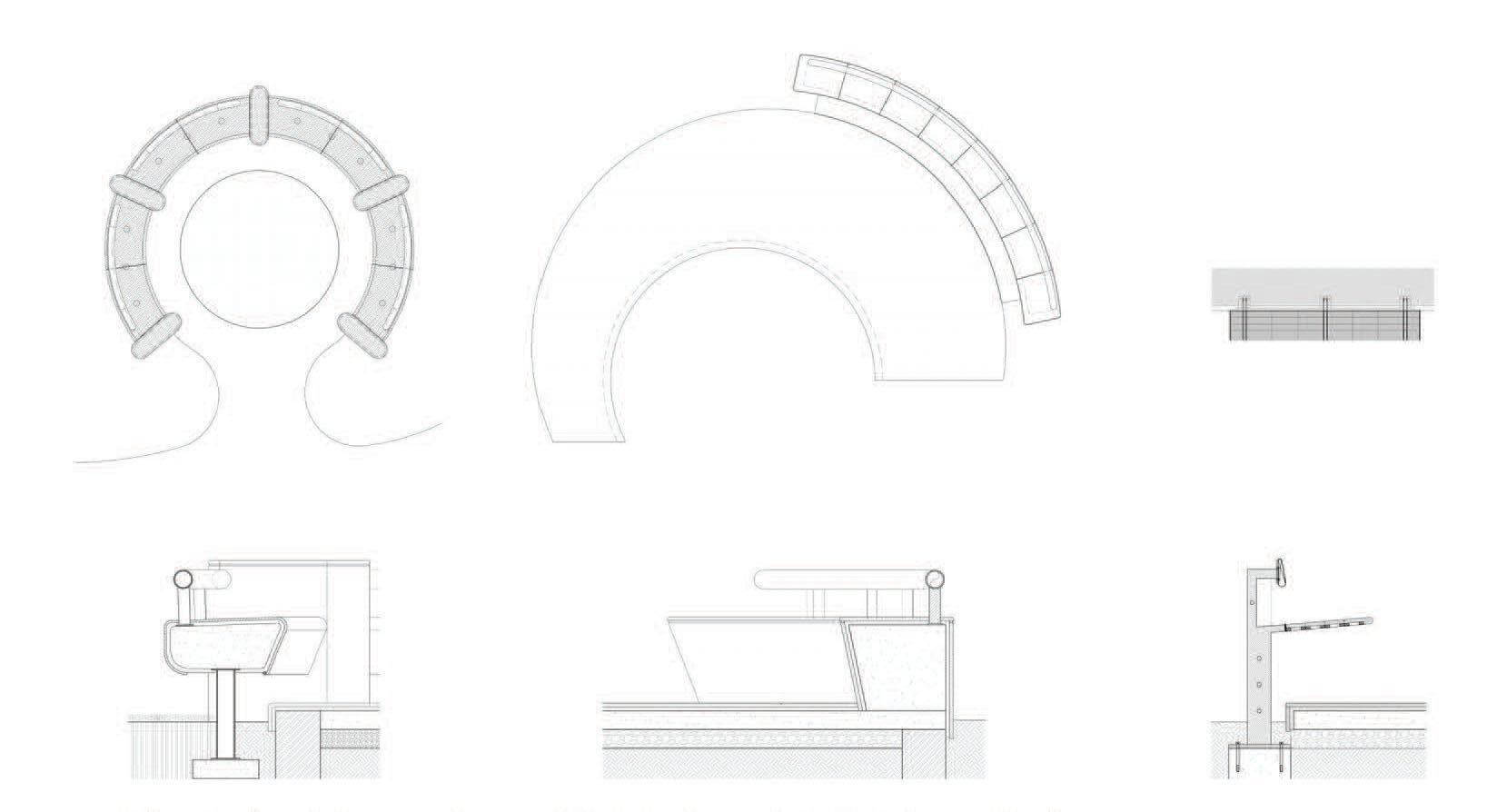
Sculptural wood and metal benches.
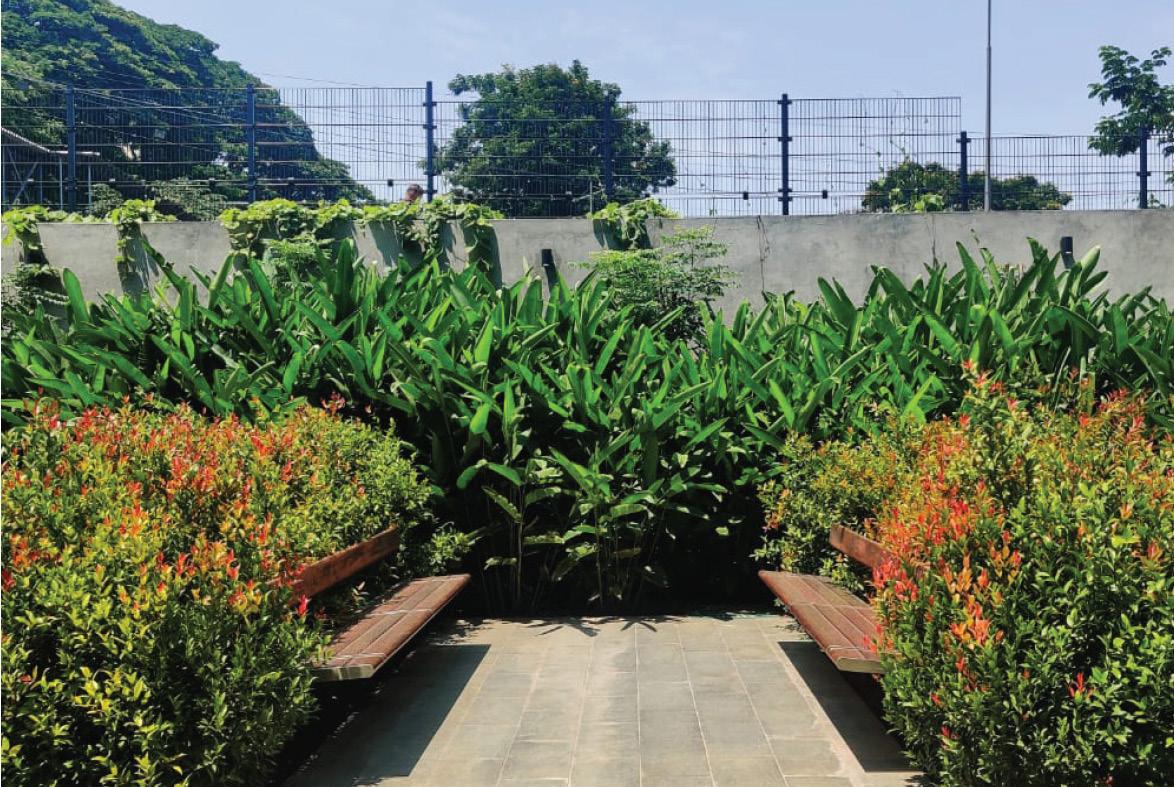
A variety of seating experiences have been designed for the corporate work environment, serving as points of relief and enabling individuals to pause and recharge.
The Robert Bosch plaza boasts intricate formality with its exquisite wooden benches, precisely arranged trees, and elegant water fountains. Overcoming challenging details and site conditions, the design addresses hydrological considerations while meticulously articulating every aspect of the space.
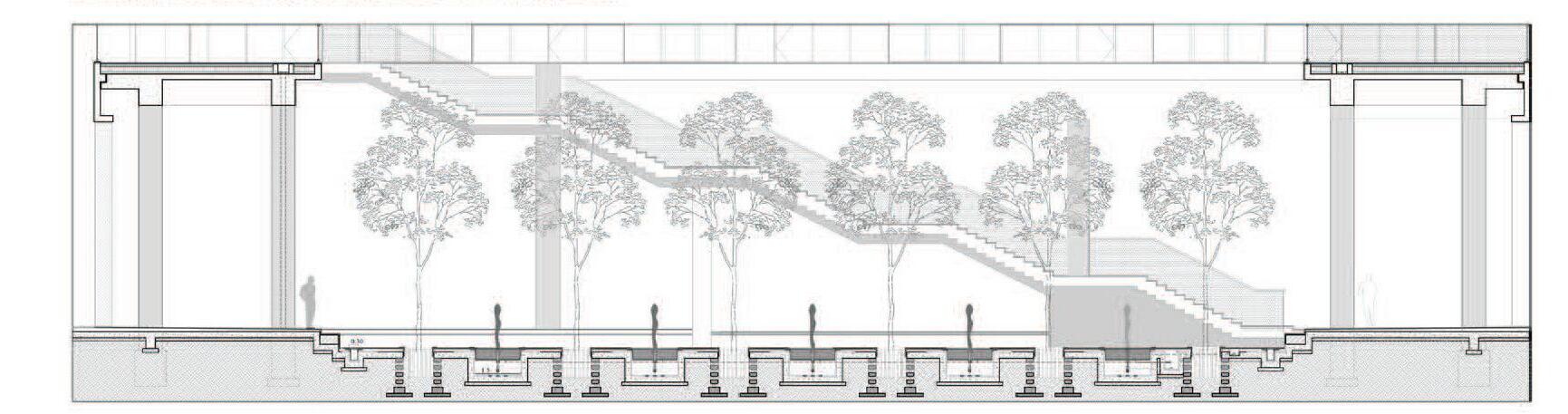
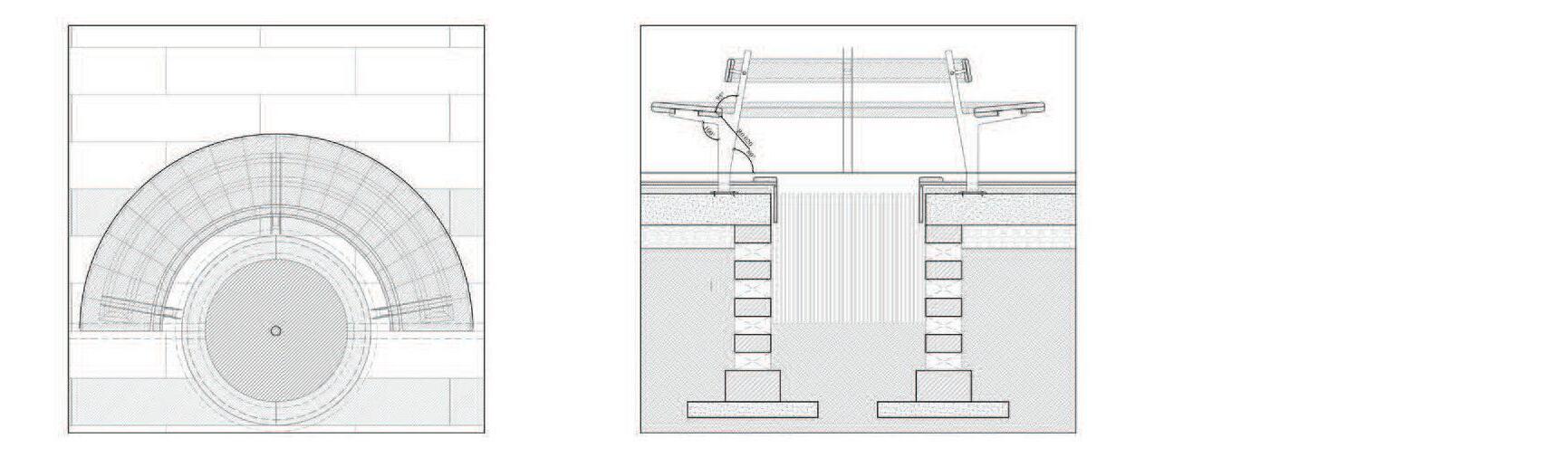
Cross section through the tree pits and water fountains
Wood and metal benches
Outfall Sabarmati
Ahmedabad, India | Aerial Surey/Analysis
Self-initiated research project, 2023
Team: Mauli Patel
Mentor: Vaishal Patel
Aerial Survey | Photogrammetry
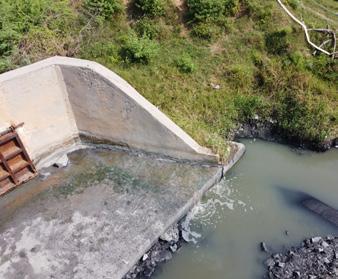
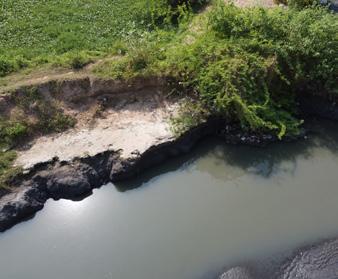
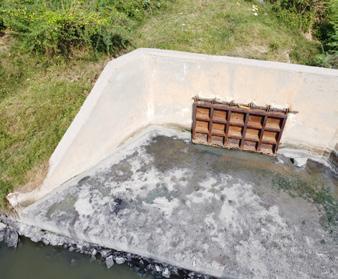
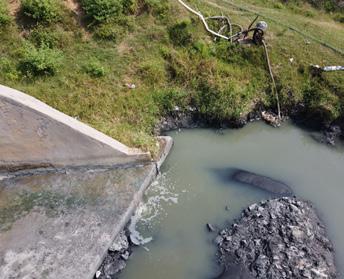
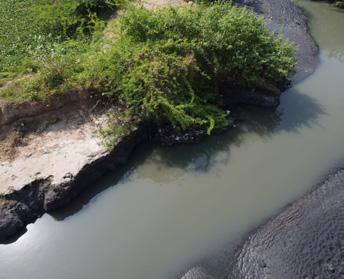
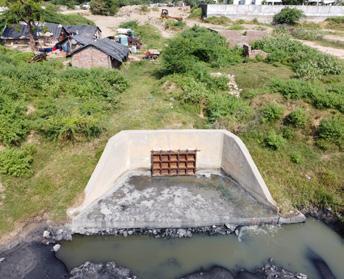
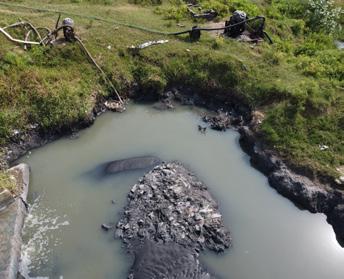
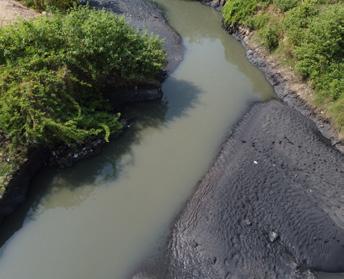
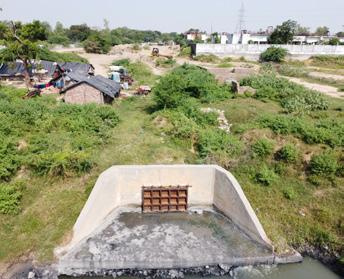
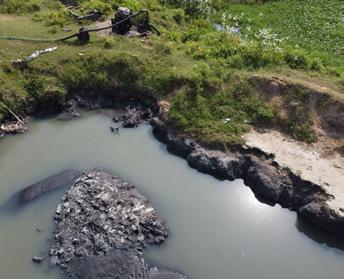
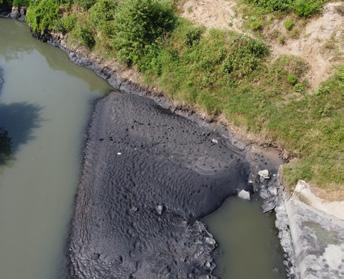
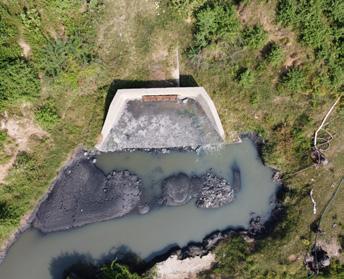
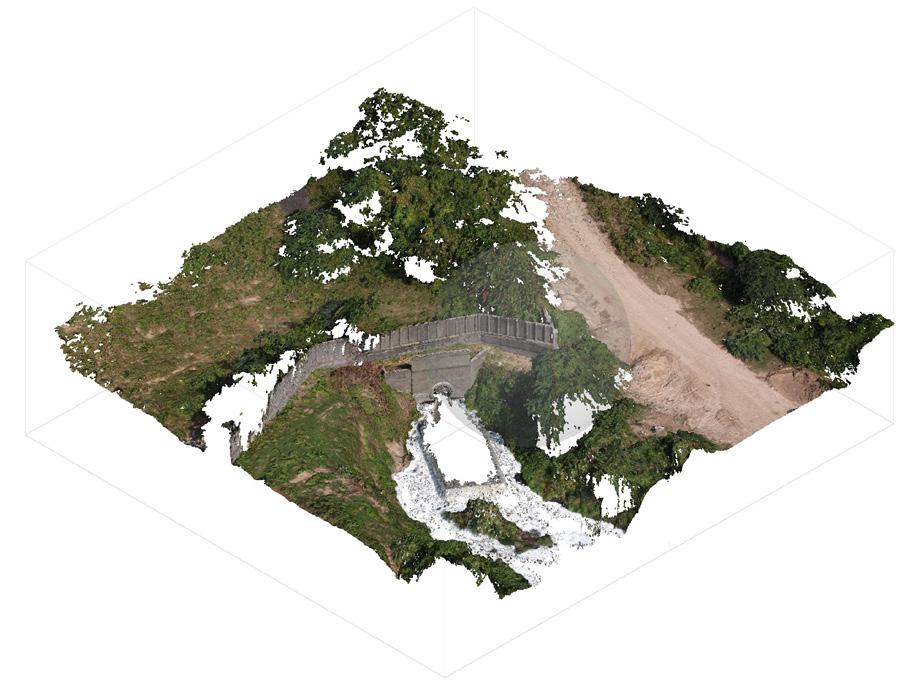
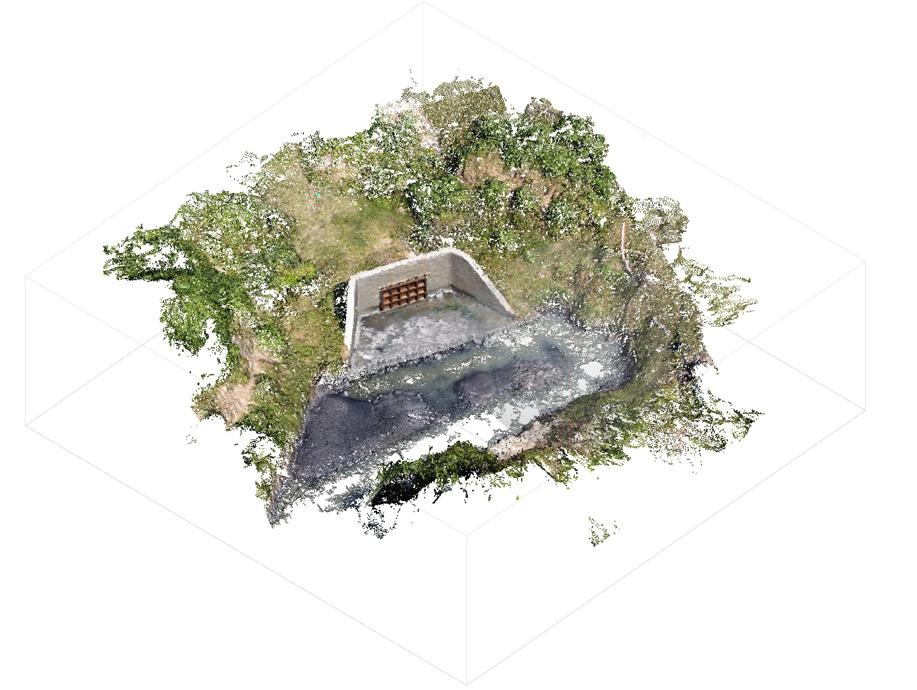
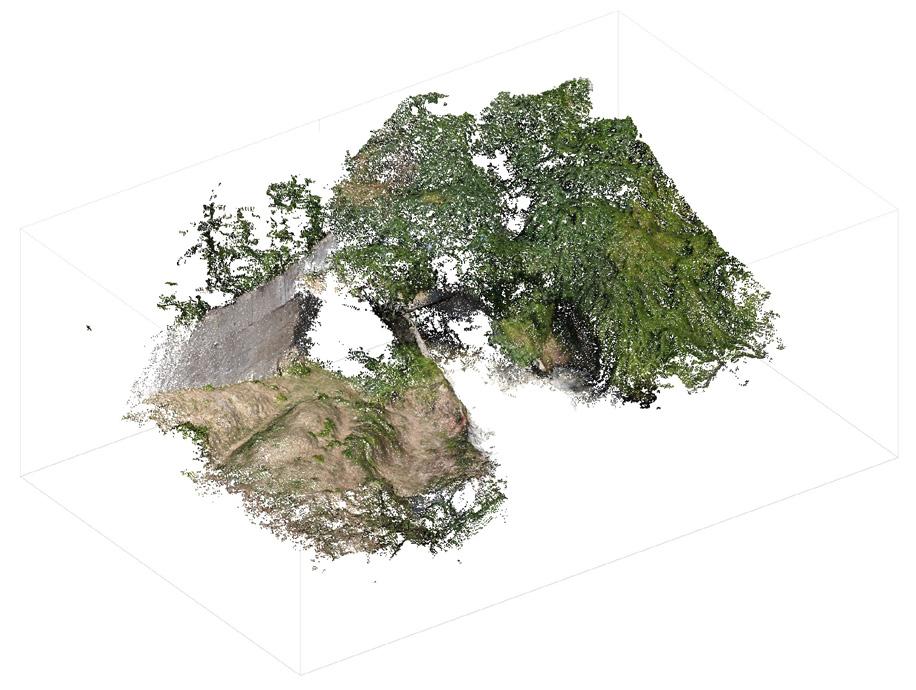
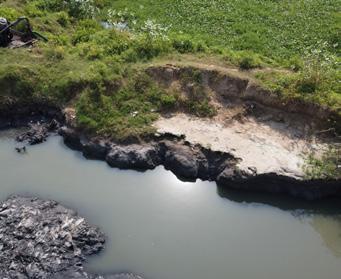
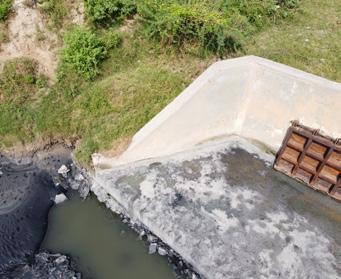
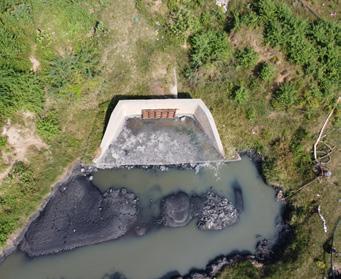
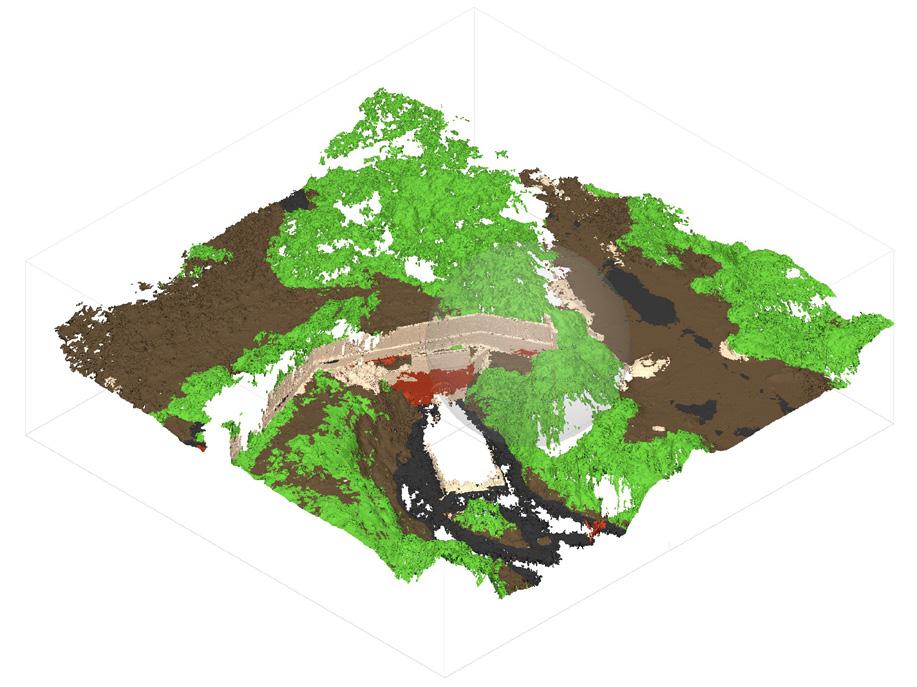
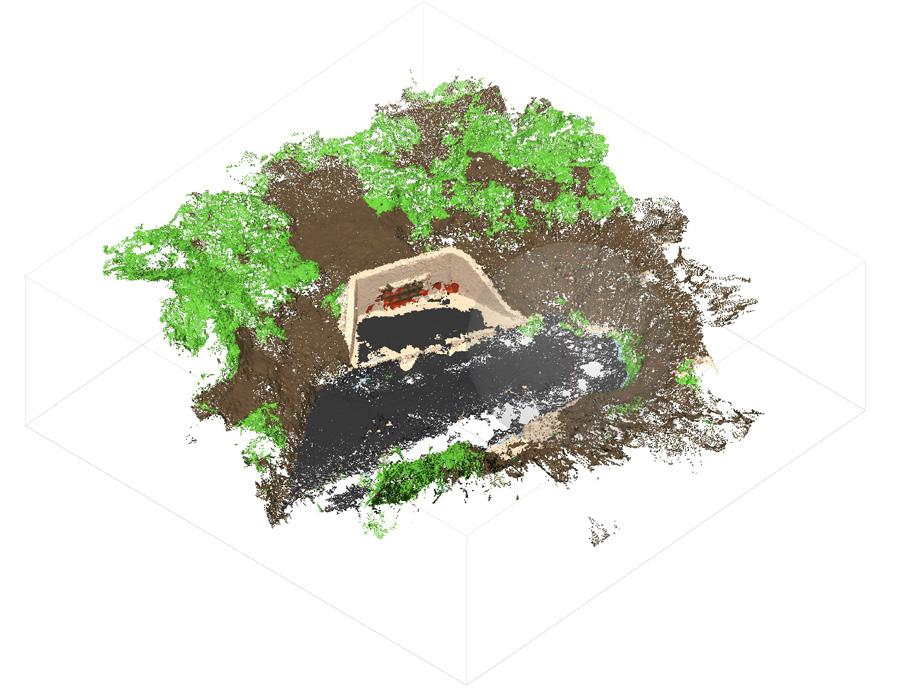
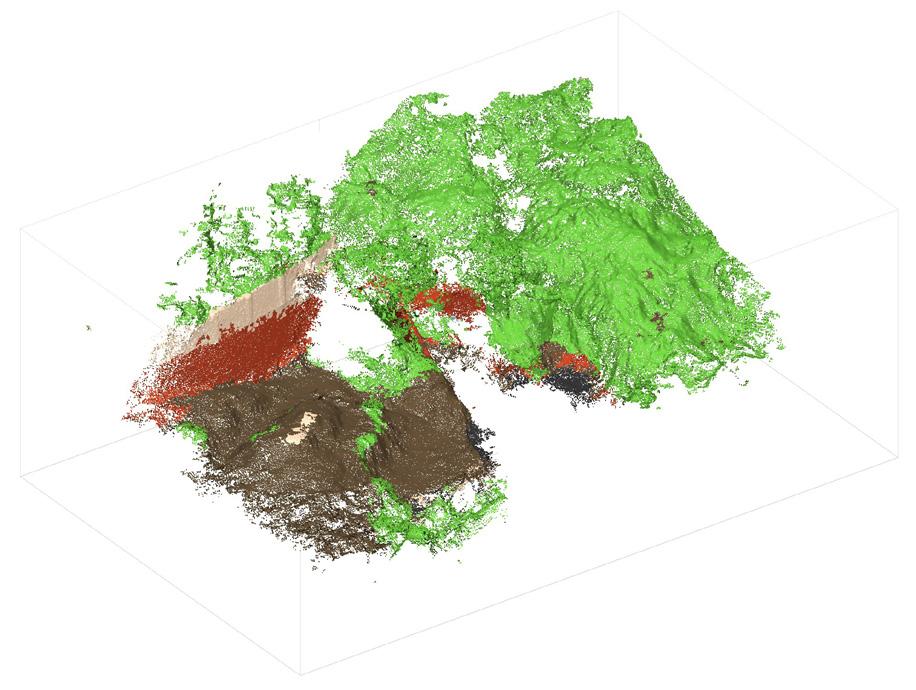
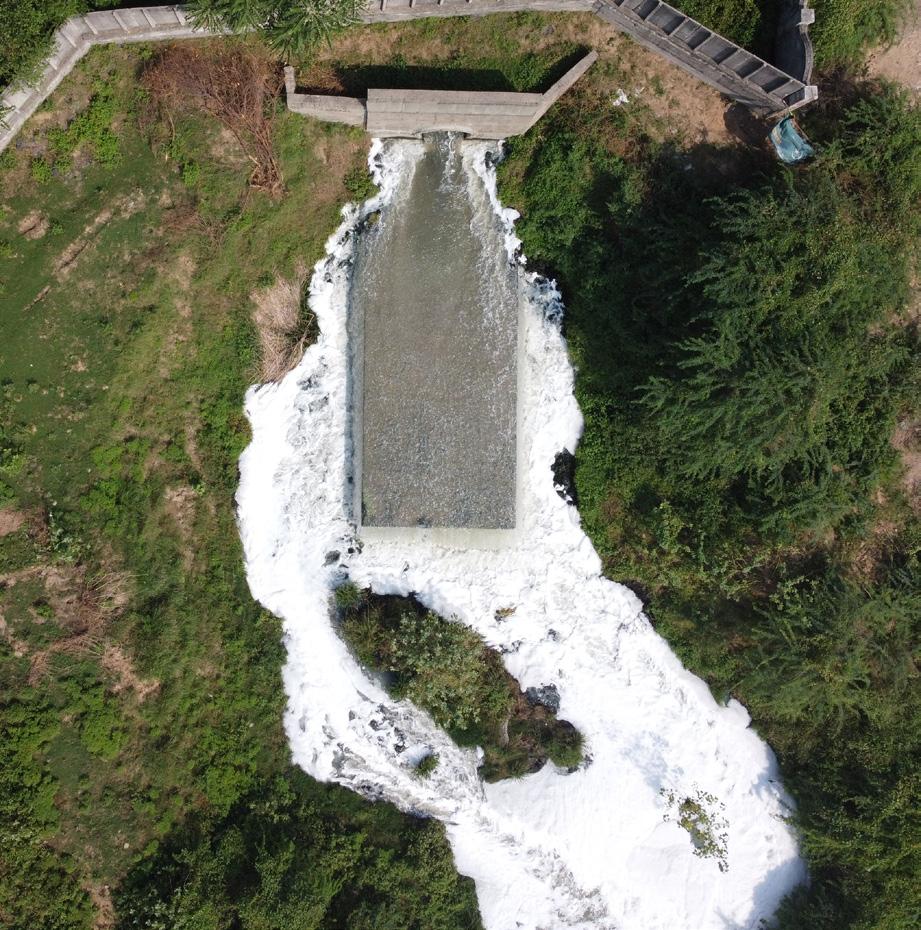
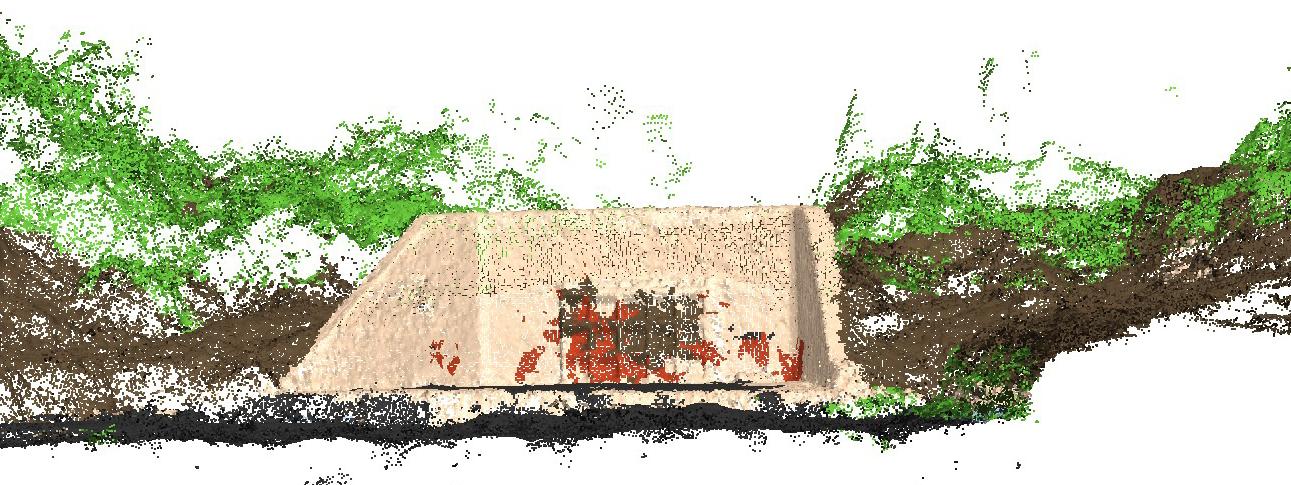
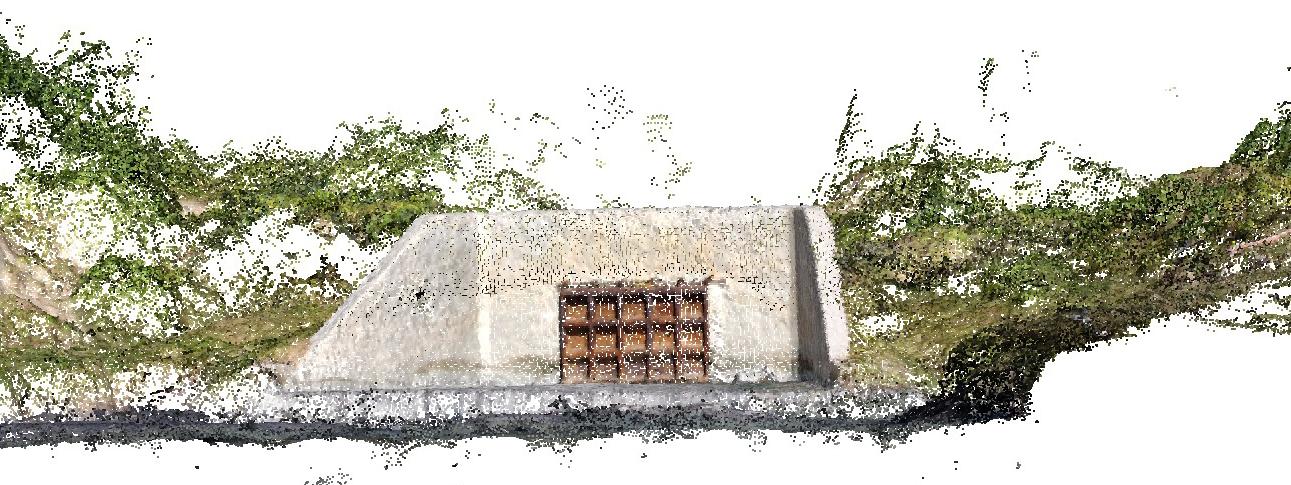
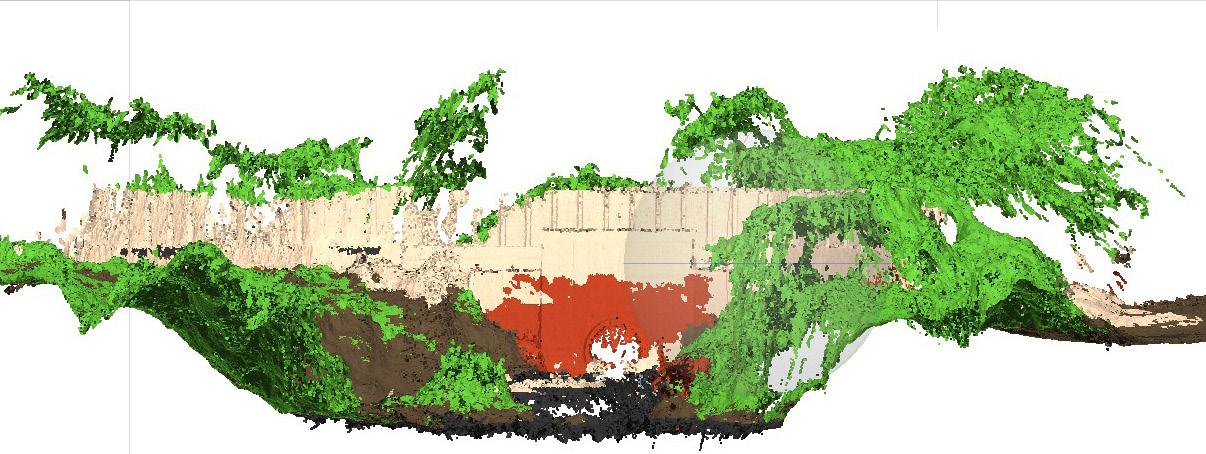
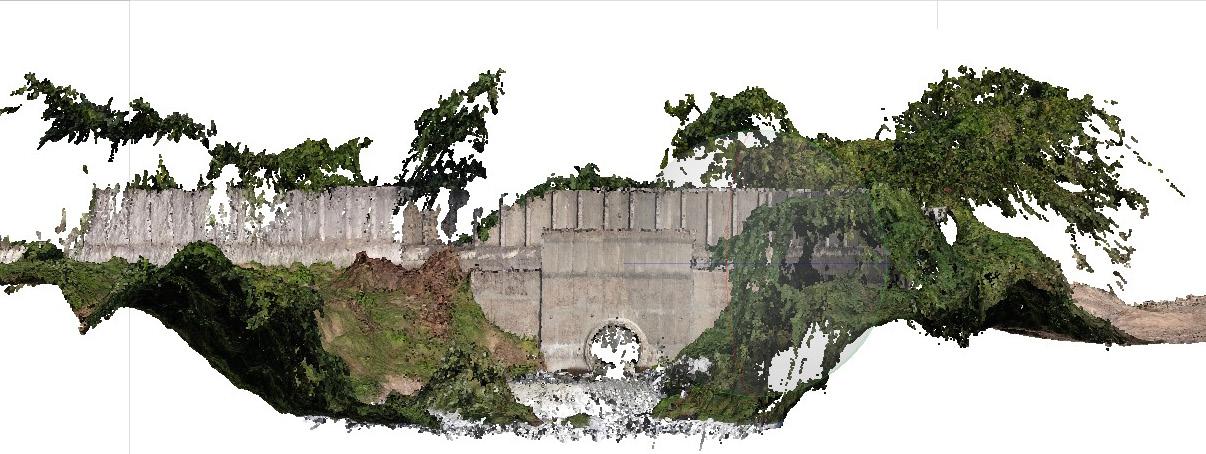
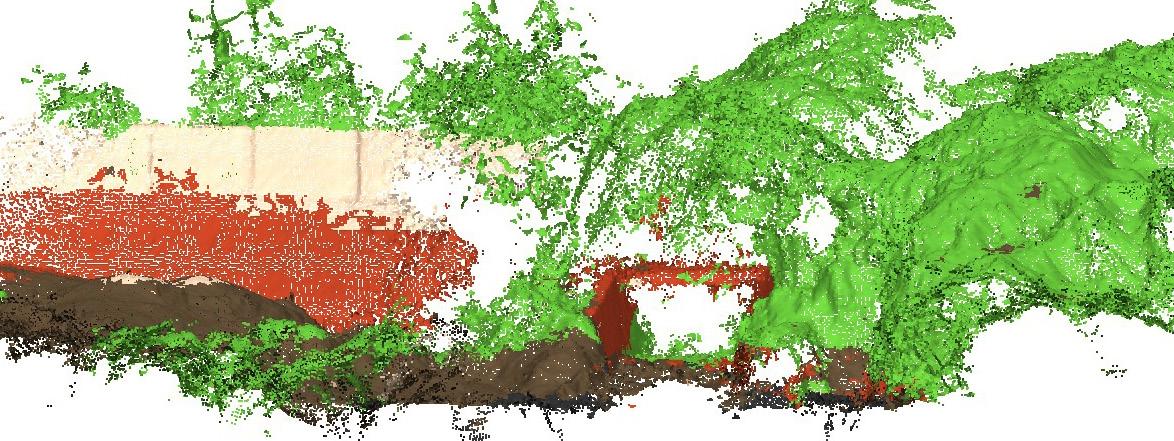
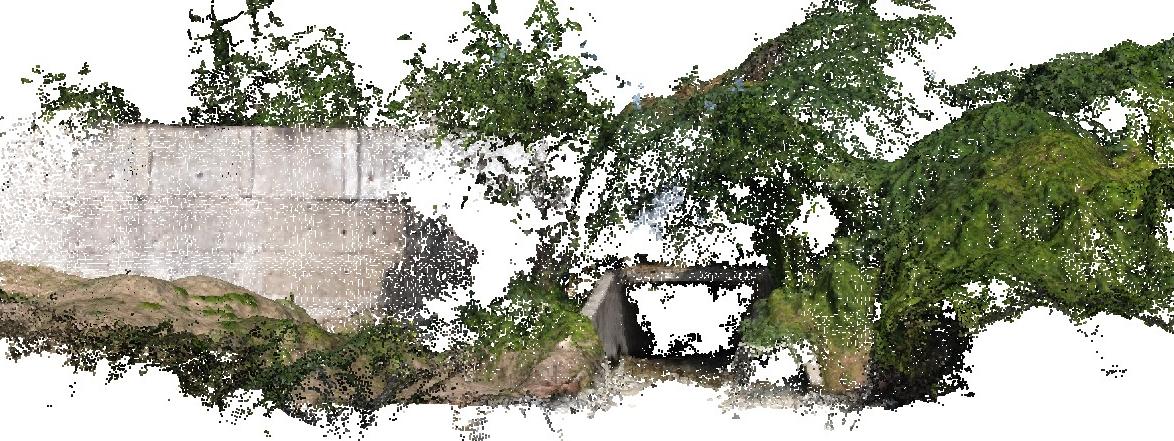
Outfall Sabarmati leverages the power of aerial photogrammetry to scrutinize the Sabarmati River’s health near Ahmedabad. The goal is to meticulously map, measure and pinpointing hotspots of unlawful sewage discharge. This crucial data aims to empower local authorities and environmental activists, providing them with actionable insights for tackling river pollution and promoting sustainable environmental stewardship.

Mauli Patel