Portfolio
M
Student
Matthew Coyle
Project Narrative:
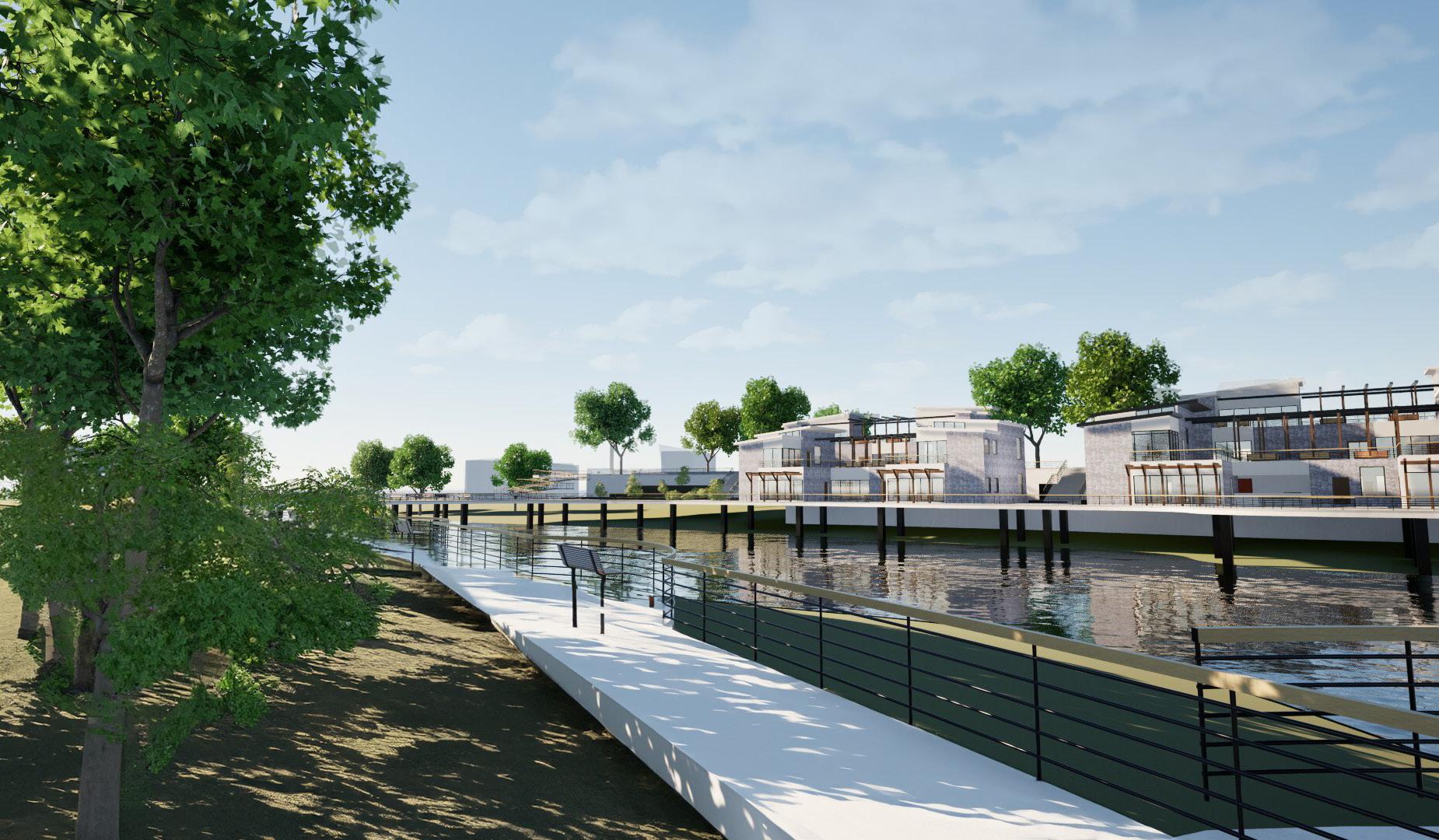
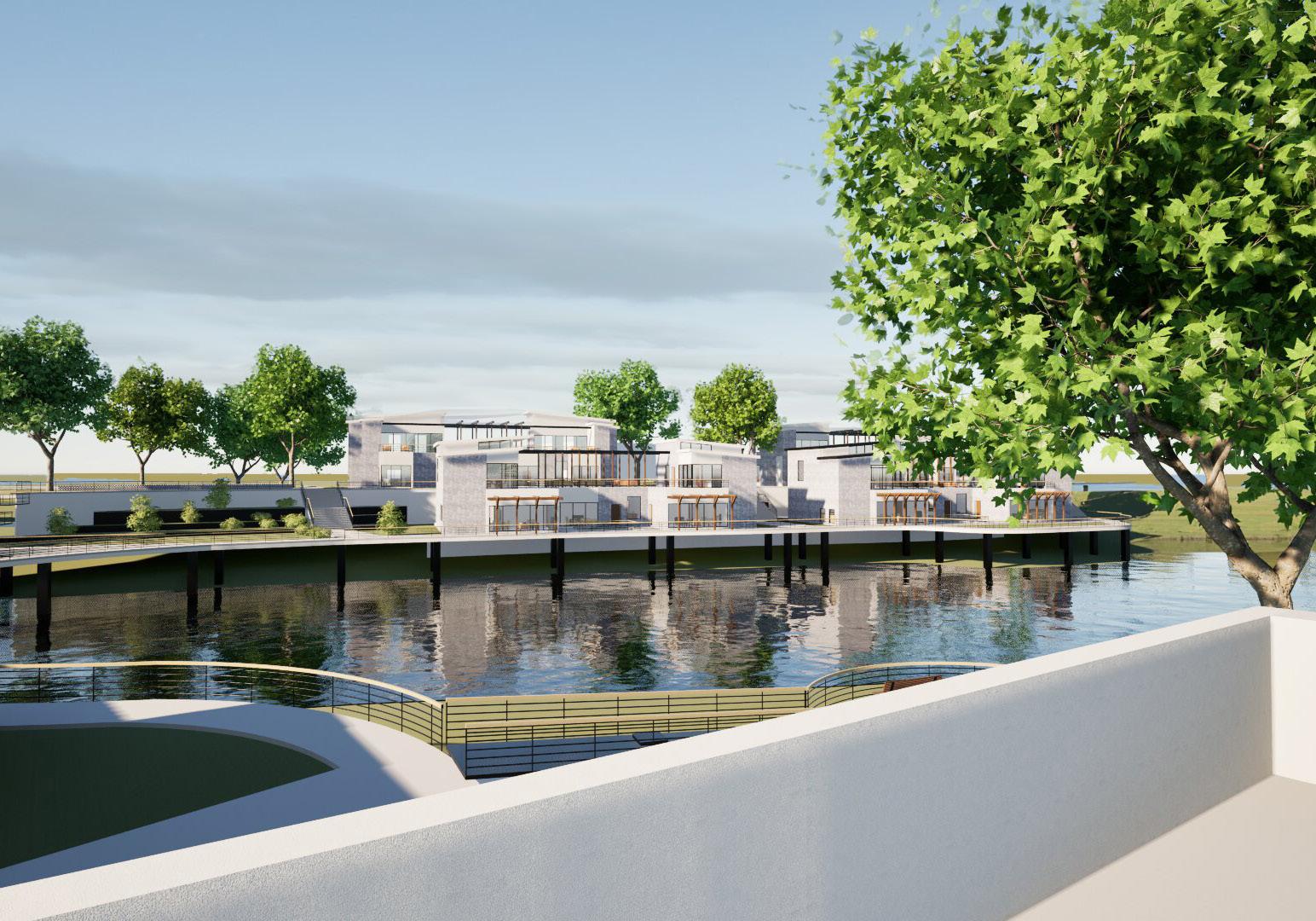
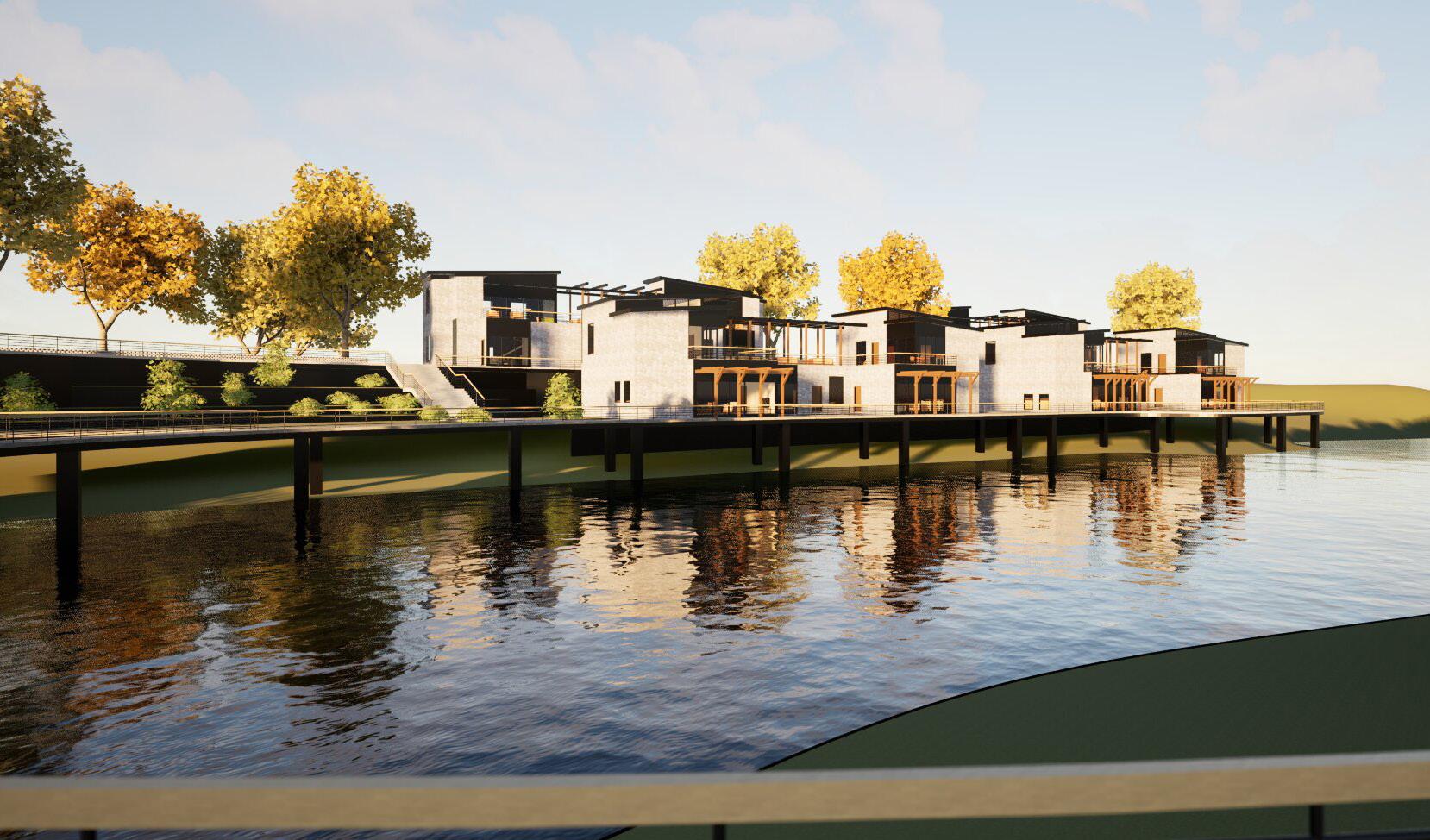
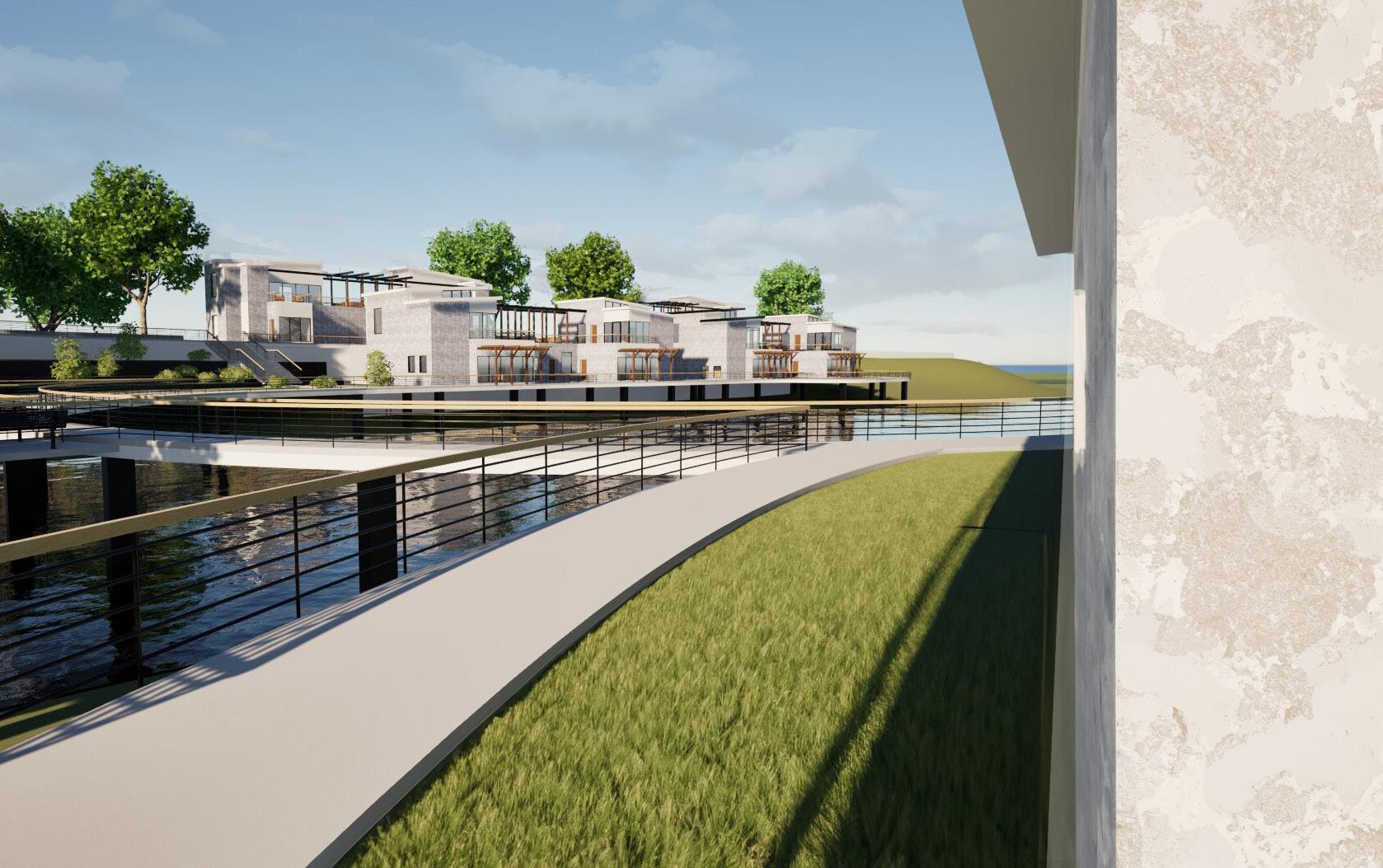
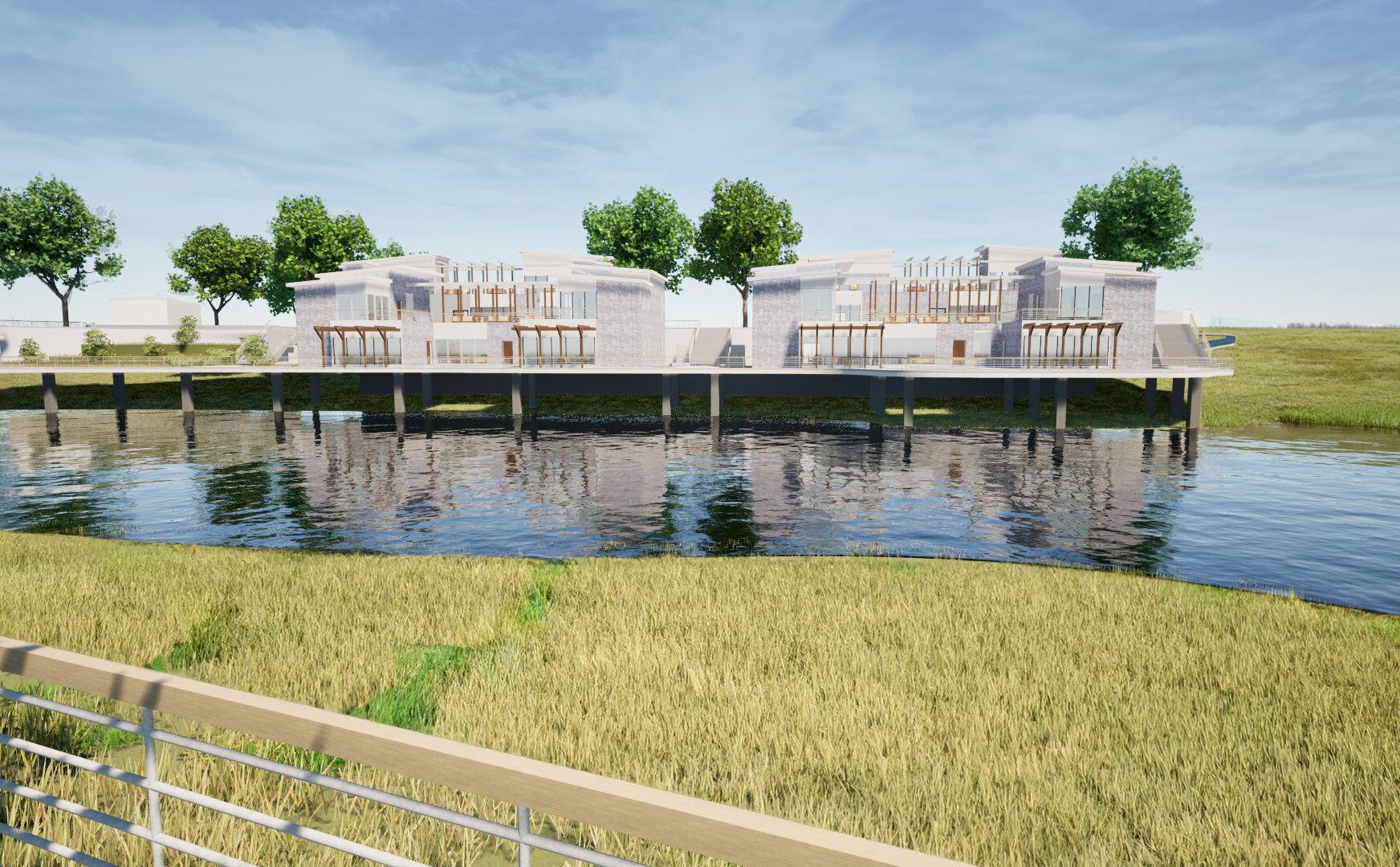
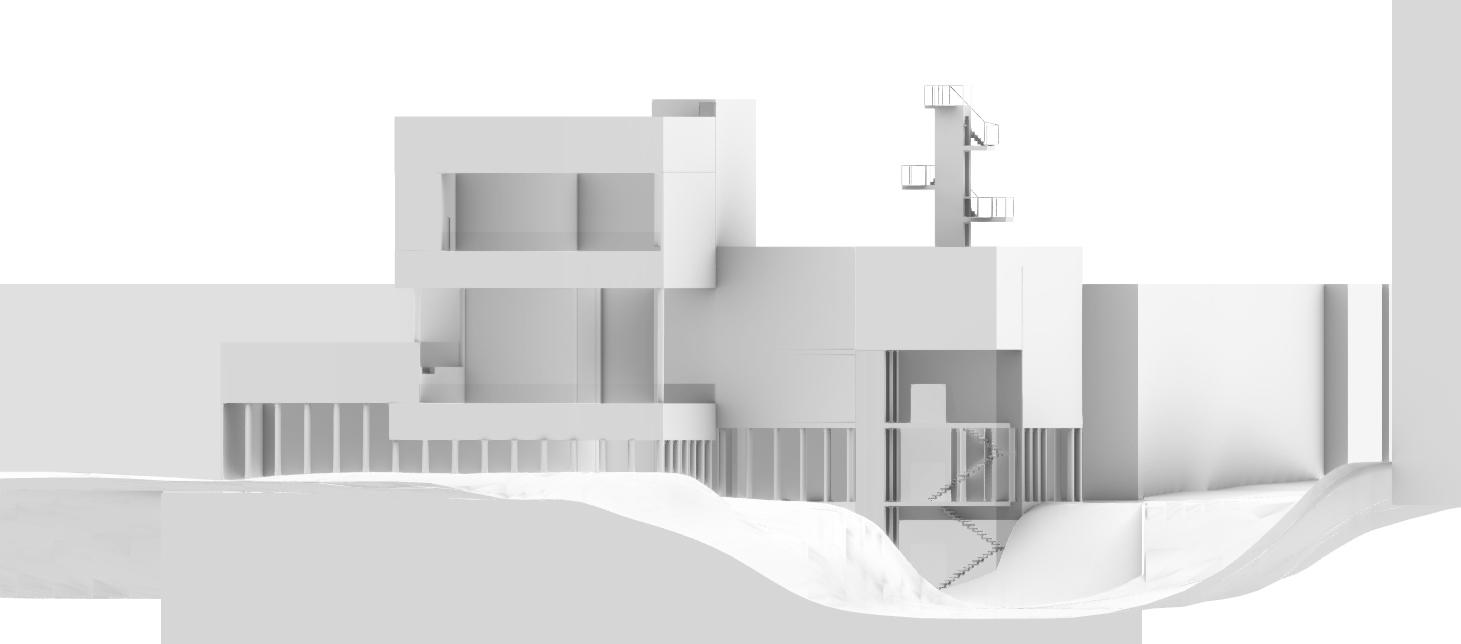
This project is complex for kids who age out of the foster care system and was created to provide them with a stable environment as they transition into adulthood. The central portion of the complex is the housing, which is designed to provide these young adults with their own space to develop and learn who they are without sacrificing individuality and basic comforts such as a personal living space. However, the goal is not to isolate them but to encourage social interaction. Many units are two-bedroom designs with shared common spaces such as a kitchen and living room that will encourage the building of social skills. Other units that are one bedroom are attached to other units only externally and share an exterior common space such as a patio or rooftop terrace. The buildings themselves are staggered to provide an undisrupted view of the lake in the middle of the complex. The overall flow of the site is based on the creek and lake at the center to disrupt the environment as lightly as possible. The south side will contain other structures, such as a community center where kids can learn and gain valuable skills — a store where they can work, and an amphitheater to encourage community interaction and creativity. Through public and free concerts provided to the residents and surrounding community. There are also classrooms designed to allow residents to take lessons from musicians as a sort of music therapy.
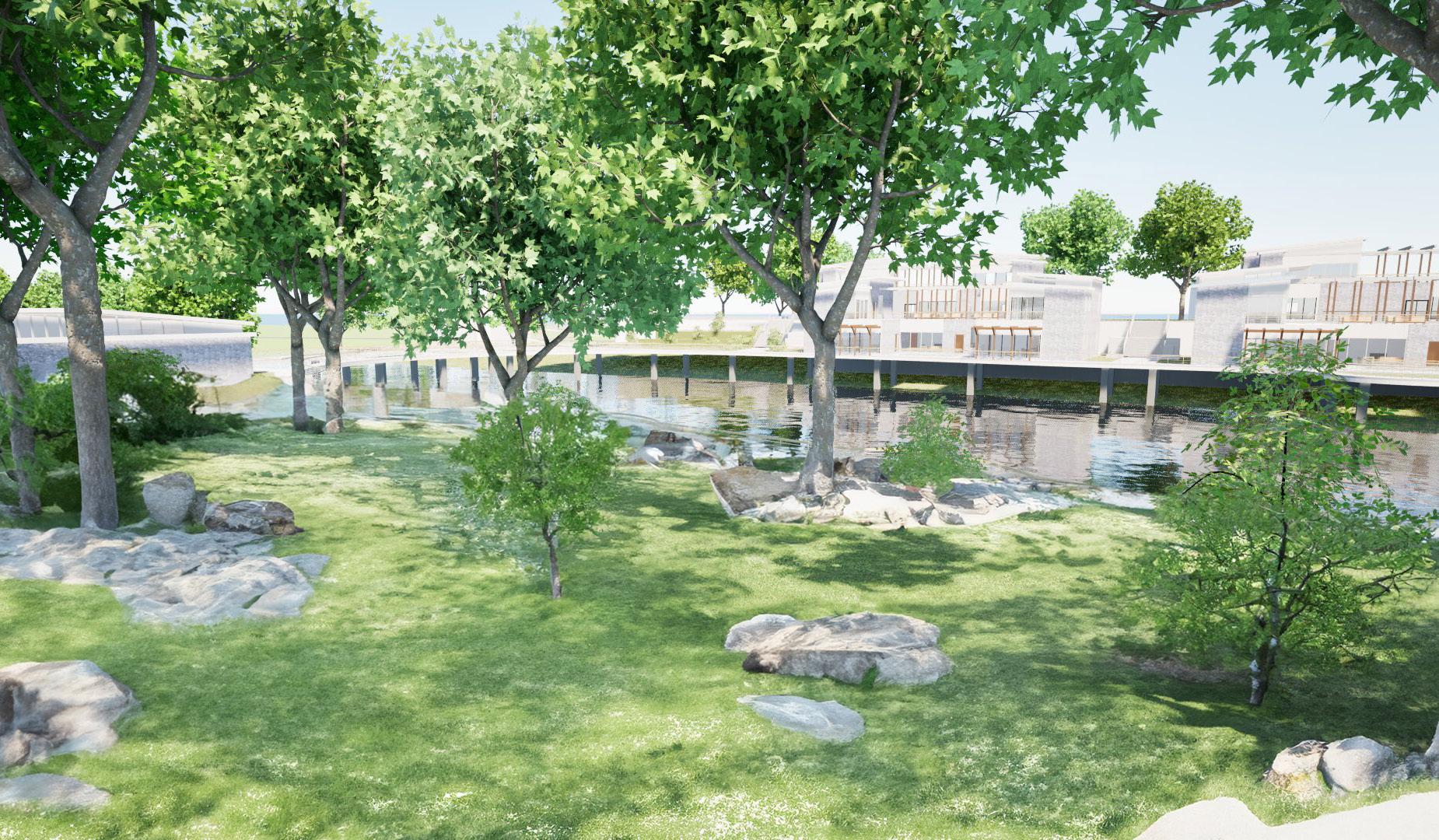
Transitional Housing Spring 2024

Parking: City of Lubbock zoning and parking regulations
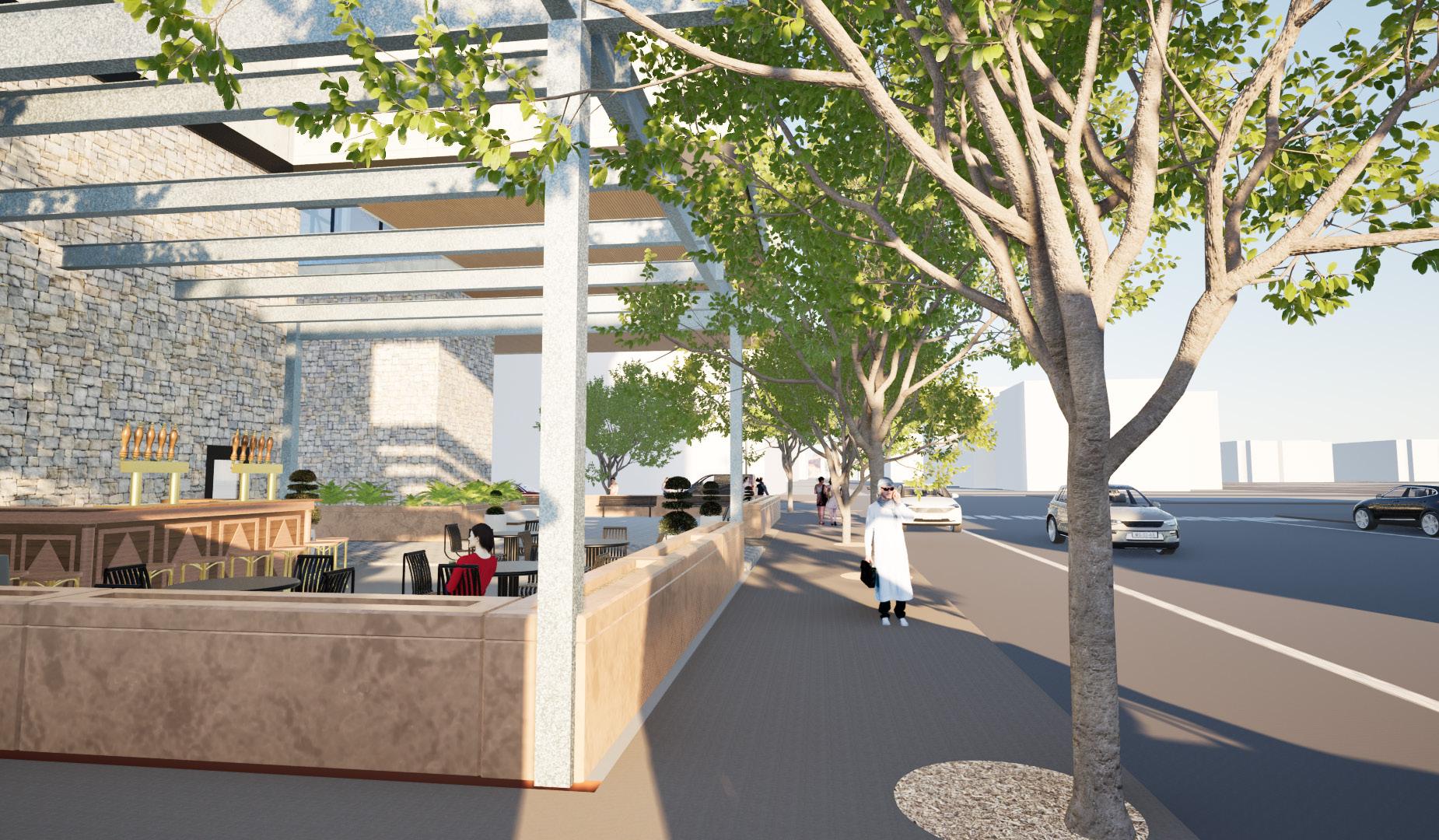
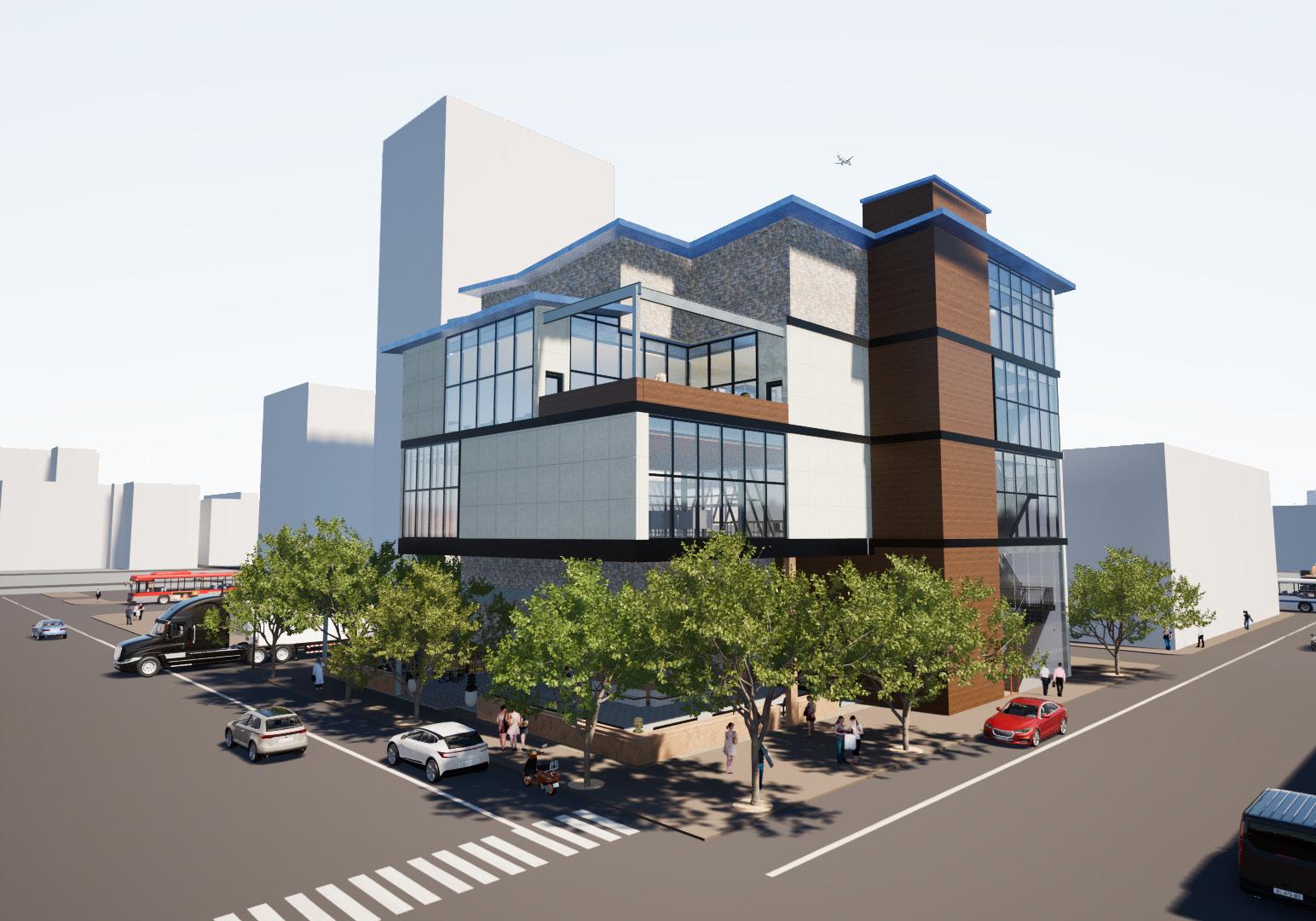
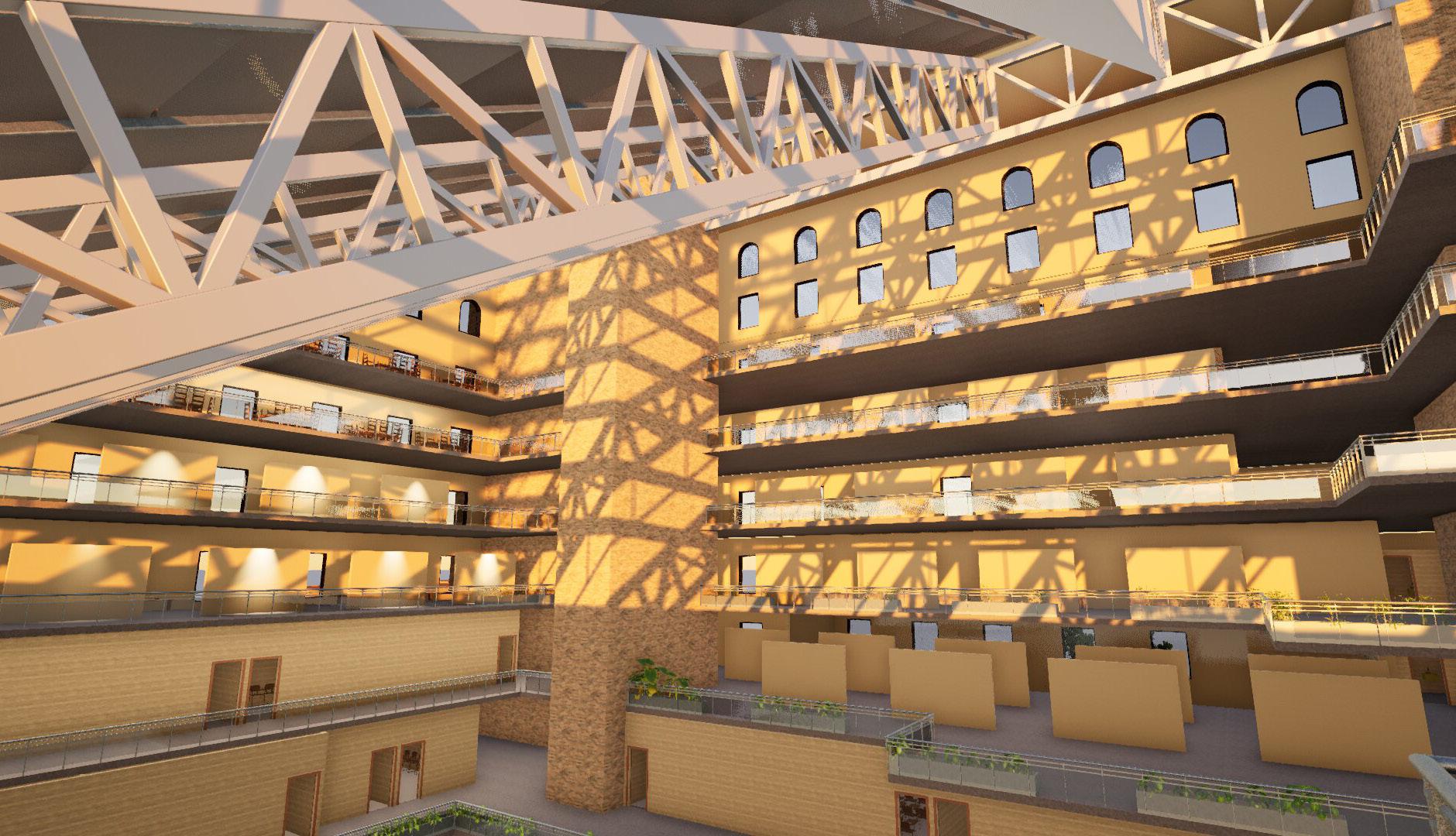
The micro manufacturing center in downtown Lubbock is designed as a vibrant, collaborative hub that bridges creativity, industry, and community. With the inclusion of four primary programs—a microbrewery, a glass-blowing studio, a component manufacturing area, and a business incubator—this space serves as a foundation for economic revitalization and community engagement.
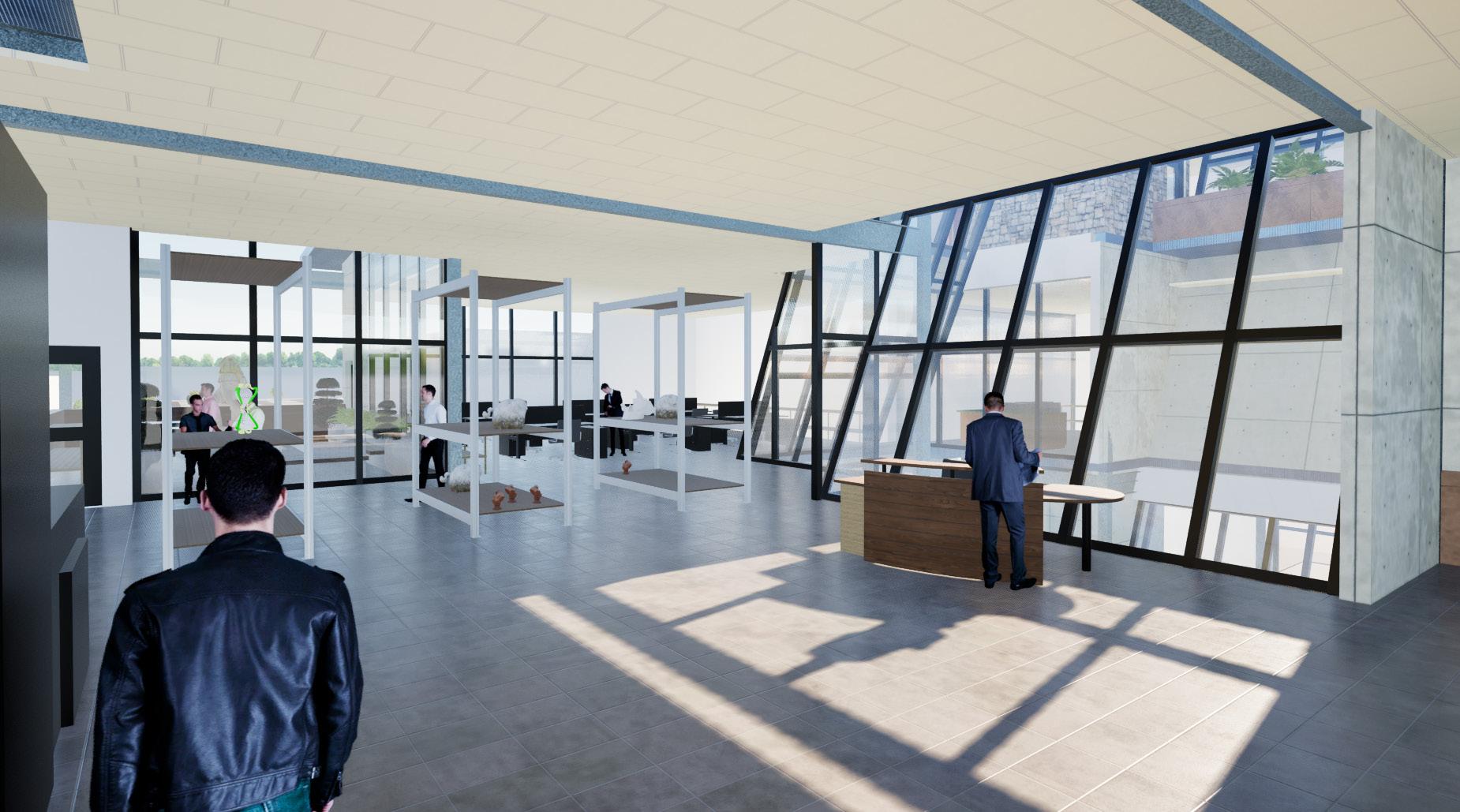
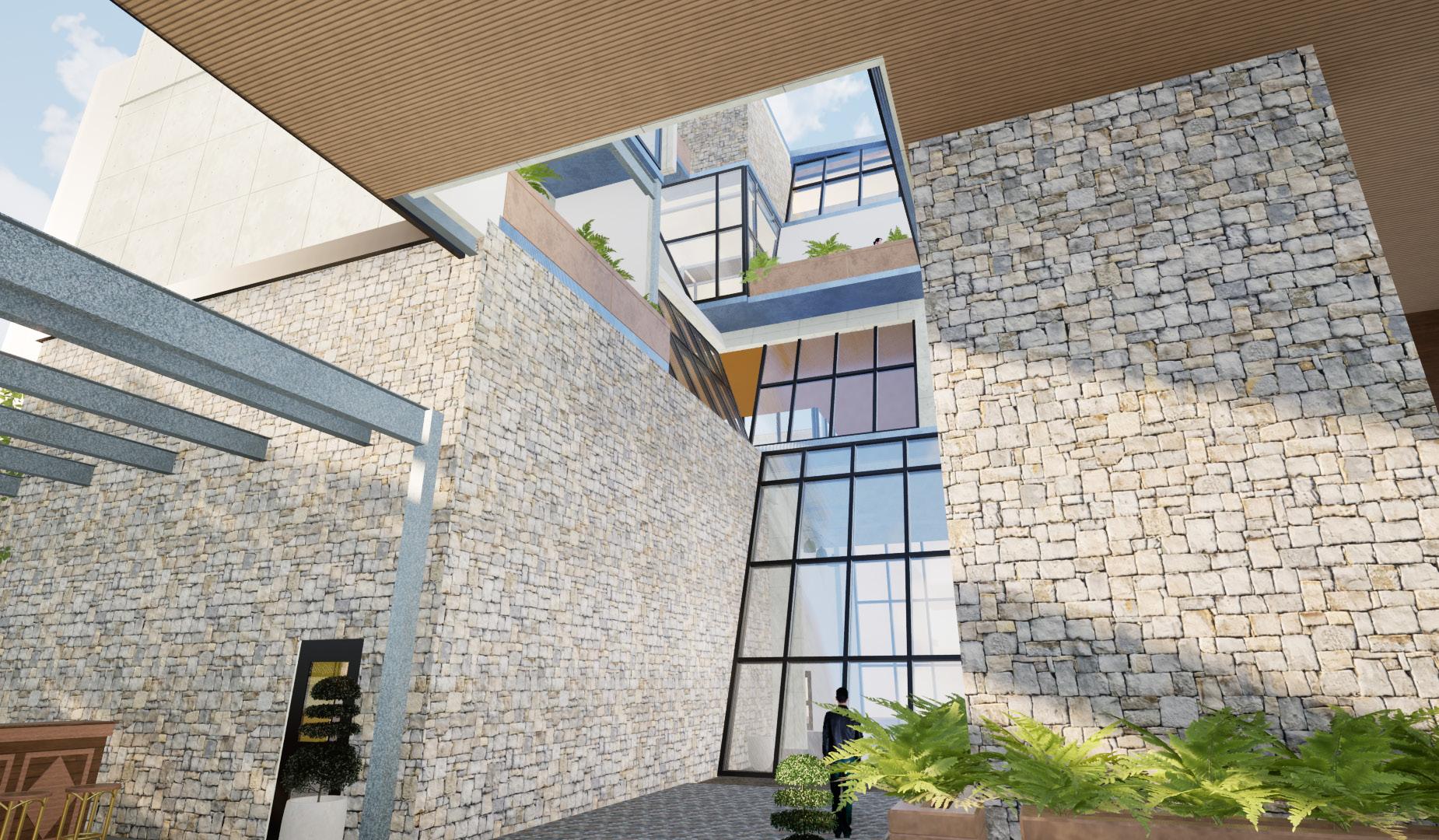
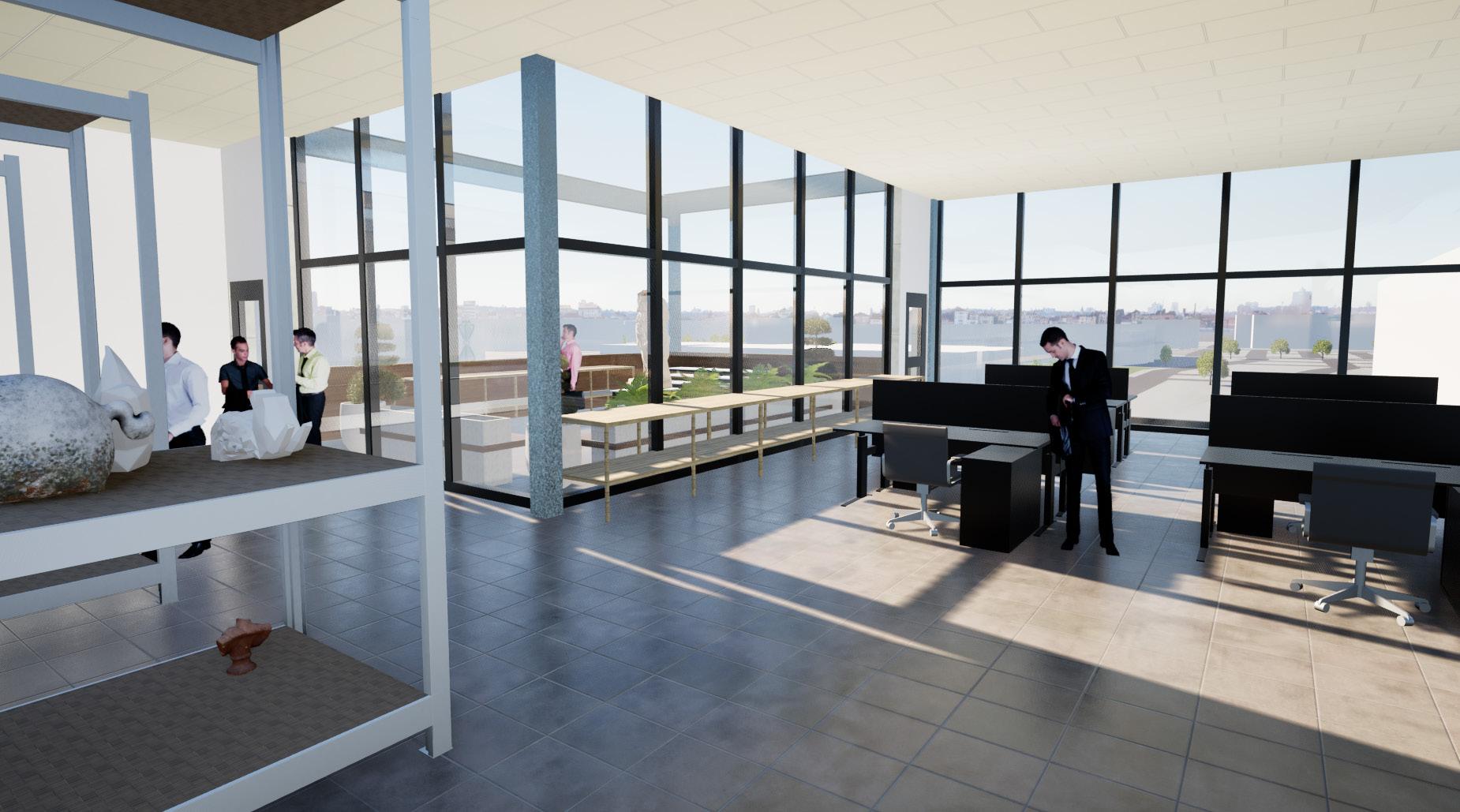
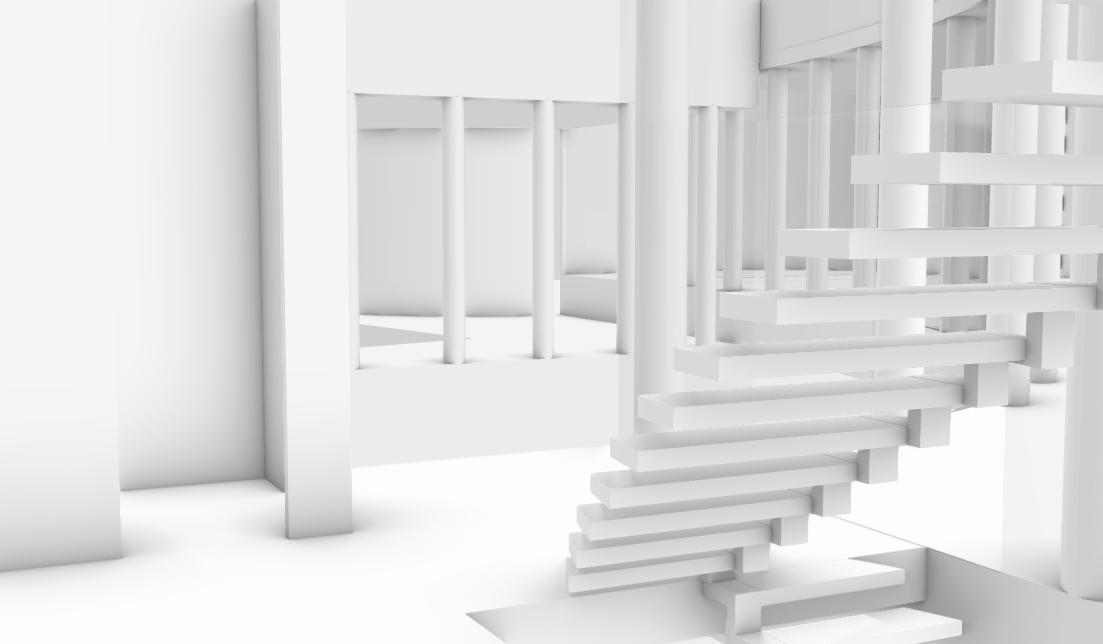
At the heart of the building lies a central void, a defining architectural element that unifies each floor and fosters a continuous sense of connection throughout the project. This void, accentuated by transparent materials and carefully crafted viewpoints, encourages visual interaction across different levels and program areas. Visitors and occupants can view and experience the activities occurring within the microbrewery, glass-blowing studio, manufacturing area, and business incubator from multiple perspectives. This intervisibility promotes cross-disciplinary appreciation and strengthens the relationships between each program.
To further enhance these connections, microclimates such as courtyards and balconies are integrated into the layout, blending interior and exterior spaces. These shared spaces offer a unique environment where artisans, entrepreneurs, and visitors alike can gather, collaborate, and exchange ideas. The openness of the design encourages each program to thrive independently while remaining accessible and interconnected.
By merging transparency with collaboration-focused architecture, this project not only revitalizes downtown Lubbock but also redefines it as a place where community and commerce meet. The center aims to inspire interaction, discovery, and growth, making it a cornerstone of sustainable urban renewal and a celebration of local talent and innovation.
Transparent Futures
Fall 2024
Regulatory Context As per IBC 2021
Construction Type: Type II
Occupancy Classification: Factory and Industries
Fire Safety Type: Sprinkled
Maximum Egress Distance: 250
Total Occupancy Load: 169

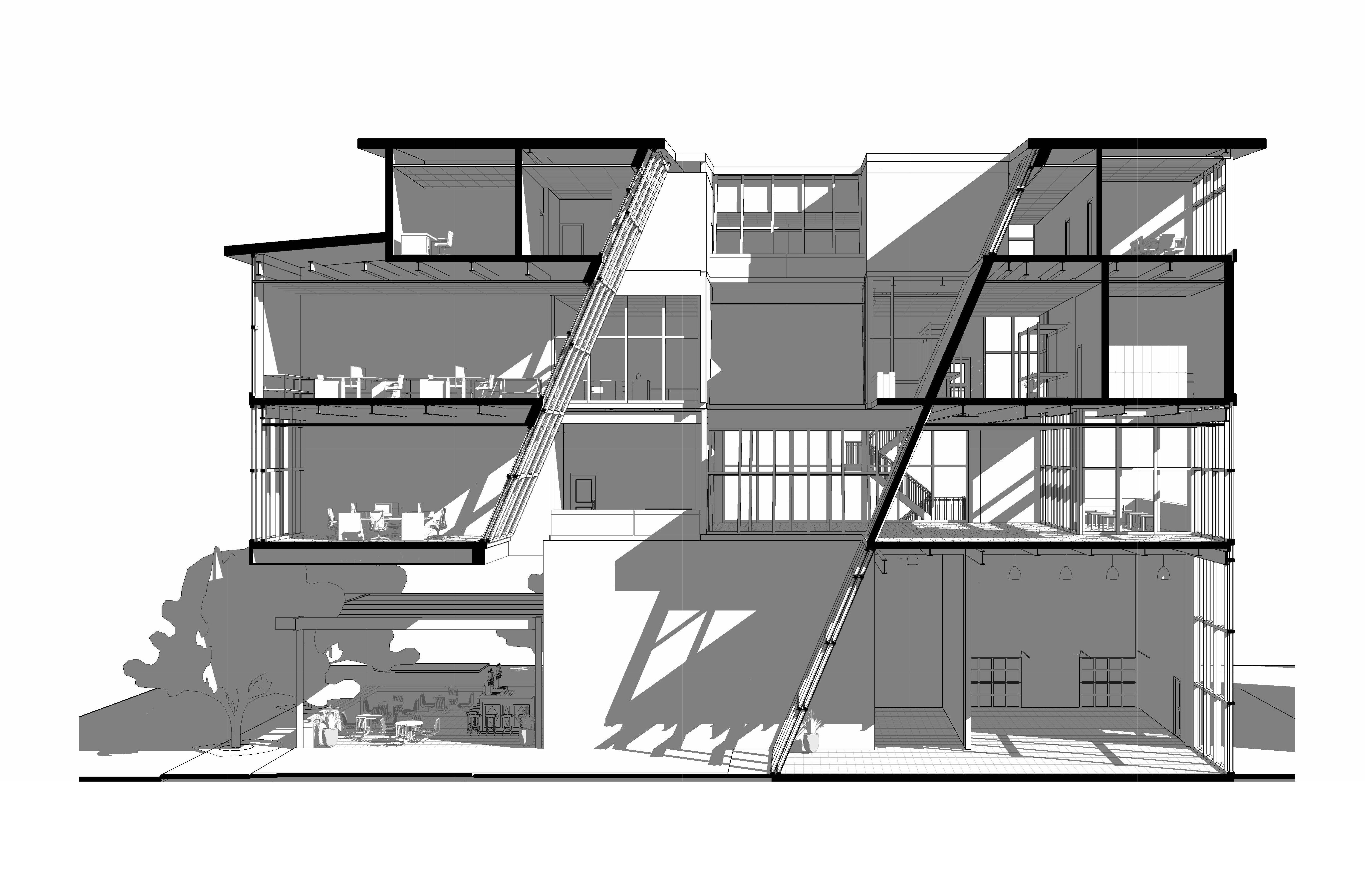
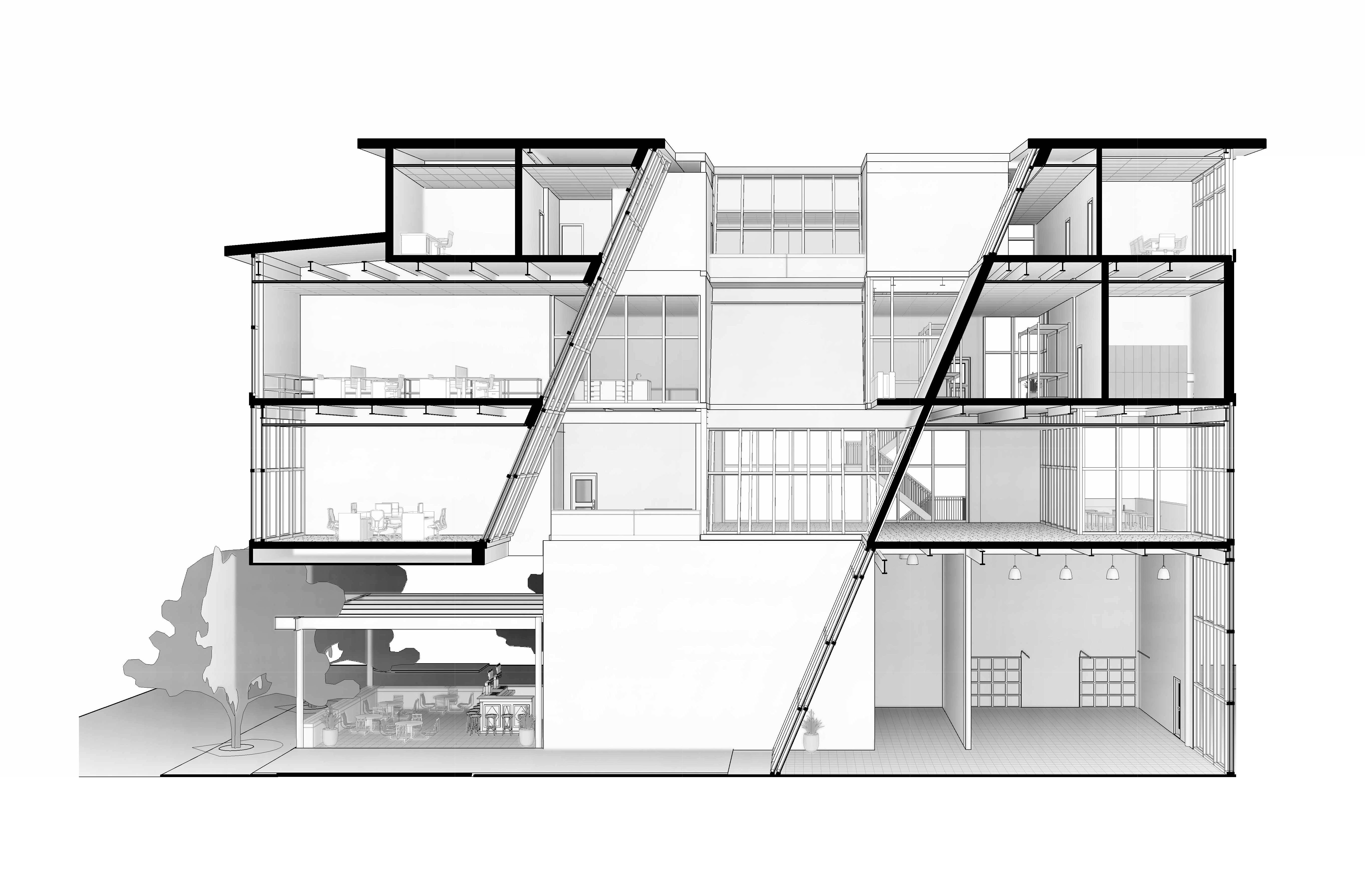
The double skin facade allows for controlled heat gain and loss.
3”
3
1/2”
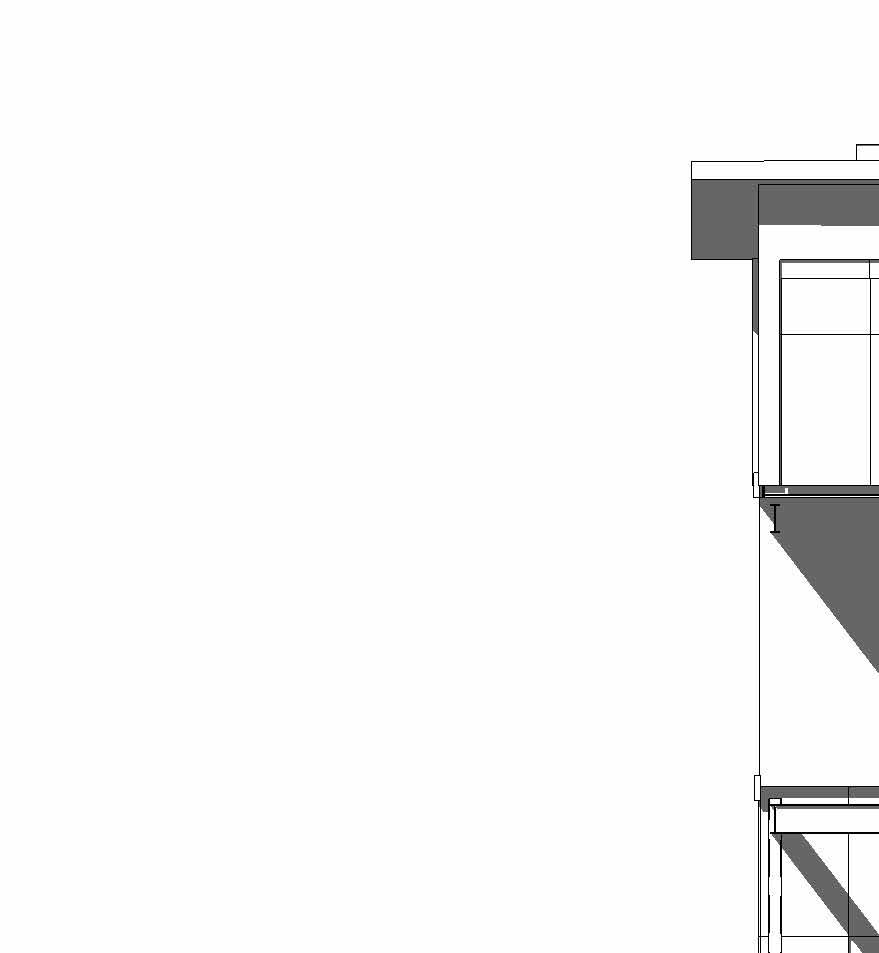
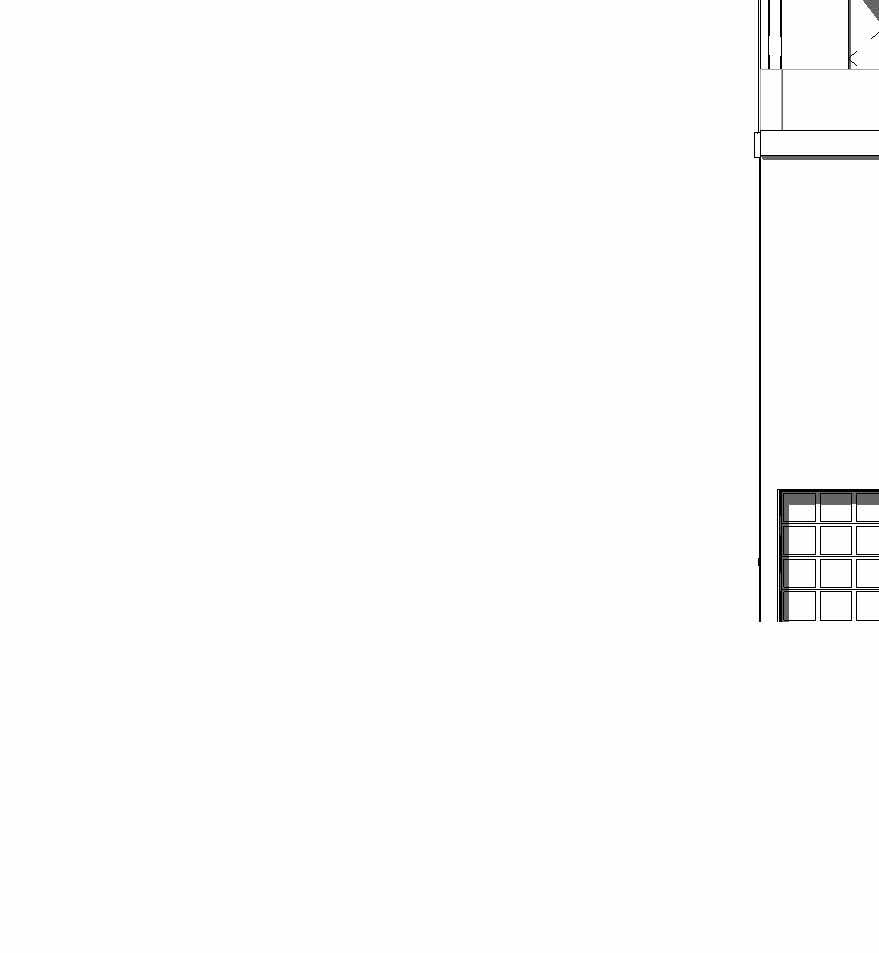
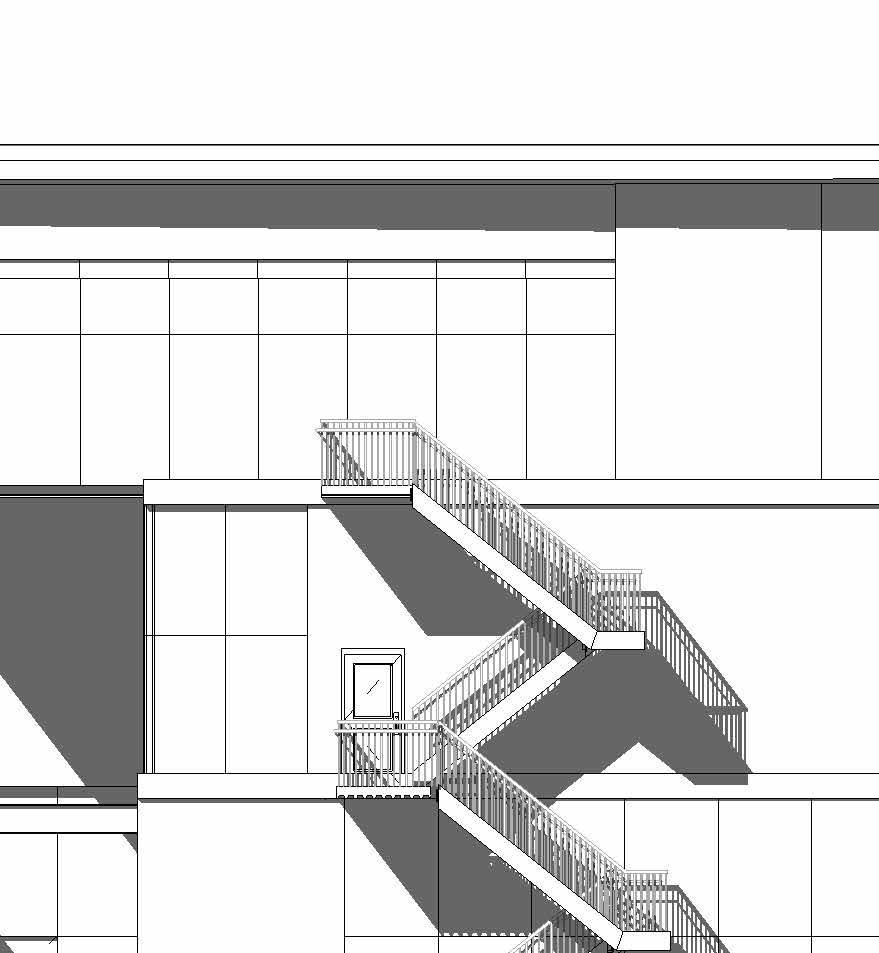
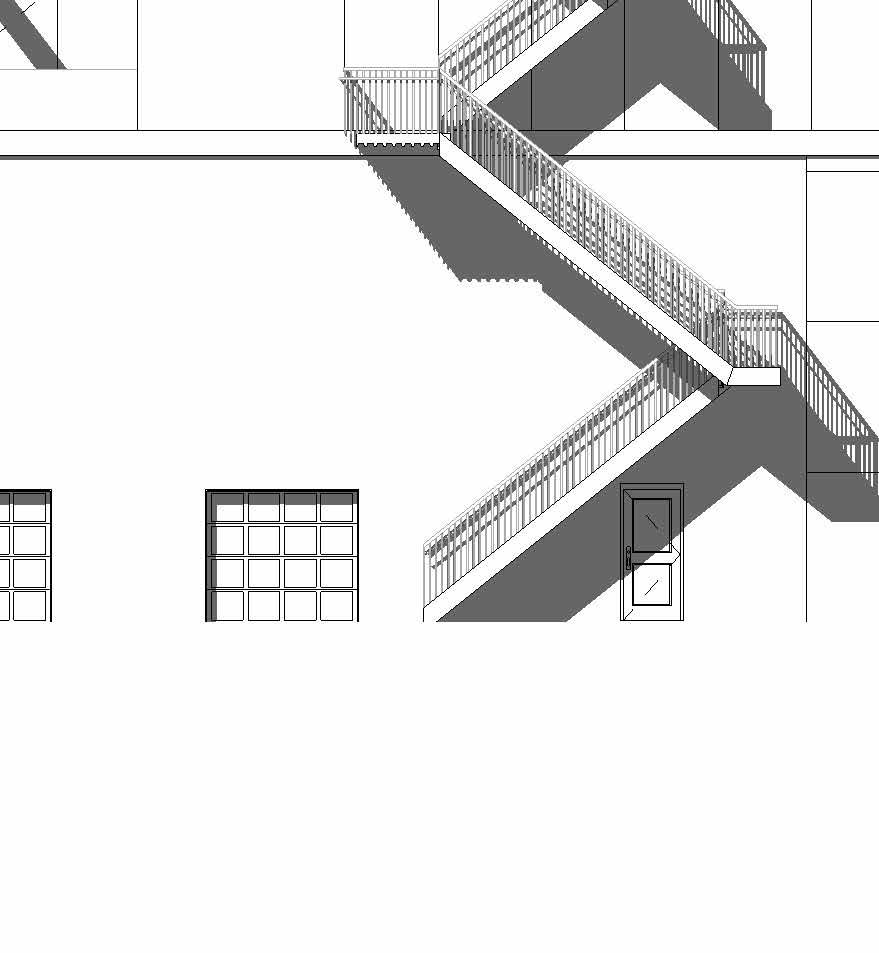
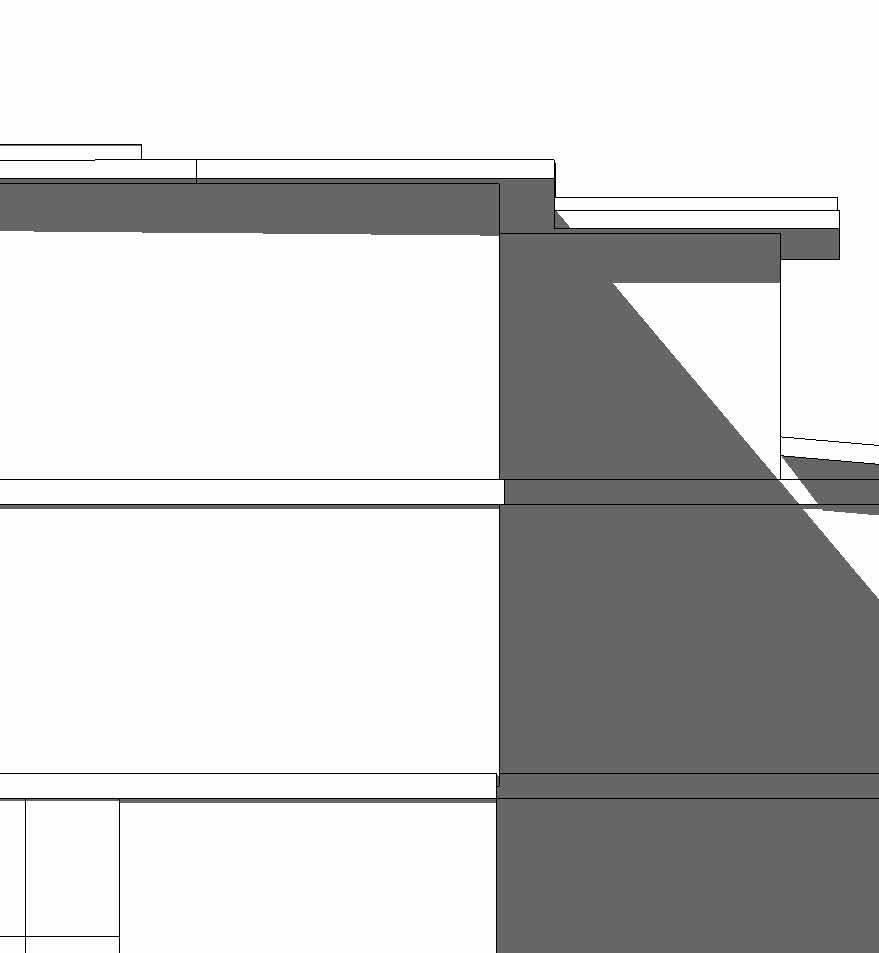
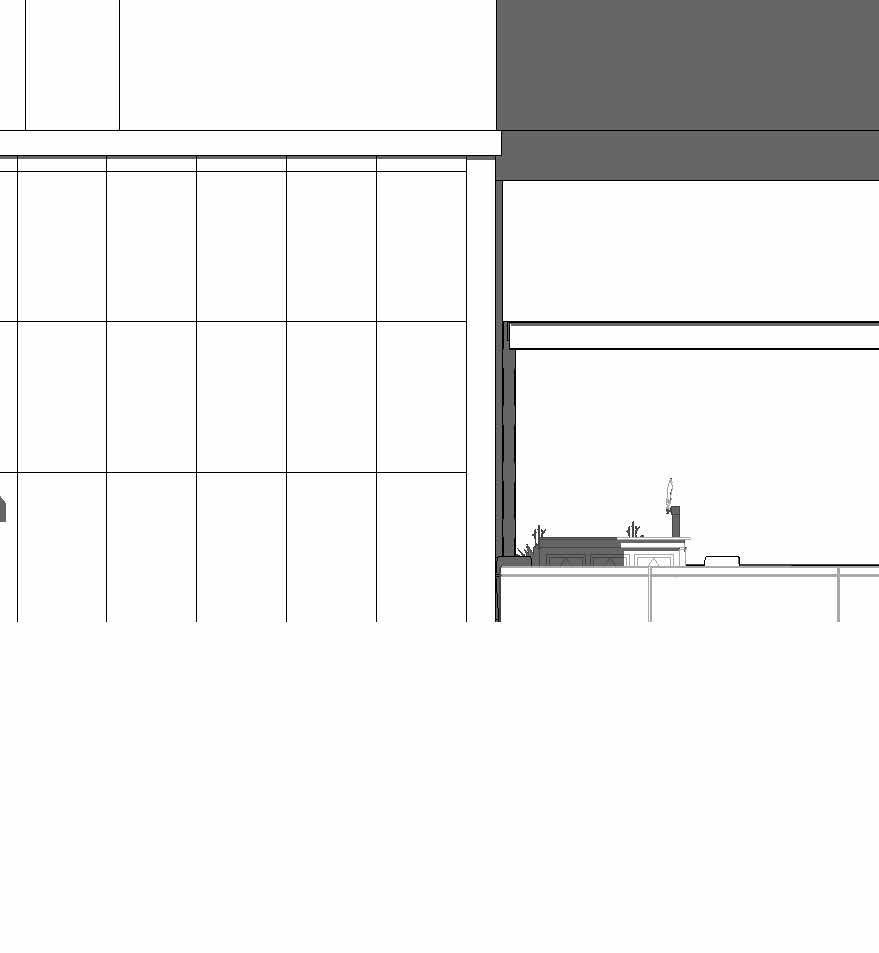
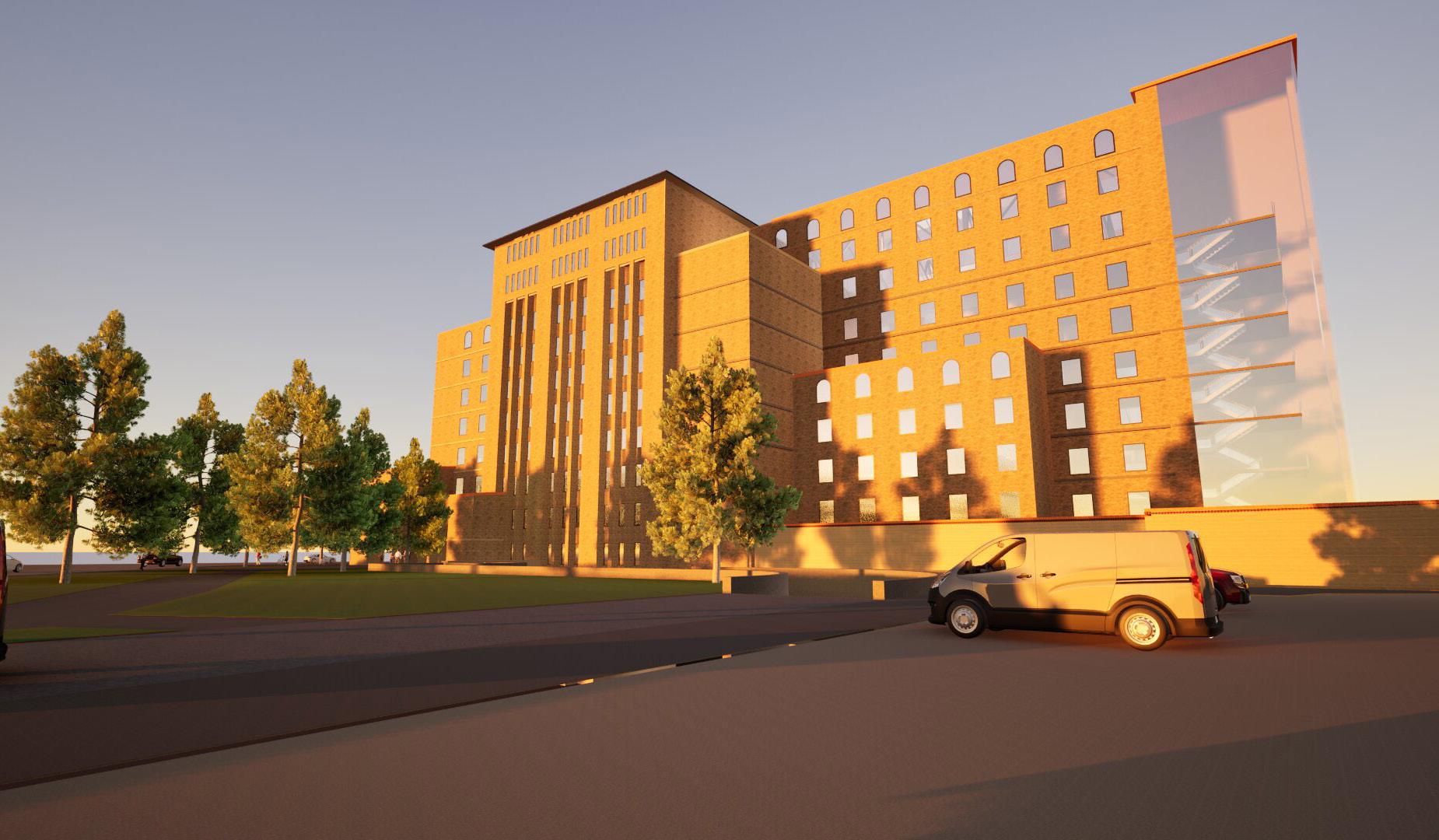
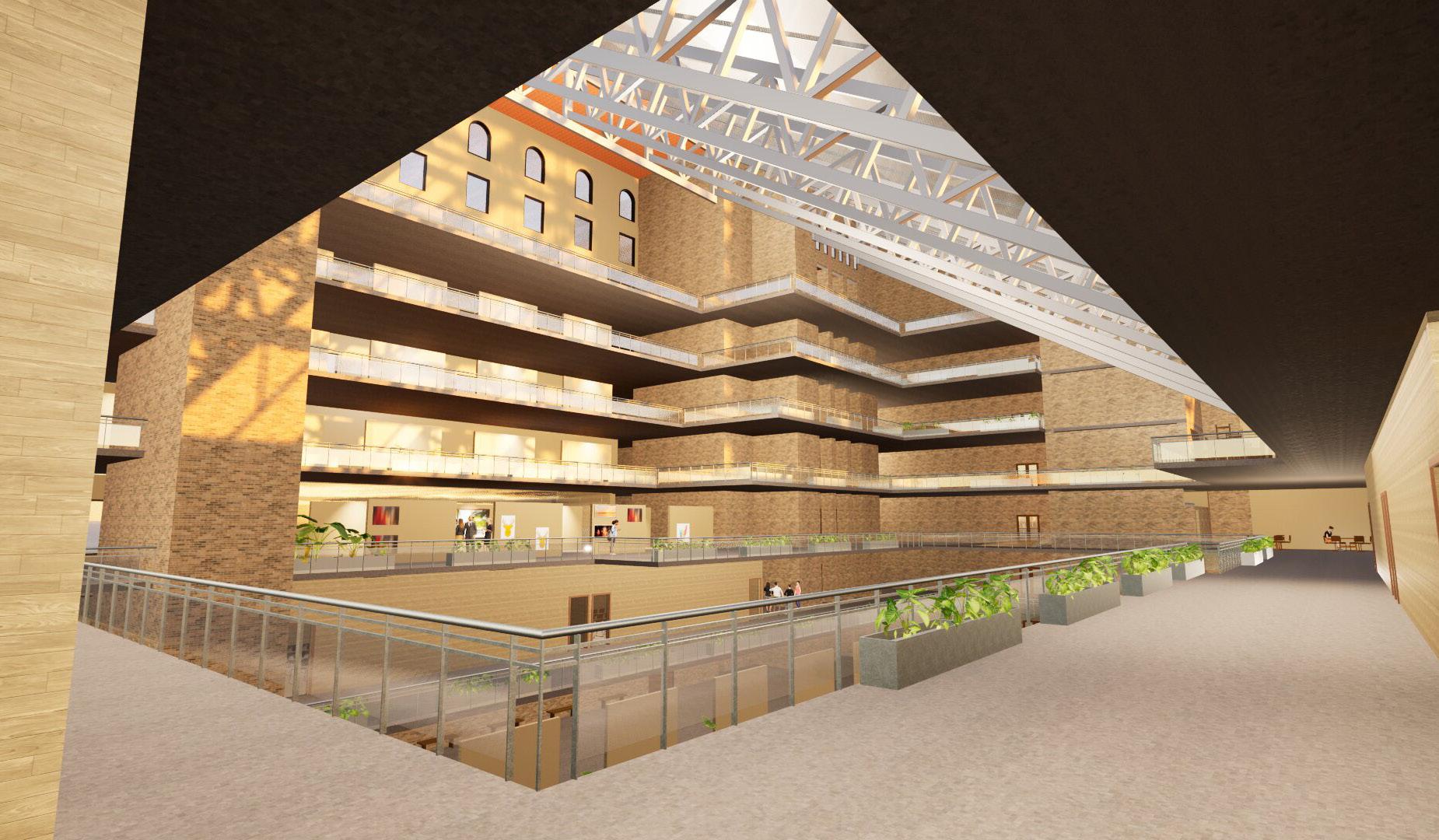
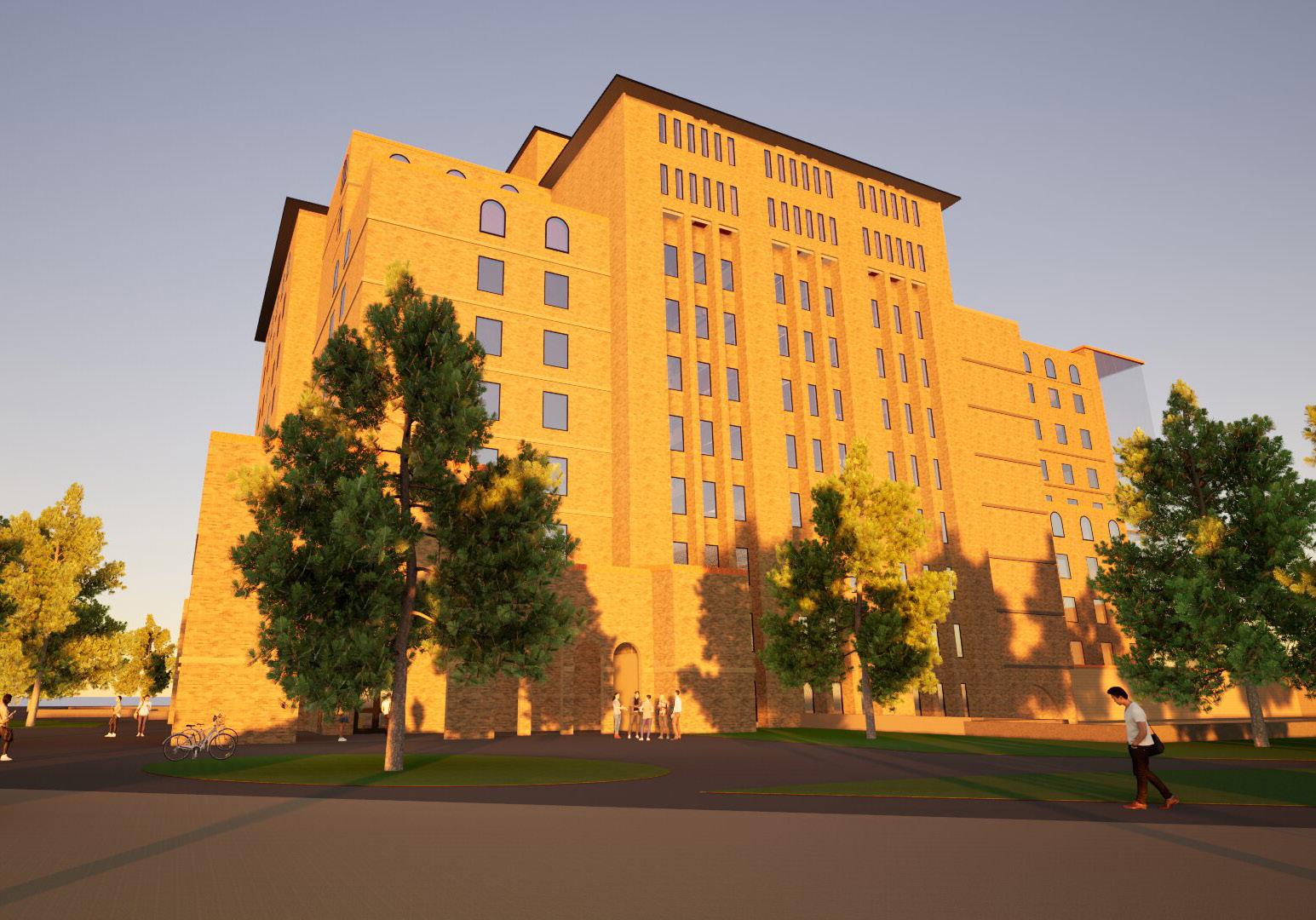
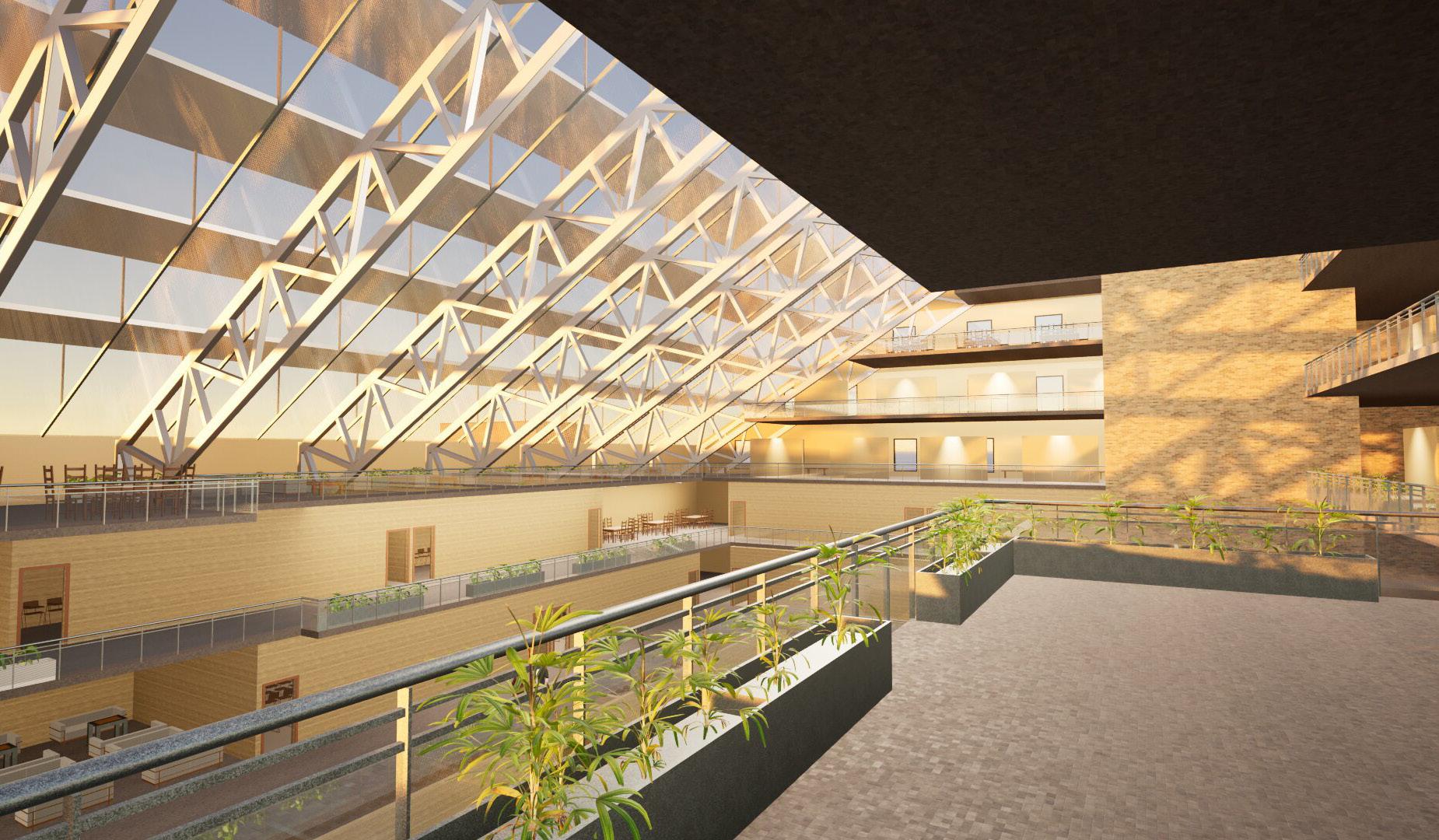
My renovation of the Huckabee college of architecture tackled three main concerns.
First was the lack of space for classrooms, exhibition, and lecture space available in the school. This was solved through enclosing the courtyard and creating a staggering floor system to create a central space that contained classroom, lecture halls, exhibition, and seating.
Second was the horizontal and vertical circulation in the school. The horizontal and vertical circulation was expanded through the addition of the enclosed courtyard as it added more paths and stairwells around the space that tie back into the original building.
Third, was the overall perception of the school from the exterior view. The building is large and monolithic so through embracing it the building has been refined around the masses that have been added to the south and north ends of the building that have been carefully designed around the portions of the original building and work off of each to balance out in elevation.
HCoA Rennovation
Fall 2023
AND
- A MANUAL FIRE ALARM SYSTEM THAT ACTIVATES THE OCCUPANT NOTIFICATION SYSTEM IN ACCORDANCE WITH SECTION 907.5 SHALL BE INSTALLED IN GROUP A OCCUPANCIES WHERE THE OCCUPANT LOAD DUE TO THE ASSEMBLY OCCUPANCY IS 300 OR MORE. OCCUPANCY IS MORE THAN 300; BUILDING IS SPRINKLED AND QUALIFIES FOR EXCEPTION.
CHAPTER 10 - MEANS OF EGRESS SECTION - OCCUPANT LOAD 1004.1 DESIGN OCCUPANT LOAD TABLE 1004.1.2 - REFER TO FOLLOWING TABULATION OF OCCUPANT LOADS BASED ON LOAD FACTOR
ARCHITECTURAL CONCEPT:
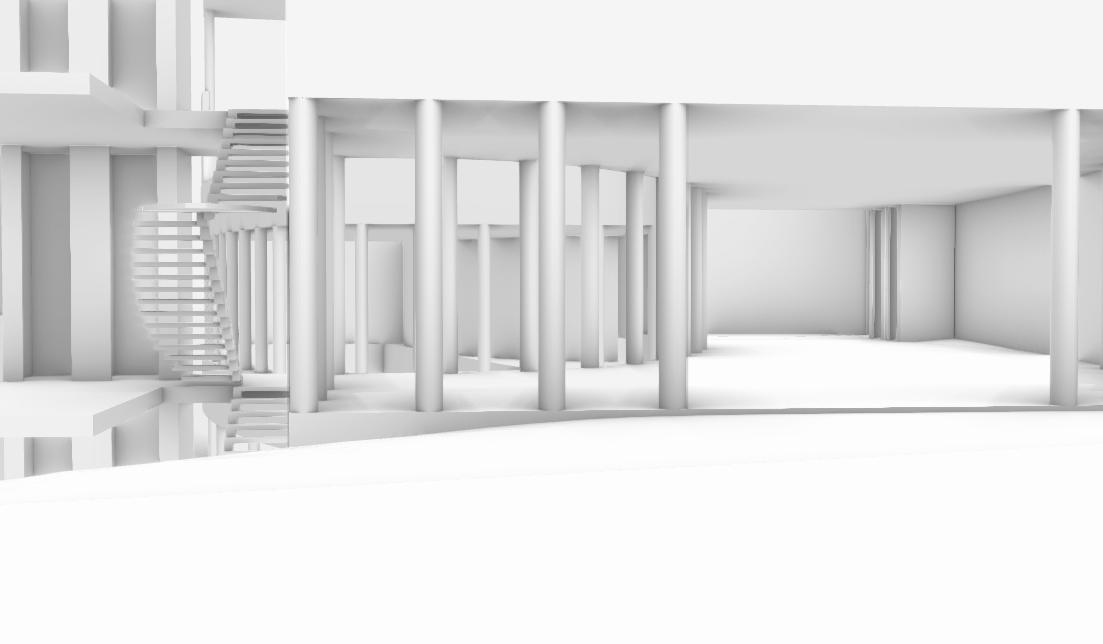
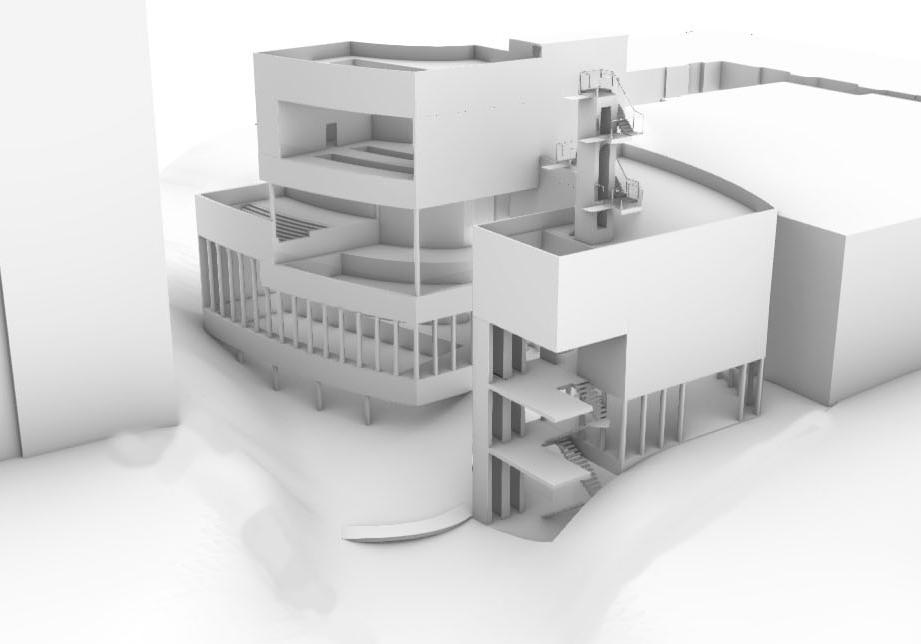
This project was based on a grid dervied from my precedent study, Hearst Castle. The grid was created from the neptune pool where then introduced a concept of shifting and breaking pieces of the grid to create my volumes. From there with the introduction of the program and context I delevoped and solidified the form.
RELATIONSHIP TO CITY:
The relationship between the city and the concept is like the creek the building is designed to be an extension of the road. The east to west directional road flows into the building and creates an inviting sense deeper into the building.
RELATIONSHIP TO CREEK:
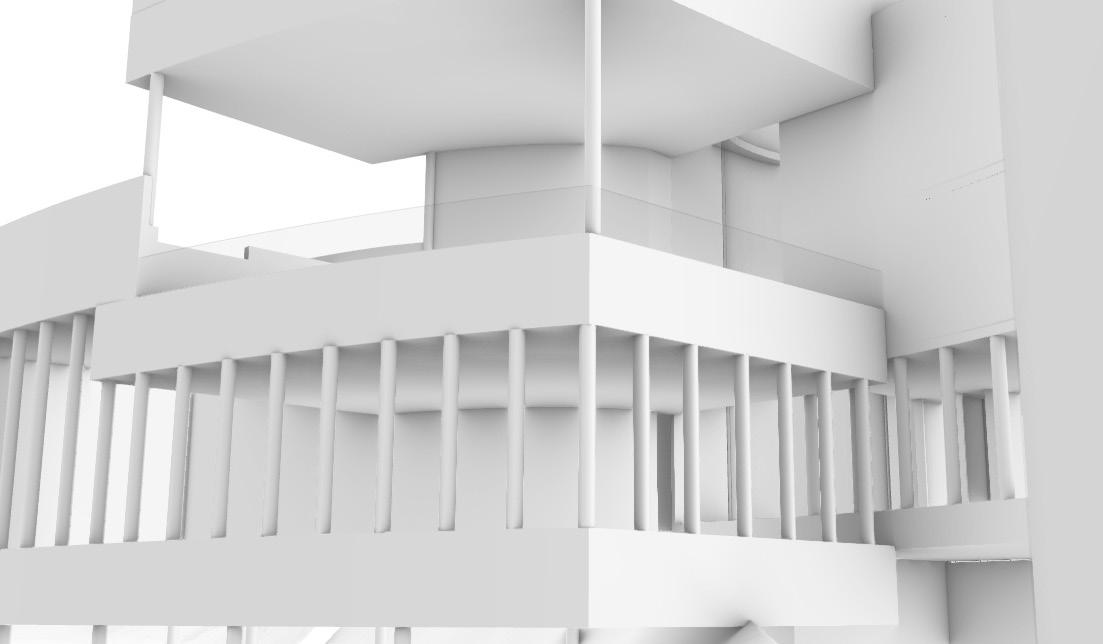
The relationship between the creek and the concept is the building is designed to flow with and around the creek as efficiently as possible. The curve of the building is meant to follow along the bank of the creek without disturbing the entire ecosystem, while where the building mirrors itself is raised above the creek to prevent the blockage of the stream.
TECTONIC APPROACH:
The tectonic approach in the project is a combination of a system of columns and bearing walls. The South side that faces the creek will mostly be open air and supported with columns, while the North side that faces the neighboring building is bearing walls and will be closed off.
Natatorium in Downtown Austin Spring 2023

Outside Research and Work :
This page is a collecetion of work from classes outside of my design studios.
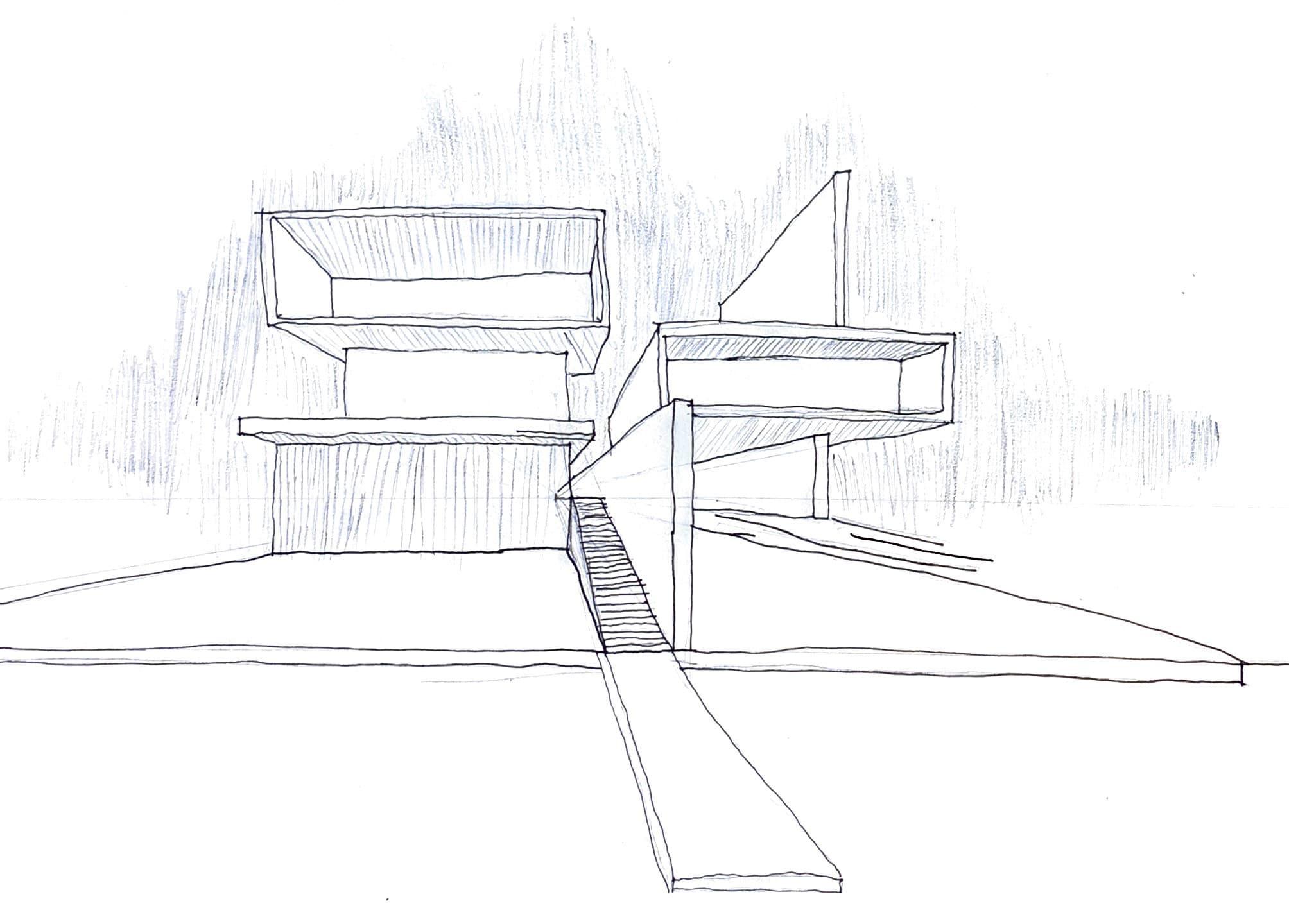
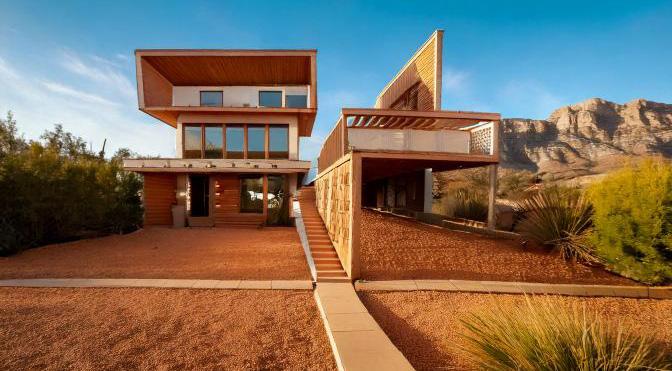
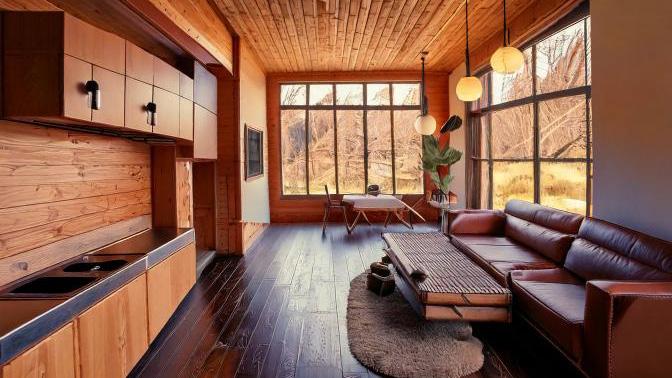
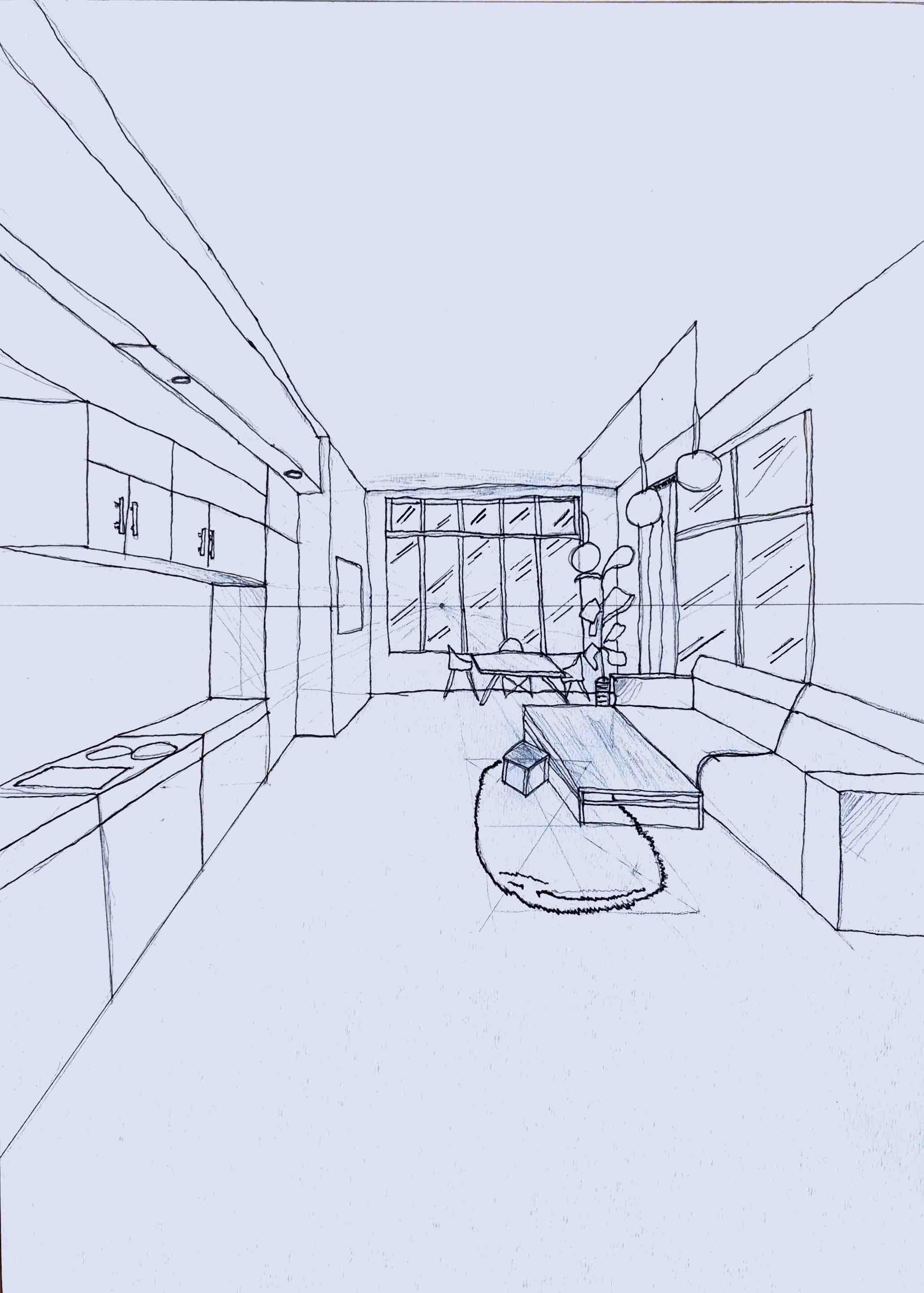
There are sketches that we hand drawn to practice architectectural sketching that were then put into AI to study the relationship of hand sketching and AI generation ability.
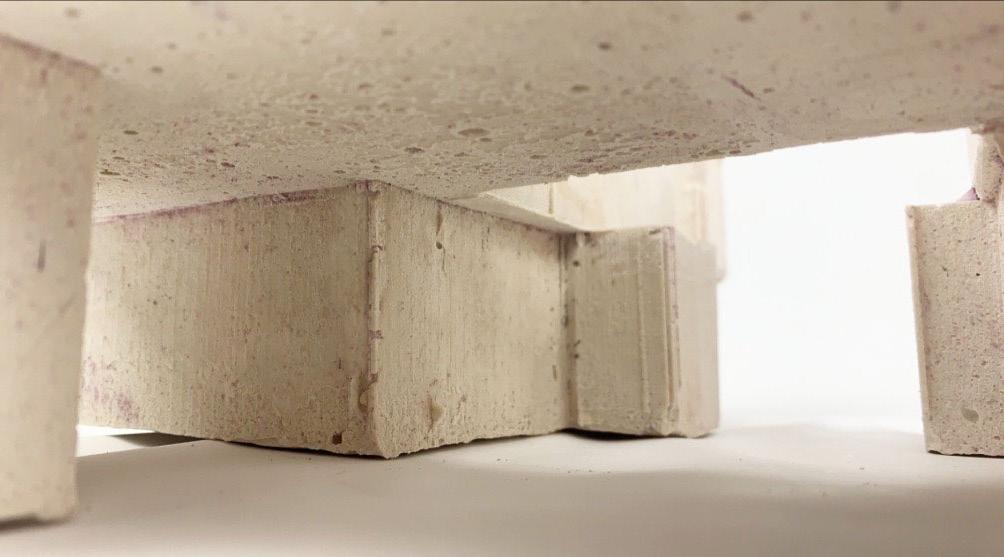
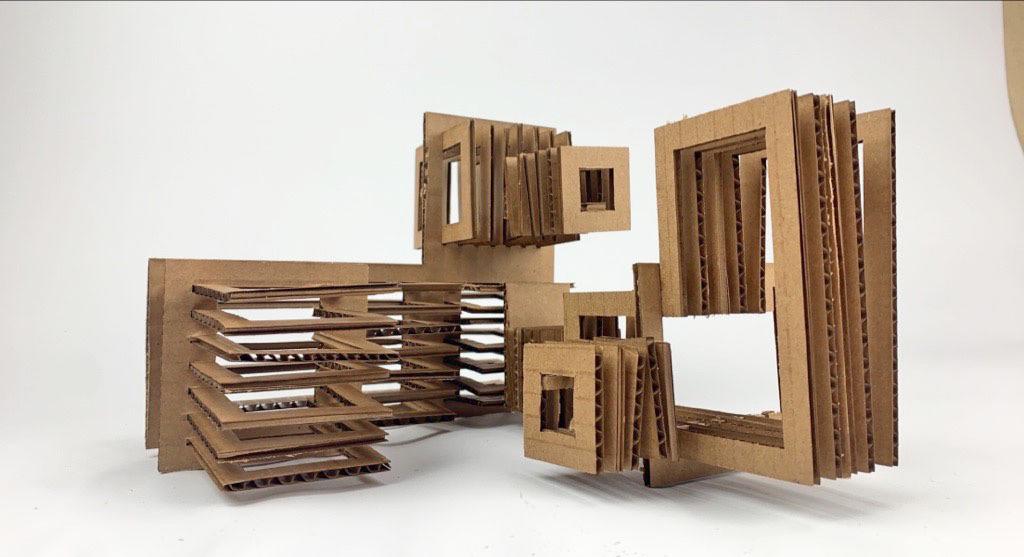
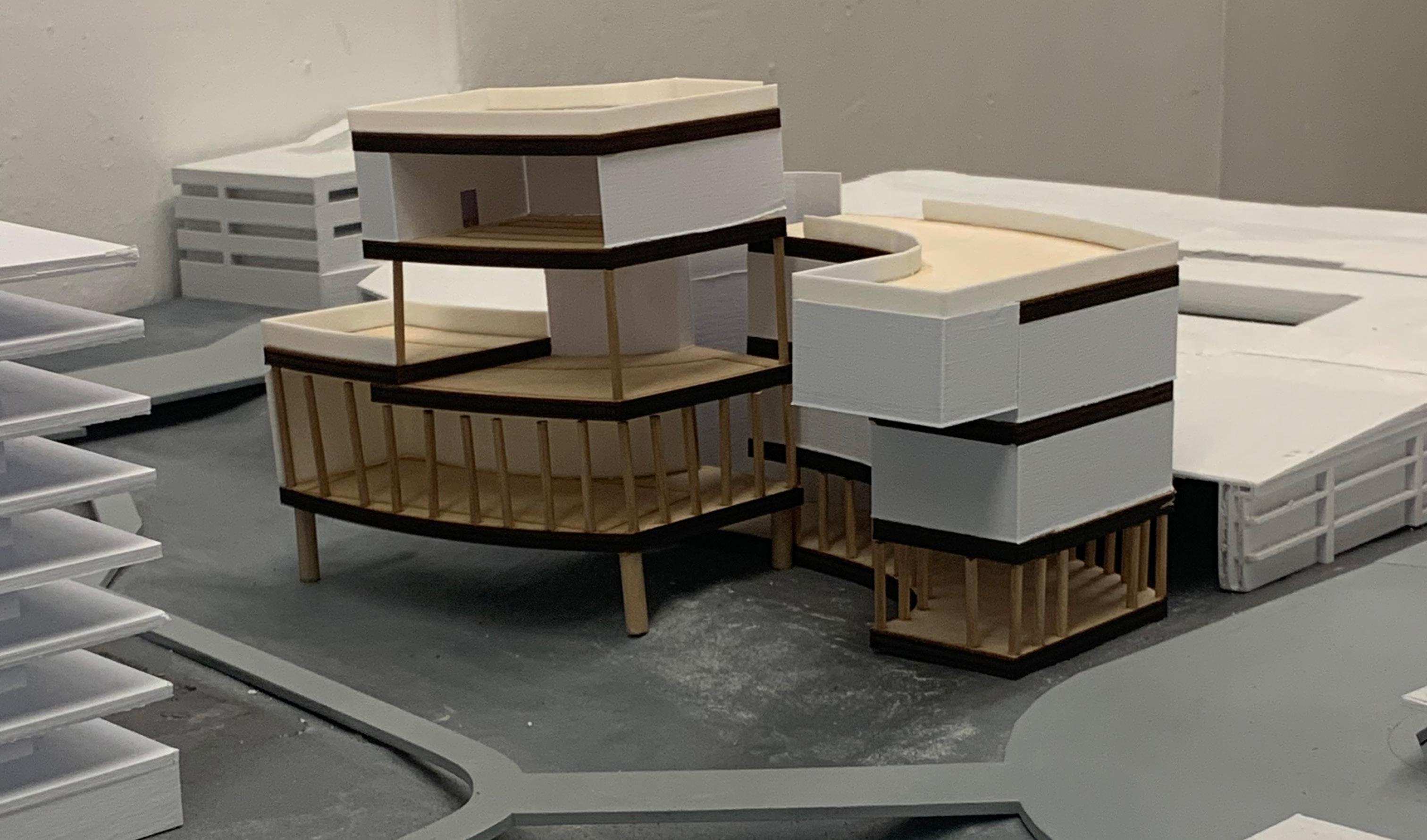
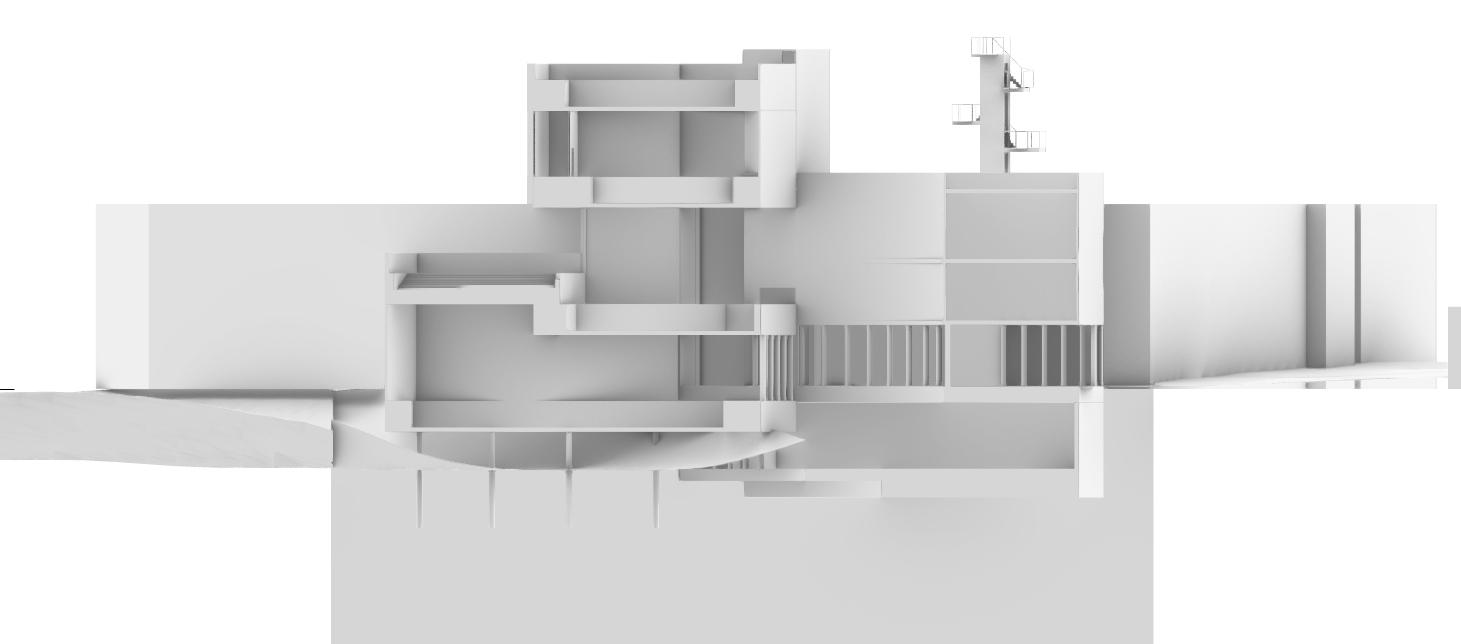
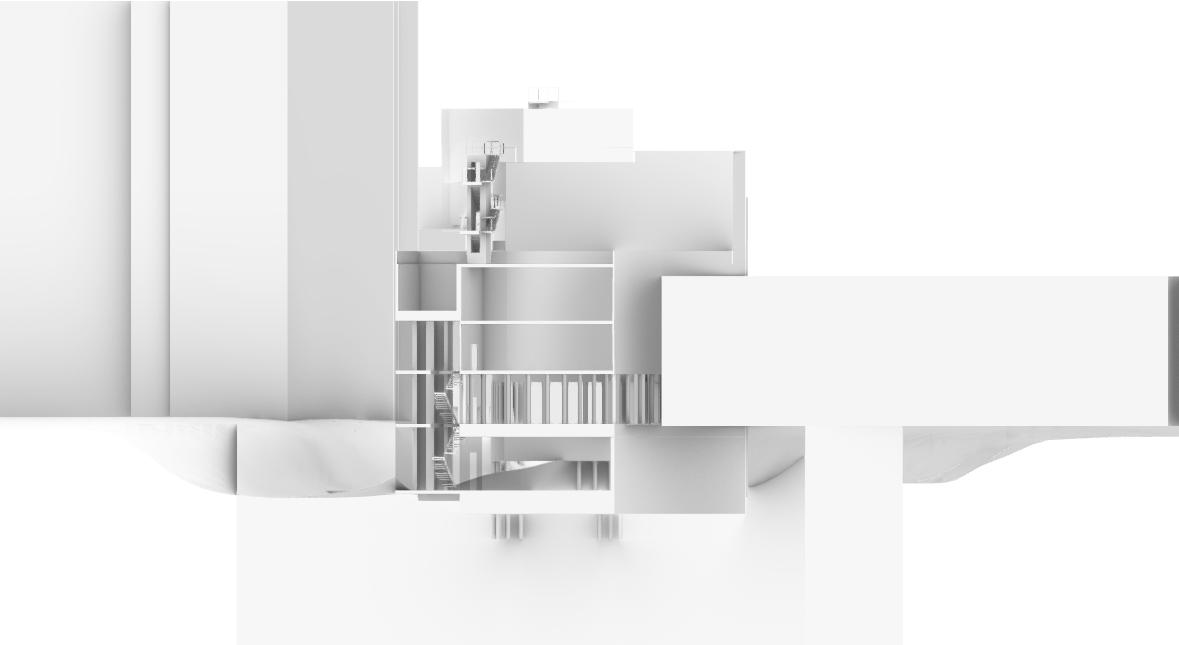
There are models that were used as initial concepts to help develop my projects throughout the semester. The first model image uses acrillic and 3D printing to show a contrast to solid void. The second image was an experimentation with plaster and wood forms to create negative space. The final image was a cardboard study model created through Rhino 7 and laser cutting to show spacial relationships while using the linear nature to not hide the spaces with in.