
ORTFOLIO
Matthew Chapin
Cover Images:
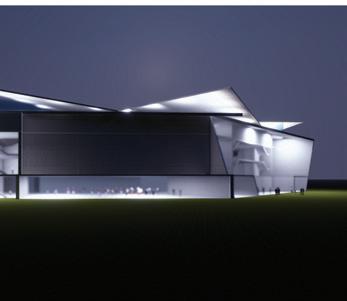
Adaptable Stadium: Render (Page 12)
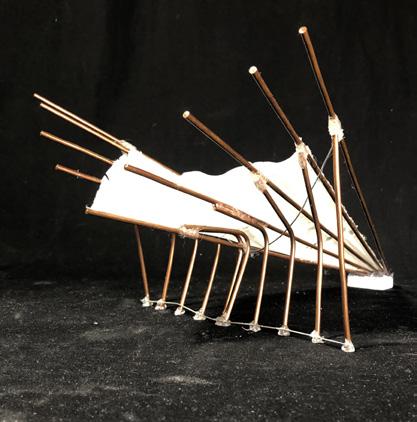
Designing Movement: Spatial Embodiment Model (Page 23)
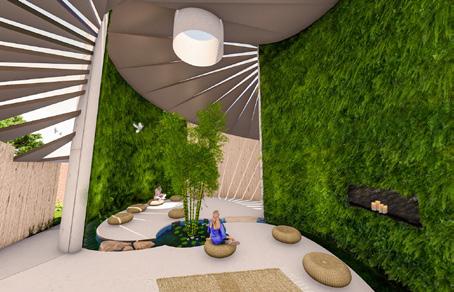
Chambre d’ Esperance: Render (Page 16)
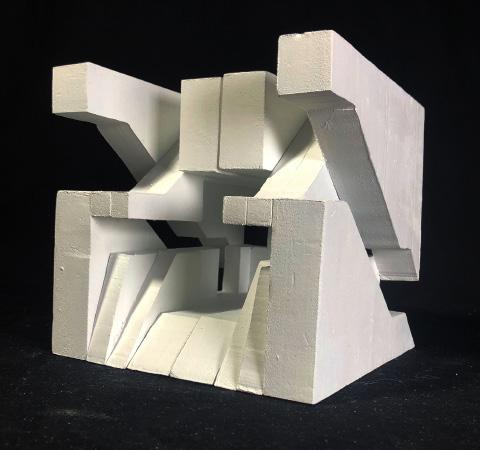
Designing Movement: Cube Model (Page 23)
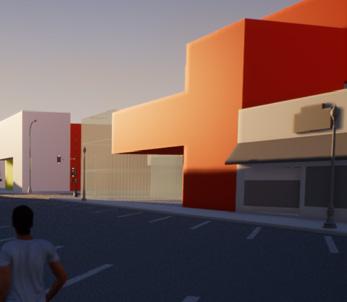
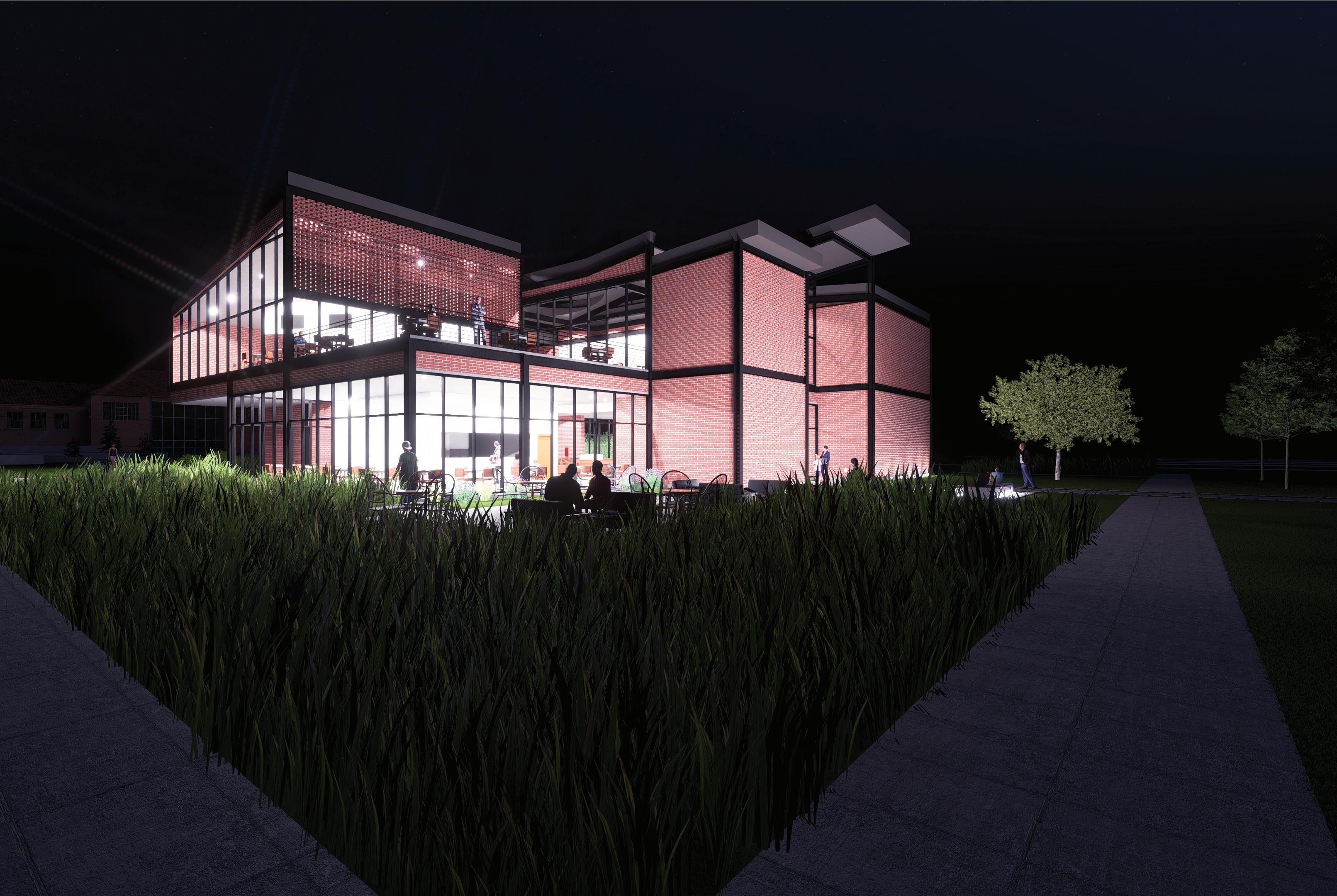
Maple Street Terraces: Render (Page 20)
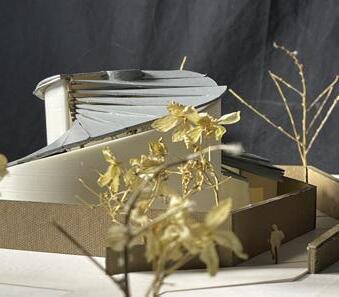
Chambre d’ Esperance: Model (Page 16)
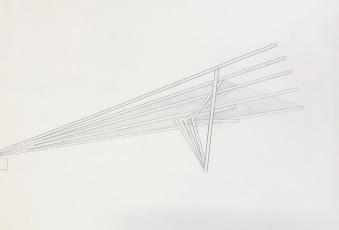
Designing Movement: Hand Drawing (Page 22)
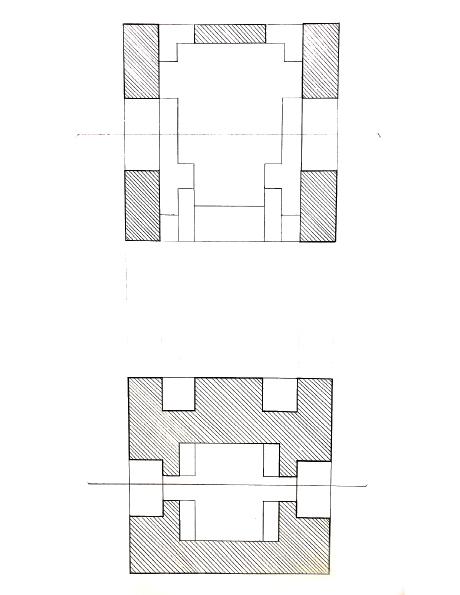
Designing Movement: Hand Drawing (Page 24)
Table of Contents
Page 3-4: Resume
Page 5-8: Agricultural Elevation
5: Introduction
6: Site Map, Site Forces, Section Perspective
7: Plan & Section
8: Diagrams, Details, Renders
Page 9-12: Adaptable Stadium
9: Introduction
10: Plan Drawings
11: Sections & Diagrams
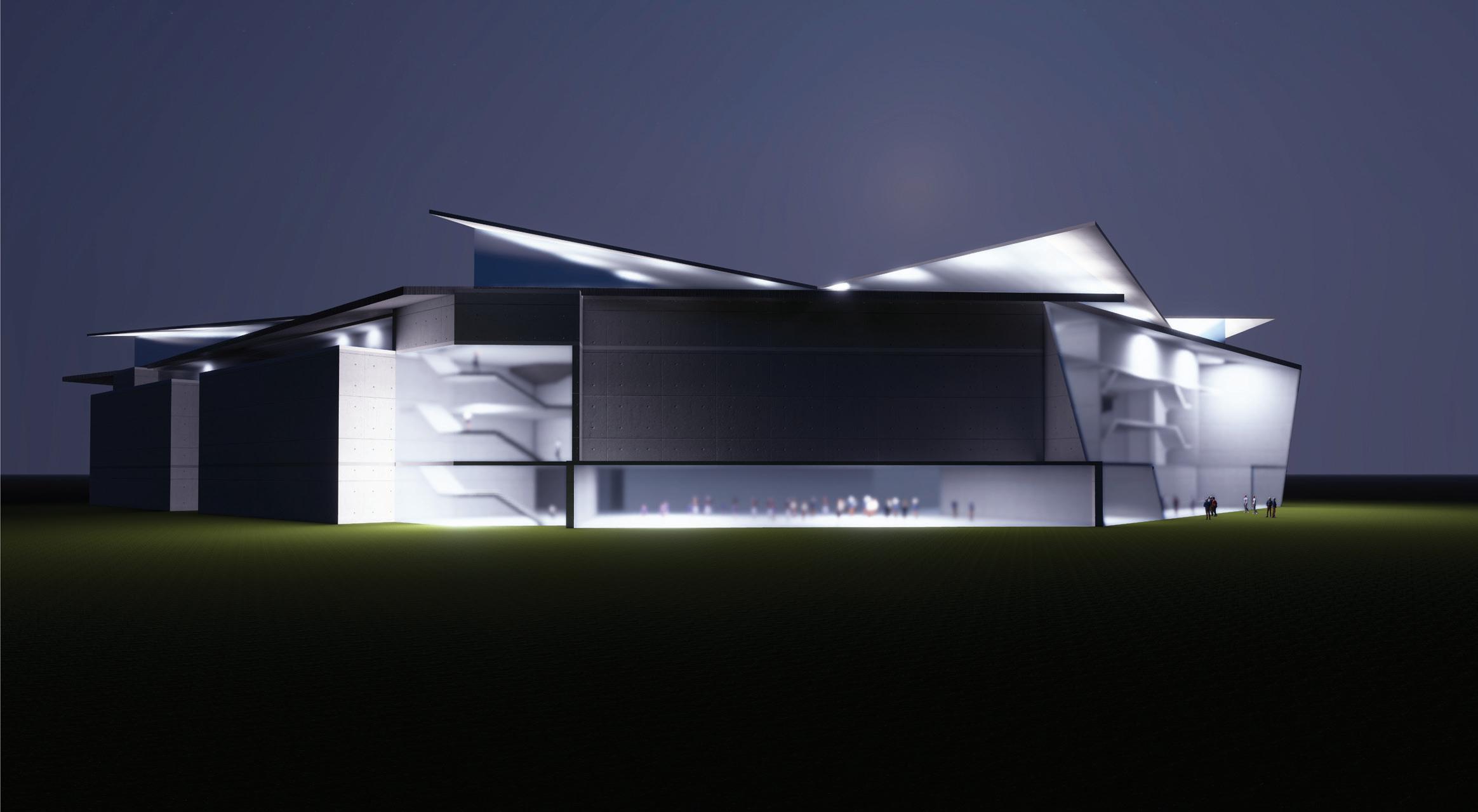
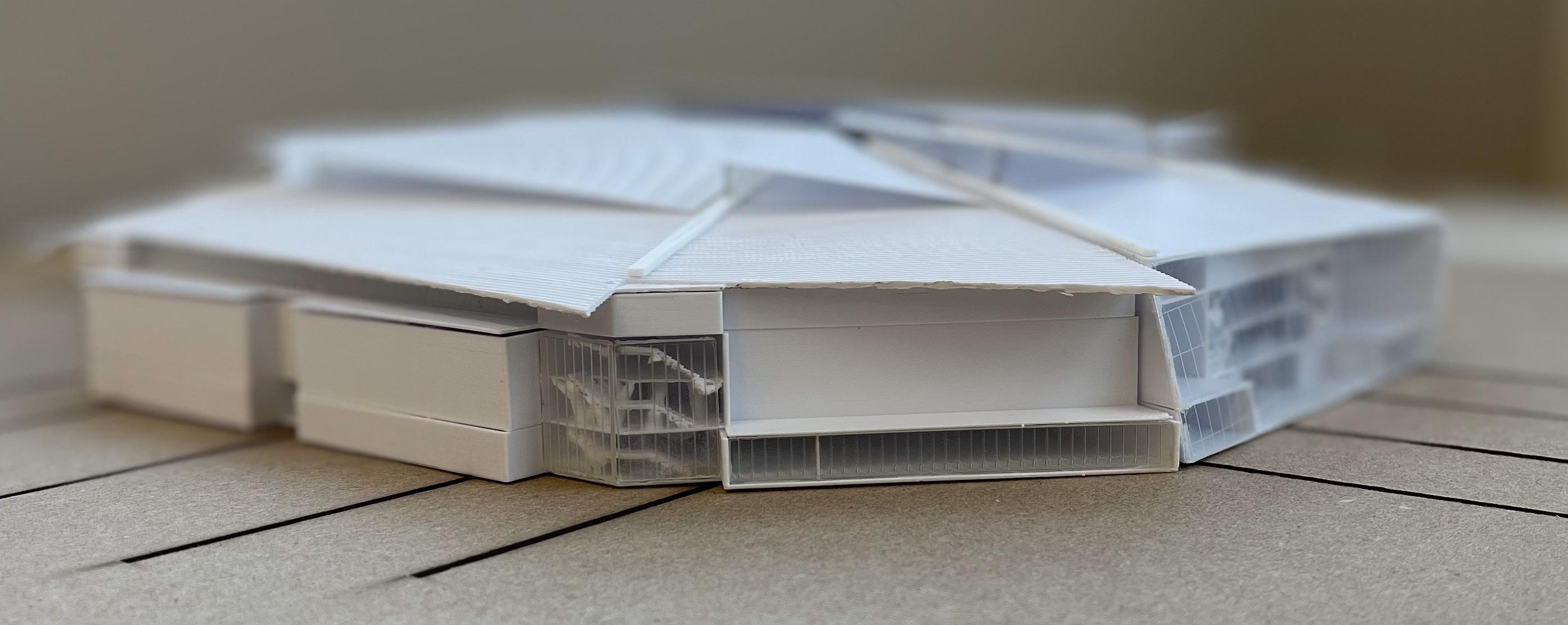
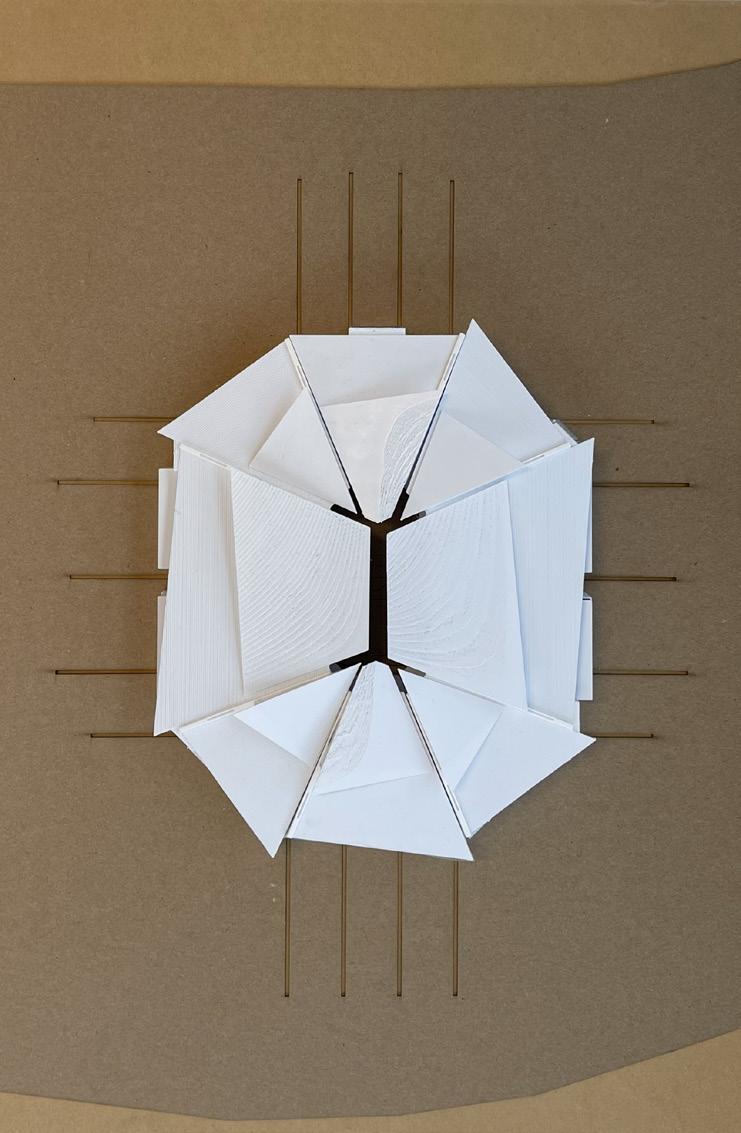
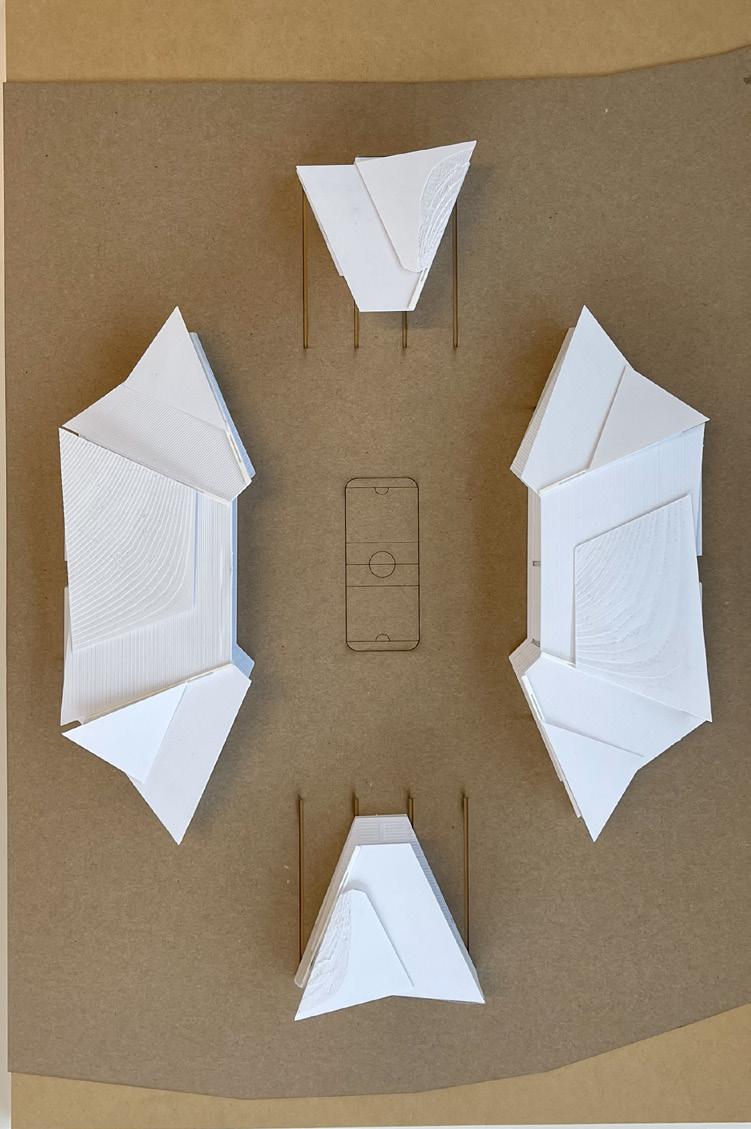
12: Model & Render
Page 13-16: Chambre d’ Esperance
13: Introduction
14: Plan & Section
15: Elevations & Site Plan
16: Models & Render
Page 17-20: Downtown Revitalization
17: Introduction
18: Industrial Relief
19: Serpentine Overhang
20: Maple Street Terraces
Page 21-24: Designing Movement
21: Introduction
22: Motion Model Drawings
23: Motion Model & Cube
24: Cube Drawings
Page 25-28: Sioux Falls City Library
25: Introduction
26: Section Detail (Top)
27: Plan, Section, Elevation
28: Section Detail (Bottom)
2
1
MATTHEW CHAPIN
Brookings, SD 57006 | (605) 691 - 6301 | matthew.chapin@jacks.sdstate.edu
EXPERIENCE
Service Technician, The Bug Guy May 2021 – August 2022
Brookings, SD
– Roles and Responsibilities:
o Providing pest control services to clients, answering their questions, and problem solving on the fly.
Seasonal Labor, Lakeview Court Apartments June 2020 – September 2020
Brookings, SD
– Roles and Responsibilities:
o Loading, transporting, delivering, and installing appliances.
o Providing excellent customer service, answering questions, and handling complaints from clients.
o Managing the landscaping and mowing the grass.
Seasonal Worker, Brookings Municipal Utilities May 2018 – May 2020
Brookings, SD
– Roles and Responsibilities:
o Perform various manual labor tasks, and correctly following instructions and work orders.
EDUCATION
South Dakota State University – Brookings, SD – Bachelor’s of Fine Arts
– Major: Architecture
– GPA: 3.394
– Relevant Coursework: Building Studios, Research Studios, Building History, Shop Classes, Construction Methods and Materials, Physics, Informatics, Ceramics, Geography, and various other art, language, and math courses.
South Dakota State University – Brookings, SD – Master’s of Architecture
– GPA: 3.938
– Relevant Coursework: Writing Architecture, Reading Architecture, Urban History, Technology of Systems, Comprehensive Studio, Independent Studio, and Professional Practice.
E XTRACURICULAR
South Dakota State University – AIAS SD Recruitment and Fundraising Chair
– Organize and execute fundraising campaigns for the SDSU Chapter of AIAS.
– Work with other students in the program to organize events, tutorials, and other learning experiences.
T ECHNICAL SKILLS
– Rhino, Adobe Creative Suite, ArcGIS, Revit, Climate Studio, Hand Drawing, Animations, Lumion, Enscape, Microsoft Office
4 3
Agricultural Elevation:














An Addition for the Ag. Heritage Museum
ARCH 650 - Comprehensive Studio




Professor: Sean Ervin

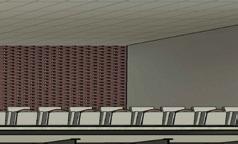
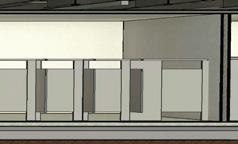
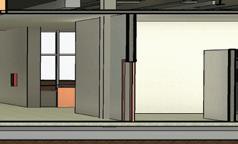
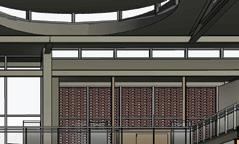
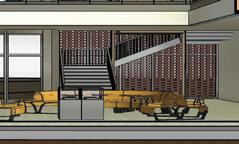
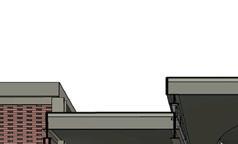
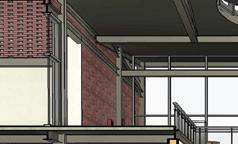
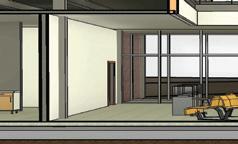
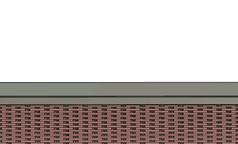
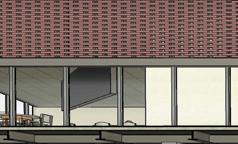
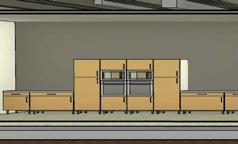
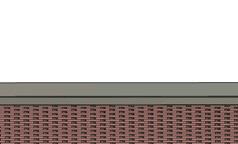
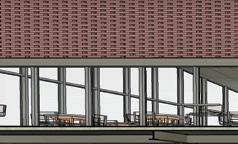
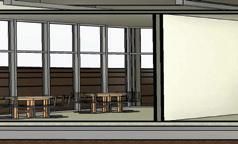
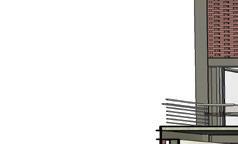
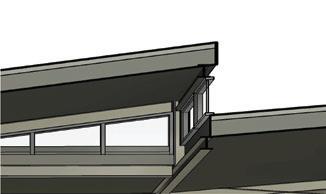
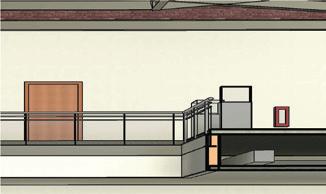
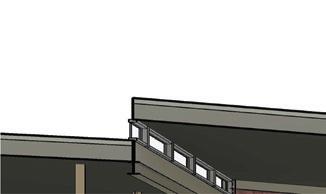
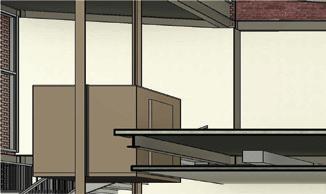
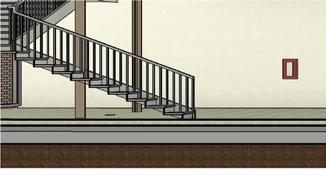
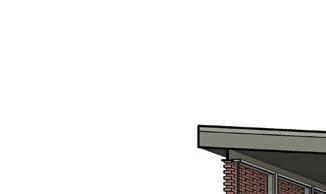
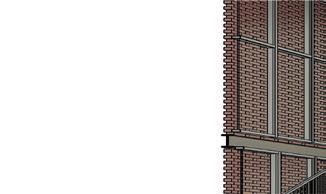
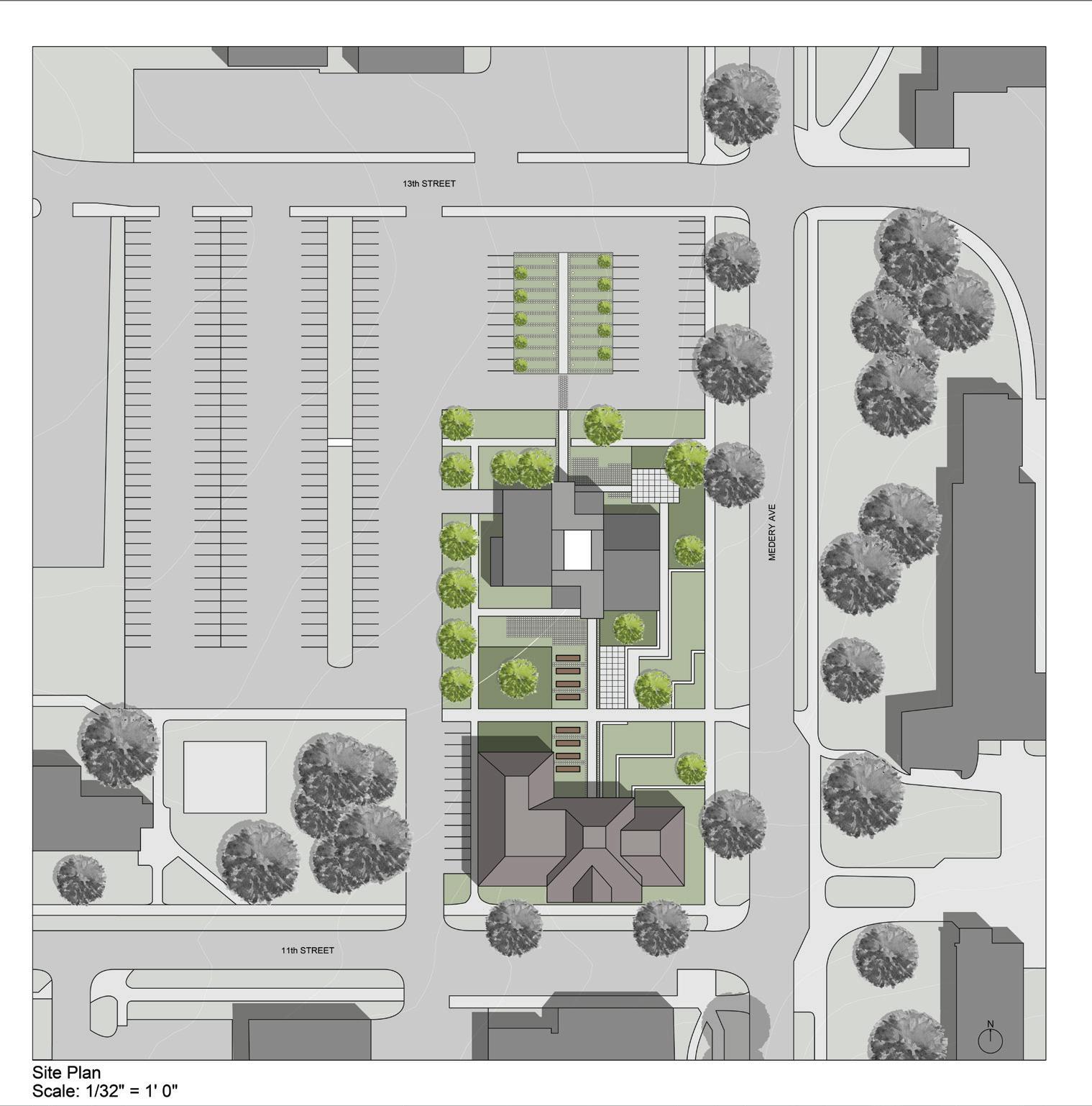
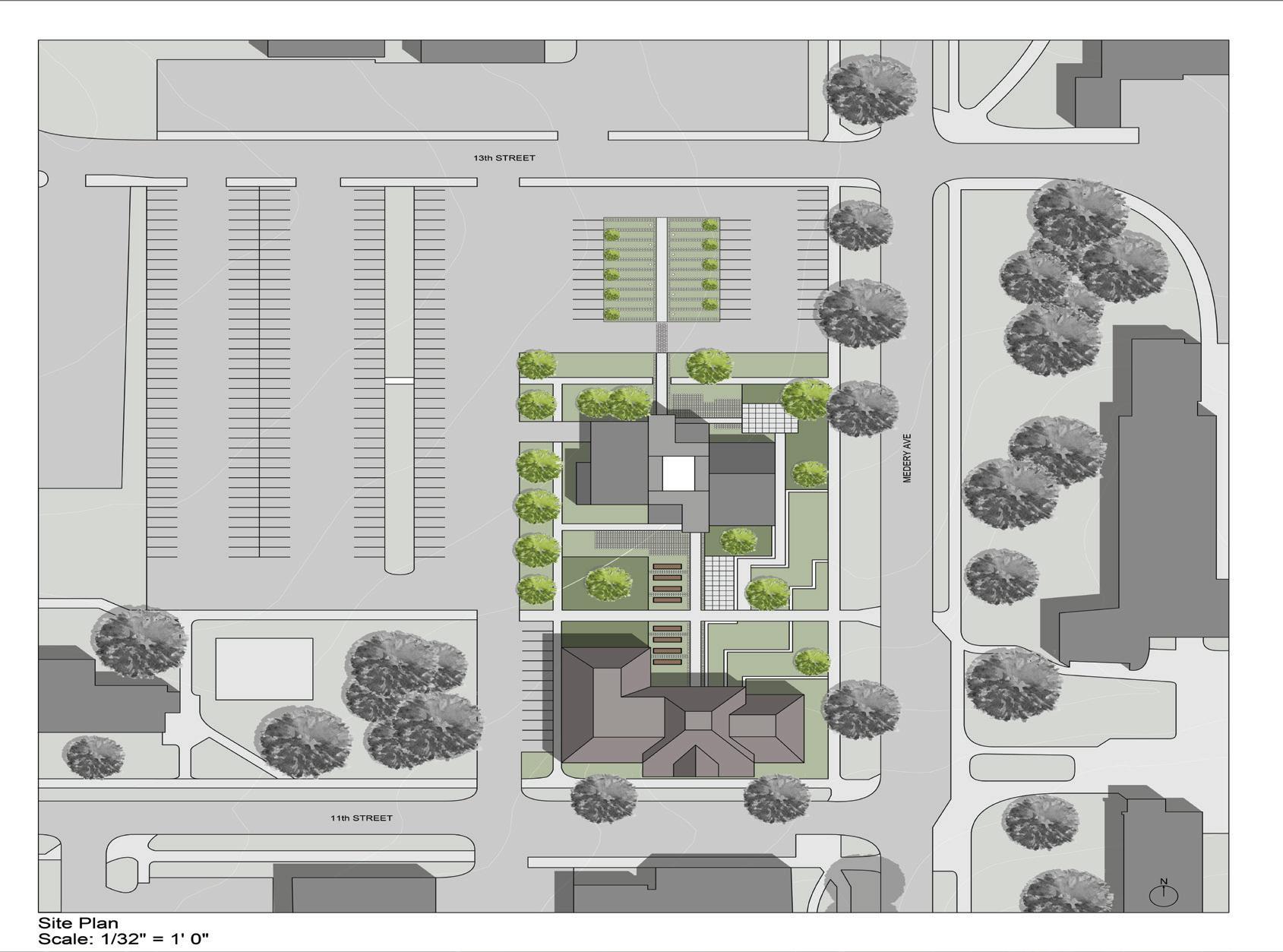
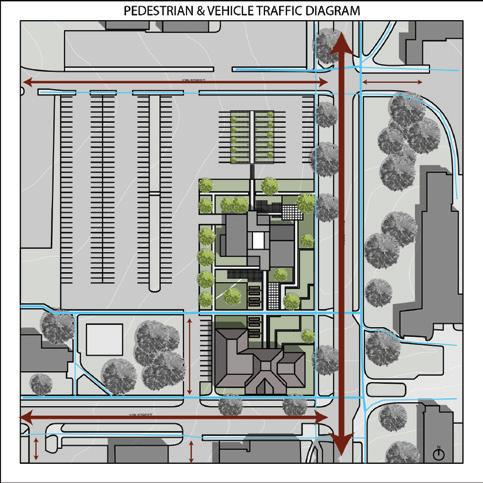
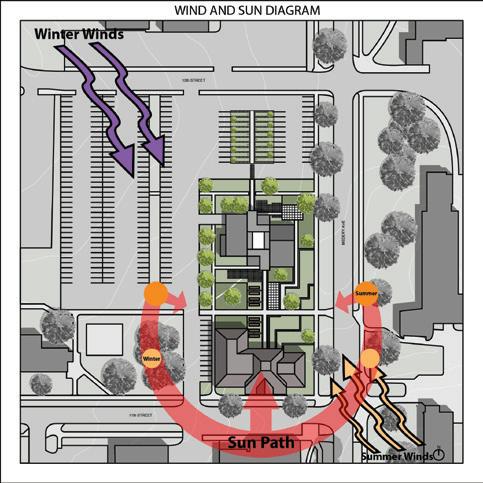
In this project, I was tasked with implementing systems and reevaluating an old project we had worked on in the previous studio. The research and information gathered on building systems as well as my greater understanding of the site and context informed me of the changes that were made from the previously completed project. In totality, the project looks nothing like it did before, many of the spatial arrangements are similar however the addition’s location on the site, the overall form, and the materials used changed dramatically.


Addition to the Ag. Heritage Museum
Addition to the Ag. Heritage Museum
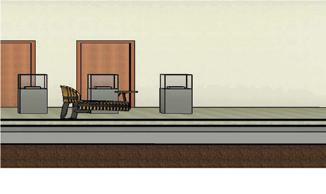
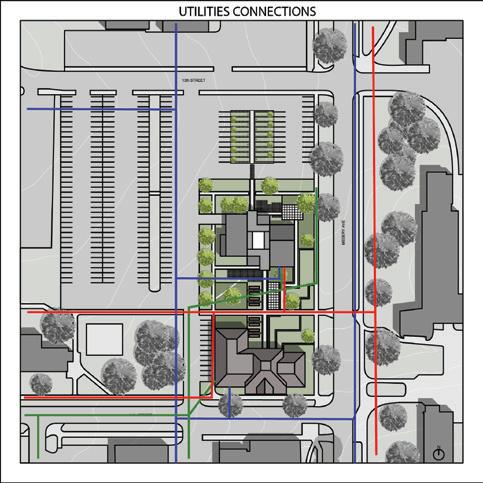
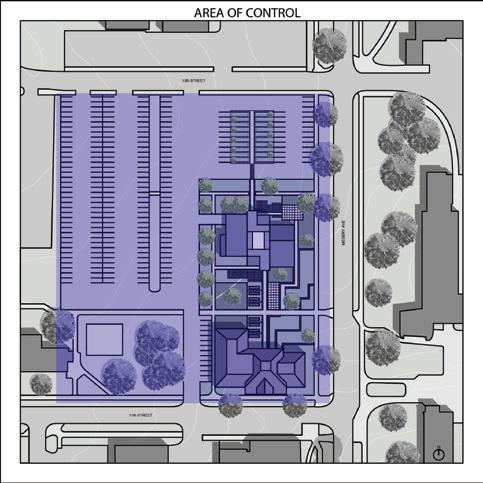
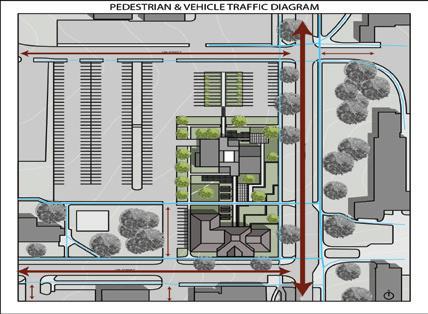
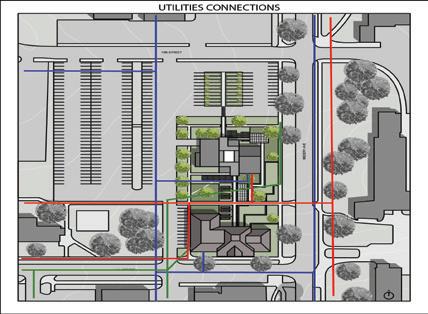
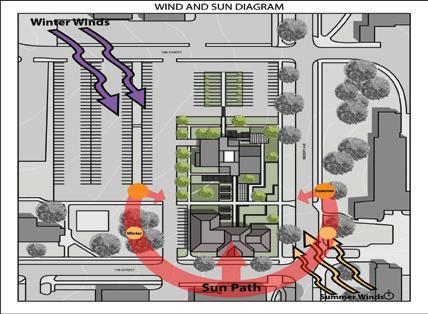
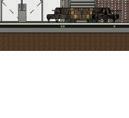
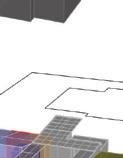
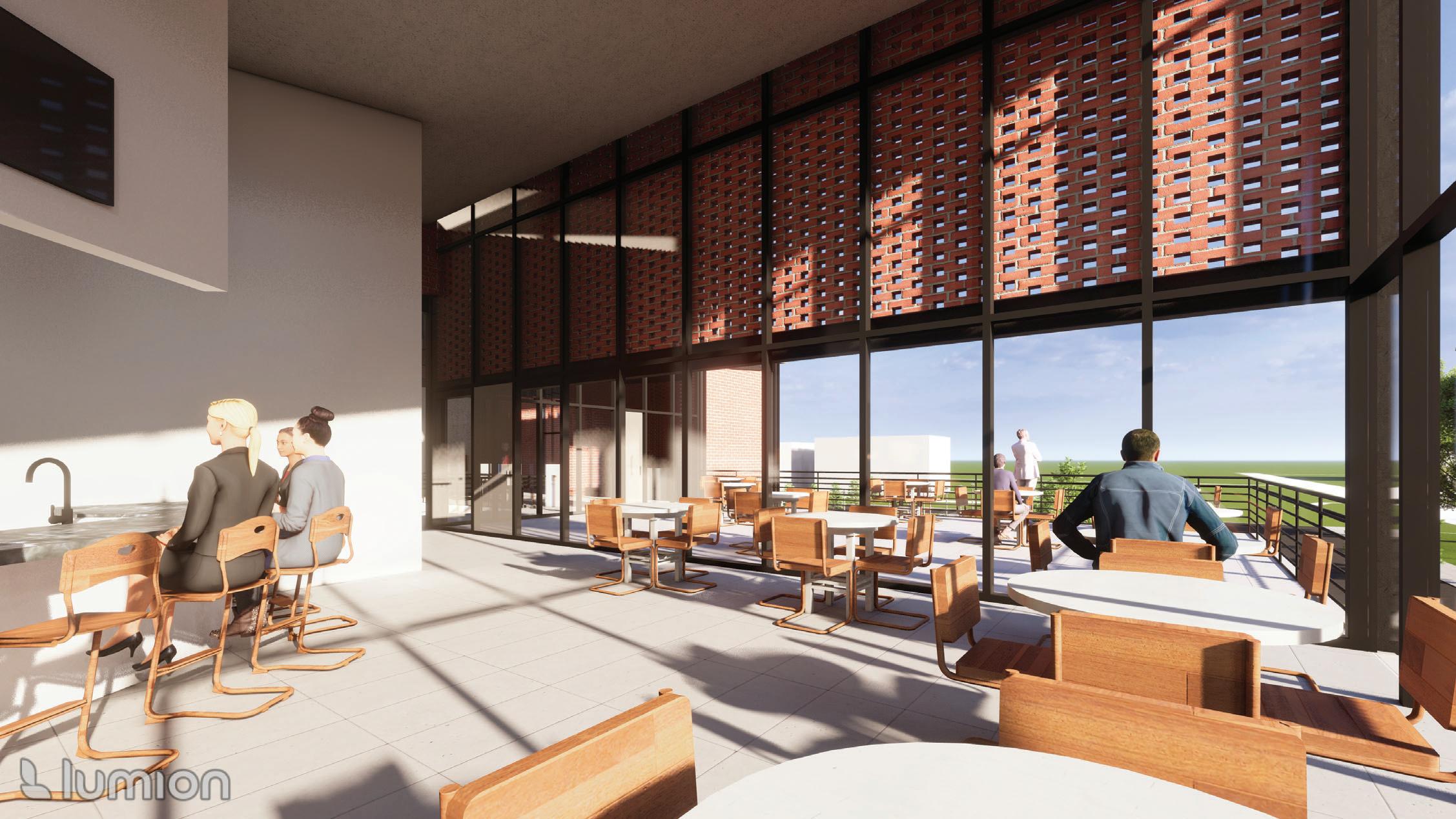
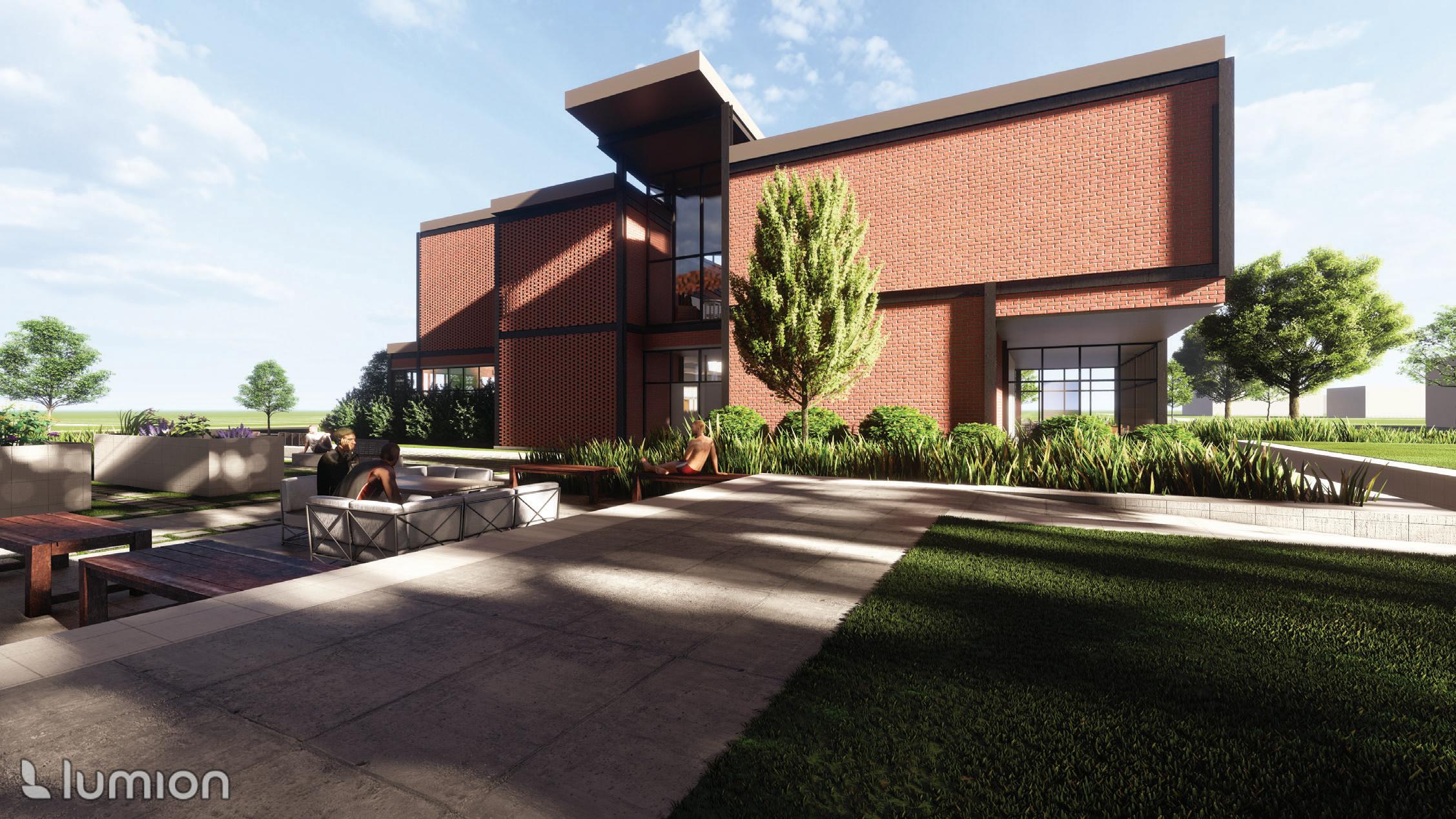
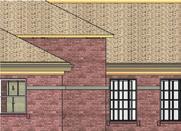
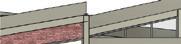
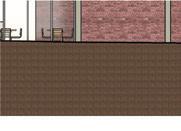
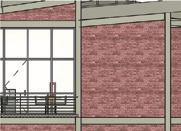
The entry to the new museum is a large continuation of the gallery space drawing a connection to the existing program. There is a prominent inviting entry on two sides, one from the existing museum (on the South) and one from the parking lot (North). The new building is separated from the existing museum allowing for more sunlight and minimizing the shadow effect that is cast from the existing structure. Circulation of the new museum continues the path started in the existing gallery (Gallery to Gallery). There is a main axis running through the main entry of the existing building to the entry of the new museum. The existing museum will lose the slaughter room and children’s area in order to create a new ramping space made of glass and steel in order to create a visual connection to the new museum when entering the old. The new addition is comprised of an exposed steel structure and brick to draw some similarity to the existing but still distinguish itself as new and different. The East elevation is mainly comprised of glass to allow views out toward campus and draw attention from the main street (Medary Ave). Consumer spaces like the Café and gift shop are located on entry level. Educational spaces such as the demonstration kitchen and auditorium are located on the upper floor. Existing pedestrian paths are not impeded or changed to allow travel to continue as it was. Form, Geometry, and Proportion/scale is complimentary to the “old” building (specifically addressing the east side where most pedestrian and vehicular traffic would view). Roof shape draws some connection to the old roof system without trying to replicate it.
Addition to the Ag. Heritage Museum
Section 02 Perspective Perspective Section 01 96’ Site Plan Addition to the Ag. Heritage Museum Section 02 Perspective Perspective Section 01 96’ Site Plan
32’ 96’ 192’ Site Plan
32’ 96’ 192’ Site Plan
Perspective Section 01 32’ 96’ 192’ Site Plan 6 5
Addition to the Ag. Heritage Museum
Code, Spaces, and Occupancy

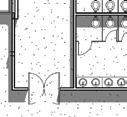
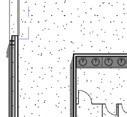
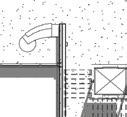
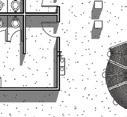
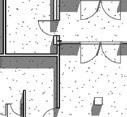
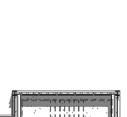
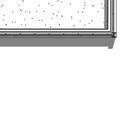
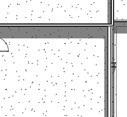
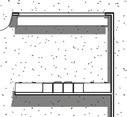
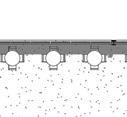
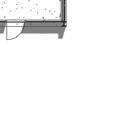
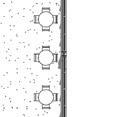
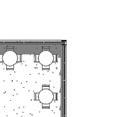


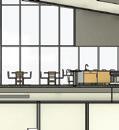

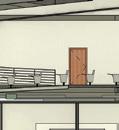
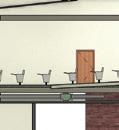
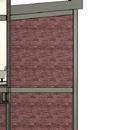


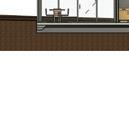
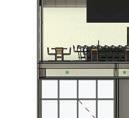

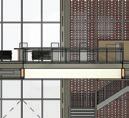
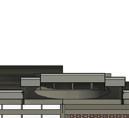
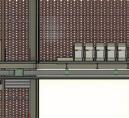
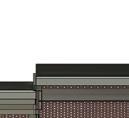
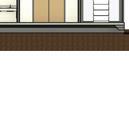
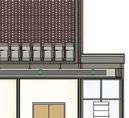







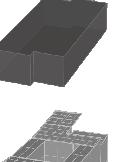
























































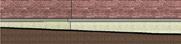
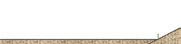

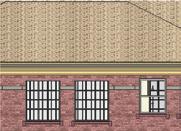
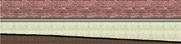


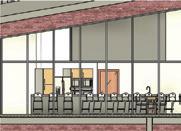
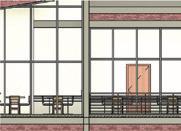



DN DN Parti Level 02 - Upper Floor Plan Level 01 - Existing Ag. Museum Level 01 - Main Floor Plan S. 01 S. 02 S. 02 S. 04 S. 04 S. 01 Section 03 East Elevation Section 01 1/16” = 1’0” 1/16” = 1’0” 1/16” = 1’0” 1/16” = 1’0” 1/16” = 1’0” traffic would view). Roof shape draws some connection to the old roof system without trying to replicate it. Addition to the Ag. Heritage Museum Roof & Ceiling Glass Curtain Walls Masonry and Interior Walls Steel Structure Floors and Circulation Set-Backs North: 55.5 ft East: 62.5 ft West: 34 ft Height Restriction Maximum Allowed 45 feet Actual - 38 feet 07.06. 02. 03. 04. 05. 10. 09. 08. 01. North - Parking East-MedaryAve WestParking Code, Spaces, and Occupancy Detail Drawings Masonry and Interior Walls Steel Structure Floors and Circulation Set-Backs: North: 55.5 ft East: 62.5 ft West: 34 ft Height Restriction Maximum Allowed - 45 feet Actual - 38 feet 07.06. 02. 03. 04. 05. 11. 10. 09. 08. 01. North - Parking East-MedaryAve WestParking
8 7 DN Upper Floor Plan Existing Ag. Museum Main Floor Plan S. 01 S. 03 S. 02 S. 04 Section 03 Section 04 Section 01 1/16” = 1’0” 1/16” = 1’0” 1/16” = 1’0” 1/16” = 1’0” 1/16” = 1’0” 1/16” = 1’0” 1/16” = 1’0”
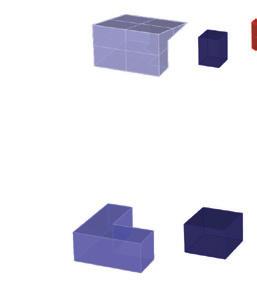
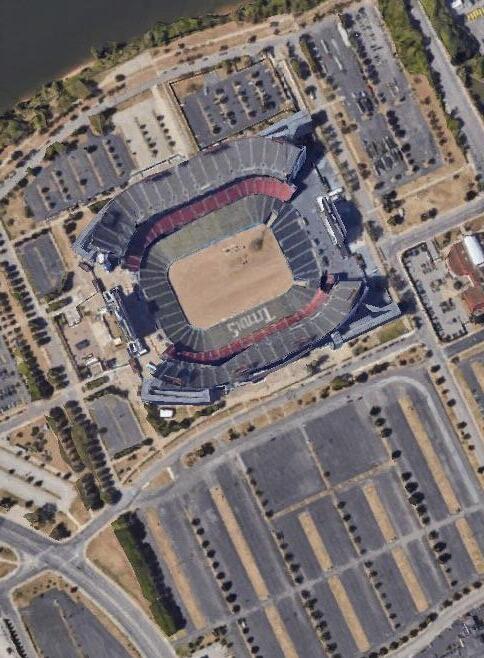
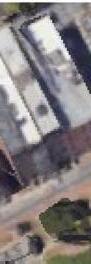
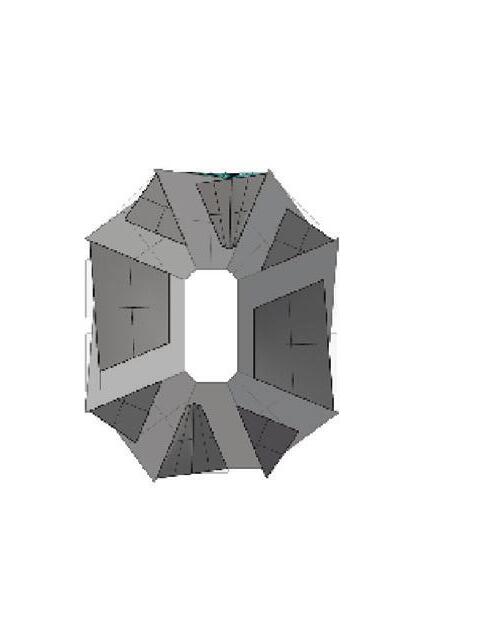
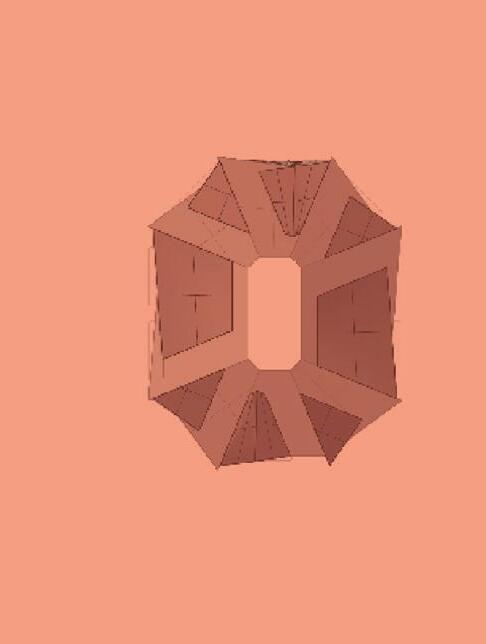
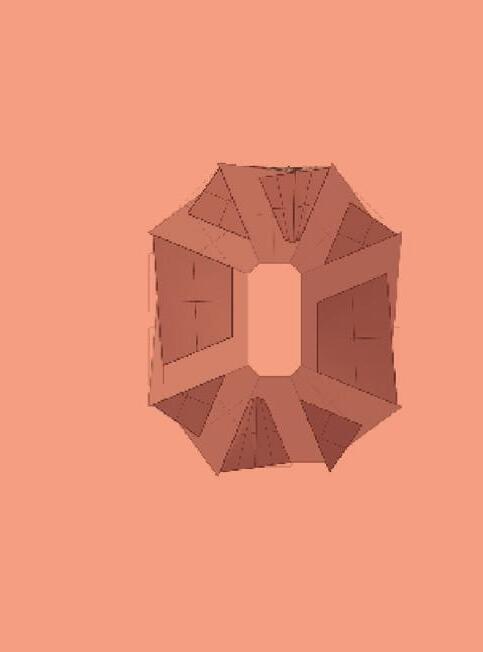
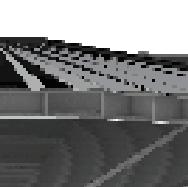
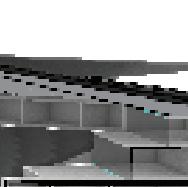
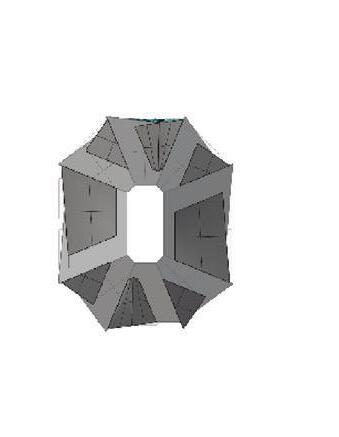
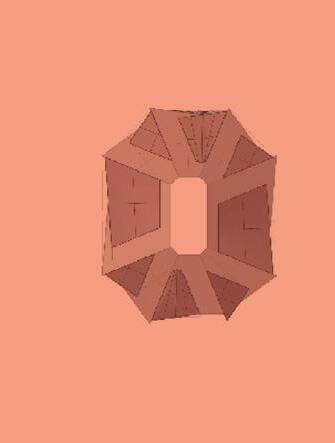
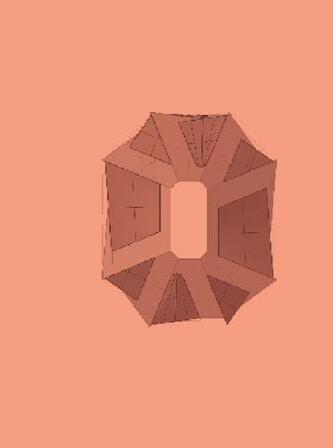
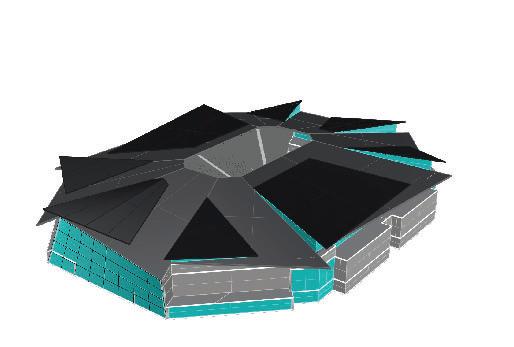
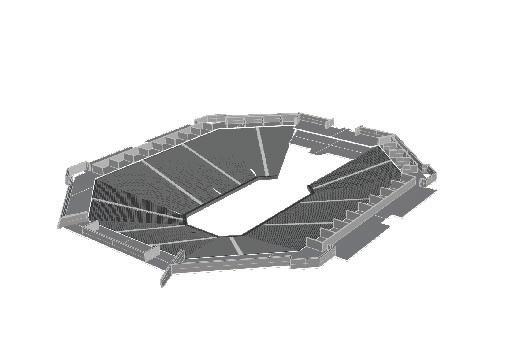
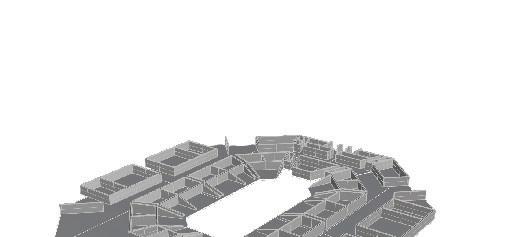
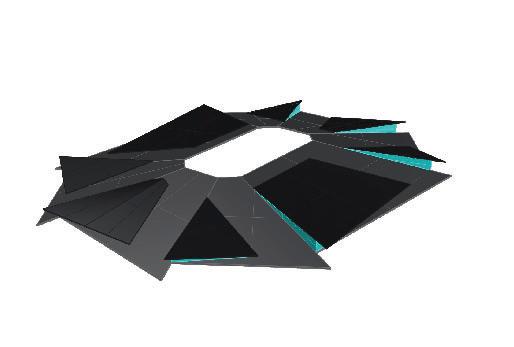
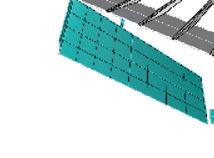
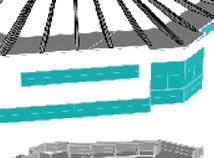
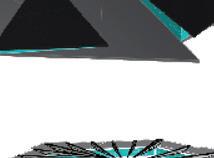
The Stadium is created from four separate “wedges” that move along a rail system, similar to how State farm stadium moves its field or the way that the Shed in NYC is expanded. This allows the Stadium to expand or contract to whatever size needed by the event. One of the two smaller wedges (purple) is used for athlete entry, workout, and locker facilities, as well as offices and mechanical needs. The other smaller wedge is the main entry for the public and connects to its downtown context (Nashville) with a large curving class curtainwall. This curve is meant to resemble the river it is located next to and connects it to its urban cityscape across the water drawing pedestrians from the popular downtown to the new developments across the river. The roof takes inspiration from Mercedes Benz Stadium in Atlanta, by using a complex shape that connects to enclose the roof, yet still letting in daylight to the main playing space. This moving structure allows a stadium to accommodate nearly every sport from the largest spatial needs of track and field to the smallest needs of tennis and volleyball, making it much more useful to a city than most of the stadiums we see today which only allow for three to four programs.
PLAN LEVEL 03Adaptable Stadium A Multi-Sport Facility Matthew Chapin Summer 2023 Independent Studio Sean Ervin S.02 S.02
PLAN LEVEL 01 - 1/64” S.01 S.01 S.02 S.02
PLAN LEVEL 02 - 1/64” S.01 S.01
1/64” S.01 S.01
Roof Closed
Seating Plan
Roof OpenS.02 S.02 10 9
= 1’0”
= 1’0”
= 1’0”
1/64” = 1’0”
- 1/64” = 1’0”
In this studio I was open to research and create something based on my interests. My main interest at the time was sports facilities, specifically stadiums. I wanted to focus my attention on how these facilities could use the implementation of kinetic (moving) parts in order to facilitate their use for all sports and uses, not just one specific one. I wanted to apply this movement at multiple scales, from the removability of playing surfaces like field turf, to kinetic roof features allowing the building to be open air or enclosed. This would allow for the stadium to be more useful throughout its lifespan, rather than being vacant for much of the time. - 1/64” = 1’0”
Adaptable Stadium:
ARCH 653 - Independent Studio
Professor: Sean Ervin
A Multi-Sport Facility
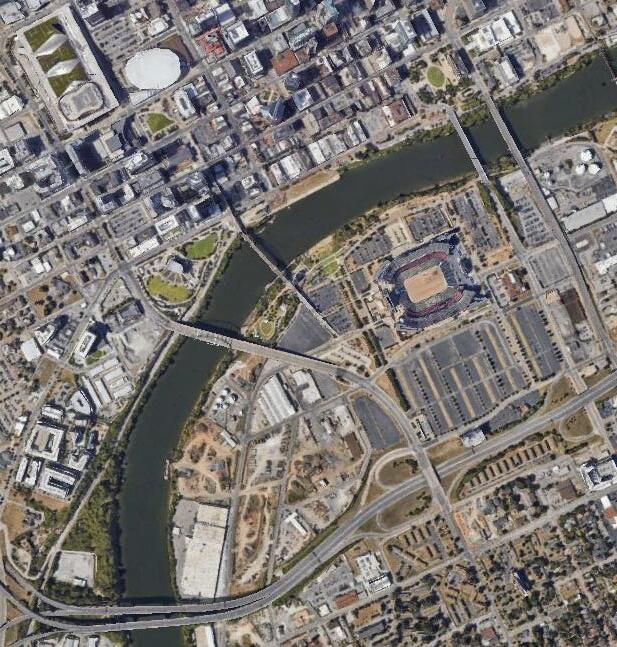








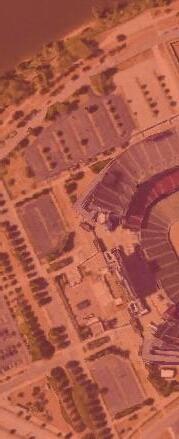


















N N Level 03: Floor 66,400 sq. ft. Walls: 35,700 sq. ft. Total = 16m lbs. Level 02: Floor 157,000 sq. ft. Walls: 107,000 sq. ft. Total = 39.5m lbs. Level 01: Floor 203,700 sq. ft. Walls: 156,000 sq. ft. Total = 52.5m lbs. Total Weight: 64,000 tons 128,000,000 lbs. Roof: 192,000 sq. ft Total = 20m lbs. Roof Load: 80lbs psf DL 25lbs psf LL Wall Load: 75lbs psf DL Floor Load: 100lbs psf DL 100 lbs psf LL EntryPlaza New Pedestrian Bridge Tailgating Area CommercialDevelopment Tailgating Area Parking Garage Staff/Athlete Parking Section 01 Exploded Axonimetric Weight Diagram Section 02 Site Analysis Adaptable Stadium A Multi-Sport Facility Matthew Chapin Summer 2023 Independent Studio Sean Ervin N Level 03: Floor 66,400 sq. ft. Walls: 35,700 sq. ft. Total = 16m lbs. Level 02: Floor 157,000 sq. ft. Walls: 107,000 sq. ft. Total = 39.5m lbs. Level 01: Floor 203,700 sq. ft. Walls: 156,000 sq. ft. Total = 52.5m lbs. Total Weight: 64,000 tons 128,000,000 lbs. Roof: 192,000 sq. ft Total = 20m lbs. Roof Load: 80lbs psf DL 25lbs psf LL Wall Load: 75lbs psf DL Floor Load: 100lbs psf DL 100 lbs psf LL Tailgating Area Parking Garage Staff/Athlete Parking Exploded Axonimetric Weight Diagram Site Analysis Stadium A Multi-Sport Facility Chapin Summer 2023 Studio Sean Ervin PLAN LEVEL 03 1/64” = 1’0” PLAN LEVEL 02 1/64” = 1’0” PLAN LEVEL 01 1/64” = 1’0” Roof Open - 1/64” = 1’0” Roof Closed 1/64” = 1’0” Seating Plan 1/64” = 1’0” Track Configuration Football/Soccer Configuration Hockey/Basketball Configuration Adaptable Stadium A Multi-Sport Facility Matthew Chapin Summer 2023 Independent Studio Sean Ervin S.02 S.02 S.01 S.01 S.02 S.02 S.02 S.02 12 11
Chambre d’ Esperance:







An All-Faith Meditation Space
ARCH
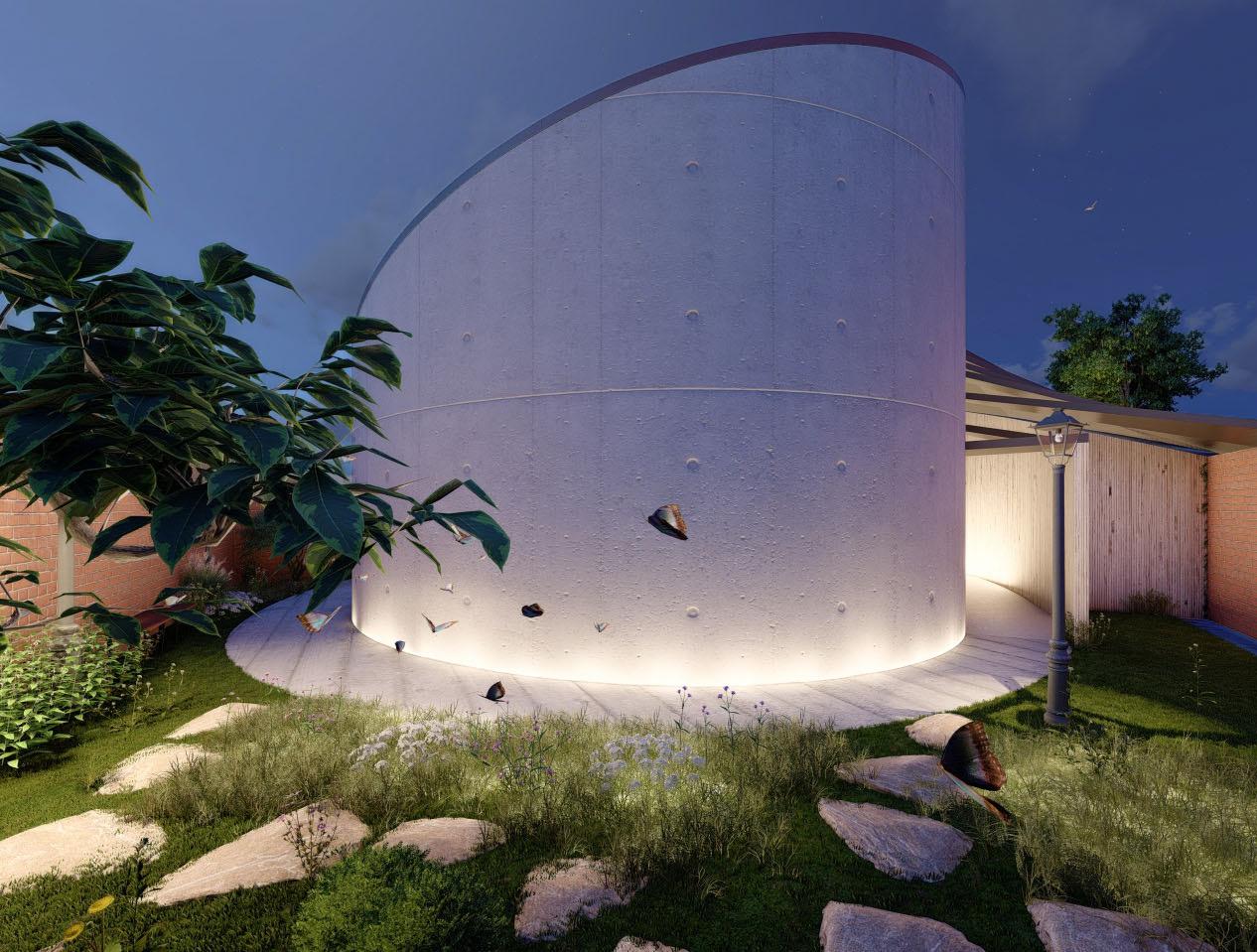
In this studio we were researching the sacred and the profane. Sacred meaning something that inspires and creates an “awe” effect and profane meaning everything else like mundane tasks and everyday struggles. The class mainly focused on the different uses of light in spiritual spaces. In this research I used MidJourney AI as well as case studies from numerous different religious and meditation spaces throughout the world to develop my ideas for what is sacred, not in a religious sense, but in a spiritual and inspirational way. I worked with a partner (Marianne Robin) on this research and final design.
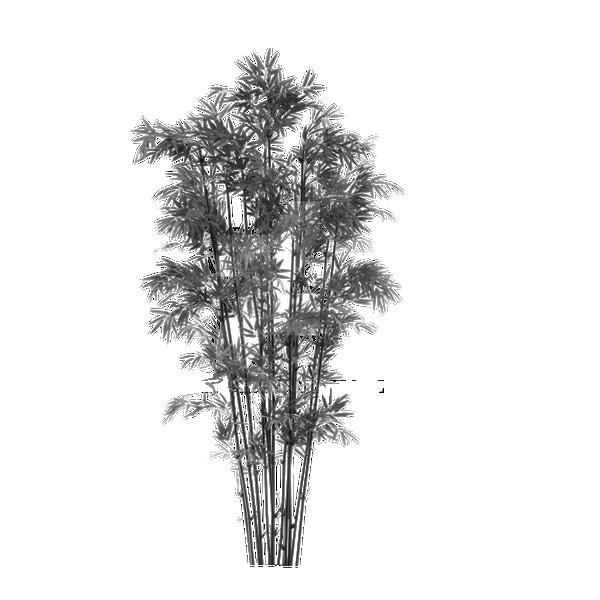
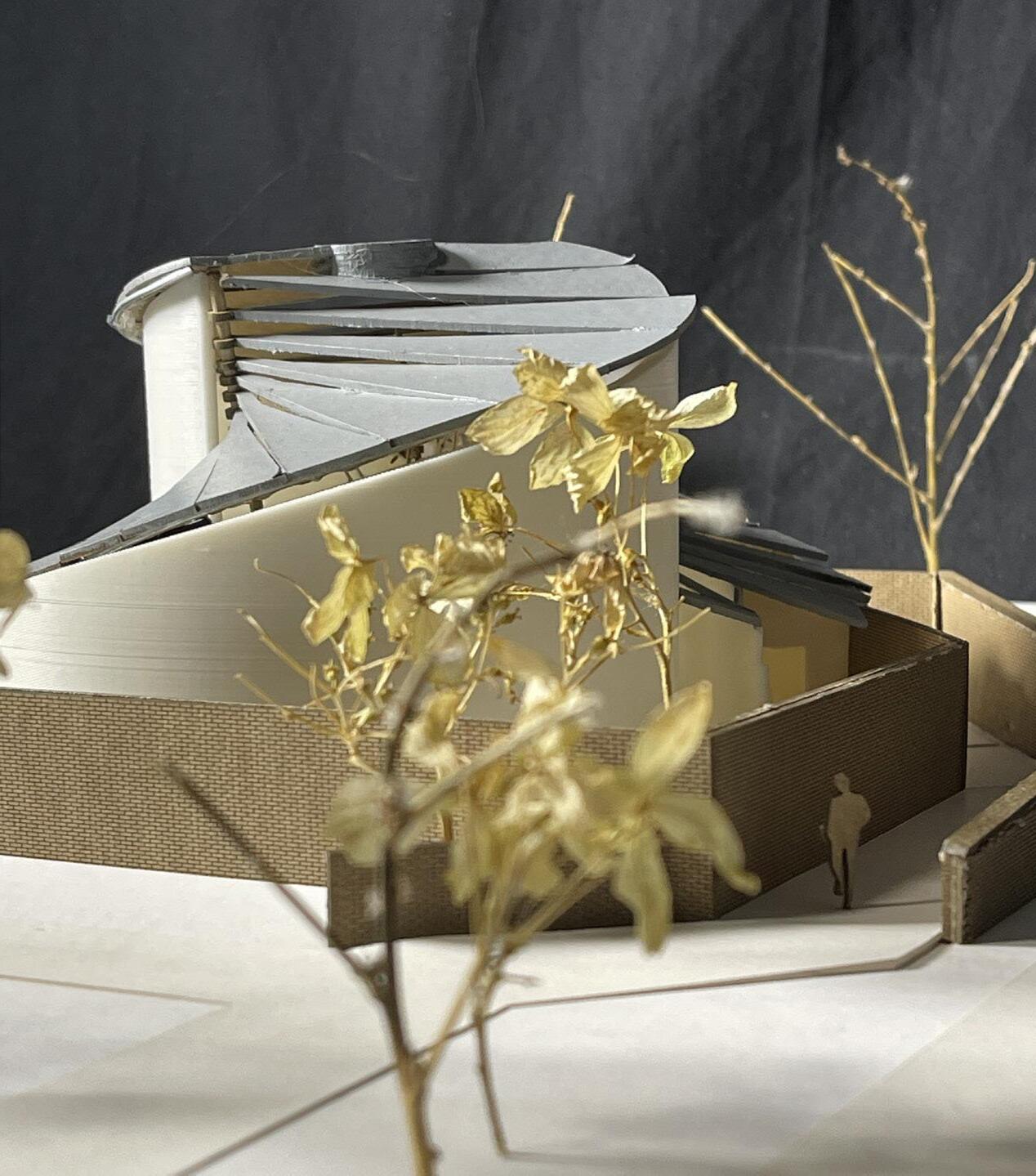
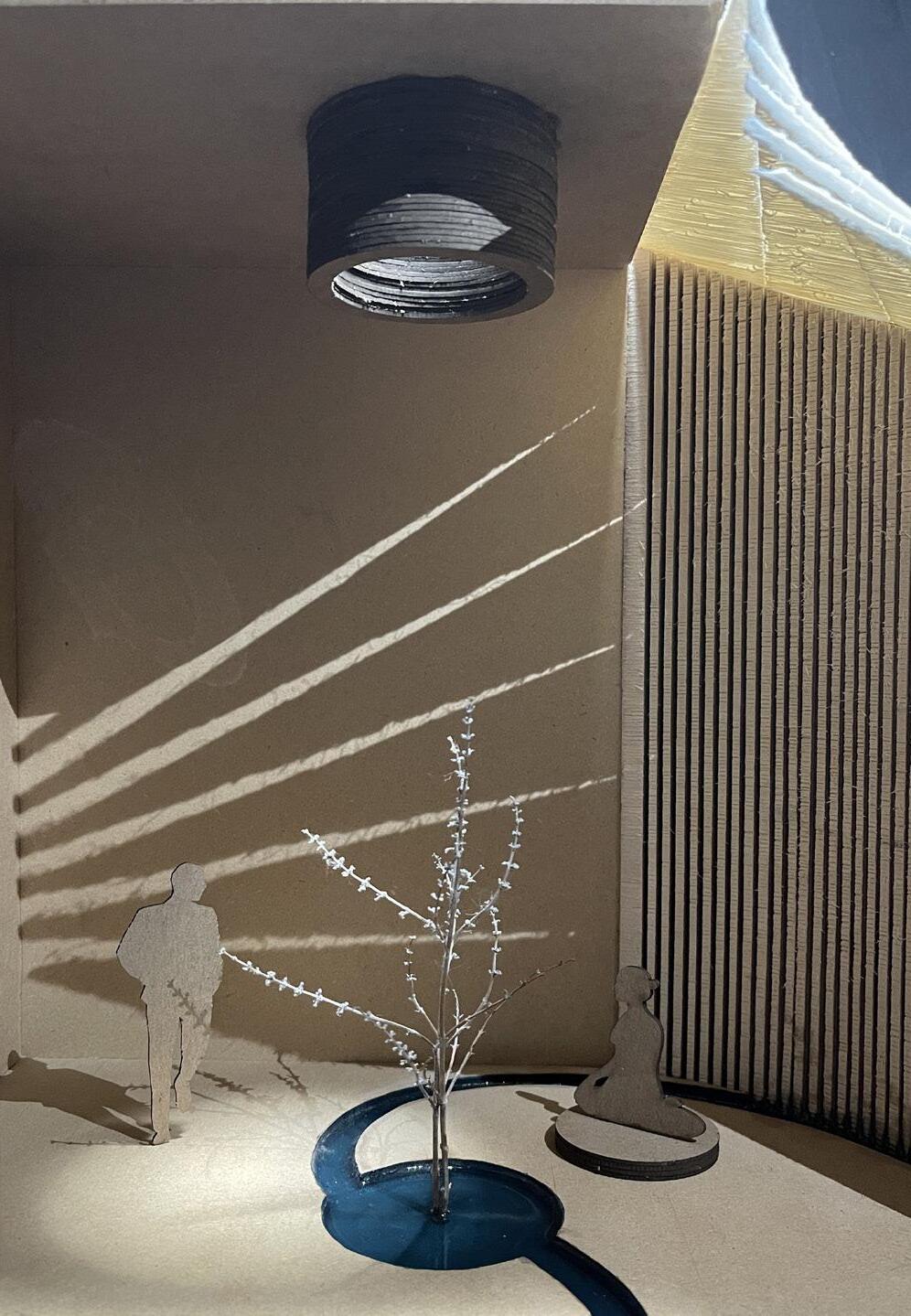
Brick walls separate the meditation space from the surrounding profane world. Inside the brick walls the meditator descends into the rectilinear exterior walls and curved interior walls that compress the pathway before it opens into an exterior courtyard filled with nature to invoke the feeling of peace and calming. The meditator then ascends into the interior space following the water from outside in. Inside the meditation space, nature dominates the space with two curved green walls and a central bamboo tree which sits directly below an oculus, drawing attention to the verticality of the space and connecting it to the sky. The finned roof offers dynamic lighting effects that change throughout the day. The natural and artificial light are used in tandem with nature in order to create filtered lighting effects that are prone to change with time. After meditation and contemplation are complete the elevated mind descends out to a less provoking exterior courtyard and path that realign them with the surrounding world. It only takes a small space to transcend reality.
S.01 S.02 S.02 E.02 E.01 ENTER EXIT S.01 Courtyard Garden Courtyard Garden Storage Mechanical Room Elevation 01 Elevation 02 Section 01 Section 02 Water Paths Lower Exterior Outdoor Space Upper Interior Space Seating 13 N S.01 S.02 S.02 E.02 E.01 ENTER Plan & Circulation EXIT S.01 Courtyard Garden Courtyard Garden Storage Mechanical Room N Movement Slow Fast Water Paths Lower Exterior Outdoor Space Upper Interior Space Seating 14
654
- Research Studio
Professor: Nesrine Mansour

Natural Light Diagram Arti cial Light Diagram Daylight Arti cial light 1/16” = 1’ 5th Avenue Site Elevation 15 16
Downtown Revitalization:
Enhancing Pedestrian Expirences in Watertown, SD
ARCH 351 - Modular Design Studio
Professor: Xu Fang
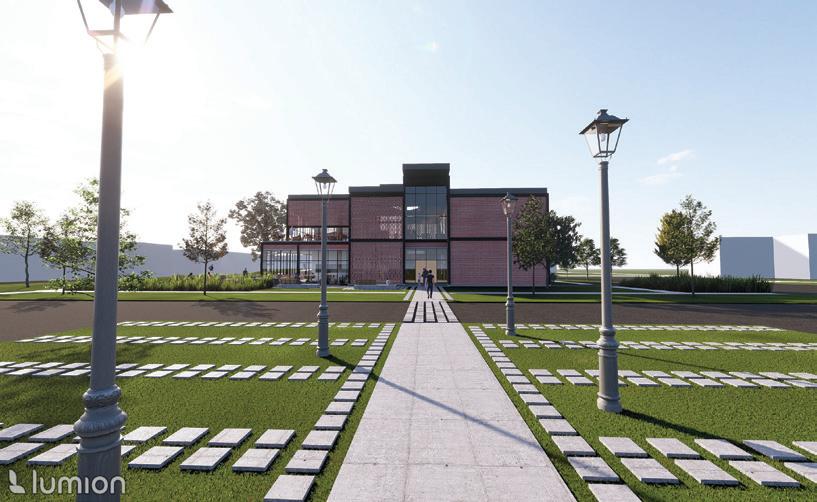
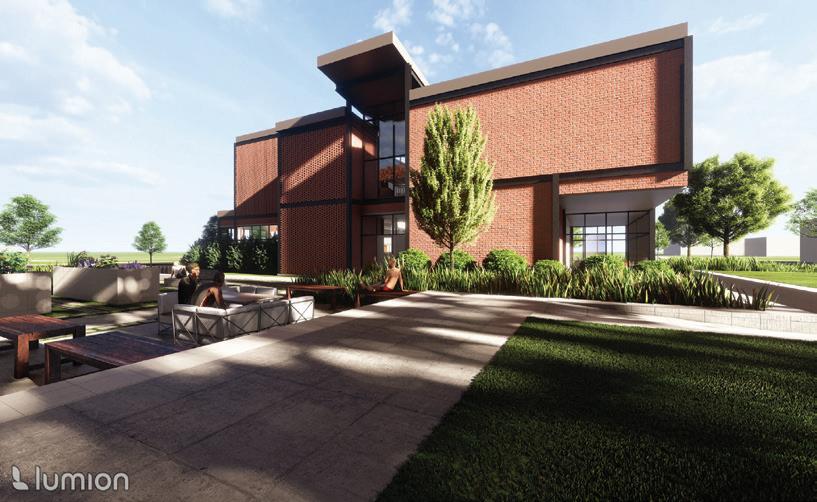
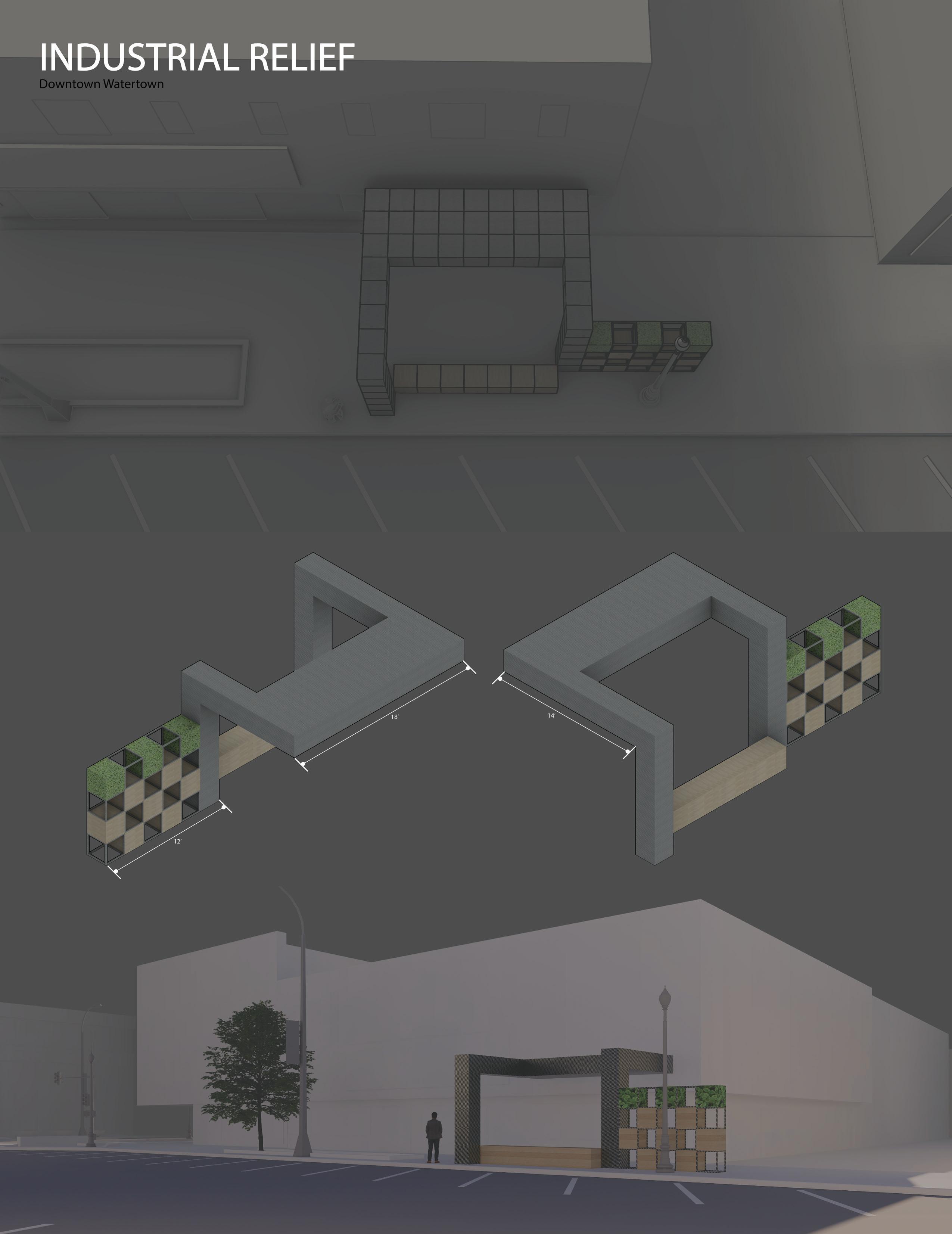
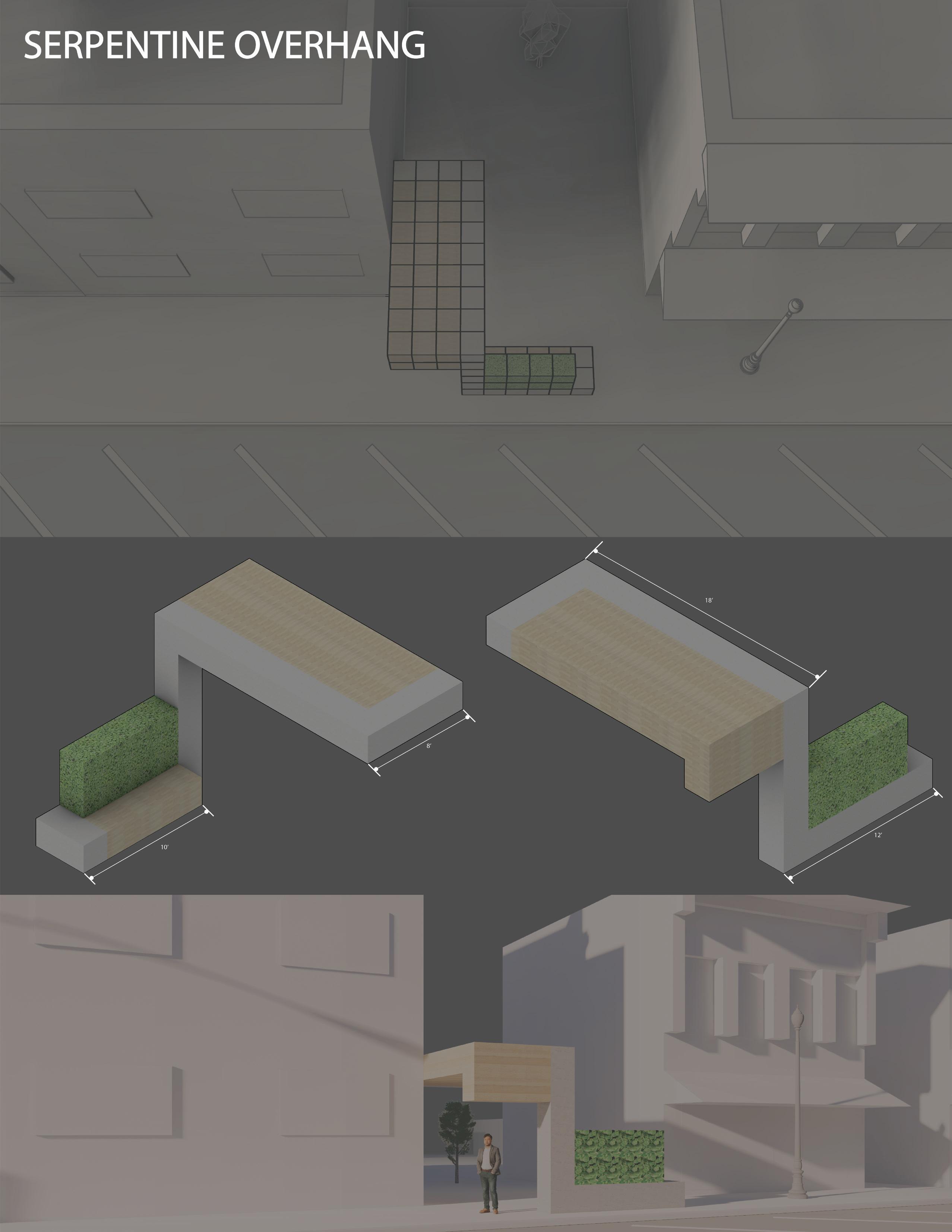
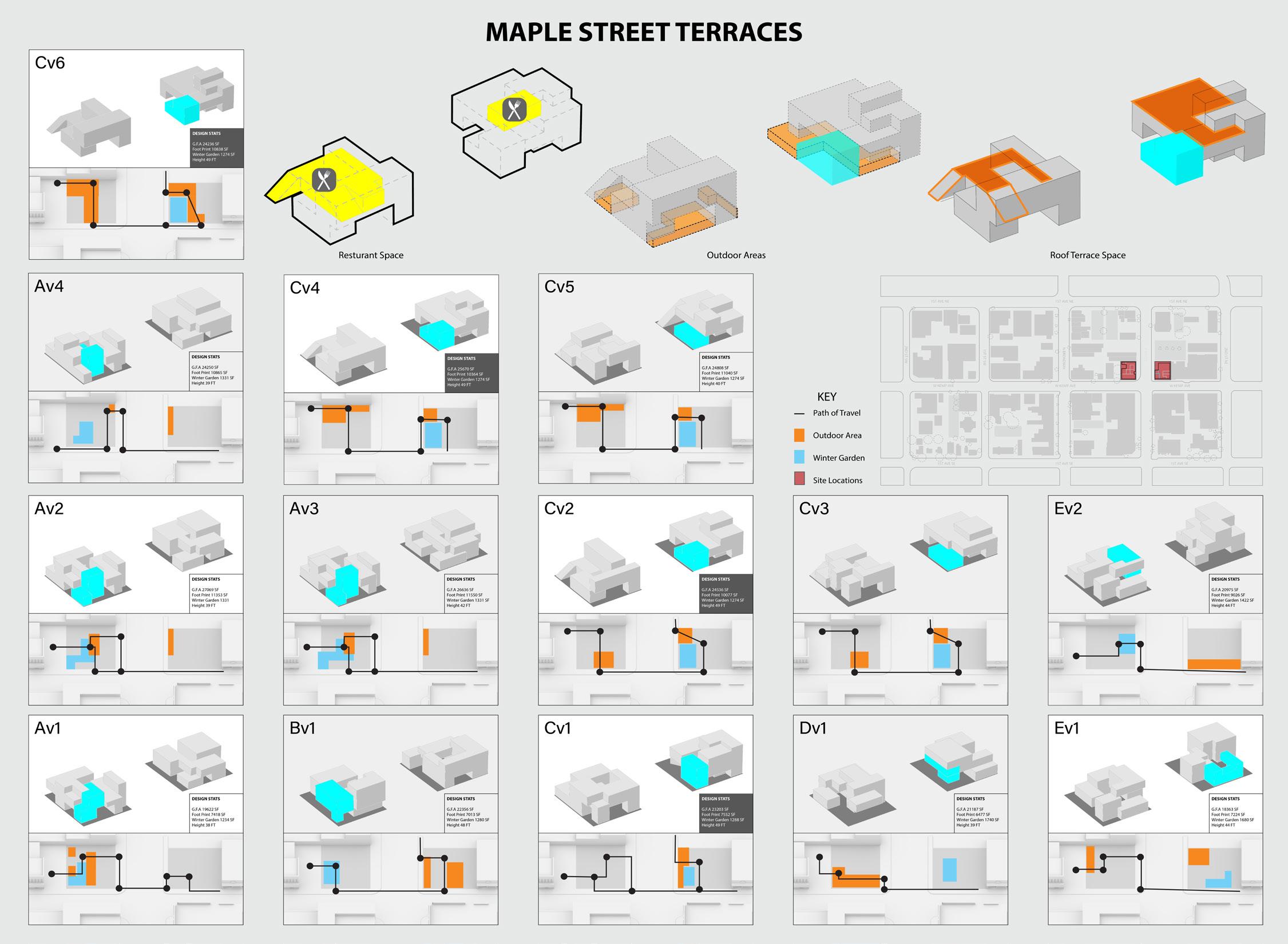
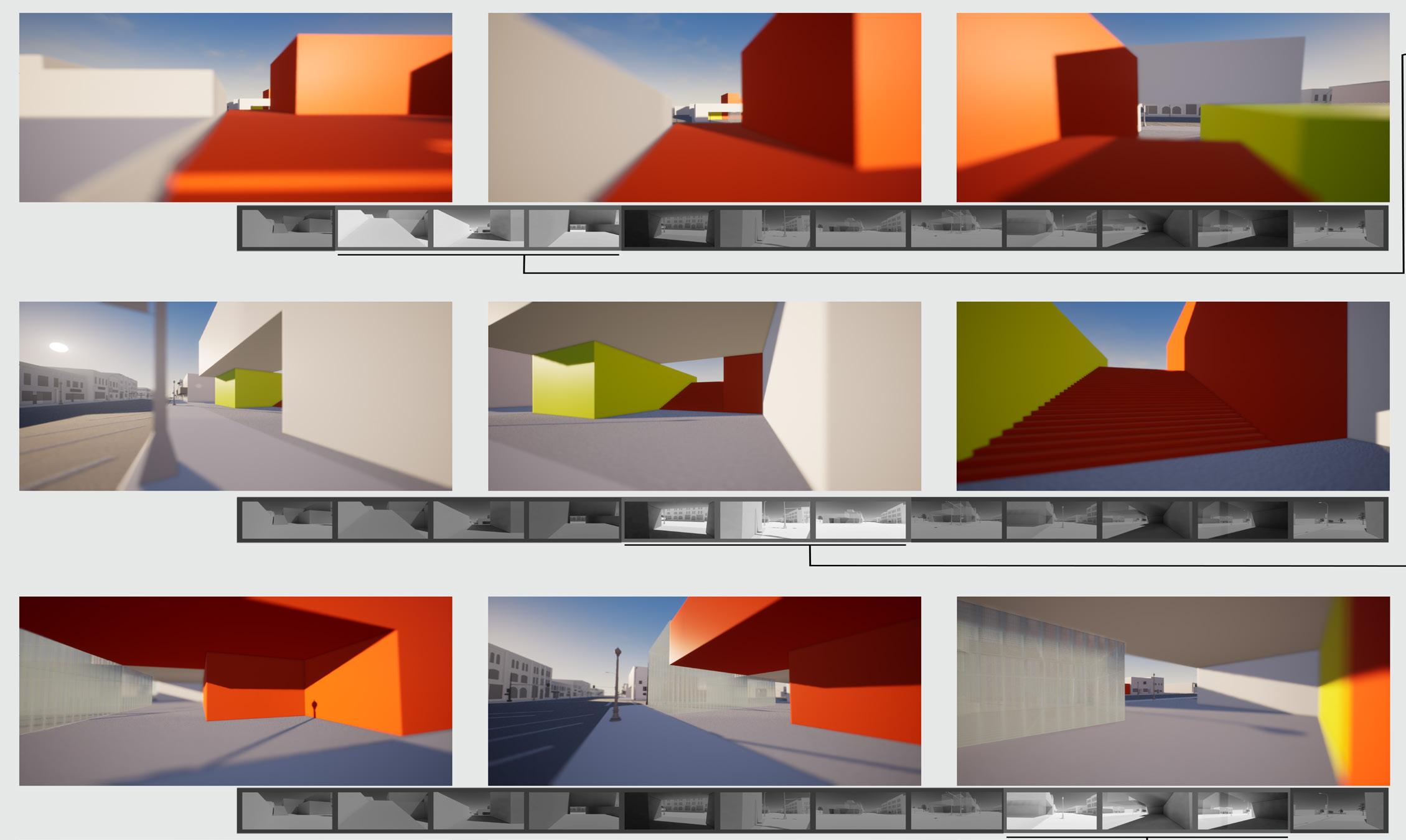
This studio was a two-part studio focused on revitalizing the downtown scene in Watertown, South Dakota. First, I did research based on visual principles that make a pedestrian’s experience in a place better. I then took this research to Downtown Watertown and implemented sculptural works that would enhance visual connections to downtown and allow places for pedestrians to sit and rest. The second part was using the same research to create a set of buildings that created the same visual connections that were studied before, just on a larger scale.
The goals for this project were to start to understand the complexities of what makes a downtown environment “good” and how they can be more walkable and appealing to the public. I discovered that buildings aren’t the only thing that matters. Much of what makes a downtown walkable and appealing can be done with sculptural instillations. Using a combination of dynamic sculptors that enhance and inform views to the downtown as well as buildings that speak the same language allows for pedestrians to feel safer, and connected to the city they are walking through. Through the use of rendering tools and site research I was able to develop installations and buildings that create a more interesting and dynamic relationship in downtown Watertown, not only enhancing the walkability of the city, but also relating the viewers experience to the landmarks and important historical features of the area.
17 18
19 20
Designing Movement:
A Symbiotic Relationship of Space and Human Form
ARCH 251 - Cube Studio
Professor: Brian Lee
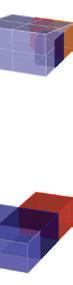
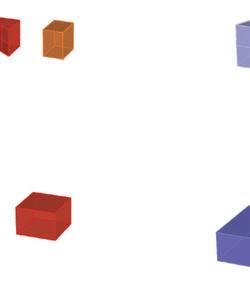
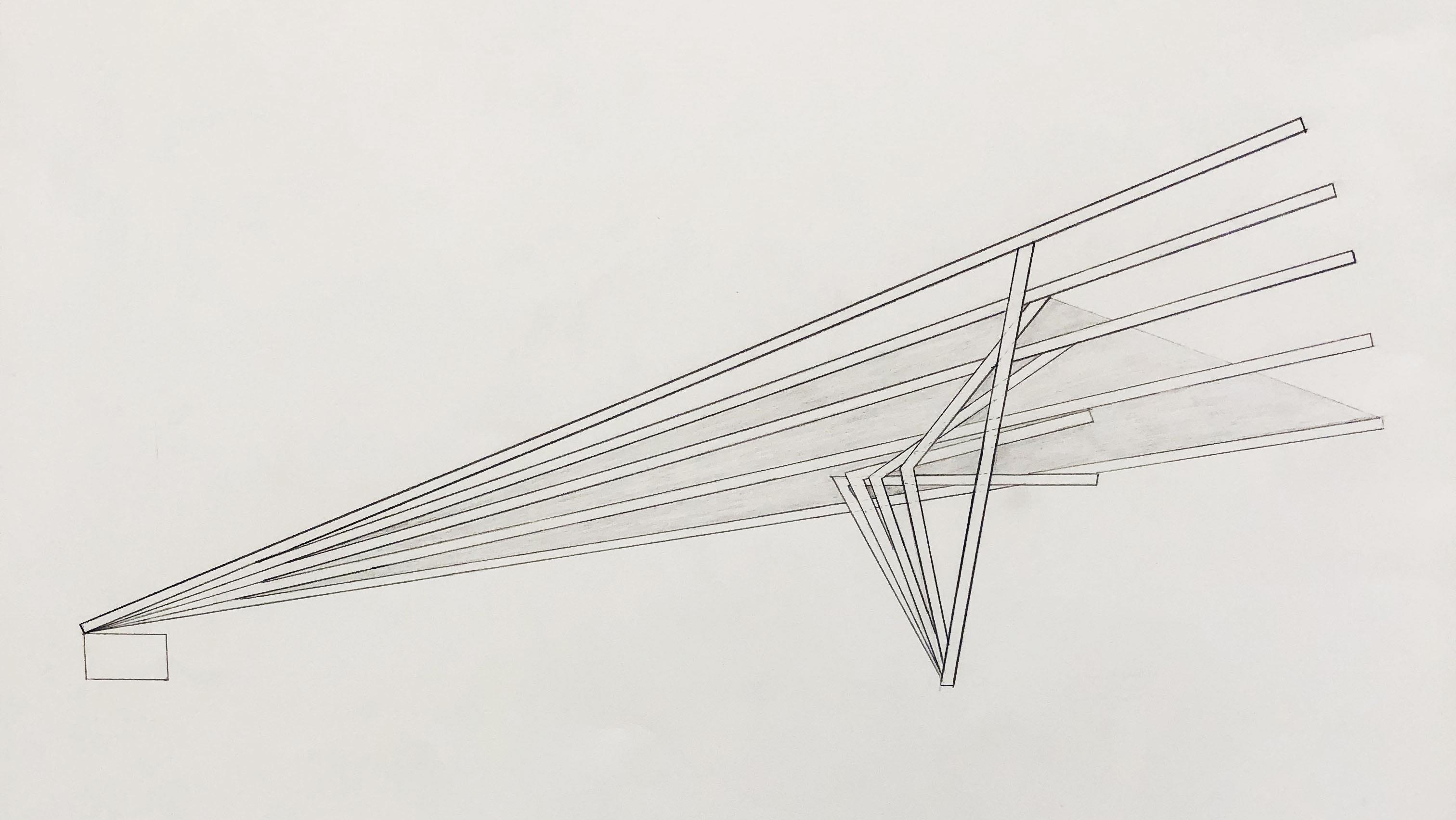
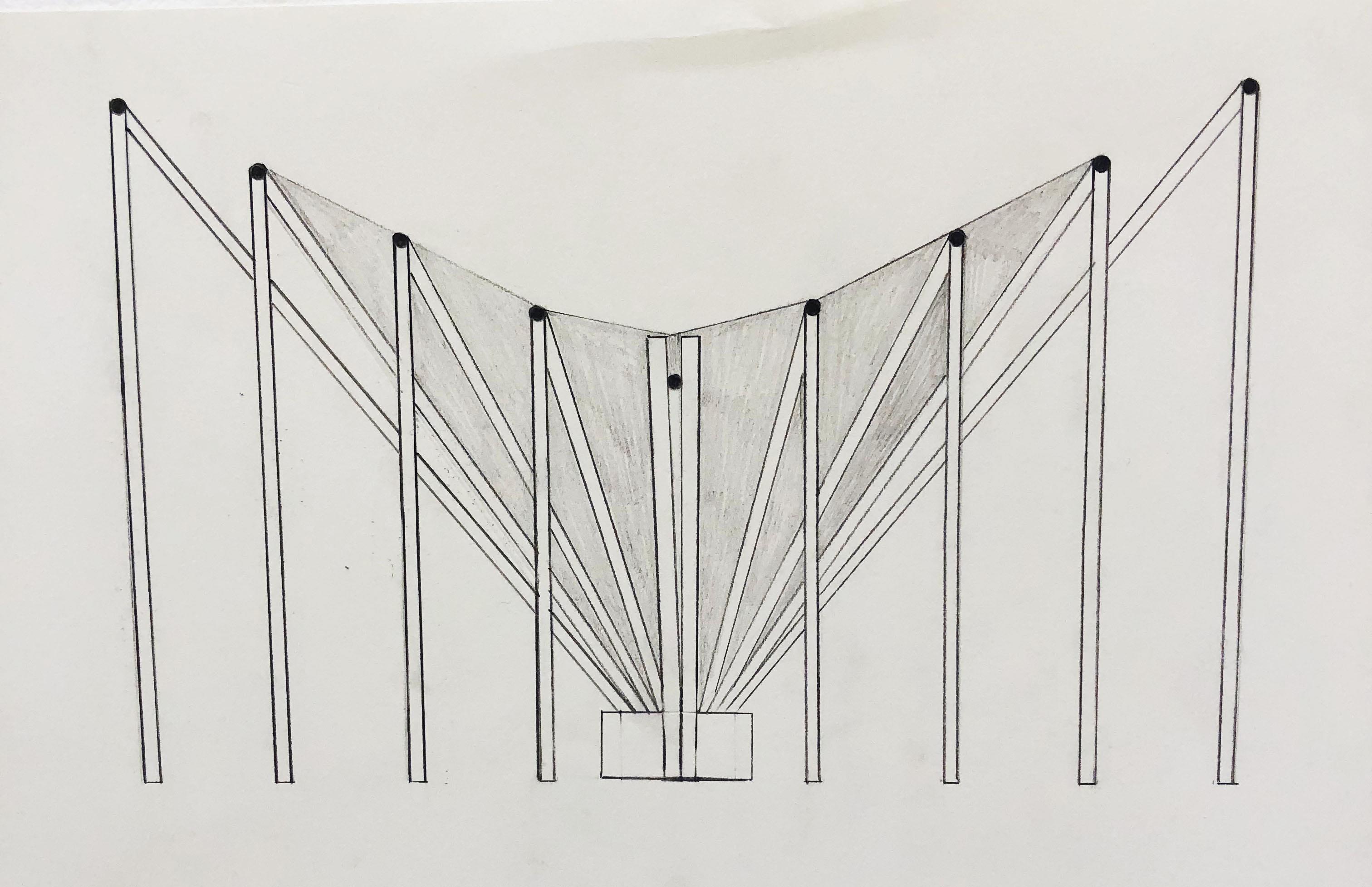
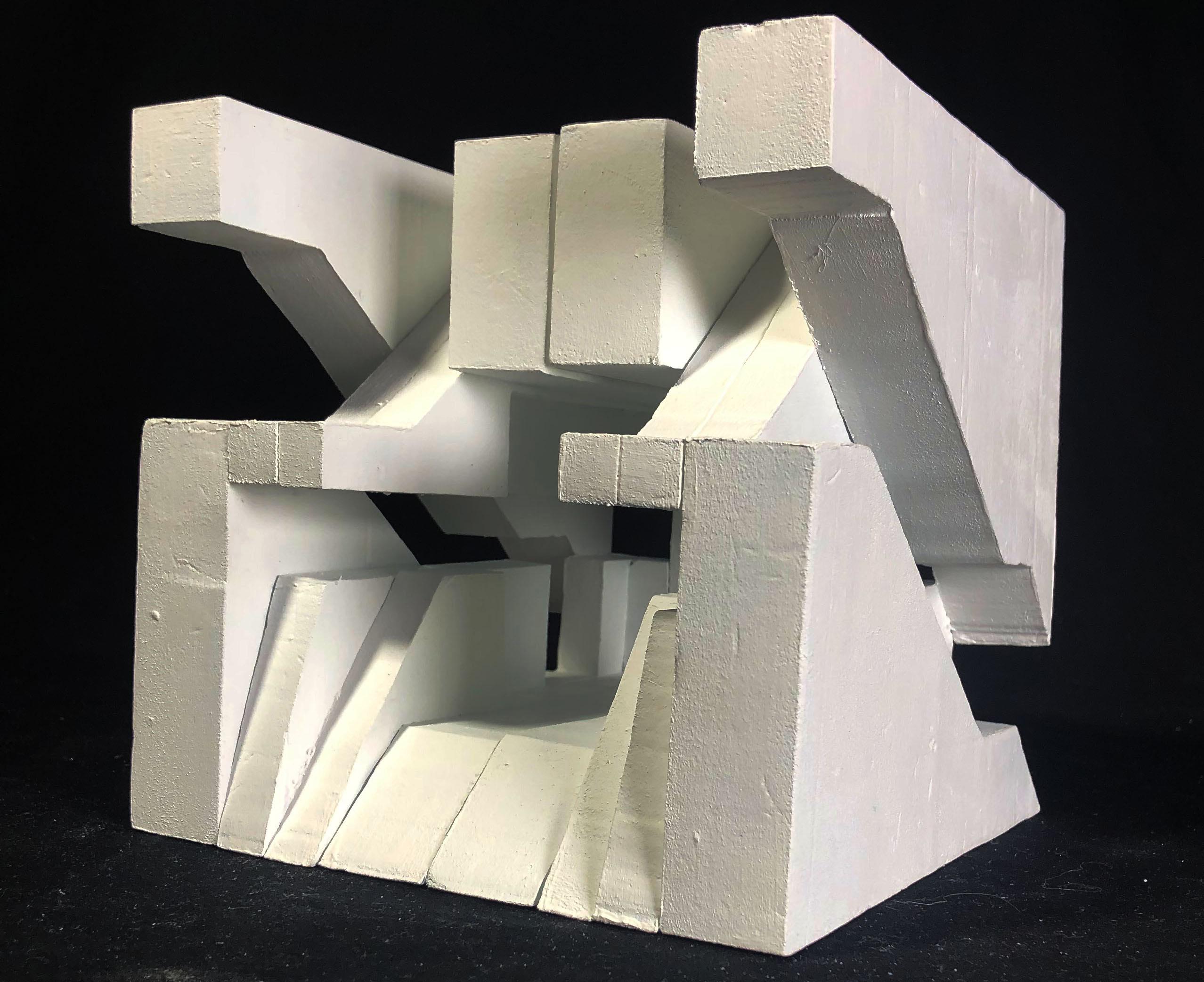
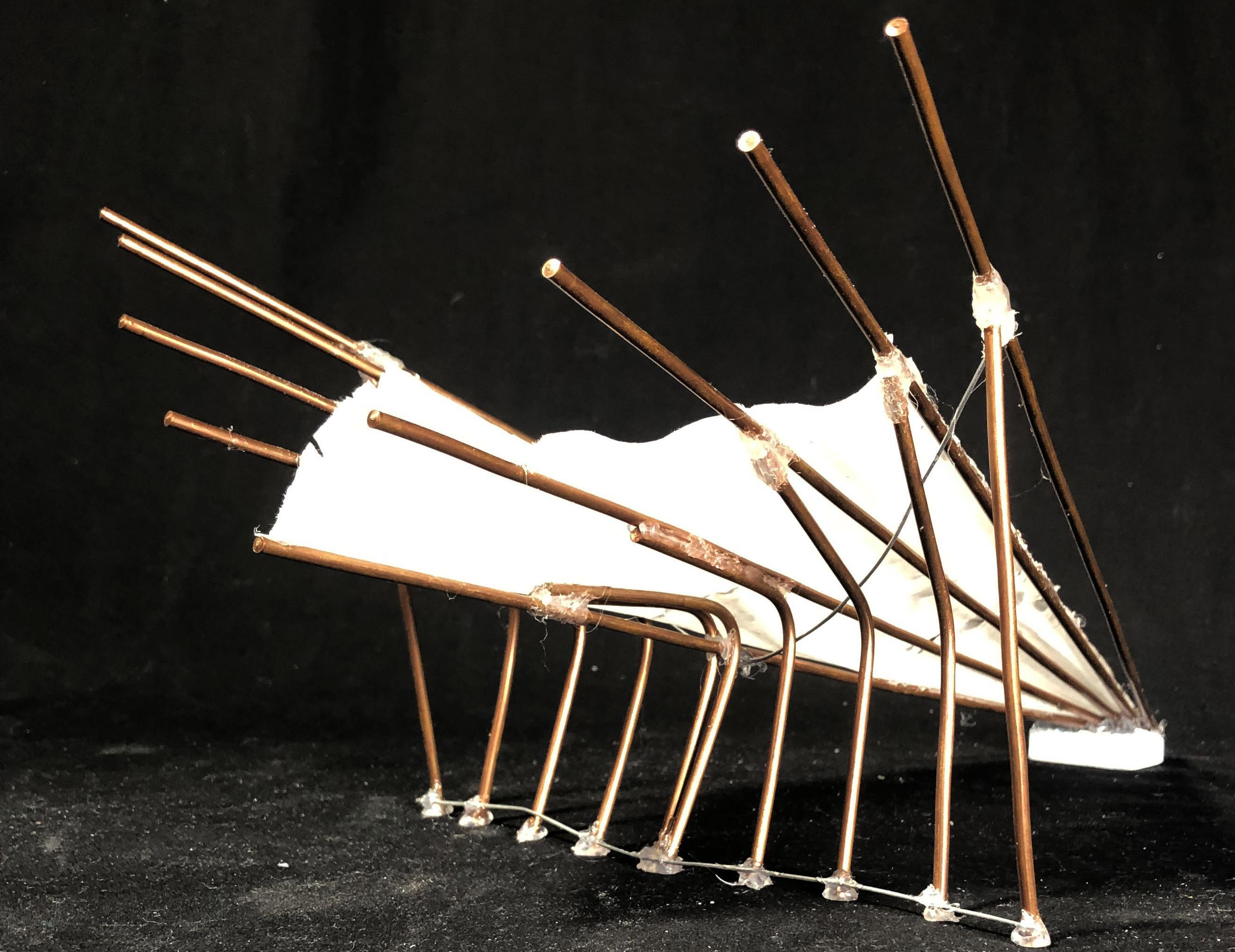
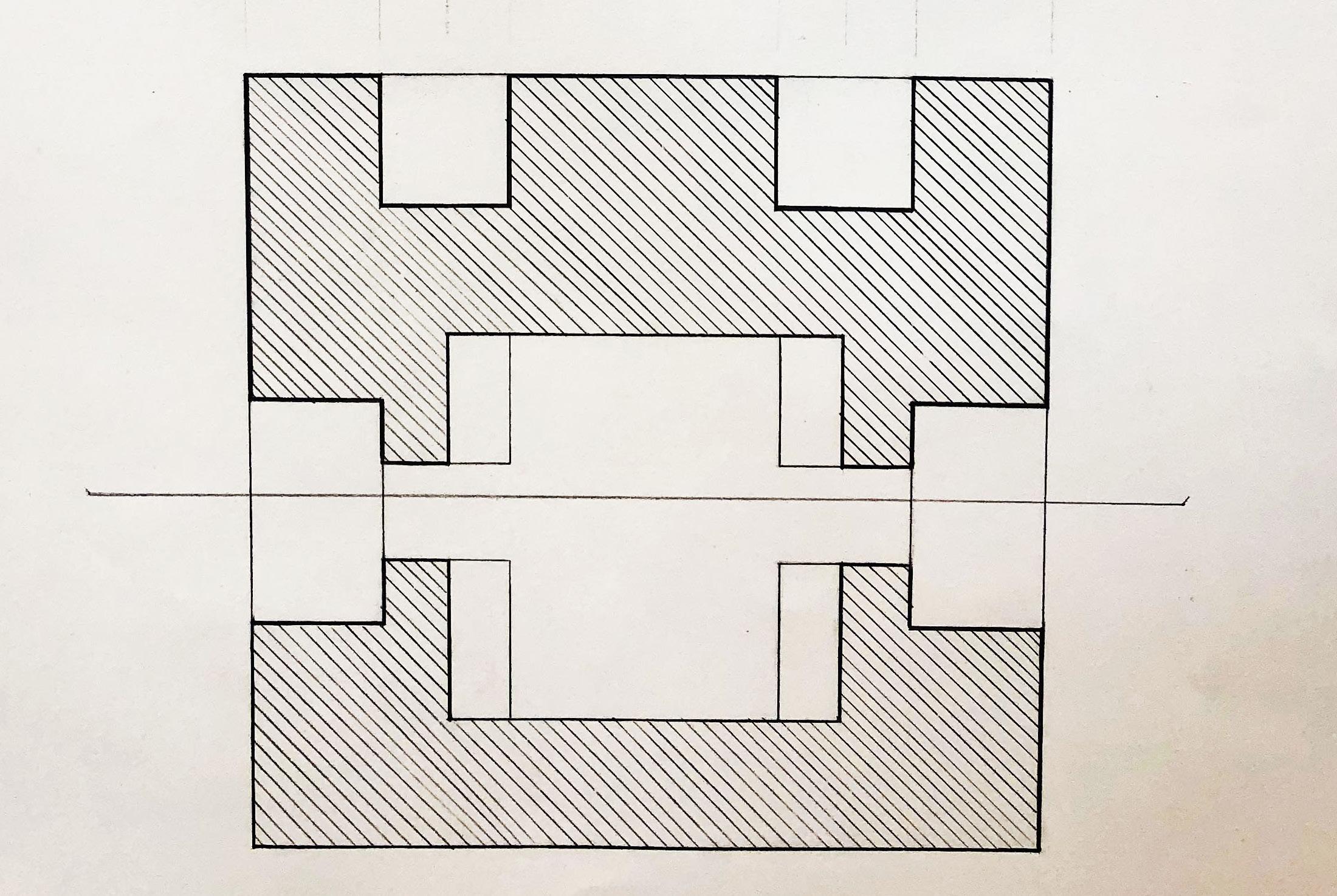
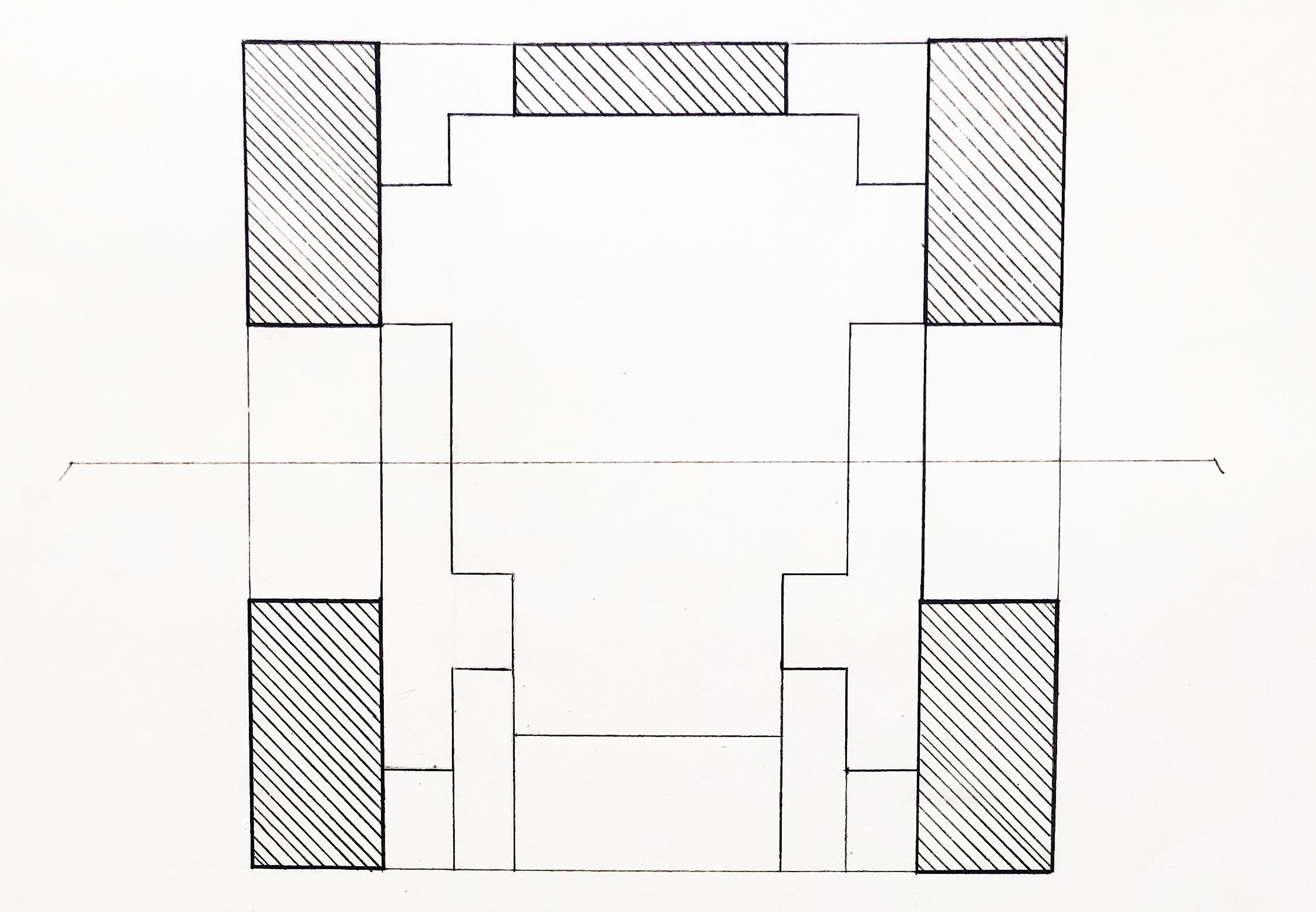
For this studio I was tasked with designing and modeling a movement. First, I recorded my movement (a push up) and then dissected and analyzed each movement it took in order to complete a single push up. Once that process was complete, I began modeling the sequence in which the push up takes place, each copper wire representing a period of time in which the body is in that position. After completing the spatial embodiment model, I moved into recreating the movements seen in a push up into a cube model. This used the angles of the movement to create ramps and spaces throughout a cube. This class focused on modelling before drawing.
There are seven ordering principles that are used to explain a 3-D structure/space or 2-D images. These seven principles are axis, symmetry, hierarchy, datum, rhythm, repetition, and transition. All of these are present in the special embodiment model.
Rhythm and repetition are the main ordering principles seen throughout the model. Rhythm is shown in the model through the changing arm angles as the model moves down toward the axis and back up toward the edges. The wires and angles are not the exact same shape but have a rhythm through the piece. Repetition is shown in the wires that make up the top of the piece. These wires are fanned out from the vertex at the back, but are all the exact same length and size, as well as set one inch apart from each other. The same wire is repeated 9 times in the piece just at a different angle with the grounded plane.
21 22
23 24
Sioux Falls City Library:
Urban Retrofit from a Gym to Library
ARCH 352 - Building Studio I
Professor: Jessica Garcia-Fritz, Federico Garcia Lammers, Brian Lee, Nesrine Mansour
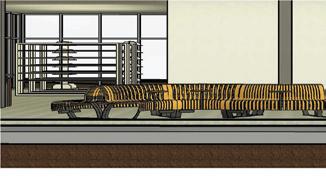
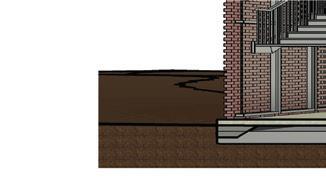
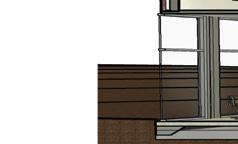
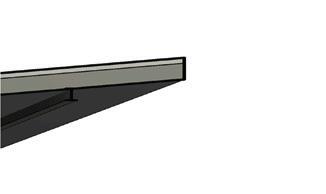
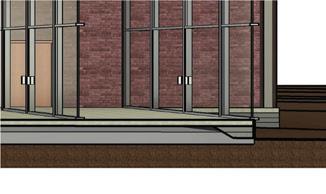
Part A: The first part of the class dealt with all sorts of detail drawing. I found and drew detailed sections of ground/foundations, Wall/Envelopes, and Roofs. This was my first experience with details, and I enjoyed the intricacy that went into it.
Part B: Using those detail drawings, I then created a gymnasium in downtown Sioux Falls.
Part C: In the middle of designing, the class switched gears and the gym was now to become a library. This process was very interesting to retrofit a gym with a program that seems to be exactly opposite. The changes can be seen through the red (new for library) and black which was the original gym design.
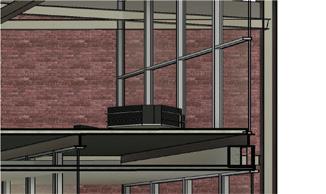
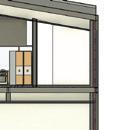
The main entrance is located on the Southwest corner of the building and opens directly to the main lobby space. From the lobby there are views of the circulation paths that lead down to the bookstacks or up to the mezzanine. The structure of the mezzanine is similar to the existing structure of the building, a combination of steel and concrete allowing the new addition some sort of unity with the old materials. The edge of the mezzanine is a concrete half wall that rises about 4ft and is continuous throughout the mezzanine allowing views over but still separating and keeping a more privatized space. The ground floor is about bookstacks and building function(containing books, computers, restrooms and mechanical spaces) the upper level is about private studies, reading, and group discussion. Light enters the space mostly from the lobby and from above through clerestory windows. This allows books to stay protected from damage but keep adequate lighting conditions.
p. q. r. t. v. w. Suspended Ceiling x. Steel Beam y. Steel Plate z. Hollow Core Concrete j. Concrete Floor k. Aluminum Mullion System l. Aluminum panels m. Steel Stud & Insulation o. s. u. w. x. y. z. 25 26
Support Desk Kids Room Mechanical Storage 88' 64' 65' 90' S.01 Longitudinal Section E.01 South Elevation F.02 F.01 S.01 S.01 PHILIPS AVE S.02 Historic Books S.02 F.01 F.02 E.01 N F.02 Floor Plan p. q. r. a. e. m. f. o. b. g. h. c. i. j. n. k. d. l. 28
29 Thank You! A: 131 Crystal Ridge Cir, Brookings, SD 57006 P: (605) 691-6301 E: matthew.chapin@jacks.sdstate.edu