Erlebnisse

A creative interpretation of rizal’s poems
Ma. Thea Isabela Dizon FinalProjectforPI100–H
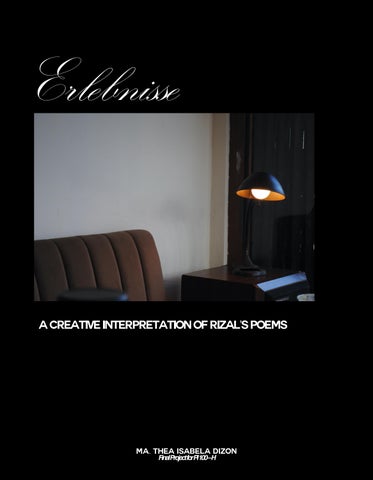
‘ERLEBNISSE’ is a creative interpretation of Jose Rizal’s poems. Five of his writings, by which I personally handpicked and was suggested by my professor, will be speculated and/or examined in various circumstances and historical contexts in the author’s life. This project also intends to analyze the possible series of events that may transpire after the poem ends, emphasizing the evolving ideas and realizations of Rizal.
It aims to answer the following questions:
“How might its meaning change if it were written under a different time period?”
“How do the characters and/or ideas evolve after the poem?”
I will be compiling 5 posters, one for every poem, which will be personally crafted or designed by me. These collage posters will stand as the ‘creative interpretation’ aspect of this project. This interpretation of Jose Rizal’s poems shall be accompanied by brief explanations and contextualization, to accurately define the experiences he felt as he wrote them down.
to ma’am FIONA ADVINCULA – for inspiring me to dive deeper into the poetic stances and writings of Jose Rizal, and for offering a class that was truly amusing and full of delight.
to JULLS, REG, and INDIRA – for making my semester in this course livelier and filled with ease and laughter.
to MYSELF – for finding peace in making this project, as it intends to convey an artistic way to commemorate Jose Rizal’s poems, and for finding a way to reminisce how it felt writing her own poetic proses. ♡
“
”
(n). – a German word that refers to the experiences, positive or negative, that individuals feel the most deeply. through which, they truly live. these are not mere experiences, but lifetime memories.

When I recall the days
That saw my childhood of yore
Beside the verdant shore
Of a murmuring lagoon; When I remember the sighs Of the breeze that on my brow
Sweet and caressing did blow With coolness full of delight;
When I look at the lily white Fills up with air violent
And the stormy element
On the sand doth meekly sleep; When sweet 'toxicating scent’
From the flowers I inhale
Which at the dawn they exhale
When at us it begins to peep;
I sadly recall your face, Oh precious infancy,
That a mother lovingly Did succeed to embellish. I remember a simple town;
My cradle, joy and boon, Beside the cool lagoon
The seat of all my wish.
Oh, yes! With uncertain pace I trod your forest lands, And on your river banks
A pleasant fun I found;
At your rustic temple I prayed
With a little boy's simple faith
And your aura's flawless breath Filled my heart with joy profound.
Saw I God in the grandeur
Of your woods which for centuries stand; Never did I understand
In your bosom what sorrows were; While I gazed on your azure sky
Neither love nor tenderness Failed me, 'cause my happiness In the heart of nature rests there.

Tender childhood, beautiful town, Rich fountain of happiness, Of harmonious melodies, That drive away my sorrow! Return thee to my heart, Bring back my gentle hours
As do the birds when the flow'rs Would again begin to blow!
But, alas, adieu! E'er watch For your peace, joy and repose, Genius of good who kindly dispose Of his blessings with amour; It's for thee my fervent pray'rs, It's for thee my constant desire Knowledge ever to acquire And may God keep your candour!


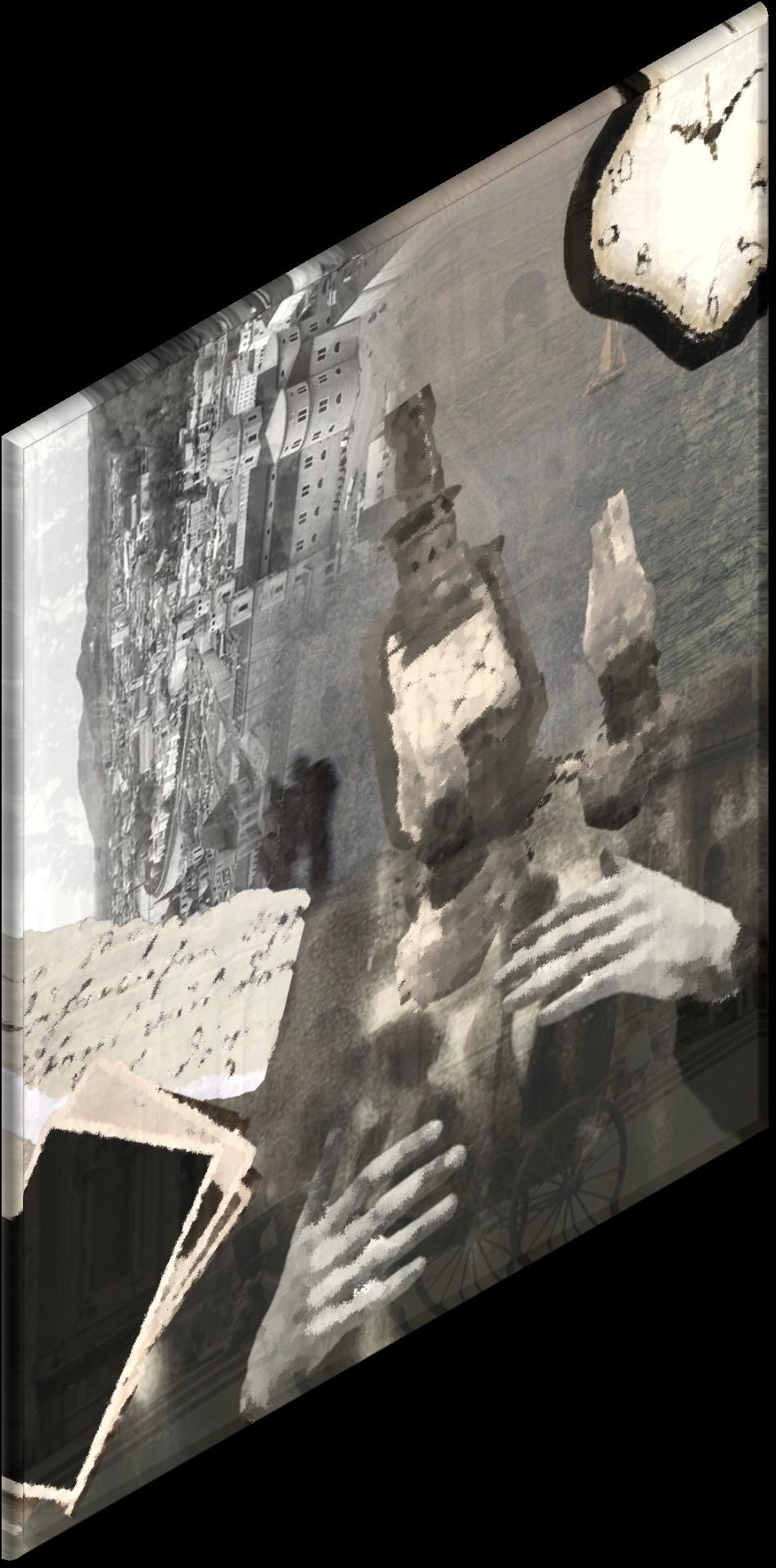
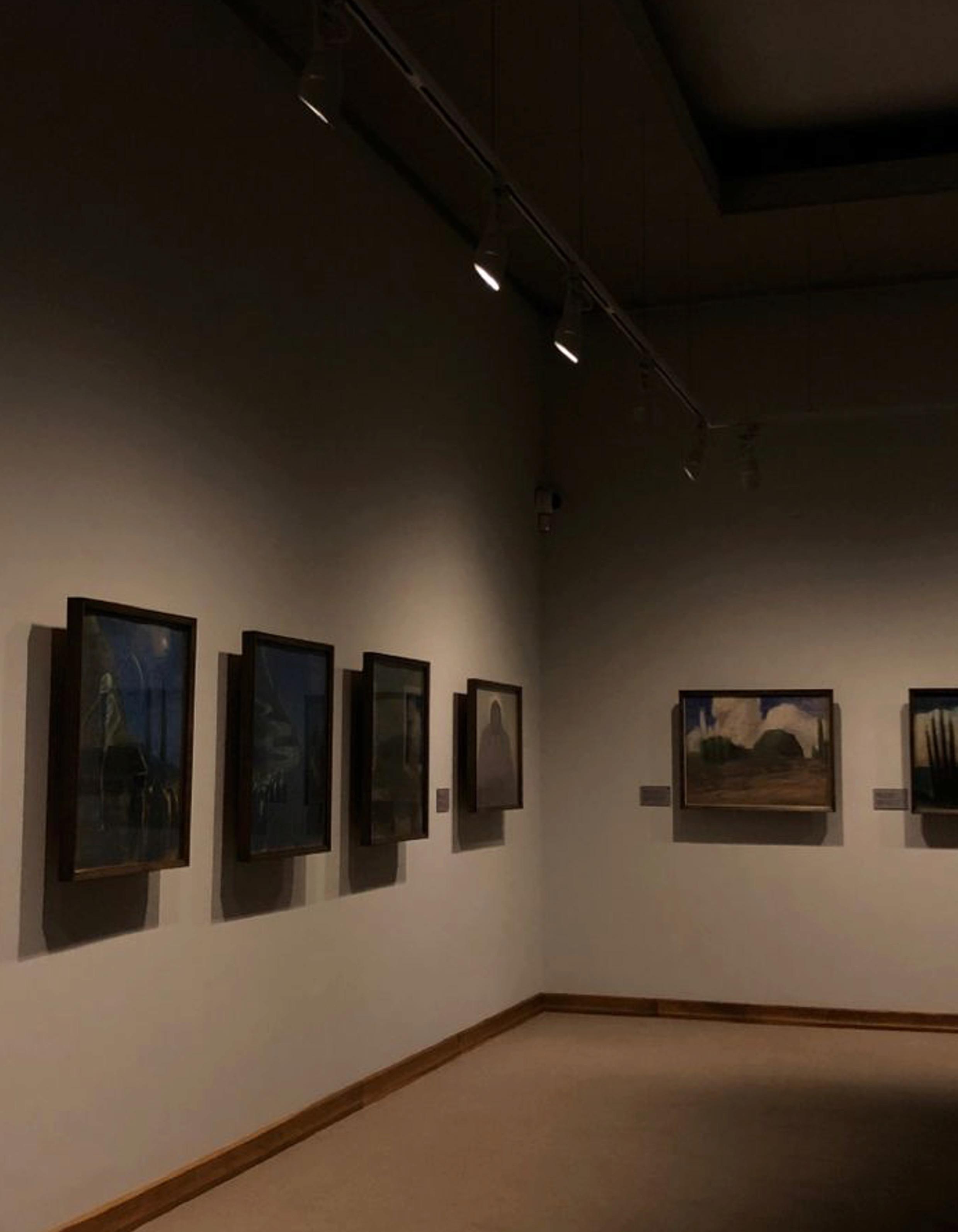


"Memories of My Town" (Un Recuerdo A Mi Pueblo) was written by Jose Rizal in 1876, at a time when he was around 15 years old, showing themes of yearning for his hometown and the experiences that he lived in Calamba, Laguna. It is a written form of poetry exhibiting his innocence and the springtime of his life and youth, spent within his adoration of nature and the revering, serene environment that he grew into (Obeso 2021, 135). He also wrote this during his stay in Ateneo Municipal de Manila when the homesickness kept creeping in, far from the comfort of his family.
If the poem were written during the time of the Philippine Revolution (1896), the meaning of the poem would evolve to take on a more patriotic and reflective tone. The peaceful and idealized memories of Rizal's town would be contrasted with the revolutionary fervor and the harshness of war. On the other hand, in a post-colonial context, the poem might be interpreted as a longing for the simplicity and purity of the past, in contrast to the challenges of nation-building and the struggles of modernity. Lastly, it could reflect the rapid pace of change and the disconnection between younger generations and the past if it were written in the 20th century. Rizal might also emphasize the importance of preserving cultural heritage amidst the pressures of a globalized world.
The meaning of "Memories of My Town" would certainly change depending on the time period in which it was written. In the colonial context, it evokes longing and nostalgia for a lost simplicity, while in later periods, it could serve as a reflection on the evolution of the country, its challenges, and its people. The ideas of innocence, nature, and heritage would remain at the heart of the poem, but their relevance and interpretation would adapt to the changing social, political, and cultural realities of each era.
Hold high the brow serene, O youth, where now you stand; Let the bright sheen Of your grace be seen, Fair hope of my fatherland!
Come now, thou genius grand, And bring down inspiration; With thy mighty hand, Swifter than the wind's violation, Raise the eager mind to higher station.
Come down with pleasing light Of art and science to the fight, O youth, and there untie
The chains that heavy lie, Your spirit free to blight.
See how in flaming zone
Amid the shadows thrown, The Spaniard'a holy hand
A crown's resplendent band Proffers to this Indian land.
Thou, who now wouldst rise On wings of rich emprise, Seeking from Olympian skies
Songs of sweetest strain, Softer than ambrosial rain;
Thou, whose voice divine Rivals Philomel's refrain
And with varied line
Through the night benign Frees mortality from pain;
Thou, who by sharp strife Wakest thy mind to life; And the memory bright Of thy genius' light Makest immortal in its strength;
And thou, in accents clear Of Phoebus, to Apelles dear; Or by the brush's magic art Takest from nature's store a part, To fig it on the simple canvas' length;

Go forth, and then the sacred fire Of thy genius to the laurel may aspire; To spread around the fame, And in victory acclaim, Through wider spheres the human name. Day, O happy day, Fair Filipinas, for thy land! So bless the Power to-day That places in thy way This favor and this fortune grand!
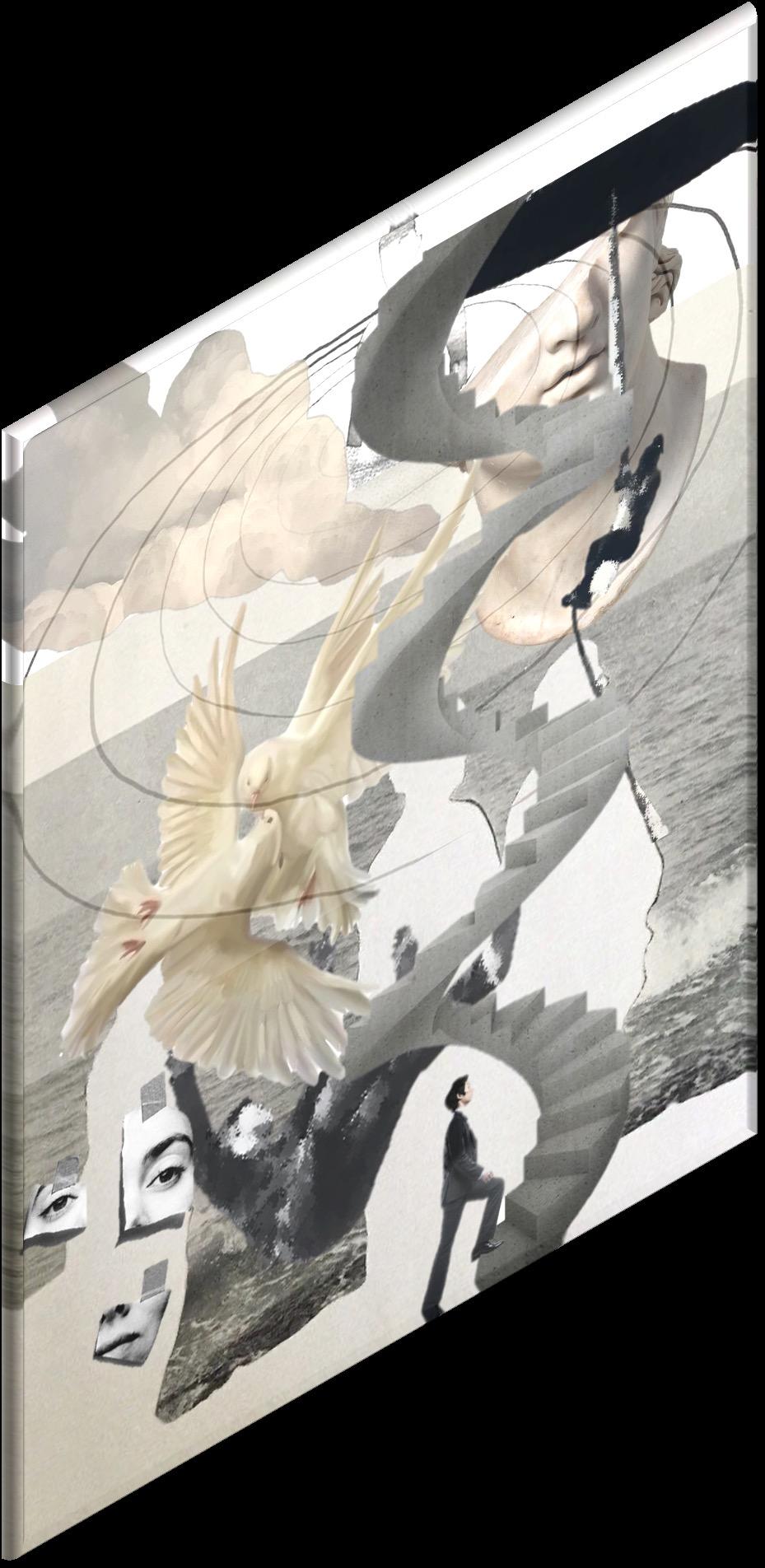

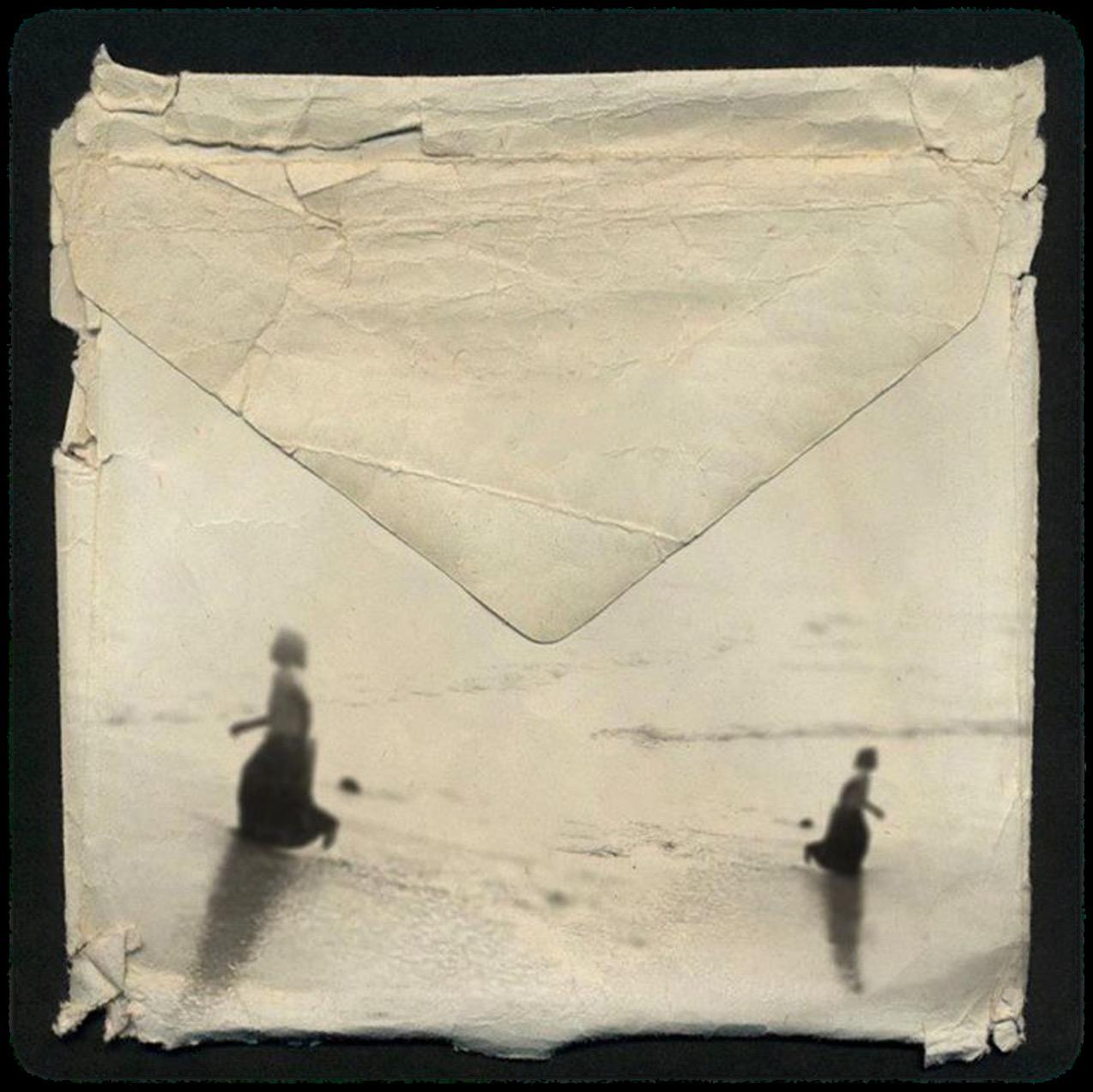
"A La Juventud Filipina" (To the Filipino Youth) was written in 1879, when José Rizal was just 18 years old. It was a passionate call to the youth of the Philippines to awaken to their potential and lead the country to greatness, saying that the “brave” and “influential” must be able to speak with the use of their power and/or voices (Ocampo 2011, 76). The youth was represented as both the intellectual and the physical force of the revolution— educated, courageous, and ready to sacrifice for the country's freedom.
If Rizal had written the poem during the Philippine Revolution itself, when the call for independence had gained momentum, the meaning of the poem would shift from a call to individual enlightenment to a broader, more urgent call for action. This might have sparked the revolution amongst the youth as well, aside from the encouragement of the Katipunan. In the 21st century, with global challenges such as technological advancements, environmental issues, and global political dynamics, Rizal's poem would likely be interpreted as a call for the youth to engage in solving contemporary issues like the empowerment of education and new technologies, addressing both local and global concerns.
Rooting from a call for intellectual enlightenment during Spanish rule, this might have evolved to a more urgent call for action during the Revolution and a broader vision for nation-building, especially of our national identity. The characters and ideas evolve from intellectual empowerment of the youth to an emphasis on activism, revolution, and the building of a strong, independent nation. Rizal’s early vision of the Filipino youth as the hope of the nation expands over time into a more complex and multifaceted understanding of their role in both intellectual and political leadership.

Go to my native land, go, foreign flowers, Sown by the traveler on his way, And there, beneath its azure sky, Where all my afflictions lie; There from the weary pilgrim say What faith is his in that land of ours!
Go there and tell how when the dawn, Her early light diffusing, Your petals first flung open wide; His steps beside chill Neckar drawn, You see him silent by your side
Upon its Spring perennial musing, Say how when morning's light, All your fragrance stealing, Whispers to you as in mirth, Playful songs of Love's delight, He, too, murmurs his love's feeling In the tongue he learned at birth.
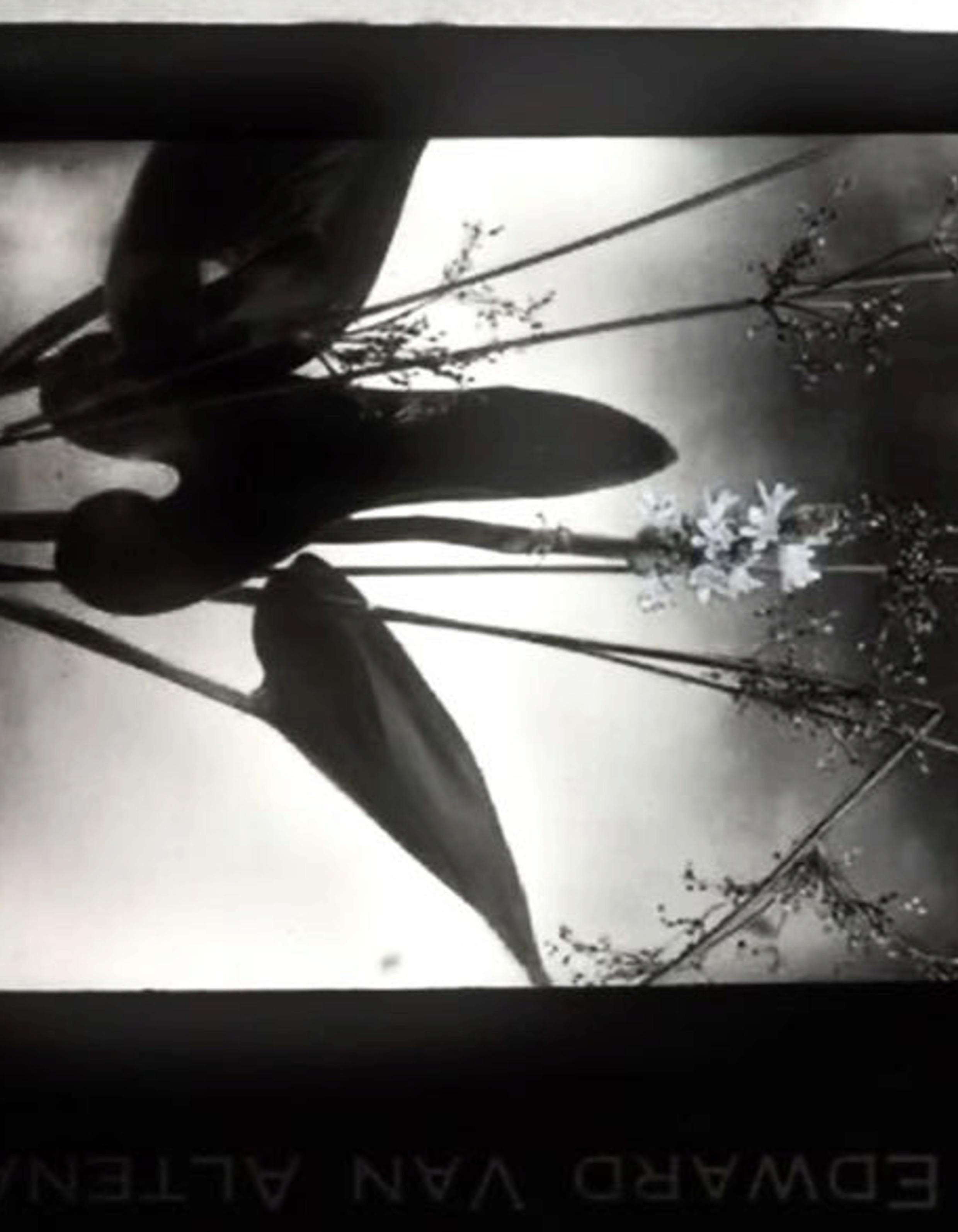
That when the sun of Koenigsthul's height Pours out its golden flood, And with its slowly warming light Gives life to vale and grove and wood, He greets that sun, here only apraising, Which in his native land is at its zenith blazing.
And tell there of that day he stood, Near to a ruin'd castle gray, By Neckar's banks, or shady wood, And pluck'd you beside the way
Tell, too, the tale to you addressed, And how with tender care, Your bending leaves he press'd Twist pages of some volume rare.

Bear then, O flowers, love's message bear; My love to all the love'd one's there, Peace to my country - faithful landFaith whereon its sons may stand, And virtue for its daughters's care;
All those beloved creatures greet, That still around home's altar meet. And when you come home unto its shore, This kiss I now on you bestow, Fling where the winged breezes blow; That borne on them it may hover o'er
All that I love, esteem, and adore.
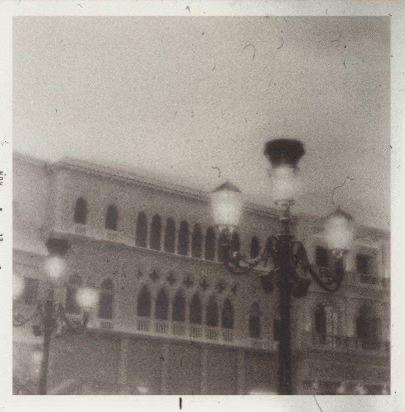
But though, O flowers, you come unto that land, And still perchance your colors hold; So far from this heroic strand, Whose soil frist bade your life unfold
Still here your fragrance will expand; Your soul that never quits the earth Whose light smiled on you at your birth.


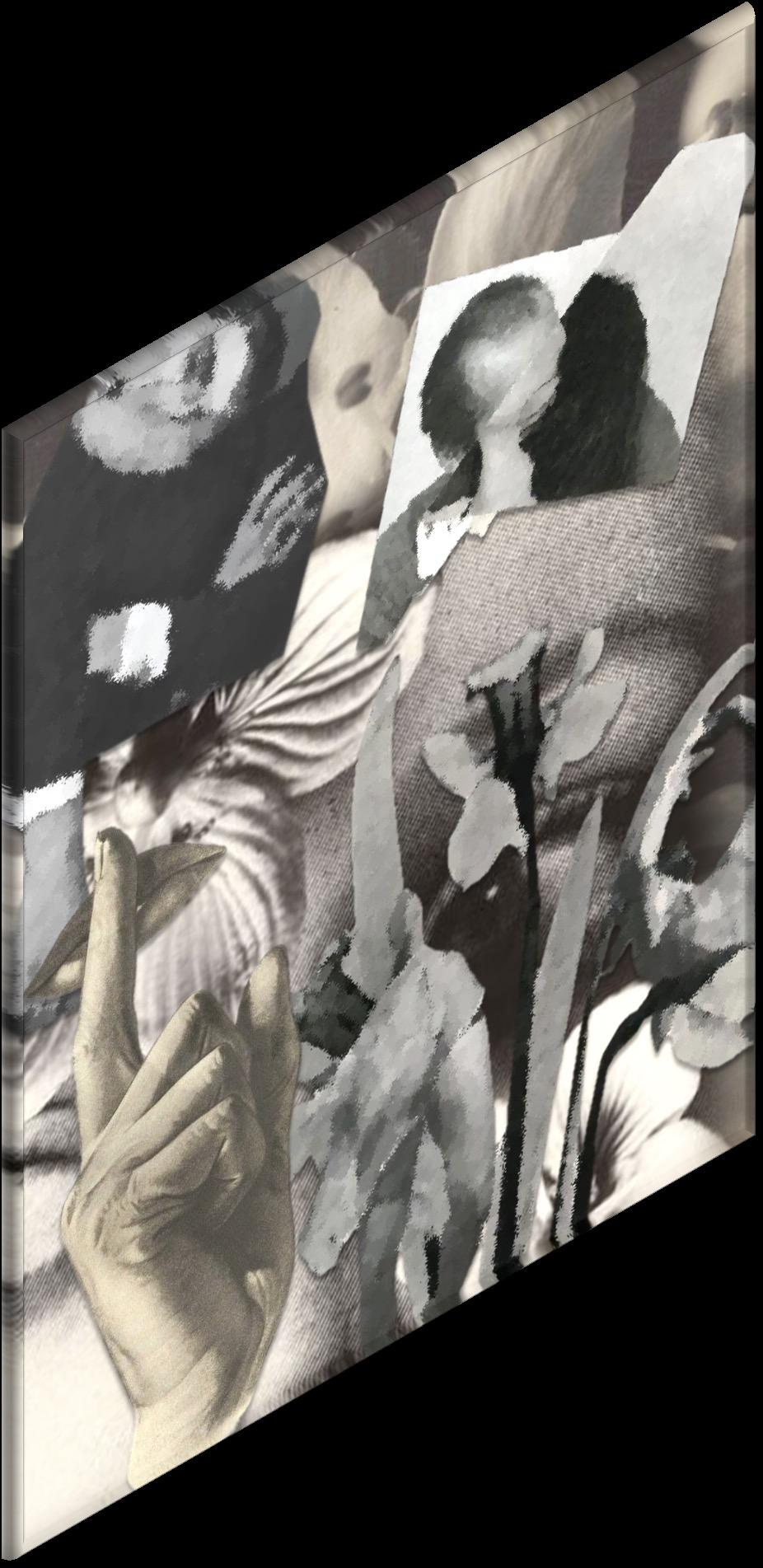
To the Flowers of Heidelberg (1886)


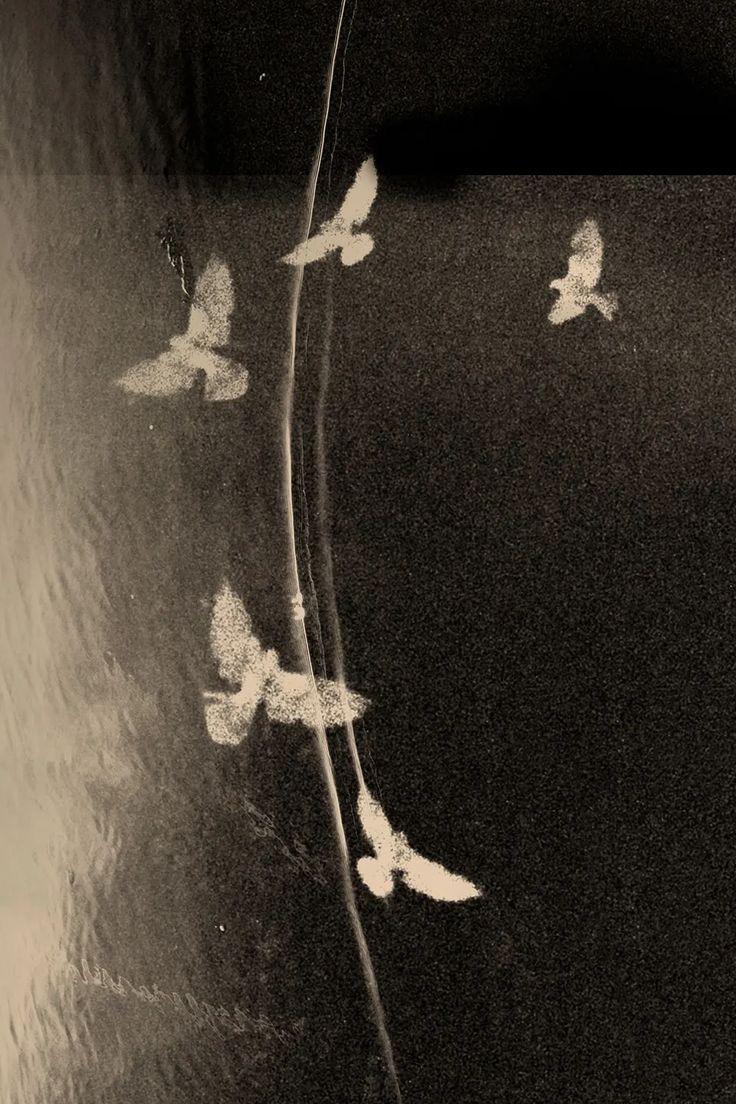
"To the Flowers of Heidelberg" (A las flores de Heidelberg) was written by José Rizal in April 1886 while he was studying medicine in Heidelberg, Germany. The poem reflects his deep longing for his homeland, the Philippines, as well as his love for nature, his patriotism, and his spirituality. For context, Rizal was experiencing the dual pressures of academic life abroad and his growing concern for the conditions in the Philippines under Spanish colonial rule. His time in Heidelberg allowed him to reflect deeply on his personal and national struggles. This shows that, similar to ‘Memories of my Town’, he yearns to be back to his hometown no matter where his feet may take him.
If Rizal wrote this poem during the Philippine Revolution, its tone and meaning might have been more urgent and revolutionary. The flowers might symbolize not just ideals but a call to action—a plea for his fellow countrymen to rise and fight for independence. Moreover, the possibility of writing this after the Philippines achieved independence in 1946 could represent the challenges of building the national identity of the Filipinos. The flowers of Heidelberg might symbolize the potential for beauty and growth, reminding Filipinos to preserve and nurture their hard-won freedom and cultural identity.
“To the Flowers of Heidelberg” is a poem rooted in nostalgia, patriotism, and hope for the future. Its meaning would adapt to different historical periods, reflecting the changing challenges and aspirations of the Filipino people. The ideas and symbols in the poem evolve in Rizal’s later works, from intellectual inspiration to active sacrifice, and from personal longing to a universal call for love of country. Through this evolution, the poem and its ideas continue to resonate, offering timeless lessons about resilience, identity, and the enduring power of hope.
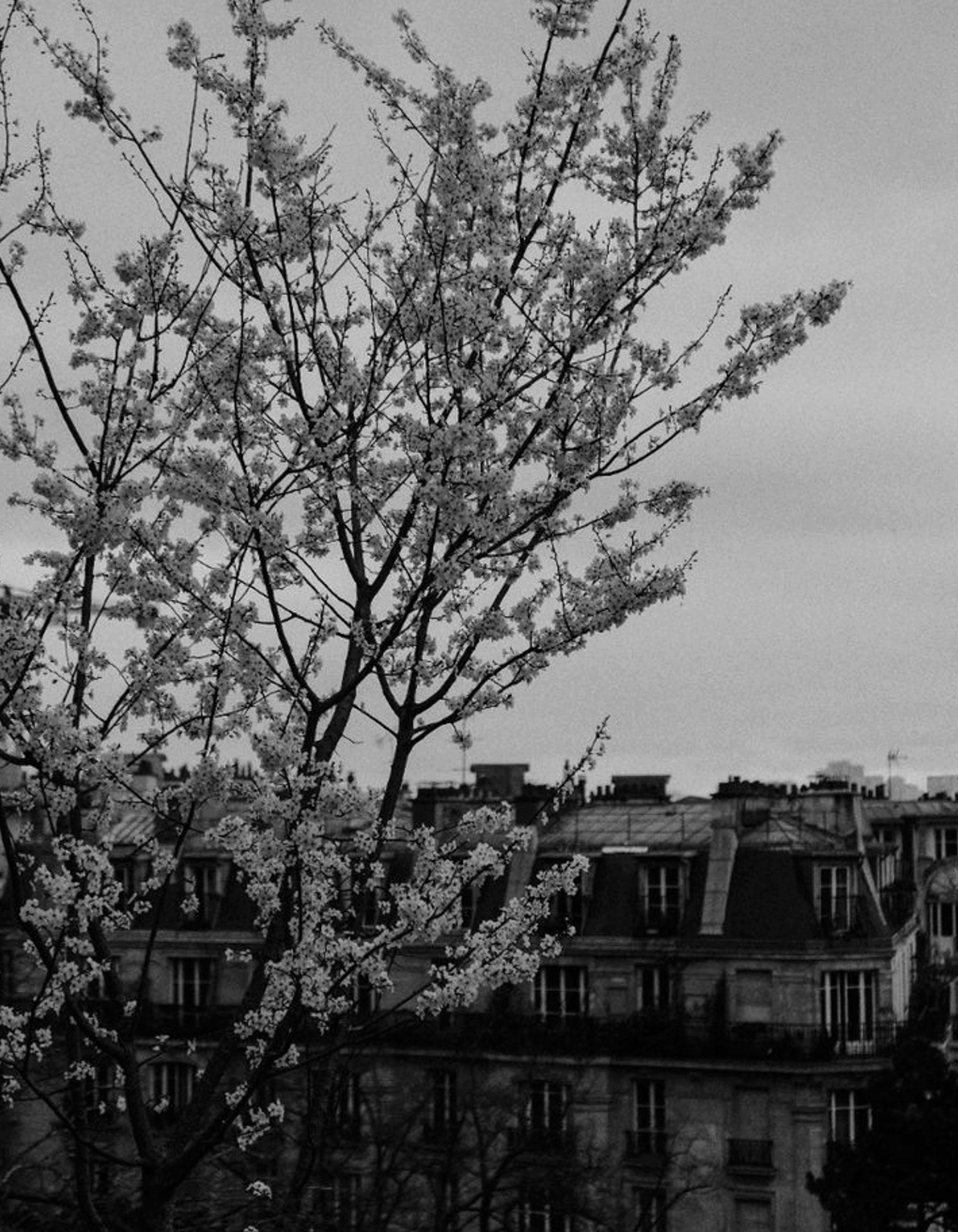
Japan has enchanted me. The beautiful scenery, the flowers, the trees, and the inhabitants –so peaceful, so courteous, and so pleasant.
O-Sei-San, Sayonara, Sayonara!
I have spent a happy golden month; I do not know if I can have another one like that in all my life.
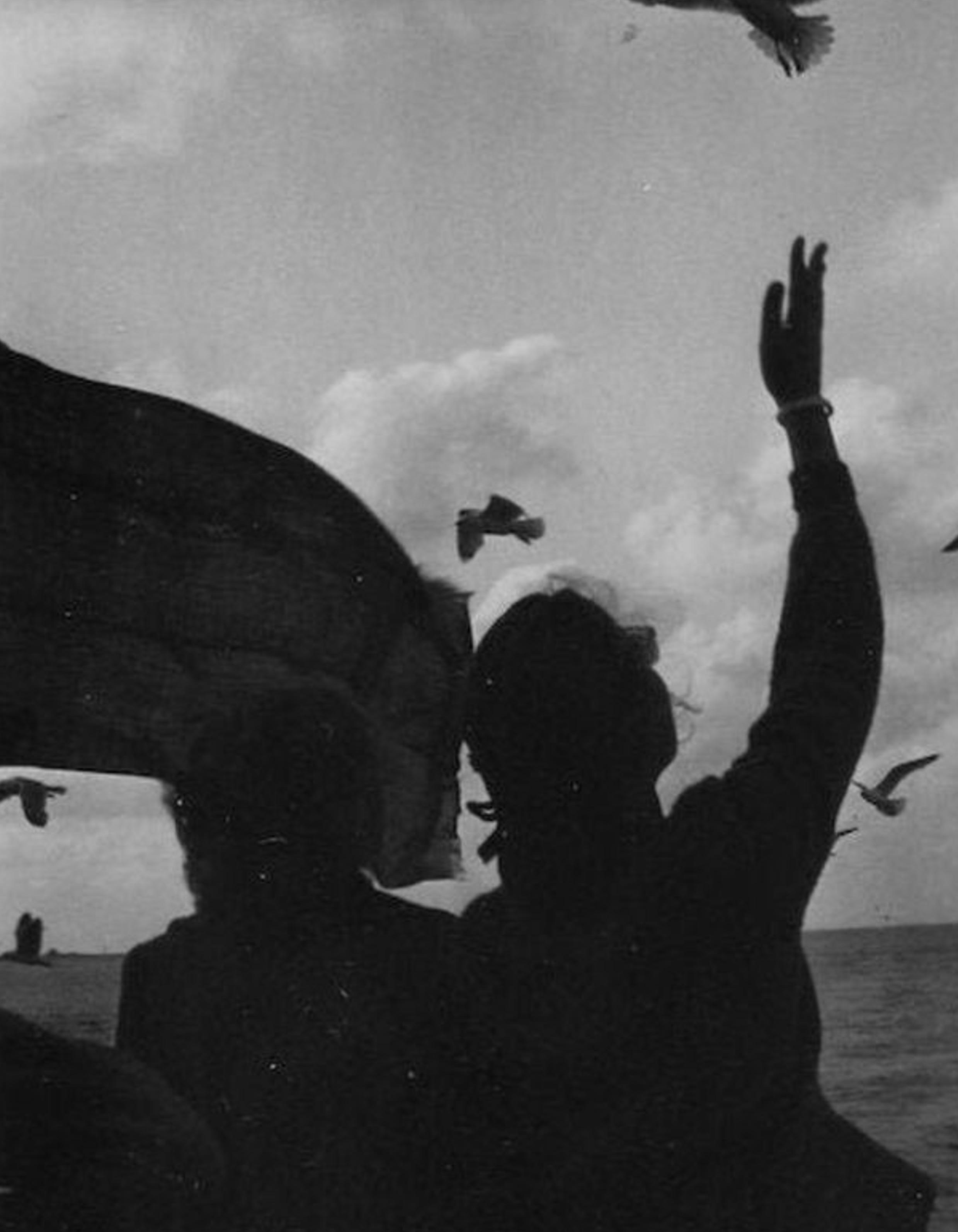
Love, money, friendship, appreciation, honors –these have not been wanting.
To think that I am leaving this life for the uncertain, the unknown. There I was offered an easy way to live, beloved and esteemed…




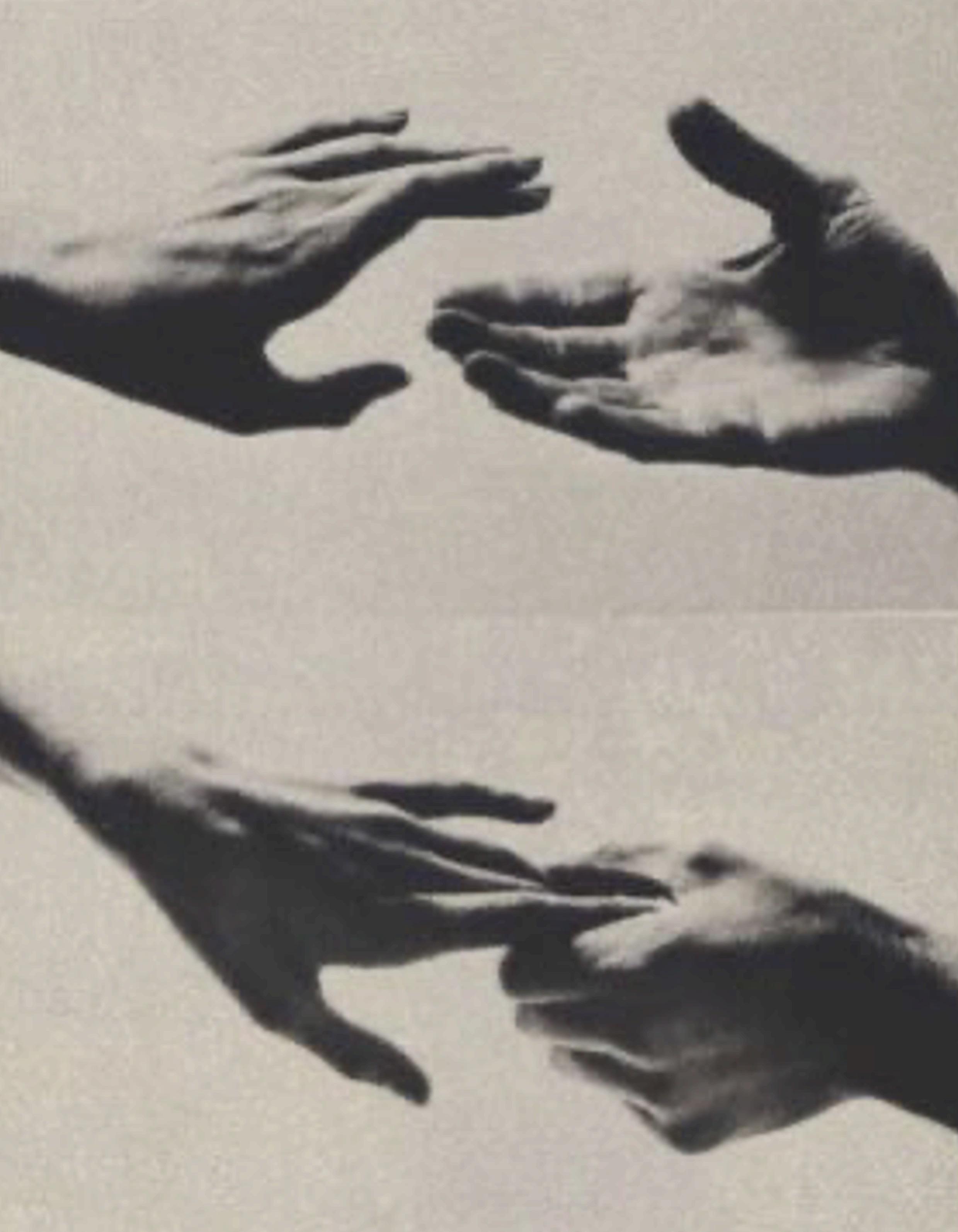
Though this is not a poem, this excerpt from José Rizal's diary is believed to be a letter addressed to O-Sei San (Seiko Usui). It was written like a poetic prose, in April 1888, during his stay in Japan. In this letter, Rizal reflects on his time in Japan and his emotional connection with O-Sei San, who was his companion during his stay. The letter is an expression of his feelings of deep affection for Japan, its culture, and its people, as well as his bittersweet farewell to O-Sei San. Rizal’s time in Japan was a period of rest and reflection during his travels around the world. During his brief stay, he explored the country’s culture and established connections. However, he eventually decided to continue his journey to America and then to the Philippines, where he would be more involved in advocating for reforms and ultimately face his martyrdom.
If the letter were written during the Philippine Revolution, the focus would shift from personal longing and regret to a firm commitment to the revolutionary cause. O-Sei San might be addressed as a source of strength and inspiration for his ongoing fight for independence. Moreover, had Rizal written this letter after the Philippines gained independence, it might reflect a sense of closure and gratitude that he has for the friendship that they built. Rizal could express pride in having contributed to the country’s freedom while acknowledging the sacrifices he made along the way, especially between his relations with other people.
Blending themes of love, regret, and duty, this poetic letter’s meaning could evolve or vary; reflecting shifts in historical and personal contexts. From a bittersweet farewell during colonial rule, it can later transition to a reaffirmation or celebration of cross-cultural connections. The ideas and emotions expressed in the letter evolve alongside Rizal’s life, from the tension between personal and national duties to his ultimate acceptance of sacrifice for his country’s freedom. O-Sei San and the themes of the letter remain a poignant reminder of the human cost of Rizal’s extraordinary dedication to his mission.
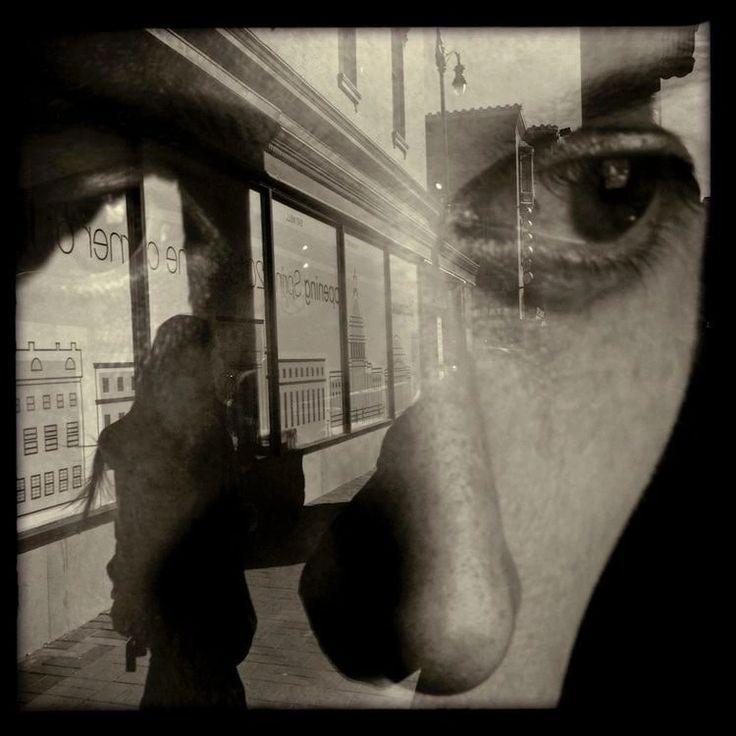
Farewell, my adored Land, region of the sun caressed, Pearl of the Orient Sea, our Eden lost, With gladness I give you my Life, sad and repressed; And were it more brilliant, more fresh and at its best, I would still give it to you for your welfare at most.
On the fields of battle, in the fury of fight, Others give you their lives without pain or hesitancy, The place does not matter: cypress laurel, lily white, Scaffold, open field, conflict or martyrdom's site, It is the same if asked by home and Country.
I die as I see tints on the sky b'gin to show And at last announce the day, after a gloomy night; If you need a hue to dye your matutinal glow, Pour my blood and at the right moment spread it so, And gild it with a reflection of your nascent light!
My dreams, when scarcely a lad adolescent, My dreams when already a youth, full of vigor to attain, Were to see you, gem of the sea of the Orient, Your dark eyes dry, smooth brow held to a high plane Without frown, without wrinkles and of shame without stain.

My life's fancy, my ardent, passionate desire, Hail! Cries out the soul to you, that will soon part from thee; Hail! How sweet 'tis to fall that fullness you may acquire; To die to give you life, 'neath your skies to expire, And in your mystic land to sleep through eternity!
If over my tomb some day, you would see blow, A simple humble flow'r amidst thick grasses, Bring it up to your lips and kiss my soul so, And under the cold tomb, I may feel on my brow, Warmth of your breath, a whiff of your tenderness.
Let the moon with soft, gentle light me descry, Let the dawn send forth its fleeting, brilliant light, In murmurs grave allow the wind to sigh, And should a bird descend on my cross and alight, Let the bird intone a song of peace o'er my site.
Let the burning sun the raindrops vaporize
And with my clamor behind return pure to the sky; Let a friend shed tears over my early demise; And on quiet afternoons when one prays for me on high, Pray too, oh, my Motherland, that in God may rest I.
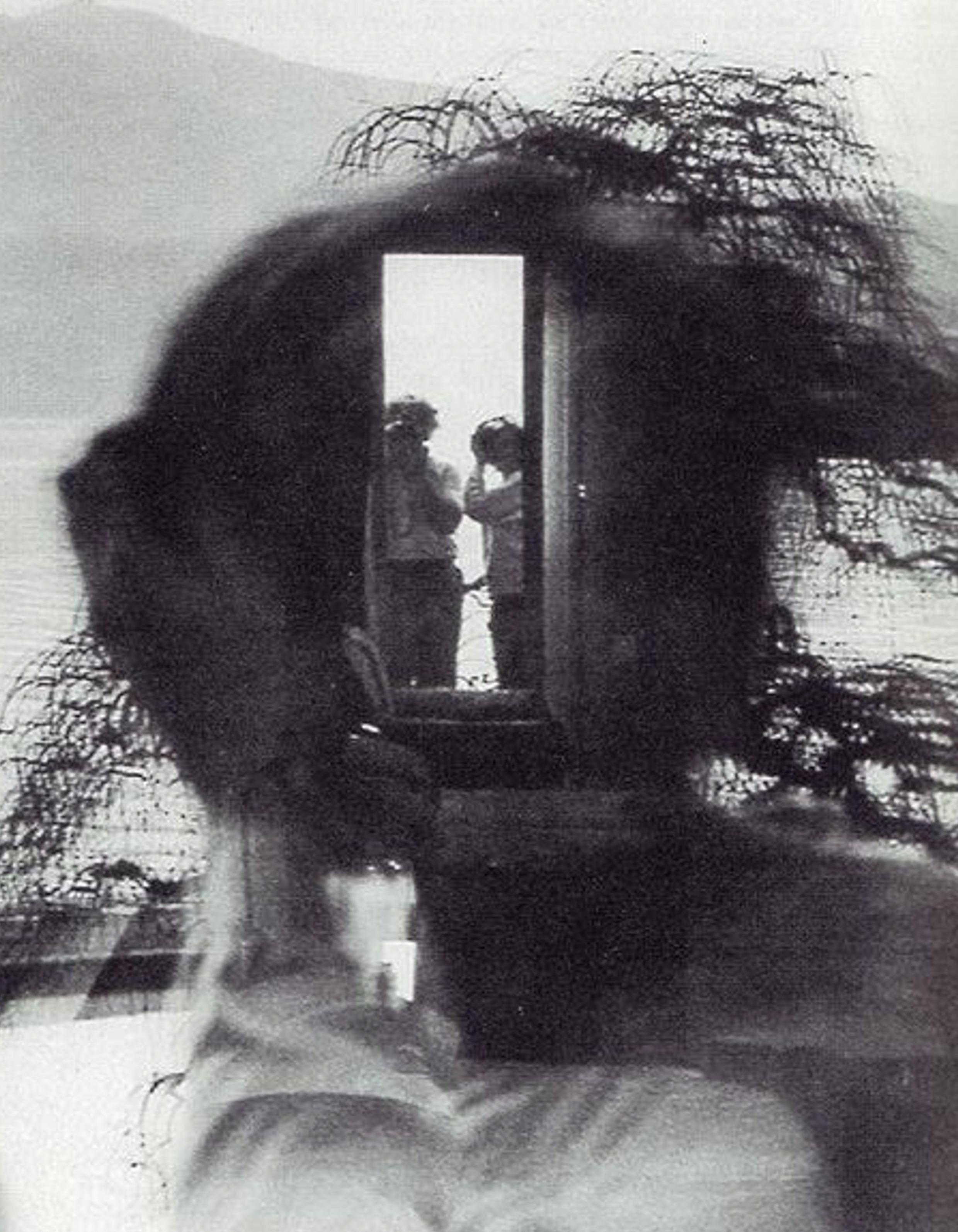
Pray thee for all the hapless who have died, For all those who unequalled torments have undergone; For our poor mothers who in bitterness have cried; For orphans, widows and captives to tortures were shied, And pray too that you may see you own redemption.
And when the dark night wraps the cemet'ry
And only the dead to vigil there are left alone, Don't disturb their repose, don't disturb the mystery: If you hear the sounds of cithern or psaltery, It is I, dear Country, who, a song t'you intone.
And when my grave by all is no more remembered, With neither cross nor stone to mark its place, Let it be plowed by man, with spade let it be scattered And my ashes ere to nothingness are restored, Let them turn to dust to cover your earthly space.
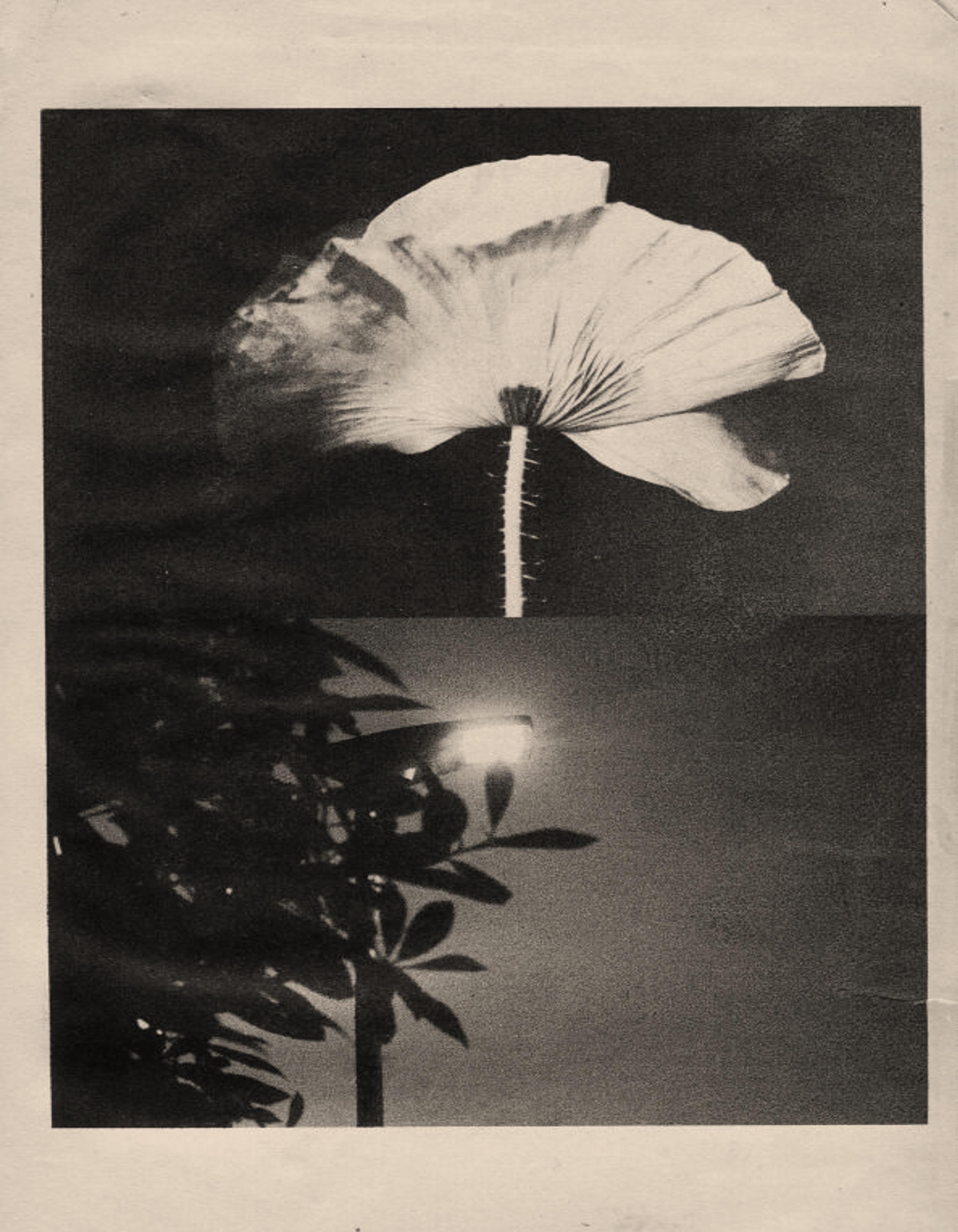
Then it doesn't matter that you should forget me: Your atmosphere, your skies, your vales I'll sweep; Vibrant and clear note to your ears I shall be: Aroma, light, hues, murmur, song, moanings deep, Constantly repeating the essence of the faith I keep.
My idolized Country, for whom I most gravely pine, Dear Philippines, to my last goodbye, oh, harken There I leave all: my parents, loves of mine, I'll go where there are no slaves, tyrants or hangmen Where faith does not kill and where God alone does reign. Farewell, parents, brothers, beloved by me, Friends of my childhood, in the home distressed; Give thanks that now I rest from the wearisome day; Farewell, sweet stranger, my friend, who brightened my way; Farewell, to all I love. To die is to rest.


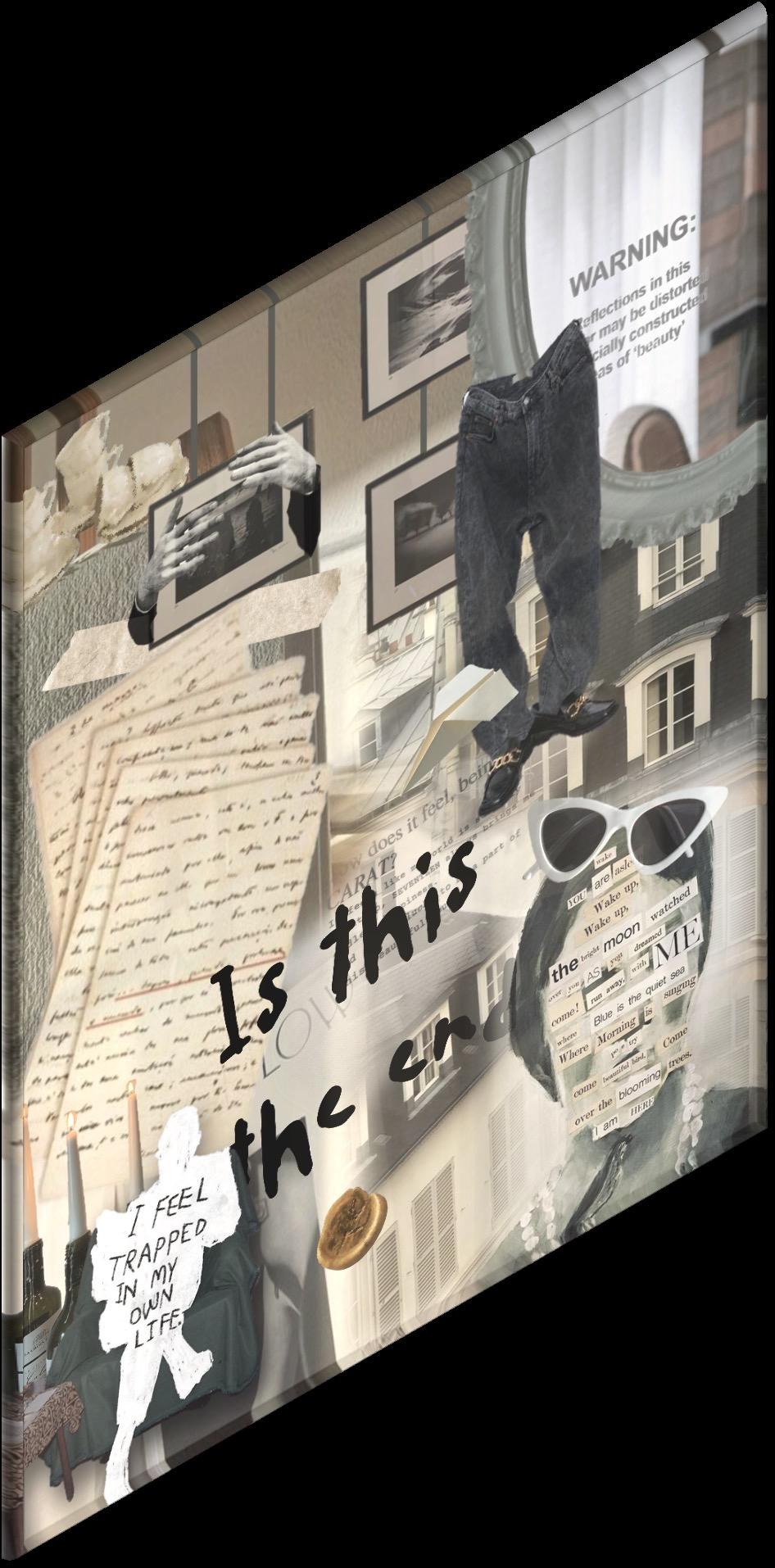
My Last Farewell (1896)


José Rizal's "Mi Último Adiós" (My Last Farewell), written on the eve of his execution in 1896, is a poignant farewell to his country and a testament to his unwavering love for the Philippines. On the eve of his execution, hiding the poem in an alcohol stove, which he entrusted to his family. The title, "Mi Último Adiós" , was not given by Rizal himself but by his friend Mariano Ponce when the poem was published posthumously. The poem is a profound farewell—not only to Rizal’s family and friends but also to his country and people.
If the poem were written after the Philippines achieved independence, its meaning might shift from a call to action to a reflection on the sacrifices made to achieve freedom. Rizal’s tone might convey both pride in his nation’s progress and a warning against complacency. However, in a modern context, Rizal’s poem might address issues such as social inequality, corruption, or environmental concerns, which would likely be the ‘fight’ he would be advocating for. It could serve as a call for unity and action to tackle new challenges facing the nation.
After its writing, the meaning could have adapted to reflect the historical and cultural context, from rallying cries against colonizers to reflections on post-independence challenges or modern calls for reform. The themes of sacrifice, hope, and love of country, however, remain timeless, evolving alongside the struggles and aspirations of the Filipino people. Rizal’s ideas continue to inspire not just a nation but a universal call for justice, equality, and unwavering commitment to the greater good.
.

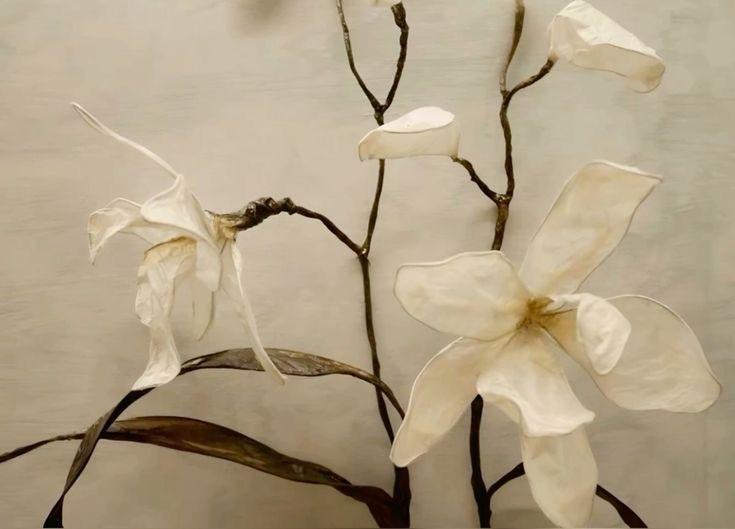
After reviewing the collage posters that I digitally crafted, I noticed a pattern arising. In order to keep a neutral tone and outlook, most of the centering pieces were assembled to produce a “minimal” prospect; something that is void of vibrant colors.
I wanted my work to come across as a straightforward summary and interpretation of the poems; indicating how art does not have to be extravagant and lively every single time, and that contrasting pieces can be put together and still emit the same kind of ambiance.
Some digital cutouts were severed nicely to create smooth textures, while some were messily snipped. Others were overpowered with shadowed features, while others were pasted with a nominal value or cause. Even with several differences, I still regard my work to be ‘pleasing’ within its audience’s faculty of sight.
Altogether, they released a cohesive touch and connotation: the means to show and tell that art can be found even in the simplest, repetitive objects that we encounter in our day-to-day lives. This includes the mere contact with architecture, letters, theatrical associations, music, drawings, pictures, and the like—fully describing how poetry is seen in our mundane existence.
This project made me feel that it is alright to have doubts and changes in principles and of heart; to not be afraid of what uncertainties the future may bring. Within the past semester, all I have given myself was dubiousness. So, accomplishing ERLEBNISSE with certainty made me feel all better and aligned with myself once again. ✸
‘ERLEBNISSE” allowed me to reminisce the days by which I truly submerged myself in the field of the arts; somehow, it feels as though my touch has been long gone. Day by day, I still question myself if this passion will only remain as a memory that I am only meant to revisit in the future—and if the path I’m treading now will be the most suitable for me. As much as ideal and practicality goes, I love where I am, and I love the people that I am surrounded with. I cherish these experiences more than anything, more than the future itself.