printed with the support of Akademie Schloss Solitude
Stuttgart
2024

This guide is my first public attempt to summarize this stage of my involvement in a project ongoing since 2021. My collaboration with the Office of Post-Artistic Services and Anna Wilczyńska, the former mayor of Opolno-Zdrój, has always aimed to support the community of this village in southwestern Poland, threatened by the Turów lignite mine.
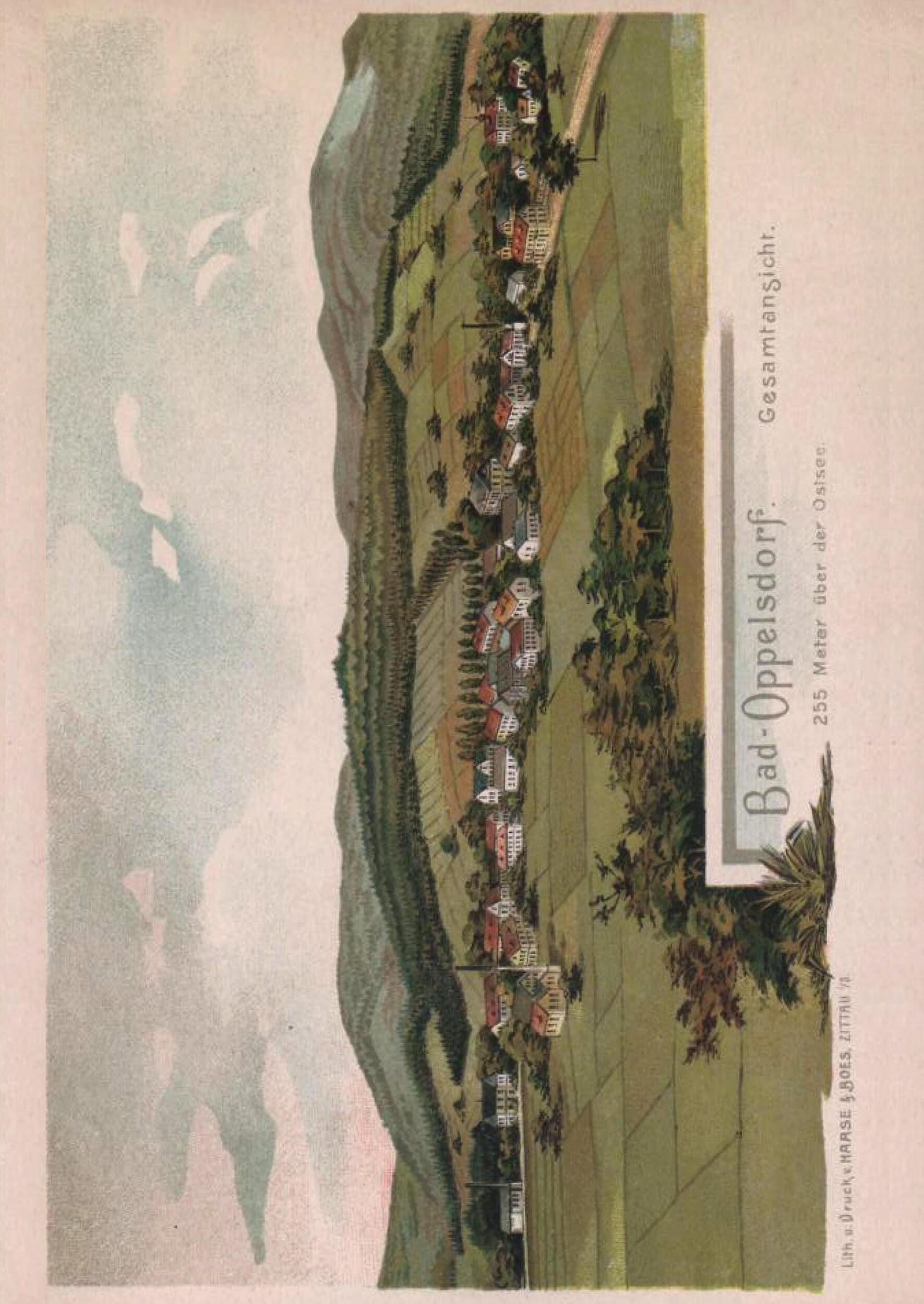
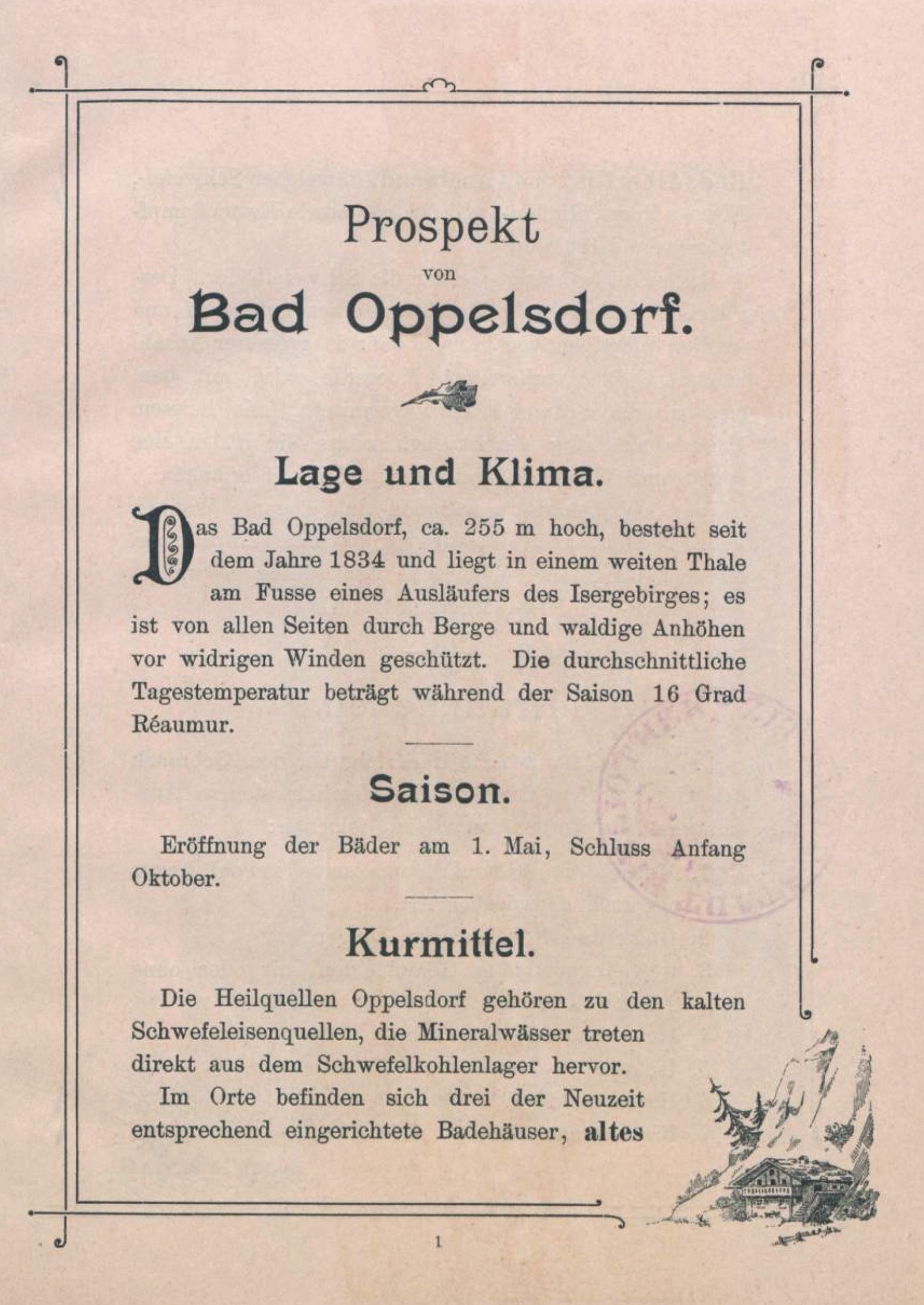
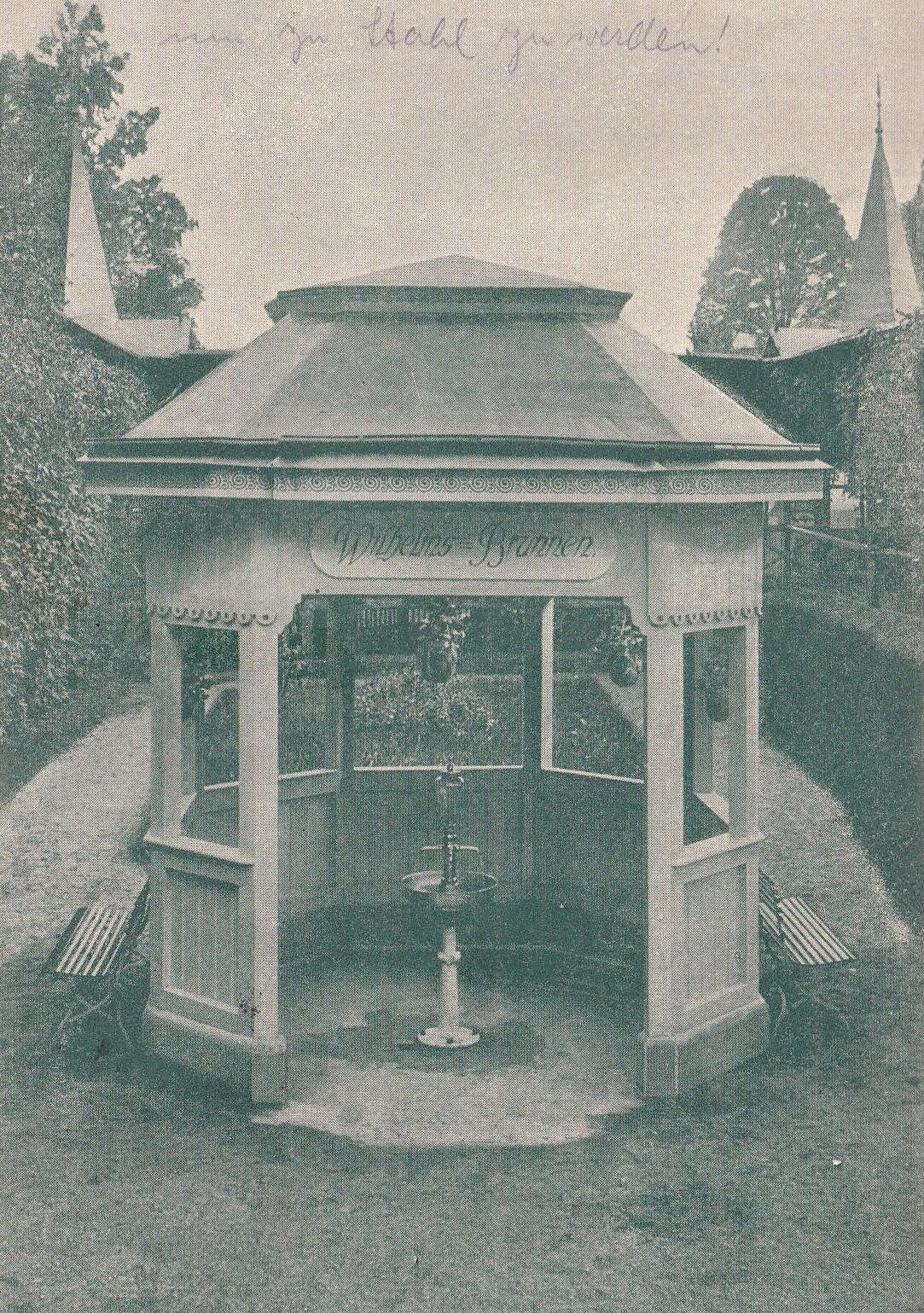
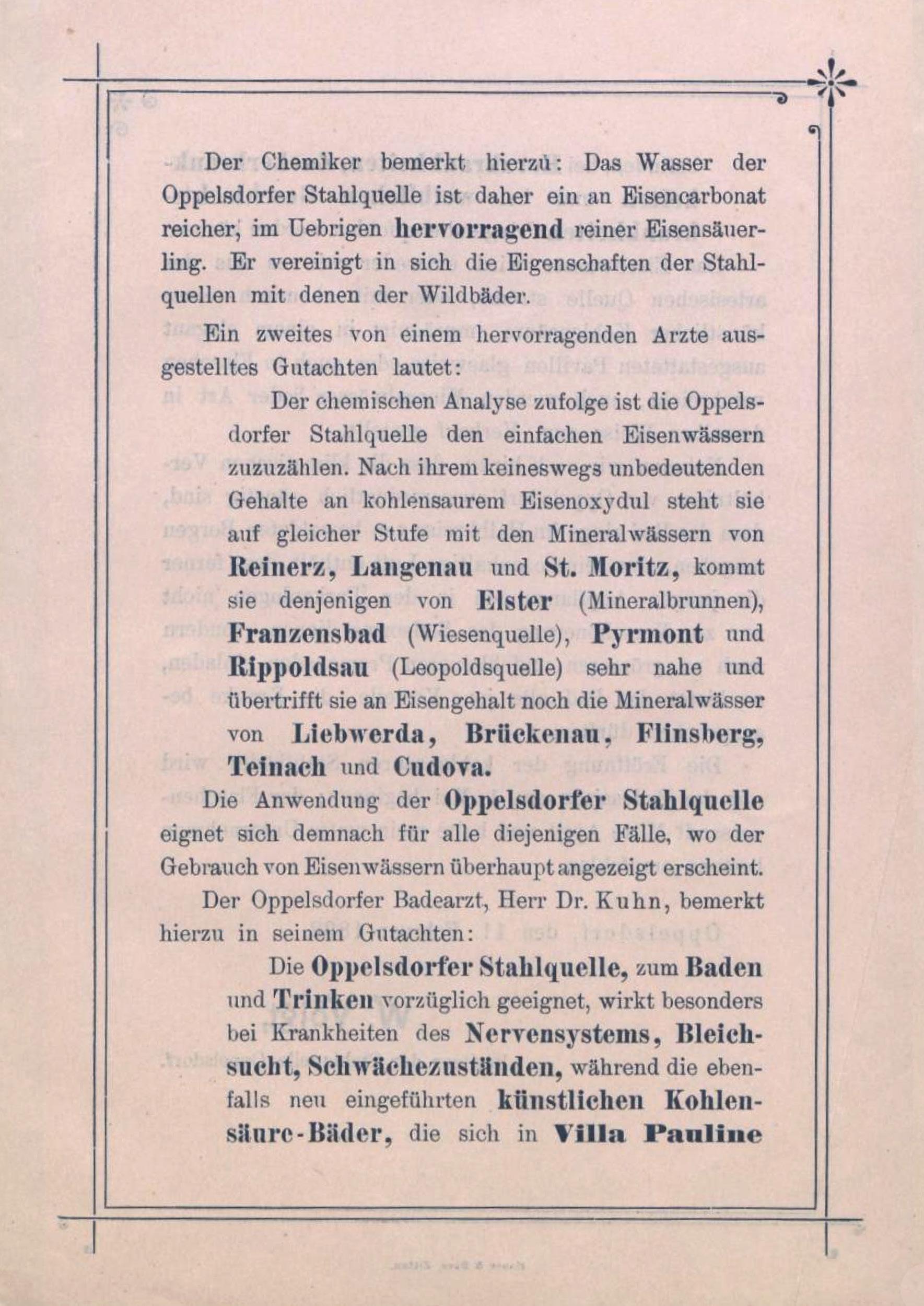
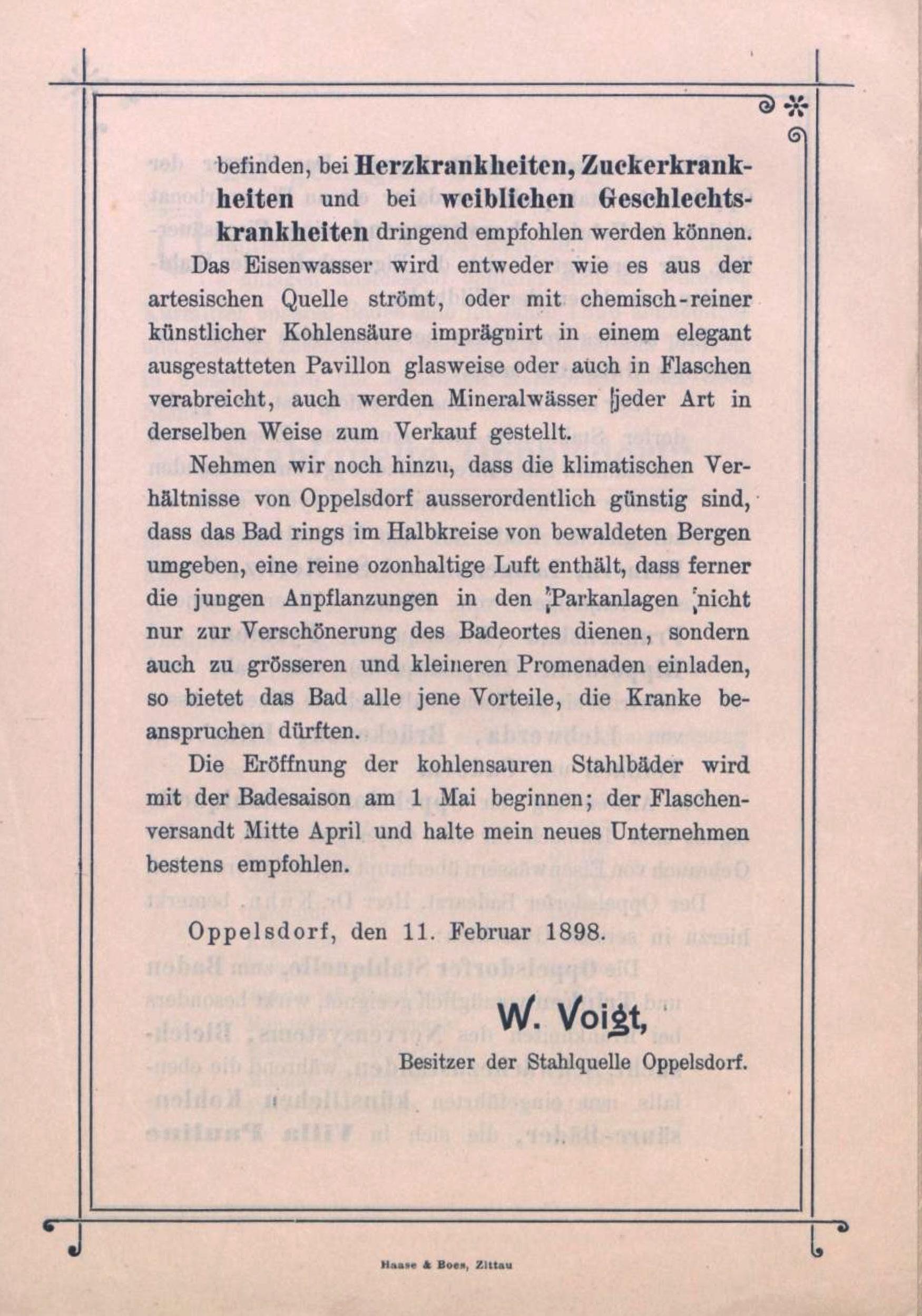
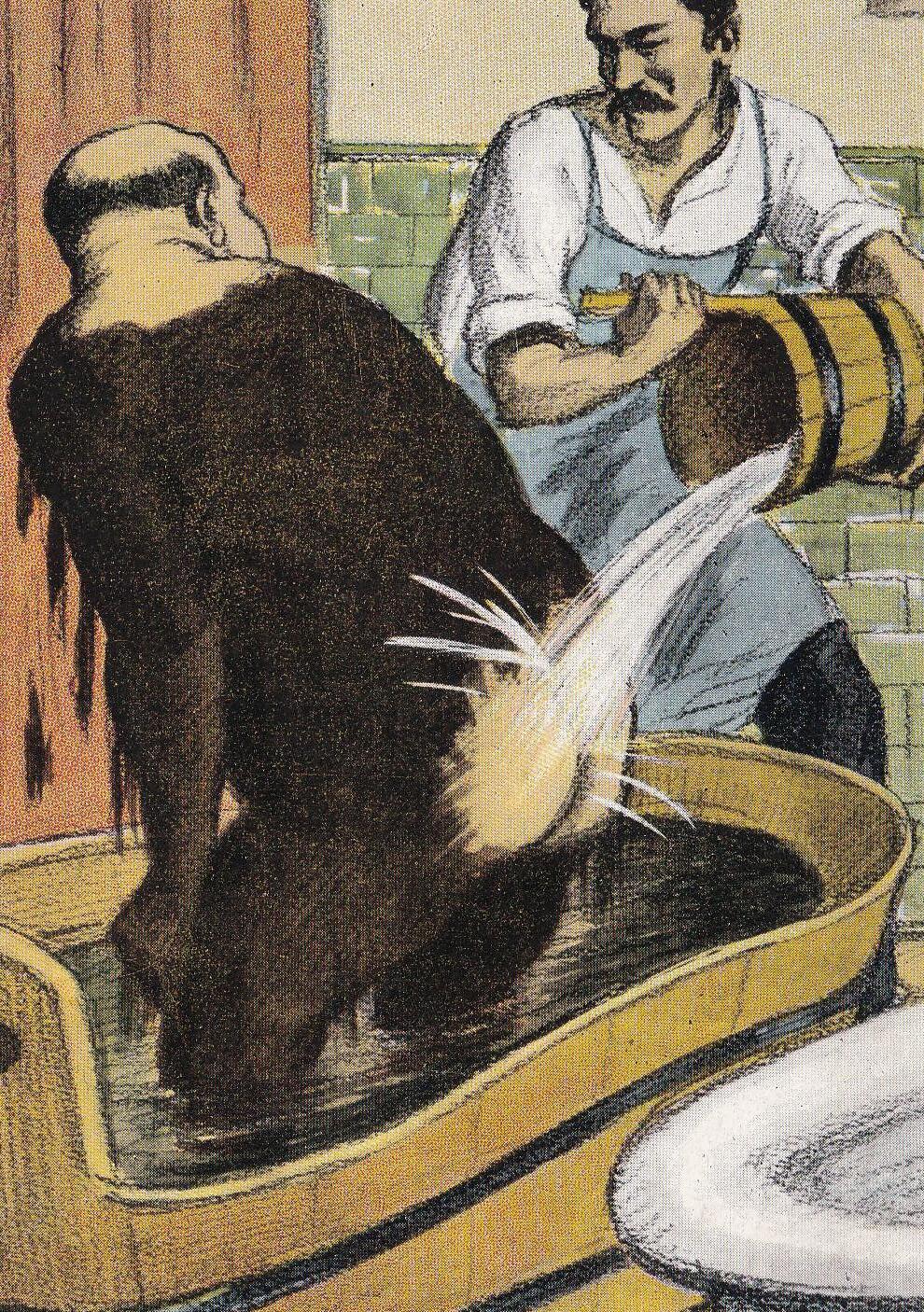
During my residency at Akademie Schloss Solitude, I found a digitalized guide to the former spa resort of Bad Oppelsdorf, which inspired me to gather and present contexts spanning the period from the late 19th century to 2024. The themes of geopolitics, ecology, history, art, and culture are too vast to exhaust, so I have chosen to organise them into chapters.
You will also find references to other guides to the Zgorzelec region, recollections of Europe’s first Artistic Open-Air Event dedicated to ecology, and a unique political dispute—the first in the European Union’s history where one country sued another over land exploitation and access to water.
—Mateusz Kowalczyk







Return to exploitation of the landscape - reflections on ecology and the role of art.

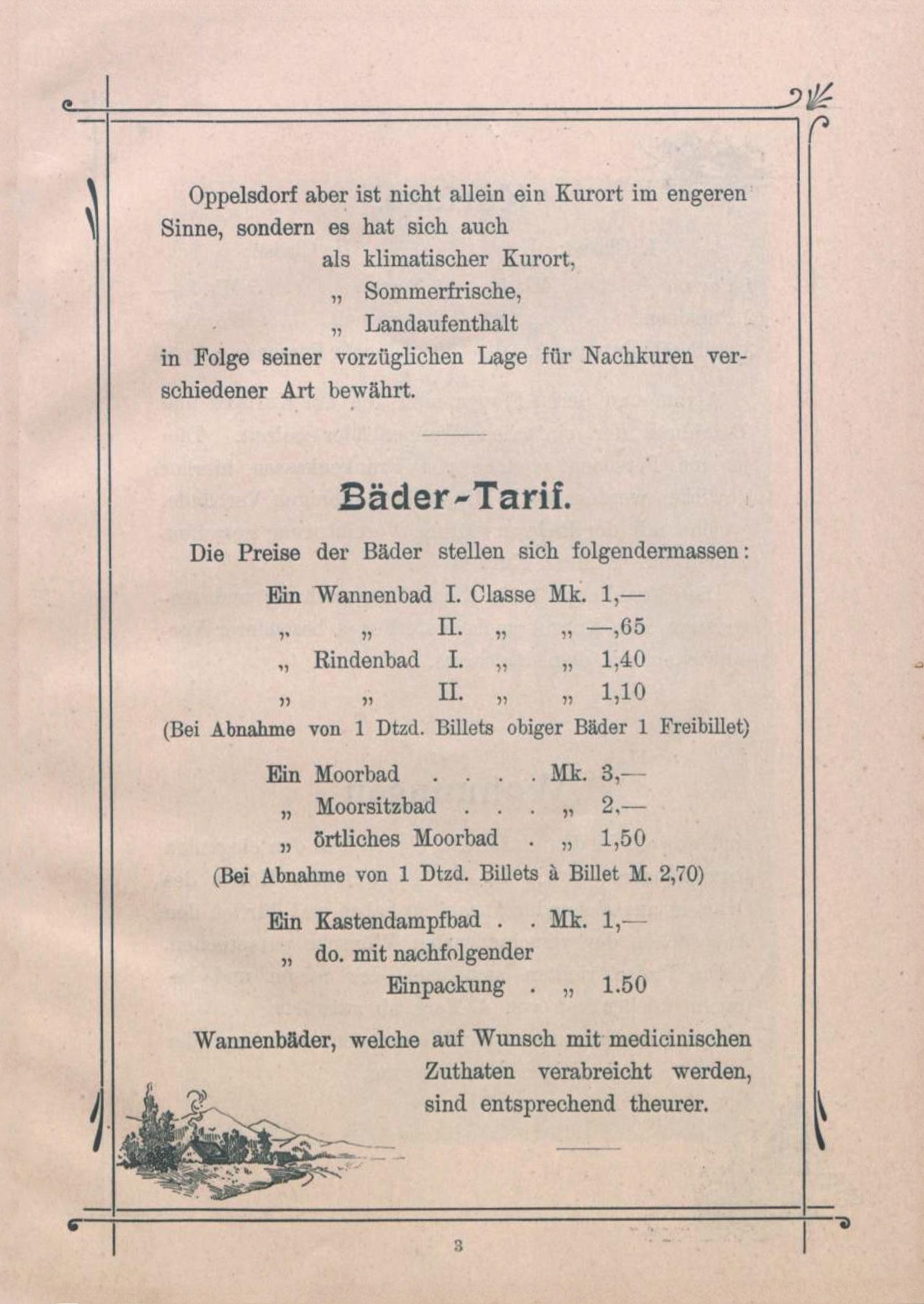
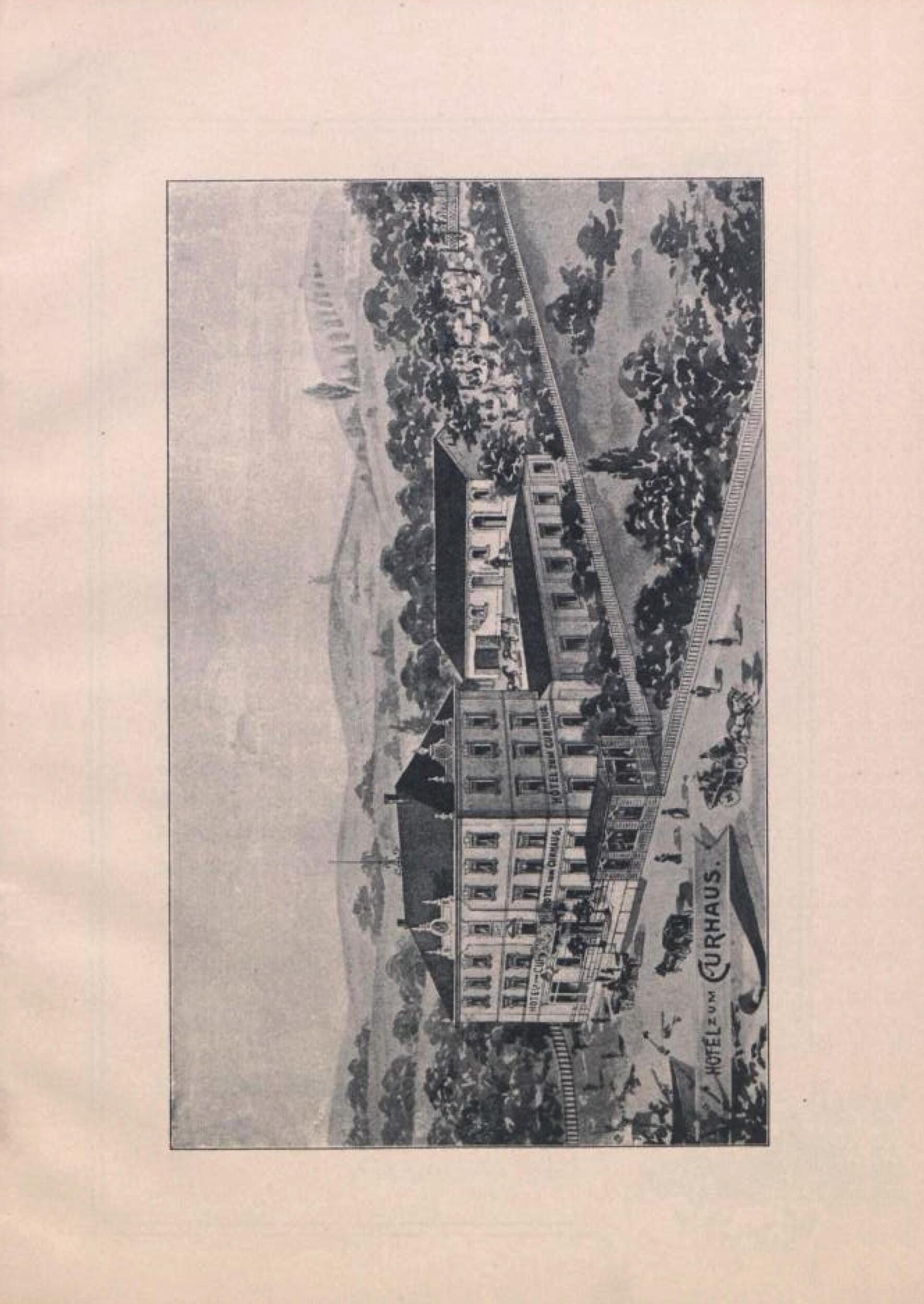
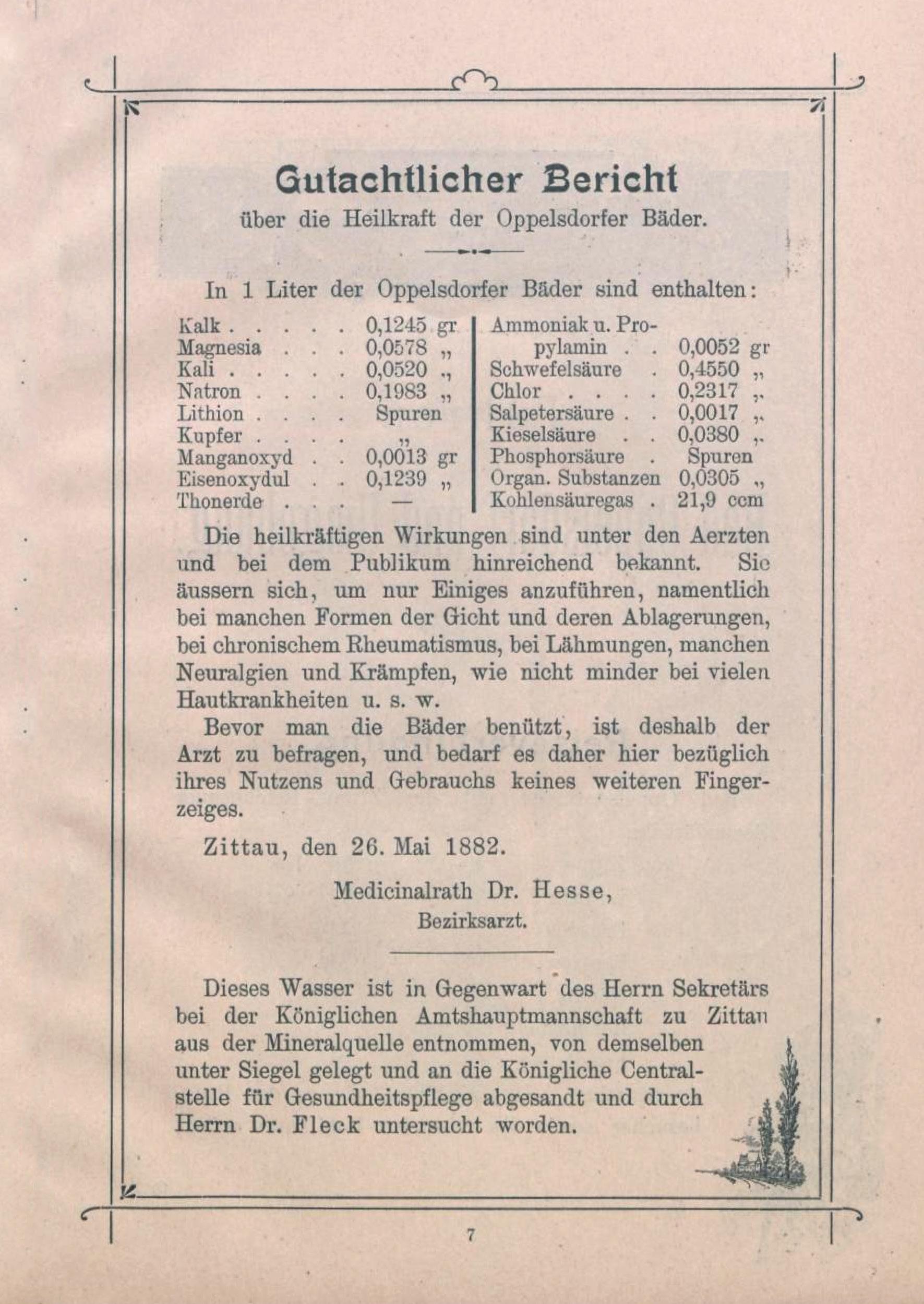
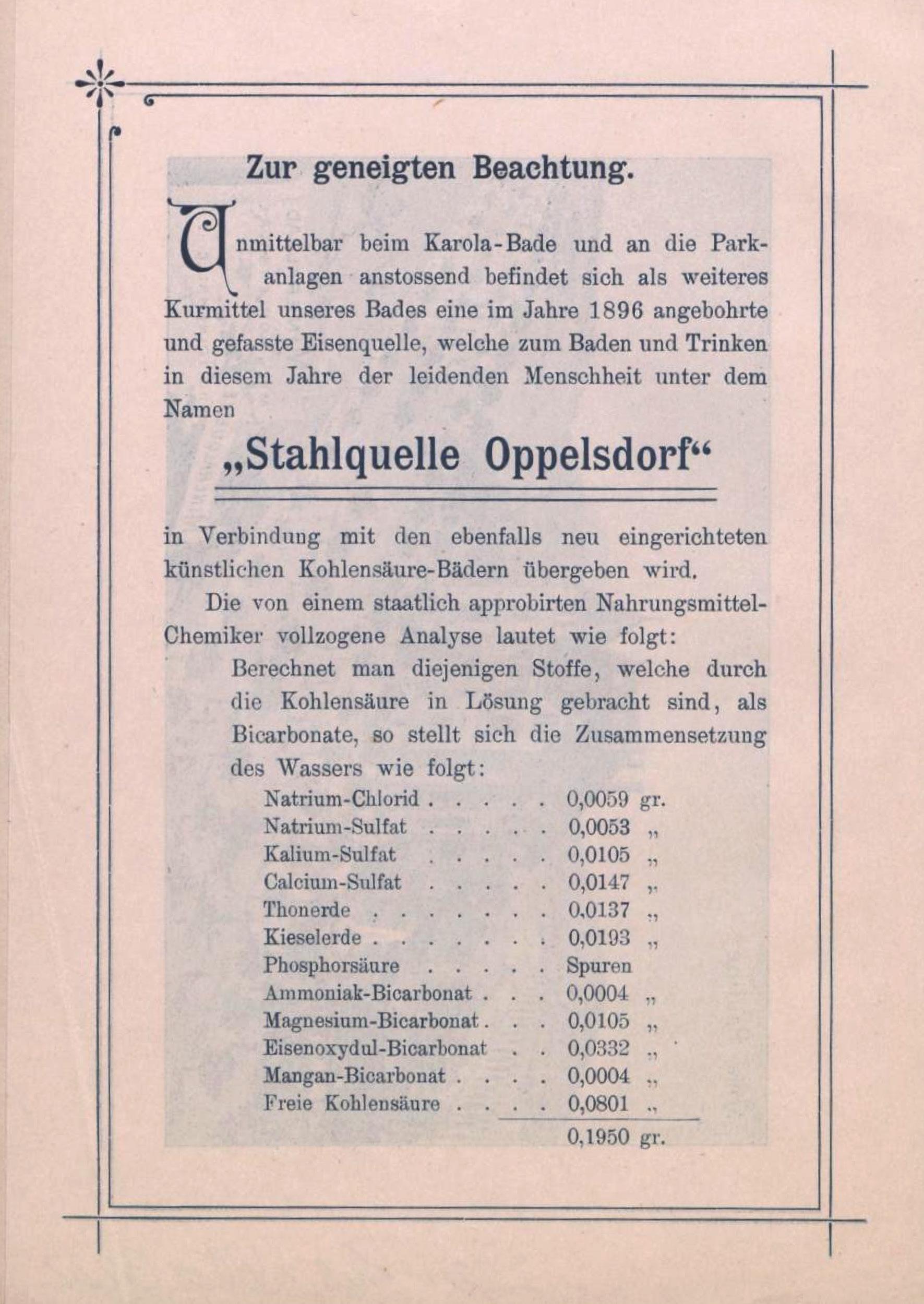
After World War II, when the territory of Upper Lusatia (Eastern Saxony) was incorporated into Poland, in 1947 year the spa town of Bad Oppelsdorf was renamed Opolno-Zdrój*. In 1950, the enterprise „Uzdrowiska Polskie” (Polish Spas) granted a loan that financed the renovation of historical sanatorium buildings. Thanks to this, the spa was ceremonially opened in June of the same year. Unfortunately, the expansion of the mining operation led to the depletion of mineral water sources in 1957, marking the end of Opolno-Zdrój’s history as a spa town.
The following and selected descriptions come from the first guide to the Zgorzelec Region, published in 1966 in the People’s Republic of Poland (PRL)
The Zgorzelec Region is widely known in Poland for two reasons: the signing of the 1950 treaty between the People’s Republic of Poland and East Germany in Zgorzelec, establishing the mutual state border along the Oder and Lusatian Neisse rivers, and the role the region played during the 1958-1965 economic development phase under Poland’s five-year plan. This role was connected to one of the largest investment projects of the 1961-1965 five-year plan in the PRL, the construction of the Turoszów Fuel and Power Complex.
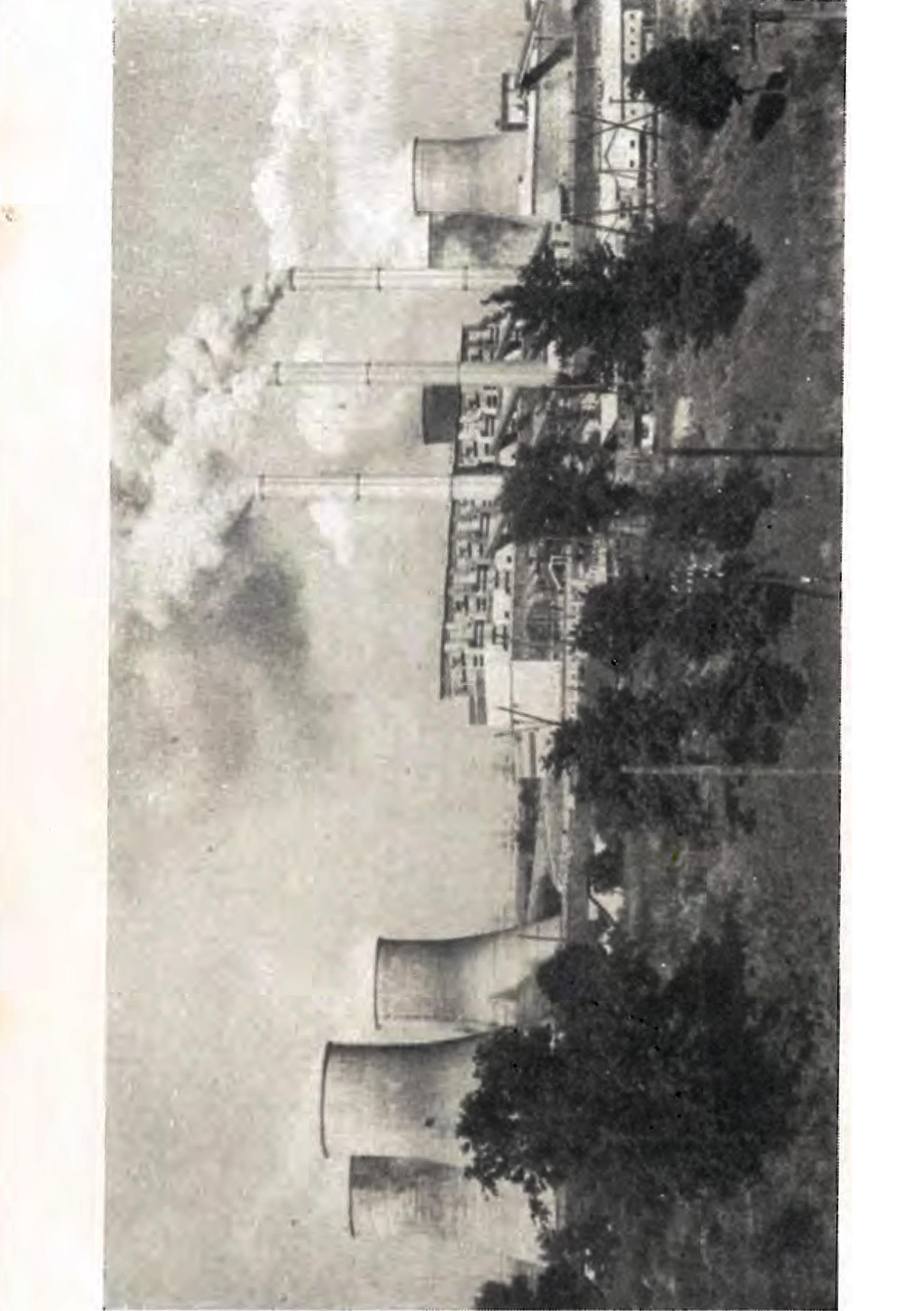
The only attraction was the town of Opolno-Zdrój, which held a particularly favorable location in this region, with its climate and infrastructure suited to a recreational resort. However, it was never a particularly charming spot, even by Saxony’s standards, nor was it a highly sought-after spa destination. Its main value was its tranquility, distance, and abundance of greenery. * The element „Zdrój” in Polish corresponds to the German designation „Bad” for spa towns.
The Zittau Basin as a mining site has a long history. Between 1786 and 1820, there were already 10 independent companies extracting coal, primarily to meet their own needs, as fuel and fertilizer. The establishment of numerous weaving mills in the 1840s led to a boost in coal extraction, as these mills began to use coal for heating. The first large mine was established in 1835 in Hartau, and it remains operational to this day. Between 1836 and 1869, up to 69 small enterprises emerged, although two-thirds soon closed down. In 1904, the „Hercules” mine was opened in Turoszów, and in 1924 a major open-pit mine in Olbersdorf. That same year, the Hercules mine became part of the „Sächsische Werke” conglomerate, and subsequently supplied a large power plant, briquette factory, and calcining facility (coal processing plant) based in Hirschfelde. The name „Turów” was introduced in 1947.
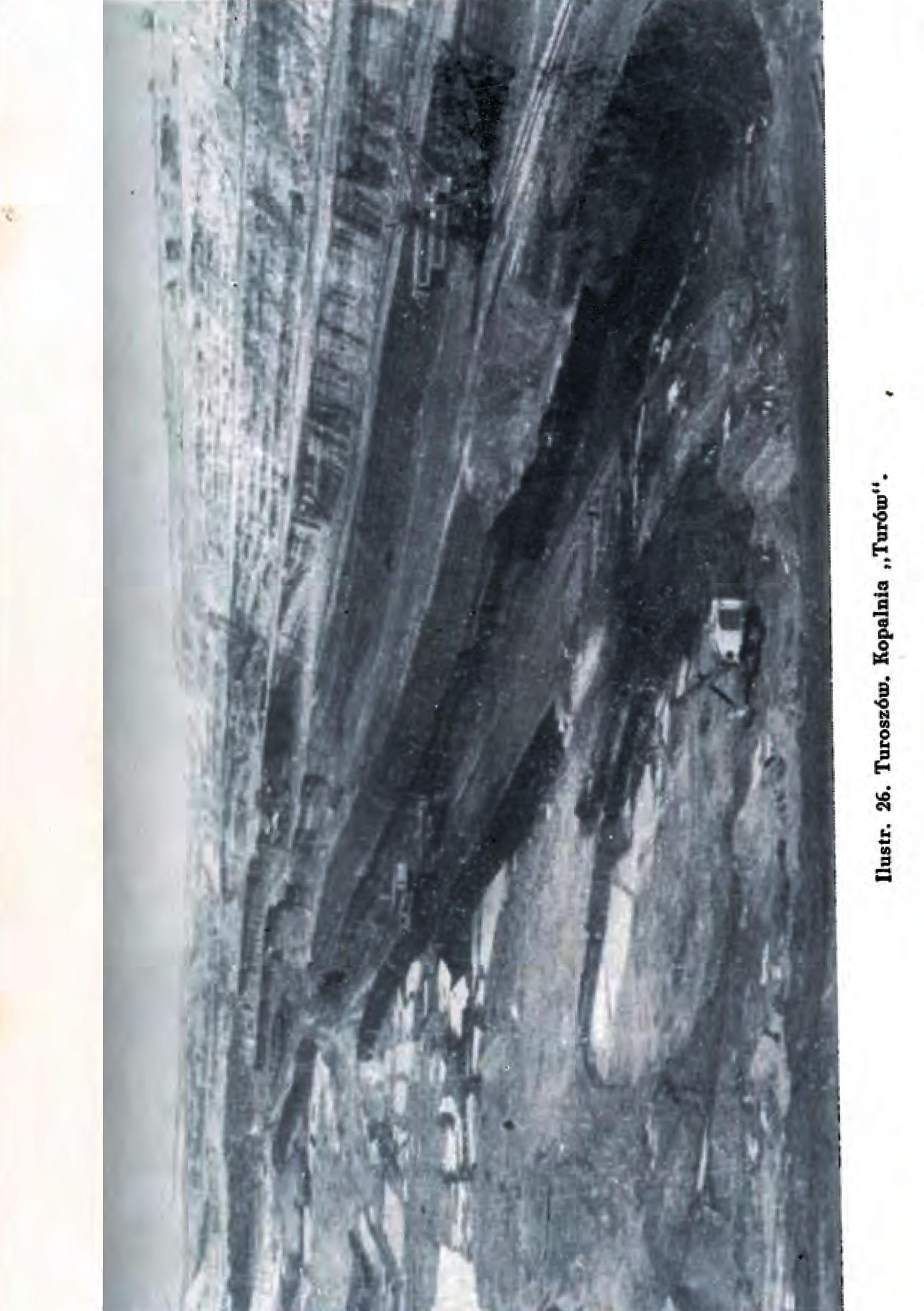

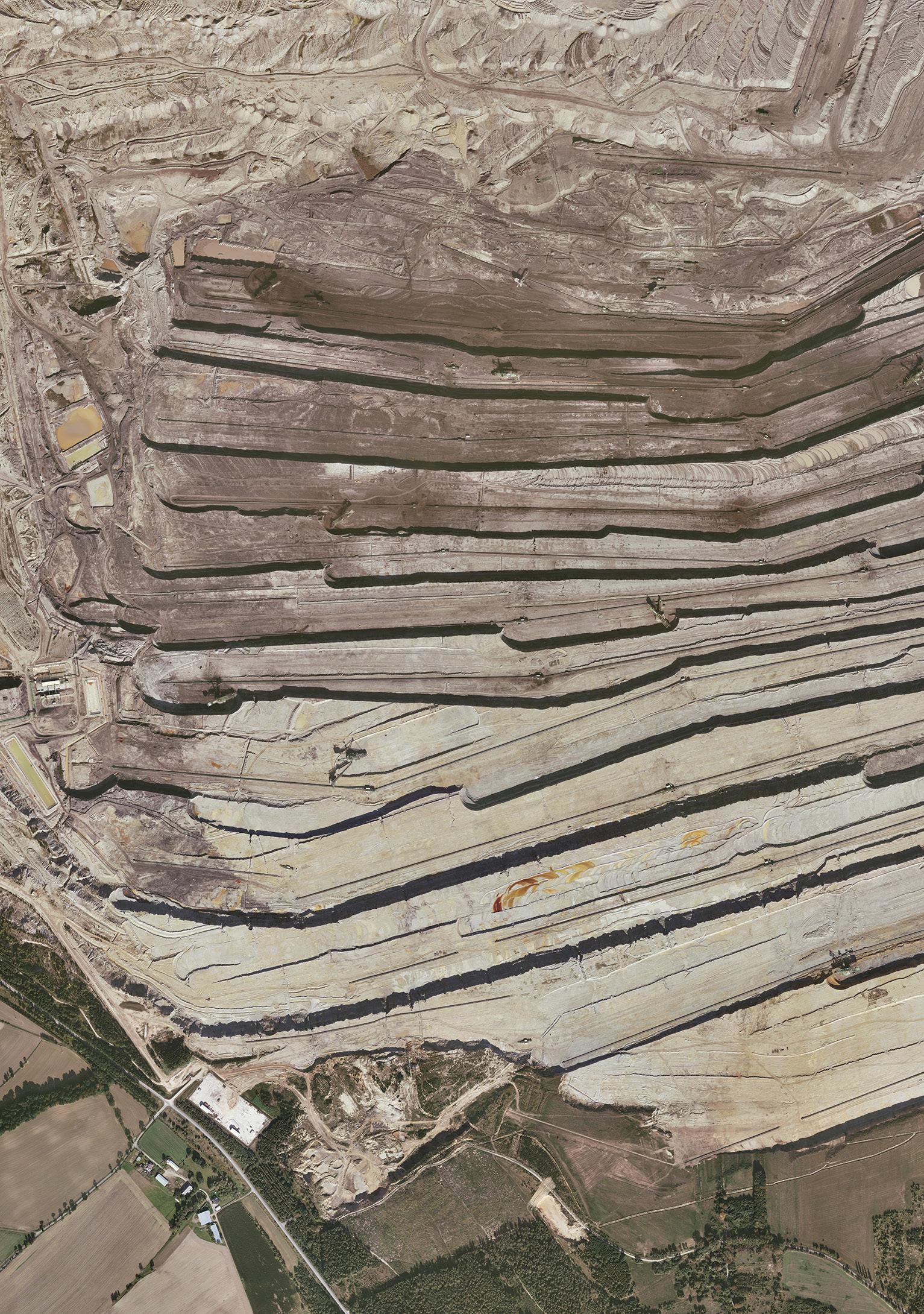
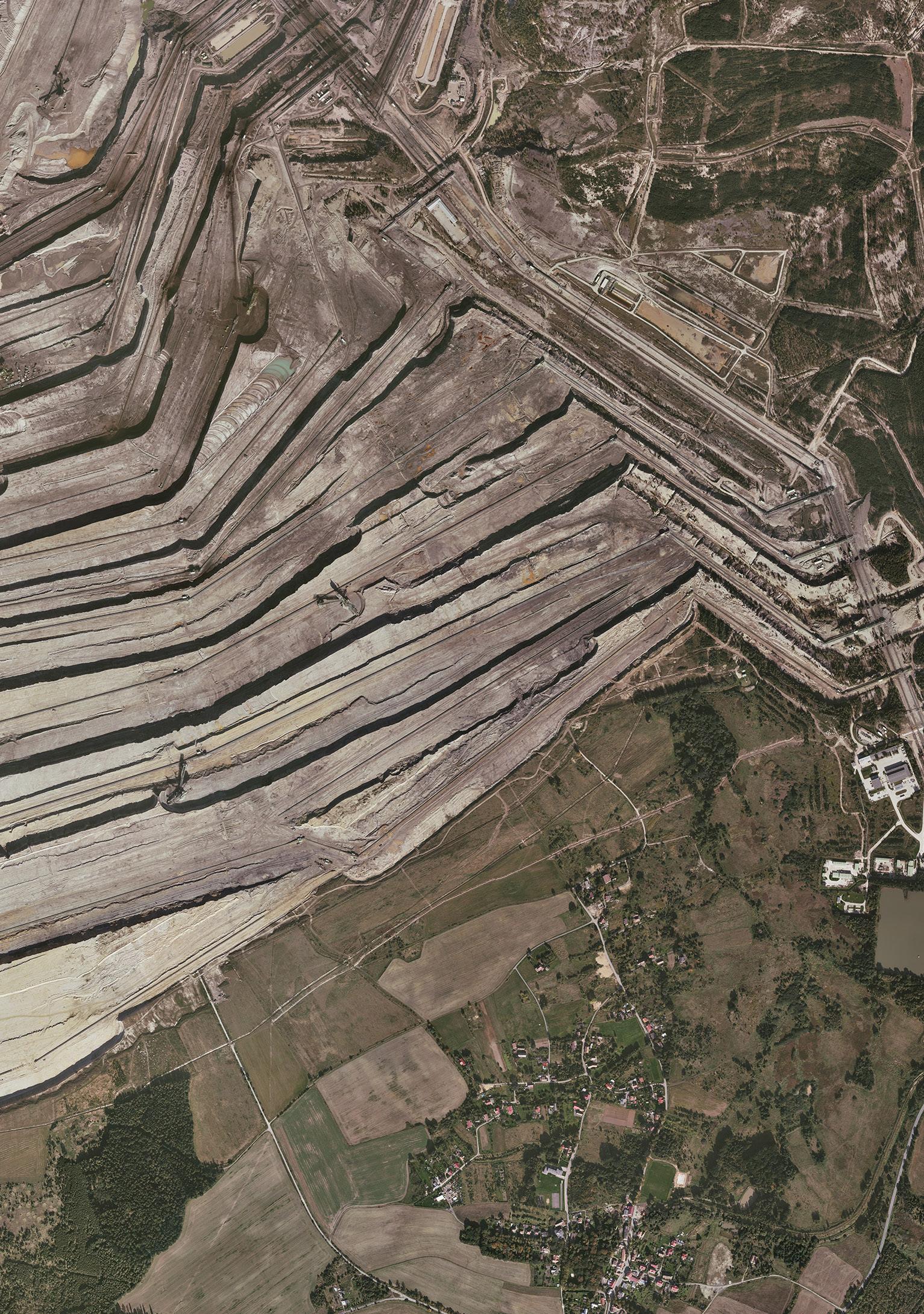
The road lies directly along the PRL-GDR border zone, passing over the Neisse River. About halfway along, one should stopto look at the vast Turów open-pit mine stretchingto the right. Noticeable are the visible coal seams, layers of overburden between them (overburden above the first coal layer from the top and between the coal seams), as well as large German-made excavators extracting both coal and overburden. One can also see rails and pylons for the electric trains transporting coal to conveyor belts, from where it travels to the Turoszów power plant or directly to the German Hirschfelde power plant (now „Friedensgrenze” –„Peace Border Power Plant”), or transports overburden to the dump visible on the horizon. On sunny days, water seepages can be seen in some parts of the coal wall. From a distance, it seems as though they are flowing from caves in the coal bed, but they actually come from drainage tunnels leading from the central shaft to the coal wall at the mine. Environmental Impact of the Mine The development of the new lignite open-pit mine significantly expanded the mining area, now covering 44 square kilometers and extending as far as Bogatynia, Opolno, Rybarzowice, and Biedrzychowice. It also necessitated enlarging the dump, even burying parts of the village of Zatonie with overburden. In total, the construction of the complex has occupied nearly 10% of the Zgorzelec region’s land area. Such extensive expansion led engineers to relocate and regulate two rivers: the Miedzianka and Jaśnica.

With the completion of the Turoszów complex, the revolutionary transformations and development of the county are accomplished. (…) The period of potential expansion (...) would again be a time of accelerated growth, although it would not match the scale of the 1960-65 period. (...) Economic life would revive once more, and the county would advance rapidly in general classification. As lignite mining in Turoszów progresses, more land will be taken up by coal pits and dumps, where bare heaps of earth now lie, new forests will grow.
Plans foresee lignite extraction in the Turoszów basin as profitable for around forty years, until 2000. Does this mean that after this date, the southern parts of the county will resemble a barren wasteland? Perhaps not. The development of international cooperation among socialist countries, the tremendous advancement of technology and human ingenuity, inventions, improvements, and new exploitation methods inspire hope and even certainty that the Zgorzelec region will continue to develop, possibly in other directions and with different techniques. Much will depend on the next generations, who will shape this land, its economic growth, social life, and culture.


The Land of Zgorzelec Artistic Pleinair took place in July 1971, lasting just under a month (from June 30 to July 24). It was organized at the site of the Turów brown coal mine and power plant, a few kilometers from Opolno-Zdrój in the Turoszów Basin.
The event’s organizing committee, consisting of Jerzy Ludwiński, Antoni Dzieduszycki, and Jan Chwałczyk, adopted the motto:
as the guiding theme of the undertaking. Environmentally engaged art had already been developing in Poland since the mid-1960s, but this was the first plein air event in Poland to so explicitly express the need for environmental protection and concern for nature.
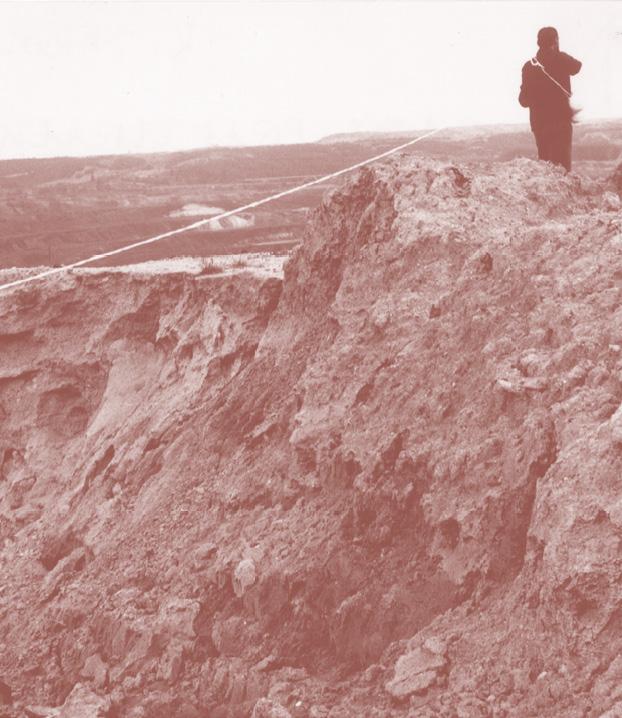
Konrad Jarodzki, Record of Space, photographic documentation of the Zgorzelec Landscape Plein Air, 1971, photo by Natalia LL, collection of the Museum of Contemporary Art in Wrocław, © MWW


The organizers and sponsors of the Zgorzelec Landscape Plein Air included the Association of Polish Artists and Designers, the Society of Authors ZAiKS, the Department of Culture of the Presidium of the Provincial National Council in Wrocław, and the Provincial Trade Union Committee in Wrocław. The event contained a certain paradox: the mine itself became the host of the Plein Air, while simultaneously providing a prompt to critique the unreflective industrial development, and to seek an artistic response to the Plein Air’s guiding motto.
Nearby, untouched nature (such as the Izera Mountains) met spaces entirely dominated and altered by human activity for resource extraction—the result of the mine’s operations was the creation of a massive crater. This lunar-like wasteland, gradually expanding, surrounded by waste heaps and mining machines, remains the most striking feature of the region’s landscape to this day.

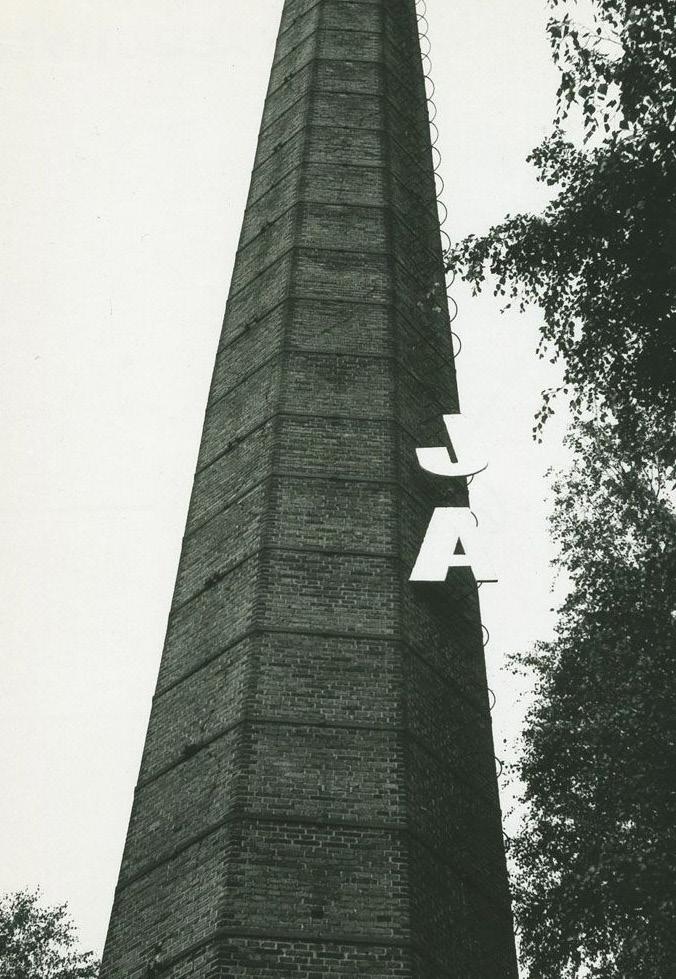
Antoni Dzieduszycki, „Ja”, dokumentacja fotograficzna Pleneru Ziemia Zgorzelecka 1971, fot. Natalia LL, kolekcja Muzeum Współczesnego Wrocław, MWW
The goals of the Plein-Air included questions about the state of the environment and the consequences of the collision between nature and industrial development. Key issues identified included overproduction, environmental exploitation, and the cult of objects. The organizers saw the potential for positive change in rethinking the idea of what we would now call sustainable development, as well as in fostering collaboration between various people—artists, researchers, and members of the local community alike. Opolno-Zdrój and its surrounding areas were intended to serve as a model of cooperation among diverse groups for the benefit of both nature and the people living within it.

The aforementioned materials were translated and quoted from the brochure EXCAVATIONS. A DROP OF KNOWLEDGE ABOUT THE ZGORZELEC LANDSCAPE PLEIN AIR 1971–2021 Copyrights to Museum of Contemporary Art in Wrocław Eugeniusz Geppert Academy of Fine Arts in Wrocław
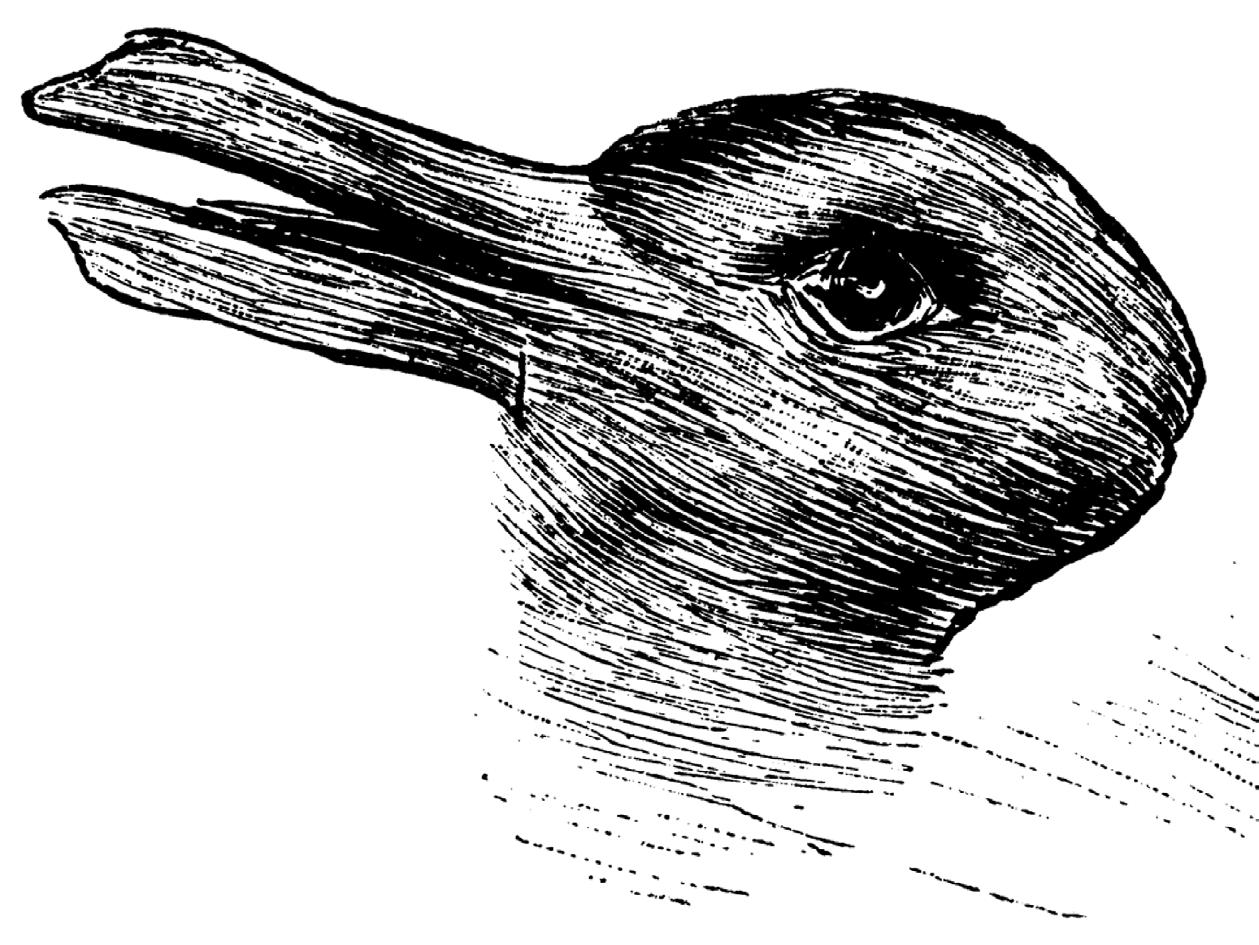
collectiveness in action.
listening, acting and do things togheter.
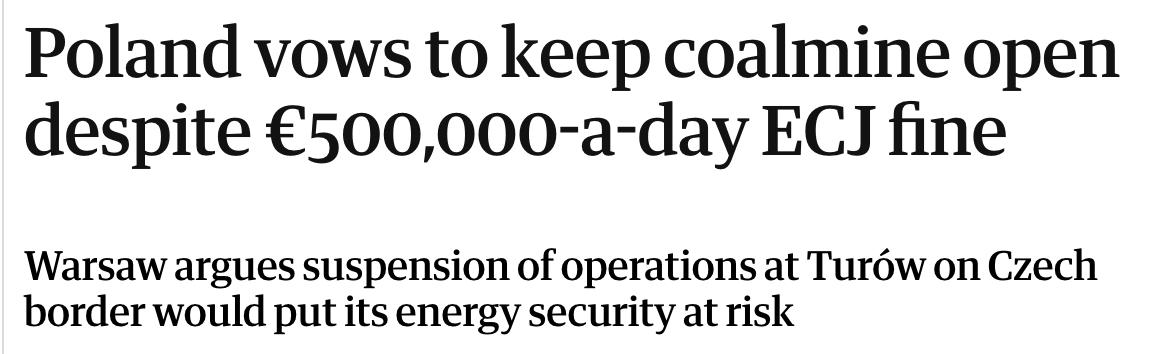
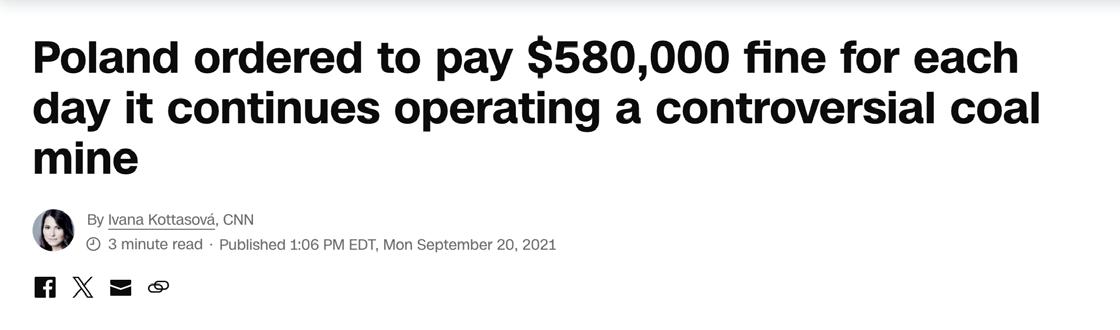
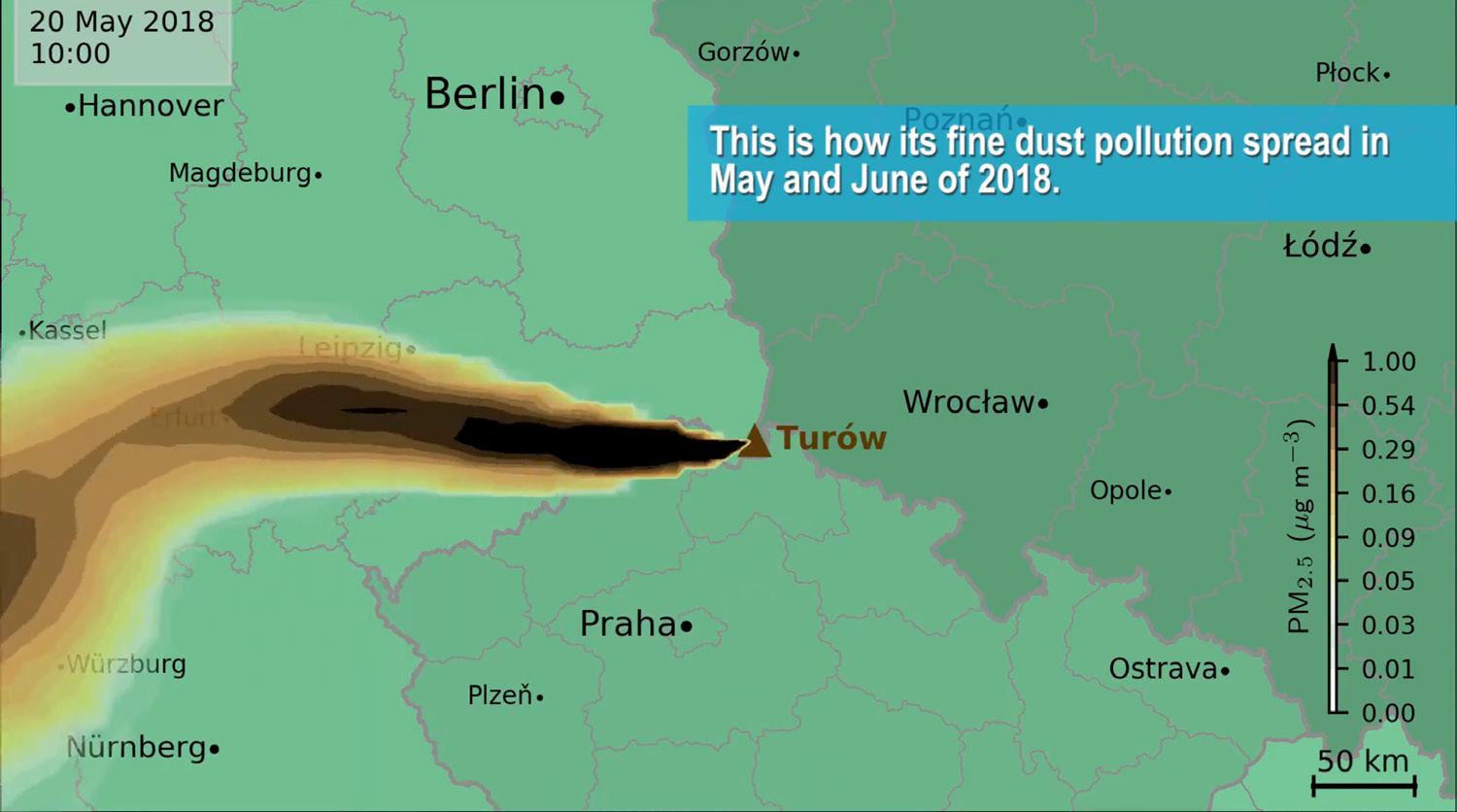
In February 2021, the Czech Foreign Minister Thomas Petricek announced a lawsuit against the Polish Republic at the ECJ over the controversial extension of the concesion for open-pit coal mining in the Turów tri-border area. What makes this fact pattern stand out amongst other lawsuits between member states is unique to this case only: For the first time in the history of the European Union, two member states are suing each other on the grounds of environmental misconduct.
The German town of Zittau, members of the Saxon State Parliament and the District of Görlitz have filed an official complaint to the European Commission


On the 50th anniversary of the first Polish ecological artistic plein-air, artists returned to Opolno-Zdrój. During the three-day long symposium entitled “The Land of Zgorzelec: OPOLNO 2071” a group of artists, curators and researchers, together with the representatives of the local community continued the discussions and activities started in 1971. However, this time, instead of warning or speculating about the imminent apocalypse and commenting on the destructive driveof Homo sapiens species, artistic tools and creative imagination were used to generate a vision of a common, green and climate-just future for Opolno-Zdrój and the whole region. The theme of the pleinair was a speculative fiction in which the mine and power plant are just a vague memory of a distant past, while Opolno-Zdrój returns to its traditions and becomes a futuristic spa and a recreational arts residency center.
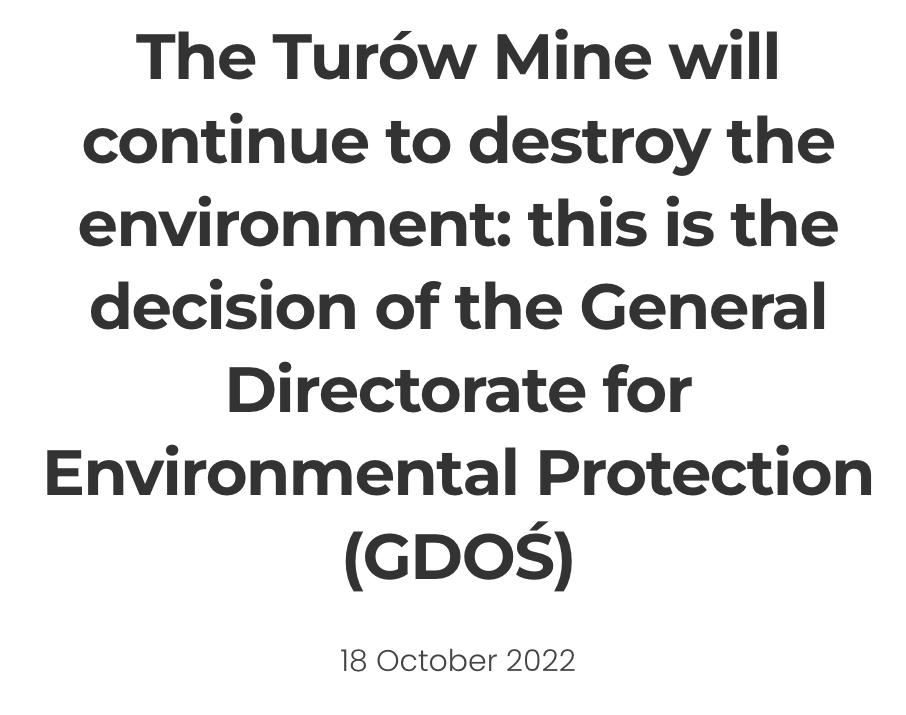
The main idea of the plein-air was to use art, science and research to take a stand in the ongoing debate on just transition in Poland and its social costs. In April 2021 the Polish government extended the license for Turów industrial complex and agreed to expand the mining area. The decision will result in the destruction of half of the town of Opolno-Zdrój. Many preciousbuildings, ncluding 19th century spa facilities, will be demolished; the social tensions and problems of the local community will escalate and the local environment and landscape will be further destroyed. Recently, the Turów mine and power plant have become widely discussed in Europe when the Czech government brought a case against Poland in the Court of Justice of the European Union, accusingthe mine of draining its water supplies. Working in this context we have mobilized creative tools and artistic imagination to take part in a discussion which highlights all of the key tensions and problems connected with the climate crisis, just transition and the European Green Deal.
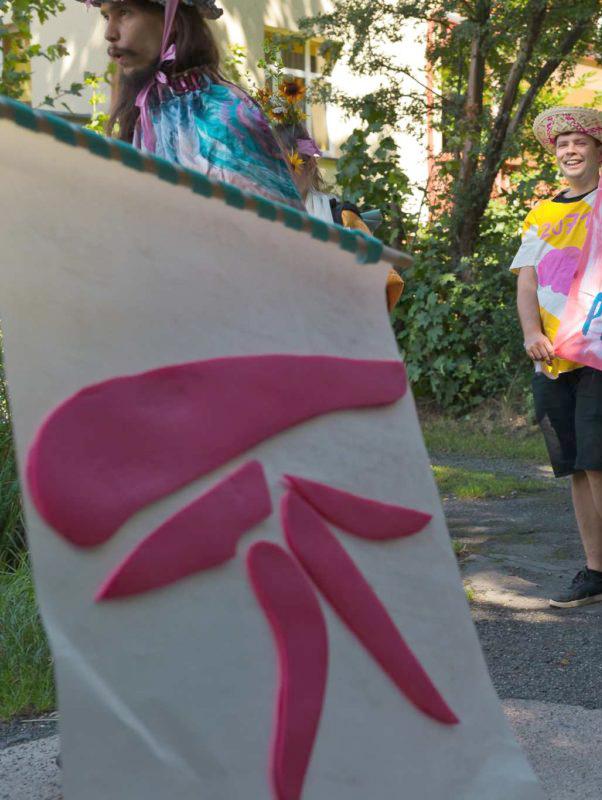
The Land of Zgorzelec: OPOLNO 2071, Opolno-Zdrój, August 6th-8th
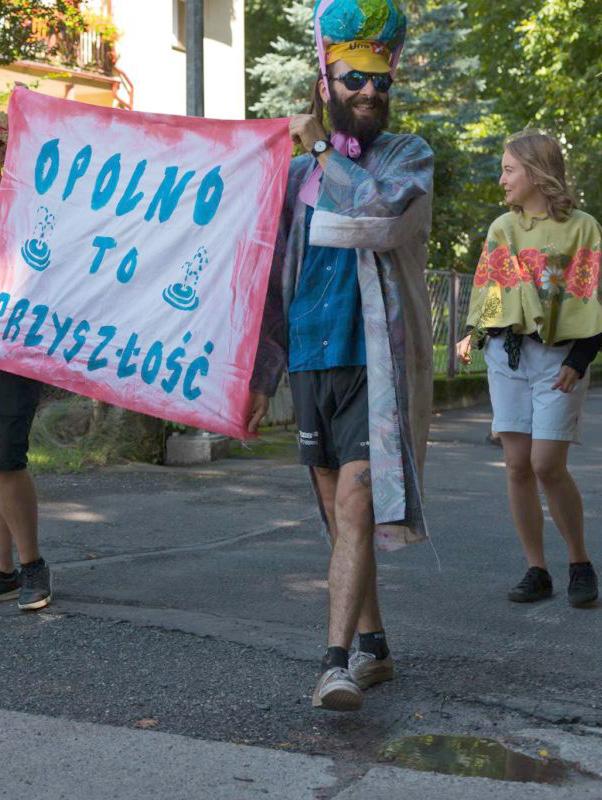
6th-8th 2021, Office for Postartistic Services. Photo by
The Office for Postartistic Services is a unit functioning underthe umbrella of Bęc Zmiana Foundation. Its goal is to support art that actively engages with social and political movements, strengthening the progressive artistic activism that has recently emerged in Poland. The broad network of artists connected to the Office implement artistic strategies and tools beyond the art galleries, carry art out to the streets or feature it in the media to counter alt-right propaganda and contribute to the antiauthoritarian, antifascist, prodemocratic, pro-LGBT+, and ecological agendas by testing new, innovatve methods of protest and action.
The Office’s goal is to reinforce this bottom-up movement, both in its more spontaneous and self-reflective forms.

The Office for Postartistic Services (website)
In the last 2 years (2023 and 2024), I have focused on using new technologies to document historic spa architecture that is about to be demolished. With the support of a grant obtained by the SPA, during two individual visits to Opolno-Zdroj
I made a series of photogrammetric scans to create an audiovisual digital guide. In addition to the architecture itself, which proved to be very difficult to scan, I was particularly interested in recording the places that carry the emotions and relationships of Opolno residents.
The result was a series of video animations depicting, among other things, two Nursing Homes for Men, which are located in former spa villas, but will be moved to nearby Bogatynia through the expansion of the Turow mine.
What I find most difficult to express at the moment is the situation of the residents of Opolno, who, despite media interest in the subject of the mine itself and the spa’s history, are abandoned by their own Country - Poland. The Turow case in the EU parliament, ended in a settlement, and satisfied the needs of the Czech side, leaving out the Turow residents and their needs - such as cheap public transportation, support for the tourism sector, repair of road infrastructure.
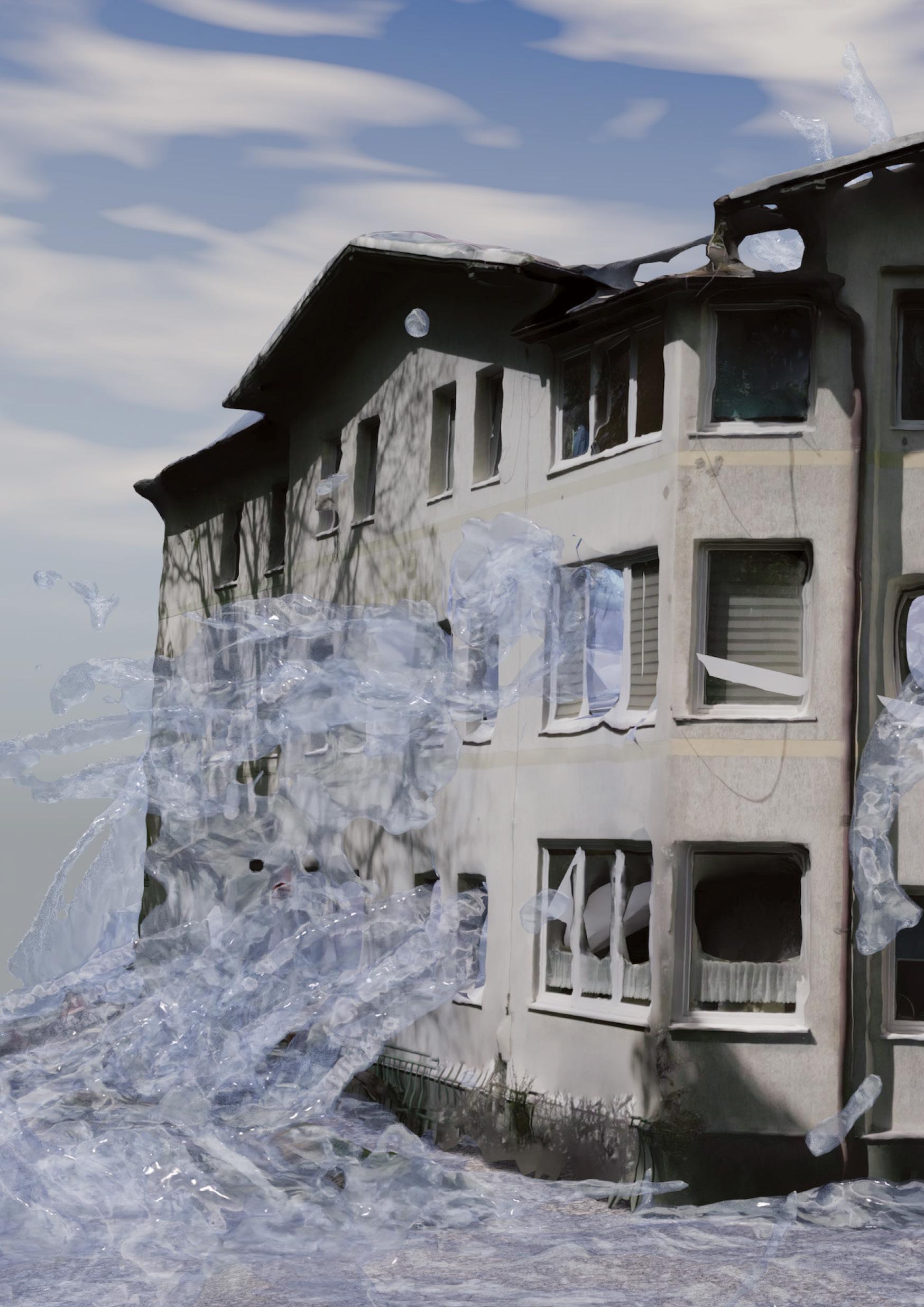
Nursing Home for Men, photogrammetric scan render, 2024
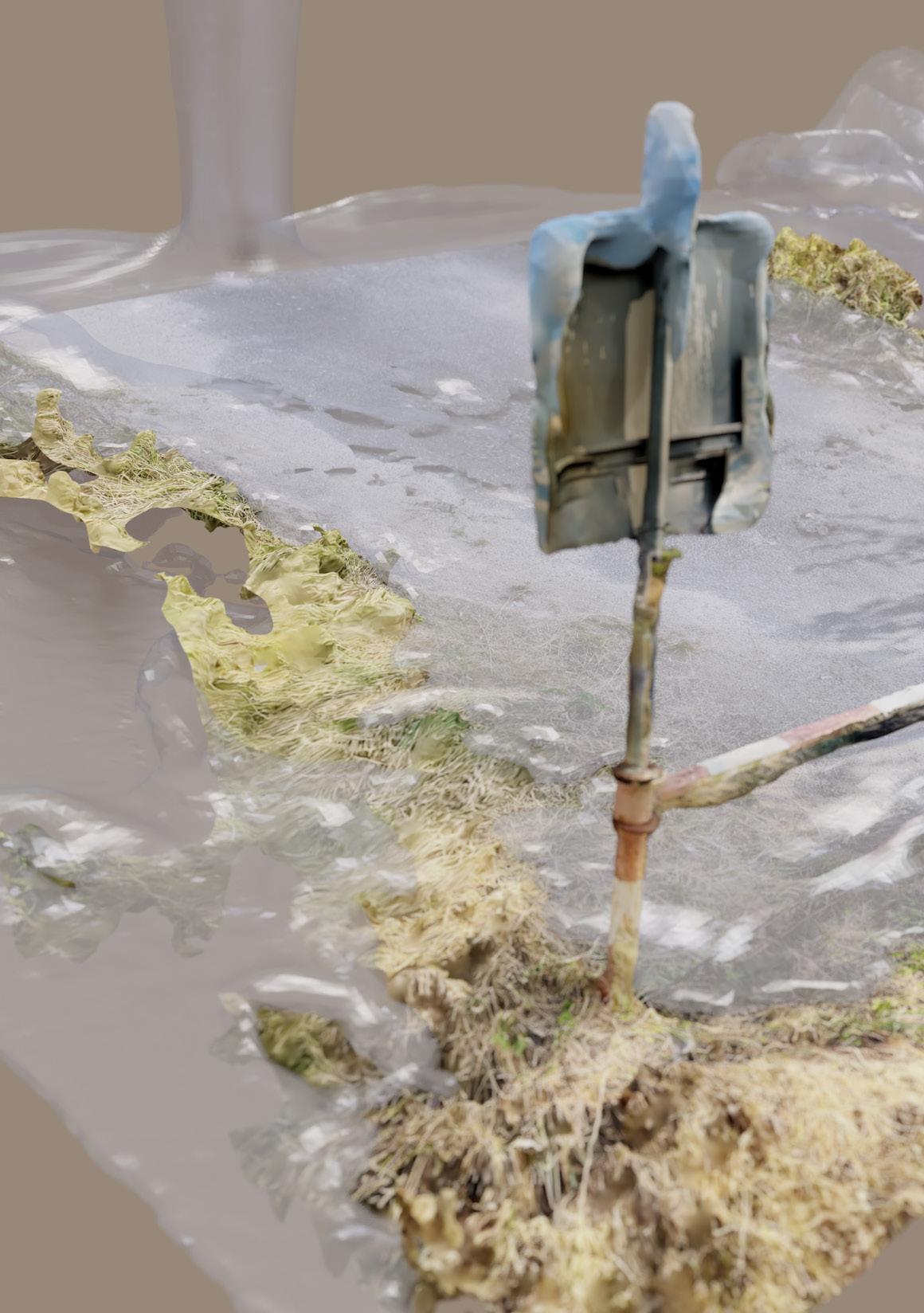
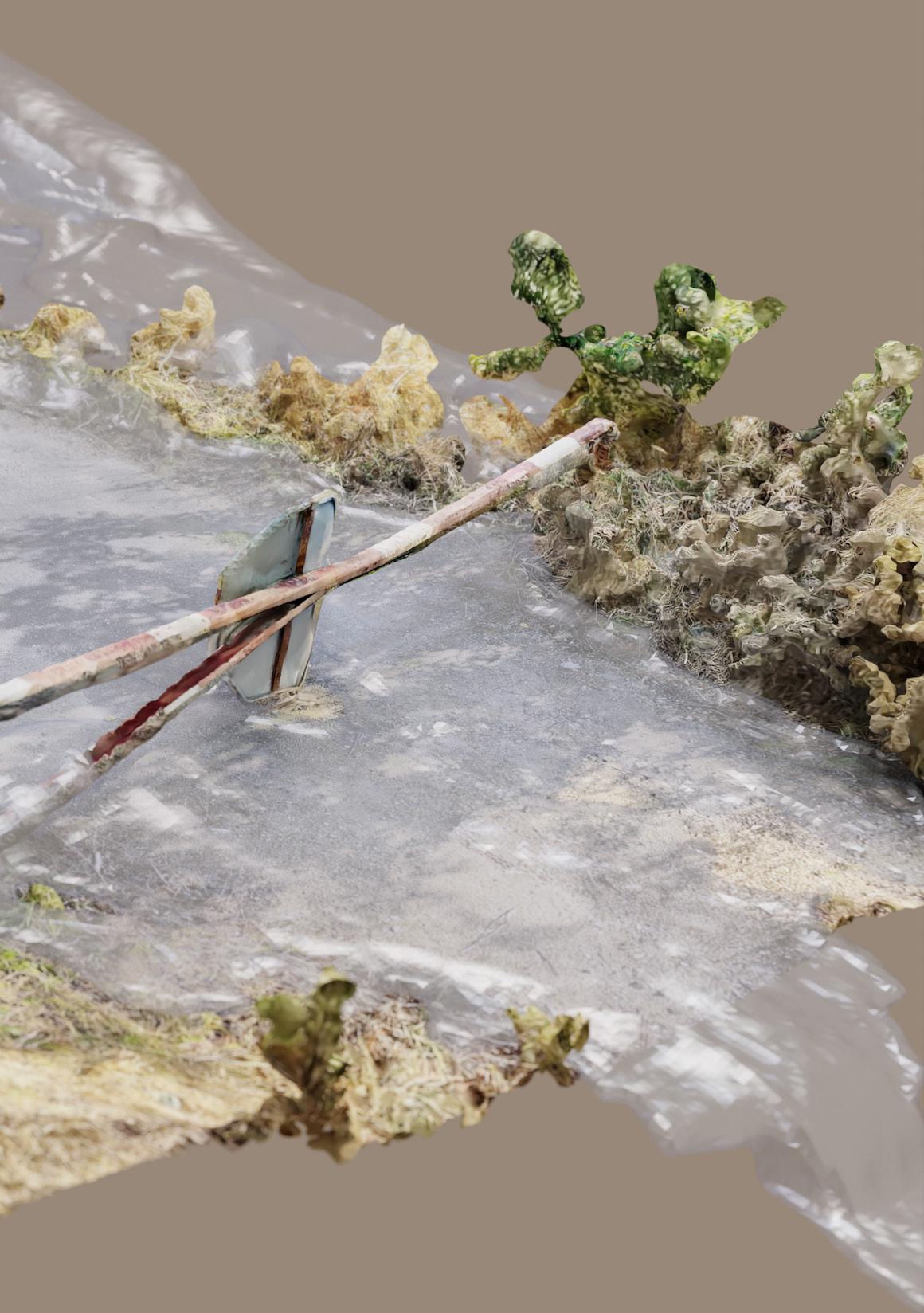
The barrier at Opolno-Zdroj leading to the Turow mine, photogrammetric scan render, 2024
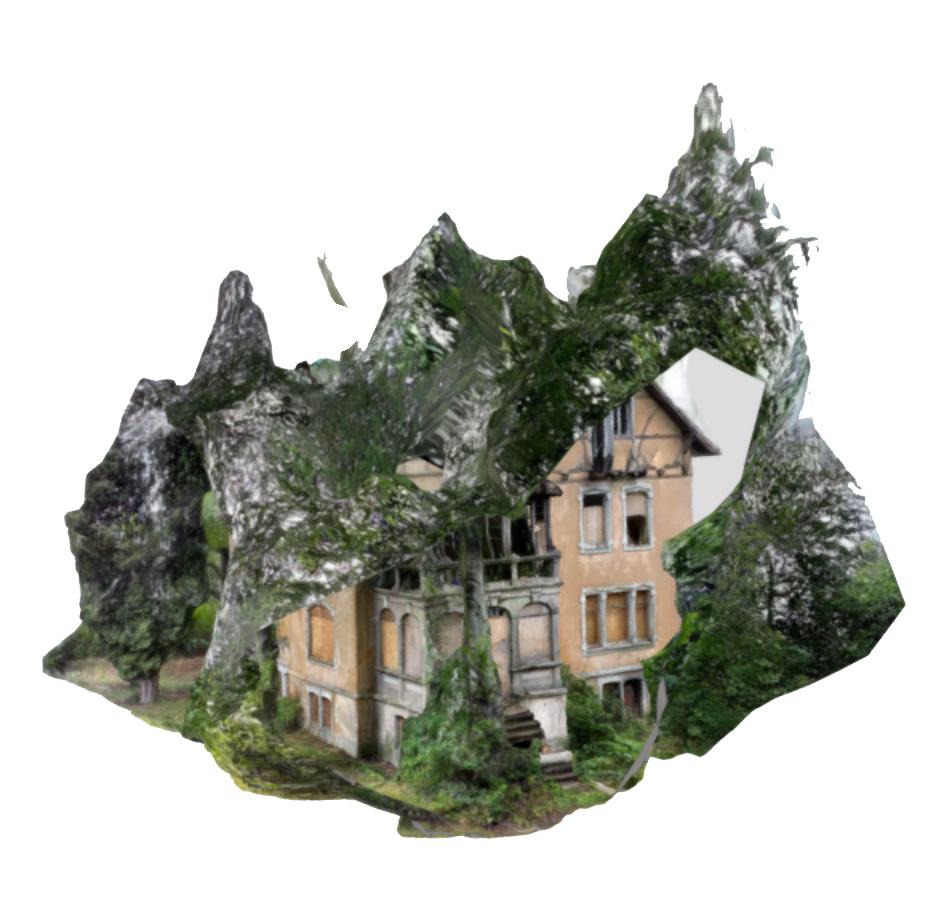
Doctor’s House, photogrammetric scan render, 2023