PORTFOLIO
Layersofarchitectureandthespaceinbetween.
Graduated student in Architectural Design
Mateo Ricardo Banda
Politecnico di Milano
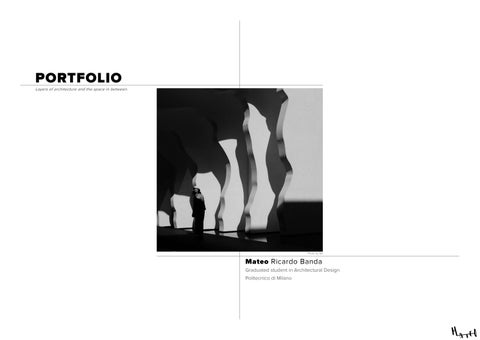
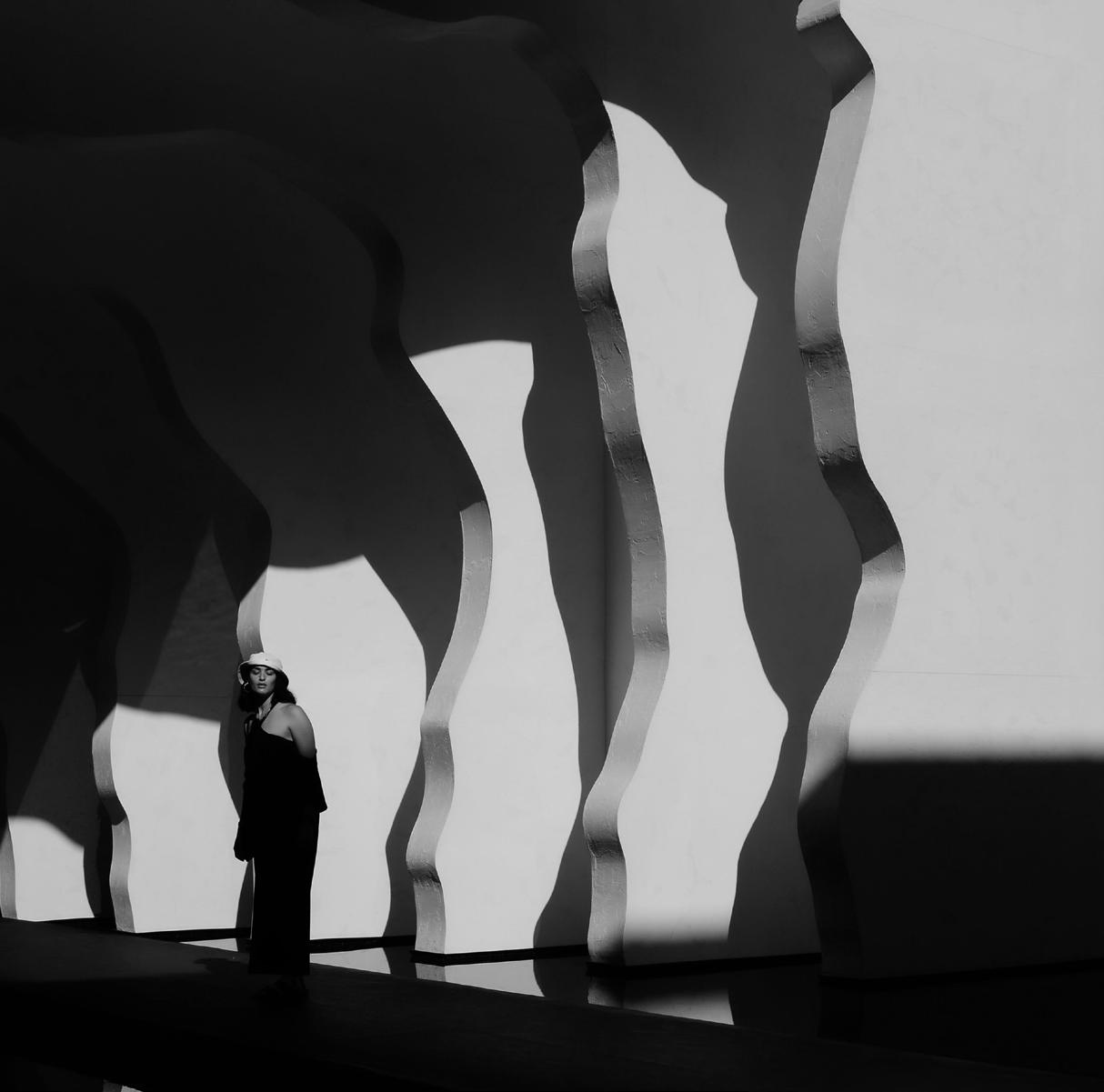
Photo by Me
TABLE OF CONTENTS
Layersofarchitectureandthespaceinbetween.
WORK RELATED TO UNIVERSITY CAREER
CAMPUS BITES
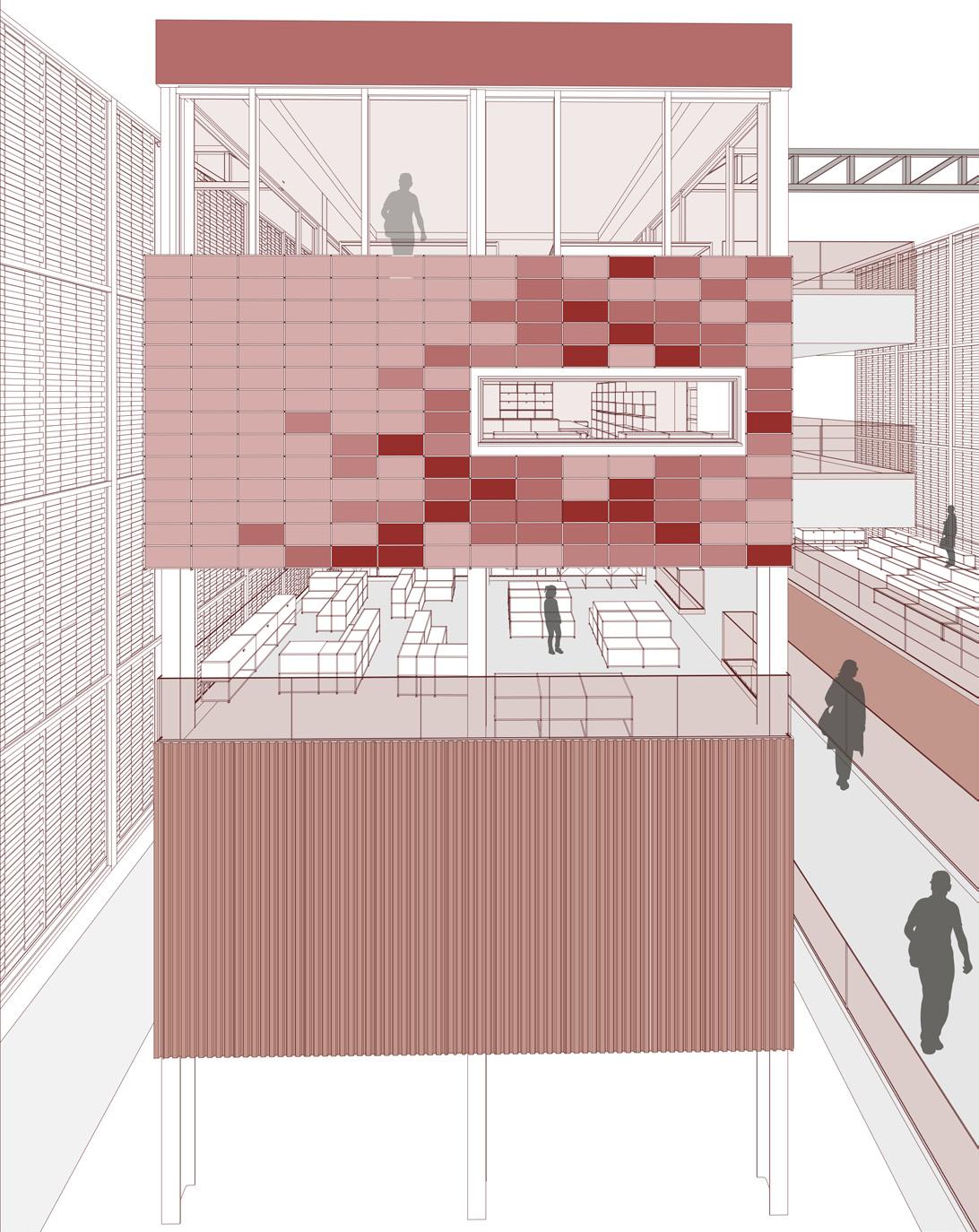
Campus Bites is a food hub for students and the community, blending food and culture. Its protective outer skin contrasts with an inner void of levitating boxes, fostering interaction and personal experiences.
BRIDGING THE GAP
The library fosters community connections, seamlessly blending with its surroundings through natural materials and a central space that transitions from the bustling city to an intimate, interactive experience.
ECOMUSEO TERRE D’AQUA
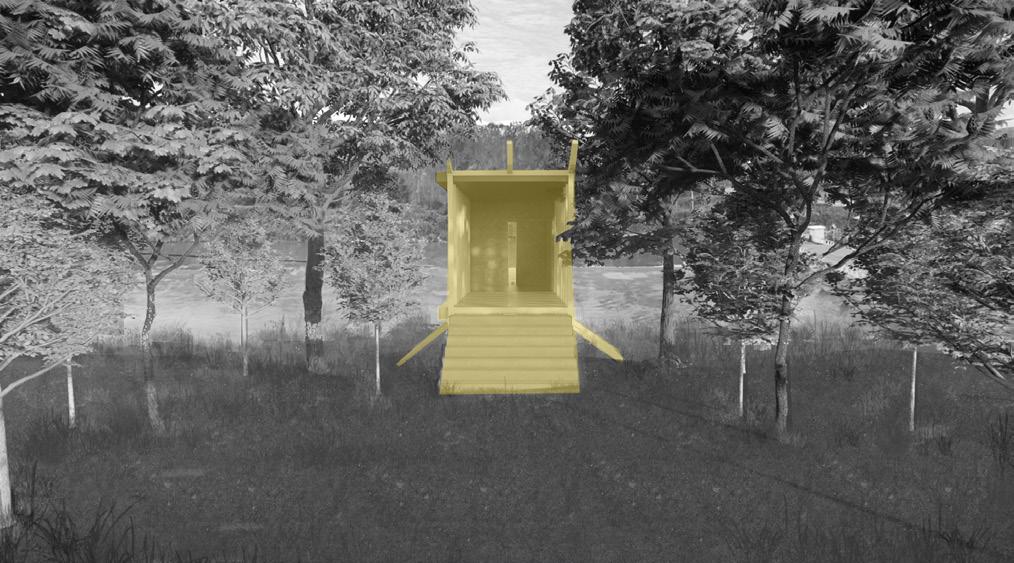
The pavilion creates a sensory journey from the roadside to the forest by the river, with layered spaces and a contrasting core that highlights the distinct experiences of each side.
PROFESSIONAL WORK
ESTUDIO FELIPE ESCUDERO
Retail and display design
INDEPENDENT WORK
DESIGN WORKS AND OTHERS
46 AÑOS COLEGIO DE ARQUITECTOS EN BPA
Exhibition Design
VIÑA VISTA APPARTMENTS
Small Appartment complex
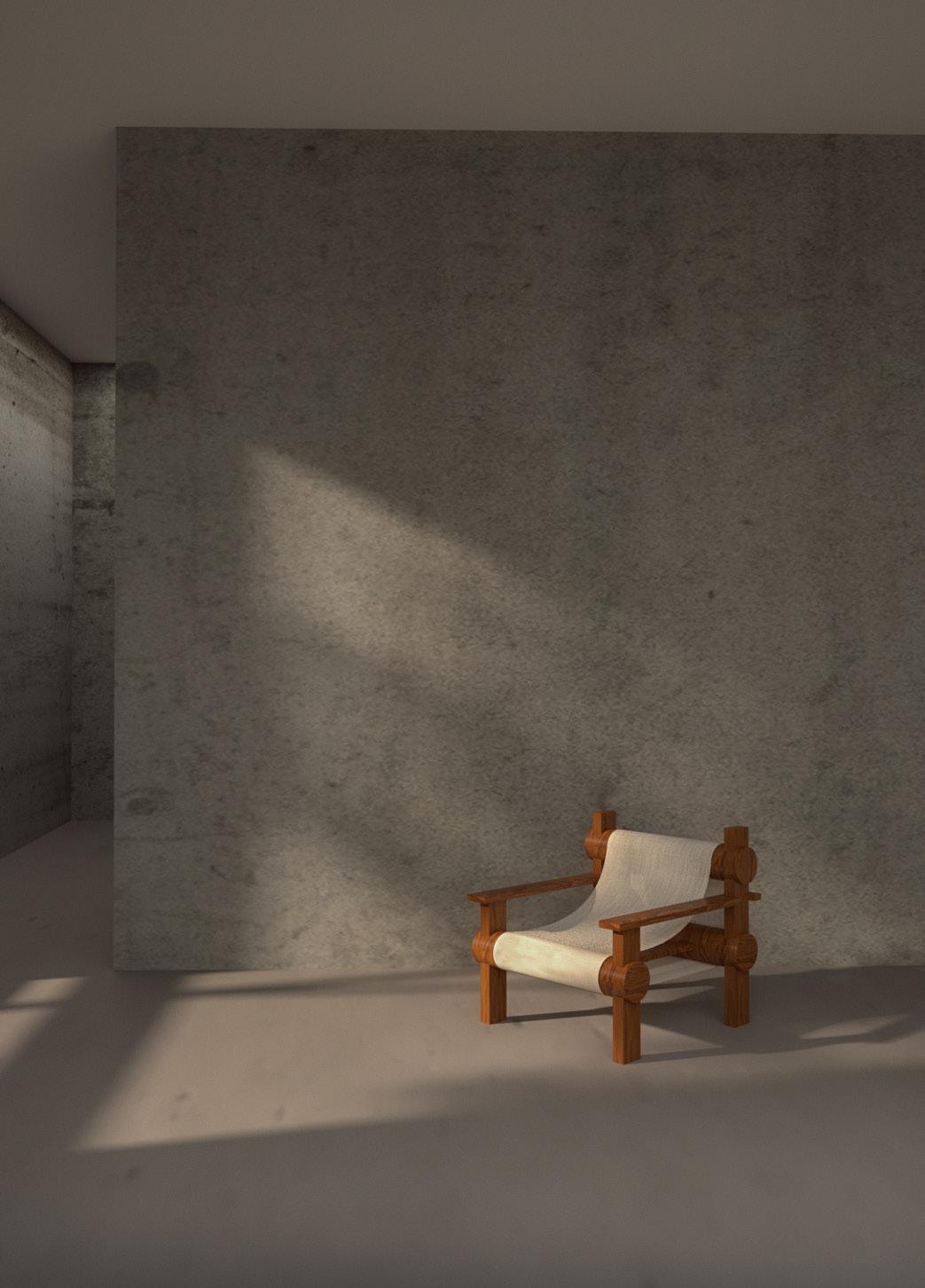
LOS TIOS CHAIR
Lounge Chair
MESA GP
Entry way table
PHOTOGRAPHIC WORKS
ABOUT MY ACADEMIC WORK.
Being born and raised in a tropical country, where the borders or limits of inside and outside can be blurred as there are less climatic constraints has always been an interest of mine, understanding the border, the connections it fosters and its purpose in architecture.
‘Thephilosophyofsymbiosiscreatesarelationshipbetweenthe twoelementswhileallowingthemtoremaininopposition.Thatrelationship mustbeadynamic,ever-changingone.Tocreatearelationshipbetween twoopposingelements,itisusuallyeffectivetoplacespatialdistance(a neutralzone)ortemporaldistance(acooling-offperiod)betweenthem.’ - Kisho Kuroakawa
Through the process of learning about architecture I have realised that we can design things that can move people, provoke sensations, when architecture manages to do that, it can be categorised as good. The academic part of the portfolio explores the essence of architectural quality and the sensations evoked by built environments, focusing on the interplay between thresholds and layers. Through analysis and project exploration, it addresses questions such as how architects move people and how in-between spaces enhance sensorial experiences. The portfolio shows different approaches to linking layers and differentiating spaces, marking the importance of materials, lighting, and spatial arrangement in evoking emotional connections. Ultimately, it shows how careful design processes heighten the spatial narrative of architecture and enhance the way of experiencing space.
CAMPUS BITES.
‘A VIBRANT FOOD HUB FOR UNIVERSITY STUDENTS’
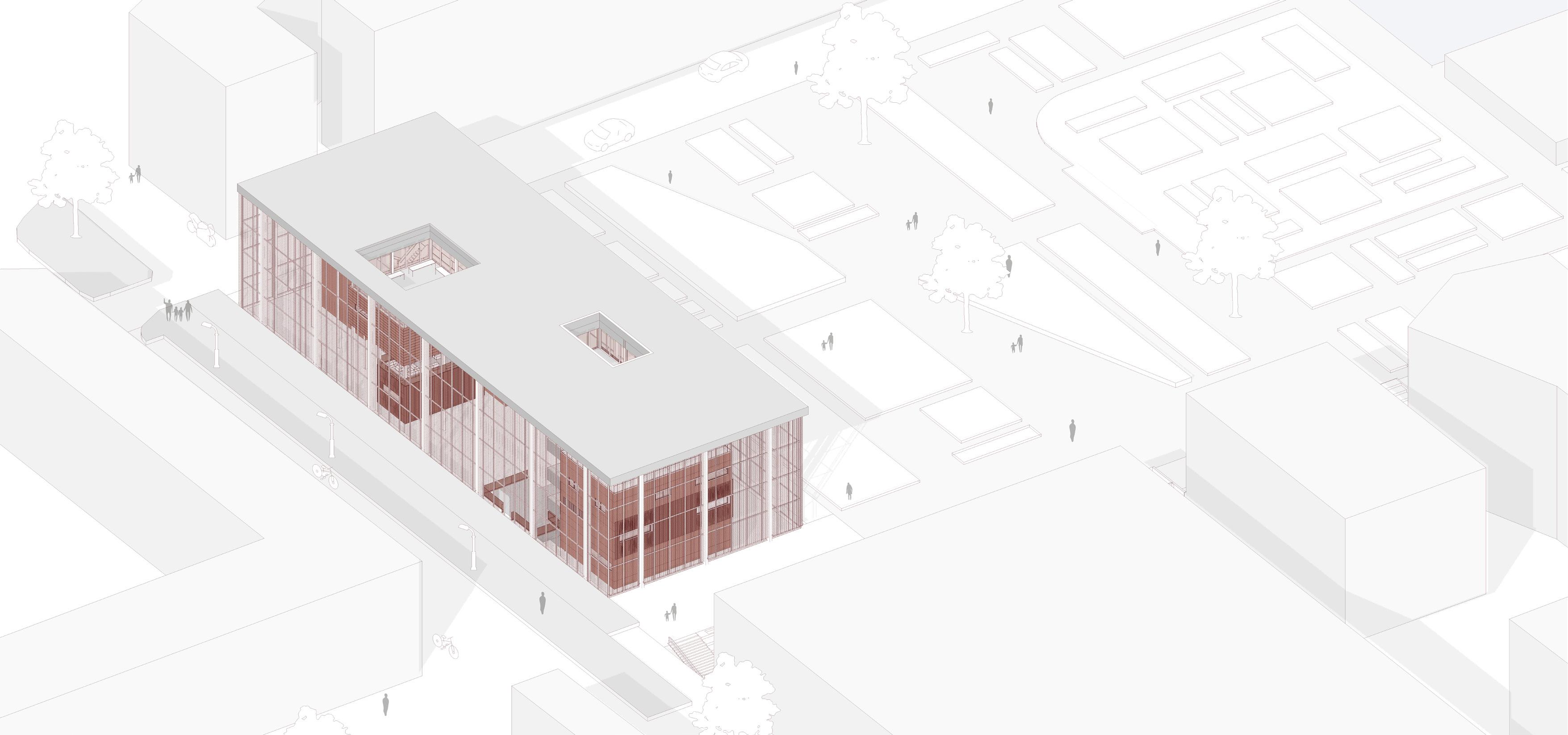
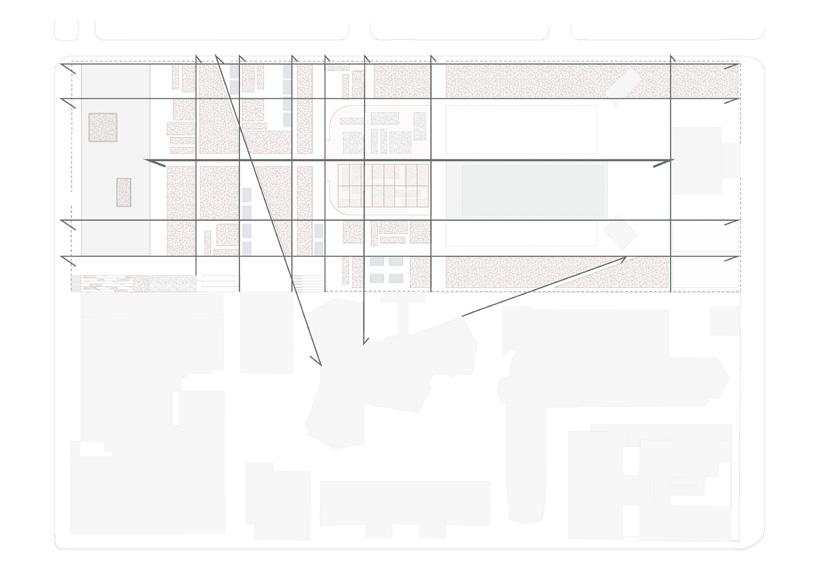
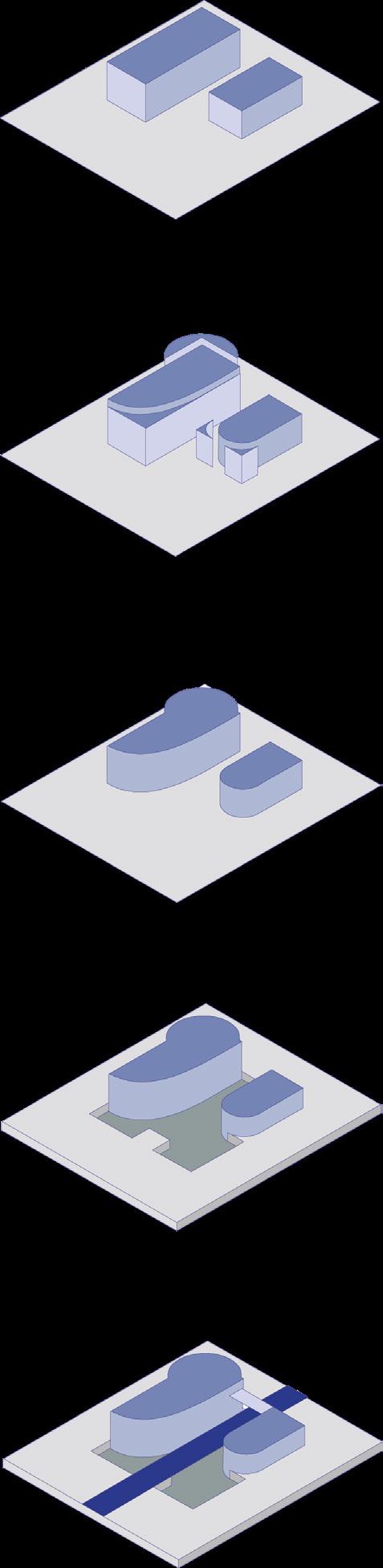
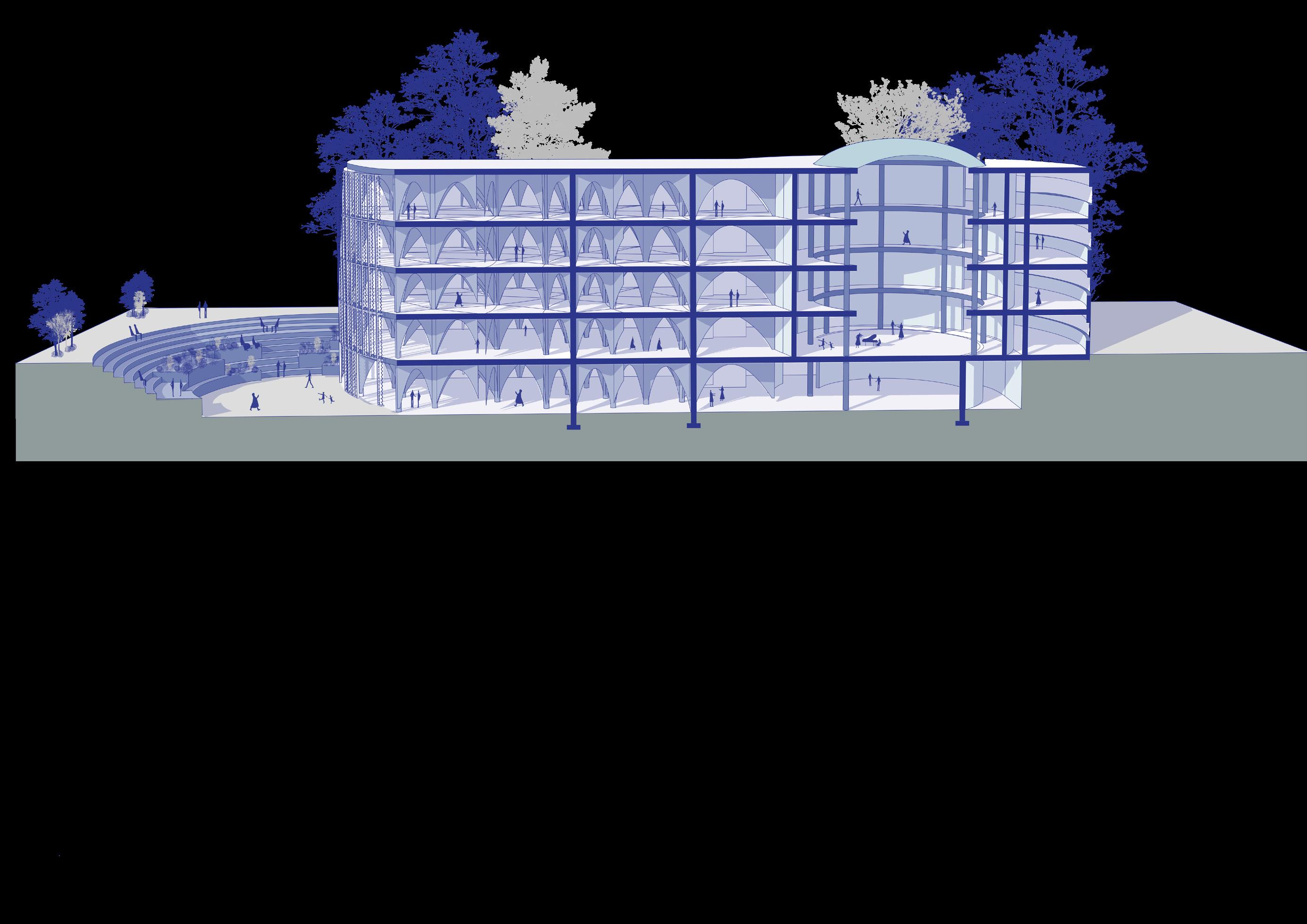
The layers in this project can be read in a horizontal form, the layers are similar to each other and act as isolating elements for different aspects, the project offers a vast and intricate buffer space in between them.
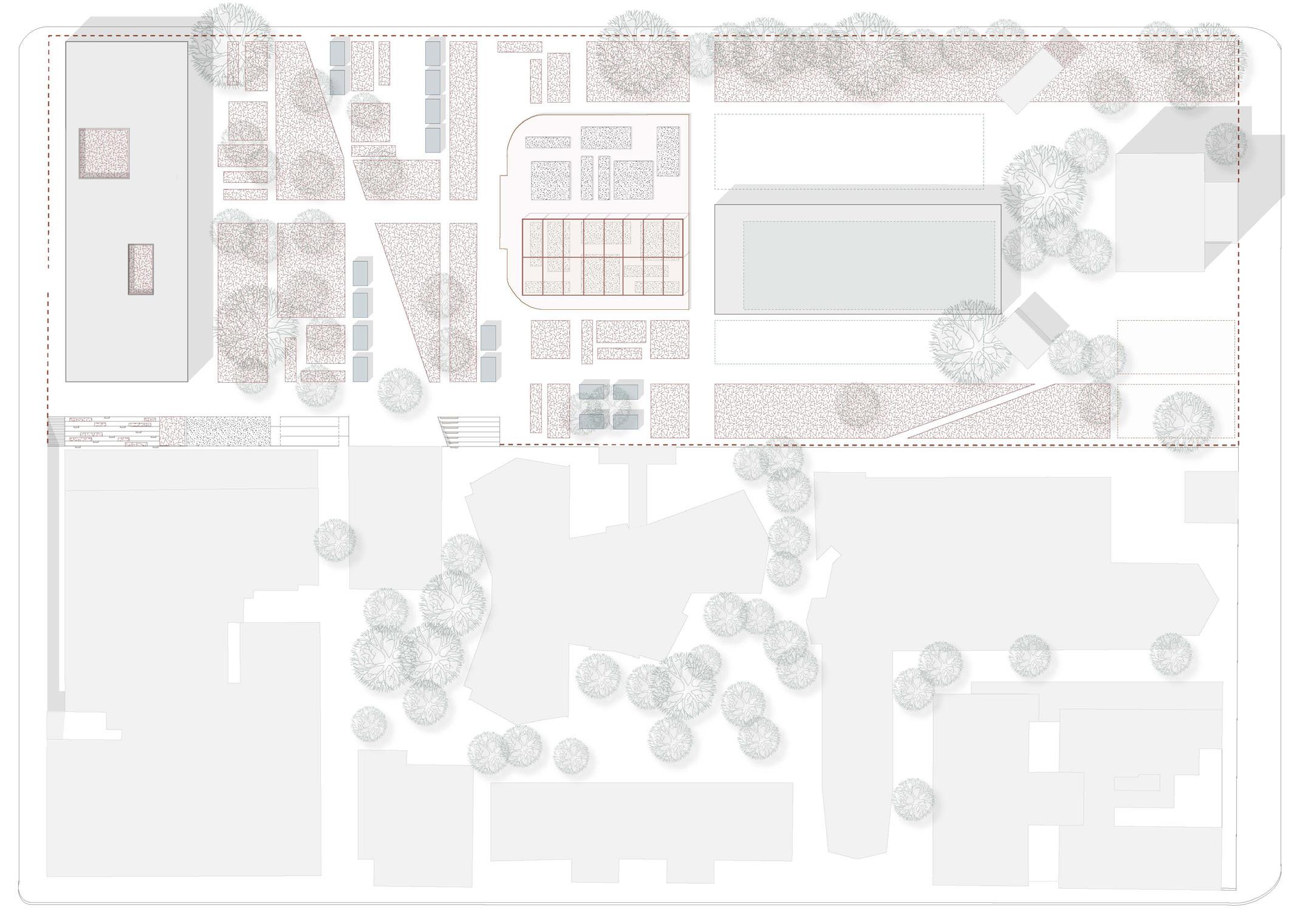
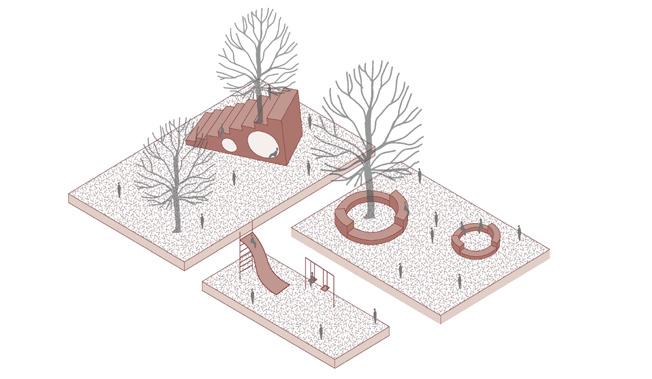
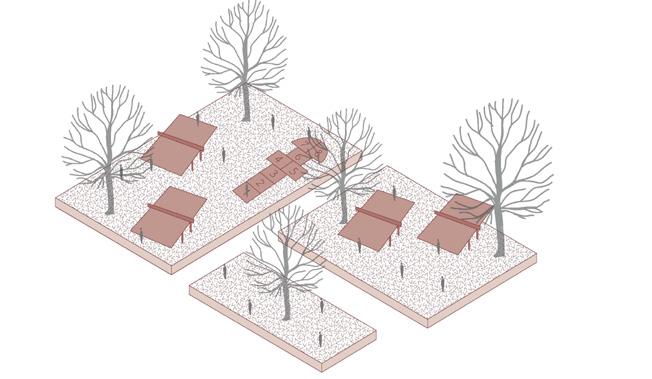
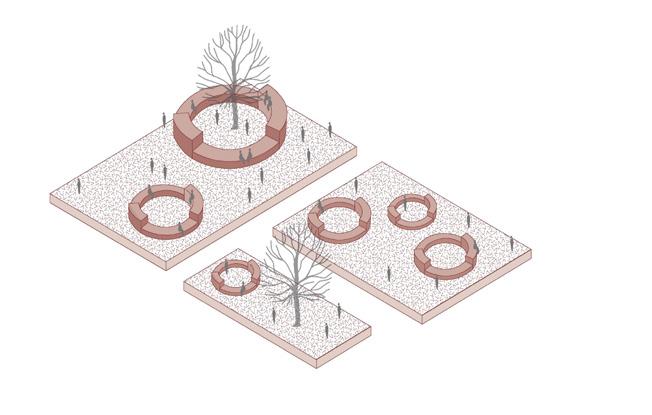
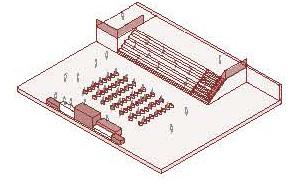
Along the plot, there is a smooth and natural flow of people through a band of stairs and bleachers connecting campus bites and the university, 550 sqm of cultivable gardens with a greenhouse and sports area, including tennis courts.
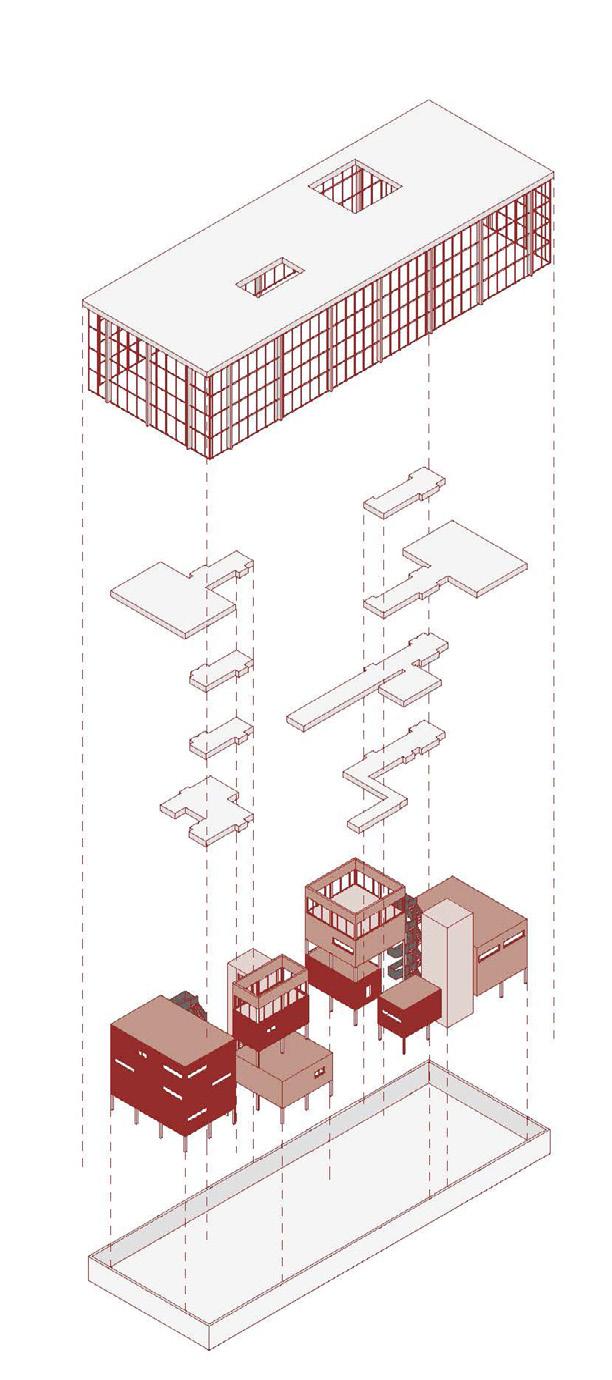
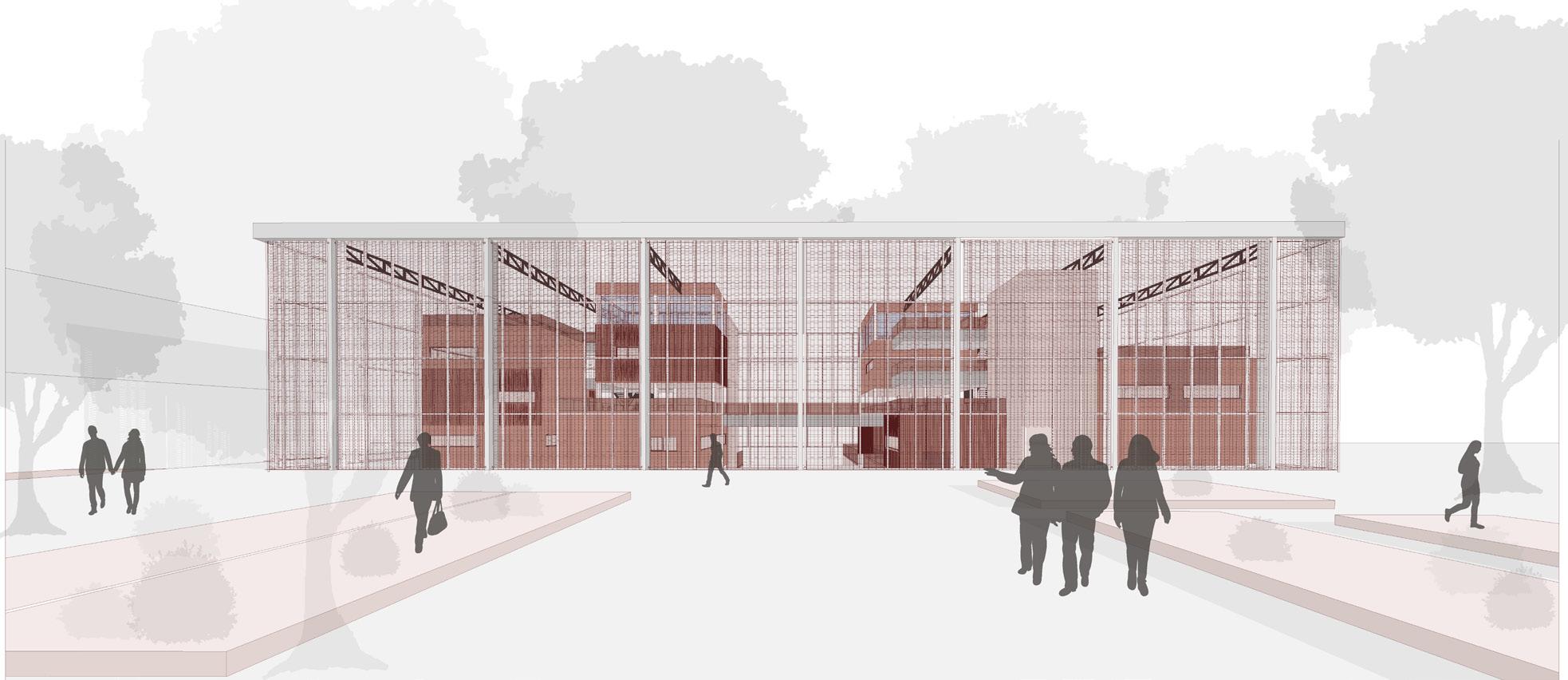
The project, aimed at addressing the needs of Politecnico’s students and the surrounding community, presents an innovative design featuring an external box structure that serves as a protective and insulating layer. This structure, supported by reticular beams and columns, utilises cutting-edge flexbrick and I-mesh technology to create a semi-transparent envelope using mineral fibres and thermoplastic resin. This design not only regulates inside temperature and provides shade but also maintains transparency, enhancing the sensation of blurring the outside while offering protection from natural elements.
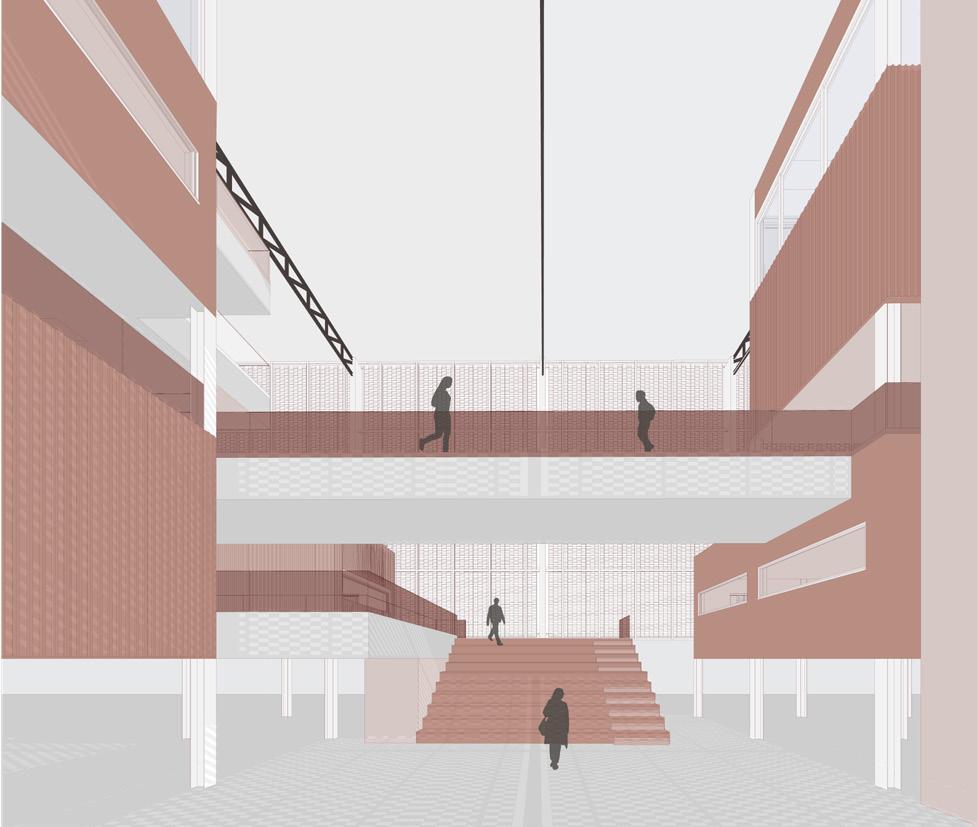
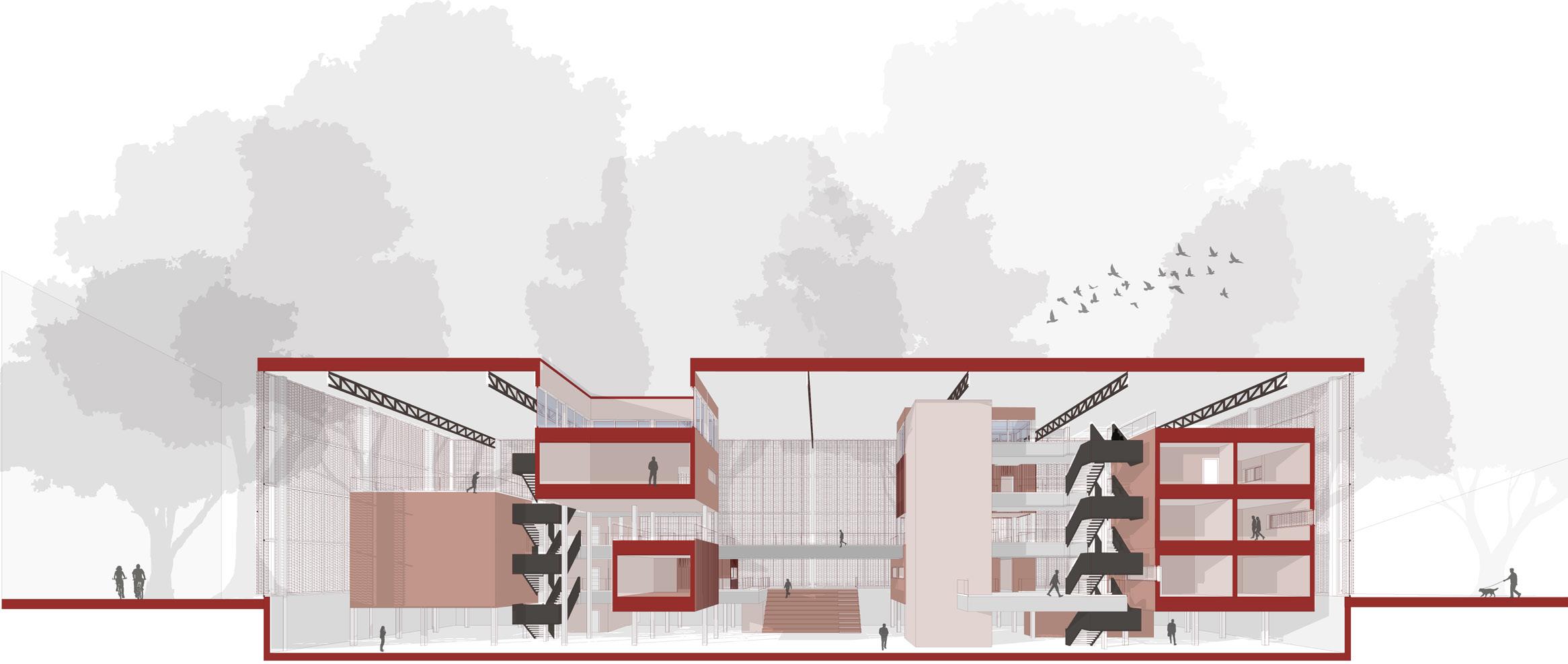
Between the external and internal layers lies a cohesive space characterised by playful arrangements contrasting the regularity of the load-bearing internal structure. Thin metal columns juxtaposed against sturdy boxes create a light and weightless atmosphere, enhancing spatial perception. The interior boasts an open-plan underground level with various amenities, including a coffee shop and sitting stairs, establishing a central hub connected by irregularly placed walkways and platforms. These elements facilitate rhythmic interplay across all levels, creating a quality experience and encouraging exploration.
The internal suspended boxes function as a secondary protective layer, emphasising the ‘box within a box’ concept. Divided according to function, they offer rentable kitchens, workshop rooms, dining lounges, and theatre-like spaces. Externally, the boxes are differentiated by their covering materials, while internally, elongated windows allow natural light while maintaining privacy. This design approach, articulated by architect Aldo van Eyck, encourages harmonious coexistence of diverse elements, enriching the overall spatial and architectural experience.
- In this poject developed the 3D model used for all of the graphics, also post produced some of the internal views, in regards to the design process I proposed the cultural link to food as a staple italian essence as well as the Box-in-a-Box concept and finally, the need for multipurpouse areas, a goal towards a versatily and adaptable space.
Final Design Studio
Collaborators: Silvia Albanese, Agnese Restivo
Profs. Maria Pilar Vettori, Federico Bucchi, Emilio Faroldi
Program: Food Hub
Year: 2023
Location: Milan, Italy
CONCEPTUAL DEVELOPMENT
AXONOMETRICAL VIEW OF THE SITE
GUIDELINES
FOOD PRODUCTION
EDIBLE GARDEN OUTPUT
CULTIVABLE
Edible
PERSPECTIVE SECTION
FLEXBRICKS X I-MESH
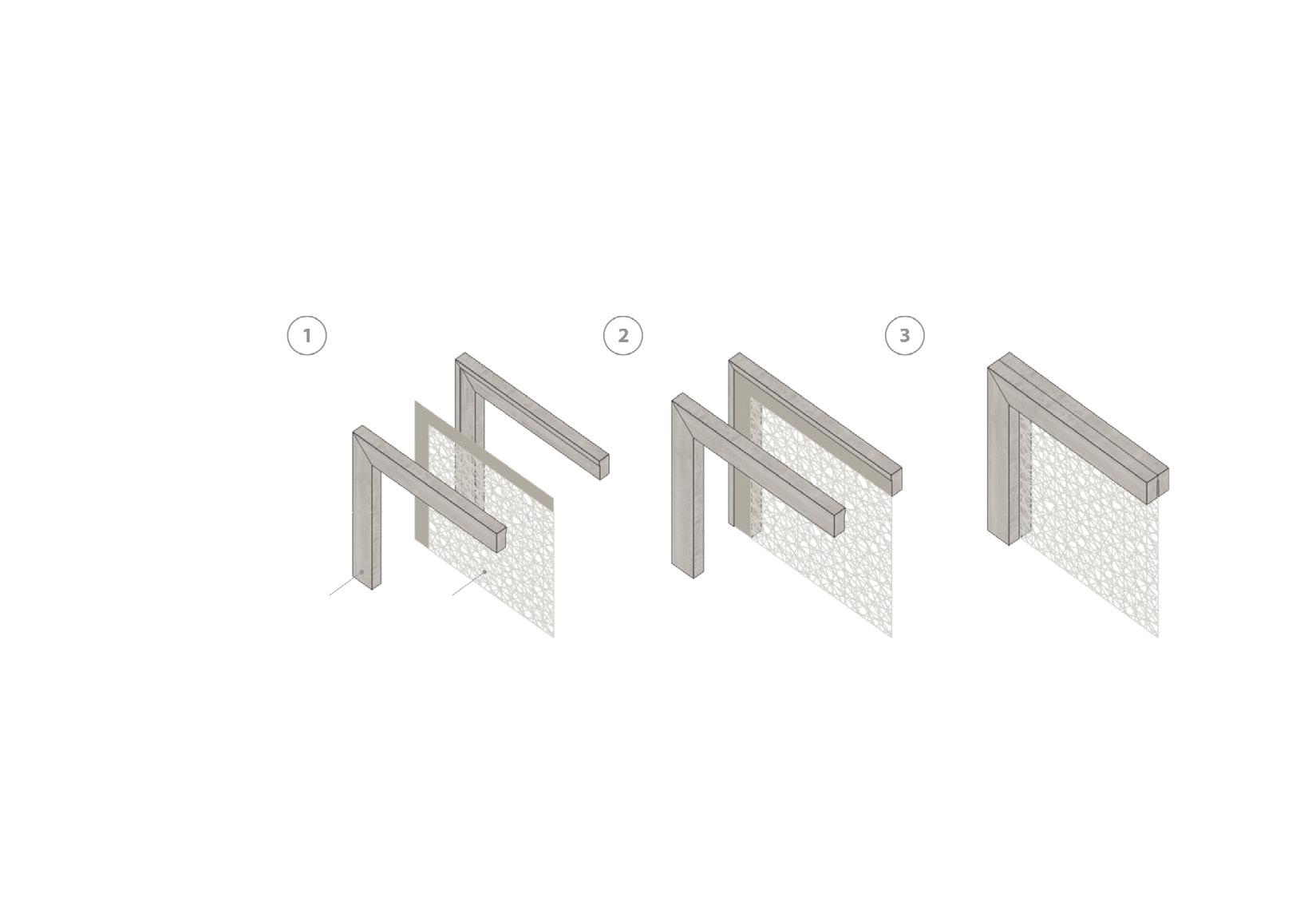
AXONOMETRIC DETAIL OF THE EXTERNAL ENVELOPE
A fusion of a new technological solution and an innovative and revolutionary material, specifically designed to withstand high temperatures and perfect for acting as a building shield, was designed to create the facade skinof the Food Hub building.
I-Mesh fiber texture
Metallic frame
I-MESH TECHNICAL DETAIL
FIBER SAMPLE
The i-Mesh texture, positioned in front of the glazing, allows for protection from solar radiation, without having to give up the desired transparency of the outer envelope.
INTERNAL VIEW
BRIDGING THE GAP.
‘A CENTER FOR COMMUNITY, TECHNOLOGY, AND KNOWLEDGE
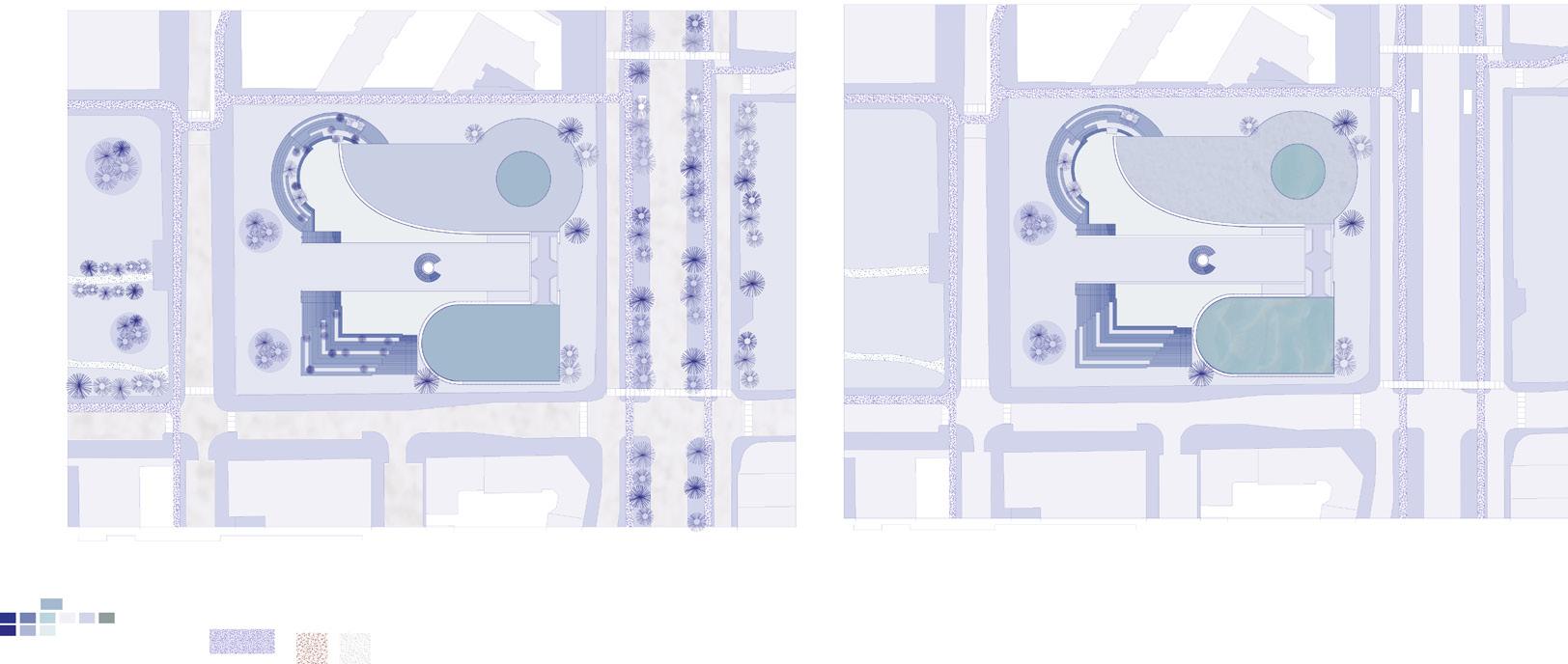
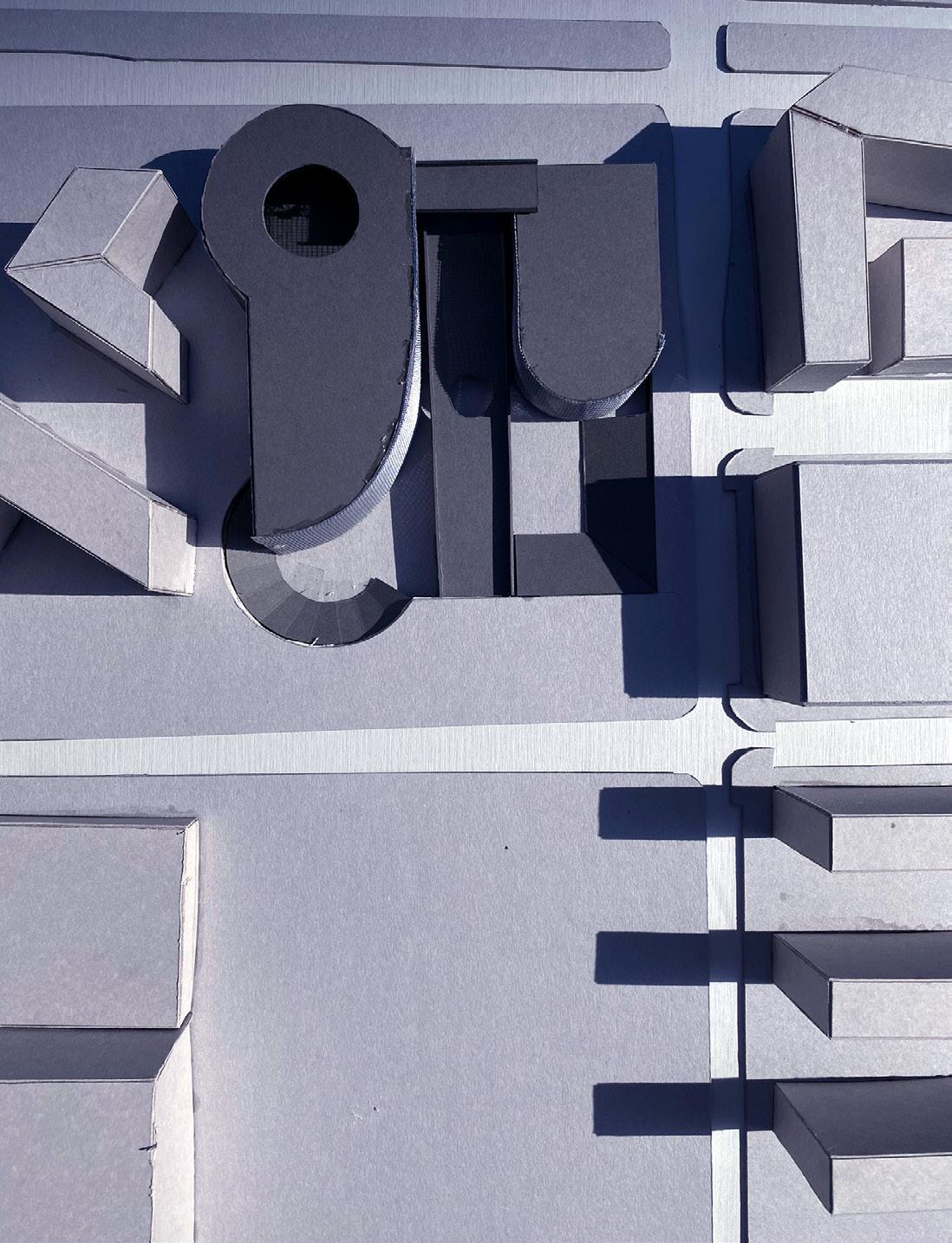
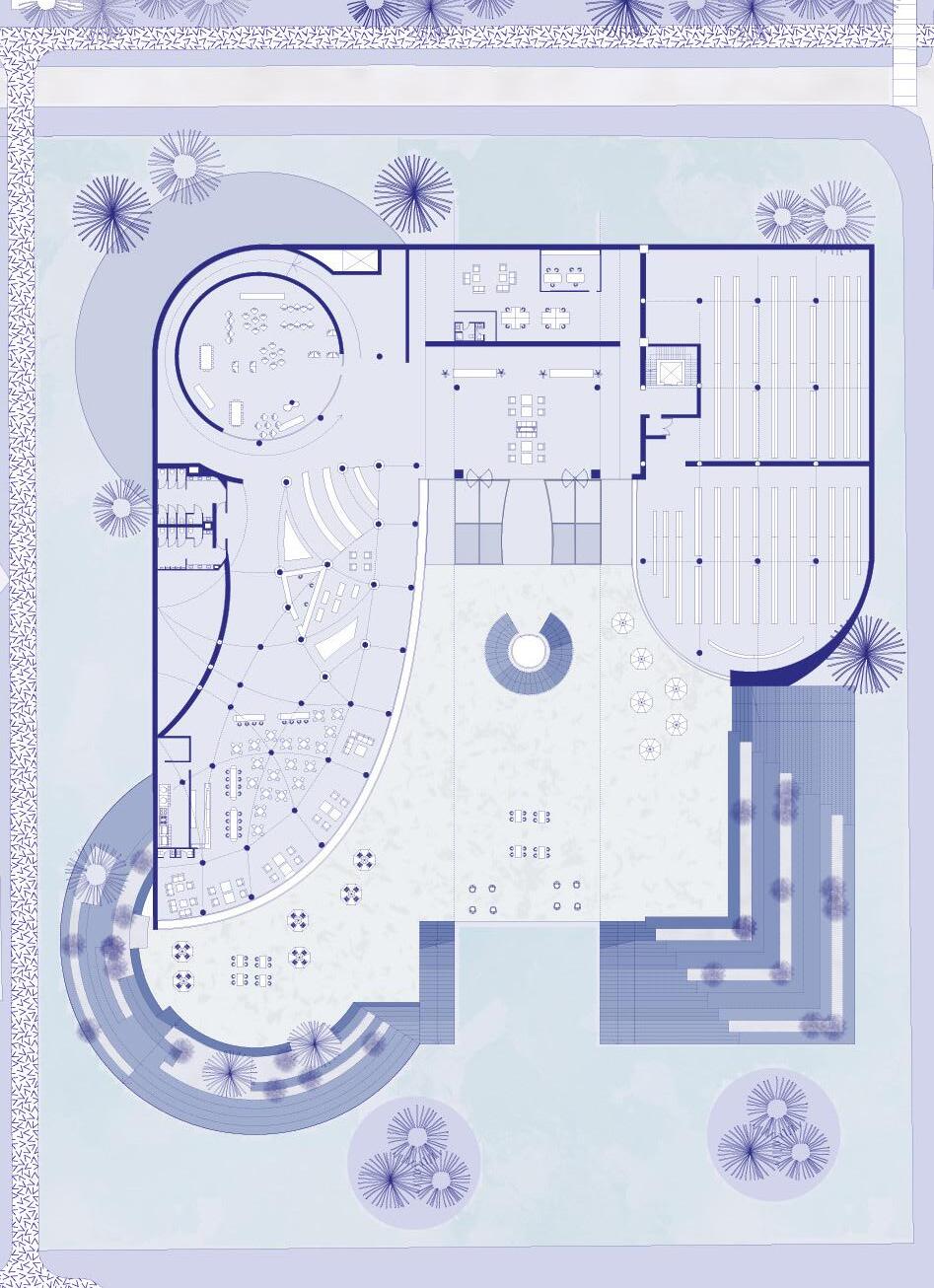
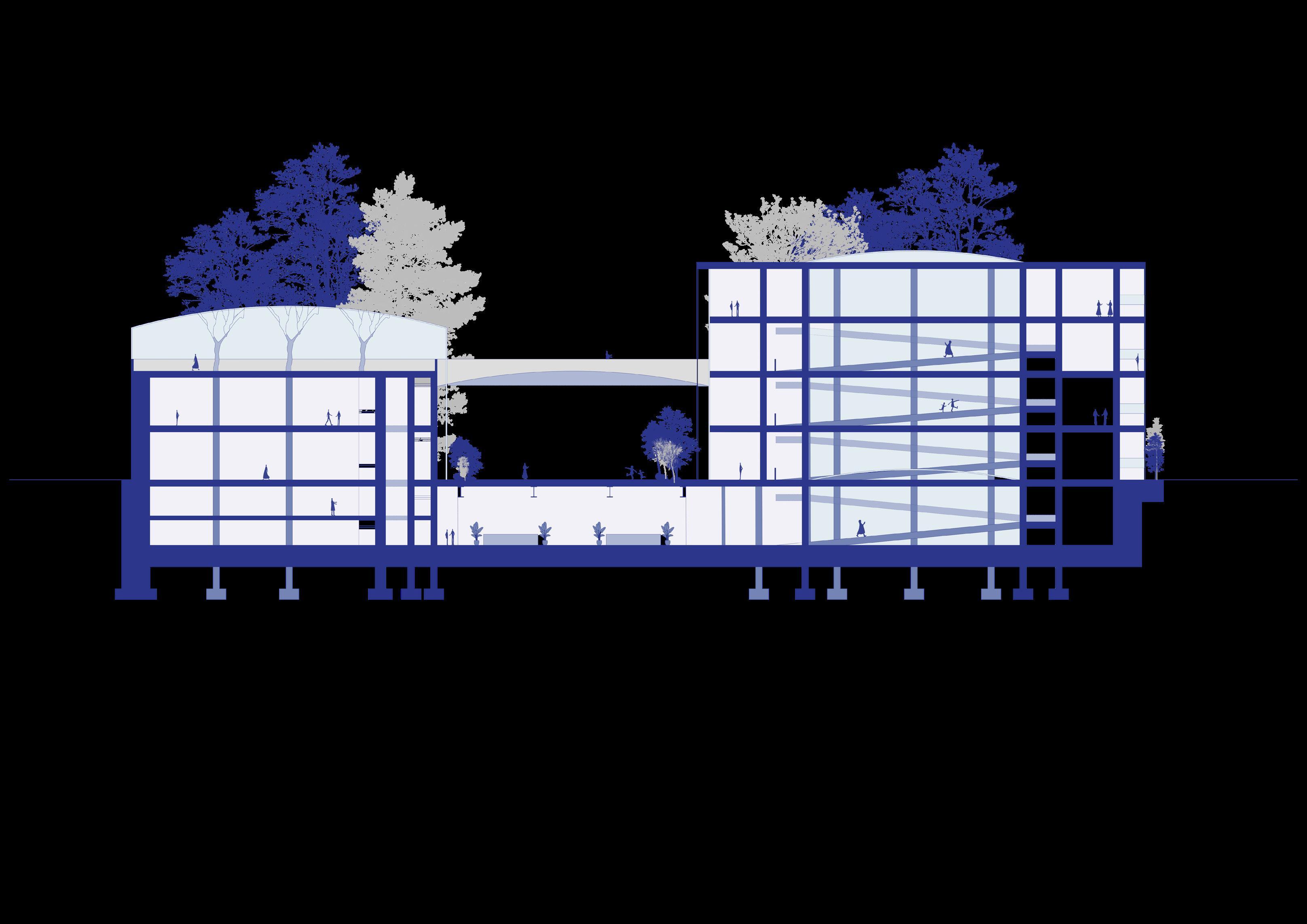
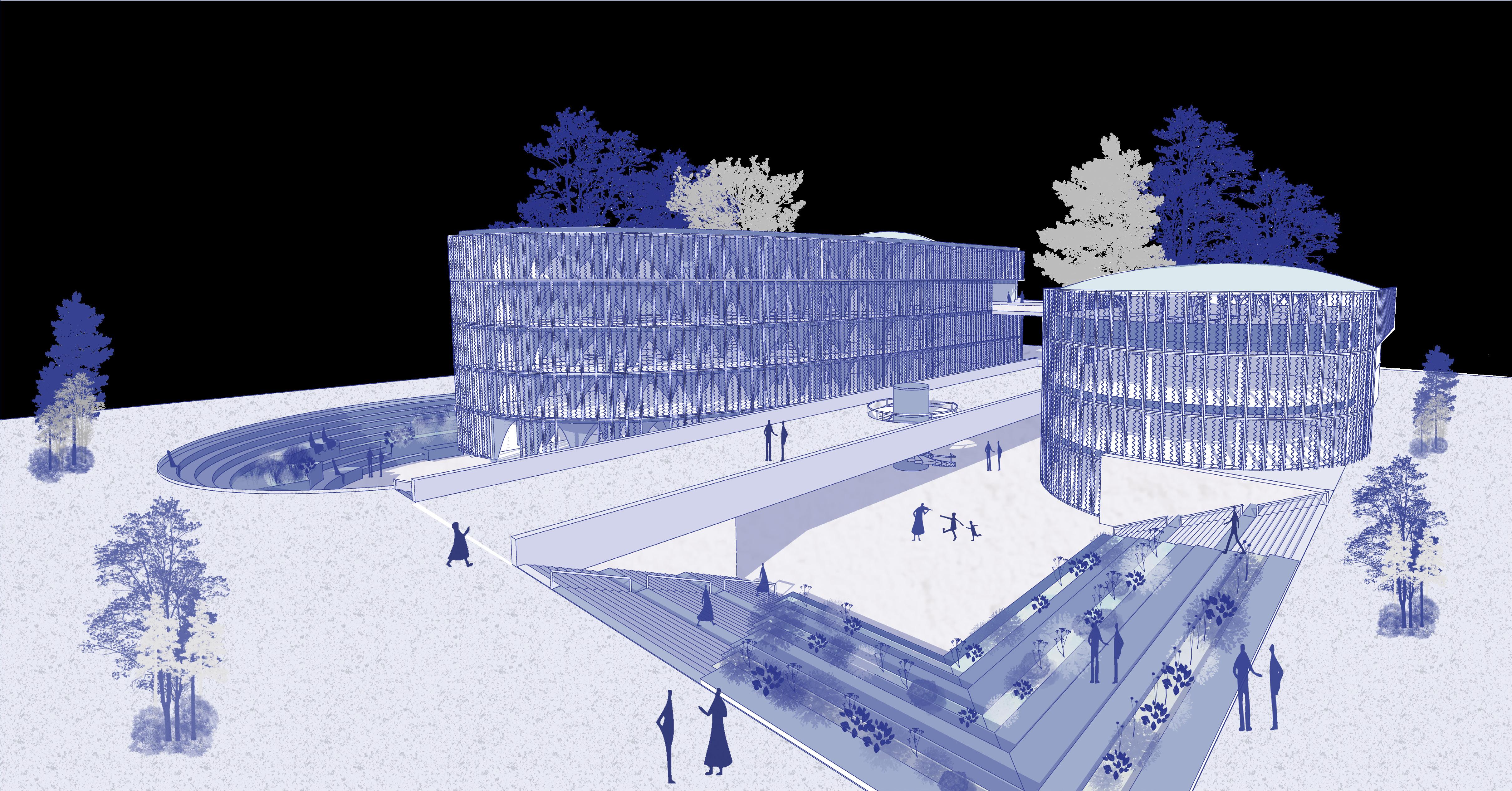
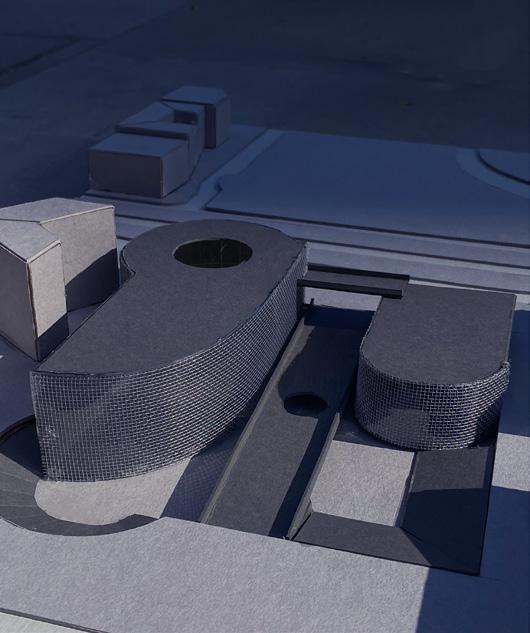
This library project is designed to serve everyone, not only its users. Whilst also inte grating and enriching it’s surrounding community. It’s exterior seamlessly blends with the urban fabric, creating a natural transition from the bustling city into to the intimate library experience. The aim is to foster lively interactions among the neighbourhood, serving as a community centre for Milan’s Porta Vittoria district. The layers of the proj ect are organised horizontally, creating a smooth flow and connection along them. Located west of the new ‘8 marzo’ park, known as the “slow park,” the library mimicks the park’s relaxed atmosphere, encouraging people to freely explore the area.
The central excavation, bridges the layers, acts as an extension of the park, it looks to crate and encourage user interactions with the building. Provided with sitting stairs, tables, and greenery, it creates a transitional experience, a space in between, encour aging spontaneous connections. The space, inspired by the observations of human behaviour of Jan Ghel, strategically positions amenities to enhance user experience.
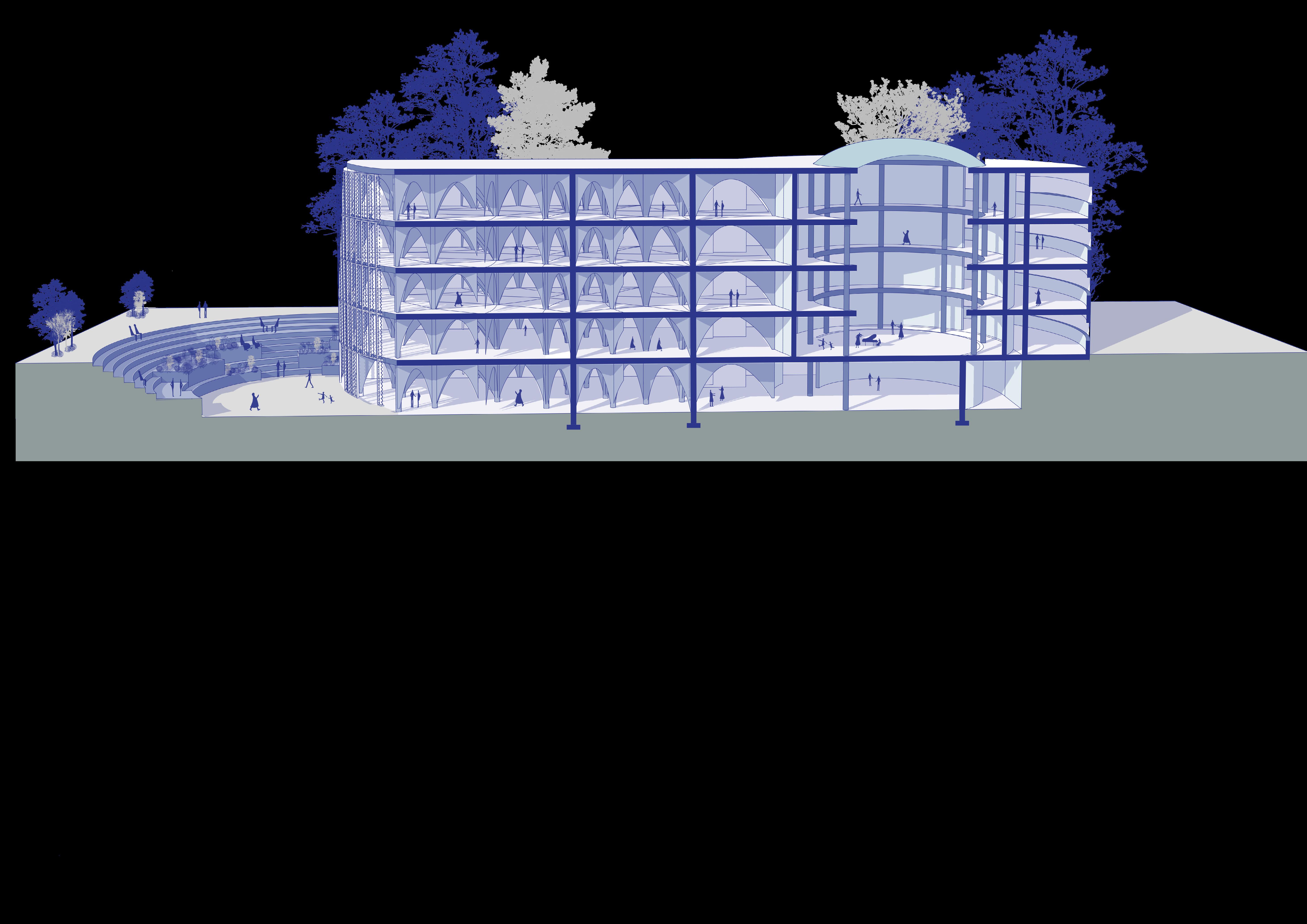
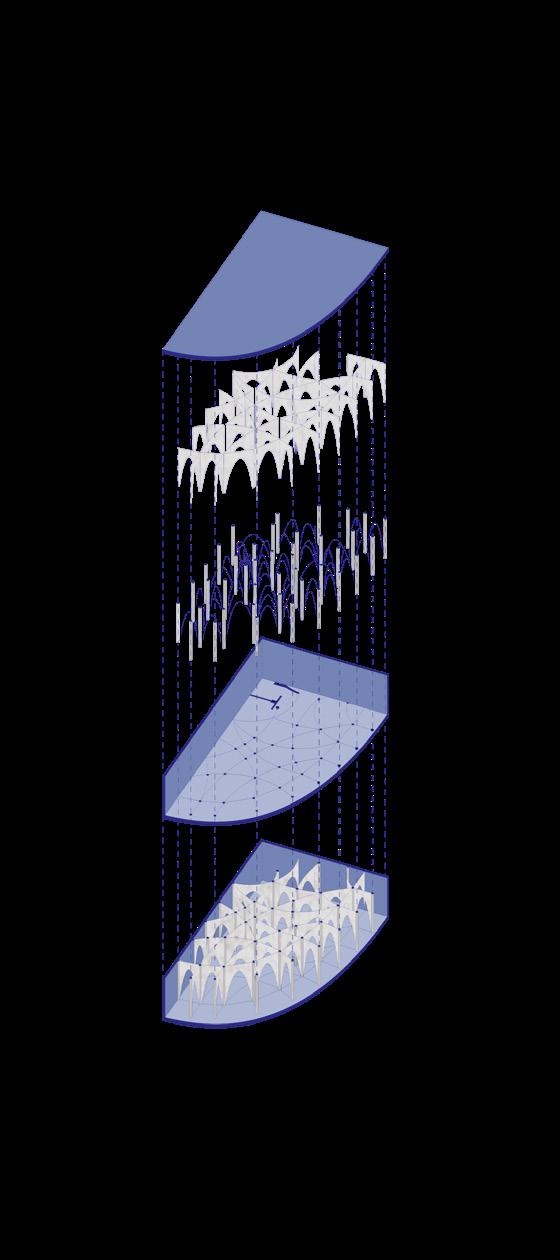
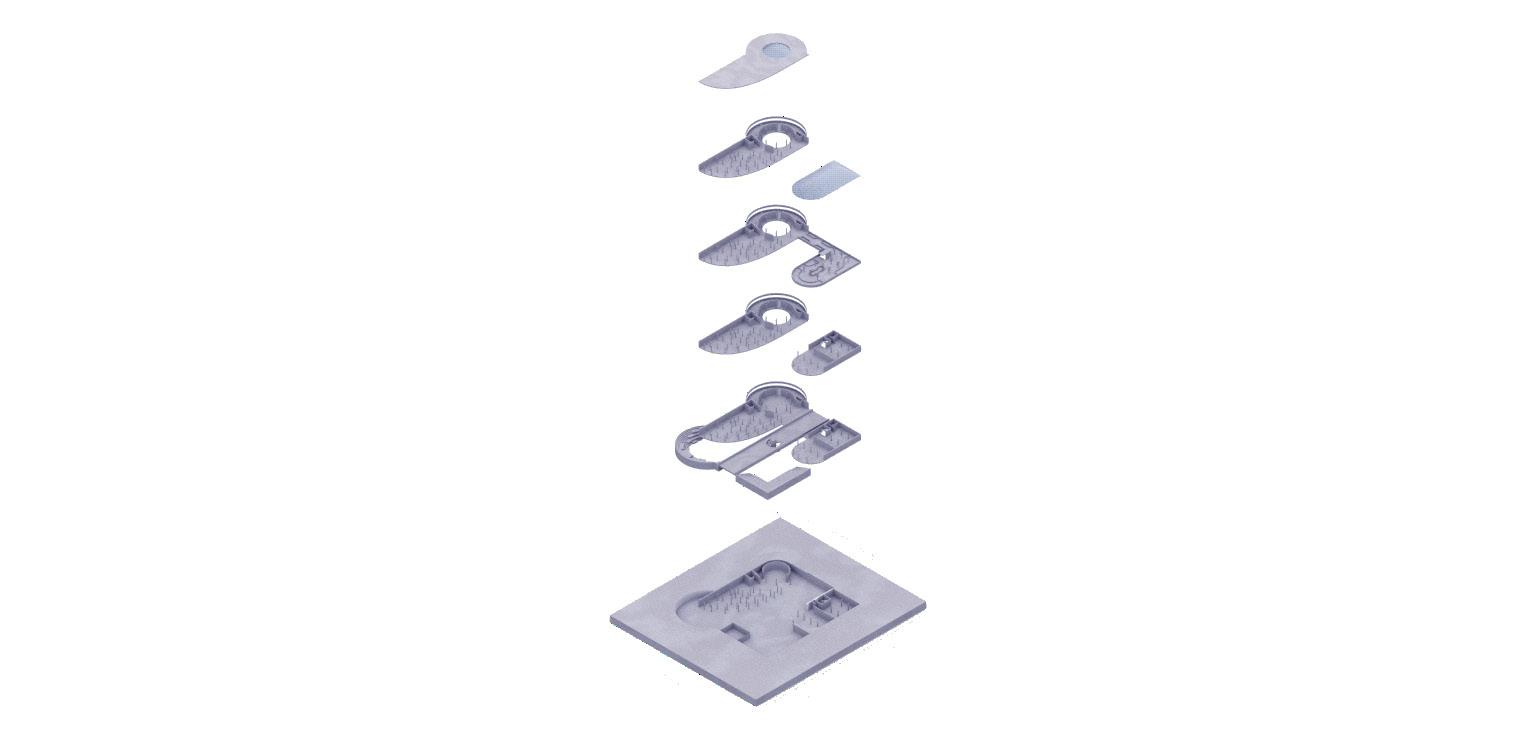
The main entrance, strategically placed under the central bridge, divides the plot into two buildings with curved facades, enhancing spatial sensation. The public li brary building has metal mesh provides panoramic views and diffused light, while long-spanning structural arches define spaces with lightness and openness. A circular ramp serves as a horizontal connection, featuring a skylight that illuminates the sur roundings naturally.
A secondary bridge links the public library to a solarium on top of the adjacent build ing, a private research library, further integrating the library into its surroundings. The design prioritises public access, with paths connecting to both sides of the green belt, ensuring connectivity with the urban area.
In essence, the library project not only serves as a space for learning but also encour ages community engagement and enriches the urban landscape of Porta Vittoria.
-In this project I fully developed the 3D model and did most of the graphics in oder for the work to fit my portfolio, the frontal pit was part of my design proposals as well as the central space connecting both points of interest in the sides of the plot. The ramp serving as vertical connection in the public buidling was also one of the meaning full design proposals I did.
Collaborators: Jose A. Cortorreal , Felipe
Profs. Ingrid Paoletti, Andrea Rebecchi
1:500 Physical model
ARCHED STRUCTURAL SYSTEM SECTIONS
FLOOR DIVISTRIBUTION
Perspective section A-A’
STRUCTURAL COMPOSITION AXONOMETRY
ECOMUSEO
TERRE D'ACQUA
‘STRUCTURE OF LANDSCAPE’
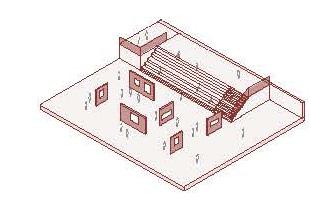
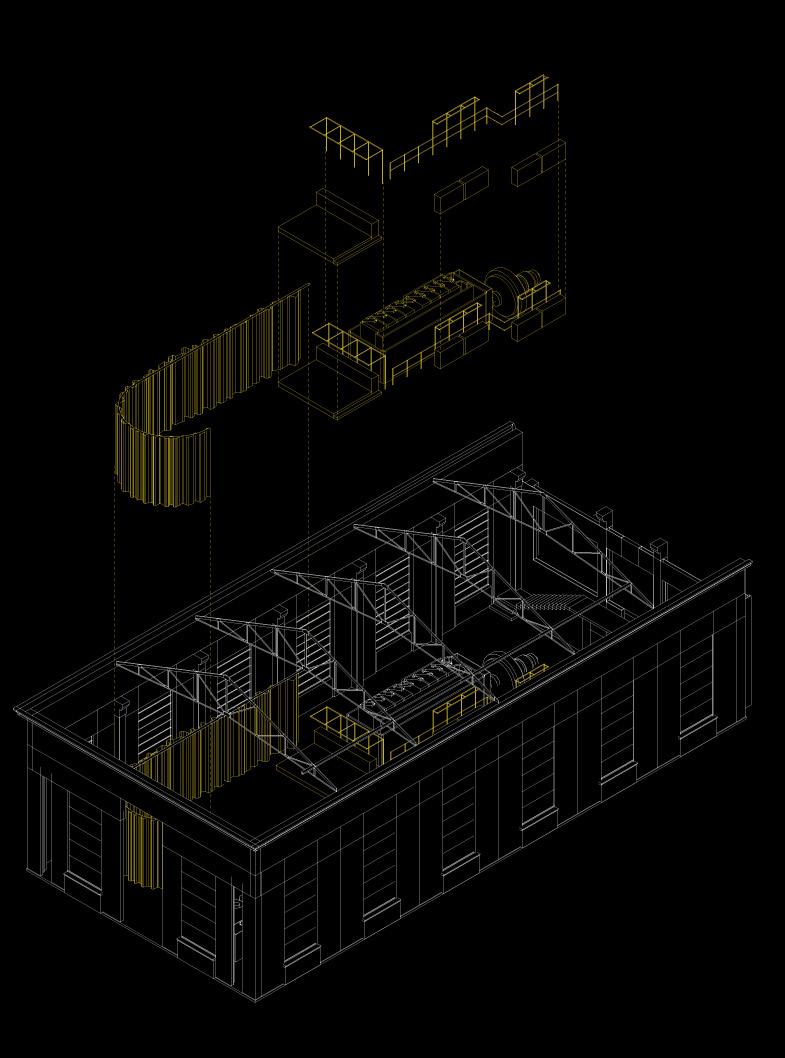
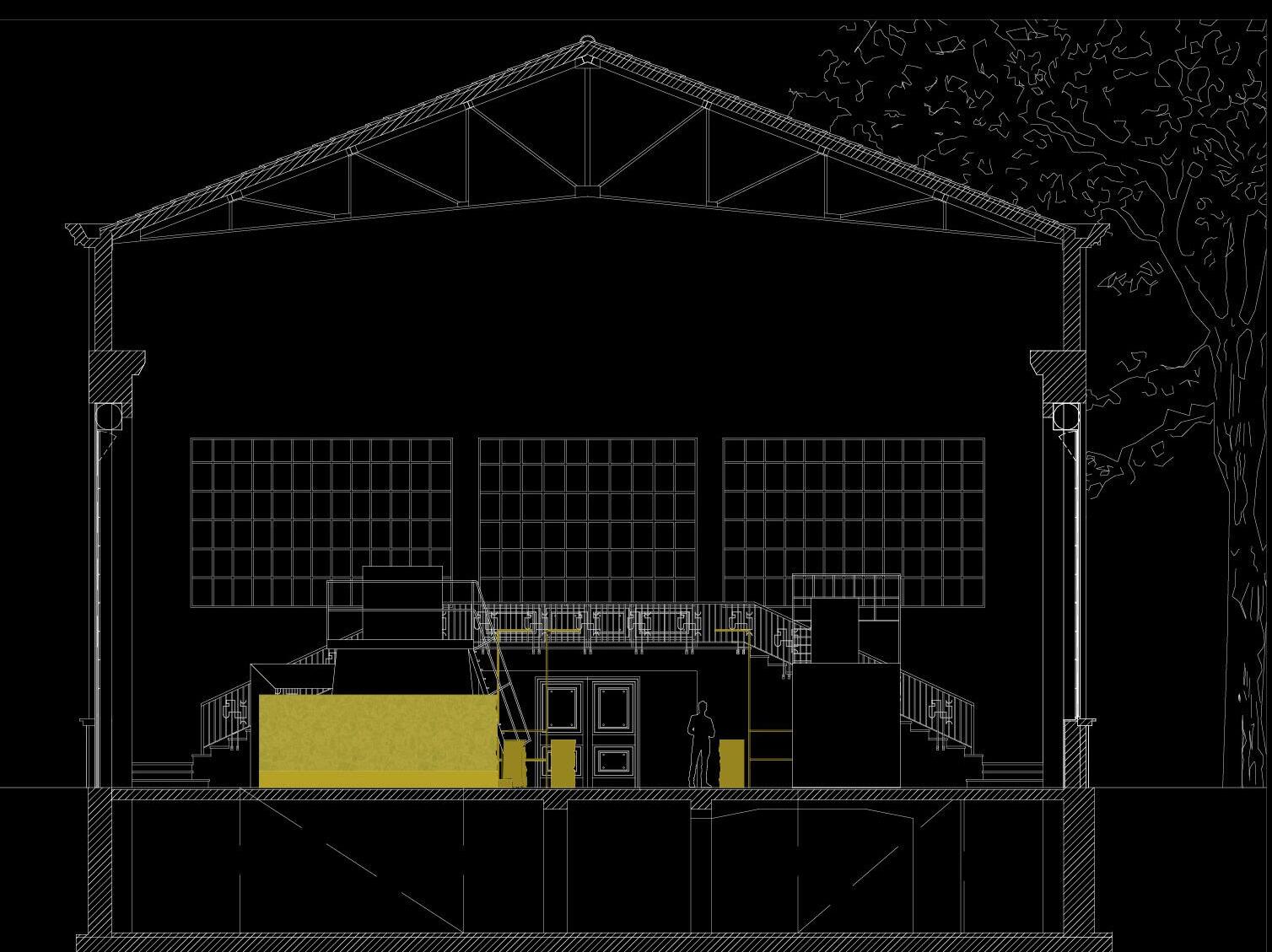
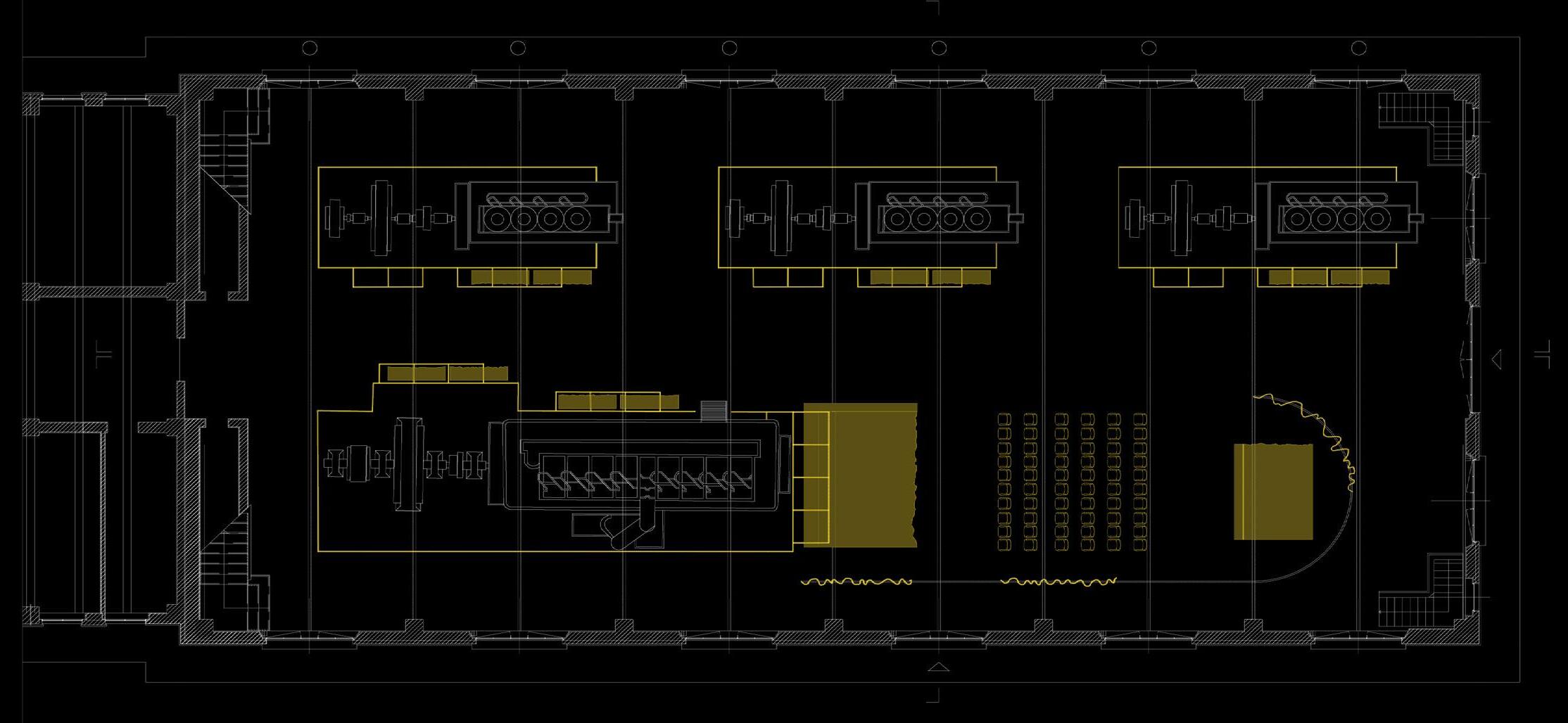
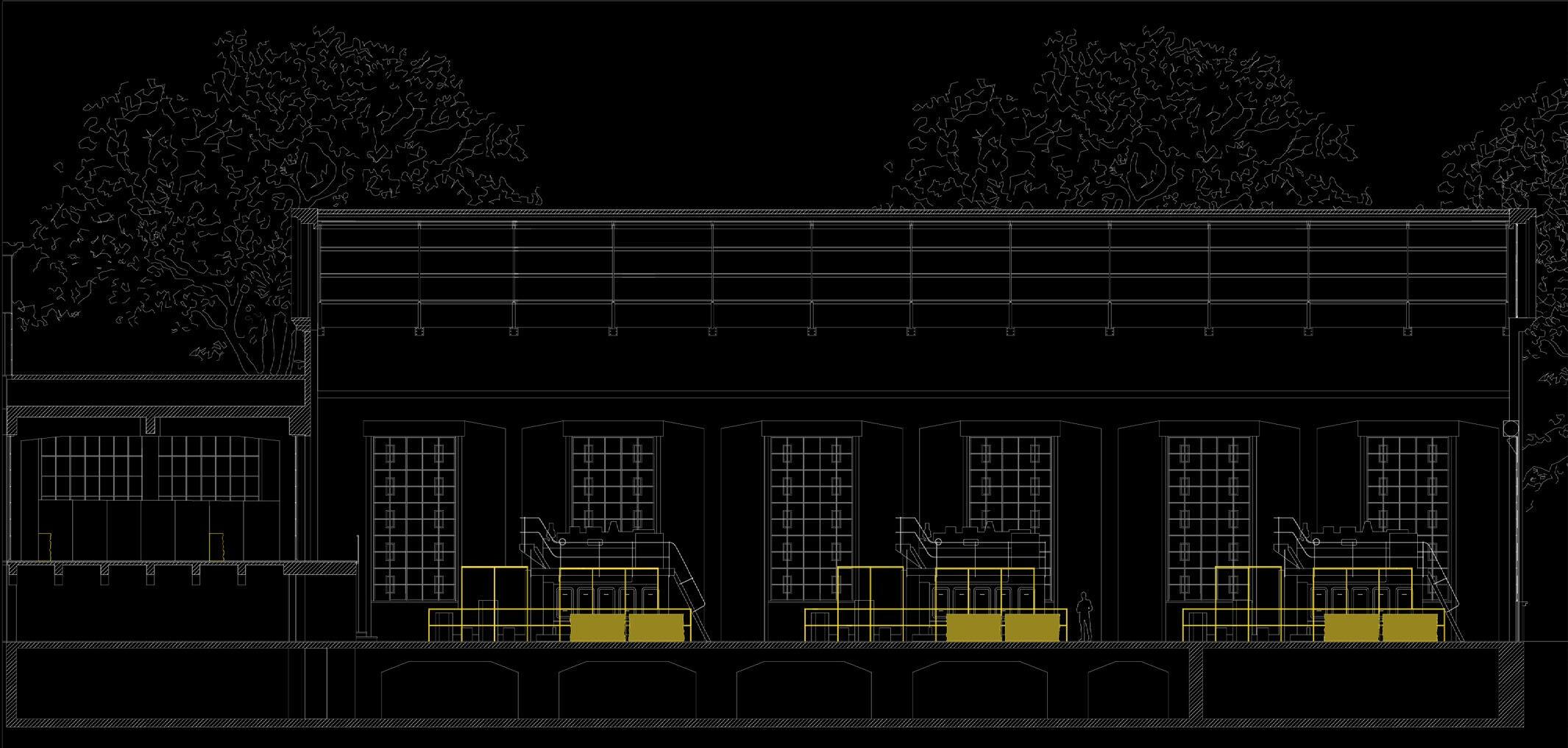
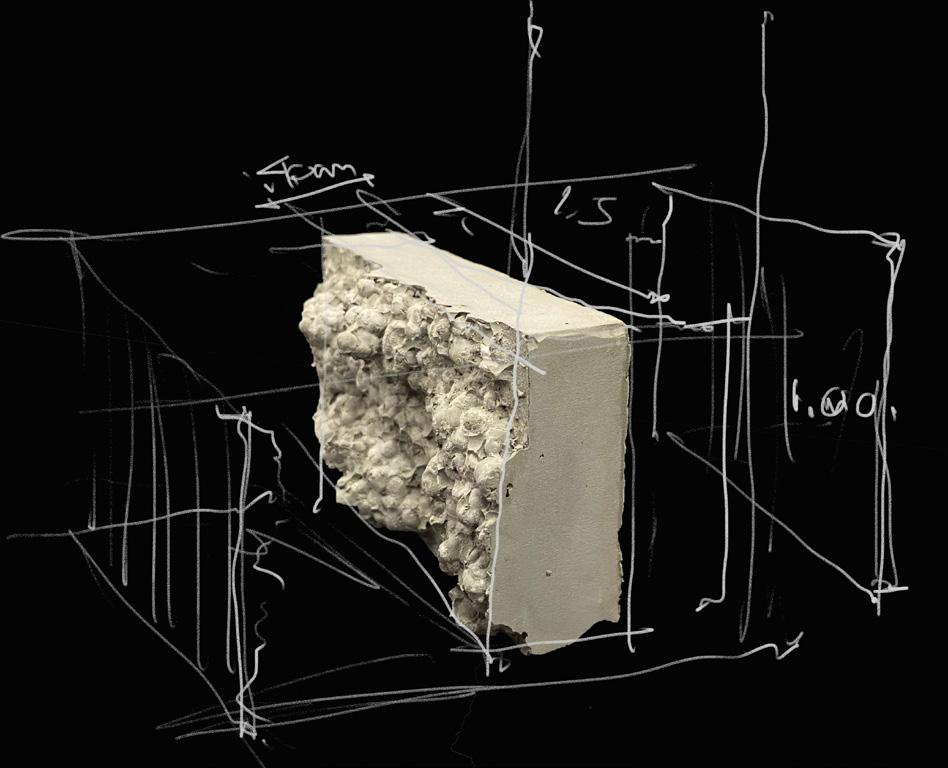
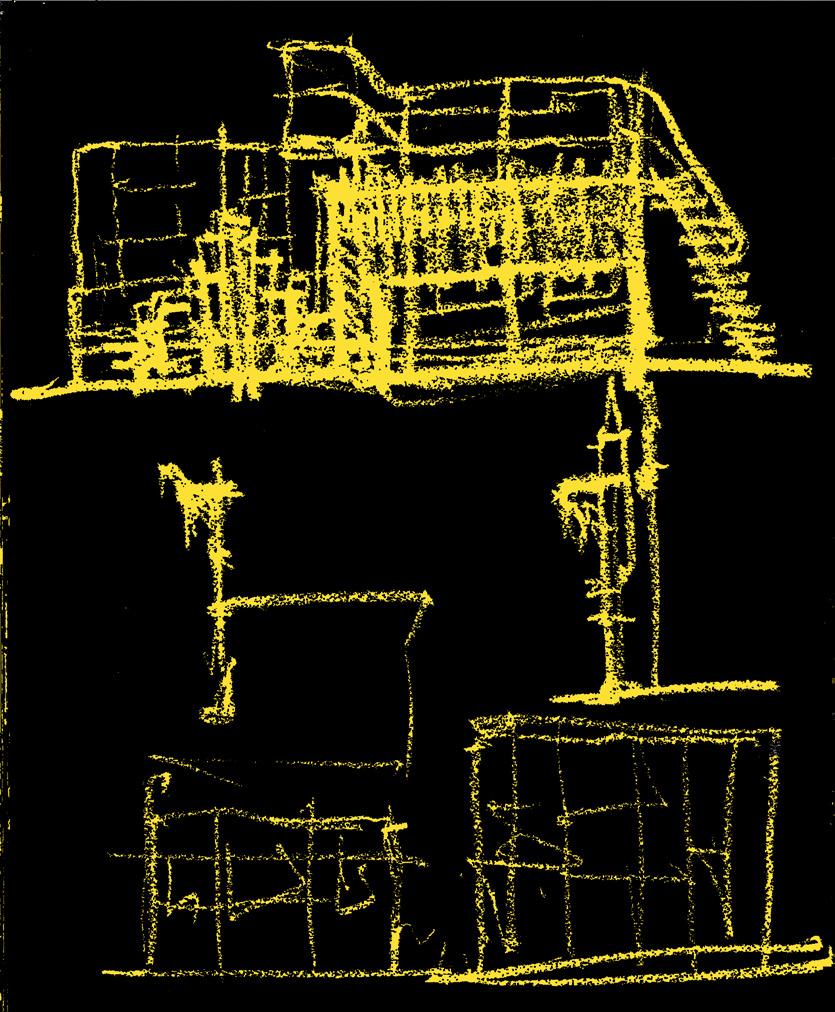
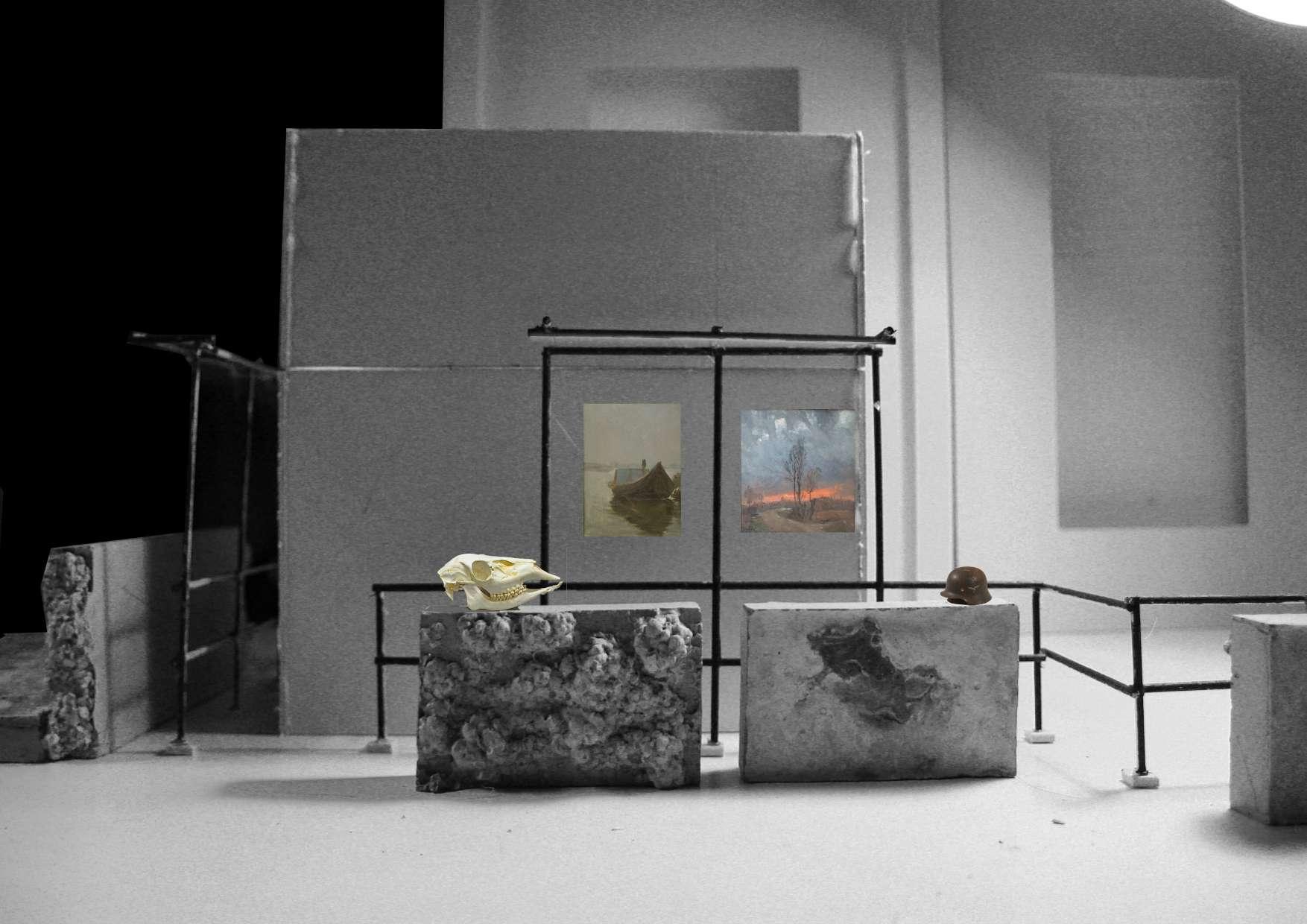
The project can be divided into two different parts, the first being the repurposing of an obsolete power plant designed by a Milanese architect. We aim to showcase the region’s history through objects found during the 2022 droughts of the Po and Oglio rivers. These objects come from different times and epochs—prehistoric times, the Middle Ages, the Renaissance, and even WWII—having fallen into the river, frozen in time and space. These objects will be displayed on soil-cast concrete pedestals resembling the riverbed textures where they were found, capturing the place where history emerged, positioned in front of the existing power plant engines. A simple metal structure will provide lighting and squared grids for hanging art.
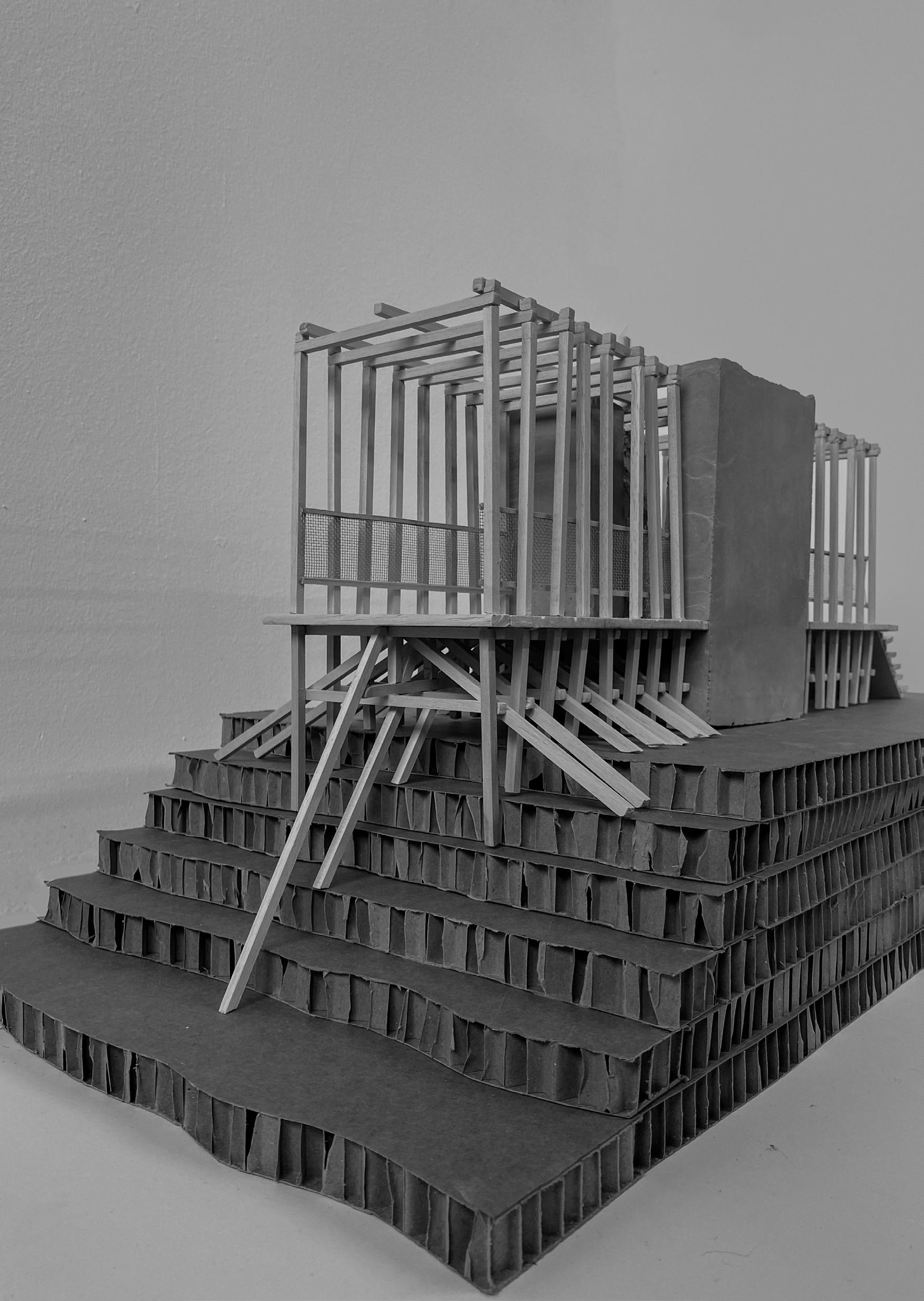
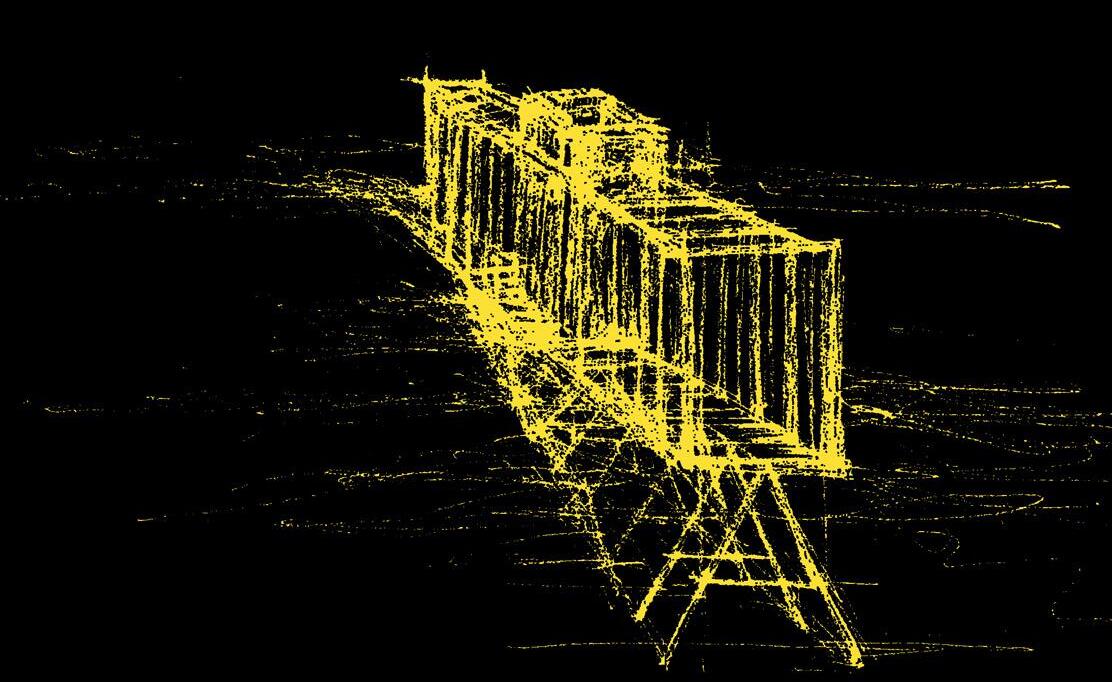
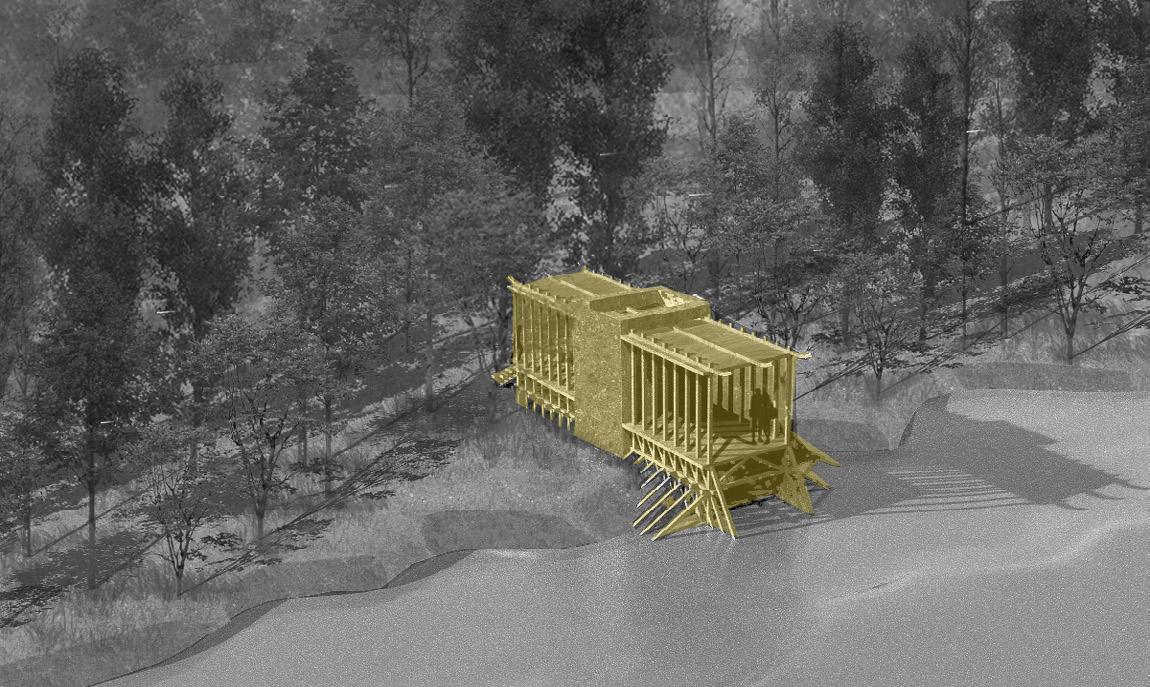
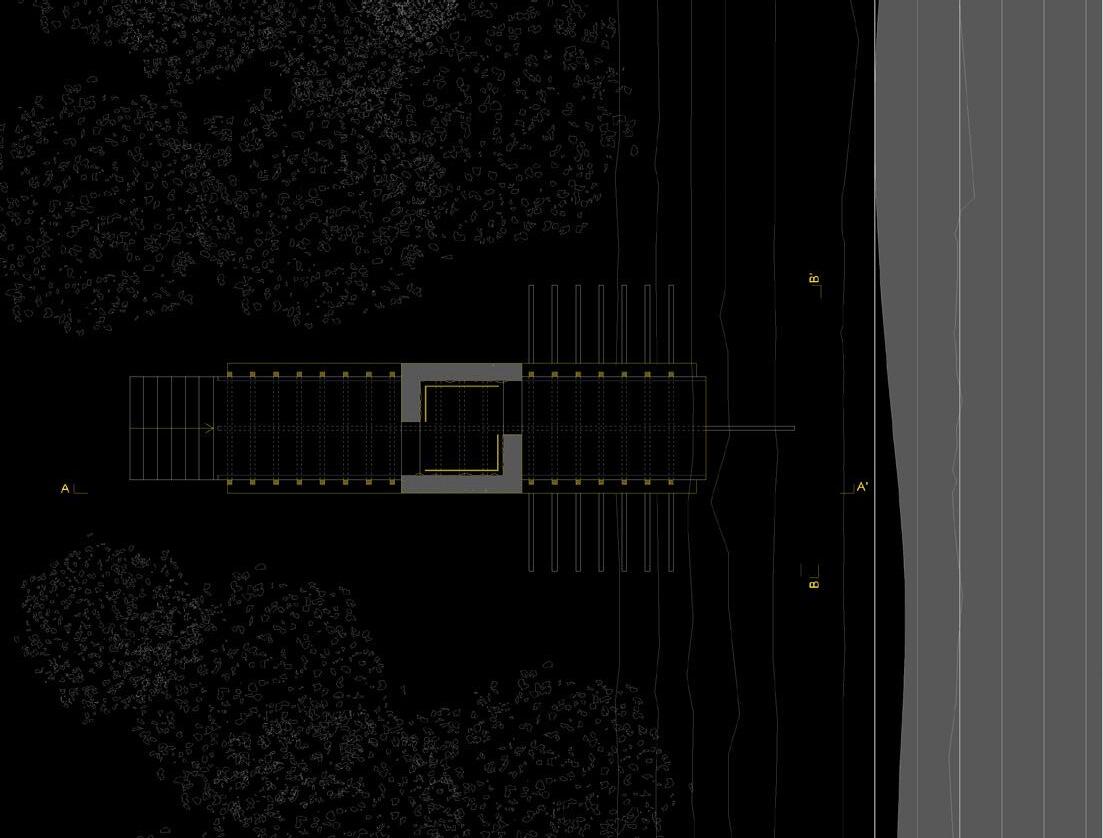
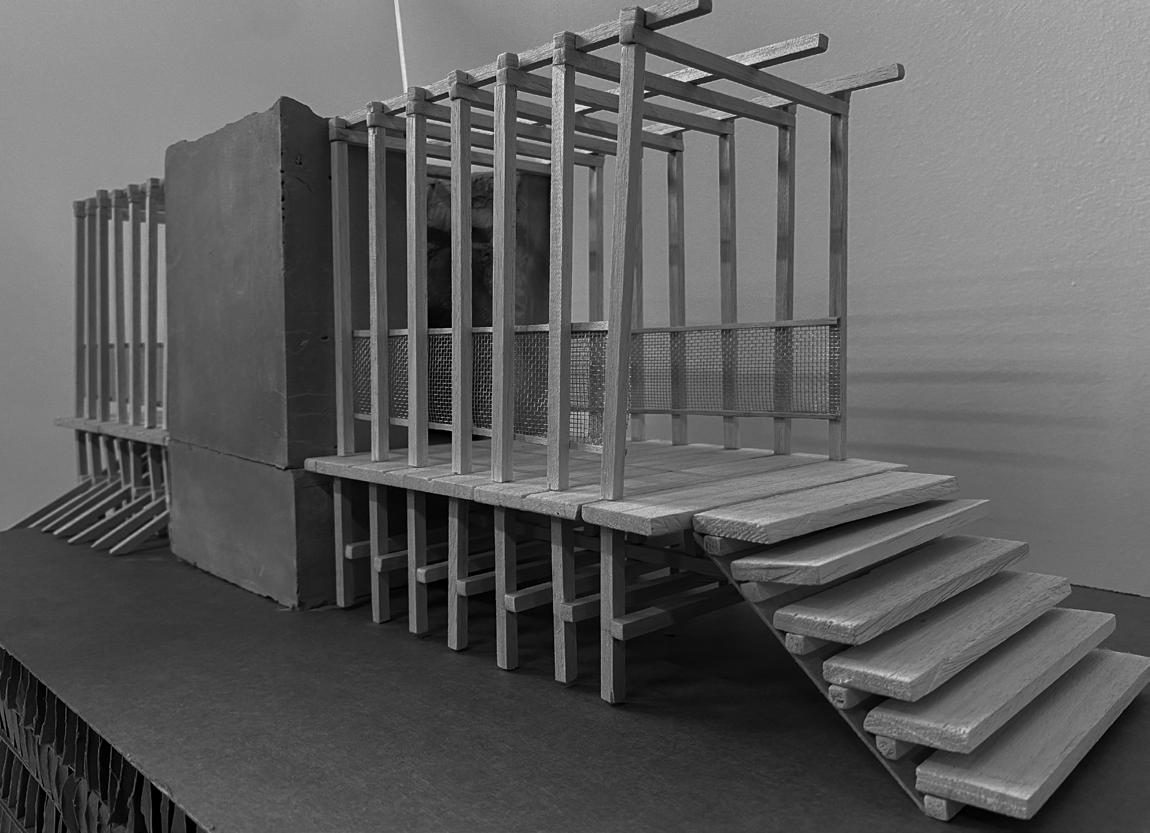
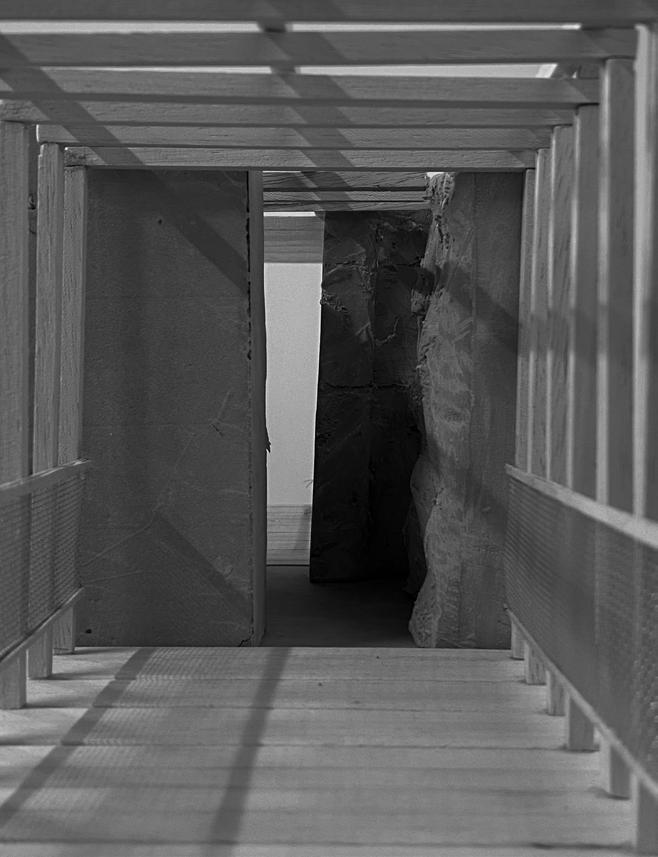
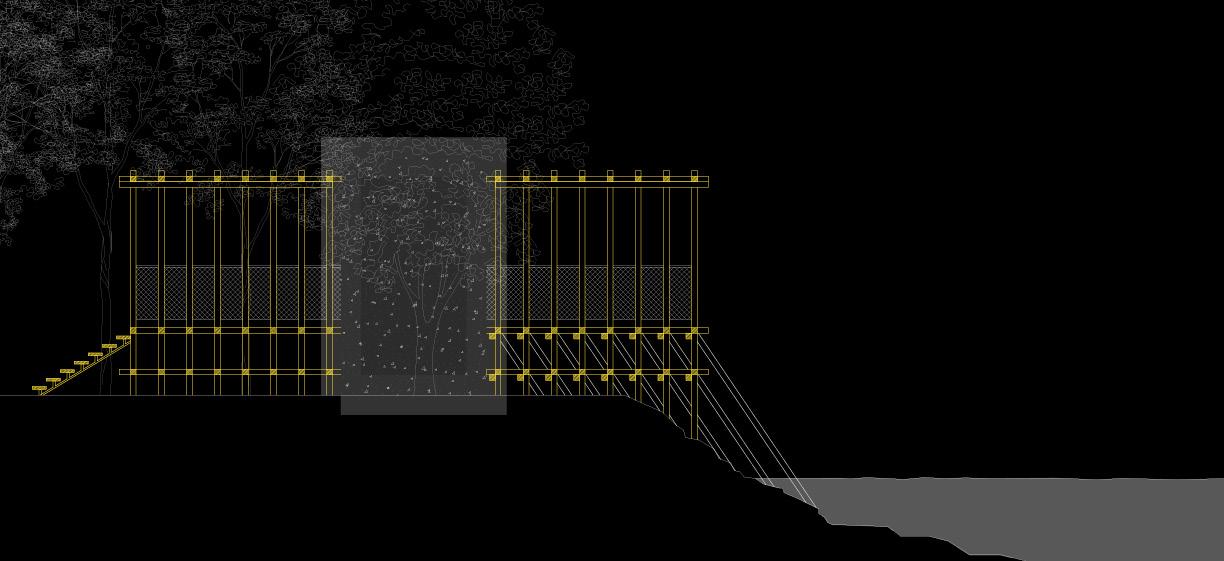
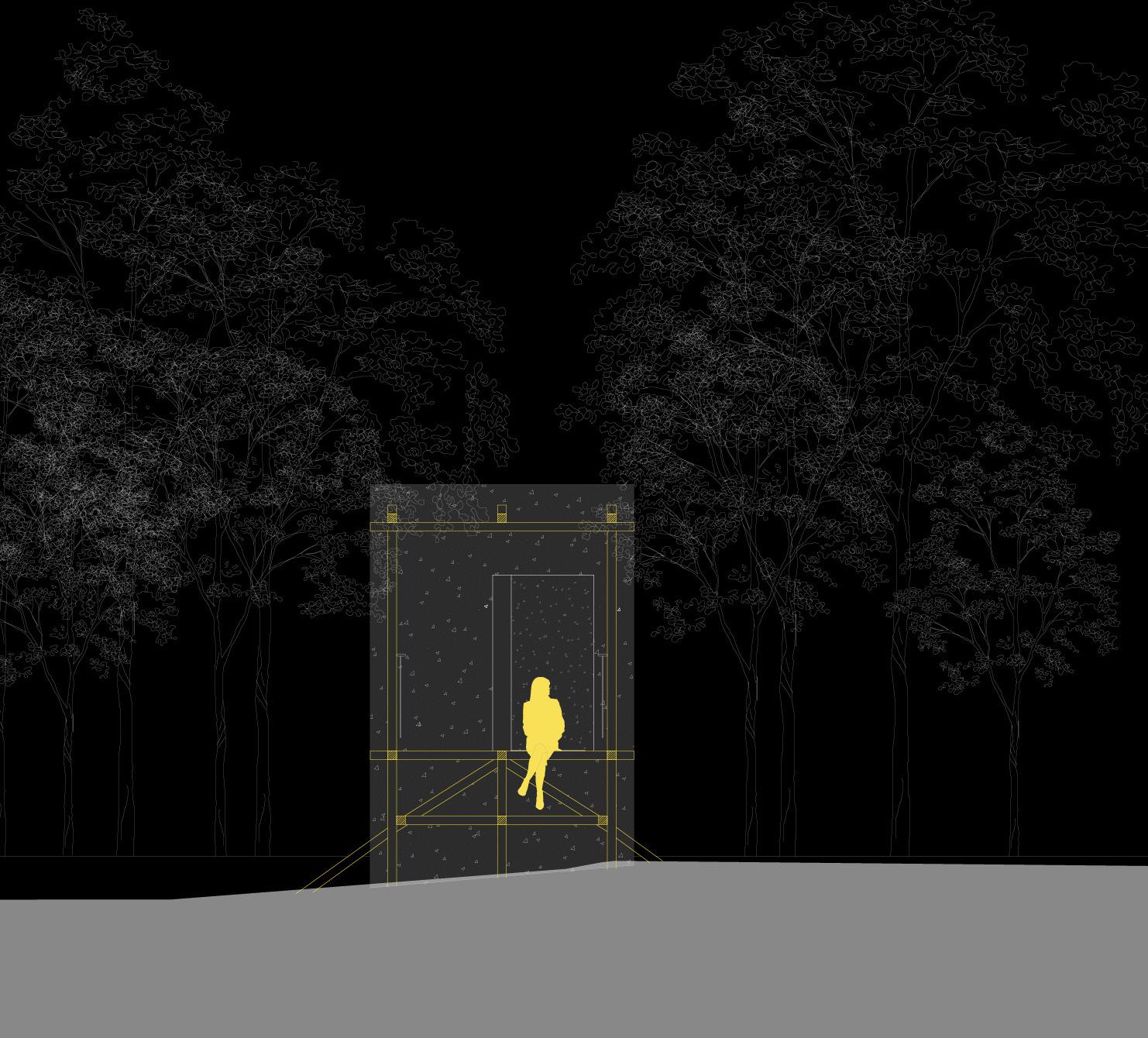
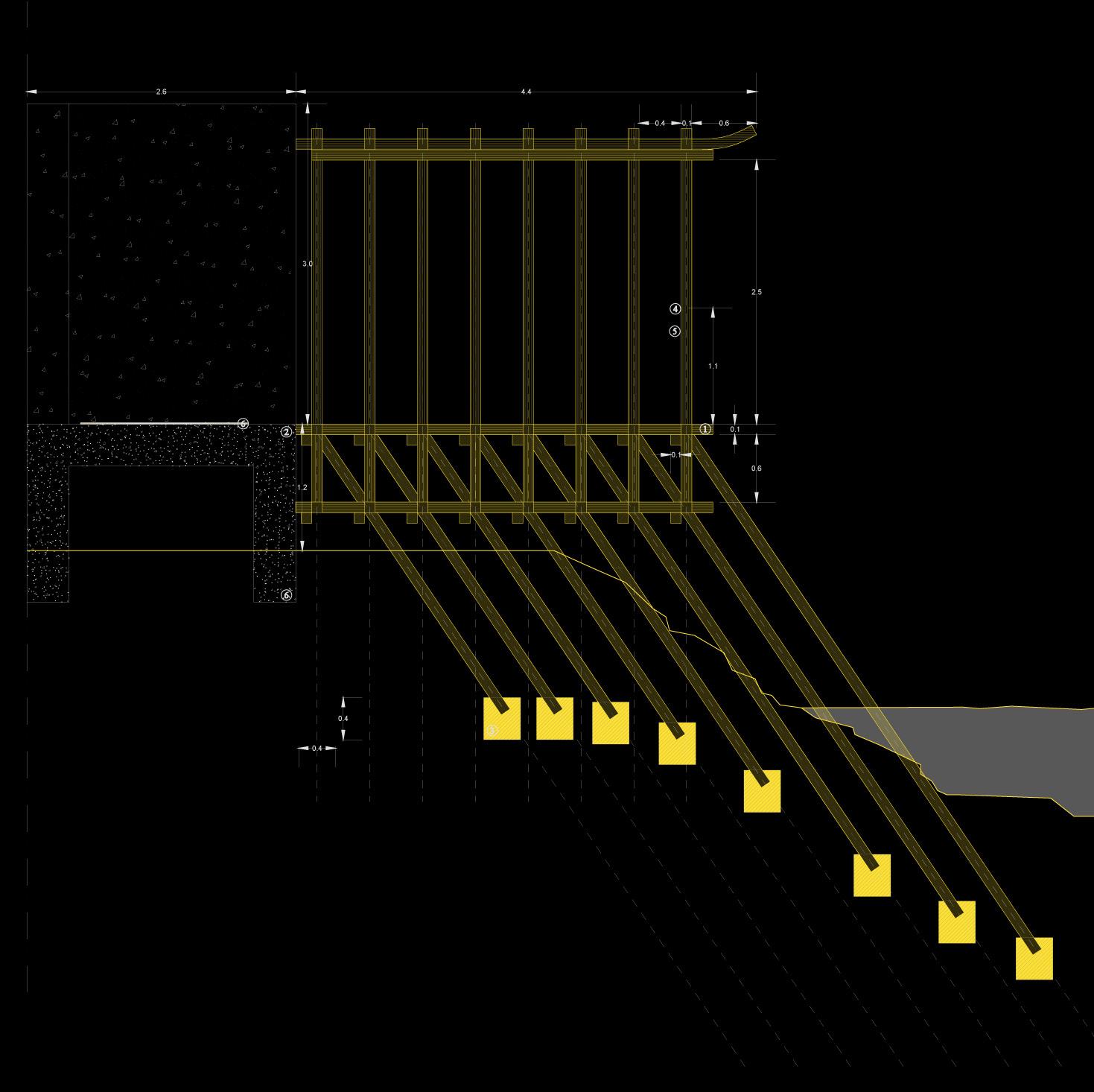
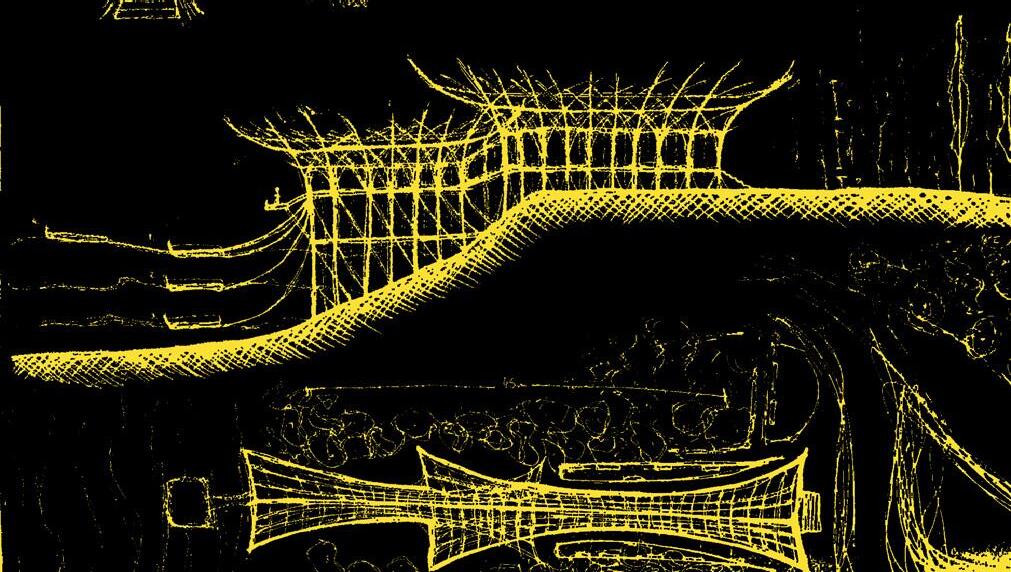
The second part is an outdoor sightseeing pavilion that aims to create a sensory journey from a roadside setting to a forested area overlooking the river, with distinct physical layers and a contrasting transitional space enhancing the experiences on both sides. The pavilion’s layers are arranged horizontally, a central core divides, which accentuates the contrast between the road-facing side and the forest-facing side. Positioned deliberately between the main road and the forested banks of the River Po, the lightweight wooden structure, referencing the forest, invites visitors to drift toward the natural landscape away from the urban environment.
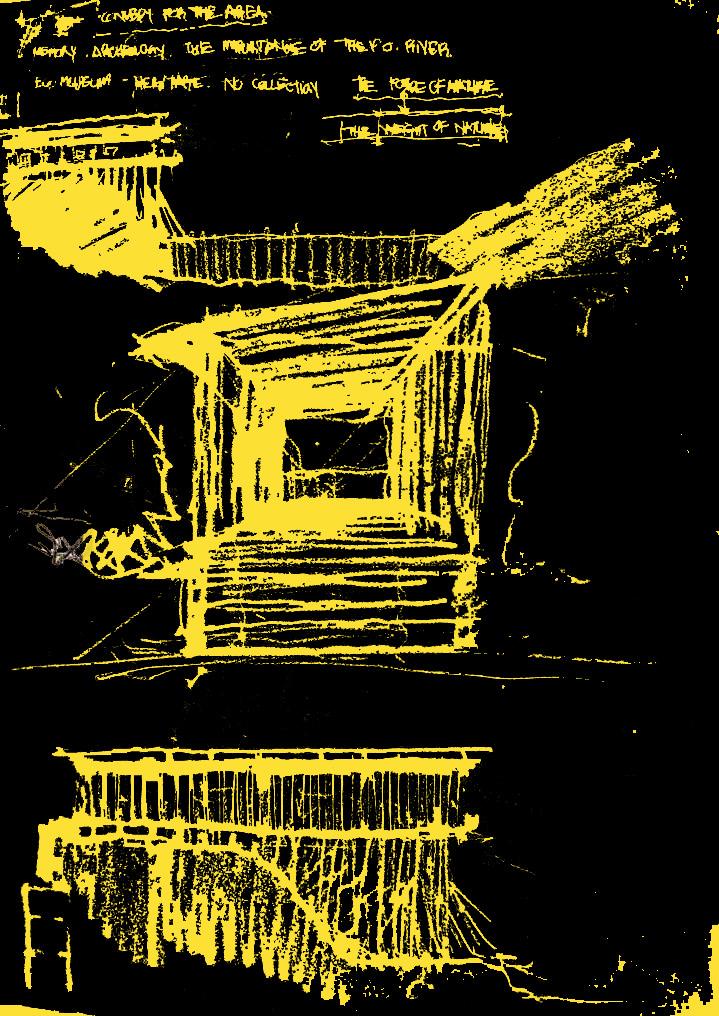
The concrete core introduces the transition, creating a dimly lit passage for art display, done using soil-casting techniques to offer a tactile and sensory experience. This transitional space aims to evoke curiosity and mystery, guiding visitors through Le Corbusier’s concept of the architectural promenade, where movement leads to a deeper exploration of space.
Exiting the concrete core, visitors enter the light timber structure, which seamlessly blends with the surrounding forest. Tree branches and leaves go into the platform, highlighting the connection with nature. Elevated viewpoints offer views of the river, providing a sanctuary away from the urban noise. Sou Fujimoto’s philosophy of integrating architecture with nature is seen here, as the built environment gradually merges into the green landscape.
The design of the pavilion focuses on enhancing the visitor’s sensory experience, with the concrete core utilizing its dimly lit and intimate atmosphere to evoke curiosity and emotion. The transition from the concrete core to the timber structure allows for natural light and a sense of openness, creating a seamless connection with the forested surroundings. Through careful spatial design, the pavilion aims to engage visitors in a meaningful exploration of nature.
—In this group project, I focused on the design and research of the exhibition, some sketches, references to Franco Albini and concrete casting techniques, model making, and some of the graphics presented, such as the axonometry and plans. I have re-done most of the presentation myself. Model pictures were taken by me.
Interior design studio
Collaborators: Guillermo Sanchez, Camilla de leo, Elitsa Predova
Profs. Elena Montanari, Cristina Colombo
Program: Exhibition design
Year: 2023
Location: San Matteo delle Chiaviche, Italy.
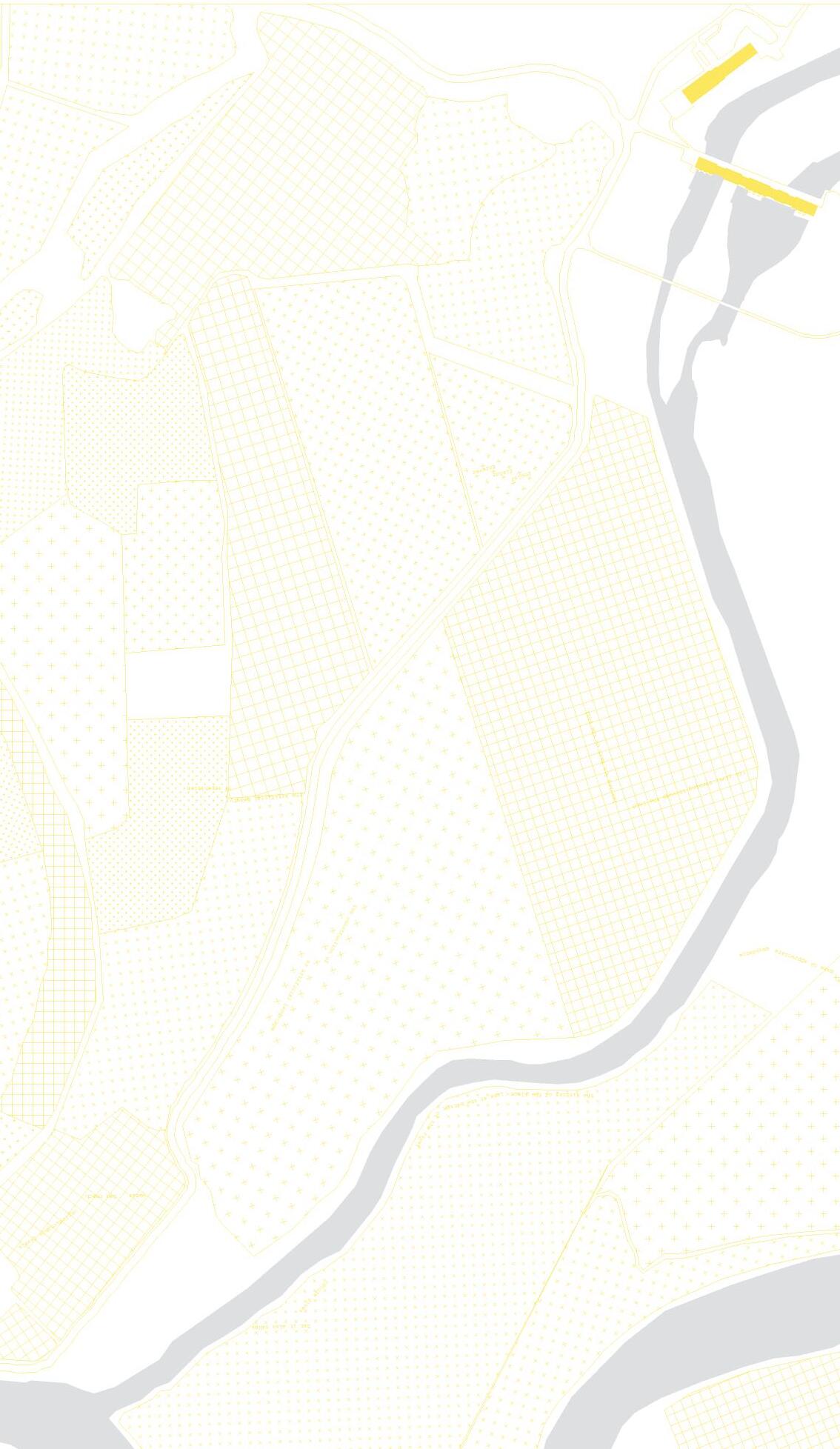
1:20 MODEL OF THE PAVILLION AND CONCEPTUAL FIELD MAP
1:50 Pavillion Plan
1:20 Pavillion model
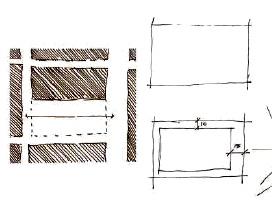
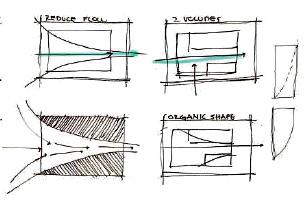
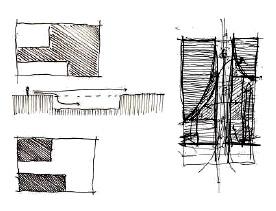
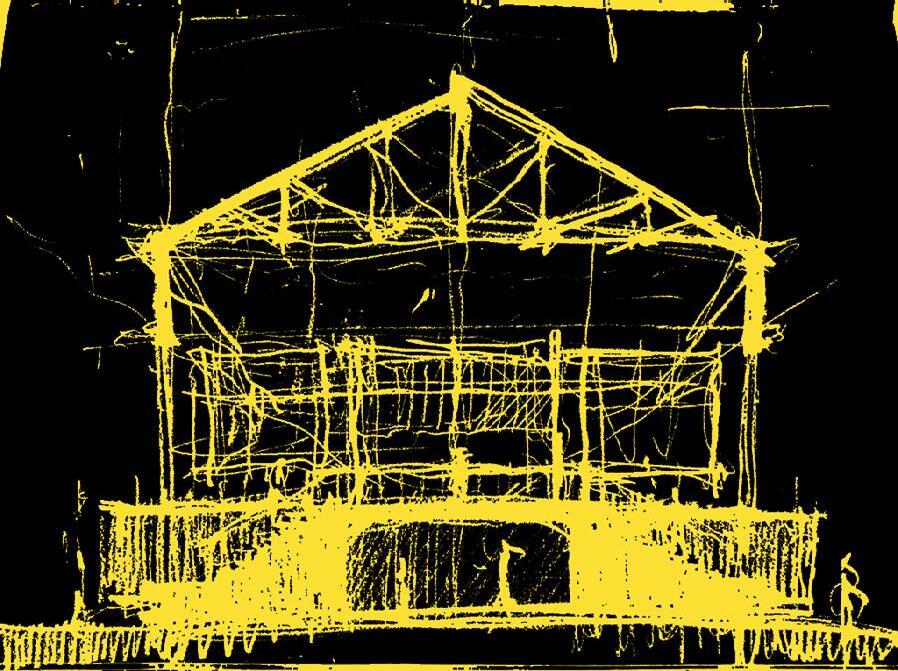
CONCEPTUAL SKETCH
PAVILLION RENDER
Ecomuseo Terre d' acqua
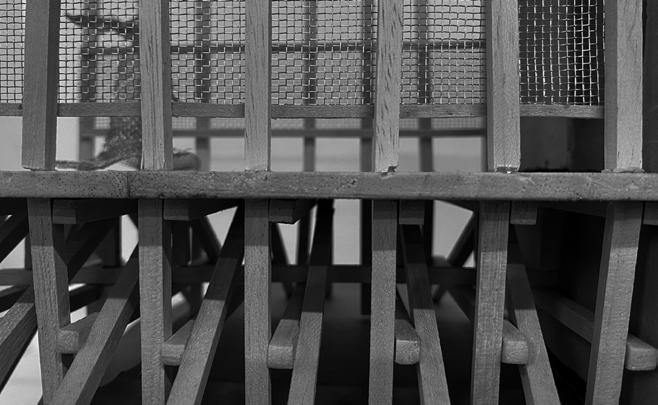
STRUCTURAL DETAIL
PAVILLION ENTRANCE
1:50 Pavillion West elevation 1:50 PAVILLION MODEL
1:50 Pavillion West elevation
CONCEPT SKETCH
Ecomuseo Terre d' acqua
Axonometric view of the Exhibition system
Ecomuseo Terre d' acqua
Ecomuseo Terre d' acqua
CONCEPTUAL SKETCHES
Ecomuseo Terre d' acqua
Ecomuseo Terre d’aqua MRB
Ecomuseo Terre d'aqua
CONCLUSION OF ACADEMIC WORK
The question of what defines quality in architecture and how can we as architects move people through spatial design is what the architectural part of this portfolio embraces and tries to shine a light upon. Referencing architects as Peter Zumthor, Le Corbusier amongst others, the portfolio delves into the principle of in-between spaces, thresholds and layers and their importance in the shaping of emotional and sensorial experiences by the users of built up space.
A central notion is the concept of the flow of layers and space. Architects direct movement within a space in order to provoke certain feelings or reactions from users. Archived by two main methods: allowing the free exploration or guiding the users along a defined path. They are both distinct experiences, as seen in projects such as the food hub and the pavilion, portraying the interaction between architecture and its intended users.
The importance of thresholds as transitional zones in between spaces is highlighted along the portfolio. They not only serve as mere physical transitions but also shape the psychological perceptions and emotional response. Peter Zumthor says “ we perceive atmosphere through our emotional sensitivity”, emphasising the connection among sensorial experiences and emotional responses. Materials, lighting and spatial disposition are factors that may be used by architects to evoke certain emotional responses, this fosters a strong bond between the users and the built environment.
Additionally the portfolio studies different strategies to link or separate layers in architectural compositions. Projects focusing on the creation of cohesive spatial narratives tend to have a deeper impact on the user, the design process is diverse, like the intent, from mimicking materials like in the library or contrasting spatial experiences like the pavilion, each approach enriches the sensorial narration of spaces which enhances the quality of the composition. In conclusion the architectural part of this portfolio delves into the study of the essence of architectural quality and the sensations buildings can evoke in its users. The careful examination of the interaction between layers and thresholds, giving an insight into how architects can effectively move people and enhance the sensorial experience within the built environment, enriching the spatial narration of architecture.
PROFESSIONAL WORK
ESTUDIO FELIPE ESCUDERO.
Estudio Felipe Escudero (EFE) is a cutting-edge, multidisciplinary design studio where architecture, industrial design, and art converge to create groundbreaking and immersive spatial narratives. Renowned for its innovative approach, EFE has worked with prestigious brands such as Mercedes Benz, Adidas, On-Shoes, and Philippe Chatelain, and has exhibited at renowned institutions like the Royal Academy of Arts in London and Arte BA in Buenos Aires. The studio’s work is celebrated for its unique blend of poetic imagination and avant-garde vision, and was recognized in Architectural Digest’s “Top 100” list of influential architecture studios.
I started my journey in EFE as an intern in 2022, where experienced the studio’s interdisciplinary way of designing. After I graduated, I was invited to their Madrid office as a Junior Architect, supporting some projects during the summer months. During this period, I had an active role in the conceptual design, illustration, and content creation across architecture, furniture, and fashion, collaborating on different proposals that explored many aspects such as materiality, form, and storytelling. I was involved in most parts of the design process, from conceptualisation to detailed designs, and aided in projects that mixed and spread throughout different creative fields, which ended up in a very well-rounded final product. This very demanding experience bettered my understanding of different spatial narratives, made me further understand how materiality and careful design can provoke and enhance emotion, whilst creating meaningful experiences. Working with a variety of high-profile brands and projects, I understood the deep impact of careful cohesive design, the power of collaborating, and the importance of the small details. Finally, I saw how all of that is essential in creating exceptional, impactful work.
‘AN
HOMAGE TO THE FINESSE OF PÂTISSERIE AND MODERN AESTHETICS’
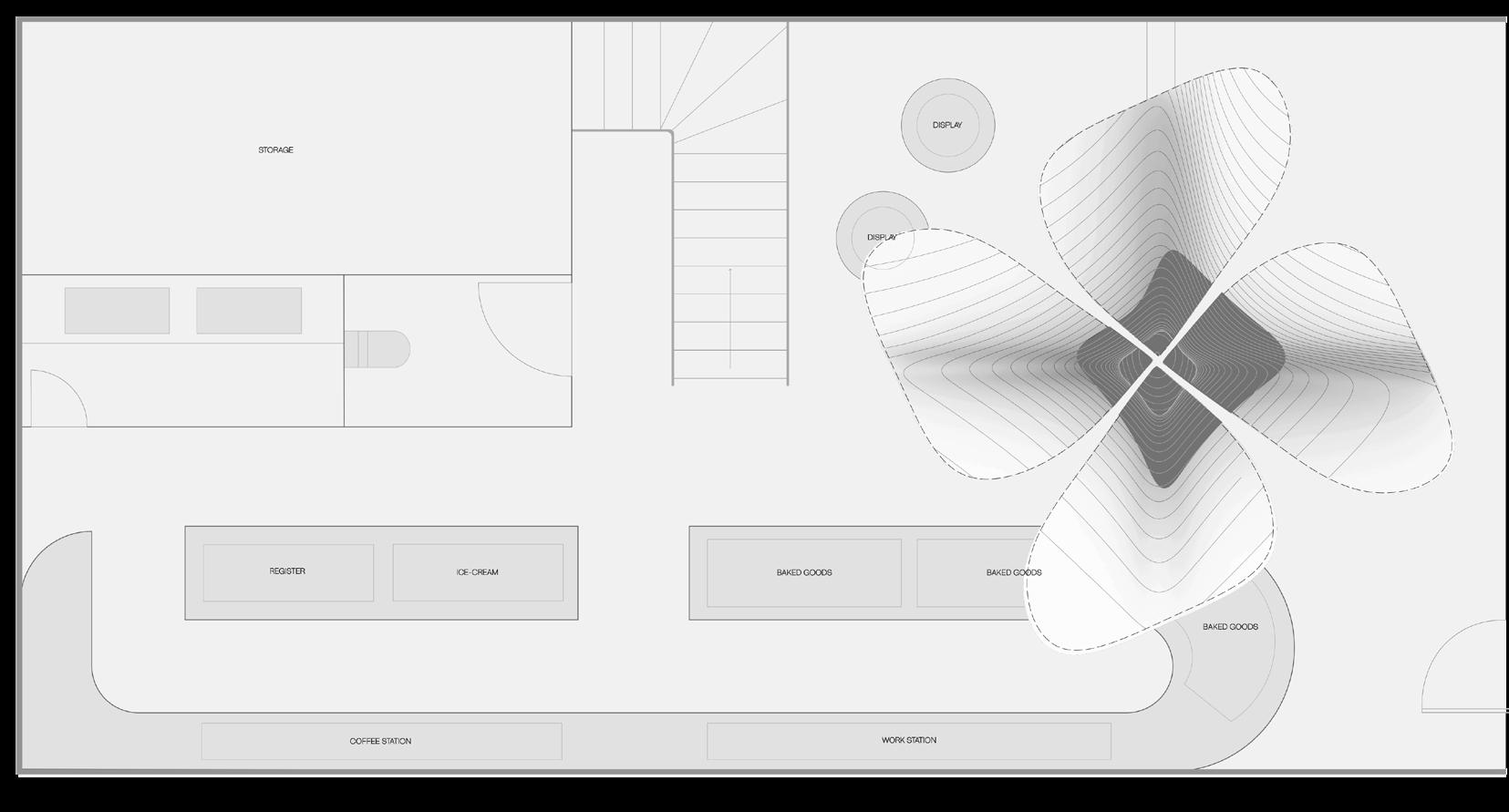
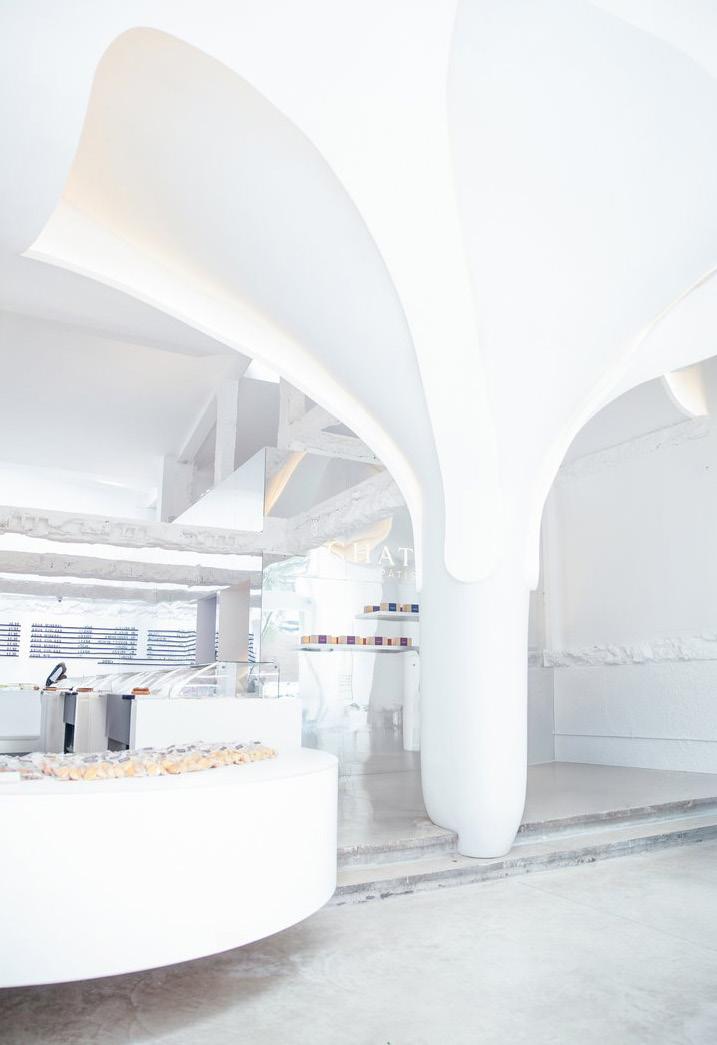
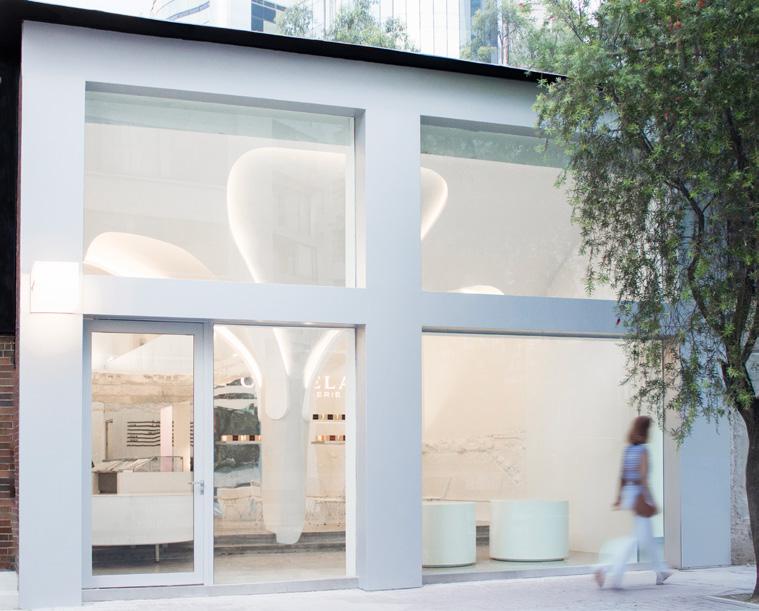
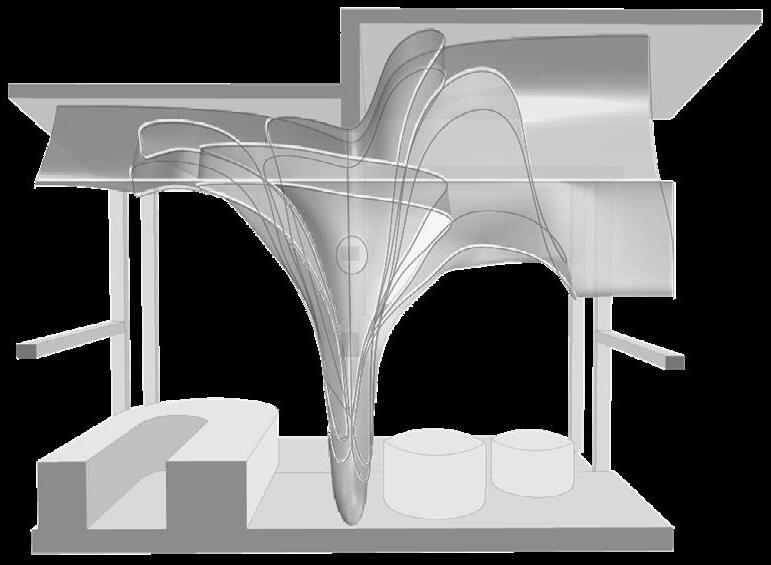
Crema is a concept-driven project that transforms an old structure into a dreamlike, immersive bakery. The space blends history with modernity through textured columns and beams, while a sculptural addition bridges the gap between the past and the present. The interior, enveloped in soft off-white hues, creates a fluid, almost ethereal atmosphere, inviting visitors into a sensory journey. Pastries are displayed as organic, gravity-defying works of art, enhancing the surreal ambiance. A mirrored cube bathed in blue light serves as both a functional space and a striking focal point, drawing visitors deeper into the enchanting, immersive experience. The design blurs the boundaries between reality and imagination, offering a captivating and otherworldly atmosphere.
-In this project I once again produced the graphics , did some of the PR ,worked in the construction site and helped with the display and furniture design.
PS: Studio description as well as project descriptions were provided by the studio
CREMA.
SCULPTURAL COLUMN DETAIL
PHOTO OF THE SPACE
PHOTO OF THE EXTERIOR VIEW
4.
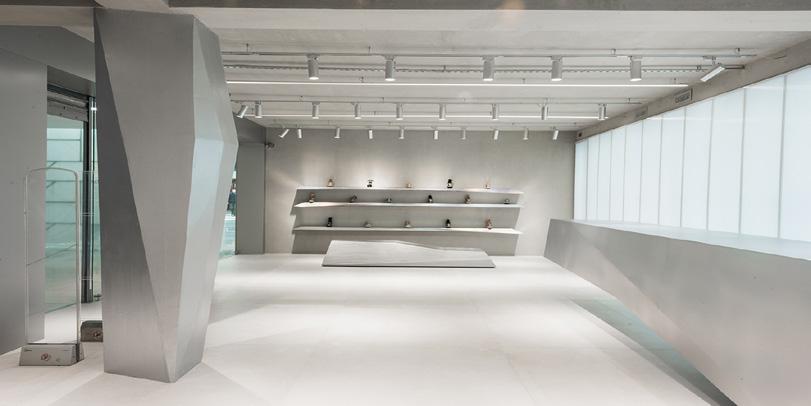
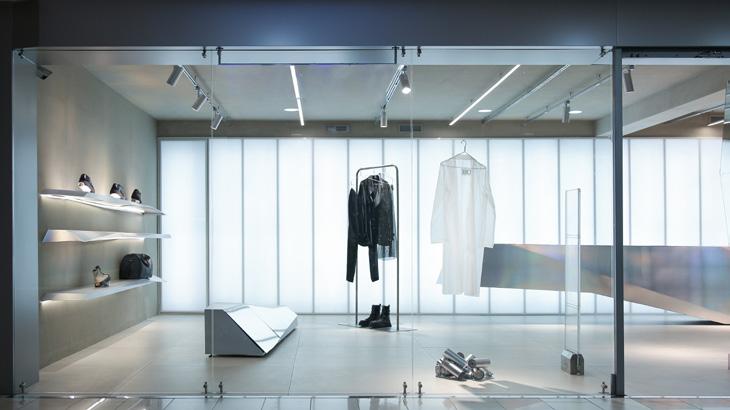
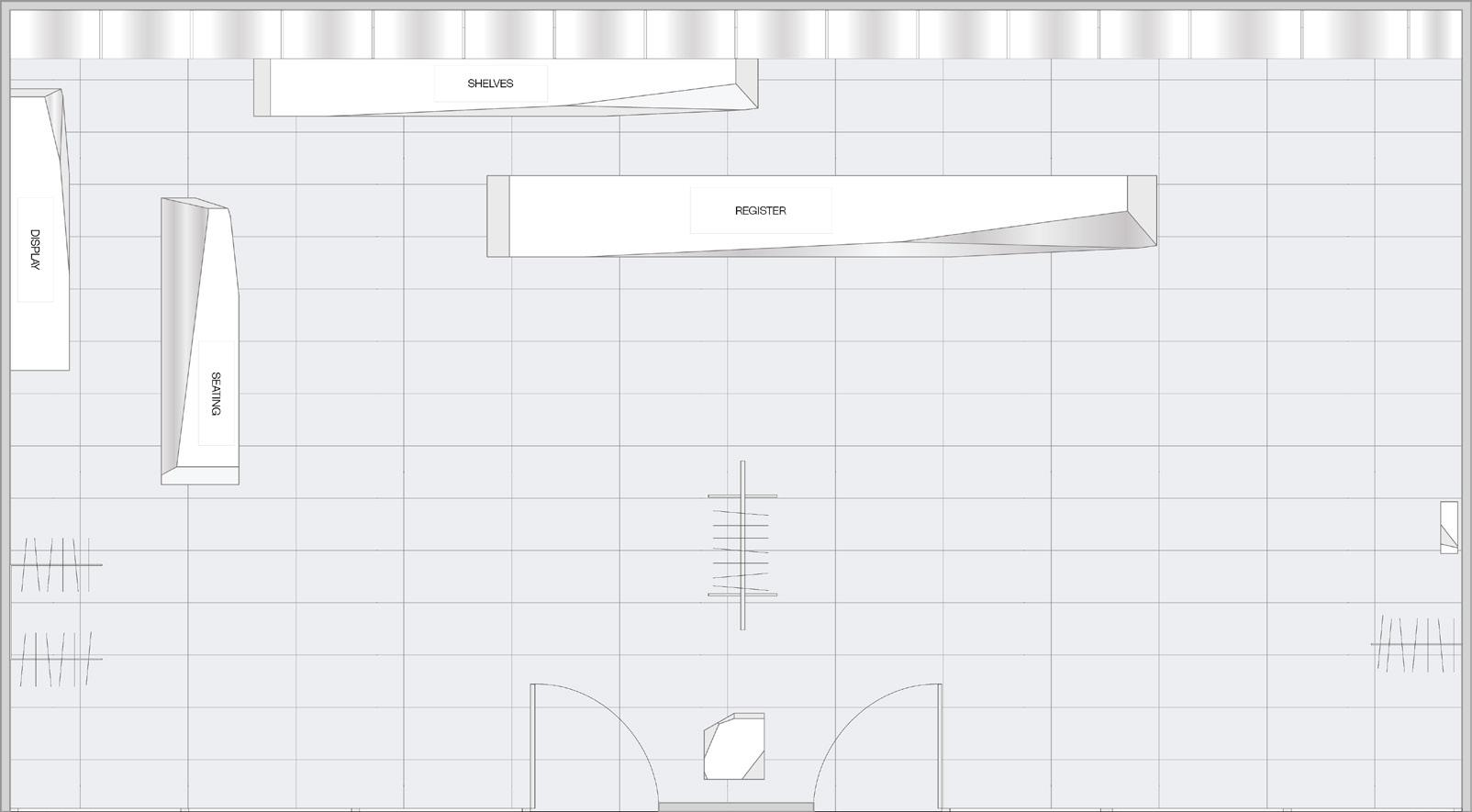
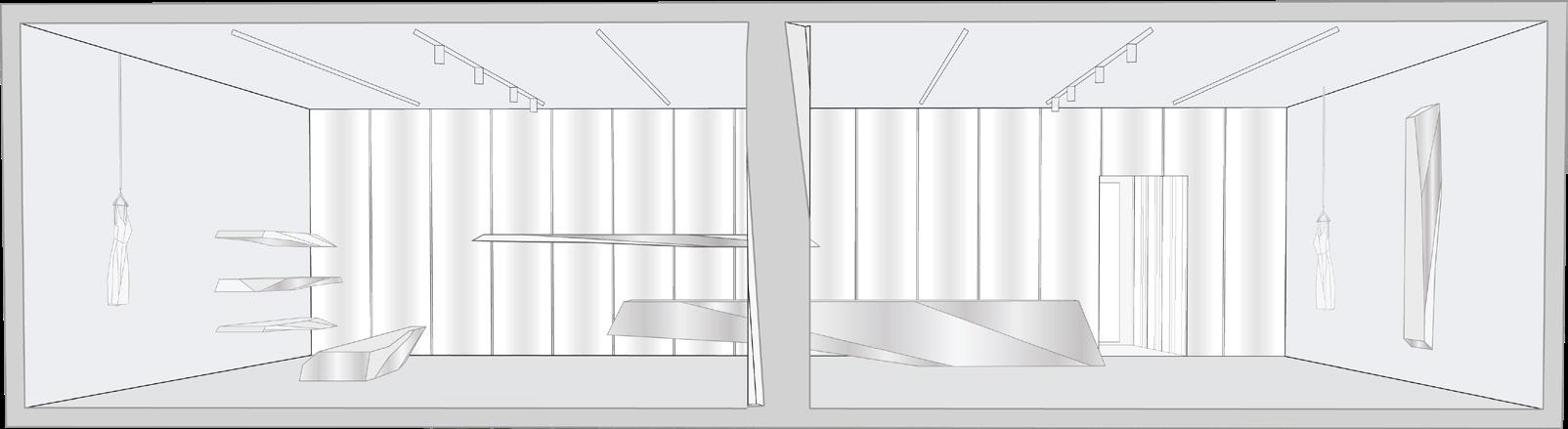
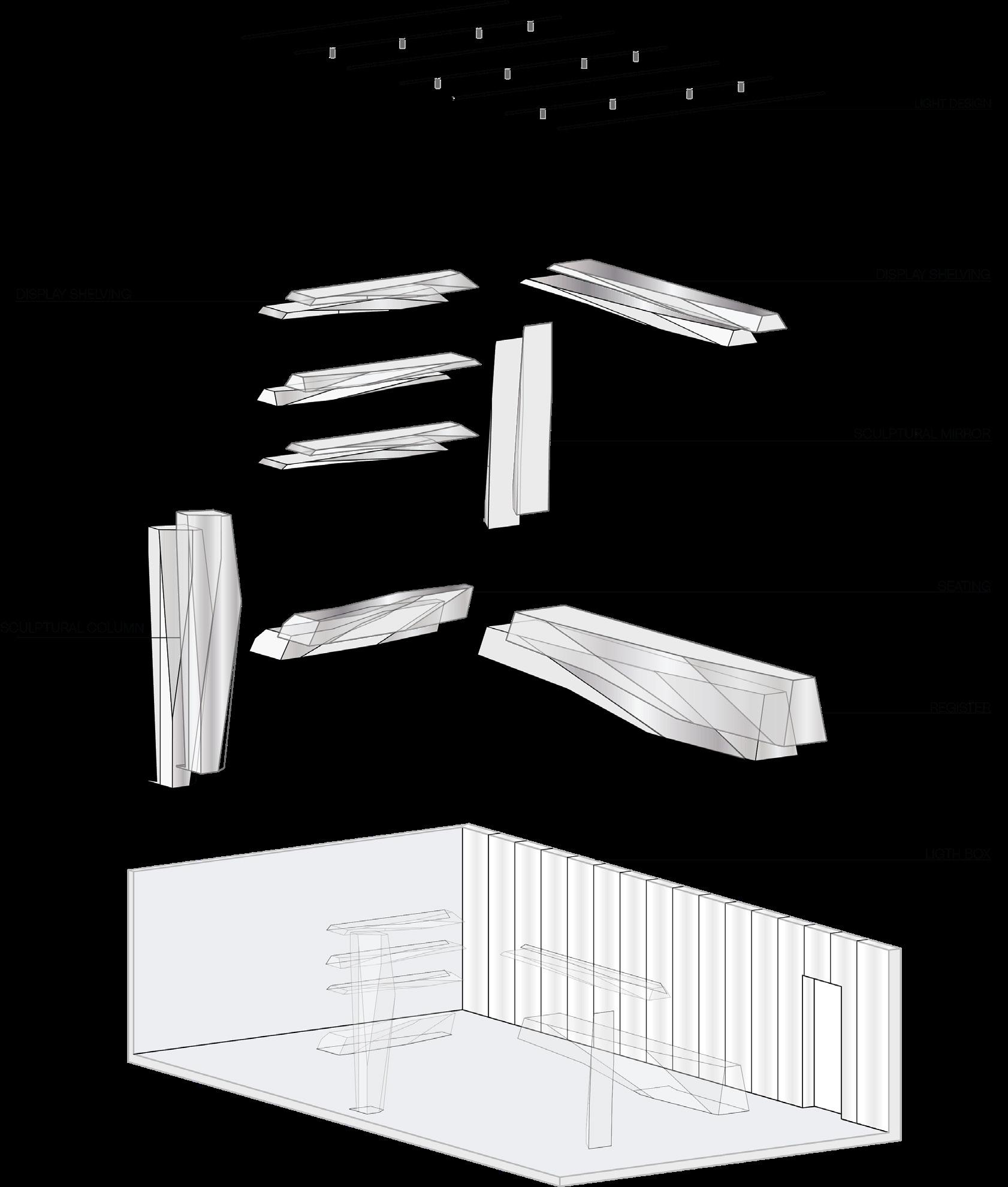
A geological concept store designed by Felipe Escudero, where modernity meets the raw beauty of geological formations. The design combines sleek stainless steel and rugged concrete with organic, geological shapes and iridescent textures. The interplay of reflective surfaces against the industrial backdrop creates a captivating atmosphere, while the garment display area becomes a focal point, showcasing fashion in an artful setting. The changing rooms, enveloped in metallic curtains and iridescent walls, offer an intimate experience that elevates the luxury shopping journey. Every element is curated to enhance the sensory experience of fashion. -I did the graphics and managed PR as well as some involvement in the finishes and last details of the project.
INDEPENDET WORK
46 YEARS OF COLEGIO DE ARQUITECTOS IN BPA
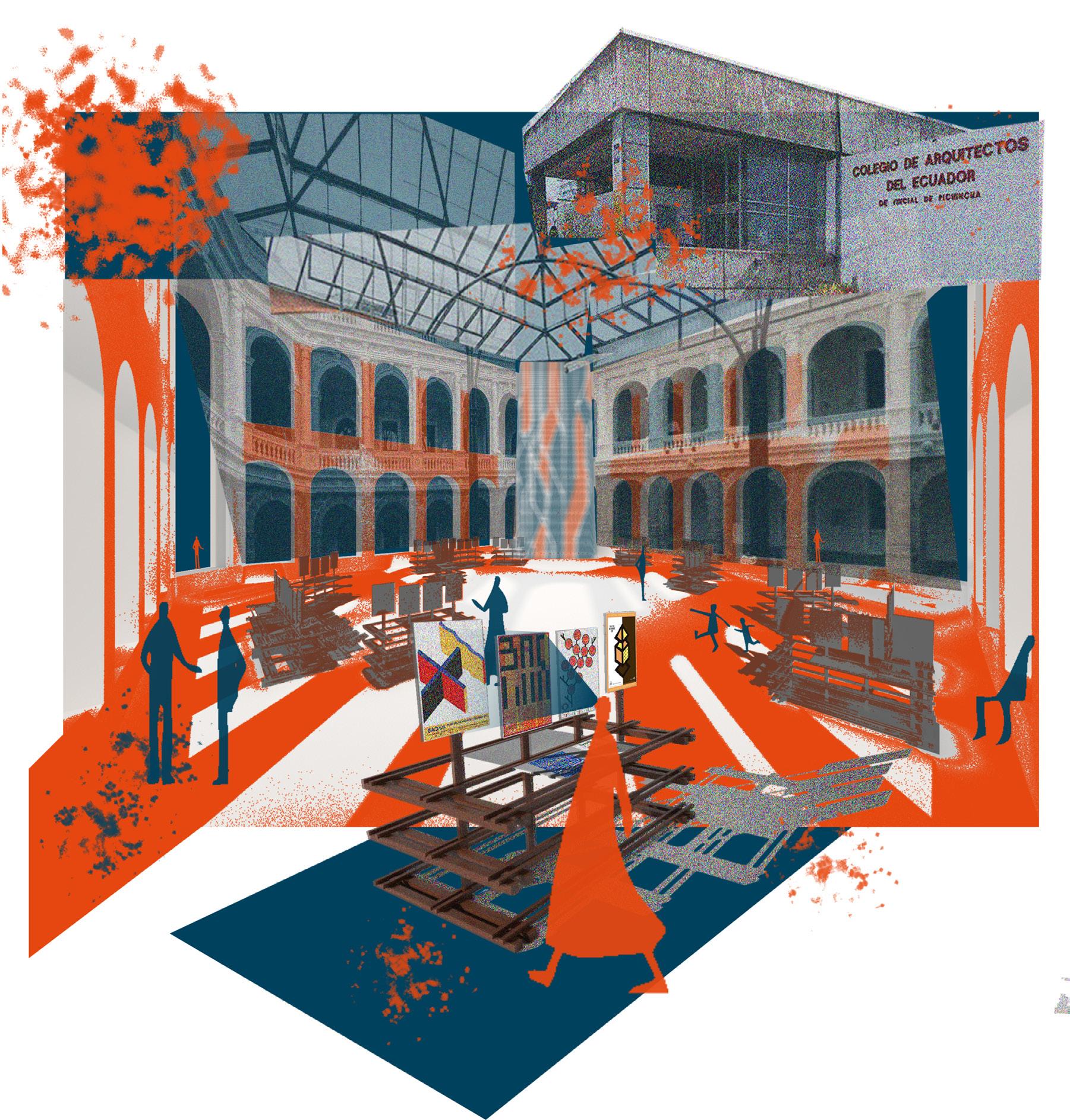
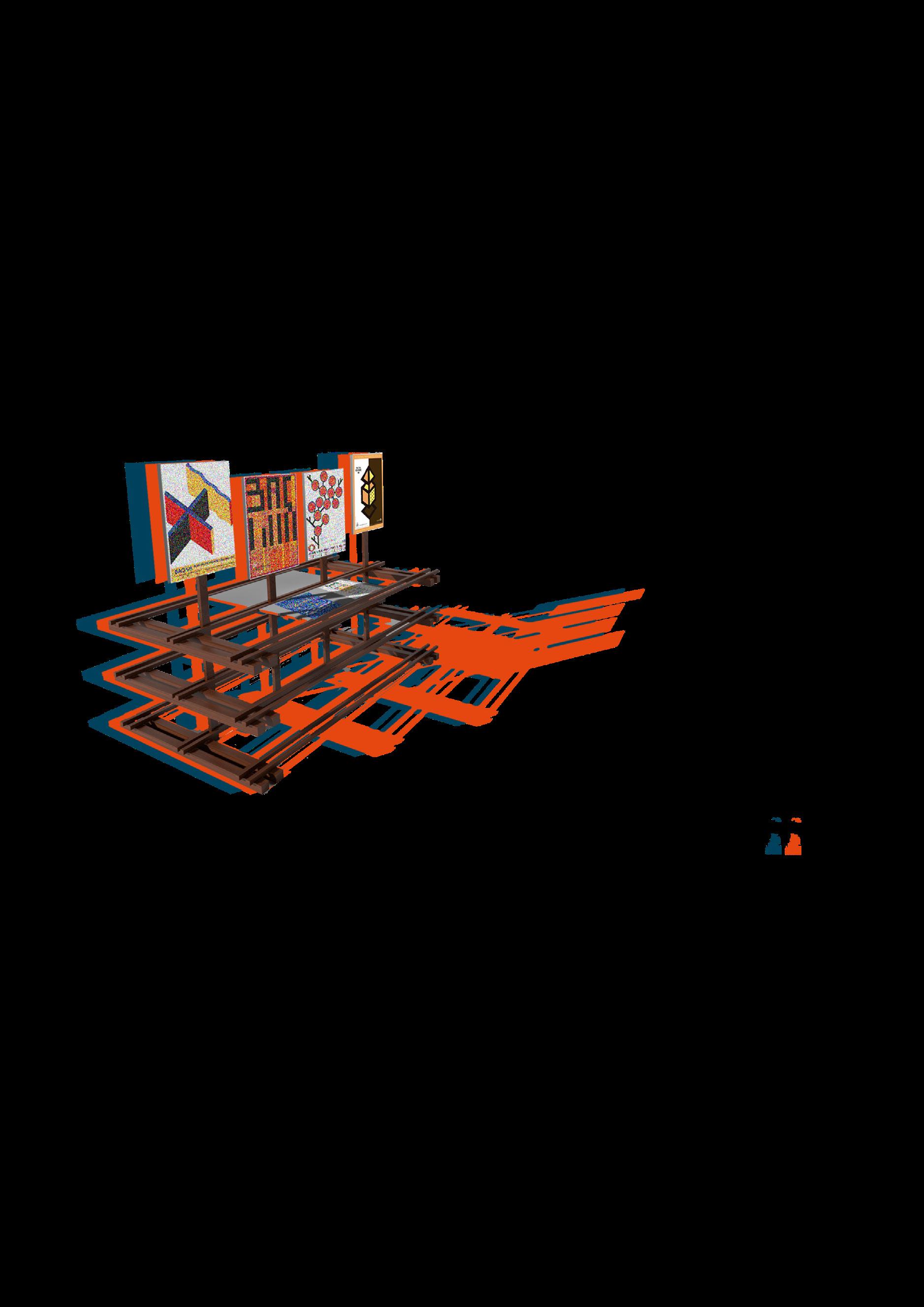
For this exhibition, I wanted to honour the Colegio de Arquitectos del Ecuador’s iconic wooden pavilion—an iconic structure deeply related to the identity of CAE. Its characteristic system of primary and secondary wooden columns and beams became the basis for my design, reimagined in a smaller scale, creating a modular framework that displays the posters from each Biennale edition.
Designed for flexibility, the structure is fully modular, allowing individual units to be rearranged and reused for future exhibitions. Modules can be combined to create a larger display or a separated smaller one for more intimate installations, aiming for longevity and adaptability. While it has a clear direct path to function, it also highlights identity, creating an exhibition space that is unique and caters to CAE’s identity. Set in the courtyard of ‘ Centro Cultural Metropolitano’ -A historic colonial building, the installation organises decades of architectural history into a carefully crafted spatial narration each cluster of structures hones a special time and decade of CAE, where wood—timeless and expressive—becomes more than just a material. It evokes memory, craftsmanship, and continuity, leaving an emotional impact.
PS:Although the exhibit was selected and planned for construction, due to time and budget constraints, CAE decided to cancel it and postpone it to the 2025 Biennale.
Comissioned by CAE
Typology: Exhibition Design
Material: Wood
Date: 11/2024
Status: Finished Design
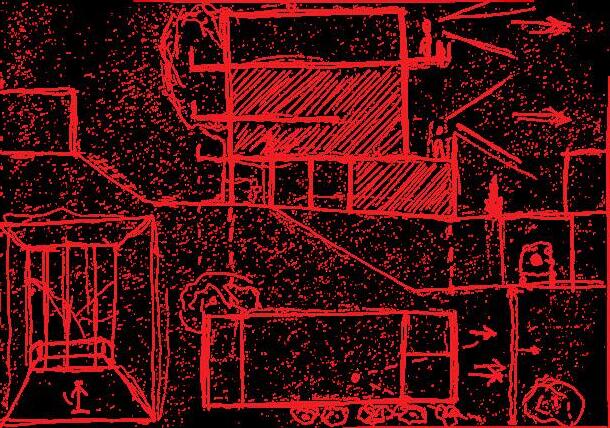
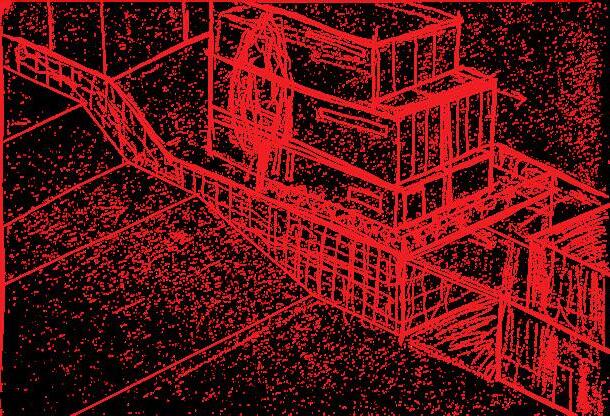
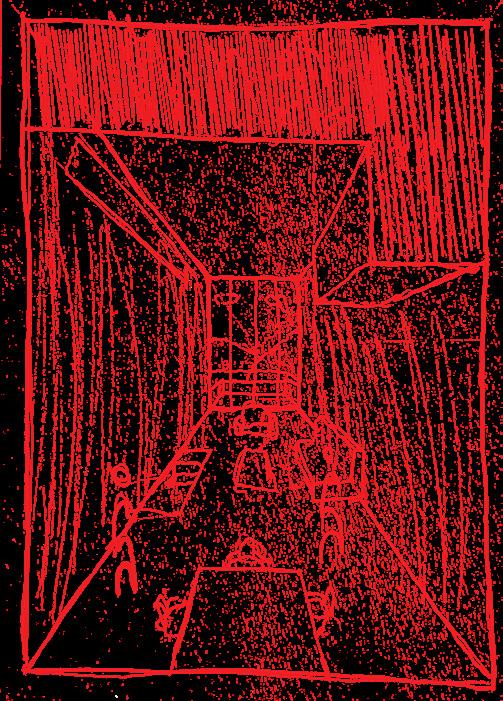
VIÑA VISTA APPARTMENTS
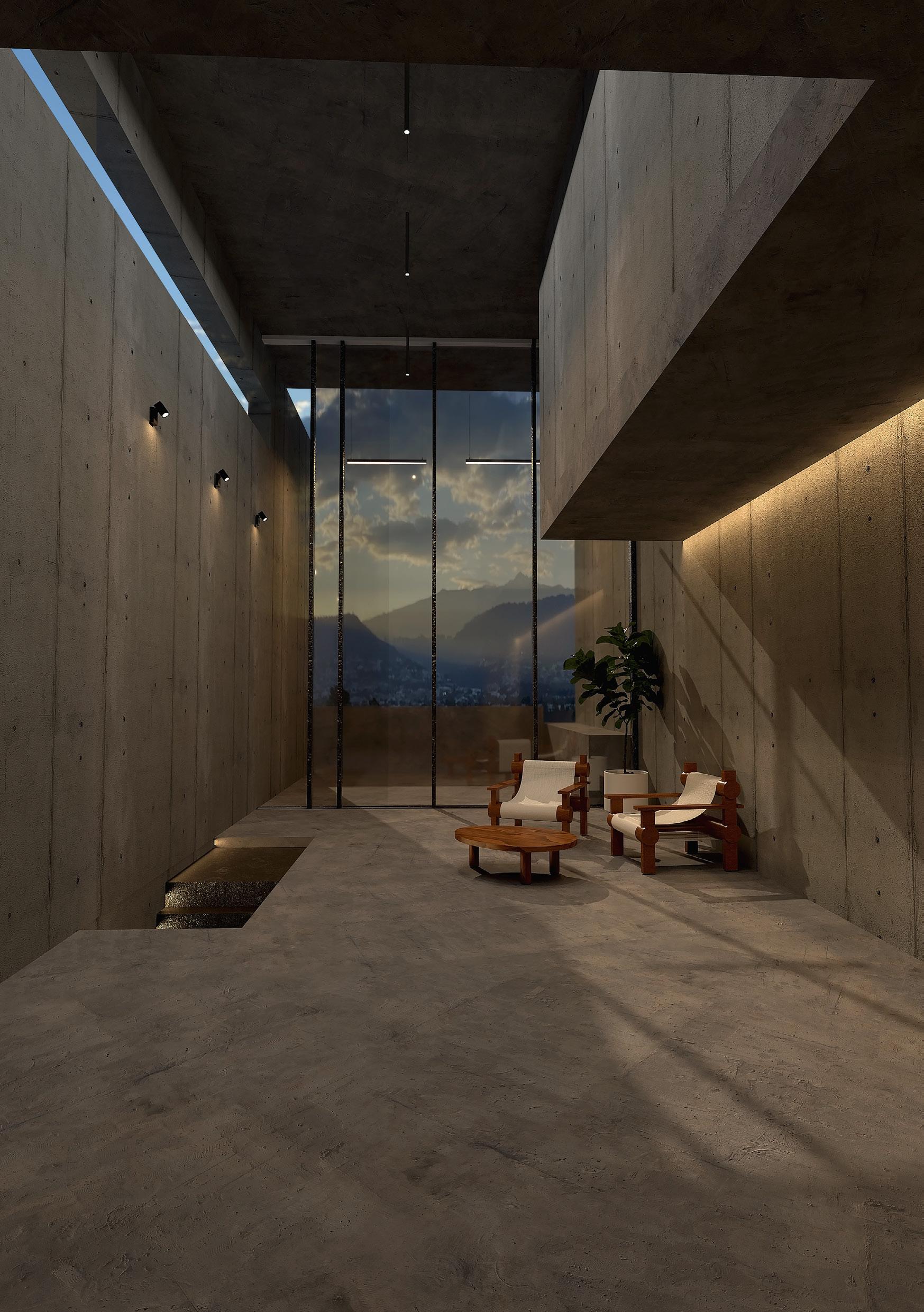
Located in the valley of Quito, with breathtaking views of the Andes, this project seeks to redefine the relationship between security and openness, balancing double heights, floorto-ceiling windows and stacked volumes to achieve total transparency from side to side. On a lot measuring 8 metres front by 12 metres back, two townhouse-style dwellings were designed with a third flat above them, each with 4 metres of frontage, taking advantage of the east orientation and topography to ensure uninterrupted views over the existing buildings.
Materials are key: exposed concrete provides solidity and timelessness, while wood and glass soften the space, creating a warm and fluid atmosphere. The structure is made up with three load-bearing walls and three slabs, allowing a free floor plan in which circulation is free, natural and light. On the ground floor, a versatile space - guest room or studio - opens onto a private internal garden. On the first level, the social area with living room, dining room and kitchen is integrated with a terrace with BBQ, where a retractable window disappears completely. On the upper half level, the master bedroom with a small balcony becomes a private viewpoint overlooking the valley.
More than a building, this project is an exercise of spatial storytelling, where light, materials and layout heighten the intensity of emotions. As an architect, working alongside my grandfather - who is leading the project - this is a way of fusing the European townhouse with a tropical point of view, reimagining the way we inhabit spaces in Quito.
About to be built on my family’s plot of land, this project is a personal quest for an architecture that not only solves the functional, but inspires, enahnces and transforms the way we experience the space.
PRELIMINARY SKETCHES
Private client Comission
Typology: Appartment Buiilding
Material: N/A
Date: 11/2024
Status: Conceptual Phase
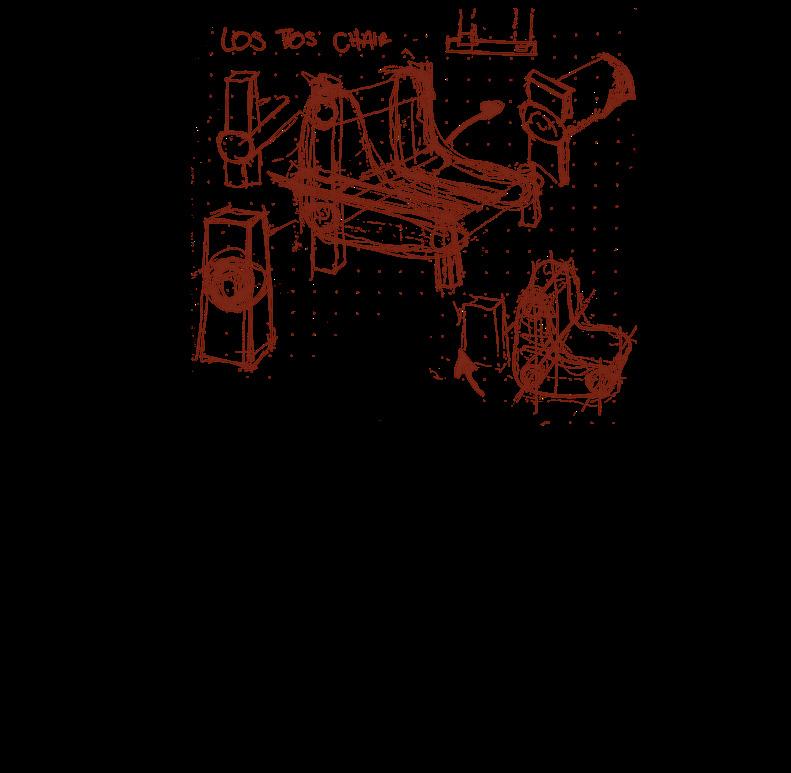
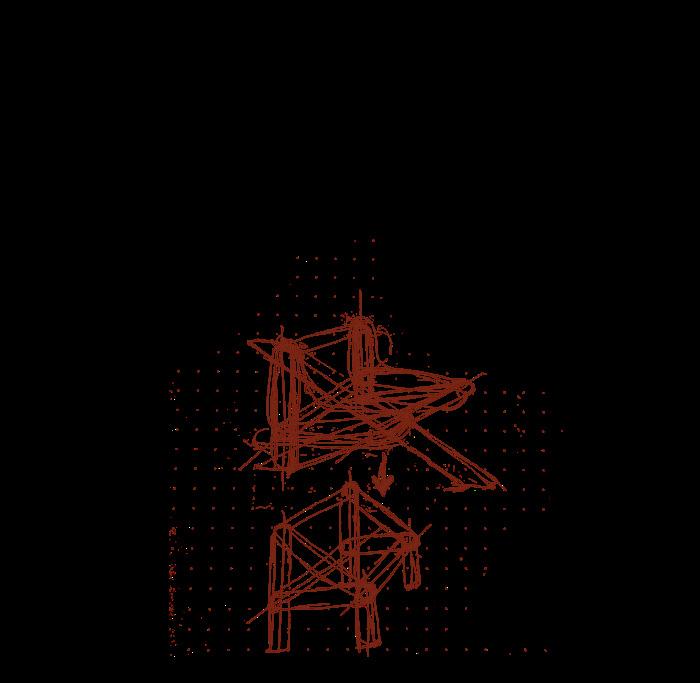
A signature lounge chair, commissioned for a newlywed couple, shows unity through it’s mixture of contrasting shapes and materials. Embodying the coming together of two individuals, this chair invites to a place for contemplation, a moment for togetherness. The materials such as leather and wood play a pivotal role in the timeless essence of the design.
LOS TIOS CHAIR.
Private client Comission
Typology: Lounge chair
Material: Wood, Canvas or Leather
Date: 12/2024 Status: In Production
PRELIMINARY SKETCHES
MESA GP.
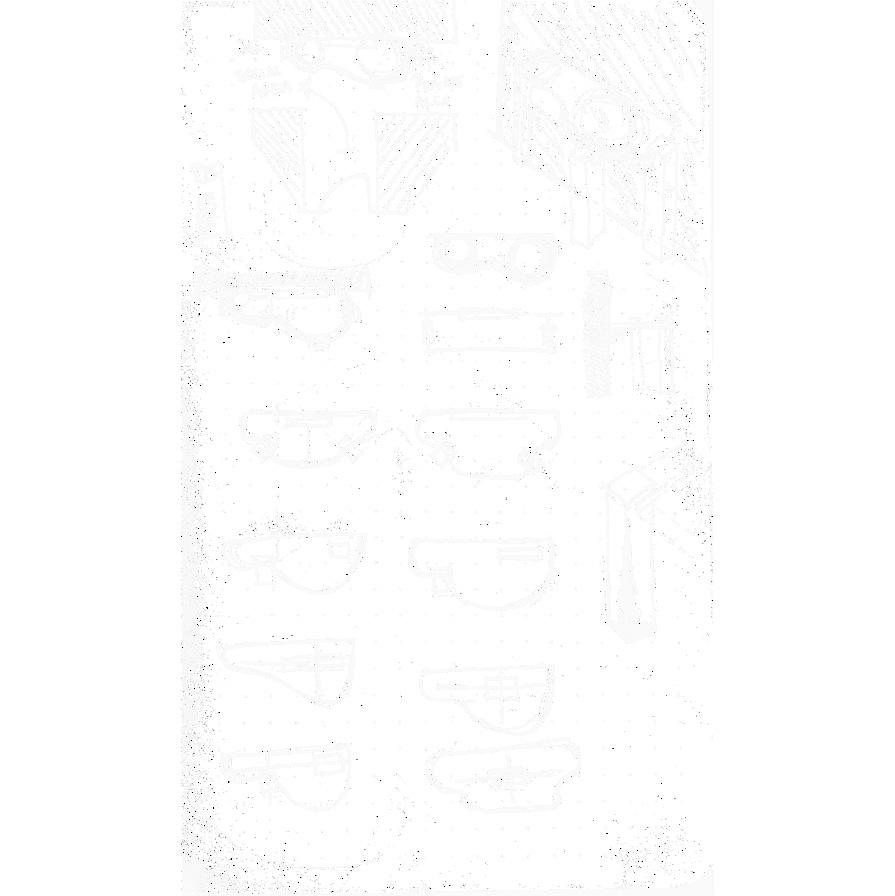
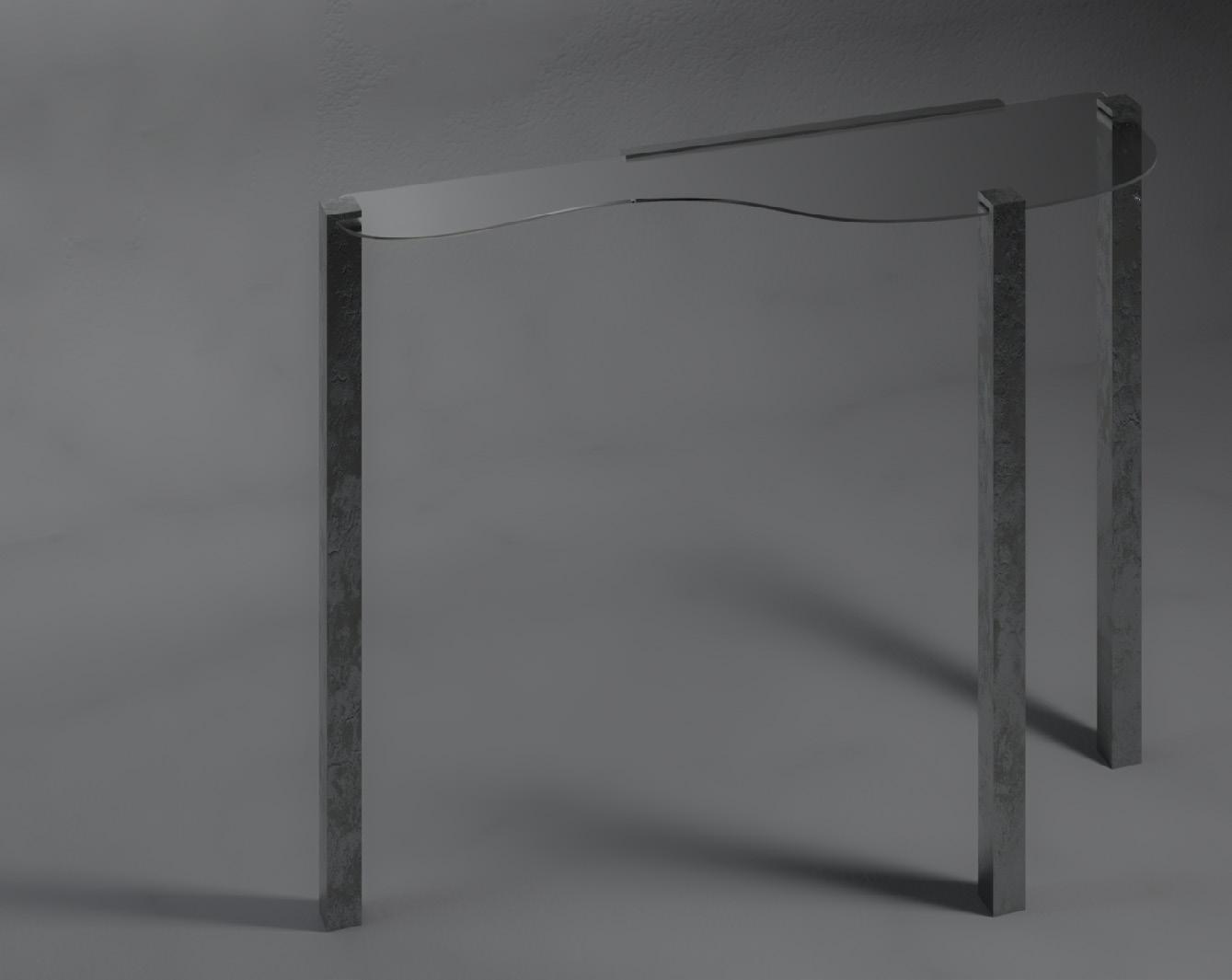
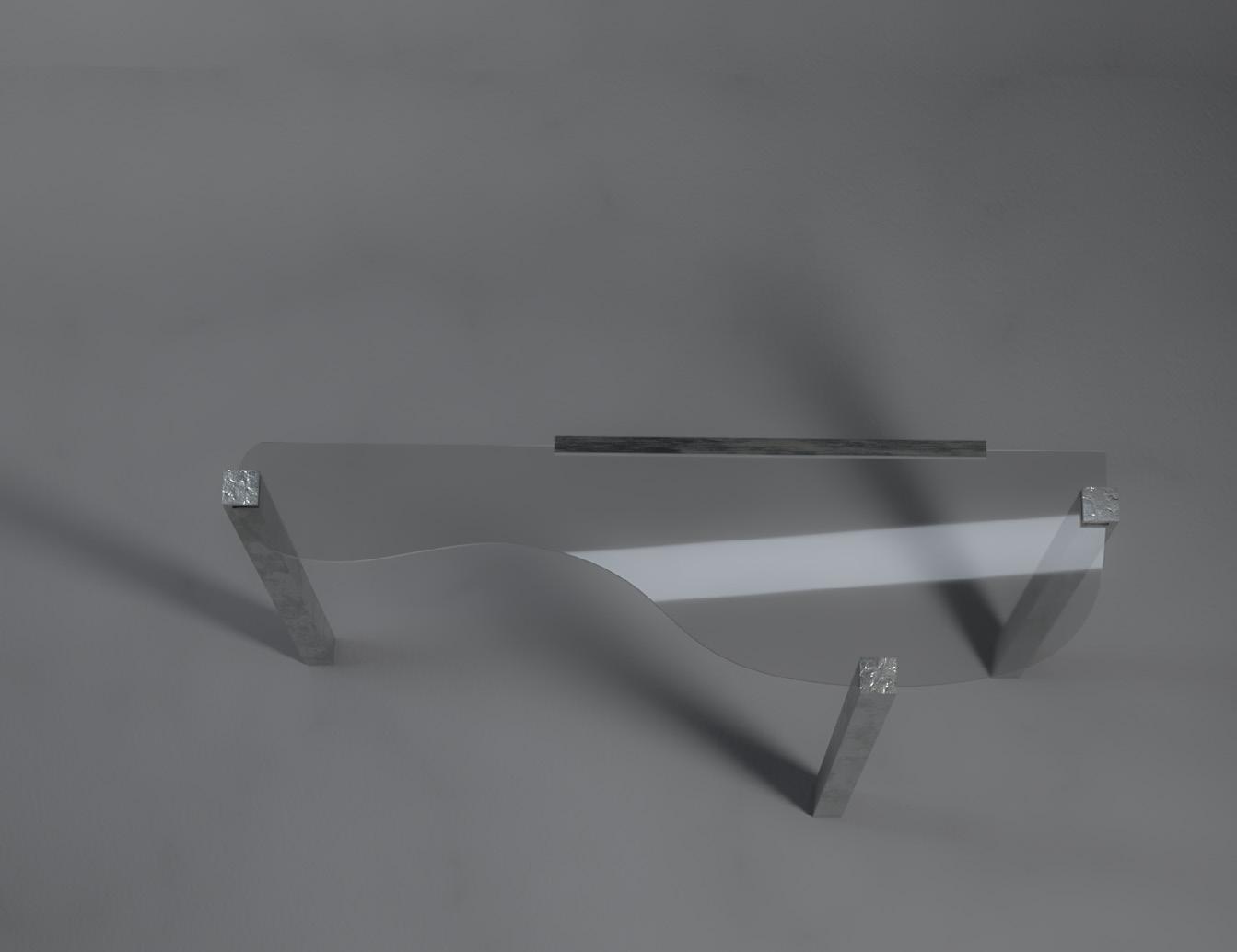
Designed for a private residence, this table was specially crafted for the distinctive T shaped entry way. The organic shape subtly guides guests towards the social areas whilst strengthening the sense of intimacy towars the private areas. The interplay of the rough hammered metal and the sleek polished glass show an interesting contrast, that feels natural, while keeping the elegant touch. Three sculptural pilars with C shaped endings hold the glass top, symbolising the family members, highlighting the personal narrative around the design.
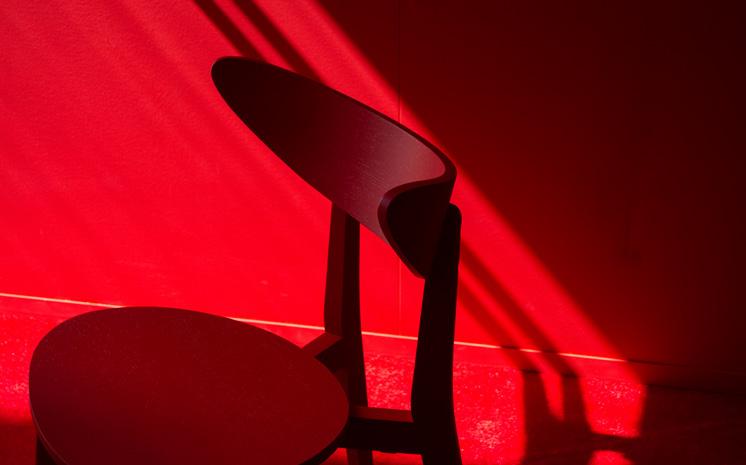
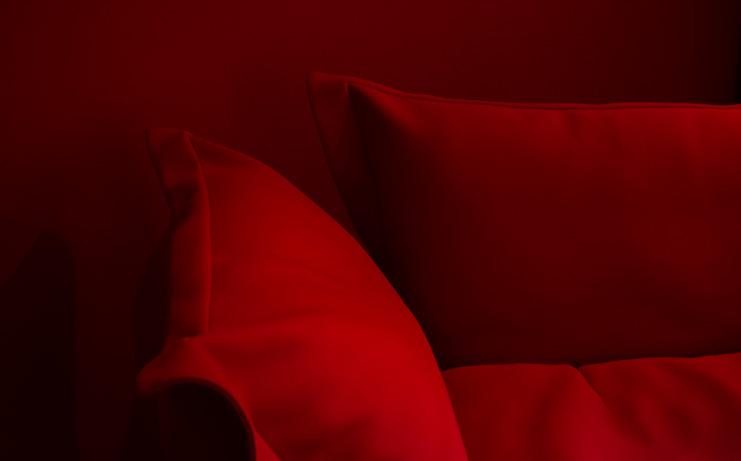
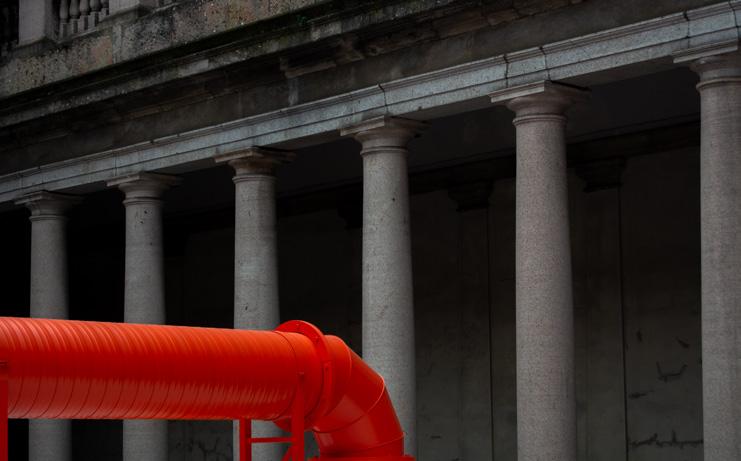
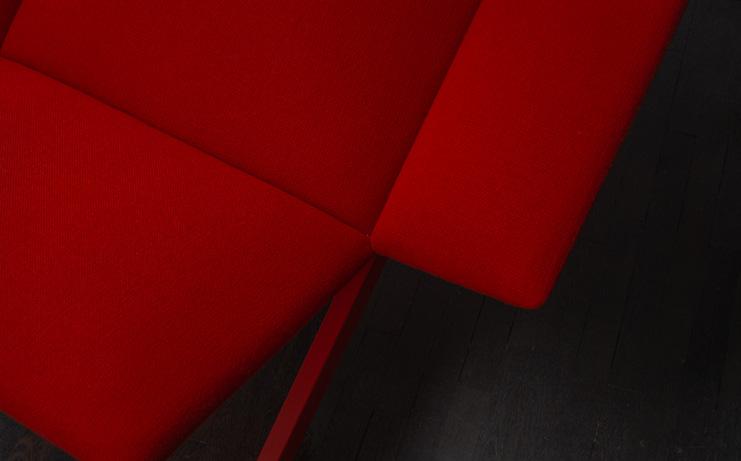
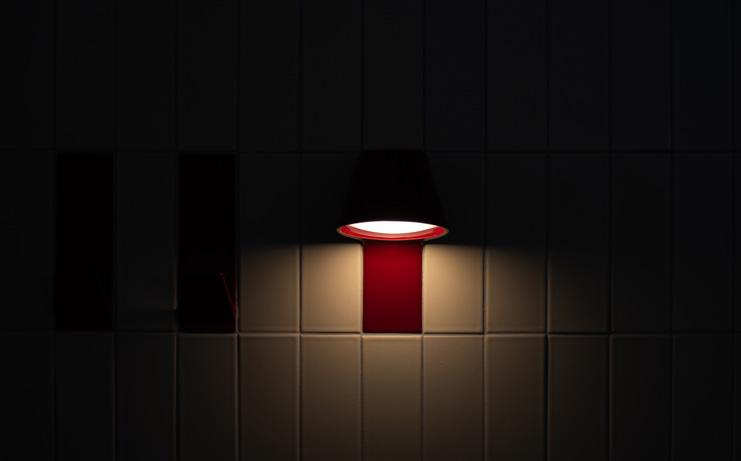
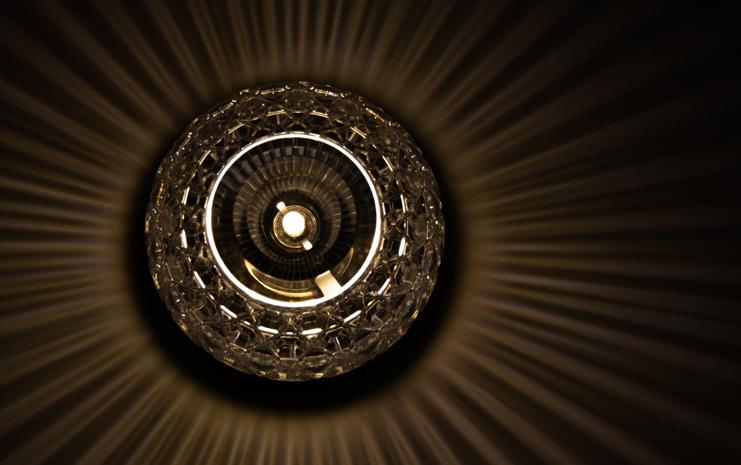
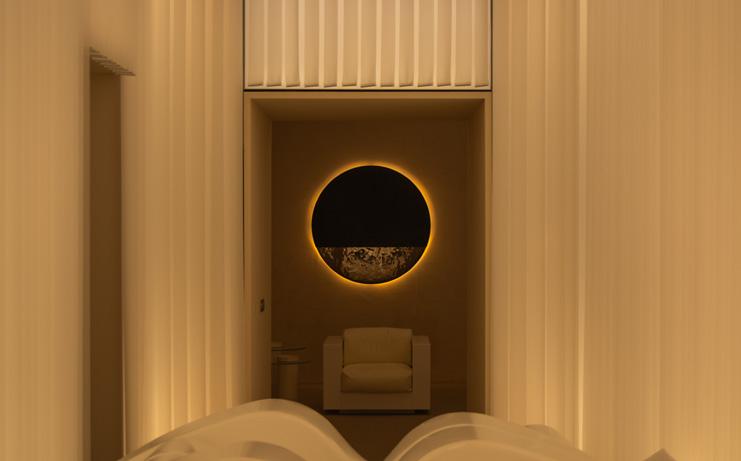
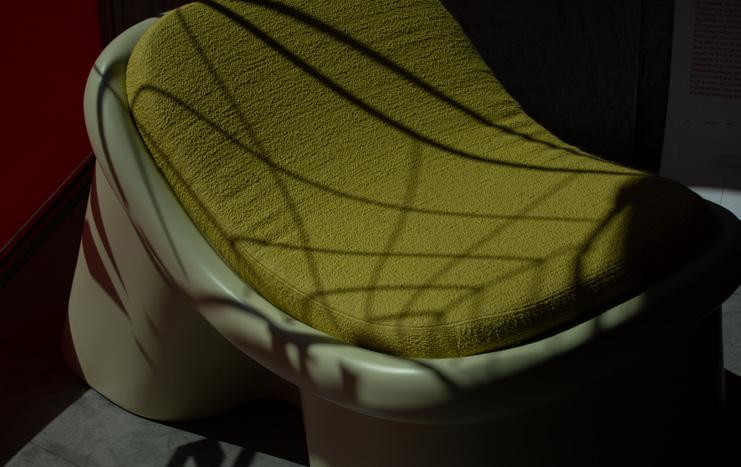
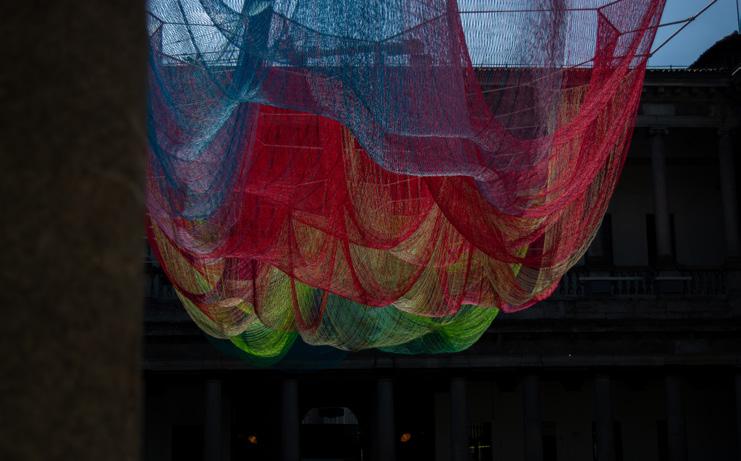
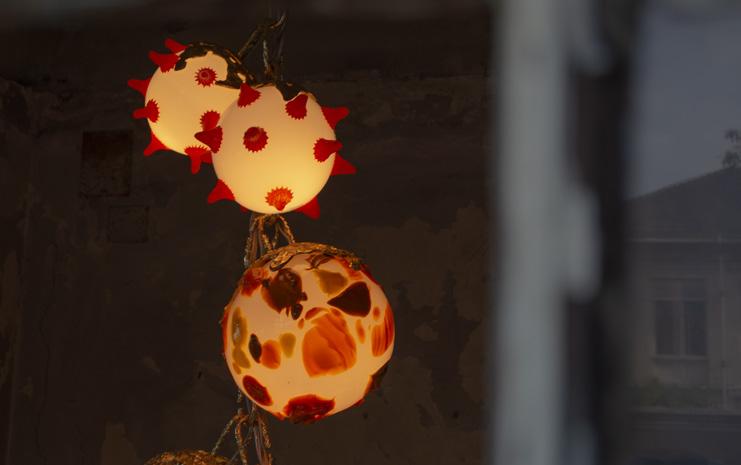
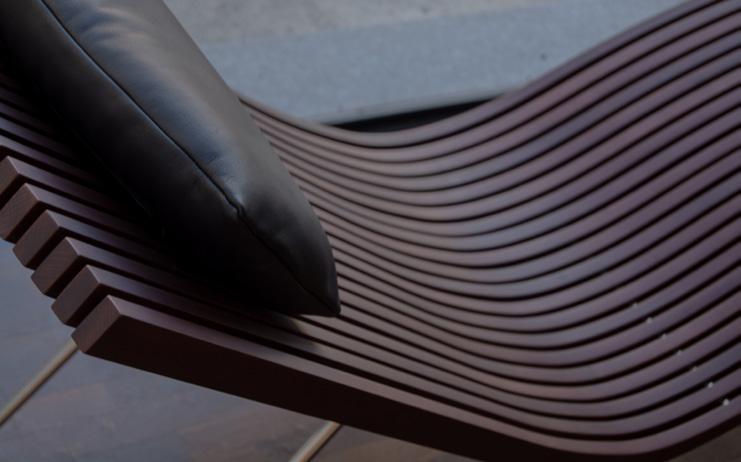
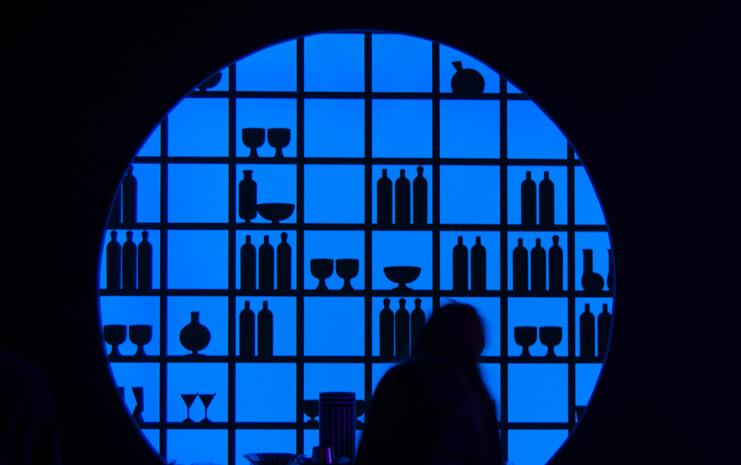
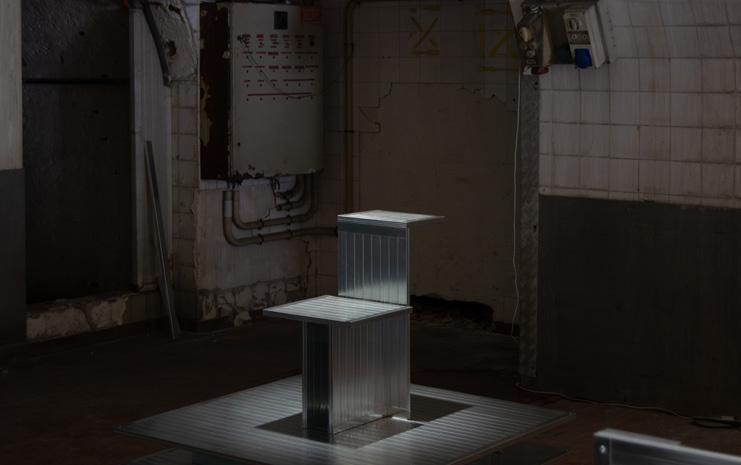
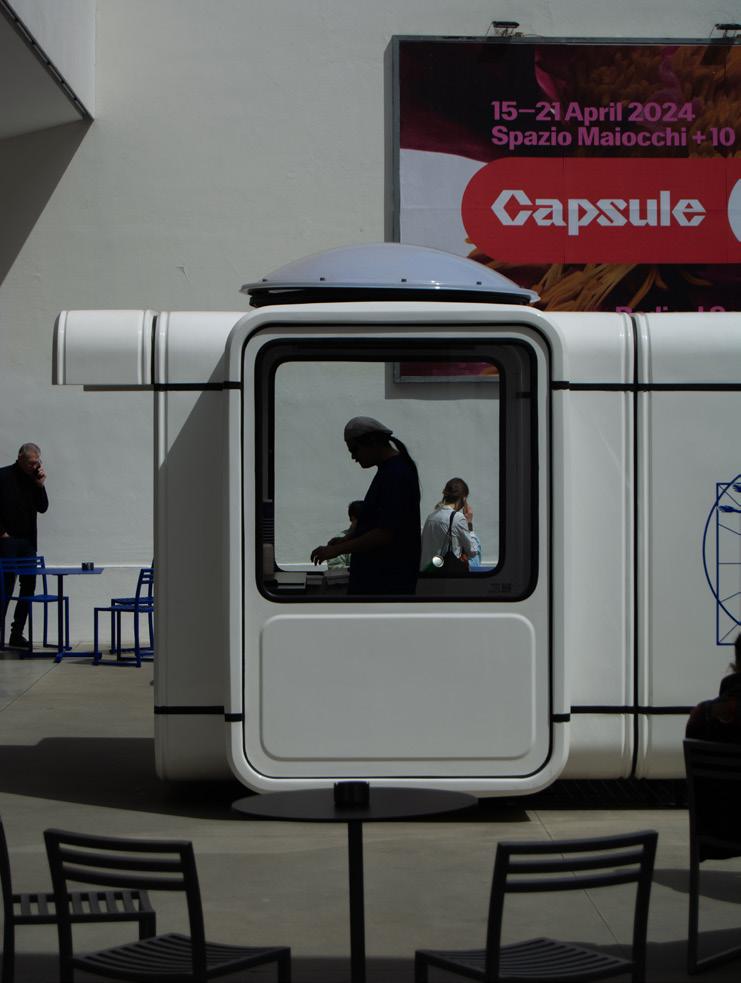
‘FOREVER CAPTURING A GLIMPSE OF AN INCESSANT WORLD’ When I was 10 years old, my mom started a journey as a wildlife photographer, taking me along on her adventures. This showed me a whole new way of seeing, experiencing and capturing the world. Inspired by her passion, I developed a big interest in photography, initially following her footsteps. However, as time passed, my focus shifted towards architecture and design. The highlight in my photography journey was my role as a photo reporter for the Milano Design week 2023-2024, where I got to see all types of design, across different fields and learn a lot about the realm. By the careful analysis and attention to detail, in order to get the perfcetphotograph, I gained valuable insight onto spaces and their careful design process.
mateobandap@gmail.com
+39 3895282733 / +593 983743034
@mateobandap