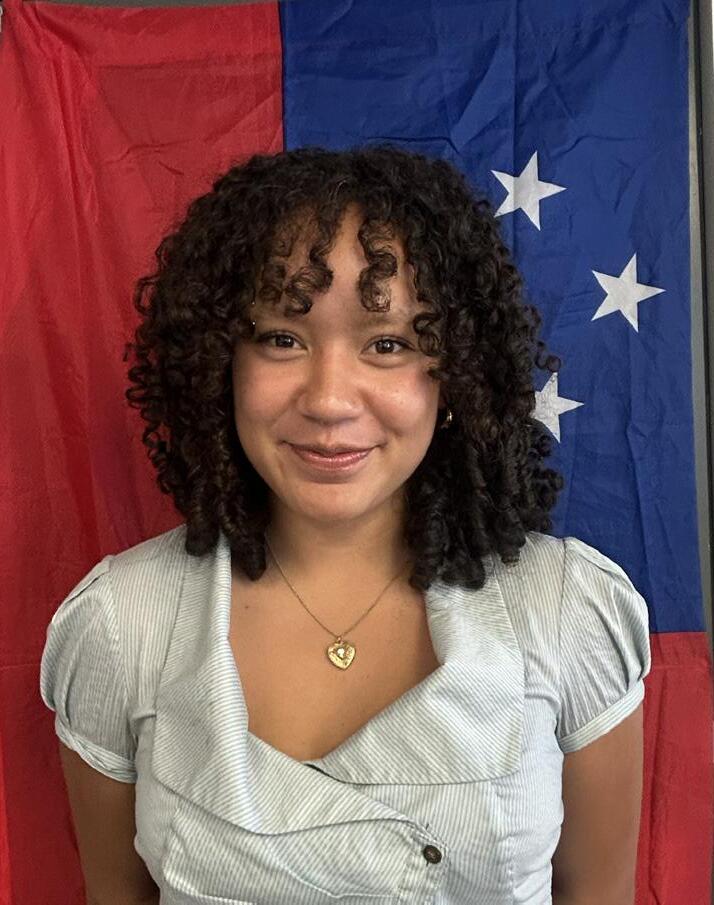
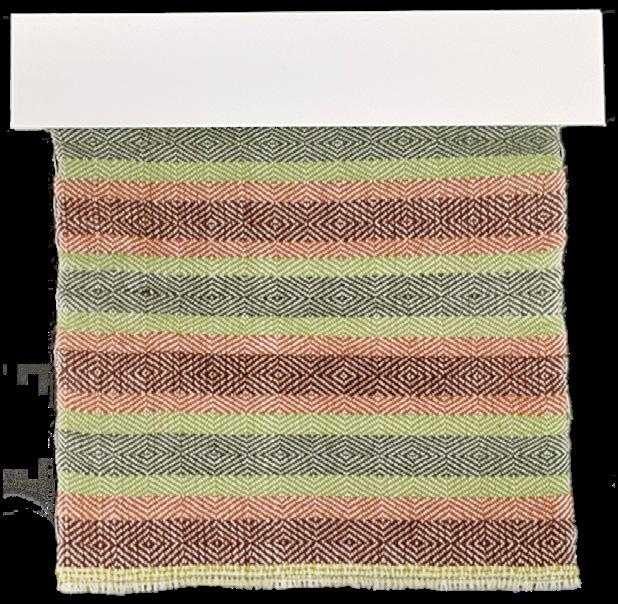
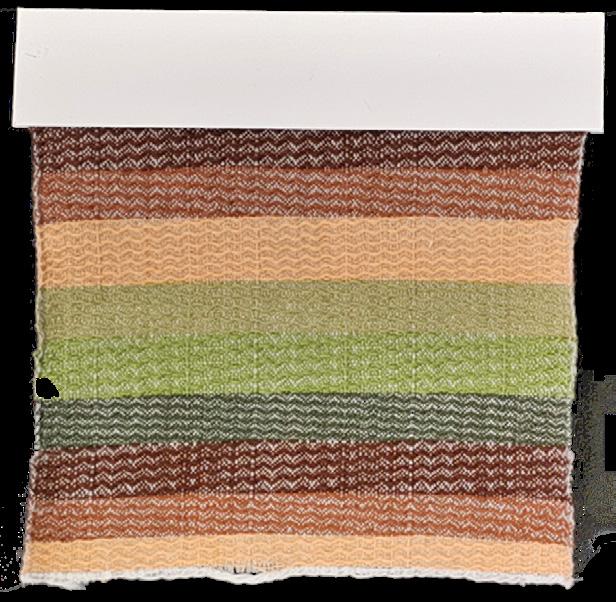
Discovering my Samoan heritage has been an intricate interlacing of mātauranga accumulated over time. I have begun to admire the significance of understanding one’s culture. The vitality of knowing who you came from and imparting that on those to come.
Knowing this, I’ve begun prioritising the reclamation my people’s culture.
I am unsure when I found out I was Samoan. I certainly wasn’t conscious of it, or realised the significance of it, until I was in my early teens.
The hurt of my aiga at the hands of assimilation lingers generations later. When I was young, I recall hearing stories of my grandfather moving to Aotearoa. These tales often followed a similar theme—when he left Samoa, he left himself behind.
His faith travelled across oceans with him. It became his one enduring tether to Samoa while not being there physically.
He prioritised his strong commitment to the church, passing this on to his kids. Consequently, religion took priority over the language and customs of Samoa. Fa’asamoa was for Samoa, there it stayed.
My grandfather adapted. He adapted the way of life in Aotearoa, and the way of life away from home. But somewhere along the way, he planted his roots so deep in the streets of South Auckland that we forgot they we’re born of Samoan soil.
But I haven’t forgotten. It’s just been temporarily misplaced. It is time to return home.
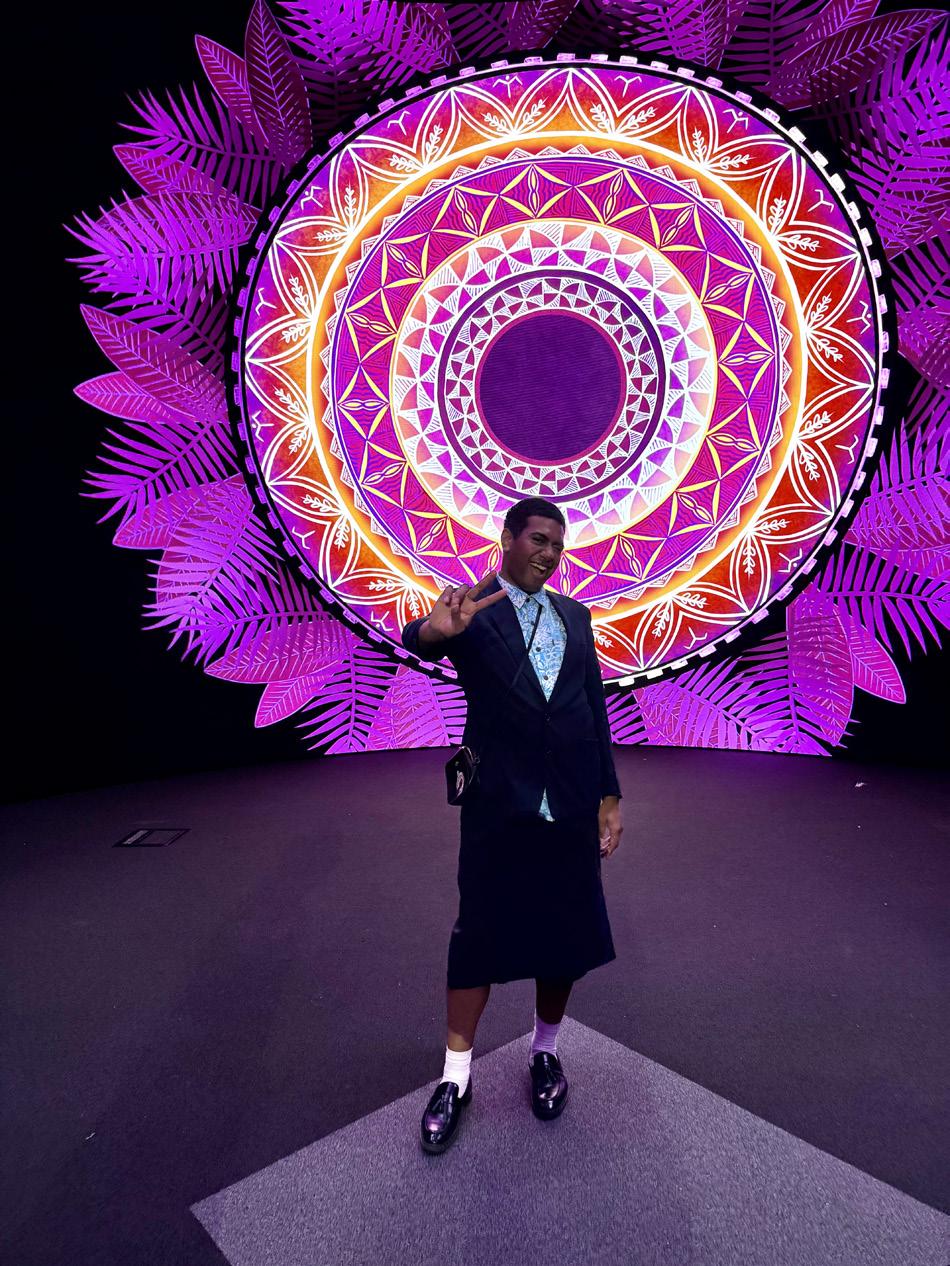
In 2023, I was the first of my whānau since my papa was a child to step foot on Samoan soil. Greeted with the mauri of my tūpuna twirling in the gentle breeze, they carried me home, to Fasito’outa.
How fortunate am I to be the one to return.
I found our fale, our last living relative in Samoa, and the resting place of my aiga. I found the stories of all those who came before me. I left Samoa understanding I must continue to navigate my life in pursuit of reweaving fa’asamoa into my whakapapa.
I felt whole.
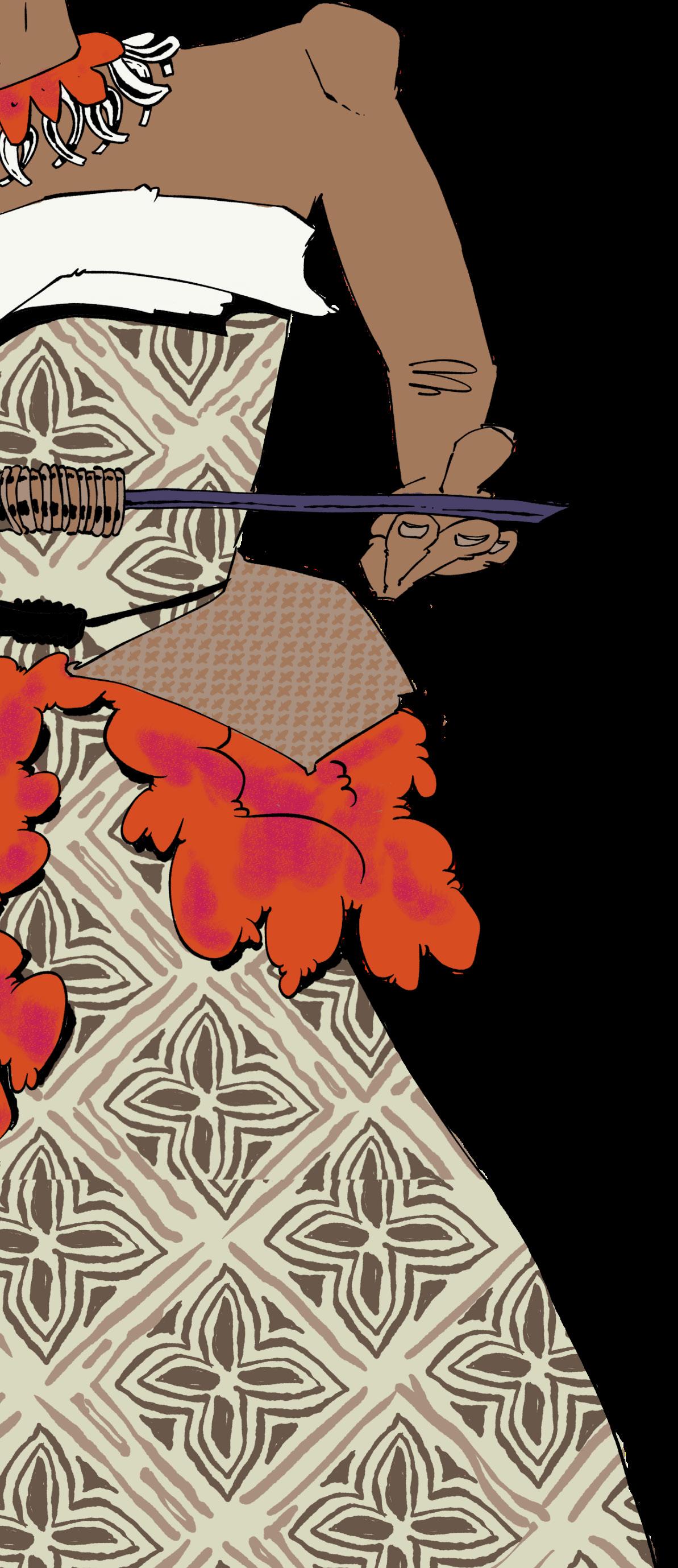
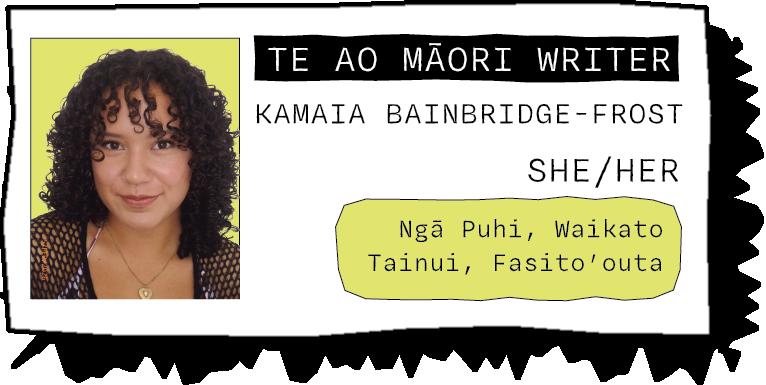
Fa’afetai lava, — Kamaia Bainbridge-Frost
6 7 8
13
Paper Planes & Origami Swans - Carl’s Creations
Massey Grad Brings Fresh Horizons to Massey’s Pukeahu Campus
Fire on Auckland’s Massey Campus
If unsatisfied with the response, complaints should be made to the NZ Media Council info@mediacouncil.org.nz
I liked Massive a lot. Before, the horoscope section had a different star sign illustration for each paragraph. Could there be something similar next semester? The new Mother Massive column is awesome btw :))
Hey queen!! Love to hear you love Massive! We love you too! Horoscope section isn’t going to change, but we hope you’re still enjoying reading what’s in the stars for you xx
Bula Vinaka, Talofa Lava
My name is Wes Peters, I am of Samoan descent with maternal links to Fiji ; a token MMT. Proud to call West Auckland my home , and currently based in Manawatu .
I am the 2026 Pasifika President under Te Tira Ahu Pae, honoured to be trusted with this role AGAIN ! . Nearing the finish line of my AgriBusiness degree .
After finishing the rep training with Te Tira Ahu Pae and Ngā Haumi Ki Te Ao , I am excited to see what’s in store for all of us this year especially our tuakana in their inaugural year .
Cannot wait to connect and support our Pasifika students alongside the executive team across the four campuses whether it’s through Kai and Talanoa, Kava Night , Sports, Quizzes etc. !
Feel free to come hang in the Fale - socialise and integrate within our space and feel the breeze of the Pacific .
Malo
Follow our pages to stay updated across the campuses @mupsa. manawatu @maps.wlg @mapsa.albany @masseypasifika.distance
GUEST EDITOR CALL OUT
assive Magazine is Looking for Immigrant/Refugee Writers and Artists! Massive Magazine is publishing our Immigrant/Refugee issue in week three of semester two. This issue is created by Immigrant/Refugee students and spotlights Massey University’s Immigrant/Refugee cohort. Students
MONDAY MAY 4TH • 2026
Fuel Costs Threaten Nursing Students’ Placements
Words by Maya Trotman • SHE/HER
Massey University Nursing students say that travelling to unpaid placements during the fuel crisis is worsening their mental health and straining their finances.
Nursing student Rylee* travelled 20 to 30 minutes to her placement five days a week, which she said costs her between $115 - $130 in fuel every week.
“That adds up quickly when you’re not being paid,” she said.
Despite budgeting, she ran out of money to pay for other essentials, which left her feeling helpless and overwhelmed.
“It’s been really stressful and took a toll on my mental wellbeing. But I know Nursing is something I really want to achieve. It just comes with a lot of pressure and sacrifice.”
Rylee isn’t eligible for a student allowance, so she relied on working weekend jobs to cover her travel expenses. But she believed a travel allowance from Massey would make “a huge difference”.
“It would allow me to focus on my training.”
Another Nursing student, Drishika Kumar, also said that the rising petrol costs has added a financial and mental strain.
“The mental stress is no joke. Being expected to show up 40 hours each week, complete the course and placement assignments, and not getting any pay is dissatisfaction,” she said.
Kumar said she’s conscious of every dollar spent. But at the end of the week, she’s often short on money to spend on food or pay the bills.
She agreed that a travel allowance from Massey would help.
“Not only do we have to pay for the fuel, but also the parking [at the placement] is not cheap.”
A Massey spokesperson acknowledged the additional financial stress unpaid placements can cause and said emergency financial support grants are available.
“While direct reimbursement for placement-related transport costs is not routinely available, students who experience financial hardship can apply for support.”
They said that they aimed to place students in organisations close to where they live when possible.
“However, students come from a wide range of regions across the country, and not all areas have suitable placement providers nearby.”
They encouraged students to seek help through the numerous services Massey offered, such as counselling, mental health services, wellbeing services, medical services, and more.
*Names changed for anonymity
Paper Planes & Origami Swans—Carl’s Creations
Words by Ellice Lawrie • SHE/HER
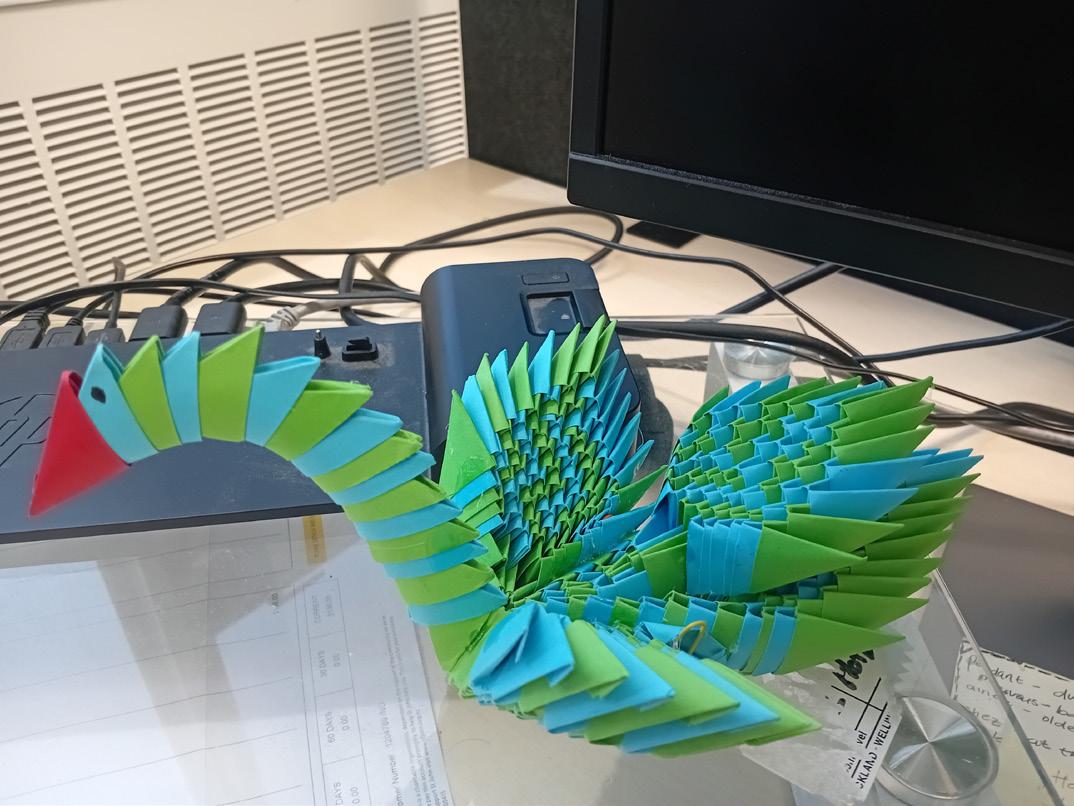
One wouldn’t assume that a security guard would have a passion for origami, however Carl Awatere proves that assumption wrong. Over the past six years working as a campus security guard at Massey’s Wellington campus, Awatere has been creating and sharing his love of origami.
About a year into working as a security guard, three students showed him how to make origami. He said from that moment on he was hooked.
However, Awatere’s passion for creating goes back to his childhood, where the first thing he learnt to make was paper aeroplanes.
“I was sort of picked on at school because I wasn’t very clever, but making airplanes was my favourite pastime.”
He recalled also being taught how to make an origami crucifix at Sunday school.
“I’ve forgotten how to do that, and I’ve always been wanting to do that again. Do that crucifix because it was awesome,” he said. It wasn’t until Awatere began working at Massey that he got back into it.
“From the age of ten upwards towards the age of maybe my 20s, I just lost interest in a lot of things,” he said.
“I got myself a job here working as security at Massey and then that’s when I met three students that were very close to me.”
Since rediscovering origami, he hasn’t stopped learning and creating.
In the last five years Awatere’s skill and knowledge in the creation of origami have grown and flourished. He first learned how to make animals like horses, elephants, dragons, and squirrels.
He then found a new style of origami—three dimensional. This is a technique where hundreds of identical origami shapes are connected to make one sculpture. Now, instead of making one creation with one piece of paper, Awatere started creating complex creations made up of lots of little shapes.
“I only had to fold up one little piece, and I had to just do heaps and heaps of different pieces and then it would just all connect like Lego pieces and that took me away.”
Through books in the library, he learnt the full history of the art form. Now, Awatere knows everything down to the exact paper one needs for different styles of origami.
“140 is just the right texture, it’s not so soft and it won’t crumble up as bad as the 120 which is good for just light stuff making flowers and all those sorts of things,” he said.
Awatere started to bring his origami creations to the library where they would keep them in a box for him. Then, before Christmas last year, the library staff asked if they could put up a display of his origami in the library.
Awatere’s library display was up for about three months and was only taken down just over a week ago.
He already has plans for his next exhibition in the library—a white peacock. He is currently in the process of picking out the colours.
The impact of Awatere’s origami has gone further than just more library exhibitions. He inspired another Massey staff member to learn origami and is also taught his grandchildren the skill as well.
“I’ve been trying to get my granddaughters into trying to make up something in origami. Something they like. I love to teach them the 3D, so you can make Mickey Mouse and all Donald Duck and all those sorts of things, like Pikachu.”
Word has spread in Massey about his origami skill, and many within the Massey community has commissioned him for his work. Everyone from his co-worker’s parents to Tussock Cafe staff are lining up for Awatere’s paper creations.
Photo credit: Carl Awatere
Massey Grad Brings Fresh Horizons to Massey’s Pukeahu Campus
Words by Jessie Davidson • SHE/HER
When Sosefina Masoe-Filo was nearing the end of high school, she was seeking direction for where to go next. It was Fresh Horizons that helped her find a place at Toi Rauwhārangi, Massey University’s College of Creative Arts (CoCA).
Fresh Horizons is a long-running collaboration between Tautai Pacific Arts Trust and Toi Rauwhārangi. It has been connecting Pacific rangatahi with practicing artists for more than a decade and will return to Wellington’s Massey campus from 9 to 11 June.
Once a student attending the programme, Masoe-Filo is now Fresh Horizon’s school coordinator, as well as the Pacific creative navigator at CoCA.
Speaking to the Education Gazette, Masoe-Filo said that the programme “changed the way I saw myself as a young Pacific creative”.
Masoe-Filo said that her time at Fresh Horizons set her up to study a Bachelor of Design (Honours) in Fashion Design at Massey.
“It’s an honour to now help shape that experience for others.”
The programme sends students and their families information packs, outlining the workshops and artists involved. From there, the students can choose what they want to do over the three-day course.
“It gives students that exposure to things they may not know are out there. I feel like it’s a great opportunity for Pacific students who are very creative,” Masoe-Filo said.
“Without Fresh Horizons, I didn’t know what opportunity I would take.”
“It was an amazing opportunity—it was like a chance.”
This year, students will visit Te Papa Tongarewa and get a behindthe-scenes experience with the Pacific curatorial team, engaging with taonga and contemporary collections. This new partnership will broaden students’ understanding of where creative practices can lead them.
Belinda Palolo Weepu, director of Māori and Pacific pathways at Massey, told the Education Gazette that this wider context is critical.
“Fresh Horizons is about more than creative workshops, it’s about visibility, belonging and showing Pacific rangatahi that their stories, cultures and talents have a place in Aotearoa’s creative future.”
Fire on Auckland’s Massey Campus
Words by Jessie Davidson • SHE/HER
At 10am last Wednesday, a small fire broke out on Massey University’s Auckland campus, leaving the Quad B building closed indefinitely.
A Massey spokesperson confirmed that the fire was in the Plant Room on level four of the Quad B building. The sprinkler system contained the fire until Fire and Emergency New Zealand (FENZ) arrived, however, there has been some smoke and water damage.
FENZ contained the fire quickly and there were no injuries.
“An assessment of the damage to the Quad B building is ongoing, and it remains closed indefinitely. The Quad A building is closed for the remainder of this week. We are working to minimise any disruption to teaching and operations,” a Massey spokesperson said.
Massey thanked emergency services for their response.
Tuvalu is
Words by Kamaia Bainbride-Frost • SHE/HER Ngāpuhi, Waikato Tainui, Fasito’outa
Tuvalu is sinking, and its people are navigating the confronting reality that they are losing their home to climate change.
Sea levels have risen 21 centimeters in the last 30 years, and they will continue to rise rapidly. It’s estimated that the majority of Tuvalu will be submerged by the year 2100. With a population of approximately 11 thousand people and four meters being highest point of elevation, there is nowhere to run.
Tuvaluan people have had to accept that the ocean is rising and submerging their land. They had to find solutions to mitigate the devastating damage this will have on their people.
This solution came in the form of a digital nation.
In 2022, Tuvaluan foreign minister Simon Kofe addressed the United Nations at Glasgow’s Climate Change
Conference (COP26). He described the effects of climate change as “deadly and existential threats to Tuvalu”.
While Tuvalu is experiencing the devastating consequences of climate change right now, Kofe warned that other nations would soon feel the effects too.
“We are sinking, but so is everyone else.”
In this address, Kofe called for greater accountability from all nations and people to act as “good stewards of the earth”. The goal was to take drastic action on climate change, prevent its ongoing effects, and save Tuvalu.
In 2023, Kofe again addressed the UN at COP27, but with a change in tone: “Since COP26, the world has not acted and so we in the Pacific have had to act.”
Rather than asking others to change, Tuvaluan people started taking active steps to preserve Tuvalu while they are still able.
Here, the ‘Future Now Project’ was introduced, and the first digital nation was established.
“Our land, our ocean, and our culture are the most precious assets of our people. To keep them safe from harm, no matter what happens in the physical world, we’ll move them to the cloud,” Kofe said.
The best case scenario would mean global action taken immediately. But the people of Tuvalu had begun planning and preparing for the worst-case scenario.
“Our digital nation will provide an online presence that can replace our physical
is Sinking
Art by Olive Bartlett • SHE/THEY
presence and allow us to continue to function as a state.”
Among the actions presented to the UN, Kofe emphasised that “we must stop fossil fuels emissions and fossil fuels production”.
Finally, in 2024, Kofe addressed the UN again at the COP28. His tone changed once again, moving from hope to unwilling acceptance.
“At the relentless pace of sea-level rise, Tuvalu is predicted to be engulfed by the ocean within decades.”
Tuvalu accepted that the world had not acted fast enough and the hope
of mitigating the damage of climate change was lost. The pressing issue turned to a matter of sovereignty and statehood for Tuvalu.
“It’s not just the land we stand to lose, it’s our identity, our nationhood.”
Losing an entire country to climate change is a completely new concept, but it won’t be the last time it happens. However, the laws of retaining the country’s statehood are being challenged.
Tuvalu needs other countries to recognise its statehood and digital sovereignty, even if its physical territory disappears underwater.
“The continuing recognition of Tuvalu’s statehood hinges on the willingness of other states to acknowledge its sovereignty,” Kofe said to the UN.
As of today, 25 to 26 countries have formally recognised the permanent digital sovereignty and statehood of Tuvalu. This includes Aotearoa and Australia. But the preservation of their sovereignty depends on other countries following suit.
Tuvalu is sinking, but its people, its statehood and its sovereignty are not.
He uri ahau nō Ngāti Rakaipaaka, Ngāti Kahungunu, Ngāti Hei, Waitaha *me Ngāti Tāwhaki, Ngāi Tūhoe hoki. Ko Takitimu, ko Te Arawa, ko Mātaatua anō hoki ōku waka.
I te tua o tōku metua vaine, nō roto mai au i a Paerangi Mataiapo o Ngāti Mokoeronui. Ko Aperira Remana Te Kiwikiwi Akavi Poona tōna ingoa.
E vaine Nū Tīreni, e Ātiu au. Ko Chiavanni Tamihana Remana Te Kiwikiwi Akavi Poona tōku ingoa.
Taking University to Tereora
II came back to the Cook Islands as an adult and chose to continue my education from here. When I stood in front of students at Tereora College earlier this month, that personal history mattered. Not because it is unusual, but because they needed to see it.
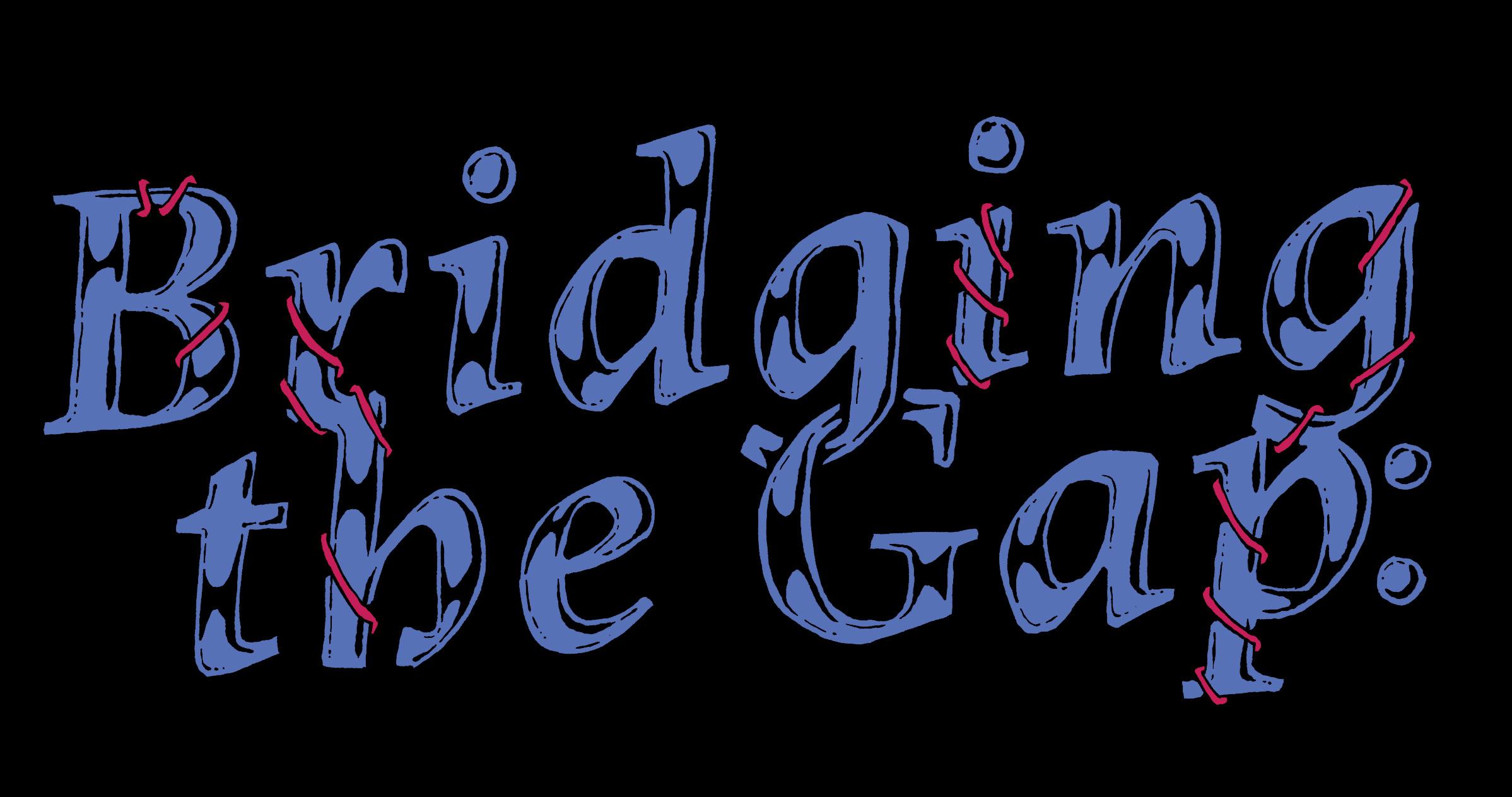
That is the whole point of Bridging the Gap.
O-hiva Williams, a University of Auckland law graduate, started the initiative. This had a simple premise—Cook Islands postgraduate students going into schools to talk honestly about tertiary education.
Not a recruitment pitch. Not a highlights reel. The real version.
O-hiva and Serena both went straight from high school to university. O-hiva went to AUT in Auckland, and Serena completed her law degree at the University of Otago.
As a mature student, I chose to study at Massey University and am currently completing a Master of Resource and Environmental Planning by distance from Rarotonga. I also co-founded Te Pū’ara Api’i Pōtiki Trust, a total immersion Cook Islands Māori early childhood education centre here at home.
Three different paths. That range was deliberate.
What we covered was the truth about university. The basics nobody explains clearly enough, the harder things. The isolation. The homesickness when you are a Pacific person
far from your family and your community. The possibility of failing a paper and what staying on track requires.
We wanted students to hear those things before they arrived at university, not after.
Cook Islanders are studying across universities in Aotearoa and Australia. The gap is not access, it is return. The responsibility is not just to leave and achieve, but to come back, sit with the next generation, and make the path visible.
Our tamariki need to see what it takes, what it costs, how to navigate it and how to endure it. Not from institutions, but from our own people.
Success is not completion at university. Success is the cycle—go learn, return and give back. This cycle means the next generation is better prepared, better positioned, and moves further.
That presence matters. Seeing someone who looks like you, who comes from where you come from, who has navigated those spaces and returned home, changes what feels possible. It is not enough to say university is attainable. You must show it.
Cook Islands students are already showing up. We are among the highest enrolling Pacific communities at Massey University. Massey’s Pacific Student Success team recognised that and backed it.
In December last year, Te Tira Ahu Pae funded bringing Massey students together in Rarotonga. The Kia Orana Massey Meet
Up at the Lazy Trout ranged from first years starting in 2026 to graduates who had just completed their qualifications. It was the first in-person Te Tira Ahu Pae-led student engagement held in-country.
When you create a space for them here, they show up.
Tereora was a starting point. What we are building toward is something more sustained. Follow up sessions, practical study guides, Uni hacks, tips and tricks—all drawn from lived experience, rather than a handbook.
We also want to work alongside the Ministry of Education when they deploy scholarships here. So, students are getting real guidance at the exact moment they need it most, from people who have been through the process.
Our students deserve to see Pasifika people in university spaces. They also deserve to have those spaces come to them.
Bridging the Gap is one way of doing that. It should not be the only one.
Words by Ferina Rochain Muavae
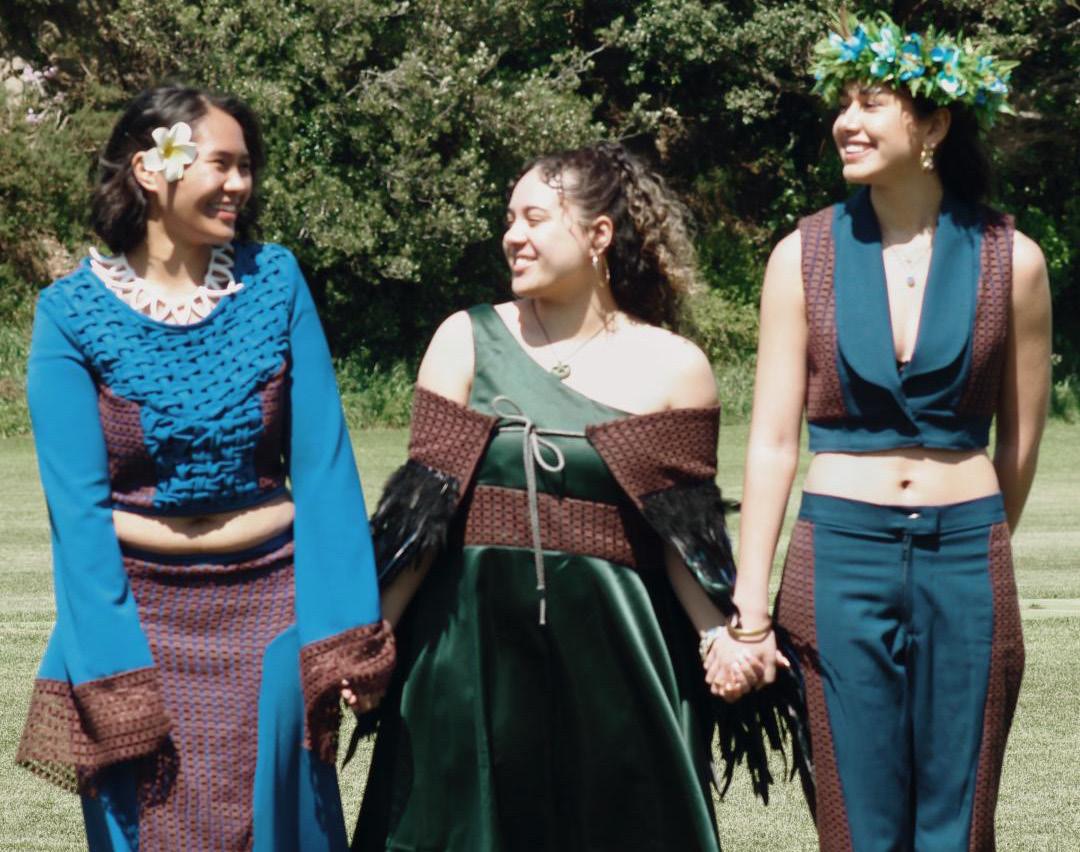
Rooted in Two Worlds is more than a fashion collection—
it is a reflection of who I am, where I come from, and the spaces I continue to grow in.
As a Samoan student living and studying in Aotearoa, my identity is shaped by my Pacific heritage and the environment I am part of today. This collection exists in that in-between space, where culture, memory, and contemporary design meet.
Growing up, I was surrounded by culture, storytelling, and strong family values. One of my greatest influences has been my grandmother, Tele Ana Pulea Iese.
She taught me more than just the visible aspects of culture, she showed me the importance of respect, resilience, and carrying our traditions with pride. Through her, I learned that culture is not something you wear only on special occasions. It is something you live, breathe, and carry with you every day.
That understanding became the foundation of this Rooted in Two Worlds.
The collection reflects the balance between honoring traditional knowledge and embracing modern expression. Each garment is designed to carry meaning—not just aesthetic value.
The silhouettes, textures, and details are intentionally blended with contemporary fashion, while still referencing Samoan and Māori cultures. This fusion is not about mixing cultures randomly, but about acknowledging the shared values of connection to land, ancestry, and identity.
At the heart of this collection is my fale aiga—my second family.
The fale has been my greatest source of strength and support throughout this journey. I didn’t create this collection alone, it reflects a village that stood behind me every step of the way.
In moments where I felt overwhelmed, uncertain, or creatively drained, it was their encouragement, their prayers, and their helping hands that carried me forward. From late nights to challenging setbacks, their presence reminded me of why I started.
I am deeply grateful for my fale aiga, whose love, resilience, and belief in me are woven into the very fabric of this collection.
At the same time, this collection speaks to the reality of living between cultures. Many of us navigate multiple identities. We are deeply connected to our roots while also adapting to new environments.
Rooted in Two Worlds embraces that experience.
It is for those who sometimes feel caught between expectations, yet find power in that duality. It reminds us that we do not have to choose one identity over another. We can exist fully in both.
Sustainability and respect for the environment are key focuses within this collection. Inspired by indigenous values
and caring for the land, I’ve been mindful of materials, processes, and the overall impact of my work.
Fashion shouldn’t just tell a story, it should also take responsibility. This approach follows the teachings I’ve grown up with, where respect for nature and community go hand in hand.
The collection is made for people who see themselves reflected in the narratives of young Pacific individuals, creatives, and anyone navigating their own sense of identity. It is for those who want to wear something that feels personal, meaningful, and connected to culture. At the same time, it invites a wider audience to appreciate and respect the depth behind the designs, encouraging conversation and understanding.
Rooted in Two Worlds is ultimately about belonging. It is about standing confidently in your identity, even when it feels complex. It is about honoring your past while shaping your future.
Through this collection, I hope to share a piece of my story. One that is grounded in family, guided by culture, and expressed through fashion.
This is not just my journey, it reflects many who walk similar paths. Through each piece, I carry my grandmother’s teachings, my family’s strength, and the pride of being rooted in two worlds.
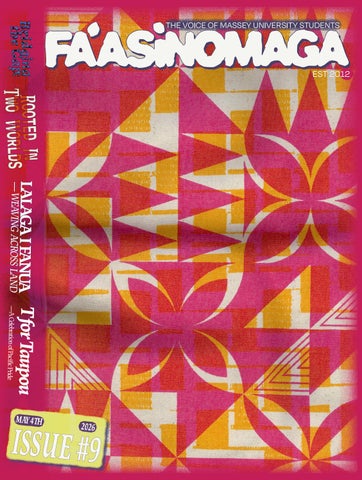
LALAGA — WEAVING ACROSS
For many artists, it is their final artwork that tells the story. But for Textile artist Micah Fitisemanu, it is the entire process of creating her art which tells the story about journey, belonging and identity.
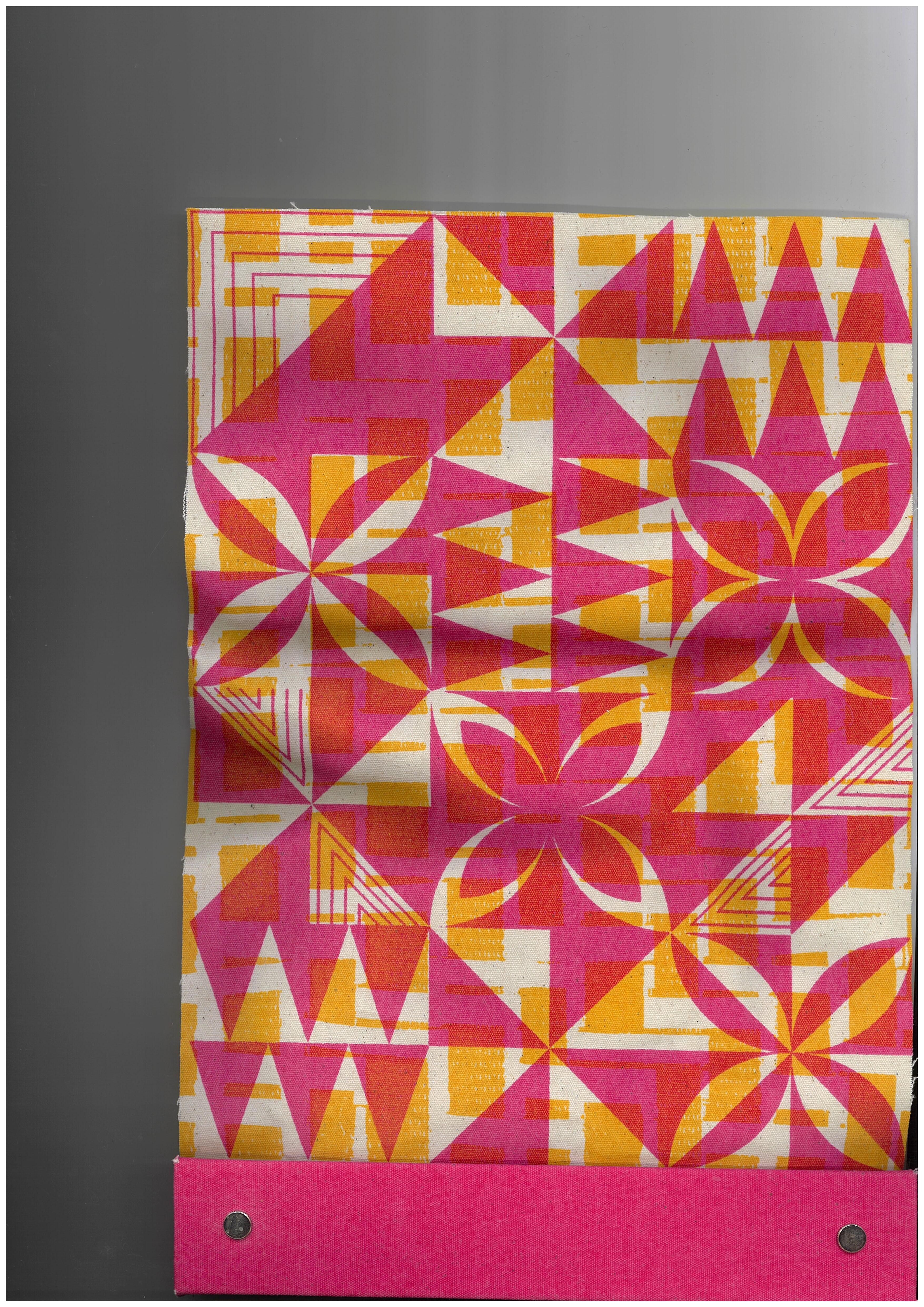
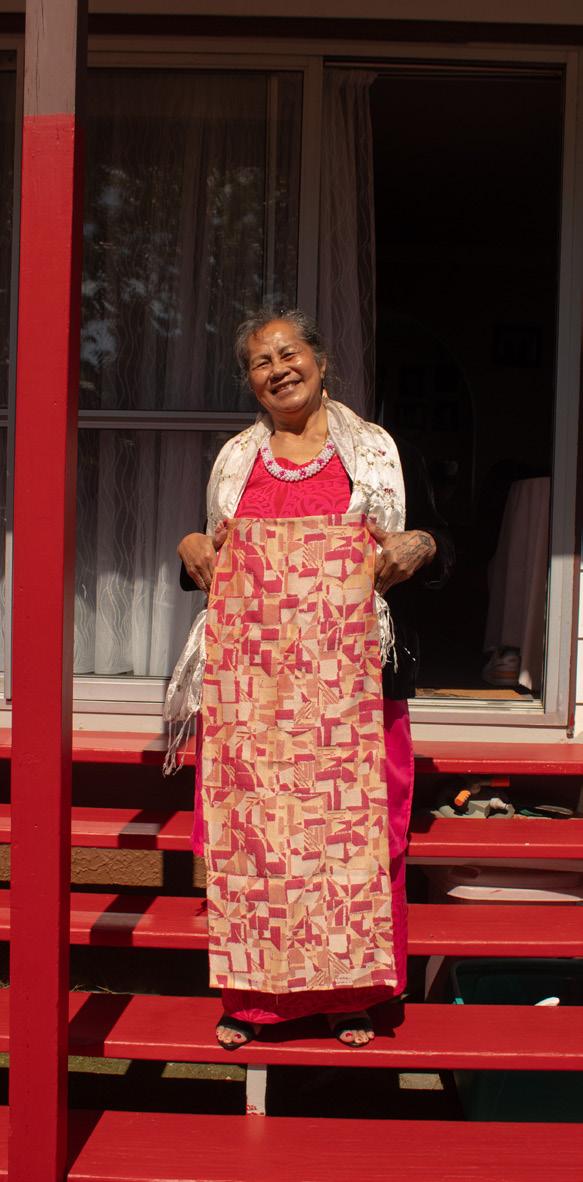
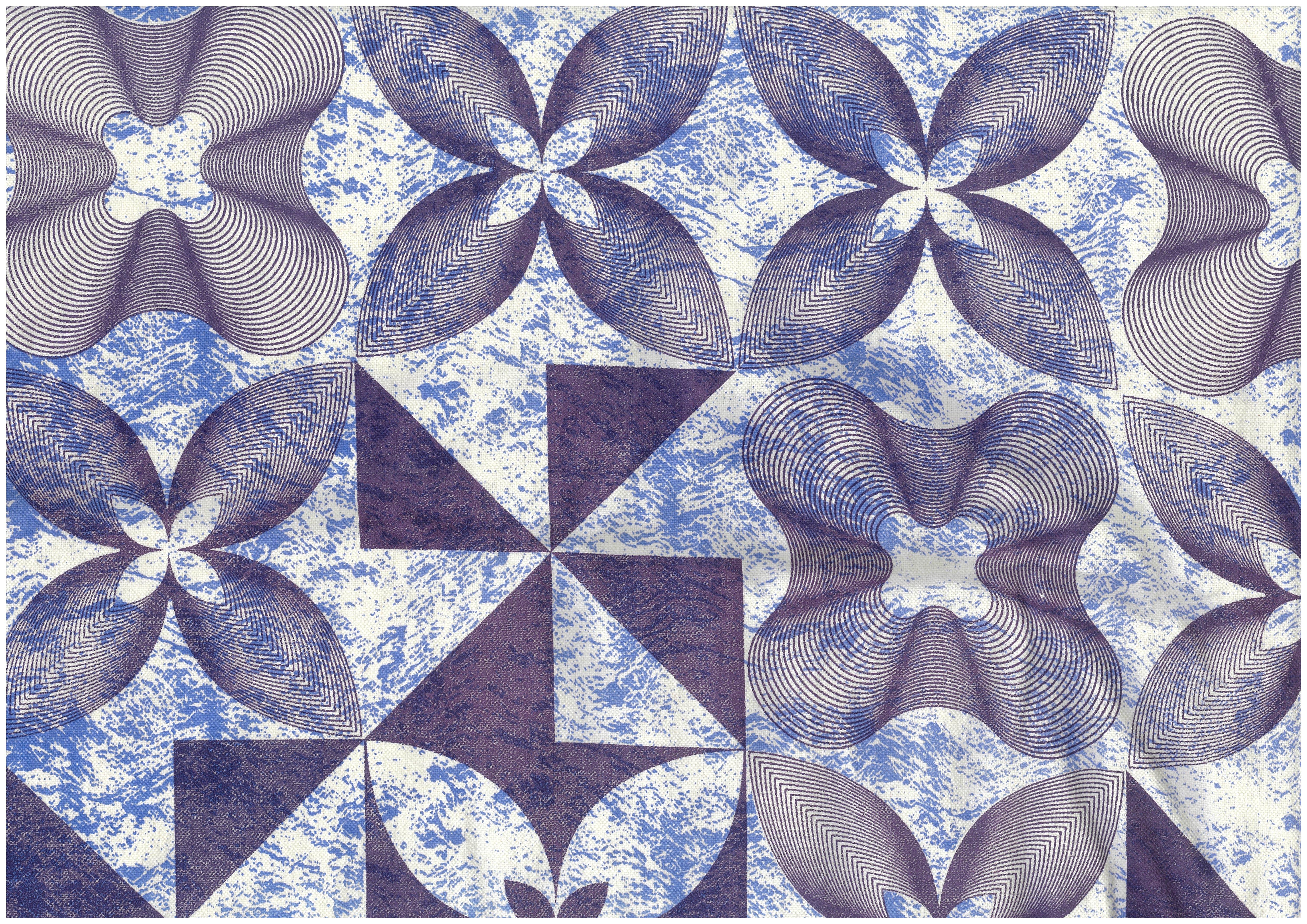
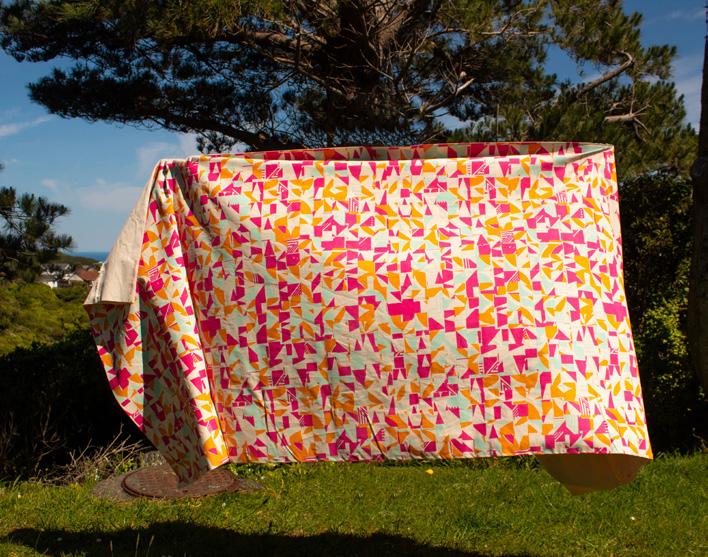
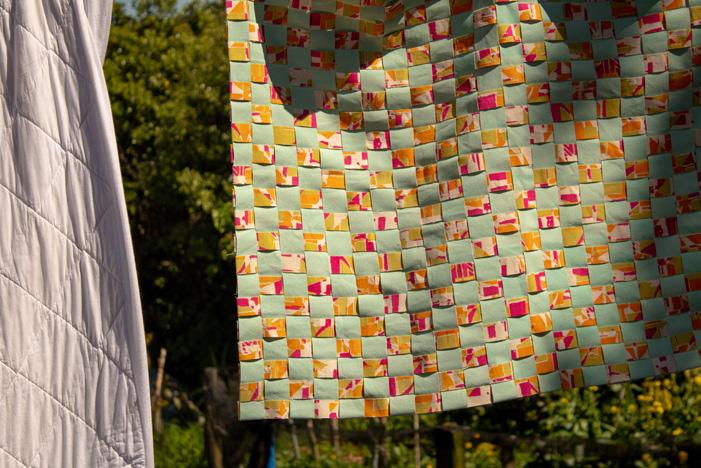
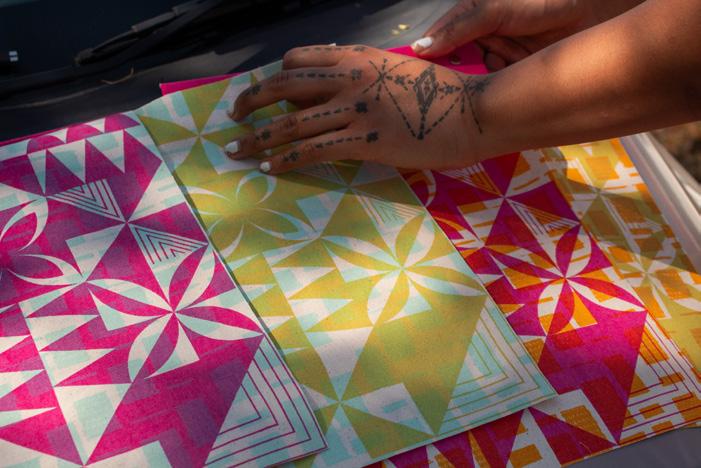
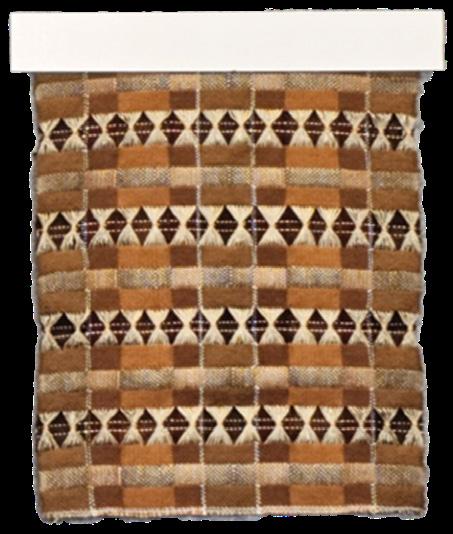
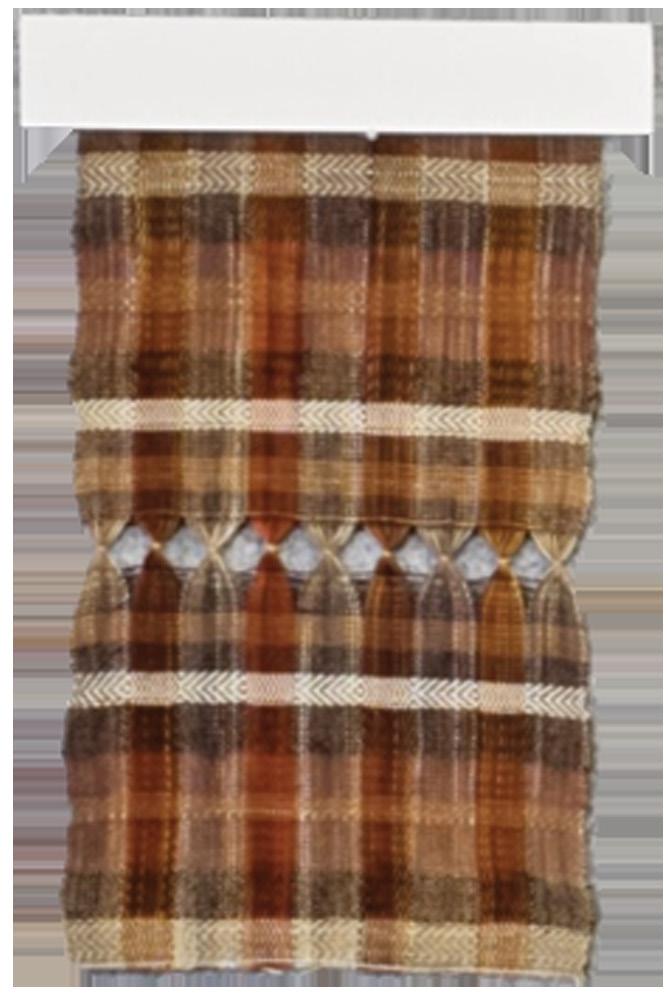
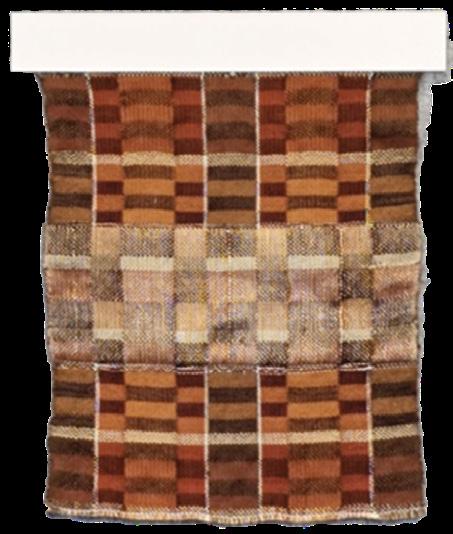
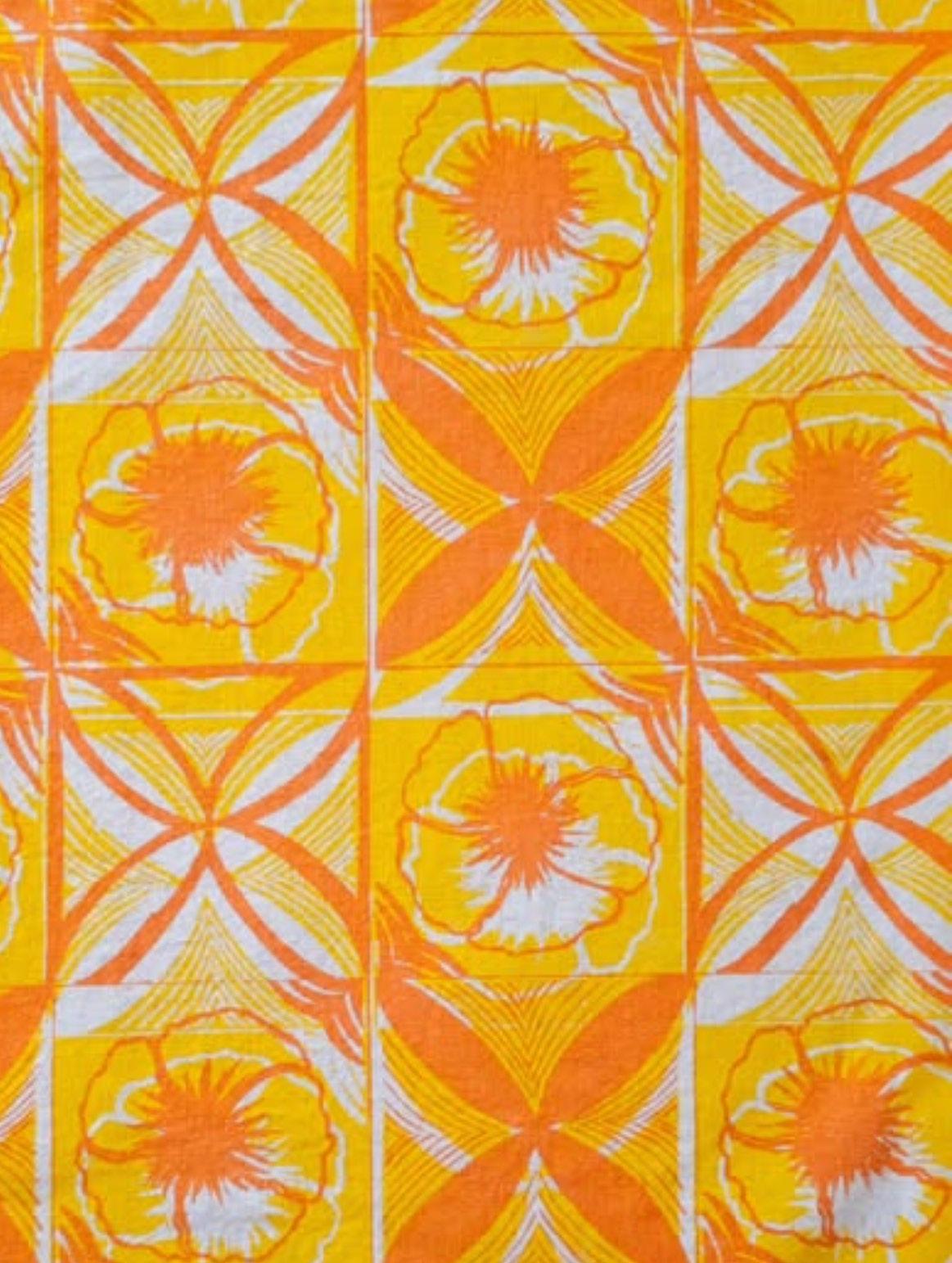
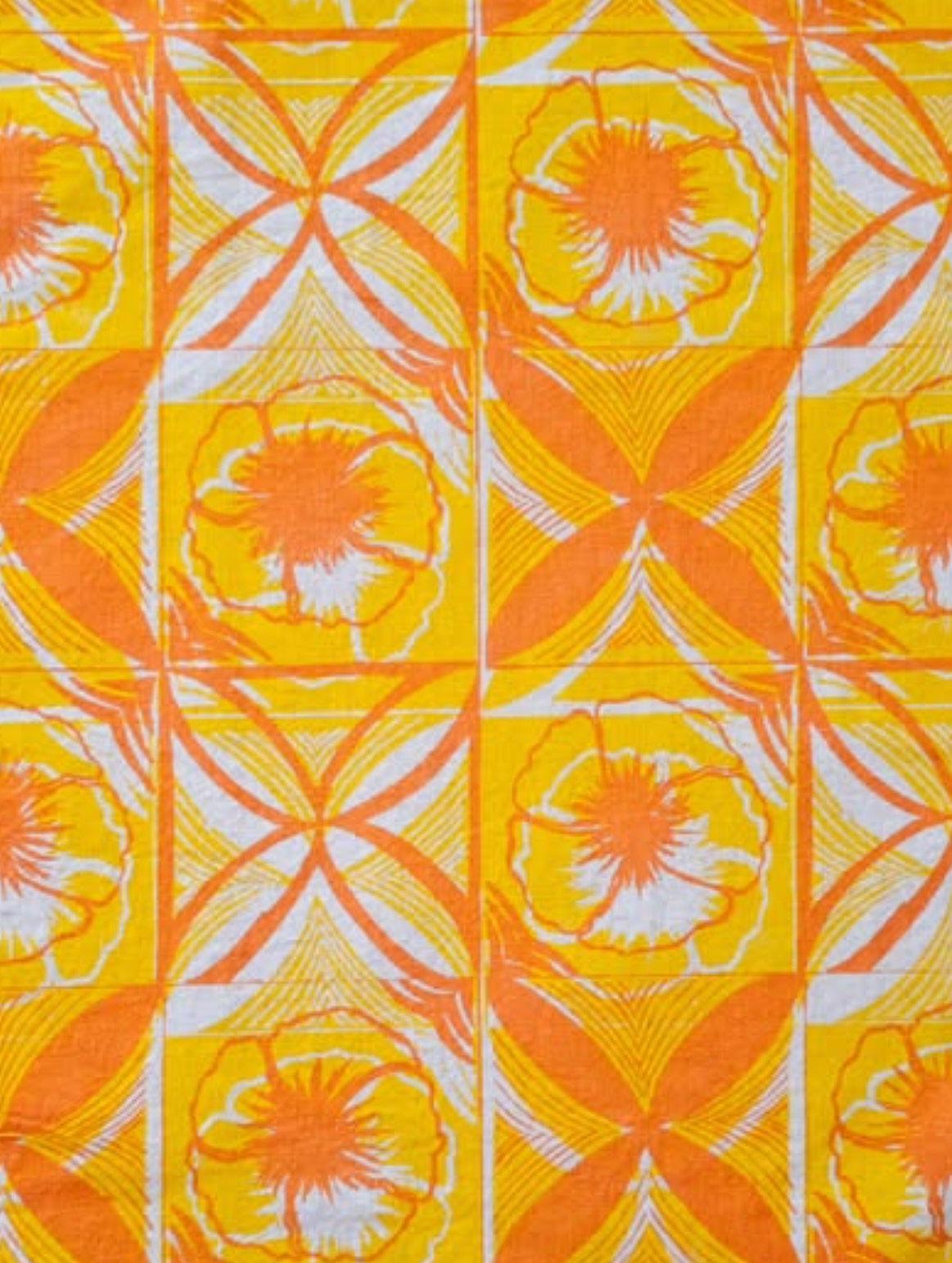
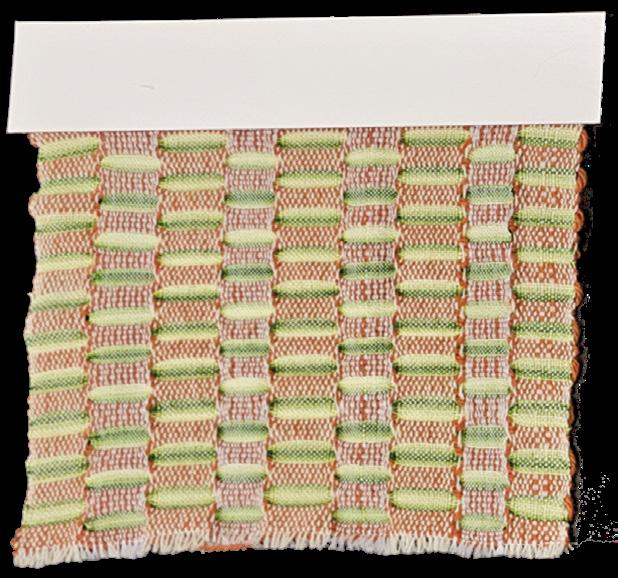
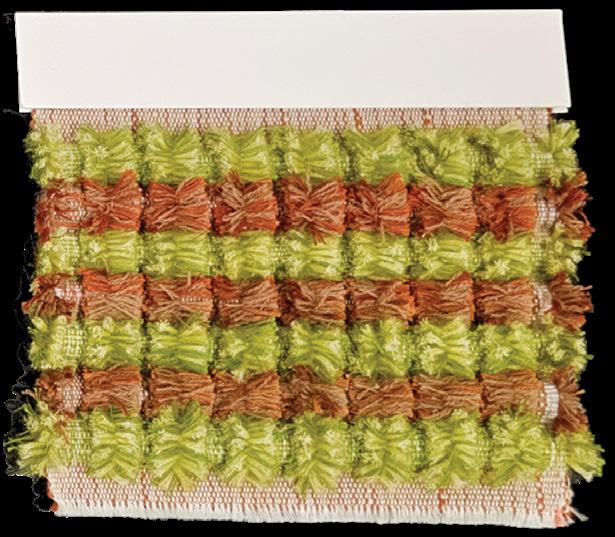
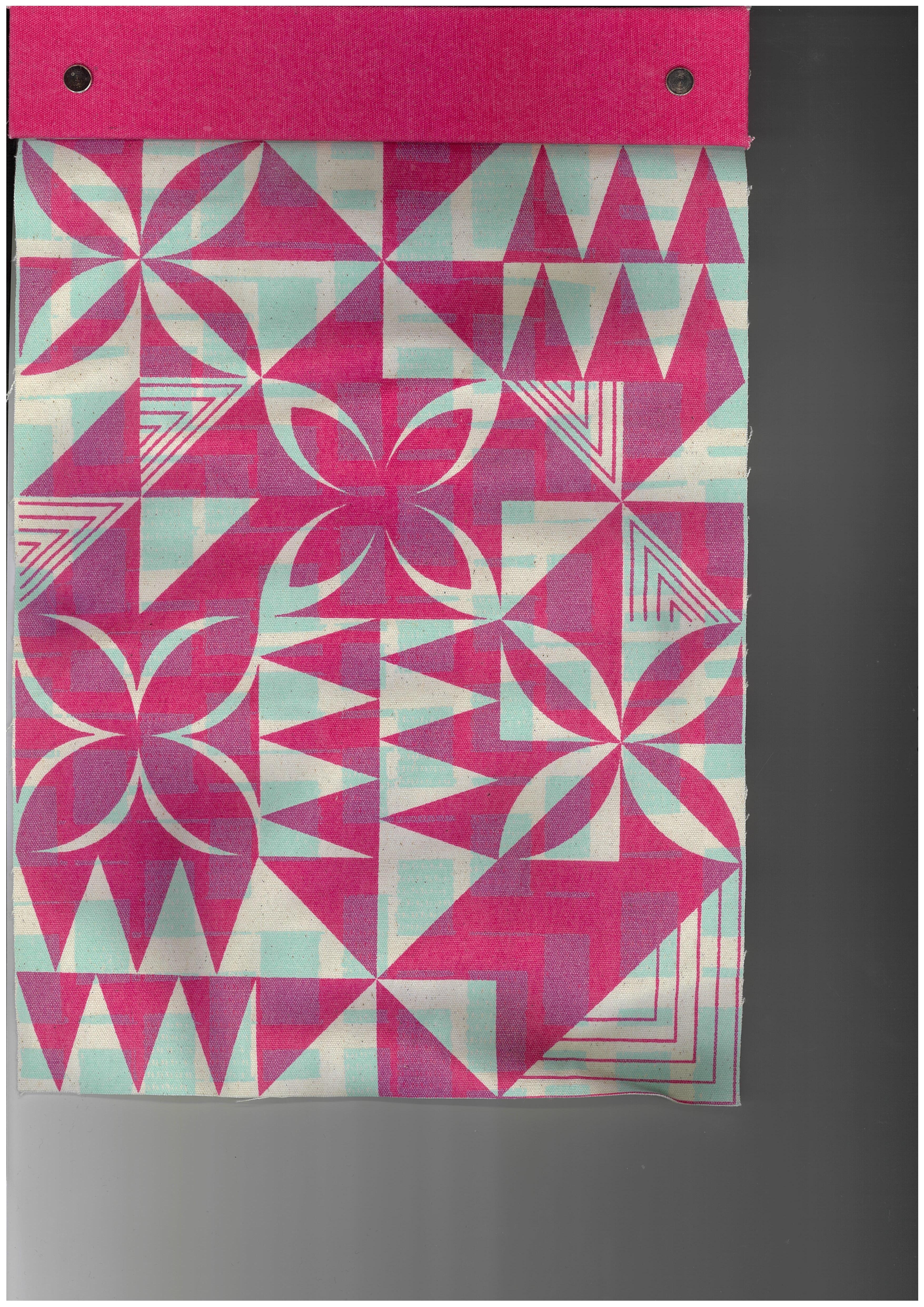
Recently graduated from Massey University with an honours degree in Textile Design, Micah spent her final year at university creating her honours project, Lalaga I Fanua (Weaving Across Land). This collection of woven and screenprinted textiles explores how traditions can thrive through modernisation, and how cultural identity can be found and fostered—even outside your homeland.
She says, “Me being here, being able to go to uni and use all these new things that I’d learnt to create, compared to how my ancestors would have created the same things, my designs tell those stories.”
Micah drew a lot of inspiration from her heritage, culture and family—particularly her grandparents and their migration to Aotearoa.
“With my grandparents migrating to New Zealand, they had to learn all these new things, live a new life and had to adjust to new things that they’d never experienced before,” she says.
“I wanted to explore migration, being in a new place and coming up with your own
identity and culture, while also continuing to practice the culture you already have.”
To tell this story, Micah took her art through a series of processes before reaching a final product. She’d start by sketching an image and then transforming that into something completely new through weaving or screen prints. Then, she would cut those up and sew them together, intertwining a myriad of stories, experiences and meanings.
“It was a lot of doing one thing, cutting it up, seeing what else I could get from it and keep on going,” she says.
“Starting with an image and transforming that into something completely new ... connects to the story of my grandparents coming here and having to create a new life, while still trying to be Samoan in their own sense. Without their family or being in their own homeland.”
Each of Micah’s artworks are related to each other, using each piece to make the next. Together, her art and its woven meaning tell a story of journey—figuratively and literally.
Throughout university, Micah says she was often the only Samoan in her classes. But
Micah’s Nana holding a woven piece made on TC2 loom
I FANUA ACROSS LAND
Words by Jessie Davidson
• SHE/HER
she used this as a chance to show her classmates and teachers her culture.
“It was pretty special to show my class and whoever else saw it, parts of my culture ... I could tell them the back story or my inspiration. That was really cool.”
Once Micah discovered her love for textiles and its connection to her heritage, she began to delve into this deeper.
She says, “I found a lot of Samoan cultural practices are within the textile world. It was easy for me to go into that into my textiles.”
Hung on Micah’s bedroom wall are two Samoan tapa cloths—traditional Pacific textiles made from inner tree bark and decorate with natural dye designs. She says that she began to draw on traditional Pasifika textile techniques and make them modern.
“I could see the connection between tapa cloths and screen printing, where it’s a design printed on a fabric. I also explored how I could do the same thing with weaving,” she explains.
“There are these finely woven mats called ‘ie toga that used to be used as currency. I related that to weaving within textiles, whether that be manually hand weaving or weaving on a loom. Which is the more modern, European version.”
Being able to show her culture through her art and create it through a modern lens drew Micah to explore this deeper for her honours project, Lalaga I Fanua.
By mixing tradition with modern techniques, Micah says this adds to her art’s story of journey. This is what she hopes people see in her work.
“It’s a story of change and moving from one place to another.”
T for Taupou
—A Celebration of Pacific Pride
After recognising a lack of Pacific representation in films produced by Massey University’s students, Screen Arts graduate, Sofia Misa, wanted to change this. Leaving her mark on Massey, Sofia created a physical celebration of Pacific culture in her short film, T for Taupou.
This short film follows a Polynesian performance club and their navigation of the “chaos and conflict” that happens before their final competition—all while celebrating Polynesian culture.
Sofia says the story “is basically exploring the conflicts that can arise from different perspectives on culture”.
The ensemble of characters was created to highlight the unique personalities that you encounter within Polynesian culture. The end of the short film sees the conflict of personalities resolved just before they go on stage. Sofia says this ending is representative of Pacific cultures.
“Pacific cultures are very communal and we all come together at the end of the day and make it past any conflict”.
After finding a significant “lack of representation of Pacific culture” in the films being produced through Massey, Sofia was inspired to make this film.
“I don’t think there’s been any Pacific stories from the films that have been made at Massey. That gave me motivation to come up with a story that has Pacific culture at the heart,” Sofia says.
The representation of Pasifika people in her film reflects the diversity of the world we live in. She acknowledges the significance in this representation.
“A large percentage of Aotearoa’s population are Pacific Islanders, so it’s really important that our culture is reflected in the media.”
As a Pasifika in a largely pākehā space, Sofia feels a sense of responsibility.
“In my degree, Pacific Islanders are quite underrepresented. That was what gave me more motivation to make a film,” she says.
Words by Kamaia Bainbride-Frost • SHE/HER Ngāpuhi, Waikato Tainui, Fasito’outa
Art by Olive Bartlett • SHE/THEY
She wants to push the perspective of her culture to the forefront of people’s minds.
Unsure of how people would respond to the film, Sofia wanted to ensure that regardless of the response, the film produced an authentic representation of her culture.
But she was pleased to be met with continued openness and encouragement throughout the development of this short film.
She says that she felt “encouraged the whole way through”.
“I had so many people supporting it and saying that this is a great idea that I should carry out.”
Since having a couple viewings of the short film, this positive and encouraging response has maintained. Sofia has received some “really good feedback”.
“It’s been very encouraging to realise that people actually do want to see Pacific stories.”
Looking to the future, Sofia wants to continue following a film making path.
She says, “I want to take what I’ve done last year and just expand on it and create more Pacific stories.”
After seeing the impact of having Pacific representation in the media, she wants to continue to support and encourage that in her work and others.
Sofia created this short film with the intention of portraying a message of unity. She says that “despite having so many differing and strong conflicting perspectives” within Polynesian cultures, we are all united.
“There’s not one right way to be Samoan or Tongan or whatever you are.”
Embrace the unique differences within every Polynesian person and remember the power in Pacific unity.
That is the message of Sofia Misa’s film T for Taupou.
CULTURAL STORYTELLING IN CONTEMPORARY DESIGN
How Angelinn Niue explores her heritage through creating...
Education in Samoa is valued deeply. But access to materials, tools, and infrastructure is often scarce. Despite this, we embrace every blessing with faith and resilience. I am a living testimony of that mindset. I carry my parents’ sacrifices with me as motivation to succeed, not only for myself but for the life they dreamed of and the future they believed I could achieve.
Talofa Lava, my name is Angelinn Niue.
I’m 21 years old and am a fourth-year studying a bachelor of Design with honours, majoring in Textile Design. I was born in the Philippines and raised in the village of Fagafau in Savaii, Samoa. I’m the eldest of five siblings, and I now live in New Zealand with my adoptive parents who have given me a second chance at life and education.
I came to New Zealand in 2019. Not because Samoa lacked potential, but because I saw an opportunity to grow in ways my homeland’s limited resources could not always offer.
From a young age, creativity has been at the core of who I am. Whether that’s through drawing, painting, crafting, or more recently, textiles and fiber arts. I’ve always found joy and purpose in creating things with my hands.
Creative work has never been just a hobby. It is how I process the world, express my inner self, and connect with others. It’s helped me navigate challenges and shaped my identity.
My practice in Textile Design is deeply rooted in who I am and where I come from.
Words and Art by Angelinn Niue • SHE/HER (Phillipines, Fagafau)
For me, textiles are more than materials, they are a language. Through patterns and motifs, I communicate identity, memory, and cultural connection in ways both personal and universal.
I am especially passionate about using design as a platform to showcase my culture. My motifs are not random decorative elements. They carry meaning, symbolism, and history. Inspired by traditional forms and natural environments, they share the narratives passed down through generations.
Each pattern becomes a way of preserving and reinterpreting these stories, allowing them to exist in contemporary spaces while still honouring their origins.
Textile Design has a tactile and intimate nature. Fabric is something people live with. It is worn, touched, and woven into daily life. Knowing that my designs can become part of someone’s lived experience makes the process even more meaningful.
My practice is a bridge between past and present.
While I respect traditional aesthetics and meanings, I am driven to explore how they can evolve. Experimenting with scale, repetition, and color to create designs that feel modern while still grounded in cultural authenticity creates an important balance. It reflects the dynamic nature of identity always changing while remaining connected to its roots.
Ultimately, my passion for Textile Design comes from a desire to tell stories beyond the surface level and celebrate my heritage. Every motif I design is an act of expression and preservation.
Through my work, I hope to inspire others to see the beauty, depth, and relevance of cultural storytelling in contemporary design.
Hey baby doll!
Heyyy Mother! My flatties aren’t respecting my culture. They keep wearing their shoes inside and sit on the table WHERE I EAT MY KAI! How tf do I get them to listen to me?
First of all—ew. I know for a fact if I sat on a table, I would hear my mother’s tireless objections pounding in my head.
I remember one Euro-Summer with my girlfriends back in the 1980s, I had a flatmate just like this. She used to always touch my head without asking. SO gross.
At first, I asked her kindly to stop, which you’ve already tried with little-to-no results. After that didn’t work, I became the tireless shrieking voice my mother was for me. Anytime a flatmate put their butt on a table or wore shoes inside, I went on a tirade, berating them with complaints.
“Do you know food goes on that table?”
“Is that where your butt should be?”
“Who raised you, ho?”
Another approach? Psychological warfare.
Slowly manipulate and gaslight your friends by hiding each piece of furniture one by one, day by day. Start small, with a cushion on a couch or a coaster on a table. By week 17, there is no furniture left.
Each time your flatmate asks where the furniture has gone, say: “What furniture? We’ve never had furniture. What is a couch?”
This is a game of patience.
If you must, take shoes. Socks. Thongs. Take it all. Only return it once they have learnt.
Like a vigilante. Move in grace, Batman.
Hope that helps!
This story is about the complete LACK of sex in my life. SOS. So, it all starts the first time I almost had sex, I was literally like, “Hell yeah, this is my moment.”
He was sweet, respectful, I felt safe, I liked him, everything was perfect, and then my body said, “Absolutely not”.
Out of nowhere I fully malfunctioned. Every muscle in my body locked up, I couldn’t breathe, I was stiff as a board. I panicked, made up some random excuse, and sprinted to the bathroom like I was in a horror movie. By the time I came back, the vibe was dead and gone.
The second time, I told myself, okay relax, we’re not doing that embarrassing nonsense again. Wrong, the exact. same. thing. happened.
Everything was fine, I was even initiating, trying to prove to myself I can do this, I’m not a child of God in distress. But then the SECOND it got real, my body said, “LOL, you thought”.
Immediate fight-or-flight. In my head I’m like, “stay, be normal, act like everyone else”. But my body was already halfway out the door so by the third time, I didn’t even bother pretending. I was like yeah… cool… love that for everyone else, but clearly not for me.
Sexcapade submissions provided by
For 20% off your next purchase, enter discount
But a couple of months ago, my younger brother—YOUNGER brother— announced he’s having a baby.
A BABY.
Now I’m 21, still a virgin for no good reason. It’s not like I’ve had trauma or a bad experience or anything like that. I don’t hate sex. I actually want it, my body just refuses to participate.
It wasn’t even that deep before, like yeah, I’d think about it, compare myself a bit, but I could move on.
We’re Pasifika, so no one was shocked and I’m happy for him. I love being an aunty, but at the same time I’m like... how are you 19, about to raise a whole human being and I can’t even get past first base??
It’s actually humbling in the worst way and makes me feel like a bit of a failure, which is dramatic but also not really.
You need to invest in your groceries this week and stop spending your money on Facebook Marketplace. Take yourself on a date to Woollies and restock your pantry like a TikTok trad wife.
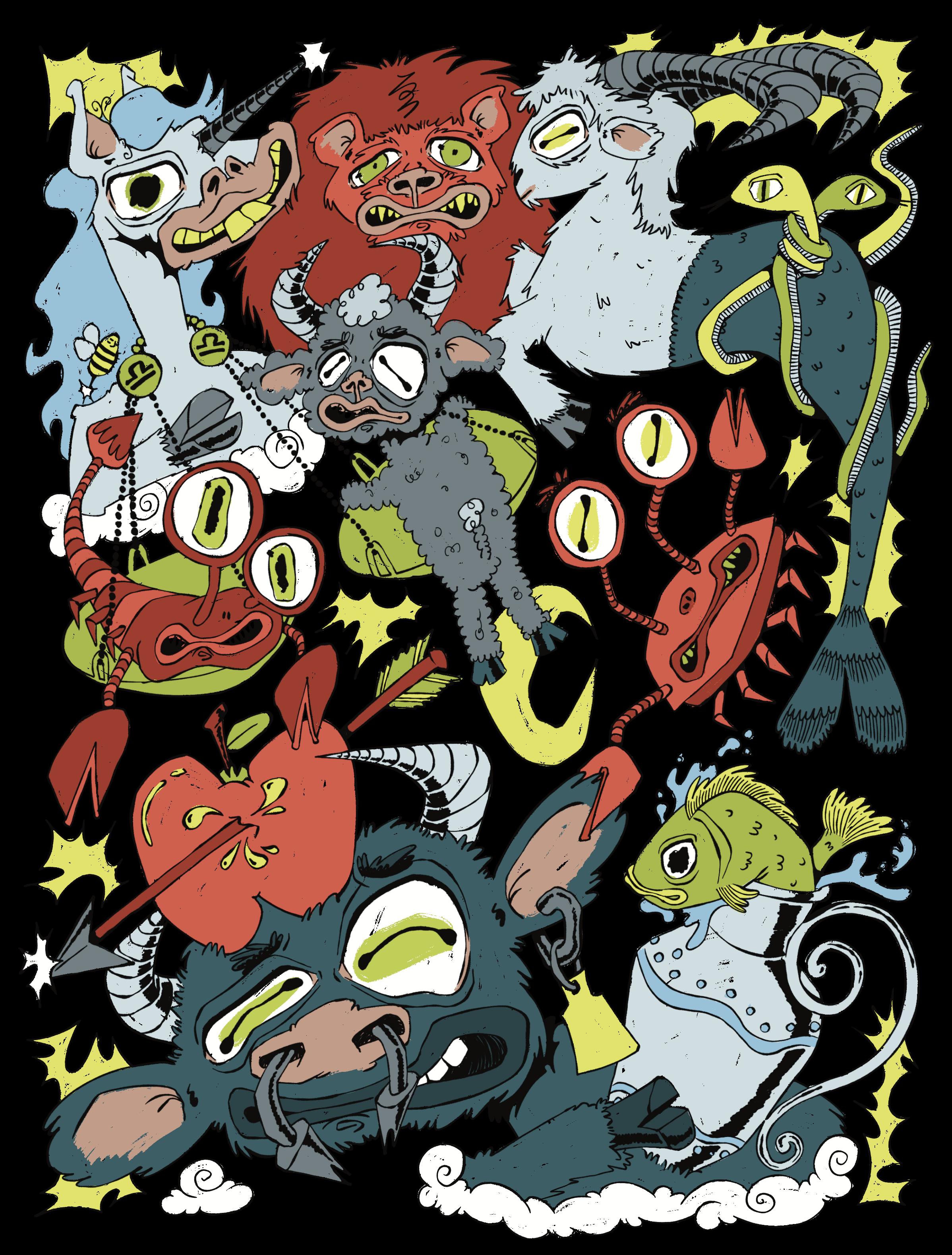
Chaos has been following you lately, and you have felt unease in all spaces of your life. This week, a new sense of grounding will come following the distance between yourself and a close friend.
An unexpected person is re-entering your life in the middle of the week. How do you choose to respond? The stars say they have come to teach you an important lesson about yourself.
You haven’t been your boisterous self recently, Leo. While you hide in dark spaces consumed by your work, your friends miss your energy. Go take a break and get a hug from one of them.
You’re the brightest star this week, babe. Praise is coming your way for all your hard work—maybe a congratulations kiss.
This week, all the work that you have been procrastinating will finally get finished. Sunday will bring a new sense of calm with all that work behind you.
Mars colliding with Jupiter in your relationship realm on Monday might mean a clash between you and a close relationship. Understand that this must happen for self-reflection on your personal goal setting.
Start listening to people’s advice and take a step back from your stubborn attitude. The people around you want to help you, but your energy is becoming overwhelming.
Due to Saturn being placed in the fourth house, you might experience minor hiccups over the course of your week. Don’t let them get the better of you—you will burst at the end of the week.
Do not go to that party on Saturday! You are going to embarrass yourself. The stars point to either getting too drunk and taking a tumble or trauma dumping on a mutual friend and waking up with hangxiety.
This week, the fog in your head about a certain situation will clear to reveal the answers you have needed for closure. An epiphany of sorts will take hold of you in the middle of the week—don’t be afraid to embrace it.
You’ve been looking extra sexy recently, thanks to all your hard work. You’re positively glowing this week. Revel in your new power and flaunt your beauty to all who admire you.
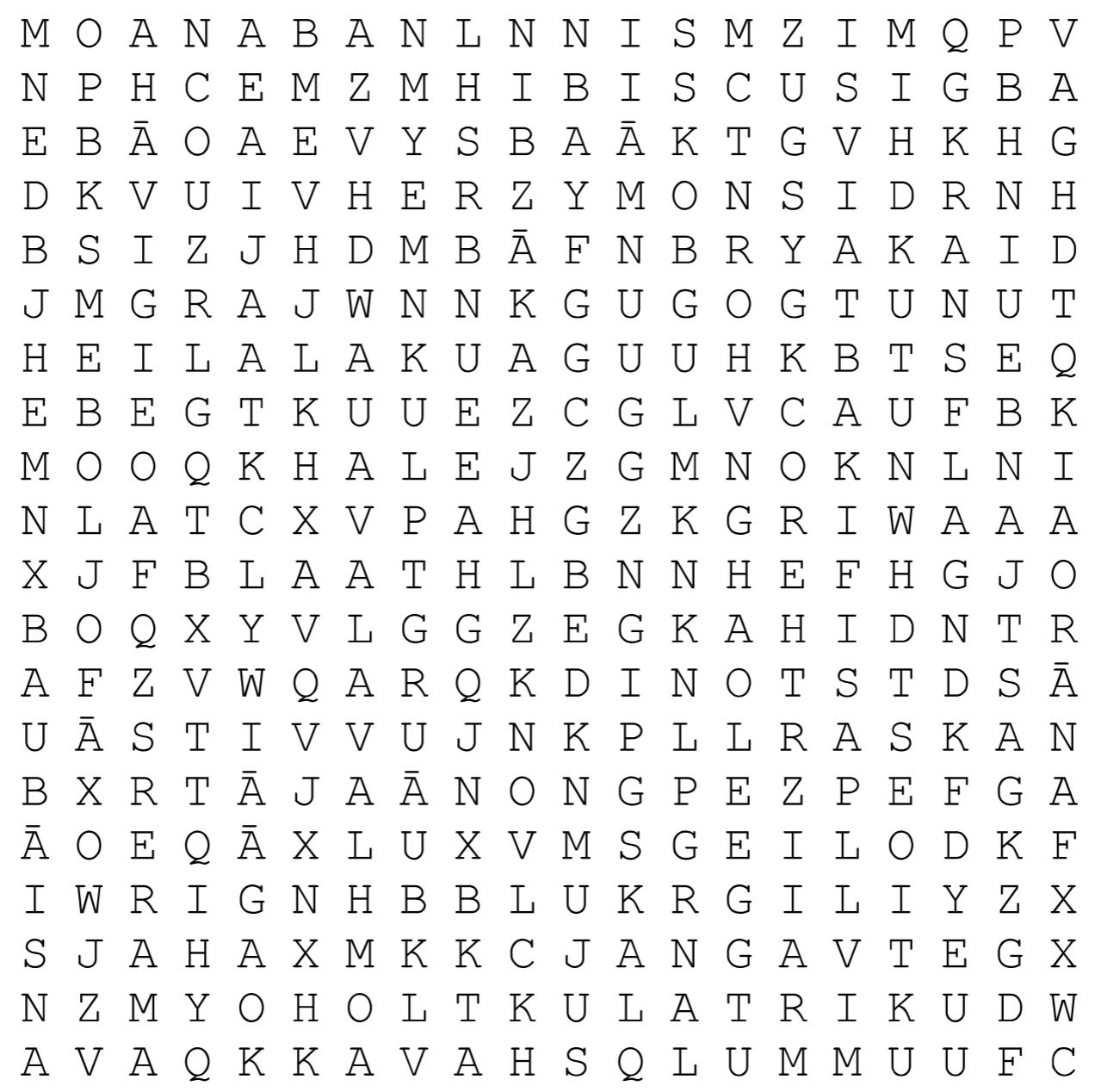
Talofa
The Rock
Kia Orāna
Pasifika
Maui
Niue
Lavalava
Bula
Heilala
Ulaleilei
Moana
Kava
Tonga
Hibiscus
Kula
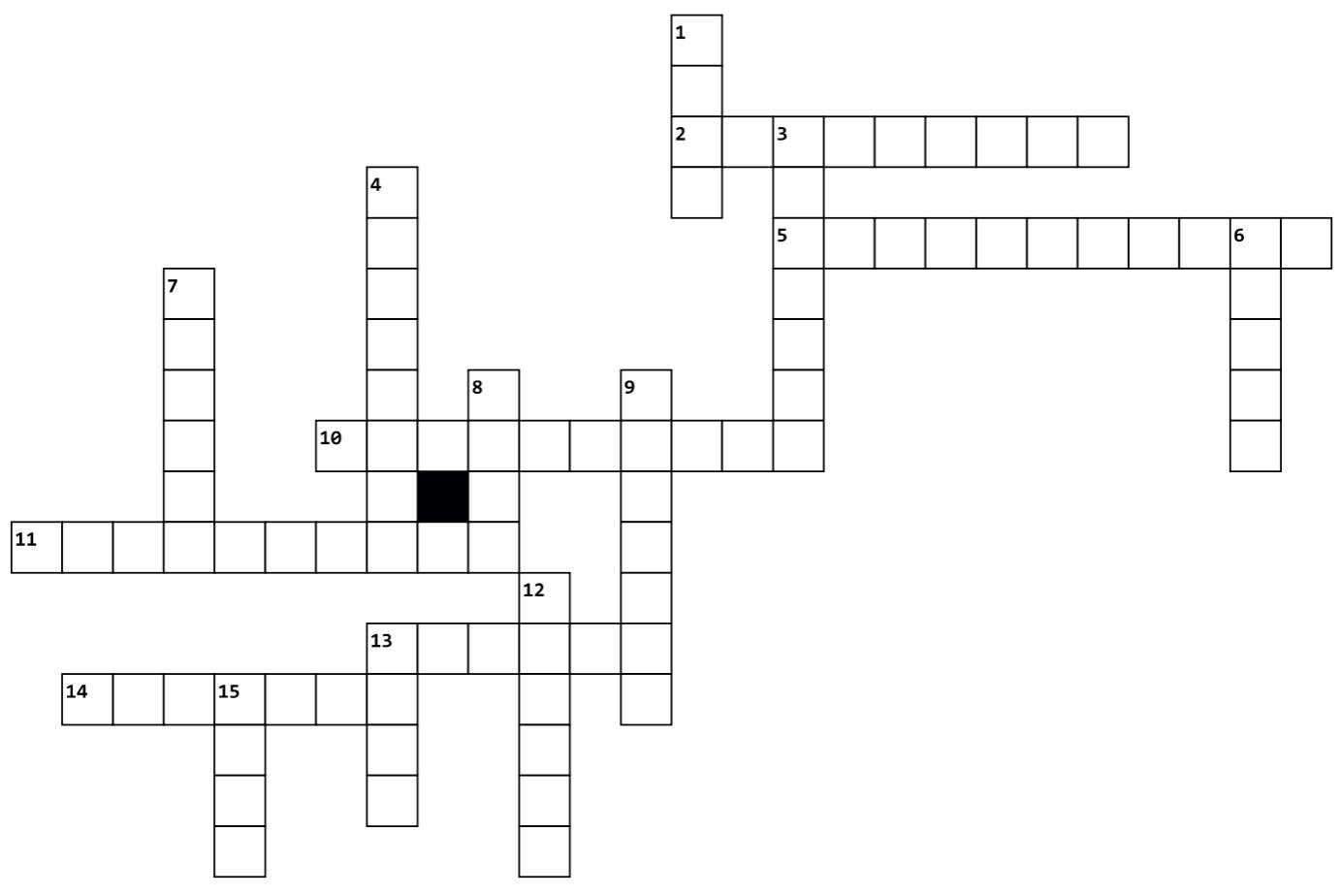
7.
British coloniser who was killed after trying to kidnap a Hawaiian chief (5, 4)
5. The sport Fiji won their first an Olympic gold medal in? (5, 6)
10. Actor from O’ahu who plays Aqua Man (5, 5)
11. There are over ____ thousand Pacific islands (6, 4)
13. Pacific Island which is “sinking” due to climate change (6)
Major god in Samoan mythologies who created the heavens, Earth, and life (7)
1. Pacific Island country which has the highest volume of destination weddings (4)
3. The site where the most French nuclear testing occured (7)
4. Only country in the world which spans all four hemispheres (8)
6. Smallest Pacific Island nation (5)
Third most spoken language in Aotearoa (6)
8. Last week’s Massive theme
9. Fictional Polynesian Island where Disney’s Moana lives (7)
12. The only U.S state in the Pacific (6)
13. Traditional Pasifika non-woven textile made from tree bark (4)
15. Samoan word meaning family (4)
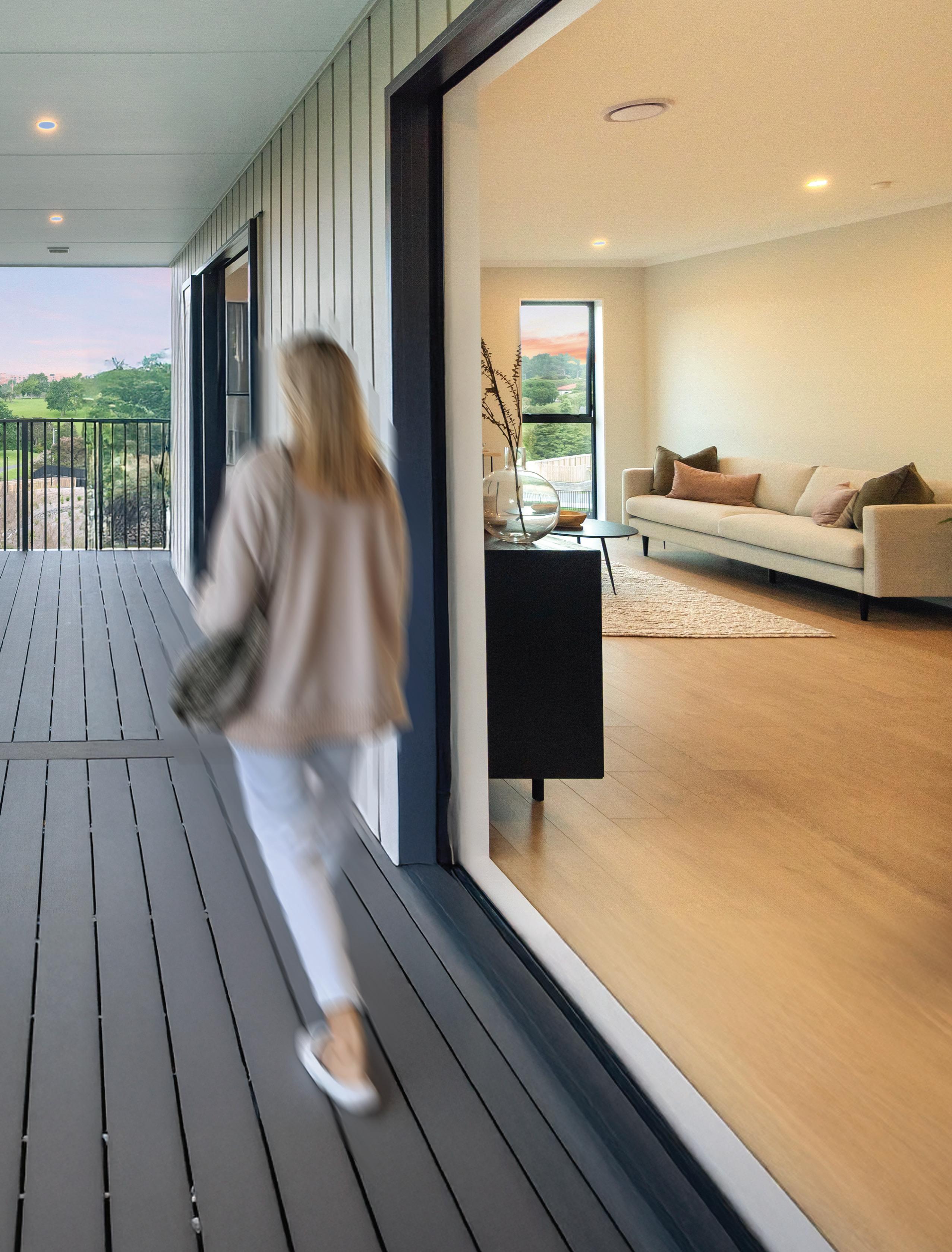
Lock-and-leave living in Albany
Explore our 1-3 bedroom unit homes in Ōkahukura Albany, just a short walk from Massey University.
Our single-level 1-3 bedroom unit homes offer a low maintenance lifestyle with 2 years of free body corp fees included for a limited time. Priced from $599k, and just a short walk away from Massey University offering the perfect lock-and-leave lifestyle.