martin markovsky 2018-2023
P T L O F I R O O





architecture intern v8 architects architecture intern studio morphè 09/2022 - 01/2023 rotterdam, nl 07/2021 - 09/2021 sofia, bg EDUCATION msc architecture, building and planning eindhoven university of technology bsc architecture, urbanism and building sciences eindhoven university of technology MARTIN MARKOVSKY martin.markovsky@gmail.com +359888931434 Eindhoven, NL WORK EXPERIENCE LANGUAGES Bulgarian English Native C2 SOFTWARE Photoshop Illustrator InDesign ArchiCAD AutoCAD Twinmotion SketchUp Rhinoceros 09/2023 - ongoing eindhoven, nl 09/2019 - 07/2023 eindhoven, nl

1
herepoort public squares and green areas landmarks gates research question program dementia care home new landmark tower of the people windows façade de ruïne the missing link unfolding envelope kröller-müller museum extension all roads lead to rome a vertical bridge english gothic cathedral the encyclopedia of english gothic visual trip (r)evolution 4 6 8 10 12 14 16 18 20 22 24 26 28 30 32 34 36 38 40 42 44
CONTENTS
location: groningen, nl year: 2023
HEREPOORT

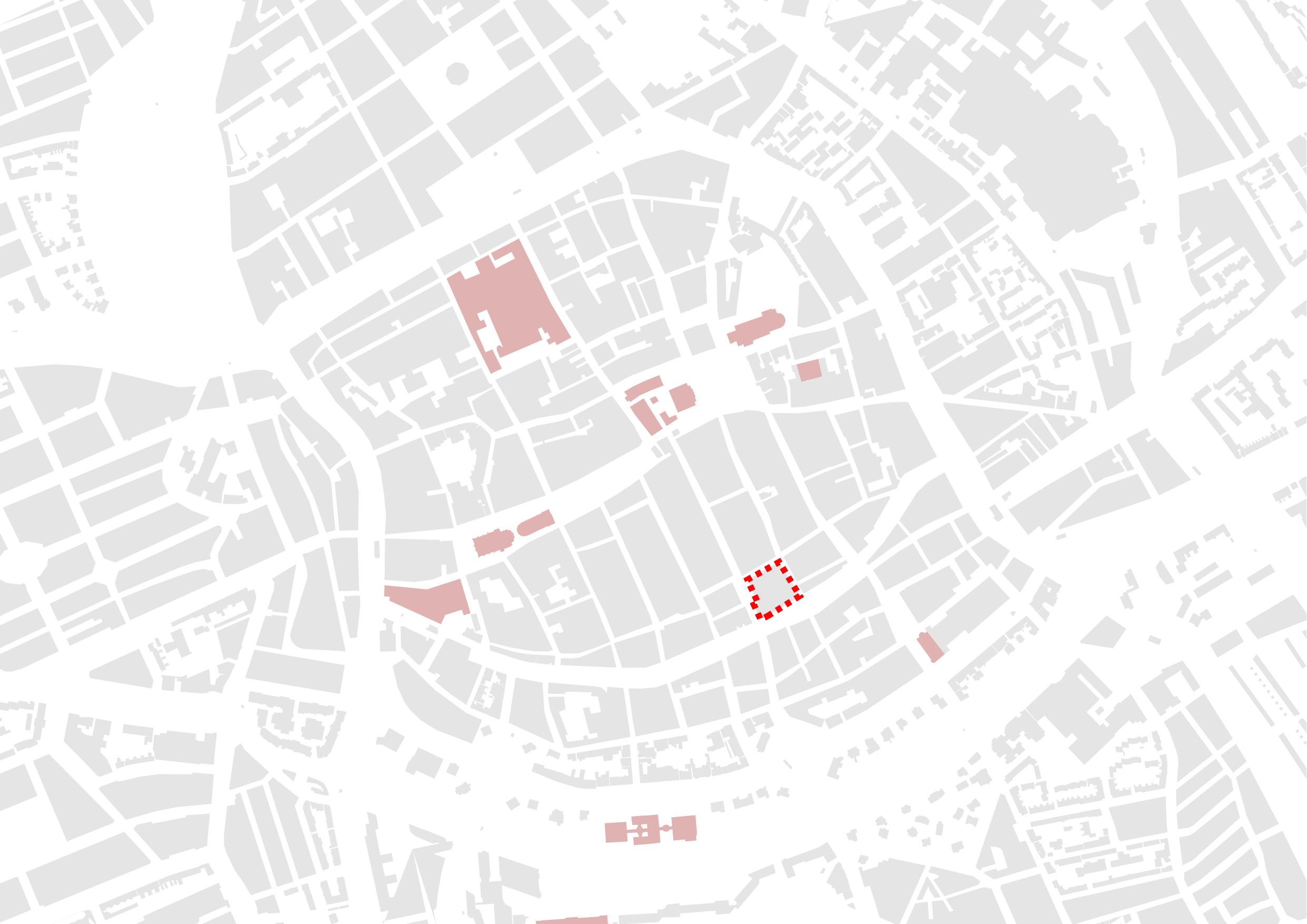
Project Location


Landmarks
LANDMARKS
As a city of century-old history, Groningen is home to numerous landmarks, both old and new.
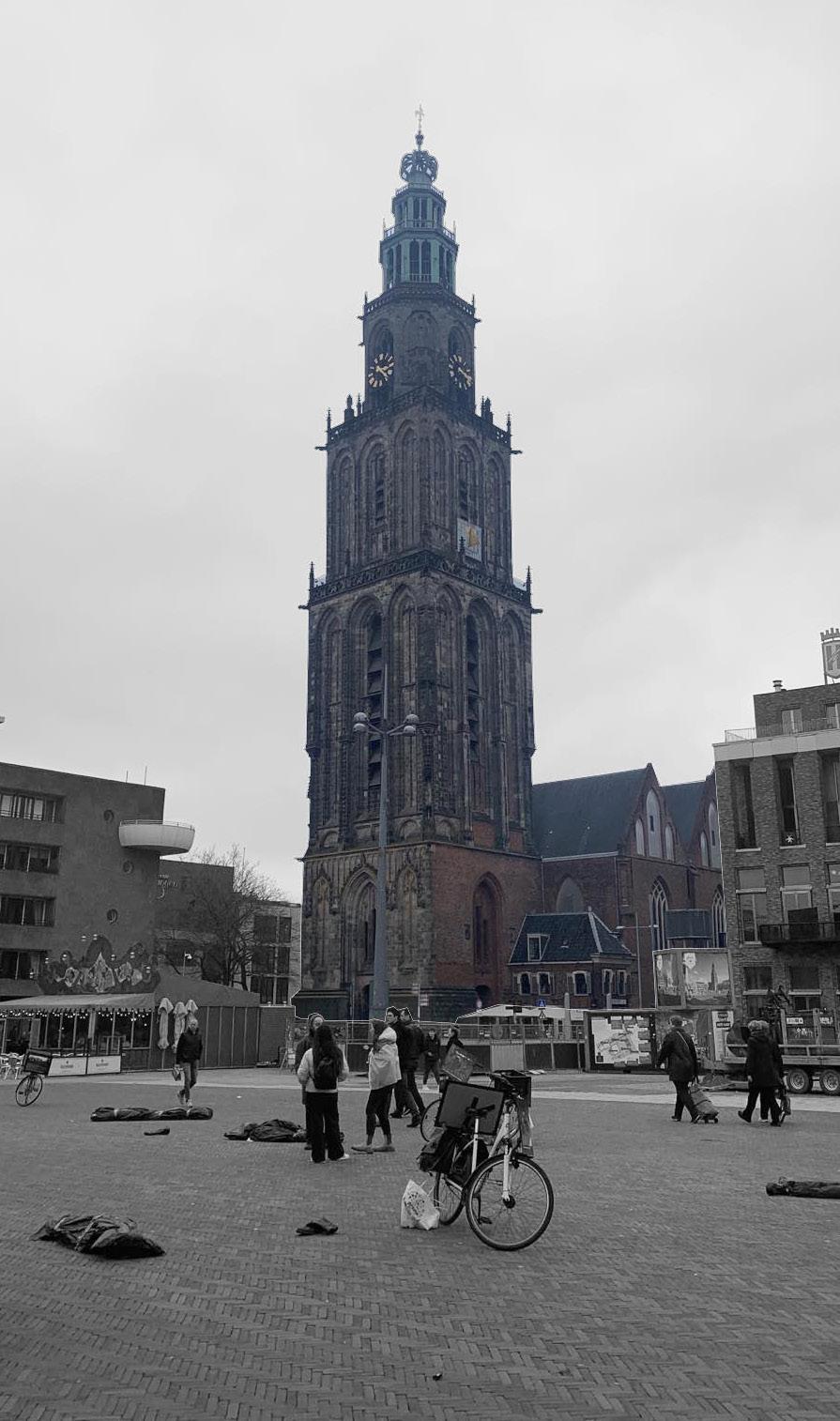
The Martinikerk and its tower, the Groninger Museum and the Forum are among the most important symbols of the city. The apparent lack of notable landmarks in the southern half of the city centre shows the potential in the site of the C&A building becoming one.
7
Scale 1:10000
Martinitoren
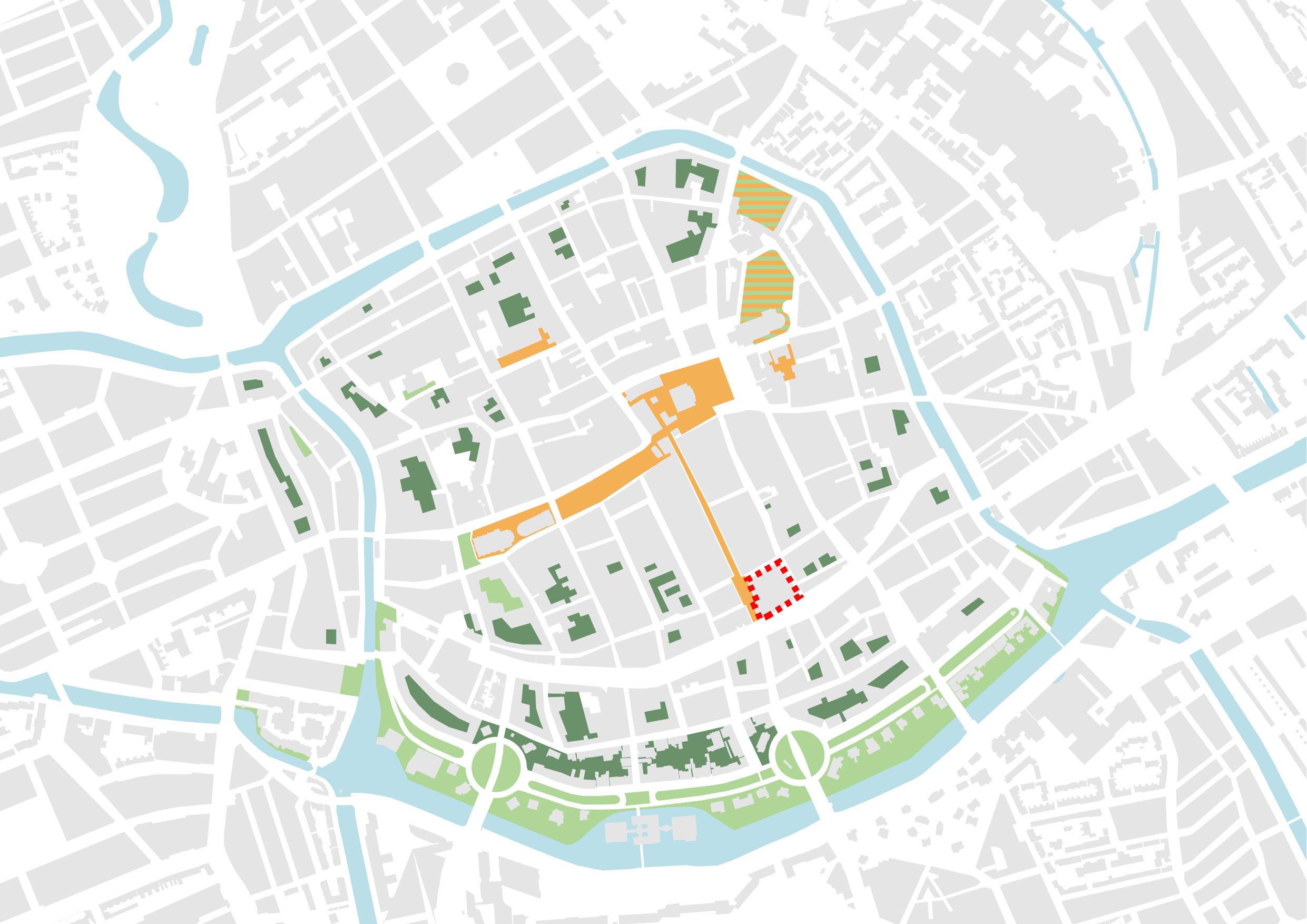
Project Location
Public Squares
Public Green
Private Green
Water
Scale 1:10000
PUBLIC SQUARES AND GREEN AREAS
The most prominent features of Groningen’s city centre are the large public squares around its most important landmarks, as well as the inner courtyards, also known as the ‘hofjes’.
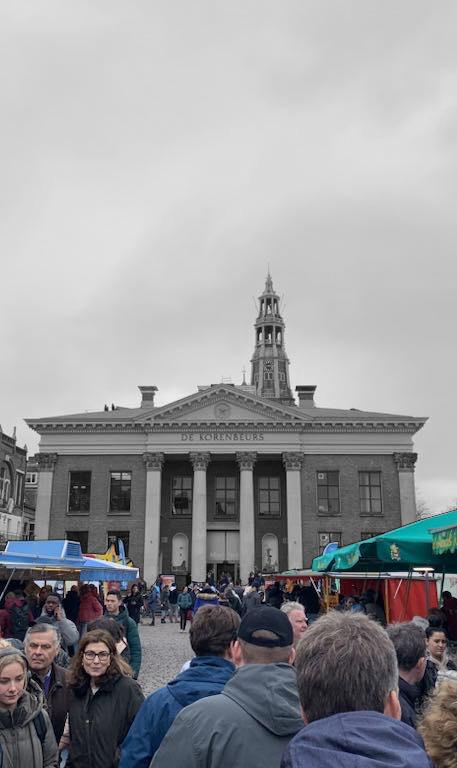
To keep up with the spirit of the city, it is only natural that these elements are incorporated in any new development in the area.

9 Vismarkt
GATES

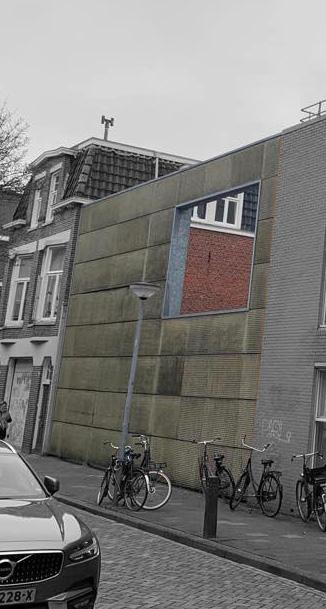
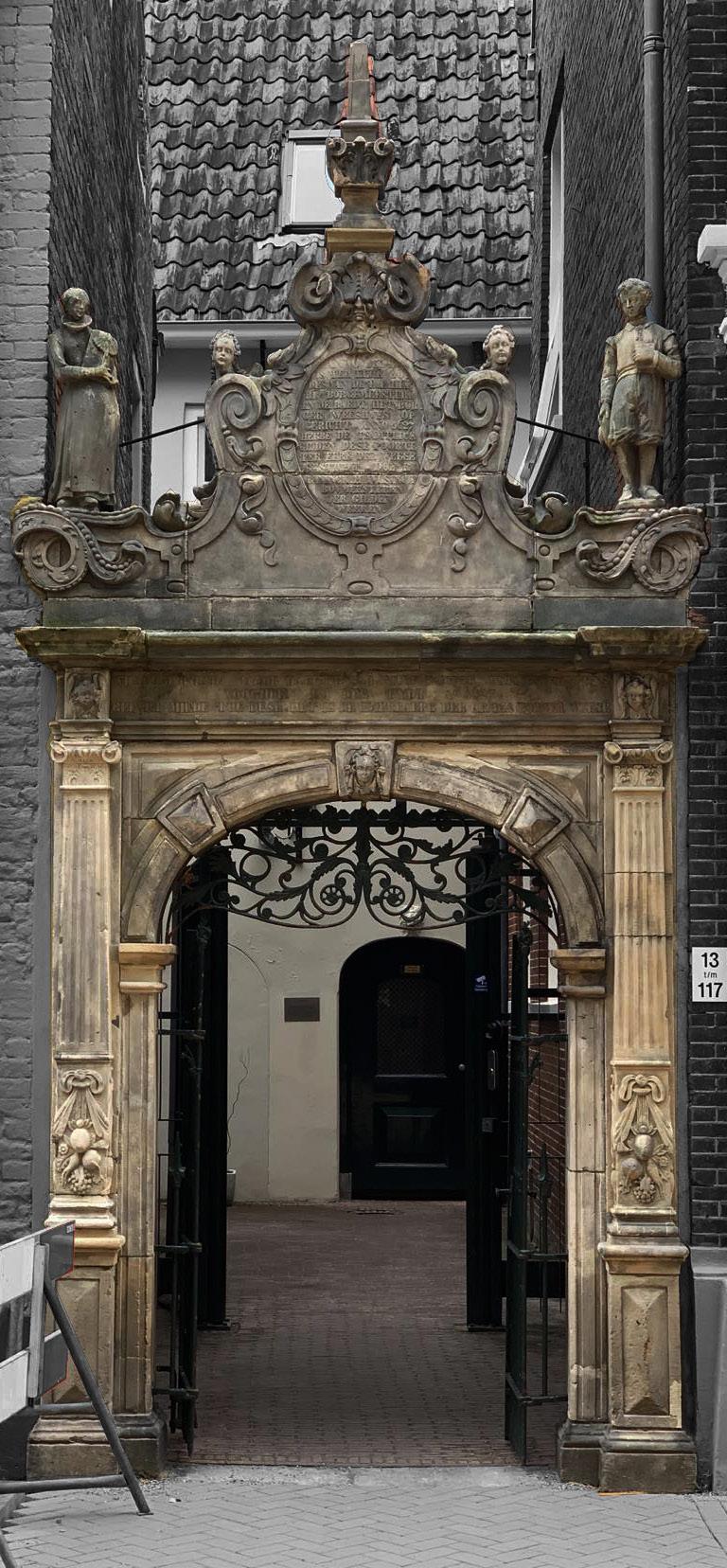
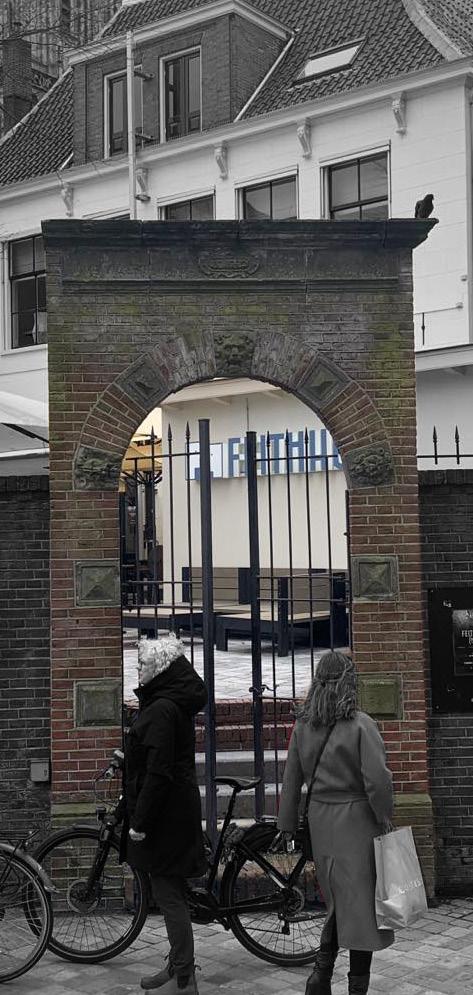
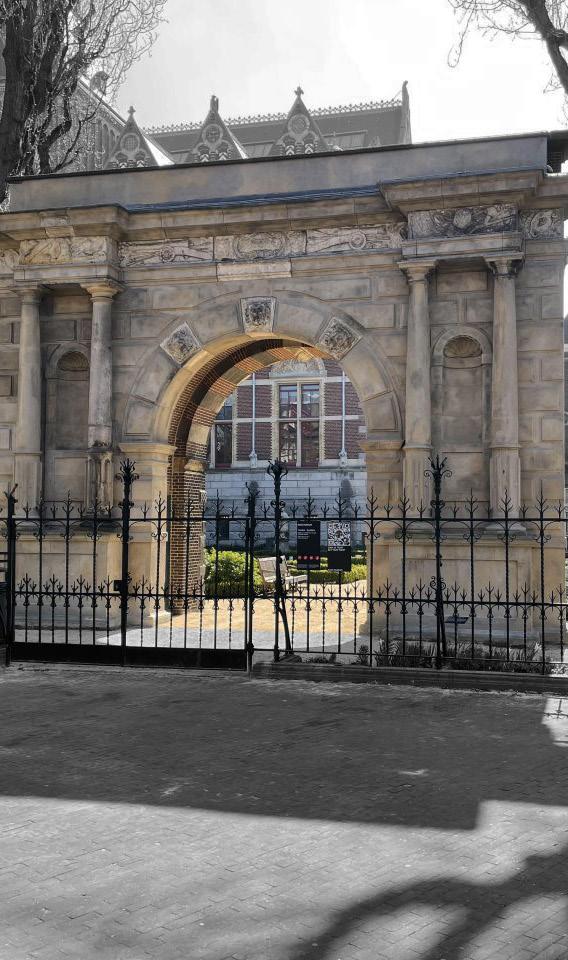
Entrance gates of all sorts can be found all around the historic city centre. As the former site of a city gate, the Herepoort, the implementation of gates in the redevelopment of the

C&A building block serves not only as a link to the character of the city, but also as a tribute to its past.
11
The original Herepoort, now located in the Rijksmuseum in Amsterdam

a new landmark inner courtyards gates
Herestraat
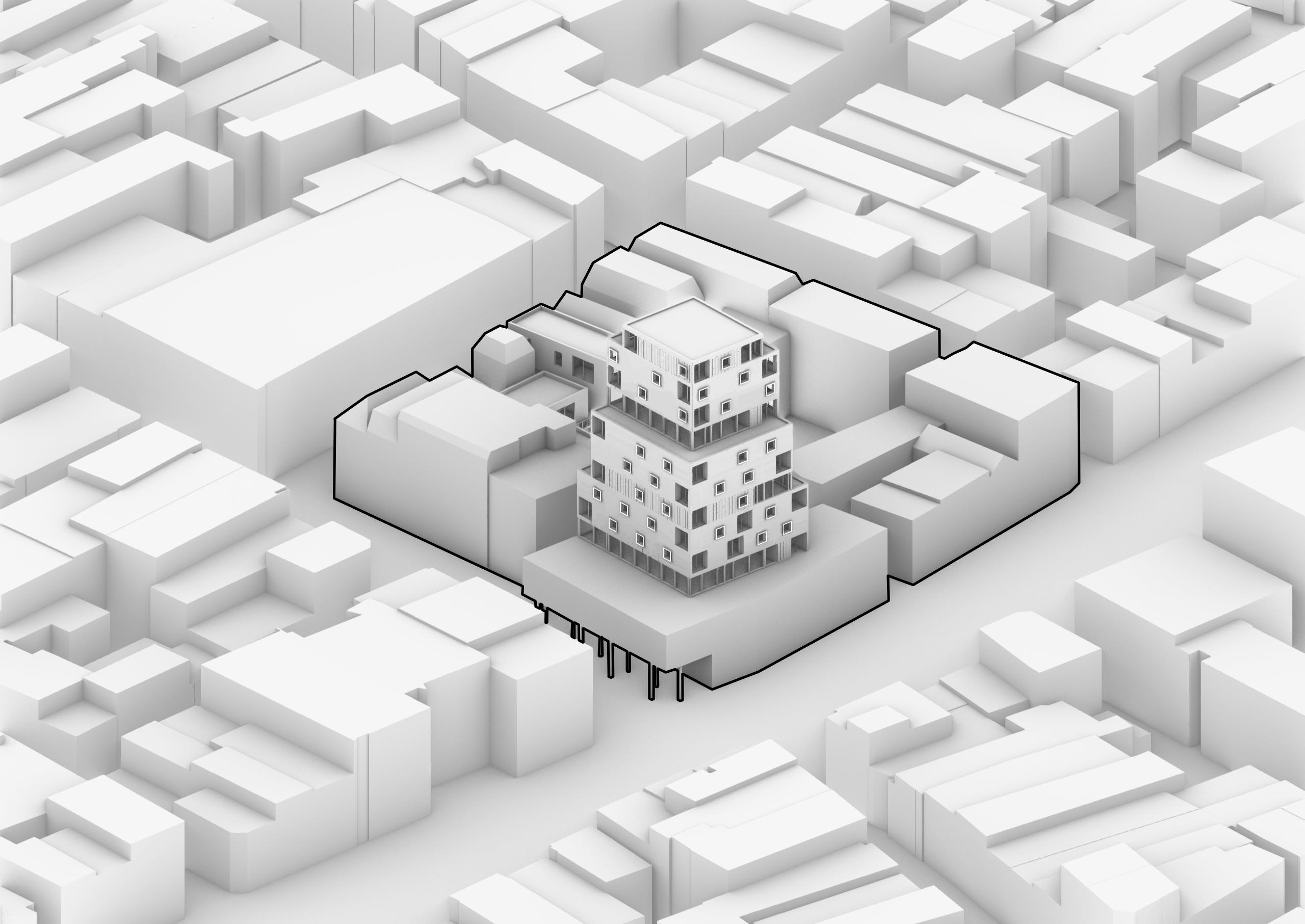
How can the C&A building block activate the
corner?
13
PROGRAM

The redevelopment of the C&A block introduces two new funtions, - a care home for people with dementia and a residential tower on top of the C&A building.
The dementia care home is structured as a gated community, and is separated from the C&A building and the tower by the reintroduction of the Burchtstraat to the block.
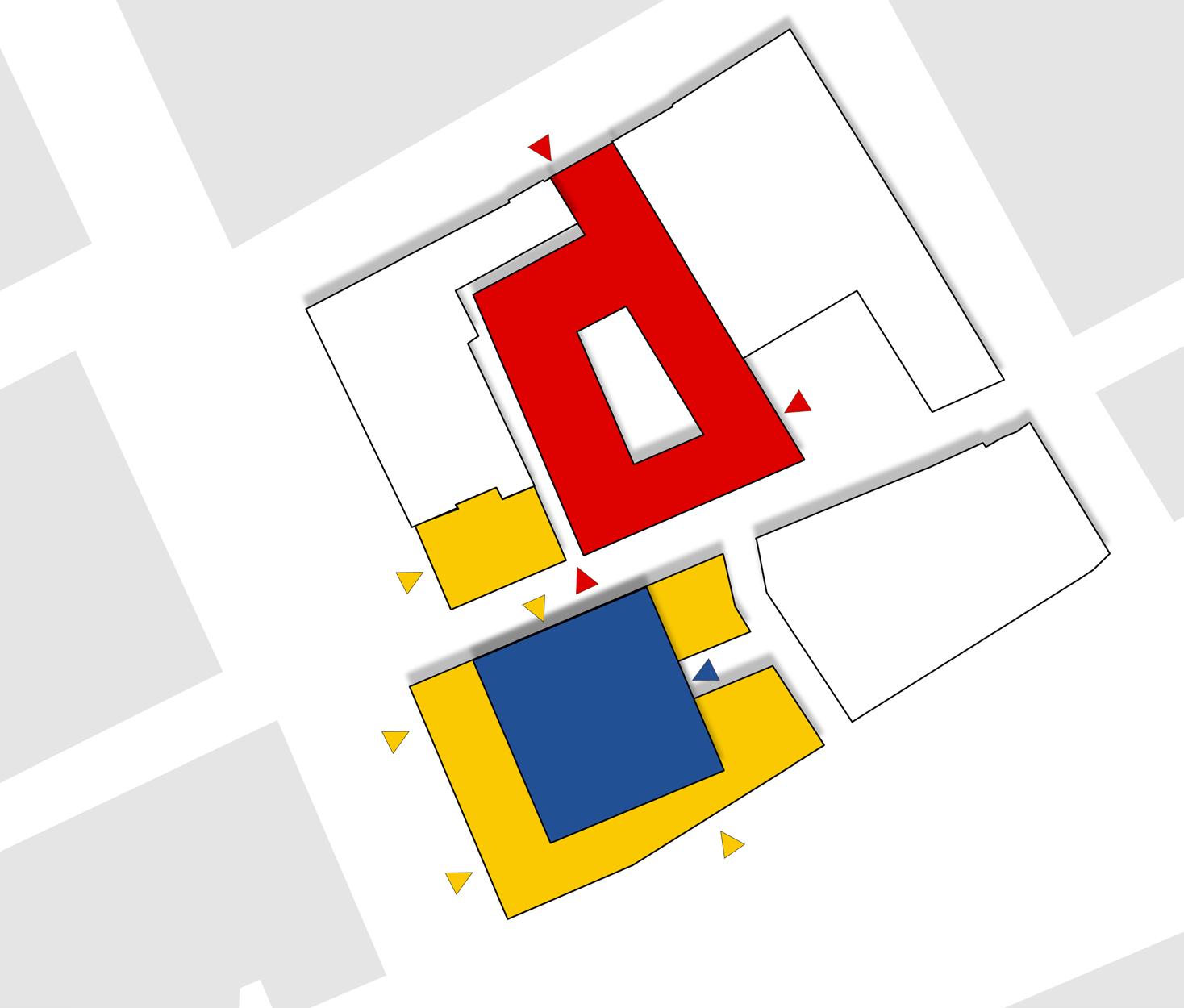
Dementia Care Home

Commercial
Residential

Scale 1:1000
Program in context
15
GedeempteZuiderdeep
Kleine Gelkingestraat
Carolieweg Burchtstraat
Herestraat
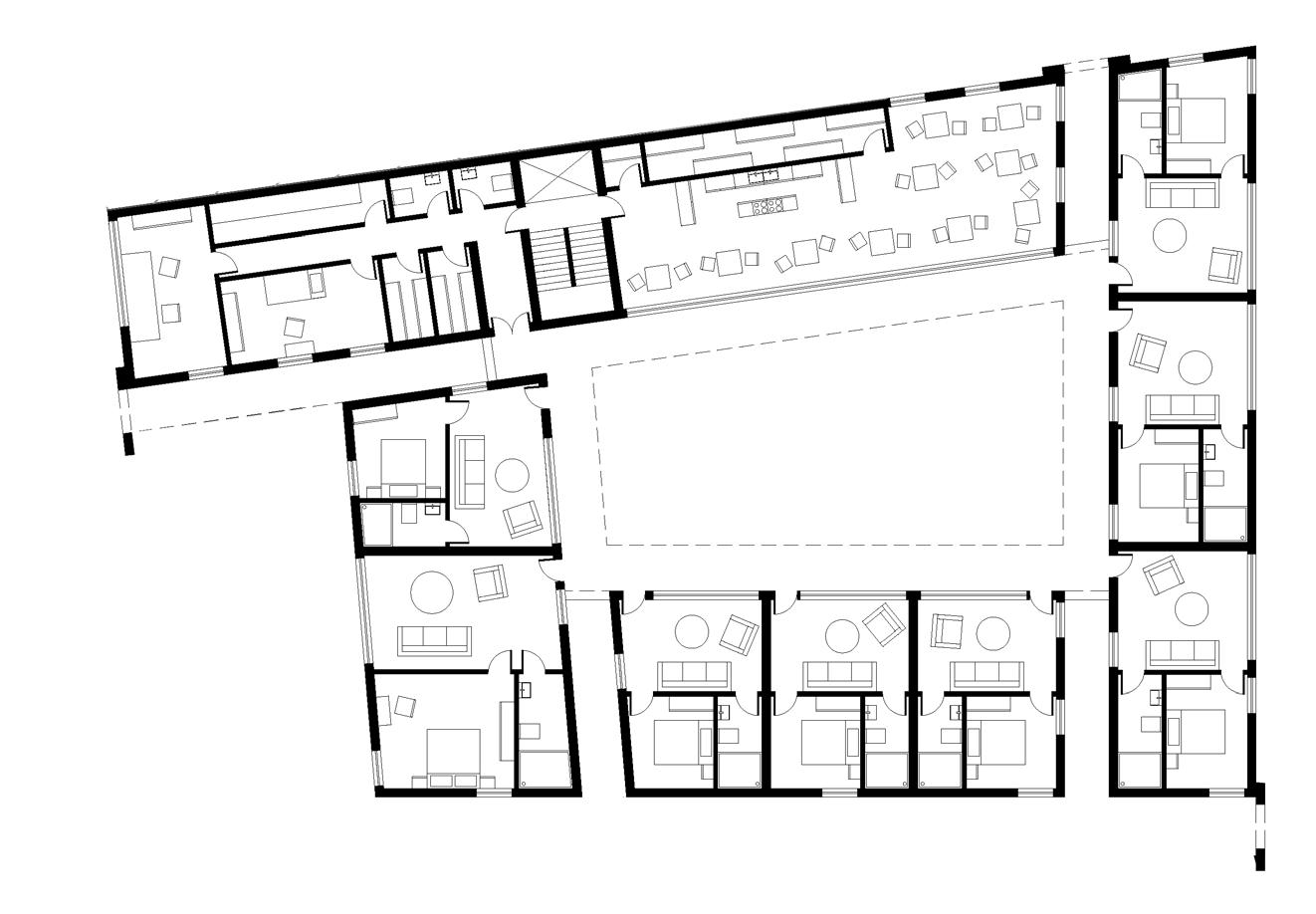
Ground Floor
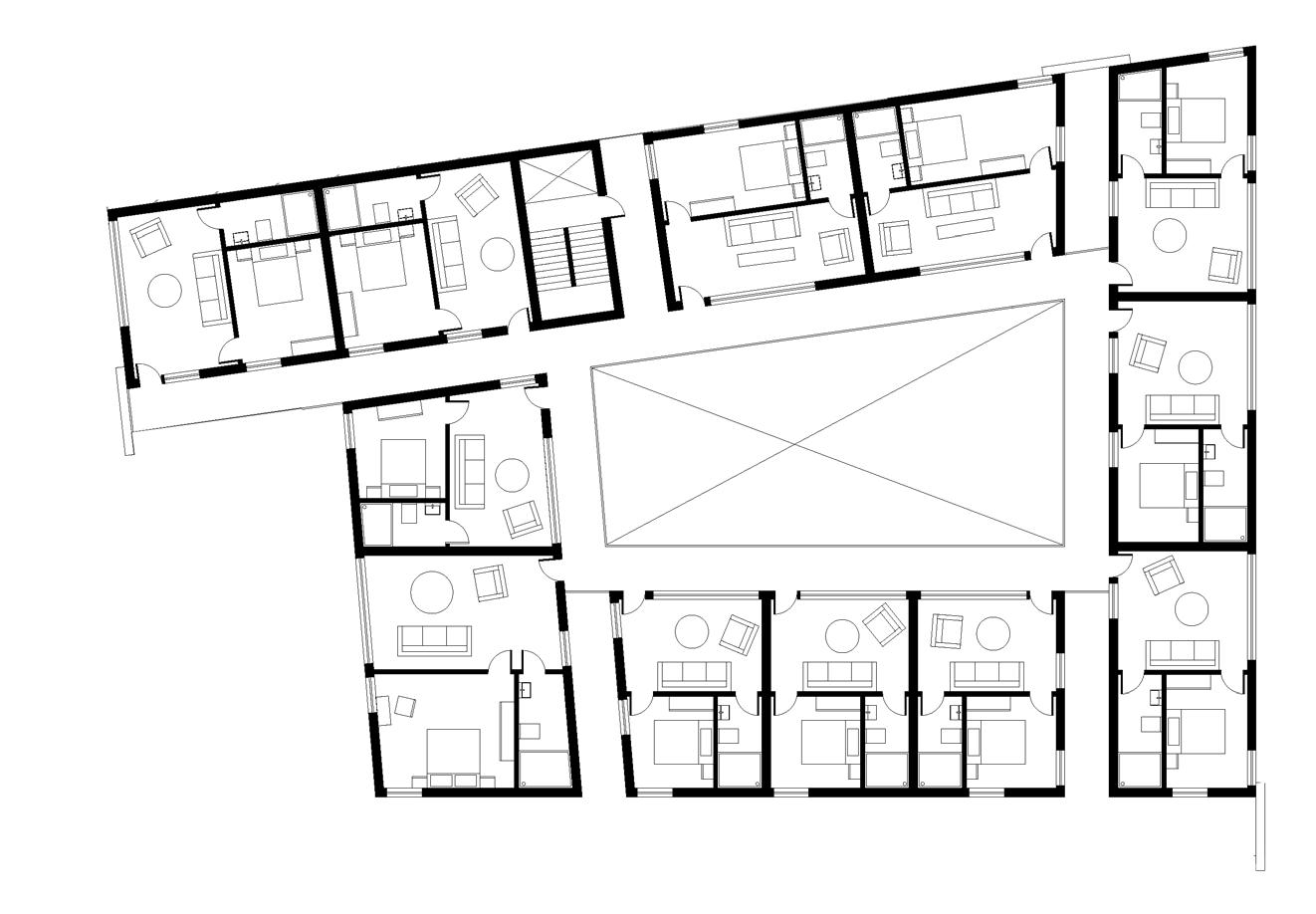
First Floor
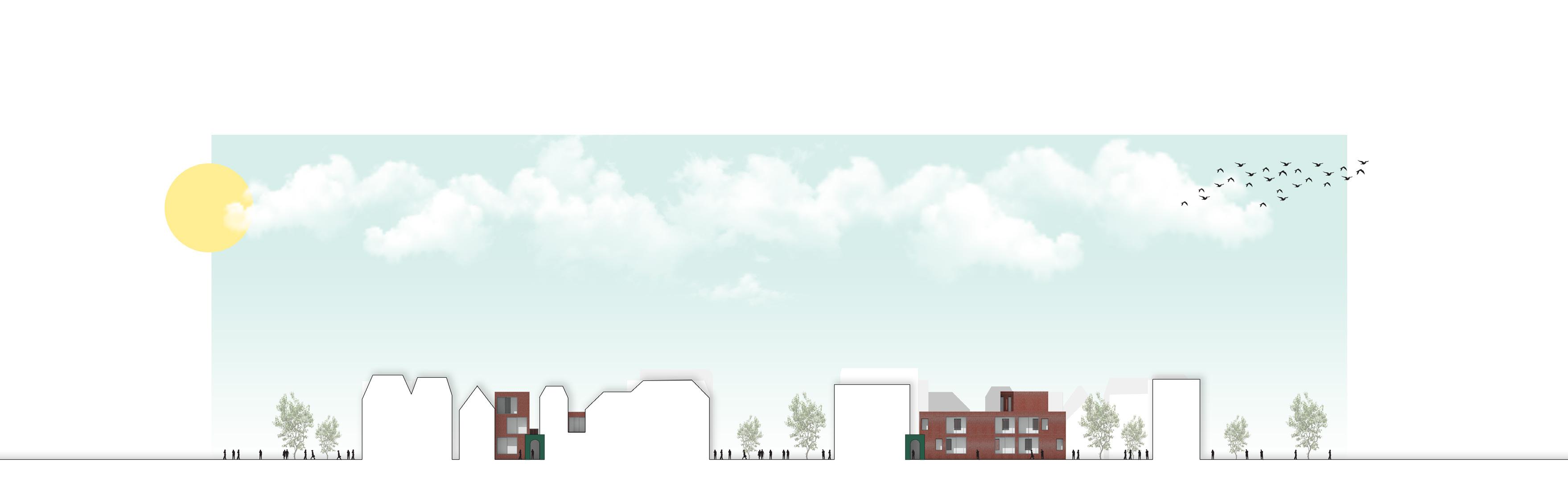
North and South Elevations 1:1000
DEMENTIA CARE HOME

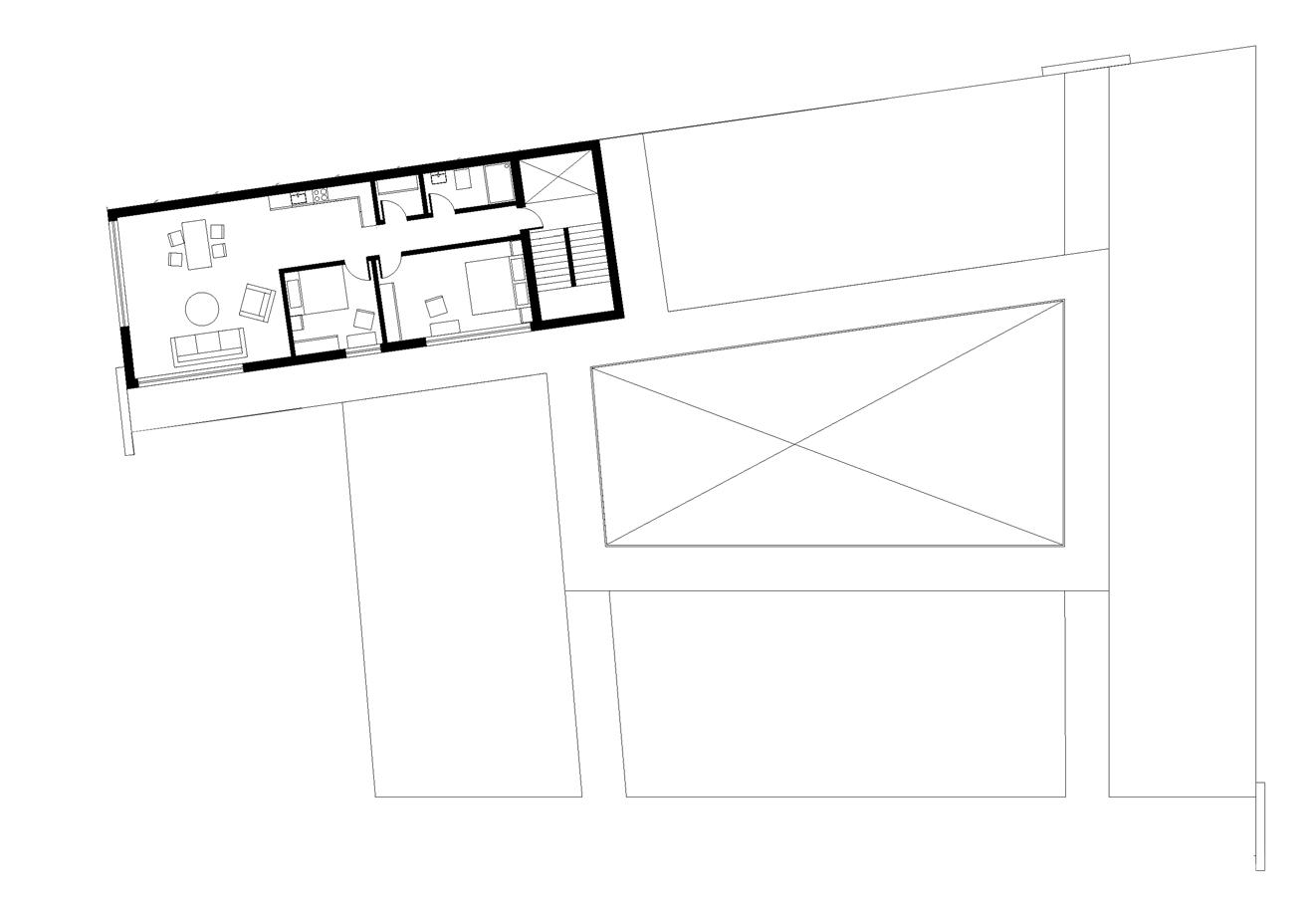
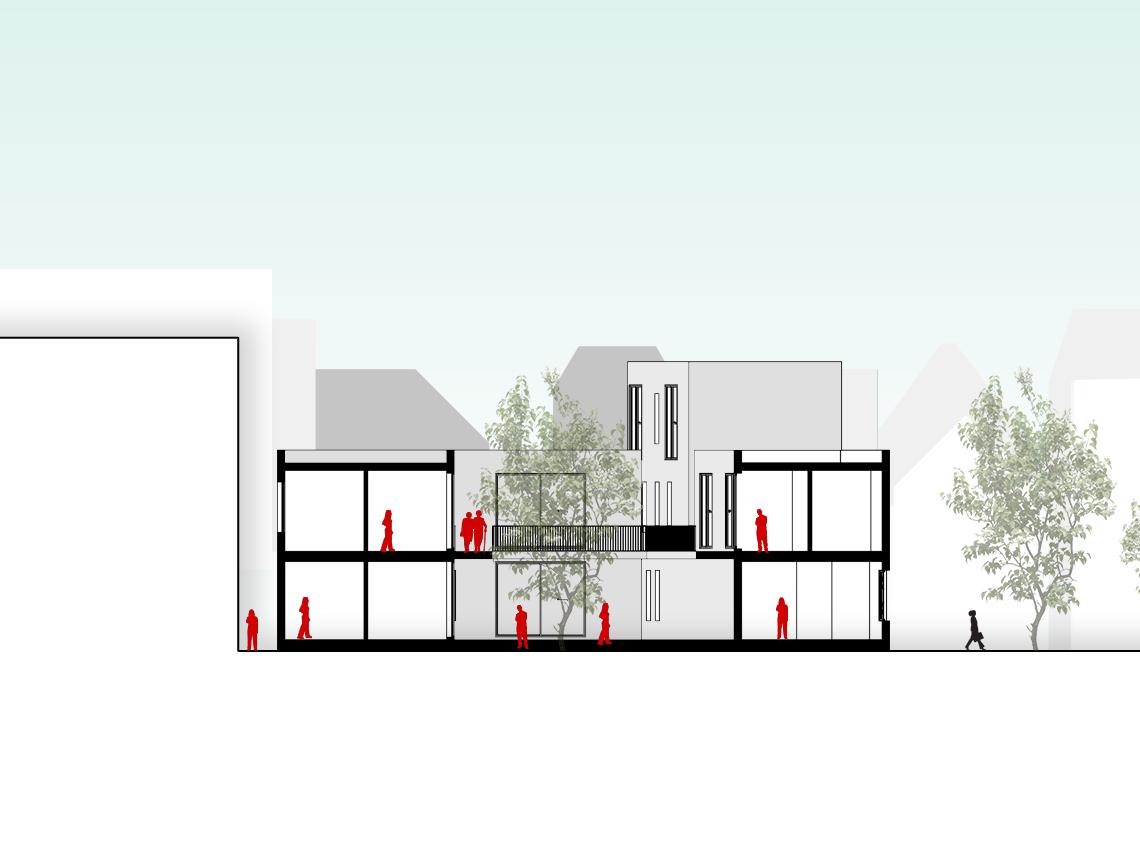
The dementia care home follows a radial organization - each unit is centered around a communal courtyard. The ground and first floor house all residents of the facility, as well as the shared spaces, while the second floor serves as the home of the care couple responsible for the home.
17
Scale 1:400
Section AA
Second Floor
Urban Profile Gedeempte Zuiderdiep
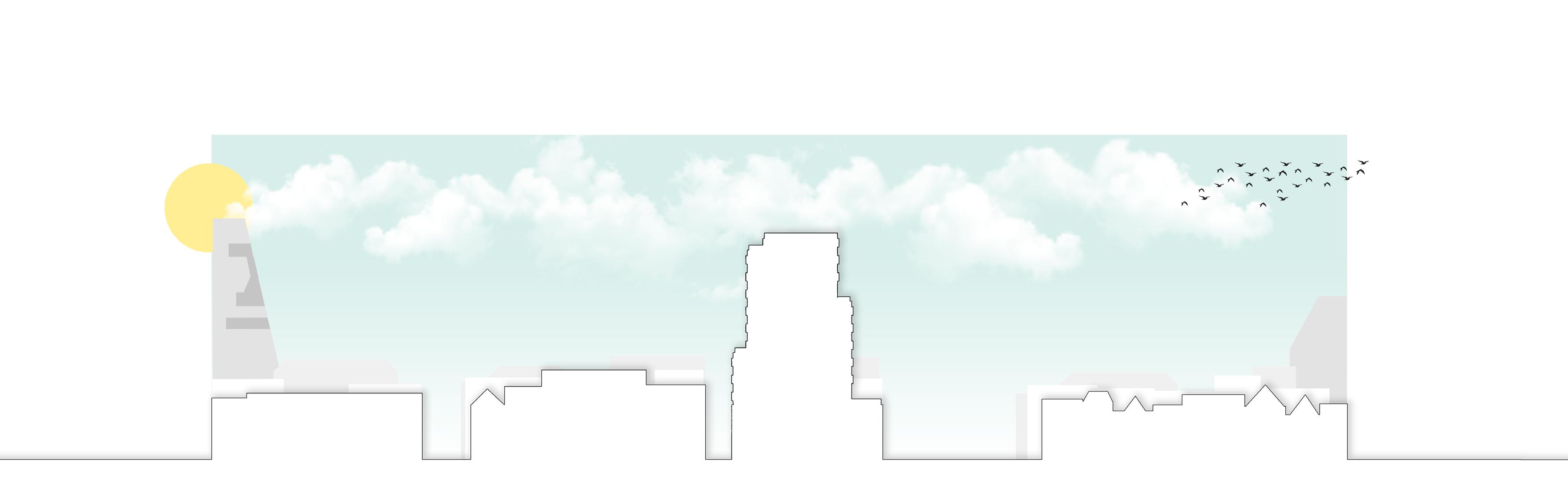
Urban Profile Herestraat
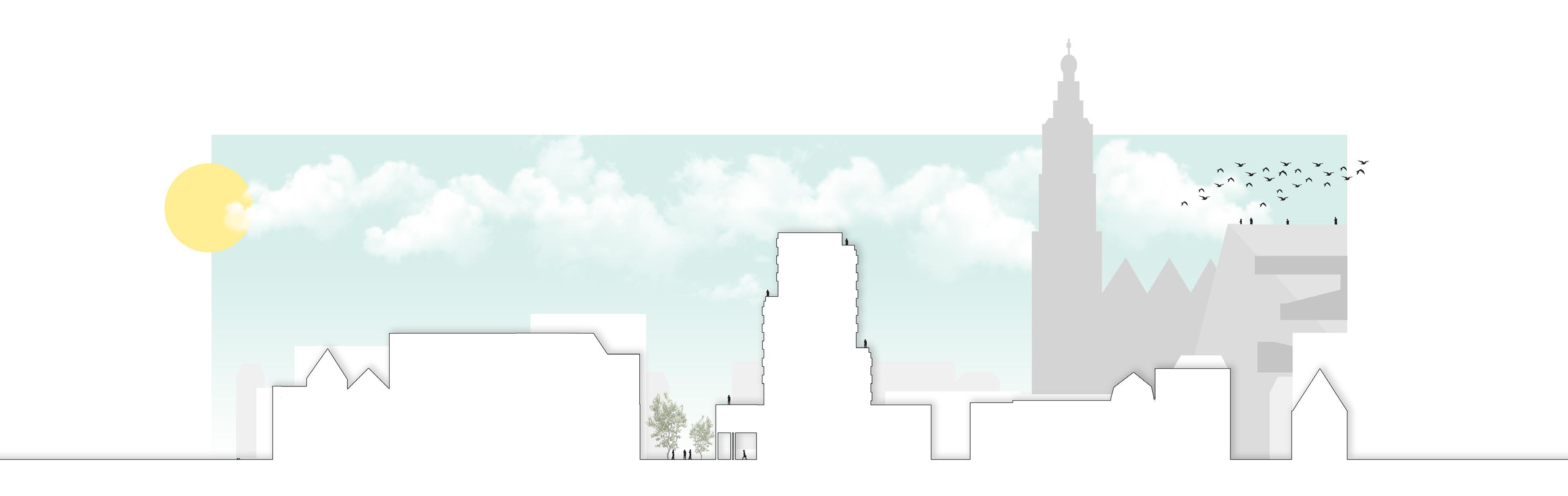
Scale 1:1000
NEW LANDMARK
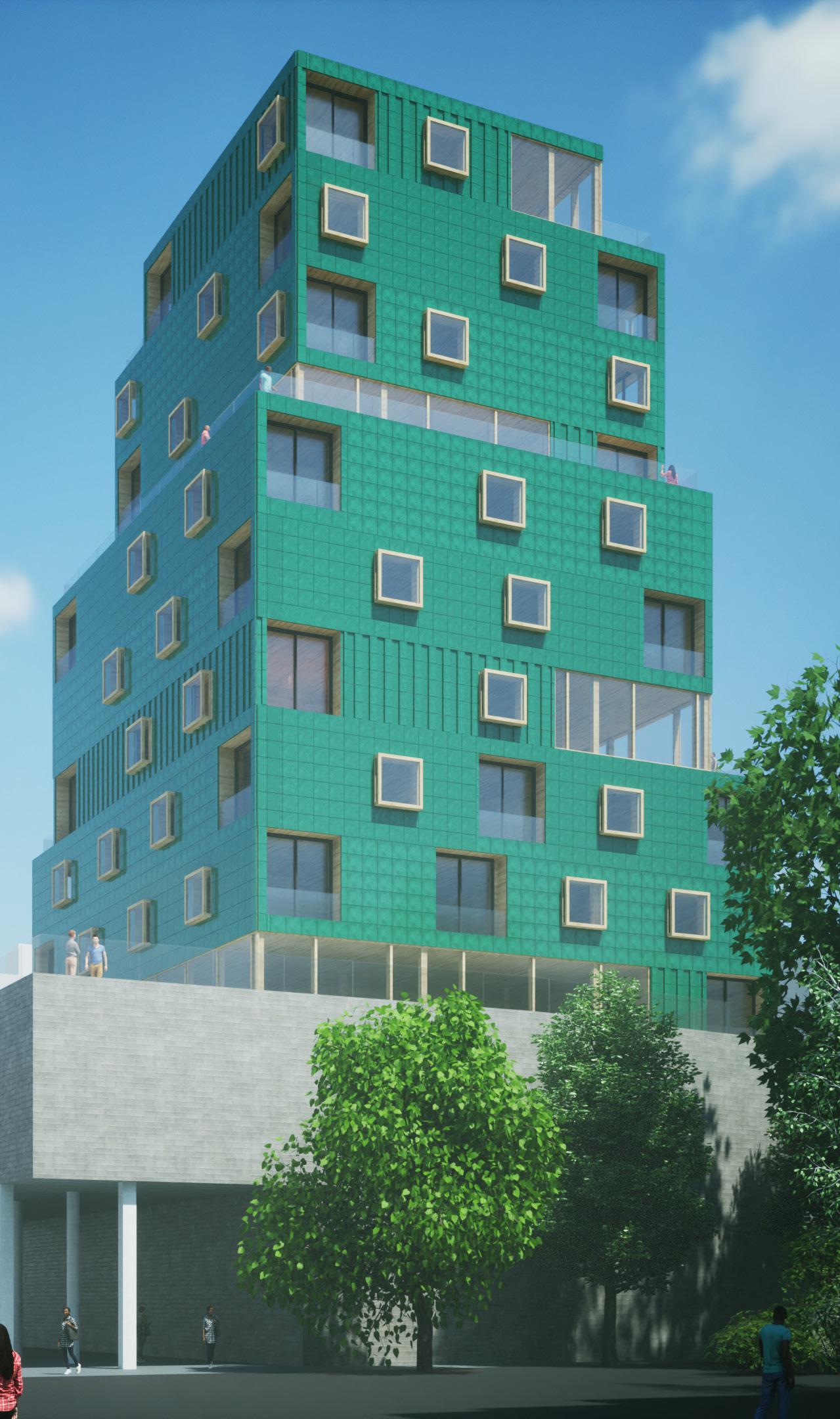
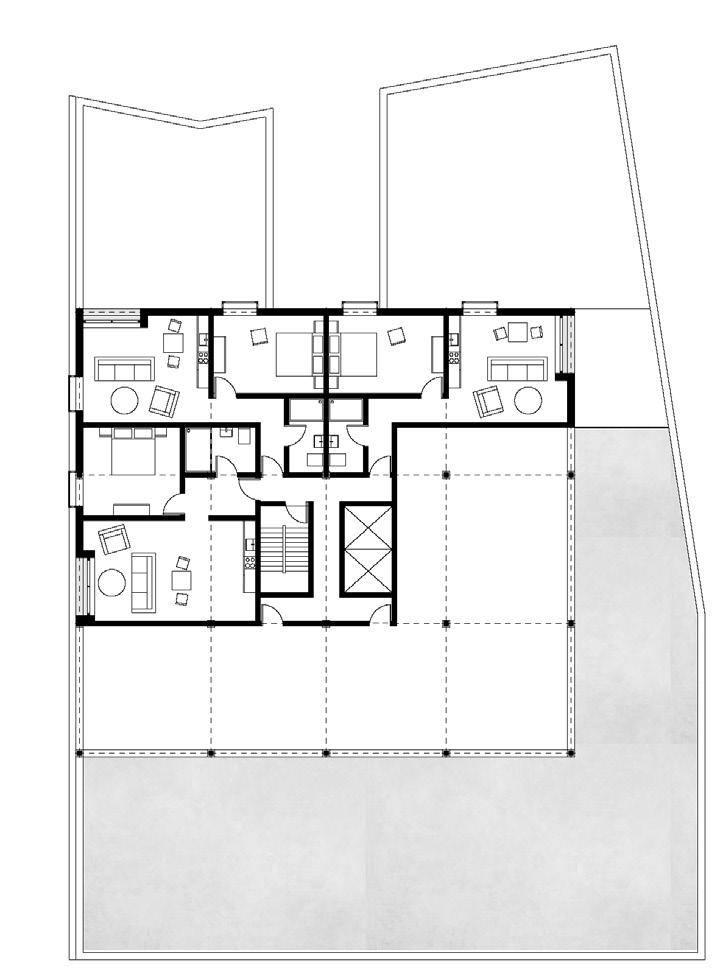
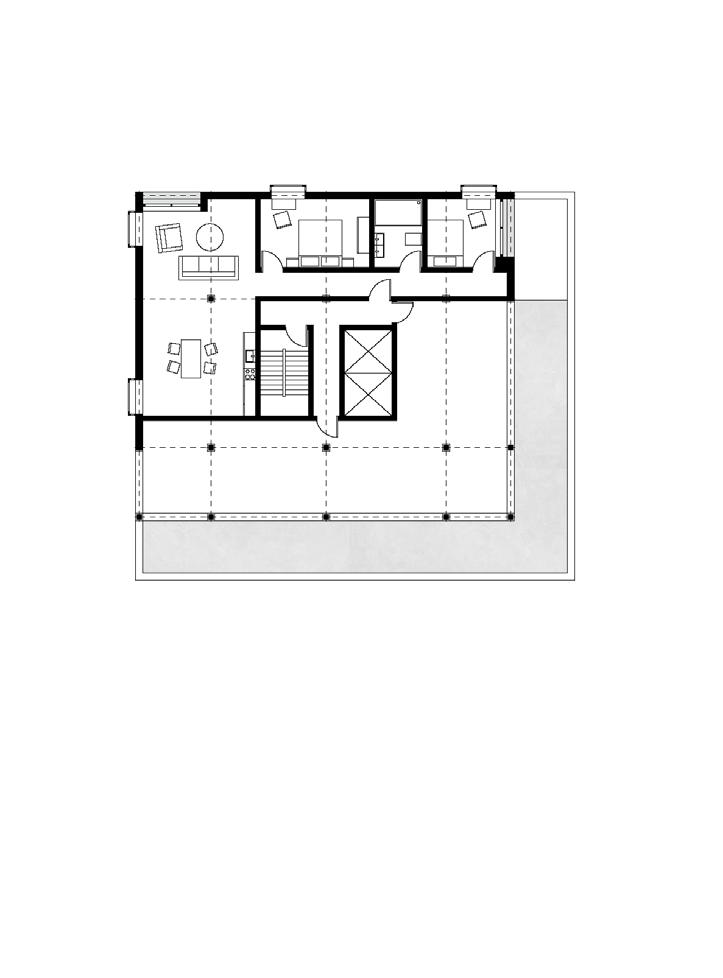
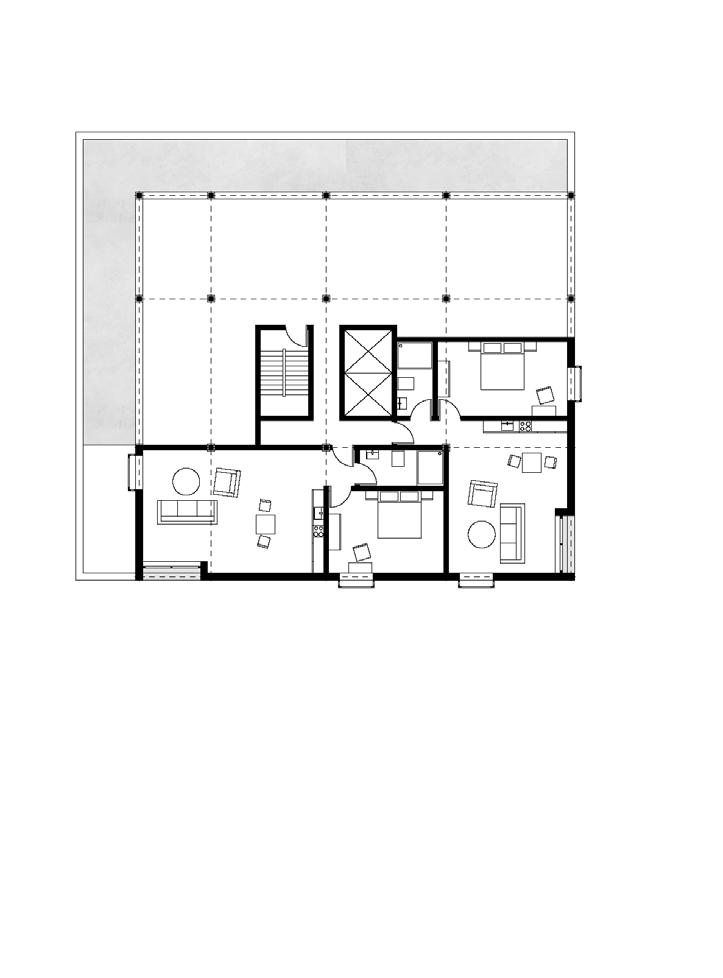
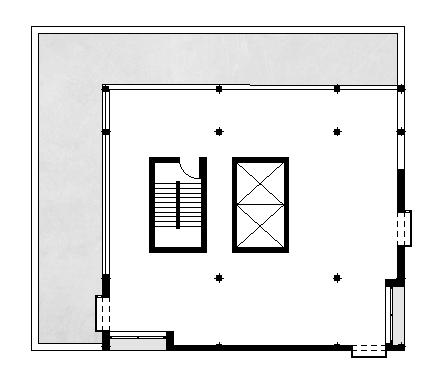
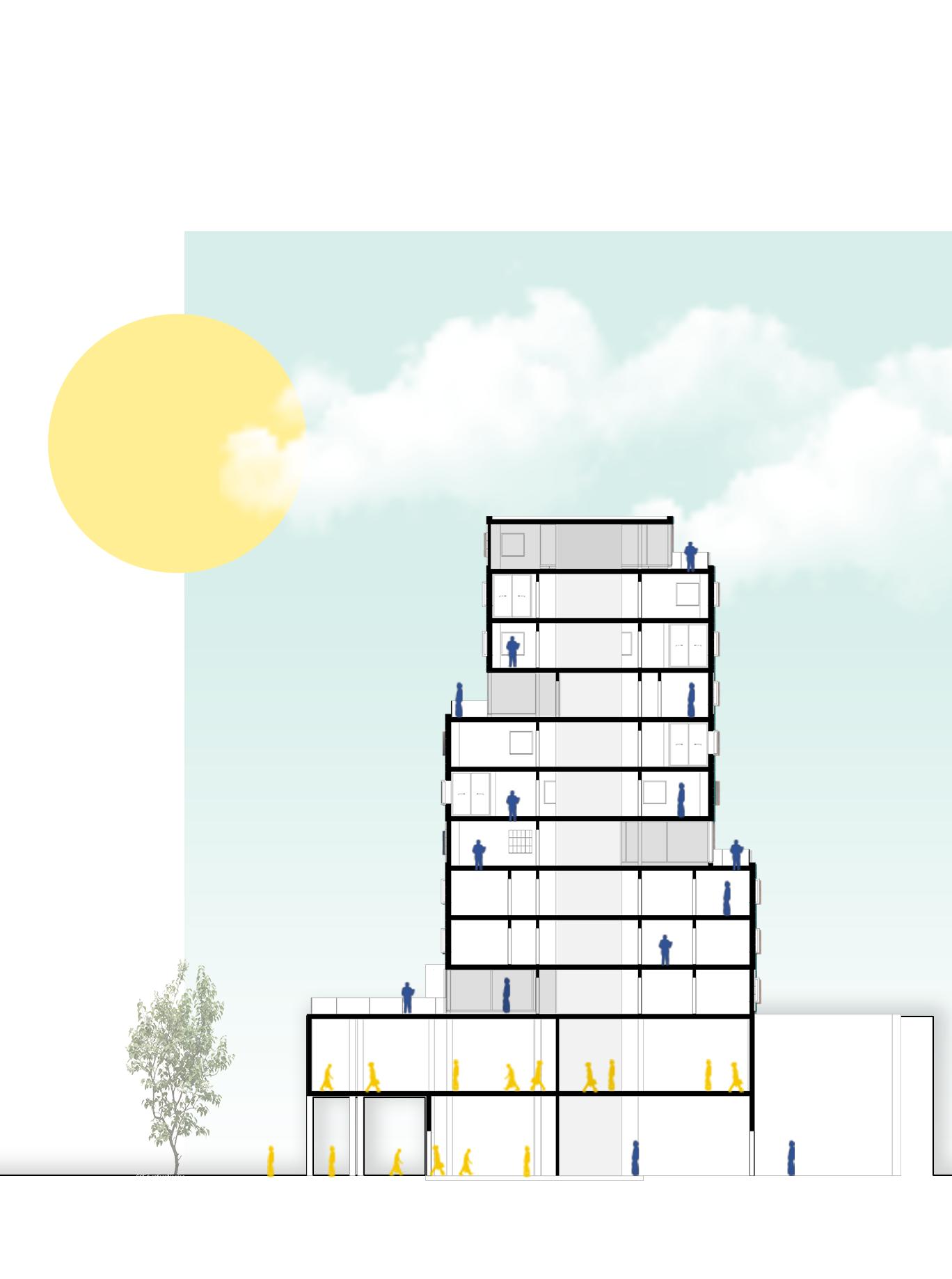
Opposite the dementia care home and on top of the C&A building, sits the tower of the people. It rises 10 stories above the C&A building, and each third floor two of its facades shift inward, creating large shared balconies for its residents.
It is meant to serve as the new landmark on the corner of the Herestraat, as well as providing its residents with striking views over Groningen.
19
Tower of the People
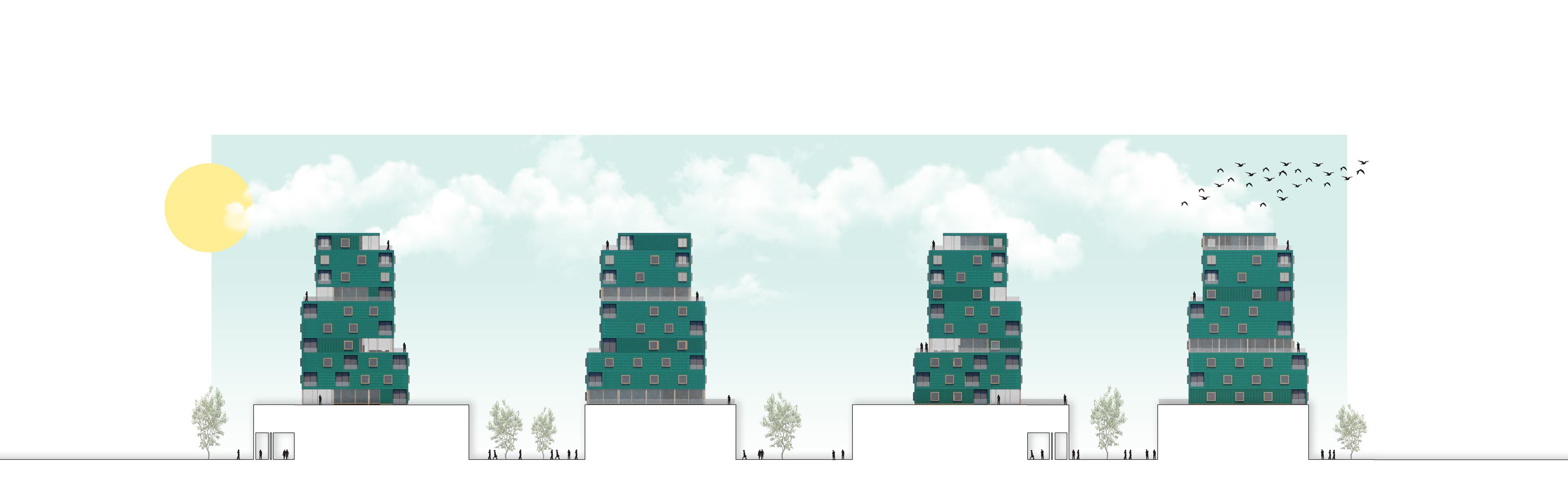
3) 1:500
6) 1:500 Sixth
1:500
1:500
Elevations Ground Floor Tower (Level
Third Floor (Level
Floor (Level 9)
Ninth Floor (Level 12)
Seventh/Eight Floor (Levels 10-11)
TOWER OF THE PEOPLE
Fourth/Fifth Floor (Levels 7-8)
The residents of the tower have their own separate entrance at the back of the C&A, guaranteeing privacy from the lively Herestraat. At each setback floor, half of the apartments are replaced by a shared living room - a communal space meant for residents to gather, relax, work, study, but most importantlyto connect to the city of Groningen visually.
First/Second Floor (Levels 4-5)
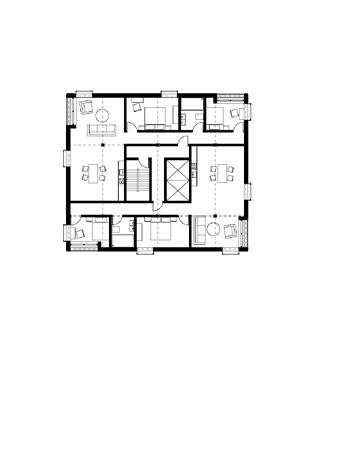
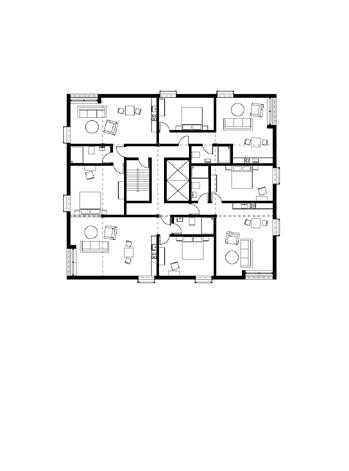
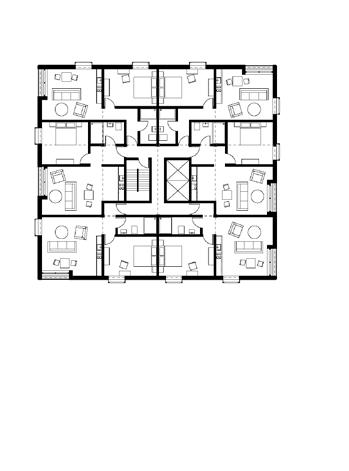
Scale 1:1000
Section BB 1:500
21
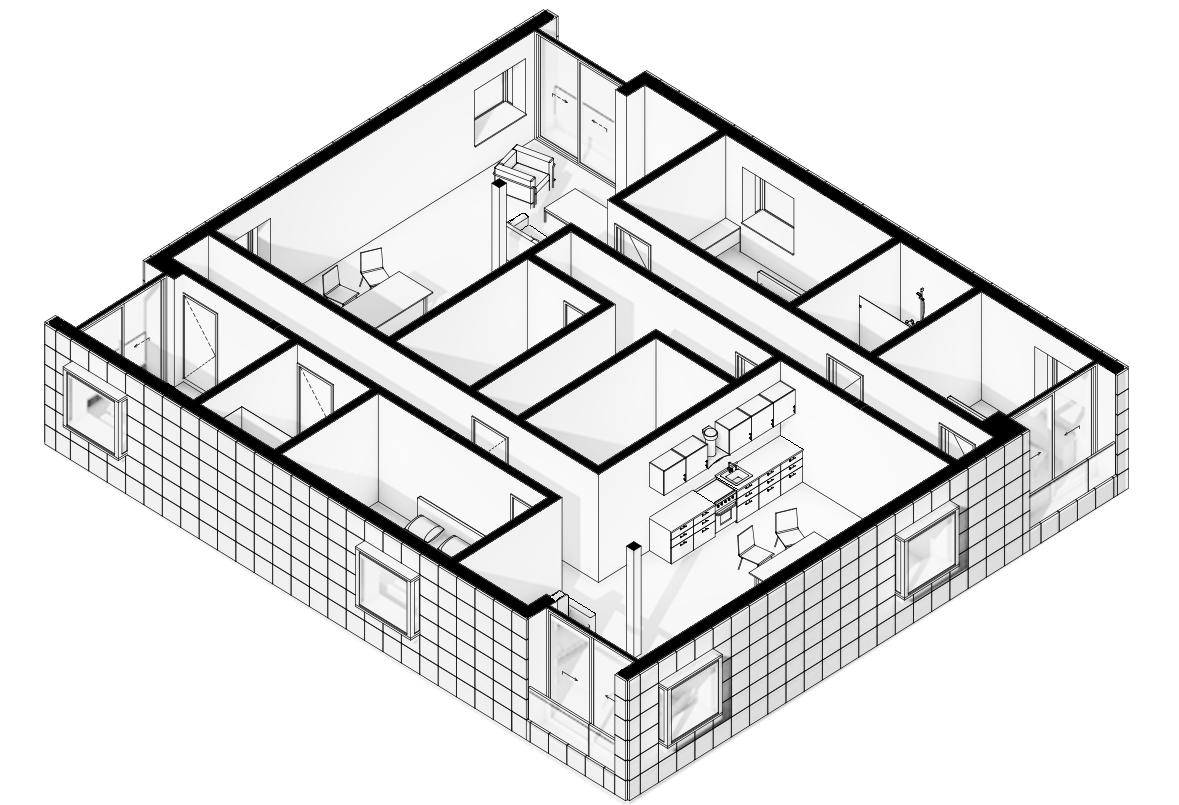 Eight Floor Tower (Level 11)
WINDOWS
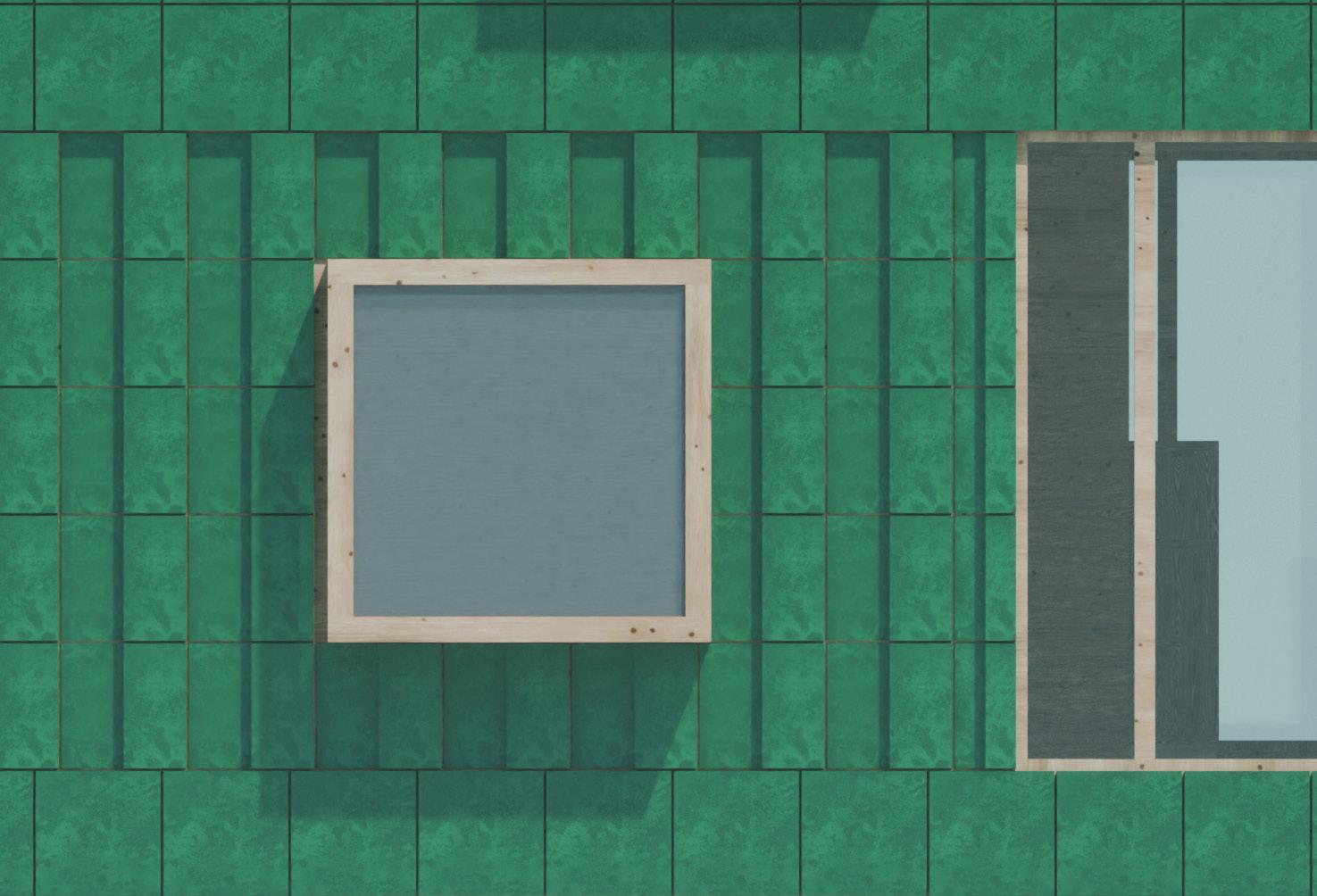
Each apartment in the tower features two types of windows - an extruded and an indented one.
Airtight Seal
Each apartment has its living room at the corner, the most prominent location - and each corner has an indented window at one side. Furthermore, each room has at least one extruded window.
Waterproofing
Membrane
Flashing
Waterproofing
Membrane
Airtight Seal
This rule ensures that each room is properly lit, and in the same time it creates the distinctive pattern of the facade of the tower.
Airtight Seal
Flashing
23
Scale 1:15
Window Detail
Ceramic Cladding Glass Railing
FAÇADE
The façade of the tower uses bluish green ceramic panels - reminiscent of the window frames of Groningen’s historical homes.
Each floor with a terrace and a communal living room has a different pattern - similar to the one seen at the current C&A building.
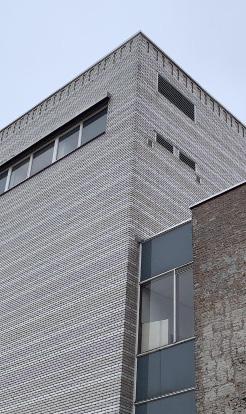
25
C&A Building Façade
location: rotterdam, nl
year: 2021
RUÏ NE
DE
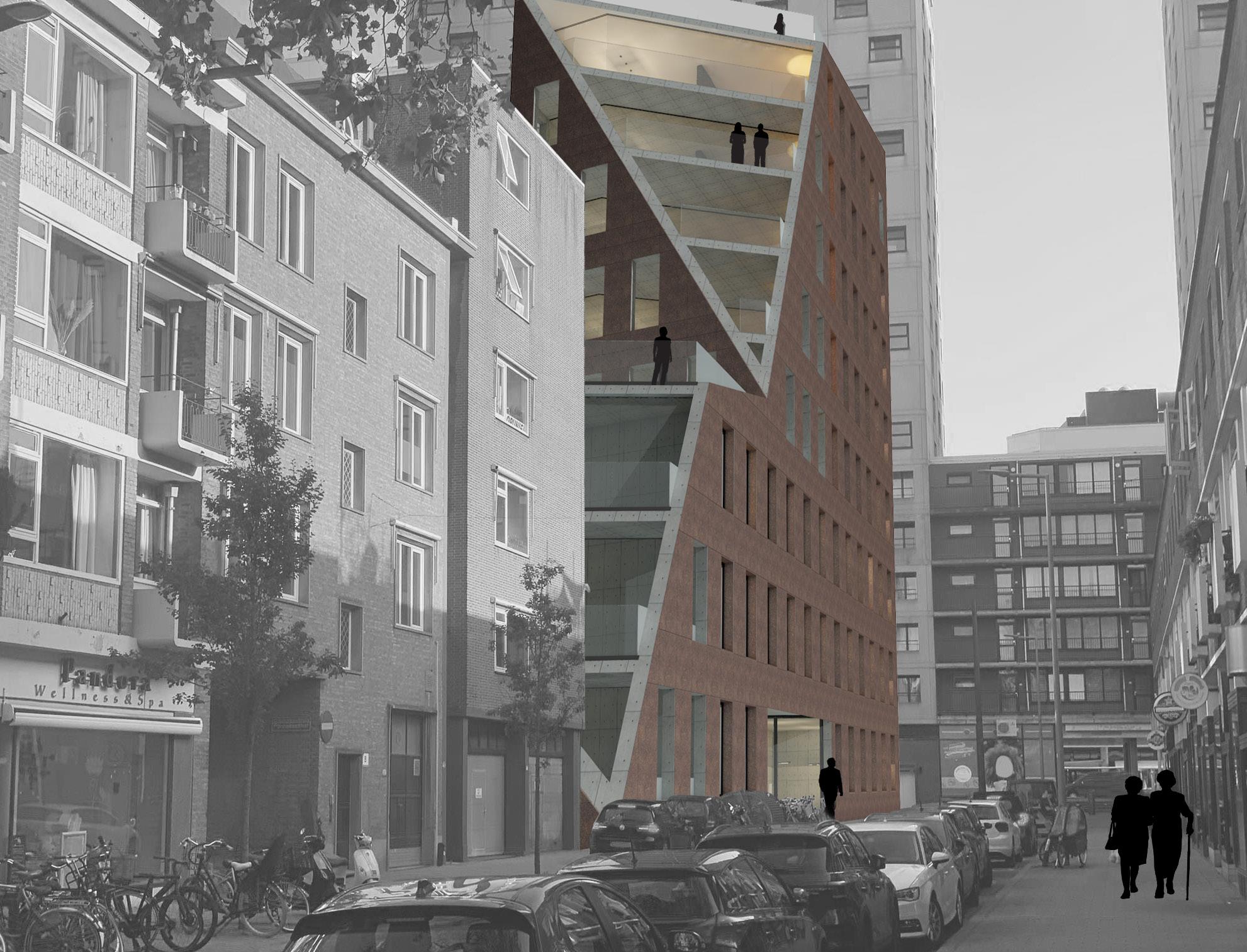
THE MISSING LINK
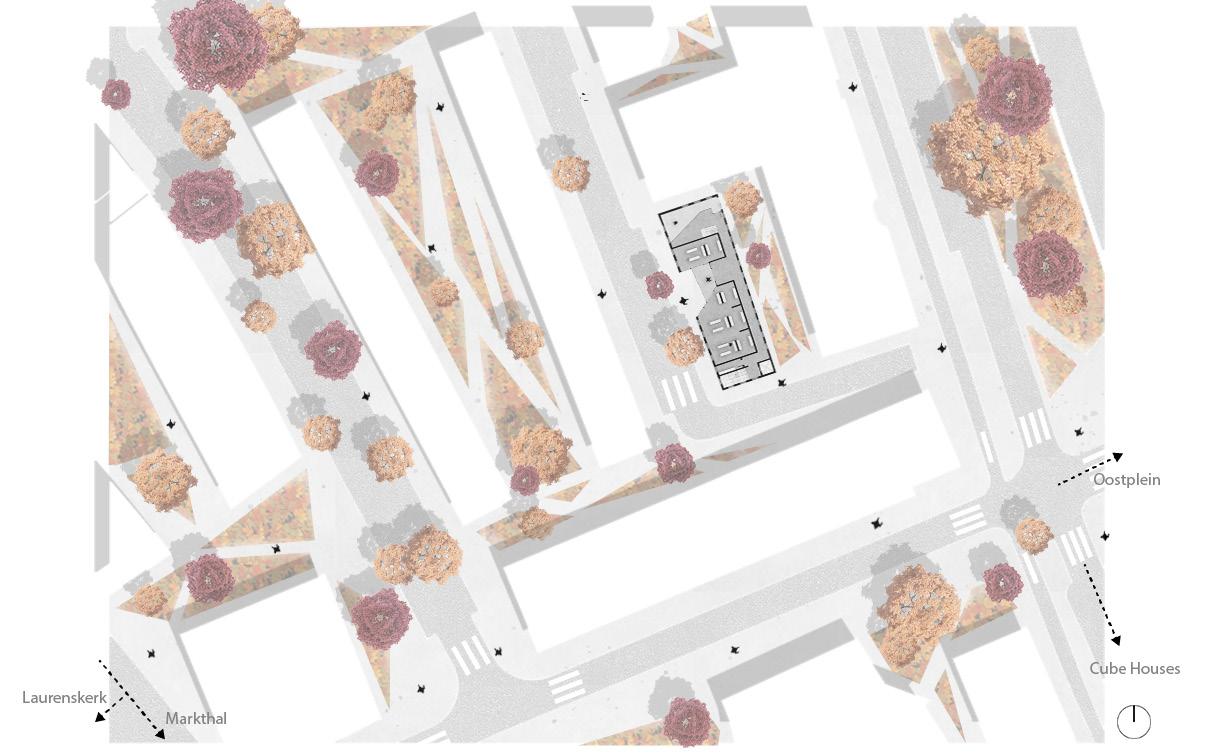
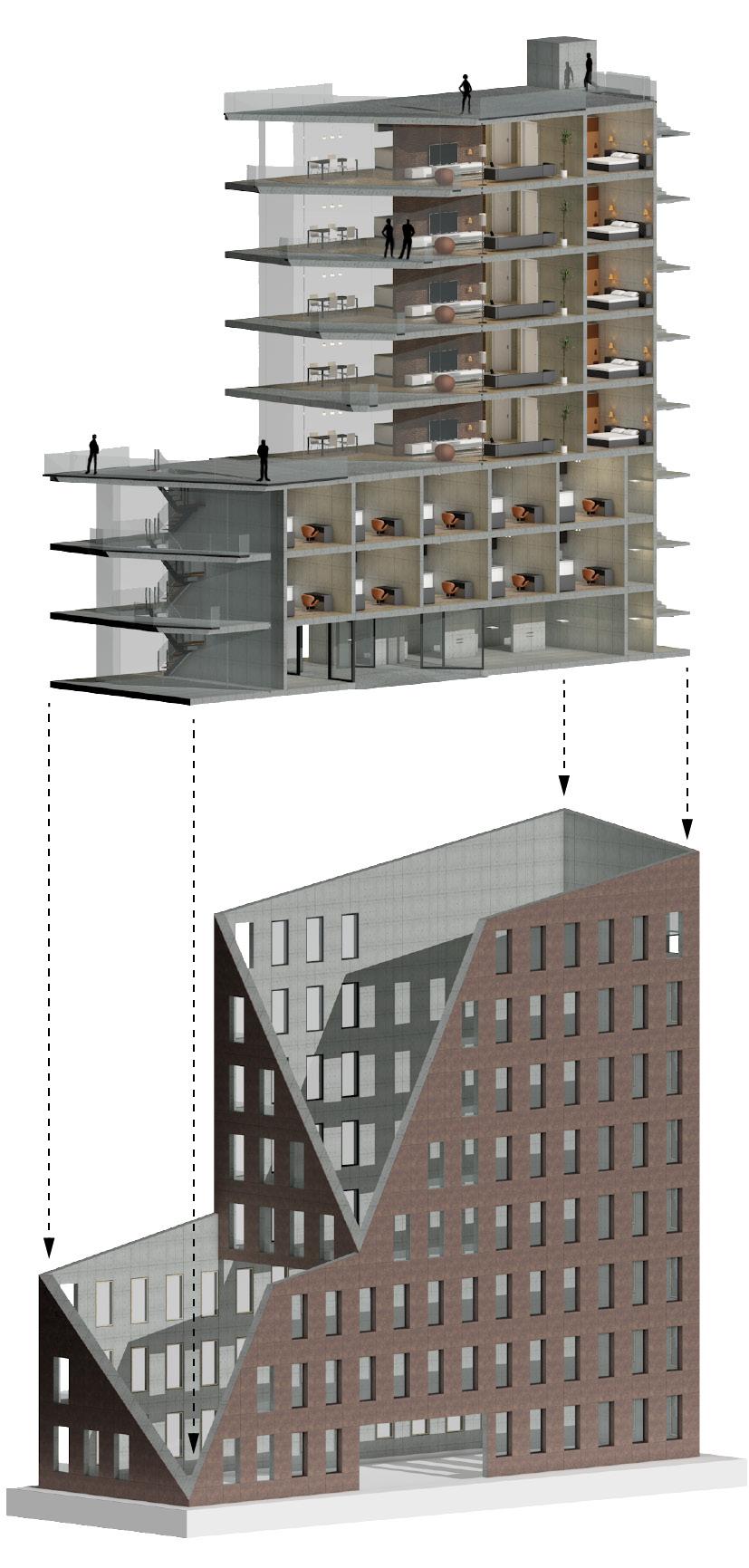
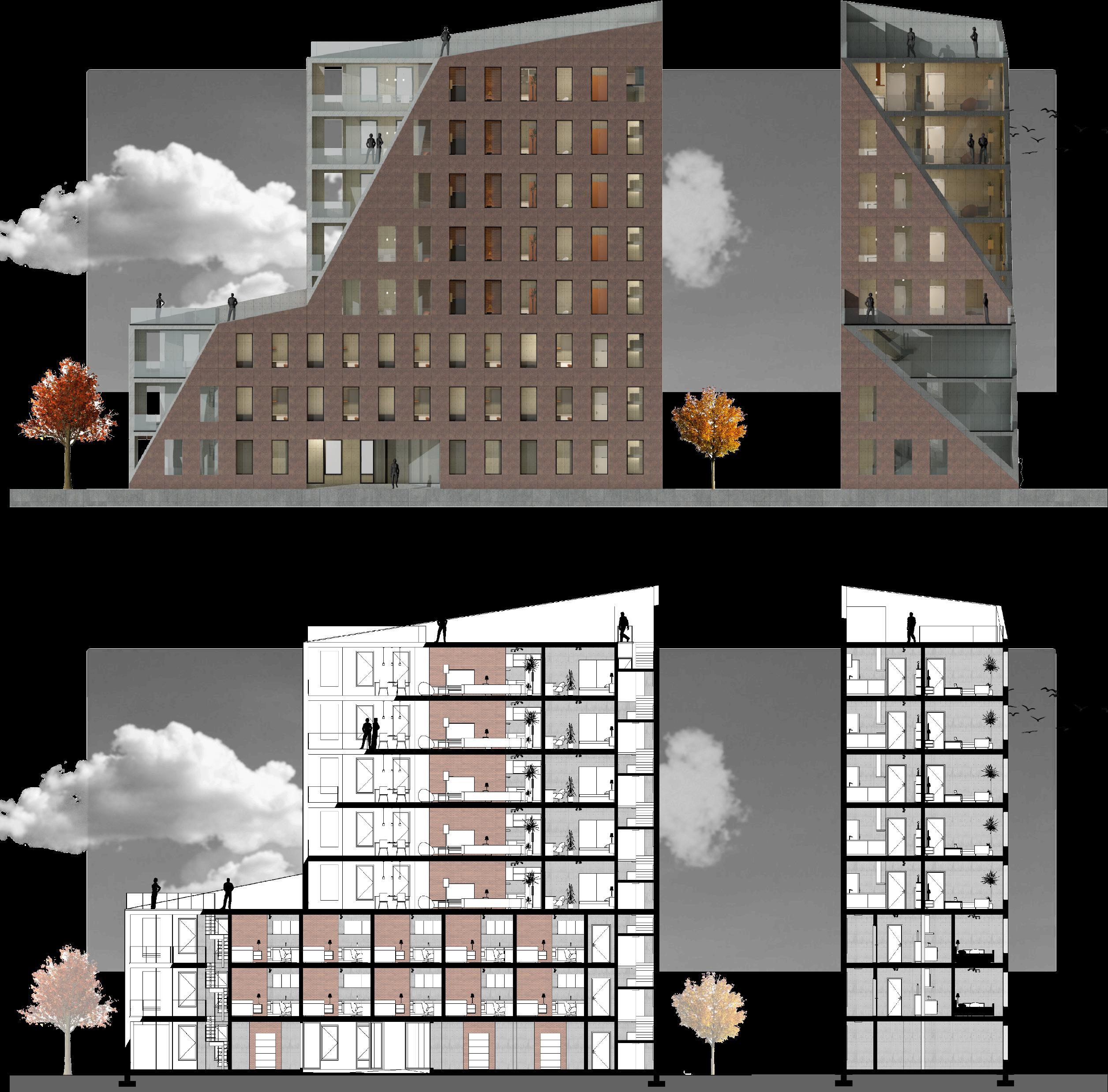
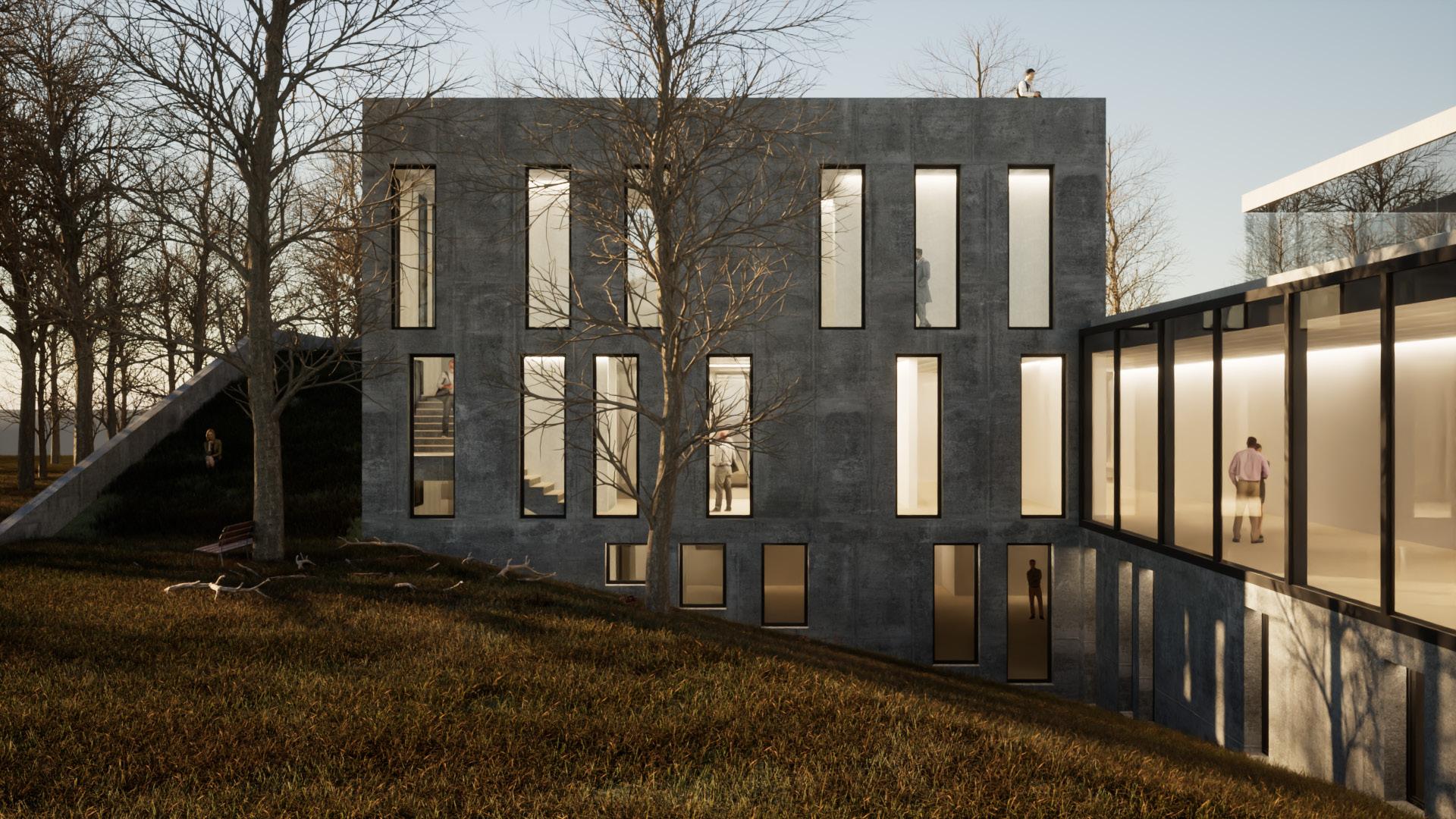
Situated on a narrow plot, surrounded by buildings on three sides and bound by strict height restrictions, De Ruïne makes full use of its surroundings.
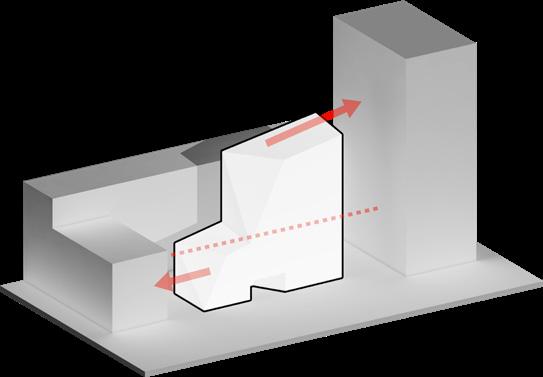
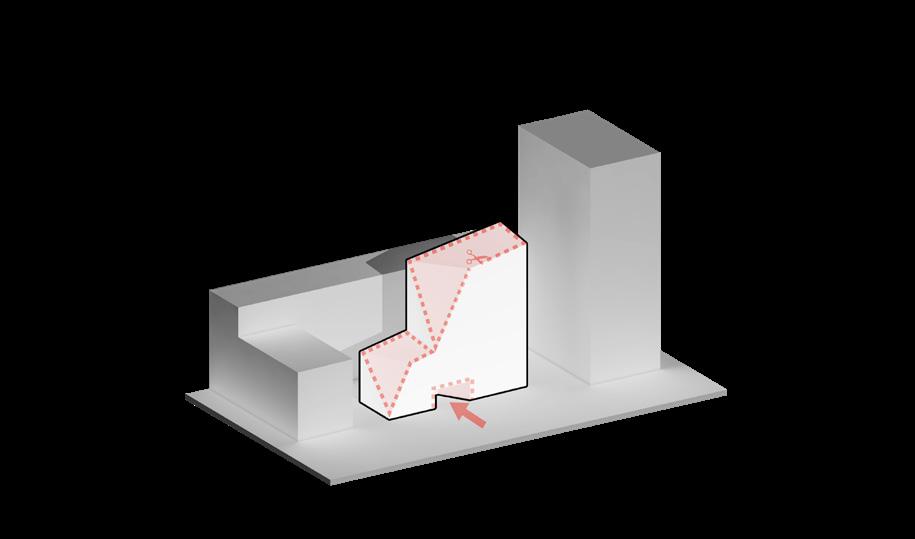
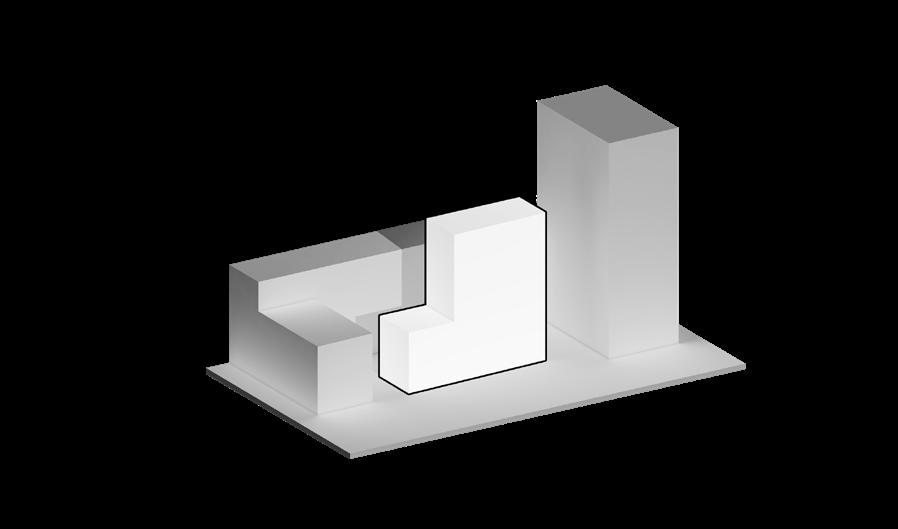
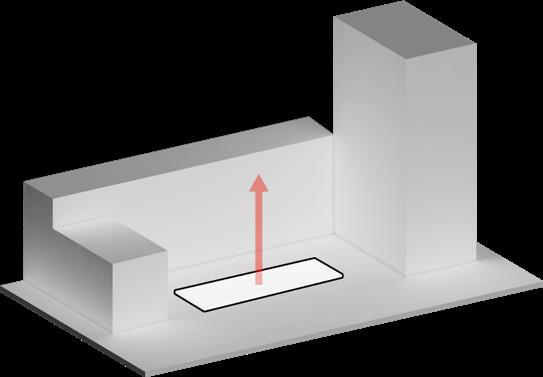
The volume is carved for maximizing the usable space, while simultaneously opening the building up – providing balconies with striking sights of Rotterdam, and a clearly distinguishable entrance.
29
Scale 1:650
Skin and Skeleton
 West and North Elevations
Sections AA and BB
West and North Elevations
Sections AA and BB
UNFOLDING ENVELOPE


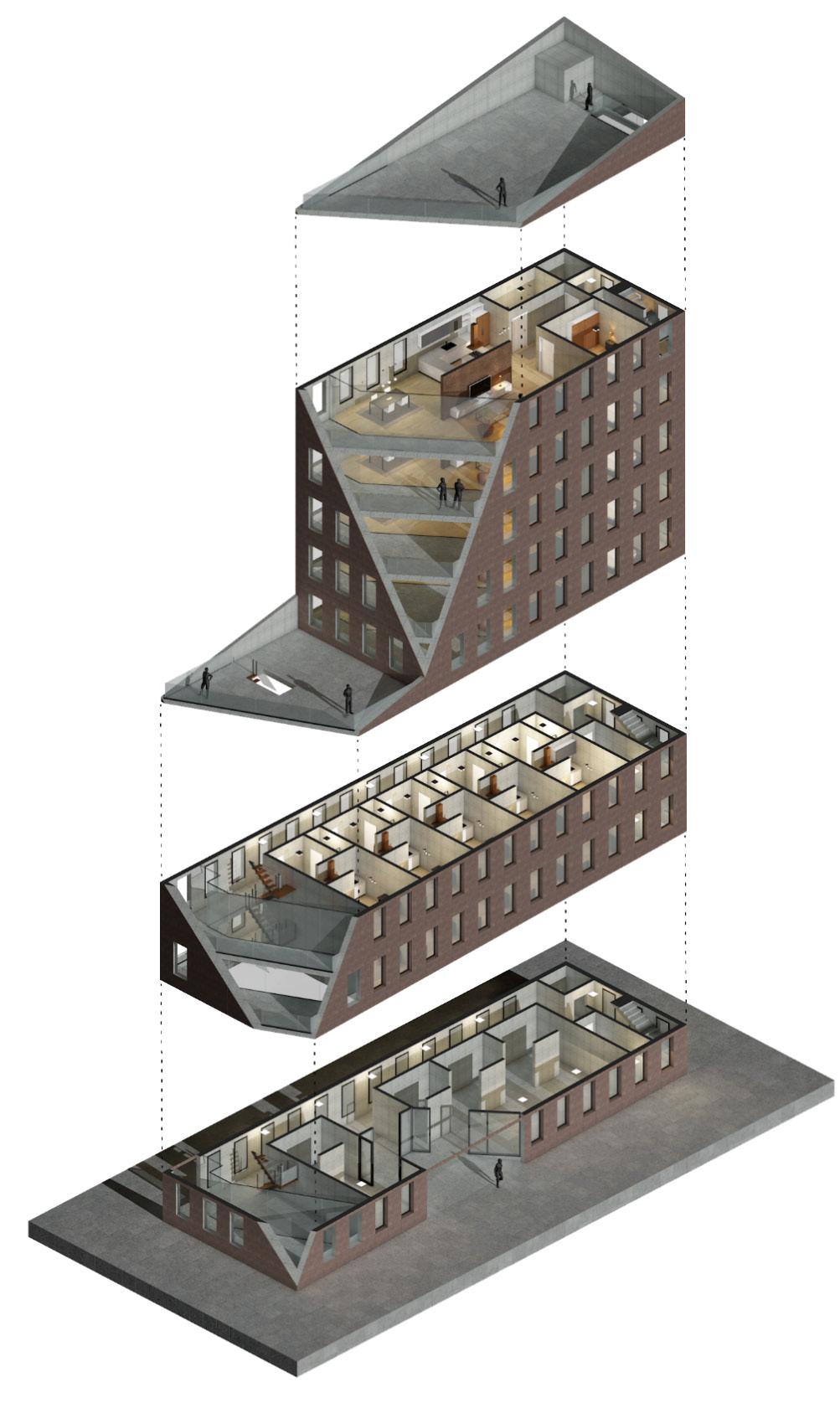
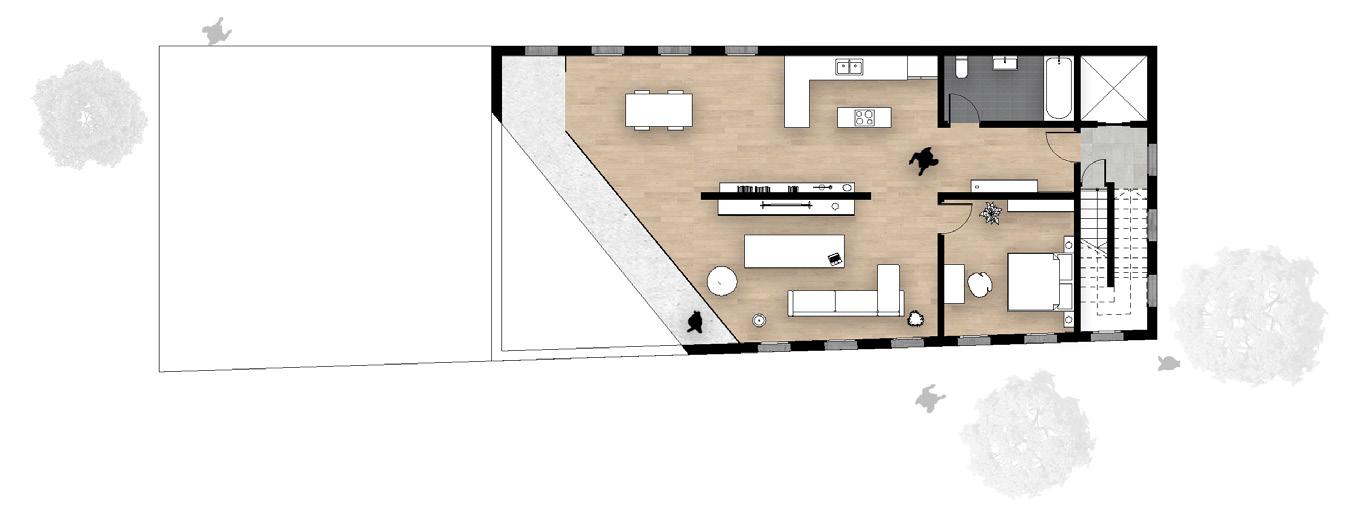
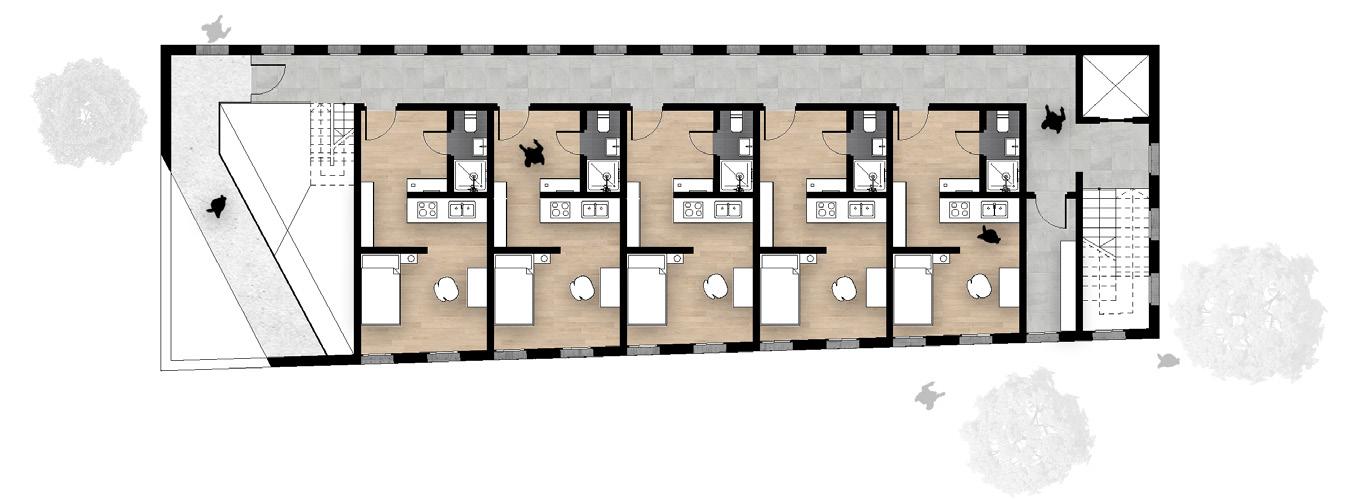
De Ruïne follows a clear organizational hierarchy – separating public from private completely.
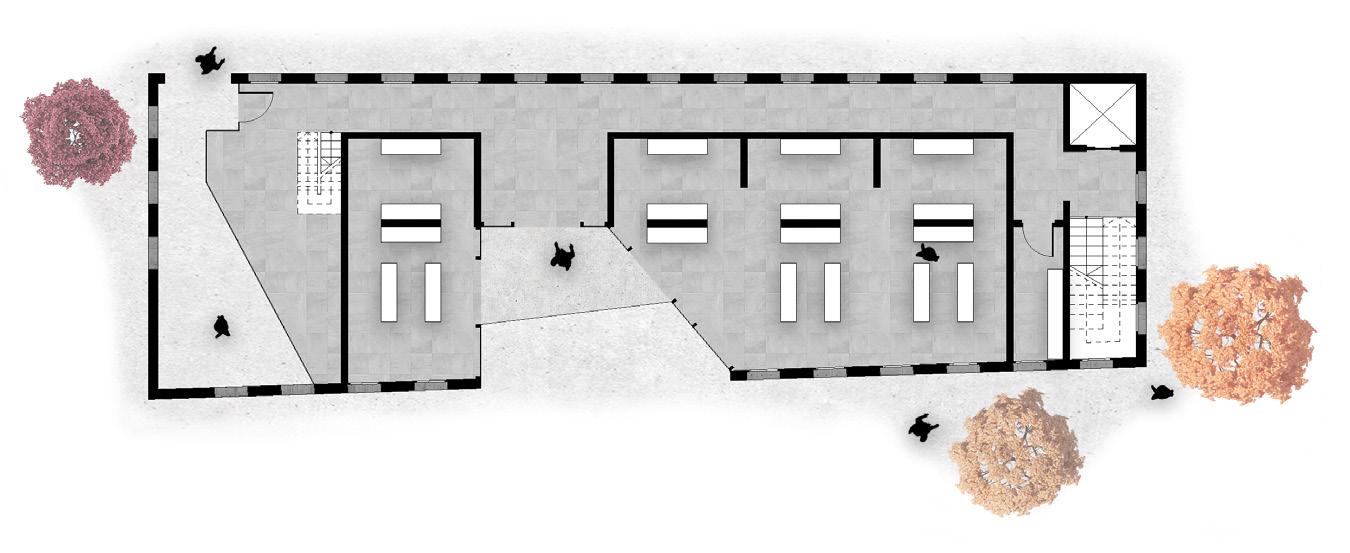
As it ascends from the public square, the volume gets lighter and lighter, in tandem with the interior. It shifts from the public shops, through the densely stacked studios, the spacious apartments, and culminates in the rooftop terrace.
31
Scale 1:350
B B B A A A A A A B B B
Floors 3-7 - Apartments
Floors 1-2 - Studios
Ground Floor - Shops
KRÖLLER-MÜLLER MUSEUM EXTENSION
location: otterlo, nl year: 2021
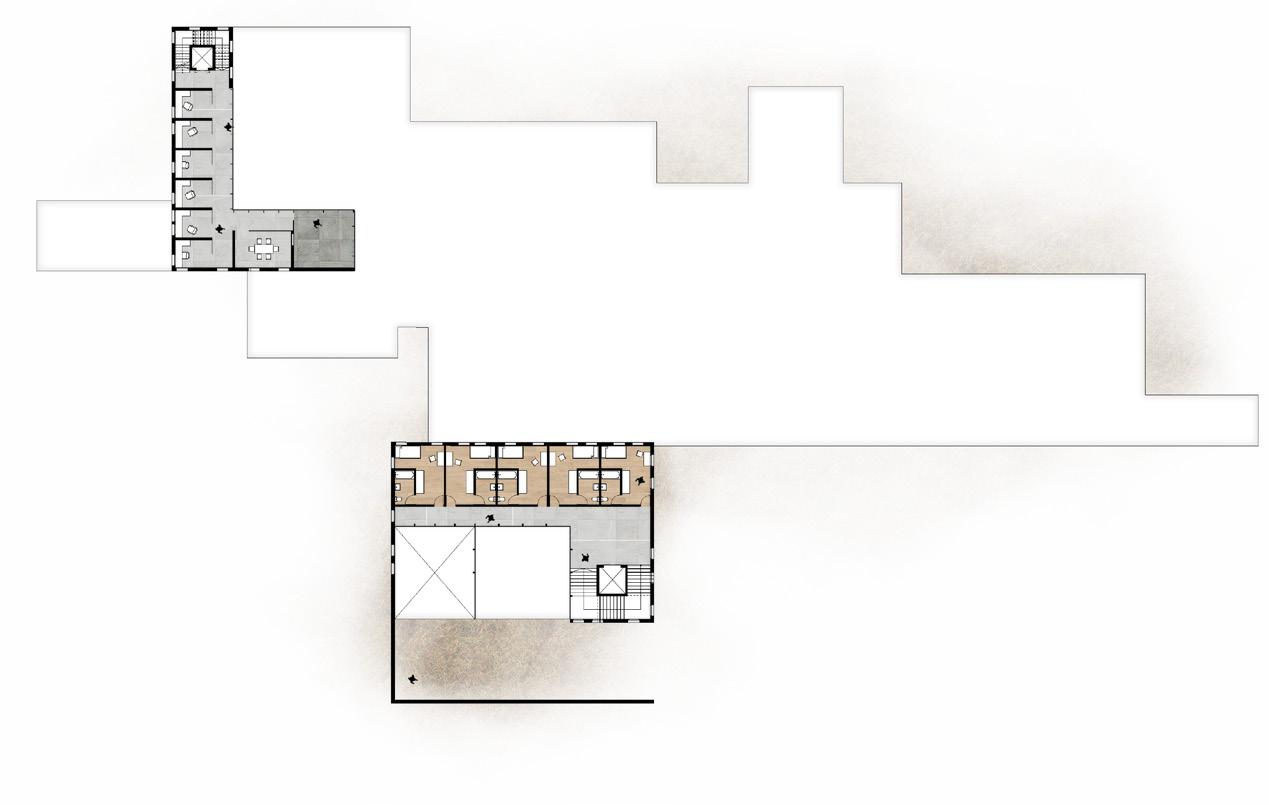
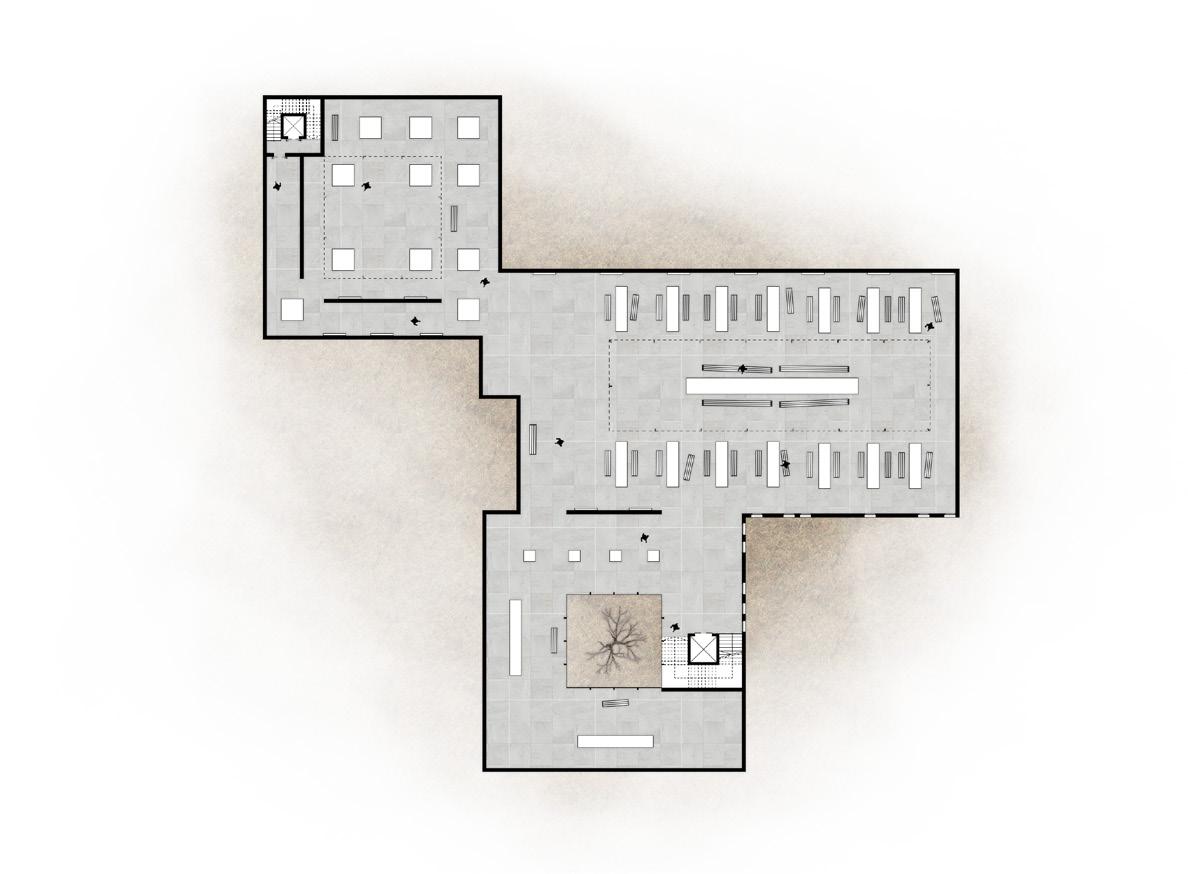
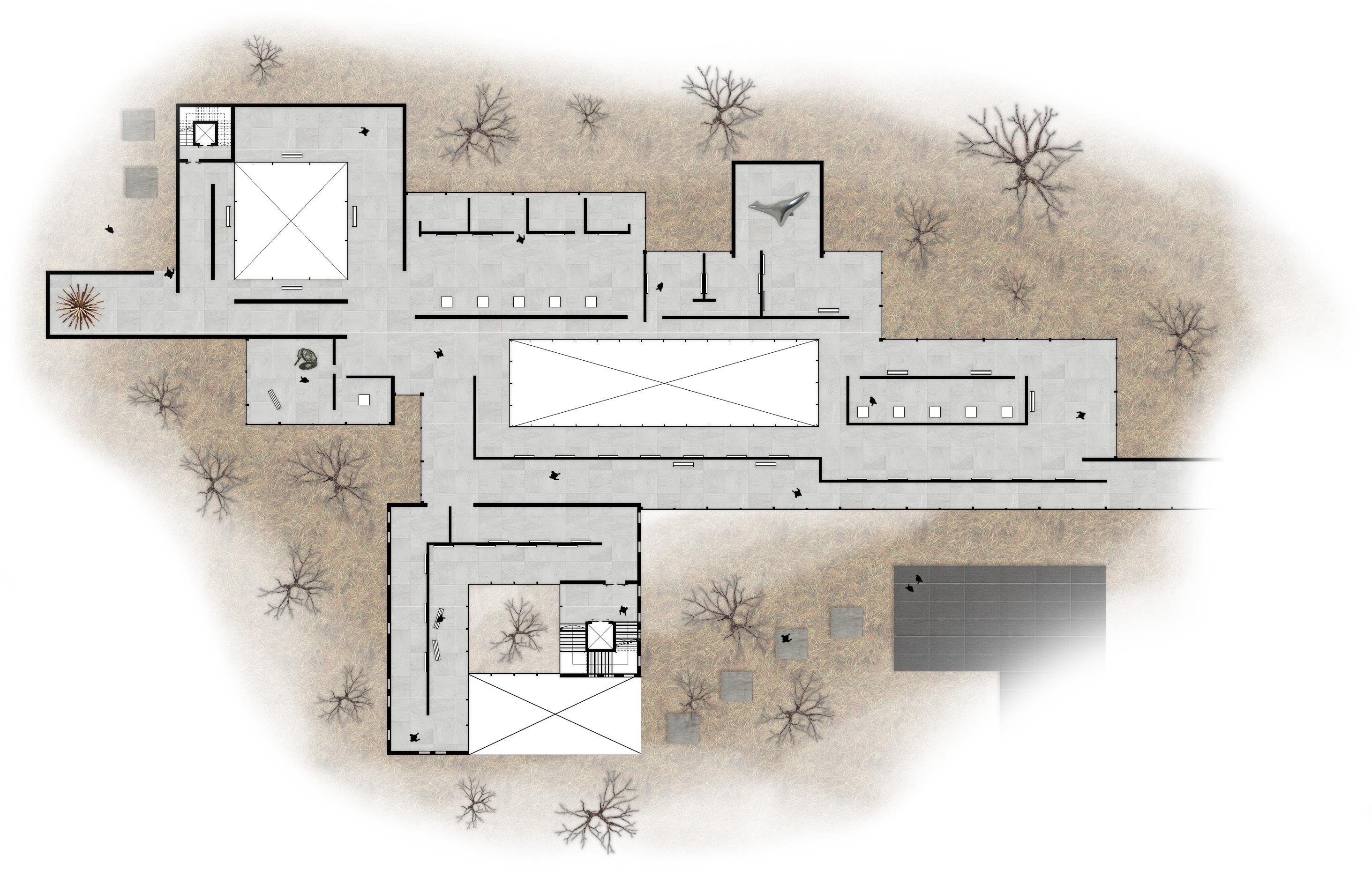
Basement First Floor 4 2 3 1 8 9 1 2 5 5 7 6 3 5 5 10 4 Ground Floor 1:650 B A C C B A
2021
1970s
1950s
1938

To be demolished
Visitors
Artists
Employees
Scale 1:1000
ALL ROADS LEAD TO ROME
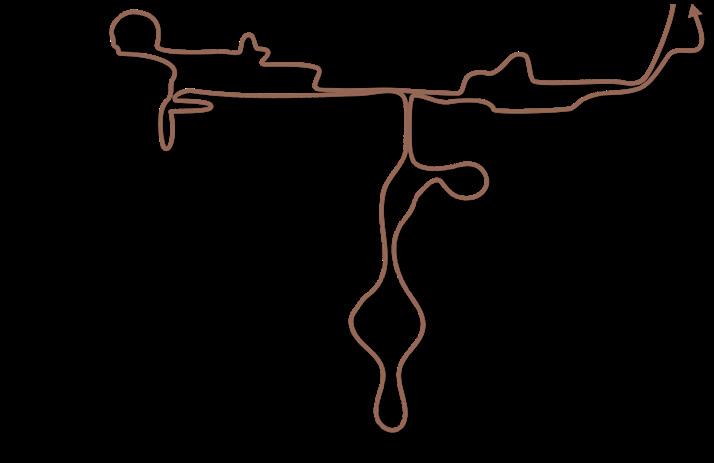
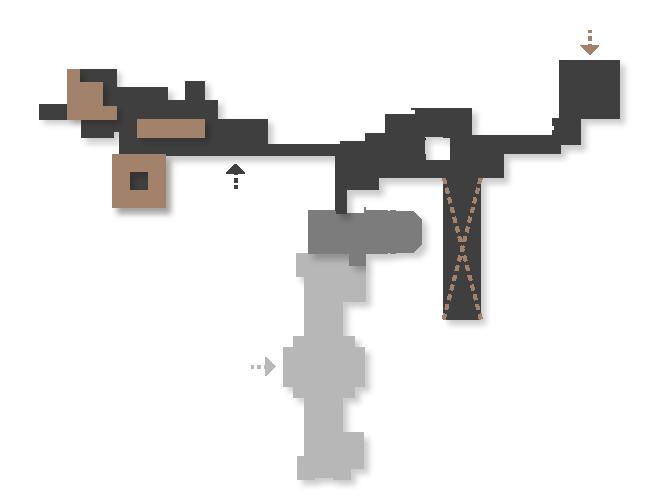
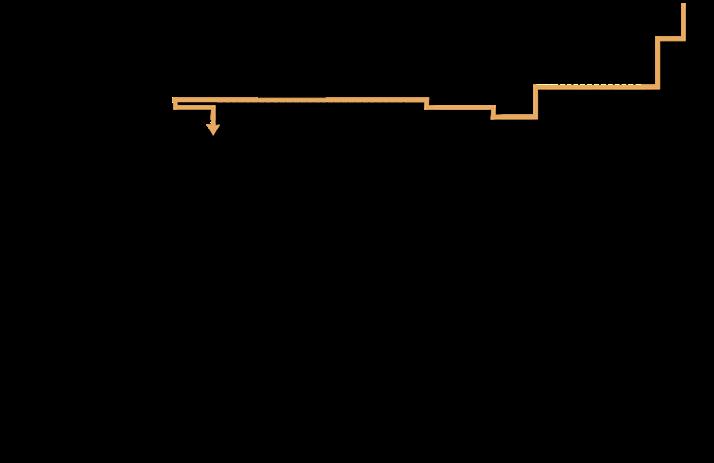
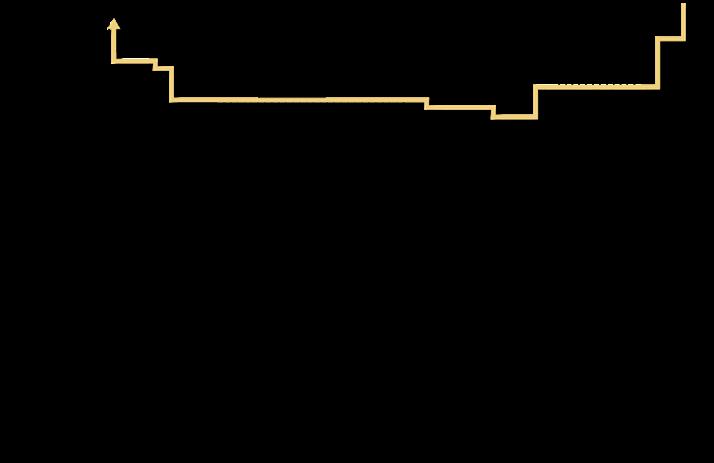
The museum has seen numerous transformations,. The symmetry of the original building has been disrupted, with little attention paid to the routing, which the latest expansion aims to address.
The visitor, the employee and the artist all share similar paths, ensuring easy access to each one’s destination, while remaining in tune with the organism of the building.
Routing
35
1. Artwork Depot
2. Atelier
3. Study House
4. Inner Courtyard
5. Exhibition Space
6. Entrance to Offices
7. Entrance to Hotel and Basement
8. Hotel
9. Offices
10. Rest of Museum
Old Entrance
New Entrance
Current Entrance
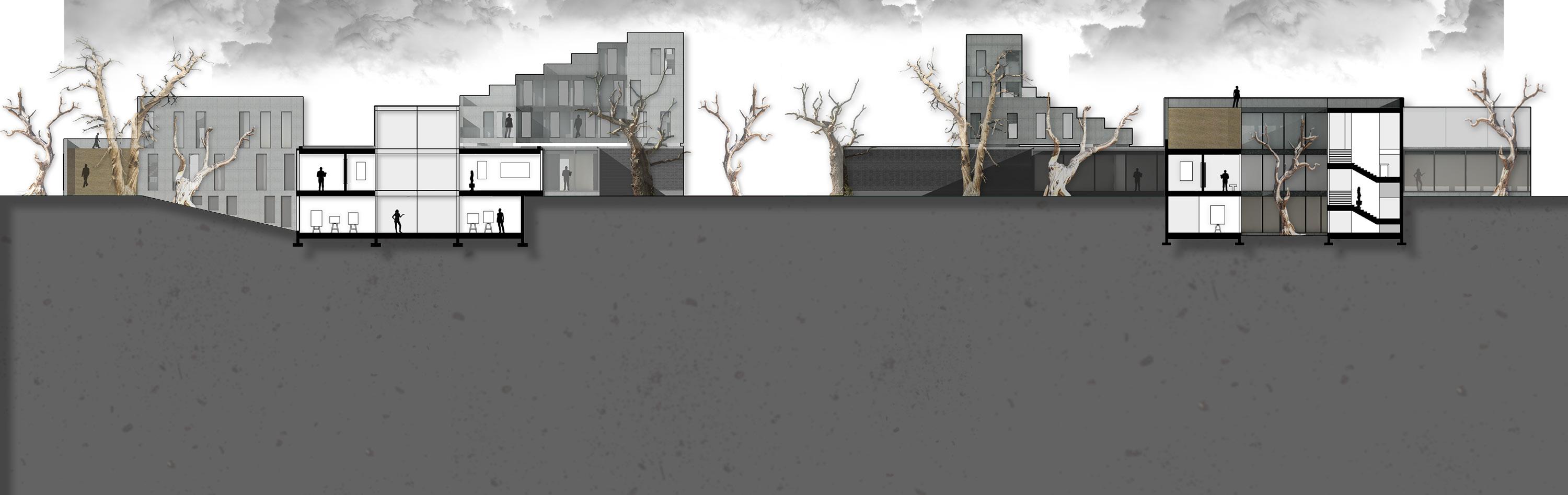
Section AA 1:300
South Elevation/Section BB
West Elevation/Section CC
A VERTICAL BRIDGE
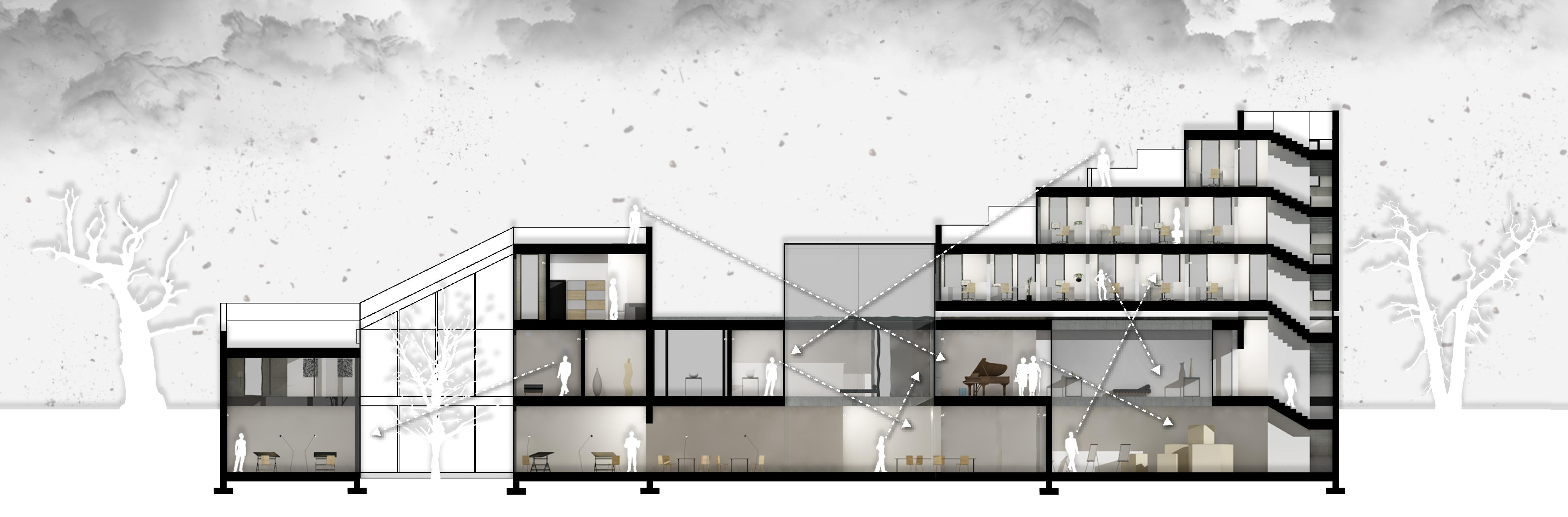
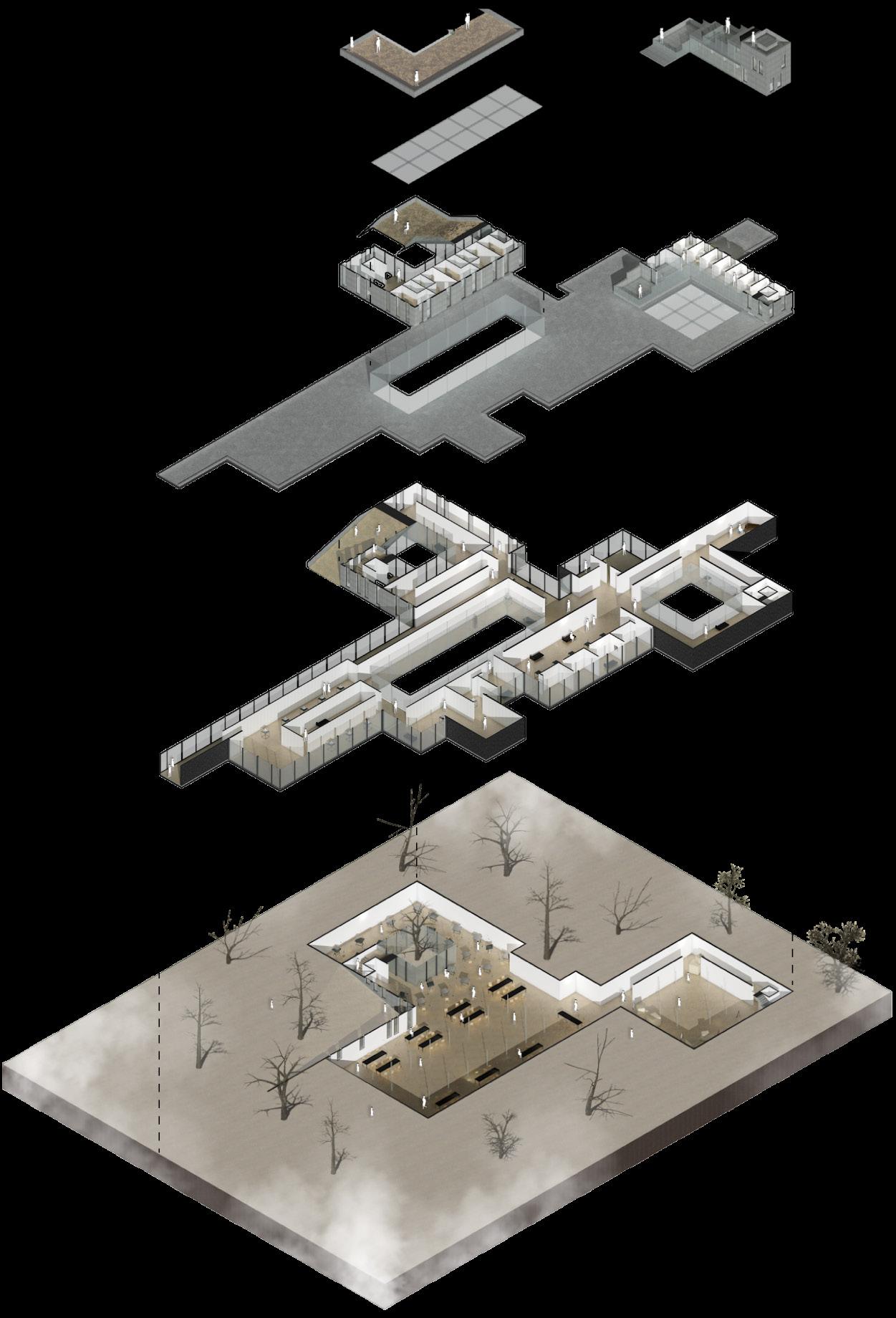
The use of vertical voids in the wing emphasizes the connection between the building’s different functions, tying the public with the private. They ensure that everyone inside (and outside) gets to experience the whole package, without interfering with any activities taking place.
Exploded diagram
37
Scale 1:500
ENGLISH GOTHIC CATHEDRAL
location: minecraft
year: 2018
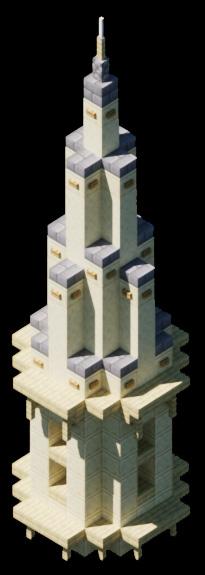
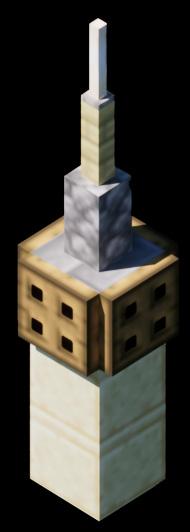
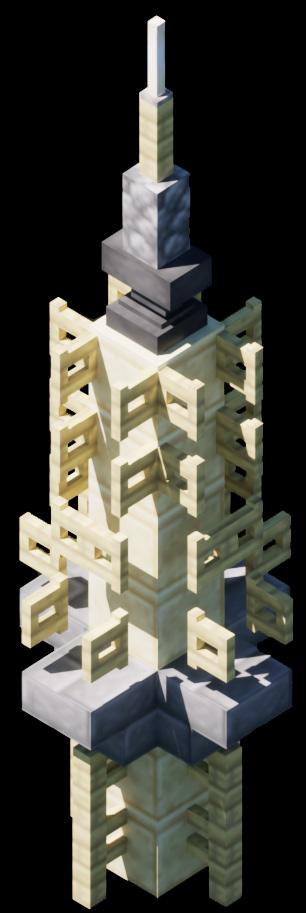
THE ENCYCLOPEDIA OF ENGLISH GOTHIC
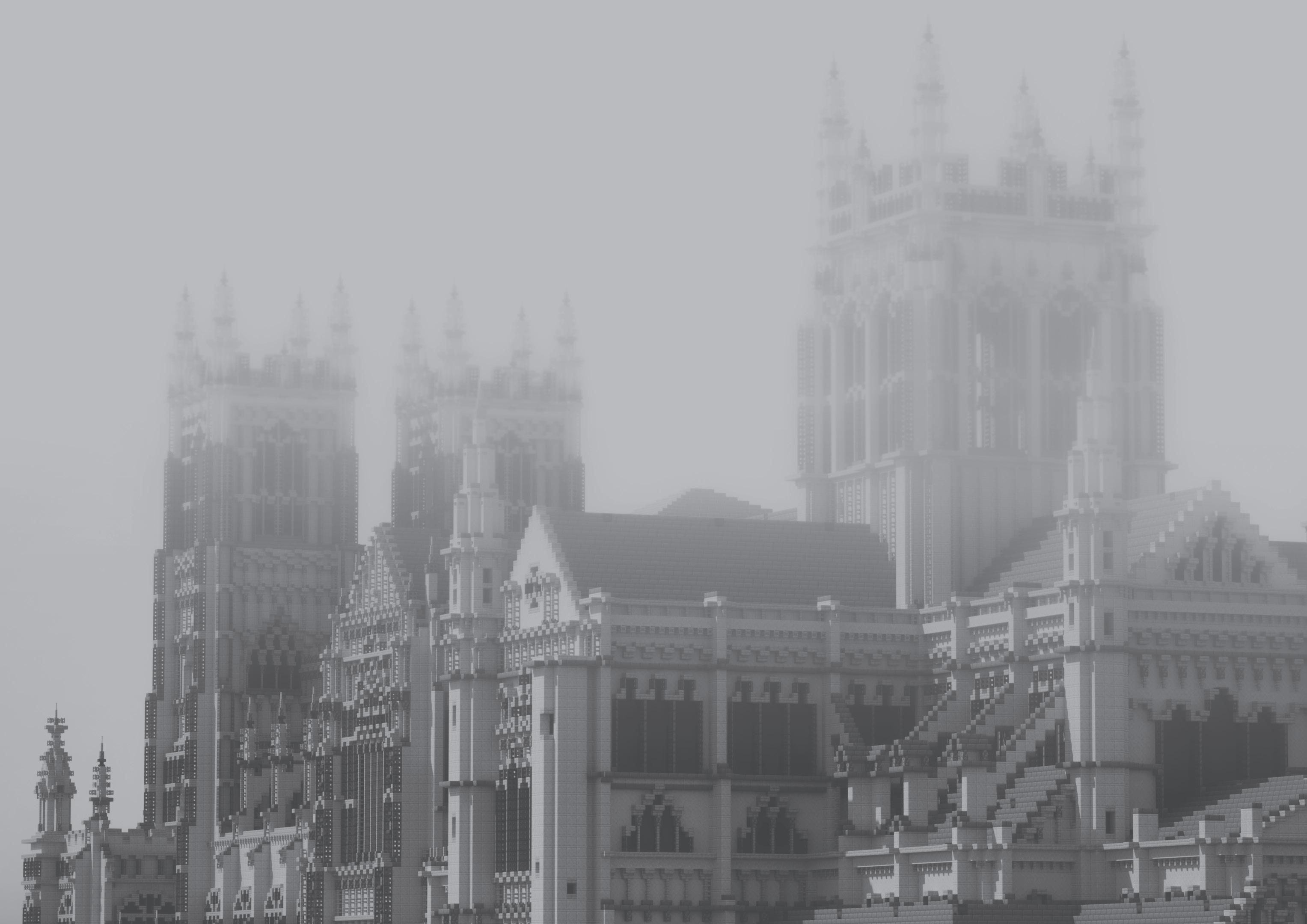
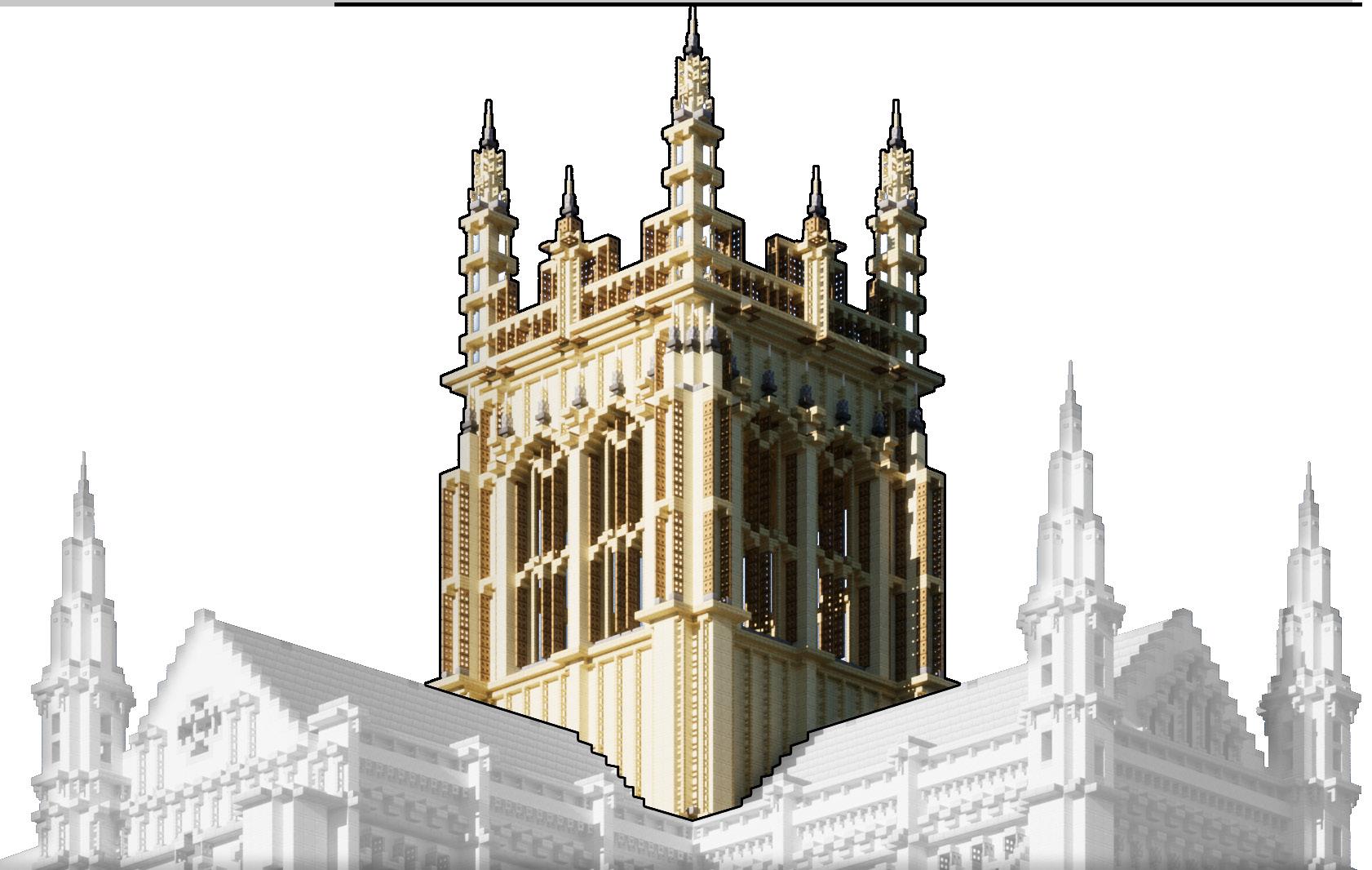
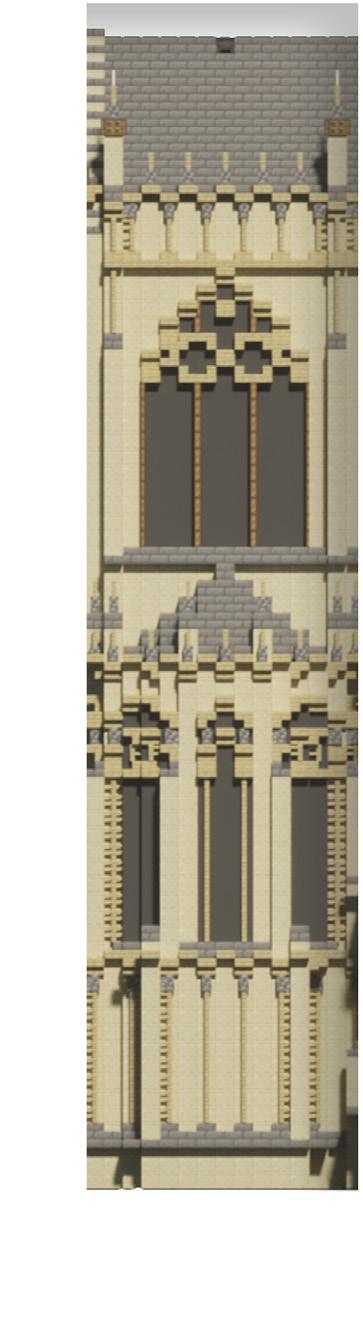
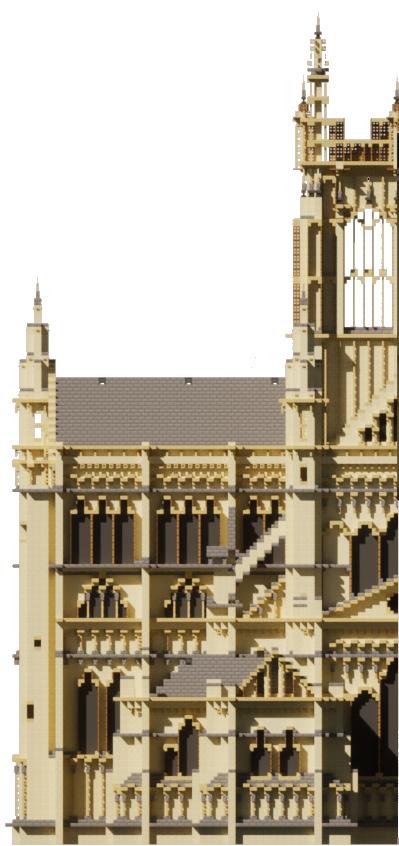
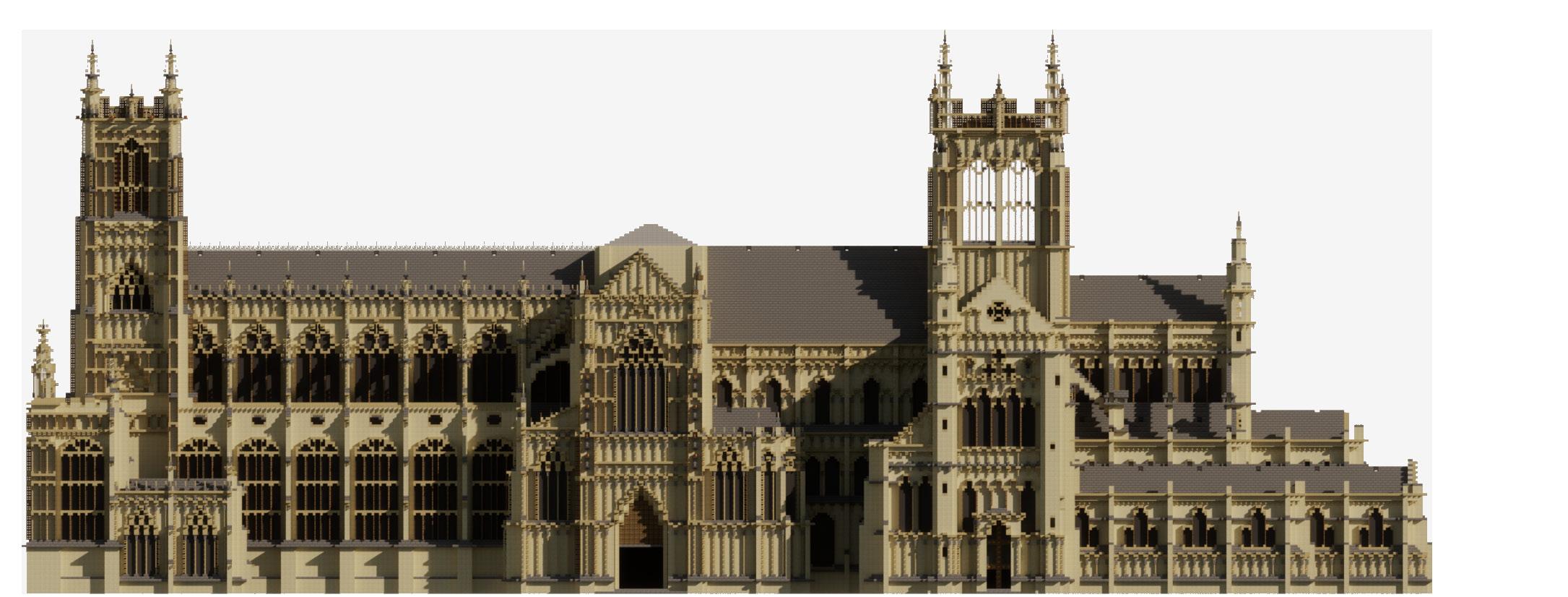
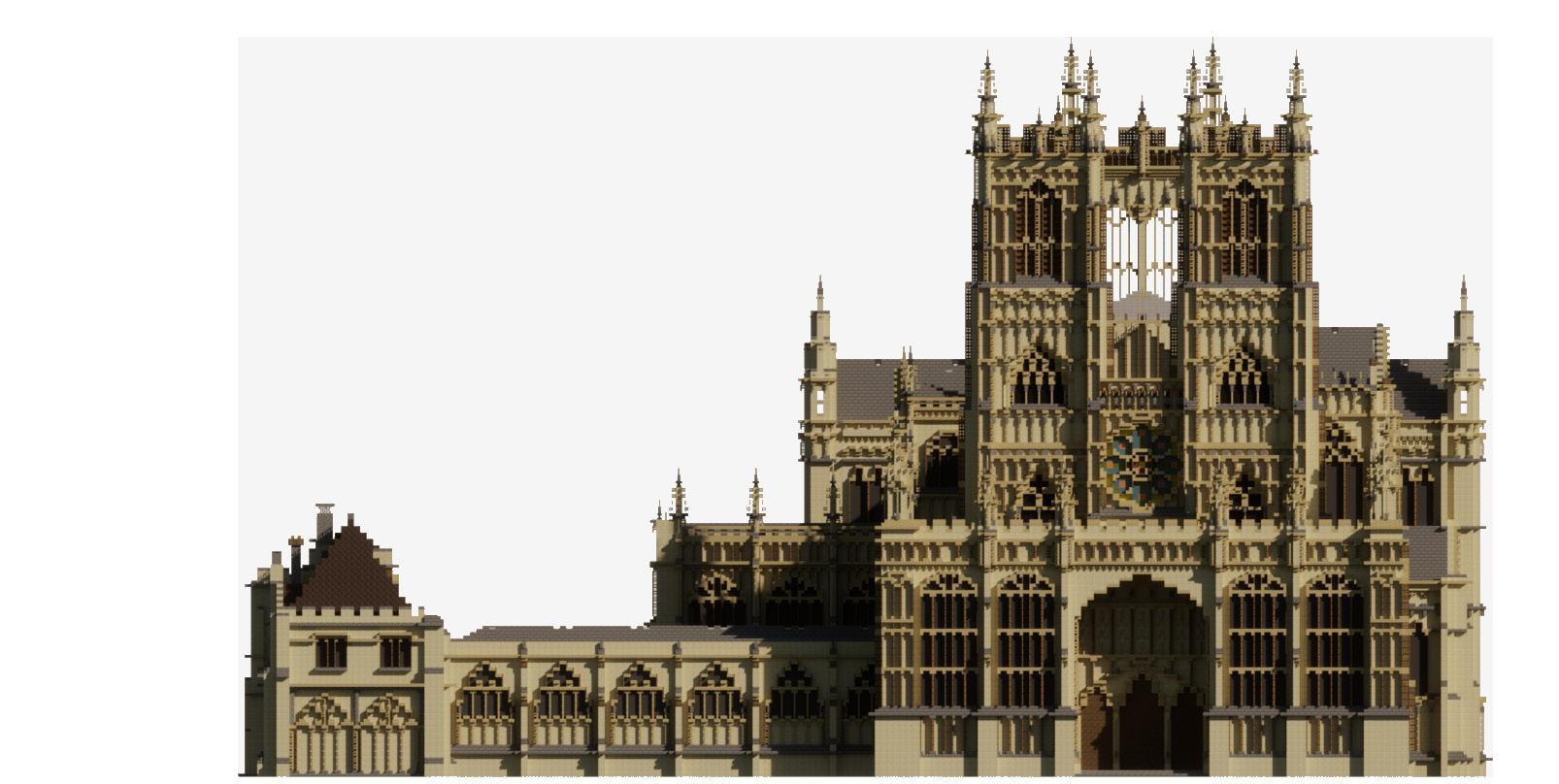
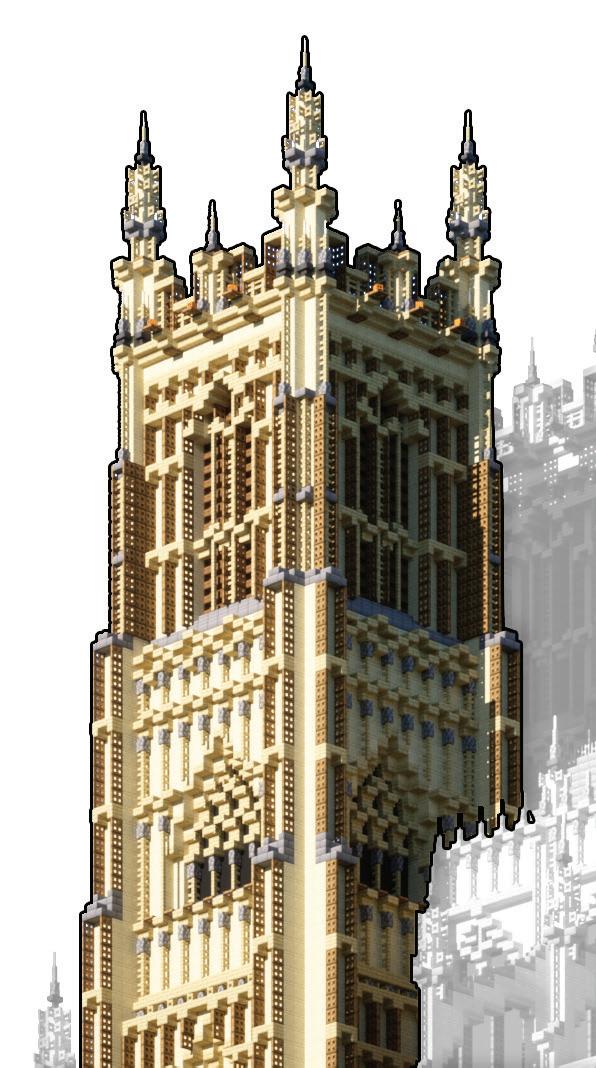
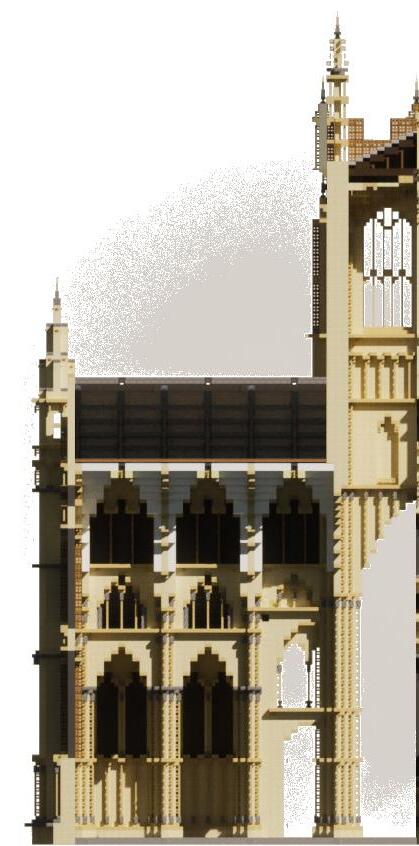
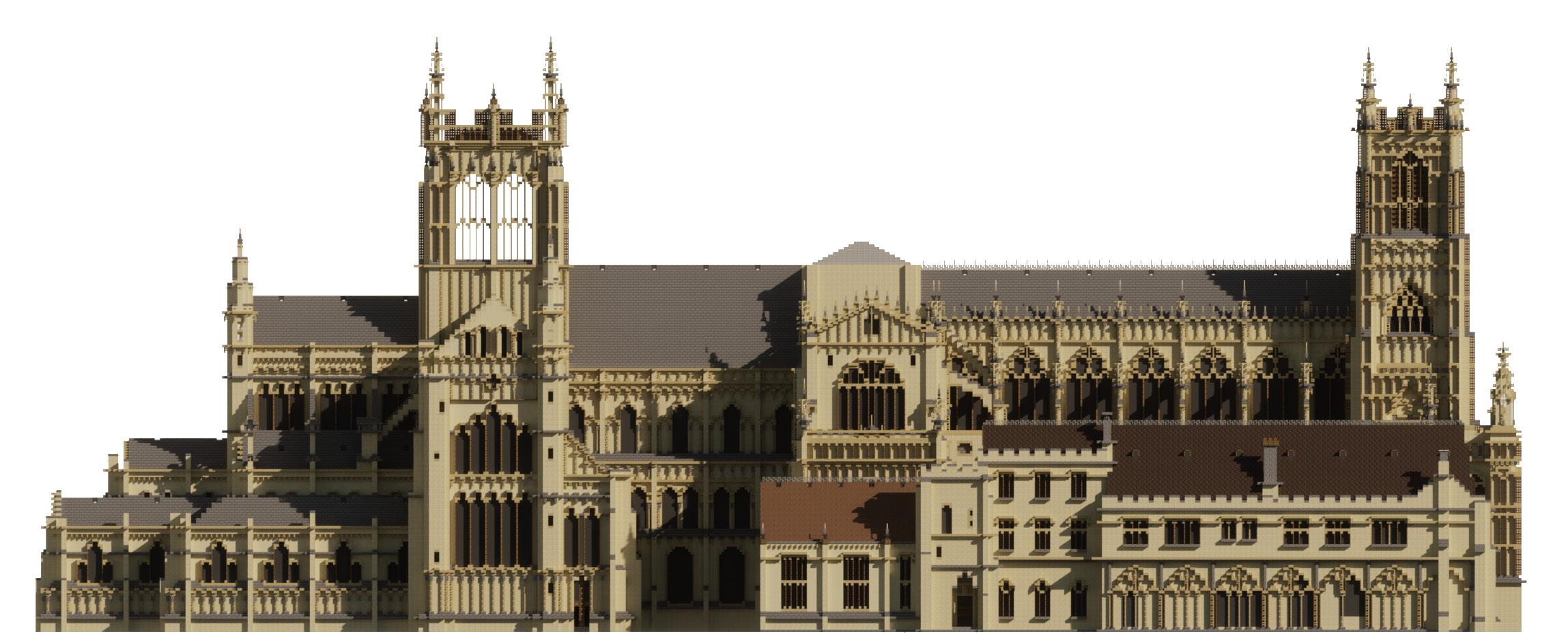
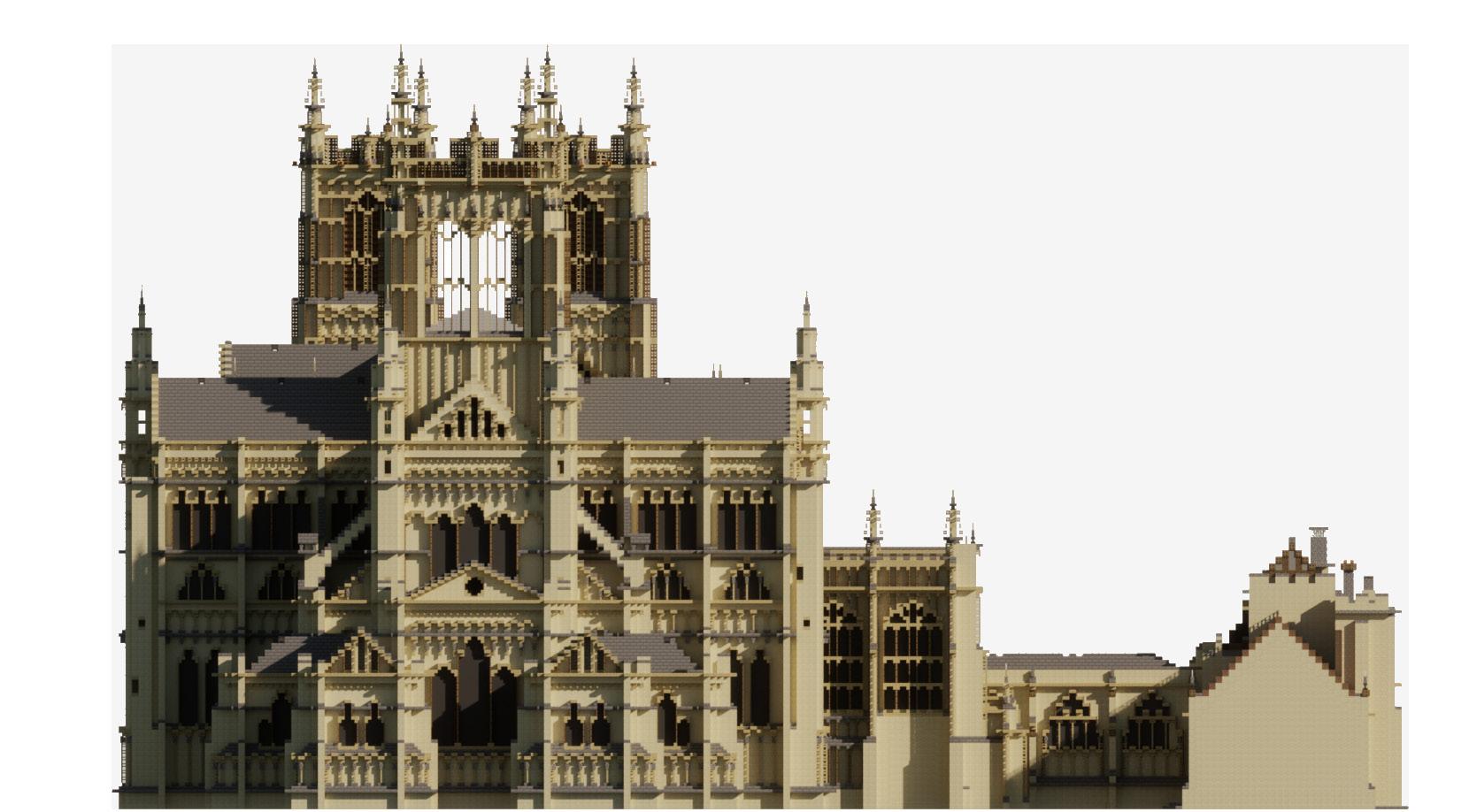
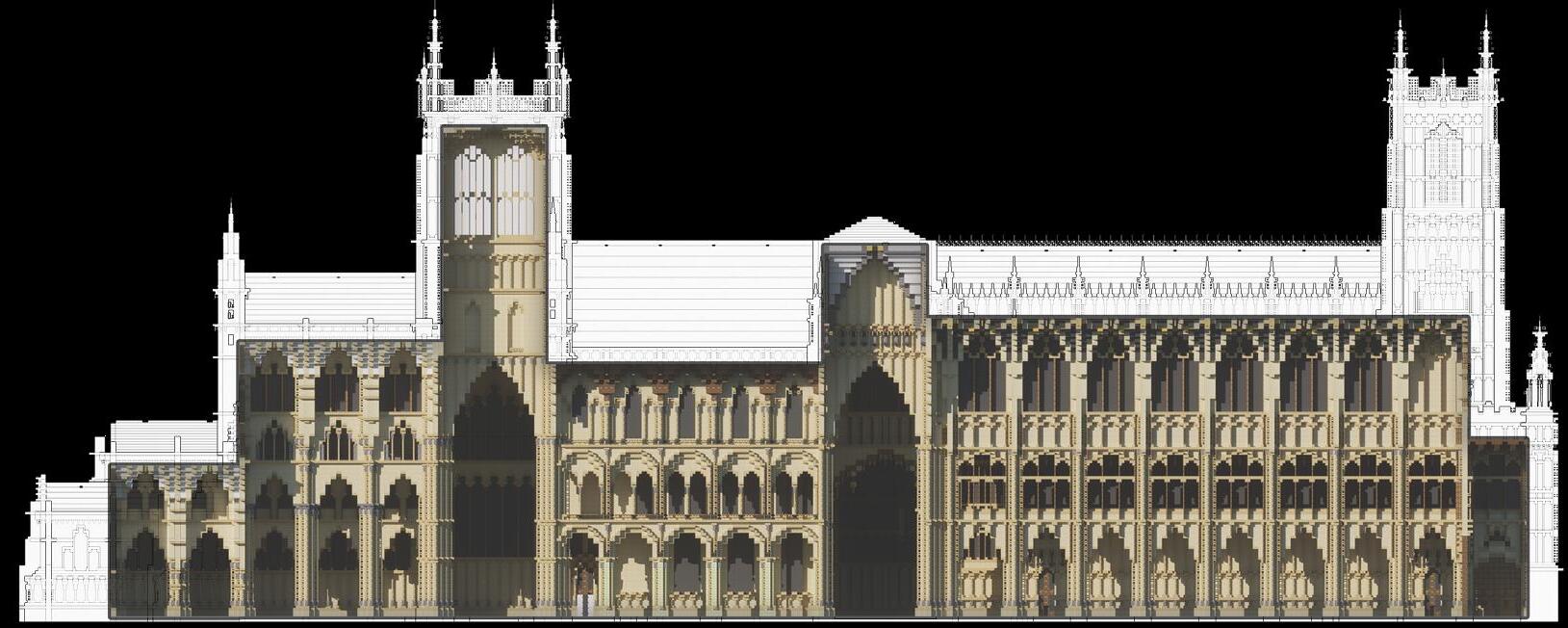
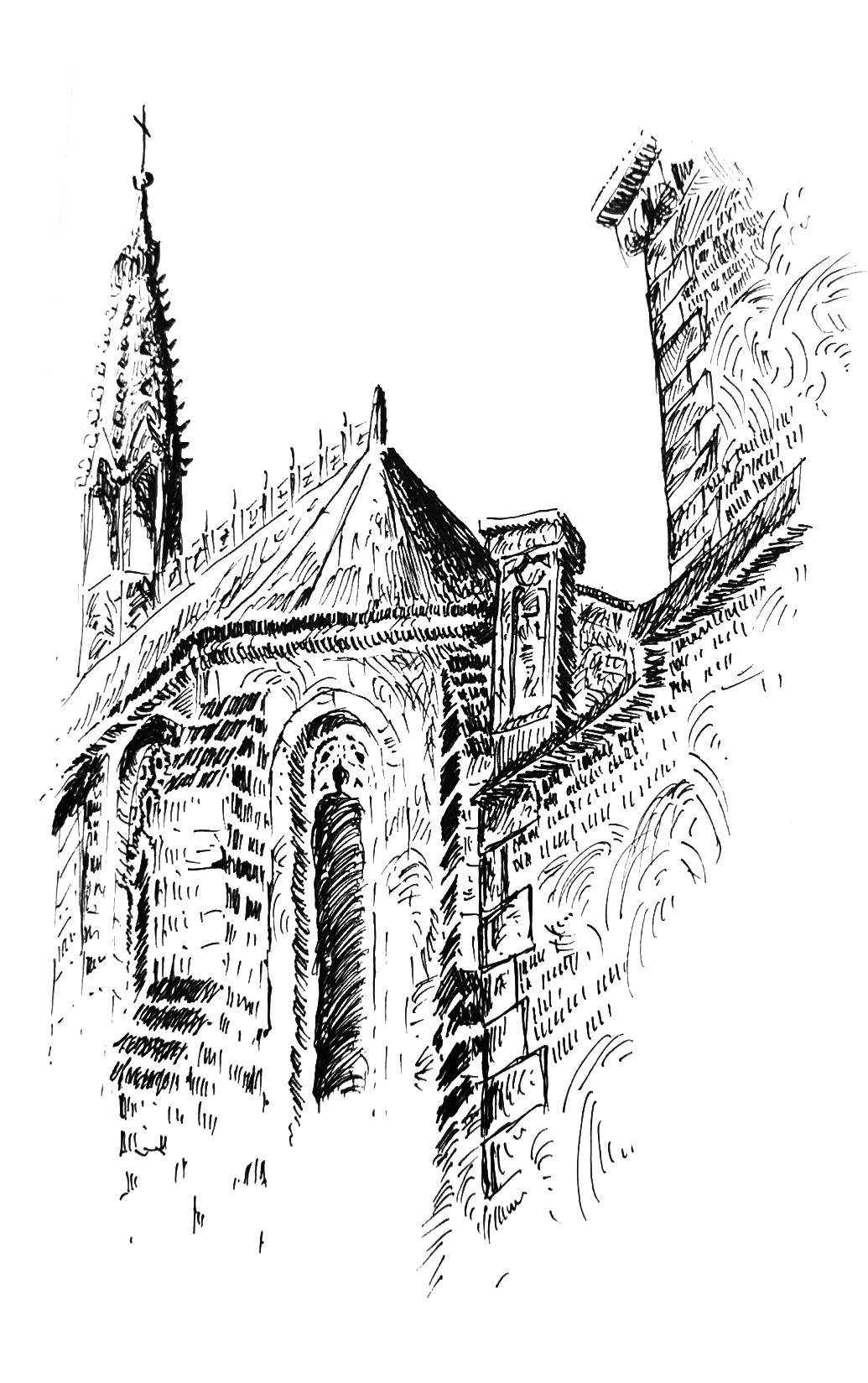
The structure of the cathedral is a museum by itself - spanning centuries of medieval architecture.
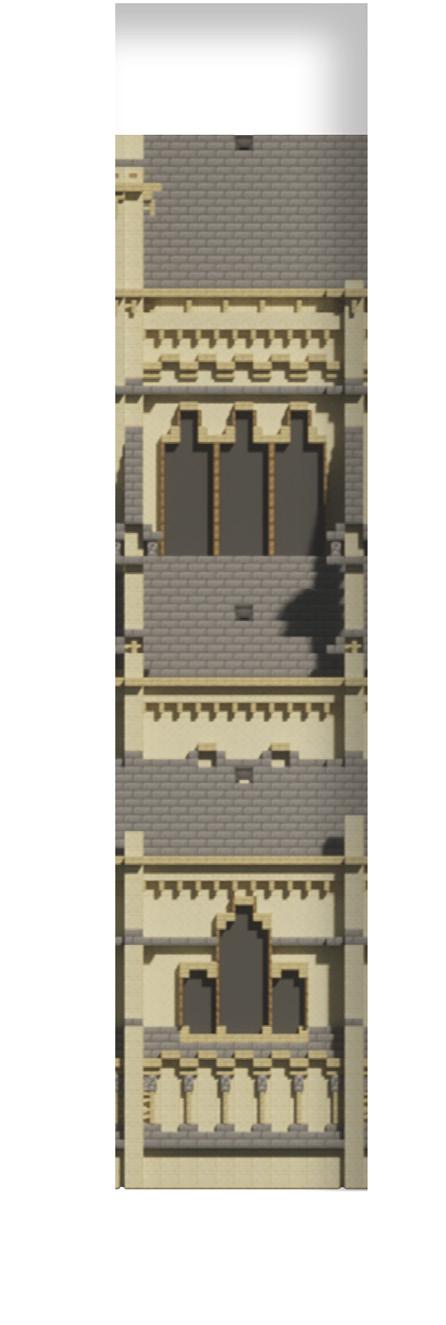
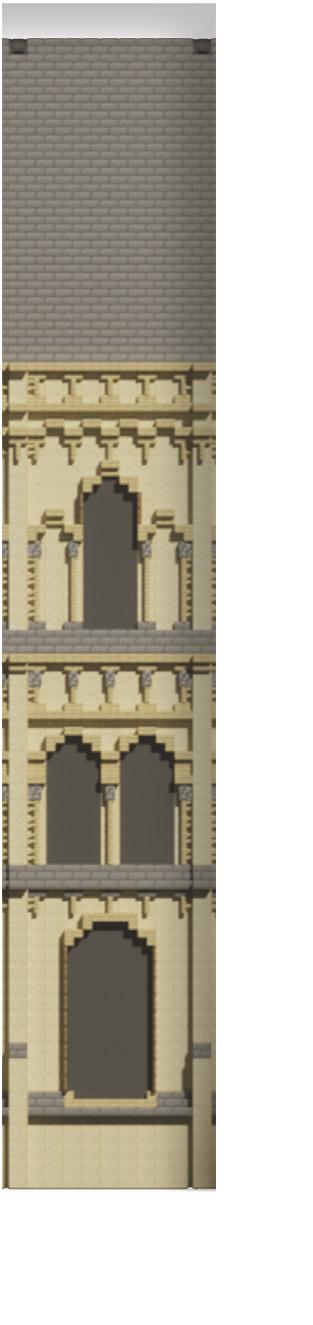
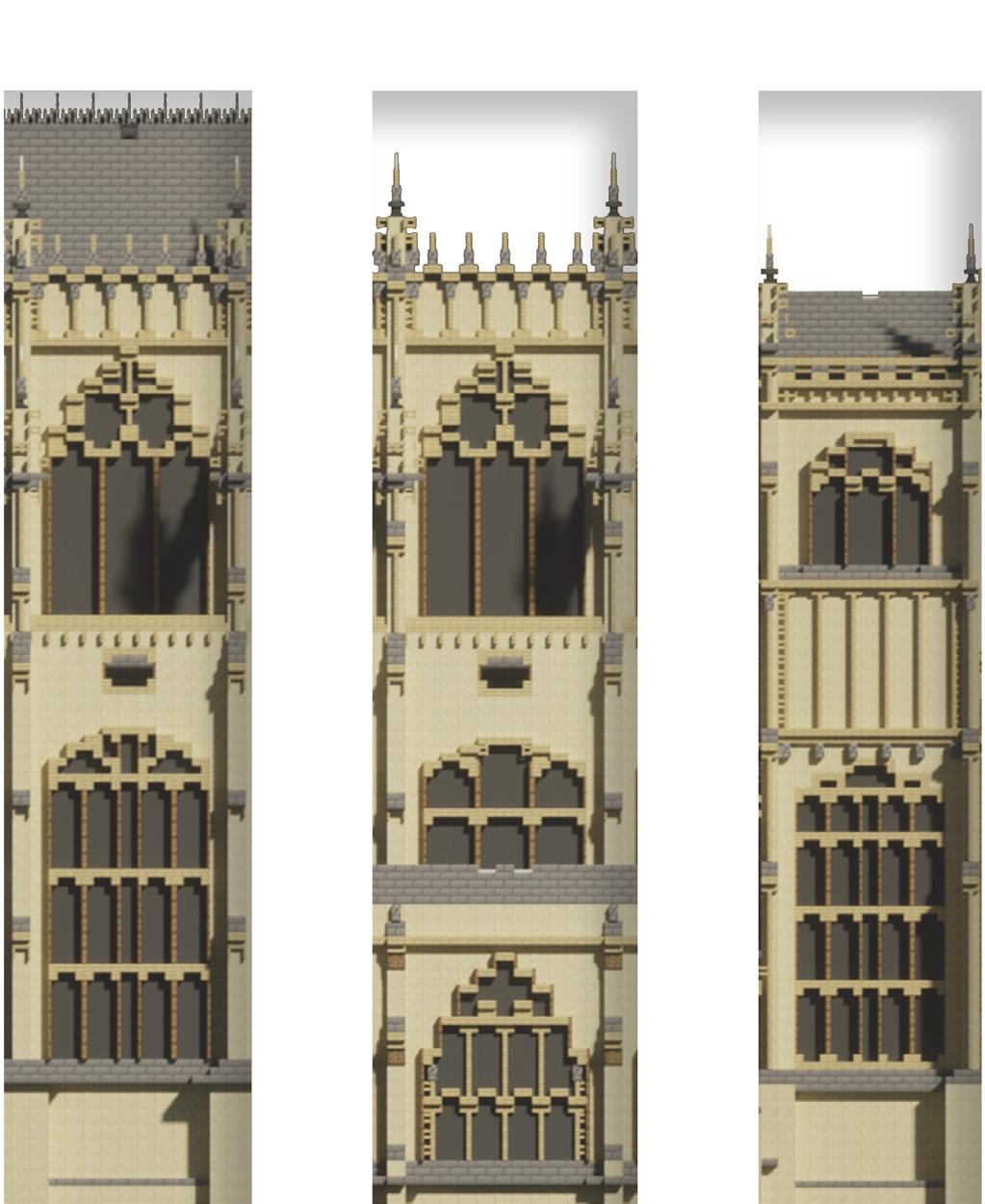
The façades flow from the simplicity of Norman and Early English, throught the richness of the Decorated style, culminating in perhaps the “most English” style of them all - the Perpendicular.
The different periods of English Gothic
41




1 2 3 4 5 6 7 10 12 13 14 11 15 15 15 15 8 9
South Elevation
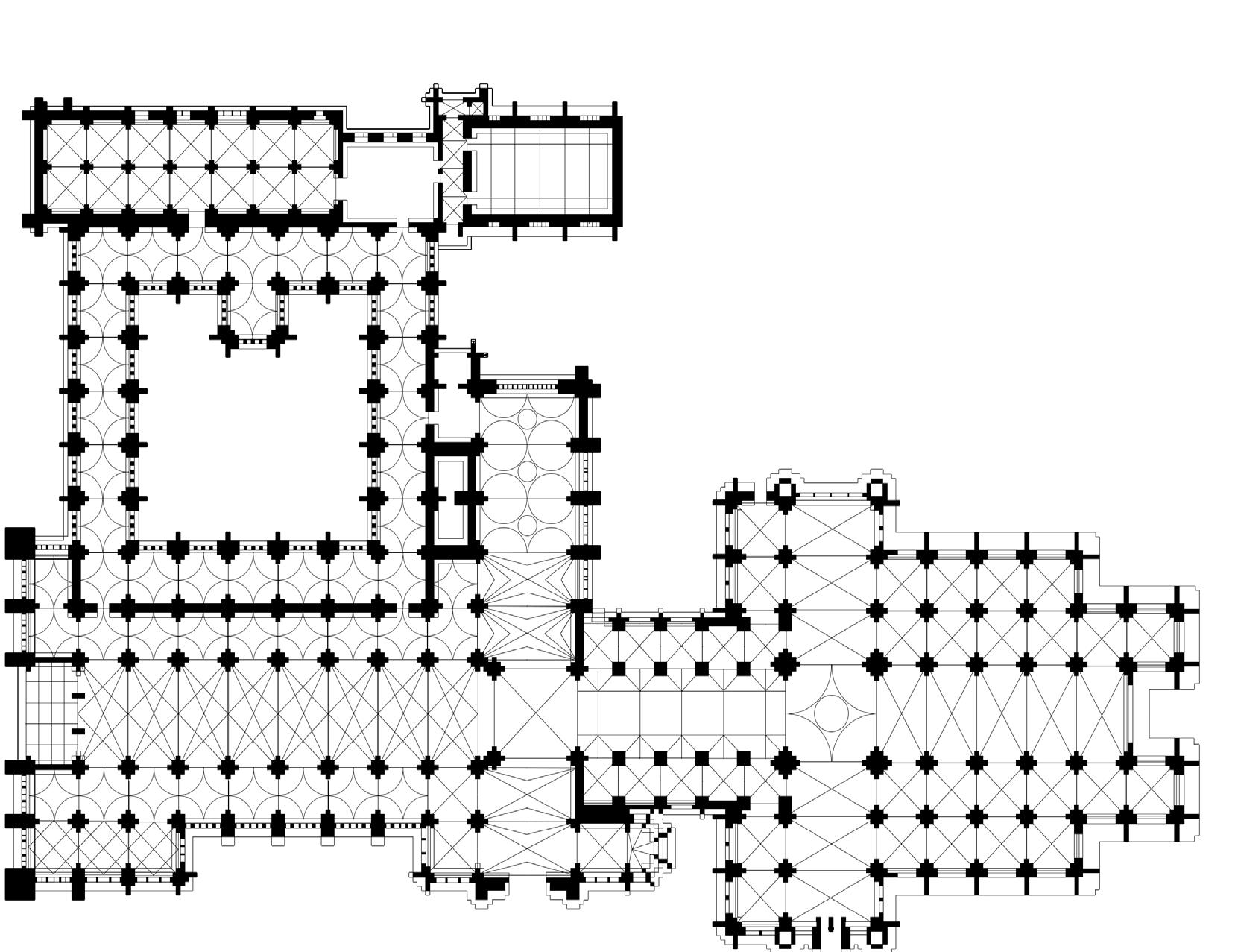
Cathedral Plan
West Elevation
VISUAL TRIP
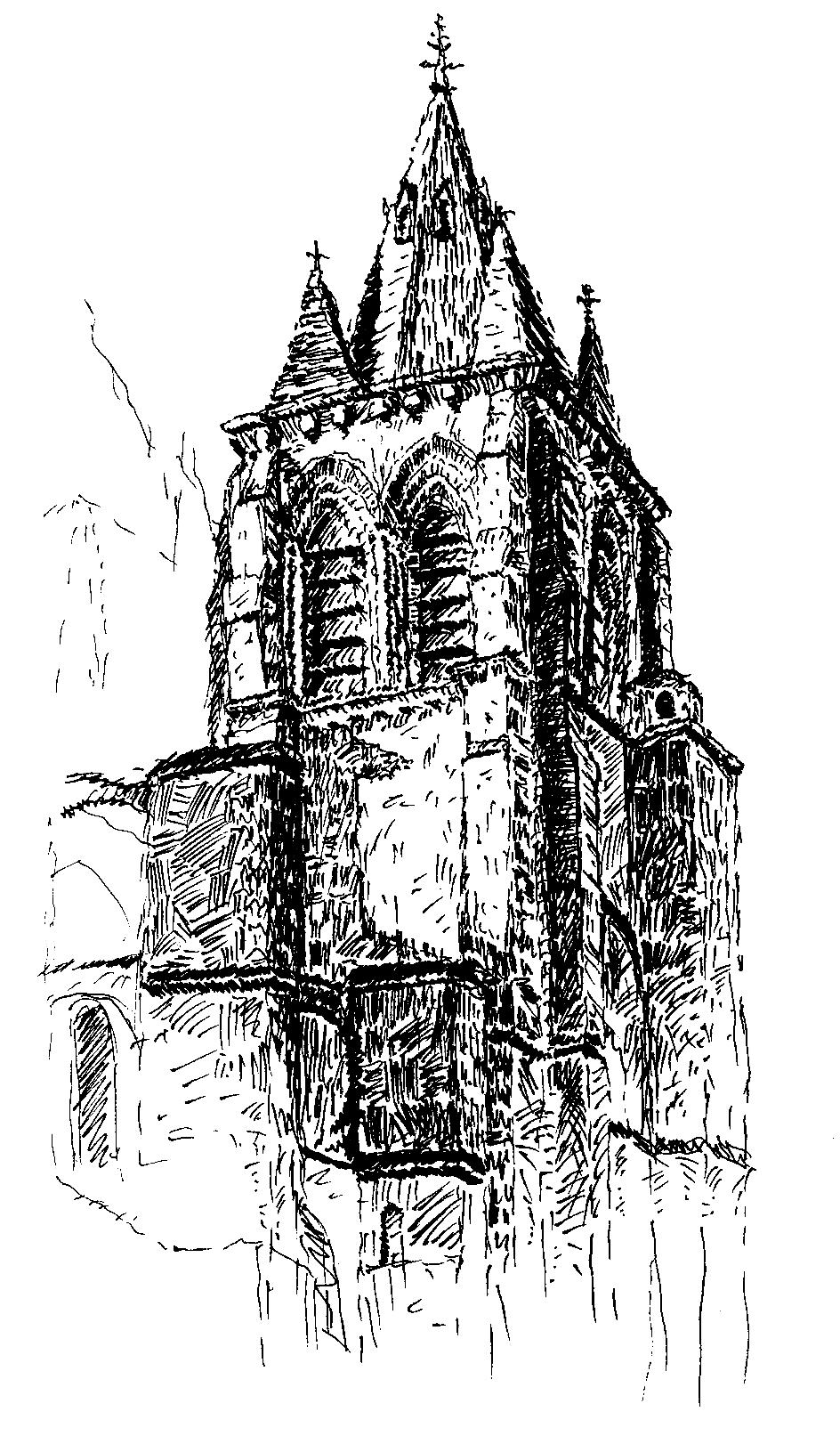
The earliset surviving structure of the Cathedral can be traced to its Norman choir. The planned single west tower was never completed, and was incorporated in later expansions unfinished. The east end and transept were the next sections to be completed, entirely in the Early English style, with the exception of the crossing tower.
43
West tower
Scale 1:1000
1. Main Entrance
2. Nave
3. Norman Crossing
4. Northwest Transept
5. Southwest Transept
6. Choir
7. Crossing Tower
8. Northeast Transept
9. Southeast Transept
10. East End
11. Cloister
12. Dormitory
13. Refectory
14. Chapter House
15. Chapel






 North Elevation
North Section
East Elevation
North Elevation
North Section
East Elevation
(R)EVOLUTION
The nave, the bases of the west towers, as well as the south portion of the west transept, were largely built during the Decorated period.
The north part of the west transept, the top of the west towers, the cloister, the main entrance, as well as the crossing tower, were the last sections to be built, all during the Perpendicular style.
45
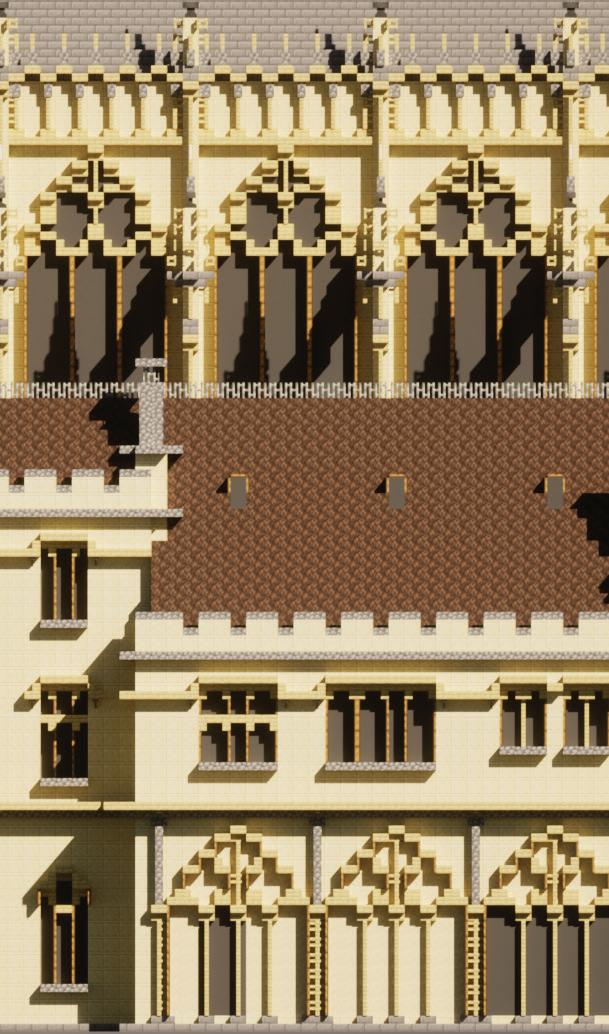
View of the dormitory with the nave in the background
Scale 1:1000
martin markovsky 2018-2023