Hymers
GCSE Options




Your GCSE years at Hymers College are an exciting stage in your learning journey. The curriculum in the Middle School is designed to give you a broad and balanced education, helping you to explore new subjects, discover your strengths and develop your talents.
Following on from the choices you made about your Year 9 curriculum, your GCSE choices are another opportunity to take ownership of your learning and shape a curriculum that reflects your interests and ambitions.
ALL students will study the following GCSE subjects:
• English Language and English Literature
• Mathematics
• Science – either all three sciences (Biology, Chemistry and Physics) or the Combined Science: Trilogy course (worth two GCSEs)
You’ll then choose four or five subjects (depending on your Science option) from the following:
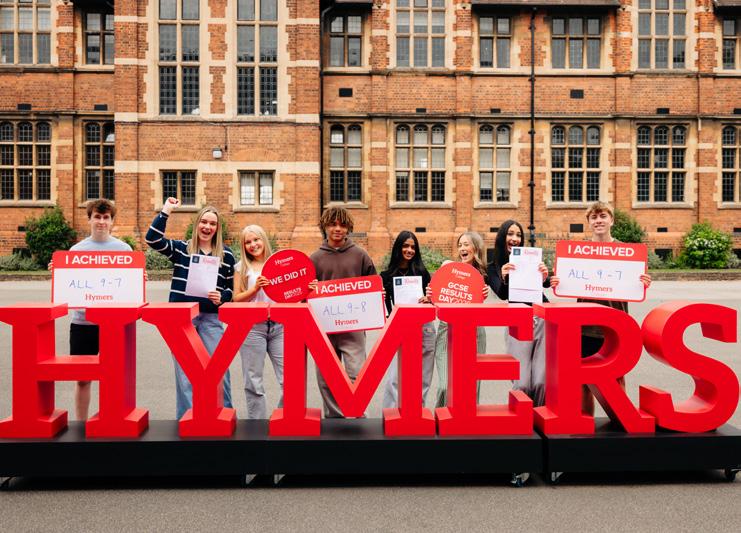
51% of GCSE results were graded 9-8 in 2025
During Year 9, you’ve already experienced a wide range of subjects and begun working on some GCSE-level material. As you think about the next step, consider which subjects you’ve most enjoyed and where you’d like to challenge yourself further.
In this booklet, you’ll find details of all the GCSE subjects currently offered at Hymers. Everyone studies the core subjects of English Language and Literature, Mathematics and Science. You’ll then choose additional subjects to create a balanced and varied timetable, helping you build a strong foundation for future study in the Sixth Form and beyond.
It’s worth noting that some universities expect applicants for certain degree courses to have studied a Modern Language (French or Spanish) at GCSE.
• Art
• Business
• Computer Science
• Design and Technology
• Drama
• French
• Geography
• History
• Latin
• Music
• Physical Education
• Religious Studies
• Spanish
We encourage you to choose a range of subjects that show both your interests and your ability to synthesise the rigours of multiple disciplines – something that universities and employers really value.
In addition, all students will take:
• Games
• PE (Year 10 only)
You’ll make your provisional subject choices in February, and option blocks will be confirmed before Easter. Take time to talk through your ideas with your parents, teachers, and Form Tutor – they’ll help you make confident and informed choices.
Start thinking about which subjects you’d like to take as your GCSE options (usually four or five, depending on your Science pathway or any SEN arrangements).
Talk through your ideas at home and with your teachers.
Submit your initial subject choices using the Schoogle form with your parents or carers.
The timetabling team uses your choices to create option blocks.
The timetabling team finalises the timetable for the next academic year.
Welcome to Year 10!
You’ll begin your GCSE courses, and you, your parents, and your teachers will monitor your progress closely.
If you have any questions about the options process, please contact:
Mr M McLucas Head of Middle School mcmclucas@hymers.org
Mr R Wright Deputy Head Management rpwright@hymers.org
Deadline for submitting any requests to change your option subjects. At this stage, option blocks and class groups are already in place, so swaps may not be possible.
From this point, changes to your option subjects will not normally be considered.
Middle School is an important time to start thinking about your future. As you decide which subjects to study for GCSE, it’s also the perfect opportunity to explore the future career paths that inspire you. This will also allow you to make confident and informed choices.
Through form discussions, group activities, and independent research, you’ll be introduced to key aspects of Careers Education and Guidance, helping your transition into Key Stage 4. You’ll also have access to careers software that helps you identify your skills and interests, and explore career paths that connect with your strengths.
Throughout the year, you will be encouraged to talk to your teachers about GCSE course content and how different subjects connect to future career options. Their insights will build on the advice you’ll receive from the school’s careers team and your Form Tutor.

If you’re interested in subjects you haven’t studied before, such as Business Studies or Physical Education (academic), be sure to watch the short videos available on Schoogle, where departments introduce their courses and explain what to expect.
Throughout the year, we also welcome a variety of careers specialists into school to share their experiences and advice. These sessions are a great chance to explore new ideas, so you are encouraged to take advantage of these seminars. They will be advertised in assemblies and via Schoogle. We will also use email to communicate with you, so we recommend that you check this daily.
These years are about discovery. Use every opportunity to explore, ask questions, and start imagining the future that excites you most.
You can find a wide range of careers information and resources in the LRC and on Schoogle:


At Hymers, we know that everyone learns differently. For some students who are supported by the Learning Support team, it may be more beneficial to take a slightly reduced number of option subjects. This allows time in your timetable for Learning Support sessions - a valuable opportunity to focus on independent learning, strengthen key skills, and receive extra help from the Learning Support team or subject teachers when possible.
Mr Wright and Mr Baxter will work with academic and pastoral staff in the school to identify students who would benefit from this model. It is not available by student/parent request.
In Years 10 and 11, you will continue to have one Personal, Social, Health and Economic Education (PSHE) lesson every fortnight with your Form Tutor. These lessons will be complemented by PSHE Drop Down Days and year group assemblies, giving you opportunities to explore important topics in different ways.
You will continue to cover a range of themes designed to support your personal growth and preparation for the future, including:
• Dreams and Goals – setting aspirations and planning for success
• Celebrating Difference – understanding and valuing diversity
• Relationships – building healthy and positive connections
These lessons are designed to give you the skills, knowledge, and confidence to make thoughtful decisions, both now and in the future.
Entry Requirements
Exam Board
Head of Department
You will need to be willing and able to dedicate additional time to complete coursework
Mr D Whittaker - dgwhittaker@hymers.org
Art is a truly creative subject that gives you the freedom to explore, experiment, and express yourself. You’ll have plenty of choice when it comes to materials, subject matter, and direction of study, allowing you to shape the course around your own interests and ideas.
You can focus on painting, drawing, sculpture, printmaking, digital art, or even a combination of all of them. Throughout the course, you’ll develop your technical skills, experiment with new media, and learn how to communicate ideas visually.
GCSE Art is about discovering your creative voice and gaining confidence in your ability to produce original, meaningful work.

Assessment
You will produce a coursework portfolio (60%) and sit a practical exam project (40%), a final piece developed from a set theme.
Art can lead you in many creative directions. You could become an
Architect | Graphic Designer | Web Designer | Fine Artist
Game Designer | Illustrator | Photographer
Film and Media Designer
The skills you’ll gain - creativity, problem-solving, visual communication, and independence - are highly valued across all industries.

“It’s really interesting and creative because you can explore different techniques and styles that artists use. I really enjoy the subject.”
current GCSE student
GCSE
Entry Requirements
Exam Board
Head of Department
There are no prerequisites to studying this course
Mr J Hartley - jwhartley@hymers.org
From the tiniest cells to whole ecosystems, you’ll explore fascinating topics including Human Biology, Genetics, Cell Biology, and Ecology and the Environment, gaining a deep understanding of how living things function and interact. You’ll regularly develop your practical skills through experiments and investigations, and you’ll even have the chance to attend a field trip to Filey Brigg to put your learning into action in the real world.
This course will give you the knowledge and experience you need to succeed at A Level and beyond, while also helping you think critically, analyse data, and solve problems.


You will sit two external examinations. There is no coursework. Assessment
Biology opens doors to a wide range of careers. Many students go on to study Medicine | Dentistry Veterinary Science
or the allied health professions, while others pursue research roles.
The analytical, problem-solving, and communication skills you develop in Biology are highly valued across many career paths.
“The topics we have studied in Year 10 and Year 11 are fascinating and I feel very confident about the final exam as a result of the excellent teaching. I particularly enjoy the topic of ‘inheritance’.”
current GCSE student
There are no prerequisites to studying this course
Mrs N Hogg - nhogg@hymers.org
Ever wondered how businesses persuade you to buy their products, or how entrepreneurs turn ideas into profit? What ethical behaviour is, and why it is increasingly important? In GCSE Business, you’ll explore how companies are started, how they grow, and what makes them succeed (or fail!).
You’ll investigate everything from marketing and branding to finance, recruitment and production, while developing practical skills in analysis, decision-making and communication.
You’ll learn to interpret business data, evaluate performance, and think strategically; skills that are valuable in any career.
You will sit two external examinations. There is no coursework.
GCSE Business is a great foundation for careers in
Finance | Law | Economics
Marketing | Management
Its skills apply to almost any field, including healthcare, education and the public sector.
You’ll gain practical knowledge of leadership, motivation, budgeting, and teamwork that will benefit you wherever your future leads.
“Business is an amazing subject! It unlocks a completely new way of thinking and teaches skills that are genuinely useful for everyday life.”
current GCSE student

“I LOVE my business lessons, every lesson makes me think about the business world and real life businesses. I really enjoy all the class discussions and having to justify ideas or answers.”
current GCSE student
SCIENCES
GCSE
There are no prerequisites to studying this course
G Prescott - gprescott@hymers.org
Chemistry is fascinating in its own right, but it’s also essential if you’re considering careers in medicine, veterinary science, or other sciences, and provides a strong foundation for almost any degree.
You’ll explore topics including atomic structure, bonding, chemical reactions, the Periodic Table, acids and alkalis, fuels, polymers, electrolysis, energy transfer, and more. You’ll also develop practical skills through hands-on experiments, learning how to test, observe, and analyse materials safely and effectively.
Studying Chemistry helps you think logically, solve problems, and understand how science shapes the world - skills that are highly valued both in further study and in the workplace.


You will sit two external examinations. There is no coursework. Assessment
A GCSE in Chemistry opens doors to many exciting careers, including:
• Science-focused roles: Analytical chemist, Biotechnologist, Clinical scientist, Forensic scientist, Chemical engineer, Medicinal chemist, Nanotechnologist, Toxicologist
• Wider career paths: Banking, stockbroking, high finance, Civil Service fast streamer, Environmental consultant, Patent attorney, Science writer, Secondary school teacher, Nuclear engineer
Studying Chemistry at GCSE will give you the knowledge and practical skills that universities and employers value, and it provides a strong springboard for further education in science and beyond.
“GCSE Chemistry is great, the practical sessions are interesting and really help you develop. It will be very useful for the future.”
current GCSE student
GCSE
Entry Requirements
Exam Board
Head of Department
There are no prerequisites to studying this course
Mr P Cook - pcook@hymers.org
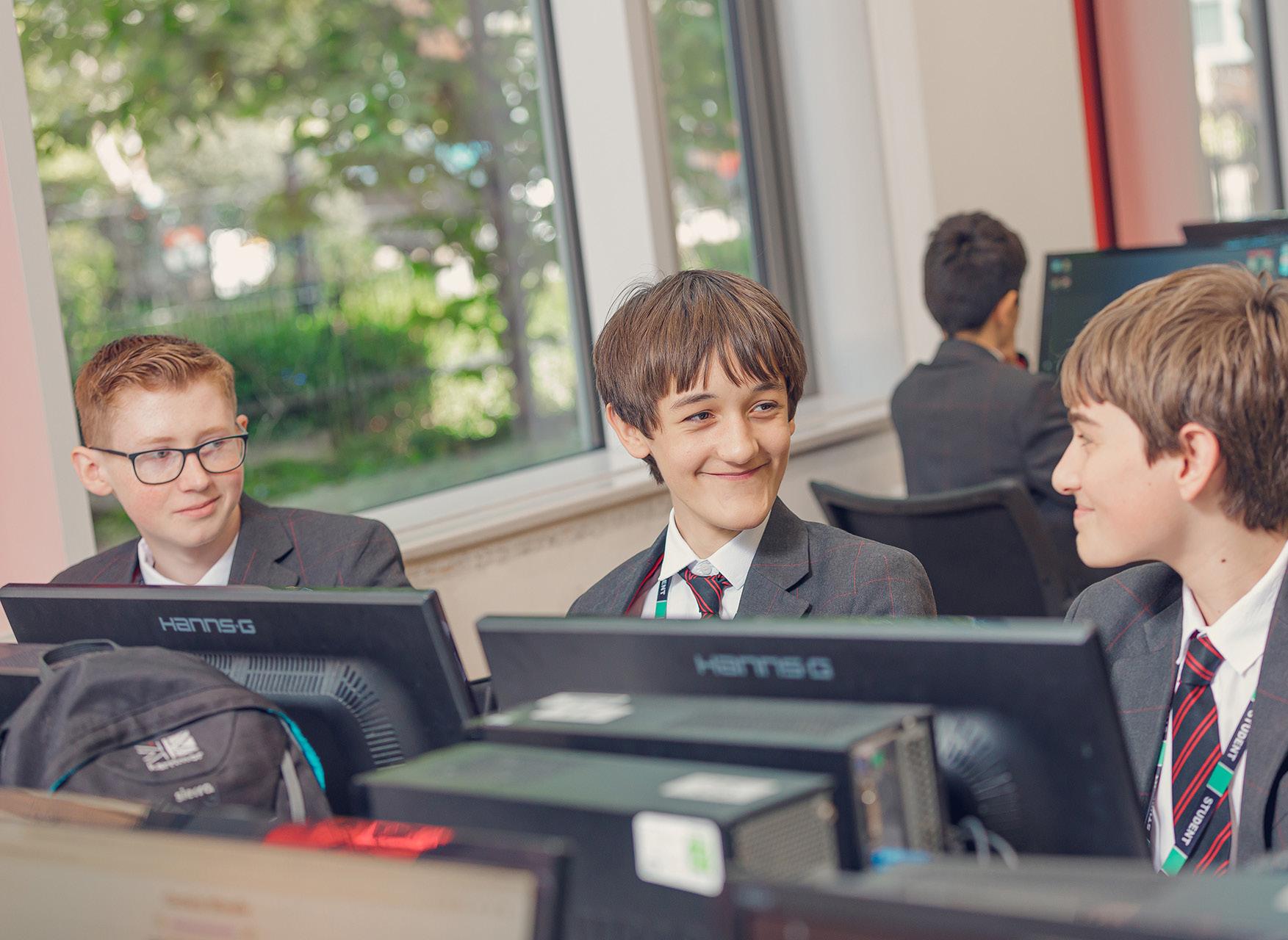
GCSE Computer Science explores how computers work in the real world - from hardware, storage, and connectivity to programming theory and languages.
You’ll develop practical skills in problemsolving, coding, and logical thinking, giving you tools that are useful in both further study and everyday life.
You will sit two external examinations. There is no coursework.
GCSE Computer Science prepares you for careers in
Cyber Security | Programming
Software Engineering
Technology-Focused Roles
It also builds skills in analysis, logic, and problem-solving that are valued in almost every profession.

“I love solving problems with code and seeing my programs come to life. It feels like I’m learning skills I’ll actually use in the real world.”
current GCSE student
OPTIONS SUBJECTS: CREATIVE AND PERFORMING ARTS
GCSE
Entry Requirements
Exam Board
Head of Department
There are no prerequisites to studying this course
D Mills - dpmills@hymers.org
Design and Technology is part of everyday lifefrom the phones in our pockets to the buildings we live in. It’s imaginative, practical and handson, with creativity at its core.
You’ll design, create, and evaluate prototypes, working independently and collaboratively to turn your ideas into functioning designs. This course gives you the freedom to experiment with a huge range of materials and techniqueswhether you’re interested in resistant materials, graphics, textiles, engineering or product design.
Design and Technology helps you think like an innovator. You’ll combine creativity with technical understanding, develop problem-solving skills, and learn how to apply your ideas to real contexts.
“You get to learn a lot of techniques that will help you in later life, from mechanical work to sewing.”
current GCSE student

Assessment
You will sit an external written examination (50%) and a non-examined assessment (50%), which is a substantial design and make task, worth 100 marks.
Design and Technology develops the creative, analytical, and practical skills that are essential in many modern careers. Many students go on to study A Level Design Engineering, which builds directly on the GCSE course and leads to exciting opportunities in
Architecture | Product Design
Engineering | Industrial Design

You don’t need to have studied Drama before, but an enthusiasm and commitment to rehearsals outside of class time are key OCR
Miss S Witts - sewitts@hymers.org
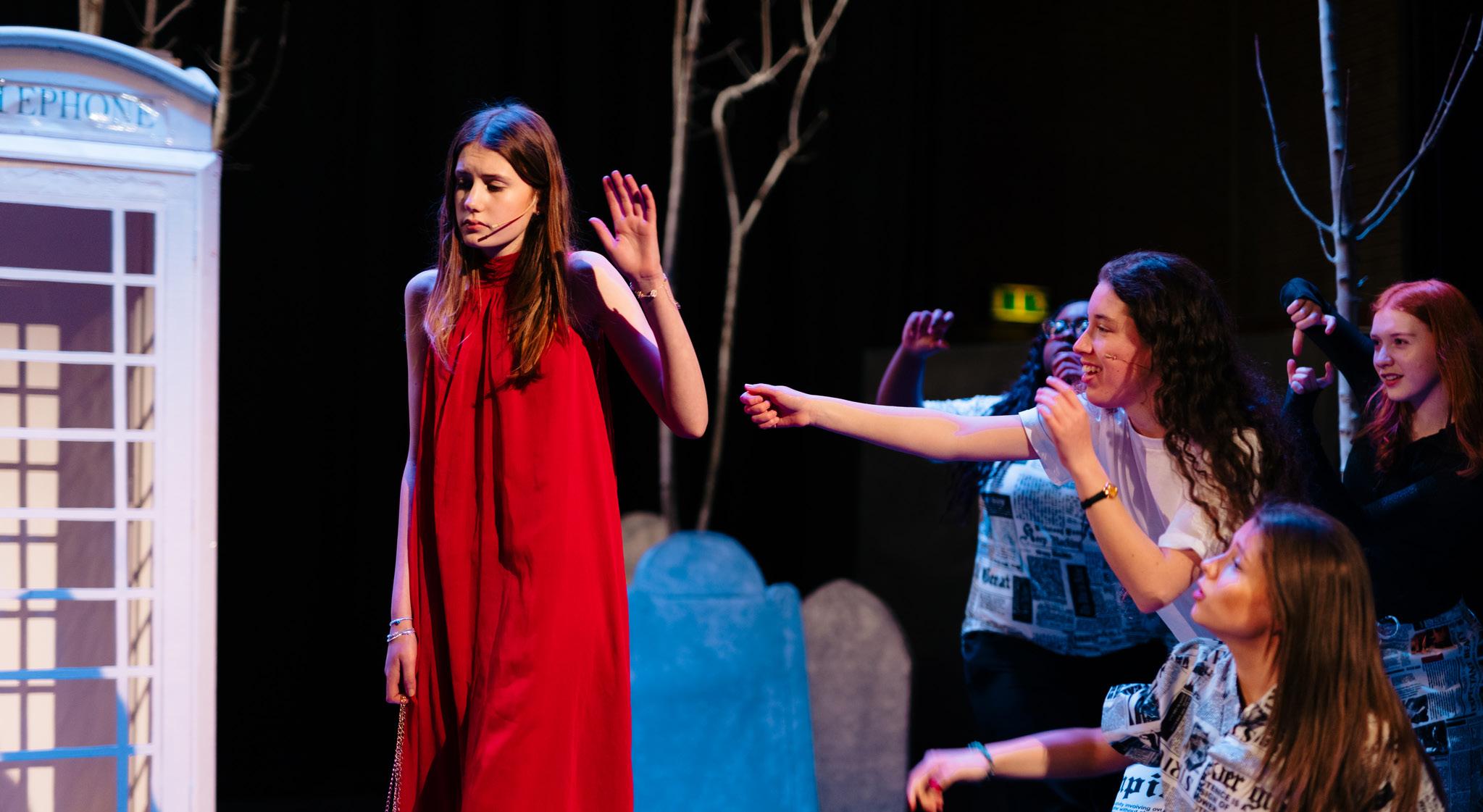
Drama is a vibrant and dynamic subject that lets you explore the world through performance, theatre design and creativity.
Through creating, performing and evaluating drama, you’ll develop skills that are invaluable across all walks of life: teamwork, communication, problem-solving and empathy. You’ll have the chance to take on different roles - not only as an actor but also in set, costume, lighting, or sound design - discovering how every element contributes to powerful storytelling.
GCSE Drama will give you the confidence to present yourself, the creativity to think differently and the ability to understand and connect with others - skills that will serve you well in any future path.

Assessment
You will sit a written examination (40%), produce a piece of coursework (30%), and give an externally assessed performance (30%).
Drama doesn’t just prepare you for a career in theatre - it builds confidence, empathy, and communication skills that are invaluable in any profession.
Studying Drama gives you the courage to speak, the creativity to think, and the confidence to lead.
Former students have gone on to careers in:
Law | Medicine | Teaching
Communications | Journalism
Counselling | Public Relations
Advertising | The Arts

“I loved learning different techniques to improve my performance, either on my own or working in a group. I gained so many skills for the future and would recommend the course to everyone.”
current GCSE student
Entry Requirements
Exam Board
Head of Department
None - These are compulsory subjects
Miss T Parker - teparker@hymers.org
English is at the heart of everything we do - how we think, communicate, and understand the world around us. Through studying both English Language and English Literature, you’ll explore a wide range of texts, from powerful modern writing to classic works that have shaped culture and society.
You’ll learn how to analyse language closely, express your ideas clearly, and develop a confident written style. These skills are not only essential for academic success but are also invaluable in everyday life and any future career.
The IGCSE courses offer a diverse range of texts, including non-fiction, poetry, modern drama, and heritage fiction, allowing you to think critically and creatively about the world’s greatest stories and ideas.
Whilst these are two separate compulsory subjects, they are taught together. You will learn in mixed-ability classes, which will remain the same throughout Years 10 and 11.


“I really like how helpful the teachers are and how they push you to reach your greatest potential.”
current GCSE student
Assessment
Both IGCSEs are assessed through coursework (40%) and a final written examination (60%).
Studying English builds a foundation of transferable skills - communication, analysis, creativity, empathy and interpretation - that will serve you in any field.
Students from Hymers have gone on to study subjects including Law | Medicine | Business Management, International Relations | Theatre Studies | Economics

There are no prerequisites to studying this course
N Batch - njbatch@hymers.org
Geography is a unique subject that bridges the arts and sciences, helping you understand the world around you.
You’ll explore Human Geography (issues like inequality, urban change, and sustainable use of resources) and Physical Geography (hazards, climate change, ecosystems, and landscapes).
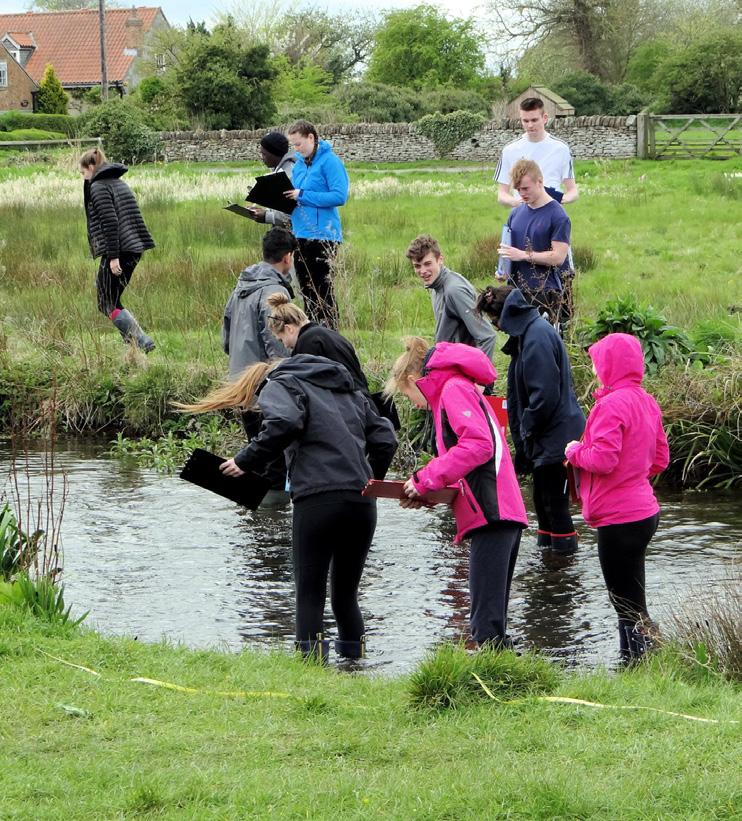
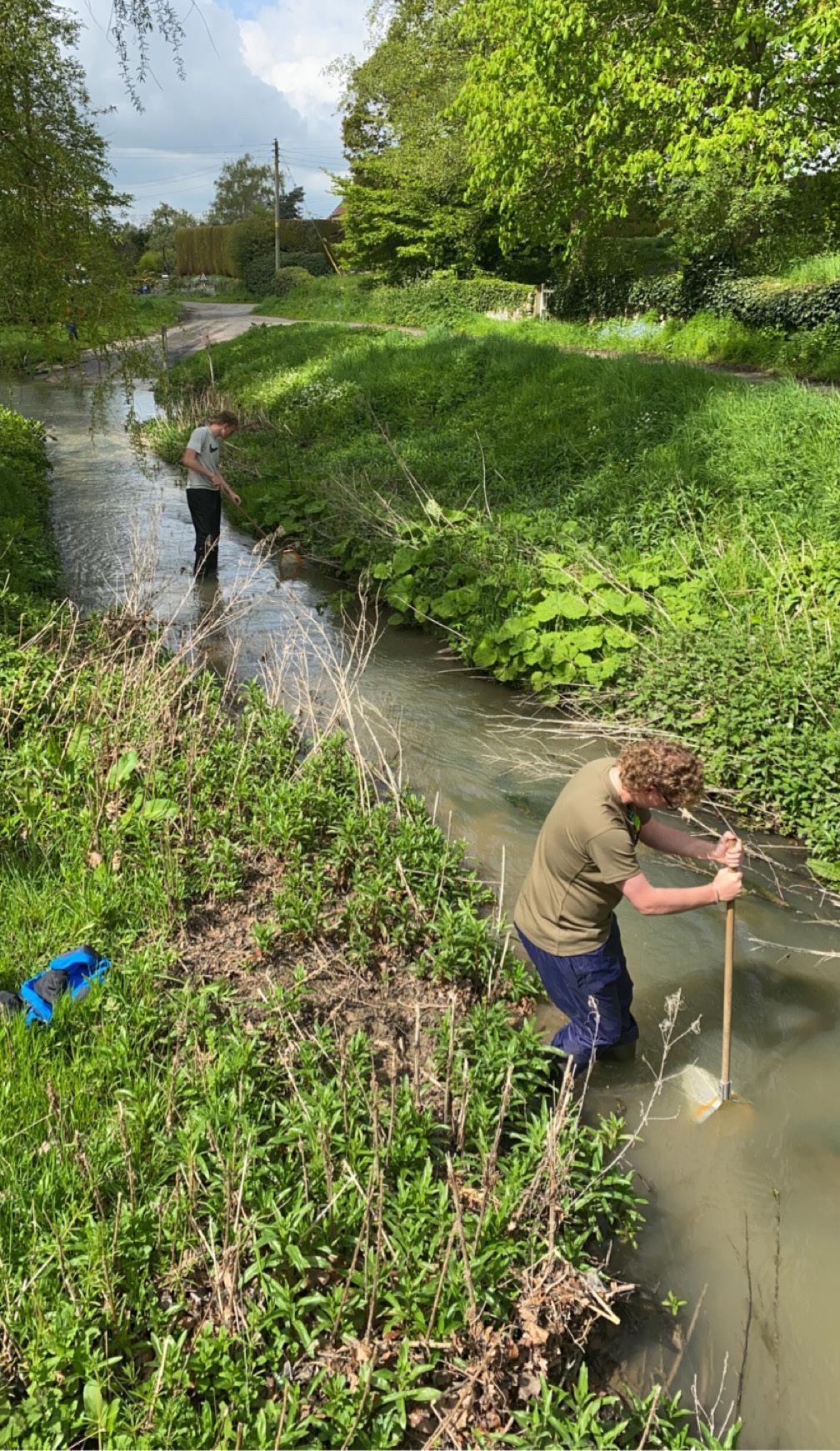
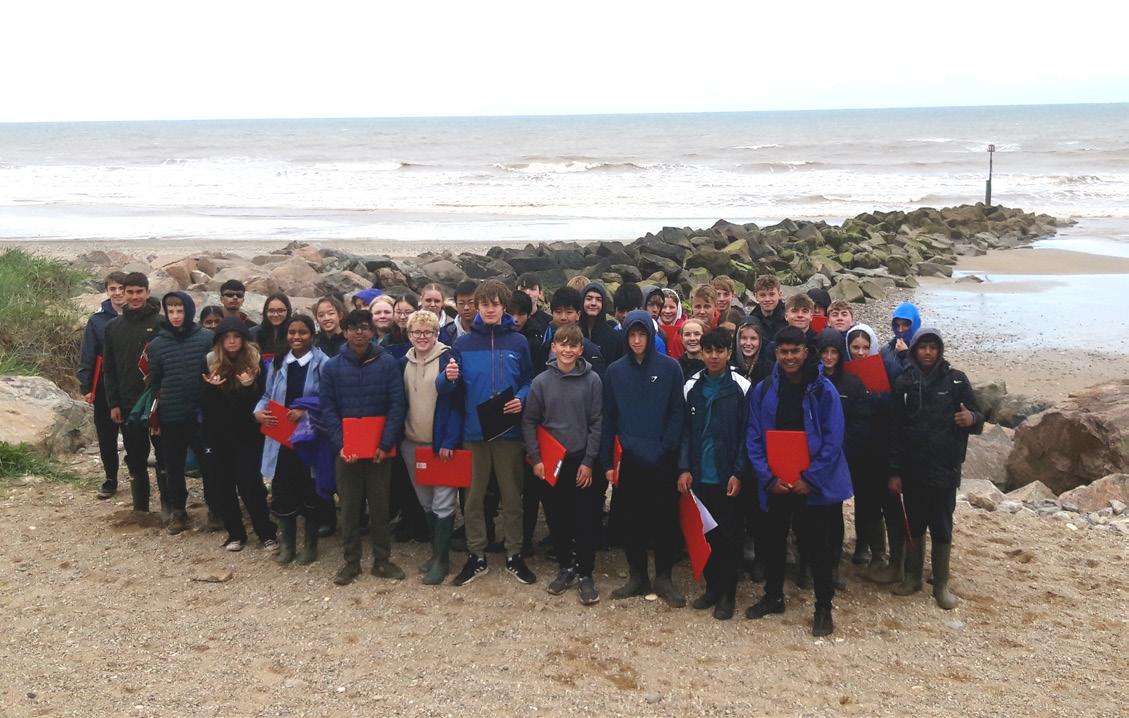
Fieldwork is a key part of the course, allowing you to work in groups to investigate real-world problems. Geography develops transferable skills such as analysis, problem-solving, teamwork, and critical thinking — all highly valued by universities and employers.
You will sit three external examinations. There is no coursework. Assessment
Geography opens doors to a wide range of careers, including
Sustainability | Energy | Regeneration | Earth Sciences
Business | International Relations | Civil Service
Its transferable skills also support success in almost any career or higher education pathway.
“Geography builds on so many subjects. For example studying the history of a country, the business in cities, as well as rainforests and ecosystems for Biology. It moulds with your other lessons and interests, enhancing your learning as you move forward.”
current GCSE student
Entry Requirements
Exam Board
Head of Department
There are no prerequisites to studying this course
Dr J Denton - jdenton@hymers.org
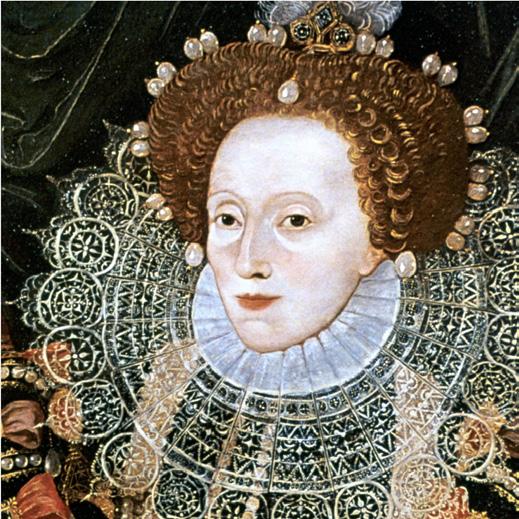
GCSE History lets you explore fascinating stories from the past while helping you understand the world today. You’ll study topics ranging from medicine in Britain, the Cold War, to Weimar and Nazi Germany, and the Elizabethan era. The course develops valuable transferable skills such as critical thinking, evaluating evidence, forming arguments, and presenting ideas clearly - both in writing and verbally.
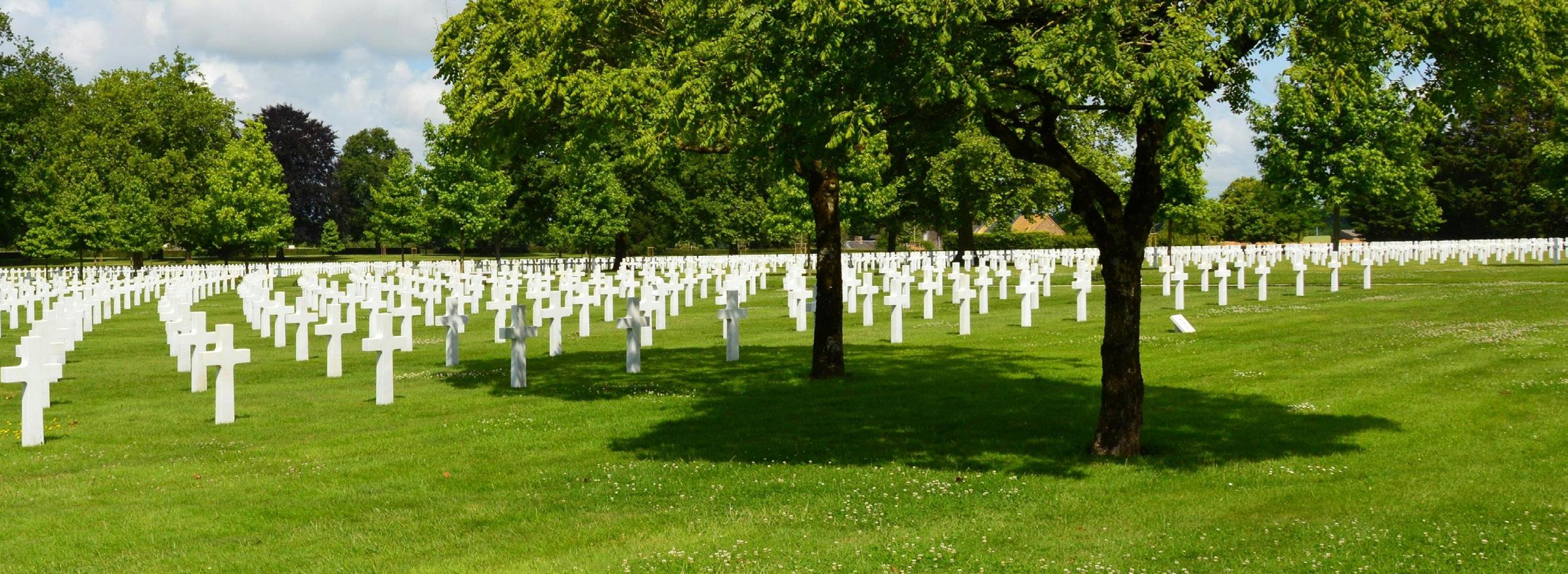
You’ll also have the chance to study history in context with visits to locations such as the battlefields of Flanders, bringing the past to life.
You will sit three external examinations. There is no coursework.
History is a facilitating subject, opening doors to careers in Law | Journalism | Politics Civil Service | Financial Services
The skills you gain - analysis, research, and communication - are valued in almost every profession.



“GCSE History includes an interesting range of different topics and the lessons really bring the past to life and show why it still matters today.”
current GCSE student
Entry Requirements
Exam Board
Head of Department
Previous Latin learning, preferably for at least a year
Eduqas
Mrs S Dickinson - spdickinson@hymers.org
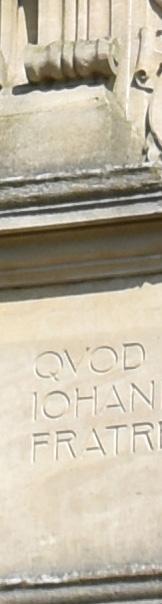
GCSE Latin builds on the WJEC Level 1 qualification that you will have completed by the end of Year 9. You will deepen your understanding of grammar, vocabulary, literature and Roman civilisation.
You’ll develop skills in analysis, critical thinking, interpretation, extended writing and interpretation which complement other humanities subjects.
You’ll gain confidence in reading unseen passages, translating Latin, and analysing literature, while the civilisation paper allows you to explore Roman life in depth.
You will sit three external examinations. There is no coursework.
GCSE Latin develops skills in languages, analysis, and critical thinking, supporting A Level study and careers in Law | Academia | History | Languages
In addition Latin is suitable for fields that value precision and logic.
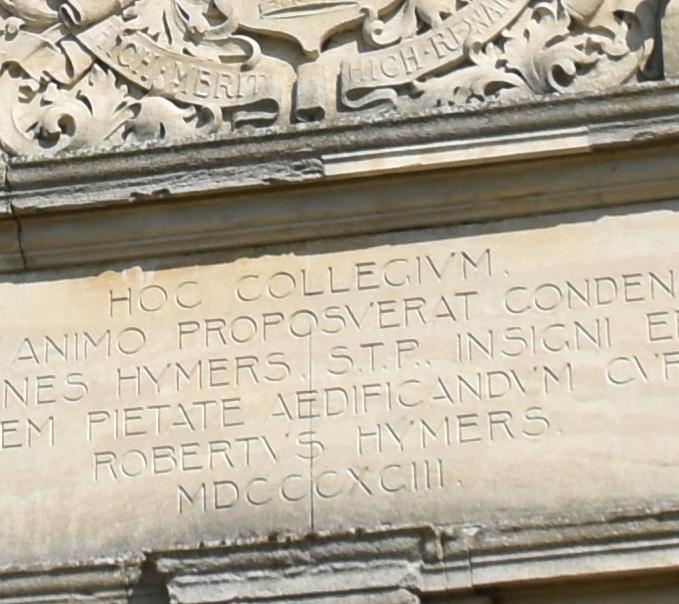
“In Latin you get to explore the origin, delve deep into ancient life, and learn something one in a few know.”
current GCSE student
None - This is a compulsory subject

Mathematics is a compulsory subject at Hymers, and it forms a vital part of your academic journey. It trains you to think logically, analyse data, and solve complex problems - all skills that are essential in almost every career path. You will regularly experience the ‘Exceptional Performance’ levels of the National Curriculum. You will develop your problem-solving skills and learn how to answer questions with little “scaffolding”, filling in the gaps to produce solutions that are not only correct but also well presented.
You’ll be taught in a set that allows you to work at the right pace and level for you. Smaller class sizes in some sets allow for more individual guidance when you need it. Everyone works towards the Higher Tier IGCSE, which has the same academic standing as the UK GCSE but includes a broader, international focus.
Appropriate use of calculators is encouraged, but mental and written arithmetic remain key skills. By the end of the course, you’ll be confident applying mathematics to real-life problems and academic challenges alike.
Assessment
You will sit two external examinations.
Calculators are allowed. There is no coursework.

Mathematics opens doors to a wide variety of careers and further study. It is highly valued for courses in
Engineering | Economics | Computer Science
Architecture | Finance | Medicine | Research Projects
Many employers look for strong mathematical skills, as they demonstrate problem-solving ability, logical reasoning, and perseverance.
“I enjoy Maths and really like my teacher. Even if some of the topics are challenging, the teacher helps to make them easier.”
GCSE
Entry Requirements
Exam Board
Head of Department
None, though studying French and/or Spanish in Years 7-9 is helpful
Edexcel
Mr A Sanz Caro - ajsanzcaro@hymers.org
Studying a Modern Foreign Language opens up a world of opportunity. It’s not just about learning how to speak French or Spanish - it’s about connecting with people, understanding cultures, and developing valuable life skills. You’ll gain the ability to communicate confidently in another language and explore the history, food, music, and traditions of the countries where it’s spoken. It’s a subject that challenges you to think differently and builds confidence, creativity, and resilience.
Top universities - including those in the Russell Group (such as Oxford, Cambridge, and Durham) - value language qualifications highly, and some even require a GCSE in a modern language for certain degree courses. Beyond education, being able to speak another language enhances your career prospects in areas like international business, travel, law, and diplomacy.
Learning a language also strengthens your memory, problem-solving, and communication skills, helping you succeed across all your subjects.

“I chose Spanish because I know how much top universities value it.
Learning a language is a real-world skill that looks great on your CV, it opens up so many more options for the future. It feels like I’m investing in myself.”
current GCSE student
Assessment
You will sit a final examination, assessing four distinct skills:
Speaking (25%)
Listening (25%)
Reading (25%)
Writing (25%)
There is no coursework.
Studying a language at GCSE keeps offering unparalleled versatility, complementing Sciences and Humanities subjects.
A testament to its value is that numerous students pursue languages at A Level, often pairing them with two Sciences. This strategic combination enriches their academic profile and opens exclusive pathways to the most esteemed universities.
Recent A Level students have gone on to study
Medicine | Law | International Relations
This demonstrates the power of a language to support a wide range of ambitious career paths.
A language qualification doesn’t just add to your CV - it adds to your worldview.
“The best part is when you start to actually understand and speak the language. The teachers create a really safe space to practise, so you’re not afraid to make mistakes. It’s so cool to go from knowing just a few words to being able to have a short conversation.”
current GCSE student

Head of Department
A good understanding of music theory and proficiency on at least one instrument (around Grade 4 standard) is recommended, but not required
Edexcel
Mrs C Fong - cafong@hymers.org
Music is more than just a subject - it’s a language that connects people, cultures and ideas.
Studying GCSE Music gives you the chance to create, perform and understand music in all its forms, from classical and jazz to film soundtracks and contemporary hits.
Research shows that learning music doesn’t just develop creativity, it also strengthens your brain. It has been proven to improve memory, concentration and problem-solving skills, while boosting performance in other academic subjects.
Through the course, you’ll grow as a performer, a composer, and a critical listener. You’ll develop confidence, creativity, and the ability to collaborate — all while discovering the art and science of sound.

“GCSE Music includes such a wide range of genres, which really increases your appreciation of different styles. I love the freedom of composition lessons - we get to use what we’ve learned about set works and apply it to our own music.”
current GCSE student
You will sit a written examination (40%), compose two original pieces (30%), and give two performances (30%).
Music builds a unique blend of creativity, discipline, and analytical thinking that’s valued in countless careers.
Beyond the obvious paths of performance, composition, or production, studying music also strengthens skills used in medicine, psychology, sound design, film and game development, and technology - particularly in areas like AI voice synthesis, app design and acoustics.
Music helps you to listen deeply, collaborate effectively, and express yourself confidently; skills that will stay with you for life.

“Musical training may actually help to set up children for a better academic future.”
Senior Investigator Nadine Gaab, PhD, of the Laboratories of Cognitive Neuroscience
June 2014
GCSE
There are no prerequisites to studying this course
Eduqas
Mr G Hambleton - grhambleton@hymers.org
What is right and wrong?
How should I live my life?
Philosophy, Religion and Ethics explores these and many other questions that shape how we see the world. You don’t need to have a personal faith - just curiosity about how people think and live.
You’ll study ethical and philosophical approaches to life’s big questions from both religious and non-religious perspectives.
Through theology, you’ll examine sources of authority such as scripture and teachings of religious leaders. Through philosophy, you’ll develop critical thinking skills that help you evaluate arguments and distinguish fact from opinion. Through social sciences, you’ll explore how religion and belief have influenced cultures and societies throughout history.
If you enjoy discussion, debate and exploring ideas, you will find this subject particularly rewarding.
“Philosophy and Ethics helps you develop deep thinking and analytical skills. It’s a subject that really makes you stop and question things.”
current GCSE student
You will sit two external examinations. There is no coursework. Assessment
Philosophy, Religion and Ethics develops analytical, evaluative and communication skills valued in many careers.
It supports further study in
Humanities | Law | Medicine
Politics | Social Sciences
“GCSE PRE was so interesting! We learned about Christianity and Islam but also about world views and issues like poverty and discrimination. It really made me more aware of the world around me.”
current
GCSE student
GCSE
Entry Requirements
You must engage in three sports, in which you can demonstrate proficiency, to successfully meet the practical component of this course
Exam Board
Head of Department
Mrs W Johnston - wrjohnston@hymers.org
If you love sport, enjoy being active, and want to understand how the body and mind work together to achieve great performance, then GCSE PE could be perfect for you.
This course combines theory and practice, helping you become not just a better athlete, but also a more knowledgeable one. You’ll explore the science of movement, the psychology of performance, and the social and cultural influences that shape sport today.
This is a course that blends movement, science, and motivation - ideal for anyone who wants to turn their passion for sport into lifelong knowledge and opportunity.
“There’s such a great sense of community in the classroom, and the friendly rivalry between classes keeps things fun!”
current GCSE student
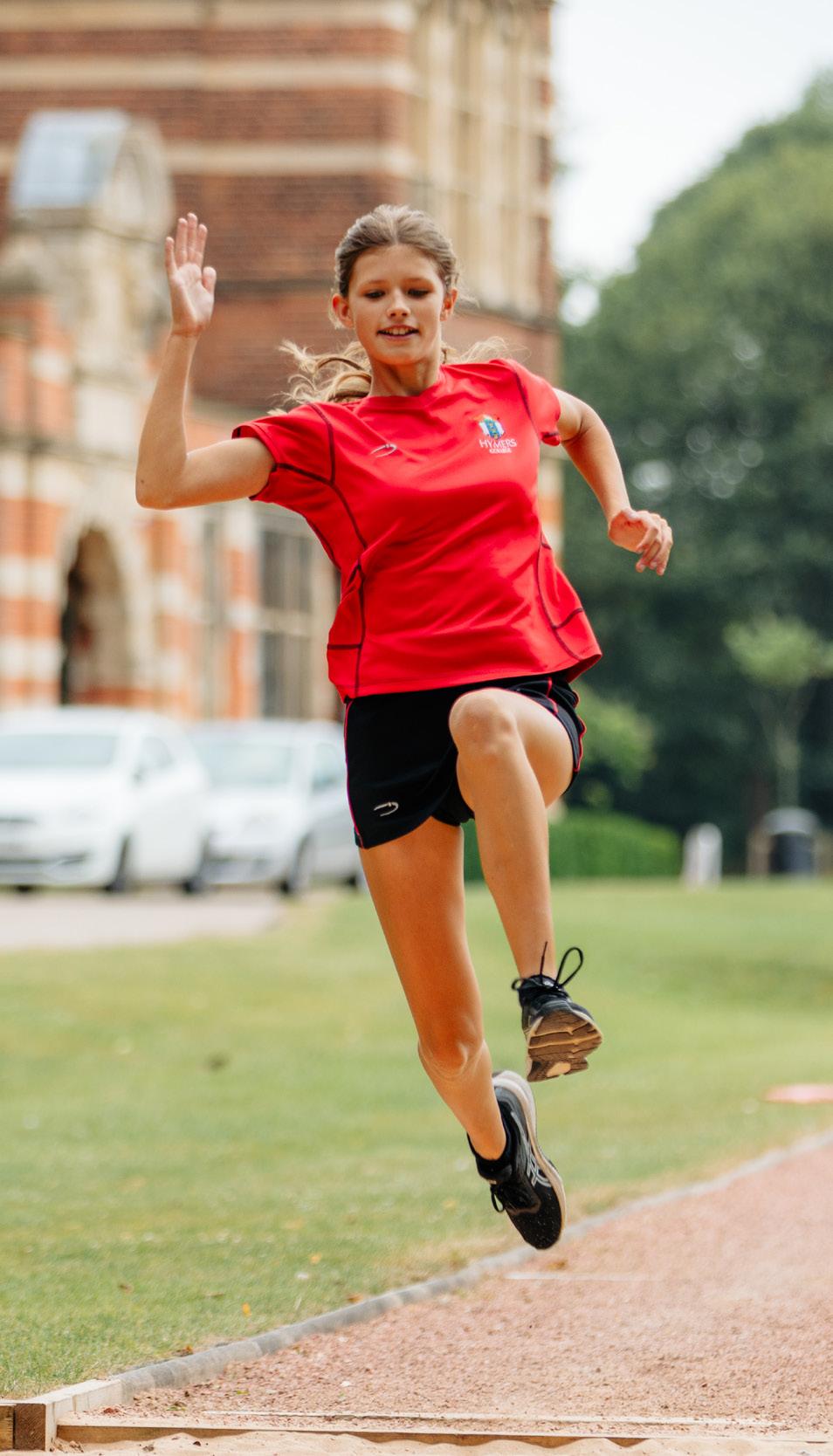

“Studying PE is great because you can specialise in sports you enjoy. I focus on badminton, volleyball and swimming.”
current GCSE student
Assessment
You will sit two written examinations (60%) and complete coursework (40%).
GCSE PE provides a strong foundation for careers in
Sport | Health | Education | Coaching
Sports Management | Physiotherapy | Fitness Training
The course develops valuable skills such as teamwork, leadership, communication, and resilience, all of which are highly regarded by employers and universities.
It also encourages lifelong habits for maintaining physical and mental wellbeing.

There are no prerequisites to studying this course
Mr B Young - bjyoung@hymers.org
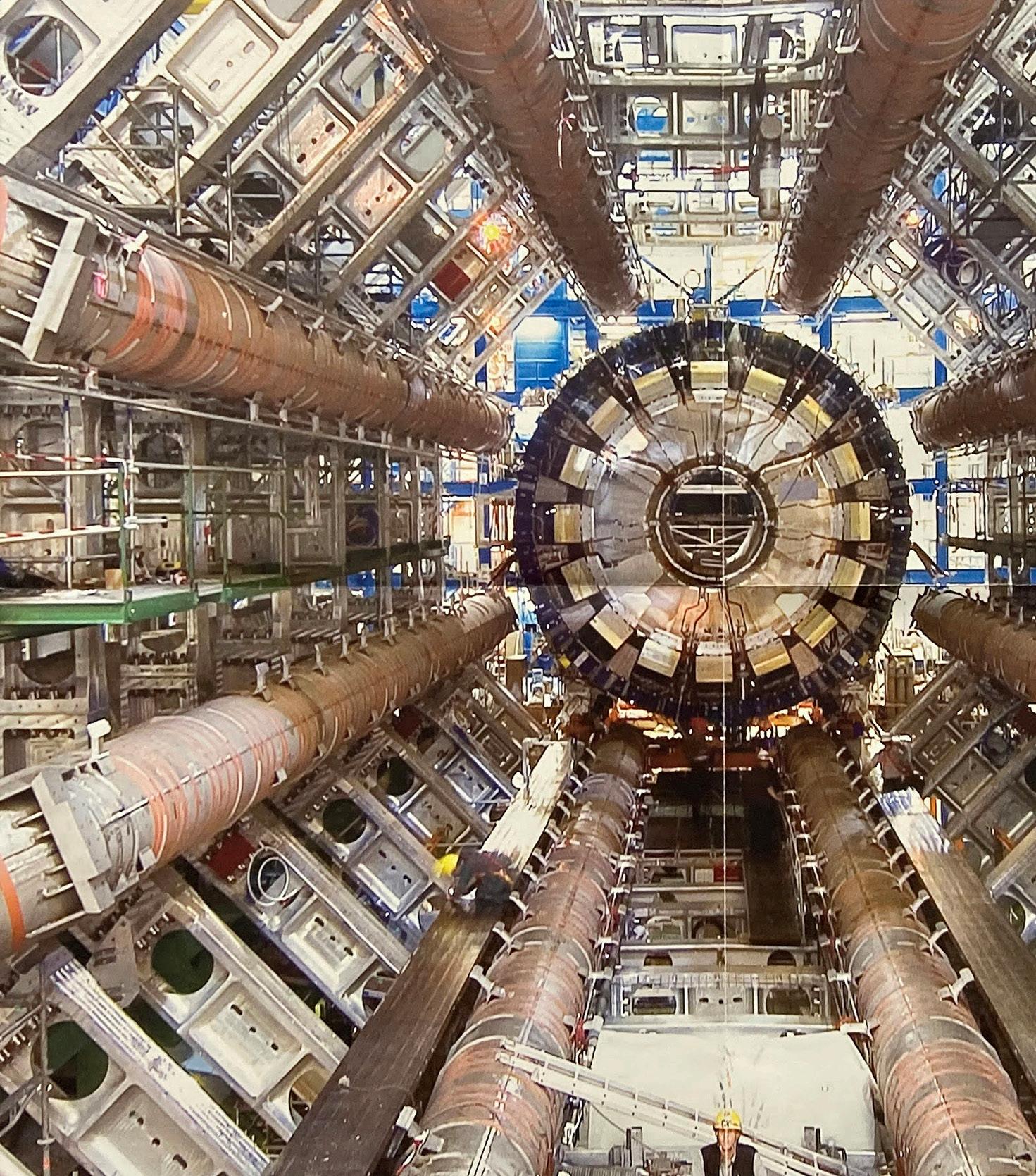
Physics helps you understand how the world works, from the tiniest particles to the forces that shape the universe. You will explore a wide range of fascinating topics, including:
• Forces and their effects
• Waves
• Heating processes
• Electricity
• Motors, generators and transformers
• Nuclear physics
You’ll regularly carry out practical and investigative work, developing skills in observation, measurement, and analysis.
Physics not only helps you understand the world but also teaches you to think critically and solve complex problems - skills that are valuable in any future path.
You will sit two external examinations. There is no coursework. Assessment
Physics opens doors to a wide variety of careers. Students often go on to study
Engineering | Finance | Banking
Nuclear Industry | Science Writing
Teaching
The analytical, problem-solving, and logical thinking skills you develop in Physics are highly valued across industries and higher education.
“Physics is very interesting and useful in supporting my study for a broad range of courses at A Level and beyond.”
current GCSE student
There are no prerequisites to studying this course
Mr J Hartley (Head of Biology) - jwhartley@hymers.org
Mr G Prescott (Head of Chemistry) - gprescott@hymers.org
Mr B Young (Head of Physics) - bjyoung@hymers.org
If you take the Combined Science: Trilogy course, you will earn two GCSEs instead of three. This can free up space in your timetable to explore an additional subject outside of science, giving you more flexibility to pursue your interests.
When deciding between the 2-GCSE Trilogy route and the 3-GCSE separate sciences, it’s important to consider your future plans. If you are thinking about studying science at A Level, you can progress onto Biology, Chemistry, or Physics A Levels from the Trilogy course, provided you achieve at least grade 7s.
However, taking the three separate sciences gives you more content and a stronger foundation for A Level study. This option may make you feel more confident and better prepared if you are aiming for careers in medicine, engineering, or other science-related fields.
Ultimately, the right choice depends on your interests, strengths, and future goals, and you should discuss your options with your teachers, Form Tutor, and parents to make the best decision for you.

Assessment
You will sit two Biology examinations, two Chemistry examinations and two Physics examinations. There is no coursework.

Studying Combined Science keeps your options open. You can still progress to A Levels in Biology, Chemistry, or Physics, and many students who take this course go on to achieve great success in those subjects.
However, it’s worth noting that students who have taken the separate sciences will have covered a little more content, which can give them a small head start at the beginning of A Level study. With hard work and determination, though, you can quickly close that gap and thrive in any science course you choose to pursue.
“The advantage of the Combined Science course is that there is less content than the separate sciences, but the content is still taught to the same high level as the individual route.”
current GCSE student