

This exhibit delves into human-mediated representations and narratives that surround the classical elements across visual culture. We invite you to reflect on how visual culture shapes our relationship with the elements over time through artistic media and expression. Each work in this exhibition encourages you to reimagine our ecological futures and think critically about our relationships with the elemental world. What stories of harm and healing unfold through our encounters with the elements? In what moments do the elements of earth, air, water and fire emerge as dynamic, agentic presences in the world outside of us? And when do we discover our own elemental natures in sympathy with the worldly elements?
Curators: Marjorie Rubright & Liz Fox
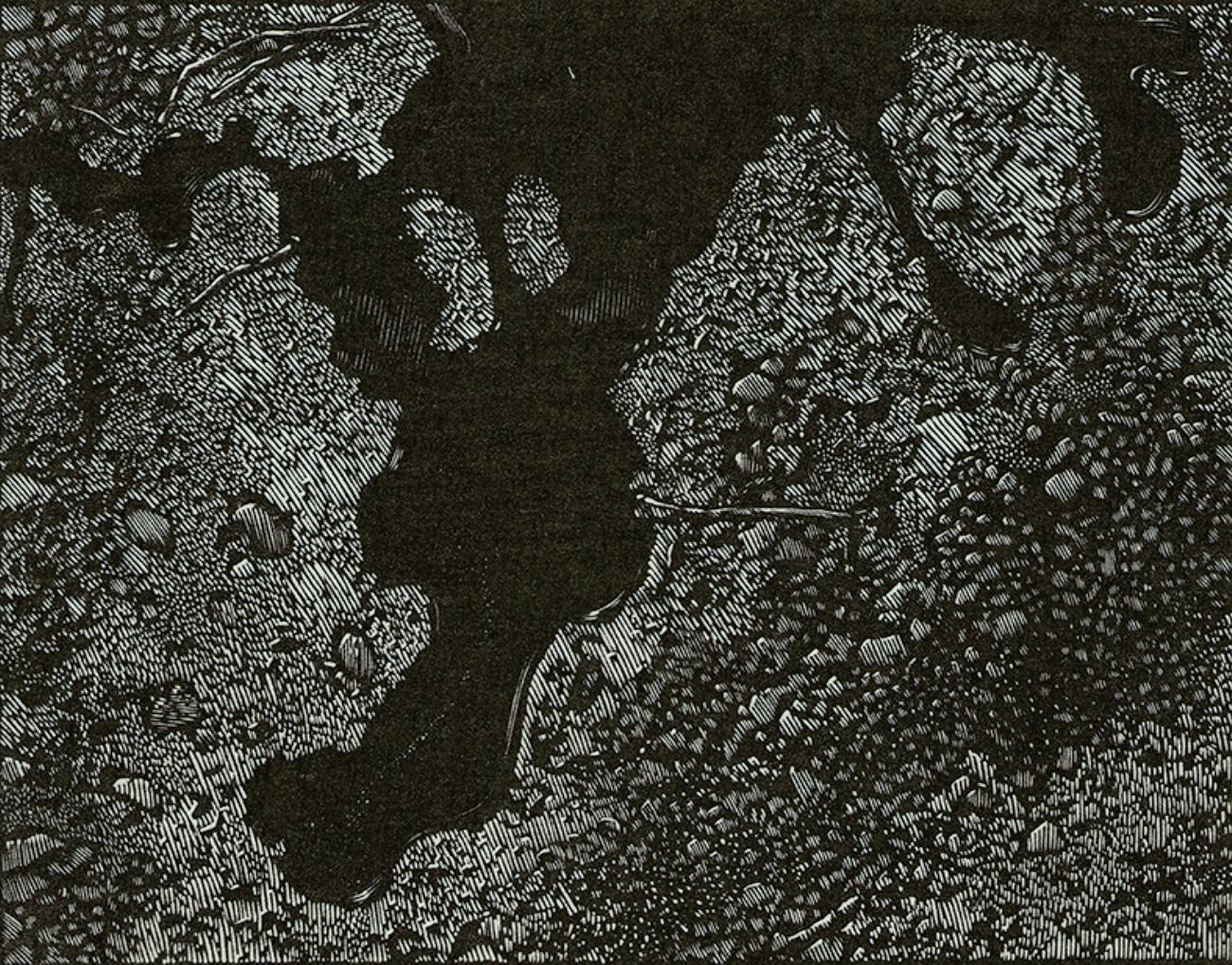
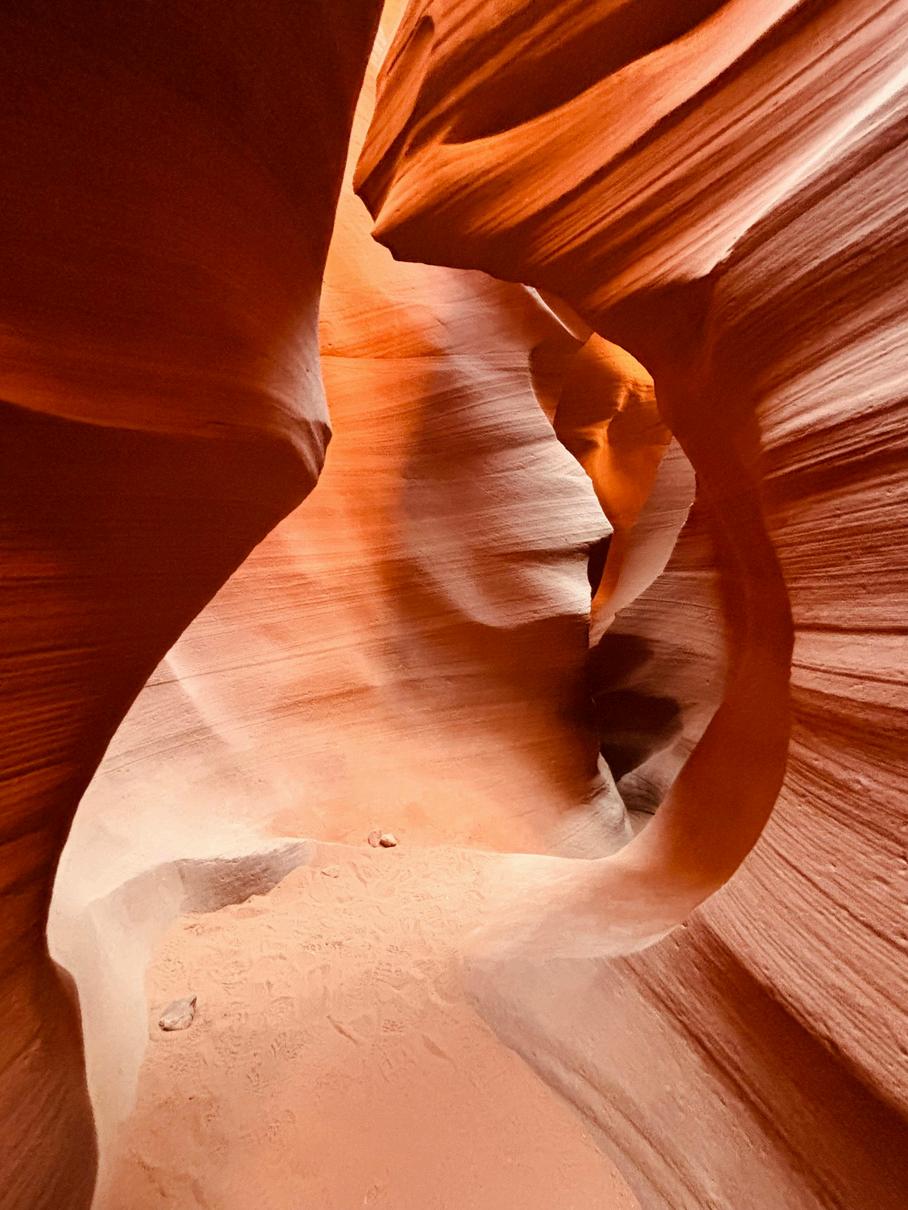
Let thoughts flow: The title of this piece invites us to consider relationships across language, the earth, and the body does blood pour like dust? What other vocabularies do we deploy to analogize elemental processes to the human body and vice versa?
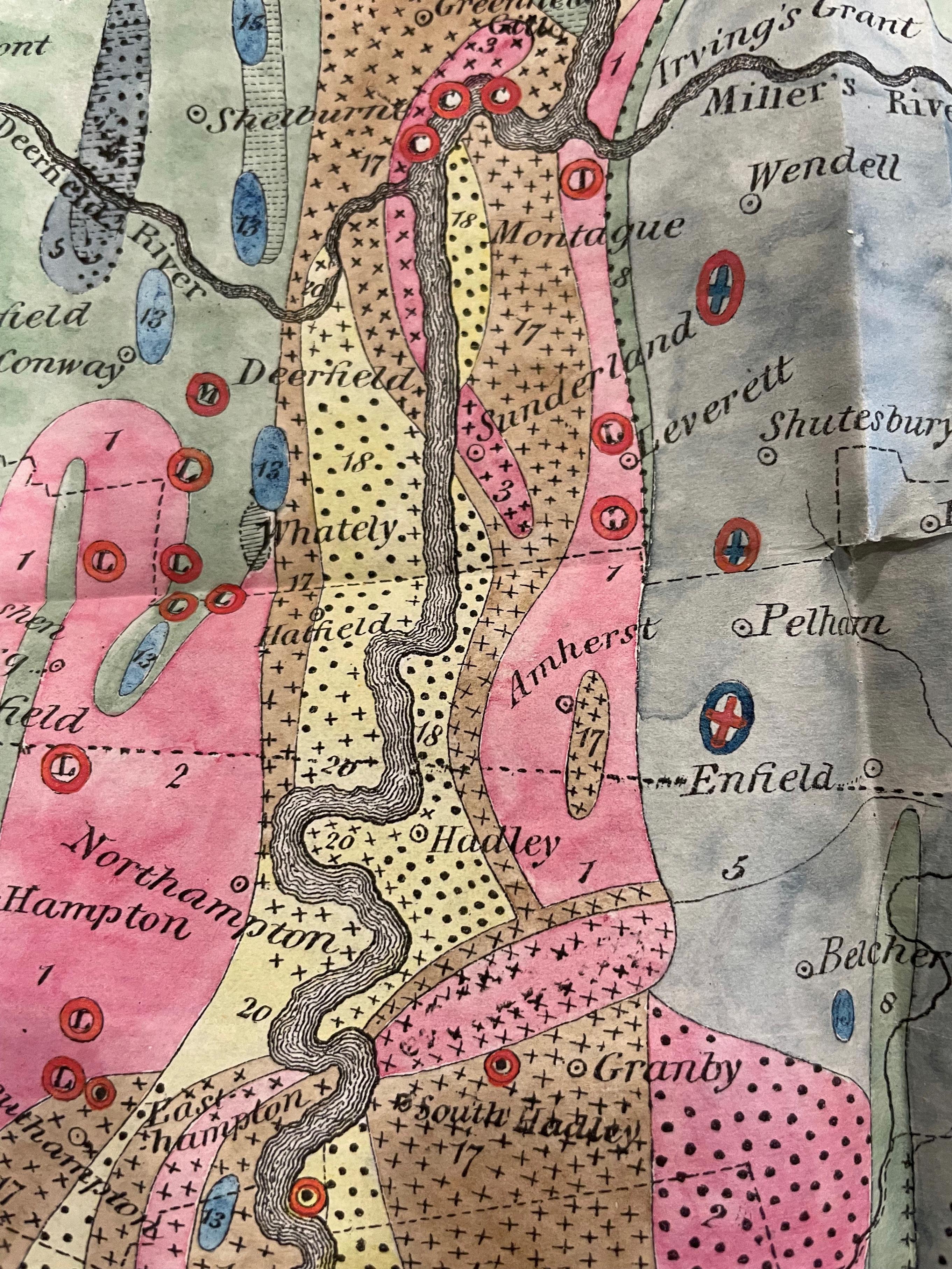
The first full-scale, government-funded geological survey in the country happened here in Massachusetts and was conducted by Amherst College Professor Edward Hitchcock. It was a bold and visionary project that culminated in a 700-page report accompanied by a hand-colored Geological Map of Massachusetts (1834) This ground-breaking survey inspired other states to follow a similar model, raising expectations for public geological research across the country.
Dig deeper: Why do you imagine a state might be interested in understanding its own geological composition?
In Their Blood Shall Be Poured Out Like Dust (Barry Moser, 1999), a viscous substance gently winds its way through a parched, dusty landscape. The abstract visual composition of this piece opens space for broader interpretations perhaps we are witnessing the emergence of a river eking a path through rugged terrain, or oil surfacing from deep below This ambiguity invites us to reflect on how elemental forces become analogous to the body and how we imagine ourselves as composed of those elements.
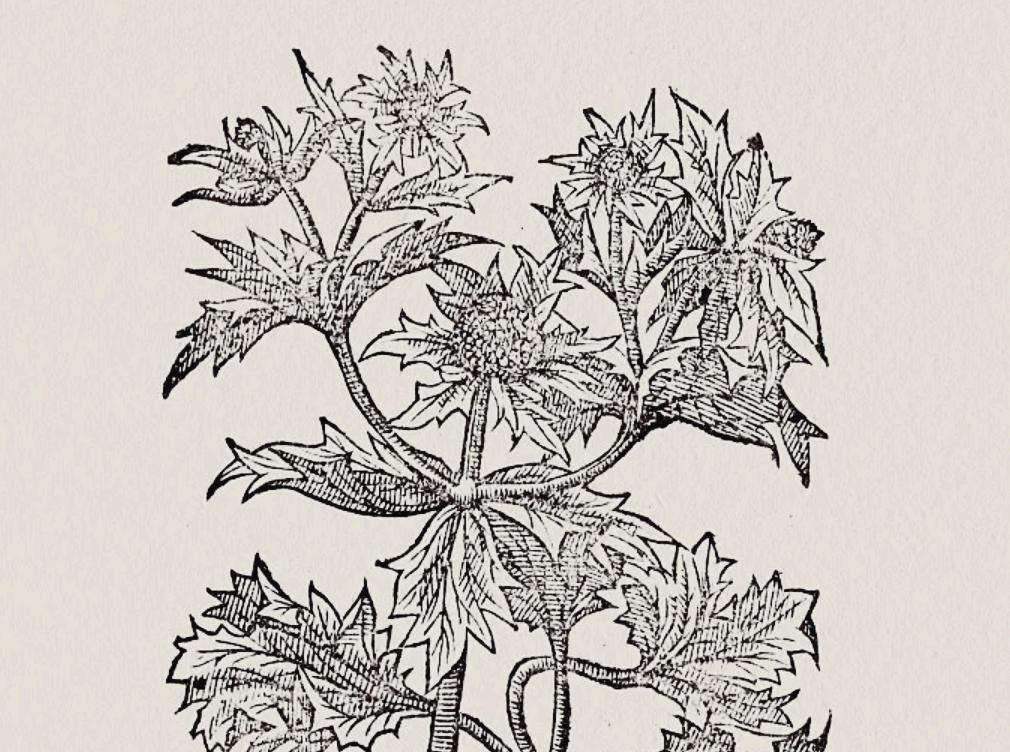
You may be surp to learn that Of Hollie (John Ger 1597) is represen of one of the mo influential and w read herbals of t Renaissance Se both a scientific a practical guide drew heavily from earlier works to compile a catalog of plants, supplemented by his own observations and those of contemporary global explorers The Herball contains over eighteen hundred woodcuts, almost all of them adopted from earlier herbals. Later in history, this work was criticized for borrowing heavily from women and indigenous healers without any attributions.
Cultivate curiosity: Does Gerard’s description of Sea Hollie align with how you might describe it based on this image? How does language limit our ability to describe the elements?
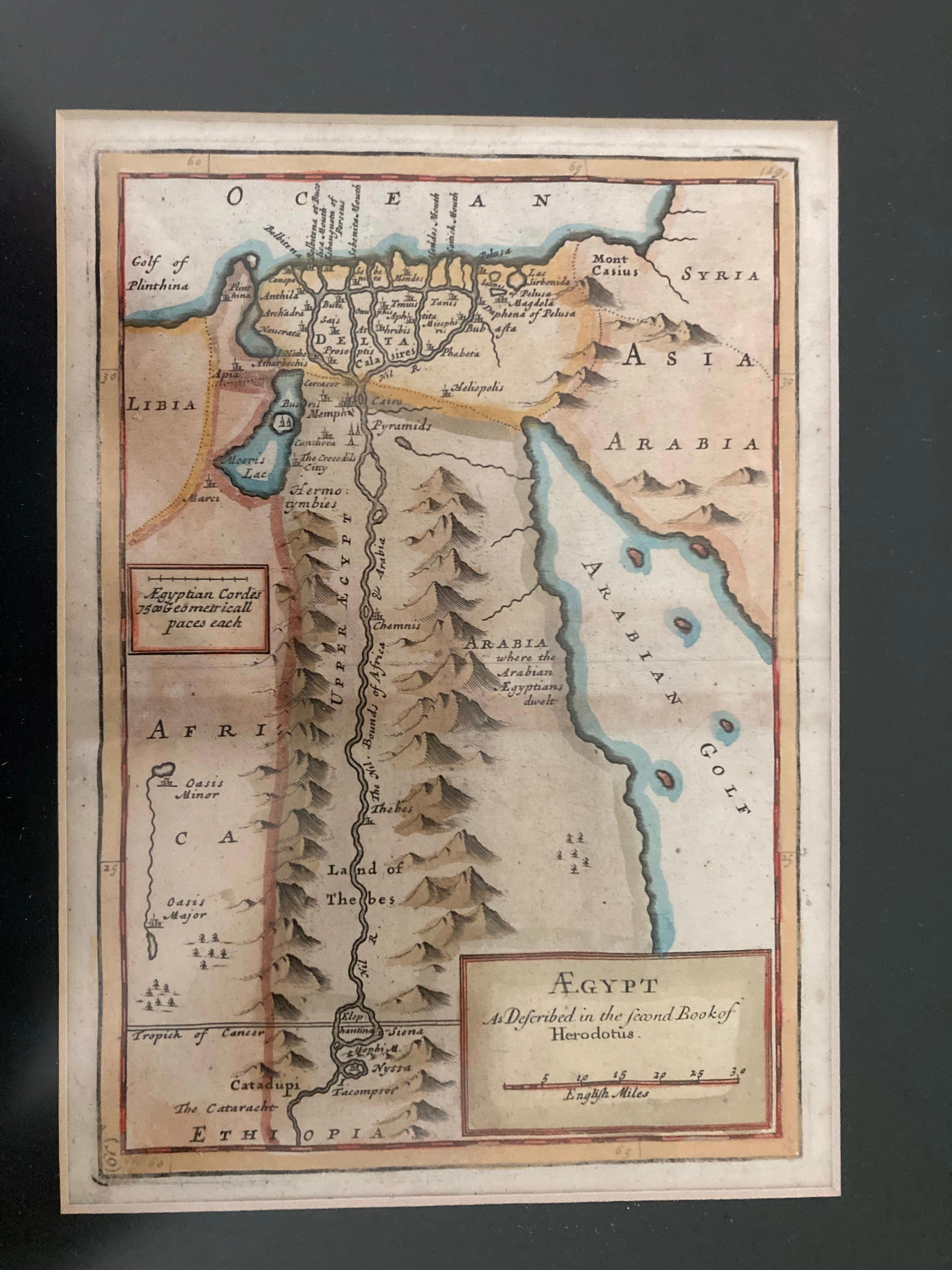
You wouldn’t know it from looking at these early modern Maps of Africa and Ægypt (Christoph Cellarius, 1690), but Cairo’s notoriously poor air quality was as well known in the early modern period, as it is today A combination of desert dust and urban living combine with the Nile’s low-lying delta and dry climate to create an environment of contaminated air. Raise questions: While the maps in this exhibit help us understand the topography and geology of a region, what elements are sanitized through these documents? What histories are silenced?
By the early 1980s, Los Angeles had made progress in reducing smog, with fewer visible smog days and improved air quality, although invisible pollutants remained a concern Victor Landweber’s Burbank, Unhealthy Air for Everyone, 8-29-85 (2016) captures light refracted through moisture in the air creating a rainbow-like haze. The muted hues and less vivid colors are symptomatic of the diminished air-quality

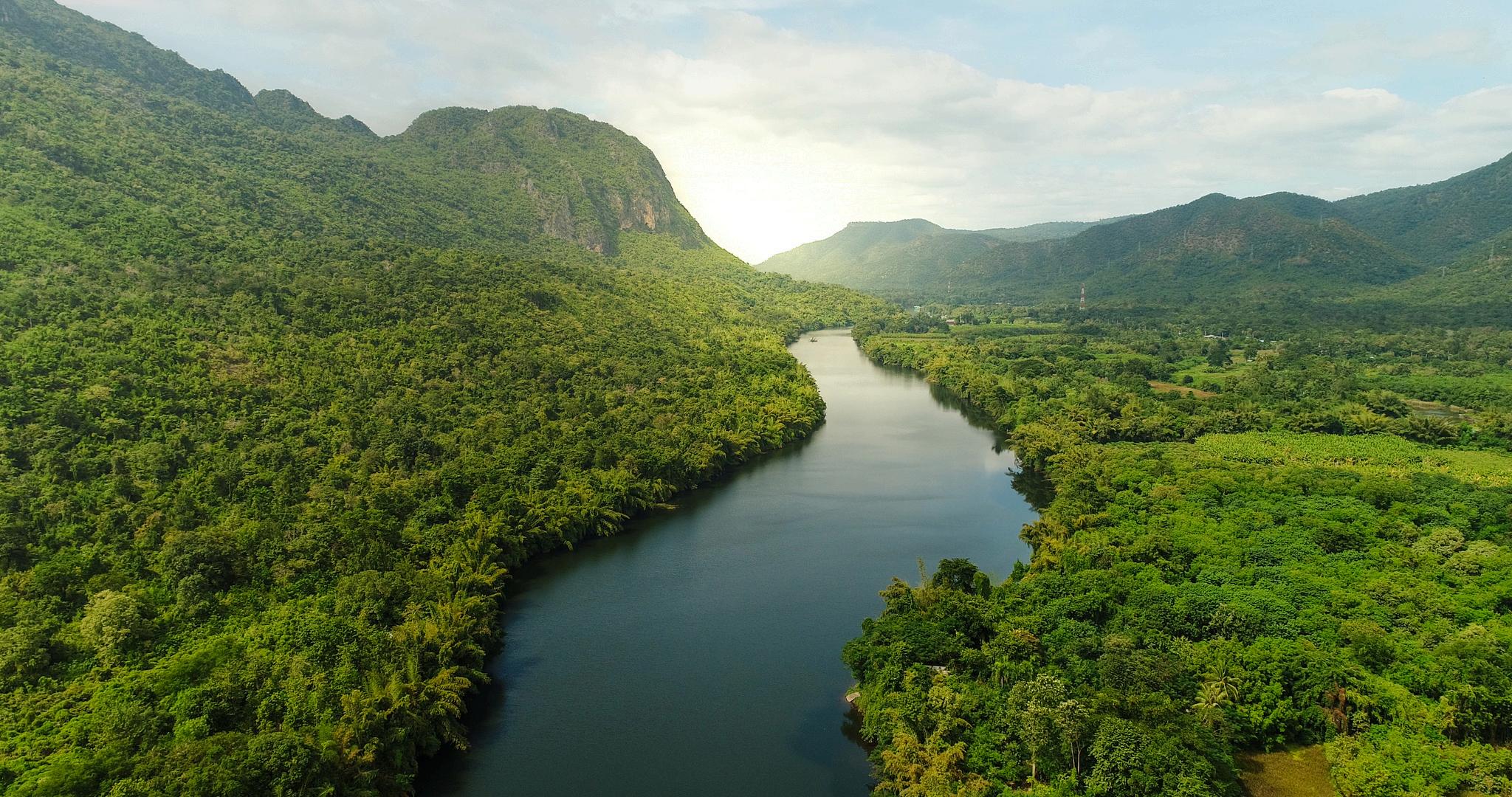
Seed an idea: In what ways does the view of this natural landscape communicate the complexities of human impact? If we are the air we breathe, who are we?
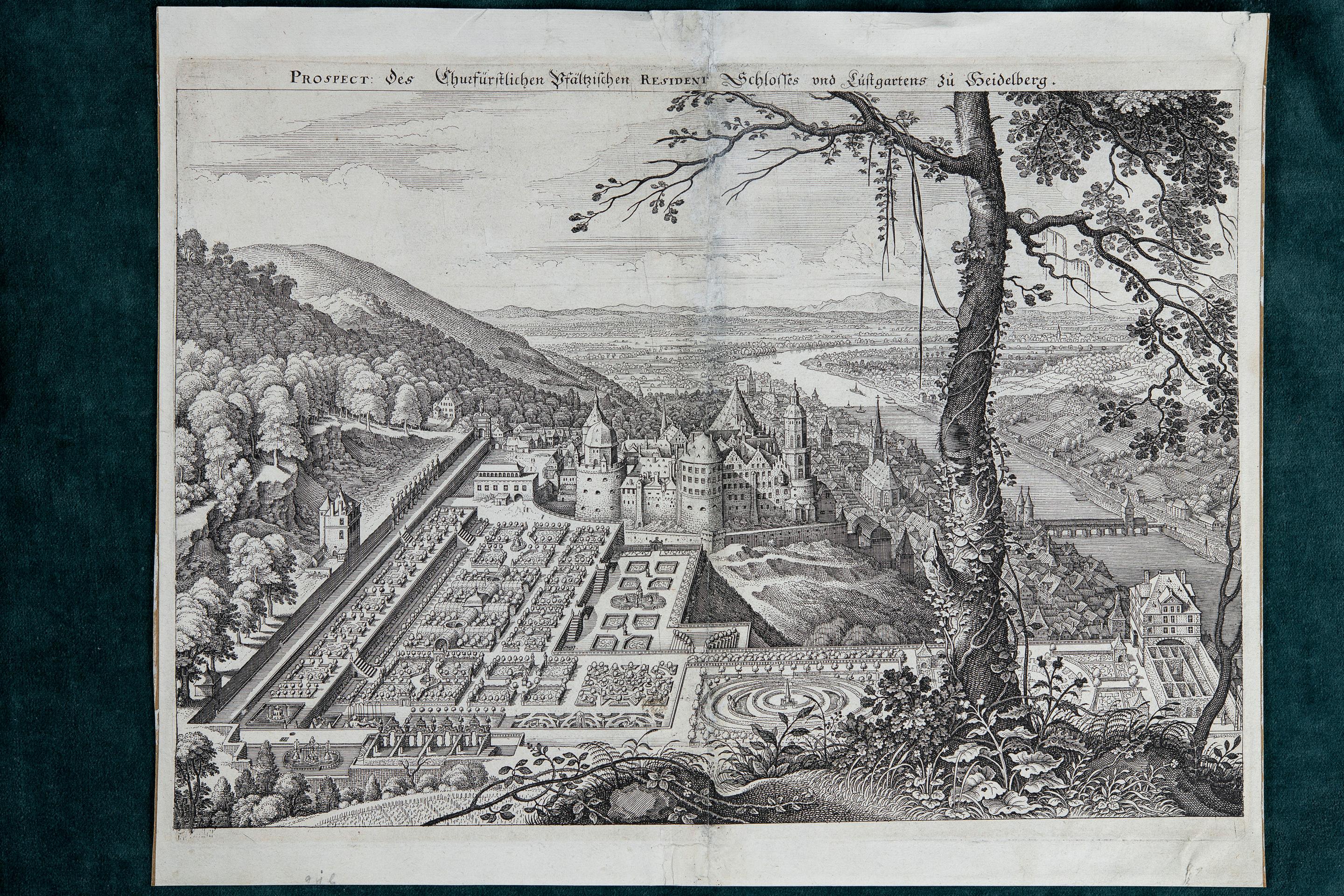
Heidelberg Castle, with its earliest structures built during the 13th century, served as the primary residence and defensive structure for the Counts Palatine and the Elector-Princes of the Palatinate through the late 17th century.
Prospect: des Churfürstlichen Pfältzlischen Resident Schlosses und Lustgartens zu Heidelberg (Matthäus Merian the Elder, c. 1638) features pristine castle surrounded by bucolic gardens and a spectacular view of the Neckar River. The edifice itself survived multiple wars and fires. It was even struck by lightning … twice!
Spark the imagination: The curated gardens and bucolic composition of this engraving obfuscate the fiery history of Heidelberg Castle What capacities for damage and repair manifest between elements? Where do the boundaries of these relationships erupt?
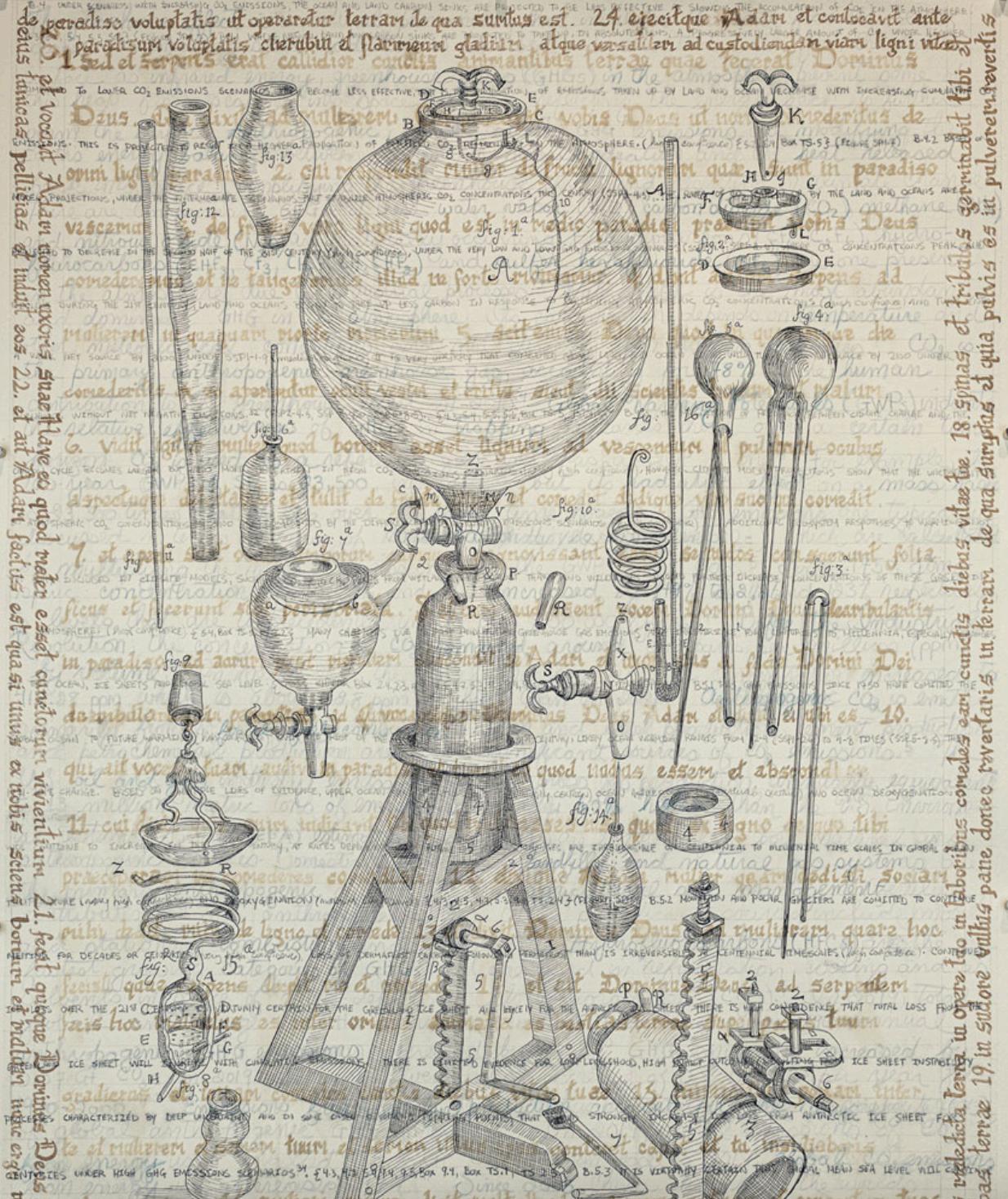
Head in the clouds: Boyle’s air pump is indicative of a scientific investment in understanding and measuring the world around us But when does science fail to measure up or fall short in its impact?
The Kinney Center’s 2023 Artist in Residence, Suzette Marie Martin, juxtaposes a diagram of Robert Boyle’s air pump amid two interwoven texts: passages from the Vulgate Bible (1495) in the Center’s rare book collection, and text from the 2021 IPCC report on climate change. Presented in concert, Martin’s Paradoxa Hydrostatica (2023) invites us to consider links between Boyle’s experimentation with air pressure and our contemporary concerns with air quality and ozone depletion
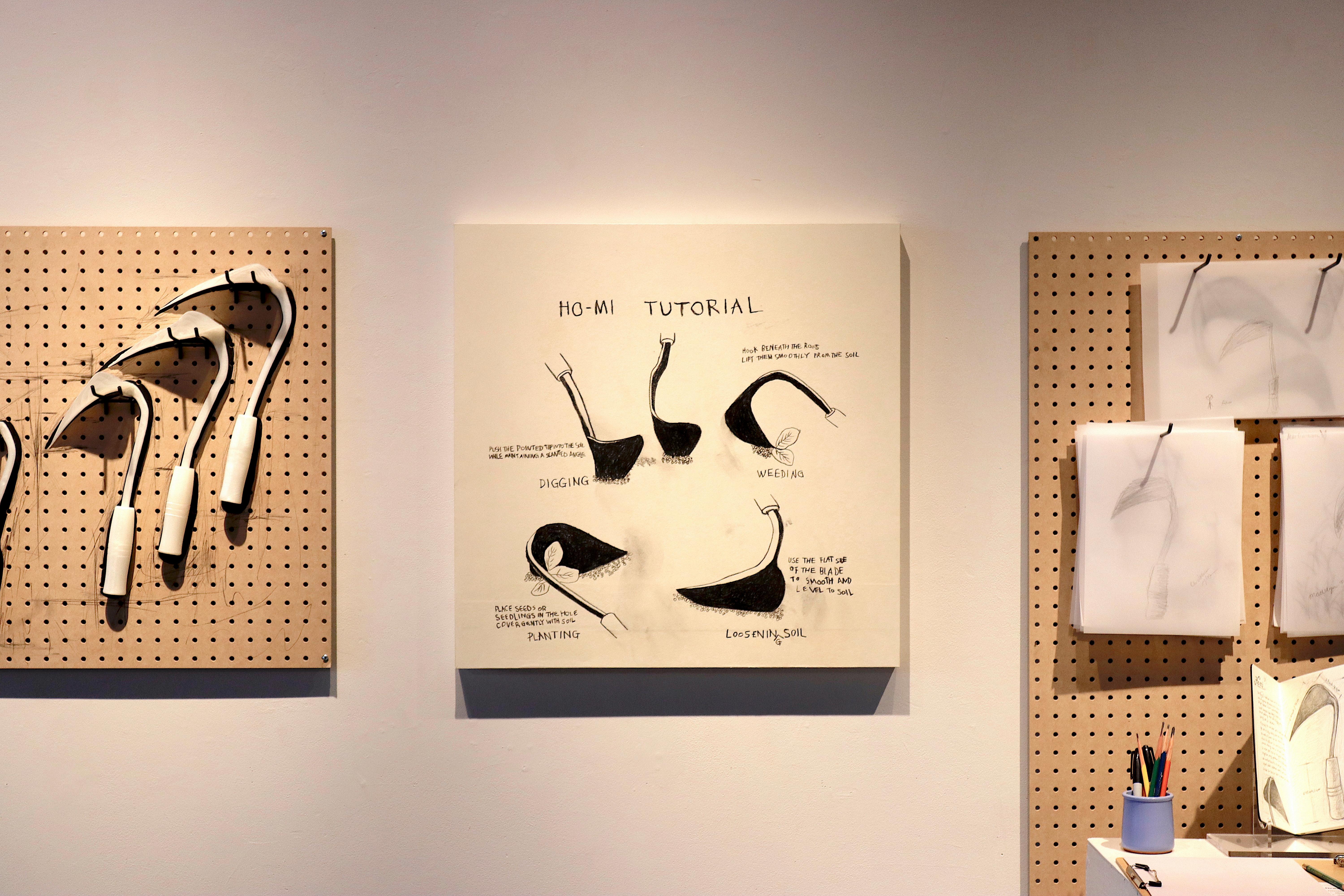
This pegboard tool station features the traditional Korean Ho-mi, a hand-plow used for farming and weeding The artist, Renaissance of the Earth Fellow, Bo Kim, imagines Tool of the Common and Ho-Mi Tutorial (2025) hanging in a shared workshop space in a not-too distant future when collective repair and knowledge-making will shape everyday life In this imagined future, tools are passed between hands, rather than owned as private property, and care for land and one another is a reciprocal responsibility
Retool your thinking: What tools do we use to contend with the elements today? Imagine strangers from another world discovering these tools: what human needs and desires do our tools reveal about us?
The Kinney Center for Interdisciplinary Renaissance Studies advances fresh research in the early modern humanities. Our mission is to support and promote interdisciplinary scholarship and publicfacing humanities programming with the goal of exploring connections between the early modern world (c. 1400-1700) and our own
The Renaissance of the Earth revolutionizes what it means to engage the early modern past with questions about our environmental future. Through a range of cross-disciplinary collaborative models, it puts students, artists, and scholars at the center of an interdisciplinary research agenda with the goal of discovering diverse avenues for creating sustainable and equitable life
Learn more about the project: www.renaissanceoftheearth.com