32
ALTERNATIVE FUELS
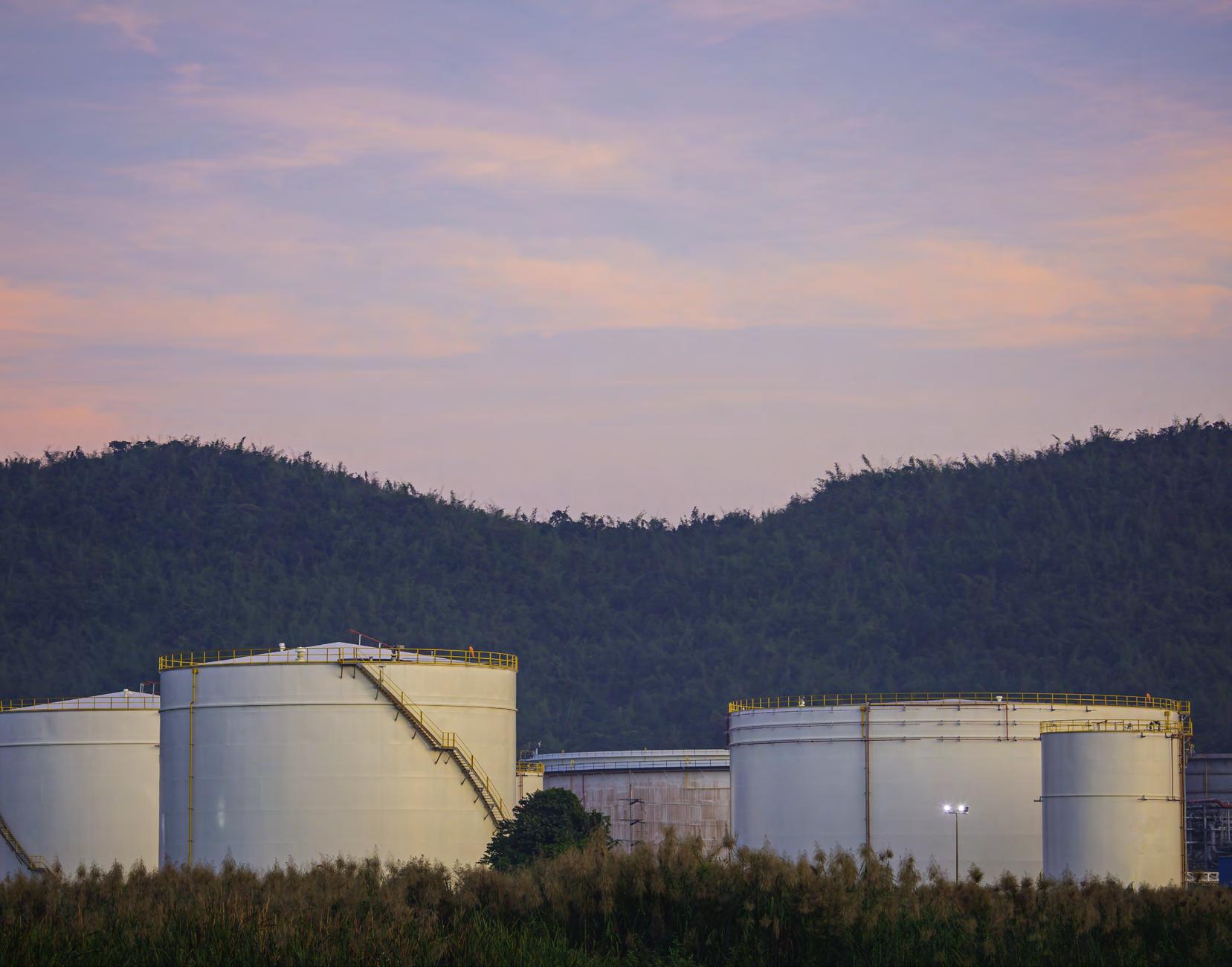
As shipowners and operators have pushed ahead with ship orders including duel fuel LNG propulsion, there are fears that the market has already peaked
PEAKS AND TROUGHS The recent run of newbuilding capesize bulk carrier orders featuring dual-fuel liquefied natural gas (LNG) propulsion may have peaked, according to research and forecasting company Maritime Strategies International. The fall-off in interest in LNG-fuelled ships raises concerns over their long term viability against tightening regulation and growth in availability of ammonia and methanol-ready dual fuel engines. Concern over the shape of future lowcarbon regulations are partly to blame for muted dry bulk newbuilding orders during 2021, despite bulkers registering the highest average annual earnings since 2007/08. Contracts declined sharply over the second half of last year and have all but disappeared in 2022: for the year to March, just seven new dry bulk contracts have been reported. One of the most notable trends from last year was a sharp uptick in LNG’s share of contracts – 31 of the 77 capesize vessels ordered were dual-fuelled ships. Most of
these were built on the back of long-term charter agreements between miners and shipowners, stretching over a period of between five and 10 years. MSI’s Q1 Dry Bulk report notes that there does now seem to be an emerging consensus on future fuels for shipping, converging on ammonia or methanol, which may have the effect of supressing contracting if a workable low-carbon solution is deemed to be just around the corner. It suggests that the ordering of ships with dual-fuel LNG engines may have already peaked, as a commercial solution for ammonia and methanol fuels looks to be edging closer. “Given the commitments by the major mining companies already in place, the recent spate of capesize dual-fuel contracts may have already run its course,” says AlexStuart Grumbar, dry bulk analyst at MSI. “Owners ordering dual-fuelled ships with an economic life of more than 15 years will also be mindful of the expected market conditions towards the end of the 2030s and the
C L E A N S H I P P I N G INTERNATIONAL – Summer 2022