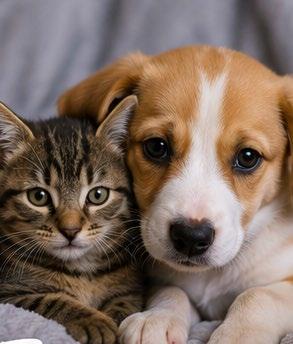
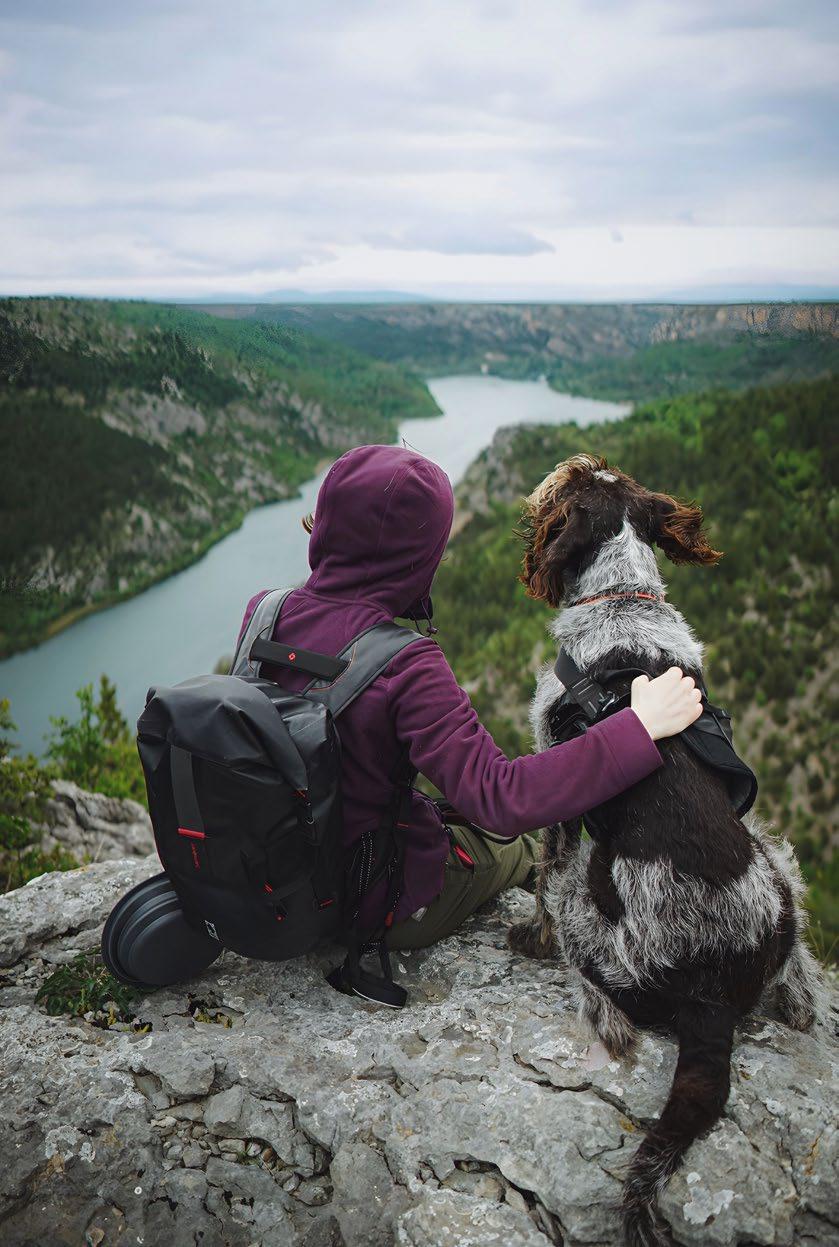
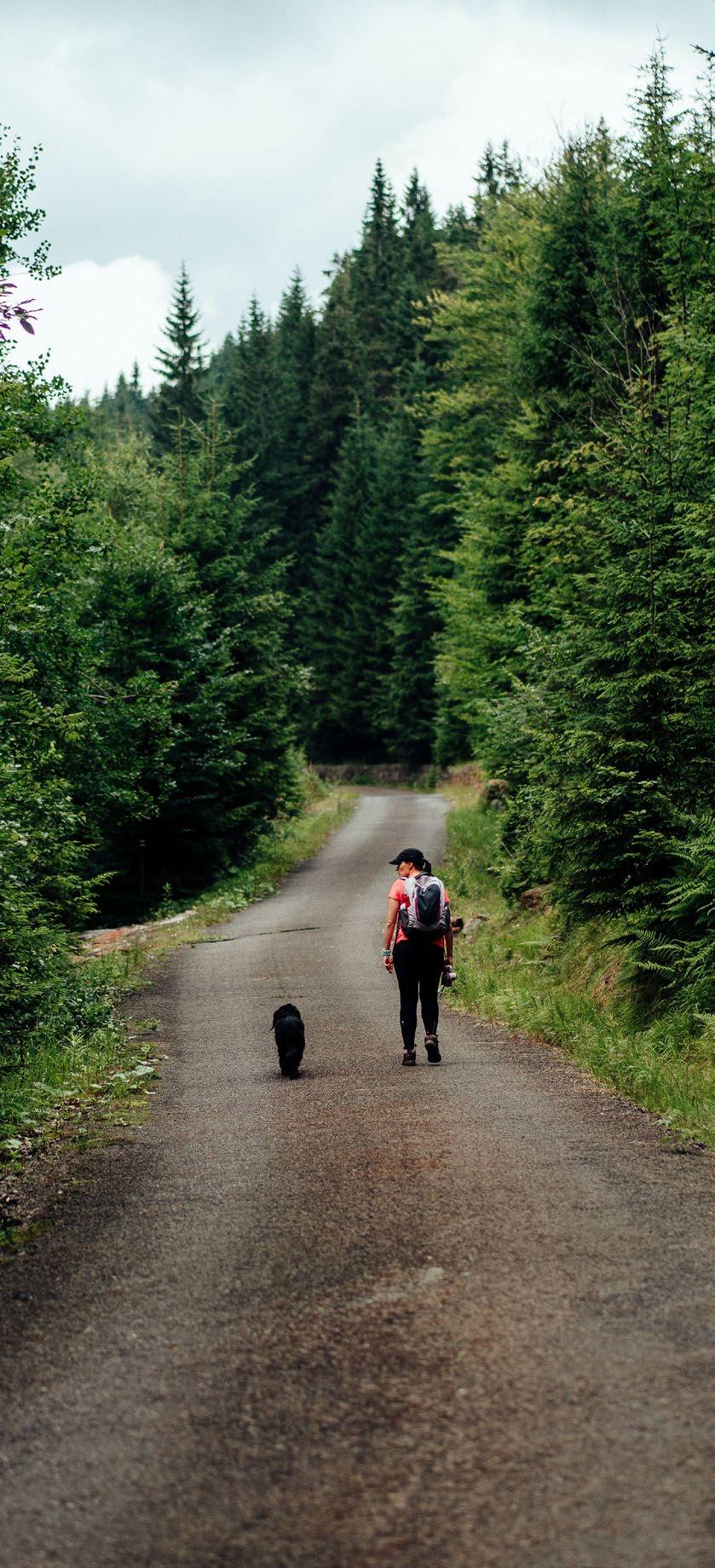
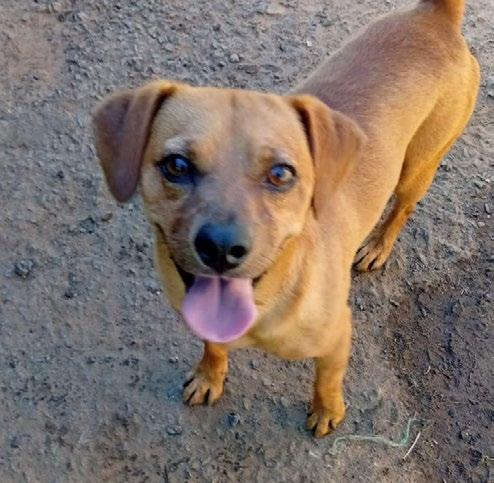
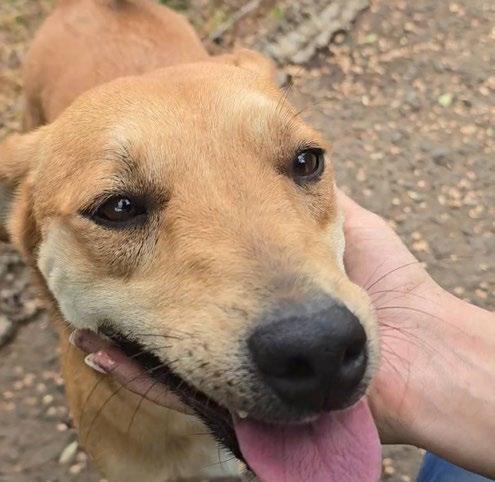
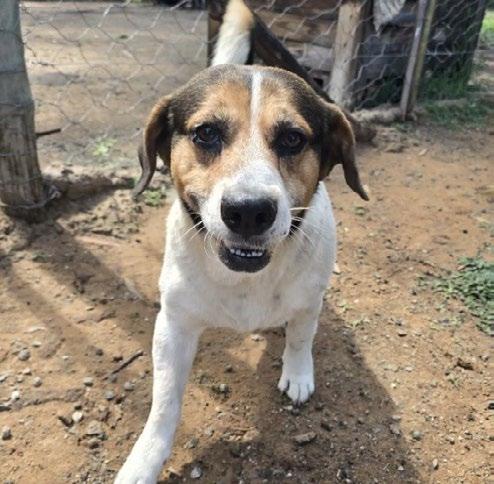
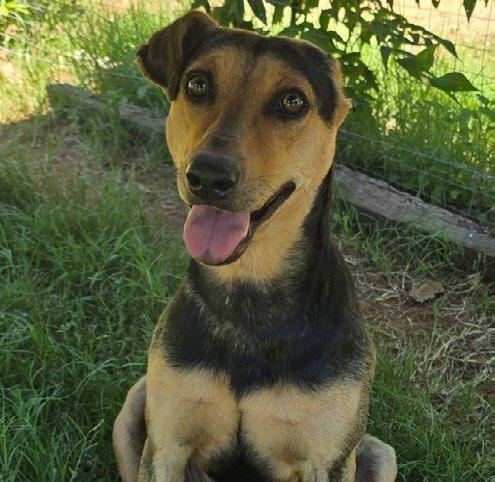
A home with a pet is built on small, daily acts of care. We craft Lionel’s Choice to be one of them.
hypoallergenic nutrition that protects their health so you get more of what matters: time together.
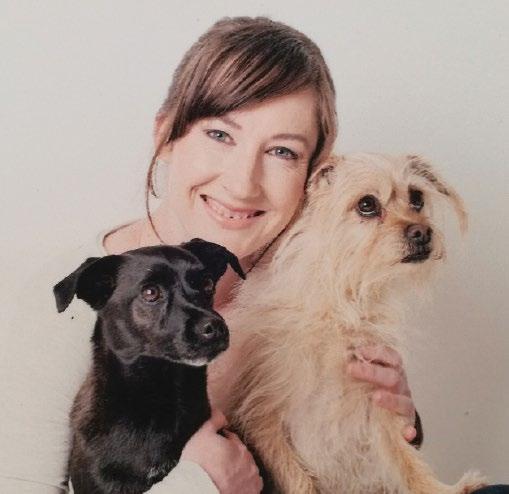
While people with purebred pets often feel connected to their breed and excited to tell you about their Labrador, Dachshund or that they’re a proud Pittymom, I personally light up when I get to tell someone about my herd of rescues.
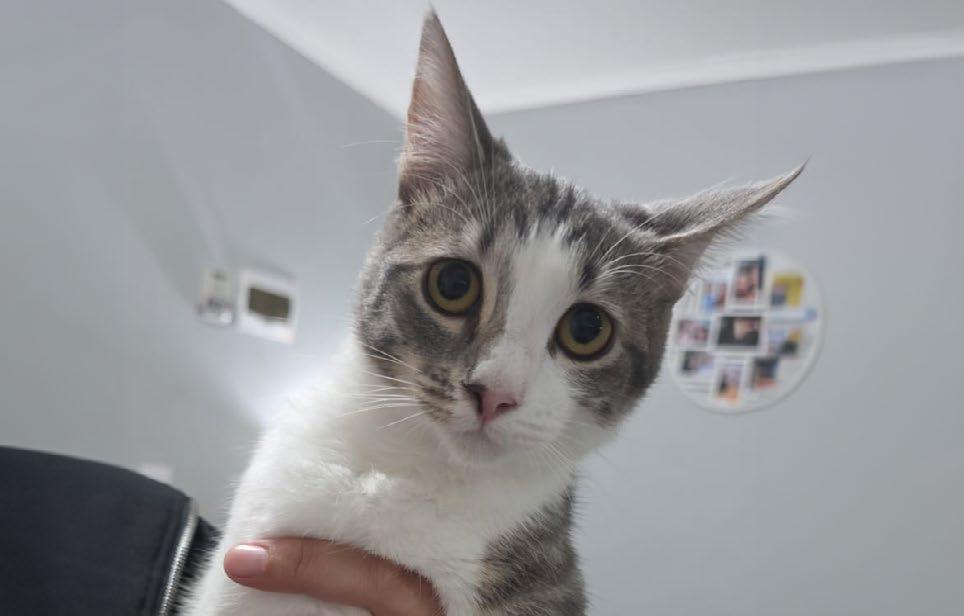
Whether it’s the grey kitten who had so little hair that he looked almost see-through sitting in the windowsill, the emaciated Labrador-cross I was convinced wouldn’t shed because of her short coat (she proved me spectacularly wrong once she was healthy and on the right diet), the foster-fail calico we rescued alongside her two three-weekold kittens from a group of vagrants being removed by law enforcement, or the most regal Husky-cross who lost a toe in an assault that left him abandoned and destitute. They all found their way into our hearts and, inevitably, into our home.
While we can appreciate purebred pets for their purpose, history and careful breeding, this issue is dedicated to the wonderful rescues who may never know their heritage but somehow find themselves exactly where they belong.
Because when we talk about a home, it’s about so much more than four walls and a roof. It’s a feeling. It’s the place your heart returns to at the end of the day. The place you miss when you’re away and can’t wait to get back to. It’s the people, the routines, the muddy pawprints on the floor and the warm body curled up beside you on the couch.
The Project Earth Mission
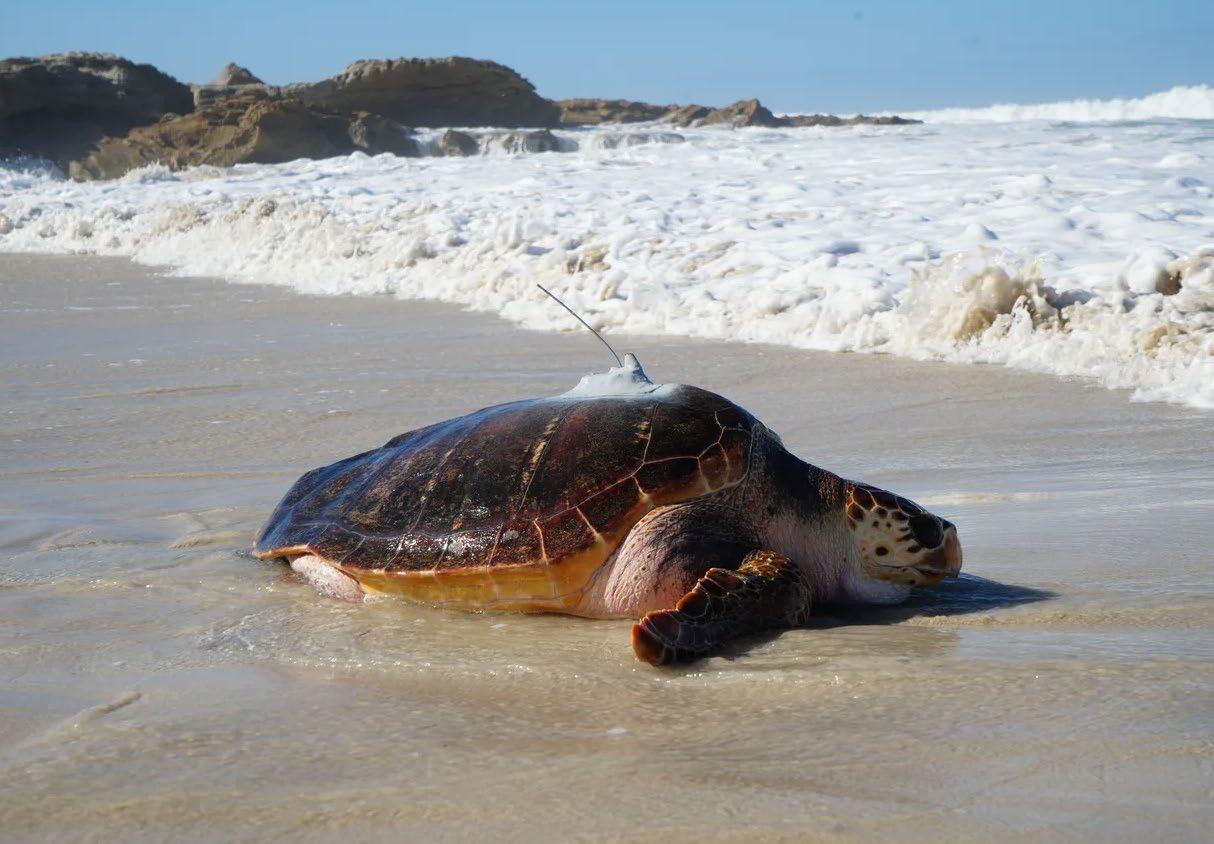
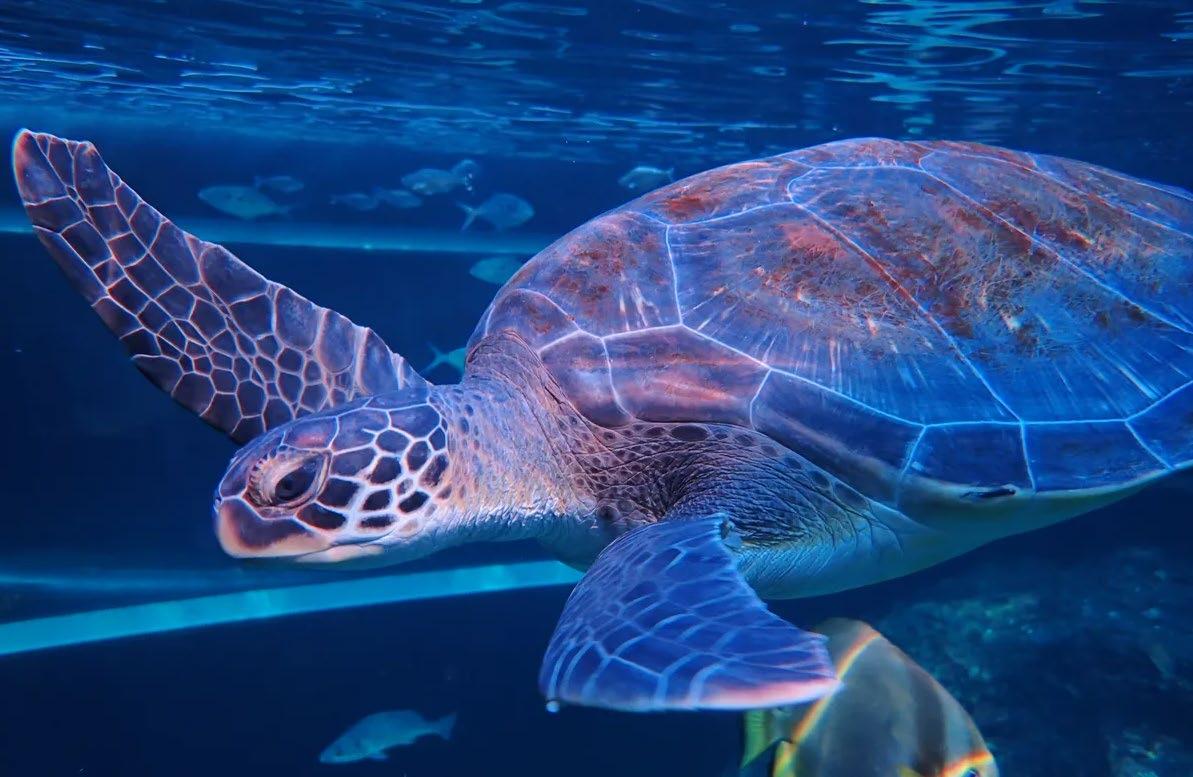
That idea of home runs through every page of this issue. Our cover story with Michelle Potts Weedman explores what it truly means to create a home for animals in need and how compassion can transform lives. Our friends at Kinetix share valuable advice on creating a supportive home environment that helps our pets stay comfortable, healthy and mobile. We shine a spotlight on the incredible work being done by welfare organisations around the country and celebrate the remarkable journeys of Kai and Nori, two rehabilitated turtles, released back into the ocean by the Two Oceans Aquarium, and even take a closer look at one of nature’s smallest but most fascinating homemakers with our ant facts feature.
Whether your family was carefully chosen from a breeder’s waiting list or arrived unexpectedly through rescue, fostering or a chance encounter, I hope this issue reminds you that home isn’t something we build alone. It’s something we create together with the animals who share our lives.
So, grab a cup of coffee, settle in with your favourite furry companion, and enjoy the issue.
Happy reading!
Each person has the power to make a difference in this world. As a magazine focused on animal welfare, we firmly believe in this statement. Our passion for animals has taken us on a whirlwind adventure and we are proud to say that we have been actively involved in paying vet bills, donating food and shelter and even volunteering our time to help the animal welfare organizations that work tirelessly to fight for animals. You can be part of this project by supporting us. The bigger our network, the more animals we will be able to help.
“The universe does not give you what you ask for with your thoughts; it gives you what you ask for with your actions.” Dr Steve Maraboli
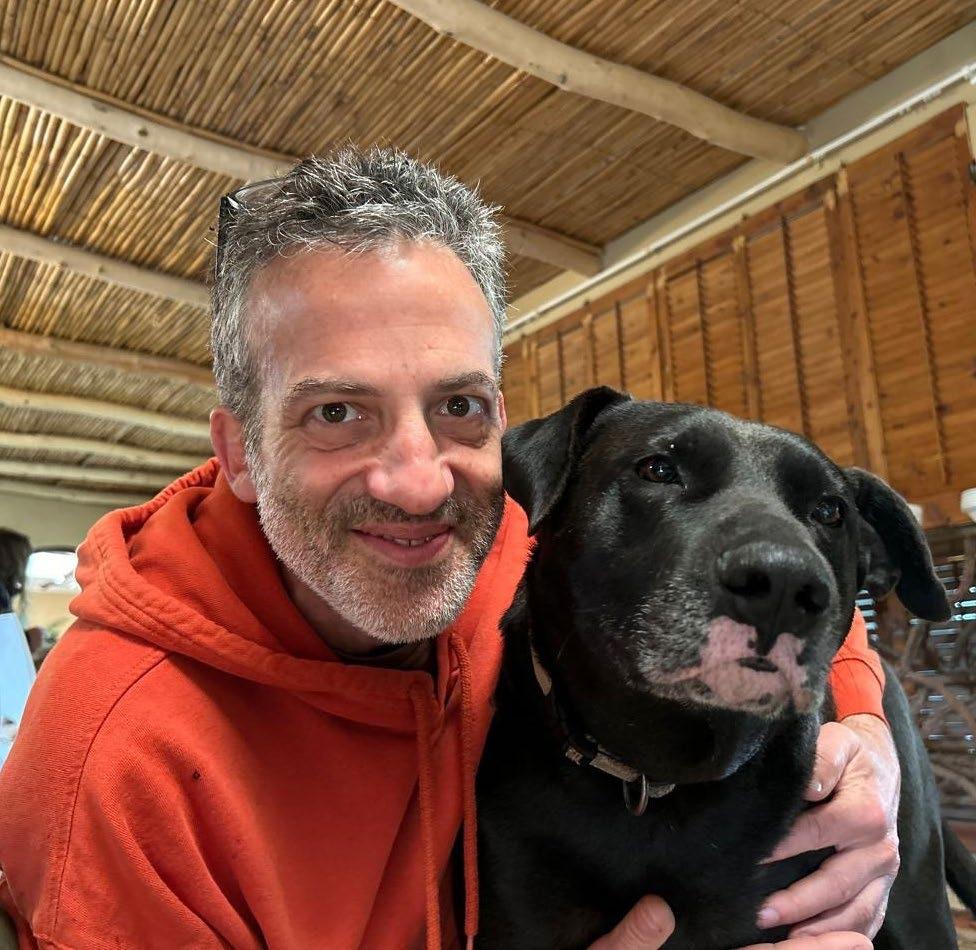
Get-to -Know Dr Brian Bergman from Mdzananda Animal Clinic and Shelter
Top Tips: 5 Ways to open your heart and home to animals in need - By Bryony Van Niekerk
The Updated Home: Creating a supportive space for your dog - By Megan Klaasen
Heart & Home - By Tracy Mcquarrie
The Heart of a Home in Motion - By Jenni Davies
COPYRIGHT: All rights reserved. Pet Prints is published by Umsebeni Emhlabeni (Pty) Ltd t/a Project Earth. All profits go towards assisting nonprofit animal welfare organisations in need. The opinions expressed in this magazine do not necessarily reflect those of the editors of this magazine. While every effort is made to ensure editorial and factual accuracy, no responsibility is accepted for any errors.
Get to Know Get to Know
Brian Bergman
from
Mdzananda Animal Clinic
“Behind every healthy pet is a caring vet with a heart full of compassion.”
I’ve been a veterinarian for 29 years. If you had told me during my first four years in practice that I would still be here today, let alone deeply in love with my job I probably wouldn’t have believed you.
Fresh out of university, I was released into the world with a head full of medical knowledge but completely unprepared for the emotional and mental weight of the profession. I found myself constantly caught in the middle of highly charged, dramatic situations where animals were suffering and owners were in deep distress. It was emotionally draining. I was burning out, and honestly, I hated being a vet. Desperate to escape, I packed my bags and went to India for a year to live in an ashram, studying yoga and meditation. I fully intended to leave veterinary science behind and transition into teaching yoga. But life had other plans.
When I returned to South Africa, I realized a total career pivot wasn’t on the cards. However, my time in India wasn’t wasted; it gave me the exact tool I needed to survive and eventually thrive. At the ashram, I learned a concept called Karma Yoga, which is essentially the practice of using your work and your relationships as a path for personal growth. It provides a shift in attitude and methodology that helps you avoid burnout. By viewing my job through this lens, it became a way to deepen my understanding of what it means to be human. Armed with this new mindset, I didn’t just return to veterinary medicine, I found my peace within this profession.
In 2010, I moved exclusively into animal welfare, joining the Mdzananda Animal Clinic and Shelter in Khayelitsha,
Cape Town. I’ve been there ever since. Welfare is where my heart lies; it is where I feel I can have the most purposeful, meaningful impact. There is such great need for veterinary services in these totally under serviced areas where 80% of our population live.
Working in a township clinic pushes you to your absolute limits. Often, you are the only vet on-site, and there is no budget to refer patients to specialists. If you can’t fix it, no one can. I had to push my skills to edges most private practitioners never have the opportunity to reach. I’ve learned orthopedics and intricate surgical procedures right on the ground. For that masterclass in resilience and skill, I am incredibly grateful.
People often ask how I’ve survived 16 years in intense welfare work without burning out. The truth is, it never feels like work to me. It brings me genuine joy. My love for animals started with my childhood dog. My dad got him as a puppy right after I was born, and for the first 13 years of my life, he was my best friend. That bond galvanized everything for me. Today, I get to see that exact same beautiful interaction happening every day in the township.
Often, for the people I serve, their animal is the only source of unconditional love they receive in a harsh world. I truly believe that this unique, beautiful bond is largely why humans aren’t completely insane. We have these animals to care for, and they care for us in return with a depth of quality that often surpasses human relationships.
Looking back over nearly three decades, I’m glad I didn’t run away. Every animal I heal, and every pet owner I support, is a reminder that this isn’t just a job — it’s a lifelong journey of the heart.
WIN A COMPLETE HAMPER WORTH R2000!
Calling all pet lovers! Stand a chance to spoil your furry best friend with an amazing Complete hamper valued at R2000!
TO ENTER:
Think you and your furry best friend deserve a little spoil?
Head over to Instagram, find the Complete x Pet Prints Competition Post, and enter for your chance to win.
HERE’S HOW:
• Follow @Completepetnutrition and @PetPrintsMagazine
• Like the competition post
• Comment and tell us: What’s your favourite activity to do with your furry friend?
Whether it’s beach adventures, hiking trails, couch cuddles, playing fetch or those hilarious zoomies around the garden, we want to hear all about it!
FROM OUR READERS
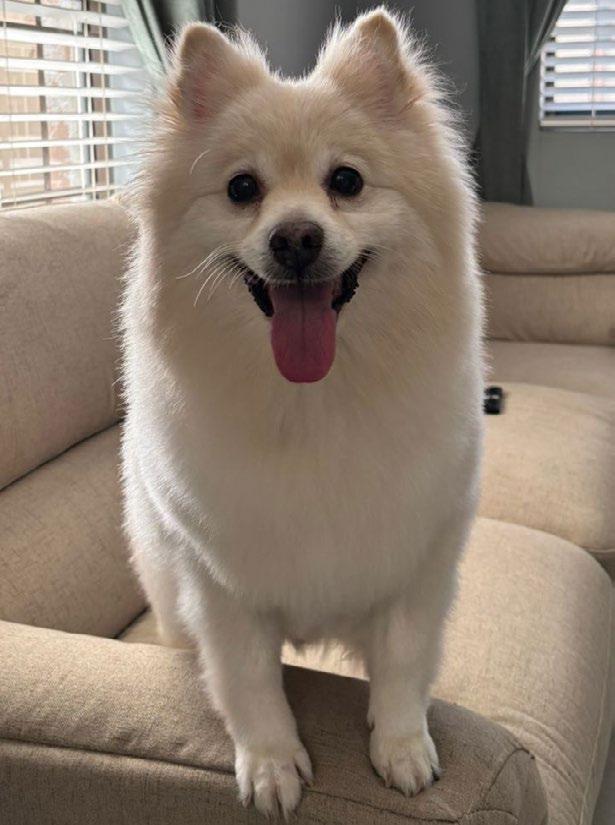
NIRVANA
Nirvana is a very sweet, loving, and protective dog. He’ll be turning 11 on the 13th of September, although you’d never guess it by his energy and spirit. His favourite treat is biltong, and he absolutely loves his sleep. He enjoys the beach
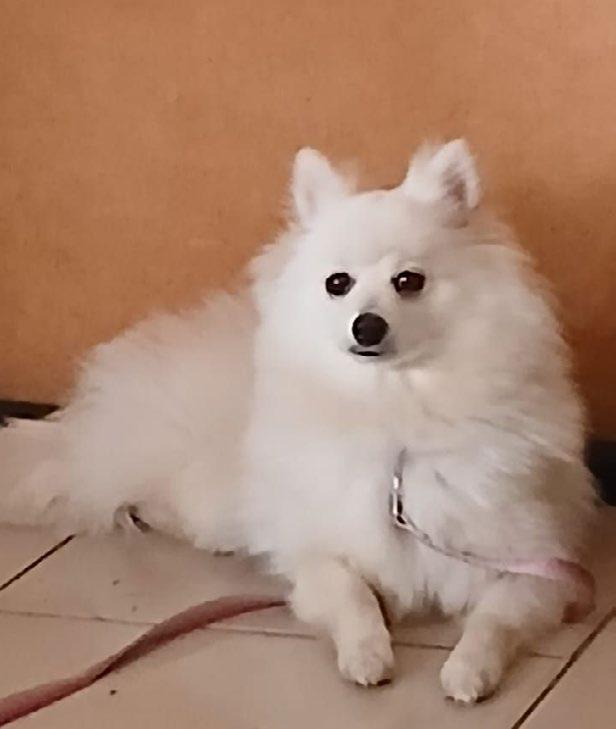
SOPHIA
Sophia is 6 months old and she is fun loving, overly playful and a loving little girl. There is never a dull moment with her and she loves good food but also a very picky little girl - Sharen Green
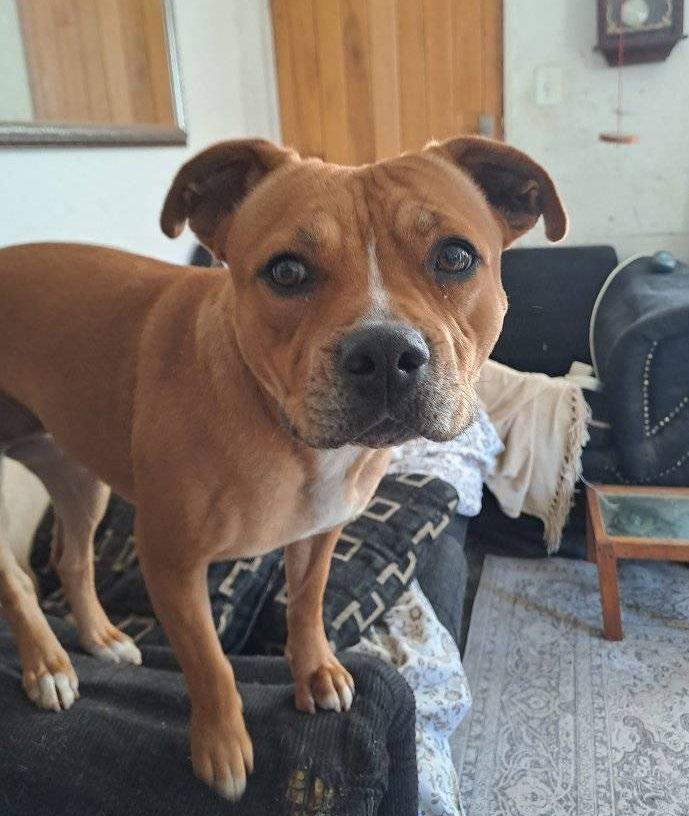
LAYLA
This is my baby Layla Staffie. My cuddle buddy and I love her to bits. - Yduj Petersen Kruger
KRYSTAL
Krystal is my little diva with the cutest face and the biggest attitude. She acts like she owns the house demands cuddles 24/7 and somehow gets away with everything. She is my pride and joy - Etrezia Nicholls
FeLIx ANd BRuNO
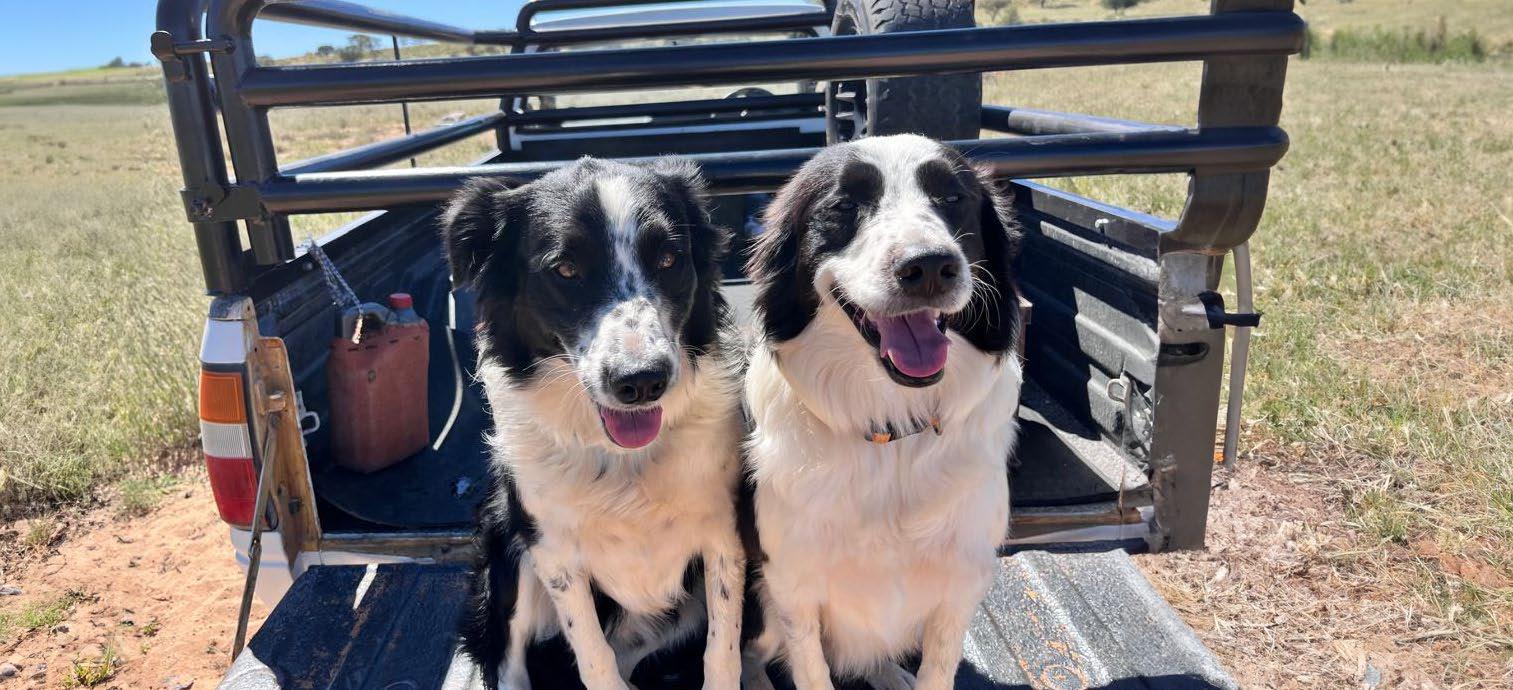
Meet Felix and Bruno. They are two Border Collie brothers with exceptional energy, intelligence, and loyalty. Highly obedient and eager to please, they embody the remarkable working abilities for which the breed is renowned for. These adventurous brothers can often be found on the back of the bakkie, always ready for the next day’s work. - Thalna Louw
PeASHwISH
We adopted Peashwish for our 3-year-old autistic son, hoping she would become a loving companion, but she has become so much more than that. From the moment she joined our family, she formed a special bond with him that is truly heartwarming to witness.
Peashwish has helped teach our son gentleness, patience, and affection in a way we never imagined. Her calm and loving nature brings him comfort, and she always seems to know when he needs a cuddle or a furry friend by his side. - Gaironesa Clayton
Send us a cute pic of your furry baby along with a little description of them, and stand a
One lucky entry from each issue of Pet Prints will win a prize from the Marmaduke Pets online store. www.marmadukepets.co.za
Michelle Weedman
on warmth & welfare
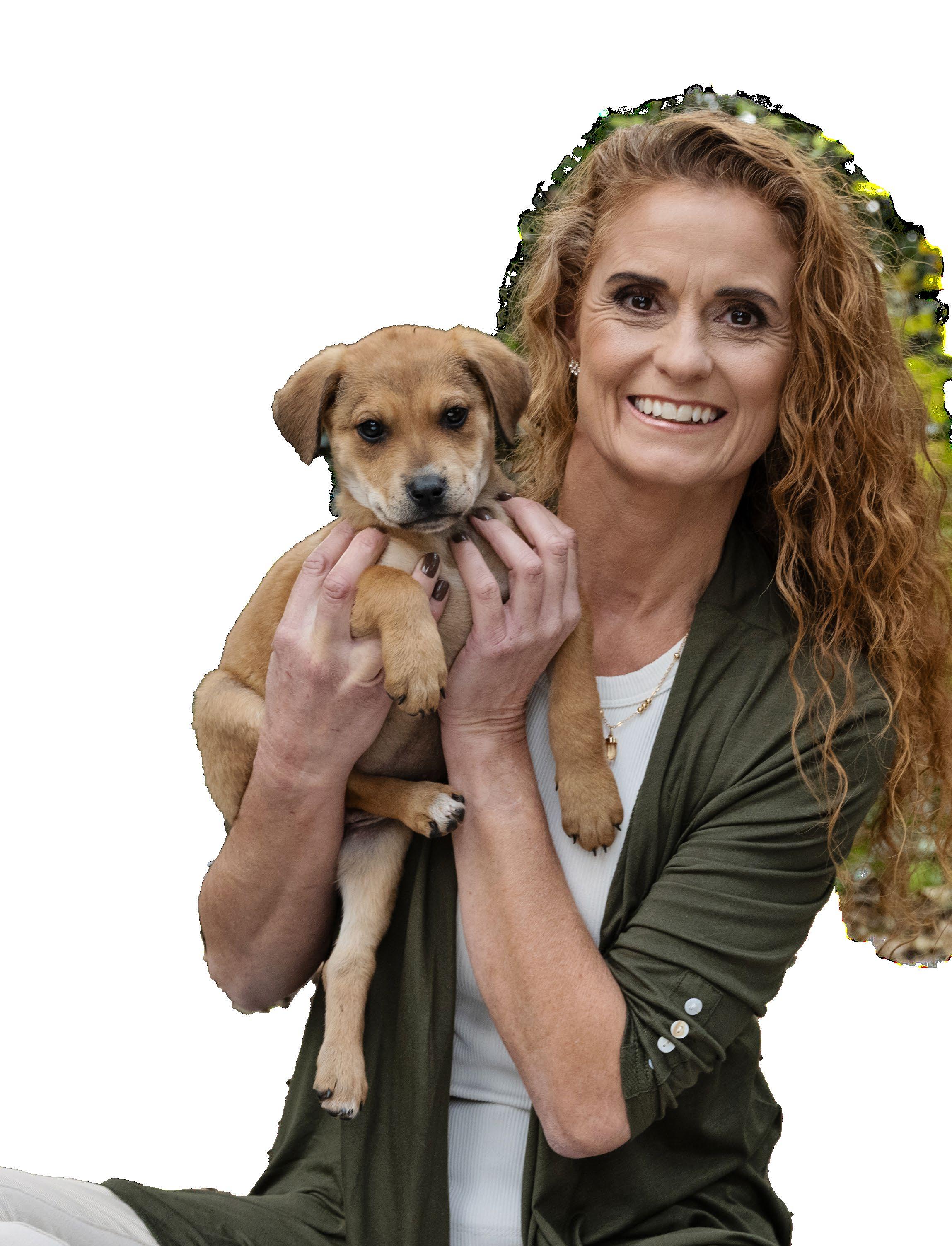
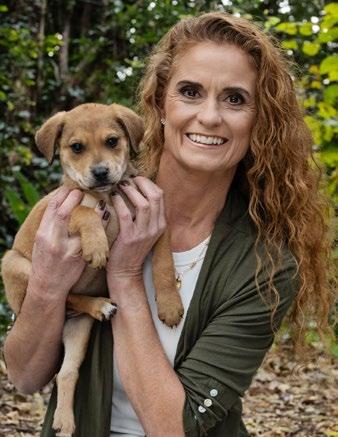
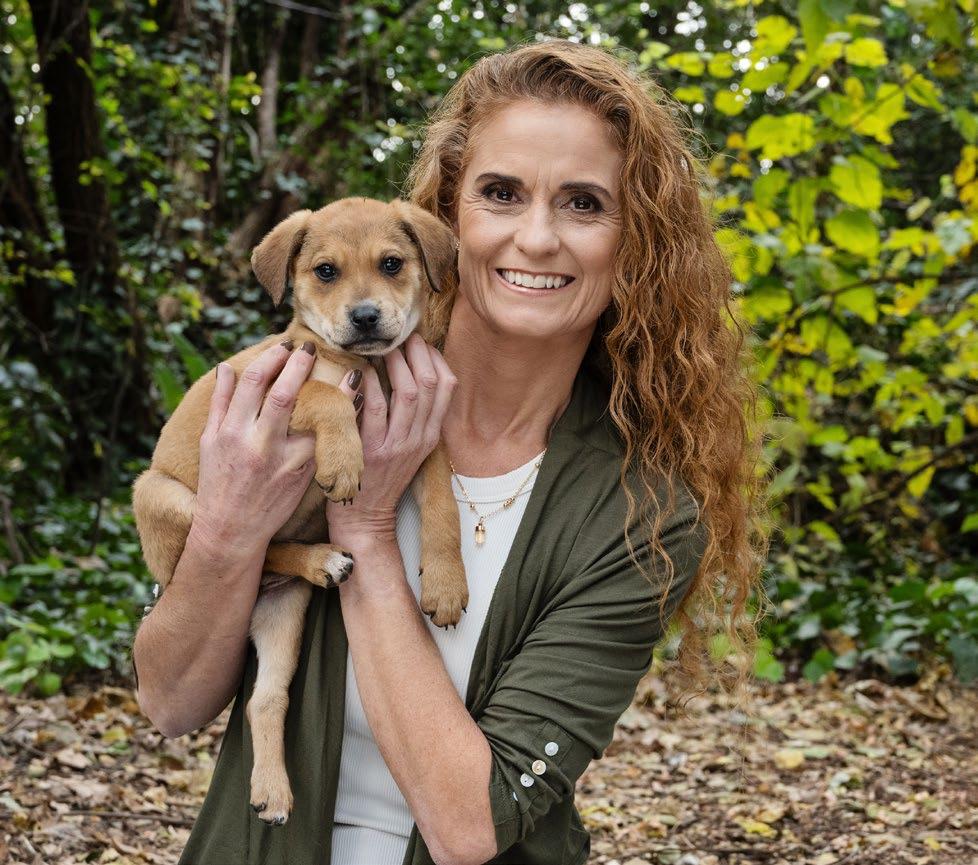
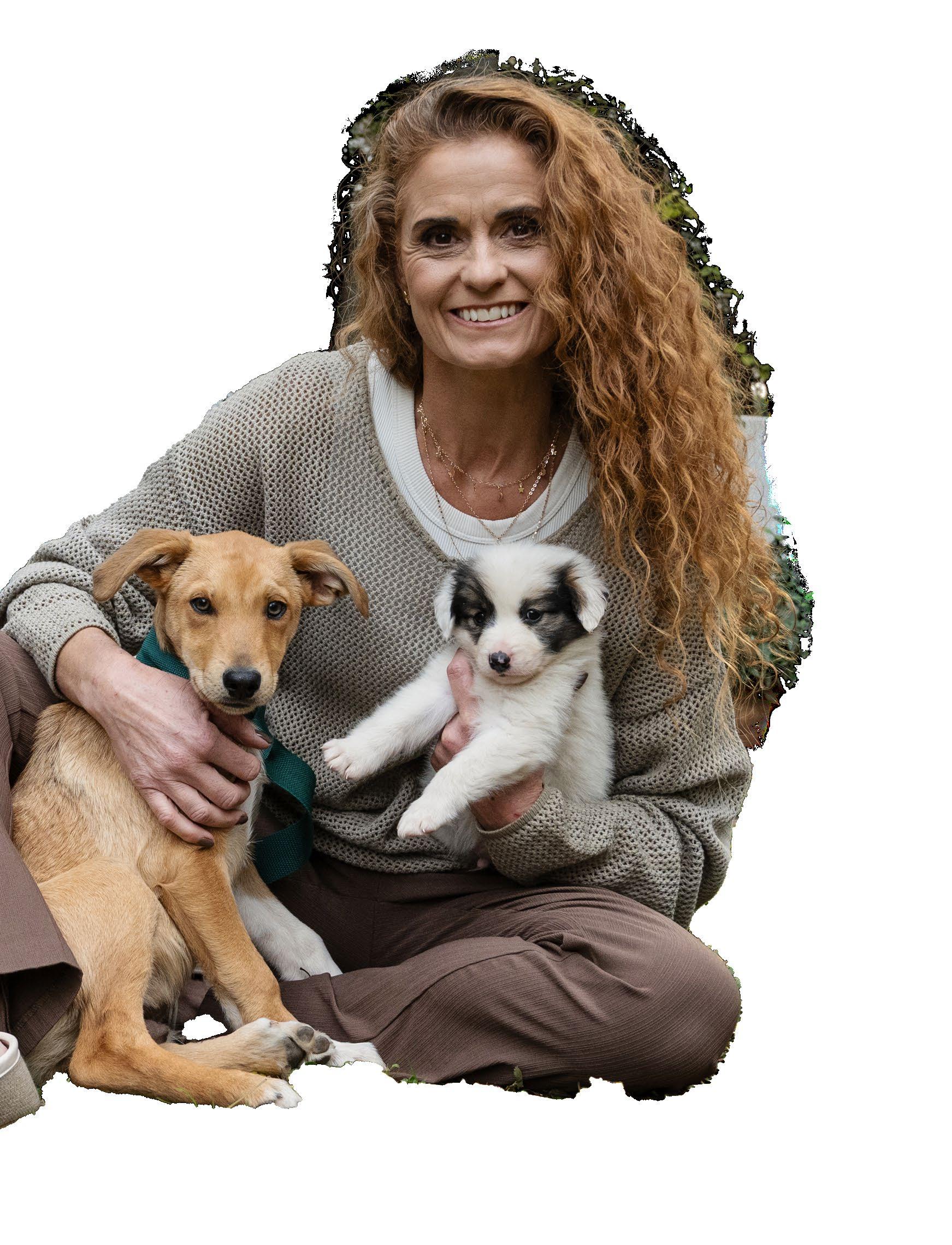
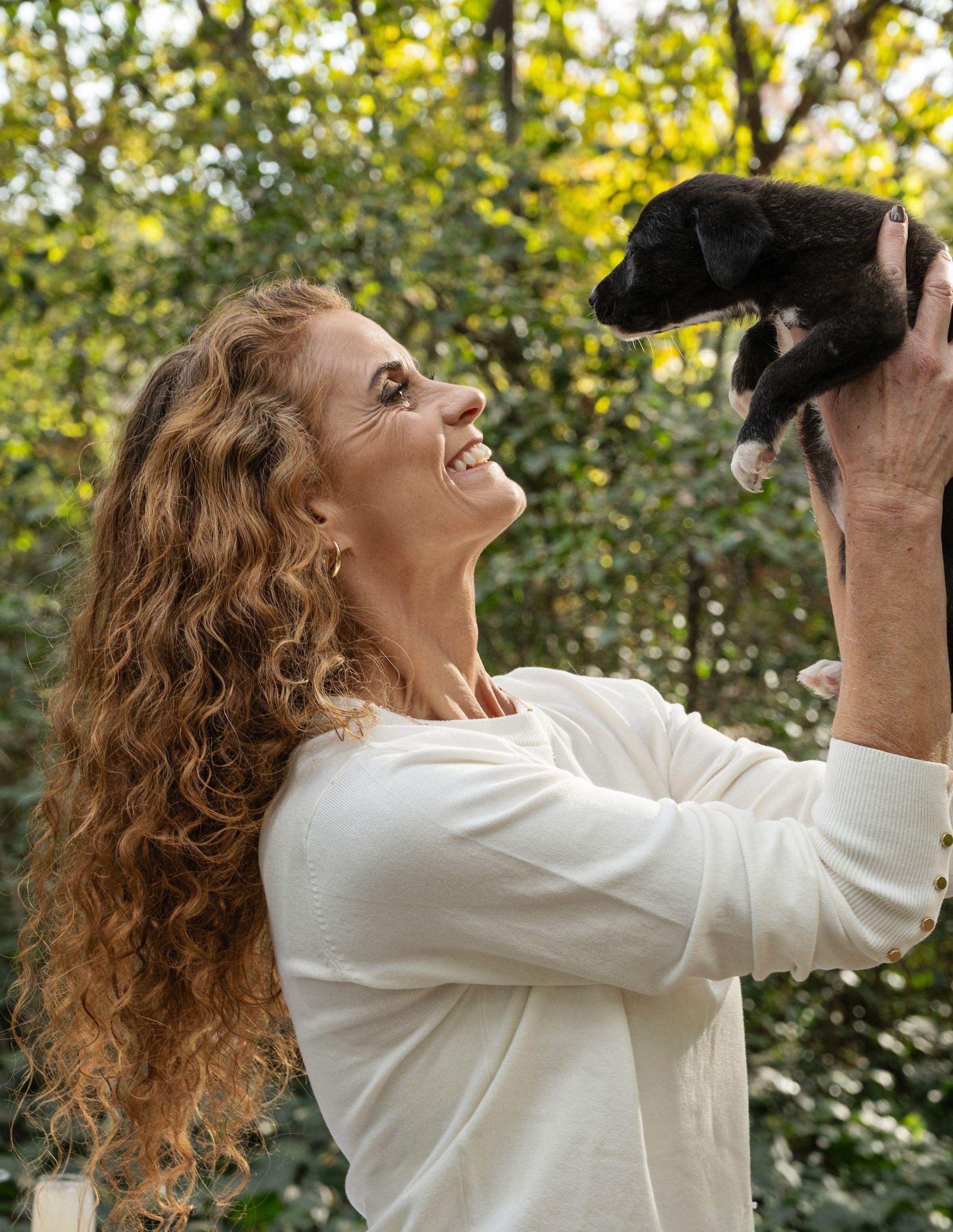
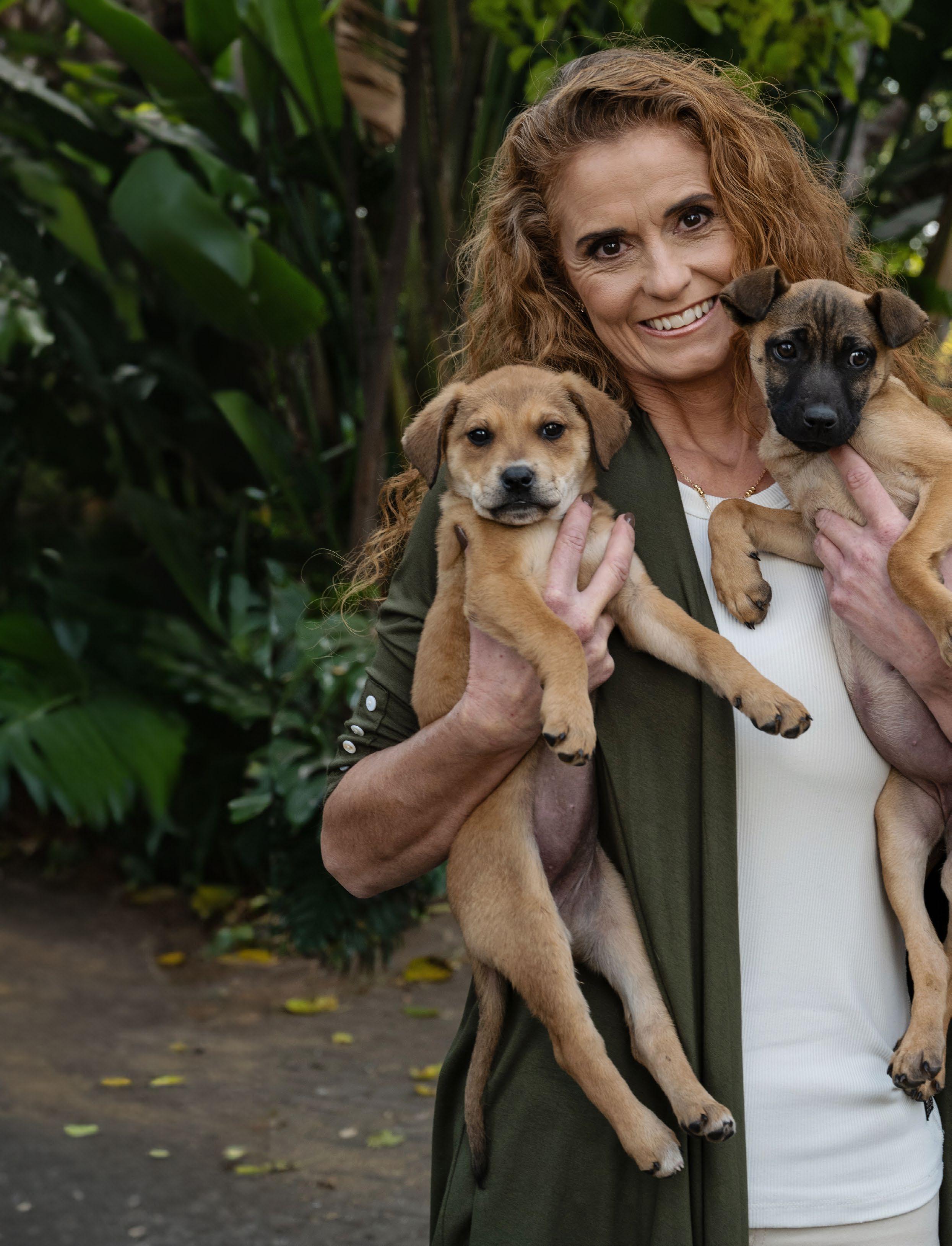
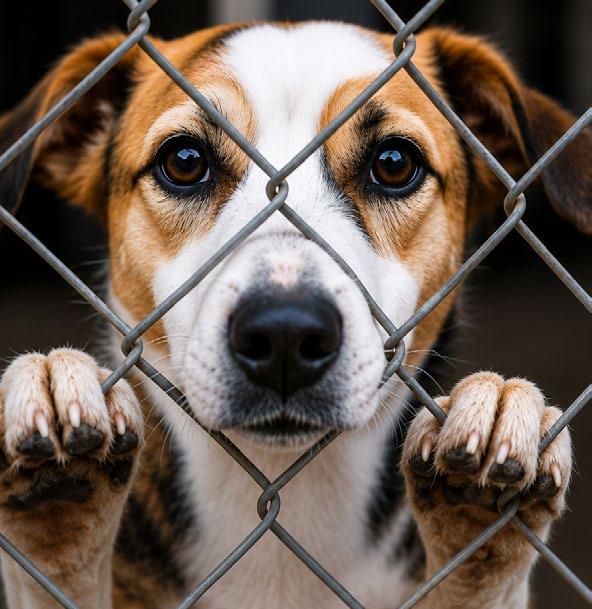
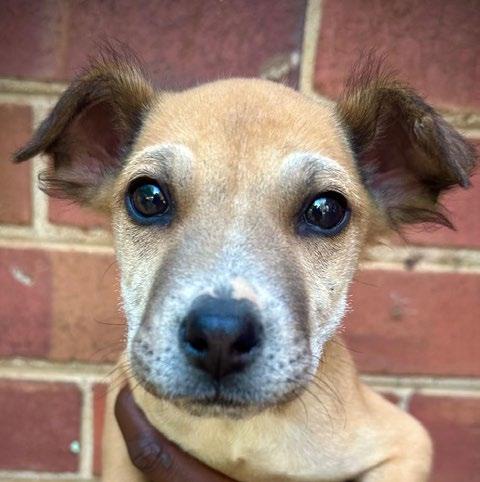
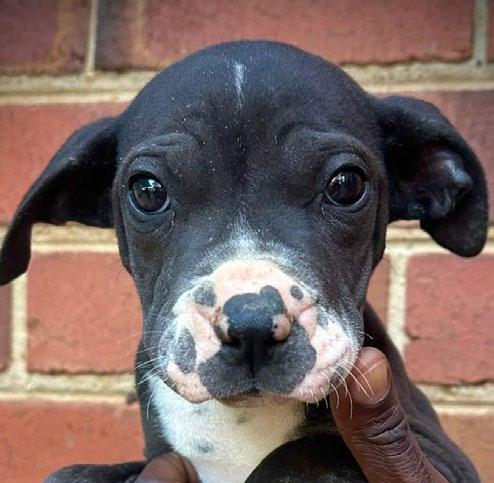
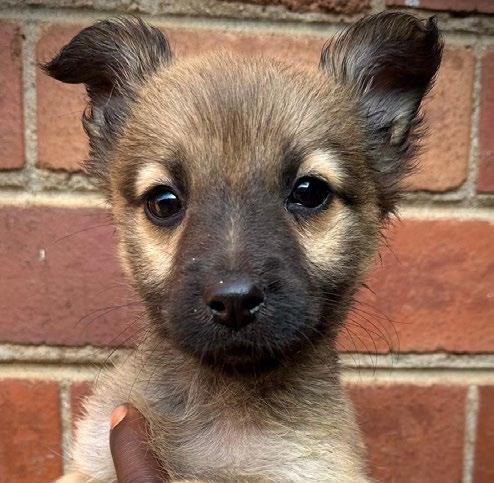
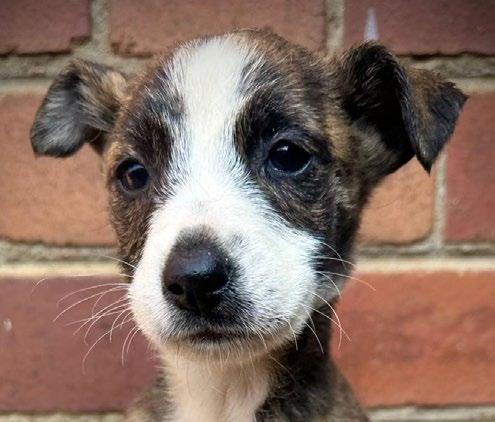
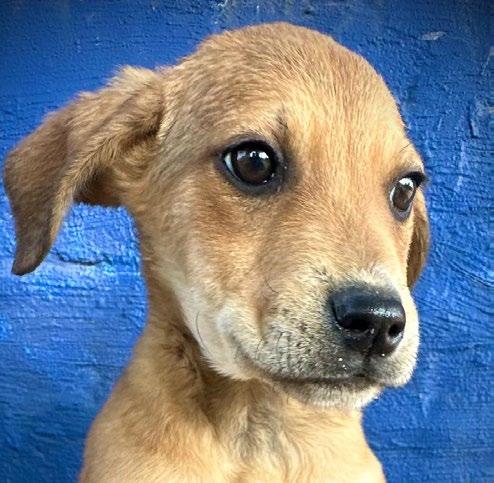
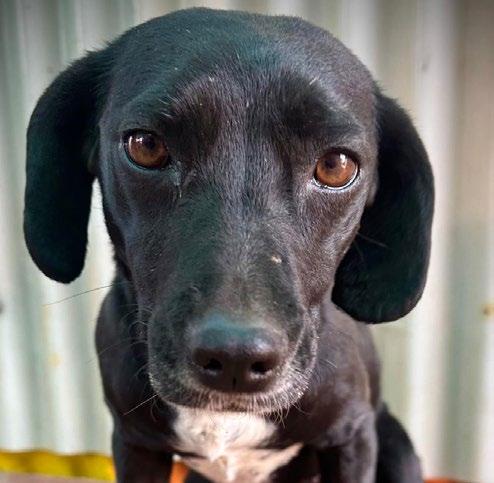
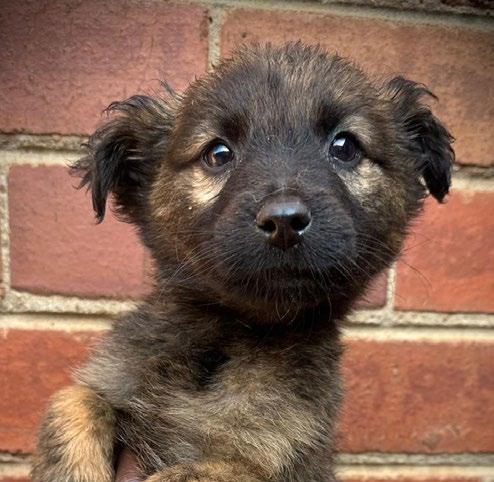
On a beautiful afternoon at Klein Kaap Boutique Hotel in Centurion, a group of rescue puppies stole the show. They tumbled across the lawns, explored every corner they could find and eagerly soaked up the attention of everyone around them.
In front of Emma O’Brien’s camera, they looked carefree and full of possibility, exactly as puppies should. Yet, each one carried a story. Some had arrived unwanted. Some had been abandoned. Some had been born into circumstances where survival was uncertain from the very beginning. But on that day, none of that mattered.
For a few precious hours they were simply puppies being loved, cuddled and celebrated.
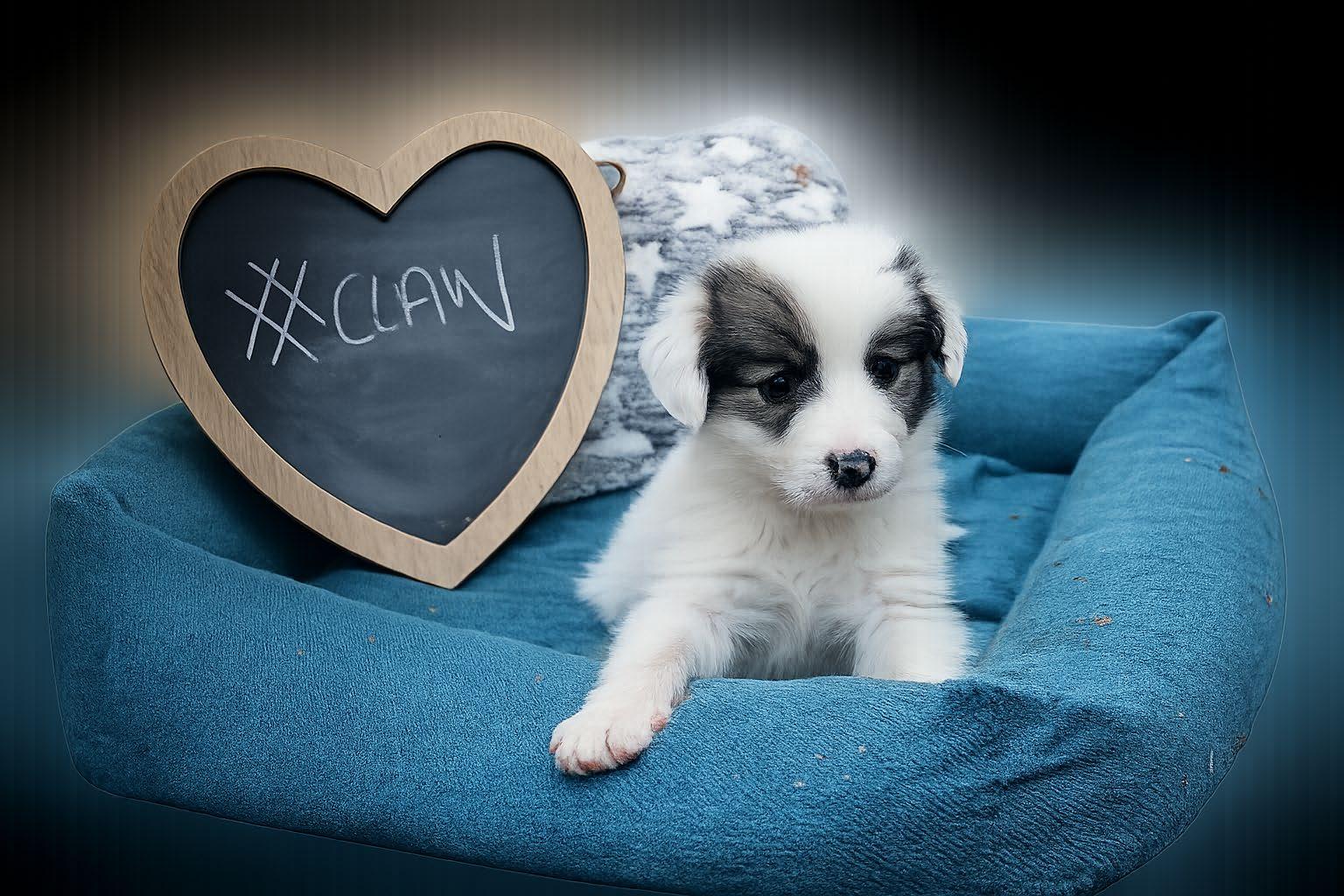
Standing amongst them was Michelle Weedman from CLAW (Community Led Animal Welfare), a woman who has dedicated years of her life to helping animals find safety, dignity and a second chance.
As we prepared this issue of Pet Prints, centred around the theme Heart & Home, it quickly became clear that Michelle’s story perfectly embodied what this edition is all about.
Because after spending years helping vulnerable animals, Michelle has learned something profound: Home is not a building. Home is a feeling. And every animal deserves to experience it.
Photography by: Emma O’Brien
Words by: Marise Burger and Michelle Weedman
Michelle’s journey into animal welfare wasn’t carefully planned. In fact, it started somewhere completely different. She was volunteering at a children’s feeding scheme that operated from CLAW’s premises. Saturdays were spent baking muffins, packing meals and creating positive experiences for children in the community.
“I was originally involved in the children’s feeding scheme based at CLAW,” Michelle explains. “Our Saturday mornings were spent playing and interacting with children, enjoying laughter and distributing meals.” While helping with the feeding programme, she regularly found herself walking past the dogs and puppies being cared for by the welfare organisation. Something about them drew her in. Week after week, she spent a little more time with the animals. Week after week, her involvement grew.
“The more time I spent at CLAW, the more I became involved. I felt a natural pull toward the animals.” At first, she simply wanted to help wherever she could. She never imagined it would eventually become her life’s work. “I grew up in an animal-loving family and always had a passion for animals,” she says. “The more I got involved with CLAW, it led me to discover that this was my ultimate calling.”
Today, she considers herself incredibly fortunate that helping animals is no longer something she does in her spare time. It’s part of who she is.
THE ANIMALS NO ONE SEE
Animal welfare is often portrayed through happy adoption photos and heartwarming rescue stories and while those moments certainly exist, they represent only a fraction of the reality. Behind every success story are long days, difficult decisions and emotional challenges that most people never see.
Michelle works with animals who have experienced neglect, abandonment, abuse and hardship. Animals that cannot explain what happened to them. Animals that cannot ask for help. “My heart goes out to those in need,” she says simply. “They cannot ask for help.”
It’s a sentiment that sits at the centre of welfare work.
Many of the animals arriving at CLAW have never experienced consistency, safety or kindness. Some are frightened of people. Others are injured or ill. Some have simply never known what it feels like to belong. Yet one of the most rewarding parts of Michelle’s job is watching those animals slowly begin to be trusted again. Even within a busy welfare environment, she says animals adapt remarkably quickly.
“They realise that you are not causing harm and only mean well by feeding and nurturing them.” The transformation is often subtle. A tail wag. A relaxed posture. A willingness to approach instead of retreating. A spark returning to their eyes.
For those working in rescue, these small moments carry enormous meaning. They signal that an animal is beginning to feel safe. And safety is often the first step toward finding home.
A HOME IS MORE THAN FOUR WALLS
When we asked Michelle what the word “home” means to her, her answer was immediate.
“Home is all about a happy space, good energy and love.” It’s a simple answer, but perhaps that’s what makes it so powerful.
In a world where people often associate home with property, possessions and material success, animals remind us that the things that matter most cannot be bought. Animals don’t care how expensive the furniture is. They don’t care how big the garden is. They don’t care whether the house is grand or modest. What they care about is connection, trust consistency and love.
“Animals don’t see material objects in a home,” Michelle explains. “That’s not what gives them comfort.” Instead, they look for something much deeper. “They feel trust and a sense of belonging when loved and cared for. If they have a connection with a family, that’s when they accept they are home.”
It’s a lesson many humans could probably benefit from remembering.
THE LINK BETWEEN PEOPLE AND PETS
One of the biggest misconceptions about animal welfare is that it’s only about animals. Spend time with organisations like CLAW and you’ll quickly realise that’s far from the truth. Animal welfare and human wellbeing are deeply interconnected. The communities served by CLAW often face significant economic challenges, yet Michelle says one thing continually stands out. The love people have for their animals.
“There is a powerful connection between human and animal wellbeing,” she says. “Most of the communities we work with are impoverished, yet they love their animals deeply.”
“Most of the communities we work with are impoverished, yet they love their animals deeply.”
Families feel empowered when they can properly care for their pets. Children learn compassion and responsibility. Animals receive healthcare, nutrition and protection.
The benefits flow both ways.
CLAW’s work therefore extends beyond treating injuries or facilitating adoptions. Through education, sterilisation programmes and primary healthcare services, they help create healthier communities for both people and animals.
“We cannot ignore the needs of the humans involved,” Michelle says. It’s a philosophy that recognises an important truth: helping animals often means helping people too.
KEEPING FAITH IN HUMANITY
Working in welfare inevitably exposes people to difficult situations. The cruelty, neglect, abandonment and suffering are hard to ignore. It would be easy to become cynical.
Yet, Michelle says the communities she serves continue to restore her faith in people. “The communities we serve are challenged financially, yet they still care about the animals and people around them.” Time and time-again she encounters individuals who share what little they have, step forward to help a neighbour’s animal or make sacrifices to ensure their pets receive care.
“Even though we encounter cases of neglect or cruelty, we often see individuals that are kind and generous. This reminds me that our country still has a good amount of soul and compassion.” Those moments matter.
Because while the difficult cases can weigh heavily, the acts of kindness remind welfare workers why they keep showing up.
THE WEIGHT OF WELFARE
What many people don’t realise is that animal welfare doesn’t end when the office closes. The emotional burden follows you home. “We observe a lot of trauma which can be mentally and emotionally draining,” Michelle says.
The work often involves long hours, difficult conversations and situations where resources simply don’t stretch far enough. Managing public expectations can also be challenging. Like many welfare organisations, CLAW operates with limited resources while facing an endless stream of need. People often assume help is unlimited. The reality is far more complicated.
“People don’t see the personal sacrifice that goes into welfare,” Michelle explains. “We often cannot switch off from the day’s work. It tends to sit with you at night when you get home.”
Yet, despite the emotional toll, she continues. Driven by purpose and compassion and the knowledge that every animal matters.
MARSHALL’S STORY
Every welfare worker carries stories that stay with them. For Michelle, one of those stories belongs to a little terrier named Marshall.
Marshall had survived two separate Pit Bull attacks. For his own safety, returning him to his original environment was no longer an option. The challenge then became finding him a forever home. What followed was a rollercoaster.
Marshall was adopted. Returned. Adopted again. Returned again. Each failed adoption brought fresh disappointment. Not because there was anything wrong with Marshall, but because the right match simply hadn’t been found.
Many organisations might have given up, but that’s not what CLAW believes in. “Knowing what a “lekker” dog he is, we refused to give up.”
Eventually, their persistence paid off. Marshall found a family who truly understood him. A family who loved him exactly as he was. Today, he is thriving, loved, safe and secure in a family who loves him just as much as he loves them.
Stories like Marshall’s serve as powerful reminders that sometimes finding a home takes time.
Sometimes the journey is messy. Sometimes there are setbacks. But when the right match finally happens, it changes everything.
RESILIENCE
Ask Michelle what animal welfare has taught her and the answer comes quickly. “Welfare work has taught me resilience I have never experienced before.”
The challenges never stop. The next call always comes. The next rescue is always waiting. The next animal needing help is never far away. Yet somehow, through every challenge, welfare workers keep moving forward.
Michelle describes it as a little voice in her head that tells her to keep pedaling and perhaps that resilience comes from witnessing resilience in animals every single day.
After all, few creatures demonstrate courage quite like an animal that chooses to trust again after experiencing hardship.
It’s also taught Michelle that CLAW is her home. “The welfare space has been extremely rewarding and brought me great comfort over the years,” she says.
For many people, work is simply a job. For Michelle, it became something more. A community. A place where her values and her daily life aligned and ultimately, a home.
We often talk about responsible pet ownership, adoption, rescue and welfare, but at the heart of all those conversations lies one simple goal. Creating homes. It’s easy to get caught up in the “Instagram” of it all and expect the doggy birthday cake or the cute outfits, but it’s about more than that. Finding animals a home that has all the needs met with safety, food, exercise and love, that’s what it’s all about.
As Michelle reflects on the thousands of animals whose lives have crossed her path, her definition of home remains wonderfully uncomplicated.
“Love, happiness and safety.”
Three words. Three things every animal deserves.
When asked what the animals she has helped over the years might say to her if they could speak, her answer is equally simple. “Thank you for not giving up on us.”
Perhaps that is what makes organisations like CLAW so special. They refuse to give up and continue showing up for the animals that nobody else notices. They continue believing in second chances and create opportunities for belonging.
In doing so, they remind all of us that home is far more than an address. It’s a feeling. It’s knowing you are safe, loved and that you matter. Or as Michelle puts it so beautifully:
“Home is the place of people and the feeling of love.”
For the rescue puppies that joined us on our cover shoot, for Marshall, for every animal still waiting for their chance, and for the countless lives touched by CLAW over the past 34 years, that feeling is everything.
Top Tips 5 WAYS to your open HEART & HOME to animals in need
When we think of home, we often picture comfort, safety, love, and belonging. For our pets, home is more than just a roof over their heads, it’s a warm bed, a bowl full of food, a soft touch, and the security of knowing they are loved.
Sadly, thousands of animals are still waiting for that chance. Shelters and rescue organisations across the country are overflowing with animals in need of homes, while those caring for them face increasing pressure and limited resources.
Over the years, through adopting, volunteering, fostering, and supporting rescue organisations, I’ve learned that helping animals doesn’t have to be an all-or-nothing commitment. Whether you have a spare room, a few spare hours, or simply a passion for animal welfare there are many ways to open your heart and help animals in need. Here are five simple but meaningful ways you can make a difference.
1. Adopt don’t shop
This is the mantra of this very magazine, so it is certainly not a new concept. While many people want to ‘know that they are getting,’ that cute Labrador puppy or Maine Coon kitten can sometimes hide a darker side of the breeding world. Many of these pets come from unscrupulous backyard breeders where the parents are kept in small, filthy cages and made to churn out litter after litter until their bodies are spent and then discarded when no longer useful.
Meanwhile, shelters are bursting at the seams with animals of every shape, size, age, and breed, all desperately waiting for a loving home.
As a mom to only rescued and mixed breed cats and dogs, I can say with absolute certainty that these so-called ‘forgotten’ animals have the biggest personalities and the most beautiful souls. Sure, some may carry a few scars, both inside and out, but that’s the perfect excuse to hold them that little bit tighter at night.
So, until the day that every animal has a safe and secure home, I will continue to stand on my soap box and shout so that everyone in the back can hear: Don’t breed or buy while homeless animals die!
2. Foster
Fostering is one of the most rewarding ways to help animals in need without making a lifelong commitment. Maybe you would love a pet but don’t quite have the right space, know you’ll be moving in a few months, or simply aren’t ready to commit to pet ownership for the next 10 to 15 years. If all of this sounds familiar then fostering might be right up your alley.
Foster homes are a crucial part of the rescue system. They provide temporary safe havens for animals while shelters and rescue organisations search for suitable permanent homes. In many cases, foster homes also help animals recover from illness, build confidence, learn household routines, and experience life as part of a family.
Importantly, every animal placed in foster care frees up valuable space for another animal in need. It may seem like a small act, but opening your home temporarily can have a lasting impact on an animal’s future.
And who knows? Maybe that foster pet worms its way into your heart and you become a proud member of the foster fail club.
3. Volunteer your time
When I was about 12 years old, my mom spotted an advert in the local newspaper (this was long before social media and online community groups!)) from a nearby animal shelter was looking for volunteers to help paint the kennels to give it a bit of sprucing up.
I came home that Saturday speckled in silver paint, exhausted but with such a full heart. That day also marked the beginning of a monthly ritual for my mom and me. Before we left home, I would make peanut butter sandwiches for the dogs, load the car with dog biscuits and cat treats, and off we’d go. My mom would spend time in the cattery while I worked my way through the kennels, determined to cuddle every single dog.
Volunteering is a fantastic way to give back to your community and not only enrich your own life, but those of the animals in need. You can help clean the kennels, feed the animals, walk and play with the dogs. The work at a shelter is never done. It is also a wonderful opportunity to teach children about compassion, empathy and the responsibility of pet ownership before actually adopting one.
4.Support local shelters and rescue organisations
If you’re unable to volunteer your time or open your home to a foster pet, don’t underestimate the value of supporting your local shelters and rescue organisations in other ways.
Animal welfare organisations are constantly in need of food, bedding, blankets, medications, cleaning supplies, toys, treats, and, of course, financial donations. Every item donated helps ease the burden and allows shelters to direct their limited resources where they are needed most.
Bryony Van Niekerk
Mom of dogs; slave to cats. An environmentalist who loves travelling, baking and going on adventures with her dogs, Linc and Oliver. To be a part of the chaos, follow @misadventures_of_ollie
Pro Tip: Most shelters are registered NPOs and NGOs. Be sure to request a tax donation certificate at the end of every financial year as your donation qualifies your donations are tax deductible. Helping animals while receiving a little something back from the taxman sounds like a win-win to me!
5. Advocate for animals
Speaking up for those who don’t have a voice is just as important as giving your time or money. And no, I’m not talking about becoming a social media influencer or landing a spot on the radio. You don’t need a massive platform to be an advocate for animals.
Sometimes advocacy is as simple as liking and sharing an adoption post on social media, encouraging friends and family to sterilise their pets, educating others about responsible pet ownership, or reporting cases of animal abuse and neglect when you encounter them.
I know times are tough and it may be difficult to financially contribute, but every bit really does help to ease the burden. Animal shelters don’t receive any funding from the government (not even the SPCA) so they rely solely on public donations, sponsorships and fundraising events to keep their doors open.
These small actions may not seem significant on their own, but collectively they can have a profound impact on the lives of animals. Every adoption post shared increases an animal’s chances of finding a home. Every conversation about sterilisation helps prevent unwanted litters. Every report of abuse gives an animal a chance at a better life.
Never underestimate the power of your voice. You may not be able to save every animal, but by speaking up, you can help create a world where fewer animals need saving in the first place.
The Updated Home: Creating a Supportive Space for your Dog
Your pets spend majority of their lives at home, so it is important to ensure their home environment is supportive. By making small changes to their everyday living, you can protect and preserve your dog’s wellbeing and improve their joint health. As veterinary physiotherapists, we identify things in homes that are not supporting your dog’s joints or overall well-being
Here are some major tips we usually recommend:
Step It Up!
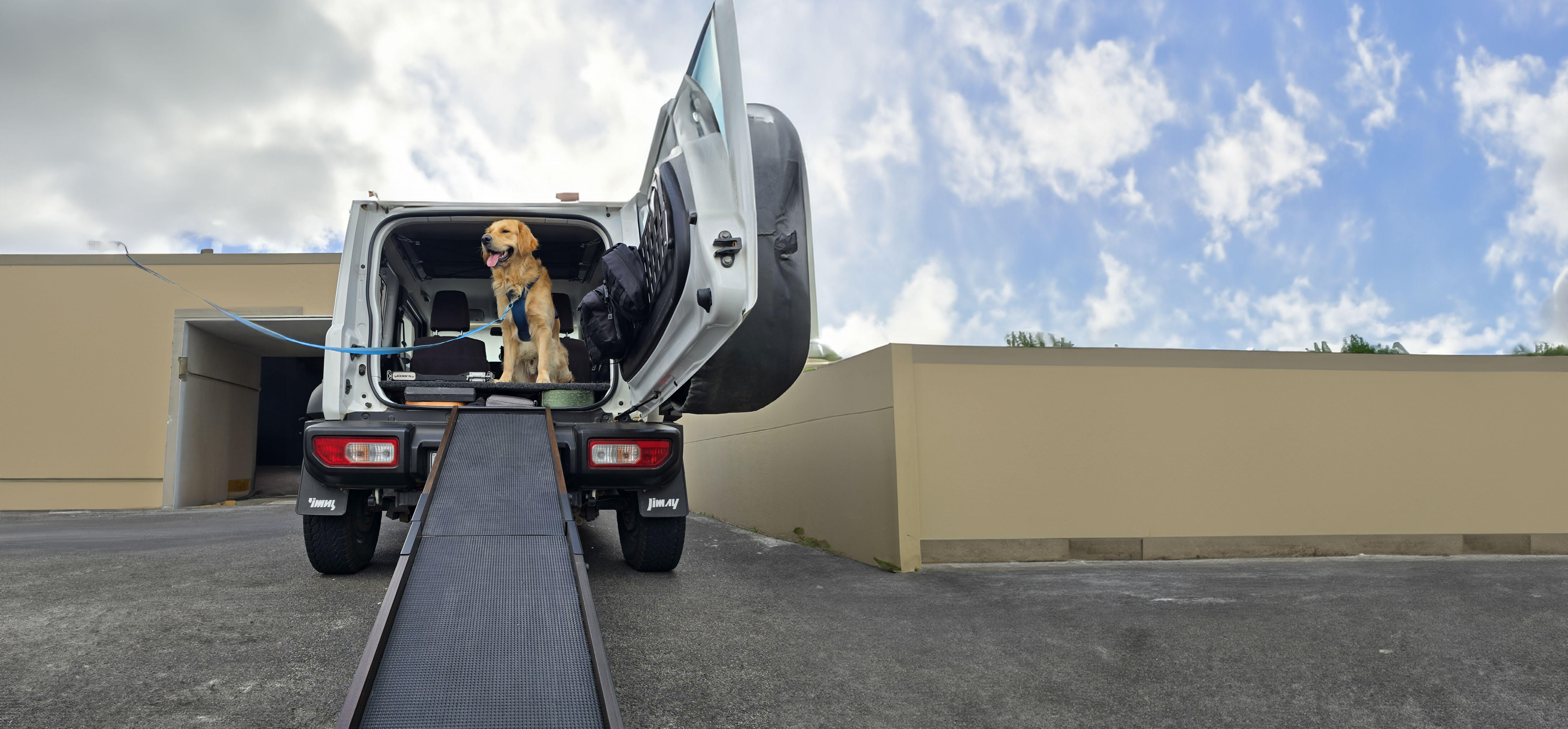
Did you know? A dog that jumps out of the car absorbs 4-6 times their total body weight. This means a 25kg dog will absorb 100-150kg. So, a ramp for the car is an important addition to protect your dog’s joint health.
We usually recommend a stable and durable car ramp that can carry your dog’s weight while also not breaking your back while setting it up. We love the ramp made by DogMom (www.dogmom.co.za, R2999).
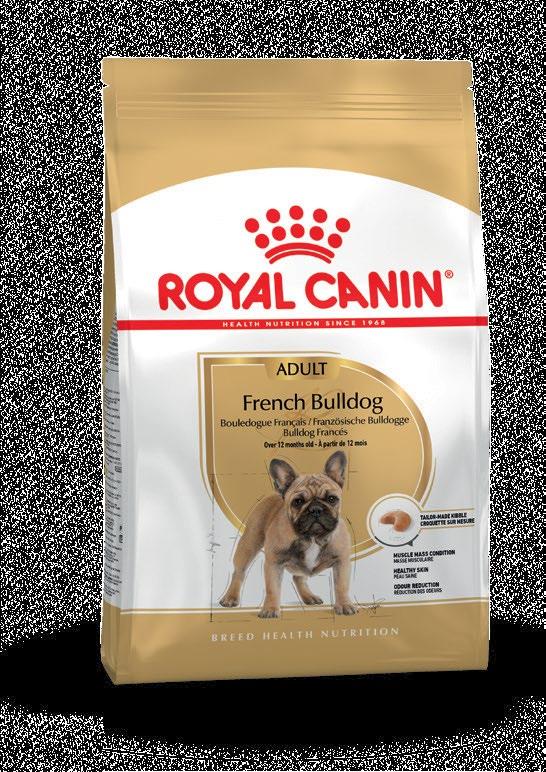
A set of stairs at the couch or bed is also one of the easiest adjustments to make! The stairs allow dogs that are too weak to get up and down furniture safely without compromising their joints. It is also an important tool in preventing dogs from jumping off beds or couches, especially to protect your Dachshunds or French Bulldogs backs.
We love recommending Ora Pets Woof Stairs (starting at R1095) or PupSak Corduroy Stairs (R2200) – functional and aesthetic!
Grip and no-slide!
Slippery surfaces are the most detrimental to our pet’s joint health. A lack of grip causes abnormal forces to go through the joints and can cause pain and discomfort. Notice any areas where your dog is more prone to slipping.
We usually recommend putting down a carpet in that area. Non-slip interlocking floor tiles are also quite handy, and they easy to find at any home store.
Another thing we frequently see that decreases grip and increases slip are too long nails. Ensure your dog’s nails are trimmed and make sure the hair on the bottom of their paws is not too long. You can trim your dog’s nails at home, or you can ask a groomer or your vet to trim them for you.
Block Those Stairs
Constantly going up and down stairs is more detrimental for your dog’s joints than you may realise. Especially your older dogs who are already dealing with osteoarthritis or joint disease. We prefer it if you block access to the stairs using a dog gate at the bottom or top of your staircase. These are easily found online.
While these are only a few tips, they can support your pets in small but measurable ways. Reducing abnormal forces through joints is key to protecting older dogs joints from damage as well as preventing joint changes in younger dogs ensuring a better and more comfortable daily life.
Heart & Home
There is something incredibly special about the relationship between humans and their pets. Long before science confirmed the emotional and psychological benefits of companion animals, people already understood it in their hearts: pets make life better.
BY TRACY MCQUARRIE
A house may provide shelter, but it is often a pet that transforms it into a home.
The gentle sound of paws following you from room to room. The excited greeting at the front door after a difficult day. The quiet comfort of a cat curled beside you while the world feels overwhelming. These moments may seem small, but together they become part of the emotional heartbeat of a family.
For many families, pets are not simply animals that share the home, they are family members in every sense of the word. Dogs and cats have an incredible ability to connect emotionally with humans. Studies have shown that interacting with pets can lower stress hormones, reduce anxiety, improve mood, and even help regulate blood pressure and heart rate. Simply stroking a dog or listening to a cat purr can trigger the release of oxytocin, often called the “love hormone” which strengthens feelings of bonding, comfort, and safety but beyond the science lies something even deeper: connection.
Every pet change the energy of a home in their own unique way. Some pets fill homes with laughter and chaos; nothing makes you smile more than a dog in full zoomies and their joyful excitement over absolutely everything. Others bring calm and comfort, quietly resting nearby, sensing sadness before anyone else notices, offering silent support simply through their presence.
Children who grow up with pets often learn empathy, compassion, responsibility, and emotional connection from a very young age. Elderly owners frequently describe their pets as a lifeline against loneliness and isolation. Adults navigating stress, grief, or anxiety often find incredible emotional support in the companionship of animals.
Pets create routine, purpose, and emotio-
nal grounding. They remind us every single day that love can be simple. Just being near to you makes them happy, and the feelings mutual. We learn their body signals, their fears, their quirks, their favourite places to nap, and the tiny habits that make them uniquely themselves. At the same time, they learn about us.
They begin understanding our routines, recognising our emotions, and responding to our energy in remarkable ways. Over time, an almost invisible communication develops, a glance, a tail wag, a sigh, a nudge of the hand and suddenly understanding each other feels effortless. Trust grows slowly but deeply.
Throughout history, dogs have shown remarkable instincts when it comes to protecting the people they love. There are countless stories of dogs alerting families to danger long before humans realised something was wrong.
Perhaps the greatest reminder of how much pets are a part of our home is when they are no longer there. Anyone who has lost a beloved dog or cat knows the silence that follows. The empty bed in the corner. The absence at the gate. The missing footsteps behind you. The instinct to look for them in their favourite spot.
The grief is real because the love was real. They become part of our family stories, our traditions, and our everyday lives in ways we often only fully realise when they are gone. And yet, despite the heartbreak that eventually comes with loving an animal, most people would choose it all over again without hesitation.
Because the joy, comfort, loyalty, laughter, and unconditional love they bring into our lives is worth everything. At the centre of every human-animal bond is something beautifully simple: love. Not complicated love. Not perfect love. Just steady, unconditional companionship through every season of life.
Pets remind us that a home is not created by walls or furniture alone. A home is built through connection, trust, warmth, laughter, and feeling loved exactly as you are.
And sometimes, the ones who teach us that best walk on four legs.
Some dogs have woken sleeping owners during house fires, barking frantically until their families escaped safely. Others have stood protectively between children and danger, instinctively sensing threats before anyone else noticed. Some dogs have even alerted owners to medical emergencies such as seizures, diabetic episodes, or panic attacks.
One of the most incredible things about dogs is that they do not protect because they are trained to love us. They protect because they love us.
www.dogtownsa.org
info@dogtownsa.org
Seeing With the Heart: The Story Behind 3Dogs
In a world of fast consumption and disposable everything, South African brand 3Dogs is building something different, an ecosystem rooted in compassion, sustainability, emotional connection, and the bond between humans and animals.
At the heart of the brand is a simple philosophy:
“LOOK WITH YOUR EYES. SEE WITH YOUR HEART.”
What began with handmade dog toys evolved into a purposedriven brand centred around rescue awareness, conscious living, storytelling, and products created with intention.
THE RISE OF Lewis’s fuGLy friENDs
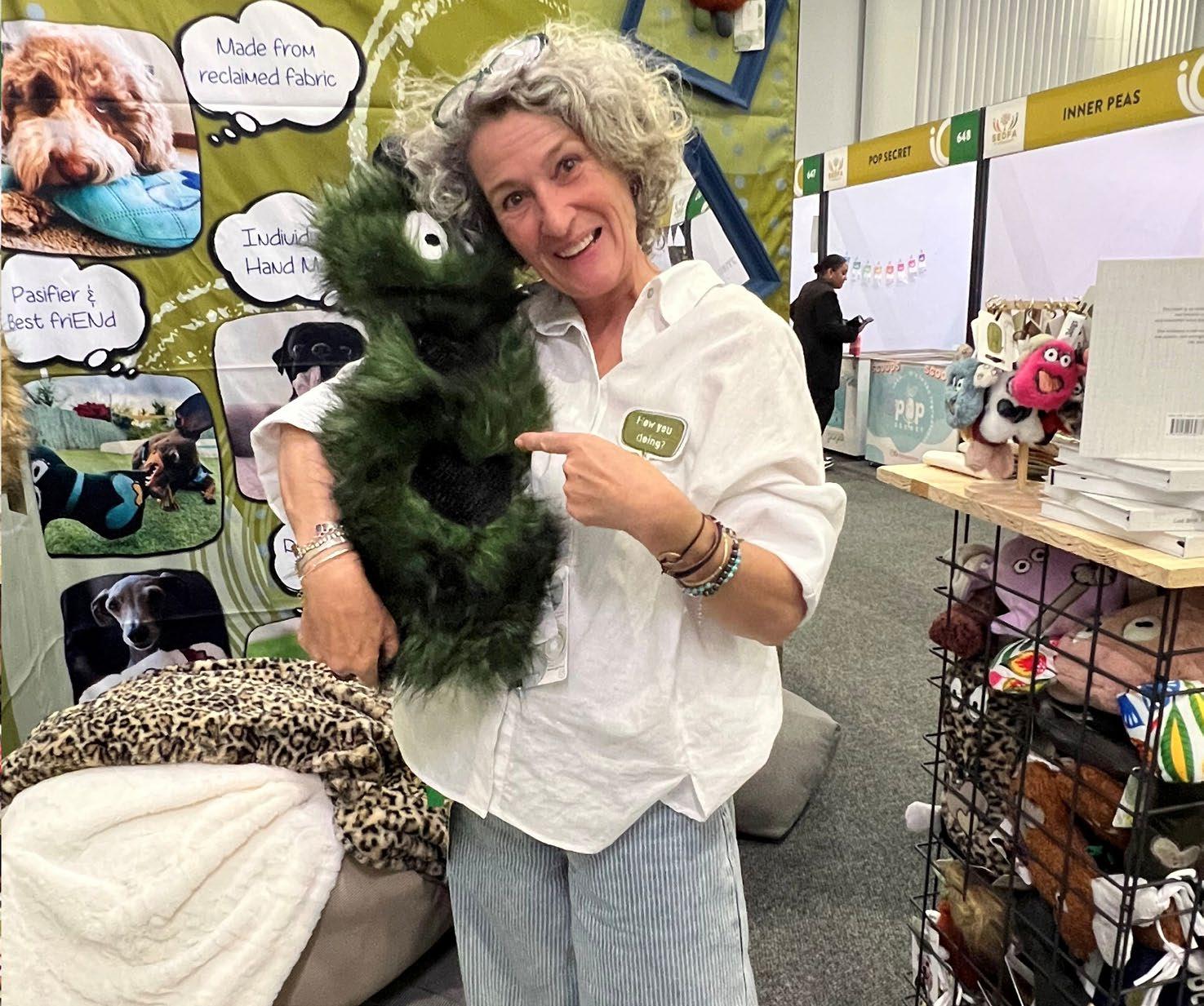
3Dogs first became known for Lewis’s fuGLy friENDs —quirky handmade dog toys created in Cape Town using rescued and repurposed fabrics.
No two are ever the same, and that became part of their magic.
More than toys, fuGLy friENDs became comfort companions and trusted playmates for thousands of dogs, from beloved pets to rescue, therapy, and service dogs.
They embody the philosophy behind 3Dogs: imperfect things can still be deeply loved and worthy of being seen.
BUILT WITH PURPOSE
Behind 3Dogs is founder Sophia Wener, whose vision is rooted in comfort, dignity, sustainability, and care for animals.
By repurposing materials, 3Dogs helps reduce landfill while creating products designed to comfort both humans and animals.
Every purchase also contributes towards animal welfare care packs including beds, blankets, and toys for rescue organisations and animals in need.
MORE THAN A PET BRAND
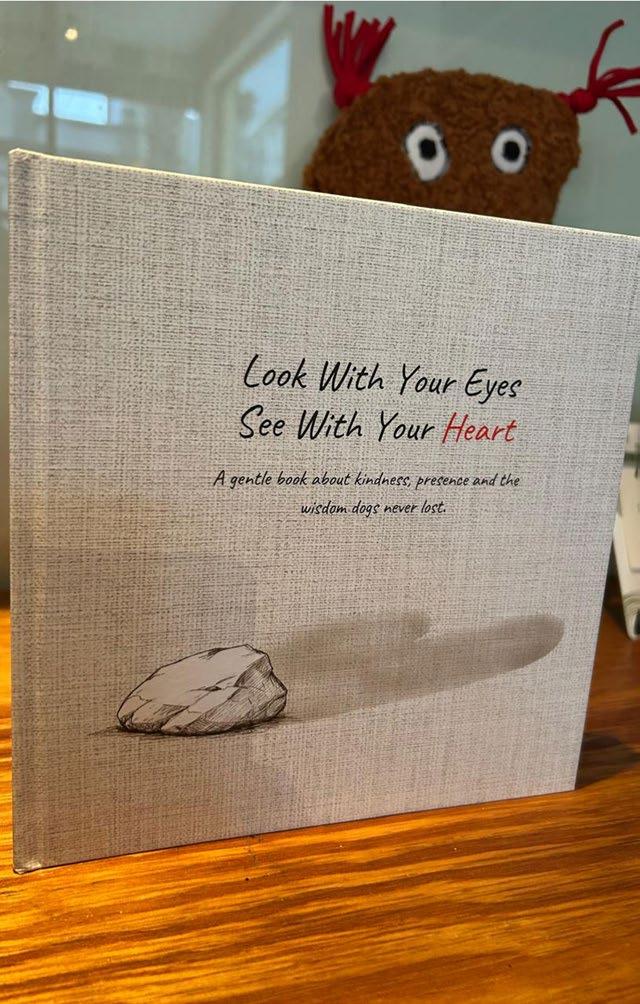
The latest evolution of the brand is Look With Your Eyes, See With Your Heart — an emotionally led illustrated book exploring empathy, kindness, imagination, and seeing beyond appearances.
At its core, 3Dogs is more than a pet brand.
It is a reminder that the overlooked, the rescued, and the imperfect still deserve to be seen, loved, and valued exactly as they are.
www.3dogs.co.za
Every home is different. So is every pet.
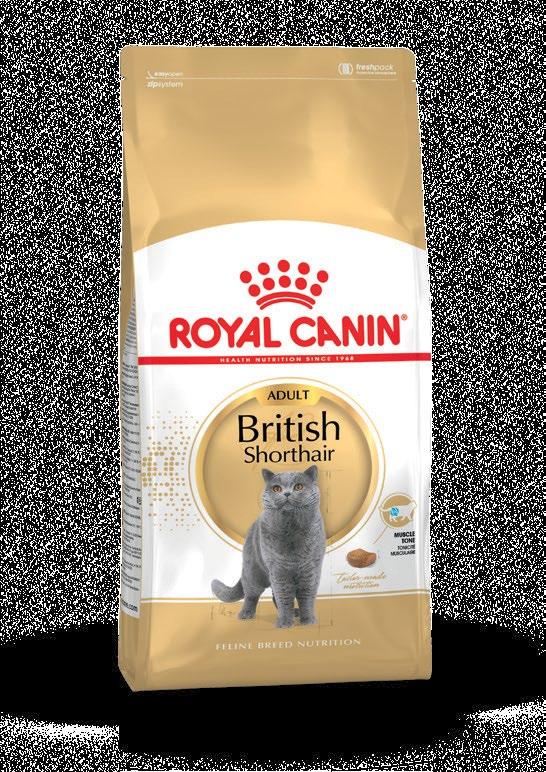
The pets we share our homes with may all be part of the family, but they are far from identical. Breed influences much more than appearance. It can affect the way a pet eats, moves, grows, and even the nutritional support they require throughout life.
Getting to know what makes your pet unique is one of the many ways we can help them live a healthy, happy life.
Built differently
From body shape and size to coat type and energy requirements, breeds can differ significantly from one another.
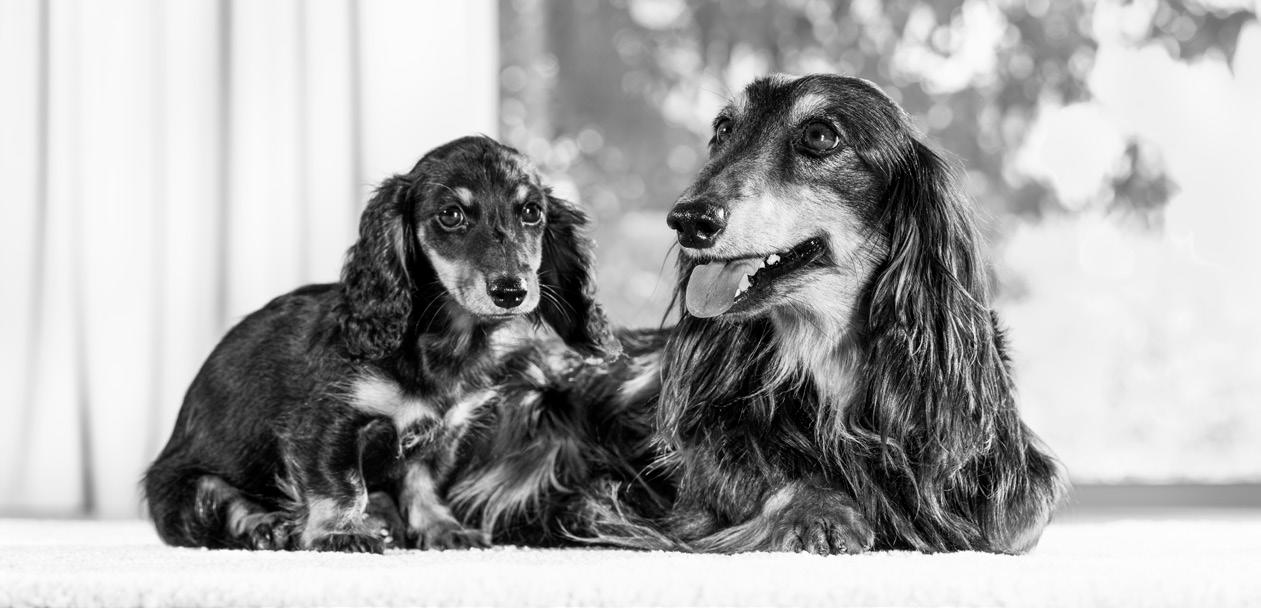
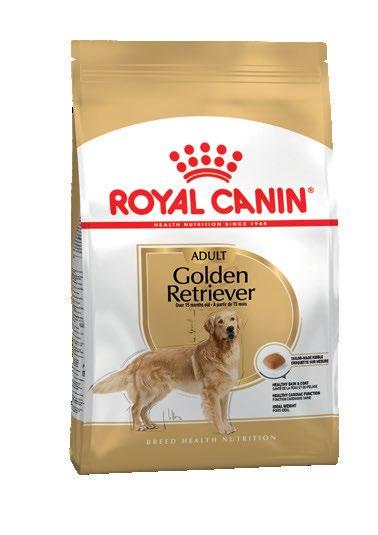
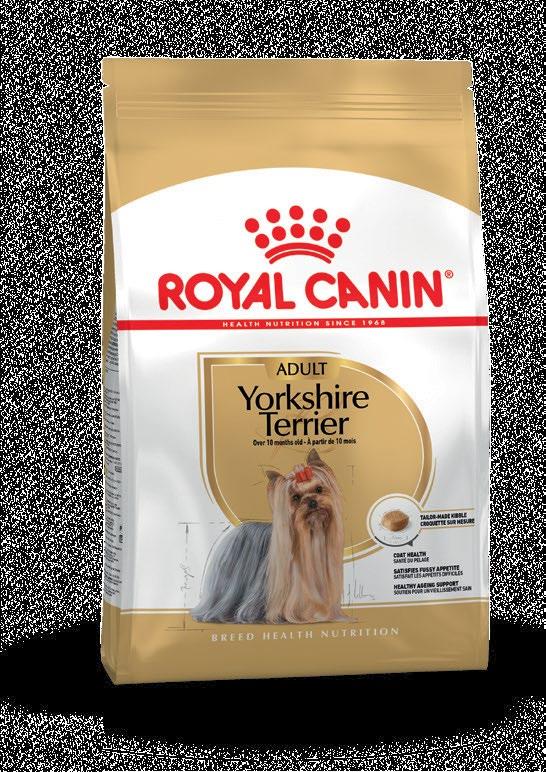
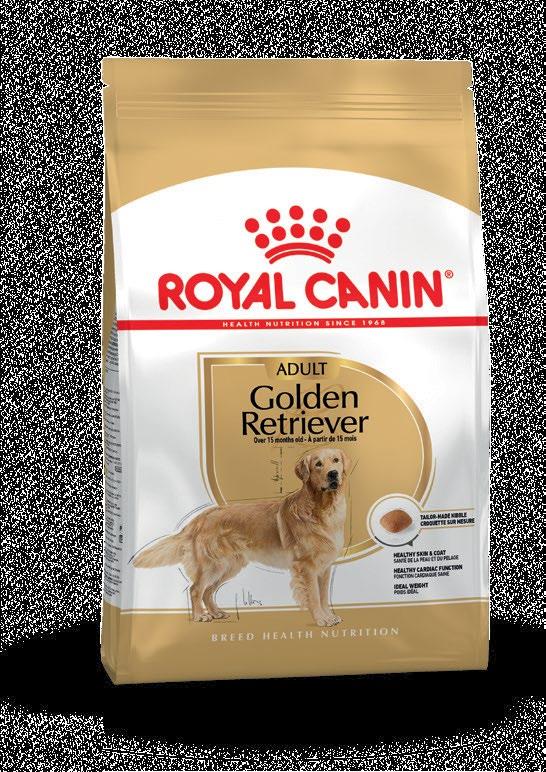
A Dachshund’s long back and short legs place different mechanical demands on the body compared to a Labrador Retriever. The continuously growing hair of a Shih Tzu has different nutritional requirements to the dense undercoat of a Miniature Schnauzer or the water-resistant coat of a Labrador Retriever.
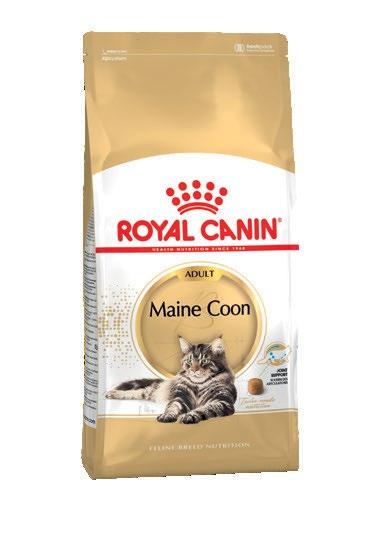
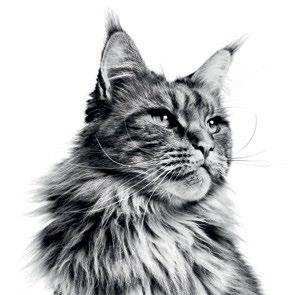
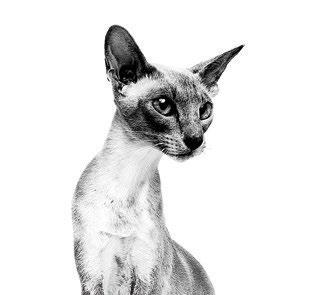
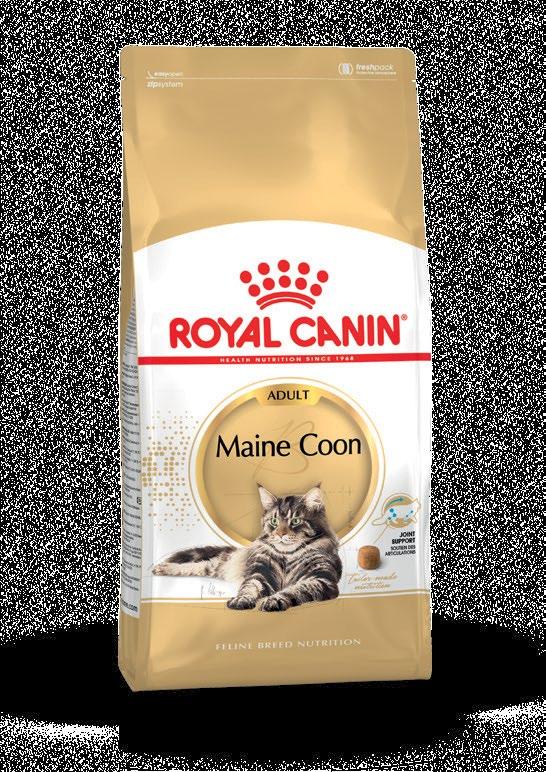
Cats are just as diverse. The large frame of a Maine Coon creates different nutritional considerations to the more slender build of a Siamese, while coat type and energy requirements can vary considerably between breeds.
These differences are part of what makes every breed unique, but they can also influence nutritional needs
Not all pets eat the same way
The way a pet picks up and chews food can vary considerably between breeds.
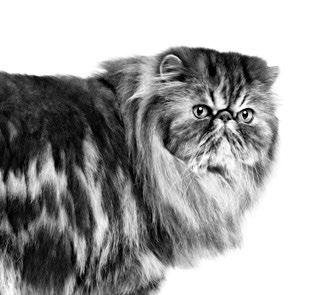
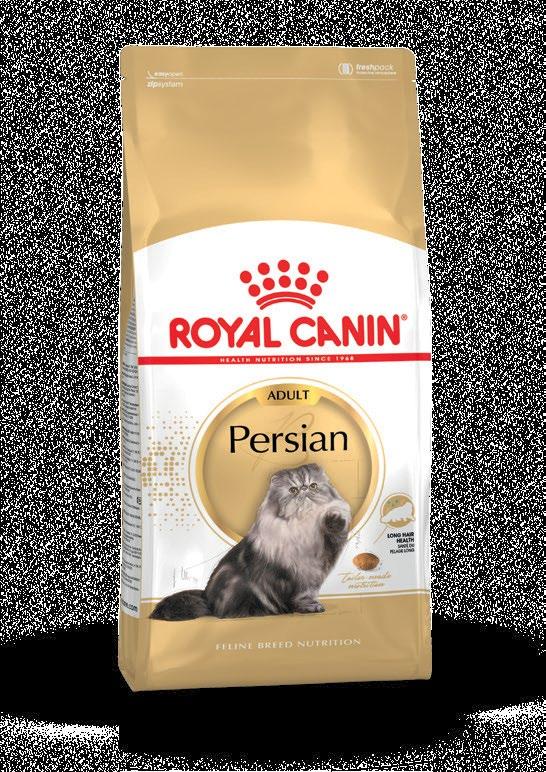
A Boxer’s flat facial structure is very different to the longer muzzle of a German Shepherd. The same variation exists in cats, where the broad, flat face of a Persian contrasts with the narrow, triangular head of a Siamese.
These differences can influence how easily food is grasped and chewed. Some breeds also have unique eating habits. Siamese cats, for example, are known to eat quickly, while Persians use the underside of their tongue to pick up food.
This is one of the reasons kibble design is such an important part of nutrition. Shape, size, texture, and density can all be adapted to suit the way different breeds interact with their food.
Designed with purpose
At ROYAL CANIN®, understanding breed differences is the starting point for nutritional development. We work closely with veterinarians, breeders, and pet professionals to better understand how factors such as body structure, jaw shape, coat type, growth patterns, activity levels, and eating behaviours influence nutritional needs.
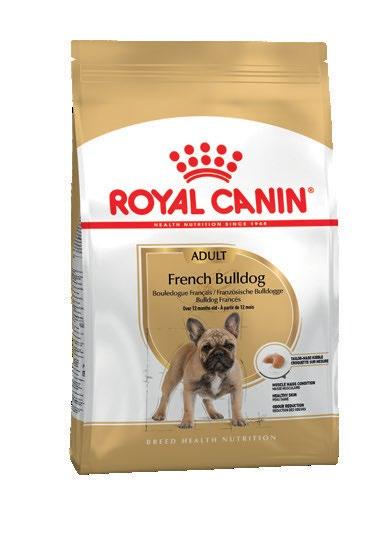
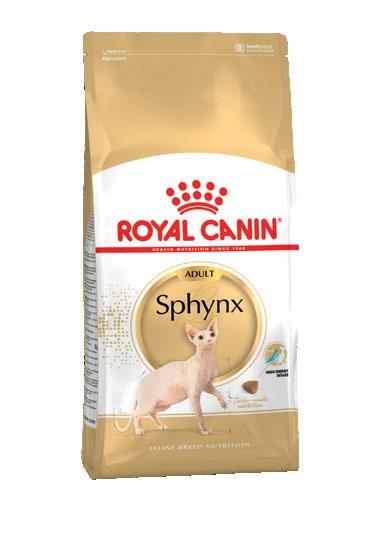
Today, ROYAL CANIN® offers 46 breed-specific formulas. Each one exists for a reason, providing precise nutrition for their unique needs.
Dolichocephalic Long, narrow face
Mesocephalic Moderate, balanced facial structure
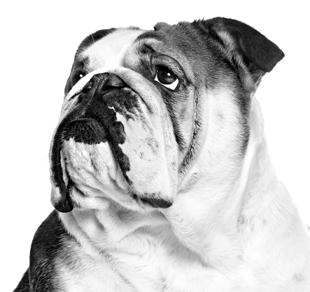
Brachycephalic Short, flat face
The of a in motion
By:
Jenni Davies
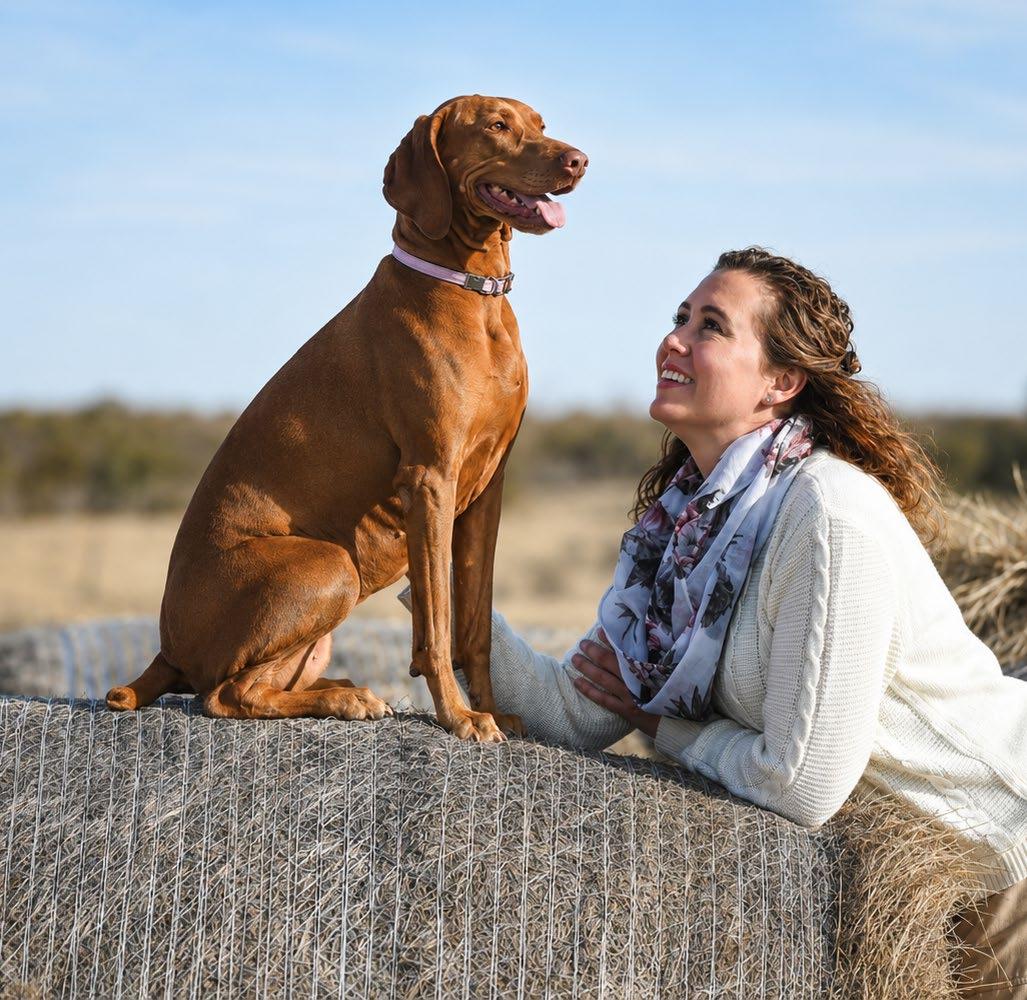
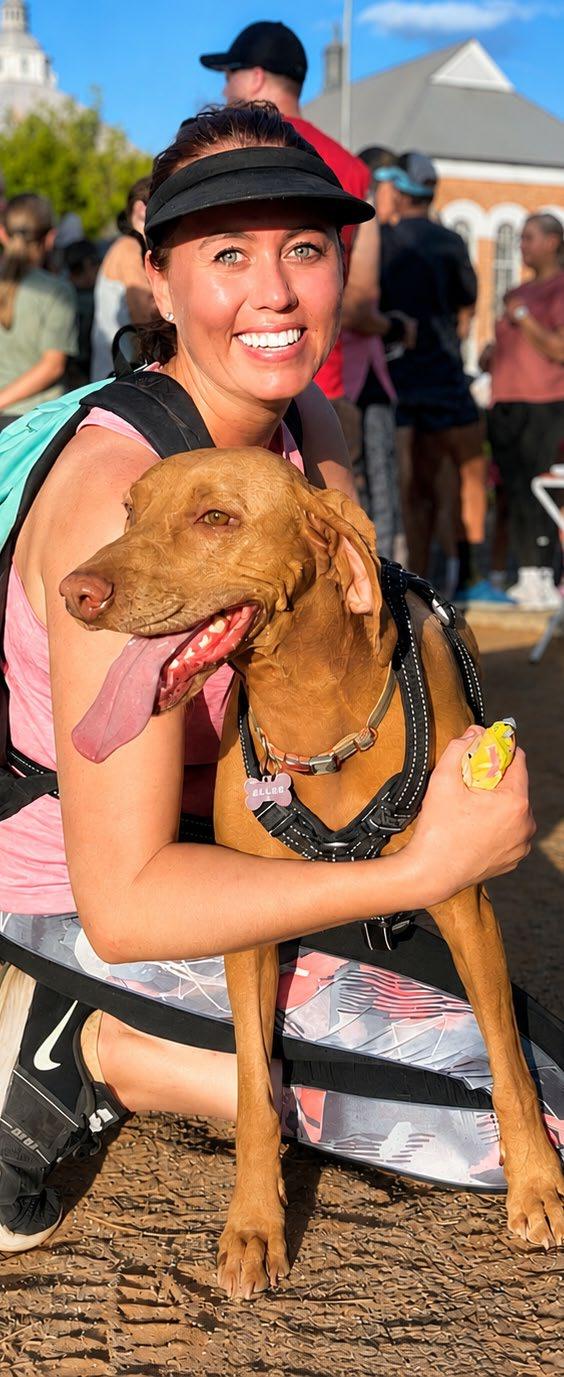
Every home has a heartbeat. For Marié de Klerk, that heartbeat has a glossy caramel coat, four paws, and enough energy to power the whole dorp.
Nine-year-old Zoey, a Hungarian Vizsla from Kimberley, greets Marié with a wide smile every morning and dances like popcorn whenever she returns home. Whether Zoey is welcoming clients at the veterinary clinic where Marié works, swimming laps in a farm dam, chasing swallows across lucerne fields, or mothering orphaned lambs, she approaches every moment with the enthusiasm of a puppy. It’s no wonder she’s the light of Marié’s life.
Born to run
Zoey is always in motion. “Her absolute greatest joy in life is running. She loves racing across the fields when the swallows dip low almost as if they’re playing with her, knowing she’ll never catch them. Previously, I worked on a game farm and if I drove anywhere, Zoey insisted on jogging to get there instead.” Even now, at nine years old, people regularly mistake her for a young dog. “Most people think she’s two or three years old,” laughs Marié.
Marié has made sure that drive is matched with plenty of exercise, helping Zoey stay fit, strong, and at an ideal weight. In turn, Zoey gets everyone
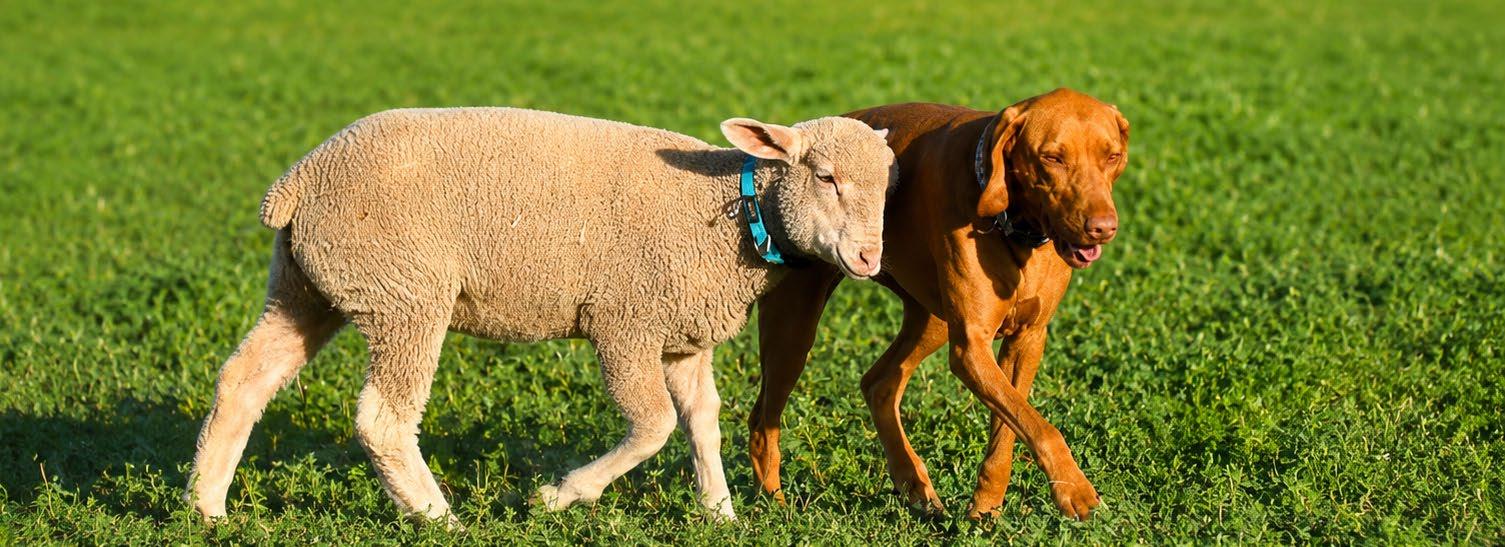
When Marié hand-raised an orphaned lamb named Clara, everywhere that Zoey went, the lamb was sure to go. “If I drove somewhere, both had to come. First sharing the passenger seat, then, as Clara grew, she relaxed on the floor space below while Zoey watched the world from above. Everyone thought it was hilarious. Me, my big dog and a sheep crammed into a little bakkie.” But, Zoey doesn’t reserve her mothering for animals, says Marié. “She comes to sit by you if you’re sad and she understands more than you think.”
Working 9-to-5
At Medivet Veterinary Clinic - Kimberley, Zoey has become something of a local celebrity. While Marié works as practice manager, Zoey acts as unofficial receptionist, stretched out in front of the desk, greeting clients and soaking up attention.
But it’s not just Zoey’s boundless zest for life that makes her special. Marié often takes in baby animals needing hand rearing and, whether it’s a lamb, chick, calf, or antelope, Zoey immediately appoints herself as foster mom. “Gentle, patient, curious, loving and she cares for each one as if they were her own,” says Marié.
“She loves people,” says Marié. “Everyone who walks in wants to say hello to Zoey, and she wants to jump up and meet every single one of them, especially the puppies.”
Zoey’s place in the clinic mirrors her place at home: always nearby, always involved, always part of the moment. It’s who she is. And that relies on healthy joints.
The mechanics of movement
Bones provide the body’s structure; joints are where they meet. When movement
takes place, bones should glide against each other in a smooth, controlled way. This is facilitated by a thin layer of spongy cushioning between the bones called cartilage, and further smoothed with synovial fluid. The body naturally produces the compounds needed to build, maintain, and repair healthy cartilage.
However, age-related wear and tear, injuries, excess weight, or inherited conditions such as hip dysplasia can cause this cushioning to become thinner or erode completely. Synovial fluid can also become less effective with age, reducing its ability to lubricate. As this protection is lost, bone begins rubbing against bone, causing damage, stiffness, reduced mobility, and pain.
This degenerative joint condition caused by gradual cartilage breakdown is called osteoarthritis, often called simply arthritis. In more advanced cases, fragments of cartilage or bone can break away, and bony growths may develop around the joint. Osteoarthritis is one of the most common causes of chronic pain and reduced mobility in animals.
The body’s own cartilage support system can become less efficient with age or increased joint stress. When wear begins outpacing repair, providing extra building blocks with supplements may help support normal function. This can be valuable at different stages of life both to help protect joints in dogs and cats predisposed to joint problems, or later on when age, injury, or wear and tear begin to take their toll.
Keeping her going
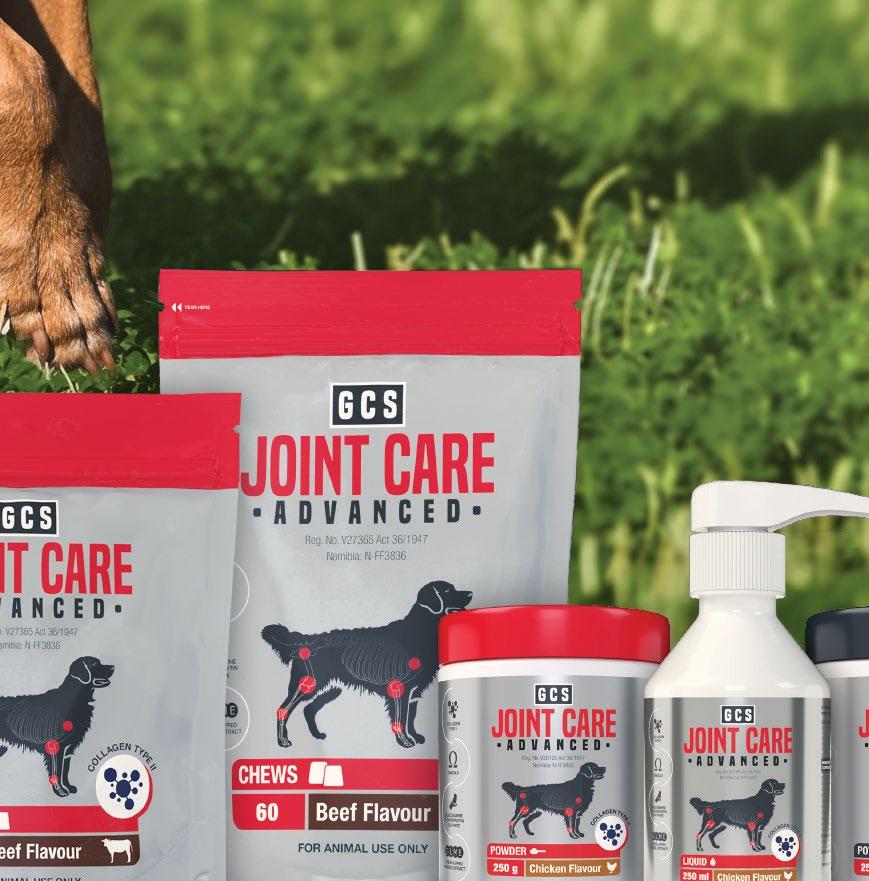
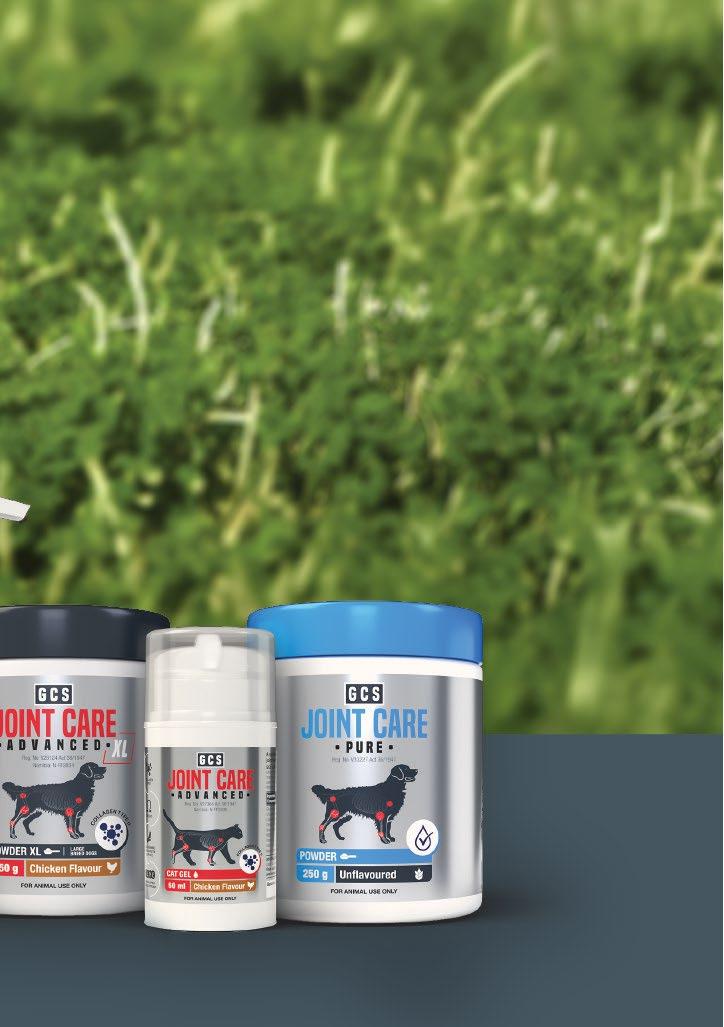
Before Zoey joined her family, Marié researched Vizslas extensively and knew the breed is predisposed to hip problems. Instead of waiting for issues to develop, she took a proactive approach. “I read up about joint nutrients and care, so I started giving her GCS Joint Care Advanced Powder from around two years old, along with extra omega 3 fatty acids, and of course, keeping her fit.” At the vet clinic, Marié sees dogs of similar ages every day and the differences in mobility and overall comfort reinforce her belief in starting early.
osteoarthritis problems start early with joint support. “I’m not a vet or a sales person; I just know what works for Zoey and what I see at work. The earlier you start, the better, but, it is never too late. If you see your dog struggles, start immediately. With all the factors such as weight, exercise, supplements, etcetera, you really can extend your dog’s quality of life.”
Like everyone who is fortunate enough to share their lives with a furry family member, for Marié, Zoey is more than a pet. “The moustache and the paws are getting grey, but she is as lively as a puppy, an exciting ball of fur that comes everywhere with me, plays all day, chases birds, is just busy. She’s the light of my life.”
Keeping pets active, comfortable, and engaged isn’t just about mobility it’s about preserving the moments that make a house feel like home. And if Zoey has anything to say about it, there are still many adventures, ball games and fostering session to come.
Practical tips for managing osteoarthritis
• Manage weight. Extra weight puts more pressure on joints. Keeping your pet’s weight in check is a key part of managing arthritis.
• Keep moving: Regular, gentle exercise helps strengthen joint-supporting muscles, encourages synovial fluid movement, and improves blood flow. Stick to short, calm walks or swimming as suited to your pet’s ability.
• Supplement for joint repair and support. Supplements can help provide the building blocks the body uses to maintain and support healthy cartilage.
• Keep them comfy: home improve quality of life. Think easier access to food bowls and litter trays, supportive bedding, extra warmth, non-slip
mats or booties for better traction on tiles, and ramps or steps to help pets access higher surfaces like couches.
• Manage pain: Have regular check-ups. If needed, your veterinarian can advise you on safe pain relief options. Never give human pain medications to pets.
The Joint Support Big Six
1. Glucosamine: Glucosamine is cartilage “raw material”, and supplementing helps support cartilage repair and maintenance.
2. Chondroitin: Helps cartilage retain water and elasticity while supporting shock absorption in the joints.
3. MSM (methylsuphonylmethane): A natural sulphur compound that supports connective tissue health and may help manage inflammation linked to joint discomfort.
4. Omega 3 fatty acids: Known for their anti-inflammatory properties, omega 3s can help support joint comfort and overall skin and coat health.
5. Green-Lipped Mussel Extract (GLME): A natural source of omega 3 fatty acids and other joint-supportive nutrients.
6. Collagen (Type II): A structural protein found in cartilage needed for strength, flexibility, and resilience.
Signs that your pets may be developing osteoarthritis
Joint trouble tends to happen so gradually that owners don’t always notice it immediately. Here’s what to look out for:
• Less enthusiastic. They’re hesitant to run, play, go for walks, hop into the car, things they enjoyed before.
• Slow to start. They seem stiff or “a bit slow” when getting up, especially after sleeping or resting, but seem better after they’ve been moving.
• Posture and movement changes. Walking slower, being less keen to jump onto your lap or the couch, sitting more hunched.
• Winter isn’t their friend. Joint problems tend to worsen in damp or cold weather.
• Not part of the gang. They spend more time resting and less time shadowing you around or playing with other animals, or they lag behind on walks.
Arthritis can make it tough to get comfortable, so they may seem restless, unsettled
Chronic pain is miserable and arthritic pets may become withdrawn, irritable, hesitant to be handled, or even lash out with nips or scratches.
Pain and stiffness makes grooming challenging, so they start looking untidy or
Safety note: This information does not replace veterinary advice. Always consult your veterinarian if you are concerned that your pet may be in pain or showing signs of joint discomfort.
Bravecto® Sponsors Tick and Flea Treatments worth R7 million to Support Shelter Dogs Across South Africa
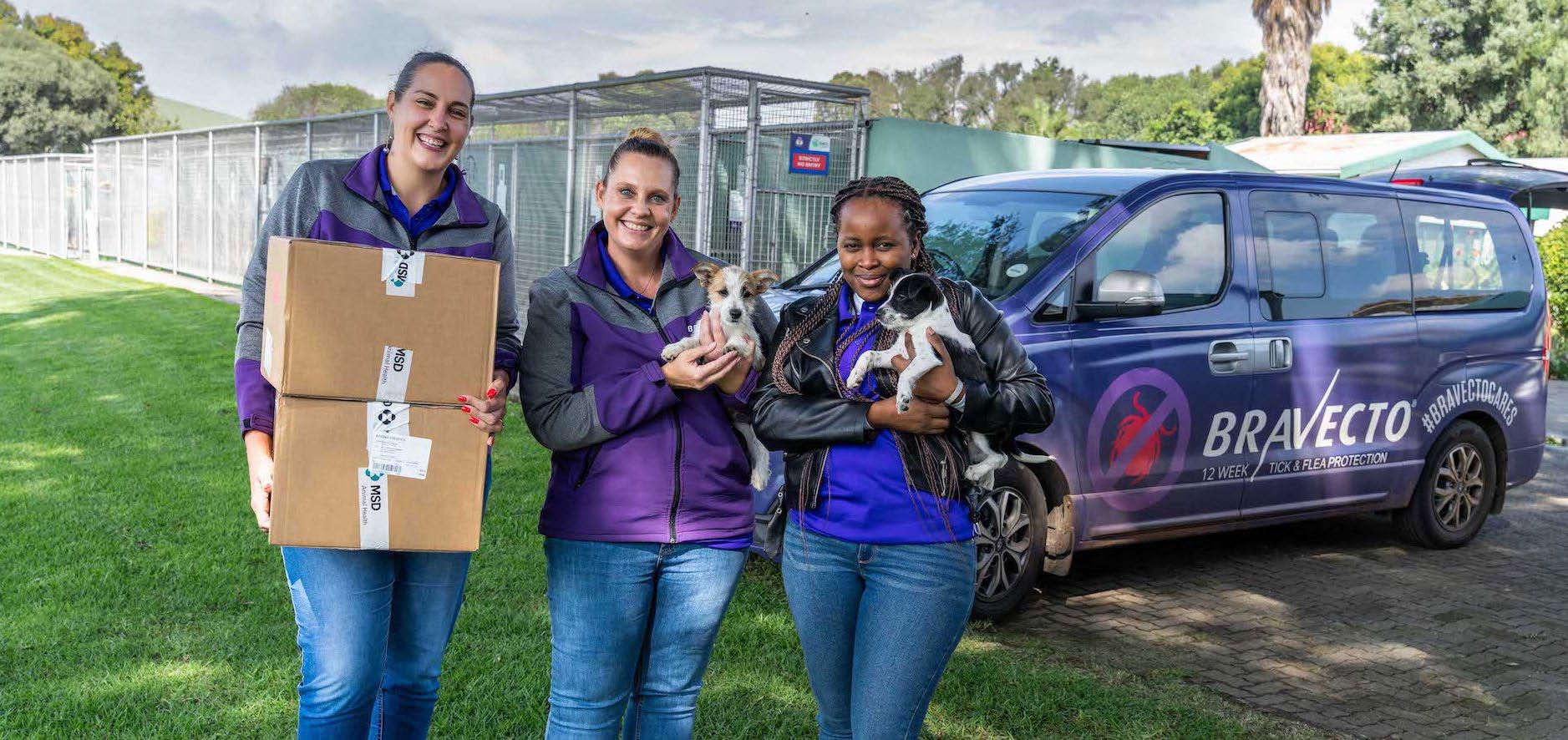
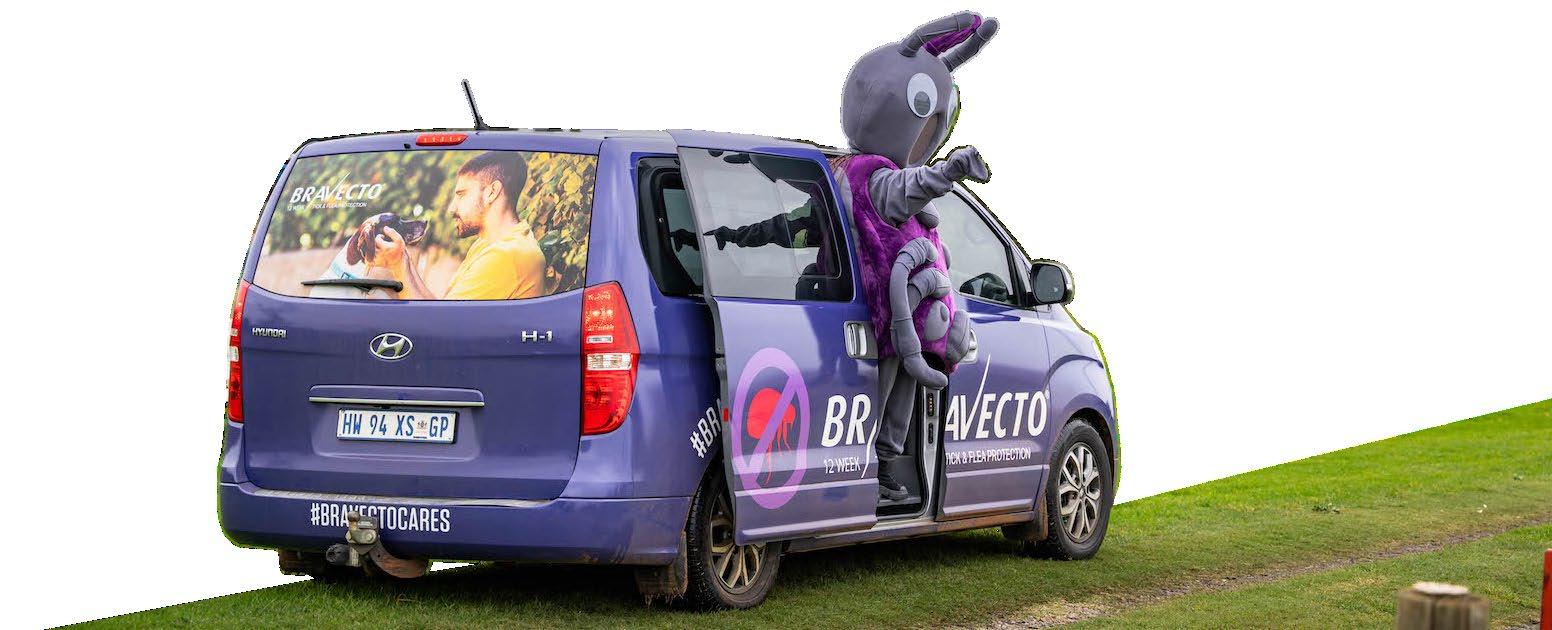
Bravecto® rolled out their nationwide #BravectoCares winter drive which delivered 21,500 doses of tick and flea treatments worth R7 million to selected animal shelters across South Africa, helping to protect vulnerable dogs and support their well-being.
Shelter environments can make it especially challenging to control parasites, with ticks and fleas spreading quickly between animals and into surrounding areas. Left untreated, infestations can lead to discomfort, skin conditions and increased risk of disease for already vulnerable dogs.
Breaking the tick and flea cycle is essential. These parasites don’t just live on dogs, eggs in the environment lead to repeated infestations leading to repeated reinfestation if not effectively controlled. Long-lasting protection plays a critical role in managing this cycle and improving overall animal health.
Bravecto® Chew provides 12
‘’We see so many animals with skin cases, ticks and fleas and Bravecto® makes a big difference to the lives of these animals” said Dr Leandré van der Merwe, Principle Veterinarian at the Animal Anti-Cruelty League (AACL) Cape Town.
For shelters, the impact goes beyond immediate relief. Healthier, more comfortable dogs are more relaxed, more social, and ultimately more adoptable. Through this initiative, Bravecto® aims to support the vital work shelters do every day, helping ensure that more dogs stay healthy, comfortable and one step closer to finding a forever home.
“Building on the success of our previous #BravectoCares drive, we’re excited to once again be able to continue this commitment to improving the lives of pets, especially of those most in need,” said Dr Carolyn Chelchinskey, Business Unit Manager –Companion Animals, MSD Animal
About Bravecto®
Bravecto® is a product of MSD
Animal Health. A single, fast-acting Bravecto® Chew treatment lasts for 12 weeks in dogs, while the SpotOn lasts for 4 months for ticks and 6 months for fleas. In cats, Bravecto® Spot-On provides 3 months of protection against fleas and ticks. Compared to other products which must be given every month, this makes Bravecto® a trusted, convenient and cost-effective option for keeping your pet protected for longer.
At Levana Primary School in Lavender Hill, a man dropped to his knees beside a recovery cage. His dog was coming around from the anaesthetic following a sterilisation procedure and, through the haze, responded to the voice he knew. It reminded all of us that people do not love their pets less because they have less to
By the close of that single day, 171 animals had been sterilised in that hall, in a drive we ran alongside our partners Paws a While and Aid4Animals in Distress.
It is the same story at every drive. Ask the people who bring their animals how they came to have a dog or a cat, and you will rarely hear that they went looking for one. They took in a stray that visited and stayed, or were handed a puppy by a neighbour whose dog had a litter. They took in the dog that was abandoned when someone moved. A family with very little room in their budget, still made room in their home.
And they knew their animal should be sterilised. What stood in the way was a vet on the other side of the city, no transport of their own and a cost that competes with the grocery bill.
What looks like a crisis of pet owners who don’t care, is really a crisis of access, and the numbers show its scale. Statistics South Africa now counts 9.4 million owned dogs and cats, in South African homes. In the country’s lowestincome households, (those grouped as LSM 1 to 4),15.6% keep a dog and 6.0% a cat. Taken across the national population, those figures point to more than a million pets living in communities where primary veterinary care may be financially or geographically out
Every unplanned litter leaves someone carrying the consequences. A family may struggle to feed and vaccinate several additional animals in which
case both the family and the animals suffer. Puppies and kittens will be given away without sterilisation, continuing the cycle. Some will be surrendered, abandoned or exposed to neglect.
Eventually, the responsibility for their care will land on an SPCA.
In towns and cities across South Africa, it is only the SPCAs’ gates that never close to the relentless intake of animals. Prevention is the only way to lighten the load currently carried by communities and the SPCA.
“Sterilisation is the most effective act of prevention we have, but for too many families it is simply out of reach,” says Belinda Abraham, Spokesperson for the Cape of Good Hope SPCA. “If we are serious about animal welfare, we must take care directly to communities. This is a question of equitable access as much as it is about compassion.”
This conviction shaped ‘We Step In Together’, the Cape of Good Hope SPCA’s answer, in collaboration with welfare partners, to the access gap. Veterinary expertise, funding and community knowledge are brought together to create temporary clinics in accessible local venues. For one day, a school or community hall becomes a place where owners can access care that would otherwise remain beyond their reach. Since January, we have sterilised more than 1200 animals in communities across Cape Town, working alongside more than ten other animal welfare organisations, and a further 1800 at our own animal hospital. This year, our efforts aim to reach 10 000 animals.
SPCAs countrywide have always been champions of sterilisation, because every sterilisation means at least one less litter that never has to find a home, a family helped to keep the animal they love, a cruelty case that is never opened, or an animal that never has to suffer neglect or cruelty. From the largest city SPCA to the smallest one, these are the organisations dealing with the full impact of the pet overpopulation crisis. Every one of them could do more with support behind them.
Step in with the SPCA nearest you. Fund a drive, sponsor a sterilisation, tell a friend. We can only do this if we step in together.
FASCINATING
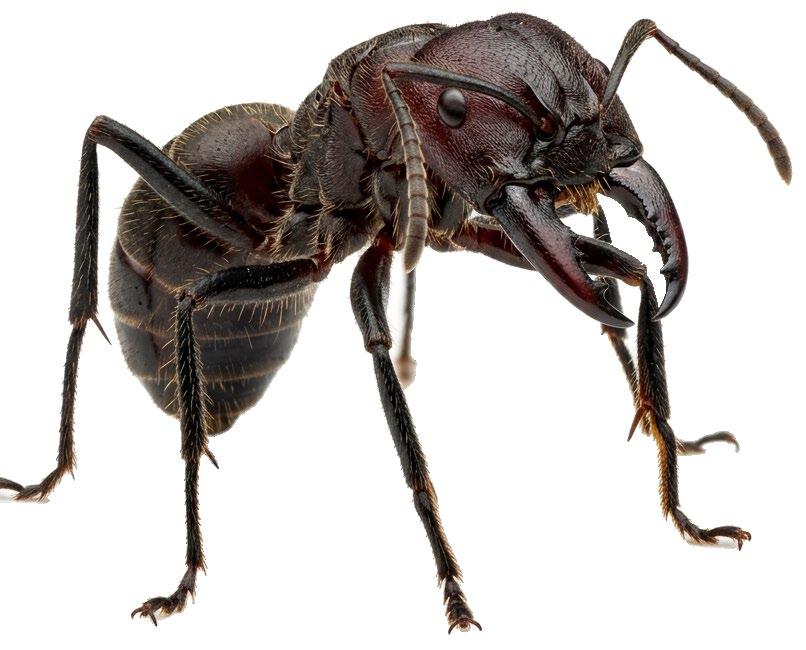
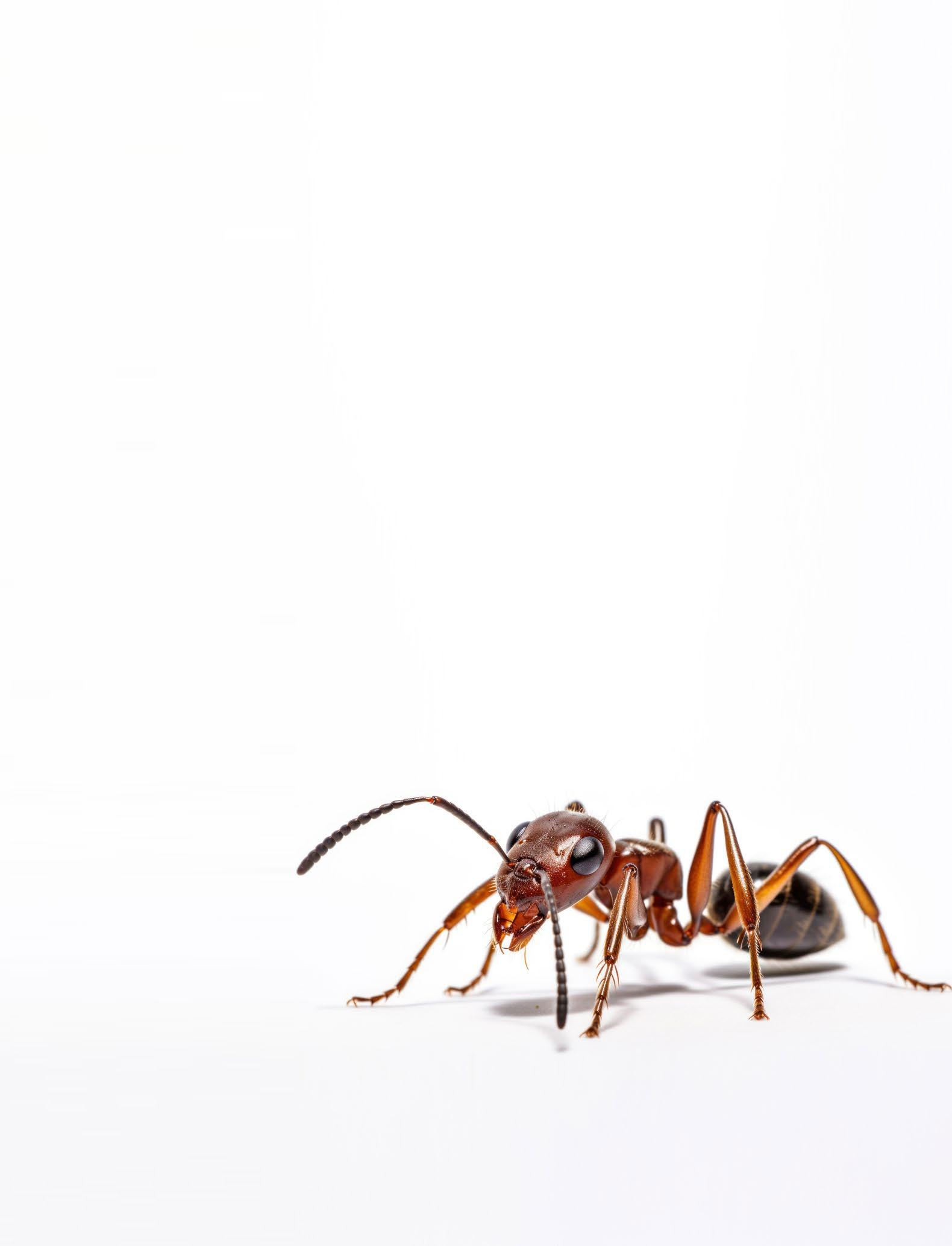
THE AFRICAN DRIVER ANT BELONGS TO THE GENUS DORYLUS, ONE OF THE MOST FAMOUS GROUPS OF ANTS IN AFRICA.
Driver ants are part of the animal kingdom Animalia.
They belong to the phylum Arthropoda, which includes insects, spiders, and crustaceans. Their class is Insecta, meaning they are true insects with six legs and three body sections.
Driver ants belong to the order Hymenoptera, the same order as bees and wasps.
Their family is Formicidae, which includes all ants worldwide.
Scientists have identified more than 60 recognised species in the Dorylus genus. Some of the best-known species include Dorylus helvolus and Dorylus nigricans.
Driver ants are closely related to army ants found in South America.
DRIVER ANTS ARE NATIVE TO AFRICA AND OCCUR NATURALLY ACROSS MUCH OF SUB-SAHARAN AFRICA, WITH SOME SPECIES WITHIN THE BROADER DORYLUS GENUS EXTENDING INTO TROPICAL PARTS OF ASIA AS WELL.
In South Africa, they are mostly found in warmer northern and eastern regions.
DRIVER ANTS HAVE EXISTED FOR MILLIONS OF YEARS AND ARE CONSIDERED ANCIENT SOCIAL
INSECTS. FOSSIL EVIDENCE SUGGESTS ANTS EVOLVED FROM WASP-LIKE ANCESTORS MORE THAN 100 MILLION YEARS AGO.
Scientists study driver ants to better understand teamwork, communication, and insect societies.
UNLIKE MANY INSECTS, ANTS ARE EUSOCIAL ANIMALS, MEANING THEY LIVE IN HIGHLY ORGANISED COLONIES WITH SPECIALISED ROLES.
Driver ants prefer warm tropical and subtropical climates.
In South Africa, they are most commonly associated with bushveld, savanna, woodland, and forest-edge habitats. They usually avoid very cold mountain areas and extremely dry deserts.
DRIVER ANT BIVOUACS ARE TEMPORARY UNDERGROUND CHAMBERS EXCAVATED FROM SOIL, FORMING A NETWORK OF TUNNELS AND SPACES LARGE ENOUGH TO SHELTER MILLIONS OF INDIVIDUALS AT ONCE.
Colonies often move to new areas when food becomes scarce.
Some colonies can travel hundreds of metres during a migration.
THEIR MOVEMENT THROUGH THE ENVIRONMENT HELPS SPREAD NUTRIENTS ACROSS ECOSYSTEMS.
Driver ants navigate by detecting pheromones, laying down chemical scent trails that act as highways guiding the entire colony through the landscape.
Colonies often choose shaded routes to protect themselves from extreme heat.
Heavy rain can flood their nesting chambers, forcing entire colonies to relocate quickly. Worker ants constantly repair damaged tunnels after storms or animal disturbances.
DRIVER ANTS ARE IMPORTANT RECYCLERS IN AFRICAN ECOSYSTEMS, HELPING TO REMOVE DEAD INSECTS AND SMALL ANIMALS FROM THE ENVIRONMENT.
Their underground chambers help regulate temperature and humidity around the brood.
SOME DRIVER ANT COLONIES CONTAIN MORE THAN 20 MILLION INDIVIDUALS, MAKING THEM THE LARGEST ANT COLONIES OF ANY SPECIES ON EARTH.
Driver ants vary greatly in size depending on their role within the colony.
Small worker ants may measure only 3 to 6 millimetres long. Large soldier ants can reach nearly 2 centimetres in length.
The queen is much larger than the workers and may grow over 5 centimetres long.
Most driver ants are dark brown, reddish-brown, or black in colour.
Their bodies are covered with a hard outer skeleton called an exoskeleton.
Did You Know?
• During a hunt, driver ant swarms fan out into a raiding front that can span several metres across as thousands of workers spread out simultaneously in search of prey.
• Some soldier ants have jaws powerful enough to pierce tough insect shells.
• Driver ants are completely blind and rely entirely on scent instead of sight.
• Ant bridges are made from living ants holding onto one another.
• Birds often follow ant swarms to catch escaping insects.
• Driver ants help recycle dead organic material in nature.
• Ant tunnels improve soil quality by aerating the ground.
• Ants have lived on earth far longer than humans.
SOLDIER ANTS ARE HEAVILY BUILT AND ACT AS LIVING BODYGUARDS FOR THE COLONY. THEIR JAWS CAN SLICE THROUGH INSECT SHELLS AND SOFT ANIMAL TISSUE.
Tiny hooks on their feet help them climb over rough ground and vegetation.
DRIVER ANTS TRAVEL IN MASSIVE MARCHING COLUMNS THAT MAY STRETCH FOR MANY METRES.
Some swarms contain hundreds of thousands of ants moving together.
Worker ants communicate by laying pheromone trails for others to follow. When danger appears, soldiers rush to the front lines to defend the colony.
Individual ants follow simple rules, but together they create highly organised behaviour.
COLONIES CAN BUILD BRIDGES USING THEIR OWN BODIES TO CROSS GAPS.
Ants at the bottom of a living bridge remain still while others walk over them.
Driver ants mainly move on foot and cannot fly once they become workers.
MOST ACTIVITY TAKES PLACE DURING COOLER PARTS OF THE DAY OR NIGHT.
DURING MIGRATIONS, THE COLONY PROTECTS THE QUEEN IN THE CENTRE OF THE MOVING SWARM. IF A TRAIL IS BROKEN, WORKERS QUICKLY SEARCH FOR THE MISSING CHEMICAL PATH.
Colonies can react rapidly to attacks from predators or rival ants.
Driver ants sometimes overwhelm enemies simply through massive numbers.
Workers cooperate to carry food items much larger than themselves.
SOME ANTS SPECIALISE IN CARING FOR LARVAE WHILE OTHERS FOCUS ONLY ON DEFENCE OR FOOD GATHERING.
Scientists compare ant colonies to “superorganisms” because they function almost like a single living creature.
Driver ants do not hibernate in warm African climates.
Colonies can become highly aggressive if disturbed.
Swarms can strip large insects down to skeletons surprisingly quickly.
THEY HUNT MAINLY THROUGH OVERWHELMING NUMBERS RATHER THAN SPEED OR VENOM.
WORKER ANTS SPREAD OUT LIKE A MOVING NET
WHILE SEARCHING FOR PREY. INSECTS TRYING TO ESCAPE ARE QUICKLY SURROUNDED.
Driver ants are especially important predators of termites in African ecosystems.
FACTS
Colonies also scavenge dead animals when available.
The ants cut food into smaller pieces before carrying it back underground. Large prey may require hundreds of workers working together.
Birds such as drongos and hornbills often follow ant swarms to catch fleeing insects.
Some reptiles avoid driver ant paths because of their painful bites.
DRIVER ANTS THEMSELVES ARE EATEN BY AARDVARKS, BIRDS, SPIDERS, AND SOME REPTILES.
Pangolins feed heavily on ants and termites, including species related to driver ants.
Their hunting activity helps control populations of many insects.
DRIVER ANTS RARELY TARGET HUMANS UNLESS THE NEST OR TRAIL IS DISTURBED.
Their bites can be painful because of their strong jaws.
Unlike a honeybee, which loses its stinger and dies after a single sting, a driver ant soldier can bite repeatedly without any harm to itself, making it a relentless and highly effective defender.
Some species can release alarm chemicals when attacking prey.
Colonies must hunt constantly because millions of ants require enormous amounts of food.
DRIVER ANT COLONIES USUALLY CONTAIN ONE MAIN QUEEN. THE QUEEN’S SOLE PURPOSE IS REPRODUCTION, AND A HEALTHY DRIVER ANT QUEEN MAY PRODUCE ENORMOUS NUMBERS OF EGGS THROUGHOUT HER LIFETIME.
About The Gem Project Sanctuary
The Gem Project journey began in Port Elizabeth in 2010, founded on the principles of empowering vulnerable communities through education, support, and care.
In 2023, that mission expanded to Cape Town with the new establishment of The Gem Project Sanctuary.Situated on a 24-hectare farm in Philadelphia, Cape Town, The Gem Project Sanctuary is currently home to 50 dogs, 18 horses, and 2 donkeys.
While the sanctuary provides lifelong care for animals who need it, rehoming remains a vital part of the work.
Where Home Means Family
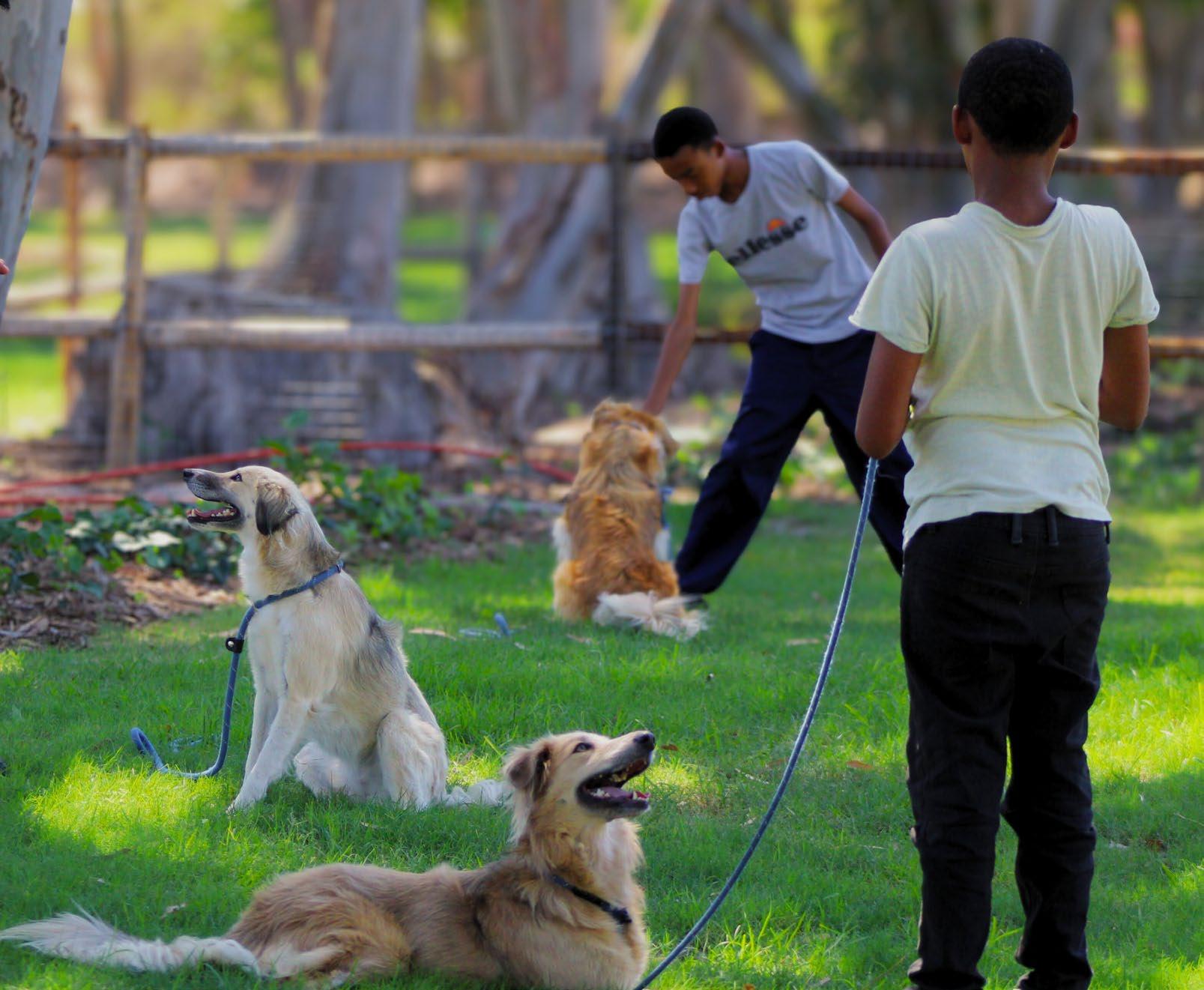
Mornings are dedicated to feeding routines, health checks, grooming, and individual assessments. Dogs move through the property in carefully supervised groups, enjoying off-lead time across the farm, running, exploring, and rediscovering the simple joy of being dogs again.
The Herd: Equine Rehabilitation and Sanctuary
Every new arrival receives comprehensive veterinary assessment, dental care, and hoof management, often for the first time. Nutrition plans are carefully structured, neglected hooves are rehabilitated over time, and chronic pain is addressed with professional support.
Training Tomorrow’s Heroes: Animal Therapy Dogs
The sanctuary partners with a medical service dog training organisation, Honey’s Garden for Medical Alert Dogs SA, to transform selected
rescue dogs into life-changing service animals.
Community Commitment: Sterilisation and Support Recent sterilisation campaigns in Atlantis and Abbotsdale supported the sterilisation of 156 dogs and 40 cats, helping prevent future suffering and reduce unwanted breeding.
The sanctuary also serves as a vital foster partner for other organizations including Animal Welfare Society South Africa, Mdzananda Animal Clinic, and The People’s Dispensary for Sick Animals. When these partner shelters reach capacity or their resources are stretched.
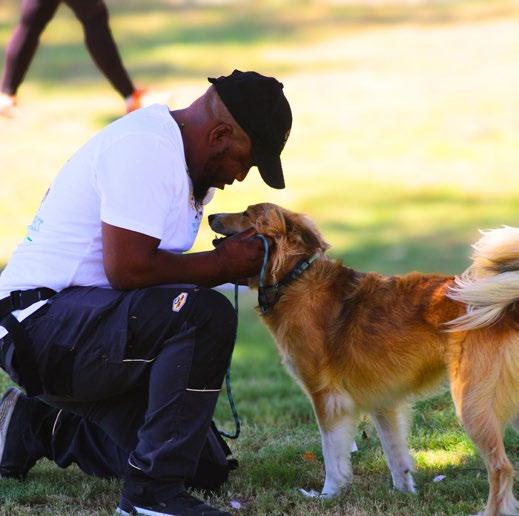
Finding Gems: Youth Apprenticeship Programme Through interactions with the sanctuary’s dogs, young participants learn to build trust, regulate emotions, and develop empathy while gaining practical skills and life knowledge.
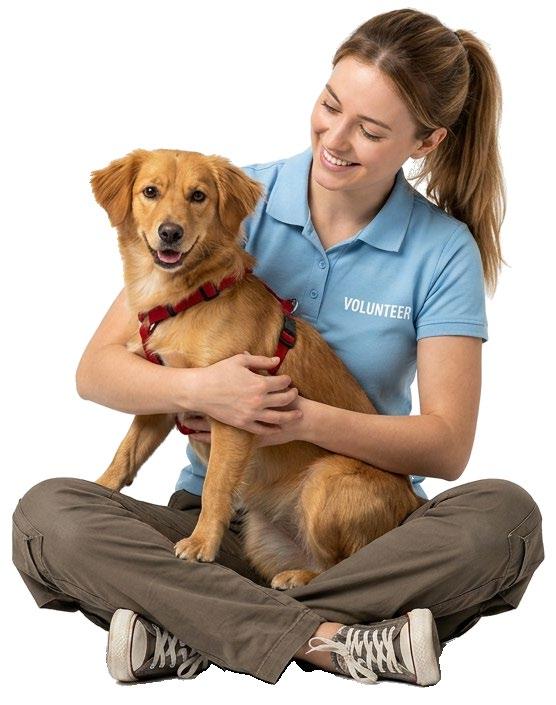
Volunteering: Join the Movement
The sanctuary offers a structured volunteer programme with tiered opportunities across both dog and horse departments.
A Circle of Compassion
What makes The Gem Project Sanctuary truly remarkable is how everything connects and how rescuing animals creates opportunities to educate youth, how community partnerships multiply impact.
Become Part of the Gem Family
Adoption is one of the most powerful ways to transform a life.
If adoption isn’t possible right now,
More Than Rescue: a sanctuary where dogs and horses can belong for life
you might consider sponsoring an animal, volunteering your time, making a donation, or sharing the sanctuary’s work with others.
The Gem Space: Events That Give Back From corporate functions and conferences to family gatherings, special occasions and dog-friendly events we can accommodate up to 150 guests.
If you or your business would like to rent the Gem Space, please email: info@gemproject.org.za.
The Gem private Dog Park
The Gem Project Dog Park offers a secure, private dog park experience where your dogs can run, play, and socialise freely in a safe, enclosed environment.
Donate
Every contribution directly supports the animals in care and community programmes
Volunteer
Structured volunteer opportunities are available across both dog and horse departments.
Get Involved
Have a unique skill or resource to offer?
The team would love to hear from you.
Contact The Gem Project Sanctuary
Phone: 021 065 1691
General Enquiries: info@gemproject.org.za
Fundraising: fundraising@gemproject.org.za
Dog Sanctuary: jody@gemproject.co.za
Horse Sanctuary: kim@gemproject.co.za
Website: www.gemproject.org.za
Facebook: The Gem Project Sanctuary
Instagram: @the_gem_project_sanctuary
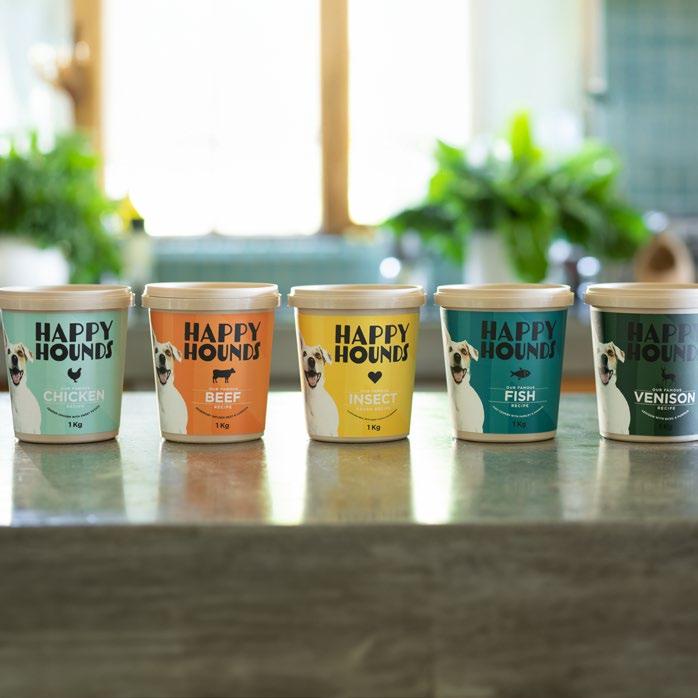
HAPPY HOUNDS:
What Changed When a Pet Nutritionist Started Looking at Dog Food Differently
What Changed When a Pet Nutritionist Started Looking at Dog Food Differently
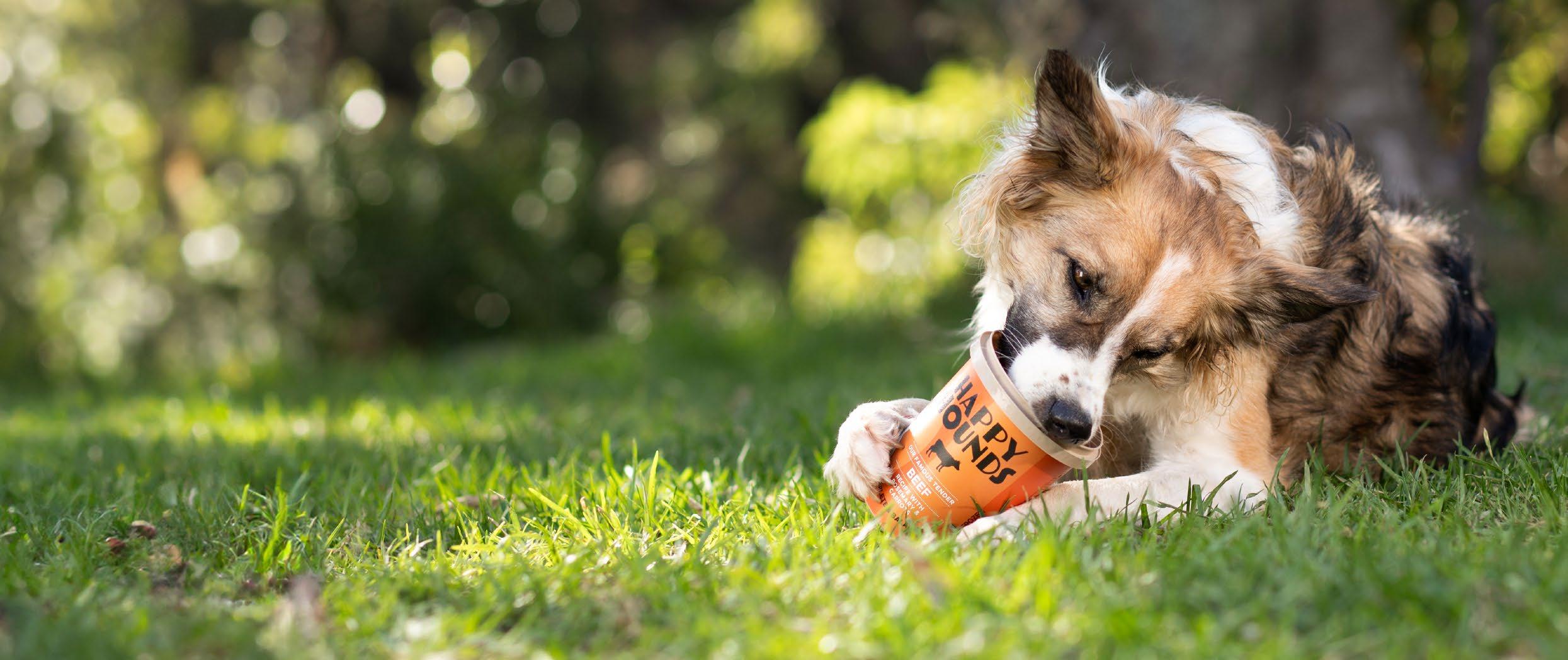
Coming from a rigorous scientific and formulation-based background in pet nutrition, Andreas, Happy Hounds’ professionally registered pet nutritionist (SACNASP), has spent years evaluating how diet affects canine physiology, health, and long-term wellbeing. He noticed recurring patterns that were difficult to ignore. Many dogs showed no obvious clinical disease, yet small health concerns appeared again and again: intermittent digestive discomfort, skin flare-ups, duller coats, or lower energy levels often attributed simply to age, breed, or temperament. These were not always accompanied by an official diagnosis, but their consistency suggested that nutrition may play an important role much earlier than many people realise.
What became increasingly clear to Andreas was that feeding decisions are often made reactively, adjusted only once a problem has already become visible. By the time nutritional strategies are introduced to manage a concern, subtle physiological changes may have been developing for months or even years.
Modern veterinary medicine, improved preventative care, and advances in diagnostics have helped our animal companions live longer. With this welcome increase in lifespan, however, means dogs are now more likely to experience the kinds of age-related physiological changes and chronic health challenges that were once less commonly encountered simply because fewer dogs reached advanced age.
Supporting health proactively during a dog’s formative and adult years may help maintain physiological resilience,
reduce the cumulative burden of minor imbalances over time, and ultimately expand not just lifespan, but the number of years lived in good health and comfort.
It’s also what ultimately drew him to join Happy Hounds, a gently cooked fresh dog food company based in Cape Town. Where ingredient quality, formulation, and preparation could be aligned with how nutrients are used by the body.
More Than What’s in the Bowl
True nutritional value is shaped by the interaction between ingredient quality, nutrient profile, formulation strategy, and cooking methodology. Together, these factors influence not only what nutrients are present in the food, but how much of that nutrition ultimately becomes available to the dog.
At Happy Hounds each ingredient is selected with careful consideration of both its intrinsic nutritional contribution and its wider functional role within the diet.
The Gut, the Immune System, and Everything In Between
One area receiving increasing attention both in research and veterinary practices is the gut microbiome, the community of microorganisms that plays a central role in digestion, immune response, and even behaviour.
A more resilient microbiome doesn’t just improve stool quality. It influences how the body responds to stress, how effectively it absorbs nutrients, and how inflammation is regulated.
There’s also growing recognition of the gut-brain axis, a bidirectional relationship between the digestive system and cognitive function.
The Preventative Gap
One of the clearest gaps Andreas identified is the space between “Thriving” and “Surviving.”
Most nutritional intervention still tends to happen once a clinical problem is already present, whether that is pancreatitis, renal compromise, chronic skin irritation, or digestive disturbance. Yet, long before a formal diagnosis, there are often smaller and less visible physiological shifts already taking place.
The Overlooked Role of
Hydration
Hydration plays an important role in digestion, circulation, temperature regulation, and kidney function. Over time, this may be particularly relevant for supporting renal health, especially in older dogs or those with a predisposition to kidneyrelated concerns.
A Shift in Perspective
None of this suggests that dog owners have been getting it wrong. If anything, it reflects how much the conversation around pet care is evolving.
Feeding is no longer just about keeping a dog full, or even meeting basic nutritional standards. It’s about supporting the body through good nutrition.
Earlier this year I read about an exhibition in Berlin that I have not been able to stop thinking about. At the Neue Nationalgalerie, one of that city’s best-known museums, an American artist who goes by the name of Beeple let a pack of robot dogs loose on the gallery floor.
They were not real dogs. They had four legs, metal bodies, and a lifelike rubber face fixed to each body. Some wore the faces of technology billionaires like Elon Musk and Mark Zuckerberg. Others wore the faces of famous artists like Pablo Picasso and Andy Warhol. The robot dogs roamed the room, photographed what they saw with built-in cameras, and then dropped a freshly printed picture on the floor behind them, the way a real dog leaves a little something on the pavement when out walking. Each one turned the room into a picture in the style of the person it portrayed. The artist’s point was that the people who shape how we see the world used to be painters and photographers, and now it is a small handful of men who own the apps we stare at all day.
What the Robot Dogs Forgot
by Karel van der Vyver, founder of the Museum of Dogs
Robot dogs, regardless of the exhibition, are having a real moment. They began as toys. In the late 1990s, Sony released a robot dog called AIBO, and it became a sensation, especially in Japan. Then the technology grew up and went to work, when the engineers at Boston Dynamics built Spot, a machine that climbs stairs, inspects dangerous places, and helps in search and rescue. More recently, robot dogs have resurfaced again as companions for elderly people living alone and for those in flats where real dogs are not allowed. With artificial intelligence embedded in them, they can now form little personalities, learn your habits, and respond to you. Some even need to be “fed” in their own virtual way. We have a very simple one here in the Museum of Dogs in Cape Town.
When you go away on holiday, you switch the robot dog off and put it in a cupboard. But, that convenience is the very thing that should give us pause. Everything that makes a real dog difficult to keep is also what makes it real. It needs you, it needs walking and feeding and patience and the occasional ruined shoe, and that need, the simple fact that a living creature depends on you and is overjoyed when you walk through the door, is not a fault in the design. It is what makes a dog the special creature it is.
All of this set me thinking about how long real dogs have been part of our art, and why.
The answer is that they have been there almost from the very beginning. Some of the oldest pictures human beings ever made, scratched onto rock walls, show dogs running at their side on the hunt. The ancient Egyptians painted them on the walls of their tombs. The Romans set them into mosaic floors, sometimes beside the words “beware of the dog”. Centuries later, when wealthy families sat for their grand portraits, they would ask the painter to include the family dog at their feet, not as decoration but as a sign of loyalty and faithful love. Painters like Thomas Gainsborough and Edwin Landseer became known for the tenderness with which they painted dogs, and a few years ago the Wallace Collection in London devoted an entire exhibition to dog portraits.
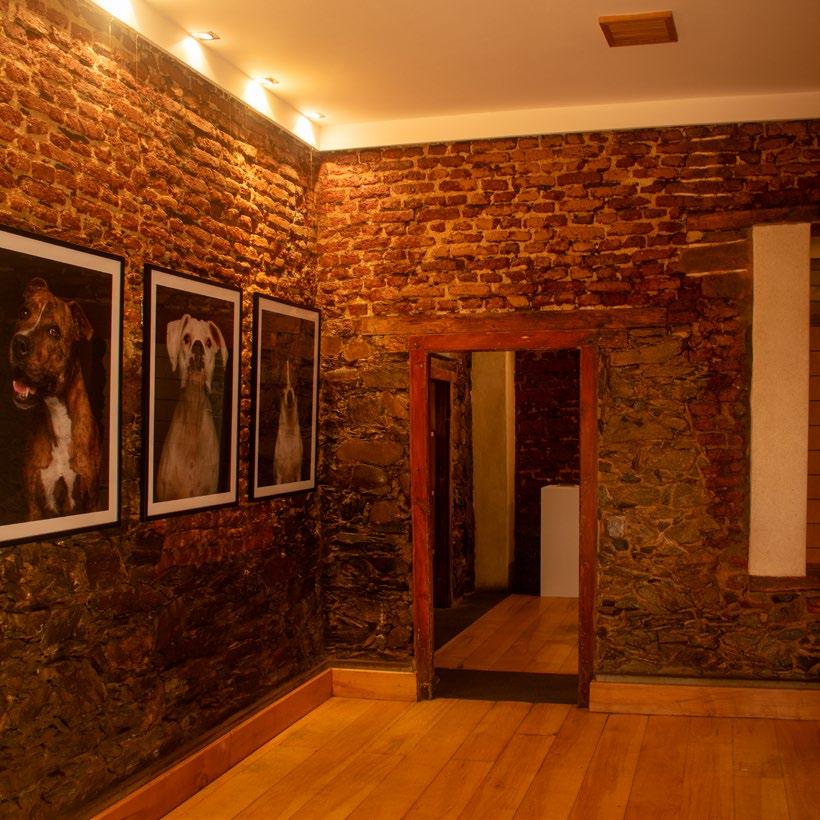
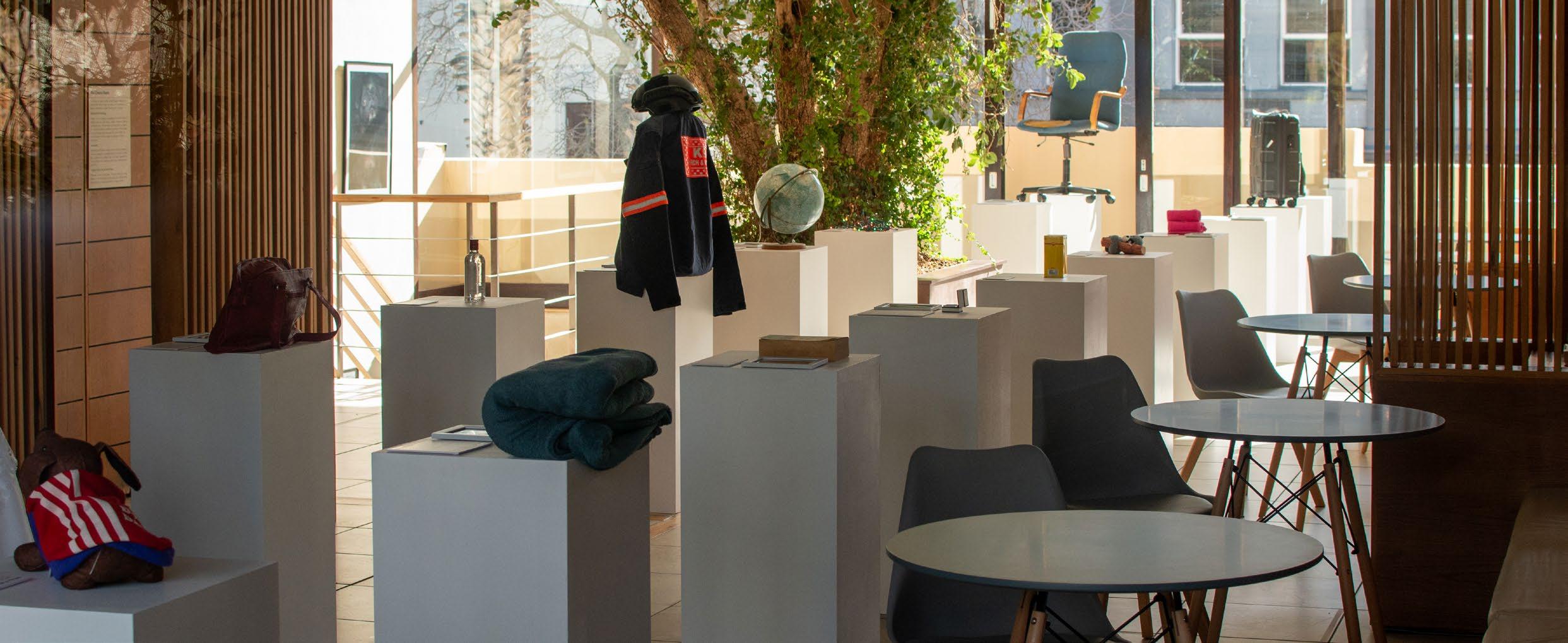
This, in the end, is what we try to capture at the Museum of Dogs. It is a place to gather the paintings and photographs and small, treasured objects that ordinary people have kept simply because a dog mattered to them. The Berlin robots will roll on to the next city soon enough. The dogs in our pictures, and the people who loved them, are staying right where they are. If this winter leaves you looking for somewhere warm and quiet to spend an afternoon, I would be glad to welcome you. Bring the family. Bring your dog too, if you like. The real ones are always welcome here!
WHEN LOVE FILLS THE BOWL
By Johan van Jaarsveld, Managing Director, Montego Pet Nutrition
Behind every animal rescue in South Africa is a person who chooses to show up. Not always for pay, and rarely for recognition, but because they feel the particular pull of an animal that needs a person and a person who needs an animal. Every day, rescue workers and volunteers give their time, their passion and their resilience. They fundraise and rehabilitate; they advocate and they keep going, even when resources run thin. Compassion, for them, is not an abstract value, it is a daily practice.
Running an animal rescue well, requires many things: space, volunteers, veterinary support, community networks, unwavering commitment. And food. After more than a year of fieldwork,17 000 km travelled across nine provinces, 200 shelters assessed, Barking Mad, a network for animal welfare organisations in South Africa, found that the national need for pet food alone exceeds 300 tonnes every month.
At Montego, our genuine love of pets is not a marketing position; it is the reason we exist. When we saw an opportunity in May 2026 to not only nourish thousands of animals in need, but to highlight a cause that deserves far more of all our attention, we partnered with Petshop Science for a GUINNESS WORLD RECORDS™ title attempt for the largest donation of pet food in 24 hours.
After more than a year of research and visiting animal rescues across South Africa, we found that, on average, rescues use more than 1000 kilograms of dog food every single month,” says Tracy McQuarrie, Managing Director of Barking Mad. “Food security is their most pressing concern.”
What food security gives a shelter is not just meals. It gives staff and volunteers the room to focus on what they come to do, the slow, patient work of helping an animal feel safe again.
A record worth breaking
An initiative of this scale starts with a question: where can we make the most difference? The answer came from Petshop Science, who identified the Bloem Skou, South Africa’s largest combined agricultural, trade and
entertainment show, drawing more than 126 000 visitors annually as the ideal setting for the attempt.
The record to beat stood at 36 750 kg. It had been set in Bentonville, Arkansas, in May 2023 by Baby Doge (a cryptocurrency brand) in partnership with Best Friends Animal Society, with a national US transport company managing the logistics.
Our target in Bloemfontein: 3 360 bags of 20 kg Monty & Me Dry Essential Dog Food. 67 200 kg in total. Nearly double.
The response at the Bloem Skou was extraordinary. All 3 360 bags earmarked for the GUINNESS WORLD RECORDS title attempt were purchased. The scale of it matters less than the spirit behind it: people at an agricultural show in Bloemfontein chose to spend their money on food for animals in rescues hundreds of kilometres away. That generosity is the most important figure in this story.
At 15:43 on Saturday, 2 May 2026, the record was confirmed.
While achieving a GUINNESS WORLD RECORDS title is a single moment, the challenge facing South Africa’s rescue
animals is long-standing.
Giving back is as natural to Montego as the Karoo landscape we call home. We donate more than 30 tonnes of pet food to animal rescues every year. South Africa’s animal rescues need more than 300 tonnes of food every month. In 24 hours, showgoers at one event donated 67 tonnes. That is not enough, and it was never meant to be. It does, however, demonstrate something important: South Africans will act generously when they are given a clear, practical and accessible way to do so.
CHARITY BENEFICIARIES OF GUINNESS WORLD RECORDS TITLE ATTEMPT
AACL — Animal Anti-Cruelty League, Johannesburg
New Beginnings Charity, Bloemfontein
Huistoe Animal Charity Welfare, Bloemfontein
C.L.A.W.S., Welkom
SPCA Bloemfontein, Kimberley & Virginia
Dog Town SA, Johannesburg
“If Kai is the turtle who eases back in gently, Nori is the one who dives headfirst into the deep end, quite literally.”
Images: Courtesy of the Two Oceans Aquarium Foundation
Following Their Hearts Home
The remarkable journeys of Kai and Nori
What does home mean to a sea turtle? It’s a question that sounds almost philosophical, until you start tracking one across an ocean.
For Kai and Nori, two sea turtles recently released back into the wild after years of rehabilitation at the Two Oceans Aquarium Foundation’s Turtle Conservation Centre, home isn’t an address. It’s a calling. And watching them answer it has been nothing short of extraordinary.
Both turtles entered the ocean through the same place, the protected waters of De Hoop Marine Protected Area, but that’s where the similarities end. Their journeys since then couldn’t be more different, and honestly?
That’s what makes their stories so worth telling.
Kai: Taking it one day at a time
Kai is a loggerhead turtle with a backstory that will make your heart ache a little.
Rescued as a hatchling in 2020, he never got to experience the ocean the way most young turtles do. Instead, severe health complications, including a lung condition that caused persistent buoyancy problems, meant he spent six years in rehabilitation. Six years of specialist care, physiotherapy, and the kind of patient, dedicated work that most people never see behind the scenes of conservation.
When Kai finally swam back into the ocean in May 2026, weighing over 50 kilograms, the team who’d cared for him since he was tiny must have felt an enormous mix of pride and relief. And true to form, Kai isn’t rushing anything.
Rather than striking out into the open ocean, he’s been hugging the coastline, making his way steadily eastward towards the Eastern Cape. He spent time near Tsitsikamma, lingering around the Eersterivierstrand river mouth, an area teeming with marine life, including squid, which happened to be one of his favourites during rehab. In his first three weeks of freedom, he covered more than 470 kilometres.
There’s something genuinely endearing about Kai’s approach. After six years away from the sea, he’s not racing anywhere. He’s rediscovering, recalibrating, learning what it means to be wild again. Sometimes the most courageous thing you can do is take your time.
Nori: Born to roam
If Kai is the turtle who eases back in gently, Nori is the one who dives headfirst into the deep end, quite literally.
Nori is a green turtle who spent about two years in rehab before being released in November 2025. In the six months since, she’s covered over 7,200 kilometres across the Atlantic Ocean basin. That’s not a typo.
What really has researchers fascinated, though, isn’t just the distance. It’s how she’s travelling. Turtles often hitch rides on major ocean currents to save energy, but
Nori seems to be largely ignoring that playbook. She’s swimming with purpose, on her own trajectory, as though she knows exactly where she’s headed even if nobody else does.
Her route is taking her towards the west coast of Africa, near some of the Atlantic’s most significant green turtle nesting grounds, places like GuineaBissau, São Tomé and Príncipe, Gabon, and Equatorial Guinea. Scientists can’t say for certain which one she’s making for, and there’s something wonderful about that uncertainty. Every ping from her satellite tag is another data point in a story still being written.
Why any of this matters
Sea turtle conservation is, to put it plainly, a battle against brutal odds. Fewer than one in a thousand hatchlings makes it to adulthood, and that’s before you factor in plastic pollution, fishing gear, climate change, and the ongoing loss of nesting habitat. Rehabilitation centres exist to tip those odds, ever so
slightly, in the turtles’ favour.
But the work doesn’t stop at the water’s edge.
The satellite tags Kai and Nori carry mean that every kilometre they travel teaches us something new, about migration routes, feeding grounds, and the real-world challenges turtles face once they’re back in the wild. That knowledge feeds directly into conservation strategies that could improve survival rates for sea turtles globally. Two turtles. Thousands of kilometres. Genuinely invaluable data.
The same longing, different paths.
This issue’s theme is Heart & Home, and there’s no better example of what that means than Kai and Nori.
Neither of them had a map. Neither of them had a plan. But both are being guided by something ancient and instinctive, a deep biological connection to the ocean that’s existed for millions of years and has somehow survived everything the modern world has thrown at it.
Kai is close to shore, finding his feet. Nori is crossing oceans, following something only she can feel. Two completely different journeys, driven by the same fundamental pull: the need to be where you belong.
For both of them, that place will always be the ocean. And thanks to the people who spent years helping them get back there, they made it.
Track Kai and Nori’s journeys via the Two Oceans Aquarium Foundation’s live satellite tracking. www.aquarium.co.za
MABA
Waterless Pet Paw Cleaner & Shampoo with Silicone Brush
This innovative foam cleanser is designed specifically for dogs and cats, offering a quick and efficient way to clean their paws without the need for water.
www.maba.co.za
R350.00
SPOON BAKERY
Doggy Treats
These bacon & chicken liver doggy treats are an absolute favourite for the fur children. www.spoonbakery.co.za
R70.00
TAKEALOT
LA FURMILIA
The Puffer DogJacket
Introducing our quilted puffer jacket for dogs. No more excuses for not taking those icy winter walkies! www.lafurmilia.co.za
R500.00
Topika Dog Carrier Hands Free Dog Sling Carrier for Small Dogs| Cats
Tis gentle on both pet and owner. The built-in safety harness helps prevent pets from jumping out, while reinforced stitching ensures durability and long-term use. www.takealot.com
R341.00
FAMILY
PET CENTRE Catit Sense Play Circuit
To keep your cat interested, you need to change their toy set-up often. www.familypetcentre.co.za
R889.00
RUSTIC GRAIN
Cat Scratcher Made With Solid Pine Made with solid pine and comes fully assembled www.rusticgrain.co.za
R1290.00
LE CREUSET
Le Creuset Pet Bowl with Bone Decal 950ml Carmin
The perfect size for both cats and dogs. www.lecreuset.co.za R324.00
MRP HOME
Cornwall Dog Bean Bag
Dive into fun with the Cornwall Dog Bean Bag! www.mrphome.com
R429.00
FANCENTRIC Things I Do In My Spare Time Dog Lover Shirt
The ultimate uniform for anyone whose entire personality revolves around their four-legged best friend!
www.fancentric.co.za
R238.00
RAINBOW WELCOME ROLLS
Ingredients:
12 spring roll rice paper wrappers
½ cup mint leaves
½ small pack Thai basil leaves
4 spring onions (cut in half then cut lengthways into strips)
1 courgette / baby marrow peeled lengthways, halved and cut into thin strips (or use julienne peeler)
1 large carrot (halved and cut into thin strips or use julienne peeler)
½ mango (cut into strips)
1 red chilli (deseeded and cut into thin strips)
50g salted peanuts chopped (optional)
sweet chilli sauce for dipping
Instructions:
1. Have all your ingredients prepared and ready to go before you start assembling the rolls. Dip a spring roll wrapper into a shallow bowl of water until it just softens (don’t leave it too long or you’ll be left with a sticky mess). Put the wet rice paper wrapper on a chopping board, then top with a couple of mint and basil leaves (if using), and some spring onion, courgette, carrot, mango, chilli and peanuts (if using).
2. Starting with the edge nearest to you, fold the wrapper into the centre so that it covers half the filling. Fold in both of the shorter ends, then, rolling away from you, fold the wrapper over so that the entire filling is encased. Repeat with the remaining wrappers and fillings to make 12
spring rolls. Can be made in the morning and kept in the fridge for later.
3. To serve, cut the spring rolls in half on the diagonal. Serve with sweet chilli dipping sauce on the side.
Tip:
Avoid overfilling
A common mistake is adding too much filling. Use a moderate amount so the rolls stay tight and don’t burst when rolling.
GARDEN
COMFORT PEACH SALAD
Ingredients:·
1 lime (zested and juiced)
1 tbsp canola oil
2 tbsp finely chopped mint plus a few whole leaves to serve
2 tbsp basil (chopped)
2 peaches (300g), quartered
(trimmed and halved)
1 small red onion (very finely chopped)
1 baby gem lettuce (roughly chopped)
½ x 60g pack rocket
1 small avocado (stoned and sliced)
Instructions:
1. Mix the lime zest and juice, oil, mint and basil, then put half in a bowl with the peaches. Meanwhile, cook the quinoa following pack instructions.
2. Cook the beans for 3-4 minutes until just tender. Meanwhile, griddle the peaches for 1 minute on each side. If you don’t have a griddle pan, use a large non-stick frying pan with a drop of oil.
3. Drain the quinoa and divide between shallow bowls. Toss the warm beans and onion in the remaining mint mixture and pile on top of the quinoa with the lettuce and rocket. Top with the avocado and peaches and scatter over the mint leaves. Serve while still warm and enjoy!
A vibrant blend of seasonal goodness where sweet peaches meet crisp greens in every refreshing bite.
COZY COCONUT
SWEET POTATO CURRY
Ingredients:
4 tbsp olive oil
2 large onions (halved and sliced)
3 garlic cloves (crushed)
thumb-sized piece of ginger (peeled)
1 tsp paprika
½ tsp cayenne pepper
2 red chillies (deseeded and sliced)
2 red peppers (deseeded and sliced)
250g red cabbage (shredded)
1kg sweet potatoes (peeled and chopped into chunks)
300g tomato purée
400ml coconut milk
2 tbsp peanut butter
To serve small bunch fresh coriander chopped
cooked couscous (or gluten-free alternative)
Instructions:
1. Heat 1 tbsp olive oil in a large non-stick frying pan and add the onion. Fry gently for 10 minutes until soft then add the garlic and grate the ginger straight into the pan. Stir in the paprika and the cayenne and cook for another minute then tip into a slow cooker.
2. Return the pan to the heat and add another 1 tbsp oil along with the chilli, red pepper and shredded cabbage. Cook for 4-5 minutes then tip into the slow cooker.
3. Use the remaining oil to fry the sweet potatoes, you may have to do this in 2 or 3 batches depending on the size of your pan. Cook the sweet potatoes for around 5 minutes or just until they start to pick up some colour at the edges then put them in the slow cooker too.
4. Pour the tomato purée and the coconut milk over the sweet potatoes, stir to mix everything together and cover the slow cooker with a lid and cook for 6-8hrs or until the sweet potatoes are tender.
Instructions:
5. Stir the peanut butter through the curry, season well with salt and pepper and serve with couscous and chopped coriander scattered over the top.
HOMESTYLE HARVEST SHEPHERD’S PIE
Ingredients:
1.2kg cooking potatoes
50ml vegetable oil
30g dried porcini mushrooms, soaked in hot water for 15 mins, then drained (reserve the liquid)
2 large leeks (chopped)
2 small onions (chopped)
4 medium carrots (about 300g), cut into small cubes
1 vegan vegetable stock cube
3 garlic cloves (crushed)
2 tbsp tomato purée
2 tsp smoked paprika
1 small butternut (peeled and cut into small cubes)
½ small pack marjoram or oregano (leaves roughly chopped)
½ small pack thyme leaves
½ small pack sage leaves (roughly
4 celery sticks (chopped)
400g can chickpeas
300g frozen peas
300g frozen spinach
20ml olive oil
small pack flat-leaf parsley chopped tomato sauce to serve (optional)
1. Put the unpeeled potatoes in a large saucepan, cover with water, bring to the boil and simmer for 40 minutes until the skins start to split. Drain and leave to cool a little.
2. Meanwhile, heat the vegetable oil in a large heavy-based sauté pan or flameproof casserole dish. Add the mushrooms, leeks, onions, carrots and the stock cube and cook gently for 5 minutes, stirring frequently. If it starts to stick, reduce the heat and stir more frequently, scraping the bits from the bottom. The veggies should be soft but not mushy.
3. Add the garlic, tomato purée, paprika, squash and herbs. Stir and turn the heat up a bit, cook for 3 minutes, add the celery, then stir and cook for a few more minutes.
4. Add in the chickpeas along with the water in the can and reserved mushroom stock. Add the peas and spinach and stir well. Cook for 5 minutes, stirring occasionally, then season, turn off and set aside. There should still be plenty of liquid and the veg should be bright and a little firm.
5. Peel the potatoes and discard the skin. Mash 200g with a fork and stir into the veggies. Break the rest of the potatoes into chunks, mix with the olive oil and parsley and season.
6. Divide the filling into the pie dishes and top with the potatoes. Heat oven to 190C and bake the pies for 40-45 minutes, until the top is golden and the filling is heated through. If making individual pies, check after 20 minutes. Best served with tomato sauce as all great shepherd’s pies are!
STICKY TOFFEE PEAR HEARTH PUDDING
Ingredients:
8 small firm pears
200g golden caster sugar
2 cinnamon sticks
1 star anise
6 cloves
1 lemon zest pared
1 orange zest pared vegan ice cream to serve (optional) For the sponge
250g pitted dates
2 tbsp linseeds / flax seed
300ml unsweetened almond milk
200ml vegetable oil plus extra for greasing
175g dark muscovado sugar
200g self-raising flour
1 tsp bicarbonate of soda
1 tsp ground mixed spice
Instructions:
1. Peel the pears and cut the bottom off each to give a flat base. Cut them to a height that will fit snugly in your tin. Use a melon baller or small knife to cut out the pips from the base. Roughly chop the pear scraps, discarding the pips, and set aside. Tip the sugar, cinnamon, star anise, cloves, zests and 600ml water into a saucepan large enough to fit all the pears. Bring to the boil, then simmer until the sugar has dissolved. Add the pears, cover with a lid or a piece of baking parchment, and poach gently for 15 minutes until a knife easily slides into a pear. Leave to cool in the liquid.
2. Now make the sponge. Put the dates and linseeds / flax seeds in a saucepan and add the almond milk. Bring to a gentle simmer, then cook
for 2-3 minutes until the dates are soft. Pour into a food processer and blitz until smooth. Add the oil and blend again, then scrape into a bowl and set aside to cool a little. Heat oven to 180C. Grease and line a 20 x 30cm baking tin (a loose -bottomed one if possible) with a strip of baking parchment paper.
3. Put the dry ingredients in a large mixing bowl with 1/ 2 tsp salt. Mix well, breaking up any lumps of sugar with your fingers, and shaking the bowl a few times to encourage any remaining lumps to come to the surface. Add the date and oil mixture, and stir well. Fold in the chopped pear scraps. Scrape the cake mixture into the tin, then nestle in the pears, standing straight up, so that the bottom halves are covered. Bake for 35-40 minutes until the cake is cooked through. Insert a skewer to the centre to check. It should come out clean. If there is any wet cake mixture on the skewer, return the cake to the oven and bake for 10 minutes more, then check again.
4. Meanwhile, bring the pear poaching liquid back to the boil and simmer until reduced to a glossy syrup. When the pudding is cooked, cool for 5-10 minutes, then brush all over with the syrup, saving a little extra to serve alongside, with vegan ice cream, if you like.
VELVET BEET BLISS LATTE
Ingredients:
2 cups unsweetened almond or coconut milk
1 TBSP beetroot powder
1/8 tsp ground cinnamon
pinch of ground ginger 1/4 cup Nour dates
Instructions:
1. In a small saucepan, heat the almond or coconut milk until it’s warm and simmering.
2. Sift in the beetroot powder, cinnamon, and ginger and whisk everything until it’s well-combined and vibrant pink.
3. Transfer the liquid to a high-speed blender with the Nour dates and process until all of the dates are broken down.
4. Divide the mixture between 2 mugs and garnish with a sprinkle of cinnamon. Serve immediately!
COLOUR BY NUMBERS
Home is where the Heart (and the pets) are! Can you find the 10 differences between these two cosy scenes?
JOIN THE DOTS
Join the dots from 1-20 to reveal a cosy home filled with love and furry friends!
PETS NEEDS
A BREAK
Paws in the Overberg: Julie BerkmanFluckiger’s Guide to Stanford
BY: Brian Berkman
Julie Berkman-Fluckiger sniffs out a remarkable stay at a fire-restored Stanford home — Die Kuierhuisand reports back.
My humans call it a road trip. I call it the greatest olfactory adventure of my life. When Brian Berkman and JP Fluckiger loaded the car and pointed it east along the coastal road, twenty minutes beyond Hermanus towards Stanford, I assumed we were heading for the usual Overberg pleasures: salt air, fynbos, and the occasional dassie to out-stare. What I did not anticipate was spending the weekend in a house so full of extraordinary smells, linseed oil on restored floorboards, fresh paint layered over a century of stories, woodsmoke embedded in old plaster that I barely slept for listening to the walls and the tap-tap of the rain on corrugated roofing.
The property had been through its own drama. A fire had left the interior smoke-damaged and the owner, writer and entrepreneur Lanie van Reenen, combing through the wreckage. What emerged was something far more interesting than a mere renovation. Lanie rebuilt with restraint and intention, and Home magazine thought it worth celebrating in a feature which you can read when you get there. Having spent a weekend padding between its rooms, I am inclined to agree.
The house, at 38 Queen Victoria St, announces itself through layers. The stoep, half-sheltered, halfopen to the garden, is furnished with confident eclecticism: a carved wooden bench dressed in ikat cushions, a bold black-andwhite striped armchair bearing a remarkable beaded cushion portrait of an African figure, a diamondpaned window set at a jaunty angle
in the white-bagged brick wall. It is the kind of space that makes you want to sit down immediately. I did.
Inside, four bedrooms and four bathrooms are laid out with the easy logic of a house that has been properly lived in. The openplan dining room and sitting room is a particular triumph: a long oak table paired with white folding chairs sits beneath an enormous floor-to-ceiling wall hanging made up of owner Lani’s grandchildren’s paintings. It is an exuberant, graphic textile alive with illustrated motifs in every colour. A magnificent darkwood Victorian sideboard with a mirrored back anchors the opposite wall. Original hardwood floors glow warmly underfoot, and a doorway frames a glimpse into the quieter sitting room beyond, where potted plants colonise a white-painted fireplace alcove and a Persian runner adds depth and warmth to the painted concrete floor.
The bedrooms are each their own world. In one, whitebagged brick walls and tongueand-groove ceilings create a cool, calm envelope around a bed dressed in a cheerful plaid throw and green patterned cushions - simple, honest, deeply restful. In another, a dramatically dark botanical wallpaper mural, enormous illustrated flowers and seed pods against a near-black ground transforms the space entirely, offset by a white iron bedstead, an ochre throw, and painted black-and-cream vintage bedside cabinets. I investigated all rooms thoroughly.
One of bathrooms, with painted concrete walls, is reached over polished hardwood floors. It is a study in simplicity: white bagged brick, an open shower, mustard-yellow towels, a single plant in a white ceramic pot. Nothing superfluous. Everything necessary. Beyond the deep stoep, a generous lawn unfolds beneath mature trees and two white sun loungers positioned to catch whatever light the Overberg chooses to offer. It was here that I first encountered Cappuccino, a sausage dog of considerable self-confidence, whose territory I was apparently entering. We reached an understanding. It took some loud negotiation, but by the second morning we were sharing the lawn mostly without incident, which I consider a diplomatic achievement of some note.
The Klein River walk was the undisputed highlight of the visit. The river winds through a landscape of Kogelberg
Travel Tip
Familiar Scents: Bring along their own bed, a comfy blanket, or a favorite toy. This helps provide a sense of routine in a completely new environment.
mountains and autumn-tinged reeds, herons moving between the waterways, the light doing extraordinary things to the surface of the water. Brian and I stood on a small wooden jetty. The mountains reflected in the river, the clouds turned gold and I understood completely why people come to Stanford and find it very difficult to leave.
Stanford itself rewards the curious. Its Dutch Reformed church, with its red-tiled roof and slender clock tower rising against a stormy sky, is a beauty. The streets are bordered with flowering climbers, orange tecoma and purple thunbergia tumbling together in cheerful defiance of any colour scheme and the pace is precisely the pace that all good small towns should aspire to. The coffee at Union Cafe, served in handmade ceramic cups and enjoyed on the stoep, was outstanding. I was not offered any, but the look on Brian’s face told me everything I needed to know.
This is a house for people who appreciate beauty that earns its place. Nothing here was chosen for effect alone: everything has a history, a texture, a reason to be present. For dogs who notice such things, it is deeply satisfying company.
Stanford, I have decided, is an excellent destination for dogs who appreciate history, good smells, a lawn worth guarding, and sausage dogs who eventually come around. Although the house’s kitchen is outstandingly outfitted and invites cooking together, I was meant to be satisfied with my usual dry food. I let him know my displeasure by waking him the next morning with a cold and wet nose thrust into the small of his back.
Check out Die Kuierhuis - style in the heart of Stanford on Booking.com! https://www.booking.com/Share-xURdsx9
Julie Berkman-Fluckiger is a rescued mixed-breed, doggydaughter who now lives in Pringle Bay. She travels with her humans when they behave.
Top 10 Pet-Friendly Places to Visit While Staying at Stanford Home Die Kuierhuis
By: Gaironesa Clayton
STANFORD HILLS ESTATE
Location: Weltevreden Farm, Stanford
One of Stanford’s most beloved attractions, Stanford Hills Estate is a paradise for visitors travelling with dogs. Set against the dramatic backdrop of the Klein River Mountains, the estate offers expansive open spaces, walking trails, vineyards and dams for exploration.
Dogs are welcomed throughout much of the estate, making it easy to enjoy a leisurely wine tasting
or lunch while your pet relaxes beside you. The estate’s relaxed atmosphere and stunning scenery create the perfect setting for a laid-back afternoon.
CASA CELLO RESTAURANT
Location: Stanford Hills Estate
Perched above a tranquil dam, Casa Cello offers one of the most scenic dining experiences in the Overberg. The Portuguese-inspired menu attracts visitors from across the region, while the outdoor seating areas make it easy for pet owners to enjoy a meal without leaving their companions behind. The relaxed environment and spacious outdoor setting provide a comfortable experience for both owners and pets.
THE KLEIN RIVER WALKS
Location: Throughout Stanford Village
Sometimes the simplest adventures are the most rewarding. The banks of the Klein River offer peaceful walking opportunities where pets can enjoy new scents, open spaces and stunning views.
Early mornings and late afternoons are particularly beautiful, with birdlife abundant and the surrounding mountains reflected in the calm waters.
THE PARLOUR AT LANDSKEIN WINES
Location: R43, Stanford
For visitors seeking a boutique wine experience, The Parlour at Landskein Wines combines excellent wines with a warm, welcoming atmosphere.
Overlooking vineyards, mountains and a peaceful pond, this hidden gem provides a tranquil setting where pets are welcome in outdoor areas.
Guests can enjoy curated wine tastings and gourmet platters while soaking up the natural beauty of the surrounding countryside.
STANFORD VILLAGE GREEN
Location: Central Stanford
The historic village centre is the heart of Stanford’s community life. The Village Green offers a wonderful opportunity to experience the town’s character while taking a leisurely stroll with your dog.
Surrounded by charming Victorian buildings, cafés and local shops, it’s an excellent place to explore at a relaxed pace.
SIR ROBERT STANFORD ESTATE
Location: Stanford Valley
Known for its biodiversity and beautiful natural setting, Sir Robert Stanford Estate welcomes wellbehaved dogs on leashes. Visitors can enjoy wine tastings, scenic walks and spectacular views across the valley.
The estate’s peaceful atmosphere makes it an ideal stop for travellers looking to combine nature, wine and pet-friendly experiences.
Travel Tip
Always confirm pet policies before booking, as some establishments may require prior arrangement or have size restrictions. Bring your pet’s bedding and essentials to help them feel at home, and be mindful of livestock and wildlife in rural areas.
Because in Western Cape’s countryside, adventures are simply better when shared one paw at a time.
BIRKENHEAD BREWERY AND THE GALLEY RESTAURANT
Location: R326, Stanford
A favourite among locals and visitors alike, Birkenhead Brewery offers a relaxed country setting with outdoor seating and extensive grounds. The Galley Restaurant welcomes dogs and provides plenty of space for families travelling with pets.
Enjoy locally crafted beers, hearty meals and panoramic views of the Overberg countryside while your dog enjoys the fresh air.
Stanford Nature Walks and Farm Roads
Location: Stanford Valley
The area surrounding Stanford is filled with quiet farm roads and countryside trails that are perfect for exploring with pets. These routes showcase the region’s natural beauty, from indigenous fynbos to rolling farmland and mountain vistas.
For energetic dogs, these walks offer endless opportunities to explore and burn off energy.
Walker Bay and Gansbaai Coastal Drive
Location: 20–30 minutes from Stanford
While Stanford itself is inland, the spectacular Walker Bay coastline is just a short drive away. The route towards Gansbaai offers breathtaking ocean views, scenic stopping points and several petfriendly outdoor areas where dogs can stretch their legs.
It’s the perfect day trip for guests staying at Die Kuierhuis who want to experience both mountain and coastal scenery.
The Stanford Saturday Morning Market
Location: Stanford Village
A visit to Stanford wouldn’t be complete without experiencing the famous Saturday Morning Market. Held beneath ancient milkwood trees, the market celebrates local produce, artisanal foods and community spirit.
Many visitors bring their dogs along to enjoy the lively yet relaxed atmosphere.
A Tail-Wagging Stanford Adventure
Stanford has earned its reputation as one of the Western Cape’s most pet-friendly destinations. Whether you’re enjoying wine tasting at a wine farm, wandering through the village, exploring riverside trails or discovering the surrounding countryside, there is no shortage of adventures to share with your furry companion.
After all, the best journeys are the ones shared with wagging tails, muddy paws and endless enthusiasm for the next adventure.
YOUR BEST HIKING BUDDY HAS FOUR LEGS
How to start hiking with your dog
Written by Zani Koen
What to pack:
● Water for you and your dog (Always more than you anticipate using)
● A collapsible water bowl
● Sun protection (Hat/sunscreen, even in winter)
● Appropriate clothing for the weather
● Poo bags
● A leash (Even for off leash hikes)
● Snacks
● A basic first aid kit (Always! The time you need it will probably be the time you leave it at home)
● Some form of paw protection (Paw pad injuries are somewhat common. Make sure you have something to cover your dog’s paws with in the event of a cut/blister, like self-cohesive bandages, baby socks, or dog booties)
If you had asked me five years ago if I would like to go on a hike, the answer would have been an emphatic “No thanks”! But fate had other plans when my Border Collie mix, Soda, entered my life. Knowing Border Collies need to burn a tonne of energy, I started doing more and more with her. It was only a matter of time until hiking became a serious consideration. I found the idea very intimidating back in those days, so I am here to tell you how I got started, and how you can too.
YOUR FIRST HIKING BUDDY
The first challenge is finding someone to hike with. If you have a dog, that problem is already solved! Your furry friend will always be keen for an adventure, and they will never cancel on you last minute. Hiking solo with your dog also means you never have to feel self-conscious about your pace (or your heavy breathing) while you are still building your hiking fitness. You will not be holding up any other people, and your dog will be happy to be with you regardless of whether you are fast or slow. There is real value in finding your groove together, too.
START SMALL, CLIMB HIGHER
The next hurdle is finding trails that suit your and your dog’s experience levels. As a beginner, look for popular, reasonably flat routes known to be safe. Shorter, well-marked trails with other walkers around are ideal while you both find your feet. You will learn how your dog handles the trail, and you will not be far from your car if anything goes wrong.
Once those easier hikes start to feel comfortable, begin upping the difficulty. Add distance before steepness, and watch your dog as closely as yourself: look for tiredness, sore paws, or reluctance, and note their water intake on easy hikes so you can pack enough for tougher ones.
This is exactly why I created wozapaws.co.za. I wanted a place to find dog-friendly hikes matched to your current fitness and experience level, then work up to tougher trails as you and your dog grow stronger together. The website also displays a safety rating, and community safety vibe on reviews, so that you can pick solo-friendly hikes. It is the resource I wish I had had when Soda and I were starting out.
GO FIND YOUR ADVENTURE
If you have been waiting for the right moment or the right person to come along, take this as your sign to just start. Find a short, easy trail on wozapaws.co.za and load your dog in the car. The fitness comes, the experience grows, and the confidence follows. All you have to do is take that first step. Your best hiking buddy is already by your side, ready to go!
Website: https://wozapaws.co.za
Instagram: @wozapaws.co.za
Facebook: WozaPaws
Email: woof@wozapaws.co.za
JOCK Dog Food is scientifically formulated to unleash your dog’s inner legend, because heroes aren’t born, they’re made. JOCK dog food is rich in protein and loaded with essential minerals and vitamins to meet your dog’s day-to-day nutritional needs, protect and maintain their overall health and ensure that your furry friend is at its physical and mental best to enjoy all of life’s adventures.
Unleash your Dog’s Inner Legend
Ziggy's Diary
The One With The Health Scare
Dear Diary,
A few months ago, my staff informed me that I had a mast cell tumour.
Now, I don’t know exactly what that is, but apparently it was serious; Momager looked very concerned. What I do know is that it resulted in several trips to the vet and a truly unacceptable amount of sedatives.
One of my more charming personality traits is that nobody can touch me at the vet without first administering the “chill protocol” to subdue me so I can be examined. I don’t discriminate. Regardless of whether I need to have my heart rate checked or a toenail clipped. I have to be knocked out, for everyone’s safety.
The veterinary team knows me well. When I arrive they don’t ask, “How’s Ziggy?” They ask, “How much sedation are we thinking today?” Honestly, it’s nice to be known.
The first indignity was being shaved. The second indignity was waking up afterwards feeling as though I’d spent the evening sharing a pitcher of margaritas with a pack of Labradors. The humans tell me I was “high as a kite.” Apparently I spent several hours wandering aimlessly and needing
to go into the garden to look at the stars. Things deteriorated from there. The vet very thoughtfully stitched me back together. I, equally thoughtfully, removed some of those stitches within the first twenty-four hours because I refused to “sit still Ziggy”. This led to panic. Not from me, obviously. Suddenly there were emergency phone calls and serious discussions about whether I needed to be wrapped, bandaged, cone-headed or sedated, again.
The answer, as it turns out, was yes to all of the above.
The good news is that the tumour was successfully removed, my scar has healed and I am now doing beautifully.
The bad news is that everyone keeps referring to me as “difficult.” I prefer the term “strong-willed.” Or “committed to maintaining personal boundaries.” Or simply “a queen.”
After all, surviving cancer is impressive. Surviving me is even more so.
Ziggy x
NEW M-PETS RANGE Fresh Diamonds Silica Cat Litter
The NEW M-Pets Fresh Diamonds Silica Cat Litter comes in Classic and Lavender, with convenient size options for every purr-sonality, keep tails wagging and whiskers twitching.
Hi, my name is Travis
and I’m a vet at a referral practice in Cape Town, dealing exclusively with dogs and cats. I’m a catlover, and proud cat-dad to two rescues named Natsu and Falcon. In a world filled with conflicting veterinary information, Pet Prints has given me a chance to try and make sense of some of the muddle. So, if you have anything you want to ask, send it through and I’ll do my best to help you out.
Ask the Vet
Q: Hi Dr. Travis, I’m reaching out because my 10-year-old Labrador was recently diagnosed with advanced liver cancer, and I’m hoping to get a second opinion from you. My vet explained that at this stage it’s generally not considered curable. The options I was given were surgery, chemotherapy, or radiation therapy. I’m feeling overwhelmed trying to decide what the right thing to do is. In your experience, do any of these treatments significantly improve both lifespan and quality of life in advanced cases like this? Or would it be more compassionate to focus on comfort care? How do I know when it’s time to consider saying goodbye? I just want to make the best decision for my dog and make sure I’m thinking clearly and not just emotionally.
A: I’m very sorry to hear about your Labrador having liver cancer. Liver tumours tend to be a type of cancer that creeps up on you, with our patients tending not to show that anything is wrong until the tumour is large and advanced. The most common liver tumour in dogs is a Hepatocellular Carcinoma (abbreviated to HCC). These tumours tend to be slow growing and can sometimes exist as solitary masses that are confined to one lobe of the liver. Spread to other organs is rare, but the tumour can potentially spread to the lungs, abdominal wall or regional lymph nodes. HCCs confined to one liver lobe tend to be good candidates for surgery with a comfortable quality of life. However, based on the information in your question, I don’t think we know exactly what type of liver tumour we are dealing with. This might not be an HCC. It could be one of the other less common liver tumours, or it might be a tumour that spread to the liver from elsewhere in the body. The liver filters blood and is very vulnerable to being a victim of cancer spread.
In order to make an informed decision, I would suggest more information. I assume the diagnosis was made with abdominal ultrasound. The ultrasound would have provided a lot of information such as which part of the liver is affected and whether there were any other masses noted in the abdomen. Not all vets are completely adept at ultrasonography, so depending on how confident your vet is, it might be worth getting an opinion from an ultrasound specialist. If not done, I would suggest chest radiographs as well to see if there is anything worrying in the lungs.
Next, I would consider sampling the mass if not already done. This can be done via fine needle aspirate, which involves inserting a thin needle through the skin and into the liver mass to collect cells. Again, this is not something that all vets are comfortable with, and there is a risk of haemorrhage. There is also a chance that the sample might not provide a clear diagnosis, but this is the least invasive way to get information regarding the type of tumour you are dealing with. Surgical biopsy, which involves cutting a piece of the liver mass away and sending it to the lab, is the surest way to get an accurate diagnosis but this is very invasive and not recommended for all cases. Using the above information, you can then determine if your Labrador is a reasonable candidate for surgery. Personally, I would only consider surgery if there is a good chance it will be curative. I’ve had a good number of patients who have done very well after having the tumour removed, but these were patients with solitary masses that could be completely removed. Chemotherapy doesn’t tend to work well with liver tumours for multiple reasons. If your Labrador isn’t a surgical candidate, then I would consider metronomic chemotherapy which involves daily low doses of chemotherapy that slows the growth of the cancer with minimal side effects.
Q: Hello Dr. Travis, I’m hoping you can help my 8-year-old parrot, Lucy. She’s been plucking the feathers on her chest. I took her to the SPCA, and after checking for infections, parasites, and nutritional deficiencies, they said it’s most likely Feather Destructive Behaviour. I’ve been reading up on this, but I’m still unsure how to figure out what’s actually causing it. How can I tell whether this is medical, environmental, or behavioural? And is it possible this could be something else entirely?
A:Feather Destructive Syndrome (also referred to as Feather Plucking) is a common problem seen in caged birds. It is largely considered to be a behavioural problem, although medical conditions such as infections or exposure to toxins, and nutritional deficiencies can also trigger feather plucking. This makes it difficult to determine exactly what is causing the behaviour, because there are likely several contributing factors, and all of them will have to be addressed to resolve the problem.
Medical problems are generally easier to identify than environmental factors, because these can be found during examination. Since these have already been ruled out by your visit to the SPCA, you will have to focus on the husbandry of your parrot. I always feel that nutrition in birds is overlooked. Make sure that you are feeding a balanced pelleted diet that you can supplement with small portions of fruit or vegetables.
You’ll have to critically think about the environment that Lucy is kept in. Pay attention to any potential exposure to toxins such as smoke, aerosol sprays or even heavy metals in cage paint. Make sure that she has enough stimulation from toys and foraging opportunities to keep her distracted. I would suggest having a conversation with a vet that specializes in birds for more specific advice as this might require some trial and error to resolve properly.
Q:Hi Dr Travis, I’m reaching out about my German Shepherd. He’s been struggling with ticks and fleas, and even though we’ve tried several different products, nothing seems to fully resolve the problem. I’m also concerned that all these treatments may be affecting his skin and coat, as he has very sensitive skin. It feels like we’re stuck in a cycle, we treat him, it improves slightly, and then the ticks and fleas return. His favourite place to play is in the grass, so I imagine that may be contributing to the issue as well. Are there any gentler or herbal options that are actually safe and effective, possibly something that can be used daily? And what would you recommend for longterm prevention, especially considering his sensitive skin? I’d really appreciate your advice.
A: The biggest issue with ticks and fleas is that the parasites that we see on our pets are only a small portion of the population; essentially the tip of an insidious and invisible iceberg. The rest of the population exists in the environment, and this is what makes control difficult as it’s easy to kill the parasites on your pet, but not as easy to kill the part of the population that is lurking in your garden. For this reason, it is very important that you keep up to date with an effective parasiticide that will remove any ticks or fleas that jump onto your German Shepherd. If he has a sensitive skin then I would suggest using a tablet formulation of the medication rather than the topical formulation. You will also have to be meticulous with environmental decontamination, regularly cleaning and vacuuming bedding, carpets and spaces where your German Shepherd spends a lot of time. Natural remedies such as garlic and coconut oil have not proven to be effective for parasite control. Dogs don’t have sweat glands, so the pungent garlic scent is not “sweated” onto the skin like it is in humans, and while coconut oil can help to reduce inflammation in the skin, a layer of coconut oil won’t do anything to discourage the attachment of ticks or fleas. It’s also important to remember that garlic is toxic to dogs in high enough doses.
Diatomaceous earth is a natural substance which has been used to control insects on animals and in gardens. It is made of fossilized algae, which damages the protective outer layer of insect shells. This leads the ticks and fleas to dehydrate and die. It is best to use diatomaceous earth in places where pets spend a lot of time, such as in the yard. I wouldn’t recommend using diatomaceous earth directly on the skin or in bedding. Not only can it dry the skin out, but it can be irritating if inhaled and cause intestinal upset if ingested. I wonder if your German Shepherd might benefit from a weekly wash with a calming shampoo that will help to mitigate the inflammation caused by the ticks and fleas; something containing colloidal oatmeal or witch hazel. If you are using a tick and flea product properly, I don’t think any anti-parasite shampoos or powders will add much benefit. If
Charlie
Charlie is a 12-week-old mixedbreed boy with a happy heart and an even happier tail! This loving little sweetheart is ready to fill his forever home with cuddles, fun and unconditional love.
Max
Max is a roughly 12-week-old mixed-breed boy with endless energy and an even bigger heart. This playful little ball of joy is looking for a forever family to grow up with.
Sky
Sky is a 10-12-week-old mixed-breed girl with a spunky personality and a playful spirit. This cheeky little nugget is guaranteed to keep you smiling every single day.
Poppy
Poppy is a 10-12-week-old mixedbreed girl with a soft, sweet nature and so much love to give. If you’re looking for a loyal little companion, Poppy could be the perfect match.
Ivy
Ivy is a 12-week-old mixed-breed girl bursting with personality. Fun, playful and full of energy, she’s always ready for her next adventure and can’t wait to find a family to share it with.
Mandy
Mandy is a 2-3-year-old terrier mix with the gentlest soul. Sweet, loving and incredibly affectionate, she’s ready to shower her forever family with unconditional love.
Teddy
Teddy is a 10-12-week-old mixed-breed boy with a friendly nature and a wonderfully bouncy approach to life. Always ready for fun, he’s searching for a family to call his own.
Adoption Fees: R1100 Adoption process includes a home check, vaccines, deworming and sterilisation.
When adopting from one of these rescue facilities each new pet parent will receive a FREE bag of food for themselves as well as for the facility
Koos
Koos is also known as Koos Kakebeen, because he has the cutest underbite you have ever seen. He is approximately 3 years old, male and a medium in size Africanis. Koos is a real goofball and loves playing with a ball. He gets along well with other dogs but he has not been tested with cats.
Frikkie
Frikkie is a male, medium in size, mixed breed and estimated to be around 4 years old. He and Jasper joined the Huistoe family together. He is an energetic dog and loves to play. Frikkie unfortunately chases cats for fun but is not bothered by chickens at all. He gets along well with other dogs.
Lily
Lily was rescued and found with her a friend, Milah, who is also still at Huistoe. She is an energetic girl of approximately 2 years old, medium to large in size and approximately 2 years old. She just wants love and attention. She loves walking on a leash and her favourite treat is hooves. She gets along with other dogs, however she has not been tested with cats.
Snoepie
Snoepie is a 1 to 2-year-old small, male Dachshund mix. He is a ball of energy, loves playing and absolutely adores attention. As energetic as he is, he is also the perfect lap dog. He tends to like female dogs a bit more than males, but a meet and greet can be arranged with male companions. He has not been tested with cats.
Shyla
Shyla is a female, approximately 1 year old and a medium size mixed breed dog. She is an amazing, loving dog and absolutely adores playing with other dogs. She is goofy and loves attention and she gets along with cats too.
Jasper
Jasper is a male, medium in sized mixed breed dog and estimated to be around 2 years old. He joined the Huistoe family with Frikkie. Jasper gets along with cats and other dogs, but he does not like to be around chickens. He is playful, love belly rubs and his favourite time of the day is mealtime.
Pirate
Pirate is a male, 18 months to 2-yearold mixed breed dog. He only has one ear due to a past injury. He is such a sweet soul, loves playing, has mad skills when playing fetch, and adores his new camp mate, Princess. He has not been tested with cats.
Princess
Princess is a female, approximately 2 years old and a medium in size mixed breed dog. She has a gentle nature and will love you endlessly. She loves playing ball and getting some extra belly rubs. She gets along with other dogs and a bonus, also gets along with cats.
Adoptions cost and inclusions: R1250 which includes sterilization, vaccinations, deworming, tick and flea treatment up to date of adoption, microchip or collar and tag.
Adopt a Yorkshire Terrier
What Adopting a Yorkshire Terrier Really Means
Where they come from Yorkies weren’t always pampered companions. They were bred in Yorkshire, England, to hunt rats in textile mills and coal mines. That workingclass grit is still in them. They’re brave, curious, and completely convinced they’re much bigger than their tiny frames suggest. A Yorkie will take on a Rottweiler without a second thought. They’re terriers through and through.
What they’re really like
Yorkies are smart, loyal, and form incredibly strong bonds with their people. They want to be where you are, following you from room to room, curling up in your lap, keeping a watchful eye on the front gate. They also make excellent watchdogs and will alert you to the mailman, a passing squirrel, and sometimes a leaf that moved wrong in the wind. Every Yorkie is an individual. Some are cuddly lapdogs, others are adventurous little explorers, and plenty are both. Part of the joy is watching them blossom once they feel safe and loved. What they need from you Because Yorkies have hair rather than
fur, they don’t shed much which is wonderful for a tidy house, but that coat needs professional grooming every 4 to 6 weeks. Their small size suits apartments or homes without big gardens, as long as they get daily walks and playtime. They’re clever but can be stubborn. Patience and kindness go much further than harsh words. They generally get on well with older children and other dogs when introduced properly, but their tiny size means homes with toddlers need extra supervision.
Health things to know
Yorkies are generally healthy, but watch for dental issues (small mouths crowd teeth), patellar luxation, sensitive skin, and collapsing trachea. A good vet and regular check-ups go a long way. We always recommend pet insurance with Yorkies, something usually comes up eventually.
On sterilisation and adoption fees
Our adoption fee is not a purchase price. It’s a signal that you’re serious and able to provide the care a Yorkie needs, and it helps us continue our work including supporting older and specialneeds dogs who cost more to care for. Fees start from around R800 but vary depending on the individual dog. Some of our dogs come already sterilised, and some don’t. Where they haven’t been done yet, our adoption contract requires the new owner to take responsibility for that. It’s an important
commitment and it tells us you understand that owning a Yorkie means caring for their health now and for all the years ahead.
We’re also honest about this: we don’t guarantee the health of any dog after adoption. We screen, assess, and share everything we know but once a Yorkie goes to their new home, the adopter takes full responsibility for veterinary care. We want you to go in with your eyes open.
Is a Yorkie right for you?
The best Yorkie homes are ones where someone is around often, where the dog is treated as family, and where the commitment to grooming, vet care, and companionship is genuinely understood. Yorkies can live 12 to 15 years or more. This isn’t a short-term promise. But for the right person, they fill your home with loyalty, laughter, and a love that’s surprisingly big for such a small package.
Yours in paws
UP FOR ADOPTION
Benji
Benji is approximately 12–13 years old, a male and he has not yet been sterilized. He is a blind senior survivor. Benji is surprisingly perky once he knows he’s safe and fed. A harmless little guy with no bark in him. He needs a quiet, patient home where someone understands the needs of a senior sightless dog.
Lexi
Lexi is a one and half year old female that has been sterilised. Lexi is a tiny bundle of energy and affection. She loves sleeping under the covers and being close to her humans. She is currently with her sister Luna and they can be adopted together or separately. She prefers a home without long car rides as she gets car sick.
Mufasa
Mufasa is a 12-year-old male and has been sterilised. He is the ultimate shadow dog. Mufasa wants nothing more than to be by your side, following you wherever you go. A devoted, loving senior who thrives on attention. Good with other dogs.
Buddy
(Krugersdorp) Buddy is a 3 year old male and has been sterilized. Buddy is a sturdy Biewer Terrier with a big heart. Loving and loyal, he enjoys being close to his humans and getting all the attention he deserves.
Cheeky
Cheeky, Cloë and Ralphy are 4, 3 and 3 years old. A bonded trio. A bonded mother-andchildren trio that must stay together. Cheeky (mom) is calm, Cloë is sweet, and young Ralphy is the energetic spark plug. They need a home where they can be the only pets. Three times the love, three times the joy.
Cloe
Cheeky, Cloë and Ralphy are 4, 3 and 3 years old. A bonded trio. A bonded mother-and-children trio that must stay together. Cheeky (mom) is calm, Cloë is sweet, and young Ralphy is the energetic spark plug. They need a home where they can be the only pets. Three times the love, three times the joy.
Neels
(Secunda, Mpumalanga) Neels is approximately 3 years old. He is a male and has been sterilised. A friendly young fellow who is great with children and small dogs. Needs a little help with leash training, but has a heart full of love.
Luna
Luna is one and a half year old female who has been sterilized. Luna is a precious 1.5kg cuddle-bug who loves to burrow under the duvet. She’s Lexi’s sister and they make a delightful duo, but Luna is brave enough to find a home of her own too.
Adoption: Adoption fees vary per dog but start from R800. Sterilisation are covered in the adoption contract, some dogs are already sterilised, and where they haven’t been, the new owner takes that on as part of their commitment to the dog’s long-term care. Each adoption is handled case by case.