







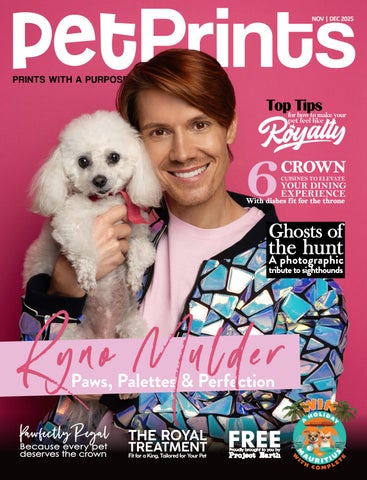
Every now and then, an issue comes together that feels like it was sprinkled with a little stardust. This one? It’s pure majes ty. Our November issue celebrates all things regal, reminding us that grace, kindness, and confidence don’t come from crowns or castles, they come from the heart.
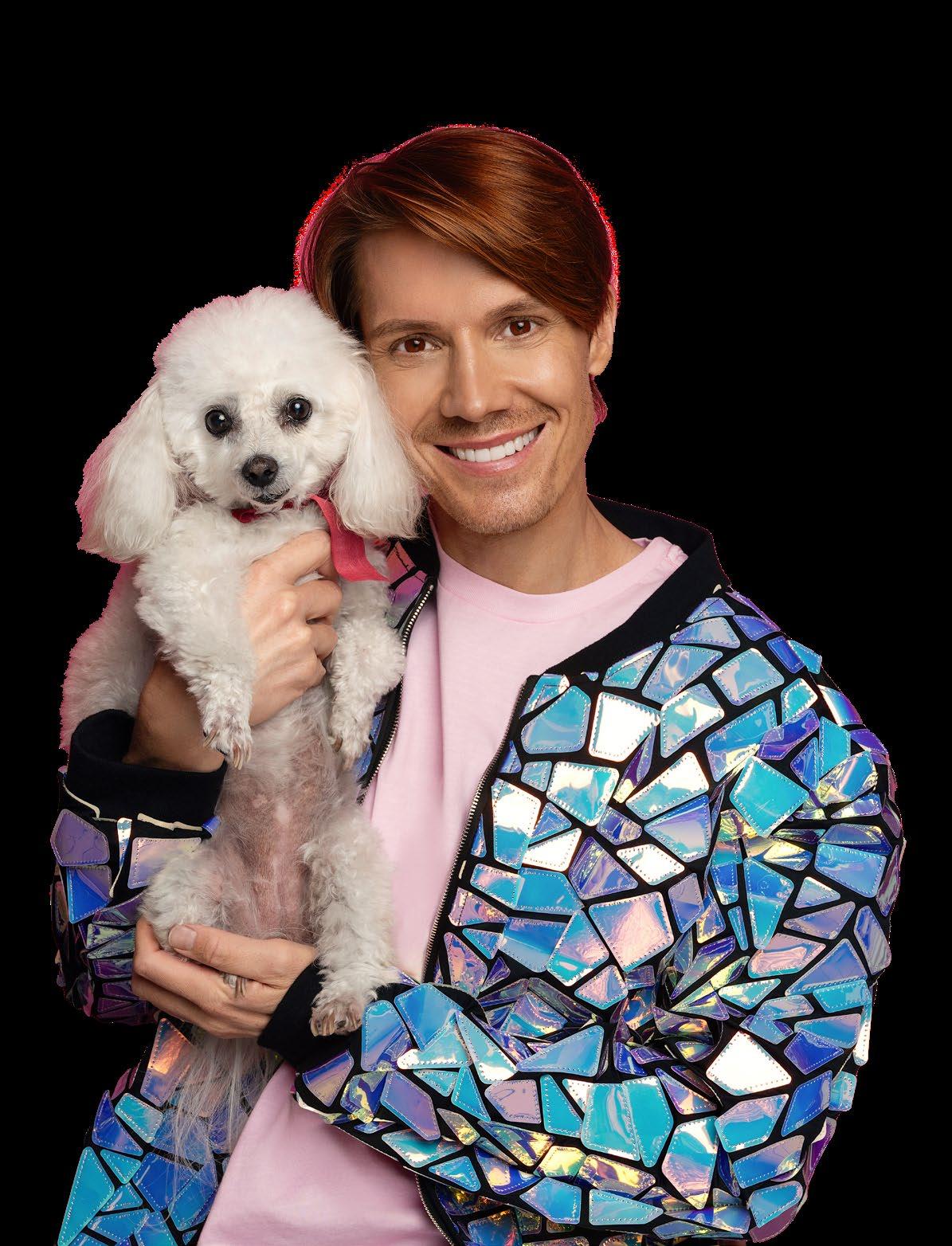
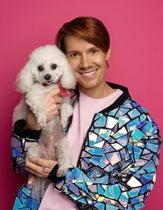
Our cover star, makeup artist Ryno Mulder, knows exactly what that means. With his rescued poodle, Gigi, at his side, Ryno proves that glamour and compassion make the perfect power couple. Their story is one of transformation, of a little dog who went from barking in a shelter to strutting red carpets in her “Barkin’ Bag.” Together, they embody what it truly means to rule with heart.
So, grab a cuppa (or a saucer of milk if that’s your thing), curl up with your furry companion, and enjoy a moment of quiet indulgence. We talk to Dr Travis on what to do during thunderstorms, we also take a sneak peek at what the inside of Bali Cottage in Hermanus looks like. In the mood for shopping? We’ve got you covered! We have a Pawfectly Regal Shopping page ready for the picking.
And as the year begins to wind down, I hope this issue reminds you to slow your pace, lift your chin, and wear your invisible crown with pride. Whether you’re rescuing, loving, or simply sharing space with the animals who make your world brighter, know that you are part of something beautifully noble. Here’s to ruling your little kingdom, fur, feathers, and all with kindness, courage, and a touch of sparkle.
Until next time!
Each person has the power to make a difference in this world. As a magazine focused on animal welfare, we firmly believe in this statement. Our passion for animals has taken us on a whirlwind adventure and we are proud to say that we have been actively involved in paying vet bills, donating food and shelter and even volunteering our time to help the animal welfare organizations that work tirelessly to fight for animals. You can be part of this project by supporting us. The bigger our network, the more animals we will be able to help.
“The universe does not give you what you ask for with your thoughts; it gives you what you ask for with your actions.” Dr Steve Maraboli
Marise Burger 071 382 7795 marise@projectearth.org.za
ISSUE 6, 2025
EDITORIAL
Marise Burger
Gerhard Maritz
Nelda Cilliers
Nadia Bruiners
Gaironesa Atkins
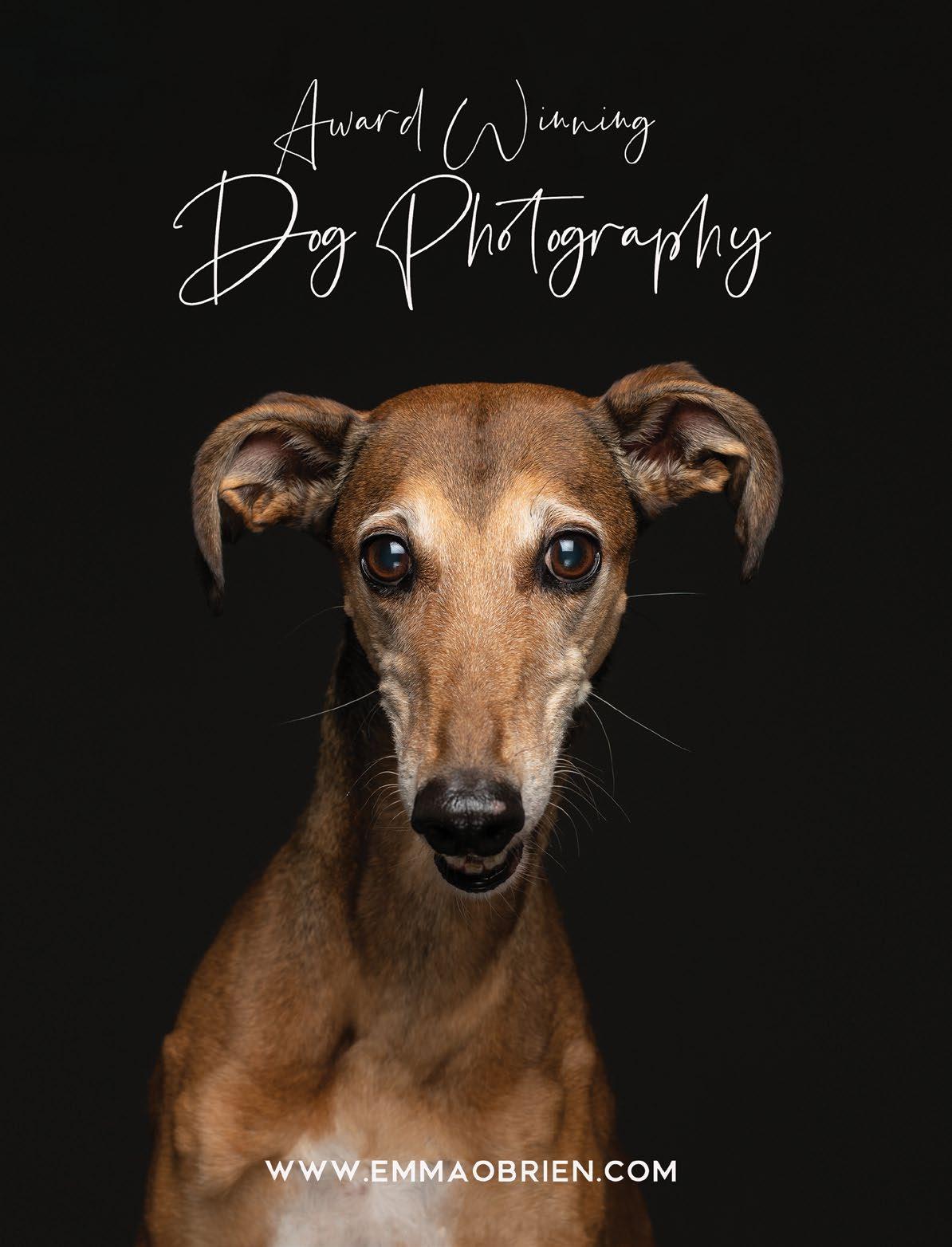
PHOTOGRAPHY
Emma O’Brien Photography PRINTING
Searchlight Publications
CONTRIBUTORS
Get-to-Know Dr Rightwell Munyuki from Royal Vet
Top tips for how to make your pet feel like Royalty - By Bryony Van Niekerk
The Royal Treatment: Fit for a King, Tailored for Your Pet - By Tanri Lange
Not Without My Dog: Because Every Loyal Companion Deserves Their Throne - By TRACY MCQUARRIE
Ask the Vet - Dr Travis Gray
COPYRIGHT: All rights reserved. Pet Prints is published by Umsebeni Emhlabeni (Pty) Ltd t/a Project Earth. All profits go towards assisting nonprofit animal welfare organisations in need. The opinions expressed in this magazine do not necessarily reflect those of the editors of this magazine. While every effort is made to ensure editorial and factual accuracy, no responsibility is accepted for any errors.
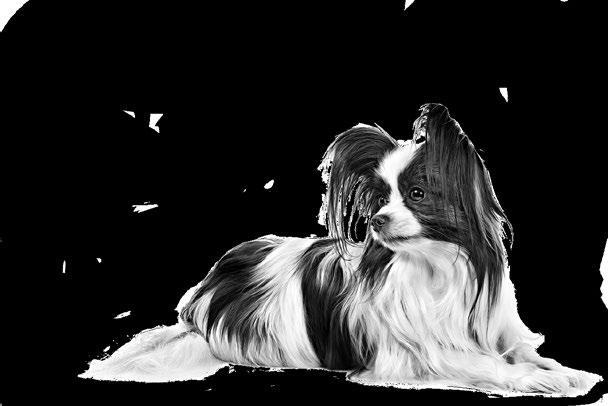
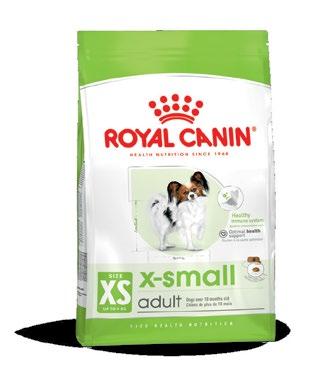
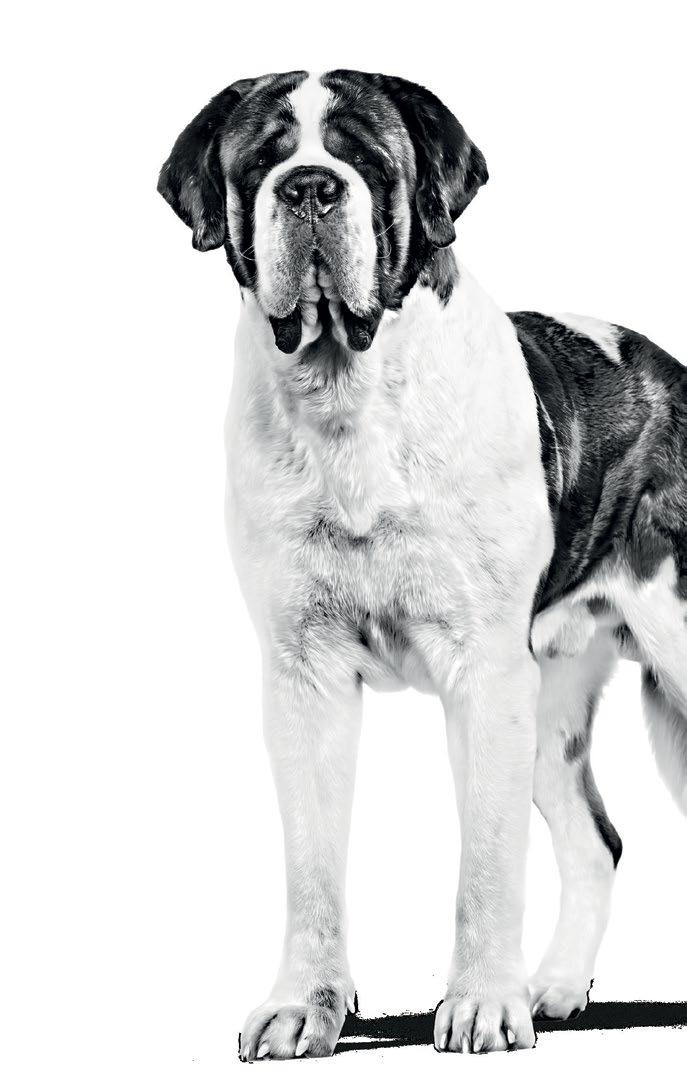
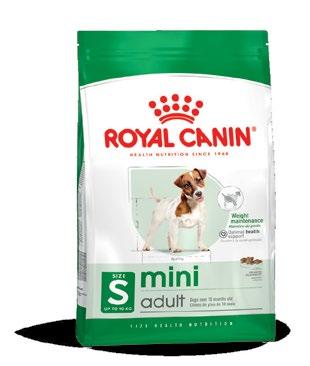
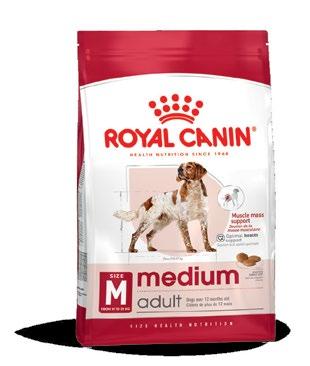
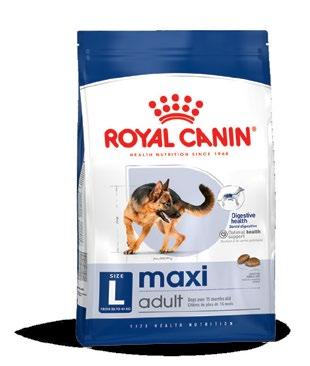
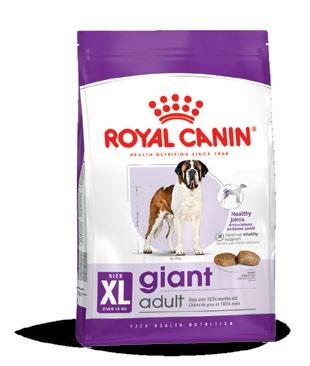
Dogs come in every shape, size and personality, and so do their nutritional needs. That’s why ROYAL CANIN® Size Health Nutrition is precisely tailored to match each dog’s physiology, from the tiniest toy to the most powerful giant.
Immune system support
Weight maintenance
Muscle mass support
Digestive health
XL Joint and bone support
Apassion born from purpose. For me, veterinary medicine has always been more than a profession, it’s a calling. From my early days working with community animals to building a modern, full-service practice, my goal has remained consistent and that is to deliver quality, affordable veterinary care that strengthens the bond between pets and their families. When I started Royal Veterinary Clinic, I wanted it to be a space where pet owners felt respected, comfortable and informed. Every animal deserves royal treatment, and every client deserves clarity and trust. The royal touch at Royal Veterinary Clinic offers a complete range of services, from routine consultations, vaccinations, and dental care to diagnostic imaging x-rays and ultrasound, blood work, surgeries, and nutritional counselling. The team’s approach integrates compassionate care with evidence-based medicine, ensuring that every treatment plan is tailored to the unique needs of each patient.
The clinic’s growing reputation has been fuelled by its community focus and client-centred care. We’ve built long-term relationships with families who see us as partners in their pets’ health. It’s not just about treating illness; it’s about preventing it and promoting wellness. I thank the community in the Southern Suburbs of Cape Town for the continued support and spread of word about our services. The clinic has expanded its footprint and impact and thus the practice has introduced innovative health programs, partnered with local animal-welfare initiatives. We also work in partnership with Petworld XXL. Reflecting on my early vision the game plan is to expand thoughtfully, keep costs efficient, and improve the quality of leadership — because strong teams deliver better care.
A defining aspect for me is the journey in my belief of giving back. Our team actively supports outreach that provides vaccinations, sterilizations, food, and shelter to animals in underserved communities.
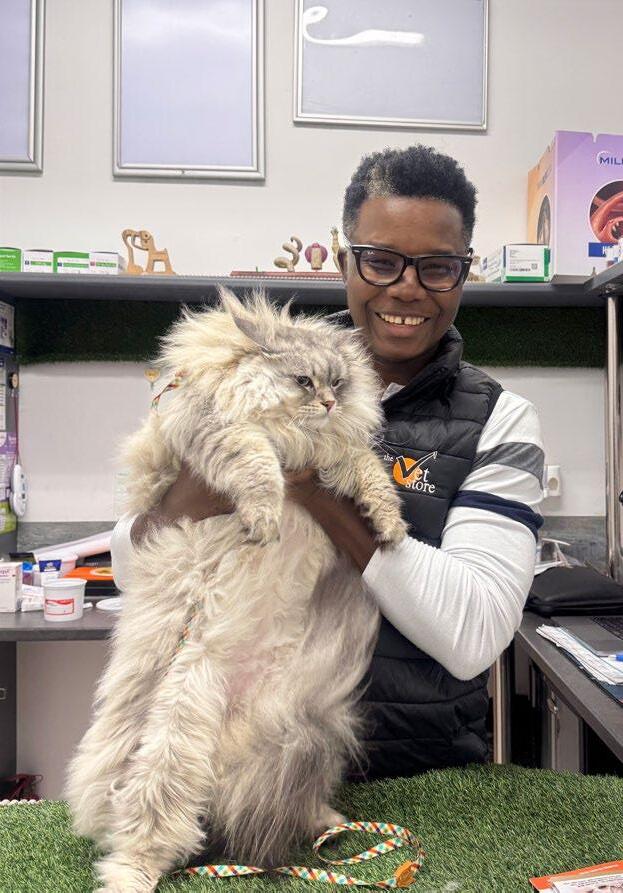
Animal welfare is at the heart of everything we do, partnering with groups like Cape Dachshund Rescue and platforms like Pet Prints Magazine allows us to extend that impact — because awareness is where compassion begins. My passion for pets, people, and progress has allowed me to remain committed to nurturing the next generation of pet-care professionals. My focus on mentorship, practical technology, and client education keeps the clinic at the forefront of veterinary excellence. Since veterinary medicine is evolving fast I believe no technology can replace genuine compassion — and that’s what defines us.
I share my life with two dogs, Ranger and Dexter, as well as several farm animals on my property. I also hold an MBA from the University of Cape Town Graduate School of Business and over the past year, I’ve grown Royal Veterinary Clinic by expanding to a second location inside Petworld XXL N1 City. This new clinic offers the same value proposition as our Diep River branch — providing affordable, optimal pet healthcare to the Northern Suburbs community. In addition, I own Bluedowns Animal Clinic, which I’ve managed since 2019. Outside of work, I enjoy playing golf and chess.
Visit Royal Veterinary Clinic, Royal Veterinary Clinic – Diep River, Cape Town Consultations | Vaccinations | Dentistry | Surgery | Nutrition | Pet-care Advice
Contact: 061 308 3633 or reception@royalvet.co.za royal_ veterinaryclinic










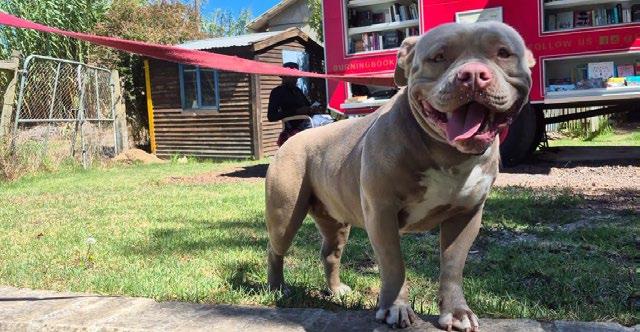




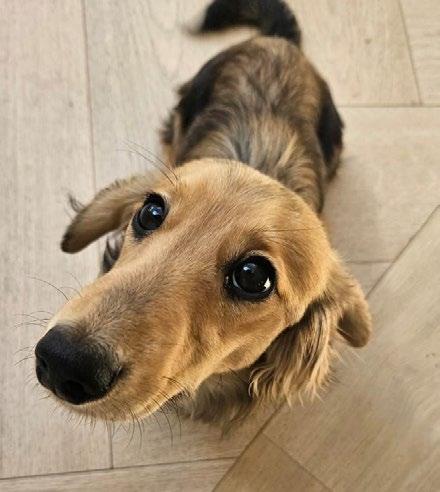
This is Remi, he is 5 months old. He is very small, very cuddly and playful. He reminds me of the slinky dog in Toy Story because he flops everywhere! – Mya


Meet our 2-year-old Mazikeen, though everyone calls her Mazi. She really lives up to her name with her mischievous and inquisitive personality. Her favourites things are car rides and treats... lots of treats! Due to her love for doggy treats, she has recently picked up a new skill - Bartering. Which works heavily in her favour when trying to negotiate potty and bedtime.
- Shavon Manuel
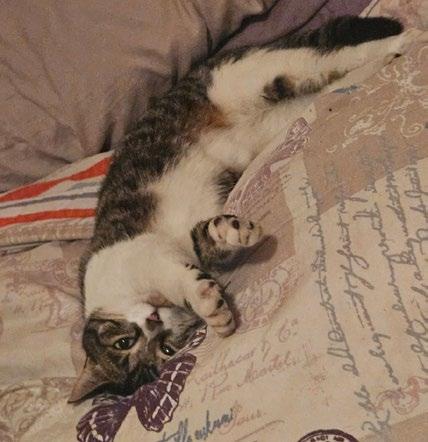

This is Roscoe, aka Rascal. He is the newest member of our kitty family. He lives up to his nickname as he is always up to mischief and loves a good play fight! We love him all the same for his snuggles and his cute face
- Kaitlyn Williams

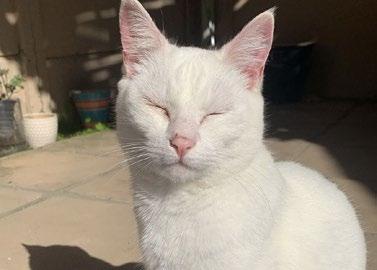

His full name is Sir Fauntleroy. He spends his days leisurely stretched out in his private courtyard soaking up the sun. Fondly known, simply as 'Leeroy' by his two adoring maidens. He is doted upon and coddled for his fine, lavish white coat and pink squish beans. To his worshipping minions, he smells like 'home'
- Catherine Hill
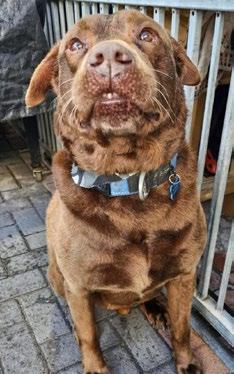

Introducing Tyson also known as Tysie Boy and Tyson. He is 9 years old. He looks like a bear but is such a gentle giant. Tyson is very loving and enjoys getting tummy rubs. He does not like water but when it is bath time he enjoys it so much. Tyson enjoys sun bathing and sleeping most of the day away. We love our gentle giant so much.
– Aqeela Hussey
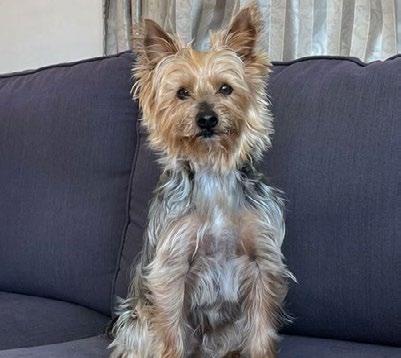
Charlie is a six-year-old Yorkshire terrier who loves walks, treats and movie nights with the family. He is friendly, mischievous and very playful. - Abby Williams
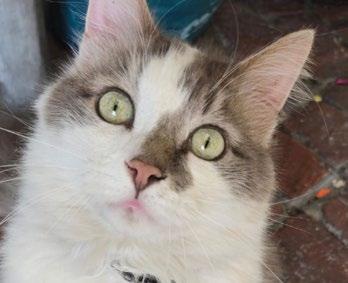
Introducing Smokey also known as Smokkles or Pickles. He is 7 years old. Smokey is a sweet big furball. He is an indoor cat and does not roam around on the streets. Smokey loves to play but is also a very lazy cat. In the summertime he gets a shave to help him in the heat as he has a thick coat. I love my fat boy so much. - Blake Richards
CREDITS: PHOTOGRAPHY BY: EMMA O’BRIAN | WORDS BY: MARISE BURGER | HAIR: ANDILE SAJINI DRESSED: PINK COAT FROM HOLLYWOOD COSTUMES | PINK VEST FROM COTTON ON | JEANS FROM ZARA | SILVER JACKET FROM HOLLYWOOD COSTUMES | WHITE VEST FROM MR PRICE | JEANS FROM ZARA | PINK AND LIME CAPE FROM DIAAN DANIELS COUTURE | MULTICOLOR KNIT AND JEANS FROM ZARA | PINK SNEAKERS FROM GODDESS CAFE LINDEN | RETOUCHING: KATERYNA KHOMYCH
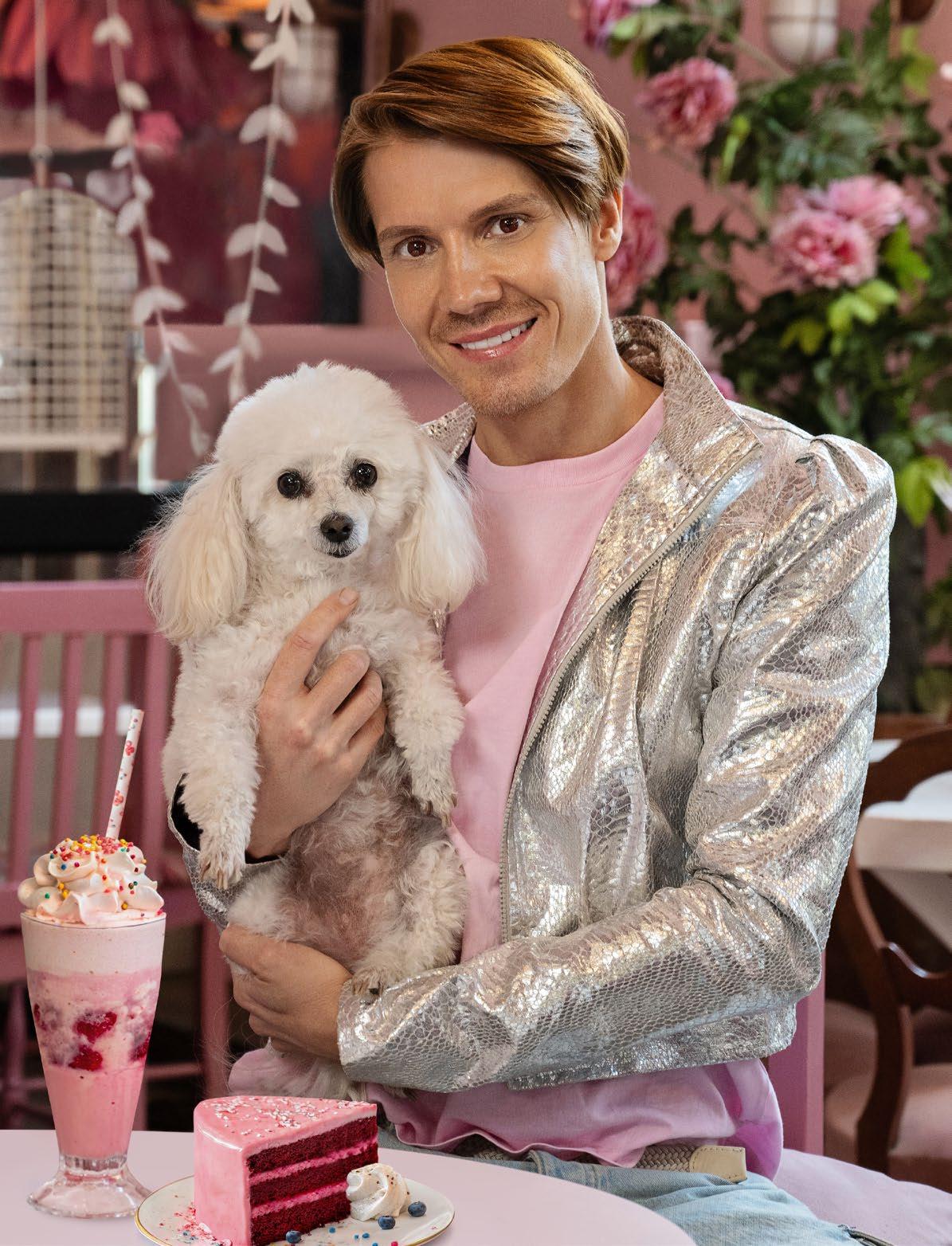
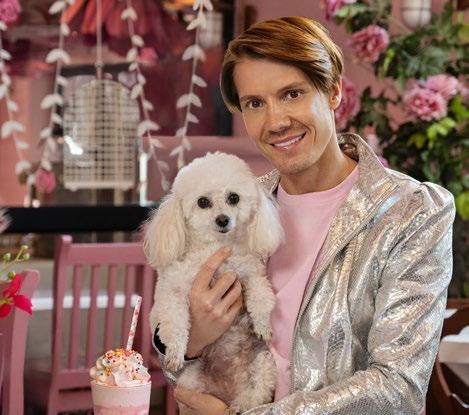
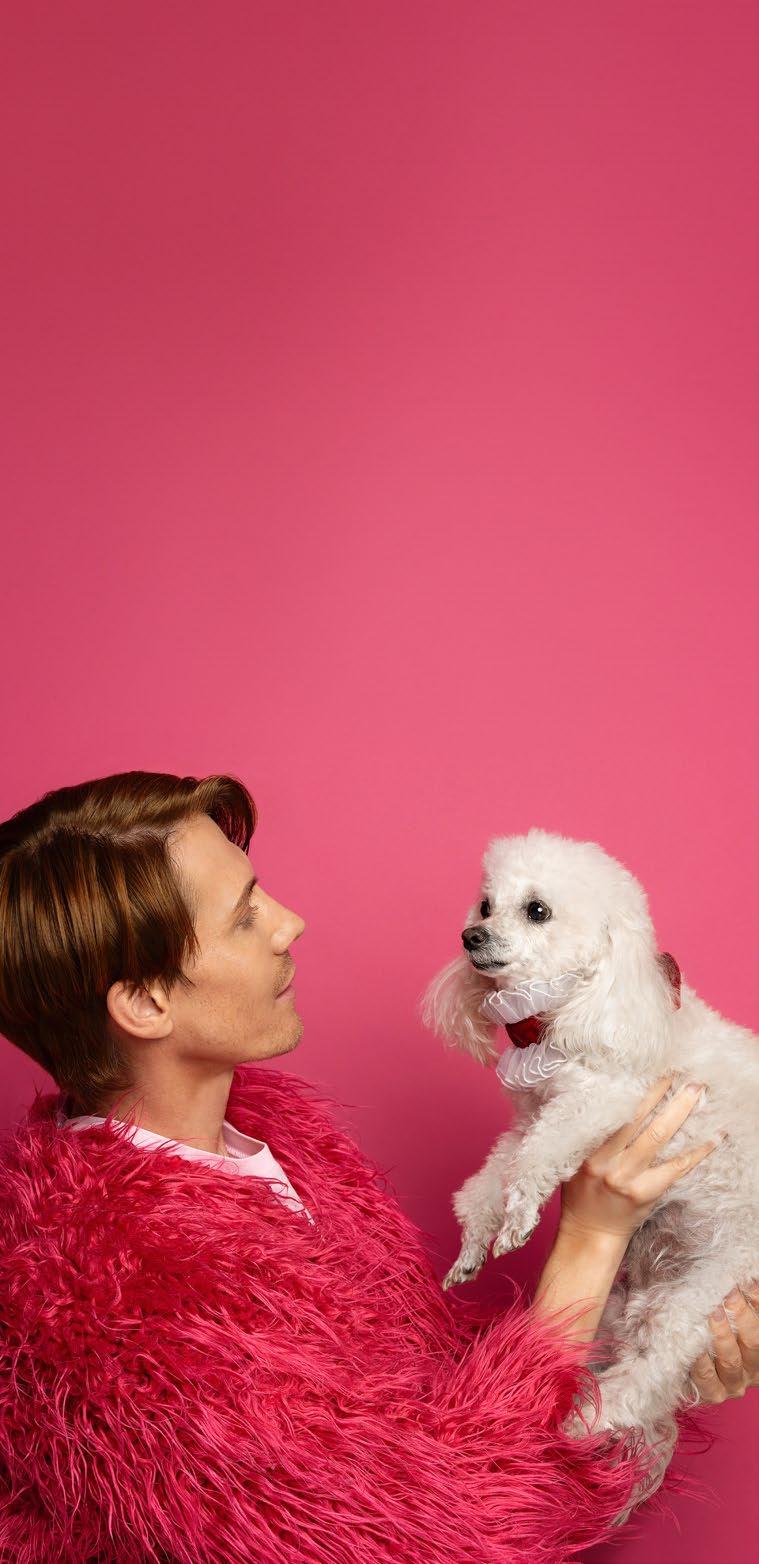
If pink had a postcode, it would be Goddess Café in Centurion. Think plush velvet chairs, floral walls that look like they’ve been plucked from a dream, and milkshakes that come crowned with whipped cream and glitter. It’s the kind of place where conversation sparkles just as much as the décor, and on this particular morning, the sparkle comes in the form of Ryno Mulder and his beloved rescue poodle, Gigi.
Gigi, perched gracefully on a blush-pink chair as if she’s holding court, tilts her head towards the camera with the kind of poise only a seasoned model possesses.
“She knows exactly which way the light falls,” Ryno laughs, adjusting a strand of her perfectly groomed curls. Photographer Emma O’Brien smiles behind the lens; it’s clear she’s not the only one captivated by this dynamic duo.
Ryno Mulder, makeup artist, brand founder, and unapologetic advocate for compassion has built a career that blurs the line between glamour and goodness. His artistry has taken him from red carpets to editorial spreads, and yet, sitting here amid cupcakes and cappuccinos, it’s obvious that his truest masterpiece is the life he’s built with Gigi.
“She’s my Sandton sheep,” he says fondly, cradling her like a baby. “She might have her own glam bed fit for Marie Antoinette, but she’s still happiest sniffing out KFC bits in the park.”
It’s a long way from where she started. Gigi’s story began at the Maltese, French Poodle & Yorkie Rescue in Kyalami, where Ryno first met her while volunteering to walk dogs on Sundays. “She never wanted to walk,” he recalls. “She wanted to be carried.” Every week,
she’d stand in her cage at the end of the corridor, watching him leave until one day, the shelter messaged saying that Gigi was still looking for him. The moment was a scene from a movie and with no shocking plot twist, Ryno turned the car around and took her home.
Since then, the pair have been inseparable, their lives intertwined in ways that seem almost cinematic. Together they’ve graced magazine covers, starred in commercials, and became the faces of cruelty-free beauty. Yet behind every photo and post is something far more grounded, a quiet devotion rooted in second chances and shared spirit.
“I’ve always felt more at home in a world of imagination,” Ryno says. “Reality is beautiful, but I’ve never been interested in its rough edges. That’s why animals resonate with me, they’re fully themselves. No pretence.”
That authenticity runs through his artistry too. Known for his bold transformations, Ryno doesn’t just paint faces - he paints confidence. “Makeup is confidence in a compact,” he explains. “It allows you to present an idealised version of yourself. For me, it’s art and voice - a way of saying this is who I am, unapologetically.”
His own signature look, sharp cheekbones, luminous skin, a touch of theatrical flair, draws inspiration from icons who lived on the edge of convention. “Marchesa Casati, Mathilde Willink, David Bowie,” he lists, eyes gleaming. “They were living works of art. I wanted to create beauty that carries that same spirit, fearless but full of meaning.”


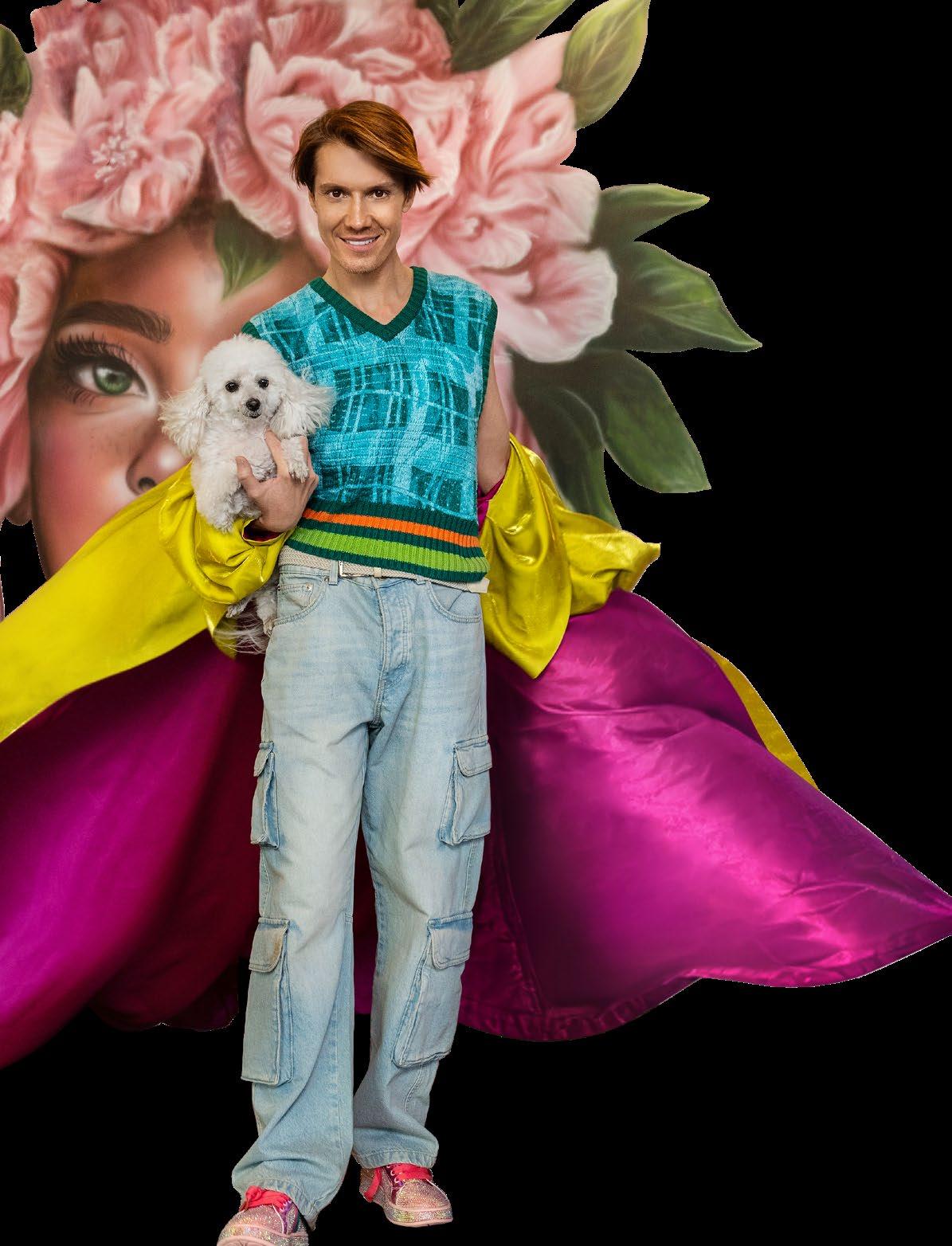
Ryno’s conviction has earned him respect across the industry, but his activism extends far beyond beauty counters. “South Africa still has a long way to go in how we treat animals,” he notes. “In Europe, I saw dogs in grocery stores, cats on trains, a greyhound in Zara and no one blinked. Gandhi said you can judge a civilization by how it treats animals. He was right.”
As he speaks, Gigi curls up in his lap, her tiny paws tucked neatly beneath her chin. “She reminds me to breathe,” he says softly. “To slow down, to enjoy the small joys.”
That grounding influence has carried Ryno through the chaos of freelancing, travel, and building a brand from scratch.
Peace, however, doesn’t mean complacency. Ryno has plenty of dreams still in motion, from expanding his cruelty-free line to mentoring the next generation of makeup artists. His advice to newcomers is refreshingly practical: “Assist the best people you can. Watch. Learn. Network. That’s the real education.”
And when life feels less than glamorous? “I focus on love,” he says. “My boyfriend Andre and Gigi keep me anchored. Love, whether two-legged or fourlegged, matters more than glamour ever could.”
There’s a moment of quiet as Gigi yawns and rests her head on his arm. Around us, the Goddess
to soften. It’s hard not to feel moved by the balance Ryno has struck where luxury coexists with empathy, and beauty becomes an act of kindness.
Before we leave, I ask him what he’d say to someone choosing between adopting a rescue and buying a purebred. He doesn’t hesitate.
“Adopt,” he says firmly. “You’re saving a life. People think they’re buying predictability, but they’re really buying a look and often, a set of built-in health problems. For every dog bred, another in a shelter dies. There’s always a dog that fits your heart. Pets aren’t furniture, they’re

It’s that kind of conviction, equal parts compassion and courage, that makes Ryno Mulder more than a makeup artist. He’s a storyteller, a visionary, and a reminder that glamour and grace aren’t opposites. They’re partners, just like Ryno and his Sandton sheep are proof that beauty, when guided by kindness, shines brighter than any highlighter ever could.
If Gigi had a royal title, what would it be?
Princess Gigi, of course.
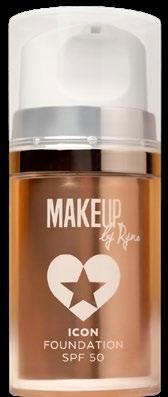
One beauty product you can’t live without: Makeup by Ryno ICON SPF 50 Foundation.
One lucky winner stands the chance to walk away with Ryno’s award-winning sunscreen foundation, the foundation that looks like skin, not makeup. It’s everything you ever dreamed of… 1 2 3 4 5
Your ultimate glam anthem: “Primadonna Girl” by Marina.
Which Dream celebrity (or royal!) you’d love to do makeup for? Paris Hilton.
Tea, coffee, or champagne at Goddess Café? Whatever vegan milkshake they’ve got! preferably pink and with rainbow toppings!
SPF 50+ protection
radiant, skin-like finish age-defying luminosity
PETA-certified vegan & cruelty-free buildable coverage for skin imperfections weightless feel airless packaging prevents wastage supersized at 50ml
HOW TO ENTER:
1. Like and follow Pet Prints and Makeup by Ryno on Facebook
2. Follow @petprintsmag and @makeupbyryno on Instagram
3. Comment the word ICON on the social media post about this article so we know you have entered
T’s & C’s apply
Winner will be announced on Monday 22 December 2025
Open to South African residents only

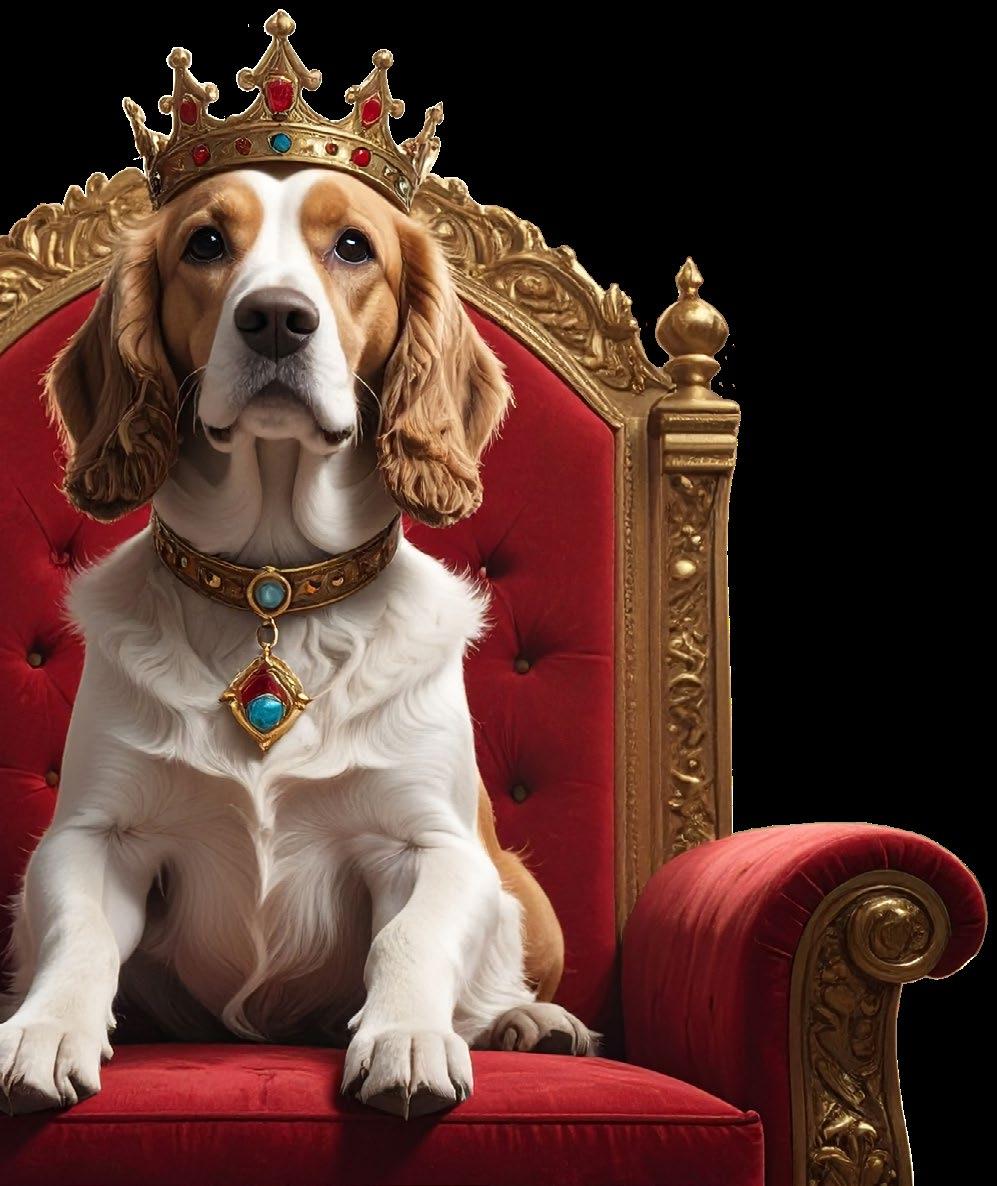
I am pretty sure I am preaching to the choir here. If you are then chances are your pets are living a life of luxury. And if we are really being honest, our pets already think they are royalty. The cat who sits on the counter staring you down until you fill their (already full) bowl? Royalty. The handbag sized dog who takes up 90% of the bed and leaves you clinging to the edge for dear life? Royalty. And you? You’re the loyal servant who gladly obliges.
This behaviour shouldn’t come as a surprise to us though. History is filled with anecdotes of how animals were worshipped. Ancient Egyptians revered cats and treated them with great respect, associating them with deities like the goddess Bastet. Certain dog breeds were also considered a symbol of royalty, such as the Pekingese who were bred to be the companions of emperors in ancient China. And let’s not forget the royal Corgis in the modern-day British Monarchy.
So, if we’re going to be ruled by furry monarchs, we may as well lean into it. This issue’s theme is all about the regal and the royal, so here are some tips on how to raise (or at least live with) your very own fourlegged kings and queens.
Every royal deserves a plush throne on which to rest their weary body. Now you may be thinking why bother when the couch/your bed/a cardboard box is preferred over the expensive bed you purchased over a year ago. Well, it’s all about options. For instance, in my dining room where I am currently writing this, I am surrounded by not one, not two, but three pet beds. And let’s not forget the multi-tier cat tower from which my cats perch and look down at all that is theirs.
Pet beds these days aren’t what they used to be. Gone are the days of sad gaudy cushions that clashed with every piece of furniture you own. Now, it’s all about design and comfort; plush memory foam, orthopaedic support, washable covers, and colours that could rival a Pinterest board. The Basic Beige Mom aesthetic is here. And I’m not mad about it.
Nutrition is king, quite literally. We all know that the higher the quality of ingredients, the better the nutritional value so choose good quality food that best suits your pets’ age, breed and lifestyle. Even if your pet has to be on a strict diet, you can still make an event out of meal time. Add a sprinkle of excitement with food toppers or use enrichment bowls and slow feeders to add a bit of entertainment to their meal. And don’t underestimate the power of variety. Rotate proteins, switch up textures, and occasionally offer a special treat to keep those taste buds intrigued.
Royals are always immaculately put together with not a hair out place or nail out of line. Scruffy hair and chipped claws simply just won’t do. Taking care of your pet’s hygiene will ensure that they are always ready to curtsy at the Queen with confidence.
The first step would be regular(ish) baths, whatever that means to you. I won’t tell you how many times Oliver has been bathed in his almost 5 years, but let’s say I can count it on one hand. Follow this up with brushing to remove any loose hair and prevent any matting.
Then to keep those little toe beans smooth as silk, I like to use a little paw butter. It also helps to prevent cracks in the paw pads. Lastly, if you can manage it (and I salute those who can), brush your dogs’ teeth. It will not only give then a million-buck smile, but also keep dental issues at bay.
Just like all members of the Royal Family are expected to conduct themselves with poise, grace and elegance when out in public, our pets should also know how to behave when in the company of others.
Start with some basics such as sit, stay, come, as well as the all important, down. These simple commands are the foundation of good manners and can save you from some embarrassing moments. It is, after all, very unbecoming to be caught fawning all over guests. Or worse still, helping themselves to someone else’s sandwich.
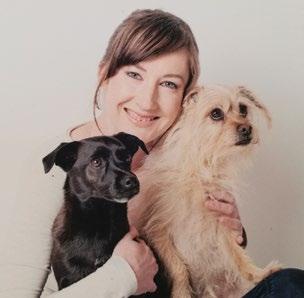
Bryony Van Niekerk
Mom of dogs; slave to cats. An environmentalist who loves travelling, baking and going on adventures with her dogs, Linc and Oliver. To be a part of the chaos, follow @misadventures_of_ollie
Most of our pets run around like the vain emperor from The Emperor’s New Clothescompletely butt naked and convinced they look fabulous! And honestly? They are not wrong.
A glossy coat and a bit of attitude go a long way. However, if your pets are amenable to being dressed up when the occasion calls for it, don them out in fancy bandanas, bowties and boujee outfits. My lot only tolerate a dress up session for about 5 minutes; just long enough to snap a quick picture and get a treat bribe. And if it’s on Instagram, it happened right?
If your pet’s not keen on clothing, don’t force it. Instead, opt for something subtle like a beautiful collar, tag, or harness in a royal shade — deep purple, emerald, or gold. Simplicity is the height of sophistication after all.
@vetphysio.tan @kinetixvetphysio www.kinetixvetphysio.co.za
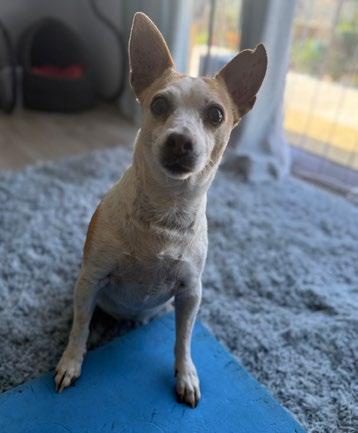
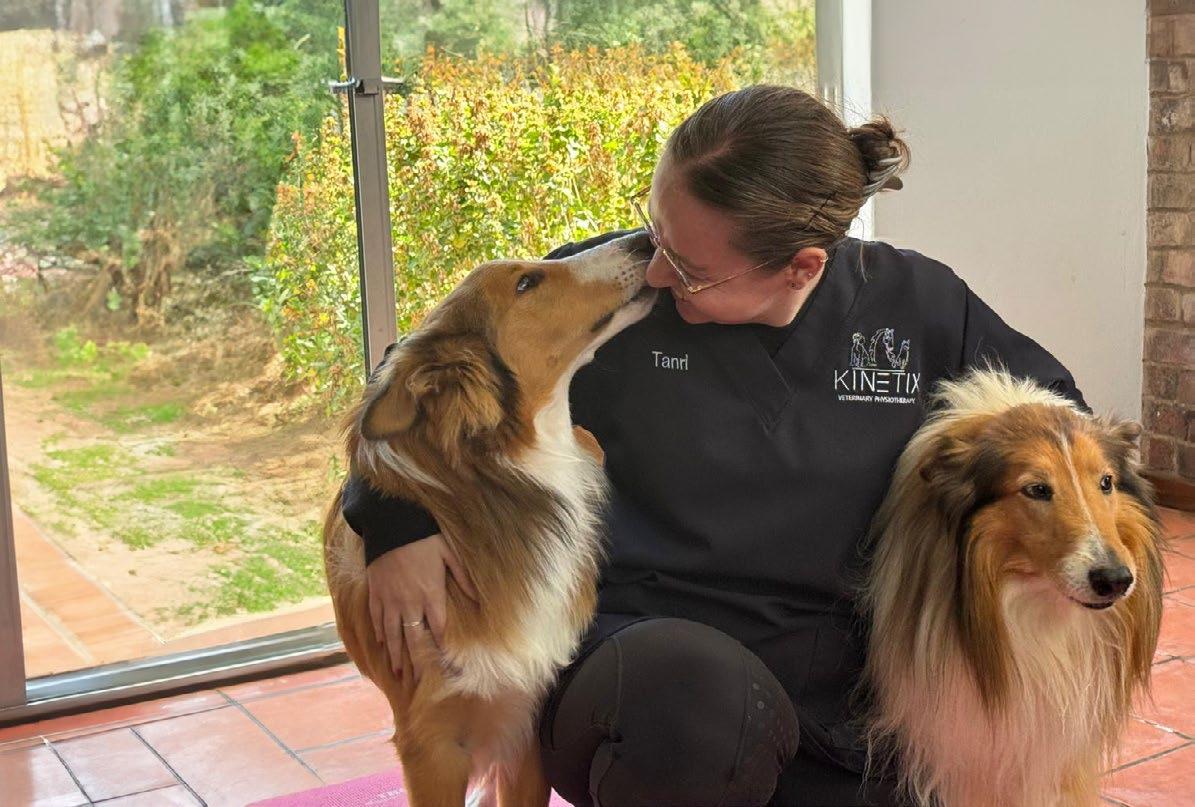
Every pet deserves care that feels a little royal. Veterinary physiotherapy might sound like a luxury, but in truth, it’s one of the most practical and effective ways to keep animals comfortable, active, and pain-free. Like a tailor fitting a bespoke garment, a physiotherapist designs each treatment plan to match the unique needs of every animal, ensuring the perfect fit for lifelong movement, comfort, and wellbeing.
By Tanri de Lange, SAVC Registered Veterinary Physiotherapist BSc Human Anatomy, Physiology & Marine Biology; BSc Veterinary Physiotherapy
Physiotherapy isn’t reserved for canine athletes or competition horses. It’s for every pet whose body carries them through play, rest, and exploration. Whether it’s a young dog learning control and coordination, a horse returning to work after injury, or an older companion who simply needs help rising from their bed - each one benefits from care that is measured, mindful, and made just for them.
No two bodies move alike. A Border Collie’s athletic frame, a Dachshund’s spine, and a senior Labrador’s aging joints each demand different approaches. Physiotherapy considers breed, age, lifestyle, and even personality because movement patterns and comfort levels are as individual as the animals themselves.
Through careful assessment, from gait analysis and muscle balance checks to joint measurements and postural evaluation the physiotherapist identifies where strength can be built, symmetry restored, or discomfort eased.
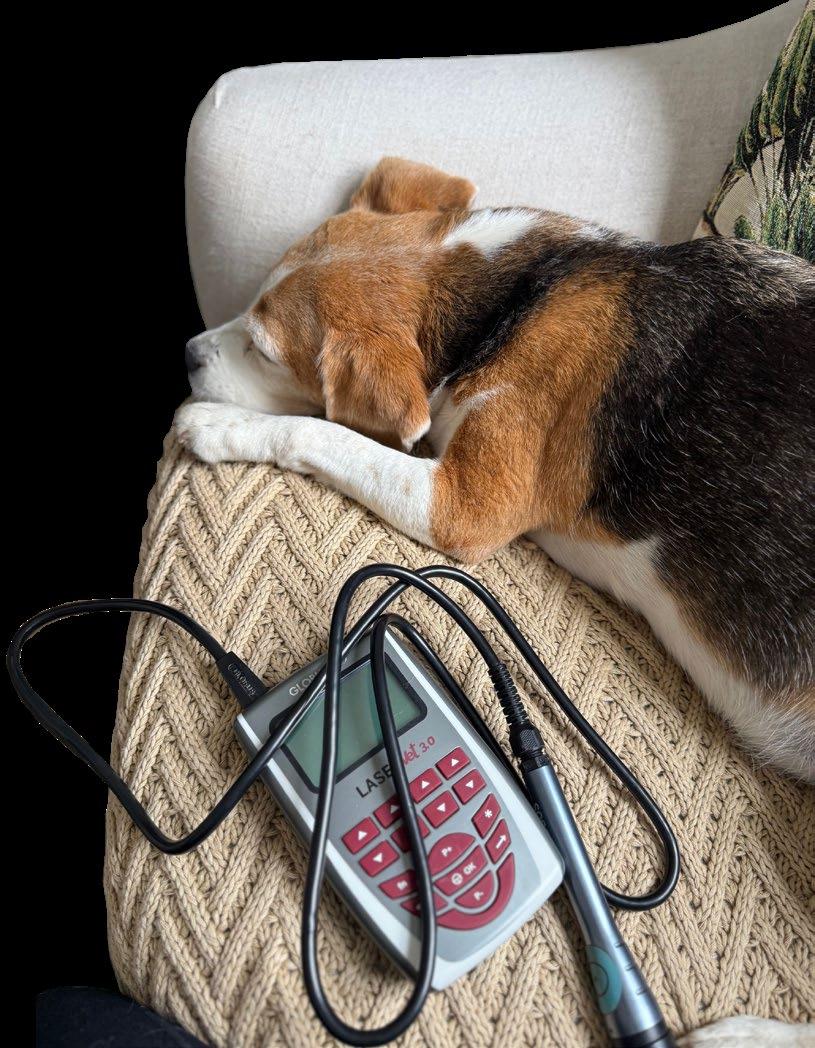
Hands-on techniques such as massage and stretching relieve tension, while therapeutic exercises rebuild muscle tone and coordination. Advanced modalities like laser therapy, electrotherapy, or hydrotherapy are often incorporated to enhance recovery and mobility. It’s not indulgence - it’s intelligent, individualised care.
The true luxury of physiotherapy lies not in extravagance, but in longevity. Regular sessions improve circulation, joint flexibility,
and overall vitality. Subtle changes in posture or stride are often the earliest signs of discomfort and when detected early, they can be corrected long before pain sets in.
Preventative physiotherapy helps your pet age gracefully, preserving comfort and independence. For working dogs, performance horses, or active family pets, this ongoing care keeps bodies strong and resilient, allowing them to move with ease and confidence throughout life.
Physiotherapy brings together science, skill, and compassion, the true “royal treatment.” Each tailored plan honours the individuality of the animal while supporting the bond between pet and owner.
Because when a pet walks freely, rests comfortably, and greets each day with energy and joy, that’s more than good health that’s elegance in motion. That’s care fit for a king, tailored for your pet.

BY TRACY MCQUARRIE
They say a dog’s love is loyal, unwavering, the stuff of legends.
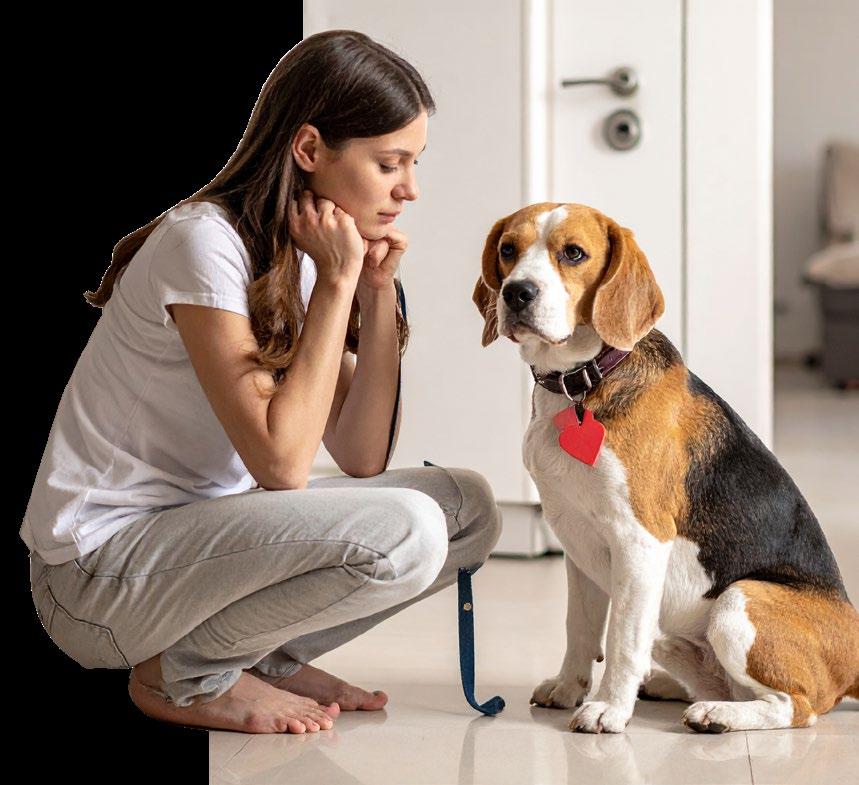
Cats, too, have held royal courts on windowsills for centuries, quietly ruling our hearts with a twitch of the tail. And yet, across South Africa, thousands of these “royal” family members are being forced from their castles, not because their families don’t love them, but because of outdated rules written by people who’ve forgotten what loyalty truly looks like.
Every day, animal shelters are filling up with dogs and cats who once had homes, beds, toys, and people who adored them. Why? Because Body Corporates and retirement complexes are enforcing “no pets allowed” or “one small dog only” rules that make no sense, and worse, have no basis in science or welfare knowledge. These rules don’t protect property values or reduce noise; they only tear families apart. They force heartbroken people to surrender their pets, often their only source of comfort, companionship, and emotional security. And as these rules tighten, shelters across the country are drowning under the weight of animals that shouldn’t even be there.
At BarkingMad, we meet these families every week. Good, kind people who would never give up their dogs or cats, unless they absolutely had to. But with rising cost of living, crime concerns, and limited housing options, many are pushed into complexes that simply don’t allow pets. We believe that no one should ever have to choose between safety and their best friend. Your
home should be where your whole family belongs, paws included.
Decades of research show that pets reduce stress, lower blood pressure, and even lengthen our lives. Children raised with pets show higher empathy and social confidence. Seniors with companion animals are less likely to suffer from depression or loneliness.
So why are we letting unscientific, outdated regulations dictate who gets to keep their family together? Dogs aren’t just “pets.” They’re heroes, healers, guardians, and best friends. They are descendants of hunters, protectors, and royal companions. From ancient pharaohs to Victorian palaces, dogs have always held a place of honour.
Today, their crowns may be made of fur and slobber, but their loyalty is no less majestic. When they look at us, we are their world. Isn’t it time we showed them the same devotion?
Join the Movement: Not Without My Dog
BarkingMad’s Not Without My Dog initiative is calling on Body Corporates, housing estates, and policy makers to embrace petinclusive housing. The demand is enormous, families everywhere are searching for safe, affordable, and pet-friendly homes.
We’re gathering national data and we need your voice. Take our survey. Share your story. Stand with families who refuse to leave their pets behind. Because homes should be built for love, not rules.
Take the survey here https://notwithoutmydog.co.za/ survey/
Together, we can make South Africa a country where every loyal companion, every furry king and queen, stays right where they belong: beside their family.
Thank you for helping us Save More Lives Tracy https://dogtownsa.org/donate/
They rule your house, your heart, and your camera roll. So why not treat them like royalty?
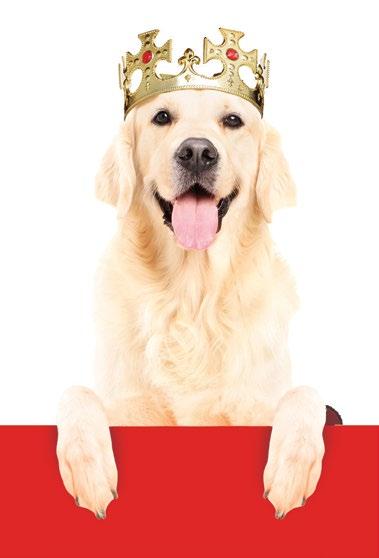
From pawdicures to plush beds, we love spoiling our pets, but the real royal treatment starts with what’s in their bowl.
Serve a 5-star meal
Give them food that smells irresistible and supports their health. Ideal is packed with flavour (thank you, palatants), high protein, gut-friendly prebiotics, and nutrients for skin, coat, joints and teeth.
Try: Ideal Adult Dog (packed with 22% protein, 10% fat, joint & digestive support)
Spa day = every day
Brush their coat regularly for shine, circulation, and bonding time. Bonus: Ideal’s omega fatty acids and vitamins help nourish the skin from within for that glossy, camera-ready look.
Try: Ideal Cat (packed with 28% protein, 12% fat, plus joint and gut support)
Royal rituals matter
Royal cue: a shiny Ideal bowl = jumping pups and talkative cats 1 3 5 2 4
Create a cosy nap spot fit for a king (or queen). That includes soft blankets, morning sun, and your pet's favourite toy. Rest and recovery help support healthy joints. Ideal includes glucosamine and chondroitin for extra joint support.
Keep feeding time consistent, as pets LOVE a schedule. Make it part of their daily “glam routine” and watch them wait like royalty for that bowl drop.
Praise the crown Beauty sleep is real
Extra cuddles, affirmations (“Who’s the most beautiful dog in the land?”), and regal nicknames are highly encouraged.
Pro tip: Use mealtime as a bonding moment. Ideal’s taste will have them royally obsessed with you.
(Who definitely lives to serve Her Majesty… the dog)
BY TRACY MCQUARRIE
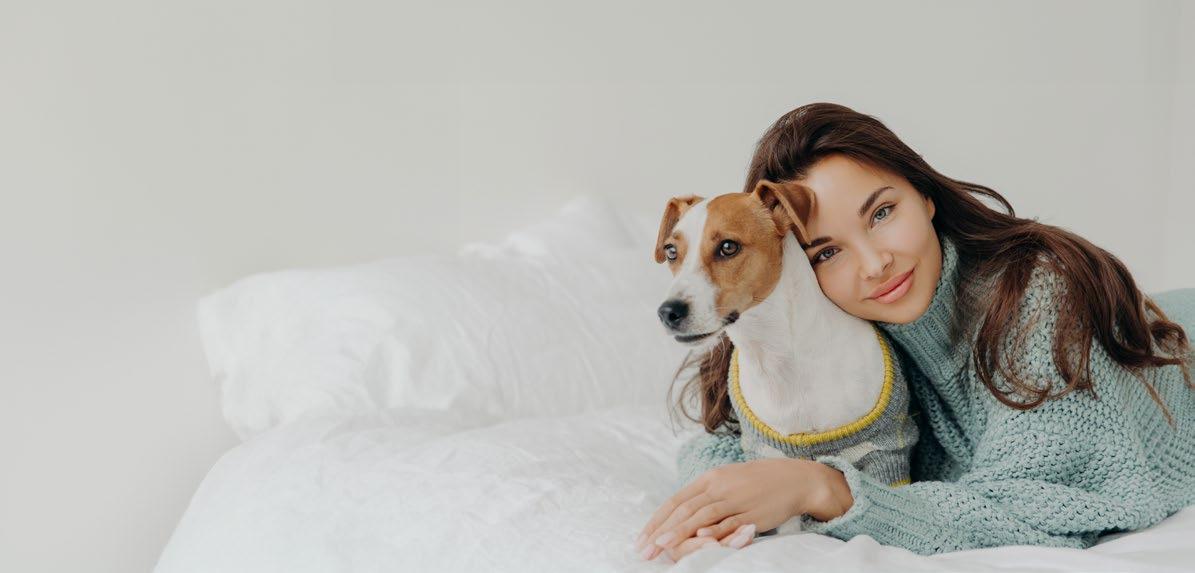
Let’s be honest, dogs are royalty. Always have been. Always will be. From the moment they strut into our lives with that confident “I own this couch now” attitude, they remind us of their noble heritage. Some wore jewelled collars in royal courts; others herded sheep with the precision of a general. But make no mistake, every dog carries the bloodline of greatness.
Think about it. Every dog, from your sausageshaped Dachshund to the scruffy rescue with mystery parentage, was designed by nature, and a few creative humans, to do something brilliant. They’re experts. Professionals. Specialists in loyalty, sniffing, chasing, guarding, and melting hearts. That Border Collie pacing the yard isn’t being “obsessive” she’s genetically programmed to manage an empire of sheep. Your Terrier digging up the flowerbed? That’s a royal excavation mission. Even the dignified Pug, once bred to sit beside Chinese emperors, knows how to command a room with a single snort.
In today’s world, our dogs have moved from the fields to the sofas, from the kennels to our beds. They’ve become our children, we celebrate their birthdays, cook them special dinners, and talk to them in baby voices (don’t deny it). And while that love is beautiful, we can’t forget their dogness. They’re not mini humans in fur suits. They’re creatures of instinct, emotion, and purpose, navigating a world that makes about as much sense to them as a squirrel in a suit.
When a dog barks at a passer-by, chews your shoes, or sprints after a hadada, it’s not “bad behaviour.” It’s instinct, the noble language of their ancestors. In their world, those actions are magnificent. It’s us humans who’ve created a kingdom of rules they’re trying their best to understand.
Sadly, not all royal subjects find their palace. Many end up in shelters, not because
they’re broken, but because their brilliance wasn’t understood. The herding of children, guarding homes, or chasing movement. Their regal traits, misunderstood, become their undoing. Yet, in the right environment, with people who see their brilliance, these same traits shine like crowns.
But here’s the truth: every dog deserves to be treated like the king or queen they are. They deserve people who honour their heritage, nurture their instincts, and help them thrive in our mad modern world.
When you walk into a room full of dog lovers, within five minutes, everyone’s whipped out their phones like paparazzi showing off their most prized celebrities. “Look at my baby!” Before long, it’s a full-blown royal parade of fur, floppy ears, and wagging tails. Admit it, your camera roll is 80% your dog’s face (and maybe a blurry tail or two).
There’s truly nothing more magical than the bond between humans and dogs. They love us in all our chaos, make us laugh when we least expect it, and remind us what loyalty really means. To us, they’re not just pets, they’re our little kings and queens, our best friends, our couch companions, and the reason our hearts feel full (and our beds feel smaller).
And it’s no wonder we treat them like royalty, many dogs literally were. The Cavalier King Charles Spaniel was bred to warm the laps of English monarchs. The Pekingese were once so sacred in China that only emperors
could own them. Tibetan monks trusted the Lhasa Apso to guard their temples and bring good fortune and Marie Antoinette had a few Papillons fluttering around her palace. But here’s the thing, whether your dog’s ancestors ruled palaces or roamed the streets, every single one carries the same noble spirit. My little brown dog, with his mismatched ears and unknown heritage, might not have a royal bloodline but in my world, he reigns supreme. Because when it comes to love, devotion, and heart-melting loyalty, every dog is born to wear a crown.
So, let’s raise a toast (and a treat) to the dogs who rule our hearts. Let’s admire the pointer’s point, the retriever’s joy, the hound’s howl. Let’s celebrate the courage of the rescue dog, the empathy of the therapy dog, the devotion of the family dog. They are not just pets, they are masters of love. Embrace their quirks, and celebrate their greatness. Because once you’ve loved a dog, truly loved one, you’ll know, no crown in the world shines brighter than the light in their eyes.
And if your pup happens to demand belly rubs, takes over the bed, expects their dinner at exactly 17h00, not a minute later and acts like they own your house, well… they probably do.
Thank you for helping us
Save More Lives Tracy https://dogtownsa.org/donate/

By Jenni Davies
A glossy mane, supple skin, shiny eyes, sparkling smiles… SA’s next top model? Guess again. Whether your pet has long, luscious locks or looks like a Karoo tumbleweed, healthy skin and fur are the goal of every pet owner. And they’re key to overall healthcare. Dull fur, dryness, itchy skin, and lacklustre noses aren’t just about looks, they leave our pets feeling far from their fabulous selves and may even signal underlying conditions.
Fortunately, with tip-top care, good nutrition, regular grooming, and science-backed supplementation, you can restore your furry family member’s royal glow, inside and out.
There are many causes of skin problems in cats and dogs, including:
• Genetics. Certain breeds, like Labradors, Retrievers, are more prone to allergies, sensitivities, or naturally drier or oilier skin.
• Colour. Animals with white or light coats and pink skin tend to be more sensitive.
• Skin. Wrinkled and flat-faced dogs like Bulldogs and SharPeis and cats like Persians can develop irritation and fungal or bacterial infection in skin folds. Hairless breeds are more prone to oiliness and acne.
• Immune function. A healthy immune system keeps skin defences strong. A knock to immunity (illness, stress, parasites, poor nutrition) can make your pet more susceptible to irritation, infection, and allergies.
• Allergies. Seasonal pollen or spores, dust mites, flea allergy, and foods can trigger inflammation and itching. These tend to worsen during spring and summer.
• Parasites. Mite infestation (mange) and fleas create extreme skin irritation and itching.
• Fungi. Ringworm (a fungus, not a worm) causes a circular, crusty bald patches, while overgrowth of Malassezia yeast leads to smelly, itchy, thickened skin (often in the ears).
• Exposure. Continuously being in the elements, sun,
wind, and heat can damage skin and fur (common in rescued animals).
• Skin damage. Excessive bathing and shaving, strong chemicals, sunburn, injuries or contact with irritants make it easy for irritation and infection to set in.
• Malnutrition. A poor diet, low in nutrients or not suited to the species, affects immune function and doesn’t provide skin-supportive nourishment. Chronic dehydration also impacts skin.
• Age. Older pets, especially cats, often don’t groom themselves as well, and have oil imbalances and brittle coats.
• Disease states. Some serious conditions can show up in skin, requiring veterinary treatment, such as endocrine disorders like underactive thyroid or Cushing’s disease, and autoimmune diseases like pemphigus and
troubles are atopic dermatitis (around 50% of skin cases) and flea allergy dermatitis (up to 40%). The latter is triggered by reaction to flea saliva, and the former by environmental allergens like pollen, grass, and mould, or proteins in chicken or beef. These cause intense itching - your pet may scratch or bite at themselves to ease the itch, sometimes to the point of drawing blood or pulling out fur. If left untreated, skin can become thickened, greyish, and scaly, resembling elephant hide.
Allergies happen when your pet’s immune system mistakes harmless substances such as allergens for threats and goes on the defensive, telling the body to release inflammatory chemicals like histamine to evict the “danger”. And that’s what causes the redness, itching, swelling, and inflammation. This further compromises the skin barrier, resulting in a vicious circle of irritation and inflammation, sometimes followed by secondary bacterial and fungal infections.
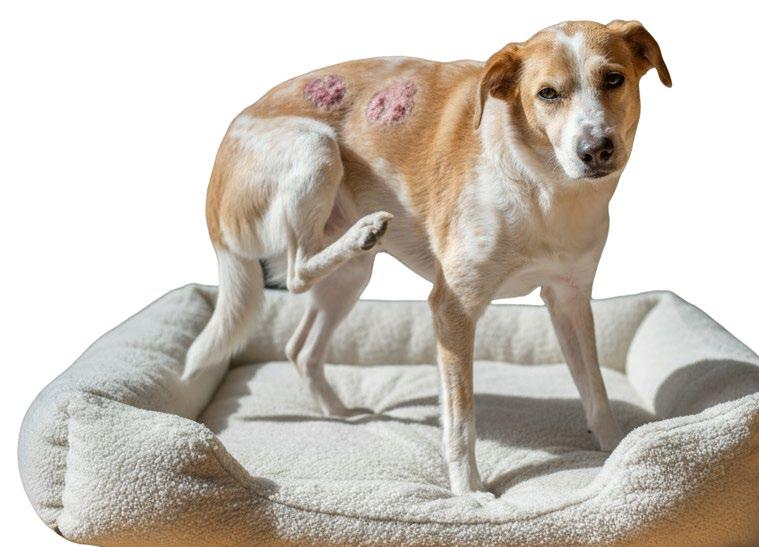
But why do some animals react to allergens, while others don’t? Think of your pet’s health like a bucket. You start out with a certain amount of water which are factors that can’t be changed like genetic predisposition, skin type, start in life, etcetera. The more factors, the fuller the bucket is when you start adding things like poor diet, stress, illnesses. The more you add, the easier it overflows for minor things like allergens. Aim to control the factors you can change to keep that bucket from overflowing. And that’s where a healthy skin barrier comes in
Skin is the largest organ in the body and it’s critical for keeping out potentially dangerous nasties like bacteria, viruses, and fungi (pathogens). To do so, it relies on a strong skin barrier. The protective shield keeping moisture in and irritants and pathogens out. (Like paint protects your house’s walls.)
Aside from shielding the skin barrier from physical damage through injury, harsh shampoos, and parasites, skin must be nourished from the inside to keep it healthy. Essential fatty acids, particularly omega 3 (EPA and DHA) and 6 (especially GLA), are powerful skincare
ingredients to keep the skin barrier intact. Found in oily fish, like pilchards and salmon and seeds like hemp or flax, these have been shown to support the skin barrier and help moisturise and nourish from the inside. Omega 6s are needed to form ceramides, lipids (fats) strengthening the skin’s outer layer, while omega 3s are shown to have natural antiinflammatory action and can help calm redness, itching, and dryness. Other nutrients needed for a healthy skin barrier include B vitamins (meat, chicken, brewer’s yeast), vitamin A (eggs), zinc (seeds), and vitamin C (vegetables and fruit).
Including these in your pet’s diet is helpful but often challenging as many animals are fussy, allergic, or simply don’t get enough of these nutrients through food alone. For dogs, supplementing with products like Efazol and Efazol Plus can lend a helping paw. Hypoallergenic veterinary diets can also be helpful.
From crown to paws, every pet deserves to feel beautifully healthy. A healthy skin and coat makes for a happier pet which is truly, the best glow-up for furry royalty.
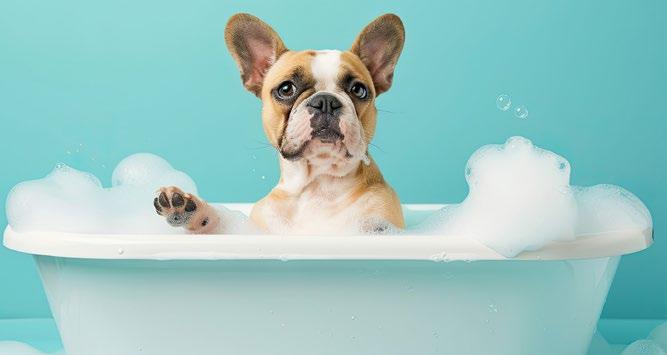
• Start slowly. Get them used to grooming by regularly gently touching ears, face, paws, etc., and gradually introducing brushes and baths - while lavishing them with praise and treats.
• Tame the tangles (and reduce free-flying floof). Longhaired pets should be brushed daily; short-coated pets weekly. Use the right tools such as bristle brushes for short coats, undercoat rakes for thick double coats, and slickers for longer hair.
• Keep claws tidy. Sometimes pets need “pedicures”, but, unlike us, animals have blood vessels and nerves in their nails, the quick. This hurts and bleeds if cut, so unless you’re trained, call a pro for clipping help.
• Clean eyes and ears. Wipe gently with a warm, wet cloth and never poke into their ears. Only clean what you can see.
• Bath as needed. Unless they’ve done a mud run or have a skin condition, dogs and cats don’t need baths. Monthly is plenty, if at all. And always use pet-friendly shampoo. Too-frequent baths and “people products” (even baby shampoo) strip protective natural oils and damage the skin barrier.
• Match cleansers with needs. For example, hypoallergenic for sensitive skin, detangling for longer coats, insect repellent for outdoorsy pets, or foam shampoos for no-rinse cleaning.
• Look deeper. Take the opportunity to check for lumps and bumps, sore spots, or unwelcome hitchhikers like ticks and fleas.
• Call in the pros. Many pets do best with professional groomers. Ensure they use only gentle, forcefree methods so ask vets and fellow pet parents for referrals.
Safety note: If your pet’s scratching, biting, or shedding seems excessive or is accompanied by lethargy, mood changes, poor appetite, fever, or signs of infection, visit your vet immediately. Always consult your vet before supplementing, particularly if your pet has conditionspre-existing or is on medication.
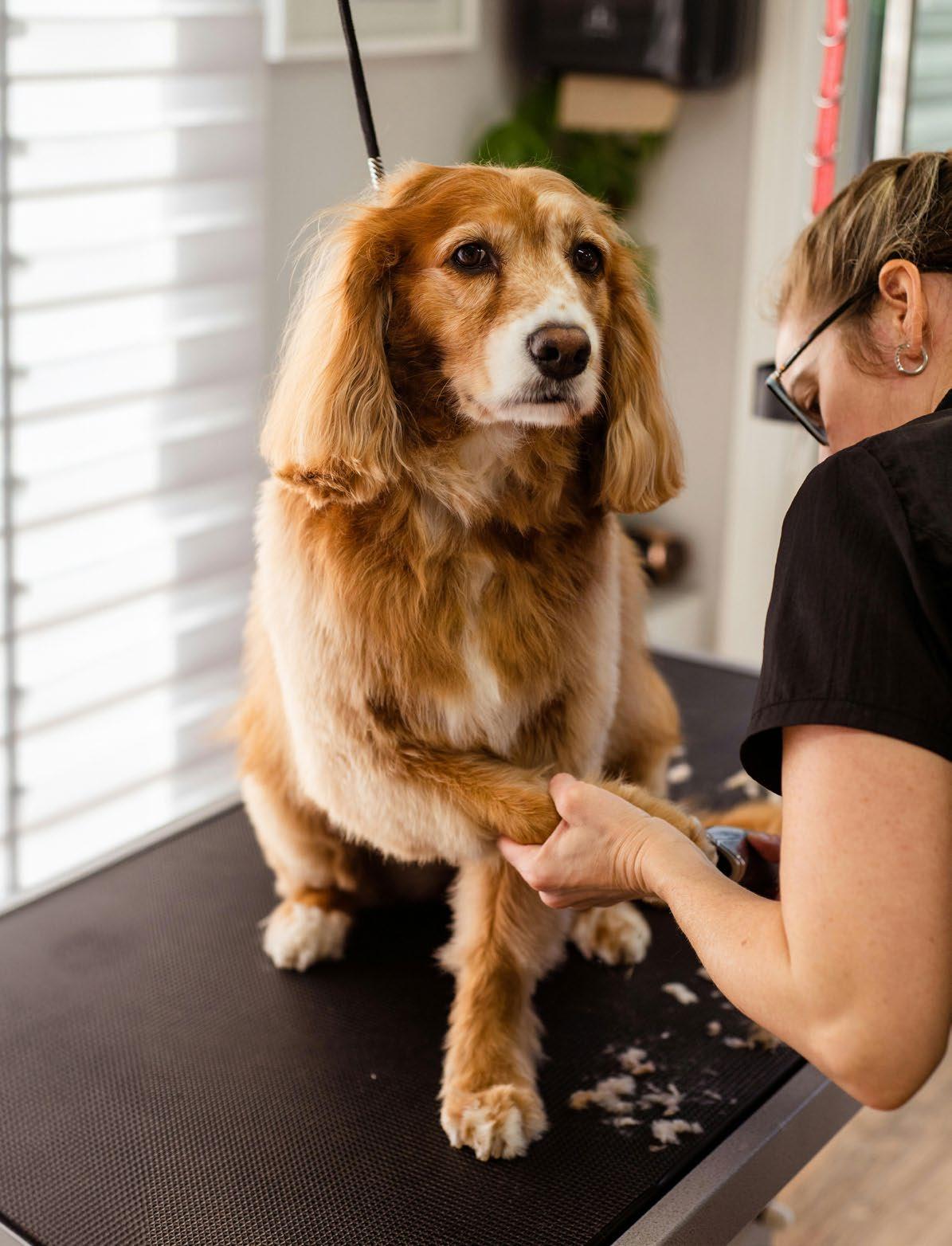
To shave or not to shave
Tempted to give your pet a buzz cut? Stop right there. Animals’ coats actually help them to stay cool in summer. The outer fur reflects sunshine, while the shorter inner hairs (undercoat) creates an air barrier. Kind of like insulation in your house’s roof. Shaving removes this inbuilt temperature control so they feel the heat more. They’re also at higher risk of sunburn and skin irritation. Instead, do “insulation maintenance” with regular brushing to prevent matts, remove loose hair and allow air to circulate. It’s okay to trim (not shave) dogs with continuously growing hair like Poodles, but never shave double-coated dog breeds like Huskies, Jack Russells, or Labradors.
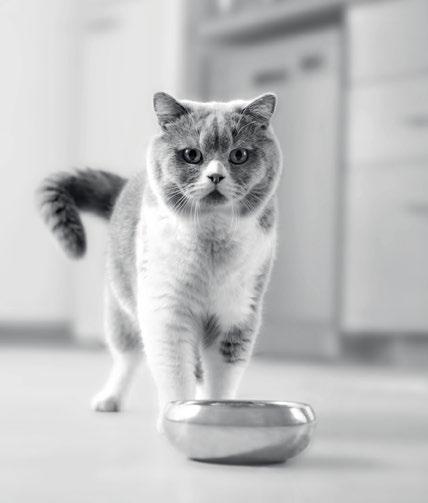
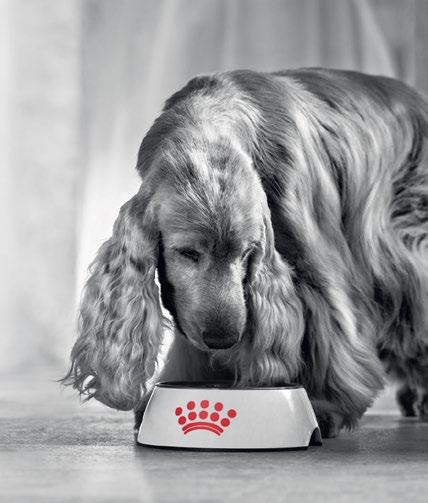
Every cat and dog deserves care as exceptional as the bond they share with us. At ROYAL CANIN®, we believe that understanding their unique nutritional needs is the foundation of true care. That’s why our approach is built on science, observation, and partnership with veterinary and pet professionals around the world.
For more than 50 years, ROYAL CANIN® has studied cats and dogs to understand how their size, breed, age, and lifestyle influence their nutritional needs. This knowledge has shaped more than 450 precise formulas that meet specific physiological requirements at every stage of life. Guided by our purpose to create a better world for pets, we craft nutrition with their needs at the heart of every formula.
Kittens and puppies grow rapidly, developing bones, muscles, and vital organs while building their immune defences. They need concentrated energy, digestible proteins, and balanced vitamins and minerals to support healthy development.
Small breed dogs require nutrient-dense food to meet their needs in smaller portions, while large and giant breeds grow more slowly and need controlled energy intake to support steady growth and joint health.
Every ROYAL CANIN® growth formula is precisely crafted with these differences in mind, including DHA to support brain development and learning during this key stage.
Cats and dogs do not have static nutritional needs. As they grow and mature, their bodies change. Energy requirements shift, organ systems develop, and sensitivities may appear. Feeding a diet designed for each life stage helps ensure that every pet receives exactly what their body needs to stay healthy and thrive.
Once growth is complete, maintaining condition becomes the priority. Adulthood is the most variable stage of life, with nutritional needs differing widely between pets. Highly active and working animals require greater energy intake, while less active pets may need calorie control to maintain a healthy weight.
This is also when many early signs of health concerns can appear, such as dental disease, arthritis, or skin sensitivities. The right diet depends on a pet’s size, breed, lifestyle, and environment.
Every ROYAL CANIN® adult formula is developed with this diversity in mind, providing precise nutrition to help each pet stay at their best through their prime years.
Ageing is not a disease, but the risk of kidney, heart, and joint problems increases as pets get older. Senior nutrition should be chosen for the individual pet. Formulas may include controlled phosphorus for kidney support, nutrients for joint care, or specific antioxidant profiles where these are relevant. The goal is to reduce strain on vulnerable systems while maintaining comfort and function.
Every ROYAL CANIN® senior formula is designed with these differing needs in mind, so the right choice depends on your pet’s health status, size, and lifestyle.
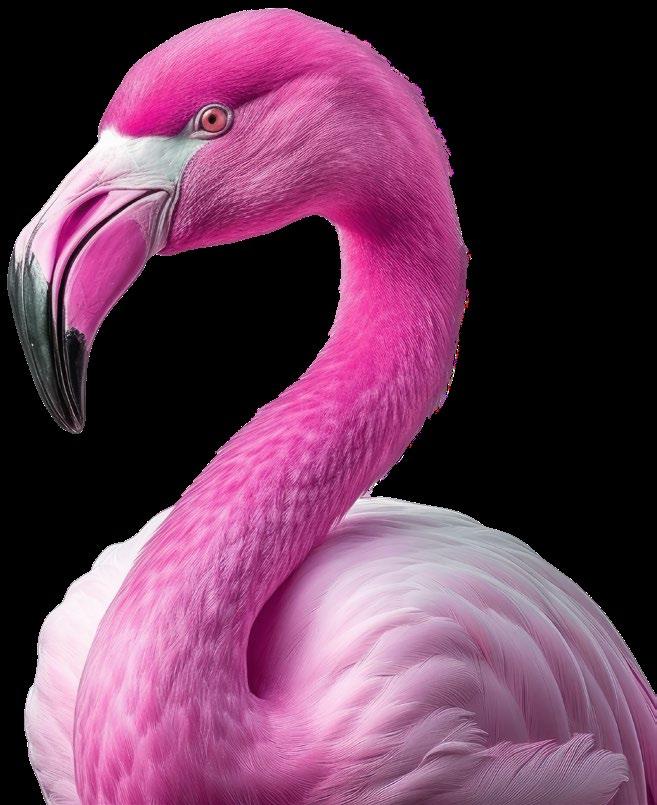
FLAMINGOS BELONG TO THE BIRD FAMILY KNOWN AS PHOENICOPTERIDAE, WHICH INCLUDES ALL SIX RECOGNIZED SPECIES.
There are six main species of flamingos found across the world, each adapted to different habitats and climates. These birds are classified under the genera Phoenicopterus, Phoeniconaias, and Phoenicoparrus.
Flamingos live on every continent except Australia and Antarctica, thriving in regions of Africa, Asia,
A flamingo’s distinctive, downwardcurving bill is perfectly shaped for filtering tiny food particles from the water.
Flamingos feed upside-down, submerging their heads and using their bills to strain food from mud and water, a rare feeding posture among birds.
THEIR WEBBED FEET HELP THEM STIR UP MUD TO UNCOVER FOOD AND ALSO AID IN SWIMMING THROUGH SHALLOW WATERS.
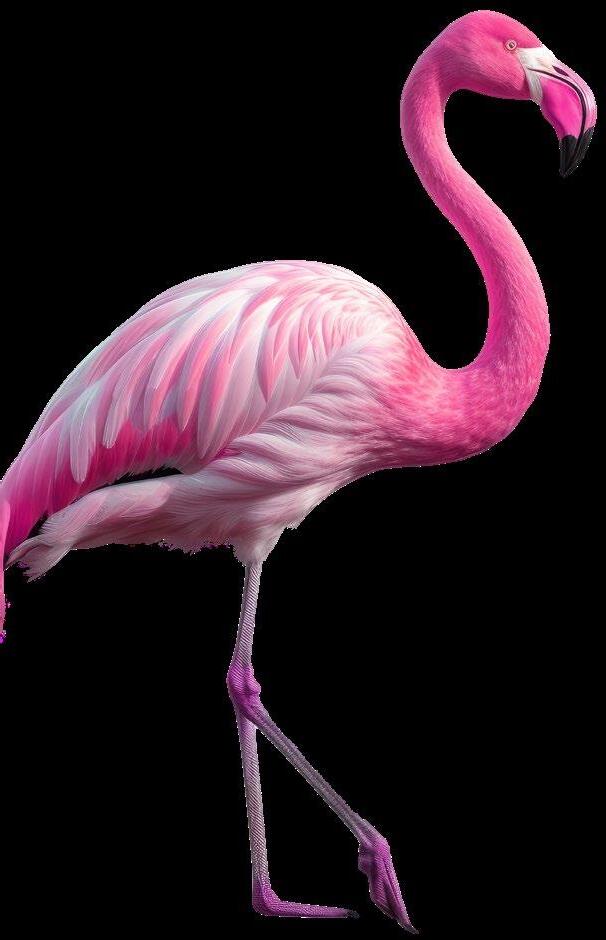
The pink and reddish tones of flamingo feathers come from carotenoid pigments found in the algae and crustaceans they eat.
FLAMINGOS FEED ON A MIX OF ALGAE, PLANKTON, BRINE SHRIMP, SMALL CRUSTACEANS, AND OTHER TINY AQUATIC LIFE. THE SPECIFIC DIET OF A FLAMINGO SPECIES INFLUENCES HOW VIVID OR PALE ITS COLORATION BECOMES.
Inside the beak are fine comb-like ridges called lamellae that trap edible particles while expelling water.
FLAMINGOS MOVE THEIR BILLS SIDE TO SIDE WHILE PUMPING WATER WITH THEIR TONGUES TO FILTER FOOD EFFICIENTLY. THEIR MUSCULAR TONGUES ACT LIKE PUMPS, DRAWING IN AND EXPELLING WATER THROUGH THE BILL’S FILTERING PLATES.
Young flamingos hatch with gray or white feathers and slowly turn pink as they consume pigment-rich food.
Depending on the species, adult flamingos can stand between 90
centimeters and 150 centimeters tall. Their wingspan ranges from 120 to 165 centimeters and often reveals striking black flight feathers during flight.
WHEN FLYING, FLAMINGOS STRETCH THEIR NECKS AND LEGS STRAIGHT OUT, OFTEN TRAVELING LONG DISTANCES BETWEEN WETLANDS.
To take off, they run across the water’s surface, flapping their wings and using their webbed feet to gain momentum before lifting into the air.
Flamingo colonies are loud and highly vocal, using a range of honks, grunts, and trumpeting calls that help them stay connected.
DURING BREEDING SEASON, FLAMINGOS PERFORM SYNCHRONIZED DISPLAYS THAT INCLUDE HEAD-TURNING, WINGFLAPPING, AND GROUP MARCHING. TO PROTECT THEIR EGGS, FLAMINGOS BUILD CONE-SHAPED NESTS FROM MUD, RAISING THEM ABOVE THE WATERLINE.
A female typically lays a single egg per breeding season, with two eggs being extremely rare.
Both parents take turns incubating the egg for about 27 to 31 days until it hatches. Chicks are born covered in soft gray down and have straight bills that gradually curve as they mature.
PARENTS FEED THEIR YOUNG A NUTRIENT-RICH SECRETION CALLED CROP MILK, WHICH IS PRODUCED IN THEIR DIGESTIVE SYSTEM.
As the chicks grow, they often join large nursery groups called crèches that are watched over by a few adults.
Flamingo chicks grow rapidly, and while they begin feeding on their own within weeks, full adult coloration can take several years.
MOST FLAMINGOS REACH MATURITY AND BEGIN BREEDING BETWEEN THREE AND SIX YEARS OF AGE.
In the wild, flamingos can live around 20 to 30 years, while captive individuals may live beyond 50 years.
Eggs and chicks are sometimes preyed upon by large birds, mammals, or reptiles, although adult flamingos have few natural predators.
Habitat destruction, pollution, and human disturbance are major threats to flamingo populations worldwide. Some species, like the lesser flamingo, are considered near-threatened due to shrinking habitats and unstable water sources.
THE LESSER FLAMINGO, FOUND IN AFRICA AND INDIA, IS THE SMALLEST AND MOST NUMEROUS OF ALL FLAMINGO SPECIES.
Two unique species, the Andean and Puna flamingos, live at extremely high altitudes in the South American Andes.
The American or Caribbean flamingo is found in parts of the Caribbean, South America, and the Galápagos Islands.
The greater flamingo, which is the largest species, has the widest distribution, stretching from Africa to southern Europe and India.
Bright pink or red feathers often indicate a healthy flamingo, as stronger coloration comes from better nutrition.
FEEDING IN LARGE GROUPS HELPS FLAMINGOS STIR UP FOOD-RICH SEDIMENTS AND IMPROVES FORAGING SUCCESS. THEIR ABILITY TO TOLERATE HIGHLY SALTY AND ALKALINE WATER ALLOWS FLAMINGOS TO LIVE IN PLACES WHERE FEW OTHER ANIMALS CAN SURVIVE.
The raised mud nests prevent eggs from flooding during periods of rising water levels.
Many flamingos form monogamous pairs during the breeding season, sharing nesting and feeding duties.
Some flamingo populations migrate or move seasonally in search of suitable water and food conditions.
FLAMINGOS PLAY AN IMPORTANT ECOLOGICAL ROLE BY HELPING MAINTAIN THE BALANCE OF WETLAND ECOSYSTEMS.
In captivity, zoos and conservation groups encourage breeding by mimicking natural colony behaviors. The oldest recorded flamingos in captivity have lived more than 60 years, showing their remarkable longevity.
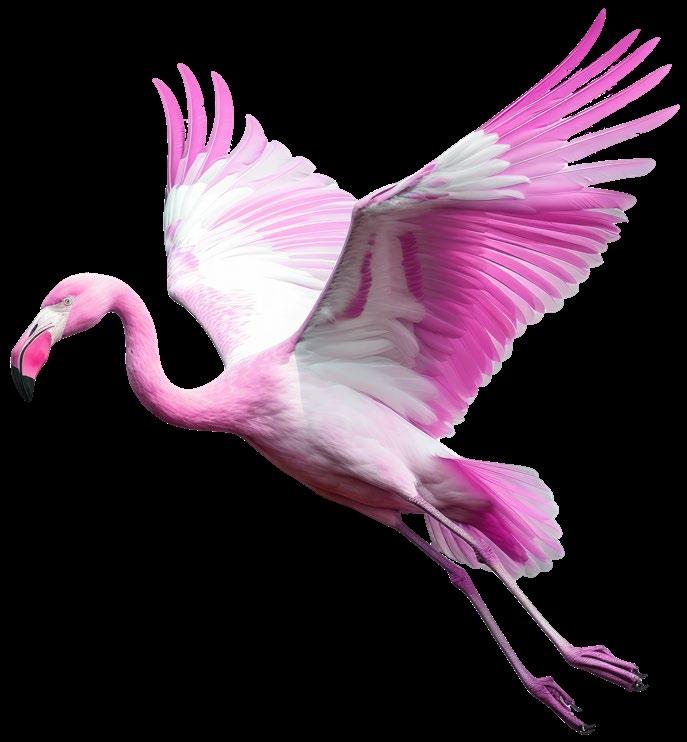
The name “flamingo” originates from the Spanish and Portuguese word flamengo, meaning “flamecolored,” a tribute to their fiery plumage.
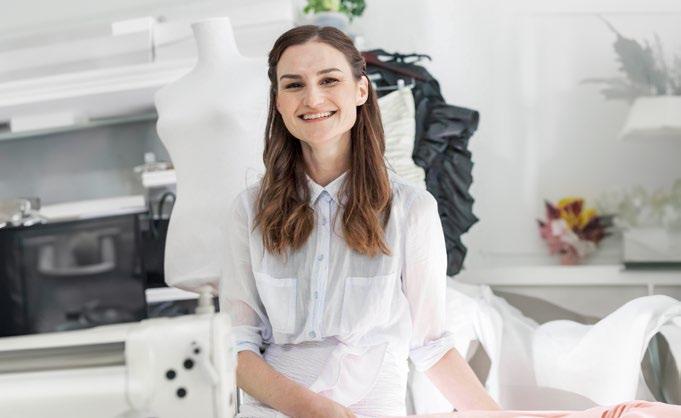
Cape Town’s fashion scene heats up with sustainable styles and rescue dogs. This November, Cape Town’s top designers will transform thrifted finds into high fashion while adorable, adoptable rescue dogs strut the runway. The Re-Loved Fashion Show, taking place on 13 and 14 November at Simons Restaurant, Groot Constantia, is a pioneering charity event blending sustainable style with heartwarming compassion.
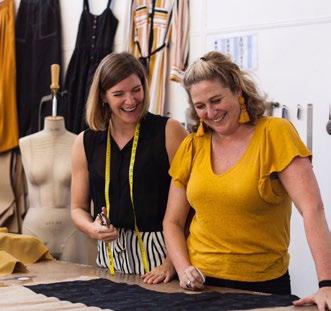
Sponsored by Hill’s Pet Nutrition and benefitting TEARS Animal Rescue, this unique show will be hosted by comedian and radio personality Angel Campey and aims to celebrate the concept of transformation, in fashion and in the lives of rescue animals seeking their forever homes. Hill’s Pet Nutrition has invited Cape Town fashion designers and
promising fashion school students to browse the TEARS Thrift Shop and select previously loved items to redesign into unique couture pieces for the show.
As part of the festivities, TEARS rescue dogs will join models on the runway, showcasing the couture creations alongside their irresistible charm. Every dog featured in the show is also available for adoption, following an application process, and guests will have the opportunity to meet and interact with the dogs throughout the evening.
“We’re so excited to see TEARS’ rescue dogs take over the catwalk,” says Jackie Quail from Hill’s Pet Nutrition.
“Each one of them is looking for their forever home, and that’s what makes this event so special. It’s not just a fashion show, it’s a chance to raise vital funds and help transform the lives of animals who deserve a second chance.”
Funds will be raised on the night through a combination of auctions on selected designer looks, Hill’s food, and a donations drive with pledge options designed to suit all budgets.
Guests will be encouraged to make contributions that directly support TEARS’ vital services, from vaccinations and sterilisations to collars, leads, and tick and flea treatments. 100% of proceeds from ticket sales will go to directly supporting the vital work done by TEARS.

Me&B: A mother-daughter duo creating limited run, trend-aligned, size-inclusive collections.
Lara Klawikowski: Award-winning South African designer known for her avant-garde handcrafted wearable art.
Manila Von Teez: Performer and fashion designer with her own label, Haus of Vjorn, offering diverse clothing.
Mareth Colleen: Founded by Coleen Lesch and Mareth van der Walt and known forbeautifully designed, handcut and stitched garments.
VictorK Couture: A luxury eveningwear designer specialising in elegant, made-to-measure gowns that fuse classic glamour with modern design.
Students from Cape Town College of Fashion Design, Elizabeth Galloway Academy of Fashion Design, and the Fashion Institute of Garment Technology (FIGT).
Tickets for the event are available on Quicket and include a welcome drink, canapes, thefashion show and dog cuddles.
Notes:
Ticket Sales: https://www.quicket. co.za/events/331874-re-lovedfashion-show/#/
Only runway dogs allowed at the event.

Patient Management:
Vetsoft offers comprehensive patient management, meticulously storing essential details such as breed, species, age, weight history, and gender status. It ensures efficient equine management and documentation, all tailored around the unique requirements of the veterinary industry and individual patient care.
Accounts Management:
With Vetsoft, users can seamlessly manage their accounts, customizing stationery with their practice logo and generating a range of financial reports, including Debtors Age Analysis, VAT Report, and Practice Gross Profit Report. The system provides systematic alerts for overdue debtors during the billing process, along with the flexibility to distribute invoices and statements via print or email.
Practice security & User Roles:
Experience tailored access control with Vetsoft’s user-defined roles feature. Customize roles for each staff member, granting precise authorizations to ensure streamlined operations and enhanced security.
Inventory Management:
Vetsoft provides sophisticated inventory management capabilities, enabling precise control over various stock types such as food, merchandise, and drugs. From order placement to stock receipt and sales, the system ensures secure stock control and offers comprehensive reporting from suppliers/manufacturers, including management of the Schedule Drug Register.
VETSOFT Reporting:
Our platform offers an extensive array of reports, including up-to-date sales figures and practice gross profit analysis. Reports can be easily accessed on-screen, emailed, or printed, with user-friendly graphical representations facilitating insightful data analysis.
Reminder Module:
Leverage our SMS module to effortlessly send promotional and marketing messages to clients, keeping them informed about their pet’s condition and sending timely reminders for treatments or vaccinations.
Bookings & Calendar Management:
Effortlessly manage appointments and staff schedules with the Vetsoft integrated booking and calendar management system. Access live availability of vets and staff, allowing for easy appointment bookings and schedule viewing. Ensure smooth patient flow and optimal clinic and operations management with intuitive calendar management features.
Leave Management:
The easy-to-use leave management system will allow for simple staff records to be kept that ensures good workflow with patients and your clinic/ hospital/store.
Vetsoft facilitates the creation of patient masterfiles with multiple owners, simplifying the process through percentage-based ownership allocation for all transactions and treatments. A built-in percentage calculator ensures accurate accounting, eliminating potential shortfalls or unallocated costs.

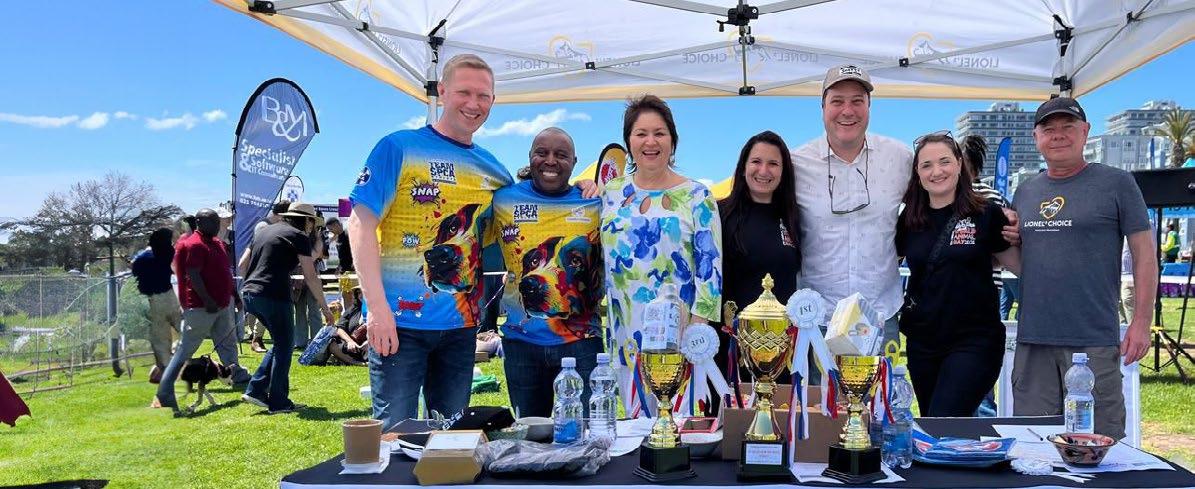
Paws-a-While is a non-profit organisation dedicated to uniting Cape Town’s animal welfare community and proudly hosted its annual World Animal Day celebration on Sunday, 5 October 2025, on the Sea Point Promenade, marking one of the most vibrant and impactful events in the organisation’s history.
The event brought together hundreds of animal lovers, rescue organisations, and community partners to celebrate the bond between people and animals and to champion adoption and sterilisation as the keys to a more compassionate future for Cape Town’s pets.The Lionel’s Choice Rescue Dog Show, sponsored by Lionel’s Choice and MC’d by the ever-hilarious Angel Campey, was a highlight of the day. Returning for her third consecutive year, Angel brought her trademark humour, warmth, and heart to the stage as she celebrated the resilience and beauty of rescue dogs. The audience was also treated to an impressive live demonstration by the City of Cape Town’s Metro Police K-9 Unit, showcasing the skill and discipline of their service dogs and handlers.
Cape Town’s Mayor Geordin HillLewis and Paws-a-While Patron Alderman JP Smith attended the event, reaffirming the City’s continued commitment to animal welfare. Through initiatives like the Mayor’s Fund and the City’s animal welfare
partnerships, Cape Town continues to support sterilisation, rescue, and education programmes across the metro. “The tireless work performed by Cape Town’s many animal welfare and rescue organisations is one of the most inspiring things about our city,” said Mayor Geordin HillLewis. “Whether it’s rescues and shelters, foster networks, or the incredible adoptions, vaccination and sterilisation efforts carried out by an outfit like Paws-a-While , Cape Town’s animal heroes are second to none.”
Alderman JP Smith thanked Paws-aWhile for its ongoing work in Lavender Hill, alongside the City of Cape Town, SPCA, and Aid4Animals in Distress, emphasising the importance of sterilisation as the most effective way to create lasting change in vulnerable communities.
Thanks to the incredible generosity of Mars South Africa, Royal Canin, Takealot, Pick n Pay, Oneplan Pet Insurance, Lionel’s Choice, and Pet Express, this year’s World Animal Day not only celebrated animals but will also directly fund the sterilisation of another 100 animals in Lavender Hill, a continuation of Paws-a-While’s mission to reduce suffering and promote responsible pet ownership.
Guests were treated to Whiskas and Pedigree goodies for their pets, and Mars Bars chocolates for the humans, courtesy of Mars South Africa.
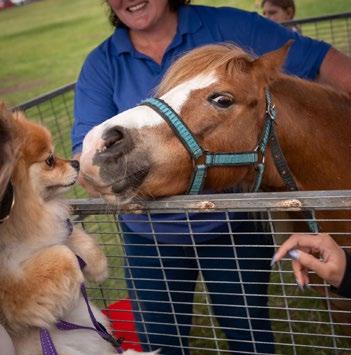
This year’s prize sponsors are ASICS, Rogz, The Lekker Barkery, From the Barkery, Ricky Pet Products, and Pet Heaven added even more excitement to the day, generously donating prizes for the Rescue Dog Show winners and participants.
Paws-a-While extends its deepest gratitude to every rescue organisation, stall holder, volunteer, and visitor who made the day unforgettable and especially to everyone who chose to adopt a rescue pet. Every adoption changes a life, and that’s exactly what Paws-a-While stands for.
“World Animal Day isn’t just about celebration, it’s about connection,” says Carolyn Dudgeon, Founder of Paws-a-While. “It’s about bringing people and animals together, and showing that collaboration across organisations, sponsors, and the public can truly change lives.”
About Paws-a-While:
Paws-a-While is a Cape Townbased non-profit organisation that fosters collaboration across the city’s animal welfare community. Through mass sterilisation campaigns, adoption events, and education initiatives, Paws-a-While works to promote empathy, compassion, and responsible pet care across all communities.
info@pawsawhile.org.za www. pawsawhile.org.za
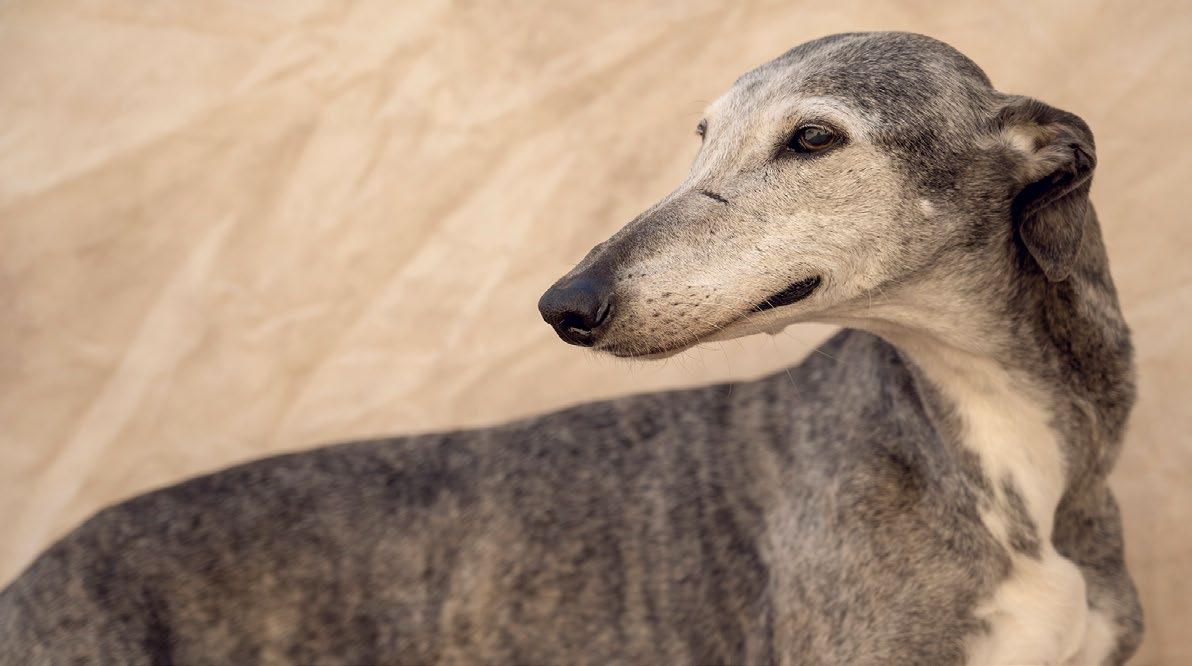
Greyhound Welfare South Africa (GWSA) hosted a powerful photographic exhibition by acclaimed photographer Warren van Rensburg at the Kameraz photographic gallery in October, revealing the haunting beauty and hidden suffering of sighthounds.
At first glance, the photographs hanging on the gallery walls are striking, elegant dogs with soulful eyes. But behind each image at the Ghosts of the Hunt exhibition lies a story of survival, rescue and a powerful reminder of the cruelty greyhounds suffer worldwide, exploited for their ability to run fast.
The exhibition features two distinct yet deeply connected photographic series. One captured by Dean Bush, founder of GWSA, tells the story of over 500 greyhounds rescued from the Yat Yuen Canidrome racetrack in Macau China, a facility that operated for over five decades before finally being shut down in 2018 due to international pressure. Dean Bush volunteered during the closure in 2017 and 2018 after meeting Albano Martins of Anima Macau to whom the dogs owe their lives. Albano put on a legendary fight during
the seven-year battle to close the track. Notorious for its cruel conditions and high death rates. Estimates place the number of dogs killed at the track at 30 to 40 monthly or almost 20 000 during the tracks 54 year run. The dogs were replaced regularly with fresh shipments of greyhounds from Australia. These images remind us why greyhound racing is cruel and why rescue organisations exist: to ensure no dogs life is reduced to a number on a betting slip.
The second series feature haunting photographs by professional photographer Warren van Rensburg of locally rescued greyhounds
Greyhound racing remains banned in South Africa since 1949. Although small pockets of underground racing persist, the use of greyhounds in illegal hunting remains a point of tension. At a recent auction in Bela Bela, 65 imported greyhounds from the USA, Australia and Ireland were sold to local farmers and hunters for a staggering R2,4 million with the top priced dog fetching R400 000.
Although Hunting with dogs remains illegal, recently a group of hunters lobbied
the government to legalise the practice, claiming it’s a matter of cultural heritage. The group submitted a memorandum to the presidency, calling on government to lift the ban on the use of dogs in hunting practices. The group argues for legalisation based on potential job creation, cultural tradition and economic benefits.
Animal Welfare organisations, including the NSPCA and GWSA are pushing back, citing overwhelming evidence of cruelty and ecological destruction.
“WHAT STARTED AS A CULTURAL PRACTICE HAS BECOME A BLOOD SPORT,” SAYS BUSH. “THESE DOGS ARE BRED, STARVED, AND TRAINED TO CHASE AND KILL WILDLIFE FOR SPORT, NOT SURVIVAL. IT’S DEVASTATING BOTH FOR THE ANIMALS AND THE ENVIRONMENT.”
The exhibition aims to inform the public of the challenges Greyhounds and other sighthounds face in South Africa. GWSA rescues, rehabilitates and rehomes greyhounds nationally. Discover their story, celebrate their resilience and give them a future.
Ziggy’s column - October 2025
Bow Down, Peasants — Her Majesty Ziggy Has Arrived
Dear Diary
Honestly, I don’t know why you humans make such a fuss about royalty. You’re all out here waving flags for pompous people with expensive jewels, when the true royalty is probably snoring on your sofa right now — crown slightly askew, biscuit crumbs in her fur. That’s right. It’s me. Ziggy. Queen of Everything.
I expect a red carpet, not a welcome mat. Velvet cushions, not “dog beds.” When I make my grand entrance into the living room, I want trumpets and fanfare accompanied by the delicious sound of a treat bag rustling. My loyal subjects — ahem, the humans — should know by now that one does not summon the Queen with a squeaky toy. The Queen summons you. I take my duties seriously. I inspect every snack to assess its quality, patrol the garden for suspicious peasant pigeons, and ensure the humans stay on schedule for my walkies. I occasionally allow them cuddles — but only when I decree it’s cuddle o’clock.
Sometimes I hear talk of “dog training.” Adorable. I prefer to call it “staff orientation.”
Being royal isn’t all glamour, though. The crown can be heavy. The expectations are always high. But every time I strut down the hallway, tail high and confidence higher, I remember: true royalty isn’t about titles or tiaras. It’s about presence and I sure have that.
So go ahead, roll out that red carpet. Fetch me my chew toy sceptre. The Queen has spoken.

Ziggy XX




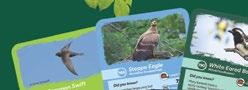




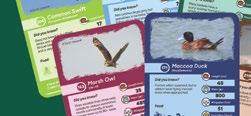


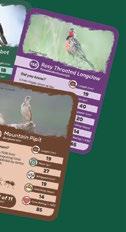





















Lionel’s Choice Canine Food is specifically formulated to support digestive health, enhance skin and coat condition, and help to minimise allergies and digestive sensitivities.
HEALTHY GUT & DIGESTION
Contains chicory root, a natural source of prebiotic fiber, and Farmatan®, a blend of gutsupporting chestnut wood tannins, butyrate, and other botanical extracts to promote healthy digestion and function.
SKIN & COAT HEALTH
The ideal Omega 3:6 ratio provides a balanced blend of fatty acids to support healthy skin and a shiny coat. Canola oil, rich in Linoleic Acid, plays a key role in maintaining skin hydration.
I AM DOG
I trust you with all my heart. Every moment by your side is a gift, and your touch fills me with warmth.
I share your joy and your sorrow, just as if they were my own.
I miss you when you’re not with me, but I know you’ll always come back to me.
I will love and protect you. I am your companion. Good nutrition, makes a lifetime’s difference. Protect. Love



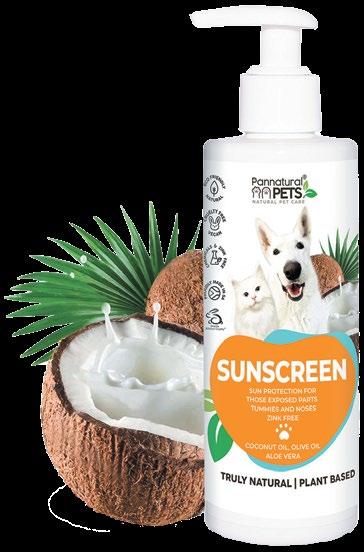
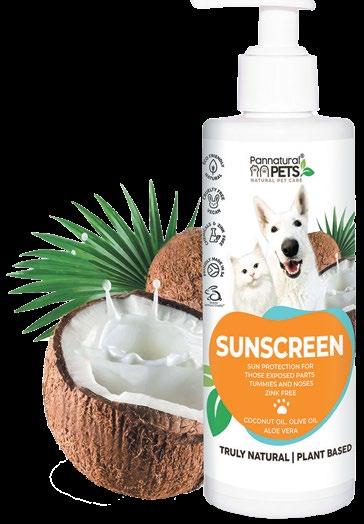
Natural Pet Sunscreen
This natural Pet Sunscreen is perfect for those pets who have light coloured noses, thin or missing fur, or those who just like to sunbath.
www.naturalpetcare.co.za R148.00
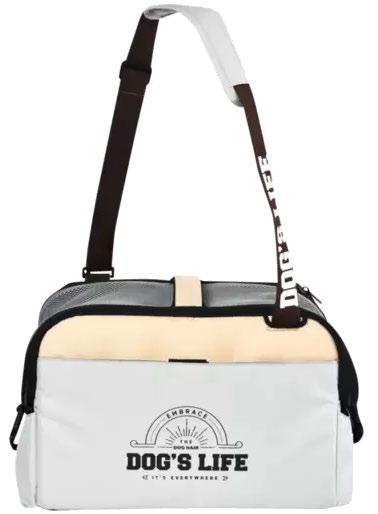
Dog's Life Grey Canvas Pet Carrier
Providing a convenient solution to your pet transport needs, this carrier is a great choice for trips to the vet and the groomer. www.checkers.co.za R769.00

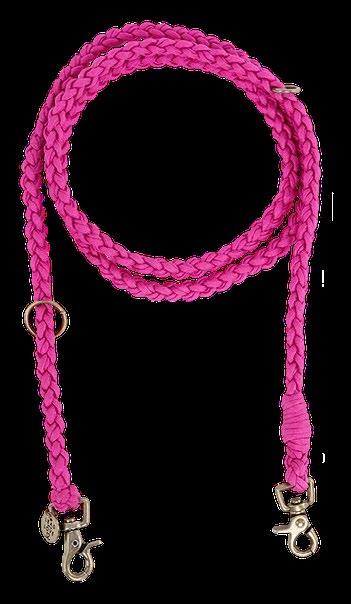
The Classic Lead
We call it classic for a reason! Never out of style, this lead features a handle at one end and a trigger snap clip at the other, as well as a ring for your keys or poo bags.
www.leadwithlove.africa R375.00
URBAN PAWS
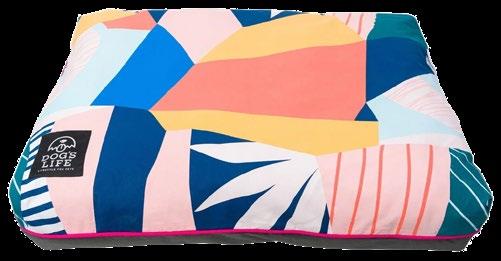
Izzy Bed - Dog Bed
PAWSITIVELY PET SITTING AND TRAINING
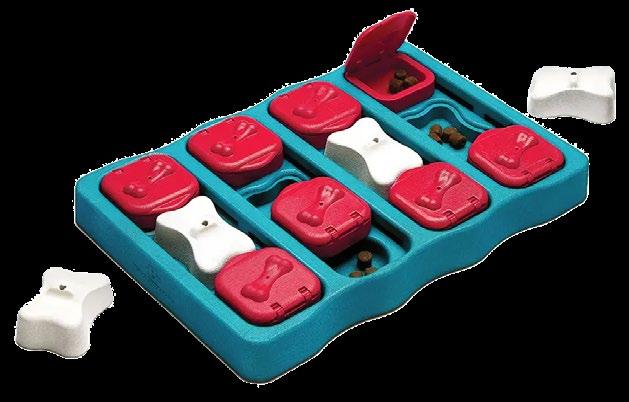
Nina Ottosson- Dog Brick
Dog Puzzle Games focus on challenging your dog’s brain. Supervise when playing, and don´t
WHISKER'S AND WAGS
Quiet Pet Hair Trimmer
USB Rechargeable Electric Grooming Tool with Multi-Head Functionality www.whiskersandwags.co.za
The Urbanpaws bed will make sure that every minutes rest is spent in luxurious comfort.
www.urbanpaws.co.za R1199.00


to Elevate your dining experience to Elevate your dining experience
with dishes fit for the throne

Ingredients:
1 bunch curly kale, tough stems removed
5 ml extra virgin olive oil
Sea salt, to taste
150 g chopped romaine lettuce
60 ml Healthy Caesar Dressing or Vegan Caesar Dressing
100 ml croutons
Shaved Parmesan cheese or vegan Parmesan, to taste
Optional: roasted chickpeas
Optional: 1 avocado, diced
Instructions:
Prepare the kale:
Tear the kale into bite-sized pieces and place in a large mixing bowl.
Drizzle with olive oil and sprinkle lightly with sea salt. Using your hands, gently massage the kale for 1–2 minutes until the leaves soften and wilt slightly.
Add the lettuce:
Toss in the chopped romaine lettuce. Drizzle over half of the Caesar dressing and mix thoroughly to coat all the leaves evenly.
Assemble the salad:
Transfer the salad to a serving bowl. Top with homemade croutons and shaved Parmesan.
Optional toppings:
If desired, add extra dressing, roasted chickpeas, and diced avocado for a more decadent, overthe-top touch. Serve immediately and enjoy.
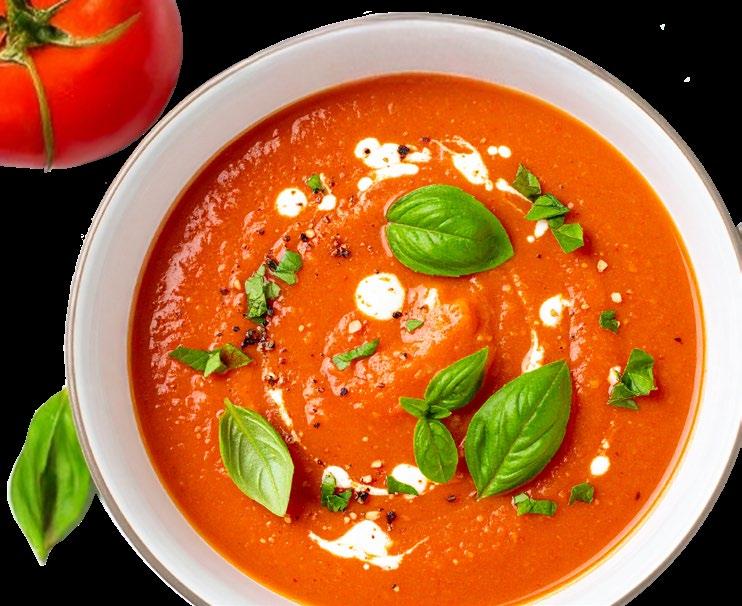
Ingredients:
30 ml extra virgin olive oil, plus extra for drizzling
30 g unsalted butter (or use an extra 30 ml olive oil for a dairy-free option)
2 medium yellow onions, chopped
2 medium carrots, chopped
6 garlic cloves, chopped
30 ml balsamic vinegar
2 x 400 g tins diced tomatoes (including the juice)
750 ml water or vegetable stock
330 ml fresh cream (or full-fat coconut milk for a dairy-free version)
5 ml dried thyme
2,5 ml red pepper flakes
5 ml sea salt, plus more to taste Freshly ground black pepper, to taste Fresh basil leaves, for garnish
Instructions:
Sauté the aromatics
Heat the olive oil and butter in a large pot over medium heat. Add
garlic, and a pinch of salt. Cook for about 8 minutes, stirring every so often,
softens and turns

Build the base
Stir in the balsamic vinegar to deglaze the pot. Add the diced tomatoes with their juices, water or stock, cream, thyme, red pepper flakes, salt, and a few grinds of black pepper. Stir well to combine.
Simmer to perfection
Let the soup gently simmer over medium heat for 20 to 25 minutes, stirring occasionally, until the carrots are tender and the flavours have melded together.
Blend for texture
Scoop out about 1 litre (4 cups) of the chunky soup and set it aside. Carefully transfer the remaining soup to a blender and blend until silky smooth.
Combine
Pour the blended soup back into the pot with the reserved chunky portion. Stir until well mixed and taste for seasoning, adding extra salt or pepper if needed.
Serve like royalty
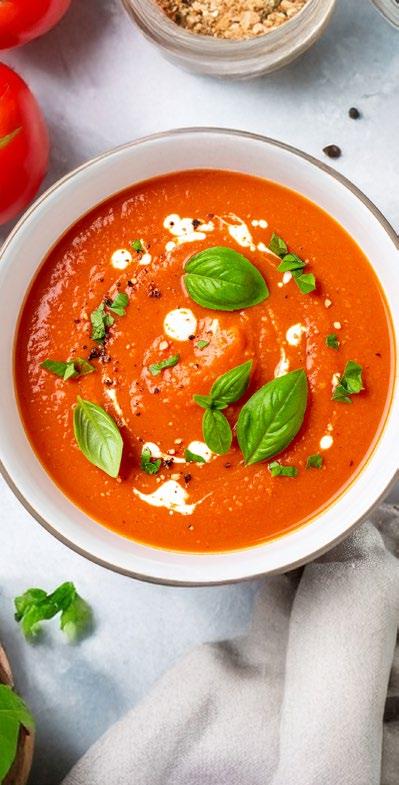
Ladle the soup into bowls. Finish with a swirl of cream, a drizzle of olive oil, a crack of black pepper, and fresh basil leaves on top.
For a plant-based twist, swap out the cream for full-fat coconut milk. It adds a deliciously rich and velvety texture with a subtle sweetness.
Ingredients:
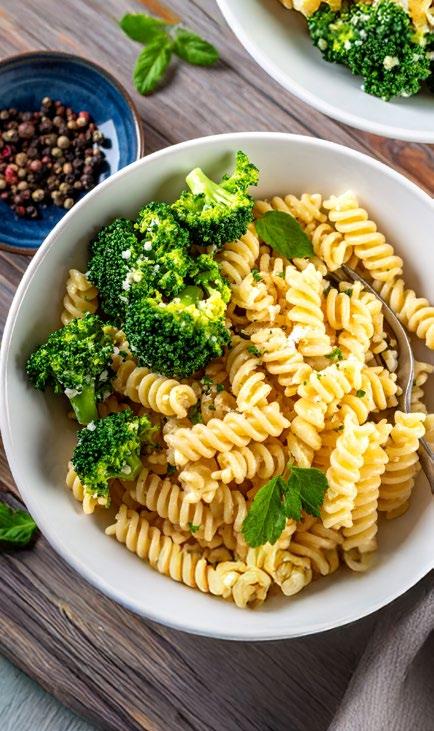
½ small butternut (about 500 g), halved lengthwise and seeds removed
Sea salt and freshly ground black pepper, to taste
2 shallots, roughly chopped (about 160 ml)
3 garlic cloves, unpeeled 180 ml water
125 ml raw cashew nuts
30 ml extra virgin olive oil, plus extra for roasting and serving 15 ml nutritional yeast
15 ml balsamic vinegar
10 fresh sage leaves
15 ml fresh thyme leaves, plus extra for garnish
340 g fusilli pasta (or pasta of your choice)
Instructions:
Preheat the oven to 220 °C and line a baking tray with baking paper.
Prepare the vegetables:
Lightly drizzle the butternut with olive oil and season with salt and pepper. Place it cut side down on the baking tray. Wrap the shallots and garlic in a piece of foil with a small drizzle
of olive oil and a pinch of salt. Add the foil packet to the tray alongside the butternut..
Roast:
Roast for about 30 minutes, or until the butternut is soft and cooked through.
Blend the sauce:
Scoop out 250 ml of the roasted butternut flesh and transfer it to a blender.
Add the roasted shallots, peeled garlic cloves, water, cashew nuts, olive oil, nutritional yeast, balsamic vinegar, sage, thyme, 4 ml salt, and a good few grinds of black pepper. Blend until smooth and velvety.
Cook the pasta:
Bring a large pot of salted water to the boil. Cook the pasta according to the packet instructions until al dente. Reserve about 250 ml of the hot pasta water before draining.
Combine:
Return the drained pasta to the pot. Stir in the creamy butternut sauce, adding 125–250 ml of the reserved pasta water a little at a time until the sauce evenly coats the pasta. Adjust seasoning with a pinch more salt if needed.
Serve:
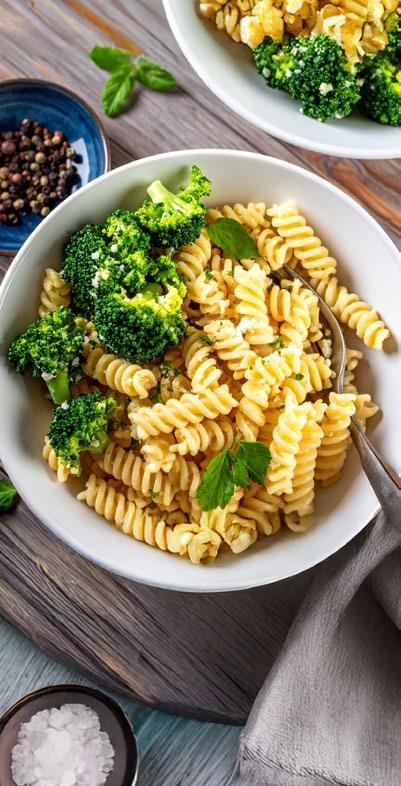
Finish with a drizzle of olive oil, a crack of black pepper, and a sprinkle of fresh thyme. For extra greens, top with lightly sautéed broccoli if you like.
Ingredients:
For the filling:
2 onions, finely chopped
2 carrots, finely chopped
2 celery sticks, finely chopped
30 ml olive oil
4 garlic cloves, crushed
200 ml red wine (check label to ensure vegan if needed)
½ bunch thyme leaves, picked
30 ml tomato purée
30 ml soy sauce
10 ml caster sugar (2 tsp)
10 ml red wine vinegar (2 tsp)
2 x 400 g tins cooked green lentils, drained
400 g tin chopped tomatoes
For the mash topping:
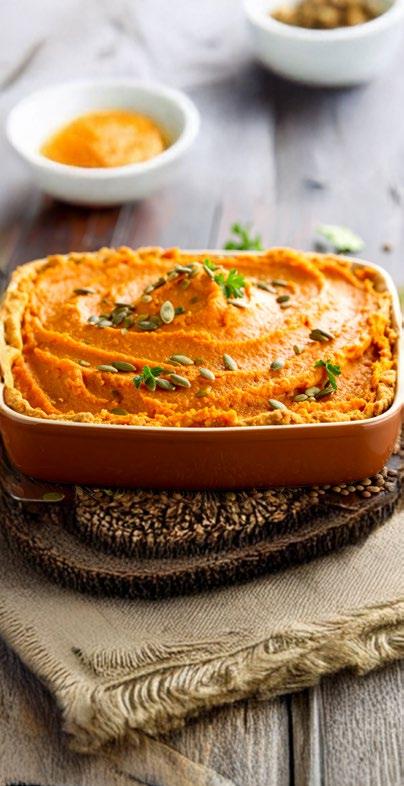
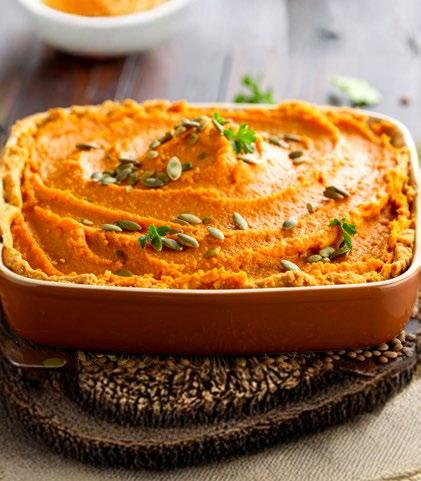
1 kg sweet potatoes, peeled and chopped into roughly 3 cm pieces
30 g vegan margarine
10 ml mustard powder (2 tsp)
30 ml plant-based milk
(we used oat milk)
10 ml pumpkin seeds (2 tsp)
Instructions:
Cook the vegetables:
In a large saucepan, heat the olive oil over medium heat. Add the chopped onions, carrots, and celery and cook for 8–10 minutes until softened. Add the crushed garlic and fry for another minute.
Deglaze and simmer:
Pour in the red wine to deglaze the pan, scraping any stuck bits from the base. Simmer for 2 minutes until most of the wine has evaporated.
Build the filling:
Stir in the thyme, tomato purée, soy sauce, sugar, and red wine vinegar. Add the drained lentils, chopped tomatoes, and 100 ml water. Simmer gently for 10–12 minutes, until the mixture has thickened and can coat the back of a spoon.
Prepare the mash topping:
Bring a large pot of water to the boil and cook the sweet potatoes for 10–15 minutes, until tender. Drain and mash with the vegan margarine, mustard powder, plant milk, and salt and pepper until smooth.
Assemble the pie:
Preheat the oven to 200 °C (180 °C fan / gas mark 6). Season the lentil filling and transfer it into a 25 cm x 20 cm x 7 cm ovenproof dish. Spoon the mash on top, starting from the corners and working inwards to prevent the filling from spilling. Sprinkle pumpkin seeds over the top.
Bake:
Bake for 30–35 minutes until the topping is golden and the filling is bubbling.
Storage:
Once cooled, the pie can be frozen for up to 3 months. To reheat, defrost overnight in the fridge and warm in the oven until piping hot.
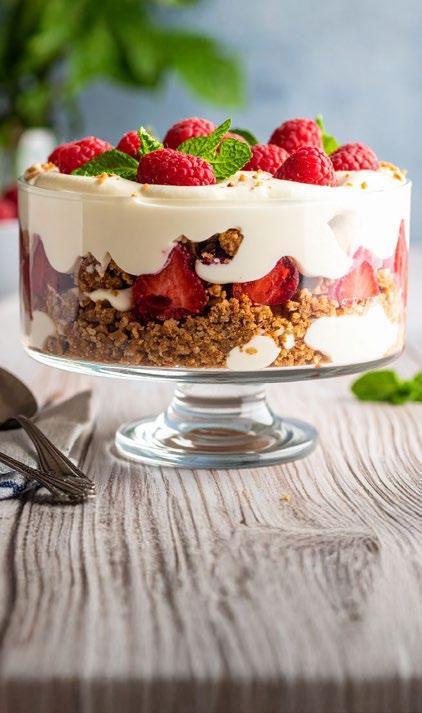
Ingredients:
For the sponge:
50 ml vegetable oil, plus extra for greasing the tin
5 ml vanilla bean paste
15 ml lemon juice
200 ml plant-based milk
1 ml baking powder (¼ tsp)
125 g caster sugar
200 g self-raising flour
For the compote:
400 g raspberries or a mix of berries (fresh or frozen)
100 g caster sugar
15 ml lemon juice
For the custard:
50 g cornflour
500 ml plant-based milk
75 g caster sugar
5 ml vanilla bean paste
A pinch of turmeric
For the cream:
250 ml whipped plant cream
10–15 ml (2–3 tsp) icing sugar, plus extra for dusting
5 ml vanilla bean paste
To serve:
300 g fresh raspberries
10 mint leaves
2 tbsp flaked almonds
Instructions:
Prepare the sponge:
Preheat your oven to 180 °C (160 °C fan / gas mark 4). Grease and line a 20 cm round or square cake tin with baking paper.
In a jug, combine the vegetable oil, vanilla paste, lemon juice, and plant milk. In a large mixing bowl, sift together the flour, caster sugar, and baking powder. Make a well in the centre and gradually whisk in the wet ingredients until smooth. Pour the batter into the prepared tin and bake for 30–40 minutes, until golden and a skewer inserted in the centre comes out clean. Transfer the cake to a wire rack and allow to cool completely.
Make the berry compote:
Place the raspberries, sugar, lemon juice, and 50 ml water in a small saucepan. Bring to a gentle simmer and cook for 4–6 minutes, until the fruit breaks down slightly to form a sauce. Remove from heat and set aside to cool.
Prepare the custard:
In a small bowl, mix the cornflour with a splash of cold plant milk to form a smooth paste. Pour this into a saucepan with the remaining milk, sugar, vanilla, and a pinch of turmeric. Cook over low heat for 6–8 minutes, stirring regularly, until the custard thickens and coats the back of a spoon. Cover the surface with baking paper and leave to cool.
Assemble the trifle:
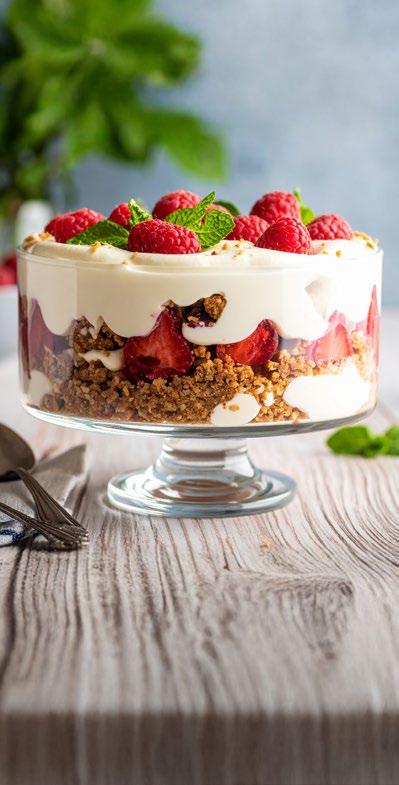
Cut the cooled sponge into squares or fingers and layer them at the bottom of a trifle dish. Spoon over the compote and add 150 g of the raspberries. Whisk the custard briefly and pour over the berries. Chill in the fridge for 1–2 hours until the custard is set.
Prepare the cream topping:
Whip the plant cream with the vanilla and icing sugar until soft peaks form. Taste and adjust sweetness if needed. Spoon the cream over the set custard.
Serve:
Decorate with the remaining raspberries, mint leaves, flaked almonds, and a light dusting of icing sugar. Serve chilled.
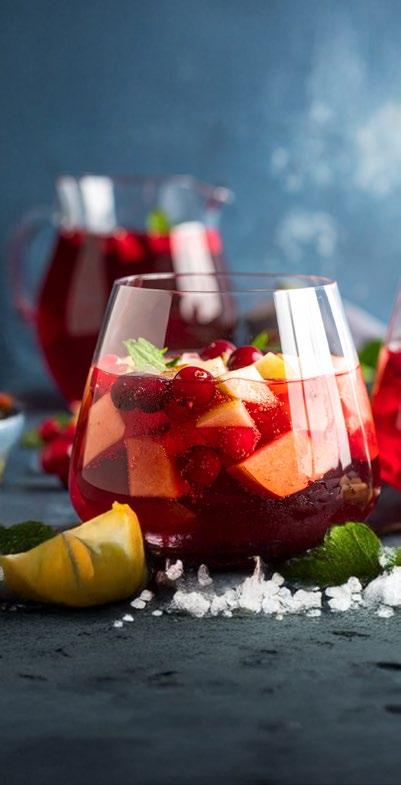
Ingredients:
1 apple, diced into small pieces
1 pear, diced into small pieces
75 ml fresh cranberries
360 ml cranberry juice
750 ml sparkling apple cider Ice cubes, to serve
Instructions:
Combine the fruit:
In a large jug or pitcher, add the diced apple, pear, and fresh cranberries.
Add the juice:
Pour in the cranberry juice and stir well to mix all the fruits evenly.
Add the sparkle:
Slowly pour in the sparkling apple cider and gently stir to combine without losing the bubbles.
Serve:
Pour over ice cubes in glasses and enjoy immediately.
This refreshing, quick, and easy non-alcoholic cranberry sangria is bursting with nutrients from fresh cranberries and fruit. Perfect for a healthy everyday drink or a festive treat.



“
BY BRIAN BERKMAN
Luxury travel writer, Brian Berkman, searches out the fabulous and often affordable options available to you and your pets. Julie, his rescued mixed-breed doggie-daughter, insists on joining them.
“
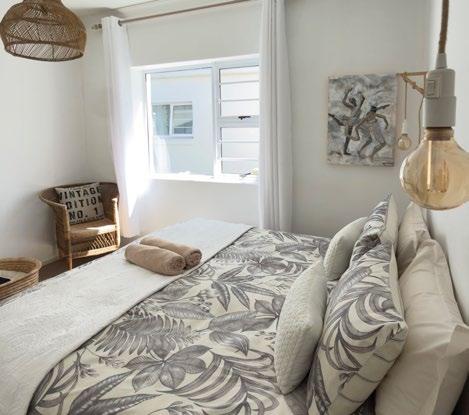
Hermanus may be crowned the whalewatching capital of the world, but for pet owners, this coastal gem offers something equally precious: genuine freedom for fourlegged family members. Nestled in the quieter residential suburb of Voelklip, where mountain meets sea, Bali Cottage provides that rare find—a spacious, stylish retreat where dogs aren't merely tolerated but truly welcomed.
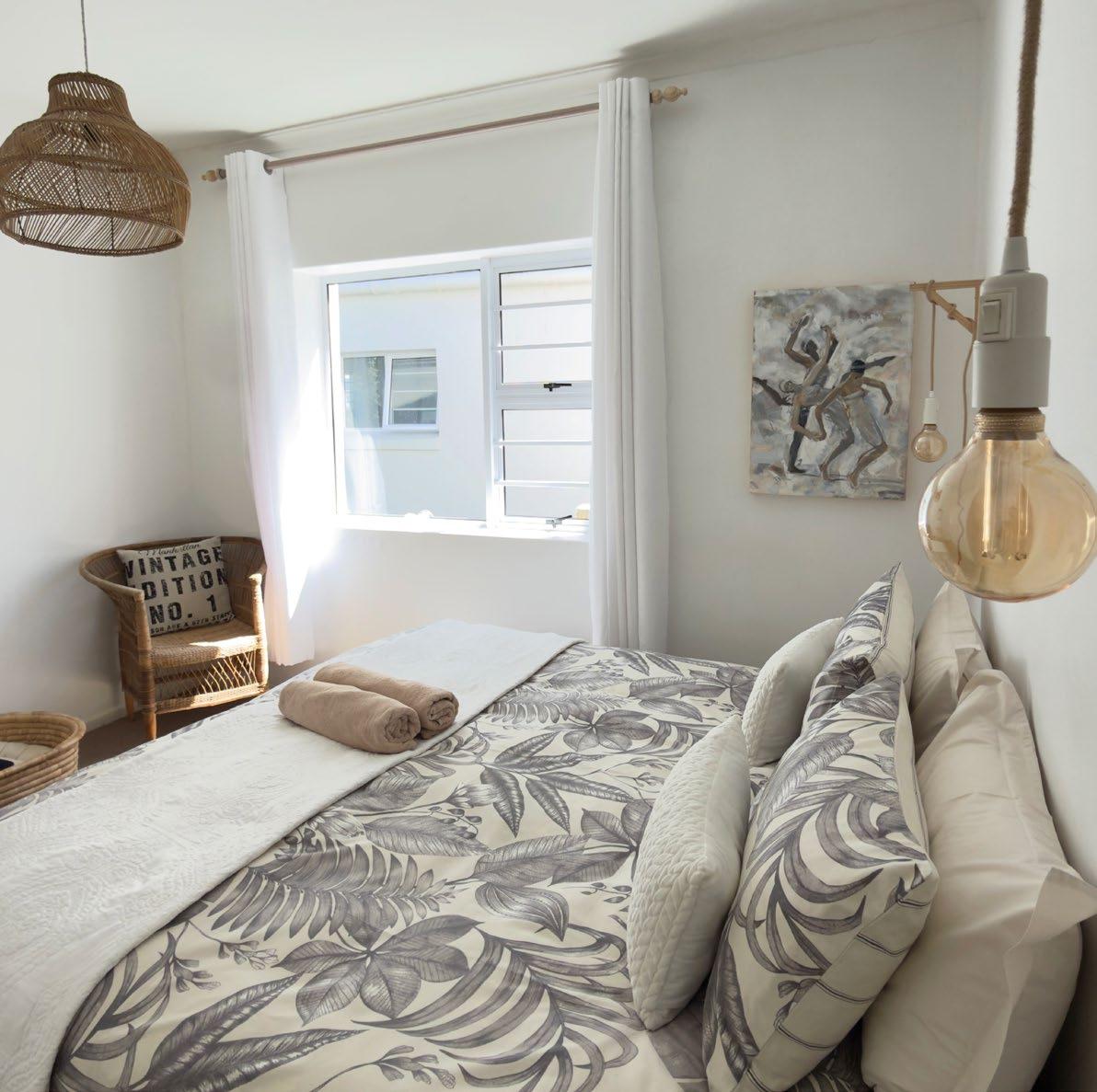
Unlike central Hermanus's busier quarters, Voelklip maintains a peaceful rhythm of crashing waves and mountain breezes rustling through indigenous fynbos. Here, Bali Cottage's fully fenced property offers six guests (plus pets) a generous threebedroom sanctuary including dog beds. The expansive outdoor spaces allows dogs genuine freedom without constant vigilance, whilst slam-shut security gates and perimeter beam alarms ensure everyone's safety.
A beach paradise for pooches. Within easy walking distance lies Grotto
Beach, a pristine 15-kilometre Blue Flag stretch where dogs can truly run free. The dune paths wind through coastal vegetation and milkwood trees before revealing sweeping white sand against mountain backdrop. Dogs are welcome nearly everywhere along Grotto Beach, except the seasonal exclusion zone near the beachfront restaurant pavilion—a rare coastal freedom for pet owners, though cleanup expectations are firm and rightly enforced.
The real treasure is the Klein River Lagoon's mouth at Lagoon Corner. When
the lagoon mouth closes, waters become glassy calm—ideal for dogs and children to paddle safely whilst families claim spots on the grassy braai area. The tidal intersection creates two entirely different swimming experiences, though locals know to approach via the dune path rather than attempting the rocky point crossing. The lagoon and surrounding Kleinriver mountains are both a photographer’s and artist’s dream and ideally positioned for windsurfers and watersports lovers. When we visited a large group of early-morning swimmers set out into the lagoon too.
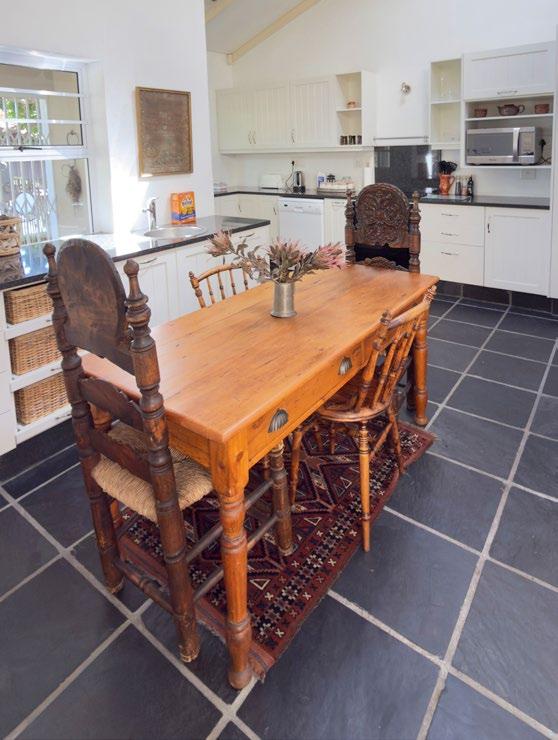
Bali Cottage's location provides almost direct access to Fernkloof Nature Reserve's network of mountain paths threading through protea groves. The dog-friendly trail rewards early starts with otherworldly light painting the fynbos gold, though limited shade means bringing extra water for the whole family.
The legendary Cliff Path extends roughly 17 kilometres from Voelklip to central Hermanus. Best tackled during cool morning hours, this internationally recognised trail offers elevated vantage points for whale watching. Dogs are permitted but must remain leashed— not merely for control, but to protect the dassies (rock hyraxes) inhabiting these cliffs. The nearby milkwood forest boardwalk through Piet se Bos offers a gentler, shaded alternative where ancient trees create cathedral-like spaces.
Bali Cottage's 4.69 rating from 89 reviews reflects consistency increasingly rare in holiday homes. What ratings don't fully capture is the property's particular gift for groups travelling with dogs. The cottage's generous layout—three bedrooms, three bathrooms, multiple patios facing both sunrise and sunset—means six people and their pets can easily find solitude or gather together.
Indoor-outdoor Balinese-inspired living embraces natural beauty without
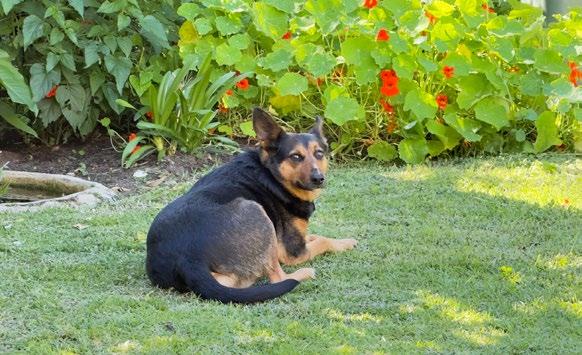
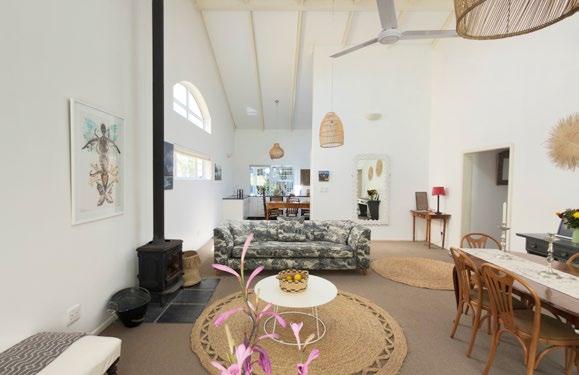
competing with it. Multiple fireplaces (interior and exterior) and braais on both front porch and rooftop deck transform cool into opportunities. The fully equipped kitchen, complete with dishwasher and washing machine, encourages proper settling in rather than mere accommodation. Electric blankets on beds ensure cosy nights after long beach walks.
The cottage facilitates genuine temporary residency. Saturday morning market shopping at Hermanus Market becomes routine, whilst dogs doze on patios between adventures. First Fridays Art Walk transforms Old Town into a convivial gallery crawl, and Dutchies restaurant, also pet-friendly, sits directly off Grotto Beach for post-walk meals. Whale season—June through December, peaking August through October—brings special energy. The official Whale Crier still sounds his kelp horn to alert visitors to sightings, and whales reliably perform. The Hermanus Whale Festival in late September celebrates arts, entertainment, and regional wine culture alongside marine mammal appreciation.
Whilst Bali Cottage justifies never leaving Voelklip, the broader region rewards exploration. Hemel-en-Aarde Valley's cool-climate wine estates lie 15 minutes away, many welcoming well-behaved dogs on their grounds. Hermanus's restaurant scene offers everything from fresh
seafood to farm-to-table establishments, with several accommodating canine companions on outdoor terraces.
The best holiday homes solve an equation between escape and convenience, privacy and access. Bali Cottage manages this through thoughtful design and fortunate location—far enough from busier zones to feel removed, yet close enough for easy access to amenities. Thoughtful touches include beautiful linens and arty rope lights in the main bedroom. Electric blankets throughout too. The true measure of this home is the special things the owner has offered to share with guests: A French-style table and chairs among the clivias in the shaded back garden and a Zen-like teapot. Crockery too is special - some matching the willow pattern of the couch others earthy and artisan.
Something shifts during a stay here. Perhaps it's dawn walks on empty beaches, sundowners watched from mountain paths, or the restorative power of reading whilst dogs doze nearby. As you pack to leave, inevitably later than planned, you'll likely find yourself already planning the return journey. The cottage doesn't just accommodate visitors; it creates the kind of memories that demand repetition—for humans and hounds alike.
www.balicottagehermanus.co.za
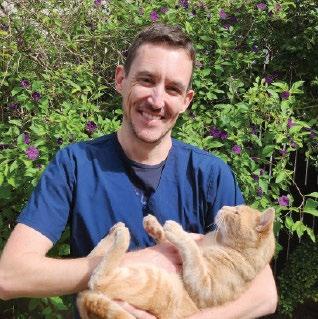
Hi, my name is Travis
and I’m a vet at TAH Rosmead in Cape Town, dealing exclusively with dogs and cats. I’m a cat-lover, and proud cat-dad to two rescues named Natsu and Falcon. In a world filled with conflicting veterinary information, Pet Prints has given me a chance to try and make sense of some of the muddle. So, if you have anything you want to ask, send it through and I’ll do my best to help you out.
Q: Hi Dr Travis, I have two cats who normally get along beautifully, but recently one has started bullying the other, hissing, blocking access to the litter box, and swatting whenever she passes. I’ve tried adding extra litter trays and feeding them separately, but the tension hasn’t eased. Could you please help me understand what might trigger sudden aggression between cats that used to be close, and how I can safely reintroduce harmony at home without causing more stress?
A: This is a tricky question, but when a cat is showing sudden changes in behaviour, the first thing to consider is whether the cat is in pain. Cats don’t tend to obviously show pain, and sometimes the signs can be vague like a slight reduction in appetite or activity, but behavioural changes can be seen as well. For this reason, I would recommend having a health check done at your local vet to make sure that there isn’t a medical reason (such as an overactive thyroid, joint pain, dental disease or bladder infection) for what you’re seeing. A health check is also recommended to determine whether your cat is healthy enough to trial behavioural medication, if that becomes necessary. Before jumping to pharmaceuticals, a consultation with an animal behaviourist is also advised. Cats are famously sensitive creatures, and anything new to the household in the form of pets or people, or even a change in routine might be enough to pull their nose out of joint. This makes it challenging to figure out what the cause of their abnormal behaviour is, if a medical issue is not found. With regards to managing the new household dynamic, it sounds like you have already explored the basics of adding new litter boxes and feeding stations to reduce the competition for resources. Also be mindful of the attention that you are giving each cat if you aren’t doing that already. Calming pheromones can be very effective in promoting a calmer household, without any negative side effects. These come as collars, sprays and diffusers that are easy to order online if you want to try them. There is also a therapeutic diet that is formulated with proteins to help maintain emotional wellbeing, which could also be of benefit to you. Have a chat with your local vet if you want any more specifics about these products. After trying all of the above, you might still need some pharmaceutical help. This isn’t always a permanent solution and is often used as an intermediate term solution while working on behaviour modification with an animal behaviourist. There are several different medications that can be considered, and the choice will depend on the goal of treatment, health status and any other behavioural therapy that’s already being used.
I hope this answer helps. This is a very deep subject that is difficult to discuss in depth in this column. Unfortunately, some trial and error is part of the journey as well, so working alongside a vet and a behaviourist that you can develop a relationship with is important.
Q: Dear Doctor Travis, I recently adopted a young rescue who came from a pretty rough background. She’s doing really well physically, but she’s extremely anxious during thunderstorms and fireworks. I’ve read about calming chews, pressure vests, and even mild sedatives, but I’m not sure which approach is safest or most effective. Could you please share your advice on how to help a dog with severe noise anxiety both in the short term (when a storm hits) and long term through training or desensitisation?
A: Fear and anxiety in response to loud noises is common in dogs. Unfortunately, this isn’t really something that can be trained out of them, but treatment is essential as their fear will continue to increase with repeated stressful events. Dogs in severe distress are also prone to injuring themselves, which is a common consequence of fireworks being set off in residential areas.
Right off the bat, I would recommend visiting your local vet to get short term anxiolytic drugs to use during stressful events. Medications such as Alprazolam, Trazadone or Clomipramine are most commonly prescribed. The effects of Alprazolam can be unpredictable in dogs, with some patients needing higher doses than others. For this reason, I normally start on the lower end of the dose range and advise owners to use the medication for the first time on a quiet night to gauge how sensitive their dog is to the medication effect.Thereafter, the dose can be incrementally increased if needed. Aside from medication, you can also make the home environment feel a little safer during loud noise events. Try to reduce exposure to the noise by putting your dog in the quietest room, and introducing some white noise such as soft music or a fan. You can also try to distract your dog with treats or a fun activity. There are many “natural” products and supplements which claim to help with noise phobia, many of which don’t have much evidence to support their claims. There is a 2023 review in Animals (a journal based in Switzerland) that reports that the effectiveness of these products doesn’t seem to be much better than the placebo effect.
The best performing non-pharmaceutical product in this review was the use of a pressure vest. A pressure vest is a tight fitting garment that reportedly relieves stress by exerting deep pressure on the animal wearing it. The important thing to note about pressure vests, is that we don’t want our dogs associating them with negative events. Be sure to get your dog used to wearing the vest before the stressful event, and use it repeatedly during non-stressful events to prevent this bad association. I suggest that a pressure vest is worth trying, but in combination with a pharmaceutical product and the environmental changes mentioned above. For long term management, desensitization using CDs or phone apps seems to have a good success rate. Counterconditioning during the event, by “rewarding” the loud noise with treats or games seems to work even better. In an online questionnaire about treatments used for dogs during fireworks, an astounding 70% of respondents said that real-time counterconditioning was effective in their dogs. Like with any behavioural intervention, this will take time and patience, but if the studies are to be believed, the effort will be worth it.
Q: Hello Dr Travis, I recently adopted a young cockatiel, and I want to make sure I’m giving him the best possible care from the start. I’ve read so many conflicting things about diet, some say seed mixes are fine, others say pellets and fresh vegetables are essential. Could you please clarify what a truly balanced parrot diet should look like, and whether there are any foods I should absolutely avoid? Also, how do I tell if he’s getting enough variety and nutrients to keep his feathers and beak healthy?
A:Bird nutrition is complicated, and a lot of owners are unknowingly negligent when it comes to the nutrition requirements of their bird companions. In the wild, cockatiels eat a variety of seeds, fruit and vegetation; depending on what is seasonally available. The goal is to try and recreate this in your home environment. It helps to feed the more ‘nutritional’ parts of the diet earlier in the day when your cockatiel is hungry and more likely to eat it. High quality pellets formulated for cockatiels should form the basis of the diet as this is the easiest way to make sure your cockatiel’s requirements are being met. Pellets should make up 70-80% of the entire diet. Fresh water must be available at all times. Seed mixes are fine in limited amounts and cockatiels love to eat them, but they are too high in fat and too nutritionally unbalanced to be fed as the only food source. Another problem with seed mixes is that birds can select out their favourite seeds and leave the rest, further worsening the nutritional imbalance. Fresh fruits and vegetables can be given in smaller amounts, making up about 20% of your cockatiel’s diet. There are many online resources with long lists of fruit and vegetables which are safe to feed, and these can be rotated to match the season for some variety. Ideally, these should be cut into small pieces with pips removed, and should only be left in the cage for a few hours to avoid spoilage. Also remember that fruit is high in sugar and water, so should only be fed in small amounts. Avocado and onions are toxic to birds so don’t feed those! Caring for a bird can be quite specialized, and if this is your first cockatiel, I would recommend that you schedule a health check with a vet with a special interest in exotic animals. They will be able to advise you on preventative health care and husbandry to ensure that your cockatiel lives a long, happy and healthy life.
Q: Dear Dr Travis, my daughter’s pet mouse has developed a small lump on her side, but she’s still eating and playing normally. I’ve read that mice are prone to tumours, but I’m not sure how to tell whether this one is dangerous or just a fatty lump. Could you please explain what signs to look out for that might indicate a tumour that needs removal, and whether surgery is safe for such a tiny animal?
A: It is unfortunately true that mice are prone to developing tumours, but there is no quick and easy way to know if a growing mass is dangerous or not. Some say that if the lump feels fatty, or is easily movable, then it’s probably benign. The problem with this thinking is that nothing in biology is guaranteed, and I've seen many nasty tumours that looked and felt benign until I investigated a bit further. Plus, even a benign growth can grow to a size that can affect the mouse’s movement and quality of life. With any lump (in any animal) it's always best to act quickly and get the lump checked by a vet that is knowledgeable in small mammals. If the lump is big enough, the vet might be able to perform a needle aspirate. This is a quick procedure where we collect a sample of cells from the mass using a needle and examine it under a microscope. It’s not a foolproof test, and sometimes the samples aren’t very good, but it does give the vet an idea of how worried they should be.
If you have a question about your pets

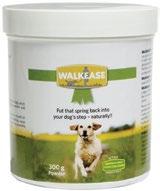

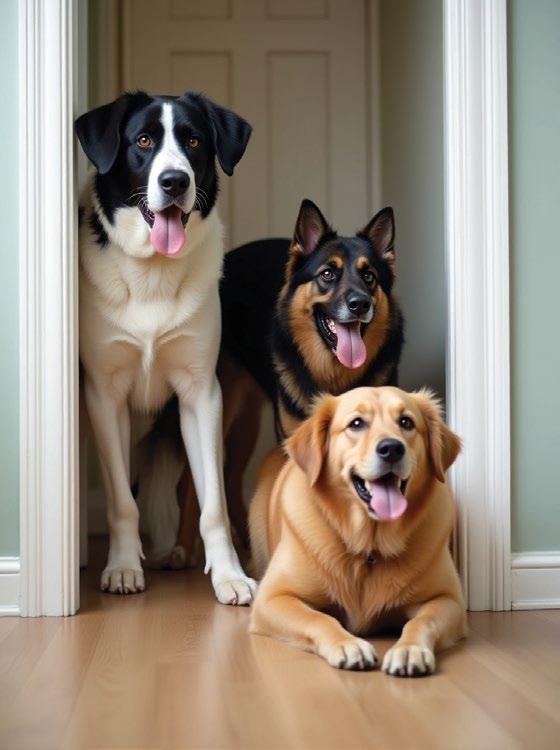

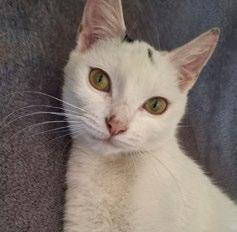
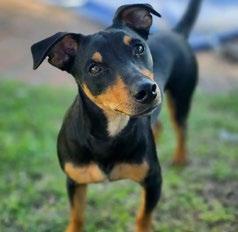
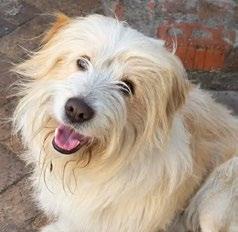
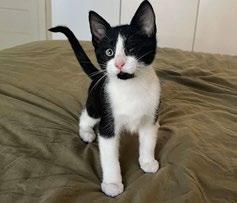
Cassina is a female Domestic Short Hair cat and 11 months old. Cassina is one of the most lovable cats we have met. All she wants is love and attention and purrrs loudly while getting love and attention. She is absolutely amazing and would fit into any home that has tons of lobe to give
Mctapfer is a male, medium sized Daxie cross. He is 1 year old and the coolest dog! He's a real dude and has the personality to match. He loves to play ball, chase and fun runs out at dog parks. He loves other dogs and will definitely benefit having other dogs in his new home.
Snow is a male, medium sized large body short legged boy. He is a mixed breed and 3 years old. Snowy loves play and attention. He knows all his basic commands and he is fully house trained. He’s an active boy who really enjoys playing with kids and other dogs. He has never been with cats.
Jareck is a 3 month old Domestic Short Hair cat. Jareck came in with terrible neglect and an eye infection that caused permanent vision in his one eye but that doesn't stop him from living life to the fullest. He plays and purrs and asks for treats and of course wants love and cuddles as much as any Tuxie.
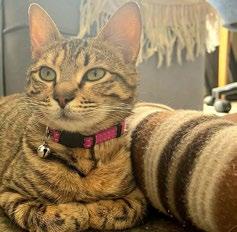
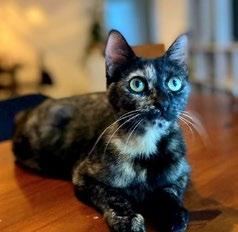
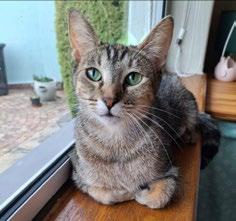
Elinor is a female, 1 year old Domestic Short Hair cat. She is a graceful and sweet natured girl who absolutely loves affection and attention. Elinor is the perfect companion for anyone who enjoys having a friendly meow and leg rubs all day.
Gracie is a female, 1 year old Domestic Short Hair cat. She is a gentle natured girl who is a little shy at first but quickly warms up and becomes the coolest kitty! She still loves to play with toys and really loves being given tickles and love.
Sheeva is a female, 1 month old Domestic Short Hair cat. Sheeva LOVES humans and has a very special spot for children. She follows them everywhere and is always trying to engage with the little ones for attention and play. This lil’ girl is absolutely AMAZING! She would prefer being an only cat apart from humans, the more the merrier.
Adoption: info@rescueislife.co.za www.rescueislife.co.za
Dog adoption fee: R1300.00 includes first vaccine, microchip, dewormer, deflea and sterilisation.
Cat adoption fee: R1250.00 includes first vaccine, microchip, dewormer, deflea, sterilisation and Fiv/FeLv test.
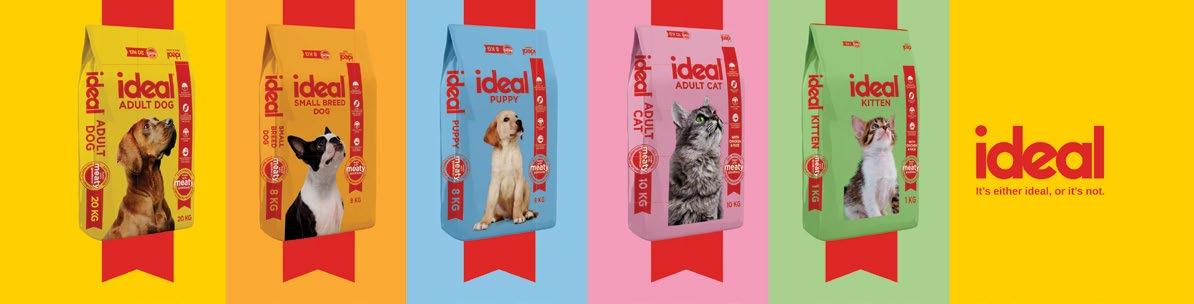
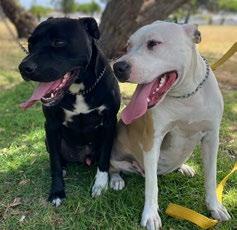
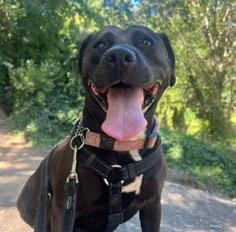
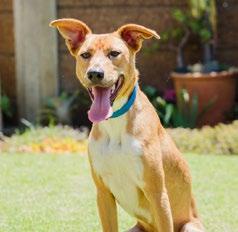
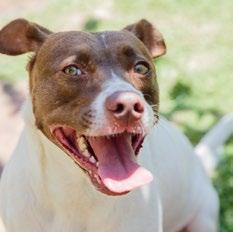

When adopting from one of these rescue facilities each new pet parent will receive a FREE bag of food for themselves as well as for the facility
www.aviproducts.co.za
Astro is a Pitbull Terrier, he is almost 3 years old. Tokai is also a Pitbull Terrier and she is almost 2 years old. Astro and Tokai are a bonded pair who have grown up with each other. They both love exercise and have lots of energy, so they need active owners.
Bella is a female, Staffordshire Cross who is almost 5 years old. Bella loves meeting new people, but needs slow introductions to new dogs. She has spurts of activity, but then enjoys her down time, sitting and chewing her toys and getting lots of belly rubs!
Pepper is medium sized Crossbreed male who is almost 4 years old. Pepper is a real adrenaline junkie who needs an active owner who can handle his activeness.
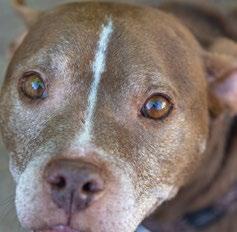
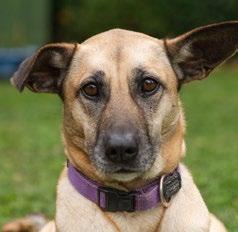
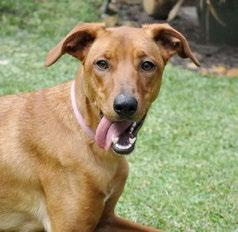
Frankie is a medium sized, male Pitbull Terrier. He is almost 10 years old. Frankie is a senior who enjoys laying in the sun and sleeps a lot, but he is still as strong as a juvenile and will take you for a walk if you let him. He would make a wonderful companion dog for someone who is still able to take him for walks and give him lots of love and attention.
Lara is a female, medium sized, rossbreed. She is almost 5 years old. Lara is a happy dog, full of youthful energy, enthusiasm and curiosity. She loves playing with her toys and playing fetch with a ball. She would love an active owner and possibly a canine companion.
Sugar is a female, medium sized Crossbreed. She is 3 years old and super active and full of beans! She definitely needs an active owner and a canine companion who can match her energy levels.
Pippa is a medium sized Crossbreed. She is 5 years old female who is very confident and picks her friends.
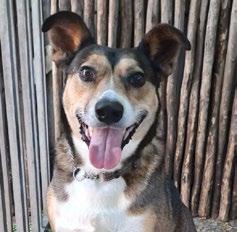
Rusty was born in April 2017 and he is a male, medium sized, Crossbreed. He is 8 years old and very bright. Rusty likes to be in charge, and he is a friendly dog.
Adoption: Adoption Fees are R1383.93 for males and R1686.96 for females. Adoption fee covers the 1st to 3rd standard 5-in-1 vaccination, Parvo Booster vaccination, annual Rabies vaccination, microchipping and registration. Dogs are dewormed, are given tick and flea treatment and sterilised whilst under our care. Contact: Paulette 083 641 3535 www.plumpets.org www.facebook.com/plumpetsanimalshelter plumpetsanimalsheter@gmail.com | Prospur Centre Cnr. Basil & Churchill Rds. Plumstead 7800
Our experiences with the precious Maltese breed is that they are amazing fur babies. They range in size from small to medium balls of adorable mischief who love being loved and return the love and devotion in equal measure. They are generally lap dogs who gaze adoringly at their owners. They are all pretty dogs, some have snow-white coats, while others may have champagne coloured ears with white bodies, yet they all have bright, intelligent expressive eyes, Maltese dogs have long held a special place in the hearts of those who adore small breeds with loving natures. Beneath that soft fur, though, lies a spirit far larger than their teeny body.
Maltese also have a special ability to pick up on human moods, quietly resting beside someone who’s unwell, comforting owners during stressful times, laying a paw
on their hand or gently nudging them as if to say: "please look at me, I love you and need you to notice me". Being such emotionally intelligent creatures enables them to be wonderful companions.
This breeds personality is an adorable combination of confidence, sweetness, mischievousness and charm. Many owners love the fact that their Maltese is a super confident diva. Maltese are also sociable with others dogs and are generally cat friendly too.
Despite their dainty looks, Maltese dogs are surprisingly fearless. Historically, they were bred as companion dogs for noblewomen in ancient Mediterranean societies— famously favoured by the Romans and Greeks. That lineage shows today in their dignified, almost royal air. They are very people-orientated. They love to be near their humans, following
them from room to room, curling up on laps, asking for cuddles, as if claiming their rightful throne.
A Maltese will often choose one favorite person to follow everywhere, from the bathroom to bed, and love barking to express their feelings. Their coats do require constant grooming . Quiet, charming, loyal, clever, and endlessly affectionate—the Maltese is a tiny companion with a beautiful soul. After knowing one and being adored by one you will never imagine life without one.
We at Maltese French Poodle and Yorkie Rescue receive Maltese, as well as other small fluffies regularly. In fact, all little poppets coming to us have strict home checks to ensure they find the most amazing homes, as well as being sterilized, vaccinated, microchipped and dewormed before being homed.
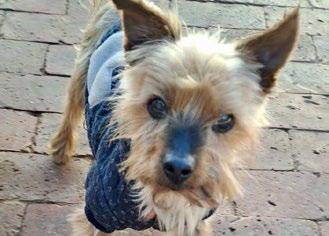
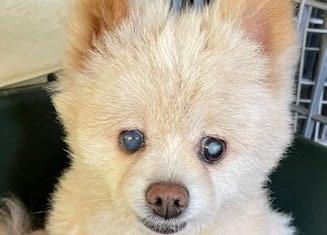
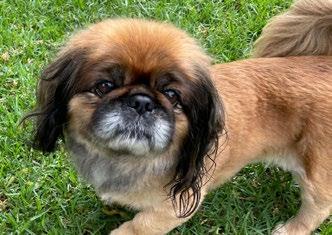
Thomas is about 10 years old. Unfortunately, he has a mild heart issue but he is very well socialized and good with other dogs. Thomas is also a total cuddle bug.
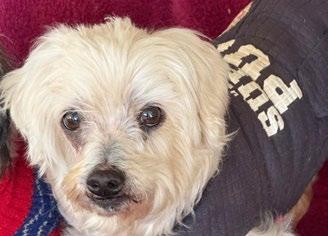
Mandy is a gorgeous 10 year old toy Pomeranian. Even though she is blind she would still make a wonderful addition to her new home. This lovely girl is currently with a foster family.
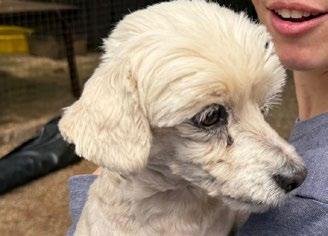
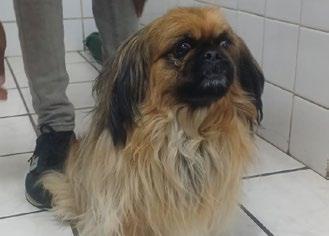
a
Mickey is a female, 10 year old Pekingese girl. She would be best suited as a single dog in her new home as she has food issues. Mickey is just such a lovely dog and would make a wonderful addition to a new family.
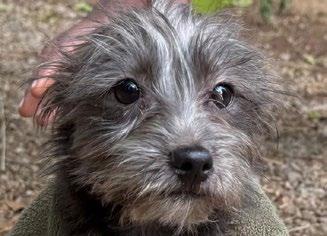
Gemma is a 10 year old Yorkie cross. This poor girl has health issues that results in seizure but would make a wonderful companion to a new owner. She is currently in a foster home.
Adoption: Our puppy adoption fee is R2100-00 per puppy or dog up to 18 months, and includes their first 2 puppy vaccinations, deworming, sterilisation and a microchip. Our adult dog adoption fee is R180000 per dog, and includes only their first vaccination, deworming, sterilisation, if not already done, and microchipped.
Funds play a huge role in keeping our Rescue centre going, so donations are always welcome.
Contact: +27 83 272 1106 or mfpyrsa@gmail.com
African Tails
AACL Durban & Pietermaritzburg
AACL Epping
AACL Johannesburg
Brooklyn CT 021 510 7360 www.africantails.co.za
Durban 031 736 9093 www.aacl.co.za/branches-durban
Cape Town 021 534 6426 www.aacl.co.za
Johannesburg 011 435 0672 www.aacl.co.za
AACL Port Elizabeth Port Elizabeth 041 456 1776 www.aacl.co.za
Animal Rescue Org
AWS (Philippi)
AWS (Stellenbosch)
Cape of Good Hope SPCA
Cart Horse Protection
CHAIN (Boland)
DARG
Fallen Angels
Hermanus Animal Welfare
Ottery CT 021 396 5511 www.animalrescue.org.za
Philippi 021 692 2626 www.awscape.org.za
Stellenbosch CT 021 886 4901 www.aws-stb.co.za
Cape Town 021 700 4140 www.spca-ct.co.za
Cape Town 021 535 3435 www.carthorse.org.za
Tulbagh/Ceres 072 609 1165 www.chainboland.co.za
Houtbay CT 021 790 0383 www.darg.org.za
Cape Town 084 688 7111 www.fallenangels.org.za
Hermanus 028 312 1281 www.hermanusanimalwelfare.webs.com
Knysna Animal Welfare Society Knysna 044 384 1603 www.knysnaaws.com
LEAPS West Coast CT 082 447 8866 www.leaps.co.za
Mdzananda Animal Clinic
Peanut Animal Rescue
People’s Dispensary for Sick Animals
Khayelitsha 021 367 2302 www.mdzananda.co.za
Melkbosstrand CT 076 339 5485 www.peanutanimal.co.za
Cape Town 021 638 5134 www.pdsa.org.za
People’s Dispensary for Sick Animals George 044 875 8300 www.pdsa.org.za
People’s Dispensary for Sick Animals
Soweto, Johannesburg 011 984 4340 www.pdsa.org.za
SPCA Durban Durban 031 579 6500 www.spcadbn.org.za
SPCA East London East London 043 374 1441 www.elspca.co.za
SPCA Garden Route Garden Route/George 044 878 1990 www.grspca.co.za
SPCA Johannesburg Johannesburg 011 681 3600 www.jhbspca.co.za
SPCA Mossel Bay Mossel Bay 044 693 0824 www.grspca.co.za
SPCA Port Elizabeth Uitenhage 041 992 3016 www.uitenhagespca.co.za
SPCA Pretoria Pretoria 012 803 5219 www.spcata.org.za
TEARS Southern Peninsula CT 021 785 4482 www.tears.org.za
Township Animal Rescue
Somerset West CT 021 855 1824 www.townshipanimalrescue.co.za
TUFCAT Cape Town 082 433 0932 www.tufcat.co.za
Wetnose Animal Rescue Centre
Emgwenya Animal Welfare Organisation
Dead Animals Walking
Bronkhorstspruit 013 932 3941 www.wetnose.org.za
Waterval Boven 082 262 3197 www.eawo.co.za
Durbanville CT 072 298 9086 www.deadanimalswalking.co.za